Instant digital products (PDF, ePub, MOBI) ready for you
Download now and discover formats that fit your needs...
Divine Agency and Divine Action, Volume III: Systematic Theology William J. Abraham
https://ebookmass.com/product/divine-agency-and-divine-action-volumeiii-systematic-theology-william-j-abraham/
ebookmass.com
Divine Agency and Divine Action, Volume IV: A Theological and Philosophical Agenda William J. Abraham
https://ebookmass.com/product/divine-agency-and-divine-action-volumeiv-a-theological-and-philosophical-agenda-william-j-abraham/
ebookmass.com
Anselm's Argument: Divine Necessity Brian Leftow
https://ebookmass.com/product/anselms-argument-divine-necessity-brianleftow/
ebookmass.com
Abnormal Psychology and Life: A Dimensional Approach
Christopher A. Kearney
https://ebookmass.com/product/abnormal-psychology-and-life-adimensional-approach-christopher-a-kearney/
ebookmass.com
Girls with Bright Futures. 1st Edition Tracy Dobmeier. https://ebookmass.com/product/girls-with-bright-futures-1st-editiontracy-dobmeier/
ebookmass.com
Cortical Evolution in Primates: What Primates Are, What Primates Were, and Why the Cortex Changed Steven P. Wise
https://ebookmass.com/product/cortical-evolution-in-primates-whatprimates-are-what-primates-were-and-why-the-cortex-changed-steven-pwise/
ebookmass.com
The Rural Voter: The Politics of Place and the Disuniting of America Jacobs
https://ebookmass.com/product/the-rural-voter-the-politics-of-placeand-the-disuniting-of-america-jacobs/
ebookmass.com
Aesthetic Action 1st Edition Klinger
https://ebookmass.com/product/aesthetic-action-1st-edition-klinger/
ebookmass.com
Soulless Saint (Kings of Kilborn University Book 1) Elena Lawson
https://ebookmass.com/product/soulless-saint-kings-of-kilbornuniversity-book-1-elena-lawson/
ebookmass.com
https://ebookmass.com/product/digital-medicine-bringing-digitalsolutions-to-medical-practice-ralf-huss/
ebookmass.com
OXFORDSTUDIESINANALYTICTHEOLOGY SeriesEditors MichaelC.ReaOliverD.Crisp
OXFORDSTUDIESINANALYTICTHEOLOGY AnalyticTheologyutilizesthetoolsandmethodsofcontemporaryanalyticphilosophy forthepurposesofconstructiveChristiantheology,payingattentiontotheChristian traditionanddevelopmentofdoctrine.Thisinnovativeseriesofstudiesshowcases highquality,cutting-edgeresearchinthisarea,inmonographsandsymposia.
: TheEndoftheTimelessGod R.T.Mullins
Atonement EleonoreStump
Humility,Pride,andChristianVirtueTheory KentDunnington
InDefenseofExtendedConciliarChristology APhilosophicalEssay TimothyPawl
LoveDivine JordanWessling
ASystematicAccountofGod’sLoveforHumanity VoicesfromtheEdge
CentringMarginalizedPerspectivesinAnalyticTheology MichellePanchuk,MichaelRea
ThePrinciplesofJudaism SamuelLebens
TheContradictoryChrist JcBeall
AnalyticTheologyandtheAcademicStudyofReligion WilliamWood
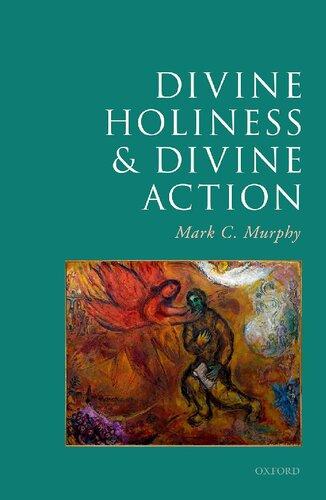
DivineHolinessand DivineAction MARKC.MURPHY GreatClarendonStreet,Oxford,OX26DP, UnitedKingdom
OxfordUniversityPressisadepartmentoftheUniversityofOxford. ItfurtherstheUniversity’sobjectiveofexcellenceinresearch,scholarship, andeducationbypublishingworldwide.Oxfordisaregisteredtrademarkof OxfordUniversityPressintheUKandincertainothercountries
©MarkC.Murphy2021
Themoralrightsoftheauthorhavebeenasserted FirstEditionpublishedin2021
Impression:1
Allrightsreserved.Nopartofthispublicationmaybereproduced,storedin aretrievalsystem,ortransmitted,inanyformorbyanymeans,withoutthe priorpermissioninwritingofOxfordUniversityPress,orasexpresslypermitted bylaw,bylicenceorundertermsagreedwiththeappropriatereprographics rightsorganization.Enquiriesconcerningreproductionoutsidethescopeofthe aboveshouldbesenttotheRightsDepartment,OxfordUniversityPress,atthe addressabove
Youmustnotcirculatethisworkinanyotherform andyoumustimposethissameconditiononanyacquirer
PublishedintheUnitedStatesofAmericabyOxfordUniversityPress 198MadisonAvenue,NewYork,NY10016,UnitedStatesofAmerica
BritishLibraryCataloguinginPublicationData Dataavailable
LibraryofCongressControlNumber:2020943335
ISBN978–0–19–886478–3
DOI:10.1093/oso/9780198864783.001.0001
PrintedandboundintheUKby TJBooksLimited
LinkstothirdpartywebsitesareprovidedbyOxfordingoodfaithand forinformationonly.Oxforddisclaimsanyresponsibilityforthematerials containedinanythirdpartywebsitereferencedinthiswork.
forGuinness,averygooddog Acknowledgments Icontinuetorackupunmeetabledebtstofolkswhoarebothgoodphilosophers andgenerousinterlocutors.IamparticularlygratefultoScottDavison,Dominic LaMantia,andTrentonMerricks,eachofwhomreadandofferedpenetrating commentsontheentiremanuscript.IamgratefulalsotoMikeBergmann,Jeff Brower,AnneJeffrey,PatKain,FaithPawl,TimPawl,AlexPruss,andKevin Vallier,eachofwhomgavemewrittencommentsonlargestretchesofthe argument.IalsoreceivedhelpfulguidanceinonlinediscussionfromRichard Cross,JoeJedwab,ScottWilliams,andSameerYadav.Twoanonymousrefereesat OxfordUniversityPressreadaprospectusandseveralchaptersofthebook-inprogress;theyknewexactlywhatIwasuptoandofferedallsortsofuseful criticismandadviceabouthowbesttomoveforward.
Ipresentedpreliminaryideasonholinessatthe2017TheisticEthicsWorkshop, andgotalotofhelpthere,especiallyfromLauraEkstrom,JoshGert,Christian Miller,MarkSchroeder,RebeccaStangl,andChrisTucker.Ibenefitedfrom talkingthroughsomeideasonGodandmoralperfectionattheUniversityof Delaware,especiallywithKateRogersandSethShabo.TheinauguralHaifa ConferenceonthePhilosophyofReligionresultedinalotofgreatfeedback, especiallyfromSamFleischacker,JeromeGellman,BerelDovLerner,Aaron Segal,DannyStatman,andHowieWettstein;Iamgratefulalsototheorganizer, SamLebens,bothformakingitpossibleformetopresentmyworkthereandfor hisincisivecommentsandhelpfulsuggestions.JeffBrowergenerouslyorganizeda manuscriptworkshopatPurdue,whereIreceivedwisecounselnotonlyfromJeff butalsofromMikeBergmann,JanCover,PaulDraper,DanFrank,PatKain,and JackieMariña.AlanTorrancegraciouslyofferedtohostavisittothebeyondwonderfulLogosInstituteatStAndrews,whereIlearnedalotfromanintimidatingmixofphilosophers,theologians,andbiblicalscholars,especiallyJosh Cockayne,KimberleyKroll,MitchMallary,ChristaMcKirland,FaithPawl,Tim Pawl,JeremyRios,JonathanRutledge,ChristophSchwoebel,AndrewTorrance, andJudithWolfe.IwashonoredtobetheSuárezLectureratSpringHillCollegein 2019.ChrisDodsworthwasaterrifichostandinterlocutor,andIalsobenefited fromdiscussionstherewithMikeFerry,ChelseaHaramia,AnneJeffrey,andTom Metcalf;SpringHill’soutstandingundergraduatephilosophyclubalsohonored mewithathoroughgrillingonChrist’simpeccability.Iwasblessedtovisitthe Baylorphilosophydepartmenttospendadaytalkingthroughsomeofthe manuscriptmaterial;IamparticularlygratefultoCharityAnderson,Mike Beaty,NikBreiner,DanKemp,HarrisonLee,NathanMueller,AlexPruss,
BrandonRickabaugh,ChrisTomaszewski,and,especially,TomWard,who organizedthevisit.Listingthesedebtshereisinadequatetocapturehowmuch lovewasshowntomebythesegoodpeople.Itisajoytobringtheseoccasions backtomind.
Thisbookmakesuseofsomematerialpreviouslypublished.Chapter3incorporates “Holy,Holy,Holy:DivineHolinessandDivinePerfection,” Religious Studies 56(2020),231–55,andChapter8incorporates “DivineHolinessandthe ExplanationofChrist’sImpeccability,” ReligiousStudies (2020,FirstView);Ithank CambridgeUniversityPressforpermissiontousethismaterialhere.Chapter5 makesuseofmaterialfrom “IsanAbsolutelyPerfectBeing Morally Perfect?,” in PaulDraper,ed., CurrentControversiesinPhilosophyofReligion (Routledge, 2019),93–108.IthanktheTaylor&FrancisGroupforpermissiontoreprint.
Since2011IhaveheldtheRobertL.McDevitt,K.S.G.,K.C.H.SandCatherine H.McDevitt,L.C.H.S.ChairinReligiousPhilosophyatGeorgetownUniversity. TheMcDevittslovedGeorgetownandphilosophyandhopedthatbothwould serveandhonorGod.Itisagreatandunmeritedgifttoholdachairnamedfor, andmadepossibleby,thesegoodpeople.
Idedicatethisbook,nonstandardly,tomydog,Guinness.Thiscallsforsome justification.Asidefrombeingaverygooddog,Guinnesslistenedtomeworkout a lot ofthisbook’sargumentwhilewewalkedtogether.Shedidnothavemany criticisms.ButwhenIwasworriedabouthowitwasgoing or,really,anything elsegoingon shewouldsometimesdetectmyconcern,stopthewalk,turntome, andriseuptoputherfrontpawsonmychest,asiftosay:Steady,there.AsIsaid, sheisaverygooddog.
Herndon,Virginia
M.C.M.
Contents Introduction:HolinessamongtheDivineAttributes1
0.1Holinessasadivineattribute1
0.2Holiness:assumptionsandtheoreticaloptions2
0.3Theplanofthisbook6
PARTI:DIVINEHOLINESS 1.SomeInadequateConceptionsofDivineHoliness9
1.1Adequacyconditionsforanaccountofdivineholiness9
1.2Holinessasdivinity10
1.3Holinessassimpleseparateness12
1.4Holinessasmoralgoodness14
1.5Holinessasdivinepersonality15
1.6Holinessasexaltedstatuswithinaprivilegedgenus17
2.PrimaryHoliness22
2.1Startingwithexperience22
2.2Ottoon “numinous” experience25
2.3Relatednesstotheholyone30
2.4Aschemaforanaccountofprimaryholiness33
2.5Thedesirabilityoftheholyone36
2.6Unfitnessforunitywiththeholyone38
2.7Forwhomisintimaterelationshipwiththeholyonedesirable?39
2.8Whoisunfitforintimaterelationshipwiththeholyone?40
2.9Whatprimaryholinessis43
3.DivineHolinessandDivinePerfection45
3.1Whatmustaholybeingbelike?45
3.2Absoluteholiness46
3.3Fromabsoluteholinesstoabsoluteperfection47
3.4IsGodabsolutelyholy?54
3.5Holiness,worship-worthiness,andperfection56
3.6AroutefromScripturetoAnselmianperfectbeingtheology57
4.SecondaryHoliness:TheHolinessofNondivineBeings60
4.1Primaryandsecondaryholiness60
4.2Secondaryholiness:aproposal60
4.3Twowaysofaffectingthescopeofnormativeforce64
4.4Secondaryholiness:bycircumstanceandbydetermination66
4.5Othersortsofsecondaryholiness71
4.6Theprofaneandtheunholy72
PARTII:DIVINEHOLINESSANDDIVINEACTION 5.TwoFlawedFrameworksforDivineAction:MoralityandLove79
5.1Whatdifferencedoesdivineholinessmake?79
5.2Themoralityandloveframeworksforunderstanding divineaction80
5.3Againstthemoralityframework84
5.4Againsttheloveframework98
6.TheHolinessFramework109
6.1Morality,love,holiness109
6.2Theholinessframework109
6.3Whydoestheholinessframeworkhold?120
6.4Theinterpretationofdivineactionasanargumentforthe holinessframework125
6.5Contingentdivinemotivation:moralityandlove132
7.AHolyBeing,Creating136
7.1Creation,evil,andhiddenness136
7.2Themoralityframework,theloveframework,and necessitarianismaboutcreation137
7.3Theholinessframeworkandcreation145
7.4Spuriousandgenuineproblemsofevil148
7.5Hiddennessandholiness153
7.6Howiscreationevenpossible?156
8.AHolyBeing,Incarnate162
8.1HolinessandtheIncarnation162
8.2TwothesesregardingtheIncarnation163
8.3ThefundamentalnormativeproblemofChristology164
8.4SolvingthefundamentalnormativeproblemofChristology167
8.5Sinlessnessandimpeccability171
8.6Themechanicsofimpeccability176
8.7Strategicaccountsofimpeccability181
8.8DivineholinessandChrist’simpeccability184
9.DivineLove,DivineHoliness,andtheAtonement188
9.1ProblemsoftheAtonement188
9.2AloveframeworkaccountoftheAtonement191
9.3PsychologicalandnormativeobstaclestounitywithGod198
9.4Thecontinuingpromiseof “Anselmian” theoriesofthe Atonement205
10.AbsoluteHolinessandLifeEverlasting212 10.1HeavenandHell212
10.2HowisapopulatedHeavenpossible?214
10.3Thebasicuniversalistargument218
10.4Retributivistanti-universalism220
10.5Autonomy-basedanti-universalism224
10.6Anti-universalismandtheholinessframework228
10.7Annihilationism230
10.8Divineholinessanddivinelove234
11.DivineHumility236
11.1Divinehumilityanddivineholiness236
11.2Whatdivinehumilitycannotbe238
11.3Divinehumility:statusandreasonsforaction240
11.4Thepositivevalenceofdivinehumility248
WorksCited 257 Index 267
Introduction HolinessamongtheDivineAttributes 0.1Holinessasadivineattribute ThegoodangelsdeclareofGodthatGodisnotjustholy;Godis holy,holy,holy Onemighthaveexpected,then,thatphilosophersofreligionandphilosophical theologians,whoconsistprimarilyinbelieversinold-timeAbrahamicreligion, wouldhavehadagooddealtosayaboutholiness,givenitsimpeccablecredentials. Thediscussionofholinessincontemporaryphilosophyofreligionandphilosophicaltheologyhasbeen,however,verythin.Althoughcurrentpractitionersin these fieldstypicallyprofesstodeveloptheirviewsfromwithinlivingreligious traditions,thedivineattributesuponwhichthevastmajorityofworkhasbeen doneareomnipotence,omniscience,andomnibenevolence justthoseattributes thatappearinstandard-issueformulationsoftheargumentfromevilagainstthe existenceofaverystandard-issueGod.(SeealsoWebster2003,34.)Butthisfocus onthegenericGodoftheproblemofevilhashadadistortingeffect.Such philosophersofreligionandphilosophicaltheologiansarecommittedtothe viewthatScripturebearssomesortofauthorityaboutthefeaturesexhibitedby God.ButwhileitistruethatonecanmakeadecentcasefromScriptureforGod’ s exhibitingtheseomni-features,especiallyomnipotence,suchacaseisnowhere nearasstrongasthescripturalcasethatGodisasupremelyholybeing.¹Thus Berkhof:
ItdoesnotseempropertospeakofoneattributeofGodasbeingmorecentral andfundamentalthananother;butifthiswerepermissible,theScriptural emphasisontheholinessofGodwouldseemtojustifyitsselection.
(2017[1932],50)
ThereisnodoubtthatabsoluteholinessisascribedtoGodinScriptureandthat Scripturepresentssuchholinessascentraltoknowingandproperlyresponding toGod.
¹Forfurtheronthispoint,seeChapter3.
TheaimsofthisbookaretogetcleareronwhatGod’sholinessisandtoputthat understandingtoworkindrawinginferencesfromtruthsaboutGod’sholinessto truthsaboutwhatsortofbeingGodmustbeandtowhatsortofactionsGod would(orwouldnot)orcould(orcouldnot)perform.Inpursuingtheseaims, Iambeginningfromastartingpoint thatGodissupremelyholy thetruthof whichallstandard-issueAbrahamictheistsshouldacknowledgebothasbeing beyondcavilandashavingagooddealofpromiseforfruitfulnessinmaking intelligiblefeaturesofthedivinenatureandnormsofdivineaction.
0.2Holiness:assumptionsandtheoreticaloptions Iassumerealismaboutholiness:thatjudgmentsofholinessdescribethepurportedlyholybeing,whetherGodorcreature,ashavingsomefeature,andthatsome judgmentsaboutGodthatGodisholyandsomejudgmentsaboutcreaturesthat theyareholyandsomeexperiencesofGodasholyandsomeexperiencesof createdthingsasholyareveridical.Itakeforgrantedthattherearepositive, objectivetruthsaboutholinessbeingrealizedandthatsomesuchstandardlyaffirmedjudgmentsregardingthesepositive,objectivetruthsaboutholiness’ s beingrealizedaretrueandwarranted.Inparticular,thebackgroundviewabout therealizationofholinesswithrespecttowhichImakerealistassumptionsisthat ofAbrahamic,andinparticularChristian,theism.
BymakingtheserealistassumptionsIrejecterrortheoryaboutholiness.Tobe anerrortheoristaboutholinessistoaffirmthatwhilewemightbeabletogivean accountofwhatitwouldbeforabeingtobeholy,holinessisnotandperhaps cannotbeexempli fied,andsotheprimarypositivetaskisthatofexplaininghow folkscouldhavefallenintoerrorinholdingthatitisexempli fied.Bymakingthe realistassumptionsthatsomepositiveholinessjudgmentsaretrueandknown, Isetasideerrortheory.
Ialsointendtheminimalrealistassumptionstoprecludeexpressivistviews aboutholinessoranyotherdivineattribute.Toholdanexpressivistviewabouta divineattributeistoholdthatjudgmentsascribingthatattributetoGodare expressionsofsomeattitudetowardGod,ortowardGodinsomerespect.Ona wide-rangingversionofsuchaview,alljudgmentsascribingdivineattributes aretobeunderstoodinexpressivistterms.ToascribeomnipotencetoGod mightbe,say,toexpressthehighestpossible,entirelyunqualifiedendorsement ofGod’sabilitytoexecuteGod’sintentions;toascribeomnisciencetoGod mightbe,say,toexpressthehighestpossible,entirelyunqualifiedendorsement ofGod’sbelief-likestates;toascribeomnibenevolencetoGodmightbe,say,to expressthehighestpossible,entirelyunqualifi edendorsementofGod’sdesirelikestates.Oronecouldacceptamorelimitedexpressivistview,onwhich somejudgmentsascribingsuchattributestoGod saytheones,suchasthose
ascribingomnipotenceandomnipresencetoGod,thatdonotseemobviously normative aretobeunderstoodinordinarydescriptivistterms,whileother judgments saythenormative-seemingjudgments,suchasthoseregarding God’sbeingomnibenevolent aretobeunderstoodinexpressivistterms.As IproceedIwilltakeforgrantedthefalsityofboththestrongerandweaker versionsofexpressivismregardingthedivineattributes.
WhileIdonotpretendtoofferanythinglikedecisivegroundsforthiswayof proceeding,Irecordmyreasonsbrieflyhere.First,anygenericobjectionto expressivismisgoingtoapplywithequalforcetoexpressivismasanaccountof thejudgmentsascribingthedivineattributestoGod.Manyphilosophersdo continueto findpromisingtheprospectsfortheexpressivistprogramevenin lightofthesegenericcriticisms.ButIampersuadedthatexpressivistmovement forwardinthefaceofperennialdifficultiesliketheFrege-Geachproblemismore hopedforthanreal,andthattheobstaclesfortheexpressivisttoprovidea satisfactorysolutiondonotmakeitrationaltohavehighhopes(Schroeder2008).
Second,somesuchobjectionsareevenmorepressingagainstexpressivist accountsofthedivineattributesthantheyareagainstexpressivistaccountsof moralnorms.Oneimportantconcernaboutexpressivismisthatitseemsto requireasortofdouble-mindedness.Considerexpressivismaboutthemoral. Ontheexpressivistpictureofthemoral,whenoneistakingthestanceofa dispassionateobserverofthehumanscene,onedoesnotencountermoralfeatures oftheworldmakinganycausaldifferencetothings,andsosuchmoralfeaturesdo notmakeanappearanceinone’scatalogoftheworld.When,bycontrast,oneis takingthestanceofanagent,whois for somethingsand against others,onesees theworldasmorallyladen.Thisseemstobeasortofdouble-mindednessabout theplaceofthemoralintheworld,anditisunclearwhetheronecansustainsuch double-mindedness:whydoesn’tthedispassionateobserverstanceintrudeupon one ’smoralthinking,sothatone’smoralthoughttendstowardanihilismabout value?Or,viewedasamoralproblem,whydoesn’ttakingthestanceofa dispassionateobserversaponeofmotivation,makingithardertosustaina commitmenttoactingincertainwayswithrespecttowhatonetakestobemorally important?
Blackburnrecognizessuchachallengetohisownprojectivistformof expressivism:
Thethoughtissomethinglikethis:itisimportantthatthereshouldbesomekind ofaccordinourthinkingaboutethicalstancesfromtheperspectiveofthe theoristandthatoftheparticipant.Ourstoryaboutethicalcommitmentisto explainit,nottoexplainitaway....
Fromtheinside,theobjectsofourpassionsaretheirimmediateobjects:itisthe death,thelovedone,thesunset,thatmatterstous....Isitthatweprojectivists,at
thecrucialmomentwhenweareabouttosavethechild,throwourselvesonthe grenade,walkoutintothesnow,willthink, ‘Oh,it’sonlymeandmydesiresor otherconativepressures forgetit?’ (Blackburn1993b,176)
ButBlackburnthinksthatthisreallyisanon-issue:
Itoughttobesufficientrefutationofthisthoughttomentionothercases.Does theloverescapehispassionbythinking, ‘Oh,it’sonlymypassion,forgetit?’ Whentheworldaffordsoccasionforgrief,doesitbrightenwhenwerealizeitis wewhogrieve?(Blackburn1993b,176)
Blackburn’sthesisisthis:evenifthereisapointofviewfromwhichitistruethat moralorothernormativefeaturesoftheworldareabsent,fromtheinside,from theengagedperspective,thesethings do matter,andone’stheoreticalreflectionis notgoingtoalterone’sengagement,anymorethantheloverisgoingtogiveup infatuationwiththebelovedbecausethereissomepointofviewfromwhich thebelovedisindistinguishablefrommanyothers.Puttothesidewhether Blackburn’sresponseanswerstheobjectioninthecaseofexpressivismregarding moraljudgment.²Itseemstomethatnotheistshouldendorsetheviewthatthere is any appropriatepointofviewfromwhichanyofthedivineattributesareabsent fromthescene.Blackburn’sresponsetotheobjectioninthecaseofexpressivism aboutthemoralistoacceptthatthereisapointofviewontheworldwhichisboth anappropriatepointofviewtotakeandonwhichitiscorrecttodenythepresence ofmoralfeaturesthatmakeadifferencetotheworld;hisresponseistoinsiston thefor-all-practical-purposesinescapabilityofoccupyinga further pointofview fromwhichtheworldtakesonamoralappearance.Buttheistsshouldnotallow thatthereis any appropriatepointofviewtotakeontheworldinwhichthereis nobeingthatexhibitsallofthedivineattributes.
AnotherwaytopressthepointisthatBlackburnintroduceshisquasi-realism byclaimingthatfromascientificpointofviewontheworld,thereisnoplacefor moralfeaturesoftheworldtomakeadifference.Weneednotappealtosuch featurestoexplainthewaythattheworldgoes,andwedonothavesensibilitiesthe teleologyofwhichinvolvesthedetectionandresponsetosuchfeatures(Blackburn 1993b,170–1).Butthisisnotastanceavailabletotheists.Fromtheirpointofview Godistheultimatecauseofthings,andhowGodchoosestoactisexplainablein normativeand,many³wouldsay,specificallymoralterms.Oursensibilitiesare indeedmadeforthedetectionofsuchfeatures,onaccountofourbeingmadein
²ThoughIdothinkitinadequateevenonitsownground.TheanswertoBlackburn’ sconfident rhetoricalquestionis “itdepends.” Sometimeswedorealizedistancefromwhatmatterstousby thoughtssuchasthese,especiallyincasesinwhichwhatmatterstousissomethingdifficultthatruns contrarytosomeofourotherpassions.
³ThoughIwoulddenythatdivineactionistoappropriatelyevaluatedin moral terms;see5.3.
theimageandlikenessofGod.SothepresuppositionsthatBlackburnbringstothe defenseofexpressivismarenotpresuppositionssharedbytheists,andthustheists havefurtherreasontodoubtthattheyshouldwanttoacceptanexpressivist accountofthedivineattributesthemselves.
Third,andrelatedly,itseemstomethatinsofarasthehopeforasuccessful workingoutoftheexpressivistprograminethicsisbasedonmetaphysical suspicionsaboutwhatadescriptivistmetaethicswouldbecommittedto,thenit wouldbefoolishtobemovedbysuchsuspicionswhilesimultaneouslyaffirming theism.Theismisitselfamassivelycommittingmetaphysicalview,anditishardto seewhyonewouldgoexpressivisttostrainouttherelativelygnat-likemetaphysical commitmentsofnormativerealismwhileswallowingthecameloftheism.
Suppose,though,thatmyreasonsforconcernaremisplaced,andthereare goodprospectsforanexpressivistaccountofthedivineattributes.Itstillseemsto methatthiswouldnotbelikelytomakemuchtroubleforthelinesofargument thatIpursueinthisbook.Theexpressivistprogramhasaimedeithertoshowthat expressivistrenderingsofcertainkindsofjudgmentscanmimicdescriptivist renderingsofalloftherelevantfeaturesofthediscourseortocollapsethe differencebetweentheexpressivistanddescriptivistbydenyingthepossibilityof statingmeaningfuldivergencesbetweenthetwoviews.Ifthisdisjunctiveaimof theexpressivistprogramweretobeachieved,thenitseemstomethateitherthe argumentsofthisbookcouldbestatedineitherdescriptivistorexpressivistterms orthatitwouldbeimpossibletodistinguishbetweendescriptivistandexpressivist readingsofthem.Thisgivesmefurtherjustificationtosimplyassumethedescriptivistunderstandinghere,takingitthatthesuccessofanexpressivistattackonthis understandingwouldbelikelytoleaveinplaceanisomorphicexpressivistversion oftheviewsIdefend.
Myrealistassumptions thatjudgmentsaboutGod’sholinessdescribeGodas beingacertainway,andthatsomesuchstandarddescriptionsofGodasholyare true obviouslyleaveopenvarioustheoreticaloptionsforwhatsortoffeatureof Godholinessis.Asfarastheseverythinrealistassumptionsgo,holinesscouldbe eitheranormativeoranon-normativefeatureofGod.Itisalsoopen,asfarasthis assumptiongoes,forholinesstobeeithera first-orahigher-orderfeatureofGod. Ahigher-orderfeatureisafeatureabeingexhibitsinvirtueofexhibitingsome othersetoffeatures.Allnormativefeaturesarehigher-order,invirtueofthe supervenienceofthenormativeonthenon-normative;foranynormativefeature thatabeingexhibits,thereissomesetofnon-normativefeaturesinvirtueof whichthebeinghastherelevantnormativefeature.Buttherearehigher-order featuresthatarenon-normative;whenXisafunctionalkind, beinganX isa higher-orderfeature,exhibited(inpart)invirtueofexhibitingfeaturesthatmake itthesortofthingthatcancarryoutthatfunction.Atanyrate,thepointisthatwe areprejudgingverylittleaboutthenatureofholinessbybeginningwiththese realistassumptions.
ThereisonesubstantiveassumptionthatIwillmakeabouttheholinessthat Godexhibits.Wecandistinguishbetween “primary ” and “secondary” holiness, whereabeingexhibitssecondaryholinessifitsholinessisinsomewayderivative, explanatorilyposteriortotheholinessofsomeotherbeing,andabeingexhibits primaryholinessifitisholybutnotsecondarilyholy.Iassume thisseems overwhelminglyobvious thatGodexhibitsprimaryholiness.AndIassume thatwhilenondivinebeings creaturelysubstances,places,waysofbehaving, etc. canalsobeholy,theseentitieshavetheirholinessinawaythatisderivative fromthisprimaryholinessofGod.Whilethissecondassumptionmaynotbe overwhelminglyobvious,itisamatteronwhichscholarsseemtobeinconsensus aboutthescripturalcharacterizationofholiness.Ringgrenremarksthatonthe scripturalconception “Nothing,orperson,isholyinitself,butbecomesholy whenplacedinrelationtoGod” (1948,9),andHarringtonagreesthatintheworld ofScriptureitisonly “BecauseoftheirassociationwithordesignationbytheHoly One,otherpersons,animals,places,objects,andtimescanbecalledholy” (2001, 12).Milgrom,similarly,notesthatwithrespecttoallnondivinebeings, “Holiness isnotinnate.ThesourceofholinessisassignedtoGodalone” (2004,107).
0.3Theplanofthisbook ThisbookisdividedintotwoParts.EachofthesePartsisprecededbyaprécisof theargumentofthatPart,anditwouldbepointlesstorepeatthesesummaries here.Buttheplanofthebook,inbrief,isthis.The firstPartofthebookis concernedtogiveanadequateaccountofGod’sholinessandwhatwecanknow aboutthenatureofGodfromGod’sbeingholy.ThesecondPartisconcernedwith thewaysthatdivineholinessexplainsandpredictsdivineaction.Afterprovidinga frameworkforthinkingthroughdivineactionthattakesdivineholinessasits centralnotion,Iturntoavarietyofparticularissuesregardingdivineaction:about howitisevenpossibleforGodtocreate,aboutwhatconstraintsGodisunderin creating,aboutwhyandhowGodbecameincarnate,aboutwhytheAtonement isneededandhowitcanberealized,andwhyapopulatedHellisarealistic possibility.Thisseeminggrab-bagofissuesaboutdivineactionisunifiedbythe hypothesisthatcontemporarydiscussionoftheseissueshasproceededwith inadequateattentiontothedifferencethatGod’sholinessmakes,andthatsome positionsontheseissuesthatseemcounterintuitiveorunattractiveat firstglance seemfarmoreplausiblewhenconsideredinlightofGod’sholiness.Whatemerges fromthediscussionisthatthroughabetterunderstandingofdivineholinessand itsnormativedemands,wecanmoreproperlyappreciatethewaysinwhichGod’ s dealingswithcreatures creatingthem,becomingknowntothem,enteringinto theirconditionviaincarnation exhibitaprofoundandunsettlinghumility.
PARTI DIVINEHOLINESS NoonewhoseunderstandingofGodisformedinlightofthescripturalcharacterizationofGoddeniesthatGodissupposedtobeholy,andthatGod’sholiness isfundamental whatwemaycall ‘primary’ holiness(0.2).Therearemultiple extantattemptstocharacterizeprimaryholiness:thattobeholyissimplytobe God,ortobedivine(1.2);thattobeholyistobesetapartfromcreatures(1.3);and thattobeholyistobeperfectlymorallygood(1.4).Philosophersofreligionhave formulatedfurtherconceptions(1.5–1.6).Butnoneoftheseaccountsaresatisfactory.Crucially,theyfailtoaccommodatethesortofattitudinalresponsethatis characteristicoftheencounterwiththeholy.
CharacterizingthisattitudinalresponseisthecentraltaskofRudolfOtto’ s groundbreakingwork TheIdeaoftheHoly (2.1).ForOtto,theexperienceofthe holyisthatofa mysteriumtremendumetfascinans.Suchexperiencehas,thatis,a dualcharacter:itisbothanextremeattractiontoandarepulsionfromthebeing encounteredasholy(2.2).Thisresponseisnormativethrough-and-through:to experienceabeingasholyistoexperienceitasbeingextremely worthy ofbeing unitedto,yetasbeingsuchthatoneisdeeply unfit tobeunitedwithit(2.3).This yieldsabasicaccountofthenatureofprimaryholiness:aholybeingisabeingto whichthisdualresponseisfullyappropriate(2.4–2.8).
Thenatureofprimaryholinessconstrainswhatsortsofbeingscanbeholy,for tobeholyonemustexhibitsomesetoffeaturesthatmakethatdualresponse appropriate(3.1).TheGodofScripturemustbeconceivedas absolutely holy itis notsomuchaspossiblethattherebeacreaturelysubjectcapableofthisdual responseforwhomthatdualresponsetoGodisnotappropriate(3.2,3.4).But thereisnoplausiblewayforabeingtoexhibitabsoluteholinessotherthanbybeing absolutelyperfect,forthereisnootherwayofbeingthatcanpreservetherelevant valuegapbetweenGodandnondivinebeingsthatensurestheappropriateness ofthe tremendum and fascinans responses(3.3).Thusaproperunderstandingof primaryholinessyieldsanargumentinfavorofconceivingtheGodofScriptureas anAnselmianabsolutelyperfectbeing(3.6).
WhilethemainlineofargumentofthisbookconcernshowweshouldunderstanddivineactioninlightofGod’sprimaryholiness,anadequacyconditionona
theoryofprimaryholinessisthatitcanserveasthebasisforplausibletheoryof secondaryholiness theholinessofnondivinebeings(4.1). ‘Holiness ’ exhibits proshen homonymy,whereonesortofholiness(primary)isexplanatorilyprior totheothersorts(secondary),whicharedefinedintermsofit.Whilethereis notasinglewaybywhichallsecondarilyholybeingsarerelatedtoprimary holiness(4.5),forthemostpartwhatissecondarilyholyhasitsstatusinvirtue ofbeingsuchthatstandinginaunifyingrelationshiptoitisadistinctiveway foronetostandinaunifyingrelationshipwiththebeingthatexhibitsprimary holiness(4.2–4.4).
SomeInadequateConceptions ofDivineHoliness 1.1Adequacyconditionsforanaccountofdivineholiness Thisbookconstructsanddefendsanaccountofdivineholinessandputsitto worktoimproveourunderstandingofdivineaction.Astherearevariousconceptionsofprimaryholiness(0.2)thatareready-madeandavailableforthe taking,IshouldexplainwhyIdonotsimplymakeuseofoneofthosealready onoffer.
BeforeIturntotheseextantviews,letmemakesomewhatmoreexplicitsome adequacycriteriaforatheoryofdivineholiness.¹Atheoryofdivineholiness shouldofferbothanaccountofthe concept ofholinessandofthe nature of holiness.Iacceptatleastaroughandreadydistinctionbetweenthecontentofthe conceptofX-nessandthecontentofthenatureofX-ness.Thecontentofthe conceptX-nessis fixedbytheinferencesthatthemasterfulusersoftheconcept <X>wouldmakeregardingthosethingsthataretakentobeX;thesecanbe articulatedasthe “platitudes” regardingX-ness,whichmakeexplicitwhatoneis affirmingordenyingwhenoneaffirmsordeniesthatsomethingisX.Ifweare askingwhattheconcept<water>amountsto,whatweareaskingiswhatarethose inferencesthatmasterfulusersoftheconcept<water>make,suchthattheycount asmasterfulusersofthatconcept.Theseplatitudesincludepropositionssuchas if xiswater,thenxisatroomtemperatureliquid and ifxiswater,thenxis,ifliquid andunadulterated,clear .ThecontentofthenatureofX-nessis fixedbyfacts aboutthosethingsthatfallundertheconcept<X>:thenatureofX-nessisgivenby themostfundamentalfactsaboutthingsfallingunder<X>thatexplainwhythose thingsexhibitthefeaturesthatsuchthingsplatitudinouslyexhibit.Ifweareasking whatthenatureofwateris,itisthattobewateristobeH₂O;andtheevidencefor thisisthatthefeaturesthatinstancesof<water>platitudinouslyexhibitare explainedbywater’shavingthatchemicalcomposition.
Thisisnodoubtaveryroughcharacterizationofthenotionsofconceptand natureandontherelationshipbetweenthem.ThemainpointsarethatIam
¹Methodologically exceptasregardsnaturalism! whatisdescribedhereisjust “Canberra planning ”:seeO ’Leary-HawthorneandPrice1996,Braddon-MitchellandNola2009b,and Nolan2009.
lookingforinsightintoboththeconceptofholinessanditsnatureandthatthere isacertainmethodologicalpriorityofconceptovernature.InmakinganargumentthatthenatureofwateristobeH₂O,orthatthenatureofdivinityistobe absolutelyperfect,etc.,onebeginswiththeconceptofthatsortofthingandthen askswhatarethepropertiesexhibitedbythatwhichfallsundertheconceptthat unifyandexplainwhat,conceptually,belongstoinstancesofthatkind.Thiswill betrueofholinessaswell.Weareguidedingettingtothenaturebybeingclearer ontheconcept,andwearegivenassurancethattheconceptisnotgerrymandered bybringingtolightanaturethatunifiesandexplainsthecommonpresenceofthe features fixedbytheconcept.
Iwillbelookingforanaccountofthenatureofholiness,butweshouldbe guidedbytheconceptoftheholy.Ithuswouldtakeanyaccountoftheconceptof holinesstobeinadequateifitdidnotenableustoidentifytheplatitudesthatareat leastimplicitlygraspedbyonewhohasmasteryofthatconcept.Whiletheremay besomedoubtaboutwhohasmasteryofsomeconceptorother,Iassumethat whenGoddeclaresGodselfholyortheangelsdeclarethatGodisholy,holy,holy, thesearedeclarationsmadebybeingswhohavemastery(!)oftheconceptof holiness.Iassumealsothattheconceptofholiness,properlyelaborated,should helptomakesenseoftheactivitiesofGod,andtherequiredresponsestoGod,that God’sholinessisinvokedtoaccountfor.Iwouldalsoinsistthatanadequate accountofholinessaccommodatenotonlythethinrealistassumptionsdescribed in0.2;itwouldalsohavetosatisfytheconstraintthatonlyGodexhibitsprimary holinesswhileotherbeingscouldexhibitholiness,ifatall,onlysecondarily.
1.2Holinessasdivinity Theconnectionbetween beingGod and beingholy is,forthosewhoacceptthe authorityofScripture,obviouslyaverystrongone.Itisplausibleenoughthat thereisnobeingthatcountsasexhibitingprimaryholinessotherthanGod(0.1) andthatGodexhibitsprimaryholinessinthefullest,mostcompletewaypossible (see3.4forelaboration).Supposethatwegrantthisconnection thatGodisthe oneandonlybeingwhoexhibits,orevencouldexhibit,completeprimary holiness.Onecanseewhyonewouldbetemptedtosaythat beingholy justis beingGod,andthuswecananalyzetheconcept<beingholy>as<beingidentical withGod>.
Considerationofastructurallyidenticalargumentcanhelpusseequicklywhy wemightbeattractedto,butshouldultimatelyreject,thisargument.Nothing countsasbeingwaterotherthanH₂O,andwhatisH₂Oismaximallywatery.So perhapsweshouldjustsaythat beingwater justis beingH₂O.Theargumentis veryplausiblefortheidentityoftheproperties beingwater and beingH₂O;this giveusthenatureofwater.Butitwouldnotbeaverygoodargumentforthe
identityofthe concept <beingwater>withthe concept <beingH₂O>.Onecanhave masteryoftheconcept<beingwater>withouthavinganymasteryoftheconcept <beingH₂O>;indeed,itisbecausethesearedistinctconceptsthatitisadiscovery thatthesedistinctconceptspickoutoneandthesameproperty,anditisthe featuresgivenbytheconcept<water>beingexhibitedandunifiedbywhateveris H₂Othatisthewarrantforthatidentification.
IfthatistherightreadingofthesituationwithwaterandH₂O,thenweshould acknowledgethatitisatleastinitiallyplausiblethatitwillturnoutthatthe property beingholy shouldbeidentifiedwiththeproperty beingGod.²Butitwould notjustifytheclaimthatweshouldtake<beingholy>tobeproperlyanalyzedby <beingGod>.
ThatthisissoisclearwhenwefocusonthewaythattermsofpraiseforGod functioninourdiscourse.EvenifitwereaconceptualtruththatGodisholy,we donotwanttosaythattheconcept<beingholy>justistheconcept<beingGod>, becausewewouldloseourabilitytoaccountforthewaythattheconceptof holinessis,attheveryleast,availabletoamplify,tomakemoreexplicitandthusto calloutforfurtherattention,whatispraiseworthyaboutGod.Butitcouldnot servethisfunctioniftocallGodholyisjusttocallGodGod.
Onemightperhapsofferasimilarbutmoredefensibleviewalongthefollowing lines.Sproulremarksthat “Theword[‘holy’]isusedasasynonymforhisdeity” (Sproul1985,38).(Cf.alsoTillich’ s “Thedivineistheholy” (1978,215).)This seemsadifferentviewthantheviewthattheconceptofholinessisthatof<being identicalwithGod>;rather,thatconceptistobeidentifiedwiththeconceptof thatwhichmakesGodthesortofbeingGodis.Insteadofsaying,then,thatthe conceptoftheholyistobeidentifiedwith<beingGod>,perhapsweshouldsay thattheconceptoftheholyistobeidentifiedwith<beingdivine>.Onemight claim Iamnotaffirmingthisview that “God” issimplythepropernameof thatbeingwhoistheprotagonistinScripture:theonewhocreatestheworld,rules theIsraelites,becomesincarnateinJesus,andsoforth.Onemightallowthatwe shouldnottrytocharacterizetheconceptoftheholyintermsofbeingidentical withthatperson,forwenotonlylackagoodargumentforit,itwouldmake puzzlinghowcallingthatpersonholyisinanywayfurtherrevealingoremphasizingsomethingaboutwhatsortofbeingGodis.Butonemightsay:ourview shouldnotbethattobeholyistobeGod,butratherthattobeholyistobedivine. TosaythatGod thatbeingwhoistheprotagonistofScripture isdivine is furtherrevealingoremphasizingsomethingaboutthesortofbeingthatGodis, andsotheviewthattheconceptofholinessjustistheconceptofdivinityisnot subjecttotheimmediateobjectiontowhichthethesisthattheconceptofholiness justistheconcept<identicalwithGod>issubject.
²Iwouldrejecttheidentificationoftheseproperties.Myviewisthatwhileitisanecessarytruththat beingGod realizes beingabsolutelyholy,thepropertiesarenottobeidentified.
Ofcoursethereisanecessaryconnectionbetweendivinityandholiness,atleast primaryholiness(0.2).ThereasonwhyGodisa,andtheonly,beingwhoexhibits orevencouldpossiblyexhibitprimaryholinessisthatGodisa,andtheonly, beingwhoisorevencouldpossiblybedivine.Neverthelessdivinityandholiness arenottobeconceptuallyidentified,fordivinityisatleastinonewayexplanatorilypriortoholiness.Ifaskedtoexplain why Godisholy,onecandosointerms ofGod’sbeingdivine.Ifholinessisconceptuallyidenticaltodivinity,thenitis hardtoseehowonecouldexplainGod’sholinessintermsofGod’sdivinity; conceptualidentityrulesoutexplanatoryposteriority.Soitseemsthatwecannot identifytheconceptofholinesseitherwiththatofbeingidenticaltoGodorwith thatofbeingdivine.
Hereisanotherwayofmakingthepoint,whichwillbeimportantinthe developmentofanalternativeaccountofholinessinChapter2.Whenthedivine beingisdescribedinScriptureasholy,thatdescriptionisoftenemployedtocall attentiontothefactthatsomeparticularsortofresponsetoGodiscalledfor,a responsethatalternative “divinenames” wouldnotcallattentionto.Ifweareto purifyourbodies,orourconduct,beforeapproachingGod,theexplanationfor thisresponsetoGodbeingappropriateisthatGodisholy,notthatGodis omnipotent,oromniscient,oranythingelsethatmightbebothnecessaryand sufficienttopickoutdivinity.Tosaythatthedivinebeingisholyistoamplifythe factthatwearetohaveparticularsortsofattitudinalandagentialresponsestothe divinebeing,andsimplyidentifying<beingholy>with<beingdivine>would renderimpossiblethatsortofampli fication.So<beingholy>istobeidentified neitherwith<beingGod>norwith<beingdivine>.
1.3Holinessassimpleseparateness ItisfrequentlyremarkedthatthetermintheHebrewScripturestranslatedas “holy,” qadosh,means “separate,”“setapart.” (Foroneusefulsummarydiscussion ofthethemeofGodasseparateintheHebrewScriptures,seeHarrington2001, 14–18.)Weshouldhavenoobjectiontothenotionthatwhatisholyisinsome wayseparateorsetapart,butthatpointobviouslyprovidesnotmuchofabasis,on itsown,foranaccountoftheholy.Therearejusttoomanywaysofbeingset apart thecleanupcrewsetsapartthetoxicwasteforremoval,thecookiesmade withnutsaresetapartfromthosewithoutnuts,aphilosophersetsapartinitially unpromisingconceptionsofholinessfrominitiallypromisingones,etc.While allowingthat<holy>includesorentails<insomewaysetapart>,itisnotvery informativetobetoldthisunlessonesupplementsitwithanaccountofwhatsort ofseparationisbeinginvoked.Soweshouldnotacceptanaccountofholiness simplyasseparateness.
Now,onemightrespondthatitisamistaketothinkthatasimpleseparateness accountrequiressupplementationbyspecifying,qualitatively,thesortofseparationinvolvedbetweenGodandotherbeings.Onemighttrytodosoquantitatively,bysayingthatGodis maximally separate.Onemightworrythatthisdoes notanswertoanythingintheordinaryexperienceofholiness,butperhapswecan allaythatworrybythinkingofsuchmaximalseparatenessas transcendence.God isindeedtranscendent,andonemightthinkthatthereissomeconnection betweenGod’stranscendenceandGod’sholiness.Soperhapsthereissomething tobesaidforasimpleseparatenessviewafterall.
Idon’tthinkso,fortworeasons.First,itisfalsethattranscendenceisjust maximalseparation.IfGodstandsinthisrelationtothecreatedworld,asthe emendationsuggests,thenitwillbeequallytruethatthecreatedworldstandsin thatrelationtoGod.ButthenitwouldfollowthatbothGodandthecreatedworld areholy,andinpreciselythesameway.Therefore,etc.Whileseparationis symmetric ifAisseparatefromB,thenBisseparatefromA beingtranscendentwithrespectto isnotonlynotsymmetric,itisantisymmetric:ifAistranscendentwithrespecttoB,thenBisnottranscendentwithrespecttoA.Sothere mustbemoretobeingtranscendentthanbeingseparate,evenmaximallyso.
Onemightobject:thecreatedworldisnotabeing; “thecreatedworld” isjusta pluralreferringexpression,referringtomultiplecreatedbeings,andnoneofthese createdbeingsismaximallyseparate,becauseeachisnotmaximallyseparatewith respecttosomeothercreatedbeing.Nomatter.Imaginethatthereisaworldin whichGodcreatesonlyonesimplething.TowhateverextentGodisseparatefrom thatcreatedsimple,thatcreatedsimplewillalsobeseparatefromGod.Onthe suggestedemendationofthesimpleseparatenessview,thisseparatenesswouldbe maximal,andbothGodandthesimplecreaturewouldcountasholy.Thatisa falseimplication.Sothisemendedseparatenessaccountofholinessisfalse.
Second,evenifweweretoputthepreviousobjectionaside,perhapssimply proposingtoidentifytheconceptoftheholywiththeconceptofthetranscendent withoutdefiningthetranscendentintermsofmaximalseparateness,thatidentificationstillwouldbeimplausible.Itisprettyclearthatwhatisneededtoremedy thedifficultiesofthetranscendence-as-maximal-separatenessviewistoholdthat thisseparatenessisduetoGod’sbeing above creaturesinsomeway.Thatseems bothtrueandrelevanttoholiness.ButitdoesnotseemtomethatelevatingGod onlyinthiswaywillbesufficienttocaptureholiness.Forourplatitudesregarding notionslikethetranscendentandtheholyincludetheappropriateresponsesto whatisgraspedastranscendentandtowhatisgraspedasholy.Butitisclearthat thesortofresponsesthatareplatitudinouslyappropriatewithrespecttotheholy andthesortofresponsesthatareplatitudinouslyappropriatewithrespecttothe transcendentareverydifferent.Thetranscendentiswhatis other,andtheproper responsetoothernessassuchissimplemystificationandincomprehension.But