https://ebookmass.com/product/disability-through-the-lens-
Instant digital products (PDF, ePub, MOBI) ready for you
Download now and discover formats that fit your needs...
Ayatollah Khomeini Through the Lens of the Iran-Iraq War Meysam Tayebipour
https://ebookmass.com/product/ayatollah-khomeini-through-the-lens-ofthe-iran-iraq-war-meysam-tayebipour/
ebookmass.com
Placebo Effects Through the Lens of Translational Research Luana Colloca
https://ebookmass.com/product/placebo-effects-through-the-lens-oftranslational-research-luana-colloca/
ebookmass.com
Spinoza’s Epistemology through a Geometrical Lens Matthew Homan
https://ebookmass.com/product/spinozas-epistemology-through-ageometrical-lens-matthew-homan/
ebookmass.com
Database Systems: A Practical Approach to Design, Implementation, and Management 6th Edition Thomas M. Connolly
https://ebookmass.com/product/database-systems-a-practical-approachto-design-implementation-and-management-6th-edition-thomas-m-connolly/
ebookmass.com
https://ebookmass.com/product/plotkins-vaccines-7th-edition-ebook-pdfversion/
ebookmass.com
The Physicists' Daughter Mary Anna Evans
https://ebookmass.com/product/the-physicists-daughter-mary-annaevans-2/
ebookmass.com
Clinical Gastrointestinal Endoscopy 3rd Edition Vinay Chandrasekhara
https://ebookmass.com/product/clinical-gastrointestinal-endoscopy-3rdedition-vinay-chandrasekhara/
ebookmass.com
Rice Is Life Caryl Levine
https://ebookmass.com/product/rice-is-life-caryl-levine/
ebookmass.com
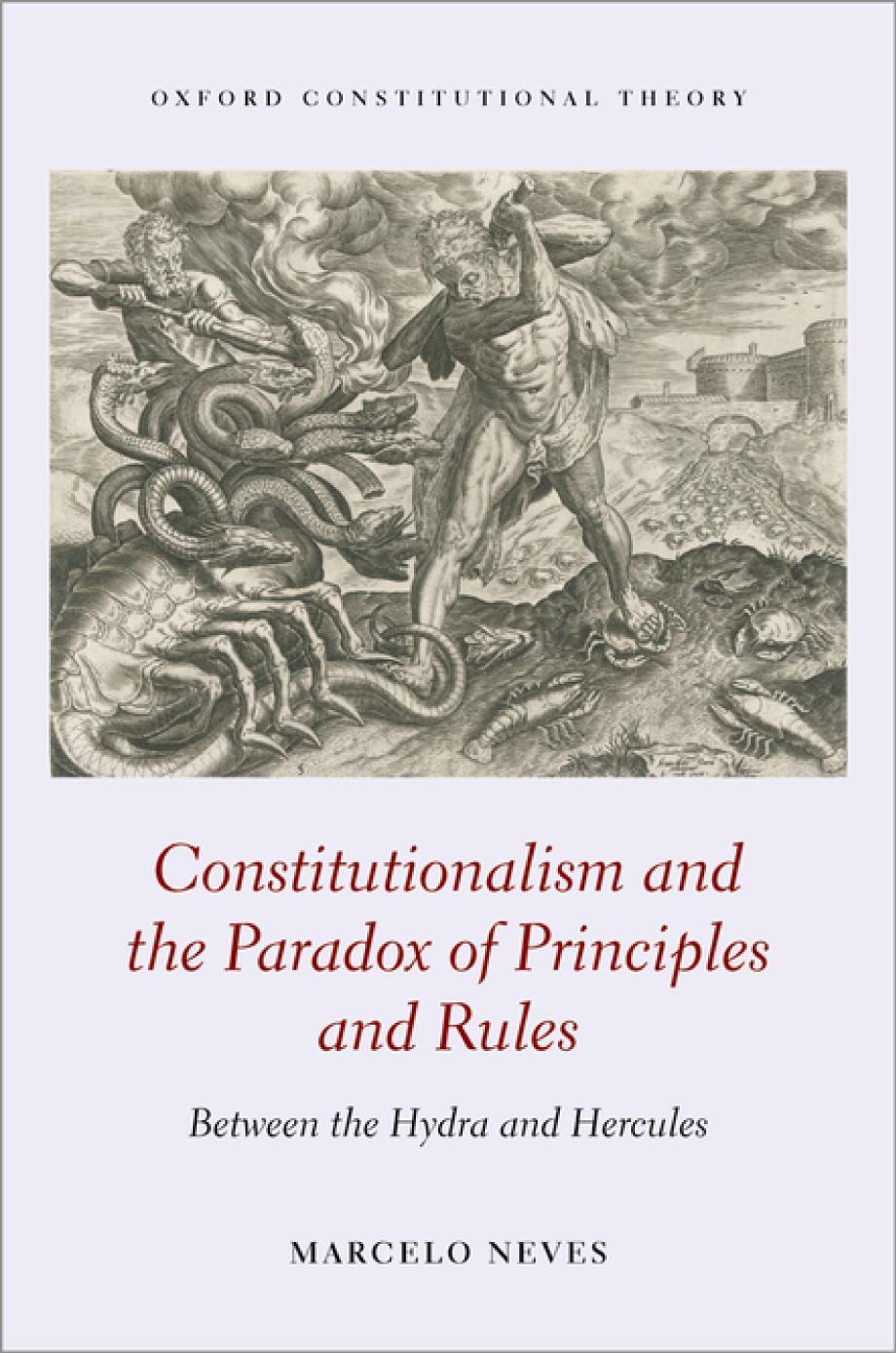
Constitutionalism and the Paradox of Principles and Rules: Between the Hydra and Hercules Marcelo Neves
https://ebookmass.com/product/constitutionalism-and-the-paradox-ofprinciples-and-rules-between-the-hydra-and-hercules-marcelo-neves/
ebookmass.com
Supplementary Schools and Ethnic Minority Communities 1st ed. Edition Amanda Simon
https://ebookmass.com/product/supplementary-schools-and-ethnicminority-communities-1st-ed-edition-amanda-simon/
ebookmass.com
DisabilityThroughtheLensofJustice NEWTOPICSINAPPLIEDPHILOSOPHY Serieseditor
KasperLippert-Rasmussen Thisseriespresentsworksoforiginalresearchonpracticalissuesthatarenotyet wellcoveredbyphilosophy.Theaimisnotonlytopresentworkthatmeets highphilosophicalstandardswhilebeinginformedbyagoodunderstandingof relevantempiricalmatters,butalsotoopenupnewareasforphilosophical exploration.Theserieswilldemonstratethevalueandinterestofpracticalissues forphilosophyandviceversa.
SpyingThroughaGlassDarkly TheEthicsofEspionageandCounter-Intelligence CécileFabre
InheritanceofWealth Justice,Equality,andtheRighttoBequeath DanielHalliday
ThePoliticsofSocialCohesion Immigration,Community,andJustice NilsHoltug
NotInTheirName
AreCitizensCulpablefortheirStates’ Actions? HollyLawford-Smith SharingTerritories OverlappingSelf-DeterminationandResourceRights CaraNine
ExploitationasDomination WhatMakesCapitalismUnjust NicholasVrousalis
DisabilityThroughthe LensofJustice JESSICABEGON GreatClarendonStreet,Oxford,OX26DP, UnitedKingdom
OxfordUniversityPressisadepartmentoftheUniversityofOxford. ItfurtherstheUniversity’sobjectiveofexcellenceinresearch,scholarship, andeducationbypublishingworldwide.Oxfordisaregisteredtrademarkof OxfordUniversityPressintheUKandincertainothercountries
©JessicaBegon2023
Themoralrightsoftheauthorhavebeenasserted Allrightsreserved.Nopartofthispublicationmaybereproduced,storedin aretrievalsystem,ortransmitted,inanyformorbyanymeans,withoutthe priorpermissioninwritingofOxfordUniversityPress,orasexpresslypermitted bylaw,bylicenceorundertermsagreedwiththeappropriatereprographics rightsorganization.Enquiriesconcerningreproductionoutsidethescopeofthe aboveshouldbesenttotheRightsDepartment,OxfordUniversityPress,atthe addressabove
Youmustnotcirculatethisworkinanyotherform andyoumustimposethissameconditiononanyacquirer
PublishedintheUnitedStatesofAmericabyOxfordUniversityPress 198MadisonAvenue,NewYork,NY10016,UnitedStatesofAmerica BritishLibraryCataloguinginPublicationData Dataavailable
LibraryofCongressControlNumber:2022950547
ISBN978–0–19–887561–1 DOI:10.1093/oso/9780198875611.001.0001
Printedandboundby CPIGroup(UK)Ltd,Croydon,CR04YY
LinkstothirdpartywebsitesareprovidedbyOxfordingoodfaithand forinformationonly.Oxforddisclaimsanyresponsibilityforthematerials containedinanythirdpartywebsitereferencedinthiswork.
Acknowledgements ix Introduction1
1.WhatDisabilityisNot10
1.1TheProblemofDefiningDisability10
1.2DisabilityandImpairment11
1.3TheMedicalandSocialModelsofDisability15
1.4BeyondtheMedicalandSocialModels20
1.5SpeciesNormsandImpairment24 1.6WelfaristAccounts28
1.7Barnes’sSocialConstructionistApproach32
1.8AnAmeliorativeApproach36 1.9Conclusion39
2.Disability:AJustice-BasedAccount41
2.1Which(In)abilitiesMatter?41
2.2WhatSortofJustice?43
2.3Feasibility,Levelling-Down,andThinning-Out45
2.4IdentifyingDistributiveEntitlements48
2.5EntitlementswithoutHierarchy54
2.6BeyondMinimalFunctionings57
2.7WhatCounts?Who’sDisabled?62 2.8Conclusion68
3.DisabilityandDistribution:ACapabilityApproach69 3.1Introduction69
3.2ACapabilityTheoryofJustice70
3.3CapabilitiesorFunctionings?72
3.4Capabilities:TheGood,theBad,andtheTrivial75
3.5AgainstResourcism:Means,Ends,andConversionFactors81
3.6Resourcism:TheLessDemandingAlternative?84
3.7BeyondSimpleResourcism86 3.8Conclusion88
4.CapabilitiesforControl90 4.1Introduction90
4.2HavingtheCapability:FromFormalFreedomtoFreedom asControl91
4.2.1Independence94 4.2.2Security95 4.2.3Robustness96 4.2.4Set-consistency97
4.3TheProblemwithCapabilitiestoFunction99
4.4CapabilitiestoControl106
4.5CapabilitiestoControl:TooLittleFreedom,orTooMuch?112
4.6TheValueofCapabilities116
4.7WhyCapabilityLists123 4.8Conclusion126
5.NeutralImpairment,DisadvantageousDisability128 5.1Introduction128
5.2TheDebateaboutImpairment131
5.3InDefenceofImpairment134
5.4ImpairmentasAtypicality137
5.5TheOver-InclusivenessObjection143
5.5.1FunctioningBetter146
5.5.2LatentorHiddenPathologies149
5.5.3Distinguishing ‘Genuine’ Disorders151
5.5.4DistinguishingDisabilityfromOtherFormsofDisadvantage152
5.6MereDifferenceorComplexDifference?154
5.7BadDifferenceorComplexDifference?158
5.8Conclusion163
6.DisambiguatingAdaptivePreferences:When,and Why,ShouldTestimonybeTrusted?165
6.1TheDilemmaofAdaptivePreferences165
6.2AdaptationandthePoliticalProject168
6.3Well-BeingAdaptivePreferences172
6.4WhyIdentifyWell-BeingAdaptivePreferences?178
6.5Perfectionism,Justice,andtheNeedforaSubstantive Approach181
6.6JusticeAdaptivePreferences184
6.6.1Non-AutonomousCharacterPlanning187
6.6.2JusticeAdaptiveChoices189
6.6.3TheCoherentInternalisationofOppressiveNorms190
6.6.4JusticeandWell-BeingAdaptivePreferences191
6.7RespondingtoJusticeAdaptivePreferences192
6.8Conclusion:DistrustwithoutInsult?196
7.Don’tdoitformySake:ProvidingControl,Avoiding Paternalism,andApplyingtheJusticeAccountofDisability199 7.1Introduction199
7.2DefendingAnti-Paternalism202
7.3StateAssistanceandtheAnti-PaternalistFilter211
7.4Anti-PaternalisminaTheoryofJustice215
7.5InterventionbeyondInterference220
7.5.1RaisingandReducingCosts221
7.5.2Pre-emption:InformationandPersuasion222
7.5.3RefusalstoAssist223
7.6ThePaternalismofUnwantedOffers225
7.7SpecifyingCapabilitieswithouttheGood228
7.8SoftPaternalism,Autonomy,andBackgroundConditions232
7.9CuresandParentalPaternalism236
7.10Conclusion238 Conclusion240 References
Acknowledgements TherearemanypeopletowhomIowethanksforinvaluablediscussion, feedback,andarguments,throughouttheyearsittooktocompletethis book.Anodoubtincompletelistoftheseare:ElvioBaccarini,AliceBaderin, MikeBegon,PaulBillingham,IanCarroll,BrianCarey,StephanieCollins, MariaDimova-Cookson,AdamCureton,CécileFabre,SørenFlinch Midtgaard,ChrisFinlay,TimFowler,AnaGavranMiloš,AlexGeddes,Anca Gheaus,RichHealey,KatherineJenkins,BethKahn,JanKandiyali,Cécile Laborde,JosephLacey,GeraldLang,KasperLippert-Rasmussen,DavidMiller, ChrisMills,TomParr,JonathanParry,AngiePepper,AdamSlavny,Zofia Stemplowska,TonyTaylor,KristinVoigt,DavidWasserman,KatyWells,and NebojšaZelić.IwouldalsoliketothankaudiencesattheAssociationof SocialandPoliticalPhilosophyConferenceattheUniversityofSheffield, theCSSJSeminarattheUniversityofOxford,theCELPASeminaratthe UniversityofWarwick,theCentreforPoliticalThoughtSeminarSeriesat DurhamUniversity,theMANCEPTseminarattheUniversityofManchester, theNuffieldPoliticalTheoryWorkshop,thePaternalism,Health,and DiscriminationWorkshopatAarhusUniversity,thePhilosophyofDisability Conferenceatthe.UniversityofTennessee,thePoliticalPhilosophySeminar attheUniversityofNewcastle,thePoliticsDepartmentSeminarattheUniversity ofBristol,thePriorityinPracticeConferenceattheUniversityofOxford,the RoyalInstituteofPhilosophySeminarattheUniversityofNottingham, theSocietyforAppliedPhilosophyConferenceatUniversityofEdinburghand CardiffUniversity,andtheUCLLegalandPoliticalTheorySeminar.Thanks, too,toNuffieldCollege,Oxford,whoprovidedthefunding,environment,and supportfortheperiodofresearchwhenthisbookbegan,thoughwasnot completed.Finally,thankstoCarlFox,forabsolutelyeverything.
Introduction Disabilityremainsaneglectedtopicindiscussionsofdistributivejustice. Insofarasitisdiscussedatall,itisgenerallyusedasconvenientshorthand fordisadvantage.Yetfarfrombeinganafterthoughtorappendagetotheories ofjustice,ananalysisofdisabilitycanandshouldinformhowwethinkabout andrefinethesetheories.
Mygoalistodeterminehowdisabledindividualsshouldbejustlytreatedin thepublicpolicyofliberaldemocraticstates.This,ofcourse,requiresan accountofwhatconstitutes ‘justtreatment’ ingeneral.Butsuchanaccount shouldnotbedevelopedinavacuum,ordevelopedfollowingreflectionon able-bodied,fullycooperatingmembersofsociety,andsimplyimposedon disabledpersonsasone ‘specialcase’.Onthecontrary,weshouldengageina processofreflectiveequilibrium,whereinourtheoryofjusticeinformshowwe understandandrespondtodisability, and aconsiderationofdisabilityprovidesinsightsintohowwedevelopatheoryofjustice.Disability,then,should playacentral,ratherthansubsidiary,roleinourapproachtojustice.
Ialsoaimtochallengethepreconceptionthatparadigmdisabilitiesentail suboptimalfunctioning,andthusthatdisabledindividualsarebothunhealthy andworse-offthanthenon-disabled.Indeed,disabledindividualsmostoften appearintheoriesofjusticemerelyasparadigmatic,andapparentlyuncontroversial,casesofdisadvantage.Allthatremainstobedeterminedinsuch accountsiswhatdisabledindividualsareowedtomitigate,remove,orcompensateforthisdisadvantage.Thus,theoristsofjusticehavegivenlittle considerationtothequestionofwhatjusttreatmentofdisabledindividuals entailsifdisabilityis not simplyassumedtobealwaysandnecessarily disadvantageous.
Thisisnottosaythatdisabilityisunrelatedtodisadvantage.Itisimportant toconsiderdisabilityinthecontextofdistributivejusticeexactlybecause disabledindividualsaresooftenoverrepresentedamongstthosewhodonot havewhattheyareentitledto.Indeed,onthedefinitionofdisabilityIdefend, tobedisabled justis tobeunabletoexercisethecontroloverourlifethat everyoneshouldbeableto.Moreprecisely,then,itis impairment physicalor cognitivefeaturescausingatypicalfunctioning thatisassociatedwith,but
2
notidenticalto,disadvantage.Humanbodiesandmindsareheterogeneous, andthiscanmakethelivesofthosewhofunctiondifferentlymoredifficult perhapsbecausetheirmodeoffunctioningisnotaccommodatedbysociety; perhapsduetothatmodeoffunctioning’sintrinsicfeatures;perhapsdueto interactionwithsomeaspectofanindividual’sphysiology,personality,or preferences;orperhapsduetoacombinationofthesefactors.Yetthepossibilitythatlifecanthusbemademoredifficultdoesnotmeanthatalifewithan impairmentisworse,orevenalwaysdifficult.
Thereisnothinginconsistentininsistingthatimpairmentasdifference neednotimplydeficiencyandshouldnotnecessarilybeeliminated,whilstalso acknowledgingthatthosewhofunctiondifferentlyoftendoliveworselives thantheirnon-impairedcounterparts.Butitisessentialthatadistinctionis madebetweenthemerefactoffunctionaldifference lackingsomesensory abilities,beingmobilewithoutusingone’slegs,processingsocialcues differently andtheimplicationsthishasforindividuals’ capabilities:specifically,inthecontextofjustice,theimplicationsthishasforthecapabilities theyare entitledto.Itisthelatterthatshouldbeourfocus.Inotherwords,we shouldbeconcernedwiththekindsoflivesindividualscanlead,theopportunitiestheyhave,andtheirabilitytochoosebetweenthem,andnoton whethertheirfunctioningmodeistypical:whatmattersisthatpeoplecan bemobile,formrelationships,engageinleisureandculturalactivities,andso on,andnot how theyachievethesethings.
Theideathatimpairmentitselfisnottheproblem,andthatnormalisation shouldnotbeourgoal,willseemobvioustosome,yethighlyimplausibleto others.Thereisasimilardivergenceontheplausibilityoftheclaimsthat abstracttheoriesofjusticecancontributeanythingusefultotheverypractical problemsentailedbylivingwithimpairments.And,indeed,onwhetherthe experienceoflivingwithimpairmentscangenerateinsightsforabstract theoriesofjustice.Whetherinitiallyplausibleornot,Iaimtoshowthatall theseclaimsaretrue.
Ibeginbyconsideringconceptualquestions,anddefendanewaccountof disability.Chapter1 firstoutlinescentralfeaturesofaccountsofdisabilityon whichthereisabroadphilosophicalconsensus.¹Crucially,thisincludes rejectingbothmedicalandsocialmodels,andadoptingahybridofthese twoextremes.Adoptingthishybridallowsustoacknowledgethatdisability involvesarestrictioninourabilitiestoperformtasksasaresultofphysicalor
¹E.g.Wolff2009a;KahaneandSavulescu2009;Shakespeare2014;Terzi2004;2008;Danielsetal. 2009;WHO2002:8–9.
cognitivefeaturesthatcausedeviationfromabiologicalorstatisticalnormof functioningforourspecies(impairment),asthemedicalmodelinsists;but in combinationwith externalcontextualfactors,suchasinstitutionaldesign, socialnorms,naturalenvironment,availabletechnology,individualresource share,andaccesstosupportnetworks,aswellaspersonalfeatures,suchasage, education,socialbackground,careerandpersonalgoals,asthesocialmodel hasdemonstrated.Inotherwords,weshouldtakeaccountofbothphysical andcognitivedifferenceitself,andwhatitmeanstohaveanomalousfunctioninginaparticularcontext.
WhilstIacceptthisbroadapproach,Icontendthatitleavesanimportant questionunanswered: whichinabilitiesmatter?Whichofthemanyrestrictions inourabilitiestoperformtasksresultingfromatypicalfunctioningare disabling?Iconsiderandrejectvariouscompetinganswerstothisquestion. Thus,theopportunitylossesthatshouldbeconsidereddisablingare not those entailedby ‘normal’ speciesfunctioning,²northosethatunderminewellbeing,³northoseconsideredrelevantbydisabilityactivists.⁴ Thelatter,social constructionistapproachleavesdisabilityradicallyunderspecified,whilston boththespeciesnormandwelfaristapproachesdisabilitywillbeubiquitous. Anaccountofdisabilityisanessentialprerequisitetoformulatingpublic policiesthatsafeguardthejusttreatmentofdisabledindividuals,butan accountcannotformthebasisofsuchpolicyifitsetstheboundariesofthe categoryofdisabilitysowidethateverybodyisincluded.Assuch,noneof thesealternativesprovetobeanadequatebasisforpublicpolicy,political campaigning,oractivistmovements.Inotherwords,noneprovidean adequateaccountofdisabilityinthecontextofjustice:onethatwillenable ustoidentifyandrespondtotheinjustice,discrimination,andmistreatment towhichmanydisabledindividualsaresubject.
InChapter2Ipresentmyownanswer:thattherelevantlossesofopportunitiesareofthosethatindividualsought,asamatterofjustice,tohaveaccess to.Moreprecisely,Isuggestthatweshouldunderstanddisabilityas the restrictionintheabilitytoperformthosetaskshumanbeingsareentitledto beabletoperformasamatterofjustice (astheresultoftheinteractionbetween anindividual’simpairment,theirsocial,political,andmaterialcontext,the resourcestheyhaveaccessto,andtheirotherinternalcharacteristics).An implicationofthisviewisthatdeterminingwhetheranimpairmentis
²Buchananetal.2000;Daniels1985.
³KahaneandSavulescu2009;SavulescuandKahane2009;Terzi2008;2009;Wolff2009a. ⁴ Barnes2016a.
disablingrequiresanaccountofwhatweareentitledto.However,evenbefore thisisprovidedinsubsequentchapters,therevisionaryimplicationsofthis accountareclear.Individualswithmanyparadigmaticsensory,physical,and cognitiveimpairmentsmaynotbeconsidereddisabledinsofarastheystill possessthemoregeneralopportunitiestheyareentitledto inthesameway thatshort-sightedindividualsmaycontinuetohaveavisualimpairmentbut arenotdisabledif,wearingglasses,theiraccesstotheirentitlementsisnot restricted.Further,individualswithapparentlyminororinvisibleimpairments maybe disabled,andindividuals’ statusasdisabledmaychangeacross timeandcontext,sincewhatmattersisnotimpairmentpersebutitsimpact onouraccesstoourentitlements.Whilstpotentiallycounterintuitive,these implicationsareakeyadvantageofmyapproach.Bydistinguishingdisability asnecessarilydisadvantageous(lackingopportunitiesallhumanbeingsare entitledto),fromanormativelyneutralaccountofimpairment(capturingthe broadheterogeneityofhumanbodiesandcapacities)wecanshiftthefocus fromeliminatingimpairmenttoremovingthedisadvantagesthatcanbe associatedwiththem.
Thenextchaptersthenconsiderwhatindividuals are entitledto,andargue thatthisis,indeed,broadopportunitiesorcapabilities.Chapter3arguesthat reflectiononimpairmentanddisabilitycancontributetoanargumentin favourofadoptingacapabilityapproachtodistributivejustice.Indeed,insofar asdisabilityhasbeenconsideredinthecontextofdistributivejusticeitis usuallybyproponentsofthecapabilityapproach.⁵ However,capabilitiesare commonlyunderstoodascomponentsofwell-being,meaningthatindividuals areconsideredtobeentitledtothosecapabilitiesthatwillmakethembetter off.Ifincorporatedintomyjustice-basedaccountofdisabilitythiswould appeartoentailthatindividualsaredisabledwhenevertheirimpairments contributetoalossofopportunitiesthatdecreaseswell-being.Iarguethat thisisimplausiblebothasanaccountofjusticeandasanaccountofdisability, sinceitwilltendtojustifyanexcessivedegreeofinterventioninorder toeliminateanyopportunitylossthatreduceswell-being.Notonlywill thisbeoverdemandingofthewell-endowed,itwillalsopushustowards normalising evenperfecting humanfunctioningcapability.Iarguethatwe shoulddistinguishwell-beingfromentitlements,wherethelattermaybenarrowerthantheformer.Ithenoutlinesomeofthereasonsforunderstandingour
⁵ E.g.Barclay2010;2018;Mitra2017;Nussbaum2006a;Terzi2008;Wolff2009a,2009b;Wolffand de-Shalit2007;Wasserman2006. 4
entitlementsintermsofcapabilities,anddelineatethecorefeaturesofa capabilitytheoryofjustice.
Chapter4considersingreaterdetailwhatitmeansforanindividualtohave acapability,andwhythisisvaluable.Capabilitiesarestandardlyunderstoodas opportunitiestoperform(ornot)particular ‘valuable’ functionings.Thisfocus ontheabilitytodoortobeparticularthingscanexcludemanyindividuals withimpairments,whooftencannotperformanddonotvaluethefunctioningsassumedtobecentraloressentialtoanydecenthumanlife.Individuals withsensoryimpairmentsmaybeunabletouseall fivesenses,forexample. Capabilitiesshould,therefore,beunderstoodinsteadastheabilityto control centraldomainsofourlife.Evenwhenimpairmentlimitsaccesstospecific valuablefunctioningsitneednotpreventindividualsfromvaluing,andbeing enabledtohave,controlandchoiceinthesepartsoftheirlife.Deafnessand blindness,forexample,donotprecludedeafandblindindividualsfrom havingvaluablesensoryexperiencesandbeingabletocontroltheexerciseof thesecapacities.
Thus,ratherthanattemptingtoidentifyvaluablefunctioningsandensure everyonehasidenticalaccesstothem,weshouldfocusonensuringindividuals haveanacceptablerangeofoptionsandtheabilitytochoosebetweenthem. Ratherthanendorsingahierarchyoffunctioning,inevitablygroundedinthe functioningcapacitiesoftheable-bodied,weshouldacceptthatdifferent modesoffunctioningcanbeinterchangeableandequallyvaluable:itisnot necessarilyworsetoachievemobilityinawheelchairthanbywalking,to communicatebySignratherthanspeech,toreadusingBrailleratherthan text,andsoon.Thisapproachimpliesthatabroadarrayoffunctioningsmay bevaluable,thatourentitlementscanbefulfilledbymultiplemeans,andthat individualswithimpairmentsshouldbegivenacentralroleindeterminingthe differentformsoffunctioningthatmayenablethemtohavethecontrolthey areentitledto.Thistheoryofjusticecanaccommodateindividualswitha varietyofneeds,preferences,andabilities.Italsoimpliesthatindividualsare notentitledtotheabilitytoperformspecificfunctionings(evenwhenthese havesomevalue),andarenotdisabledbyaninabilitytodosoaslongasthey nonethelesshavethecapacitytoexercisecontrol.
Itisworthhighlightingthat,whilstitispossibletoadoptmyaccountof disabilitywithoutalsoacceptingmyaccountofjustice,Ibelieve(unsurprisingly!)thattheyworkbestincombination.Aswillbecomeclear,narrower conceptionsofjusticewillleadtoanimplausiblynarrowviewofdisabilityon myview:ifwearenotentitledtomuch(justabasicbundleofresources, perhaps),thenindividualswithseverelyconstrainedopportunitiesasaresult
oftheirimpairmentwillnotbedeemeddisabled.However,asreflectionon impairmentwillmakeclearsuchviewsshouldnotsimplybediscardeddueto theirlackof fitwithmydefinitionofdisability,butalsobecausetheyare independentlyimplausibleastheoriesofjustice.
Buildingonthecontentionthatourgoalshouldnotbetoensureall individualscanfunctionnormallybyeliminatingimpairmentassuch, Chapter5considersexactlyhowimpairmentshouldbeunderstood.The worditselfnaturallysupportstheassumptionthatitissomethingthatwarrantsremoval,whichisfurtherbolsteredbyitswidespreaddefinitionas deficientorsuboptimaldeviationsfromthespeciesnorm.Thisnegative accountiscontroversial,however,sinceitisbynomeansstraightforwardto determinewhichformsoffunctioningareworse.Further,thisstandard negativeconceptionofimpairmentrisksunderminingboththecoherenceof disabilitypride(whybeproudofadeficiency?),andthepossibilityofsolidarity (dividingthe ‘genuinely’ deficientfromthosemerelyperceivedassuch).This hasledsometoabandonthecentraldistinctionbetweendisabilityandimpairmentaltogether.
Iarguethat,whilstthedistinctionshouldberetained,we should abandon thenegativeaccountofimpairmentinfavourofaneutralone.BythisImean thatimpairmentshouldbeunderstoodasanomalousratherthandeficient functioning.Onthisview,impairmentisabroadchurch,andmayinclude conditionsthatarerelativelyinertorevenbeneficialinourcurrentcontext,as wellassomethattendtomakeindividuals’ livesmuchmoredifficult.Assuch, Isuggestthatimpairmentisbestdescribedasacomplex-difference,rather thanamere-differenceorabad-difference.BythisImeanthatimpairments areneithernecessarilyharmful(i.e.negativelyimpactingindividuals’ wellbeing)nornecessarilydisadvantageous(i.e.preventingindividualshaving whattheyareentitledto),thoughtheymaybeboth.⁶ Whenunderstoodas differenceratherthandefect,andtakingaccountofthecomplexeffectsof difference,itiseasiertoseewhyourgoalshouldbeeliminatingthecapability lossassociatedwithimpairmentratherthaneradicatinganomalousfunctioningitself.
Icontendthatindividualswithimpairmentsshouldbegivenavoicein determiningbothwhentheeffectsoftheseimpairments are disadvantageous, andthecontentoftheirentitlements.Suchtestimonysupportstheconclusion
⁶ Notethatwhilstdisabilitiesaredisadvantageousbydefinitiononmyview theyjustarethesubset ofimpairmentsthatpreventaccesstoentitlementsinaparticularcontext theyalsoneednotbe harmful.Someofthethingsweareentitledto theabilityforpoliticalparticipation,forexample will havenoimpactonsomepeople’swell-being.
thatmanyimpairmentsdonot,orneednot,undermineaccesstoentitlements. However,thisdivergesfromthewidelyheld,andapparentlycommon-sense viewofimpairmentasaparadigmcaseofdisadvantage indeed,asatragedy. Chapter6thenconsidershowweshouldrespondtothisdivergenceof views.Wemaybeinclinedtosimplycedeauthoritytothosewhohavethe relevantlivedexperience,especiallygiventheyarefrequentlysubjecttounjustifiedepistemicexclusion,silencing,andmarginalisation.However,weshould becautiousofassumingthatthosewiththemostdirectexperienceofoppressionordeprivationarealwaysthosewhoarebestplacedtoidentifyandobject toit.Partoftheoppressionimpairedindividualsfacemightbedeprivationof knowledgeregardinghowtheircircumstancesmightbeimproved.More fundamentally,allindividualsadapttotheircircumstances,andmaytherefore participateinandsupportoppressivenorms,butthishardlyconstitutes evidencethatableist orpatriarchalorracist normsarejustified.
Wemayworry,however,thatthepossibilityofsuchunreliableadaptation tocircumstances or ‘adaptivepreferences’—simplyprovidesalicenceto ignoremarginalisedvoices.Itiscertainlypossibletomisapplytheconceptof adaptivepreferences,butthisshouldnotleadustoignorethedistortionthat adaptationcancause.Ifwerelysolelyontheoppressedtoidentifytheir oppression,importantsourcesofinjusticewillbeignored.Thus,thischapter willargue, first,thatabalancemustbestruckbetweentakingindividuals’ preferencesandself-assessmentasdefinitiveatoneextreme,andignoring thementirelyattheother.Thelessonofadaptivepreferencesisthatweshould becautiousinouruseofaffectedindividuals’ testimony,notthatitcanbe justifiablyignored.
Thesecondgoalofthischapteristoresolveanambiguityincurrent accountsofadaptivepreferences.Byclarifyingthevariousphenomenathus categorised,Iaimtoshowthatcorrectlydiagnosingadaptivepreferencesneed notconstituteepistemicinjustice,norinsultinglymalignpeople’srational capacities.Thisis,inpart,becauseunreliabilityoftenresultsfromunjustsocial circumstances,notaninherentlackofcapacity.Beingjudgedtohavean adaptivepreference,then,neednotalwayshavetheinsultingimplications ordinarilysupposed.Moreover,ouraccountofadaptivepreferencesmustbe sensitivetoourparticulargoalsandcontext:nosingleaccountofadaptive preferenceswillbesatisfactoryforallthepurposestowhichitisput.In particular,Idistinguishbetweenadaptivepreferencesthatareanunreliable guidetoindividuals’ interests(‘well-beingadaptivepreferences’),andthose thatareapoorguidetojustpolicy(‘justiceadaptivepreferences’).Individuals mayhaveadaptivepreferencesoftheformerbutnotthelattervariety,andvice
versa.Usingmyframeworktodeterminewhenthisissoallowsustoavoidthe blanketexclusionofindividuals’ voicesonthebasisoftheirpotentialunreliabilityinsomenarrowerdomain,allowingforgreaterinclusionandbetterinformedpolicy.
Finally,Chapter7beginstoconsidertheimplicationsofutilisingmyjusticebasedaccountofdisability.Ihavesaidthatourfocusshouldbeaccommodating andamelioratingthedisablingeffectsofimpairmentsratherthanremoving impairmentsthemselves,andhaveassumedthatitisthestatewhooughtto fulfilthisobligation.However,thereisadeeplevelofdistrustofthestateby somesectionsofthedisabledcommunity,andforgoodreason:intheUK,for example,fundinghasbeencuttoessentialservices,welfaresanctionshave beenincreased,therequirementsthatmustbemettoaccesswhatfundingis availablehavebecomenarrowandexclusionary,aswellasincreasinglycomplexandbureaucratic,andkeychangesinpolicyoftenarenotcommunicated inanaccessibleway.⁷ Alloftheseproblemsandmorehavebeenexacerbated bytheresponsetotheCOVID-19pandemic.⁸ Evenwhenthestate does makea genuineattempttoadvancetheinterestsofdisabledpersons,thisoften involvesanassumptionthatitknowswhattheseinterestsare,andthewishes ofintendedbeneficiariesareignored.
WhilstIwillnotattempttocommentonthepolicies,motives,orprospects ofsuccessofanyparticularstateorgovernment,Iwillarguethatallstate actionshouldbegroundedinacommitmenttoanti-paternalism.Disabled individualsshouldnotbetreatedaspassivebeneficiaries,whoseviewsand voicesareside-lined,butshownappropriaterespectasautonomousagents.⁹ Oftenpaternalismisobjectionablebecauseitfailsbyitsownterms:interfering withanindividualtobenefitthemwillfrequentlynotactuallypromotetheir interests.YetIsuggestthat,evenifsuccessful,paternalismshouldbeavoided. Idefendanauthorityaccountofanti-paternalism,accordingtowhichindividuals’ willshouldbetreatedasauthoritativeinmattersconcerningtheirown interests.Paternalismfailstorespectthisauthoritybymakingunauthorised
⁷ Seee.g.Glasbyetal.2021;InstituteforGovernment2019;Morris2011;Duffy2013.
⁸ Seee.g.Shakespeareetal.2021;InstituteforGovernment2020;Kuperetal.2020;Armitageand Nellums2020.
⁹ Itisworthnotingattheoutsetthat,whilstIconsiderbothbodilyandcognitiveimpairments,Ido notconsiderthosecognitiveimpairmentsthatthreatenindividuals’ statusasanautonomousagent. NordoItakeaviewonexactlywhoshouldbeincludedwithinthiscategory,beyondinsistingthatmere cognitiveimpairmentisnot,initself,sufficienttounderminethisstatus.Asever,ourfocusmustbeon theeffectsoftheimpairmentandthedegreetowhichitunderminessomeone’sabilitytosetandpursue theirowngoals thatis,theirabilitytoactautonomously andnotthemerepossessionofan impairment.Clearly,nosharplinecanbedrawn,andmanyindividualscanactautonomouslyat sometimesandinsomecontextsandnotothers.Isetthesecomplicationsaside.
appealstoindividuals’ goodasreasonsforaction,andthuspotentiallyinterveningwithoutadequatejustification:forexample,providingcochlear implantstobenefitdeafindividuals,ignoringtheheterogeneityofviews regardingwhethersuchanoptionwouldbewelcomed.Idemonstratethat, whilstsomeiterationsofthecapabilityapproachmaybeguiltyofpaternalism ofthissort,myownversionisnotobjectionablypaternalist.
Yetpaternalistredistributionisnotmerelyobjectionablebecauseit misuses individuals’ good,butbecauseitmistakestheveryaimofredistribution.As Iemphasisethroughoutthebook,ourgoalshouldnotbetoensureindividuals leadthebestlifepossible,butthattheyareabletocontroltheshapeoftheir life,decidingforthemselvesamongstanacceptablerangeofoptions.We mightnotalwaysagreewiththesedecisions,butthisiswhatrespectingpeople asautonomousagentsdemands.Ouraccountofdisabledindividuals’ entitlementsshouldnotentailthepaternalisticimpositionofpoliciesondisabled individualsas ‘passivebeneficiaries’,norassumethatdisabledindividualsare incapableofformingtheirownconceptionsofthegood,orofmakingautonomousdecisionsabouthowtheirownlivesshouldgo.Thegoalofjustpolicy shouldnotbetoenableidenticalfunctioningoutcomesamongstallindividuals,disabledornot,buttoenableindividualstoexercisebroadlyspecified opportunities,howevertheychoose.
Thisrequiresthatwedevelopanaccountofjusticethatleavesspaceforall individualstosetandpursuetheirownends,andthiscannotbeachieved withouttakingaccountofthelives,opinions,andneedsofallindividualsfrom theoutset.Ourapproachtodisabilitymusttakeseriouslythediversityof disabledlives,thejustifiedpridemanyindividualsfeelintheirdisabled identity,theabilitiesandcapacitiesofdisabledindividuals(notjusttheir inabilities),andtheimportanceofenablingdisabledindividualstodirect theirownlives.Thishasnotbeenachievedbyexistingaccountsofjustice, andwillnotforaslongasdisabilityisamereafterthought.
WhatDisabilityIsNot 1.1TheProblemofDefiningDisability My firsttaskistoinvestigatehowdisabilityshould andshouldnot be defined.Itmayseemthatthisisnotaquestioninneedofsustainedphilosophicalinvestigation.Afterall,mostpeoplehaveaclearsenseofwhatthey meanbydisability,andhavelittletroubleidentifyingconditionstheyconsider disabling.Further,thereisabroadconsensusonsomecentralfeaturesofan accountofdisability(as§1.2–§1.4willconsider).Inbrief,theseare, first,the widelyaccepteddistinctionbetween impairment asphysicalorcognitive featuresthatcausedeviationfromabiologicalorstatisticalnormoffunctioningforourspecies,and disability asarestrictioninourabilitytoperform tasks.¹Thereisconsiderableagreement,too,thatdisabilityiscausedinpartby impairment,andinpartbyanindividual’ssocialandpoliticalcontextand infrastructure,andtheresourcestheyhaveaccessto.²
Idonotintendtochallengetheconsensusoneitherofthesepoints.Rather, Iask:ifdisabilityistherestrictioninourabilitytoperformtasks,then which inabilitiesmatter?Inotherwords,whichofthelimitationsthatresultfrom individuals’ impairments,incombinationwiththeircontextandresources, shouldbeconsidereddisabling?Weareallrestrictedbyourbodies,andare allincapableofperformingsometasks,butmostoftheseinabilitiesarenot considered disabilities.Anaccountofdisabilityisanessentialprerequisite toformulatingpublicpoliciesthatsafeguardthejusttreatmentofdisabled individuals.Butanaccountcannotformthebasisofsuchpolicyifit simplyconcludesthat ‘everyoneisdisabled’.If,then,wearetoavoidthe categoryofdisabilitybecomingoverlybroad andthuspoliticallyandpracticallyuseless weneedsomewayofpickingoutwhichoftheseinabilitiesare relevanttodefiningdisability.
¹E.g.Terzi2004;Nussbaum2006a;Shakespeare2014;Smith2001;Buchananetal.2000;Oliver 1996.Thoughsomerecentworkquestionsthisdistinction(Barnes2018;2016a),asChapter5will discuss.
²E.g.Wolff2009a;KahaneandSavulescu2009;Shakespeare2014;ShakespeareandWatson2001; Terzi2004;Danielsetal.2009;Vehmas2004;VehmasandWatson2014;WHO2002:8–9.
DisabilityThroughtheLensofJustice. JessicaBegon,OxfordUniversityPress.©JessicaBegon2023. DOI:10.1093/oso/9780198875611.003.0002
InthenextchapterIdefendanewaccountofdisability,accordingtowhich therelevantopportunityrestrictionsarethoseindividualsareentitledtoasa matterofjustice:tobedisabledistohave these opportunitiesrestricted.Here, Ilaythegroundworkforthisaccountbylayingoutcentralfeaturesofthe literatureondisability,andthenconsideringandrejectingalternativeaccounts ofdisability.First,in§1.2,Isketchthewidelydrawndistinctionbetween disabilityandimpairment.³Then,in§1.3,Ioutlinethecurrentconsensus againstpureversionsofboththetraditionalmedicalmodel,anditsrival,the socialmodel.Theformersuggestsdisabilityisstraightforwardlycausedby impairment.Thelattercanseemtosuggestthatdisabilityissolelytheresultof unjustsocialstructures.Clearlyneitherextremeisplausible,and,in§1.4,Ilay outahybridaccount,whichtakesthemiddlegroundbetweenthesetwopoles.
Next,Iarguethattheopportunitylossesthatshouldbeconsidereddisabling are not thoseentailedby ‘normal’ speciesfunctioning(§1.5),⁴ orthosethat underminewell-being(§1.6),⁵ orthoseconsideredrelevantbydisabilityactivists(§1.7).⁶ Idemonstratethatthelatterapproachleavesdisabilityradically underspecified,whilstontheformertwoapproaches,disabilitywillbeubiquitousandhencemeaningless.Assuch,allthesealternativesprovetobean inadequatebasisforpublicpolicy,politicalcampaigning,oractivistmovements,andnonecanbeusedtoidentifyandrespondtotheinjustice,discrimination,andmistreatmenttowhichsomanydisabledindividualsaresubject.
1.2DisabilityandImpairment Mostdiscussionsofdisabilityarepremisedonadistinctionbetweenimpairmentanddisability.Muchcan(andwill)besaidtoclarifythisterminology, butroughly,impairmentcanbeunderstoodasatypicalformsofphysicalor cognitivefunctioningor ‘departurefromhumannormality’ . ⁷ Impairments mightincludeblindness,deafness,andmobilityimpairments,aswellas
³ThesetermsareinvestigatedinmuchgreaterdetailinChapter5.
⁴ Buchananetal.2000;Daniels1985.
⁵ KahaneandSavulescu2009;SavulescuandKahane2009;Harris2000,2001;Terzi2008,2009; Wolff2009a.
⁶ Barnes2016a.
⁷ Terzi2008:43.Or,ontheWHO’s(2002:10)definition:animpairmentis ‘aprobleminbody functionorstructure’,wherebodyfunctionsare ‘physiologicalfunctionsofbodysystems(including psychologicalfunctions)’,andbodystructuresare ‘anatomicalpartsofthebodysuchasorgans,limbs andtheircomponents’.Toavoidthenormativeconnotations thattobeimpairedis,itself,a problem itispreferabletotalkintermsofdeviationfromthenorm,asChapter5willargue.The WHOaccountofdisabilityisdiscussedinthissection.Impairmentisconsideredfurtherin§1.5.
non-standardcognitivefunctioningsexperiencedbyindividualswithautistic spectrumconditions(ASCs),Down’ssyndrome,orAlzheimer’s.Disabilities arethe ‘activitylimitations,andparticipationrestrictions’ thatmayresult.⁸ Providingexamplesofdisabilityismorecomplicated,giventhatdetermining whichoftherestrictionsinourabilitiestoperformtasksaredisablingis exactlywhatisatissue.However,somegeneralpointscanbemade.
First,itisusuallyassumedthatthesetasksshouldonlybethosethatare considered,insomesense,significant.Certainly,anaccountwouldbedeeply implausibleifitimpliedthatourtrivialinabilities beingunabletoraisean eyebrow,orsing,orstandononeleg countasdisabilities.Second,whilst impairmentfocusesondifferencesinourbodyandmind,disabilitytendsto focusonthesocialrolesweareconsequentlyunabletofulfil.Forexample, blindnessisanimpairmentofoursight,whilstanassociateddisabilitymight beourinabilitytodriveacaror,evenmorespecifically,todriveourchildto school.ASCsrestrictourabilitytoreadothers’ emotionalresponses,whilstthe associateddisabilitymightbetheresultingdifficultyin,forexample,working inoccupationsthatrequireunderstandingandeffectivelyreactingtothese responses,suchasbeingasocialworkerorcarsalesperson.InJonathan Wolff ’sterminology,disabilityisarestrictionof ‘socialfunctionings’ ⁹
Thisdistinctionbetweendisabilityandimpairmentisnotemployeduniversally.First,ElizabethBarnesrejectsthisdistinctionentirely,referringonly todisability(see§1.7andChapter5).Second,theWHO,whilstacknowledgingtheexistenceofimpairmentasadistinctcategory,nonethelessconsiders thistobeincorporatedintoitsbroaderclassificationofdisability.Thus,they definedisabilityas: ‘anumbrellaterm,coveringimpairments,activitylimitations,andparticipationrestrictions’,where ‘anactivitylimitationisadifficulty encounteredbyanindividualinexecutingataskoraction’,and ‘aparticipationrestrictionisaproblemexperiencedbyanindividualininvolvementin lifesituations’.¹⁰ Leprosy,forexample,isadisabilitythatinvolvestheimpairmentoflosingsensationinextremities,activityrestrictionssuchasdifficulties ingraspingobjects,andparticipationlimitationssuchasunemployment resultingfromthestigmasurroundingleprosy.¹¹
Insomeways,theterminologicaldisagreementbetweenthemanytheorists whoseeimpairmentanddisabilityasdistinctcategoriesandtheWHOisjust that:amatterofsemantics.Bothacknowledgethesamecorecomponents.On oneaccount,disabilityisseenascertainconsequences(restrictionsinactivities andparticipation)arisingfromaparticularcause(impairment,plusexternal
⁸ WHO2017. ⁹ Wolff2009a:125.¹⁰ WHO2017.¹¹WHO2002:17.
circumstances);ontheother,disabilityincorporatesbothpartofthecause(the impairment,notthecircumstances)andtheeffect.Nonetheless,Ibelievethere arereasonstofavourtheformerapproach.
First,itiswidelyacknowledged(includingbytheWHO)thattherestrictions inindividuals’ capabilitiesarenotsolelytheresultoftheirimpairment,butalso dependontheirsocial,political,andmaterialenvironment.¹²Assuch,itseems morenaturaltounderstanddisabilityastheoutcomeofthesevariousfactors, ratherthanfoldingoneofthecausesintotheconceptitself.Indeed,elsewhere theWHOitselfdefinesdisabilitiesas ‘theoutcomes ofinteractionsbetween healthconditions(diseases,disordersandinjuries)andcontextualfactors’.¹³
Second,whilstwemightreasonablyseektoeliminatetherestrictionsand limitationsthatcanresultfromimpairmentsinsomecontexts,itismuch morecontroversialtosuggestthatimpairmentsthemselvesshouldalwaysbe eliminated.Distinguishingdisabilityandimpairment,then,allowsustocampaignagainstdisability(asrestriction)withoutsuggestingthatweshouldalso seektonormalisehumanbodiesandminds(removeimpairment).¹⁴ However, ifimpairmentisunderstoodaspartofdisability,thenreducinginstancesof disabilitywill necessarily requirereducinginstancesofimpairment:evenifan individualnolongerfacedrestrictionsinactivityorparticipation,theywould stillbedisabledaslongastheystillhaveanimpairmentonthe ‘umbrellaview’ Thisobscuresthefactthatinmanycasestherestrictionsassociatedwith impairmentscanberemovedbycontextualchangesalone,andthatsometimes thefocusofpolicy ought tobecontextualchangesalone.
Third,then,distinguishingdisabilityandimpairmentdrawsattentiontothe contingencyoftheconnectionbetweenbodilyandcognitivedifferenceand havingadisability,whichalsodependsoncontext,resources,andpersonal features(asChapter5explores).Indeed,highlightingthiscontingencywasa majormotivationbehindthedevelopmentofthesocialmodelbythedisability rightsmovement.¹⁵ Finally,asChapter5alsodiscusses,retainingaconceptof impairmentallowsforasenseofcommunityandsolidarityamongstthosewho functioninwaysthatareunusual,andoftenpoorlyaccommodatedbyinstitutions,norms,andinfrastructure regardlessofwhetherthisresultsindisability.
Iwill,therefore,continuetodistinguishdisabilityandimpairment. Nonetheless,objectionsmayberaisedagainstthisterminology.First,whilst
¹²Forexample,theWHOnotesthatdisability ‘isacomplexphenomenon,reflectingtheinteraction betweenfeaturesofaperson’sbodyandfeaturesofthesocietyinwhichheorshelives’ (WHO2017).
¹³WHO2002:10(emphasisadded).¹⁴ As§1.7willdiscuss.
¹⁵ Thesocialmodelnotonlydrewaconceptualdistinctionbetweenimpairmentanddisabilitybut also,insomeiterations,disputedthecausalconnectionbetweenthem(§1.3).
commonamongdisabilityscholarsandactivists,outsidethiscommunitythis languagemightstrikesomeasclumsyandcounterintuitive.Weareveryused tocallingpeoplewithimpairments ofvision,mobility,cognitivefunction disabled,withoutpayingmuchattentiontotherestrictionsinactivityor participationtheymayormaynotface.Itmayseemawkwardtoinsistthat anindividualinawheelchair oftentheliteralposterchildofdisability is merelyimpaired,andthatthismightnottranslateintoadisability.Yetthis discomfortisoftengroundedintheunexaminedassumptionthatdifferences inphysicalandcognitivefunctionings must manifestthemselvesinrestrictionsofability,andintheassociatedbeliefthattheimpairedbodyormindis, itself,theproblem.
Theseintuitionsandassumptions,howeverstronglyheld,oughttobe questioned,asthedisabilityrightsmovementhaslongargued.Weshould recognisethatweallhaveimpairmentsofvarioussorts wealldeviatefrom thenorminsomewayorother butthisneednotbedisabling.Indeed,that eventhosedeviationsmostwidelyassumedtobedisablingneednotbeso.Our focusshouldbeonsignificantrestrictionsinwhatindividualsareabletodo andhowtheyareabletoparticipateinsociety,andnotonhowtheirbodyand mindsdiffer.Weshouldnotassumethattheformerstraightforwardlyfollows fromthelatter.
Asecond,moreseriousworryconcernsthepotentialnormativeimplicationsoflabellingindividuals ‘impaired’.Thisisnotintendedtobeanevaluativeconcept.Itsimplyprovidesawayofdistinguishingdisability,which (partially)resultsfromimpairment,fromotherformsofdisadvantage,suchas thatassociatedwithsomeracialorgenderidentities,orsexualorientation.¹⁶ Further,(almost)everyoneinsomewaydeviatesfromthenorm;hence,hasan impairment.Nonetheless,thistermhasconnotationsofdeficiency,defect,and imperfection.Itmay,therefore,seemmoreapttoreferto ‘difference’ , ‘diversity’ , or ‘heterogeneity’.Iwillbegintotalkintermsof ‘anomaly’ inChapter5when Idefendaneutralaccountofimpairment,butdonotdosonowinordertoretain someneutralityoverthedefinitionofimpairmentandtoavoidtheproliferation ofcompetingterminology.Buttoemphasise:itismyviewthatimpairment shouldbeunderstoodassynonymouswithdifferenceratherthandeficiency.
Thisneutralaccountofimpairmentmayseemtoleavemyapproach vulnerabletoathirdobjection:thatitwillrenderthecategoryofdisability
¹⁶ Thisisinadditiontotheothernotedbenefits:highlightingboththecontingencyoftheconnectionbetweenimpairmentanddisadvantage,andthesharedexperienceofatypicalfunctioning. AfurtherreasontoacceptthisdistinctionisthatIamnotconvincedbytheargumentsofitsprimary opponent Barnes(2018,2016a:23–8) foritsrejection.TheseIconsiderinChapter5.
over-inclusive.Ifimpairmentimpliesmereatypicality(ratherthandeficiency) then,itmaybeargued,itwillincludealmosteveryone.However,aswillshortly becomeclear,anexpansive,neutralaccountofimpairmentdoesnotnecessitate anall-encompassingconceptofdisability,anditisthelatterprospect,notthe former,thatshouldconcernus.Forthosewhoremainunconvincedbytheidea ofneutralimpairment,thisshouldnotpresentabarriertoacceptingmygeneral accountofdisability.Itispossibletoagreethatindividualsaredisabledwhen theylacktheopportunitiestheyareentitledto,butfocusoncasesinwhichthis resultsfromfunctioningina ‘deficient’ or ‘unhealthy’ way(i.e.negativeimpairment).FornowImerelydefendtheframeworkofmyaccount.
1.3TheMedicalandSocialModelsofDisability Theprecedingdiscussionforeshadowsmuchofthedisagreementbetweenproponentsofthemedicalandsocialmodelsofdisability,sincetheircoreconflict centresondisagreementoverhowthecausalrelationshipbetweendisabilityand impairmentshouldbeunderstood.Inbrief,astrictmedicalmodelwouldsuggest thatdisabilityisstraightforwardlycausedbyindividualimpairment,whilsta strictsocialmodelwoulddenythiscausalrelationship,andinsistinsteadthat disabilityissolelytheresultofunjustsocialstructures.Thereisnowabroad consensusthatneitheroftheseextremepositionsisplausible(and,indeed,may neverhavebeenendorsedinthisform),andthatweshouldinsteadadopta hybridaccount.Itisimportanttounderstandwhythisisso.
Theproblemswiththemedicalmodelmay,bynow,seemobvious:it ignoresthewaysinwhichsocialandinstitutionalstructuresandthematerial environmentcanrestricttheopportunitiesofindividualswithimpairments andcreatedisability.Assuch,itfailstocaptureanimportantelement ofdisabledindividuals’ experiences.Consider,forexample,AlisonDavis’ s accountoflivingwithspinabifida:
ifIlivedinasocietywherebeinginawheelchairwasnomoreremarkable thanwearingglassesandifthecommunitywascompletelyacceptingand accessible,mydisabilitywouldbeaninconvenienceandnotmuchmorethan that.Itissocietywhichhandicapsme,farmoreseriouslyandcompletely thanthefactthatIhavespinabifida.¹⁷
¹⁷ DavisinNewell1999:172.