Instant digital products (PDF, ePub, MOBI) ready for you
Download now and discover formats that fit your needs...
Designing and Managing the Supply Chain 4th Edition David Simchi-Levi
https://ebookmass.com/product/designing-and-managing-the-supplychain-4th-edition-david-simchi-levi/
ebookmass.com
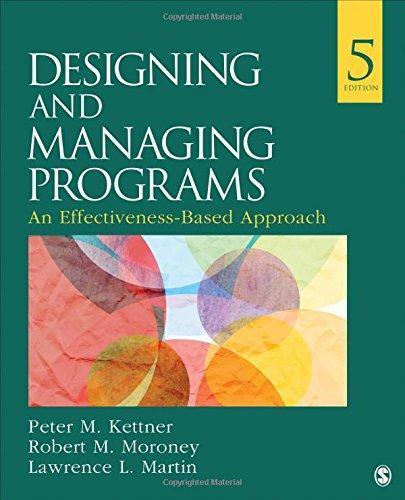
Designing and Managing Programs: An Effectiveness-Based Approach (SAGE
https://ebookmass.com/product/designing-and-managing-programs-aneffectiveness-based-approach-sage/
ebookmass.com
Business Ethics: Best Practices for Designing and Managing Ethical
https://ebookmass.com/product/business-ethics-best-practices-fordesigning-and-managing-ethical/
ebookmass.com
Anthony Burgess, Stanley Kubrick and A Clockwork Orange
Matthew Melia
https://ebookmass.com/product/anthony-burgess-stanley-kubrick-and-aclockwork-orange-matthew-melia/
ebookmass.com
Moana and Maui's Secret Island Recipe Collection: Island Princess Summer Treats Jill Hill
https://ebookmass.com/product/moana-and-mauis-secret-island-recipecollection-island-princess-summer-treats-jill-hill/
ebookmass.com
Her Dreamy Deceiver (The Worthington Legacy Book 2) Marie Higgins
https://ebookmass.com/product/her-dreamy-deceiver-the-worthingtonlegacy-book-2-marie-higgins/
ebookmass.com
Gravity: From Falling Apples to Supermassive Black Holes, 2nd Edition Nicholas Mee
https://ebookmass.com/product/gravity-from-falling-apples-tosupermassive-black-holes-2nd-edition-nicholas-mee/
ebookmass.com
Squeezing Minds from Stones: Cognitive Archaeology and the Evolution of the Human Mind Karenleigh A. Overmann
https://ebookmass.com/product/squeezing-minds-from-stones-cognitivearchaeology-and-the-evolution-of-the-human-mind-karenleigh-a-overmann/
ebookmass.com
Manual Physical Therapy of the Spine E Book 2nd Edition, (Ebook PDF)
https://ebookmass.com/product/manual-physical-therapy-of-the-spine-ebook-2nd-edition-ebook-pdf/
ebookmass.com
Where the Road Leads Us Robin Reul https://ebookmass.com/product/where-the-road-leads-us-robin-reul-2/
ebookmass.com
DesigningandManagingComplex Systems Thispageintentionallyleftblank
DesigningandManaging ComplexSystems DavidMoriarty
AcademicPressisanimprintofElsevier 125LondonWall,LondonEC2Y5AS,UnitedKingdom 525BStreet,Suite1650,SanDiego,CA92101,UnitedStates 50HampshireStreet,5thFloor,Cambridge,MA02139,UnitedStates TheBoulevard,LangfordLane,Kidlington,OxfordOX51GB,UnitedKingdom
Copyright 2023ElsevierInc.Allrightsreserved.
Nopartofthispublicationmaybereproducedortransmittedinanyformorbyanymeans, electronicormechanical,includingphotocopying,recording,oranyinformationstorage andretrievalsystem,withoutpermissioninwritingfromthepublisher.Detailsonhowto seekpermission,furtherinformationaboutthePublisher’spermissionspoliciesandour arrangementswithorganizationssuchastheCopyrightClearanceCenterandtheCopyright LicensingAgency,canbefoundatourwebsite: www.elsevier.com/permissions .
Thisbookandtheindividualcontributionscontainedinitareprotectedundercopyrightby thePublisher(otherthanasmaybenotedherein).
Notices Knowledgeandbestpracticeinthis fieldareconstantlychanging.Asnewresearchand experiencebroadenourunderstanding,changesinresearchmethods,professional practices,ormedicaltreatmentmaybecomenecessary.
Practitionersandresearchersmustalwaysrelyontheirownexperienceandknowledgein evaluatingandusinganyinformation,methods,compounds,orexperimentsdescribed herein.Inusingsuchinformationormethodstheyshouldbemindfuloftheirownsafety andthesafetyofothers,includingpartiesforwhomtheyhaveaprofessionalresponsibility.
Tothefullestextentofthelaw,neitherthePublishernortheauthors,contributors,or editors,assumeanyliabilityforanyinjuryand/ordamagetopersonsorpropertyasamatter ofproductsliability,negligenceorotherwise,orfromanyuseoroperationofanymethods, products,instructions,orideascontainedinthematerialherein.
ISBN:978-0-323-91609-7
ForinformationonallAcademicPresspublicationsvisitour websiteat https://www.elsevier.com/books-and-journals
Publisher: NikkiP.Levy
AcquisitionsEditor: JoslynT.Chaiprasert-Paguio
EditorialProjectManager: SaraPianavilla
ProductionProjectManager: SwapnaSrinivasan
CoverDesigner: VickyPearson
TypesetbyTNQTechnologies
Thisbookisdedicatedtomyfather, DavidPatrickMoriarty,who,duringmy earlyyears,sparkedmyinterestinmany ofthesubjectsfeaturedinit.
Thispageintentionallyleftblank
1.1 Controlandcommunication
2.1 Thesimplificationimperative
2.1.1Modelmaking
2.1.1.1Chosensimplification20
2.1.1.2Forcedsimplification22
2.1.1.3Entrenchedsimplification22
2.1.2Necessarycomplexityandsystemsthinking
2.2 Thelanguageofsystems
2.2.1Interlockingsystemsofreality
2.2.2Structureandfunctionofcomplexsystems
2.2.3Naturaldynamicsofcomplexsystems
2.2.4Theneedforcomplexsystems
2.2.5Tractabilityandeffectivecomplexity
2.2.6Cynefinframework
2.2.6.1Cleardomain40
2.2.6.4Chaoticdomain41
2.2.6.5Disorder42
2.2.6.6Theclear/chaoticboundary42
2.2.7Howhumansaffectcomplexity 42
2.3 Classesofsystems
2.3.1Classesofsystems 45
2.3.2Physicalsystems 46
2.3.2.1BigBangchemistry46
2.3.2.2Complexityanduncertaintyatthesubatomiclevel48
2.3.3Biologicalsystems 51
2.3.3.1Minimumgenesets54
2.3.4Entropyandconstraint 55
2.3.4.1Emergence59
2.3.5Aconsilientapproachtotheevolutionofcomplexsystems 62
2.3.6Societalsystems 63
2.3.7Informationalsystems 65
2.3.8Technicalsystems 65
2.3.8.1Theoreticminima67
2.3.9Sociotechnicalsystems 68
2.4 Neurobiologicalsystems
2.4.1Introduction 70
2.4.2Structureandfunctionofthenervoussystem 70
2.4.2.1Thecentralnervoussystems71
2.4.2.2Neuronsinthecentralnervoussystem74
2.4.2.3Learning76
2.4.2.4Theperipheralnervoussystem78
2.4.3Informationprocessing 78
2.4.4Functionalscalesinneurobiology 79
2.4.5Decision-making 79
2.4.5.1ACT-R80
2.4.5.2Thetwomodesofhumandecision-making83
2.4.5.3Heuristicsandbiases87
2.4.5.4Algorithmicdecision-making90
2.4.6Levelsofperformance 91
2.4.6.1Humanfailuremodes93
2.4.7Neuraldynamicsandconnectomics 96
2.4.8Brainplasticity 99
2.4.9Theautonomicnervoussystem 100
2.4.9.1Homeostasis100
2.4.9.2Allostasis100
2.4.10Feedback 102
2.4.11Thereticularactivatingsystem 103
2.4.12Reflexes 104
2.5 Sociotechnicalsystems
2.5.1Introduction
2.5.2Scalesinsociotechnicalsystems
2.5.3Taylorism,Fordism,andrequisitemetasystems
2.5.4Dynamicsafetymodel
2.5.4.1Trade-offs116
2.5.4.2Proceduraldrift118
2.5.4.3Domainshift119
2.5.5Theroleofhumansinsociotechnicalsystems 119
2.5.5.1Jointcognitivesystems121
2.6 Consilientdynamicsacrossscales
2.6.1Introduction
2.6.2Summaryofconceptscovered
PartIII Creatingandmanagingsystems
3.1 Introductiontopart3
3.1.1Introduction
3.1.2Definitions
3.1.3Dynamics
3.1.4Buildingupourunderstandingofsystems
3.2 Structureandfunction
3.2.1Designingstructureandassigningfunction
3.2.2TheViableSystemModel
3.2.3TheRevisedViableSystemModel(rVSM)
3.2.3.1SYS1 implementation143
3.2.3.2SYS2 communication144
3.2.3.3SYS3 coordination146
3.2.3.4SYS4 decision148
3.2.3.5SYS5 identity159
3.2.3.6Alertsignalingnetwork160
3.2.3.7Transducers,amplifiers,andreducers161
3.3 Capabilityandadaptivecapacity
3.3.1Capability
3.3.2Anticipatingsystemdynamics
3.3.3Adaptivecapacity
3.4 Engineeringresilience
3.4.1Introduction 171
3.4.2Anoteaboutterminology
3.4.3ResilienceEngineering 173
3.4.4Resilienceandtheoperatingpoint 174
3.4.4.1Systemdynamicsattheboundaries175
3.4.5Systemicfailuremodesandcounterforces 177
3.4.6Engineeringresilience 179
3.4.6.1ThecornerstonesofResilienceEngineering179
3.4.6.2TheprinciplesofResilienceEngineering180
3.4.6.3Resilientbehaviors182
3.4.7Justculture 183
3.5 Assessingthesystempropertiesofyourorganization
3.5.1Introduction 185
3.5.2Structure 186
3.5.2.1SYS1186
3.5.2.2SYS2186
3.5.2.3SYS3186
3.5.2.4SYS4187
3.5.2.5SYS5188
3.5.2.6Transducers,complexityamplifiers,andcomplexity reducers188
3.5.3Function
3.5.4Capability
3.5.5Adaptivecapacity
3.5.6Resilience
3.5.7Conclusion
PartIV Casestudies
4.1
5.1 Consiliencewiththearts 5.1.1Introduction
5.2 Conclusion
Authorbiography DavidMoriartyhasworkedasamedicaldoctorandasanairlinepilot. Additionally,hehasdegreesinneuroscienceandhumanfactorsandspecializesinsystemdesignandcomplexitymanagement.Heworksasaconsultant specializingintheseareas.Commentsandfeedbackaboutthisbookcanbe sentto systems.thinking@hotmail.com.
AlsobyDavidMoriarty PracticalHumanFactorsforPilots
Thispageintentionallyleftblank
Preface AshamedlestIappeartomyselfasapuretheorist,unwillingtotouchanypractical task.
Plato,Ep.7,328c
Planningabooksuchasthisrequiressomeeffort.Aswellasdecidingwhatyou wanttosay,youalsoneedtomapouthowyouintendtosayit.Thefirststepisto writeanoutline.Theoutlineincludesadetaileddescriptionoftheplanned chapterswithasummaryoftheircontent.BythetimeIwashappywiththe outline,Iwasonthe14tharrangementofmychapterlist.Ihadspentagreatdeal oftimechoppingandchangingtheordertotryandensurethattheconceptsthatI wasplanningtopresentwouldfollowalogicalorder.Learningis,bynecessity,a deliberateandsequentialprocess,andwhentryingtoexplaindifferentstrands thatwillcometogetherlaterinthebook,youhavetohopethatthereaderhas enoughfaiththatitwillallmakesenseintheendevenifitisnotimmediately clearastheyworkthroughthetext.
Tomakemattersworse,abookaboutcomplexityisboundtocontainsome complexideas.Thechallengeforthewriteristopresenttheseideas,notonlyin somesortoflogicalorder,butalsowithsufficientdetailsothatthereadercan mentallybuildtheirconceptual“houseofcards”astheyprogressthroughthe book.Itwasthesearchforthislogicalsequence,andtheplanningofhowmuch detailtoincludethatledmetotryout13differentplansbeforesettlingontheone thatformsthebasisofthisbook.
Sufficeittosay,thefieldofcomplexityisahuge,ungainlyentityencompassingknowledgefromdisciplinesacrosstheentirespectrumofhuman knowledge.Asthesayinggoes,thereisonlyonewaytoeatanelephant one biteatatime.However,Iwouldaddthatthereisstilladecentchancethatitwill beamessyprocess.
Idonotclaimtopresentaunifiedviewofcomplexsystemsoracomplete perspectiveonthesubject.Iamconvincedthatbothgoalsareimpossibleas thingsstandnow.Attheendofthisbook,therewillbenobreathingofsighsof reliefbecauseyounowhaveallthetoolsthatyouneedtomanagecomplex systems.However,ratherthanputtinginasmuchasIcanaboutthesubject,I havetriedtotakeamorefocusedapproach.
Evenbeforecomplexitysciencewasrecognizedasadisciplineinitsown right,researchersandpractitionersinotherfieldswouldeitherdeveloporuncoverconceptsthatmightultimatelyaddtotheknowledgebaseofcomplexity. Sometimesideaswouldflareupandcapturethecollectiveimaginationsofa diversegroupofacademicsbeforeburningoutandbecomingallbutforgotten. Otherideaswouldfizzleoutalmostimmediately.Whetherpopularornot,all thesefindingsarelikerocksstrewnacrossthebedofashallowriver.Someof theserockswillallowustomakeprogresscrossingtheriverbysettingusupto stretchourfootoutforthenextrockbeyond.Somerockswillbelooseandleave ussoakingwet.Inprogressingtotheotherside,wemustselectapathwhereby eachrockwechoosesetsusupforthenextone.Theremaybeotherstablerocks totheleftandtherightofourpath,andthereareotherpotentialroutesapartfrom theonewehavechosen.However,wecannotsteponeveryrockintheriver duringourcrossing.
Thatistosaythatinselectingtheconceptsthatareincludedinthisbook,I havehadtochooseaspecificcombinationthatIthinkarecomplementary.It wouldbeimpossibletooutlineeverytopicthatfallsundertheumbrellaof complexityscienceasthiswouldleavethebookjustajumbledmessofideas. IshouldalsoexplainwhyIchosetheparticularquotethatIdidtoprefacethis introduction.IfIhadtopickoneadjectivethatareadermightusetodescribethis bookafterreadingit,Iwouldhopethatwordwouldbe“useful.”Thescienceof complexityisafascinatingone,anditwouldbeveryeasytoengageanddazzle youwithaplethoraofstoriesconcerningslimemolds,merginggalaxies,andthe intricaciesofthehumanbrain.WhileIhopethatthesubstanceofthisbookwill beinterestingtoyou,Iamfarkeenerthatthesubstanceofthisbookwillbe useful toyou.Intryingtodescribeaframeworkthroughwhichwecanunderstand, design,andmanagecomplexsystems,Ihavetriedtoselectareasofstudy,which willcometogethertoformasrationaladescriptionaspossible.Thedomainof complexitysciencedoescrossmanytraditionalacademicdisciplines,andit wouldbeimpossibletopresentacompletepictureofeverythinginthespaceof onebook.Instead,Ihavetriedtocuratethefindingsfromvariousfieldsofstudy andcrystalizethosefindingsintosomethingthatisaccessibleanduseful.Fellow researchersmaywellvilifymefornotincludingmaterialfromonefieldor another(includingthemycologistsandtheirslimemolds,althoughtheydogeta briefmentionlater),butthishasnotbeendonehaphazardly.Givenachoice betweenanunstructuredbookfilledwithfascinatingstoriesandastructured bookthatpresentsselectedconceptsinamannerthattakesthereaderthrougha logicalsequence,Ichoosethelatter.
Andso,tothematterathand.Thisbookwillrequiresomepatienceand engagementfromthereader.Itisdividedintofourparts,witheachpartbuilding onthepartsthatcamebefore.
l Thefirstpartlooksatthehistoryofoneparticularlyfruitfulapproachto complexityandgivesthereaderanoverviewofthebackgroundandscope ofcomplexityscience. xvi Preface
l Thesecondpartlooksatourcurrentunderstandingofcomplexsystemsin variousdomains(physical,biological,technical,social,andorganizational).Itintroducestheideathattherearesimilaritiesbetweenthedynamicsofsuccessfulsystemsacrossdomains.
l Thethirdpartusestheprecedingmaterialtodevelopprinciplesthatcanbe appliedtodesignandmanagecomplexsystemssuccessfully.
l Thefinalpartfocusesoncasestudiesconcerningfailuresandsuccesses withincomplexsystems.Itdemonstrateshowthepresenceorabsenceof advantageousdesignandcontrolprinciplescanleadtosuccessorfailure.
WhileIcouldtryandsummarizemyconclusionshere,thevaluetothereader willbeinbeingabletoassemblethediversepartsofthisparticularacademic jigsawtoreachthesameconclusionsthemselvesbythetimetheyfinishPart4of thebook.Frommyteachingexperience,Iknowthatbeingtoldsomethingisfar lessusefulthanworkingsomethingoutforoneself.
Withtheideaofutilityinmind,thisbookisalsodesignedtobeaccessible.As thebookproceeds,youwillbefacedwithanincreasingamountofnomenclature, andsoaglossaryisincludedtoallowyoutofindareminderofthemeaningofa particulartermwithouthavingtogobackthroughtheprecedingchapters.Occasionally,torecaponaparticularlyimportantsetofconcepts,asummarymay bepresented.
Beforewebegin,itisworthsayingonemorething.Humanbeingsaren’tbuilt forcomplexity.InPart2,Iwillgointomoredetailaboutthelimitationsofthe humanbrain,despiteallofitsamazingcapabilities.Wehavecreated,probed, anddiscoveredsystemsthatchangeandmoveinwaysmorerapidandcomplex forustokeepupwith.Evenbeforethemodernera,humansevolvedaninbuilt imperativetosimplifythedelugeofstimulithatbombardsusasweinteractwith theworld.Astheworldaccelerates,oursimplificationimperativegrowsaswell. Forthemostpart,thisinstincttosimplifyworksforusandallowsustofunction reasonablywellasparticipantsinthiscomplexuniverse.However,wemustn’t foolourselvesintothinkingthatoursimplifiedunderstandingofaparticular aspectofthisworldentirelymatchesreality.Themodeltrainsetwillallowthe carriagestomovebetweentwopointsbutwon’treplicateticketpricing,driver’s unions,safetyprograms,orgovernmentregulation.Therewillbetimeswhenwe needtodelvedownintothegranularstructureofthesystemsthatsurroundusin thefullknowledgethatamorestraightforwardrepresentationexistsonthe surface.Oursimplificationimperativecanmakeuswanttoshyawayfromthe complexbecausetoengagewithitwillrequiremorecognitivecapacitythanwe maybewillingtosurrendertothetask.However,fromtimetotime,thisisthe instinctthatwemustfightaswedivebelowthesurface,foritisbeneaththe surfacethatthehiddendynamicsunfoldthatdeterminewhathappensupabove.
AsIhavestated,thescienceofcomplexityencompassesfindingsfroma diversenumberoffields.Thereisalsoasubtlebutpersuasivetheorythatthe dynamicsobservedinonesphereofhumaninquirymaywellbethesameas
Preface xvii
xviii Preface
thoseobservedinanotherfield,butthattheincreasingspecializationofacademic disciplinesmeansthatwearelesslikelytospotthecrossover.Myinterestinthis ideacameinitiallyfromabookbythenotedevolutionarybiologistEdwardO. Wilson.Publishedin1998,“Consilience:TheUnityofKnowledge”wasan explorationofthisideawithparticularemphasisonthecrossoverthatoccurs betweenthesciencesandthehumanities.Whilethefollowingbookfocusesmore onthecrossoverbetweenthenaturalsciencesandthesocialsciences,especially management,Wilson’sworkhasactedasthecatalystformyexplorationofthis subject.Hisbookisafascinatingandilluminatingread1.
Consilienceisprobablyanovelwordformostpeople,butitsstructuremay seemvaguelyfamiliar,perhapsthroughitssimilaritiestoconscience,science,or silence.Indeed,evenasItype,mycomputeristellingmethatitisalienand unknown,beingunderlinedinred,asightfamiliartoinepttypistssuchasme. However,theseedofthisbookwasplantedinmybrainwhenIwasfirstintroducedtothisconceptafterreadingEdwardO.Wilson’sbook.
IreadConsilienceshortlyafteritwaspublishedin1998.Wilson’sbeguiling andcompellingthesiswasabouttheunificationofknowledgeacrossfieldsand suggestedthattherewereuniversaldynamicsthatrevealedthemselvesthrough thenaturalsciences,thesocialsciences,andthroughthehumanitiesandthat thesedynamicsmayactuallybethesameacrossthesediversedisciplines.Like differentreligionstryingtouncoverthesametruthsaboutGod,thevarious spheresofhumaninquirywererevealingthefundamentaldynamicsofrealitybut wereusingdifferentlanguagetodescribethem.Consilience,or,inEdward Wilson’sterms,theunityofknowledge,suggeststhatprofoundinsightinone fieldofhumanunderstandingislikelytobereplicatedinanotherareaandthat naturalsciences,socialsciences,andthehumanitiessharemoresimilaritiesthan mostacademicswouldcaretoadmit.
Seeingthesesimilaritiesbecomesprogressivelyharderandharderasour knowledgeofthesedisciplinesdeepensanddiverges.Thegrowthofhuman knowledgenecessarilymeansthatacademicshavemoretolearnabout increasinglyspecializedareasofstudy.BeforetheRenaissance,educatedpeople couldspeakwithequalfluencyaboutthenaturalsciencesaswellasabout literature,art,andmusic.Aclassicistmayalsobeascientist.Becauseofthe dearthofsourcematerialfromwhichtolearn,anyknowledgewasprecious,and aneducatedpersonmadelessdistinctionbetweentheacademicdisciplines.
However,atsomepoint,ouraccesstostoredknowledgebecameeasier,and thedepthofthataccumulatedknowledgereachedacertaincriticalmasswhereby wehadtogiveupontheideathatwecouldlearnitall.Limitationsofcognition meantthatweeitherhadtoknowalittlebitaboutalotoralotaboutalittlebit.It couldbearguedthatthiswastheinflectionpointafterwhichwebegantolosethe opportunitytoseehowthoseareasofstudyrelatedtoeachother.Forexample, carefulmicroscopicexaminationofthewooddoesnotallowustoseehowthe treefitsintotheforestecosystem.
Inhis1959book“TheTwoCultures,”CPSnowarguedthatthedivergence betweentheartsandthescienceswasstymyingtheapplicationofknowledgeto solveglobalproblems2.Inlaterworks,healsoincludedthesocialsciencesasa thirdculturethathadalsodivergedfromthefirsttwo.Snowarguedthatitwasnot justthatacademicinquiryhaddividedintoseparatefieldsoutofnecessity. Instead,thosefollowingaparticularacademicpath(oraparticular“culture”) werealsolikelytoviewothercultureswithsuspicion.Thosewhostudythe humanitiesmightlookwithdisdainattheperceivedilliteracyofthenatural scientists.Thoseinthenaturalsciencesmightbeappalledatthescientific ignoranceofthoseinthehumanities.Ratherthanacceptingthatwenecessarily havetogiveupcertainavenuesofstudyduetolimitationsoftimeandcognitive capacity,theemergenceoftheseseparatedcultureshasalsocreateddifferent academicfactions.Theirentrenchedsuspicionofthoseoutsideoftheirparticular groupnotonlylimitstransdisciplinaryunderstandingbutcreatesdifferentacademiclanguages,whichmakeitdifficulttounderstandeachother’sworldseven whentheopportunitytocollaboratedoesarise.Itisaviewpointthatleddirectly toEdwardO.Wilson’sbook.
Atthispoint,ImustholdmyhandsupandsaythatI,too,amaproductofthis gradualacademicpigeon-holing.Fromage16onward,Ihadtonailmycolorsto theflagpoleandacceptthatIwouldgodownthescientificroute.EventhoughI enjoyedotherareasofstudy,limitationsoftimeandmyplannedcareerforthe futuremeantthattherewasonlysomuchIcouldstudy,andsosubjectsthatmay wellhavebeenahelptome,intheend,hadtofallbythewayside.Althoughmy earlyfocuswasonthebiologicalandmedicalsciences,Itriedtomaintainan enthusiasticbutadmittedlyamateurishinterestinotherareasofstudy,whichwill hopefullyprovesufficientforthisbook’spurposes.Itwillalsobecomeclearto thereaderthatsomeofthematerialonwhichthisbookisbasedisderivedfrom safety-criticalindustries.Thereasonforthisissimple.Itwasacademicsinthe fieldofindustrialsafetythatmadesomeoftheimportantbreakthroughsinhow weviewcomplexsystemsastheyattemptedtofindwaystounderstandand managethemmoresuccessfully.Someoftheexamplesusedinthebookcome fromsafety-criticalindustriessuchasaviationornuclear,butwhetheryourorganizationissafety-criticalornot,theprinciplesarethesame.Itisnotjustsafety failuresthatstopacomplexsystemfromworking,andthedynamicsthatcause commercialfailuresoftenhavesimilarrootsintheunderlyingmechanismsof complexsystems.
Moreimportantly,Ithinkwehavebeenhamstrungbytheincreasing specializationofacademicinquiryandourintransigencetolookoutsideour narrowareaofstudytofindfruitfulhelpinotherdisciplines.Throughouthistory, humanendeavorhasledustowardunpickingthecomplex.Neurobiology, quantumphysics,cosmology,macroeconomics nocomplexsystemisimmune fromourrelentlessinquiries.Butwhenweconsiderthebroadrangeofsystems thatexhibitcomplexity,despitetheplethoraofdisciplinesthroughwhichthese systemsaretypicallyinvestigated,theyallhaveonecharacteristicin
common theyarenoteasytounderstand,i.e.,theyarecomplex.Weseemto constantlyhaveournosespressedupagainstthetranslucentwindowsofengine roomscontainingthesecomplexmachines.Wecanseetheoutlineofsomeofthe cogsandgears,andwecanhearthepitchandvolumeofthemotorsdrivingthese dynamicsystems.Somepeoplehavemanagedtoseethroughakeyholeor throughachinkinadoortogetafleetingglimpseoftheenginethatdrivesthe machineryofcomplexity,butthegrandblueprintremainshidden.Istherea componentlistandasetofinstructionsforthesemachines?Canthecomponents andtheirinteractionsbefounddrivingcomplexityindifferenttypesofsystems? And,crucially,whatcanwelearnaboutthisgeneraltypeofmachinethatcould helpusmanagethemachinesdrivingthecomplexsystemsinotherfields?The complexdynamicsgeneratedbytheseprinciplesaffectbiological,physical, social,andenvironmentalsystemsandevenphenomenathatoccurintheworlds ofthehumanities,suchasvisualart,music,andliterature.Aphysicistmaybe beginningtodiscerntheparticularworkingsofthecomplexsystemthatsheis studyingwithoutrealizingthattheseinsightsarepreciselywhatareneededto givethesociologistinsightintotheproblemthatsheisattemptingtosolve.
Theconceptofconsiliencewillbeoneofthepillarsonwhichthisbook stands.Perhapsyouareaspecialistinoneparticularacademicfield.Maybeyou aresomeonewhoistaskedwithmanagingorparticipatinginsomesortof complexsystem.Tomakethisbookasusefulaspossible,Iwilltryandcater moretothelatterbutwithenoughmeattosatisfytheformer.Ihopethatthis balancingactwillhelpmeconstructsomethingthatisengagingenoughforthe generalreader.Aswelookatdifferentareasofthebook,Iwilloccasionally highlightaconceptorphenomenoninaboxasIhavedonebelow:
Withconsilienceinmind,Ithinksomespecificobservationsfroma particularfieldmightbegeneralizable.Imightnotnecessarilybeableto generalizeitmyselfacrosslotsofdifferentfields,butanastutereadermay findthatthehighlightedconceptgivesthemaninsightintohowthings mightworkinsomeotherdiscipline.Theseboxeswillmainlybeafeature ofPart2.
Finally,togiveyouasmuchofanunderstandingaspossibleabouthow everythingfitstogether,herearetheotherpillarsasidefromconsiliencethatthis bookisgoingtostandon:
l TheCynefinframework
l Self-organizingsystems
l TheViableSystemModel
l ResilienceEngineering
Preface xxi
Thereisnoreasontojumpaheadorjusttofocusonthesetopicsinisolation. Thegoalistoshowhowthesesubjectsfittogetherinaconsilientand,hopefully, usefulmanner.Fromtheoutset,Iwanttoclarifythatthesearethereallybig, stablerocksthatIhaveidentifiedonourpathacrosstheriver.Butremember,the littlerocksareimportanttoo.
Complexityisn’tavice.
CJCregg AcharacterfromtheTVseries,“TheWestWing”
Thispageintentionallyleftblank
Acknowledgments I’mgratefultoDavidBeausang,JimenaGonzalezJimenez,BenRose, ChristopherAttwood,andMichelleWoodfortheirhelpandadviceasIwas preparingthisbook.I’dalsoliketoparticularlythankDr.RobertMoirforhis incrediblyusefulinsightsintotheworldofphysics.Iamalsogratefulforthe helpandsupportofalltheteamsatElsevierespeciallyJoslynChaiprasert-Paguio andSaraPianavilla.
Thispageintentionallyleftblank
PartI Cybernetics