https://ebookmass.com/product/demographic-methods-across-
Instant digital products (PDF, ePub, MOBI) ready for you
Download now and discover formats that fit your needs...
Baobab: The Hadza of Tanzania and the Baobab as Humanity's Tree of Life John Rashford
https://ebookmass.com/product/baobab-the-hadza-of-tanzania-and-thebaobab-as-humanitys-tree-of-life-john-rashford/
ebookmass.com
Practical OpenTelemetry: Adopting Open Observability
Standards Across Your Organization 1st Edition Daniel Gomez Blanco
https://ebookmass.com/product/practical-opentelemetry-adopting-openobservability-standards-across-your-organization-1st-edition-danielgomez-blanco-2/ ebookmass.com
Practical OpenTelemetry: Adopting Open Observability
Standards Across Your Organization 1st Edition Daniel Gomez Blanco
https://ebookmass.com/product/practical-opentelemetry-adopting-openobservability-standards-across-your-organization-1st-edition-danielgomez-blanco/ ebookmass.com
Profit from Procurement : Add 30% to Your Bottom Line by Breaking Down Silos Alex Klein
https://ebookmass.com/product/profit-from-procurement-add-30-to-yourbottom-line-by-breaking-down-silos-alex-klein/ ebookmass.com
Knowing, Not-Knowing, and Jouissance: Levels, Symbols, and Codes of Experience in Psychoanalysis 1st ed. Edition Raul Moncayo
https://ebookmass.com/product/knowing-not-knowing-and-jouissancelevels-symbols-and-codes-of-experience-in-psychoanalysis-1st-ededition-raul-moncayo/
ebookmass.com
500 ACT Science Questions to Know by Test Day, 3rd Edition Inc. Anaxos
https://ebookmass.com/product/500-act-science-questions-to-know-bytest-day-3rd-edition-inc-anaxos/
ebookmass.com
Red Sea-Red Square-Red Thread: A Philosophical Detective Story 1st Edition Lydia Goehr
https://ebookmass.com/product/red-sea-red-square-red-thread-aphilosophical-detective-story-1st-edition-lydia-goehr/
ebookmass.com
Heavy Metals in the Environment: Impact, Assessment, and Remediation Vinod Kumar
https://ebookmass.com/product/heavy-metals-in-the-environment-impactassessment-and-remediation-vinod-kumar/
ebookmass.com
The Spartans: A Very Short Introduction Andrew J. Bayliss
https://ebookmass.com/product/the-spartans-a-very-short-introductionandrew-j-bayliss-2/
ebookmass.com
Advanced
https://ebookmass.com/product/advanced-organic-waste-managementsustainable-practices-and-approaches-chaudhery-mustansar-hussain/
ebookmass.com
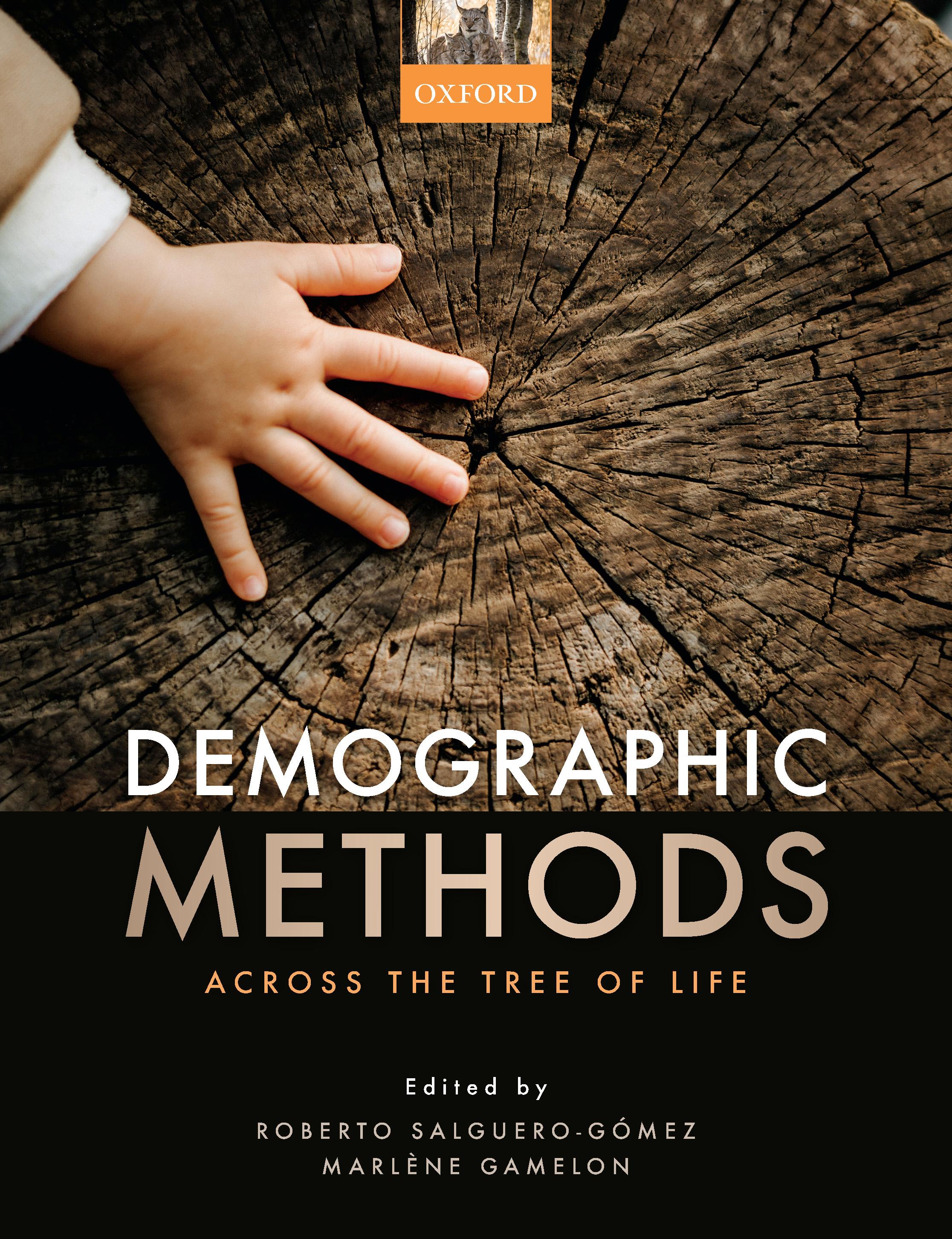
DemographicMethodsacrosstheTreeofLife
Demographic Methodsacross theTreeofLife
EDITEDBY
RobertoSalguero-Gómez
AssociateProfessorinEcology,UniversityofOxford,UK
TutorialFellowinEcology,PembrokeCollege,UK
GuestResearcher,MaxPlanckInstituteforDemographicResearch,Germany
HonoraryResearcher,UniversityofQueensland,Australia
MarlèneGamelon
ChargéedeRecherche,CentreNationaldelaRechercheScientifique(CNRS),University ofLyon,France
Researcher,NorwegianUniversityofScienceandTechnology,Norway
GreatClarendonStreet,Oxford,OX26DP, UnitedKingdom
OxfordUniversityPressisadepartmentoftheUniversityofOxford. ItfurtherstheUniversity’sobjectiveofexcellenceinresearch,scholarship, andeducationbypublishingworldwide.Oxfordisaregisteredtrademarkof OxfordUniversityPressintheUKandincertainothercountries
©OxfordUniversityPress2021
Themoralrightsoftheauthorshavebeenasserted Impression:1
Allrightsreserved.Nopartofthispublicationmaybereproduced,storedin aretrievalsystem,ortransmitted,inanyformorbyanymeans,withoutthe priorpermissioninwritingofOxfordUniversityPress,orasexpresslypermitted bylaw,bylicenceorundertermsagreedwiththeappropriatereprographics rightsorganization.Enquiriesconcerningreproductionoutsidethescopeofthe aboveshouldbesenttotheRightsDepartment,OxfordUniversityPress,atthe addressabove
Youmustnotcirculatethisworkinanyotherform andyoumustimposethissameconditiononanyacquirer
PublishedintheUnitedStatesofAmericabyOxfordUniversityPress 198MadisonAvenue,NewYork,NY10016,UnitedStatesofAmerica
BritishLibraryCataloguinginPublicationData
Dataavailable
LibraryofCongressControlNumber:2021936265
ISBN978-0-19-883860-9(hbk.)
ISBN978-0-19-883861-6(pbk.)
DOI:10.1093/oso/9780198838609.001.0001
Printed:Printedandboundby CPIGroup(UK)Ltd,Croydon,CR04YY
Coverimage:d3sign/GettyImages(frontmain)andCecilieSonsteby/GettyImages(back) LinkstothirdpartywebsitesareprovidedbyOxfordingoodfaithand forinformationonly.Oxforddisclaimsanyresponsibilityforthematerials containedinanythirdpartywebsitereferencedinthiswork.
Foreword
Demographyisattheheartofbiology.Populations changeinsizeovertimeduetotemporalvariationin demographicrates,andspatialvariationinpopulation dynamicsisduetodifferentdemographicratesbeing observedacrosspopulationsofthesamespeciesatdifferentlocations.Communitydynamicsaredetermined bythedemographicratesofconstituentspecies.Evolutionoccurswhendifferentgenotypeshavedifferent demographies.Agoodbiologistconsequentlyneedsto haveafirmgraspofdemography.
Despitethecentralroleofdemographyinbiology, itisnotaneasysubjecttomasterfortworeasons. First,demographicdataareneithercheapnoreasyto collect.Themostdetaileddatacomefromrepeated capturesandobservationsofindividualsthatcanbe individuallyidentified.Notallspeciesareamenable tosuchstudy—trycollectingsuchdataon Caenorhabditiselegans or Anophelesgambiae inthewild—andthose speciesthataresuitableforsuchstudyareoftenlonglived,survivingformanyyears.Studyingevolution insuchlong-livedspeciesisunfeasible,asitcantake numerousconsecutiveresearchgrants,orevencareers, togainrobustinsight.Fortunately,thereareapproachesbeingdevelopedtocollectdemographicdatawithoutmarkingindividualsthatcanbeusedtoconstruct powerfuldemographicmodels.
Thesecondreasonthatdemographyisadifficult subjectisbecauseitismathematical.Allpopulations arestructured,beitbygenotypes,phenotypictraits, strategies,age,sex,lifehistorystage,orsomeotherquantity.Modellingstructuredpopulationusually requiresmatrices,andtheanalysisofmatricesrequires, atthebareminimum,anunderstandingoflinearalgebra.Whenmodelsbecomefrequency-dependent,and includetrait-mediatedinteractions,twosexes,ormultipleinteractingspecies,analyticalmethodsbecome evenmorechallenging.
Thesechallengesshouldnotdeteryoufromstudyingdemography,becausetherewardsfrommastering thesubjectaremyriad.Demographyhasbecomepopularinbiologyinrecentyears.Thefirstreasonfor thispopularityisinpartbecauseitisnowwidely acceptedasapowerfulwaytostudyeco-evolution, evolutioninstructuredpopulations,lifehistoryevolution,populationdynamics,speciesinteractions,and epidemiology.Therewardfrommasteringthemaths isworthit.Thesecondreasonisthatthedevelopmentofintegralprojectionmodels(IPMs)thatallow thestudyofcontinuousphenotypictraitshassolved achallengethatfaceddemographyformanyyears— howtostudyquantitativecharacterswithoutarbitrarilysplittingthemintowide,discretebins.IPMsallow researcherstogoseamlesslyfromtheidentification ofstatisticalpatternsindatatodemographicmodels.Thethirdreasonfortheriseofdemographyis thetechnologicaladvancesthatnowallowincreased easeofdatacollectionfromwildpopulations.These methodsincludeminiaturisedtags,ruggedisedlowerpowerwirelesssensornetworks,cheaperandmore accuratesatellitetagsforanimals,andevenautomated trapsthattargetwhichindividualstolivetrap.
IimaginethatwhenIamaskedtowritetheforeword forthesecondeditionofthisbook,Ihavenodoubtthat thefourthreasonIwilllistwillbethistome.Itisavery well-structuredbookthatcoversnotonlydatacollectionbutalsomodelconstructionandanalysis,andthe contributorsaretheverypeoplewhohaveadvanced thefieldofdemographysosubstantiallyinthelast decade.Thebooksucceeds,wheresomanyfail,innot onlyprovidinganaccessibleintroductiontothefield forthosewhohavenotbeenimmersedinitforyears, butalsocontainingsomestate-of-the-artmethodsand applications.Theeditors,whoareleadersoftheirgenerationinthefieldofdemography,haveputtogethera
verythoughtfuldocument:thebookhassomethingfor everyone,fromthenovicetothedemographicwizard. Partofdemographyisaboutprediction.Asademographer,itwouldconsequentlyberemissofmetofail tomakeaprediction.Sohereitis:withinayearall
goodbiologistswillhavethisbook,well-thumbed, centre-stageontheirbookcase.
TimCoulson ProfessorofZoology UniversityofOxford,UK
Acknowledgements
Thecommunityofindividualstowhomwearegratefulfortheirimpactonthisbookisasheterogeneousas thediversityofquestions,methods,andapplications ofdemographyitself.
Firstandforemost,thisattempttobringtogether demographicmethodsacrosstheTreeofLifewould havebeenimpossiblewithouttheexcellentcontributionsofall77authors.Theybroughtadepth,breadth, andclarityinexplanationsthatwefeelconfidentwill beextremelyusefultothedemographiccommunityandbeyond.Thediligenceandresilienceofthese authors—eventhroughapandemic—keptusfocused onthedeliveryoftheirindividualcontributionsand thebook.Likewise,weareindebtedtothe44anonymousreviewerswhoprovidedexcellent,timely,and on-timesuggestionstoimprovethecontentandstylisticpresentationofeachchapter.
Theinceptionofthisbookstartedalmostasamatterofunconsciousintellectualdevelopmentduringour respectivepostdoctoraltimesattheMaxPlanckInstituteforDemographicResearch(Germany)forRobertoSalguero-GómezandattheCentreforBiodiversityDynamics(CBD),NorwegianUniversityofScienceandTechnology(NTNU)(Norway)forMarlène Gamelon.Theexposuretodemographersworkingon awiderangeofsystemsandwithanevenbroader repertoireofmethodologiesandquestionsencouraged ustotestwhetherthosemethodswouldbeapplicablewithinandbeyondourspecificstudysystems. WeoweagreatdealofinspirationtoRuthArcher, OskarBurger,BrendaCasper,HalCaswell,Fernando Colchero,DaliaConde,DavidN.Koons,SteveEllner, SteinarEngen,Jean-MichelGaillard,OlivierGimenez, VidarGrøtan,OwenJones,EelkeJongejans,Hansde Kroon,Jean-DominiqueLebreton,CoryMerow,Sean McMahon,JessicaMetcalf,JimOeppen,PeterPetraitis, BrettK.Sandercock,RalphSchaible,AlexScheuerlein,IainStott,Bernt-ErikSæther,JamesVaupel,and CyrilleViolleforinspiringustothinkbeyondour particularone-species,one-population,one-method, one-questionorigins.
Wewarmlythankourpastandpresentacademicinstitutions:theUniversityofQueensland(Australia)andtheUniversitiesofSheffieldandOxford (UK)forRoberto,andtheCentred’EcologieFonctionnelleetEvolutiveinMontpellier,theLaboratoire deBiométrieetBiologieEvolutiveinLyon(France), andtheCBDinTrondheim(Norway)forMarlène. Alltheseacademicinstitutions,althoughindifferent countries,withdifferentculturesandlanguages(and versionsofEnglish!),sharecommondenominators: stimulatingscientificenvironments,andopendiscussionsinecology,evolution,andconservationbiology, fromwhichwegreatlybenefittedwhileeditingand writingthisbook.Inthisregard,weareextremely thankfulfortheintellectual,logistical,andemotionalsupportprovidedbyAzizAboobaker,MikeBonsall,StephanieBorrelle,NatalieBriscoe,PolCapdevila,DylanChilds,TimCoulson,ShaunCoutts,Katrina Davis,JohnDwyer,JaneElith,RobFreckleton,Ivar Herfindal,MattHolden,IrjaIdaRatikainen,AlineM. Lee,E.J.Milner-Gulland,MariaPaniw,HenrikPärn, ChristophePélabon,HughPossingham,MarkRees, BenC.Sheldon,JarleTufto,andPeteVesk.
Thematurationofthecorpusofthisbookwascarriedovernumerousinternetconferencecallsindifferenttimezones.However,thewholethingoriginatedfromdiscussionsbetweenusandothercolleaguesatmultipleinternationalmeetings.Itisworth hereacknowledgingthemostinfluentialvenue:the EvolutionaryDemographySociety(EvoDemoS)annualmeetings.Theintellectualexchangesupportedby thosemeetingsallowedustofine-tunethecontent ofthebookaswellastorecruitinvaluablecontributionsbyexcellentjuniorandestablishedresearchersin thefieldofdemography.InteractionswithEvoDemoS members,aswellasmembersfromtheBritishEcologicalSocietyandtheEcologicalSocietyofAmericahave furtherallowedustotailorthisbookforourtarget audience.
Wealsoacknowledgethefinancialsupport providedbyvariousfundingagenciesandschemes.
RobertoSalguero-GómezwassupportedbyanAustralianResearchCouncilDECRAfellowshipwhileat theUniversityofQueensland,andaNERCIndependentResearchFellowshipwhileattheUniversityof SheffieldandUniversityofOxford.Furthergrants tohimandhisresearchgroupbytheARC,NERC, BBSRC,RoyalSociety,Oxford–AfricaFunds,Oxford UniversityPressJohnFellFunds,andtheSpanish MinisteriodeEconomíayCompetitividadallowed forinteractionswithkeycollaborators,aswellas developingandapplyingdemographicmethodstoa diversityofspecies.MarlèneGamelonwassupported byagrantoftheFrenchNationalAgencyforWildlife (formerlyONCFS-nowOFB),theResearchCouncil ofNorwaythroughitsCentresofExcellencefundingschemetoCBD,andtheCentreNationaldela RechercheScientifique(CNRS).
Thisworkhasgreatlybenefittedfromthetimely,supportive,andencouragingadviceandguidance fromtheOUPteam.SpecialthanksgotoIanSherman, CharlesBath,andBethanyKershaw.
Finally,wewouldliketothankthelovedoneswho haveprovidedtheirinputtothisbookwhilebeing verypatientforthetimethatthisbooktookaway fromthem.RobertoSalguero-GómezthanksKatrina DavisandManonSalguero-Davisfortheirunconditionalsupport,love,criticalinput,andpatience.MarlèneGamelondedicatesthisbooktoherfamily,who havealwaysbeensupportivealongtheacademicscientificpath.
RobertoSalguero-Gómez MarlèneGamelon
OldˇrichTomášek,AlanA.Cohen,ErolaFenollosa,MaurizioMencuccini,Sergi Munné-Bosch,andFaniePelletier
2.1Introduction
2.2Generalcriteriaforselectingbiomarkersindemographicstudies
2.3Designingthedatacollection
2.4Physiologicaltraits
2.4.1Animalmetabolism
2.9Biologging
2.10Combiningbiomarkers
3.2Classicfield-basedmethodsforsamplingsocialbehaviours
3.2.1Abriefhistoryofsocialstudies,JeanneAltmann,andthe samplingofsocialbehaviour
3.2.2Theinterplaybetweenfieldandlabstudies
3.3.1Abriefoverviewofanimal’sbiologging
3.3.2Biologgingtodetermineindividualsocialinteractionsand spatialassociations
3.4Analysingsocialbehaviour
3.4.1Fromdatacollectiontosocialnetworkanalyses
3.4.2Individuallevel:therolesofnodes
3.4.3Intermediarylevels
3.4.4Grouplevelandgroupcomparison
4.3Growthringsinotherorganisms
MarlèneGamelon,JoshA.Firth,MathildeLeMoullec,WilliamK.Petry, andRobertoSalguero-Gómez
5.1Introduction:long-termfieldstudies
5.2Collectionoflongitudinaldemographicdataonmobilespecies
5.2.2Individual-levellong-termfieldstudies:concepts,methods, anddata
5.3Collectionoflongitudinaldemographicdataonsessilespecies
5.3.1Proceduresandtypeofdatacollectedatthepopulationlevel
5.3.2Proceduresandtypeofdatacollectedattheindividuallevel
5.4Thefutureoflong-termstudies:newaspects,currentbiases,and
6Driversofdemography:pastchallengesandapromiseforachanged future
PedroF.Quintana-Ascencio,EricS.Menges,GeoffreyS.Cook,JohanEhrlén,andMichelle E.Afkhami
6.1Populationdynamicsandbioticandabioticdrivers
6.2Challengeswithincorporatingdriversintostructuredpopulation
6.3Quantifyingdriversbyobservationandbyexperiments
6.6Populationdynamicsinthelandscape:influenceofspatialhabitat structureandheterogeneity
7.1Aimsofabundanceanalyses
7.3Analyticapproaches
8Lifetables:constructionandinterpretation
8.1Introduction
8.2Cohortandperiodlifetables
8.2.1Cohortlifetables
8.2.2Periodlifetables
8.2.3Fertility
9.2.1Lifetableforagestructuredpopulation
9.2.2Projectinggrowthofagestructuredpopulation
9.2.3DefiningLesliematrixelementsforpre-and post-reproductivecensuses
9.3Stage-structuredMPMs
9.4BasicanalyticalresultsfromMPMs
9.4.1Asymptoticpropertiesfromtheprojectionmatrix
9.5Casestudieswithdifferentdemographicstructures
9.5.1Casestudy1:AgestructureinAsianelephants
9.5.2Casestudy2:Lifecyclestagesinanisopod
9.5.3Casestudy3:Ageandhabitatstructureinblack-headed gulls
10.3.2Generalisedlinearmodels
10.4CombiningthevitalfunctionsintheIPM
10.5.1Perturbationonthekernel
10.5.2Perturbationonthepre-existingandnewbornsectionsof thekernel
10.5.3Sensitivitiesonthevitalrates
10.5.4Sensitivitiestovitalrateparameters
10.6Furtherconsiderationsintheconstructionofvital-ratemodels
10.6.1Extensionsofthelinearmodel
10.7.1Casestudy1:Soaysheeppopulationstructuredby weight
10.7.2Casestudy2:Perennialherbpopulationstructuredby height,elevation,andtimesincefire
DavidN.Koons,DavidT.Iles,andIainStott
ViktoriiaRadchuk,StephanieKramer-Schadt,UtaBerger,CédricScherer,PiaBackmann, andVolkerGrimm 12.1Introduction
12.2Whatareindividual-basedmodelsandhowdowedocument them?
12.3Whyindividual-basedmodels?
12.6.1Vole–mustelidmodel
12.6.2Wildboar–classicalswinefever(CSF)virusmodel
12.6.3Wildtobacco–insectmodel(TIMELY)
13Survivalanalyses
SarahCubaynes,SimonGalas,MyriamRichaud,AnaSanzAguilar,RogerPradel, GiacomoTavecchia,FernandoColchero,SebastienRoques,RichardShefferson,and CarloGiovanniCamarda
13.1Introduction
13.2Whatissurvivalanalysisandwhydoweneedit?
13.2.1Timematters
13.2.2Censoringandmissingdata
13.2.3Knownfatedataversusimperfectdetection
13.3Survivalanalysesinthelab:whenit’s(almost)allunder control
13.3.1Monitoringsurvivalinthelab
13.3.2Kaplan–Meierestimatorandlog-ranktests
13.3.3Cox’sproportionalhazardstoadjustforcovariates
13.3.4Exampleofastressassayinanunconventionalresistant organism:thetardigrade
13.4Survivalanalysesinthewild:dealingwithuncertaintyand variableenvironments
13.4.1OverviewofCMRmodels
13.4.2Environmentalvariabilityandindividualheterogeneityin CMRmodels
13.4.3Inferenceframework
13.4.5Casestudiesinanimaldemography
13.5.1Humandataandassumptions
13.5.2Parametricmodelsoverage
13.5.3Overparametrisedmodels:theexampleoftheLee–Carter model
13.5.4Semiparametricmodels:theexampleofP-splines
13.5.5Implementationexample
MarlèneGamelon,StefanJ.G.Vriend,MarcelE.Visser,CasparA.Hallmann, SuzanneT.E.Lommen,andEelkeJongejans
14.1Introduction:whyuseintegratedpopulationmodels?
14.2HowtobuildanIPM?
14.2.1Populationmodel
14.2.2Individuallikelihoods
14.2.3Jointlikelihood
14.3Casestudies
Part3Applications
15.1Introduction
15.2Spatialvariationindemographicrates
15.2.1Statisticaltoolsfornonparametricinferenceaboutspatial variation
15.2.2Recentimplementationsinspatialdemography
15.2.3Discussion
15.3Estimatingdispersalfluxes
15.3.1Integratedpopulationmodels
15.3.2Multisitecapture–recapturemodelsandintegrated metapopulationmodels
15.3.3Dispersalasadiffusionprocessalongresistancesurfaces
15.4Thefeedbackbetweenspaceuseandfitness
15.4.1Principlesofintegralprojectionmodelsaspertainingto spatialdemography
15.4.2Spaceuseorresourceselection?
15.4.3FormalanalysisofIPMs
15.4.4Individual-basedsimulationapproach
17.2Stochastictheory
17.3Theconceptofindividualreproductivevalue
17.5.1MooseontheislandofVega
17.5.2Apracticalapplication:estimatingriskofextinctionin harvestedScandinavianlynxpopulations
18Applyingcomparativemethodstodifferentdatabases:lessonsfrom demographicanalysesacrossmammalspecies
Jean-MichelGaillard,VictorRonget,Jean-FrançoisLemaître,ChristopheBonenfant, GuillaumePéron,PolCapdevila,MarlèneGamelon,andRobertoSalguero-Gómez
18.1Introduction
18.2.1Buildingdatabasesandcalculatingdemographicmetrics
19Adaptivemanagement:makingrecurrentdecisionsinthefaceof
19.3.1Deliberativephase
19.3.2Iterativephase
19.3.3Double-looplearningphase
19.4.1Populationsize/abundance
19.4.2Occupancy
19.4.3Speciesrichness
19.4.4Landcovervegetativestates
19.5Casestudies
19.5.1Mallard(Anasplatyrhynchos)duckharvestinNorthAmerica
19.5.2ManagementofvegetationstatesforFloridascrubjays (Aphelocomacoerulescens)
20.3Genericwaystomodeltheevolutionofdemographicrates
20.3.1Parentaltraitvaluescoupledwithknownheritability
20.3.2DummygenescodingthetraitsinaclassicMendelian manner
20.4.1Borealforestadaptationtowarmingclimate
20.4.2Co-evolutionofcorrelatedtraitsinAtlanticcod
20.4.3Evolutionofasexuallypolymorphicageatmaturityin
21.2Asimulated,sociallystructuredpopulation
21.3Asociallystructuredmatrixpopulationmodel
21.4Asociallystructuredintegralprojectionmodel
21.5Explicitlyaccountingforgroupsizesinapopulationmodel
21.7Doesincreasedmodelcomplexityimproveinferencesof populationdynamicsinasociallystructuredpopulation?
22.1Whydemographyisimportanttoepidemicdynamics
22.2Modellingtheintersectionbetweenepidemiologyand
22.3Demographicunderpinningsofacoreparameter, R0
ListofContributors
MichelleE.Afkhami AssistantProfessor,University ofMiami,USA
PiaBackmann Post-DoctoralResearcher,Technische UniversitätDresden,Germany
UtaBerger Professor,TechnischeUniversität Dresden,Germany
BryanA.Black AssociateProfessor,Universityof Arizona,USA
ChristopheBonenfant ChargédeRecherche,CNRS, UniversityofLyon,France
CarloGiovanniCamarda Researcher,InstitutNational d′ÉtudesDémographiques,France
PolCapdevila ResearchAssociate,Universityof Bristol,UK
HalCaswell Professor,UniversityofAmsterdam,The Netherlands
MarieJ.E.Charpentier DirectricedeRecherche, CNRS,UniversityofMontpellier,France
DylanZ.Childs SeniorLecturer(AssociateProfessor), UniversityofSheffield,UK
AlanA.Cohen AssociateProfessor,Universityof Sherbrooke,Canada
FernandoColchero AssociateProfessor,Universityof SouthernDenmark,Denmark
GeoffreyS.Cook AssistantProfessor,Universityof CentralFlorida,USA
GabrieleCozzi Post-DoctoralResearcherinMovementEcology,UniversityofZurich,Switzerland
SarahCubaynes MaîtredeConférences,Universityof Montpellier,France
JohanEhrlén Professor,StockholmUniversity, Sweden
SteinarEngen Professor,NorwegianUniversityof ScienceandTechnology,Norway
MargaretE.K.Evans AssistantProfessor,University ofArizona,USA
DonaldA.Falk Professor,UniversityofArizona,USA
ErolaFenollosa Post-DoctoralResearcher,UniversityofBarcelona;Post-DoctoralResearcher, IRBio(InstitutdeRecercadelaBiodiversitat), Spain
JoshA.Firth Researcher,UniversityofOxford,UK
Jean-MichelGaillard DirecteurdeRecherche,CNRS, UniversityofLyon,France
SimonGalas Professor,UniversityofMontpellier, France
MarlèneGamelon ChargéedeRecherche,CNRS,UniversityofLyon,France;Researcher,Norwegian UniversityofScienceandTechnology,Norway
CourtneyL.Giebink GraduateFellow,Universityof Arizona,USA
EdgarJ.González AssociateProfessor,Universidad NacionalAutónomadeMéxico,Mexico.
VolkerGrimm Professor,UniversityofPotsdam; SeniorResearcher,HelmholtzCentreforEnvironmentalResearch–UFZ,Germany
CasparA.Hallmann Post-DoctoralResearcher, RadboudUniversityNijmegen,TheNetherlands
DavidT.Iles QuantitativeWildlifeBiologist,CanadianWildlifeService,EnvironmentandClimate ChangeCanada,Canada
HenrikJensen Professor,NorwegianUniversityof ScienceandTechnology,Norway
OwenR.Jones AssociateProfessor,Universityof SouthernDenmark,Denmark
EelkeJongejans AssistantProfessor,Radboud UniversityNijmegen,TheNetherlands
PetraKlepac AssistantProfessor,LondonSchoolof HygieneandTropicalMedicine,UK
JonasKnape AssociateProfessor,SwedishUniversity ofAgriculturalSciences,Sweden
StephanieKramer-Schadt Professor,TechnischeUniversitätBerlin;HeadofDepartmentofEcological Dynamics,LeibnizInstituteforZooandWildlife Research,Germany
DavidN.Koons Professor,JamesC.Kennedy EndowedChairofWetlandandWaterfowl Conservation,ColoradoStateUniversity, USA
AnnaKuparinen Professor,UniversityofJyväskylä, Finland
ChristieLeCoeur Post-DoctoralResearcher, UniversityofOslo,Norway
Jean-FrançoisLemaître ChargédeRecherche,CNRS, UniversityofLyon,France
MathildeLeMoullec Post-DoctoralResearcher, NorwegianUniversityofScienceandTechnology, Norway
AndreasLindén SeniorScientist,WildlifeEcology,NaturalResourcesInstituteFinland(Luke), Finland
SuzanneT.E.Lommen Post-DoctoralResearcher, LeidenUniversityandUniversityofFribourg, Germany
MaurizioMencuccini Professor,ICREA(Catalan InstituteforResearchandAdvancesStudies),Barcelona;Professor,CREAF(Research CenterinEcologyandForestryApplications), Spain
EricSMenges ProgramDirectorandSenior Researcher,ArchboldBiologicalStation,USA
C.JessicaE.Metcalf AssociateProfessor,EvolutionaryBiologyandPublicAffairs,Princeton University,USA
SergiMunné-Bosch Professor,Universityof Barcelona,Spain
JamesD.Nichols AdjunctProfessor,Universityof Florida,USA
AlinaK.Niskanen Post-DoctoralResearcher,UniversityofOulu,Finland
ArpatOzgul AssociateProfessor,Universityof Zurich,Switzerland
MariaPaniw Post-DoctoralResearcher,Universityof Zurich,Switzerland
MariePelé ChargéedeRecherche,LilleCatholic University,France
FaniePelletier Professor,UniversityofSherbrooke, Canada
GuillaumePéron ChargédeRecherche,CNRS, UniversityofLyon,France
WilliamK.Petry AssistantProfessor,NorthCarolina StateUniversity,USA
RogerPradel DirecteurdeRecherche,CNRS, UniversityofMontpellier,France
PedroF.Quintana-Ascencio Professor,Departmentof Biology,UniversityofCentralFlorida,USA
ViktoriiaRadchuk SeniorResearcher,Leibniz InstituteforZooandWildlifeResearch,Austria
JulienP.Renoult ChargédeRecherche,CNRS, UniversityofMontpellier,France
MyriamRichaud PhD,UniversityofMontpellier, France
VictorRonget Post-DoctoralResearcher,University ofParis,France
SébastienRoques PhD,UniversityofMontpellier, France
RobertoSalguero-Gómez AssociateProfessor, UniversityofOxford,UK;TutorialFellow,PembrokeCollege,UK;GuestResearcher,MaxPlanck InstituteforDemographicResearch,Germany; HonoraryResearcher,UniversityofQueensland, Australia
Bernt-ErikSæther Director/Professor,Norwegian UniversityofScienceandTechnology,Norway
AnaSanzAguilar Researcher,RamonyCajal Researcher,IMEDEA,Spain
CédricScherer Post-DoctoralResearcher,Leibniz InstituteforZooandWildlifeResearch,Austria
EmilyL.Schultz Post-DoctoralResearcher,University ofArizona,USA
RichardShefferson AssociateProfessor,Universityof Tokyo,Japan
EmilyG.Simmonds Post-DoctoralResearcher,NorwegianUniversityofScienceandTechnology, Norway
StevenSmith HeadofEcologicalGenomics,UniversityofVeterinary,Austria
StefanSommer ResearchAssistant,Universityof Zurich,Switzerland
IainStott SeniorLecturer,UniversityofLincoln,UK
CédricSueur MaîtredeConférences,Universityof Strasbourg,andInstitutUniversitairedeFrance, France
GiacomoTavecchia Researcher,IMEDEA,Spain
OldˇrichTomášek Researcher,InstituteofVertebrate BiologyoftheCzechAcademyofSciences, Czechia;Researcher,MasarykUniversity,Czechia
ShripadTuljapurkar Professor,StanfordUniversity, USA
YngvildVindenes AssociateProfessor,Universityof Oslo,Norway
MarcelE.Visser Professor,GroningenUniversityand WageningenUniversity,TheNetherlands
StefanJ.G.Vriend PhD,NorwegianUniversityof ScienceandTechnology,Norway
WenyunZuo Researcher,StanfordUniversity, USA
Fromlions,tolion’smanes, todandelions:howdifferenttypes ofdemographicdataandmethods areselectedandwhy
RobertoSalguero-GómezandMarlèneGamelon
1 Ontheoriginsofthisbook
Thethreepillarsuponwhichthisbookhasbeen engineeredarethediversityofdemographicschedules foundinnature,coupledwiththecommoncurrencies ofdemographyandthemyriadofexistingquantitativemethodsindemography.Thesepillarsarepresent alongthebookandits22chaptersinthefollowing aspects:
1. Highdiversityinlivingforms:thevastamount ofdiversityacrosstheTreeofLifeisexpressedat alllevelsofbiologicalorganisation,fromgenesto ecosystems.Individualswithinapopulation,populationswithinspecies,andspecieswithinacommunitydifferagreatdealintermsofvariationintheir demographicschedules(i.e.ratesofsurvivaland reproductionthroughtime).Forinstance,longevityvariesbyordersofmagnitude,fromdaysas inthecaseofsomemayflyspecies(e.g. Ephemera simulans, Carey2002)tomillenniaasinbristlecone pines(Pinuslongevata, LannerandConnor2001). Butwhyistherevariationindemographicschedules acrossindividuals,populations,andspecies?What aretheimplicationsofthisdemographicvariationin ecology,evolution,andconservation/management contexts?
2. Thecommoncurrenciesofdemography:Despite variationindemographicschedules,allindividualsofallspeciesareborn,thendevelop,survive, reproduce,and,soonerorlater,die.These ratesoflife
(Latin‘vita’),or vitalrates ofsurvival,development, reproduction,andrecruitment,arecommonacross allspecies,frombacteriatohumans.Thus,similardemographicmethodscanaccommodateallthe speciesacrosstheTreeofLifetotackleimportant questionsregardingtheuniversalityofrulesinecologyandevolution(Sutherlandetal.2013).
3. Highdiversityinquantitativemethods:demography,throughitsveryorigin(see PartII),iswell equippedtoaddressalloftheaforementionedquestionsandmore(MetcalfandPavard2007),asitis stronglycementedinstatisticsandactuarialscience. Demographicmethods—asthereaderwillhavean opportunitytolearnfromthisbook—allowoneto accommodateahighvariationindataqualityand sources,toaddressfundamentalquestionsinecology,evolution,andconservation/management, forallspeciesacrosstheTreeofLife.Fromthat angle,weintroducehereabookthatgoesbeyond taxonomicboundaries.Thedataandapplicationsof mostchaptersincludetrans-kingdomcomparisons thathighlighttheuniversalityofsaidcommon currencies.
Werealisedthattherewasanemptynicheintryingtobringtogether DemographicMethodsacrossthe TreeofLife.Thiswastheinitialaimofthisbook!Later, thebeginningsofthisbookwere developed viafrequent conversationsbetweenusandwithallofthecontributingauthors,aswellasrigorouspeer-reviewing,to
RobertoSalguero-GómezandMarlèneGamelon, Fromlions,tolion’smanes,todandelions:howdifferenttypesofdemographicdataandmethods areselectedandwhy. In: DemographicMethodsAcrosstheTreeofLife.EditedbyRobertoSalguero-GómezandMarlèneGamelon, OxfordUniversityPress.©OxfordUniversityPress(2021).DOI:10.1093/oso/9780198838609.002.0001
makesurethatourprimarymotivationwasfulfilled:to provideacohesivebookthatbringstogetherfieldecologists,ecologicalmodellers,andpractitionersworkingwithanimalandplantkingdoms.Toreachthis goal,thebookisdividedintothreeparts:demographic datacollection(Part I),demographicanalyses(Part II), anddemographicapplications(Part III).Thisphaseof growth/development tooksomeyearsandluckilyendedwiththe birth ofthisbook.Wewilldoourbest toslowdownthe inevitabledeclineofperformancewith increasingages (butsee Jonesetal.2014)bymaintainingarepositorycontainingthematerialslinkedtothis booktopreventitfrombecomingoutdated.Wenow hopethatthisbook’sreproductiveoutputwillbehigh withthe recruitment ofthenextgenerationofdemographers,wherequestions,methods,andsystemswillnot besiloedtaxonomicallyorbiogeographically.
2 Originsofdemographicanalyses: fromhumanstononhumananimals, plants,fungi,andmicrobes
Classicaldemographyisbroadlyconcernedwiththe size,distribution,structure,andchangeofpopulationsthroughtime. Demography (Gr. demo-:people, -graphy:writing,description,ormeasurement)literally means‘descriptionofpeople’.Notsurprisingly,this sciencehaslongbeencentredonthestudyofhuman populations(Prestonetal.2000).Itisworthnoting thatsuchdescriptionsofpeopleandtheirpopulationshavebeengreatlyenhancedthroughthepartneringofhumandemographers(self-named‘formal demographers’, Hinde1998)withstatisticiansand actuarialscientists(i.e.researchersexaminingageing patterns).Althoughdemographictoolswereinitially developedtoexaminehumanpopulations,thesetools havebeenprogressivelyappliedtononhumanspecies. Forinstance,competingriskstatisticalmodels(Crowder2001; HeiseyandPatterson2006),usedtoestimate age-andcause-specificmortalityprobabilitywhenthe fateofanindividual(i.e.aliveordead)andthecause ofdeath(e.g.cancer,caraccident)arepreciselyknown, havebeenusedinmedicine,humandemography,and morebroadlyoncaptiveanimals(Southeyetal.2004) andonplantpopulations(SheffersonandRoach2013). Thoughthesekindsofdemographicanalysesare possibleinothertaxonomiccornersoftheTreeofLife— perhapsbecausethedataarescarcer—theapplicabilityofthetoolisverymuchthere.Tofurtherbuild onourexampleonmortalityprobability,advancesin radiotelemetryandGPStechnologiesnowallowfor thefateofwildanimalstobeknownandthecausesofdeathtobeidentified(Tomkiewiczetal.2010).
However,inmostwildpopulations,knowingthefate ofanindividualremainschallenging.Anindividual thatisaliveisnotnecessarilydetectedbytheobserver(Bartholdetal.2016; Eikelboometal.2019).This componentaddsanadditionallayerofcomplexity,as identifyingthecauseofdeathisdifficultbecausedeath israrelyobserved.Thisexampledemonstrateswhywe needtodevelopnewtechniquesfordataacquisition,as wellasnewdemographicmethodsfordataanalyses, acrosstheTreeofLifetoaddresskeyandtimelyquestionsinecology,evolution,andconservationbiology.
3 Whyusedemographicmethodsacross theTreeofLife?
Amyriadofquestionscanbeaddressedfromdemographicdatacollected innatura orinthelabwhenanalysedwiththeappropriatedemographicmethods.This bookprovidesanonexhaustivereviewofthequestionsthatcanbetackled,rangingfromthestudyof eco-evolutionaryfeedbacks(Chapter 20),totheassessmentoftheextinctionriskinharvestedpopulations andthebestwaytomanagethem(Chapters 17 and 19),throughtheevaluationoftheeffectsofenvironmentaldisturbancesandperturbationsonshort-and long-termpopulationdynamics(Chapters 10 and 11), aswellastheimportanceofdemographyinepidemic dynamics(Chapter 22).Allthesequestionsareparticularlytimely,giventheongoingcontextofglobalchange wheretheEarthhasenteredintothesixthmajorextinctioneventofitshistory(LewisandMaslin2015)and whereweareallexperiencingapandemic!
Thedevelopmentanduseofdemographictoolsfor theanalysisofdemographicdatarequiresstrongquantitativeinclinations.However,therelianceofdemographyonquantitativemethodsdoesnotmeanthatifthe currentholderofthisbookisnot good atmath,matrix calculus,statistics,ortheliketheyshouldimmediatelycloseit.Whatitdoesmean,though,isthatinvesting adequatetimetobecomequantitativelytrained(orcollaboratewithsomebodywhois)willundeniablyresult inimportantbenefitsintheunderstandingof,say,(1) throughwhichevolutionarymechanismspopulations ofdandelions(Taraxacumofficinale)becameestablished andinvasiveinNewZealand(Vitouseketal.1997), (2)thecurrentecologicalinfluencesandsocioecologicalimplicationsofhuntingbymalelions(Pantheraleo) inSouthAfrica(Funstonetal.1998),or(3)theprojected viabilityoftheedibleyetendangeredlion’smanefungus(Hericiumerinaceus)intheUnitedKingdom(Boddy etal.2011).
Thechoiceofexamplesdescribedaboveregarding howdemographictoolshelpbiologistsandmanagers
understandthebiologyofthreedifferentspeciesof ‘lion’,onthreedifferenttopics,threedifferentcorners oftheTreeofLife,threedifferentlocationsaround theworld,andatthreedifferenttemporalscales(past, present,andfuture)isnotcoincidental.Rather,these arepartofaconsciouseffort—alsorepresentedin every chapterinthisbook—tohighlightthefactthat demographictoolsneednotbelimitedtobiogeographic,temporal,and/ortaxonomicsilos.Tearingdown thosesilosandimprovingcross-fertilisationamong themhasbeentheprimarymotivationforthisbook. Indeed,equippingoneselfwithrobustquantitative methodscanhelptheresearcherdescribeavastrange ofquestionsinecology,evolution,andconservation biology.Theirapplication,weargue,pertainstoa broadrangeofcreaturesandecosystemsbecauseofthe universalcurrenciesofdemography:thevitalratesof survival,development,reproduction,andrecruitment. Theseuniversalcurrenciesaresharedacrossdandelions,lions,andlion’smanes,asmuchastheyare betweenbacteria,you,andus.
Webelievethatasignificantnumberofquestions, protocols,andmethodscanbeappliedacrossthe entirespectrumoflife,andthatimportantresearch advanceswillemergeviatheunificationandstandardisationofthesequestions,protocols,andanalyticaltoolsacrosstaxa.Thisbook,thus,aimstofulfila needtounifybothfieldandanalyticaldemographic methodsacrossallmajorlifeforms.Fromthisunification,threehistoricallyseparateddisciplines(formal [human]demography,[nonhuman]animaldemography,andrestoftheTreeofLife[includingplants andmicrobes]demography)willbenefitinatleast threeforeseeableways.First,bysharingquestionsand field/analyticalmethods,broaderanalyses(bothgloballyandtaxonomically)willemergethatwillallow researcherstoaddressgeneralrulesinecologyand evolution,andultimatelydevelopmorecost-effective managementplansfortheeradicationofinvasive speciesandthepreservationofendangeredones.Second,thankstonewtechniquessharedacrosstaxa, aseriesofeco-evolutionaryquestionswillbemade availabletoabroaderrangeoftaxa.Forinstance, theimprovementofpedigreeanalysesinareasthat havehistoricallynotimplementedthem(e.g.plantand microbialbiology)willallownoveleco-evolutionary questionstobetackled,questionsaddressedpredominantlyinanimalpopulationssofar(Wilsonetal.2011; Bonnetetal.2019).Third,thisbookstrengthensthe linkbetweendatacollectorsanddemographicmodellers,thusbringingatighterbiologicalunderstanding tothestatisticalanalysesandviceversa(Gimenezetal. 2013).
4 Fromdataacquisitionto demographicanalyses
Techniquesfordataacquisitionhavebeendeveloped acrosstheentireTreeofLife,frommicrobes,tofungi, plants,andanimals.Severaltextbooks(Harper1977; Elzingaetal.2001)havedoneawonderfuljobatdetailingspecificdatacollectionmethods.However,these volumeshavefocusedonspecifictaxonomicgroups (e.g.plants, Gibson2002;nonhumananimals, Williams etal.2002;orhumans, Hinde1998).Thehistoricaltaxonomicfocusofdemographictextbooksisbasedon therationalethatcertainprotocolsthatareappropriateforanimals(e.g.GPStracking)areapriorinot applicableforplants,andviceversa.Inrecentdecades, though,thenumberoftechniquesfordataacquisition hasdrasticallyincreasedthanks,inpart,tothedevelopmentoftechnologiessuchasmicroradio-tracking unmannedaerialvehicles(i.e.drones, Hodgsonetal. 2018)andsatellites(Zhaoetal.2020;Chapter 5).These technologiesholdgreatpromisetounlockthepotential ofclassicalhumandemographictools,oroflargemammaldemographictechniquestothewholeoftheTree ofLife(e.g. PonsandPausas2007).Asaconsequence ofthedevelopmentoftechniquesfordataacquisition, demographicdatahavebeencollectedformanytaxa acrosstheTreeofLife.Thiskeyadvancementhasgiven risetoalargenumberofopen-accessdatabasesgatheringinformationonvitalratesand/orlifehistorytraits (Table 1).However,wenotethatmoredemographicworkswouldbeparticularlywelcomeinmicrobes (Levin1990),certaintaxonomicgroupsintheplant kingdom(e.g.algae, Salguero-Gómezetal.2014),and somegroupswithimportantecologicalvalueinthe animalkingdom(e.g.insects, Carey2001),aswellas evenamongsomecharismatictetrapods(Condeetal. 2019).
Thelastdecadeshavealsowitnessedanexplosion ofdemographicanalysesforalargerangeoftaxa. Forinstance,keytextbookshaveelaboratedondemographictools(e.g.matrixpopulationmodels, Caswell 2001;integratedpopulationmodels, KéryandSchaub 2011; SchaubandKéry2021;integralprojectionmodels, Easterlingetal.2000; Ellneretal.2016;stochasticpopulationdynamics, Landeetal.2003;anda largediversityofanalyticalandmodellingapproaches, Williamsetal.2002; MurrayandSandercock2020). However,thesetextbooksassumethatthedatahave alreadybeencollected—orprovidesomewhatlimited informationabouthowtoobtainthem.Inaddition, someofthemarenowcirca20yearsoldanddonot reflecthowmethodsfordataacquisitionandanalyses haveimprovedrapidlyinthelastdecades.Assuch,