

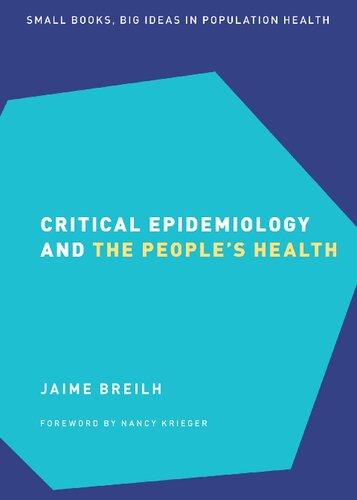
https://ebookmass.com/product/critical-epidemiology-and-thepeoples-health-1st-edition-jaime-breilh/
Instant digital products (PDF, ePub, MOBI) ready for you
Download now and discover formats that fit your needs...
Managerial Epidemiology for Health Care Organizations (Public Health/Epidemiology and Biostatistics)
https://ebookmass.com/product/managerial-epidemiology-for-health-careorganizations-public-health-epidemiology-and-biostatistics/
ebookmass.com
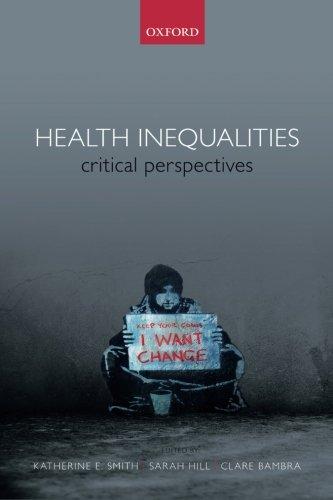
Health inequalities : critical perspectives 1st Edition Bambra
https://ebookmass.com/product/health-inequalities-criticalperspectives-1st-edition-bambra/
ebookmass.com
(Original PDF) Epidemiology 101 (Essential Public Health) 2nd Edition
https://ebookmass.com/product/original-pdf-epidemiology-101-essentialpublic-health-2nd-edition/
ebookmass.com
Practical Reliability Engineering 5th Edition – Ebook PDF Version
https://ebookmass.com/product/practical-reliability-engineering-5thedition-ebook-pdf-version/
ebookmass.com



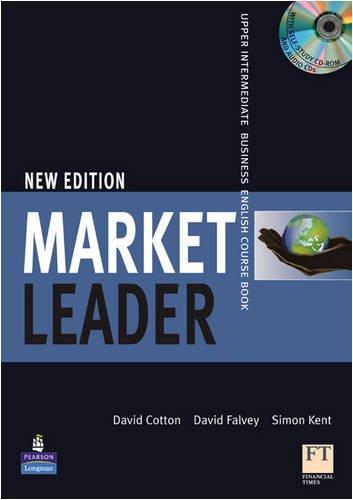
Market Leader: Upper Intermediate Course 2nd Edition David Cotton
https://ebookmass.com/product/market-leader-upper-intermediatecourse-2nd-edition-david-cotton/
ebookmass.com
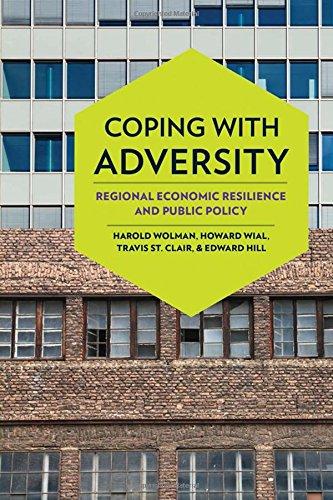
Coping with Adversity: Regional Economic Resilience and Public Policy Harold Wolman
https://ebookmass.com/product/coping-with-adversity-regional-economicresilience-and-public-policy-harold-wolman/
ebookmass.com
Sweet potato : chemistry, processing and nutrition Mu
https://ebookmass.com/product/sweet-potato-chemistry-processing-andnutrition-mu/
ebookmass.com
(eTextbook PDF) for Becker’s World of the Cell 9th Edition by Jeff
Hardin
https://ebookmass.com/product/etextbook-pdf-for-beckers-world-of-thecell-9th-edition-by-jeff-hardin/
ebookmass.com
The Social Work Skills Workbook 8th Edition – Ebook PDF Version
https://ebookmass.com/product/the-social-work-skills-workbook-8thedition-ebook-pdf-version/
ebookmass.com

Fundamentals of Engineering Thermodynamics 9th Edition eBook
https://ebookmass.com/product/fundamentals-of-engineeringthermodynamics-9th-edition-ebook/
ebookmass.com

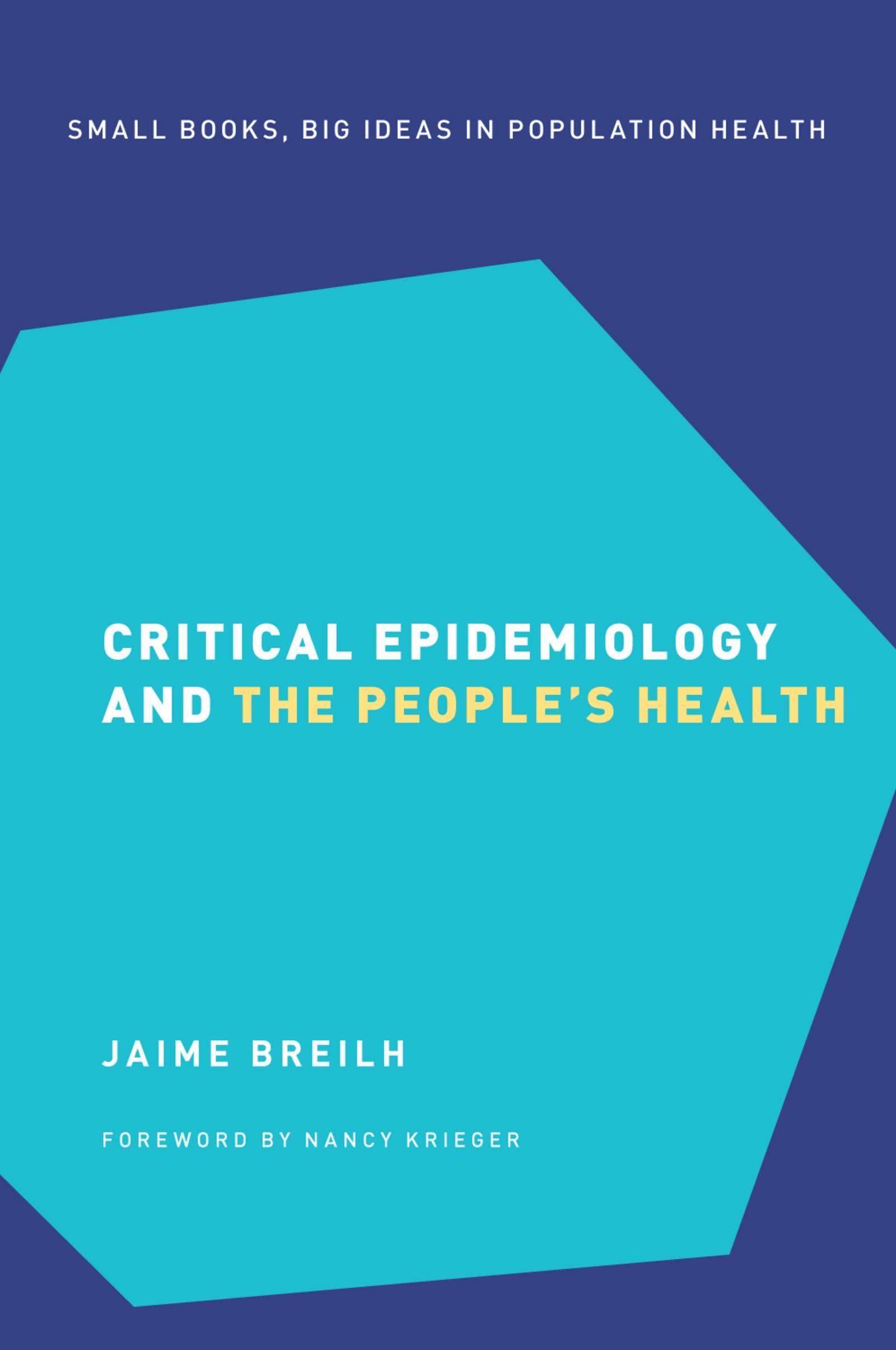
CRITICAL EPIDEMIOLOGY AND THE PEOPLE’S HEALTH
Small Books, Big Ideas in Population Health
Nancy Krieger, Series Editor
1. J. Beckfield. Political Sociology and the People’s Health
2. S. Friel. Climate Change and the People’s Health
3. J. Breilh. Critical Epidemiology and the People’s Health
CRITICAL EPIDEMIOLOGY
AND THE PEOPLE’S HEALTH
Jaime Breilh PROFESSOR AND EX- RECTOR UNIVERSIDAD ANDINA SIMÓN BOLÍVAR
(UASB-E)
DIRECTOR OF THE CENTER FOR RESEARCH AND EVALUATION OF COLLECTIVE HEALTH (CILABSALUD)
Oxford University Press is a department of the University of Oxford. It furthers the University’s objective of excellence in research, scholarship, and education by publishing worldwide. Oxford is a registered trade mark of Oxford University Press in the UK and certain other countries.
Published in the United States of America by Oxford University Press 198 Madison Avenue, New York, NY 10016, United States of America.
© Oxford University Press 2021
All rights reserved. No part of this publication may be reproduced, stored in a retrieval system, or transmitted, in any form or by any means, without the prior permission in writing of Oxford University Press, or as expressly permitted by law, by license, or under terms agreed with the appropriate reproduction rights organization. Inquiries concerning reproduction outside the scope of the above should be sent to the Rights Department, Oxford University Press, at the address above.
You must not circulate this work in any other form and you must impose this same condition on any acquirer.
Library of Congress Cataloging-in-Publication Data
Names: Breilh, Jaime, author.
Title: Critical epidemiology and the people’s health / Jaime Breilh. Other titles: Small books with big ideas.
Description: New York, NY : Oxford University Press, 2021. |
Series: Small books, big ideas in population health | Includes bibliographical references and index.
Identifiers: LCCN 2020017239 | ISBN 9780190492786 (hardback)
Subjects: MESH: Epidemiologic Methods | Social Medicine | Social Determinants of Health | Health Equity
Classification: LCC RA651 | NLM WA 950 | DDC 614.4—dc23
LC record available at https://lccn.loc.gov/2020017239
DOI: 10.1093/med/9780190492786.001.0001
This material is not intended to be, and should not be considered, a substitute for medical or other professional advice. Treatment for the conditions described in this material is highly dependent on the individual circumstances. And, while this material is designed to offer accurate information with respect to the subject matter covered and to be current as of the time it was written, research and knowledge about medical and health issues is constantly evolving and dose schedules for medications are being revised continually, with new side effects recognized and accounted for regularly. Readers must therefore always check the product information and clinical procedures with the most up-to-date published product information and data sheets provided by the manufacturers and the most recent codes of conduct and safety regulation. The publisher and the authors make no representations or warranties to readers, express or implied, as to the accuracy or completeness of this material. Without limiting the foregoing, the publisher and the authors make no representations or warranties as to the accuracy or efficacy of the drug dosages mentioned in the material. The authors and the publisher do not accept, and expressly disclaim, any responsibility for any liability, loss, or risk that may be claimed or incurred as a consequence of the use and/or application of any of the contents of this material.
9 8 7 6 5 4 3 2 1
Printed by Integrated Books International, United States of America
And then, above all, there is the new arrival—the thinking that does not shy away from the horror of the world, the darkness, but looks it straight in the face, and thus passes over into a different kingdom, which is not the kingdom of darkness. This thinking asserts itself while wandering among illusions and lies, beyond truth as well as error. If a consciousness of ineluctability wins out, then we have nihilism and the confirmation of decline.
(2014)
CONTENTS
Foreword ix
Nancy Krieger
Acknowledgments xiii
About the Author xvii
Introduction: Critical Epidemiology—Bold Scientific Thinking and the Global Irruption of Inequity 1
1. Latin American Critical Epidemiology: The Roots and Landmarks of a Scientific Tradition 21
2. Why Critical Epidemiology? Daring Ethical Science in an Unhealthy Civilization 47
3. New Method and Intercultural Awakening: Beyond the “Knowledge Illusion” of the Cartesian Bubble 133
References 221 Index 245
FOREWORD
Critical ideas for tumultuous times. As political, economic and social polarization and inequities within and between countries escalates, and the fast-growing climate crisis and environmental degradation accelerate (People’s Health Movement 2017; Beckfield 2018; Friel 2019; Latour 2018; Krieger 2020), urgent need exists for clarity about causes of—and paths towards rectifying—rampant health injustices.
In epidemiology, as in all sciences, the ideas and questions animating the field necessarily engage with the very world that scientists inhabit and seek to understand—and their place within this world (Krieger 2011a; Felt et al 2017; Oreskes 2019). For epidemiologists and others concerned about the people’s health and planetary health, analyzing who and what shapes population distributions of health is necessarily informed by diverse and contending philosophical and political worldviews, grounded in the intimately and inseparably political, social, biological, ecosystemic, and historically dynamic realities of life on our planet (Krieger 2011a, 2020; Felt et al 2017; Latour 2018).
Embracing, rather than obscuring, these debates has been a cardinal feature of Latin American critical epidemiology since its emergence in the 1970s (Breilh 1979, 2003, 2008, 2019; Laurell 1989, 203, 2018; Franco et al. 1991; Iriat et al. 2002; Tajer 2003).
Born in a context of opposition to authoritarian rule and military dictatorships, in countries with complex histories and struggles involving settler colonialism, imperialism, enslavement, and Indigenous populations, Latin American critical epidemiology, as part of the Latin American Social Medicine/Collective Health movement, has critically guided research and action regarding the societal determination of health (Breilh 1979, 2003, 2008, 2019; Laurell 1989, 2003, 2018; Franco et al. 1991; Iriat et al. 2002; Tajer 2003). For too long, however, the rich discussions of Latin American critical epidemiology have appeared in primarily in publications written in Spanish or Portuguese. They have not, with some notable exceptions (Barreto et al. 2001; Iriat et al. 2002; Krieger 2003, 2011a; Tajer 2003; Laurell 1989, 2003, 2018; Franco 2003; Yamada 2003; Waitzkin 2001, 2008, 2011; Breilh 2008, 2019; Cueto 2015; Birn et al. 2017; Birn and Muntaner 2019; Vasquez et al. 2019), been readily accessible to readers for whom English is their primary scientific language.
This new volume of the Oxford series “Small Book, Big Ideas in Population Health” (OUP 2020) accordingly deliberately features, in English, the work of Jaime Breilh, a longstanding incisive and influential proponent and practitioner of Latin American critical epidemiology (Breilh 1979, 2003, 2008, 2019; Franco et al 1991), whom I first met in the late 1980s. Publishing this volume is part of a lifelong commitment I made, early on in my work in public health, to connect progressive thinking about social justice and public health across the Americas (Krieger 1988, 2002, 2003, 2011b, 2015; Krieger et al. 2010). It is also part of my commitment, embodied in the ecosocial theory of disease distribution I first proposed in 1994 and have elaborated since, to weave together critical
political, historical, biological, and ecological thinking into the ideas and practices of epidemiology and other population health sciences (Krieger 1994, 2001, 2011a, 2014, 2020).
I keenly recall one moment when I was a graduate student getting my master degree in epidemiology in the US in the early 1980s and I was in the library—and unexpectedly came across an article titled: “Mercury poisoning in Nicaragua: A case study of the export of environmental and occupational hazards by a multinational corporation” (Hassan et al. 1981). Published in 1981, two years after the then progressive overthrow of the Somoza military dictatorship, the article appeared in the International Journal of Health Services, then a decade old. Its editor, Dr. Vicente Navarro, had left Spain in the 1960s in a context of opposition to the Franco dictatorship, and had many ties to progressive Latin American colleagues, as reflected in the journal’s editorial board (Navarro 2020). The article vividly documented how the Somoza regime had suppressed knowledge about how an industrial plant had been poisoning its workers and other people and wildlife adjacent to and depending on the water of Lake Managua—and how this knowledge only became public, and thus actionable, following the regime’s overthrow (Hassan et al. 1981). It offered an eye-opening glimpse of what critical Latin American insights could offer North Americans in our own work for health equity.
Breihl’s analysis complements the foci of the series’ first two books: Political Sociology and The People’s Health (Beckfield 2018) and Climate Change and The People’s Health (Friel 2019). Drawing on Latin American critical thinking and movements, his text seeks to illuminate, challenge, and transform the underlying conceptual and ideological assumptions—and sociopolitical
contexts—that inform contemporary epidemiological theories, knowledge, and practice.
Hence: in Chapter 1, Breilh introduces the historical trajectory and panorama of critical thought in Latin American Social Medicine/Collective Health and the intertwined sociopolitical and ecological contexts and crises giving rise to this work and rendering it more relevant than ever. In Chapter 2, he delineates the theoretical underpinnings of Latin American critical epidemiology and provides concrete empirical examples of its utility to guide critical research. In Chapter 3, he urges epidemiology specifically, and public health more generally, to incorporate transformative, transdisciplinary, and intercultural ideas and practices to improve collective health, building on the strengths of both critical scientific and Indigenous knowledge.
At a time when the North American and European Englishlanguage epidemiological literature is embroiled in seemingly narrow debates—albeit with far-reaching consequences—about conceptual and methodological approaches to causal inference (VanderWeele 2015; Krieger and Davey Smith 2016; Vandenbroucke et al. 2016; Schwartz et al. 2016; Galea and Hernán 2019; Robinson and Bailey 2019), Breilh’s arguments may seem as if they come from another planet. But they are very much grounded in the terrestrial realities of life on Earth. For all peoples to thrive and planetary health to flourish, we would do well to learn from the critical insights of the Latin American critical epidemiology, as aptly synthesized by Jaime Breilh.
Nancy Krieger (February 13, 2020)
ACKNOWLEDGMENTS
I am especially grateful to my dear colleague Nancy Krieger for her invitation to contribute to the Small Books, Big Ideas in Population Health series. Her kind appreciation of my work has given me the opportunity to present to the English-speaking audience a complete synthesis of cardinal pioneering elements of Latin American critical epidemiology. In addition to the honor of joining a distinguished group of authors, this has been an unparalleled opportunity to participate in the international debate on the new pathways for the epidemiological science. An important motivation for my enthusiasm was also the fact that the series is being produced in partnership with Oxford University Press (OUP), a prominent, well-renowned scientific publisher. I am especially grateful to Chad Zimmerman, former Clinical Medicine Editor at OUP, for endorsing my participation and suggesting that I provide a consistent panorama of my own ideas and Latin American contributions. More recently, Sarah Humphreville joined the OUP editorial staff; I thank her for her lucid and kind support. I express my gratitude to all three of them for their patience. The production of my book was involuntarily delayed because I had to assume my position as democratically elected rector of my university just when I started working on the book a couple years ago. This unexpected privilege and opportunity to serve my academic
community and my country was an ethical imperative in crucial moments of the defense of superior education autonomy and the protection of the right to critical academic freedom.
In a lifetime dedicated to critical research and epistemological debate, I have met so many good, inspiring, and supportive people who supportedmy work, taught me so much, and gave me a hand at critical moments that it is not possible to list them all here. But I recognize and am especially thankful to all those who in recent years not only allowed me the time to prepare the materials of the book and the initial English texts but also persistently facilitated with their reflections and advice the difficult work of preparing in the English language an abridged version of complex epistemological, methodological, and practical elements of the contemporary debate on epidemiology and the nature of science.
I thank my intimate familiar circle: three generous, talented, conscious and strong women—Cristina, María Cristina, and María José, my beloved wife and two daughters—who have valued my work, helped polish it, and offered me their support in times of doubt. I also thank my dear grandchild and son-in-law, who kept close and supportive, even in the difficult days of my struggle as rector.
I am thankful to my university and my colleagues in the Health Science Area for their participation in the rounds of discussion and their important specialized contributions: Luiz Allan Kunzle, María José Breilh; Maria Lourdes Larrea, Giannina Zamora, Bayron Torres, Mónica Izurieta; Doris Guilcamaigua, and Orlando Felicita. I thank the collaborators of the “AndinaEcoSaludable” program and the former Director of the Health Sciences Area, José Luis Coba, for their kind encouragement. In the prolonged period of this ambitious project, two other
rectors of my university provided the institutional support for my work: Enrique Ayala and Cesar Montaño. I thank them sincerely. I also cherish my colleagues from other universities who during my career contributed to the development of my work, especially those at Central University of Ecuador’s School of Medicine, who taught me about health and the importance of academic reform; those at the Autonomous Metropolitan University of México for providing me the knowledge and epistemological platform that made possible my first essay on critical epidemiology; those at the Collective Health Institute of the Federal University of BahíaBrazil for giving me the means to expand my methodological and practical propositions; and those at the London School of Tropical Medicine and Hygiene for a fruitful experience to understand the power and limits of quantitative analysis.
I express very special words of gratitude to my dear friend Gerard Coffey, who laboriously made the translations from Spanish to English of some sections and the text revisions of my originals in English. I also appreciate the talented colleges and graduate students who provided key discussions and critical arguments during a variety of courses in Argentina, Bolivia, Brazil, Canada, Colombia, Costa Rica, Chile, the Dominican Republic, Ecuador, El Salvador, France, México, Peru, Portugal, the United States, and Venezuela.
Finally, I express my gratitude to all the social, community, and indigenous leaders who through their friendship and participation have made possible a productive intercultural alliance that has generated much material for this book.
ABOUT THE AUTHOR
Jaime Breilh, MD, PhD, MSc, is former Rector (President) of the Universidad Andina Simón Bolívar. He is past president of the Ecuadorian Academy of Medicine (2014–2016); coordinator of the doctoral and postdoctoral programs in “Collective Health, Environment and Society”; director of the Center for Research and Evaluation of Collective Health (CILABSalud); and creator and director of the research, graduate training, and scientific services provision program AndinaEcoSaludable). He is recognized as one of the founders of contemporary critical Latin American epidemiology (Latin American Movement of Social Medicine/ Collective Health). His numerous publications and research offer pioneering innovative contributions on research methodology, the understanding of social determination of health, critical health theory, and the history of Latin American epidemiology, with instruments for intercultural participative research.
INTRODUCTION
CRITICAL EPIDEMIOLOGY— BOLD
SCIENTIFIC THINKING AND THE GLOBAL IRRUPTION OF INEQUITY
Critical Epidemiology and the People’s Health is an act of compassionate critical intellectual pursuit and audacious resistance with which to confront an ailing world. It aims to be a valid tool for rethinking prevention and the promotion of life in a civilization that has taken inequality and social pain to their extremes. The fundamental source of its inspiration is the selfless work of many epidemiologists, physicians, nurses, professionals, scientists, and social leaders of all types and disciplines, including gender and ethnical advocates, who dedicate their lives to defend, repair, mitigate, and promote wellness and the people’s health. Contemporary books won’t change the present unsolicited World, but they can provide a powerful testimony of the valid contributions of premillennial generations that forged irreplaceable critical knowledge of the societies we want to transform. If millennial and postmillennial generations make good use of their particular potentialities, and free themselves of the ideological chains imposed on them in the name of youthful innovation, they will surely appreciate what good scientific work has been accomplished. If young and older conscious scholars look back at our civilization with radical
wisdom, we will surely be better prepared to rescue the progressive side of the science and arts production that is synthetized in daring publications.
Today, life sciences face multifaceted global challenges that demand of us academic consistency, consciousness, and resilience. Epidemiology, as with any scientific work that is involved in the defense of well-being and health, must approach its goals with boldness and an open mind, in order to assume the knowledge and wisdom of our peoples as a vital component of research and action.
In this context, the explanatory power of science is a potent tool for social governance. It is an instrument to build and rethink the utopian goal of plentiful wellness. Be it for practical productive purposes or for political reasons, knowledge is key for social planning and evaluation. Its contribution to the interpretation and appraisal of reality has inevitably made it a tool for the construction of hegemonic or liberating ideas. This characteristic has inevitably placed scientific work under the permanent scrutiny and pressure of opposing social forces.
Sciences advance not only through an accumulation of technical knowledge. Periodically, they experience profound paradigm shifts. Physical science’s reasoning and calculations, for instance, were based for many years on the seemingly immovable principles of Newtonian mechanics. Light was supposed to travel in a straight line and gravitational force was supposed to define the physical order and movement of the entire universe. But at one point the dialectic logic of relativity overturned the mechanistic dogmas and revolutionized theoretical physics. At the beginning, new ideas are rejected or made invisible by mainstream strongholds, and a process of scientific epistemicide demands creativity and
resilience on the part of the reformers. As a younger discipline, epidemiology is now experiencing a paradigm shift because its previously uncontested causal linear thinking is being overturned by the dialectic principles that social determination of health theory encompasses.
Thomas Kuhn described these profound epistemological, methodological, and practical periods of transformation as a scientific revolution (Kuhn, 1970). In Chapter 3, we discuss this issue in more detail, but in these introductory reflections it will suffice to underline the fact that our discipline, as with any other scientific work dealing with the integrity of life and well-being, has developed in the historical framework of the clash of ideas and is influenced by strategic interests of socially opposed stakeholders.
It is within this contradictory and contested societal context that epidemiology, public health’s so-called diagnostic arm, must operate: called on to produce objective assessments of social well-being. Both in private productive settings and in public spaces, epidemiological statements and indicators are considered to be the barometers of the health and well-being of the population. In general, these statements explicitly and implicitly evaluate the healthiness and fair-mindedness of industrial systems and of urban and rural enclaves. In doing so, they assess the effectiveness of public policy and governmental regulations. Epidemiology thereby justifies or casts doubt on companies, governmental entities, and/or the individuals and parties in power, apparently committed to the protection of human life and ecosystems.
In the 21st century, the acceleration of neoliberalism and the global monopoly of agricultural, industrial, financial, and, more recently, strategic digital resources have produced a systematic
regression of human, social, and environmental rights. Globalized lobbying and corporate rule are rapidly dismantling the institutional and ethical foundations of conventional public health and environmental justice policies. Moreover, cannibalistic corporate greed has expanded unilateral control of all basic life resources and expanded social disparities (Klein, 2000). The ongoing fourth industrial revolution has spread and accelerated health inequity, enlarging unhealthy processes and landscapes.
Planetary life and human health are severely constrained by the unhealthy civilization that underlies the macroeconomic and technological apparatus, and the accelerated global decline of wellbeing—with hardly any substantial variation between different types of societies: those that form the largest economies in the affluent North, the emerging economies, and the rest of nations situated in the bottom of the so-called development scale—is the greatest challenge faced by responsible, grounded science.
The phenomenological expressions of this worldwide regression appear in all classes of reports. In recent decades, indicators of income inequality—a partial parameter of social inequity— have increased in nearly all world regions. In 2019, the world’s billionaires, only 2,153 people, had more wealth than 4.6 billion people (Coffey et al., 2020). In 2016, the share of total national income accounted for by the powerful top 10% of the population ranged from 37% in Europe to 41% in China; 46% in Russia; 47% in the United States and Canada; approximately 55% in subSaharan Africa, Brazil, and India; and 61% in the Middle East (Alvaredo, Chancel, Piketty, Saez, & Zucman, 2018). The permanent rise of the wealthy inevitably leads to the constant decline of the poor (Fry & Taylor, 2018). The gap (r > g) between private
capital rent (r) and the entire value of income and production (g) that existed throughout the 20th century is becoming even wider. This means that capital will increase more quickly than production and income. In simple terms, this regressive trend implies that the past is devouring the future (Piketty, 2015). Accumulated collective fear and anger is exploding in a wave of global protest, which gives clear expression to the continuous scientific and artistic works that have depicted the planetary regression of justice, equity, and wellness.
Paradoxically, this colossal movement revolves around the convergence of productivist uses of the technology of the fourth industrial revolution (Ribeiro, 2016); the unfair and fraudulent dispossession of strategic resources in their most varied forms (Harvey, 2003); and even the opportunistic exploitation of conditions of extreme, shock, despair, and social anxiety (Klein, 2008).
All basic means of social reproduction and the people’s health are in the hands of a few corporate giants. Iron hand dominance of strategic resources and commodities is achieved through land and water grabbing (Nolte, Chamberlain, & Giger, 2016), patentprotected seed control (Kuyek, 2001), and, in general, the oligopolistic control of the food system and the imposition of a neoliberal diet (Otero, Pechlaner, Liberman, & Gürcan, 2015). The formation of huge transnational corporations stands behind the massive induction of unhealthy pro-big business consumer behaviors.
This regressive trend has been defined in the United States as “America’s concentration crisis” (Open Markets Institute, 2018). It also affects a range of specific health care-related markets, from syringes to medical patient financing. A growing monopoly power
in the health care sector contributes significantly to high prices, poor quality, and lack of access that millions of Americans experience when interacting with the health care system. The brilliant metaphor of “health care under the knife” clearly depicts the gravity of this corrosion of health rights (Waitzkin et al., 2018). Extreme inequality is also demolishing health rights and democracy in Latin America (Cañete et al., 2015), in the process of becoming a modern version of the old practice of bleeding and colonialism that has kept open the veins of Latin America (Galeano, 2004).
The unparalleled increase of social and health inequity is an important expression of the present worldwide breakdown of healthy life conditions. This uncontrolled growth of a technologically accelerated market economy and the intensification of neocolonial strategies in the 21st century are multiplying the threats to life on Earth.
The contemporary geographical expansion of the spaces penetrated by capital (Harvey, 2001) brings us back to the organic relationship between the modern capital reproduction and the older processes of dispossession that shaped the historical geography of capitalism from early colonial times (Harvey, 2003). Neoextractivist structures operate through the organic interrelation of long-standing and newer mechanisms of profit extraction. On the one hand, we have the recrudescence of openly violent territorial dispossession tactics that operate through war, armed extortion by local drug lords, and even the intentional burning of rainforests to expand mining and agribusiness frontiers. These lawless procedures, combined with fraudulent financial expropriations and the cheap long-term land leasing of the most fertile soils, are simply the modern expression of the age-old dispossession
of strategic natural resources. On the other hand, high-tech neoextractivist activities in mining, agribusiness, and digital services–consumer cyber platforms—that operate with personal data as the most valued commodity—constitute its brand new face (Dance, La Forgia, & Confessore, 2018).
The curse of this new gilded age is therefore not only the diseconomy1 of entrepreneurial gigantism and its structural corruptness (Wu, 2019) but also its impact on social democracy and its power to weaken the legal control of health-related behaviors and goods. This complex multidimensional regression of social and health rights explains the expansion of an array of pandemic developments or “pathologies of power” (Farmer, 2005).
The case of globalized obesity clearly illustrates the dynamic multidimensional nature of epidemiological transformation of our societies. In the broader context of big economy and political power, we find the expansion of agribusiness’ obesogenic products and the corresponding corporate lobbying, which finally induced the congressional US farm bills of the 1970s. The new legal framework determined “a rapid increase in food portion sizes, accelerated marketing and affordability of energy dense foods,” while at the same time inducing “widespread introduction of cheap and potent sweetening agents, such as high-fructose corn syrup, which 1. Scale diseconomies: To the extent that a corporation grows disproportionately, scaleup economies appear (i.e., intricate internal control system, growth of employee greed, and increasing market maladjustment). Growing power determines that as a business grows larger, it begins to enjoy different types of advantages that have less to do with the efficiency of the operation and more to do with its ability to exercise economic and political power, just or in conjunction with others.