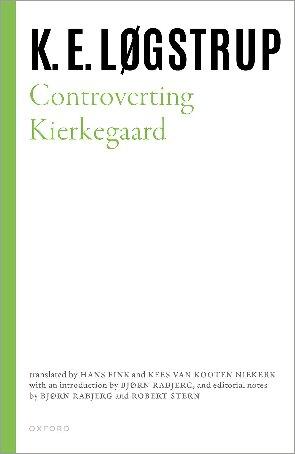
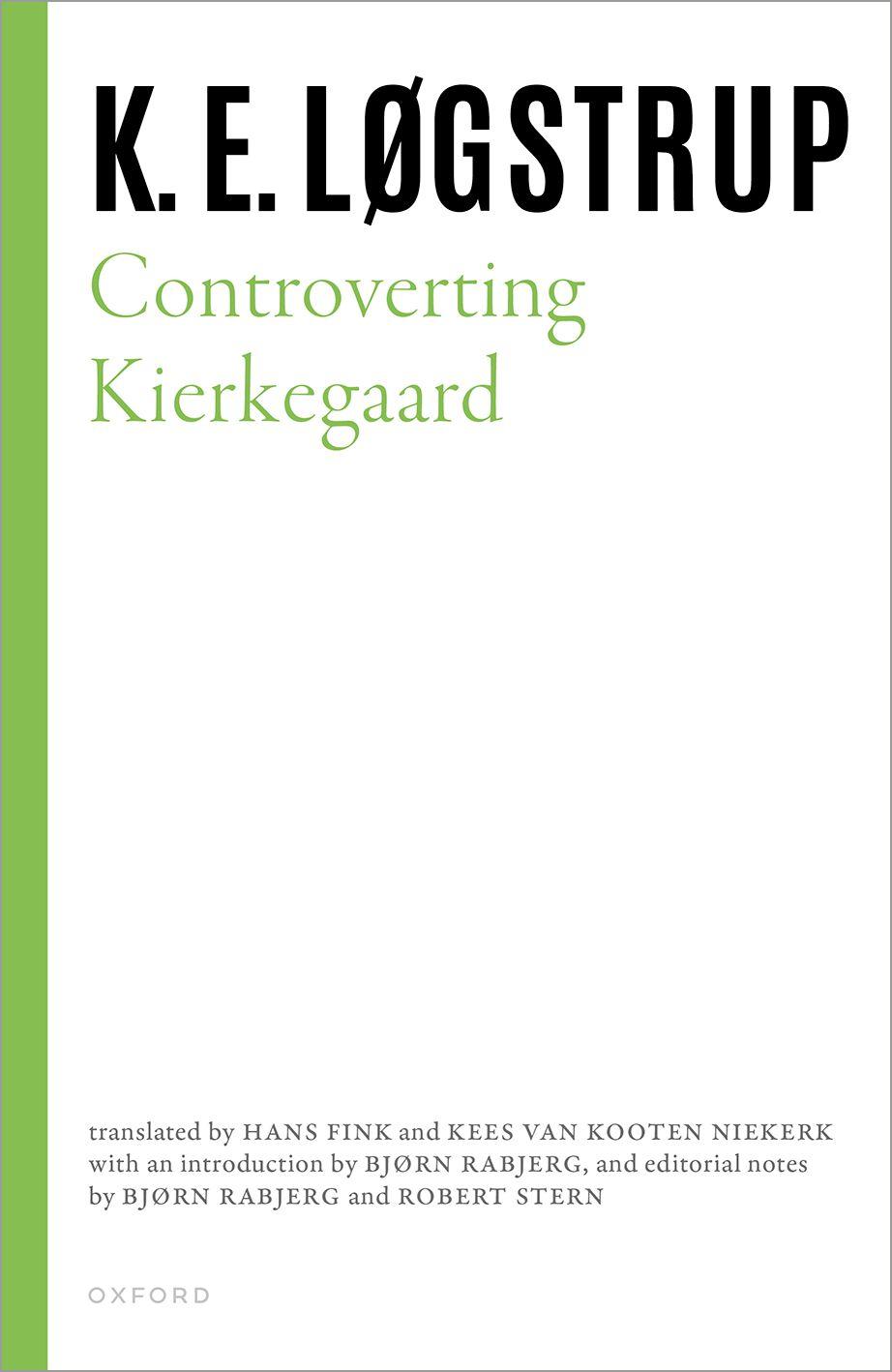
https://ebookmass.com/product/controverting-kierkegaardselected-works-of-k-e-logstrup-k-e-logstrup/
Instant digital products (PDF, ePub, MOBI) ready for you
Download now and discover formats that fit your needs...
Hills of Heather and Bone K.E. Andrews
https://ebookmass.com/product/hills-of-heather-and-bone-k-e-andrews/
ebookmass.com
The Summer of Broken Rules K. L. Walther
https://ebookmass.com/product/the-summer-of-broken-rules-k-lwalther-3/ ebookmass.com
The Summer of Broken Rules K. L. Walther
https://ebookmass.com/product/the-summer-of-broken-rules-k-lwalther-2/ ebookmass.com
The Principalu2032s Quick-Reference Guide to School Law: Reducing Liability, – Ebook PDF Version
https://ebookmass.com/product/the-principal%e2%80%b2s-quick-referenceguide-to-school-law-reducing-liability-ebook-pdf-version/ ebookmass.com
Public Health Leadership 3rd Edition, (Ebook PDF)
https://ebookmass.com/product/public-health-leadership-3rd-editionebook-pdf/
ebookmass.com
Civil Engineering PE All-in-One Exam Guide: Breadth and Depth 4th Edition Indranil Goswami
https://ebookmass.com/product/civil-engineering-pe-all-in-one-examguide-breadth-and-depth-4th-edition-indranil-goswami/
ebookmass.com
Evaluating Public and Community Health Programs 2nd Edition, (Ebook PDF)
https://ebookmass.com/product/evaluating-public-and-community-healthprograms-2nd-edition-ebook-pdf/
ebookmass.com
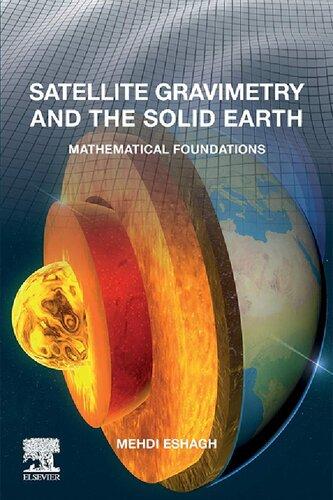
Satellite Gravimetry and the Solid Earth: Mathematical Foundations Mehdi Eshagh
https://ebookmass.com/product/satellite-gravimetry-and-the-solidearth-mathematical-foundations-mehdi-eshagh/
ebookmass.com
PASS CCRNu00ae! 5th Edition – Ebook PDF Version
https://ebookmass.com/product/pass-ccrn-5th-edition-ebook-pdf-version/
ebookmass.com
A Small Town Secret: A feel good, sweet romance (Love in Harmony Valley Book 11) 2nd Edition Melinda Curtis
https://ebookmass.com/product/a-small-town-secret-a-feel-good-sweetromance-love-in-harmony-valley-book-11-2nd-edition-melinda-curtis/
ebookmass.com
K.E.Løgstrup:ControvertingKierkegaard SelectedWorksofK.E.Løgstrup
Serieseditors:BjørnRabjergandRobertStern
Kierkegaard’sandHeidegger’sAnalysisofExistenceandItsRelationtoProclamation
TheEthicalDemand
ControvertingKierkegaard
EthicalConceptsandProblems
K.E.Løgstrup ControvertingKierkegaard Translatedby HansFink and KeesVanKootenNiekerk
Introducedby BjørnRabjerg, withnotesby BjørnRabjerg and RobertStern
GreatClarendonStreet,Oxford,OX26DP, UnitedKingdom
OxfordUniversityPressisadepartmentoftheUniversityofOxford. ItfurtherstheUniversity’sobjectiveofexcellenceinresearch,scholarship, andeducationbypublishingworldwide.Oxfordisaregisteredtrademarkof OxfordUniversityPressintheUKandincertainothercountries
©theEstateofK.E.Løgstrup1971
Translation©HansFinkandKeesvanKootenNiekerk2023
Introduction©BjørnRabjerg2023
Editorialnotes©BjørnRabjergandRobertStern2023
Themoralrightsoftheauthorshavebeenasserted
Allrightsreserved.Nopartofthispublicationmaybereproduced,storedin aretrievalsystem,ortransmitted,inanyformorbyanymeans,withoutthe priorpermissioninwritingofOxfordUniversityPress,orasexpresslypermitted bylaw,bylicenceorundertermsagreedwiththeappropriatereprographics rightsorganization.Enquiriesconcerningreproductionoutsidethescopeofthe aboveshouldbesenttotheRightsDepartment,OxfordUniversityPress,atthe addressabove
Youmustnotcirculatethisworkinanyotherform andyoumustimposethissameconditiononanyacquirer
PublishedintheUnitedStatesofAmericabyOxfordUniversityPress 198MadisonAvenue,NewYork,NY10016,UnitedStatesofAmerica
BritishLibraryCataloguinginPublicationData
Dataavailable
LibraryofCongressControlNumber:2023932499
ISBN978–0–19–887476–8
DOI:10.1093/oso/9780198874768.001.0001
PrintedandboundintheUKby ClaysLtd,ElcografS.p.A.
LinkstothirdpartywebsitesareprovidedbyOxfordingoodfaithand forinformationonly.Oxforddisclaimsanyresponsibilityforthematerials containedinanythirdpartywebsitereferencedinthiswork.
9.HowtheEthicalLifeofthePeopleIsLost,Conformism, andHowtheRelationofSpiritIsDoubled
Translators’ Preface Thistranslationisbasedontheeditionof OpgørmedKierkegaard published byKlim,Aarhus,in2013.Exceptforthecorrectionofafewtypos,thetextof thiseditionisidenticalwiththeoriginaleditionpublishedin1967by Gyldendal,Copenhagen.IntheKlimeditiontheoriginalreferencesto Kierkegaard’sworkshavebeensupplementedwithreferencesto Søren KierkegaardsSkrifter [SørenKierkegaard’sWritings],acriticaleditionpublishedbytheSørenKierkegaardResearchCentre,UniversityofCopenhagen (Copenhagen:GadsForlag,1997–2013).Inourtranslation,referencesto Kierkegaard’sDanishworksaretothisedition,markedasSKSfollowedby thevolume’snumberandpagenumber(s),forexampleSKS4:258–9.The GermanForewordisatranslationofLøgstrup’sforewordtoaseriesofthree booksentitled KontroverseumKierkegaardundGrundtvig [Controversy ConcerningKierkegaardandGrundtvig],editedbyGötzHarbsmeierand K.E.Løgstrup.Løgstrup’sforewordwaspublishedinthe firstvolumeof thisseriesentitled DasMenschlicheunddasChristliche [Humanityand Christianity].
WewereabletobaseourtranslationofPartIonadraftbyTomAngier, whichhaslightenedourjobconsiderably.Thesectionthatdealswith ‘the sovereignexpressionsoflife’ (PartIII,4(d) ‘TheSovereignExpressionsof Life’ to10. ‘MoralityistheProvisionofSubstituteMotivesforSubstitute Actions’)hadbeentranslatedpreviouslybySusanDew,publishedin K.E.Løgstrup, BeyondtheEthicalDemand.Wehavebenefitedgreatlyfrom thistranslation.Yet,wehavenotmerelycopiedit.WhereasDew’stranslationis freeandelegant,wehaveattemptedtokeepascloseaspossibletoLøgstrup’ s formulations.ThemainreasonisthatLøgstruppractisedakindofphenomenologythatbuildsonthespecificmeaningofwordsandexpressionsin everydaylanguage.Thissuggeststhathechosehisformulationswithgreat precision,atleastwithregardtocentralconcepts.Therefore,wehavetriedtobe asconsistentaspossibleinouruseoftheEnglishwordsfortheseconcepts.This hasthefurtheradvantagethatthereisasubstantialconsistencyinthetranslationoftheseconceptsacrossthedifferentvolumesintheOxfordUniversity Pressseries.OurattempttokeepclosetoLøgstrup’sformulationscouldeasily haveresultedindubiousEnglish,wereitnotforameticulouslinguisticrevision
bytheeditors.Wearegreatlyindebtedtothemforthis.Wearealsogratefulto MichaelAu-Mullaneyforhishelpfulcommentsonalatedraft.
Inordertoenableourtranslationtobecheckedagainsttheoriginal,wehave includedpagenumbersinsquarebracketsfromthenewcriticaleditionofthe textinDanish: OpgørmedKierkegaard (Aarhus:Klim,2013).Wehave followedthepracticeoftheOxfordUniversityPresseditionof TheEthical Demand withregardtogenderedlanguage.Thatistosay,exceptwhen Løgstrupclearlyreferstoaman,wehaveusedthird-personpluralpronouns torefertoindividualhumanbeings.
AsLøgstruppointsoutinhisforeword, OpgørmedKierkegaard isan interpretationandcritiqueofKierkegaard’sunderstandingofChristianity andoffersanalternativeunderstanding.Løgstrupunderpinshisinterpretation withalargenumberofquotationsfromKierkegaard’sworks.WehaverenderedthesequotationsonthebasisofthestandardtranslationbyHoward V.HongandEdnaH.Hong,publishedin Kierkegaard’sWritings in26 volumes(Princeton,NJ:PrincetonUniversityPress,1979–2009).ThistranslationisreferredtoasKW,followedbyvolumenumberandpagenumber(s), forexampleKW7:56–7.ReferencestoKierkegaard’sjournalsandpapersare to SørenKierkegaard’sJournalsandPapers,editedandtranslatedbyHoward V.HongandEdnaH.Hong,7volumes(Bloomington,IN:IndianaUniversity Press,1967–78),byvolumeandpagenumber(s)andabbreviatedasJP,for exampleJP1:271–2.Insomecases,wehavedeviatedfromthetranslation givenbytheHongs,especiallywhenwejudgedthattheirversioncould hampertheunderstandingofLøgstrup’suseofthequotation.Majordeviationsareexplainedinanote.Wehavealsochangedthequotedtextsinto genderneutrallanguage.ReferencestoworksbyLutherintheIntroduction andintheEditors’ Notesare firstto D.MartinLuthersWerke:Kritische Gesamtausgabe,73vols.(Weimar:HermannBöhlau,1883–2009)abbreviated asWA,andthento Luther’sWorks,Americanedition,55vols.(StLouisand Philadelphia,PA:ConcordiaandFortressPress,1958–86;newseries,vols. 56–75,2009–)abbreviatedasLW,byvolumenumberandthenpagenumber. WhenLøgstrupquotesfromaDanishtextofwhichthereisnoEnglish translation,wehavejustgivenourowntranslation.Sometimeshequotesfrom FrenchorGermansources,butthenhealwaysgiveshisowntranslationinto Danish.Inthesecases,wehavetranslatedhistranslationintoEnglish,adapted ittoastandardEnglishtranslationifavailable,andnotedifourtranslation departssignificantlyfromit.
WehavefollowedDanishpracticeincapitalizingonlythe firstletterintitles ofworkspublishedinDanishafter1948,buthavefollowedEnglishpracticein
capitalizingallsignificantwordsforEnglishtitles;andintheSelect BibliographyandtheIndexwehavefollowedtheDanishsystemofputting thespecialcharacters ‘ æ ’ , ‘ ø ’,and ‘å’ attheendofthealphabet,sothatfor example ‘Luther’ islistedbefore ‘Løgstrup’ . ForsomeofLøgstrup’scentralconceptsithasbeendifficultto findEnglish termsthatpreciselycapturetheirmeaning.Therefore,itmaybeusefultosay somethingaboutthatmeaning,asweunderstandit,andexplainwhywehave translatedaswedid.
tobelieve/faith(attro and tro):Inareligiouscontext,theDanishverb ‘at tro’ andthecorrespondingsubstantive ‘tro’ aretheusualtranslationsof pisteuein and pistis intheGreekNewTestament.Theseconceptscombinetheepistemicnotionofregardingsomethingastruewiththenotion oftrustinthatwhichisregardedastrue(sc.theGospelandGod/Jesus). InEnglish,thenoun pistis isnormallytranslatedas ‘faith’.However,in English ‘faith’ hasnocorrespondingverb.Thisiswhythe NewRevised StandardVersion oftheBibleusuallytranslates pisteuein as ‘tobelieve’ (e.g.Rom3:22).Itwouldbenaturaltofollowthistranslationandrender ‘attro’ as ‘tobelieve’.Thequestionarises,however,ifthespecific meaningof ‘attro’ doesnotriskgettinglost,because ‘tobelieve’ is normallyunderstoodinamerelyepistemicsense.Toavoidthismisunderstandinganalternativeoptioncouldbe ‘tohavefaith’.Yetthis translationisnotsatisfactory,becauseitmissestheideaoftheverb ‘at tro’ asanact,notassomethingyouhave.Thisisimportantforthewayit isunderstoodinbothKierkegaardandLøgstrup.Tomaintainitscharacterasanactwehavedecidedtotakeovercommontheologicalusage andtranslatetheverb ‘attro’,whenusedinaclearlyreligiouscontext,as ‘tobelieve’.Finally,wehavetranslated ‘dentroende’ (thebelieving person)as ‘thebeliever’ whenwejudgedthattheemphasislayonthe epistemicnotion,andas ‘thefaithful’ whenwejudgedthattheemphasis layonthenotionoftrust.
bourgeois/bourgeoislife(spidsborger/spidsborgerlighed):TheDanishterms (sometimestranslatedasphilistine/philistinism)areclearlypejorative andexpresscontemptforthenarrownessofmindtakentobecharacteristicofcitizenswhoarepreoccupiedwiththeirownself-righteous conceptionofwhatisrightandwrong. Spidsborgerlighed canthusbe foundinallsocialclasses.
compassion(barmhjertighed):Løgstrup’suseofthiswordiscloselyconnectedtothebiblicalstoryof TheGoodSamaritan,inDanish: Den
barmhjertigesamaritaner (Luke10:37). ‘Barmhjertighed’ istheDanish translationofGreek eleos whichLuthertranslatedas ‘Barmherzigkeit’ , andwhichtraditionallyinEnglishhasbeentranslatedas ‘ mercy ’ . However,theproblemwith ‘ mercy ’ isthatitisprimarilyshownwhen sparingsomeonefrompunishment;butthisdoesnotcorrespondwith Løgstrup’sunderstandingoftheSamaritanstory,whichinsteadinvolves thedesiretorelieveotherpeople’ssufferingandactingaccordingly.For thisreason, ‘compassion’ isarguablyamoresuitabletranslationthan ‘ mercy ’,althoughpreviouslyinLøgstrupliteratureandtranslations, ‘ mercy ’ hasbeenusedasthepreferredtranslation,forexamplewhen translatingthesovereignexpressionoflife ‘barmhjertighed’ .
Aworrycouldbethat ‘compassion’ soundstoopassiveandthus,unlike mercy,ismoreofamerelyemotionalstate;butitisofcrucialimportance toboththeSamaritanstoryandtoLøgstrup’suseof ‘barmhjertighed’ thatactionisalsoinvolved: ‘Go,anddolikewise’,asJesusreplies.Inthis respect,Løgstrupdrawsadistinctionbetween ‘medlidenhed’,whichis merelypassive(andsomorelike ‘sympathy’ or ‘fellow-feeling’),and ‘barmhjertighed’,whichinvolvesaction.However,inEnglish ‘ compassion’ alsousuallyinvolvesacting,soapersonwhomerely felt compassion butdidnotactwouldarguablynotcountascompassionate.Therefore, Løgstrup’simportantdistinctioniscapturedbytheuseof ‘compassion’ ratherthan ‘ mercy ’ , ‘pity’ ,or ‘sympathy’,andsoisadoptedhere. controversion(opgør):AsBjørnRabjergsaysinhisIntroduction,theword opgør hasaverydramaticmeaninginvolvinga showdown or face-off,but italsomeanssomethingquiteundramatic oratleastnotterribly exciting asatermfromaccounting,whereitmeanstosettleanaccount orabalancesheet.Tohavean opgør involvesengaginginacontroversy withsomeone,wherethematterdealtwithistobeproperlysettled;it involvesaconfrontationandisintendedto ‘settherecordstraight’,soto speak,sotheexpression ‘tosettleascore’ comesclose.Forthisreason, ShowdownwithKierkegaard,or SettlingtheScorewithKierkegaard would havebeenmoreexcitingoptionswhentranslatingthetitle,aswould probably ControversywithKierkegaard.However,wehavechosento stickwith ControvertingKierkegaard,mainlybecauseitisaccurate,meaningthatitinvolvesanongoingdisputewithsomeonewhereoneengages inacontroversy,butalsobecausethistranslationhasbeenusedinthepast andisthusnowstandardthroughouttheAnglophoneLøgstrupliterature. definitive(definitiv):WiththiswordLøgstrupdesignatesoneofthemain characteristicsofthesovereignexpressionoflife.Ontheonehandhe
explainsthistermincontrasttoanindeterminate(‘ubestemt’)kindof spontaneity,soitreferstoadeterminatecontent.Yetitisnoaccident thatheusestheword ‘definitiv’ andnottheword ‘bestemt’ (‘determinate’ or ‘definite’),because ‘definitiv’ designatesalsothatthesovereign expressionsoflifeimposeaclaimonusthatweactinaspecificway(see 72–3/99–100).Therefore,wehavetranslated ‘definitiv’ inthiscontext withtheEnglishcounterpart ‘definitive’,referringtoboththedefinite characterofthesovereignexpressionsoflifeandtheunconditionalityof theirclaim.
demand(fordring):ThisisoneofthemostcentralconceptsforLøgstrupas canbeseenfromhisuseofitinthetitleofhismainwork Denetiske fordring. TheDanishterminvolvessomeonebeingasked,required, demanded,claimed,orcalledtodosomething.Kierkegaardspeaksof the ‘infinitedemand’ (denuendeligefordring)andalsoof ‘love’sdemand’ (kjerlighedensfordring)(seee.g.SKS9:189/KW16:189,wherethe Hongshave ‘love’srequirement’).Løgstrupemploysthetermtocover theideathatsomethingisbeingdemandedofyouwithoutthisbeinga commandgivenbysomeoneinparticular.Hisuseofthewordimplies thatthereasontoactistakingcareoftheotherratherthantheauthorityof acommander.IntheKWtranslation, ‘fordring’ isrenderedas ‘requirement’,whichmightobscuretheconnectionbetweenKierkegaardand Løgstrupatthispoint.Inhistreatmentofthesovereignexpressionsof life,Løgstrupspeaksofa ‘krav’ involvedinthem(72–3/99–100). ‘Krav’ couldwellbetranslatedas ‘demand’,butwehavetranslateditas ‘claim’ to maintaintheverbaldistinctionLøgstrupmakesbetweentheethical demandandthe ‘demand’ involvedinthesovereignexpressionsoflife. expressionoflife(livsytring):Thiswordcanalsobetranslatedas ‘manifestationoflife’ or ‘lifemanifestation’ (e.g.in MetaphysicsII,partV).
Løgstrup’suseofithasitsbackgroundinDanishversionsofGerman Lebensphilosophie.Thistypeofphilosophystressesthenon-orprerationalaspectsofhumanexistenceandischaracterizedbyHerbert Schnädelbachasfollows: ‘Life,inthesenseofthatwhichisalways theretosustainandembracespirit,culture,andalsotheindividual consciousness,isthefundamentalnotionoflife-philosophyinallits differentaspects.’¹Inhisdoctoraldissertation,Løgstrupadoptsthisidea andadaptsittheologicallybystatingthatlife,asGodhascreatedit,isthe
¹HerbertSchnädelbach, PhilosophyinGermany1831–1933,translatedbyEricMatthews (Cambridge:CambridgeUniversityPress,1984),p.142.
pre-conditionforculture.Inthisconnectionhedesignatesculture’ s differentareas,includingknowing,as ‘Livs-Ytringer’.²Here ‘livsytring’ isusedinthewidesenseofencompassingallcultureinsofarasitisthe productofpre-culturallife.However,Løgstrupcontinuesbyfocusingon theethicalcontentofpre-culturallife,whichisrevealedinJesus’ s spontaneousactsoflove.³Itisthisaspectoflifewhichlaterdetermines hisconceptionofthe ‘suveræne/spontanelivsytringer’.Thesearespontaneousother-regardingimpulsesorwaysofconductsuchastrust, sincerity,andcompassion.Because ‘expression’ seemstocapturethe spontaneousanddynamicnatureofthesephenomenabest,wehave translated ‘livsytring’ as ‘expressionoflife’,therebyalsofollowingwhat seemstohavebecomethestandardtranslationinAnglophonediscussionsofLøgstrup’sethics.
immediate(umiddelbar):Løgstrupcanusethiswordinthecommonsense of ‘direct’ or ‘withoutintermediary’,butoftenitrefersforhimmore specificallytothepropertyofbeingself-forgetfullyengagedinthetaskat handortherelationshipwithotherpeople.Inthissense ‘umiddelbar’ isa keytermforLøgstrupasitisforKierkegaard,andthereforewehave translateditas ‘immediate’ asisnormalintheKierkegaardliterature.In Løgstrup’sviewthesovereignexpressionsoflifebelongtothesphereof immediacy.Hence,hecanuse ‘umiddelbar’ inconnectionwiththem too,andthenthetermisusedinasenseclosetothatof ‘spontaneous’ knowing/knowledge(erkendelse):TheDanishtermcanmeanboththe knowledgeonepossessesandtheprocessofcomingtoknow.Inthis respectitisliketheEnglish ‘cognition’;butthiswordismoretechnical soundingthan ‘erkendelse’ isinDanish.Wehavethereforetranslatedit byeither ‘knowledge’ or ‘knowing’,dependingoncontext.
Schwärmerei(sværmeri):LutherusedthisGermantermasaderogatory characterizationofthoseevangelicalmovementsthataimedatestablishingGod’sKingdomonearth.InaLutherancontext,thistermisoften translatedas ‘enthusiasm’ orsometimesas ‘fanaticism’,butneitherterm isidealinEnglish,sowehavedecidedtousetheGermanword,whichis alsousedinEnglishandappearsintheOxfordEnglishDictionary, where ‘Schwärmerei’ isdefinedasfollows: ‘Religiouszeal,fanaticism, extravagantenthusiasmforacauseoraperson.’ Inthepresentwork
²K.E.Løgstrup, DenerkendelsesteoretiskeKonflikt,§22.Forfullbibliographicdetails,seethe SelectBibliography.
³K.E.Løgstrup, DenerkendelsesteoretiskeKonflikt,§24.
Løgstrupusesthetermasthedesignationofanover-enthusiasticidealismthataimsatestablishingGod’sKingdomonearth,whichhe,like Luther,regardsasunrealistic,becauseitdoesnottakeaccountofthe wickednessandlimitationsofhumannature.Thecorrespondingadjectiveis ‘schwärmerisch’,anda ‘Schwärmer’ isapersonwhocherishes suchidealism.
takingover(overtagelse):Bytheexpression ‘atovertagesigselv’ (totake overoneself)Kierkegaardmeansrelatingconsciouslytoandaccepting one ’sconcrete,realselfanditshistory,includingitsunfavourable aspects,inordertoleadaresponsiblelifeontheseconditions.InPart III,Chapter8Løgstrupusesthisexpressionpolemicallyagainst Kierkegaard,whenhewrites: ‘thetaskisnottotakeoverexistenceand itsconditionswiththeabstractandnegativeself,buttotakeoverthe interpersonalsituationwiththesovereignexpressionsoflife’ (89/119). Thatistosay,oneshouldnotrelatereflectivelytooneselfbut,turned outwardstowardsothers,one’sactsshouldbeguidedbythesovereign expressionsoflife.Inordertomaintaintheverbalsimilaritywith Kierkegaard’sexpression,wehavetranslated ‘overtagelse/atovertage’ inthiscontextas ‘takingover/totakeover’ respectively. theuniversal(detalmene):TheDanishtermcanmeantheuniversal,the general,theordinary,thepublicandwhatiscommonforall.In Kierkegaard,thetermisusedinaccordancewiththeHegelianunderstandingofethicsastheobjectivespiritasrealizedinconcreteinstitutionslikemarriageandthestate.Kierkegaardcanthusspeakaboutbeing marriedas ‘realiseredetalmene’ inthesenseofrealizingthatwhich appliestoeveryone.Wehavechosentouse ‘theuniversal’ throughout, becausethisseemsthebestwaytoretainthisKierkegaardianconception.
Acknowledgements Weareverygratefultothefollowingfortheirhelpfulcommentsonprevious versionsofthistranslation:AlexanderAltonji,TomAngier,MichaelAuMullaney,DavidBugge,SveinAageChristoffersen,andBoKristianHolm. WearealsogratefultoSimonThorntonforeditorialassistance.
AChronologyofLøgstrup’sLifeandWorks 1905(2September)BorninCopenhagen,Denmark
1923–30StudiestheologyattheUniversityofCopenhagenwhilealsofollowinglecturesonphilosophy,inparticularFrithiofBrandt’sseries oflecturesonKant’ s CritiqueofPureReason
1930–35Researchvisitsatvariousuniversities,mainlyinGermany,butalso inFrance,Switzerland,andAustria
1932Awardedthegoldmedalforhisprizeessay(similartoaPhD dissertation)onMaxScheler’sphenomenologicalapproachto ethics: EnfremstillingogvurderingafMaxScheler’ s: ‘Der FormalismusinderEthikunddiematerialeWertethik’ [An ExpositionandEvaluationofMaxScheler’ s: ‘FormalisminEthics andMaterialEthicsofValue’](published2016)
1935MarriagetoRosemariePauly(1914–2005);theyhad fivechildren
1936–43ReturnstoDenmark.LutheranpastoronFunen.Becomespartof theTidehvervmovement
1943Defendshishigherdoctoraldissertation Denerkendelsesteoretiske KonfliktmellemdentranscendentalfilosofiskeIdealismeogTeologien [TheEpistemologicalConflictbetweenTranscendentalIdealism andTheology],whichwaspublishedin1942(newDanishcritical editionpublished2011).BecomesprofessorofethicsandphilosophyofreligionatAarhusUniversity,Denmark
1944GoesundergroundfortheremainderofWorldWarIIduetohis involvementintheresistancemovement
1948EarliestsignsofdisagreementwithTidehverv
1950GivesaseriesoflecturesonKierkegaardandHeideggerattheFreie UniversitätBerlin,publishedthesameyearas Kierkegaardsund HeideggersExistenzanalyseundihrVerhältniszurVerkündigung [Kierkegaard’sandHeidegger’sAnalysisofExistenceandIts RelationtoProclamation](Danishpublication2013)
1952 Kants filosofi I [Kant’sPhilosophyI](reprintedin1970asPart1of Kantskritikaferkendelsenogrefleksionen [Kant’sCritiqueof KnowledgeandReflection])
1956
Denetiskefordring [TheEthicalDemand]
1961BreakswithTidehverv(finalbreakin1964) Kunstogetik [Artand Ethics]BecomesamemberoftheDanishAcademy
1965 Kantsæstetik [Kant’sAesthetics]
1968 OpgørmedKierkegaard [ControvertingKierkegaard]
1970 Kantskritikaferkendelsenogrefleksionen [Kant’sCritiqueof KnowledgeandReflection]
1971 Etiskebegreberogproblemer [EthicalConceptsandProblems]publishedasacontributiontoananthologyonethicsandChristian faith(publishedasabookin1996)
1972 Normogspontaneitet [NormandSpontaneity]
1974AwardedtheAmalienborgPrize.Thisprizewasinauguratedin 1972,andisawardedbytheQueenofDenmarktoanoutstanding Danishscholarorwriter
1976 Viddeogprægnans [BreadthandConcision],the firstvolumeofthe Metafysik [Metaphysics] I–IV series
1978 MetafysikIV:Skabelseogtilintetgørelse [CreationandAnnihilation]
1981Dieson20NovemberinhishomeinHyllested,north-eastof Aarhus
1982 Systemogsymbol [SystemandSymbol]
1983 MetafysikII:Kunstogerkendelse [ArtandKnowledge]
1984 MetafysikIII:Ophavogomgivelse [SourceandSurrounding]
1984 Detuomtvistelige [WhatIsIncontrovertible]
1987 Solidaritetogkærlighedogandreessays [SolidarityandLoveand OtherEssays]
1988 Udfordringer [Challenges]
1992 KæreHal KæreKoste [DearHal DearKoste](lettercorrespondence,reprintedandexpandedin2010in Venskabogstrid [FriendshipandStrife])
1995 PrædikenerfraSandager-Holevad [SermonsfromSandagerHolevad]
1996 MartinHeidegger
1999 PrædikenenogdensTekst [TheSermonandItsText]
2010 Venskabogstrid [FriendshipandStrife](lettercorrespondence)
Introduction BjørnRabjerg
1. ControvertingKierkegaard TheDanishtitleofthepresentbook, OpgørmedKierkegaard,isdifficulttotranslate intoEnglish.Theword opgør hasaverydramaticmeaninginvolvinga showdown or face-off,butitalsomeanssomethingquiteundramatic oratleastnotterribly exciting asatermfromaccounting,whereitmeanstosettleanaccountora balancesheet.Tohavean opgør involvesengaginginacontroversywithsomeone, wherethematterdealtwithistobeproperlysettled;itinvolvesaconfrontationand isintendedto ‘settherecordstraight’,sotospeak,sotheexpression ‘tosettleascore’ comesclose.Forthisreason, ShowdownwithKierkegaard,or SettlingtheScorewith Kierkegaard wouldhavebeenmoreexcitingoptionswhentranslatingthetitle,as wouldprobably ControversywithKierkegaard.However,wehavechosentostick with ControvertingKierkegaard,mainlybecauseitisaccurate,meaningthatit involvesanongoingdisputewithsomeonewhereoneengagesinacontroversy, butalsobecausethistranslationhasbeenusedinthepastandisthusnowstandard throughouttheAnglophoneLøgstrupliterature.
ControvertingKierkegaard (publishedinverylate1967andforthatreason usuallydated1968)¹isLøgstrup’ssecondmainworkafter TheEthical Demand.²Almostsimultaneously(in1968),itwaspublishedinGermanas AuseinandersetzungmitKierkegaard,³thesecondvolumeofaseriesofthree books(1966,1968,and1972)underthejointtitle KontroverseumKierkegaard
¹ThebookcameoutjustbeforeChristmasin1967,butfortechnicalreasonsbookspublished thislateintheyearwererecordedaspublishedinthefollowingyear.Therefore, Opgørmed Kierkegaard isofficiallya1968releaseandisgenerallyreferredtoassuch.
²KnudEjlerLøgstrupwasborninCopenhagenin1905anddiedin1981inhishomeoutside Aarhus,wherehehadspentmostofhislifeasProfessorofEthicsandPhilosophyofReligion.For furtherbiographicaldetails,pleaseconsultthechronologyofLøgstrup’slifeonpp.xvii–xviii.It mayalsobeusefultoreadthesection ‘TheEthicalDemand inContext’ fromthe ‘Introduction’ to Løgstrup’ s TheEthicalDemand,pp.xx–xxv.
³Inhis ‘Afterword’ totheDanish2013editionof OpgørmedKierkegaard,SveinAageChristoffersen givesadetailedaccountofthedifferencesbetweentheDanishandtheGermaneditions.Mostnotable aretheadditionstotheGermaneditionof(1)achapteronRudolfBultmann’sviewonthehistorical
undGrundtvig [ControversyConcerningKierkegaardandGrundtvig].⁴ Itisa theologicalworkinamuchmoreobviouswaythan TheEthicalDemand, whichbecomesclearalreadyinthe firstsentencewhereLøgstrupemphasizes thatwhatheisinterestedinis ‘thegeneraltendencyandimplicationsofhis [Kierkegaard’s,BR]understandingofChristianity’ (lxvii/9).⁵ Thisimpression isonlystrengthenedinPartI,whichdealswithLøgstrup’sviewontheroleof ‘thehistoricalJesus’,whichistiedtohisconceptofrevelation.However,inPart III,Løgstrupintroducesthekeyconceptof thesovereignexpressionsoflife (and theircontraryterm,our circlingthoughtsandemotions),which althoughthey doplayanimportanttheologicalrole canbetakenasphilosophicaltermsand thusdonothavetorelyonLøgstrup’stheologicalposition.Moreover,asitturns out,Løgstrup’sthoughtsconcerningthehistoricalJesusarenotwithoutphilosophicalimportanceeither,becausetheyshowhowLøgstrupcanmakethe transitionfromtheology(revelation)tophilosophy(reason)withoutendingup in ‘obscurantism’,ashecallsitin TheEthicalDemand. ⁶ Itisthusworthpointing outthatalthoughLøgstrup’sthoughtsinthefollowinghaveinterestingphilosophicalperspectives,hiscontroversytargetsKierkegaard’stheology,andas suchitdoesnotinvolvethemorephilosophicalaspectsofKierkegaard(e.g.his critiqueofHegel).However,LøgstrupdoesalsoengagewithcontemporarynonreligiousexistentialismthroughdiscussionswithSartreandJaspers,andwhen takingthistogetherwiththefactthathisengagementwithKierkegaardis firmly tiedtocontemporaryKierkegaardianism,itshowsthatLøgstrup’sengagement withKierkegaardinthebookis firstandforemostaimedatthecontemporary intellectualdebatesratherthanatKierkegaardhimself.
Jesusfollowedbyadiscussiononthis;(2)textsfromthe ‘PolemicalEpilogue’ of TheEthical Demand thathadbeenomittedintheGerman1958translation;and(3)anewepilogue, ‘Epilog überdieExistenztheologie’ [‘EpilogueonExistenceTheology’],relatingthebookmoreexplicitly tocontemporarytheologicalExistentialism;cf.SveinAageChristoffersen, ‘Efterskrift’ [‘Afterword’].Whennotgiveninthetext,fullbibliographicaldetailsaregiveninthe ‘Select Bibliography’.AnyabbreviationsthatareusedareexplainedintheTranslators’ Preface. ⁴ Løgstrupwroteashort ‘Vorwort’ [‘Foreword’]totheGermanedition,explainingthecontext tothenon-Danishreader(KontroverseumKierkegaardundGrundtvig,VolumeI:Das MenschlicheunddasChristliche [TheHumanandtheChristian],GötzHarbsmeierandKnud EjlerLøgstrup(eds.)(München:Chr.KaiserVerlag,1966),pp.10–11).TheGermanforeword hasbeenincludedinthistranslationbecauseLøgstruphereclarifieshowthebookisnotjusta critiqueofKierkegaard,butalsoofcontemporaryExistentialism,andhowheseesanalliance betweennihilistictendenciesinPositivismandKierkegaardianExistentialism.ThethreeGerman volumesframetheDanishtheologianN.F.S.Grundtvigasanimportantvoiceagainstthese tendencies(formoreonGrundtvig,see§2.1).
⁵ Unattributedreferencesinthetextaretothepresentbook,followedbyareferencetothe Danishedition.OtherreferencestobooksbyLøgstruparegiven firsttoEnglishtranslations whereavailable,andthentotheDanishoriginals.
⁶ TheEthicalDemand,p.4/Denetiskefordring,p.10.
Wewilltakeacloserlookatthemainideasofthebookbelow(§3),butas itsbackgroundandcontextarebothcomplexandimportantwewillturnto this first.
2.BackgroundandContext ControvertingKierkegaard istheclimaxofadisputebetweenLøgstrupand contemporaryKierkegaardianism,whichhadbegunalreadytwentyyears beforeitspublication;buttherelationshipbetweenLøgstrupandKierkegaard wasnotalwaysoneofconflict.WhenLøgstrupbeganhisstudiesinTheologyat theUniversityofCopenhagenin1923,Kierkegaardhadonlyjustveryrecently becomethecentreofattention.Infact,itwasapublicationtheyearbefore, namelythesecondeditionofKarlBarth’ s TheEpistletotheRomans in1922, whichbroughtKierkegaardtothetheologicalandphilosophicalcentrestage (eveninhisnativecountryDenmark),andthereforeBarthandKierkegaard weremaintopicswhenLøgstrupenteredtheuniversity.
TwopeoplewereparticularlysignificanttothereceptionofKierkegaardin the1920sinCopenhagen,whoalsocametobehighlyinfluentialonLøgstrup. Amongtheprofessors,thenewlyappointed(1921)ProfessorofSystematic Theology,EduardGeismar(1871–1939),hadreadKierkegaardasearlyasthe late1880s,andhehadspenttwoyearsabroadprimarilyinGermanyin 1897–99,wherehebecameacquaintedwithRudolfEucken(1846–1926)and hisidealisticphilosophy,studyingwithhiminJenaforayear.⁷ In1922,the yearfollowinghisappointment,GeismartravelledtoGermanywiththemain purposeofestablishingcontactwiththoseGermantheologianswhowere takinganinterestinKierkegaard,visitingKarlBarthinGöttingenand FriedrichGogarteninMunich,bothofwhomwereattheheartofwhat becameknownasdialecticaltheologyandofthejournal Zwischenden Zeiten [BetweentheTimes].Geismarsoonpickeduponthethoughtsin Barth’santi-idealistictheology,andfromthebeginningofhisuniversity career,heencouragedhisstudentstoreadbothBarthandKierkegaard.His firstsubstantialworkonKierkegaardcamein1923, DetetiskeStadiumhos SørenKierkegaard [TheEthicalStageinSørenKierkegaard],andin1926–28
⁷ Putverybriefly,idealismingeneralwasconceivedofasahumanismcentredontheideathat humanbeingsshouldandcouldliveuptothemoralideals,andChristianidealismsawfaithasa crucialtoolinthiscultivationoftheindividualperson’smoralcharacter.Euckenwasaprime proponentandreceivedtheNobelPrizeforliteraturein1908forhiscontributionswithin idealisticphilosophyoflife(Lebensphilosophie).
camehissix-volumemonograph, SørenKierkegaard,Livsudviklingog Forfattervirksomhed [SørenKierkegaard:HisPersonalDevelopmentandHis WorkasanAuthor].Geismarfoundhimselfinadifficultpositionoftension betweenanEucken-inspiredidealismandBarth’santi-idealism.His Kierkegaardstudiescanbecharacterizedasanattempttomediatebetween thetwobyfocusingon WorksofLove andtheedifyingdiscoursesratherthan onthelateworksofKierkegaard,whichhefoundtobetoohostiletowardslife in finitude,or thehuman ashecallsit.⁸
Theotherimportant figurewasastudentatTheFacultyofTheology. KristofferOlesenLarsen(1899–1964)hadreadKierkegaardsincehewasa teenager,andin1923hehandedinaprizedissertationmanuscript underthetitle SørenKierkegaardsLæreomParadoxetogdenneLæresetiske KonsekvensermedsærligtHensyntilForholdettilHegel [SørenKierkegaard’ s TeachingontheParadoxandtheEthicalConsequencesofThisTeachingwith SpecialReferencetotheRelationshiptoHegel],forwhichhewasawardedthe goldmedal.⁹ Inhisprizedissertation,OlesenLarsen’sKierkegaardreadingis clearlyinfluencedbyGeismar,butonlyafewyearslater,beginningin1926when Geismar’ s firstvolumeonKierkegaardappeared,OlesenLarsenstartedtovoice aseverecriticismofGeismar’smoreidealisticinterpretationofKierkegaard.
OlesenLarsen’scritiqueofGeismarwaspartofawiderDanishtheological youthuprisingagainstidealism,andpietyingeneral,whichcametobeknown underthenameofthejournalatitscentre, Tidehverv [TurnoftheTimes] clearlyinspiredbyGermandialecticaltheologyand ZwischendenZeiten WhereGeismarhadsoughttoconnectKierkegaardwithaversionofidealism, OlesenLarsenandtheTidehvervmovementbasedtheirtheologyonadistinctlyanti-idealisticreadingofKierkegaard,withtheyoungKarlBarthasan importantsourceofinspiration.¹⁰ Asitturnedout,OlesenLarsen’scritiqueof Geismar(which,giventhetonesetbytheTidehvervmembers,oftentookthe formofdownrightridicule)wastotriumphtosuchanextentthatOlesen
⁸ FormoreinformationonGeismar,seeJensHolgerSchjørring, ‘Barth Geismar Tidehverv’ , DanskTeologiskTidsskrift,39(1976),pp.73–105;and ‘GeismarogBrunner’ [‘GeismarandBrunner’], DanskTeologiskTidsskrift,39(1976),pp.166–95.
⁹ Theprizedissertationwasacallforstudentstowriteadissertationonaspecifictopicand withasettitleoveraperiodoffourteenmonths.Aftersubmittingtheanonymizedmanuscript,a committeeassessedit,andthewinnerreceivedthegoldmedal.Løgstrupwonasimilarprizein 1932,asdiscussedbelow.
¹⁰‘TheyoungKarlBarth’ referstoBarth’swritingsfromthe firsthalfofthe1920s.Lateron,in thelate1920sandearly1930s,majordifferencesbetweenBarthandTidehvervbecameobvious. ThisledtoaharshcritiquebyTidehvervofBarth’snewandmoredogmaticpathwhenBarth visitedDenmarkin1933,butalsotoanimportantalliancebetweenTidehvervandRudolf Bultmann,whoattendedmanyofTidehverv’ssummermeetings.
LarsenbecamewidelyperceivedastheleadingKierkegaardscholarin Denmarkinthe1930sthroughtothe1960s,andassuchGeismarcameout onthelosingside.Infact,itcouldbearguedthatOlesenLarsensucceededin analmosttotalassassinationofGeismar’scharacterandofGeismarasan intellectual,leavinghimmoreorlessoustedafterhisdeathin1939andlargely forgotteneventoday.¹¹Therefore,Kierkegaard’simportanceandimpacton DanishintellectuallifethroughmostofLøgstrup’slifewasintimatelyconnectedtoTidehvervandOlesenLarsen.Forthisreason,OlesenLarsen’ s Kierkegaard-inspiredtheologyplaysamajorroleinLøgstrup’scontroversy or showdown withKierkegaardandthusrequiresacloserinspection.¹²
2.1 Tidehverv:Luther,Kierkegaard,Nietzsche,andDanishProtestantism Tostartoutbyputtingitbriefly,OlesenLarsen’sreadingofKierkegaardhas whatKierkegaardcalled theinfinitequalitativedifferencebetweenthehuman beingandGod asitsfoundation.¹³Inhis EpistletotheRomans,Barthhad statedthatthismotifwasthesystematicfoundationofhisdialecticaltheology,¹⁴ buttoOlesenLarsenitwasclearthatBarthdidnotinfactremain committedtotheabsolutenessandradicalityoftheoppositionbetweenGod’ s infinityandhuman finitude.Therefore,OlesenLarsen’smainprojectwasto reaffirmtheabsolutedifference,seeingthewordofGodasaradicalcontradictionofeverythinghumanand finite.¹⁵
¹¹However,oneofLøgstrup’smainobjections,namelythatKierkegaard’sviewof Christianityishostiletowardslifein finitude(thepurelyhuman),probablyoriginatesin Geismar’sKierkegaardreadingandcanthusbesaidtohavelivedon.
¹²HerewealsoneedtomentiontheinfluencecomingfromLøgstrup’scolleagueand KierkegaardexpertJohannesSløk(1916–2001).MuchlikeOlesenLarsen,SløkreadKierkegaard asatheologicalexistentialist.However,LøgstruppreferredtoavoidpublicdiscussionswithSløk, andsoOlesenLarsenplaysamuchmorevisibleroleinLøgstrup’swork,althoughSløk’sreadingof Kierkegaardcertainlyplaysaroleinthebackground.FormoreonLøgstrup’sdisagreementwith Sløk,seeChristoffersen, ‘Efterskrift’ [‘Afterword’],pp.183–4and187–92.
¹³Cf. PracticeinChristianity,SKS12:132/KW20:128.
¹⁴ Cf.KarlBarth, DerRömerbrief,2ndedition(Munich:Chr.KaiserVerlag,1922),p.xiii;and TheEpistletotheRomans,translatedbyEdwynC.Hoskyns(Oxford:OxfordUniversityPress, 1968),p.10.
¹⁵ ThereareclearparallelstoBultmann,whichhelpexplainwhyBultmannvisitedTidehverv’ s summermeetingsandwasapopularspeaker.However,OlesenLarsenandTidehvervshouldnotbe seenasmereBultmanndisciples,asmanyofthecentralpointsinTidehverv’stheologydeveloped beforetheyengagedwithBultmannandthusdevelopedindependentlyandwithimportant differences.InalettertoGogartendatingfrom4November1928,BultmannpraisesOlesen LarsenemphaticallyasatheologianandKierkegaardscholar,referringtohimasan ‘überragende Gestalt’ [‘outstanding figure ’](HermannGötzGöckeritz, RudolfBultmann FriedrichGogarten, Briefwechsel [Correspondence] 1921–1967 (Tübingen:MohrSiebeck,2002),p.144).
Asalreadystated,theologyinDenmarkpriortothefoundingofTidehvervin 1926wasatitscoreidealistic,thedominanttheologicalcurrentbeing Liberal Theology (or LiberalProtestantism),whichputanemphasisonpersonal conversion andcommitmenttoChristianfaithandmoralimprovement,seeing Jesusasamoralidealandfaithasfoundedinapersonalrelationshipwith Jesus.¹⁶ Assuch,LiberalTheologyinDenmarkwasbasedonanoptimisticview onthepossibilitiesforimprovementofeachperson’smoralcharacterandfor culture (atermusedtofocusonhuman-madesocietysuchaspoliticalinstitutionsandsociallife)todevelopandgrow(moralandculturalperfectionism).
AnotherimportantChristiancurrentinDenmarkatthetimewasthe Danish ChristianStudentFederation (Danmarkskristeligestudenterforbund),whichwas connectedtothe YMCA andinspiredbyJohnMott’s(1865–1955)World’ s StudentChristianFederation.Alongwithathirdimportantcurrent,theDanish InnerMission,itwasmoreconservativeandscepticalinitsviewofculturethan LiberalTheology,butcommontoallthreewastheirfocusonpietyandmorality asdeeplyrootedinChristianfaith.Finally, Grundtvigianism,basedonthe theologyofN.F.S.Grundtvig(1783–1872),wasafourthmajorinfluence. OneofGrundtvig’smainpointswastofocusonhumanlifehereandnow andseeChristianityinthelightofthis,andthusnotasmainlyconcerning transcendenceandahereafter.Thisviewisencapsulatedinhisdictum: ‘Human first,andChristianthereafter’ (‘menneskeførstogkristenså’).¹⁷
EventhoughthesecurrentswithincontemporaryChristianitytookthemselvestobeLutheran,Tidehvervsawitsattackonthemasareturntoamore fundamentalLutheranism.Centraltotheattackistheaforementioned KierkegaardiannotionoftheinfinitequalitativedifferencebetweenGodand thehuman,whichhadatleastthreeimportantconsequences:
Firstly,toOlesenLarsen(andTidehverv)theinfinitequalitativedifference wasunderstoodasadirectrejectionofidealism(perfectionism)ofallkinds, becauseitpreciselyemphasizedthetotalimpossibilityforanyhumanstriving intryingtoconnectwithorcomeclosertoGod.Ifthedifferenceisinfinite,no finitehumanstrivingorattemptatestablishingaconnectioncouldsucceed.In Lutheranterms,Godis Majesty whilewehumansare sinners andweare thereforeunabletoriseaboveournatureandstation.Infact,toTidehverv,the
¹⁶ Theterm ‘liberal’ referstotheliberalstancetakentowardsmanyofChristianity’sdogmas, suchasthevirginbirthofJesus,whereliberaltheologyfocusedonethicsandtheinnerreligious feelinginstead.
¹⁷ N.F.S.Grundtvig, ‘MenneskeførstogChristensaa’,translatedinhis SelectedWritings: N.F.S.Grundtvig,editedbyJohannesKnudsen,EnokMortensen,andErnestD.Nielsen (Philadelphia,PA:FortressPress,1976),pp.140–1.
verystrivingtoriseabovesin thatis,thestrivingformoralimprovementand theambitiontogrowthroughfaith,whichwassoprevalentinidealistic theology wasunderstoodassininitsclearestform.AsN.O.Jensen (LutherexpertandoneofthemainvoicesinearlyTidehverv)expressedit: ‘[ourattemptstoimproveourselves,BR]onlyentangleusevenmoredeeplyin sin.Forindeed,realsinistheunwillingnesstosettleforbeingmeresinners beforeGod’.¹⁸ Thistheologicalmovewasperceivedofasa radicalizationofthe conceptofsin.Wheresinhadpreviouslybeenseenas gradual bythepiousand moralisticChristians,somethingyoucouldbeentangledintovariousdegrees dependingonyourmoralcharacterandyourdegreeoffaith,itwasnow understood radically asthefundamentalcategoryofhumanexistence.Here Nietzsche’scritiqueofChristianity especiallytheconceptsofneighbourlove, morality,andpity wasanimportantinspirationforTidehverv,andinthis lighttheysawradicalsinasradical egotism,wherethisegotismissomething wearepowerlesstoescapefrom,andwhereeveryattempttoescapefromitis alwaysalreadyegotisticallymotivated.IfIwanttobegood,thenitisalways alreadysomething Iwant;andtheconcernwith whatIwant and whoIwantto be isalwaysalreadyaself-centredandself-concernedenterpriseandthus deeplyentangledinself-centredmotivation.We findthisveryclearlyformulatedbyLøgstrupinoneofhisearlyarticlesfrom1936, ‘Enhvermoralsk TankeerenBagtanke’ [‘EveryMoralMotivationIsanUlteriorMotivation’]:
ChristianEthicsispurportedlyaso-calledethicsofattitude[sindelagsetik,BR]. [...]Butinthenameofmoralitytotakeaninterestinone’sattitudeofmindbrings aboutaself-centredness,apharisaism,whichtotallycorruptstheattitude.¹⁹
Therefore,Løgstrupcanconclude, ‘pharisaismisthetranscendentalcondition ofanyethicsofattitude’,andso ifethicsinvolvesbeingjudgedbyour attitude,will,andintentions humanbeingsarepowerlesstodothegood.²⁰
¹⁸ N.O.Jensen ‘RetfærdiggørelseoghelliggørelsehosLuther’ [‘JustificationandSanctification inLuther’], Tidehverv 8(1936),pp.127–36;reprintedin LuthersGudstro [Luther’sFaithinGod] (Copenhagen:G.E.C.GadsForlag,1959),p.93(mytranslation).
¹⁹‘EnhvermoralskTankeerenBagtanke’,p.431(mytranslation). ‘Sindelagsetik’ isdifficult totranslatetoEnglish.ItisthesamewordastheGerman ‘Gesinnungsethik’,whichreferstothe attitudeofmindandthustheintentionsofanagentinamoralsituation,andsowhetherthey haveagood(i.e.amorallypraiseworthy)will.However,Løgstrup’sobjection(alongwith Tidehverv)isthatthewillisnevergood,becauseto(willto)takeaninterestinthemoral praiseworthinessofone’swillorattitudeofmindisbydefinitiontantamounttobeingselfinterested.However,importantly,lateronwhenLøgstrupintroducesthesovereignexpressions oflife,heprovidesawayoffreeingthewilltoactuallywillthegoodoftheotherperson.
²⁰‘EnhvermoralskTankeerenBagtanke’,p.432(mytranslation).