https://ebookmass.com/product/conservation-technology-sergea-wich/
Instant digital products (PDF, ePub, MOBI) ready for you
Download now and discover formats that fit your needs...
Conservation Drones Mapping and Monitoring Biodiversity Serge A. Wich
https://ebookmass.com/product/conservation-drones-mapping-andmonitoring-biodiversity-serge-a-wich/
ebookmass.com
Portfolio Diversification Francois-Serge Lhabitant
https://ebookmass.com/product/portfolio-diversification-francoisserge-lhabitant/
ebookmass.com
Biodiversity Conservation: a Very Short Introduction David W. Macdonald
https://ebookmass.com/product/biodiversity-conservation-a-very-shortintroduction-david-w-macdonald/
ebookmass.com
Sight Unseen: The Greek Gift Book One Juniper Rose
https://ebookmass.com/product/sight-unseen-the-greek-gift-book-onejuniper-rose/
ebookmass.com
Engineering
https://ebookmass.com/product/engineering-legitimacy-1st-ed-editioniva-petkova/
ebookmass.com
Health Promotion in Multicultural Populations: A Handbook for Practitioners
https://ebookmass.com/product/health-promotion-in-multiculturalpopulations-a-handbook-for-practitioners/
ebookmass.com
The Nightmare Thief Series, Book 1 Nicole Lesperance
https://ebookmass.com/product/the-nightmare-thief-seriesbook-1-nicole-lesperance/
ebookmass.com
Ryan's Retina 7th Edition Srinivas R. Sadda Md (Editor)
https://ebookmass.com/product/ryans-retina-7th-edition-srinivas-rsadda-md-editor/
ebookmass.com
Addiction & Recovery For Dummies 2nd Edition Paul Ritvo
https://ebookmass.com/product/addiction-recovery-for-dummies-2ndedition-paul-ritvo/
ebookmass.com
Data
https://ebookmass.com/product/data-science-for-genomics-1st-editionamit-kumar-tyagi/
ebookmass.com
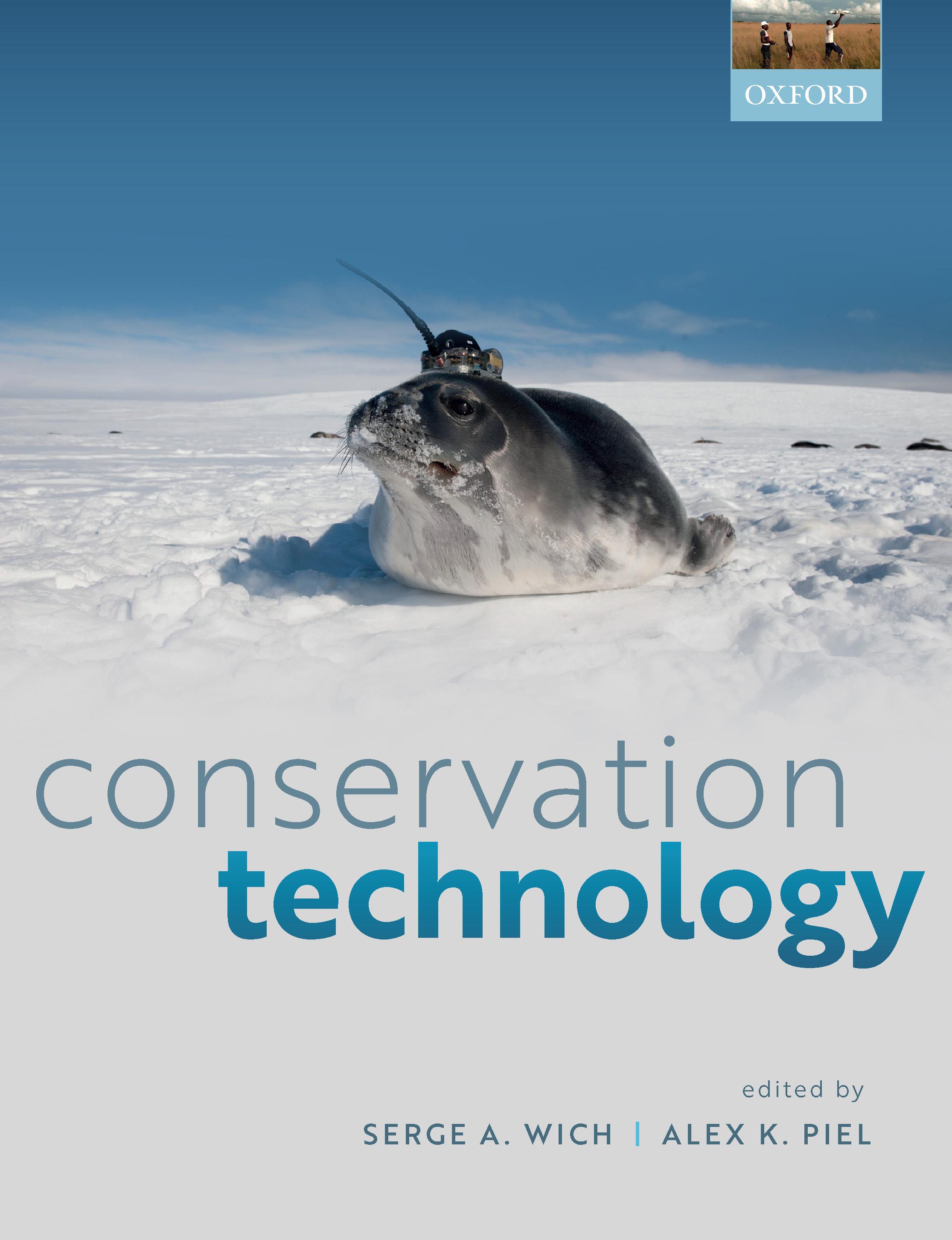
ConservationTechnology
Conservation Technology
EDITEDBY
SergeA.Wich
SchoolofBiologicalandEnvironmentalSciences, LiverpoolJohnMooresUniversity,UK
AlexK.Piel
DepartmentofAnthropology, UniversityCollegeLondon,UK
GreatClarendonStreet,Oxford,OX26DP, UnitedKingdom
OxfordUniversityPressisadepartmentoftheUniversityofOxford. ItfurtherstheUniversity’sobjectiveofexcellenceinresearch,scholarship, andeducationbypublishingworldwide.Oxfordisaregisteredtrademarkof OxfordUniversityPressintheUKandincertainothercountries ©OxfordUniversityPress2021
Themoralrightsoftheauthor[s]havebeenasserted
Impression:1
Allrightsreserved.Nopartofthispublicationmaybereproduced,stored inaretrievalsystem,ortransmitted,inanyformorbyanymeans,withoutthe priorpermissioninwritingofOxfordUniversityPress,orasexpresslypermitted bylaw,bylicenceorundertermsagreedwiththeappropriatereprographics rightsorganization.Enquiriesconcerningreproductionoutsidethescopeofthe aboveshouldbesenttotheRightsDepartment,OxfordUniversityPress,atthe addressabove
Youmustnotcirculatethisworkinanyotherform andyoumustimposethissameconditiononanyacquirer
PublishedintheUnitedStatesofAmericabyOxfordUniversityPress 198MadisonAvenue,NewYork,NY10016,UnitedStatesofAmerica BritishLibraryCataloguinginPublicationData
Dataavailable
LibraryofCongressControlNumber:2021936415
ISBN978–0–19–885024–3(hbk.)
ISBN978–0–19–885025–0(pbk.)
DOI:10.1093/oso/9780198850243.001.0001
Printedandboundby
CPIGroup(UK)Ltd,Croydon,CR04YY
Linkstothird-partywebsitesareprovidedbyOxfordingoodfaithand forinformationonly.Oxforddisclaimsanyresponsibilityforthematerials containedinanythird-partywebsitereferencedinthiswork.
Preface
TheideaforthisbookdevelopedduringanMSc fieldcoursethatweteachinTanzania,whereAlex directsalong-termprimatefieldsiteintheIssa valley.FornearlyadecadeatIssa,wehaveused varioustechnologiestoestablishandincreasechimpanzee(andotherwildlife)detectionsandmonitoring.AlexstartedtheremanyyearsagoforPhDwork bydeployingacustom-designedandbuiltpassive acousticmonitoring(PAM)system,integratedwith radiostoconductreal-timemonitoringofchimpanzeepanthoots,inanefforttolocalizecallersto improvehabituationefforts.Lateron,weinitiateda collaborationontheusageofdronesinwesternTanzaniatodetectchimpanzeenests.Wefirsttrained togetherintheNetherlands,beforeAlexandFiona Stewartflewtheirfirstmissionsusingfixed-wings onaregion-widechimpanzeesurvey.Whileinitial flightswereliterallybumpy,nowdronesarearegularpartofvariousconservationquestionsbeing askednotjustinTanzania,butalsoacrossgreatape distribution.
IssanowintegratesandreliesonPAM,camera traps,drones,digitaldatacollectionontablets,DNA collectionthroughprimatefaeces,andusesmachine learningtoanalyseimagesfromcameratrapsand
drones.Thefieldsiteisnotuniqueinitsuseoftechnology,andhencewefeltthatstudents,colleagues, andcollaboratorsatothersitesaroundtheworld wouldfindabookthatdescribestheseandother conservationtechnologiesuseful.Werealizedthat eventhoughtherearealreadybooksthatdescribe specifictechnologiessuchascameratraps,machine learning,ordrones,noonevolumecoversawide arrayoffield-friendlytechnologies.Wehopethat thebookisnotonlyapplicableforstudents,butalso formanagersofconservationareaswhomoreoften thannothavetomonitoralargenumberofanimalspeciesandvegetationwithlimitedresources andwhereresultsaredirectlyfedintopoliciesand practices.Determiningwhatoptionsthereareavailabletodosoandwhateachoftheseoptionsentails intermsofdatacollected,analyses,costs,durability,andspecificscientificquestionsthatcanbe answeredwiththedataisnoteasy.Wehopethat thisvolumehelpsthosemanagersandconservation practitionerstomakesuchchoices.Similarly,we feelthatthisbookwillbeofuseforcolleagueswho aredevelopingorinitiatingnewresearchprojects andseekanoverviewoftechnologiesthatarecommonlybeingusedinconservation.
Acknowledgements
WewouldliketothankLiverpoolJohnMoores Universityforthesupportofthedronelabthat hasbeeninstrumentalforourdronework,trainingthenextgenerationofconservationists,and foritssupportinusinganddevelopingtechnologyforconservationingeneral.Wewouldalso liketothanktheUCSD/SalkCenterforAcademic ResearchandTraininginAnthropogeny(CARTA), whichhassupportedprimateresearchandconservationeffortsintheIssavalley.
WewouldliketothankLianPinKoh,Peter Wrege,AmmieKalan,JorgeAhumada,Oliver Wearn,LochranTraill,ErinVogel,RichBergl,DanijelaPuric-Mladenovic,StefanoMariani,ChrisGordon,JanvanGemert,JoshVeitch-Michaelis,Liana Chua,andKoenArtsforkindlyreviewingthe chapters.
WewanttothanktheOxfordUniversityPress teamforofferingusthechancetoworkwiththem onthisbook,especiallyIanShermanandCharles Bathwhoprovidedexcellentguidancethroughout theprocess.
SergeisthankfulforthesupportfromTine,Amara,andLennduringthewritingofthisbookand acceptingmyabsenceduringthemanyfieldtrips overthepastyearstoworkwithsomeofthetechnologiesfeaturedinthisbook.Ihopeitwillcontributetomoreandbetterconservationofwildlife andtheirhabitats.
Alexisgratefulforthepatienceandsupport offeredbyFionaStewartandhisfavouriteprimates FinlayandCaelan.Maythesetechnologiesallow forthecontinuedconservationofwildlifeforyour childrentoobserveandappreciateaswell.
3.3Widerapplications:areviewofwhathasbeendone
3.3.1Land-coverclassificationandland-coverchangedetection
3.6Socialimpact/privacy
4.1.1Whatquestionsareweasking?
4.1.2Traditionalmethodsandhowtechnologiesovercome limitations
4.2PAM:fromdatacollectiontodataanalyses
4.2.1Datacollection
4.2.2Analysis
4.3Casestudy:detectingwildchimpanzeesusingPAM
5Cameratrappingforconservation
FrancescoRoveroandRolandKays
5.1Introduction
5.1.1Whatquestionsarebeingasked?
5.1.2Traditionalmethodsandlimitations
5.1.3Howtechnologyaddressesthis
5.2NewTechnology:hardware,software,anddataanalysis
5.3Reviewofcameratrappingconservationapplications
5.3.1Whatcamerasaregoodatdocumenting
5.3.2Cameratrapsforconservation—spatialandtemporal comparisons
5.4Casestudies
5.4.1Integratemonitoringwithmanagement
5.4.2Designfit-for-purposemonitoringprogrammes
5.4.3Engagepeopleandorganizations 93
5.4.4Ensuregooddatamanagement 93
5.4.5Communicatethevalueofmonitoring 94
5.5Limitations/constraintsofcameratrapping
5.6Socialimpact/privacy
5.7Futuredirections
6Animal-bornetechnologiesinwildliferesearchandconservation
KasimRafiq,BenjaminJ.Pitcher,KateCornelsen,K.WhitneyHansen,AndrewJ.King, RobG.Appleby,BrianaAbrahms,andNeilR.Jordan
6.1Introduction
6.2Newtechnology
6.2.1Animal-bornetrackingtechnologies
6.2.2Non-trackinganimal-bornetechnologies
6.2.3Dataanalyses:softwareinuse
6.3Casestudy:usingtrackingtechnologiestoidentifykeyhabitats forconservation
6.3.2Results/discussion
6.4Limitationsandconstraints
6.4.1Samplesizes
6.4.2Deviceweightlimitationsandanimalwelfare
6.4.3Balancingdataresolutionwithstudylength
6.4.4Analysingtrackingdata
6.5Socialimpact/privacy
6.6Futuredirections
6.6.1Open-sourcehardware
6.6.2Opendatainanimaltracking
6.6.3Machinelearningontheedge
CherylD.Knott,AmyM.Scott,CaitlinA.O’Connell,TriWahyuSusanto, andErinE.Kane
7.1Introduction
7.1.1Whatquestionscanbeaskedusingfieldlaboratorymethods?
7.1.2Traditionalmethodsandlimitations
7.2Developmentofnewtechnologyforsamplepreservationand analysis
7.2.1Nutritionalanalyses
7.2.2Hormonalanalyses
7.2.3Urineandfaecalhealthmeasures
7.2.4Fieldmicroscopyforparasites
7.3Applicationstoconservation
7.3.1Nutritionalanalysis
7.3.2Energeticandsocialstress
7.3.3Reproductivehormones
7.3.4Healthandimmunefunction
7.3.5Parasiteprevalenceandspeciesrichness
7.3.6Geneticapplicationstoconservation
7.4CasestudyoforangutansinGunungPalungNationalPark, Indonesia
7.4.1Conservationandhealththreatsfacedbywildorangutans
7.4.2GunungPalungstudypopulation
7.4.3Compositionandhabitatdistributionoforangutanfoods
7.4.4Healthassessmentsfromurineandfaeces
7.4.5Genetics
7.5Limitationandconstraintsofnewtechnology
7.5.1Samplecollectionandhandling
7.5.2Fieldlabsetup
7.5.3Useofchemicalsanddisposalofbiologicalsamplesand contaminatedsupplies
7.5.4Long-termpartnerships
7.6Socialimpactandbenefitsoffieldlabs
7.7Futuredirections
8EnvironmentalDNAforconservation
AntoinetteJ.Piaggio 8.1Introduction
8.2.1Datacollection—studydesign
8.2.2Datacollection—targetingsinglespecies
8.2.3Datacollection—targetingmultiplespecies
8.2.4Datacollection—DNAcapture
8.2.5Datacollection-DNAisolation,purification,andamplification 163
8.2.6Dataanalyses
8.3Widerapplication—reviewofwhathasbeendone
8.4Casestudy
8.5Limitations/constraints
8.6Socialimpact/privacy
8.7Futuredirections
9Mobiledatacollectionapps
EdwardMcLesterandAlexK.Piel
9.1Introduction
9.2Newtechnology
9.2.1Datacollectionhardware
9.2.2Datacollectionsoftware
9.3Applications
9.3.1Behaviouraldatacollection 189
9.3.2Citizenscienceandcommunityengagement 189
9.3.3Mobilegeographicinformationsystems(GIS)and participatorymapping 190
9.3.4Mobiledevicesasmultipurposetools
DrewT.Cronin,AnthonyDancer,BarneyLong,AntonyJ.Lynam,JeffMuntifering, JonathanPalmer,andRichardA.Bergl
11.4Generalizableclassificationanddetectionforlow-qualityimages
11.4.1Problemoverview
11.4.2WhyCVforlow-qualityimagesmattersforconservation
11.4.3WhyCVforlow-qualityimagesischallenging
11.4.4ProgressinCVforlow-qualityimages
11.5Superviseddetectionandclassificationinimbalancedscenarios
11.5.1Problemoverview
11.5.2WhyCVwithimbalancedtrainingdatamattersfor conservation
11.5.3WhyCVwithimbalancedtrainingdataishard
11.6Emergingtopics
11.6.1Partialmodelreuse
11.6.2Human-in-the-loopannotation
11.6.3Simulationfortrainingdataaugmentation
11.7Practicallessonslearnedandchallengestothecommunity
11.8Otherreviews
12Digitalsurveillancetechnologiesinconservationandtheirsocial
TrishantSimlaiandChrisSandbrook
12.4Thesocialandpoliticalimplicationsofcameratrapsanddrones
12.4.1Infringementofprivacyandconsent
12.4.2Psychologicalwell-beingandfear
12.4.3Widerissuesinconservationpractice
12.4.4Datasecurity
12.5Counter-mappingandsocialjustice
13Thefutureoftechnologyinconservation
MargaritaMulero-Pázmány
13.1Currentscopeofconservationtechnology
13.1.1Researchquestionsandconservationapplications
13.1.2Resolution
13.1.3Animalwelfareandenvironmentalimpact
13.2Currentlimitationsandexpectedimprovementsinconservation technology
13.2.1Powersupplyanddatastorage
13.2.2Imagequality
13.2.3Connectivity
13.2.4Sensorstandardizationandintegration
13.2.5Regulations
ListofContributors
BrianaAbrahms CenterforEcosystem Sentinels,DepartmentofBiology,University ofWashington,Seattle.WA,USA
HerizoAndrianandrasana DurrellWildlifeConservationTrustMadagascarProgrammeand MinistryoftheEnvironmentandSustainable Development,Antananarivo,Madagascar
Rob.G.Appleby TheCentreforPlanetaryHealth andFoodSecurity,GriffithUniversityandWild SpyPtyLtd,Brisbane,Australia
RichardA.Bergl Conservation,Education,and ScienceDepartment,NorthCarolinaZoo, Asheboro,NC,USA
KateCornelsen CentreforEcosystemScience, SchoolofBiological,EarthandEnvironmentalSciences,UniversityofNewSouthWales, Sydney,Australia
DrewT.Cronin Conservation,Education,and ScienceDepartment,NorthCarolinaZoo, Asheboro,NC,USA
Anne-SophieCrunchant SchoolofBiologicaland EnvironmentalSciences,LiverpoolJohnMoores University,UKandGreaterMahaleEcosystem ResearchandConservationProject(GMERC), Tanzania
AnthonyDancer ZoologicalSocietyofLondon, London,UK
ChanakyaDevNakka IBMiX,Bangalore,India
K.WhitneyHansen EnvironmentalStudies Department,UniversityofCalifornia,Santa Cruz,CA,USA
MikeHudson DurrellWildlifeConservationTrust, Jersey,ChannelIslandsandInstituteofZoology, ZoologicalSocietyofLondon,London,UK
JasonT.Isaacs CaliforniaStateUniversity, ChannelIslands,CA,USA
SamualM.Jantz DepartmentofGeographicalSciences,UniversityofMaryland,MD, USA
LucasJoppa MicrosoftAIforEarth,WA,USA
NeilR.Jordan TarongaConservationSociety Australia,Sydney,CentreforEcosystemScience, SchoolofBiological,EarthandEnvironmentalSciences,UniversityofNewSouthWales, AustraliaandBotswanaPredatorConservation, Maun,Botswana
RolandKays DepartmentofForestryandEnvironmentalBiology,NorthCarolinaStateUniversity, Raleigh,USAandNorthCarolinaMuseumof NaturalSciences,NC,USA
ErinE.Kane DepartmentofAnthropology,Boston University,Boston,MA,USA
AndrewJ.King DepartmentofBiosciences, SwanseaUniversity,Swansea,UK
CherylD.Knott DepartmentofAnthropology andDepartmentofBiology,BostonUniversity, USA
BarneyLong Re:Wild,Austin,TX,USA
StevenN.Longmore AstrophysicsResearch Institute,LiverpoolJohnMooresUniversity, Liverpool,UK
AntonyJ.Lynam CenterforGlobalConservation, WildlifeConservationSociety,NewYork,NY, USA
EdwardMcLester SchoolofBiologicalandEnvironmentalSciences,LiverpoolJohnMoores University,Liverpool,UK
DanMorris MicrosoftAIforEarth,WA,USA
MargaritaMulero-Pázmány SchoolofBiological andEnvironmentalSciences,LiverpoolJohn MooresUniversity,Liverpool,UK
JeffMuntifering SavetheRhinoTrust,Namibia
CaitlinA.O’Connell DepartmentofBiological Sciences,HumanandEvolutionaryBiology Section,UniversityofSouthernCalifornia, LosAngeles,CA,USA
JonathanPalmer CenterforGlobalConservation, WildlifeConservationSociety,NewYork,NY, USA
AntoinetteJ.Piaggio UnitedStatesDepartment ofAgriculture,AnimalPlantHealthInspectionService,WildlifeServices,NationalWildlife ResearchCenter,FortCollins,CO,USA
AlexK.Piel DepartmentofAnthropology,UniversityCollegeLondon,London,UKandGreater MahaleEcosystemResearchandConservation Project(GMERC),Tanzania
LilianPintea JaneGoodallInstitute,USA
BenjaminJ.Pitcher TarongaConservationSociety AustraliaandDepartmentofBiologicalSciences, MacquarieUniversity,Sydney,Australia
KasimRafiq EnvironmentalStudiesDepartment, UniversityofCalifornia,SantaCruz,USAand CenterforEcosystemSentinels,Department ofBiology,UniversityofWashington,Seattle. WA,USAandBotswanaPredatorConservation, Maun,Botswana
FrancescoRovero DepartmentofBiology, UniversityofFlorence,Florence,Italyand MUSE—MuseodelleScienze,Trento,Italy
ChrisSandbrook DepartmentofGeography, UniversityofCambridge,Cambridge,UK
AmyM.Scott DepartmentofAnthropology, BostonUniversity,Boston,MA,USA
TrishantSimlai DepartmentofGeography, UniversityofCambridge,Cambridge,UK
TriWahyuSusanto DepartmentofBiology, NationalUniversity,Indonesia
SergeA.Wich SchoolofBiologicaland EnvironmentalSciences,LiverpoolJohn MooresUniversity,UKandInstitutefor BiodiversityandEcosystemDynamics, UniversityofAmsterdam,Amsterdam, theNetherlands
Conservationandtechnology: anintroduction
AlexK.PielandSergeA.Wich
Thoseofuswhostudywildlifeandsimultaneously thethreatstoitfindourselvesattheintersection oftwounprecedentedages:theInformationor DigitalAge—whereelectronicdevicesanddigital datagoverntheflowofinformation—andthe Anthropocene—wherehumanactivitiesalterthe dynamicstolife,includingclimate,ocean,and forests(Steffenetal.,2007; Joppa,2015).Thatthe naturalenvironmentisbeingalteredbyanthropogenismisundisputed;thattechnologicalinnovationscanassistconservationbiologiststosupport solutionstotheseglobalproblems,however,isnot. Thesubjectofthisbookiswhattechnologiesare beingusedinconservationpractice,toaddresswhat typesofquestionsandwhataretheassociatedchallengestotheirdeployment.
Applicabletechnologymustaddressfundamentalproblemsinthefield.Assuch,theprocessbegins withasimplesetofkeyquestions:Whatdoconservationbiologistsneedtoknowtosupportconservationmanagementandpolicy?Whichdata, resolution,orparametersarenotbeingcaptured thatneedtobe?Whatexistingtechnologycanhelp obtainthetypeandqualityofdataneeded?How doweenhancedatacapture?Fromamanagement perspective,canweidentifynotjusthotspotsofbiologicalinterest,butparticularkeyresources(specifictrees,watersources)ratherthanbroaderareasor generalvegetationtypes(Allanetal.,2018)?Finally, iftechnologyoffersprogresstowardstheseanswers, thereisasubsequentsetofimportantquestionsto
consider,namelytheefficacyandefficiencyofany new,innovativemethodand,relatedly,theethical andpracticalimplicationsofusingnewdevices (Ellwoodetal.,2007).
Conservationistsrequireasuiteofdatato addresskeyquestionsonanimalpresence,distribution,habitatintegrity,andthethreatstospecies andentireecosystems.Broadly,conservationists usethesedatatoassessbiodiversity,monitor ecosystems,investigatepopulationdynamics,and studybehaviour,allinresponsetoanincreasinglylargeandglobalanthropogenicfootprint.We oftenwanttodothislongitudinally,especiallyto examinetrendsandchangeovertime,andalso geographically,acrossincreasinglyvastlandscapes. Moreover,long-termprojectsarefacedwithhowto digitizeandstandardizedatacollectionprotocols whilemaintaininginterobserverreliability,allthe whileconfrontedwithrotatingstaffandoftenthe trainingofvolunteers/interns/students.Alas,conservationscienceinvolvesnotonlyknowingwhat dataareneeded,butwhattoolscanhelpacquire themandfurther,howtostore,process,andanalysethemonceprocured.Thefinal,andperhaps mostcrucialstepisprovidingresultsinawaythat facilitatesactionsbydecision-makers(Chapter 2).
Specifically,conservationscientistsneeddataon speciesdiversity,countsofindividualanimals, migrationpatterns,habitatintegrity,resourceavailabilityanddistribution,andinformationonanimalhealth,forexample.Thesedatainformon
landscape-widequestionsaboutanimalabundance anddistribution,aswellasdiseaserisks.Higherresolutiondataongroup-andevenindividuallevelbehaviourareimportant.Diseaseinfluences demography(birthanddeathrate),groupcomposition,andindividualbehaviour(Prenticeetal., 2014).Withwildlifediseaseandzoonosesespeciallyawidespreadconcernforconservationists(Deem etal.,2008),identifyingpathogensandconducting diagnosticsforevaluatinganimalhealtharecritical.Historically,theseprocesses(1)requiredcollectionandsubsequentexportofanimaltissueor by-products(e.g.faeces),(2)werecostlyinterms ofmoneyandtime,and(3)oftenresultedindamagedshipmentsandcontaminatedorruinedsamples.Thereisthusgreatdemandformobilelabsto processsamplesinthefield.
Together,dataonwildlifepresence,habitat, behaviour,health,andthreatsprovidesnapshots ofspeciesorhabitatconservationstatus,whichare usefulforestablishingabaselineunderstanding andthesubsequentneedformanagement.Ultimately,though,effectivebiodiversityconservation requiresfastandeffectivemeansofassessinghow speciesdiversityornumbersshiftinresponseto anthropogenicchangeslikesettlementexpansion, conversionofforesttoagriculture,andpoachingamongmanyothers.Traditionally,datafrom cameratrapsanddroneswerecollectedinisolation;contemporaryintegrationoftechnologyallows thesimultaneousprocessingofmultipletypesof data,withnetworksofvarioussensorscollectingdataacrossplatforms(Turner,2014).Scientists canthencombinedatacollectedfrommorerecent technologieslikebiologgerswithmoretraditionalecologicaldata,(e.g.temperature,rainfall)to analyserelationships—ofteninnearreal-time—to betterunderstandthebehaviouralconsequencesof achangingworld(Wall,2014; Kaysetal.,2015). Knowingthetypeandseverityofthreatshasimplicationsfortheurgencyneededtoaddressthem aswell.Thevariabilityofanimalresponsesfurtherinfluencesmanagementstrategies.Whatanimalseat,wheretheygo,andhowtheybehave morebroadly(e.g.activitybudgets,groupingpatterns)inresponsetoreducedhabitatavailability, humanpresence,orintroducedspecieshasbearingonwhatstepscanbetakentoabateimminent threats.
Giventheimportanceofecologicalmonitoringfornearlyanyconservationproject,conservationscientistshavelongbeeninterestedinanimal presence,distribution,anddensity.Traditionally, censusandmonitoringmeasureswereconducted viacapture-recaptureapproachesorconventional ground(e.g.reconnaissance)surveys,bothofwhich arealmostentirelydependentonstafforstudentavailabilityandcapacity,withhandwritten documentationtraditionallystoredindatabooks (Vermaetal.,2016).Inalmostallcases,datacollectorswererequiredtobeintheareaswhere wildlifelives,raisingquestionsaboutdisturbance andgenerallytheroleoftheobserverininfluencinganimalbehaviourandmovement(Kucera& Barrett,2011; Nowaketal.,2014).Moreover,the largerthedatacollectionteam,thegreatertheconcernforinterobserverreliability,whetherbecause ofvariabilityinresearcherknowledge,experience, bias,ortraining.Meanwhile,especiallyforlongtermprojectswithpermanentresearcherpresence onsite,databookspileduponbookshelveswith armiesofundergraduatestudentsorinternsrecruitedtodigitizethemforsubsequentanalyses.
Oneofthemostcommonlyusedmethodsfor datacollection,bothtraditionallyandthroughthe presentforcensusingvarioustaxa,isvialinetransects(Yapp,1956).Inthismethod,researcherswalk astraightline,oftenofrandombearing,andrecord theperpendiculardistanceofalldirectorindirect wildlifeobservedfromtheline.Thoroughdescriptionsoflinetransectusecanbefoundinvariousreviews(Chapter 5; Krebs,1999; Buckland etal.,2001; Thomasetal.,2010).Thismethodof samplingcanbepractical,effective,andinexpensive.Bycalculatingthedistancewalkedandthe widthoftheareavisibletoobservers,researchers canestimatepopulationdensitiesofspeciesof interest.Linetransectshavebeengloballyapplied tovarioustaxa,predominantlyusedwithterrestrial(Varman&Sukumar,1995; Plumptre,2000) andmarine(deBoer,2010)mammals,andprimatesspecifically(Brugiere&Fleury,2000; Bucklandetal.,2010).Initiallyusedforgroundsurveys,thismethodisnowcommonforestimatingthepopulationsizesoflargemammals(e.g. Africanherbivores—Jachmann,2002),wherevast areasneedtobecoveredtosufficientlysurveydistribution(Trenkeletal.,1997).Aeriallinetransects
havealsobeenusedforbirds(Ridgway,2010)and marinespeciesaswell(Milleretal.,1998).
Whenestimatingpopulationdensitiesdirectly isnotpossible,scientistshavehistoricallyused methodsthatrevealrelativemeasures.Thisisparticularlyusefulwithbirds,forexample,wherethe numberofcallsperunitareaprovidesarelative measureofpopulationdensity.Alsoknownaspoint counts,thesameapproachissometimesusedfor roadsidetalliesofwildlifeaswell(reviewedin Schwarz&Seber,1999).Thesetypesofsurveys arebasedontheproportionofobservedevidence tosearcheffortandtheassumptionthatchange overtimeisattributabletopopulationincreaseor decrease.Despitetheirpervasiveuse,pointcounts arenotsuitableforassessingrelativeabundanceof rareorcrypticspecies(Ralphetal.,1995)giventhe typicallylowsamplesize.
Animalpresenceanddistributionaregenerallydependentonhabitatquality,whichisanother importantmetricforconservationscientists.Not onlyisthereagrowingempiricalevidencethat habitatqualityinfluencesoccupancyofvarious taxa,fromplants(Honnayetal.,1999)toprimates (Arroyo-Rodríguez&Mandujano,2009; Marshall, 2009; Foersteretal.,2016),butalsoqualitycaninfluencespeciesspatialdynamics,especiallyinfragmentedlandscapes(Thomasetal.,2001;reviewed in Mortellitietal.,2010).Evaluatinghabitatquality isespeciallyusefulwhenidentifyingtheecologicalconstraintsthatinfluencefitnessisimpossible (Johnson,2005).
Theearliestwaystomeasurehabitatwerevia groundsurveys,withanattempttoidentifythose featuresthatfacilitateorpreventanimalpresence (Forbeyetal.,2017).Methodsincludedcounting ortrappinganimals,collectingfaeces,andgenerallymappingkeylandmarks.Thesecanincludethe countingofimportantresources,suchasfoodand watersources,nestorsleepingsites,naturalbarriers(e.g.rivers),andanthropogenicfootprintslike agricultureandsettlements.Theycanalsoinclude measurementsofhabitatintegritythatfurther affectanimalmovement,suchasfragmentation, canopycover,andspeciesdiversity(Johnson,2005). Historicallythesedatahavebeencollectedfrom ground-truthing,includingspecimencollectionfor diversityindices,manualtreemeasurementsfor gaugingcanopyheight,andmappinglandmarks
fromrecces.Likemostofthesetraditionalmethods, newtechnologyhasenhancedthescopeandquality ofdatathatcanbecollectedandthusimproved dramaticallyhowweunderstandwildlifehabitat quality(Forbeyetal.,2017).
Analysisoflandcoverfrommannedaircraftwas initiallyacommonmethodtoassesslandscapewidepatternsofhabitatqualityandhabitatchange. Fromthe1970s,satelliteimagerybecamethepreferredmeansofgeneratingthesedata(Royetal., 1992; Serneelsetal.,2001)andremotesensingwas identifiedasareliablemethodforpredictingfinescalehabitatqualityandusebyindividualspecies (e.g.sagegrouse—Homeretal.,1993).Remotesensinghasbeenusedtoinformonvegetationtypes andproportions(Curran,1980),especiallyuseful forspecialistspeciesorelseincaseswherehumans targetspecifictreespeciesforextraction(Kuemmerleetal.,2009; Brandtetal.,2012).
Eventually,how,when,andwhereanimalsnavigatethesehabitatswhenobserversarenotaround emergedascentralquestionsinconservationscience.Examplesincludehowextensivecropraiding isbycrypticspecies(e.g.slothbears—Joshietal., 1995)andevaluationsoftranslocated(orreintroduced)species(e.g.dormouse—Bright&Morris, 1994).Locatingandtrackingindividualanimals usingglobalnavigationsatellitesystems(GNSS) reliedoncumbersome,expensive,andheavyradio collars(Rasiulisetal.,2014).Earlyversionsof GNSScollarsstoreddatain-houseandreliedon collarremovaltoretrievedata.Moreover,especiallyforlargeranimals,pioneeringstudieshad negativeresultsforconservation.Alibhaiandcolleagues(Alibhaietal.,2001; Alibhai&Jewell,2001) describedadirectrelationshipbetweenimmobilizationschedule(thenumberofdartingepisodes)and reducedinter-calfintervalinblackrhinos,raising scientificandethicalissuesintheearlytestsofthis technique.Subsequentdeploymentswereplagued withsysteminaccuracies,humanandtransmission error(sometimesupto1000m—Habibetal.,2014), anddisturbancetothecollaredindividual.Besides radiocollars,‘geolocators’,whichwereattached toanimals,usedthetimeofdaytocalculatean animal’sposition,andsowerepronetolargeerror marginsasmuchastensofkilometresfromthe animal’sactuallocation(Weimerskirch&Wilson, 2000).Otherproblemsabounded.
Traditionalsystemshavefacedchallengeson numerousdimensions,fromlimitedspatialand temporalcoveragetoissuesconcerningdatarecording,storage,transmission,andinterobserverreliability(Vermaetal.,2016).Technologyisaddressing thoselimitations,sometimesmultipleatatime.A lookatthenumberofpeer-reviewedworksonthe topicofconservationtechnologyshowsacleartrend overthelastfewdecadesthatusestheterm,‘ConservationTechnology’(Figure 1.1).
Recentdevelopmentsinconservationtechnologyimprovethespeedandtypeofdatacapture, includingthequality,quantity,andreliabilityof thisprocess,aswellasthewaysandspeedthat dataareanalysed.Forthestudyoflarge,especiallyterrestrialspecies,groundteamshavelong beenlimitedbythetimerequiredtocovervast areasaswellasthedangerandlogisticalchallengesofsurveyinginremoteareas.Groundsurveyscontinuetobeusedandoffertheadvantage ofidentifyingsmall-scalethreats(e.g.individual snares)thatothermethodswillmiss,butincreasingly,groundteamsarenowcomplemented,if notreplacedentirely,withremotesensingmethods.Thecurrentvolumedetailsthesemethods,as wellastheimplicationsfortheiruse.Today,capturingdataaboutspeciespresence/absenceand habitatchangeacrosslargespatialscalesiscurrentlyconductedusingeithermedium/high-resolution satelliteimagery(Chapter 2)ordrones(Chapter 3). Astheapplicationsandusesofthesemethodsare
driven,andlimited,bythesensorstheirvehicles carry,wediscussthembothhere.More,regardlessofoperator,theultimateobjectiveofimaging issimilaracrossplatforms,forexample,toprovide spatiallyspecificanalysisandspatiallydistributed dataontargetsthatexhibitrecognizablesignatures. Themostcommontypeofremotesensingfrom eithersatellitesordronesismultispectral,whereby sensorsassesstheradiation(orbrightness)emitted fromsurfaceareasonearth.Thecostofhighresolution(sub-metre)imageryandsensorscontinue todeclineasthediversityofapplicationsexpands inconservation.Forexample,LiDAR(lightdetectionandranging)onlowflyingaircraft,butalso fromspace-bornesatellitesanddrones,estimates above-groundcarbonstocksandoverallbiomass, ecosystemstructure,andbroadlyprovidescritical dataforenvironmentalmanagement(Urbazaevet al.,2018; VaglioLaurinetal.,2020).Advancesin hyperspectralremotesensing—multispectralsensorswithhundredsofbandsacrossanearcontinuousrange,includingvisible,infrared,ad electromagneticspectrum—havefurtherpotential, beingabletoidentifyfine-scalefeatureslikehabitatvariationatthelevelofsubtlevegetativeor soildifferences(Turneretal.,2003; Shiveetal., 2010).Satelliteswithhyperspectralsensorsoffer theabilitytoremotelymapspecificplantspecies andthusecosystemresiliencetoanthropogenism (Underwoodetal.,2003; Lietal.,2014).Finally, increasingly,andespeciallywithdrones,usersare
Figure1.1 Thenumberofscientific publicationsonconservationand technologypublishedbetween1975and 2019.Resultsreflectasearchfortitle words‘Conservation’and‘Technology’in Scopus(http://www.scopus.com).Thedata searchwasconductedon27April2020.
alsoapplyingthermal-sensitivesensors—detecting temperaturedifferentials—whichidentifyanything fromfirestopeopleandanimalsacrosslargelandscapes(Chapter 3).Forconservationists,thermal imagingsensorsareprovidingdatatoanswerquestionsaboutspeciesdistribution,counts,andthe locationoffires(Chapter 3).
Satellitesanddronesofferviewsfromaboveand thussufferfromaninabilitytoaccessground-based biodiversityifthosearecoveredbyvegetationor aretoosmall.Twoofthemostcommonmethodstocaptureground-truthingdataarecamera traps(Chapter 4)andacousticsensors(Chapter 5). Bothhavebeenusedfornearlyacenturyinconservationstudies.Evenmoresothansatelliteor droneimagery,camerasandacousticsensorscaptureespeciallyspeciescompositionanddiversity acrossasampledarea.Historically,datacaptured fromthesedeviceswereusedpredominantlyto buildspecieslists.However,analyticalandtechnologicaldevelopmentsinbothhavetransformed theirapplicabilitytoconservation-relevantquestions.Forexample,withbothmethodsresearchers cannowcalculateanimaldensityfromeitherDISTANCEsampling(acoustics: Marquesetal.,2013, cameratrapping: Cappelleetal.,2019)orfromspatiallyexplicitcapture–recaptureanalyses(acoustics: Efford&Fewster,2013;cameratrapping: DesprésEinspenneretal.,2017).Additionally,thehardwareofbothcamerasandacousticsensorshas alsoimproved.Commercialcameraswith3/4Genablednetworkingcapabilityallowdevicesto transmitimagecapturestobasestationswhere image-recognitiontoolshelpdistinguishpoachers fromprimates(CITE).Acousticsensorsinterfaced withlocalmobilephonenetworksalsooffernear real-timetransmissionofdetectedsounds(Aide etal.,2013).
Besidesmerelydetectinganimalmovement, manymovement-relatedquestionsconcerndirectionality,speed,andfitnesscosts.Forexample, biologgersnowrevealanimalmovementinthree dimensions,integratingaccelerometers,barometers,andgyroscopes(Allanetal.,2018).Once limitedtoterrestrialsystems,biologgersarenow employedtoinvestigatethephysiologicalmechanismsthatinfluencelifehistoryandpopulation changes,evenforgloballydistributedpopulations.
Theycansenseanddocumentnearlyallaspectsof ananimal’smovements,fromwhenafishopensand closesitsmouth(Viviantetal.,2014)tothenutritionalgeometrythatinfluencesmarinemammaldiving behaviour(Machovsky-Capuskaetal.,2016).
Forthemostpart,sensorsaresmall,lightweight, satellite-based,andoftendonotrequireinvasivemethodsindeployment(Bogradetal.,2010). Largespeciesfromthetropics(Yangetal.,2014) tosmallerspeciesatthepoles(Kuenzer,2014) canbemonitoredfromspaceusingsatellitetechnology,expandingthegeographicscopethrough whichweinvestigaterelatedquestions.As Wilmers andcolleagues(2015) summarizedinareviewof biologgingdevices,‘Nearlyallbiologicalactivity involveschangeofonekindoranother.Increasinglythesechangescanbesensedremotely’.Thelast decadeshavetransformedourabilityfrommerelyidentifyinganimallocations,tonowmonitoringtheirmovement,socialinteractions,andreconstructingbehavioural,energetic,andphysiological statesfromafar.Chapter 6 describessomeofthese innovativebiologgingtoolsthatareimprovingthe resolutionandtypeofdatathatwegatherfrom animal-bornedevices.
Inadditiontoinformationextractedfromloggers, dataalsocomeindirectlyfromevidenceleftbehind byanimals;forexample,hair(Mowat&Strobeck, 2000; Macbethetal.,2010),faeces(Muehlenbeinetal.,2012),andtools(Stewartetal.,2018). Theemergingfieldofconservationphysiology (Wikelski&Cooke,2006),whichcentresaround neuro-endocrinestressindicatorsandtheirinfluencesonbehaviour,canrevealwildliferesponses toenvironmentalchange,fromforestlosstowater temperaturetotourism(Ellenbergetal.,2007; reviewedin Acevedo-Whitehouse&Duffus,2009). Faeces-extractedDNAhasalsolongbeenan importanttoolforconservationscientists.DNA analysescanrevealabundanceandsurvivorship (Sitkadeer—Brinkmanetal.,2011;pronghorn— Woodruffetal.,2016),populationdynamics,and densityvariabilityacrosssites(coyotes—Morinet al.,2016),amongotheraspects.Historically,DNA extractionandhormonalassayswereconducted inlaboratoriesfarremovedfromfieldstations andrequiredresearcherstopreserve,store,and exportsamples.Theserestrictionshaveincreasedin
recentyears,combinedwithpressuretobuildlocal capacityofrangecountryscientistsinmolecular analyses(O’Connelletal.,2019).Chapter 7 explores fieldlabsandhowmuchofthisanalyticalworkcan beconductedwithportablefieldkits.
Asthisvolumemakesclear,conservationists havetraditionallyemployedmorphologicaland behaviouraldatacollectiontechniquesusingdirect observations,aswellassensorsplacedonsatellites, cameras,acousticunits,andevenanimalsthemselves.Moreover,fordecadesanadditionalfocusof censusingpopulations,assessinghealth,andtrackingmovementusingindirectevidencehasfocused ontheDNAextractedfromhairorfaecesfrom individualorganisms.However,byinventorying farlargeramountsofDNAintheenvironment,that is,eDNA,manymorequestionscanbeaddressed, namelyaboutpastandpresentbiodiversity(Beng& Corlett,2020).EnvironmentalDNAisanimal geneticmaterialoriginatingfromthehair,skin, faeces,orurineofanimalsbutthathasdegraded andcanbeextractedfromwater,soil,orsediment (Thomsen&Willerslev,2015; Beng&Corlett, 2020).Likemostoftheaforementionedtechniques, usingeDNAisnon-invasiveandsamplecollection requireslittlespecialisttechnicalortaxonomic knowledge(liketheothersaswell,analysesare highlytechnicalandcomplex).Moreover,sampling entiresystemsincreasesthelikelihoodofcapturing DNAofcrypticorelusivespecies,aswellasfor thoseinwhichmorpho-typesaresimilarandthus potentiallydifficulttodecipherfromobservation only.Finally,unlikeusing,forexample,drones oracousticsensors,whenrainorwind,respectively,impairssampling,eDNAcollectionisnot constrainedbyweatherconditions(Thomsen& Willerslev,2015).
BengandCorlett(Beng&Corlett,2020)summarizetheconservationapplicationsofeDNA,from beingafast,efficientmeansofmonitoringpopulationdynamicsoncommunityorspecieslevelsas wellasameanstomaptheirdistributionacross vastspatialscales,toidentifyingbiologicalinvasionsandassessingthestatusoferadicationmeasures.eDNAisalsousefulinrevealingpastand presentbiodiversityandtrophicpatternswithin seawater,freshwater,andevenpermafrostmaterial datingbacktensofthousandsofyears(Willerslev
etal.,2014).Inthatsense,eDNAoffersatemporal rangethatothermethodscannotandwithprices decliningisanon-invasivewaytovastlyincrease thespatialscaleofbiodiversityassessment,while simultaneouslymaintaining—ifnotincreasing— species-specificresolution.
Theexpansionoftechnologicaltoolsforconservationpracticeisnotlimitedto what dataare collectedbutalso how theyarecollected.Traditionally,paperandpensufficedforbehavioural observationsofwildlifeandalsoforrecordingsurveydata.Theproliferationofsmartphones/tablets andapplicationsassociatedwithdatacollectionand integrationhaveimmeasurablyimprovedthenow seeminglyantiquatedprocessofrecordingdataby handforeventualtranscriptionintodigitalformat. Theappearance/vanishrateofappsinapp/play storesmakeacomprehensivechapterimpossible towrite.Nonetheless,Chapter 9 describessomeof themorecommonapplicationsrelevantforconservationscientists,comparesusability,price,and applications.Nearlyalloffertheadvantageofbeing customdesignable,streamlinedforspecificdata collection,andcloudaccessibleforremoteaccess toground-trutheddata.Perhapsthemostwellknownapp,andmostpervasivelyusedinspecies protection/conservationmanagementisSMART,to whichwedevoteanentirechapter(Chapter 10), includingnumerouscasestudies(Hötteetal.,2016) thatdemonstratetherolethesoftwarehasplayedin improvingtheefficiencyandefficacyofpatrolsand overallspeciesprotection(Wilfredetal.,2019).
Withthegrowthindatacollectiontechniques andstoragecapacitieshavecomebetter,faster,and moreautomatedwaysofsievingthroughdatato identifypatternsandrelationshipsbetweenvariablesofinterest.Historically,largedatasetswere plaguedwithdelaysbetweendataacquisition,analysis,andsubsequentinterpretation.Now,weare inthemidstofanotherwaveoftransformational improvement,withautomatedprocessingofbig datausingcomputervisionand/ordeeplearningto streamlinedatamanagementandpatternextraction (Miaoetal.,2019).Computervisionisaninterdisciplinaryfieldofartificialintelligence(AI),whereby computersusepatternrecognitiontodecipherand interpretthevisualworld,alsoknownasmachine learningandobjectclassification.Machinelearning
techniqueshavetransformedtheextenttowhich wecantraincomputerstoidentifyobjects,patterns, species,andfaces,amongothers(Norouzzadeh etal.,2018).Thesedatacanhelpidentifyspeciesand insomecases,countindividuals(Seymouretal., 2017)atnear-identicalaccuracylevelstohumans, butfarfaster.Moreover,resultingdatacaninform— ifnotguide—groundteamsthatmayneedtoact urgently.Forexample,radarandopticalsatellites canprovidedailyscanningoftropicalforestsat 5–20mresolutionandrelayresultsthatrevealillegallogginginnear-real-time(Lynchetal.,2013)to groundteams;picturesandcoordinatescanbesent tosmartphonesforimmediateaction.
Resolutioninbehavioural,physiological,and ecologicaldataispromptingaparallelsurgeinpartnershipstobridgeadata-richscientificworldwith industriesthatcanhelpsupportnecessaryanalyses.
Microsoft’s‘AIforEarth’platformusescomputer visiontechniquestoclassifywildlifespeciesand deeplearningtoautomatesurveydata.Asimilar collaborationbetweenHewlett-PackardandConservationInternationalresultedin‘EarthInsights’— softwaredevelopedtomonitorendangeredspecies (Joppa,2015).Nearreal-timeresultsofthistypeof informationacrossawidescale,whetheronanimal (Wall,2014)orpoacher(Tanetal.,2016)movements, offermanagersthepotentialtoactimmediately tomediatethreatsandprotectwildlife.Thatmay resultinincreaseddeploymentofspecificdeterrents (e.g.fencesforelephants),targetedpatrols,oradditionalsurveillancetovulnerableareas.Insummary, whereastheethicalconsiderationsforthesetechnologicaltoolsarefarbehindindevelopment(see next),insomeways,theanalyticaltoolsareway ahead,fuelledbypartnershipsandinterdisciplinary collaborations(Wilberetal.,2013; Sheehanetal., 2020).Theimportance,diversity,andcontributions ofcomputervisionarediscussedinChapter 11
Aswithnearlyalltechnologicalrevolutions,the socialtoolsthatarerequiredtoaccompanysuch innovationslagbehindthephysicaltoolsthemselves.Droneimagery,acousticsensors,andcameratrapsareoftendesignedtorevealdataon elusiveorcrypticanimals.Eitherincidentallyor maliciously,metadatathatmaycompromisepeople, security,andprivacyarethusvulnerabletobeing exposed.Theprogressneededtoadvanceaparallel
advancementinsocialethicsrequirespeoplenot justfamiliarwiththetechnologyanditspotential,butalsophilosophyandsociology.Chapter 12 exploresquestionsaboutwhohasaccesstothese data,howshouldtheybeshared,andhowwe weighscientific,environmental,andempiricalbenefitsagainstsocialcosts.
Wehopetohavedemonstratedthevastreach oftechnologyincontemporaryconservationchallenges,withcontinuingimprovementsinsensor qualityandcapability,aswellaspoweranddata storage,amongothers—allwhilepricesgenerally decline.Improvementsindataresolutionarekey toexpandingthetypesofquestionsthatwecan ask.Forexample,sub-onemetreresolutionofsatelliteimagerynowallowsforquestionsintobotanical diversity,absoluteabundance,andindicesofproductivityforindividualplants.Applicationofsuch imageryisusefulwhenidentifyingspecificthreats (e.g.expansionofoilpalmtrees—Srestasathiern& Rakwatin,2014)ortoquantifymosaichabitats (Gibbesetal.,2010),too.Thefinalchapter(13) describesthefutureofconservationtechnology, highlightinghowincrementalenhancementsofcurrentmethodsandalsoinnovativemethodswill guidehowweprotectbiodiversitygoingforward.
Inclosing,acomprehensivereviewofthetechniquesandassociatedscientificquestionsatthecore ofconservationtechnologyisbeyondthescopeof anysinglevolume.Instead,herewehaveselected whatweconsidertobesomeofthemostcommonly used,important,andapplicabletoolsinconservationtechnology.Ineachchapter,theauthorsare expertsinthefieldandreviewwhatisknownand whatiscurrent.Weusecasestudiestoexemplify howthetoolsareappliedanddiscussthelimitationsaswellaswhatliesahead.Wefocuson somerecent,pioneeringmethodsofdatacollection andalsodevelopmentstomoreestablishedwaysof datacollection.Wehopethatthisvolumecaptures theinnovativewaysthattechnologycontributesto, improveson,andultimatelydrivescontemporary conservationpractice.
References
Acevedo-Whitehouse,K.,&Duffus,A.L.J.(2009).
Effectsofenvironmentalchangeonwildlifehealth.