https://ebookmass.com/product/christian-philosophy-
Instant digital products (PDF, ePub, MOBI) ready for you
Download now and discover formats that fit your needs...
Conceptions of Giftedness and Talent Robert J. Sternberg
https://ebookmass.com/product/conceptions-of-giftedness-and-talentrobert-j-sternberg/
ebookmass.com
Philosophy Beyond Spacetime : Implications from Quantum Gravity Christian Wüthrich
https://ebookmass.com/product/philosophy-beyond-spacetimeimplications-from-quantum-gravity-christian-wuthrich/
ebookmass.com
Honesty : The Philosophy and Psychology of a Neglected Virtue Christian B. Miller
https://ebookmass.com/product/honesty-the-philosophy-and-psychologyof-a-neglected-virtue-christian-b-miller/
ebookmass.com
The Radical Demand in Løgstrup's Ethics Robert Stern
https://ebookmass.com/product/the-radical-demand-in-logstrups-ethicsrobert-stern/
ebookmass.com
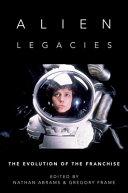
Alien Legacies: The Evolution of the Franchise Nathan Abrams https://ebookmass.com/product/alien-legacies-the-evolution-of-thefranchise-nathan-abrams/
ebookmass.com
Violence, Image and Victim in Bataille, Agamben and Girard
John Lechte
https://ebookmass.com/product/violence-image-and-victim-in-batailleagamben-and-girard-john-lechte/
ebookmass.com
Court of Dragons and Ashes (The Dragon Crown Series Book 3) 1st Edition G. Bailey
https://ebookmass.com/product/court-of-dragons-and-ashes-the-dragoncrown-series-book-3-1st-edition-g-bailey/
ebookmass.com
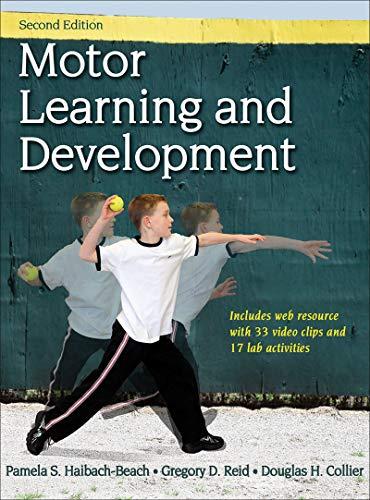
Motor Learning and Development 2nd Edition E-book PDF Version – Ebook PDF Version
https://ebookmass.com/product/motor-learning-and-development-2ndedition-e-book-pdf-version-ebook-pdf-version/
ebookmass.com
Teaching Crime Fiction 1st ed. Edition Charlotte Beyer
https://ebookmass.com/product/teaching-crime-fiction-1st-ed-editioncharlotte-beyer/
ebookmass.com
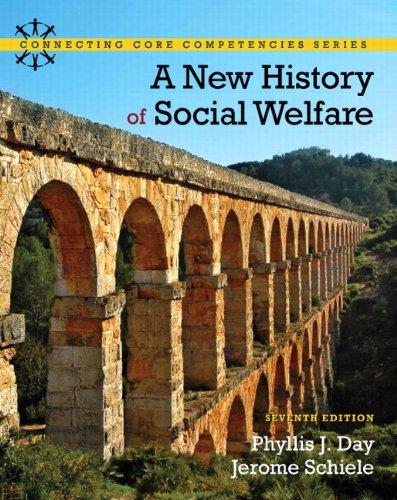
New History of Social Welfare, A (Connecting Core Competencies) 7th Edition, (Ebook PDF)
https://ebookmass.com/product/new-history-of-social-welfare-aconnecting-core-competencies-7th-edition-ebook-pdf/
ebookmass.com
CHRISTIANPHILOSOPHY Christian Philosophy Conceptions,Continuations,andChallenges Editedby J.AARONSIMMONS
GreatClarendonStreet,Oxford,OX26DP, UnitedKingdom
OxfordUniversityPressisadepartmentoftheUniversityofOxford. ItfurtherstheUniversity’sobjectiveofexcellenceinresearch,scholarship, andeducationbypublishingworldwide.Oxfordisaregisteredtrademarkof OxfordUniversityPressintheUKandincertainothercountries
©OxfordUniversityPress2019
Themoralrightsoftheauthorshavebeenasserted
FirstEditionpublishedin2019
Impression:1
Allrightsreserved.Nopartofthispublicationmaybereproduced,storedin aretrievalsystem,ortransmitted,inanyformorbyanymeans,withoutthe priorpermissioninwritingofOxfordUniversityPress,orasexpresslypermitted bylaw,bylicenceorundertermsagreedwiththeappropriatereprographics rightsorganization.Enquiriesconcerningreproductionoutsidethescopeofthe aboveshouldbesenttotheRightsDepartment,OxfordUniversityPress,atthe addressabove
Youmustnotcirculatethisworkinanyotherform andyoumustimposethissameconditiononanyacquirer
PublishedintheUnitedStatesofAmericabyOxfordUniversityPress 198MadisonAvenue,NewYork,NY10016,UnitedStatesofAmerica
BritishLibraryCataloguinginPublicationData Dataavailable
LibraryofCongressControlNumber:2018950872
ISBN978–0–19–883410–6
Printedandboundby CPIGroup(UK)Ltd,Croydon,CR04YY
LinkstothirdpartywebsitesareprovidedbyOxfordingoodfaithand forinformationonly.Oxforddisclaimsanyresponsibilityforthematerials containedinanythirdpartywebsitereferencedinthiswork.
InmemoryofDavidKangas Foreword NicholasWolterstorff Whenonespeaksofphilosophyonemighthaveeitheroftwoquitedifferent thingsinmind:onemighthaveinmindthesocialpracticeofphilosophy,or onemighthaveinmindthethoughtandtextsproducedbythosewhoengage inthatpractice.So,too,whenonespeaksspecificallyofChristianphilosophy onemighthaveinmindeitheracertainsocialpracticeorthethoughtandtexts producedbythosewhoengageinthatpractice.WhenreflectingonChristian philosophy,Ithinkitisbesttobeginwiththepractice.
Whatisthatpractice?It’sthepracticeofChristianphilosophy,ofcourse. Buttodescribeitthuscaneasilyprovemisleading,misleadinginthesameway thatitcanprovemisleadingtospeakofthepracticeofnaturalistphilosophy. Christiansandnaturalistsengagetogetherinthesharedpracticeofphilosophy.SomeofthosewhoareChristiansdoso as Christians, qua Christians; someofthosewhoarenaturalists,probablymost,doso as naturalists, qua naturalists.ToengageinthesocialpracticeofChristianphilosophyisto engageinthesharedsocialpracticeofphilosophy as aChristian.
Whatisittoengageinthesharedsocialpracticeofphilosophyasa Christian?Theansweronegivestothatquestiondepends,ingoodmeasure, onhowoneunderstandsChristianity.SomewritersonthesemattersunderstandChristianitytobeacertainworldview;theythinkofitasbelongingto thesamegenusas,forexample,Kantianismandcontemporarynaturalism.To beaChristianistoembraceaChristianworldview.Onthisunderstanding,to engageinthesharedsocialpracticeofphilosophyasaChristianistoallowthe Christianworldviewtocontributetoshaping,inonewayoranother,one’ s practiceofthediscipline.
TomymindthisismuchtoointellectualisticawayofthinkingofChristianity.IthinkofitasdoKylaEbels-DugganandBruceEllisBensonintheir essaysinthiscollection,namely,asa wayoflife ofacertainsort;tobea ChristianistobecommittedtoaChristianwayoflife.It’smorelikeancient Stoicismthanlikecontemporarynaturalism.
Thereis,ofcourse,enormousvariationamongdiscerniblyChristianways oflife;so,letmespeakofwhatIseeastypical.AChristianwayoflifetypically doesincludeaChristianworldview.Butordinarily,itincludesagooddeal more.Itincludescertainviewsastowhathastranspiredinhistory.Itincludes participationincertainpractices suchasworship andconvictionsastothe importanceofsuchparticipation.Itincludesparticularmoralcommitments. Itincludesspecificjudgmentsastowhatisgoodandwhatisnotgood,what
ismoreimportantandwhatislessimportant.Itincludescertainvirtues. Itincludesregardingsometextsascanonicalandauthoritative.Itincludes whatcanbestbedescribedaskey sensibilities.
OnthisunderstandingofChristianity,toengageinthesharedsocial practiceofphilosophyasaChristianistoallowone’sChristianwayoflife tocontributetoshaping,inonewayoranother,one’sparticipationinthe discipline.Importantly,Isay, “contribute toshaping.” Aphilosopher’ scommitmenttoaChristianwayoflifeisbynomeanstheonlythingthatshapes herparticipationinthedisciplineofphilosophy.Questionsbeingraisedand claimsbeingmadebyotherphilosopherscontributetoshapinghermodeof participation,issuesarisingintheculturecontribute,developmentsinscience contribute,etc.AtsomepointstheshapingbyhercommitmenttoaChristian wayoflifemaybeminimal,orevennon-existent.SometimesherChristian wayoflifewillleadhertodiscusstopicsofinteresttoChristiansandnonChristiansalike.Sometimesitwillleadhertodiscusstopicsofinterestmainly toherfellowChristians;forexample,philosophicalreflectionsontheTrinity.
ThereisalongandvenerabletraditionofChristianphilosophizing,so understood.Aquinasisanexampleofsuchanapproach.Aquinasdrewthe distinctionbetweenphilosophyandtheologymoresharplythananyone beforehim.Philosophy,hesaid,appealssolelytothedeliverancesofthesenses and “naturalreason”;theologyappeals,inaddition,tothedeliverancesof revelation.Bythiscriterion,Aquinas’stwo summae,Summacontragentiles and Summatheologiae areclearlyworksoftheology.Withinthem,however, thereareextensivepassagesthat,byhiscriterion,arephilosophyratherthan theology forexample,theopeningdiscussioninboth summae concerning theexistenceandnatureofGod ButthoughAquinasdoesnot,inthese openingdiscussions,appealtothedeliverancesofrevelation,hischoiceof questionstoaddressandoftextstoengageclearlyindicatethathewas engaginginphilosophy asaChristian.
Thehistoryofmodernphilosophyiscustomarilytaughtasifthetraditionof ChristianphilosophizingendedwithDescartesandMalebranche.Butnotso. Whenonelooks,forexample,atJohnLocke’sworkasawholeandnotjustat selectedpassagesthatareofinteresttopresent-dayphilosophers,itbecomes clearthatLockeengagedinphilosophyasaChristian.¹
Bythemid-twentiethcenturythetraditionofChristianphilosophizing wasmoribund,bothintheanalytictraditionandinthecontinental.The popularityoflogicalpositivismintheanalytictraditionwascertainlyone causeofthenear-deathofthetradition.Butpositivismprovedtobea fl ash-in-the-pan.Ijudgethattheprincipalcausesofitsnear-deathwerethe
¹Seemycontributionto ThePersistenceoftheSacredinModernThought (Wolterstorff2012). OtheressaysinthatcollectionmakeclearthepersistenceofChristianphilosophizinginother earlymodernphilosophers.
prominenceinthemodernandcontemporaryperiodofevidentialism concerningreligiousbeliefs,andtheprominenceofacertainviewasto howphilosophyisproperlypracticed.
Evidentialismconcerningreligiousbeliefisthethesisthatoneisentitledto holdsomereligiousbeliefonlyifoneholdsitonthebasisofproperpropositionalevidence.Allbyitselfthatdoesn’tsaymuch;onehastobetoldwhat constitutes proper propositionalevidence.JohnLocke,whohastitletobeing regardedasthefatherofmodern-dayevidentialism,wasoftheviewthat properpropositionalevidenceconsistsofpropositionsthatarecertainfor one.Probablymostadherentsofevidentialismhaveworkedwithaless stringentviewofproperevidencethanthat;butit’shardtotell,sincemost writersdon’texplainwhattheytaketobeproperevidence.
Explainingevidentialismwaseasy.It’slesseasytoexplaintheviewastohow philosophyisproperlypracticedthatIjudgetohavebeenprominentinthe modernandcontemporaryperiods.Thecoreideaisthatphilosophy,when properlypracticed,aimsatacertainkindofconsensus.Latein TheCritiqueof PureReason Kantdrewadistinctionbetweenwhathecalled revelational theology(theologiarevelata)andwhathecalled rational theology(A631/B659). Rationaltheology,hesays,isbased “solelyuponreason.” Thoughhedoesnot explainwhatitisforatheologytobebasedsolelyuponreason,fromhis subsequentidentificationanddescriptionofvariousformsoftheologythathe regardsassobased,incontrasttothosenotsobased,Ithinkwecanmakea reliableinference.Theologyisbasedsolelyuponreason,andisthusrational theology,justincaseitisbasedsolelyonpremisesandinferencesthatall cognitivelycompetentadulthumanbeingswouldacceptifthosepremisesand reasonswerepresentedtothem,iftheyunderstoodthem,iftheypossessedthe relevantbackgroundinformation,andiftheyfreelyreflectedonthematsufficientlength.(Whatconstitutes sufficient lengthis,ofcourse,anicequestion.)For thesakeofconvenience,letmecallthissortofrationality, Kant-rationality.
ThoughIhaveextractedtheideaofKant-rationalityfromthepassageinthe PureCritique inwhichKantdistinguishesvariouskindsoftheology,it’ s obviousthattheideahasapplicationtotheacademicdisciplinesingeneral; inparticular,ithasapplicationtophilosophy.Abodyofphilosophical thought,then,possessesKant-rationalityjustincaseitisbasedsolelyon premisesandinferencesthatallcognitivelycompetentadulthumanbeings wouldacceptifthosepremisesandreasonswerepresentedtothem,ifthey understoodthem,iftheypossessedtherelevantbackgroundinformation,and iftheyfreelyreflectedonthematsufficientlength.
Ijudgethataprominentviewamongphilosophersinthemodernand contemporaryperiodshasbeenthatphilosophersshouldaimatKantrationalityintheirpracticeofphilosophy,andthatthisaimismoreorless achievable.Weshouldnotexpectthatitwilleverbefullyachieved;butaiming atitisnotlikebangingone’sheadagainstawall.
Foreword
It’sobvious noneedtoarguethepoint thatthecombinationofevidentialismconcerningreligiousbeliefswiththeconvictionthatphilosophers shouldaimatKant-rationalityplacesseverestricturesonengaginginphilosophyasaChristian.Itdoesnotmakeitimpossible,however.One’sjudgmentsastowhichquestionsareimportanttoaddressmightstillbeshapedby one ’sChristianwayoflife.Aquinas’sviewastohowphilosophyisproperly practicedisavariantontheviewthatphilosophersshouldaimatKantrationality;andaswesawafewparagraphsback,Aquinas’sChristianconvictionsclearlydidshapehisjudgmentsconcerningwhichquestionstoaddress.
Afteraperiodofnear-death,suddenlyinthe1970sChristianphilosophizingbeganonceagainto flourish,inpart,nodoubt,astheresultoftheattack onevidentialismconcerningreligiousbeliefsbytheso-calledReformedepistemologists.AlvinPlantinga’sinauguraladdressof1983, “AdvicetoChristian Philosophers,” wasamanifestoforthisresurgence.Theessaysinthispresent volumearereflectionsonthestateofChristianphilosophizingafterPlantinga’ s issuanceofhismanifesto.Ratherthansummarizingthosereflections,letme brieflyofferafewofmyown.
Plantinga’saddressimpliedtherejectionoftheidealofKant-rationality.He didnotidentifytheidealassuchandsubjectittocriticism;hesimplytookfor grantedthatitshouldberejected.Isharetheviewthatitshouldberejected. IthinkitisanillusiontosupposethatKant-rationalityisachievableforany substantialbodyofphilosophicalthought;overandoveritturnsoutthat philosopherswhoarefullyrational findthemselvesindeepdisagreement.
ItismyimpressionthattheidealofKant-rationalityiswidelyrejectedby philosophersnowadays.Ofcourse,itisnotrejectedbyall.IinterpretJürgen Habermas,forexample,ascontinuingtoembracetheideal(seeWolterstorff 2013);anditmaybethatsomeofthecontributorstothisvolumecontinueto embraceitinvariousways.Butitisnotuncommonnowadaysforaphilosophertodeclareopenlythatheisthinkingwithinthecontextofacertain worldviewthatheknowsisnotsharedbyallofhisfellowphilosophers.
Oneentersphilosophyaswhooneis,committedasoneiscommitted, believingwhatonedoesbelieveonmattersreligiousandotherwise.Moreover, oneparticipatesinthephilosophicaldialoguetakingplacefromthebasisof thosecommitmentsandbeliefs.Thesecularhumanistparticipatesassecular humanist,theJewishpersonasJewish,thesecularnaturalistassecularnaturalist,theChristianasChristian.Onelistenscarefullytoone’sfellowphilosopherswhoarguethatone’scommitmentsaremisguided,one’sbeliefs defective,one’sphilosophicalconclusionsmistaken.Onsomematters,large orsmall,onemay findtheirargumentscogent;onothermatters,largeor small,onewillnot.Onethenretainsthecommitments,beliefs,andconclusionsonehad,perhapsrefinedbythefuller’ s firethroughwhichtheyhave gone.Whatelseisonetodo?Onecan’tjustchoosenolongertobelievewhat onedoesbelieve.Andtothosefellowphilosopherswhosecommitments
one findsmisguided,whosebeliefsone findsdefective,whosephilosophical conclusionsone findsmistaken,oneoffersthemargumentstothateffect.One hopesthattheywill findthoseargumentscompelling.Butoneexpectsthat oftentheywillnot.Andsoitgoes,backandforth.
Sowhatdoesonesaytothephilosopherwhohaslistenedcarefullytothe argumentsandcounter-argumentsandremains,orbecomes,aconvinced secularnaturalist?Whatelsecanonesaybuttoyourdeepestcommitments andconvictionsbetrueasyouengageindialoguewithyourfellowphilosophersonphilosophicalissues?Beanaturalistphilosopher.Showtherestof uswherenaturalistthinkinggoes.Perhapssomethingwillturnupthatwecan appropriateinourownway.Andwhatdoesonesaytothephilosopherwho haslistenedcarefullytotheargumentsandcounter-argumentsandremains, orbecomes,aconvincedChristian?Whatelsecanonesaybuttoyourdeepest commitmentsandconvictionsbetrueasyouengageindialoguewithyour fellowphilosophersonphilosophicalissues?BeaChristianphilosopher.Show thoseofotherpersuasionswhereChristianthinkinggoes.Perhapssomething willturnupthattheycanappropriateintheirownway.
Ifthephilosophicalenterprise,onthiswayofthinkingofit,doesnotaimat Kant-rationality,whatdoesitaimat?Itaimsatwhatonemightcall dialogic rationality.SinceIhaveworkedthisideaoutelsewhere(seeWolterstorff 2011),onthisoccasionIwillmakenoattempttospelloutwhatthatis.
OneofthecontributorstothispresentvolumecriticizesChristiananalytic philosophersafterPlantinga’smanifestoforwhathecallstheir “self-certainty.” It’snotcleartomewhathehasinmindbythisterm;butperhapswhathehas inmindisthatthesephilosophersarenotwillingtoopenthemselvesupto critiqueoftheirChristianorientation.Declaring,tousewordsattributedto Luther, “HereIstand;Icandonoother,” theyfreelyemploytheirown Christianorientationtocriticizeotherphilosophersbutarenotwillingto listentothecritiquebyothersoftheirorientation.
Perhapstherearesomepresent-dayChristianphilosopherstowhomthis chargesticks I’mnotsure.Butinanycase,suchastanceisnotfaithfultothe dialogicunderstandingofthepracticeofphilosophythatIhavejustnow advocated.Intruedialogue,eachpartylistensseriouslytowhatotherparties saybywayofcritiqueofone’sposition.
Awell-knownpartofPlantinga’sadvicetoChristianphilosophersisthat theyshouldsettheirownagendaratherthanallowingotherstosettheir agendaforthem.AsPlantingaknows,Ihaveneverbeenhappywiththis advice.WhentheChristianphilosopherengagesasaChristianintheshared humanpracticeofphilosophy,doeshesethisownagenda?YesandNo.He willmakehisownjudgmentsaboutwhichissuesitisimportanttoaddressand howtoaddressthem;onlyphilosophygradstudentsandthosewhoare completelycoweddootherwise.Buthewillmakethosejudgmentsnotonly inthelightofhisChristianwayoflifebutinthelightofwhatishappeningin
thedisciplineofphilosophygenerally,whatishappeninginsociety,whatis happeninginotheracademicdisciplines,andsoforth.
Severalcontributorstothispresentvolumecommentcriticallyonthe relativelynarrowrangeoftopicsdiscussedbyChristiananalyticphilosophers afterPlantinga’smanifesto.Isharethatcriticism.Apartfromagooddealof writingaboutethics,Iwouldsaythatthemaintopicsdealtwithhavebeenthe epistemologyofreligiousbelief,thenatureofGod,theproblemofevil,and mysticalexperience.
Whatstrikesmeaboutthesefourtopicsistwothings.First,theyallfallwithin thesubdisciplineofphilosophyofreligion;apartfromethics,recentChristian philosophyhasmainlybeenChristianphilosophyofreligion.Remarkablylittle hasbeenwrittenbywayofaChristianapproachtopolitics,bywayofaChristian approachtoart,andsoforth.Second,whatstrikesmeisthatthesefourtopics arefocusedentirelyontheepistemicstatusandcontentofreligiousbelief andonreligiousexperience.Ifsomeonewhoknewnothingaboutreligionread thisliterature,shewouldcomeawaywiththeimpressionthat,apartfromthe mysticalexperiencesofafewpeople,religionconsistsmainlyofbelievingthings aboutGod.
Thatpresent-dayChristianphilosophershavechosenthesetopicsfor extensivediscussioncanbeexplainedhistorically.TheepistemologyofreligiousbeliefwasplacedonouragendabyJohnLockeandhasremainedonour agendaeversince;thereligiouspluralismofoursocietiesmakesthetopic inescapable.ThenatureofGodwasplacedonouragendabytheconfrontation ofChristianitywithancientGreekandRomanreligiousthought.Theproblem ofevilgoesbackintobothJewishandpaganantiquity.Andissuesraisedby mysticalandotherformsofreligiousexperiencegoback,Iwouldsay,to SchleiermacherandhisfellowRomantics.Inshort,it’seasytoexplainwhy recentChristianphilosophyofreligionhaschosenthosefourtopicsfor extensivediscussion.
WhatI findinexplicableiswhyithasfocusedalmostexclusivelyonthose fourtopics.Prominentinthelivesofmostadherentsofmostreligions, includingthelivesofmostadherentsofChristianity,isparticipationinthe liturgiesorritualsofone’sreligion.WhyhasrecentChristianphilosophyof religionpaidalmostnoattentiontoliturgy?Andwhy,inspiteofthecentrality oftext-interpretationinlivedChristianity,hassolittlebeenwrittenbyanalytic philosophersaboutthereadingandinterpretationofreligioustexts?Whatever thecause,thereisaseriousmisfitbetweenlivedreligionandthepreoccupation ofanalyticphilosophersofreligioningeneral,andofChristiananalytic philosophersofreligioninparticular.
Itismyjudgmentthatenormousstrideshavebeenmade,sincePlantinga issuedhismanifesto,inphilosophicaltheologyandtheepistemologyof religiousbelief.MyhopeforthefutureofChristianphilosophyisthatitwill breakoutofitsnear-myopicpreoccupationwithethicsandphilosophyof
religion.AndmyhopeforChristianphilosophyofreligionisthatitwillbreak outofitsnarrowconfinesandreflectnotjustonreligiousbeliefandexperience butonlivedreligiongenerally.Inparticular,itismyhopethattherewillbea floweringofphilosophicalreflectionsonliturgy.
WORKSCITED
Wolterstorff,Nicholas.2011. “Then,Now,andAl.” FaithandPhilosophy 28,no.3: 253–66.
Wolterstorff,Nicholas.2012. “GodinLocke’sPhilosophy.” In ThePersistenceofthe SacredinModernThought. Ed.ChrisL.FirestoneandNathanA.Jacobs.Notre Dame,IN:UniversityofNotreDamePress,pp.112–48.
Wolterstorff,Nicholas.2013. “AnEngagementwithJürgenHabermasonPostmetaphysicalPhilosophy,Religion,andPoliticalDialogue.” In HabermasonReligion. Ed. CraigCalhoun,EduardoMendieta,andJonathanvanAntwerpen.Malden,MA: PolityPress,pp.92–111.
Acknowledgments Firstandforemost,thisvolumebeganduetotheworkofStephenLakeand AronReppmann,whoorganizedajointmeetingoftheSocietyofChristian PhilosophersandtheSocietyofContinentalPhilosophyandTheologyat TrinityChristianCollegeinMarch2014.Iwanttoexpressmydeepappreciationtothemfortheirvisionforthatconference,whicheventuallyledtothe possibilityofthisvolume.
Letmealsosaythankyoutotheindividualcontributorsforbeingpartof thisproject,toTomPerridgeatOxfordUniversityPressforsupportingit,and totheexcellentproductionteamthatbroughtittocompletion.
Therearealwaysnumerousotherpeoplewhoarealsoinstrumentalinthe workthatgoesintoaprojectsuchasthis.So,atriskofleavingoutmorethan Imention,letmesaythankyoutoBrandonInabinet,BryanBibb,DavidFink, KevinCarnahan,KevinSchilbrack,MarkStone,ErikAnderson,JohnSanders, JohnCaputo,TerryCross,CharlesDavis,MartinKavka,DavidWood,Jeffrey Tlumak,RobertTalisse,ScottAikin,FredAblondi,StephenMinister,Drew Dalton,JeffreyHanson,MikeKelly,BrianHarding,KenHaynes,Christy Flanagan-Feddon,andBrettLandforconversationsthroughouttheyearson topicsthatareconsideredhere.Wereitnotfortheirengagementandencouragement,Iamsurethatmyowninterestinthesedebateswouldnothave developedasithas.
AveryspecialthankyoutoSandiAnnoneforthetirelesssupportonsome ofthetasksinvolvedinreprintingpreviouslypublishedessays.Also,Randall Childreehasbeenatremendousresourceandfriendthroughtheprocessand hashelpedmetotrackdownmanyoftheoriginalsourcescitedinthevolume andadvisedmeonvarioustechnicalissuesthathavearisen.
Asalways,Iammoredeeplyindebtedthanwordscansaytomywife, Vanessa,andmyson,Atticus.Iappreciatetheirpatienceduringmylatenights attheoffice,theirunderstandingwhenImissedtennismatchesandbasketball games,andtheirtirelesssupportincontinuingtoencouragemetothink, write,andspeakaboutthingsthatmatter.
Finally,Iwanttoexpressmygratitudetotheeditorsat FaithandPhilosophy andFordhamUniversityPressforallowingmetoincludethefollowingessays, whicharereprintedherewithpermission(theessayshavebeenslightlyaltered tocorrecttyposintheoriginalpublications,updatetheinformationforthe newvolume,andadoptOxfordUniversityPressstyleguidelines):
• Chapter1 AlvinPlantinga, “AdvicetoChristianPhilosophers”—Originally publishedin FaithandPhilosophy 1,no.3(1984):253–71.Thisessay wasinitiallydeliveredNovember4,1983,asPlantinga’sinauguraladdress
Acknowledgments astheJohnA.O’BrienProfessorofPhilosophyattheUniversityof NotreDame.
• Chapter2 Jean-LucMarion, “ChristianPhilosophy:Hermeneuticor Heuristic”—EnglishtranslationaspublishedinJean-LucMarion, The VisibleandtheRevealed,trans.ChristinaM.Gschwandtnerandothers (NewYork,NY:FordhamUniversityPress,2008),pp.66–79,167–69; originaltranslatoroftheessayitselfisunknown.
• Chapter4 MeroldWestphal, “TakingPlantingaSeriously”—Originally publishedin FaithandPhilosophy 16,no.2(1999):173–81.
• Chapter5 BruceEllisBenson, “TheTwo-FoldTaskofChristianPhilosophyofReligion”—Originallypublishedin FaithandPhilosophy 32, no.5(2015):371–90.
NotesonContributors xix
Introduction:WhyThis?WhyNow?1 J.AaronSimmons
PARTI.CONCEPTIONS 1.AdvicetoChristianPhilosophers21 AlvinPlantinga
2. “ChristianPhilosophy”:HermeneuticorHeuristic?40 Jean-LucMarion
3.ChristianPhilosophyandtheChristianLife55 KylaEbels-Duggan
4.TakingPlantingaSeriously:AdvicetoChristianPhilosophers73 MeroldWestphal
5.TheTwo-FoldTaskofChristianPhilosophyofReligion83 BruceEllisBenson
6.ChristianPhenomenology104 KevinHart
PARTII.CONTINUATIONS 7.OnDivineDedication:PhilosophicalTheologywithJeremy Taylor123 CharlesTaliaferro
8.DiscerningtheSpirit:TheTaskofChristianPhilosophy132 NealDeRoo
9.ChristianPhilosophyandDisabilityAdvocacy153 KevinTimpe
10.TeachingEvil165 MeghanSullivan
11.AdviceforAnalyticTheologians:Faith-GuidedScholarship173 TrentDougherty
PARTIII.CHALLENGES 12.TheStrategiesofChristianPhilosophy187 J.AaronSimmons
13.ChristianPhilosophyandChristCrucified:FragmentaryTheory inScandalousPower209 PaulK.Moser
14.IsPlantinga-StyleChristianPhilosophyReallyPhilosophy?229 J.L.Schellenberg
15.Philosophy,Religion,andWorldview244 GrahamOppy
16.BeyondTwo-ValuedLogics:AJewishPhilosopher’sTakeon RecentTrendsinChristianPhilosophy260 PeterOchs
17.RespondingtoChallenges286 WilliamHasker Index 305 xviii Contents
NotesonContributors BruceEllisBenson isSeniorResearchFellow,LogosInstituteforAnalyticand ExegeticalTheology,UniversityofStAndrews.HeservesastheExecutive DirectoroftheSocietyforContinentalPhilosophyandTheology.Hehasbeen VisitingProfessorattheKatholiekeUniversiteitLeuvenandwasProfessorof PhilosophyatWheatonCollege.Heistheauthororeditoroftwelvebooks, including TheImprovisationofMusicalDialogue:APhenomenologyofMusic (CambridgeUniversityPress),theaward-winning PiousNietzsche:Decadence andDionysianFaith (IndianaUniversityPress),and(withJ.AaronSimmons) TheNewPhenomenology:APhilosophicalIntroduction (Bloomsbury).Hehas publishedmorethanninetybookchapters,articles,andreviews.
NealDeRoo isCanadaResearchChairinPhenomenologyandPhilosophyof ReligionatTheKing’sUniversityinEdmonton,Alberta.Heistheauthorof FuturityinPhenomenology:PromiseandMethodinHusserl,Levinasand Derrida (FordhamUniversityPress),andhasco-editedseveralbooksin phenomenologyandphilosophyofreligion,including Phenomenologyand Eschatology:NotYetintheNow (Routledge), CrossandKhora:Deconstruction andChristianityintheworkofJohnD.Caputo (WipfandStock),and Merleau-PontyattheLimitsofArt,Religion,andPerception (Bloomsbury). HeservedpreviouslyastheDirectoroftheAndreasCenterforReformed ScholarshipandServiceandistheFoundingEditorof InAllThings.
TrentDougherty (Ph.D.Rochester)isAssociateProfessorinthePhilosophy DepartmentandafellowoftheHonorsCollegeatBaylorUniversity.He publishesandpresentsregularlyinEpistemology,PhilosophyofReligion, andPhilosophyofLanguage.Heistheauthorof TheProblemofAnimal Pain:ATheodicyforAllCreaturesGreatandSmall (PalgraveMacmillan).He istheeditorof EvidentialismandItsDiscontents (OxfordUniversityPress), theco-editor(withJustinMcBrayer)of SkepticalTheism:NewEssays (Oxford UniversityPress),andauthorofnumerousessays,reviews,andreference worksinhisareasincludingthe StanfordEncyclopediaofPhilosophy,the RoutledgeEncyclopediaofPhilosophy,and OxfordBibliographies.Hetriesto bringnon-binaryperspectivestoallhiswork.Whennotwritingoronthe lecturecircuit,heenjoysgravitysports,gardening,andgourmetcookingwith hiswifeandfourchildren.
KylaEbels-Duggan isAssociateProfessorofPhilosophyatNorthwestern University.Shespecializesinmoralandpoliticalphilosophyandtheirhistory workinginabroadlyKantiantradition.Shehaswrittenonthereason-giving
authoritythatoneperson’sendsorvalueshaveforothers,bothinpolitical contextsandininterpersonalrelationshipsandonmoraleducation,including theimplicationsofourdependenceonupbringingforpersonalresponsibility andtheappropriateroleandlimitsofthestateinformingchildren’sworldviews.Sheisworkingonabookexploringthecentralrolethatexperiencesof valueplayingroundingournormativecommitments.Shehasheldfellowships withtheExperienceProjectfundedbytheJohnTempletonFoundation,the SpencerFoundation,andPrincetonUniversity’sCenterforHumanValues. Herworkhasappearedin Ethics, ThePhilosophicalQuarterly, Philosophical Studies,and Philosophers’ Imprint.Ebels-DugganreceivedherBAfromthe UniversityofMichiganin1998andherPh.D.fromHarvardin2007.
KevinHart holdstheEdwinB.KyleChairofChristianThoughtinthe DepartmentofReligiousStudiesattheUniversityofVirginiawherehealso holdsCourtesyProfessorshipsintheDepartmentsofEnglishandFrench. Hismostrecentpublicationsinclude KingdomsofGod (IndianaUniversity Press)and PoetryandRevelation:ForaPhenomenologyofReligiousPoetry (Bloomsbury).Heistheeditorof TheEssentialWritingsofJean-LucMarion (FordhamUniversityPress).Hispoetryiscollectedin WildTrack:Newand SelectedPoems (NotreDameUniversityPress)and Barefoot (NotreDame UniversityPress).
WilliamHasker isProfessorEmeritusofPhilosophyatHuntingtonUniversity,wherehetaughtfrom1966until2000.Hewastheeditorof Christian Scholar’sReview from1985to1994,andtheeditorof FaithandPhilosophy from2000until2007.Hehascontributednumerousarticlestojournalsand referenceworks,andistheauthorof Metaphysics (InterVarsity), God,Time,and Knowledge (CornellUniversityPress), TheEmergentSelf (CornellUniversity Press), Providence,Evil,andtheOpennessofGod (Routledge), TheTriumph ofGodOverEvil (InterVarsity),and MetaphysicsandtheTri-PersonalGod (OxfordUniversityPress).
Jean-LucMarion isProfessorEmeritusatUniversitéParis-IV(Sorbonne)and theGreeleyProfessorofCatholicStudiesandProfessorofthePhilosophyof ReligionsandTheologyatTheUniversityofChicago.Heworksprimarilyin thehistoryofmodernphilosophyandcontemporaryphenomenology.Among hisnumerousbooksare GodwithoutBeing (UniversityofChicagoPress), ReductionandGivenness:InvestigationsofHusserl,Heidegger,andPhenomenology (NorthwesternUniversityPress), ProlegomenatoCharity (Fordham UniversityPress), TheCrossingoftheVisible (StanfordUniversityPress), On theEgoandGod (FordhamUniversityPress), TheVisibleandtheRevealed (FordhamUniversityPress), NegativeCertainties (UniversityofChicago Press),and GivennessandRevelation (OxfordUniversityPress).
PaulK.Moser isProfessorofPhilosophyatLoyolaUniversityChicago.Heis theauthorof TheGodRelationship (CambridgeUniversityPress), TheSeverity ofGod (CambridgeUniversityPress), TheEvidenceforGod (Darton,LongmanandTodd), TheElusiveGod (CambridgeUniversityPress), Philosophy afterObjectivity (OxfordUniversityPress),and KnowledgeandEvidence (CambridgeUniversityPress).Heisco-authorof TheoryofKnowledge (OxfordUniversityPress),andeditorof JesusandPhilosophy (Cambridge UniversityPress), TheOxfordHandbookofEpistemology (OxfordUniversity Press),and APrioriKnowledge (OxfordUniversityPress).Heisco-editorof HumanKnowledge ,3rdEd.(OxfordUniversityPress),and TheTestimonyof theSpirit (OxfordUniversityPress),amongotherbooks.Hehaspublished articlesonreligiousepistemologyinsuchjournalsas ReligiousStudies and TheExpositoryTimes,andheispastEditorofthe AmericanPhilosophical Quarterly.
PeterOchs isEdgarBronfmanProfessorofModernJudaicStudiesatthe UniversityofVirginia,wherehedirectstheUVAResearchInitiativeon Religion,Politics,andConflict.Ochsco-foundedtheSocietyforTextual ReasoningandTheSocietyforScripturalReasoning;andisasenioreditor oftheStanfordUniversityPressbookseries “EncounteringTraditions.” Amonghispublicationsare200essaysintheareasofJewishphilosophyand theology,pragmatismandsemiotics,thelogicofScripture,religionand conflict,comparativeAbrahamicscripturaltraditions,andJewish-Christian theologicaldialogue.Amonghisbooksare ReligionWithoutViolence:TeachingandLearningScripturalReasoning (inpress), AnotherReformation:PostliberalChristianityandtheJews (Brazos), TheFreeChurchandIsrael’ s Covenant (MennonitePress), WordingaRadiance:PartingConversationson GodandtheChurch byDanielHardywithD.H.Ford,P.Ochs,andD.Ford (SCM), BreakingtheTablets:JewishTheologyAfterShoah,byDavidHalivni withP.Ochs(Rowman&Littlefield), Peirce,PragmatismandtheLogicof Scripture (CambridgeUniversityPress),and ReasoningafterRevelation:DialoguesinPostmodernJewishPhilosophy withR.GibbsandS.Kepnes(Westview).Heistheeditororco-editorof TheReturntoScriptureinJudaismand Christianity (Paulist), UnderstandingtheRabbinicMind (Scholar’sPress), ChristianityinJewishTerms (Westview),and TextualReasonings:Jewish PhilosophyandTextStudy (Eerdmans).
GrahamOppy isProfessorofPhilosophyatMonashUniversity.Hisauthored booksinphilosophyofreligioninclude OntologicalArgumentsandBeliefin God (CambridgeUniversityPress), ArguingaboutGods (CambridgeUniversityPress), PhilosophicalPerspectivesonInfinity (CambridgeUniversity Press), ReadingPhilosophyofReligion (Blackwell,withMichaelScott), The
BestArgumentagainstGod (PalgraveMacmillan), ReinventingPhilosophyof Religion (PalgraveMacmillan),and DescribingGods (CambridgeUniversity Press).Hiseditedbooksinphilosophyofreligioninclude TheHistoryof WesternPhilosophyofReligion (AcumenandOxfordUniversityPress,with NickTrakakis),and HandbookofContemporaryPhilosophyofReligion (Routledge).Forthcomingauthoredworksinclude: NaturalismandReligion (Routledge), AtheismandAgnosticism (CambridgeUniversityPress),and Atheism:TheBasics (Routledge).Forthcomingeditedworksinclude: InterReligiousPhilosophicalDialogues (Routledge,co-editedwithNickTrakakis), OntologicalArguments (CambridgeUniversityPress),and Companionto AtheismandPhilosophy (Routledge).
AlvinPlantinga isJohnA.O’BrienProfessorofPhilosophyEmeritusatthe UniversityofNotreDame.Amonghismanybooksare GodandOtherMinds (CornellUniversityPress), TheNatureofNecessity (OxfordUniversityPress), WarrantedChristianBelief (OxfordUniversityPress), WheretheConflict ReallyLies:Science,Religion,andNaturalism (OxfordUniversityPress),and KnowledgeandChristianBelief (Eerdmans).Heisalsoa2017TempletonPrize Laureate.
J.L.Schellenberg isProfessorofPhilosophyatMountSaintVincentUniversityandAdjunctProfessorintheFacultyofGraduateStudiesatDalhousie University.Publishedin1993,his DivineHiddennessandHumanReason (CornellUniversityPress)introducedanewargumentforatheismandstarted adebatethatcontinues.In2015OxfordUniversityPresspublishedashorter bookbySchellenbergaboutthedebatecalled TheHiddennessArgument: Philosophy’sNewChallengetoBeliefinGod. ButmostofSchellenberg’ s researchgoesbeyondtheism/atheismdiscussionsandintomorefundamental investigationsinphilosophyofreligion.Themainresultisasetofthreebooks thatmakeatrilogy: ProlegomenatoaPhilosophyofReligion, TheWisdomto Doubt:AJustificationofReligiousSkepticism,and TheWilltoImagine: AJustificationofSkepticalReligion,allpublishedbyCornellUniversity Press.ArecentshortbookfromOxfordUniversityPress, EvolutionaryReligion,aimstomaketheideasofthetrilogyeasilyaccessibleforageneral audience,placingthemintoanevolutionaryframework.
J.AaronSimmons isAssociateProfessorofPhilosophyatFurmanUniversity. Workingprimarilyinphilosophyofreligionandpoliticalphilosophy,Simmonshaspublishedwidelyonissuesconcerningphenomenology,existentialism,religiousexistence,anddemocraticsociety.Simmonsistheauthorof God andtheOther:EthicsandPoliticsAftertheTheologicalTurn (IndianaUniversityPress),co-author(withBruceEllisBenson)of TheNewPhenomenology: APhilosophicalIntroduction (Bloomsbury),andco-editorof Kierkegaard’ s GodandtheGoodLife (IndianaUniversityPress;withMichaelStrawserand
StephenMinister), ContemporaryDebatesinNegativeTheologyandPhilosophy (PalgraveMacmillan;withNahumBrown), PhenomenologyfortheTwentyFirstCentury (PalgraveMacmillan;withJ.EdwardHackett), Reexamining DeconstructionandDeterminateReligion (DuquesneUniversityPress;with StephenMinister),and KierkegaardandLevinas:Ethics,Politics,andReligion (IndianaUniversityPress;withDavidWood).
MeghanSullivan istheO’BrienCollegiateProfessorofPhilosophyatNotre DameandtheDirectoroftheUniversityPhilosophyRequirement.Sheteaches coursesatalllevels,includinglargeintroductorycoursesinphilosophyof religionandethicsandspecializedgraduateseminarsonmetaphysics,philosophicallogic,andrationality.Sullivan’sresearchtendstofocusonphilosophicalproblemsconcerningtime,modality,rationalplanning,andreligious belief(butrarelyallfouratonce).Sullivanistheauthorof TimeBiases (Oxford UniversityPress)andhaspublishedworkinmanyoftheleadinggeneralist philosophyjournals,including Noûs, Ethics,and PhilosophicalStudies
CharlesTaliaferro isProfessorofPhilosophyandChairoftheDepartment ofPhilosophyatSt.OlafCollegeinNorthfield,Minnesota.Heistheauthoror editorofovertwenty-fivebooks,oneofthelatestbeing TheImageinMind: Theism,Naturalism,andtheImagination co-authoredwithJilEvans(Continuum).HeistheEditor-in-chiefof OpenTheology,andservesonthe editorialboardsof ReligiousStudies, PhilosophyCompass,and Sophia KevinTimpe presentlyholdstheWilliamHarryJellemaChairinChristian PhilosophyatCalvinCollege,andisaformerTempletonResearchFellowat StPeter’sCollege,OxfordUniversity.Hisresearchfocusesprimarilyonthe metaphysicsofagency,virtueethics,philosophyofreligion,andthephilosophy ofdisability.Heistheauthorof FreeWillinPhilosophicalTheology (Bloomsbury)and FreeWill:SourcehoodandItsAlternatives,2ndEd.(Bloomsbury).He haseditedanumberofvolumes,including TheRoutledgeCompaniontoFree Will (Routledge), VirtuesandtheirVices (OxfordUniversityPress),and Free WillandTheism:Connections,Contingencies,andConcerns (OxfordUniversity Press).Hehaspublishedarticlesin TheJournalofEthics, PhilosophicalStudies, AmericanPhilosophicalQuarterly, ResPhilosophica, ReligiousStudies,and Faith andPhilosophy.
MeroldWestphal isDistinguishedProfessorofPhilosophyEmeritusatFordhamUniversity.Hisbachelor’sdegreeisfromWheaton(Illinois)andhis doctoratefromYale.HehasheldregularappointmentsatYaleUniversity, HopeCollege,andFordhamUniversity,withvisitingpositionsatJuniata, Loyola(Maryland),Villanova,FullerSeminary,andHarvardDivinitySchool. HehasservedasPresidentoftheHegelSocietyofAmericaandtheSøren KierkegaardSociety,andasExecut iveCo-DirectoroftheSocietyfor PhenomenologyandExistentialPhilosophy(SPEP).Hehaslecturedwidely
intheUnitedStatesandEuropeaswellasinChinaandBrazil.Heiseditorof theIndianaSeriesinthePhilosophyofReligion.Hehasauthoredthirteen booksaswellasscoresofarticlesandbookchapters.Hismostrecentbooksare Kierkegaard’sConceptofFaith (Eerdmans)and InPraiseofHeteronomy: MakingRoomforRevelation (IndianaUniversityPress).
NicholasWolterstorff isNoahPorterProfessorEmeritusofPhilosophical TheologyatYaleUniversity,SeniorResearchFellowintheInstitutefor AdvancedStudiesinCultureattheUniversityofVirginia,andHonorary ProfessorofAustralianCatholicUniversity.HegraduatedfromCalvinCollegein1953andreceivedhisPh.D.inphilosophyfromHarvardUniversityin 1956.HetaughtphilosophyatCalvinCollegefrom1959to1989,andthen joinedthefacultyofYaleDivinitySchool,withadjunctappointmentsinthe Yalephilosophydepartmentandreligiousstudiesdepartment.Heretiredat theendof2001.DuringleavesofabsencehehastaughtattheFreeUniversity ofAmsterdam,PrincetonUniversity,andtheUniversityofNotreDame.He hasbeenPresidentoftheAmericanPhilosophicalAssociation(Central Division)andPresidentoftheSocietyofChristianPhilosophers.Heisafellow oftheAmericanAcademyofArtsandSciences.Amongthenamedlectures hehasgivenaretheWildeLecturesatOxford,theGiffordLecturesat StAndrews,andtheTaylorLecturesatYale.Hispublicationsinclude Artin Action (Eerdmans), LamentforaSon (Eerdmans), Justice:RightsandWrongs (PrincetonUniversityPress), JusticeinLove (Eerdmans), Journeytoward Justice (Baker), TheGodWeWorship (Eerdmans), ArtRethought (Oxford UniversityPress),and ActingLiturgically (OxfordUniversityPress).
J.AaronSimmons
WHY THIS BOOK? AlthoughitmightseemthatthetopicofChristianphilosophyshouldonlybe ofinterestto Christian philosophers,oralternativelyperhapstoatheistphilosopherswhoareintentonshowingthefalsityofthebeliefsaffirmedwithinthe Christiantradition,thisisfarfromthecase.Whenunderstoodasraisinga varietyofimportantmeta-philosophicalquestions,thetopicofChristian philosophypresentsmuchmorethananin-groupdebateamongthosewho findthemselveswithinthesamereligiousorphilosophical “family,” asitwere. Instead,theveryideaofChristianphilosophyrequiresustoreflectbothonthe natureofphilosophizingitselfasahumanpracticeandalsoontheepistemic ramificationsoftheevidentialcommitmentsallowedtooperatetherein.
ThenotionofChristianphilosophyissimply one instanceofawidevariety ofdifferenttypesofphilosophiesthatcouldbepresentedforourconsideration:Jewish,Islamic,Buddhist,etc.Moreover,andthisisimportant,the possibilitiesforsuchdeterminatephilosophiesreachfarbeyondframeworks thathavetraditionallybeentermed “religious.” Itiscommonto finddiscussionsofdifferentgeographiccontextsinrelationtophilosophicaldiscourse: Irishphilosophy,Americanphilosophy,Australianphilosophy,Chinesephilosophy,etc.Additionally,weoftenseelabelsreferringtoparticularbeliefcommitmentsattendingtoone’sidentity:Feministphilosophy,AfricanAmerican philosophy,Queertheory,etc.Andwecouldtakethingsevenfurtherinavariety ofdirections.Forexample,assomeonewhowasbornandraisedintheAmerican Southeast,Ihavelongwonderedaboutthepossibilityof “Southernphilosophy,” orasafanoftheFloridaStateUniversitySeminoles,whatabout “FSULovers Philosophy”?