RadicalAdaptation:TransformingCitiesfora ClimateChangedWorldStone Jr.
https://ebookmass.com/product/radical-adaptationtransforming-cities-for-a-climate-changed-world-stone-jr/
Instant digital products (PDF, ePub, MOBI) ready for you
Download now and discover formats that fit your needs...
Ecology of a Changed World Trevor Price
https://ebookmass.com/product/ecology-of-a-changed-world-trevor-price/
ebookmass.com
Climate Change Adaptation for Transportation Systems: Adapting for Climate Change and Extreme Weather Impacts 1st Edition Michael A.P. Taylor
https://ebookmass.com/product/climate-change-adaptation-fortransportation-systems-adapting-for-climate-change-and-extremeweather-impacts-1st-edition-michael-a-p-taylor/
ebookmass.com
Penny Dreadful and Adaptation. Reanimating and Transforming the Monster 1st Edition Julie Grossman
https://ebookmass.com/product/penny-dreadful-and-adaptationreanimating-and-transforming-the-monster-1st-edition-julie-grossman/ ebookmass.com
Savage Kings MC - Virginia Books 1-6 Lane Hart & D.B. West
https://ebookmass.com/product/savage-kings-mc-virginia-books-1-6-lanehart-d-b-west/
ebookmass.com
Chronicling Westerners in Nineteenth-Century East Asia: Lives, Linkages, and Imperial Connections Robert S. G. Fletcher
https://ebookmass.com/product/chronicling-westerners-in-nineteenthcentury-east-asia-lives-linkages-and-imperial-connections-robert-s-gfletcher/
ebookmass.com
Android Smartphone Fotografie für Dummies Mark Hemmings
https://ebookmass.com/product/android-smartphone-fotografie-furdummies-mark-hemmings/
ebookmass.com
The Making and Mirroring of Masculine Subjectivities: Gender, Affect, and Ethics in Modern World Narratives
Susan Mooney
https://ebookmass.com/product/the-making-and-mirroring-of-masculinesubjectivities-gender-affect-and-ethics-in-modern-world-narrativessusan-mooney/
ebookmass.com
SOC
6: Introduction to Sociology 6th Edition Nijole V. Benokraitis
https://ebookmass.com/product/soc-6-introduction-to-sociology-6thedition-nijole-v-benokraitis/
ebookmass.com
Rebel Romeo (Shattered Hearts Trilogy Book 2) Katana Collins
https://ebookmass.com/product/rebel-romeo-shattered-hearts-trilogybook-2-katana-collins/
ebookmass.com
G20 Entrepreneurship Services Report Jian
https://ebookmass.com/product/g20-entrepreneurship-services-reportjian-gao/
ebookmass.com
RadicalAdaptation
Thisbookconsiderstheeverydayconduitsthroughwhichclimateinstabilityis revealingitself:thestormsewerdrainonyourstreet,thepowerlinestransportingyour electricity,themixofvegetationinyourbackyardorneighborhoodpark – thesearethe pathwaysthroughwhichclimatechangeismostlikelytoimpactyourlife.Formany, thesearethelastplacesweexpectitto.Inthisbook,Stone’saimistounderstandhow climatechangeisalteringourlivesinthepresentperiod – thisperiodoftransition betweentheancient,stableclimateofourancestorsandtheunfolding,nolongerstable climateofourchildren – andhowourcitiesmightadapttothesechanges.Stone’s concerniswiththerisksposedbyanewenvironmentalregimeforwhichourmodesof livingareill-adapted,andwithhowthesemodesoflivingmustbealtered – radically altered – topersistinaclimatechangedworld.
BrianStone,Jr.isaProfessorintheSchoolofCityandRegionalPlanningattheGeorgia InstituteofTechnology,whereheteachesurbanenvironmentalplanninganddirectsthe UrbanClimateLab.Stone’sprogramofresearchisfocusedonurbanscaledriversof climatechangeandhasbeensupportedbytheNationalScienceFoundation,USCenters forDiseaseControlandPrevention,andUSEnvironmentalProtectionAgency.Stone’s workonurbanizationandclimatechangeisregularlyfeaturedin TheNewYorkTimes, TheWashingtonPost,andon NationalPublicRadio.Heisauthorof TheCityandthe ComingClimate:ClimateChangeinthePlacesWeLive (2012,CambridgeUniversity Press),whichreceiveda Choice OutstandingAcademicTitleAward.Stoneholds degreesinenvironmentalmanagementandurbanplanningfromDukeUniversityand theGeorgiaInstituteofTechnology.
“Citiesareattheforefrontofclimatechange.ProfessorStoneprovidesacompelling accountofhowpastinfrastructurechoicesincitiesinteractwithextremeweatherand climateeventsbeingincreasinglyfueledbyclimatechangetoaffectthehealthand well-beingofresidents.Focusingonhighambienttemperatureandwater(toomuch ortoolittle),ProfessorStoneprovidesinteresting,illustrative,andevidence-based storiesofcurrentimpactsincitiesassociatedwithchangingweatherpatterns;and demonstrateshowtimely,practical,andurgentinvestmentsinre-engineering infrastructurewouldincreaseresiliencetoadditionalclimatechange.”
ProfessorKristieL.Ebi,UniversityofWashington
“RadicalAdaptation bringsaglobalperspectivetoourengagementwiththereality ofclimatechangeineverydaylife.Inthisinsightfulandcarefullyresearchedbook, Stoneexploresaseriesofemergingintersectionsbetweenclimate,infrastructure, andcontemporarycities.”
ProfessorMatthewGandy,UniversityofCambridge.
“ProfessorStonehaswrittenamagnificentlycleartextoutliningthemostcritical currentimpactsofclimatechangeoncities(heat,drought,sealevelrise,and flooding)andplausiblesolutions.Withexpertsynthesis,hepresentscomplex scientificinformationinunderstandable,jargon-lesslanguage,providingbrilliant insightintocurrentconditions,futurethreats,andadaptationoptions.Thisbookisa must-readforanyoneengagedinurbaninfrastructureandplanningandclimate adaptationandanyoneinterestedinhowclimatechangeisalteringourlives.”
ProfessorPeterJ.Marcotullio,Director,CUNYCenter forSustainableCities,HunterCollege
“Thisbookdescribesthemanywaystheclimatecrisisimpactsonusnowinour homes,neighborhoodsandlivelihoodsandthemosteffectivedoablemeasuresto addressthese.Whatmakesitspecialistheinterweavingofdetailedcitycasestudies withageneraltext(alsodetailed)andhistoricexamples.”
ProfessorDavidSatterthwaite,InternationalInstitute forEnvironmentandDevelopmentandVisiting Professor,UniversityCollege,London
“Citiesareinaconstantstateofbecoming,andnowclimatechangeisforcing societiestoevenmoredramaticallyreimaginehowcitiesarebuilt,andhowpeople liveinthem.Inresponse, RadicalAdaptation providesacompellingeye-leveland planning-basednarrativeonthepathwaysandpossibilitiesthatlieaheadforurban spacesandresidents.Asasolutions-focusedbook,itdetailsthestoryofhowpositive transformativechangeiswithinourowngrasp,andthatthecumulativeimpactof smallanddiscretesteps,evenagainstrisingchallenges,canbecometherebuilding thatisneededtocreatemoreresilient,sustainable,andequitablecommunities.”
ProfessorWilliamD.Solecki,HunterCollege,CityUniversityofNewYork
RadicalAdaptation
TransformingCitiesforaClimateChangedWorld
BRIANSTONE,JR.
GeorgiaInstituteofTechnology
ShaftesburyRoad,CambridgeCB28EA,UnitedKingdom
OneLibertyPlaza,20thFloor,NewYork,NY10006,USA477
WilliamstownRoad,PortMelbourne,VIC3207,Australia
314–321,3rdFloor,Plot3,SplendorForum,JasolaDistrictCentre, NewDelhi – 110025,India
103PenangRoad,#05–06/07,VisioncrestCommercial,Singapore238467
CambridgeUniversityPressispartofCambridgeUniversityPress&Assessment, adepartmentoftheUniversityofCambridge.
WesharetheUniversity’smissiontocontributetosocietythroughthepursuit ofeducation,learningandresearchatthehighestinternationallevelsofexcellence.
www.cambridge.org
Informationonthistitle: www.cambridge.org/9781009211178
DOI: 10.1017/9781009211192
©BrianStone,Jr.2024
Thispublicationisincopyright.Subjecttostatutoryexceptionandtotheprovisions ofrelevantcollectivelicensingagreements,noreproductionofanypartmaytake placewithoutthewrittenpermissionofCambridgeUniversityPress&Assessment.
Firstpublished2024
AcataloguerecordforthispublicationisavailablefromtheBritishLibrary LibraryofCongressCataloging-in-PublicationData
Names:Stone,Brian,Jr.,author.
Title:Radicaladaptation:transformingcitiesforaclimatechangedworld/BrianStone,Jr., GeorgiaInstituteofTechnology.
Description:NewYork:CambridgeUniversityPress,2024.|Includesbibliographical referencesandindex.
Identifiers:LCCN2023031394|ISBN9781009211178(hardback)| ISBN9781009211154(paperback)
Subjects:LCSH:Municipalengineering.|Cityplanning – Climaticfactors.|Climatechange adaptation.|Citiesandtowns.|Urbanclimatology. Classification:LCCTD168.5.S762024|DDC628–dc23/eng/20230822
LCrecordavailableat https://lccn.loc.gov/2023031394
ISBN978-1-009-21117-8Hardback ISBN978-1-009-21115-4Paperback
CambridgeUniversityPress&Assessmenthasnoresponsibilityforthepersistence oraccuracyofURLsforexternalorthird-partyinternetwebsitesreferredtointhis publicationanddoesnotguaranteethatanycontentonsuchwebsitesis,orwillremain, accurateorappropriate.
For Josie
Acknowledgments
Thisbookwasbornofanunexpectedoutcome.Interestedtounderstandthe paceofwarmingincitiesrelativetothatoftheplanetasawhole,myresearch group – theUrbanClimateLabattheGeorgiaInstituteofTechnology – carried outananalysisoftemperaturechangeinthemostpopulousUScities.The outcomeofthisstudyenabledarankingofUScitiesbasedontherateofurban warming,andthemostrapidlywarmingcitywasnotfoundtobeadesertcityor thelargestcityorthecitywiththehighestrateofpopulationgrowth.Themost rapidlywarmingcityintheUnitedStatesatthattimewasLouisville, Kentucky – amid-sizedcityinahumid-subtropicalzonewithampleaccess towater.Thereasonsforthisacceleratedwarmingtrendarevariedandrange fromapaucityoftreecanopyinthedowntowndistricttotheupwindpositioningoflarge,heat-emittingindustries.Totheimmensecreditofthecity’s leadership,ratherthanprotestorignorethisratherignominiousranking, Louisvillecommittedtocoolitselfdown.
InpartneringwiththeOfficeofSustainabilityinLouisville,inconcertwith asetoffoundationshelpingtosupportthework,theUrbanClimateLabsought toexploretheextenttowhichalargecitycouldalteritsownweather.Most critically,towhatextentwouldacitywideincreaseintreecanopyandtheuseof coolroofingmaterialsnotonlylowerneighborhoodtemperaturesbutpotentiallyreducetheannualnumberofheat-relateddeaths?Whichresidentsare mostvulnerabletotheseimpacts?Adecade-longjourneytoanswerthese questions – inLouisvilleandnumerousothercities – hasgivenrisetothe ideasinthisbook.
Iammostgratefultothearrayofone-timestudents,colleagues,planners, andforward-lookingcommunityadvocateswhohaveenabledtheresearchand experimentationinformingthisbook.ThislistincludesmostcentrallyJosh Bakin,JohnBolduc,ChristianBraneon,ChristyBrown,BumseokChun,Matt Grubisich,DanaHabeeb,DudleyHartel,MichelleKing,MariaKoetter,Kevin
Lanza,EvanMallen,TedRussell,JasonVargo,andHowardWertheimer.This workhasbenefitedgreatlyfrompartneringwithcolleaguesonaseriesof academicpapersthathaveinformedthiswork,includingthelate(andmuch missed)GodfriedAugenbroe,AshleyBroadbent,MateiGeorgescu,Santiago Grijalva,CarinaGronlund,SharonHarlan,DavidHondula,ScottKrayenhoff, LarissaLarsen,MarieO’Neill,andMayuriRajput.Mostrecently,Iam indebtedtoAtlantacitycouncilmembersLilianaBakhtiariandMatt WestmorelandfortheirsupportofclimatevulnerabilityworkinAtlanta, whichinformsthebook’sPostscript.
AsincerethankstoMattLloydandhisteamatCambridgeUniversityPress forenthusiasticallytakingonanotherunconventionalbookonclimatechange. IamfurthergratefultomycolleaguesintheSchoolofCityandRegional PlanningatGeorgiaTechwhosupportedthisbookthroughprovidingthe neededleavetimetocompleteitswriting.AspecialthankstoMichaela Masterforassistanceincompilingthebook’ssetofreferences.
Last,IamevergratefultoJosie,Wesley,William,Vivian,andOwenfor sharingmewiththiswork.Youaremyhope.
Prologue:DeadPool
Inthepriorage,itwassometimesreferredtoastheSaudiArabiaofwater, anationsoamplyendowedwithfreshwater – intheformoftheEarth’smost massiveriver,sequesteredwithintheplanet’slargestexpanseofvirginrainforest,andelevatedaloftintothewindcurrentslinkinginlandjungletoocean – it rivaledtheworld’spetrostatesintermsofsheerliquidwealth.Accountingfor lessthan2percentoftheplanet’slandareabutbysomeestimates20percentof itstotalfreshwater,withnoneofitstoredinshrinkingglaciers,Brazilwasan unlikelysettingforthearmedhijackingofwatertrucks.Butmanymonthsinto adeepeningdroughtin2014,evenmilitaryescortswerefailingtoensurethe safepassageofwaterdeliveriestopartsofSãoPaulo,amegacityof21million edgingevernearertothelargestforcedevacuationinhistory[1].Asthe Paulistanoswerelearning,evenanabundanceofnaturalresourceswasno matchforanincreasinglyunnaturalclimate.
The firstresidentstoriotwereinthesuburbancityofItu.Whilecitydwellers incentralSãoPaulowereworkingtomanageperiodsofadayortwowithno flowingwaterfromtaps,thesupplyinItuwasfarlessfrequent,leavingsome residentswithoutaccesstowaterforweeksatatime[2].Manymonthsintothe nation’smostseveredroughtonrecord – withlessrainfallinginthe2014and 2015rainyseasonsthaninatypicaldryseason – regionalreservoirswere highlydepleted,insomecasesfallingto2percentofcapacity[2].Evenif sufficientpressuresremainedtopumpfromthe finalshallowsofadepleted reservoir,knownintechnicalparlanceasthe “deadpool,” thesiltyremnants wereoftentoocontaminatedfordrinking.Withnoregionalwateravailable,the onlyoptionwastotruckinwatertodistributionsites – astrategyfarunequalto demandandvulnerabletoarmedconflict.
Ofallthesocietalbenefitsprovidedbycollectivesettlementincities,clean drinkingwaterisperhapstheleastappreciatedofthemodernworld.Dating backtotheancientMinoansofCrete,whowerethe firsttotransportwaterover significantdistancesanddistributetourbansettlementsviaaqueducts,urban waterdeliverysystems – nowcoupledwithwastewaterremoval – remainthe
mostfundamentaltechnologyofcities[3].Whilelocalstorageofsolidwaste enablestrashremovalincitiestooperateonaweeklyorbiweeklyschedule,and millionsofcitydwellerseventodaylivewithoutaccesstoelectricity,nowhere intheworldcanalargepopulationbesustainedformorethanafewdays withoutaccesstopotablewater.Inperiodswithoutit,allotherhumanconcerns becomesecondary.
Paulistanosarenotabletodrawdrinkingwaterfromthesizableriversthat flowdirectlythroughtheircity.WithfewprohibitionsonwhatcanbedischargedintotheTieteandPinheirosrivers,rankedamongthemostpolluted waterwaysintheworld,everyconceivablebyproductofanindustrialmegacity isentrainedintheir flow.Intotal,anestimated4millionresidentsofSãoPaulo lackaccesstobasicsanitarysewagesystems,withmostofthishumanwaste findingitswaytotherivers.SocompleteisthedegradationoftheTieteand Pinheirosthatsubsurfaceblockagestostormwaterpipescanonlyberemoved bydiversinfullyenclosed,deep-seadivingsuits.Thebountyofsuchdives readsasthoughdrawnfromthepagesofashopwornnovel:discardedgunsand knives,asuitcase filledwithcash,adismemberedbody[4].
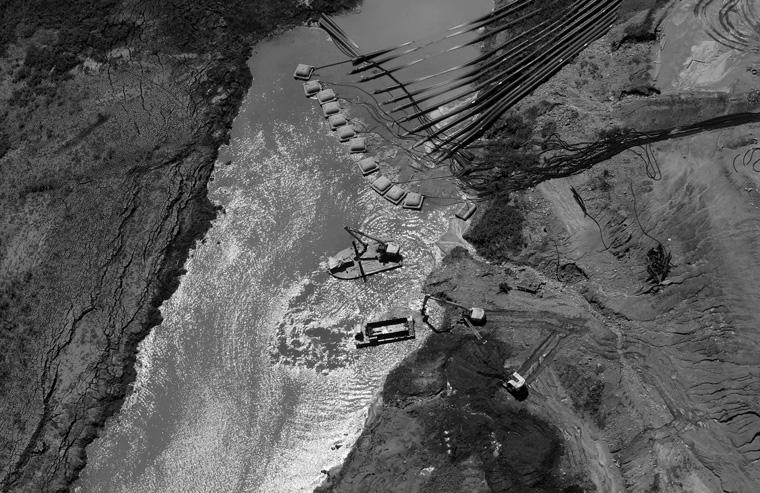
So,thecitymustlookelsewhereforaviablesourceofdrinkingwater. Developedinthe1960s,theintendedsolutionwasachainoflargereservoirs tothenorthknownastheCantareiraSystem.Designedtomeetthepopulation growthprojectionsofthatera,andcalibratedtorainfallpatternsoftheearlier, stableclimate,thereservoirsystem,whileamongtheworld’smostextensive, hasincreasinglyfailedtoprovideanadequatereserveofwaterforSãoPaulo (FigureP.1).By2014,lowerthanexpectedrainfallfromasinglerainyseason wassufficienttobringthewatersupplyforacityof21millioninhabitants within100daysofdepletion[5].
Rainfall,ofcourse,isonlyoneofseveralvariablesthatgovernthelifeof acity’swatersupply.Therateatwhichwateriswithdrawnfromareservoiris equallydeterminativeofhowmanydaysofdrinkingwaterremainand,onthis frontatleast,SãoPauloseemedtoholdasalvageablehand.Themostpromisingcardtoplaywasareductionintherateofregionalwaterwithdrawalsfor agriculturalandindustrialuses,estimatedatthetimetoaccountformorethan 90percentofthetotalwaterusageinthestateofSãoPaulo[6].Thisstatistic aloneisworthconsidering:Lessthanatenthofthedrinkingwatersystem constructedtosupporttheworld’sfourthlargestcitywasusedtoaddressthe waterneedsofthecity’sresidents,withtheremainder flowingtoagricultural uses(muchoftheharvestdestinedforexport),manufacturing,andpower plants.The firstwaterrationingtooccur,however,wouldnotbeinanindustrial zonebutinoutlyingresidentialneighborhoodsofthemetropolitanregion,and itwouldcomewithoutwarning.
Asecondlevertopullwhenconfrontedwithamountingwatershortageis thereductioninwaterlossesfromthevastnetworkoftunnelsandpipes deliveringwaterfromthereservoirtothetap.Whileallmajorurbanwater systemssufferfromunintendedleakage,SãoPauloexcelsinthisarea,with almost40percentofthewaterthatisstoredandtreatedlosttofailuresinthe subterraneandistributionsystem[7].Hereagain,amomentofreflectionseems warranted:Morethanathirdofthevastquantitiesofwatercollectedandstored intheSouthAmerica’slargestwatersystem – asystemthatrequiresprodigious amountsofenergytotreatanddeliverdrinkingwater – nevermakesittoatap orahoseoranirrigationsystem.SãoPaulolosesdailyaquantityofwaterthat wouldmeetthetotaldemandofallbutthelargestcitiesinNorthAmerica.An emergencycampaigntoidentifyandrepairthelargestofthesesystemfailures couldhavemeasurablyextendedthelifeofthedwindlingreservoirsystembut wasnotundertakenduringthecrisis.
Withtwoviableoptionstoextendthelifeoftheregion’sreservoirs,stateand localofficialsdecidedonathirdcourseofaction:anunannouncedrationingof waterthatwouldmostseverelyimpactthepoorestresidentsofthecity. Referredtoas “hiddenrationing,” thewaterutilitysubstantiallylowered waterpressureinthesystem,initiallyatnightbutlaterfordaysatatime,
FigureP.1PumpingwaterfromthedeadpoolintheCantareirareservoirsystem, February2015.PauloWhitaker/Reuters.
whichzeroedoutwateraccessentirelyforresidentsatthefurthestreachesof thedistributionsystemwhere,typically,thepoorestfamiliesreside[8].As neitherthewaterutilitynorlocalorregionalgovernmentofficialsacknowledgedthisdecision,and,infact,regularlydeniedit,thereisnobasistoassess theirreasoning.Butonevariableseemslikelytohaveplayedarole:The deepestdroughtinBrazil’shistoryhadarrivedontheeveofthe2014World Cup,withtheopeningmatchtobeplayedinSãoPauloonlyamonthafterthe firsttapsrandry.
The firsttotaketothestreetswerewomen.Disproportionatelyresponsible forhouseholdlabor,womenwerebearingthebruntofthewatercrisis.Fromthe vantageofcontinuously flowinghouseholdwater,itiseasytooverlookthe tremendouseffortrequiredtolocate,gather,transport,andstorewaterfordaily use.Forstarters,informationonwherewatercanbeobtained – fromanewly drilledwellorwatertankertruck – wasinfrequentandunreliable,giventhe government’sreluctancetobroadcasttheshortage.So,tripstogatherwater typicallyincludedalongwaitinlinewithlittleguaranteeofsufficientsupplies to fillavessel.Ifasourceissecured,waterranksamongtheheaviestliquids foundinnature(waterisheavierthancrudeoil,forexample),greatlylimiting thequantitythatcanbetransportedoveranymeasurabledistance.Last,few householdsservedbyamunicipaldrinkingwatersystemhavewaterstorage capacityavailable,resultingintheneedforcontinuoustripstocollectionsites.
Butadditionallaborisonlythebeginningofhowahouseholdmustadaptto limitedwater – equallyimportantishowthewaterisused.Womentendtobe the firsttorationtheirownconsumption,astheyprioritizescarcedrinking waterforchildrenandotherfamilymembers.Theresultformanywomenin poorerareasofSãoPaulo,where flowingwaterwasceasingfordaysatatime, wasachronicstateofdehydration.Soontofollowwasasharpincreasein urinarytractinfections,asthepassageofwaterthroughdigestivesystemsis essentialtothe flushingofbacteria.Forothers,moreseveregastrointestinal illnessesweretiedtotheconsumptionofcontaminatedwaterfromhastily drilledwells[9].
Ithasbeenobservedthatinperiodsofcatastrophicweather,suchasinthe aftermathofahurricaneorwildfire,communitiescometogether.Butinperiods ofresourcedepletion,suchasafamineordrought,communitiescomeapart. ManyweeksintoseverewaterrationinginSãoPaulo,water-starvedcommunitieswerecomingapart.Consistentlyassuredbylocalpoliticiansthatthere wasnowatershortage,thatstepswerebeingtakentoensureasteadydelivery ofdrinkingwaterthroughoutthedrought – evenasnowater flowedfrom householdtapsfordaysrunning – residentswhohadformonthsexhibited resiliencebegantoviewthecrisisasmuchasaninstanceofgovernmental
Prologue:DeadPool
failurethanasanextremeweatherevent.Aswithallriots,theBrazilianwater riotswerebornnotjustofacrisisbutofafailinggovernmentalresponseto crisis.
Footagefromtheinitialprotestsshowfamiliaractionsofcivilresistance –marcherswithsignsandbanners,womensittinginstreetstodisrupttraffic, apolicepresenceontheperiphery.Withlittlegovernmentalacknowledgment ofwhatwerebecomingdailyprotests,moreaggressivetacticsensue.Streetsare barricadedandthenthebarricadessetafire.Rocksarehurledatpublicbuildings. Andthepolice,nowinfullriotgear, fireteargastodispersethecrowds.Soonto followisthelootingofstoresinsearchofbottledwaterandtheultimatearmed hijackingofwatertrucks[2].Lessthansixmonthsfromtheofficialdeclaration ofadrought,thelargestcityinBrazilandaglobalmodelofrapidmodernization forthedevelopingworldhadlostthecapacitytodeliverwatertoitspopulation. Beyondthereachofmoderntechnology,globallyavailablecapital,orhuman ingenuity,thesystemhadfailedtoprovideitsmostbasicandancientingredient: theregularreturnofrain.
Severalyearsafterthedrought,in2018,thenewlyelectedpresidentofBrazil wouldproclaimanintenttoacceleratedevelopmentoftheAmazon.Elevated topoweronapoliticalplatformemphasizingfurtherglobalintegrationofthe Brazilianeconomyandthepromiseofcontinuedrisingstandardsofliving, PresidentJairBolsonarosoughttorelaxa suiteofrainforestprotectionsputin placeoverthepriordecade[10 ].Alarmedbytheincreasinglyrapidrateof deforestationintheAmazonoverthe1990s,aperiodinwhichseveral hectaresofforestwerebeingcleared everyhour,earliergovernmentshad putinplacereformsthatreducedtherateofdeforestationbyanestimated 70percentbetween2005and2014 – atrendthatwouldsharplyreverseunder Bolsonaro[ 11].
WithlimitedroadsconstructedintotheinterioroftheremainingAmazon –astillvastareathesizeofAustraliaandlargelypopulatedbyIndigenous groups – illegalloggerstransportlong-bladechainsawsviamotorcycles alongcircuitousnetworksoffootpaths.Thedirectproductoftheclearcuttingcancarrysignificantvalue,butlittleifanyofthefelledwoodfrom theAmazon’sinteriorwillmakeitoutofthejungle.Withnoviableroutefor transport,theclearedforesttractsaresimplyburnedon-site,extinguishingin theprocessanunknowableextentofanimallifeandreleasingvastquantitiesof storedcarbontofurtherwarmtheatmosphere.Theintendedexportofthe illegalbutincreasinglysanctionedlogginginBrazilisnotwoodbutbeef, withtheplanet’smostessentialandteemingecosystemrapidlydegradedto anear-silentmonocultureofgrazingcattle[10].
Theprocessofconvertingrainforesttobeefisamongthemostcelebratedin theannalsofecologicalmismanagement.Forateachstepinthisprocess, energyiswasted.Theamountofsolarenergythatcanbeconvertedbythe rainforestintoedibleplants,suchasjackfruit,totakeoneexample,ismuch greaterthantheenergythatcanbeconvertedintoplantproteinintheformof grass.Asaresult,therainforest-for-pasturelandtradeoffyieldslessusable energyforhumans,asthereissimplyfarlessbiomassinanacreofgrass thaninanacreofdenseandmultilayeredrainforest.
Wereitpossibleforhumanstoconsumethepastureland’sgrassdirectly,we wouldneedaboutthreeacresofpasturetoprovideanequivalentamountofcaloric energyasfoundinasingleacreofrainforest.Putanotherway,weloseabouttwothirdsoftheavailablecaloricenergywhenweconvertrainforesttopasture[12].
Yetitisthenextstepintheprocess – theconversionofgrasstobeef – thatreally distinguishesAmazoniancattleranching.Cowsmaybetheleastefficientmachine yetconceivedbynatureandindustryfortheconversionofbiomasstoanimal protein,assomuchoftheenergycontentofthegrassisneededsimplytopropel theanimal’sdailywanderings.If66ofthe100unitsofpotentialsolar-derived caloricenergyarelostinconvertingrainforesttopastureland,roughlyanother32 unitsarelostinconvertingpasturelandtobeef[13].So,tosumupthemath,about 2percentofthecaloricenergycapturedbyanacreofrainforestcanbeconverted intocowmusclethroughdeforestation – 98percentofthecapturedsolarenergyis lost.Thesenumbersareborneoutbytheaveragedensityofcattleranchinginthe Amazontoday,withabout2.5acresofgrazinglandrequiredtosustainasingle cow – enoughland,ifplantedincrops,tofeedafamilyyear-round[14].
Vegansdelightinhighlightingtheimmenseecologicalcostsofmeatproduction,withoneanalysis findingtheconsumptionofasingleBrazilian hamburgertocarrythecarbonfootprintofa200-mileroadtrip[15].Butan additionaldimensionofAmazonianmismanagementisoftenomittedfrom meat-shamingcomputations:Therainforestisnotsimplythebeneficiaryof plentifulrain;itisitselfareservoirfromwhichtherainwaterisdrawn.Andthe reservoirismassive,withpartsoftheAmazonreceivingmorethan400inches ofraineachyear(theUnitedStates,bycomparison,averages30inchesofrain peryear)[16].Thecombinationofsaturatedsoilsandintensesolargaindueto theforest’sequatoriallocationtranslatesintosomeofthehighestlevelsof evapotranspiration(theevaporationofsurfacewaterplusthereleaseofwater vaporfromgreenplants)measuredonEarth.Thisinvisible,risingriverof watervaporgeneratescloudsacrosstheAmazonandthroughoutmuchof southeasternBrazil,alargelyself-containedhydrologiccyclethroughwhich theforestseedsitsownrainand,ultimately,therainfallreceivedbyurbanareas downwind.
Cattlegrazingrequiresextensivegrasslandstosupportit,anditequally requiresrain.ThechallengemovingforwardforAmazoniancattleranchers isthattheprovisionofthe firstinputdirectlydiminishesthesecond.Witheach acreofrainforestfelledtoclearmorelandforgrazing,thereservoirofmoisture thatdrivestheregionalhydrologicalcycleis,muchlikeanaquifer,drawn down.Theimpactofthisdrawdownisaregionalclimatethatisbecoming warmeranddrierovertime,withlessrainfallingtodaythanseveraldecades ago.Climatemodelsconsistentlyshowthatcontinueddestructionofthe Amazonianrainforestwillfurtherdiminishrainfallovertime,substantially undersomescenarios[17].Andso,thedirectconnectionbetweentheareaof rainforestandpatternsofregionalrainfallpresentsacleardilemmatoBrazilian leaders.Tosustainitself,Amazonianpasturelandrequireswhatremainsofthe rainforestfornaturalirrigation.Thesameistrueforthecity.
WhilethedriversofthedeepestBraziliandroughtonrecordaredifficultto quantifywithanyprecision – inadditiontoagradualdryingoftheAmazonan activeElNiñocycleisthoughttohaveplayedarole – theimplicationsforthe entiretyoftheSãoPaulopopulationweregrowingevermoreacutebyearly 2015.Withlessthanhalfofthetypicalrainfalloccurringinthe2014rainy season,thesubsequentrainyseasonalsofellshortofhistoricalaverages, yieldinglittlerechargeoftheregion’sdepletedreservoirs.Afewmonthsinto 2015,therationingofwaterthathadprincipallyimpactedouter-lyingareasof SãoPaulowasexpandedtothemostheavilypopulatedzones,resultinginno flowingwaterfordaysatatime.ThewaterutilityproposedinFebruary arationingsystemunlikeanypreviouslyseeninamajorglobalcity:Without thereturnofregularrainfall,nowaterwould flowtothecity’shomesfor five dayseachweek[18].
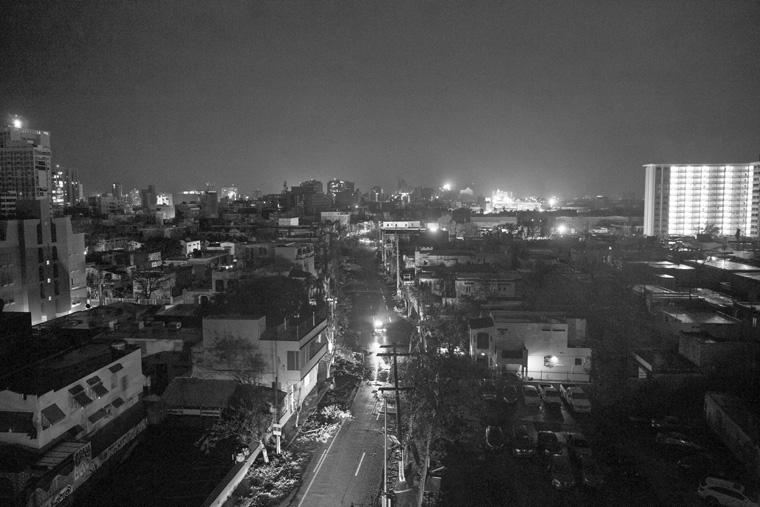
Asthefrequencyofextremeweathereventsiscreatingevermoreprolonged breakdownsinthecriticalinfrastructureoflargecities,familiarpatternsof urbanlifearealteredinrespectsbothprofoundandmundane.Stilllacking electricalpowerseveralweeksafterHurricaneMaria,in2017,SanJuan,Puerto Ricohadallbutvanishedfromnighttimesatelliteimagery,withnopowerto operatestreetlightsandtheotherinnumerablesourcesofilluminationacross adenselysettledarea(FigureP.2).Butwhatwasmostarrestingaboutthe strickencity,accordingtothosewhovisitedatthetime,wasnottheabsenceof lightbuttheeerie,deeplyunsettlingsilenceofamajormetropolisrendered inoperable.Inasimilarsense,whatmostclearlyforetellstheadvanceof awildfireintoanurbanareaisnottheblaringofsirensorthebeatingof helicopterbladesbutasoundless,light-alteringhazeinthesky,increasingly intenseandoddlybeautiful.
Forthecitywithoutwater,whatmostcharacterizestheurbanlandscapeis neitherasilencingofthestreetsnoranalteringoftheskies.Whatmost characterizesacitywithoutwateristheubiquitous,unrelentingodorof humanwaste.Manymonthsintothedeepestwatercrisistoconfrontacityof morethan10millionresidents,Paulistanoswereleftwithlittlechoicebutto triagethedwindlingquantitiesofwateravailable.Thelion’ssharewouldbe reservedfordrinkingandcooking,withsomeremainingforthewashingof handsandfaces – orperhapsthesoakingoflongunwashedclothes.Loweron thelist,dueasmuchtothelargequantityrequiredastotheperceivedimperative,wasthe flushingoftoilets.
Formany,itwasthisstenchmorethanascarcityofdrinkingwaterthatwas themoststartlingaspectofthecrisis.Whilenourishmentcouldbefoundfor mostintheformofbottledorstoredwater,aninabilitytobatheoneselfor flush awaywastewasperhapsmostrevealingofthemountingvulnerabilityofurban lifeinaclimatechangedworld.Eventhemostbasicofurbanservices – the provisionofshelter,water,andwasteremoval – couldnotberelieduponinan unstableclimate.Asobservedbyonepublicofficial, “Waterisabouthuman dignity ... Whenpeoplecannolongerwashthemselvesorusethetoiletortake careoftheirchildren,theystarttopanic” [19].
FigureP.2BlackoutinSanJuan,PuertoRicointheaftermathofHurricaneMaria, September20,2017.AlexWroblewski/GettyImages.
Compoundingthispanicwastheregularonsetofblackouts.Endowed withsuchanabundanceoffreshwater,Brazilhasextensivelydammedmany ofitslargeriversfortheproductionofhydropower,accountingformore than80percentofthecountry’selectricitygeneration[20 ].Asreservoir levelsdropped,thecapacityforhydropowerstationstoproduceelectricity wasalsodiminished,creatingdisruptionsintheelectricalgrid.With adeepeningdrought,evencoalorgas-firedpowerplantsareimpacted, duetotheirrelianceonriverorlakewaterforthecoolingofboilers, whichfurtherunderminestheresilienc eofanelectricalgridduringperiods ofwaterscarcity.Water,inthissense,isnotsimplyoneofseveralelements thatsustainsurbanpopulations;itisthecentralelement.Withoutit,thecity quicklyrevertstoapre industrialcondition – aconditionthatwasnever contemplatedformillionsofinhabitants.
Formostreadingthesepages,theexperienceofablackoutorawatermain break,leavingonewithoutpowerorrunningwater,isfamiliar.Fewerlikely haveexperiencedinamajorcitybothconditionssimultaneouslyand,ifso,for morethanadayortwo.Perhapsmorethananyotherthreatwecanimagine fromaworldwitherraticweather,includingtheviolenceofanintensehurricaneorwildfire,thefailureofcriticalinfrastructuresystemsinurbanareasis notonlyfarmoreprobableinthecomingyearsbutitisarguablymore dangerous,foritcarrieswithitthebreakdownofcivicorder.
Theconeofaforecastedhurricanetrackisknowninadvance;itspathof devastationestablishedandunchangingoncethestormhaspassed.Inthe aftermathofanacuteweatherevent,governmentsareenabledtotakeaction, implementaplantorebuild,andprojectasenseofciviccontrol.Thesameis nottrueforadrought-inducedinfrastructurefailure,whichlackseasilyimplementablesolutionsoracertaintimetable.Atwhatpointshouldamegacityof 21millioninhabitantsbeevacuatedand,ifevenpossible,wherewouldthe populationbesent?Intheearlymonthsof2015,SãoPaulowasexperiencing notonlyanecologicalcollapsebutacollapseintheveneerofsocialcontrolthat isasfundamentaltotheoperationofcitiesasdrinkingwaterandwaste removal.ForPaulistanos,theclimatecrisishadarrivednotintheformof aviolentstormsurgebutasarevelationofinstitutionalincapacity.
Unabletoresolveacrisisrootedinbothlong-termenvironmentaland infrastructuremismanagement,atthelocalandglobalscales,governmental officialspreparedfortheonlycrisisforwhichactionwaspossible:therioting ofitsownpopulation.Asdescribedcandidlybyoneofficial:
Weweredesperate.Thereservoirlevelwasjustgoingdownanddown.Weknewthat whenpeopledon’thavewater,theygocrazy.Wehadseentheprotestsinsmaller
citieswherepeoplewerebreakingintopropertytostealwater.Weimaginedwhat theywouldbelikeherewith21millionpeople.Wethoughtaboutthehospitals unabletotreatpatientsandchildrenhavingtostayhomefromschool.Itwouldbe chaos[21].
The firstprioritywasensuringthecontinuingfunctionofcriticalinstitutions –buildingsnolessdependentonwaterforoperationthanresidentialzones.To ensurecontinuedwaterdelivery,utilityworkersconstructedanew,parallel distributionsystemdirectlyconnectingtoemergencywaterreservesthe500 mostimportantbuildingsacrossSãoPaulo.Largehospitals,criticalgovernmentalbuildings,policestations,andprisonswerealltoreceivecontinuingwater supplies,evenastherestofthecityrandry.Theremainderofthecity’sresidents wouldneedtorelyonthelimitedwaterthatcouldbesuppliedviatankertruck.
Anotherofthesebuildingswasanewlyconstructedemergencyoperations center.Suchacenterwasalreadyinplace,butitslocationwaspubliclyknown. Initiallyintendedtodirectpreparationsandrecoveryoperationsfornatural disasters,thefocusoftheemergencyoperationscenterhadchangedentirely, withthepopulationtobesafeguardedfromdangerhavingnowbecomethe danger.MembersoftheBrazilianintelligenceserviceswerequietly flownto theUnitedStatestotrainalongsideSpecialWeaponsandTactics(SWAT) paramilitaryunitsandreturnedwithanewlycontracted fleetofmilitaryassault vehicles[19].Plansweremadeforaforcedevacuation[22].
WhatwasstartingtounfoldinSãoPaulointheearlymonthsof2015,asthe tapsrandryformillionsuponmillionsofresidentswhohadnotbeen adequatelyapprisedofthedepthofthecrisis,oroftheimpotenceoftheir governmentinthefaceofit,wassomethingasofyetunseeninthemodernera ofhumansettlement:thestageddepopulationofacitythatremainsphysically intact.Whilethewaterutilitywouldmanagetodeliveranabsoluteminimum quantityofdrinkingwatertoamajorityofresidentsuntilthereturnofrain, resuminglaterintheyear,thestepsundertakenbythegovernmentinpreparing forwidespreadriotingandaforcedevacuation – theonlyadministrativelevers lefttopull – attesttotheinarguablerealityconfrontedtodaybycitiesacrossthe planet:Large-scaleurbanizationisonlypossibleinastableclimate.Withoutit, theprincipalpromiseofacity – tomakeitsresidentslessvulnerabletohunger, disease,crime,andignorance – isunkept,servingtodiminishratherthanto enhancehumanwelfare.
Anditisthebeliefinthispromise,stillretainedbymuchofthemodern world,thathassustainedcitiesuntilthepresentmoment.
Thisisabookabouttransformation.Withtheworkingsoftheglobalclimate moreresponsivetohumanactivitythanatanytimeinthepast,notonlyisan
unrelentingtrendtowardhotterandunstableweathermorepredictablebutso tooisthedirectionofhumanhistory.Perhapsatnotimeinthepasthavethe crisestoconfronthumanityyearsintothefuturebeenmoreapparent,more clearlymappable,thanatthepresentmoment.Ifthisstatementistrue,thenitis reasonabletoexpectthattheseedsofthesecriseshavebeguntotakeroot amongusandareforthe firsttimevisibletothenakedeye.Itisthetransition fromoneenvironmentalregimetoanother – ashoulderseasonbetween yesterday’sclimateandtomorrow’s – thatmostclearlydescribesourpresent realityandannouncesthechangestocome.
Althoughwellunderway,thetransitionbetweentheoldenvironmentalregime andnewoperatesontwoverydifferenttimescales.Atthescaleofplanetary change,ourhuman-enhancedgreenhouseeffectisalteringthebiophysicalcompositionoftheEarthatapaceunprecedentedinthepaleoclimaticrecord.When plottedovergeologictime,therateatwhichcarbondioxideisaccumulatingin theatmosphere,pairedwithcarbonicacidintheglobaloceans,assumesthe shapeofaverticalline – theonlysuchverticalityinmorethan10millionyearsof reconstructedtrends.ChristenedtheSixthMassExtinction,therateofspecies lossunfoldingaroundusisonparwithprehistoricmeteorstrikesandperiodsof violent,sun-blockingvolcanism,withthree-quartersoftheplanet’sanimal species – representinguntoldmillionsofyearsofevolution – presentlydisappearingoverthecourseofasinglehumanlifetime.
Viewedfromthewindowofthoselivingtoday,however,thesechangescan appeargradual.Yes,thespring flowersarebloomingearlierthaninone’syouth, butaseasonalshiftofafewweeksishardlysignificantovertheperiodof a fifty-two-weekyear,evenifwearethe firsthumangenerationtoobserveit. Tetheredtoanexperientialtimelinetypicallyreachingonlyfromourgrandparentstoourgrandchildren,itistheperiodoverwhichourbodiesage,our childrengrow,andourculturalartifactspersistthatmostdirectlyframesour temporalvantage – asetofwaypointstoofewtomapthepaceofplanetary change.Ofallthethreatsposedbyachangingclimatethisisperhapsthemost pernicious:Theunprecedentedrateatwhichtheplanetischanginghas remainedjustoutsideofourbiologicalcapacitytodetectit.Butthisis changing.
Throughouttheentiretyoftheplanet’shistory,adiscontinuitybetweenthe paceofenvironmentalchangeandthecapacityofEarth’sorganismstoperceive itwasoflittleconsequence,asnosinglespecieswasinapositiontoalterthe compositionoftheatmosphereorthevolumeoftheoceans.Withthisecologicallawnolongerineffect,thecapacityforhumanstorecognizetheir impactontheglobalenvironmenthasassumedexistentialsignificanceforall species.Ill-equippedbyevolutiontorespondtoslowmovingthreats,we
requireanonexperientialmodeofdetectiontobetteralignthepaceofplanetary changewithourperceptionofit.Themodeofdetectionwehavefashionedfor thispurposeis science.
Butourscienceisfailingusinthearenaofclimatechange.Wellconstructed tolookbeyondournarrowtemporalvantage – bothbackwardandforwardin time – thescientificmethodislesswellsuitedtothepurposeofrapidsocietal change.Therulesofempiricismfoundationaltoscience – itsneedforextensive datacollectionandreproducibility – requiretimetosatisfy.Thelargerthe phenomenon,suchastheworkingsoftheglobalclimate,themoretimeis neededfortestingandvalidation,andthefurtheralongtheclimatechange trajectoryweadvance.
Equallyproblematicisthatthescientificmethodissilentonthequestionof howitsadvancementsaretobecommunicatedbeyondasmallcommunityof specialists.Rigidinitsformulafortheproductionofnewknowledge,science providesfewinsightsfortheessentialtaskofknowledgetranslation.Thistask isleftuptonewsoutlets,advocacygroups,politicians,and,increasingly,our socialmediaaccounts.Thisisaproblem.
Withnouniformlyacceptedmechanismforsocietaltranslation,thejourney fromscientificcertaintytopopularunderstandingisoftenunscripted – particularlywhenconfrontedwithwellmanagedandfundedmisinformationcampaigns.Whilepriorpublichealthbattles,suchasthatovertobaccouse,have yieldedinsightsintoeffectiveriskcommunication,suchepisodeshavebeenno lessinstructiveinthedarkartsofpublicdeception.Wehaveyetasasocietyto concludethatwillful,premeditatedmisinformationcampaignsthatcontribute tolossoflifeonparwithmilitaryconflictsorpandemicsaredeservingof criminalsanctions,orevensocialopprobrium.
Whilecontemporarydebatesoverclimatechangehaverenderedthephenomenoncomplexand,tosomedegree,exoticintheeyesofthegeneralpublic, itisneither.Relentlesslycharacterizedasunfoldinginarenasdistantfromour everydayexperience – thedisappearingicecaps,themeltingtundra,anunprecedentedheatwaveonanothercontinent – theimpactsofclimatechangemost threateningtothemajorityoftheglobalpopulationarepresentlyplayingoutin ourowncitiesandneighborhoods.Thestormsewerdrainonyourstreet,the powerlinestransportingyourelectricity,themixofvegetationandwildlifein yourbackyard – thesearetheconduitsthroughwhichclimatechangeismost likelytoimpactyourlife.Formany,thesearelastplacesweexpectitto.
Inthisbook,myaimistounderstandhowclimatechangeisalteringourlives inthepresentperiod – thisperiodoftransitionbetweentheancient,stable climateofourancestorsandtheunfolding,nolongerstableclimateofour children – andhowourcitiesmightadapttothesechanges.Myconcerniswith
Prologue:DeadPool
therisksposedbyanewenvironmentalregimeforwhichourmodesofliving areill-adaptedandwithhowthesemodesoflivingmustbealtered – radically altered – topersistinaclimatechangedworld.
Myuseoftheword “radical” inthisbookhasamorespecificmeaningthanin popularusage.Rootedinthegeneralpreceptsof radicalplanningtheory [23,24,25,26,27] – anorientationtocollectivedecision-makingandaction thatoperatesoutsideofestablishedgoverninginstitutions – theideaofradical adaptationrecognizesthatestablishedmodesofenvironmentalmanagement arefailingtosufficientlyprotecturbanpopulationsfromtheextremityof climateimpactsalreadyunfolding.Inthefollowingchapters,Iproposefour elementsofradicaladaptationthatrepresentadeparturefromconventional modesofurbanplanning,environmentalmanagement,ornaturalhazardmitigation.Inplaceofourtraditionallycentralizedapproachestoenvironmental management,infrastructureforradicaladaptationmustbespatiallydispersed. Ratherthandirectingpublicresourcestotheareasofgreatestpotentialphysical impact,aradicalapproachtoclimateadaptationisdirectedtothezonesof greatesthumanvulnerability.Novelstrategiesonceperceivedassocially untenablewillneedtobeembraced.Andlastly,underaradicalframework, plannedretreatwithincitiesisnotthelaststepinaseriesofadaptativeactions butthe first.
Whiletheprincipalfocusofadaptationwillvarywithgeography,allcities mustpreparebydegreeforafewuniversalelementsofrapidecological change:extremeheat,risingwater,andprolongeddroughts.Compounding theseimminentthreatstourbanpopulationsisthecapacityofcriticalinfrastructurestoanticipateandreboundfromsystemicfailure.Basedonanassessmentofthesebasicdimensionsofadaptation – temperature,water(toomuchor toolittle),andcriticalinfrastructure – aprocessofphysicaldeconstruction withinthemostvulnerablezonesofcitieswillberequired.Inmanycities,this processiswellunderway.
Temperature, water, humantechnology.Thesebasicelementsofurban settlementarenolessfundamentaltotheworkingsofourcurrentsociety thanintheearlieststagesofthehumanproject.Andourcitiesaretodayno moreresilient.
Heat
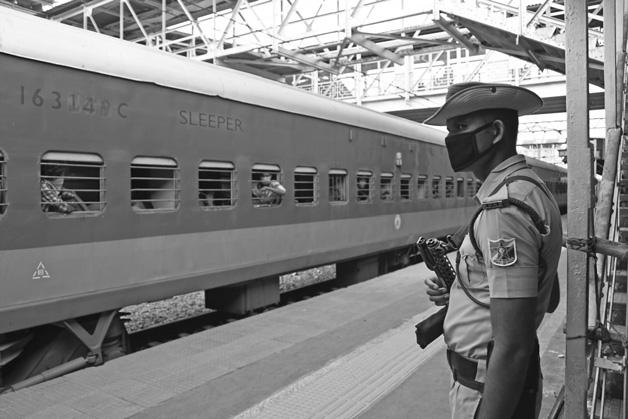
Thattherailwaytransportcarswerelabeled “SS” trainswasonlythe firstof severalunfortunateparallelswithanearlierforcedmigrationofcomparable scale.InwhatwouldbethelargestdomesticevacuationofadisplacedpopulationsinceWorldWarII – andperhapsinhumanhistory – India’sShramik Specialtrainswouldtransportanestimated5,000,000migrantworkersoverthe periodofafewweeksinMay2020(Figure1.1)[1].Theneedtoreturnalarge populationofmigrantlaborersfromIndia’slargestcitiestotheirhomestates duringapandemiclockdownwouldnecessitateextrememeasures.Theneedto dosoduringoneofthemostintenseheatwavesonrecordwouldrenderthe extremityofconditionsonthesetrainsunimaginabletoanyonereadingthese pages.WithtemperaturesinsomeregionsofIndiaexceeding122°F[2],and air-conditionedrailcarsaluxuryunavailabletomostlaborers,thetraininteriors wereapproaching,quiteliterally,thetemperatureofanoven.Thetotalnumber ofdeathsfromheatexposureisnotknownbutpressaccountsrevealaregular removalofbodiesfromtheSStrains[1].
WhileIndiaiswidelyrecognizedasexhibitingauniquevulnerabilitytoheat waves,itscitiesdonotrankamongthehottestontheplanet.Desertcitiesofthe MiddleEast,Africa,NorthAmerica,andAustraliaallexperiencehigher summertemperaturesthanthehottestofIndiancities.WhatrendersIndians uniquelyvulnerabletoheatisnottheextremityoftemperaturealonebut acombinationofveryhightemperaturesandveryhighhumidity.Like awintercoatinsummer,humiditydoesnotelevatetheairtemperature;it impedestheefficiencywithwhichourbodiesshedheat – amplifyingtheeffects oftemperature.Acomparisonofrecordtemperatureandheatindexvalues, measuringthecombinedeffectsofheatandhumidity,revealsthepotential extremityofhumidenvironments.Thehighesttemperatureyetrecordedon Earth – 134°FinDeathValley,California – isabout10degrees lower than
2020.SanjoyBurdwan/iStock.
maximumheatindexvaluesmeasuredduringarecentheatwaveinDelhi[3,4]. ForIndians,humidityisthesharpendoftheheatspear.
Highlyadaptabletoawiderangeofclimaticconditionsacrosstheplanet, humansaresurprisinglyvulnerabletothemostminimalofshiftsinourinternal physiologicstate,withariseorreductioninourcorebodytemperaturesofjust afewdegreessufficienttoinducedeathfromheatorcold.Ourprincipal adaptationsarenon-physiologic – buildingsinsulatedagainstextremetemperature fluxes;clothingadjustedtotheseason;acoldshoweronahotday.When theseexternaladaptationsfailtoguardagainstaswinginourcorebody temperaturesofjustadegreeortwo,ourbodiesdeployasmallnumberof physiologicresponsestomaintainthermalequilibrium.Inresponsetoafalling coretemperature,weshiver.Producedthrougharapidtensioningandrelaxing ofskeletalmuscles,shiveringleveragesthebody’senergystoresnotforthe usualpurposeofcarryingoutworkbutratherforthewasteproductofmuscular action:heatgeneration.
Inresponsetoarisingcoretemperature,wesweat.And,hereagain,in sweatingthebodymakesstrategicuseofwhatistypicallyawasteproductto maintainthermalequilibrium.Acquireddirectlythroughtheingestionof liquidsandindirectlyasaby-productofcellularrespiration(thechemical processingoffoodenergy),excesswaterisroutedtothebladderforexcretion. Whenconditionswarrant,however,excesswatercanbeexcretedtotheskinvia sweatglandstoprotectagainsttheincomingheatfromtheSunandatmosphere.
Figure1.1LaborersonShramikSpecialtraininWestBengal,India,May24,