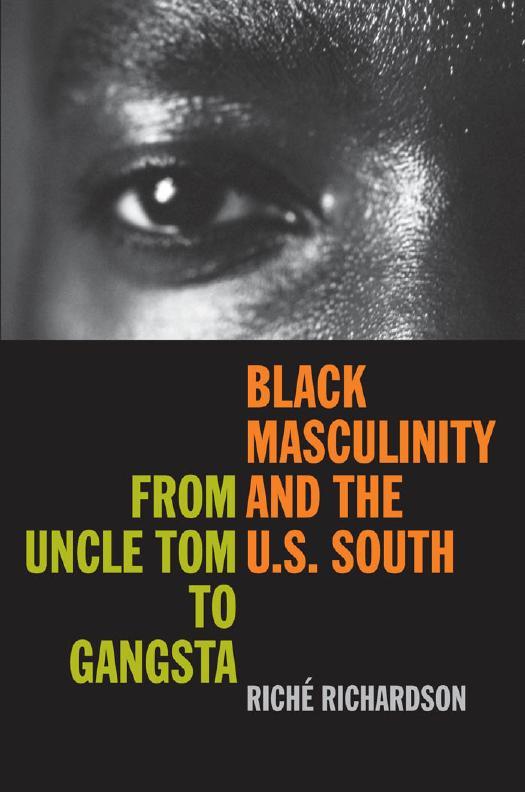
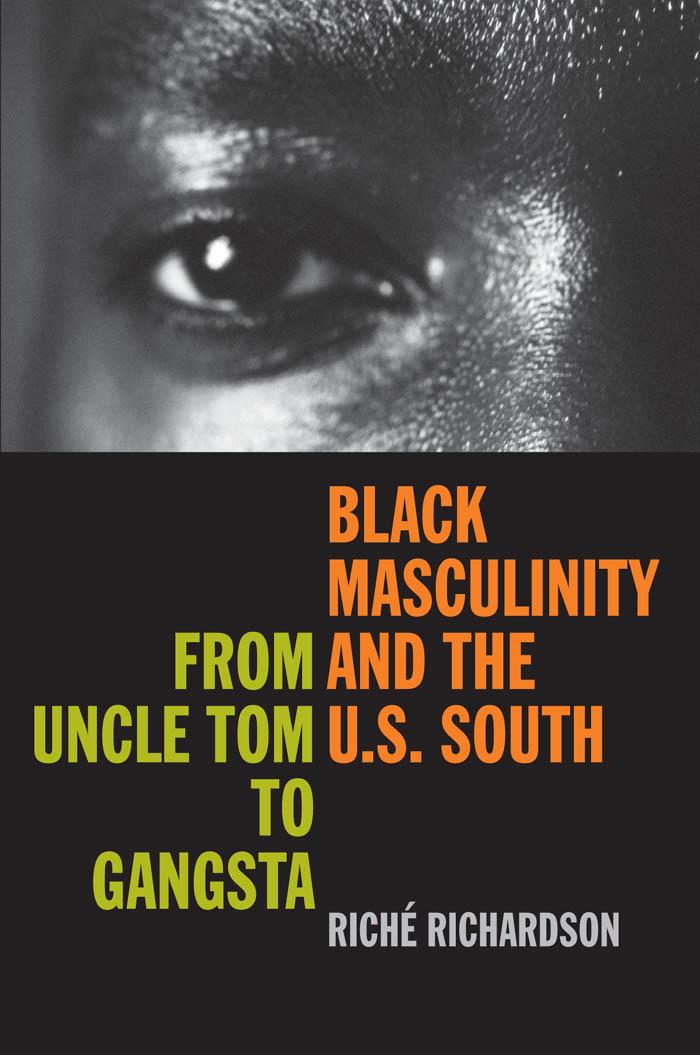
BlackMasculinityAndtheU.S.South:FromUncle TomtoGangsta(TheNewSouthernStudies)2nd EditionRichardson
https://ebookmass.com/product/black-masculinity-and-the-u-ssouth-from-uncle-tom-to-gangsta-the-new-southernstudies-2nd-edition-richardson/
Instant digital products (PDF, ePub, MOBI) ready for you
Download now and discover formats that fit your needs...
Finding Purple America: The South and the Future of American Cultural Studies (The New Southern Studies Ser.)
2nd Edition Smith
https://ebookmass.com/product/finding-purple-america-the-south-andthe-future-of-american-cultural-studies-the-new-southern-studiesser-2nd-edition-smith/ ebookmass.com
Gravity: From Falling Apples to Supermassive Black Holes, 2nd Edition Nicholas Mee
https://ebookmass.com/product/gravity-from-falling-apples-tosupermassive-black-holes-2nd-edition-nicholas-mee/
ebookmass.com
Black Masculinity and Hip-Hop Music: Black Gay Men Who Rap 1st ed. 2019 Edition Li
https://ebookmass.com/product/black-masculinity-and-hip-hop-musicblack-gay-men-who-rap-1st-ed-2019-edition-li/
ebookmass.com
Chinese Flash Cards Gold 1,2,3 complete Philip Yungkin Lee
https://ebookmass.com/product/chinese-flash-cards-gold-123-completephilip-yungkin-lee/
ebookmass.com
Advanced machining processes of metallic materials : theory, modelling and applications 2nd Edition Wit Grzesik
https://ebookmass.com/product/advanced-machining-processes-ofmetallic-materials-theory-modelling-and-applications-2nd-edition-witgrzesik/
ebookmass.com
From Aristotle to Cicero. Essays in Ancient Philosophy Gisela Striker
https://ebookmass.com/product/from-aristotle-to-cicero-essays-inancient-philosophy-gisela-striker/
ebookmass.com
Mordecai Would Not Bow Down: Anti-Semitism, the Holocaust, and Christian Supersessionism Timothy P. Jackson
https://ebookmass.com/product/mordecai-would-not-bow-down-antisemitism-the-holocaust-and-christian-supersessionism-timothy-pjackson/
ebookmass.com
The High Notes Danielle Steel
https://ebookmass.com/product/the-high-notes-danielle-steel/
ebookmass.com
Introduction
to Geographic Information Systems 9th Edition Kang-Tsung Chang
https://ebookmass.com/product/introduction-to-geographic-informationsystems-9th-edition-kang-tsung-chang/
ebookmass.com
Feng Fu Design and Analysis of Tall and Complex Structures
Elsevier 2018 Desconocido
https://ebookmass.com/product/feng-fu-design-and-analysis-of-tall-andcomplex-structures-elsevier-2018-desconocido/
ebookmass.com
blackmasculinityandtheu.s.south
SeriesEditors
JonSmith,TheUniversityofMontevallo
RichéRichardson,UniversityofCalifornia,Davis
AdvisoryBoard
HoustonA.BakerJr.,DukeUniversity
JenniferGreeson,PrincetonUniversity
TrudierHarris,TheUniversityofNorthCarolinaatChapelHill
JohnT.Matthews,BostonUniversity
TaraMcPherson,TheUniversityofSouthernCalifornia
ScottRomine,TheUniversityofNorthCarolina,Greensboro
ACKNOWLEDGMENTS
Ihavebeensupportedatvariousjuncturesofthisbook’sdevelopmentby peopleinandbeyondtheacademy.Ithasbeenaprivilegetoliveandwork inintellectualcommunityattheUniversityofCalifornia,Davis,withsuch interlocutorsasElizabethFreeman,GayatriGopinath,GregoryDobbins, JonRossini,MichaelZiser,DesiréeMartín,SeetaChaganti,ClaireWaters, KatherineSugg,andBishnupriyaGhosh,allofwhomIowethanksfortheir thoughtfulandincisivereadingsofsectionsofthisbook.Othercolleagues atUCDaviswhoseideasandsuggestionsatvariousjuncturesundoubtedly helpedtomakethisabetterbookincludePatriciaA.Turner,ClarenceE. Walker,JacobOlupona,CarlJorgensen,ClarenceMajor,DavidVanLeer, KarlZender,DavidSimpson,andLindaMorris.PeterHaysremindedme earlyontoconfronttheexampleoftheblackrapistasahistoricalstereotype ofblackmasculinityintheSouth.Thisbookhasbenefitedfromthediligent andmethodicalresearchskillsofEdenOsucha,TaraPedersen,andHana Fujimoto.IappreciateKaraThompson’scompilationoftheindex.Ihave alsofoundintellectualstimulationandsupportinongoingdialogueswith RoyKamadaandAndrewStrombeck.
IamthankfulforthesupportandadvicethatGeorgesVanDenAbbeele andRonSaufleyattheDavisHumanitiesInstitutegavesofreelyasIdrafted researchproposalsandmadeapplicationsforfellowships;theirsupportof theproject,particularlyinitsearlyphaseswhenIwasanewfacultymember, washeartening.IalsoextendthankstothemandtoJohnVanDenHeuvel andthe 2002–3 DHIfellowsforsuchastimulatingyearofdiscussionon “ThePoeticsandPoliticsofPlace.”Iamgratefulfortheopportunityto haveparticipatedinaninterdisciplinaryresearchclusteronmasculinityfor ayearatUCDavis,whichallowedmetodissectanddigestsomeofthe mostinterestingandinnovativescholarshipinthefieldwithscholarswho werealsodevelopingprojectsonthetopic.JudithNewtonwasparticularly helpfulasIdevelopedthesectionsontheblack-liberationmovement,includingtheBlackPantherPartyandhernamesake—Huey.
Forsupportofthisprojectfromitsearlyphasesasadissertationinthe fabledEnglishdepartmentatDukeUniversity,IthankKarlaFCHolloway, CathyN.Davidson,WahneemaLubiano,andThomasFerraro,whose counselhelpedmeasIsearchedoutcriticalandtheoreticalfoundations
forthisstudyandenabledmetostackthebuildingblocksmuchmoreefficientlyandcreatively.IalsoappreciateNahumChandler’sworkonmydissertationcommitteeaswellashissponsorshipduringtheyearthatIspent atJohnsHopkinsUniversityintheProgramforComparativeAmerican Cultures.Furthermore,IowethankstoMichaelMoon,LeeBaker,David BarryGaspar,andPaulaGiddings.IcannotdiscusstheDukerootsofthis projectwithoutmentioningvariousothersworkinginandbeyondthefield ofAfricanAmericanliterarystudieswhosedialoguesimpactedmydevelopmentasanintellectual.AmongthemareShireenLewis,MauriceWallace, IfeomaNwankwo,SarahWillburn,andScottTrafton.Ialsoappreciatethe supportandgenerosityofC.T.Woods-PowellandRichardPowell.
I’veyettoseeorexperienceintellectualcommunityintheprofessionanywhereelseinthewaythatIhaveexperienceditamongmycolleaguesand friendsinsouthernstudies.IparticularlyappreciatethesupportthatIhave beengivenbyJonSmith,LeighAnneDuck,ScottRomine,KathrynMcKee,AnnetteTrefzer,GeorgeHandley,DeborahCohn,KatherineHenninger,RobertPhillips,andJohnLoweasIhavecompletedthisbook. HoustonA.BakerJr.’smethodologieshavewidenedthespaceforcriticalstudyofblackmasculinityandtheU.S.South,andIhavevaluedhis support.ThefeedbackofMarlonRossandRichardYarboroughwasalso usefulandarrivedwhenIreallyneededit.IvaluedtheopportunitytoparticipateinadialoguewithHortenseSpillersaboutherrichbodyofworkin psychoanalysisduringmydevelopmentofthisstudy.
Fundingfromvarioussourcesenabledthedevelopmentandcompletion ofthisproject,includingaFordFoundationPostdoctoralFellowshipthat gavemenecessaryleavetimetowrite,aNewFacultyResearchGrant,a FacultyDevelopmentAward,aDavisHumanitiesInstituteFellowship,and aFacultyResearchGrant.Thisbookhasbeenshapedinestimablyoverthe yearsbyconversationsI’vehadinsessionsatmeetingssponsoredbythe ModernLanguageAssociation,theCollegiumforAfricanAmericanResearch,theAmericanStudiesAssociation,andtheSocietyfortheStudyof SouthernLiterature.Conferences,workshops,andlecturesatDukeUniversity;theUniversityofFlorida,Gainesville;theUniversityofAlabama, Tuscaloosa;UCDavis;Brewton-ParkerCollege;JohnsHopkinsUniversity;andtheUniversityofCalifornia,Irvine,havegivenmeopportunities torefinevariousaspectsofmyanalysis.Finally,Ihavevaluedopportunities
x Acknowledgments
todialoguewithMarthaHuie,thewidowofWilliamBradfordHuie,and haveappreciatedherencouragementandsupportofmywork.
IthankChristineWickSizemoreandAkibaSullivanHarperfortheir diligentsupportandmentorshipatSpelmanCollege.Ialsoappreciatethe intellectualgenerosityofBeverlyGuy-SheftallandGloriaWade-Gayles. StephenA.Careyplantedsomeoftheearliestfoundationsforthisproject inhispopularModernBlackMaleWriterscourseatMorehouseandin hisvisionaryscholarshiponJohnOliverKillensandsouthernmasculinity. MyfouryearsofhighschooleducationatSt.JudeEducationalInstitute— whichwas,infact,thefinalcampinggroundfortheSelmatoMontgomery marchersin 1965—andeightyearsatSt.JohntheBaptistCatholicSchool, primarilyunderthetutelageoftheSistersoftheBlessedSacrament,made atremendousandunforgottenimpactonmylifeandintellectualdevelopment.
Versionsofchapters 1, 2,and 3 haveappearedinessayforminthejournals MississippiQuarterly (MississippiStateUniversity), AmericanLiterature (DukeUniversityPress),and ForumforModernLanguageStudies (OxfordUniversityPress),respectively.Iappreciatethepermissiontoreprint theminextendedandrevisedforminthisbook.Suggestionsofanonymous readersattheUniversityofGeorgiaPresswerehelpful,andNancyGrayson hasbeenaremarkableeditor.IhaveappreciatedtheadviceandencouragementofRev.JaniceCooper.IthankTerrenceJohnson,DeniseRoss,Gvanit EfuaGodare,andPalesaMohajaneforepicfriendships,alongwithAdam Hotek.I’llalwayscherishthememoryofTanglaGiles.Finally,Emma, Joanne,andJosephRichardsonandPamela,Keri,andMeganSmith,along withGeorgeBaker,SharonFrazier,andLamarLandon,haveencouraged meandcheeredmeon.Myfamily—immediate,extended,andadopted— hasbeenthemostenablingforceinmylifeonearth.Ithankheavenfor themandforthisbook!
Acknowledgments xi
This page intentionally left blank
blackmasculinityandtheu.s.south
This page intentionally left blank
INTRODUCTION
FoundationsandFrameworks
SuttonGriggs’sfirstnovel, ImperiuminImperio:AStudyoftheNegroRace Problem (1899),grappleswiththecontradictorymodelsofleadershipoffered bytheself-servingBernardBelgradeandtheprogressiveBeltonPiedmont. Inexaminingtheirconflictingstrategiesofracialupliftandthequestion ofwhoisthebetterandtruer“raceman,”thenovelalsopointstodistinctionsandhierarchiesthatexistamongAfricanAmericansonthebasisof geographythroughacuriousmansimplyreferredtoas“theMississippian.” Griggs’snarratorinformsusthat
TherewasastudentinStoweUniversitywhowasnotedforhisimmense heightandforthesizeandscentofhisfeet.Hisfeetperspiredfreely,summerandwinter,andthesmellwasexceedinglyoffensive.Onthisaccount, heroomedtohimself.Wheneverotherstudentscalledtoseehimhehad averyeffectivewayofgettingridofthem,whenhejudgedthattheyhad stayedlongenough.Hewouldcomplainofacornandforthwithpulloff ashoe.Ifhisroomwascrowded,thisactinvariablycausedittobeempty. Thefameofthesefeetspreadtotheteachersandyoungladies,and,infact, tothecity.AndthehugeMississippianseemedtorelishthedistinction. (69–70)
Belton,nearingtheendofhisdaysatthefictiveStoweUniversity,hasbeen namedvaledictorianandispreparingtogivethespeechofhislife,asit were.Whenpracticingbeforehisroommate,Beltonhasbecomeunusually emotional.Anticipatingthatsuchwillbethecaseattheceremony,hepurchasesanexpensivesilkhandkerchiefandplacesitinthetailpocketofhis PrinceAlbertsuitthenightbefore.Unbeknownsttohim,hisroommate, whofurtivelywitnesseshismovements,is“insanelyjealous”(69).After Beltongoestobed,theroommatestealstheMississippian’spungentsocks andplacestheminBelton’ssuitpocket.Thenextdaybeforethecheering audience,“Belton’sheadcontinuedbowedinsadness,ashespokeparting wordstohisclassmates,andliftedhissupposedhandkerchieftohiseyesto wipeawaythetearsthatwerenowcomingfreely.Thesockshadthuscome closetoBelton’snoseandhestoppedofasuddenandheldthematarm’s lengthtogazeatthatterrible,terriblescentproducer”(75).Attempting
torecapturehiscomposurebeforethelaughingaudience,heremarksthe following:“Ladiesandgentlemen,thesesocksarefromMississippi.Iam fromVirginia.”HumorisGriggs’sprimarydevicefortreatingtheMississippian’sabsurdity.Thesockincidentundercutstheseriousnessoftonein thepassagesofthestaidbaccalaureatesermonthatopensthechapter.The chapter’stitle—“ASermon,aSock,andaFight”—emphasizestheunlikely juxtapositionofsuchdisparateandincongruentelements.Thatthenarrator referstothischaracteras“theMississippian”pointstohisnamelessnessand theubiquityofplaceindefininghim.Furthermore,thenarrator’smeticulouscareindescribingthepositioningofcharacterssuggeststheextent towhichplacemattersinthesepassages.Thatthenarratoroverviewsthe sermonwordforwordwhileomittingthecontentofBelton’svaledictory address—whichtheroommatesabotages—foreshadowsBernard’sforeclosureofhispoliticalmissionthatoccurslaterinthenovel.Significantly,a speechbyBeltonalsoprecedesthismoment.
Inthesepassages,GriggsestablishesastarkcontrastbetweenBelton’s meticulouscareofhisclothingandtheMississippian’sslovenliness.WhereasBeltonistheschool’smostdistinguishedstudentandaimstobecomea credittohisrace,theMississippianparadoxicallytakesprideinbeingdistinguishedforhisbodyodorandseeksnohigherpurpose.Hisbig,imposing bodyisaconditionforhisalienationandnamelessnessattheschooland, inkeepingwithCartesianlogic,isthediametricaloppositeoftheintelligentmindthathasearnedBeltonhonorasvaledictorian.Beltonimplies thatheisnotthesamekindofsouthernerastheMississippianandthat thismanisothertohim.ThelargerconflictbetweenBeltonandBernard easilyobscurestheMississippian’sroleasacounterpointtoBelton,whom Griggsconstruesasthemoreidealracedandgenderedsubject.Thisnovel highlightsablacksouthernmale’sbodyaspathologicalandabjectbecause itisdirty,anddescribesitsspatialalienationandroleinthesabotageofa maleherowhoisstrivingforblackracialuplift.ThesescenesinGriggs’s novel,writtenoveracenturyago,arevaluablenotonlybecausetheypoint tohierarchiesofblackidentitybutalsobecausetheyacknowledgewaysin whichsouthernnesshassometimesfunctionedasasourceofembarrassment intheAfricanAmericancontext.Suchperceptionsofblacksouthernersare bynomeansjustathingofthepast.
BlackMasculinityandtheU.S.South examinestheconstrualofblackmale southernersasinferiorandundesirablemodelsofblackmasculinitywithin
suchracialhierarchiesbasedongeography.Mymainconcerninthisstudy istheroleofgeographyinconstitutingdifferenceandothernesswithinthe categoryofAfricanAmericans,particularlyamongblackmen.TheenduringandeponymousimagesofblackmasculinitythatemergedintheSouth duringthenineteenthcentury—theUncleTomandtheblackrapist—were paradigmatic,Isuggest,inhelpingtoestablishfoundationsfortheperenniallycomplexpoliticsofblackmasculinerepresentationintheUnitedStates. TheUncleTom,asacharacterontheatricalandminstrelcircuits,epitomizedaninnocuousandneuteredmodelofblackmasculinesexualityand cametobesignifiedprimarilyinrelationtoanaged,black,masculinebody. Theimageofhimthatmostofusnowknowbestisthatofashuffling oldermanwithrecedinggrayhair.Thisformulationwasanoutgrowthof reactionarysentimentintheSouthaboutslaveryasaninstitutioninthe antebellumera.Ascriticshavepointedout,itgrosslycontradictedUncle Tom’soriginalliterarycharacterizationinHarrietBeecherStowe’s Uncle Tom’sCabin (1852)asastrong,muscularman.Moreover,theseveralyoung childreninhisfamedcabinmadehisvirilityquiteevident.WilsonJeremiah Moseshasremarked,forinstance,that“theracialsymbolismpersonified inthecharacterofUncleTomwasnotoriginallyintendedtobepejorative.” 1 Thecentralrolethatthemutuallyconstitutivereconstructionof UncleTom’sbodyandsexualityplayedinhiseventualtranslationintowhat folkloristPatriciaA.Turnerhasaptlyidentifiedasanepithethasseldom beenconsidered. 2 UncleTom,whohasbeenafigureofcontinuingfascinationinAmericanliteratureandculture,gainedhisinitialpopularsalience insuchcontextsasadvertisingandtheater,includingtheminstrelstage, andinoneofthenation’searliestfilms.Thereconstructionofhisbodyand sexualityalsoservedasthefoundationforhisnationalabstractionandlater dispersalintoarangeofrelatedtypes,fromOldBlackJoetoUncleRemus. Similarly,theefficacyofmammyasanimage,whichwasepitomizedinthe latenineteenthcenturywiththeemergenceoftheAuntJemimalogoin 1889,wasgroundedinavisualrepresentationofherblackfemininebody asplumpandamplybosomed,characterizingthistypeasasexual.Likethe UncleTom,herconstructionreliedonanessentialistconstructionofthe bodyandsexuality.
ThemythoftheblackrapistthatemergedintheSouthinthewakeof EmancipationfunctionedinsomewaysastheobverseoftheUncleTom andwasrootedinevenmoreexplicitlyperversescriptsoftheblackmas-
Introduction 3
culinebodyandsexuality.Itwasamyththatcastblackmenassexually pathological,hyperbolizedtheirphallicpower,andconstruedthemasinherentlylustfulandprimitive.Itwasrootedinthegrowingpanicabout racialintermixtureintheSouththatemergedafterslaveryended,reflected theregion’sobsessionwithprotectingwhitewomanhoodtoensurethepurityoftherace,andservedasaprimaryrationaleforlynchingintheregion. ThismythinpartdrovethemediafascinationwiththefamousScottsboro incidentin 1931,inwhichnineyoungAfricanAmericanboysinAlabama wereaccused(buteventuallyacquitted)ofrapingtwowhitewomenona train.Racedandgenderedhistoricalimagesofblackmenasrapistscontinue toinformblackmasculinerepresentationsincontemporarymediaandpopularculture,includingthemilderandmoreflatteringassociationsofblack menwithsexualexcessorknow-how.Coupledwithimagesofblackmen asviolentandcriminal,thismythologyverylikelyinformedthelogicof CharlesStuart,awhitemaninBostonwhofalselyaccusedablackmanof murderinghispregnantwifein 1989.Whilehisstatementledtoamajor manhuntinthecityforanyblackmenwhofitthedescriptionoftheattackerthathegavepolice,Stuarthimselfwaslaterfoundtobetheculprit. Morerecently,thevulnerabilityofblackmentosuchstereotyping—andthe shrewdmanipulationofthepublic’spropensitytobelieveit—waspatently manifestintheattemptofthesuspectedabductorsofAlabamateenNataleeHollowaytoimplicatethreeblackmeninherdisappearanceinAruba in 2005.Whethertheyareguiltyornot,thecontinuingefficacyofblackrapistmythologyhasmadeblackmenvulnerabletostandingaccused.
BoththeUncleTomandtheblackrapist,thisstudysuggests,linkthe SouthtosomeoftheearliestnationalideologicalscriptsofblackmasculinityintheUnitedStates.Thesehistoricalideologiesestablishedfoundationsforahermeneuticsofblackmasculinityintheregionaspathological, whichcontinuedtobeevidentinthetwentiethcenturyinsuchcontexts asthemilitary,black-liberationdiscourse,andaspectsofblackpopularculture.Furthermore,itillustrateshowconstructionsoftheblackmalebodyas pathologicalinthelatenineteenthcenturywereineffectrecastinthefirst decadesofthetwentiethcenturyinseveralcontexts.TheTuskegeeSyphilis Study,forinstance,isoneofthemostinfamousandpoignanthistoricalexamplesoftheconfluenceofscienceandmedicineinconstitutingtheblack malebodyintheSouthaspathologicalintermsofsexualityandmark-
ingitasexpendable.Ishallillustratehowthemilitarywasinstrumentalin shapingadiscourseofblackmenintheSouthasdiseasedandintellectually inferiorcombatantsduringWorldWarIandgeneratedregionallybiased policiesthathadlastingeffects.Thoughtheyhaveseldombeendiscussed, Ialsoexploretheraced,sexed,andgenderedscriptsofpathologicalblack masculinityintheSouththatemergedasabyproductofblack-liberation discourseinthe 1960s.Iaminterestedinhowsuchideologicalmodelsof blacksouthernmasculinityhavehelpedmaintainracialdivisionsandhierarchieswithinthenationalcontextandhavehelpedformulatenotionsof AfricanAmericanidentity,includingnotionsofblackauthenticity.
Myanalysisrevealshowtheseideologicalmodelshaveattimesimpacted thedevelopmentofracialdiscoursesinthenationalcontextbycounterbalancingformationsofwhitemasculinityandsexualityandobscuring raceandgenderdistinctionswithinthecategory“white.”Formulationsof blackmasculinityintheSouthaspathological—particularlythoserootedin sexuality—havealsobeeninvoked,forinstance,toveilthewhitemasculine pornographicimaginationintheSouth.Alternatively,theyhaveservedas aninstrumentfordisplacingandunsettlingnotionsofwhitepathology andformsofwhitesexualtransgression.Onemustrecognizethelevelsat whichracialformationswithinandacrossblackandwhitecategorieshave beenmutuallyconstitutive.WhitemasculinityintheSouthwashistoricallydefinedbysuchconceptsaschivalry,honor,andgentilitythatwere upheldasthemostcherishedprinciplesandvaluesinwhitesouthernsociallife. 3 Theirmostperversemanifestationswerepatentlyevidentafter theendofslaveryinsanctioninglynchingandshapingtheideologyof whitesupremacythatcastblackmenasrapistsandstressedthenecessityof defendingandprotectingthepurityandsanctityofwhitewomanhood.As DanaD.Nelsonhasargued,thefoundationalideologiesofwhitemanhood intheUnitedStateswereestablishedduringtheEnlightenment.These frameworksareindispensableforunderstandinghowideologiesofwhite masculinityintheSouthwereconsolidatedbyforcingblacksouthernersto liveundersubjectionwhileobstructingtheirclaimstocitizenshipandby nationalizingascriptoftheblackmalebodyaspathologicalandbestialin thelatenineteenthcentury. 4 Duringthistime,thisscriptcomplemented thecaricaturesoftheblackmalebodyasanUncleTom,whichalsoworked salientlyinshapinganationaldiscourseonrace,masculinity,andsexuality. Introduction 5
Takentogether,theseimages,whichemergedinthefinaldecadesofthe nineteenthcentury,mediatedrace,gender,andsexualityformationsboth withinandbeyondtheAfricanAmericancontext.
Mycriticalendeavorseemsnecessarywhenweconsiderthatbeyond thesefamiliarhistoricalimagesofblackmasculinityintheSouth,many ofthecomplexstrategiesthroughwhichtheregionhasservedasabackdropforblackmasculineconstructionintheUnitedStateshaveyettobe acknowledged.HowtheSouthcontinuedtoshapethedevelopmentofdiscoursesontheblackmasculinebodyasperverselysexualizedandpathologicalduringthetwentiethcentury,forinstance,hasseldombeenrecognized. Furthermore,mystudyuncoversaremarkablyconsistentimagingofblack masculinityintheSouthascowardly,counterrevolutionary,infantile,and emasculated.ItexaminesthemarkingofblackmenintheSouthasother toauthenticnotionsofblacknessandmasculinityandhighlightsinstances inwhichsouthernnesshasbeenconstruedasanundesirableingredient— evenasacontaminant—inblackmasculinefashioning.Iillustratehow suchperceptionsofblackmasculinityintheSouthhavebeenrelatedto class-inflectedideologiesofupliftintheAfricanAmericancontextandto urban-centereddefinitionsofblacknessandmasculinity.
ThatblackmenfromtheSoutharesometimesperceivedasinauthenticintermsofraceandgenderbecomesunderstandableinlightofPhillip BrianHarper’sobservationthat“sincethedominantviewholdsprideful self-respectastheveryessenceofhealthyAfrican-Americanidentity,it alsoconsiderssuchidentitytobefundamentallyweakenedwhenevermasculinityappearstobecompromised....Itsprimaryeffectisthatalldebatesoverandclaimsto‘authentic’African-Americanidentityarelargely animatedbyaprofoundanxietyaboutthestatusspecificallyofAfricanAmerican masculinity.” 5 Harper’sremarksalsowellsuggest why thetopic ofblackmasculinityisparticularlyusefultoisolateandemphasizefroma methodologicalstandpointwhenexaminingnotionsofracialauthenticity, asformulatedintheAfricanAmericancontext,alongwithideologiesof blackracialuplift.
Thefocusofthisbookrestsprimarily,then,onwhatmightberegarded asmoreobviouslypejorativerepresentationsofblackmenintheSouth. Thisinvestigationisimportant,Ibelieve,becausethefamiliarandrelativelyfavorableideologicalnarrativesconstruingblacksouthernmasculinitiesasromantic,genteel,traditional,morallyupright,hardy,andhard-
Introduction
workinghavetypicallyobscuredtheideologicalstrategiesofconstructing theseidentitiesasundesirablewithinandbeyondtheAfricanAmerican context.Asanexample,wemightconsiderhowthelong-standingviewof blackmenintheSouthastraditional(àlaBookerT.Washington)fedthe scriptingofSupremeCourtnomineeClarenceThomasasthegrandson ofasharecropperfromGeorgia.Perhapsmorethananything,ithelpedto authenticateThomasashardworking,loyal,andhonestduringtheSenate JudiciaryCommitteehearingsthatresultedfromlawprofessorAnitaHill’s allegationsofsexualharassmentin 1991.Thisnarrativeworkedtosimilar effectwhen,afterbeingnominatedasnationalsecurityadvisorbyPresident GeorgeW.Bush,CondoleezzaRice’slineageasthedaughterofalongtime RepublicanpreacherfromAlabamawasemphasized.Intheseinstances, southernblackmenhavebeenidentifiedaspartofthebackboneofthe AfricanAmericancommunityandaskeepersofitstime-honoredvalues. Still,thisstudyarguesthatthepoliticsofblacksouthernmalerepresentationarebynomeanssosimpleorstraightforwardandtriestothrowinto criticalrelieftheeconomyofideologiesthatsubtendsuchromanticimages. Whilescrutinizingtheseideologiesisnotthemainpurposeofthisstudy,I dobelievetheyareasproblematicasthemoreovertlyideologicalrepresentationsthatImainlyconsider.Inrecentyears,suchrepresentationsofblack masculinityintheSouthhavebeenhyperbolizedinthepublicsphereand haveservedasabasisforreactionaryagendasaimedatredirectingpolitical dialoguesintheAfricanAmericancontextandinstatingamoreconservativeAfricanAmericanleadershipinthenation’spoliticalrealm.Thisfact aloneisastrongindicatoroftheirideologicalpotency.
ThisstudystressestheindispensabilityoftheU.S.Southtocriticaldialoguesaboutblackmasculinityandaimstoclarifytheroleofgeography innationalpoliticsofblackmasculineformation.Theroleofgeographyin formulatingmasculinityisincreasinglynecessaryforthinkingaboutsuch conceptsas“blackmasculinity”and“blackmanhood”withoriginality,clarity,anddepth.Furthermore,thisworkisnecessarytothedevelopmentof amorecomplexcriticaldiscourseontheintersectionsofmasculinityand race.Theprojectreflectsmyowncriticalinvestmentinrecognizingand studyingblackmenasahistoricallydifferentiatedandvariegatedraced, gendered,andsexedsocialcategory.WhentheideologiesthatIamdescribing,suchastheUncleTomandtheblackrapist,havebeenmentioned atallincontemporaryscholarship,theyhaveusuallybeenshroudedinmore Introduction 7
generalizeddiscussionsofblackmasculinity.Theimpactofregionandof theSouthinparticularonraceandgenderformationshasseldombeenconsidered. BlackMasculinityandtheU.S.South aimstoremedytheseelisions withinandbeyondtheburgeoningcontemporaryscholarshiponmasculinity,whichprovidessomeoftheimportantcriticalandtheoreticalframeworksforthepresentstudy.Thisfieldofworkhasbeenelementalinthe developmentofgenderstudies.Ithasbecomemoreattunedoverthepast decadetotheimpactofraceinshapingmasculinitytothepointofhaving developedaveritablesubfieldofcriticalscholarshiponblackmasculinity alone.Moreover,ithasbecomelesssingularlyandnormativelyinvestedin thestudyofwhitemalesubjectivity. 6
Inmorerecentyears,someofthemostsignificantcriticaldevelopments inscholarshiponblackmasculinityhaveincreasedourunderstandingof howsexualityhelpscreatedistinctionsandhierarchiesamongblackmen. However,beyondtheexpandedconceptionsofblackmasculinityyieldedby theworkonsexuality,blackmenfrequentlycontinuetobetreatedasanundifferentiatedandmonolithicracialandgendercategory.Thedistinctions amongthembasedongeographyarerarelymentioned.Seriousquestions haveyettoberaisedabouthierarchicalformulationsofblackmasculinityrootedindistinctionsonthebasisofgeographyinpartbecauseregion hasbeenaneglectedterminponderingprimaryvariablesthatintersectin shapingidentitysuchasrace,gender,class,nationality,andsexuality. 7 My discussionofrepresentationsofblackmenintheSouthasunmanlyandexteriortonotionsofauthenticblacknessandmasculinityaccordswithcritical workinblackfeminismandcriticalracetheorythathascontestedreductive andexclusivedefinitionsofblacknessonthebasisofgenderandsexuality, whichoftentimesnarrowlyshapesantiracistdiscourse.
AsHoustonA.BakerJr.andDanaD.Nelsonhavepointedout,the Southisoftenperceivedas“America’sabjectedregionalother.” 8 Suchcriticalperspectiveshavewellsuggestedtheutilityoftheoriesofabjection withinpsychoanalysisforstudyingtheSouth.Thepsychoanalyticwork onabjection,JuliaKristeva’sinparticular,providesimportanttheoretical groundingforthisstudy.StudiesbysuchscholarsasPatriciaYaeger,Anne GoodwynJones,andSusanDonaldsonhavetheoreticallyexpandedepistemologiesoftheSouthinfeminismandgenderstudieswhileofferingperspectivesonsouthernabjectioninrelationtofemalesubjectivity. 9 Furthermore,thestatusoftheSouthasan“abject”regioninthenationhasbeen
evidentinthebodyofscholarshipthathasexaminedhowtheregionhas beenconstitutedasaprobleminthisnation’shistory.AsLarryJ.Griffin andDonH.Doylepointoutintheintroductiontotheiranthology The SouthasanAmericanProblem,
TheAmericanSouth,morethananyotherregionoftheUnitedStates,has oftenbeendefined...asbeingatoddswiththemainstreamofAmerican valuesorbehaviorandthereforehasbeenconstructedasaspecialproblem. Becausethefateofthenationwasandremainsunalterablyboundtothe fateoftheregion,however,the“problemoftheSouth”hasalwaysbeen America’sproblem,understoodmostoftenasablightonthebroaderculturalandpoliticallandscapeandsomethingthatmustbeaddressedand solved. 10
Byexaminingracial,legal,political,economic,andsocialframeworks,such scholarshiphashelpedusunderstandwhytheSouthhassofrequentlyregisteredasa“problem”intheUnitedStates,eveniftheSouthparadoxically remainspivotalinsettingcontemporarynationalpoliticalagendasthatare frequentlyreactionary. 11 ManyoftheissuesthathavemadetheSoutha stigmatizedregionintheUnitedStatesarewellknown:theadherence toslavery;thebacklashagainstReconstruction;theSupremeCourt’slegalizationofthe“SeparatebutEqual”doctrinein 1896,inauguratingan eraof“JimCrow”segregationthatwouldonlybegintobereversedwith the Brownv.BoardofEducation casein 1954;theperpetrationofwhitesupremacistideologies,racialterror,andviolence,particularlylynching; andofcourse,inmorerecenthistory,theoppositiontoblackcivilrights. WorkthatacknowledgestheviewoftheSouthasaregionalpariahinthe nationisindispensableforexaminingwaysinwhichsubjectsareconstrued aspathological,alienated,andsubordinatedwithinthecategory“white” throughclass-biasedandracialistepithetswithsouthernroots(suchas “whitetrash”).WehaveincreasinglycometounderstandhowtheSouth functionsasapariahregionintheUnitedStatesinwhichsomewhite identitiesareexcludedandviewedassociallyundesirableonthebasisof raceandclass.Howblacksouthernershaveoftentimesbeenexcludedfrom asoutherncategorytacitlymarkedas“white”(amoremetaphoricalform ofsegregation)isalsobynowwellunderstood.Buttherehavebeenfar fewercriticaleffortstorecognizehowtheprevailingideologicalviewsof theSouthasinferiorhavebeeninternalizedandmanifested within the Introduction 9
categoryofAfricanAmericansandhowsouthernidentityhasfunctioned asabasisonwhichblacksaremalignedandexcluded.
ItalmostgoeswithoutsayingthattheSouthhasfunctionedhistoricallyas asiteofambivalentandconflictedidentificationformanyAfricanAmericansinlightoftraumasassociatedwiththeregion,whichexacerbatesthe legacyoftheSouthaspolitically,economically,andsociallyrepressive.One goalofthisstudyistodemonstratewaysinwhichthehistoryoftheSouth asa“problem”intheUnitedStateshasinflectedideologicalscriptsofblack southerners.ThecriticalworkofLeighAnneDuck,whichclarifiesinstunningdetailhowtheSouthfunctionsideologicallyas“thenation’sregion,”is abackdropagainstwhichwemightalsounderstandthekindsofintramural conflictsaboutregionamongAfricanAmericansdescribedinmystudy.
TheSouthhasplayedanorganicroleinshapingmanyoftheprevailingideologiesofraceintheUnitedStates.Thisfactwasevident,forinstance,inD.W.Griffith’s 1915 film BirthofaNation.Still,dialogueswithin academiathathavefocusedondeconstructingtheconceptofrace,which frequentlysignifiedthiscriticalprojectwithscarequotes(i.e.,“race”),have beenvirtuallysilentabouttheSouth.Thiscriticalelisioniscuriousinlight oftheincreasinglycentralrolethattheregioncametoplayfollowingthe latenineteenthcenturyinconstitutingthenation’sdiscoursesofrace.The Southisoneofthemostfecundandhistoricallyappropriatesitesonwhich toexaminetheintersectionofrace,gender,andsexuality.Thattheroleof theSouthinshapingblackmasculinityhasheretofore not beenthesubject ofmorewidespreadcriticalconcern—especiallywithincriticalscholarship onblackmasculinity—isabitironic,too,inlightofthestatusoftheSouth asakeysiteinshapingsomeofthemostdominantandinfluentialconceptionsofmasculinityandfemininityinthenation’shistory.Forinstance, ideologiesofwhitefemaleandmaleidentitythatemergedduringthenineteenthcenturyinrelationtowhiteelites,suchasthe“southernbelle”and the“southerngentleman,”haveshapedthebroadernationalgrammarbook onfemininityandmasculinity.TheyhavecomplementedtheSouth’srange ofracialistideologiesofblackmenandwomenaslasciviousanddeviant.
TowardNewSouthernCriticalHorizons
ThelargerintellectualitinerarythatIhavepursuedovertheyearshasconsistentlyfocusedonthehistoricalandcontemporarystatusofblacksin theSouthinconstitutingsuchconceptsastheAfricanAmericanandthe
American.Moreover,IhavebeenhighlycommittedtostudyingthestatusoftheSouthinthedevelopmentofdiscoursesofrace.Admittedly,my backgroundasanAfricanAmericanbornandraisedintheSouthhaspartly fueledmypassiontoengageinsystematiccriticalreflectionontheregion. 12 Asanintellectual,inadditiontoteachingandstudyingAfricanAmericanliterature,Ihavemainlyworkedinthefieldsofsouthernliteratureand southernstudies,twootherareasthatinformthisstudy.However,whenI begantoestablishtheearlyfoundationsforthisprojectadecadeagoinmy dissertation,myinvestmentsinthemethodsofculturalstudies,mycritical andtheoreticalorientation,andmyinterestintextsbeyondliteratureplaced myworkclearlybeyondthepaleofconventionalstudiesofsouthernliterature.IknewbackthenthatIwastryingtodosomethingverydifferent.AsI worked,IwalkedbyfaithandoftenfeltveryaloneasIattemptedtoexamine theissuesthatweremostcriticallyinterestingtome.Itdefinitelyhelpedto beintheDukeUniversityEnglishdepartment,whichhadgainednational recognition—andeveninspiredcontroversy—foritscriticalandtheoretical innovation.ThescholarswithwhomIworkedintheprogramweretolerantofmyneedtobeexperimentalinmymethods.Theyrespectedand encouragedmyeffortstothinkoutsidethebox,sotospeak.Backthen,my approachwastodrawonwhatwasavailableinsouthernliterature,along withsouthernhistory,asIattemptedtodevelopacriticallanguagethat wouldenablemetoformulatemyresearchquestions.Sincethen,changes havecomeaboutinthefieldofsouthernliteraturethatIcouldnothave everimaginedoranticipated.Furthermore,thefaceofthelargerinterdisciplinaryandincreasinglycomparativefieldofsouthernstudieslooksvery differentfromthewaythatitlookedevenjustafewyearsagowhenIbeganthisproject.Indeed,wearenowinthemidstofwhatsomescholars workingontheSouth,mostnotablyBakerandNelson,arereferringtoas a“newsouthernstudies.” 13 EvenasIhaverecognizedtheurgencyofthese changesandhavewelcomedandtriedinsomewaystohelpshapethem,I havealsomaintainedmyearlybeliefindrawingmethodologicallyonthe best,and,forsomepurposes,theabsoluteworstofwhatmoreconventional fieldssuchassouthernliteratureandsouthernhistoryhavehadtooffer.In thisstudy,thissensibilityisparticularlyevidentwhereIdrawonwritingsin southernliteraturesuchasWilliamBradfordHuie’s 1967 novel TheKlansman incombinationwithwhathasbeenclassifiedasa“trash”filmbythat samename.
Introduction 11