https://ebookmass.com/product/beyond-duty-kantian-ideals-of-
Instant digital products (PDF, ePub, MOBI) ready for you
Download now and discover formats that fit your needs...
Thomas' Calculus for the JEE 13th Edition George B. Thomas Jr
https://ebookmass.com/product/thomas-calculus-for-the-jee-13thedition-george-b-thomas-jr/
ebookmass.com
Taming the Megabanks Arthur E. Wilmarth Jr
https://ebookmass.com/product/taming-the-megabanks-arthur-e-wilmarthjr/
ebookmass.com
Principles of Electronic Communication Systems 5th Edition
Louis E Frenzel Jr
https://ebookmass.com/product/principles-of-electronic-communicationsystems-5th-edition-louis-e-frenzel-jr/
ebookmass.com
The Road Past Monchy: Fighting the First World War at Arras, 1914–1918 Terence Loveridge
https://ebookmass.com/product/the-road-past-monchy-fighting-the-firstworld-war-at-arras-1914-1918-terence-loveridge/
ebookmass.com
Tax,
and
rights Alston
https://ebookmass.com/product/tax-inequality-and-human-rights-alston/
ebookmass.com
Hello, Fears: Crush Your Comfort Zone and Become Who You're Meant to Be Michelle Poler [Poler
https://ebookmass.com/product/hello-fears-crush-your-comfort-zone-andbecome-who-youre-meant-to-be-michelle-poler-poler/
ebookmass.com
Vertical Growth: How Self-Awareness Transforms Leaders and Organisations Michael Bunting
https://ebookmass.com/product/vertical-growth-how-self-awarenesstransforms-leaders-and-organisations-michael-bunting/
ebookmass.com
Textbook of Critical Care 7th Edition
https://ebookmass.com/product/textbook-of-critical-care-7th-edition/
ebookmass.com
Not This Time (A Rachel Blackwood Suspense Thriller—Book Two) Blake Pierce
https://ebookmass.com/product/not-this-time-a-rachel-blackwoodsuspense-thriller-book-two-blake-pierce/
ebookmass.com
How to Bang a Vampire (An MM Omegaverse Romance) 1st
Edition Salem Jack & Joe Satoria
https://ebookmass.com/product/how-to-bang-a-vampire-an-mm-omegaverseromance-1st-edition-salem-jack-joe-satoria/
ebookmass.com
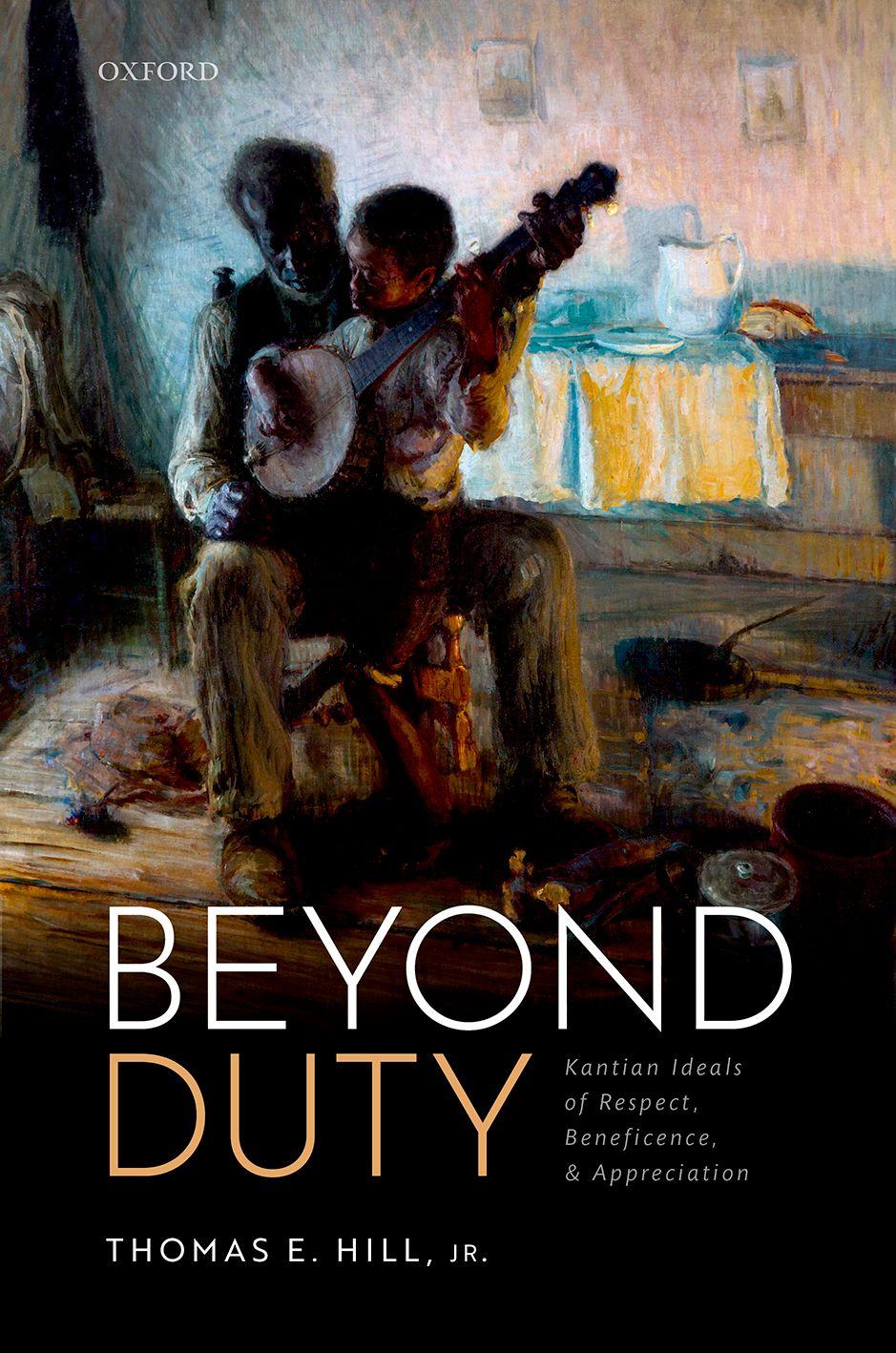
BeyondDuty BeyondDuty KantianIdealsofRespect,Beneficence, andAppreciation THOMASE.HILL,JR. 3 GreatClarendonStreet,Oxford,OX26DP, UnitedKingdom
OxfordUniversityPressisadepartmentoftheUniversityofOxford. ItfurtherstheUniversity’sobjectiveofexcellenceinresearch,scholarship, andeducationbypublishingworldwide.Oxfordisaregisteredtrademarkof OxfordUniversityPressintheUKandincertainothercountries
©ThomasE.Hill,Jr.2021
Themoralrightsoftheauthorhavebeenasserted
FirstEditionpublishedin2021
Impression:1
Allrightsreserved.Nopartofthispublicationmaybereproduced,storedin aretrievalsystem,ortransmitted,inanyformorbyanymeans,withoutthe priorpermissioninwritingofOxfordUniversityPress,orasexpresslypermitted bylaw,bylicenceorundertermsagreedwiththeappropriatereprographics rightsorganization.Enquiriesconcerningreproductionoutsidethescopeofthe aboveshouldbesenttotheRightsDepartment,OxfordUniversityPress,atthe addressabove
Youmustnotcirculatethisworkinanyotherform andyoumustimposethissameconditiononanyacquirer
PublishedintheUnitedStatesofAmericabyOxfordUniversityPress 198MadisonAvenue,NewYork,NY10016,UnitedStatesofAmerica
BritishLibraryCataloguinginPublicationData Dataavailable
LibraryofCongressControlNumber:2021946692
ISBN978–0–19–284548–1 DOI:10.1093/oso/9780192845481.001.0001
PrintedandboundintheUKby TJBooksLimited
LinkstothirdpartywebsitesareprovidedbyOxfordingoodfaithand forinformationonly.Oxforddisclaimsanyresponsibilityforthematerials containedinanythirdpartywebsitereferencedinthiswork.
Acknowledgments vii AbbreviationsforKant’sWorks xi
Aims,Abstracts,andWhy ‘BeyondDuty’?1
PARTI:KANTANDKANTIANPERSPECTIVES
1.The Groundwork 13
2.ImperfectDutiestoOneself28
3.KantianAutonomyandContemporaryIdeasofAutonomy43
4.RüdigerBittneronAutonomy59
5.KantianPerspectivesontheRationalBasisofHumanDignity69
6.InDefenseofHumanDignity:CommentsonKantandRosen77
7.TheKingdomofEndsasanIdealandaConstraintonMoral Legislation90
8.KantianEthicsandUtopianThinking106
9.VarietiesofConstructivism127
PARTII:PRACTICALETHICS
10.HumanDignityandTragicChoices149
11.DutiesandChoicesinPhilanthropicGiving:Kantian Perspectives172
12.KillingOurselves191
13.ConscientiousConvictionandConscience207
14.Stability,ASenseofJustice,andSelf-Respect227
15.TwoConceptionsofVirtue247
16.BeyondRespectandBeneficence:AnIdealofAppreciation270
17.IdealsofAppreciationandExpressionsofRespect284
References 305 Index 315
Acknowledgments Theessayslistedbelowarereprintedherewithpermissionofthepublishers.
PARTI:KANTANDKANTIANPERSPECTIVES (1) “The Groundwork, ” in TheKantianMind,editedbyMarkTimmons andSorinBaiasu(RoutledgePublishers,forthcoming),ch.12.
(2) “ImperfectDutiestoOneself(TL6:444–447),” in Kant’ s “Tugendlehre”:AComprehensiveCommentary,(eds.)Andreas Trampota,OliverSensen,andJensTimmermann(BerlinandBoston: WalterdeGruyter,GmbH,2013),pp.293–309.
(3) “KantianAutonomyandContemporaryIdeasofAutonomy,” inOliver Sensen,ed., KantonMoralAutonomy (Cambridge:Cambridge UniversityPress,2013),ch.1,pp.15–31.
(4) “RüdigerBittneronAutonomy,” Erkenntnis 79,2014,1341–1350.
(5) “KantianPerspectivesontheRationalBasisofHumanDignity,” in The CambridgeHandbookofHumanDignity,(eds.)MarcusDüewell,Jens Braarvig,RogerBrownsword,andDietmarMieth(Cambridge: CambridgeUniversityPress,2014),ch.22,pp.215–222.
(6) “InDefenseofHumanDignity:CommentsonKantandRosen” in UnderstandingHumanDignity,ChristopherM.McCrudden,ed., ProceedingsoftheBritishAcademy, 192,(OxfordUniversityPress, 2014),ch.17,pp.313–325.
(7) “TheKingdomofEndsasanIdealandConstraintonLegislation,” in Kant’sConceptofDignity,(eds.)YasushiKatoandGerhardSchönrich (Berlin/Boston:WalterDeGruyter,2020),pp.177–194.
(8) “KantianEthicsandUtopianThinking,” Disputatio,2019,pp.505–526.
(9) “VarietiesofConstructivism” in ReadingOnoraO’Neill (eds.)David Archard,MoniqueDeveaux,NeilManson,andDanielWeinstock (OxfordandNewYork:Routledge,2013),ch.3,pp.37–54.
(10) “HumanDignityandTragicChoices,” ProceedingsandAddressesof theAmericanPhilosophicalAssociation,vol.89,PresidentialAddress (EasternDivision),2016,74–94.
(11) “DutiesandChoicesinPhilanthropicGiving:AKantianPerspective” in TheEthicsofGiving:Philosophers’ PerspectivesonGiving (ed.)Paul Woodruff(NewYork:OxfordUniversityPress,2018),ch.1, pp.13–39.
(12) “KillingOurselves” in CambridgeCompaniontoLifeandDeath (ed.) StevenLuper(Cambridge:CambridgeUniversityPress,2014),ch.16, pp.265–281.
(13) “ConscientiousConvictionandConscience,” CriminalLawand Philosophy,10,2016,pp.677–692.
(14) “Stability,aSenseofJustice,andSelf-Respect” in ACompanionto Rawls (eds.)JonMandleandDavidReidy(Oxford:Wiley-Blackwell Publishing,2014),ch.11,200–215.
(15) “TwoConceptionsofVirtue,” TheoryandResearchinEducation,11, no.2(2013),167–186.
(16) “BeyondRespectandBeneficence:AnIdealofAppreciation” in Respect: PhilosophicalEssays (eds.)RichardDeanandOliverSensen (Oxford:OxfordUniversityPress,2021),ch.8.
(17) “IdealsofAppreciationandExpressionsofRespect” in TheOxford HandbookofPhilosophyandDisability (eds.)AdamCuretonand DavidWasserman(Oxford:OxfordUniversityPress,2020),ch.21, 363–379.
AsalwaysIamindebtedtothemanymoralphilosophersandKantscholars fromwhomIhavelearned,especiallytothosewhoseinvitationspromptedmy thinkingandwritingonthetopicsoftheessayscollectedhereandthosewhose insightfulcommentshelpedmetoseemoreclearlyandaccuratelywhat Ineededtosay.Icannotthankeveryonewhohashelpedmeindividually, butIespeciallyappreciateconversationsandcorrespondencewithAdam Cureton,RichardDean,OliverSensen,andJan-WillemvanderRijt.Evenwhen critical,Ifounditchallengingandvaluabletoengageseriouslywiththeworkofthe contemporaryphilosophersdirectly addressedintheseessays,including RüdigerBittner,KimberleyBrownlee,OnoraO’Neill,JohnRawls,andMichael Rosen.Formergraduatestudentshavebeenencouragingandhelpful,and
IappreciatetheeditorialhelpofIanCruiseaswellasJennyKing,Gayathri.Vand othereditorsandstaffatOxfordUniversityPress.AspecialthanksisduetoAdam Curetonforfriendlyencouragement,helpfulcommentary,andhisownexcellent developmentofKantianideasofmutualinterest.Mostofall,Iamgratefulforthe loveandsupportofRobinHill,withoutwhomIcouldnothavecontinuedtoenjoy thinkingandwritingaboutphilosophyforsolong.
AbbreviationsforKant’sWorks A AnthropologyfromaPragmaticPointofView,trans.MaryGregor(TheHague: MartinusNijhoff,1974).Translatedfrom Anthropologieinpragmatischer Hinsichtabgefasst (1798),in KantsgesammelteSchriften, ed.undertheauspices oftheKoniglichePreussischeAkademiederWissenshaften(Berlin:Walterde Gruyter,1908–13),[7:117–333].
C₁ CritiqueofPureReason,trans.NormanKempSmith(NewYork:St.Martin’ s Press,1965).Translatedfrom KritikderreinenVernunft (1781,1787)in Kants gesammelteSchriften, [firstedition,4:1–252;secondedition,3:1–594]. Referencestothe firstandsecondeditionsareindicatedbythestandardA/B abbreviation.
C₂ CritiqueofPracticalReason,trans.MaryGregor(Cambridge:Cambridge UniversityPress,1997).Translatedfrom KritikderpraktischenVernunft (1788)in KantsgesammelteSchriften [5:1–163].
C₃ CritiqueofthePowerofJudgment,trans.PaulGuyerandEricMatthews (Cambridge:CambridgeUniversityPress,2000).Translatedfrom Kritikder Urtheibkraft (BerlinundLibau:beyLagardeundFriederich,1790.)The CambridgeeditionincludesAcademypaginationcorrelatingto KantsgesammelteSchriften [20:195–484].
G GroundworkfortheMetaphysicsofMorals,trans.ArnulfZweig,ed.Thomas E.Hill,Jr.andArnulfZweig(Oxford:OxfordUniversityPress,2002). Translatedfrom GrundlegungzurMetaphysikderSitten (1785),in Kants gesammelteSchriften [4:387–463].
LE LecturesonEthics,trans.LouisInfield(NewYork:HarperandRow,1963). Translatedfrom EineVorlesungKantsüberEthik,ed.PaulMenzer(Berlin: im AuftragederKantsgeseUschaft,1924).Amorerecentandthoroughtranslation is LecturesonEthics,trans.PeterHeathandJ.B.Schneewind(Cambridge: CambridgeUniversityPress,1997)[27:3–732].LEreferstotheInfieldedition; referencestotheHeathandSchneewindeditionwillbeindicatedasinthe notes.
MM TheMetaphysicsofMorals,trans.MaryGregor(Cambridge:Cambridge UniversityPress,1996).Translatedfrom DieMetaphysikderSitten (1797–98),in KantsgesammelteSchriften [6:203–491].
R ReligionwithintheBoundariesofMereReason,trans.AllenWoodandGeorge diGiovanni(Cambridge:CambridgeUniversityPress,1998).Translatedfrom DieReligioninnerhalbderGrenzenderblossenVernunft (1793–94),in Kants gesammelteSchriften [6:1–202].
TL TheDoctrineofVirtue (Tugendlehre),PartIIof TheMetaphysicsofMorals (MM),trans.MaryGregor(Cambridge:CambridgeUniversityPress,1996). Translatedfrom DieMetaphysikderSitten (1797–98)[6:379–640].
PPImmanuelKant, PracticalPhilosophy,translatedandeditedbyMaryJ.Gregor (Cambridge:CambridgeUniversityPress,1996).Thisvolumecontainsseveral ofKant’sshorterworks.
Numbersinsquarebracketsorinparenthesesfollowinganabbreviationrefertothe relevantvolumeandpagenumberof KantsgesammelteSchriften. Thiseditionof Kant’sworksiscommonlycalledtheAkademie(orAcademy)edition.Theabbreviationsabovewillbefollowedbyvolumeandpagenumberinthisstandardedition,e.g. (G4:438–439)forpages438–439involume4oftheAcademyeditionofImmanuel Kant’ s GroundworkfortheMetaphysicsofMorals.
WhensourcesofKant’sworksotherthanthoseabbreviatedabovearecited,they willbecitedinafootnoteandafullreferencewillbegivenintheReferencessection. PassagesintheseandothertranslationsofKant’sworkscanbelocatedbythemarginal numbers,whichindicatetheAcademyeditionpagesandarenowincludedinvirtually alltranslations.
NumbersinparenthesesbetweenanabbreviationandbracketedAcademynumbers refertothepagenumbersinthetranslationsindicatedabove,forexample,(MM 212–213[6:467–468])referstoImmanuelKant, TheMetaphysicsofMorals,translated byMaryJ.Gregor,pages212–213aswellasitssourceinvolume6oftheAcademy edition,pages467–468.
NotethatTLispartofMMandsothemarginal(AK)referencestoTLcanalsobe foundinMM.
Aims,Abstracts,andWhy ‘BeyondDuty’? GeneralRemarks Sincethepublicationofmylastbook, Virtue,Rules,andJustice:Kantian Aspirations (OUP,2012),Ihavecontinuedtowriteessaysandreviewson fundamentalissuesinKantianmoraltheoryaswellaspracticalethics,but inthisrecentworkIfocusondifferentproblemsanddevelopnewthemesin theseareas.Forexample,IexplainsomefundamentalKantianconcepts,such asautonomyanddignity,andalsoaddresspotentiallyinfluentialobjections fromRüdigerBittnerandMichaelRosen.Clarifyingandrevisingearlier work,Iarticulateanunderstandingof dignity asa status withitsassociated rights,duties,andidealsdefinedbybasicKantianprinciplesratherthanan independent value fromwhichtheserights,duties,andidealsderive.Asthe title BeyondDuty suggests,thebasicKantianperspectiveisnotonlyabout determiningwhatisforbiddenandwhatisstrictlyrequiredbutalsoabout ideals,forexample,ofbeneficence,conscientiousreflection,andexpressionsof respect.Thinkingaboutappreciationofbeautyinnaturehasledmetotryto articulateadistinctbutrelatedidealof appreciatingthegoodinpeopleand theirindividuallives. InanessayondisabilitiesIproposethatthisisanaspect ofrecognitionofhumandignity.Anothertheme “beyondduty” thatruns throughoutmynewessaysisthatsometimesthehorriblecircumstancesofreal lifecallintoquestionrigidadherencetounqualifiedKantianprinciples. Regrettably,reasonableexceptionsareneeded,butcanwepreservewhatis distinctivelyadmirableinKant’scommitmenttohumandignitywhileadding qualificationstohisprinciples?Doesthedutyofbeneficenceleaveareasonable spaceforpursuitofone ’sowninterests?Isitastrictdutynottokilloneself, orcanotherKantianvaluesjustifyexceptions(morethanthefewKant seemedtoaccept)?Doesthedutytoobeythelawallowroomforconscientious objection,andifso,howmustweunderstand “conscience” and “conscientious conviction”?
Thesearesomeofthethemesthatarecentralinthiscollectionofessays. Theessayswerewrittenfordifferentaudiences,ofteninresponsetospecific requests,buttheyareconnectednotonlybytheunderlyingcommonthemes
butalsobymyunderstandingofKantianethics,mybeliefthattheoryis importanttopractice,andmylong-standingcommitmenttoaddressing practicalmoralissues(aswellastheories)withgoodcommonsense.Themes andconnectionswillbedescribedmorespecificallyinsubsequentsections.
Why BeyondDuty? Thetitleofthisvolume BeyondDuty mayseempuzzlingat first,andso somemoreexplanationisinorder.Itistrue,ofcourse,thatKantwritesabout dutyandemphasizesitsimportance,butunfortunatelyapopularstereotype takesKantianethicstobe “allaboutduty” andseesdutyasasetofstrict enforceablerulesthatdeterminepreciselyhowonemustbehave.Contraryto thisstereotype,Kantacknowledges,asanyreasonablepersonwould,that moralprinciplescancontainbuilt-inlimitsandexceptionsandthatone principlecansometimesconstrainorover-rideanotherprinciple.Equally important,Kantclassifiesmanydutiesas “imperfectduties,” implyingthat theydonotdeterminepreciselyhowoneistoact.Forexample,theimperfect dutyofbeneficence,Kantsays,doesnotdeterminespecificallywhat,when,or howmuchoneistodotopromotethehappinessofothers.Basicdutiesof virtuedonotprescribeparticularactionsbuttellustoadoptmaximsto promotecertaingeneralends,suchasothers’ happinessandthedevelopment ofourownnaturalpowers.Inaddition,Kantcallsmanymoralrequirements “dutiestooneself,” implyingthatappropriatesanctionfornon-complianceis conscience,notthelaworpublicopinion.Thesepoints,familiartoanyserious readerofKant’sworks,indicateatleastthatKant’sethicsgobeyonddutyas representedinthepopularstereotype.
Thetitle BeyondDuty isalsomeanttoreflectthefacttheessaysonKantian moraltheoryhere,likemostofownKant’sethicalwritings,arenotabout particulardutiesofanykindbutratheraboutthe source ofallmoralconsiderations.InKant’smoraltheorythesourceofallethicalduties,virtues,and idealsis,ultimately, autonomyofthewill.Amorallifeisunderstoodasalifeof rationalself-governancebasedonrespectforhumanityineachpersonand solidaritywithallpersons.Caringaboutmoralityis,inthelanguageoftheday, partlyamatterofrespecting “whooneis.” Humandignity isauniversaland inalienablemoralstatusbasedontheseideas.Autonomyanddignity,rather thanduty,areaprimaryfocusofessayshereinPartI.
Finally,thetitle BeyondDuty ismeanttoreflectthefactthatmanyofthese essaysareabouttopicsotherthanKantianduty.Forexample,severalessays
reviewcriticallytheviewsofcontemporaryphilosophers,forexample,John Rawls,OnoraO’Neill,andKimberleyBrownlee.Moral ideals,ratherthan duties,arethefocusofseveralpapers.Perhapsmostimportant,thelasttwo essaysintroduceanethicalidealof appreciation ofpersonsandtheirlives, whichisdistinctnotonlyfromaestheticappreciationbutalsofromethical dutiesofgratitude,respect,andbeneficence.
SummaryoftheEssays PartI:KantandKantianPerspectives The firsttwoessayssummarizeandcommentonparticulartextsthatserveas abackgroundforlaterdiscussions.
1. “The Groundwork” callsattentiontorelevantpresuppositionsfromKant’ s CritiqueofPureReason¹andthensummarizestheaims,mainlinesofargument,andconclusionsofKant’smostinfluentialworkinethics, Groundwork fortheMetaphysicsofMorals.²Somecontroversiesofinterpretationarebriefly described.Writtenasanintroductoryover-view,this firstessayforegoesthe usualconcentrationonKant’sformulationsoftheCategoricalImperativein ordertofocusonthethreadofargumentconnectingthethreesections.
2. “ImperfectDutiestoOneself ” concernseveryone ’smoralresponsibility totrytodevelopone’snaturalabilitiesandtobecomeabetterpersonmorally. WrittenasapartofacooperativecommentaryonKant’sDoctrineofVirtue (Tugendlehre,TL),³thisessayexaminesaparticulartextonimperfectdutiesto oneselfregardingone’snaturalperfectionandmoralperfection.Themain questionsare:Whataretheseduties,whyaretheyduties,andwhatismeantby callingthem “imperfectduties” and “dutiestooneself?” Theconceptsinthe relativelyshortbutimportantpassagesdiscussedhereprovideaframeworkfor Kant’sideasaboutbeneficence,gratitude,andself-improvement.Thepassages alsohelptoexplainwhythedutytoseekmoralperfectionisan “imperfect duty” eventhoughitdoesnotallowthesamekindoflatitudeasthedutiesto developone’snaturalpowersandtopromotethehappinessofothers.
ThenexttwoessaysattempttoexplainKant’sideaofautonomy,contrastit withmanycurrentideaswithwhichitmightbeconfused,andpartiallydefend itagainstaradicalformofskepticism.
3. “KantianAutonomyandContemporaryIdeasofAutonomy” concerns Kant’scentralclaimthatautonomyofthewillisanecessarypresuppositionof
allmorality.Hisideaofautonomyisabstract,foundational,normative,anda keytohisdefenseoftherationalityofmoralcommitment.Incontemporary ethicsphilosophersoftenappealtoautonomy,morespecifically,asamoral righttomakeone’sowndecisionsorasapsychologicalidealofindependence andrationalself-control.TheKantianandcontemporaryideasofautonomy arenotthesame,butIask,howaretheyrelated?Arguably,Kantianautonomy,whenappliedrealisticallytocommonhumancircumstances,tendsto supportbutalsolimittheparticularclaimsoftenmadeinthenameof autonomy.Kantianautonomyisacrucialpartofthemoralpointofview fromwhichspecificprinciplescanbeassessed,notanidealoflivingindependentlyofothers.
4. “RüdigerBittneronAutonomy” attemptsrespectfullytodefusesomeof Bittner’sradicalobjectionstoKantonautonomy,especiallyhisargumentthat nothingcouldbeboth “alaw” and “self-imposed.”⁴ Byanalogywithalegal system,Isuggest,Kantcanviewthesuprememoralprincipleasthenecessary constitutional requirementsonmorallegislation,whicharedistinctfromthe activitiesof deriving specificprinciplesand imposing themononeself.The metaphorsoflaw-givingandself-imposingmustbeinterpreteddifferently whenreferringtoarationalperson’srecognitionofanunconditionally rationalprincipleandwhenreferringtoarationalperson’sworkingout morespecificallywhatmustbedoneandresolvingtodoit.Questionsare alsoraisedaboutBittner’sdismissalofvariousideasoffreedomthatare apparentlyembeddedinordinarylanguage.
Thefollowingthreeessaysconcernhumandignity, firstabriefoverviewof Kant’sbasicposition,thenapartialdefenseagainstobjections,and finallya summaryofmanyrelatedpointsinmybroadlyKantianinterpretationof dignity.
5. “KantianPerspectivesontheRationalBasisofHumanDignity” briefly sketchesKantianresponsestothequestions:Whatishumandignity?Byvirtue ofwhatdohumanbeingshavedignity?Whybelieveinhumandignity?What arethepracticalimplications?TheKantianviewisthathumandignityisan innateworthorstatusthatwedidnotearnandcannotforfeit,whichwehave byvirtueofourrationalautonomy.AKantianargumentforthisbeliefturns onhowwemustunderstandourselvesfromapracticalstandpoint.Wemust strivetomakeourindividualchoicesworthyofthismoralstanding,which elevatesusaboveanimalsandmerethings,bynevertreatingpersonsasmere meansandbyhonoringandpromotinghumanitypositively.
6. “InDefenseofHumanDignity:CommentsonKantandRosen” briefly addressesMichaelRosen’sobjectionstoKantianhumandignity.⁵ Theseinclude
thechargesthattheideaisindeterminateandsoliabletoabuse,consistsof disconnectedstrands,leadstoabsolutistpracticalpositions,andderives fromanobscuremetaphysicalbeliefthatthereisineachpersonanawesome “transcendentalkernel” ofanoumenal we-know-not-what.Inresponse, IproposethattheKantianideamayhelptoresolvetheindeterminacyand unifytheapparentlydisconnectedstrands,andIchallengeRosen’sinterpretationofKant’sdefenseofhumandignity.
7. “TheKingdomofEndsasanIdealandConstraintonMoralLegislation” argueshumandignityisnotametaphysicalgroundforthenormsthatwe associatewithit,butratheracomprehensive status definedbythebasicmoral principlesandvalues,suchas(forKantians)therequirementsofjustifiability toallandtreatinghumanityasanendinitself.Icommentonthesensein whichdignityisanelevatedthoughinclusivestatus,incontrasttoaconventionalstatus,andaninnerworth,incontrasttoaderivativevalue.Human dignityhasanimportantroleinpracticaldeliberations,butitsspecificrequirementsmustbedeterminedandjustifiedbythetheoryinwhichitisembedded. Manyhavediscussedtheconstraintsandlimitsrequiredtorespectthedignity ofeveryhumanperson,butIemphasizethatthisalsocallsforcertainpositive attitudesandidealsbeyondthesenegativeduties.
ThelasttwoessaysinPartIturntocontemporarydevelopmentsinmoral theoryinspiredbyKant.ThesearemyreconstructedKantianlegislative perspectivefornormativeethicsandseveralformsofconstructivismproposed byJohnRawlsandOnoraO’Neill.
8. “KantianEthicsandUtopianThinking,” writtenfornon-specialists, first distinguishespotentiallygoodandbadusesofutopianideals,thentracesan apparentpathfromRousseau’sunworkablepoliticalideal⁶ toKant’sethical ideal.ThreeversionsofKant’sCategoricalImperative(andtheircounterparts incommonmoraldiscourse)areexaminedbrieflyforthewaysthattheymay raisethesuspicionthattheymanifestorencouragebadutopianthinking. Specialattentionisdirectedtothethirdversion,whichsays “Actonthe maximsofauniversallylaw-givingmemberofakingdomofends.” The essaygivesabriefsummaryofthereconstructionanddevelopmentofthis centralideainmypreviousworkandthenaddressesbrieflytheobjectionsthat wecannotcountoneveryonetofollowidealrules,thatevenconscientious peopledisagreeintheirmoraljudgments,andthattheoriesthatallowexceptionstofamiliarmoralrulescreatea “slipperyslope” tomoralchaos.
9. “VarietiesofConstructivism” exploresthecontrasts,realandapparent, betweenthebroadlyKantianethicalconstructivismsproposedbyOnora O’Neillin ConstructionsofReason⁷ andJohnRawlsin PoliticalLiberalism⁸
andhisDeweyLectures.⁹ Theessayconsiderswhetherherconstructivismat themostfundamentallevelmightbecompatiblewithRawls’ constructivist thinkingandreviewscriticallyO’Neill’sseverallinesofobjectiontoRawls’ theoryofjustice.
PartII:PracticalEthics Thissectionstartswithanoverviewofmyapproachtopracticalethics, followedbythreeessaysfocusedonmoralissuesregardingphilanthropy, suicide,andconscientiousobjection.
10. “HumanDignityandTragicChoices,” myPresidentialAddressforthe AmericanPhilosophicalAssociation,explainshowIunderstandtheaspirationsandlimitsofnormativeethicaltheory,describesmyreconstructed Kantianperspective,andarguesthatthisrepresentsadistinctivekindof normativeethicaltheorythathasappealingfeaturesthatbecomelostinthe persistentdisputesaboutKant’smoralrigorism.AsIexplain,thetheoryoffers awaytojustifysomeexceptionstonormallybindingmoralprinciples,but exceptionsareseverelylimitedbythecoreKantianvaluesassociatedwith humandignity.Someobjectionsareconsidered,examplesoftortureandlying arereconsidered,andthevalueofbothsimplicityandcomplexityinethicsis noted.
11. “DutiesandChoicesinPhilanthropicGiving:KantianPerspectives” concernsourgeneraldutytopromotethehappinessofothersaswellasour morestringentdutytohelpthoseindistresswhenweeasilycan.InKant’ s viewthesearedutiesof “practicallove,” thatis,dutiestoact,nottofeel.The generaldutydoesnotspecifywhosehappinesstopromoteorthemeansand extentofobligatoryhelping.Arguablythegeneraldutyalsoleavesampleroom forindividualstodevelopandpursuetheirownpermissibleends.Several objectionsfromcontemporaryphilosophersareaddressed:(a)thatKant’ s principleofbeneficenceasIpresentitistoo “anemic” (DavidCummiskey),¹⁰ (b)thatKantrequiresustodevalueourownhappiness(MichaelSlote),¹¹and(c) thatKantfailstoacknowledgethatsomeactsaremorallygoodtodobutnot required(J.O.Urmson).¹²OthermoralconsiderationsmayaffecttheapplicationofKant’sprinciplestoparticularcasesofphilanthropicgiving:justice, respect,thekindofhelpneeded,andthemotivesofthegiver.
12. “KillingOurselves” considersdefinitionsofsuicideandreviewsseveral differentperspectivesonwhenandhowitmightbejustified,includinga modifiedKantianperspectivethatemphasizeshumandignity.Ialsopropose
anidealof appreciation oflifethatgoesbeyondtheKantianvalueoffunctioningasarationalagentandconsiderhowthisprovidesfurtherrelevant reasons.Finally,Iaddafewcommentsonthespecialconcernsrelevantto publicpoliciespermittingassistedsuicide.
13. “ConscientiousConvictionandConscience” examinescritically KimberleyBrownlee’sclaimsabouttheconditionsunderwhichthelawshould respectcivildisobedientswhoactfromconscienceandconscientiousconviction.¹³Forexample,sheoffersfourcriteriaforidentifyingasincere conscientiousmoraljudgment: consistency, universality, non-evasion,and communicationanddialogue .Iarguefromexamplesthatthecriteriaas explainedneedrevisioninordertoservethepurposeofidentifyingwhen normativeconvictionsareconscientiousandmoral.ThenIcontrasther conceptionofconsciencewiththoseofJosephButlerandImmanuelKant, consideringtheirmeritsforthepurposesofherarguments.
ThepenultimatetwoessaysagainfocusonRawls,butnownothispolitical constructivismbutratherself-respectandasenseofjustice.
14. “Stability,ASenseofJustice,andSelf-Respect” reviewstheroleof empiricalpsychologyin ATheoryofJustice,¹⁴ specificallyhowcitizensina well-orderedjustsocietywould findtheirself-respectaffirmedandwould naturallydevelopasenseofjusticethatwouldhelptostabilizetheconstitutionalorder.Rawls’ laterdoubtsthatafreesocietycouldmaintainstabilityin thiswayledtomodificationsofhistheoryin PoliticalLiberalism,¹⁵ but arguablyaspectsoftheearlierargumentforstabilityarestillofvalue.Rawls’ ideaofself-respectandtheempiricalconditionsthatfosteritaredistinguished fromthemoreKantianideaofself-respectasamoralidealthatwemuststrive tomaintain.
15. “TwoConceptionsofVirtue” contrasts asenseofjustice inRawls’ theory,whichisaprimarycivicvirtue,withmoral virtue inKant’stheory, whichisstrengthofwilltodoone’sduty.Rawlsoffersanempiricalaccountof howcivicvirtuemightdevelop,andKantofferssomeempiricaladviceon preparingchildrenformoralitybutinKant’sviewtheresolveandstrengtheningofwilltodowhatisrightcannotbefullyexplainedbyreferenceto empiricalcauses.
The finaltwoessaysintroduceanewtopicthatisrarelymentionedin discussionsofpracticalethics.WhatIcall appreciation isanattitudeof readinesstorecognizeandrespondtotheworthorintrinsicvalue(ina sense)ofallsortsofthings,notmerelybeautyinartandnature.
16. “BeyondRespectandBeneficence:AnIdealofAppreciation” first explainsbrieflywhatthemainquestionsare,whytheymatter,andhow
moraltheoristsshouldinvestigatethem.Thediscussionconcentrateson ideal moralattitudes inclosepersonalrelationshipsandhowtheserelatetothe morecommondebatesaboutwhatisrightandwhatiswrongtodo.To illustrate,theessay firstdescribesidealsof respect forpersons,followedby abriefaccountofbeneficenceor “caring.” Anidealof appreciation isdistinguishedfrombothrespectandbeneficentcaringforanother’shappinessand well-being.Ingoodfriendships,forexample,onenotonlyrespectsthefriend butappreciatesgoodthingsaboutthefriendandinthefriend’slife. Appreciationrequiressomedegreeofunderstandingbutismorethanunderstanding,andappreciationisnotthesameasgratitude,thoughtobegratefulis inparttoappreciatetheevidentgoodwillofanotherperson.Finally,theessay callsattentiontoseveralmeritsofsupplementingstandardaccountsby includingappreciationasanideal.
17. “IdealsofAppreciationandExpressionsofRespect” describesand illustratestheseidealsinpersonalrelationshipsandthenarguesthattheyare distinctfrombeneficence,thattheyareaspectsofafullrecognitionofhuman dignity,andthattheyhaveimportantgeneralandspecialimplicationsfor relationshipsinvolvingpersonswithdisabilities.Idealsofattitudeandcharacteraremorethanmattersofwrongdoingandvice,andtheidealofappreciationillustratedhereismorethanrecognitionofbeautyinartandnature. Respectforpersonsshouldconstrainandlimitourbehaviorandattitudes towardothers,butideallyitalsocallsforpositiveexpressionsthataffirmone ’ s recognitionofaperson’shumanity.Withsketchesofcharacterstoillustrate, theessayemphasizesthatespeciallyamongfamily,friends,andcare-givers, theidealofproperrespectcallsforpositiveaffirmationsofpersons,notmerely dutifulconstraint,andtheidealofappreciationcallsforbeingopenand responsivetothegoodinlife,inotherpersons,andinoneself.Appreciating personsismorethanrespectingthemandcaringfortheircomfortand happiness,andthishasparticularapplicationsinrelationshipswithpersons whohavedisabilities.Amongotherthings,respectandappreciationforandby us,aspersonswithdisabilities,requiresconfrontingandchangingcultural stigmasthatunderminethesemorallyimportantattitudes.
Notes
1.SeeC₁ inAbbreviationsforKant’sWorks.
2.SeeGinAbbreviationsforKant’sWorks.
3.Kant’sDoctrineofVirtue(Tugendlehre,hereabbreviatedTL),thesecondpartofhislate work, TheMetaphysicsofMorals.See MMandTLinAbbreviationsforKant’sWorks.
4.Bittner(2002)and(2014).
5.Rosen(2012)and(2013).
6.Rousseau(1968).
7.O’Neill(1989).
8.Rawls(2005).
9.Rawls(1980).
10.Cummiskey(1996).
11.Slote(1992).
12.Urmson(1958).
13.Brownlee(2012).
14.Rawls(1999).
15.Rawls(2005).
PARTI KANTANDKANTIAN PERSPECTIVES The Groundwork Background:FromtheFirst Critique tothe Groundwork ImmanuelKant’ s GroundworkfortheMetaphysicsofMorals hasbeenoneof themostinfluentialworksinthehistoryofmoralphilosophy.*Itwasalsoan importantstepinthedevelopmentofKant’scriticalphilosophy.Afternoting somebackgroundthemesinKant’searlierwork,thisessayreviewsitsaims, method,andmainconclusions,highlightingsomeespeciallyinfluentialfeatures,andthencallsattentiontoafewsignificantpointsofinterpretationon whichscholarscontinuetodisagree.ThehistoricalKanthasbeenblessed or cursed withgenerationsofcommentatorswhohavesoughttoabsorband explainhismonumentalworks.Differentunderstandingsaretobeexpected. Nodefinitiveandcomprehensiveinterpretationhasbeen(orperhapscaneven be)given.Thisessayisnoexceptionbutaimstoarticulatemyunderstanding ofsomemainideasbeforementioningafewofthemanycontroversies.
Kant’ s Groundwork followedshortlyafterhisgroundbreaking Critiqueof PureReason,fromwhichhedrewideastodevelopforethicsinnewand radicalways.Amongthesewere, first,hiscriticalmethodologythatstartswith anexaminationofthepowersofreason, second,theideaofaCopernican Revolutioninphilosophythatcallsforshiftingourattentionfromthethings weknowtoourperspectiveasknowers, third,hisdefenseofthepossibilityof agentcausationthatisnotentirelyexplicablebyempiricalcausallaws,and, fourth,histhesisthatneitherexperiencenorreasoncanproveorevenallowus tofullycomprehendtheexistenceofGod,immortality,orfreedomofthewill. Toexpandonthesepointsbriefly:
First,Kant’smethodologywastoinvestigatethepowersandlimitsof pure reason,thatis,reasoninsofarasitisnotrelyingonempiricaldata.The challengingquestionformathematics,criticalphilosophy,andtraditional metaphysicswas, “Howaresyntheticaprioripropositionspossible?” In otherwords,howisitpossiblefortheretobesubstantivepropositionsthat areknowablewithoutrelianceonempiricalevidenceandyetarenotmerely self-contradictorytodeny?Thesamequestionturnsouttobeachallengefor ethicsaswell,thoughthechallengeishiddenat firstbyKant’sdiscussionof