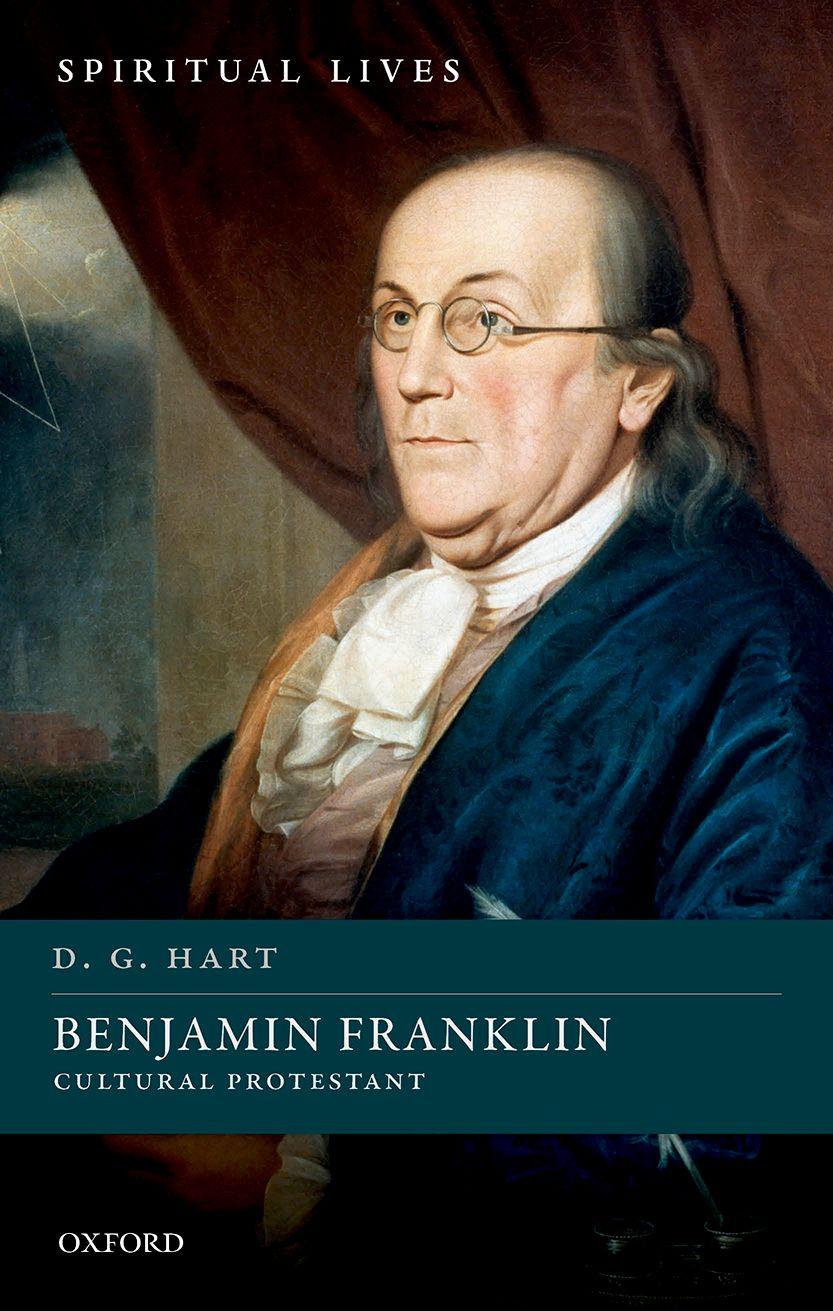
BenjaminFranklin
CulturalProtestant
D.G.HART
3
GreatClarendonStreet,Oxford,OX26DP, UnitedKingdom
OxfordUniversityPressisadepartmentoftheUniversityofOxford. ItfurtherstheUniversity’sobjectiveofexcellenceinresearch,scholarship, andeducationbypublishingworldwide.Oxfordisaregisteredtrademarkof OxfordUniversityPressintheUKandincertainothercountries
©D.G.Hart2021
Themoralrightsoftheauthorhavebeenasserted
FirstEditionpublishedin2021
Impression:1
Allrightsreserved.Nopartofthispublicationmaybereproduced,storedin aretrievalsystem,ortransmitted,inanyformorbyanymeans,withoutthe priorpermissioninwritingofOxfordUniversityPress,orasexpresslypermitted bylaw,bylicenceorundertermsagreedwiththeappropriatereprographics rightsorganization.Enquiriesconcerningreproductionoutsidethescopeofthe aboveshouldbesenttotheRightsDepartment,OxfordUniversityPress,atthe addressabove
Youmustnotcirculatethisworkinanyotherform andyoumustimposethissameconditiononanyacquirer
PublishedintheUnitedStatesofAmericabyOxfordUniversityPress 198MadisonAvenue,NewYork,NY10016,UnitedStatesofAmerica
BritishLibraryCataloguinginPublicationData Dataavailable
LibraryofCongressControlNumber:2020948576
ISBN978–0–19–878899–7
Printedandboundby
CPIGroup(UK)Ltd,Croydon,CR04YY
LinkstothirdpartywebsitesareprovidedbyOxfordingoodfaithand forinformationonly.Oxforddisclaimsanyresponsibilityforthematerials containedinanythirdpartywebsitereferencedinthiswork.
Acknowledgments
ChildrengrowinguparoundPhiladelphiatakeBenjaminFranklinfor granted.TheFranklinInstitute,anaturalsciencemuseuminCenter City,is(oratleastusedtobe)aregular fieldtripforstudentsin primarygradesandjuniorhigh.ToarriveattheInstitute,school busesneedtousetheBenFranklinParkway,aEuropean-inspired boulevardthatconnectsCityHallandthePhiladelphiaArtMuseum (createdinthe1920sasonestageofurbanrenewal).Ifstudentsare comingtothecityfromNewJersey,theywilllikelyusetheBen FranklinBridgetocrosstheDelawareRiver.Thebridgefunnels vehiclesintoacircle,formerlyknownasFranklinSquare,whichhas inthemiddleastatuecommemoratingtheinventor’sexperimentwith lightning.Manystudentsmaywellcomefromaschoolnamedfor BenFranklin,asthisauthordidwhileheattendedBenFranklin JuniorHigh(nowMiddle)SchoolinLevittown.Franklin’sassociation withpubliceducationisnotconfinedtothePhiladelphiaregion.Over fiftypublicschoolsarenamedafterhim.(Bywayofcomparison,almost 100publicschoolsintheUnitedStatesbearThomasJefferson’sname.)
GrowingupasIdidwithFranklinasmoreorlessanafterthought, theexecutionofthisbriefbiographycameasagreatrevelation. Researchandwritingnotonlyprovidedaneducationinthe accomplishments – especiallyintheAmericanFounding – thatmade Franklin’snameubiquitous.Buttheprocessalsorevealedaremarkable figurewhoselifemusthavesurprisedFranklinatanynumberofstages. Whateverreadersmaythinkabouttheaphorismsthathewrote toinspireotherstoworkhardandmakesomethingofthemselves, Franklintrulypracticedwhatheaphorized.Amanwithtrulyhumble originsandmoreorlessaboywithfewassociationswhenhearrivedin Philadelphia,Franklinwentontoconductaprintingbusinessso successfulhecouldretireattheageofforty-two,atwhichpointhe becameasignificant figureincolonialpoliticsandtheAmerican Founding.Alongthewayhedisplayedanuncannycuriosityabout practicallyeveryfeatureofhumanexistenceandthenaturalworld evenasheseemedtoreadeverythingthatcameintothisshop.That
inquisitivesideisarguablyhismostattractivefeatureandmayexplain muchofhissuccess.Franklinwasanimpressivepersonwholivedan evenmoreimpressivelife.
Thisbookisnotsimplyashortbiographyofamanwhoisindelibly fixedinPhiladelphiainstitutions,memoriesoftheAmericanFounding,andunderstandingsofnationalcharacter.Itisalsoaspiritual biography,agenrethatmayinclude,asindicatedbythecontemporarydistinction, “spiritual,notreligious,” figureswhowerenotknown fortheirreligiousobservance.Ifthedifferencebetweenbeingspiritual andbeingreligiousappliestoanyone,itmakesthemostsenseof Franklin,whothroughouthislifehadasenseofdependenceondivine favor,invokedGod’sassistance,studiedthecreator’screation,but couldnotacceptthetenetsoforganizedChristianity.
Thebookisdedicatedtoanotherhistorianandnowoldfriendwho maywellhavegrownupbytakingFranklinforgrantedevenon field tripstotheFranklinInstitute.AnativeofLancaster,whosefather taughtatthecollegetherenamedforFranklin(nowFranklinand Marshall),JeffCharleshasbeenanagreeableandknowledgeable conversationpartnersinceouracquaintancethroughtheJohnsHopkinsUniversityhistorydepartmentintramuralbasketballteam.This bookmayfunctionasanacknowledgmentofthedebtthatbothofour PennsylvaniaDutchancestorsowedtoBenFranklinwhenourgreat greatgreatgrandparentsweresettlingintheNewWorld.ItisdefinitelyanexpressionofmygreatgratitudetoJeffforcountlesspleasant andinstructiveconversationsabouteverythingfromintellectualhistoryandacademicpoliticstogolfandIndiaPaleAle.
Introduction:ADifferent KindofProtestant
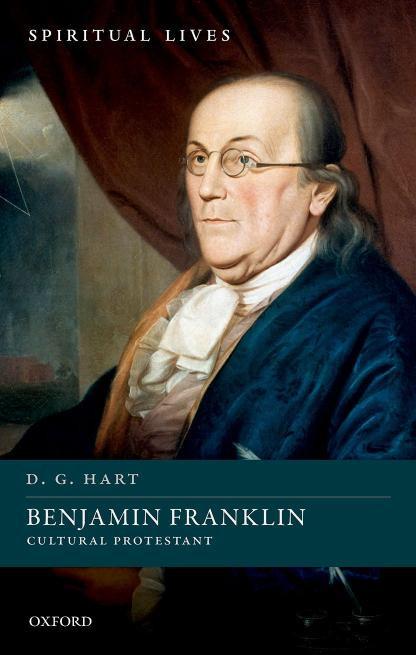
BenjaminFranklinisarguablythemostwidelyrecognizedandleast knownoftheAmericanFounders.ThomasJeffersonhastheDeclarationofIndependenceasabadgeofhonor,nottomentionplacessuch astheJeffersonMemorial,Monticello,andtheUniversityofVirginia wheretouristslearnofadditionalaccomplishments.Thesamegoesfor GeorgeWashingtonwhose “FirstInaugural” and “FarewellAddress” stillappearonstudents’ readinglistsandwhosehomeandmonument bothhumanizethemanandinspirenationalpride.Franklincontinues tobepartofthefabricofnationalandlocaldisplaysthatcommemoratetheFoundersevenifAmericansareuncertainwhatheactually contributedtothenation’screation.Forinstance,likeJeffersonand Washington,FranklinappearsonUnitedStatescurrency,thoughin anunusualway.Whilethe firstandsecondpresidentsare fixtureson thequarterandnickelrespectively,Franklinappearsontheonehundred-dollarbill,adenominationthatmostAmericansrarely carry.Infact,theymayhaveneededtheHBOseries, “TheWire,” toknowthefacesonboththeone-hundred-dollarandten-dollar (AlexanderHamilton)billssinceoneofthelessonsBaltimore’sWest Sideteenagedrugdealersneededtolearnindistinguishinglegal tenderfromitscounterfeitalternativewasthatpresidentsarenotthe onlyonestoadornAmericanpapercurrency.AmericansalsoencounterstatuesofFranklininmanyAmericancities(Europeanaswell). Boston,Washington,D.C.,andPhiladelphia(withatleast five)arethe mostvisited.Participantsinthepost-GeorgeFloydkillingprotests duringtheSpringof2020pulleddownstatuesacrossthecountry buttheyonlyobjectedtothePhiladelphiaMasons’ renditionof Franklin.
Awarenesswithoutknowledgemayaccountforprotestersmainly leavingFranklinalone.Hedidownslavesformostofhiscareer.Yet,
hewasalsopresidentofthe firstabolitionsocietyintheUnitedStates. SuchdetailsremaininthemanybiographiesofFranklin.Thebest guidesavailabletochildren andparentswhoreadtothem arethe bigpicturebookssoldintheyoungreaderssectionsofbookstores. Therepeoplelearnofhisreputationassuccessfulbusinessman,politician,scientist,inventor,andwriter.Oneofthemostpopularofthese booksis NowandBen:TheModernInventionsofBenjaminFranklin.The author,GeneBarretta,catalogsthewidevarietyofcreationstowhich Franklinappliedhispracticalknow-how,fromstartingaborrowing libraryandapublichospitaltoinventingbifocalsandtheodometer. ForBarretta,FranklinistheoriginalHoratioAlgerwithaheavydose ofThomasEdison theordinarycitizenwhoseintelligence,hard work,andcommonsensenotonlyimprovedordinaryAmericans livesbutevenmadeAmericawherehardworkpaiddividends.Franklin’sbusinessacumen,skillsasawriterandeditor,intellectualcuriosity,andpracticalknow-howmoreoftenprovideamodelfor “making it” inAmericathanhisskillsingovernmentrevealthenation’spoliticalassumptions.
HoweverAmericansrememberFranklin,hisaccomplishments wentwellbeyondhishumblebeginnings.Hewasthesonofadevout PuritanBostonfamilywhosefather,Josiah,originallyplannedforBen tobecomeaminister.SecondthoughtsledJosiahtoapprenticehis youngestson(and fifteenthchildbytwowives)toanotherson,James, forindenturedserviceinaprintshop.DisputesbetweenJamesand BenpromptedtheyoungerbrothertorunawaytoPhiladelphia.After afewyearsofmishaps,whichledtoayear-longadventureinLondon, Franklinstartedhisownprintingbusinessandeventuallyhisown newspaper, ThePennsylvaniaGazette.Overthenexttwodecades,Franklinbecameaprosperousbusinessownerandreliableneighbor.Inhis sparetime,heformedcivicassociations,inventedgadgets,experimentedwithnature,andprofferedadvice(“timeismoney”)thatstill instructandinspirethechildrenwhoreadbookslike NowandBen Bythe1750s,hisleadershipwithinthecitycatapultedhiminto PennsylvaniapoliticsatatimewhentheBritishEmpire’sholdingsin NorthAmericawereunderthreat.Fromthemid-1750suntilhisdeath in1790,Franklinbecamethecraftystatesmanwhonegotiated first withtheBritishandthentheFrenchtosecuretheagreeableoutcome ofAmericanindependence.Hisstatusastheeldestofthenation’ s
FoundingFathersmadehischoicein1914fortheone-hundreddollar billasensibleone.(PriortoFranklin,theTreasuryhadusedAbraham LincolnforgoldandJamesMonroeforsilvercertificates.)
Asimpressiveashisaccomplishmentswere,Franklin’sreligious outlookwasapparentlyaperipheralpartofhislife.Sincehegrew upinBoston,allbiographershavehadtoaddresswhetherFranklin’ s Puritanupbringingstayedwithhim.Formost,thedeterminationis relativelyeasysinceFranklinwroteadeisticaltractwhenhewas nineteenthatreadilyshowedhehadabandonedhisparents’ faith. Yet,Franklinalsorepudiatedhisinitialforayintodeism,accordingto BrownUniversityhistorian,GordonWood,becausemetaphysical reasoningwas “useless.” WoodaddsthatFranklinnever “accepted theCalvinistconvictionthatfaithalonewasthesourceofsalvation” becausehismottowasthatthe “mostacceptableServicetoGod” was “doingGoodtoman.”1 EvenifFranklinneverseriouslyconsidered Puritanism’sdoctrinalorliturgicalrequirements,heremainedon goodtermswithbelieversofallstripes,fromtheevangelistGeorge Whitefieldtohisdevoutsister,JaneMecom.Suchadisposition suggestsmodestcomfortwithfaithandthepeoplewhobelieved. AccordingtoBaylorUniversityhistorian,ThomasKidd,themost recentbiographerofFranklin,hisPuritanupbringingpreventeda turntoskepticism.Franklin’sparents’“intensefaith” kepthiminthe foldofa “doctrineless,moralizedChristianity.”2
TheproblemwithclassifyingFranklin’sreligiousoutlookisthat,as Kiddobserves,hewroteaboutChristianitymorethananyother eighteenth-centurylaymanintheEnglish-speakingworld.Theoldest FoundingFathermaynothavewadedintothedeepwatersofChrist’ s twonatures,theTrinity,orbiblicalauthority,butheleftplentyof trailsateverypointinhislifeforhistorianstodiscernhowFranklin negotiatedquestionsofbeliefandunbelief.Forsome,hewasaDeist, forothersapolytheist,forstillothersaninveterateopponentof religiousintolerance,andfortheremainderamoralist.Mostrecently, theverdictofKiddisthatFranklinwasadeistforwhomtheCalvinist creedofhisyouthpreventedacompleterejectionoforthodoxy.
WhatstandsoutindiscussionsofFranklin’sfaithissomethingthat appliestotreatmentsofthemanasathinker.BecauseofFranklin’ s profileintheFoundingandhislargesetofwritings,scholarshave overestimatedhimasanintellectualwhocarvedoutabodyofthought
withclearhierarchiesandboundaries.Thesameappliestoeffortsto characterizehimasaspecifickindofreligiousperson.Franklinwasan amateurpolymathwithanendlesscuriosityaboutmostareasof humanexistence.Theattitudebehindhisfascinationwasthatofa tinkererandinventor someonewholookedforthewaytheuniverse workedandhowhumanbeingslivedtogether.Discoveringthose mechanismswastoarriveattruth.Thoughhedabbledinphilosophy, Franklinwasnodeeporsystematicthinker.Thesamepointappliesto Franklin’sunderstandingandintuitionaboutGod,humannature, andthespiritualworld.
Indeed,thechiefcharacteristicofFranklinwasnotintellectbutwill. Hewasbyanymeasureabusyfellow.Hisyearsasatradesmanwere hardlyroutinegiventhe fluctuationsofthecolonialeconomy.Once heleftBoston,wherehehadfamilytiestofallbackon,Franklin neededtorelyonhisownclevernessandindustry,bothofwhich wereconsiderable.Hissuccessasaprinter,combinedwithvarious andsundrymeasurestomakePhiladelphiamoreliveable,positioned Franklinwellonceheretiredattheageofforty-twotobecomea significantvoiceinlocal,national,andinternationalpolitics.Allalong theway,Franklinwasanavidreaderofeverythingfromphilosophyto marketreports,andwroteandpublishedseriousandlightessaysand verse(oftenpseudonymously).OftheFoundingFathers,Franklin standsoutastheonewiththemostvariedinterests,whoknewthe worldofcommerceandstreetlife firsthand,theonewithwhomyou wanttohaveadrink(excepthewasnotadrinker).Hedidnotavoid religion,neitherdidhe findfaithrepugnant.Heobservedspiritual matters,spottedtheusefulnessofsome,thefollyofothers,andlooked forthosebeliefsandmoralsbywhichhecouldimprovehimselfand thesocietyinwhichhelived.Suchbettermentwasnotameansof hasteningapeacefulandjustsociety.Itwasmoreontheorderof gettingbywithaslittleunpleasantnessaspossible.
TheapproachtoFranklin’sspirituallifetakeninthecontextof whatfollowsstartswiththehistoricalrealitythatincolonialNorth AmericaavoidingChristianitywasimpossible.Protestantismwasin thebackground alwaystherebutnotsomethingthatdemanded seriousattentionordevotion.Asanactiveparticipantinthat society onsomanylevels FranklinhimselffunctionedasaProtestant.HewascertainlyaversetoPuritanism’ s “hot” faith.Butheheld
muchincommonculturallyandsociallywithotherProtestants.As such,FranklinwasaculturalProtestant.
ThatphraseisnotonetypicallyusedforWesternChristianswhoset upchurchesoutsideRome’sauthority.Itismuchmorecommonto talkabout “culturalRomanCatholics” or “culturalJews” todescribe figureswithtiestoareligioustraditionwhoarenotserious.Another wordis “non-observant.” Itisawaytorecognizeasubject’sreligious backgroundandaffinitieswithoutclaimingtheyare “good” Roman Catholicsor “practicing” Jews.Religionintheseinstancesstandsfora sensibilityratherthanasetofdoctrinal,liturgical,orethicalnorms. Sometimes,astheessayist,JosephEpstein,observesinthecaseof Jews,non-observancecomesinallsizes:J.RobertOppenheimer, “the cerebralJew”;YehudiMenuhin, “theartisticJew”;AlbertEinstein, “thegeniusJew”;BarbaraStreisand, “theinfuriatingJewishwoman” ; andMarisaBerenson, “theRebecca-by-the-wellsbeautifulJewess.” Epsteinhimself,thoughofJewishdescent,claimsnothingmoreforhis ownreligionthanbeing “apiousagnostic,” farfroma “sedulous practitioneroftheJewishreligion.” Yet,headmits,beingJewish hauntshisoutlookasitdoesformanyJewishwriters.Itis “thefeeling ofneverquitefeelingaltogetherathomeanywhere, ” alwaysneeding toanswerthequestion “whatareyoudoinghere?”3
Thepoet,DanaGoia,makesasimilarpointaboutRomanCatholic writers.Eveniftheydonotpracticeorhaverejectedthefaith,certain themeskeepshowingupinRomanCatholictexts. “Theycombinea longingforgraceandredemptionwithadeepsenseofhumanimperfectionandsin,” Goiawrites.Inaddition,realityforwriterswhogrew upinthechurchis “chargedwiththeinvisiblepresenceofGod.” At thesametime,theseauthorsregardsufferingas “redemptive.” When itcomestoperspective,RomanCatholicauthorstakethelongview, “lookingbacktothetimeofChristandtheCaesarswhilealsogazing forwardtowardeternity.” Awriterdoesnotneedtobeobservantfor thesecharacteristicstosurfaceinhisorherwriting.Goiagoesonto identifythree “degreesofliteraryCatholicism ”:those “whoremain activeintheChurch,” thosewhogrewupinthechurchorwere educatedinparochialschoolsand “madenodramaticexit” but theiroutlookremains “Catholic” eveniftheyareoften “unorthodox,” and finally,anti-Catholicwriterswhohavebrokenwiththechurch butremainobsessedwithitsfailings.4
IfBenFranklinhadgrownupRomanCatholicorJewish,hemight qualifyasanon-observantCatholicorculturalJew.Hemighteven fit Goia’ssecondgroup someonewhomadenodramaticexit.But FranklingrewupinabranchofProtestantismthatlackscategories fornon-practicingpersonsotherthanskeptic,agnostic,unbeliever,or heretic.FormostdescendantsoftheReformation,religiousadherence isaneither/orproposition eitherincommunionornot.This becameallthemorethenormforProtestantsaftertheborn-again experiencebecamepopular(inmanycircles)thankstoFranklin’ s friend,GeorgeWhitefield.ItwasalsotrueofProtestantsduringthe Reformationwhenthelinesweredrawnbetweenstandingeitherwith thepopeandemperor,orwiththe “true” church.
Nevertheless,non-observantorculturalProtestantismmakessense ofmanyaspectsofFranklin’slifeandavoidsthetypicallystrained attempttoputhimintheappropriatereligiousbox.Forstudentsof thepastwhoworkonbigcanvasses,theaffinitiesbetweenProtestantismandmodernculturaldevelopmentsarelegion.Ontheoccasionof theReformation’ s fivehundredthanniversary,forinstance,political theorist,FrancisFukuyama,legendaryforhisthesisabout “theendof history,” sawProtestantismasresponsibleforashiftintheWestfrom socialcontrolthroughhierarchicalstructurestoanethosofpersonal responsibilitymediatedthroughcongregations,families,andother localorcommunalinstitutions.HeobservesthatinProtestantcountriesliketheNetherlands,crimerates,divorces,andsocialdisorder declinednotbecausethemodernnation-statehadsucheffective meansofimposingcontrolbutbecauselesserauthoritiesincommunitiestookupthetaskofsocializingchildrenandenforcingmoral codes.5 SotooNiallFerguson,hailedbysomeasthe “greatesthistorianofhisgeneration,” revisesMaxWeber’sthesisabouttheProtestant workethictoarguethattheReformationcultivatedliteracy,frugality, andindustryinwaysthatallowedProtestantcountriestodevelop fastereconomicallythanRomanCatholicones.Hissix “killerapps” (applications)thatallowedtheWest(forgoodandill)todominatethe world decentralization,naturalscience,propertyrights,medicine, theproliferationofconsumergoods,andtheworkethic allwere boundupwithinnovationsthatProtestantseitherwelcomedordid notactivelyoppose.6 Nottobeoutdone,SamuelP.Huntington,one ofthemosthighlyregardedpoliticalscientistsofhisgeneration,
arguedprovocatively,soonontheheelsofthe9/11attacks,thatthe UnitedStateswasculturallyAnglo-Protestant.The “Americancreed” ofindividualdignity,equalityofallpeople,andinalienablerightsto justiceandopportunity,” allhavetheirrootsinBritishProtestantism. Forgoodeffect,hequotedArthurSchlesinger,Jr.,whowrotethat America ’slanguage, “itslaws,itsinstitutions,itspoliticalideals,its literature,itscustoms,itsprecepts,itsprayers,primarilyderivedfrom Britain.”7
ToreadclaimsliketheseandregardFranklinasnot fittinginthe societythatgrewupwithProtestantismistoconfineProtestantChristianitytoitschurchlyanddevotionalexpressions.Bythetimethat Franklinlived,Britishsocietymademoreroomformemberstooperate withoutbelongingtotherightchurch.Butevenbeforethat,when Protestantsocietiespermittedlessdeviationfromorthodoxfaith,Franklin’senterprise,workethic,andmoralitywouldhave fitrightin.
Atonelevel,toclaimthatFranklinwasaculturalProtestantisto borderontrivialitysinceitmeanslittlemorethanapersonnavigating amodernizingsocietysuccessfully.Tobeclear,thepointis not about historicalcausation,asiftheReformationwasresponsibleforending themedievalworldandlaunchingthemodernone.Instead,itisto situateWesternChristianity’splaceinthesocial,economic,and politicaldevelopmentsofEuropeandthewaysthatProtestantism providedpointsofentryforpeopleinmanywalksoflifetomake theirwayinthemodernworldwithoutmaintainingarigidreligious identity.Thedoctrineofvocation,namely,thatpeopleservedGodin theirsecularwork,wasonepartofthis.ButProtestantismincluded teachingaboutfamilylife,booklearning,investigatingthenaturaland socialworlds,andearningandsavingmoney.Alloftheseactivities becamelegitimateforProtestantsinwaysthatRomanCatholictheology(oratleastoneapplicationofit)posedbarriersforthosein society’sdominatedbytheRomanchurch.Meanwhile,Protestantism’ssocialethicpromotedpersonalresponsibilityandorderevenasit threwoverolderpoliticalandecclesiasticalhierarchies.
TheobvioushitchindescribingFranklinasculturalProtestantis thathewasnotveryreligious.AsmuchasProtestantismmayhave enabledFranklintofunctioncomfortablyinthemodernworld,his exposuretothefaithinBoston’schurchesandinhisfamilydidnot preparehimtosucceedintheworldofchurches.Here,thecontrast
sometimesdrawnbetweenthesacredcanopythatsomehowunified medievalEuropeandthecosmicdisenchantmentoftenattributedto Protestantismisworthnoticing.AlthoughstilloperatingwithexpectationsforChristendomevenatalocallevel,Protestantsdidrestrain theambitionsandpowerofchurchofficersinseveralways.The doctrineofthesuf ficiencyofScripturemeantthatpastorsshouldnot intheirproclamationsgobeyondtheBible.Therecognitionofinstitutionslikemarriage,notasasacrament,butasacivilarrangement, wasanotherchangethatlimitedthechurch’sreach.Secularvocations wereworthwhile,notinsacramentalwaysbutaspartofdivine providenceandthecreatedorder.Inotherwords,theReformation, bothexplicitlyinitsteachingsabouttheChristianlifeandimplicitlyin thewayitredrewthelinesofchurchandsociety,elevatedordinary, common,orsecularlife.
Infact,bymakingafundamentaldistinctionbetweenthenatural worldofcreationandprovidenceontheonesideandthesacredworld ofScripture,worship,andchurchmembershipontheother,Protestantsfreedthespheresofcommerce,politics,language,andscienceto growbystandardsinternaltothosespheresratherthanhavingto squarepracticeswithChristianteachingaboutsalvation.Protestantismmadeitpossibletoexcelasaprinterwithouthavingtocheckwith churchauthoritiesabouteditorialcontent,settingpricesformaterial orsales,ormostimportantly,thinkingsalvationdependedonwork. ForalloftheGermansociologist,MaxWeber’s,fascinationwiththe doctrineofpredestinationandthewaysthatProtestantssupposedly provedtheirsalvationbyworldlysuccess,hemissedthegeniusofthe Reformation’sdoctrineofsalvation.AlthoughaRomanCatholic printermightseehisworkasinferiortotheholylifethatmonksand priestspursuedandknowthatpurgatorywasatimetoovercomethe deficienciesofalifelivedinthesecularworld,aProtestantprinterwho believedthedoctrineofjustificationbyfaithaloneexperiencedno worries(intheory)aboutwhetherhisworkwaskeepinghimfrom heaven.Notonlywastheprintingbusinessnotsinful(inherently),but itwasalsoawayofshowinggratitudetoGodforasalvationthat dependedsolelyondivinegrace.ForProtestantsworkbecameservice toGodandloveofneighborswhilewaitingforChrist’sreturn.
IfFranklinqualifiesasaculturalProtestant,hedidsobyreceiving andapplyingmuchofwhatProtestantstaughtaboutworkandstudy
inthesecularworldwithoutacceptingallthatthechurchestaught abouttheworldtocome.HeinternalizedthedichotomythatProtestantsdrewbetweenthesacredandsecular.Hisendeavorsasa businessman,scientist,author,andpoliticianwerenotoutworkings ofsalvationbutpartofthewaythatGodhadprovidentiallyarranged theworld.Asapersonwhorepeatedlyaffirmeddivineprovidence, Franklinhadameasureofconfidencethatthemoon,thesun,andthe starsfollowedtheircourses,plantandanimallifeadheredtoprearrangedpatternsintheearthlyexchangeoflifeanddeath,andmen andwomenpresidedoverlifeonplanetearthwiththekindof dominionexplainedintheGenesisaccountofcreation.Knowledge ofthenaturalworld,successinbusiness,orskillfuldeliberationsin civicandnationallife allarenaswhereFranklinprovedhimself indispensable wereavailabletohimasaculturalProtestantwithout havingtoregisterasadevoutbeliever.
CulturalProtestantism,assuch,capturestheelementsofbeliefand moralitythatFranklinretained.HewasclearlyskepticalaboutChristianteachingmattersofthecreedandworship,andpartsofthe biblicalnarratives.ButthatdidnotrequirealossofaProtestant sensibilityaboutagencyandhumanrelationships.AccordingtoFerguson,forexample,recentstudiesofProtestantismandeconomic developmentshowthatbeliefinGodisimportantforthesortof trustthatiscrucialforcreditinstitutions.Headds, “religiousbelief (asopposedtoformalobservance)ofanysortappearstobeassociated witheconomicgrowth,particularlywhereconceptsofheavenandhell provideincentivesforgoodbehaviorinthisworld.”8 Thatisa remarkablyaptdescriptionofFranklin’sreligion.Heabsorbed enoughreligioustruthaboutthenaturalandsocialworldstosuppose thathiseffortsmattered.Atthesametime,Franklindidnotregard himselfasasinnersavedbygrace.
UnderstandingFranklinasaculturalProtestantisonewaytointerpret,asthefollowingchaptersdo,themajoroccupationsofFranklin’ s lifeandsituatetheminthemodernsocietythatProtestantismencouraged.Forallthathewroteandpublished,Franklin’sworkinbusiness, civiclife,science,technology,anddiplomacyisarguablymorerevealing thanhiswritingssincehewasnotathinkerbutatinkerer.Throughout practicallyallofhisundertakings,Franklinoperatedwithassumptions andexpectationslittleremovedfromthosethatProtestantspossessed
abouttheworldoutsidechurchlife.Hewasneitherdevoutnoragnostic butmaintainedabeliefinGodasthepowerfulgovernorofhuman affairsandinanafterlifewhenpeoplewouldreapeitherrewardsor punishmentsforthelivestheyhadlived.Thisframeworkequippedhim togofromobscureandhumbleoriginstooneoftheeighteenth century’smostaccomplishedpersons.Asmuchofaclichéaspullinghimself-up-by-his-bootstrapsis,hisadvice,wit,andstrivingsayasmuch aboutProtestantismasitdoesaboutAmericancharacter.
Franklinas “culturalProtestant” actuallyrepeatsanargumentthat PerryMillermadealmostsixtyyearsago.TheHarvardUniversity scholarwhoalmostsingle-handedlyputFranklin’scontemporary, JonathanEdwards,onthemapofU.S.intellectualhistory,madea pointabouttheculturalsignificanceofPuritanismwhenheclaimed thatEdwardsandFranklinbelongedtoa “onceunitarytradition” that hadsplitbytheearlyeighteenthcentury.Eachmanstroveforand attained,accordingtoMiller, “aclarity,simplicity,directness” ofstyle thatwas “thelastingimpressofthePuritanspirit.” Thismannerwent wellbeyondliteraryexpression.Itwasamentalitythatemanatedfrom “arevulsionagainstwhatProtestantsheldtobetheunprofitable monasticismoftheMedievalChurch.” Incontrasttopriestsandthe religious,Puritanscounteredwithvocationortheideathatevery legitimatesecularactivity “wasasmuchareligiousexerciseasany other.” Indeed,forPuritans “thesamerationaleservedineither ditch-diggingormanufacturingasinthephysicalactofputtingwords onpaper:nobodywasdoingittoamusehimself....Hewasdoingthe jobinobediencetothecommandsofGod,orofconscience,orof probity.” MillerarguedthatalthoughFranklin “blithelyputasidethe theology” thatEdwardsexplainedinthestudyandpulpit,thePhiladelphianexemplifiedthePuritanwayoflife “everydayofhislife.”9
Notes
1.GordonS.Wood, TheAmericanizationofBenjaminFranklin (NewYork: Penguin,2004),30.
2.ThomasS.Kidd, BenjaminFranklin:TheReligiousLifeofaFoundingFather (NewHaven:YaleUniversityPress,2017),4,6.
3.JosephEpstein, “Funny,ButIDoLookJewish,” in WindSprints:Shorter Essays (Edinburg,VA:AxiosPress,2016),568,570.
Introduction:ADifferentKindofProtestant
4.DanaGoia, “TheCatholicWriterToday,” FirstThings,December,2013.
5.FrancisFukuyama, “ThePoliticalConsequencesoftheProtestantReformation,PartII:MartinLutherandtheOriginsofIdentityPolitics,” AmericanInterest,November,2017.
6.NiallFerguson, Civilization:TheSixKillerAppsofWesternPower (NewYork: Penguin,2012),ch.6.
7.SchlesingerquotedinSamuelP.Huntington, WhoAreWe?:TheChallengesto America’sNationalIdentity (NewYork:Simon&Schuster,2005),60.
8.Ferguson, Civilization,264.
9.Miller, “FranklinandtheDividedHeritageofPuritanism,” inBrian M.Barbour,ed., BenjaminFranklin:ACollectionofCriticalEssays (Englewood Cliffs,NJ:Prentice-Hall,1979),22,23,24.
GrowingupPuritan
EventhedateofBenFranklin’sbirthhadanelementofreligious significance,atleastfromoneangle.Untilheturnedforty-eight,the Franklinscelebratedtheirson’sbirthdayonJanuary6.In1706,the yearhewasborn,EnglandanditscoloniesstillusedtheJulian Calendar.Butthatsystem ’smiscalculationofthesolaryear(byeleven minutes),meanttheyearhadtoomanydaysandEastermovedeach centuryfurtherawayfromtheSpring’sequinox.Consequently,in 1752BritishauthoritiesfollowedRomanCatholiccountries,France, Italy,Spain,andPortugalbyadoptingtheGregoriancalendar,institutedbyPopeGregoryXIII,withitsownmethodofcalculatingleap yearstokeephumantimeinsynchwiththesolarsystem.Thelossof elevendayspromptedriotersinEnglandtodemandbackthelostdays duringprotestsinthestreets.ForBenFranklinandhisfamily,the changeofcalendarsmeantmovingbirthdaycelebrationsfromthe sixthdayofJanuarytotheseventeenth,thedaythatcontinuesfor officialpurposestobeFranklin’sdateofbirth.Itmightseemoddfor ProtestantstoacceptaRomanCatholiccalendar.Buttheydidnot sacralizeormarktimethewayRomedid.Protestantsweregenerally utilitarianaboutsuchmatters.SuchpragmatismsuitedBenwell.
OnthesamedayinJanuary,1706thathisparents,Josiahand Abiah,welcomedtheirnewsonintotheworld,theyfollowedthe PuritanpracticeofassigninghimthenameofoneofIsrael’stwelve tribes.TheyalsotookhimtochurchwherethepastorofBoston’ s SouthChurch(Third),EbenezerPemberton,baptizedtheinfant.The levelofreligiousobservancesurroundingFranklin’sbirthsuggeststhat MassachusettsBaywasstill,asJohnWinthrophadcalledit,a “cityon ahill,” oramodelofProtestantpiety.Italsoseemstoindicatethat Franklinwasbornintoastrictanddevoutenvironment.Accordingto
KerryWalters,theauthorof BenFranklinandHisGods,asaboy Franklin “uncriticallyacceptedthehighlychargedtraditionofNew EnglandCalvinismintowhichhewasborn.” SinceFranklindidnot growuptoinherithisparents’ religiouspractice,hissoulprovedtobe asrockyasthelandnearBoston.Kerryevencontendsthatasan adolescentFranklinrebelledagainstPuritanconvictionsand “slidinto astarklylifelessdeism.”1
Thisstarkcontrast between “thegodof[Franklin ’s]Calvinist fathersandthegodofhisEnlightenmentmentors”—failstodojustice tothebreadththatcharacterizedNewEnglandProtestantismbythe timeofFranklin’sbirthasitnearedthecentennialofthePilgrims’ landingatPlymouthRock.Theboys’ parentsthemselveswerehardly doctrinaireorsteepedinthedevotionalzealthathadinitiallymarked the “hot” ProtestantismofPuritans.Tobesure,JosiahandAbiah foundaspiritualhomeamongthePuritans,buttheirexistencein Bostondependedasmuchontheordinarydutiesofbread-winning, home-making,andpoliticalparticipationasondevotionalpractices thatevenforthegodlywereexacting.Meanwhile,thecongregationin whichFranklingrewupwasoneofthecolony’smostlax.Inother words,thePuritanismthatFranklinexperiencedwasnottheintense varietythathadcreatedproblemsforEnglishmonarchs,fromElizabethItoJamesIandCharlesI.NewEnglandProtestantismwas alreadywellonitsway “frompietytomoralism,” touseJoseph Haroutinian’sfamousphrase.2 IfBenFranklingrewupajuvenile freethinkerwhoneverforgotthevalueofhardworkandpersonal responsibility,thereasonhadlesstodowitharejectionofhisparents’ orpastors’ faiththanwiththepossibilitiesthatcolonialBostonoffered itscitizensandsettlers.
TheEnglishProtestantInheritance
Inhisautobiography,Franklin’smostpopularandwidelyreadbook, heclaimedhisparentshadrearedhimasaPresbyterian.Thelatter termhadlesstodowiththeintricaciesofchurchgovernment PresbyterianismqualifyingasrulebythefewincontrasttoEpiscopalianism’srulebyone(thebishop)orCongregationalism’srulebythe many thanitdidwithdissentingProtestantsinEngland.Franklin didnotwriteabouthislifeuntilthe1770swhileonadiplomatic
missiontoEnglandand finisheditinPhiladelphiaoverdecadelater. BythenhehadlivedoutsideNewEnglandforalmost fiftyyearsand denominationaldesignationsfordifferentProtestantshadbecome common.
WhenFranklinwasgrowingup, “Presbyterian” wasawordthat wasalmostascontestedas “Puritan.” SincebishopsruledtheChurch ofEngland(withtheCrownatthehead),aProtestantcommunion thatarosein1534atleastinparttoaccommodateHenryVIII’sdesire forawifewhocouldbearamaleheir,Presbyterianismposedathreat tothestabilityofboththechurchandtherealm.EveninNew EnglandwherePuritansofaparticularstripehadfreerein(untilthe revocationoftheircharterin1692),thepreferredformofchurch governmentwasnotPresbyterianbutCongregational.ThetheologicalcharacteristicsofBritishProtestantism Puritan,Anglican, andPresbyterian weredecidedlyReformed(synonymousformany withCalvinism).ThearticlesoftheChurchofEngland,forinstance, affirmedpredestinationasreadilyandasclearlyasJohnCalvindidin histheologicaltextbook, TheInstitutes.EnglishProtestantsdifferedover churchgovernmentandliturgy.TounderstandwhatFranklinunderstood(ormisunderstood)bythewordPresbyterianrequiresacloser lookattheaffinitiesthatinformedhisfatherandmother ’sreligious practice.
TheFranklinswerethefruit,inpart,ofEnglishProtestantism duringthereignsoftheStuarts.Iftheoriginalfrustrationswith ElizabethI’sreligiouspoliciesdrovesomepriestsandbishopsto purify with “Puritan” functioningasanepithettolabelthesepurists, thoseobjectionsbecameevengreaterunderCharlesI(1625–1649).In Northampton,theEnglishtownfromwhichtheFranklinscame,the king’sarchbishop,WilliamLaud,in1637hadexcommunicatedlocal churchwardensfornotrestoringthecommunionatrailandaltar; Puritansinsistedonatableandnorail.SomePuritans,likethosewho in1629accompaniedJohnWinthroptoMassachusettsBay,worried thatArchbishopLaudwaspreciselycapableofimplementingsuch high-handedandunfaithfulpolicies.Franklin’sfather,Josiah,uncle, Benjamintheelder,andgrandparentsdidnotleaveEnglandsothey could findapurechurch.AsFranklinobserved,hisfather ’sfamily remainedintheChurchofEnglanduntilthe “EndofCharlesthe2ds Reign,” roughlythe1670s.3 OnlyaftertheejectionofNoncomformist
ministersfromtheestablishedchurchin1662withtheActofUniformitydidpastorswithPuritanoutlooksbegintoholdmeetings outsidetheofficialchurchbuildingsin “conventicles,” thetermfor unofficialandpotentiallyillegalgatheringsforworship.
WhatstrengthenedtheelderFranklins ’ identificationwithPuritanismwasJosiahandtheelderBenjamin’smovetoBanbury,atown ArthurBernonTourtellot,whowrote, BenFranklin:TheShapingof Genius,describedasa “hotbedofPuritanism.”4 Northamptonoffered limitedprospectsforboysinsearchofatradebutBanbury,amarket townatthecrossroadsofOxfordshireandNorthamptonshire,was five timesthesizeoftheFranklins’ originalvillage.Puritanismhadalso takenholdofBanbury.In1601,accordingtotheaccountofalocal priest,Protestantshad “infuriouszeal” destroyedthecrossthat overshadowedthelocalmarket.5 Thatsortofpietywasdistantfrom theeconomicmotivesthatdrovetheFranklins.Butrelocatingto BanburysituatedBenFranklin’sfatherandunclefurtherwithinthe orbitofastrainofProtestantismthathadreservationsaboutthe ChurchofEnglandandinspiredsettlementsintheNewWorld.
The “contagionofclericaldissent” atBanburytookmanyforms. OneofthelocalrectorswasJohnDod,afriendandliteraryexecutor ofThomasCartwright’swritings.Thelatterwasamongthechief criticsofrulebybishopsandarguedstrenuouslyforPresbyterianism asthebiblicalformofchurchgovernment.Anotherministerin BanburywhoprovidedthegreatestpastoralcareforJosiahFranklin wasSamuelWells,anOxfordUniversitygraduatewhoservedasa chaplaintoParliament’smilitaryduringthe1640scivilwarthatpitted PuritansagainsttheCrown.ButWellsopposedParliament ’sresolve totryCharlesIfortreasonandgeneratedapetitionwiththenamesof nineteenclergy.BythetimethatJosiaharrivedinBanburyinthe early1670s,Wellshadlosthispositionintheparishasanonconformistminister.Buthewasthe “mostdirectanddetermininginfluence ” onFranklin’sfather.6 TheFive-MileActrequiredpastorslikeWells eithertoswearloyaltytotheChurchofEnglandormoveatleast five milesawayfromtheirformerparishes.Wellscompliedbyrelocating toDeddington.Atthesametime,hesentletterafterlettertohis formerparishionerswithcounselandexhortationthathewouldhave givenifpresent.Wells’ Puritanismwasnot “giventofanaticism,”7 but reflectedthecharacteristicmarksoftheseProtestants ’ piety,namely,a
heavyrelianceontheBibleandwillingnesstolearnfromlongand eruditesermonsbasedonclosereadingsofScripture.BenFranklin himselfunderstoodtheimportanceoftheBibletohisancestors.Inhis Autobiography herecountedastoryhelearnedfromhisuncleabouthis great-great-grandparents’ familyworship:
TheyhadgotanEnglishBible,andtoconcealandsecureit,itwas fastenedopenwithtapesunderandwithinthecoverofajoint-stool. Whenmygreat-great-grandfatherreadittohisfamily,heturnedup thejoint-stooluponhisknees,turningovertheleavesthenunderthe tapes.Oneofthechildrenstoodatthedoortogivenoticeifhesawthe apparitorcoming,whowasanofficerofthespiritualcourt.Inthatcase thestoolwasturneddownagainuponitsfeet,wheretheBible remainedconcealedunderitasbefore.8
Puritandevotionaside,thedemandsofsupportingafamilywereas importantinJosiah’s1683decision,whenonlytwenty-six,toemigrate toBoston,Massachusetts.Hehadcompletedhisapprenticeshipinthe dyeingtradeandin1676hadmarriedAnneChild,awomanfromhis originalvillageofEcton.InBanbury,Josiahhadworkedasapaid employeeforhisolderbrother,John,inthesamebusinessinwhichhe hadapprenticed.Thecouplesoonhadtwochildren,Elizabethand Samuel.WhileJosiah’sfamilywasgrowing,hisbrotherandboss, John,in1682marriedAnnJeffs.TheBanburybusinessnowneeded tosustaintwofamilies,whichby1683wasonetoomany.Asthe youngermember,JosiahchoseBoston.Hisson,Benjamin,later interpretedthedecision,assomanynarrativesofAmericanimmigrantshave,asoneofthereligiouslydevotedseekingpoliticalfreedom.Insteadofmovingtothecountry,accordingtoBen,Josiah migratedtoMassachusettswherethefamilyexpectedtopractice theirreligionfreely.BenjaminFranklintheelder,Josiah’sbrother, attributedthemoveto “thingsnotsucceeding[inBanbury]according to[Josiah’s]mind.”9 Religiousdevotionaside,heknewhisprospects forsupportingafamilyinEnglandwerebleak.Tourtellotcalculated thattheannualcostoflivinginStuartEnglandwastwenty-sixpounds andalmostsixtypercentofEnglishfamiliesmadelessthantwenty poundsannually.SkilledartisanslikeJosiah “didsomewhatbetter... butonlytothedegreethattheycouldaffordanoccasionallymore varieddiet,payaslightlyhigherrent,andusesoapandcandleswith lesspunishingfrugality.”10
ForthosewhosurvivedthevoyagetotheNewWorld a two-monthordealinthesummerof1683forJosiahandAnne BostonofferedbetterprospectsthanEngland.Inadditiontobad food,littlewater,andsicknessthatspreadamongpassengerson overcrowdedships,thelumberingfrigatesregularlylostpassengers andlivestockduringroughseas.Buttheprospectsforabetterstandardoflivinggenerallymadeupfortherisksoftrans-Atlantictravel.In NewEngland,anunskilledworkerearnedovertwotimeswhathe mightreceiveintheoldcountry.Skilledlaborerscoulddoevenbetter, exceptthatinJosiah’scasethedemandfordyeingwassmallsincelaws forbadeanyonebelowtherankofgentlemanfromwearingsilk.This explainshischoiceofworkasatallowchandler.Thisbusiness involvedprocuringfatfromslaughterhousesandthendistributingit tosoapandcandlemakers.
BostonwascongenialtoJosiah’sPuritaninclinations.Theclosest congregationtotheFranklinswasThirdChurch,alsoknownasOld South.AtthetimeoftheFranklinsarrival,itwastheyoungestof Boston’schurchesandformanyobserverstheleastrigorous.Josiah ownedthecovenantonSeptember27,1685andhisreasonsfor joiningremainobscure.WhatisclearisthatFranklin’sfatherbecame anactivememberinThirdChurchandsoonassumedpositionsof responsibility.Thecongregationappointedhimtithingman,which accordingtothelanguageofMassachusetts’ GeneralCourt,included inspecting “thedisordersinandbypublickandprivatehousesof entertainment,andprophanationofyeLord’sday.”11 Josiahenjoyed therespectofhisfellowBostonianssufficientlytoenforceattendance atSundayservicesandtopreventpeoplefromnappingordaydreamingatchurch.IfJosiahfoundsomeoneinsufficientlydutiful,hewas supposedtoreportthemtothelocalmagistrates.Onecouldwell imaginethatlocals theonesCottonMatheraccusedofincreasing Boston “exceedingly” in “idleness”—regardedJosiahFranklinaslittle morethanasnitch.ButhissonrememberedthatBoston’selites “consultedhimforhisOpinioninAffairsoftheTownorofthe Churchhebelong’dtoandsho’dagooddealofRespectforhis JudgmentandAdvice.”12
Theactivitiesofatithingmanmightalsogiveawrongimpression aboutOldSouthChurch.AsstrictasBostonstillwas(andwould remainintothe1920sthroughmoralactivistagencieslikevenerable