BRAIN, n. An apparatus with which we think that we think.
MIND, n. A mysterious form of matter secreted by the brain. Its chief activity consists in the endeavor to ascertain its own nature, the futility of the attempt being due to the fact that it has nothing but itself to know itself with.
Ambrose Bierce, 1911 (The Collected Works of Ambrose Bierce: Volume VII, The Devil’s Dictionary, p. 41, 217)
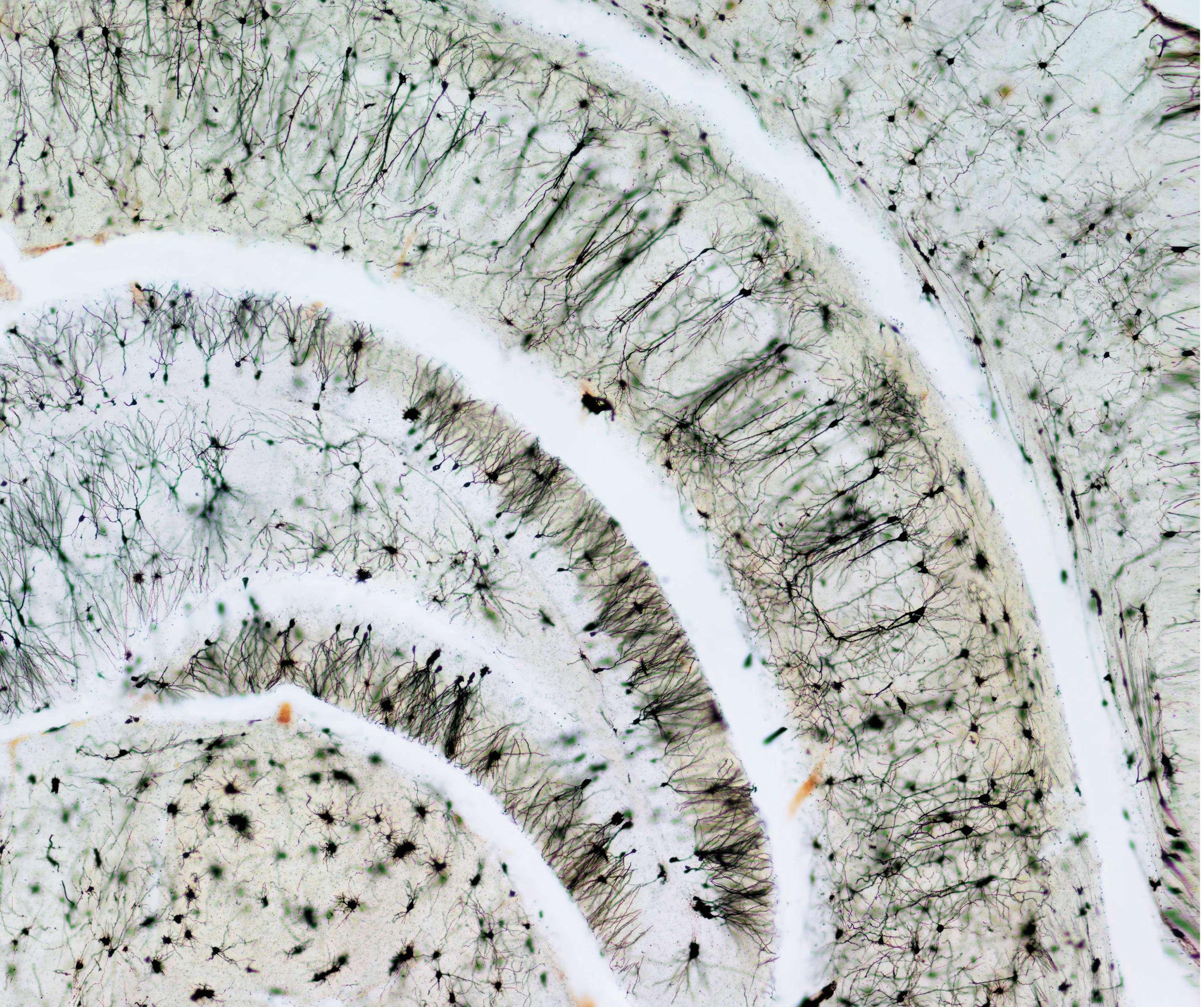
Courtesy of Dr. Sarah Moghadam, VA Palo Alto Health Care System, Palo Alto, CA and Dr. Ahmad Salehi, Dept. of Psychiatry & Behavioral Sciences, Stanford Medical School
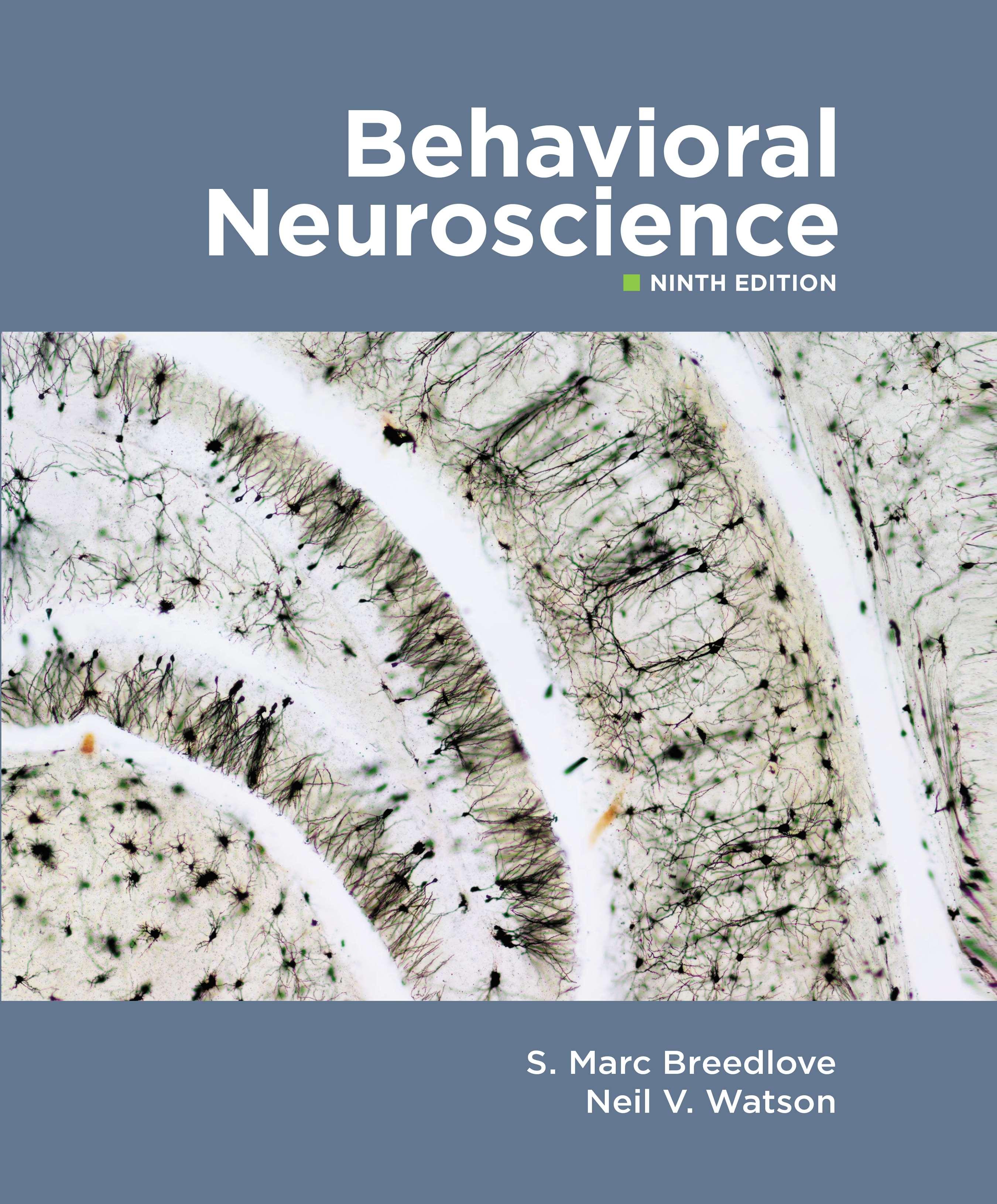
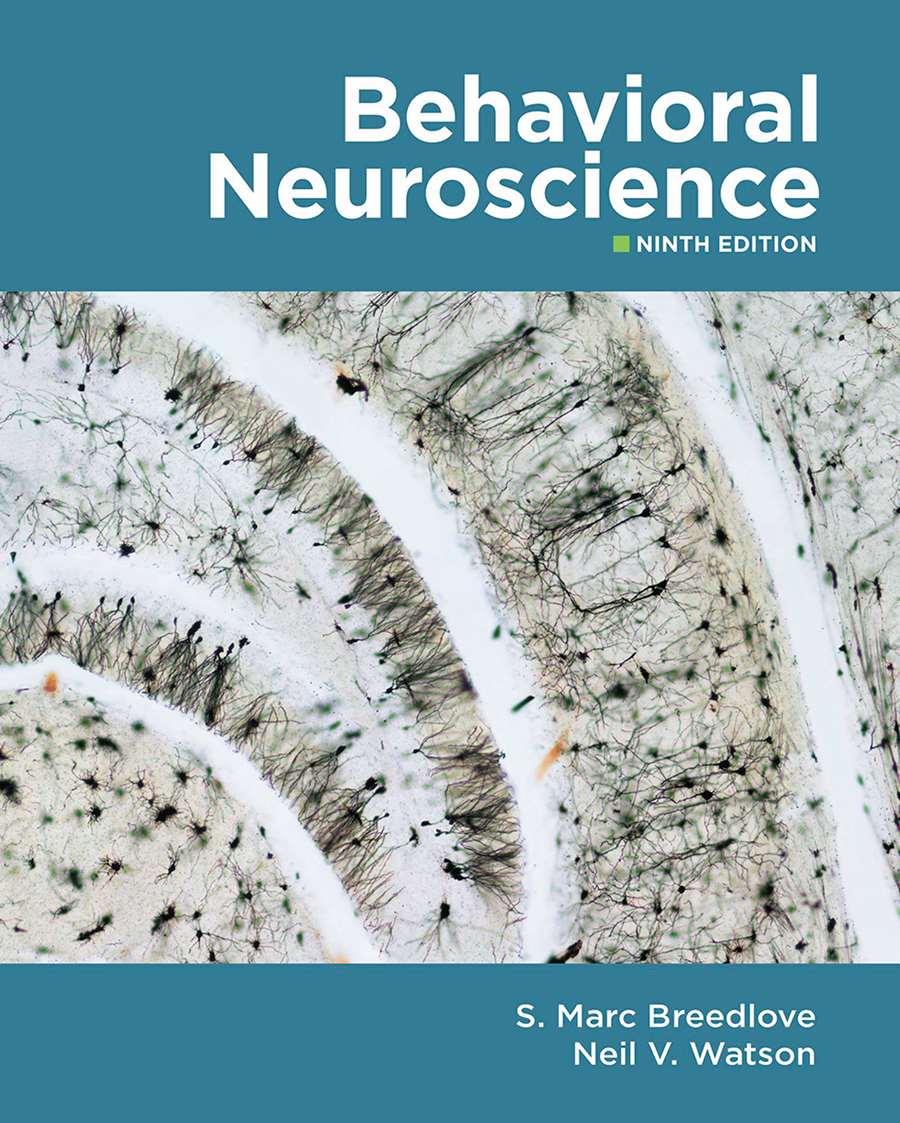
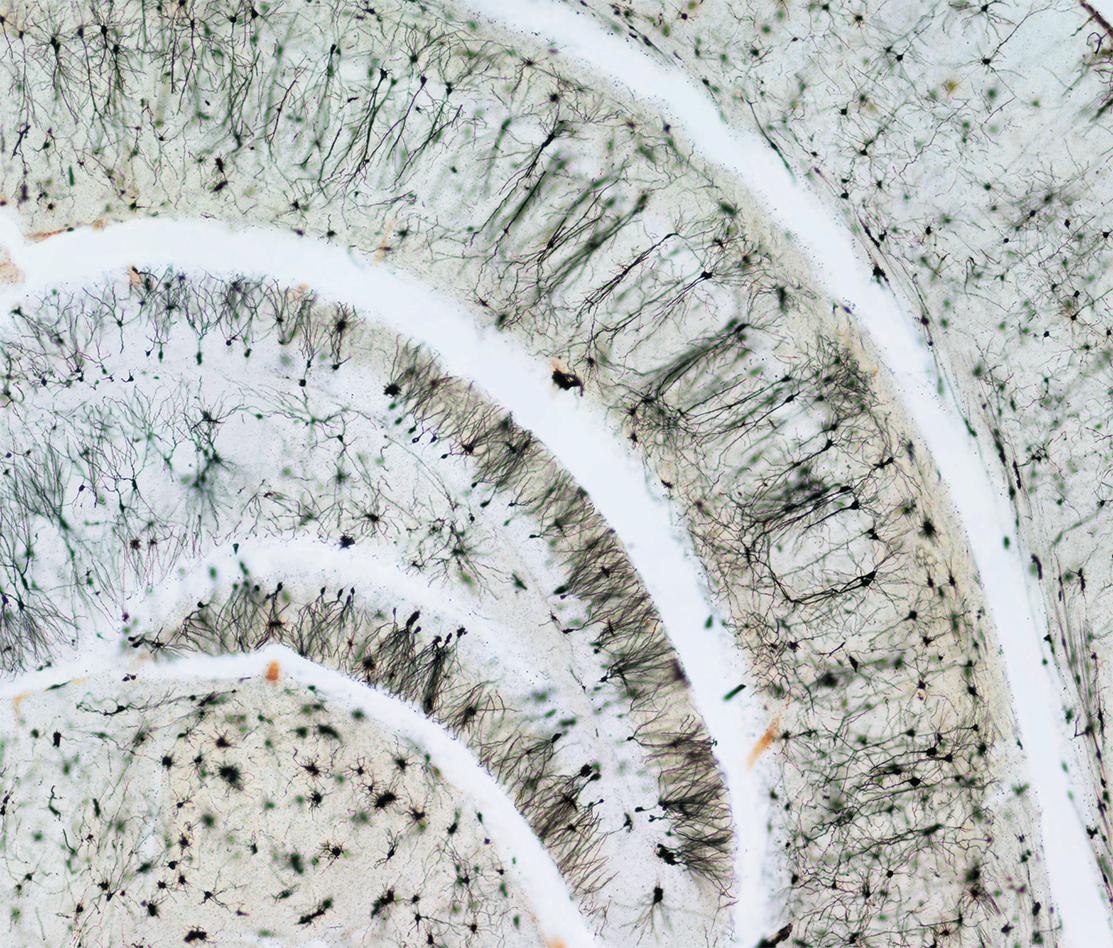
About the Cover: Hippocampal (brain) region. Courtesy of Dr. Sarah Moghadam, VA Palo Alto Health Care System, Palo Alto, CA and Dr. Ahmad Salehi, Dept. of Psychiatry & Behavioral Sciences, Stanford Medical School.
Oxford University Press is a department of the University of Oxford. It furthers the University’s objective of excellence in research, scholarship, and education by publishing worldwide. Oxford is a registered trade mark of Oxford University Press in the UK and certain other countries.
Published in the United States of America by Oxford University Press 198 Madison Avenue, New York, NY 10016, United States of America
For titles covered by Section 112 of the US Higher Education Opportunity Act, please visit www.oup. com/us/he for the latest information about pricing and alternate formats.
All rights reserved. No part of this publication may be reproduced, stored in a retrieval system, or transmitted, in any form or by any means, without the prior permission in writing of Oxford University Press, or as expressly permitted by law, by license, or under terms agreed with the appropriate reproduction rights organization.
Inquiries concerning reproduction outside the scope of the above should be sent to the Rights Department, Oxford University Press, at the address above.
You must not circulate this work in any other form and you must impose this same condition on any acquirer.
Address editorial correspondence to: Address orders, sales, license, permissions, Sinauer Associates and translation inquiries to: 23 Plumtree Road Oxford University Press USA Sunderland, MA 01375 USA 2001 Evans Road Cary, NC 27513 USA Orders: 1-800-445-9714
Library of Congress Cataloging-in-Publication Data
Names: Breedlove, S. Marc, author. | Watson, Neil V. (Neil Verne), 1962−author. Title: Behavioral neuroscience / S. Marc Breedlove, Michigan State University, Neil V. Watson, Simon Fraser University.
Description: Ninth edition. | Sunderland, Massachusetts : Sinauer Associates, Inc. Publishers, [2020] | Includes bibliographical references and index. Identifiers: LCCN 2019019280 | ISBN 9781605359076 (hardback) Subjects: LCSH: Psychobiology. Classification: LCC QP360 .B727 2020 | DDC 612.8--dc23 LC record available at https://lccn.loc.gov/2019019280 9 8 7 6 5 4 3 2 1
Printed in the United States of America
For Stacey, Collin, and John S.M.B.
For Scott and Sherry N.V.W.
Brief Contents
Chapter 1 Introduction Scope and Outlook 1
PART I Biological Foundations of Behavior 23
Chapter 2 Functional Neuroanatomy
The Cells and Structures of the Nervous System 25
Chapter 3 Neurophysiology The Generation, Transmission, and Integration of Neural Signals 63
Chapter 4 The Chemistry of Behavior Neurotransmitters and Neuropharmacology 97
Chapter 5 Hormones and the Brain 137
PART II Evolution and Development of the Nervous System 165
Chapter 6 Evolution of the Brain and Behavior 167
Chapter 7 Life-Span Development of the Brain and Behavior 199
PART III Perception and Action 231
Chapter 8 General Principles of Sensory Processing, Touch, and Pain 233
Chapter 9 Hearing, Balance, Taste, and Smell 269
Chapter 10 Vision From Eye to Brain 309
Chapter 11 Motor Control and Plasticity 347
PART IV Regulation and Behavior 381
Chapter 12 Sex Evolutionary, Hormonal, and Neural Bases 383
Chapter 13 Homeostasis Active Regulation of the Internal Environment 417
Chapter 14 Biological Rhythms, Sleep, and Dreaming 449
PART V Emotions and Mental Disorders 485
Chapter 15 Emotions, Aggression, and Stress 487
Chapter 16 Psychopathology Biological Basis of Behavioral Disorders 521
PART VI Cognitive Neuroscience 555
Chapter 17 Learning and Memory 557
Chapter 18 Attention and Higher Cognition 595
Chapter 19 Language and Lateralization 631
1
Introduction 1
Scope and Outlook
Machine or Human? 1
1.1 The Brain Is Full of Surprises 2
BOX 1.1 We Are All Alike, and We Are All Different 6
1.2 Three Approaches Relate Brain and Behavior 7
2
PART I
1.3 Behavioral Neuroscientists Use Several Levels of Analysis 10
1.4 The History of Research on the Brain and Behavior Begins in Antiquity 14
BOX 1.2 Bigger Better? The Case of the Brain and Intelligence 18
The Cutting Edge ■ Behavioral Neuroscience Is Advancing at a Tremendous Rate 20
Visual Summary 22
Biological Foundations of Behavior 23
Functional Neuroanatomy 25
The Cells and Structures of the Nervous System A Stimulating Experience 25
2.1 Specialized Cells Make Up the Nervous System 26
BOX 2.1 Visualizing the Cells of the Brain 32
2.2 The Nervous System Consists of Central and Peripheral Divisions 36
BOX 2.2 Three Customary Orientations for Viewing the Brain and Body 43
2.3 The Brain Shows Regional Specialization of Functions 46
2.4 Specialized Support Systems Protect and Nourish the Brain 50
2.5 Brain-Imaging Techniques Reveal the Structure and Function of the Living Human Brain 54
BOX 2.3 Isolating Specific Brain Activity 57 The Cutting Edge ■ Two Heads Are Better Than One 59
Visual Summary 61
3
Neurophysiology 63
The Generation, Transmission, and Integration of Neural Signals The Laughing Brain 63
3.1 Electrical Signals Are the Vocabulary of the Nervous System 64
BOX 3.1 Voltage Clamping and Patch Clamping 72
BOX 3.2 Changing the Channel 76
3.2 Synapses Transmit Information from One Neuron to Another 77
3.3 Action Potentials Cause the Release of Transmitter Molecules into the Synaptic Cleft 81
3.4 Gross Electrical Activity of the Brain Is Readily Detected 90
The Cutting Edge ■ Optogenetics: Using Light to Probe Brain-Behavior Relationships 93
Visual Summary 95
4 The Chemistry of Behavior 97
Neurotransmitters and Neuropharmacology
The Birth of a Pharmaceutical Problem Child 97
4.1 Synaptic Transmission Involves a Complex Electrochemical Process 98
4.2 Many Neurotransmitters Have Been Identified 100
4.3 Neurotransmitter Systems Form a Complex Array in the Brain 101
BOX 4.1 Pathways for Neurotransmitter Synthesis 103
4.4 The Effects of a Drug Depend on Its Site of Action and Dose 106
4.5 Drugs Affect Each Stage of Neural Conduction and Synaptic Transmission 112
4.6 Some Neuroactive Drugs Ease the Symptoms of Injury or Psychiatric Illness 116
4.7 Some Neuroactive Drugs Are Used to Alter Conscious Experiences 119
4.8 Substance Abuse and Addiction Are Worldwide Social Problems 127
The Cutting Edge ■ Uncovering the Insula 131
Visual Summary 135
5 Hormones and the Brain 137
Crafting a Personality through Hormones 137
5.1 Hormones Have Many Actions in the Body 138
5.2 Hormones Have a Variety of Cellular Actions 143
BOX 5.1 Techniques of Modern Behavioral Endocrinology 146
5.3 Each Endocrine Gland Secretes Specific Hormones 149
The Cutting Edge ■ Bones Secrete Hormones to Regulate Appetite 158
5.4 Hormones Regulate Social Behaviors and Vice Versa 158
Visual Summary 164
PART II Evolution and Development of the Nervous System 165
6 Evolution of the Brain and Behavior 167
We Are Not So Different, Are We? 167
6.1 How Did the Enormous Variety of Species Arise on Earth? 168
6.2 Why Should We Study Other Species? 174
BOX 6.1 Why Should We Study Particular Species? 175
BOX 6.2 To Each Its Own Sensory World 177
6.3 All Vertebrate Brains Share the Same Basic Structures 178
6.4 The Evolution of Vertebrate Brains Reflects Changes in Behavior 181
6.5 Many Factors Led to the Rapid Evolution of a Large Cortex in Primates 186
BOX 6.3 Evolutionary Psychology 190
6.6 Evolution Continues Today 193
The Cutting Edge ■ Are Humans Still Evolving? 194
Visual Summary 197
7 Life-Span Development of the Brain and Behavior 199
Overcoming Blindness 199
7.1 Neural Development Is Guided by the Interaction of Genetic and Environmental Factors 200
7.2 Development of the Nervous System Can Be Divided into Six Distinct Stages 204
BOX 7.1 Transgenic and Knockout Mice 209
BOX 7.2 Degeneration and Regeneration of Nervous Tissue 211
7.3 Lifelong Synapse Rearrangement Is Guided by Experience 215
7.4 Experience Can Alter Gene Expression to Affect Brain Development 222
The Cutting Edge ■ Harnessing Glia to Reverse an Inherited Brain Disorder 224
7.5 The Brain Continues to Change as We Grow Older 226
Visual Summary 230
PART III Perception and Action 231
8 General Principles of Sensory Processing, Touch, and Pain 233
What’s Hot? What’s Not? 233
SENSORY PROCESSING 234
8.1 Sensory Receptor Organs Detect Energy or Substances 234
8.2 Sensory Information Processing Is Selective and Analytical 238
BOX 8.1 Synesthesia 245
TOUCH: MANY SENSATIONS BLENDED TOGETHER 246
8.3 Skin Is a Complex Organ That Contains a Variety of Sensory Receptors 246
PAIN: AN UNPLEASANT BUT ADAPTIVE EXPERIENCE 252
8.4 Human Pain Can Be Measured 252
The Cutting Edge ■ Evolving an Indifference to Toxins 256
8.5 Pain Can Be Difficult to Control 261
Visual Summary 266
9 Hearing, Balance, Taste, and Smell 269
No Ear for Music 269
HEARING 270
9.1 Pressure Waves in the Air Are Perceived as Sound 270
BOX 9.1 The Basics of Sound 270
9.2 Auditory Signals Run from Cochlea to Cortex 277
9.3 Pitch Information Is Encoded in Two Complementary Ways 279
9.4 Brainstem Auditory Systems Are Specialized for Localizing Sounds 281
9.5 The Auditory Cortex Processes Complex Sounds 283
9.6 Hearing Loss Is a Major Disorder of the Nervous System 286
VESTIBULAR PERCEPTION 290
9.7 An Inner Ear System Senses Gravity and Acceleration 290
THE CHEMICAL SENSES: TASTE AND SMELL 293
9.8 Chemicals in Foods Are Perceived as Tastes 293
The Cutting Edge ■ More Than a Matter of Taste 298
9.9 Chemicals in the Air Elicit Odor Sensations 299
Visual Summary 306
10 Vision 309 From Eye to Brain
When Seeing Isn’t Seeing 309
10.1 The Retina Transduces Light into Neuronal Activity 310
10.2 Properties of the Retina Shape Many Aspects of Our Vision 314
10.3 Neural Signals Travel from the Retina to Several Brain Regions 318
BOX 10.1 Eyes with Lenses Have Evolved in Several Phyla 321
10.4 Neurons at Different Levels of the Visual System Have Very Different Receptive Fields 322
10.5 Color Vision Depends on Special Channels from the Retinal Cones through Cortical Area V4 332
BOX 10.2 Most Mammalian Species Have Some Color Vision 334
10.6 The Many Cortical Visual Areas Are Organized into Two Major Streams 337
10.7 Visual Neuroscience Can Be Applied to Alleviate Some Visual Deficiencies 340
The Cutting Edge ■ Seeing the Light 342 Visual Summary 344
11 Motor Control and Plasticity 347
What You See Is What You Get 347
11.1 The Behavioral View Considers Reflexes versus Plans 348
11.2 Neuroscience Reveals Hierarchical Systems 350
11.3 The Spinal Cord Is a Crucial Link in Controlling Body Movement 357
11.4 Pathways from the Brain Control Different Aspects of Movements 361
BOX 11.1 Cortical Neurons Can Guide a Robotic Arm 365
11.5 Extrapyramidal Systems Also Modulate Motor Commands 369
The Cutting Edge ■ Cerebellar Glia Play a Role in Fine Motor Coordination 372
11.6 Brain Disorders Can Disrupt Movement 373
BOX 11.2 Prion-Like Neurodegeneration May Be at Work in Parkinson’s 375 Visual Summary 378
PART IV Regulation and Behavior 381
12 Sex 383
Evolutionary, Hormonal, and Neural Bases
Genitals and Gender: What Makes Us Male and Female? 383
SEXUAL BEHAVIOR 384
12.1 Reproductive Behavior Can Be Divided into Four Stages 384
12.2 The Neural Circuitry of the Brain Regulates Reproductive Behavior 388
The Cutting Edge ■ Sexual Experience Solidifies Neural Circuits for Mating 390
12.3 The Hallmark of Human Sexual Behavior Is Diversity 392
12.4 For Many Vertebrates, Parental Care Determines Offspring Survival 396
SEXUAL DIFFERENTIATION 397
12.5 Sex Determination and Sexual Differentiation Occur Early in Development 397
12.6 Gonadal Hormones Direct Sexual Differentiation of the Brain and Behavior 402
BOX 12.1 The Paradoxical Sexual Differentiation of the Spotted Hyena 406
12.7 Do Fetal Hormones Masculinize Human Behaviors in Adulthood? 410
Visual Summary 415
13
Homeostasis 417
Active Regulation of the Internal Environment
Harsh Reality TV 417
13.1 Homeostasis Maintains a Consistent Internal Environment: The Example of Thermoregulation 418
BOX 13.1 Physiological and Behavioral Thermoregulation Are Integrated 422
FLUID REGULATION 422
13.2 Water Shuttles between Two Body Compartments 422
13.3 Two Internal Cues Trigger Thirst 425
FOOD AND ENERGY REGULATION 429
13.4 Nutrient Regulation Helps Prepare for Future Needs 429
13.5 A Hypothalamic Appetite Controller Integrates Multiple Hunger Signals 433
The Cutting Edge ■ Friends with Benefits 440
13.6 Obesity and Eating Disorders Are Difficult to Treat 441
BOX 13.2 Body Fat Stores Are Tightly Regulated, Even after Surgical Removal of Fat 442
Visual Summary 447
14 Biological Rhythms, Sleep, and Dreaming 449
When Sleep Gets Out of Control 449
BIOLOGICAL RHYTHMS 450
14.1 Many Animals Show Daily Rhythms in Activity 450
14.2 The Hypothalamus Houses a Circadian Clock 451
SLEEPING AND WAKING 457
14.3 Human Sleep Exhibits Different Stages 457
14.4 Why and How Did Sleep Evolve? 463
BOX 14.1 Sleep Deprivation Can Be Fatal 464
14.5 At Least Four Interacting Neural Systems Underlie Sleep 471
The Cutting Edge ■ Can Individual Neurons Be “Sleepy”? 476
14.6 Sleep Disorders Can Be Serious, Even Life-Threatening 478
Visual Summary 482
V Emotions and Mental Disorders 485
15 Emotions, Aggression, and Stress 487
The Hazards of Fearlessness 487
15.1 Broad Theories of Emotion Emphasize Bodily Responses 488
BOX 15.1 Lie Detector? 491
15.2 Did a Core Set of Emotions Evolve in Humans and Other Animals? 492
15.3 Specialized Neural Mechanisms Mediate the Experience and Expression of Emotions 496
The Cutting Edge ■ Synaptic Changes during Fear Conditioning 502
15.4 Neural Circuitry, Hormones, and Synaptic Transmitters Mediate Violence and Aggression 506
15.5 Stress Activates Many Bodily Responses 510
Visual Summary 519
16 Psychopathology 521 Biological Basis of Behavioral Disorders
“The Voice” 521
16.1 Schizophrenia Is the Major Neurobiological Challenge in Psychiatry 523
BOX 16.1 Long-Term Effects of Antipsychotic Drugs 532
16.2 Depression Is the Most Prevalent Mood Disorder 537
The Cutting Edge ■ Can Our Genes Tell Us Which Drugs to Use? 541
16.4 There Are Several Types of Anxiety Disorders 547
BOX 16.3 Tics, Twitches, and Snorts: The Unusual Character of Tourette's Syndrome 552
Visual Summary 553
Neuroscience 555 17 Learning and Memory 557
Trapped in the Eternal Now 557
FUNCTIONAL PERSPECTIVES ON LEARNING AND MEMORY 558
17.1 There Are Several Kinds of Learning and Memory 558
17.2 Different Forms of Nondeclarative Memory Involve Different Brain Regions 565
17.3 Successive Processes Capture, Store, and Retrieve Information in the Brain 569
BOX 17.1 Emotions and Memory 575
NEURAL MECHANISMS OF MEMORY STORAGE 576
17.4 Memory Storage Requires Physical Changes in the Brain 576
17.5 Synaptic Plasticity Can Be Measured in Simple Hippocampal Circuits 582
The Cutting Edge ■ Artificial Activation of an Engram 587
17.6 In the Adult Brain, Newly Born Neurons May Aid Learning 589
Visual Summary 593
18 Attention and Higher Cognition 595
One Thing at a Time 595
ATTENTION 596
18.1 Attention Selects Stimuli for Processing 596
BOX 18.1 Reaction Time Responses, from Input to Output 600
18.2 Targets of Attention: Attention Alters the Functioning of Many Brain Regions 603
18.3 Sources of Attention: A Network of Brain Sites Creates and Directs Attention 609
CONSCIOUSNESS AND EXECUTIVE FUNCTION 616
18.4 Consciousness Is a Mysterious Product of the Brain 616
BOX 18.2 Phineas Gage 623
The Cutting Edge ■ Building a Better Mind Reader 627
Visual Summary 629
19 Language and Lateralization 631
Silencing the Inner Voice 631
BRAIN ASYMMETRY AND LATERALIZATION OF FUNCTION 632
19.1 The Left and Right Hemispheres Are Different 632
BOX 19.1 The Wada Test 638
19.2 Right-Hemisphere Damage Impairs Specific Types of Cognition 639
19.3 Left-Hemisphere Damage Can Cause Aphasia 641
19.4 Competing Models Describe the Left-Hemisphere Language System 645
VERBAL BEHAVIOR: SPEECH AND READING 651
19.5 Language Has Both Learned and Unlearned Components 652
BOX 19.2 Williams Syndrome Offers Clues about Language 654
BOX 19.3 Vocal Behavior in Birds and Other Species 657
19.6 Reading Skills Are Difficult to Acquire and Frequently Impaired 658
RECOVERY OF FUNCTION AFTER BRAIN DAMAGE 662
19.7 Stabilization and Reorganization Are Crucial for Recovery of Function 662
BOX 19.4 The Amazing Resilience of a Child’s Brain 663
The Cutting Edge ■ Contact Sports Can Be Costly 665
Visual Summary 667
Appendix A–1
Glossary G–1
References R–1
Author Index AI–1
Subject Index SI–1
Preface
Twenty-four years ago, a new kind of textbook was published for University courses that were often called “Brain and Behavior.” As the field evolved, the book’s title metamorphosed from Biological Psychology to Behavioral Neuroscience, but the same drive to provide a definitive and comprehensive survey of the neurosciences lies at the heart of all our efforts. We strive to keep the book up-to-date while keeping a conversational tone to make this wealth of information not just accessible, but fascinating. The biggest change in this new edition is the development of Learning Objectives for each segment of the book, with the idea that telegraphing what’s to come will focus readers’ attention and facilitate learning. As you finish each section of text, it would be a good idea to go back and read the associated Learning Objectives to see whether in fact you incorporated the material. If not, a quick review of that text may be in order.
As always, there have been plenty of new findings to add to this edition. In fact, the problem we face is which of the many, many new findings to leave out—those that are not quite essential for a survey of the field. We are pretty picky about what we add, and still it seems like a deluge of new information and ideas. Hundreds of new papers are cited in this edition. If that sounds like a lot, let us give you a perspective on how many new papers were omitted. On our newsfeed site (www. biopsychology.com/news/), 1,299 new links were added in 2018 alone. Those are just the findings that were important enough to get the attention of mass media reporters. As we note in Chapter 1, over 40,000 new articles indexed under “neuroscience” appeared that year in PubMed. It would take a thick tome just to list the titles of the papers from 2018!
While being very, very selective in sampling this flood of findings, we have made substantial changes in every chapter. For example, in Chapter 3 we have a new figure comparing “kiss and run” synapses with more traditional models of synaptic transmission. Chapter 5 has new material about a hormone secreted from bone that acts on the hypothalamus to reduce appetite. We totally reorganized Chapter 7 for a more streamlined approach and discuss the growing doubts about whether amyloid deposits cause Alzheimer’s. Chapter 9 needed a new figure comparing transduction in the five taste receptors. Chapter 13 talks about yet another factor affecting appetite, glucagon-like peptide 1. Chapter 16 now discusses the logic of pharmacogenomics to treat depression, while Chapter 18 was thoroughly reorganized and includes more about executive function. Honestly, we could go on like this for every chapter. Clearly this is an exciting era in the neurosciences. As Lewis Carrol put it, “We must run as fast as we can just to stay in place!”
We’ve also kept several very popular features from previous editions: The Cutting Edge appears in each chapter, where we explore some of the most exciting examples of recent research, and each chapter ends with a Visual Summary, where you can see graphic reminders as you review the principle findings that we just presented. These Visual Summaries really shine online, where with just a click you can review figures, animations, and quizzes to help integrate the material. We also continue to open each chapter with a gripping vignette, relating someone’s real-life experiences that will be better understood as the content of the chapter unfolds, and we again replaced several of these vignettes as more recent events bring to the surface many of the important issues in behavioral neuroscience. Likewise we’ve retained the marginal glossary that makes it easy to find the definitions that unlock the material, as well as two features to let you burrow in on a particular subject: the online supplements
Courtesy of Dr. Sarah Moghadam, VA Palo Alto Health Care System, Palo Alto, CA and Dr. Ahmad Salehi, Dept. of Psychiatry & Behavioral Sciences, Stanford Medical School
called A Step Further cited throughout the text, and the Recommended Reading at the close of each chapter.
You might think that approaching the quarter-century mark we’d be jaded about improving and revising our presentations, but we still love it, perhaps because the dynamic and exciting pace of neuroscience research shows no sign of abating soon. As always, we welcome all feedback, praise or criticism, cuts or additions, from our readers. You can email us directly at behavneuro@gmail.com.
Acknowledgments
We continue to feel so lucky to work with the inestimable team at Sinauer Associates, now a part of Oxford University Press, whose deep skills and generous guidance transform our hundreds of files, thousands of email attachments and sometimes scrambled emails into yet another beautiful book. Again, we feel so grateful to benefit from the experience and exquisite taste of others. In particular, the book could not exist without the contributions of Senior Acquisition Editor Syd Carroll, Production Editor Alison Hornbeck, Production Manager Joan Gemme, Book Designer and Production Specialist Annette Rapier, and Media and Supplements Editor Zan Carter and her crew. We also fondly bid adieu to the recently retired Chris Small, Production Manager for all our previous editions. We hope you’re enjoying yourself, Chris, but how could you abandon us!? A cadre of commandos delved deep in the archives to deal with copyrights and permissions, so we salute you Michele Beckta, Mark Siddall, and Tracy Marton. We’d also like to thank our copy editor Lou Doucette, and our longtime art studio, Dragonfly Media, who bring amazing skill and commitment to make us look good.
We must also thank the founder of Sinauer Associates, Andy Sinauer, for his unwavering support over the years, with a touch of sadness upon his retirement. We are so proud to be a part of Andy’s tremendous legacy, begun all those years ago with From Neuron to Brain, creating gorgeous books that make even the most complex topics accessible and enjoyable.
By this point in the evolution of the book, we have benefited from the wisdom and advice of hundreds of colleagues who have generously served as reviewers of past editions. Although we don’t have the space to list them all, we want to acknowledge that in many ways the book you are holding is the product of a whole community of neuroscientists. In this, the Ninth Edition, the following colleagues have provided invaluable critique and commentary:
Susan Bachus, University of Maryland, Baltimore County
Susan Barron, University of Kentucky
Christopher Beeman, Central Washington University
Jin Bo, Eastern Michigan University
David Brodbeck, Algoma University
Elizabeth Caldwell, University of New Hampshire
James Cherry, Boston University
Michael Cohen, Loyola University Chicago
Paul J. Currie, Reed College
Patrick Cushen, Murray State University
Deana Davalos, Colorado State University
Darragh P. Devine, University of Florida
Christopher W. Drapeau, Valparaiso University
Kelli A. Duncan, Vassar College
Raymond H. Dye, Jr., Loyola University Chicago
Taffeta Elliott, New Mexico Institute of Mining and Technology
Alison A. Fedio, Argosy University, Northern Virginia
Sara B. Festini, University of Tampa
Cynthia Michelle Finley, College of Marin
Jonathan Franz, SUNY Empire State College
Koren Ganas, University of Illinois
Sophie George, Dixie State University
Aaron Godlaski, Centre College
Brian J. Hock, Austin Peay State University
Jennifer Ingemi, Northeastern University
Mary Ellen Kelly, Haverford College
Susan Kennedy, Denison University
Michael Kerchner, Washington College
Sarita Lagalwar, Skidmore College
Stephen Lippi, George Mason University
Mario L. Mata, California State University, Los Angeles
Alexandra Roach, University of South Carolina, Aiken
Russell Romeo, Barnard College of Columbia University
Timothy Roth, Franklin and Marshall College
Emma Sarro, Dominican College
Peter A. Serrano, Hunter College, City University of New York
Fredric Shaffer, Truman State University
KatieAnn Skogsberg, Centre College
Lucy J. Troup, University of the West of Scotland
Adriana Uruena-Agnes, St. Petersburg College
Jennifer Wilhelm, College of Charleston
Jan R. Wessel, University of Iowa
Susan Zup, University of Massachusetts Boston
Finally, we thank all those tireless colleagues trying to understand the neural basis of behavior, with techniques that would have seemed like sorcery only a few years ago, and who share their hard-won findings with us all.
S. Marc Breedlove
Neil V. Watson
Media and Supplements to accompany Behavioral Neuroscience, Ninth Edition
For the Student
Companion Website (bn9e.com)
The Behavioral Neuroscience Companion Website contains a range of study and review resources to help students master the material presented in each chapter of the textbook. Access to the site is included with each new copy of the textbook (see inside front cover). The site includes the following resources:
• Chapter Outlines that outline each chapter and link to relevant Study Questions
• Brain Explorer that offers an interactive way to explore the brain anatomy discussed in each chapter
• Activities that help the student review key structures and processes
• Animations and Videos that illustrate many of the complex, dynamic concepts and processes of behavioral neuroscience
• Media Clips that highlight interesting topics in the chapters (NEW for this edition)
• “A Step Further” essays that offer expanded coverage of selected topics
• Visual Summaries that link to all the Activities, Animations, and Videos, forming a complete review of each chapter
• Study Questions that help the student master the full range of material in each chapter
• Flashcards that review and reinforce the many new terms introduced in each chapter
• Complete Glossary that provides quick access to definitions of all the important terminology in the textbook
BioPsychology NewsLink (bn9e.com/news)
This invaluable online resource helps students make connections between the science of behavioral neuroscience and their daily lives and keeps them apprised of the latest developments in the field. The site includes links to thousands of news stories, all organized both by keyword and by textbook chapter. The site is updated 3–4 times per week, so it includes up-to-the-minute information. NewsLink updates are also available on Facebook (facebook.com/behavioralneuroscience).
Courtesy of Dr. Sarah Moghadam, VA Palo Alto Health Care System, Palo Alto, CA and Dr. Ahmad Salehi, Dept. of Psychiatry & Behavioral Sciences, Stanford Medical School
For the Instructor
Ancillary Resource Center
(oup-arc.com)
The Ancillary Resource Center (ARC) provides instructors using Behavioral Neuroscience 9e with a wide variety of resources to aid in course planning, lecture development, and student assessment. Content includes:
• Figures & Tables: All the figures, photos, and tables from the textbook are provided as JPEGs, all optimized for use in presentations.
• PowerPoint Presentations: Two PowerPoint presentations are provided for each chapter of the textbook:
• Figures: All the chapter’s figures, photos, and tables, with titles and complete captions
• Lectures: Complete lecture outlines, including selected figures
• Instructor’s Manual: The Instructor’s Manual includes useful resources for planning your course, lectures, and exams. For each chapter of the textbook, the IM includes a chapter overview, a chapter outline, the chapter’s key concepts, additional references for course and lecture development, and a list of the chapter’s key terms.
• Videos: A robust collection of video segments from the BBC and other sources bring to life many important concepts discussed in the textbook. These videos can be used as excellent lecture-starters and/or discussion topics.
• Animations: These detailed animations from the Companion Website help enliven lectures and illustrate dynamic processes.
• Animation Quizzes: These quizzes test the student’s understanding of the topic (NEW for this edition).
• Chapter Quizzes: Quiz questions for each chapter in two formats: Available in Blackboard, Canvas, D2L platform, or as MS Word files.
• Multiple choice tests student comprehension of the material covered in each chapter.
• Essays challenge students to synthesize and apply what they have learned.
• Test Bank: The Test Bank consists of a broad range of questions covering key facts and concepts in each chapter. Multiple choice, essay, and paragraph development questions are included. Questions are ranked according to Bloom’s Taxonomy and referenced to specific textbook sections. NEW for this edition, questions are also aligned to the textbook Learning Objectives. (Available in Blackboard, Canvas, D2L platform, or as MS Word files.)
Interoperable Course Cartridge
At Oxford University Press, we create high quality, engaging, and affordable digital material in a variety of formats, and deliver it to you in the way that best suits the needs of you, your students, and your institution. With Interoperable Course Cartridge by Oxford University Press, there is no need for you and your students to learn a separate publisher-provided courseware platform in order access quality digital learning tools within your Learning Management System. Instructors and their LMS administrators simply download Oxford’s Interoperable Cartridge from Oxford’s online Ancillary Resource Center (ARC), and with the turn of a digital key, incorporate engaging content from OUP directly into their LMS for assigning and grading.
Value Options
eBook
(ISBN 978-1-60535-937-3)
Ideal for self-study, the Behavioral Neuroscience, Ninth Edition, enhanced eBook delivers the full suite of digital resources in a format that is independent from any courseware or learning management system platform. The enhanced eBook is available through leading higher education eBook vendors.
Looseleaf Textbook
(ISBN 978-1-60535-936-6)
Behavioral Neuroscience, Ninth Edition is also available in a three-hole-punched, looseleaf format. Students can take just the sections they need to class and can easily integrate instructor material with the text.
Scope and Outlook
Machine or Human?
1 Introduction
In the near future depicted in the HBO series Westworld, people visit a theme park set in the Old West, with steam locomotives, saloons, and brothels, populated with androids, called “hosts,” to entertain humans. The mechanical hosts provide their guests with anything, from casual banter to gunfights, harmless flirting to kinky sex, the only restriction being that the robots are never to harm the humans. The android hosts are so lifelike in appearance and behavior that visitors may have a hard time distinguishing whether someone is a fellow guest or a robot. To make the androids’ simulation of humans complete, they are given backstories, false memories of a life before their appearance for each new batch of guests. Importantly, none of the androids know that they are mechanical beings rather than humans. It’s probably not much of a spoiler to say that several plot lines in the series hinge on androids slowly discovering their true nature, moving from shock and shame that they are mere machines, to openly rebelling from the notion that they are to be used, and abused, as mere playthings for the humans. We aren’t told too much about how the android “brains” in Westworld work, because, of course, such technology remains far outside our grasp, so the writers, reduced to mere speculation, remain rather vague. But apparently the knowledge and personality for any particular android lies in a “control unit,” a golf-ball-size device that can be extracted from the head of one host and implanted into the head of another, interchangeable body. Presumably, if we had enough knowledge and surgical skill, we could remove your brain from your head and connect it up to the head of some other body. Would you still be you? Even if we put your brain into a body of the opposite sex? Come to think of it, are you entirely sure there is a brain in your head, and not one of those control units?
Our aim in this book is to help you learn what is known so far about how brains work, and about how much more we have yet to learn. We will explore the many ways in which the structures and actions of the brain produce mind and behavior. But that is only half of our task. We are also interested in the ways in which behavior and experience modify the structures and actions of the brain. One of the most important lessons we want to convey is that interactions between brain and behavior are reciprocal. The brain controls behavior and, in turn, behavior and experience alter the brain.
We hope to give an interesting account of the main ideas and research in behavioral neuroscience, which is of great popular as well as scientific interest. Most important, we try to communicate our own interest and excitement about the mysteries of mind and body.
Courtesy of Dr. Sarah Moghadam, VA Palo Alto Health Care System, Palo Alto, CA and Dr. Ahmad Salehi, Dept. of Psychiatry & Behavioral Sciences, Stanford Medical School
1.1 The Brain Is Full of Surprises
Learning Objectives
After reading this section, you should be able to:
1.1.1 Name the main type of cells found in the brain, and name the connections between them.
1.1.2 List the names of some of the many fields of study related to behavioral neuroscience.
1.1.3 Describe five different perspectives taken in understanding the biology of behavior.
I used to think that the brain was the most wonderful organ in my body. Then I realized who was telling me this.
—Emo Philips (American comedian)
Of course we should always consider the source when evaluating an idea, but even so, the brain indeed seems like a pretty wonderful organ. For one thing, brains produced the entire extent of human knowledge, everything we understand about the universe, however limited that may be. Brains also produced every written description of that hard-won knowledge (including this book you hold in your hands), as well as every work of visual art, from doodles to the sweeping frescos on the ceiling of the Sistine Chapel.
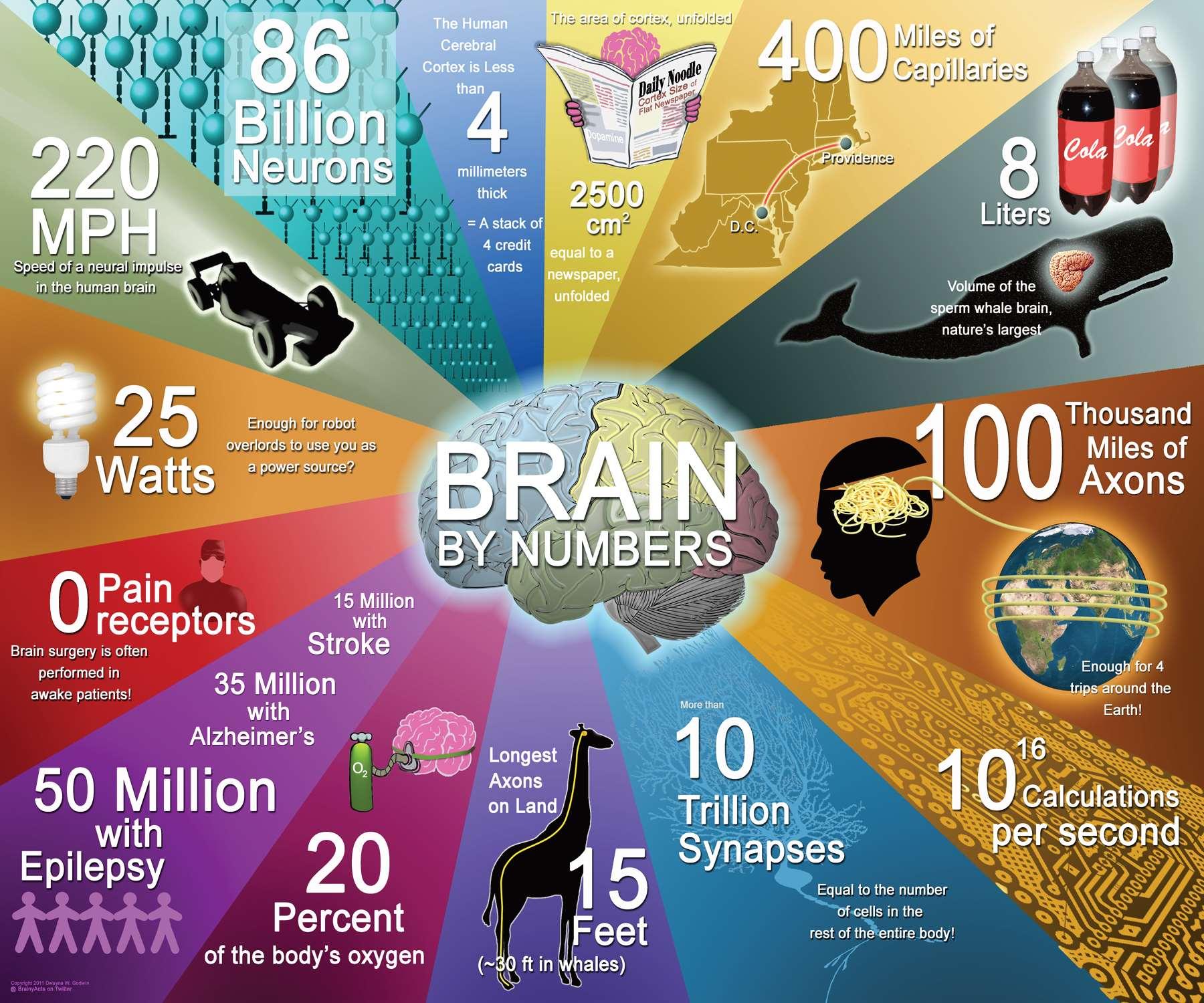
Most of us have a hard time grasping the idea of a billion of anything, but your head contains an estimated 86 billion nerve cells, or neurons (from the Greek word for “nerve” or “cord”) (Herculano-Houzel, 2012). Each neuron contacts many other cells at points called synapses, so there are trillions of those between your ears. A specialized extension of neurons, called an axon, is microscopically slender, yet it may be several feet long. We’ll learn that axons produce electrical impulses that travel hundreds of miles per hour. FIGURE 1.1 offers a list of just a few of the things we will
neuron Also called nerve cell. The basic unit of the nervous system.
1.1 Your Brain by the Numbers The cerebral cortex is the outermost portion of the brain.
learn about the human brain in the course of this book. All this hardware isn’t just for show—it allows you to take in all the information in that figure in less than a minute.
What is behavioral neuroscience?
No treaty or trade union agreement defines the boundaries of behavioral neuroscience. The first people to study the relationships between brain and behavior regarded themselves as philosophers, and their findings contributed to the births of biology and psychology. Those disciplines merged in the twentieth century to form biological psychology, the field that relates behavior to bodily processes. With the modern explosion of neuroscience, the study of the brain, this research has evolved to the point that behavioral neuroscience offers a more accurate description. Whichever name is used, the main goal of this field is to understand the neuroscience underlying behavior and experience.
Behavioral neuroscience is a field that includes many players who come from quite different backgrounds: psychologists, biologists, physiologists, engineers, neurologists, psychiatrists, and many others. Thus, there are many career opportunities, in both universities and private industry, for people with interests in this field (Hitt, 2007). FIGURE 1.2 maps the relations of behavioral neuroscience to these many other disciplines. Clearly, the behavioral neuroscience umbrella opens very wide.
neuroscience The study of the nervous system.
behavioral neuroscience Also called biological psychology. The study of the neural bases of behavior and mental processes.
Evolutionary biology Anthropology
Sociobiology
Cognitive psychology
Behavioral ecology/ethology Social neuroscience
Paleontology
Paleoneuroanatomy
Comparative/ evolutionary psychology
Comparative neuroanatomy
Neuroanatomy
Anatomy
Arti cial intelligence
Cognitive neuroscience Neural modeling
BEHAVIORAL NEUROSCIENCE
Cognitive neuropsychology Health psychology
Neural imaging
Developmental psychobiology
Developmental neurobiology
Developmental biology
Behavior genetics
Genetics/ epigenetics
Psychopharmacology Neurophysiology
Psychoneuroimmunology
Behavioral endocrinology
Neuroendocrinology
Endocrinology Molecular biology
Pharmacology
Neuroimmunology
1.2 What’s in a Name? In this graphical representation of the relationships among behavioral neuroscience and other scientific disciplines, fields toward the center of the map are closest to behavioral neuroscience in their history, outlook, aims, and/or methods.
Five viewpoints explore the biology of behavior
In our effort to understand the neuroscience bases of behavior, we use several different perspectives. Because each one yields information that complements the others, the combination of perspectives is especially powerful. We will discuss five major perspectives:
1. Describing behavior
2. Observing the development of behavior and its biological characteristics over the life-span
3. Studying the biological mechanisms of behavior
4. Studying applications of behavioral neuroscience—for example, its application to dysfunctions of human behavior
5. Studying the evolution of behavior
These perspectives are discussed in the sections that follow, and TABLE 1.1 illustrates how each perspective can be applied to three kinds of behavior.
Behavior can be described according to different criteria
Until we describe what we want to study, we cannot accomplish much. Depending on our goals, we may describe behavior in terms of detailed acts or processes, or in terms of results or functions. An analytical description of arm movements might record the successive positions of the limb or the contraction of different muscles. A functional behavioral description, by contrast, would state whether the limb was being used in walking or running, texting or sexting. To be useful for scientific study, a description must be precise and reveal the essential features of the behavior, using accurately defined terms and units.
TABLE 1.1 Five Research Perspectives Applied to Three Kinds of Behavior
Research perspective
DESCRIPTION
Structural
Functional
Sexual behavior
What are the main patterns of reproductive behavior and sex differences in behavior?
How do specialized patterns of behavior contribute to mating and to care of young?
ONTOGENY (development) How do reproductive and secondary sex characteristics develop over the life-span?
MECHANISMS
APPLICATIONS
EVOLUTION
What neural circuits and hormones are involved in reproductive behavior?
Low doses of testosterone restore libido in some postmenopausal women.
How does mating depend on hormones in different species?
Learning and memory
In what main ways does behavior change as a consequence of experience— for example, conditioning?
How do certain behaviors lead to rewards or avoidance of punishment?
How do learning and memory change as we grow older?
What anatomical and chemical changes in the brain hold memories?
Gene therapy and behavioral therapy improve memory in some senile patients.
How do different species compare in kinds and speed of learning?
Language and communication
How are the sounds of speech patterned?
What behavior is involved in making statements or asking questions?
What changes in the brain when a child learns to speak?
What brain regions are particularly involved in language?
Speech therapy, in conjunction with amphetamine treatment, speeds language recovery following stroke.
How did the human speech apparatus evolve?
The body and behavior develop over the life-span
Ontogeny is the process by which an individual changes in the course of its lifetime—that is, grows up and grows old. Observing the way in which a particular behavior changes during ontogeny may give us clues to its functions and mechanisms. For example, we know that learning ability in monkeys increases over the first years of life. Therefore, we can speculate that prolonged maturation of brain circuits is required for complex learning tasks. In rodents, the ability to form long-term memories lags somewhat behind the maturation of learning ability. So, young rodents learn well but forget more quickly than older ones, suggesting that learning and memory involve different processes. Studying the development of reproductive capacity and of differences in behavior between the sexes, along with changes in body structures and processes, throws light on body mechanisms underlying sexual behaviors.
Biological mechanisms underlie all behavior
To learn about the mechanisms of an individual’s behavior, we study how his or her present body works. To understand the underlying mechanisms of behavior, we must regard the organism (with all due respect) as a “machine,” made up of billions of neurons. We must ask, How is this thing constructed to be able to do all that? These are sometimes described as proximate questions—questions about the physical interactions that control a particular behavior. How cells in your eye respond differently to light of different wavelengths is a proximate question. On the other hand, why color vision, once it arose, benefited our ancestors is an evolutionary question. Our major aim in behavioral neuroscience is to examine body mechanisms that make particular behaviors possible. In the case of learning and memory, for example, we would like to know the sequence of electrical and biochemical processes that occur when we learn something and retrieve it from memory. What parts of the nervous system are involved in that process? In the case of reproductive behavior, we also want to understand the neuronal and hormonal processes that underlie mating behaviors.
Research can be translated to address human problems
Like other sciences, behavioral neuroscience is also dedicated to improving the human condition. Numerous human diseases involve malfunctioning of the brain. Many of these are already being alleviated as a result of research in the neurosciences, and the prospects for continuing advances are good. Attempts to apply knowledge also benefit basic research. For example, the study of memory disorders in humans has pushed investigators to extend our knowledge of the brain regions involved in different kinds of memory (see Chapter 17).
We compare species to learn how the brain and behavior have evolved
Nature is conservative. Once particular features of the body or behavior evolve, they may be maintained for millions of years and may be seen in animals that otherwise appear very different. For example, the electrical messages used by nerve cells (see Chapter 3) are essentially the same in a jellyfish, a cockroach, and a human being. Some of the chemical compounds that transmit messages through the bloodstream (hormones) are also the same in diverse animals (see Chapter 5). Species share these conserved characteristics because the features first arose in a shared ancestor (BOX 1.1 on the next page). But mere similarity of a feature between species does not guarantee that the feature came from a common ancestral species. Similar solutions to a problem may have evolved independently in different classes of animals. Charles Darwin’s theory of evolution through natural selection is central to all modern biology. From this perspective emerge two rather different emphases: (1) the continuity of behavior and biological processes among species that reflects shared ancestry and (2) the species-specific differences in behavior and biology that have evolved as adaptations to different environments.
conserved In the context of evolution, referring to a trait that is passed on from a common ancestor to two or more descendant species.
ontogeny The process by which an individual changes in the course of its lifetime—that is, grows up and grows old.