Acknowledgements
Themotivationforwritingthisbookcamefromaplaceofcuriosity,of not knowing.WhenresearchingtheworkofRobertofTorigni,celebratedabbothistorianofMont-Saint-Michel,Iincreasinglyfoundmyselfwonderinghow common(ornot)itwasfortheheadsofmedievalmonasteriestoplayanactive partinhistoricalwriting,bethatbyputtingtheirownpentoparchmentorby commissioning,facilitating,resourcing,andmanagingthehistoriographical endeavoursofothersinsideandoutsidetheircommunities.Ifound,tomy surprise,thatlittlescholarlyattentionhadbeenpaidtothesubjectbeyondthe levelofindividualcasestudies,andexceptforanarticle-lengthsurveywrittenin Germansometenyearsago andstillvirtuallyunknownintheanglophone academy noattempthadbeenmadetostudysystematicallytheimportant relationshipbetweenabbatialauthorityandthewritingofhistoryinthe MiddleAges.Inattendingtothisdesideratum,Ihaveincurreddebtsthatno honestmancanpay.Fundingwasprovidedby,inthe firstinstance,theBritish Academy(Mid-CareerFellowship,2019–21;NeilKerMemorialFund,2018),with furtherfellow-/scholarshipsfromtheFacultyofTheology,UniversityofFulda/ BibliothecaFuldensis (GangolfSchrimpfVisitingFellowship,2019),Durham University(LendrumPrioryResidentialResearchLibraryFellowship,2019), FordhamUniversity,NewYork(FacultyVisitingFellowship,2019),andthe NewberryLibrary,Chicago(CenterforRenaissanceStudiesFacultyFellowship, 2019).Myhomeinstitution,theUniversityofBristol,grantedmeresearchleave, aSeedcornResearchGrantfromtheCentreforMaterialTexts(2020),a Conference/WorkshopGrantfromtheBristolInstituteforResearchinthe HumanitiesandArts(2018),aNextGenerationVisitingProfessorship(tohost ScottBruce,2023),anArtsFacultyVisitingFellowship(tohostNicholasPaul, 2018),andaBenjaminMeakerVisitingProfessorship(tohostSteven Vanderputten,2017).ThemonasticcommunityofDownsideAbbey,Somerset (nowtheCommunityofStGregorytheGreatatSouthgateHouse,Devon)proved aninvaluablepartnerinmyendeavours,andIamgratefultothemfortheir collaborationandhospitality.IalsothankDownside’sDirectorofHeritage,Simon Johnson,andformerOutreachOfficer,StevenParsons,fortheirsupportand advice.Otherswhosejudiciouscounselandkindencouragementwereinstrumentaltothisbook’scompletion,andwhoaredeservingofspecialmention,include LiesbethvanHouts,ScottBruce,TessaWebber,LauraGathagan,BrendanSmith, JamieDoherty,SimonParsons,RickSowerby,andRichardAllen,whoreaddrafts ofthisbook(orpartsthereof)andhelpedchaperoneitthroughtocompletion.
SamuNiskanen,LauriLeinonen,andOlli-PekkaKasurinengrantedmeadvance accesstothedatabaseoftheirERC-fundedproject MedievalPublishingfrom c.1000–1500.MyformerPhDstudents,DanBookerandAliceMorrey,actedas researchassistantsduringtheCOVID-19pandemic,whilstMaríaAbellán,a formerpostgraduatestudentonBristol’sMAMedievalStudies,contributedto therelatedonlineexhibitionviaaworkplacement(https://historyandcommunity. com/).Thosewhokindlyadvisedmeonspeci fictopicsand/orprovideddrafts oftheirownworkpriortopublicationincludeMarieBisson,JamesClark, LauraCleaver,StephenChurch,MargaretConnolly,CoralineCoutant,Julia Crick,CoralineDaydé,DavidGanz,VéroniqueGazeau,JohnGillingham,Bernd Goebel,SarahGreer,MartinHeale,JohannaJebe,JesseKeskiaho,Stéphane Lecouteux,GrahamLoud,RosamondMcKitterick,GertMelville,Carolyn Muessig,ThomasO’Donnell,FabienPaquet,NicholasPaul,AlisonRay,Pascal Rideau,LeviRoach,CharlieRozier,WinfriedRudolf,KathrynRudy,Francesco Siri,AlessandraSorbelloStaub,JohannesStaub,DominiqueStutzmann,Jonathan Turnock,JanVandeburie,StevenVanderputten,NicholasVincent,BjörnWeiler, JoshuaWestgard,BethWilliamson,UlrichWinzer,HaraldWolter-vondem Knesebeck,DavidZettl,andMihaZor.Onepersonwhoseguidanceandfriendshipovertheyearshavecontributedmorethananyone ’stosettingmeonthe scholarlypath,butwhosadlywillnotwitnessthepublicationofthisbook,is ChristophHouswitschka Dufehlstmir,meinlieberFreundundLehrer.Thanks areduealsotothemanylibrariesandarchives(andtheirstaff)whograntedme accesstotheircollections,suppliedphotographs,andgavepermissionfortheir reproduction(cf.ListofFiguresandBibliography).Finally,Iwanttothankmy lovingwifeandlearnedcompanion,Leah.Withouther,thisbookwouldnotexist. Duringtheyearsittooktoconductandwriteupmyresearch,herfaithand reassurancebroughtmebackfromthebrinkofdesperationanddefeatmoretimes thanIcanremember;herpatienceandsacrificeenabledmetocontinueevenin challengingtimes;andherlovekeepsempoweringmetodowhatIcouldnotdo andtobewhoIcouldnotbe onmyown.Itistoherandouramazingdaughter, Anneli,thatthisbookisdedicated.
ListofAbbreviations xi
ListofFigures xiii Introduction1
1.AbbatialAuthorship14 1.1Introduction14 1.2WritingwithAuthority20
1.3HistoricalWritingasSelf-Fashioning45
1.4Abbess-Historians AnExceptionalism?73 1.5Conclusions88
2.AbbatialPatronage91 2.1Introduction91
2.2AbbatialPatronage ACaseApart?99
2.3ResistanceandReinforcement112
2.4Commission,Competition,andQualityControl127
2.5ObscuredandConcealedPatronage141
2.6ArchitectsofMemory151 2.7Conclusions167
3.AbbatialBookProvisionandLibraryBuilding169
3.1Introduction169
3.2BookProductionandProcurement177
3.3BooksasCommemorativeCurrency192
3.4ResourcingandCollaboration218
3.5 ‘InterlibraryLoans’ 233 3.6Conclusions250
4. ‘Instudioabbatis’ 252 4.1Introduction252
4.2AbbatialWorkplaces263 4.3PrivateCollections280
4.4Custodianship,Inheritance,andBequest297 4.5Conclusions313 Conclusion316
Appendix:TheAbbotsofFlavignyandTheirDeeds (SeriesabbatumFlaviniacensium)325
ListofFigures
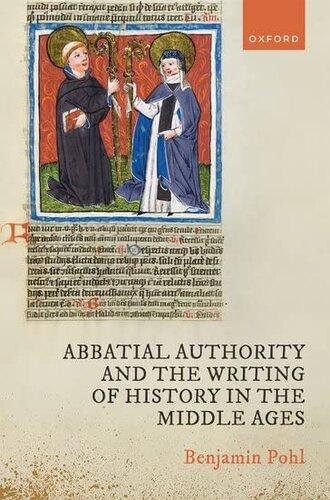
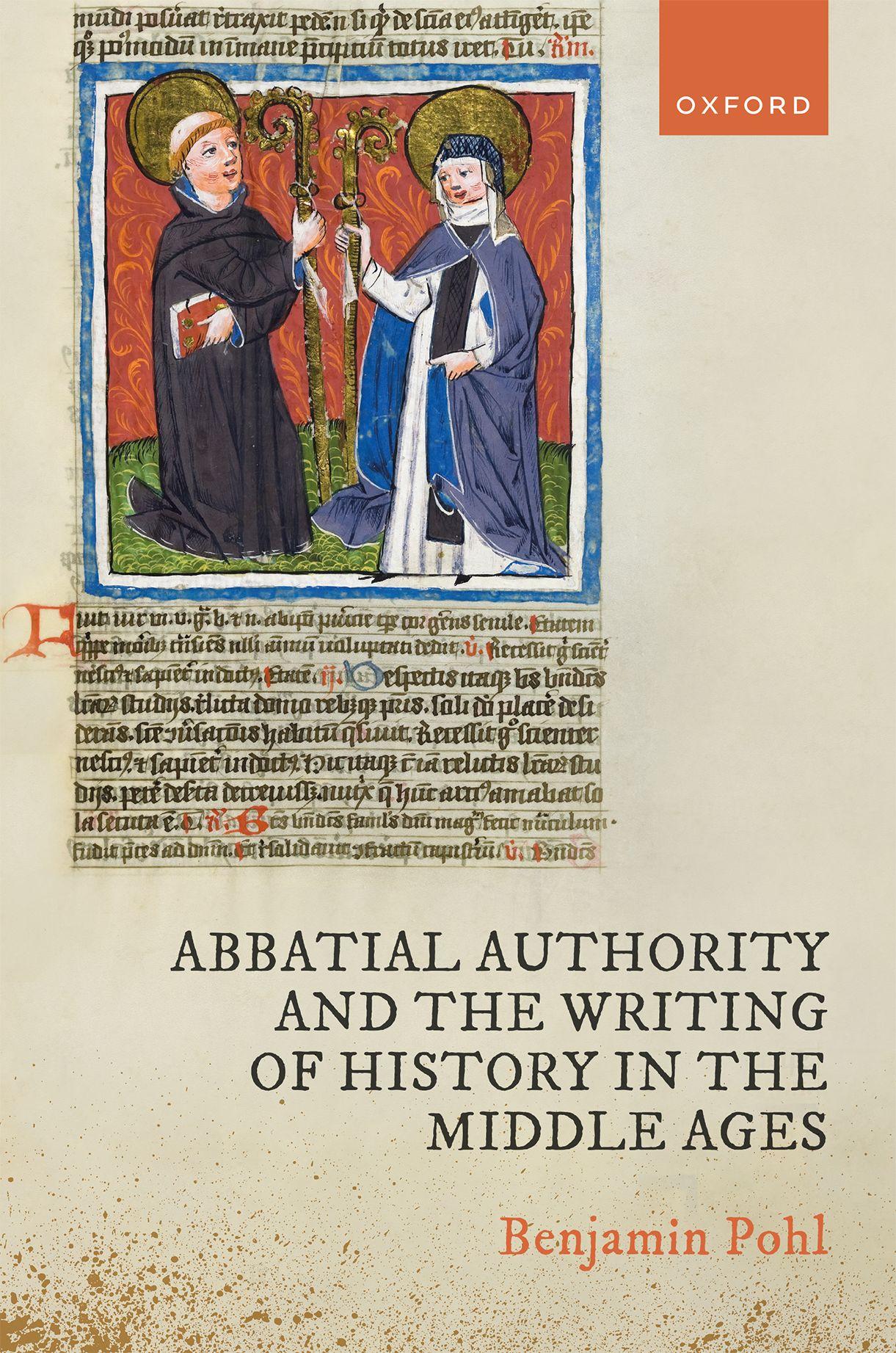
CoverimageKarlsruhe,BadischeLandesbibliothek,Cod.Lichtenthal20, fol.184r,reproducedwithpermission.
1.1HildegardofBingen/Rupertsbergandher amanuensis,Volmar. Heidelberg,Universitätsbibliothek,MSCod.Sal.X.16,fol.3v,reproduced underCreativeCommonslicenceCCBY-SA4.0.34
1.2aMiniaturedepictingJerome.Avranches,Bibliothèquepatrimoniale, MS159,fol.4r,reproducedwithpermission.35
1.2bMiniaturedepictingEusebius.Avranches,Bibliothèquepatrimoniale, MS159,fol.7v,reproducedwithpermission.35
1.2cMiniaturedepictingRobertofTorigniandhispersonalscribe,Adam(?). Avranches,Bibliothèquepatrimoniale,MS159,fol.70r,reproduced withpermission.36
1.2dMiniaturedepictingRobertofTorigniandHenryofHuntingdon. Avranches,Bibliothèquepatrimoniale,MS159,fol.174v, reproducedwithpermission.36
1.3StephenofSaint-Airyandhisscribe.Verdun,Bibliothèqued’étude duGrandVerdun,MS8,fol.1v©CAGV,allrightsreserved, reproducedwithpermission.38
1.4aRupertofDeutzandhisscribalassistant.Munich,Bayerische Staatsbibliothek,MSClm.14355,fol.1r,reproducedunderCreative CommonslicenceCCBY-NC-SA4.0.40
1.4bRupertofDeutzasscribe.Munich,BayerischeStaatsbibliothek,MS Clm.14355,fol.1v,reproducedunderCreativeCommonslicence CCBY-NC-SA4.0.41
1.5HughofFlavigny’ s ‘anti-dedicatory’ poem.Berlin,Staatsbibliothekzu Berlin–PreußischerKulturbesitz,MSPhill.1870,fol.7r,publicdomain, reproducedwithpermissioninaccordancewiththeGermanCopyright Act(UrhG).55
2.1LeonasofCasauriaandPopeAdrianIV.Paris,Bibliothèquenationale deFrance,MSLat.5411,fol.253r,reproducedwithpermission.99
2.2AlandeNesseholdingabook.Oxford,BodleianLibrary,MSBodley39, fol.169r,reproducedunderCreativeCommonslicenceCCBY-NC4.0.111
2.3WilliamofTournaiwritinginhisbed.Paris,InstitutdeFrance–BibliothèqueMazarine,MS753,fol.ix,reproducedunderCreative CommonslicenceCCBY-NC3.0.117
2.4The ‘Sturmius-pillar’ inthecryptofStMichael’sChurch,Fulda. Michaelskirche–BistumFulda,reproducedwithpermission.158
2.5EigilofFulda’s(empty)graveinthecryptofStMichael’sChurch, Fulda.Michaelskirche–BistumFulda,reproducedwithpermission.159
2.6AndreasLang’sportraitinthe Fasciculusabbatum.Bamberg, Staatsbibliothek,MSRB.Msc.49,fol.54v,photo:GeraldRaab,reproduced underCreativeCommonslicenceCCBY-SA4.0.164
3.1DesideriusofMontecassinoandhisbooks.Vatican,BibliotecaApostolica Vaticana,MSVat.lat.1202,fol.2r,reproducedwithpermission.191
3.2aBertholdofWeingarten’sbooklist.Stuttgart,Württembergische Landesbibliothek,MSHBI240,fol.43r,publicdomain,reproduced withpermissioninaccordancewiththeGermanCopyrightAct(UrhG).197
3.2bBertholdofWeingarten’ s gesta.Stuttgart,Württembergische Landesbibliothek,MSHBI240,fol.44r,publicdomain,reproduced withpermissioninaccordancewiththeGermanCopyrightAct(UrhG).198
3.3WarinofStAlbansandhisbooks.London,BritishLibrary,MSCotton ClaudiusEIV,fol.125v©BritishLibraryBoard02/02/2023,reproduced withpermission.202
3.4PaulofCaenandhisbooks.London,BritishLibrary,MSCottonNero DVII,fol.13v©BritishLibraryBoard02/02/2023,reproducedwith permission.203
3.5RobertdeLindseypresentingthe PeterboroughPsalter.Cambridge, FitzwilliamMuseum,MS12,fol.139v©TheFitzwilliamMuseum, Cambridge,reproducedwithpermission.205
3.6HitdaofMeschedepresentingthe HitdaCodex.Darmstadt,UniversitätsundLandesbibliothek,MS1640,fol.6r,reproducedunderCreative CommonslicenceCC0.207
3.7KunigundeofPrague,hernuns,andhertwoscribes,ColdaandBeneš Prague,NationalLibraryoftheCzechRepublic,MSXIVA17,fol.1v, reproducedwithpermission.209
3.8FrowinofEngelbergandhisscribe,Richene.Engelberg,Stiftsbibliothek, MSCod.5,fol.1r,reproducedwithpermission.213
3.9aReinher’sinventoryinthe Fasciculusabbatum.Bamberg,Staatsbibliothek, MSRB.Msc.49,fol.57r,photo:GeraldRaab,reproducedunderCreative CommonslicenceCCBY-SA4.0.214
3.9bNonnosus’sinventoryinthe Fasciculusabbatum.Bamberg,Staatsbibliothek, MSRB.Msc.49,fol.57v,photo:GeraldRaab,reproducedunderCreative CommonslicenceCCBY-SA4.0.215
3.10FaritiusofAbingdonholdingabook.London,BritishLibrary,MSCotton ClaudiusCIX,fol.144r©BritishLibraryBoard02/02/2023,reproduced withpermission.224
4.1Nineteenth-centuryportraitofRobertofTorigniinhisprivatestudy. ÉdouarddeBergevin,1889,publicdomain(outofcopyright).254
4.2WibaldofCorvey’s(?)writingdesk.Berlin,StaatsbibliothekzuBerlin–PreußischerKulturbesitz,MSlat.fol.252,fol.1v,publicdomain, reproducedwithpermissioninaccordancewiththeGermanCopyright Act(UrhG).275
4.3AnsbertofSaint-Wandrilleandhisbookchest.LeHavre,Bibliothèque municipaleArmandSalacrou,MS332,fol.41v,reproducedwithpermission.294
4.4SimonofStAlbansandhisbookchest.London,BritishLibrary,MS CottonClaudiusEIV,fol.124r©BritishLibraryBoard02/02/2023, reproducedwithpermission.295
4.5HamelinofGloucester(?)receivingacharterfromKingHenryII.Kew, NationalArchives,C150/1,stampedfol.18©TheNationalArchives, reproducedwithpermission.308
Permissionswereobtainedfromtherelevantcopyrightholdersunderthe licensingtermsindicatedabove.
Introduction
From11–13June1480,theAbbeyofSSPeterandPaulinErfurtplayedhosttothe GeneralChapteroftheBursfeldeCongregation,aconfederationofreformed Benedictinemonasteriesfoundedintheearly fifteenthcenturyandnamedafter BursfeldeAbbeyinpresent-dayLowerSaxony.¹Twenty-sevenheadsofhousehad travelledtoErfurtattheinvitationofTheodericofHomborch,Bursfelde’sthen abbot(1469–85)andpresidentoftheCongregation,withtwenty-threesending deputiesorapologies.²Aswascustomary,Masswascelebratedbythosein attendanceandahomilydeliveredbythehost,GuntherofNordhausen,Erfurt’ s rulingabbot(1458–1501).³ThesubjectchosenbyGuntherwasonethatcouldbe expectedtorufflesomefeathersamongsthispeers.Provisionallytitled Dehistoria sermoclaustralis,thehomilywascommittedtowritinginJanuary1481withthe moreprogrammatictitle Dehistoriaestudioetutilitate,anditistothiswritten versionmadeforpublicationandcirculationthatweoweourknowledgeofthis importanttexttoday.⁴ Judgingfrom Dehistoriae,Guntherbeganhisverbal addresswithanelaborateparable:hewhocompareshistorywiththesun(‘historiamcumsolecomparaverit’)will findthatjustasthesuninvigoratesalllifeon Earth,historyunderpinstheentiremonasticlifestyle(‘historiavitam, fidem, auctoritatemetstabilimentumdonatomnibusrebusinvitacommuni’).Thereis
¹PiusEngelbert, ‘DieBursfelderKongregation:WerdenundUntergangeinerbenediktinischen Reformbewegung’,in 925JahreKlosterBursfelde–40JahreGeistlichesZentrumKlosterBursfelde,ed.by RüdigerKrauseandThomasKaufmann(Göttingen:Wallstein,2020),pp.83–101;WalterZiegler, ‘Die BursfelderKongregation’,in DieReformverbändeundKongregationenderBenediktinerimdeutschen Sprachraum,ed.byUlrichFaustandFranzQuartal(StOttilien:Eos,1999),pp.315–407.Onthe GeneralChapter,seePaulusVolk, DieGeneralkapitelderBursfelderBenediktiner-Kongregation (Münster:Aschendorff,1928).
²TheGeneralChapterconvenedatErfurtonovertwentyoccasions,secondonlytoBursfeldeitself; seeZiegler, ‘Kongregation’,pp.367–72;MatthiasEifler, DieBibliothekdesErfurterPetersklostersim spätenMittelalter:BuchkulturundLiteraturrezeptionimKontextderBursfelderKlosterreform,2vols. (Cologne:Böhlau,2017),I,96–7.
³TheChapter’sprocedureissetoutinPaulusVolk, DieGeneralkapitels-RezessederBursfelder Kongregation,Vol.I: 1458–1530 (Siegburg:Respublica,1955),pp.186–90.
⁴ EditedinBarbaraFrank, DasErfurterPetersklosterim15.Jahrhundert (Göttingen:Vandenhoeck andRuprecht,1973),pp.382–7[hereafter Dehistoriae];Frank’sviewofthistextasanearlydraftofa speechintendedfordeliveryattheGeneralChapterof1485isunconvincing,and Dehistoriae almost certainlyrepresentsanauthorialrevisionofthe1480homilymadefordissemination.Gunther’ s autographislost,andthesolecopy(Melk,Stiftsbibliothek,MS20,pp.207–13)producedby OliverLegipontintheearlyeighteenthcenturyisprintedin AntiquitatesBursfeldenses,ed.by JohannG.Leuckfeld(Leipzig:Freytag,1713),pp.183–90;Leuckfeld’stranscriptioncontains manyerrors,however,someofwhicharerepeatedbyFrank,whichiswhycitationshereafterwill refer,inthe firstinstance,toLegipont’smanuscript.
AbbatialAuthorityandtheWritingofHistoryintheMiddleAges.BenjaminPohl,OxfordUniversityPress. ©BenjaminPohl2023.DOI:10.1093/oso/9780198795377.003.0001
2
nolightwithoutthesun,andnocommunitywithouthistory.Withouthistory, manisnotmanandmonksarenotmonks(‘Sinehistoriahomononesthomo. Sineeanonsumusmonachi’).⁵ Movingontoaddresshisaudiencedirectly, Guntherexpressesgreatastonishment ‘thatthestudyofhistory[...]shouldbe treatedsouncaringly,poorly,andimproperly ifindeeditistreatedatall inour cloisters’ . ⁶ Torectifythesituation,a ‘doctushistoriarummagister’ shouldbe appointedineverymonasteryfortheinstructionofitsmonks,eventhemost seniorofwhom(‘seniores’)arebutchildren(‘infantessunt’)intheirhistorical studies.⁷ Theterm ‘seniores’ herereferstobothadvancedageandseniorityof office,theinsinuationbeingthateventhehighest-rankingindividualsinthese monasteries theabbots wereoftenveryignorantofthepast(‘omniumrerum antiquarumignorantissimi’). ‘Iwasbaffled’,Gunthercontinues, ‘thatwhenIasked theabbotsofourorderabouttheirpredecessorsandthefoundersoftheir monasteries(‘defundatoribusetantecessoribusmonasteriorumsuorum ’), Iwould findthemdumbstrucklike fish(‘magismutosdeprehendiquampisces’) withnothingtorespond(‘[n]ihilenim,planenihilresponderesciebant’)’ ⁸ Asfar asGuntherwasconcerned,knowledgeofthepastwasamoralimperative,⁹ and ignoranceofitinexcusableinamonasticsuperior.Reiteratinghisearlierpoint abouthistory ’scentralitytothemonasticenterprise,hecautionshisaudienceto shunthisdreadfulmonster(‘monstrumhorrendum’),¹⁰ whoselackofhistorical knowledgemakeshimthebeastliestofbeasts(‘bestiabestialiorerit’),¹¹andwhois thereforeunfittogovernareligiouscommunitywithauthority. Therelationshipbetweenabbatialauthorityandthewritingofhistory portrayedwithgreatconvictionandpathosin Dehistoriae isthesubjectofthis
⁵ MSMelk20,pp.207–8and211; Dehistoriae,ed.Frank,pp.382–3and385.
⁶ MSMelk20,p.208: ‘Quodcumitasit,mirorsanedemirorque,religiosisacraecongregationis patres,studiumhistoricum,sinequonullussolideerudiripotest,adeofrigide,ieiuneetinepte si tractetur inmonasteriisnostrispassimtractari’ ; Dehistoriae,ed.Frank,p.383.
⁷ MSMelk20,p.208; Dehistoriae,ed.Frank,p.383.
⁸ MSMelk20,p.208; Dehistoriae,ed.Frank,p.383.
⁹ Onthismoralimperative,cf.SigbjørnO.Sønnesyn, WilliamofMalmesburyandtheEthicsof History (Woodbridge:Boydell,2012);GeorgiaHenley, ‘GeoffreyofMonmouthandtheConventionsof HistoryWritinginEarly12th-CenturyEngland’,in ACompaniontoGeoffreyofMonmouth,ed.by GeorgiaHenleyandJoshuaB.Smith(Leiden:Brill,2020),pp.291–314(p.296).
¹
⁰ MSMelk20,p.208: ‘Fugiteposthacmonstrumistudhorrendum,cuilumenrationisademptum, ignorantiamscilicethistoriarum’ ; Dehistoriae,ed.Frank,p.383.
¹¹MSMelk20,p.212; Dehistoriae,ed.Frank,p.386.Guntherwasnotthe firsttodescribehumans ignorantofthepastasirrationalbeasts.Inhis HistoriaAnglorum,HenryofHuntingdonhadsimilarly distinguishedrationalcreatures(‘rationabiles’)frombrutes(‘brutis’)onthebasisthatthelatter,bethey humans(‘homines’)orbeasts(‘animalia’),refusetolearnaboutthepast; HenryofHuntingdon:Historia Anglorum–TheHistoryoftheEnglishPeople,ed./tr.byDianaE.Greenway(Oxford:OxfordUniversity Press,1996),pp.4–5.Forfurtherexamples,seeAntoniaGransden, ‘ProloguesintheHistoriographyof Twelfth-CenturyEngland’,in EnglandintheTwelfthCentury,ed.byDanielWilliams(Woodbridge: Boydell,1990),pp.55–81;MatthewKempshall, RhetoricandtheWritingofHistory,400–1500 (Manchester:ManchesterUniversityPress,2011),pp.260–1.Onboundariesbetweenhumansand animalsinmedievalthought,seeIanP.Wei, ThinkingaboutAnimalsinThirteenth-CenturyParis: TheologiansontheBoundarybetweenHumansandAnimals (Cambridge:CambridgeUniversityPress, 2020).
book,anddwellingonGunther’sarguments andtheirreceptionamongst contemporaries alittlelongerservestointroducethevariouslinesofenquiry Iwillbepursuinginandacrossitsindividualchapters.Tobeginwith,thereisthe expectationthatnomonasticcommunity,whetherlargeorsmall,shouldbe exemptfromthedutytorecorditshistoryinwriting.Thereasonforthis,we aretold,isthateventhelowliestandmostobscurehouse(‘vilissimumetobscurissimumomnium ’)hasastoryworthpreservingforposterity.Whowerethe founders,whatweretheirintentions,andwhatdidtheygive?Whowerethe abbotsandabbesses,howlongdidtheyholdtheoffice,andwhatgoodandbad thingsdidtheydo?Howdidthecommunity’sfortuneswaxandwaneundertheir abbatialleadership?¹²These,Guntherexplains,arequestions every monastic superiormustbeabletoanswer,andfailuretodosoconstitutesaviolationof abbatialleadershipanddutyofcare.
AstrikinglysimilarexpectationwasvoicedsomethirtyyearsearlierbySophia ofStolberg(fl. 1451),abbessofHelftaandauthorofhercommunity ’ s Libellusde fundatione.Inaletteraddressedtoherpeer,theabbotofHalberstadt,Sophia reminds andperhapsimplicitlyreprimands hercorrespondentthatitwouldbe absurdnottoknowthehistoryofone’sownmonasteryandthenamesofthose throughwhosepiousdeedsanddonationsitwaspermittedtothriveinthisworld (‘valdeabsurdumessetignorareeos,perquosadtalemproventumfelicitatem pervenimus’),whichiswhySophialedbyexampleandspentdayandnight(‘die noctuque’)gatheringsourcesfromnearandfar(‘dediversismundipartibusin unumcollecti’)towriteherhistoryoftheabbey’sfoundationanditsbenefactors (‘disposuiscriberelibellum[...]primodeinchoationeclaustrinostri[et]nomina acgenusfundatorumnostrorum’)fortheeducationofitspresentandfuture inhabitants(‘[a]dprofectumetutilitatemtampresentiumquamfuturorum’).¹³ WhetherSophia’swordsweremeantprimarilytojustifyherownhistoriographicalactivityorapplysomepeer-pressureonHalberstadt’sabbottodothesamefor hiscommunity,noteverymonasticsuperiorwouldhavebeeninapositionto followherexampleandmeetthesehighexpectations,subsequentlyreiteratedby Gunther,evenifhe/shewerethusinclined.
Infact,thereisevidencethatGunther’semphaticappealtothe1480General Chapterwasmetwithsomereservationonthepartofhisaudience.Thesubjectof
¹²MSMelk20,p.210; Dehistoriae,ed.Frank,pp.384–5: ‘Annonfundatoremseufundatricem habuit?Quisvelquaenamilleseuilla?Quaefamilia,vitaetintentioutriusquefuit?Quaeetquanta donatioclaustri?Quaeprivilegia?Quaeseriesetsuccessiopraelatorumseupraelatarum?Quamdiu sedit?Quidquisveseuquaevebenevelmaleegit?Quomododesaeculoinsaeculummonasteriumcrevit etdecrevit?Exquibusoccasionibusetcircumstantiis?’ .
¹³Hanover,NiedersächsischesLandesarchiv,Dep.76,C113;editedin UrkundenbuchderKlöster derGrafschaftMansfeld,ed.byMaxKrühne(Halle:Hendel,1888),pp.223–6(p.223)(=no.148);also cf.HansPatze, ‘KlostergründungundKlosterchronik’ , BlätterfürdeutscheLandesgeschichte 113 (1977),89–121,repr.in AusgewählteAufsätzevonHansPatze,ed.byPeterJohaneketal.(Stuttgart: Thorbecke,2002),pp.251–84(p.278);CharlotteWoodford, NunsasHistoriansinEarlyModern Germany (Oxford:OxfordUniversityPress,2002),pp.185–6.
4
theabbots’ scepticismandGunther’sresponsetoitarebothreflectedin De historiae,whichincludesashortdialoguethatmaywellresembletheheated conversationsthathadensuedfollowing orevenduring thehomily’sdelivery:
Yousay:whereisanabbotsupposed findtimeforthis[thewritingofhistory] whenhemusttakecareof[themonastery’s]sacredandeconomicbusiness?[To thisI,Gunther,respond:]Ifindeedhecannot ordoesnotwantto undertake thisworkpersonally,istherenotsomeoneelsesuitablewithinthemonasteryto whomhecandelegateitbyappointment?Andifthereisnone,therewillbe someoneelsewherewhocouldbeapproachedtoexecutetheworkwell.¹⁴
Themessageisclear:theapprehensionsofhispeersnotwithstanding,Gunther insiststhattheresponsibilityforthewritingofhistoryinsideamonasterylies ultimatelywiththeabbot,whocannotrenderhiscommunityagreaterservice thanthroughhistoricaleducation,therewardofwhichoutweighsallthesilverand goldinthisworld(‘necaurovelargentocomparandum’).¹⁵ Whatcouldbemore advantageous,therefore,thaniftheGeneralChapterweretopassastatute (‘statutum’)obligingeveryabbottotakepersonalresponsibilityforcommitting hismonastery’shistorytowriting(‘utquilibetpraelatusdeconscribendisannalibusvelhistoriamonasteriisuisollicitusessedebeat’)?Betterstill,whatifthepope weretoissueamandate(‘universalemandatum’)compellingallmonasteriesand bishopricstodemonstratethesamezeal(‘studium’)andcare(‘ curam ’)incompilingitsdomesticannals(‘colligendisannalibussuis’)?Perhapstheemperor wouldconsideraddingasimilarcommand(‘suumadderetpraeceptum’)and obligehismagnatestoimitatetheirecclesiasticalcounterpartsbypromotingthe writingofhistoryintheirsecularterritories(‘quisqueinsuoterritorio’)?¹⁶ This remainedwishfulthinking.Nopopeoremperorissuedadecreeformallyprescribingthewritingofhistory,nordidtheCongregationrespondtoGunther’ s ferventcalltoactionwithofficiallegislation.Thequestion,however,iswhetherhis argumentsconcerningtheabbot’sprincipalroleinthewritingofhistorywereso unrealisticastobedismissedoutofhand,orwhethertheywereinformed,atleast partially,byhistoricalprecedentandpractice.Wealreadysawoneprecedentin the LibellusdefundationemonasteriiinHelfta writtenbySophiaofStolbergthirty
¹⁴ MSMelk20,p.209: ‘Dicis:Undeotiumabbati,quicuramdebethaberereisacraeetoeconomicae? Licetipsenecvelitnecpossithunclaboreminsesuscipere,acnoninconventuidoneusaliquis,quem adhocopusdeligereetconstituterevaleat?Atdesit,aliundepetenduseritquibonumopusperficiat’ ; De historiae,ed.Frank,p.384.
¹⁵ MSMelk20,pp.208–9: ‘Curateigitur,sacraecongregationisantistites,uthocstudium[...]in scholisnostrisvigeat, floreat,crescatfructusqueferatmortalietperennivitadignos[...]Nemopoterit certiusetiustiusadmirariprovidentiamDivinaminregendanaviculaecclesiae,suaequamhocmodo, sioriginesetprogressumcuiuslibetinparticulariattentiuslegat’ ; Dehistoriae,ed.Frank,pp.383–4.
¹⁶ MSMelk20,p.209; Dehistoriae,ed.Frank,p.384.ItisnotimplausiblethatGunther’ssuggestion tookitsinspirationfromtheprecedentofCharlemagne’sfamous Epistoladelitteriscolendis.
yearspriortothepublicationof Dehistoriae,butjusthowfarcanwetracethis traditionofabbotsandabbessesactingastheircommunities’ historians,andjust howwidespreadwasit?
In1496,sixteenyearsafterGuntherhaddeliveredhishomilyatErfurt,the BursfeldeGeneralChapteragainprovidedaplatformforasimilarappeal.The speakerdesignatedtoaddresstheprelatesgatheredatReinhardsbrunnwas JohannesTrithemius,thenabbotofSponheim(1483–1506),thoughhiswords werereadout inabsentia byhiscolleague,AndreasLang,abbotofMichelsbergin Bamberg(1483–1502).¹⁷ SponheimandBamberghadjoinedtheBursfelde Congregationin1417and1467,respectively,andtheirrepresentativesclaimed considerableauthorityinitsassemblies.¹⁸ Trithemiususedthisauthoritytorevive Gunther’scauseandreprimandhisfellowabbotsforhavingallowedthestandard ofliteracyandscribalexpertisetodeclinedramaticallywithintheircommunities, tothedetrimentofhistoriography.¹ ⁹ ThiswasnotanewgripeforTrithemius,who justafewyearsbeforehadpublishedatreatiseinpraiseofmonasticscribes.²⁰ At Reinhardsbrunn,hedoubleddownonhisargumentsbyreproachinghispeersfor neglectingnotonlytheirowneducation,butalso,andworsestill,thatoftheir monks(‘quodgravisest,monachissuisstudiumlegendiinterdicunt’).²¹Quickto nameandshame,TrithemiussingledouttheabbotsofHirsauforhavingdisregardedtheircommunity’slonghistoriographicaltraditioneversincethefateful regimeofWigand(1369–80).Unlikehispredecessors who,asdiscussedlaterin thisbook,hadchampionedthewritingofhistoryandoccasionallyevenservedas scribesthemselves Wigandissaidtohavemisledhismonksbyencouraging themtorevelintheirignoranceandrefusingtoreadorwriteaboutthepast.²²
ExaggeratedthoughthisportrayalofWigandmightbe,itssigni ficanceliesin thefactthattheabbotswhofollowedhisexamplebyneglectingthewritingof historyintheirmonasteriesarepresentedasbreakingwithhistoricaltradition. ToTrithemius,Gunther,andSophia,theirbehaviourstoodinsharpcontrastwith
¹⁷ BarbaraFrank, ‘EinEntwurfzueinerKapitelsansprachedesAbtesJohannesTrithemiusausdem Jahr1496’ , StudienundMitteilungenzurGeschichtedesBenediktinerordensundseinerZweige 80 (1969),145–204(p.146).
¹⁸ Ziegler, ‘Kongregation’,pp.376–407.
¹⁹ Deduodecimexcidiisobservantiaeregularis,editedinFrank, ‘Entwurf ’,pp.158–204[hereafter Deduodecimexcidiis],withside-by-sideversionsoftheauthor’sdraft(Oldenburg,Landesbibliothek, MS99i)andthe finalpublishedversion.
²⁰ JohannesTrithemius:InPraiseofScribes(Delaudescriptorum),ed./tr.byKlausArnoldand RolandBerendt(Lawrence,KS:Coronado,1974);cf.KlausArnold, ‘VonTrittenheimnachSponheim undWürzburg:ZuLebenundWerkdesBüchersammlersJohannesTrithemius(1462–1516)’,in JohannesTrithemius(1462–1516):AbtundBüchersammler,HumanistundGeschichtsschreiber,ed. byKlausArnoldandFranzFuchs(Würzburg:Königshausen&Neumann,2019),pp.19–34(pp.26–8).
²¹ Deduodecimexcidiis,ed.Frank,p.179.
²² ChroniconHirsaugiense,in JohannesTrithemius:Operahistorica,quotquothactenusreperiri potueruntomnia,ed.byMarquardFreher,2vols.(Frankfurta.M.:Marne&Aubry,1601;repr. Minerva,1966),II,1–235(p.230): ‘Aiuntenim:Quidnobisscire,conducerepotestfundationis monasteriorumnostrorumantiquitas?’;NoelL.Brann, TheAbbotTrithemius(1462–1516):The RenaissanceofMonasticHumanism (Leiden:Brill,1981),pp.309–12.
6
a ‘goldenage’ inwhichmonasticsuperiorstookregularchargeoftheir communities’ historiographicalproduction,notjustatHirsau,butacrossthe Europeanmap.Wasthis ‘goldenage’ aproductoftheirimaginationandnostalgia, oristhereevidencetocorroboratethenotionthatabbotsandabbesseswere instrumentaltothewritingofhistoryintheMiddleAges?Andifthereis,then howdidtheyusetheirabbatialauthorityandresourcestoenablehistoricalwriting withintheirmonasteriesinaddition orasanalternative toputtingtheirpento parchment?Answeringthesequestions,andothersrelatedtothem,istheobjectiveofthisbook.
Studyingtherelationshipbetweenabbatialauthorityandhistoricalwritinginthe millenniumknownastheEuropeanMiddleAges(c.500–1500)isnosmalltask, andonethatrequiresconsideration,howeverbrief,ofwhathistorywas/is,whyit waswritteninmedievalreligiouscommunities,bywhom,andwithwhose authorization.Fortunately,theseconsiderationsdonothavetostartfromscratch, butonthecontrarycanbuildonalongandprolifictraditionofscholarshipthatis, ifanything,toosubstantialtobereviewedinfullhere.Beginningwiththe fundamentalquestionof what can and,byimplication,whatcannot beconsidered ‘history’ , ‘historicalwriting’,and,inabroadersense, ‘historicalculture’ , muchinkhasbeenspilledbyproponentsofbothinclusiveandexclusivedefinitions,frommeta-levelsurveystocomparativeperspectivesandforensiccase studiesofindividualauthorsandtexts.²³Thedefinitionadoptedhereisanallencompassingonethattranscendsboundariesoflanguage,form,and ‘ genre ’ to includeawiderangeofhistoricalnarratives thatis,textsthatpresentthepast,or aversionthereof,invariousnarrativeformats fromLatintovernacularwritings; fromprosetopoetry;frombooks(andtheirfragments)toinscriptionsand visualdepictions;fromannals,chronicles,and gesta tothenarrativecontentsof charters,cartularies,andletters;fromlocal,domestic,andinstitutionalnarratives
²³RecentexamplesofsuchbroaderandcomparativestudiesincludeJohnH.Arnold, WhatIs MedievalHistory? 2nded.(Medford,MA:Polity,2021);BjörnWeiler, ‘HistoricalWritinginEurope, c.1100–1300’,in TheChroniclesofMedievalWalesandtheMarch:NewContexts,Studies,andTexts,ed. byBenGuyetal.(Turnhout:Brepols,2020),pp.33–67; HowthePastwasUsed:HistoricalCultures, c.750–2000,ed.byPeterLambertandBjörnWeiler(Oxford:OxfordUniversityPress,2018); Medieval HistoricalWriting:BritainandIreland,500–1500,ed.byJenniferJahneretal.(Cambridge:Cambridge UniversityPress,2019); TheOxfordHistoryofHistoricalWriting,Vol.2: 400–1400,ed.bySarahFoot andChaseF.Robinson(Oxford:OxfordUniversityPress,2015);seealsothetitlespublishedsince2015 inthe ‘WritingHistoryintheMiddleAges’ series,https://boydellandbrewer.com/writing-history-inthe-middle-ages/.WorksthatremainfundamentaltothesubjectincludeHans-WernerGoetz, GeschichtsschreibungundGeschichtsbewußtseinimhohenMittelalter (Berlin:DeGruyter,2008); PatrickJ.Geary, PhantomsofRemembrance:MemoryandOblivionattheEndoftheFirst Millennium (Princeton,NJ:PrincetonUniversityPress,1994);Franz-JosefSchmale, Funktionund FormenmittelalterlicherGeschichtsschreibung (Darmstadt:WissenschaftlicheBuchgesellschaft,1985); HerbertGrundmann, GeschichtsschreibungimMittelalter:Gattungen,Epochen,Eigenart,3rded. (Göttingen:Vandenhoeck&Ruprecht,1978).Needlesstosay,thislistisnotexhaustiveandinevitably reflectstheauthor’sowntrainingandspecificinterests.
toso-called ‘universal’ histories;from first-handrecollectionsofrecenteventsto collectivememoriesandimaginationsofthedistantpast;fromthedeedsofthe living(includingautobiographies)tothoseofthedead;andfromnarrativesthat recordtheimitableaccomplishmentsofone’scontemporariesandforebearsto thosecelebratingtheexemplaryifultimatelyunattainableachievementsofsaints andotherlarger-than-lifepersonaetraditionallyclassifiedas ‘hagiography’.²⁴
Theadvantageofsuchanapproachisnotonlythatitreflectsanincreasing consensusinscholarshipformedbyconversationsacrossthehistoricaldisciplines,²⁵ butalsothatitresonateswithmedievaldiscourseonthesubject.Weneed onlylooktoGunther’ s Dehistoriae foraconceptionofhistoricalwritingthat defiesmodernpreoccupationswithliteraryformandgenre.ToGunther,writing historyispartofthehumancondition,somethingthatisasnaturaltomanas flyingistobirdsandswimmingto fish.²⁶ Peopleofallages,genders,andranks takedelightinit(‘omnisaetas,omnissexus,omnishomo,seumagnusvelparvus illesit,delectaturhistoria’).Fromthepeasantsinthealehouses(‘rusticiin cauponisinterseconfabulantur ’)tothemothersoothinghercryingchildto sleep(‘adsomnumreduxitmaterploranteminfantiam ’),everyman,woman, andchildturnstohistoryforreassurance,protection,andcomfort.²⁷ Whatdo theprophetsrelateifnothistories(‘Quidprophetaeadunumomnesenarrant,nisi historias’)?WhataretheholyGospelsifnotahistorybook(‘Quidsanctissima evangelia,quamliberhistoriarum’)?Scriptureispurehistory(‘historiaetamplius nihil’)writtenwithGod’sownpen(‘stilodivinoconscripta’).Mosesandthe Evangelistsarewritersofhistories(‘historiarumscriptoresfuerunt ’),andhe whoseeksanaccurateunderstandingoftheworldmustcombineknowledgeof sacredandprofanehistory(‘sacraetprofanahistoriaconiugendaest’).Ofall subjectstaughtandstudiedinamonastery,historyisthequeenwhoreigns
²⁴ Therelationshipbetween ‘history’/‘historicalwriting’ and ‘hagiography’ isasubjectofcontinuing discussionanddebate;cf.SamanthaK.Herrick, ‘Introduction’,in HagiographyandtheHistoryofLatin Christendom,500–1500,ed.bySamanthaK.Herrick(Leiden:Brill,2019),pp.1–10;FeliceLifshitz, ‘BeyondPositivismandGenre: “Hagiographical” TextsasHistoricalNarrative’ , Viator 25(1994), 95–113;nowalsoFeliceLifshitz, ‘StillUselessafterAllTheseYears:TheConceptof “Hagiography” intheTwenty-FirstCentury’,in WritingNormandy:StoriesofSaintsandRulers,ed.byFeliceLifshitz (London:Routledge,2020),pp.26–46;recentcasestudiesincludeVictoriaHodgson, ‘Historyand Hagiography:The VitaSanctiServani andtheFoundationofCulrossAbbey’ , DownsideReview 139 (2021),65–81.
²⁵ Forexample,JenniferJahneretal., ‘GeneralIntroduction’,in MedievalHistoricalWriting:Britain andIreland,500–1500,ed.byJenniferJahneretal.(Cambridge:CambridgeUniversityPress,2019), pp.1–15;LauraCleaverandAndreaWorm, ‘Introduction:MakingandReadingHistoryBooksinthe Anglo-NormanWorld’,in WritingHistoryintheAnglo-NormanWorld:Manuscripts,Makersand Readers, c.1066–1250,ed.byLauraCleaverandAndreaWorm(Woodbridge:YorkMedievalPress, 2018),pp.1–6;RobertF.BerkhoferIII, ForgeriesandHistoricalWritinginEngland,France,and Flanders,900–1200 (Woodbridge:Boydell2022).
²⁶ MSMelk20,p.210: ‘Adhuncenimnatisumus,utvolucrescoeliadvolandumetpiscesad natandum’ ; Dehistoriae,ed.Frank,p.385.
²⁷ MSMelk20,pp.207–8: ‘Seuterreassecuresetimpios,seuconsolerispavidosettristes,seu confortes fidelesin fideetpersecutionibus,historiaopusest,etsinehacnihilunquamefficies’ (ibid., p.207); Dehistoriae,ed.Frank,p.383.
8
supreme(‘historiatriumphatetimperat,utreginaaDeonobisdata’).²⁸ Gunther’ s visionofhistoryanditsplaceatthecentreofmonasticlifeandlearningowed substantiallytotheinfluenceof fifteenth-centuryhumanismandreform,²⁹ and aspectsofitmightwellhavestruckearliermedievalaudiencesassomewhat unusual,ifnotaltogetherunrecognizable.Still,itprovidesausefulreminder thatfortheperiodcoveredinthisbook,andthelegacyofIsidoreofSeville’ s definitionof historia notwithstanding,³⁰ historywaswritteninvariousguisesand recognizedassuch,andwhichshapeittookdependedasmuchonauthorial preferenceasitdidonlocalcustom,tradition,andcircumstance.
Thisbringsustooursecondconsideration,thequestionof why historywas writteninmedievalmonasteries.Muchworkhasbeendoneonthissubject, thoughratherthanrehearsingwhatcanreasonablybeconsidered communis opinio,Iwouldliketoaddressonemodelofinterpretationthathasgainedground asa ‘go-toview’ ofmonastichistoriographicalactivitytoadegreethatseems excessiveanddifficulttojustify,andwhichactuallyriskshavingareductionist effectonourunderstandingofhistory’sroleinreligiouscommunities.Ratherthan seeingthewritingofhistoryasaninherentandintegralpartofcommunallife,it hasnowbecomesomethingofacommonplacetopresentthemonastichistorian’ s workasautilitarianexerciseinwhichthedecisiontocommitthepasttowriting resultsprimarilyfrominternalcrisesorconflictswithexternalforces(kings, bishops,monasticrivals,etc.).Thefactthatsomehistorieswereindeedwritten inresponsetocommunalcrisisandtraumaorindefenceagainstinfringement andalienationmustnotgiverisetotheassumptionthatmonastichistorians typicallyandbydefaultoperatedonthebackfoot,³¹andtheincreasingtendency
²
²
⁸ MSMelk20,pp.207–10; Dehistoriae,ed.Frank,pp.382–5.
⁹ KasparElm, ‘MonastischeReformenzwischenHumanismusundReformation’,in 900Jahre KlosterBursfelde:RedenundVorträgezumJubiläum1993,ed.byLotharPerlitt(Göttingen: VandenhoeckandRupprecht,1994),pp.59–111;KlausSchreiner, ‘ErneuerungdurchErinnerung: Reformstreben,GeschichtsbewußtseinundGeschichtsschreibungimbenediktinischenMönchtum SüdwestdeutschlandsanderWendevom15.zum16.Jahrhundert’,in HistoriographieamOberrhein imspätenMittelalterundinderfrühenNeuzeit,ed.byKurtAndermann(Sigmaringen:Thorbecke, 1988),pp.35–87;PaulJoachimsen, GeschichtsauffassungundGeschichtsschreibunginDeutschland unterdemEinflussdesHumanismus (Stuttgart:Teubner,1910;repr.1968);HermannHerbst, ‘NiedersächsischeGeschichtsschreibungunterdemEinflussderBursfelderReform’ , Jahrbuchdes BraunschweigischenGeschichtsvereins 5(1933),74–94.
³
⁰ JamieWood, ‘IsidoreofSevilleasanHistorian’,in ACompaniontoIsidoreofSeville,ed.by AndrewT.FearandJamieWood(Leiden:Brill,2019),pp.153–81;alsocf.DavidGanz, ‘Historia:Some LexicographicalConsiderations’,in MedievalCantorsandTheirCraft:Music,LiturgyandtheShaping ofHistory,800–1500,ed.byMargotE.Fassleretal.(Woodbridge:Boydell,2017),pp.8–22;Robert F.BerkhoferIII, ‘RewritingthePast:MonasticForgeriesandPlausibleNarratives’,in RewritingHistory intheCentralMiddleAges,900–1300,ed.byEmilyA.WinklerandChristopherP.Lewis(Turnhout: Brepols,2022),pp.151–67.
³¹SteffenPatzold, KonflikteimKloster:StudienzuAuseinandersetzungeninmonastischen Gemeinschaftendesottonisch-salischenReichs (Husum:Matthiesen,2000);MarkusKrumm, HerrschaftsumbruchundHistoriographie:ZeitgeschichtsschreibungalsKrisenbewältigungbeiAlexander vonTeleseundFalcovonBenevent (Berlin:DeGruyter,2021);KlausKrönert, ‘Laproduction hagiographiqueenGermanieàl’époquedeLouislePieux:Productivitélittéraireetcrises,maisquel rapport?’,in PolitischeKulturundTextproduktionunterLudwigdemFrommen/Culturepolitiqueet
tosearchforcatalystshasledsomescholars ‘towonderwhetherthemodelwhich seescommunitiesturntothepentorecordtheirhistoryandidentityinmoments ofcrisiscanleadtohistorianscreatingorexaggeratingcrisessolelytoprovidean explanationforwhygroupsofreligiouswrote’.³²Perhapsamorehelpfulposition fromwhichtoapproachthewritingofhistoryinamonasticcontextwasoutlined inaplenarylecturedeliveredin2014bythethenpresidentofthe Monumenta GermaniaeHistorica,RudolfSchieffer,whoencouragesustounderstandthepreservationofknowledgeaboutone’soriginsasabasicsocio-anthropologicalconstant thatiscommontoallhumanlife,butwhichacquiresadditionalsignificancein communitieswhoseveryexistenceandidentitydependonasenseoftradition.³³For monasticcommunities,historythuswas(andis)anaturalandnecessarypartoflife, andwritingitameansofself-assuranceand,ultimately,survival.
History’svitalfunctionasacommunity-buildingandidentity-af firminglifeforcemeansthatwritinghistorywasacommunalactivitythatinvolvedvarious agentswithinandsometimeswithoutthemonastery,which finallybringsustothe questionof who participatedin and,importantly, who authorized monastic historiographicalproductionintheMiddleAges.Beginningwiththeformer,there isnowagrowingrecognitioninscholarshipthatfocusingprimarilyonthe (named)authorsofmonastichistoriesonlygeneratesapartialpictureofthis collaborativemodeofproduction,andthatviewingthefullpanoramarequires considerationofothercontributorssuchasscribesandcopyists,assistantsand amanuenses,librariansandarchivists,commissionersandpatrons,allofwhom hadsignificantagencyintheprocessandthereforeneedtobeincludedinour investigation.Someimportantworkhasbeendoneinthisrespect,³⁴ includingin recentyears,³⁵ butweareyettowitnessabreakthroughinscholars’ preoccupation withindividualauthorstodisruptthepervasiveviewofmonastichistoriansas
productionlittérairesousLouislePieux,ed.byMartinGravelandSörenKaschke(Ostfildern:Thorbecke, 2019),pp.269–373;AlisonI.Beach, TheTraumaofMonasticReform:CommunityandConflictin Twelfth-CenturyGermany (Cambridge:CambridgeUniversityPress,2017).
³²DanielTalbot, ‘ReviewofCharlesC.Rozier, WritingHistoryintheCommunityofStCuthbert, c.700–1130:FromBedetoSymeonofDurham’ , History 106(2021),477–8(p.478).
³³ThislecturehasbeenpublishedasRudolfSchieffer, ‘VonderGeschichtederÄbteundderKlöster zurGeschichtedesOrdens:GrundlinienbenediktinischerHistoriographieimMittelalter’,in BenediktineralsHistoriker,ed.byAndreasSohn(Bochum:Winkler,2016),pp.23–39.
³⁴ Forexample,MatthewN.Fisher, ScribalAuthorshipandtheWritingofHistoryinMedieval England (Columbus,OH:OhioStateUniversityPress,2012);Monique-CécileGarand, Guibertde Nogentetsessecretaires (Turnhout:Brepols,1995);ElspethKennedy, ‘TheScribeasEditor’,in MélangesdelangueetdelittératureduMoyenAgeetdelaRenaissanceoffertsàJeanFrappier,2vols. (Paris:Minard,1970),I,523–31;DavidW.Rollason, ‘SymeonofDurham’ s Historiaderegibus AnglorumetDacorum asaProductofTwelfth-CenturyHistoricalWorkshops’,in TheLongTwelfthCenturyViewoftheAnglo-SaxonPast,ed.byMartinBrettandDavidA.Woodman(Farnham: Routledge,2015),pp.95–112.
³⁵ JeffreyF.Hamburger, TheBirthoftheAuthor:PictorialPrefacesinGlossedBooksoftheTwelfth Century (Toronto:PontificalInstituteofMediaevalStudies,2021);AdvanEls, AManandHis Manuscripts:TheNotebooksofAdemarofChabannes(989–1034) (Turnhout:Brepols,2020); MedievalPublishingfrom c.1000–1500,ERC-fundedresearchproject(2017–22)attheUniversityof HelsinkiledbySamuNiskanen,https://www.helsinki.fi/en/researchgroups/medieval-publishing.