https://ebookmass.com/product/why-we-teach-science-and-why-
Instant digital products (PDF, ePub, MOBI) ready for you
Download now and discover formats that fit your needs...
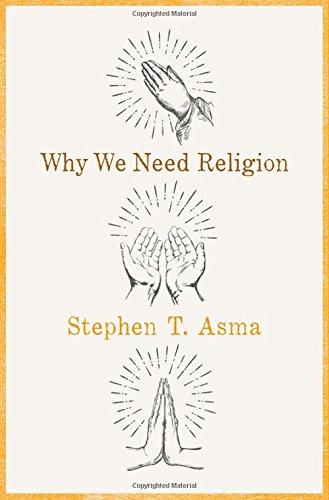
Why We Need Religion Stephen T. Asma
https://ebookmass.com/product/why-we-need-religion-stephen-t-asma/
ebookmass.com
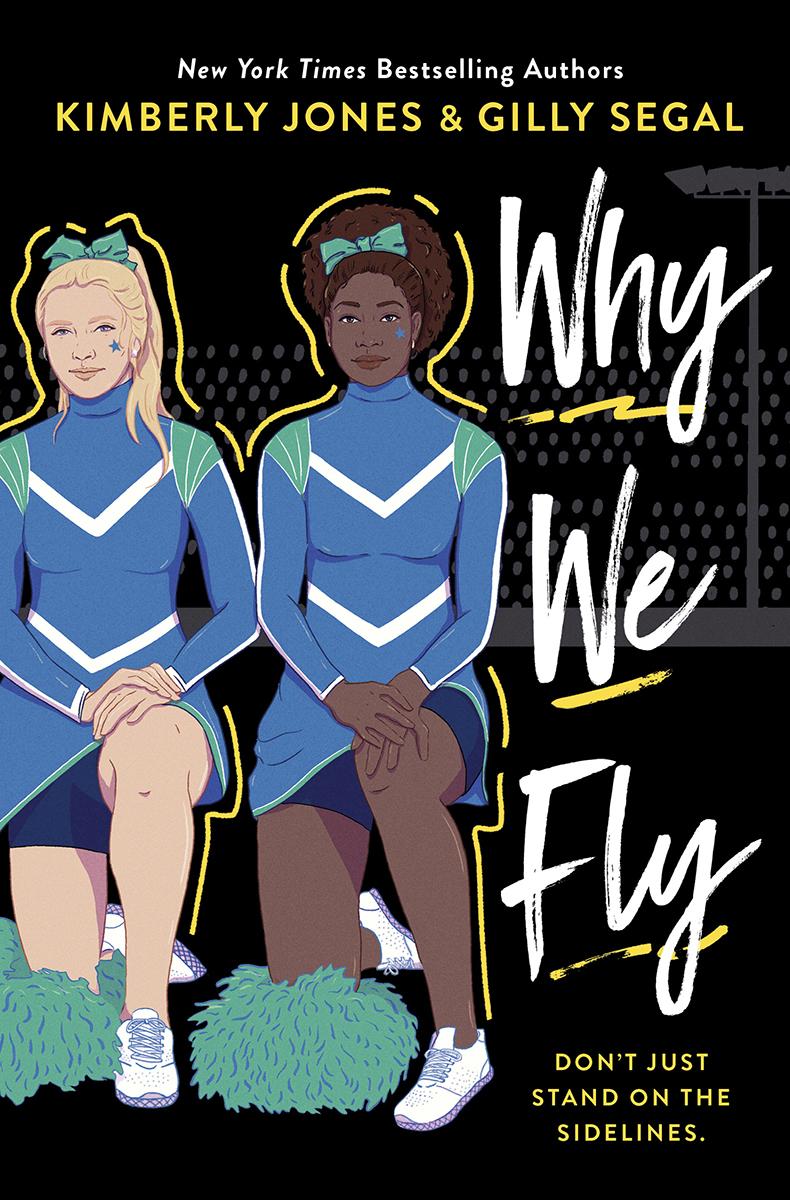
Why We Fly Kimberly Jones
https://ebookmass.com/product/why-we-fly-kimberly-jones/
ebookmass.com
Why We Fly Kimberly Jones
https://ebookmass.com/product/why-we-fly-kimberly-jones-2/ ebookmass.com
Data for All 1st Edition John K. Thompson
https://ebookmass.com/product/data-for-all-1st-edition-john-kthompson/
ebookmass.com
Service John R. Bryson
https://ebookmass.com/product/service-management-theory-andpractice-1st-ed-edition-john-r-bryson/
ebookmass.com
The Diet Cure (Scanned Book PDF) : The 8-Step Program to Rebalance Your Body Chemistry and End Food Cravings, Weight Gain, and Mood Swings--Naturally 1st Edition Julia Ross
https://ebookmass.com/product/the-diet-cure-scanned-book-pdfthe-8-step-program-to-rebalance-your-body-chemistry-and-end-foodcravings-weight-gain-and-mood-swings-naturally-1st-edition-julia-ross/ ebookmass.com
Physiologie humaine et physiopathologie - Les fondements de la médecine Gillian Pocock
https://ebookmass.com/product/physiologie-humaine-et-physiopathologieles-fondements-de-la-medecine-gillian-pocock/
ebookmass.com
ECOGRAFÍA A PIE DE CAMA Nilam J Soni Md Ms
https://ebookmass.com/product/ecografia-a-pie-de-cama-nilam-j-soni-mdms/
ebookmass.com
The Best Baby Names for Boys: The Ultimate Resource for Finding the Perfect Boy Name Emily Larson
https://ebookmass.com/product/the-best-baby-names-for-boys-theultimate-resource-for-finding-the-perfect-boy-name-emily-larson/
ebookmass.com
Achieving Democracy Through Interest Representation: Interest Groups in Central and Eastern Europe 1st ed. Edition
Patrycja Rozbicka
https://ebookmass.com/product/achieving-democracy-through-interestrepresentation-interest-groups-in-central-and-eastern-europe-1st-ededition-patrycja-rozbicka/
ebookmass.com
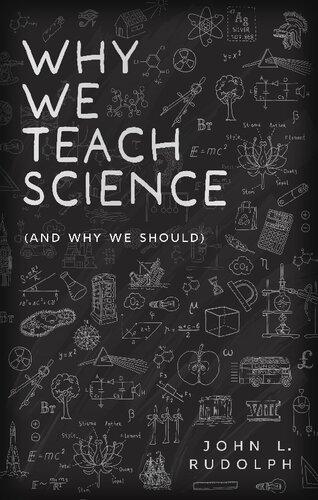
WHYWETEACHSCIENCE(ANDWHYWESHOULD) Scienceeducationisn’tjustforproducingfuturescientists.It’sforproducing scienceliteratecitizens.Thebenefitsofscienceliteracy,longacceptedinUS education,arenowbeingquestionedandevenattacked.In WhyWeTeachScience, Rudolphexamineshowwellscienceeducationhasservedthispurposeandfinds itlacking.Hearguesforanewapproachtoteachingscience,onethatmeetsthe needsofascienceliteratesociety.
GaleM.Sinatra,UniversityofSouthernCalifornia.
Co-Authorof ScienceDenial:WhyItHappens AndWhattoDoAboutIt
In WhyWeTeachScienceandWhyWeShould,JohnRudolphprovocativelyinterrogatesthediscrepancybetweentheprofessedaimsofAmericanscienceeducation andthewayinwhichitisactuallyconducted,endingwithacompellingpleato reorientscienceeducationtoservescienceandsocietyeffectively.
GlennBranch,deputydirector, NationalCenterforScienceEducation
Thisbookisanessentialreadforanybodywithanyinterestinwhatgoesoninscienceeducationinourschools.Drawingfromalifetimeofscholarship,heshows howwegottowherewearetoday,andthen,howthatisfailingtheoverwhelming majorityofourchildren.Heoffersanewinnovativevisionofhowtodojustice toscienceandtoyoungpeople.
JonathanOsborne,GraduateSchoolofEducation, StanfordUniversity
SciencehasbeenseenasboththecauseandthesolutiontoeveryAmerican dilemmaforthepastsixtyyears.In WhyWeTeachScience,JohnL.Rudolphpushes beyondtheclichésofthosedebatestoofferaunique,clear-eyedprescriptionfor thekindofscienceeducationwereallyneed.
AdamLaats,authorof Fundamentalist U and CreationismUSA.
In WhyWeTeachScience,JohnRudolphreflectsonAmericans’distressinglackof understandingofhowsciencecreatesreliableknowledge,sostarklyrevealedby thepandemic.BuildingonthewisdomofvisionarieslikeCarlSaganandJames Rutherford,hearguesconvincinglyforanewtypeofscienceeducationthat focusesonhavingstudentslearn“wheresciencesitsasaknowledge-producing institutioninsocietyandthevaluescientificexpertiseoffers.”Beautifullywritten, Rudolphcorrectlychallengesourlong-standingfocusonteachingsciencefacts. Badlyneededarethousandsofcollegeprofessorstoleadthewaybyaddressing thisurgentcall.
BruceAlberts,Chancellor’sLeadershipChairin
BiochemistryandBiophysicsforScienceandEducation, UniversityofCalifornia,SanFrancisco Whatgoalsshouldscienceeducationaimfor?Andaretoday’sschoolsachieving thosegoals? WhyWeTeachScience providesalucidandcomprehensiveframeworkforthinkingaboutthesequestions,outliningapracticalphilosophyforscienceeducationwhilealsopersuasivelyarguingthatsomegoalsaremoreworth achievingthanothers.
AndrewShtulman,ProfessorofPsychology, OccidentalCollege,authorof Scienceblind
JOHN L . RUDO LPH
University of Wisconsin-Madison
Why We Teach Science (and Why We Should) GreatClarendonStreet,Oxford, OX26DP, UnitedKingdom
OxfordUniversityPressisadepartmentoftheUniversityofOxford. ItfurtherstheUniversity’sobjectiveofexcellenceinresearch,scholarship, andeducationbypublishingworldwide.Oxfordisaregisteredtrademarkof OxfordUniversityPressintheUKandincertainothercountries ©JohnRudolph2023
Themoralrightsoftheauthorhavebeenasserted Impression:1
Allrightsreserved.Nopartofthispublicationmaybereproduced,storedin aretrievalsystem,ortransmitted,inanyformorbyanymeans,withoutthe priorpermissioninwritingofOxfordUniversityPress,orasexpresslypermitted bylaw,bylicenceorundertermsagreedwiththeappropriatereprographics rightsorganization.Enquiriesconcerningreproductionoutsidethescopeofthe aboveshouldbesenttotheRightsDepartment,OxfordUniversityPress,atthe addressabove
Youmustnotcirculatethisworkinanyotherform andyoumustimposethissameconditiononanyacquirer
PublishedintheUnitedStatesofAmericabyOxfordUniversityPress 198MadisonAvenue,NewYork,NY10016,UnitedStatesofAmerica BritishLibraryCataloguinginPublicationData Dataavailable
LibrayofCongressControlNumber:2022942572
ISBN978–0–19–286719–3
DOI:10.1093/oso/9780192867193.001.0001
Printedandboundby CPIGroup(UK)Ltd,Croydon,CR04YY
LinkstothirdpartywebsitesareprovidedbyOxfordingoodfaithand forinformationonly.Oxforddisclaimsanyresponsibilityforthematerials containedinanythirdpartywebsitereferencedinthiswork.
PREFACE One ofthebenefitsofbeingimmersedinthehistoryofscienceeducation,asI’vebeenforthepastthirtyyears,isthe perspectiveitgivesyou.Ithasenabledmetoappreciatethevarietyofwayssciencecanbetaughtandthereasonswhymanyfelt itshouldbetaughtatvarioustimesinourhistory.Asapracticingscienceeducator,thathistoryhascontinuallypushedmeto rethinkwhatthepurposeofscienceeducationshouldbeinthe presentmoment,givenallthechallengeswefaceinthisworld.I wouldaddthatthesethoughtsaren’tjustidlemusings.Everyfall, anewcohortofaspiringscienceteachersshowsupinmyscience teachingmethodscourse,readytohearwhatIhavetosayabout whatshouldbehappeninginourmiddleandhighschoolscience classroomsaroundthecountry.
Fromthebeginning,Irealizedthatthesestudentsalreadycome inwithaprettygoodideaofwhattheythinkscienceteaching shouldbeabout.Ofcourse,theyarepoliteandhavealwaysbeen willingtolistentomythoughtsonthesubject.Butthey’veall justfinishedtheirownrigorouscoursesofstudyinthesciences, withsomeevenhavingearnedmaster’sdegreesandPhDs.The science-educationexperiencesthey’veallgonethroughinevitably havemoldedtheirvisionsofwhatscienceteachingshouldlook like.It’snotsurprisingthattheytalkaboutteachingthehigh-level conceptsandtheoriesthey’vemastered,gettingstudentsexcited aboutscience,andpreparingthemforSTEMcareers—oratleast gettingthemreadyfortheAPcoursesandthesciencethey’lllikely
encounterincollege.Afterall,thisistheworldtheyknow.It’sthe veryeducationalspacethatgot them excitedaboutscienceandin whichtheythrived.
Recurringmediareportsaboutlowstudentachievementin scienceandshortagesofscientists,engineers,andothertechnicalworkershave,undoubtedly,furtherreinforcedtheirviews aboutscienceeducation.Andwhentheyturnedtheirattention toconsiderscienceteachingasapossiblecareer,manysought outandreadscience-educationstandardsandpolicydocuments thathaverepeatedtheconventionalwisdomthathigherstudent achievementinscienceandmorescientistsareessentialforthe country’sfuture.Giventhescience-relatedchallengesthathave risenallaroundusrecently,thescience-educationworldthey’ve comefromseemstomakeevenmoresensetothem.Theyfirmly believethatthenextgenerationneedstoknowmorescience— morefacts,concepts,andtheories—ifwehopetopreserveour wayoflifeandthriveinthefuture.
Thesearethestudentswhofileintomyclassroomeveryyear. AndknowingwhatIknowaboutthescienceeducationofthepast, currentresearchonscienceteachingandlearning,andhowthe publicengageswithscience,itbecamecleartomethatmyjob shouldn’tbetoprovidetheseaspiringteacherswiththelatestpedagogicaltechniquestoimprovesciencelearningortrickstospark theinterestofapatheticstudents.IrealizedthatwhatIneededto dowashelpthemrethinkwhatthepurposeofteachingscience shouldbe—toconsidertheexperiencesandneedsofthestudents whowillsoonshowupintheirownscienceclassrooms,mostof whomwon’thavehadtheschoolscienceexperiencestheydidand aren’tgoingtoendupinsciencecareers(ormaybearen’tgoingto collegeeven).Whatdo these students—thefuturecitizensofour
world—needfromamiddleorhighschoolscienceclass?Andso, IbegantojotdownnotesforthisbookasIdevelopedandrevised thereadingsandactivitiesformymethodsclasseachyear.
Allofthiswasn’tmerelyanacademicexercise.Asmytwo daughtersgrewupandenteredhighschool,Isawfirsthandwhat scienceeducationlookedlikefromtheirperspective.Wehad morethanoneconversationaboutwhyitwasimportantforthem tolearnthingslikethestagesofmitosisandmeiosisandhowto solvegas-lawproblems.Ifellintoatutoringmindsetoutoflong habitasascienceteacherandknowingthatthey“needed”good gradesandwouldlikelyhavetotakesciencecoursesincollege, soitmadesensetoprepareforthosethingsasmuchaspossible. ButsuchexperiencesonlyincreasedthetensionsIfeltbetween whywe say weteachscience,whatstudentslearn,andwhatthose learningoutcomes actuallydoforus—formydaughters,ofcourse, butforsocietyaswell.Thisbookistheculminationofallthese professionalandpersonalexperiences.
Ihaveincurredmanydebtsalongthewayandhavemanypeopletothankwhohavedirectlyandindirectlycontributedtothis book.I’velearnedmuchovertheyearsfromawidevarietyof science-educationscholars,including,innoparticularorder,Rick Duschl,MarkWindschitl,NoahWeeth-Feinstein,SherrySoutherland,HeidiCarlone,JohnSettlage,GregKelly,AndyZucker,Kip Ault,JonathanOsborne,TroySadler,StephenNorris,JimRyder, MikeFord,LeemaBerland,RosemaryRuss,PeterHewson,Angelo Collins,PrayasSutar,andShusakuHoribe.Specialthanks,as always,toJimStewart,whomadethisallhappenfromthevery beginning.Onthehistoricalsideoftheledger,I’mgratefulforthe insightsprovidedbyDavidLabaree,SevanTerzian,AdamNelson, HerbertKliebard,DavidKaiser,andBillReese,whosecompany andcounselhasbeenandcontinuestobemuchappreciated.
PREFACE Ialsoofferheartfeltthankstomyfriendsandcolleagueswho tookthetimetoreadandprovidefeedbackonvariouspartsof themanuscript.AmongthisbravegroupwereSamEvans,Ryan Batkie,MarkChandler,StephanieWhitehorse(foratleastshowinginterest),DougLarkin,DavidMeshoulam,RichHalverson, MarkOlson,MatthewHora,AndrewShtulman,BillSandoval, andallthestudentsinmyfall2021scienceteachingmethods course.Anyerrorsorconfusionsremaininginthebookare,of course,mineandminealone.
IamgratefulforfinancialsupportfromaNationalAcademy ofEducation/SpencerFoundationPostdoctoralFellowship,a SpencerFoundationSmallGrant,theGraduateSchoolandthe WisconsinCenterforEducationResearchattheUniversityof Wisconsin–Madison,andtheNationalScienceFoundation(Grant SES-0114542).Thanksaswelltomydepartmentchair,EricaHalverson,forhercontinuedsupportofmywork.I’mespeciallygrateful foramuchneededpost-department-chairsemesterleavethatmy Dean,DianaHess,providedinthespringof2021thatenabledme togetthebulkofthewritingdoneforthisproject.She’sthebest.
Finally,thisbookcouldn’thavebeenwrittenwithoutthesupportofmywifeandlifepartner,Jen,forwhomIamforevergratefulforsomanythings(readingportionsofthebookbeingtheleast ofthese),andallthoseconversationsandtutoringsessionsthatI havehadovertheyearswithmydaughtersAudreyandLydia.As muchasImayhavetaughtthem,they’vetaughtmethatthere’s moretolifethangradesandtestscoresandtheycontinuetoteach memorethantheyrealizeeveryday.
JOHNL.RUDOLPH Madison,Wisconsin
x
INTRODUCTION Science doesn’tsitverycomfortablyinAmericansociety.Some ofusbelievethatit’sthefoundationofsocialprogressand nationalsecurity.Theyworrythatwearen’tdoingenoughtosupportit,thatwearefailingtoinvestinresearchthatwillimprove ourlivesandspurinnovationtocompetewithouradversaries aroundtheglobeformilitaryandeconomicdominance.Others areconvincedthatscienceisleadingthecountryastray,believingthatscientistsroutinelypushsuspectmedicaltreatmentson thepublic,makepoliticallybiasedrecommendations,or,inthe caseofglobalwarming,haveengineeredahoaxofproportions neverbeforeseen.Scienceoftenseemstrappedinanever-ending gameofking-of-the-hillwithadvocatesforeverboostingscience towardthetop—seekingtoexpanditsstatusandinfluenceinch byinch—andskepticstryingequallyhardtoknockitdowninthe eyesofthepublic.It’sanoddrelationshiptobesure.
Theculturalstruggleovertheplaceofscienceinourlivesisn’t new.Therehavealwaysbeenscienceboostersamongus.The truthisthatnearly75percentofthepublicisfirmlybehindscience,believingthatitsbenefitsoutweighanyharms.1 Butthere havealwaysbeendetractorstoo.Longbeforetheclimate-change andCOVID-vaccineskeptics,thereweretheanti-vaccination societiesinthelatenineteenthcentury,oppositiontoscience
inthe1930sbasedonitsperceivedimmorality,andaprominent anti-drinking-water-fluoridationmovementinthe1950s,among others.2
Itseemsthatthedetractorshavegottentheupperhandoflate, somuchsothatasIwalkmydogaroundmyneighborhood,I regularlypassyardsignsproclaimingthat“scienceisreal!”Hasn’t italwaysbeen?Perhaps.Butwe’veneverhadatimequitelikethe presentinwhichleadingpoliticalfiguresandprominentcelebritiesandathleteshaveopenlyquestionedsomeofthemostbasic scientifictruthsabouttheworld.It’sonethingtohaveavocal groupofevangelicalspressurethelocalschoolboardorstate textbook-adoptioncommitteetoincludesomereferencetointelligentdesigninthebiologyclassroom,ashashappenedroutinely overtheyears.Butit’ssomethingentirelydifferent,itseemsto me,tosuggestthattheEarthisactuallyflatortoclaimthatthe coronaviruspandemicissomesortofwhole-clothliberalfabrication.Thepublicmarginalizationorevencompletedismissalof scientificknowledgeappearstohavereachedanew,ratheralarminglevelthathasthepotentialtoresultin—infact, has resulted in—significantpublicharm.3
Someofficialsandpolicyexpertsfaultthelowlevelsofscientificliteracyamongthegeneralpublicforthedirestateof affairs.4 Andit’struethatinternationalassessments,suchasthe ProgrammeforInternationalStudentAssessment(PISA)andthe TrendsinInternationalMathematicsandScienceStudy(TIMSS), showAmericanstudentsunderperformingtheirpeersaround theglobe.Thenation’sreportcard—theNationalAssessmentof EducationalProgress(NAEP)—highlightsourlacklusterperformanceinsciencefromonegradeleveltothenext,andsurveysof adultcontentknowledgereportedbytheNationalScienceBoard
revealthepovertyofourcollectivescienceunderstanding(only 48percentofAmericans,forexample,knowwhetheranelectron islargerorsmallerthananatom).5
Thego-tosolutionforallofthisistypicallymorescience education,betterscienceeducation,orsomecombinationof thetwo.TheUnitedStates,infact,appearstohaveunwaveringfaithinthepowerofscienceteachingtoaddressanymanner ofpublicproblemorconcern.Worriesaboutthestateofthe country’ssciencepreparationlednottoolongagotothepassageoftheAmericaCOMPETESActin2007thatcalledforthe recruitmentof10,000newscienceandmathematicsteachers annuallyanddramaticincreasesinboththenumberofAdvancedPlacementscienceteachersandstudentssuccessfullycompleting suchcourses.AgenciessuchastheNationalScienceFoundation, theNationalInstitutesofHealth,andtheDepartmentofEducationannuallydevotemillionsofdollarstoscience-education research.Andstatesspendscarcetaxdollarsdevelopingassessmentsandacademicstandardsthatdrawfromalonglineof science-educationpolicydocuments,includingthosedrafted bytheAmericanAssociationfortheAdvancementofScience’s Project2061,theNationalResearchCouncil’sNationalScience EducationStandards,andtheNextGenerationScienceStandards (NGSS).6
Weshowerallthisattentiononscienceeducationbecausewe believeitprovidesuswitharemarkablesuiteofsocialbenefits.It’s arguedthatscienceeducationiskeytothedevelopmentofnew technologiesthatdrivethenation’smaterialprosperity.Itreadies studentsforsciencecareers,whichisgoodnotonlyforoureconomybutalsoforthestudentswhocansetoffalongasurepathway towell-payingjobsandasolidlymiddle-classlife.Itprovidesall
ofus,eventhosewhoendupnotpursuingtechnicalcareers,with afoundationalunderstandingofbasicscienceconceptsthatis essentialtoappreciatethevitalworkscientistsdo,thatenables ustoparticipateindemocraticdecision-makingaboutpressing science-relatedsocialissues,thathelpsusrecognizedisinformationandquackerysothatwecanfunctionmoreeffectivelyin ourdailylives,andthatleadsustoaricherunderstandingofthe humanisticachievementofscienceasawayofthinkingthathas remadetheworldforthebenefitofeveryone.What’snottolike?
Thereclearlyisnoshortageofreasonsforteachingscience inschools.Butthesereasonshaven’talwaysbeenwithus.Each ofthemappearedataparticularpointinthepast,theproducts ofuniquesocialandpoliticalcontextsfromoneerainAmericanhistorytothenext.Overtime,theindividualargumentsfor scienceteaching,ratherthandisplacingthosethatcamebefore, haveaccumulatedintoamassofvirtuesandjustifications,all ofwhichweseemtohaveacceptedwithoutquestion.Today theseargumentsforthebenefitsofsciencestudyaretreatedas self-evidentorofferedupasamatterofcommonsense.Indeed, itseemsthatthereisn’tanythingthatasoundunderstanding ofsciencecan’taccomplish—andforallstudents,regardlessof theirbackgrounds,interests,orlikelyeducationalorvocational destinations.
Yet,foralltheclaimedbenefits,weneverquiteseemtofully realizeanyofthem.Economists,businessleaders,andpoliticians continuallycomplainaboutthepersistentneedformorescientistsandengineers,andtheNationalScienceBoardassessments ofpublicunderstandingshowthatwestillcan’tquitegetmore thanhalfofthepublictoknowthatatomsareinfactmuchlarger thanelectrons.Thegrowinglevelofsciencedenialallaroundus
seemstospeakforitselfaboutthequalityofscienceteachingin ourschools.
Somemightinsistthatallthispointstoascience-educationcrisis,whichwouldbetremendouslyconcerningifitweren’tforthe factthatwe always seemtobeinascience-educationcrisis.From theSovietlaunchofSputnikin1957tothepresent,therehavebeen recurrentperiodsof“crisis”everyotherdecadeorsothathaveled tomultiplecurriculumreformsorthedevelopmentofstandards andthenrevisedstandardsandthena“nextgeneration”ofsciencestandards.Weworkandworkatmakingscienceeducation better,butweneverseemtogettowherewereallywanttogoin allthis.7
Whatiftheproblem—thereasonweneverseemtoreach ourgoals—isn’tthatwe’renottryinghardenoughorspending enoughmoney,butthatwehaven’treallythoughtcarefullyabout thegoalswe’retryingtoreach.Irememberwatchingtelevision withmyfatherwhenIwasgrowingup.Thiswasbeforetheeraof wall-mounted,flat-paneldisplays,whentheTVwasaboxfilled withtubesandswitchesthatsatonanaluminumstandinthecorneroftheroom.Whenthepicturewouldbegintoflickerout,he wouldwalkoverandhitthesideofthesetwithhishandhoping tojarthepicturebacktonormal.Sometimesitwouldwork,and sometimesitwouldn’t,butthatwasallheevertried.ATVrepair personmighthaveopenedthesetuptoseewhatexactlywasn’t working,wouldlookathowallthoseinternalpartsactuallyare supposedtoworktogethertoproduceaqualitypicture,doatest ortwo,andproceedtofixwhatwaswrong.Whenitcomesto scienceeducation,maybemorescience,morestandards,more APcourseofferings,andmoretestingisn’ttheanswer;maybeall we’redoingishittingthesideoftheTVagainandagain,hoping wegettheoutcomethatadvocateshavebeenpromisingussince
WHYWETEACHSCIENCE(ANDWHYWESHOULD) sciencewasintroducedintoschoolswaybackinthenineteenth century.
Itmaybethatscienceeducationcan’treallyprovideallthebenefitswethinkitcan.Perhapsthebestwayforwardistotakealook insidethebox—athowstudentsreallylearnandhowtheyactually usescienceintheirdailylives.Thismightenableustogetabetter handleonwhatscienceeducationcanreasonablyaccomplishfor themajorityofstudentsinhighschoolsandmiddleschoolsinthe UnitedStates.I’dliketothinkofthisbookasdoingsomethingof thissort,layingoutapracticalphilosophyofscienceeducation forthegeneralreader.Itaskswhattheaimsofscienceeducation shouldbe,notintheabstract,magical-thinkingwaythatwe’ve approachedscienceeducationfortoolonginthiscountry,but ratherknowingwhatweknowabouthowscienceeducationtypicallyhappensinschools,whattherelationshipbetweenscience andthepublicisinourpresentmoment,howscienceeducation actuallycontributestothescienceandtechnologyworkforceand thecountry’seconomicgrowth,andhowcitizens,infact,reasonaboutproblemsandissuestheycometofaceinpersonaland societalsettings.
Ibeginbytracingthehistoricaloriginsandtransformationsof thekeyargumentsformakingscienceacentralpartoftheschool curriculum.Althoughthe“aimsofscienceeducation”havebeen slicedandpackagedavarietyofwaysbydifferentwritersatdifferenttimes,I’vesettledonfourmoreorlessdistinctreasonsthat havebeengivenovertheyearsforteachingscience:(1)studying scienceleadstoanimportantkindof culturalappreciation;(2)itcan foster bettergeneral-thinkingskills;(3)thesciencecontentknowledgelearnedis inherentlyuseful (whatIcallthe“utility”goal)forthe
studentaswellasthenation;and(4)itisessentialfor democratic decision-making.
Theculturalappreciation,betterthinking,anddemocratic decision-makingreasonsfallintothebroaderaimofwhatIcall scienceforgeneraleducation.Theutilitygoal—particularlywhen concernedwithnationaldefenseoreconomicgrowth—canbe placedintowhatI’mcallingthecategoryof technicaltraining,that is,scienceeducationformakingfuturescientistsortechnical workers.
Eachoftheseargumentshasfolloweditsownhistoricaltrajectory,shiftingovertheyearsinemphasisandforminresponse tonewideas,significantevents,andchangingsocietalneeds. Therewasneveratimewhenonlyoneortwoofthesearguments heldsway;theyoftenappearedtogetherasscience-education advocatesmadetheircaseforthisorthattypeofscienceteaching,andattimesthey’vebecomeentangledwithoneanother andhaveblurredintoacomposite.ButIthinkthesefourarguments(orjustificationsorbenefits—Iusethesetermssomewhat interchangeably)provideausefuloverviewandananswerto the—“WhyWeTeachScience”—portionofthebook’stitle.These arethereasonswhysocietyhasinvestedsomuchtimeandenergy intoscienceeducationforallmembersofsociety.
Intherestofthebook,Ilookattheresearchandmarshalthe empiricalevidencetoassessthesereasonsandguidemyown recommendations.Thisisthe“andWhyWeShould”partofthe story.Somereaders—science-educationresearchers,expertsin sciencecommunication,educationalpsychologists,andlearning scientists—willbefamiliarwiththematerialinthesechapters. Thisbookisn’tforthem(thoughperhapstheymightbenefitfrom
WHYWETEACHSCIENCE(ANDWHYWESHOULD)
thebiggerpictureIsketch).It’sfortheinterestedpublic—the school-boardmembers,scientists,teachers,textbookauthors, parents,policymakers,andthoughtleaderswhoareprimarily responsibleforcreatingandimplementingthescienceeducation ourchildrenexperienceeachandeverydayinschoolsacrossthe nation.Thisbookisanefforttobringwhatweknowabouthow scienceislearnedandusedtothosereaders,toexplodethemyths andassumptionsthathavefortoolongshapedtheteachingof scienceinourhighschoolsandmiddleschools(andeveninthe introductorysciencecoursesinourcollegesanduniversities).
ThemainpointsImakeinthesecondhalfare,first,thatthe argumentforutility—whichIframeastheongoingdesirefor technicaltraininginthiscountryasitpertainstonationalgoals— doesn’tcomeclosetomeetingtheneedsofthemajorityofstudentsinourschoolsnorofsocietymorebroadly.Thefocus (particularlyatthesecondarylevel),Iargue,shouldbeonteaching scienceforgeneraleducation,thatis,scienceforthenon-scientist. Theaimofthistypeofteachingistoachievewhatmanyrefer toas“scientificliteracy”(aphrasethatturnsouttobenotat allhelpfulinthinkingcarefullyaboutwhatwehopescience educationmightaccomplish).Ithenwalkthereaderthrough whatresearchersknowabouthowpeopleinteractwithanduse scienceintherealworldandendwithrecommendationsthat emphasizethe democraticdecision-making argumentforscience education.Centraltorealizingthisgoal,Iargue,isunderstandingtheneedtobuildnewlevelsofpublictrustinscienceandits institutions.Basedonwhatweknow,thisisthegoalmostworth pursuingandthatwecanactuallyachieve.Achievingthisgoal
givesusthebesthopeofresolvingthecentralchallengewecurrentlyface—productivelyengagingwithscientificexpertiseinour decentralized,democraticpoliticalsystem.
Ultimately,themainthrustofthisbookconcernsthelegitimacy ofourstatedpurposesforteachingsciencenowandthroughout thehistoryofschoolingintheUnitedStates.Inthiscurrent— somemightsaydangerous—socialandpoliticalmomentwhen theauthorityofscienceisunderattack,wecanillaffordaneducationalsystemorapproachtoscienceeducationthatisonlythinly supportedphilosophically,logically,andempirically.Inother words,whenitcomestoteachingscience,weshouldknowwhat weareseekingtoaccomplishandhaveareasonablygoodsense thatthecurricularmaterialsandpedagogicalmethodsweemploy arelikelytoactuallywork.Withoutthat,ataminimum,weopen ourselvesaseducatorsandcitizenstothefurtherunderminingof scienceasapublicgoodandconsigningourselvestolivingina worldgovernedbypassionandpowerandgreedratherthanby intelligence.
PART1 WHATWESAY SCIENCE ScienceEducationforCulture Few thingsdisplaytheculturalargumentforscienceaswellas theoldPBStelevisionseries Cosmos. OnSundayeveningsin thefallof1980,CornellUniversityastronomerandsciencepopularizerCarlSagantookviewersonanepictourthroughspace andtime—atournotonlythroughthevastexpanseoftheuniverse,butthroughourhumanpast,therecordedhistoryofwhich spannedonlythebriefestflashinthelastsecondsofahypothetical cosmicyear.“We’reabouttobeginajourneythroughthecosmos,” Sagansaysintheopeningscene.“We’llencountergalaxies,and suns,andplanets,lifeandconsciousnesscomingintobeing,evolvingandperishing.Worldsoficeandstarsofdiamond.Atomsas massiveassunsanduniversessmallerthanatoms.”Theawardwinningseries,whichranforthirteenepisodesfromSeptember throughDecember,exploredamongitsmanytopicstheevolutionaryhistoryoflifeonEarth,theBigBangtheoryofcreation,the lifecyclesofstars,thegreenhouseeffect,andanimalintelligence. Allofitinspiredawe.“Thecosmos,”inSagan’ssoaringrhetoric, “isfullbeyondmeasureofeleganttruthsofexquisiteinterrelationshipsoftheawesomemachineryofnature.”1