Architecting a Modern Data Warehouse for Large Enterprises: Build Multi-cloud Modern Distributed Data Warehouses with Azure and AWS 1st Edition Anjani Kumar
Communicating with Instructors and Advisors 430 personal evaluation notebook 13.1: assertive communication role-playing 431
peak progress 13.2: e-mail etiquette with instructors 432
Conflict 433
personal evaluation notebook 13.2: observing conflict 434
personal evaluation notebook 13.3: conflict resolution 435
Constructive Criticism 435
Dealing with Shyness 437
Overcome Obstacles to Effective Communication 437
peak progress 13.3: making small talk 438
Attentive Listening 439
Creating Better Communication Habits 440
Build Healthy Relationships 440
Romantic Relationships 440
personal evaluation notebook 13.4: patterns in relationships 441
Relationships with the People You Live With 442
personal evaluation notebook 13.5: healthy relationships 443
Appreciate Diversity 444
Communication Strategies for Celebrating Diversity 444
peak progress 13.4: applying the adult learning cycle to become a better communicator 445
personal evaluation notebook 13.6: appreciating diversity 447
personal evaluation notebook 13.7: what do you want to be called? 448
Diversity in the Workplace 449
Sexual Harassment at School and Work 449
peak progress 13.5: team players 450
TAKING CHARGE 452
CAREER IN FOCUS: TEAM BUILDING AT WORK 454
PEAK PERFORMER PROFILE: CHRISTY HAUBEGGER 455
REVIEW AND APPLICATIONS 456
CASE STUDY: SUCCESSFUL TEAMWORK 457 WORKSHEETS
Worksheet 13.1: Applying the ABC Method of Self-Management 458
Worksheet 13.2: Study Team Relationships 459
Worksheet 13.3: Appreciating Diversity 460
Worksheet 13.4: Are You Assertive, Aggressive, or Passive? 461
CAREER DEVELOPMENT PORTFOLIO: ASSESSING YOUR RELATIONSHIP SKILLS 462
14 Explore Majors and Careers
463
Connecting School and Job Success 464
Exploring and Choosing a Major 464
peak progress 14.1: service learning 467
Values, Interests, Abilities, and Skills 467
personal evaluation notebook 14.1: your values 469
Exploring Careers 470
peak progress 14.2: applying the adult learning cycle to exploring majors and careers 471
Build a Career Development Portfolio 471
When Should You Start Your Portfolio? 472
How to Organize and Assemble Your Portfolio 472
Elements of Your Portfolio 474
personal evaluation notebook 14.2: transferable skills 476
personal evaluation notebook 14.3: inventory of personal qualities 478
Overcome the Barriers to Portfolio Development 482
Plan the Job Hunt 483
Submitting a Cover Letter 484
Interviewing 484
Take Charge of Your Career 487
personal evaluation notebook 14.4: assessment is lifelong 490
TAKING CHARGE 492
CAREER IN FOCUS: CAREER PLANNING IS LIFELONG 494
PEAK PERFORMER PROFILE: URSULA BURNS 495
REVIEW AND APPLICATIONS 496
CASE STUDY: EXPLORING CAREERS 497
WORKSHEETS
Worksheet 14.1: Applying the ABC Method of Self-Management 498
Worksheet 14.2: You Can Solve the Problem: Majors 499
Worksheet 14.3: You Can Solve the Problem: Careers 501
Worksheet 14.4: Checklist for Choosing a Major 503
Worksheet 14.5: Preparing Your Ré sum é 504
Worksheet 14.6: Informational Interview: What’s the Job Like? 505
Worksheet 14.7: Informational Interview: Who Are You Looking For? 506
CAREER DEVELOPMENT PORTFOLIO: EXPLORING CAREERS 507
Glossary 509 Bibliography 513 Features Guide 517 Index 519 Your School’s Resources 536
The 10th Edition
This is a revision ten editions in the making! We pulled out all the stops to commemorate ten editions of teaching students how to reach their peak performance and succeed in school and life.
The 10th edition of Peak Performance continues to provide students with common-sense strategies for excelling in school and life. Peak Performance delivers the essential tools for managing time and resources by showing students how to
∙ Empower themselves to feel that they belong in college and that the tools for success are all around them
∙ Learn how habits work and how to replace counter-productive habits with positive habits that will help them in college and beyond
∙ Learn to integrate all learning styles for maximum success
∙ Learn how to seek out support and resources on campus for challenges new students face, and remain persistent in pursuit of their goals
∙ Relate what they are exploring now to future success on the job
∙ Strive to cultivate the qualities, habits, and skills of peak performers
Global Updates and New Features
∙ Habits: Instructors told us students want to succeed in college and beyond, but sometimes they need help implementing the skills taught
in class. Therefore Building Better Habits is a major focus in the 10th edition. This feature will help students implement the skills and concepts they learn in class. The Habit Cycle will teach students how to identify triggers for their habits and how to create a productive behavior routine and a reward that leads to a cycle of success. This feature is based on actual brain science and is threaded throughout the book, with a new habit introduced in every chapter. Each habit relates to a critical topic such as health, time management, note taking, studying, test taking, and many others.
∙ Learning Styles: Instructors have said that not all students learn the same. While we’ve always covered learning styles, in this 10th edition we’ve expanded our coverage of this topic with our coverage of VARK throughout the book. VARK, which explains the visual, auditory, writing-reading, and kinesthetic learning styles, is covered in more depth in the 10th edition than in previous editions. We also now apply this tool to our Peak Progress boxes in every chapter.
∙ Adult Learning Cycle: The Adult Learning Cycle is explained in greater depth with examples that highlight each chapter’s concepts. It is also integrated with VARK so that students can see how important it is to use all their senses and learning styles to learn new ideas and concepts.
∙ Personal Evaluation Notebook Activities: Instructors told us they love these activities, and so we have expanded on them. Wherever applicable, we have added additional context or
mini-rubrics so that students can easily apply what they learn in these features.
∙ Expanded and Updated Research: Instructors told us they want to be sure they are using the latest research focused on learning and the brain. We have integrated the latest brain research throughout the book to help students see the “why” behind the concepts and practical advice.
∙ Based on instructor feedback, we revamped some of our feature boxes. Think Fast is now Think Creatively and Critically; Take 3 is now Leverage Your Success. We’ve introduced a new box, Get Involved, to help students feel they belong and address challenges that sometimes lead to unfinished degrees.
∙ Think Creatively and Critically: Instructors told us that creative thinking is becoming just as important as critical thinking. We’ve updated and expanded our coverage of both. This feature asks students to apply their creative and critical thinking skills to specific scenarios and references pertinent scientific research.
∙ Leverage Your Success: Instructors told us that students feel daunted by many of the tasks they face in college. Each feature box will present examples to help students see that by putting in 20% effort, they can increase their success by 80% and leverage their success.
∙ Get Involved: Instructors told us students often feel overwhelmed by college and aren’t sure how to seek out friends, resources, and advice. This can often lead to unfinished degrees. These features give students practical advice about getting involved in clubs and campus events, as well as connecting with students, tutors, advisers, and instructors.
∙ Streamlined Layout: We’ve adopted a “cleaner,” lighter design and layout to better facilitate ease of reading.
∙ Our Connect product includes a chapter-specific video series highlighting time management, goal setting, reading, note taking, and other critical topics.
Sampling of New and Revised Topics
CHAPTER 1: BE A LIFELONG LEARNER
∙ Expanded VAK to VARK and expanded discussion of how each of these learning styles affects students.
∙ Updated coverage of creativity skills, Myers-Briggs, personality types, and learning styles.
∙ Updates to features such as Personal Evaluation Notebooks and the Adult Learning Cycle.
CHAPTER 2: BUILD PEAK HABITS
∙ We rebuilt this chapter from the ground up.
∙ This chapter now teaches students about the key pieces of a habit, how to change them, and how to build better habits for success in college and beyond.
∙ The Habit Cycle appears in every chapter and teaches students how to a build better habits related to better health and coping with challenges such as homesickness, time management, note taking, studying, test taking, and many other common challenges.
CHAPTER 3: EXPAND YOUR EMOTIONAL INTELLIGENCE
∙ Updated content on Maslow’s hierarchy.
∙ Additional strategies for better emotional intelligence.
∙ Expanded EQ research including Coleman’s research.
∙ An increased emphasis on commitment and persistence in achieving your goals.
CHAPTER 4: MANAGE YOUR TIME
∙ Additional strategies for managing time and fighting procrastination.
∙ Updated discussion of technology related to time management and planning.
CHAPTER 5: MAXIMIZE YOUR RESOURCES
∙ Expanded discussion of how to seek out resources on campus.
∙ Additional coverage of money management.
CHAPTER 6: LISTEN AND TAKE EFFECTIVE NOTES
∙ Better habits for better note taking.
∙ Expanded coverage of active listening.
CHAPTER 7: ACTIVELY READ
∙ Additional reading strategies for better focus and attention.
∙ Updated discussion of technology and its impact on reading and learning.
CHAPTER 8: IMPROVE YOUR MEMORY SKILLS
∙ Updated coverage of memory research and how to improve memory.
∙ Updated discussion of the role of technology.
CHAPTER 9: EXCEL AT TAKING TESTS
∙ Updated discussion of study strategies.
∙ Expanded coverage of technology and how to use it to prepare for tests.
∙ Expanded coverage of dealing with test-taking anxiety.
CHAPTER 10: EXPRESS YOURSELF IN WRITING AND SPEECH
∙ Expanded coverage of information literacy and how to evaluate sources.
∙ Expanded coverage of doing online research.
∙ Deals with speaking anxiety.
CHAPTER 11: BECOME A CRITICAL THINKER AND CREATIVE PROBLEM SOLVER
∙ Fully updated discussion of Bloom’s Taxonomy.
∙ Revamped discussion of creative thinking and problem solving.
∙ Expanded discussion of critical thinking.
CHAPTER 12: CREATE A HEALTHY MIND, BODY, AND SPIRIT
∙ Updated health strategies for mind, body, and spirit.
∙ Expanded coverage for stress prevention and coping strategies.
∙ Expanded strategies for general health and improved eating.
∙ Expanded discussion regarding the importance of sleep and rest.
∙ Expanded coverage of emotional health, depression, and suicide prevention.
∙ Added overcoming health obstacles with better habits.
CHAPTER 13: BUILD SUPPORTIVE AND DIVERSE RELATIONSHIPS
∙ Updated discussion of key relationships.
∙ Expanded coverage of habits related to strong relationships.
CHAPTER 14: EXPLORE MAJORS AND CAREERS
∙ Expanded discussion of choosing a major.
∙ Expanded coverage of choosing careers and preparing for job hunts.
∙ Updated coverage of technology and its applicability for job searches.
∙ Expanded discussion of how to take control of your career when getting started.
Peak Performance Features
Every chapter includes the following features. These features were written and designed to help students apply, practice, and better understand the core concepts explored in each chapter.
Chapter Features
Habit Cycles
Building Better Habits is a major focus in the 10th edition and is included in every chapter. The Habit Cycle will teach students how to identify the things that trigger their bad (and good) habits, how to create a positive routine behavior, and how to identify a reward that leads to a cycle of success.
(Practice)
Personal Evaluation Notebooks
The PEN exercises are a chance for students to evaluate what they have learned in the chapter up to that point, and apply it so that they are better prepared to move on to the next topic in the chapter.
Personal Evaluation Notebook 7.1
Being Observant
Try the following experiments to determine if you are really observing the world around you.
EXPERIMENT 1
1. Look around the room.
2. Close your eyes.
3. Mentally picture what is in the room.
4. Open your eyes.
5. Now take in the room slowly.
If you missed several items, reflect on what they were and the possible causes. Were you distracted? Were you focused on only one item? What can you do to bring your mind back and be more alert?
Peak Progress
The Peak Progress exercises in every chapter help students create the results they want by encouraging
Peak Progress
The ABC Method of Self-Management
Earlier in this chapter, you answered some questions to determine if you approach everyday life with a positive attitude. Researchers believe that positive, optimistic thinking improves your skills for coping with challenges, which may also benefit your overall health and minimize the effects of stress.
Self-management can be as easy as ABC. These simple steps help you manage your thoughts, feelings, and behaviors, so that you can create the results you want.
A = Actual event: State the actual situation that triggered your emotions. Acknowledge your thoughts and feelings.
them to consider and practice key concepts. They will learn new strategies, helpful tips, and how to apply the Adult Learning Cycle and the ABC Method of Self-Management.
1.1
B = Beliefs: Describe your thoughts and beliefs about the situation that created these emotions and behavior. Breathe deeply so that you create space for reflection and to become calm and focused.
C = Challenge: Dispute the negative thoughts and replace them with accurate and positive statements. Creatively choose the most positive and appropriate response.
In the end-of-chapter Worksheets throughout this text, you will find opportunities to practice the ABC Method of Self-Management.
Research has shown that one of the brain structures that suffers the most damage from stress and anxiety is the hippocampus, which is critical for learning and memory. Test taking can be extremely stressful for some students.1
Silas failed his midterm. He thought he had studied enough before the test, but he quickly realized he should have paid more attention to the online readings. He was so anxious that his mind went blank when he tried to formulate an answer to the essay question that was worth 50 percent of the total exam.
• What questions could he have asked his instructor before the test to clarify expectations?
• What could Silas have done as he started the essay section to help him formulate his thoughts?
• How could taking practice tests and working with a study team help Silas?
CREATIVELY AND CRITICALLY THINK
Sometimes it is little things that make a big difference. Take a few minutes throughout the day to do simple things to leverage your success. You could write a brief, one-paragraph summary after class. Here are a few more ideas; add to them:
• What were the main points and key words in the lecture?
• What examples were given?
• What parts are unclear? Who can I call for clarification?
What else can you do in a few minutes that can increase your success?
• Compare your summary to the chapter outline or review with a classmate or study group.
LEVERAGE Your SUCCESS
Learning to write at a college level can be quite challenging. The good news is your campus is set up to help you. This skill will help you in all your classes and in your career.
• Many campuses even have a version of a “writing center”—an office on campus with tutors and volunteers to help you revise your papers and improve your writing. If your campus has one of these, be sure to check it out and make use of it.
• Seek out instructor support and advice early on.
• Identify friends and classmates who are strong writers and learn from them.
• Join a writing group or attend a writing workshop or retreat.
GETinvolved
Think Creatively and Critically
These features provide situations to help students think in creative ways and apply critical thinking skills. Each feature also includes scientific research pertaining to the example.
Leverage Your Success
These “Leverage” features expand on the 80/20 principle that illustrates how small steps can result in big payoffs, helping students face the daunting task of beginning college.
Get Involved
New college students often feel overwhelmed. Student retention and academic performance have been shown to increase when students get involved on campus and are able identify helpful resources. These feature boxes help students identify these resources and feel that that belong in college.
End-of-Chapter Features
Taking Charge
The Taking Charge feature is an opportunity for students to review what they’ve learned and prepare for assessments.
Career in Focus
In each chapter, these workplace case studies help students understand the practical applications of the chapter by applying what they’ve learned to a career situation.
Peak Performer
Each Peak Performer Profile highlights people who have demonstrated the qualities, attitudes, and skills of a Peak Performer. Students are asked critical thinking questions that pertain to Peak Performer and his or or her success.
Review and Applications
Practice is a core concept in this book. It is not enough to read about successful strategies. This feature will help students choose one strategy to change. This reinforces the power of taking small changes.
Case Studies
Throughout this book we have tried to highlight the connection between college success and career success. This feature provides a college-based case study and then connects the same strategies to a career-based case study. Students will see that the strategies that make them successful in college will make them successful in their careers.
Worksheets
These worksheets provide the opportunity to apply chapter concepts. At the end of each chapter, students will take the next step from theoretical concepts to practical application.
Career Development Portfolio
These activities help the student to connect what they’ve learned in a chapter to what they may want from a career or what they will need to do as they are building a career.
Ancillaries
Connect
CONNECT® offers a number of powerful tools and features to make managing assignments easier, so faculty can spend more time teaching. With Connect, students can engage with their coursework anytime and anywhere, making the learning process more accessible and efficient.
Learnsmart
LearnSmart is an adaptive study tool proven to strengthen memory recall, increase class retention, and boost grades. Students are able to study more efficiently because they are made aware of what they know and don’t know. Real-time reports quickly identify the concepts that require more attention from individual students—or the entire class.
Smartbook
SmartBook is the first and only adaptive reading experience designed to change the way students read and learn. It creates a personalized reading experience by highlighting the most impactful concepts a student needs to learn at that moment in time. As a student engages with SmartBook, the reading experience continuously adapts by highlighting
content based on what the student knows and doesn’t know. This ensures that the focus is on the content he or she needs to learn, while simultaneously promoting long-term retention of material. Use SmartBook’s real-time reports to quickly identify the concepts that require more attention from individual students—or the entire class. The end result? Students are more engaged with course content, can better prioritize their time, and can be prepared to participate.
Lassi: Learning and Study Strategies
Inventory
The LASSI is a 10-scale, 60-item assessment of students’ awareness about and use of learning and study strategies related to skill, will, and self-regulation components of strategic learning. The focus is on both covert and overt thoughts, behaviors, attitudes, and beliefs that relate to successful learning and that can be altered through educational interventions. Research has repeatedly demonstrated that these factors contribute significantly to success in college and that they can be learned or enhanced through educational interventions such as learning and study skills courses.
The LASSI is available in print or online at www .hhpublishing.com. Ask your McGraw-Hill Education sales representative for more details.
Annotated Instructor’s Edition
The AIE contains the full text of the student edition of the text, along with instructional strategies that reinforce and enhance the core concepts. Notes and tips in the margin provide topics for discussion, teaching tips for hands-on and group activities, and suggestions for further reading.
Instructor Resources
Located in Connect, these extensive resources include chapter goals and outlines, teaching tips, additional activities, and essay exercises. Also included are unique resource guides that give instructors and administrators the tools to retain students and maximize the success of the course, using topics and principles that last a lifetime. Resources include:
∙ Instructor Manual
∙ Retention Kit, containing:
∙ Facilitator’s Guide
∙ Tools for Time Management
∙ Establishing Peer Support Groups
∙ Developing a Career Portfolio
∙ Involving the Faculty Strategy
∙ Capitalizing on Your School’s Graduates
∙ Course Planning Guide
∙ Sample Syllabi
∙ PowerPoints
∙ Testbank—includes matching, multiple choice, true/false, and short answer questions
Customize Your Text
Peak Performance can be customized to suit your needs. The text can be abbreviated for shorter courses and can be expanded to include school schedules, campus maps, additional essays, activities, or exercises, along with other materials specific to your curriculum. However you want to customize, we can make it happen, easily. McGraw-Hill Education can deliver a book that perfectly meets your needs. Contact your McGraw-Hill Education sales representative for more information or:
United States: 1-800-338-3987
Canada: 1-866-270-5118
E-mail: student.success@mheducation.com
Acknowledgements
We would like to thank the many instructors whose insightful comments and suggestions provided us with inspiration and the ideas that were incorporated into this new edition:
Reviews
Barbara Blackstone University of Maine at Presque Isle
Dudley Chancey Oklahoma Christian University
Norman Crumpacker Mount Olive College
Laura Ringer Newberry College
Carol Decker Tennessee Wesleyan College
Kina Lara San Jacinto College South
Tanya Stanley San Jacinto College
Belinda Manard Kent State University at Stark
Sherri Singer Alamance Community College
Deborah Olson-Dean North Central Michigan College
Gina Garber Austin Peay State University
Richard Fabri Husson University
Becky Samberg Housatonic Community College
Curtis Sandberg Berea College
Nicole Griffith-Green Ashland Community & Technical College
Dr. Kristi Snuggs Edgecombe Community College
Carolyn Camfield
Oklahoma Panhandle State University
Tara Cosco Glenville State College
Carol Martinson Polk State
Charity Ikerd Travis Somerset Community College
Ruth Hoffman University of Illinois
Richard Garnett Marshall University
Miriam Moore Lord Fairfax Community College
Denise Baldwin University of Jamestown
Julie Hunt Belmont University
Amy Hassenpflug Liberty University
Dean Bortz Columbus State Community College
Car Kenner St. Cloud State University
Tora Johnson University of Maine at Machias
Jeff Rankinen Pennsylvania College of Technology
Julie Bennety Central Methodist University
Melanie Deffendall Delgado Community College
Kelly Moore Idaho State University
Mike Wood Missouri State
Mark Daddona Clayton State University
Valerie Merriwether Oakland Community College
Paula Hood Coastal Carolina Community College
Sandra Lancaster Grand Rapids Community College
Oliver Brook Sierra College
Ericka Haynes University of Louisiana
Acknowledgements
Patricia White Danville Community College
Nikita Anderson University of Baltimore
Skip Carey Monmouth University
Michael Dixon Angelo State
Elizabeth S. Kennedy Florida Atlantic University
Christopher Thompson Loyola University Maryland
Linda Kardos Georgian Court University
Dianne Aitken Schoolcraft College
Amanda Mosley York Technical College
Laura J. Helbig Mineral Area College
Jane Johnson Central Michigan University
Cora Dzubak, Ph.D. Penn State York
Andrew Webster Belmont University
Darin LaMar Baskin Houston Community College
Linda B. Wright Western Piedmont Community College
Shelly Ratliff Glenville State College
Ann C. Hall Ohio Dominican University
Kaye Young Jamestown Community College
Joseph Hayes
Southern Union State Community College
Yvonne M. Mitkos Southern Illinois University Edwardsville
Linda Girouard Brescia University
Teresa Houston East Central Community College
Debra Starcher Glenville State College
Johnson
Sandra Soto-Caban Muskingum University
Liz Moseley Cleveland State Community College
Christopher Tripler Endicott College
Rachel Hoover Frostburg State University
Kay Cobb University of Arkansas at Cossatot
Jeff Bolles University of North Carolina at Pembroke
Amanda Bond Georgia Military College
Catherine Heath Victoria College
Patrick Peyer Rock Valley College
Andrea Conway Houstonic Community College
Alisa Agozzino Ohio Northern University
Joseph Kornoski Montgomery County Community College
Claudia Bryan Wallace Community College
Virginia Watkins Texas A&M International University
Kim Childress Eastern New Mexico University–Roswell
Mark Smith Temple College
Eva Menefee Lansing Community College
Ross Bandics Northampton Community College
Chad Brooks Austin Peay State University
Conchita C. Hickey Texas A&M International University
Billie Anderson Tyler Junior College
Kay Adkins Ozarka College
Becky Osborne Parkland College
Kathie L. Trine University
Wentworth, M.Ed.
Shawndus Gregory Phillips Community College
Susan Underwood Arkansas Tech University
Jalika Rivera Saint Leo University
Waugh, Ph.D
Ryck Hale Iowa Lakes Community College
Melanie Marine University of Wisconsin–Oshkosh
Leah Lidbury University of Wisconsin–Oshkosh
Mike Wood Missouri State University
Carla Garrett San Jacinto College
Nancy Sleger Middlesex Community College
Tonya Greene Wake Technical Community College
Dr. Elisah B. Lewis University of Miami School of Business
Robyn Linde Rhode Island College
Diane Taylor Tarleton State University
Cheyanne Lewis Blue Ridge Community and Technical College
Megan Osterbur Xavier University of Louisiana
James Wallace Indiana University Northwest
Maria LeBaron Randolph Community College
Keith Ramsdell Lourdes University
Kelly Moor Idaho State University
Kathryn Jarvis Auburn University
Joel Krochalk Lake Superior College
Karen Smith East Carolina University
Chandra Massner University of Pikeville
Mike Hoffshire University of New Orleans
Billy Wesson Jackson State Community College
Liza Brenner Glenville State College
Dr. Priscilla Hinds Community College–UT
T. Robinson
Kristi Concannon King’s College
Jodi P. Coffman Santa Ana College
Judith Lynch Kansas State University
Daniel Rodriguez Palo Alto College
Liese A. Hull University of Michigan
Kim Thomas Polk State College
Virginia B. Sparks Edgecombe Community College
Terry Bridger Prince George’s Community College
Dewayne Dickens Tulsa Community College
Michelle Yager Western Illinois University
Shane Y. Williamson Lindenwood University
Michael Starkey University of Rhode Island
J. Lesko-Bishop Rose State College
Jon Meeuwenberg Muskegon Community College
Melissa Johnson Hazard Community & Technical College
C. Miskovich Randolph Community College
Mary Carstens Wayne State College
Grace Palculict South Arkansas Community College
Bev Greenfeig University of Maryland
Nancy Michael Columbia College Chicago
Erika Deiters Moraine Valley Community College
Ileka Leaks Limestone College
Christopher Fields Franklin University
Brandi Baros Pennsylvania State University–Shenango
Ken Weese El Paso Community College
Linda Wheeler Jackson State University
Sharon C. Melton Hinds Community College
Chris Kazanjian El Paso Community College
Kim Wagemester Kirkwood Community College
Nari Kovalski Atlantic Cape Community College
Gretchen Starks-Martin College of St. Benedict & St. Cloud State University
Stephen Coates-White South Seattle Comunity College
Cathy Hall Indiana University Northwest
Susam Epps East Tennessee State University
F. Janelle Jackson State University
Hannah-Jefferson
Cecile Arquette Bradley University
Nancy Lilly Central Alabama Community College
David Roos Dixie State University
William McCormick University of Central Oklahoma
Sue Maxam Pace University
Tracy Ethridge Tri-County Technical College
Dr. Reyes Ortega Sierra College
Susan Sies Carroll Community College
Leigh Smith Lamar Institute of Technology
Mary Silva Modesto Junior College
Donna Wood Holmes Community College
Gretchen Haskett Newberry College
Debbi Farrelly El Paso Community College
Miriam Foll Florida State College at Jacksonville
Paul DeLaLuz Lee University
Mirjana Brockett Georgia Institute of Technology
Mari Miller Burns Iowa Lakes Community College
David Hall Clarendon College
Kimberly Britt Horry Georgetown Technical College
Buck Tilton Central Wyoming College
Dr. Roxie A. James Kean University
Ashleigh Lewis Tyler Junior College
Kathleen Hoffman Anoka Ramsey Community College–Cambridge Campus
J. Andrew Monahan Suffolk County Community College
Shane Armstrong Marymount California University
LuAnn Walton San Juan College
Katrina Daytner Western Illinois University
Adrian Rodriguez Portland Community College
Kirsten Miller Columbia College
Geneva Baxter Spelman College
Sheer Ash San Jacinto College
Sara Henson Central Oregon Community College
Darla Rocha San Jacinto College
Debra Ellerbrook Concordia University Wisconsin
Adolfo Nava El Paso Community College
Anthony Westphal Shasta College
Barbara J. Masten Lourdes University
Shannon Maude Blue Mountain Community College
Barbara J. Masten Lourdes University
Mary Ann Ray Temple College
Kimberly Dasch-Yee Holy Family University
David Trimble El Paso Community College
Susan Selman Patrick Henry Community College
Nicki Michalski Lamar University
Donna Hanley Kentucky Wesleyan College
Stephen Van Horn Muskingum University
Beverly Hixon Houston Community College
Bruce A. Wehler Pennsylvania College of Technology
Hilary Billman Northern Michigan University
Jonathan Villers Alderson Broaddus University
Lynn M. Fowler Cosumnes River College
Rico Gazal Glenville State College
Marcia Laskey Cardinal Stritch University
Cheryl Spector California State University, Northridge
Christopher Lau Hutchinson Community College
Gail Malone South Plains College
Elias Dominguez Fullerton College
Vincent Fitzgerald Notre Dame de Namur University
Jayne Nightingale Rhode Island College
Annette Sisson Belmont University
Kathie Erdman Becker South Dakota State University
Kendra Hill South Dakota State University
Jennifer Parrack-Rogers Blue Ridge Community College
Virginia Wade, Ed.D. Marymount Calfornia Univeristy
Dixie Elise Hickman American InterContinental University
Gail Tudor Husson University
Wayne Smith Community Colleges of Spokane
R. Lee Carter William Peace University
Pam Nussbaumer Anne Arundel Community College
Eric Belokon Miami-Dade College
Karen O’Donnell Finger Lakes Community College
Jean Raniseski, Ph.D. Alvin Community College
Sandra Berryhill Triton College
John Paul Manriquez El Paso Community College
Pamela Bilton Beard Houston Community College–Southwest
Janet Florez Cuesta College
Holly Seirup Hofstra University
Susan Wilson Portland Community College
James K. Goode Austin Peay State University
Walter Tucker Miami Dade College–North Campus
Andrea Smith Florida Gateway College
Aubrey Moncrieffe Jr. Housatonic Community College
Susan Bossa Quincy College
Kathy Daily Tulsa Community College Southeast Campus
Anita Leibowitz Suffolk County Community College
Dr. Steve Holcombe North Greenville University
Stephanie Huskey Tennessee Wesleyan College
Sarah Sherrill West Kentucky Community & Technical College
Carol Billing College of Western Idaho
Heather Mayernik Macomb Community College
Joanna Reed Sussex County Community College
Robert Melendez Irvine Valley College
Jennifer Garcia Saint Leo University
Jennifer Treadway Blue Ridge Community College
Marian Teachey South Piedmont Community College
Cindy Sledge San Jacinto College–South
Lourdes Rassi, Ph.D Miami-Dade College
Dr. Arlene Trolman Adelphi University
Keri Keckley Crowder College
Desiree Fields-Jobling Brookline College
Agostine Trevino Temple College
MaryJo Slater Community College of Beaver County
Beth Shanholtzer Lord Fairfax Community College
Cheryl Ziehl Cuesta College
David Housel Houston Community College
Sandra Sego American International College
Joseph Selvaggio Three Rivers Community College
Michael Abernethy Indiana University Southeast
Jean Buckley-Lockhart LaGuardia Community College
Jane M. McGinn, Ph. D Southern Connecticut State University
Christine M. ViPond Lord Fairfax Community College
Ami Massengill Nashville State Community College–Cookeville Campus
Kevin Ploeger University of Cincinnati
Keith Bunting Randolph Community College
Laura Skinner Wayne Community College
Mary Lee Vance Purdue University Calumet
Dr. Hanadi Saleh Miami-Dade College
Judith Shultz Fond du Lac Tribal and Community College
Bertha Barraza Mt. San Jacinto Community College
Patricia Twaddle, M.Ed. Moberly Area Community College
Misty Engelbrecht Rose State College
Scott Empric Housatonic Community College
Tim Littell Wright State University
Kerry Fitts Delgado Community College
Judith Isonhood Hinds Community College
Michael Kuryla State University of New York–Broome
Bryan Barker Western Illinois University
Jerry Riehl University of Tennessee
Eunice Walker Southern Arkansas University
Therese M. Crary Highland Community College
Pauline Clark West Valley College
Christopher Old Sierra College
Lisa Marie Kerr Auburn University at Montgomery
Remona Hammonds Miami-Dade College–West Campus
Sarah Strout Dominican College
Also, I would like to gratefully acknowledge the contributions of the McGraw-Hill editorial staff— specifically, David Ploskonka, for his considerable effort, suggestions, ideas, and insights.
—Sharon K. Ferrett
SCANS: Secretary’s Commission on Achieving Necessary Skills
Competency Chart
Competencies and Foundations
Peak Performance Chapters That Address SCANS Competencies
Resources: Identifies, Organizes, Plans, and Allocates Resources
∙ Managing time
∙ Managing money
∙ Managing space
∙ Managing people
∙ Managing materials
∙ Managing facilities
Information: Acquires and Uses Information
∙ Acquiring information
∙ Evaluating information
∙ Organizing and maintaining information
∙ Using computer to process
Chapter 4, Leverage Your Success
Chapter 5
Chapters 2, 4
Chapters 3, 13
Chapters 4, 5, 6, 7, 10
Chapters 5, 6, 10, 12
Chapters 5, 6, 7, 10
Chapters 8, 9, 10
Chapters 4, 5, 8, 9, 10, 11, Leverage Your Success
Chapters 5, 10
Systems: Understands Complex Interrelationships
∙ Understanding systems
∙ Designing systems
∙ Monitoring systems
∙ Correcting systems
Interpersonal Skills: Works with Others
∙ Positive attitudes
∙ Self-control
∙ Goal setting
∙ Teamwork
∙ Responsibility
∙ Stress management
All chapters
Chapters 6, 7
Chapters 4, 6, 7, 12
Chapters 4, 5, 6, 11
Chapters 2, 3, 13
Chapters 2, 3, 13
Chapters 1, 3,43
Chapters 2, 3, 13
Chapters 2, 3, 13
Chapter 12
Technology: Works with a Variety of Technologies
∙ Selecting technology
∙ Applying technology
∙ Maintaining technology
∙ Solving problems
∙ Staying current in technology
Source: United States Department of Labor, 1992.
Chapters 10, 14, Tech for Success
Chapters 5, 10, 14, Tech for Success
Chapters 10, 14
Chapters 10, 11
Chapters 5, 10, 14
SCANS: Secretary’s Commission on Achieving Necessary Skills (concluded)
∙ Reading—locates, understands, and interprets written information in prose and in documents, such as manuals, graphs, and schedules
∙ Writing—communicates thoughts, ideas, information, and messages in writing and creates documents, such as letters, directions, manuals, reports, graphs, and flowcharts
Peak Performance Chapters That Address SCANS Competencies
Chapters 2, 3, 13
Chapters 7, 10
Chapter 10
∙ Arithmetic/mathematics—performs basic computations and approaches practical problems by choosing appropriately from a variety of mathematical techniques Chapter 11
∙ Listening—receives, attends to, interprets, and responds to verbal messages and other cues
Thinking Skills
∙ Creative thinking—generates new ideas
∙ Decision making—specifies goals and constraints, generates alternatives, considers risks, and evaluates and chooses best alternative
∙ Listening—receives, attends to, interprets, and responds to verbal messages and other cues
∙ Seeing things in the mind’s eye—organizes and processes symbols, pictures, graphs, objects, and other information
∙ Knowing how to learn—uses efficient learning techniques to acquire and apply new knowledge and skills
∙ Reasoning—discovers a rule or principle underlying the relationship between two or more objects and applies it when solving a problem
Chapters 6, 13
Chapter 11, Personal Evaluation Notebooks, Think Creatively and Critically
Chapter 11, Case Study, Personal Evaluation Notebooks, Think Creatively and Critically
Chapters 6, 13
All chapters, with a strong emphasis in Chapter 11
Chapter 1
Chapter 11
Dear Student
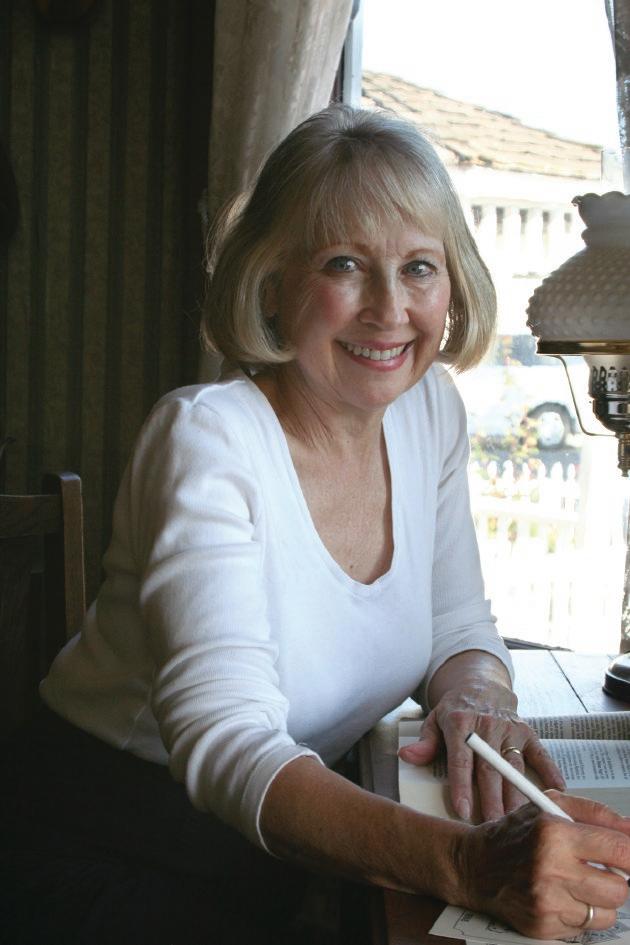
Many of my students have told me I’m like a cheerleader, rooting them on to success. I know they all have what it takes to succeed, even when they have their own doubts. Why? Because I’ve been there, too. As I stepped onto the beautiful University of Michigan campus, I questioned whether I belonged. My small farming community seemed far away and I felt out of place. Many students had come from fancy prep schools and wealthy families. I had gone to a oneroom schoolhouse and then to a tiny high school in the thumb of Michigan. I was putting myself through college with part-time jobs and baby-sitting in exchange for room and board. Would I be able to make it here? Did I belong? I thought back to a time in high school when I also questioned whether I belonged. I had learned to overcome an intense fear of public speaking and ended up on the debate team. I decided to apply the same positive habits that helped me to feel confident in front of people.
I felt that same fear when I entered a Ph.D. program at Michigan State University. I was surrounded by smart, confident scholars who had graduated from excellent schools. Did I belong here? I looked at my habits and personal qualities and realized that my experiences as a farm kid made me a hard worker and persistent, I knew that no amount of effort was too great to achieve the goal of graduating. I was incredibly grateful for the opportunity to be admitted to a competitive graduate program. I wanted to make my parents proud because they never had the choices that I had. I practiced positive thinking and positive habits and visualized myself as a college graduate. I held that image firmly in my mind whenever I was discouraged.
I returned to our farming community and taught for a year in the same one-room schoolhouse that I (and my father) had attended. It was my mission to encourage the students to develop their full potential and set high goals. I believed in them and told them that they could succeed in college. “You belong,” I said often. They all had the same work ethic that I had and that discipline would serve them well. From there I went on to teach in college. Over the years, I have had many students
who wondered if they belonged in college. I assured them that they did indeed belong and cheered them on to graduate.
I would have never dreamed of being a college professor and an administrator when I was in high school, but, at only 24 years old, I accepted a dean position at Delta College, a large community college in Michigan. A few years later, I moved to California as Dean of Continuing Education at Humboldt State University. I developed a new program in student success. That project launched this book and became my life’s work. Over the years, I have had several students who wondered if they belonged in college. I helped them replace negative thoughts and behavior with positive habits. I watched them become confident and engaged students. I felt I was on the brink of something important. I was. Over the years I have seen the power of habits and how they change lives.
Throughout this book, we talk about the attributes of a “peak performer” and attempt to define success— in school, career, and life. However, in the end, you have to define success for yourself. Only you can determine what drives you, what makes you happy, and what will become your own life’s work. What I know for sure is that your habits should support your goals.
If I could give you only three pieces of advice as you journey to find your passion in life, they would be
1. Acknowledge and pay attention. Create quiet time every day to focus on your inner experiences of thoughts, feelings, and sensations. Awake to nature and be observant of your surroundings. Success comes from a clear focus on what you value most. Don’t complicate your life with unnecessary distractions. Learn to focus and be mindful and grateful for your opportunities.
2. Be your own best friend. Create positive habits that support your goals and use the whole of your intelligence. Realize you are smarter than you think. Intelligence is not defined by a score on a test but rather by how you use all your experiences, abilities, resources, and opportunities to create opportunities and support your mind and body. Keep it simple and focus on one change. For example, exercise everyday and you will find that this one habit spills over into other areas of your life. You will be more positive and become your own cheerleader.
3. Create ways to engage and connect with people. You will feel that you belong in school and at work when you relate well with others and build friendships and positive relationships. Engage in clubs, music, theater, athletics, and other events and connect with others who have similar experiences. Getting involved and making friends helps create a sense of belonging and well-being.
And when you need a little help developing your own “cheer” along the way, please drop me an e-mail at sharonferrett@gmail.com I believe in you!
—Sharon K. Ferrett
Getting Started
Congratulations! You are about to start or restart an amazing journey of opportunity, growth, and adven ture. You may be at this point in your life for a num ber of reasons: You may be furthering your education right after high school; you may be focusing on a spe cific career or trade and want to acquire the appropri ate skills or certification; or you may be returning to school after years in the workforce, needing additional skills or just looking for a change.
Whatever your reasons, this is an opportunity for you to learn new things, meet new people, acquire new skills, and better equip yourself both profession ally and personally for the years ahead. This book is designed to get you started on that journey by help ing you (1) learn how you learn best—and incorporate new ways to learn; (2) maximize available resources and seek out new opportunities; (3) relate what you are exploring now to future success on the job; and (4) strive to become the best person you can be.
Now that you have your book in hand, you are ready to get started. Or are you really ready? What else should you be aware of at this point? You may have already attended a basic orientation session where you learned about school and community resources and program requirements. Going through orientation, meeting with your advisor, and reviewing your cata log will help you get oriented. Additionally, this quick review is designed to outline the essentials that you will want to know, so that you not only survive but also make your first year a success. Peak Progress 1 provides a handy checklist for the essential tasks you
need to consider and accomplish the first week of school. Add to this list any tasks that are unique to your situation or school.
Peak Progress 1
Tasks to Accomplish the First Week of School
∙ Attend orientation and meet with an advisor. Ask questions and determine available resources. (See Peak Progress 2 for questions to ask.)
∙ Register and pay fees on time.
∙ Set up an e-mail account and check it daily.
∙ Check deadlines and procedures. Never just quit going to class.
∙ Buy books and keep receipts. Establish a recordkeeping system.
∙ Find out the location of classrooms, parking, and school resources.
Why Are You Here?
College success begins with determining your goals and mapping out a plan. A good place to start is to reflect on why you are in college and what is expected of you. You will be more motivated if you clarify your interests and values concerning college. You will read in Chapter 3 the reasons students don’t graduate from college, including juggling multiple responsibilities, having poor study skills and habits, and lacking preparation, motivation, and effort. College is a commitment of many precious resources you can’t afford to waste—time, money, and mental energies. Consider the following statements and your reasons for being in college, and share this in your study team or with students you meet the first few weeks of class:
∙ I value education and want to be a well-educated person.
∙ I want to get a good job that leads to a wellpaying career.
∙ I want to learn new ideas and skills and grow personally and professionally.
∙ I want to get away from home and be independent.
∙ Know expectations and requirements. Get a syllabus for each class. E-mail instructors for clarification.
∙ Create an organized study area. Post instructors’ names, office locations, and hours, as well as important deadlines.
∙ Form study teams and exchange e-mails and phone numbers. Get to know instructors and other students.
∙ Explore resources, such as the library, learning skills center, health center, and advising center.
∙ Go to all classes on time and sit in the front row.
∙ I want to make new friends.
∙ I want to have new experiences and stretch myself.
∙ I want to fulfill my goal of being a collegeeducated person.
Jot down what you want from college and why you’re motivated to get it.
List four values that are most important to you and how college will help you achieve them.
What You Need to Know and Should Not Be Afraid to Ask
You don’t want to learn the hard way that you need one more class to graduate, only to find it’s offered only once a year (and you just missed it). Make your time with your advisor productive by getting answers to important questions that will help you map out your coursework. Peak Progress 2 provides a handy checklist of common questions to get you started.
What Do You Need to Do to Graduate?
You will be more motivated and confident if you understand graduation requirements. Requirements vary among schools. Don’t rely on the advice of friends. Go to orientation and meet with your advisor early and often. Check out the catalog and make certain you know what is required to graduate. Fill in the following:
GRADUATION REQUIREMENTS
∙ Number of units required:
∙ General education requirements:
∙ Curriculum requirements:
∙ Residency at the school:
∙ Departmental major requirements:
∙ Cumulative GPA required:
∙ Other requirements, such as special writing tests and classes:
How to Register for Classes
Find out if you have an access code and the earliest date you can register. Meet with your advisor, carefully select classes, and review general education and major requirements. Add electives that keep you active and interested. Make certain that you understand why you are taking each class, and check with your advisor that it is meeting certain requirements. Many colleges have a purge date and, if you miss the deadline to pay your fees, your class schedule is canceled. You may not be able to get into classes and may have to pay a late fee.
Know the Grading System
Learn the minimum grade point average (GPA) that you need to maintain good standing. If your GPA falls below 2.0, you may be placed on academic probation.
The GPA is calculated according to the number of credit hours each course represents and your grade in the course. In the traditional system, A = 4 points, B = 3 points, C = 2 points, D = 1 point, and F = 0 points (your school may have a different system, so ask to be sure). To calculate your GPA, first determine your total number of points. Following is an example:
Then, to arrive at your GPA, you must divide your total points by your total number of credit hours:
GPA = total points divided by total number of credit hours
Thus, in this example, GPA = 29 divided by 9 = 3.22
Monitor your progress and meet with your instructors often, but especially at midterm and before final exams. Ask what you can do to improve your grade.
Adding or Dropping Classes
Ask about the deadlines for adding and dropping classes. This is generally done in the first few weeks of classes. A withdrawal after the deadline could result in a failing grade. Also, make certain before you drop the class that
∙ You will not fall below the required units for financial aid.
∙ You will not fall below the required units for playing sports.
∙ If required, the class is offered again before you plan to graduate.
∙ You don’t need the class or units to meet graduation requirements.
∙ You are meeting important deadlines.
∙ You talk with the instructor first.
∙ You talk with your advisor.
Peak Progress 2
The Most Common Questions Students Ask Advisors
1. What classes do I need to take for general education?
2. Can a course satisfy both a general education and a major requirement?
3. Can I take general elective (GE) courses for Credit/No Credit if I also want to count them for my major?
4. How can I remove an F grade from my record?
5. What is the deadline for dropping courses?
6. Can I drop a course after the deadline?
7. What is an “educational leave”?
8. What is the difference between a withdrawal and a drop?
9. Do I need to take any placement tests?
10. Are there other graduation requirements, such as a writing exam?
11. Where do I find out about financial aid?
12. Is there a particular order in which I should take certain courses?
13. Are there courses in which I must earn a C– or better?
14. How do I change my major?
15. Which of my transfer courses will count?
16. What is the minimum residency requirement for a bachelor’s degree?
17. Is there a GPA requirement for the major?
18. Is there a tutoring program available?
19. If I go on exchange, how do I make sure that courses I take at another university will apply toward my degree here?
20. What is a major contract, and when should I get one?
21. When do I need to apply for graduation?
22. How do I apply for graduation?
23. What is a degree check?
24. What is the policy for incomplete grades?
25. Can I take major courses at another school and transfer them here?
26. As a nonresident, how can I establish residency in this state?
27. How do I petition to substitute a class?
28. Once I complete my major, are there other graduation requirements?
29. What is academic probation?
30. Is there any employment assistance available?
31. Is there a mentor program available in my major department?
32. Are there any internships or community service opportunities related to my major?
Never simply walk away from your classes. The instructor will not drop you, nor will you be dropped automatically if you stop going to class at any time during the semester. It is your responsibility to follow up and complete required forms.
An Incomplete Grade
If you miss class due to illness or an emergency, you may be able to take an incomplete if you can’t finish a project or you missed a test. Check out this option with your instructor before you drop a class. Sign a written agreement to finish the work at a specific time and stay in touch with the instructor through e-mail and by phone.
Withdrawing or Taking a Leave of Absence
Some students withdraw because they don’t have the money, they can’t take time off from work, they lack child care, or they are having difficulty in classes. Before you drop out of college, talk with your advisor and see if you can get the support and motivation to succeed. If you want to take a leave to travel, want to explore other schools, are ill, or just need to take a break, make certain that you take a leave of absence for a semester, a year, or longer. Taking a leave means that you do not have to reapply for admission, and generally you fall under the same category as when you entered school.