POLITICSOFTHE NORTHKOREAN DIASPORA
SheenaChestnutGreitens UniversityofTexasatAustin
ShaftesburyRoad,CambridgeCB28EA,UnitedKingdom OneLibertyPlaza,20thFloor,NewYork,NY10006,USA 477WilliamstownRoad,PortMelbourne,VIC3207,Australia
314–321,3rdFloor,Plot3,SplendorForum,JasolaDistrictCentre, NewDelhi – 110025,India
103PenangRoad,#05–06/07,VisioncrestCommercial,Singapore238467
CambridgeUniversityPressispartofCambridgeUniversityPress&Assessment, adepartmentoftheUniversityofCambridge.
WesharetheUniversity’smissiontocontributetosocietythroughthepursuitof education,learningandresearchatthehighestinternationallevelsofexcellence.
www.cambridge.org Informationonthistitle: www.cambridge.org/9781009454537
DOI: 10.1017/9781009197267
©SheenaChestnutGreitens2023
Thispublicationisincopyright.Subjecttostatutoryexceptionandtotheprovisions ofrelevantcollectivelicensingagreements,noreproductionofanypartmaytake placewithoutthewrittenpermissionofCambridgeUniversityPress&Assessment.
Firstpublished2023
AcataloguerecordforthispublicationisavailablefromtheBritishLibrary
ISBN978-1-009-45453-7Hardback
ISBN978-1-009-19728-1Paperback
ISSN2632-7368(online)
ISSN2632-735X(print)
CambridgeUniversityPress&Assessmenthasnoresponsibilityforthepersistence oraccuracyofURLsforexternalorthird-partyinternetwebsitesreferredtointhis publicationanddoesnotguaranteethatanycontentonsuchwebsitesis,orwill remain,accurateorappropriate.
ElementsinPoliticsandSocietyinEastAsia
DOI:10.1017/9781009197267 Firstpublishedonline:December2023
SheenaChestnutGreitens UniversityofTexasatAustin
Authorforcorrespondence: SheenaChestnutGreitens, sheena.greitens @austin.utexas.edu
Abstract: PoliticsoftheNorthKoreanDiaspora examineshow authoritariansecurityconcernsshapeglobaldiasporapolitics. Empirically,ittracestherecentemergenceofaNorthKoreandiaspora – a globally-dispersedpopulationofNorthKoreanémigrés – andargues thatthenon-democraticnatureoftheDPRKhomelandregime fundamentallyshapesdiasporicpolitics.Pyongyangperceivesthe diasporaasathreattoregimesecurity,andattemptstodissuade emigration,de-legitimatediasporicvoices,anddeterordisruptdiasporic politicalactivity,includingthroughextraterritorialviolenceand transnationalrepression.This,inturn,shapestheNorthKorean diaspora’sperceptionsofcitizenshipandpatternsofdiasporicpolitical engagement:NorthKoreanémigréshaveinternalizedmanyhost countrynorms,particularlythecivilandparticipatorydimensions ofdemocraticcitizenship,andémigréshaveplayedimportantroles inbothhost-countryandglobalpolitics.ThisElementprovidesnew empiricalevidenceontheNorthKoreandiaspora;demonstratesthat regimetypeisanimportant,understudiedfactorshapingtransnational anddiasporicpolitics;andcontributestoourunderstanding ofcomparativeauthoritarianism’sglobalimpact.
Keywords: NorthKorea,authoritarianism,diaspora,politicalbehavior, humanrights
©SheenaChestnutGreitens2023
ISBNs:9781009454537(HB),9781009197281(PB),9781009197267(OC)
ISSNs:2632-7368(online),2632-735X(print)
ThisElementexaminestheemergenceandsignificanceoftheNorthKorean diaspora.Overthepastthirtyyears,agrowingnumberofindividualshaveleft theDemocraticPeople’sRepublicofKorea(DPRK)andresettledinthird countries,forminganew,globallydispersedpopulation.NorthKoreanemigrationhasbeenconcentratedinSouthKorea,butnotlimitedtoit:whilealmostall DPRKémigrésinitiallysettledinSouthKorea,asignificantnumberhavesince soughtasylumandresettlementbeyondtheKoreanpeninsula.
Thisspecificformofmigration,andthediasporicpoliticsthatithasengendered, hasreceivedlittlesystematicattention.Thereisrobustscholarshiponearlier wavesofmigrationthatformedtheKoreandiaspora,includingthediaspora’s roleinKoreanstateformationandcontemporarytransnationalpoliticsinand aroundthepeninsula.ThecontemporarywaveofmigrationfromNorthKorea, however,isempiricallydistinctfrompreviouswaves,eitherthosethatpreceded themodernKoreanstatesonbothhalvesofthepeninsula,ortheout-migrationof Koreansfromthepeninsula’ssouthernhalfsince1948.NorthKoreanémigrésthus formthemostrecentlayerofabroaderKoreandiaspora – embeddedwithinglobal Koreancommunities,butalsoretainingdistinctiveidentitiesandpatternsof politicalbehavior.Asyet,however,thereisrelativelylittlescholarshiponNorth Koreanémigrés – theirdestinations,experiences,conceptionsofidentity,and politicalengagement,eitherinhostcountriesorvis-à-vistheirhomeland.This Elementsystematicallyunpacksandaddressesthosequestions.
Asitdoesso,theElementalsoengageswiththequestionofhowhomeland regimetypeshapesdiasporicpolitics – agrowingareaofresearchattheintersectionofcomparativepoliticsandinternationalrelations.NorthKoreafallsin asubsetofcaseswhereinthediasporaemergesfromandengageswith ahomelandunderauthoritarianrule.Recentscholarshiphighlightsthatwhen authoritariangovernmentssuppressoppositionandcontentionathome,citizens canturntomigrationandresettlementabroadtoevade,organizearound,and contestthepowerandcontrolofhomelandregimes.Whenthathappens,diasporas becomeimportantsitesofanti-regimeactivity;authoritarianregimesinturn strategicallymanagemigrationanddiasporicpoliciestomitigaterisksandcontrol populationsresidingabroad(Ragazzi2009; BettsandJones2016; Glasius2018; Tsourapas2018; Adamson2020; MillerandPeters2020).
Theorigins,politicaldynamics,andimpactofthese “defectordiaspora” groups orsubgroups,however,remainincompletelyunderstood.Howdowavesof migrants fleeingauthoritarianruledifferfromandlayerintopreexistingethnic diasporapopulations,andwhatfactorsshapetheformthattheseauthoritarian diasporastake?Whenandhowdothesesubgroupsengageinpoliticalactivity,
eitherinthehostcountrieswheretheyresettleortransnationallyvis-à-vistheir authoritarianhomelands?Howdohomelandauthoritarianregimesviewthese diasporapopulations,andseektomanagethemtoensurethattheydon’tbecome athreat?Asoneofthemostclosednondemocraticregimesinthecontemporary world,NorthKoreaprovidesanimportantcasestudybywhichtoexaminethese largercomparativequestions.
PoliticsoftheNorthKoreanDiaspora explainstheoriginsandshapeofthe NorthKoreandiaspora,examineshowNorthKoreanémigrés’ participationin democratichostcountriesintersectswiththeiractivismvis-à-vistheDPRK’s authoritarianregime,anddiscusseshowthisapproachtodiasporicpoliticssheds lightoncomparativedevelopmentsinauthoritariandiasporasworldwide.The divisionoftheKoreanpeninsulaandsubsequentcontestationovermigrantcitizenshipandasylumeligibilityhavegeneratedaT-shapeddiaspora,deeplyconcentratedinSouthKoreabutwithathin,globaldistributionofdiasporamembers anchoredinothercountries.ManyoftheseindividualsleftNorthKoreafor economicaswellaspoliticalreasons, andnotallarepoliticallyactive,but asignificantsubsetengagesinpoliticaladvocacyinoppositiontotheirhomeland’s authoritarianregime.Theyengageboth vertically,asindividualsoradvocacy groupswithinspecifichostcountries,and horizontally,asmembersof atransnationalpoliticalcommunityfocusedonasharedhomeland;theirglobal distributionhasbroadenedtheavailabilityofexternalsupport andincreasedthe effectivenessofbothtransnationalanddomesticallyfocusedadvocacyefforts.In theseefforts,NorthKoreanshaveactedaswitnessestoNorthKorea’sauthoritarian past,asspokespeopleforapeopledeniedvoiceinthepresent,andasstakeholders inboththeircountriesofresettlementandNorthKorea’spoliticalfuture.
Thus,theNorthKoreandiasporarepresentsafragmented,limited,butstill significantsourceoftransnationalandpluralisticcontentiouspolitics,ofakind thatissuppressedwithintheDPRKitself.TheNorthKoreanregime,foritspart, appearstoregardthisnascentdiasporaasapotentialthreat,andhastakensteps todissuade,discredit,anddeterdiasporamembersfromengagingincriticism andoppositionalactivityabroad.Thus,thoughitissmall,thepoliticalsignificanceoftheNorthKoreandiasporaaffectsbothNorthKorea’spoliticalsystem andtransnationalglobalpolitics.
ThissectionprovidesanoverviewoftheNorthKoreandiaspora,outlining migrationprocessesandresettlementdestinations.Itarguesforconceptualizing theseémigréswithinadiasporicframework:theirglobaldispersion,distinctive sharedidentity,andemergenttransnationaltiesqualifyasanascentdiaspora.It arguesthataddingaregime-centered, North Korea–focuseddimensionto traditionalprimordialistconceptionsofthediasporashedsgreaterlighton NorthKoreans’ politicalidentities,networks,andpatternsofpoliticalaction.
Thisallowsustoassesstheoften-outsizedimpactémigréshavehadonpolicyat ahost-countryandgloballevel,andallowsustoplaceNorthKoreaincomparativedialoguewithotherdiasporapopulationsfromhomelandsunder authoritarianrule.
DescribingNorthKoreanMigrationandResettlement
What – orwhom – dowemeanby “NorthKoreandiaspora”?Empirically,two geographicallyoverlappingbutsociallydistinctnetworkscompriseNorth Korea’soverseaspresence.OneischieflycomposedofNorthKoreandiplomats andoverseasworkers,organizedincorporatistfashionandaffiliatedwiththe regimewhilepostedabroadonbehalfoftheDPRK’seconomicandpolitical purposes(Hastings2016).TheothernetworkofNorthKoreansworldwide, however,isamorerecentdevelopment:migrants,refugees,anddefectorswho haveexitedNorthKoreatoseekalifeelsewhere.Ifocusprimarilyon thissecondnetwork,whichhasgrowninsizeandinfluenceevenastheregimeaffiliatednetworkhascomeundersignificantpressure.AlthoughtheDPRK maintainsadiplomaticpresenceinapproximately fiftycountries(East-West Center/NCNK2019),UNsanctionsandotherinternationalpressureshave constrictedandretrenchedNorthKorea’sregime-affiliatedpresence.As aresult,thepopulationofNorthKoreansaroundtheworldhasshiftedfrom regime-affiliatedtoincreasinglyoppositional.
ConventionalwisdomonemigrationfromtheDPRKusuallyportraysNorth KoreandefectorsandrefugeesascongregatingintheRepublicofKorea(ROK), withanundocumented,transitorypopulationofunknownsizeinnortheastern China.Thatperceptionremainslargelyaccurate,althoughthepopulationin Chinamayhavecontractedduringtheglobalpandemicduetostrictborderand mobilitycontrolsonbothsidesoftheChina–DPRKborderandpost-pandemic repatriationeffortsbytheChinesegovernment(Yoon2023).AsofJune2023, anestimated33,981defectorshadenteredtheROK(MOU2023) – byfarthe largestconcentrationofpermanentlyresettledexilesoutsideDPRKterritory.
Undertheethnicnationalistnarrativeframeworkarticulatedinbothnorthand south,whereinbothhalvesofthepeninsulaarepartofasingleKoreannation (Miyoshi-Jager2003; Shin2006; Grzelczyk2014),thisresettlementisnotquite diasporic migration.NorthKoreanswhomigratetoSouthKoreaostensibly remainwithinapeninsular “homeland”– eventhoughthesouthernhalfofthis homelandhasfunctionedasaseparatecountryforoverseventyyears,and NorthKoreanémigrésareseparatedfromhome,whetherthathomeisdefinedas a physicalplace oforigin,orinthesenseofone’s familyandcommunity.By contrast,aregime-centerednotionofdiaspora – focusedonthecommonalityof
NorthKoreanresettlementinSouthKoreaandglobally (2000–20)
emigrationfromterritorycontrolledbytheDPRK – capturesthisdislocation, andalsoallowsustoplacemigrationandresettlementtoSouthKoreain abroaderinternationalandcomparativecontext.
Thisshiftmattersbecauseoflate,anincreasingnumberofNorthKorean emigrantshaveclaimedasylum,soughtrefugeestatus,andattemptedresettlementincountriesapartfromtheROK.NorthKoreanonwardmigrationfrom SouthKoreahasalsoincreased,makingtheROKnotjustaresettlement destination,butatransitpointinglobalmigrationchains – chainsthatoriginate insideNorthKorea,butnolongerbeginandendonthepeninsula(Song2015; SongandBell2019). Figure1 comparesresettlersarrivinginSouthKoreato NorthKoreansapplyingforasylumworldwide.1
TheUNHCRstatisticsshownin Figure1 likelyunderstatethesizeofthe globalNorthKoreandiaspora,duetodefinitionandmeasurementproblems.For differentreasons,China,Japan,andSouthKoreaallavoidapplyingthelabels “refugee” or “asylee” toNorthKoreanescapees,soJapanandChinaare excludedfromthe “global” line.Inaddition,UNHCRhasrefusedtomake formalrefugeedeterminationsforNorthKoreansinSoutheastAsia,duetothe geopoliticalcomplexitiesthathaving “twoKoreas” posesfordiplomaticrelationsandtheoptionofsimplysendingsuchindividualstoSouthKoreafor resettlement(HanVoice2016:5).
1 DataonSouthKoreafromROKMinistryofUnification(www.unikorea.go.kr/eng_unikorea/rela tions/statistics/defectors).Globaldatauses “asylumapplications” fromUNHCR’sRefugeeData Finder(www.unhcr.org/refugee-statistics/download/?url=5wmdYY).TheUNHCRdataexcludes somecountries,andNorthKoreanswhoinitially claimasylumabroadcouldeventuallyresettlein SouthKorea,sothetwocategoriesdepictedareneitherexhaustivenormutuallyexclusive.
South Korea Global
Figure1
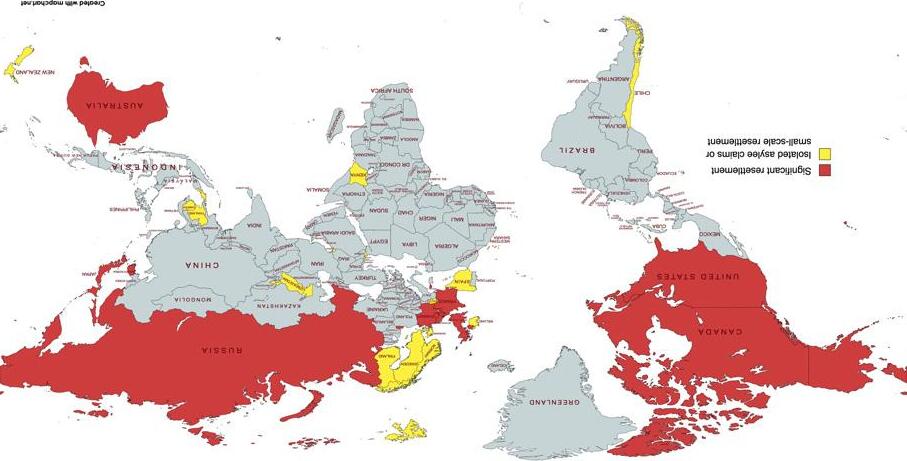
Evenwherestatisticsarereported,neitherasylumnorrefugeenumbers completelycapturetheNorthKoreanémigrépopulation.Notallasylumapplicationssucceed;inEurope,thereareyearswherecountriesrejectedthemajority ofNorthKoreanasylumclaims(Section3).Insomecases,suchasthe Netherlands,NorthKoreanasyleeshaveresettledunderComplementary ProtectionsStatusratherthanasrefugees(Burt2015).Finally,UNHCR’s “refugee” figureisthetotalDPRK-originrefugeepopulationin-country,meaningthatindividualsenterthatcategoryeachyear,whileothersdropoutdueto naturalization,death,andonwardmigration.Thismakesestimatesderivedfrom UNHCRdatauncertain,andbesttreatedasalowerboundorbaseline;thesedata showedNorthKoreanswithrefugee/asyleestatusintwenty-fivedifferent countriesfrom1990to2020(Figure2).2
Somecountries(markedyellowonthecoloredversionof Figure2,ormedium grayonthegrayscaleone)recordedonlyahandfulofapplicantsinisolatedyears andnoneinothers,suggestingcasesofindividual/small-groupdefection.These includedCambodia(1996/2007),Chile(2015),Finland(2020),Kenya(2019), Kuwait(2015/2016),Spain(2015),andUzbekistan(1996).Others,likeIsrael (2013–20)andKyrgyzstan(2006–10),showlownumbersforasinglestretch,and nothingafterwards.Inothercases(redordarker-shadedin Figure2),including theUnitedKingdom,Germany,Canada,andtheUnitedStates,thenumbersof individualsseekingasylumorobtainingrefugeestatusarelargerandremain consistentoveryears,suggestingmoresustainedpatternsofmigrationand resettlementcorroboratedbyjournalisticoracademicinvestigation. Section3 ofthisElementassessesthefactorsthathaveshapedthisglobaldistribution.
ThereispresentlylittleresearchontheglobaldimensionsoftheNorth Koreandiaspora.ArobustliteratureontheKoreandiasporaconcentrates primarilyonhistoricalprocessesofmigrationaroundandbeyondtheKorean peninsula(R. Kim2008;J. Kim2016;A. Park2019),oronvariousformsof transnationalKoreanpolitics(N. Kim2008; Chubb2014;S.Y. Kim2014; Lie 2014;H.O. Park2015).AthirdstrandofscholarshipexploresSouthKorean economicmigrationandROKpolicytowardimmigrantsandtheoverseas Koreancommunity(ParkandChang2005; Lee2010, 2012; Brubakerand
2 Thesewere:Australia,Belgium,Canada,Cambodia,Chile,Denmark,Finland,France,Germany, Ireland,Israel,Kenya,Kuwait,Kyrgyzstan,Luxembourg,theNetherlands,Norway,Russia, Spain,Sweden,Switzerland,Thailand,Uzbekistan,theUnitedKingdom,andtheUSA.
Asof2017,UNHCRrecordedrefugees/asyleesinfourteenadditionalcountries,butremoved themlaterforreasonsthatareunclear:Angola,Austria,CostaRica,Egypt,Hungary,Japan, Mexico,NewZealand,Philippines,Poland,Singapore,Turkey,Ukraine,andYemen.
Darkshading(orred,inthecolorversion)denotesrefugeepopulations>25foratleastoneyearin thisperiod.Mediumgray(oryellow,ifincolor)denoteseitherarefugeepopulation<25forall years,orasylumclaimswithoutrefugeeresettlement.
Figure2 NorthKoreanrefugees/asyleesworldwide(1990–2020)
Kim2011; Yoon2012; Kim2013; Mylonas2013; Kim2016; LeeandChien 2017; TsudaandSong2019).Forallitsvalue,thisworkdoesnotexplainthe rolethatmembersoftheNorthKoreanexilecommunityhaveplayedin contemporarydomesticandglobalpolitics.Theseoutcomesbecomemore apparentwhenweconceptualizeaspecific “wave” ofmigration,motivatedby adesiretoleaveNorthKorea,thatlayersontothepreexistingdiaspora,andthat isembeddedinlargerpatternsofKoreandiasporicpoliticswithoutbeing subsumedcompletelybythem.
ResearchonNorthKoreanémigrécommunitiesisunevenlydistributedand almostexclusivelycomposedofsinglehost-countrycases.Thereisextensive academicandpolicyworkonNorthKoreanresettlementinSouthKorea, includinghowNorthKoreansperceiveandengageintheROK’scapitalist democraticsystemandonthechallengesofeffectiveresettlementandintegration(Choo2006; Lee2016;S. Kimetal.2017; Hur2018, 2020; Denney,Green, andWard2019; Park2023).KoreancommunitiesinJapanhavealsoreceived in-depthethnographicandanthropologicalattention.OtherNorthKorean émigrécommunities,however,havebeenreportedonsolelybyjournalists (Canada)orlargelyoverlooked(theNetherlands,etc.).ThisElementbuilds onexistingworkbydrawingthesecasestudiesintocomparativeconversation, fillinginempiricalgaps,andtreatingNorthKoreanémigrésasanetwork definedbysharedhomelandorientation – asignificant,emergentformof transnationalKoreanmobility,identity,andpoliticalengagement.
ANorthKoreanDiaspora?RegimeTypeinDiasporicPolitics
DiscussionsofNorthKoreanswho’velefttheDPRKimmediatelyencounter difficultiesofnomenclature,whichshapepoliticalmeaning,bothinKoreaand moregenerally(Chung2008; BrubakerandKim2011).InSouthKorea,these individualsare talbukja, saetomin,or,officially, bukhanitaljumin; 3 English termsinclude defectors, refugees, exiles, migrants, resettlers,and immigrants Theredebatesovernomenclaturereflectbroadercomparativeconversations: Hamlin,forexample,arguesagainstreifyingbinarydistinctionsbetween migrantsandrefugeesbecausesuchachoiceimplies,misleadingly,thatmotivationsforbordercrossingaredistinct,thatrefugeesareneedier,andthat “true” refugeesarerare(2021:6–18).
Asanalternative,theuseof “diaspora” canavoidsomefalsebinaries,treating NorthKoreansworldwideasaconceptualcategoryorganizedbyhomelandof
3 OverseasKoreansarereferredtoeitherbythehomeland-oriented gyopo,orthemoretransnationalandethnically-oriented dongpo (“compatriots,” butwithafamilialconnotation).ANorth Koreandefector ’sanalysisofterminologyappearsin LimandZulawnik(2021:73–77).
origin,butcomposedofindividualsandfamilieswithmultiplemotivations, levelsofneed,andtypesofengagementinpoliticallife.
Adiasporicframework,however,doesnotresolvealldefinitionalproblems; thetermremainscontestedandmultivalent.Theuseof “diaspora” inthis Elementparallels Gamlenetal.(2017:511),whousethetermtomeansimply, “emigrantsandtheirdescendants.” Incontrast, Brubaker(2005:12)defines diasporasbysubjectiveself-perception: “anidiom,astance,aclaim.” Others combineobjectiveandperceptualelements: Vertovec(2009:5)describes “an imaginedcommunitydispersedfromaprofessedhomeland” (seealso Safran 1991:83).BettsandJonesdefinediasporasas “communitiesthataretransnationallydispersed,resistassimilation,andhaveanongoinghomelandorientation,” whileremindingusthatnotallgroupsofexilesadoptadiasporicstance (2016:3–5).Adamson(2019)describesthemas “constitutedbyanarrativeof dispersion,attachmenttoahomeland,andasenseofgroupidentity.” Shainand Barth(2003:452)describeadiasporaas:
Apeoplewithacommonoriginwhoreside,moreorlessonapermanent basis,outsidethebordersoftheirethnicorreligioushomeland – whetherthat homelandisrealorsymbolic,independentorunderforeigncontrol.Diaspora membersidentifythemselves,orareidentifiedbyothers – insideandoutside theirhomeland – aspartofthehomeland’snationalcommunity. Inthissense,NorthKoreansbeyondtheKoreanpeninsulaareadiaspora,atleast anemergentone.Theyaredispersedfromthehomeland,whetherthathomeland isconceptualizedastheKoreanpeninsula;asthecountryofNorthKorea;oras aspecificlocalcommunityoffamilialancestryandorigin.ManyNorthKorean émigrésshareacommonsenseofidentityandevenprideintheirgroup,ifnotthe regimethatgovernsit(see Section4 ofthisElement; GreenandDenney2021); theyarerecognizedasNorthKoreansbyothers.Theyspeakadialectclearly distinguishablefromSouthKorean,adifferencethatcanconditionmigrants’ networkstructureandpatternsofpoliticalincorporation(Liu2021).ManyNorth Koreanssharestrongerwithin-network(bonding)tiesthan(bridging)tiestothose outside;manyhavealsoformedtransnationallinkagesbasedontheirshared countryoforigin – particularlyonanti-regimeadvocacy,andsometimesas adeliberatealternativetodeepeningtieswithnon–NorthKoreancivicorganizationsinhostcountries(Bell2013, 2016:265; YeoandChubb2018:4).Indeed,the broader “NorthKoreandiaspora” haswithinitasizable “defectordiaspora” engagedinpoliticalactivism – thoughinNorthKorea’scase,theactivistsubset isacomparativelylargefractionofthewhole(see Section5).
Atthesametime,thistransnationalnetworkofNorthKoreanexilesis overlaidonto,andnestedwithin,alargerKoreandiasporathatemergedearlier,
generatedbydifferentcircumstances,timing,andprocesses. Cohen(1997) classifiesdiasporasintofourtypes:victim/refugee;imperial/colonial;labor/ service;andtrade/commerce.Muchpreviousscholarshiponthebroader Koreandiasporahasemphasizeditscolonial/postcolonialandeconomic dimensions.4 NorthKoreans,however,hewclosertothevictim/refugeetype, meaningthatspecificallynorthernrefugeediasporathreadsareoverlaidand wovenintoabroader,existingKoreanpostcolonialandlabor-based/commercialdiaspora.
Thisnarrativeishighlystylized;theNorthKoreandiasporaitselfisnot monolithic,noristhebroaderdiasporainwhichitisembedded.North KoreansinSouthKoreaself-identifywiththenationalcommunitytovarying degrees,anddefinethatnationalcommunityinarangeofways(Hur2018).In theUnitedKingdom,identityperceptionsstratifybyage:youngerNorth Koreansidentifyprimarilyas “foreignimmigrantsinamulticulturalcountry,” whileolderNorthKoreansaremorelikelytothinkintermsofmembershipin specificallyKoreandiasporanetworks(Watson2015).As Sections4–5 show, however,thisstylizednarrativeisusefulforunderstandinghowNorthKorean emigrationandresettlementinareaswherethereisapreexistingKorean diasporacan both produceaseparatediasporiclayerwithdistinctivedynamics, and alsogeneratenewintra-diasporiccleavagesalongregime,language,and otherlinesforthosewhocontinuetodefinethediasporawithreferencemostly tosharedethnicity. “Diaspora” ismultivalentenoughtoallow fluidity:North Koreansaresimultaneouslymembersofatransnationalnetworkspecificto NorthKorea,andmembersofabroaderKoreancommunitythathasbeen dispersedbyglobalforcesofviolenceanddevelopmentsincethebeginning ofthetwentiethcentury.
What,then,isthevalueoffocusingmorenarrowlyonthe North Korean diaspora,andcenteringtheauthoritariannatureoftheDPRKregimeinthat analysis?Omittingthenondemocraticnatureofthehomeland – inNorthKorea orgenerally – overlooksasignificantfactorthatconditionsemigrationand resettlementprocesses;systematicallyaltersthenatureofpoliticalengagement withthehomelandbutalsowithhostcountries;andalsoaltersthehomeland government’scalculationsaboutdiasporicpolicy.Ashwini Vasanthakumar (2022:22)notesthatnormatively, “exileisassociatedwithunjustandundemocraticpoliticalorders.” Empirically,recentscholarshiphasdocumentedthat authoritarianismdiffersfromdemocracysystematicallyintermsofpatternsof emigrationpermitted(MillerandPeters2020);thediasporicmanagement
4 TransnationalismisdeeplyembeddedinstudyofKoreanidentityandmembershippolitics(Park 2005; Kim2008; Kim2011; Kim2016).
policiesthatnondemocratichomelandregimesadopt(DelanoandGamlen 2014; Tsourapas2018);thewaysthatcitizenswhogrowupunderauthoritarianismperceiveandengageinsubsequentdemocraticpolitics(Pop-Elechesand Tucker2017);andthestrategiesofpoliticalcontentionemployedwithrespect tothehomeland(BettsandJones2016).NorthKoreanexiles,likeexilesfrom otherhomelands,possessakindofpoliticalandmoralagencythatchallenges traditionalnotionsofpoliticalcommunity,membership,andobligation (Vasanthakumar2022);theyarenotjustwitnessestoNorthKorea’sauthoritarianpastandpresent,butrepresentativesofitspeopleinaworldwherethe regimelimitsexternalvoiceandaspirantstakeholdersinitspoliticalfuture.
Inshort,althoughauthoritariandiasporas5 sharesomefeaturesincommon withdiasporasfromdemocracies,theopportunitystructureandpatternsof diasporicpoliticalactionalsodifferinsystematicandimportantways.6 This Elementseekstoforegroundtheseinitsnarrative,withoutlosingsightofwhere andhowdiasporicactivismmightoccurintheabsenceofhomelandauthoritarianrule.
RoadmapfortheElement
TherestoftheElementproceedsasfollows. Section2 beginswithanoverview ofhowtheauthoritarianregimeinNorthKoreahasattemptedtocontroland manageitsdiaspora,historicallyandinthepresent.Theregime’sapproachto diasporamanagementhasshiftedasstate-sponsored,pro-regimegroupsno longercomprisethemajorityofNorthKoreansabroad,andoppositionalvoices haveincreasinglyinfluencedtheinternationalcommunity’spoliciestowardthe DPRK.Pyongyangdissuadesemigration;discreditsthosewholeavetodomesticandinternationalaudiences;andattemptstodeteranddisruptdiasporic abilitytoengageinoppositionandcriticism.Itemploysdomesticandinternationalpropagandanarrativesaboutdefection/re-defection;attemptstopreventlinkagesbetweendefectorsabroadandhomelandresidents;andthreatens politicalviolence,includingassassination,tostopdiasporamembersfrom engaginginanti-regimepoliticalspeechandaction.Throughtheseactivities, theregimeseekstomonopolizerepresentationoftheNorthKoreanpeople abroad,counteringandsuppressinga “defectordiaspora” thathasincreasingly contestedthelegitimacyofthatmonopolization(Ragazzi2012).Extraterritorial discreditationandrepressiveviolencealsoseektoconfrontemergentcontention
5 Here “authoritariandiaspora” means “adiasporadispersedfromahomelandpresentlygoverned byanon-democraticregime.” Thisisdistinctfrom LoxtonandPower(2021;465),whousethe termtomeandispersionofformerauthoritarianregimeofficialswithinacountry’spolitical system.
6 ThiswasalsotrueofSouthKoreaundermilitary-authoritarianrule,apointrevisitedin Section6.
andoppositionoverseas,beforeitcaninfiltratethehomeland’sborders,thereby bolsteringregimesecurity.Theseauthoritarianeffortscreatetheconditions underwhichNorthKoreandiasporicpoliticsemergeandevolve.
Section3 askswhereNorthKoreanswholeavetheirauthoritarianhomeland resettleandwhy.WhatfactorshaveshapedtheglobaldistributionoftheNorth Koreandiaspora?Itsuggeststhatcontestationovercitizenshipinadivided Koreashapesglobalpatternsofmigration:althoughNorthKoreansmeetlegal andcommunitarianstandardsforcitizenshipintheROK,actuallyclaimingthat citizenshipinthirdcountriesduringescapeisarduous,andoftencontingenton geopoliticalfactors,whichhascomplicatedtheNorth-to-Southmigrationand resettlementpipeline.Additionally,manyhost-countryimmigrationcourtshave interpretedKoreancitizenshipinwaysthatforcereversemigration,reconcentratingNorthKoreanémigrésontheKoreanpeninsula.TheresultisaT-shaped diaspora:heavilyconcentratedinSouthKorea,butwithabroad, “thin” global distributioninahandfulofcountriesthathaveeithertemporarilyorindefinitely permittedsmall-scaleNorthKoreanresettlement.
Section4 analyzesNorthKoreanémigrés’ politicalbeliefs,especially aboutdemocraticcitizenship.NewsurveydatashowsthatNorthKoreans intheUnitedStatesemp hasizeconceptionsofdemocraticcitizenship orientedtowardcivillibertiesandrights,andhaveinternalizedmany normsofdemocraticcitizenshipshare dbyAmericancitizens.Surveydata alsosuggestthatformanyNorthKoreans,prideinone ’sidentityand exerciseofrightsasanAmericanoccurinparallelwithstrongremaining communalattachmenttotheirethnicho meland,indicatingthatcivicpatriotismandethnicnationalismcanbedelinked.
Section5 examinesNorthKoreanémigrés’ politicalbehavior.Ingeneral, NorthKoreanswhohaveresettledindemocraciesshowahighlevelofcivicand politicalengagement.TheT-shapeddiasporadescribedin Section3 alsofacilitatesmultilevelpoliticalaction:membersofthediasporaareoftensimultaneouslyengagedwithintheirhostcountriesandtransnationally,anddiasporic “anchors” inmultiplecountrieshavebroadenedaccesstoexternalanimators thathavebeencriticaltodiasporicadvocacyatboththedomesticandinternationallevels(BettsandJones2016).Thisstructurehasenabledthediaspora, despiteitssmallsize,tosignificantlyinfluencehost-countryandinternational policytowardtheKoreanpeninsula.
Section6 assessestheimplicationsoftheElement’s findings.Itarguesfor amultilayeredviewofthediaspora,onethatincorporatesregime-specificforms ofpoliticalidentificationandtransnationaloppositionalongsidehistoricaland primordialistconceptionsofdiaspora.PlacingtheNorthKoreandiasporic “wave” incomparativecontext,itarguesthatthisElement’ssystematic
incorporationofregimetypeshedslightondevelopmentsworldwide,from HongKongexpatriatespursuinga “diasporicmodelofopposition” (Economist 2021)toadvocacyeffortsbyCubansintheUnitedStatestoSvetlana TikhanovskayaorganizinganoppositionmovementfromoutsideBelarus’ borders.Thesectionconcludesbyoutliningquestionsforfutureresearch, suchashowdiasporasthatemergefromauthoritarianhomelandschange underdemocratization;howoppositionalor “defector” diasporasrelateto politicallyinactiveorpro-regimediasporicsubgroups;andwhatpatternsof diasporicpoliticalactivitystabilizeorunderminehomelandauthoritarianrule.
2NorthKorea’sDiasporaManagementPolicies
TheauthoritariannatureofNorthKorea’shomelandregimefundamentally structuresandshapesdiasporicpolitics.Pyongyang’sapproachtodiaspora management,however,hasevolvedovertime.Foryears,theDPRKreliedon corporatistcontrolandpro-regimepropagandatomanageNorthKoreansoverseas:exportingworkersto(mostly)otherautocracies/hybridregimesin exchangefortheeconomicbenefitsthatsuchout-migrationprovided.Asthe proportionofthediasporapoliticallyopposedtotheregimeincreased,North Koreashiftedtactics.Today,itseeksto dissuade mostcitizensfromleaving;to discredit thosewholeaveandvoicecriticismfromabroad;and,usingtransnationalrepression,to deter and disrupt organizeddiasporicopposition.
Migrantsaretargetsof “twokindsofpolicies:theemigrationanddiaspora policiesoftheircountriesoforigin,andtheimmigrationandimmigrantpolicies ofdestinationcountries” (Muller-Funk2019).7 Whilealmostalldemocracies allowrelativelyopenout-migration,autocraciesvarygreatlyintheirapproaches, withtheDPRKonthemostclosed,restrictiveside.Scholarssuggestthatautocraciesmustbalancetheeconomicbenefitsofemigrationwithriskstopolitical stability.Emigrationisa “mechanismofdemocraticdiffusion” (MillerandPeters 2020:2);people “votingwiththeirfeet” cantriggermassexitandregimecollapse, butevenwithoutthatworst-casescenario,migrationcancreatecross-border flowsand “linkage” associatedwithgreaterlikelihoodofdemocratization (Hirschman1993; LevitskyandWay2010).Destinationregime-typealsomatters:emigrationtodemocraciesisassociatedwithgreaterlikelihoodofhomeland regimetransition,anddiasporashavecontributedtobothanti-regimemobilization(Nedelcu2019;NugentandSiegel2021;EsbergandSiegel2023)and democratization(Levitt1998; Camp2003; Bermeo2007; Chauvierand Mercier2014; Kapur2014; Mahmoudetal.2017).Thus,eventhoughmost
7 Untilrecently,comparativescholarshiponimmigrationfocusedonwealthydemocracies(Peters 2017).
emigrationiseconomic,autocraciessetemigrationpoliciesandmanagediasporas withbotheconomicincentivesandthelogicofpoliticalsurvivalinmind.
NorthKoreaisinmanywaysprototypical.TheDPRKishighlyrestrictiveof emigration,butallowsitinselectcaseswhereperceivedeconomicbenefitsare high.Pyongyangalsoappearsto findmigrationtoautocracies(especially China)lessthreateningthandemocracies(especiallySouthKorea,butalso theUnitedStatesandtheUnitedKingdom),consistentwithconcernabout reversediffusionofdemocraticideasandmobilizationfromabroad. Accordingly,Pyongyangattemptstoenmeshregime-sponsored(largelylaborfocused)emigrationwithinautocraticcountries,whereitcanberegulatedvia corporatistcontrolandpro-regimepropaganda.Tomanagepoliticalrisks,the regimedissuadesout-migrationaltogetherthroughbordercontrolsandbyusing “re-defectors” instatemedia;discreditsthosewhodefectindomesticand internationaloutlets;andseekstodeteranddisruptpotentialoppositionfrom engaginginanti-regimemobilizationandactivismabroad.
CorporatistControlandPro-regimePropaganda
Beforethe1990s,anyNorthKoreanabroadwasalmostcertainlyaffiliatedwith theregime:diplomats,tradingcompanyrepresentatives,orthoseassociated withvarious “friendshipassociations.” TheDPRK’soverseaspresencetypicallyoperatedalongregime-ledcorporatistprinciples,inwhich “associational affiliationsarestructured,non-competitive,andvertical,” existinginhierarchy ratherthanthediverse,competitive,andcrosscuttingassociationalformsthat characterizepluralistsystems(Gallagher2020:4).InsideNorthKorea,asin otherLeninistsettings,organizationallifeformsa “transmissionbelt” between stateandsociety(Lankovetal.2012).Abroad,Pyongyanghasappliedsimilarly corporatistapproaches:regime-sentdiasporagroupsarestate-controlledand hierarchicallyorganizedtoberesponsivetoregimedirectives.
MovementinandoutoftheDPRKisvirtuallyforbiddenunlesssponsored andcontrolledbytheregime;NorthKoreahasgenerallysoughttolimitits overseaspresencetosituationsorcountriesinwhichitcouldmaintaincorporatistcontrol.Pyongyang’sexternalrevenue-earningendeavors,forexample, reliedheavilyondiplomaticoutpostsandstatetradingcompanies,projecting aregime-ledeconomicpresenceintotheworldthatoperatedasanextensionof domesticcorporatiststructures(Hastings2016).Stateexportofworkershas beenorganizedsimilarly:ministries,departments,orstate-ownedenterprises arrangeandsignlaborcontractsthatdispatchworkersontightlycontrolled overseasassignmentswheremanagerscanisolateworkersinspecifichousing, monitortheirmovementsandinteractions,andcontrolthe financial flowsthat
theirworkgenerates(Arteburn2018;Dept.ofTreasury2020).Thesetemporary assignmentsareofteninnondemocraticsystemswhereDPRKpoliticalcontrol isnotobjectionabletothehostgovernment.NorthKoreahasalsocultivated relationswithanetworkofsympathetic “KoreaFriendshipAssociations” or “JucheIdeaStudyGroups,” generallyMarxistorCommunistinpoliticalorientation,establishingasmanyas200worldwidefromthe1960sonward(Gauthier 2014; Dukalskis2021:159–183; Young2021;onpro-NorthKoreagroupsin theUnitedStatestoday,see EberstadtandPeck2023).Whiletheseorganizationsdonotnecessarilycarryoutdiasporamanagement,theyareexamplesof theparty-ledpresencethatPyongyanghassoughttoprojectintotheoutside world.
Thiscorporatistapproachtodiasporamanagementincludesthepro-North KoreadiasporicpresenceinJapan.Inthemid-1950s,apro-DPRK,left-leaning organizationcalledChongryon/ChosenSoren(GeneralFederationofKorean ResidentsinJapan)wasfounded “underthedirectcontrolofNorthKorea” (Shipper2010:60);fearofrepressioncombinedwithconnectionstotheDPRK helpedchannelChongryon’spoliticalmobilizationawayfromJapanesedomesticpolitics,andtowardsupportforPyongyangasthelegitimategovernmentof aneventual,reunifiedKoreanhomeland(Ryang1997, 2016; Lie2008; Shipper 2010).Chongryonbecamearobustorganization(morethanMindan,itsweakly supportedSouthKorea-alignedcounterpart),maintaininghundredsoflocal branches,apressoperation(includingthe ChosonSinbo newspaper),and aschoolsystemfromprimaryleveltoaDPRK-fundeduniversity(Ryangand Lie2009).
Overtime,however,thepro-DPRKdiasporainJapanhasprovendifficultto sustain.Chongryon’sinvolvementinthemassmigrationof90,000Koreans backtoNorthKoreainthelate1950s–1960sbegantocorrodesupportforthe DPRK,asreturneessharedinformationaboutmaterialdeprivationandpolitical repressioninNorthKorea(Morris-Suzuki2007; Bell2018, 2021).Erosionof supportacceleratedwiththegrantingofpermanentresidentstatusforKoreans inJapaninthe1980s,whichfacilitatedtravelbetweenNorthKoreaandJapan (Chung2006; Ryang2016).GovernmentpressureafterNorthKorea’snuclear testsandadmissionofabductionsintheearly2000sledtofurtherattritionand weakeningoforganizationaltiestoNorthKorea(Hastings2016),what Ryang (2016:13)calls “aprolongeddeathfor Chongryun asamassorganizationof KoreanexpatriatesinJapan.”
Today,Chongryon’smembershipisestimatedbetween30,000and70,000, afractionofitsformerstrength(Bell2019:32; Dukalskis2021:171).Beyond numericalattrition,thepro-NorthKorean “homelandorientation” ofKoreansin Japanhasalsodeclined,replacedbylong-distanceidealizationwithoutany
practicaldesiretorepatriate(Lie2008; Shipper2010, Bell2018).Chongryon itselfhasshiftedtowardadvocatingforminorityrightsinJapan(M.Kim2015; Dukalskis2021:173–174;forexamples,see ChosonSinbo 2015, 2018, 2019). Foritspart,PyongyanghasexcoriatedtheJapanesegovernment’s “antiChongryoncampaigns,” andNorthKoreanstatemediaemphasizes Chongryon’ssupportforthecurrentDPRKleadership.Therealizationthat Chongryonis “seeminglyheadedforacceleratedirrelevance” (Dukalskis 2021:177),however,highlightstheinadequacyofNorthKorea’sattemptsto maintainpro-regimediasporicorientation.Inthefaceoffast-erodingsupport, Pyongyanghashadto findnewtacticsforadiasporaincreasinglycomposedof individualsopposedtotheregime,andwillingtovoicethatoppositionand criticismfromabroad.
Dissuasion:PreventingDefection
The firsttechniquethatNorthKoreahasusedtomanagedissidencewithinthe diasporaisdissuasion:physicalbordercontrolsandinformationstrategies aimedatreducingcitizens’ abilityorwillingnesstoleave.
UnderKimJongUn,bordersecurityhastightened.AccordingtoHuman RightsWatch,controlsonmovementwithinNorthKorea,andacrosstheNorth Korea–Chinaborder,tightenedafter2012(Shim2015).Thesenumbersalmost immediatelyimpactedthe flowofNorthKoreandefectorsarrivinginSouth Korea,fallingbyhalffrom2011to2012(Jung2021).TheCOVID-19pandemic intensifiedthesemeasuresfurther,asNorthKoreaessentiallycloseditsbordersin January2020andhasallowedlittlemovementinoroutsince,evenastradewith China – typicallyconsideredaneconomiclifelineforNorthKorea – droppedby over90percent.InAugust2020,theKoreanWorkers’ PartyPolitburoestablished restricted “bufferzones” alongtheChineseborderanddemotedMinisterofState SecurityJongKyong-thaek,supposedlyforhavingfailedtostopcross-border traffic(KCNAWatch2020;M.S. Kim2020; Weiser2021).
TheserestrictionsappeartohavedecimatedmigrationoutofNorthKorea, whichreliesonmovementacrosstheNorthKorea–Chinaborderandisheavily intertwinedwithcross-bordermarketactivity(Lee2021).Whilemuchcrossbordertrafficisnotintentionalpermanentdefection,almostalldefectorsleave NorthKoreainitiallyviaChina,meaningthatborderclosurescutoffthemajor exitpoints.Only229NorthKoreansenteredtheROKin2020,63in2021,and 67in2022(Jung2021;MOU2023).Thoughalackofstatemedicalcapacityhas limitedtheefficacyofDPRKcontrolsforpandemicmanagementandpublic health,thesemeasureshavenonethelessenhancedthestate’scontrolover marketsandeconomicactivity.ManyNorthKoreanentrepreneursandmarket
participantsdependedontradewithChinatomakemoney,soborderclosures willlikelyweakentheirleverageandstrengthenthestate(GreitensandKatzeff Silberstein2021),potentiallylimitingoutboundmigrationforthemediumto longterm.
Inadditiontoblockingoutboundmigration,NorthKoreaalsoseeksto dissuadecitizensfromleavingbyusingtestimonyfrom “re-defectors”:individualswholeftforSouthKoreabutthenreturnedtotheDPRK.Whetherthese individualsreturntoNorthKoreafreelyisunknown,anddebated.ROKlawmakershavesuggestedthatsomeindividualsweretrickedor “lured” into returningonfalsepremises,orduetopressureonfamilymembersinthe North(Harlan2012;S.G. Park2013).In2021,SouthKoreanauthorities indictedaNorthKoreanwomanintheSouthfor,asanMinistryofState Securityagent,persuadingotherdefectorstoreturntotheDPRK(Yonhap 2021).Othershaveimpliedthatre-defectorscouldhavebeenspieswhoposed asdefectorsandthenreturnedtogeneratecredibilityforregimepropaganda (Lee2013).Athirdperspectivetakesseriouslythenotionthatdefectorsmight findlifeinSouthKorea,andespeciallyseparationfromlovedones,difficult enoughtoreturnoftheirownvolition(J.M. Park2013; McCurry2014; Sunwoo 2014; GriffithsandKwon2017).Afteraspateofre-defectorpressconferences inNorthKorea,severaladditionaldefectorslivinginSouthKoreadeclared adesiretoreturn(Haas2018).
Thetotalnumberof “re-defectors” isunknown.Around700(2.6percent) NorthKoreanresettlersinSouthKoreawereunaccountedforina2015study, butthemajoritywerethoughttohavemigratedonward,ratherthanhaving returnedtotheDPRK(Lankov2020).TheMinistryofUnificationcitedthirty re-defectionsfrom2012tothepresent;othersestimatehighertotals(Scarlatoiu etal.2013; McCurry2014).Thelastpubliclyknowncaseofre-defectionwas onNewYear ’sDay2022,byatwenty-nine-year-oldmanwho’dbeeninSouth Koreaonlyfourteenmonths;beforethat,thereweretwore-defectionattempts in2020,onesuccessfulandoneunsuccessful(Choe2020; Kasulis2020;Lee andKim2022).Ofthirtypeoplewhoreturnednorth,atleastsixhavedefected again,returningtotheSouth(Lankov2020).
TheNorthKoreanregimeemploystelevisedpressconferenceswithredefectorstohighlightitsownostensiblebenevolence.Priorto2012,theregime hadonlypublicizedonere-defection:YuDae-junin2000,whoreturnedto Seoultwoyearslater(NewYorkTimes2002; Cathcartetal.2014:155).InKim JongUn’searlyyears,however,Pyongyangheld7–8additionalpressconferences,emphasizingthetrickery,classdivision,discrimination,andpoortreatmentthatdefectorsencounteredinSouthKoreaandcontrastingthatwiththe benevolenceandgenerosityofNorthKorea’sleadership(Gleason2012;Kang
2014).The firsttwopressconferenceswerein2012;anotherhalf-dozenorso followedin2013,usuallywithmultiplere-defectorsspeakingateach.While publicpressconferenceshavedeclinedsince2013,reportingasof2018indicatedthatre-defectorsweremakingpublic-educationalappearancesinborder areastocautionpeopleagainstdefectionandtosharetheirregretoverleaving (Y.J. Kim2018).Thisapproachemphasizesthestate’swarmwelcomeofthose whoreturn,butalsoallowstheregimetousecitizens’ voicestospeakforthe state,promotingtheNorth’sofficialnarrativeandcriticizingSouthKorean politicalauthorityandcultureatthesametime.
Severalthemesinthesepressconferencesaugmenttheregime’sdissuasion message.First,manyspeakersdescribebeingtrickedintoleaving,bySouth Koreanintelligence(KCNA2012a; KCNA2013a; KCNA2013b)or “agentsof thepuppetgovernment” ofSouthKorea(Jin2013;Kang2014);brokersand “fleshtraffickers” (KCNA2012b; KCNA2013a; KCNA2013c);orgreedy familymemberswho’dalreadydefected(KCNA2013d).Theallegationthat defectionsareactually “abductions” donebydishonestROKintelligenceagents alsoappearsina2016CNNvideo,inwhichWillRipleyinterviewsthefamily ofawomanwholeftforSouthKorea(CNN2016).
AsecondthemeisthedifficultyofdailylifeandtreatmentofNorthKoreans assecond-classcitizensinaSouthKorean “societyofdarkness” (Jin2013).The languageisnotsimplythatofeconomicstruggle,thoughconferencesdo describehow “peoplelikeushavenomoneyandcannotobtainwork” (KCNA2012a; KCNA2013a).Itisalsoanemotivelanguageofcoldheartedness,rejection,andpain –“unbearablescornandhumiliation ... [and] despair” (Jin2013).Defectorsdescribebeingtreatedas “subhuman,” findingit “hopeless ... toopainfultolive” (KCNA2012b; KCNA2013b).
BleakportrayalsoflifeintheSoutharecontrastedwithKimJongUn’s warmthandbenevolence.In2013,Kimappearedtosetasideharshpunishments previouslyappliedtothosewhoattemptedtoleave;statemedianoted, “Thanks tothedeepaffectionandgenerosityofKimJongUn,traitorscanstilllive normallivesaslongastheyrepent” (Kang2014).Familiesofthosewho’dleft fortheSouthwereaskedtoconveymessagesthatreturningdefectorswouldbe welcomedratherthanpunished(J.M. Park2013).Pressconferencesechothis theme,oftenpersonallylinkingittoKimJongUn.In2012,oneoftheearliest re-defectorssaid, “ThedearrespectedKimJongUndidnotblamemewhodid somanywrongsinthepast,butbroughtmeunderhiswarmcare.Heshowed profoundlovingcareforme” (KCNA2012a,quotedinCathcartetal. 2014:156).Similarly,anarticleontheLaos9 – nineyoungdefectorsapprehendedinLaosandrepatriatedtotheDPRKviaChinain2013 – quotedanother re-defectorassaying, “Insteadofblamingyouforthepathoftreason,the
motherlandwillengageyouinawarmembraceandtakecareofyou.Yourpast ofcrimewillbeerased” (Jin2013).Statemediasubsequentlyreleasedfootage oftheLaos9inwhichtheyclaimedtobecontentandpatrioticallyloyal;one expressedadesiretojointhemilitaryto “protecttheMarshal[KimJongUn],” whileanothersaidhe “shouldonlytrusttheMarshalandfollowthatpath [studyinghard]torepayhim” (Kang2014b).Re-defectorstypicallydonot justexpressgratitudefortheregime’sbenevolenceandmercy,butalsosignal redoubledloyaltyandwillingnesstosacrificefortheNorthKoreanregimeand leadership.
Re-defectorpressconferences,then,appearaimedatseveralpurposesand audiences.Firstisthedissuasivemessageforthedomesticaudience,which appearsparamount:don’tleaveNorthKorea,becausethereisnothinginSouth Koreaforyou.Additionalorsecondarymessaging,however,appearstobe aimed(potentially)atNorthKoreanswho’vedefected,urgingthemtoconfess andreturntotheirhomelandwithoutfearofpunishment.Re-defectorsdefend theregimeagainstthethreatthatdefectionposes – ifnotdirectlytoregime securityitself,tothenarrativeofpaternalprotectionandsuccoruponwhichthe Kimfamilybasesitslegitimacy.
Discrediting:ThePoliticsofDefectorLegitimacy
Otherpropagandaseekstodiscredit – tobothdomesticandinternational audiences – theaccountsofthosewholeaveandofferexperiencesandopinions criticaloftheDPRK.Discreditingisnotalwaysthesolepurposeofthemedia segmentinwhichitoccurs;itissometimesamomentinalargernarrativeof rejectionoflifeinSouthKoreaand(re)-embraceoftheNorth.One2016video ofre-defectorSonOk-Sun,whoreturnedaftersixteenyears,showshertearfully rippingthecoverfromhermemoir.Sheisshownvisitinganamusementpark andpoliticalmonumentsinPyongyang,thenaprimaryschoolwhereshe embraceschildrendressedintraditionalKoreanclothesandspeakspositively oftheegalitarianismandwelfarepoliticsofNorthKorea(Rothwell2016). Ayearlater,statemediafeaturedJeonHye-sung,awomanwho’ddefectedin 2014andappearedonthepopularTVshow MoranbongClub,sayingshe’d beeninstructedtoslanderNorthKoreaduringmediaappearances(Hu2016; GriffithsandKwon2017).Whilethesesegmentsarenotdirectattacksonthe credibilityofothermemoirsorvideoappearances,theysetupapresumption amongtheaudiencethatsuchstoriesareuntrustworthy.
OtherattemptstodiscreditNorthKoreanswho’veleftaremoreovert.For example,oneKCNApiececharacterizedthelandmark2014reportbythe UnitedNationsCommissionofInquiry(UNCOI)onHumanRightsinNorth
Korea,whichwasbasedlargelyondirecttestimonyfromdefectors(see Section5),as “pepperedwithliesandfabrications,deliberatelycookedupby suchriff-raffsasthosewhodefectedfromtheDPRKandcriminalswhoescaped aftercommittingcrimes” (KCNA2014).SimilarlanguageappearsinNorth Korea’scommunicationstotheUnitedNationsandrhetoricinUNfora.A2014 letterfromAmbassadorJaSongNamtotheUNSecurityCouncil,forexample, referredtothe “humanrightsracket” as “hysteriakickedupbythehumanscum who fledtosouthKoreaafterhavingbeenforsakenbytheirkithandkinforall theirevildoingsandvicesperpetratedintheirhometowns. acharadestaged onthebasisofmisinformationprovidedbythem” (Ja2014).Anotherrefersto thereportasbasedon “fabricatedstories” ofcriminals(UNWebTV2014;see alsocommentsbyDPRKrepresentativeKimYongHo,I.R. Kim2016).Atan unusualCouncilonForeignRelationseventin2014,DPRKAmbassadorJang repeatedhisassertionthat “so-calleddefectorsfabricatedtheirstoriestoraiseup thepriceoftheirpresentation” (Jang2014).In2015,aletterfromNorthKorean ForeignMinisterRiSu-yongappearedtorequestnamesofthosewho’dtestified beforetheUNCOI,saying, “wearereadytorevealtothewholeworldthetrue identitiesofeachandeveryoneofthemandthecrimescommittedandthelies toldbythemonebyone” (Anna2015).
OnerevealingexchangeataUNforum,inOctober2014,includedtwoNorth Koreanrefugeeswho’dtestifiedtotheUNCOI.Itrevealsthecentralityof defectorvoicesintworespects – totheCOI’slegitimacy,andtotheDPRK’s effortstounderminethelegitimacyofdefectorspeechandtherebythecredibilityofthereportitself.ADPRKrepresentativesuggestedthattheCommission hadusedtestimony “forcedfromwitnessesbyleadingquestions,” aclaim rebuttedforcefullybytheCommission’schair,AustralianJusticeMichael Kirby.TheDPRKrepresentativearguedthattheCOIreporthad “nolegitimacy” becauseitwas “onlybasedonthetestimonyofthedefectorswhoescapedfrom theNorthaftercommittingcrimes” andthatwitnesseswholeftwereunfair becausetheyheld “inveteratenegativedispositionagainstourpoliticaland socialsystem.” Kirbyrespondedthatallegationsofcriminalitymeanlittle whentheveryactofexitisitselfconsideredacrimebythestate – bydefinition, onecannotleaveNorthKoreaforthesouthandbeanythingelse.TheDPRK representativedidnotaddresstwodirectrequestsfromKirbytoretracthis allegationthatwitnesseswere “humanscum” bribedtoappear(Kirby2014). Kirby’saffirmationofthecredibilityoftheUNCOI’sconclusionsoncrimes againsthumanityreferencedthefactthateveryallegationwassupportedby directevidencefromtestimony,whiletheDPRKrepresentative’sattemptto discreditthereportsuggestedthatwitnessesweresimultaneouslycoerced, dishonest,andbiased.
DPRKstatemediararelyreferstoindi vidualdefectorsbyname,preferringtocollectivelylabelthemwithemotiveepithetssuchas “ humanscum ” or “ humantrash ” ( inkansuraegi )( Fahy2019 ).FromJanuary2014to May2015(thewindowaround/aftertheUNCOIreportrelease),North Koreanmediareferencedhumanrightsaroundathousandtimes,usingthe collectivelabel “ humanscum ” 242times,butonlyreferringtoindividual defectors fi vetimes( Fahy2019 :209 – 211).Afewparticularindividuals, however,arediscreditedbyname,ingreatdepth.NorthKoreahasproduced lengthydocumentaries – oftenwithEnglishsubtitlesandavailablevia Uriminzokkiri,aNorthKorea-af fi liatedpresswebsiteinJapan – onhighpro fi ledefectors,presentingwitnessestotheirdeviouscharactersand supposedlycriminalpasts.Thedocumentariesonlysometimesrefute speci fi callegationsofhumanrightsviolationsmadeindefectortestimony; atothertimes,theyfocusonoverallcharacterdiscreditationinsteadof refutingspeci fi callegations( Fahy2019 :247).
Amongtheregime’stargetshavebeenJeongKwangIl/JungGwangIl,an activistinvolvedinattemptingtosmuggleinformationintoNorthKoreafrom theSouth;ShinDongHyuk,whosestory EscapefromCamp14 wasoneofthe firstdefectormemoirspublishedinEnglish;andYeonmiPark,ayoungfemale defectorwhosevideotestimonyata2014internationalconferencecatapulted hertointernationalcelebrity(Section5).8 OnevideoonShin,forexample, arguesthat “[TheUSandROK]areusingthevicious ‘defectors,’ whoranaway fromtheDPRKtoescapethepunishmentforthecrimestheyhavecommitted, tofabricatethehumanrightssituationoftheDPRKwithpreposterousfalse information.SinTongHyok[sic]isattheforefrontofthisplot” (“Lieand Truth” 2014; Jin2015).Shin’sfatherprovidesalternativeaccountsforthescars onShin’sbody(hotdogfoodspillingontohisback),theoffenseforwhich Shin’smotherandbrotherwereexecuted(murderversuspoliticaloffense),and Shin’sownroleinreportinghisfamily,whileShin’sformerminingcoworker claimshehurthis fingerafterfallingoutsideatnight,andaneighborallegesthat herapedathirteen-year-oldgirl.
InthecasesofShinDongHyukandYeonmiPark,Pyongyangexploited inconsistenciesintheiraccountstoargueforgeneraldiscreditationofdefector testimony,andofanycriticismofNorthKoreathatemploysdefectortestimony
8 Park’sspeech: www.youtube.com/watch?v=Ei-gGvLWOZI.Over200memoirsbyindividuals who’veleftNorthKoreahavebeenpublishedinEnglishandKorean;~20areinEnglish, includingthosebyShinDongHyukandYeonmiPark(D.H. Shin2012;Y.M. Park2015).For agraphillustratingthegrowthofthisgenre,see Greitens2021:123.ManyoftheDPRK’svideos arenolongeravailable,asYouTuberemovedUriminzokkiriandseveralotherNorthKoreaaffiliatedaccountsin2016–17.