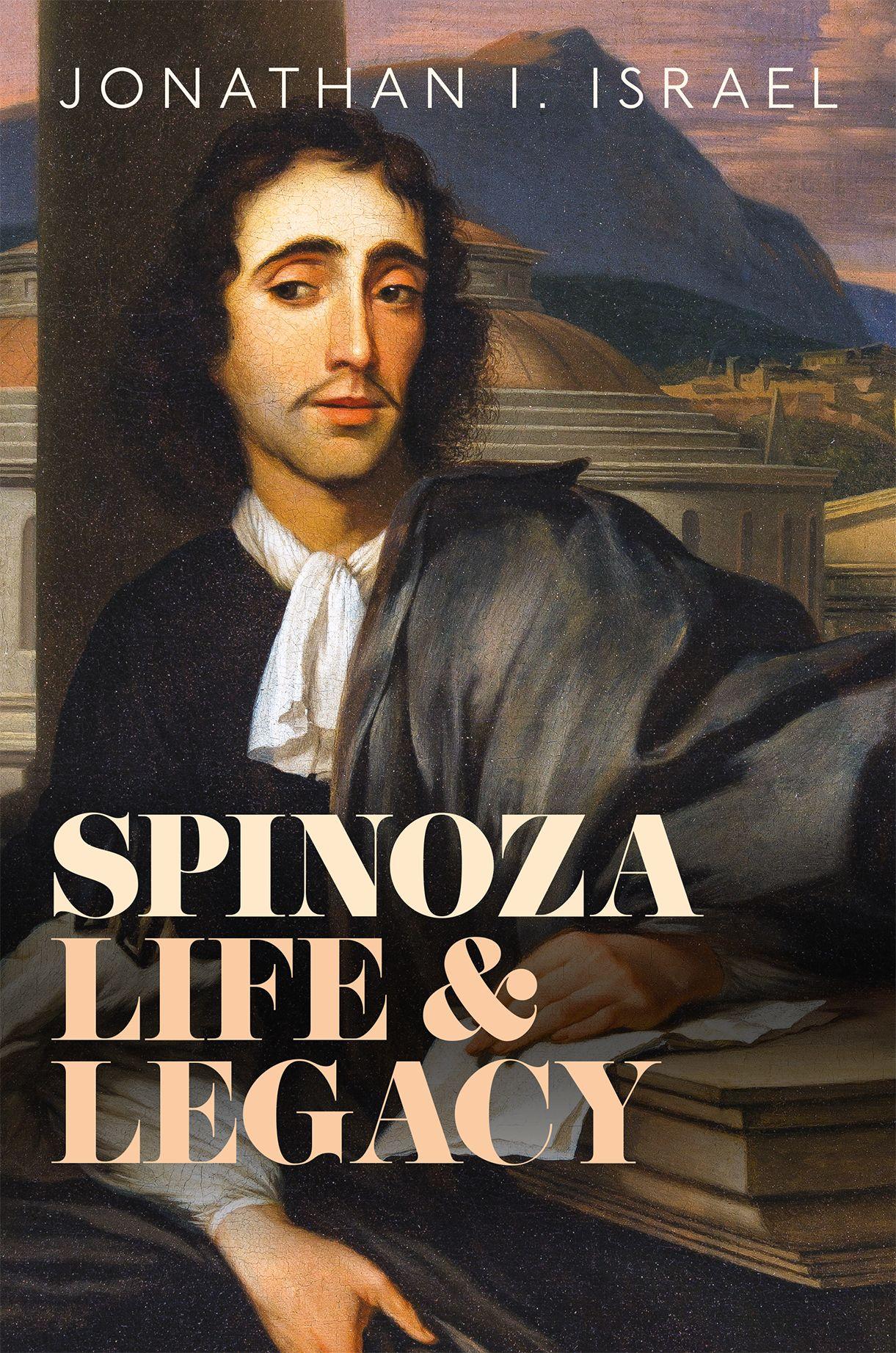
Spinoza, Life and Legacy. 1st Edition Prof Jonathan I.
Israel.
Visit to download the full and correct content document: https://ebookmass.com/product/spinoza-life-and-legacy-1st-edition-prof-jonathan-i-isr ael/
More products digital (pdf, epub, mobi) instant download maybe you interests ...
Immersion, Identification, and the Iliad Prof Jonathan L. Ready
https://ebookmass.com/product/immersion-identification-and-theiliad-prof-jonathan-l-ready/
Chaitanya: A Life and Legacy Amiya P. Sen
https://ebookmass.com/product/chaitanya-a-life-and-legacy-amiyap-sen/
Essays on Biblical Historiography: From Jeroboam II to John Hyrcanus I 1st Edition Israel Finkelstein
https://ebookmass.com/product/essays-on-biblical-historiographyfrom-jeroboam-ii-to-john-hyrcanus-i-1st-edition-israelfinkelstein/
If I Survive You Jonathan Escoffery
https://ebookmass.com/product/if-i-survive-you-jonathanescoffery/
Spinoza: Freedom’s Messiah 1st Edition Ian Buruma
https://ebookmass.com/product/spinoza-freedoms-messiah-1stedition-ian-buruma/
Living Computers: Replicators, Information Processing, and the Evolution of Life Prof Alvis Brazma
https://ebookmass.com/product/living-computers-replicatorsinformation-processing-and-the-evolution-of-life-prof-alvisbrazma/
Philosophy of Life: German Lebensphilosophie 1870-1920
Prof Frederick C. Beiser
https://ebookmass.com/product/philosophy-of-life-germanlebensphilosophie-1870-1920-prof-frederick-c-beiser/
Syllogistic Logic and Mathematical Proof Prof Paolo. Mugnai Mancosu (Prof Massimo.)
https://ebookmass.com/product/syllogistic-logic-and-mathematicalproof-prof-paolo-mugnai-mancosu-prof-massimo/
Spinoza on Reason, Passions and the Supreme Good 1st Edition Andrea Sangiacomo
https://ebookmass.com/product/spinoza-on-reason-passions-and-thesupreme-good-1st-edition-andrea-sangiacomo/
Spinoza,LifeandLegacy
Spinoza,LifeandLegacy
JONATHANI.ISRAEL
GreatClarendonStreet,Oxford,OX26DP, UnitedKingdom
OxfordUniversityPressisadepartmentoftheUniversityofOxford. ItfurtherstheUniversity’sobjectiveofexcellenceinresearch,scholarship, andeducationbypublishingworldwide.Oxfordisaregisteredtrademarkof OxfordUniversityPressintheUKandincertainothercountries
©JonathanI.Israel2023
Themoralrightsoftheauthorhavebeenasserted Allrightsreserved.Nopartofthispublicationmaybereproduced,storedin aretrievalsystem,ortransmitted,inanyformorbyanymeans,withoutthe priorpermissioninwritingofOxfordUniversityPress,orasexpresslypermitted bylaw,bylicenceorundertermsagreedwiththeappropriatereprographics rightsorganization.Enquiriesconcerningreproductionoutsidethescopeofthe aboveshouldbesenttotheRightsDepartment,OxfordUniversityPress,atthe addressabove
Youmustnotcirculatethisworkinanyotherform andyoumustimposethissameconditiononanyacquirer
PublishedintheUnitedStatesofAmericabyOxfordUniversityPress 198MadisonAvenue,NewYork,NY10016,UnitedStatesofAmerica
BritishLibraryCataloguinginPublicationData Dataavailable
LibraryofCongressControlNumber:2022950227
ISBN978–0–19–885748–8
DOI:10.1093/oso/9780198857488.001.0001
PrintedandboundintheUKby ClaysLtd,ElcografS.p.A.
LinkstothirdpartywebsitesareprovidedbyOxfordingoodfaithand forinformationonly.Oxforddisclaimsanyresponsibilityforthematerials containedinanythirdpartywebsitereferencedinthiswork.
Preface
NoaccountofSpinoza’slifeandlegacycanhavemuchvalueunlessitrestsonan exhaustiveanalysisofhisworksandcorrespondence.Butthisinturninevitably involvesdelvingintothewiderdebatesandpolemicsofhisage,personagesand textshepraisedand(moreoften)againstwhomheaimedhiscriticalbarbsaswell asfriendsandsparringpartnerswithwhomhedebatedduringhislife.Equally, therecannotbeacomprehensivebiographyofSpinozanotenmeshedinanalysis ofthedeep-seatedreligiousandpoliticaltensionsandconflictsoftheDutch GoldenAgeaswellasthecentralissuesdebatedbyitsphilosophers,scientists, religiousleaders,andstatesmen.Allconsidered,agreatdealofpreliminary researchandpublicationofotherdocumentsandsurvivingmaterialisrequisite beforeitisatallfeasibletoattemptacomprehensive,documents-basedbiography that,hopefully,addstotheearlierpicturethatStevenNadler,inparticular,has givenus.Thereisthusgoodreasontoemphasizeherethecrucialroleofthe markedrevivalofinterest,andsurgeofnewresearch,inallaspectsofSpinoza’slife andwritingsthatfollowedinthewakeofNadler’sbiographywhichappearedin 1999inmakingpossibleamoredetailedaccountofSpinoza’scontributiontothe historyofphilosophy,theEnlightenmentandofhisage.
“GivenSpinoza’scontinuingrelevanceandpervasiveinfluence, ” commented FrederickBeiser,in1999,inresponsetoNadler’ s Spinoza:ALife whichhe reviewedtogetherwithanotherlesssignificantbiography,MargaretGullanWhur’ s WithinReason,bothpublishedin1999, “itissurprisingto findthat therehavebeensofewbiographiesofhim.”¹Itisindeed “surprising,” anda phenomenonnoteasilyexplained,butcertainlyonefactor,untilrecently,wasthe relativeinaccessibilityandwherepublished,elusiveness,ofmuchofwhatsolid documentarymaterialwasavailable.In2018,theCambridgeUniversityPress broughtouttherevisededitionofNadler’smasterfulbiographywhichreflects manythoughnotalltherecent findsrelatingtoSpinoza’slife.Nadler’sbiography andminepresentadifferentpictureinsomeregardsthoughnotinothers,and whileIhavetriedto fillinmoreofthehistoricalandculturalcontextofSpinoza’ s lifeandearlyimpact,Ihaveremainedconsciousthroughoutofmyenduringdebt toSteve,mycontinuingdebatewithhim,andtheformidableandlastingvalueof hisachievement.
¹Beiser, “HomesickHidalgo,” 4.
AsNadlermentionsinhisprefacetothesecondeditionofhisbiography,the completionofEdwinCurley’slandmarktwo-volumeEnglisheditionofSpinoza’ s writingswiththeappearanceofthesecondvolumein2016notonlyprovidesa freshstoreofvaluablenotesandcommentaryonthewritingsbutenablesoneto referthereadertoasinglecomplete,consistent,andmostlyreliableEnglish renderingofSpinoza’stextsandletters.Curley’seditionofSpinoza’ s Collected Works (2vols.,Princeton1985and2016)thereaderwill findfrequentlyreferred tothroughout.However,thebestwayofrenderingintoEnglishSpinoza’ smeaningfromtheoriginalLatinorDutchstilloftenremainselusiveordebatableand therearenumerouspointsthroughoutthisbiographywhere,aftercarefulconsideration,IhaveoptedtorendersomeofSpinoza’sphrasesandexpressionsrather differentlyfromCurleyandagreatmanyslightlydifferently.Thereader’sattentionisdrawntothispoint.RatherthanquotingCurley’s,oranothertranslator’ s renderingexactly,mypolicythroughouthasbeentoreferbacktotheoriginal Latinandcomparethevariousrenderings,frequentlyarrivingatwordingthat diverges,sometimessignificantly,fromthewordinginthesourcesquoted.Where IhavepreferredtoavoidCurley’sunderstandingoftheLatin,Ihaveindicatedthis byreferringtotheAkkermanDutchrenderingorMaximeRovere’sexcellent recentFrenchtranslation.
WherethisdivergenceseemssignificantIhaveindicatedthiseitherbyreferring directlytoCarlGebhardt’sclassicfour-volumeLatineditionofSpinoza’ s Opera (Heidelberg,1925)orbyreferringtotheextremelyexactingscholarlybilingual Latin-FrenchPUFeditionsofthetextsbytheteamthatproducedthe Traité Théologico-Politique (1999),FokkeAkkerman,JacquelineLagrée,andPierreFrançoisMoreau,the TraitéPolitique (2005),OmeroProiettiandCharles Ramond,the PremiersÉcrits (2009),FilippoMignini,M.Beyssade,and J.Ganault,andthe Éthique(2020),Akkerman,Moreau,andPietSteenbakkers. SincemuchofSpinoza’scorrespondencewasinDutch,asalsoistheearliest survivingversionofSpinoza’ s ShortTreatiseonGod,ManandhisWell-Being, someofmytranslationsofSpinoza’sremarksandexpressionshavereliedonthe modernDutcheditionsofSpinoza’slettersbyAkkerman,H.G.Hubbeling,and A.G.Westerbrink,of1992andoftheearlywritingsbyAkkerman,Hubbeling, Mignini,M.J.Petry,andN.andG.vanSuchtelenof1982.However,though guidedorinfluencedbythesescholars,allthemanyEnglishrenderingsinthis volumewherevertheydonoticeablydivergefromCurley’swording,aremyown.
SteveNadlerhashimselfpainstakinglycontinuedaddingtotheresearchhe originallydidforhis1999biography,andalsosincetheappearanceoftherevised edition,andfortheopportunitiesIhavehadtoexchangeinformationandviews withhimsince(aswellasbefore)2018,Ifeelmuchadditionalgratitude. Meanwhile,agreatdealofthemostimportantandvaluableresearchsincethe 1990shasbeencarriedoninthearchivesandlibrariesoftheNetherlandsby JeroenvandeVen,PietSteenbakkers,FrankMertens,HenriKrop,WiepvanBunge,
EricJorink,andAlbertGoosjes.Iamespeciallyindebtedfortheopportunityto correspondfrequentlyandexchangeinformationwithVandeVenwhoseefforts to findnewmaterialandwillingnesstodiscusshis findswithothershasproved inexhaustibleandwhohasbeenofenormoushelptomeforwhichIshallalways remainextremelyappreciative.VandeVen’simpressivebibliographicalhistoryof Spinoza’swritings,theirclandestinepublication,distribution,varianteditionsand translationsisalreadyprovingalandmarkeventinSpinozastudiesandso doubtlesswillbehis(forthcoming)highlydetailedchronologicalstudyof Spinoza’slifeandcirclewithitsveryextensivediscussionoftheprimarysources. Iamgratefultootothemuch-lamentedMichielWielema(1959–2018)another indefatigablearchiveresearcherwhocameupwithvaluable finds.Withoutthe laboursandinvaluableresearchcontributionsofthesescholarsitwouldnothave beenpossibletoprovideanythinglikethefactualground-planandextensive documentarybasisthatunderpinsthispresentbiography.
Onamorepersonallevel,mymostimportantdebtsaretomywife,Annette Munt,whodevotedmuchtimetohelpmeeditandrefinethetextofthisbiography andtothetwoscholars,RichardPopkin(1923–2005)andWimKlever,whowere mychiefdebatingpartnersonthetopicofSpinozaandSpinozismatanearlierstage, inthelate1980sandthroughthe1990swhenIbeganresearchingonSpinoza. Additionally,throughhermanyyearsofresearchinthearchivesandlibrariesof Italy,herpublicationsandlearnedsuggestionsandcomments,PinaTotarowhose workImuchadmireandwithwhomIhavesporadicallybeenincontactoverthe years,hasgreatlystrengthenedseveralaspectsofwhatfollows,andnotleastwhat mightbetermedthe “Italiandimension.” Agooddealisowedtooforvaluable informationandcommentstoSonjaLavaert,MogensLaerke,VictorTiribás, WinfriedSchröder,OdetteVlessing,andEricJorink.Finally,toallthesenames ImustaddthoseofEdCurley,DanGarber,MaximeRovere,YosefKaplan,Antony Mckenna,andYitzakMelamedwithwhomIhaveenormouslyenjoyedlively debatesaboutSpinozaandtheworldoflateseventeenth-centuryclandestinephilosophyovermanyyearsandtoallofwhomIagainfeelavastdebtofgratitude.
Asregardsthegrowingdocumentarybasis,inadditiontowhatisnotedaboveit isimportanttomentionthegreatlyexpandedtwo-volumeeditionofthecollection ofhistoricaldocumentsrelatingtothelife,activitiesandfriendsofSpinoza, publishedinGermanyin2006underthetitle DieLebensgeschichteSpinozas edited bytheeminentSpinozascholar,ManfredWalther,atHanover.Thisindispensable two-volumecompilationisalandmarkreworkingandexpansionoftheworkof JakobFreudenthalwhosecontributionisexplainedfurtherintheconclusionto thisvolume.BecauseallpreviousaccountsofSpinoza’slifewerebasedonlimited, unsatisfactory,andoftenpoorlyeditedsources,Freudenthal’sworkrepresented amajorshift.InconceivingandcarryingoutwhatRichardPopkinterms “afundamentalnineteenth-centurystudy,” Freudenthalachievedsomething unique,thefruitsofwhichhaveprovedoflastingvalue.
Finally,itremainsonlytothankineverywaytheInstituteforAdvancedStudy, Princeton,towhoseeverstimulatingcommunity,thesceneofmanya “Spinoza discussion,” Ihavebeenfortunatetobelongnowforaquarterofacentury.Iam especiallygratefultoAlexisMayforhereverreliablesupportespeciallywith organizingtheillustrationsandtoMarciaTuckerandtheInstitutelibrarians whohavehelpedorganizeourLibrary’sspecialSpinozacollectionandhave madeourInstitute’slibrarysuchawonderfullystimulatingplacetoresearch, ponder,andtorethinkone’sviews.
Thesearethepersonsandresourceswhohavechieflyenrichedtherawmaterial anddocumentarybase,andhelpedshapetheground-planforabiographythat Ihaveslowlybeenassemblingsincemyintensivediscussionsin1995inLos Angeles,withDickPopkin,withwhomI firstbroachedthefeasibilityofembarkingonsuchaventureasthisvolumehassinceslowlyevolvedinto.Ithastaken nearlythreedecadestoputtheplanintoeffectandallofthosenamedabovehave lefttheirmarkinnumerouswaysonthe finaloutcome.
Contents
ListofIllustrations xv
ListofTables xxi
PARTI.SETTINGTHESCENE
1.Introduction3
2.UnparalleledChallenge21
2.iPhilosophythatSurvivedbyaThread21
2.iiBanningSpinoza’sBooksandIdeas24
2.iiiSpinozaandEurope’sLateSeventeenth-CenturyIntellectualCrisis33
PARTII.THEYOUNGSPINOZA
3.YouthfulRebel49
3.iCautionandAudacity49
3.iiHereticalOpinions65
3.iiiExpulsionfromtheSynagogue71
4.ASecretLegacyfromPortugal79
4.iCrypto-JudaismandReligiousSubversion79
4.iiVidigueira82
4.iiiSpinoza’sMother’sFamily88
4.ivAbsolutismEnthroned92
4.vExilesFleeingPortugal96
4.viRevolutionarySubversionbyMeansofPhilosophy100
5.ChildhoodandFamilyTradition111
5.iFrom BritMilah to BarMitzvah (1632–1645)111
5.iiSpinoza’sForebears,theMechanicsofCommunityLeadership118
5.iiiTheSephardicCemeteryatOuderkerk128
5.ivTheSpinozasofAmsterdamandRotterdam132
6.Schooldays148
6.i EtsHaim 148
6.iiUrieldaCosta159
6.iiiWorldEventsViewedfromSchool162
6.ivLastYearsofSchooling170
6.vFamilyTensions181
7.HonourandWealth189
7.iSonofaMerchant189
7.iiTheFirstAnglo-DutchWar(1652–1654)196
7.iiiSpinozaBecomesHeadoftheFamily202
7.ivCollapseoftheFamilyFortune212
7.vRenouncinghisInheritance220
8.TeachingSkills:VandenEnden,Latin,andtheTheatre (1655–1661)229
8.iDiscipleofaSchoolmaster229
8.iiACareerintheChurchAbandoned236
8.iiiSpinozaEmbracesCartesianism243
8.ivLearningfromtheRomanPlaywrightsTerenceandSeneca252
8.vANewFormofPedagogy256
9.Collegiants,Millenarians,andQuakers:TheMid-andLate1650s261
10. “MonstrousHeresies”:BeyondBibleandReligiousStudies289 10.iFirstWritings289
10.iiTheLaPeyrèreEpisode293
10.iiiDrJuan(Daniel)dePrado(1612–1670)303
10.ivDenouncedtotheInquisition309
10.vEternalThingsandtheirUnchangeableLaws319
PARTIII.REFORMERANDSUBVERTEROFDESCARTES
11.FormingaStudyGroup327
11.iTheBirthofaPhilosophicalSystem(1659–1661)327
11.iiTranslation,theKeytoMakingPhilosophyEffective338
11.iiiBridgingtheGulfbetweenCollegiantsandFreethinkers342 11.ivAnAbhorredClique344
12.RijnsburgYears(1661–1663)352
12.iTheMovetoRijnsburg352
12.iiMeetingOldenburg363
12.iiiStenoandAnatomicalDissection368
12.ivDebatingCartesianismwiththeLeidenCartesians380
13.SpinozaandtheScientificRevolution385
13.iChallengingBaconandBoyle385
13.iiSpinozaandExperimentalScience391
13.iiiMathematicsandScientificTruth402
14. “Reforming” Descartes’ Principles409
15.Writingthe Ethics 439
16.Voorburg(1663–1664)456 16.iTheSetting456
16.iiSpinozaandHuygens461 16.iiiALocalDispute468 16.iv DeJureEcclesiasticorum 480
17.SpinozaandtheSecondAnglo-DutchWar(1664–1667)487 17.iRivalrywithEngland487 17.iiPlagueandtheOutbreakofWar494
18.Invasion,Slump,andComets(1665–1666)507 18.iTheGreatestCurseofMankind507 18.iiAreCometsFearfulOmens?515 18.iiiDescartes’ LawsofMotion528
19.Spinoza,Meyer,andthe1666 Philosophia Controversy535 19.iABitterControversy535
19.iiTheRevoltofJohannesandAdriaanKoerbagh543 19.iiiThe Philosophia andtheReformedChurch547
19.ivTheUtrecht CollegiederSçavanten 551
20.FromtheJawsofDefeat(1666–1667)563
20.iFalteringDialoguewiththeRoyalSociety563 20.iiTheSabbatianFrenzy(1665–1667)567
20.iiiScienceandMiracles577
20.ivTheSwayofKings583
PARTIV.DARKENINGHORIZONS
21.TheTragedyoftheBrothersKoerbagh(1668–1669)599
22. NilVolentibusArduum:SpinozaandtheArts624
23.Twilightofthe “TrueFreedom” 648 23.iLastYearsinVoorburg648 23.iiTheMovetoTheHague651
23.iiiIdeologicalConflict665 23.ivDemocraticRepublicanism673
24.RevolutioninBibleCriticism684 24.iTheDutchBackground684 24.iiEzratheScribe691 24.iiiTheMasoreticAge702
24.ivSpinoza’sCritiqueofMeyer708
25.SpinozaSubvertsHobbes720
25.iHobbes,Spinoza,andtheGospels720
25.iiHobbesandSpinozaon “Freedom” 726
25.iiiHappinessandthe “HighestGood” 735
25.ivFromthe “HighestGood” tothe “GeneralWill” 741
26.SpinozaCompleteshisPhilosophicalSystem748
26.iEmancipatingtheIndividual748
26.iiPopularSovereigntyandthe “GeneralWill” 760
27.Publishingthe Theological-PoliticalTreatise 770
27.iFirstStepstoSuppressthe TTP 770
27.iiATextLeftUnchallenged784
27.iiiSpinoza’sClandestineSubversionofReligion791
27.ivStenoResponds799
28.IntensifyingReaction(Early1670s)804
28.iHowDoesOneRefutethe TTP?804
28.iiCollegiantUproarandthe TTP 814
28.iiiEncounterwithVanVelthuysen823
28.ivRemonstrants(Arminians)againstthe TTP 830
29.Spinoza’sLibertine “FrenchCircle” 835
29.i Libertinage inthe1660s835
29.iiSpinozaConfides:TheFirstPhase842
29.iiiSpinoza’sReformism:TheLaterPhases846
PARTV.LASTYEARS
30.DisasterYear(1672)861
30.iSlumpandCollapse861
30.iiSalvagingtheRepublic875
30.iiiTheFullanaAffair887
30.ivMonarchyLambasted892
31.DenyingtheSupernatural898
32.Entering(orNotEntering)PrincelyCourtCulture(1672–1673)913
32.iContemplatingEmigrating913
32.iiTheOfferofaUniversityChairatHeidelberg919
32.iiiTheCourtofHanover925
33.CreepingDiffusion935
33.iThe TTP’sClandestineEditions935
33.iiSpinoza “Invades” England944
33.iiiTheSuppressedDutchVersionofthe TTP 954
34.MysteriousTriptoUtrecht(July–August1673)963
34.iTheUtrecht CollegiederSçavanten 963
34.iiPortraying “Spinozism” in1673982
34.iiiAcrosstheFrenchLines987
34.ivChaoticAftermath997
35.ExpandingtheSpinozist “Sect” 1003
35.i “Vile,GodforsakenAtheists” 1003
35.ii “Spinozism” FarfromBeingaVagueCategory1014
35.iiiASectBredintheUniversitiesandProfessions1018
35.ivADiscipleRescued:VanBalen1026
35.vTheExpandingSectofthe1680sand1690s1034
36.AmsterdamRevisited(1673–1675)1039
36.iTheOrangist-CalvinistReactionIntensifies1039
36.iiSummerWeeksinAmsterdam1048
36.iiiFailedAttempttoPublishthe Ethics 1057
36.ivWhatisTrueinChristianity?1064
37.HebrewinSpinoza’sLaterLife1074
37.iStudyingHebrewGrammar1074
37.iiReconstructingBiblicalHebrew1079
37.iiiOldTestament,NewTestament:JewsandChristians1085
38.EncounterwithLeibniz(1676)1092
38.iLeibnizandSpinoza1092
38.iiDiscussingSpinozainParis1095
38.iiiLeibnizVisitsHolland1107
38.ivLeibniz’sDualApproachtoSpinozism1111
39.FightingBack1119
39.iTheEnglishReception1119
39.iiSpinoza “Invades” France(1676–1680)1131
40.LastDays,Death,andFuneral(1677)1143
40.iReclusivebutContestedLastDays1143
40.iiFuneralattheNieuweKerk(NewChurch)1156
41.ATumultuousAftermath1164
41.iTheBattleofthe Ethics (1677)1164
41.iiSpinoza’sCircleafter16771183
41.iiiSpinozaandtheGloriousRevolution1188
41.ivTheEmergenceofthe “Dutch” Spinoza1194
42.Conclusion1205
Bibliography 1223 Index 1283
ListofIllustrations
4.1Spinozafamilytree.84
4.2DomAntónio, PriorofCrato “kingofPortugal” (1531–95),engraving. ©TheTrusteesoftheBritishMuseum.94
4.3 AntonioPérez (c.1540–1611),portrait,oilonpanel.Reproduction courtesyofAlbum/AlamyStockPhoto.102
4.4 PhilipII (1527–98)in1565,oiloncanvas.©PhotographicArchive MuseoNacionaldelPrado.104
5.1 MapoftheAmsterdamVlooienburgquarter (1625)byB.F.Van Berckenrode.ReproductioncourtesyofRijksmuseum,Amsterdam.116
5.2 BargeconveyingmournerstotheSephardiccemeteryatOuderkerk, byRomeyndeHooghe,paperetching.Reproductioncourtesyof Rijksmuseum,Amsterdam.130
5.3 TheAmsterdamSephardicSynagoguetheyoungSpinozaattended,by JanVeenhuysen.LeidenUniversityLibraryshelfmarkCOLLBN P317N290.143
6.1 RabbiIsaacAboabdaFonseca (1605–93),in1681.©Courtesyofthe JohnCarterBrownLibrary,BrownUniversity,Providence,RI.153
6.2 MenassehBenIsrael portraitetchingbyRembrandt.©Jewish MuseumLondon.163
6.3 JosephSolomonDelmedigo (1591–1655),portraitengravingby W.DelffafterapaintingbyC.Duysterof1628. ReproductioncourtesyofThePictureArtCollection/AlamyStockPhoto.174
7.1 TheAmsterdamExchangein1612 byClaesJanszVisscher. ReproductioncourtesyofAmsterdamCityArchives.191
8.1 TheAthenaeumIllustreatAmsterdamin1650,oilonpanel. ReproductioncourtesyofTeylersMuseumHaarlem,theNetherlands.246
10.1IsaacdeLaPeyrère. Praeadamitae,Sive,ExercitatioSuperVersibus Duodecimo,Decimotertio,&Decimoquarto,CapitisQuintiEpistolae D.PauliAdRomanos:QuibusInducunturPrimiHomines AnteAdamumConditi [Amsterdam:LouisandDanielElzevier], 1655.IASSpinozaResearchCollection.295
11.1 TheodorKerckring (1638–93), c.1670,byJürgenOvens,oiloncanvas. ReproductioncourtesyofbpkBildagentur/ArtResource,NY/photo: ElkeWalford.348
12.1ThehouseinwhichSpinozalodgedinRijnsburg(1661–3). BycourtesyoftheLeidenCityArchives.355
12.2 RuinsoftheRijnsburgAbbey, c.1640–1645,byAelbertCuyp, DM/995/804,oilonpanel,48.9 73.3cm.DordrechtMuseum, onloanfromtheRoyalCabinetofPaintingsMauritshuis, TheHague1995.357
12.3 HenryOldenburg (1619–77),byJanvanCleve,oiloncanvas,1668. ©TheRoyalSociety.363
12.4 NicholasSteno (1666–77)byJustusSustermans.Bycourtesy ofUffiziGallery,Florence,Italy.371
13.1 RobertBoyle (1627–91)byJohannKerseboom,oiloncanvas. TheRoyalSociety.392
14.1 RenéDescartes (1596–1650)byJanLievens,chalkonpaper, 24.1 20.6cm.GroningerMuseum,loanfromMunicipality ofGroningen,donationHofstededeGroot,photo:MartendeLeeuw.413
14.2Spinoza, RenatiDesCartesPrincipiorumphilosophiaeParsI,&II, MoreGeometricoDemonstratae.Spinoza;1.Amstelodami:apud JohannemRiewerts,invicovulgòdicto,deDirkvanAssen-steeg, subsignoMartyrologii,1663.IASSpinozaResearchCollection.423
14.3 FlorentiusSchuyl (1619–69)byFransvanMieristheElder,1666. ReproductioncourtesyofMauritshuis,TheHague.425
16.1ViewofthevillageofVoorburg,showingthelengthofKerkstraat, byIvenBesoet(1720–69).ReproductioncourtesyofArtokoloro/Alamy StockPhoto.459
16.2ThewaterfrontatVoorburg.Reproductioncourtesyofthe Rijksmuseum,Amsterdam.459
16.3Huygens’ residence “Hofwyck”,inVoorburg.Drawingby ChristiaanHuygens(1629–95),CodicesHugenianiOnline. HUG14,ff.05r.BrillPrimarySourcesOnlinethroughLeiden UniversityLibraries.462
16.4 GisbertusVoetius (1589–1676),afterportraitbyNicolasMaes, lateseventeenthcentury.FineArtsMuseumsofSanFrancisco.473
17.1 KingCharlesII (1630–85),oiloncanvas, c.1660–5.Bycourtesyof NationalPortraitGallery,London.489
18.1 ChristiaanHuygens afterunknownartist,lineengraving,early tomid-eighteenthcentury.NPGD30754©NationalPortrait Gallery,London.511
18.2 BernhardvonGalen,BishopofMünster(1606–78),onhorseback byWolfgangHeimbach,oiloncanvas.StichtingWesterwolds Monumentenfonds.514
18.3 JohannesHudde (1628–1704),burgomasterofAmsterdam,1686. BycourtesyofRijksmuseum,Amsterdam.523
19.1LodewijkMeyer, PhilosophiaS.ScripturaeInterpres.Eleutheropoli: s.n.,1666.IASSpinozaResearchCollection.536
20.1 SirRobertHolmessets firetotheDutchmerchant fleetoffTerschelling, 19August1666,drawingbyWillemvandeVelde.Reproduction courtesyofRijksmuseum,Amsterdam.583
21.1AdriaanKoerbagh, Eenbloemhofvanallerleylieflijkheydsonder verdriet,T’Amsterdam:Gedruktvoordenschrijver,1668.IAS SpinozaResearchCollection.603
23.1 DailyactivitiesalongthePaviljoensgrachtwiththeSt.Jacobskerk inthedistance.TheHague.ReproductioncourtesyofART Collection/AlamyStockPhoto.653
23.2 ViewoftheHeiligeGeesthofatTheHague,paperetchingafter drawingbyGerritvanGiessen.ReproductioncourtesyofRijksmuseum, Amsterdam.655
25.1 PortraitofThomasHobbes (1588–1679)fromLeBoëSylvius, TotiusMedicinaeIdeaNova.IASSpinozaResearchCollection.721
27.1[Spinoza], Tractatustheologico-politicus.Hamburgi[i.e.Amsterdam] ApudHenricumKünraht[i.e.JanRieuwertsz],1670.IASSpinoza ResearchCollection.774
28.1 LambertvanVelthuysen (1622–85)byJanvanWijckersloot,1665. Inv.no.2260,CollectieCentraalMuseum,Utrecht/©aankoop1898.824
28.2 PhilippusvanLimborch(1633–1712)attheageof78,engraving. ReproductioncourtesyofRijksmuseum,Amsterdam.831
29.1 CharlesdeSaintDenisdeSaint-Évremond(1613–1703),portrait fromPierreDesmaizeaux, OeuvresMesléesdeMr.deSaint-Evremond: PubliéesSurLesManuscritsdel’auteur.Secondeed.Revue,Corrigée &Augmentéedelaviedel’auteur.ALondresChezJacobTonson,1709.836
29.2[Spinoza], Reflexionscurieusesd’unespritdes-interressésurLes MatiereslesplusImportantesauSalut,tantPublicqueParticulier (at ‘Cologne’ [i.e.Amsterdam],1678).IASSpinozaResearchCollection.854
29.3[Spinoza], Laclefdusantuaire [sic].ALeyde[i.e.Amsterdam]: ChezPierreWarnaer[i.e.JanRieuwertsz],1678.IASSpinoza ResearchCollection.855
29.4[Spinoza], TraittédescérémoniessuperstitieusesdesJuifstantAnciens queModernes.Amsterdam,1678.IASSpinozaResearchCollection.856
30.1 LouisXIVofFrance(1638–1715),in1670 byClaudeLefèbvre. Reproductioncourtesyofincamerastock/AlamyStockPhoto.862
30.2J.B., SleutelOntsluytendedeBoecke-kasvandeWitteBibliotheeck. In ‘sGraven-Hage:ByNilVolentibusArduum,1672.IASSpinoza ResearchCollection.873
33.1[Jean-BaptisteStouppe], LareligiondesHollandois:Representéeen plusieurslettresécritesparunofficierdel’arméeduroy,àunpasteur& professeurentheologiedeBerne.ACologne:ChezPierreMarteau, 1673.IASSpinozaResearchCollection.936
33.2[Spinoza], TractatusTheologico-Politicus.HamburgiApudHenricum Künrath[sic],1670[i.e.1677or1678]seeTable33.1.IASSpinoza ResearchCollection.939
33.3 FranciscusdeLeBoëSylvius,TotiusMedicinaeIdeaNovaSeu FranciscideLeBoeSylvii.MediciInterBatavosCeleberrimiOpera Omnia.Amstelodami:ApudCarolumGratiani[i.e.JanRieuwertsz], 1673.IASSpinozaResearchCollection.942
33.4[Spinoza], DanielisHeinsii:OperumHistoricorumCollectio Editio2.Lugd.Batav[“Leiden” i.e.Amsterdam]:ApudIsaacum Herculis,1673.IASSpinozaResearchCollection.943
33.5[Spinoza], TractatusTheologico-Politicus:CuiAdjunctusEstPhilosophia S.ScripturaeInterpres.AbAuthoreLongeEmendator.[Amsterdam], 1674.IASSpinozaResearchCollection.949
33.6[Spinoza], DeRechtzinnigeTheologant,ofGodgeleerdeStaatkundige Verhandelinge.TeHamburg[i.e.Amsterdam],byHenricus Koenraad,1693.IASSpinozaResearchCollection.960
34.1 JohannesBaptistavanNeercassel (1623–1686)withepiscopal attributes,oiloncanvas.BycourtesyofMuseumCatharijneconvent, Utrecht.966
34.2 JohannesGeorgiusGraevius (1632–1703)byunknownartist. ReproductioncourtesyofUniversityofAmsterdam.974
35.1 DrCornelisBontekoe (1647–85),engraving.Reproductioncourtesy ofRijksmuseum,Amsterdam.1019
36.1 ViewofthenewAmsterdamPortugueseJewishSynagogue(ontheleft) inauguratedin1675,engravingbyAdolfvanderLaan, c.1710, callno.A41.1.21.1.ReproductioncourtesyoftheLibraryofthe JewishTheologicalSeminary.1054
36.2 ChristophorusWittichius (ChristophWittich)(1625–87). ©FitzwilliamMuseum,Cambridge.1061
36.3 AbrahamHeidanus (1597–1678),engravingafterJanAndréLievens. ReproductioncourtesyofThePictureArtCollection/AlamyStockPhoto.1062
40.1 TheNewChurchontheSpui(TheHague),in1668 byC.Elandts. BycourtesyofCollectionofTheHagueMunicipalArchive, theNetherlands.1157
41.1[BenedictusdeSpinoza]. B.d.S.OperaPosthuma.[Amsterdam],1677. IASSpinozaResearchCollection.1180
41.2 Spinoza.ReproductioncourtesyofBTEU/RKMLGE/AlamyStockPhoto.1182
41.3 PierreBayle (1647–1706), c.1675,byLouisElleleJeune,oiloncanvas. Photo:GérardBlot,©RMN-GrandPalais/ArtResource,NewYork.1195
42.1JohannesColerus, DasLebendesBened.vonSpinoza.Spinoza FrankfurtundLeipzig:s.n.,1733.IASSpinozaResearchCollection.1210
ListofTables
7.1TheVOCsharepriceontheAmsterdamExchange1648–59200
7.2The imposta and finta payments(inguilders)totheAmsterdam PortugueseJewishcommunitybytheheadoftheSpinozafamily1641–58208
12.1StudentsandresearchassistantsatLeidenwhomSpinozaknewor who figuredinhislife-story379
29.1ThefalsetitlesoftheclandestineFrench TTP
33.1EarlyclandestineeditionsofthequartoLatin TTP
33.2Octavovariantsofthe TTP (Amsterdam,1673–4)941
33.3TheDutchversionsofthe TTP
PARTI
SETTINGTHESCENE
Introduction
Ifonecouldmeasurethestatureofathinkerbyhowmanyrefutationsofhiswork appearedinthethreedecadesfollowinghisdeath,itwouldbeashrewdbetthat Spinozawouldwintheprize.¹Nootherthinkerorwriterofearlymoderntimes attractedsomuchhostilityandrecrimination.Althoughafewotherfront-rank miscreantsoftheworldranhimcloseforbeinguniversallyreviledandvili fiedin hisowntime,PhilipIIofSpainandHobbesforexample,nootherpersonageofhis eracameevenclosetobeingsodecried,denouncedandcondemnedinweighty textsofexhaustivelength,oversolongaspanoftime,inLatin,Dutch,French, English,German,Spanish,Portuguese,Hebrew,andotherlanguages.Acurious receptionindeedforsomeonewhopreachedcontinuallyagainstprejudice,envy, andhatredandshowednodesirewhatevertogaincovetedpositions,honours, property,wealth,orpower.
BorninAmsterdam,inNovember1632,Spinozalivedarelativelyshortlife, dyingninemonthsshortofhisforty- fifthbirthday,inFebruary1677.Foranever curious,inquiringscholarofhisaspirationsandstanding,hetravelledremarkably little.Alwaysanxiousnottowastetime,Spinozawasnotoneforfrequentleisurely chats,jollification,or,asfarasonecantell,forromance.Hemostlyeschewed quarrels,rarelysoughtpublicity,andintheendhadtoabandonhiseffortstoget hismasterpieceofpurephilosophy, TheEthics (1677),publishedduringhis lifetime.Hespentsomuchofhistimeburiedinthesolitaryobscurityofhis study,reportedlyoftenworkingatnightandsleepingduringtheday,thatthose whoknewhimbestduringhismaturitywentformonthsonendwithoutseeing himatall.Onemightexpectsuchaseeminglyuneventfullifewouldconducetoa nice,shortbiography.However,thisisfarfrombeingthecase.
Therearemanyreasonswhyacomprehensive,detailedbiographyofSpinozais desirable.Itisnotsimplybecausehe figuresamongthedozenorsoforemost Westernphilosopherssinceclassicaltimesorwasprominentinthegeneralhistory ofintellectualculture,politicalthought,andBiblecriticismaswellasphilosophy properlyspeaking,thoughthosereasonsalonesuf ficetojustifyanyaspiring biographerdevotingyearsofresearchtothetask.Amoredetailedpicture,made possiblebytheextensiveandimpressivenewresearchofrecentdecades,isneeded alsoforbroaderhistoricalreasons.FordespitetheunparalleledhostilitySpinoza’ s
¹Pitassi, “Unmanuscritgenevois,” 180.
philosophyprovokedinhisowntime,therewasalsofromthe firstferventand highlyinfluentialenthusiasmforhisviewsalbeituntilthe1780sexclusivelyin furtivelysecret,clandestinecircles.Despitethehigh-pitchedoverwhelmingly negativereactionwhichonlysubsidedtoamoresubduedlevel,notedaleading observerandcriticoftheearlyEnlightenmentera,JeanleClerc(1657–1736),from around1725,certainstrandsofSpinoza’sphilosophypowerfullypromotinga widerangeofkeymodernvaluesdiffusedsteadilyifslowlyandwithdifficulty, contributinginhighlyoriginalfashiontolayingthegroundworkofpresent-day liberaldemocraticmodernity.Chiefamongthesekeyfeaturesofhisthoughtwere hisstressonindividualautonomy,separationofthemoralspherefromorganized religion,unrestrictedreligioustoleration,fullfreedomofthoughtandexpression, pressfreedom,andaconceptionofgovernment’sresponsibilitiestosociety uncompromisinglyinsistingontheinherentsuperiorityofthedemocraticrepublicoverotherformsofstate,whethermonarchy,aristocracy,oligarchicrepublic, ortheocracy.
AcomprehensiveaccountofSpinoza’slifealsocontributestoabroaderunderstandingofearlymodernEurope,aclearerperceptionofhowitwasthatdespite thetideof fiercehostilitysurroundinghiseverymove,heneverthelessmustereda remarkableamountofhidden,clandestinesupport.Measuredintermsofwhat establishedphilosophersinuniversitiesandacademiesthenandlaterrecognized asmajornewcontributionstophilosophy,Descartes,Locke,andLeibnizwere undoubtedlythethreemostimportantphilosophersofearlymoderntimesdown tothehighEnlightenmentera,faroutstrippingSpinoza.Measuredintermsof lastinglong-termsubversiveimpactonthefoundationsofearlymodernthought, religion,andpoliticaltheory,itwasundoubtedlySpinoza,faroutstrippingallof these,whoexertedthegreatestimpact.Thisoccurred firstinHolland,then England,Germany,andFrance,and finallyotherlands,tosuchanextentthat Spinozamustbeconsideredthe firstfounderofamajorsecularphilosophicalsect sinceclassicaltimes,sincetheriseofStoicism,Neoplatonism,andEpicureanism, inawaythatMachiavelli,Hobbes,andLockeultimatelycouldneverrival,a movementthatconsciouslysetouttoreformand,ineffect,remake,thatisto sayrevolutionizehumanityandourworld,helpingdrivethetendencyhistorians nowterm “RadicalEnlightenment.”
Although,owingtotheimplications,manyEnlightenmentscholarstoday remainreluctanttoadmitthefact,avastamountofevidenceprovesincontrovertiblythatSpinozawasamongthemostimportant figuresshapingnotjustthe earlyEnlightenment,buttheentireWesternEnlightenmentdowntothenineteenthcentury.Hewasnotjustamajorinfluenceon,butadecades-longcentral obsessionof,Leibniz,Bayle,LeClerc,Toland,Diderot,Voltaire,Lessing, Mendelssohn,Kant,Goethe,Herder,Fichte,Schelling,andmanyalesser figure. Butthisuniqueroleandstatuswasduenotjusttohisinnatephilosophicaltalents but,toagreatextent,tohislifestoryandactivitiescombininganddistillingin
highlyoriginalfashionauniquelybroadconvergence(andclashing)ofreligious traditions,hereticalsects,rivalpoliticalcultures,languages,andscientificand philosophicalapproachesreflectingthefactthatseventeenth-century AmsterdamandthewholeurbancoreofHollandwasatthattimestrikingly andchallenginglymorereligiously,culturally,andlinguisticallydiversethanParis, Rome,Venice,London,Berlin,orMadrid,orindeedanywhereelseonearth.
NodoubtamodernEnglishman,Frenchman,orGermanwouldimmediately assumethattheSpanishJewishBaroquepoetandchronicler,MiguelLevide Barrios(1635–1701),wasabsurdlyexaggeratingwhenremarking,in1684,that notonlywasEuropeintheseventeenthcenturythemostdominantpartofthe world,butthatEurope’scommerciallymostresplendentemporium,the “famous cityofAmsterdam, ” wasalsoEurope’sgreatestmarvelintermsofcultural diversityeclipsingalltherestasthe “BabelandAthensofdifferentlanguages,” publishing,art,cultivationofthe “newphilosophy” (Cartesianism),andnewkinds ofhumaniststudy.²Thistruthisalsohardformodernhistorianstograsp.But duringtheseventeenthcentury,Paris,London,Berlin,Venice,Madrid,andallthe era ’sothergreatcapitalswereallreligiously,linguistically,andculturallyless pluriform,lessmulticultural,andlessglobalthanAmsterdam.Ontopofthat, giventhatDescartesandBayleaswellasSpinozaspentmostoftheirintellectually creativelivesinHolland,theNetherlandsuntil1700wasalsounquestionablythe world’sthenphilosophicalcentre.
Thedauntingtaskofwritingacomprehensive,detailedbiographyofamanfor whomphilosophicalstrivingwaseverythingbecomesmoredauntingstillwhenwe considerhowlimitedwereSpinoza’scorrespondenceandcircleoflong-term personalcontacts.Ifothergreatphilosophersoftheagewereeagerforextensive networking,Spinozawasnot.Hepracticallyneverseemstohaveinitiateda correspondencewithsomeonehedidnotknow.Leibniz,atitanofthepanEuropean “republicofletters,” mayhavebeenaltogetherexceptional,leaving wellover20,000letters.ButLockeleftaround3,650andBayle’sletters,notethe editorsofthenowcompletepublishedBaylecorrespondence,totalaround1,740.³ EvenDescartes,wholeftfarfewer,onlyaround800letters,bequeathedapproximatelyninetimesasmanyasSpinozafromwhomwehaveamereforty-eight letterswithanotherfortyaddressedtohim,totallingjusteighty-eightinall.⁴
Yet,withinthelimitationsimposedbyashortlife,poorhealth(atanyrateby hisearlyforties),andstaticexistence,Spinozaledaquiteextraordinarylife.From acertainstage,deterioratinghealthandagraduallyencroaching,atthetime incurable,lungdiseaseincreasinglyimpededhisactivities.Yet,despitehis restrictedcircumstancesandstudiedreclusiveness,hislifecanhardlybecalled
²DenBoer, Literaturasefardí,13.³Bayle, Correspondance xiv,1.
⁴ Steenbakkers, “Spinoza’sCorrespondentie,” 7–8;Steenbakkers, “Spinoza’sLife,” 13;Spinoza, CollectedWorks (ed.Curley)i,162.
uneventful.Whateverelseabiographersaysabouthim,Spinoza’slifewasno quiet,leisurelystrolltothegravepastrowsofscholarlyvolumes.Ratherit provokedanunprecedentedinternationaluproar.ThatSpinoza’sphilosophy constitutesare-evaluationofallvalueswasabundantlyobvioustocontemporaries asitistoustoday.Inhis Ethics Spinozaanalysestheworkingofthehuman passionsand,thrustingasideallreligiousortheologicalunderpinningforour moralorder,laysdowntheprinciplethatwhat “wecallgood,orevil,iswhatis usefulorharmfultopreservingourbeinginthesenseofwhatincreasesor diminishesourpowerofacting,” aprincipledeterminedstrictlyby “ reason ” that inSpinozaisbothindividual and collective,bearingonhowoneleadsone’ sown lifeandonsocietyasawhole.Thisprinciple,whichhedeclaresman’ssoletrue moralbasis,wasnorecipeforpersonalorgroupselfishness.Rather,ashepresents it,itstandsinconstanttensionwith,almostoutrightoppositionto,ourinstinctive natureandpersonalimpulses,feelingsandjudgementsaboutwhatwedesire,or donotdesire.Fortheseare,forthemostpart,notbasedonrationalcalculation butimpulseand “appetite,” orratherwhateverweindividuallymomentarily imaginewillbringus “happiness” or “sadness,” whichmuchoftime,according toSpinoza,isbarelyconsidered,highlyimaginative,orseriouslydeluded.Manis irreversiblypartofnatureandcannotactotherwisethaninaccordancewithhis naturebutdoingsointhebestandwisestwayisanarduous,oftenpainful, learningprocessinwhicheveryoneneedsallthehelpeducators,moreexperienced family,neighbours,andothers,andgoodlaws,aswellaswillingnesstolearn,can proffer.
Spinozadefines “good” as “whatwecertainlyknowtobeusefultous,” and “bad” aswhatwesurelyperceivepreventsusfromacquiringsome “good.” “Virtue” Spinozadefinesinawaythatat firstseemsratherstrange.Butwesoon cometoseethatheusesthetermlogicallywithinhisframework,presentingitas man ’ s “ veryessence ” inthesenseofbeingman’spowertobringaboutthings, goodratherthanbad,inaccordancewithhisspeci ficnature.Butalthoughhis ethicalschemaisbasedonametaphysicalrelativityof “good” and “bad,” hismoral doctrineclearlyproducesnaturalisticsocialandpoliticalcertaintiesandabsolutes withinthehumancontext.Hisprinciplescontradictedallexistingreligionsand codesofconduct.WhatineffectSpinozapresentedtotheworldwaswhatthe DutchCalvinistpreacher,theyoungerFransBurman(1671–1719),denouncedas ageneraloverturningofallthenaccepted “groundsoftruthandcertainty,denying thereisanyGoddistinctfromNatureandabolishingallnaturalobligationtoobey Hiscommandmentsandtruemorality.”⁵ Spinoza’smoralityamountedtoanew outlookonlife,anewconceptofwhathumanhappinessis,andundeniablystood ineverywayopposedtoeveryChristianprinciple,belief,andtraditionastaught
⁵ Burmannus, ‘tHoogstegoed,3–4;Israel, RadicalEnlightenment,420.
bythechurches(albeitnottoChristianityasreinterpretedbyhim),aswellasall revealedreligionofwhateverkind,everyhierarchicalsocialorder,allcustom, tradition,andreceivedmorality.Foranytheologian,politicalleader,editor,or teacherofhistimeitwaswhollyimpossibletoopenlyendorsehisviews,andeven beingsuspectedofadoptingtheminaconcealed,esoteric,andpartialfashion carriedseriousrisk.
Spinozawasaphilosopherwhosetouttoreformphilosophy,religion,politics, andsociety’sunderstandingofhumanhappiness.Itwas,andis,naturalenoughto pourscornonsuchaproject.Spinozawasa “fanatic” aleadingFrenchsavantand convenerofscientistsinParis,MelchisédecThévenot(c.1620–92)sarcastically remarkedin1674, “quiveutréformerlemonde[whowantstoreformtheworld],” animpossible,eveninsaneambition. ⁶ ButthemoststaggeringfactaboutSpinoza’ s lifeisthat,againstalltheodds,gradually,unseenandclandestinely,heeventually partlysucceeded.AlthoughtherealfuroreSpinozauniversallyprovokedbegan onlyin1670,duringthelastsixorsevenyearsofhislife,morelocallySpinozamet with fierceoppositiononallsidesfromamuchearlierstage.Suchwasitscogency that,behindthescenes,hisphilosophyattractedfromtheoutset,gainingground witheachpassingdecade,asmallfringeofintellectuallyinclinedtypesreadyto riskbeingshunnedtoembracehisphilosophyintinyclandestinegroups.Forthe immensearmyofopposingacademics,theologians,statesmen,law-makers, magistrates,schoolmasters,andpastorsofhisowncountryandneighbouring landssworntocrushhissystemandcoterie,hismovementproved,bothinhis owndayandfortwoorthreecenturiesafter,exasperatinglydifficulttoattack, persecute,andcrush,partlyduetoitsfurtivewayoforganizinganddiffusingits ideasandpartlybecauseSpinoza’ssystemofideaswassorigorouslyanddeftly workedoutthatitprovedhighlyresistanttobeingrebuttedonpurelyrationaland evidentialgrounds.
Spinozabynomeans fitsinthesamecategoryasDescartes,Hobbes,Locke, Leibniz,Bayle,orRousseau.Thesewerealltoweringthinkers;butalloftheselost theirdirectrelevancetomodernlifewithinafewdecades,oratanyratehalfa century,aftertheirdeaths,subsequentlyremainingmeaningfulmostlytoscholars andthoseinterestedinthehistoryanddevelopmentofWesternthought.Butthis isnotthecasewithSpinoza.Spinoza’srelevancenotonlypersistedbutinmuchof theworldhastendedtoincreaseandistodayinmanycountriesgreaterthanever, moststrikinglyinLatinAmerica,NorthAmerica,andtheFarEast.Bynomeans allscholarstodayrejoiceinthisfact.Buteventhosemostunsympatheticto thisonlyrecentlyfullyemerginghistoricalreality Spinoza’slongveiledbut unparalleledcentralityandhistoricalimpactduringtheEnlightenment era finditimpossible,muchtotheirexasperation,todenythefacts. “Ofall
⁶ RLCMSThott1266/partiv.ThévenottoGraevius,Paris,28Dec.1674.