Scientific Papers Made Easy: How to Write with Clarity and Impact in the
Sciences Stuart West Visit to download the full and correct content document: https://ebookmass.com/product/scientific-papers-made-easy-how-to-write-with-clarityand-impact-in-the-life-sciences-stuart-west/
More products digital (pdf, epub, mobi) instant download maybe you interests ...
Health Sciences Literature Review Made Easy 5th Edition, (Ebook PDF)
https://ebookmass.com/product/health-sciences-literature-reviewmade-easy-5th-edition-ebook-pdf/
Autism Parenting Made Easy: Practical Strategies for Everyday Life Joshii
https://ebookmass.com/product/autism-parenting-made-easypractical-strategies-for-everyday-life-joshii/
How To Write A PhD In Biological Sciences: A Guide For The Uninitiated 1st Edition John Measey
https://ebookmass.com/product/how-to-write-a-phd-in-biologicalsciences-a-guide-for-the-uninitiated-1st-edition-john-measey/ Write It All Down: How to Put Your Life on the Page Cathy Rentzenbrink
https://ebookmass.com/product/write-it-all-down-how-to-put-yourlife-on-the-page-cathy-rentzenbrink/
Urodynamics Made Easy 4th Edition Edition Christopher Chapple
https://ebookmass.com/product/urodynamics-made-easy-4th-editionedition-christopher-chapple/
Data Analysis for the Life Sciences with R 1st Edition
https://ebookmass.com/product/data-analysis-for-the-lifesciences-with-r-1st-edition/
Pharmacology Made Incredibly Easy! (Incredibly Easy! Seriesu00ae) 4th Edition, (Ebook PDF)
https://ebookmass.com/product/pharmacology-made-incredibly-easyincredibly-easy-series-4th-edition-ebook-pdf/
How to Write Dissertations & Project Reports Kathleen Mcmillan
https://ebookmass.com/product/how-to-write-dissertations-projectreports-kathleen-mcmillan/
ECGs Made Easy 6th Edition Aehlert Barbara
https://ebookmass.com/product/ecgs-made-easy-6th-edition-aehlertbarbara/
SCIENTIFICPAPERSMADEEASY ScientificPapersMadeEasy HowtoWriteWithClarityandImpactintheLife Sciences StuartWest
ProfessorofEvolutionaryBiology,DepartmentofBiology,UniversityofOxford
LindsayTurnbull
ProfessorofPlantEcology,DepartmentofBiology,UniversityofOxford
GreatClarendonStreet,Oxford,OX26DP, UnitedKingdom
OxfordUniversityPressisadepartmentoftheUniversityofOxford. ItfurtherstheUniversity’sobjectiveofexcellenceinresearch,scholarship, andeducationbypublishingworldwide.Oxfordisaregisteredtrademarkof OxfordUniversityPressintheUKandincertainothercountries
©StuartWest&LindsayTurnbull2023
Themoralrightsoftheauthorshavebeenasserted
Impression:1
Allrightsreserved.Nopartofthispublicationmaybereproduced,storedin aretrievalsystem,ortransmitted,inanyformorbyanymeans,withoutthe priorpermissioninwritingofOxfordUniversityPress,orasexpresslypermitted bylaw,bylicenceorundertermsagreedwiththeappropriatereprographics rightsorganization.Enquiriesconcerningreproductionoutsidethescopeofthe aboveshouldbesenttotheRightsDepartment,OxfordUniversityPress,atthe addressabove
Youmustnotcirculatethisworkinanyotherform andyoumustimposethissameconditiononanyacquirer
PublishedintheUnitedStatesofAmericabyOxfordUniversityPress 198MadisonAvenue,NewYork,NY10016,UnitedStatesofAmerica
BritishLibraryCataloguinginPublicationData Dataavailable
LibraryofCongressControlNumber:2022945704
ISBN978–0–19–286278–5(hbk) ISBN978–0–19–286279–2(pbk) DOI:10.1093/oso/9780192862785.001.0001
Printedandboundby CPIGroup(UK)Ltd,Croydon,CR04YY
LinkstothirdpartywebsitesareprovidedbyOxfordingoodfaithand forinformationonly.Oxforddisclaimsanyresponsibilityforthematerials containedinanythirdpartywebsitereferencedinthiswork.
Acknowledgements Thisbookhasbeenimprovedenormouslybyfeedbackfromallthosewhohaveread chapters,orwhohavetakenoneofourcoursesonscientificwriting.Weespeciallythank: LouisBell-Roberts,SaranDavies,AnnaDewar,CeciliaKarlsson,AsherLeeks,Ming Liu,AlperMutlu,MatiPatel,TomScottandJoshThomasfordetailedfeedbackduringa graduatecourse;AshleighGriffinforsuggestingexercises;MaxBurtonforcommenting onthewholebookandprovidingausefulacronym.PandoraDewandrewtheamazing cartoons.AnnaDewarheroicallypreparedallthefiguresforchapterfive.
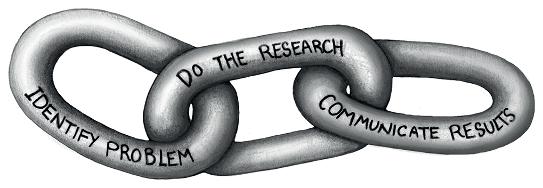
1 WritingasanEssentialResearchSkill Theimpactofscientificresearchdependscriticallyonhowwellitiscommunicatedto others.Inmostsciences,thismeanswritingascientificpaperthatotherscientistswill read.Perhapsyouhavedoneamazingexperimentsandthinkthatthiswillguarantee success.However,withoutgoodwriting,youmaystruggletogetyourpaperpublished andyourbrilliantexperimentswillnothavetheimpactthattheydeserve.Goodwriting can’tsavebadscience,butbadwritingcansinkgoodscience(Cartoon 1.1).
Cartoon1.1 Theweakestlink. Sciencecanbeimaginedasachainwiththreelinks.Theselinks represent:(1)identifyingaproblemthatneedssolving;(2)doingtheresearch,suchasanexperiment, tosolvethatproblem;and(3)communicatingtheresults,primarilythroughwritingapeer-reviewed publication.Ultimately,apieceofscienceisonlyasgoodasitsweakestlink,sohoweverstrongthefirst twolinks,ifthewritingisweak,thechainwillbreak.
Mostscientistsacceptthatlearningnewskillsisanessentialpartofcarryingout goodresearch.Thismightinvolveacquiringnewlaboratorytechniquesorslavingover anewcomputerprogram.Butwhilemostscientistsacceptthetimerequiredtolearn skills,itisoftenassumedthatwritingissomethingthatcanjustbedone,becauseitwas learntatschooloruniversity.Indeed,thewritingofascientificpaperisoftenseenasan undemandingtaskthatcanbedonequicklyattheend,oncetherealjobofdoingthe researchisfinished.
Inouropinion,thisviewofscientificwritingcouldnotbefurtherfromthetruth.The writingofascientificpaperishardwork.Furthermore,writingisaskillthatneedsto belearntandpractised.Indeed,goodwritingcanrequireamuchlongerlearningperiod
thanmanyfamiliarresearchtechniques.Althoughgoodwritingishard,webelievethata fewsimpletipscaneasilyremedymanyofthemostfamiliarpitfalls,andthegoodnews isthatscientistskeepimprovingtheirwritingthroughouttheircareers.
Inthisbookweaimtohelpyouproducebetterscientificpapers.Weacceptthatwritingisahigh-levelskillthatcan’tbemasteredbyjustreadingaguidebook,andthatit’s alsopersonal—yourstyleisparticulartoyou.However,webelievethatafewsimple pointerswouldimprovethequalityofmuchwriting.Weseethesamemistakestimeand timeagain—mistakesthatcouldeasilybefixed.Byhelpingavoidtheseerrors,wehope tomaketheexperienceofwritingmoresatisfying,lessdaunting,and,darewesayit, evenfun.
Ourfundamentalprincipleissimple: Thereadermustcomefirst.Toooftenscientists writeforthemselvesortosoundscientific,wheninfacttheirjobistohelpthereader understandthecontentoftheirpaperbymakingthingsasclearandstraightforward aspossible(Box 1.1).Thestoryofyourpapermustbeeasytodigestandwritten inrelativelyplainEnglish,ratherthaninhighlytechnicalgobbledygook.Strangely, thisdoesnotalwayscomenaturally,andrequiresachangeofthinkingonthepartof thewriter.Forexample,itrequiresthewritertoaskquestionslike:isthereanypossiblewaythatthissentencecouldbemisunderstood?Webelievethat,oncemastered,the rewardsoftakingourapproachareenormous,asyoursciencewillhavesomuchmore impact.
Wehavewrittenthisbookintheformofatoolkitforproducingthedifferentsections ofastandardscientificpaper:Abstract,Introduction,Methods,Results,andDiscussion. Eachchapterstandsalone,sothatyoucanreadtheminanyorder,ordipinandout,as required(Box 1.2).Therearealsoboxesandsummarieswithhelpfuladviceforthose wholiketoflickthroughbooksanddon’twanttoreadthisonefromcovertocover.At theendofeachchapterthereisasummarytable,soifyouwanttoreturntoaparticular chapter,youdon’thavetoreadthewholethingagain.Wehopethatbybreakingapaper downintomanageablesections,youwillfinditeasiertowrite.Wehavealsoprovided supplementaryonlinematerialtocomplementthechapters,andtofacilitaterunninga course(class)basedonthisbook(Box 1.3).
Gettingstartedonascientificpaperisoftenthehardestpart.Peoplehavedifferent viewsonwheretostart,butwepresentthesectionsofascientificpaperintheorderin whichwethinkitiseasiesttowritethem.Methodsareagoodplacetostartbecauseyou simplydescribewhatyoudid.TheResultssectionfollowsnaturallyfromtheMethods, sowepresentthischapternext.TheIntroductionandDiscussionarehardertowrite,as theyrequirecontext,linkstotheliterature,andgenerallymorethoughtfulanalysisand interpretation.Counter-intuitively,althoughtheAbstractisthefirstsectionofafinished scientificpaper,wethinkitisbestwrittenlast,onceyouarehappywitheverythingelse andareclearaboutthestoryofyourpaper.Finally,aftercoveringthedifferentsections ofapaper,weexplainhowtowriteacoverletter,andhowtoeditapaper,onceyou haveafulldraft.
Wehopethatyouarenowitchingtogetstarted,butbeforewegetontothedetails ofspecificsections,weprovidesometipsthathelpallsections.Takethecoreskillsquiz beforereadingChapter2(Box1.4).
Box1.1 TheReader Writersoftenimaginethatreaderswilldiligentlyworkthroughtheirpaper,sectionbysection, untiltheyhavereadandunderstoodeveryword.But,whilethiswasoftenthecaseatschool anduniversity,there’snoguaranteethatpotentialreadersofscientificpaperswillapplythe samelevelofdiligence.Thereisarapidlyexpandingliteraturewithineveryscientificdiscipline andfindingtimetoreadthelatestresearchisincreasinglychallengingforscientistsatall levels.
Afarbetterimageofyourpotentialreaderissomeonetime-limited,stressed,andeasily bored(Cartoon 1.2).Theyhaveamillionotherthingstodoandwilltakeanyexcusetogive uponreadingyourpaper.TheymightbeaPhDstudenttryingtogettogripswiththeir subject,oraprofessorwhodoesn’treallyhavetimetoreadpapersanymore.Unfortunately, unlesstheyareareviewer,theydon’t have toreadyourpaper,soit’syourjobtomakethem wantto.
Cartoon1.2 Thereader. Pictureyourpotentialreader.Youarecompetingfortheirattention withotherscientificpapers,otherworktasks,email,Twitter,theentirecontentoftheinternet,and anyotherhobbiesorpastimesthattheyenjoy.Gettingsomeonetoreadandunderstandyourpaper shouldn’tbetakenforgranted;itisanincredibleachievement.
Toconvincepotentialreaderstokeepreadingyourpaper,youmustwriteitinawaythat theycaneasilyunderstand.Theymightnotbequiteasinterestedinyoursubjectareaasyou are.Theymightbetired,hungover,orjustinabadmood.Indeed,evenrefereeswhohave agreedtogiveyourpaperafairchancewillnotenjoystrugglingthroughapoorlywritten papertofinditsinnerbeauty.Ifrefereesfindapaperconfusingorhard,thentheymight justrejectit.TheJournalof EnvironmentalMicrobiology publishedafewquotesfromreal reviewerstohighlightthisproblem:
‘Thebiggestproblemwiththismanuscript,whichhasnearlysuckedthewilltoliveoutofme,is theterriblewritingstyle.’
‘ThewritinganddatapresentationaresobadthatIhadtoleaveworkandgohomeearlyand thenspendtimetowonderwhatlifeisabout.’
Whilethesecommentsaresomewhatextremeandwerechosentoentertainreadersofthe journal,theyemphasizehowmuchgoodwritingcanmatter.
Whentheirpapersarerejected,authorsoftencurserefereesforbeingidiotswhoalmost wilfullychosetomisunderstandtheirpaper.Butthatirritatingreviewerwasn’tarandomly selectedperson—theywerechosenbytheeditorassomeonewhocouldreasonablyassessthe author’swork.Therefereefeltthattheyknewenoughtoaccepttherefereeingassignment, despitehavingamillionotherthingstodo.Consequently,theyareagoodapproximationto thekindofreaderthattheauthorwantstoattract.
So,remember,it’syourjobtomakeyourpapereasyforpotentialreaderstounderstand. It’snotthereader’sjobtostruggletheirwaythroughsomethingthattheycan’tfollow.
Box1.2 IsThisBookforYou? Wehavetargetedthisbookatresearchersacrossthebiological,life,andhumansciences. However,webelievethatthecorepointsapplymorewidelytoanynaturalscience,andtoother relateddisciplinessuchasappliedmathematicsorcomputerscience.Weillustrateourpoints withsimplebiologicalandhumanexamplesthatdonotassumepriorknowledgeandcouldbe understoodbyanyonewithascientificbackground.Producingreadablepapersisespecially importantforinterdisciplinaryscience.Thetopscientificjournalsexpecttheirpaperstobe understoodbyabroadrangeofscientists,includingnon-specialists.Ourbookisaimedat bothnativeandnon-nativeEnglishspeakers,withapplied,actionabletips,andnumerous illustrativeexamplesofgoodandbadwriting.
Box1.3 SupplementaryOnlineMaterial Wehavealsoprovidedadditionalmaterial,tohelpreadersofthisbook,andtofacilitateusing thisbooktoteachacourseonwriting.Wehavedevelopedsomeshortquizzes,whichwe recommendyoutakebeforereadingeachchapter,andsomesimpleexercisestoillustrateor reinforceprinciples.Wehavedevelopedascientificwritingcoursebasedonthisbook.This courseinvolveseightclasses,wherethestudentsworkingroupstocompleteexercisesbefore eachclass.WehavetaughtthiscourseatOxford,tobothMastersandPhDstudents.Allthe supplementarymaterialcanbereachedviasignpostedQRcodes,orfromthecompanion website(https://global.oup.com/us/companion.websites/978019286278/sm/).
2 CoreSkills Thereareveryfewrulesaboutwritingthatcan’tbebroken.Skilledwritersoftenplay withrulesorconventions.Butthisbookisn’taimedatskilledwriters—itisaimedatthose whoarejuststarting,oraretryingtomaketheirwritingbetter.
Inthischapterweprovideafewcoreskillstohelpnewandimprovingwriters.Most pointsarebetterillustratedinthecontextofspecificpapersections,andwedon’twant tofront-loadthisbookwithtoomanyguidelinesthatneedtoberemembered.Consequently,inthischapter,wefocusonasmallnumberofpointsthatcanbeappliedin everysectionofapaper.
Weprovide:
• fourgeneralprinciples;
• ourtop10specifictips.
Remember—thesearenothardandfastrules,justtipstomakescientificwritingeasier andclearer.Wereturntoalloftheminlaterchapters,whendiscussinghowtowrite specificsectionsofapaper.Theunitingthemeistoproducesimple,unclutteredwriting withaclearnarrativeflow.
FourGeneralPrinciples Keepitsimple Whenstudentsfirststartwritingpapers,theyoftenseemtotakeonastylethattheythink makesthemsoundlikeascientist.Thiscanincludeusingjargon,technicalabbreviations, andphrasesthattheywouldneveruseineverydayspeech.Butthiskindofwritingmakes thingsharder,noteasier,forpotentialreaders,andmaydiscouragethemfromcarrying onwithyourpaper.
Itisyourjobtoattractabroadrangeofreaderstoyourpaperandtomakeitas easyaspossibleforthemtounderstandwhatyoufoundout.Simple,clearwritingis fundamentaltothistask.Insteadoftryingtosoundscientificorclever,youshouldbe clearandconcise.Thisisnoteasy—itcansometimesbehardertoexplainscientific
conceptsusingplainEnglishthanbyusingtechnicallanguage.But,ifyoupersevere,it willstarttocomemorenaturally.Inthelaterchaptersweprovidenumerousexamples ofovercomplicatedwriting,andhowtomakeitsimpler.
Assumenothing Stepbackandputyourselfinthepositionofthereader.Tounderstandyourpaper,the readerneedsanexplanationofallthenecessarysteps.But‘necessary’onlymakessense inthecontextofwhattheyalreadyknow.Andit’seasytoassumethatyourreaderknows muchmoreaboutthetopicthantheyactuallydo.
Evenanexpertinyoursubjectlacksspecificknowledgeaboutwhatyouhavedoneand whyyouhavedoneit.Incontrast,youhavebeenthinkingaboutyourworkformonths— maybeevenyears—onanalmostdailybasis.Youwillbeincrediblyknowledgeableabout everydetailofyourwork:fromtheotherstudiesthatinspiredyou,towhatyouactually didandfoundout—anditsimplications.Youwillhaveforgottenallthehoursthatyou investedinunderstandingthesedifferentaspectsofyourwork.Indeed,youareprobably theworstpersontowriteupyourstudy,becauseyouareasfarawayasit’spossibleto befromsomeonewhoisnewtothetopic.
Thisproblemissocommonthatithasevenbeengivenanameinthepsychologyand economicsliterature:the‘curseofknowledge’.1 Thecursemeansthat,whencommunicatingwithothers,peopletendtounwittinglyassumethatothershavethenecessary backgroundtounderstandwhattheyaresaying.It’stooeasytomissoutcrucialpointsor stepsbecauseyouhaveforgottenhowimportanttheyareforunderstandingyourwork.
So,howcanwetacklethecurseofknowledge?Whenwritingapaper,it’sbestto assumethatyourreaderisscientificallyliterate,buthasverylittleexpertknowledge.Your paperismorelikelytofailbecauseyouassumedtoomuch,thanbecauseyoudumbed itdowntoomuch.Thisisespeciallytrueforinterdisciplinaryscience,wheredifferent readerscanhavecompletelydifferentbackgrounds.
Remember—youneedtogothroughallofthecrucialpoints,stepbystep,takingyour readerwithyou.Inthefollowingchapterswewillprovideatoolkittohelpyoudothis, byprovidingstructuresforthedifferentpapersectionsthatforceyoutocoverthekey pointsneededforthereader.
Keepittoessentials Let’sassumethatyouknowalot,andhaveopinionsaboutmanythings.Butwhichfacts andopinionsdoyoureallyneedtoincludeinyourpaper?IsadigressionontopicX orYnecessaryorrelevant?Authorsareoftentemptedtoaddmoretotheirpapersto showhowmuchtheyknowortogivetheiropinionaboutsomething.Butthisisn’tan opportunitytotelltheworldwhatyouknoworthinkaboutabroadrangeoftopics. Instead,wesuggestthatyoustripyourscientificwritingdowntothebareessentials (minimalism).Thisdoesn’tmeanmakingthepapersoshortthatitdoesn’tdoitsjob
1 Camerer etal. 1987.Thecurseofknowledgeineconomicsettings:anexperimentalanalysis. Journalof PoliticalEconomy.97:1232–1254
properly.It’simportanttoincludealltheinformationthat’s necessary tounderstandthe paper—butnomore.
Editingapapersothatitincludes‘justenough’isactuallyalotharderthanwriting alongerpaper.Butit’sworththeeffort,becauseashorterpaperhelpsthereader.If youfocusonthemainmessage,andremovealldistractions,thenthereaderwillcome awaywiththemessagethatyouwantthemtohave.Unfortunately,mostreaderswill onlyeverabsorbaverysmallfractionofwhatyouhavewritten.Sotrytohammerhome themessagesthatyoumostwantyourreadertotakeaway.Brevityalsominimizesthe likelihoodthatyoulosetheattentionofyourtime-stressedreader.Peoplearemorelikely tostartreading—andtofinish—shorterpapers.
Tellyourstory Goodscientificwritingtellsastory.Ittellsthereaderwhythetopicyouhavechosenis important,whatyoufoundout,andwhythatmatters.Forthestorytoflowsmoothly, thedifferentpartsneedtolinkclearlytoeachother.Increativewritingthisiscalled ‘narrativeflow’.
Ifyourpaperhasnarrativeflow,thereaderwillbegentlyledfromonesectiontothe next,excitedtofindoutwhathappensnext.Themainpointswillbeclearandtheywill graspthem.Ifyourwritingdoesn’thavenarrativeflow,thereaderwillgetconfused—and verypossiblyfrustrated.
Thisadvicemightseemrathervagueatthemoment,butinthelaterchapterswewill provideastructureforeachchapter,whichwillleadtonarrativeflow.
Top10Tips Writeasyouspeak Scientistsoftentendtowritephrasesthattheywouldneversay,possiblybecausethey thinktheyneedto‘soundscientific’.Instead,youshouldexplainyourscienceinthe clearestpossibleway,usingsimpleEnglishwheneverpossible.Ifyouneversaytheword ‘whilst’whenspeakingtofriends,thendon’tusethatwordinyourpaper. Keepitsimple Compare:
1. Weassignedbirdstotwoexperimentalgroups,wherewemanipulatedthenutritional resourcestodifferentlevels.
2. Wedividedthebirdsintotwogroups,whichreceivedsmallorlargeamountsof food.
1. Theseresultssuggestthatwormsactasrationalagents,abletoincreasetheirDarwinianfitnessbyadjustingtheirbasicreproductiverateconditionallyinresponseto environmentalconditions.
2. Theresultssuggestthatwhenthereismorefoodavailable,wormslaymoreeggs.
Cartoon2.1 Therobottest. Agoodwayto‘test’yourwritingistoreaditoutloud.Thisisaneasy waytorevealcommonerrors,suchastoomuchjargon,orsentencesthataretooshortortoolong.Often, badwritingwillmakeyousoundlikearobot.
Inbothexamples,sentence2iswritteninsimplerEnglish,andisshorterandeasierto understand.Agoodtestofwhetheryouhavegotitrightistoreadyoursentenceout loud(Cartoon2.1).Inbothoftheexamplesabove,it’shardtonotsoundlikearobot whenreadingoutsentence1,whereassentence2willsoundmorenatural.
Writeshortsentences,whichonlymakeonepoint Shortsentenceswithclearandsimpleconstructionsareeasiertoreadandgrasp.Readers normallyholdawholesentenceintheirhead,astheytrytomakesenseofit.So,ifyou puttoomuchintoonesentence,theywillfindithardtoprocessandmayhavetore-read itmultipletimes.Consequently,putoneidea/pointpersentence,andconsiderbreaking alongsentenceintotwoormoreshorterones.Compare:
1. Afterharvestingallplantsanddryingtheminanovenat80 ◦Cfor24hoursweweighed themonamicrobalancetothenearest0.1gandthencarriedoutCHNanalysisto determinetheproportionsofmajorelementsafterwhichweransmallsamplesthrough HPLCtoobtainafullchemicalprofile.
2. Afterharvestingallplantsanddryingtheminanovenat80 ◦Cfor24hoursweweighed themonamicrobalancetothenearest0.1g.Todeterminetheproportionsofmajor elementswecarriedoutCHNanalysis.Toobtainafullchemicalprofileweransmall samplesthroughHPLC.
1. Asacontrol,wemadeallindividualsplayasingleroundofthesamegamebutwith computerizedgroupmates,ratherthanwithrealhumans,inordertotestwhethertheir behaviourdependsuponconcernsforthewelfareofothers.
2. Asacontrol,wemadeallindividualsplayasingleroundofthesamegamebutwith computerizedgroupmates,ratherthanwithrealhumans.Thiscontroltestswhether behaviourdependsuponconcernsforthewelfareofothers.
Asaruleofthumb,ifasentenceis>2lineslonginsomethinglikeMicrosoftWord, thenalarmbellsshouldgooff.Lookatthatsentenceandthinkaboutwhetheritneeds tobesplitintomultiplesentences.Orreaditoutloud—itwillquicklybecomeobvious ifyouhaveputtoomuchin.Ofcourse,atthesametime,don’tmaketoomanyofyour sentencestooshort—wewillreturntothispointinChapter3.
Avoidjargon AcrucialpartofwritinginsimpleunderstandableEnglishistoavoidjargon.Other peoplemightusejargondifferently,ornotunderstanditall.Peoplesometimesusejargon tosoundcleverorscientific—ormaybetheyeventhinktheyhaveto.Butjargonputs readersoff.Thisproblemhasevenbeenquantified—paperswithmorejargonareless likelytobecited.2
ItcanbeharderandmoreworktowriteapaperinsimpleEnglish,withoutjargon, butyourpaperwillhaveawideraudience.Compare:
1. Inmicrobialsystems,intraspecificcompetitionisinducedbystressfulconditionssuchas resourceorspacelimitation.
2. Bacteriacompeteforspaceandresources.
1. Theevolutionarylegacyhypothesisproposesthatanevolvedreciprocity-basedpsychologyaffectshumanbehaviourinanonymousone-shotinteractionswhenreciprocityisnot explicitlypossible.
2. Ithasbeenhypothesizedthathumanscooperatemoreiftheyfeeltheyarebeingwatched.
1. Welistedalltheinformationregardingthefullgenomeanalysisofthestrainsusedin thiscompetitionassayinTable1.
2. WelistedallmutationsinTable1.
Insentence2,thejargonfromsentence1hasbeenreplacedwithsimpleEnglish,making itmucheasiertounderstand.Bewarned—it’seasytogetsuckedintowritingjargon— eachsentence1istakenfromarealpaper.
Sometimesavoidingjargonisrelative.Forexample,infieldssuchasimmunology, thereisalotofjargonthatcannotbeavoided.Whenwritinganimmunologypaper, avoidingjargonmeansavoidingtermsthataren’tbroadlyunderstoodbyimmunologists.Similarly,mostfieldsofresearchwillinvolvesomestandardtermsthatareusedby
2 Martinez&Mammola.2021.Specializedterminologyreducesthenumberofcitationsofscientificpapers. ProceedingsoftheRoyalSocietyLondonSeriesB 288:20202581
everyone.Thegeneraltipistoavoidtermsthatwillonlybeknownbyanarrowsetof specialists.Inthisbookwehavedeliberatelyusedsimpleillustrativeexamplesthatcan beunderstoodbyallreaders.
Atothertimesyoumightwanttousejargon,tomakelinkstootherliteratureclear.In thiscase,youcanstillwriteinsimpleEnglish,butthenaddthejargon,eitherinbrackets orbyexplainingit.Forexample:
1. Humansoftenfaceopportunitiestoimprovethewelfareoftheirgroup,butatacostto theindividual(‘socialdilemmas’).
2. Humansoftenfacesocialdilemmas,wheretheycanimprovethewelfareoftheirgroup, butatanindividualcost.
Writecausebeforeeffect Manysentencesinscientificpaperscontainacauseandaneffect.Youmightdescribe whatyoudid(cause)andtheconsequence(effect),orvariationinsomething(cause) andwhatthisledto(effect).Youcanhelpthereaderbyputtingthecausefirst,followed bytheeffect.Compare:
1. Morematingswithfemalesareobtainedbymalepeacockswithlargertails.
2. Malepeacockswithlargertailsmatedwithmorefemales.
1. Femaleslaidmoreeggswhentheywerelarger.
2. Largerfemaleslaidmoreeggs.
1. Supernatantscontainednoliveordeadcells,onlyexoproductsproducedbythecellsin theoriginalculture,astheywereproducedusinga0.22μmfilter.
2. Thesupernatantwasproducedwitha0.22μmfilter,andsocontainednoliveordead cells,onlyexoproductsproducedbythecellsintheoriginalculture.
Inallcases,sentence2presentsthecausefirst,followedbytheeffect.Thishelpsbecause thecauseexplainstheeffect.Ifyoudoittheotherwayaround—effectandthencause— thereadermighthavetogobackandreassesstheeffectafterreadingthecause,perhaps byrereadingthesentence.Writingcausebeforeeffectmakesthesentenceeasierto process.
Makeonemajorpointperparagraph Eachparagraphshouldmakeonemajorpoint.Thepurposeofparagraphsistobreak thetextupintomanageableunits,sothatthereadercangraspthemainpoints.Ifa paragraphcontainsjustonemajorpoint,thenitwillstandoutclearly.Ifitcontains morethanone,thenthemainmessageislost,andthereadercanbecomeconfused. Atypicalsizeforaparagraphwouldbethreetoeightsentences.Wewillprovide
CoreSkills 13
examplesofgoodandbadparagraphsinlaterchapters,whendiscussingspecific sections.
Usethefirstsentenceofaparagraphtosummarizethat paragraph
Itisoftenusefultomakethefirstsentenceofaparagraphasummaryofthemajorpoint ofthatparagraph.Therestofthatparagraphthenprovidesthedetails,whichcouldrange fromadetailedexplanationtostatisticalanalyses.Thefirstsentencegivesthereaderthe keypointupfront,andittellsthemwhatthatparagraphisgoingtobeabout.Theythen knowwheretheyaregoingandwillbeatease.
Ifdonewell,thecollectionoffirstsentenceswillprovideausefulsummaryofyour paper.Totestyourself,onceyouhavewrittenasection,orawholepaper,readjustthe firstsentencesofeachparagraph.Askyourselfwhetherareaderthatonlyreadthose firstsentenceswouldobtainareasonableunderstanding(Box 2.1).Theanswershould be yes
Readerswilloftenloseconcentrationinaparagraphorjustskimthroughapaper.If yousummarizeeachparagraphwiththefirstsentence,thentheywillstillgetthemain points,evenifthatisalltheyread.Makeitaseasyasyoucanforyourreaders.
Bepreciseandconsistent It’sofparamountimportancetobeprecise,especiallywithtermsanddefinitions.This sometimesmeansthatyouhavetosacrificevarietyoflanguageforprecision.For example,ifyouhavedoneanecologyfieldexperiment,andyoubeginbystatingthat youhave‘plots’of2mby2m,thenfortherestofthepaperyoumustalwaysreferto themasplots.Don’tsometimescallthem‘patches’.It’ssurprisinglyeasytousedifferent
Box2.1 CompletetheFirstSentenceExercise
wordstorefertothesamethingindifferentpartsofyourpaper,soyouneedtoactively avoidthis.
Youshouldalsobeconsistentwithterminologyacrosstheexistingliterature.Ifother papersuseaterminaspecificway,andyouuseitdifferently,itwillspreadconfusionand hinderprogress.3 Scienceisprecise.Scientificprogressdependsuponprecise,reliable communicationbetweenscientists.
Followthesectionheadings Theheadingofeachsectionofapaperprovidesamajorclueastowhatyoushould include.TheIntroductionisforintroducingwhyyourpaperisneeded,theMethodsis formethods,andsoon.Havingseparatesectionshelpsthereader,becausetheyknow whattoexpectineachsection.Inaddition,thedifferentsectionsprovideinformationin alogicalorder:whyyoucarriedoutyourstudy(Introduction),whatyoudid(Methods), whatyoufoundout(Results),andwhatthosefindingsmean(Discussion).Eachofthese sectionsfollowsonnicelyfromthepreviousone,andleadsneatlyintothenext.
Ifyouputthe‘wrong’bitsinasectionthenyouareeitherbeingrepetitiveoryoudidn’t doagoodenoughjobintheappropriatesection.Forexample,yourDiscussionsection shouldn’tstartwithalongintroductionastowhyyourworkwasneeded—thatbelongs inthe‘Introduction’.Puttingthingsinthewrongsectioncanconfuseorfrustrateyour reader.
Followingthesectionheadingsdoesn’tmeanthattherecanbenorepetitionofelementsbetweensections.Linkingbetweensectionscanhelpthereader.Inlaterchapters wewillsuggestwhenitisusefultorepeatelementsorsummarizepointsfromother sections.
Plan,plan,plan! Itcanbehardtostartwriting.Ablankpagecanbeverydaunting.Somewriterstackle thisproblembyfocusingon‘gettingsomethingdown’.Theideahereisthatithelpsto getstarted,andthatonceyouhavesomethingdown,youcanplaywithitandhoneit intosomethinggreat.Wesuggesttheoppositeapproach.
Wesuggestplanningeachsectionasmuchaspossible,beforewritingit.Forthe sectionofthepaperthatyouwanttowrite,beginbywritingdownthebulletpoints thatneedtobecovered.Forexample,fortheIntroduction,writedownthekeyinformationaboutwhyyourpaperisneeded,orfortheMethods,writedowntheessentialsteps inyourprotocol.
Itisoftenbettertoplanwithpenandpaper.Youcanthenplaywiththedifferent bulletpoints,orderingandlinkingthemwithaflowdiagram(mindmap)toproduce
3 West etal.2007.Socialsemantics:altruism,cooperation,mutualism,strongreciprocityandgroup selection. JournalofEvolutionaryBiology 20:415–432.
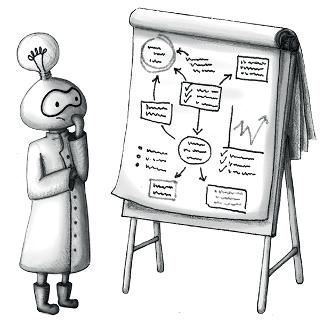
Cartoon2.2 Plan,plan,plan! Itisoftenusefultoplanwithapenandpaper.
thestructureofeachsection(Cartoon 2.2).Addextrabulletpointsasneeded.Each bulletpointwillusuallycorrespondtooneparagraphandprovidethemajorpointof thatparagraph.Giventhatthefirstsentenceofeachparagraphshouldsummarizethat paragraph(page13),yourbulletpointswillbeveryclosetothefirstsentenceofeach paragraph.
Onceyouhavethefirstsentenceofeachparagraph,youjustneedtoaddtherestof eachparagraphbyelaboratingonthatfirstsentence.Andoncethatisdone,youwill havefinishedwritingthatsectionofyourpaper!Inthelaterchaptersofthisbook,we willprovidemorespecifictoolkitsforplanningthestructureofeachsectionofapaper.
Ouremphasishereistoseparatetheplanningfromtheactualwriting.Wesuggest doingthisforthreereasons.First,ifyoujumpstraightin,youarelikelytoproducea disorganizedstreamofconsciousnessthatissouselessitisprobablybettertothrow itawayandstartagainanyway.Second,planninginadvanceallowsformuchclearer thought:youjustneedtoplanandorganizethebigpicture,withoutgettinglostinthe details.Third,onceyouhaveactualtextdown,itcanbehardtochangeit—youhave madetheefforttotypeitin,soyoudon’twanttojustthrowitaway.Thisisalsosowell knownthatpsychologistshaveaphraseforit:the‘sunkcostfallacy’.
Themethodofbuildingupfromaflowdiagrammightfeelslow,butitcanbeeasier andfasterinthelongrun.Ifyoustartbybuildingupaplan,andbygraduallyfleshingit out,youwillendupwithsomethingmuchclosertoafinalversion.Intheend,thismeans feweriterationsandcorrections.Youwillstillhavetotweakyourpaperandimproveit, butyouareunlikelytohavetothrowitoutandstartagain.
Goodplanningcanalsohelpwiththecurseofknowledge.Onpage8,weemphasized theimportanceofsteppingbackandputtingyourselfinthereader’splace.Planning involvessteppingbackandthinkingaboutthebigpicture.Atthisstage,it’smucheasier tothinkaboutwhatyouneedtoexplaintothereader.Considerallthelogicalsteps thatareobvioustoyou,butmightnotbeobvioustosomeonewhohasn’tspentthelast
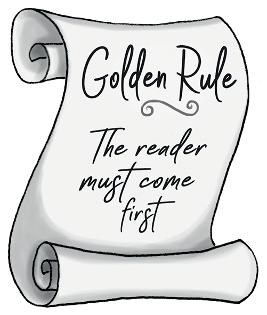
Cartoon2.3 Thegoldenrule. Youcanignoretips—dowhateverhelpsyourreader.
fewyearsburiedinthetopic. Goodplanningwillhelpyouwritefaster,andproducebetter papers.
Youcanignoretheabovetips Followingthetipsinthisbookwillgenerallyleadtoclearerwriting.Butwecannot emphasizeenoughthattheyareonlytips,nothardandfastrules.Sometimesitcanbe betternottofollowthem—thegoldenruleisthatthereadermustcomefirst(Cartoon 2.3). Dowhateverhelpsyourreader!
Togiveanexample,itcansometimesbeusefultodeviatefromTopTip4,andput theeffectbeforethecause.Compare:
1. Bacterialpathogensproducetoxinstoeliminatecompetitors,allowingthemtogrow better.
2. Thegrowthofbacterialpathogensdependsupontheirabilitytoeliminatecompetitors withtoxins.
Sentence2putstheeffectbeforethecause,butthisordermightworkbestifwewanted toputthefocusonpathogengrowth.Thiscandependuponthepurposeofthesentence withinthecontextoftheoverallsection.However,youdon’thavetoagreewithus—the pointisthatthereisnoabsolutelywrongandrightwaytodothis.It’ssimplyimportant tothinkaboutdifferentpossibilities,andtodowhatyouthinkwillmakethingseasiest foryourreader.Wehavetriedtofollowourownrecomendationsinthisbook,butwe arefallible,andsowillhaveoccasionallyfailed.
Summary Greatguidetowonderfulwriting
Generalprinciples
1.Keepitsimple
2.Assumenothing
3.Keepittoessentials
4.Tellyourstory
Top10tips
1.Writeasyouspeak
2.Writeshortsentences,whichonlymakeonepoint
3.Avoidjargon
4.Writecausebeforeeffect
5.Makeonemajorpointperparagraph
6.Usethefirstsentenceofaparagraphtosummarizethatparagraph
7.Bepreciseandconsistent
8.Followthesectionheadings
9.Plan,plan,plan!
10.Youcanignoretheabovetips
BeforereadingChapter3,summarizethemainpointsofthischapter(Box2.2)and taketheMethodsquiz(Box2.3).
Box2.2 MindMaps
Afterreadingthischapter,makeamindmaptosummarizethepoints.Trytomakeitinaway thatwouldprovideausefulsummary,tosaveyouhavingtoreadthischapteragain.Repeat thisexerciseforeachchapter,asyouworkthroughthebook.
Box2.3 TaketheMethodsQuizbeforereadingChapter3
3 Methods TheMethodssectionisusuallythebestplacetostartwriting.Afterall,yousimplytell everyonewhatyoudidandyoushouldbeclearonthat(Cartoon 3.1).Butanendless listofdetailedprotocolsisdifficulttodigest.So,howdoyoupersuadeyourreaderto keepgoing?Andwhichdetailsmatter?
Cartoon3.1 Methods.TheMethodssectionisfortellingeveryonewhatyoudid.
ThekeytoadigestibleMethodssectionistosupplyinformationatacarefully controlledrate(Cartoon 3.2).Therearetwopartstothisprocess.
• First,pullouttheessentialinformationandplaceitprominentlyupfront.This providesanoverviewandcreatesastructureinwhichtoplacetheforthcoming details.
• Second,whenyouareprovidingthedetails,keepremindingthereaderexactly why youaretellingthemsomething.Informationincontextismucheasiertodigest.If youleaveyourreaderdrowninginwhatappeartobeunnecessarydetails,they mightjustgiveup.
OurfirstaiminthischapteristoshowyouhowtostructureaMethodssection,dividing itintoanoverviewandthedetails.Wethenexaminehowtofillinthedetails,bymaking useofthetipsthatwegaveinChapter 2.Thesearethecoreskillsneededtoproduce anyMethodssection. ScientificPapersMadeEasy.StuartWestandLindsayTurnbull,OxfordUniversityPress.©StuartWestandLindsayTurnbull(2023). DOI:10.1093/oso/9780192862785.003.0003
Cartoon3.2 Digestiblemethods.Supplyinformationatacontrolledrate,bydividingitbetweenan overviewandthedetails.
Finally,weprovideguidanceonhowtodealwithdifferenttypesofpaper.Methods sectionsarehighlyvariable,dependingonthetypeofworkcarriedout.Youmighthave performedasimpleandelegantexperiment,collectedahugeobservationaldatasetthat needsacomplicatedanalysis,ordevelopedamathematicalmodel.Here,wegiveadvice forwritingallofthesedifferenttypesofMethodssections.Wheneverpossible,wehave usedboxes,sothatyoucanmoreeasilyskipthebitsthatarenotrelevanttothepaper youarewriting.
StructuringMethods MostwritingadvicewilltellyouthatagoodMethodssectionshouldallowsomeone elsetocomealongandperfectlyreplicatewhatyoudid.But,ifyoufollowthisadvice tooslavishly,youwillendupwithaMethodssectionthatisfartoolongandunwieldy fortheaveragereader.Andhowmanyofyourreaderswillreallywanttoreplicateyour work?
Thetypicalreaderonlyreallyneedsenoughinformationtodothreethings:
(1) theyneedtobroadlyunderstandwhatyoudid so:
(2) theycanmakesenseofyourresultsandjudgetheirquality ... so:
(3) theycancriticallyevaluatetheinterpretationthatyouarechoosingtomake.
Butafewreaders,includingreviewers,needtoknowmore.Sohowcanyoucaterto thesetwoverydifferentkindsofreaders?
Aswithallsectionsofapaper,there’snosinglesolution,buthere’sagoodwayto start.SeparateyourMethodsintoanoverviewandthedetails:
The Overview:TheoverviewisoneparagraphatthestartofyourMethodsthatsummarizesitskeypointsandgivesanimpressionofthescope,scale,andqualityofyour study.Itorientsthereader,andallowsthemtoplacethedetailsintocontext.
The Details:ThebulkofyourMethodssectionisaseriesofparagraphswithclear subheadings,whichspelloutexactlywhatyoudid.
TheOverview Theoverviewshouldsupplythereaderwiththekeypointsofyourstudy.Itallowsthem toorientthemselvesandgivesasenseofthescope,scale,andqualityofyourwork.It mustincludearationale—whatwasthelogicbehindthestudy?Ofcourse,thisinformationislaidoutindetailintheIntroduction,butwecan’tassumethatthereaderwillread allofyourpaper!MaybetheyskippedfromtheAbstracttotheMethods,ormaybethey arejustdippingbackinagainafterinitiallyreadingthewholepaperafewmonthsago.
AgoodoverviewshouldallowacasualreadertothenjumpstraighttotheResults andmakesenseofthefigurestheywillseethere.Obviously,reviewerscan’tdothis, but,onceapaperispublished,manycasualreadersarehappytotrustthatthedetailed methodologyisprobablysound.Agoodworkinghypothesisisthatafterreadingyour overview,mostreadersskim,orevenignore,therestoftheMethodssection.Makeyour overviewgoodenoughthattheycangetawaywiththat!
Herearesomesuggestionsforthekindofinformationthatyoumightliketoinclude inyouroverview:
• typeofstudy—whetherexperiment,observation,modelling,oracombinationof allthree
• placeitwascarriedout
• duration
• thestudysystem—thismightbethenamesofanystudyorganismsinvolved,the genesexamined,orhowyougothumanvolunteers
• thelayoutofanyexperiment
• thetypeofdatacollectedoranalysed
• modellingapproachtaken—analytical,numerical,orsimulation
• thekeyassumptionsofatheoreticalmodel
Onceyouhavedecidedwhichkeypointstoincludeinyouroverview,youneedtopresent theseinaclearandcomprehensibleway,inplainEnglishandwithoutjargon.Peoplewho aren’tdeeplyfamiliarwithyourfieldmightneverthelesswanttolookatyourpaper.So, whynotmakeiteasyforthemtodoso?
Toseehowtodothis,let’sstartwithaverysimpleexampleofanecologicalfield experiment.
Overview:Totesthowgrasscommunitiesrespondtoincreasedsoilnitrogen,weconductedafield experimentinwhichweexperimentallyaddednitrogentoplots.Tocovertherangeofnitrogen inputscommonlyseenacrosslowlandEngland,weusedthreelevelsofnitrogenadditionplus acontrol.Wemarkedout20plotsacrossthesiteandrandomlyassignedthefourtreatments toplots,givingfivereplicatesofeachtreatment.Weappliednitrogenthreetimesduringthe growingseasonforthreeconsecutiveyears.Wemeasuredtheresponseofthegrasscommunities bysamplingtotalbiomassandspeciescompositioninJulyeachyear.
Whydowethinkthatthisoverviewworks?First,thereaderknows why thisstudywas conducted—totesthowgrasscommunitiesrespondtoincreasednitrogen.Second,they know what theauthorsdid:theyaddednitrogentoanaturalgrasscommunity.Third,the authorsplacedtheirworkinarealisticcontext—theyconductedafieldexperimentand usedsensiblelevelsofnitrogeninputs.Fourth,thedesignoftheirexperimentisclear, inthatweknow:(1)thenumberoftreatmentsandthesamplesize,(2)thattreatments wereassignedrandomlytoplots,and(3)theexperimentincludedacontrol.Fifth,the authorsemphasizethatthiswasnotasingle-seasonstudy,butcontinuedforthreeyears. Thisislikelytobeanimportantindicatorofquality,becauseeffectsmighttaketime todevelop.Finally,theyhaveidentifiedtheresponsevariables—biomassandspecies composition—sothereaderknowswhattheyaregoingtofindonthe y-axisofupcoming figures.
Thelanguageofthisoverviewisalsoclearandnon-technical.Itdoesnotincludejargonoracronyms,whichmightputoffanon-specialist.Itdoesnotincludedetailsabout exactamountsofnitrogenorplotsizes.Thisoverviewallowsamorespecialistreader tostartformulatingtheirownquestionsaboutforthcomingdetailsthattheyareexpectingtosee—forexample,whatexactlyarethethreeratesofnitrogenaddition?Ifthey encounterthesedetailsinlaterparagraphs,thenthisgivesthemasenseofsatisfaction.
Perhapsmostimportantly,thisshortparagraphenablesareadertovisualizethestudy: 20plotslaidoutinagrassland,receivingdifferentamountsofnitrogenforthreeyears. It’ssurprisingwhatadifferencethiscanmake.Wereadalotofpaperswhere,halfway throughtheMethods,westillfindourselvesasking: what didtheydo?Thatisfrustrating. Contrastwiththehappyreaderofyourpaperwhowillbethinking‘thatwasanawesome overview,nowIcanjustskipstraighttotheresults’.
OursuggestedoverviewcontrastswithhowtheMethodssectionofmanypapersstart. Forexample,ecologypapersoftenbeginwithadetaileddescriptionofthestudysite— informationthatishardtoprocessoutofcontext.But,ifanoverviewisgivenfirst,the details,suchasadescriptionofthestudysite,willmakemoresensetothereader.
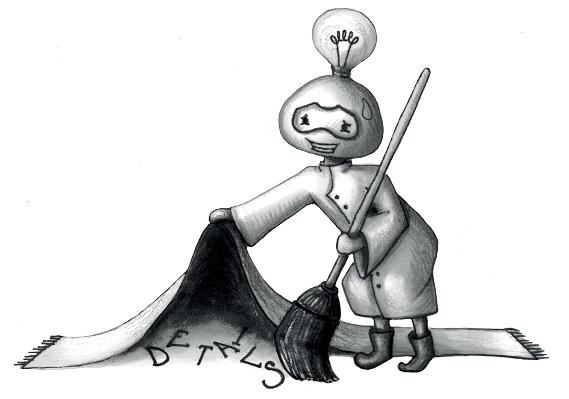
Eachstudywillbedifferent,soyou’llhavetothinkcarefullyaboutwhattoincludein youroverviewandwhatcanbeleftforthedetails.Weprovideacouplemoreoverview examplesinBox 3.1.Don’tforget,it’snotabouthidingdetails,orsweepingthemunder
thecarpet(Cartoon 3.3).Thedetails do matter.It’sjustthattheyaremucheasierto digestoncetheoverviewisclear.
Box3.1 DifferentOverviewsforDifferentSubjects Wethinkthatanoverviewcanbeusefulwhateveryoursubjectarea.It’struethatinsome fields,suchasmolecularbiology,thereisalotmoretechnicallanguageandthedetailsare particularlyimportant.Butthat’snoexcusefornotprovidingasimpleoverviewwrittenin plainEnglishthatmightgreatlyincreasetheaccessibilityofyourpaper.Evenecologistscan enjoyamolecularpaper,iftheyarehelpedtounderstandit.Forexample:
Overview:TounderstandwhichgenesareessentialforbacterialsurvivalinthelegumeRhizobiasymbiosis,weculturedacollectionof10mutantbacterialstrains,eachdefective inasinglegene.Wecreatedthe10mutantstrainsfromasinglegenotypeofaRhizobium strainthatcommonlyinfectssoybeans.Torepresentdifferentstagesofthesymbiosiswe culturedallstrainsunderhigh(21%)andlow(<1%)oxygen.Thehigh-oxygenenvironmentmimicsthefree-livingsoilstagepriortorootinfection.Thelow-oxygenenvironment mimicsconditionsthatbacteriaencounteroncetheyhaveenteredplantroots.Wecultured allstrainstogether,ateachoxygenlevel,for24hoursandthengenotypedthesurvivors. Wereplicatedeachtreatment30times,andclassifiedgenesasessentialforgrowthifstrains lackingthatgenewerenotpresentamongthesurvivors.
Aswithourexampleinthemaintext,wethinkthisoverviewworksbecauseitexplains why the studywasconducted,and what theauthorsdid.Theoverviewiswrittenwithnon-technical language,thatmostbiologistswouldbeabletounderstand—eventhosewhoarenotmolecular biologists.
Cartoon3.3 Don’thidedetails!