The Humanistic Tradition Volume 1: Prehistory to the Early Modern World 7th Edition, (Ebook PDF)
https://ebookmass.com/product/the-humanistictradition-volume-1-prehistory-to-the-early-modernworld-7th-edition-ebook-pdf/ Download more ebook from https://ebookmass.com
More products digital (pdf, epub, mobi) instant download maybe you interests ...
The Humanistic Tradition Volume 2: The Early Modern World to the Present 7th Edition – Ebook PDF Version
https://ebookmass.com/product/the-humanistic-traditionvolume-2-the-early-modern-world-to-the-present-7th-edition-ebookpdf-version/
World Civilizations: The Global Experience, Volume 1 7th Edition, (Ebook PDF)
https://ebookmass.com/product/world-civilizations-the-globalexperience-volume-1-7th-edition-ebook-pdf/
People of the Earth: An Introduction to World Prehistory 14th Edition, (Ebook PDF)
https://ebookmass.com/product/people-of-the-earth-anintroduction-to-world-prehistory-14th-edition-ebook-pdf/
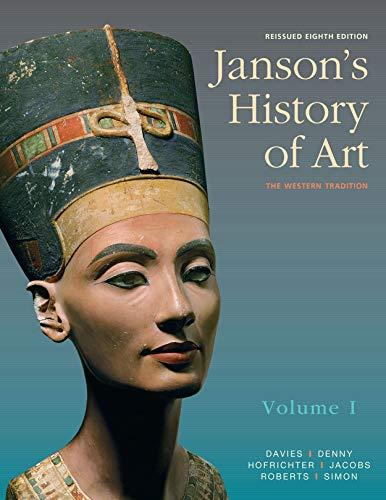
Janson’s History of Art: The Western Tradition, Reissued Edition, Volume 1 8th Edition, (Ebook PDF)
https://ebookmass.com/product/jansons-history-of-art-the-westerntradition-reissued-edition-volume-1-8th-edition-ebook-pdf/
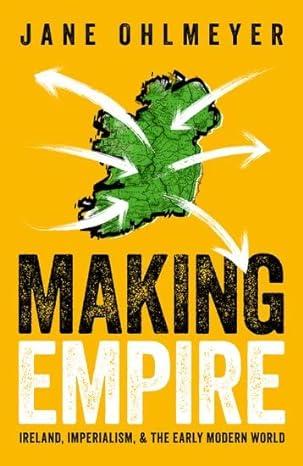
Making Empire : Ireland, Imperialism, and the Early Modern World Jane Ohlmeyer
https://ebookmass.com/product/making-empire-ireland-imperialismand-the-early-modern-world-jane-ohlmeyer/
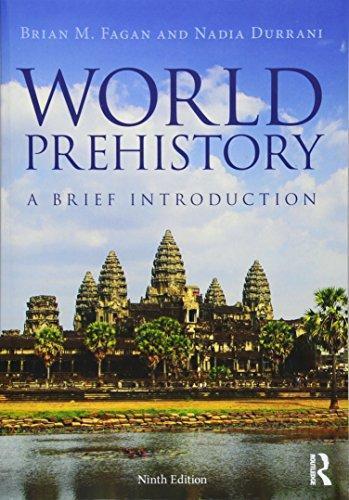
World Prehistory: A Brief Introduction 9th Edition –Ebook PDF Version
https://ebookmass.com/product/world-prehistory-a-briefintroduction-9th-edition-ebook-pdf-version/
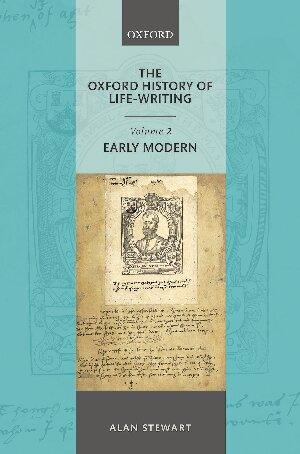
The Oxford History of Life-Writing, Volume 2: Early Modern Alan Stewart
https://ebookmass.com/product/the-oxford-history-of-life-writingvolume-2-early-modern-alan-stewart/
Early Education Curriculum: A Childu2019s Connection to the World [Print Replica] (Ebook PDF)
https://ebookmass.com/product/early-education-curriculum-achilds-connection-to-the-world-print-replica-ebook-pdf/
World Civilizations Volume 1: To 1700 8th Edition
Philip J. Adler
https://ebookmass.com/product/world-civilizationsvolume-1-to-1700-8th-edition-philip-j-adler/
Western Sudan: Nok Culture 61
LOOKING BACK 61
Glossary 62
3 India, China, and the
Americas (ca. 3500–500 B.C.E.) 63
LOOKING AHEAD 64
Ancient India 64
Indus Valley Civilization (ca. 2700–1500 B C E.) 64
The Vedic Era (ca. 1500–500 B.C.E.) 64
Hindu Pantheism 65
EXPLORING ISSUES The “Out of India” Debate 66
The Bhagavad-Gita 66
READING 3.1 From the Bhagavad-Gita 66
Ancient China 67
The Shang Dynasty (ca. 1766–1027 B C E.) 68
The Western Zhou Dynasty (1027–771 B C E.) 70
Spirits, Gods, and the Natural Order 70
The Chinese Classics 71
Daoism 72
READING 3.2 From the Dao de jing 72
The Americas 72
Ancient Peru 72
MAKING CONNECTIONS 73
The Olmecs 74
LOOKING BACK 75
Glossary 75
4 Greece: Humanism and the Speculative Leap
(ca. 3000–332 B.C.E.) 76
LOOKING AHEAD 77
Bronze Age Civilizations of the Aegean (ca. 3000–1200 B.C.E.) 77
Minoan Civilization (ca. 2000–1400 B C E.) 78
MAKING CONNECTIONS 79
Mycenaean Civilization (ca. 1600–1200 B C E.) 80
The Heroic Age (ca. 1200–750 B C E.) 80
READING 4.1 From the Iliad 82
The Greek Gods 85
The Greek City-State and the Persian Wars (ca. 750–480 B C E.) 86
Herodotus 87
Athens and the Greek Golden Age (ca. 480–430 B C E.) 87
Pericles’ Glorification of Athens 88
READING 4.2 From Thucydides’ Peloponnesian War 88
The Olympic Games 90
The Individual and the Community 90
Greek Drama 90
The Case of Antigone 92
READING 4.3 From Sophocles’ Antigone 92
Aristotle on Tragedy 99
READING 4.4 From Aristotle’s Poetics 99
Greek Philosophy: The Speculative Leap 100
Naturalist Philosophy: The Pre-Socratics 100
Pythagoras 100
Hippocrates 101
Humanist Philosophy 101
The Sophists 101
Socrates and the Quest for Virtue 101
READING 4.5 From Plato’s Crito 103
Plato and the Theory of Forms 104
READING 4.6 From the “Allegory of the Cave” from Plato’s Republic 105
Plato’s Republic: The Ideal State 108
Aristotle and the Life of Reason 108
Aristotle’s Ethics 109
READING 4.7 From Aristotle’s Nicomachean Ethics 109
Aristotle and the State 111
LOOKING BACK 111
Glossary 112
5 The Classical Style (ca. 700–30 B.C.E.) 113
LOOKING AHEAD 114
The Classical Style 114
READING 5.1 From Vitruvius’ Principles of Symmetry 114
Humanism, Realism, and Idealism 116
The Evolution of the Classical Style 117
Greek Sculpture: The Archaic Period (ca. 700–480 B C E.) 117
MAKING CONNECTIONS 118
Greek Sculpture: The Classical Period (480–323 B C E.) 118
The Classical Ideal: Male and Female 120
LOOKING INTO The Parthenon 122
Greek Architecture: The Parthenon 123
The Sculpture of the Parthenon 124
EXPLORING ISSUES The Battle Over Antiquities 125
The Gold of Greece 127
The Classical Style in Poetry 127
READING 5.2 The Poems of Sappho 128
READING 5.3 From Pindar’s Odes 128
The Classical Style in Music and Dance 129
The Diffusion of the Classical Style: The Hellenistic Age (323–30 B C E.) 130
Hellenistic Schools of Thought 132
Hellenistic Art 132
LOOKING BACK 135
Glossary 136
6 Rome: The Rise to Empire (ca. 1000 B.C.E.–476 C.E.) 137
LOOKING AHEAD 138
The Roman Rise to Empire 138
Rome’s Early History 138
The Roman Republic (509–133 B.C.E.) 139
READING 6.1 Josephus’ Description of the Roman Army 140
The Collapse of the Republic (133–30 B C E.) 141
The Roman Empire (30 B C E.–180 C E.) 141
Roman Law 143
The Roman Contribution to Literature 143
Roman Philosophic Thought 143
READING 6.2 From Seneca’s On Tranquility of Mind 144
Latin Prose Literature 145
READING 6.3 From Cicero’s On Duty 145
READING 6.4 From Tacitus’ Dialogue on Oratory 146
Roman Epic Poetry 146
READING 6.5 From Virgil’s Aeneid (Books Four and Six) 147
Roman Lyric Poetry 148
READING 6.6 The Poems of Catullus 148
The Poems of Horace 149
READING 6.7 The Poems of Horace 149
The Satires of Juvenal 150
READING 6.8A From Juvenal’s “Against the City of Rome” 150
READING 6.8B From Juvenal’s “Against Women” 151
Roman Drama 152
The Arts of the Roman Empire 152
Roman Architecture 152
MAKING CONNECTIONS 156
Roman Sculpture 160
Roman Painting and Mosaics 163
Roman Music 164
The Fall of Rome 165
LOOKING BACK 166
Glossary 166
7 China: The Rise to Empire (ca. 770 B.C.E.–220 C.E.) 167
LOOKING AHEAD 168
Confucius and the Classics 168
The Eastern Zhou Dynasty (ca. 771–256 B C E.) 168
READING 7.1 From the Analects of Confucius 169
Confucianism and Legalism 170
The Chinese Rise to Empire 170
The Qin Dynasty (221–206 B C E.) 170
The Han Dynasty (206 B.C.E.–220 C.E.) 171
The Literary Contributions of Imperial China 174
Chinese Prose Literature 174
READING 7.2 From Sima Qian’s Records of the Grand Historian 174
Chinese Poetry 175
READING 7.3 A Selection of Han Poems 176
The Visual Arts and Music 176
LOOKING BACK 180
Glossary 180
BOOK 2
Medieval Europe and the World Beyond
8 A Flowering of Faith: Christianity and Buddhism (ca. 400 B.C.E.–300 C.E.) 183
LOOKING AHEAD 184
The Background to Christianity 184
The Greco-Roman Background 184
The Near Eastern Background 184
READING 8.1 From Apuleius’ Initiation into the Cult of Isis 185
The Jewish Background 186
The Rise of Christianity 187
The Life of Jesus 187
The Message of Jesus 188
READING 8.2 From the Gospel of Matthew 188
The Teachings of Paul 190
READING 8.3 From Paul’s Epistle to the Church in Rome 190
EXPLORING ISSUES The Gnostic Gospels 191
The Spread of Christianity 192
The Rise of Buddhism 192
The Life of the Buddha 192
The Message of the Buddha 193
READING 8.4A From the Buddha’s Sermon at Benares 194
READING 8.4B From the Buddha’s Sermon on Abuse 195
The Spread of Buddhism 195
Buddhism in China and Japan 196
LOOKING BACK 197
Glossary 197
9 The Language of Faith: Symbolism and the Arts (ca. 300–600 C.E.) 198
LOOKING AHEAD 199
The Christian Identity 199
READING 9.1 The Nicene Creed 200
Christian Monasticism 200
The Latin Church Fathers 200
READING 9.2 Saint Ambrose’s “Ancient Morning Hymn” 201
READING 9.3 From Saint Augustine’s Confessions 201
Augustine’s City of God 203
READING 9.4 From Saint Augustine’s City of God Against the Pagans 203
Symbolism and Early Christian Art 204
Early Christian Architecture 206
LOOKING INTO The Murano Book Cover 207
Iconography of the Life of Jesus 209
Byzantine Art and Architecture 210
The Byzantine Icon 215
Early Christian Music 216
The Buddhist Identity 216
Buddhist Art and Architecture in India 216
Buddhist Art and Architecture in China 221
Buddhist Music 223
LOOKING BACK 224
Glossary 225
10 The Islamic World: Religion and Culture (ca. 570–1300) 226
LOOKING AHEAD 227
The Religion of Islam 227
Muhammad and Islam 227
Submission to God 229
The Qur’an 229
The Five Pillars 229
EXPLORING ISSUES Translating the Qur’an 230
READING 10.1 From the Qur’an 230
The Muslim Identity 233
The Expansion of Islam 233 Islam in Africa 233
Islam in the Middle East 234
Islamic Culture 235
Scholarship in the Islamic World 235
Islamic Poetry 236
READING 10.2 Secular Islamic Poems 237
Sufi Poetry 238
READING 10.3 The Poems of Rumi 238
Islamic Prose Literature 240
READING 10.4 From The Thousand and One Nights 240
Islamic Art and Architecture 243
Music in the Islamic World 246
LOOKING BACK 247
Glossary 248
11 Patterns of Medieval Life (ca. 500–1300) 249
LOOKING AHEAD 250
The Germanic Tribes 250
Germanic Law 251
Germanic Literature 251
READING 11.1 From Beowulf 252
Germanic Art 253
MAKING CONNECTIONS 254
Charlemagne and the Carolingian Renaissance 255
The Abbey Church 258
Early Medieval Culture 258
Feudal Society 258
The Literature of the Feudal Nobility 260
READING 11.2 From the Song of Roland 260
The Norman Conquest and the Arts 262
The Bayeux Tapestry 264
The Lives of Medieval Serfs 264
High Medieval Culture 266
The Christian Crusades 266
The Medieval Romance and the Code of Courtly Love 267
READING 11.3 From Chrétien de Troyes’ Lancelot 268
The Poetry of the Troubadours 271
READING 11.4 Troubadour Poems 272
The Origins of Constitutional Monarchy 273
The Rise of Medieval Towns 273
LOOKING BACK 274
Glossary 275
12 Christianity and the Medieval Mind
(ca. 1000–1300) 276
LOOKING AHEAD 277
The Medieval Church 277
The Christian Way of Life and Death 277
EXPLORING ISSUES The Conflict Between Church and State 278
The Franciscans 278
READING 12.1 Saint Francis’ The Canticle of Brother Sun 279
Medieval Literature 279
The Literature of Mysticism 279
READING 12.2 From Hildegard of Bingen’s Know the Ways of the Lord 280
Sermon Literature 281
READING 12.3 From Pope Innocent III’s On the Misery of the Human Condition 282
The Medieval Morality Play 283
READING 12.4 From Everyman 283
Dante’s Divine Comedy 286
READING 12.5 From Dante’s Divine Comedy 290
The Medieval University 294
Medieval Scholasticism 295
Thomas Aquinas 296
READING 12.6 From Aquinas’ Summa Theologica 297
LOOKING BACK 298
Glossary 298
13 The Medieval Synthesis in the Arts (ca. 1000–1300) 299
LOOKING AHEAD 300
The Romanesque Church 300
LOOKING INTO A Romanesque Last Judgement 304
Romanesque Sculpture 305
MAKING CONNECTIONS 306
The Gothic Cathedral 307
Gothic Sculpture 312
MAKING CONNECTIONS 314
Stained Glass 315
The Windows at Chartres 316
Sainte-Chapelle: Medieval “Jewelbox” 317
Medieval Painting 318
Medieval Music 320
Early Medieval Music and Liturgical Drama 320
Medieval Musical Notation 321
Medieval Polyphony 321
The “Dies Irae” 321
The Motet 322
Instrumental Music 323
LOOKING BACK 323
Glossary 324
14 The World Beyond the West: India, China, and Japan (ca.
LOOKING AHEAD 326
India 326
Hinduism 327
500–1300) 325
LOOKING INTO Shiva: Lord of the Dance 328
Indian Religious Literature 329
READING 14.1 From the Vishnu Purana 329
Indian Poetry 330
READING 14.2 From The Treasury of Well-Turned Verse 330
Indian Architecture 330
Indian Music and Dance 332
China 333
China in the Tang Era 333
Confucianism 336
Buddhism 336
China in the Song Era 337
Technology in the Tang and Song Eras 338
Chinese Literature 339
Chinese Music and Poetry 339
READING 14.3 Poems of the Tang and Song Eras 340
Chinese Landscape Painting 341
MAKING CONNECTIONS 342
Chinese Crafts 343
Chinese Architecture 344
Japan 345
READING 14.4 From The Diary of Lady Murasaki 346
Buddhism in Japan 347
MAKING CONNECTIONS 349
The Age of the Samurai: The Kamakura Shogunate (1185–1333) 350
No¯ Drama 352
READING 14.5 From Zeami’s Kadensho 353
LOOKING BACK 353
Glossary 354
BOOK 3
The
European Renaissance, the Reformation, and Global Encounter
15 Adversity and Challenge: The Fourteenth-Century Transition (ca. 1300–1400) 357
LOOKING AHEAD 358
Europe in Transition 358
The Hundred Years’ War 358
The Decline of the Church 359
Anticlericalism and the Rise of Devotional Piety 360
The Black Death 360
READING 15.1 From Boccaccio’s Introduction to the Decameron 361
The Effects of the Black Death 363
Literature in Transition 364
The Social Realism of Boccaccio 364
READING 15.2 From Boccaccio’s “Tale of Filippa” from the Decameron 364
The Feminism of Christine de Pisan 365
READING 15.3 From Christine de Pisan’s Book of the City of Ladies 365
The Social Realism of Chaucer 367
READING 15.4 From Chaucer’s “Prologue” and “The Miller’s Tale” in the Canterbury Tales 368
Art and Music in Transition 369
Giotto’s New Realism 369
MAKING CONNECTIONS 369
Devotional Realism and Portraiture 370
The Ars Nova in Music 373
LOOKING BACK 375
Glossary 375
16 Classical Humanism in the Age of the Renaissance (ca. 1300–1600) 376
LOOKING AHEAD 377
Italy: Birthplace of the Renaissance 377
The Medici 378
Classical Humanism 379
Petrarch: “Father of Humanism” 380
READING 16.1 From Petrarch’s Letter to Lapo da Castiglionchio 381
LOOKING INTO Petrarch’s Sonnet 134 382
Civic Humanism 383
Alberti and Renaissance Virtù 383
READING 16.2 From Alberti’s On the Family 384
Ficino: The Platonic Academy 385
Pico della Mirandola 385
READING 16.3 From Pico’s Oration on the Dignity of Man 385
Castiglione: The Well-Rounded Person 387
READING 16.4 From Castiglione’s The Book of the Courtier 388
Renaissance Women 390
Women Humanists 391
Lucretia Marinella 391
READING 16.5 From Marinella’s The Nobility and Excellence of Women and the Defects and Vices of Men 392
Machiavelli 394
READING 16.6 From Machiavelli’s The Prince 395
LOOKING BACK 397
Glossary 397
17 Renaissance Artists: Disciples of Nature, Masters of Invention (ca. 1400–1600) 398
LOOKING AHEAD 399
Renaissance Art and Patronage 399
The Early Renaissance 399
The Revival of the Classical Nude 399
MAKING CONNECTIONS 401
Early Renaissance Architecture 402
The Renaissance Portrait 405
Early Renaissance Artist–Scientists 408
EXPLORING ISSUES Renaissance Art and Optics 408
Masaccio 409
Ghiberti 412
Leonardo da Vinci as Artist–Scientist 413
READING 17.1 From Leonardo da Vinci’s Notes 414
The High Renaissance 415
Leonardo 415
READING 17.2 From Vasari’s Lives of the Most Excellent Painters, Architects, and Sculptors 415
EXPLORING ISSUES The Last Supper: Restoration or Ruin? 416
Raphael 417
LOOKING INTO Raphael’s School of Athens 418
Architecture of the High Renaissance: Bramante and Palladio 420
Michelangelo and Heroic Idealism 421
The High Renaissance in Venice 428
Giorgione and Titian 429
The Music of the Renaissance 430
Early Renaissance Music: Dufay 431
The Madrigal 431
High Renaissance Music: Josquin 432
Women and Renaissance Music 432
Instrumental Music of the Renaissance 432
Renaissance Dance 434
LOOKING BACK 434
Glossary 435
18 Cross-Cultural Encounters: Asia, Africa, and the Americas (ca. 1300–1600) 436
LOOKING AHEAD 437
Global Travel and Trade 437
China’s Treasure Ships 437
European Expansion 437
The African Cultural Heritage 440
Ghana 441
Mali and Songhai 441
Benin 442
The Arts of Africa 442
Sundiata 442
READING 18.1 From Sundiata: An Epic of Old Mali 443
African Myths and Proverbs 446
READING 18.2 Three African Myths on the Origin of Death 446
African Poetry 446
READING 18.3 Selections from African Poetry 447
African Music and Dance 448
The African Mask 448
MAKING CONNECTIONS 449
African Sculpture 450
EXPLORING ISSUES African Wood Sculpture: Text and Context 451
African Architecture 451
Cross-Cultural Encounter 451
Ibn Battuta in West Africa 451
READING 18.4 From Ibn Battuta’s Book of Travels 452
The Europeans in Africa 453
The Americas 454
Native American Cultures 454
Native North American Arts: The Northwest 456
Native North American Arts: The Southwest 456
READING 18.5 “A Prayer of the Night Chant” (Navajo) 458
Native American Literature 458
READING 18.6 Two Native American Tales 459
The Arts of Meso- and South America 460
Early Empires in the Americas 461
The Maya 461
The Inca 463
The Aztecs 464
EXPLORING ISSUES The Clash of Cultures 466
Cross-Cultural Encounter 466
The Spanish in the Americas 466
READING 18.7 From Cortés’ Letters from Mexico 467
The Aftermath of Conquest 468
The Columbian Exchange 470
LOOKING BACK 470
Glossary 471
19 Protest and Reform: The Waning of the Old Order (ca. 1400–1600) 472
LOOKING AHEAD 473
The Temper of Reform 473
The Impact of Technology 473
Christian Humanism and the Northern Renaissance 474
The Protestant Reformation 475
READING 19.1 From Luther’s Address to the German Nobility 476
The Spread of Protestantism 477
Calvin 477
EXPLORING ISSUES Humanism and Religious
Fanaticism: The Persecution of Witches 478
The Anabaptists 478
The Anglican Church 478
Music and the Reformation 479
Northern Renaissance Art 479
Jan van Eyck 479
LOOKING INTO Van Eyck’s Arnolfini Double Portrait 480
Bosch 481
Printmaking 484
Dürer 484
Grünewald 485
Cranach and Holbein 486
Bruegel 487
Sixteenth-Century Literature 488
Erasmus: The Praise of Folly 488
READING 19.2 From Erasmus’ The Praise of Folly 489
More’s Utopia 490
READING 19.3 From More’s Utopia 491
Cervantes: Don Quixote 492
READING 19.4 From Cervantes’ Don Quixote 492
Rabelais and Montaigne 494
READING 19.5 From Montaigne’s On Cannibals 494
Shakespeare 496
Shakespeare’s Sonnets 497
READING 19.6 From Shakespeare’s Sonnets 497
The Elizabethan Stage 497
Shakespeare’s Plays 499
Shakespeare’s Hamlet 500
READING 19.7 From Shakespeare’s Hamlet 500
Shakespeare’s Othello 502
READING 19.8 From Shakespeare’s Othello 502
LOOKING BACK 504
Glossary 504
Picture Credits 505
Literary Credits 507
Index 509
MAPS
0.1 Ancient River Valley Civilizations 9
1.1 Mesopotamia, 3500–2500 B.C.E. 18
2.1 Ancient Egypt 45
3.1 Ancient India, ca. 2700–1500 B C E 64
3.2 Ancient China 67
4.1 Ancient Greece, ca. 1200–332 B C E 77
5.1 The Hellenistic World 131
6.1 The Roman Empire in 180 C E. 138
7.1 Han and Roman Empires, ca. 180 C E 173
9.1 The Byzantine World Under Justinian, 565 211
10.1 The Expansion of Islam, 622–ca. 750 227
11.1 The Early Christian World and the Barbarian Invasions, ca. 500 250
11.2 The Empire of Charlemagne, 814 255
11.3 The Christian Crusades, 1096–1204 267
13.1 Romanesque and Gothic Sites in Western Europe, ca. 1000–1300 301
14.1 India in the Eleventh Century 326
14.2 East Asia, ca. 600–1300 334
16.1 Renaissance Italy, 1300–1600 377
18.1 World Exploration, 1271–1295; 1486–1611 439
18.2 Africa, 1000–1500 440
18.3 The Americas Before 1500 455
19.1 Renaissance Europe, ca. 1500 474
MUSIC LISTENING SELECTIONS
Anonymous, “Epitaph for Seikilos,” Greek, ca. 50 C E 129
Gregorian chant, “Alleluya, vidimus stellam,” codified 590–604 216
Buddhist chant, Morning prayers (based on the Lotus Scripture) at Nomanji, Japan, excerpt 223 Islamic Call to Prayer 246
Anonymous, Twisya No. 3 of the Nouba 247 Bernart de Ventadour, “Can vei la lauzeta mouver” (“When I behold the lark”), ca. 1150, excerpt 271 Medieval liturgical drama, The Play of Daniel, “Ad honorem tui, Christe,” “Ecce sunt ante faciem tuam” 320
Hildegard of Bingen, O Successores (“Your Successors”), ca. 1150 321
Two examples of early medieval polyphony: parallel organum, “Rex caeli, Domine,” excerpt; melismatic organum, “Alleluia, Justus ut palma,” ca. 900–1150, excerpts 321
Pérotin, three-part organum, “Alleluya” (Nativitas), twelfth century 321
Anonymous, motet, “En non Diu! Quant voi; Eius in Oriente,” thirteenth century, excerpt 322
French dance, “Estampie,” thirteenth century 323 Indian music, Thumri, played on the sitar by Ravi Shankar 332
Chinese music: Cantonese music drama for male solo, zither, and other musical instruments, “Ngoh wai heng kong” (“I’m Mad About You”) 339
Machaut, Messe de Notre Dame (Mass of Our Lady), “Ite missa est, Deo gratias,” 1364 374
Anonymous, English round, “Sumer is icumen in,” fourteenth century 374
Guillaume Dufay, Missa L’homme armé (The Armed Man Mass), “Kyrie I,” ca. 1450 431
Roland de Lassus (Orlando di Lasso), madrigal, “Matona, mia cara” (“My lady, my beloved”), 1550 431
Thomas Morley, madrigal, “My bonnie lass she smileth,” 1595 432
Josquin des Prez, motet, “Tulerunt Dominum meum,” ca. 1520 432
Music of Africa, Senegal, “Greetings from Podor” 448
Music of Africa, Angola, “Gangele Song” 448
Music of Native America, “Navajo Night Chant,” male
chorus with gourd rattles 458
ANCILLARY READING SELECTIONS
The Israelites’ Relations with Neighboring Peoples from the Hebrew Bible (Kings) 34
On Good and Evil from The Divine Songs of Zarathustra 41
Harkhuf’s Expeditions to Nubia 60
From the Ramayana 65
On the Origin of the Castes from the Rig Veda 65
On Hindu Tradition from the Upanishads 65
Family Solidarity in Ancient China from the Book of Songs 71
From the Odyssey 81
The Creation Story from Hesiod’s Theogony 85
From Aeschylus’ Agamemnon 92
From Euripides’ Medea 92
From Aristophanes’ Lysistrata 92
From Sophocles’ Oedipus the King 92
Ashoka as a Teacher of Humility and Equality from the Ashokavadana 195
Iraq in the Late Tenth Century from Al-Muqaddasi’s The Best Divisions for Knowledge of the Region 234
From Avicenna’s Canon of Medicine 235
From Dante’s Paradiso 287
The Arab Merchant Suleiman on Business Practices in Tang China 334
Du Fu’s “A Song of War Chariots” 340
From the Travels of Marco Polo 437
King Afonso I Protests Slave Trading in the Kingdom of Congo 453
From Calvin’s Institutes of the Christian Religion 477
From Rabelais’ Gargantua and Pantagruel 494
From Shakespeare’s Henry V 499
From Shakespeare’s Macbeth 499
Personalized Teaching Experience
Personalize and tailor your teaching experience to the needs of your humanities course with Create, Insight, and instructor resources.
Create What You’ve Only Imagined
No two humanities courses are the same. That is why Gloria Fiero has personally hand-picked additional readings that can be added easily to a customized edition of The Humanistic Tradition. Marginal icons (right) that appear throughout this new edition indicate additional readings, a list of which is found at the end of the Table of Contents.
To customize your book using McGraw-Hill Create™, follow these steps:
1. Go to http://create.mheducation.com and sign in or register for an instructor account.
2. Click Collections (top, right) and select the “Traditions: Humanities Readings Through the Ages” Collection to preview and select readings. YoucanalsomakeuseofMcGraw-Hill’scomprehensive,cross-disciplinary content as well as other third-party resources.
3. Choose the readings that are most relevant to your students, your curriculum, and your own areas of interest.
4. Arrange the content in a way that makes the most sense for your course.
5. Personalize your book with your course information and choose the best format for your students—color, black-and-white, or ebook. When you are done, you will receive a free PDF review copy in just minutes.
Or contact your McGraw-Hill Education representative, who can help you build your unique version of The Humanisitic Tradition
Powerful Reporting on the Go
The first and only analytics tool of its kind, Connect Insight is a series of visual data displays—each framed by an intuitive question—that provide at-a-glance information regarding how your class is doing.
• Intuitive You receive an instant, at-a-glance view of student performance matched with student activity.
• Dynamic Connect Insight puts real-time analytics in your hands so you can take action early and keep struggling students from falling behind.
• Mobile Connect Insight travels from office to classroom, available on demand wherever and whenever it’s needed.
Instructor Resources
Connect Image Bank is an instructor database of images from select McGraw-Hill Education art and humanities titles, including The Humanistic Tradition. It includes all images for which McGraw-Hill has secured electronic permissions. With Connect Image Bank, instructors can access a text’s images by browsing its chapters, style/period, medium, and culture, or by searching with key terms. Images can be easily downloaded for use in presentations and in PowerPoints. The download includes a text file with image captions and information. You can access Connect Image Bank on the library tab in Connect Humanities (http://connect.mheducation.com). Various instructor resources are available for The Humanistic Tradition These include an instructor’s manual with discussion suggestions and study questions, music listening guides, lecture PowerPoints, and a test bank. Contact your McGraw-Hill sales representative for access to these materials.
BEFORE WE BEGIN
Studying humanities engages us in a dialogue with primary sources: works original to the age in which they were produced. Whether literary, visual, or aural, a primary source is a text; the time, place, and circumstances in which it was created constitute
Text
The text of a primary source refers to its medium (that is, what it is made of), its form (its outward shape), and its content (the subject it describes).
Literature: Literary form varies according to the manner in which words are arranged. So, poetry, which shares rhythmic organization with music and dance, is distinguished from prose, which normally lacks regular rhythmic patterns. Poetry, by its freedom from conventional grammar, provides unique opportunities for the expression of intense emotions. Prose usually functions to convey information, to narrate, and to describe.
Philosophy (the search for truth through reasoned analysis) and history (the record of the past) make use of prose to analyze and communicate ideas and information.
In literature, as in most forms of expression, content and form are usually interrelated. The subject matter or form of a literary work determines its genre. For instance, a long narrative poem recounting the adventures of a hero constitutes an epic, while a formal, dignified speech in praise of a person or thing constitutes a eulogy
The Visual Arts: The visual arts employ a wide variety of media, ranging from the traditional colored pigments used in painting, to wood, clay, marble, and (more recently) plastic and neon used in sculpture, to a wide variety of digital media, including photography and film. The form or outward shape of a work of art depends on the manner in which the artist manipulates the elements of color, line, texture, and space. Unlike words, these formal elements lack denotative meaning.
The visual arts are dominantly spatial, that is, they operate and are apprehended in space. Artists manipulate form to describe or interpret the visible world (as in the genres of portraiture and landscape), or to create worlds of fantasy and imagination. They may also fabricate texts that are nonrepresentational, that is, without identifiable subject matter.
Music and Dance: The medium of music is sound. Like literature, music is durational: it unfolds over the period of time in which it occurs. The major elements of music are melody, rhythm, harmony, and tone color—formal elements that also characterize the oral life of literature. However, while literary and visual texts are usually descriptive, music is almost always nonrepresentational: it rarely has meaning beyond sound itself. For that reason, music is the most difficult of the arts to describe in words. Dance, the artform that makes the human body itself the medium of expression, resembles music in that it is temporal and performance-oriented. Like music, dance
the context; and its various underlying meanings provide the subtext. Studying humanities from the perspective of text, context, and subtext helps us understand our cultural legacy and our place in the larger world.
exploits rhythm as a formal tool, and like painting and sculpture, it unfolds in space as well as in time.
Studying the text, we discover the ways in which the artist manipulates medium and form to achieve a characteristic manner of execution or expression that we call style. Comparing the styles of various texts from a single era, we discoverthattheyusuallysharecertaindefiningfeaturesand characteristics. Similarities between, for instance, ancient Greek temples and Greek tragedies, or between Chinese lyric poems and landscape paintings, reveal the unifying moral and aesthetic values of their respective cultures.
Context
The context describes the historical and cultural environment of a text. Understanding the relationship between text and context is one of the principal concerns of any inquiry into the humanistic tradition. To determine the context, we ask: In what time and place did our primary source originate? How did it function within the society in which it was created? Was it primarily decorative, didactic, magical, or propagandistic? Did it serve the religious or political needs of the community? Sometimes our answers to these questions are mere guesses. For instance, the paintings on the walls of Paleolithic caves were probably not “artworks” in the modern sense of the term, but, rather, magical signs associated with religious rituals performed in the interest of communal survival.
Determining the function of the text often serves to clarify the nature of its form, and vice-versa. For instance, in that the Hebrew Bible, the Song of Roland, and many other early literary works were spoken or sung, rather than read, such literature tends to feature repetition and rhyme, devices that facilitate memorization and oral delivery.
Subtext
The subtext of a primary source refers to its secondary or implied meanings. The subtext discloses conceptual messages embedded in or implied by the text. The epic poems of the ancient Greeks, for instance, which glorify prowess and physical courage, suggest an exclusively male perception of virtue. The state portraits of the seventeenth-century French king Louis XIV bear the subtext of unassailable and absolute power. In our own time, Andy Warhol’s serial adaptations of Coca-Cola bottles offer wry commentary on the commercial mentality of American society. Examining the implicit message of the text helps us determine the values of the age in which it was produced, and offers insights into our own.
The First Civilizations and the Classical Legacy
BOOK 1
The First Civilizations and the Classical Legacy
Introduction: Prehistory and the Birth of Civilization 1
1 Mesopotamia: Gods, Rulers, and the Social Order 17
2 Africa: Gods, Rulers, and the Social Order 44
3 India, China, and the Americas 63
4 Greece: Humanism and the Speculative Leap 76
5 The Classical Style 113
6 Rome: The Rise to Empire 137
7 China: The Rise to Empire 167
Another random document with no related content on Scribd:
that money would thus be retained within the country. Within a very few months, he had erected a work near Leith for this manufacture, and brought home from Holland and Flanders ‘expert masters’ for making the cards, and ‘carvers for making the patterns,’ all of whom he took bound to instruct native workmen. In a very short time, we find him at war with two merchants who were accustomed to import playing-cards, and not disposed to brook his monopoly. Perhaps Peter was too vehement in his proceedings for the Scotch people among whom he cast his lot; perhaps they were unduly jealous of this keen-witted stranger. How it came we cannot tell; but before the work had been long erected, the tacksman of Canonmills set upon it and did somewhat to demolish it, and, horrid to relate, threw Madame de Bruis into the dam, besides using opprobrious words; for which he was fined in £50, and imprisoned. Not long after, Peter gained a triumph over the two importers of cards, for they were ordered by the Council to compound with him at so much a pack before they could be allowed to sell them.286
In the ensuing February, Peter was again in trouble. Alexander Daes, owner of the papermanufactory at Dalry Mills, complained that his privilege of making paper and playing-cards had been infringed by Peter Bruce and James Lithgow, who had clandestinely obtained a licence for a playing-card manufactory. They had likewise enticed away a workman named Nicolas de Champ, whom he had brought from France, and caused the abstraction from his work of some of his haircloths. The Council freed Peter and his associate from everything but the charge of taking away the haircloths, which they left to be dealt with by the ordinary judge.—P.C.R.
1682. FEB. 16. 1681.
Altogether, Peter seems to have found great difficulty in preventing a sale of foreign cards. It was difficult to detect the importation of such articles. A package containing a quantity of them had lately been brought by the ship of one Adam Watt; and even the custom-house officer winked at its being smuggled ashore. Peter craved the
Council (June 7, 1682) for general letters against the contraveners of his privilege; but the Council, apparently warned by the complaints about the Messrs Fountain, would only, on that occasion, agree to give warrant for particular cases. Afterwards (July 5), they gave a more general warrant, but still declaring that Bruce, in the event of making a wrong charge, should be liable to a fine.
Finally, persecuted out of Edinburgh, Peter betook himself to Glasgow, and tried to set up a paper-mill at Woodside, near that city; but here, too, he encountered a variety of troubles and oppressions, designed for the purpose of neutralising his monopoly of the manufacture of playing-cards, his builders failing in their engagements, his men being seduced away from him, his mill-course defrauded of water, and so forth. He complained to the Privy Council (January 6, 1685), and got a decree against his two chief persecutors, John Campbell and James Peddie, for a thousand merks as compensation for the injuries he had suffered. When everything else failed, Peter seems to have turned his religious professions to some account, as he is last seen acting as printer to the Catholic chapel and college at Holyrood—where, doubtless, the Revolution gave him a disagreeable surprise.
DEC. 26.
The college youths renewed the demonstration of last year. ‘Their preparations were so quiet, that none suspected it this year. They brought [the pope] to the Cross, and fixed his chair in that place where the gallows stands. He was tricked up in a red gown and a mitre, with two keys over his arm, a crucifix in one hand, and the oath of the Test in the other. Then they put fire to him, and it burnt lengthy till it came to the powder, at which he blew up in the air.
‘At this time, many things were done in mockery of the Test: one I shall tell. The children of Heriot’s Hospital, finding that the dog which kept the yards of that hospital had a public charge and office,
ordained him to take the Test, and offered him a paper. But he, loving a bone better than it, absolutely refused it. They then rubbed it over with butter, which they called an Explication of the Test, in imitation of Argyle, and he licked off the butter, but did spit out the paper; for which they held a jury upon him, and, in derision of the sentence on Argyle, they found the dog guilty of treason, and actually hanged him.’—Foun.
Alexander Cockburn, the hangman of Edinburgh, was tried before the magistrates as sheriffs, for the murder, in his own house, of one Adamson or Mackenzie, a blue-gown beggar. The proof was slender, and chiefly of the nature of presumption— as, that he had denied Adamson’s being in his house on the alleged day, the contrary being proved, groans having been heard, and bloody clothes found in the house; and this evidence, too, was chiefly from women. Yet he was condemned to be hanged within three suns. One Mackenzie, whom Cockburn had caused to lose his place of hangman at Stirling, performed the office.—Foun.
1682. JAN. 16. 1682.
EB. 11.
Three men were drowned this day, by falling through the ice on the North Loch. ‘We have a proverb that the fox will not set his foot on the ice after Candlemas, especially in the heat of the sun, as this was at two o’clock; and at any time the fox is so sagacious as to lay his ear to the ice, to see if it be frozen to the bottom, or if he hear the murmuring and current of the water.’—Foun.
A strange story was circulated regarding a servant lass in the burgh of Irvine. Her mistress, the wife of the Honourable Major Montgomery, having had some silver articles stolen, blamed the lass, who, taking the accusation much amiss, and protesting her innocence, said she would learn who took those things, though she should raise the devil for it. The master and mistress let this pass as a rash speech; but the girl, being resolute, on a certain day ‘goes down to a laigh cellar, takes a Bible with her, and draws a circle about her, and turns a riddle on end twice from south to north, or from the right hand to the left hand, having in her hand nine feathers, which she pulled out of the tail of a black cock, and having read the 21st [psalm] forward, she reads backward chap. ix., verse 19, of the book of Revelation; he appears in a seaman’s clothing, with a blue cap, and asks what she would. She puts one question to him, and he answers it; and she casts three of the feathers at him, charging him to his place again; then he disappears. He seemed to her to rise out of the earth to the middle of his body. She reads the same verse backward the second time, and he appears the second time, rising out of the ground, with one leg above the ground; she asks him a second question, and she casts other three feathers at him, charging him to his place; he again disappears. She reads again the third time the verse backward, and he appears the third time with his body above ground (the last two times in the shape of a black grim man in black clothing, and the last time with a long tail); she asks a third question at him, and casts the three last feathers at him, charging him to his place; and he disappears. The majorgeneral and his lady, being above stairs, though not knowing what was a-working, were sore afraid, and could give no reason of it; the dogs in the city making a hideous barking round about. This done, the woman, aghast, and pale as death, comes and tells her lady who had stolen the things she missed, and they were in such a chest in her house, belonging to some of the servants; which being searched, was found accordingly. Some of the servants, suspecting her to be about this work, tells the major of it, and tells him they saw her go down to the cellar; he lays her up in prison, and she
FEB. 1682.
confesses as is before related, telling them that she learned it in Dr Colvin’s house in Ireland, who used to practise this.’—Law.
Fountainhall relates this story more briefly as ‘a strange accident,’ and remarks that the divination per cribrum (by the sieve) is very ancient, having been practised among the Greeks. He is puzzled about her confession, as it may be from frenzy and hatred of life; but if the fact of the consultation can be proved, he is clear that it infers death.
Divination by a sieve was performed in this manner: ‘The sieve being suspended, after repeating a certain form of words, it is taken between the two fingers only, and the names of the parties suspected, repeated: he at whose name the sieve turns, trembles, or shakes, is reputed guilty of the evil in question.... It was sometimes practised by suspending the sieve by a thread, or fixing it to the points of a pair of scissors, giving it room to turn, and naming as before the parties suspected: in this manner Coscinomancy is still practised in some parts of England.’—Demonologia. By J. S. F . London, 1827; p. 146.
‘Strange apparitions were seen in and about Glasgow, and strange voices and wild cries [were heard], particularly one night about the Deanside well, was heard a cry, Help, help!‘—Law. Many such occurrences are noted about this time and for four or five years before. In March 1679, for instance, a voice was heard at Paisley Abbey, crying: ‘Wo, wo, wo—pray, pray, pray!’ Such reports reveal the excited state of the public mind and a general sense of anxiety under the religious variances of the time.
FEB. 1682. MAR.
Major Learmont, an old soldier of the Covenant, though only a tailor to his trade, was taken in his own house near Lanark, or rather in a vault connected with it which he had contrived for hiding. ‘It had its entry
in his house, upon the side of a wall, and closed up with a whole stone, so close that none could have judged it but to be a stone of the building. It descended below the foundation of the house, and was in length about forty yards, and in the far end, the other mouth of it, was closed with feal [turf], having a feal dyke built upon it; so that with ease, when he went out, he shot out the feal and closed it again. Here he sheltered for the space of sixteen years, taking to it at every alarm, and many times hath his house been searched for him by the soldiers; but where he sheltered none was privy to it but his own domestics, and at length it is discovered by his own herdsman.’—Law.
MAR. 9.
Thomas Barclay of Collerine in Fife was a youth of eighteen, in possession of ‘an opulent estate,’ and likewise of a considerable jurisdiction in his county. His predecessors were loyalists; but Thomas himself, by the remarriage of his mother to Mure of Rowallan in Ayrshire, was, according to the allegation of his uncle John Barclay, in the way of being ‘bred up in a family of fanatical and disloyal principles, not being permitted to visit or be acquainted with his nearest relations and friends, and denied all manner of education suitable to his quality ... not being sent to college’—he had, moreover, been influenced to choose ‘curators altogether strangers to his family, of known disaffected and disloyal principles.’ It seemed, in John Barclay’s judgment, unavoidable in these circumstances that a supporter would be lost to his majesty’s interests, unless a remedy were provided.
It seems so far creditable to a government which has a good many sins at its charge, that, when this case came before the Duke of York and the Privy Council, on John Barclay’s petition, and both sides had been heard—namely, the uncle on one side, and the Lady Rowallan, with the three curators, Montgomery younger of Skelmorley, the Laird of Dunlop, and Mr John Stirling, minister of Irvine, on the other
—they decided that the young Barclay was of age to act and choose curators for himself, and that the defenders were not bound to produce him in court; thus frankly consenting that the young man should rest in the danger of being perverted from the loyalty of his family.— P.C.R.
A severe murrain commenced amongst the cattle, thought to be owing to the deficient herbage of the preceding year, and the heavy rains of the intermediate season.287 The support of cattle during winter was at all times a trying difficulty in those days of no turnip-husbandry; but on an occasion like this it was scarcely possible. It was remarked that the farmers had to cut heather for their beasts to lie upon, and pull the old straw out of the coverings of their houses to feed them with. The murrain lasted till May, when some tenants in the Highlands lost as many as forty cows by it.
1682. APR.
PR. 18.
A complaint presented to the Privy Council by Janet Stewart, servant to Mr William Dundas, advocate, set forth that James Aikenhead, apothecary in Edinburgh, took upon him ‘to compose and vent poisonous tablets,’ and ‘Mistress Elizabeth Edmonstoun, having got notice of these tablets, and that they would work strange wanton affections and humours in the bodies of women,’ sent James Chalmers for some of them, which she caused to be administered to the complainer, in presence of several persons, ‘as a sweetmeat tablet.’ Janet having innocently accepted of the tablet, ate of it, and in consequence ‘fell into a great fever, wherein she continued for twenty days, before anybody knew what was the cause of it; so that the poison has crept into her bones, and she is like never to recover.’
Fountainhall tells us that Janet would not have recovered, ‘had not Doctor Irvine given her an antidote.’ The Council remitted the case to the College of Physicians, as being skilled in such matters (periti
in arte), ‘who,’ says Fountainhall, ‘thought such medicaments not safe to be given withoutfirsttakingtheirownadvice.’288
MAY 3. 1682.
A riot took place in the streets of Edinburgh, in consequence of an attempt to carry away, as soldiers to serve the Prince of Orange, some young men who had been imprisoned for a trivial offence. As the lads were marched down the street under a guard, to be put on board a ship in Leith Road, some women called out to them: ‘Pressed or not pressed?’ They answered: ‘Pressed,’ and so caused an excitement in the multitude. A woman who sat on the street selling pottery, threw a few sherds at the guard, and some other people, finding a supply of missiles at a house which was building, followed her example. ‘The king’s forces,’ says Fountainhall, ‘were exceedingly assaulted and abused.’ Under the order of their commander, Major Keith, they turned and fired upon the crowd, when, as usual, only innocent bystanders were injured. Seven men and two women were killed, and twenty-five wounded—a greater bloodshed than ‘has been at once these sixty years done in the streets of Edinburgh.’ One of the women being pregnant, the child was cut from her and baptised in the streets. Three of the most active individuals in this mob were seized and tried, but the assize would not find them guilty. The magistrates were severely blamed for their negligence and cowardice in this affair.
It gave origin to the well-known Town-guardof Edinburgh, for, under the recommendation of the Privy Council, and with the sanction of the king, it was agreed to raise a body of a hundred and eight men, to serve as a protection to the city in all emergencies. The inhabitants were taxed to pay for it, ‘some a groat, some fivepence, and the highest at sixpence a week;’ but this being found oppressive, the support of the corps, which cost 22,000 merks a year, was soon after put upon the town’s common good.289 Patrick
Graham, a younger son of Graham of Inchbrakie, was appointed captain, at the dictation of the Duke of York, who, says Fountainhall, ‘would give a vast sum to have such a breach in London’s walls.’
Many who remember the Town-guard, with their rusty brown uniform, their Lochaber axes, and fierce Highland faces, as a curiosity of the streets of Edinburgh in their young days, will be perhaps unpleasingly surprised to learn that the corps was originally an engine of the government of the last Stuarts. Captain Graham, who was a sincere loyalist by blood, being descended from the Inchbrakie who sheltered Montrose on his commencing the insurrection of 1644, figured with his guards on various occasions during the remainder of the Stuart reigns, particularly at the bringing in of the Earl of Argyle to be executed in 1685, when he and the hangman received the unhappy Maccallummore at the Watergate, and conducted him along the street to prison.
The Town-guard was disbanded in November 1817, by which time it had been reduced to twenty-five privates, two sergeants, two corporals, and two drummers.
1682.
The Gloucesterfrigate, on her voyage from London to Edinburgh with the Duke of York and his friends, and attended by some smaller vessels, was by a blunder wrecked on Yarmouth Sands. A signal-gun brought boats from the other vessels to the rescue of the distressed party, and the duke and several other men of importance were taken from the vessel, just before she went to pieces. A hundred and fifty persons, of whom eighty were men of quality, including the Earl of Roxburgh, the Laird of Hopetoun, Sir Joseph Douglas of Pumpherston, and Lord O’Brian of the Irish peerage, were drowned. Sir George Gordon of Haddo, president of the Court of Session, and who had just received the high appointment of Chancellor of Scotland, escaped by leaping
into the water, whence he was drawn by the hair of the head into a boat. The Earl of Roxburgh had been heard crying for a boat, and offering twenty thousand guineas for one. His servant in the water took him on his back, and was swimming with him to a boat, when a drowning person clutched at them, and the unfortunate earl fell off and perished, his servant barely escaping for the moment, and dying an hour after. The duke and the rest of the survivors arrived in Leith next day, without further accident.
‘The pilot, one Aird, of Borrowstounness, was threatened with hanging for going to sleep and giving wrong directions ... he was condemned to perpetual imprisonment.’—Foun.
It is remarkable that the widow of the Earl of Roxburgh survived him inwidowhoodfor seventy-one years, dying in 1753.
JUNE 13. 1682.
Sir Alexander Lindsay of Evelick—an ancient castle on the high grounds overlooking the Carse of Gowrie—had married as a second wife the widow of Mr William Douglas, ‘the advocate and poet.’290 Both had children approaching maturity, and William Douglas, the lady’s son, became very naturally the playfellow of Sir Alexander’s heir Thomas. Whether jealousy on account of the superior prospects of Thomas Lindsay had entered William Douglas’s heart, we cannot tell; but the two boys being out one day in the Den of Pitrodie, a romantic broomy dell near Evelick, Douglas was tempted to stab Lindsay with a clasp-knife, and so murder him.
The wretched boy gave a confession next day, fully admitting his guilt. It commences thus: ‘I have been over proud and rash all my life. I was never yet firmly convinced there was a God or a devil, a heaven or a hell, till now. To tell the way how I did the deed my heart doth quake [and] head ryves. As I was playing and kittling at the head of the brae, I stabbed him with the only knife which I have, and I tumbled down the brae with him to the burn; all the way he
was struggling with me, while I fell upon him in the burn, and there he uttered one or two pitiful words. The Lord Omnipotent and allseeing God learn my heart to repent.’ On this occasion, ‘he also produced the little knife called Jocktheleig, with ane iron haft.’
Being on the ensuing day brought before the sheriff-court of Perth, it was there alleged against him that ‘he did conceive ane deadly hatred and evil [will] against Thomas Lindsay, son to Sir Alexander Lindsay of Evelick, with a settled resolution to bereave him of life; he did upon the thretteen day of this instant month, being Tuesday last, about seven hours in the afternoon or thereby, as he was coming along the Den of Pitrodie in company with the said Thomas Lindsay, fall upon the said Thomas, and with his knife did give him five several stabs and wounds in his body, whereof one about the mouth of his stomach, and thereafter dragged him down the brae of the den to the burn, and there with his feet did trample upon the said Thomas lying in the water, and as yet he not being satisfied with all that cruelty which he did to the said Thomas, he did with a stone dash him upon the head, so that immediately the said Thomas died.’
To the great concern of his friends, the boy now retracted his confession, alleging that he found Thomas Lindsay lying in the burn, and in trying to help him up had fallen upon him. The trial was consequently postponed to a future day. Meanwhile his friends exerted themselves to bring back the culprit to a sense of his guilt, and after a few days, they seem to have succeeded. On the 25th of June, his mother is found writing to the Laird of Balhaivie, a cousin of the murdered youth, relating how she had been witness to the power of God in changing the heart of the obstinate. ‘In a very little,’ says she, ‘after you went to the door, he rose up in such a passion of grief and sorrow, crying out in such bitterness, rapping on the table, and cursing the hour it entered into his head to recant, and promised through the Lord’s strength, nothing should persuade him to do it again, but that he should constantly affirm the truth of his first declaration. He took out the declaration the devil had belied him to write, and cried to cast it in the fire, with so much sorrow and tears,
1682.
as he took his head in his hand and said he feared to distract [become distracted], and prayed that the Lord would help him in his right judgment, that he might still adhere to truth. This,’ continues the wretched mother, ‘was some consolation to my poor confounded mind; but when I consider that deceitful bow the heart, and his frequent distemper, my spirit fails.... I desire you and the rest of your worthy friends no to pit yourself to needless charges in the affair, for I, his nearest relation, being not only convinced justice should be satisfied, but am desirous nothing may occur to hinder. And as I know, though both he and I hath creditable friends, they will be ashamed to own me in this. The good God that best knows my pitiful case bear [me] up under this dismal lot, and give you and all Christians a heart to pray for him, and your poor afflicked servant, Rachel Kirkwood.’
The Laird of Balhaivie seems to have entered kindly into the lady’s feelings. His answer contains a few traits highly characteristic of the time. ‘Much honoured madam, as soon as Sir Pat[rick Threipland] gave me account yesternight of your son’s second confession, I went alongs with Sir Patrick and saw him, and I swear to outward appearance he seemed very serious, and I pray God Almighty continue him so.... My cousin, young Evelick, and all his relations are very sensible of your ladyship’s extraordinary and wonderful good carriage in ane affair so astounding as this has been, and ye renew it in your letter, wherein ye desire they should not be put to needless trouble and charges in the affair. The truth is, madam, there is none of us but are grieved to the bottom of our hearts that we should be obliged to pursue your son to death; but we keep evil consciences if we suffer the murder of so near a relation to go unpunished; and his life for the taking away of the other’s is the least atonement that credit and conscience can allow.... His dying by the hand of justice will be the only way to expiate so great a crime, and likewise be a means to take away all occasion of grudge which otherwise could not but continue in the family....’291
1682.
The youth was brought to trial in Edinburgh, and condemned to suffer death on the 4th of August. After the trial, he confessed that it was he who in the January preceding ‘put fire in Henry Graham’s writing-chamber, out of revenge, and that he had first stolen some books there.’ He was subjected to a new trial for this crime, because, being treason, it would have inferred a forfeiture of his estate, worth upwards of £2000; but on this occasion he retracted his confession, nor could any thing prevail with him to renew it judicially. The jury, who were honest Edinburgh citizens, seeing that the design was to enrich certain courtiers at the expense of the sisters of the young homicide, acquitted him of the new charge, to the great irritation of the king’s advocate, who ‘swore that the next assizers he should choose should be Linlithgow’s soldiers, to curb the phanaticks.’292
The magistrates of Dumfries had a man called Richard Storie in their jail, on a charge of murder, and were put to great charges in keeping and guarding him, because several of his friends from the Borders daily threatenedtoforcetheprisonand permit him to make his escape ‘if he shall remain any longer there.’293 It was therefore found necessary to order that Storie should be transferred by the sheriff under a sufficient guard to the next sheriff upon the road to Edinburgh, and so on to Edinburgh itself, where he should be placed in firmance in the Tolbooth.
JULY 5. 1682.
There was the more reason for the magistrates of Dumfries being anxious about the detention of Richard Storie, that George Storie, an associate in his crime, had already escaped. These two men were accused of having basely and cruelly murdered Francis Armstrong in Alisonbank, in the preceding month of June. The witnesses being Englishmen, it was necessary (December 7, 1682) to recommend to the sheriff of
Cumberland to take measures for insuring their appearance before the Court of Justiciary at the approaching trial. This proving ineffectual, the widow and six children of Francis Armstrong petitioned in March for further and more effectual efforts; and the lords agreed to address the English secretary of state on the subject. Not long after (April 30, 1684), the Council was informed that, ‘by the throng of prisoners in the Tolbooth of Dumfries, the same has been already broken, and is yet in the same hazard.’ Being at the same time made aware ‘that, within the castle of Dumfries, there are some strong vaults fit for the keeping of prisoners,’ they gave orders to have these prepared for the
JULY 7.
A poor Quaker, named Thomas Dunlop, had taken a house in Musselburgh, and was endeavouring by humble industry to support himself and his family, without being burdensome to any. But other Quakers came occasionally about him, to the annoyance of the magistrates of the town; and finding he broke a local law, in having no certificate of character from the minister of the parish in which he had last resided, they took advantage of the circumstance to get quit of him. Poor Thomas and his wife and little children were thrust out of their home into the fields, notwithstanding his entreaties for delay till he should get letters certifying his respectability from persons they knew. He had now been lodging for thirteen days and nights in the fields, the magistrates resisting all pleadings in his favour from charitable persons, and disregarding the misery which he was manifestly enduring. On his petition to that body which almost every week was sending recusant Whigs to the scaffold, they lent him a patient hearing, and summoned the Musselburgh magistrates before them; but all that the laws permitted them to do in the case, was to ordain that Thomas might have recourse to a legal action if the magistrates had not ‘removed him in ane orderly manner.’—P.C.R.
James Somerville, younger of Drum, riding home to that place from Edinburgh, found on the way two friends fighting with swords—namely, Thomas Learmont, son of Mr Thomas Learmont, an advocate, and Hew Paterson, younger of Bannockburn. These two young men had quarrelled over their cups. Young Somerville dismounted, and tried to separate them, but received a mortal wound from Paterson’s sword, though inflicted by the hand of Learmont, the two combatants having perhaps, like Hamlet and Laertes, exchanged weapons. The wounded man lived two days, and expressed his forgiveness of Learmont, who, by his advice, fled. ‘Some alleged his wounds were not mortal, but misguided.’ Somerville was the progeny of the marriage described as having taken place at Corehouse in November 1650. He left an infant son, who carried on the line of the family.—Foun.
JULY 8. 1682.
A comet began to appear in the north-west. ‘The star was big, and the tail broad and long, at the appearance of four yards.’ It continued visible for twenty days. Law.
AUG. 17.
This was the celebrated Halley’s Comet, so called in honour of the illustrious astronomer who first ascertained, by his calculations regarding it, the periodicity of comets. The same object had been observed by Kepler in 1607, and by Apian in 1531. ‘The identity of these meteors seeming to Halley unquestionable, he ventured to predict that the same comet would reappear in 1758, and that it would be found to revolve in a very elongated ellipse in about seventy-six years. As the critical period approached, which was to decide so momentous a question regarding the system of the world, the greatest mathematicians endeavoured to track the comet’s course with a minuteness which Halley’s opportunities did not permit
him to reach. The illustrious Clairhaut, feeling that a general prediction was not enough, undertook the most complex problem as to the disturbing effects of the planets through whose orbits it must pass.... He succeeded in predicting one of the positions for the comet for the middle of April; stating, however, that he might be in error by thirty days. The comet occupied the position referred to on the 12th of March.’—Nichol’sContemplationsontheSolarSystem.
It is humiliating to have to remark, that the notices of comets which we derive from Scotch writers down to this time, contain nothing but accounts of the popular fancies regarding them. Practical astronomy seems to have then been unknown in our country; and hence, while in other lands men were carefully observing, computing, and approaching to just conclusions regarding these illustrious strangers of the sky, our diarists could only tell us how many yards long they seemed to be, what effects were apprehended from them in the way of war and pestilence, and how certain pious divines ‘improved’ them for spiritual edification. Early in this century, Scotland had produced one great philosopher—who had supplied his craft with the mathematical instrument by which complex problems, such as the movement of comets, were alone to be solved. It might have been expected that the country of Napier, seventy years after his time, would have had many sons capable of applying his key to such mysteries of nature. But not one had arisen—nor did any rise for fifty years onward, when at length Colin Maclaurin unfolded in the Edinburgh University the sublime philosophy of Newton. There could not be a more expressive signification of the character of the seventeenth century in Scotland. Our unhappy contentions about external religious matters had absorbed the whole genius of the people, rendering to us the age of Cowley, of Waller, and of Milton, as barren of elegant literature, as that of Horrocks, of Halley, and of Newton, was of science.
1682.
NOV. 23.
John Corse, Andrew Armour, and Robert Burne, merchants in Glasgow, were now arranging for the setting up of a manufactory ‘for making of damaties, fustines, and stripped vermiliones,’ expecting it would be ‘a great advantage to the country, and keep in much money therein which is sent out thereof for import of the same.’ Seeing ‘it undoubtedly will require a great stock and many servants, strangers, which are come and are to be sent for,’ the enterprisers deemed themselves entitled to have their work declared a manufactory, so that it might enjoy the privileges accorded to such by act of parliament. This favour was granted by the Council for nine years, ‘but prejudice to any other persons to set up and work in the said work.’—P.C.R.
Daniel Mure of Gledstanes,294 out of health and mental vigour, and believed to be on his deathbed, was induced to make a disposition of his estate to Thomas Carmichael of Eastend. Such a disposition, however, could not be valid by the law of Scotland, unless the testator appeared afterwards ‘at kirk and market’—an arrangement designed to insure that natural heirs should not be cheated. By ‘a most devilish contrivance’ of William Chiesley, writer in Edinburgh, Thomas Bell, Carmichael’s servant, was dressed up to personate the sick man, and taken with all due form to the public places appointed by the law. The notary before whom the man presented himself was so doubtful of his being Daniel Mure, that he caused him to take his oath that he was truly that person. When Carmichael and his man afterwards retired to a tavern with the notary, the latter once more expressed his doubt, saying: ‘This person is certainly not like Daniel Mure;’ to which Carmichael answered, that he was really the man, but much altered by sickness. On the death of Daniel Mure soon after, Carmichael accordingly appeared as the inheritor of the estate of Gledstanes, to
DEC. 1682.
the exclusion of Francis Mure, merchant in Edinburgh, the brother of the deceased. The affair was the more wicked, as the estate was one which had been long in Mure’s family.
On the whole matter being brought before the Privy Council by Francis Mure, the truth became clear, and Carmichael was punished by a fine of five thousand merks, whereof two thousand were assigned to Francis, as a compensation for the damage he had sustained; while Chiesley, the writer, was mulcted in three thousand merks for being accessory to the cheat. An obligation which Francis Mure had been induced to give to Carmichael, binding himself never to expose or pursue the forgery, was at the same time discharged. It is not unworthy of remark, that Chiesley, who had devised this forgery and drawn up the iniquitous obligation aforesaid, was one of those members of the legal profession who had refused, from scruples of conscience, to take the Test. P.C.R.
DEC. 21.
DEC. 23.
Alexander Nisbet of Craigentinny and Macdougall of Makerston had gone abroad to fight a duel, attended by Sir William Scott of Harden and Douglas, ‘ensign to Colonel Douglas,’ as seconds. The Privy Council hearing of it, ordered the four gentlemen to be confined in the Tolbooth in different rooms, until it should be inquired into. The principals were, on petition, set at liberty in a few days, after giving caution for reappearance.—P.C.R.
1683. JAN. 5.
The widow of Andrew Anderson at this time carried on business in Edinburgh as the king’s printer, by virtue of a royal gift debarring others from exercising the like art. The bibles produced by her are said by
1683.
Fountainhall to have been wretchedly executed. One David Lindsay having now got a similar gift, Mrs Anderson endeavoured to keep him out of the trade, setting forth that she had been previously invested with the privilege, and ‘onepressissufficientlyabletoserveallScotland, our printing being but inconsiderable.’295 The Lords ordained that Mrs Anderson’s monopoly should be held as only including the printing of such things as had been specified in the gift to her husband’s predecessor Tyler.
There were at this time printers in Glasgow and Aberdeen, but probably no other part of Scotland—though St Andrews had had a press before the Reformation. The business of the printer has been of slow growth in our country. Edinburgh contained in 1763 only six printing-offices; in 1790, sixteen;296 there are, in 1858, sixty-two printing firms, besides several publishing offices, in which special printing work is executed.
It was represented to the Privy Council by the Bishop of Aberdeen that the Quakers in his diocese were now proceeding to such insolency, as to erect meeting-houses for their worship and ‘schools for training up their children in their godless and heretical opinions;’ providing funds for the support of these establishments, and in some instances adding burial-grounds for their own special use. The Council issued orders to have proper investigations made amongst the leading Quakers concerned and the proprietors of the ground on which the said meeting-houses and schools had been built.—P.C.R.
At the funeral of the Duke of Lauderdale at Haddington, while the usual dole of money was distributing among the beggars, one,
named Bell, stabbed another. ‘He was apprehended, and several stolen things found on him; and, he being made to touch the corpse, the wound bled afresh. The town of Haddington, who it seems have a sheriff’s power, judged him presently, and hanged him over the bridge next day.’—Foun.
APR. 5. APR. 19. 1683.
Alexander Robertson of Struan, whom we saw two years back breaking out with mortal fury against an agent of the Marquis of Athole in the chamber of the Privy Council, now comes before us in a more agreeable light—namely, as one seeking to cultivate an industrial economy in the midst of the vicious idleness and barbarism of the Highlands. Far up among the Perthshire alps, on the dreary shores of Loch Rannoch, there was then ‘a considerable wood,’ the property of Struan. This would have been useless to him and the country—being in so remote a wilderness—‘if he had not, with great expenses and trouble, caused erect saw-mills, in which, these divers years past, there has been made the number of 176,000 deals.’ This had redounded ‘to the great benefit and conveniency of the country adjacent, besides the keeping of many persons at work’ who would otherwise have been idle and in wretchedness. Struan, however, could not obtain a market for the great bulk of his timber, without sending it in floats along Loch Rannoch, and down the water of Tummel into the Tay; and in this long and tedious passage, it was sometimes driven by storms and spates [floods] on shore, or on the banks of the rivers, where it was made prey of by the country people, ‘thinking they would be no further liable than to a deadspulyie.’ Occasionally, ‘louss and broken men’ attacked his mills in the night-time, and helped themselves to such timber as they wanted. ‘So that his work was likely to be broken and ruined.’ The Privy Council, on Struan’s petition, issued a strong edict for the prevention of these spoliations, and further gave
him power to make roads between his saw-mills in Carrie and Apnadull, and to take a charge of those from Rannoch to Perth, so that he might have the alternative of land-carriage for his timber.—P . C.R.
The chance of getting the spoliations put down must have been very small, for thieving raged like a very pestilence in the Highlands. The Earl of Perth, writing from Drummond in July 1682, says expressively: ‘We are so plagued with thieving here, it would pity any heart to see the condition the poor people are in.’297
Sir Thomas Stewart of Coltness298 was obliged to fly to Holland, in consequence of a vague threat held out by Sir George Mackenzie, supposed to have been designed to frighten the unfortunate gentleman away, that his estate might be seized. The subsequent circumstances, as related by his son, give a striking view of the troubles in which a Presbyterian family of rank might then be involved, even while making no active demonstrations against the government.
APR. 1683.
‘The day after he was gone, came one of the Lord Advocate’s emissaries, Irvine of Bonshaw, with a party of dragoons heated with fury and with liquor.... They demanded the family horses, though their warrant bore no more than to apprehend the person of Thomas Stewart of Coltness; and when Irvine was told by Mr James Stewart, Coltness’s second son, that he was acting beyond orders in offering to seize horses or goods, he swore and blasphemed against rebels and assassins, and that any treatment was warrantable against such. The child Robert made some childish noise, and he threw down the boy of eight years old from a high leaping-on stone. The lady, seven months gone with child, came down to reason with him, but he was so much the more enraged. He offered to shoot the groom [who] stood behind, for denying the keys of the stable, and at length
carried off the young gentlemen David and James’s horses.... There was a complaint given in at Edinburgh, and the horses were returned, jaded and abused by ramblers. This Mr Irvine, some months after, in a drunken quarrel at Lanark, was stabbed to death on a dunghill by one of his own gang: a proper exit for such a bloodhound.’
The lady immediately displenished her house, and, notwithstanding the delicate state in which she was, prepared to follow her husband to Holland. Taking with her her step-son David, and a niece of three years, the child of Mr James Stewart, also an exile in Holland, she set sail from Borrowstounness in the beginning of June. The ship encountered a severe storm. ‘The sea was so boisterous, the lady was in danger of being tossed from her bed, and her step-son was alarmed, and got up staggering in the hold, and bewailing; but she composedly said: “David, go to your cabin-bed, and be more quiet, for there is no back-door here to fly out by.” In some days after, they got safe to harbour. They took the treck-scuit from Rotterdam to Utrecht, and a surprising accident happened by the way, and in the scuit close by her: a Dutch minister’s wife, a fellow-traveller and with child, miscarried and died instantly. The husband was as one distracted, and would not be persuaded she was dead, but in a swoon. He made lamentable outcries, but all to no effect. This was alarming to the lady, and made her reflect and acknowledge the kind Providence had preserved her and the fruit of her womb, when in danger both in the journey and the stormy voyage. Coltness has a remark of thanksgiving on this in his diary, and concludes with this, “God makes our hymn sound both of mercy and judgment.”
‘Her husband, with Mr Pringle of Torwoodlee, came half-way on to Leyden, and met these recent fugitives, and conducted them to Utrecht, where trouble was in part forgot, and sorrow in some measure fled, upon the first transports of being safe and together. Here was the ingenuous, upright Archibald Earl of Argyle, too virtuous for so licentious a court as that of King Charles. Here was the Earl of Loudon, who died anno 1684, and lies buried in the English church
1683.
at Leyden. There was here the Lord Viscount Stair, and with him for education his son, Sir David Dalrymple, in better times Lord Advocate, and his grandson John, that great general under Queen Anne, and the ambassador of elegant figure in France, and a fieldmarshal under King George. Here was also Lord Melville, [who became] High Commissioner to the Restitution Parliament under King William, and secretary of state, and with him his son the Earl of Leven, who went to the king of Prussia’s service, and after this was commander-in-chief in Scotland, and governor of Edinburgh Castle in Queen Anne’s reign. But it were endless to name all the honest party of gentry and ministers, outlawed, banished, and forfaulted, for the cause of religion and civil liberty.’
In July, Lady Coltness brought into the world the person who relates the above particulars. ‘The occasion was joyful to the parents; but the mother had not the blessing of the breasts, and there was hard procuring a nurse for a stranger. This gave a damp; but a Dutch lady was so kind as wean her daughter a little sooner, and so a careful and experienced nurse was procured.’
‘... Coltness fell in straits ... for he soon spent the little he brought with him, and remittances were uncertain and but small. His friends at home were under a cloud. Alertoun, his brother-in-law, was imprisoned and fined; Sir John Maxwell, his other brother-in-law, was fined £10,000 and imprisoned; and his younger children had none to care for them, but their grandmother, Sir James Stewart’s widow. She had a large jointure [that] was not affected, and acted the part of a kind parent.... In this present situation, the old widow lady could give little relief to those banished. It was chargeable supporting the expenses of a family in Holland, and all visible sources were stopped or withdrawn; yet a kind Providence raised up friends in a strange land. Of these the most sympathising was Mr Andrew Russell, merchant-factor at Rotterdam; he generously proffered money, and genteelly, as it were, forced it upon Coltness (and so he did to Sir Patrick Hume of Polwarth, Mr James Stewart, advocate, and others),
1683.
though he could have no probable prospect of recovering it; and yet all was thankfully repaid after the Revolution.’
‘In the end of 1684, Coltness removed to Rotterdam, and there he received many civilities and friendships from his countrymen, merchants, and others, and had some remittances, and in part provisions, transmitted in Scotch ships. Here he had much society of fellow-sufferers, and they had select meetings for conference and intelligence. The badge of such select club was a seal in wax, upon a bit of rounded card, with a blue ribbon and a knot, all in a small spale-box. I have seen Coltness’s ticket; the device was handsome, the motto Omne tulitpunctum, the seal was upon a single spot of the heart suite card.’299
These severities against the Coltness family form a striking example of those now practised every day upon the known adherents of the more extreme Presbyterian views, and the whole would be quite unintelligible to a candid mind in our times, if we were not aware that, thirty years before, the party in which Sir Thomas Stewart’s father was a leader, were subjecting their dissidents to precisely similar treatment:300 see, for example, the case of the family of Menzies of Pitfoddels, fined, confiscated, driven from their native land and means of living, and the lady and one of her sons lost in a storm at sea;301 see the case of Dr Forbes of Corse, thrust from his college and country because he scrupled to subscribe the Solemn League and Covenant; his very bones refused burial in his own ground! It happened that, in the very same month which saw Sir Thomas Stewart’s family subjected to the harsh treatment above described, there was an application to the Privy Council regarding the sufferings of an Episcopalian family through two generations, in consequence of the rigours exercised partly under the dictation of Sir Thomas’s father. It is in the form of a petition from Mr John Ross, minister of Foveran in Aberdeenshire, and Mr Alexander Ross, parson of Perth. Their grandfather, Mr John Ross, parson of Birse in Aberdeenshire, had been turned out of his
1683. 1683.
ministry in 1647, merely for his ‘opposition to the rebellious and seditious principles and practices which at that time had overspread the land.’ He was likewise ‘fined at several times in five thousand merks, and imprisoned in the Tolbooth of Edinburgh for the space of nine months together, and forced to lend the sum of four thousand merks on the public bands, as they were called, for carrying on that unnatural war.’ He had ‘his house frequently plundered by the rebellious armies then on foot, so that [he] was prejudged in at least the sum of twenty thousand pounds Scots.’ Thus pillaged, and kept out of his ministry for thirteen years, he had been reduced to great straits, and left his family in poverty. The claim of the sufferer and his family was acknowledged at the Restoration by an order of two hundred pounds out of the vacant stipends; but it had never been paid. His eldest son, parson of Monymusk, the father of the petitioners, and who had likewise suffered for his loyalty, was kept poor all his days through the losses of his father, and had lately died, leaving a widow and eight children alive, besides the petitioners, with no means of support but what the petitioners could contribute.302 Here, in short, was a clerical family originally of some substance, reduced to poverty through the oppressions which had been exercised upon it by those now in their turn suffering, or their predecessors.303 In such facts there is certainly no valid excuse for the severities of the present time; but they tell us how these severities came to be practised. The reaction, however, from the Presbyterian reign of terror in the middle of the century was now beginning to strain and crack, and a settlement of the political pendulum was not far distant.
At the circuit court at Stirling, a man was tried for reviling a parson, ‘in causing the piper play The Deil stick the Minister. Sundry pipers were there
JUNE 5.
present as witnesses, to declare it was the name of ane spring.’304 Foun.
JULY 12.
Captain Thomas Hamilton, merchant in Edinburgh, who had for some years carried on a considerable trade with the American plantations in the importation of beaver and racoon skins, craved and obtained privileges for a manufactory of beaverhatswhich he proposed to set up, being the first ever attempted in Scotland. He set forth his design as one which ‘will do no prejudice to any felt-makers,’ while it would benefit the kingdom by furnishing a particular class of articles ‘at easy rates.’ He expected also to be able to export his hats.—P . C. R.
SEP.
Alexander Young, Bishop of Ross, ‘a moderate and learned man,’ being afflicted with stone, was obliged, like his predecessor in the like circumstances above a hundred years before,305 to travel to Paris for the purpose of having a surgical operation performed for his relief. Like his predecessor, also, he sank under the consequences of the operation.—Foun.
It was believed that much native copper existed in Scotland; yet all attempts at realising it by mining had failed. A German named Joachim Gonel, highly skilled in copper-mining, now proposed to the Privy Council to work a copper-mine in the parish of Currie with proper workmen brought from abroad, all at his own expense, provided only he got a present of the mine from the state. The Council, deeming such a work calculated to be useful to the public interest, recommended the government to comply with the request. P.C.R.
SEP. 10. 1683.
At this time began a frost which lasted with great severity till March, ‘with some storms and snow now and then.’ ‘The rivers at Dundee, Borrowstounness, and other places where the sea ebbs and flows, did freeze, which hath not been observed in the memory of man before; and thereby the cattle, especially the sheep, were reduced to great want ... the like not seen since the winter 1674.’—Foun.
This frost prevailed equally in England and Ireland, producing ice on the Thames below Gravesend. One remarkable circumstance arising
from it is noted by a gentleman residing in London, that printing was hindered for a quarter of a year (by the hardening of the ink).306
Patrick Walker speaks emphatically of this frost, and says: ‘Even before the snow fell, when the earth was as iron, how many graves were in the west of Scotland in desert places, in ones, twos, threes, fours, fives together, which was no imaginary thing! Many yet alive, who measured them with their staves, [found them] exactly the deepness, breadth, and length of other graves, and the lump of earth lying whole together at their sides, which they set their feet upon and handled with their hands. Which many concluded afterwards did presage the two bloody slaughter years that followed, when eighty-two of the Lord’s people were suddenly and cruelly murdered in desert places.’
‘An old minister, Mr Bennet, records in his manuscripts, that, before our late troubles [the Civil War], there were a number of graves cast open in a moor in the south.’—Law.
A scandal broke forth against Mr John M‘Queen, one of the ministers of Edinburgh. It was alleged that, having fallen besottedly in love with Mrs Euphame Scott, who despised him, he contrived by a trick to obtain possession of one of her under-garments, out of which he made a waistcoat and pair of drawers, by wearing which he believed the lady would infallibly be induced to give him her affections. ‘He was suspended for thir fooleries; but in the beginning of February 1684, the bishop reponed him.’—Foun.
EC. 1683.
If the Presbyterian satirists are not altogether fable-mongers, the bishop (Paterson) must have had a strong fellow-feeling for M‘Queen. ‘He is said to have kissed his band-strings in the pulpit, in the midst of an eloquent discourse, which was the signal agreed upon betwixt him and a lady to whom he was suitor, to shew he could think upon her
charms even while engaged in the most solemn duties of his profession. Hence he was nicknamed BishopBand-strings.’307
It appears there were now two sugar-works in the kingdom, and only two—being placed at Glasgow308—and one of them was in danger of being stopped in consequence of the death of Peter Gemble, one of the four partners, his widow refusing to advance her share of what was necessary for carrying on of the work. Materials, utensils, and men, to the extent of £16 sterling of wages monthly, were thus thrown idle—a general calamity. The Privy Council (December 20) enjoined the magistrates of Glasgow to use their endeavours to get the difference composed and the work kept up. P.C.R.
A dismally tragical incident occurred at the Hirsel, the seat of the Earl of Home near Coldstream. The earl having been long detained in London, the countess, to beguile the time during the Christmas holidays, had a party of the neighbouring gentlemen invited to the house. Amongst these were Johnston of Hilton, Home of Ninewells, and the Hon. William Home, brother of the earl, and the sheriff of Berwickshire—three gentlemen who, like the countess, have all been before us lately in connection with the abduction of the young Lady Ayton. Cards and dice being resorted to, and William having lost a considerable sum, a quarrel took place among the gentlemen, and Johnston, who was of a haughty and hot temper, gave William a slap in the face. The affair seemed to have been amicably composed, and all had gone to bed, when William Home rose and went to Johnston’s chamber, to call him to account for the affront he conceived himself to have suffered. What passed
DEC. 26. 1683.
in the way of conversation between the two is not known; but certain it is that Home stabbed Johnston in his bed with nine severe wounds. Home of Ninewells, who slept near by, came to see what caused the disturbance, and, as he entered the room, received a sword-thrust from the sheriff, who was now retiring, and who immediately fled into England upon Johnston’s horse. The unfortunate Hilton died in a few days. Ninewells recovered. The sheriff—of whom it was shudderingly remarked that this bloody fact happened exactly a twelvemonth after the execution of a Presbyterian rebel whom he had apprehended—was never caught. He was supposed to have entered some foreign service, and died in battle. In advanced life, he is said to have made an experiment to ascertain if he could be allowed to spend the remainder of his days in his native country. A son of the slaughtered Johnston, while at a public assembly, ‘was called out to speak with a person, who, it was said, brought him some particular news from abroad. The stranger met him at the head of the staircase, in a sort of lobby which led into the apartment where the company were dancing. He told young Johnston of Hilton, that the man who had slain his father was on his death-bed, and had sent him to request his forgiveness before he died. Before granting his request, Johnston asked the stranger one or two questions; and observing that he faltered in his answers, he suddenly exclaimed: “You yourself are my father’s murderer,” and drew his sword to stab him. Home—for it was the homicide himself threw himself over the balustrade of the staircase, and made his escape.’309
1683.
This year a great alarm was excited by a conjunction of the planets Saturn and Jupiter in the constellation of Leo. It was announced as an extraordinary conjunction, which had only happened twice before since the creation of the world; and ‘our prognosticators all spoke of