






Welcome!
There is room here for who you are, where you are from, and who you are becoming.
We acknowledge that we are stewarding the work of Skills Society on lands known as amiskwaciwâskahikan ᐊᒥᐢᑿᒌᐚᐢᑲᐦᐃᑲᐣ or Edmonton, which is part of the Métis Nation Homeland and is governed by Treaty 6. We recognize the honour we have in joining with the spirit of this ancient gathering place where Indigenous peoples have dreamed, created, and taken care of one another since time immemorial.




The world in which we do this work is changing. The cost of living is rising, and the systems that shape the lives of the people we support are shifting. In real ways, rights and opportunities for people with disabilities are being narrowed and this is being felt daily by the people we support.
These changes bring uncertainty, but they also bring opportunity: to innovate, to strengthen relationships, and to shape systems and communities where everyone belongs and can thrive.
The landscape of community disability services continues to evolve in ways that require us to stay attentive, adaptive, and grounded. What we hold to navigate this change is not a finished plan, but something
that matters deeply in uncertain times: our values, our relationships, and our shared commitment to disability rights and inclusion. This commitment guides us as we encounter this complexity with determination and creativity. Importantly, the people we support continue to guide and teach us, showing us what the path forward looks like and what to hold onto.
We learn by doing, together. This report is an account of how we are moving through a period of transition - what we are holding onto, what we are letting go of, and what we are still learning along the way.
We build the path by travelling it.
We are one of the largest disability service organizations in the Edmonton area. For over 40 years we have provided individualized support services to people with developmental disabilities and survivors of brain injury, their families, and the communities in which they live. Our work is complex but our goal is simple: help people with disabilities live safe, dignified, and meaningful lives.
Our organization was started in the 1980s by parents who wanted more for their children - to reduce their sense of isolation by removing them from institutions and placing them back into the arms of society. Today, we remain connected to those roots by keeping our services person-centred and focused on the unique needs of every individual. In doing so, we reduce their isolation and improve their mental health, reduce healthcare and justice costs, and help them set and achieve personal goals they (and their families) never thought possible.
We provide support services to children and adults with developmental disabilities, survivors of brain injuries, and their families. Support varies depending on the level of need and qualifications for government funding. For some, we may provide a few hours of outreach support each week. For others, it involves 24/7 supported community living. We also work with those who are defined by PDD as having complex service needs.
400






A community where all individuals are valued citizens deserving respect, dignity, and rights.

We support individuals with disabilities and their families in their right to learn and grow in the community. Our services strengthen belonging and encourage and support individual choice and opportunity.
For many of us, citizenship is something we take for granted. It can be defined in many ways, but at its core citizenship is our sense of value and belonging. This sense of citizenship doesn't always extend to people with disabilities. That's why Skills Society was formed—to provide people with disabilities with the same opportunities and choices, the same ability to share their gifts and talents, and the same sense of belonging that we all enjoy. Citizenship is what we strive for every day—and it encompasses the following:
Surrounded by people who love and care for them, sharing their lives with others
Rights
Equal access to opportunities, freedom to choose, independence
Meaningful things to do and places to go, the opportunity to share gifts and talents with others
Feeling valued, respected, and an important part of society


Practice in Person-Centred Ways
We never forget to keep the voices of those we serve at the centre of our planning and practices.
Creative Collaborations
By working with others, we build a stronger community of neighbours, leaders and advocates.
In order to continually improve the support we provide, we're not afraid to learn from others and try new ideas.
We know that supporting people’s citizenship is complex. Through creativity, determination and collaboration we can tackle any challenge.
We build our supports to adapt to the unique needs of each person. At the same time, we strive to shift our services and priorities to meet changing times.

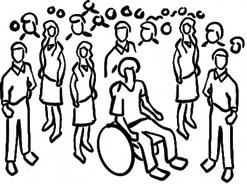


We build each of our services to help people with disabilities thrive in five pillars of everyday life.
EMPLOYMENT
WHAT THIS LOOKS LIKE
- Finding and maintaining paid employment
- Developing new skills through volunteering
- Pursuing education or job-related training
RELATIONSHIPS
WHAT THIS LOOKS LIKE
- Making and sustaining friendships along with healthy, romantic relationships
- Establishing social networks with friends, neighbors and colleagues
- Nurturing family relationships
WHAT THIS LOOKS LIKE
- Making a house feel like a home
- Building and strengthening connections with roommates, neighbours, friends and family
- Establishing healthy and meaningful routines together
- Completing day-to-day tasks like budgeting and grocery shopping
COMMUNITY CONNECTIONS
WHAT THIS LOOKS LIKE
- Participating in neighbourhood activities
- Sharing talents with the community
- Discovering fun and meaningful things to do
HEALTH & WELLNESS
WHAT THIS LOOKS LIKE
- Setting and attending medical appointments
- Establishing healthy eating habits and exercise routines
- Assisting with personal hygiene
- Supporting medication management
- Supporting mental and emotional wellbeing
There is quite a bit of detail in our vision, mission, and values and a metaphor might help with remembering the purpose of each element, and how it contributes to our core purpose of supporting people with disabilities to lead good lives—lives that are vibrant, filled with opportunities for learning and doing, rich with relationships, and anchored in a sense of belonging.
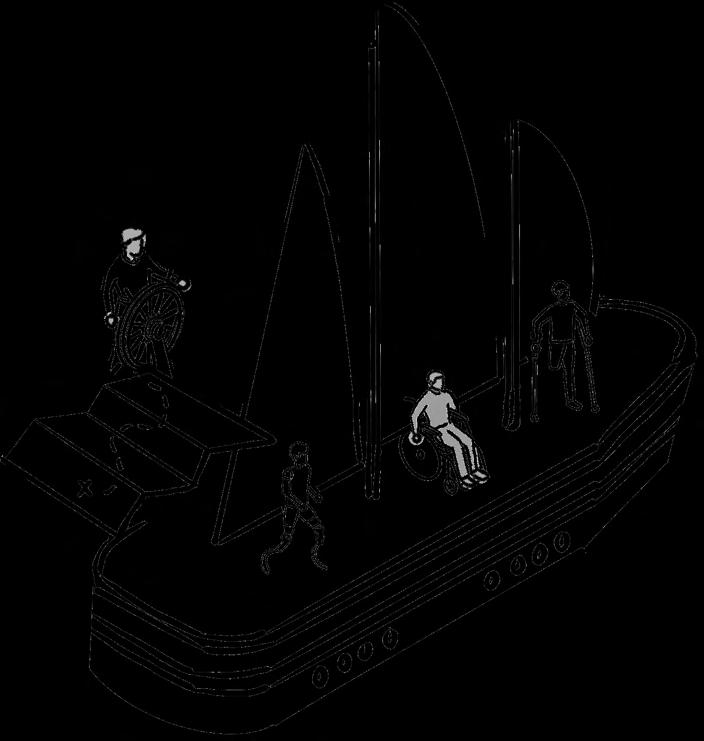
Imagine we're on a metaphorical journey alongside people with disabilities and families we serve.
OUR VISION is the destination we want to reach together.
OUR MISSION is like a boat we've built to get us to our destination.
OUR VALUES AND THRIVE IN FIVE approach are what each crew member on the ship needs to know and practice in order to be able to lead, set the sails properly and keep everyone on course towards our destination.
It takes everyone working together with Vision, Mission, Values and Thrive in Five approach to help us reach our destination.
You might wonder with this metaphorical ship, “Who is the captain?” or “Who decides who does what on the ship?”. On this ship, everyone is a servant leader (a steward) and able to step in to help where required. People we serve and families are often navigators—pointing out where the destination goal is and what it looks like. Some leaders are guiding the wheel of the ship and sometimes
they step away while others step in and help keep the ship moving. We can switch in and out of these roles because ideally each crew member is grounded in the values and Thrive in Five approach that enables continued progress even through tough waters.
Throughout the journey we all need to be checking in—check the various navigation instruments and compass—and ask ourselves “Are we on course?” or even, “Is there a scenic detour showing up
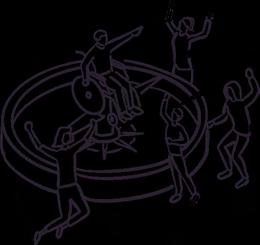
that we want to take that will add some richness to the journey?”.
As leaders on this journey alongside people with disabilities we serve, we need to be continuously reflecting and thinking about when we need to step in to lead more, or when we need to step back and let others lead. This supports us in understanding our responsibility to ourselves and others, raising ethical questions, and taking actions to help Skills with living our shared values.

BETTER SUPPORT PEOPLE WITH COMPLEX SERVICE NEEDS
Supporting people with complex service needs in a way that is empowering and rights-based, while balancing safety.

FINANCIAL MANAGEMENT AND RESILIENCY
Anticipate, monitor, and adapt to changes in funding models while continuing to develop and grow new revenue streams.

AS AN ORGANIZATION AND IN THE SECTOR AROUND MORE HUMANIZED DATA AND EVALUATION
Be at the forefront of humanizing data and learning. Strengthen our organizational measurement systems to respond to needs and explore ways to demonstrate value to funders and the sector.

STRENGTHEN OUR CAPACITY TO SUPPORT CITIZENSHIP AND DEEP BELONGING IN THE LIVES OF THE PEOPLE WE SERVE
Be leaders in pushing the boundaries of radical inclusion and deep belonging of people with developmental disabilities both internally within Skills Society and externally within the sector and broader community. Supporting people to not just be “in” community but to be “of” community with a sense of reciprocal participation and belonging.

STRENGTHEN HEALTHY ORGANIZATIONAL CULTURE, INCLUSIVE PRACTICES, CONTINUOUS IMPROVEMENT, AND INNOVATION
Continue to foster a culture of creativity and innovation that values learning and experimentation. Continue to develop a healthy inclusive culture and strengthen leadership capacity of all employees throughout Skills Society.
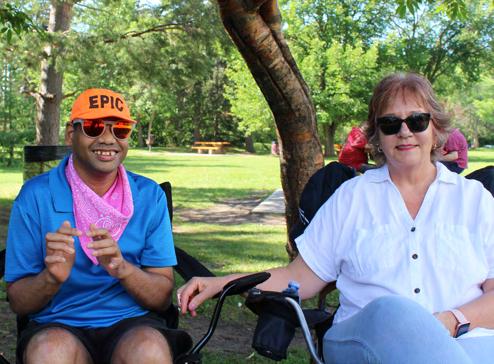
Some moments from our annual summer picnic.
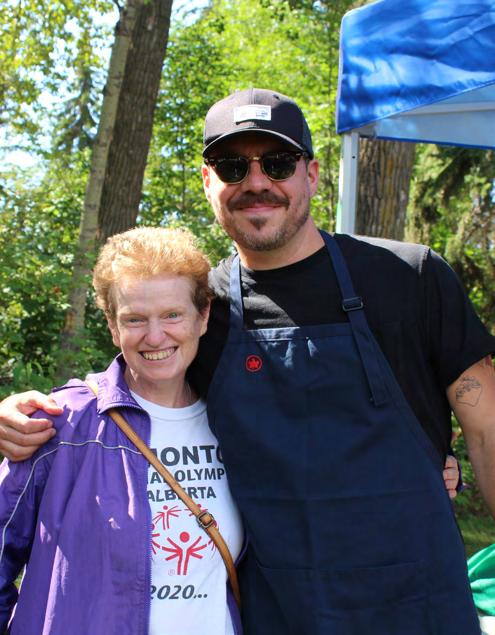
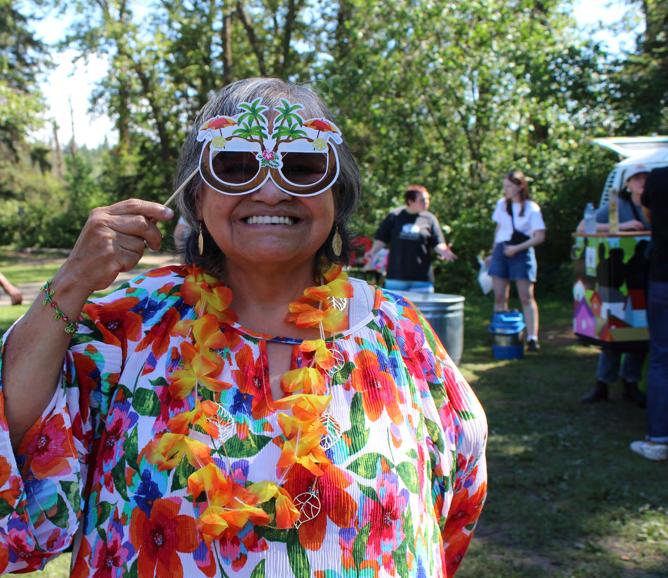
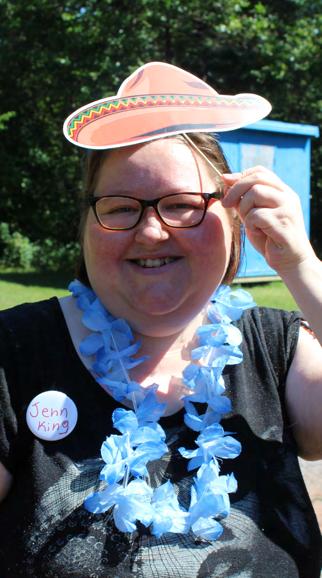
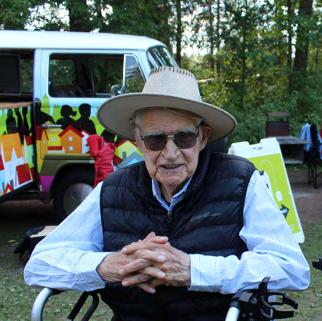
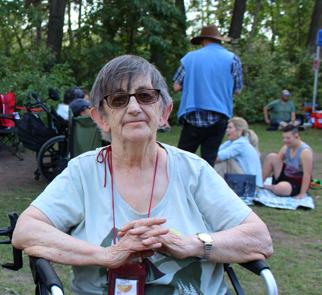
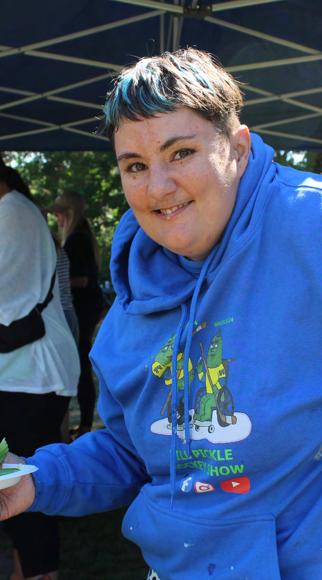
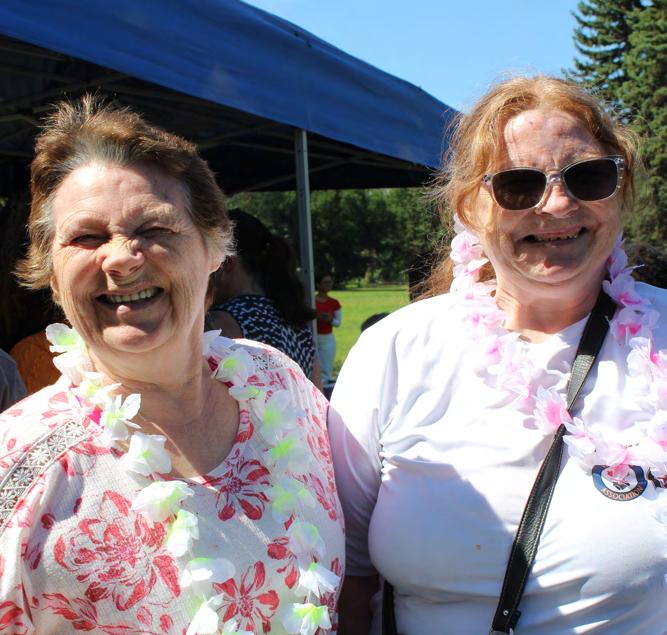
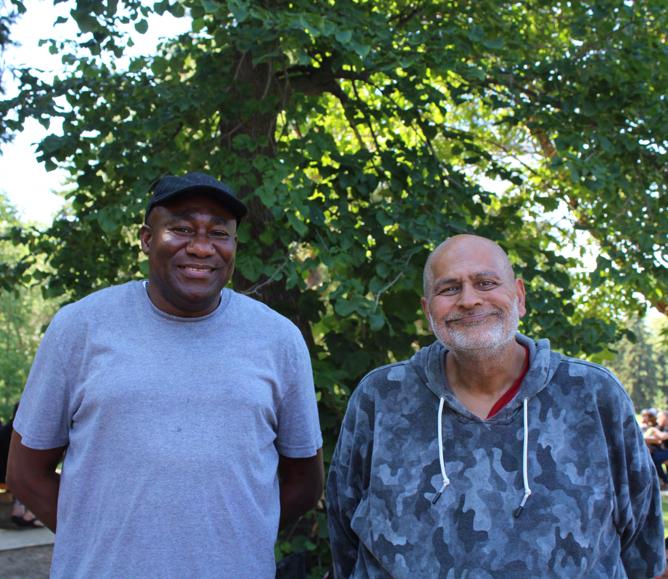
Our Skills Society vision is “a community where every individual is a valued citizen deserving respect, dignity and rights”. Central to our vision is the desire to build a community where everyone belongs as they are. Skills Society is dedicated to fostering an inclusive environment free from discrimination and which supports the dignity of all within our community.
We believe an inclusive community is one:
* where everyone has opportunities to share their gifts and talents;
* where every individual feels they belong and is valued for their own identities, culture, viewpoints, and traditions; and
* that recognizes our shared humanity while also celebrating our unique individuality.
Skills Society has long-established policies and practices that show we don't just talk about, but act on valuing diversity, equity, and social justice. We are committed to (un)learning and acting on being inclusive to people of all genders,
sex and sexual orientation, abilities, ages, religions, non-religious perspectives, social class, and race. As part of this value, we are continuously (un)learning and improving to ensure our collective work keeps us all moving towards our vision and centers us in supporting the citizenship and deep belonging of people with developmental disabilities in community.
What we think is roughly right in our approach to EDI is we believe humanized EDI and EDI continuous learning should be woven into our culture, practice, and policies. Our priority “strengthen healthy organizational culture, inclusive practices, continuous improvement, and innovation” encompasses the continued learning and strategic work around EDI.
It's important to remember that we exist as an organization to serve people with developmental disabilities in being able to live their best lives possible as full citizens in community. While Skills Society has and continues to be on an unlearning/learning journey around EDI, there are guiding ‘principles' that inform our actions on our commitment to this work and anti-discrimination. Our approach is:
* informed by our disability rights roots and work;
* relational and in keeping with being good treaty relatives;
* grounded in our community— the people we serve, families, and employees; and
* embodies our values and challenges the status quo.
LEARN FROM
At Skills Society we believe our humanized1 EDI approach should…
* be grounded in our vision, mission, values, and core purpose of helping people with intellectual disabilities thrive in community life;
* focus more towards uniting a diverse community more than it divides, by leaning more towards calling people in rather than calling people out so that learning can be more possible;
* recognize our shared humanity while also celebrating our unique individuality;
* strive to hold space to (un)learn from, value, and empower people of many diverse group identities and perspectives;
* weave humanizing EDI learning and practices through all of our policies, practices, committees, and related statements;
* commit to supporting robust learning on how everyone in our Skills community can be leaders and contribute to a healthy, inclusive community and workplace;
* this also grounds us in our efforts to be good treaty relatives, where part of our collective commitment is to be in good relations with all people, animals, and other beings with whom we share this land;
* encourage thoughtful sharing of power that is not oversimplifiedrecognizing roles hold accountability and power differently;
* embrace the art of what's possible with the resources we have available to weave our EDI approach into Skills Society;
* encourage reflexivity, where situations are not only seen through lenses of power2 imbalance, but also through deep human lenses of shared humanity, compassion, joy, awe, camaraderie, and community; and
* critique the systems3 while empathizing and showing compassion for the humans caught by biases in systems.

Learn more about how EDI shows up in practice on our website
1 Humanized refers to approaches or actions that centre understanding, empathy, dignity, and respect for individual difference while simultaneously recognizing people’s common humanity. As part of our (un)learning journey, we call in ᑕᑕᐊᐧᐤ tatawâw - theres is room for who you are, where you are from, and who you are becoming.
2 Power refers to the control or influence some individuals or groups have over others, shaping how resources, rights, and opportunities are distributed, and can lead to some individuals or groups having privileges(advantages) that are not equitably available to everyone.
3 Systems refers to the set of rules, processes, or structures organizations, societies, or groups use to operate or make decisions.




Participation can take many forms. It can mean learning something new, showing up for experiences that matter, or using your gifts to connect with others. For Michelle, photography has become a meaningful way to do all of this, giving her space to be creative, practice her skills, and stay connected to the people and experiences she values.
Michelle's interest in photography grew when her sister found two of their dad's old cameras at his house and passed them along to her. One was a red Nikon and the other a black Sony. They quickly became important to Michelle. “Photography helps me remember him,” she shared. She also talked about how using his camera feels special, saying, “Using my dad's camera feels like a way to honour him for a long time.”
With support from a Skills Society Citizenship Award, Michelle was able to take her first photography class at the Burwell School of Photography last year. The course was a mix of indoor and outdoor learning, where she practiced taking photos in different lighting, learned how the camera works, and experimented with props. Michelle enjoyed the chance to learn something new. One thing that surprised her was realizing, “I didn't know that there are any different types of cameras.” Along the way she also met a friend in the class, which added to the experience.
“Using my dad’s camera feels like a way to honour him for a long time.”
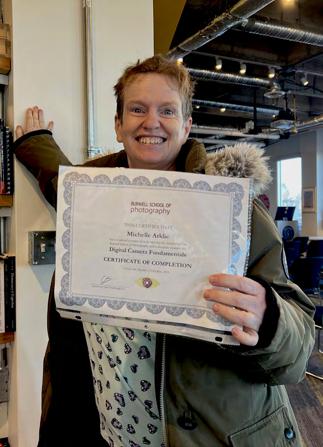
Michelle especially enjoys taking photos of nature. “Trees and nature are kind of neat,” she said, explaining that “they have different shapes and colours.” Being outside with the camera makes her feel happy, and she is proud of the progress she has made. She has been practicing by taking photos around her home and capturing things that matter to her. She has also shared some of her photos with friends.
Photography has opened up new possibilities for Michelle. She hopes to take the Level 2 class at the same school, keep practicing, and continue building her confidence. She is also planning to bring her camera to family gatherings to take photos of the people she loves.
Through photography, Michelle is exploring her interests, building new skills, and sharing her perspective with others. It is also a way to honour the relationships and experiences that have shaped her life.
OF THE BOARD






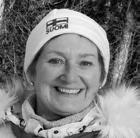

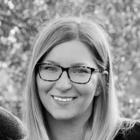
CHAIR
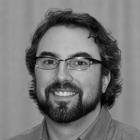
Darcy McDonald DIRECTOR
RETURNING DIRECTORS 2026-2027
The Slate of Directors to be Ratified for a First Term
Sam Juru
Gunn VICE CHAIR
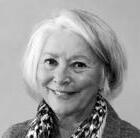
Dianne McConnell DIRECTOR
Spencer DIRECTOR
Alexandra Martinson
Nancy Spencer
Robert Philp
The Slate of Directors to be Ratified for a Third Term
Kate Gunn
Robert Philp DIRECTOR
The Slate of Directors to be Ratified for a One Year Term
Carmen Norris
Darcy McDonald
Debbie Royer

Welcome to the Skills
Annual Report. It is a privilege to continue serving as your Board Chair.
At last year's annual general meeting, we reflected on the idea that community living is a movement, not a moment, grounded in the strong roots of relationships, inclusion, and belonging that sustain meaningful community. This year, those ideas feel more important than ever. As we navigate increasing complexity in community services, evolving expectations, funding pressures, and shifting systems, we continue to be guided by the values and commitments that ground our organization and shape the work we do together.
Our theme this year reflects both the challenges and opportunities facing our organization and the broader sector. The path forward is not always fully visible, nor is it ever a straight line from one point to another. It unfolds through learning, adaptation, relationships, and a willingness to continue moving forward together. In times of uncertainty and change, it is our values, our people, and our shared commitment to inclusion and community that continue to guide the way.
HOLDING STEADY THROUGH TRANSITION
This past year has reminded us that stability does not mean standing still. Like deep roots supporting continued growth, our values provide the grounding needed to adapt, respond, and continue moving forward in changing environments. At Skills, our commitment to inclusion, dignity, person-centred support, and community belonging continues to guide every decision we make. Those values provide continuity even when circumstances around us change.
Over the past year, the organization has also experienced a significant leadership transition. Ben Weinlick, our Skills Executive Director, began a year-long sabbatical in April.
During his sabbatical, Ben will focus on research, learning, and exploration to support the future growth and evolution of Skills Society's work. This includes examining innovative approaches to more human-centred social service systems, exploring systems change and social innovation practices, building new relationships and collaborations, and identifying
emerging opportunities that may strengthen both our organization and the broader disability sector. This dedicated time for reflection and innovation will help build the organization's long-term capacity to respond thoughtfully and creatively to an evolving landscape.
During this time, Rebecca Cruthers, our Director of Continuous Improvement & Innovation, has stepped into the Acting Executive Director role. Rebecca brings strong leadership, deep knowledge of the organization, and a thoughtful approach to innovation, collaboration, and organizational learning. Her long-standing involvement with Skills Society and commitment to our values have provided both continuity and confidence during this transition. Her appointment also reflects the strength of leadership being developed from within the organization and the importance of creating pathways for growth, mentorship, and shared leadership at all levels.
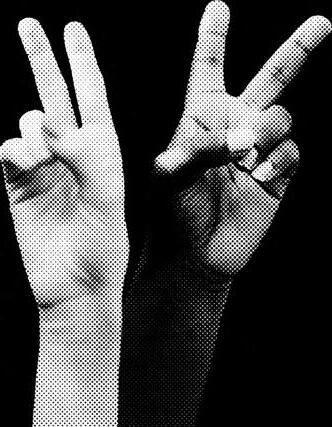
stability of the senior leadership team. Their collective experience, collaborative approach, and deep commitment to the organization's mission continue to provide important continuity during a period of change. The Board has great confidence in the leadership team's ability to guide the organization thoughtfully and effectively while continuing to support staff, strengthen relationships, and respond to emerging opportunities and challenges. Their steady leadership reflects a strong organizational culture grounded in shared values, trust, and a commitment to ongoing learning and growth.
The continuity of services, the ongoing work of advocacy and partnership, and the dedication shown by staff and leadership reflect an organization that is sustained not by one individual voice but by a shared purpose and collective responsibility.
There are also a few Board changes to recognize this year. After six years of service, Dianne McConnell will be leaving the Board. We are deeply grateful for the strong commitment to advocacy, inclusion, and community that Dianne brought to her role, and we will greatly miss her thoughtful contributions and leadership.
We are also pleased to welcome Sam Juru, whose appointment to the Board will be ratified for the coming year. Sam brings more than 20 years of leadership experience across the non-profit and public sectors. He currently serves as Executive Director of the Newcomer Centre and previously served as Executive Director of the Africa Centre. He brings extensive experience in systems change, equity, diversity and inclusion, and community leadership. We are thrilled that he has agreed to join the Board and look forward to the perspectives and expertise he will bring to Skills Society.
These leadership and governance transitions also reflect the organization's ongoing commitment to renewal, collaboration, and preparing for the opportunities and challenges ahead.
Skills Society has continued to focus not only on delivering quality services but also on the broader systems that shape people's lives. Supporting individuals in meaningful ways increasingly requires organizations like ours to engage in advocacy, collaboration, and systems-level conversations. Frontline support remains essential, but service alone cannot remove all barriers to inclusion and belonging. We recognize the importance of working alongside community partners, families, government, and people with lived experience to help shape stronger and more responsive systems.
The Board also continues to play an important role in supporting advocacy and staying attentive to the broader systems affecting the disability sector. Through the work of our advocacy committee and ongoing engagement with sector issues, we continue to monitor emerging challenges, policy developments, and opportunities that influence both our organization and the communities we serve.
Earlier this year, the Board and senior leadership team also came together for a strategic retreat focused on the opportunities and challenges ahead. Through thoughtful and generative discussions, we explored how Skills Society can

continue to strengthen operations, encourage innovation, and support people in meaningful and empowering ways as we navigate an evolving, increasingly complex environment.
This commitment also continues through the work of our social enterprise, Action Lab, which creates opportunities to connect and collaborate with organizations, leaders, and communities both within and beyond the disability sector. By creating spaces for dialogue, innovation, and systems thinking, the Action Lab helps strengthen relationships across diverse sectors while encouraging new ways of approaching complex social challenges. Importantly, the Action Lab also generates flexible revenue that can be reinvested into innovation, advocacy, communitybuilding, and other mission-driven priorities that may not be fully supported by traditional funding models.
At the same time, we recognize that this kind of long-term systemschange and community-building work requires intentional investment and sustainability. This year, Skills Society made meaningful progress in strengthening our fund development capacity to support innovation, advocacy, and future growth. In February, we welcomed
Annand Ollivierre as Director of Development and Community Engagement, a role dedicated to strengthening relationships, expanding community support, and helping build the resources needed to sustain and grow this important work into the future.
While much of this work focuses on systems, partnerships, and long-term change, we remain grounded in the understanding that meaningful impact often begins in relationships and community. Across the organization, staff, families, volunteers, and community partners continue to create spaces of belonging, connection, and support that make a real difference in people's lives. MOVING FORWARD TOGETHER
On behalf of the Board of Directors, I want to express sincere appreciation to the staff, leadership team, volunteers, community partners, families, and supporters who continue to contribute their time, expertise, and care to this work. Your commitment and compassion are what allow the organization to continue moving forward with confidence and purpose.
Strong roots do not prevent change; they make growth possible. As we look ahead, we remain guided by our values, strengthened by our relationships, and committed to building communities where everyone can belong and thrive.

BOARD CHAIR



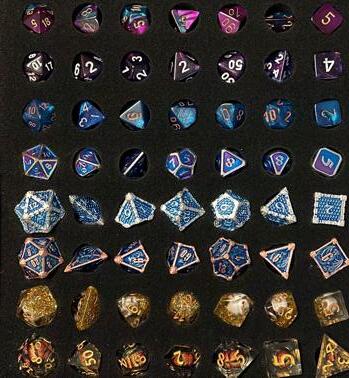
In Dungeons and Dragons circles, Brittany is what's known as a “dice goblin”, someone who collects and hoards dice. Opening up her case, Brittany shared the different sets she has collected over the years, many tied to different characters she plays in the game. “That's why I'm called a dice goblin,” she laughed.
For those unfamiliar, Dungeons and Dragons, also known as DnD, is a role-playing game where participants create and play as characters while moving through an ongoing story or “campaign.” In Brittany's words, “you fight monsters and go searching for treasure.” The game is guided by a Dungeon Master, who helps build the world, describe what characters encounter, and guide the story as players decide what actions to take.
Currently Brittany participates in two different role-playing groups that meet weekly. One of the campaigns she is part of is called Curse of Strahd, a gothic horror campaign set in a vampirefilled world called Barovia. In this campaign, Brittany plays a goliath character and travels with a mimic companion that can disguise itself as different objects. Brittany loves the creativity involved in developing characters, including their personalities, voices, and abilities.
“I'm deep into RP,” she shared, referring to role play. Creating a character can take anywhere from a few hours to a few days depending on how detailed she wants to get.
“I shut everything off around me... I can just be my character for a while.”
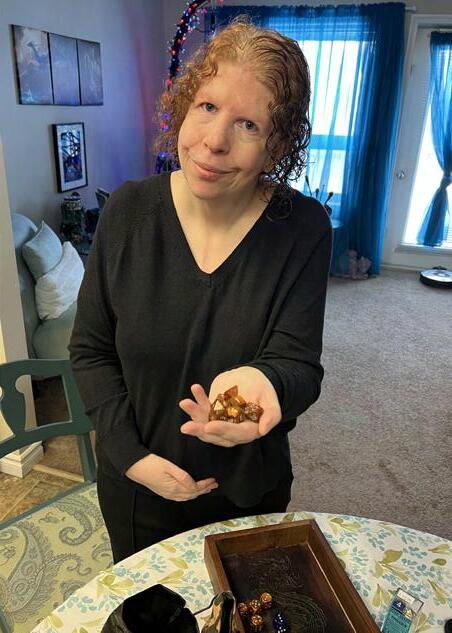
Brittany holding up some dice
For Brittany, DnD is a space where she can be creative, curious, and fully immerse herself in another world. “I shut everything off around me... I can just be my character for a while,” she shared. An actor with the Rising Sun Theatre group and an artist and writer at the Nina Haggerty Centre for the Arts, Brittany is drawn to storytelling and character creation across many parts of her life.
Brittany joined her groups through Meetup, an online platform where people can find events and groups in their community. While she originally joined for the role playing and character creation, what has kept her coming back is the sense of connection and belonging she has found through the groups. She described fellow players as welcoming, especially to newcomers, and shared that over time she has built friendships through the game.
For Brittany, DnD is more than fighting monsters or collecting treasure. It is a space to be creative, connect with others, and step fully into herself and her characters. Reflecting on what being part of the group means to her, Brittany shared “It symbolizes that I belong.”




We are pleased to provide an update on our financial performance, highlighting a stable and consistent operating model that underscores ongoing dedication to supporting the community.
The agency recorded $24.52 million in operating revenue for the current year, which exceeded the original budget by $36 thousand. Total operating expenses for the year were $24.45 million, approximately $9 thousand less than budgeted.
Skills Society experienced an operating surplus of just under $69 thousand this year, compared to a deficit of just under $104 thousand reported in 2025.
Including amortization, casino, and unrealized ATB investment gains, Skills Society recorded a surplus of slightly over $22 thousand, as compared to a deficit of just over $68 thousand in the prior year.
For the 2026/2027 year, Skills Society has budgeted a break even budget with estimated revenue of $24.5 million which allows us to provide continued stable support and expense management to fulfill our ongoing mission of supporting the community we serve.
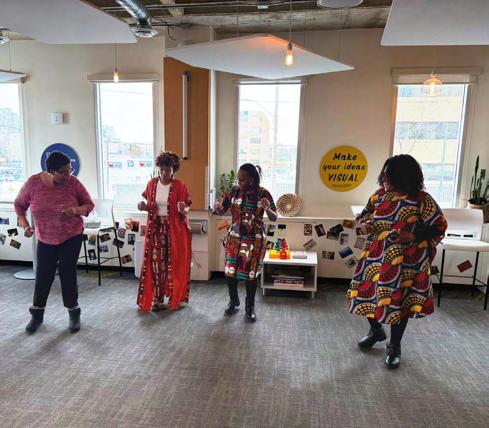
Skills community members are pictured standing in a line in the Action Lab, mid-movement as they participate in a group dance




At Skills Society supporting people to be valued citizens is at the heart of what we do, and we want to recognize and celebrate the efforts of individuals and organizations in our community who are working towards our shared vision of a community where everyone is valued and belongs. The Skills Society Citizenship Awards recognize individuals and organizations who are contributing to fostering a vibrant and inclusive community.
The Engaged Citizenship Award is given to an individual supported by Skills Society whose actions demonstrate active participation in their community and efforts towards contributing to and fostering a vibrant community.
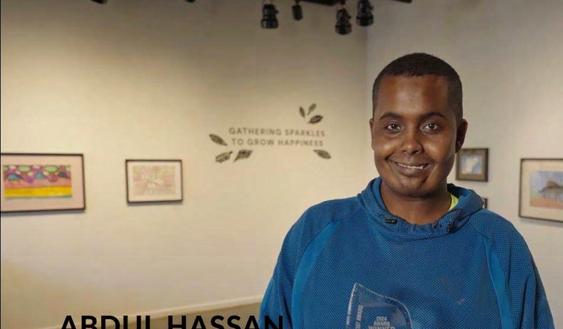
Abdul was nominated for his active community participation and engagement. Abdul's engagement in his community has fostered a web of meaningful relationships. He is involved across multiple community groups, including (but not limited to) Special Olympics, Meals on Wheels, and the Nina Haggerty Centre for the Arts planning committee. Abdul exemplifies engaged citizenship as an active and generous community member. He makes a strong impact on those around him and he is extremely deserving of this award.
Em was nominated for their contributions to community through advocacy, self-expression, and a commitment to building spaces where others feel valued and respected. They are a longstanding Community Builder with CommuniTEA Infusion, and their engaged participation at Skills Society's meeting with the Office of the Advocate for Persons with Disabilities demonstrated their passion for disability rights and advocacy. Em contributes their unique gifts in ways that move communities towards greater belonging and citizenship for all.
The Leadership Award is given to a Skills Society employee or volunteer who demonstrates leadership in the pursuit of our shared vision of a community where all individuals are valued citizens deserving respect, dignity, and rights.
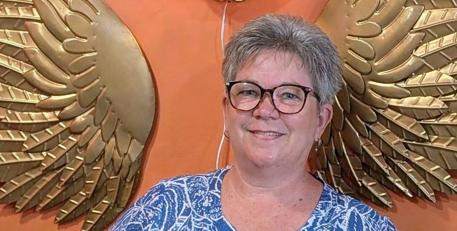
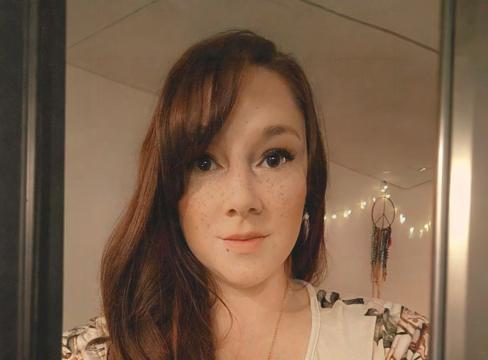
Wendy was nominated for her exceptional dedication to advocacy, relationship building, and going above and beyond to empower the people she supports to live connected and fulfilling lives. Highlighted in Wendy's nomination was her strong ability to build trust and create a space where the people she supports and their families feel heard and valued. Wendy embodies what it means to be a community leader, leading by example through her follow-through and strong commitment to positively impacting the lives of those she serves.
Rena was nominated for her exceptional work ethic, reliability, and dedication to the people she serves and her colleagues. Through her active listening and reflective approach, Rena has built deep trust with the people she serves and their families and loved ones. Rena's illustrates a relational leadership approach and through her relational approach demonstrates the vision and values of Skills Society.
The Community Belonging Award is given to a business, community organization, or group whose actions support the inclusion and belonging of people with developmental disabilities.

Civida was nominated for their longstanding commitment to innovation and collaboration in supporting the belonging of people with developmental disabilities in community. Skills Society and Civida work collaboratively across teams to provide access to affordable and accessible housing options for the people we serve. In the past year, Civida has been a pilot partner for the Community Animator project, demonstrating their commitment to communitycentered approaches. Civida exemplifies what sustained community partnership looks like, nurturing conditions where people with disabilities can contribute their gifts and talents and be valued members of their communities.
Chartwell Heritage Valley was nominated for their consistent dedication and partnership with Skills Society. Annually, Chartwell Heritage Valley's leadership coordinates a donation from Chartwell residents to the children and families served by Skills Society's Woodcroft Children's Respite Home. This produces a culture of service and offers residents the opportunity to contribute to a cause that makes a strong impact in the lives of children and their families.



In 2022 Skills Society launched the Skills Society Employee Education Awards with the purpose of fostering leadership development by supporting employees in participating in formal post-secondary education programs that further their learning and growth in the field of disability studies and/ or leadership. With an aim of equity, half of all Employee Education Awards are reserved for employees who identify as Black, Indigenous, or a Person of Color (BIPOC). Skills Society values diversity, equity, and social justice. As part of this value we strive to boost and support BIPOC leaders within our community, continue to learn and work together on anti-racist allyship, and actively participate in systems change initiatives.
Through her Disability Studies program, Rimika has deepened her understanding of disability from a social and rightsbased perspective. As a Community Support Worker, this strengthens her leadership and ability to provide person-centered support which empowers the people she serves in reaching their personal goals.
Award supports Rimika’s pursuit of a Diploma in Disability Studies at Norquest College.
Through her continued education, Yetunde is gaining specialized knowledge in personcentered care and medication administration and safety. Her training in communication and medication strengthens her support to the needs, autonomy, and dignity of the people she serves.
Award supports Yetunde’s pursuit of a Certificate to Canadian Pharmacy Practice at the University of Alberta.
As a Community Support Worker, Sonia's Nursing program is enriched by understanding the experiences and perspectives of the people she serves. Sonia is learning skills to help provide holistic and comprehensive supports, and intends to bridge the gap between social service work and healthcare through her education.
Award supports Sonia’s pursuit of a Bachelor of Science in Nursing at MacEwan University.
Through the Bachelor of Social Work program, Gloria is developing a deeper understanding of person-centered practice and systems thinking that strengthens the support she provides to the people she serves. Knowledge in trauma-informed practice and advocacy translate meaningfully into her work, supporting the building of trust and relationships, as well as Gloria's leadership skills in her role.
Award supports Gloria’s pursuit of a Bachelor of Social Work at the University of Calgary.
We are grateful to our Skills Community, greater community members, and committed partners for joining us in our vision to foster a community where all individuals are valued citizens deserving respect, dignity, and rights. We give our heartfelt thanks for your generous support!
RBC FOUNDATION
CommuniTEA Infusion Project 2025: $18,000
SKILLS SOCIETY ENDOWMENT FUND AT EDMONTON COMMUNITY FOUNDATION
Interest earned in 2025: $10,685.00
SKILLS SOCIETY CABLE FAMILY ENDOWMENT FUND AT EDMONTON COMMUNITY FOUNDATION Interest earned in 2025: $9,500.00
EDMONTON COMMUNITY FOUNDATION COMMUNITY ANIMATOR PROJECT 2025-2026: $49,660
SOCIAL ENTERPRISE FUND AFFORDABLE HOUSING EXPLORATION 2026: $75,000
TELUS FRIENDLY FUTURE FOUNDATION COMMUNITEA INFUSION PROJECT 2025: $12,000
Annand Ollivierre
Anne-Marie Kallal
Carol Ewanowich
Carolyn Lobay
David Kahane
Debbie English
Edd Horyn
Effie Andriashek
Elizabeth Huzar
Frances Urtasun
Flexxaire
Janet Day
Jeanette Boman
Karen Huta
Kate Gunn
McLean Cruthers
Melissa Marquez
Moses Misoke
Rebecca Rubuliak
Rhea Kachroo
Robert Herring
Sukhwant Gill
Terry Singleton
Utkarsh Subnis
ROTARY CLUB OF EDMONTON
WHYTE AVENUE
Christmas stockings for people supported by Skills Society's Outreach program.

AND AN INVITATION

In my time with Skills Society I have been moved by how authentically this organization is guided by its values, mission, and vision. They are not empty promises, but something lived in the daily decisions and relationships that shape the work.
In reflecting on what fund development means to Skills, it is important to first recognize that government investment continues to be essential, and we are grateful for it. At the same time, it is not, and was never designed to be, enough on its own. The grants, donations, and sponsorships Skills Society receives are what give us room to respond to what is emerging, to innovate new approaches, and to bridge the gap between our core funding and our larger ambitions. Many joined us this past year in supporting Skills in meaningful ways, and to you we say thank you!
As I take on this role, my approach is grounded in relationships and built for the long arc. The plan ahead is not radical reinvention, it is a renewed and deliberate
“We listen first, we build slowly, and we treat every relationship as a collaboration rather than a transaction.”
approach focused on deepening the relationships with our current donors and funding partners where connection already exists. We will also be continuing to open the door wider to the support of a broader community through monthly giving and donation campaigns and the continued growth of the Action Lab as sources of both earned revenue and new relationships. What holds all of this together is simple. We listen first, we build slowly, and we treat every relationship as a collaboration rather than a transaction. Some of what we try will surprise us, some will fall short, and some will compound quietly over years. That is the exciting work I am looking forward to.
What I am motivated by is a shared commitment to working toward a community where every person finds their place, and at Skills we are clear that we cannot build it alone. If you have supported Skills Society before, you have already shaped what is possible now. If you are part of this work today, you are helping us hold and renew it. And if you are new to this and curious about a way in, I am happy to connect for a conversation, answer questions, or collaborate on an idea you want to think through with us.

OF DEVELOPMENT AND COMMUNITY ENGAGEMENT
Stories
For William, relationships are grounded in honesty, trust, and being able to fully be yourself with another person. This year, he and his partner Dale are preparing to get married after reconnecting two years ago following many years of knowing one another.
William and Dale first met through a mutual friend and started spending time together through coffee dates and conversations. Over the years, life took them in different directions, but they continued finding their way back to one another. Reflecting on reconnecting at Corona Station during a difficult point in his life, William shared, “I believe in miracles... it was like the universe saying, you need this person.”
Since then, William and Dale have been building a life together and planning for their future. William described their relationship as healthy and stable. “Part of being in love is going through the hard stuff together,” he shared. The two spend much of their time together and approach challenges as a team.
Planning the wedding itself has been “all over the place,” William laughed, describing the challenges of coordinating and trying to figure out what will work best for them. Through it all, he says
“I believe in miracles... it was like the universe saying, you need this person.”
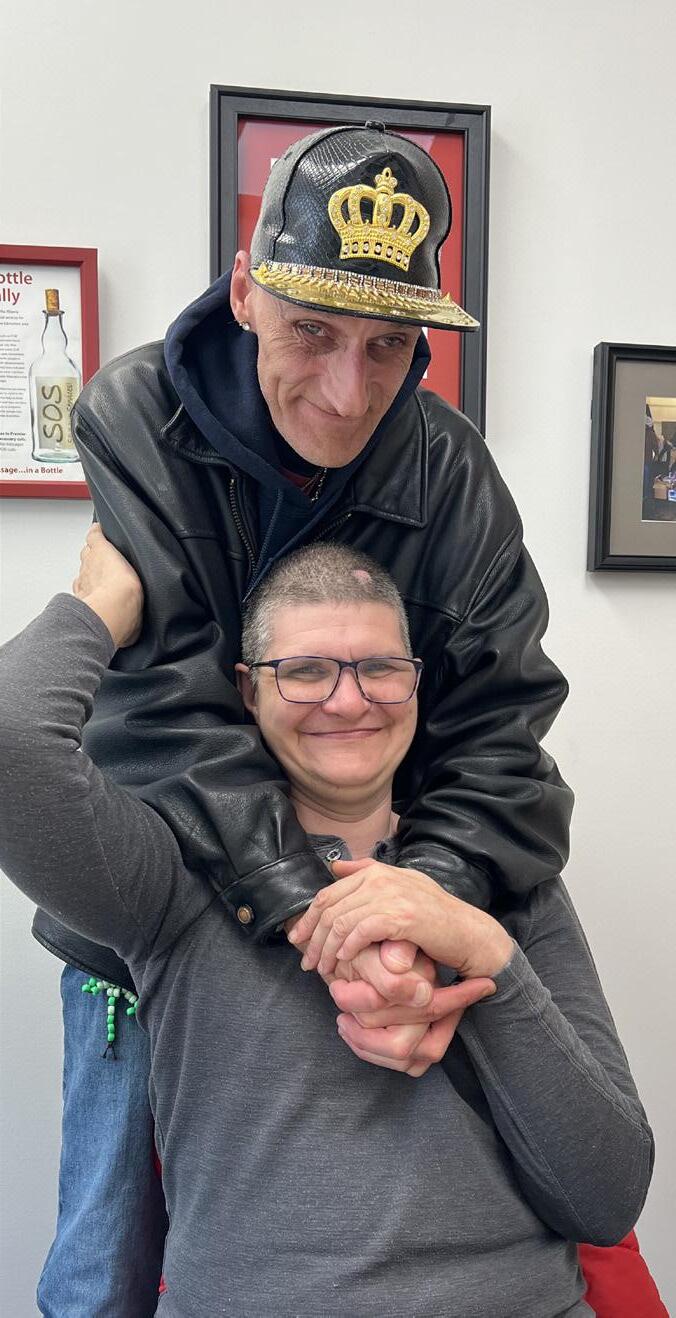
William and Dale


communication has been one of the most important parts of their relationship. “That's what any relationship is really about,” he explained. “Being honest and truthful... coming back to the table and working it out.”
As a self-identified transgender person with a learning disability, William also spoke about the importance of being respected and understood as a whole person. “People want to put that one label,” he shared. For William, the right to love who you love and choose your partner matters deeply. It is connected to being treated equally, having your choices respected, and being able to build a life alongside someone who accepts you fully. Reflecting on his relationship with Dale, William shared, “As long as we have each other and a roof over our heads, that's enough for me.”


On behalf of the Skills Society team, I'm honored to share our 45th annual report with you.
role for the next year. This organization, its vision, and the people in it are something I care deeply about. I'm driven by the question of how we create the conditions for people with developmental disabilities to truly be seen, valued, and to belong, and I know that question is at the centre of what self-advocates, families and allies, our staff, and community partners work toward every day. I've had the privilege of learning from our leadership team and staff, from the people we serve, and from so many of you over the past 6 years, and I'm looking forward to that continuing.
In this report you'll find stories from the people we support - their leadership, creativity, and citizenship.
You'll find reflections from leaders within Skills on what we are committed to holding as we navigate change. And below you'll find my reflections on what we're noticing in this moment, what is helping us navigate, and why I believe Skills Society is built for exactly these kinds of moments of uncertainty and transition. I hope it offers you something hopeful and honest.
I owe a great deal of my thinking here to my mentor and predecessor, Ben Weinlick, who introduced me to many of the frameworks shared below and modelled what it looks like to lead with both curiosity and heart.
HOLDING
The title of this year's theme was inspired by the words of poet Antonio Machado - caminante, no hay camino, se hace camino al andar (traveller, there is no path, the path is made by walking). For me, the idea that the path is made by travelling really resonates with the disability rights movements, where advocates have long understood that there is no pre-determined map for citizenship and belonging. The path toward more just and inclusive communities has been built by those willing to travel it, often without knowing where it leads, but with a conviction for what could be. This sentiment runs through our 45 years of Skills history - we don't follow a pre-determined path; we build it together, learning as we go, and guided by a vision and the people we serve.
That spirit feels more relevant than ever now. We are experiencing a time of transition - organizationally, politically, and more broadly in our communities and the world. For people with disabilities and the organizations that support them, things are shifting in ways both visible and subtle. We are seeing quiet erosions in rights and opportunities. The rising cost
of living and ongoing changes to systems like housing, PDD and AISH, impact the people we serve and their ability to thrive.
And… Skills Society has been here before. Our very beginnings are rooted in transition (deinstitutionalization and the disability rights movements). Our organization was founded by people with disabilities and their loved ones who were building the path before community living even had a name. Since then we have navigated political and funding shifts, a global pandemic, and sector changes. I say this not to minimize the shifts we're navigating at present, but rather to remind us that we have history, experience, and stories to build from. We have strong values, a clear vision, and an organizational culture that can ground us when things are uncertain.
“Before the 70s, never in human history did something like community living systems exist anywhere in the world”
- Micheal Kendrick, longtime disability advocate and systems change leader, in conversation with Ben Weinlick
During times of uncertainty, one thing we turn to are frameworks and principles that help make sense of complexity and guide our decision making. There are a few I find particularly useful and want to share, both because they have shaped our thinking at Skills and because I hope they might be useful to you as well.
I believe the work we do, supporting people to thrive, requires us to hold two perspectives. The first, is our person-centred approach and value - really knowing people, listening deeply, and coming alongside them in ways that support genuine belonging. The second is a systems perspectiveunderstanding the bigger forces at play, like the beliefs and attitudes that are harder to name but very real in how they shape people's lives and opportunities. Neither perspective is enough on its own, and I see part of my role as helping us hold both.
The Stockdale Paradox is something Ben Weinlick has long drawn on in his leadership at Skills. It guided the organization through the pandemic and I find myself returning to it now.
In Ben's words:
The core to the paradox is confronting the brutal facts without sugar coating and remembering to shine the light on core human qualities of empathy, compassion and the little and big ways people show up and are showing up to help out selflessly. The paradox is a very helpful framing when we're facing uncertainty, threats, and real constraints in our systems we can't control. Facing facts, kindness, and gratitude to those around us is the principle in action.
For us, this shows up as not pretending the constraints we and the people we serve are facing aren't real. We see the situation for what it is and keep pushing forward.
Mark Cabaj, a systems change thinker and longtime thought partner to Skills, shared a framing of hope, attributed to Václav Havel, that has stuck with me in the past year: Hope is not doing nothing and wishing things will work out. Hope is doing the right thing even when you don’t know if it will. That is the kind of hope I try to practice and see practiced all around me within our Skills team - not passive wishing, but rather active, values-grounded doing.
The adaptive cycle - originally drawn from ecological systemsdescribes four phases that systems move through: growth, maturity, release, and exploration. It's a particularly useful lens right now, helping us understand not just that previously established systems are in a period of change(release), but how we can actively support the transition toward something new. The release phase is messy and characterized by loss and confusion. It is a necessary part of transition - the composting that makes new growth possible. It requires leaning on relationships and values when structures and processes are in flux.
I believe many of our systems, including community living, are in or headed towards a release and exploration phase. One question in particular has held much of our team's thinking this past yeara question I'm also noticing more broadly across the sector: What are the practices, values, and commitments we must not lose even as old structures break down? What are we carrying through this transition so it doesn't get lost or forgotten? I'm proud that this year's report includes a dedicated reflection from our leadership team on exactly that question, and I'm deeply grateful
to everyone who contributed. The team's reflections are a testament to the culture we've built together.
One commitment we are holding onto with particular care - named in our strategic priorities - is supporting the radical inclusion and belonging of people with disabilities, and how we centre belonging in the midst of the backsliding that is happening. Rights provide the foundation for belonging, and when rights feel unstable, belonging becomes harder to protect and harder to build. And at the same time the vision, a world where people with disabilities are truly seen, valued, and belong, matters more now than ever. We cannot afford to lose sight of it or we risk drifting toward “good enough” precisely when people need us most to hold the line alongside them.
The adaptive cycle reminds us that the exploration phasethe rebuilding, the new growthdoes come. One of the actions we can take right now is to preserve the nutrients that make that renewal possible: the relationships, the values, the conviction that every person deserves the good life.
Practice in Person-Centred Ways: When systems are under pressure, it's easy to let urgency drive decisions. Supporting people to live the good life, as determined by them, remains the heart of our work, and we cannot let urgency or resource pressure erode how we show up alongside people.
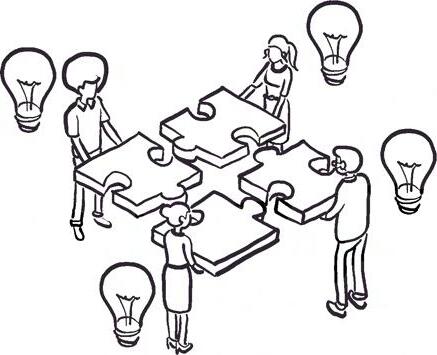
Seek Creative Collaborations: We cannot build the path alone. Relationships and partnerships matter now more than ever.
Build and Share Knowledge: We are learning as we go. This value gives us permission to not have all the answers, and a commitment to sharing what we're learning with others.
Embrace Complexity: This time of transition resists simple solutions. Holding tension, sitting with uncertainty, and resisting the urge to oversimplify - that is an important part of the work.
Adapt and Evolve: We remain anchored in our mission and vision and flexible in how we pursue it. The path can change, and we change with it while not losing sight of what matters most.
Throughout our history, people with developmental disabilities have built full, meaningful, dignified lives despite systems that were often not designed with or for them. There's a quote on a wall in the Skills office, right outside my door, that I find myself returning to:
Disability is not a brave s truggle or 'courage in the face of adversity'. Disability is an art. It's an ingenious way to live.
- Neil Marcus.
It's a reminder that the barrier and marginalization frame is not the whole story. The creativity, resilience, and ways of being, seeing, and moving through the world that people with disabilities bring make our communities richer for everyone. The people we support show us this every day.
Levi, for example, navigating inaccessibility in the workplace advocated for changes that in the end made it more welcoming for everyone around him. “I try to make it feel like a place where people are welcomed and can be themselves”.
Abdul, recipient of this year's Engaged Citizenship Award, brings this same spirit to his leadership and community: “Not to be working alone, but
working with others”. He also shared that it's important to “talk about equal rights, to talk about and listen to people's right to be included and heard.”
Scott, an artist and long-time member of our community, described the theme of his commissioned mural for our Skills office this way: “It's all partners working together on the same thing. There's no right or wrong, everybody can do their own style. It's all about friendship, getting along with your neighbours, doing things together.”
These are beautiful descriptions of how we build the path by travelling it - together.
The people we serve and their loved ones and allies have experience and knowledge about navigating uncertainty that many of us are still learning from. The history of community living in Alberta - including Skills itself - is a history of people refusing to accept that the road ahead was already determined for them. That in itself is a form of creative leadership we all have a lot to learn from.
This past year, one area of responsive work for us has been around housing. For much of our history, Skills made an intentional choice to move away from housing, believing, rightly, that people should have more choice in where and with whom they live, and that housing attached to service can sometimes limit autonomy. But what we are sensing in our system - what people we support and staff are telling us, and what the data reflectsis that the housing landscape has shifted. The rising cost of housing, combined with the realities of how PDD funding works (often requiring people to pool funding to access adequate supports), is making it harder and harder for the people we support to secure safe, accessible, affordable housing. Our staff are spending growing amounts of time supporting people with housing needs. Reflecting our value of adapt and evolve, our Board and leadership team have been learning and exploring what a responsive, rights-based approach to housing support might look like, and where Skills might have a role to play that complements, rather than duplicates, the work of others in the ecosystem.
We have also been reflecting on how we support staff to do their work in rights-based, person-centred ways amidst resource pressures
and the increasing complexity of our work. Driven by the passion and commitment of members of our leadership team and frontline staff, we are furthering how we integrate harm reduction approaches and positive behaviour support into our everyday practice - equipping staff with more tools, language, and frameworks for supporting dignified risk-taking alongside the people we serve. This work is further supported by our annual Team Leader Gatherings, new MyCompass features, the Belonging Project, the Leadership Workbook, and the ongoing mentorship our Managers and Directors of Community Supports provide to teams daily.
We are continuing to show up at sector tables - advocating for the people we serve and influencing system direction. Internally, we are tuning up systems and processes so our teams can focus their energy where it matters most, this includes improvements to human resources and accounting systems. And recognizing that sustaining this kind of work over the long term requires investment, we created a dedicated Director of Development and Community Engagement role focused on growing community support, strengthening relationships, and building resources to advance our mission.
The path is not always clear. Community services are growing more complex and the constraintsfunding pressures among themare real. There are things we are still figuring out, and tensions we are holding carefully rather than rushing to resolve them.
Times of transition also have a way of opening possibilities. Constraints have led us to partnerships we wouldn't have found otherwise. Pressures have produced creative responses we're genuinely proud of. We are paying attention to what is becoming possible.
What I know is that Skills Society
to what matters. We have frontline employees who show up every day with care and conviction, and we have the people we support, who remind us constantly - through their stories and their advocacy - why this work is important and how it contributes to a more vibrant, inclusive community for all.
We build the path by travelling it, and I am grateful to be travelling it with you.
There is a quote from Al Etmanski, innovator and disability rights activist, that we often return to at Skills Society: "Innovation is a mix of the new, the old, and a dash of surprise." It is a reminder that moving forward is never only about what is new. It is also about knowing what, from the past, to carry with you.
That is harder than it sounds. In periods of change and uncertainty, there is a natural pull to hold on — to hope that if we wait long enough, the old way will return. That longing is understandable. But clinging is not the same as protecting. The most meaningful thing we can do for what we value is to carry it forward, deliberately, into what comes next. This is the spirit of this piece. Not nostalgia, but intention. Not holding onto the past in its entirety, but refusing to leave its important essence behind.
The adaptive cycle can offer a useful metaphor for this — the idea, introduced earlier and drawn from ecology, that systems move through disruption and renewal. That a forest fire, despite its upheaval, releases nutrients back into the soil that shape everything that grows back. The forest does not return to what it was. But what it becomes is shaped by what survives.
WE ASKED LEADERS ACROSS SKILLS SOCIETY WHAT THEY WILL NOT LET GO OF — THE VALUES, PRACTICES, AND COMMITMENTS THEY ARE DETERMINED TO CARRY FORWARD, WHATEVER COMES NEXT. WHAT FOLLOWS IS WHAT THEY SAID.
When we asked leaders what they most wanted to protect, one answer rose above everything else: the people we support must remain at the center of this work – as the living reason for everything we do.
"Every person deserves to belong," one leader shared. "We need to continue building spaces where people feel seen, respected, and heard — and to keep asking what a good life looks like for each person." Another put it this way: "If we constantly remind ourselves of why we are here — to support people to live the good life and participate in meaningful opportunities — then no matter how difficult the times or the changes we go through, this will keep us focused on our mission."
This sounds simple. In practice though, it requires constant, active protection. Because the pressures that pull us away from this center are real, and include things like funding gaps, administrative demands, and the weight of urgency that can make it easy to manage risk and lose sight of life. "Quality of life can easily become second to policies, liability, and those kinds
of things," one leader noted. "We cannot forget to support people in taking risks, building relationships, and experiencing the highs and lows that come with that."
This is especially true in times of uncertainty. One leader described being present for a person they support who was navigating a difficult situation involving a decision a Guardian wished to make about her life. Because of the trust built over years of genuine connection - careful listening, empathy, and consistently involving her in decisions about her own life - that team member was able to help reduce tension and support her in advocating and having her perspective heard. “Quality support comes from interactions, connections, respect,” they reflected, “where the individual feels heard and included” It is a reminder that relationship-based support is not secondary to the work. It is the work.
Protecting what matters also requires something less tangible but equally important: the right conditions for people to do their best work. Leaders spoke clearly about the culture they
are protecting — one that makes room not just for accountability, but for connection, creativity, and even playfulness. "A culture of human-centred leadership that makes room for connection, playfulness, accountability, and ambiguity" was how one leader named it. Hearing visitors comment on what it feels like to walk into the Skills Society office — "colourful, welcoming, creative, and full of stories, art, and personality." That feedback, they said, matters: "It's a reflection of an environment where people feel human, comfortable, connected, and able to bring themselves into the work." And that environment does not stay contained to staff. As another leader observed: "The atmosphere and culture experienced by employees will inevitably help shape the experience of the people we support. Spaces that feel warm, creative, relational, and alive help foster belonging, dignity, and genuine connection."
At the heart of all of this is a conviction that has been central to Skills Society's work for a long time, and that feels increasingly important to name: a good life is not the same
as a safe life. "Sometimes we get so focused on keeping people safe," one leader reflected, "that it comes at the expense of their opportunity to experience a full life. The world is a scary place, and of course we should prevent harm – but we should also continue to help people pursue connection, joy, and growth."
The stakes of losing these commitments – to belonging, to a full life, to the values and culture that keep people at the center –are ones our leaders named plainly. "People we support are more likely to experience a loss of belonging and opportunities to live meaningful lives," one shared. "We may find we have returned to the old ways that we have worked so hard to move away from." Another offered a phrase that stayed with us: "Inclusion without support is abandonment." In a climate of increasing pressure to do more with less, it is a reminder worth holding close.
"It is very important," one leader said simply, "that our society does not forget the lessons of the past."
The nutrients we want to see protected and tended to, are not abstract. They are a workplace culture that feels colourful and alive. They are a team who spent ten months advocating for someone's funding. They are the quiet, daily practice of asking: what does a good life look like for this person?
These are what Skills Society's leaders said they will not let go of because the path forward is built, in part, from what we choose to carry. The forest grows back from what survives the fire. Through our collective work, we hope to make sure the right things survive.
This was a collective thought piece collaboratively written by Skills Society Leadership.
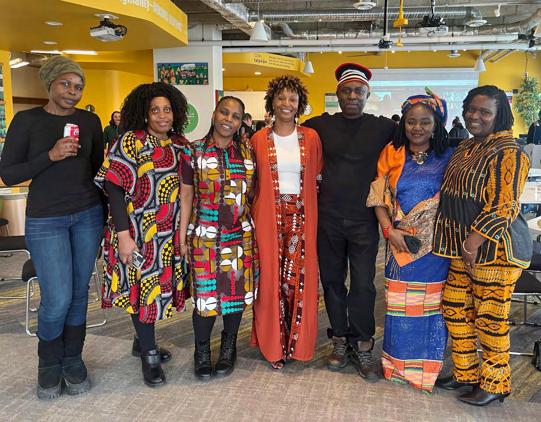
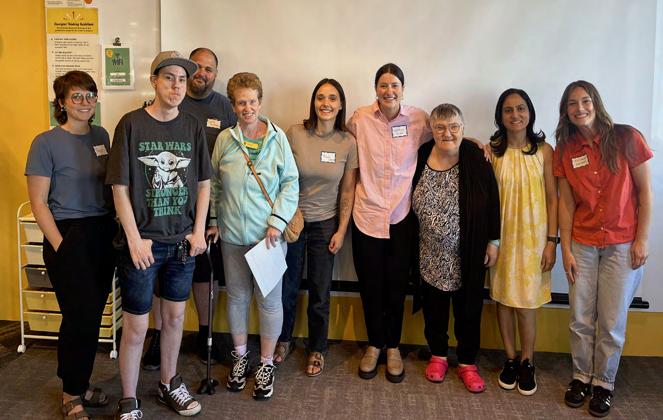
Skills community, including selfadvocates and leadership staff, taken after the meeting with The Office of the Advocate for Persons with Disabilities.
Team Leaders and Team Coordinators gathered for a day of shared learning, reflection, and connection. Throughout the day, Team Leaders, Team Coordinators, Managers, and Directors explored leadership, wellbeing, and innovation through collaborative learning and playful prototyping activities.
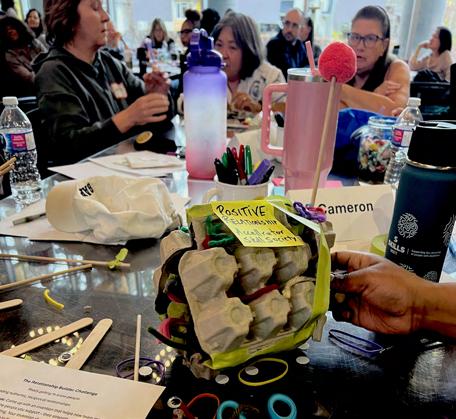
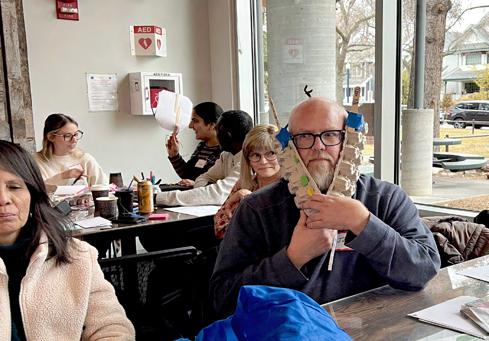
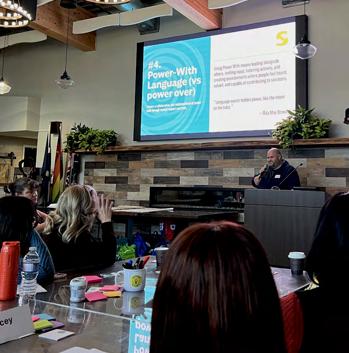
This year's gathering also included a keynote presentation from Ryan Geake, Executive Director of SCOPE Calgary, on wellbeing and disability rights history.
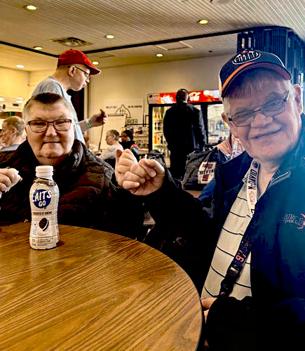
Relationships are an important part of citizenship. Having people to spend time with, share your life with, and care about, can shape everyday routines in meaningful ways. For Karen, much of that companionship currently comes from her relationship with Dale.
Karen and Dale met while living at their current apartment building and have known each other for a couple of years. Laughing, Karen shared how their relationship first started: “I bugged him one day and said, 'Dale, you want to be my boyfriend?' and Dale said yes.”
Since then, the two have built many routines throughout the day. They spend time in Karen's place drinking tea and coffee, watching television in their pajamas, going for walks, visiting friends, and heading out together for coffee at Starbucks. “We just like keeping company during the day,” Karen shared. They also enjoy bowling, attending dances together at ACT, watching hockey, shopping, and spending time out in community.
Karen describes Dale as funny and caring. “He doesn't talk much, but he talks to me,” she shared. Their relationship is grounded in companionship, mutual care, and spending time together. “It feels good and I'm not bored,” Karen said about being with him. Dale comforts Karen when she is having
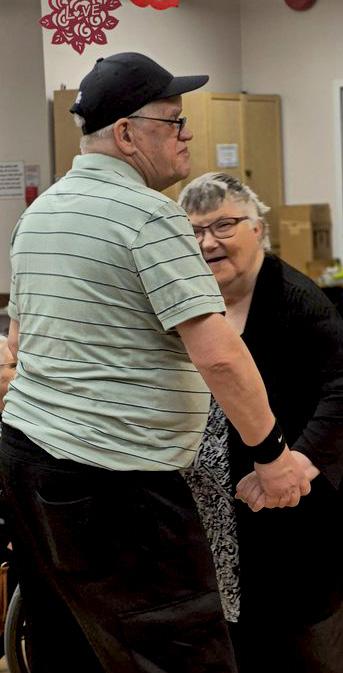
Karen and Dale
“I bugged him one day and said, ‘Dale, you want to be my boyfriend?’ and Dale said yes.”


a hard day and, sometimes, when she asks for a hug, “he gives me one.”
Their relationship also includes teasing, laughter, and caring for one another in everyday ways. They buy each other treats and coffee, talk about their lives, and continue learning about one another. Karen smiled while describing Dale kissing her on the cheek and shared simply, “I liked him ever since I met him.”
For Karen and Dale, companionship is built through shared routines, humour, care, and enjoying being part of each other's everyday lives.







What do you do when you don't have the answer yet?
You start anyway. You start with your values, with the questions you most want to follow, and with a commitment to paying close attention to what unfolds. In moments of transition, when the systems around us are shifting, it can be tempting to wait for the path to become clear. But at Skills Society, we have learned something important: sometimes the path only reveals itself in the travelling.
The Community Animation Service, one of our social change projects, is a strong example of this. We did not launch this work because we knew what inclusion in apartment buildings should look like. We launched it because we had a deep conviction that housing is more than shelter, that it is the foundation for belonging, connection, and a life well-lived. We had a hunch, grounded in our listening to people with disabilities and their allies, our values around disability rights, and what home really means, that apartment
buildings could be something more than transactions between landlords and tenants.
In the pages that follow we share a condensed version of one of our strategic learning briefs4 from the Community Animation Service. This brief is not a success story with a tidy ending. It is part of our developmental evaluation process and a record of travelling. Of sparks that caught and sparks that fizzled. Of residents who surprised us, and of our own assumptions being gently
corrected. Of a service that looks meaningfully different today than it did when we launched it, because we have been willing to let what we are learning reshape what we are doing.
In a year where Skills Society is reflecting on what we are holding onto, what we are letting go of, and what we are still figuring out — this piece sits at the heart of all three. It is an invitation to see learning-bydoing not as a gap in our planning, but as one of our most important values in action.
The Community Animation Service is a part-time, paid position that draws on asset-based community development and systemic design approaches to nurture community connections amongst residents in apartment buildings in Edmonton. Working 6-8 hours per week at each site, the Community Animator strives to create meaningful experiences with residents rather than doing programming for them. The concept was co-created with community members, emerging from The Future of Home: Inclusive Housing Solutions Lab5 — an 18-month social innovation process that brought people with disabilities, allies, service providers, housing providers, and architects together to ideate around inclusive, accessible, and affordable housing.
THE QUESTION WE ARE FOLLOWING
What are we learning about building community in apartment buildings with affordable units?
To respond to this question we drew on a Developmental Evaluation (DE) approach, incorporating insights from interviews with 5 residents,

the property owner, property manager, Community Animator, and team leader; a resident survey with 41 respondents; reflexive notes from weekly check-ins; monthly Animator reports; and resident and Animator posts on the building's Facebook page.
THE CONTEXT WE'RE WORKING WITHIN
Our work takes place in Treaty 6 territory on lands known as amiskwaciwâskahikan or Edmonton. Edgemont Flats Apartments are owned and operated by Leston Holdings, a family-owned developer and property manager. There are 334 units across two buildings in Edgemont, a western suburb of Edmonton, of which 209 are designated affordable and 67 are rented at 50% below market value. Fifteen residents experience intellectual disability and receive daily living support from Skills Society.
In today's political climate, housing is often thought of as a commodity and transaction — something physical to be purchased and used. Property management similarly tends to focus solely on rent collection and maintenance.
As The Trampoline Effect notes, our systems "count only certain needs — for safety, shelter, food, income, and physical care" while having "few ways of understanding people's needs for adventure, purpose, connection, or growth."
Residents we spoke with reflected the costs of this approach. Thalia shared that in previous housing she "always had to worry" and felt property owners "don't want me to live here" — a perception built through constant notices that made her feel she could not "just live." Ciara-Mae's observation captures what has too often been the norm:
"Just walking through Edgemont Flats I can say hi to so many people. There's a lot of people I know by name. That's not normal."
But what if we brought a different orientation to how we "do" housing? What if we refused to reduce it to commodity and instead saw housing as the foundation for home, belonging, and social connectedness? That is what the Community Animation Service is about — bringing intentional infrastructure to apartment buildings to nurture emergent community.

Rather than operating from a service delivery model, the Animation Service operates from a community building model. Service delivery models — where staff plan activities, promote them to residents, and measure success by attendance — position residents as passive consumers rather than makers
Community is something staff provide to residents
Focuses on efficiency; measures s uccess by attendance numbers
Supply-driven: programming planned in advance
Assumes community happens only at scheduled events
Operates on transactions: "We offer X, you attend X, you are counted as served."
Animator as professional delivering services; residents as passive recipients
Focuses on outputs (# of events, # of participants) because they are easier to measure
of community life. A relational community building approach recognizes that genuine community cannot be programmed, but can be nurtured by creating the right conditions. The Animator's role is not to deliver programming, but to create infrastructure and opportunities that residents can use to build community together, at their own pace, in their own ways.
Community is something residents create together
Focuses on meaning; values small but impactful moments
Demand-driven: co-created with residents based on their wants and needs
Understands community also lives in "in-between moments" — hallways, elevators, parking lots
Operates on trust: residents often need to form trust before participating, and that takes time
Animator as activator and facilitator who is part of the community being built
Focuses on outcomes (belonging, relationships) even though they are harder to measure
A key learning from the Future of Home Lab is that genuine community often needs to be nurtured and does not spontaneously form. While it might seem counterintuitive to put in place formal infrastructure for building emergent community, our hunch is that it is necessary — so long as that infrastructure is grounded in relational values (slowness, care, presence, trust) rather than programming logic. In this brief we use the metaphor of a fire to describe what we are building.
What if we think of the work of building community as similar to that of building a fire? This work requires us to build the container the fire burns within, spark the flames, and watch the fire grow, feeding it periodically to sustain it.

THE CONTAINER — THE SPARK — THE FIRE
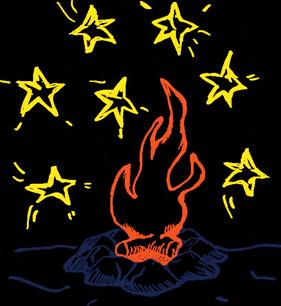
THE CONTAINER: THE STRUCTURES AND SYSTEMS THAT LAY THE FOUNDATION FOR EMERGENT COMMUNITY
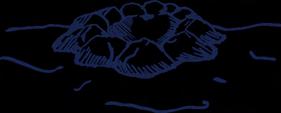
Like a fire pit constructed with stones, the container creates the boundaries and support that make community possible without it fizzling out or spreading destructively. It says to residents:
"You are wanted here. Management is committed.
Resources are dedicated to this. Let's build your vision with your neighbors."
The Animator Role is a distinct paid position (not volunteer, not an add-on) with dedicated hours that support consistent presence. It is framed as an amenity for all residents offered in partnership with the property owner, and the Animator brings specific knowledge in asset-based community development and systemic design.
Sustainable Funding Model.
Rather than relying on grant funding, the Animation Service is funded in full by the property owners as an amenity factored into the building's operational budget — supporting long-term sustainability.
Dedicated Resident Budget.
Built into the operating budget, this allows the Animator to say yes to resident ideas without a complex approval process, safeguarding dollars for supplies, snacks, honorariums, and space upgrades.
Partnership with Property Management. The Animator works closely with the property manager. We have learned how important it is for them to build a genuine partnership — clarifying roles and communication so they support rather than undermine one another.
Equally important is having a property management partner that values community and holds space for emergence and experimentation.
Physical Spaces. We learned that how space is structured can both hinder and support emergent community. Initially apprehensive about the lack of large shared gathering spaces, we were pushed to get creative: using the parking lot for summer BBQs, the lobby for baking swaps, and small lawns for gathering circles. Simple enhancements — cushions, umbrellas in the community garden, handmade signage — made spaces dramatically more inviting and increased resident use. We've learned you can spark community even without large spaces.
Oversight and Support
Structure includes weekly check-ins between the Animator, evaluator, and project manager; monthly check-ins with project partners; and a developmental evaluation approach that supports real-time decision-making. The team's mix of expertise in assetbased community development, disability rights, social justice, and systemic design helps keep the work anchored in community development rather than slipping into service provision.
THE SPARK: THE PLATFORMS, RHYTHMS, AND OPPORTUNITIES THAT INVITE RESIDENT PARTICIPATION
Sparks are intentional actions and rhythms that create opportunities for community to grow. You cannot force fire to catch, but you can create many sparks and hope some ignite something bigger. The Animator's role is to keep creating sparks, notice when residents create their own, and be there to support when something catches.
Diverse Invitations. We noticed early that the default for community engagement tends toward largescale events — but these can fail to create meaningful connection and are resource intensive. Residents told us they wanted diverse ways to engage, with many preferring one-on-one or low-commitment interactions. As the Animator noted:
"Passive opportunities to participate — not having to sign up for something — are helpful. The fire and hot chocolate, the monster donut decorating, the drop-in games night — these seemed more successful."
To stay intentional about variety, we created the Five Pillars of Animation:
PLACEMAKING & PASSIVE ANIMATION
Enhancing shared spaces to encourage 'bumping moments' and strengthen connection to place.
E.g. community boards, cozy seating, community garden
SHARING, MUTUAL AID & NEIGHBOURLINESS
Promoting reciprocity and collective care by facilitating sharing of resources, skills, and support.
E.g. carpooling, tool libraries
CELEBRATIONS & GATHERINGS
Social events that foster connections among residents.
E.g. seasonal celebrations, potlucks, crafting circles
LEARNING & PLANNING TOGETHER
Engaging residents in discussions and decision-making to address shared needs and plan future initiatives.
E.g. workshops, discussion groups
Connecting with community partners in the surrounding neighbourhood, supporting cross-pollination of ideas and events.
E.g. community leagues, local businesses
Bridging and Connecting.
The Animator also sparks community by connecting residents based on shared interests, skills, or needs.
Strategies have included creating Asset Keys for residents to identify what they can offer the community; listening for offerings and doing individual "matchmaking" (such as connecting a newly graduated barber with interested neighbours); and encouraging residents to post on the Facebook page to celebrate one another's successes.
Creating Space for Residents to Initiate and Lead. Sparks are most likely to ignite when they come from residents themselves. The most successful mechanism has been the Animator watching for opportunities to affirm and support resident-led ideas as they arise naturally — for example, supporting a young mother who wanted to host a clothing and toy swap, or suggesting that a resident who loved stargazing host a star gazing night.
Building Trust Through Consistent Presence. Before residents will participate, there must be trust. The Animator has built this through a visible, consistent presence — posters, regular Facebook posts, door knocking, tabling in the lobby, and small gestures like handing out freezies or seed packets — not through set office hours, but through genuine ongoing availability.
Stewarding Platforms for Connection. Platforms that let residents communicate with one another make community visible and help residents realize they are not alone. After a Discord channel failed to gain traction, we pivoted to a Facebook page, which is showing promising signs. The Community Board — a whiteboard with rotating weekly prompts — took off with almost no nudging from the Animator, becoming a lively space for residents to share ideas and learn from one another.
The Community Board, a whiteboard with prompts that are switched out weekly, creates space for residents to share insights, ideas, and information and learn from one another in a low stress, anonymous way.
Persistence and an Openness to Learn and Let Go. Some sparks catch immediately. Some smolder and need tending. Some don't catch at all. The book club and crafting circle had success for months before attendance dwindled with the change of season. Movie night never found its audience. The Animator reflects:
"When people wouldn't show up or weren't volunteering despite my invitations, it was discouraging. I would have little glimmers here and there that were positive that would keep me going." This work requires patience, experimentation, and emotional resilience.
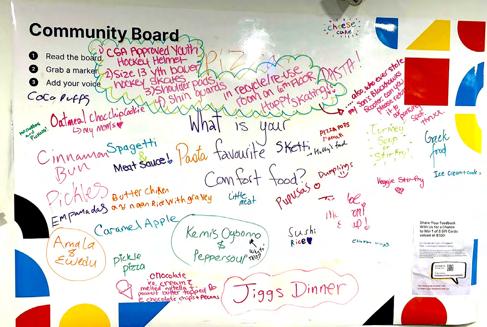

THE FIRE: THE COMMUNITY LIFE THAT EMERGES — ORGANIC, RESIDENTLED, EVERYDAY RELATIONAL MOMENTS

The fire is community actually alive — relationships forming, residents taking initiative, care flowing between neighbours, and a sense of belonging settling in. We are just beginning to see it ignite at Edgemont Flats.
Sense of Connectedness Growing. Several residents have expressed an increased sense of connectedness. 70% of survey respondents report that they value the relationships they have built, feel safe, and feel they belong at Edgemont Flats. As residents shared:
"I love the sharing circle — you get to know other people's stories; people I wouldn't
normally connect with" (CiaraMae); "The casual 'hey' now that I know people helps a lot" (Thalia); "I feel welcome, respected, and appreciative of both my neighbours and the building staff" (Julia); "I think this is a great program. I feel it helps many people connect and feel like Edgemont Flats is more of a community than just a rental apartment" (Sylvia).
Taking Care of One Another. Reciprocity and neighbourly care are emerging as defining features of the community being built. Ciara-Mae has become close friends with Cara and now drives her to medical appointments, saying "I hate the idea of her waiting for DATS." Leon has befriended Andrew, a resident who uses a power wheelchair, and now assists him with daily tasks: "Andrew and I got to know each other really well over the summer. We take my dog for walks. My dog sits on his lap. I assist him to eat." Though just two examples, these relationships are deeply meaningful — and in a community development approach, quality of connection matters more than quantity.
Taking Initiative and Ownership. We are seeing early signals of residents taking leadership. Leon hosts game and sports nights. Cara hosted the crafting circle. Ciara-Mae is the keyholder for shared resident spaces and attends nearly every Animator-associated event. Each has articulated a natural orientation to contributing: "If someone needs help, I'm there to help. That's what we're put on this planet for" (Leon); "If we don't support the program, we're not going to have a program" (Ciara-Mae).
That said, meaningful work remains. Over 50% of survey respondents reported not yet having close relationships within the building that provide a sense of belonging. Extending the Animator's reach and deepening resident engagement remains a central focus for year two.
These three scales work in concert. They are not a sequential checklist — each requires continual attention and care throughout the community building journey. That said, the container and spark naturally demand more focus early on.
Once sparks catch, the fire can begin to build on its own, so long as it is tended. In practice, this flows something like:
The Animator creates supportive conditions
→ residents take ownership
→ community becomes selfsustaining in some domains
→ the Animator can focus elsewhere
→ the Animator circles back to re-ignite as needed.
After one year piloting the Community Animation Service at Edgemont Flats, we are learning that building community in apartments requires more than programming events — it requires creating the conditions where community can emerge organically. This means investing in formal infrastructure (the container), the Animator's activation work (the spark), and the life community residents create together (the fire). It means valuing slow trust-building over efficiency, small moments over large events, and resident leadership over programmed outcomes. And fundamentally, it
means treating housing as more than commodity — as the foundation for belonging and home.
Promising signals include strong early resident leadership, measurable increases in belonging and satisfaction, successful passive animation, and residents' natural helping orientation activating. Important learning edges remain: extending and deepening resident engagement, strengthening Animator communications, developing a sustainable scaling model, and continuing to create diverse entry points for participation.
The service has recently launched at a second site with Civida — offering crucial opportunity to test whether these learnings hold in different contexts. We continue to watch, learn, and adapt, designing the map as we go, guided by what actually builds community rather than what is easy to measure.
The fire is catching. Our work now is to tend it carefully, learn from it deeply, and share what we are discovering about how to make an apartment a home.
This piece was written by
Paige Reeves DIRECTOR OF RESEARCH AND SOCIAL INNOVATION
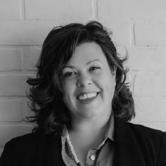
AndreaStreisel MANAGER OF COMMUNITY ANIMATION
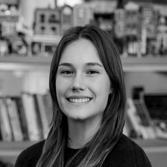
Autumn Sanders
COORDINATOR OF COMMUNICATIONS & INNOVATION

Rebecca Cruthers DIRECTOR OF CONTINUOUS IMPROVEMENT & INNOVATION
Paige
Reeves DIRECTOR
OF RESEARCH & SOCIAL INNOVATION
Annand Ollivierre DIRECTOR OF DEVELOPMENT AND
COMMUNITY ENGAGEMENT
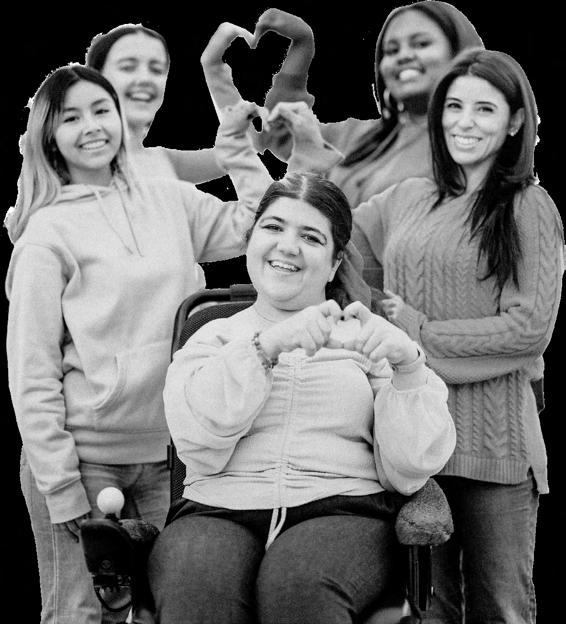


Action Lab is a social enterprise of Skills Society. As part of Skills' broader approach to social innovation, the Action Lab team offers resources and expertise to facilitate group discussions, creative retreats, and help organizations solve complex problems. Profits from the Action Lab help subsidize Skills' operations, support innovative social change initiatives of Skills, and provide employment opportunities to people with developmental disabilities who work in the space during events. You can learn more about and stay up to date on Action Lab through our website and social media. You can also support by recommending the Action Lab space and facilitation expertise to folks in your circles. All information can be found on our website.
When Indigenous families have a loved one who has gone missing, support systems are often fragmented and do not always reflect the wisdom and experiences of those most affected. This fall, we had the opportunity to work with and learn from the Confederacy of Treaty Six around this complex issue. Together, we co-designed and cofacilitated a full-day workshop that brought together family members, Indigenous leaders, Elders, and service system practitioners. Through a structured process grounded in ceremony, empathy-building, and systems sensing, participants built relationships and collectively explored promising pathways forward. Through this collaborative
exploration, we co-created a journey map that illuminates where families encounter barriers and where systemic support is most needed, creating a resource that can support future advocacy and education efforts.
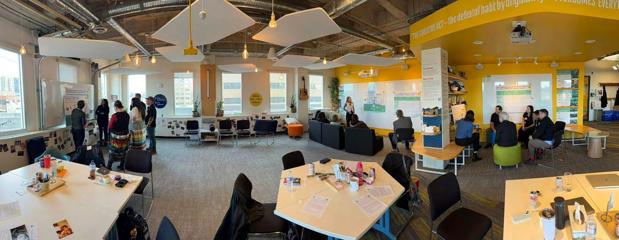
The Bennett Centre, a centre run by Edmonton Public Schools, works to empower children and youth to create meaningful change in their schools and communities. Over several months this year, we worked alongside their team through a capacity-building engagement focused on social innovation practice. Through a series of workshops and small-group coaching sessions, staff explored approaches to systems thinking, facilitation, and collaborative problem-solving while reflecting on how these methods could support their everyday work.
The engagement created space for learning, experimentation, and shared reflection as the team strengthened their confidence and understanding of social innovation processes within the context of the communities they serve.
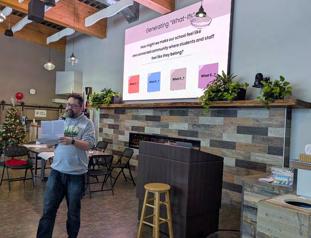
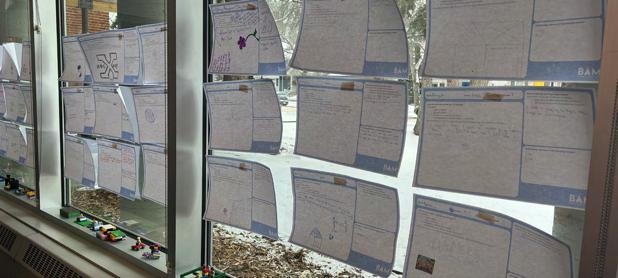
Occupational therapists are often navigating complex practice situations shaped by social inequities, health injustices, and broader systemic barriers. This year, we had the opportunity to support the development of the OT Praxis Toolkit, an interactive resource codeveloped by Tim Barlott, Director of Minor Praxis Lab in the Faculty of Rehabilitation Medicine at the University of Alberta, alongside a group of eight occupational therapists. Designed to support ethical reasoning in practice, the toolkit uses guided prompts and hands-on activities to create space for reflection, discussion, and exploring possibilities for action.
Action Lab contributed to the project through visual design, material and form exploration, and user experience development. Working closely with the project team, we helped shape a toolkit that feels clear, accessible, and easy to engage with in both individual and group settings. This work was supported by our in-house visual designer, who works with teams to develop clear, functional materials that align with the purpose of the work.
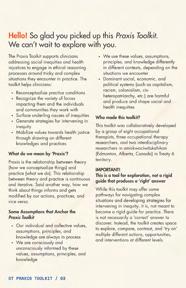

Learn more about Action Lab's visual design services


MyCompass Planning is an award winning social service systems change enterprise. It is a digital case management tool on a mission to humanize social service interactions, and systems.
People accessing social services want good lives like any other citizen. Helping people to plan and chart a course towards all the things that make life good and exploring opportunities can be complex and tricky to do well. In the past, tools and systems for social service case management, support planning, delivery, and evaluation were often bureaucratic, dehumanizing, deficit focused, rigid, and less than engaging for people. MyCompass created tools and
service interactions that make it easier for social service agencies to re-center around people served while at the same time getting organizational and service funder needs met without getting in the way.
The MyCompass Planning App continues to be used by the people we serve - helping them take the lead in planning and shaping what their support from Skills looks like.
We continue to grow and improve the MyCompass Planning App and will be launching new features this year!
In 2025, MyCompass customers gathered to share feedback and ideate new possible features for MyCompass. Following this workshop, MyCompass compiled the feedback and ideas to create new and upgraded features that were sourced from customer needs. Through a sponsorship model, these new features and upgrades were sponsored by customers to help bring features to life and expedite their development. MyCompass has already released several of these new features including a new internal communication platform, enhanced data tracking abilities, and upgrades to the calendar, timeline, and Missions features.
Additional features in development include:
1) VISION CANVAS - A digital canvas tool that is a visual representation of goals, dreams, and hopes. Utilizing multiple mediums such as pictures, videos, and audio files that communicate the vision that an individual has for themselves and their life.
2) AI COACH - An AI tool, being thoughtfully designed, that organizations can choose to utilize to support problem-solving, strategy, data analysis, and collaboration with people served to generate new ideas and expand horizons.
To keep up with MyCompass feature developments and learn more, visit our website at