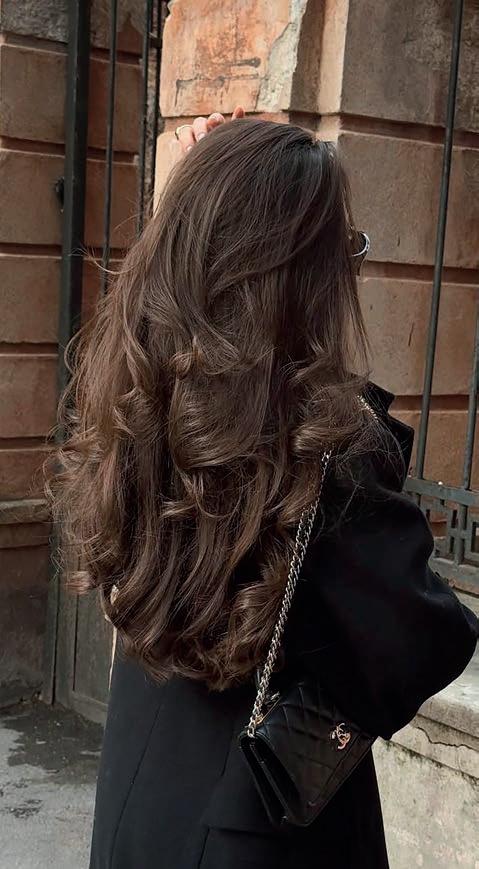
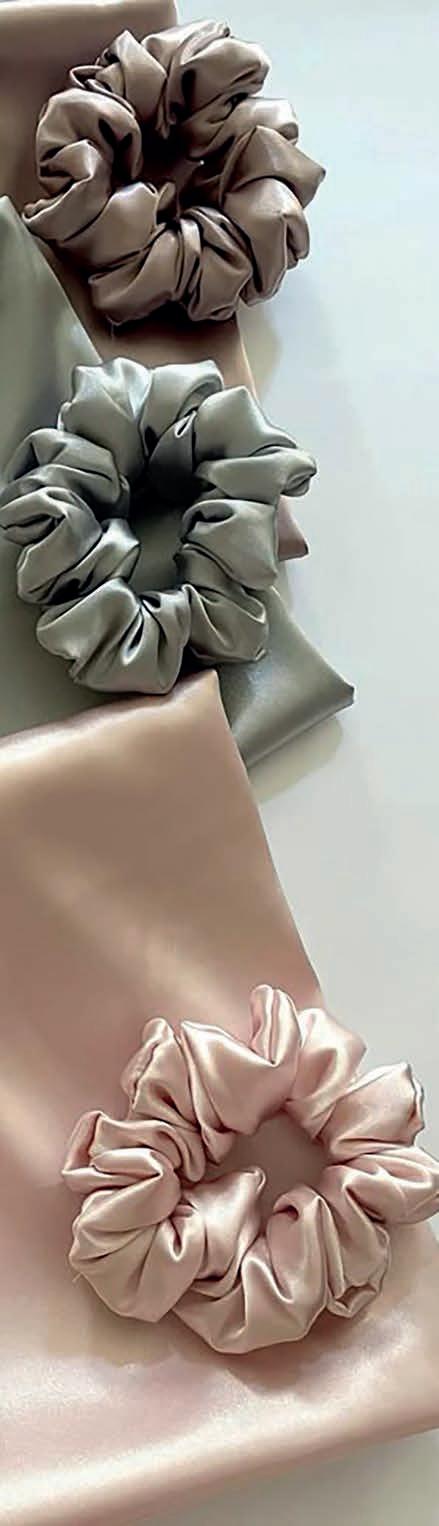
- The new path in haircare. Styling hair naturally
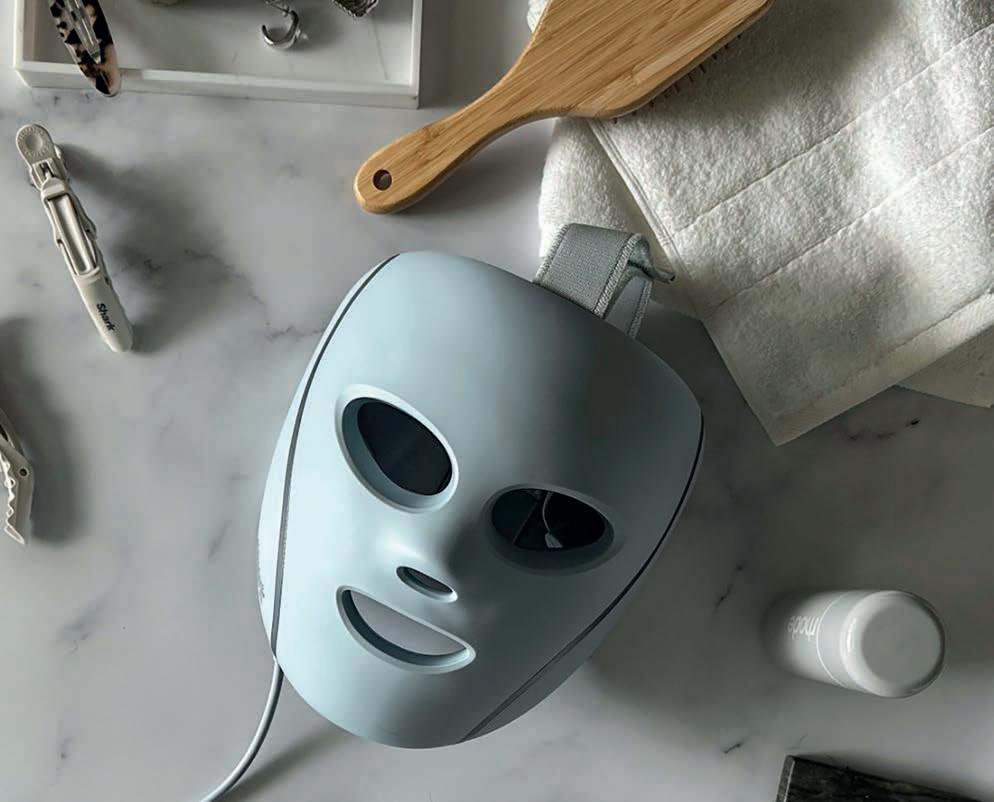
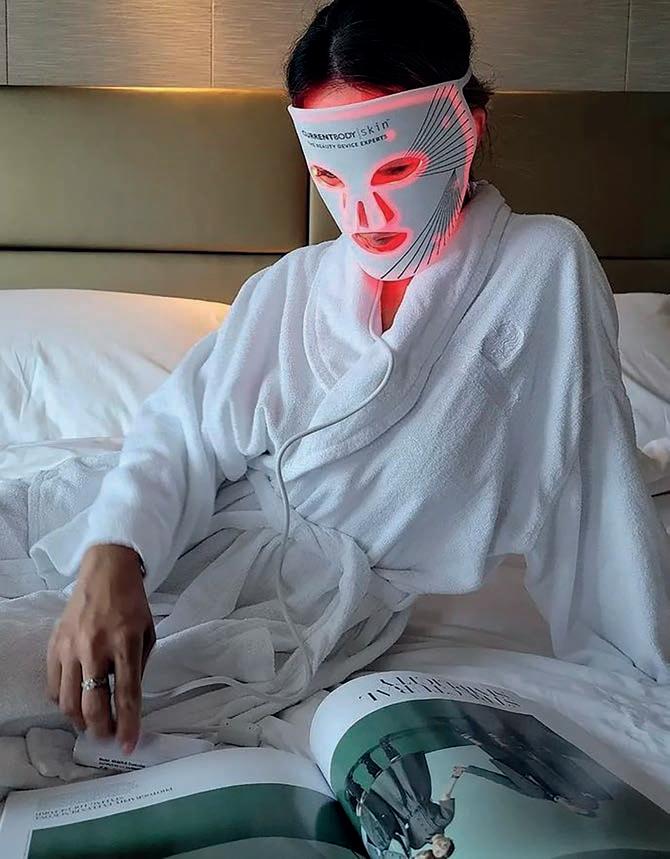
- La revolución del Skin Tech. Mascarillas de luz 67
-
GASTRONOMÍA GASTRONOMY
- Cataluña en boca de dulce. Un viaje exquisito
por la repostería tradicional catalana
- Catalonia in your mouth. An exquisite journey through traditional catalan pastries
VIAJES
- 48 horas en
- 48 hours in Begur
Mas allá de los mapas.
- Conectar con el mundo viajando solo:
Dolomitas, Italia
- Connecting with the world throug solo travel: Dolomites,
- The Skin Tech revolution. Light masks
MODA FASHION
- El renacer del Tailoring. La corbata,
70 el nuevo imprescindible en la moda de mujer
- The rebirth of Tailoring. The tie, the new must-have in woman’s fashion
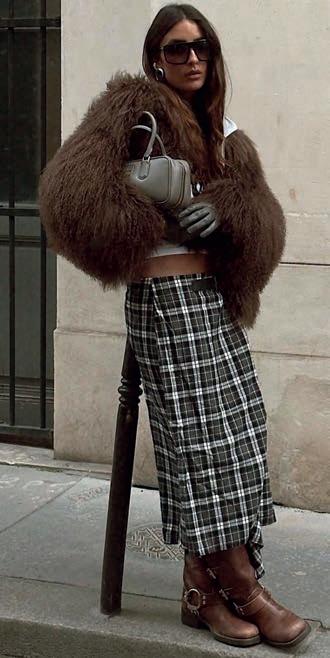
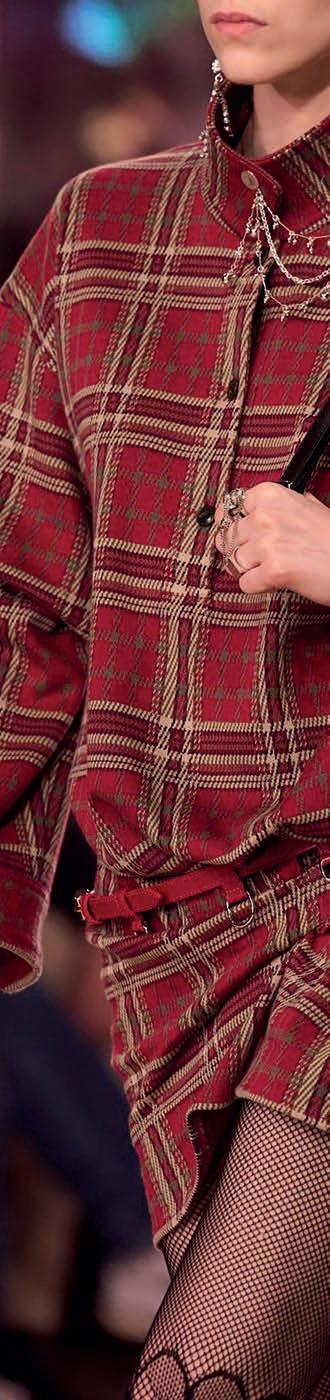
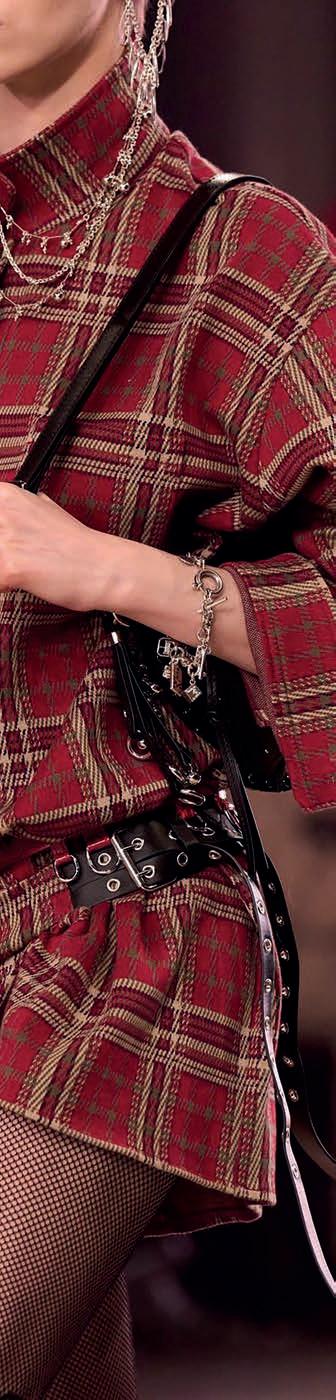
- El tartán domina la temporada.
73 Claves para interpretar el print más grunge en clave de lujo
- Tartan dominates the season. Keys to reinterpretinf the grunge print in a luxurious way
-
La guía definitiva para gatherings en casa
- Sophisticated hospitality.
Edita: Majestic Hotel Management Producción editorial: Editorial Mic Textos: Desiré Alija Diseño: María Salcines Comunicación: Santiago Martín
BIENVENIDOS
Quiero empezar dándole las gracias por elegirnos y confiar en nosotros para acompañarle en esta estancia con nosotros. Es un honor presentarle nuestros hoteles y apartamentos, cada uno pensado para ofrecerle experiencias únicas y adaptadas a sus gustos. En el corazón de Barcelona, nuestro emblemático Majestic Hotel & Spa Barcelona lleva más de 100 años siendo un icono de la hotelería de esta ciudad donde los viajeros más exigentes pueden disfrutar de una experiencia inigualable.
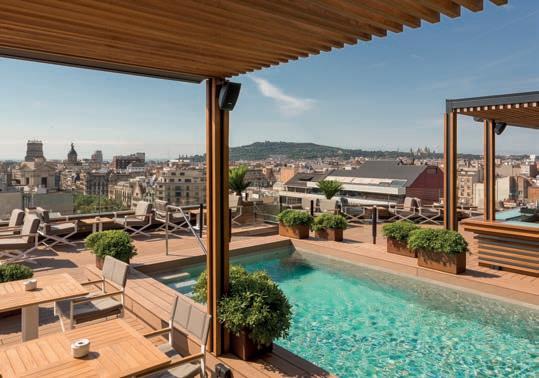
Sabemos que la gastronomía es parte esencial de cualquier viaje. Por eso, bajo la guía del chef David Romero, le invitamos a saborear cada rincón del Majestic: desde un aperitivo fresco en la terraza La Dolce Vitae con espectaculares vistas de la ciudad, hasta un almuerzo en El Restaurant SOLC, sin olvidar nuestro famoso Brunch Gourmet del Majestic los domingos, ideal para compartir con amigos, en pareja o en familia.
Para quienes buscan independencia y privacidad, ponemos a su disposición los exclusivos apartamentos de Majestic Residence o Murmuri Residence, con los edificios de los pasajes Mercader y Concepció. En pleno centro de Barcelona, también le espera Hotel Midmost con su estilo vintage y su deliciosa propuesta de desayunos saludables. Para una estancia más funcional en el corazón de la ciudad, el Hotel Denit de 3 estrellas es su punto de partida ideal en el Barrio Gótico. Y el último hotel en incorporarse a la familia en Barcelona es Casa Teva, que con un ambiente acogedor y una gastronomía inspirada en las casas de comidas nos recibe haciendo honor al nombre del hotel como si fuese “tu casa”.
Si está pensando en la capital andaluza, en Sevilla le proponemos diferentes opciones: Hotel Palacio Pinello una pequeña joya junto a la catedral; Honest Sevilla, que combina confort, ubicación y hospitalidad, como Casa Teva Rooms Sevilla donde el diseño, la cultura y la funcionalidad van de la mano.
En Begur, el nuevo Finca Victoria es la propuesta de lujo perfecta, que revive el espíritu de los veranos de los años 70 de la Costa Brava, un refugio situado junto al mar donde la tradición, el diseño y el espíritu mediterráneo se unen en perfecta armonía. Una villa catalana restaurada, a pocos pasos de las playas más icónicas de la Costa Brava. Ubicado en la playa de Sa Riera, Begur, con una arquitectura inspirada en las casas tradicionales de la región y un diseño que combina la elegancia contemporánea con materiales naturales, este destino ofrece una experiencia única para los viajeros más exigentes. Su restaurante AlKostat del Mar es un espacio
gastronómico exclusivo donde el chef Jordi Vilà reinterpreta la tradición catalana con técnica, sensibilidad y producto local. Aquí, cada plato es una experiencia que rinde homenaje al mar y a la tierra, en un entorno inigualable dentro de Finca Victoria Hotel & Spa
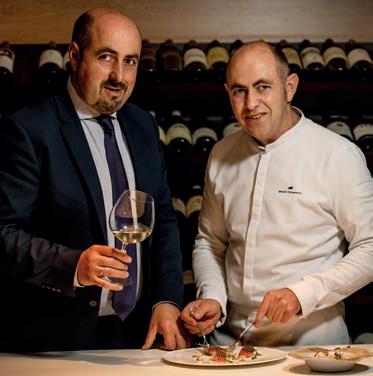
El Hotel Palacio de los Ángeles, en el corazón de Haro, capital del vino de Rioja, recupera la grandeza de un palacio barroco del siglo XVIII. Un espacio donde la historia, el confort y la cultura del vino se fusionan para ofrecer una experiencia única de enoturismo en La Rioja Alta. La gastronomía de los Hermanos Echapresto, premiados por las guías Michelin y Repsol con la Venta Moncalvillo, completa una estancia inolvidable para los amantes del vino, la cocina riojana y el arte del buen vivir.
Sea cual sea su elección, nuestro objetivo es que cada momento de su estancia con nosotros se convierta en un recuerdo memorable.
Gracias por ser parte de la familia Majestic Hotel Management y, sobre todo, ¡disfrute de cada detalle!
¡Feliz estancia y buena lectura!
Malco Par Cebrián Director General
WELLCOME
I would like to begin by thanking you for choosing us and trusting us to accompany you during your stay with us. It is an honour to present our hotels and apartments, each designed to offer you unique experiences tailored to your tastes. In the heart of Barcelona, our emblematic Majestic Hotel & Spa Barcelona has been an icon of the city’s hotel industry for over 100 years, offering discerning travellers an unrivalled experience.
We know that gastronomy is an essential part of any trip. That’s why, under the guidance of chef David Romero, we invite you to savour every corner of the Majestic: from a fresh aperitif on the La Dolce Vitae terrace with spectacular views of the city, to lunch at El Restaurant SOLC, not to mention our famous Majestic Gourmet Brunch on Sundays, ideal for sharing with friends, as a couple or with the family.
For those seeking independence and privacy, we offer the exclusive Majestic Residence or Murmuri Residence apartments, located in the buildings on Passatges Mercader and Concepció. In the heart of Barcelona, the Hotel Midmost also awaits you with its vintage style and delicious healthy breakfast options. For a more functional stay in the heart of the city, the 3-star Hotel Denit is your ideal starting point in the Gothic Quarter. And the latest hotel to join the family in Barcelona is Casa Teva, which, with its cosy atmosphere and cuisine inspired by traditional eateries, welcomes us in a manner that lives up to the hotel’s name, as if it were ‘your home’.
If you are thinking of the Andalusian capital, we have diferent options in Seville: Hotel Palacio Pinello, a little gem next to the cathedral; Honest Sevilla, ombining comfort, location, and hospitality, such as Casa Teva Rooms Sevilla, where design, culture, and functionality go hand in hand.
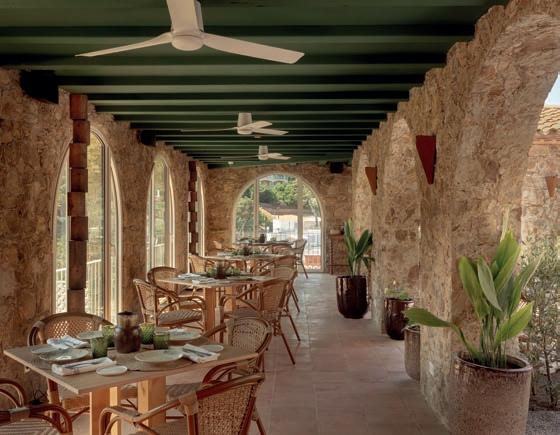
In Begur, the new Finca Victoria is the perfect luxury option, reviving the spirit of 1970s summers on the Costa Brava, a seaside retreat where tradition, design and the Mediterranean spirit come together in perfect harmony. A restored Catalan villa, just a few steps from the most iconic beaches of the Costa Brava. Located on Sa Riera beach in Begur, with architecture inspired by the traditional houses of the region and a design that combines contemporary elegance with natural materials, this destination offers a unique experience for the most discerning travellers. Its restaurant, AlKostat del Mar, is an exclusive gastronomic space where chef Jordi Vilà reinterprets Catalan tradition with technique, sensitivity and local produce. Here, each dish is an experience that pays homage to the sea and the land, in an unrivalled setting within Finca Victoria Hotel & Spa.
At Casa Teva, we can highlight Arraval, its restaurant, with its concept of honest and contemporary Catalan cuisine from the Raval neighbourhood, and the Hotel Palacio de los Ángeles, in the heart of Haro, the wine capital of Rioja, which recovers the grandeur of a 18th-century Baroque palace. A space where history, comfort and wine culture come together to offer a unique wine tourism experience in La Rioja Alta. The cuisine of the Echapresto brothers, awarded by the Michelin and Repsol guides with the Venta Moncalvillo, completes an unforgettable stay for lovers of wine, Rioja cuisine and the art of good living.
Whatever your choice, our goal is to make every moment of your stay with us a memorable one.
Thank you for being part of the Majestic Hotel Management family and, above all, enjoy every detail!
Have a pleasant stay and enjoy your reading!
Malco Par Cebrián General Manager
SOBRE MAJESTIC HOTEL MANAGEMENT
ABOUT MAJESTIC HOTEL MANAGEMENT
El grupo hotelero, además del Majestic Hotel & SPA Barcelona, que constituye el núcleo original y buque insignia del grupo de 5 estrellas, incluye otros hoteles y apartamentos en diferentes ubicaciones.
The hotel group, in addition to the Majestic Hotel & SPA Barcelona, which is the original core and flagship of the 5-star group, includes other hotels and apartments in different locations.
MIDMOST HOTEL BARCELONA
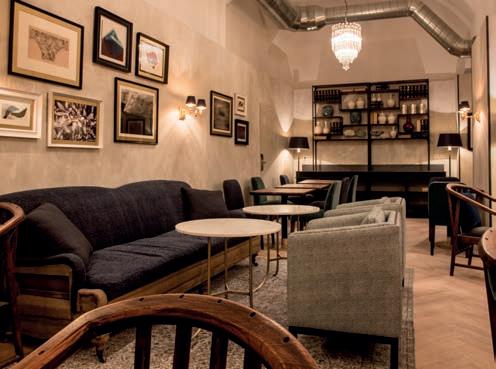
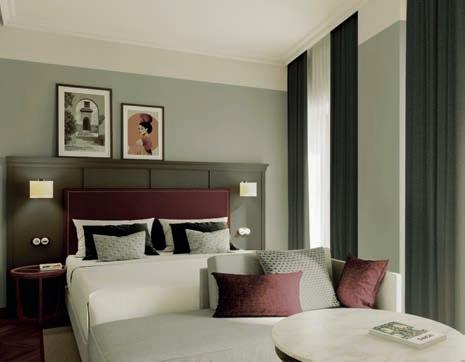
El Midmost Hotel Barcelona se encuentra en el corazón de Barcelona, cerca de lugares emblemáticos como Plaça Catalunya y Las Ramblas. Refleja la filosofía de una Barcelona comprometida con tiendas de autor, comercio justo y cultura alternativa. Este boutique hotel de 4 estrellas, ubicado en un edificio de 1919 y recientemente renovado, ofrece una estancia agradable con un servicio personalizado y exclusivo en el centro de la ciudad.
The Midmost Hotel Barcelona is located in the heart of Barcelona, close to emblematic places such as Plaça Catalunya and Las Ramblas. It reflects the philosophy of a Barcelona committed to signature stores, fair trade and alternative culture. This 4-star boutique hotel, located in a 1919 building and recently renovated, offers a pleasant stay with personalized and exclusive service in the center of the city.
HOTEL DENIT BARCELONA
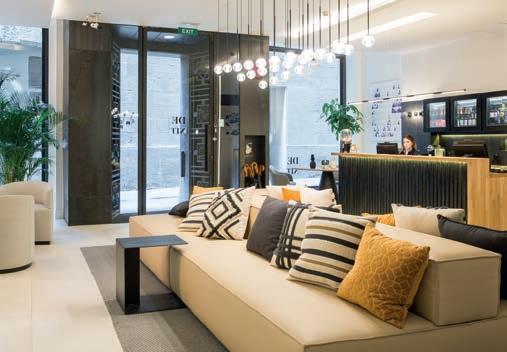
Denit Barcelona es un oasis de paz situado en el Barrio Gótico de Barcelona, cerca de Plaza Cataluña, Paseo de Gracia y las Ramblas. El hotel, ubicado en una finca reformada con fachada Art Decó, ofrece tranquilidad a pocos pasos de la bulliciosa Barcelona. Su excelente ubicación facilita el acceso a las principales zonas comerciales y restaurantes de la ciudad, así como a los icónicos edificios diseñados por arquitectos famosos como Gaudí. Los huéspedes pueden disfrutar de una experiencia única en el centro urbano, cerca de lugares emblemáticos como la Pedrera, la Casa Batlló y el mercado de la Boquería.
Denit Barcelona is an oasis of peace located in Barcelona’s Gothic Quarter, close to Plaza Cataluña, Paseo de Gracia and Las Ramblas. The hotel, located in a renovated building with an Art Deco façade, offers tranquility within walking distance of bustling Barcelona. Its excellent location provides easy access to the city’s main shopping areas and restaurants, as well as the iconic buildings designed by famous architects such as Gaudí. Guests can enjoy a unique experience in the city center, close to iconic landmarks such as La Pedrera, Casa Batlló and the Boquería market.
MAJESTIC RESIDENCE
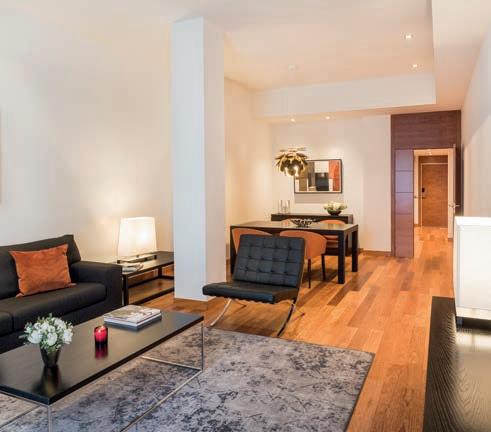
Majestic Residence ofrece lujosos apartamentos en Paseo de Gracia, Barcelona, con acabados de alta calidad y decoración elegante. Con tamaños de una a cuatro habitaciones, estos apartamentos están completamente equipados con cocinas modernas y amplios baños con jacuzzi. Es un lugar ideal para estancias de negocios o placer, con comodidades y ubicación privilegiada en el corazón de la ciudad.
Majestic Residence offers luxurious apartments in Paseo de Gracia, Barcelona, with high quality finishes and elegant decor. Ranging in size from one to four bedrooms, these apartments are fully equipped with modern kitchens and spacious bathrooms with Jacuzzi tubs. It is an ideal place for business or leisure stays, with amenities and a privileged location in the heart of the city.
MURMURI RESIDENCE CONCEPCIÓ
Murmuri Residence Concepció, un referente de elegancia y exclusividad en el centro de Barcelona, reformado completamente en colaboración con el prestigioso estudio de interiorismo Luzio Studio. Este proyecto eleva la experiencia de lujo del establecimiento mediante una estética vanguardista, ambientes personalizados y nuevas comodidades excepcionales adaptadas a los huéspedes más exigentes. Incorpora prácticas sostenibles en línea con el compromiso ambiental compartido por Luzio y Murmuri Residence Concepció.
MURMURI RESIDENCE MERCADER
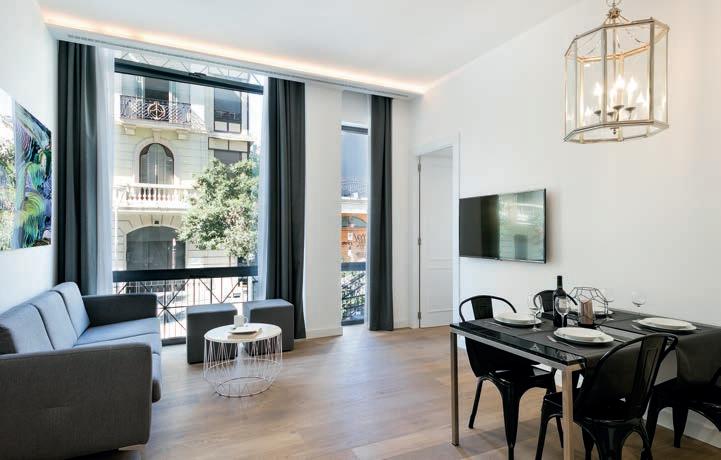
Se trata del lujoso edificio de apartamentos en Passatge Mercader, 13 de Barcelona, con categoría de 4 estrellas. Ubicado en el distrito de l’Eixample, cerca de importantes emblemas modernistas como La Pedrera y Casa Batlló, este alojamiento ofrece apartamentos de lujo con énfasis en seguridad y confort para sus huéspedes.
This is the luxury apartment building at Passatge Mercader, 13 in Barcelona, with 4-star category. Located in the Eixample district, close to important modernist landmarks such as La Pedrera and Casa Batlló, this accommodation offers luxury apartments with an emphasis on safety and comfort for its guests.
Murmuri Residence Concepció, a benchmark of elegance and exclusivity in the center of Barcelona, completely refurbished in collaboration with the prestigious interior design studio Luzio Studio. This project elevates the luxury experience of the establishment through avant-garde aesthetics, personalized environments and exceptional new amenities tailored to the most discerning guests. It incorporates sustainable practices in line with the environmental commitment shared by Luzio and Murmuri Residence Concepció.
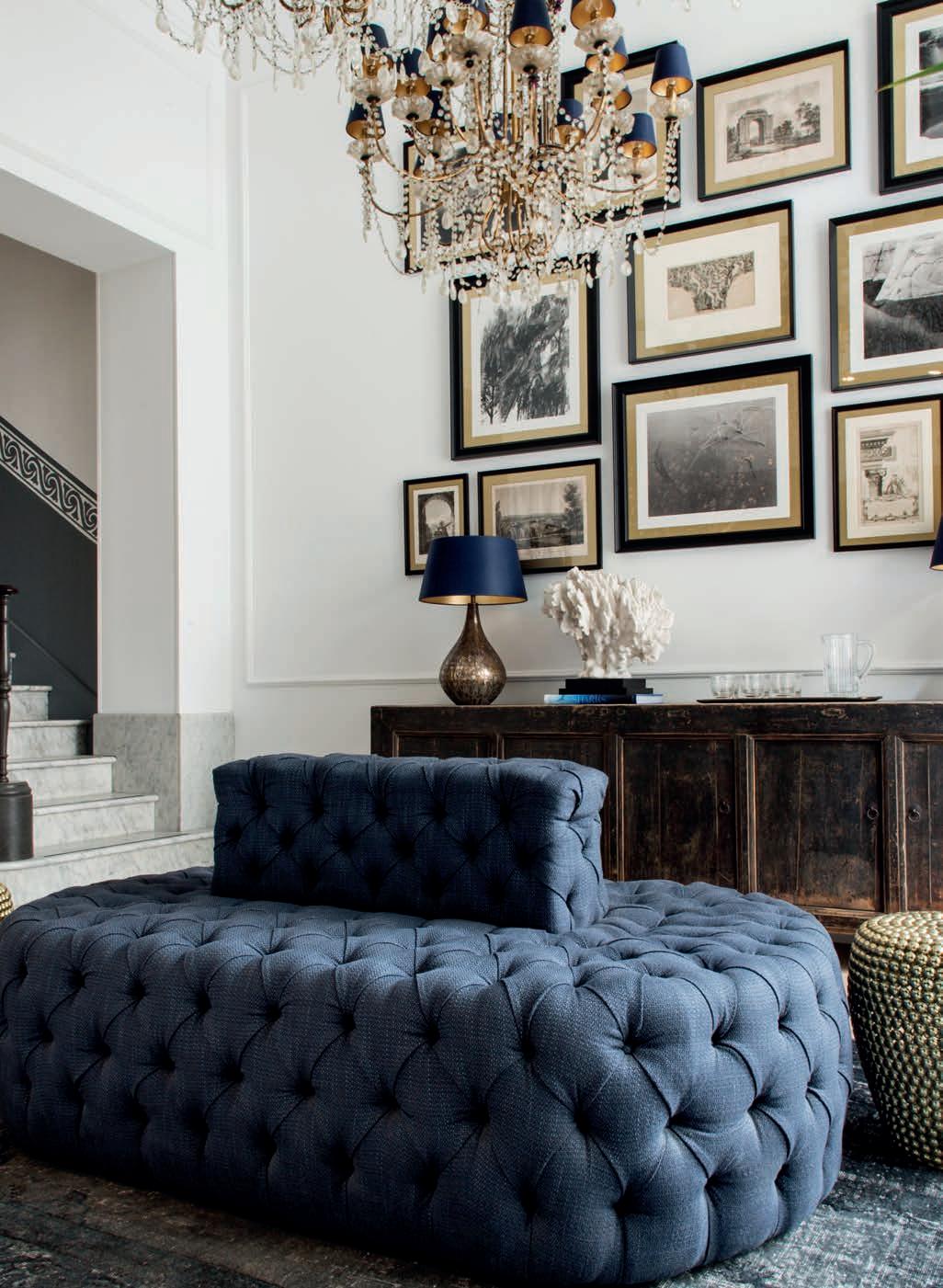
Ubicado en el corazón del distrito de Ciutat Vella, a pocos pasos de Las Ramblas, el Barrio Gótico y el Gran Teatro del Liceo, el Hotel Casa Teva combina la esencia de un edificio típico de Barcelona renovado con comodidades modernas.
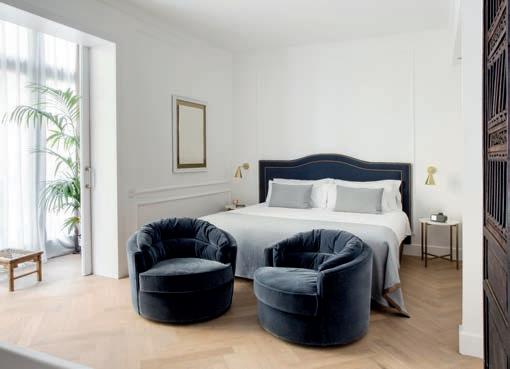
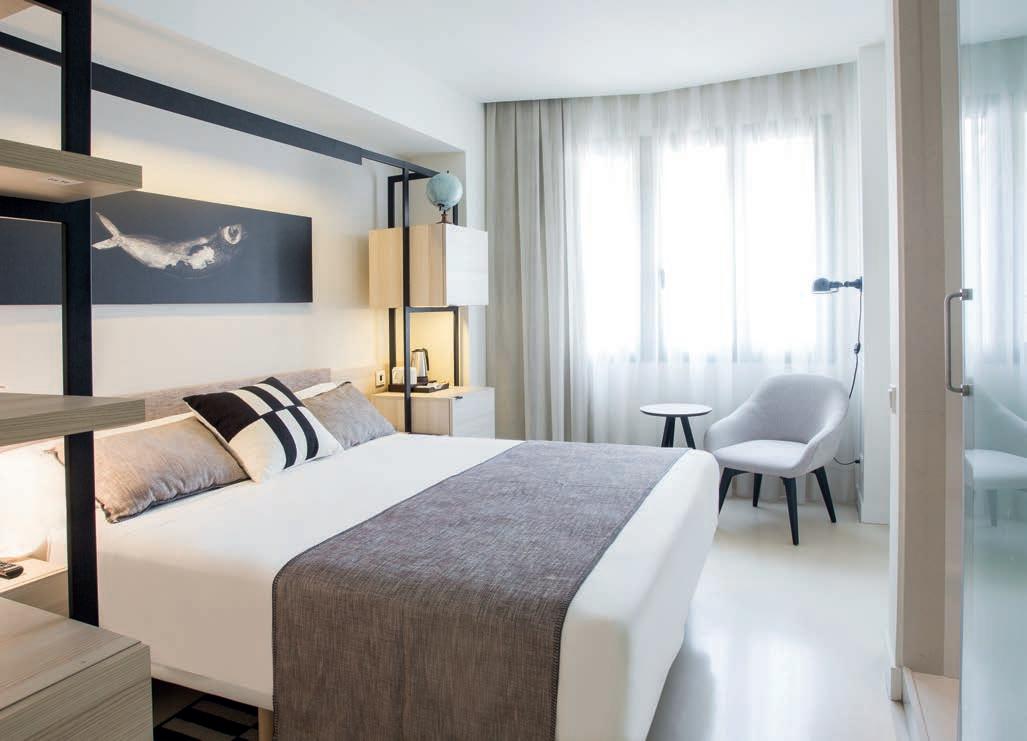
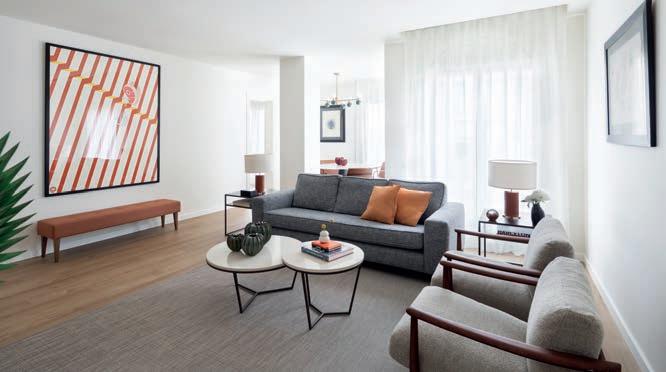
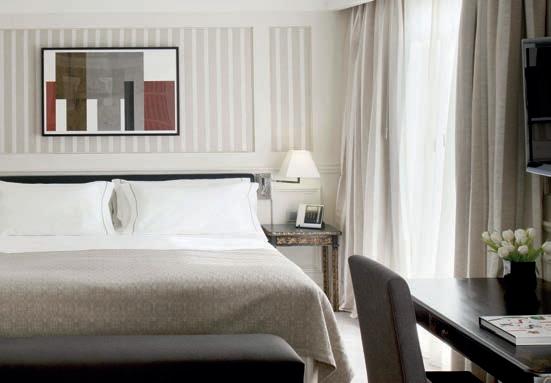
Sus habitaciones, diseñadas con madera de roble y materiales cuidadosamente seleccionados, crean un ambiente cálido y cosmopolita donde cada detalle invita a la comodidad. Con servicios como cajas fuertes individuales y espacios acogedores, Casa Teva es el lugar perfecto para descubrir la Barcelona más vibrante mientras te sientes como en casa.
UNA EXPERIENCIA
GASTRONÓMICA INOLVIDABLE
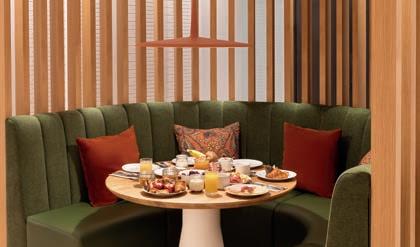
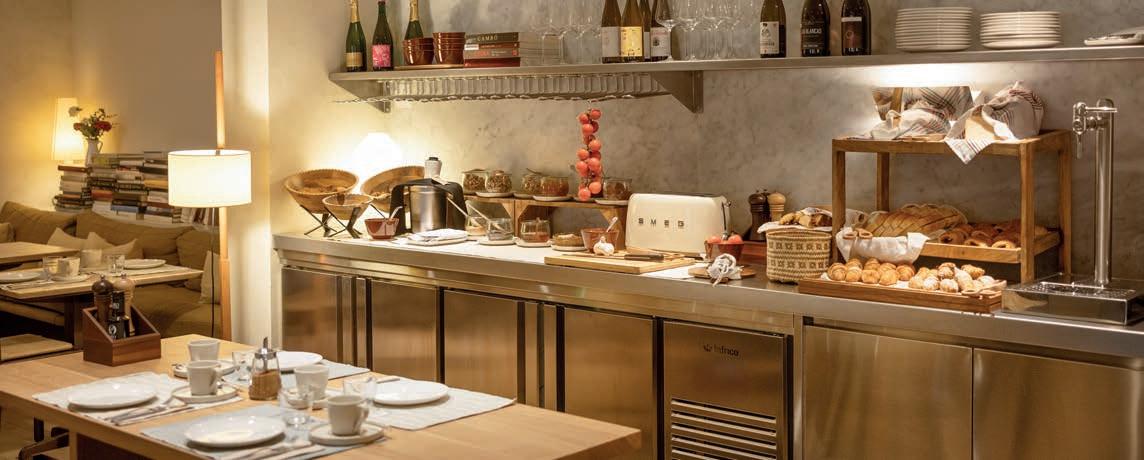
El desayuno en Casa Teva se disfruta como en casa, sin prisas y con el placer de lo bien hecho. Una selección cuidada de productos frescos y locales — panes artesanales, frutas de temporada, embutidos tradicionales y opciones calientes— se acompaña de café de especialidad, té matcha y zumos naturales. Un desayuno honesto y auténtico, pensado para empezar el día a tu propio ritmo.
La experiencia gastronómica de Casa Teva va más allá del desayuno. En Arraval, su propuesta culinaria, se celebra una cocina catalana ravalera, honesta y contemporánea, que evoca la calidez de una mesa compartida y la alegría de comer en compañía. Una cocina guiada por el fuego, el sofrito, las especias y la memoria, que parte de la tradición catalana para reinterpretarla desde un Raval diverso, vivo y en constante mezcla, sin perder nunca el respeto por el origen.
Detrás de los fogones trabajan Àlex, Marcos y Jordi, tres cocineros formados en la escuela de Jordi Vilà, donde aprendieron a priorizar el producto, las bases y el sabor por encima de todo. Para completar la experiencia, Casa Teva propone una cuidada selección de vinos naturales, pensados para acompañar cada plato con coherencia y sensibilidad.
in the heart of the Ciutat Vella district, just steps away from Las Ramblas, the Gothic Quarter, and the Gran Teatre del Liceu, the Casa Teva Hotel blends the essence of a typical Barcelona building with modern comforts.
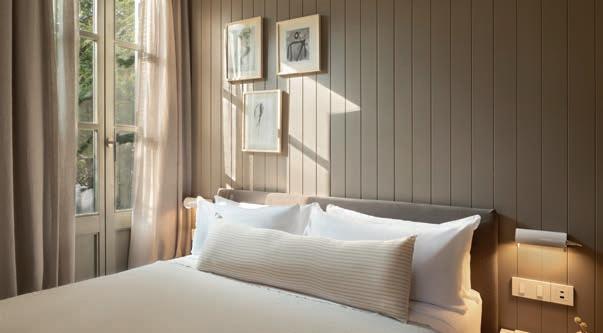
Its rooms, crafted with oak wood and carefully selected materials, create a warm and cosmopolitan atmosphere where every detail invites relaxation. With features such as individual safes and cozy spaces, Casa Teva is the perfect place to explore the vibrant side of Barcelona while feeling right at home.
AN UNFORGETTABLE CULINARY EXPERIENCE
Breakfast at Casa Teva is enjoyed as if you were at home, without rushing and with the pleasure of a job well done. A careful selection of fresh, local products—artisan breads, seasonal fruits, traditional cold cuts and hot options—is accompanied by speciality
matcha tea and fresh juices. An honest and authentic breakfast, designed to start the day at your own pace.
The gastronomic experience at Casa Teva goes beyond breakfast. Arraval, its culinary offering, celebrates honest, contemporary Catalan cuisine from the Raval neighbourhood, evoking the warmth of a shared table and the joy of eating in company. A cuisine guided by fire, sofrito, spices and memory, which takes Catalan tradition as its starting point and reinterprets it from a diverse, lively and constantly changing Raval, without ever losing respect for its origins.
Behind the stoves are Àlex, Marcos and Jordi, three chefs trained at Jordi Vilà’s school, where they learned to prioritise the product, the basics and flavour above all else. To complete the experience, Casa Teva offers a careful selection of natural wines, designed to accompany each dish with consistency and sensitivity.
HOTEL CASA TEVA CASA TEVA HOTEL
Located
coffee,
MAJESTIC HOTEL & SPA BARCELONA
MAJESTIC HOTEL & SPA BARCELONA
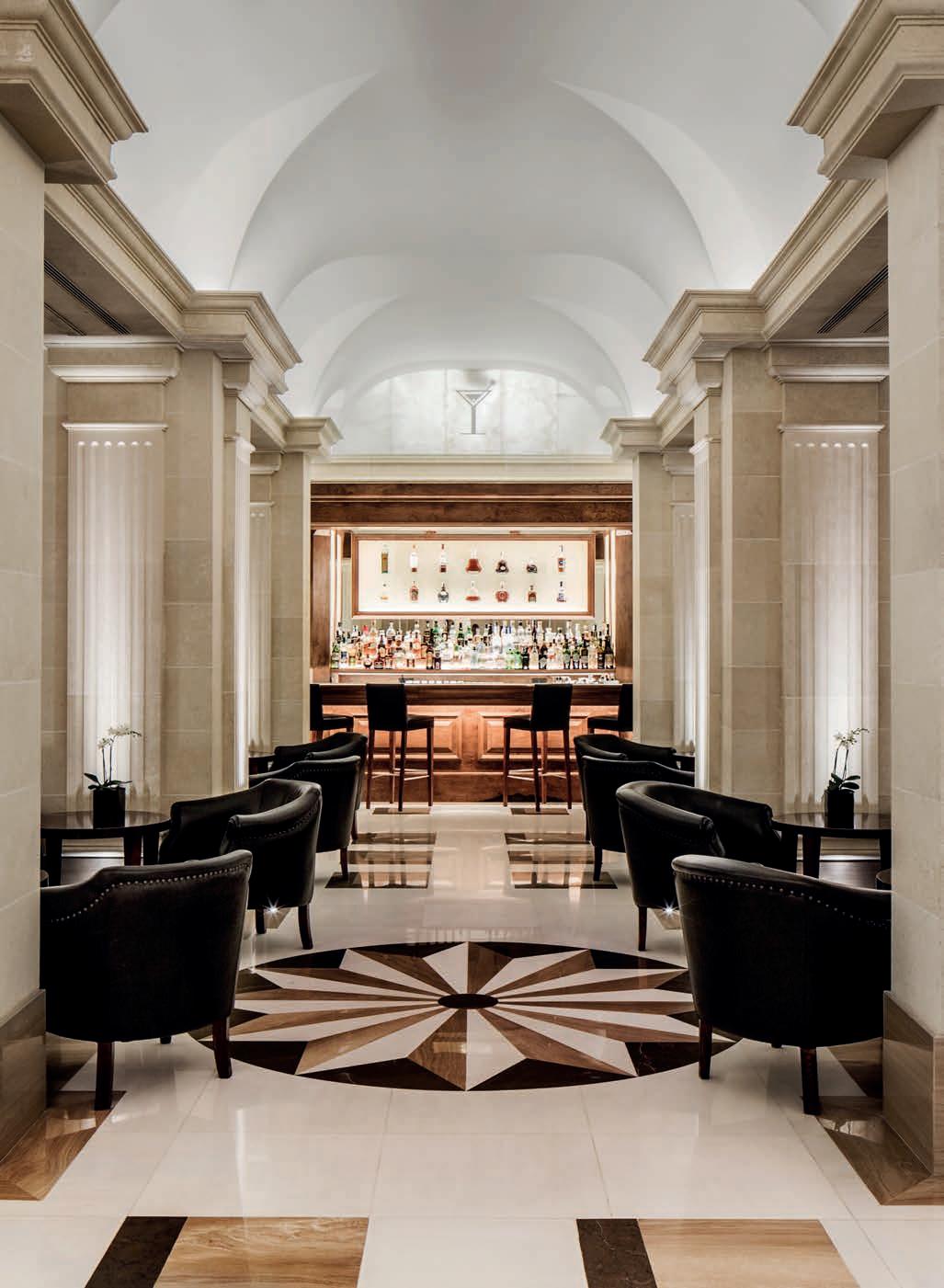
En el corazón de Barcelona, en pleno Paseo de Gracia, se levanta un majestuoso edificio de estilo neoclásico francés que se ha convertido en uno de los emblemas de la ciudad Condal: Majestic Hotel & Spa Barcelona. Abierto en 1918, se trata de un auténtico símbolo de Barcelona que, tras concluir un ambicioso proyecto de renovación, es hoy todo un referente de estilo elegante y atemporal, propio de los más prestigiosos hoteles internacionales.
Durante sus más de cien años de vida, el Majestic, propiedad de la familia Soldevila-Casals, ha sido testigo de importantes eventos políticos, culturales e históricos que lo han dotado de una impronta y personalidad propias que se refleja en cada pequeño detalle de lujo y confort. Majestic Hotel & Spa Barcelona debe su fama de hospitalidad a la eficacia de unos empleados discretos y profesionales que durante décadas han convertido la estancia de sus huéspedes en una experiencia única e inolvidable.
Siempre en el centro de la escena cultural y artística barcelonesa, por sus habitaciones han pasado estrellas de cine, artistas, políticos, figuras del deporte y empresarios de prestigio, quienes han podido disfrutar de la calidad de sus instalaciones y la profesionalidad de un servicio discreto y eficaz. Nombres como el de la Reina Victoria Eugenia, los poetas Antonio Machado, León Felipe y Federico García Lorca, los pintores Joan Miró y Pablo Ruíz Picasso, los cantantes Charles Trenet y Josephine Baker, la soprano Renata Tebaldi o el Premio Nobel de literatura Ernest Hemingway, han ayudado a crear la enorme reputación del Majestic.
Una ciudad cosmopolita, creativa, innovadora, hermosa y viva como Barcelona necesita de un hotel a la altura de su fama mundial que contribuya al crecimiento de su prestigio: Majestic Hotel & Spa Barcelona es esa pieza clave que nutre a la ciudad de lujo y exclusividad. Bañada por las cálidas aguas del Mediterráneo, con más de cinco kilómetros de playas, así como algunos de los monumentos, edificios y museos más importantes del país, la capital catalana recibe al visitante con un sinfín de propuestas culturales y de ocio, que harán las delicias de aquellos con ganas de exprimir al máximo la Barcelona más auténtica. El Majestic, emplazado en su corazón histórico, conforma el mejor bastión desde el que conquistar los alrededores.
In the heart of Barcelona, in the Paseo de Gracia, stands a majestic French neoclassical building that has become one of the emblems of the city: Majestic Hotel & Spa Barcelona. Opened in 1918, it is a true symbol of Barcelona which, after completing an ambitious renovation project, is now a benchmark of elegant and timeless style, typical of the most prestigious international hotels.
During its more than hundred years of life, the Majestic, owned by the Soldevila-Casals family, has witnessed important political, cultural and historical events that have given it its own imprint and personality, which is reflected in every little detail of luxury and comfort. Majestic Hotel & Spa Barcelona owes its reputation for hospitality to the efficiency of its discreet and professional staff, who for decades have made its guests’ stay a unique and unforgettable experience.
Always at the centre of Barcelona’s cultural and artistic scene, its rooms have been visited by film stars, artists, politicians, sports figures and prestigious businessmen, who have been able to enjoy the quality of its facilities and the professionalism of its discreet and efficient service. Names such as Queen Victoria Eugenia, the poets Antonio Machado, León Felipe and Federico García Lorca, the painters Joan Miró and Pablo Ruíz Picasso, the singers Charles Trenet and Josephine Baker, the soprano Renata Tebaldi and the Nobel Prize winner Ernest Hemingway, have helped to create the enormous reputation of the Majestic.
A cosmopolitan, creative, innovative, beautiful and lively city like Barcelona needs a hotel that lives up to its worldwide fame and contributes to the growth of its prestige: Majestic Hotel & Spa Barcelona is the key element that nourishes the city with luxury and exclusivity. Bathed by the warm waters of the Mediterranean, with more than five kilometres of beaches, as well as some of the most important monuments, buildings and museums in the country, the Catalan capital welcomes visitors with a host of cultural and leisure activities that will delight those who want to make the most of the most authentic Barcelona. The Majestic, located in its historic heart, is the best bastion from which to conquer the surrounding area.
Desde su apertura en 1918, el Majestic ocupa el histórico edificio de los números 68–70 del Paseo de Gracia, propiedad de Martín Casals, fundador y abuelo de los actuales propietarios, quien supo ver las posibilidades de futuro de esa nueva ubicación hacia la que miraban la aristocracia y la alta burguesía.
En pleno Quadrat d’Or de Barcelona se encuentra el elegante y señorial Paseo de Gracia, cuna de la Barcelona modernista, en el que se encuentran algunos de los edificios más bellos de la ciudad, ideados por reconocidos arquitectos como Gaudí, Puig i Cadafalch, Domènec i Montaner. En este entorno se alza la espectacular arquitectura de Majestic Hotel & Spa Barcelona con sus balcones de hierro forjado y demás detalles neoclásicos que lo convierten en una obra de arte más.
La envidiable localización del Majestic en pleno centro urbano de Barcelona, a muy poca distancia de edificios tan emblemáticos como la Pedrera o la Casa Batlló, las concurridas Ramblas, el mercado de la Boquería o el Gran Teatro del Liceo, lo convierte en el lugar perfecto desde el que descubrir la ciudad, realizar compras en las exclusivas tiendas de firmas internacionales que motean la zona y disfrutar de las terrazas y restaurantes más prestigiosos de Barcelona.
Since its opening in 1918, the Majestic has occupied the historic building at numbers 68-70 Paseo de Gracia, owned by Martín Casals, founder and grandfather of the current owners, who was able to see the future possibilities of this new location, towards which the aristocracy and the upper middle class were looking.
In the heart of Barcelona’s Quadrat d’Or is the elegant and stately Paseo de Gracia, the cradle of modernist Barcelona, home to some of the city’s most beautiful buildings, designed by renowned architects such as Gaudí, Puig i Cadafalch, Domènec i Montaner. The spectacular architecture of the Majestic Hotel & Spa Barcelona stands in this setting, wrought-iron balconies and other neoclassic details that make it yet another work of art.
The Majestic’s enviable location in the heart of Barcelona’s city centre, within walking distance of such emblematic buildings as La Pedrera and Casa Batlló, the busy Ramblas, the Boquería market and the Gran Teatro del Liceo, makes it the perfect place from which to discover the city, shop in the exclusive international boutiques that dot the area and enjoy Barcelona’s most prestigious terraces and restaurants.
HOTEL PALACIO DE LOS ÁNGELES
HARO, LA RIOJA
UNA NUEVA JOYA DEL ENOTURISMO Y LA HOSPITALIDAD CONTEMPORÁNEA
A new jewel of wine tourism and contemporary hospitality
El Palacio de los Ángeles emerge en el corazón de Haro como uno de los proyectos hoteleros más ambiciosos y sofisticados de La Rioja. Este antiguo palacio barroco del Siglo XVIII, tras décadas en desuso, renace convertido en un hotel boutique de cinco estrellas donde patrimonio, diseño y cultura vinícola dialogan con elegancia y naturalidad. Se trata de un proyecto que aúna historia, arquitectura, gastronomía y bienestar, posicionándose como un nuevo referente del lujo silencioso y experiencial en la región.
The Palacio de los Ángeles emerges in the heart of Haro as one of the most ambitious and sophisticated hotel projects in La Rioja. This former 18th-century Baroque palace, after decades of disuse, has been reborn as a five-star boutique hotel where heritage, design and wine culture come together with elegance and naturalness. This project combines history, architecture, gastronomy and wellbeing, positioning itself as a new benchmark for quiet, experiential luxury in the region.
El palacio, antaño hogar de familias nobles, conserva su carácter monumental gracias a una restauración meticulosa que respeta la estructura original y pone en valor la piedra, los artesonados y la memoria del edificio. La intervención arquitectónica —liderada por Inarsa con interiorismo de Trenchs Studio— mantiene la fachada barroca y crea un patio central contemporáneo que articula las circulaciones del hotel. El resultado es un equilibrio perfecto entre herencia y modernidad: cada espacio revela la historia sin renunciar al confort, la luz y la sofisticación actuales.
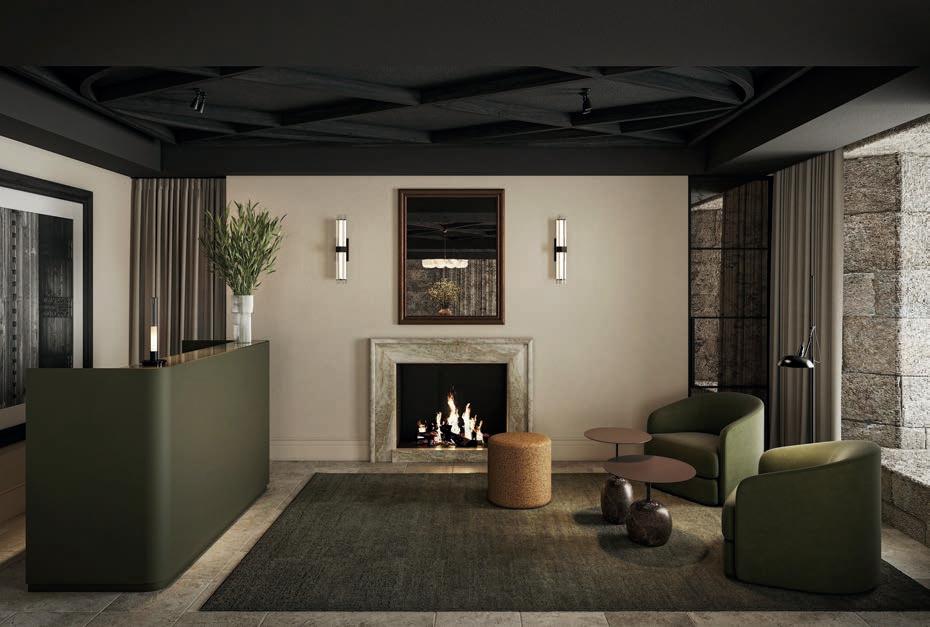
El concepto creativo se basa en reinterpretar el barroco sin competir con él. El lobby funciona como un gran salón, cálido y elegante, con techos artesonados en madera oscura, muros de piedra y mobiliario contemporáneo. Una mesa de anticuario da la bienvenida y una chimenea encendida actúa como foco emocional.
El palacio con la certificación VERDE del Green Building Council España, reflejo de su compromiso con la eficiencia energética, el uso responsable de recursos y la reconstrucción sostenible del edificio histórico.
Los espacios comunes, desde el restaurante hasta el wine bar, emplean materiales nobles, texturas naturales y una iluminación cuidada que construyen una atmósfera íntima y sofisticada.
El hotel cuenta con 38 habitaciones en las que muros de piedra, tonos
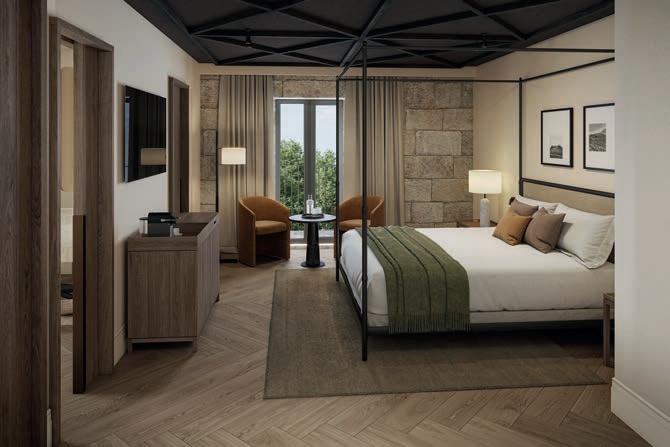
neutros, madera en espiga y artesonados oscuros crean un refugio de calma. Tecnológicamente equipadas y diseñadas para el descanso, mantienen una narrativa coherente con todo el proyecto. Algunas suites incorporan bañeras exentas y camas con dosel que aportan un toque romántico. Las estancias evocan la esencia riojana a través de detalles artesanales y fotografías de paisajes de la región.
The palace, once home to noble families, retains its monumental character thanks to a meticulous restoration that respects the original structure and highlights the stonework, coffered ceilings and history of the building. The architectural intervention—led by Inarsa with interior design by Trenchs Studio—maintains the Baroque façade and creates a contemporary central courtyard that articulates the hotel’s circulation. The result is a perfect balance between heritage and modernity: each space reveals history without sacrificing contemporary comfort, light and sophistication.
The creative concept is based on reinterpreting the Baroque without competing with it. The lobby functions as a large, warm and elegant living room, with dark wood coffered ceilings, stone walls and contemporary furniture. An antique table welcomes guests and a lit fireplace acts as an emotional focal point.
The palace has been awarded GREEN certification by the Green Building Council Spain, reflecting its commitment to energy efficiency, responsible use of resources and sustainable reconstruction of the historic building.
The common areas, from the restaurant to the wine bar, use fine materials, natural textures and careful lighting to create an intimate and sophisticated atmosphere.
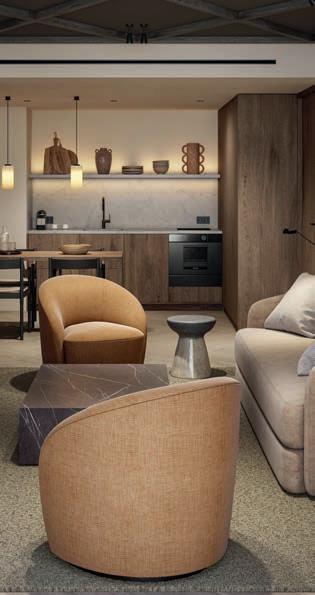
Frente al hotel se ubica un nuevo edificio con 10 exclusivos apartamentos de uno y dos dormitorios, ideales para estancias prolongadas o viajes en familia. Cada uno mantiene la estética de materiales nobles del hotel e incluye cocina integrada y sala de estar, sin renunciar a los servicios completos de un 5 estrellas.
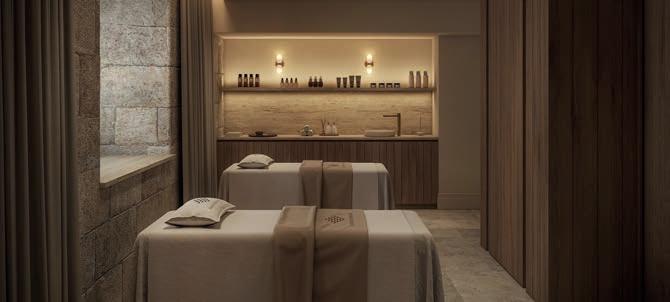
El spa, íntimo y sensorial, está situado en una antigua estancia del palacio y propone un ambiente cálido gracias al uso de piedra, madera y cerámica manual. Dispone de dos cabinas de masaje, sauna seca y de vapor, jacuzzi interior y zona de relajación, todo concebido para la desconexión absoluta.
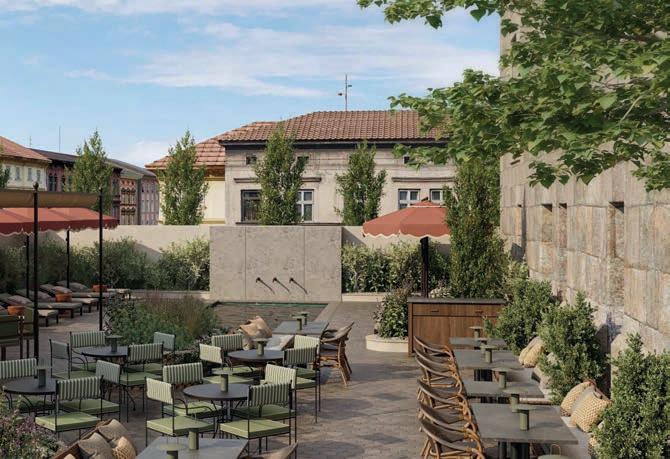
El jardín del Palacio de los Ángeles es un espacio singular en Haro: un entorno privado rodeado por la piedra histórica del edificio, con zonas de restauración al aire libre, mobiliario en tonos naturales y un bar exterior que recuerda a antiguos pabellones. La piscina climatizada completa este refugio urbano, perfecto para cualquier época del año.
The hotel has 38 rooms in which stone walls, neutral tones, herringbone wood and dark coffered ceilings create a haven of calm. Technologically equipped and designed for rest, they maintain a narrative consistent with the entire project. Some suites feature freestanding bathtubs and canopy beds that add a romantic touch. The rooms evoke the essence of La Rioja through handcrafted details and photographs of the region’s landscapes.
Opposite the hotel is a new building with 10 exclusive one- and two-bedroom apartments, ideal for extended stays or family trips. Each one maintains the hotel’s aesthetic of fine materials and includes an integrated kitchen and living room, without sacrificing the full services of a 5-star hotel.
The intimate and sensory spa is located in a former room of the palace and offers a warm atmosphere thanks to the use of stone, wood and handmade ceramics. It has two massage rooms, a dry and steam sauna, an indoor jacuzzi and a relaxation area, all designed for complete relaxation.
The garden of the Palacio de los Ángeles is a unique space in Haro: a private setting surrounded by the historic stone of the building, with outdoor dining areas, natural-toned furniture and an outdoor bar reminiscent of ancient pavilions. The heated swimming pool completes this urban retreat, perfect for any time of year.
WINE BAR Y CONCEPTO ENOGASTRONÓMICO
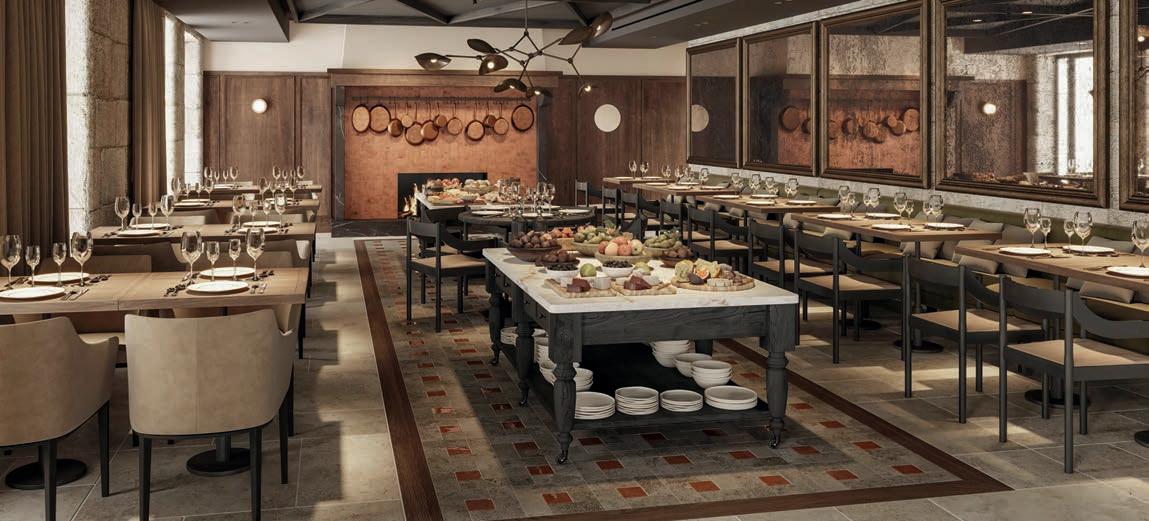
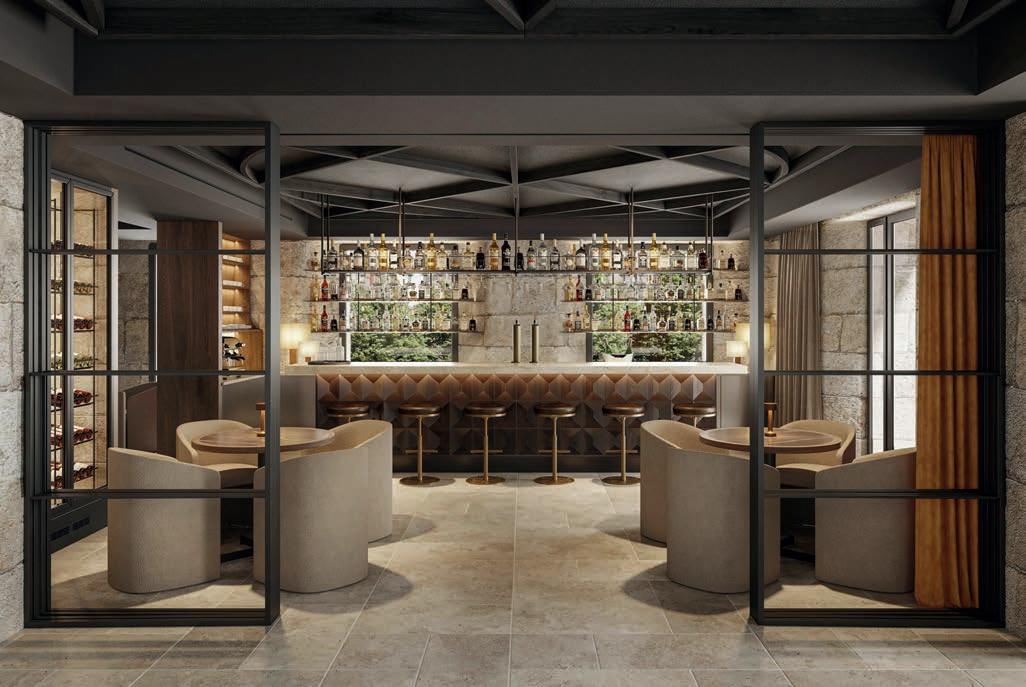
El hotel redefine la cultura vinícola de La Rioja con un wine bar que combina tradición y contemporaneidad: bodega perimetral de hierro y vidrio, barra central de madera oscura y ambiente íntimo. Cada mañana alberga un desayuno bufé presentado sobre una imponente mesa de mármol.
La gastronomía está liderada por los hermanos Ignacio y Carlos Echapresto, del reconocido restaurante Venta Moncalvillo (2 estrellas Michelin). Su propuesta no es una asesoría, sino un proyecto gastronómico propio dentro del hotel, centrado en una cocina auténtica, basada en el producto y diseñada para acompañar la experiencia vinícola.
La carta incluirá parte de la huerta de Venta Moncalvillo y una selección espectacular de vinos, con especial protagonismo para La Rioja.
Los Echapresto aspiran a convertirse en un referente del enoturismo en Haro, redondeando la experiencia del hotel con un servicio excepcional y un mensaje claro:
“A La Rioja se viene a comer, a beber y a disfrutar del arte del bien vivir.”
WINE BAR AND ENOGASTRONOMIC CONCEPT
The hotel redefines the wine culture of La Rioja with a wine bar that combines tradition and modernity: an iron and glass perimeter wine cellar, a central dark wood bar and an intimate atmosphere. Every morning, it hosts a buffet breakfast presented on an imposing marble table.
The cuisine is led by brothers Ignacio and Carlos Echapresto, from the renowned Venta Moncalvillo restaurant (2 Michelin stars). Their proposal is not a consultancy, but rather their own gastronomic project within the hotel, focused on authentic cuisine, based on the product and designed to accompany the wine experience.
The menu will include produce from the Venta Moncalvillo vegetable garden and a spectacular selection of wines, with a special focus on La Rioja.
The Echaprestos aspire to become a benchmark for wine tourism in Haro, rounding off the hotel experience with exceptional service and a clear message:
“People come to La Rioja to eat, drink and enjoy the art of good living.”
CUATRO MANERAS DE VIVIR SEVILLA
FOUR WAYS TO EXPERIENCE SEVILLE WITH PERSONAL STYLE
HONEST SEVILLA
ELEGANCIA BOUTIQUE EN EL CORAZÓN HISTÓRICO
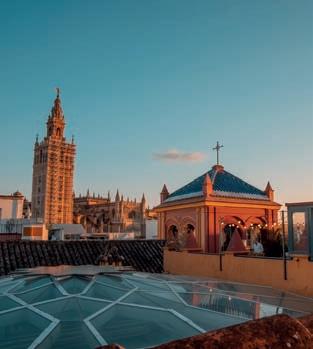
Ubicado en una casa señorial del siglo XIX completamente restaurada, The Honest es un hotel boutique que aúna lujo, confort y una ubicación privilegiada. En pleno centro histórico de Sevilla, invita a descubrir los iconos de la ciudad —la Catedral, la Giralda o el barrio de Santa Cruz— a solo unos pasos. Ideal para viajeros que buscan una experiencia auténtica, refinada y con alma andaluza.
BOUTIQUE ELEGANCE IN THE HISTOrIC HEArT
Set in a fully restored 19th-century noble house, The Honest is a boutique hotel that blends luxury, comfort, and a privileged location. Situated in Seville’s historic center, it invites guests to discover the city’s iconic landmarks —the Cathedral, the Giralda, and the Santa Cruz district— just steps away. Perfect for travelers seeking an authentic, refined experience with Andalusian soul.
CASA BAILÉN APARTMENTS
DORMIR EN LA HISTORIA VIVA DE SEVILLA
Alojarse en el Palacio Pinello es hacerlo en un monumento con más de cinco siglos de historia. Este palacio original del siglo XV fue la residencia de Francisco Pinelo, mecenas de Cristóbal Colón y figura clave en la Sevilla del Renacimiento. Hoy, declarado Bien de Interés Cultural, el edificio conserva su esplendor patrimonial con una cuidada rehabilitación que ofrece a los huéspedes una experiencia singular entre patios mudéjares, artesonados y piedra antigua.
SLEEP WITHIN SEVILLE’S LIVING LISTOrY
Staying at Palacio Pinello means staying in a monument with over five centuries of history. This original 15th-century palace was once home to Francisco Pinelo, a patron of Christopher Columbus and a key figure in Renaissance Seville. Now declared a Site of Cultural Interest, the building retains its heritage splendor thanks to a meticulous restoration, offering guests a unique stay among Mudejar courtyards, coffered ceilings, and ancient stonework.
ESENCIA ANDALUZA CON DISEÑO
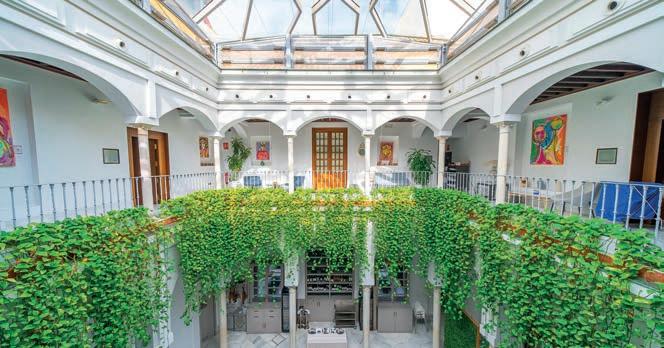
En una de las calles más emblemáticas de Sevilla, Casa Bailén Apartments ofrece nueve apartamentos con encanto que giran en torno a un mágico patio andaluz. Cada espacio ha sido diseñado con mimo para ofrecer una estancia cómoda y llena de detalles, ideal para quienes desean independencia sin renunciar al estilo. Un refugio íntimo y luminoso para saborear Sevilla como en casa.
ANDALUSIAN ESSENCE WITH DESIGN
Located on one of Seville’s most emblematic streets, Casa Bailén Apartments offers nine charming units arranged around a magical Andalusian courtyard. Each space has been thoughtfully designed to provide a comfortable, detail-rich stay —ideal for those who want independence without sacrificing style. An intimate, light-filled retreat for savoring Seville as if it were home.
PALACIO PINELLO
CASA TEVA ROOMS SEVILLA
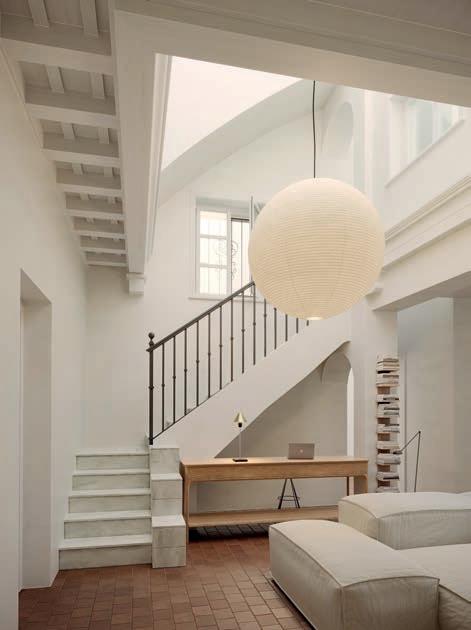
El nuevo Hotel Casa Teva Rooms Sevilla es un edificio típico de la capital andaluza, recién renovado, ubicado en el corazón de la ciudad que ofrece una experiencia única con comodidades modernas. Sus habitaciones diseñadas con máximo atención al detalle creando un ambiente acogedor y cosmopolita.
The new Hotel Casa Teva Rooms Sevilla is a typical building in the Andalusian capital, recently renovated and located in the heart of the city, offering a unique experience with modern amenities. Its rooms have been designed with the utmost attention to detail, creating a welcoming and cosmopolitan atmosphere.
En Honest Hotel Granada unimos historia, cercanía y confort. Nuestros patios andaluces, las galerías interiores y los detalles originales del edificio crean un ambiente cálido y tranquilo en medio del bullicio del centro. Aquí puedes salir a explorar la ciudad y volver después a un refugio sereno, con un trato cercano y sincero.
HONEST HOTEL GRANADA
UN HOTEL CON ALMA EN EL CENTRO HISTÓRICO
A hotel with soul in the historic center
At Honest Hotel Granada, we combine history, proximity, and comfort. Our Andalusian courtyards, interior galleries, and original architectural details create a warm and peaceful atmosphere amid the hustle and bustle of the city center. Here, you can set out to explore the city and then return to a serene retreat, where you will receive friendly and sincere service.
FINCA VICTORIA
EL NUEVO LUJO MEDITERRÁNEO EN LA COSTA BRAVA
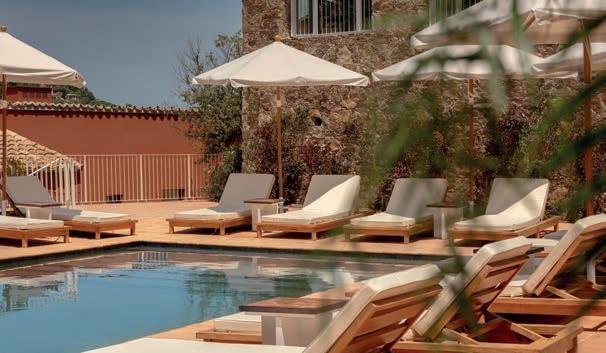
Ubicado en la emblemática cala de Sa Riera, en Begur, Finca Victoria abre sus puertas como un exclusivo refugio de cinco estrellas que redefine el lujo en la Costa Brava. Esta histórica finca familiar, restaurada con mimo y sensibilidad arquitectónica, se convierte en un oasis donde tradición y vanguardia conviven en armonía.
El hotel cuenta con 38 habitaciones de diseño único, 12 de ellas suites, equipadas con duchas exteriores, piscinas privadas, terrazas y vistas privilegiadas. La joya del alojamiento es la Suite La Torre, situada en la torre original de la casa, con vistas panorámicas de 360º.
El alma de Finca Victoria se articula en torno a espacios vibrantes y sensoriales: un SPA con circuito de aguas, gimnasio, clases de yoga en la playa, piscina exterior, y el relajante Listening Room. En el plano culinario, la experiencia gastronómica lleva la firma del chef estrella Michelin Jordi Vilà, con dos propuestas: Al Kostat del Mar, cocina catalana tradicional con toques contemporáneos; y Cala Bar, un espacio informal con cócteles y platos ligeros. A pie de playa, La Caseta del Mar, nuestra casa de la playa donde encontrar toallas, tumbonas, bebidas frías y mucho más.
Gestionado por Majestic Hotel Group y miembro de Design Hotels by Marriott, Finca Victoria está concebido como un hotel solo para adultos, pensado para quienes buscan privacidad, autenticidad y belleza natural. Este nuevo emblema de By Salomon Hospitality consolida su apuesta por el lujo sereno y mediterráneo, en un enclave que rinde homenaje a la Costa Brava de los años 70.
Located in the iconic Sa Riera cove in Begur, Finca Victoria opens its doors as an exclusive five-star retreat redefining luxury on the Costa Brava. This historic family estate, carefully restored with architectural sensitivity, becomes an oasis where tradition and innovation coexist in perfect harmony.
The hotel features 38 uniquely designed rooms —12 of them suites— equipped with outdoor showers, private pools, terraces, and privileged views. The jewel of the property is the La Torre Suite, housed in the original tower of the estate, offering 360º panoramic views.
The soul of Finca Victoria is shaped by vibrant and sensorial spaces: a spa with hydrotherapy circuit, gym, beach yoga classes, outdoor swimming pool, and a serene Listening Room. On the culinary front, the gastronomic experience bears the signature of Michelinstarred chef Jordi Vilà, with two offerings: Al Kostat del Mar, serving traditional Catalan cuisine with contemporary touches; and Cala Bar, a relaxed space offering cocktails and light bites. On the beachfront La Caseta del Mar, our beach house where you will find towels, sun loungers, cold drinks and much more.
Managed by Majestic Hotel Group and a member of Design Hotels by Marriott, Finca Victoria is conceived as an adults-only hotel, tailored for those seeking privacy, authenticity, and natural beauty. This new flagship of By Salomon Hospitality reinforces its commitment to serene, Mediterranean luxury in a setting that pays homage to the Costa Brava of the 1970s.
HOTEL VILLA SORO
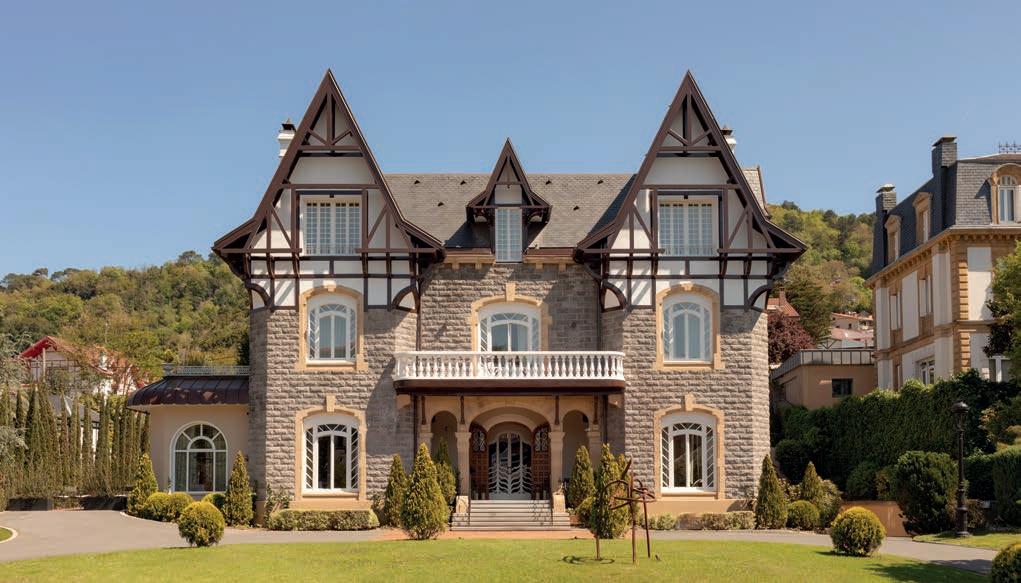
El edificio, de estilo inglés, fue construido como casa familiar en el siglo XIX y es Patrimonio Histórico de la Ciudad de San Sebastián. El hotel, por su parte, mantiene intacto el espíritu de la época, con sus amplios salones, techos altos, chimeneas, una escalinata de madera tallada, un oratorio y una vidriera en el techo que representa el linaje familiar.
Cuenta con 25 habitaciones, 15 en la villa principal y 10 construidas tras la rehabilitación y acondicionamiento de las antiguas caballerizas. Permanecen los materiales nobles de las zonas comunes, como el suelo de pinotea y mármol de la entrada, o su imponente escalera principal de madera de roble.
Como toda la villa, la decoración de las habitaciones está cuidada con mucho gusto e, independientemente del nivel de la estancia, todas siguen una misma línea estética; clásica, elegante y sobria.
Es el único hotel de San Sebastián que ofrece la sensación de estar en medio del campo, a pesar de estar ubicado en uno de los barrios más dinámicos de la ciudad, el barrio de Gros, a pocos pasos de la playa, de la zona comercial, de renombrados restaurantes y de bares de pintxos emblemáticos.
The building, designed in an English style, was originally constructed as a family home in the 19th century and is a Historic Heritage Site of the city of San Sebastián. The hotel has preserved the spirit of the era, with its spacious lounges, high ceilings, fireplaces, a carved wooden staircase, an oratory, and a stained glass ceiling depicting the family lineage.
It features 25 rooms, 15 located in the main villa and 10 in the former stables, which were rehabilitated and repurposed. The noble materials of the common areas remain intact, such as the pinewood and
marble flooring in the entrance hall and the imposing oak staircase.
Like the rest of the villa, the room décor is tastefully curated. Regardless of the room category, all adhere to the same aesthetic: classic, elegant, and understated.
Villa Soro is the only hotel in San Sebastián that offers the feeling of being in the countryside while being located in one of the city’s most vibrant neighborhoods, Gros. It is just steps away from the beach, shopping areas, renowned restaurants, and iconic pintxo bars.
CATALUÑA
CATALUÑA EN BOCA DE DULCE UN VIAJE EXQUISITO POR LA REPOSTERÍA TRADICIONAL CATALANA
CATALONIA IN YOUR MOUTH AN EXQUISITE JOURNEY THROUGH TRADITIONAL CATALAN PASTRIES
La repostería catalana es un universo donde convergen historia, territorio y sensibilidad gastronómica. A lo largo de los siglos, esta tierra ha modelado un patrimonio dulce que combina la austeridad monástica medieval con el refinamiento burgués, la creatividad de sus maestros pasteleros y la autenticidad de las tradiciones campesinas. Cataluña ha sabido conservar recetas centenarias al mismo tiempo que impulsa la innovación, dando lugar a un repertorio repostero que sorprende por su diversidad y profundidad.
En sus dulces se perciben los aromas del Mediterráneo, la fuerza de las almendras y avellanas locales, la delicadeza de las frutas confitadas, la sutileza de los lácteos de montaña y la maestría de obradores que han elevado técnicas simples a verdaderas artes. Desde monasterios como Pedralbes o Poblet hasta obradores familiares del Empordà, del Penedès o del Pirineo, cada rincón del territorio ha aportado una pieza única al mosaico repostero catalán.
Se trata de una repostería que no busca el exceso, sino el equilibrio: dulces donde la textura y el aroma dialogan con naturalidad, donde la tradición se respeta con rigor, y donde el producto local—ya sea un piñón mediterráneo, una miel de romero o una avellana del Camp de Tarragona—se convierte en protagonista absoluto.
Catalan pastries are a universe where history, territory and gastronomic sensibility converge. Over the centuries, this land has shaped a sweet heritage that combines medieval monastic austerity with bourgeois refinement, the creativity of its master pastry chefs and the authenticity of peasant traditions. Catalonia has managed to preserve centuries-old recipes while promoting innovation, giving rise to a repertoire of pastries that surprises with its diversity and depth.
Its sweets evoke the aromas of the Mediterranean, the strength of local almonds and hazelnuts, the delicacy of candied fruits, the subtlety of mountain dairy products and the mastery of bakers who have elevated simple techniques to true art forms. From monasteries such as Pedralbes and Poblet to family bakeries in Empordà, Penedès and the Pyrenees, every corner of the region has contributed a unique piece to the Catalan pastry mosaic.
This is a pastry that does not seek excess, but balance: sweets where texture and aroma interact naturally, where tradition is rigorously respected, and where local products—whether Mediterranean pine nuts, rosemary honey or hazelnuts from Camp de Tarragona—take centre stage.
BARCELONA
Barcelona y su área metropolitana han sido cuna de algunos de los postres más emblemáticos de Cataluña, muchos de ellos ligados a conventos y recetarios medievales que aún hoy inspiran a chefs contemporáneos.
Barcelona and its metropolitan area have been the birthplace of some of Catalonia’s most iconic desserts, many of them linked to convents and medieval recipe books that still inspire contemporary chefs today.
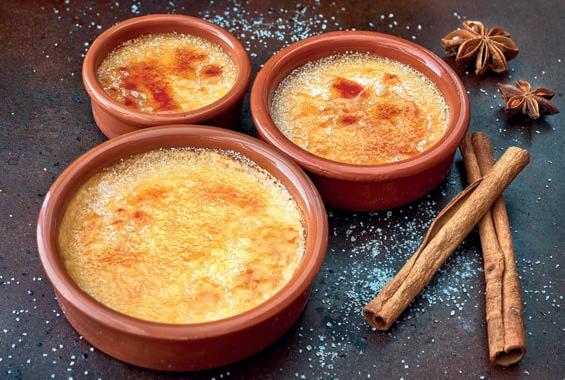
CREMA CATALANA
Icono universal. Nacida en ámbitos conventuales, combina leche infusionada con canela y limón y una capa crujiente de azúcar caramelizado.
MATÓ DE PEDRALBES
Postre histórico, suave y delicado, creado por la comunidad monástica del Real Monasterio de Pedralbes. Una rareza gastronómica casi desconocida fuera de Cataluña.
MEL I MATÓ
Símbolo de sencillez exquisita: queso fresco mató acompañado de miel, generalmente de romero, cítricos o alta montaña.
NEULAS
Finas barquillas navideñas, perfectas para acompañar cava. Su elaboración exige técnica y precisión.
COCA DE SANT JOAN
Dulce festivo por excelencia: masa tierna con frutas confitadas, piñones y un perfume característico a anisados.
PA DE PESSIC
Bizcocho extremadamente esponjoso, sencillo en ingredientes y complejo en ejecución.
BRAÇ DE GITANO
Bizcocho enrollado, relleno de crema, nata o trufa. Su perfección reside en la elasticidad de la masa y la suavidad del relleno.
SELECCIÓN MAJESTIC DE MARIDAJE
MAJESTIC PAIRING SELECTION
Crema catalana. Cava brut nature o vino dulce de Moscatel. Brut nature cava or sweet Muscat wine.
Mel i mató. Mieles monovarietales y vino blanco joven del Penedès. Single-variety honeys and young white wine from Penedès.
Neulas. Cava reserva o vermut blanco suave. Reserve cava or mild white vermouth.
Coca de Sant Joan. Cava semiseco o vinos dulces ligeros. Semi-dry cava or light sweet wines.
CREMA CATALANA
A universal icon. Born in convents, it combines milk infused with cinnamon and lemon and a crunchy layer of caramelised sugar.
MATÓ DE PEDRALBES
A historic, smooth and delicate dessert created by the monastic community of the Royal Monastery of Pedralbes. A gastronomic rarity that is almost unknown outside Catalonia.
MEL I MATÓ
A symbol of exquisite simplicity: fresh mató cheese accompanied by honey, usually rosemary, citrus or high mountain honey.
NEULAS
Thin Christmas wafers, perfect for accompanying cava. Their preparation requires technique and precision.
COCA DE SANT JOAN
The festive sweet par excellence: soft dough with candied fruit, pine nuts and a characteristic aniseed aroma.
PA DE PESSIC
An extremely spongy cake, simple in ingredients but complex in execution.
BRAÇ DE GITANO
Rolled sponge cake filled with cream, whipped cream or truffle. Its perfection lies in the elasticity of the dough and the smoothness of the filling.
GIRONA
La provincia de Girona combina tradición medieval, herencia francesa y una creatividad que ha convertido a la región en referente internacional de alta pastelería.
The province of Girona combines medieval tradition, French heritage and a creativity that has made the region an international benchmark for fine pastries.
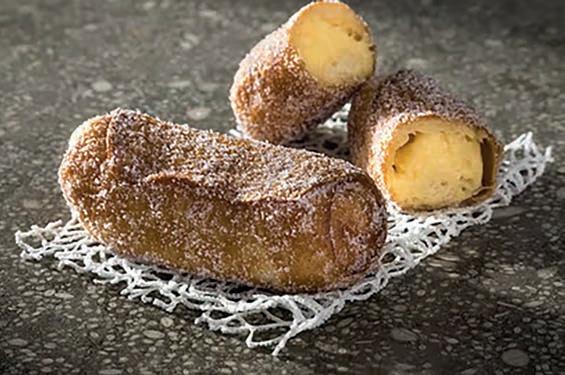
XUIXOS DE GIRONA
Obra maestra hojaldrada, frita y rellena de crema. Textura aireada y corazón generoso: un imprescindible reconocido como patrimonio gastronómico.
BUNYOLS DE L’EMPORDÀ
Ligados a la Cuaresma. Aromatizados con anís, limón y a veces naranja, su masa ligera es emblema del Empordà.
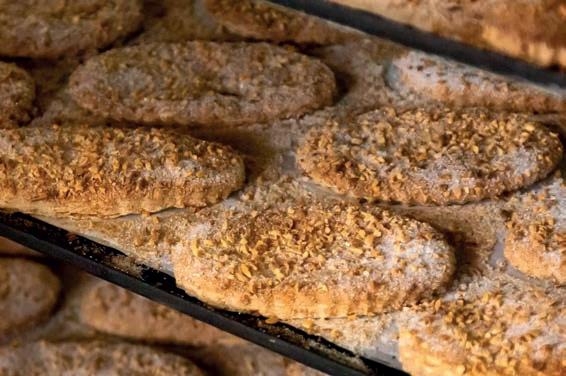
COCA DE VIDRE
Finísima, crujiente como un cristal y cubierta de azúcar caramelizado y piñones.
MELINDROS
Bizcochos suaves y alargados, complementos ideales para chocolate caliente o crema catalana.
PETS DE MONJA
Pequeñísimas galletas tradicionales, herederas de la repostería conventual.
XUIXOS DE GIRONA
A flaky, fried masterpiece filled with cream. Light and airy with a generous filling: an essential treat recognised as part of our gastronomic heritage.
BUNYOLS DE L’EMPORDÀ
Linked to Lent. Flavoured with aniseed, lemon and sometimes orange, their light dough is emblematic of the Empordà region.
COCA DE VIDRE
Very thin, crispy like glass and covered with caramelised sugar and pine nuts.
MELINDROS
Soft, elongated biscuits, ideal accompaniments to hot chocolate or crema catalana.
PETS DE MONJA
Tiny traditional biscuits, inherited from convent baking traditions.
SELECCIÓN MAJESTIC DE MARIDAJE
MAJESTIC PAIRING SELECTION
Xuixos. Ratafía catalana o licor de hierbas suave. Catalan ratafía or mild herbal liqueur.e.
Bunyols. Garnacha dulce o vino rancio tradicional. Sweet Grenache or traditional rancio wine.
Coca de vidre. Cava rosado. Rosé cava.
Melindros. Chocolate caliente espeso o vinos dulces blancos. Thick hot chocolate or sweet white wines.
TARRAGONA
Tarragona es un territorio donde almendras, avellanas, aceite de oliva y cítricos determinan el carácter dulce de la región. Sus productos gozan de prestigio y denominaciones de origen.
Tarragona is a region where almonds, hazelnuts, olive oil and citrus fruits determine the sweet character of the region. Its products enjoy prestige and designations of origin.
TURRÓN DE AGRAMUNT
Elaborado con avellana o almendra y oblea. Considerado uno de los turrones más antiguos de Europa.
CATANIAS
Bombones artesanos de Vilafranca del Penedès: almendra marcona caramelizada recubierta de praliné y cacao.
CARQUINYOLIS
Biscotes crujientes de almendra, ideales para acompañar vinos dulces o cavas.
COCA DE LLARDONS
Hojaldre ligero con chicharrones y azúcar. Dulce festivo, de sabor intenso y textura sorprendente.
GARROFETES DEL PAPA
Pequeños dulces de almendra y cacao originarios de Reus, con sabor tostado profundo.
TURRÓN DE AGRAMUNT
Made with hazelnuts or almonds and wafer. Considered one of the oldest types of turrón in Europe.
CATANIAS
Artisanal chocolates from Vilafranca del Penedès: caramelised Marcona almonds covered in praline and cocoa.
CARQUINYOLIS
Crunchy almond biscuits, ideal for accompanying sweet wines or cavas.
COCA DE LLARDONS
Light puff pastry with pork crackling and sugar. A festive sweet with an intense flavour and surprising texture.
GARROFETES DEL PAPA
Small almond and cocoa sweets from Reus, with a deep toasted flavour.
SELECCIÓN MAJESTIC DE MARIDAJE
MAJESTIC PAIRING SELECTION
Turrón de Agramunt. Vinos rancios o cava gran reserva. Aged wines or gran reserva cava.
Catanias. Vino dolç natural o vinos generosos catalanes. Natural sweet wine or Catalan fortified wines.
Carquinyolis. Mistela o moscatel. Mistela or muscatel.
Coca de llardons. Vermut negro o sidra artesanal. Black vermouth or artisan cider.
LLEIDA
Lleida conserva dulces que reflejan autenticidad y raíces rurales. Aquí dominan los postres ligados a festividades populares y a ingredientes de proximidad.
Lleida preserves sweets that reflect authenticity and rural roots. Here, desserts linked to popular festivities and local ingredients dominate.
PANELLETS
Aunque extendidos por toda Cataluña, Lleida mantiene obradores tradicionales que preservan la receta clásica de mazapán y piñones mediterráneos.
ORELLETES
Dulce crujiente y delicado aromatizado con anís. Presente en fiestas mayores y celebraciones familiares.
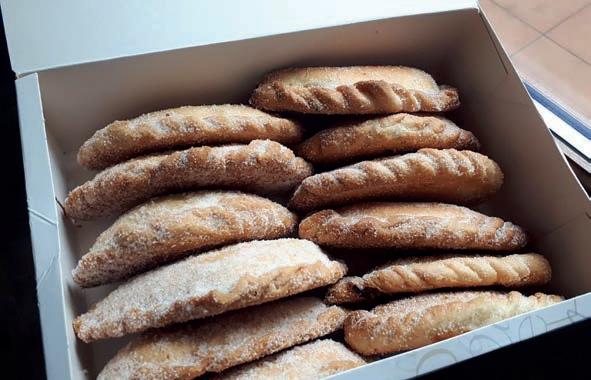
CRESTES DULCES DEL PIRINEO
Empanadillas rellenas de mermelada de frutas o membrillo, típicas de zonas montañosas.
FLAONS LOCALES (INFLUENCIA PIRENAICA)
Variantes de Empordà y zonas limítrofes: rellenos de requesón y ligeramente anizados.
ENSAIMADA CATALANA
Adaptación local con rellenos diversos: cabello de ángel, crema o praliné.
PANELLETS
Although widespread throughout Catalonia, Lleida maintains traditional bakeries that preserve the classic recipe of marzipan and Mediterranean pine nuts.
ORELLETES
A delicate, crunchy sweet flavoured with aniseed. Present at local festivals and family celebrations.
SWEET CRESTS OF THE PYRENEES
Pastries filled with fruit jam or quince, typical of mountainous areas.
LOCAL FLAONS (PYRENEAN INFLUENCE)
Variants from Empordà and neighbouring areas: filled with cottage cheese and lightly flavoured with aniseed.
CATALAN ENSAIMADA
Local adaptation with various fillings: angel hair, cream or praline.
SELECCIÓN MAJESTIC DE MARIDAJE
MAJESTIC PAIRING SELECTION
Panellets. Moscatel, garnacha dulce o cava de paraje. Muscat, sweet Grenache or local cava.
Orelletes. Licor de anís o vinos dulces ligeros.
Anise liqueur or light sweet wines.
Crestes del Pirineo. Sidra de montaña o vinos jóvenes afrutados. Mountain cider or young fruity wines.
Ensaimada catalana. Cavas suaves o vinos espumosos rosados. Mild cavas or sparkling rosé wines.
FLASH TRIP
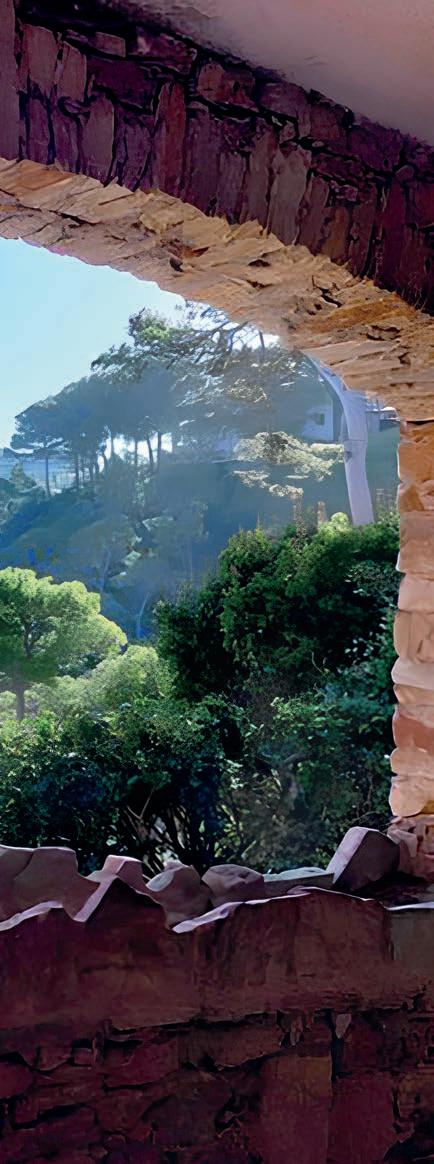
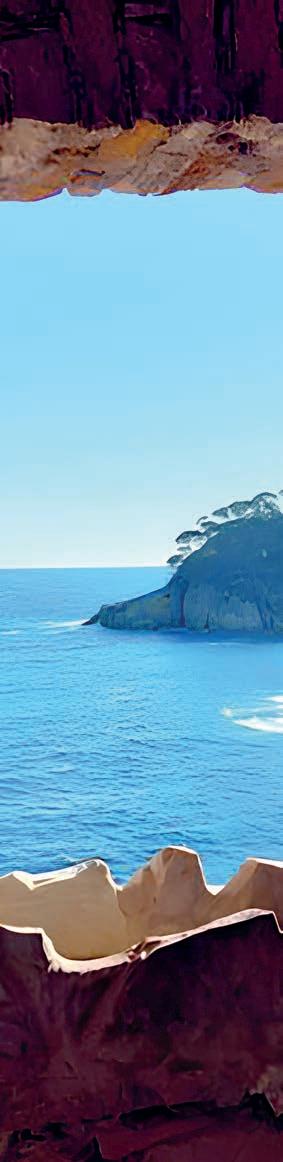
48 HORAS EN BEGUR
48 HOURS IN BEGUR
DÍA 1 · LLEGADA A BEGUR
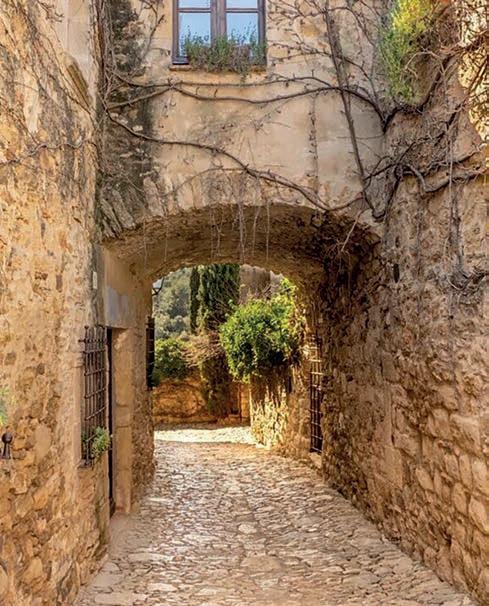
◆ Paseo por el casco antiguo. Calles empedradas, fachadas indianas y pequeños patios que recuerdan la época de los “americanos”, aquellos vecinos que emigraron a Cuba y regresaron con fortuna, dejando como legado estas mansiones señoriales. Boutiques locales y rincones fotogénicos marcan un inicio pausado de la escapada.
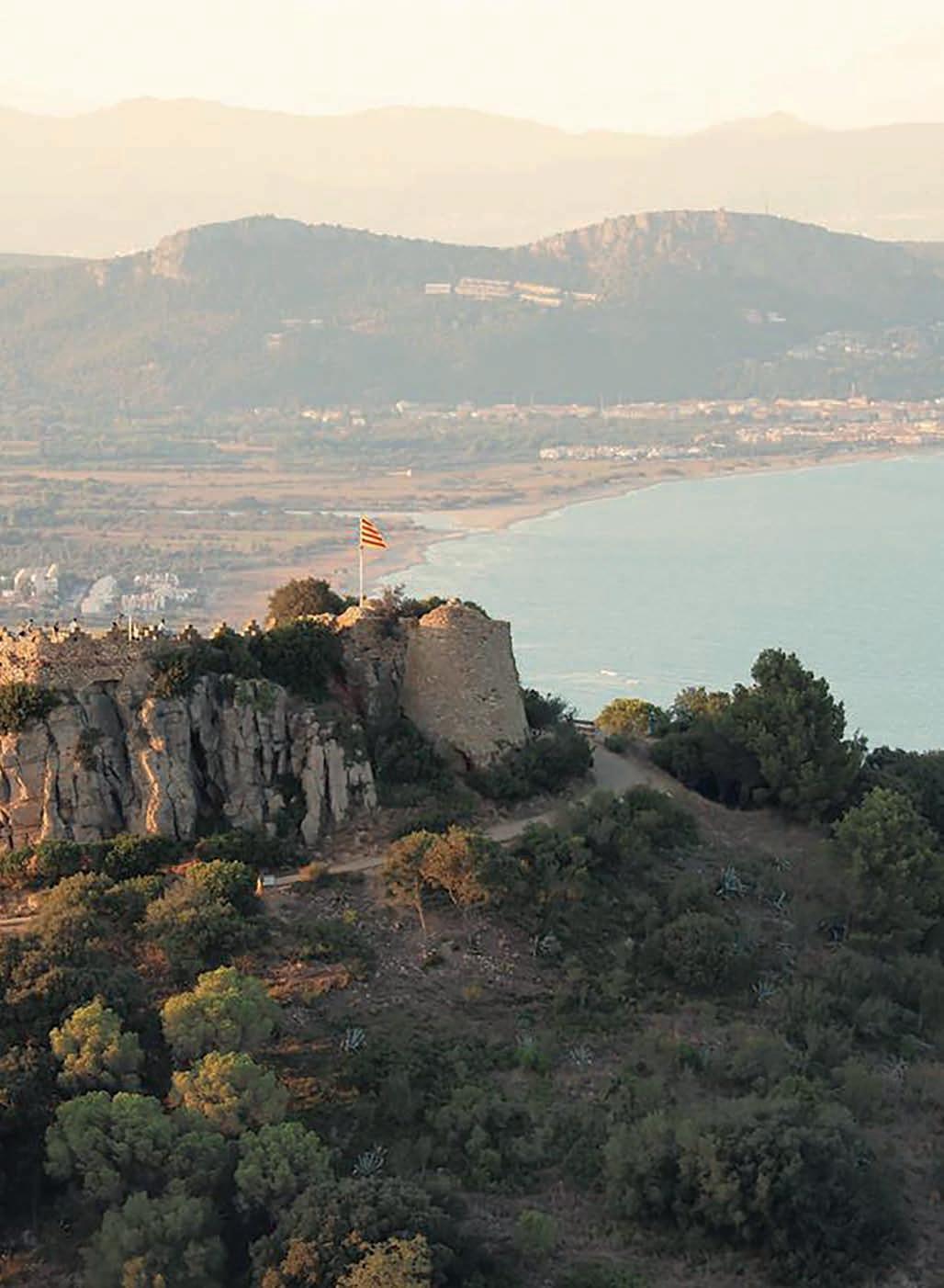
◆ Castillo de Begur. Subida corta y accesible para disfrutar de una de las mejores vistas de la zona, especialmente espectaculares en invierno, cuando la luz es más fría y el horizonte aparece nítido.
◆ Mirador del Carmen. Un punto elevado y poco conocido desde el que se contempla el casco antiguo y el mar con una de las mejores luces del día. Perfecto para una parada tranquila antes del atardecer.
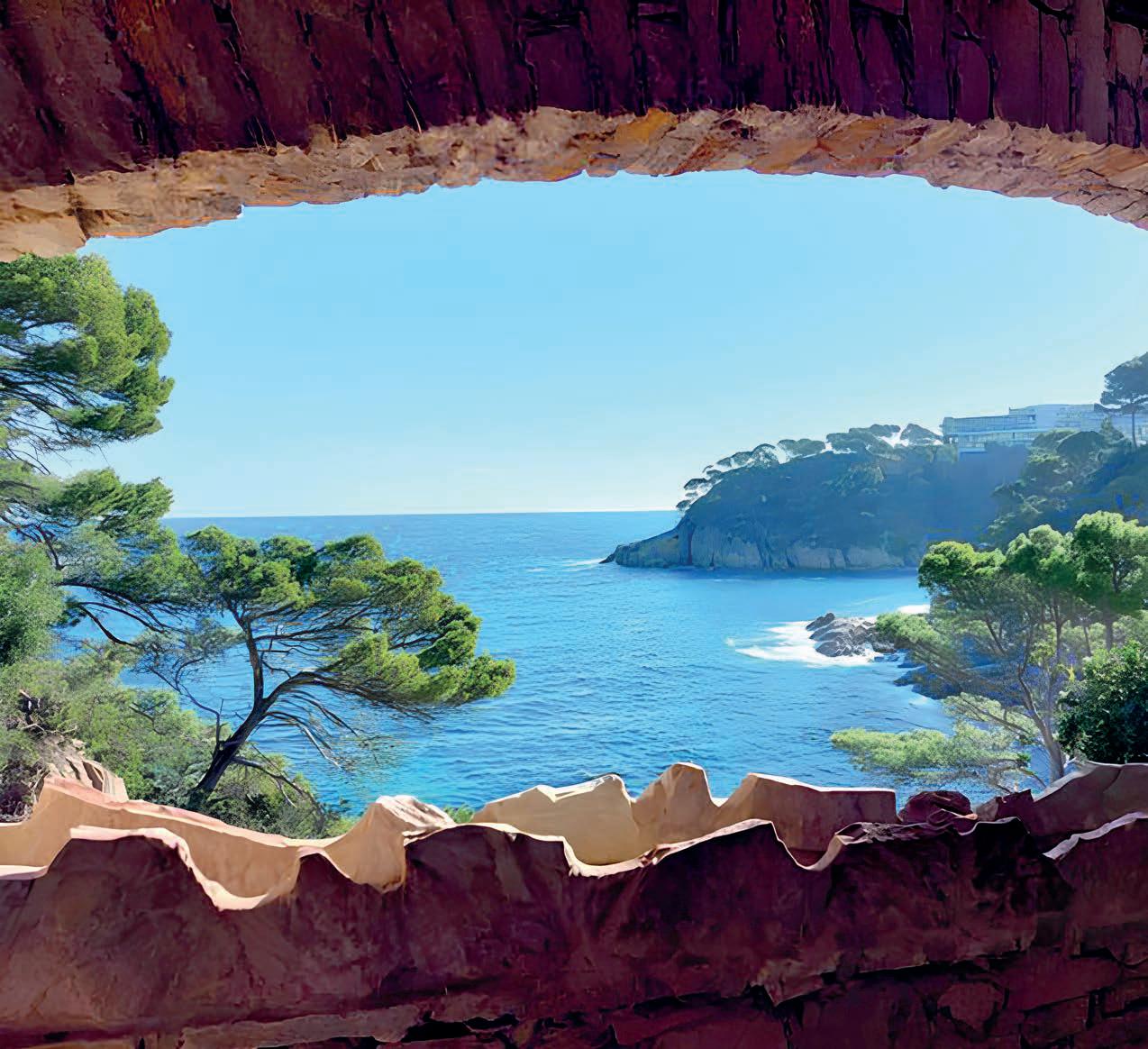
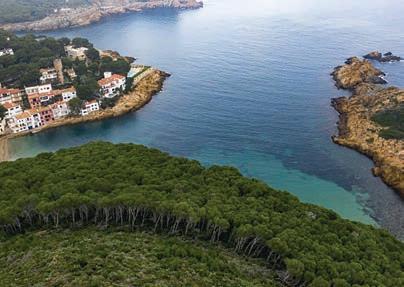
◆ Caminata suave al atardecer. Recorrido hacia el mirador de Sa Riera o Sa Tuna, donde el mar invernal ofrece un paisaje sereno, casi privado.
◆ Cena acogedora. Restaurantes con producto local y platos de cuchara ideales para la temporada. Perfecto para disfrutar del ambiente tranquilo del pueblo en los meses fríos.
DAY 1 · ARRIVAL IN BEGUR
◆ Stroll through the old town. Cobbled streets, Indianstyle façades and small courtyards reminiscent of the era of the “Americans”, those residents who emigrated to Cuba and returned with fortunes, leaving behind these stately mansions as their legacy. Local boutiques and photogenic spots mark a leisurely start to the getaway.
◆ Begur Castle. A short, accessible climb to enjoy one of the best views in the area, especially spectacular in winter, when the light is cooler and the horizon is clear.
◆ Mirador del Carmen. A little-known high point from which to contemplate the old town and the sea in one of the best lights of the day. Perfect for a quiet stop before sunset.
◆ Gentle walk at sunset. Walk to the Sa Riera or Sa Tuna viewpoint, where the winter sea offers a serene, almost private landscape.
◆ Cosy dinner. Restaurants serving local produce and hearty dishes ideal for the season. Perfect for enjoying the peaceful atmosphere of the village in the cold months.
DÍA 2. CALAS Y NATURALEZA EN INVIERNO
◆ Camí de Ronda: Sa Riera – Illa Roja – Sa Tuna. Tramo imprescindible por acantilados y pinos, que en invierno se recorre en silencio absoluto. Illa Roja, famosa por su arena dorada y la roca rojiza rica en hierro, ofrece colores especialmente intensos en esta época.
◆ Sa Tuna. Una de las calas más fotogénicas de la Costa Brava. En invierno, sin apenas visitantes, conserva una calma cinematográfica. Cerca, el pequeño puerto de Ses Vaques es un rincón marinero encantador para una parada breve.
◆ Almuerzo frente al mar. Restaurantes en Sa Riera o Sa Tuna con pescado de lonja y suquets o arroces caldosos, perfectos para un mediodía invernal.
◆ Bodega cercana del Empordà. Visita relajada para conocer vinos locales —muchos de ellos de variedades mediterráneas ligadas al clima— antes de regresar al hotel para descansar o disfrutar del spa.
DAY 2. COVES AND NATURE IN WINTER
◆ Camí de Ronda: Sa Riera – Illa Roja – Sa Tuna. An unmissable stretch of cliffside and pine forest, which in winter can be explored in absolute silence. Illa Roja, famous for its golden sand and iron-rich red rock, offers particularly intense colours at this time of year.
◆ Sa Tuna. One of the most photogenic coves on the Costa Brava. In winter, with hardly any visitors, it retains a cinematic calm. Nearby, the small port of Ses Vaques is a charming seaside spot for a short stop.
◆ Lunch by the sea. Restaurants in Sa Riera or Sa Tuna serve fish from the market and suquets (fish stews) or rice dishes, perfect for a winter lunch.
◆ Nearby Empordà winery. A relaxed visit to discover local wines—many of them Mediterranean varieties suited to the climate—before returning to the hotel to rest or enjoy the spa.
DÍA 3. CALAS Y NATURALEZA EN INVIERNO
◆ Pals. Su casco medieval, conocido como El Pedró, es uno de los mejor conservados de la zona. Torres románicas, murallas y vistas sobre los arrozales donde se cultiva el famoso arroz de Pals, un producto distintivo de la región.
◆ Peratallada. El pueblo está literalmente tallado en piedra —de ahí su nombre— y conserva uno de los fosos mejor preservados del territorio. Boutiques, artesanía y rincones románticos completan un paseo lleno de encanto.
◆ Palafrugell. Alternativa cultural con mercado, cafés y la Fundación Josep Pla, que ofrece rutas literarias para descubrir el pueblo desde la mirada del escritor.
◆ Compras con carácter local. La zona ofrece tiendas de artesanía, cerámica tradicional del Empordà, productos gourmet —como la flor de sal, aceites locales o embutidos artesanos— y pequeños ateliers donde encontrar piezas únicas en cuero, lino o fibras naturales. Perfecto para llevarse un recuerdo auténtico de la escapada.
DAY 3. VILLAGES WITH THE SOUL OF THE EMPORDÀ
◆ Pals. Its medieval quarter, known as El Pedró, is one of the best preserved in the area. Romanesque towers, walls and views over the rice fields where the famous Pals rice, a distinctive product of the region, is grown.
◆ Peratallada. The village is literally carved out of stone—hence its name—and has one of the best-preserved moats in the area. Boutiques, crafts and romantic spots complete a charming stroll.
◆ Palafrugell. A cultural alternative with a market, cafés and the Josep Pla Foundation, which offers literary tours to discover the village through the eyes of the writer.
◆ Shopping with local character. The area offers craft shops, traditional Empordà ceramics, gourmet products — such as fleur de sel, local oils and artisan sausages — and small workshops where you can find unique pieces in leather, linen or natural fibres. Perfect for taking home an authentic souvenir of your getaway.
MÁS ALLÁ DE LOS MAPAS
BEYOND MAPS
CONECTAR CON EL MUNDO VIAJANDO SOLO: DOLOMITAS, ITALIA
Connecting with the world through solo travel: Dolomites, Italy
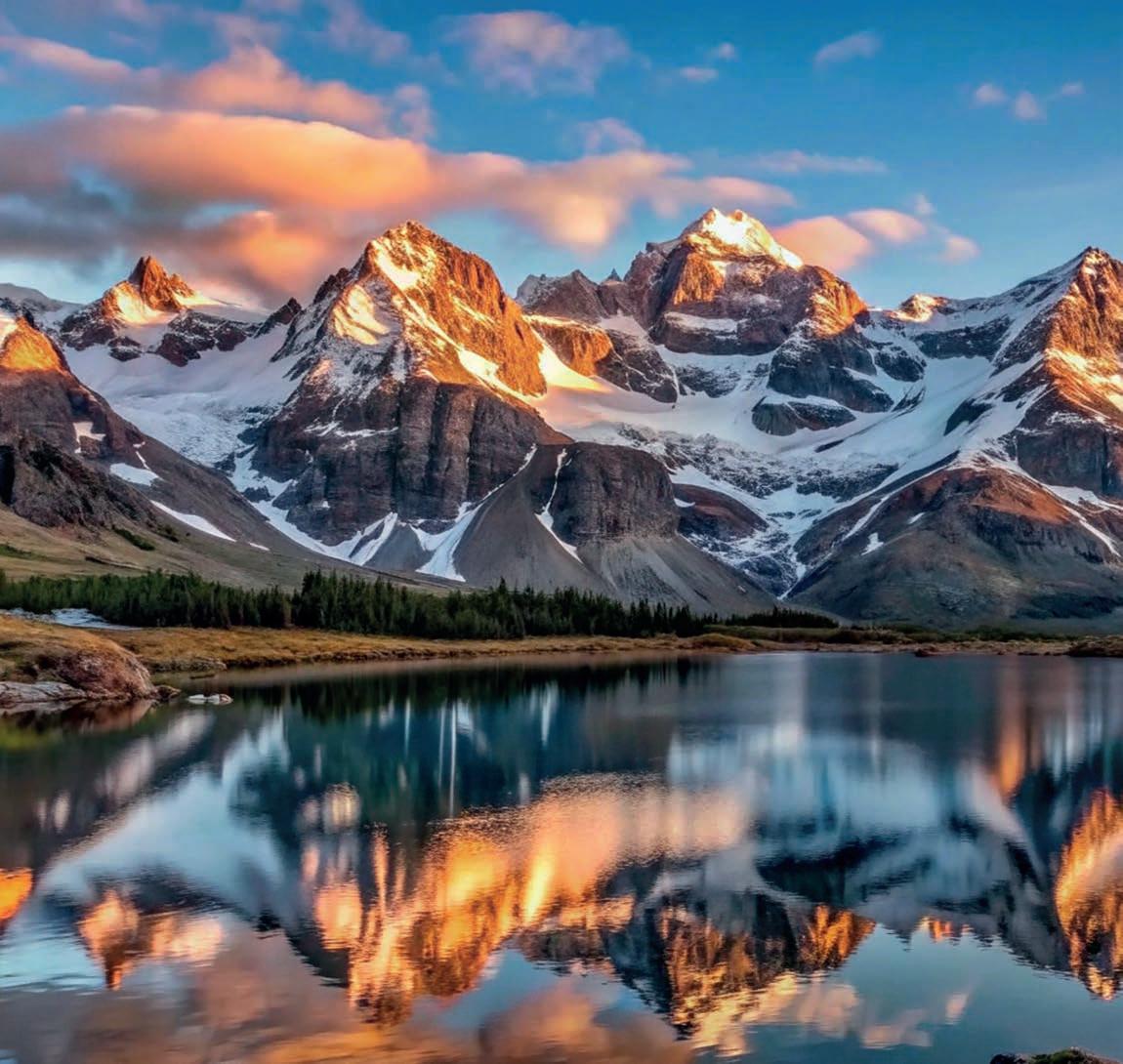
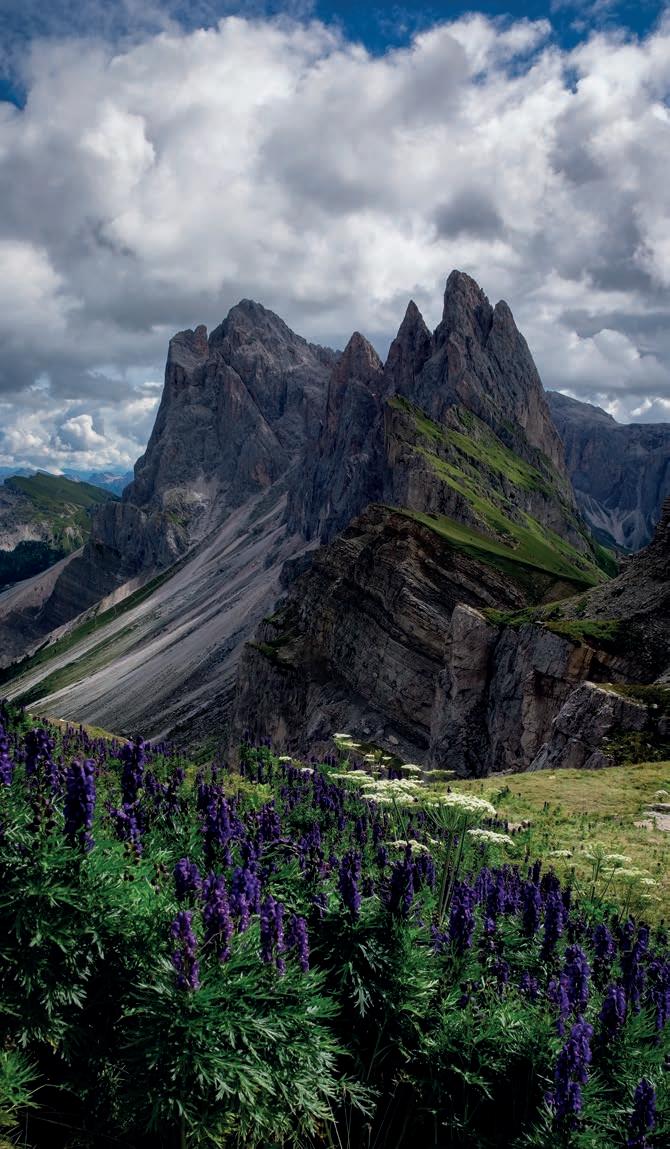
Entre los Alpes orientales, allí donde la roca se vuelve luz y las montañas parecen surgir de un sueño mineral, se alzan los Dolomitas: un conjunto de cumbres aguzadas y valles verdes que, más que un destino, constituyen un modo de entender el mundo. Este enclave declarado Patrimonio de la Humanidad por la UNESCO no es únicamente un paraíso para senderistas; es un lugar donde el silencio adquiere textura, donde la naturaleza educa la mirada, y donde viajar en soledad se transforma en un ejercicio de reconexión profunda.
En un tiempo en el que la velocidad rige la vida contemporánea, los Dolomitas ofrecen un contrapunto esencial: un territorio que exige pausa, contemplación y presencia. Aquí, viajar solo no implica aislamiento; implica atención. Implica descubrir que, lejos del ruido, uno se escucha mejor.
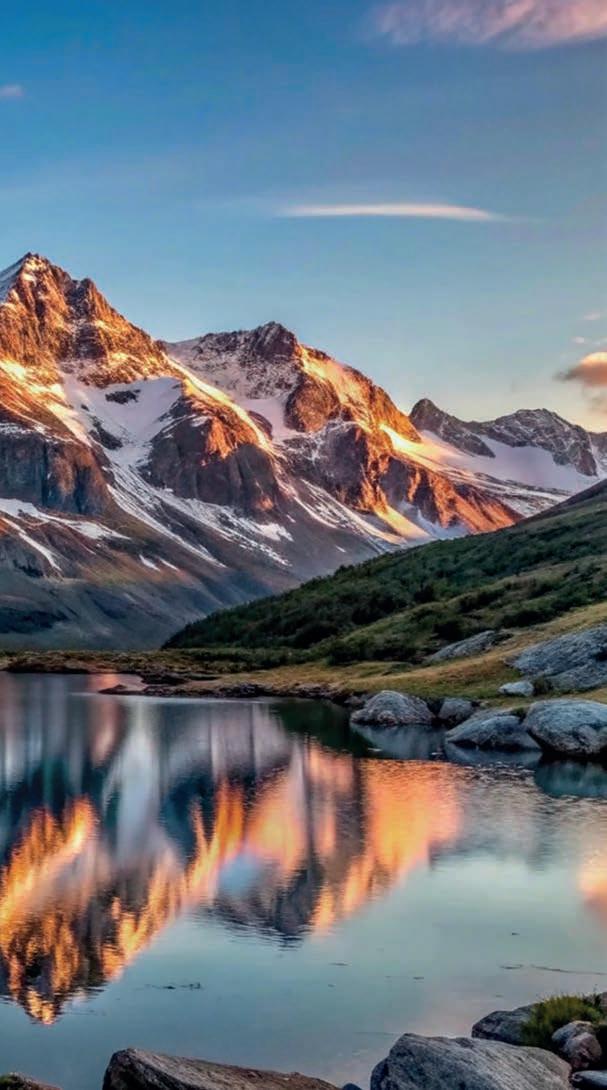
Pocos territorios en Europa poseen un relieve tan dramático y a la vez tan armónico como los Dolomitas. Sus formaciones calcáreas —producto de antiguos arrecifes marinos— erigen torres y agujas que desafían la gravedad. Los tonos blancos, rosados y ocres de las montañas cambian según la luz del día, creando un espectáculo cromático que ha fascinado a geólogos, botánicos, fotógrafos y artistas.
In the eastern Alps, where rock becomes light and mountains seem to emerge from a mineral dream, stand the Dolomites: a collection of sharp peaks and green valleys that, more than a destination, constitute a way of understanding the world. This UNESCO World Heritage Site is not only a paradise for hikers; it is a place where silence takes on texture, where nature educates the eye, and where travelling alone becomes an exercise in deep reconnection.
At a time when speed rules contemporary life, the Dolomites offer an essential counterpoint: a territory that demands pause, contemplation and presence. Here, travelling alone does not imply isolation; it implies attention. It implies discovering that, far from the noise, one can hear oneself better.
Few territories in Europe have a relief as dramatic and yet as harmonious as the Dolomites. Their limestone formations—the product of ancient marine reefs—erect towers and spires that defy gravity. The white, pink and ochre tones of the mountains change with the light of day, creating a chromatic spectacle that has fascinated geologists, botanists, photographers and artists.
Viajar solo por los Dolomitas potencia la percepción de esta monumentalidad. De pronto, la verticalidad se convierte en metáfora: el viajero comprende que la escala humana es frágil, pero no insignificante. Aquí el paisaje no humilla, sino que invita a pensar con amplitud, a mirar más allá del horizonte.
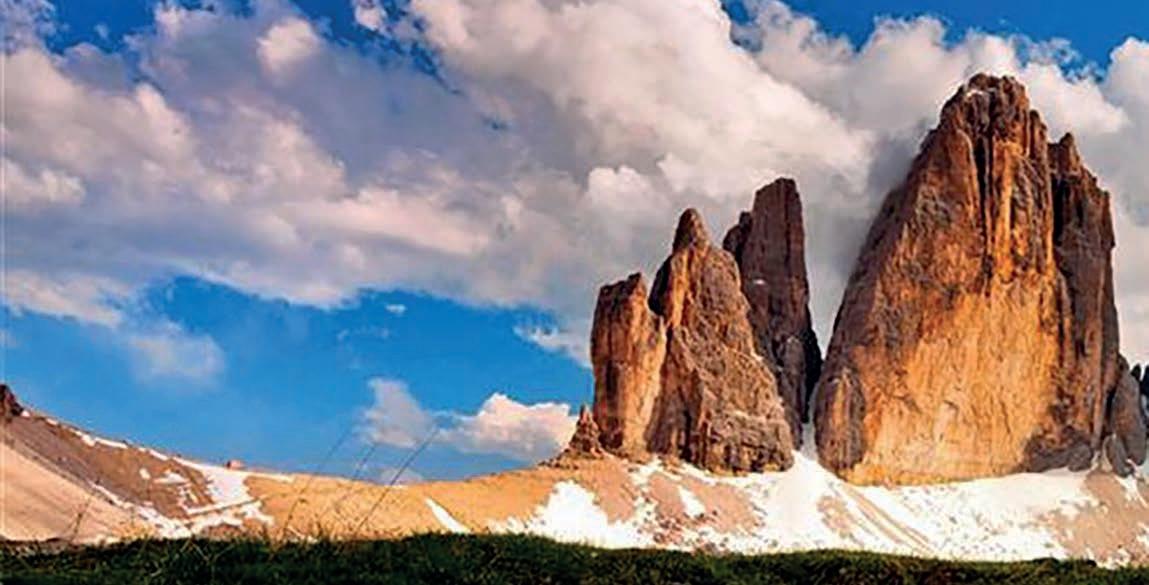
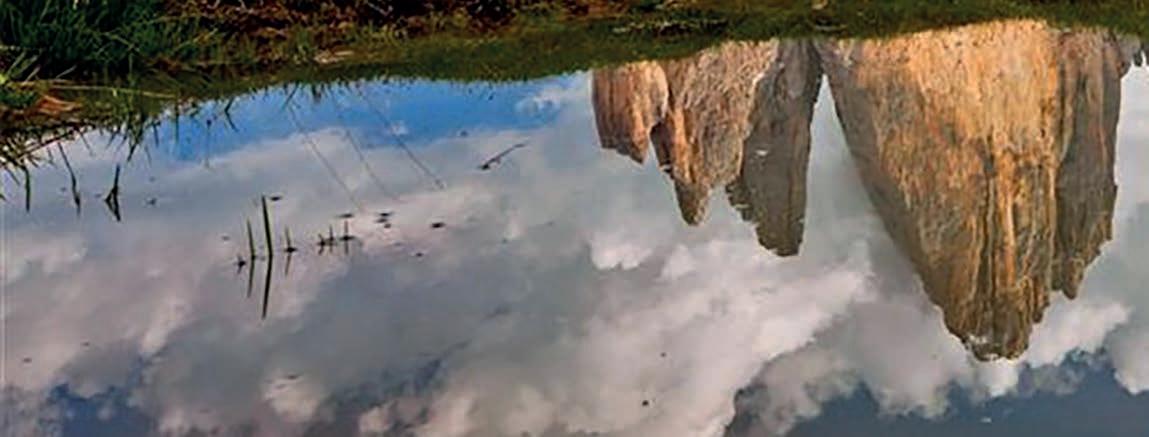
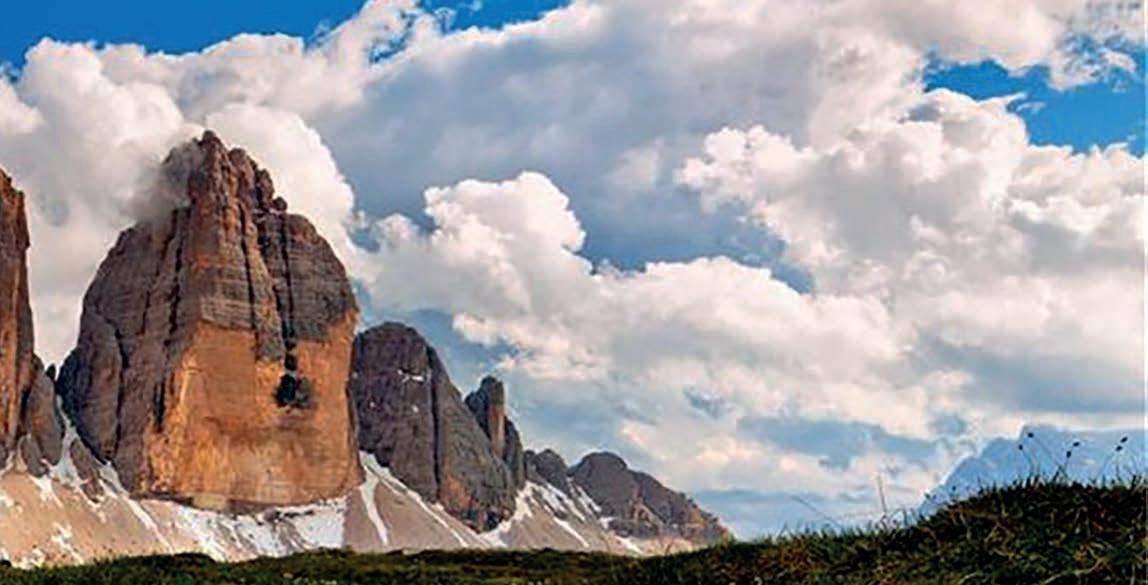
La región cuenta con tres áreas naturales principales —Dolomiti Bellunesi, Dolomiti di Brenta y Dolomiti Friulane— además de macizos legendarios como la Marmolada, el Sassolungo, el Sella o las célebres Tre Cime di Lavaredo, icono de la zona. Cada uno de estos espacios ofrece una forma única de interpretar el territorio: unos desde la robustez del granito dolomítico, otros desde la suavidad de los prados alpinos o desde la solemnidad de glaciares que se retiran lentamente.
Para el viajero en solitario, las Dolomitas se presentan como un mapa tridimensional de introspección: cada sendero propone una reflexión distinta, cada cima sugiere una perspectiva renovada.
La cultura del senderismo está tan arraigada en los Dolomitas que constituye casi una filosofía. Lejos de ser una actividad meramente deportiva, caminar aquí es un acto contemplativo. Los senderos están cuidados con precisión centroeuropea y señalizados de manera impecable, lo que permite al viajero solitario sentirse acompañado por la propia estructura del territorio.
Travelling alone through the Dolomites enhances the perception of this monumentality. Suddenly, verticality becomes a metaphor: the traveller understands that the human scale is fragile, but not insignificant. Here, the landscape does not humiliate, but invites one to think broadly, to look beyond the horizon.
The region has three main natural areas —Dolomiti Bellunesi, Dolomiti di Brenta and Dolomiti Friulane— as well as legendary massifs such as Marmolada, Sassolungo, Sella and the famous Tre Cime di Lavaredo, an icon of the area. Each of these spaces offers a unique way of interpreting the territory: some from the robustness of Dolomite granite, others from the softness of alpine meadows or from the solemnity of slowly retreating glaciers.
For the solo traveller, the Dolomites present themselves as a three-dimensional map of introspection: each trail offers a different reflection, each peak suggests a renewed perspective.
The culture of hiking is so deeply rooted in the Dolomites that it is almost a philosophy. Far from being merely a sporting activity, walking here is a contemplative act. The trails are maintained with Central European precision and impeccably signposted, allowing the solo traveller to feel accompanied by the very structure of the territory.
LA RED DE RUTAS ES AMPLIA Y DIVERSA:
◆ Vías ferratas históricas, utilizadas durante la Primera Guerra Mundial, que permiten ascensos seguros para quienes buscan una conexión física más intensa con la montaña.
◆ Senderos panorámicos como el que rodea las Tre Cime, aptos para aventureros que desean disfrutar de vistas majestuosas sin exigencias técnicas extremas.
◆ Caminos boscosos en el Alpe di Siusi, donde la presencia de abetos, alerces y praderas abiertas invita a un ritmo más pausado y meditativo.
◆ Travesías de varios días, como la Alta Via 1 o 2, que ofrecen una experiencia completa y transformadora.
Viajar solo convierte estos caminos en plataformas para la observación interior. Es común que el viajero descubra, después de horas de silencio, que la montaña opera como catalizador emocional: clarifica ideas, relativiza problemas y devuelve una percepción más nítida del propio propósito.
El concepto alemán del Waldeinsamkeit, esa sensación de tranquilidad profunda sentida al estar solo en el bosque, encuentra en los
Dolomitas su mejor expresión. Aquí uno no se siente vulnerable, sino acogido.
Una de las claves que hacen de los Dolomitas un destino ideal para viajar solo es la cultura del rifugio, los refugios alpinos repartidos estratégicamente por toda la región. Estas estructuras, muchas de ellas de gestión familiar, funcionan como nodos de encuentro entre viajeros, montañeros y lugareños.
Su propuesta combina gastronomía simple, pero deliciosa — mantequillas, quesos, polenta, strudel—, hospitalidad sin pretensiones y un sentido de comunidad que trasciende idiomas.
Dormir en un refugio es participar en una tradición centenaria: compartir mesa, intercambiar historias, observar cómo el atardecer tiñe las cumbres de un rosado casi irreal. Para quien viaja solo, los refugios ofrecen compañía sin invadir la intimidad, y la posibilidad de integrarse en un ritmo de vida ajeno al estrés urbano.
Los alojamientos de alta gama en zonas como Cortina d’Ampezzo, Val Gardena o Alta Badia ofrecen una experiencia complementaria para el viajero selecto: spas panorámicos, gastronomía ladina reinterpretada y arquitectura alpina contemporánea que dialoga con la tradición.
THE NETWORK OF ROUTES IS EXTENSIVE AND DIVERSE:
◆ Historic via ferrata routes, used during the First World War, allow safe ascents for those seeking a more intense physical connection with the mountain.
◆ Panoramic trails such as the one around the Tre Cime, suitable for adventurers who want to enjoy majestic views without extreme technical demands.
◆ Wooded paths in the Alpe di Siusi, where the presence of fir trees, larch trees and open meadows invites a more leisurely and meditative pace.
◆ Multi-day treks, such as Alta Via 1 or 2, offer a complete and transformative experience.
Travelling alone turns these paths into platforms for inner observation. It is common for travellers to discover, after hours of silence, that the mountains act as an emotional catalyst: they clarify ideas, put problems into perspective and restore a clearer perception of one’s own purpose.
The German concept of Waldeinsamkeit, that feeling of deep tranquillity felt when alone in the forest, finds its best
expression in the Dolomites. Here one does not feel vulnerable, but welcomed.
One of the keys to making the Dolomites an ideal destination for solo travel is the culture of the rifugio, the alpine refuges strategically scattered throughout the region. These structures, many of them family-run, serve as meeting points for travellers, mountaineers and locals.
They offer simple but delicious cuisine — butter, cheese, polenta, strudel — unpretentious hospitality and a sense of community that transcends language barriers.
Sleeping in a refuge means participating in a centuries-old tradition: sharing a table, exchanging stories, watching the sunset paint the peaks an almost unreal pink. For solo travellers, refuges offer company without invading privacy, and the chance to immerse yourself in a pace of life far removed from urban stress.
High-end accommodation in areas such as Cortina d’Ampezzo, Val Gardena and Alta Badia offer a complementary experience for the discerning traveller: panoramic spas, reinterpreted Ladin cuisine and contemporary Alpine architecture that dialogues with tradition.
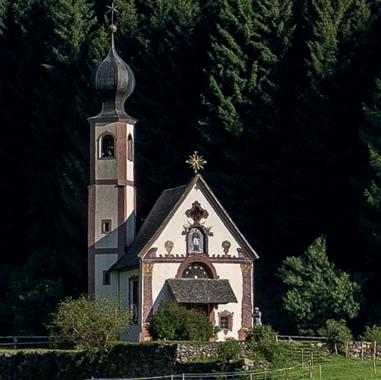
Uno de los aspectos más fascinantes de los Dolomitas es la presencia de la cultura ladina, una minoría lingüística y cultural que ha preservado costumbres, arquitectura, gastronomía y folklore desde tiempos medievales. Su idioma, derivado del latín y emparentado con el romanche suizo, se sigue hablando en valles como Val Badia, Val Gardena o Val di Fassa. Para el viajero en solitario, la cultura ladina ofrece un puente hacia una Europa íntima y poco explorada. Sus iglesias de madera, su gastronomía basada en productos de montaña, sus leyendas y su música tradicional convierten el viaje en una experiencia profundamente humana. Los ladinos entienden la montaña como una aliada, no como un obstáculo. Su relación con el entorno es sobria, respetuosa y cargada de memoria. En un mundo globalizado, esta identidad resistente invita al viajero a reflexionar sobre la importancia de conservar las raíces, incluso cuando el horizonte nos llama a explorar otros lugares.
One of the most fascinating aspects of the Dolomites is the presence of Ladin culture, a linguistic and cultural minority that has preserved customs, architecture, cuisine and folklore since medieval times. Their language, derived from Latin and related to Swiss Romansh, is still spoken in valleys such as Val Badia, Val Gardena and Val di Fassa. For the solo traveller, Ladin culture offers a bridge to an intimate and little-explored Europe. Its wooden churches, its cuisine based on mountain products, its legends and its traditional music make the trip a deeply human experience. The Ladins see the mountains as an ally, not an obstacle. Their relationship with their environment is sober, respectful and steeped in memory. In a globalised world, this resilient identity invites travellers to reflect on the importance of preserving their roots, even when the horizon calls us to explore other places.
En un destino que recibe viajeros de todo el mundo, la soledad podría parecer un bien escaso. Sin embargo, los Dolomitas esconden innumerables espacios donde el silencio es casi absoluto: praderas de altura donde solo se escucha el viento, valles laterales apenas transitados, o miradores naturales que se convierten en balcones privados hacia la inmensidad.
Viajar solo aquí es un privilegio. La desconexión digital surge con naturalidad, no como imposición. La atención plena se convierte en hábito espontáneo: el aroma de la madera vieja en los refugios, la textura del suelo alpino bajo las botas, la luz oblicua de la mañana filtrándose entre agujas montañosas…
RUTAS PARA CONECTAR:
Aunque los Dolomitas pueden recorrerse de innumerables maneras, hay tres áreas especialmente recomendadas para quienes viajan solos y buscan un equilibrio entre belleza, accesibilidad y seguridad:
1. TRE CIME DI LAVAREDO
Un conjunto de agujas monumentales que se elevan sobre un paisaje lunar. La ruta circular ofrece un sendero bien marcado con miradores naturales que parecen esculpidos para la contemplación.
2. ALPE DI SIUSI (SEISER ALM)
La meseta alpina más grande de Europa. Sus praderas abiertas y suaves ondulaciones facilitan un ritmo meditativo y permiten largas caminatas entre cabañas de madera y manadas de caballos en libertad.
3.
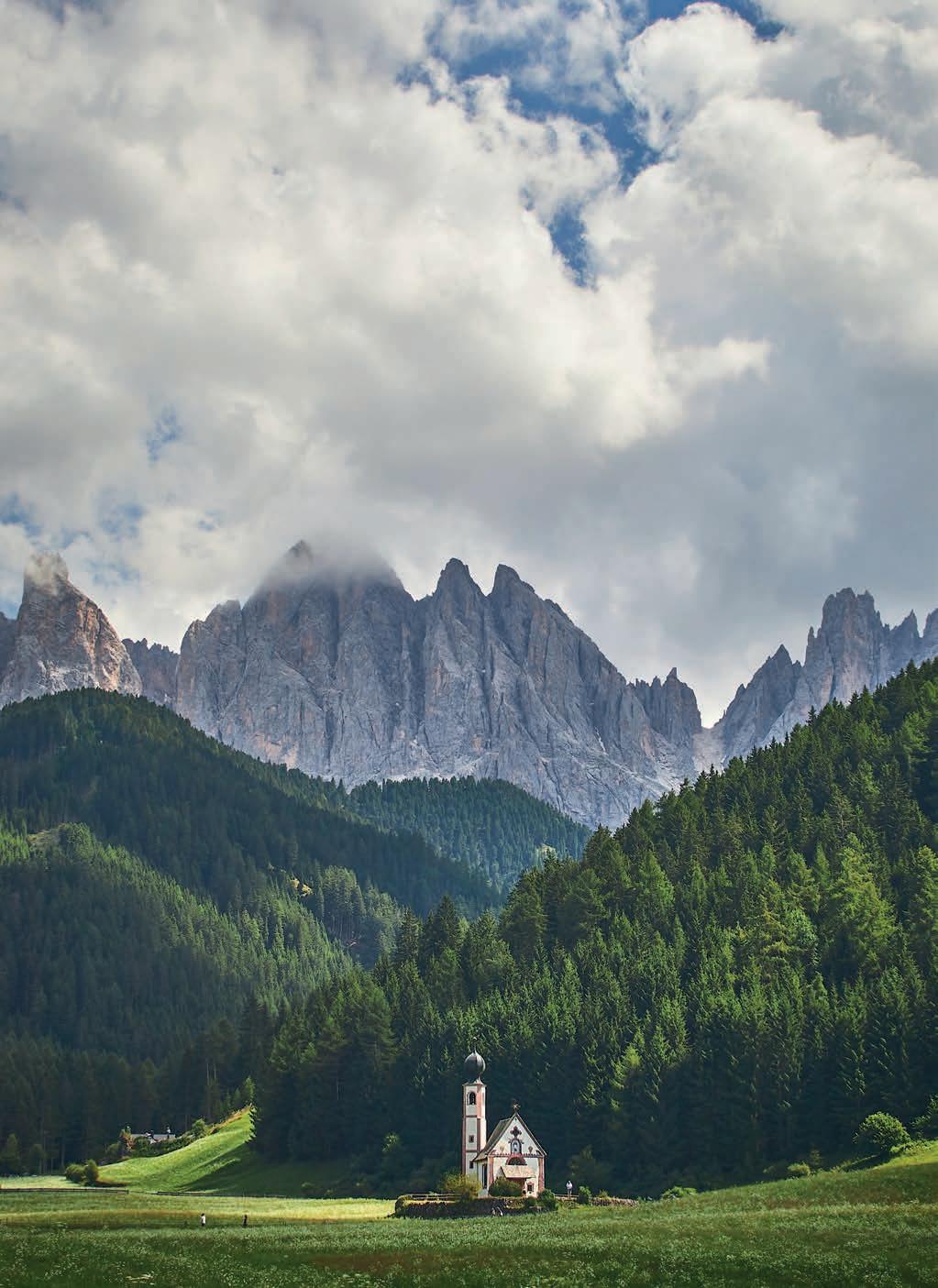
VAL DI FUNES Y SANTA MADDALENA
Probablemente uno de los valles más fotogénicos de Italia. Las agujas de Odle surgen como un telón teatral sobre un paisaje idílico. Perfecto para introspección y fotografía.
Cada una de estas zonas ofrece al viajero solitario la posibilidad de sentirse pequeño sin sentirse perdido, acompañado sin dejar de estar libre.
In a destination that welcomes travellers from all over the world, solitude might seem like a rare commodity. However, the Dolomites hide countless spaces where silence is almost absolute: high meadows where only the wind can be heard, rarely visited side valleys, or natural viewpoints that become private balconies overlooking the immensity.
Travelling alone here is a privilege. Digital disconnection comes naturally, not as an imposition. Mindfulness becomes a spontaneous habit: the scent of old wood in the refuges, the texture of the alpine soil under your boots, the slanting morning light filtering through mountain peaks...
ROUTES TO CONNECT:
Although there are countless ways to explore the Dolomites, there are three areas that are particularly recommended for solo travellers seeking a balance between beauty, accessibility and safety:
1. TRE CIME DI LAVAREDO
A group of monumental peaks rising above a lunar landscape. The circular route offers a well-marked trail with natural viewpoints that seem sculpted for contemplation.
2. ALPE DI SIUSI (SEISER ALM)
The largest alpine plateau in Europe. Its open meadows and gentle undulations facilitate a meditative pace and allow for long walks among wooden huts and herds of horses roaming free.
3. VAL DI FUNES AND SANTA MADDALENA
Probably one of the most photogenic valleys in Italy. The Odle peaks rise like a theatrical backdrop to an idyllic landscape. Perfect for introspection and photography.
Each of these areas offers the solo traveller the chance to feel small without feeling lost, accompanied without ceasing to be free.
LO IMPRESCINDIBLE EN LOS DOLOMITAS.
DETALLES QUE EL VIAJERO EN SOLITARIO DEBE CONOCER
LA MEJOR ÉPOCA PARA VIAJAR:
◆ Junio y septiembre son los meses ideales: clima estable, senderos accesibles y menor afluencia de visitantes.
◆ Julio y agosto ofrecen días largos y temperaturas suaves, pero también mayor ocupación y precios más elevados.
◆ Otoño (finales de septiembre y octubre) regala una paleta cromática espectacular —alerces dorados, cielos diáfanos— muy apreciada por fotógrafos.
◆ Invierno convierte los Dolomitas en un paraíso para el esquí y la nieve, pero exige experiencia y equipamiento adecuados para quienes se desplazan solos.
QUÉ LLEVAR:
◆ Capa térmica ligera para cambios súbitos de temperatura.
◆ Cortavientos impermeable: la altitud trae consigo lluvias breves e imprevisibles.
◆ B otas de montaña de calidad: imprescindibles incluso para rutas sencillas.
◆ Mochila compacta (20–30 L) con agua, pequeño botiquín y protector solar.
◆ Bastones de trekking para equilibrar el paso en terrenos irregulares.
◆ Cámara o smartphone de gama alta: los Dolomitas son una oda a la imagen.
◆ Dinero en efectivo: algunos refugios no aceptan pagos electrónicos.
ORIENTACIÓN Y SEGURIDAD:
◆ L a señalización en senderos es excelente, pero siempre conviene descargar mapas offline.
◆ El clima puede cambiar en minutos: si la niebla desciende, lo más seguro es esperar en un refugio o descenso inmediato.
◆ Para vías ferratas, es imprescindible llevar arnés, disipador y casco homologados.
◆ Las rutas son seguras, pero el viajero solo debe priorizar siempre la prudencia: nada sustituye la evaluación personal del terreno.
GASTRONOMÍA LADINA:
◆ Canederli, albóndigas de pan con queso o speck, perfectas después de largas caminatas.
◆ Polenta taragna, mezcla de harinas de maíz y trigo sarraceno.
◆ Strudel de manzana, postre que refleja la herencia austrohúngara.
◆ Quesos alpinos artesanos, ideales para acompañar vinos blancos minerales.
CURIOSIDADES:
◆ Las montañas adquieren un tono rosa al amanecer y atardecer: es el fenómeno enrosadira, una maravilla natural apreciada por generaciones.
◆ Muchas rutas actuales siguen trazados usados en la Primera Guerra Mundial: túneles, pasarelas y fortificaciones forman parte de la experiencia.
◆ En valles ladinos, la arquitectura mantiene tejados de madera y graneros elevados llamados tabià, vestigios vivos de una cultura resiliente.
◆ El agua que corre por ríos y fuentes proviene de glaciares milenarios: su pureza es parte del patrimonio regional.
THE ESSENTIALS IN THE DOLOMITES.
DETAILS THAT SOLO TRAVELLERS SHOULD KNOW
THE BEST TIME TO TRAVEL:
◆ June and September are the ideal months: stable weather, accessible trails and fewer visitors.
◆ July and August offer long days and mild temperatures, but also higher occupancy and higher prices.
◆ Autumn (late September and October) offers a spectacular colour palette — golden larch trees, clear skies — much appreciated by photographers.
◆ Winter turns the Dolomites into a paradise for skiing and snow, but requires experience and appropriate equipment for those travelling alone.
WHAT TO BRING:
◆ Lightweight thermal layer for sudden changes in temperature.
◆ Waterproof windbreaker: the altitude brings short, unpredictable showers.
◆ Quality hiking boots: essential even for easy routes.
◆ Compact rucksack (20–30 L) with water, small first aid kit and sunscreen.
◆ Trekking poles to help you keep your balance on uneven terrain.
◆ High-end camera or smartphone: the Dolomites are a visual feast.
◆ Cash: some mountain huts do not accept electronic payments.
ORIENTATION AND SAFETY:
◆ Trail signage is excellent, but it is always a good idea to download offline maps.
◆ The weather can change in minutes: if fog descends, it is safest to wait in a refuge or descend immediately.
◆ For via ferrata routes, it is essential to wear an approved harness, energy absorber and helmet.
◆ The routes are safe, but travellers should always prioritise caution: nothing can replace personal assessment of the terrain.
LADIN CUISINE:
◆ Canederli, bread dumplings with cheese or speck, perfect after long walks.
◆ Polenta taragna, a mixture of corn and buckwheat flour.
◆ Apple strudel, a dessert that reflects the Austro-Hungarian heritage.
◆ Artisanal Alpine cheeses, ideal for accompanying mineral white wines.
INTERESTING FACTS:
◆ The mountains take on a pink hue at sunrise and sunset: this is the enrosadira phenomenon, a natural wonder appreciated by generations.
◆ Many of today’s routes follow paths used in the First World War: tunnels, footbridges and fortifications are all part of the experience.
◆ In Ladin valleys, the architecture retains wooden roofs and raised barns called tabià, living vestiges of a resilient culture.
◆ The water that flows through rivers and springs comes from ancient glaciers: its purity is part of the regional heritage.
HOT SPOT
10 miradores imprescindibles para disfrutar de Barcelona a vista de pájaro 10 essential viewpoints for enjoying Barcelona from a bird’s eye view
MIRADOR DEL TIBIDABO
La vista clásica: la ciudad extendiéndose hasta el mar, enmarcada por el parque de atracciones modernista y el Templo del Sagrat Cor, que corona la montaña más alta de la ciudad.
TIBIDABO VIEWPOINT
The classic view: the city stretching out to the sea, framed by the modernist amusement park and the Sagrat Cor Temple, which crowns the city’s highest mountain.
MIRADOR DEL MNAC
(MUSEU NACIONAL D’ART DE CATALUNYA)
Sus escaleras y terrazas ofrecen una de las imágenes más icónicas de Barcelona: la Fuente Mágica, la avenida de Maria Cristina y el skyline urbano bajo el cielo rosado del atardecer. MNAC (NATIONAL ART MUSEUM OF CATALONIA)
VIEWPOINT
Its stairs and terraces offer one of the most iconic images of Barcelona: the Magic Fountain, Maria Cristina Avenue and the urban skyline under the pink evening sky.
MIRADOR DE MONTJUÏC – JARDINS DEL MIRADOR
Ubicado en la ladera que mira hacia el puerto. De día ofrece una imagen nítida del Mediterráneo; de noche, la ciudad se ilumina a sus pies como un mosaico vibrante.
MONTJUÏC VIEWPOINT – JARDINS DEL MIRADOR
Located on the hillside overlooking the port. During the day it offers a clear view of the Mediterranean; at night, the city lights up at your feet like a vibrant mosaic.
MIRADOR DE SARRIÀ
Un balcón natural sobre la ciudad. Perfecto para paseos suaves y para contemplar Barcelona desde la serenidad de Collserola, con una línea de horizonte que une montaña y mar.
SARRIÀ VIEWPOINT
A natural balcony overlooking the city. Perfect for gentle walks and for contemplating Barcelona from the serenity of Collserola, with a skyline that links the mountains and the sea.
MIRADOR DEL PARQUE GÜELL
Colores, arquitectura Gaudí y vistas que parecen sacadas de una postal. El punto más fotogénico para entender la unión entre naturaleza y fantasía arquitectónica.
PARK GÜELL VIEWPOINT
Colours, Gaudí architecture and views that look like something out of a postcard. The most photogenic spot for understanding the union between nature and architectural fantasy.
MIRADOR DE HORTA
A quiet, less crowded viewpoint with a circular wooden platform that opens out towards the sea. Ideal for enjoying a clear panoramic view of the Eixample district and the Sagrada Familia.
HORTA VIEWPOINT
360º views over the whole of Barcelona from a former anti-aircraft site dating back to the Civil War. One of the most expansive and cinematic spots from which to contemplate the city at sunrise or sunset.
MIRADOR DEL TURÓ DE LA ROVIRA
Además de las vistas, conserva paneles informativos que explican la historia del antiguo sistema defensivo. Un punto que combina patrimonio, paisaje y memoria. TURÓ DE LA ROVIRA VIEWPOINT
In addition to the views, it has information panels explaining the history of the old defensive system. A spot that combines heritage, landscape and memory.
BÚNKERS DEL CARMEL
Vistas de 360º sobre toda Barcelona desde un antiguo emplazamiento antiaéreo de la Guerra Civil. Uno de los puntos más amplios y cinematográficos para contemplar la ciudad al amanecer o al atardecer.
CARMEL BUNKERS
360º views over the whole of Barcelona from a former antiaircraft site dating back to the Civil War. One of the most expansive and cinematic spots from which to contemplate the city at sunrise or sunset.
MIRADOR DE COLÓN
Ubicado al final de La Rambla, permite una vista vertical sobre la zona marítima, la Barceloneta y los muelles. Un clásico turístico con encanto histórico.
COLUMBUS VIEWPOINT
Located at the end of La Rambla, it offers a vertical view of the maritime area, Barceloneta and the docks. A classic tourist attraction with historical charm.
TERRAZAS DEL RECINTE MODERNISTA DE SANT PAU
No tan conocidas, pero con vistas privilegiadas sobre uno de los conjuntos modernistas más espectaculares del mundo y, al fondo, la Sagrada Familia. TERRACES OF THE RECINTE MODERNISTA DE SANT PAU
Not so well known, but with privileged views over one of the most spectacular modernist complexes in the world and, in the background, the Sagrada Familia.
GRECIA
EL IMPERIO DE LA BELLEZA CLÁSICA
GREECE. THE EMPIRE OF CLASSICAL BEAUTY
Grecia es, en esencia, un territorio con dos dimensiones: la de su geografía real y la de su legado simbólico, que aún define nuestra idea de belleza y pensamiento. Es un país tangible, de mares imposibles, montañas abruptas y ruinas que sobreviven al tiempo; pero también es una idea, un cimiento conceptual sobre el que Occidente ha construido su visión de la belleza, de la razón, de la ética y del arte. Viajar a Grecia, en especial desde la mirada contemporánea, es realizar un doble recorrido: avanzar por un país vivo, vibrante y complejo, mientras se atraviesan las capas de significado que la historia, la filosofía y la estética han depositado sobre cada piedra, cada templo, cada fragmento de mármol. Grecia es historia, pero también presente; es ruina, pero también continuidad; es mito, pero también cultura viva.
La influencia de la civilización griega no se limita a sus restos arqueológicos. Es un legado que habita nuestro lenguaje, nuestras categorías mentales, nuestra idea del bien y del mal, nuestra apreciación del cuerpo humano y, en definitiva, nuestra forma de entender la condición humana. Por ello, al adentrarse en Grecia, el viajero cultiva una sensibilidad distinta: no observa únicamente paisajes; observa fundaciones. No se desplaza solo entre ciudades; se desplaza entre conceptos. Y no visita un país; visita un origen.
La luz griega, tan celebrada por artistas desde la Antigüedad hasta nuestros días, juega un papel crucial en la experiencia cultural. Es una luz limpia, casi filosófica, que revela volúmenes con precisión geométrica y otorga a los mármoles un brillo particular. Sobre colinas, acantilados o pequeñas islas blancas, esa claridad invita a la contemplación profunda y a la pregunta constante. En cierto sentido, Grecia no solo se recorre: se piensa.
Greece is, in essence, a territory with two dimensions: that of its actual geography and that of its symbolic legacy, which still defines our idea of beauty and thought. It is a tangible country, with impossible seas, rugged mountains and ruins that have survived the passage of time; but it is also an idea, a conceptual foundation on which the West has built its vision of beauty, reason, ethics and art. Travelling to Greece, especially from a contemporary perspective, is like taking a double journey: moving through a living, vibrant and complex country, while traversing the layers of meaning that history, philosophy and aesthetics have deposited on every stone, every temple, every fragment of marble. Greece is history, but also the present; it is ruin, but also continuity; it is myth, but also living culture.
The influence of Greek civilisation is not limited to its archaeological remains. It is a legacy that inhabits our language, our mental categories, our idea of good and evil, our appreciation of the human body and, ultimately, our understanding of the human condition. Therefore, when entering Greece, the traveller cultivates a different sensibility: they do not only observe landscapes; they observe foundations. They do not travel only between cities; they travel between concepts. And they do not visit a country; they visit an origin.
Greek light, so celebrated by artists from antiquity to the present day, plays a crucial role in the cultural experience. It is a clean, almost philosophical light that reveals volumes with geometric precision and gives marble a particular shine. Over hills, cliffs or small white islands, this clarity invites deep contemplation and constant questioning. In a sense, Greece is not just travelled: it is thought.
El terreno donde se cimentó el pensamiento occidental no podría haber sido más propicio para ello. En Atenas, el ágora fue el primer gran laboratorio de ideas de Europa: un espacio público donde la vida cívica, el comercio y la reflexión convivían en sintonía orgánica. Allí, bajo el cielo diáfano, Sócrates interpelaba a los atenienses sobre su moral; Platón elaboraba el armazón idealista que influiría durante milenios; Aristóteles sistematizaba el conocimiento como si fuera un mapa que debía organizarse para comprender la naturaleza. La filosofía no nació como una ciencia abstracta, sino como una forma de estar en el mundo, un ejercicio cotidiano de curiosidad y lucidez.
The terrain where Western thought was founded could not have been more conducive to this. In Athens, the agora was Europe’s first great laboratory of ideas: a public space where civic life, commerce and reflection coexisted in organic harmony. There, under the clear sky, Socrates questioned the Athenians about their morals; Plato developed the idealistic framework that would influence for millennia; Aristotle systematised knowledge as if it were a map that had to be organised in order to understand nature. Philosophy was not born as an abstract science, but as a way of being in the world, a daily exercise in curiosity and lucidity.
Caminando hoy por Atenas, es imposible no sentir ese pulso intelectual antiguo, aunque ahora lo rodeen cafés contemporáneos, galerías y un tráfico urbano vibrante. La Acrópolis, visible desde casi cualquier punto de la ciudad, continúa elevándose como un recordatorio de la grandeza espiritual y estética de la Grecia clásica. Su presencia impone, pero también acompaña: vigila la ciudad como un faro antiguo que, a pesar de las transformaciones del tiempo, sigue iluminando.
La subida a la Acrópolis, ya sea en las primeras horas de la mañana o en la calma del atardecer, constituye uno de los rituales culturales más intensos que puede experimentar un viajero. El Partenón, obra maestra de Fidias, no se contempla: se estudia, se intuye, se escucha. Sus proporciones —aparentemente sencillas— esconden cálculos ópticos extraordinarios que buscan la perfección percibida, no la matemática. La ligera curvatura de sus columnas, la inclinación milimétrica de sus muros, la manera en que la luz recorre sus aristas… todo fue diseñado para generar armonía. El ideal de belleza griego no se construyó mediante excesos, sino mediante precisión, medida y equilibrio.
Walking through Athens today, it is impossible not to feel that ancient intellectual pulse, even though it is now surrounded by contemporary cafés, galleries and vibrant urban traffic. The Acropolis, visible from almost anywhere in the city, continues to rise as a reminder of the spiritual and aesthetic greatness of classical Greece. Its presence is imposing, but also comforting: it watches over the city like an ancient lighthouse that, despite the transformations of time, continues to shine.
The climb to the Acropolis, whether in the early hours of the morning or in the calm of the evening, is one of the most intense cultural rituals a traveller can experience. The Parthenon, Phidias’ masterpiece, is not contemplated: it is studied, intuited, listened to. Its proportions—seemingly simple—conceal extraordinary optical calculations that seek perceived perfection, not mathematical perfection. The slight curvature of its columns, the millimetric inclination of its walls, the way the light travels along its edges... everything was designed to create harmony. The Greek ideal of beauty was not built on excess, but on precision, measurement and balance.
Esa obsesión por la proporción es visible también en la escultura. Los griegos entendieron que el cuerpo humano era un microcosmos capaz de reflejar el orden del universo. Las figuras arcaicas, rígidas y frontales, dieron paso a la perfección del periodo clásico, cuando Policleto estableció los cánones de la anatomía ideal y Mirón buscó capturar el movimiento absoluto. Más tarde, el periodo helenístico llevó la emoción hasta sus límites: pliegues intensos, rostros tensos, dramatismo exquisito. El Laocoonte, la Venus de Milo o la Victoria de Samotracia son testimonios de un arte que dejó de representar cuerpos para explorar almas.
Pero Grecia no es únicamente templos y esculturas: es también teatro, uno de los mayores regalos que la civilización griega hizo al mundo. En espacios como el teatro de Epidauro o el de Dionisio, el ser humano comenzó a observarse a sí mismo a través del drama. Esquilo, Sófocles y Eurípides crearon obras que han sobrevivido no por su mitología, sino por su lucidez moral. ¿Qué es el destino? ¿Cómo se configura la culpa? ¿Qué papel tiene el individuo frente a lo inevitable? Cuestiones que aún hoy resuenan en nuestras sociedades. Sentarse en Epidauro y escuchar cómo la voz se propaga con una nitidez imposible, incluso desde el centro de la orquesta, es entender que los griegos no buscaban solo entretenimiento: buscaban revelación.
Junto a Atenas y sus tesoros, otras regiones del país albergan algunos de los centros espirituales más importantes del mundo antiguo. Delfos, considerado el ombligo del mundo, está impregnado de un magnetismo difícil de describir: el valle que se abre bajo el santuario de Apolo parece un escenario destinado a inspirar solemnidad. Allí, durante siglos, peregrinos de toda Grecia consultaban al oráculo como quien busca sentido, orientación o destino. Delos, pequeña y silenciosa, fue puerto sagrado y enclave comercial; hoy es una isla detenida en el tiempo, donde cada mosaico y cada columna hablan de una vida que desapareció sin ruido. Olimpia, por su parte, nos recuerda que la competencia, la disciplina y la celebración colectiva tienen raíces más profundas de lo que creemos. Los Juegos Olímpicos nacieron allí no como espectáculo, sino como homenaje espiritual. Este tejido cultural se acompaña de algo más discreto, pero igualmente esencial: la xenia, la antigua hospitalidad griega. Recibir al visitante era una obligación sagrada, y aunque hoy sus formas han cambiado, ese espíritu continúa vivo. En Grecia, la cercanía no se fuerza: se ofrece con naturalidad. Ese gesto cultural convierte el viaje en un intercambio humano que enriquece tanto como los tesoros arqueológicos.
This obsession with proportion is also visible in sculpture. The Greeks understood that the human body was a microcosm capable of reflecting the order of the universe. The archaic, rigid and frontal figures gave way to the perfection of the classical period, when Polykleitos established the canons of ideal anatomy and Myron sought to capture absolute movement. Later, the Hellenistic period took emotion to its limits: intense folds, tense faces, exquisite drama. The Laocoön, the Venus de Milo and the Winged Victory of Samothrace are testimonies to an art that ceased to represent bodies in order to explore souls.
But Greece is not only temples and sculptures: it is also theatre, one of the greatest gifts that Greek civilisation gave to the world. In spaces such as the theatre of Epidaurus or Dionysus, human beings began to observe themselves through drama. Aeschylus, Sophocles, and Euripides created works that have survived not because of their mythology, but because of their moral lucidity. What is destiny? How is guilt configured? What role does the individual play in the face of the inevitable? These are questions that still resonate in our societies today. To sit in Epidaurus and hear how the voice carries with impossible clarity, even from the centre of the orchestra, is to understand that the Greeks were not only seeking entertainment: they were seeking revelation.
Alongside Athens and its treasures, other regions of the country are home to some of the most important spiritual centres of the ancient world. Delphi, considered the navel of the world, is imbued with a magnetism that is difficult to describe: the valley that opens up beneath the sanctuary of Apollo seems like a setting destined to inspire solemnity. There, for centuries, pilgrims from all over Greece consulted the oracle as if seeking meaning, guidance or destiny. Delos, small and silent, was a sacred port and commercial enclave; today it is an island frozen in time, where every mosaic and every column speaks of a life that disappeared without a sound. Olympia, for its part, reminds us that competition, discipline and collective celebration have deeper roots than we think. The Olympic Games were born there not as a spectacle, but as a spiritual tribute.
This cultural fabric is accompanied by something more discreet but equally essential: xenia, ancient Greek hospitality. Welcoming visitors was a sacred obligation, and although its forms have changed today, that spirit lives on. In Greece, closeness is not forced: it is offered naturally. This cultural gesture turns travel into a human exchange that is as enriching as the archaeological treasures.
La Grecia moderna es vibrante, creativa, literaria y gastronómicamente polifónica. Atenas, lejos de ser un museo al aire libre, es hoy una ciudad con una escena artística contemporánea estimulante y con una energía urbana que combina tradición con vanguardia. Tesalónica, con su herencia multicultural, es una capital cultural que se abre al Mediterráneo con una mirada cosmopolita. Y las islas, cada una con su personalidad, encarnan la idea griega de belleza: una belleza que no solo se ve, sino que se respira, se habita y se recuerda.
La vida cotidiana gira en torno a la philoxenia, ese espíritu de hospitalidad que trasciende la cortesía y se convierte en una forma de relación humana. Ser bien recibido no es una posibilidad: es una certeza. El visitante descubre que los cafés, las tabernas frente al mar y las terrazas de barrio funcionan como ágoras modernas donde conversar, compartir y celebrar forma parte de un arte social heredado.
La gastronomía griega, reconocida por su pureza y su respeto por el producto, es un reflejo claro de esta misma filosofía. La dieta mediterránea, en su versión más genuina, encuentra aquí uno de sus corazones más antiguos: aceite de oliva de calidad excepcional, tomates que concentran el sol del Egeo, quesos que varían de isla en isla, pescados frescos preparados con sencillez y carnes aromatizadas con
hierbas silvestres. Todo obedece a un principio ancestral: no embellecer de más el alimento, sino revelar su esencia.
Platos emblemáticos como la moussaka, el souvlaki, las dolmades o la fava de Santorini conviven con tesoros menos conocidos, como la skordalia, la horta vrasta, los guisos de montaña del Peloponeso o el pan artesanal perfumado con sésamo. Y, por supuesto, ningún recorrido por la cultura griega está completo sin detenerse en su repostería: los almíbares del baklava, la suavidad del galaktoboureko, los aromas de miel y frutos secos que impregnan celebraciones y encuentros familiares.
Beber ouzo, tsipouro o un vino blanco mineral de Santorini no es meramente una elección gastronómica: es participar de un ritual social. Cada brindis, cada plato compartido, cada conversación que se abre espontáneamente expresa la forma en que los griegos entienden la vida: con generosidad, con intensidad y con una conciencia profunda de que la belleza también se encuentra en la mesa.
Hablar de las islas griegas es hablar de fragmentos de luz que, juntos, componen un universo propio. Santorini, Milos, Creta, Paros, Naxos, Hydra… cada una con su historia, su mito y su geografía singular. En ellas, la estética adquiere un grado casi espiritual: pueblos blancos suspendidos sobre acantilados, calas turquesa escondidas entre formaciones volcánicas, monasterios encaramados sobre montes imposibles, molinos antiguos que custodian el tiempo. Grecia, en sus islas, despliega una narrativa paralela donde el mar se convierte en protagonista absoluto.
Modern Greece is vibrant, creative, literary and gastronomically polyphonic. Athens, far from being an open-air museum, is today a city with a stimulating contemporary art scene and an urban energy that combines tradition with the avant-garde. Thessaloniki, with its multicultural heritage, is a cultural capital that opens up to the Mediterranean with a cosmopolitan outlook. And the islands, each with its own personality, embody the Greek idea of beauty: a beauty that is not only seen, but breathed, inhabited and remembered.
Daily life revolves around philoxenia, that spirit of hospitality that transcends courtesy and becomes a form of human relationship. Being well received is not a possibility: it is a certainty. Visitors discover that cafés, seaside tavernas and neighbourhood terraces function as modern agoras where conversation, sharing and celebration are part of an inherited social art.
Greek cuisine, renowned for its purity and respect for the product, is a clear reflection of this same philosophy. The Mediterranean diet, in its most authentic form, finds one of its oldest hearts here: olive oil of exceptional quality, tomatoes that concentrate the Aegean sun, cheeses that vary from island to island, fresh fish prepared with simplicity and meats flavoured with wild herbs. Everything obeys an ancestral principle: not to embellish food, but to reveal its essence.
Emblematic dishes such as moussaka, souvlaki, dolmades and Santorini fava beans coexist with lesser-known treasures such as skordalia, horta vrasta, Peloponnesian mountain stews and artisan bread scented with sesame. And, of course, no tour of Greek culture is complete without stopping to sample its pastries: the syrups of baklava, the softness of galaktoboureko, the aromas of honey and nuts that permeate celebrations and family gatherings.
Drinking ouzo, tsipouro or a mineral white wine from Santorini is not merely a gastronomic choice: it is participating in a social ritual. Every toast, every shared dish, every conversation that opens spontaneously expresses the way Greeks understand life: with generosity, with intensity and with a deep awareness that beauty is also found at the table.
To speak of the Greek islands is to speak of fragments of light that, together, make up a universe of their own. Santorini, Milos, Crete, Paros, Naxos, Hydra... each with its own history, myth and unique geography. On these islands, aesthetics take on an almost spiritual dimension: white villages suspended on cliffs, turquoise coves hidden among volcanic formations, monasteries perched on impossible mountains, ancient mills that guard the passage of time. Greece, in its islands, unfolds a parallel narrative where the sea becomes the absolute protagonist.
ISLAS GRIEGAS Y LOS MITOS QUE LAS HICIERON ETERNAS
CRETA – EL REINO DEL MINOTAURO
En el laberinto del palacio de Knossos, Dédalo encerró al Minotauro, hijo monstruoso del rey Minos. Cada piedra del complejo arqueológico parece vibrar aún con ecos de aquel mito fundacional que combina astucia, poder y tragedia.
SANTORINI – LA ATLÁNTIDA QUE QUIZÁ EXISTIÓ
Algunos arqueólogos sostienen que la erupción del volcán de la antigua Thera inspiró el mito de la Atlántida descrito por Platón. Sus acantilados minerales y su caldera sumergida recuerdan que la belleza a veces nace de la destrucción.
DELOS – DONDE NACIÓ LA LUZ
Según la tradición, Apolo y Artemisa nacieron aquí, en esta isla sagrada que nunca tuvo cementerios porque la muerte estaba prohibida en territorio divino. Delos es historia pura: un museo al aire libre sobre el mar Egeo.
NAXOS – LA ISLA DE ARIADNA
Tras ayudar a Teseo a vencer al Minotauro, Ariadna fue abandonada en Naxos, donde Dioniso la encontró y la convirtió en su esposa. La isla, fértil y luminosa, conserva la dulzura melancólica de ese mito.
MILOS – EL ORIGEN DE LA VENUS
De aquí procede la célebre Venus de Milo, hallada en 1820. La isla, con su geología volcánica y sus aguas jade, es una obra de arte natural en sí misma.
HYDRA – DONDE EL TIEMPO SE DETUVO
Sin coches y con un puerto que parece pintado a mano, Hydra inspiró a Leonard Cohen y conserva una calma casi heroica. No tiene mitos antiguos, pero ha generado mitologías modernas
GREEK ISLANDS AND THE MYTHS THAT MADE THEM ETERNAL
CRETE – THE KINGDOM OF THE MINOTAUR
In the labyrinth of the palace of Knossos, Daedalus imprisoned the Minotaur, the monstrous son of King Minos. Every stone in the archaeological complex still seems to vibrate with echoes of that founding myth that combines cunning, power and tragedy.
SANTORINI – THE ATLANTIS THAT MAY HAVE EXISTED
Some archaeologists argue that the eruption of the volcano on ancient Thera inspired the myth of Atlantis described by Plato. Its mineral cliffs and submerged caldera remind us that beauty is sometimes born of destruction.
DELOS – WHERE LIGHT WAS BORN
According to tradition, Apollo and Artemis were born here, on this sacred island that never had cemeteries because death was forbidden on divine territory. Delos is pure history: an open-air museum on the Aegean Sea.
NAXOS – THE ISLAND OF ARIADNE
After helping Theseus defeat the Minotaur, Ariadne was abandoned on Naxos, where Dionysus found her and made her his wife. The fertile, sun-drenched island retains the melancholic charm of this myth.
MILOS – THE ORIGIN OF VENUS
This is where the famous Venus de Milo, found in 1820, comes from. The island, with its volcanic geology and jade waters, is a natural work of art in itself.
HYDRA – WHERE TIME STANDS STILL
With no cars and a harbour that looks like it was painted by hand, Hydra inspired Leonard Cohen and retains an almost heroic calm. It has no ancient myths, but it has generated modern mythologies.
HOSPITALIDAD SOFISTICADA
SOPHISTICATED HOSPITALITY
LA GUÍA DEFINITIVA PARA GATHERINGS EN CASA
The definitive guide to gatherings at home
Recibir en casa ya no es algo improvisado: es una forma de expresar estilo, calidez y cuidado. En un momento en el que lo digital ocupa gran parte de nuestras interacciones, abrir las puertas del hogar se ha convertido en un gesto consciente, íntimo y muy personal. La hospitalidad sofisticada no trata de grandes despliegues ni de protocolos rígidos, sino de intención, estética y la capacidad de hacer que los invitados se sientan realmente bienvenidos.Un gathering memorable no depende del tamaño del salón ni de un menú elaborado. Depende del ambiente, del ritmo y de esos detalles que parecen pequeños pero cambian la experiencia por completo. No se trata de ser un anfitrión perfecto: se trata de crear momentos que se recuerden.
Entertaining at home is no longer something improvised: it is a way of expressing style, warmth and care. At a time when digital technology occupies a large part of our interactions, opening the doors of our homes has become a conscious, intimate and very personal gesture. Sophisticated hospitality is not about grand displays or rigid protocols, but about intention, aesthetics and the ability to make guests feel truly welcome.A memorable gathering does not depend on the size of the living room or an elaborate menu. It depends on the atmosphere, the pace and those details that seem small but completely change the experience. It is not about being the perfect host: it is about creating memorable moments.
Todo empieza antes de que suene el timbre. La casa debe transmitir una sensación de bienvenida desde la iluminación.
Las luces cálidas favorecen la conversación y envuelven el espacio en una atmósfera íntima. Las velas —siempre en puntos estratégicos— aportan ese parpadeo que suaviza las sombras y hace que todo parezca más amable.
No hace falta iluminar cada rincón: lo importante es construir capas de luz que destaquen zonas —la mesa, un rincón acogedor, el bar improvisado— mientras otras quedan en penumbra. Apliques tenues, lámparas de mesa con pantallas textiles y luces indirectas crean una sofisticación instantánea sin caer en la frialdad de un techo demasiado blanco.
Si la iluminación es el lenguaje, la mesa es la conversación. La tendencia actual apuesta por mesas naturales y sin rigidez: cerámicas artesanales, cristalería con personalidad, lino ligeramente arrugado, texturas que no buscan la perfección sino la autenticidad. El lujo está en la curaduría, no en la ostentación: una flor sencilla en un jarrón, cubiertos heredados junto a piezas contemporáneas, una ramita de romero sobre cada servilleta. Todo debe invitar a quedarse, no a contemplarse a distancia.
Un gathering sofisticado es una coreografía suave donde nada parece forzado. La música acompaña sin exigir protagonismo: listas de jazz suave, soul ligero o bossa minimalista funcionan como un fondo perfecto. Una bebida en mano durante los primeros minutos ayuda a romper cualquier formalidad; después, lo mejor es dejar que las conversaciones fluyan. El anfitrión aparece y desaparece con naturalidad, ajusta detalles sin interrumpir y se mueve con tranquilidad. La elegancia está en cuidar, no en impresionar.
La sofisticación culinaria hoy se basa en la claridad. Platos que se preparan con antelación —tartas saladas, quesos bien seleccionados, ensaladas templadas, bruschettas reinventadas— permiten disfrutar de la velada sin desaparecer en la cocina.
It all starts before the doorbell rings. The house should convey a welcoming feeling through its lighting. Warm lights encourage conversation and envelop the space in an intimate atmosphere. Candles—always placed in strategic locations— provide a flickering glow that softens the shadows and makes everything seem more pleasant.
There’s no need to light every corner: the important thing is to build layers of light that highlight certain areas—the table, a cosy corner, the improvised bar—while others remain in semi-darkness. Soft wall lights, table lamps with fabric shades and indirect lighting create instant sophistication without falling into the coldness of an overly white ceiling.
If lighting is the language, the table is the conversation. The current trend favours natural, informal tables: handmade ceramics, glassware with personality, slightly crumpled linen, textures that seek authenticity rather than perfection. Luxury lies in curation, not ostentation: a simple flower in a vase, inherited cutlery alongside contemporary pieces, a sprig of rosemary on each napkin. Everything should invite you to stay, not to contemplate from a distance.
A sophisticated gathering is a smooth choreography where nothing seems forced. The music accompanies without demanding attention: soft jazz, light soul or minimalist bossa nova playlists work as the perfect backdrop. A drink in hand during the first few minutes helps to break any formality; after that, it is best to let the conversations flow. The host appears and disappears naturally, adjusting details without interrupting and moving calmly. Elegance lies in caring, not in impressing.
Culinary sophistication today is based on clarity. Dishes that are prepared in advance—savoury tarts, well-selected cheeses, warm salads, reinvented bruschettas—allow you to enjoy the evening without disappearing into the
Ingredientes de calidad, cocciones suaves y presentaciones limpias bastan para crear una propuesta memorable. Los pequeños gestos cuentan: pan de masa madre bien cortado, un buen aceite de oliva, hierbas frescas, un postre sencillo que cierre la noche sin eclipsar la conversación.
Tener una pequeña estación de bebidas se ha convertido en un símbolo de hospitalidad contemporánea. Puede ser un carrito vintage, una bandeja cuidadosamente montada o una repisa con intención. No se necesita variedad infinita: dos cócteles fáciles pero especiales (como un spritz o un gin tonic aromático), una opción sin alcohol elegante (kombucha, mocktails suaves) y un par de vinos bien elegidos bastan para elevar la experiencia. No es ostentación: es organización con estilo.
La verdadera hospitalidad está en lo que no se anuncia. Mantas ligeras accesibles si refresca, velas discretas en el baño, flores naturales en puntos inesperados, un pequeño gesto personalizado —una recomendación musical, un libro colocado a propósito, un postre favorito del invitado—. Son detalles que comunican algo muy simple: pensé en ti antes de que llegaras.
Las mejores veladas no terminan de golpe: se difuminan. Bajar la intensidad de la luz, servir una última bebida suave o un té aromático y ofrecer un pequeño bocado final ayuda a que el encuentro cierre con calma. Un mensaje posterior agradeciendo la visita completa el gesto. Es una manera de prolongar el encanto incluso después de que la puerta se haya cerrado.
kitchen. Quality ingredients, gentle cooking and clean presentations are enough to create a memorable experience. Small gestures count: well-cut sourdough bread, good olive oil, fresh herbs, a simple dessert that ends the evening without overshadowing the conversation.
Having a small drinks station has become a symbol of contemporary hospitality. It can be a vintage trolley, a carefully assembled tray, or a purposeful shelf. You don’t need endless variety: two easy but special, h r cocktails (such as a spritz or an aromatic gin and tonic), an elegant non-alcoholic option (kombucha, soft mocktails) and a couple of well-chosen wines are enough to elevate the experience. It’s not ostentation: it’s stylish organisation.
True hospitality is in what goes unsaid. Light blankets accessible if it gets chilly, discreet candles in the bathroom, fresh flowers in unexpected places, a small personalised gesture—a music recommendation, a deliberately placed book, a guest’s favourite dessert. These are details that communicate something very simple: I thought of you before you arrived.
The best evenings don’t end abruptly: they fade away. Dimming the lights, serving a last soft drink or aromatic tea, and offering a small final snack helps the gathering come to a calm close. A follow-up message thanking the guest for their visit completes the gesture. It’s a way to prolong the charm even after the door has closed.
CLAVES DE ILUMINACIÓN INTERIOR
KEYS TO INTERIOR LIGHTING
CÓMO ELEGIR LA LUZ ADECUADA EN EL HOGAR
How to choose the right lighting for your home
La iluminación es, con frecuencia, el elemento más decisivo —y menos entendido— en un hogar. Puede transformar por completo la percepción del espacio, elevar la estética de un mueble, suavizar volúmenes, aumentar la sensación de amplitud o, por el contrario, aplastar un ambiente, distorsionar colores y restar calidez. La luz es emoción, arquitectura invisible y bienestar cotidiano. Por eso, elegirla adecuadamente no es un detalle técnico: es una declaración de estilo y calidad de vida.
Hoy, el diseño interior abraza un enfoque más sensorial y consciente, donde la luz se entiende como una herramienta capaz de moldear el ánimo, el descanso y la funcionalidad. La pregunta ya no es “¿qué lámpara pongo?”, sino “¿qué atmósfera quiero crear?”. Y la respuesta empieza siempre con un principio básico: la luz bien elegida no se nota, se siente.
Lighting is often the most decisive—and least understood— element in a home. It can completely transform the perception of space, enhance the aesthetics of a piece of furniture, soften volumes, increase the feeling of spaciousness or, conversely, crush an atmosphere, distort colours and detract from warmth. Light is emotion, invisible architecture and everyday well-being. That is why choosing it properly is not a technical detail: it is a statement of style and quality of life.
Today, interior design embraces a more sensory and conscious approach, where light is understood as a tool capable of shaping mood, relaxation and functionality. The question is no longer “which lamp should I choose?”, but “what atmosphere do I want to create?”. And the answer always starts with a basic principle: well-chosen light is not noticed, it is felt.
Una de las claves más importantes, y a menudo olvidada, es la temperatura de color. Esta determina cómo vemos el espacio, cómo percibimos los materiales y cómo nos sentimos dentro de él.
◆ 2700K a 3000K – Luz cálida
Ideal para salones, dormitorios y espacios de descanso. Relaja, suaviza el ambiente y genera sensación de refugio. Es la luz que invita a quedarse.
◆ 3500K – Luz neutra cálida
Perfecta para zonas de uso mixto: comedores, pasillos, baños grandes. Mantiene calidez, pero con mayor definición visual.
◆ 4000K – Luz neutra
Aporta claridad sin frialdad. Recomendable para cocinas modernas, despachos o vestidores donde queremos ver colores reales sin distorsión.
◆ 5000K – Luz fría
Más cercana a la iluminación natural del día. Funciona bien en estudios creativos o zonas de trabajo, pero puede resultar excesiva en espacios domésticos si no se controla.
One of the most important, and often overlooked, keys is colour temperature. This determines how we see the space, how we perceive the materials and how we feel within it.
◆ 2700K to 3000K – Warm light
Ideal for living rooms, bedrooms and relaxation areas. It relaxes, softens the atmosphere and creates a feeling of refuge. It is the kind of light that invites you to stay.
◆ 3500K – Warm neutral light
Perfect for mixed-use areas: dining rooms, hallways, large bathrooms. It maintains warmth but with greater visual definition.
◆ 4000K – Neutral light
Provides clarity without coldness. Recommended for modern kitchens, offices or dressing rooms where we want to see true colours without distortion.
◆ 5000K – Cool light
Closer to natural daylight. Works well in creative studios or work areas, but can be excessive in domestic spaces if not controlled.
La temperatura de la luz es el verdadero lenguaje emocional del interiorismo: elegirla con precisión garantiza armonía visual y bienestar. Los espacios más elegantes y funcionales no dependen de una única fuente de luz, sino de la combinación estratégica de varias capas:
1. LUZ GENERAL O AMBIENTAL. Es la base del espacio. Suave, difusa, homogénea. Proporciona confort y amplitud.
2. LUZ FOCAL O DE TAREA. Diseñada para actividades específicas: leer, cocinar, maquillarse, trabajar. Una lámpara de mesa bien colocada puede mejorar radicalmente la experiencia de uso.
3. LUZ DE ACENTO. La que aporta dramatismo, profundidad y personalidad. Ilumina obras de arte, estanterías, texturas de pared o detalles arquitectónicos. Es el toque de sofisticación que distingue una casa común de un hogar con diseño.
La armonía entre estas tres capas genera un equilibrio visual que evoluciona durante el día y se adapta a cada momento. Elegir la luz adecuada no es solo cuestión de lúmenes: también importa el diseño. Las lámparas colgantes aportan presencia y ayudan a definir áreas específicas como mesas de comedor o islas de cocina. Los apliques de pared, por su parte, crean ambientes envolventes sin ocupar espacio físico, convirtiéndose en aliados perfectos para pasillos, bibliotecas o dormitorios. Las lámparas de pie escultóricas permiten articular rincones cálidos y añaden verticalidad al espacio, mientras que la iluminación empotrada minimalista ofrece una solución sutil, limpia y funcional que deja que los verdaderos protagonistas sean los volúmenes y los materiales arquitectónicos. En conjunto, cada luminaria actúa como un gesto estético, y cada luz, como una narrativa capaz de transformar por completo la experiencia del hogar.
Pero nada eleva más la iluminación de un espacio que la posibilidad de modularla. Los reguladores (dimmers) permiten ajustar la luz según la actividad y la hora del día, creando atmósferas personalizadas: luz baja para cenas íntimas,
intensidad media para lectura, luz alta para reuniones o tareas domésticas… La iluminación regulable no es solo funcional, transmite cuidado, detalle y modernidad. Es el auténtico sello de un hogar diseñado con sensibilidad.
También es importante tener en cuenta los materiales y texturas y cómo afectan a la luz. Las maderas cálidas potencian la luz suave y generan atmósferas acogedoras, los metales pulidos reflejan la luz y aportan brillo, ideales para espacios glam , las piedras naturales absorben ligeramente la iluminación, sumando profundidad, y los tejidos translúcidos filtran la luz con delicadeza, creando halos suaves.
La luz afecta al estado de ánimo, al descanso, a la productividad y al equilibrio emocional. La tendencia actual entiende la iluminación como parte del wellness doméstico: elegirla no es un gesto estético, es un acto de autocuidado. Una luz suave ayuda a conciliar el sueño; una neutra mejora la concentración; una cálida favorece la relajación. La casa se convierte así en un ecosistema sensorial diseñado para sostenernos.
Light temperature is the true emotional language of interior design: choosing it precisely ensures visual harmony and well-being. The most elegant and functional spaces do not rely on a single light source, but on the strategic combination of several layers:
1. GENERAL OR AMBIENT LIGHT. This is the basis of the space. Soft, diffused, homogeneous. It provides comfort and spaciousness.
2. FOCAL OR TASK LIGHTING. Designed for specific activities: reading, cooking, applying make-up, working. A well-placed table lamp can radically improve the user experience.
3. ACCENT LIGHTING. This adds drama, depth and personality. It illuminates works of art, bookshelves, wall textures or architectural details. It is the touch of sophistication that distinguishes an ordinary house from a designer home.
The harmony between these three layers creates a visual balance that evolves throughout the day and adapts to each moment. Choosing the right light is not just a question of lumens: design also matters. Pendant lamps add presence and help define specific areas such as dining tables or kitchen islands. Wall lights, on the other hand, create enveloping atmospheres without taking up physical space, making them perfect for corridors, libraries or bedrooms. Sculptural floor lamps allow you to create cosy corners and add verticality to the space, while minimalist recessed lighting offers a subtle, clean and functional solution that lets the architectural volumes and materials take centre stage. Together, each light fixture acts as an aesthetic gesture, and each light as a narrative capable of completely transforming the home experience.
But nothing elevates the lighting of a space more than the possibility of modulating it. Dimmers allow you to adjust the light according to the activity and time of day, creating personalised atmospheres: low light for intimate dinners, medium intensity for reading, high light for meetings or household chores... Dimmable lighting is not only functional, it conveys care, detail and modernity. It is the true hallmark of a home designed with sensitivity.
It is also important to consider materials and textures and how they affect light. Warm woods enhance soft light and create cosy atmospheres, polished metals reflect light and add shine, ideal for glamorous spaces, natural stones slightly absorb light, adding depth, and translucent fabrics delicately filter light, creating soft halos.
Light affects mood, rest, productivity, and emotional balance. The current trend sees lighting as part of domestic wellness: choosing it is not an aesthetic gesture, but an act of self-care. Soft light helps you fall asleep; neutral light improves concentration; warm light promotes relaxation. The home thus becomes a sensory ecosystem designed to sustain us.
LO QUE HAY QUE EVITAR / WHAT TO AVOID
Iluminación única en el techo: genera sombras duras y una atmósfera plana. Single ceiling lighting: it creates harsh shadows and a flat atmosphere.
Luz demasiado blanca en espacios de descanso: resta calidez y confort. Light that is too white in relaxation areas: it detracts from warmth and comfort.
No regular intensidades: limita la versatilidad del espacio. Not adjusting intensities: limits the versatility of the space.
Ignorar la iluminación decorativa: priva a la casa de personalidad visual. Ignoring decorative lighting: deprives the home of visual personality.
Usar potencias excesivas: la luz debe envolver, no deslumbrar. Using excessive wattage: light should envelop, not dazzle.
EL NUEVO CAMINO DEL HAIRCARE
THE NEW PATH IN HAIRCARE
MOLDEAR EL CABELLO DE FORMA NATURAL
Styling hair naturally
Durante mucho tiempo, moldear el cabello ha sido sinónimo de calor extremo, tratamientos químicos intensos y rutinas que exigían disciplinar la fibra capilar hasta borrar su identidad natural. La estética se imponía a la salud, y lo “perfecto” prevalecía sobre lo auténtico. Pero la belleza evoluciona, y con ella el concepto de haircare: hoy vivimos un giro que redefine lo que entendemos por estilo capilar. La nueva tendencia no busca transformar la forma del cabello, sino elevarla, respetarla y celebrarla.
Bajo esta nueva mirada, moldear el cabello de forma natural deja de ser un recurso secundario para convertirse en una filosofía completa de autocuidado. Es un movimiento que une ciencia suave, técnicas ancestrales reinterpretadas, rituales wellness y herramientas alternativas que permiten obtener ondas, volumen o definición sin castigar la fibra. El objetivo es devolver al cabello su comportamiento real, potenciar su forma propia y garantizar que cada hebra conserve salud, movimiento y elasticidad.
For a long time, styling hair has been synonymous with extreme heat, intense chemical treatments and routines that required disciplining the hair fibre to the point of erasing its natural identity. Aesthetics took precedence over health, and ‘perfect’ prevailed over authentic. But beauty evolves, and with it the concept of haircare: today we are experiencing a shift that redefines what we understand by hair style. The new trend does not seek to transform the shape of the hair, but to elevate, respect and celebrate it.
Under this new perspective, styling hair naturally is no longer a secondary resource but has become a complete philosophy of self-care. It is a movement that combines gentle science, reinterpreted ancestral techniques, wellness rituals and alternative tools that allow you to achieve waves, volume or definition without damaging the hair fibre. The aim is to restore the hair’s natural behaviour, enhance its own shape and ensure that each strand retains its health, movement and elasticity.
Este cambio no se limita a una cuestión estética: es parte de una conversación más amplia sobre bienestar, sostenibilidad y armonía con el cuerpo. Igual que la piel reclama rutinas conscientes, el cabello también exige un proceso que lo acompañe y no lo fuerce. Y las consumidoras —cada vez más exigentes e informadas— lo saben: prefieren texturas naturales, acabados suaves y resultados que duren sin depender de dispositivos agresivos.
La gran pregunta es: si no utilizamos planchas, tenacillas o secadores a máxima potencia, ¿cómo moldear el cabello con resultados impactantes? La respuesta está en una serie de técnicas que recuperan métodos tradicionales y los actualizan con un enfoque de bienestar. Hoy, las rutinas naturales incluyen:
SECADO AL AIRE ASISTIDO con técnicas como el plopping (envolver el cabello con una camiseta de algodón o una microfibra que define ondas sin frizz).
RULOS CLÁSICOS, pero actualizados: más ligeros, más ergonómicos y con acabados antienredo. Permiten controlar el volumen en raíces, abrir la onda hacia afuera o crear un efecto “blow out” sin necesidad de secador. Su ventaja principal es la durabilidad del peinado: al no quemar la cutícula, la onda permanece flexible durante más tiempo.
RIZADORES FLEXIBLES EN ESPUMA O SILICONA, esos “churros blanditos” que se enrollan fácilmente y permiten ondas definidas sin calor. Estos cilindros blandos —de espuma suave o silicona flexible— se han convertido en imprescindibles para quienes buscan ondas grandes, fluidas y de acabado natural. Se utilizan enrollando el cabello alrededor y doblando los extremos para fijarlo. Son cómodos para dormir y permiten obtener una onda tipo Old Hollywood sin riesgo térmico.
CURLERS EN ESPIRAL.
Crean rizos marcados, definidos y con rebote natural. Están pensados para quienes desean recrear una textura rizada sin planchas. La clave está en insertar mechones húmedos dentro del curler y dejar que el cabello seque lentamente.
MOLDEADO NOCTURNO CON CALCETINES
Probablemente la técnica más viral de los últimos años. El cabello se divide en dos secciones, se coloca un calcetín largo en cada lado y se va enrollando el cabello como si fuera un twist. Lo mágico de este método es que funciona incluso con cabellos muy lisos, no requiere producto fijador, genera ondas amplias y elegantes, y es cómodo para dormir.
DIADEMAS SUAVES PARA ONDAS SIN FRIZZ
Una cinta acolchada permite enrollar el cabello alrededor de ella. El efecto es de ondas suaves, sin fricción y con una caída mucho más controlada.
This change is not limited to aesthetics: it is part of a broader conversation about well-being, sustainability and harmony with the body. Just as the skin demands conscious routines, hair also requires a process that accompanies it and does not force it. And consumers—increasingly demanding and informed—know this: they prefer natural textures, soft finishes and results that last without relying on aggressive devices.
The big question is: if we don’t use straighteners, curling irons or hairdryers at maximum power, how can we style our hair with stunning results? The answer lies in a series of techniques that revive traditional methods and update them with a focus on wellbeing. Today, natural routines include:
ASSISTED AIR DRYING with techniques such as plopping (wrapping the hair in a cotton T-shirt or microfibre towel to define waves without frizz).
CLASSIC CURLERS,
but updated: lighter, more ergonomic and with anti-tangle finishes. They allow you to control volume at the roots, open up the wave outwards or create a blow out effect without the need for a hairdryer. Their main advantage is the durability of the hairstyle: by not burning the cuticle, the wave remains flexible for longer.
FLEXIBLE FOAM OR SILICONE CURLERS, those soft churros that roll up easily and allow for defined waves without heat. These soft cylinders—made of soft foam or flexible silicone—have become essential for those seeking large, flowing waves with a natural finish. They are used by wrapping the hair around them and folding the ends to secure it. They are comfortable to sleep in and allow you to achieve Old Hollywood-style waves without the risk of heat damage.
SPIRAL CURLERS.
These create defined, bouncy curls with natural bounce. They are designed for those who want to recreate a curly texture without straighteners. The key is to insert damp strands into the curler and let the hair dry slowly.
NIGHT-TIME STYLING WITH SOCKS.
Probably the most viral technique in recent years. The hair is divided into two sections, a long sock is placed on each side and the hair is rolled up as if it were a twist. The magic of this method is that it works even on very straight hair, requires no styling products, creates wide, elegant waves and is comfortable to sleep in.
SOFT HEADBANDS FOR FRIZZ-FREE WAVES.
A padded headband allows you to roll your hair around it. The effect is soft waves, without friction and with a much more controlled fall.
El concepto es sencillo: sustituir métodos invasivos por herramientas que trabajan con el cabello mientras descansas, te maquillas o disfrutas de tu rutina nocturna. Pero el moldeado natural no tendría sentido sin un cuidado nocturno adecuado. Mientras dormimos, el cabello se deshidrata, se enreda y se encrespa por la fricción con la almohada. Por eso, cada vez más expertas recomiendan gorritos de satén o seda, que mantienen la hidratación, evitan que la forma conseguida se deshaga y reducen el frizz. Son una herramienta discreta, pero de impacto. También se recomiendo usar fundas de almohada de seda, un básico del bienestar capilar. Minimiza la fricción, cuida la cutícula y prolonga ondas y rizos.
La eficacia de estas técnicas aumenta cuando se combinan con productos diseñados para adaptar la forma del cabello de manera suave. Los esenciales del moldeado natural incluyen:
◆ Sueros ligeros anti-frizz con extractos vegetales.
◆ Leave-ins hidratantes sin siliconas pesadas.
◆ Gel-cremas definidoras con proteínas vegetales.
◆ Mousses naturales que aportan definición sin rigidez.
◆ Aceites biomiméticos que sellan la fibra sin apelmazar.
La lógica es simple: si lo que buscas es movimiento natural, necesitas productos que acompañen, no que inmovilicen.
Quizá el mayor cambio de este nuevo camino del haircare no está en las herramientas, sino en la filosofía. Las mujeres —y cada vez más hombres— están entendiendo que el cabello no debe luchar contra sí mismo. No todo el mundo necesita alisado perfecto ni rizos milimétricos. La tendencia actual celebra lo orgánico: ondas suaves que se abren, rizos que se expanden, texturas que cambian con el clima. Moldear el cabello de forma natural es, en el fondo, un ejercicio de aceptación estética: destacar lo que ya tienes, no transformarlo hasta hacerlo irreconocible.
The concept is simple: replace invasive methods with tools that work with your hair while you rest, apply your make-up or enjoy your night-time routine. But natural styling would be pointless without proper night-time care. While we sleep, our hair becomes dehydrated, tangled and frizzy due to friction with the pillow. That’s why more and more experts recommend satin or silk bonnets, which maintain moisture, prevent the achieved shape from falling apart and reduce frizz. They are a discreet but effective tool. Silk pillowcases are also recommended, a staple for hair wellness. They minimise friction, care for the cuticle and prolong waves and curls.
The effectiveness of these techniques increases when combined with products designed to gently adapt the shape of the hair. The essentials of natural styling include:
◆ Lightweight anti-frizz serums with plant extracts.
◆ Moisturising leave-ins without heavy silicones.
◆ Defining gel-creams with plant proteins.
◆ Natural mousses that provide definition without stiffness.
◆ Biomimetic oils that seal the fibre without weighing it down.
The logic is simple: if you are looking for natural movement, you need products that support it, not immobilise it.
Perhaps the biggest change in this new approach to haircare is not in the tools, but in the philosophy. Women—and increasingly men—are understanding that hair should not fight against itself. Not everyone needs perfectly straight hair or pin-straight curls. The current trend celebrates the organic: soft waves that open up, curls that expand, textures that change with the weather. Shaping hair naturally is, at its core, an exercise in aesthetic acceptance: highlighting what you already have, not transforming it beyond recognition.
LA REVOLUCIÓN DEL SKIN TECH
THE SKIN TECH REVOLUTION
MASCARILLAS DE LUZ
Light masks
Hasta hace pocos años, hablar de tecnología aplicada al cuidado de la piel evocaba laboratorios, clínicas dermatológicas o tratamientos reservados a expertos. Hoy, sin embargo, la experiencia skin tech se ha trasladado al hogar, integrándose en la rutina diaria de belleza con una naturalidad sorprendente. Y en ese panorama dominado por la innovación, hay un dispositivo que se ha impuesto como icono absoluto: las mascarillas de luz LED.
Until a few years ago, talking about technology applied to skincare evoked images of laboratories, dermatological clinics or treatments reserved for experts. Today, however, the skin tech experience has moved into the home, integrating itself into the daily beauty routine with surprising naturalness. And in this landscape dominated by innovation, there is one device that has established itself as an absolute icon: LED light masks.
Su estética futurista —mezcla perfecta entre arte, ciencia y objeto de diseño— no es lo único que las convierte en tendencia. Las mascarillas de luz representan una de las revoluciones más significativas en el cuidado de la piel porque combinan eficacia científica, comodidad doméstica y un uso intuitivo que transforma por completo el ritual de autocuidado. Lo que antes requería sesiones en cabina hoy se realiza en 10 a 20 minutos frente al espejo de casa. Una verdadera democratización del wellness tecnológico.
A diferencia de otros dispositivos tópicos, las mascarillas LED trabajan desde el interior: utilizan longitudes de onda específicas que penetran en la piel a diferentes profundidades, activando procesos celulares naturales sin generar calor ni daño. Es tecnología clínica trasladada al territorio doméstico.
Cada color tiene una función precisa:
◆ Luz roja (estimulación y firmeza): activa los fibroblastos, estimula la producción de colágeno y mejora la elasticidad. Es la favorita para combatir líneas finas y revitalizar la piel apagada.
◆ Luz azul (purificante): reduce la proliferación bacteriana asociada al acné, calma inflamaciones y regula la actividad sebácea.
◆ Luz ámbar/amarilla (luminosidad): mejora la microcirculación, reduce rojeces y aporta un brillo saludable inmediato.
◆ Luz verde (uniformidad): ayuda a equilibrar hiperpigmentaciones leves y unifica el tono.
◆ Luz infrarroja (reparación profunda): llega a capas más internas favoreciendo procesos regenerativos.
Their futuristic aesthetic—a perfect blend of art, science and design—is not the only thing that makes them trendy. Light masks represent one of the most significant revolutions in skincare because they combine scientific efficacy, home comfort and intuitive use that completely transforms the self-care ritual. What once required salon sessions can now be done in 10 to 20 minutes in front of the mirror at home. A true democratisation of technological wellness.
Unlike other topical devices, LED masks work from the inside out: they use specific wavelengths that penetrate the skin at different depths, activating natural cellular processes without generating heat or damage. It is clinical technology brought into the home.
Each colour has a specific function:
◆ Red light (stimulation and firmness): activates fibroblasts, stimulates collagen production and improves elasticity. It is the favourite for combating fine lines and revitalising dull skin.
◆ Blue light (purifying): reduces acne-related bacterial proliferation, calms inflammation and regulates sebaceous activity.
◆ Amber/yellow light (brightness): improves microcirculation, reduces redness and provides an immediate healthy glow.
◆ Green light (evenness): helps to balance mild hyperpigmentation and evens out skin tone.
Esta precisión convierte a las mascarillas LED en una herramienta versátil, apta para rutinas personalizadas: desde pieles sensibles que buscan calma hasta pieles maduras que buscan reafirmación. La llegada de estas mascarillas de lujo al mercado marcó un antes y un después. Firmas pioneras desarrollaron dispositivos con potencias seguras, aprobaciones médicas y ajustes programados para que cualquier persona pudiera usar luz terapéutica sin riesgo.
El verdadero cambio cultural es cómo este dispositivo ha conseguido integrarse como ritual de bienestar. No se trata solo de “ponerse la mascarilla”, sino de generar un momento de desconexión: 10 minutos sin pantallas, sin interrupciones, en los que la piel se trata con tecnología avanzada mientras la mente descansa. Es self-care con ciencia, es spa con inteligencia.
Su eficacia no es marketing; está respaldada por numerosos estudios clínicos. Su acción es progresiva, acumulativa y especialmente potente cuando se combina con una rutina de ingredientes activos.
Los resultados más reportados incluyen: mejora visible del tono y la luminosidad, reducción de líneas finas, piel más firme y con mejor textura, disminución de brotes inflamatorios, atenuación de manchas leves, aspecto descansado y más uniforme.
Su particular fortaleza es que no requieren tiempos de recuperación ni generan irritación, por lo que pueden usarse entre 3 y 7 veces por semana, dependiendo del dispositivo.
Las mascarillas LED no son solo herramientas funcionales: representan un nuevo modo de relacionarse con el cuidado personal. Su ritualización las sitúa entre la cosmética y la meditación: enciendes la luz, ajustas la máscara, cierras los ojos y te permites unos minutos donde ciencia y calma se encuentran.
En un contexto donde el wellness se concibe como equilibrio entre cuerpo, mente y estética, este tipo de dispositivos encajan a la perfección. No interrumpen el ritmo, lo acompañan. No imponen un protocolo, lo simplifican. Transforman la belleza en una experiencia sensorial de serenidad tecnológica.
This precision makes LED masks a versatile tool, suitable for personalised routines: from sensitive skin seeking calm to mature skin seeking firming. The arrival of these luxury masks on the market marked a turning point. Pioneering companies developed devices with safe power levels, medical approvals and programmed settings so that anyone could use therapeutic light without risk.
The real cultural change is how this device has become integrated as a wellness ritual. It’s not just about putting on the mask, but about creating a moment of disconnection: 10 minutes without screens, without interruptions, in which the skin is treated with advanced technology while the mind rests. It’s self-care with science, it’s spa with intelligence.
Its effectiveness is not marketing hype; it is backed by numerous clinical studies. Its action is progressive, cumulative and especially powerful when combined with a routine of active ingredients.
The most commonly reported results include: visible improvement in tone and luminosity, reduction in fine lines, firmer skin with better texture, reduction in inflammatory breakouts, attenuation of minor blemishes, and a more rested and even appearance.
Their particular strength is that they require no recovery time and cause no irritation, so they can be used between 3 and 7 times a week, depending on the device.
LED masks are not just functional tools: they represent a new way of relating to personal care. Their ritualisation places them between cosmetics and meditation: you turn on the light, adjust the mask, close your eyes and allow yourself a few minutes where science and calm meet.
In a context where wellness is conceived as a balance between body, mind and aesthetics, these types of devices fit perfectly. They do not interrupt the rhythm, they accompany it. They do not impose a protocol, they simplify it. They transform beauty into a sensory experience of technological serenity.
CÓMO INTEGRARLAS EN TU RUTINA: EL ARTE DEL USO INTELIGENTE
Para multiplicar su eficacia, la clave está en el orden:
1. Limpieza suave: la luz penetra mejor en una piel libre de impurezas.
2. Aplicación de la mascarilla LED: sesiones de 10 a 15 minutos.
3. Sérum adecuado: vitamina C, péptidos o ácido hialurónico potencian los beneficios.
3. Hidratante final: sella la piel para prolongar resultados.
La constancia es más importante que la intensidad: es mejor usarla varios días por semana que abusar de sesiones largas.
HOW TO INTEGRATE THEM INTO YOUR ROUTINE: THE ART OF SMART USE
To maximise their effectiveness, the key is order:
1. Gentle cleansing: light penetrates better into skin that is free of impurities.
2. Application of the LED mask: 10 to 15-minute sessions.
3. Appropriate serum: vitamin C, peptides or hyaluronic acid enhance the benefits.
3. Final moisturiser: seals the skin to prolong results.
Consistency is more important than intensity: it is better to use it several days a week than to overdo long sessions.
EL RENACER DEL TAILORING
THE REBIRTH OF TAILORING
LA CORBATA, EL NUEVO IMPRESCINDIBLE EN LA MODA DE MUJER
The
tie, the new must-have in women’s fashion
La corbata ha vuelto. Pero no la corbata masculina clásica ni la versión tímida que, cada cierto tiempo, asoma en alguna pasarela como experimento estético. Esta temporada, la corbata regresa con ambición, con presencia, con un aura renovada que la convierte en el accesorio definitivo del guardarropa femenino contemporáneo. Lo que tiempo atrás simbolizó poder corporativo o uniformidad ejecutiva se transforma ahora en una herramienta de expresión, una pieza que reescribe el lenguaje del tailoring y devuelve al armario femenino la seducción del gesto inesperado.
Frente a un panorama dominado por el minimalismo silencioso y la estética “clean”, la corbata irrumpe como un signo de identidad consciente: pulida, calculada, precisa. En pasarelas como Milán, París y Nueva York, la hemos visto acompañando camisas impecables, chaquetas afiladas, vestidos minimalistas e incluso piezas de inspiración lencera. Y en todos los casos, el mensaje es el mismo: la corbata es el nuevo manifiesto de estilo, un accesorio que revela carácter sin necesidad de elevar la voz.
The tie is back. But not the classic men’s tie or the timid version that occasionally appears on the catwalk as an aesthetic experiment. This season, the tie returns with ambition, presence and a renewed aura that makes it the ultimate accessory in the contemporary women’s wardrobe. What once symbolised corporate power or executive uniformity is now transformed into a tool of expression, a piece that rewrites the language of tailoring and brings back the seduction of the unexpected gesture to the female wardrobe.
Against a backdrop dominated by quiet minimalism and clean aesthetics, the tie bursts onto the scene as a sign of conscious identity: polished, calculated, precise. On catwalks in Milan, Paris and New York, we have seen it accompanying impeccable shirts, sharp jackets, minimalist dresses and even lingerie-inspired pieces. And in all cases, the message is the same: the tie is the new style manifesto, an accessory that reveals character without raising its voice.
La corbata ha tenido múltiples vidas. Fue símbolo de estatus en la corte francesa del siglo XVII, emblema de profesionalidad en el siglo XX y pieza clave del power dressing ochentero. Kate Moss la llevó con desenfado en los 90; Diane Keaton la convirtió en icono en Annie Hall. Pero ahora, en pleno 2025, la corbata vuelve reinterpretada desde un lugar muy distinto: no como homenaje al guardarropa masculino, sino como celebración del tailoring femenino elevado.
Las diseñadoras y directores creativos actuales entienden la corbata como un objeto estético autónomo, no prestado. Ya no se trata de apropiación, sino de redefinición, de utilizar sus códigos para construir nuevas imágenes de sofisticación. El resultado es fascinante: la corbata deja de ser rígida, literal o estricta y se convierte en un símbolo de lujo silencioso, de intelecto estilizado, de cierta sensualidad contenida.
La clave para incorporar la corbata al armario femenino sin caer en clichés es entenderla como pieza central de estilismo, no como accesorio. Las prescriptoras de estilo internacionales coinciden: menos es más, pero ese “menos” debe estar ejecutado con absoluta exactitud:
1. CON CAMISA BLANCA Y TRAJE AFILADO: EL CLÁSICO DEPURADO
Funciona porque evoca la elegancia atemporal, pero con una energía refinada y actual. Las chaquetas se llevan más estructuradas, los hombros marcados en clave editorial y los pantalones buscan una línea recta y nítida. La corbata, en este caso, puede ser lisa, estrecha y en tonos profundos.
2. CON PIEZAS FLUIDAS: ROMPIENDO CÓDIGOS
Una de las propuestas más potentes de la temporada es la corbata combinada con prendas de caída suave: vestidos minimalistas, blusas de seda o tops satinados. La armonía entre estructura y fluidez crea un contraste chic, moderno y sorprendentemente sensual.
3. COMO ACENTO MONOCROMO
Los looks monocromáticos en negro, crema o gris marengo encuentran en la corbata un punto de textura y gravitas. Esta opción es perfecta para quienes buscan sofisticación sin recurrir a grandes contrastes.
4. OVERSIZED Y CON ESTÉTICA EFFORTLESS
La camisa ligeramente más grande, la corbata ligeramente más larga y la actitud ligeramente más relajada. Inspiración directa del menswear, pero depurada hasta lo editorial.
The tie has had many lives. It was a status symbol in the French court of the 17th century, an emblem of professionalism in the 20th century and a key piece of 1980s power dressing. Kate Moss wore it casually in the 1990s; Diane Keaton made it iconic in Annie Hall. But now, in 2025, the tie is back, reinterpreted from a very different place: not as a tribute to the male wardrobe, but as a celebration of elevated female tailoring.
Today’s designers and creative directors understand the tie as an autonomous aesthetic object, not a borrowed one. It is no longer about appropriation, but about redefinition, about using its codes to construct new images of sophistication. The result is fascinating: the tie is no longer rigid, literal or strict, but becomes a symbol of quiet luxury, stylised intellect and a certain restrained sensuality.
The key to incorporating the tie into a woman’s wardrobe without falling into clichés is to understand it as a central piece of styling, not as an accessory. International style influencers agree: less is more, but that ‘less’ must be executed with absolute precision:
1. WITH A WHITE SHIRT AND SHARP SUIT: THE REFINED CLASSIC
It works because it evokes timeless elegance, but with a refined and contemporary energy. Jackets are more structured, with editorial-style shoulders, and trousers have a straight, clean line. In this case, the tie can be plain, narrow and in deep tones.
2. WITH FLOWING PIECES: BREAKING THE RULES
One of the season’s most powerful looks is the tie combined with softly draping garments: minimalist dresses, silk blouses or satin tops. The harmony between structure and fluidity creates a chic, modern and surprisingly sensual contrast.
3. AS A MONOCHROME ACCENT
Monochromatic looks in black, cream or charcoal grey find an e r of texture and gravitas in the tie. This option is perfect for those seeking sophistication without resorting to stark contrasts.
4. OVERSIZED AND EFFORTLESS
A slightly larger shirt, a slightly longer tie and a slightly more relaxed attitude. Directly inspired by menswear, but refined to the point of editorial.
El renacer de la corbata no se entiende sin un trabajo exquisito en materiales y acabados. Las firmas de lujo apuestan por:
◆ Seda mate o satinada para un brillo sutil.
◆ Lana fría para una lectura más arquitectónica.
◆ Texturas jacquard que añaden profundidad sin estridencias.
◆ Paletas sobrias con toques de color editorial (vino, azul tinta, verde profundo, camel intenso).
El resultado es una corbata que funciona casi como pieza de joyería textil: pequeña, pero decisiva.
La transformación más interesante del retorno de la corbata radica en el mensaje que comunica. Donde antes evocaba autoridad rígida, ahora expresa seguridad elegante, una seguridad que no necesita imponerse para ser escuchada. La mujer que lleva corbata esta temporada no busca parecer masculina: busca reinterpretar un símbolo, desmontarlo y reconstruirlo para convertirlo en una declaración de autenticidad. El poder ya no se expresa desde la dureza; se expresa desde la maestría estética. Desde el control del gesto. Desde la serenidad de quien sabe exactamente qué imagen desea proyectar.
The rebirth of the tie cannot be understood without exquisite workmanship in materials and finishes. Luxury brands are opting for:
◆ Matte or satin silk for a subtle sheen.
◆ Cool wool for a more architectural look.
◆ Jacquard textures that add depth without being flashy.
◆ Minimalist prints (very fine stripes, micro tartan, geometric graphics).
◆ Sober palettes with touches of editorial colour (wine, ink blue, deep green, intense camel).
The result is a tie that functions almost like a piece of textile jewellery: small but decisive.
The most interesting transformation of the tie’s return lies in the message it conveys. Where it once evoked rigid authority, it now expresses elegant confidence, a confidence that does not need to impose itself to be heard. The woman who wears a tie this season is not seeking to appear masculine: she is seeking to reinterpret a symbol, dismantle it and reconstruct it to turn it into a statement of authenticity. Power is no longer expressed through harshness; it is expressed through aesthetic mastery. Through control of gesture. Through the serenity of someone who knows exactly what image they want to project.
CORBATA EN CLAVE CAMALEÓNICA.
El accesorio más versátil de la temporada no solo se lleva en el cuello, se reinventa:
• En el pelo: coleta alta con lazo de corbata
• Como cinta para la cabeza.
• Envolviendo el asa del bolso
• A modo de cinturón improvisado
• Nudo suelto sobre el hombro
• Como fular minimalista.
• En la muñeca como brazalete textil
• Como tirante decorativo en vestidos o tops
THE CHAMELEON-LIKE TIE.
The most versatile accessory of the season is not only worn around the neck, it is reinvented:
• In the hair: high ponytail with tie bow
• As a headband.
• Wrapped around the handle of a handbag
• As an improvised belt
• Loosely knotted over the shoulder
• As a minimalist scarf.
• Around the wrist as a fabric bracelet.
• As a decorative strap on dresses or tops
EL TARTÁN DOMINA LA TEMPORADA
TARTAN DOMINATES THE SEASON
CLAVES PARA REINTERPRETAR EL PRINT MÁS GRUNGE EN CLAVE DE LUJO
Keys to reinterpreting the grunge print in a luxurious way
El tartán vuelve. Pero no el tartán que creíamos conocer. Esta temporada, las casas de moda lo han elevado desde su origen subcultural —esa rebeldía encapsulada en las faldas de los 90 y las camisas de estética garage— hasta convertirlo en un símbolo de sofisticación inesperada. Lo que antes evocaba irreverencia juvenil ahora se viste de cortes impecables, materiales nobles y una estética que combina la herencia con la frescura absoluta. El tartán regresa, sí, pero vuelve distinto: vuelve con autoridad, revestido de una nueva narrativa que mira al pasado para proyectarse al futuro.
Tartan is back. But not the tartan we thought we knew. This season, fashion houses have elevated it from its subcultural origins—that rebelliousness encapsulated in 90s skirts and garage-style shirts—to make it a symbol of unexpected sophistication. What once evoked youthful irreverence is now dressed in impeccable cuts, fine materials and an aesthetic that combines heritage with absolute freshness. Tartan is back, yes, but it’s back differently: it returns with authority, cloaked in a new narrative that looks to the past to project itself into the future.
En las pasarelas internacionales, desde París hasta Milán, el estampado escocés ha reaparecido con una exuberancia nunca del todo abandonada, pero ahora dotado de una intención renovada. El tartán se libera de su lectura literal y se convierte en uno de los códigos visuales más potentes del momento: híbrido, elegante, audaz y sorprendentemente dúctil. En manos de los directores creativos actuales, deja de ser un símbolo de protesta para convertirse en un arma estilística que redefine la feminidad contemporánea —una feminidad que no renuncia al carácter, pero sí a la tosquedad.
El tartán es un patrón con memoria. Tiene raíces profundas en Escocia, donde cada familia tejía sus colores, pero también forma parte del imaginario pop y alternativo gracias a Vivienne Westwood, Kurt Cobain y la juventud inconformista que lo adoptó como uniforme de disidencia. Sin embargo, este otoño–invierno lo vemos transfigurado. Las firmas de lujo lo han suavizado sin restarle potencia, trabajándolo con técnicas artesanales y materiales que elevan su presencia visual: lana merino mezclada con seda, jacquards satinados, cashmere ligero, incluso napa estructurada con incrustaciones tartán.
El resultado es una especie de dialecto textil nuevo, donde lo clásico dialoga con lo vanguardista. La clave ya no reside en imitar épocas pasadas, sino en reinterpretarlas hasta que el estampado recupere su majestuosidad original, liberándolo de cualquier lectura caricaturesca.
Quien piense en tartán piensa en exceso. Y, sin embargo, la nueva era del print escocés necesita justamente lo contrario: curaduría visual, intención y equilibrio. La tendencia más señalada es la de la pieza protagonista, ese elemento que asume el peso estético del look. Puede ser un abrigo masculino reinterpretado en clave femenina con hombros amplios y una cintura marcada, una falda midi con caída arquitectónica o un blazer perfecto que parece extraído directamente de un guardarropa aristocrático contemporáneo.
La clave está en no competir con él. Los tonos neutros —marfil, gris, camel, negro carbón— permiten que el tartán respire y despliegue su fuerza gráfica. Pero esta temporada también lo vemos combinado con tonos vibrantes: rojos lacados, verdes botella o amarillos mostaza que evocan un lujo con carácter.
On international catwalks, from Paris to Milan, the Scottish print has reappeared with an exuberance that was never completely abandoned, but now endowed with a renewed intention. Tartan is freed from its literal interpretation and becomes one of the most powerful visual codes of the moment: hybrid, elegant, bold and surprisingly versatile. In the hands of today’s creative directors, it is no longer a symbol of protest but a stylistic weapon that redefines contemporary femininity—a femininity that does not renounce character, but does renounce coarseness.
Tartan is a pattern with memory. It has deep roots in Scotland, where each family wove their own colours, but it is also part of the pop and alternative imagination thanks to Vivienne Westwood, Kurt Cobain and the non-conformist youth who adopted it as a uniform of dissent. However, this autumn–winter we see it transformed. Luxury brands have softened it without detracting from its power, working with craft techniques and materials that enhance its visual presence: merino wool mixed with silk, satin jacquards , light cashmere , even structured nappa leather with tartan inlays.
The result is a kind of new textile dialect, where the classic dialogues with the avant-garde. The key no longer lies in imitating past eras, but in reinterpreting them until the print regains its original majesty, freeing it from any caricatured interpretation.
When you think of tartan, you think of excess. And yet, the new era of Scottish print needs just the opposite: visual curation, intention and balance. The most notable trend is that of the statement piece, the element that carries the aesthetic weight of the look . It could be a masculine coat reinterpreted in a feminine key with broad shoulders and a defined waist, an architecturally draped midi skirt or a perfect blazer that looks like it came straight out of a contemporary aristocratic wardrobe.
The key is not to compete with it. Neutral tones—ivory, grey, camel, charcoal black—allow tartan to breathe and display its graphic strength. But this season we also see it combined with vibrant tones: lacquered reds, bottle greens, and mustard yellows that evoke luxury with character.
Otra aproximación sofisticada consiste en trabajar el tartán en capas sutiles: un pantalón recto bajo un abrigo monocromo, una bufanda tartán sobre un traje minimalista, una camisa oversize asomando bajo una chaqueta de cuero ultrafina. En estos casos, el estampado actúa como un gesto editorial, un susurro antes que un grito.
El tartán es un print estructural por naturaleza: necesita espacio para mostrarse, pero la manera de presentarlo condiciona radicalmente su lectura. Esta temporada, la moda se inclina por un tartán que convive con dos extremos aparentemente opuestos: volumen controlado y minimalismo fluido.
En el primer caso, los diseñadores se divierten con hombros marcados, faldas con forma y capas inspiradas en la sastrería masculina, generando un look editorial que mezcla poder y sofisticación. En el segundo, apuestan por líneas depuradas que contrastan con la complejidad del patrón, como si la fluidez del diseño quisiera contener la energía del tartán y transformarla en elegancia pura.
En la era del lujo silencioso, los accesorios juegan un papel estratégico. Un bolso tartán en tonos profundos, unas botas a media caña con inserciones en tejido escocés o incluso un cinturón con este patrón pueden elevar un look minimalista al territorio del estilismo pensado.
Las bufandas y estolas de cashmere tartán son un clásico de temporada, pero ahora se reimaginan en paletas inesperadas: burgundis opulentos, azules grisáceos, combinaciones monocromas. El tartán deja de ser un print llamativo para convertirse en una textura emocional.
Es inevitable: cada vez que el tartán resurge, el imaginario grunge vuelve con él. Pero la moda actual trabaja desde una sofisticación consciente. Ya no se trata de replicar el espíritu de los 90, sino de refinarlo. La camisa tartán oversize que antes gritaría rebeldía ahora se combina con un pantalón de lana impecable y tacones escultóricos. El efecto es el de un grunge sublimado: menos rabia, más intención; menos caos, más arte.
La respuesta es sencilla: el tartán aporta carácter, una cualidad cada vez más valorada en un panorama saturado de minimalismo. Este estampado concede personalidad sin necesidad de estridencias; añade historia sin necesidad de literalmente contarla. Es gráfico, pero no efímero. Tiene raíces, pero no se vuelve predecible. Para un consumidor que busca piezas con identidad, el tartán se convierte en un aliado perfecto. Sabe negociar entre tradición y modernidad, entre sobriedad y presencia, entre nostalgia y vanguardia.
Another sophisticated approach is to work tartan in subtle layers: straight-leg trousers under a monochrome coat, a tartan scarf over a minimalist suit, an oversized shirt peeking out from under an ultra-thin leather jacket. In these cases, the print acts as an editorial gesture, a whisper rather than a shout.
Tartan is a structural print by nature: it needs space to be seen, but the way it is presented radically conditions how it is interpreted. This season, fashion is leaning towards tartan that coexists with two seemingly opposite extremes: controlled volume and fluid minimalism.
In the first case, designers are having fun with pronounced shoulders, shaped skirts and layers inspired by menswear tailoring, creating an editorial look that blends power and sophistication. In the second, they are opting for clean lines that contrast with the complexity of the pattern, as if the fluidity of the design wanted to contain the energy of tartan and transform it into pure elegance.
In the era of quiet luxury, accessories play a strategic role. A tartan bag in deep tones, mid-calf boots with tartan inserts or even a belt with this pattern can elevate a minimalist look to the realm of thoughtful styling.
Tartan cashmere scarves and stoles are a seasonal classic, but now they are being reimagined in unexpected palettes: opulent burgundies, greyish blues, monochrome combinations. Tartan is no longer a striking print but an emotional texture.
It’s inevitable: every time tartan resurfaces, the grunge aesthetic returns with it. But today’s fashion works from a place of conscious sophistication. It is no longer about replicating the spirit of the 90s, but refining it. The oversized tartan shirt that once screamed rebellion is now paired with impeccable wool trousers and sculptural heels. The effect is one of sublimated grunge: less anger, more intention; less chaos, more art.
The answer is simple: tartan adds character, a quality that is increasingly valued in a landscape saturated with minimalism. This print lends personality without the need for flashiness; it adds history without literally telling it. It is graphic, but not ephemeral. It has roots, but it does not become predictable.
For consumers looking for pieces with identity, tartan is the perfect ally. It knows how to negotiate between tradition and modernity, between sobriety and presence, between nostalgia and the avant-garde.