Publication for Alumni and Friends of the Department of Nursing of Eastern University.
Dear Reader, It has been a busy year for the faculty, staff, and students in the Department of Nursing and I have a number of changes and updates that I would like to share with you.
BSN enrollment remains steady as the success of our students is evident in their NCLEX-RN pass rates as well as the positions that they have obtained as Registered Nurses (RNs). Last year’s graduates’ paths have spread across the country from Maine to Alaska and even to Guatemala. More evidence that the vision and message of EU is grand.
The RN-BSN curriculum was revised and now entirely online to meet the needs of the working nurse. Faculty have been busy putting final touches on the online courses which have been well received by students.
The BSN Two started its most recent cohort in January at capacity as the students have fully embraced their courses and are excited about the future.
School Health Programs have seen a tremendous amount of interest and growth. As the health needs of school children increased, the need for qualified School Nurses increases. EU’s certificate and degree programs have been successfully meeting this challenge of providing a quality education that School Nurses can actively use in their role as Certified School Nurses.
The curriculum for a new online MSN program focusing on the Holistic Nurse Educator and Holistic Nurse Leader has been completed with an anticipated fall 2018 start date for student enrollment.
I am also happy to announce Eastern’s nursing program has been ranked one of the top programs at number 8 in the Commonwealth of Pennsylvania (Registerednursing.org). This can be attributed to the hard working faculty and students.
Lastly, it is bittersweet that I share the retirement of Corinne Latini, Nursing Clinical Resource Lab Coordinator.
Corinne has been with Eastern for 17 years, as student, adjunct faculty, recruiter, and staff. She has provided students and faculty with ongoing support. It is her deep faith in God and love for Eastern that has given her the strength to provide a safe and nurturing environment that has been the cornerstone of the success of the students.
Our students, faculty, and alumni continue to make a difference in the lives and communities they serve. Through this issue of Connections I invite you to learn more about how we have been called to advocate and care for others through our profession.
Thank you to all who have helped in contributing to the success of the Nursing Program.
Enjoy this issue! -
Dianne DeLong, PhD, MSN, RN, CNE
WCONNECTIONS CORNER
elcome to Connections 2017! As a child, I was taught the following prayer: Come Holy Spirit, fill the hearts of your faithful and kindle in them the fire of your love. Send forth your Spirit and they shall be created. And You shall renew the face of the earth. O, God, who by the light of the Holy Spirit, did instruct the hearts of the faithful, grant that by the same Holy Spirit we may be truly wise and ever enjoy His consolations, Through Christ Our Lord, Amen.
This prayer has been of great significance and comfort to me over the years as I have relied on the Spirit for guidance, wisdom, and the ability to discern God’s will. With that said, the Holy Spirit has been at work inspiring the faculty, staff, students, and graduates to perform God’s will through acts of mercy and compassion.
As you know, nursing is a service profession. All we have to give is ourselves….our hands, minds, and hearts. As such, we are called to use our gifts to help the sick, poor, vulnerable, marginalized, and those in most need of kindness and care.
This issue focuses on how members of our community are at work doing God’s will locally and internationally through the talents that He has bestowed. We give thanks for our gifts and are prepared to use them for His greater glory.
Peace!
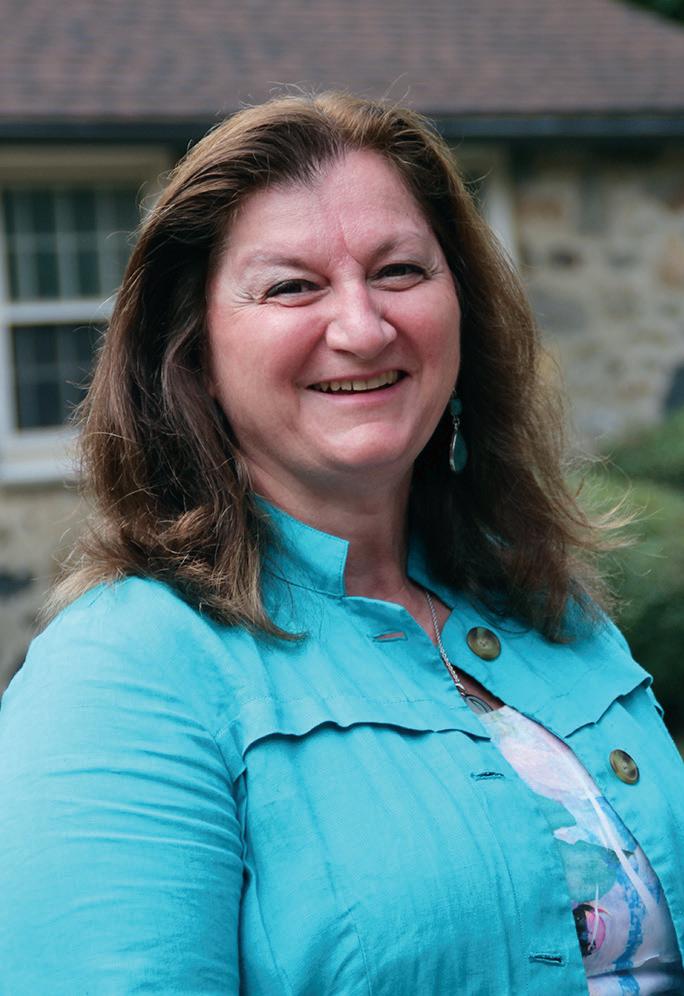
Mary T. Boylston, RN, MSN, Ed D, AHN-BC Professor of Nursing, Editor, Nursing Connections
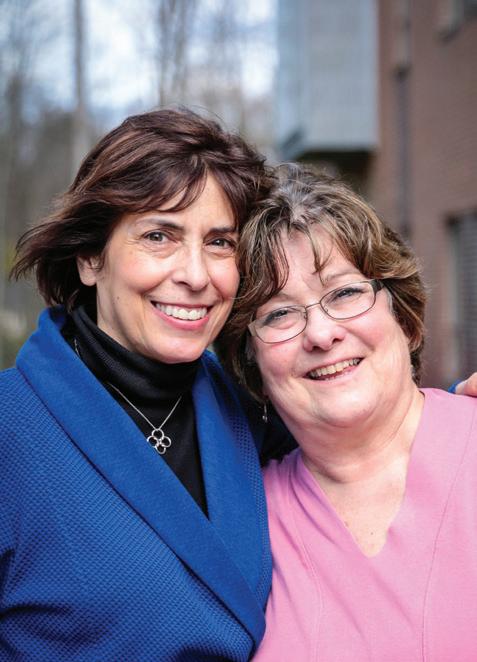
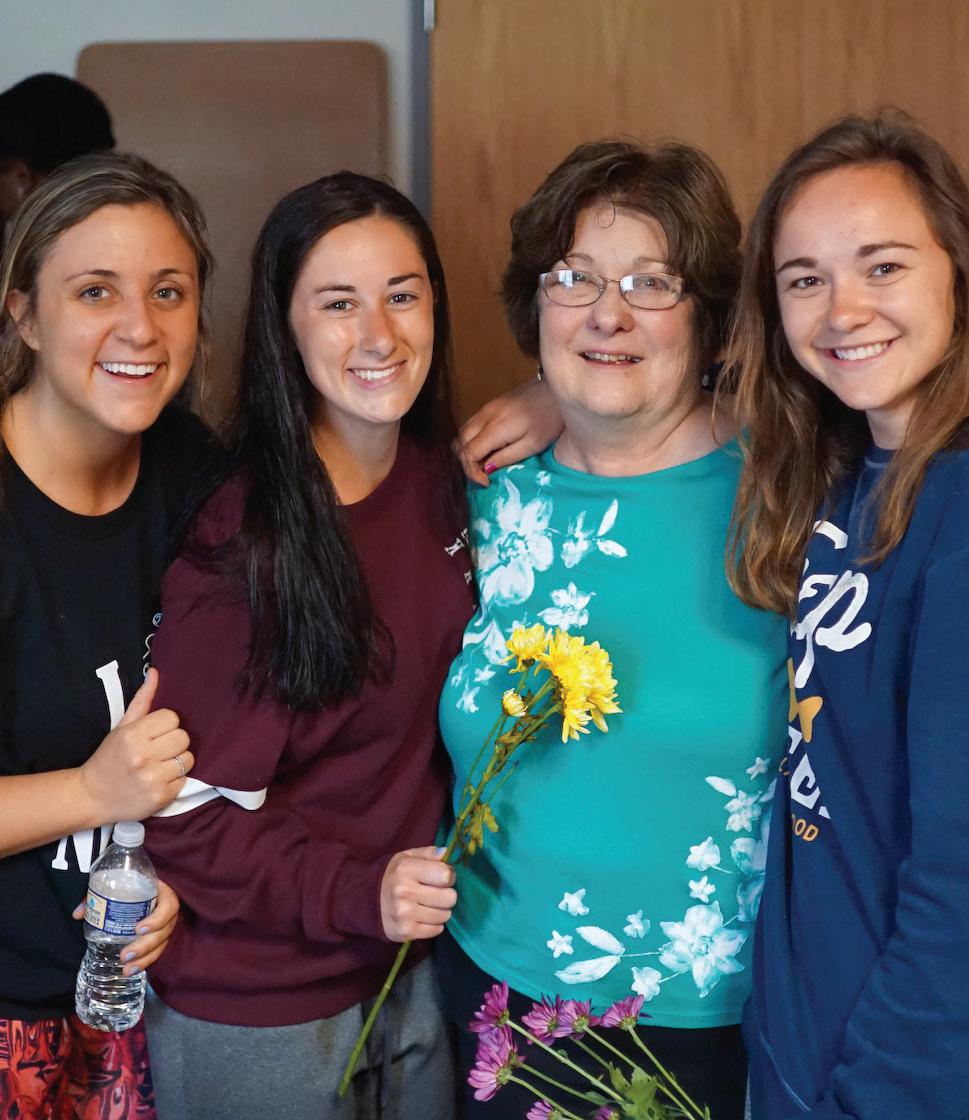
Mary Boylston with former student and retiring colleague Corinne Latini
MSN APPROVAL
Classes Begin Fall 2018
Mary T. Boylston
AMaster’s of Science in Nursing (MSN) is set to launch in Fall, 2018. Conceptualized by Dr. Chris Jackson, former Holistic Nurse of the Year, and spearheaded by Drs. Dianne DeLong, Mary Anne Peters, Geri Remy, and Mary Boylston, the program prepares graduates as nurse leaders who transform professional nursing in varied healthcare-related and academic settings integrating holistic, Christian values and ethics.
The faculty concurred that in order to be true to the mission and vision of Eastern University (EU) and the Department of Nursing (DON), a MSN that focuses on holistic nursing education and leadership framed with a Biblical foundation would prepare nurses to transform nursing practice, research, education, and administration. EU would be the only university in the country to offer this degree with the unique focus that supports holistic Evangelical Christian values and advanced professional nursing practice.
Therefore, the DON has designed a graduate program that has the holistic American Holistic Nurses (AHA) Association’s Core Values embedded in each course. The MSN curriculum would be one of six US graduate programs endorsed by American Holistic Nurses Credentialing Corporation (AHNCC) thus preparing the graduate for a career as a Board Certified Advanced Holistic Nurse (after taking the certification examination) (AHNCC, 2016). Offered online in the block schedule format, the curriculum is depicted in Table 1.
Table 1: MSN Curriculum
• All graduates are prepared to take
(AHNCC)
• Education track graduates are prepared to take the NLN Certified Nurse Educator (CNE) Exam.
• Leadership
(IHI)
School certificate as part of MSN program.
G RADUATION AWARDS
MARIE JOSEPH SERVANT LEADER AWARD
This award is presented to the student who exemplifies servant leadership in the classroom and community, especially to underserved populations –
Dec 2016- Elyse Baccino
May 2017- Sierra Schempp
MALINDA MURRAY COMPASSIONATE CARE AWARD
This award is bestowed to an individual(s) who consistently exemplify(ies) holistic care of clients.
Dec 2016 – Justin Fox
May 2017 – Megan Gherke
PROFESSIONAL PRACTICE AWARD
This award is presented to a student leader who has consistently demonstrated holistic, compassionate care for classmates, clients, families, and communities.
May 2017 – Laura Hunyara
JOYCE D. WALLACE NURSE’S CHRISTIAN FELLOWSHIP SERVICE AWARD
This award is presented to a student who embodies Christian service within the Eastern University community.
May 2017 – Sara Kelly
CHAIR’S AWARD
This award is conferred on the student with the highest grade point average in nursing at graduation.
Dec 2016- Alison Walker
May 2017 – Megan Gherke and Lydia Peachey
RN TO BSN PROGRAM 2017
Revised and Online
By Donna Gribbin, RN, DNP, CNE
The RN-BSN program has had an exciting and busy year! The curriculum was reviewed, updated, and approved for online delivery instead of the previous face-to-face and blended structure. The highlights of the revision emphasize a clearly constructed curriculum without repetitive coursework, streamlined admissions, and an online delivery format to appeal to all RN’s nationwide interested in completing a BSN. In addition to the updated curriculum, the program retains its bonuses of the End of Life Nursing Education Consortium (ELNEC) and Sigma Theta Tau International Nursing Honor Society Nurse Manager Certificate which are nationally recognized certificates of expertise. Furthermore, as one of twelve BSN programs endorsed by the American Association of Holistic Nurses Certification Corporation (AHNCC), graduates are able to take the Holistic Nurses Certification Exam (BHN-BC credential) without submitting qualitative evidence of holistic nursing practice thereby skipping a step in the process.
Matthew Thomas: Being able to work at my own pace and having access to the assignments at all times makes life more manageable for me and my family. I really feel that this sets me up for success at earning the degree. I am really glad to have this opportunity.
Dani Shenberger: We are so lucky to be able to participate in a program that gives us this opportunity to further our careers from our own homes while raising a family.
As depicted in Table 1, the attractive program package consists of 14 courses which include 10 nursing courses and 4 Eastern University core courses, each offered in a 7-week flexible format. Students can complete the program within 14 months full time, or take course work part time. The easy online application includes a current RN license and transcripts, and students are able to transfer up to 89 credits. The rolling admissions process enables applicants to start soon after acceptance. Students from various states are able to collaborate and build online relationships. Furthermore, the student-focused faculty offer unique online community learning that supports student efforts and positive learning outcomes. Students concur that the learning experience is high quality and fits into their busy schedules. For more information about the RN to BSN program, click on
Invest in the Future STATE OF THE ART NURSING CLINICAL RESOURCE LABORATORY
Planned opening Fall, 2018
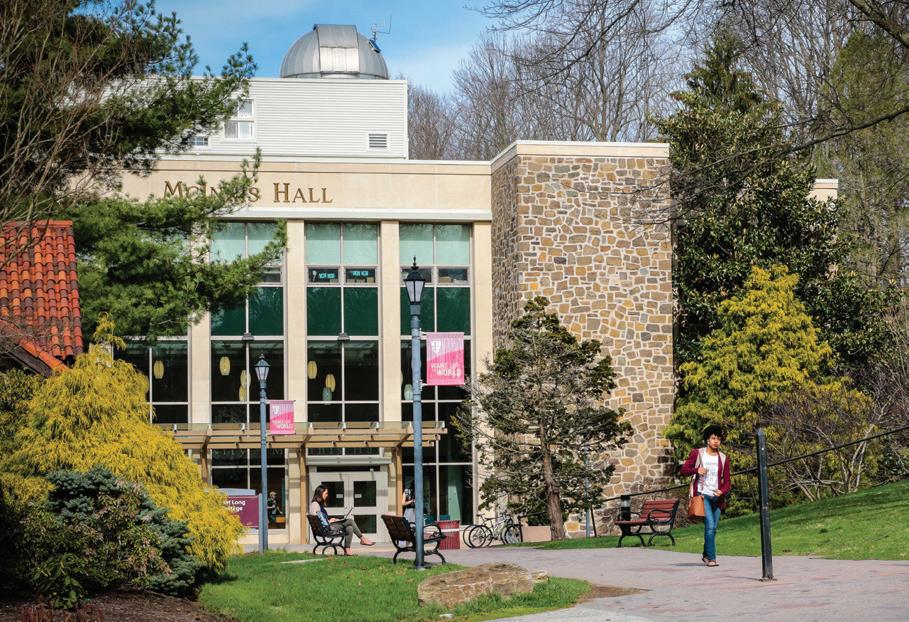
The Department of Nursing Clinical Resource Laboratory at McInnis Hall will consist of a 5,000 square foot renovation. The renovation, located on the third floor, will contain classroom and laboratory spaces. The laboratory renovation project total is $1 million which includes construction renovation and equipment costs. Later renovations will provide faculty office space on the same floor.
LABORATORY RENOVATIONS
• 2 state of the art classrooms which includes lecture space for 15 to 20 students
• Nursing Skills Lab with 6 hospital bed suites
• High Acuity Simulation Lab with control room and 2 high fidelity manikins.
• Maternal- Child/Pediatric Lab suite
• Community/Mental Health suite with furnishings
• Nursing student resource room with computers and digital video system
EQUIPMENT NEEDS
• 9 hospital bed suites with privacy curtains, cabinets, & tables
• 11 Alaris Medley IV pumps
• 2 high-fidelity simulation manikins
• 4 sets of simulation lab controls
• 11 headwall unit systems
• Emergency crash cart and lifeline
• Bedside equipment storage
To learn more about this exciting project and how you can partner with the Nursing Department, contact Natissa Kultan-Pfautz: nkultan@eastern.edu or 610-341-5936
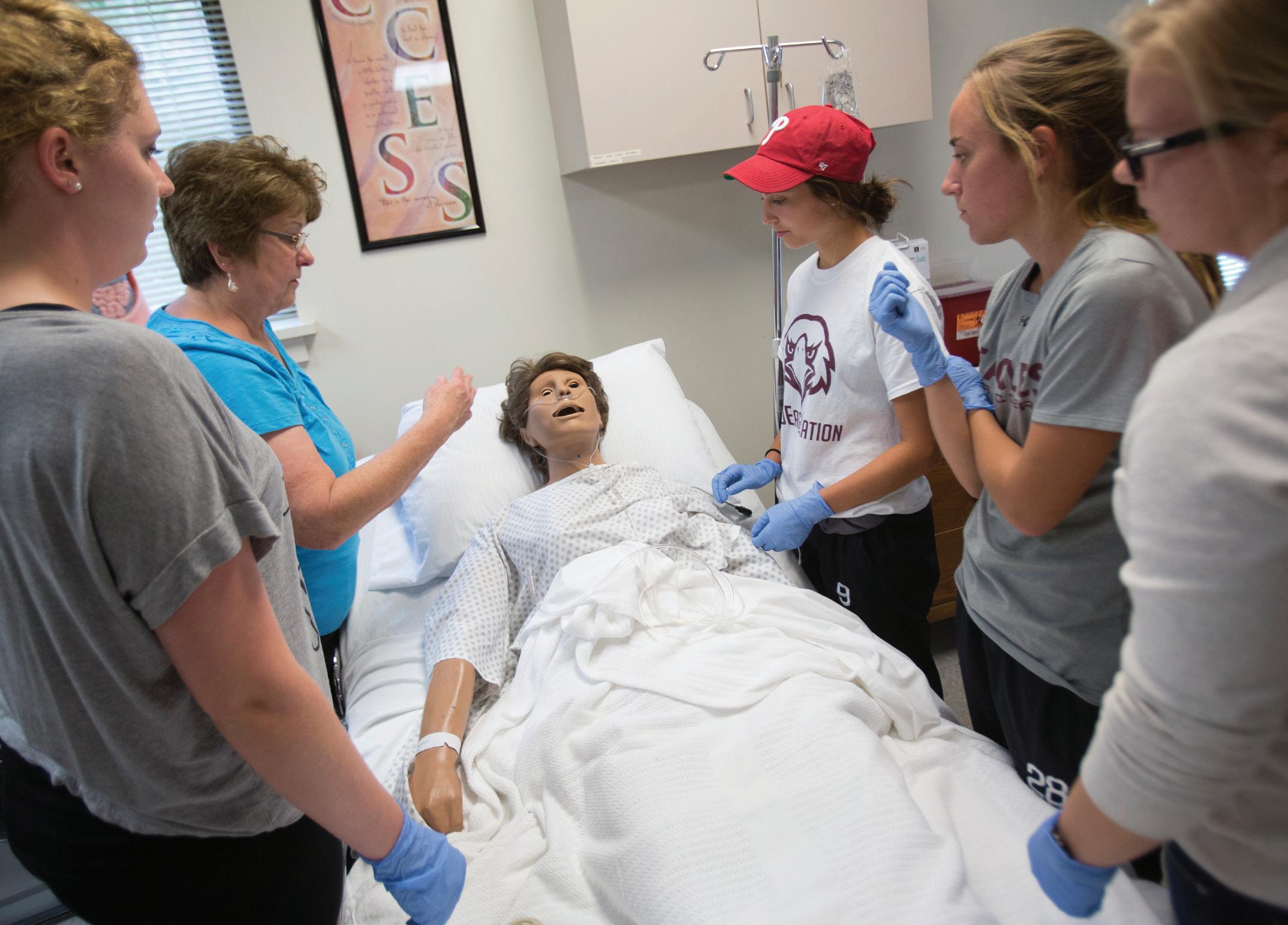
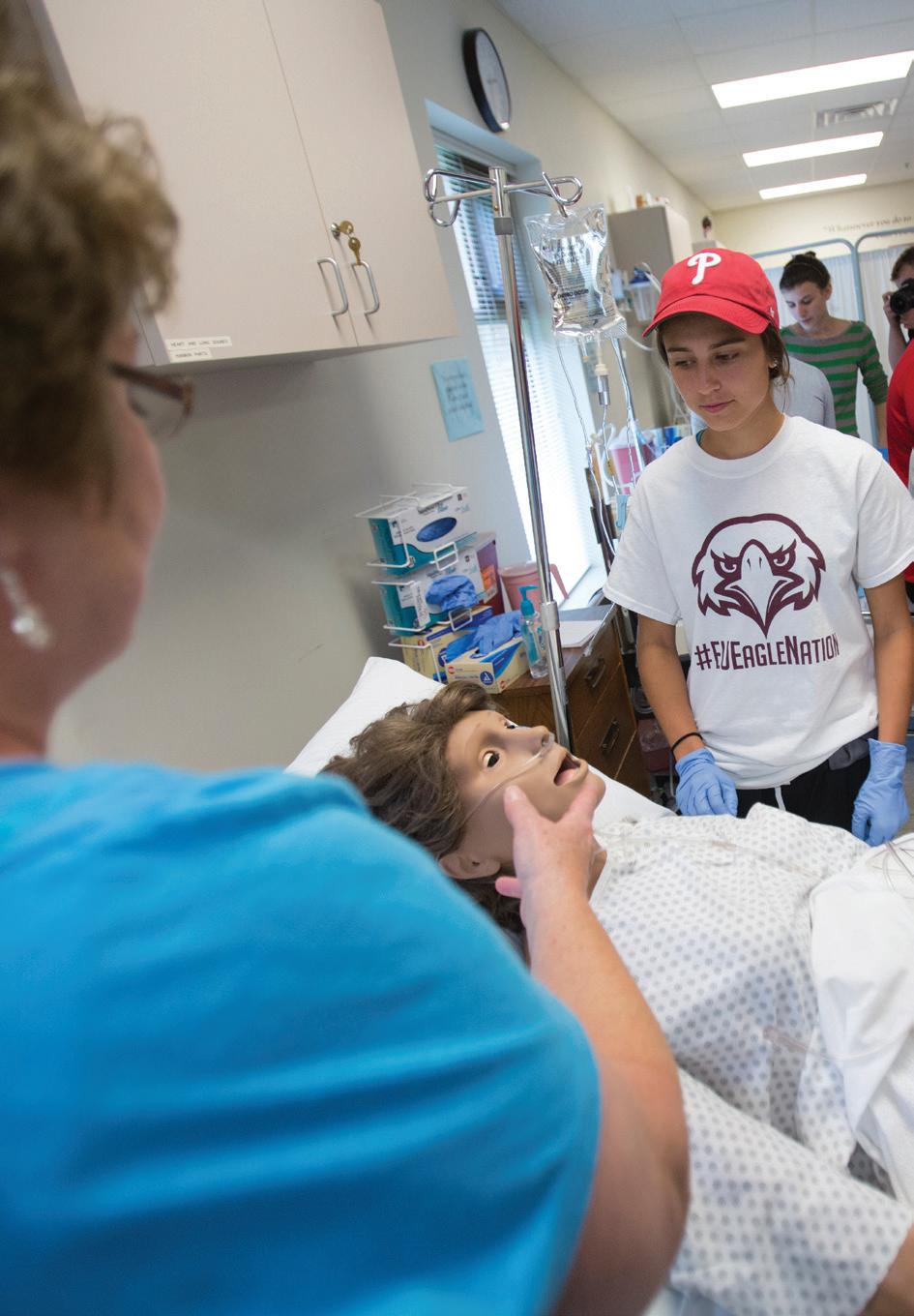
The next phase of our technology integration includes video-taping student scenarios and activities for formative learning and debriefing purposes. The Simulation iQ Mobile system purchase from the 2015 McLean grant made this possible. This semester we have used simulation as a clinical day for our students. The video recording equipment has helped the students see how they performed during the scenario as they delivered patient care and how well they prioritized patient centered care. The debriefing portion of simulation is key to learning and development of critical thinking skills. The Simulation iQ Mobile greatly enhances the process.
Today, students have the opportunity to learn and practice nursing skills, increase knowledge and critical thinking, and build confidence using these various modalities. High quality simulation is now a vital part of the educational process and we are grateful to the McLean Contributionship for granting us these awards so that our students and faculty can best utilize technology in our NCRL and the classroom.
Another amazing gift to our nursing lab is the donation of a high-tech hospital bed. The bed was given to the nursing lab by Dr. Margaret Peterson. It had been Dr. Dwight Peterson’s bed, the one in which he journeyed during the last months of his life. We are blessed to have the bed as an educational tool and also as a constant reminder of a life well-lived to the glory of God.
With increasing enrollment in the pre-licensure program, the time has come for planning a new lab expansion and in Fall 2018 a nursing suite will be opened in McInnis Hall. We have journeyed far in our pre-licensure program, not only with lab opportunities but with the many blessings we experience as our graduates become nurses and serve God and His people as a result of the program at Eastern University, the grants and gifts from our benefactors, and the guidance of the Holy Spirit. As we move into the future, may what is taught in the new nursing suite continue to embrace the scripture from Matthew, that as we serve God’s people, we are also serving Him!
A Beloved Teacher and Mentor: C RINNE LATINI Retires as Skill Lab Coordinator
By Patience Nkrumah, Student Nurse, Class of December 2017
From her candy bowl to her calm and tranquil demeanor, Corinne Latini has won the hearts of many colleagues, students, and graduates of Eastern University’s (EU) nursing program.
Referred to as “The Great Corrine” , she has helped to create the original Fowler Hall Skills lab in the basement as she assumed the role of Nursing Skills Lab Coordinator with the inception of the BSN Two. In 2009, the traditional four year nursing program commenced, multiplying the number of students needing skills development in an already crowded lab environment. However, Corinne made it work with grace, organizational skills, and ability to teach under pressure in a very compact setting.
Corinne’s professional journey began upon graduation from Einstein’s School of Nursing in 1974. She worked in a number of specialty areas such as medical surgical, home care, case management, and school nursing. She then graduated from EU’s accelerated RN to BSN program and assumed the role of program recruiter. Looking for the perfect person to create, manage, and sustain the Nursing Skills Lab, EU did not have to look farther than their own graduate and nurse recruiter, Corinne! Once asked, she readily assumed responsibilities of creating a learning environment where students thrived. She has been more than the perfect fit for the role.
Corinne describes her job as providing a conducive environment that is suitable for students to learn and for professors to teach effectively. As a lab coordinator, she manages laboratory items, orders and supplies ATI books and clinical bags, and spearheads the procurement of student clinical attire. With her creativity, she has constructed accurate learning environments with faux body parts and fluids that look real and mimic actual patient care settings.
Just like in every professional role, Corinne has experienced her own share of challenges. From budget cuts to equipment breakdown, she gracefully deals with issues that may arise. However, like any good leader Corinne does not throw her hands up in despair. Rather, she identifies and implements interventions to rectify the situations. In the case of budget cuts by the university and in the midst of rising market prices, she speaks with vendors who are willing to provide supplies for less cost. She has also written successfully funded grants to support equipment purchases and supplies. This way, nursing students and professors are able to have what they need to learn effectively.
Leaders come in many different shapes and sizes. Corinne Latini’s contributions to the development of nursing students is one of the things that makes her an outstanding leader. Her skills in leadership, management, and organization, and her enviable ability to anticipate needs along with her calm demeanor makes her notably lovable too. “The Great Corrine” is indeed not just the lab lady; she is the very heart of nursing education at Eastern University. On behalf of all of the nursing students and graduates, I would like to thank Corinne for her dedication and devotion to our development as holistic and highly skilled professional nurses.
Caring for the Most Vulnerable Populations in Guatemala: Casa Materna
by Anna Haas RN, BSN Class of 2016
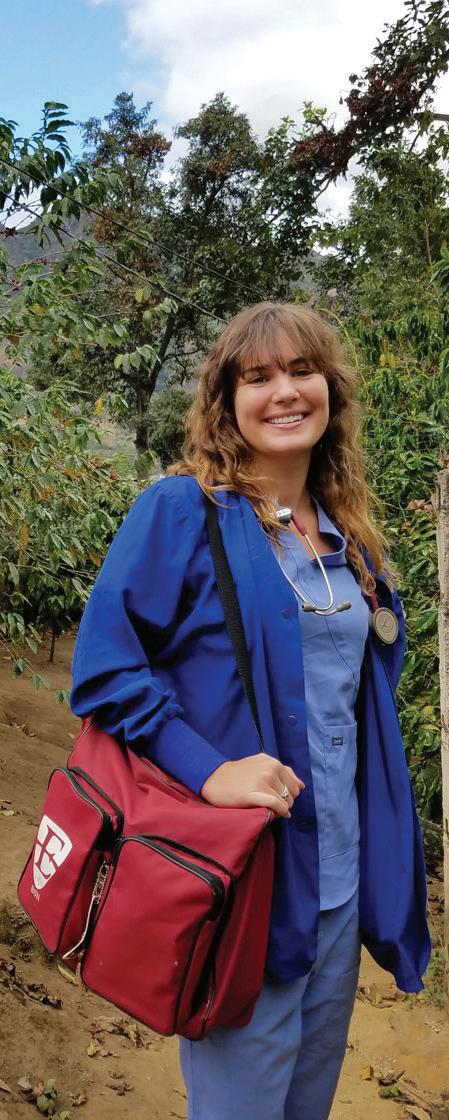
Since I was a child, I had the calling to become a missionary. Consequently, I lived in Honduras working with in a children’s hospital (as a sponsorship coordinator) before attending Eastern University and went through the nursing program with the intention to work internationally after graduation.
In June 2015, I was first introduced to San Juan La Laguna in the region of Lake Atitlán, Guatemala where when I spent a month investigating work within the municipality and surrounding communities to see if the Casa Materna was a project that would be supported by the local people.
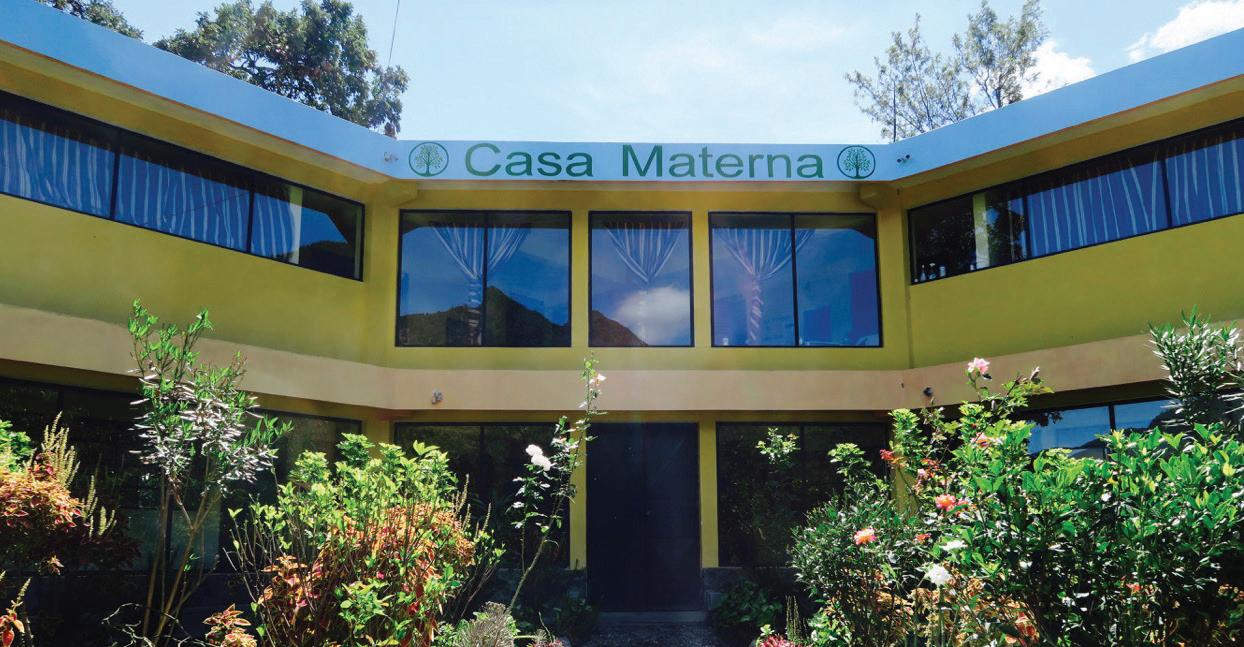
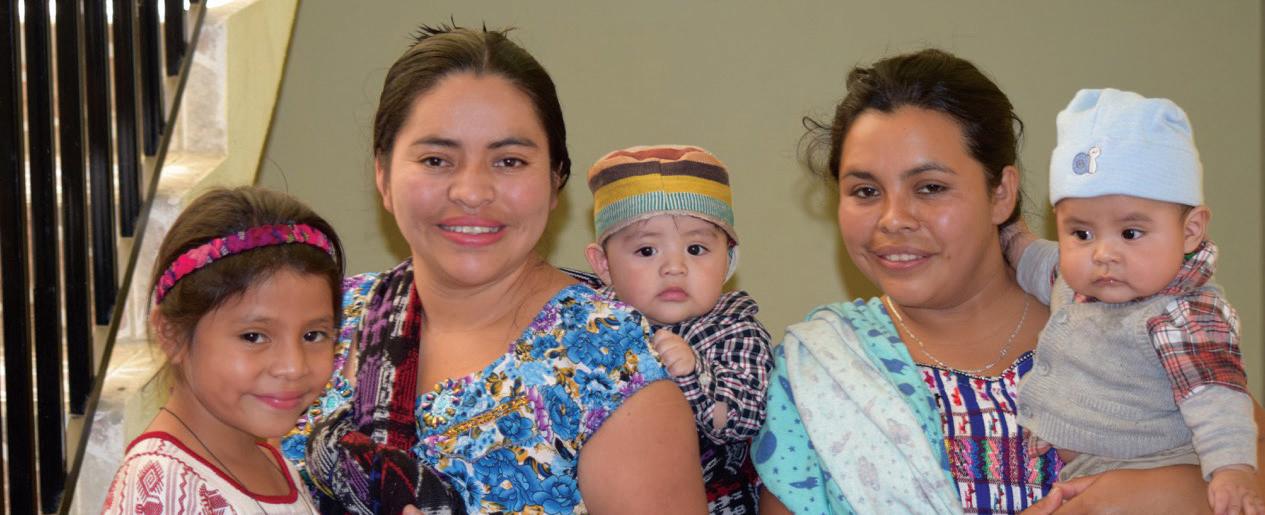
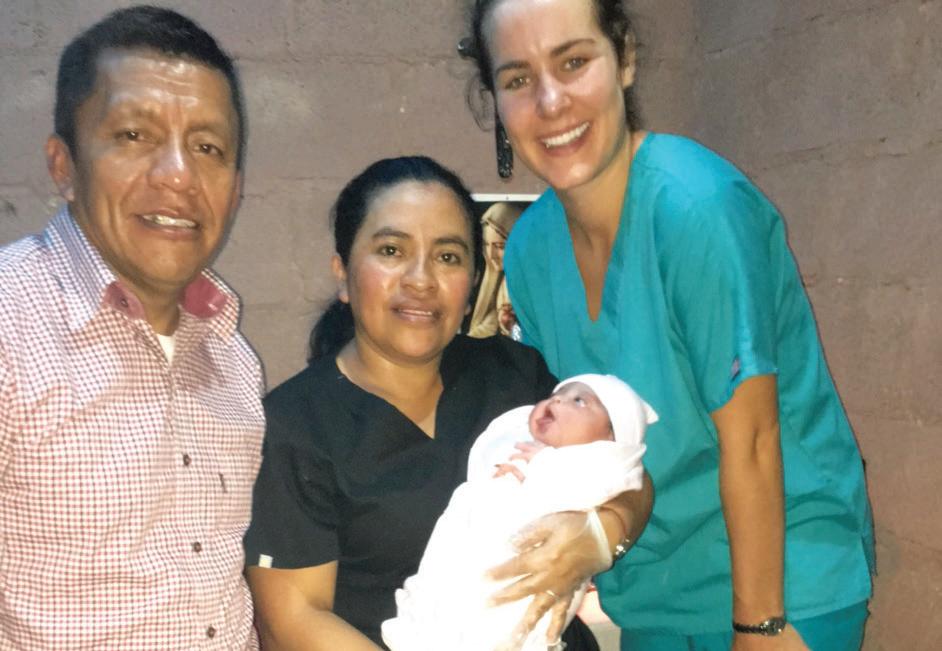
The Casa is a prenatal clinic and birthing center whose purpose is to reduce infant and maternal mortality by giving women a safe place to deliver their babies and educating families, comadronas (Guatemalan birth assistants), and other local health care providers. With positive affirmations to the Casa concept, I moved back in July 2016 with the intention of staying for a few months to help open the Casa in autumn. When the time for inauguration came in November, the USA-based founder and director of the Casa offered me a fulltime position to deliver nursing care and manage the daily functions and communication between the Guatemalan and USA team members.
Therefore, in October 2016, I officially accepted the position as the In-Country Operations Manager at the Casa Materna. Being interested in midwifery and knowing that I would gain great experience with the Casa’s Guatemalan midwife, I was excited about the job.
At the same time, I had my reservations. San Juan is a remote town and although those who have been educated know Spanish (in which I can communicate), many people in this region have not gone to school and only speak their local dialect, Tz’utujil. Consequently, not being able to communicate with each patient was an obstacle. Similarly, I was a new nurse and managing the clinic as a whole was intimidating. Despite my many doubts, I knew that this was an opportunity of a lifetime and have never regretted my decision.
During the first months, there have indeed been frustrations, magnified by language and cultural differences and being far away from friends and family. However, many of these aspects are a normal part of life and will be resolved over time; yet they helped me to become a better person. In fact, the features of this work that I love far outweigh the difficulties. I am learning so much about prenatal care and safe birth practices. Using the ultrasound is another skill
being added to my repertoire. It is very rewarding to teach families about health during pregnancy and newborn care in a region where there is a lack of education and affordable healthcare.
My education at Eastern has been my professional foundation and taught me a great deal about cultural awareness and patient-centered care. To live in a different country and culture and work with people with many ancient cultural beliefs takes patience and open-mindedness. It can be frustrating when a patient, for example, does not want to take her prenatal vitamins because she has been led to believe that it will cause her baby to grow too big. Or she does not want to go to the hospital for a Cesarean section when her baby is in a breech or transverse position because she believes that people only go to the hospital to die. There are many more beliefs such as these, and I quickly learned to work alongside people and help them to change harmful practices in a culturally sensitive way.
It can seem like a continual uphill battle, but I have witnessed small victories such as healthy deliveries, successful breastfeeding, and newborn care as instrumental in giving us hope for the future of the program. At Casa, these small victories are actually bigger than one may think as these outcomes mean the difference between life and death of the mother and newborn.
Every life saved and every life made healthier are reasons to celebrate and continue pushing through the hard days.
Every life saved and every life made healthier are reasons to celebrate and continue pushing through the hard days. What Eastern has instilled in me is nursing is not about a paycheck; it is about service to people, and it is a great honor to be able to be a part of one’s healing journey. I do not know how long I will be here, but consider it an honor and a privilege that God has led me to this place, and I am grateful for the role that Eastern as played in preparing me to practice as a holistic nurse in any global environment.
READY TO TAKE ON NURSING A Letter of Gratitude
November 15, 2016
To My Wonderful Teachers,
Iam so sorry that this letter is incredibly overdue. Believe me when I say that I think about you all at least every shift I work! I just wanted to express my gratitude to each of you and give an update on my current life.
I work full time at Hospital of the University of Pennsylvania on Ravdin 6, the Cardio-Thoracic Surgical Unit. I absolutely LOVE the unit and the patient population. I have been off orientation for almost a month now! The residency program here has been phenomenal so far—very supportive and informative.
Although not specifically women’s health, the cardiac floor I am on is relevant clinical experience as I am very interested in working in cardiology for women in the primary care setting. As you know, women’s symptoms are often different than men’s; therefore women are more at risk for receiving inadequate care for what could be a serious issue such as a myocardial infarction (Kalman, 2013). (Yes, this information is from a peer reviewed, nursing journal that I found
doing a CINAHL search. Just see the citation below. Ha ha) Perhaps I will be able to get into the research side of this profession someday.
I also have started in a part time MSN nurse practitioner program in women’s health at the University of Pennsylvania and taking one class this semester. Looking back at my undergraduate work, I always knew that our nursing program was excellent; but I truly realized how phenomenal while being out in the “real world.”
Anyway, each one of you has truly touched my heart in addition to teaching me countless things that went way above and beyond much of what I have gathered from my RN work peers. You all led by example and I can confidently say that I had the absolute best nursing role models in the world at Eastern. I highly recommend our program to literally everyone I meet who tells me they think they want to be a nurse! Here are some specific things you all have left ingrained me—things that as I see in real life as I hear your voices in my head…
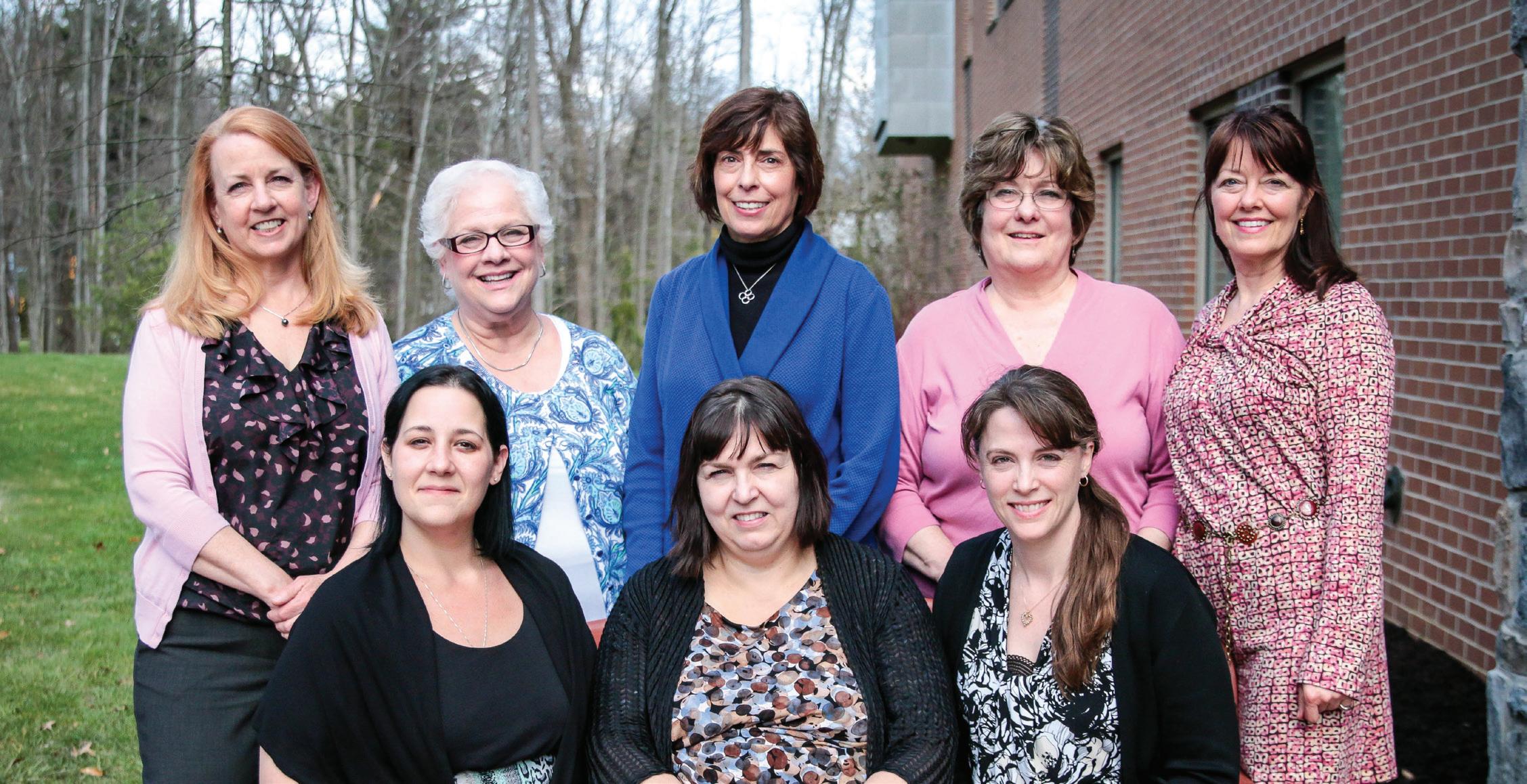
Faculty members*: bottom from left to right: Christina VonColln- Appling, Katja DiRado, Kim Guevin, Back row: from left to right: Elaine Fuguet, Mary Anne Peters, Mary Boylston, Corinne Latini, Christina Jackson, *missing from photo: Geri Remy
Dr. Peters : Wow! Where can I begin? So many things to share; however I have to go with evidence-based practice and research. I feel like a CINAHL princess (you are the queen)! But thank you so much for instilling this important foundation, especially with graduate school work! But also in my every day job-- I have found that I retain the most when I read about a specific patient problem in a nursing journal. The clinical nurse specialist on my floor actually gives me homework where I read an article then answer questions about it. The next week she quizzes me to see how much I retain.
Professor Guevin: Just a few weeks ago we talked about palliative care and hospice in residency. I definitely have a greater appreciation and understanding after witnessing your perspective and passion for this area. Although still a tad uncomfortable, my preconceptions and perspective about how I will handle a patient who dies or is facing death has changed from something I did not want to talk about and ignored because I was literally scared out of my mind. And seeing a person who passed away was a fear of mine and now I have a much greater appreciation for the process and even a peace. I completely owe that to you. So, thank you.
Dr. Remy: Although I am not in the community setting, what we talked about and learned in class on integrating family strengths is something I practice almost every shift I work! A lot of my patients go home from my unit so I feel very responsible for making sure they are ready—that they have a good support system and the tools they need to continue their recovery. This may be abnormal, but talking to and dealing with family members is one of my favorite parts of this job!
Professor DiRado: Wow, you were so right about mental health being a major part of any nursing job! I sometimes feel I am giving more psychiatric than cardiac meds. I definitely use a lot of the therapeutic communication techniques we learned in your class. I often think about what you told me back in clinical—“You’re IT”. We were talking about how patients trust RNs and look to them for answers and understanding. This sometimes scares me as I have been asked some difficult questions by patients and their families yet, they do listen to my response. It’s comforting to know I will not have the answer to everything but I can always refer them to someone who may or print the answers to read through with them (which I do a TON of!). Also, I want you to know that I am definitely taking advantage of being at Penn as you encouraged me to do. It’s an AWESOME place!
Professor Fuguet: I have flashbacks to the nursing lab case studies with you all the time when my patients start to decompensate. Although not ICU, we have some pretty cool drips (medications) common on our unit—Neo, milrinone, heparin, insulin, argatroban, amiodarone, and diltiazem. I am so grateful for your teaching that pinpointed what is important and certain things critical to remember. Just the other day my patient demonstrated signs of sepsis—we picked it up and sent him to the ICU. But it was like textbook- blood pressure dropped, pulse increased, respirations were high, and he became disoriented. So many things that I must know for my daily job you taught me and they have stuck. So thank you so much!!
Dr. J: Self-care, self-care, self-care!!! SO incredibly important! My manager is actually a huge advocate and promoter of strategies to
prevent burnout and keep nurses energized and loving our jobs. She fought hard and recently got a staffing change that will promote each nurse having a maximum of a three patient assignment instead of our previous maximum of four. I cannot imagine being in a program that was not holistic. It’s crazy to think that there are only 14 other schools nationwide like ours. The other day I had a 52 year old man break down in tears in front of me. He was so embarrassed that he cried. I went over and rubbed his shoulder and assured him that this is what I am here for—to care for your physical needs as well as your emotional needs. It is beautiful to be able to view and assess patients as a whole. Thank you for ingraining the crucial elements of what being a holistic nurse really is. I pray that I can continue to grow in this area and touch a lot of people in this way.
Professor Appling: I clearly remember one lecture where we talked about the drastic changes so many people face after surgeries or other debilitating diseases or injuries. You had us imagine being in another’s shoes. I use this technique often. Yesterday my patient was told he will probably need oxygen for the rest of his life because we fixed his heart but he had bad lungs that we could not cure. At the beginning of the shift he made it clear to me that he did not want to go home on oxygen. I was trying to wean him off the oxygen but he continued to de-saturate (loss of oxygen) especially when he was walking in the halls. This will be a life changer for him, but I pointed out some positive points at how far he has come since his heart surgery. So many of my patients will never be back to what they used to be, so thank you for the reminders you instilled in me to show extra compassion and to educate and find positives in more negative situations.
Dr. Boylston: Despite being at the bottom of the totem poll since I am the new graduate on the unit, I have already found many ways to show leadership even if just personally. In class we talked about owning our practice and being proud of it, the importance of speaking up when something does not seem right (even if the doctor or nurse practitioner are a little snappy), and the promise to not only do no harm but to actively do good. I absolutely love being a nurse and cannot wait to continue to work on leadership skills as I get more experience!
Corinne: Wow how I miss you! You have such a gift in cheering someone up, making a person feel special and important, and letting us know it’s okay to feel defeated for a time—just not for too long! You are the nursing “Mom” and yesterday after class ended, I thought to myself, “I wish I could go see Corinne and get some chocolate!” But seriously, thank you for all that you did for me and my friends!
I miss you all so very much! Hopefully, I will be able to stop by sometime soon and see some of you! <3
Much Love, Heather Sadik
Kalman, M., Stewart Fahs, P. S., Wells, M., Blumkin, A., Pribulick, M., & Rolland, R. (2013). Education to increase women’s knowledge of female myocardial infarction symptoms. Journal of The New York State Nurses Association, 43(2), 11-16.
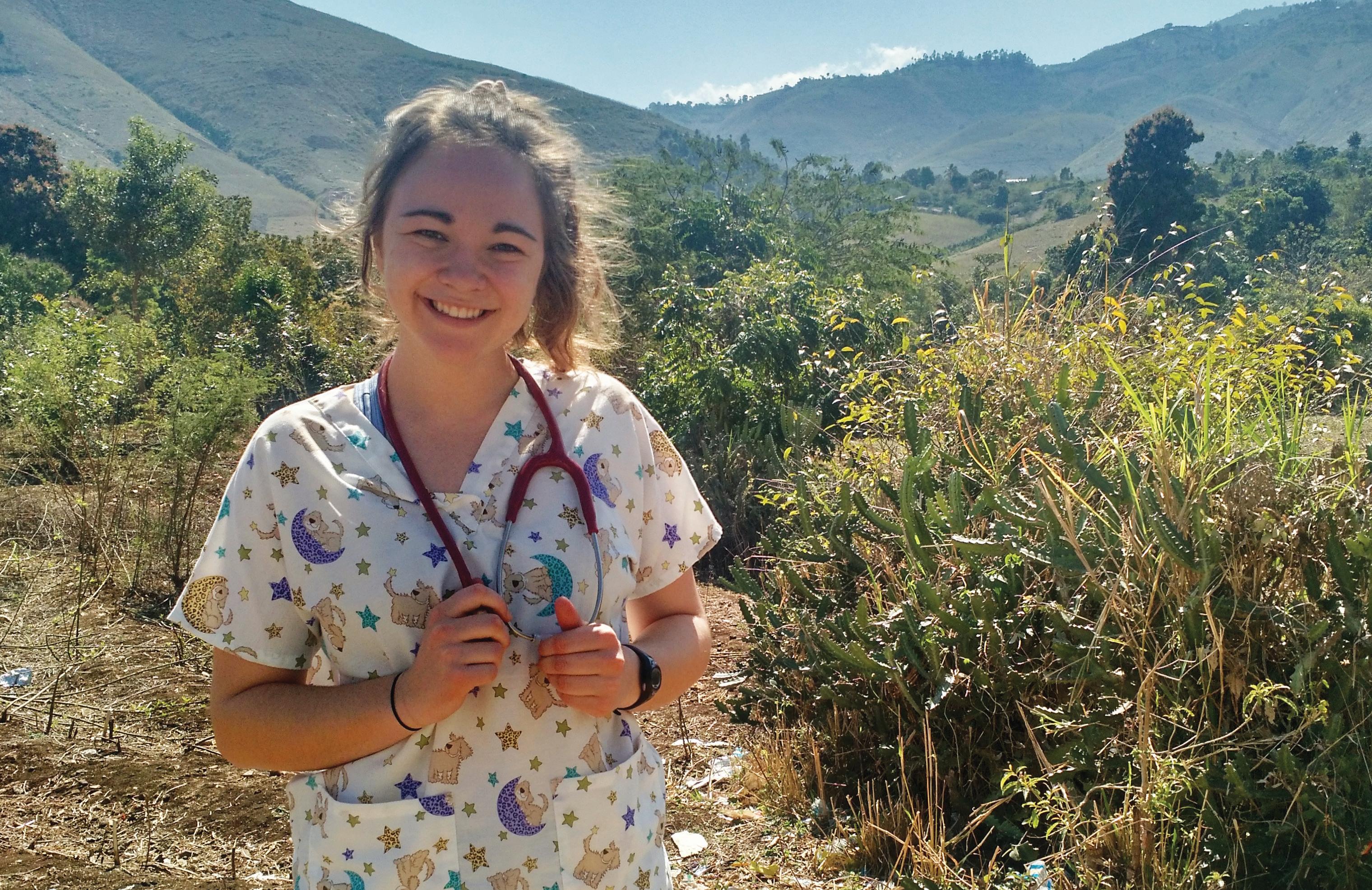
Led by Professors Elaine Fuguet and Katja DiRado and the title of ‘Nurses on a Mission’, we flew from JFK with suitcases packed to the brim with donated medical supplies. Our goal was not just to provide nursing care but to meet and work with the villagers in a Christ-centered way. This was accomplished as we entered communities to speak with the people, assess personal and community health needs, evangelize, and spend time in fellowship. Preparing for our trip, we were alarmed by a number of facts. These statistics are sobering and depicted in Figure 1.
Facts about Haiti
• Haiti is ranked 149th out of 177 on the 2009 United Nations Human Development Index.
• Port-au-Prince is ranked 213th out of 221 on the 2010 Mercer world cities livability index.
• The World Food Program reports that food supply covers only 55% of the population.
• Haiti ranks among the worst three countries in the world in daily caloric intake per person.
• 42% of children less than five years of age suffer from stunting of growth.
• Literacy rates in Haiti for the general population were 45% in 2010.
• Unemployment is now 90% in Haiti and 80% of Haiti’s people live in abject poverty.
• There are over 400,000 children without parents in Haiti.
• 1 out of 5 children will die before the age of five.
(https://mohhaiti.org/about_haiti/)
This information further served to motivate our team to do the best with the tools that God has given us. With only a week to complete our work, we spent most of our time an hour north of Port-au-Prince working in mobile clinics that we created in local villages in makeshift settings. Every morning we loaded up the cattle trucks and rode for an hour into the mountains. Often the ride would require us to cover ourselves with fitted sheets and wear medical masks for protection against dust. However, the ride and dust did not dissuade us from our goal which was to care for the neediest among us.
Once we arrived at our destination, we organized the clinic and operated in a four stage process. First, the patients registered and height and weight were recorded. Next, they saw the nurses (our group) and we would perform a history and physical with the help of translators and identified which symptoms were the most debilitating. After the nurses’ triage station, patients were seen by either a physician or nurse practitioner for diagnosis, treatment, and medications.
When I found out that Haiti was in the Caribbean, I imagined a lush and green island similar to a travel brochure. This was not the case. There are a few green areas but the terrain that we visited was completely deforested, dusty from the lack of rain, and covered with few patches of grass. Even during the winter month of February, the Haitian sun was unforgiving and personally I have not experienced thirst as constant as the week that we spent in Titanyen. In a country where drinking water is seldom safe if available, thirst is at the top of the list of problems. In fact, dehydration was a common diagnosis that we helped to treat. One day in Canaan, Professor Fuguet started an IV for a young woman to receive fluids. Yet, despite being perpetually physically thirsty, the Haitian’s spiritual thirst was eternally quenched. We observed that many of the people are rested and full of God’s peace. I was positively affected and humbled by their contagious faith.
Along with physical thirst, we discovered the Haitians have complex health care issues, are weary, and burdened physically and emotionally. The stakes were high as we used our education to discern which questions to ask and concerns to pursue. With the pressure of 100 more patients waiting to be seen by our team, we worked in a systematic manner. As we met with the people, God was working through us. I began to reflect upon Isaiah 41:17 “When the poor and needy seek water, and there is none, and their tongue is parched with thirst, I the Lord will answer them, I the God of Israel will not forsake them.” Isaiah’s words were particularly riveting as they connected with my favorite verse from Matthew 11:28 “Come to me, all you who are weary and burdened, and I will give you rest”.
Each day brought its own unique trials and by the sunset, we were physically exhausted with our dusty feet as our minds continued to race after the long hours of triage. As I fell into bed every night, I discovered I have not experienced rest like the one I found in Haiti. There is a certain spiritual calm that comes with witnessing poverty in its worst form and finding the light of Christ shining brightly in its midst. It is an experience that changed the lives of our patients as well as our own. Unforgettable does not seem like an appropriate word for our time spent with the Haitian people.
On behalf of the Nurses on a Mission team, I would like to give Praise and Glory to God for the work that He accomplished through us in Haiti. Our work was truly Spirit-led, and without the Lord’s help we would not have made it there. Christ is at work in Haiti, and I would encourage you to keep the country and its people on your hearts and in your prayers.