
NURSING
CONNECTIONS
FULFILLING A DESTINY
MEN IN NURSING
instruments of peace
NURSING
CONNECTIONS
Published by Eastern University
1300 Eagle Road St. Davids, PA 19087
610-341-5800
Mary T. Boylston Editor
Mark W. Lambertson
Graphic Design
Daniel Peirce
Brand Director
Denise McMillan
Communications Director
Elyse Garner
CONTENTS
Peace Prayer
Suicide Awareness and Prevention
Preparing for the Inevitable
Welcome New Chair, Faculty and Staff The Magazine of the Eastern University Department of Nursing Fall 2016 eastern university
Staff Photographer
Sherry-Ann Morris
Chief Marketing Officer
Reasons for Praise
As the new Chair of the Department of Nursing I wanted to share with you some of the many accomplishments and a few of our challenges. First, we have many reasons to sing praises to God. The NCLEX-RN first time takers pass rate for 2014-2015 graduates is 100%. This is 10.67% above the mean pass rate for all BSN schools in Pennsylvania. For the past four years, Eastern BSN students NCLEX-RN pass rates have been between 85% and 100% for first time candidates.
Next, with the success and quality of our BSN, there has been an increased interest in the Eastern Nursing program. Consequently, we have had more qualified applicants than we are equipped to handle. Although, this is a good problem, our challenge is the ability to accommodate qualified students. With limitations in lab space, available clinical sites, and faculty, we seek to overcome the obstacles to ensure that we provide the best learning environment for the next generation of nurses.
Last, we are honored to be able to play an important role in the education of nursing students. I am hopeful that the next year will be filled with excitement, challenges and more success for our students and graduates. I am proud to serve as chair and appreciative of the support I have been given during my first year and am truly blessed to be a part of this community.
Therefore, I encourage you to reach out to us and share your personal and professional accomplishments so that we may celebrate with you.
All the best to everyone-
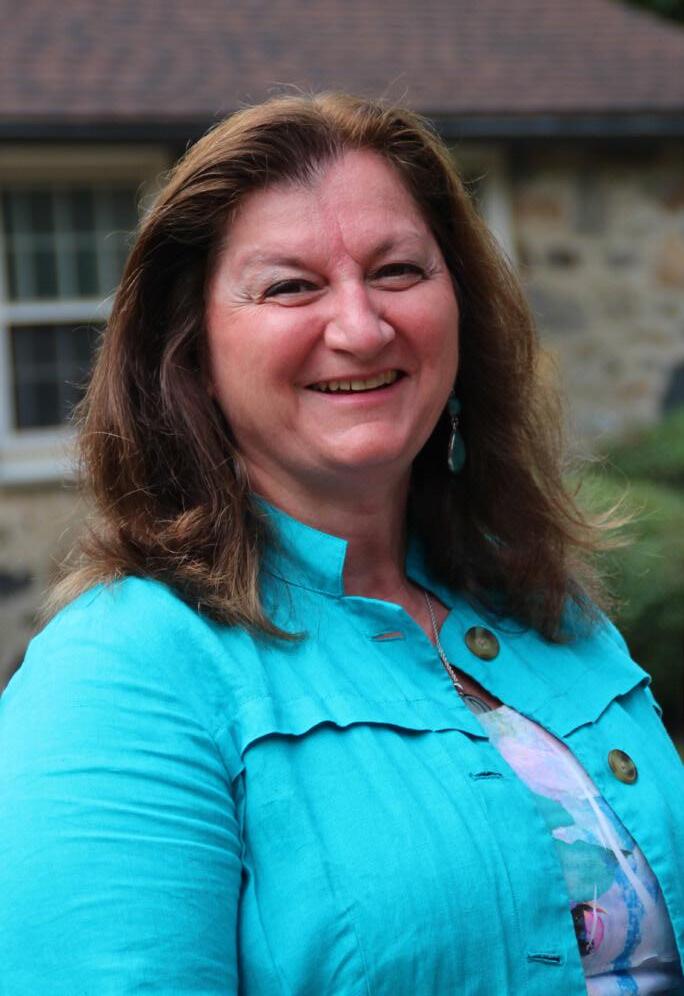
Dianne DeLong, PhD, MSN, RN, CNE
GCONNECTIONS CORNER
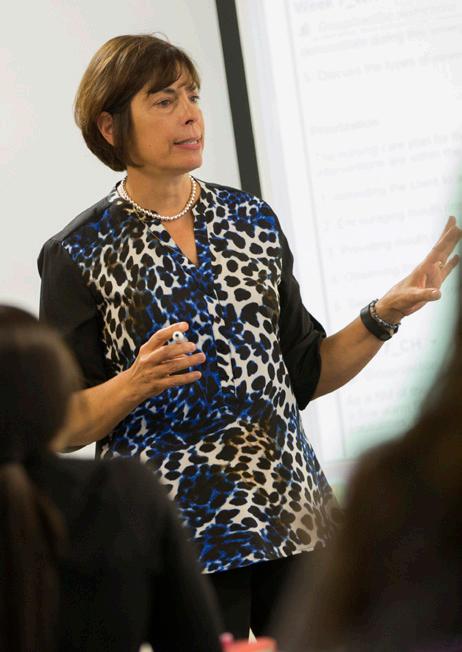
reetings! Welcome to Connections 2016, the Department of Nursing magazine that shares the insights and activities of our distinguished major. Inspired by the words of St. Francis of Assisi’s Peace Prayer, my mind wanders to ways the nursing community at Eastern University emulates its tenets during daily events. As instruments of peace, the students learn ways to holistically care for their patients as they seek to sow love, care for the injured, and offer hope during difficult times. With smiles, they can bring joy to the sad and despondent.
Since this is an institution of higher learning, can faculty embed these beliefs and values in their lesson plans? That’s a hard question, because it is tough to teach compassion. However, students are exposed to peace and compassion through the Eastern University and Department of Nursing’s mission statements. They complete a curriculum that is threaded with methods to share God’s love as we demonstrate that we can make a difference no matter how small we think it is. Further, each person is reminded that they are unique and created in God’s image. Upon graduation, they are given the task to provide nursing care that demonstrates that the Eastern University nurse is unique. Therefore, it is my pleasure to highlight our community as we share the power of the peace maker from a variety of perspectives in a multitude of settings such as hospitals, hospices, prisons, homes, communities, and schools.
I hope that you enjoy reading how our peace makers are making a difference in the lives of others.
Shalom!
Mary T. Boylston, RN, MSN, Ed D, AHN-BC Professor of Nursing, Editor, Nursing Connections
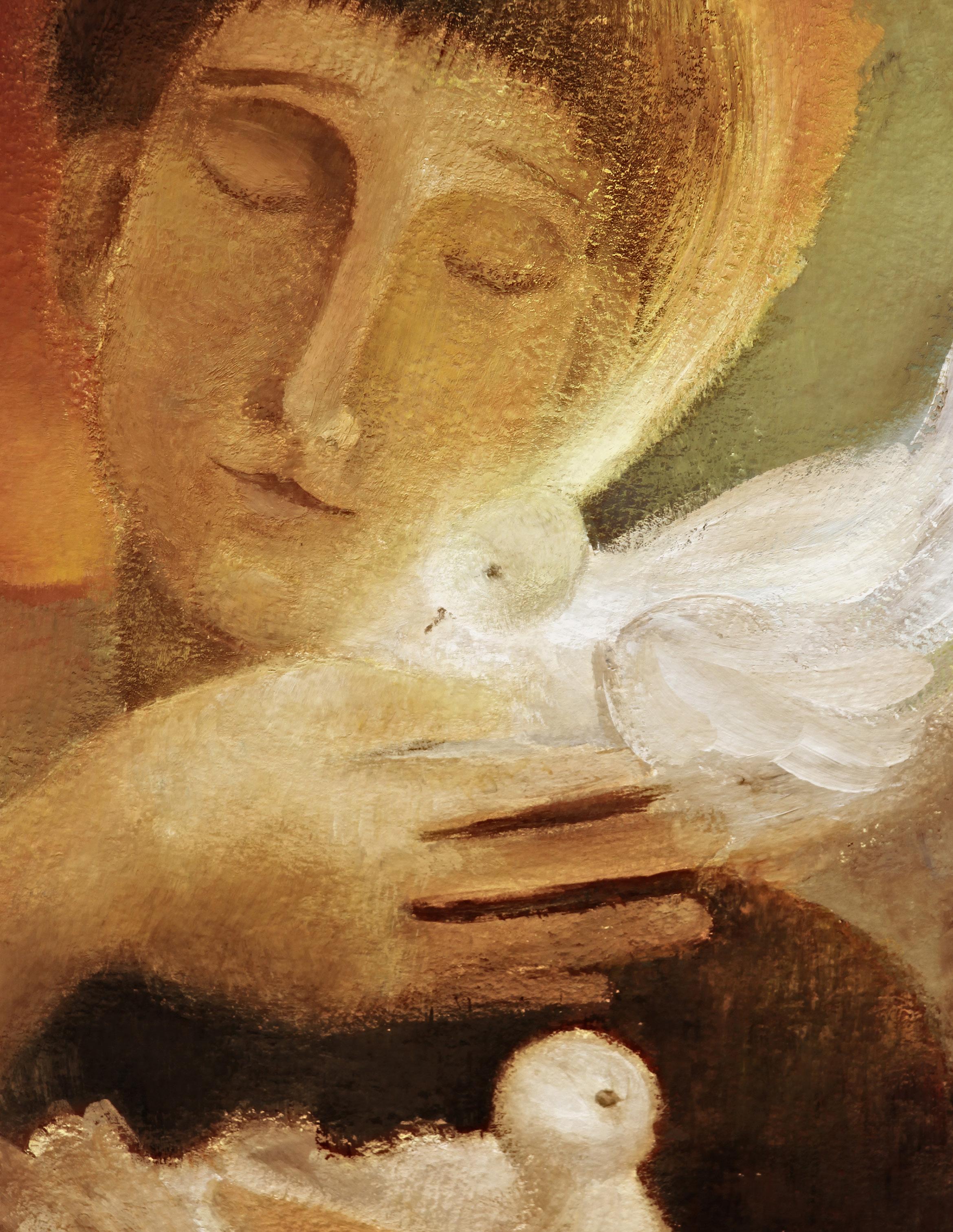
The Peace Prayer
St. Francis of Assisi
Lord, make me an instrument of Thy peace; Where there is hatred, let me sow love; Where there is injury, pardon; Where there is error, the truth; Where there is doubt, the faith; Where there is despair, hope; Where there is darkness, light; And where there is sadness, joy.
O Divine Master, Grant that I may not so much seek
To be consoled, as to console;
To be understood, as to understand; To be loved as to love.
For it is in giving that we receive; It is in pardoning that we are pardoned; And it is in dying that we are born to eternal life. Amen.
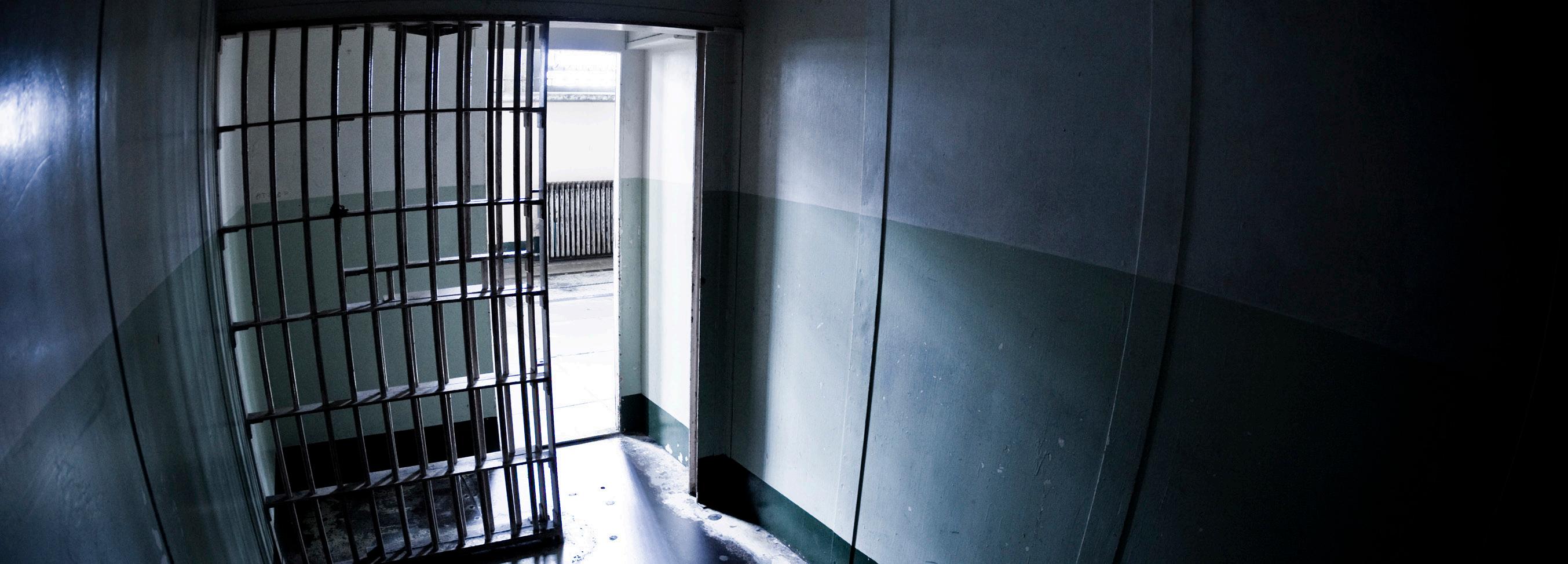
Experiencing Abundant Life in Shackles Freedom
Freedom—If I ask my 13-year-old daughter her thoughts on freedom, her perceptions would likely propel her fast-forward, to the day when she is 16 and can apply for her driver’s permit or to her 18th birthday, when she will be legally “free” to apply for her own credit card or sign for a loan. If I ask an Afghanistan war veteran his opinions about freedom, his mind may swirl with thoughts of Operation Enduring Freedom, the war on terrorism, and the cost of maintaining American freedom. Another perspective on freedom is a painful and regretful one that can only be fully understood by those who have lost it to incarceration. There are currently over 2 million men and women in America’s correctional facilities who have lost their personal freedom.
It has been my privilege to serve as a volunteer with Life Abundant, a ministry that has gone into area prisons for over three decades introducing inmates to Jesus Christ while lending a listening ear, an encouraging heart, and mentorship in biblical life principles. In meeting with individual women through either one-on-one mentorship relationships or when conducting group Bible studies, I have seen and heard first-hand accounts of what it looks and feels like to lose one’s freedom as a result of incarceration.
at best, but the freedom most missed by all of the women who are mothers is the rare-to-no contact with their children.
“Where there is injury … pardon”
Although the women that I have met in the jail are forced to reckon with the consequences of poor choices, namely this harsh loss of personal freedoms, there are always a few prisoners at any given time, who demonstrate a type of freedom that stems from deep within the human soul, that cannot be constrained by prison walls, and that cannot be manipulated or taken away by another. Even many people who live as physically “free” agents in the world do not know this type of freedom. It is an authentic spiritual freedom made possible through personal faith in Jesus Christ. What faith in Christ does for them is to free them from the shackles of guilt and shame. Many have been set free from emotional and psychological bondage to unhealthy relationships, substances, habits and poor decision making. The risen Christ offers them a fresh start, forgiveness of sins and the Holy Spirit’s power to live a life filled with a new found ability to feel, to care, to love. These spiritually free women have challenged my own faith as I watch them lean on God and begin to flourish emotionally, psychologically and socially in spite of physical limitations rendered by the prison walls.
Inmates are not permitted to make phone calls at will but when they are granted phone time, they stand at a pay phone in a large, loud room with a trail of women lined up behind them, glaring and impatiently awaiting their turn to make a timed call. If an inmate requires medication, it is often not administered at the prescribed time. They get very little time outside in the fresh air when the weather is agreeable and almost no outdoor time in the colder months. It is impossible to routinely look out through a window to see the stars, a sunrise, a sunset, or a soaring bird. These losses of freedom are difficult
In reflecting on the varying types of freedom, the spiritual freedom revealed in the lives of incarcerated women who have been stopped in their tracks, humbled by prison and stripped down to nothing has been not only inspirational but serves to remind me that whatever comes my way, possessing this type of freedom is available in any circumstance of life. Perhaps without realizing it, they have modeled to me just how sufficient Christ is to meet us where we are. He is able to impart inner peace, joy and this freedom in the worst of circumstances n
Dr. Geri Remy Lecturer and Community Heath Coordinator
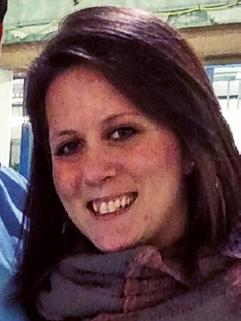
My name is Ashley Fieseler and I am proud to share that I am the President of the American Foundation for Suicide Prevention (AFSP) in South Central Pennsylvania. This hard working foundation attempts to end the stigma associated with mental illness and suicide while concomitantly helping to decrease the number of individuals who take their lives.
My passion to make a difference can be traced to my own personal loss. I will never forget October 27th, 2005. At the age of 17, I lost my amazingly beautiful mother, Laurie Ann Fieseler to suicide as her life was robbed by severe mental illnesses. Searching for an answer, she was given many different diagnoses to help categorize her symptoms; before she passed away, she was diagnosed with Bipolar disorder and Undifferentiated Schizophrenia. On October 28th, 2005 I became committed to end the stigma and not have her name be soiled by her untimely death. My mother to me was not known as Bipolar or Schizophrenic; she was known as the best lemon bar maker with the most creative mind.
struggling with a mental illness such as depression and anxiety. Our board also works diligently to raise funds to support the programs.
This year we sponsored a three mile community walk in Harrisburg, Pennsylvania. This initiative gathered hundreds of individuals and families; those who have lost someone to suicide, battled mental illness, attempted to take their own life and others who like me who support the cause for their own personal reasons. Though we came to the walk
So why do all of this?
Why does it mean so much?
Simple, suicide is a preventable death.

My work with the AFSP assists in suicide prevention by funding scientific research, offering educational programs for professionals, educating the public about mood disorders and suicide prevention, promoting policies and legislation that impact suicide and prevention, and providing programs and resources for survivors of suicide loss and people at risk while involving them in the work of the Foundation (www. afsp.org).
As the President of my local board, I work along with my fellow board members to educate our local community while incorporating my health care expertise as a Registered Nurse. I help to create programs for awareness.
For example, Mental Health First Aid Training is a program similar to Red Cross First Aid that teaches how to immediately respond to someone who is in a mental health crisis. Another program entitled More Than Sad trains teachers on how to assist students who are
there is no one who cares.
As nurses, we speak about self-care. If we do not care for ourselves then we cannot care for others. Therefore, if you or someone that you know are suffering and considering suicide as an option, call the toll free national suicide prevention lifeline (800-273-TALK (8255)) or text for help at 741-741. Experts are available around the clock with discretion and confidentiality. Further, all callers remain anonymous.
Through my work with this founda-
Suicide Awareness
with different agendas, we all had one common goal, that is, to be the voice and end the stigma of mental illness. Together we raised $90,000.00 dollars to be used in our community as we seek to become more proactive rather than reactive to mental illness and suicide.
So why do all of this? Why does it mean so much? Simple, suicide is a preventable death. Although preventable, 42,773 Americans take their lives each year. In other words, 117 lives are lost to suicide each day (www.afsp.org). Therefore, by educating the public, we seek to show everyone that there is support. Furthermore, we want those who are so overburdened in life to know that our foundation is ready and able to support them, as for every 25 suicide attempts there is one life lost to suicide.
Advocate and public speaker, Kevin Hines attempted suicide by jumping off the Golden Gate Bridge. As he was about to jump, he thought “If one person tries to talk to me, I won’t do it” (www. kevinhinesstory.com). As a society, we can make a difference by asking people like Kevin Hines “How are you doing?” It is a simple, yet powerful question and can help to connect with a person who is contemplating suicide and feels that
tion, I have personally found great hope. If you have any questions or concerns, please don’t hesitate to contact me at afieseler@gmail.com. I want people to know there is help and they can work to keep their own best lemon bar maker alive.
In the Commonwealth of Pennsylvania, there are multiple AFSP local chapters for information and assistance. Thank you for taking time to read my story, and remember ... you matter!
Your Survivor Buddy, RN to BSN
References
American Foundation for Suicide Prevention. (2015). Facts and Figures Retrieved from https://www.afsp.org/ understanding-suicide/facts-andfigures
Kevin Hines. (2015). Kevin Hines Story. Retrieved from http://www. kevinhinesstory.com
Cohort ’79
and Prevention

“Where there is darkness ... light”
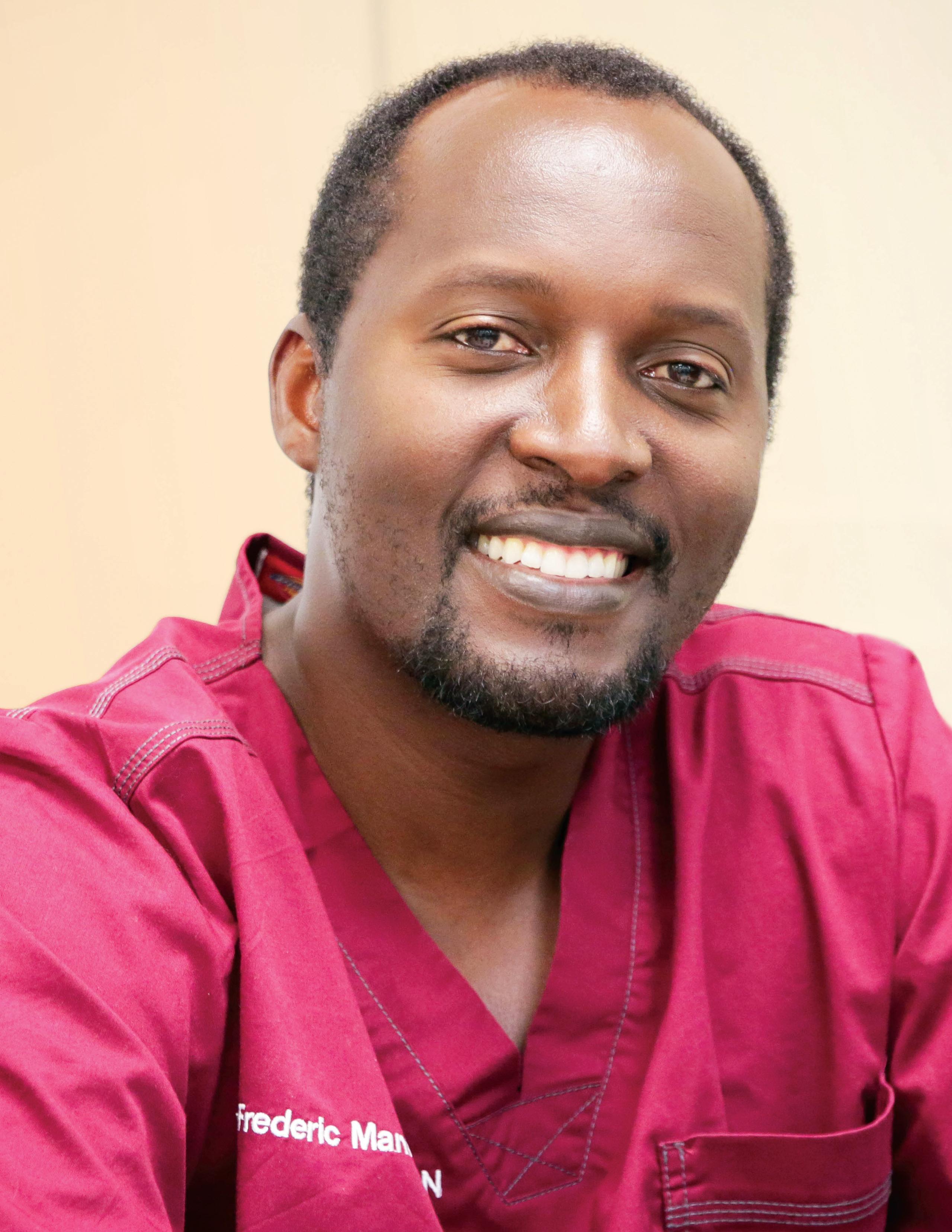
Frederic Maniraho, student nurse, BSN2 Class of 2018
“To be understood as to understand ...”
BRINGING UNIQUE SKILLS TO THE PROFESSION
Dr. Mary T. Boylston
In recent years, the profile of the nurse has been changing as an increased number of women of color and men have been recruited. This is an attempt to create a multiethnic, culturally diverse, and gender neutral profession (McMenamin, 2015).
Of note, an Institute of Medicine (2011) initiative has placed a greater emphasis on recruiting men. Consequently, according to the American Association of Colleges of Nursing the trend of increasing the numbers of males in the nursing workforce is gaining momentum (http://www.aacn.nche.edu/media-relations/fact-sheets/enhancing-diversity). Indeed, relatively high wages with expanding and stable employment seem to be attractive (https://www.census.gov/people/io/files/Men_in_Nursing_Occupations. pdf) and more men are choosing nursing as a second career.
The justifications for encouraging men to join the nursing workforce are numerous. First, they represent a proportion of the population that nursing serves and bring a unique perspective to the provision of patient care. In addition, with a predicted nursing shortage, the profession of nursing will provide many opportunities for professional growth and employment. Men interested in pursuing a career in nursing will assist in addressing the looming nursing shortage. Consequently, nurse leaders continue to work diligently to recruit capable individuals of all races and genders to represent the populations served. As our society becomes more diverse, nursing should also increase its numbers to bring more inclusivity and diversity to health care.
Despite the smaller numbers of men in nursing, Eastern University’s pre licensure and RN to BSN programs have experienced an increase in numbers of male students which is consistent with schools across the nation. Even with the surge of male students in educational programs, the profession needs to do more to recruit qualified individuals. Men who work as professional nurses can serve as role models and offer advice about how to thrive in a profession where they are currently a minority. n
McMenamin, P. (2015).
Diversity among registered nurses: Slow and steady progress. Retrieved from http://www.ananursespace. org/blogs/petermcmenamin/2015/08/21/rndiversity-note?ssopc=1 Reference
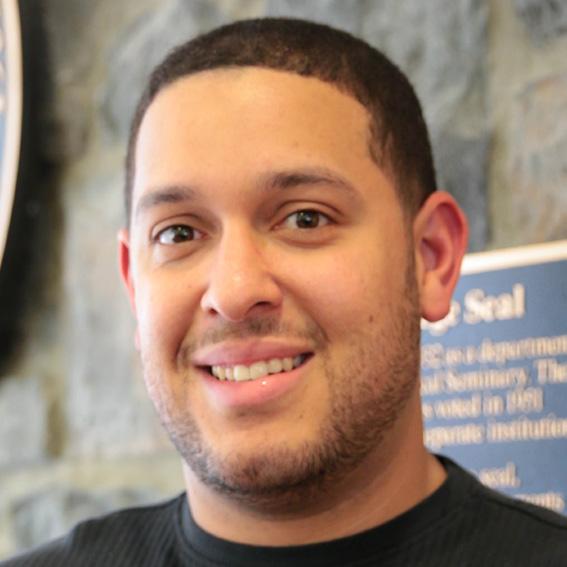
Darius Clemons
RN, BSN Cohort 71, Class of 2016
Nursing was a second career choice for me. When I started my original undergraduate degree (Criminal Justice and Political Science), I never thought twice about the possibility of being a nurse. When graduation came closer, I considered where I wanted my life to go and what kind of career I could take on that pays well, has consistency, will always be in demand, and will positively impact people around me.
Nursing has been considered a woman’s profession, but times will always change and it is important that we do not fight change.
My approach to nursing however, is unique. Female nurses are some of the strongest, influential, intelligent, compassionate people that I have ever met. I learned everything I know about nursing from female nurses. I have witnessed practice that I agree with, and disagree with, from male and female nurses alike.
Academically, Eastern taught me to care for the whole patient. As a cardiac catheterization RN, I tend to just focus on the heart and move patients in and out like a service line. Now, not only do I work on hearts but I influence my teammates to remember that there are individuals on the table and not only does their heart need care but the person does also.
My advice to men is to be open-minded. Do not have an inferiority complex no matter who gives you advice or help. And for anyone who chooses nursing as a major, be ready to grow, be ready to change, ready to be challenged. n
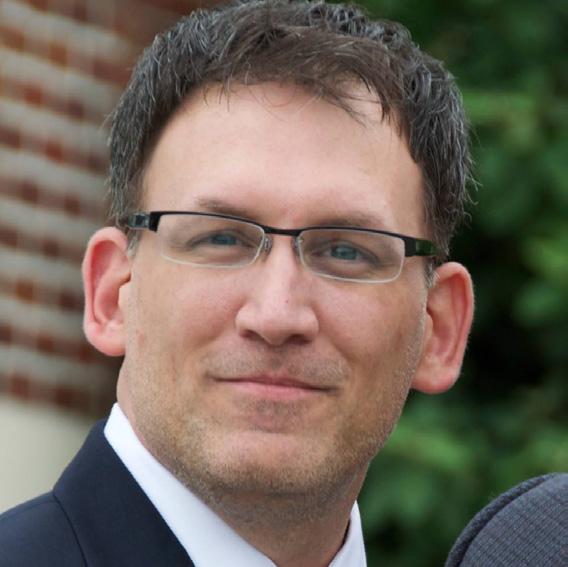
David Herbetko
RN, BSN, CCRN-CSC Class
of 2014
It’s difficult to say why I chose nursing; however, I was most likely influenced by my brother who is a nurse. He suggested nursing and after I worked with him for a day in the operating room at Hahnemann Hospital, I knew my destiny.
Being a male in the nursing field was a non-issue for me Sure, the guys I was working with prior to school had their comments. But this made me prove them otherwise. Yet, the stigma is still there. I have patients say all the time “Oh, you’re a male nurse.” My comment is always the same, “Well, they wouldn’t let me be a female nurse!” This always breaks the ice.
My approach in nursing is that I treat every patient as if they are my family member. Nobody is a VIP; everybody is a VIP.
Eastern University’s RN to BSN program helped by reinforcing the holistic aspect to nursing. There is more to nursing than working eight hours, giving medications, and going home. People definitely respond better to an approach that lets them know you truly care.
My advice to men who choose nursing is to ignore the comments that emerge from ignorance. n
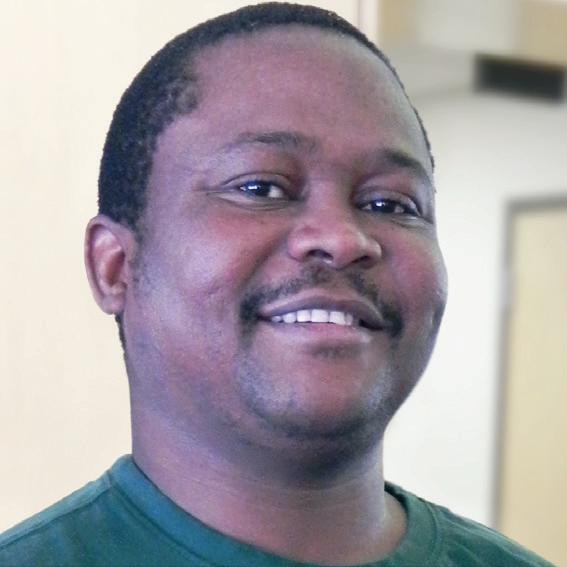
Franklyn Kargbo
RN, BSN2, Class of 2016
Prior to entering the BSN2 nursing program, I was teaching basic life and vocational skills to children and adults with cognitive disorders. After six years, I developed the passion for caring for people who needed assistance. One of the nurses caring for the children said to me “you would be a good nurse. Have you thought about it?” I went home and shared her comment with my wife who agreed. I then decided to pursue a career in nursing.
The reason why I choose Eastern was because their program has a Christian focus. I believed after graduation, I would be caring for my patients in a holistic manner and also applying the golden rule “do unto others as you would like others to do unto you.”
I have witnessed male nurses at work and they have reinforced my belief that male nurses like female nurses can be good caregivers. In fact, last semester, during my community rotation, the nurse I shadowed was a male nurse whose extraordinary care to his patients in hospice care made me love the profession more. He embraced holistic care with all the patients we visited and used techniques such as massage, feet washing, aromatherapy, therapeutic touch, and communication.
I will advise any man who wants to go into nursing, to go for it. Nursing is a humble profession that needs both males and females working together in harmony for better patient outcomes. n
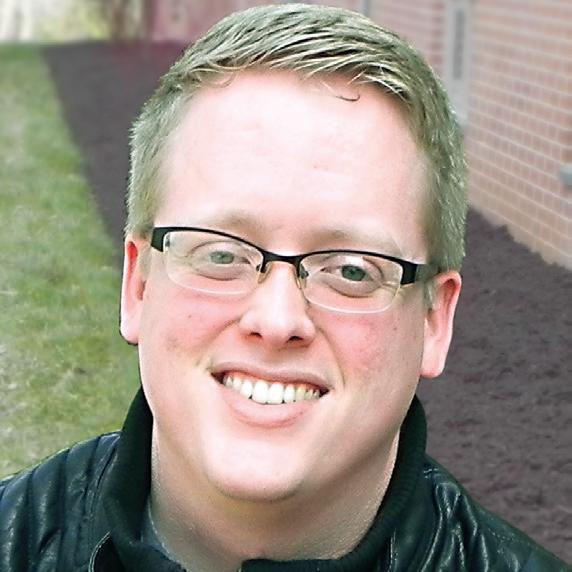
Justin Fox
BSN2 Student, Class of 2016
Before entering the BSN2 program I worked in human resources for a nonprofit company in Pittsburgh. I chose nursing because it fit well with my caring and nurturing personality.
Eastern’s program is providing me with the foundational knowledge base for the skills I will need on the job. I am being exposed to different kinds of nursing specialties in clinical which will help me narrow down what field I want to enter.
My advice for men considering nursing as a profession is as follows:
First, TV medical shows are not realistic, and I would highly recommend shadowing a nurse for multiple 8 or 12 hour shifts to see what the realities of a nurse’s job entail before deciding to pursue a degree.
Second, being a male nurse requires a high level of emotional intelligence, interpersonal skills, and social awareness. There are a lot of intimate human interactions and emotional situations with patients and their families, and if you get uncomfortable around that sort of thing this is not the job for you. n
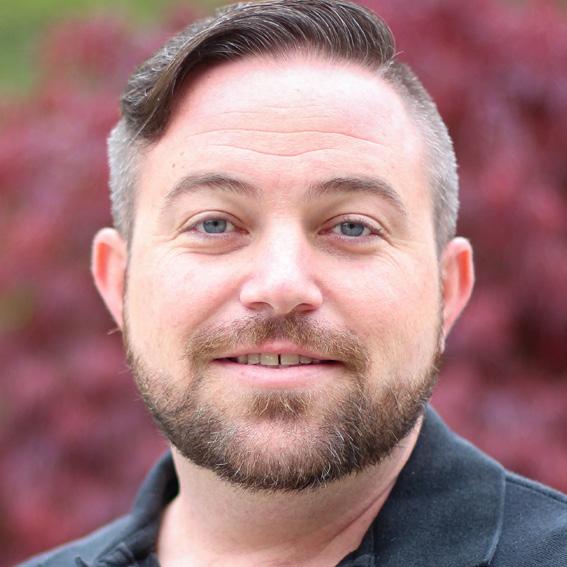
Michael “MJ” Jordan
BSN2 Student, Class of 2017
My interest in the healthcare field began in high school when I worked as an emergency medical technician. In college, I pursued biology and psychology and eventually found myself leaning toward animal behavior. After graduation, I worked at a facility as a dolphin and tiger trainer. I changed directions and entered the business world and moved quickly into a management role. However successful as I was, I found myself missing the hands on interaction and care.
Nursing quickly came to the forefront of my interest since there are many avenues and options. I began working at Lankenau Medical Center as a Patient Care Technician (PCT) which has given me a direct insight into the profession itself.
Eastern University is allowing me to gain the knowledge and confidence needed to achieve my goal. The art of nursing and in particular our holistic nursing approach at Eastern has opened my eyes to a healing of the entire patient - mind, body and spirit. As I get a better understanding of the nursing field, I find myself looking towards Masters programs and specializing my nursing skills.
The only advice that I can give to men looking at the nursing profession would be to look at a hospital or facility and see the absolute need for more male nurses.
Ultimately I feel having men in nursing provides a better balance of care that is given to patients. One might say male nurses bring some yang to a heavily yin weighted profession. n
Ashley Blackburn, RN to BSN Class of 2016
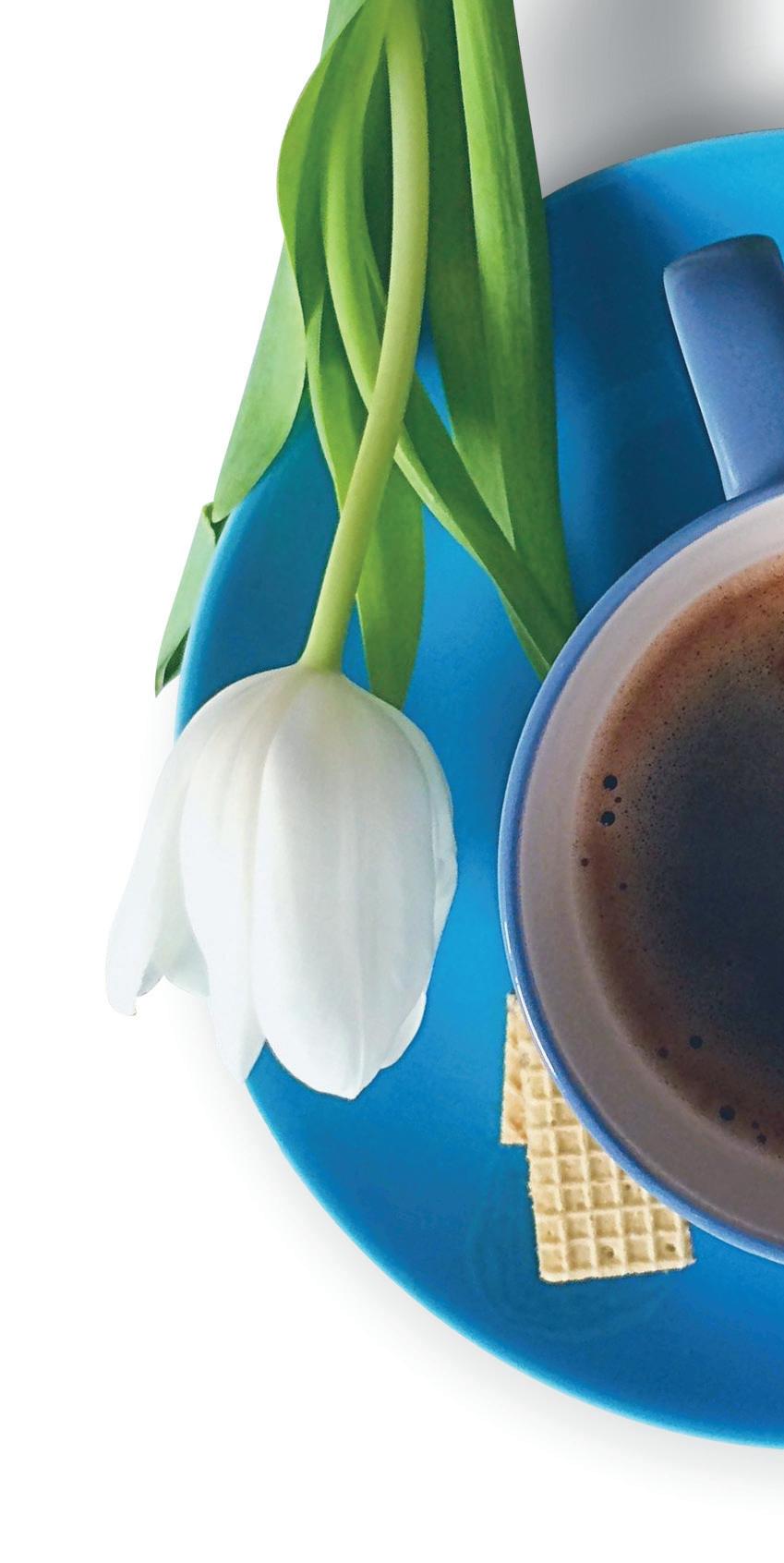
The aroma of hazelnut coffee replaced the staleness of the hospital air. White tulips softened the reality that a hospital has become home. She slept peacefully as I watched her chest rise and fall from the door, waiting for the rhythmic motion to cease. The pink hues of the sunrise gently cast a shadow over her neck; the jugular vein distention visible from the door. Moving closer to place her requested coffee on her cluttered bedside table, I notice the paleness of her fingertips resembling a corpse. Her heart failure was welcoming death with every passing minute.
Her blue eyes opened to greet me. A welcoming smile followed suit. The pale, cool hand reached up to touch mine. My heart swelled with empathy. Our eyes exchanged a wordless con versation with depth and meaning. This is the woman who reminded me that the definition of quality of life is unique to the individual. Most saw her constant struggle for breath as an indicator for misery. Most saw the oxygen that hung from her neck as a tight noose choking her happiness. Most missed an opportunity to converse with one of the greatest women in the world. Although heart failure has required significant adjustments to her life, Dorothy was very much alive. Simple pleasures were monumental moments in her day. Her husband walking in the door after work, the neighbor’s dog jumping on her lap, white tulips in partial bloom, sitting outside on her porch listening to the stillness that surrounded her existence, all resulted in elated contentment.
While most of us chase fancy cars and big houses, she chased another orange sunset, an other welcome home kiss with her life mate, a joyful jump up from her neighbor’s dog, and a chance to witness a tulip open to absorb the sun’s warmth. It reminds me that there may be a day that I may never feel my husband’s lips meet mine; I may not see the sunset or feel its warmth on my skin; and I may not hear my children’s laughter; because of her I cherish life. I am reminded that as a nurse, I cannot define one’s quality of life. However, I can bring in the simple cup of coffee that my patient will enjoy for the last time. I can fill the room with white tulips and open the blinds so the sunset is visible. I can hold your hand so you never feel alone. I am a nurse, and I care. n
Ashley Blackburn
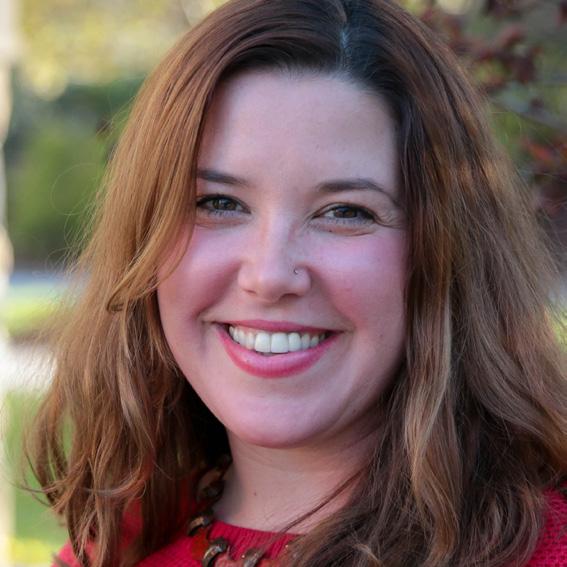
Dr. Christina Jackson
E,
PhD, APRN, AHN-BC, CNE, Professor
of Nursing
Dr. Christina Jackson
arly in my career, I worked on an Adolescent Medical Surgical/Pediatric Oncology Unit at Yale New Haven Hospital. We newer nurses rotated all three shifts which was rough, but we practiced Primary Nursing which facilitated relationship and continuity, and that was wonderful! A sweet eight year old child with leukemia named Tracy gave me a glimpse of heaven, and has remained one of my most memorable patients across 35 years and thousands of patients.
Judging from her lab results and deteriorating clinical condition, we knew that this particular admission was likely to be Tracy’s last. I was keeping a bedside vigil with her parents on that last morning. Except for occasional moans, Tracy was unresponsive. I gave her morphine every few hours, but it was heartbreaking to think she may still be feeling bone pain. At 1:00 pm, she opened her eyes fully and suddenly, and a look of wonderment spread across her freckled face. She gazed beyond us and said “Oh! I’m going upstairs now!”, then immediately breathed her last.
At that time there was no Internet, and people did not talk about near death experiences on TV, so I never questioned that Tracy was sharing with us exactly what she experienced in that moment. It is always moving and sacred to be with people at the time of their death, but to be given this glimpse “beyond the veil” was a gift that confirmed my belief in an afterlife, and the beauty and welcome that we can anticipate when we transition to the next plane. Thank you Tracy, and God bless you always. I hope to be with you again one day! n

, Class of 2017
encountered a variety of patients during a medical surgical clinical practicum this past semester. With each patient, I learned something different, but my most important lesson was that I was reminded of my passion for nursing, medicine, and patient care. One week towards the end of the spring semester, I cared for a particularly complicated patient—he was an older gentleman suffering from a severe allergic reaction that had caused him to develop blisters all over his
Around mid-morning, the wound care team came to assess the lesions and decided it was in his best interest to drain all of the blisters. The wound nurse allowed me to assist him with the procedure, and at this point, the patient was not oriented to reality. I helped the nurse by supporting the patient’s arms as we drained and bandaged the sores. I had never seen anything like this in my clinical experience thus far and I was fascinated by it—but I also felt badly for the patient as it was clear that he was completely miserable.
I vividly remember smiling at him, looking into his eyes, and offering encouraging words: “You’re doing a great job, sir!” “It’s almost over…this is going to help you feel so much better.” “Almost done, hang in there!” I kept lightly squeezing his hand, and the patient would just smile at me and squeeze back every time I did. Even though I knew he probably would not remember the experience later, I felt that my presence had made a difference in his recovery, and perhaps his life. And this is why I am positive that I have made the right decision to become a professional nurse. n
Sierra Schemp

Samantha Stewart, CLass of 2017
Although I am just finishing my junior year as a student and have had limited exposure to patients, I have encountered patients who have shaped me to be a better nurse. They have made me a more empathetic person, a more determined student, and have opened my eyes to how important a nurse can be to a suffering individual and family.
I was assigned to care for a middle aged woman the day she was admitted. She was brought to the hospital due to a decrease in mental status and thought she would be discharged that day. I was present during her initial meetings with physicians, provided nursing care, and talked with her about her medications. When she was overwhelmed, I held her hand. However, when I returned a week later, she was finally on the discharge list. Although she was not my patient that day, I stopped by her room to see her. Sadly, she had been diagnosed with cancer.
During her admission, we had discussed that cancer could be a possibility, but no one is ever prepared for that diagnosis. I sat down with her and rubbed her back while she cried and told me her worries and fears. My heart immediately went out to her. My mind wandered to my rough week as I reconsidered my choice of professions. Why had I chosen this difficult major of nursing?
Then it dawned on me as I sat with my crying patient listening to her thanking me for all I had done for her (which I did not think was a lot) and hugging me goodbye. The answer was clear.
Nurses are not scientists (though they know science); they are not pharmacists (though they know medications); and they are not doctors (though they know diseases). Nurses are unique because their specialty is people. Good nurses know how to care not just for the patient’s illness, but also their heart, mind, and soul. They hold patients’ hands while they go through the worst days of their lives. They are the patients’ voices when they do not feel like they have one. They are educators, confidants, and a shoulder to lean on. A good nurse has a heart that cares and a light that helps patients continue on when they cannot do it alone. Being a nurse is a privilege.
And as I sat there listening to my patient opening up her heart to me through her tears, it finally sunk in how privileged I was to be given the opportunity to be there with her during this time.
Everyone always says nursing is not an occupation, it is a calling and that day I finally fully understood what that means. I will always be thankful for the opportunity to care for this patient and to God for giving me the call to nursing. n
Samantha Stewart
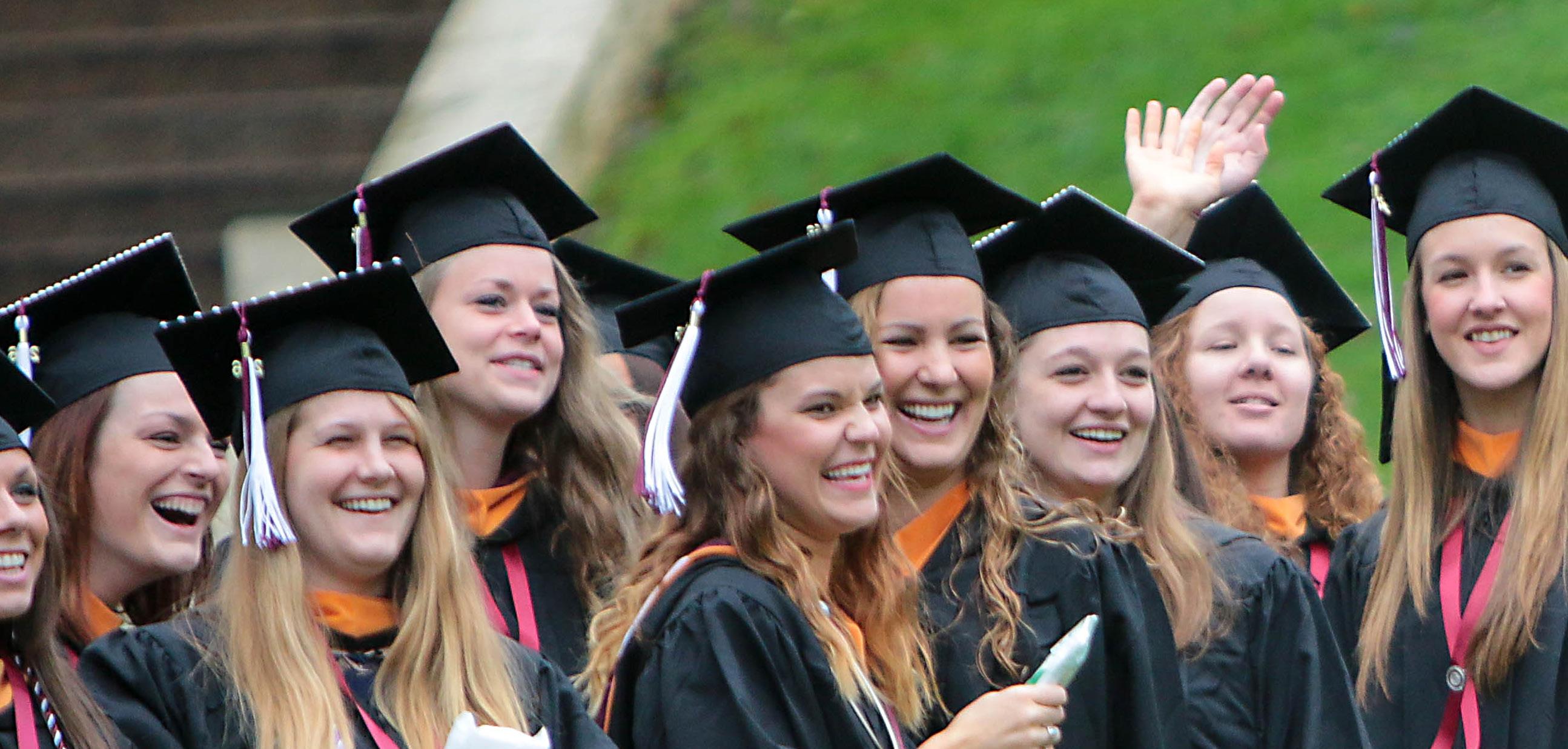
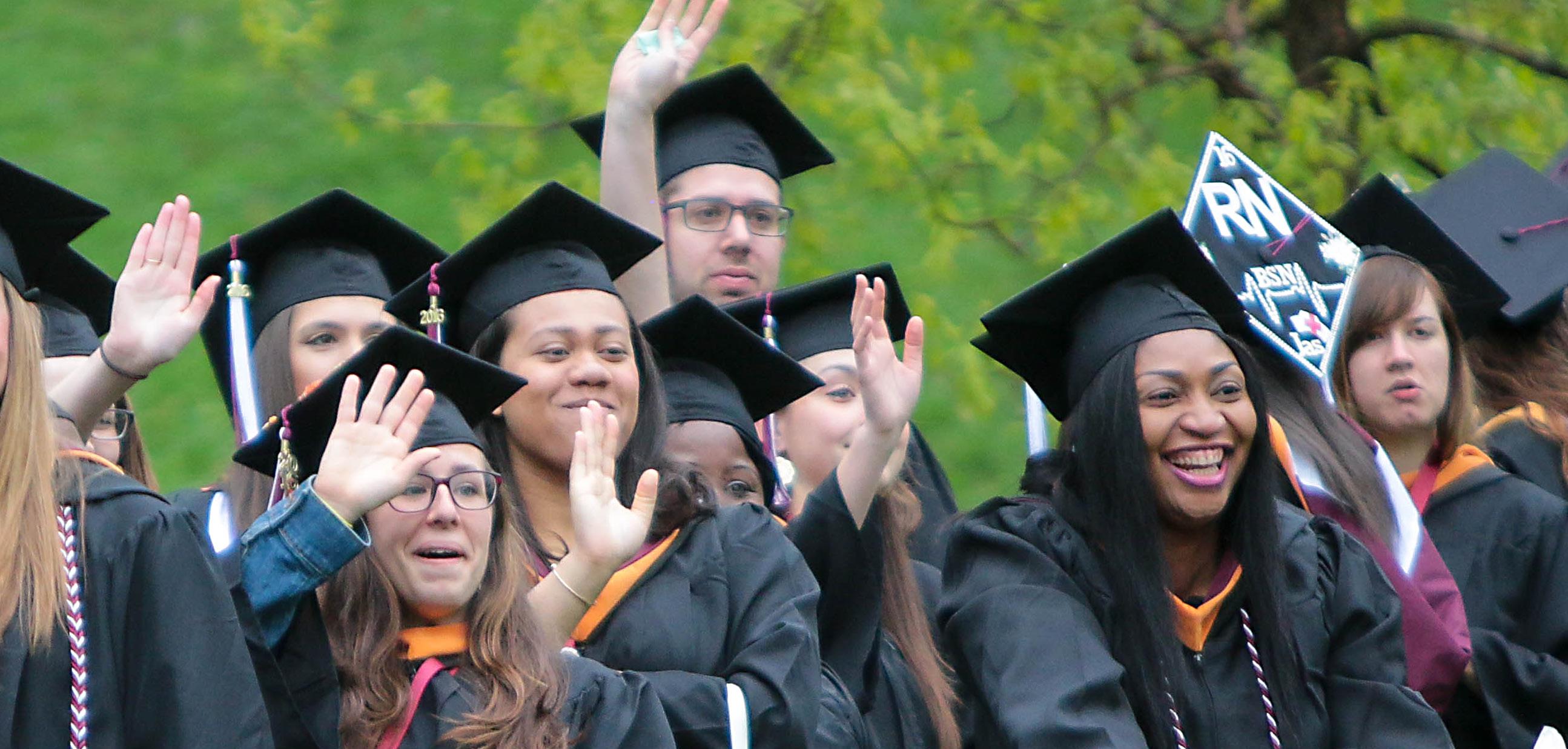
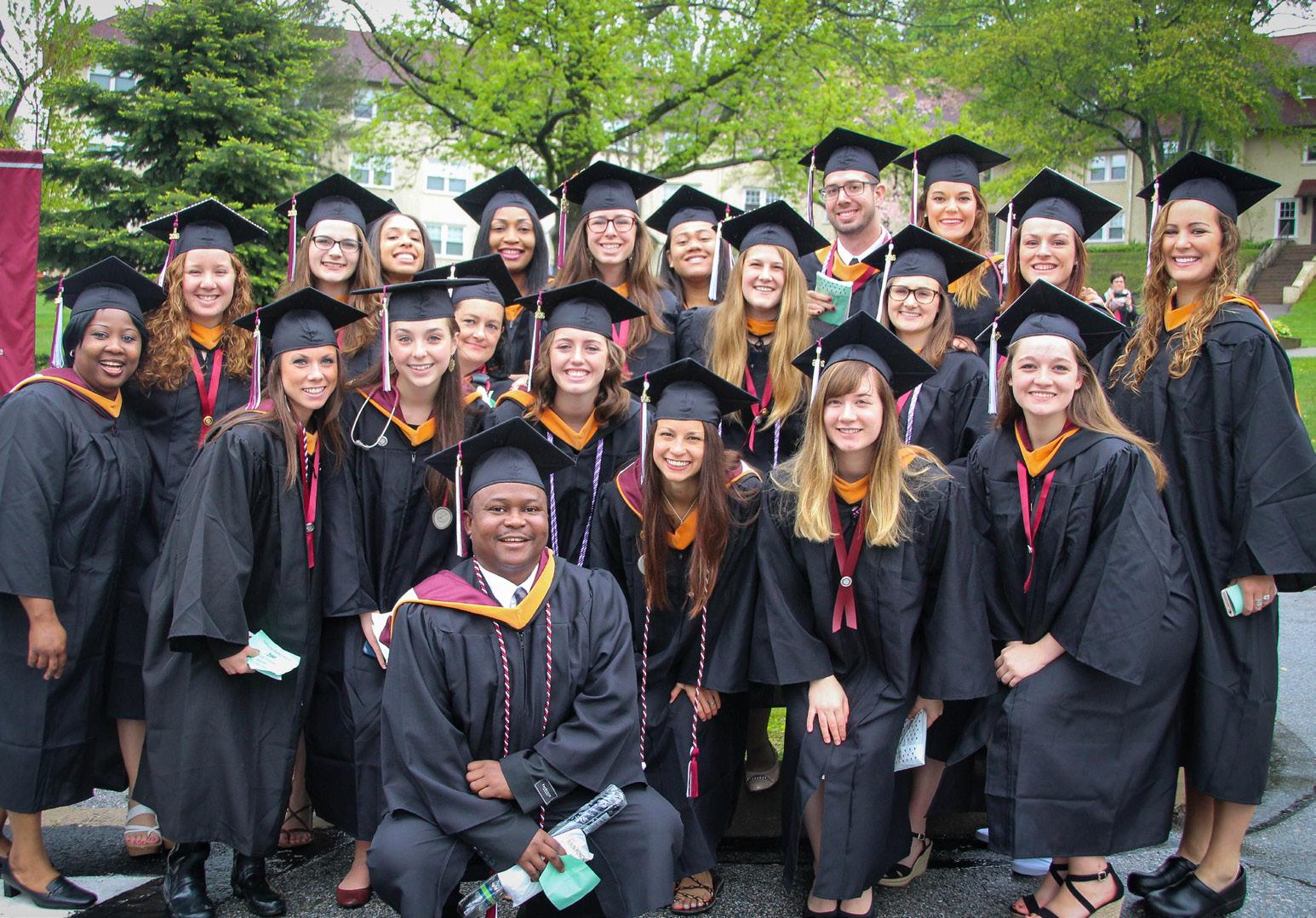
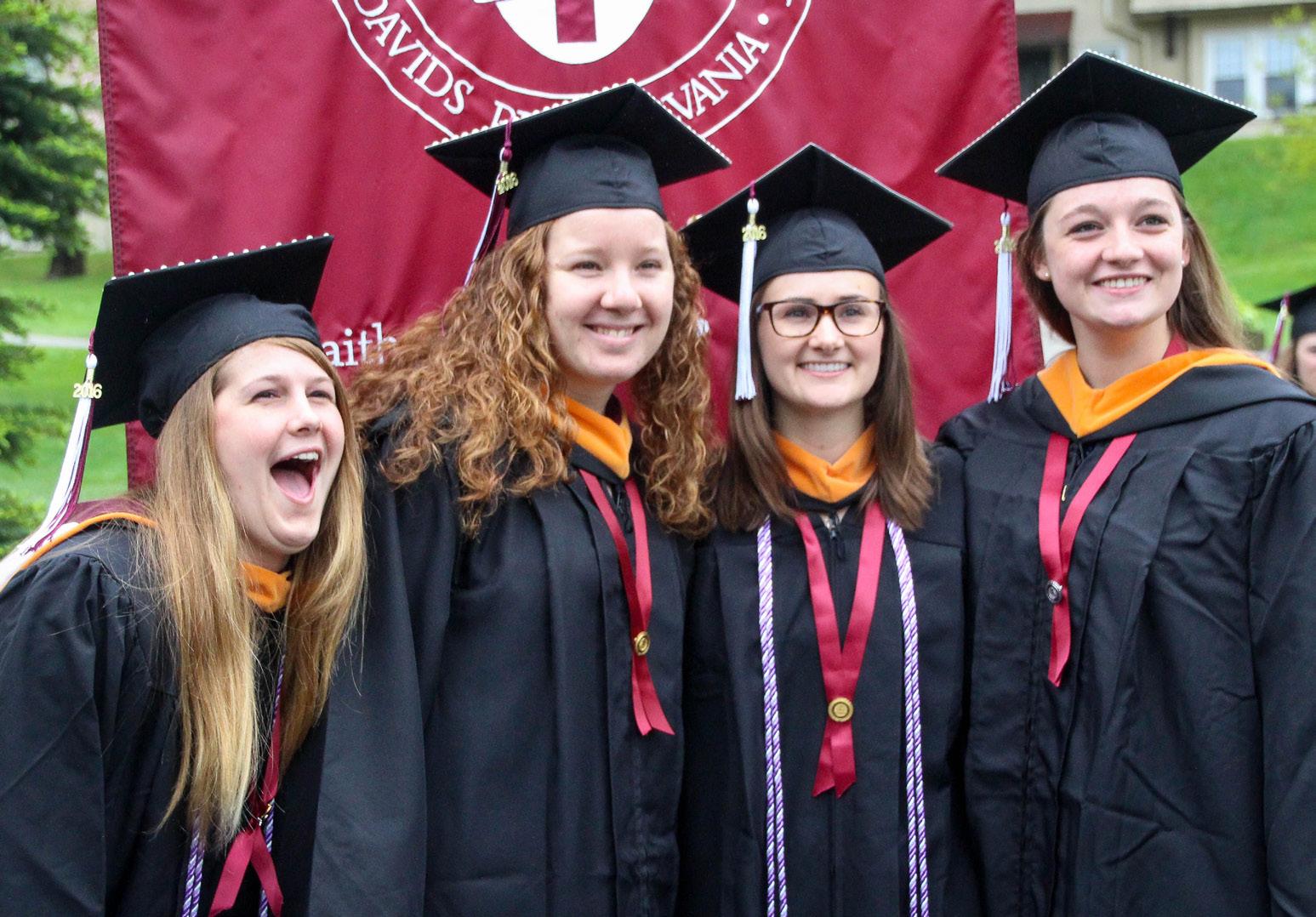
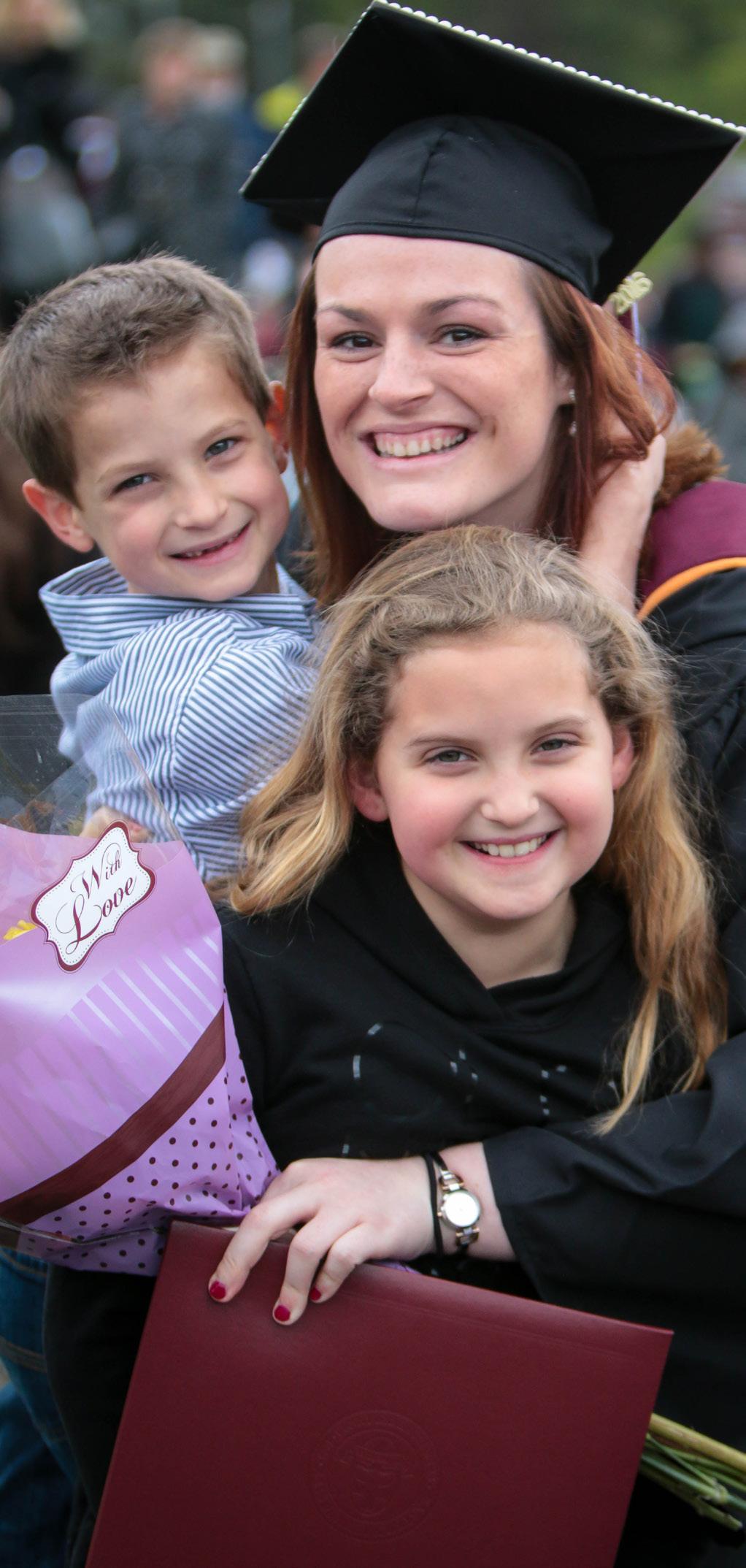
Graduation AWARDS
Spring 2016
Marie Joseph Servant Leader Award: Anna Hass and Abbie Huber
Professional Practice: Zoe Detzel
Chair’s Award: Taylor Profitt and David Tumolo
Malinda Murray Compassionate Care Award: Franklyn Kargbo
Joyce D. Wallace Nurses’ Christian Fellowship Award: Megan Maniscalco
My Destiny:
ACHIEVING THE DREAM
Jan Lear Lofland RN to BSN Class of 2013
he profession of nursing is considered an art and science as compassionate and holistic care is designed to meet the needs of the patient and family in a therapeutic environment. Nurses provide care to individuals in all walks and stations of life with the unique privilege of being present during exceptional moments like births and deaths.
That is what my nursing career means to me as I am driven from Above to act with a kind and nurturing heart. As my life’s journey created my career path, it was later enriched by my education at Eastern University. As an experienced nurse, I have had multiple opportunities to reflect on my career choices at various occasions in my life. My career trajectory has helped to answer two important and personal questions. First, “can a person’s life struggles and losses create a career path?” The second question is, “did earning my BSN later in life ground and mature me as a nurse?” The answer to both questions is a resounding “YES!”
Here is my story …

continued on page 16
Linda
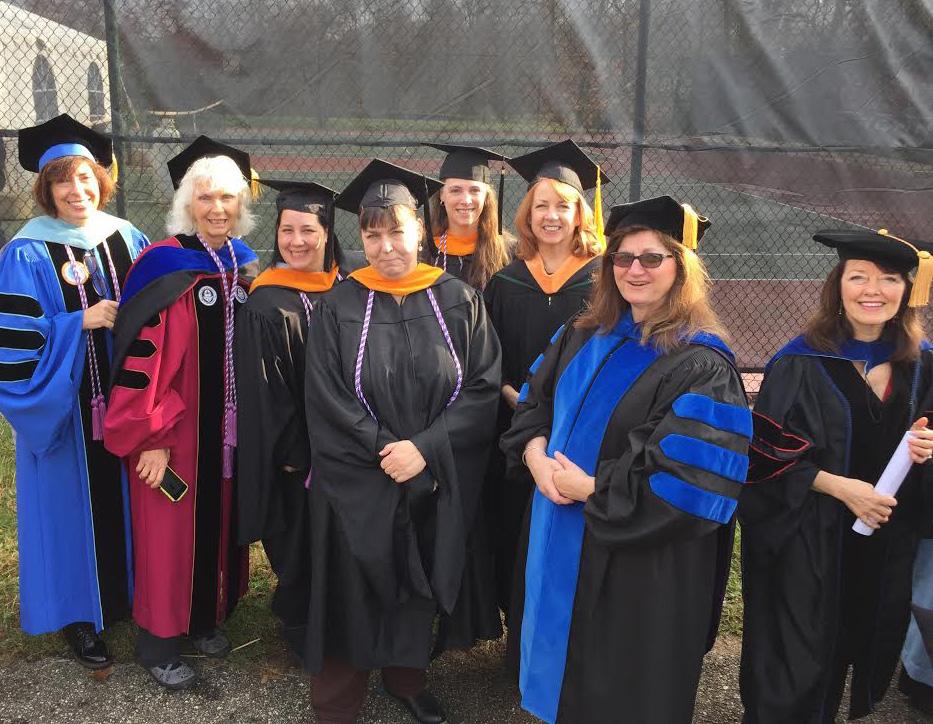
Members of the Department of Nursing
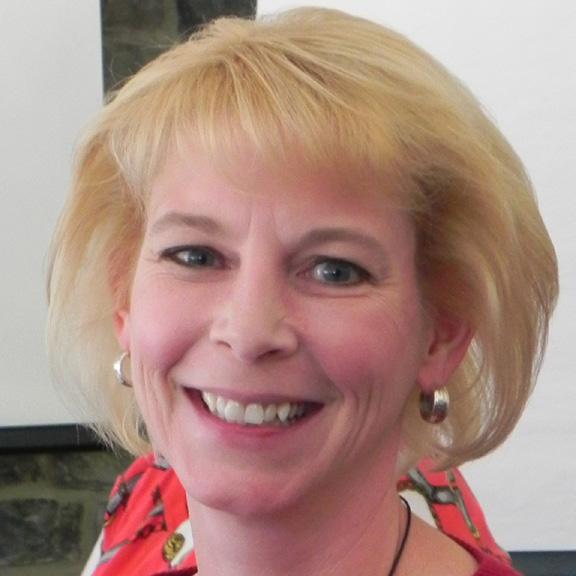
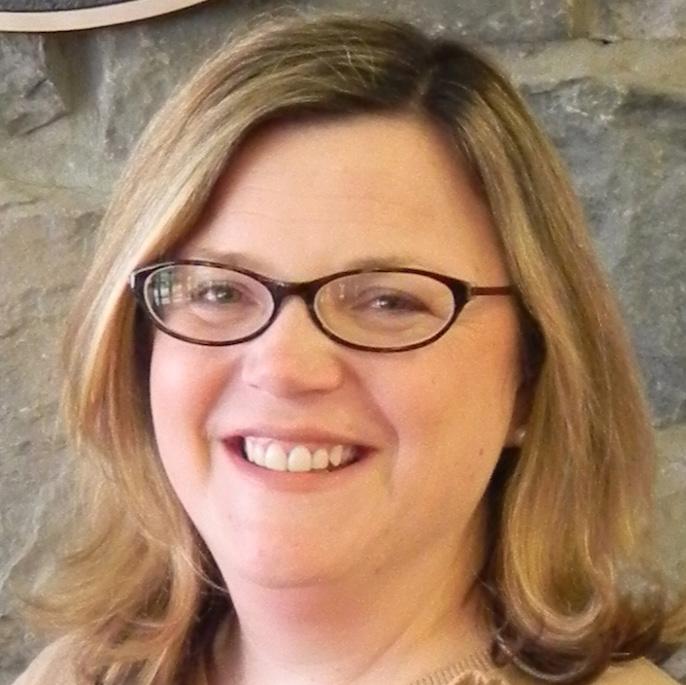
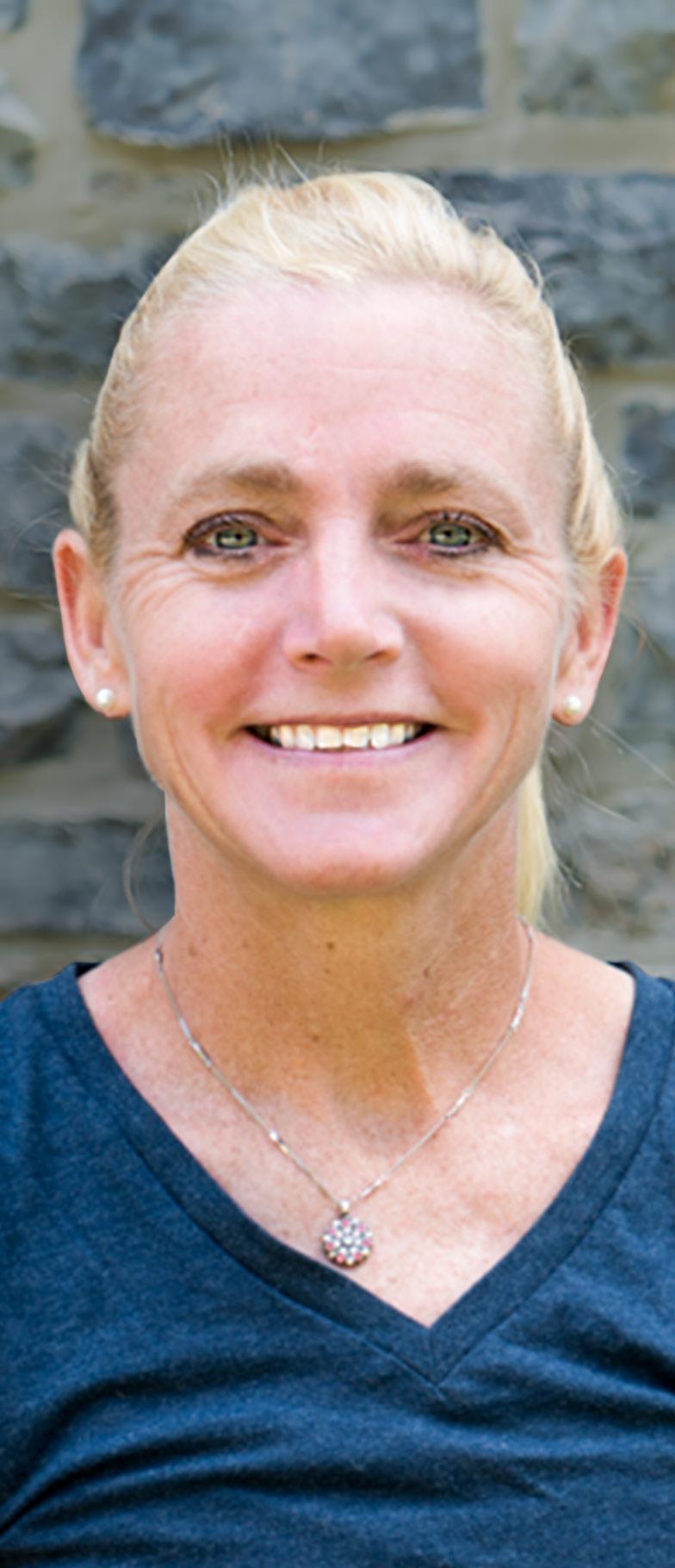
Dianne DeLong, PhD, MSN, RN, CNE: Chairperson of the Department of Nursing
Dr. DeLong was Chair of Nursing College of Saint Elizabeth. A diploma graduate from Allentown Hospital School of Nursing, she earned her BSN at Kutztown University and MSN in nursing education at Villanova University. Dr. DeLong completed her PhD in higher education leadership through Capella University and holds a certification as a Nurse Educator. Clinically, she has worked in pediatric and maternal-child nursing, mental health, medical-surgical, community health and long-term care nursing.
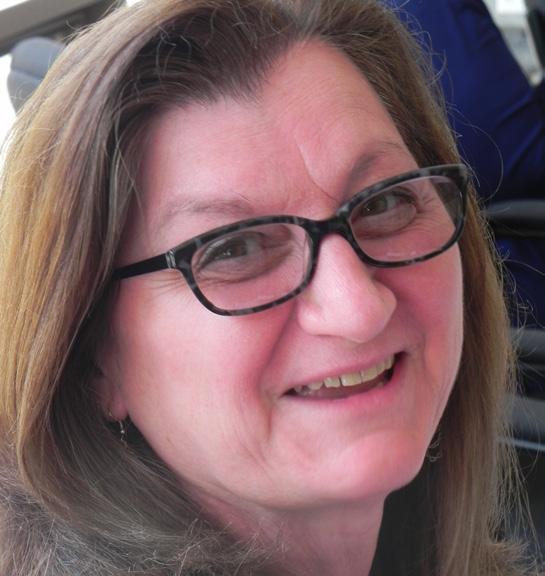
Christina Von Colln-Appling, RN, MSN, CNS: Lecturer in Nursing
Professor Von Colln-Appling graduated from Neumann University with a BA in Psychology. She attended nursing school at Roxborough Memorial Hospital School of Nursing and earned a MSN from Widener University. She began working full time in education as a nursing instructor for a licensed practical nursing program in 2011. Currently, she teaches medicalsurgical nursing while studying to earn her PhD in nursing at Widener University.
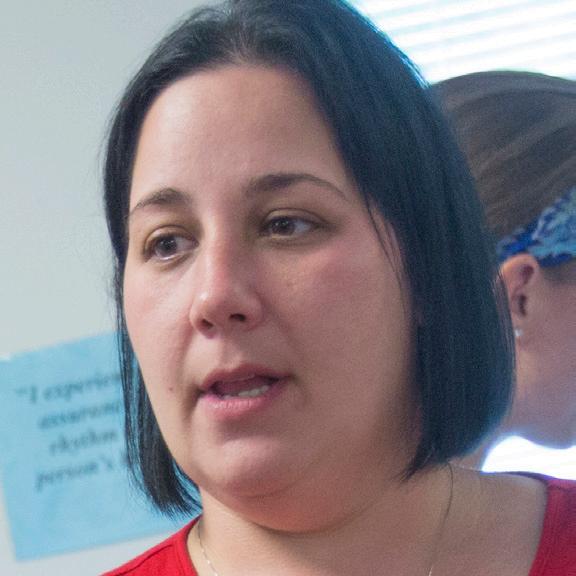
Donna Gribbin, RN, DNP, CNE: RN to BSN Program Director
Dr. Gribbin completed her diploma from Frankford (Aria) Hospital School of Nursing/ affiliated with Penn State, BSN from Gwynedd-Mercy University, MSN in Nursing Education from Drexel University and DNP in Nursing Education from Duquesne University. At Duquesne, she researched simulation utilization and undergraduate nursing students. Her professional background includes teaching online, classroom, clinical, lab, and simulation, being course chair, teaching in ASN, BSN, MSN nursing programs and an adjunct in a business department at a Community College. Dr. Gribbin has extensive clinical experience in Medical Surgical Nursing, Same Day Surgery, and Community nursing. She also has clinical experience as a hospital unit manager, team leader, clinical preceptor and educator, a coordinator of a Nurse Aide program, and Director of Staff Development in LTC.
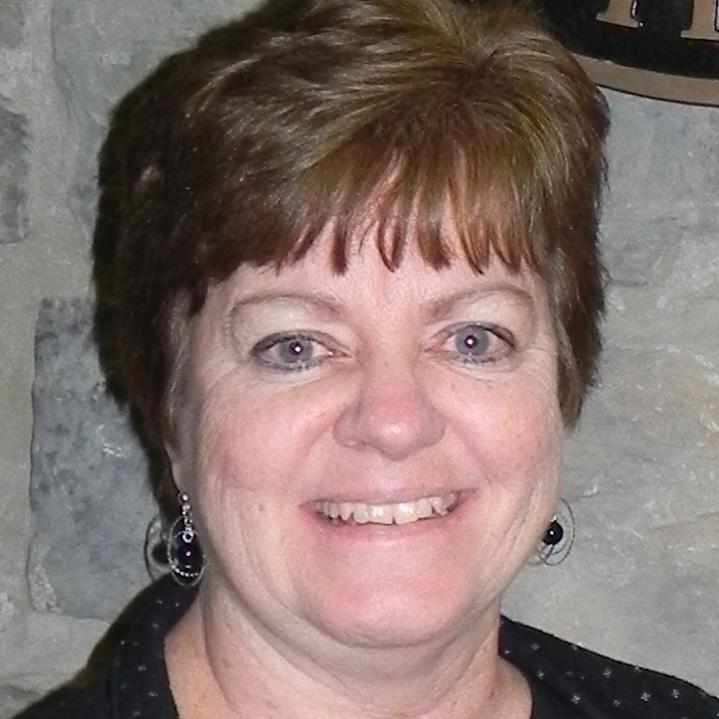
Jacquelyn Buige Raco, RN, BSN, CSN, M.Ed and Certification in School Health Supervision: Director of School Health Programs
Mrs. Raco earned her BSN from University of Pittsburgh, M.Ed from Eastern University, School Nurse and Supervisor Certificates from Eastern University. She has bone marrow transplant and pediatric clinical experience and has worked as a school nurse since 2004.
Tracy Perillo: Clinical and Compliance Coordinator
Mrs. Perillo’s background in quality improvement and data management led her to the role of Clinical and Compliance Coordinator in the Department of Nursing. She has a BA in Psychology from West Chester University and MS in Health Administration from St. Joseph’s University She has worked in quality improvement at Friends Hospital and Woods Services.