Abstracts
Speakers
Ginny Boehme, Jill Russell, and Dave Russell | Assessing generative artificial intelligence tools for analyzing bird banding data
Since the introduction of ChatGPT's Advanced Data Analysis tool, OpenAI has made it easier for researchers, including banders and conservationists, to analyze data and create visualizations, and other generative artificial intelligence (genAI) tools are quickly becoming competitive in this area. Much research regarding the use of genAI to aid in the writing process has been conducted; however, the accuracy of these tools for processing real, possibly messy, scientific data is not well-studied. This presentation will discuss the opportunities for and challenges with working with genAI tools for data analysis, using one Midwest banding station's data as a test dataset. "Conversations" with these tools show that they are incredibly sophisticated and readily offer different methods for analyzing data, and can very quickly perform statistical tests and generate figures. However, the tools do not always identify when underlying assumptions are incorrect and thus can offer incorrect analyses. This may present major challenges for users who are less familiar with statistical methods, as they may be more inclined to trust the output without further examination. Users need to exercise caution and learn to critically evaluate and verify the information provided by genAI tools.

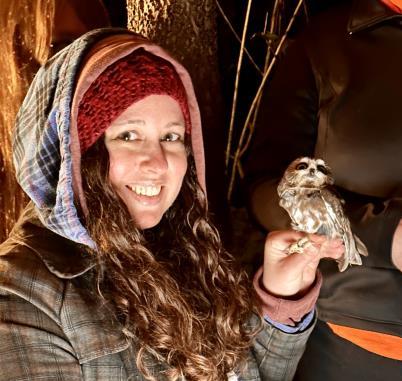
Ginny Boehme is a science librarian at Miami University, and a researcher and bander-in-training with the Avian Research and Education Institute, both based in southwest Ohio. She has been working and learning with AREI since 2022. She is the project lead for the Institute's Photographic Banding Manual, which seeks to improve bird bander education by creating visual resources for understanding avian molt. As a librarian, her work centers around teaching responsible research practices to students and faculty in the life and health sciences, with an emphasis on the intersection of data literacy and generative artificial intelligence.
Kayla M. Cannon, F. Dylan Titmuss, Mary E. Everett. Sarah J. Courchesne, and Kristen M. Covino | Why so defensive? Nest defense behavior in Great Black-backed Gulls (Larus marinus)
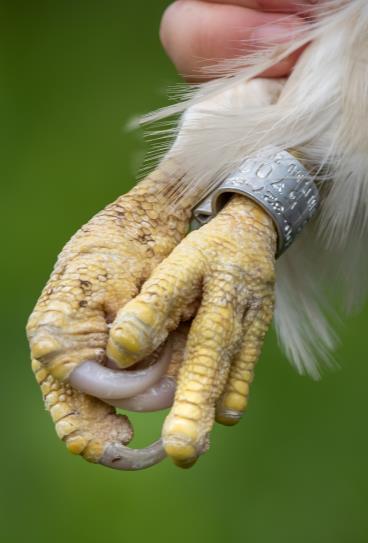
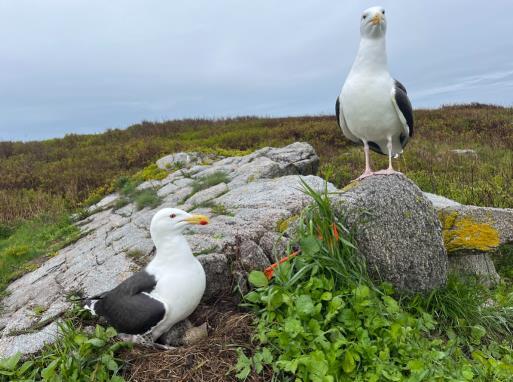
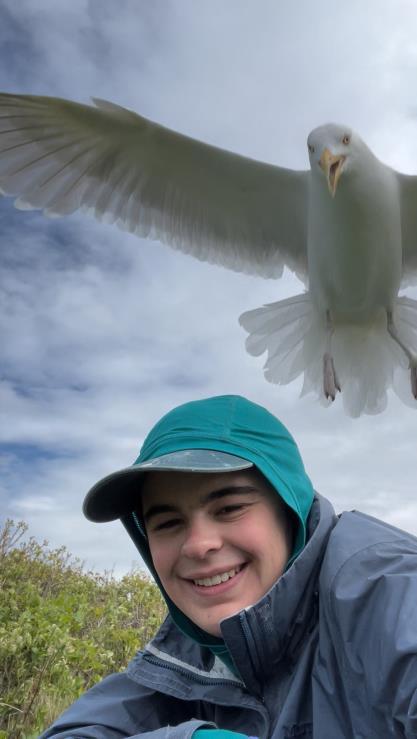
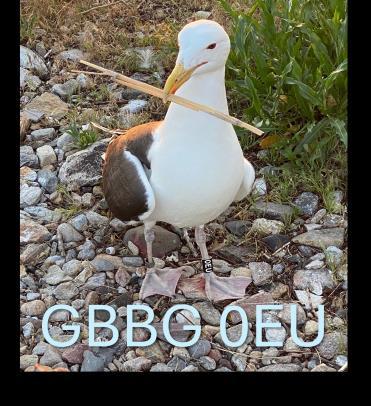
The Great Black-backed Gull (Larus marinus) is a ground-nesting, socially-monogamus seabird likely to experience steep population declines in the next 50 years. As part of a long-term banding study, we are investigating Great Black-backed Gull nest defense behavior to discern how the species responds to threats from humans, which will inform how researchers can minimize potential stressors. We conducted behavioral trials with breeding pairs of banded gulls on Appledore Island, Maine (42.98°, -70.61°) to assess their level of defensive response. During banding, each gull received a stainless steel USGS band on one leg and a 3-digit, field-readable, PVC band on the other, which enabled individual identification. When possible, blood samples were also taken for genetic sexing. Behavioral trials were conducted throughout incubation as follows: a researcher approached the nest and stood one meter from its edge for 30 seconds, the defensive response of the incubating gull was rated on a categorical scale, and the latency to return to normal activities was recorded. We conducted 423 behavioral trials on 132 individuals from 84 nests distributed across the breeding colony. Data was analyzed in R Statistical Software with linear mixed effects models evaluated for significance using Satterthwaite’s method of estimating denominator degrees of freedom. Nesting neighborhood affected gulls’ defense responses such that gulls nesting on campus had lower response scores and shorter latencies than gulls nesting in dense subcolony. Temporal components also affected defense responses. Response scores decreased as hatch date approached, and response scores and latencies both decreased with later calendar dates. Sex had an additive effect in some models such that female response scores were higher and male latencies were shorter. These findings suggest behavioral responses to the nesting environment that may be unique to gulls and have important conservation implications for this seabird genus.

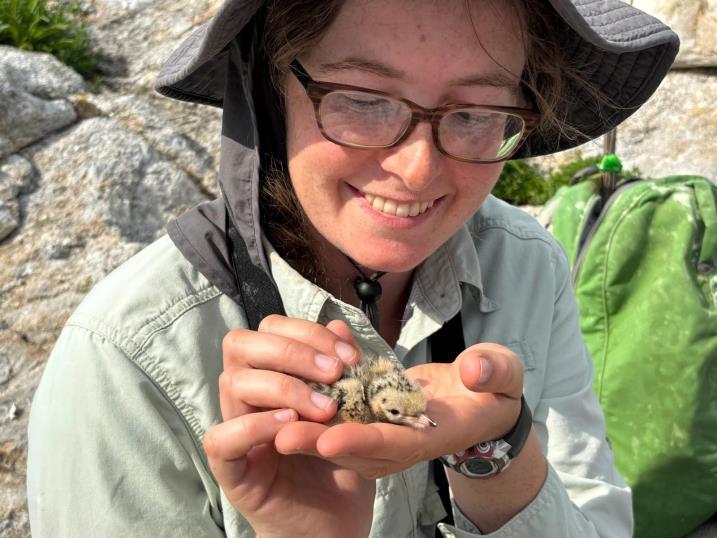
Kayla is a member of the Gulls of Appledore research group and a PhD candidate at University of New Brunswick Saint John in biology. Her undergraduate research on the Gulls of Appledore at Shoals Marine Laboratory kindled her preoccupation with seabirds, which led to further work with gulls, terns, and black guillemots in the Isles of Shoals. She also banded small passerines with the Tay Ringing Group while conducting MSc research on the behavior of a coastal population of corn buntings in Fife, Scotland. Her current research uses long-term banding and diet data to discern the effects of climate change on the Machias Seal Island seabird community. Overall, she aims to quantify individual variation in avian behavior driving population-level responses to changing environments.
| Studying the movement ecology of Northern Saw-whet Owls using Motus and GPS telemetry
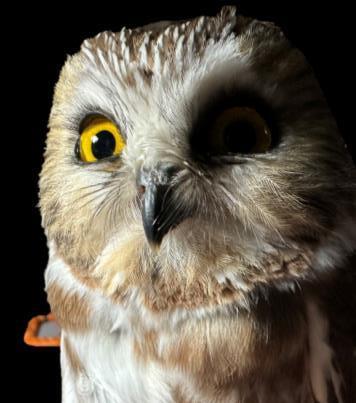
Northern Saw-whet Owls (Aegolius acadicus) have been studied by bird banders for decades, but the focus of these efforts has primarily generated a fall-biased dataset, leaving significant information gaps on the movements and behaviors throughout non-breeding and spring migration periods. To what degree the species expresses migratory connectivity is also poorly understood, though there have been efforts to infer this based on scant known breeding locations and recaptures of single individuals. My research seeks to address these knowledge gaps by leveraging advances in miniaturized wildlife telemetry techniques. A vast array of Motus receivers throughout eastern North America coupled with nanotags and supplemented by state-of-the-art GPS receivers has begun to illuminate migratory pathways and non-breeding behaviors of this secretive species. Preliminary data suggests that prior capture-recapture analyses (Beckett and Proudfoot, 2011; Confer et al., 2014) have produced accurate representations of migratory corridors. The addition of telemetry data highlights migratory bottlenecks primarily found along the north shores of the Great Lakes, the Ridge and Valley or highest elevations of the Appalachian Mountains, and the Atlantic Coast. Data supports limited previous work on non-breeding ground movements
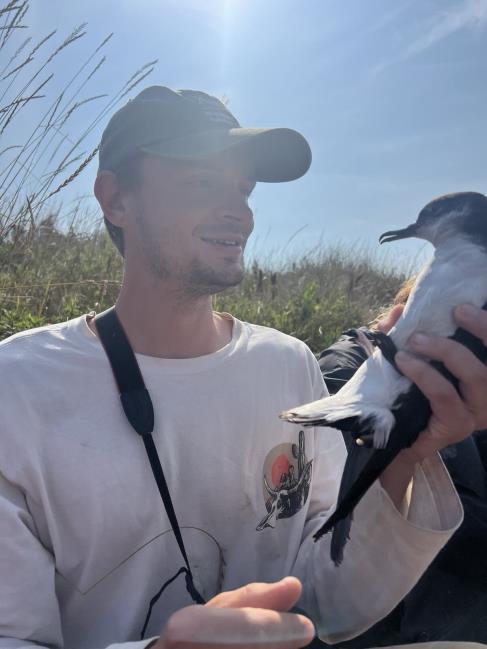

(Churchill et al., 2000; 2002; Pruitt et al., 2024), showing that individuals generally remain in one location throughout the season, with some individuals relocating periodically. Spring migrations are reflective of the pathway utilized by individuals in the fall when reaching their non-breeding destination, although there is variation in this pattern. Additionally, individual owls from central Appalachian latitudes have been tagged while defending breeding territories, showing year-round presence which suggests there may be undocumented non-migratory populations of saw-whets primarily found in the high elevations of central and southern Appalachia.
Aaron Coolman is a Master's student at the University of Delaware, studying in the Aeroecology Lab under Dr. Jeffrey Buler. Aaron's research will investigate the movement and migration patterns of Northern Saw-whet Owls in eastern North America using the Motus Wildlife Tracking System. When Aaron is not busy trying to capture owls, he enjoys birding, botanizing, rock climbing, and assisting in various ornithological field projects.
Maddie E. Ellms, F. Dylan Titmuss, Nichola J. Hill, and Kristen M. Covino | It’s a gull’s world: What long-term banding can teach us about an underappreciated species In the public eye, “seagulls” are most commonly seen as thieving nuisances or dirty pests with booming populations. This perception is far too narrow, sometimes leading to active harm. Since 2004, the Gulls of Appledore Research Group has been banding and monitoring the colony of Great Black-backed (Larus marinus) and Herring Gulls (L. smithsonianus) on Appledore Island, ME. Despite popular assumption, research into Great Blackbacked Gulls in particular remains limited, especially as their population has declined by an estimated 69% since 1985. Furthering our understanding of these species’ demography through band resights across the country, the Gulls of Appledore research group continually conduct a variety of projects investigating disease transmission, foraging ecology, physiology, and population dynamics. Each of these studies rely heavily on previously-and newly-banded adult and fledgling birds annually. This presentation will provide examples of the impacts of long-term banding efforts to shift the narrative on these fascinating yet underappreciated species. We will review a collection of research on nesting and territorial behavior, population fluctuations, ongoing and historical work on foraging habits, and continuing studies of the effect of avian influenza on this population. By sharing the past and contemporary research conducted by the Gulls of Appledore project, we hope to shed light on how this population can inspire both researchers and research alike.
Maddie Ellms received his B.A. in Zoology from the University of New Hampshire with minors in animal behavior and design studies. He spent several summers at the Shoals Marine Laboratory where, as a student, songbird research intern, and volunteer with the Gulls of Appledore banding project, his love for ornithology truly took hold. Growing up in rural NH nurtured his love for the outdoors and inspired him to pursue science communication and education. When not in the field or working on research, Maddie teaches as a STEAM instructor through White Mountain Science Inc.
Ella Ezrin, Kate Fabbri, and Jason Gleditsch | Fruit species diversity in avian diets of the eastern Midwest
Seed dispersal by animals is an essential mechanism within ecosystems that enhances plant community regeneration and resilience. The majority of animal-mediated seed dispersal is performed by animals that consume fruit produced by plants as part of their diet. In ecosystems around the world, birds are vital seed dispersers due to their ability to fly long distances, consume fruit without damaging the seeds, and move between habitat types. The goal of this project is to better understand the role of birds in the dispersal of temperate plant species by determining the diversity of fruit in the diets of birds in the eastern Midwest. To identify the seeds in bird diets, we captured birds at three locations in Lorain County, Ohio, banded them, and passively collected fecal samples. We also partnered with Black Swamp Bird Observatory in Ottawa County, Ohio and Powdermill Avian Research Center in Westmoreland County, Pennsylvania. From this, we have currently collected over 1200 fecal samples from at least 58 bird species containing almost 900 seeds from at least 15 plant genera. Many of the seed species we found were non-native to the area suggesting that the control of non-native plant species needs to consider the role of birds as seed dispersers. With this information, we aim to better inform conservation initiatives in local parks and communities so that they can better support the diets of wild bird species while still conserving the broader ecosystem.

Ella Ezrin is a 3rd year undergraduate student at Oberlin college studying biology and neuroscience. Her current research revolves around the diet of passerine birds in the eastern midwest of the US, where she aims to better understand how anthropogenic activities influence avian populations. Outside of school, Ella has been gaining experience at the Berkshire Bird Observatory in Massachusetts with mist netting and banding techniques. In their free time, Ella is an artist who creates illustrations of flora and fauna and enjoys birding and hiking.
Jennier L. Houtz | Disentangling relationships between physiology, morphology, diet, and gut microbial diversity in American Kestrel nestlings
Gut microbiota are increasingly recognized as important drivers of host health and fitness across vertebrate taxa. Given that gut microbial composition is directly influenced by the environment, gut microbiota may also serve as an eco-physiological mechanism connecting host ecology, such as diet, and physiology. Although gut microbiota have been well-studied in mammalian systems, little is known about how gut microbial diversity and composition impact morphological and physiological development in wild birds. Here, we characterized both diet and gut microbial diversity of free-living American kestrel Falco sparverius nestlings throughout development to test whether gut microbial diversity predicts host morphological and physiological traits in either contemporary or time-lagged manners. Gut microbial alpha diversity on day 21 of nestling development was positively correlated with diet alpha diversity representative of the majority of nestling development (days 5–20). Gut microbial alpha diversity early in development was negatively correlated with body mass in both contemporary and time-lagged manners. Gut microbial alpha diversity early in development was positively correlated with blood glucose later in development. As nestlings experience rapid growth demands in preparation to fledge, these time-lagged associations may indicate that gut microbial diversity at early critical developmental windows may determine the future trajectory of morphological and physiological traits underlying metabolism that ultimately impact fitness.
Dr. Jennifer Houtz is an Assistant Professor in the Department of Biology at Allegheny College in Meadville, PA. She received her Ph.D. in Ecology and Evolutionary Biology from Cornell University, where she studied the gut microbiome as a mediator of phenotypic plasticity in Tree Swallows. She received her B.S. in Animal Behavior from Millersville University, where she studied the development of gut microbiota in European Starlings and worked as an assistant on a project studying the social behavior of Wire-tailed Manakins in Ecuador. Dr. Houtz currently studies physiological mediators of stress resilience including hormones and gut microbiota in cavity nesting bird species such as Tree Swallows, Eastern Bluebirds, and American Kestrels. She is passionate about undergraduate mentoring, teaching, and science outreach.


Dhruv Iyengar, Ginny Boehme, Jill Russell, David Russell, Ashley Love | Using interpubic distance for determining sex and breeding conditions of Passerines and near-Passerines
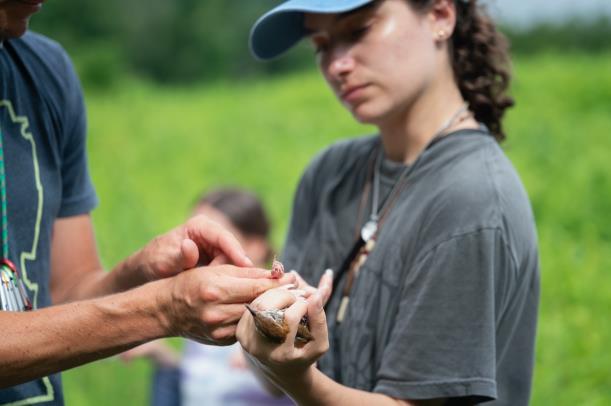
Assessment of interpubic distance (IPD, i.e. the distance between the pubis bones) has been an established method to evaluate sex and breeding condition in poultry farming and aviculture, yet its uses in field biology have had limited application with little to no extrapolatable evidence. Reliable application of this method can be essential for improving accuracy in banding protocols, particularly in differentiating males from females as well as possibly provide a novel physiological metric of breeding condition. Here I present preliminary data from the current literature base as well as applications on taxa encountered in southwestern Ohio. I discuss the extent of the variability as well as the capacity and caveats of this measurement being added to the banding protocol. Additionally, I propose future developments within this field of study to increase the evidence base which can be applied to data collection from bird banding.
Dhruv Iyengar is a Ph.D. student in Biology at Miami University whose research centers on bird banding as a framework for understanding migratory connectivity, breeding condition, disease ecology, and social context in migratory birds. Originally from India, his love for naturalism and wildlife began early and continues to shape his scientific perspective. An avid birder with a life list of 982 species and an NABC-certified bander, he brings a strong field-based perspective and commitment to best practices in avian handling to his work. His research in Ecuador’s Chocó cloud forest stands at the forefront of his program, where he is developing a standardized banding manual to improve aging and sexing accuracy for Neotropical species, with particular emphasis on morphological indicators such as interpubic distance as a measure of breeding condition. Through his leadership and ongoing work with Andean Research & Ecology Initiative (AREI), he has further deepened his focus on avian research and conservation in the Neotropics. He integrates traditional banding methods with MOTUS telemetry to examine migration timing, habitat use, connections between breeding and nonbreeding regions, and the role of avian malaria in shaping movement patterns across the annual cycle, emphasizing repeatable field protocols that strengthen bird banding as a foundation of avian ecological research.
Nick Liadis | Insights from banding across a landscape gradient: urban, suburban, and rural Bird Lab’s migration banding project examines how migratory songbirds use urban, suburban, and rural habitats across the Pittsburgh region during migration. The project is designed to isolate the effects of human land use on migratory bird behavior by holding forest structure relatively constant while varying the type of adjacent open land. Each of the three study sites includes comparable forest habitat bordered by a distinct open area that reflects different land-use regimes: a managed powerline cut in the urban site, maintained lawn in a suburban setting, and a reclaimed strip mine in a rural landscape. These data provide insight into patterns of migrant diversity, abundance, and condition across land-use contexts. By situating banding stations along an urban–rural gradient, the project contributes to a growing understanding of how migratory birds navigate fragmented and human-modified environments. This work has direct implications for conservation and land management particularly in urban and suburban areas. Understanding how different types of open land adjacent to forest habitat affect migratory birds can inform decisions about vegetation management, restoration, and infrastructure planning. Ultimately, the project seeks to identify opportunities to improve the quality of human-dominated landscapes for migratory birds at a multitude of scales. I will present findings from five years of banding that reveal both similarities and differences among sites in species diversity and abundance, as well as differences in body condition and migration timing.
Nick G Liadis is an avian conservation biologist based in Pittsburgh. His work takes him across the human landscape gradient into urban, suburban, and rural areas to better understand how birds coexist with humans. Trained as an architect, he became involved with bird conservation by studying bird-window collisions. He founded a non-profit called Bird Lab, dedicated to studying and implementing solutions to humanrelated sources of avian mortality, particularly within cities.
Taleen Madikians*, Sofia Carranza, and Kristen M. Covino | Not all chicks eat the same: Hatch order and diet in Great Black-backed Gulls *2025 EBBA Research Grant recipient
Great Black-backed Gulls (Larus marinus) are relatively understudied, especially with respect to intraspecific variation in dietary preferences. Our project's overall goal is to quantify dietary differences across individual Great Black-backed Gulls via stable isotope analysis. Isotope ratios from feathers provide information about the trophic level (nitrogen ratios) and food sources (terrestrial/marine; carbon). Our analyses reveal significant withinpopulation variation in diet and patterns associated with chick hatch order and developmental stage. We examined feather samples collected in 2022 from 97 hatchlings across 33 nests at a breeding colony in Maine. After sample processing and analysis, we found no difference in the nitrogen stable isotope ratios based on hatch order. However, carbon isotopes showed a difference within the nests, revealing that the A (first-to-hatch) chick has less negative carbon isotope values than the C (last-to-hatch) chick. This suggests that there is biased maternal allocation of nutrients during egg formation, with earlier-laid eggs reflecting a greater contribution of marine-derived resources. In contrast, feathers collected from 72 pre-fledgling chicks in 2019 showed no hatch order differences in carbon isotope values. Instead, we did find higher nitrogen isotope levels in A pre-fledglings than C pre-fledglings.


This reflects either post-hatch parental bias or the competitive dominance of A chicks during feeding. Ultimately, our multi-year study will compare isotopic variation of repeated samples from the same chicks across the breeding season to further examine when and how these temporal differences in feather isotopes are generated. With this information, we will better understand the diet in efforts to conserve this declining species.
Taleen Madikians recently graduated from Loyola Marymount University in 2025 with a Bachelor's degree in Psychology and is currently pursuing a Master's of Applied Life Sciences at Keck Graduate Institute. During her time at LMU, she was a member of the PHAB Lab, where she conducted avian biology research alongside her peers and mentor, Dr. Kristen Covino, with her work focusing on the diet of Great Black-backed Gulls. Through this experience, she has developed a deep appreciation for ornithology and the insights gained through ecological research.
Morgan Mark, Evan Drake, and Tyler Christensen | Characterizing Northern Saw-whet Owl (
acadicus) irruptions in eastern North America using banding data
Some bird species exhibit irruptive migrations irregular movements beyond their typical range thought to be driven by food shortages. Many owls are well-known irruptive migrants, including the Northern Saw-whet Owl (Aegolius acadicus). As the most widely banded owl in North America, much of what is known about Northern Sawwhet migration and irruptions comes from banding data. Although major irruptions are often apparent at individual banding stations, variation in effort and local abundance complicates the development of standardized metrics for quantifying migration magnitude and identifying irruptions across stations. This limitation hinders efforts to connect irruptions to environmental drivers, such as food availability and climate, and to detect long-term population trends. Using 25 years (1999–2024) of banding data from eastern North America, we developed a quantitative framework to identify irruption events. To enable comparisons across stations and account for differences in baseline capture rates, we standardized captures by calculating each station’s expected average number of owls per night across its entire banding history. We defined irruption years as those with significant positive deviations in relative abundance across stations using one-tailed t-tests. Irruption years were characterized by elevated relative abundance (p < 0.05) and cohorts composed of more than 60% hatch years, and were consistently followed by a “bust” year with fewer than 45% hatch years. These inferences align with published and anecdotal accounts of major irruptions over the past quarter century. This approach provides a foundation for future analyses linking migration dynamics to environmental predictors. Morgan is a PhD Candidate at Rutgers University studying how behavior influences disease transmission in scavengers. She is also a volunteer with Wild Bird Research Group and serves as a Co-chair of its Research Committee. Morgan mostly works with migratory owls, including Northern Saw-whets and Longeareds, but also helps with songbird banding.

Anne Mauro, Brendan Shirkey, Megan E. Meuti, Laura W. Pomeroy, and Jacqueline M. Nolting | West Nile Virus surveillance across an urban-rural gradient: from mosquitoes to birds West Nile Virus is a common insect-borne disease but disease transmission factors that occur in the temperate climate such as reinitiation every spring and persistence in the environment from an urban to rural gradient are currently unknown. While previous research has taught us transmission dynamics, we are not aware of factors driving transmission across a broader scale both temporally and spatially. We hypothesize that seasonal changes in mosquito and avian community compositions drive disease epidemics in the temperate region. To test this hypothesis, we are capturing and collecting blood samples from passerines and near passerines in urban and rural sites in Central and Northern Ohio to test for active infections and antibody prevalence. At every site, mosquitoes are also captured and tested for active infection. As the research is still ongoing, we present the methods for

disease surveillance, antibody prevalence in avian species across the landscape gradient, and mosquito species composition differences spatially.
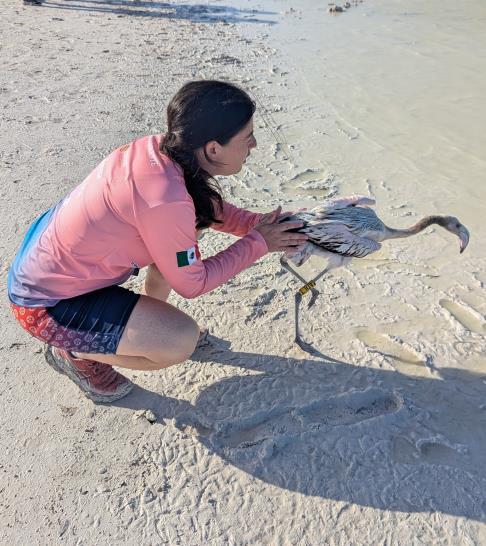
Anne Mauro is an avian biologist from Columbus, Ohio who has over a decade of experience working with a wide diversity of birds, with an emphasis on passerines, wading birds, and shorebirds. She graduated from Ohio State University with a B.S. in Environment and Natural Resources in 2015. Her previous work was as an Avian Biologist in Naples, FL where she worked to develop a monitoring plan for waterbirds in Rookery Bay Reserve and the Ten Thousand Islands region. She is currently working with Winous Point Marsh Conservancy to operate a series of bird banding stations across Central Ohio to sample passerines and near passerines for West Nile virus. Outside of her work, she volunteers with American flamingo research and enjoys running long distances.
Grace Muench, Kai Victor, Haley Keff, Andrew Ward, Chris Williams, and Jeffrey Buler | Tracking Passerines and translocated Northern Bobwhite at Letterkenny Army Depot
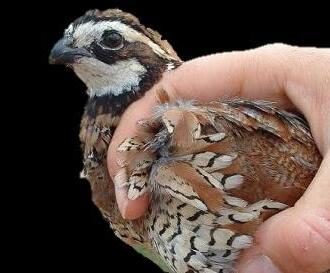
Early successional habitats (ESH) are rapidly declining across North America due to land development and fire suppression, contributing to widespread population declines among species that depend on these systems. As a result, targeted habitat restoration has become a primary conservation strategy for reversing declines of early successional species. To address these declines, the Pennsylvania Game Commission has implemented largescale early successional habitat restoration at Letterkenny Army Depot in south-central Pennsylvania, where approximately 2,700 acres of ESH have been restored in support of the Northern Bobwhite (Colinus virginianus) reintroduction project. This study investigates how reintroduced Norther Bobwhite and PA Species of Greatest Conservation Need, the Gray Catbird (Dumetella carolinensis), Yellow-breasted Chat (Icteria virens), and Eastern Towhee (Pipilo erythrophthalmus) use this intensively managed landscape. Using a combination of VHF telemetry and an automated radio telemetry system (ARTS), we examine how habitat composition influences home range size, daily activity patterns, incubation recess behavior, and survival. By integrating fine-scale movement data across multiple species, this study aims to inform future ESH management and evaluate the effectiveness of large-scale restoration efforts on public and military lands.
Grace Muench is a master’s student at the University of Delaware studying how PA species of greatest conservation need use a restored early successional habitat. She graduated with a BS in biology from Penn State Schuylkill, where she studied the breeding biology of gray catbirds. Previous to graduate work, Grace worked on various projects at Hawk Mountain Sanctuary and as a technician at Powdermill Avian Research Center. In her free time, Grace enjoys practicing various instruments, reading about molt, line dancing with friends, and volunteering at the Delaware Museum of Nature and Science, Powdermill Avian Research Center, Little Gap Raptor Banding Station, and Foreman’s Branch Bird Observatory.
Emma M. Rhodes, Sean Burcher, Eric Johnson, Sarahy Contreras-Martínez, David A. La Puma, Kyle Shepard, DeAnna Williams, and Michael Lanzone | Ultralight solar transmitter enables fine-scale movement ecology in North American hummingbird migration
Due to attachment weight limitations, animals under 5g have remained a major methodological barrier in movement ecology, limiting tracking options for many small-bodied organisms. We developed and field-tested an ultra-light solar powered transmitter (BlūMorpho 0.058-0.060g) designed to enable continuous, near real-time tracking using a broad, crowd sourced network. We validated the system on two North American hummingbird species during spring migration, demonstrating reliable detection, multi-week retention, broad spatial coverage (United States, Mexico and Canada), and long-distance migration paths including a 6,526km cumulative track. Our results highlight the ability to track the smallest of species across the full migratory range with fine-scale spatial resolution and high temporal resolution using the BlūMorpho transmitter. Importantly, we present the first migratory tracks known to exist on North American hummingbird species.

Ornithologist and South Alabama native, Emma has been an avid birder from a young age and began participating in migration banding as a teen in Coastal Alabama in 2009. In 2019, she became one of the youngest Master Banders in North America and has worked with a variety of avian taxa, from hummingbirds to birds of prey. She is the co-founder of Banding Coalition of the Americas (BCA), a non-profit organization focused on outreach and research to elucidate the full annual cycle of migratory birds using banding and advanced tracking techniques. She received her BS in Biology at the University of South Alabama in 2017 and received her PhD from Auburn University in 2025. Her academic research is focused on physiological underpinnings of avian migration and how it relates to the evolution of migration. As a director for BCA, she is focused on implementing projects using advanced technologies to fill the current gaps in avian life histories, particularly in the Southeastern U.S.
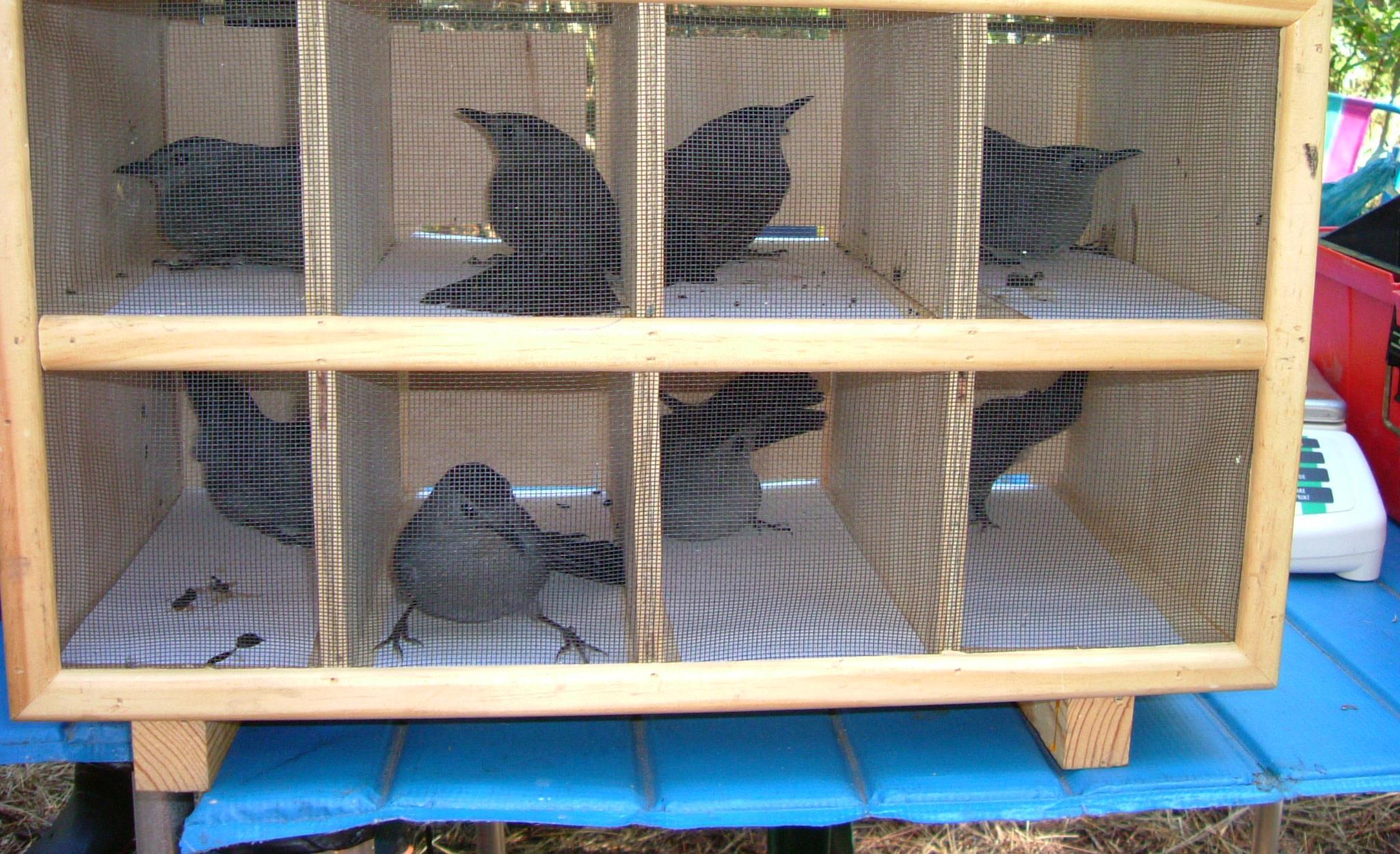
Ian Stewart, Ashley Kennedy, and Saravanan Thangamani | Prevalence of ticks on Passerines banded in the mid-Atlantic
Ticks are an increasing health concern to humans and livestock because of their potential to transmit disease. Wild birds may serve as vectors for ticks, especially migrating species, but we know relatively little about how frequently they are infected or which ticks they carry. We addressed this by examining birds banded at two woodland sites in southeastern Pennsylvania and northern Delaware from spring to winter of 2018 to 2025. We surveyed 1,665 birds of 66 species for ticks using a mix of direct inspection and retrospective scanning of photographs.
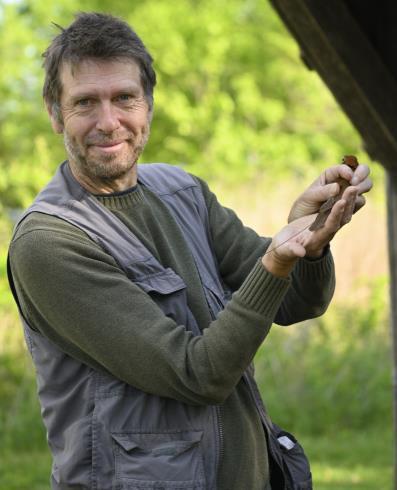

We found that 13.9% of birds had at least 1 tick, most of which were attached near their eye. The prevalence of ticks varied considerably between species and with time of year. We also identified the species of ticks present and tested them for pathogens. We will discuss these results while encouraging other banders to survey birds for ticks so we can better understand the factors which influence their distribution among species, space and time.
Ian Stewart works at the Delaware Nature Society and runs their public banding station at Bucktoe Creek Preserve near Kennett Square PA, where he and his helpers also radio-tag Wood Thrushes and study their movements using the Motus network. He gives several presentations each year about birds and other wildlife to get more people interested in nature and conservation with a particular focus on the importance of native plants.
Lena Usyk and David Mizrahi | A web-based relational database for reporting and retrieving observations of individually marked birds
Many migratory shorebird species are experiencing significant population declines. Unfortunately, the underlying causes of declines are not sufficiently understood. Marking birds with colored and coded leg flags or with a unique combination of colored leg bands provides a way to identify and track individual birds without recapturing them. Mark/Resighting data can be used to determine their spatial and temporal movement patterns throughout the annual cycle, inter-annual survival, duration periods at migration staging and stopover areas, and to estimate overall population size. Importantly, observations of uniquely marked birds can be used to establish connectivity among wintering, migrating, and breeding populations. For highly migratory species that travel between continents, this understanding is critical for developing effective conservation strategies. Observations made by the public (birdwatchers, nature photographers), is a significant resource for researchers. In the past, valuable sighting information from the public was lost, either because observers did not know where to report their observations or because their reports were overlooked in the shuffle of paperwork and emails. After five years of intensive shorebird marking in Delaware Bay, with relatively little resighting data reported back to program principals, NJ and DE Divisions of Fish and Wildlife, Conserve Wildlife Foundation and New Jersey Audubon developed and launched a web-based relational database, Bandedbirds.org (BB.O), in 2009. This coordinated, centralized registry for resightings of marked birds allows for submissions from researchers and the public-at-large from any location through easy-to-use, on-line forms. The website provides guidance to observers on how to observe marked birds while minimizing disturbance, and how to submit their reports. Through a Google Map interface, BB.O provides observers with information about the banding location and previous sightings of marked birds they are reporting, a popular feature of the website.
Lena Usyk is a Field Research Specialist and Database Manager at New Jersey Audubon. With over 25 years of experience working with migratory birds, from tiny hummingbirds to large raptors, she has worked all over the United States and returned to her home state of New Jersey. Lena is a valuable team member and trainer during the spring Delaware Bay “Connecting the Dots” Shorebird Banding Project where we host and instruct people from Central and South America on capture techniques, tissue sampling, and data collection. She is also the co-lead of the fall Cape May Songbird Stopover Project. Additionally, Lena manages bandedbirds.org, a large database storing over 825,000 banding and resight records for marked shorebirds throughout the Western Hemisphere.
David Yeany | Continental conservation of the Evening Grosbeak
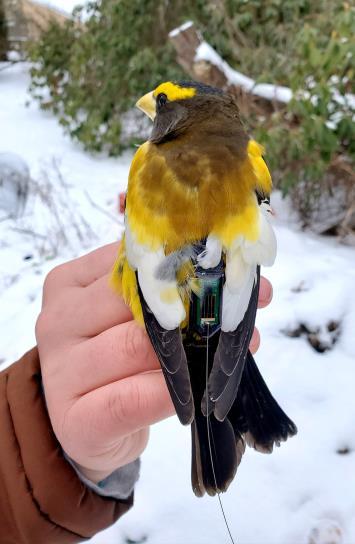
The evening grosbeak (Coccothraustes vespertinus) has lost more than 90% of its population since 1970 across North America. The Pennsylvania Natural Heritage Program at the Western Pennsylvania Conservancy (PNHP-WPC), Powdermill Avian Research Center at the Carnegie Museum of Natural History (PARC-CMNH) and Finch Research Network (FiRN) partnered to form an Evening Grosbeak Working Group to address the species’ conservation needs. The seeds of this work began from a collaboration on range wide full annual cycle research that began in 2017 in Pennsylvania with the first radio tagging of this species. This international working group now includes partners from across the continent, trying to fill knowledge gaps in the species’ ecology and seeking answers to the reasons for the decline by studying the species’ full annual cycle ecology, habitat use and migratory connectivity. We are using cutting edge Motus and satellite tracking technology as well as color-banding to follow grosbeaks from wintering sites across five continental target regions to their breeding areas. Since 2021, we have tracked 86 satellite tagged and 185 Motus tagged grosbeaks from three of these regions, covering eight states, including Pennsylvania. As a complex irruptive migrant, evening grosbeak movement data shows linkages to breeding areas in Canadian boreal forests, Rocky Mountain forests, as well as local areas while revealing some surprising migratory pathways. We are beginning to describe the grosbeak’s connectivity across the landscape through our tracking and banding efforts as

we try to hone in on factors influencing decline. We continue this full annual cycle research while working group partners continue to push forward efforts to address priority conservation needs related to collision mortalities, diet and habitat. Pulling these pieces together with migratory connectivity information will be essential for successful continental species conservation.
David Yeany II is a Senior Vertebrate Zoologist and Avian Ecologist for the Pennsylvania Natural Heritage Program at the Western Pennsylvania Conservancy. David has 20 years of professional experience in ornithology and bird conservation. He holds an M.S. in Applied Ecology and Conservation Biology from Frostburg State University and a B.S. in Biology from Messiah University. His work focuses on bird Species of Greatest Conservation Need, including surveys and monitoring, habitat analysis and movement tracking. Yeany serves on several state and regional bird conservation and technical committees, and he co-leads the international Evening Grosbeak Working Group, formed as part of the Road to Recovery initiative.
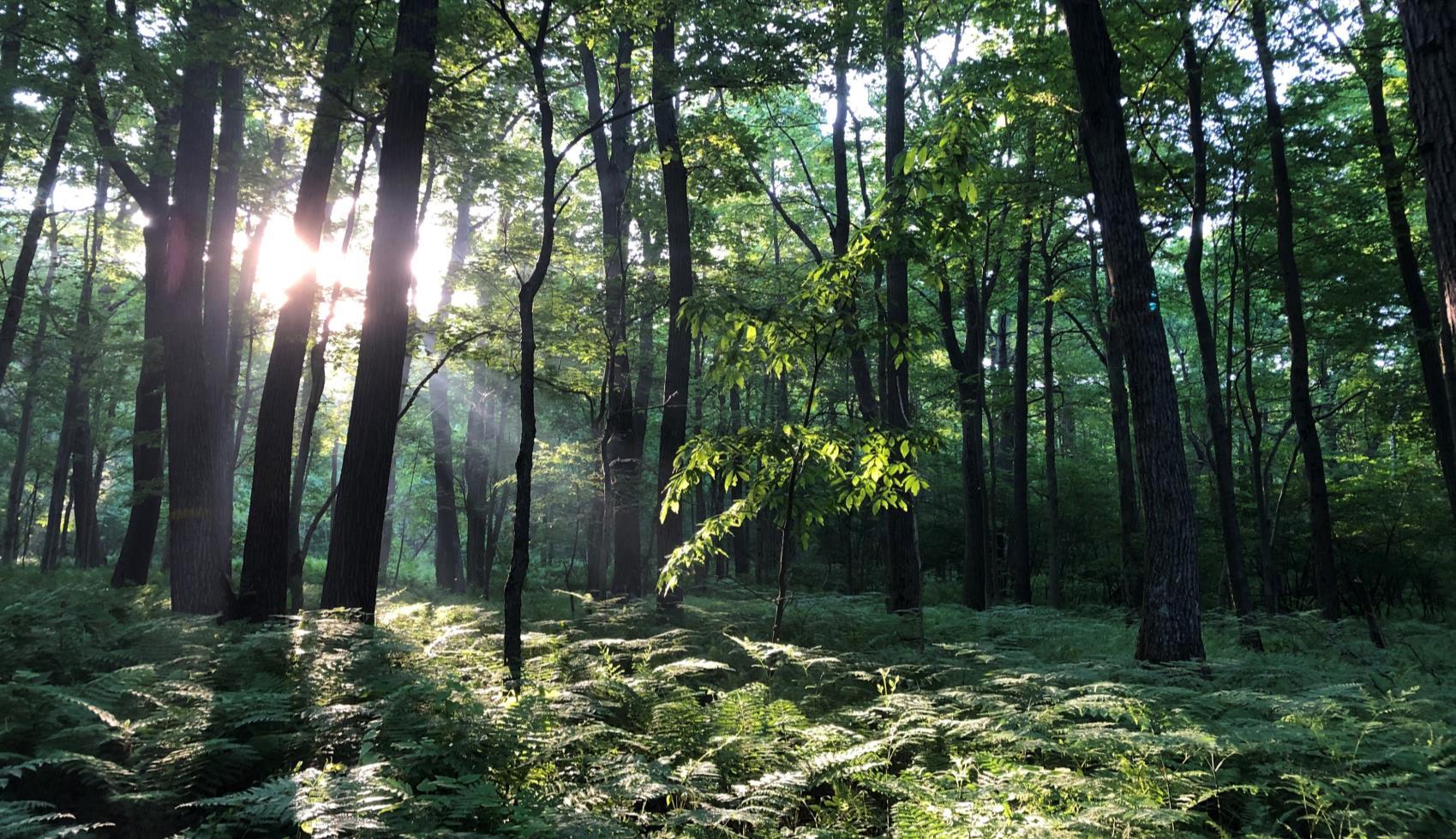
Cassandra Ziegler, Ryan M. Utz, Steven C. Latta, and Brady A. Porter | Ecological forestry gaps provide structural and dietary resources for sympatric Wood Thrush and Veery Wood Thrush (Hylocichla mustelina) and Veery (Catharus fuscescens) are closely related, sympatric-Neotropical migrant thrushes with declining populations driven by habitat loss and fragmentation. Wood Thrush typically prefer mature, closed-canopy forests, while Veery occupy more open deciduous or mixed forests. In western Pennsylvania, small ecological forestry gaps (EFGs) have been created within mature forest stands as a restoration strategy. Despite differing habitat preferences, both species appear to utilize these gaps. We examined whether EFGs provide suitable vegetation structure for both species and quantified diet overlap to test for potential resource partitioning. Fecal samples were collected from Wood Thrush (n=60) and Veery (n=76) across six EFGs over three years, with standard banding data recorded. DNA metabarcoding targeting arthropods and plants was performed to attain frequency of occurrence among food sources, and vegetation surveys were conducted at each gap to complement dietary and habitat data. Vegetation structure varied across EFGs, and mist-net captures reflected species specific associations: Veery were more frequently captured in areas with dense low-level woody
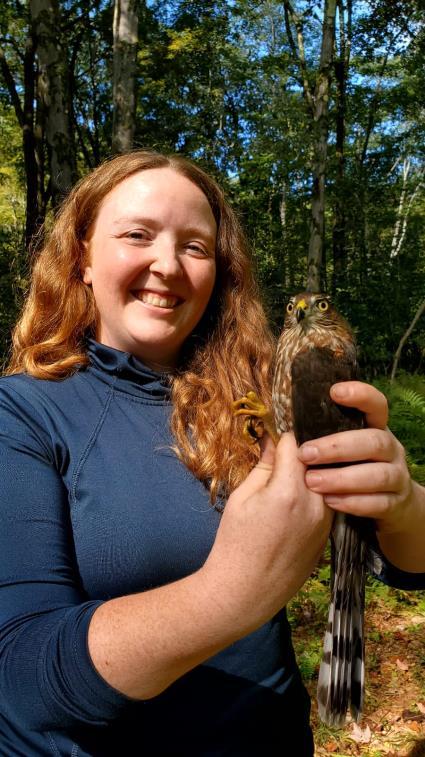

vegetation, whereas Wood Thrush were associated with taller forest layers, including midstory and canopy. Diet metabarcoding identified four plant families and three arthropod orders as dominant taxa. After filtering rare occurrences, significantly higher maples (Sapindaceae) were detected in Wood Thrush, while higher true flies(Diptera) occurred in Veery diets. These patterns are consistent with vertical habitat use: Wood Thrush foraging in higher strata corresponds with foliageassociated resources, while Veery foraging in the understory aligns with low-strata arthropods. EFGs provide multiple vegetation strata and key dietary resources associated with both mature forest and early successional growth, supporting sustained habitat use by both species. Frequent site fidelity further suggests sustained use of these habitats. Together, these findings affirm the value of EFGs in mature forests for supporting bird populations and guiding forest restoration.
Cassandra Ziegler is a PhD candidate at Duquesne University studying avian diet, trophic ecology, and conservation. Her research examines how migratory songbirds use food resources during the breeding and post-breeding seasons using DNA metabarcoding. She combines fieldwork with quantitative approaches to explore how dietary patterns relate to habitat quality and applied management questions. She is particularly interested in applying research findings into conservation efforts.
Serina Brady, Steven Whitfield, Sheila Poo, Gregory Watkins-Colwell, Alex Shepack | ZooMu
Network: Integrating Zoos and Natural History Museums to Enhance Capacity for Biological Collections
Research
Zoos and natural history museums are both collections-based institutions with important missions in biodiversity research and education. Animals in zoos are repositories and living records of the world’s biodiversity, whereas natural history museums are permanent historical records of snapshots of biodiversity over time. Surprisingly, despite significant overlap in institutional missions, formal partnerships between these institution types are infrequent. Life history information, pedigrees, and medical records maintained at zoos should be seen as complementary to historical records of morphology, genetics, and distribution kept at museums. Through examining both institution types, we synthesize the benefits and challenges of cross-institutional exchanges and propose actions to increase the dialog between zoos and museums. With growing recognition of the importance of collections to the advancement of scientific research and discovery, a transformational impact could be achieved through long-term investments to connect the institutions that care for living and preserved animals.
Serina Brady is the Collection Manager for the Section of Birds at Carnegie Museum of Natural History. She received her MSc in Biology and MSc in Museum Studies from the University of New Mexico in 2019. Her research interests
Include collectomics, utilizing natural history collections to study avian systematics and diversification, and collections best practices. After receiving her BSc from Cornell University, Serina pursued a career in field ecology, working for various NGOs, universities, and government agencies. This allowed her to travel the world and immerse herself in a wide variety of avifauna. She has conducted fieldwork in Hawaii, Alaska, Australia, Ecuador (Galápagos Islands), Northern Mariana Islands, and Panama. Her graduate work took place in the lab and in the field, with fieldwork occurring in the Solomon Islands and Australia.
and Andrea M. Lindsay | Tracking spring migration phenology with piecewise regression
Trends in phenological events, often attributed to climate change, have been tracked using linear regression. Recently, piecewise regression has been applied to long-term ecological datasets to detect abrupt changes, that is, where the effects of climate change are reflected in phenological events. Over the past several decades, migratory phenology has been advancing for many species of songbirds, with arrival dates earlier now than they were historically. Using 64 years of bird banding data from Powdermill Nature Reserve, we created linear and piecewise regression models of arrival timing for common migratory songbirds at Powdermill for 1) mean arrival date, 2) first arrival date, and 3) date at which 10% of captures were recorded each year, and compared the slopes of linear and piecewise models. We found that for many species migrating through Powdermill, arrival timing is significantly earlier regardless of modeling approach. In most cases, the slope is steeper in piecewise models after the breakpoint than it is in linear models, although the breakpoint was variable between species. This indicates that migration phenology was steady until it reached a tipping point, after which songbirds have been arriving progressively earlier in the spring.

Tommy is a freshman at Ligonier Valley High School in Ligonier, PA and has been volunteering at Powdermill Avian Research Center for several years. He is an honors student and is supplementing his math, science, and public speaking education by analyzing bird banding data to present at the EBBA conference. A herpetologist at heart, Tommy enjoys spending time in nature, running, creating art, and skiing. He’s a member of the varsity cross country, soccer, and track and field teams, and plays saxophone in the high school’s concert and jazz bands. He’s currently thinking about pursuing a career in engineering or architecture.
Cathlyn (Cat) M. Davis, Joely G. DeSimone, Jen C. Owen, Andrea M. Lindsay, and Emily B. Cohen | Public engagement at North American bird banding stations
Banding stations research and monitor bird populations but also offer unique opportunities for the public to engage firsthand with wildlife, science research, and scientists. As such, they are well-positioned to impact public beliefs and behaviors in ways that support bird conservation. Despite this potential, little research exists on how and why stations engage the public. To address this gap, we surveyed station leaders in the U.S., Mexico, and Canada, as well as visitors at two selected stations in the U.S. We asked about public engagement practices and intended outcomes (i.e., changes among visitors that stations hoped to achieve through public engagement). We found 89% of banding stations in North America engaged the public in interactive learning experiences focused on bird biology and the banding process. Furthermore, station leaders were not just thinking about how to implement public engagement but were designing these experiences around outcomes related to knowledge and beliefs. While leaders prioritized increased knowledge associated with bird banding, they also sought changes in visitors’ beliefs about science transparency and science professionals’ competency, willingness to listen, and care for society. This finding aligns with the broad understanding that beliefs play a significant role in changing participants’ behavior. It also matches the visitor survey, which showed the highest impacts on outcomes associated with visitors’ beliefs about science professionals’ caring and listening and transparency of science research. Overall, our study highlights the value of banding stations as important venues to connect the public with avian research and conservation through interactive, first-hand experiences with birds. Our results also point to the need for additional research to understand and improve public-engagement efforts, such as examining ways to design public engagement around well-defined intended outcomes that ultimately support bird conservation goals


Cathlyn “Cat” Davis, Ph.D., is a tenured researcher at the University of Maryland Center for Environmental Science and serves as Editor-in-Chief of the journal Citizen Science: Theory and Practice. She designs, studies, and evaluates efforts that help bridge the gap between science and society. Her expertise encompasses strategic science communication, scientistcommunity collaborations, peer learning exchanges among educators and scientists, and integration of authentic science practices in educational settings. Her current projects include examining public engagement at bird banding stations and facilitating cooperative efforts between scientists and landowners to conserve migratory bird habitat. Additionally, she is supporting expansion of equitable exchanges with communities in geoscience research, exploring partnerships to link large-scale data with small-scale environmental issues, and immersing science graduate students in effective dialogues with farmers to promote sustainable agriculture.
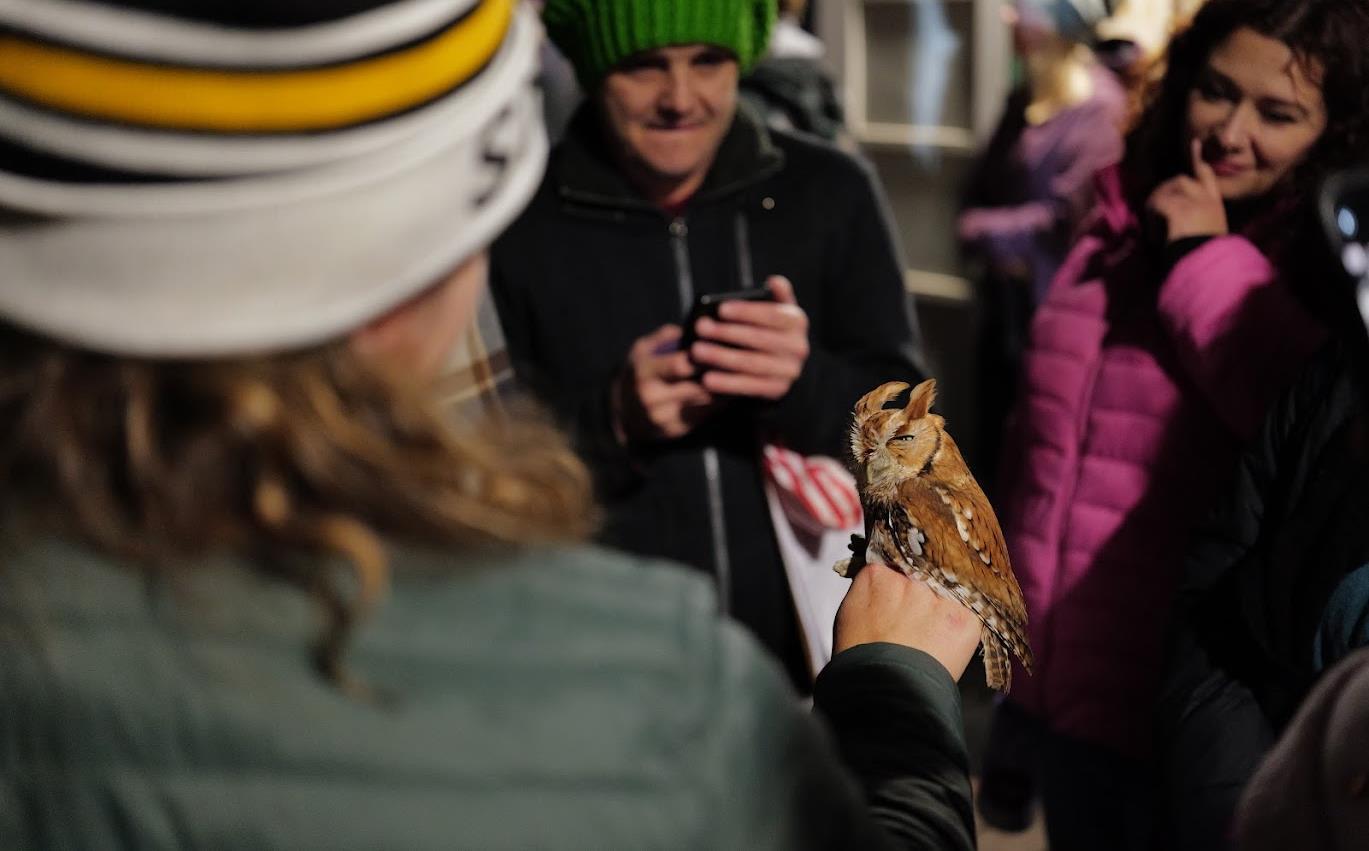
Leo Harris | Explorations of plastics and prey in gut contents of Northern Fulmars (Fulmarus glacialis)
The movement of plastics in marine ecosystems is imperative to understand as an agent of pollution and anthropogenic impact to the environment. Northern Fulmars (Fulmarus glacialis) provide a unique look into plastic consumption and accumulation in marine life due to their feeding behaviors and anatomy (Kühn et al., 2023). Exploring prey and plastic consumption within seabirds helps understand the diet of a bird near the end of its life, opening avenues for further investigations into the connections between feeding ecology and pollution. This project aims to add to preexisting data on Northern Fulmars’ consumption of plastics and prey by analyzing the gut contents of fifteen beached birds found along San Diego’s coastlines from 2020-2025. All particles will be sorted by material and a subset of plastic particles will be tested through Fourier-Transform Infrared Spectrometry to evaluate the identity of the polymer. To complement this, a literature review of plastics and prey items in Northern Fulmars will be conducted. These two facets of the project will be joined together to create a comprehensive analysis of plastic load, plastic type, and prey items in Northern Fulmar gut contents both from San Diego County and around the globe.
Leo Harris is a third-year undergraduate student at UC San Diego majoring in Ecology, Behavior, and Evolution. Although they currently study in California, Leo grew up in Boston and conducts research on both coasts. In Massachusetts, they assist in population monitoring and avian influenza surveillance through the Hill Lab at UMass Boston, specializing in antibody assays. At UC San Diego, they lead multiple projects including Fulmar gut plastics research through the Vernet Lab, migratory bird-collision monitoring with the San Diego Bird Alliance, and seabird population + reproductive success surveys at La Jolla Cove. During their free time, Leo volunteers at the San Diego Natural History Museum where they practice avian necropsy and skin preparation for the collections — learning how to preserve birds’ stories for the following generations.

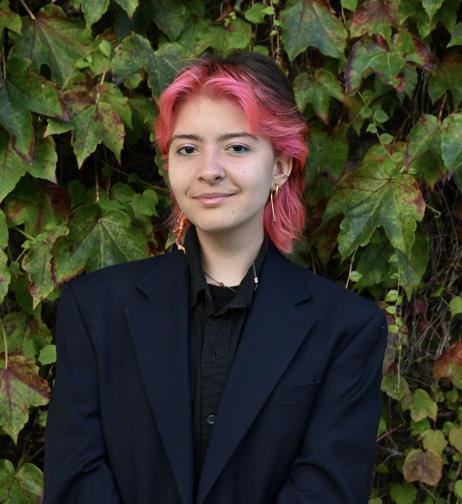
Reka Ivanyi, DeAnna Pitcher, Shailee Shah, and Kristen M. Covino | What’s in a day? Investigating diurnal changes in nest defense behavior of Herring Gulls Nest defense in birds is a behavior that is vital for the protection of young. Since this behavior is energetically costly, birds show plasticity in responding to threats depending on factors such as threat level, nest stage, etc. Energetic trade-offs may also vary with time of day, though few studies have explored diurnal variation in behavior. We investigated the relationship between nest defense intensity and time of day in American Herring Gulls (Larus smithsonianus) in an offshore breeding colony on Appledore Island, Maine. Since 2004, the Gulls of Appledore banding project has been banding gulls for a variety of studies both during and outside of the breeding season. Our study sought to identify how disruptions at Herring Gull nests due to ongoing banding activities could be minimized. We simulated predator intrusions at nests at four different times of day, recording nest defense intensity and time taken to resume normal activity after disruption for each trial (N=26 nests, 90 trials). We found that the time of day did not affect nest defense intensity or time taken to resume normal activity. However, we found that when both mates were present, defense intensity was elevated. Our results suggest that, though nest defense behavior in American Herring Gulls does not vary diurnally, researchers may want to factor in whether both mates are present when selecting the optimal time for research activities. Overall, understanding fine-scale variation in nest defense behavior improves field research techniques and increases the safety of gulls and0 researchers during banding efforts.



Reka Ivanyi received her B.S. in Biology from the University of New Hampshire. She has spent a part of two summers on Appledore Island in Maine studying and working at Shoals Marine Laboratory, occasionally assisting at the Appledore Island Migration Station. She is currently in her gap year before pursuing a master’s degree and works as a veterinary technician’s assistant in Kennebunk, Maine. In addition to researching birds, she enjoys photographing as well as painting/drawing them.
Dhruv Iyengar, Ginny Boehme, Jill Russell, David Russell, Ashley Love | Documenting methods of ageing and sexing Passerines and near-Passerines for pedagogical use in bird banding and field ornithology
The use of photography in bird banding has significant potential for long-term data collection but remains largely underutilized. Visual characteristics are critical for accurate species identification and for assessing age and sex, yet these traits are often inconsistently documented across banding efforts. This poster presents a standardized photographic data-collection protocol developed through active bird banding, with a primary focus on passerine species captured in southwestern Ohio. Our methods integrate controlled lighting, a neutral standardized background, and color target technology to produce high-quality images that reliably document plumage characteristics, molt limits, soft-part coloration, and other criteria used in age and sex determination for commonly captured species. We present this project to encourage the adoption of standardized photographic protocols alongside existing banding practices. Broad implementation of this approach has the potential to improve data consistency, strengthen collaborative research across banding stations, and enhance pedagogical efforts that support the continued transmission of bird banding knowledge within the field. [please see Dhruv’s bio in the speaker section]
Will Krohn | Investigating natal dispersal and artificial colony use in Purple Martins (Progne subis) Purple Martins (Progne subis) are the largest species of swallow (family Hirundinidae) in North America, and in the east, they nest almost entirely in human-constructed nesting colonies. Some Purple Martin colonies are utilized consistently, while others remain empty for years. Adult Purple Martins exhibit high breeding site fidelity, so young birds dispersing from the natal site are thought to be important colonizers of these empty breeding structures. How frequently and how far do dispersing Purple Martins travel in search of a new colony? What criteria are important in colony selection? Understanding these dynamics is especially important in Purple Martins since humans must construct all nesting colonies. Purple Martins have declined by approximately 38% since 1970, so quantifying the rates and distances at which martins disperse will be a key tool for the conservation and management of the species. Will’s research seeks to elucidate the rates and distances at which Purple Martins disperse from the natal colony through the color-banding of nestlings that can be resighted when they nest for the first time as second-years. This information will inform the Pennsylvania Game Commission and potentially other agencies on where they can best construct new Purple Martin colonies to bolster populations of this declining aerial insectivore.
Will received his B.A. from Colgate University in 2023, where he doublemajored in Biology and Environmental Studies. After graduating, Will worked as a technician on various avian research and conservation projects around the country, with taxa ranging from Common Loons to Yellow-breasted Chats. In 2025, Will started his Master’s at the University of Delaware. His research investigates natal dispersal and artificial colony selection and use in Purple Martins. In his free time, Will enjoys birding, rock climbing, hiking, and anything else that gets him out in nature.
Kaitlin Muccio | Hatching a hundred: Community efforts to conserve the American Kestrel in central New Jersey
In 2012, the American Kestrel was listed as a threatened species in New Jersey. Decades of habitat loss and decreased availability of suitable nesting sites led to dramatic declines in local populations. In response, Friends of Hopewell Valley Open Space spearheaded an initiative to install 50 nest boxes in Hopewell Valley. The program has seen dramatic success in nest box occupancy and a significant increase in the number of fledged chicks, from 3 in 2019 to 80 in 2025. The success of this program relies on collaboration with state and local government and partner organizations, and most importantly the dedication of volunteers who help to construct nest boxes, monitor breeding pairs, and host nest boxes on their property. As these efforts continue to grow, we’ve partnered with Wild Bird Research Group to expand the program and collect more data to support kestrel conservation. This initiative has grown beyond Hopewell Valley and into a community-wide effort to save this rare falcon in the hopes that we “Hatch A Hundred” kestrels.
Kaitlin is a wildlife conservation professional holding a B.A. in Animal Behavior from Franklin & Marshall College and M.S. in Global Change Biology from Tufts University. She works as a Land Steward at Friends of Hopewell Valley Open Space leading rare species stewardship & monitoring initiatives, including reptile telemetry projects, the American Kestrel nest box program, and bioacoustic monitoring. For five years she has built her banding skills at multiple stations across the northeast, and currently bands at the Fiddler’s Creek MAPS station and the Northern Saw-whet Owl Migration station in Hopewell, New Jersey.
Anastasia A. Rahlin, Janice K. Enos, Tara A. Beveroth, and Andrea M. Lindsay (presenter) | Point-ofCare Device Comparison and Stopover Habitat Assessment Using Blood Metabolite Monitoring in Migratory Songbirds
Point-of-care (POC) devices offer rapid, field-based measurements of blood glucose in migratory birds, but comparisons across devices remain limited. We compared blood glucose measurements from two POC devices, Contour Next and Precision Xtra, using 245 samples from migratory passerines representing eight species captured at two banding stations during fall migration 2025. We compared blood glucose values using each POC device to test for instrument bias. We also examined species-specific variation, and the influence of age, site, and body condition on glucose measurements. Precision Xtra consistently produced readings ~58 mg/dL higher than Contour Next across all species, with species-specific linear regressions showing strong correlations in blood glucose between POC devices. Magnolia Warbler (Setophaga magnolia) and Ovenbird (Seiurus aurocapila) showed significantly higher glucose levels. Site effects varied by species and POC device: White-throated Sparrows (Zonotrichia albicollis) showed higher Contour Next blood glucose levels at the agricultural site (Phillips Tract) than the forested site (Powdermill), whereas Swainson's Thrushes (Catharus ustulatus) showed the opposite pattern for Precision Xtra blood glucose measurements. Body condition and age class were weak predictors of blood glucose variation. Our results demonstrate that uniform conversion factors can standardize measurements between Contour Next and Precision Xtra blood glucose readings. We highlight the importance of considering device bias, species identity, and site quality when interpreting glucose measurements in migratory birds.
Anastasia Rahlin is an Associate Research Scientist and ornithologist at the Illinois Natural History Survey (INHS), Prairie Research Institute at the University of Illinois Urbana-Champaign, where she manages the Urban Biotic Assessment Program. Since joining INHS in 2016, her research has focused on how urbanization, extreme weather events, and habitat management affect bird communities and physiology, with a particular focus on wetland and wet meadow birds. With INHS collaborators Tara Beveroth and Janice Enos, she has expanded this approach to evaluate stopover habitat quality for migratory songbirds across multiple banding stations. She also conducts marshbird occupancy research with Audubon Great Lakes and collaborates with University of Missouri-St. Louis researchers examining the impacts of oak masting on woodpeckers.
Juhi Rawal | Incidence of ectoparasites on Passerines banded in the NJ Meadowlands 2024-25
Data from the Meadowlands Bird Banding Station in North Arlington, New Jersey, were analyzed to determine the higher taxa and prevalence of external parasites on passerines encountered during standard banding operations in 2024-25. Ectoparasites included several species of ticks, feather mites, feather lice, and louse flies with ticks being the most common parasites encountered by far. Though only a small percentage (~3.4%) of all birds encountered had ectoparasites, parasites were found on at least one individual from 30 different species. Species with the highest incidence of ectoparasites were those foraging close to the ground in dense foliage, such as Common Yellowthroats (COYE) and Gray Catbirds. COYE alone accounted for ~40% of the individuals carrying parasites and represented the greatest proportion of individuals within a species having parasites; over 7% of all encountered


COYE had at least one tick, for example. Birds parasitized by ticks averaged three parasites per host but several outliers had up to 16 ticks per host, notably an Ovenbird with 15 ticks and a COYE with 16. All ticks found attached to birds during this study were collected and transferred to a collaborating tick biologist researching the movement of human tick-borne pathogens across landscapes for further analysis.
Juhi Rawal is an undergraduate student majoring in Environmental Biology at Kean University who will graduate in May of 2026. Juhi has worked at the Meadowlands Bird Banding Station in North Arlington, New Jersey since 2024. They are passionately interested in ornithology, entomology, field work, and genomics.
Stella Risinger, F. Dylan Titmuss, Nichola Hill, and Kristen Covino | Chick Growth in Great Blackbacked Gulls (Larus marinus): The Role of Nest Location and Hatch Order
Chick growth rates and survival rates are key indicators of population productivity and overall health in seabird populations. Variation in these metrics can serve as early warning signs of population stress or decline. In this study, we examined the growth and survival of Great Black-backed Gulls (Larus marinus) chicks to evaluate how nest proximity to human activity, hatch date, and hatch order within a nest influence chick performance. We monitored 38 nests of banded adults during the breeding season and tracked chick size and weight between hatching and fledging, an approximately 45-day period. At fledging, all surviving focal individuals were banded. We predicted that increased exposure to human activity and later hatch dates would negatively affect chick growth and survivorship, and that chicks hatching earlier within a clutch would have higher growth and survival rates than later-hatching chicks. In asynchronously hatching species, earlier-hatched chicks often gain a competitive advantage over their siblings, resulting in higher growth rates and survivorship. Additionally tradeoffs between intra- and interspecific


competition across the hatching period, as well as disturbance from human activity, may further influence chick development. Preliminary results indicate consistent differences in initial mass and growth and survivorship among siblings within nests; however, nest proximity to human activity showed no apparent negative effects on chick growth or survival. These patterns will be further investigated through continued statistical analysis of the growth and survivorship data, and results will be presented.
Stella is currently a senior at Tulane University studying ecology and evolutionary biology. She served as the Gull Population Biology Intern at Shoals Marine Lab in the summer of 2025 and has three years of experience studying white-bearded manakin mating behavior in the Karubian Lab at Tulane. She is deeply interested in informed restoration and conservation decision-making, as well as fostering actionable compromise between human stakeholders and wildlife.
Brennan Saxfield, Joe Saxfield, and Andrea M. Lindsay | Range changes in birds using six decades of bird banding data
Many North American bird species’ ranges and population distribution in both resident and migratory species have been shifting northward and to higher elevations over time, which has been attributed to climate change. In this project, we used bird banding data collected from 1961-2025 at Powdermill Nature Reserve in southwestern Pennsylvania to quantify capture rate each year for seven different songbird species, then used linear regression to model trends in capture rate over the study period. Four of the species (Northern Cardinal, Carolina Wren, RedBellied Woodpecker, and Carolina Chickadee) are year-round residents in southwest Pennsylvania, but the bulk of their ranges are south of Pennsylvania; two species (Evening Grosbeak and American Tree Sparrow) historically wintered in southwest Pennsylvania, but are now less commonly encountered; and one species’ (Swainson’s Warbler) breeding range is ~300km south of Pennsylvania and was considered an overflight during spring migration. We found that capture rate decreased significantly over the study period for both of the species that historically regularly wintered at Powdermill Of the four year-round resident species, we found that capture rate increased significantly for Carolina Wren and Red-Bellied Woodpecker but decreased for Northern Cardinal. There was no significant change in capture rate for Carolina Chickadee. The sample size was too low to detect significant changes in capture rate for Swainson’s Warbler, however anecdotal evidence (the first records of this species breeding in Pennsylvania occurred in 2023 at a nature preserve 33km south of Powdermill) suggests that this species is expanding its range northward. We compared our results to Christmas Bird Count and Breeding Bird Survey trends to explore potential changes in winter and breeding ranges.
Brennan is a freshman at Indiana Area Senior High School in Indiana, PA and is a teen volunteer at Powdermill Avian Research Center. This year, Brennan analyzed bird banding data from Powdermill for his presentation at the EBBA conference. He presented this work at the Pennsylvania Junior Academy of Science regional championship competition, earning a second award, and will present it at the Pittsburgh Regional Engineering and Science Fair. Brennan is the principal cellist in the Westmoreland Youth Symphony Orchestra and a member of the high school cross country and track & field teams, and likes to ski, draw, and cook in his free time. Brennan hopes to have a career in biology, maybe microbiology.
Matthew Wolfe | Changes in local avifauna after large-scale removal of invasive mugwort (Artemesia vulgaris)
Bird abundance and diversity were compared before and after removal of invasive plants on a capped landfill in North Arlington, New Jersey. Data were collected during Monitoring Avian Productivity and Survivorship (MAPS) and fall migratory banding efforts in 2022, before removal of invasives, and 2023, after removal. In 2023, the landfill was also revegetated with native plants. Prior to revegetation, dominant flora at the experimental site was primarily invasive Common Mugwort (Artemisia vulgaris) and Common Reed (Phragmites australis). The landfill was revegetated with native grasses and forbs (e.g. coneflower, milkweed) and shrubs (e.g. bayberry, sumac). Avian diversity in revegetated areas significantly increased in both species richness and abundance after revegetation, highlighting the importance of native plants to avifauna.
Matthew Wolfe graduated with a bachelor’s degree in Environmental Biology from Kean University in 2024. He has been a volunteer at the Meadowlands Bird Banding Station, NJ, since 2022, assisting with migration and MAPS banding. He has worked as a seasonal technician for the New Jersey Audubon Society’s window strike project in Newark NJ, and as an intern with the NJSEA, conducting wildlife surveys on birds, bats, fish, frogs and turtles.