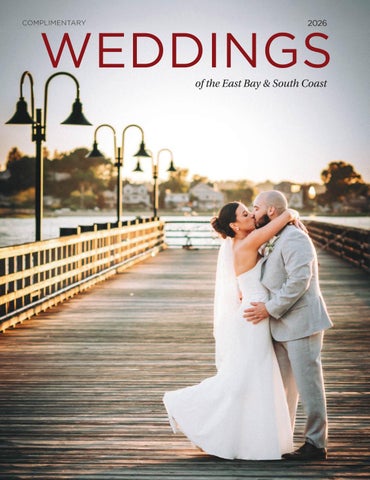
WEDDINGS
of the East Bay & South Coast
East Bay and South Coast
Published by East Bay Media Group, Bristol, R.I.
From dresses to dessert, what’s in and what’s loved
Ask all the right questions before hiring a caterer
Simple touches can add an elegant feel to a wedding
The charm of the traditional bachelorette party
Why it pays to hire a professional photographer A simple guide of who to tip, and how much
Comparing $5,000, $20,000, and $50,000 weddings
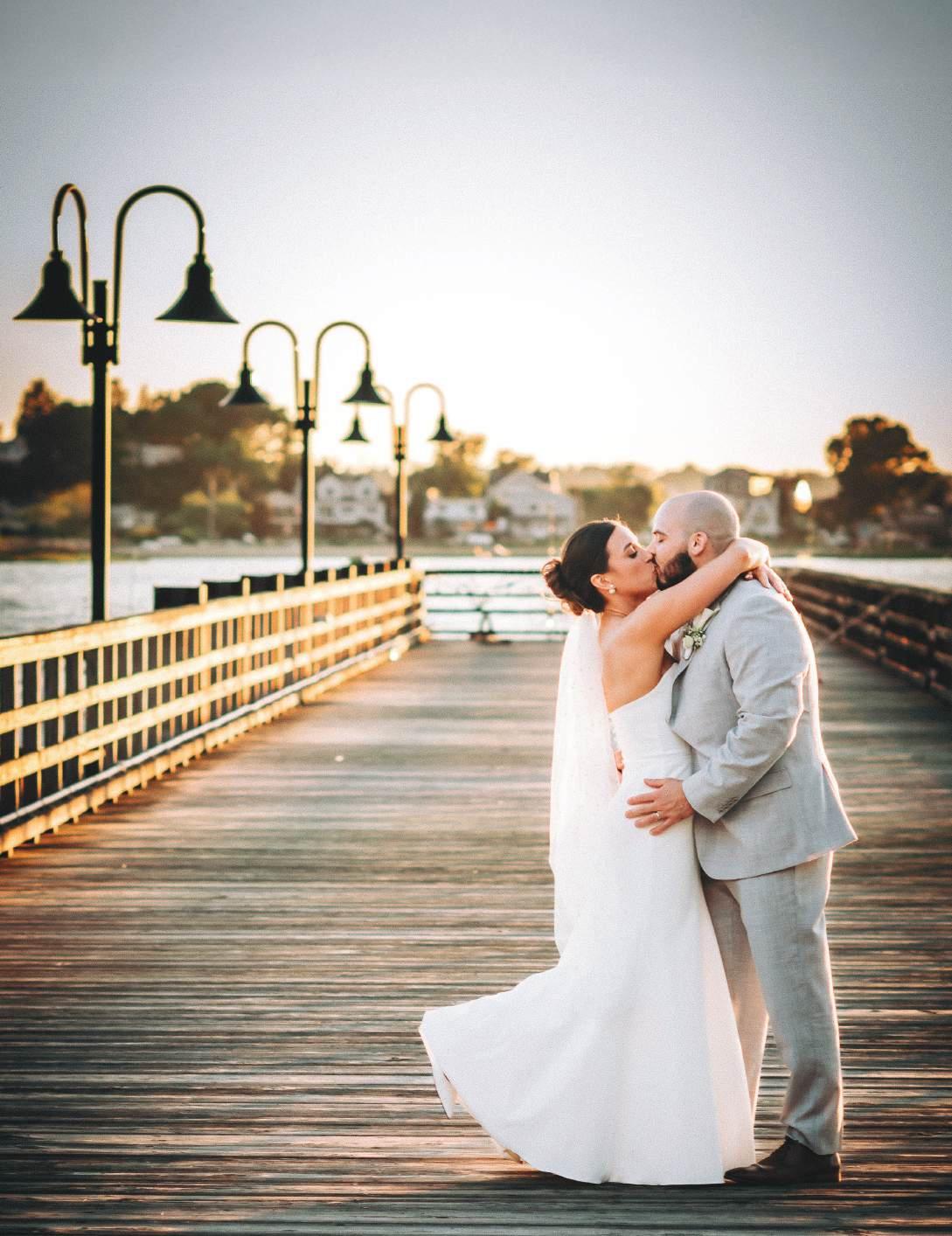
COVER PHOTO BY DEVON MCWILLIAMS PHOTOGRAPHY
Wedding trends in 2026
From dresses to dessert, what’s in and what’s loved
BY VANESSA COMBS
From the first invitation in the mail to the final bite of cake, weddings in 2026 are all about storytelling. Every detail — from stationery and music, to fashion, photography, and desserts — is carefully curated to reflect the couple’s personality, values, and style, turning each celebration into a unique, memorable experience.
Invitations that tell a story
Long before the music plays or the first look unfolds, guests are introduced to a
wedding through its invitations. In 2026, wedding stationery sets the tone with intention, favoring personal, tactile designs with sustainability in mind.
Minimalist layouts remain popular, but they’ve softened. Clean typography is layered with texture through vellum overlays, blind embossing, deckled edges, wax seals, and rich paper stocks. Color is also stepping forward, with jewel tones and earthy neutrals complementing classic ivory. Illustrated suites — featuring venue sketches, floral motifs, or custom maps — are on the rise, transforming invitations into keepsakes rather than disposable paper goods.
While digital and hybrid suites continue
to grow, printed invitations still hold emotional weight. Many couples opt for digital save-the-dates and online RSVPs, reserving printed pieces for their formality and sentiment. QR codes now seamlessly connect guests to wedding websites, weekend itineraries, and travel details, blending tradition with ease.
Personalization remains the defining thread. Custom monograms, crests, and original artwork are carried throughout the day — from programs and menus to escort cards and signage — creating a cohesive visual story. Sustainability continues to shape these choices as well,
Continued on page 4
KL PHOTO AND VIDEO, KIM NICHOLS
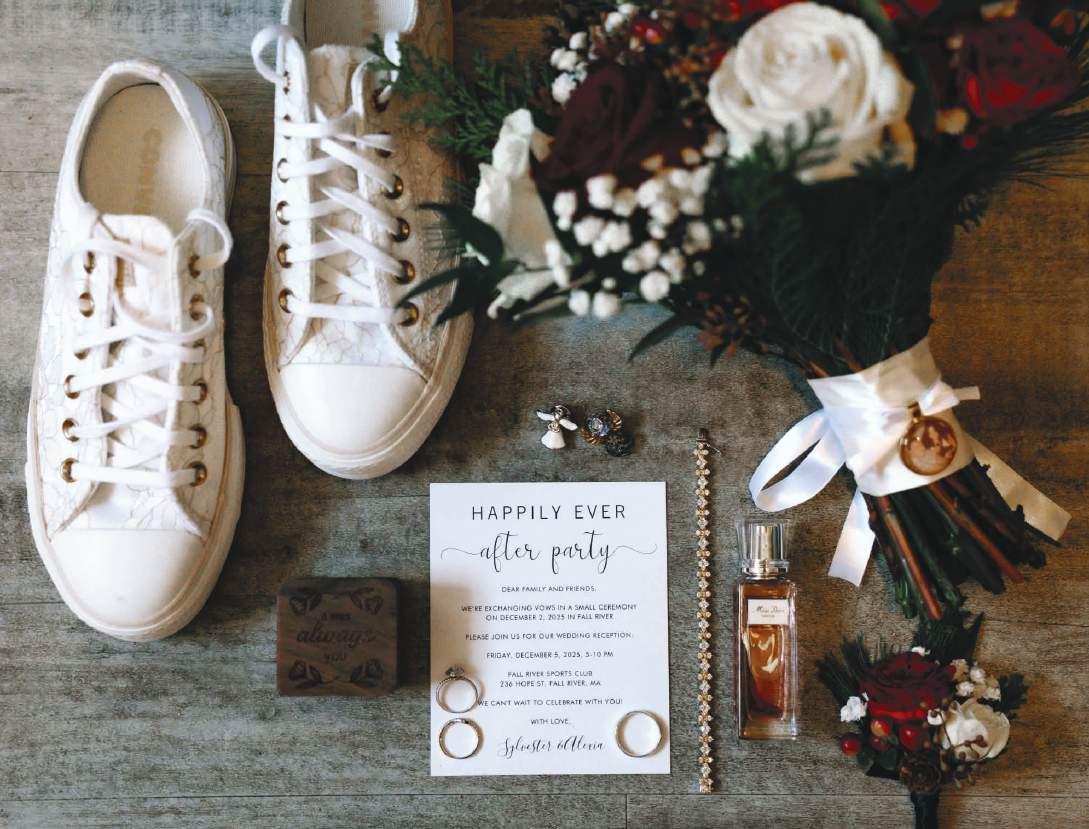
The invitation for Alexia Rivera English and husband Sylvester was a simple announcement of a “small” ceremony and celebratory wedding reception.
with recycled and plantable papers, locally sourced printing, and streamlined suites allowing couples to reduce waste without sacrificing beauty.
Ultimately, modern wedding stationery is less about strict etiquette and more about expression — an intentional first impression that reflects the couple’s style and sets the tone for the celebration to follow.
A celebration of sound and show
Music continues to play a central role in wedding celebrations, and in 2026, couples are blending classic and contemporary selections. Jordan Paiva, owner and DJ at Music of Our Lives, notes that many couples are incorporating songs from the 1950s, 1960s, and 1990s alongside modern hits. Examples include updated versions of Elvis’ “Can’t Help Falling in Love,” Etta James’ “At Last,” and Shania Twain’s “From This Moment.” Country music also remains popular, particularly for first dances and parent dances.
International and niche genres are also increasing in popularity. Paiva reports growing requests for Latin music, Afrobeats, and unique remixes of classic or contemporary songs. Couples are frequently including song requests from their guests via RSVP forms, which helps DJs anticipate the crowd’s preferences. Lighting, setup, and presentation are evolving alongside music. Music of Our Lives recently introduced two new setups, including the “Elegance Display,” which features a podium-style workstation with a custom portrait of the couple and a 75-inch screen capable of displaying monograms or graphics. These designs integrate the DJ into the overall décor and create a visually cohesive experience.
DJ services are tailored to wedding size and audience. Paiva explains that adjustments are made throughout the event based on crowd engagement, from small gatherings of 75 guests to larger weddings of 300.
In terms of evolving traditions, Paiva notes that elements such as the bouquet and garter toss are less common, while other personalized moments — such as dedicating the bouquet to the mother of the bride — are appearing more frequently.
Overall, wedding music in 2026
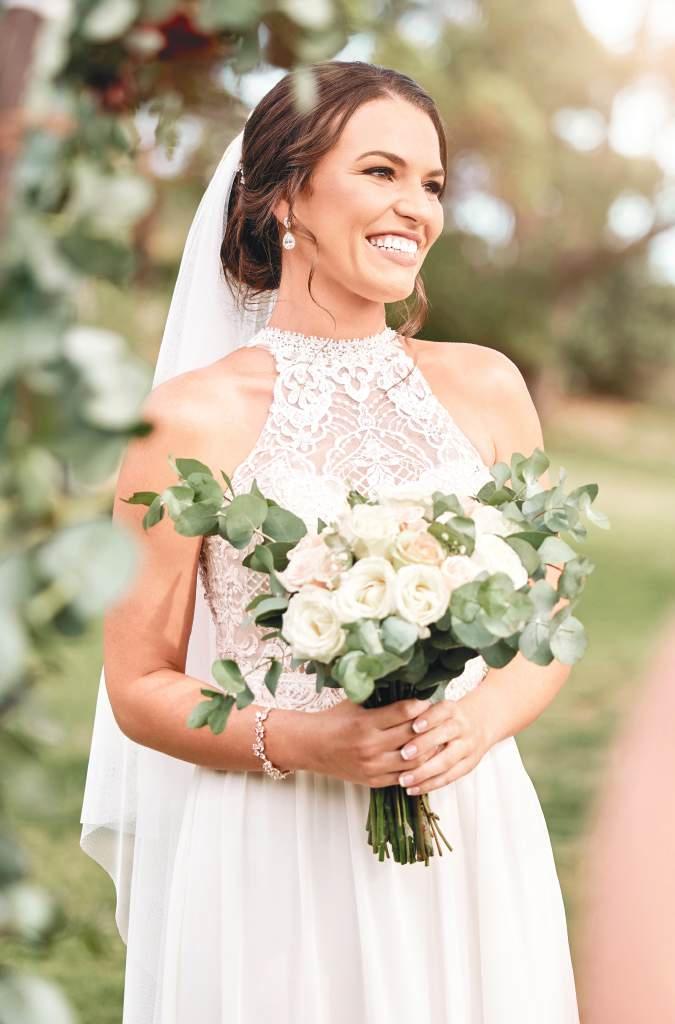
While minimalist gowns remain popular, there’s a noticeable shift toward subtle embellishment. Lace, veils and custom touches are increasingly popular.
reflects a combination of classic and contemporary styles, international influences, and personalized experiences, supported by technology and visual presentation.
Where timeless meets trend: Bridal fashion for 2026
As bridal fashion continues to evolve,
2026 is shaping up to be a year of balance — where timeless silhouettes are reintroduced with a more personal, modern sensibility. According to Perry Angelo, marketing coordinator at Alexandra’s Boutique, brides are moving away from overly trend-driven looks in favor of gowns that feel enduring and intentional.
Continued on page 6




by Stephanie Ewens Photography

Timeless black & white portraits and lasting keepsakes
AN UNFORGETTABLE PORTRAIT EXPERIENCE FOR YOUR GUESTS
“It’s amazing when a single vendor becomes the favorite experience of both the guests and the hosts. We loved having The Portrait Suite because not only were we creating memories , we were creating something truly beautiful for our guests to take home.”
-Jessica A.

COURTESY OF MUSIC OF OUR LIVES
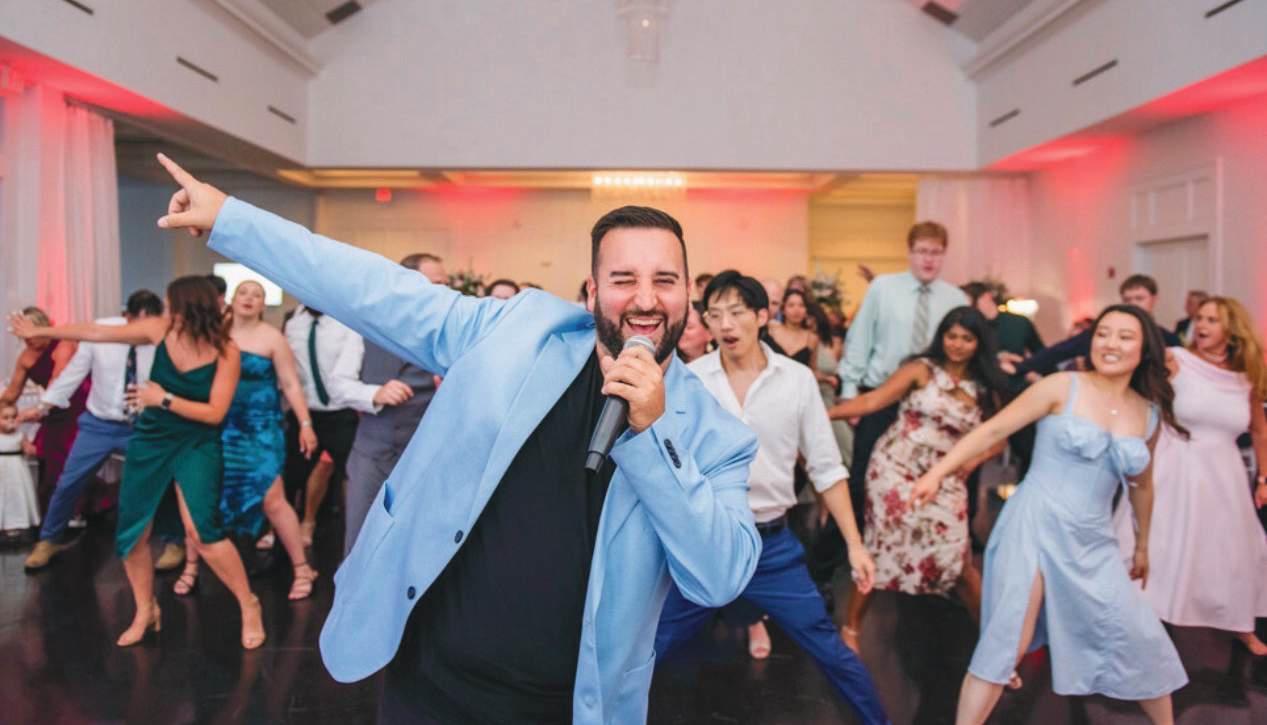
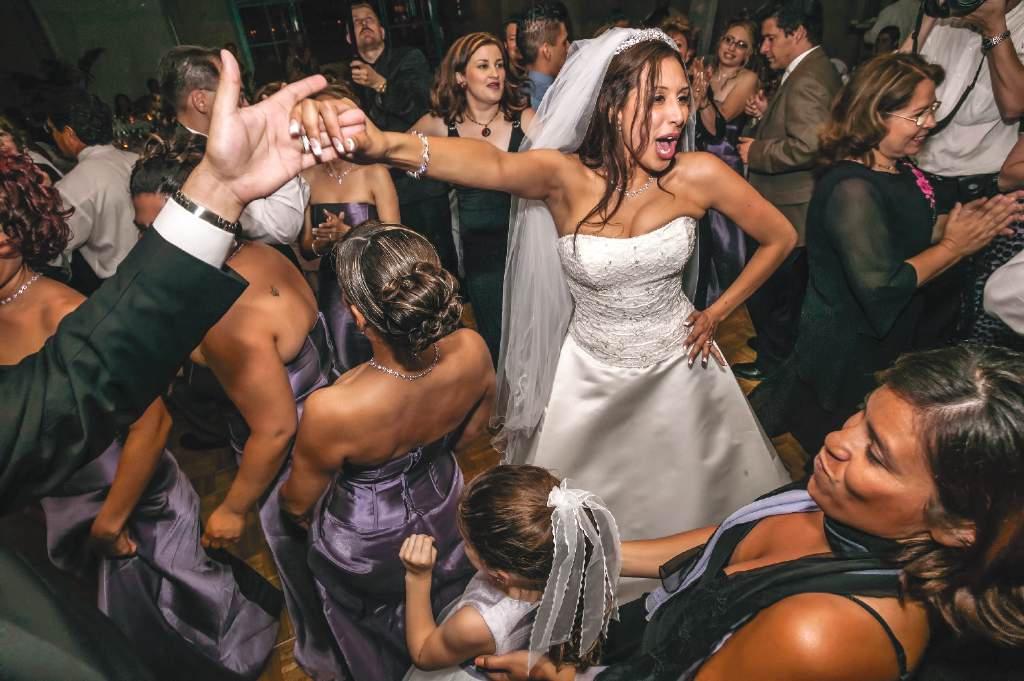
DJ Jordan Paiva says wedding music preferences runs the gamut, from classic to contemporary.
“Brides are really gravitating back toward classic structure,” Angelo says. “They want something that will feel just as beautiful years from now as it does today.”
That return to tradition is especially evident in silhouettes. A-line and fullgown styles are seeing a strong resurgence, often paired with vintage-inspired elements like sweetheart necklines and basque waists.
“We’re seeing brides lean into those romantic, old-world details again,” Angelo explains. “They bring such a timeless elegance, but still feel fresh when styled the right way.”
While minimalist gowns remain popular, there’s a noticeable shift toward subtle embellishment. Light beading, soft texture, and delicate detailing are reappearing after several years of pared-back designs. “It’s less about being completely minimal or overly ornate,” Angelo adds. “Brides are blending clean lines with thoughtful details that elevate the gown without overpowering it.”
Fabric choices are reinforcing this refined direction. Brides are increasingly drawn to structured, high-quality materials like mikado satin, luxurious satins, chiffon, and organza, as well as brocades and jacquards that add visual interest without relying heavily on lace. “We’re seeing higher-quality versions of fabrics we already love,” Angelo notes. “They have more presence, they hold their shape beautifully, and they photograph incredibly well — which matters more than ever.”
While classic white and ivory remain bridal staples, personalization is defining the year ahead. Brides are incorporating heirloom elements and meaningful accessories — family veils, vintage jewelry, or custom touches that tell a story. “Personalization isn’t about excess,” Angelo says. “It’s about making the look feel authentic to the bride.”
Looking ahead, she expects timeless elegance to continue evolving. “As these classic styles become more popular again, we’re already seeing lace, sparkle,
and statement details making a thoughtful comeback,” he adds. “It’s all being reimagined in a way that feels modern and true to today’s bride.”
Moments over poses
According to photographer Lisa King of Photographer Lisa Anne, wedding photography today is firmly rooted in a documentary, candid style that values authenticity over overly posed perfection.
Couples are gravitating toward imagery that feels natural and emotional — photos that capture real moments like laughing mid-conversation, tears during vows, or spontaneous joy on the dance floor.
As the industry heads into 2026, trends such as subtle motion blur, trueto-life color palettes with minimal filtering, and an overall embrace of imperfection are becoming increasingly popular, allowing images to feel timeless and
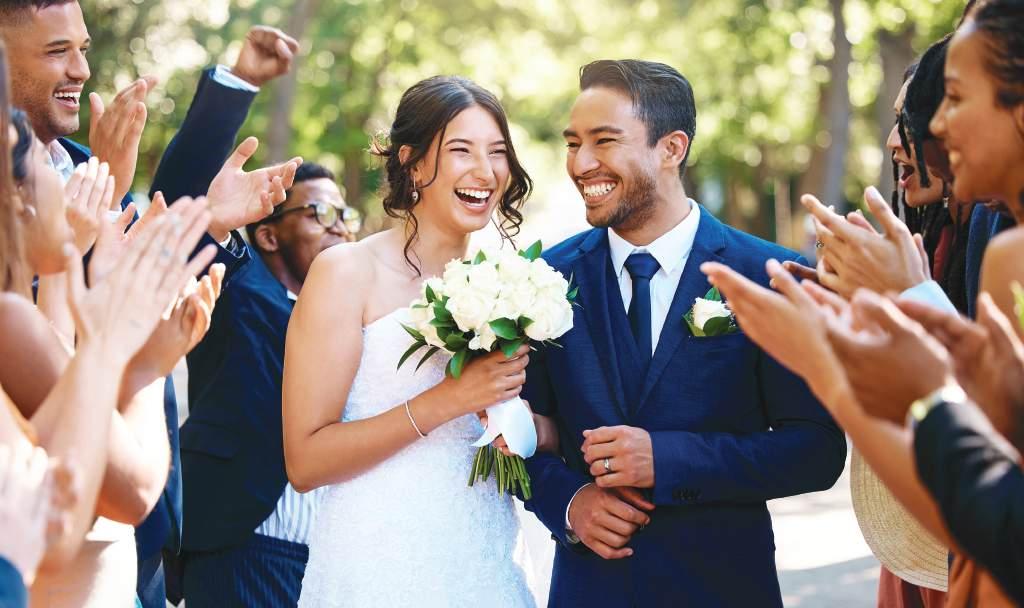
Wedding photography today emphasizes candid vs. posed, with couples wanting to capture the spontaneous moments from the celebration.


Jamie Corbman Photography
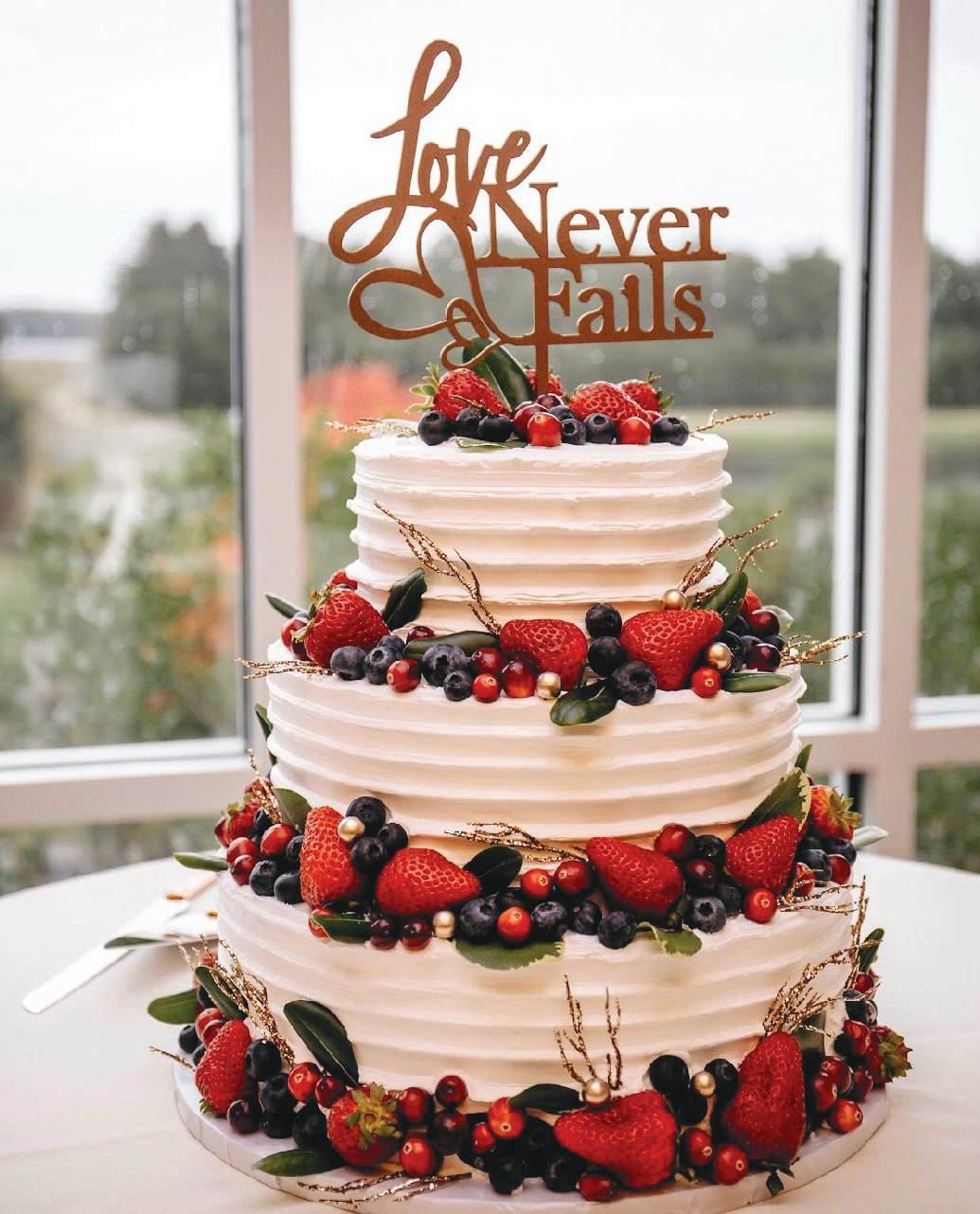
COURTESY OF LEDDY’S BAKERY
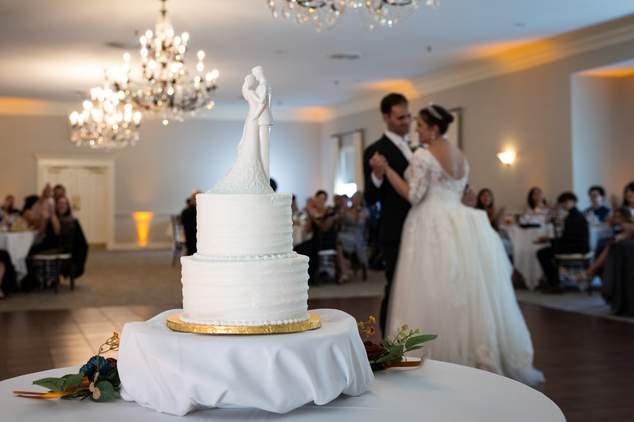
According to Lillian Werner, manager and head cake decorator at Leddy’s Bakery in Fall River, Mass., couples are gravitating toward designs and flavors that feel both familiar and expressive.
honest rather than overly stylized.
Personalization plays a major role in modern wedding photography, with couples finding creative ways to tell their story through their images. This includes incorporating behind-the-scenes content, fashion-inspired shots that highlight personal style, and moments that feel organic rather than staged.
Couples are also placing greater emphasis on emotional storytelling — prioritizing photos of meaningful interactions, like a mother crying during a father-daughter dance, guests’ reactions during the ceremony, or the friend who dominates the dance floor all night.
For Lisa, the photography trend that best represents today’s modern bride or couple is keeping emotions real: combining strong lighting, clean composition, intentional detail shots — from florals and attire to rings and sentimental gifts — with gentle direction that helps couples feel confident while still looking like themselves.
Desserts and cakes: Where tradition meets personality In 2026, wedding desserts are
embracing a thoughtful balance of classic flavors, timeless presentation, and meaningful personalization. According to Lillian Werner, manager and head cake decorator at Leddy’s Bakery in Fall River, Mass., couples are gravitating toward designs and flavors that feel both familiar and expressive.
Over the past year, rustic-style cakes have continued to dominate requests. “Naked cakes,” where the cake layers remain visible beneath light frosting, and “rustic scrape” finishes — created by combing frosting into soft horizontal lines — are especially popular. These styles are often paired with real or faux florals, while traditional vintage piping is making a noticeable return, adding an elegant, nostalgic touch.
When it comes to flavor, simplicity reigns. Werner notes that classic combinations like chocolate cake with chocolate mousse filling and vanilla cake with strawberry remain reliable favorites. Seasonal choices also play a role, with lemon cake paired with raspberry or blueberry fillings seeing increased demand, particularly for summer weddings. Marble cake continues to stand
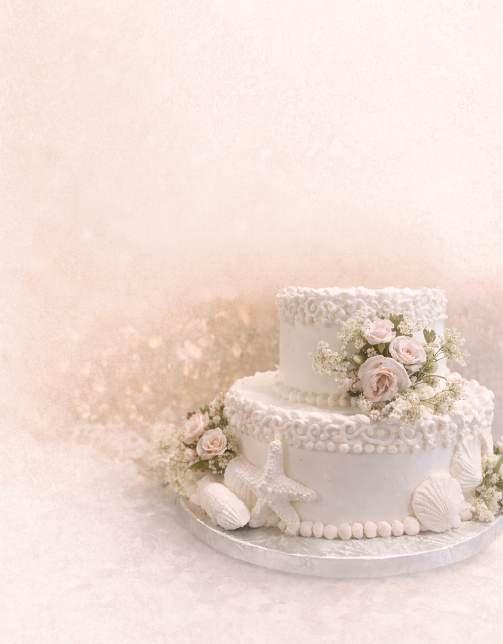
out for both its visual appeal and crowd-pleasing taste.
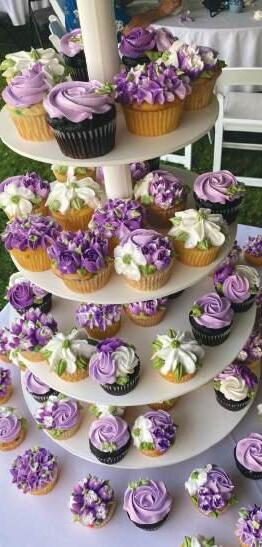
Most couples still choose traditional two or three-tiered cakes, but alternative dessert options are increasingly common. Some opt for a small cutting cake paired with cupcakes in assorted flavors and frostings — an approach that offers variety and can be more budget-friendly. Others move away from cake entirely, serving party pastries such as bite-sized éclairs, cream puffs, brownies, cheesecake, and carrot cake, or incorporating playful displays like donut walls.
Personalization is where wedding desserts truly shine. Couples are customizing their cakes with unique stands and toppers, incorporating florals that match their color palette, and even adding playful elements like pet figurines — sometimes styled to look as if a beloved dog or cat took a bite. Heirloom accents, including brooches or decorative pieces passed down through generations, are also finding their way onto cakes.
As Werner puts it, “There are really no rules,” a sentiment that perfectly captures the dessert trends shaping weddings in 2026.
Your Perfect Day Deserves a Perfect Cake
From elegant floral designs to custom seaside themes, Scialo’s Bakery creates handcrafted wedding cakes as beautiful as they are delicious.
Order your wedding cake early
Simple touches can add an elegant feel
Consider candles, cocktails, vintage items and seating as simple ways to add elegance
The term “the perfect wedding” can be somewhat misleading. Couples have their own ideas regarding the perfect wedding, and no single vision is more worthy of that characterization than another. Tradition plays a big role at many weddings, as couples have long embraced customs like the first dance, cutting the cake together and even tossing the bridal bouquet at the reception. Traditional weddings often are associated with elegance, and there are many ways to create an elegant aesthetic at a wedding.
Consider candlelight
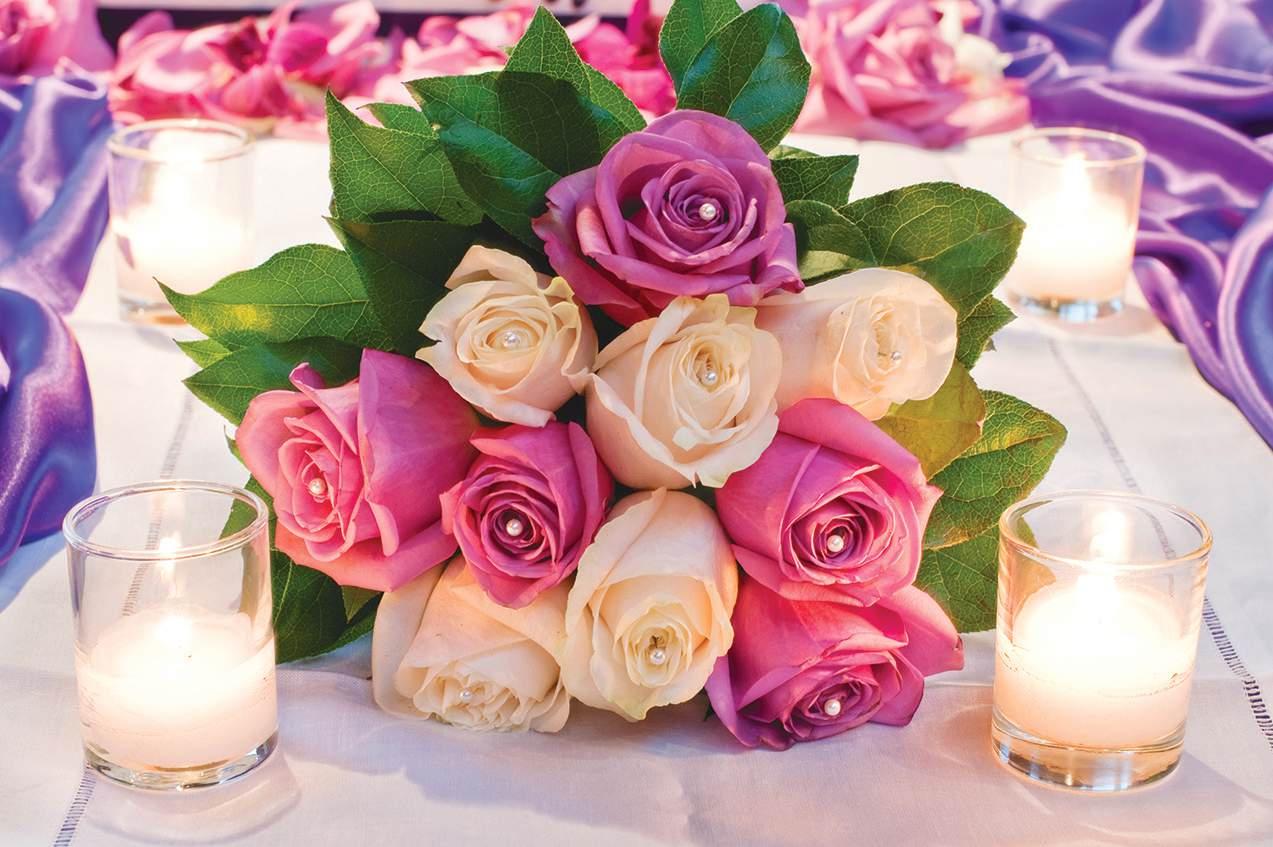
Candlelight can make any space feel cozy and warm. Lit candles also create a calming and elegant vibe at a wedding. A handful of thoughtfully placed candles
around a ceremony space can add a sense of elegance to a wedding. That vibe can be maintained into the reception when candles are placed on dining tables.
Include some vintage items
Vintage items can add elegance because they call to mind traditional weddings of past eras. Unique vintage vases on seating tables or even as reception table centerpieces are simple to arrange and effective at adding an elegant touch.
Choose a signature cocktail
The drinks guests enjoy at the reception also can add some elegance to the festivities. Ask the reception hall bartender to collaborate on a classic cocktail, ideally one that might have been popular years ago or even a modernized version of a drink that calls to mind cere-
monies of yesteryear.
Go traditional with wedding attire
More and more brides are choosing wedding gowns that go beyond the classic white dress. But brides who want something elegant may want to stick to traditional attire. The same goes for grooms, who can choose a traditional black tuxedo to add some simple elegance to the big day.
Set your sights on seating
There’s no area of a wedding that can’t be augmented with a little elegance, and that even goes for seating. Chair sashes complement an elegant theme, and such simple decor is easy to pull off. It also provides instant appeal and a touch of class as guests enter the venue and take a seat.
An elegant wedding aesthetic makes for great photographs and adds a memorable vibe to a ceremony and reception.
A handful of thoughtfully placed candles around a ceremony space can add a sense of elegance to a wedding.
A checklist of vendors for the big day
Planning a wedding is a significant undertaking. Though many tasks associated with wedding planning are enjoyable, the number of variables that must be coordinated can make the process feel a little overwhelming at times. Staying organized can make wedding planning a lot easier, and this checklist of vendors can be utilized by couples looking to stay calm as they plan their big day.
n Wedding venue
n Reception venue
n Caterer
n Bakery
n Photographer
n Videographer
n Florist
n Officiant
n Entertainment
n Jeweler
n Transportation
n Hotel
n Salon/hairdresser
n Makeup artist
n Wedding planner
n Bridal gown retailer
n Groom’s attire
n Favors vendor

Live Wedding Painting by Mark
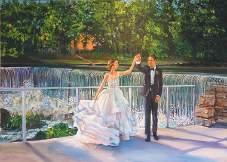
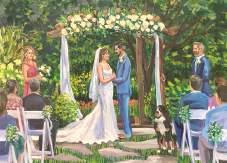
Let the wedding painter capture your moment forever in a work of art
Rhode Island Live Event Artist, Mark DeSilva, produces oil paintings for weddings and other occasions. Mark makes your special moments last forever in a work of fine art. You don't have to stand still to let him create your painting. Just simply enjoy your event and he will provide you with a beautiful work of art that captures all of the beautiful memories of the day. Your guests will be able to observe the artistic process as Mark turns a blank canvas into a beautiful oil painting.
RIWeddingPainter@gmail.com Tel: 401-808-1303 (Anna)
MARCH 13 TH - MARCH 15 TH - Thousands of wedding band options. - Themed sales event days with prize giveaways. - Custom designs and Designer brands.



Celebrating simplicity: The charm of the traditional bachelorette party
Some brides are choosing to scale it back, opting for less expensive and more meaningful celebrations
BY VANESSA COMBS
As destination bachelorette parties and weekend-long getaways continue to dominate social media, many brides are quietly redefining what a meaningful celebration looks like. Instead of packed itineraries and long-distance travel, these brides are choosing gatherings that feel relaxed, affordable, and rooted in genuine connection.
For Beeralicia Gendreau, that intention shaped every part of her bachelorette celebration. Wanting something small and personal, she says her decision was influenced both by her close-knit circle
and the current economic climate.
“Everything is so expensive,” she explains. While her sister initially explored traditional venue options, the high price tags quickly shifted the plan in a more creative direction. Knowing how much Beeralicia loves to dance, her family opted for a night out at a local nightclub — turning a familiar setting into something deeply personal.
What began as a casual invitation to dinner was, in reality, a thoughtful surprise. Her sister coordinated the evening, inviting a small group of friends under the guise of a night out. Once at the club, the celebration unfolded with meaningful details that made the night unforgettable. The DJ announced her bachelorette party, projected her photo onto the screen, and invited the crowd to raise a toast in her
honor. “I had never had a party just for me before,” Beeralicia shares. “Every moment that night felt special.”
Rather than booking an entire venue, the group reserved a VIP area, creating an intimate space within a lively atmosphere. For Beeralicia, the highlight wasn’t extravagance — it was togetherness. Surrounded by women she loves, dancing, talking, and celebrating freely, the evening felt exactly right. “The most important thing was having a space just for us,” she says. “That’s what made it perfect.”
A similar mindset guided Katherine Caruso of Rhode Island, who married in August 2023. Her bachelorette celebration took place during a low-key weekend on Cape Cod, made possible through a family friend’s home. With the beach
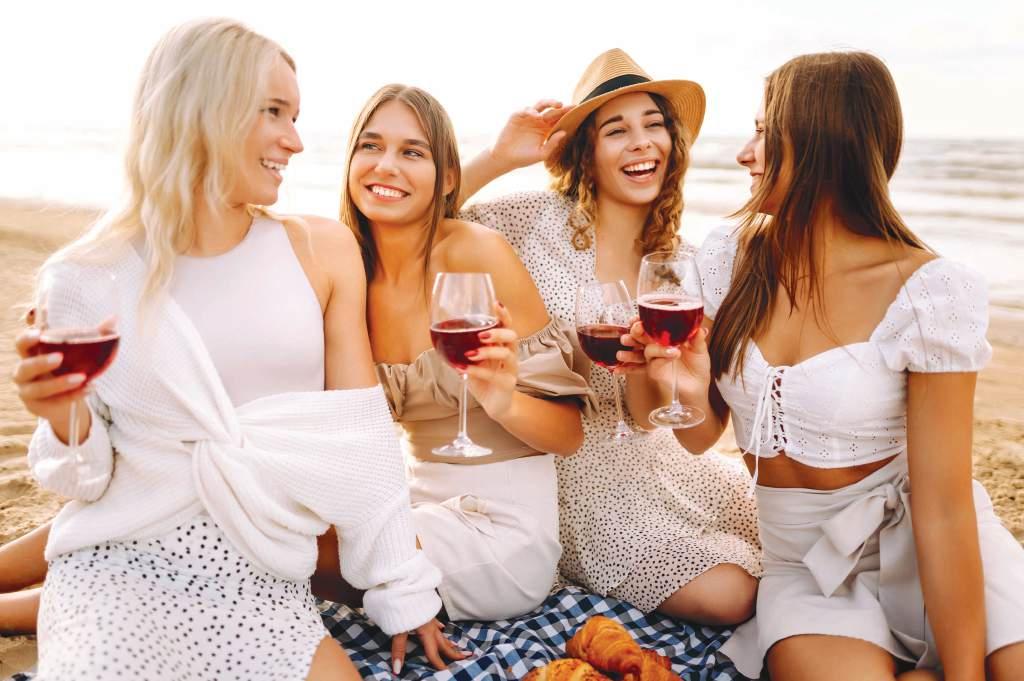
Many brides-to-be are eschewing grand destination bachelorette parties for smaller, more personal experiences with close friends.
just steps away, the focus shifted away from logistics and toward shared time and ease. Keeping costs manageable for her bridal party was a priority, allowing everyone to relax and be present.
Another bride, married in 2025, embraced simplicity in a different way. Without a formal bridal party and describing herself as naturally low-key, she skipped a destination trip altogether. Instead, her sister organized an intimate local evening that included dinner and a splash paint night — an affordable, personality-driven celebration that felt inclusive and pressure-free.
Across each of these stories, the setting mattered less than the intention behind it. By staying local and keeping plans flexible, these brides created space for conversation, laughter, and connection — without the financial or emotional strain that often accompanies larger-scale celebrations.
Simplicity, for these women, wasn’t about doing less. It was about doing what felt right. As more brides embrace this approach, traditional bachelorette parties are being reimagined not as scaled-back versions of something bigger, but as intentional gatherings that honor what the celebration has always been about: meaningful time with the people who matter most.
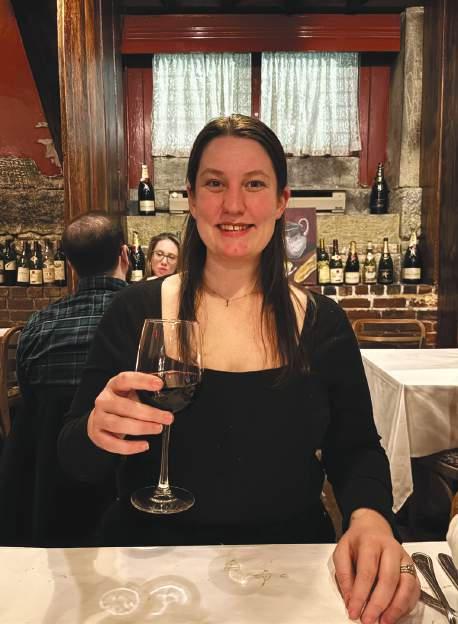
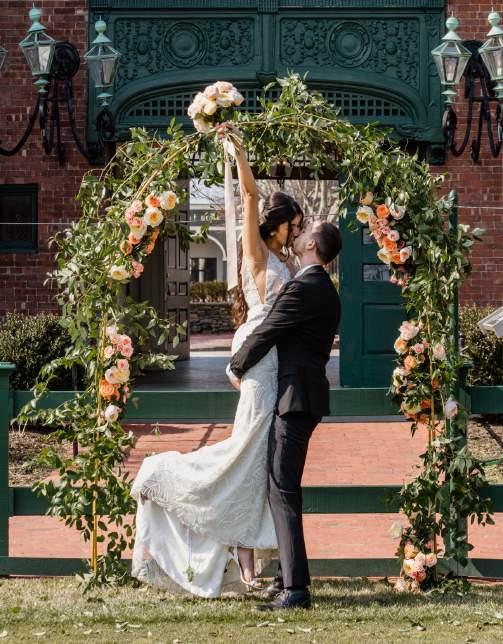

Katherine Caruso opted for a low-key weekend on Cape Cod, made possible through a family friend’s home.
The cost of ‘I Do’: Comparing $5,000, $20,000, and $50,000 weddings
BY VANESSA COMBS
Today’s couples are redefining what a wedding looks like. The modern celebration is less about following the status quo. Here’s a look at three different weddings, planned on budgets ranging from $5,000 to $50,000.
The $5,000 Wedding: Intimate and intentionally simple
A $5,000 wedding isn’t simply a “budget” celebration — it’s an intentional one. Couples working within this range often choose intimacy over grandeur. Guest lists are smaller, allowing hosts to focus on connection and atmosphere rather than on seating charts for hundreds.
Bride Alexia Rivera English explained
that she and her partner began their planning process by “sitting down and making a list of needs versus wants,” then deciding what could be given up and what absolutely had to stay. That intentional sorting shaped every decision.
Venue strategy plays an important role at this level. Instead of ballroom spaces, couples often choose public parks, backyards, community halls, or Airbnbs. Many select one location for both ceremony and reception to simplify the day and avoid rental duplication.
English shared that they selected a hall with buffet-style catering from a local restaurant rather than a traditional wedding venue with plated dinner service, saying it created “a more intimate vibe” while also keeping costs down.
Even within a modest budget, couples choose a few areas to meaningfully invest in. Photography is the most common “non-negotiable.” As English put it, “Photos and memories meant the most to us, so we were willing to spend the most on that.”
In many $5,000 weddings, roughly half the budget goes toward the photographer, dress, and food, with those three elements taking up the bulk of it.
Guest lists also reflect clear priorities. Weddings in this price range typically host 35 to 60 guests, centering on the people who matter most. “Family is extremely important to us,” English said, explaining that they built their list around immediate family first, then close friends they felt had to be there. They capped
PHOTOS BY MOBILE VIDEO AND PHOTOGRAPHY
Bryan and Angela Janick on their wedding day in Lakeville, Mass.
their guest count intentionally to preserve the closeness they valued.
Personal touches often make celebrations at this budget level especially memorable. English’s father and uncles secretly had custom socks made with the couple’s faces on them and wore them as a surprise on the wedding day. She also chose to dedicate her bouquet to her sister instead of doing a bouquet toss, creating a heartfelt moment in place of a traditional ritual.
Though the couple skipped most formal traditions, one of their favorite moments was performing the playful handshake they had created years earlier just before their ceremony kiss. English also shared meaningful “first looks”: she had one with her father, while her husband shared his own first look with his mother.
Friends and family contribution is another hallmark of weddings in this price range. English’s father had custom foam glow sticks made for dancing during the reception, her uncle arranged
for a DJ friend who also provided a photo booth, and a custom banner of the couple hung behind the DJ. These gestures transformed simple spaces into something personal.
What emerges is a deeply personal celebration: meals from beloved local spots, understated florals, and joyful photos that reflect what really matters. A $5,000 wedding isn’t about cutting corners — it’s about focusing on meaning, not excess.
The
$20,000 Wedding:
Balanced and comfortably classic
A $20,000 wedding is often where couples find their sweet spot — a place where tradition meets thoughtful decision-making. At this budget, many couples can host a full wedding day without feeling stretched thin, allowing the celebration to feel intentional rather than rushed or scaled back.
Guest lists typically fall between 75 and 120 people, giving couples the chance to include extended family and
close friends while still preserving an intimate, meaningful atmosphere.
Venue options at this level open the door to established event spaces that offer both character and convenience. Rather than backyards or community halls, couples often gravitate toward locations like Mt. Hope Farm and the Cove Cabin, Greenvale Vineyards, or the Squantum Association, where scenic surroundings do much of the visual work.
Natural landscapes, architectural charm, and built-in amenities help reduce the need for heavy decor while still creating memorable backdrops for photos. Many couples are also drawn to venues with distinctive features — cozy cocktail lounges, striking staircases, or outdoor nooks that feel special in every season — adding personality without adding extras costs.
Wedding attire at this budget reflects a similar mindset: personal, considered, and timeless. Brides often explore curat-
Continued on page 18


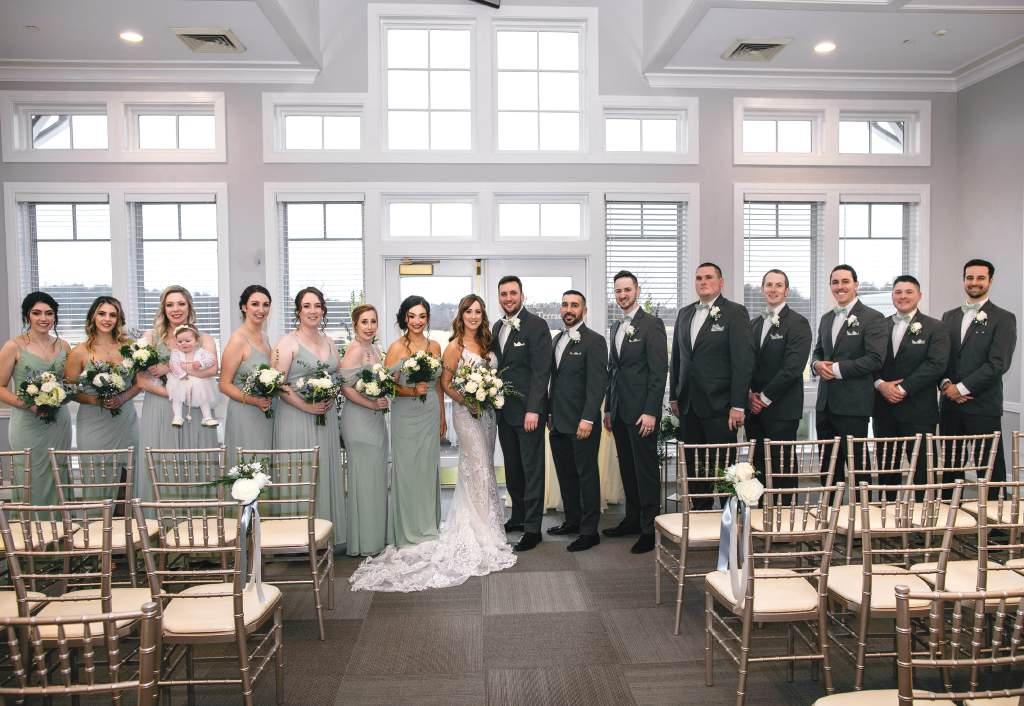
ed collections at boutiques, looking for gowns that feel like them rather than chasing fleeting trends. Wedding parties tend to favor coordinated looks over exact matches, and grooms increasingly mix rented and purchased suits to balance style and practicality.
Pieces that photograph beautifully in natural light and transition easily from ceremony to reception have become especially popular, reflecting how central photography and social sharing have become to the modern wedding experience.
Food and entertainment continue to shape how guests remember the day. Instead of traditional plated meals, many couples opt for food stations or family-style dining, encouraging conversation and a more relaxed, social flow.
DJs and small bands often bring more than music, pairing performances with interactive elements like curated playlists, dance-floor moments, or live photo displays.
Ultimately, a $20,000 wedding gives couples the flexibility to create a day that feels both classic and deeply personal. With room for meaningful details and modern trends, these celebrations strike a balance between tradition and individuality — resulting in a wedding that feels polished, welcoming, and truly reflective of the couple behind it.
The $50,000 Wedding: Immersive, elevated, and guest-centered
A $50,000 wedding is often less about extravagance and more about intention at scale. Couples planning within this range typically aim to create a seamless, immersive experience — one that feels thoughtfully designed for both themselves and their guests.
For Angela Janick’s March 11, 2023, wedding in Lakeville, Mass., that meant prioritizing flow, comfort, and personalization, particularly for a winter celebration hosting approximately 150 guests. Venue selection becomes a defining
decision at this budget level. Rather than hosting events across multiple locations, couples often seek a single venue that can accommodate ceremony, cocktail hour, and reception without disruption. Janick and her partner selected a country club that offered multiple indoor spaces, allowing the ceremony to take place in a restaurant area closed for the season and later repurposed for food stations. A separate lounge, bar, and foyer created a natural progression for cocktail hour while comfortably handling the guest count.
With more flexibility in budget, vendor quality becomes a top priority. Couples at this level are less focused on minimizing cost and more concerned with value and guest experience. Janick noted that while plated dinners were considered, buffet-style food stations ultimately offered both a better experience and a strategic cost savings, freeing up funds for other enhancements.
Entertainment played a central role in
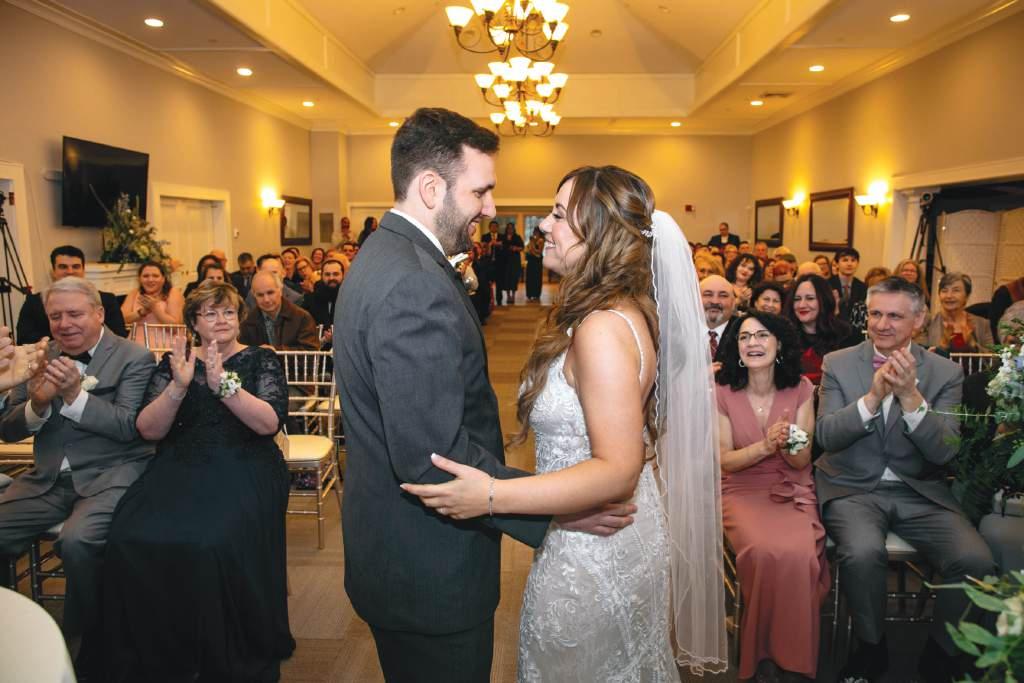
Angela and Bryan Janick celebrated their wedding at a country club with a large gathering of family and friends.
shaping the evening, with the couple selecting a DJ who offered guest-focused amenities such as a phone charging station, live photo displays where guests could text in images throughout the night, and illuminated marquee letters that doubled as decor and photo moments.
Despite the scale of the celebration, intentionality remains central. Couples hosting $50,000 weddings often face difficult guest list decisions, particularly when large families are involved. Janick and her partner chose to focus on inviting those who had been most present in their lives as a couple, reinforcing a “quality over quantity” approach, even within a larger guest count. Sentimental details — such as a display honoring deceased family members with wedding photos of grandparents and great-grandparents — helped ground the event emotionally.
Personalization is where weddings at this budget truly distinguish themselves.
Rather than leaning on tradition alone, couples incorporate interactive and story-driven elements. Before entering the reception, Janick and her partner shared a ten-minute introduction video featuring interviews about their relationship, offering guests a deeper look into who they are beyond the wedding day. In place of a traditional guest book, attendees were invited to leave voicemails on a phone, creating an audio keepsake the couple continues to revisit.
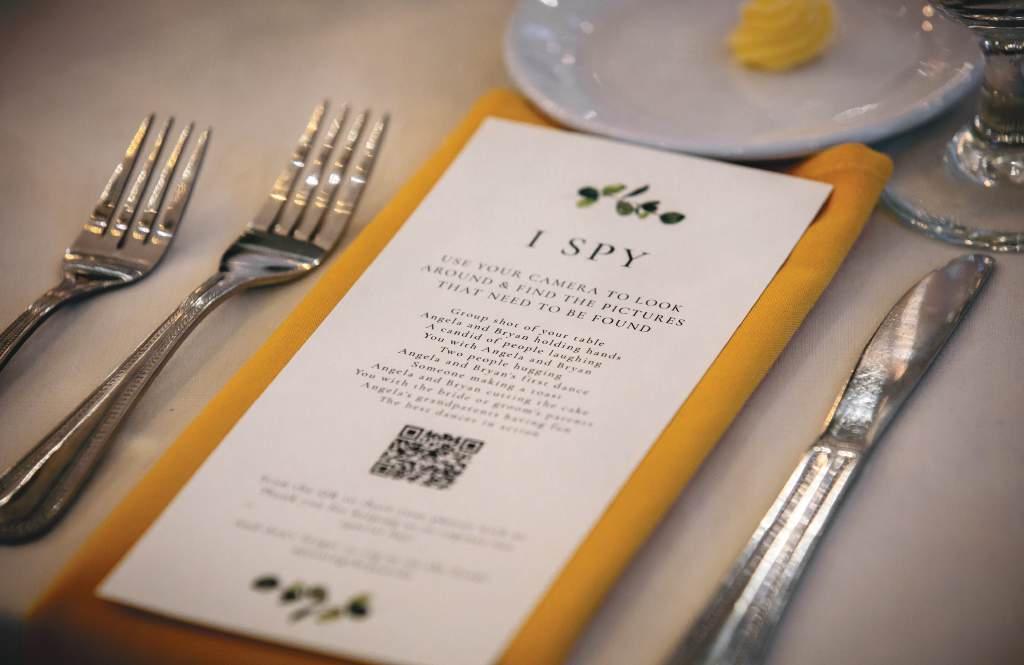
Guest participation was further encouraged through a wedding scavenger hunt placed at each setting. Guests were given photo prompts — such as capturing the bride’s grandfather laughing or snapping a candid with the newlyweds — along with a QR code linking to a shared image folder. The result was a collection of spontaneous, guest-generated moments that complemented the professional photography and revealed parts of the evening the couple might otherwise have missed.
When reflecting on the day, Janick emphasized that the emotional impact outweighed any specific design choice. While a $50,000 budget allows for elevated details and layered experiences, she shared that the defining factor was the sense of love in the room. More than decor or attire, the couple hopes guests remember how the evening felt — beautiful, fun, and celebratory.
What budget really means
When comparing $5,000, $20,000, and $50,000 weddings, one truth stands out: the emotional impact of the day does not depend on the cost. The lowest-budget weddings are intimate and personal. Mid-range weddings feel refined and classic. High-budget weddings become more grand and immersive.
The heart of the wedding remains the same in every version: two people promising forever, surrounded by the people who matter most.
Angela and Bryan Janick invited guests to participate in a wedding scavenger hunt placed at each setting. Guests were given photo prompts — such as capturing the bride’s grandfather laughing or snapping a candid with the newlyweds — along with a QR code linking to a shared image folder.
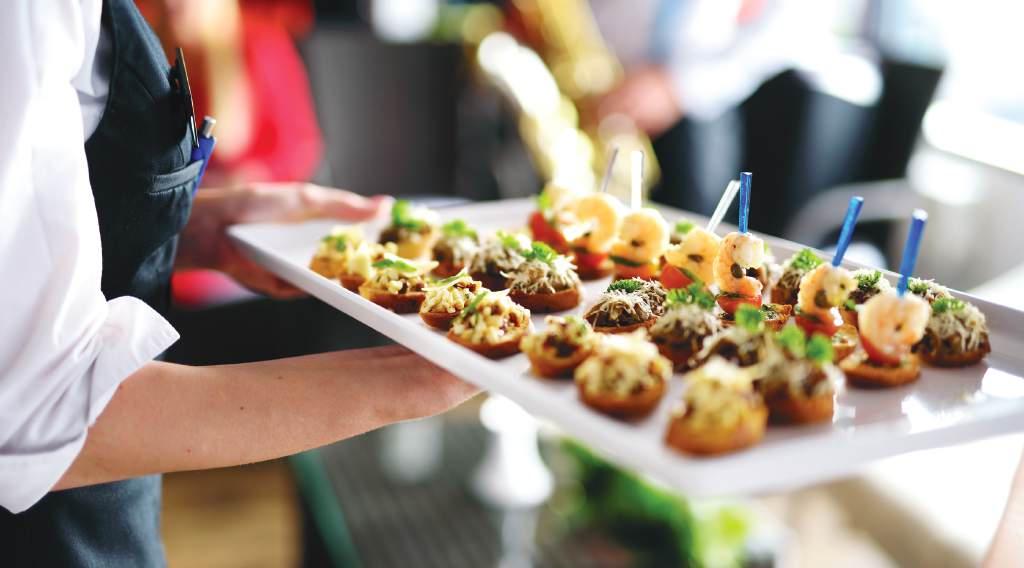
A lot goes into a wedding — food is a critical part of the celebration.
Questions to ask when interviewing caterers
A wedding reception is a joyous occasion that affords newlyweds and their guests an opportunity to celebrate into the evening. Various components combine to ensure a memorable reception, but food is a major highlight of the festivities for guests. That places a significant responsibility on couples to find a reception center or third-party caterer who can dish up food that will have guests saying “I do” to a great meal. These considerations and questions can help couples find the right caterer for their weddings.
Does my venue mandate use of a particular catering service?
The wedding planning website Zola advises that many wedding venues require couples to use a specific catering service. They may have an arrangement with a particular caterer who they trust, or the venue has in-house chefs and servers. In the earliest planning stages after the wedding date has been set, a couple should be sure to pick a venue that will serve the best food possible. Couples who have a specific caterer in mind may need to shop around for
a venue that will allow outside vendors.
Identify your preferred meal
First and foremost, a couple should know how they want to have their food served and inquire with potential caterers about their standard options. Service types often include a formal sit-down dinner reception, a buffet dinner service, a family-style dinner, or a more minimal cocktail offering without a full dinner. The couple can cross out prospects that don’t offer the type of service they desire most.
Ask what’s included
A couple should determine if a catering service offers food prepared by professionals, the amount of flexibility related to menus, if table settings are included, and if cleanup is part of the fee. Full-service catering typically includes all of this, while more limited service may be food brought in that requires the venue’s own staff to serve and clean.
Compile the right questions
It’s important to ask caterers some key questions to narrow down prospects.
Some of these include:
n Are you a participant in any local business associations?
n What events with a similar concept have you catered?
n How many weddings do you book each year?
n Will my wedding be the only event you cater on that day?
n How many guests can you accommodate?
n Do you handle special food requests, such as gluten-free or kosher meals?
n How many chefs and cooks prepare the meal, or are meals exclusively prepared by the business owner?
n Do you allow substitutions or customization to a set menu?
n Do you have references for other events you have catered?
n Do you have any preferred vendors?
n What do we need to know and do regarding delivery?
Food is a vital component of a wedding reception, which underscores the significance of finding a talented and experienced caterer.
3 tips to create a reasonable wedding budget
Weddings are momentous occasions in the lives of couples. Recently engaged couples likely know that weddings can be expensive.The experts at the online wedding resource Zola estimated that couples would spend around $36,000 on their weddings in 2025. If that figure produces some sticker shock, couples can rest easy in the knowledge that such estimates reflect a host of variables, not all of which are applicable to each wedding. It also can calm couples’ nerves to develop a budget as the first step in wedding planning. Once a budget is worked out, couples can then use that to guide their decisions.
The need to budget for a wedding may seem obvious, but couples, particularly those tying the knot for the first time, might not know where to begin. Couples facing such a situation can consider these three budget-building tips for their wedding.
1. Identify where funds are coming from. Parents of the bride were once the
traditional sources of wedding funds, but that’s less common than it used to be.
According The Knot Real Weddings Study, the average age of marriage in 2024 was 32 years. That means many couples are now on relatively firm financial footing by the time they get married, prompting some to pay for the entire affair themselves.
Couples looking to establish a wedding budget can first identify who’s helping to fund it. If couples are going it alone, then this is a simple step in the process. If parents and other relatives offer to pitch in, couples can count such offers toward the total amount of money they have to fund the big day.
2. Consider working with a financial planner. Another strategy to building a budget is to work with a professional to determine how much you can afford. Many couples now live together prior to getting engaged, and Zola notes that more than half (53 percent) even shop for rings together.
Unforgettable Wedding Moments
Begin at Bluewater
Advanced wedding planning can be a wise move, particularly for couples footing the bill on their own or with minimal assistance from family members. A financial planner can help couples determine what they can afford and offer tips to grow their existing wealth with an eye on paying for their wedding.
3. Identify your priorities. The Knot reports that venue and rentals accounted for slightly more than one-quarter (27 percent) of couples’ wedding budgets in 2025. While venues and rentals are typically the biggest expense when planning a wedding, couples building a budget should identify their biggest priority.
Some might want a stunning venue, while others might feel a backyard ceremony is perfect for them. Identifying your biggest priorities and then devoting enough funds to those areas can guide the budget-building process.
Weddings can be expensive. Budgeting can help couples get the wedding they want without breaking the bank.

Trust the pros
Why it pays to hire a professional wedding photographer
User-friendly technology and greatly enhanced connectivity has changed the way people approach various tasks. The do-it-yourself home improvement trend is a testament to that shift, as homeowners now have access to professional grade tools and can easily take to social media for inspiration and instructions for renovations that were once the domain of experienced contractors.
Though it can be fun and budget-friendly to embrace a DIY approach in many settings, that strategy is not ideal for every situation, including the day couples tie the knot.
A couple’s wedding day is one to cherish forever, which is why it pays to rely on skilled professionals. That’s particularly so with wedding photography, which will serve as the official record of a day filled with love and laughs. Modern technology may compel some couples to think they can go without the services of a professional photographer on their wedding day, but there are many reasons to trust this important job to an experienced pro.
• Photographers can get great shots no matter the conditions. There’s a difference between snapping great shots of an idyllic
setting on a smartphone and taking wedding day photographs couples will look back on for years to come. Experienced photographers have cameras capable of far more than those on a smartphone, and these skilled professionals also possess the knowledge of how to get great shots in settings that might not be so conducive to photography.
A dimly lit reception hall dance floor may prove challenging for untrained amateurs, but professional photographers know what to do to get great shots in such settings. Professionals also know how to utilize natural light to their advantage when taking shots outdoors.
• Photographers handle the details. Couples have enough on their plate when planning weddings. Taking on photography duties requires identifying the right photo locations, knowing when to take photos to maximize surroundings, ensuring bridal party members are all ready to go so photos can be taken within tight deadlines, and post-wedding detailing. That’s a lot to take on, and it’s work best left to professionals.
• Photographers free up time. Many newlyweds note their wedding day
seemed to fly by and was over before they knew it. Such sentiments may be even stronger when couples take on too much responsibility come the wedding day.
A professional photographer will coordinate shots and timelines with couples prior to the big day and take over getting bridal party members where they need to be when they need to be there. That frees up time for couples to spend more time with each other and their guests come the day of the wedding, which in turn can make it feel as though the day didn’t fly by.
• You get a professionally finished product. Amateur photographers simply won’t produce as stunning a finished product as professionals who take and touch up photos for a living. A wedding day photo album is a keepsake couples will look back on for years, so it’s best to ensure its contents include photos taken and touched up by a skilled professional.
Couples can find ways to cut costs with their wedding budgets. But it’s best to avoid cutting corners regarding photography, as there’s no way to turn back the clock and get better shots if the efforts of amateurs fall short of expectations.
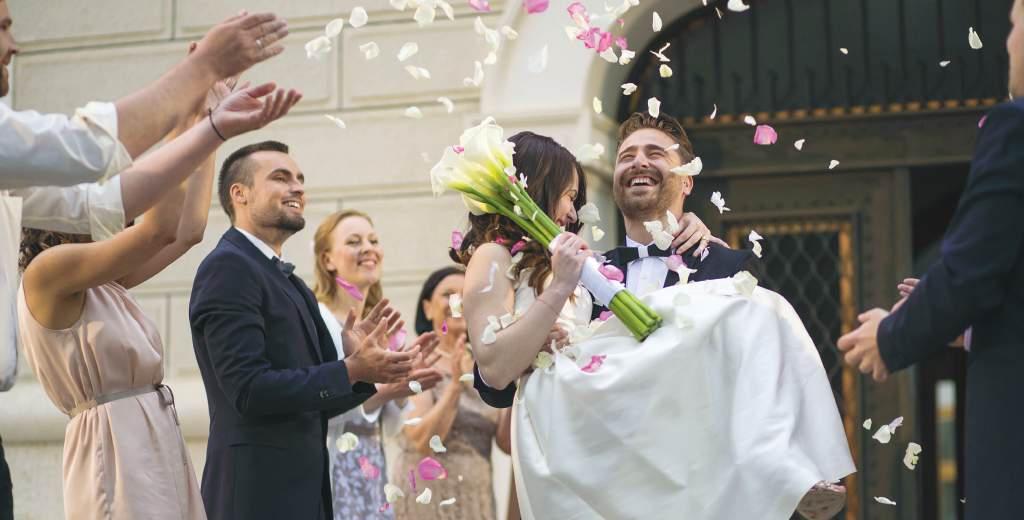
Professional photographers have the skill to adjust to different lighting situations, to capture spontaneous images, and to provide structure to the day’s moments.
Tipping etiquette for wedding vendors
Florists, photographers, musicians, emcees, limousine drivers, caterers, and waitstaff are just some of the professionals couples will meet and rely on for their weddings. Vendors charge a certain fee for their services, but couples may wonder if they should offer tips as well. When is it appropriate to tip wedding staff and at what rate?
A tip is never required but is always appreciated. That’s why couples can build tips into their wedding budgets to thank vendors for the various services they provide. Here are some additional guidelines.
n Familiarize yourself with the contract and determine if the agreement already includes a built-in gratuity. A service fee is different from a gratuity.
n Be prepared to offer something to an officiant. Members of the clergy may not be allowed to accept tips, but a donation made to a house of worship often is customary. A civil officiant is prohibited by law from accepting a gratuity in the United States, so keep that in mind if getting hitched at city hall.
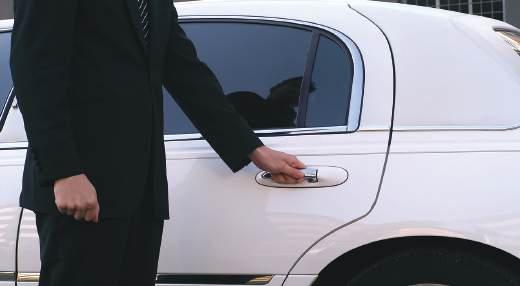
n Wedding planners, hairstylists, makeup artists, and catering bartenders and waitstaff can be tipped 15 to 20 percent of the total fee charged, as can a transportation company.
n Consider offering a predetermined gratuity for a photographer, videographer or florist. In the past, these small business owners weren’t customarily tipped, but a cash tip always is appreciated. Fifty to $200 is a standard tip.
n Think about tipping parking atten-
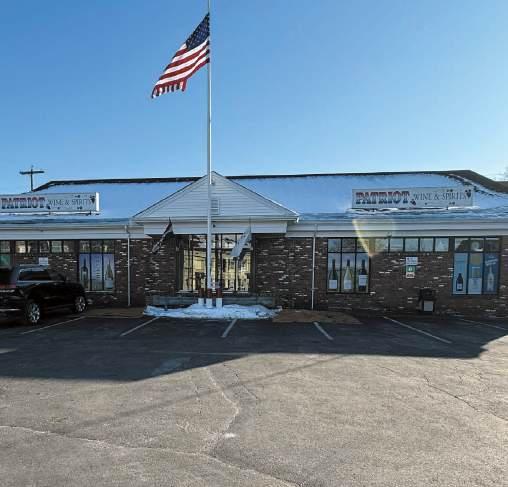





Think about tipping parking attendants anywhere from $1 to $5 the number of cars at the reception.
dants anywhere from $1 to $5 the number of cars at the reception.
n Use your discretion when tipping musicians. Generally between $25 and $50 per musician and setup staff is an adequate gratuity.
There are no hard rules regarding wedding vendor gratuities. Couples can bring cash along and enlist a bridal party member or parent to take care of tipping the wedding vendors who helped to make their special day memorable.

A Unique Hidden Gem
CLUBHOUSE