ECDC Social & Economic Impact Report_combined Nov 22 - Oct 23
Outcomes and impact areas
During the course of the assessment period, we have actively recorded and measured information about the effect that each activity has had on a range of people in the area. We have used this information to calculate the social and economic value of the activities.
Social Value
Social value is the relative importance that people and society place on changes to lives that are affected by the social, economic, and environmental influences of development. It is calculated by placing a money value on the changes that have been created by activities across the 11 categories detailed on the right.
Economic Impact
Economic impact is measured in several ways: the net additional expenditure, the Gross Value Added, and employment from the Meanwhile Programme. Each element of the Programme impacts differently on the local economy. Through a combination of interviews, information provided by each of the projects, reports, and published statistics, we have built up a picture of the overall local economic impact of the programme in 2023.
Our Stakeholder Groups
Artists and creatives
Employees
Families
Local business owners
Local children
Local community and residents
Local over 50s
Local young people
Migrants and asylum seekers
Single mothers
Single fathers
Visitors
Volunteers
Trainees
People with disabilities
Local teachers
RealWorth’s Eleven Factors of Social Value base on the OECD Better Life Index Dimensions of Wellbeing
Combined social and economic impact
£12.9 million Gross Value Added
£2.6 million
Worth of health value added to the community, including support for disabilities, support for drug abuse, and increased mental and physical health
£723,000
Improved value of neighbourhood and housing, including improved feelings towards the area, support with fuel poverty, and support for the homeless and rough sleepers
c. £25.7 million
Extra spend in the local economy
£1.1 million
Worth of improved education and skills, including digital skills for young people, educational attainment, and school readiness
Comparison to 2022 and cumulative impact
Continued success in generating positive social impact for the local community
Significantly increased local spend in the area
Supported the creation of around 500 more jobs than in 2022
Boosted GVA by nearly £13 million, over £10 million more than in the previous year
HealthThe health factor produced £2,601,000 of social value. This was the single largest amount of value of all the factors. The following activities helped improve the health of our stakeholders:
Earls Court Community Fund
The Earls Court Community Hub
Skills and education initiatives
Sponsorships
The Skills Centre
BBC Earth Experience
There were several health outcomes identified by the assessment including:
Support with disabilities
Support with fuel poverty
Improved nutrition (or reduced risk of malnutrition)
Increased physical activity
Improved mental health
Improved living conditions for children
Support for drug misuse
Barons Court Project
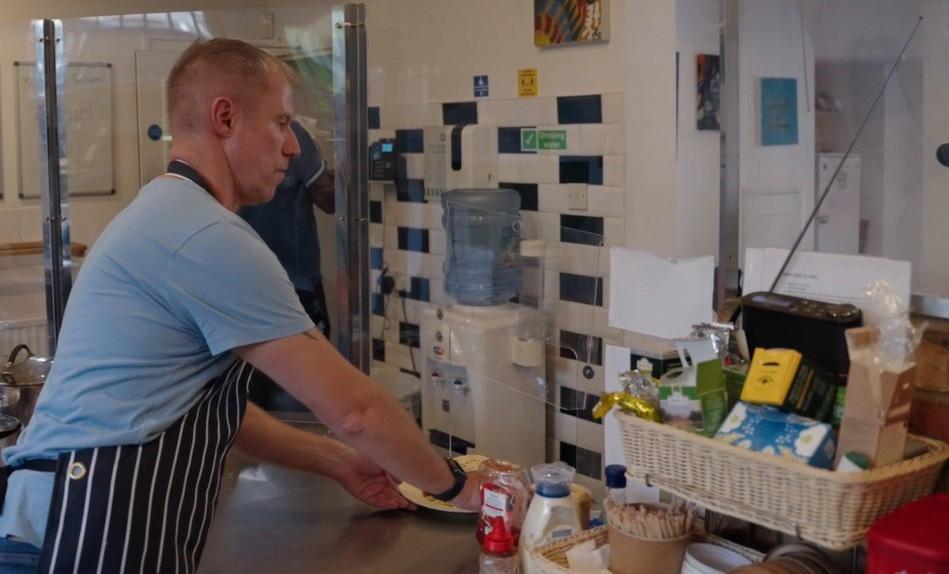
Barons Court Project received support from the Community Fund grant, for the project’s morning drop-in service which supports people sleeping rough or at risk of homelessness in Hammersmith & Fulham and the surrounding areas.
The project supported over 200 people through the provision of nutritious meals, showers, clean clothes, and a warm space to relax in. The project also aimed to help visitors into long term private rented accommodation and provided one to one mental health support.
It achieved the following outcomes:
Improved nutrition
Mental health support
Reduced social isolation
Long-term accommodation support
Education and skills
Our contribution to activities in Earls Court helped create £1,133,000 worth of educational value. The Programme offered educational opportunities by supporting formal education and through informally helping people to learn new skills and gain new knowledge. The following activities helped increase the education and skills of our stakeholders:
Earls Court Community Fund
The Earls Court Community Hub
BBC Earth Experience
Empress Studios
The Pop Up Shop
Sponsorships
Skills and education initiatives
Artists in Residence
The Skills Centre qualifications
Support learning new skills support learning new digital skills
Contribution to educational attainment
Positive wellbeing associated with learning School readiness
Contribution to coaching
Support with apprenticeship qualification
Architecture in Schools
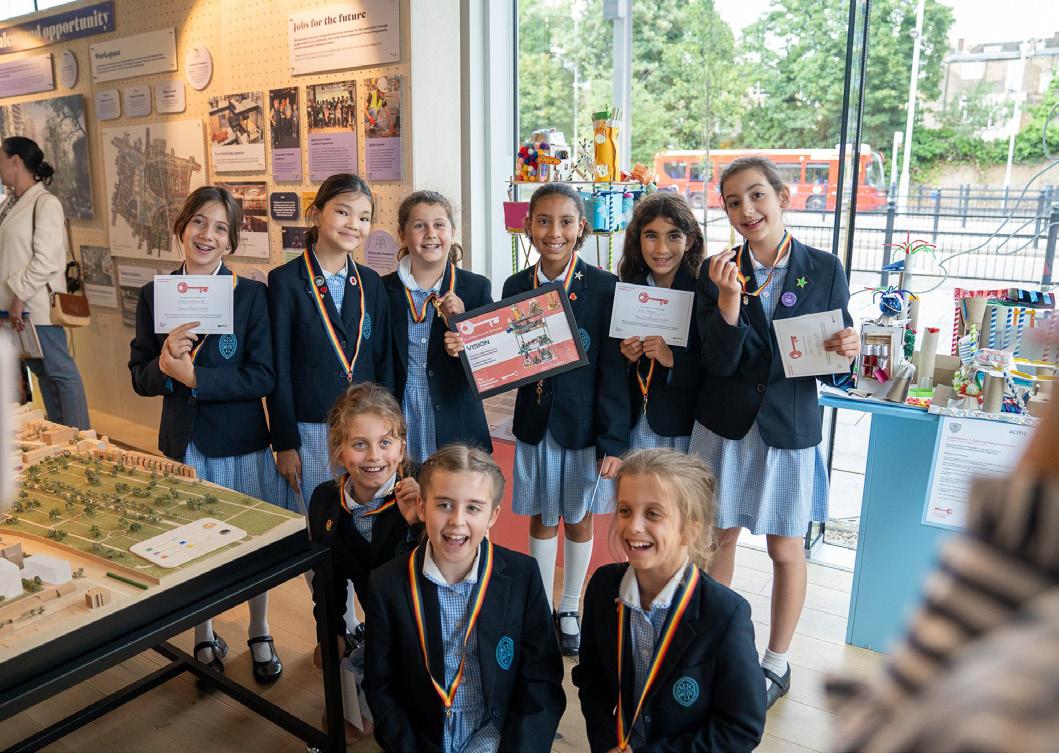
ECDC ran a West London Architecture in Schools programme with Open City between January and August 2023.
The initiative which brings KS2 students together with architects and design professionals to explore how and why their city is changing. The students contributed their lived experiences of their local area and professionals explained the aims and objectives of their work at Earls Court.
8 local schools were involved and the following outcomes were created:
Children learned new skills such as oration, language, listening, teamwork, and critical and creative thinking
Children’s subjective wellbeing was improved
Children cooperated with each other and developed new connections
Children engaged in their city by exploring it more, many for the first time
Parents also engaged with the programme by volunteering and supporting their children
“Often, at school, there’s always a right and wrong answer. In architecture there’s not a right and wrong answer at all, the more you talk about an idea it the more concrete it comes, especially in concept design. There were some not so confident speakers but when they got to build they were so excited and that’s how they preferred to express their ideas”
Architect, dRMM
Through the programme, ECDC helped to create around £100,000 of social value.
Housing and neighbourhood
Through our activities, the Earl’s Court area improved by a social value of £723,000. The following activities helped to improve the quality of the neighbourhoods around the development site for our stakeholders:
Earls Court Community Fund
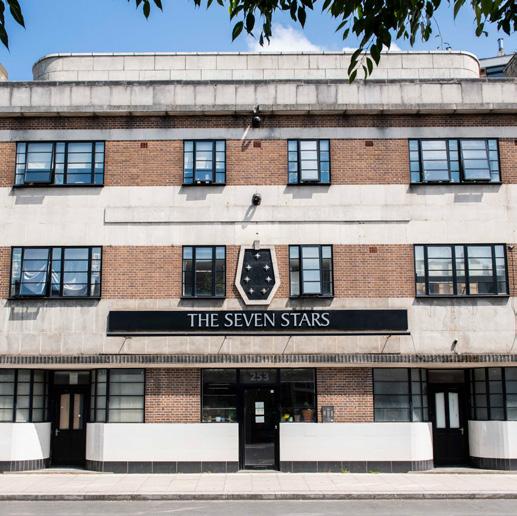
Empress Place and Seven Stars
Skills and education initiatives
Sponsorships
The Skills Centre
There were several housing and neighbourhood outcomes associated with our activities including:
Improved wellbeing from living in a better neighbourhood
Support from fuel poverty
Support for rough sleepers
Community
Gardening
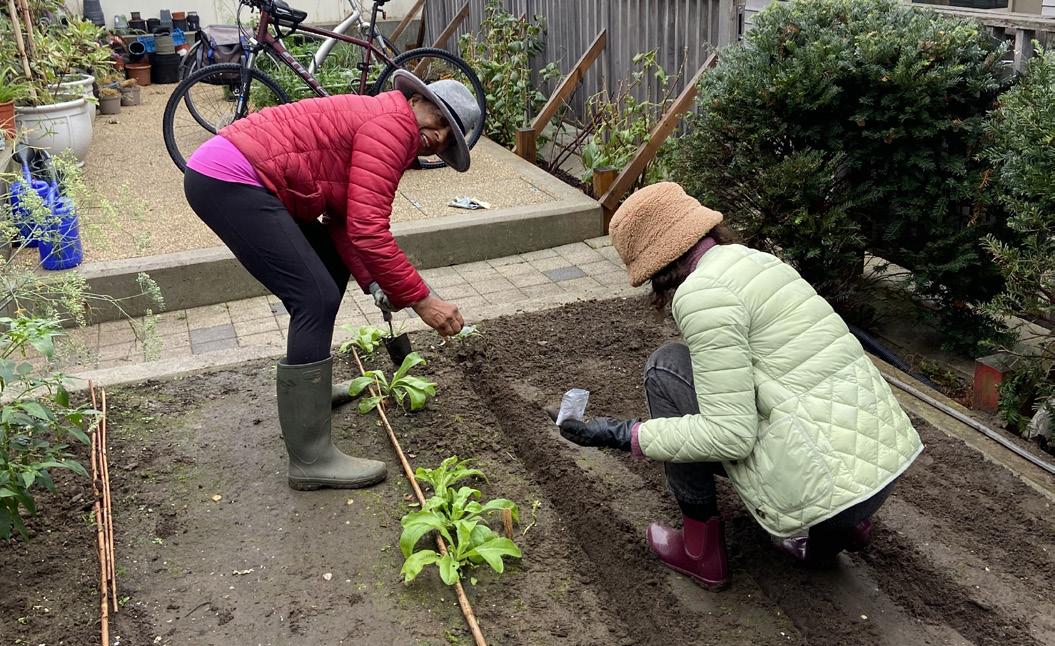
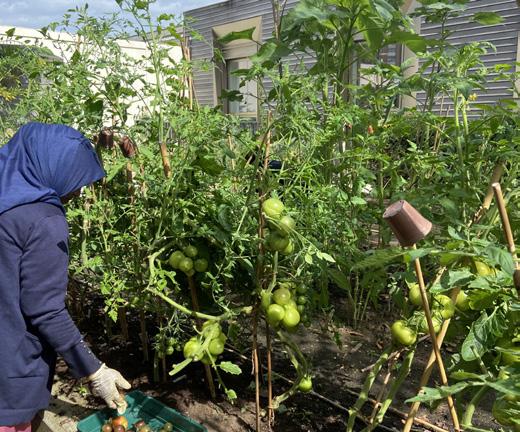
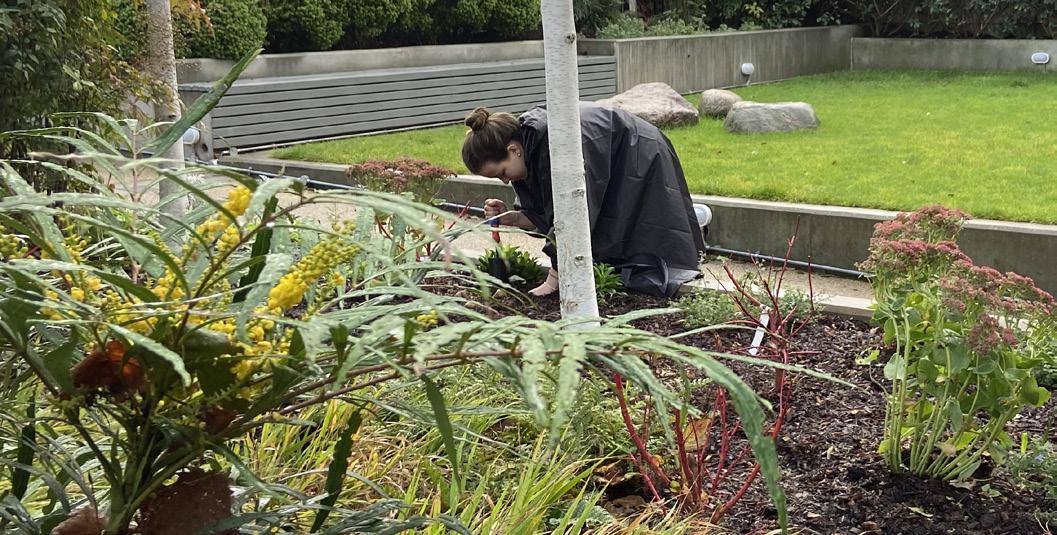
Alongside Hammersmith Community Garden Association, ECDC began a community gardening programme that sought to improve the public realm, as well as teaching beginners gardening skills through sessions at the Community Hub.
The work improving the public realm included hanging baskets and seasonal replanting, encouraging biodiversity and improving the image of the area.
The gardening sessions had a total of 95 users across the period.
“Attending the gardening workshop has helped me to learn new skills in planting bulbs and looking after the eatable gardening area. The community needs a space such as the hub.”
Regular Hub User
Social connections
The following activities helped improve the health of our stakeholders:
Artists in Residence
BBC Earth Experience
Community Fund
Empress Place and Seven Stars
Empress Studios
Skills & education initiatives
Skills Centre
Sponsorships
The Community Hub
The Pop Up Shop
The outcome that was most significant was:
Improved wellbeing from greater social connections
Reduced loneliness
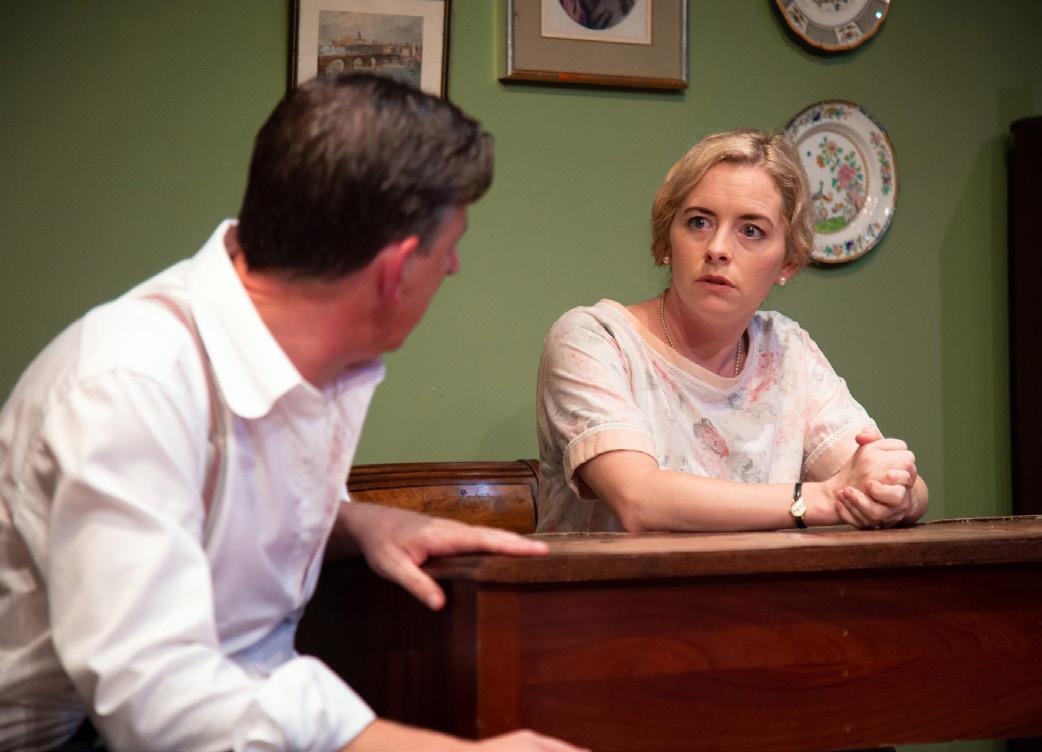
Finborough Theatre
The Finborough Theatre was awarded funding as part of the Community Fund to support their live season.
Alongside around 60 participants who were involved in production and performance, the Finborough Theatre attracted over 5,000 audience members.
The shows offered thought-provoking material and a sense of community, allowing people to converse and create personal connections.
Civic engagement
The interest that local people showed in participating in the way their area is managed generated £481,000 of social value.
This factor assesses the extent to which people become involved in their local community, through outcomes such as volunteering, charitable giving, social action or voter turnout.
The following programmes supported people’s involvement in the local community:
The Community Fund
BBC Earth Experience
Artists in Residence
Skills and education initiatives
Sponsorships
Volunteering Engagement
Ambassador Programme
Subjective wellbeing
Several activities directly and positively influenced how people in the local area feel about themselves:
Artists in Residence
BBC Earth Experience
Community Fund
Skills and education initiatives
The Skills Centre
Sponsorships
The Community Hub
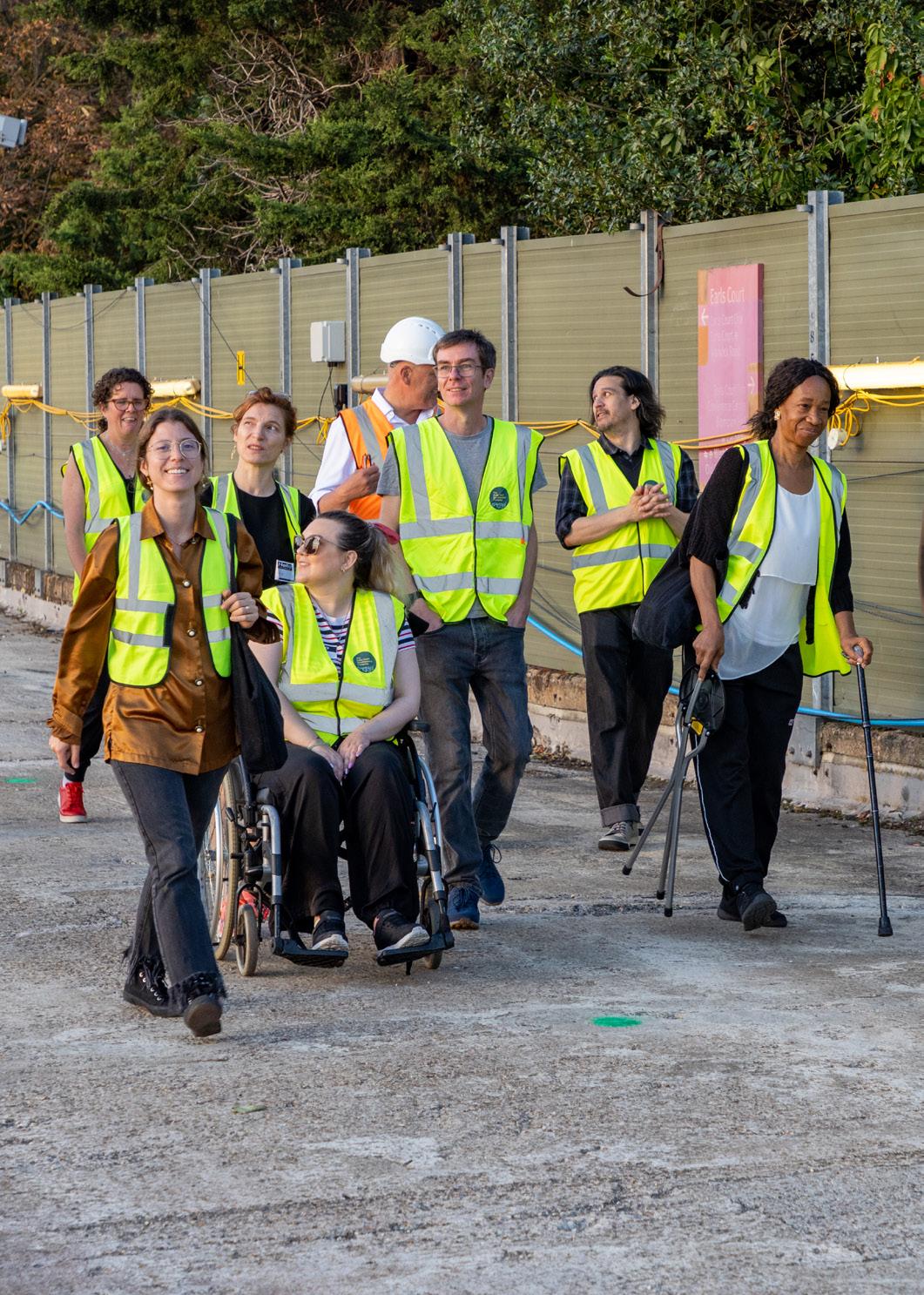
ECDC asked ZCD Architects to help set up and facilitate the PRIP
Together they worked with local community groups to recruit 15 diverse local people to form the panel. The panel started by creating focused workshops for differing community needs.
10 workshops took place November 2022 – October 2023. The aim of the panel is to ensure an inclusive approach to engagement, design and governance.
“ It’s been something to look forward to and it is something to look back on and reference when we are developing proposals–having the ability to say this is how these designs make our community feeling a good or bad way is really insightful”
PRIP member, 2023
The Public Realm Inclusivity Panel
panel.
The PRIP having a tour of the Earls Court site
Money spent in the local area
Our activities over 2023 helped support £25.7 million of local expenditure.
Case study –BBC Earth Experience
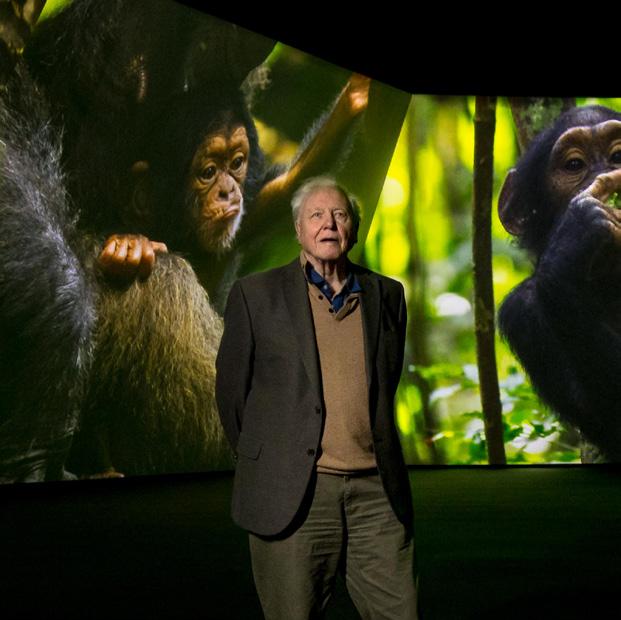
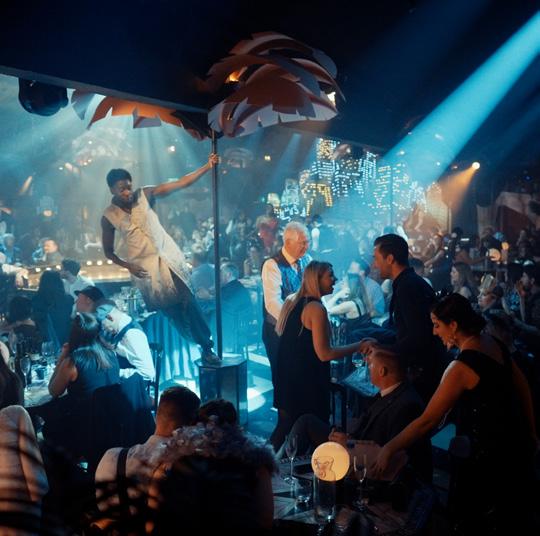
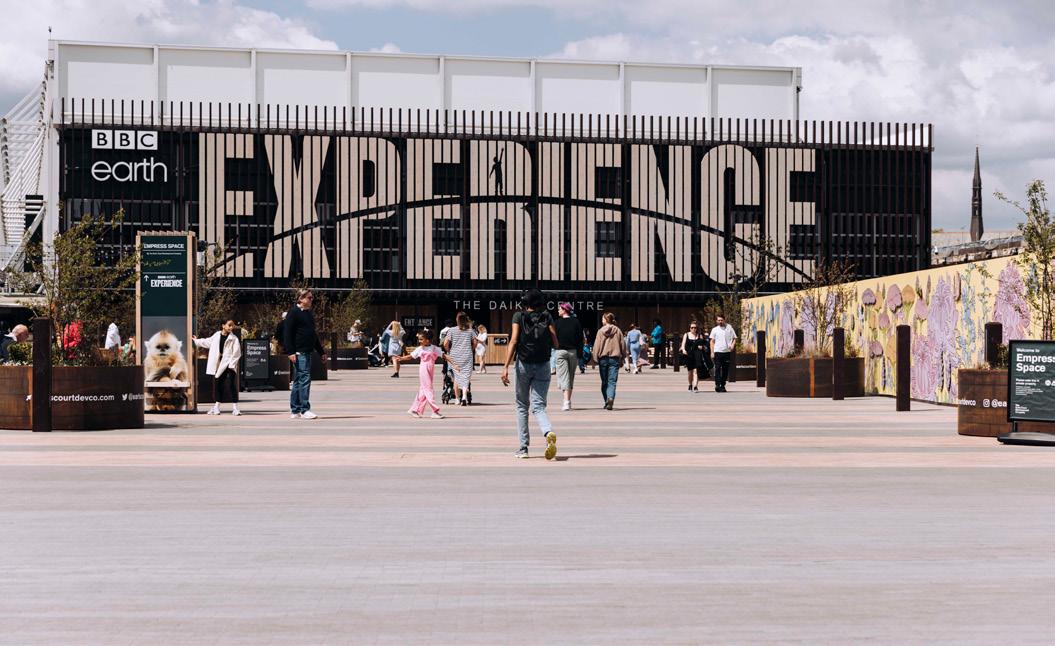
ECDC welcomed the ground-breaking new attraction BBC Earth Experience, featuring Seven Worlds, One Planet, during spring 2023, at The Daikin Centre – a purpose- built and demountable venue.
BBC Earth Experience offered visitors the chance to experience the extraordinary diversity of our seven unique continents, featuring bespoke narration from Sir David Attenborough.
The attraction allowed visitors to learn about nature, and consider their relationship with the environment amongst other social benefits.
Social Value
The amount of social value generated by the Earls Court Development Company through the BBC Earth Experience over the six month assessment period was around £1.9 million
Economic Impact
Based on the feedback from the visitor survey, over 90% of visitors came from outside of the local area. The average daily spend was £43 for day visitors and £142 for staying visitors.
Overall, it is estimated that between April and October 2023 the BBC Earth Experience generated £14.2 million in net additional expenditure, £5.8 million in GVA and has supported 332 FTE jobs in the local economy.
Local In Kensington & Chelsea OR Hammersmith & Fulham
Appendix A: Method
The Earls Court Development Company believe in the importance of using monetary values to help describe and explain our impact to our stakeholders.
In the case of social value, monetary values are not always a direct representation of currency, but a measure used to translate the significance of an outcome into something understandable and relatable. To ensure that these monetary outcomes properly tell the story of how our programmes have impacted the local community, rigorous data and methodologies have been applied. The assessment of social value has been adjusted to show the ECDC contribution to the overall figure.
Social value
Social value is the relative importance that people and society place on changes to lives that are affected by the social, economic, and environmental influences of development.
The role of factors in determining social value:
The social value of the Earls Court Meanwhile and Community Programme was determined by analysing the potential impact across eleven factors. The process of monetising the social impact of the development can be broadly summarised as follows:
RealWorth use a range of primary and secondary sources to produce a list of changes to people’s lives (outcomes) because of the development.
Outcomes are then monetised by identifying an appropriate indicator (the unit of measurement), and then applying a suitable monetary value (or proxy) to each indicator.
The monetary values are multiplied by the numbers of people affected and the amount of time the influence of the project/ intervention was likely to stay with them to produce a gross value for each outcome.
The gross value of each outcome is then adjusted for contextual parameters, such as
the extent that a change would have occurred without the intervention and how quickly effects may drop off over time. The total social value is determined by summing the value of each adjusted outcome to get total social value of the development.
Information sources and method of assessment at Earls Court:
Several sources of information were used to conduct this desktop study, including:
Semi-structured interviews with representatives of beneficiary organisations. Reports and outputs from beneficiary organisations, in particular mid-year and end -of-year grants from Community Fund recipients. Information provided by beneficiary organisations through email and phone exchanges. Marketing and communications materials produced by ECDC and consultants. Engagement and consultation outputs. Local socio-economic information and statistics.