ECDC Social & Economic Impact Report_combined Nov 21-22
Annual Social & Economic Impact Report
Summary Report on the Social and Economic Impact of ECDC Activities in Earls Court during 2022
Rebekah Paczek Director of Public Affairs and
The Earls Court Development Company came into being during a global pandemic which shone a light on the way in which we live and work, as well as how our local environment can influence and shape opportunities; this has shaped the way in which we operate. Being a local business is hugely important to us, it enables us to meet and work with local communities on a daily basis and we have seen first-hand the amazing work which is being done across LBHF and RBKC, as well as the challenges that organisations and individuals face to deliver services and access opportunities.
Being part of that journey, working with people and having a positive impact on the communities within which we exist is vitally important to us. We firmly believe that we have a responsibility to invest in our local area. Further, as a business responsible for transforming a derelict 40-acre site, we have a unique opportunity to ensure our activities, and our future masterplan, support, enhance and improve the area as a whole, as well as the lives of those people within the area; whether through access to skills, training and employment or through activities and support provided by our Community Hub and our many partners.
We have an ambition to be a global exemplar of responsible, sustainable development, putting people’s health and well-being first, and our priority to create a better, more equitable piece of city begins now.
I am proud to look back on what the team has achieved in the past year; this is the start of creating long-term partnerships which we will build on year after year, working with both local authorities and the many brilliant organisations around the area. I look forward to seeing what the next few years hold as we work to bring the wonder back to Earls Court.
Meanwhile Programme
Since we arrived at Earls Court, we have invested in an extensive meanwhile programme. Set out below are key activities that ECDC have carried out in 2022.
Underbelly Festival and Summer Camp
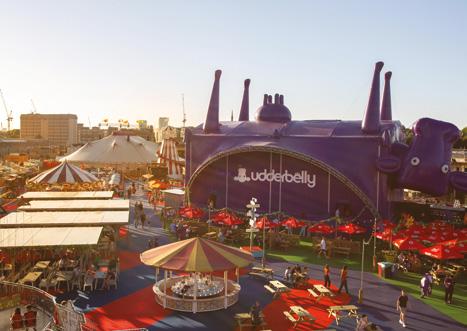
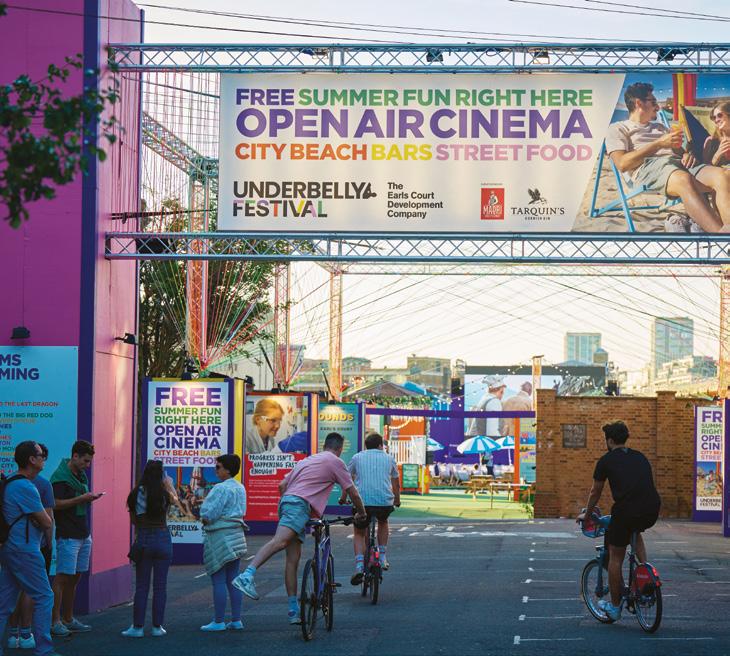
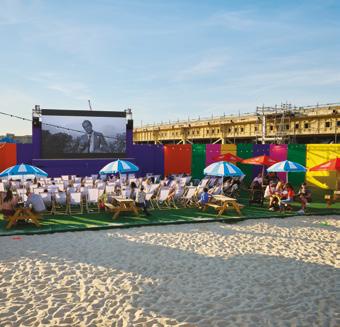
For the second year running, we partnered with Underbelly to put on a large-scale festival over the spring and summer period. Members of the public were able enjoy live shows, food and drink, outdoor films, a beach, and a positive atmosphere with their families and friends.
Earls Court Community Hub
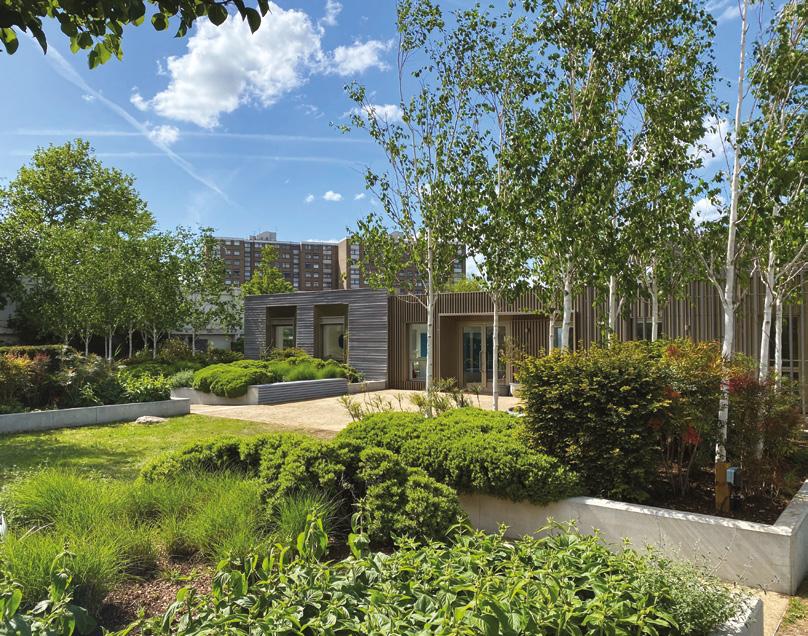
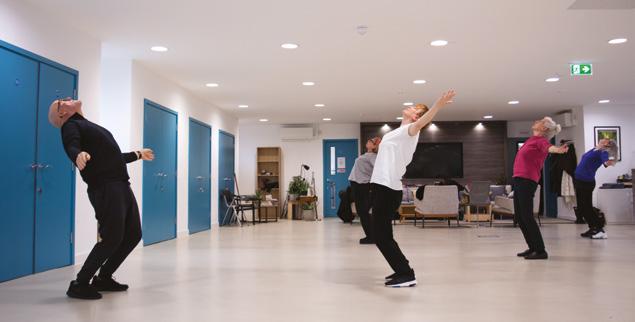
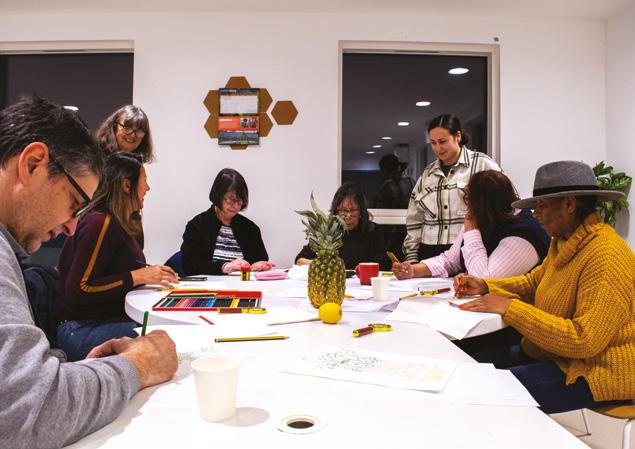
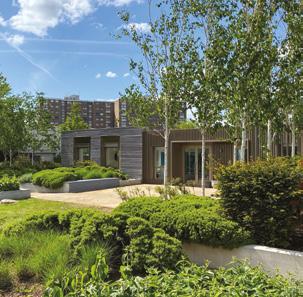
The Earls Court Community Hub is a community-focused space for activities, workshops and community engagement. The hub runs a programme of events including clubs, workshops, classes and courses.
Empress Studios
Empress Studios are six Victorian town houses converted into 46 let able small artist studios and workspaces totalling 8,500ft2 of affordable workspace offered at discounted rate. The studios opened in May 2022.
The Skills Centre
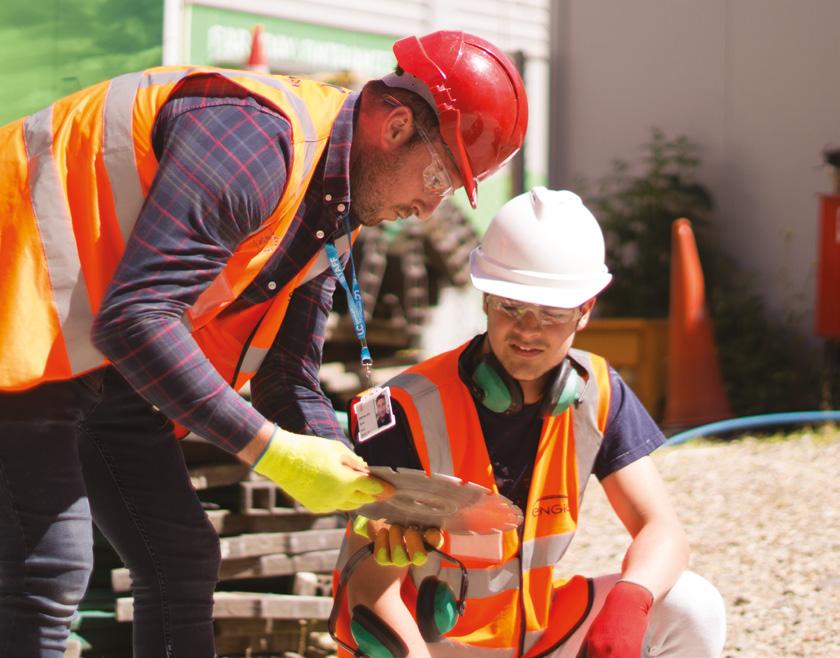
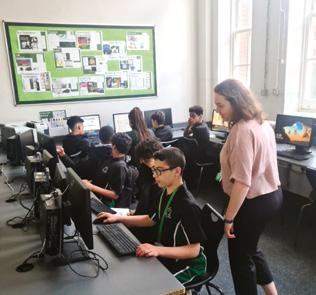
The Skills Centre offers training and qualifications to access the construction industry sector. It is supported by Transport for London (TfL) working in partnership with ECDC, industry and government through the Construction Skills Fund. It offers fully funded pre-employment programmes to provide key skills and training, as well as a taste of working in the construction industry.
Empress Place and Seven Stars
Owned by ECDC, the two sites were let to the Lowe Group and refurbished in 2021, and brought onto the market through a Property Guardianship scheme. The Lowe Group prioritise people working in key sectors offering low-cost accommodation when they would otherwise have to live farther afield.
Warwick Road Apron
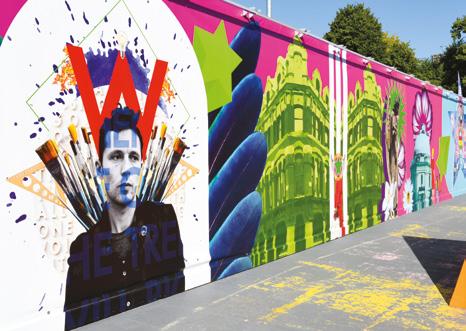
Working with Kensington & Chelsea Art Week, ECDC supported the installation of two artworks at Warwick Road Apron, opposite the entrance to the Earl’s Court Underground Station.
The first was Baker & Borowski’s Pleasure Garden, which was later replaced by Azarra Amoy’s Stars of Earls Court. For the Stars of Earls Court mural, the local community was engaged to select eight artists or personalities, past or present, who lived and worked in Earls Court.
Lillie Road Shops
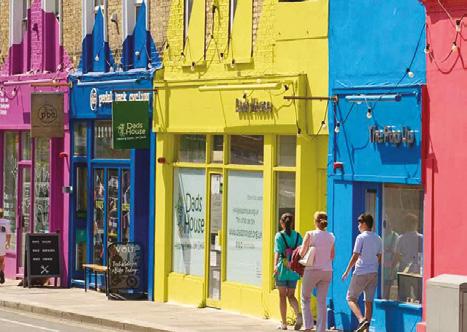
The shops on Lillie Road have been maintained, with £15,000 invested in redecoration, and let to local businesses and community groups.
One of these shops, the Pop Up, allows small businesses to occupy the shop front for free on a short-term basis. Over the course of the year, 14 unique operators occupied this space.
Work and Job Quality
Our activities provided improved work and job quality for stakeholders. This totalled £241,540 of social value.
The following activities helped improve work and jobs of our stakeholders:
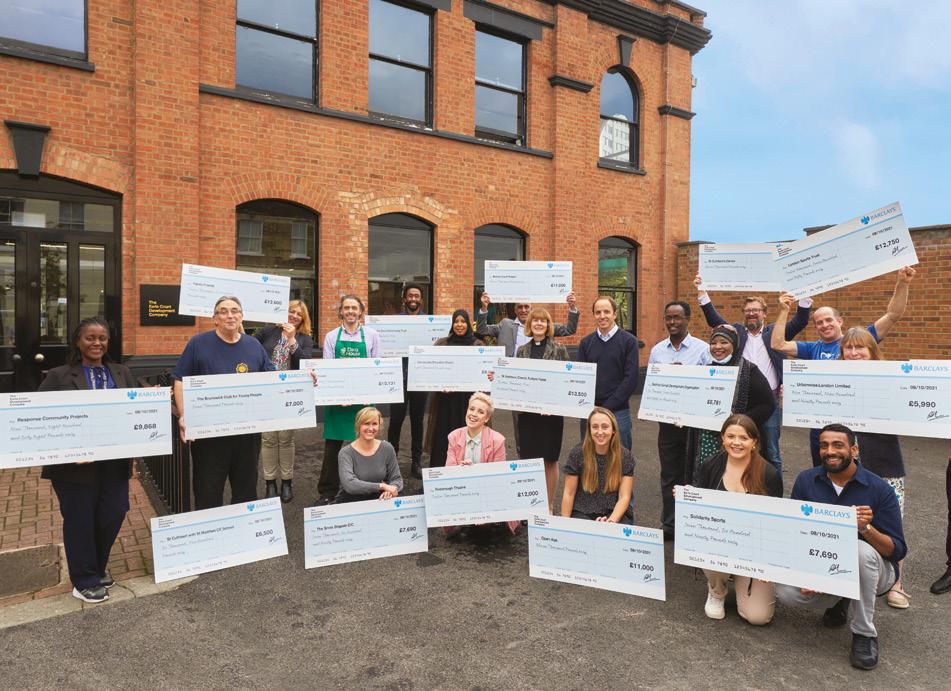
• Earls Court Community Fund
• The Earls Court Community Hub
• Empress Studios
• Engagement
• Sponsorships
• The Skills Centre
• Underbelly Festival and Summer Camp
There were a number of work and job quality outcomes associated with our activities including:
• Wellbeing associated with working
• Increased employability
Money Spent in the Local Area
Our activities over 2022 helped support £2.7 million of local expenditure.
This is the amount of additional money spent in the local area because of our activity.
This could be as a result of spending ECDC funding and purchases, the re-spending of employees wages in the local economy, the expenditure by visitors to the Summer Festivals and other events, or the value of the sales by businesses and artists.
The following activities were the three largest providers of additional spend in the local economy:
• The Underbelly Festival and Summer Camp
• Community Hub
• Empress Place and Seven Stars
Value of the Local Economy
Through our work in 2022, £1.3 million of additional GVA was created.
GVA is the measure of the increase in the value of the economy due to the production of goods and services. It is the most common measure of economic activity because it gives the value that businesses (or other organisations) add to the material and labour that they use.
There were a number of activities that added value to the local economy. The three largest contributors were:
• ECDC operations
• The Underbelly Festival and Summer Camp
• Community Hub
Jobs Created
This year, we helped support an additional 79 full time equivalent jobs.
Employment is measured in terms of Full time Equivalent (FTE) jobs for a year. In practice one FTE could be made up of several part-time jobs or a larger number of fulltime jobs held over less than one year. Employment is measured where the person is employed, rather than where the employee lives.
The following activities led to the creation of new jobs in the area:
• The Underbelly Festival and Summer Camp
• ECDC operations
• Empress Studios
Empress Studios
Through our work in 2022, £1.3 million of additional GVA was created.
ECDC contracted Project to operate the Empress Studios workspace, a meanwhile affordable workspace provider that operates across Greater London.
This area of London has historically been expensive for studio space to work from, which limited opportunities for local creative businesses. The workspaces are typically occupied by 1-3 tenants and rents are heavily subsidised.
There are 77 people running or working for 48 creative sector businesses, including creative design and engineering, textiles, architecture, artists, and fashion enterprises.
Empress Studios holds 46 studios and is currently fully occupied.
Spotlight on — The Community Fund
Earls Court Community Hub
The Earls Court Community Hub opened in July 2022, and since then it has been providing, fun, educational and community-focussed activities which are open to everyone.
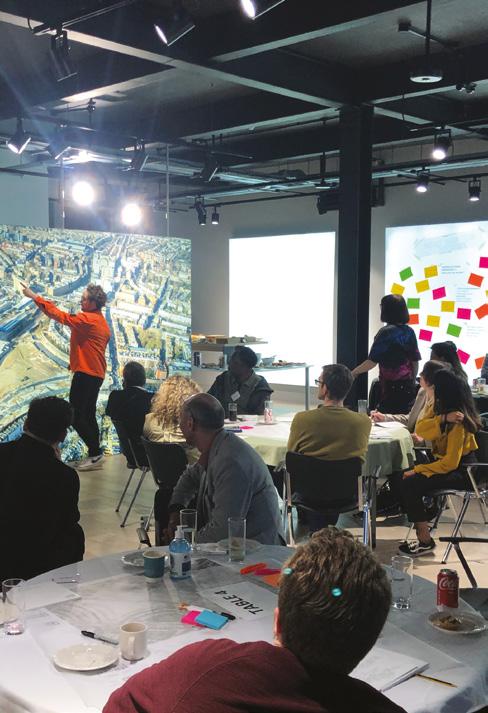
The Hub acts as a place where people can come into the Earls Court site and build connections, both with the place and with each other. It is also located in a place where local people can develop a sense of social ownership. In the future the Hub will be utilised to facilitate engagement on the design and the masterplan of the development.
Economic Impact
The Community Hub is an investment in community development, providing access to support and services that improve the lives of local residents. The positive economic impact is caused by money spent in the local economy to refurbish and supply the facility, and new jobs associated with the operation of the Hub.
It has the following impacts:
Earls Court Community Hub
Social Value
The Community Hub helped create £298,570 worth of social impact in 2022.
As a result of the activities of the Hub, stakeholders have:
Improved wellbeing associated with civic engagement, education, environmental quality, income support, social connections, and how people feel about themselves.
• Support with educational attainment
• Improved physical fitness
• Increased employability
• Learned new skills
• Support with their mental health
• Increased awareness around their own health
Underbelly Festival and Summer Camp
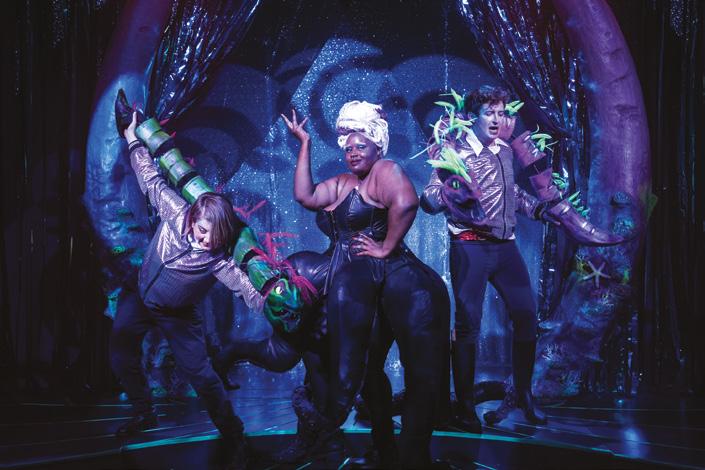
Continuing to ‘bring the wonder back to Earls Court ’, ECDC built on the success of their 2021 ‘London Wonderground’ event by once again hosting festival events on the grounds over the summer in 2022.
Phase 1: Underbelly Festival, was a programme of live entertainment that spanned comedy, cabaret and circus. It included drag shows, acrobatics, children’s shows, and comedians running from the 5th of May to the 16th of July.
Phase 2: The Summer Camp, was a further event that included a range of activities such as outdoor films, a beach, and food and drink vendors. The event ran from the 23rd of July to the 3rd September. This Phase was un-ticketed and free to access
The events also included the return of the ‘Underbelly Academy’, a skills and work experience programme which recruited three local young people on to a training course in event production and management, and offered real-time experience on the site.
Economic Impact
Underbelly Festival contributed to the local economy through:
• On-site expenditure of £513,115
• Off-site expenditure of £588,157
• 26 FTE over a full year
• Around a fifth of jobs taken by local residents
• £560,261 worth of GVA
Social Value
The events positively impacted how people felt about themselves, and significantly, their local area and community. Changes to people’s wellbeing helped the events to generate a total social value of £1.57m.
This is broken down as: Food and drink ON THE FESTIVAL SITE, £326,952 Food and drink OUTSIDE THE FESTIVAL SITE, £252,605
Housing & Neighbourhood, £360,000, 23%
Subjective Wellbeing, £330,000, 21%
£42,000, 3%
Combined Social and Economic Impact
of rounding)
• 79 new FTE jobs • Over £2 million gross value added
• Roughly £2.7 million extra spend in the local economy • Improved physical and mental health of stakeholders • Skills development opportunities and educational support for young people • New and stronger social relationships between local people
• Greater quality of and pride in the local area
• More money in local peoples pockets
• Improved life chances in young people
• Increased engagement in the local community in adults
• Increased employability in young adults
• Support for migrants and asylum seekers
Summary
In 2022, The Earls Court Development Company’s range of activities in Earl Court grew in both range and impact.
We created prosocial and economic change through our meanwhile programme, our community programme, and through positive engagement with our stakeholders and our own employees.
We have reported that this generated over £7.78m of social value, almost £2.9m in additional local spending, over £1.2m in added economic value and 59 (FTE) new jobs.
However, beyond all of these numerical indicators of success there is one overriding message:
Our commitment to working together with the Earls Court community has resulted in positive outcomes for both the organisations we have supported, and the people that have benefited from our activities.
This is our first Social and Economic Impact Report, and we intend to issue a report every year so that our stakeholders can understand what we have been doing in the community, and how effective we have been in helping to change people’s lives.
We would welcome any views on how we can continue to work in the Earls Court communities in the future.
Since we began working with the site in 2019, we have continuously provided support for local people where and when needed.
However, from 2021, we began collecting data to show the impact that we had. This has resulted in our first Social and Economic Impact Report for the period 2021-2022.
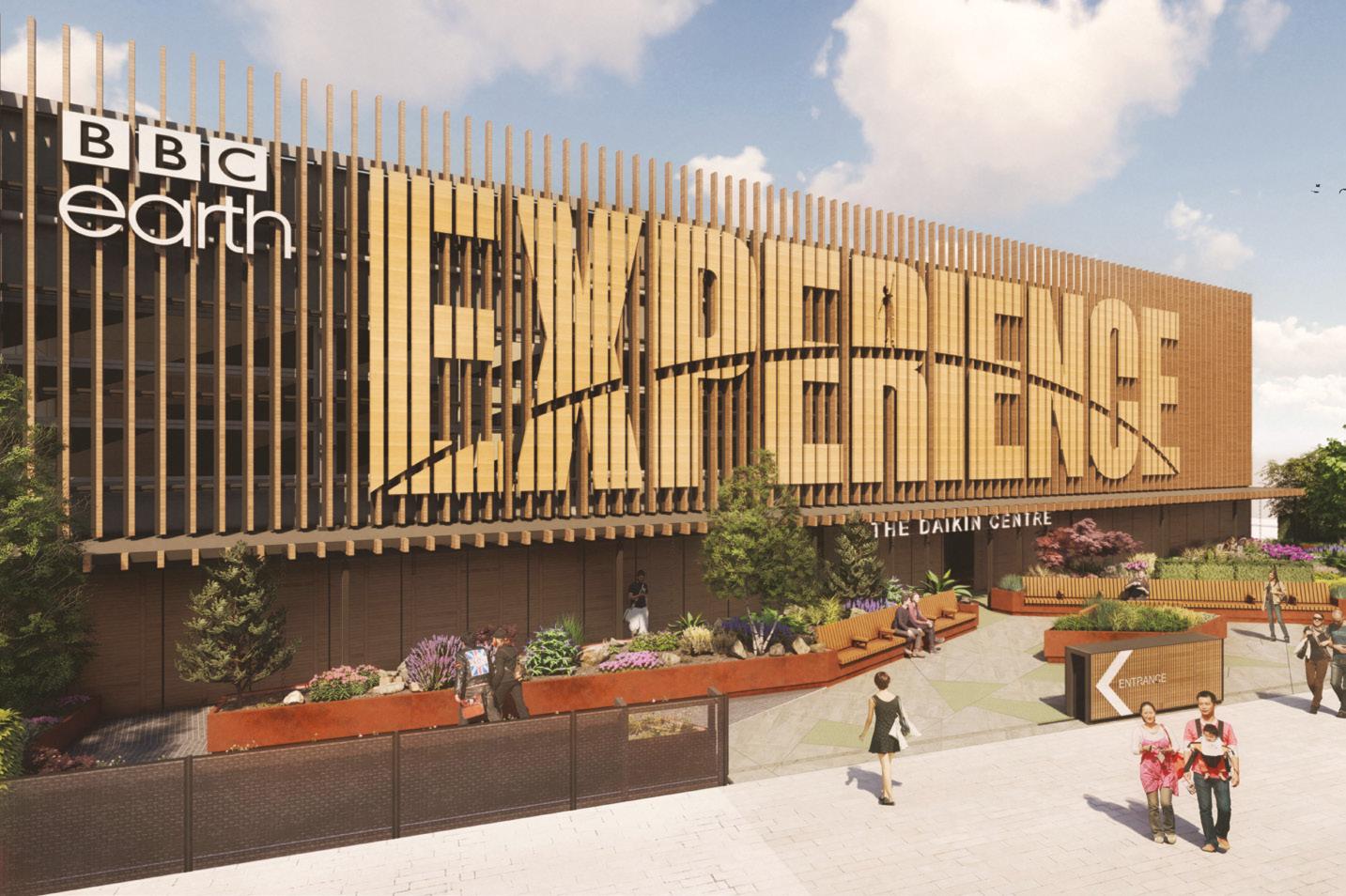
In 2022-23, we will continue to support local organisations. The recipients of the 2022-2023 Community Fund are well underway with their projects, and we look forward to supporting more meanwhile activities over the course of the year, including hosting BBC Earth, and our annual Christmas Lights switch-on and Gifting Tree.
We will continue to monitor the impact that our activities on stakeholders, and improve our data collection methods, and publish our findings.
Appendix A: Method
The Earls Court Development Company believe in the importance of using monetary values to help describe and explain our impact to our stakeholders. In the case of social value, monetary values are not always a direct representation of currency but a measure used to translate the significance of an outcome into something understandable and relatable. To ensure that these monetary outcomes properly tell the story of how our programmes have impacted the local community, rigorous data and methodologies have been applied. The assessment of social value has been adjusted to show the ECDC contribution to the overall figure.
Social Value
Social value is the relative importance that people and society place on changes to lives that are affected by the social, economic, and environmental influences of development.
The Role of Factors in Determining Social Value
The social value of the Earls Court Meanwhile and Community Programme was determined by analysing the potential impact across Eleven factors, as seen in the Figure opposite. The process of monetising the social impact of the development can be broadly summarised as follows:
• RealWorth use a range of primary and secondary sources to produce a list of changes to people’s lives (outcomes) as a result of the development.
• Outcomes are then monetised by identifying an appropriate indicator (the unit of measurement), and then applying a suitable monetary value (or proxy) to each indicator.
• The monetary values are multiplied by the numbers of people affected and the amount of time the influence of the project/ intervention was likely to stay with them to produce a gross value for each outcome.
• The gross value of each outcome is then adjusted for contextual parameters, such as the extent that a change would have occurred without the intervention and the how quickly effects may drop off over time
• The total social value is determined by summing the value of each adjusted outcome to get total social value of the development.
Information Sources and Method of Assessment at Earls Court
Several sources of information were used to conduct this desktop study, including:
• Semi-structured interviews with representatives of beneficiary organisations
• Reports and outputs from beneficiary organisations, in particular mid-year and end-of-year grants from Community Fund recipients
• Information provided by beneficiary organisations through email and phone exchanges • Marketing and communications materials produced by ECDC and consultants
• Engagement and consultation outputs
• Local socio-economic information and statistics.
Key Assumptions Used in This Analysis
For many features of this report, RealWorth were not able to speak directly to stakeholders about their experiences. There were a number of reasons for this including safeguarding of participants, time and resource constraints or inconsistencies between reporting deadlines. Therefore, some assumptions have been made to complete this assessment. The key ones are:
• For those projects within the Meanwhile and Community Programme for which RealWorth was unable to get participation numbers, an approximation has been used based on materials provided earlier in the year.
Economic Impact
Expenditure
• That individuals interviewed on behalf of recipient organisations have accurately represented the changes to participants’ lives as a result of their activity.
• Information provided by recipient organisations is accurate and representative of the scale and depth of impact on participants’ lives.
• For many outcomes identified in semistructured interviews, the number of people that experienced each outcome was not known to RealWorth because this data was not collected in the end-of-grant report. Where information is missing, RealWorth have made assumptions based on the total population and national rates of prevalence.
• A default deadweight reduction of 25% for each outcome, to account for the likelihood that outcomes would have happened to some extent anyway without ECDC’s support.
• A default attribution reduction of 50% to account for other parties’ contributions towards each outcome occurring.
Economic impact assesses the economic activity associated with a particular intervention or set of actions. It is usually measured in terms of the additional expenditure, GVA and employment that is generated within the local economy. In this case we consider the changes in these measures that can be attributed to ECDC’s Meanwhile Use activities.
We measure the flow of investment for each project, and the different routes to each element, which includes direct grants, employment, stimulating business activity, tenant expenditure, construction activity and attraction of visitors. Each of these routes is used to estimate the additional GVA and jobs supported.
This activity also has “knock-on” effects as local businesses and residents spend a proportion of this new income in the local economy. Aggregating these values gives the total local income and jobs supported through ECDC’s investment.
This is simply the amount of additional money coming into the local area. This can be directly through ECDC funds or expenditure, the additional wages of the residents in Empress Place, the total spent by visitors to the Summer Festivals, or the value of the sales of creative artists in Empress Studios.
However, this is not the same as the added value of any new economic activity. Some of this expenditure is used to purchase inputs from outside the area e.g., construction materials or services such as electricity. Other expenditure that is made in the area goes directly out of the local economy, for example, the expenditure of visitors to the Summer Festival was captured by the franchised outlets and by the festival operators. The salaries and wages paid to residents in Empress Place are used to pay for a wide range of services. Expenditure gives the total value of the transactions in the local economy, while GVA (below) gives the amount of value actually created.
Gross Value Added (GVA)
GVA is a more common measure of economic activity. It is the increase in the value of the economy due to the production of goods and services. In simple terms this the value of sales
5 Earls Court Meanwhile Use minus the inputs used in production (or the value that is added to the inputs). For example, if a shop buys a toy for £8 and sells it for £10, the value added is £2 (which contributes to paying salaries (to support jobs) and profit. GVA is produced by businesses (or other organisations) and is measured where the goods or services are produced. It is not related to where employees live.
Employment
Employment is measured in terms of Full time Equivalent (FTE) jobs for a year. In practice one FTE could be made up of several parttime jobs or a larger number of full-time jobs over a shorter period of time. For example, the Summer Festival employed 61 people at its peak, but only for a few weeks, and in total it supported 26 FTEs. Employment is also recorded where the job is rather than where the employee lives.
Additionality
An important concept in estimating the economic impact is to determine the extent to which these effects are “additional” compared with what would have happened anyway (or the counter factual). Additionality includes consideration of several concepts: Deadweight – would all or some of the
activities and outcomes have happened anyway; Displacement – have any of the activities stimulated by the project been at the expense of activity elsewhere, and Leakage: what proportion of the activities and outcomes occur outside the specific area being analysed.
Some of the GVA or jobs would have been created anyway without ECDC’s intervention. For example, some of the businesses and artists in Empress Studios may simply have worked from home or other spaces. In each case we consider the overall additionality of the activities and apply this to the estimates of economic impact.
Estimating Expenditure, Gross Value Added (GVA) and Employment
Throughout the report we have used a range of sources to calculate the change in expenditure, GVA and employment. This requires a series of assumptions about, for example, incomes, the number of jobs supported by expenditure, the proportion of construction expenditure made within the local area etc. Where possible we use published sources and provide links to the relevant research. In some cases, it is necessary to use our judgement based on the local area and the types of activities. There are several strands of the work where it would be useful to use surveys in future.
Multiplier Effects
The additional economic activity will also have knock-on effects through supply chains and as a result of the wages and profits that are re-spent in the economy. There are two types of multipliers:
• Type 1 multipliers reflect the supplier linkage effects (sometimes referred to as indirect effects) arise as businesses increase their demands for goods and services from suppliers. These businesses in turn increase their demands for goods and services and so on down the supply chain: and
• Type 2 multipliers include both the supplier linkage effects described above and the income effect. This is the effect of increased income and profits being re-spent in the local economy, further supporting economic activity.
The value of these multiplier effects varies depending on the geographical area and the connectivity with neighbouring areas. Homes and Community Agency Additionality Guidance1 provides some broad guidance on the values that could be used at different geographies. It suggests a multiplier effect between 1.05 at a neighbourhood level to 1.3 at a regional level. For a local area that is well-connected to the rest of the city, we have generally used a multiplier of 1.15. However, for the Summer Festival and Camp, where we know that most of the supplies and even employment was from outside the study area, we have used a slightly lower multiplier of 1.1. This uplift is applied in the final chapter to give the overall economic impact estimates.
Gathering Data
We have developed a case study for each activity to enable us to understand the way in which each contributes to the local economy. The impact of each activity is different, and its effects have to be considered. This has involved a wide-ranging programme of consultations and reviews of the available data to develop our estimates. It includes consultations with the leads of each of the activities, further interviews with a sample of beneficiaries, surveys, and information provided by ECDC.
The estimates are for the calendar year 2022 and the approach and methodology should allow comparable estimates to be developed in future years.