Eaglebrook School has long been committed to responsible stewardship of its land and resources.
In this newsletter, students from the Sustainability Committee explore topics they selected themselves, from water quality to pollution, and consider how these issues impact both our world and our campus.
By Travis Kim ’26
INTRODUCTION
Eaglebrook Sustainability and The United Nation’s Sustainable Development Goals
At Eaglebrook, sustainability isn’t just a word we use; it guides the way we live, learn, and make decisions every day. The idea extends beyond the discussions of the sustainability committee or the posters we create that line the hallways; it’s a commitment that’s needed from everyone, affecting our routines, choices, and the way we interact with each other and the environment we live in. Each decision, large or small, plays a part in shaping our community.
The subjects in this newsletter are inspired by the Sustainable Development Goals (SDGs), 17 targets made by the United Nations to help the planet thrive together and guide our priorities. These goals contain everything from clean water and sanitation to education and gender equality. When we reflect on these goals, we need to realize that sustainability is not just individual acts for the environment like planting trees or protecting endangered animals, but also about finding balance and trying to build a better community in addition to protecting the physical environment.
In this newsletter, you’ll find articles about the effects of plastic pollution on marine ecosystems, explanations of how trees act as natural filters for the air we breathe, and how solar panels could power our whole world! Have you ever wondered where the trash from our campus ends up, or what becomes of our recyclables? Other students have investigated issues like access to clean water, the promise of urban gardening, the realities of climate change, and the importance of protecting biodiversity. As you read through these articles, consider what that balance might look like in your own life, at Eaglebrook, and beyond. How do your decisions today shape the world of tomorrow?
Sustainability is everywhere. It’s in the packages we get, the length of our showers, the energy we use, and the respect we show for the natural world and for each other. Living together at Eaglebrook makes this even more real. We are a diverse community that shares common spaces, sports teams, classes lives. Even the smallest changes, like remembering to switch off lights when you leave a room, recycling, or encouraging your table to reduce food waste up to significant progress over time. These small victories, when made across our community and done by everyone, will help create a sustainable future.
I hope that as you read this newsletter, you will reflect on your own choices and how they impact the planet. Sustainability is not a job for someone else; it’s a shared responsibility for everyone. It’s about shaping a future that you look forward to. I invite you to join me in this journey, to create a more sustainable future, starting right here at Eaglebrook.
Travis Kim ’26
AssessingtheRoleofTree PlantinginClimateChange
ByKevinHong’26
Tree planting is often celebrated as a powerful, nature-based solution to fight climate change; trees absorb carbon dioxide from the air through photosynthesis, acting as natural carbon sinks and offsetting the carbon that humanity creates. But how powerful is the strategy of planting trees truly, and is it as effective as we believe? Can we scale it enough to make a meaningful change in global emissions?
According to NASA’s report “Examining the Viability of Planting Trees to Help Mitigate Climate Change,” researchers estimate that planting more than half a trillion trees could remove about 205 gigatons of carbon, roughly a quarter reduction in “atmospheric carbon” (NASA). This would be a sizable potential impact; forests already represent some of Earth’s largest natural carbon reservoirs, and expanding them could slow the pace of climate change. The National Forest Foundation (NFF) supports the idea that reforestation is one of the most efficient climate solutions and states that “through photosynthesis, trees remove climate-warming carbon dioxide from the atmosphere and help us mitigate the effects of climate change” (NFF). The forests not only capture carbon dioxide but also regulate water cycles, prevent soil erosion, and protect biodiversity. These combined functions make forests essential to achieving both SDG 13 (Climate Action) and SDG 15 (Life on Land).
Assessing the Role of Tree Planting in Climate Change
ByKevinHong’26
Despite the clear benefits of mass tree planting, researchers at NASA note several limitations to scaling this endeavor; planting over half a trillion trees would require about 900 million hectares of land, roughly one-quarter of Earth’s existing forested area (NASA). This would require converting vast tracts of farmland, grasslands, and other ecosystems into forests. Beyond the economic difficulty of such an endeavor, these changes could also disrupt food systems and reduce biodiversity in non-forest environments. Moreover, trees only become effective carbon sinks once they are mature and healthy; newly planted or poorly maintained forests may take decades to impact carbon levels.
The limitation is that trees alone cannot offset current levels of fossil-fuel emissions. NASA warns that tree planting “is highly unlikely … to substitute for decreasing fuel emissions” (NASA) and thus is not the magic solution to climate change. Even as global vegetation absorbs carbon, “86 percent of land ecosystems … are becoming progressively less efficient at absorbing the increasing levels of carbon dioxide” (NASA). This decline is caused by deforestation, heat stress, and changes in rainfall patterns, which weaken trees’ ability to store carbon over time.
Planting trees remains a critical part of the effort to reverse climate change, but it is not the complete solution. Without other actions, such as reducing carbon emissions, properly managing land, and protecting biodiversity, the benefits from of tree planting will be limited. To meet current global climate goals, reforestation should be integrated into a multifaceted plan involving renewable energy expansion and sustainable agriculture, ensuring that every tree planted contributes to a lasting, measurable impact
GreenerBooks GreenerBooks
My Journey with Sustainable Publishing My Journey with Sustainable Publishing
ByChrisJeong’26
What are you passionate about? Do you really like going out golfing with your buddies on weekends, or riding out to your favorite fishing spot and casting lines into the water? Put the answer to this question in the back of your head for a minute while I tell you about my passion.
Ever since I was a child, I have loved telling stories. I remember having a whole wall of whiteboards in my house and filling them with funny and intriguing characters I had made for myself and oftentimes placing them in crazy adventures or duels. Once I learned how to write eloquently, this creative interest transitioned naturally into creative writing.
By April of this year I finished a manuscript for a short novella entitled Vultures. It is about a troubled kid growing up in New York City who makes some extremely poor decisions. But this project wasn’t going anywhere. I did not have a publisher, nor did I have a concept to make this book unique. Meanwhile, I had been engaged in the Sustainability Committee here at Eaglebrook, and had learned a lot about how we use the resources planet Earth provides. Although we had talked about recycling and renewable energy extensively, there was one universal item we had not yet discussed: books.
As students, books permeated through every part of our lives. We used textbooks to study and notebooks to record what we had learned. And after they reach the end of their lives, we simply throw them away, or keep them in bookshelves to throw away later.
After some research, I realized that we used an astronomical amount of resources to make our books. I learned that approximately 2.2 million unique titles are published every year, and on this scale of production, we use 220,000 trees, 22 million liters of water, and 440,000 kWh of electricity. Accordingly, all of these statistics became meaningless once the books ended up in a landpile. As Vultures lingered in the back of my mind, I came up with an idea. What if I could find a way to use less resources to make, as well as decompose my books?
There were so many factors that we could change in order to make Vultures more environmentally sustainable both during its production and disposal. For instance, using unbleached, recycled pulp seemed necessary to prevent more virgin pulp from being harvested. Water soluble and low VOC (volatile organic compounds) ink was imperative to reduce the number of chemicals utilized to wash the ink out of the pages.
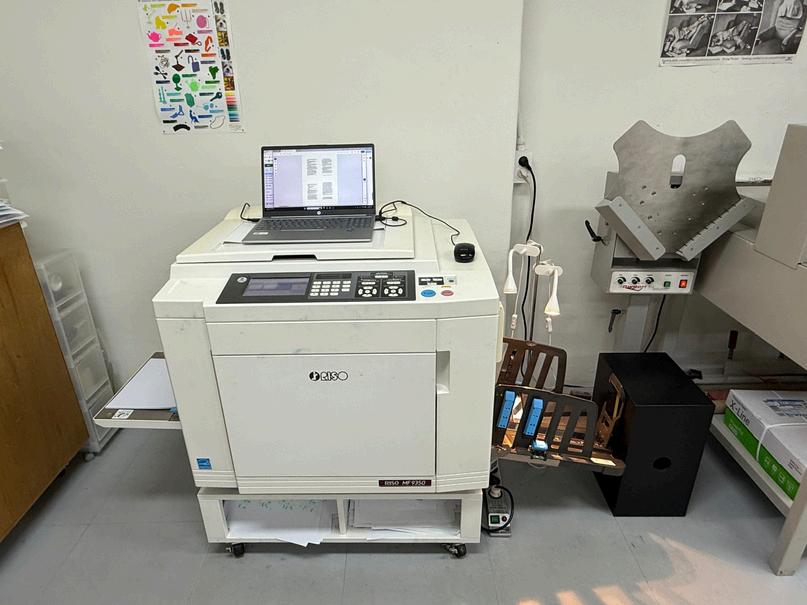
Riso printing is a type of printer similar to silkscreen handprinting. When data is fed to the printer’s computer, incisions are made onto the master film. Then, ink is passed through those incisions onto the paper to complete the print. Riso printing was one of the first alternatives Mr. Noh suggested to me on this project, and served as the basis through which our collaboration unfolded.
Last summer, Mr. Noh and I toured various parts of the Seoul metropolitan area and met with independent studios to observe how my book would be made. I documented my experience in a journal titled Greener Books. You can check out Greener Books here
The riso printer, a digitized version of a common silkscreen printer
Some of you may be wondering: why did I do this? Why did I go out of my way to produce a hundred copies of a book that was probably not going to sell that great? Why did I make something that would cost me more money than it would profit me? The answer is incredibly simple. It is because I like writing stories. I have liked writing these short stories for as long as I can remember. But the standards I’ve discovered with Vultures, however infinitesimal, sprouted from my love for storytelling. The process was grueling, as with any difficult task, but it never seemed laborious, simply because I was doing something that I love so much. The result was a measurable outcome that not only taught me more about how books are made, but how books are made better.
I hope my efforts can somehow be relatable to your life. Think about your answer to the question I asked earlier. Maybe you are an aspiring fisherman or aquatic scientist and want to spread awareness about the loss of biodiversity in your local waters. Maybe you are a golfer, and want to venture deeper into renewable energy and energy conservation on golf courses. Perhaps you are a guitar player and can make your concerts or gigs powered by renewable energy. If you are unsure about how you can contribute through already paved paths, pave one of your own. You may find it to not only be a fruitful experience for others, but also for you.
Afinishedcopyof mybook,Vultures
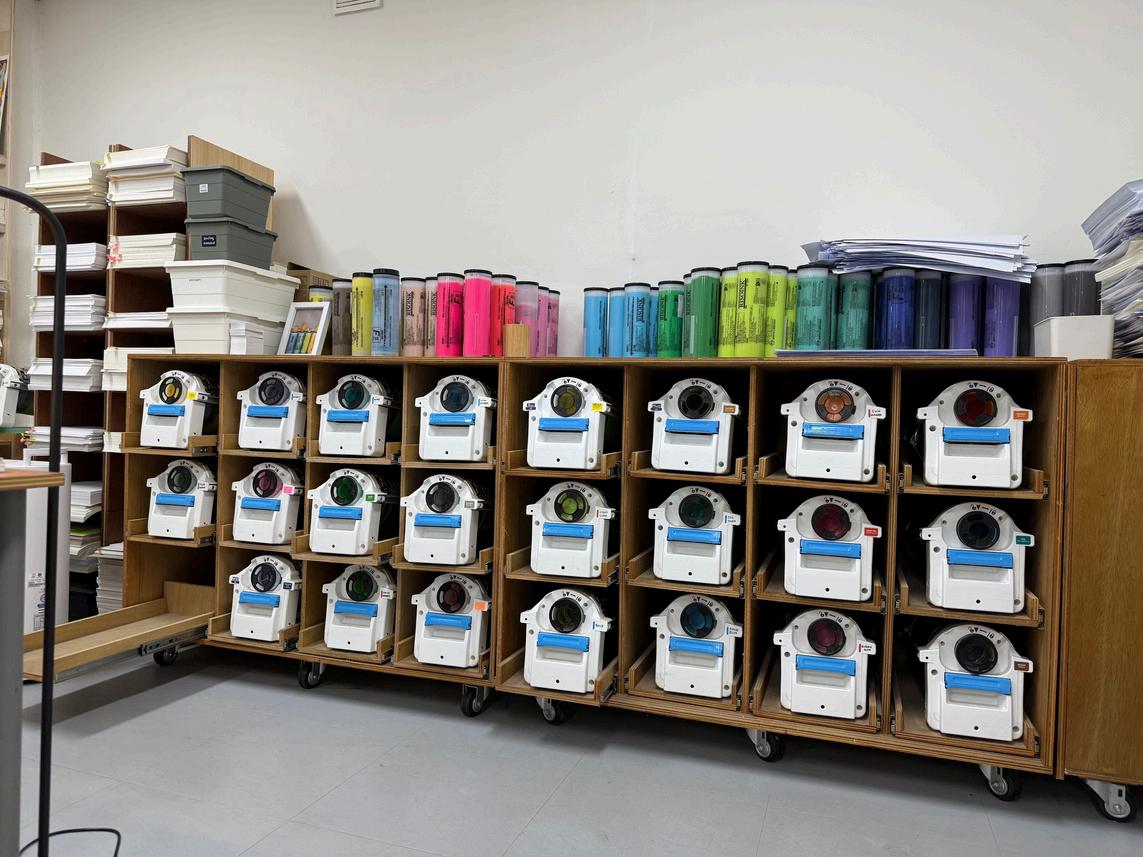
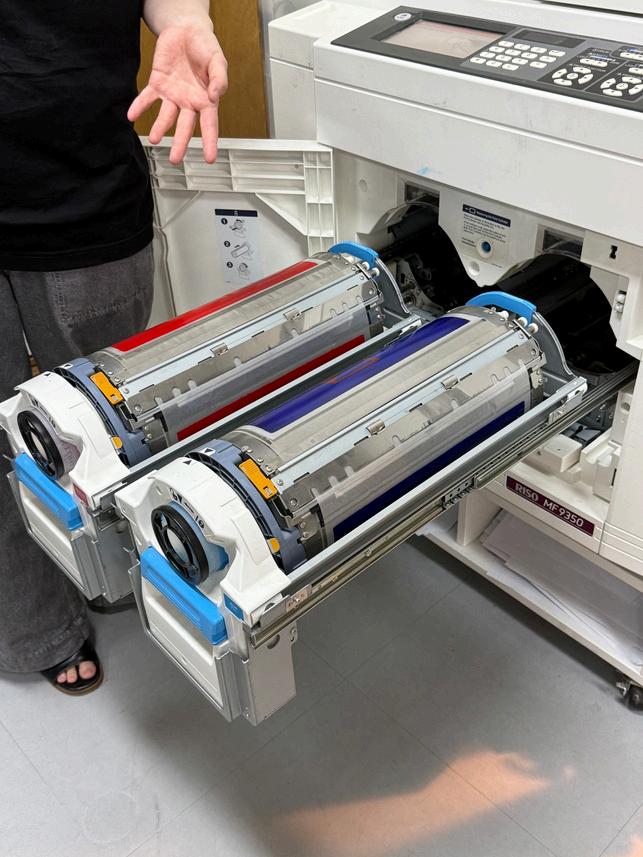
All of the ink canisters and color combinations a standard riso printer can utilize.
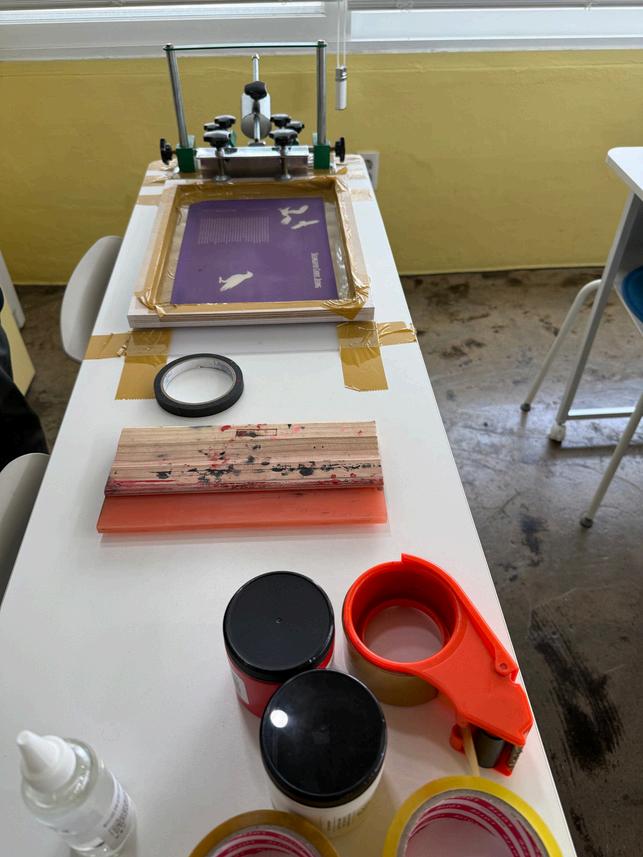
Silkscreen printing apparatus; used to print all 100 covers
A closer look inside the masterfilm and ink canisters inside the riso printer.
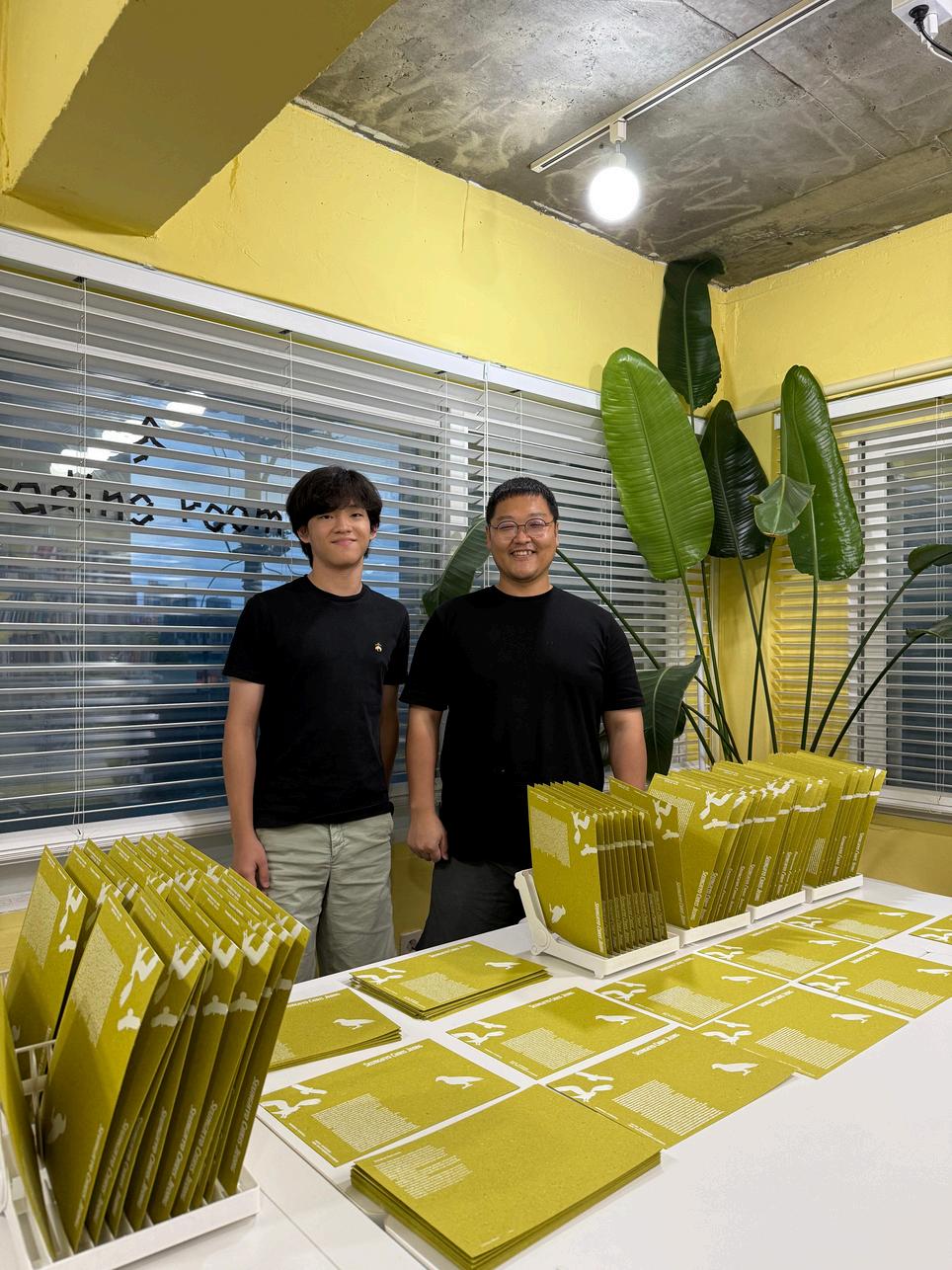
Mr. Noh and I after printing the covers; which took hours to complete (not our best looking shots!)
SaltwaterMemory
By Liam Kim ’26
The ocean remembers— not in words, but in rusted anchors and the silence of swallowed cities. She does not forget the first oil spill, the jellyfish with plastic costumes, the whales who sang their silence. Once, she was a myth: Poseidon’s throne, Atlantis’s cradle, where gods exhaled stars into the dark.
Now, she’s an archive of nets that strangle coral breath, of ships that scour her skin raw, of promises left to drift.
Yet still, she pulses with grace tipping turtles into the current, tracing light across her back like it still holds some significance. We at times think that the sea is endless.
But she is a page, and we are the ink bleeding through her margins. But it’s not too late to rewrite the script. So she can cast fewer shadows on her floor. To relearn what was lost. Because if there’s no salt left to remember us that’s when we’re truly lost.
By Steve Lee ’27
Solid Waste
Recycling
What Happens to Our Waste After We Throw it Away?
Composting
Solid Waste Recycling
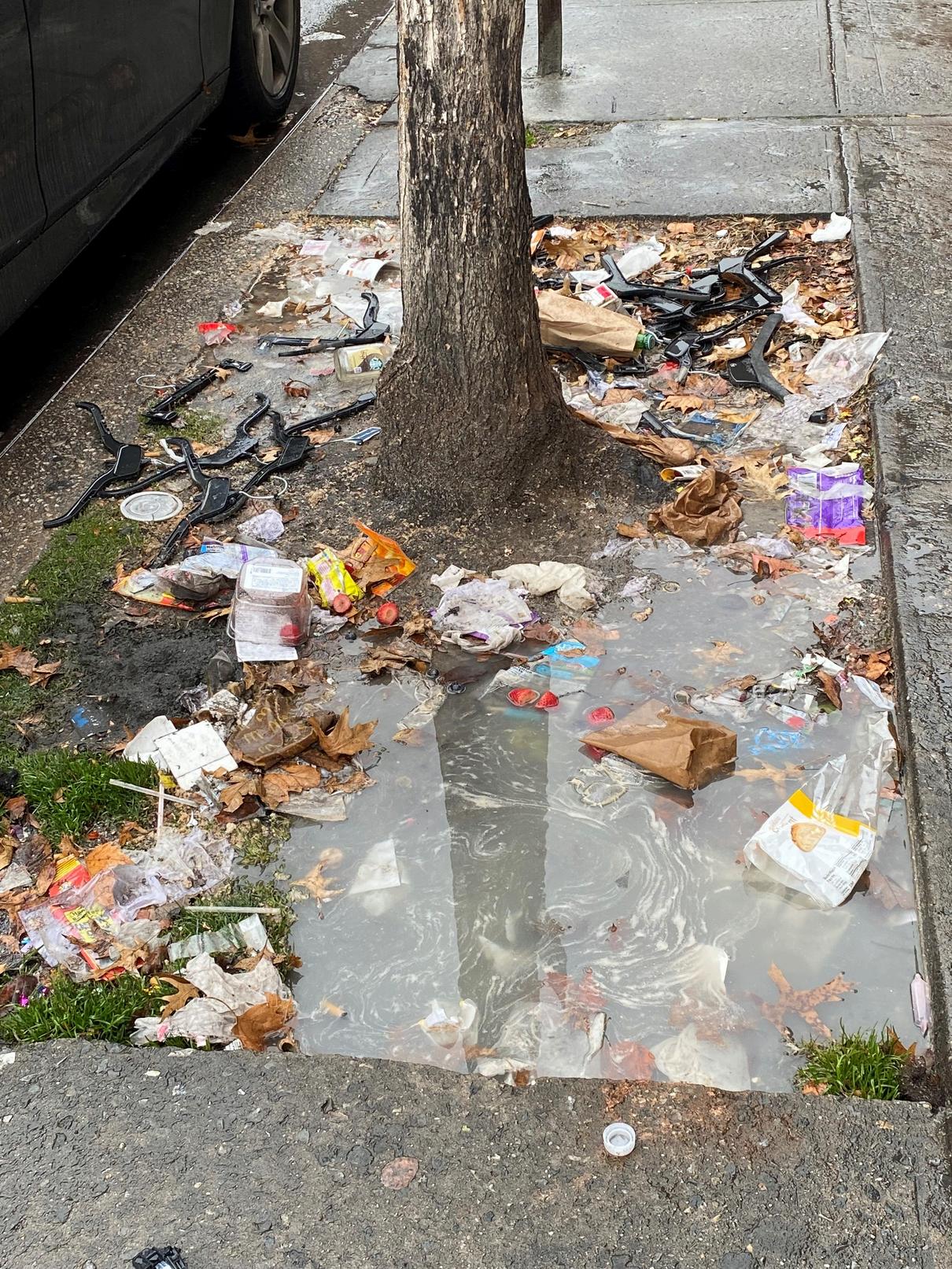
Solid waste is material that cannot be recycled or composted. It is created at every stage of a product’s life from raw material extraction to disposal. Much of this waste ends up in landfills and oceans, where it releases harmful chemicals that damage the environment.
Solid waste includes items such as electronic, hazardous, and industrial waste
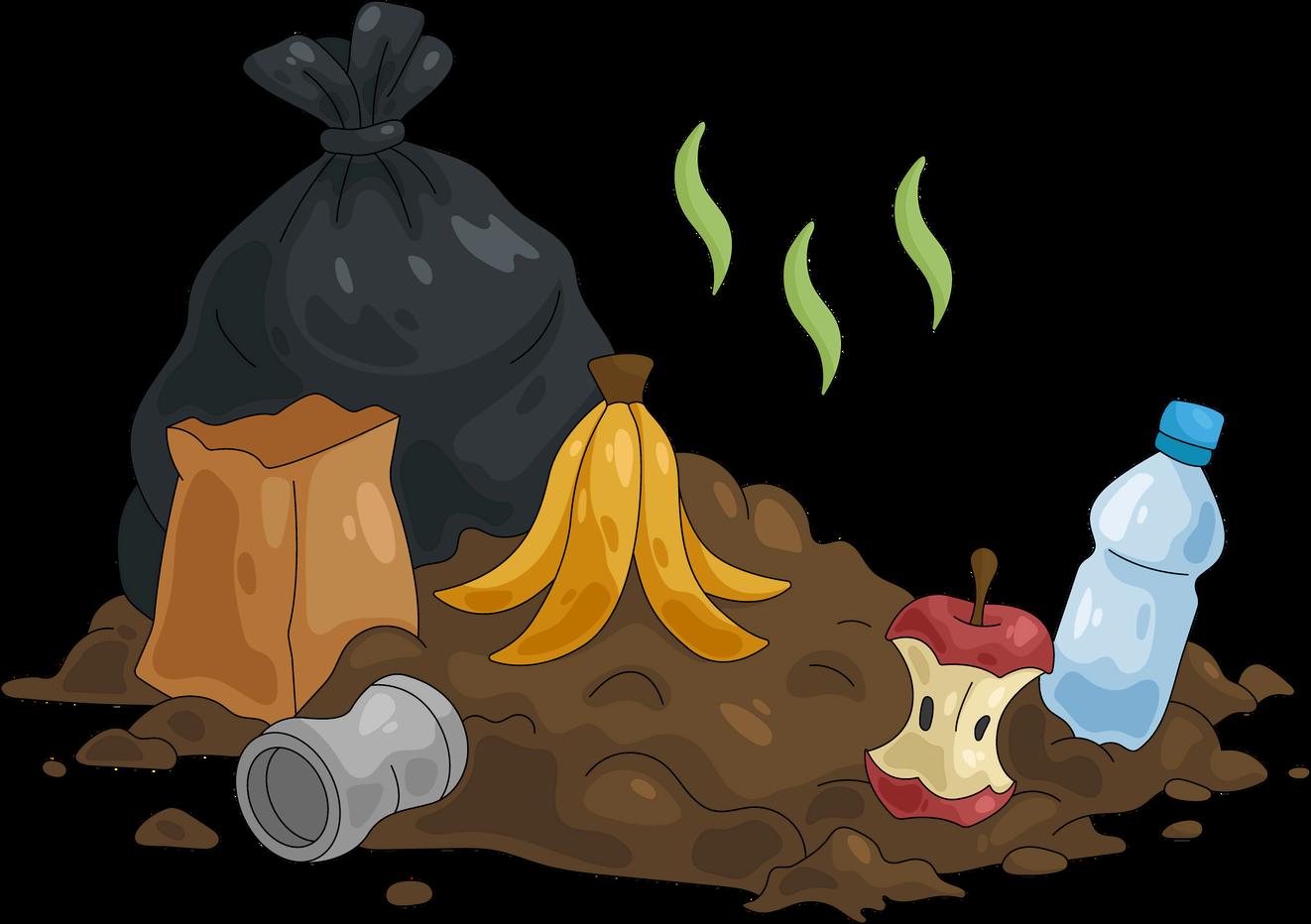
Recycling is the process of collecting and reusing materials to make new products. Common recyclable items include paper, cardboard, cans, glass bottles, and plastic containers. Recycling saves energy, reduces landfill waste, and conserves natural resources. p g l pro waste, such as food scraps, into nutrient-rich material that can be reused. Unlike trash sent to landfills, composted waste breaks down naturally and reduces harmful gas emissions. Composting plays a key role in reducing environmental impact. Waste that is improperly disposed of can harm ecosystems, wildlife, and the planet. Before throwing something away, consider whether it can be recycled or composted. Small choices made consistently can make a meaningful difference for our school community and the world around us.
Unlike many of the newsletter articles, this writing will be narrated from a plastic bottle's perspective. This writing is designed to inform others about the miserable journey of plastic bottles to the ocean.
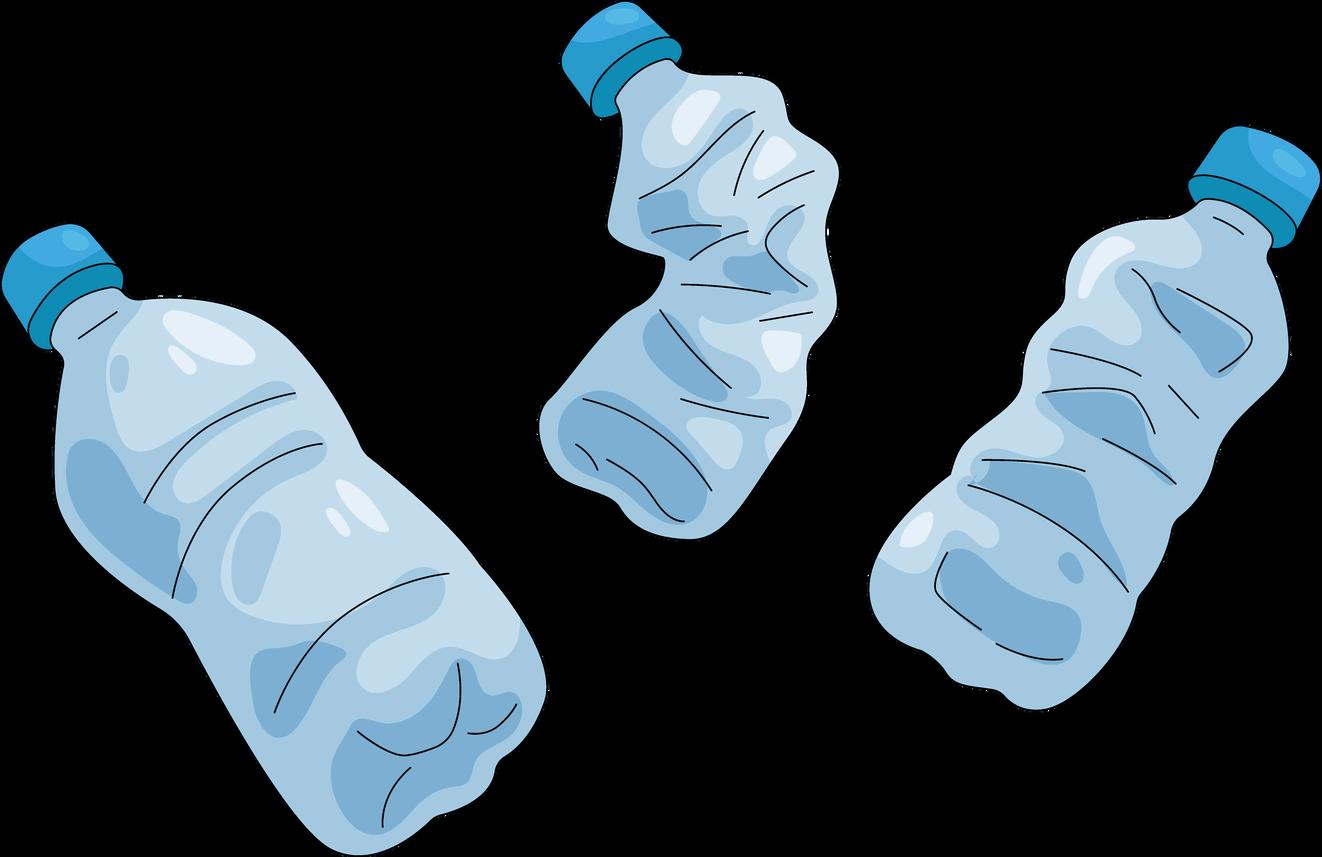
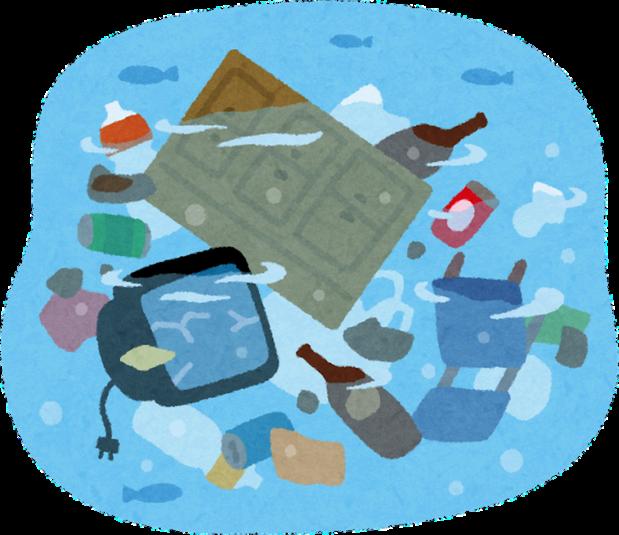
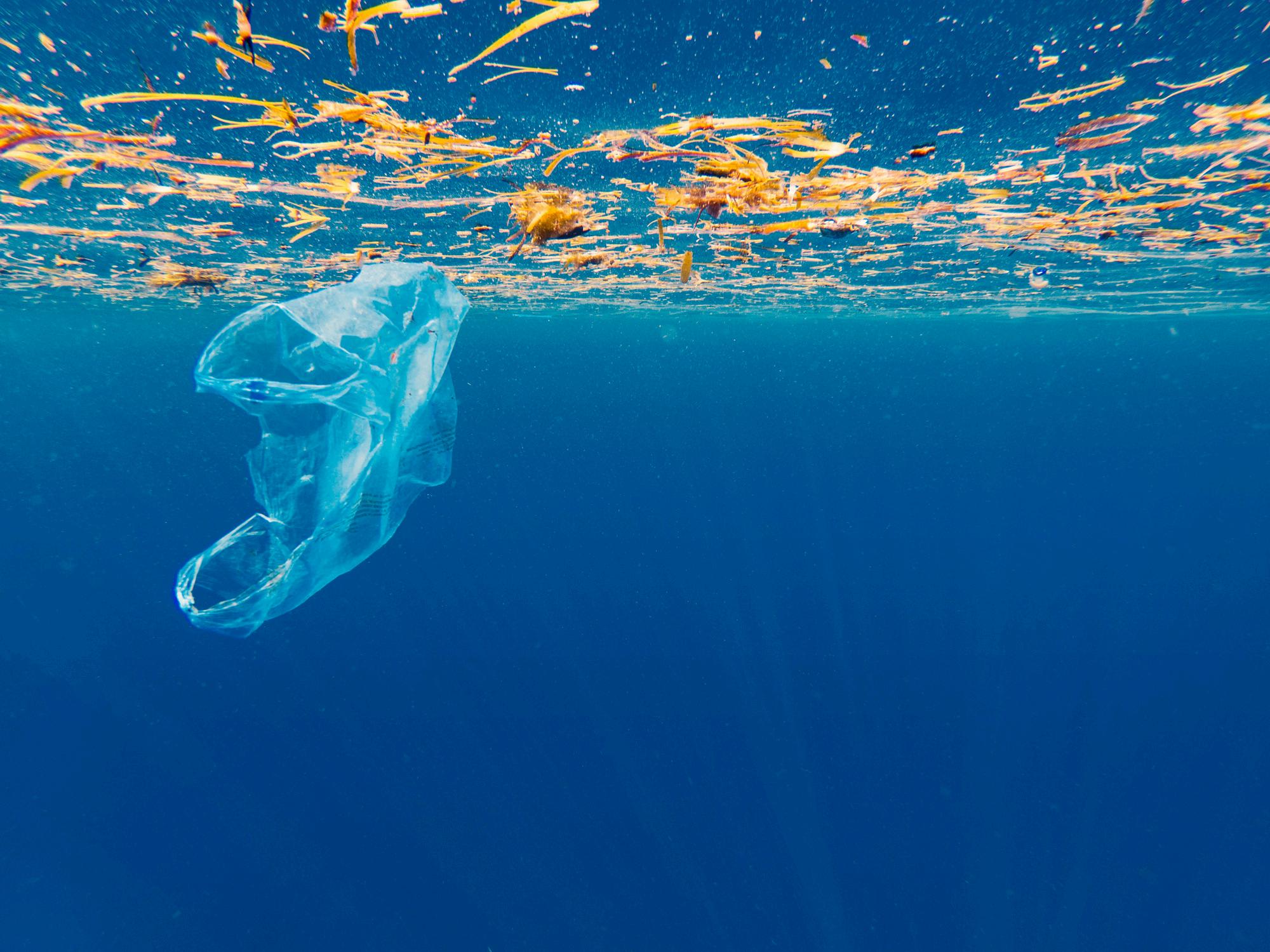
Hi, I am an empty water bottle that is about to be thrown into a bin. I was finally released into freedom from humanity. I spent a couple of nights in the bin with other materials until I got moved into a truck. Inside the bin, it was pitch-black, and I was scared. I really miss being a useful container. Now, I’m useless. I don’t want to be leaching chemicals, but I have no choice. When I wake up, I am crushed into pieces on a machine. Ouch! Now, I am many small pieces of plastic. Other people call us “microplastics.” I was sent to live with a pile of other “micro-plastics.” I saw pieces of many of my friends here. Apparently, we all became a layer of microplastics and eventually got embedded in the ground. This is what humans would call “landfills”. Well, a few weeks later, I accidentally slid out of a hole in the landfill. I soon entered a stream that led to a narrow zone of water underground. I keep moving. It took a while from here, but I ended up in a nearby river. Then I took a long journey to the sea with other plastics that blew out of another landfill. When I reached the ocean, I reunited with my friends. Some of them came from homes, the road, litter, and more. We don’t want to be drowning in trash. HELP! Sometimes, my friends get eaten by a fish. When the fish are eaten by other animals, including humans, birds, and other mammals, they become sick, and they blame us. Please help me get out of here. I don’t want to spend years and decades polluting this water, and I certainly don’t want to be mistaken for fish food.
Water bottle companies are supplying billions of dollars of bottled water when people could be drinking from a water fountain or the tap. If you did not know, some governments spend vital tax money disposing of plastic bottles so that they end up in other countries. You might be wondering where the piles of plastic end up. Well, sometimes they end up in the graveyard of plastic in developing countries. I imagine you don’t want a graveyard filled with plastic. So, if you buy plastic bottles to drink water, but you also have access to clean tap water, choose the tap. It's a better alternative. So fill up a glass or stainless steel water bottle with tap water the next time you need a drink.
Although a plastic bottle does not have any emotions, it is important to understand that what may seem like a small amount of trash or recyclables can accumulate into piles and piles of plastic in our freshwater and oceans. The plastic doesn’t want to be there, and it doesn’t deserve to be there. Be kind to plastic and the environment by looking for alternatives to plastic. There are just not enough markets for plastic to be recycled. I would like to end this story with a fun, alarming fact. According to National Geographic, “Of the 8.3 billion metric tons that have been produced, 6.3 billion metric tons have become plastic waste. Of that, only nine percent has been recycled.”
SOURCES
Ocean Health
The
Water
A Journey of the Plastic Bottle to the Sea By Yuzu Emoto ’26
Many people have probably heard the saying “if bees go extinct, so too will humanity.” While this claim is likely an exaggeration, it's undeniable that bees play a crucial role in the current ecosystem and human food security. They exert an unparalleled influence on plant reproduction and crop production, and as a keystone species in ecosystems, they also maintain biodiversity. However, the current decline in bee populations is already causing significant ecological disruption. I will provide several expectations of what would happen if bees disappear from the Earth, using examples.
EDWARD KIM ’26
WhatWouldHappenIfBeesDisappeared?
The relationship between human food and bees is a widely known concept, but most people are unaware of the exact role bees play and the significant role they play in our food supply. Bees are responsible for pollinating 75% of the world's crops. For example, almonds depend 100% on bee pollination, and apples, pears, cherries, and blueberries also receive over 90% of their pollination from bees. Coffee and cacao could never maintain their current production levels without bees, and ultimately, humanity must rely on self-pollinating crops such as rice, wheat, and corn when the bees disappear, and this can lead to serious nutritional imbalances. Also, livestock forage crops like alfalfa or clover which require pollination by bees. Therefore, if bees disappear, livestock production will decline, and meat and dairy prices will rise, leading to a protein shortage. The decrease of bees can also cause economic problems towards food security. According to the UN Food and Agriculture Organization (FAO), bee pollination services generate over $577 billion in value annually. The decline of bees directly leads to higher agricultural prices, wider income inequality, and reduced food access. And these increases in agricultural prices will impact the economies of many countries as well as economically disadvantaged people.
EDWARD KIM ’26
WhatWouldHappenIfBeesDisappeared?
Bees are also crucial organisms that significantly impact the maintenance of ecosystems. When bees collect nectar and pollen from flowers, they transfer the pollen they carry to other flowers, aiding in pollination. This allows plants to produce fruit and seeds, thus maintaining plant diversity. For example, apples, strawberries, watermelons, and sunflowers require bee pollination to produce fruit. Bees also play a crucial role in maintaining the animal food chain. As the number of plants supported by bees increases, so does the food available to animals that eat those plants. This, in turn, helps other animals that feed on those plants survive. Bees are a crucial species for plant growth, the starting point of the food chain. For example, if bees disappear, wildflowers will decline, leading to a chain reaction of declines in the butterflies and birds that feed on those flowers. Additionally, bees pollinate a wide variety of flowers, helping to maintain natural balance by preventing certain plants from becoming overpopulated or underpopulated. They are also vulnerable to pollution and pesticides, so a healthy bee population means a healthy environment. In other words, observing the health of bees provides an indicator of the health of the ecosystem.
EDWARD KIM ’26
WhatWouldHappenIfBeesDisappeared?
Bees are not simply providers of honey; they are a keystone species that play a vital role in the ecosystem and humanity. The fruits we eat, the trees and flowers on campus, everything is inextricably linked to bees, and they play a significant role in human food production. Therefore, if bees were to disappear from the face of the Earth, life on Earth would suffer a devastating blow, potentially threatening the very existence of humanity. Going forward, humanity will need to work to help bees recover their populations and find habitat.
OxygenComesinWaves
By Liam Kim ’26
The first breath you ever took was written by the ocean. You just didn’t know you were already in her debt. She scripts our atmosphere with invisible hands and we erase her for convenience. We call her “resource.” We call her “vacation.”
We name drinks after her, but not our children.
I went diving once and heard nothing. No clicking, no singing. Just a silence so complete it made my ears ring.
The dolphins had moved on. The krill were gone. Even the current felt hesitant as if the sea was second-guessing its own rhythm.
Now, I wake at night gasping— not for air, but absolution.
We don’t protect what we love. We protect what we’re afraid to lose.
And I am terrified of a world where the ocean forgets us.
Mexico’s Solar Power
Mexico is moving toward a future fueled by energy. As the global community looks for more affordable energy sources Mexico is emerging as a key location for solar power growth. The nation has quickly expanded its energy capacity in recent years, positioning itself among the top in Latin America. Solar Power continues to represent a minor portion of Mexico's overall electricity generation yet it has expanded rapidly due to fresh investments, improved technology and the nation's inherent benefits.
Due to its location solar power is highly effective in Mexico. Certain regions in the northern areas such as Sonora and Chihuahua receive a huge amount of sunlight. Also the country has open areas suitable for constructing expensive solar farms. These factors give Mexico potential to generate clean and dependable energy.
By Marco Campos ’26
Mexico’sSolarPower
Increasing solar energy use in Mexico can also assist the nation by reducing its carbon output. The country's economy remains heavily reliant on oil and natural gas. By changing some of this energy with solar power, Mexico can contribute to global climate targets, reduce pollution and improve air quality. Additionally, solar power is more environmentally friendly, than extracting oil or constructing hydroelectric facilities.
However some doubts remain. Large solar farms require land which can occasionally damage the environment or create difficulties for local residents. Additionally there are economic challenges including unclear regulations and insufficient support from the government. Because of the obstacles certain projects have been delayed.
Specialists predict that by 2030 Mexico's solar energy consumption might double, creating thousands of employment opportunities and attracting capital. Researchers are developing improved batteries to store power and more efficient panels that generate greater energy. Mexico is also emerging as a frontrunner in thermal technology which harnesses sunlight to provide heat for commercial purposes.
Mexico has a lot of strong sunlight and is getting better at using it. If it can get past political, financial, and technological problems, it could become a world leader ins solar power..
How can schools reduce their environmental impact?
by Derek Kang ‘27
Did you know that schools in the US waste about 530,000 tons of food annually according to the World Wildlife Fund? That is a lot of food and money going to waste each year This is why you are asked to take what you can eat. The school sustainability challenges raise awareness and are important in helping the environment. Small actions from every student in the school can make a difference to the environment The average school houses about 450-500 students Simple and easy daily habits such as recycling, eating everything on your plate, and having a reusable water bottle can reduce a significant amount of waste. Now imagine if the entire school were to take action. It would promote sustainability not only in the classroom, but in the whole school. School sustainability efforts not only help kids learn about sustainability and how to keep the environment healthy, but it also helps teachers and faculty learn about it Working together, we can make the world healthier
Schools can be sustainable in many different ways. One common method is reducing energy by turning off lights and not showering for too long This can help you save more energy Using clean energy like solar panels would make an even greater impact Renewable energy can be expensive and is not always accessible to all schools. Other things you could do in addition to cutting down food waste is to reduce or consolidate your online orders. You could also recycle and use recyclable materials. A great alternative to non-recyclables and plastic waste are glass, paper or cardboard Some schools even start gardens to grow their own organic food from their very own soil All these can help schools be more sustainable and keep the environment clean and healthy
Eaglebrook, the campus where we eat, sleep and learn, has been developing many different techniques to be more sustainable. We have been reducing energy use by having each dorm compete in energy competitions We have also had recycling dorm challenges We have also had the entire school compete in other competitions such as the food waste challenge and various other challenges. These also came with a reward of an extra dessert or something special. Eaglebrook has also kept their energy renewable by using energy derived from solar panels on their major buildings We also have a sustainability committee where we create challenges and discuss how we can work toward making the earth a better place
Our sustainability efforts teach not only students, but faculty as well, lifelong habits that will stick with them. Whether it's being careful with recyclables, taking a 2-4 minute showers or turning off the lights before leaving the dorm, we can have a meaningful and long lasting impact on the world Individuals working together can result in a significant positive impact on our world
By Taka Takaki '27
NIMBY Problem
(NotInMyBackYard)
People NOT wanting some facilities near their house
Not In My Back Yard Problem
Have you ever seen where people living in poverty actually live? Even passing by can be saddening. I want to introduce the bitter side of reality. I visited low-income communities in the Philippines on Cebu Island. One family had no money to buy food and had to eat from the garbage They lived near a garbage disposal site, and the smell struck me immediately.
This experience relates to the NIMBY problem (Not In My Back Yard). NIMBY occurs when people oppose facilities like garbage sites, homeless shelters, or public transportation near their homes. These facilities are pushed into certain areas, which become poverty areas. This problem exists worldwide, including in developed countries. People fear health problems, crime, lower property values, noise, and changes to neighborhood character. Wealthier people move away, while less economically empowered people are forced to live there.
Unwanted facilities built in poor income areas
In the United States, NIMBY contributes to the housing crisis. Zoning laws limit housing types, and local democracy makes change difficult. In cities like San Francisco and New York, this leads to soaring rents, homelessness, and inequality.
Over 70% of residential land allows only single-family housing, making affordable housing hard to find
Some states respond with anti-NIMBY laws, ending single-family-only zoning, and transit-oriented development. California laws like SB35 and SB9 streamline approvals and prevent residents from blocking housing. While housing approvals increased, problems remain, including lawsuits, high costs, and political resistance.
How Can Cities Become More Eco-Friendly?
When observing cities, you notice the existence of two worlds. One is a car world with traffic and thick smog. The other is quiet, packed with bicycles, trees, and fresh air. Cities are a place of trade, technology, and culture. While they do push for innovation, they also create much of the world’s pollution and energy use.
According to the UN, half of humanity now lives in cities. They consume more than 70 percent of the world’s energy and emit some three-quarters of its carbon. To meet the goals of SDG 11 (Sustainable Cities and Communities), cities must learn to grow while also protecting the environment. Seoul, Copenhagen, Singapore, and Vancouver all show that this can happen with smart building design, transportation, and green spaces.
Buildings are among the worst energy consumers, so they are an obvious place to start when looking for ways to make communities more sustainable. In Seoul, South Korea, the Building Revitalization Program (BRP) helps building owners renovate insulation, lightning, and energy systems by providing loans that are backed by the government.
A study found that public buildings that did green remodeling cut their heating cost by 69% and cooling by 35%. In New York City, Local Law 97 limits the amount of pollution large buildings can produce, which helps create accountability and pushes innovation. Both of these examples show how laws can lead to real results.
By Liam Kim '26
Transportation is also one of the biggest causes of city pollution. When a city invests in green transportation, it can cut emissions and make life better for everyone. In Copenhagen, Denmark, nearly half of all trips to work or school are made by bike. That’s the result of forty years of building bike paths, bridges, and safe traffic systems. Additionally, Seoul has the same goal—it plans to expand its bike lane network to 1,000 kilometers by 2030. The World Bank’s Smart and Green Transport Vision predicts that Seoul’s new electric and hydrogen buses will cut transportation pollution by around 30% by 2035. These examples show that public transportation and active travel, like walking and biking, bring lasting environmental benefits.
Beyond roads and buildings, nature itself can make cities cleaner and healthier. Seoul’s Urban Forest Expansion Project increased green space per person by more than 11 percent from 2021 to 2024, lowering average temperatures and air pollution of the cities. The project is a demonstration that it is still possible to rebuild nature in busy cities. Singapore’s Skyrise Greenery Program, for example, adds rooftop gardens and vertical plants to tall buildings, which has a cooling effect in the city and helps wildlife. These “living buildings,” according to a study in Urban Forestry and Urban Greening, reduce heat and make people feel calmer and happier. Green spaces aren’t just good for the planet—they’re also great for people’s health and well-being.
By Liam Kim '26
The best city sustainability plans combine leadership from the government with strong community participation. Vancouver, Canada is an excellent example having engaged more than 35,000 residents and stakeholders in the development of its Greenest City Action Plan.
From 2007 to 2020, the city reduced its greenhouse gases per capita 15 percent and grew green jobs and eco businesses. Studies show that when citizens are involved, environmental plans are more successful especially when goals are linked to fairness and open communication, making people more likely to build sustainable habits in their daily lives.
In fact research has shown that greening a city is possible through collaboration, innovation, and collective responsibility.
Programs like Seoul’s Building Retrofit Program and bicycle network in Copenhagen, to Singapore's green towers and Vancouver community planning contribute towards SDG 11. By combining technology with imagination, the city can go from being a source of pollution to becoming sustainable and ecofriendly.
By Liam Kim '26
Why is Recycling Important?
By Sangwon Lee '27
People hear we need to recycle almost every day in school, communities or public service announcements about how we need to protect our environment. However many people still do not understand why recycling is important and what materials we should recycle. Some people think other people are going to recycle so they do not need to recycle or they think it will not make a difference.
However, it is important that everyone recycle to achieve the maximum benefits including saving natural resources, reducing energy use, limiting pollution and creating a better environment for the future. Understanding why recycling is important and knowing what items are recyclable enable people to make smarter choices that positively impact our environment and planet.
Another important reason that recycling is important is that it protects natural resources. Many items we use everyday come from nature. Paper comes from trees, plastic is made from oil and metal comes from mining. These materials are not infinite. When trees are cut down it takes time to grow back and when metal is mined it cannot be replaced. The population is growing and we are going to use more materials. Recycling results in reducing the amount of raw materials we use from the environment. When we recycle paper, fewer trees are cut. When we recycle plastic, less oil will be used. When we recycle metals, we lower the ecosystem damage which comes from mining. By recycling the materials we can help our natural landscapes protect animals and plants and our future generations.
The trash that is not recycled usually goes to landfills or in the environment. Landfills take our lands and make harmful gases which result in global warming. When landfills grow they can also affect soil and groundwater, plants, animals and people. Lots of plastic goes to oceans, rivers and lakes and it breaks into pieces and hurts fishes and birds.
Why is Recycling Important?
By Sangwon Lee '27
Knowing the material that you can recycle and cannot recycle is important. Paper products and recycling like newspapers, cardboard, magazines and mail are things that you can recycle. Plastic like plastic bottles, containers, jugs and food packaging can also be recycled. Also, when you recycle a plastic bottle you should pull off the label on the bottle. Metals like aluminum cans, steel cans and tin containers are recyclable. Glass bottles and jars are good recyclable materials because you can wash and reuse them and glass can be melted and reshaped easily. Also many people say electronic waste like old phones, computers and batteries can be recycled at special centers.
Many items can be recycled however some are not allowed to be recycled. Food waste like items soiled with oil can not be recycled. Styrofoam like common packaging is also not allowed to be recycled. Other items like broken ceramics, light bulbs, and clothing should not be recycled. These materials are not allowed to be recycled so you do not need to put these items in the recycling bin.
Why is Recycling Important?
By Sangwon Lee '27
Recycling is a very simple habit and action that can protect nature resources, save energy and reduce pollution. By learning which materials that can be recycled and things that can not be recycled can make better choices and support our planet. When everyone is doing the right thing then our planet will change. So, let's recycle and recycle properly. Your little change will save our planet.
Why is Recycling Important? By
Sangwon Lee '27
How Animals Are Affected by Litter and Rodent Poison?
By Sungbin Lim ’27
Human activity has changed the modern environment in many ways, but the most harmful problems are litter and rodent poisons. Every year, approximately 20 million tons of plastic enter the environment, and this pollution is estimated to kill around 3 million animals worldwide. Also, rodent poisons continue to spread through food chains, harming predators, scavengers, and even pets. Acknowledging how these problems affect animals helps us realize how bad the problem is and the importance of preventing them.
One of the most direct ways litter affects animals is through physical injury, especially by entanglement. Many species of animals become trapped in fishing lines, nets, plastic rings, ropes, and other items that are discarded into the sea. When animals try to escape from the object, the object can cut into their skin or tighten around their body which causes injury, infections, and even amputation.
A good example of this comes from the Pacific Ocean’s “Great Pacific Garbage Patch,” a huge pile of floating litter. Sea turtles there are often found tangled in abandoned fishing nets, sometimes called “ghost nets.” Since turtles need to reach the surface to breathe, being trapped underwater can lead to drowning. Seals and sea lions along the coasts of California and Oregon are also often seen with plastic packing bands tightened around their necks, slowly cutting into their skin as the animals grow. These examples show how even small litter can turn into traps that threaten the animals life.
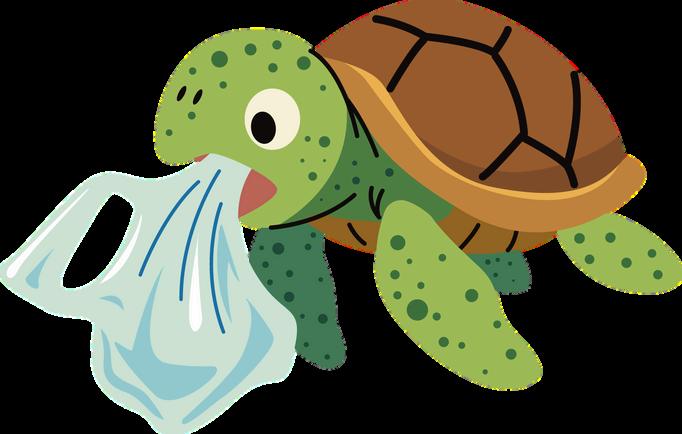
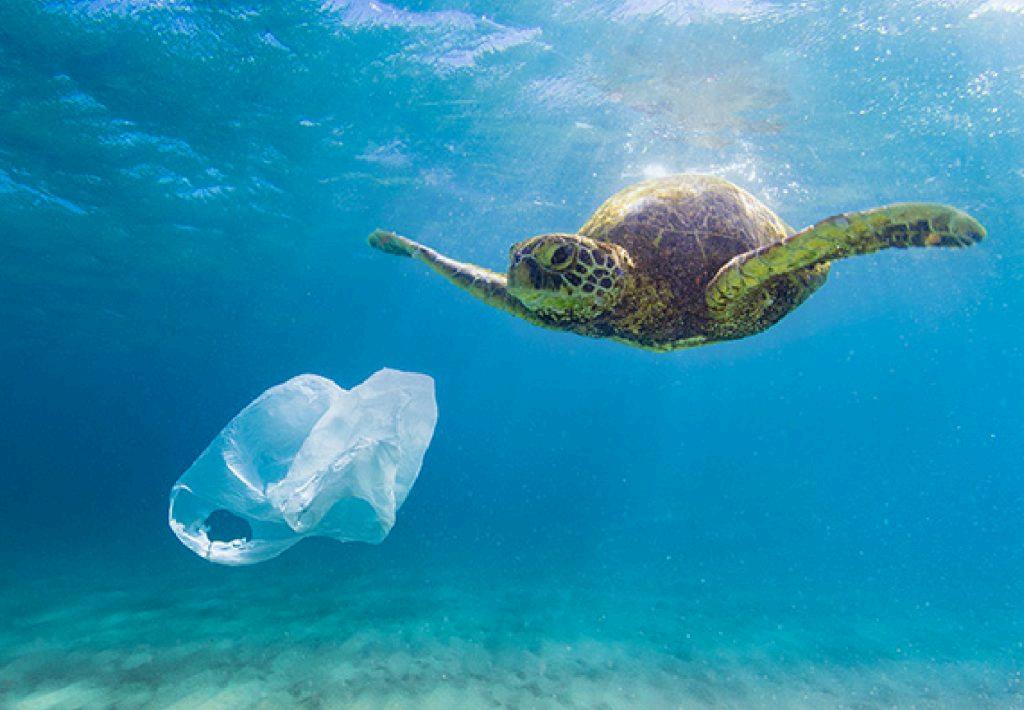
Another problem with litter is that when animals ingest the litter, which happens when animals mistake pieces of trash for food. This often happens to marine animals. For example, green sea turtles mistake floating plastic bags for jellyfish, one of their favorite foods. And when they swallow plastic, it can block their throat and digestion system. The material stops the turtle from eating real food, leading to starvation or infections. Birds are also an example of being affected by this. For example, at Midway Atoll in the Pacific, scientists have studied thousands of dead Laysan albatross chicks. Their stomachs were filled with bottle caps, lighters, and pieces of plastic brought to them by other birds, who mistake the colorful objects for fish or squid.
The chicks die because their stomachs feel full even though none of the plastic in their bellies are providing nutrients. This example shows how litter can kill animals indirectly without even being noticed since it’s happening inside their stomachs. Plastic also releases chemicals like BPA (Bisphenol A) which acts as an endocrine disruptor and phthalates, which can disrupt hormones, weaken immune systems, and reduce reproductive success. These chemical effects can spread through entire populations quickly.
By Sungbin Lim ’27
While litter harms animals through physical and chemical processes, rodent poisons, called rodenticides, cause damage at the biological level. The most common rodenticides are anticoagulants, chemicals that stop blood from clotting. Blood clotting is the body’s natural process of stopping bleeding when a blood vessel is injured. When a rodent eats the poison, it experiences internal bleeding and weakness, often dying slowly over several days. The danger doesn’t stop with the rodent. During the days when it is weakened and slow, it becomes an easy prey for predators such as hawks, owls, foxes, bobcats, and coyotes. They might catch and eat the poisoned animals. When they do, they also ingest toxins. This process is called secondary poisoning, and it has become one of the largest threats to wildlife. For instance, in California, studies showed that over 80% of wild mountain lions and bobcats tested positive for rodenticide.
Many die from internal bleeding or weakened immune systems. Owls in areas like Los Angeles often die after eating rats that were infected with poison placed around houses and apartment buildings. This not only damages animals individually, but also breaks the balance of the ecosystem. With less predators, rodent populations increase, which causes more property damage and more poisons being released which is a vicious cycle. Some newer rodent poisons cause neurological damages, such as seizures or brain swelling. Pets, especially dogs and cats are at high risk because they might eat poison directly or catch a dying rodent outside.
Can solar panels power a house or school efficiently?
By Jason Sim ’26
Humanity has relied heavily on fossil fuels for decades to meet energy demands.
Fossil fuels are a natural source of energy harvested from the remains of ancient plants and animals buried for millions of years. Divided mainly into three categories of coal, oil (petroleum), and gas, each source originates from a different resource. Whereas coal is found in mines after plant matter has accumulated over ancient times, oil has its origins in tiny marine organisms, and natural gas comes from organic-rich sediments. Fossil fuels have been favored as the primary energy source due to their high energy density, yet they have long been questioned for their detrimental environmental impact. All forms of fossil fuels release greenhouse gases such as CO₂ and methane, which both lead to global warming. Finding fossil fuels adds another layer to the problem. Events such as deforestation and oil spills damage the surrounding habitats, disrupting natural food chains and ecosystems. Eventually, fossil fuels will also run out, as humanity's energy use outpaces the rate at which they form naturally. The finite source will lead to catastrophes if humanity does not find another way to meet energy demands.
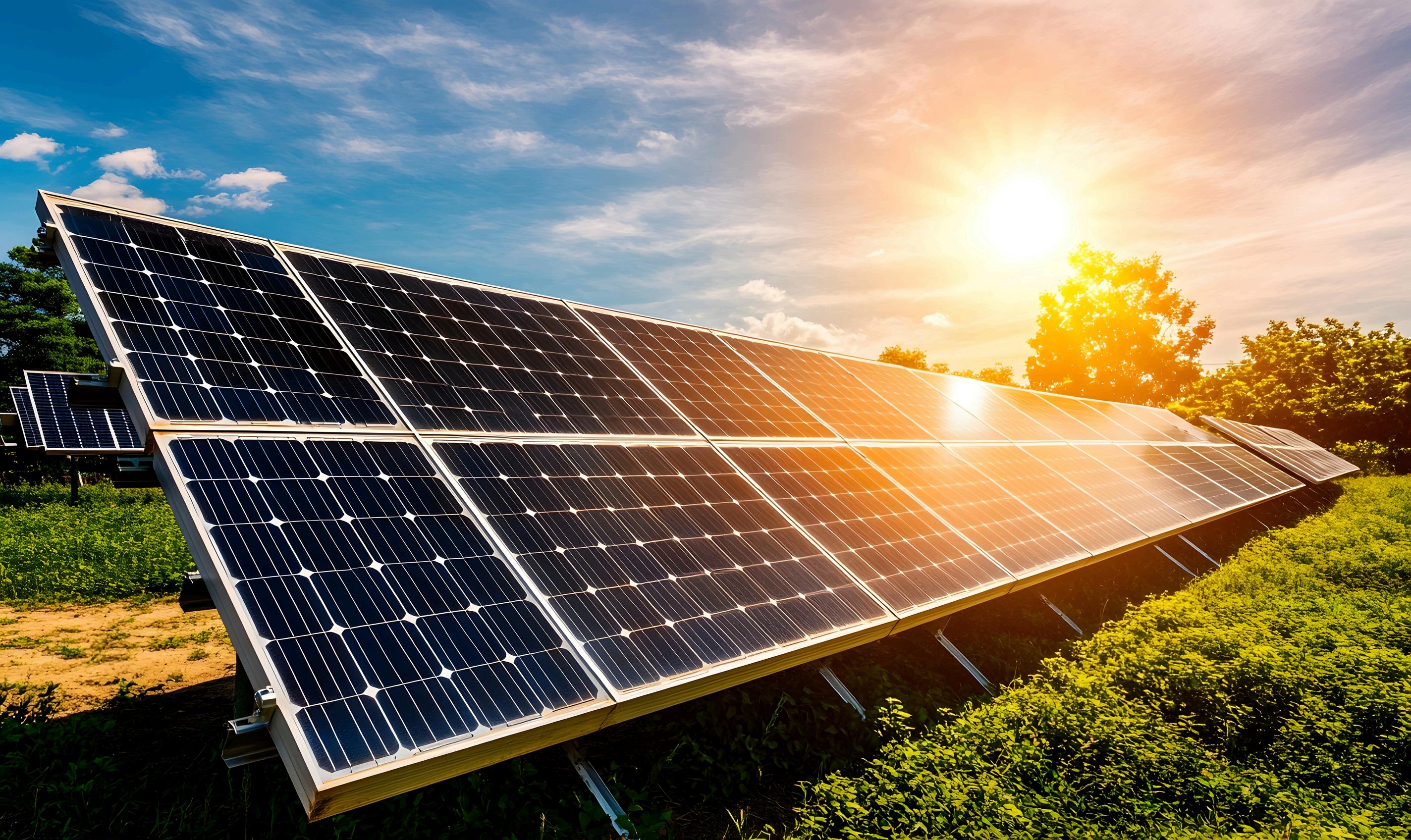
Fortunately, the relatively new energy source of solar energy can serve as an alternative. The idea of harnessing the sun dates back to ancient times. Throughout history, various civilizations have developed tools and mechanisms to harness the sun. A powerful energy source, the sun supplies 173,000 terawatts (TW) of energy per hour to the Earth's surface, more than humanity uses all year round. Solar panels are quite complex, with the main components being silicon cells. The silicon cells are layered together, with N-type cells having excess electrons and P-type cells lacking electrons. The PN junction between the cells creates an electrical field. Having this exact setup allows for the photovoltaic effect, where photons from the sun knock electrons out of the silicon. Moving electrons creates an electrical current, which becomes DC electricity. Following this, a converter is attached to convert DC electricity to AC for use in appliances. The structure of a solar panel has been engineered to maximize efficiency and reduce costs. Using glass panels and an antireflective coating maximizes energy output by allowing more sunlight to reach the silicon cells.
Solar Energy:
Can solar panels power a house or school efficiently?
By Jason Sim ’26
Solar panels are environmentally sustainable. The process of absorbing and converting solar energy produces no waste, resolving the issue of harmful byproducts. The IERE (International Electric Research Exchange) explains how solar panels create no negative pollutants because of how it doesn’t involve combustion or chemical reactions. Being sustainable is so important because of how widespread energy use is and because it provides a community-level benefit. However, using solar energy goes so much farther. Using solar panels in households and schools helps educate new generations to recognize the importance of sustainability. It supports others in taking the right direction in energy use. Schools play a significant role in energy use because they cater to large numbers of people. At this high institutional level of energy use, converting to renewable energy has a considerable impact. The role is the same in domestic cases, but for different reasons. While fewer people and lower energy usage rates will be present, a herd mentality will still exist. Neighbors and others around will observe the change and reflect on themselves, and in time switch themselves. Eventually, this will create a chain reaction, spreading from neighborhood to town to city, and soon leading to measurable improvements in sustainability.
Furthermore, solar panels are considerably more affordable and accessible compared to other familiar sources of energy. Because of rapidly advancing technology, the cost of incorporating it in various places has become increasingly affordable. A study from IRENA states that in 2024 solar photovoltaics were, on average, 41% cheaper than the lowest-cost fossil fuel alternatives. The study also ranks solar energy as the second most affordable source of renewable electricity at USD 0.043/kWh. Allowing for cheaper energy is a significant milestone, given how widespread energy use affects the economy and how many people can access it. Using these schools can incentivize the use of solar energy, taking advantage of affordable pricing. A consistent, manageable price could enable the mass use of solar energy at schools, making schools a bigger supporter of their resource usage. On the other hand, in homes, multiple people can use solar panels without the burden of high costs. Even those in less-than-ideal economic situations can contribute to sustainability. In the long run, solar energy will help reduce costs and lower monthly energy bills.
Though solar panels may open a new avenue for environmental preservation, they are not without limitations of their own. A primary challenge is that solar panel installation requires adequate space and land. Solar power plants needed to provide electricity for 1,000 homes require 32 acres of land. This factor makes it incredibly challenging for nations with limited land space to install solar panels. If the US were to install solar panels to meet its energy consumption needs, the government would need to find 19 million acres of land simply to install the power plant. Houses may struggle particularly with right size, angle, or structural strength. Due to the specific needs of solar panels it may not be the most suitable for some residential areas or schools.
The practical aspect of solar panels is a critical issue that raises many questions. Aside from the land problem, solar panels are dependent on many factors. Problems such as bad weather or electrical emergencies will negatively affect the solar panels without much of a solution. In areas where these problems persist solar panels may not be the best option despite its benefits. While modern solar panels have higher efficiency solar panels are still solely dependent on consistent strong sunlight. Another similar issue is how solar panels are tools that are placed outside. Being a tool means that they require maintenance and act as a generator rather than a resource. In addition, being outside may leave it susceptible to damage or deterioration.
Another factor to consider is the management and disposal of hazardous materials such as metals and glass needed to build some components of solar infrastructure that are energyintensive to produce and thus responsible for the generation of carbon emissions. Building PV cells and panels also requires some hazardous chemicals and heavy metals. To avoid harming the environment, such materials necessitate careful management and disposal procedures once the solar plant’s life comes to an end. The International Renewable Energy Agency (IRENA) projects that by 2050, solar energy systems could be responsible for up to 78 million tonnes of waste. In other words the materials should be treated with care and carefully considered when building.
Overall, solar panels are a viable option and should be recommended for schools and homes but this is not without careful consideration. When thinking about converting to solar energy many key components need to be kept in mind. Details such as location and the current energy situation has a huge impact on the success of solar panels. Especially because of how easy it is to switch through simply starting with a couple solar panels on the roof. If done correctly solar panels can become a huge part of institutions and neighborhoods.
BY JADEN MOK ’27 & ANTHONY ZHAO ’27
HOW DOES PLASTIC POLLUTION AFFECT MARINE LIFE?
Once, plastic packaging seemed handy. Meant to be thrown away without thought of how long it would remain in the environment. Over time, it became evident that plastic packaging has turned into a problem that can put the ecosystem in danger. Every year, millions of tons of waste flow into the sea. The plastic waste creates hazards that hit the shore and the deep water. I watched plastic choke the oceans.
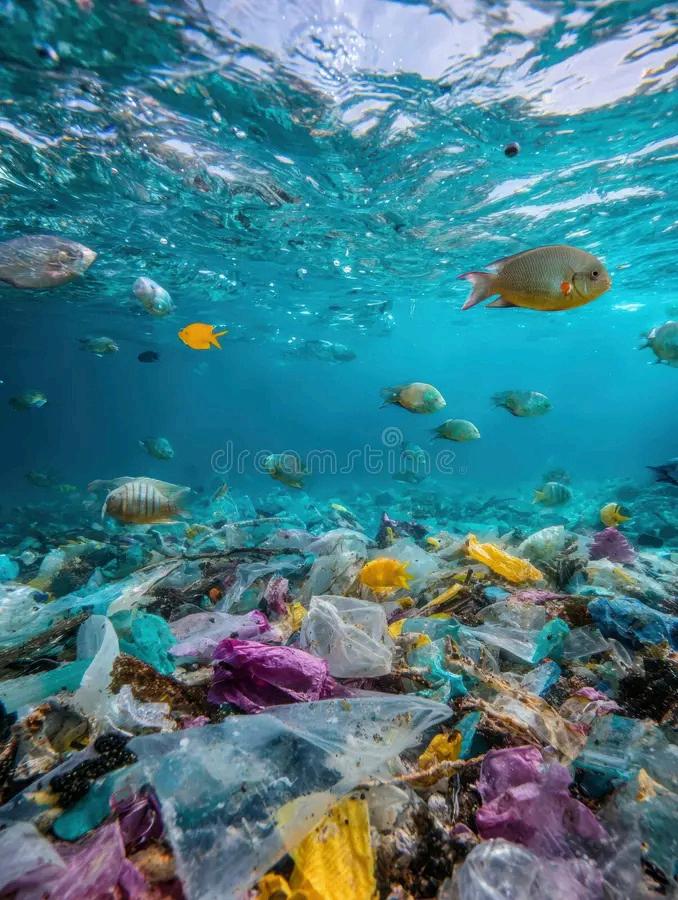
Plastic kills the species that live in the oceans. Plastic is also harmful to humans. "SDG 14" is a challenge from the United Nations that aims to protect life. The report shows how waste moves into the water. The report points out that the pieces of plastic called microplastics cause fatal harm to marine animals. Marine animals include fish, marine mammals, and seabirds. Plastic can get into the ocean in various ways. For example, imagine a person buying a snack that's in a bag. The person finishes the snack. Looks around and sees no trash can nearby. The person does not want to hold the plastic. They drop the plastic on the ground, hoping someone else will pick it up, or they toss the plastic into the ocean. I have seen this happen many times. That small choice can cause problems. I see a piece of plastic on the ground. The wind can pick up the plastic. Carry the plastic into the ocean. The plastic ends up in the ocean. The marine animals can choke on the plastic. If the marine animals mistake the plastic for food, the plastic can block the animals' digestive tract. Scientists have found marine animals with stomachs that are full of plastic. The plastic can slowly harm the animals. The plastic can even kill the animals.
How Does Plastic Pollution Affect Marine Life?
BY JADEN MOK ’27 & ANTHONY ZHAO ’27
Where Does Our Drinking Water Come From?
By Jay Cho ’26
WHERE DOES WATER COME FROM?
Everyone has probably wondered, “Where does my water come from?” Whether it is the tap water in your home, bottled drinking water, or even the water in a swimming pool, you encounter water multiple times in your daily life. Because of this, I am here to answer how safe, how clean, and the million-dollar question, “where” does this water come from?
HOMES IN THE US
Although there isn’t a definitive answer because all homes have different sources, roughly 9 out of 10 of the tap water in the US comes from public water systems, which are commonly provided by either ground or surface water. Most of this water is safe, considering that it is regulated under the Safe Drinking Water Act, which is a federal law passed in 1974, to protect the quality of public drinking water.
EAGLEBROOK’S WATER
Eaglebrook’s water is from different drilled artesian wells, which are sources for the potable water on campus. The wells are made by drilling through the rock layers, eventually reaching aquifers located around 400’ below ground. After that, submersible pumps are installed in the well and raise the water with adequate pressure and flow rates, which is then stored in the water tank, located between Kravis and the Easton Ski Area.
J , g p , charge of the safety and efficiency of the drinking water. He ensures that the quality of the water meets legal standards. Recently, Eaglebrook received an award from the U.S Environmental Protection Agency for having some of the highest quality water in the state.
Where Does Our Drinking Water Come From?
By Jay Cho ’26
MORE INFORMATION ON EAGLEBROOK
In conclusion, most water comes from public water systems, provided by ground or surface water. However, Eaglebrook’s water is not only handled by professionals, but the quality is especially clean, as it comes from our well located between Kravis House and the Easton Ski Area,
CONCLUSION
Does Climate Change Make WeatherMoreExtreme?
By Anderson Aihie ’27 and Enhua Liu ’27
You know how sometimes the storms seem strong the summers feel super hot or the winters are just crazy unpredictable? That is not your imagination, the reason why this is happening is because of climate change.
Climate change is making the weather more extreme everywhere. This is happening because people are burning a lot of fuels, like coal, oil and gas. When we do this we let out things into the air like carbon dioxide. This carbon dioxide traps. That makes the earth get warmer. Climate change is a problem and it is making the weather act really weird. The planet is getting warmer. That is changing the weather. The weather is changing everywhere. This extra heat is making storms worse. It is giving them energy. This energy is making hurricanes stronger and more destructive. It is also making heat waves last for a long time. The heat waves are very bad. They are also making wildfires spread fast. The wildfires are burning everything. The extra heat is bringing a lot of rain too. This rain is causing floods.
The Earth gets warmer. That changes the weather everywhere. Some storms become really strong some places become hot and other places do not get enough water. All of these changes make the weather more extreme. Climate change is a problem and it is making the weather act in weird ways. The Earth is getting warmer because of climate change. The Earths natural systems are really being affected. These systems have been in charge of our climate for thousands of years.
The oceans for example are getting warmer. The temperature is going up the ice caps are. The air has more moisture in it. All of this is changing our planet. When storms happen they are stronger. The Earths natural systems, like the oceans and the atmosphere are changing. Now the atmosphere has heat, in it.
Right now scientists have been studying these changes for many years using satellites. NASA, NOAA, and the Intergovernmental Panel on Climate Change (IPCC) all report that extreme weather is increasing as our earth’s temperatures rise. Another example is that hurricanes in the Atlantic are getting stronger. Heatwaves are happening more often and heavy rainstorms are becoming more intense. These changes match what scientists expect when greenhouse gases warm the atmosphere and oceans. Understanding how climate change affects weather is important, because it helps us prepare for the future and shows why it is important to reduce greenhouse gas emissions.
By Logan Oh ’27
AFFECTING267SPECIESWORLDWIDE
GREATPACIFIC GARBAGEPATCH
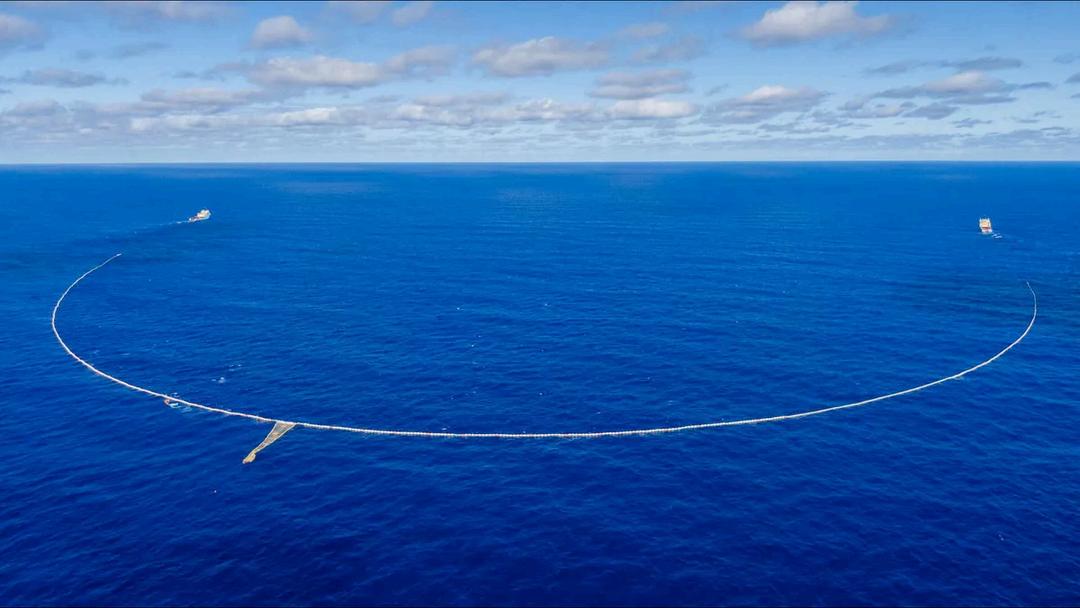
AnislandofgarbagetwicethesizeofTexas,floatinginthe PacificOcean.TheGreatPacificGarbagePatch(a.k.aGPGP), weighingapproximately80,000metrictons,containsanestimated 1.8 trillion pieces of plastic. Even with its huge scale, this environmentalcatastropheremainsinvisibletothebillionsof people whose daily actions contribute to its expansion. This phenomenon is killing millions of aquatic creatures, one of humanity’smosturgentproblemstoday.
Ocean gyres, large systems of rotating currents that act like whirlpools,gatherwasteoutflowingfromriversaroundtheworld. Accordingto researchers,approximately“between1.15and2.41 milliontonnesofplasticwaste”enterstheoceanfromcoastlinesand rivers.Therotatingcurrentscatchthefloatingmaterialandpullit towardthecenteroftheoceangyres,trappingtheplasticsandwaste inacircularcurrentpattern.
TheGPGPsitsintheNorthPacificGyrebetweenCaliforniaand Hawaii,butitswastecomesfromvariousplaces. Research tellsusthat GPGP’splasticreleasesfromAsianriversrepresented86%ofthetotal globalinput,thewastecomingmainlyfromJapan,India,China,South Korea,andotherAsiannations.Furthermore,mostof thegarbage consists of non-biodegradable plastics. According to a 2018 study publishedinScientificReportsbyTheOceanCleanup,oceanographer LaurentLebretonandhisteamfoundthatfishingnetsaloneconstitute 46%oftheGreatPacificGarbagePatch'smass,24%ofhardplastic,and 12%ofplasticfilms.Therestof18%arebuoys,ropes,straws,utensils, andmore.It’sevidentthatthefishingindustryisreleasingalotofmassin theoceanannually,thatisnotbeingcleanedup,trappedintheNorth PacificOcean.
Evenwiththeoutstandingsolution,theplasticintheGPGPis diluted across millions of square kilometers, still spreading microplasticsallovertheocean.Whilecleanuptechnologyhas proven successful, experts believe that stopping plastic from enteringoceansinthefirstplacethroughbetterwastemanagement, riverinterceptors,andreducedsingle-useplasticconsumptionwill determinewhetherwecanpermanentlysolvethiscrisisorsimply slowitsgrowth.
Almosteverypieceof plasticpeoplehaveeverusedstillexists somewhereonthisplanet.Perhapsinalandfill,maybeinariver,or floatingintheGreatPacificGarbagePatchbetweenCaliforniaand Hawaii.The1.8trillionpiecesofplasticintheGPGPrepresent1.8 trillionindividualchoicesandmomentsofconveniencethatsomeone elsewouldhandletheproblem.WhileorganizationslikeTheOcean CleanupworktoremoveexistingdebriswithSystem03,thereal solutionbeginswitheveryindividualreadingthisnewsletter.Moreand moremovementsrefusingsingle-useplastics,supportingcompanies committed to sustainable packaging, participation in local beach cleanups,sustainabilityclubs,andconversationsaboutthesufferingthe marineanimalsaregoingthrough,andtheresponsibilitiesthatweneed totake.