CT SURGERY RESIDENTS SHOWDOWN
The winner of the European final is crowned.
Page 14
TRIALS UPDATE
Examine the current progress and findings of major trials in our field, including the UK Mini Mitral Trial and the EVOLUT Low-Risk Trial today at 10:30 in Hall D.
THE DISRUPTION DECADE
Don't miss today's keynote from communications expert Dex Hunter-Torricke


MAKING HISTORY
IMPROVING PATIENT CARE WITH EVIDENCE-BASED GUIDELINES
Trusted, evidence-based guidelines are critical decision-making tools, supporting clinicians to deliver highquality patient care.
Three recently developed guidelines will be presented in this afternoon’s highly anticipated session ‘EACTS Guidelines 2023’ with lead authors discussing the impact of these new recommendations on daily practice and the treatment options and benefits for patients in aortic disease, endocarditis and left main stem stenosis.
The guidelines featured in this session include
• ESC/EACTS Review of the 2018 myocardial revascularisation guideline on LMCAD
• ESC Guidelines for Management of Infective Endocarditis developed in collaboration with EACTS
• EACTS/STS Guidelines on the Management of Aortic Disease
This is an excellent opportunity to put questions directly to the clinicians responsible for developing the guidelines and to engage with a multidisciplinary panel.
Milan Milojevic, Chair of the EACTS Committee for Practice Guidelines, said, “We recognise the importance and value of working closely with
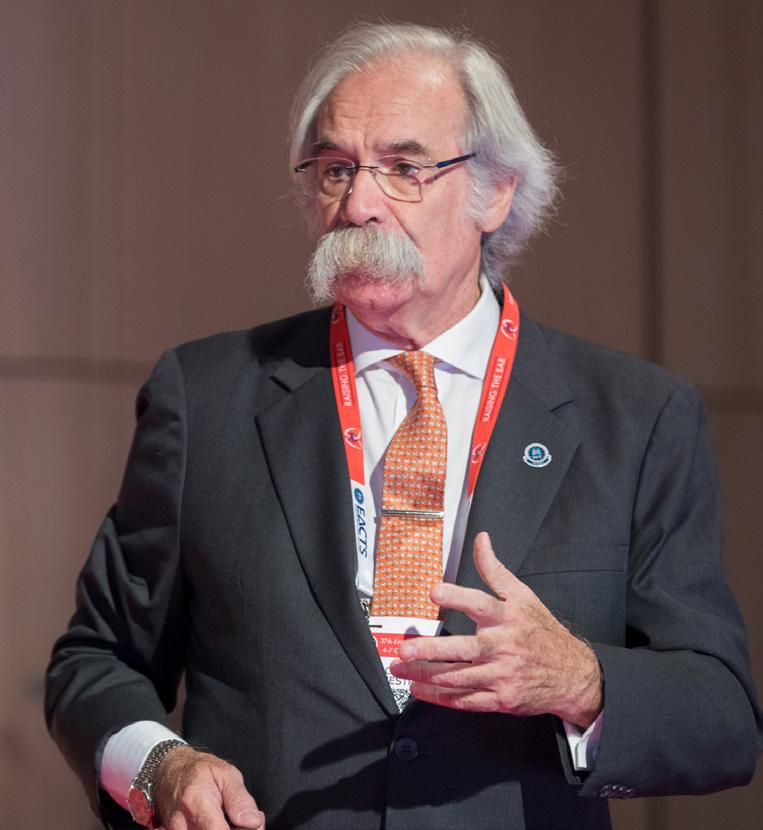
organisations that bring specific expertise, knowledge and diversity to jointly develop evidence-based recommendations. It is through collaboration with the wider cardiothoracic community that we are able to develop the best possible evidence-based clinical practice guidelines. This session will present some of the key points from three recently published guidelines that have been produced in collaboration with other societies and organisations or endorsed by EACTS.”
A FOCUS ON THE LATEST GUIDELINES
ESC/EACTS Revision of 2018 myocardial revascularisation guideline on LMCAD


Following a period of close collaboration with the European Society of Cardiology (ESC), a joint ESC/EACTS Task Force, chaired by Professors Robert Byrne and Stephen Fremes, has completed a review of the evidence for the treatment of low surgical-risk patients with LMCAD. The findings have been published in EJCTS and the European Heart Journal and conclude that the class of recommendation and level of evidence for CABG should be Class I and Level of Evidence A, while for PCI it should be downgraded to Class IIa and Level of Evidence A.
Background

In 2019, EACTS Council withdrew support from the recommendations on the treatment of left main coronary artery disease in the 2018 joint ESCEACTS Myocardial Revascularisation Guidelines. EACTS and the ESC recognised the need to review the recommendations on left main coronary artery disease and worked together to create a bespoke joint ESC/ EACTS Task Force.
The Task Force was able to review longterm analyses of observational studies, clinical trials and an individual patient data meta-analysis published by Sabatine and colleagues in 2021 which included data from four randomised clinical trials comparing PCI using drug-eluting stents (DES) to CABG with at least five years of follow-up: SYNTAX, Bypass Surgery Versus Angioplasty Using Sirolimus Eluting Stent in Patients With Left Main Coronary Artery Disease (PRECOMBAT), Nordic-BalticBritish left main revascularisation study (NOBLE) and EXCEL.
Findings
The Task Force’s conclusion, after reviewing all the relevant evidence, is that for low-surgical risk patients with LMCAD, both coronary artery bypass surgery (CABG) and percutaneous
FROM FRIDAY Pages 3-4 The official newspaper of the 37th EACTS Annual Meeting 2023
HIGHLIGHTS
Page
9
DAILY NEWS Issue 3 Saturday 7 October
continued page 2
SCIENTIFIC PROGRAMME
Franca Melfi becomes EACTS' first woman President
3. ANNUAL MEETING HIGHLIGHTS
Delegates share their highlights from this year's meeting.
6. Celebrating EACTS award winners
9. The disruption decade - the closing plenary session keynote
11. Learn more about recently developed guidelines
14. A fantastic CT Surgery Resident Showdown final
18. Visit the exhibition hall and view the latest technologies on display
20. A full list of the unmoderated e-posters
22. EACTS MEMBERSHIP
Become an EACTS member today and help shape the future of cardiothoracic surgery with EACTS.
DOWNLOAD THE EACTS APP HERE

CONTINUED FROM PAGE 1
coronary intervention (PCI) are clinically relevant treatment modalities. As a result of the review, the considered advice is that the class of recommendation and level of evidence for CABG should be downgraded to Class I and Level of Evidence A, whilst for PCI it should be Class IIa and Level of Evidence A. The findings and associated materials are now being considered by the ESC Task Force working in collaboration with EACTS on new guidelines for Chronic Coronary Syndromes, due to be published in August 2024.
Until new guidelines are published, EACTS and the ESC believe that local Heart Teams should consider both the current (2018) guidelines and the findings of the Task Force when discussing treatment options for patients with stable coronary artery disease.
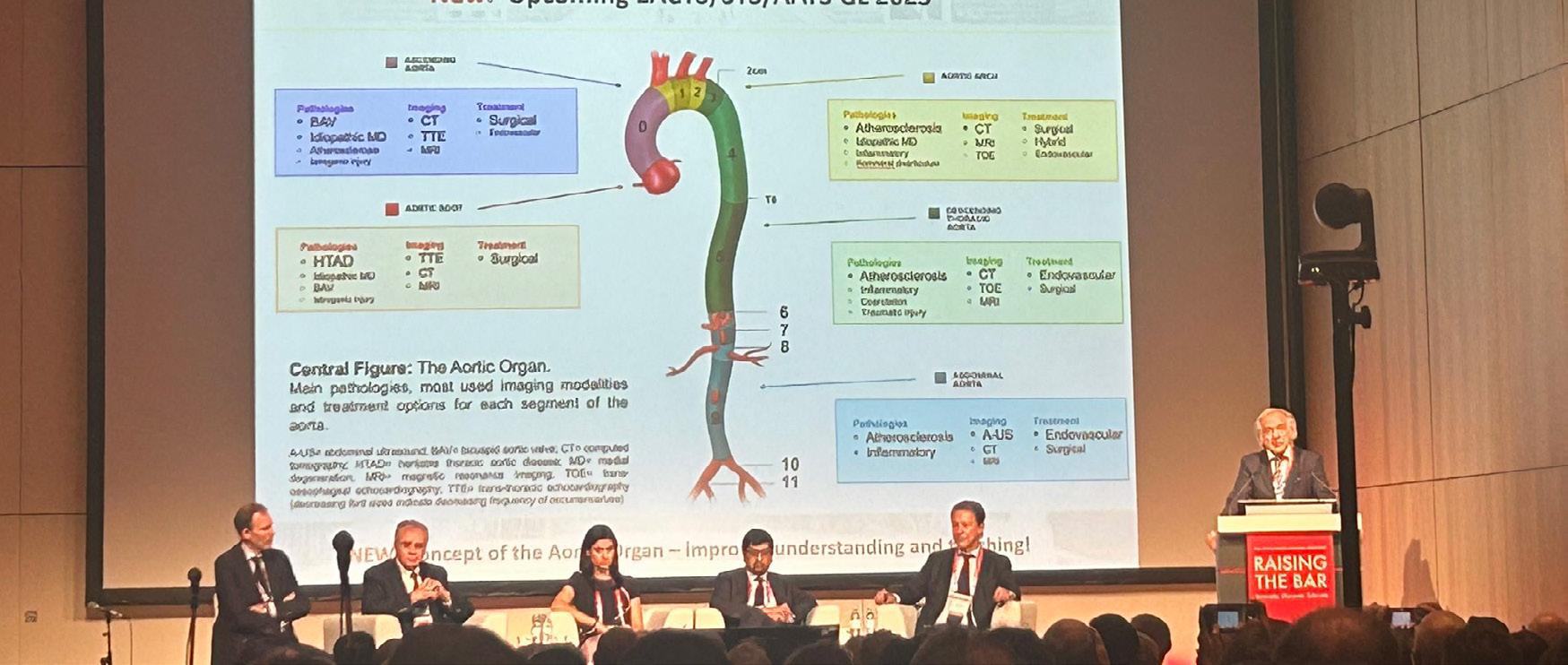
EACTS 2023 GUIDELINES SESSION
09:15 - 10:15
Hall D
Read more on page 9
TODAY’S PROGRAMME HIGHLIGHTS
09:15 - 10:15
FOCUS SESSION
Embracing the Cardiothoracic team Room 0.31/0.32
10:30 - 12:00
PLENARY Trials Update Hall D 10:30 - 12:00
FOCUS SESSION
Improving patient care and outcomes: how cardiothoracic nurses and allied professionals influence practice through research Room 0.31/0.32
2 EACTS DAILY NEWS
EACTS IN
TODAY’S ISSUE
EACTS EACTS
WELCOME
“ We recognise the importance and value of working closely with organisations that bring specific expertise, knowledge and diversity to jointly develop evidence-based recommendations."
Aortic Disease - A deeper dive into Guideline Details focus session
YOUR ANNUAL MEETING HIGHLIGHTS
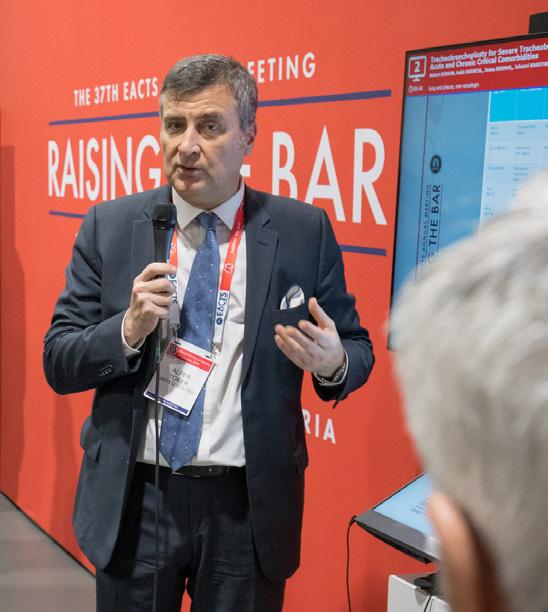
Mateo Marin-Cuartas, Germany
“The whole meeting has been amazing.
“This is the largest cardiothoracic surgery meeting in the world and it is very diverse. It's an excellent opportunity to meet and interact with surgeons from all around the world, including some of the giants from cardiothoracic surgery.
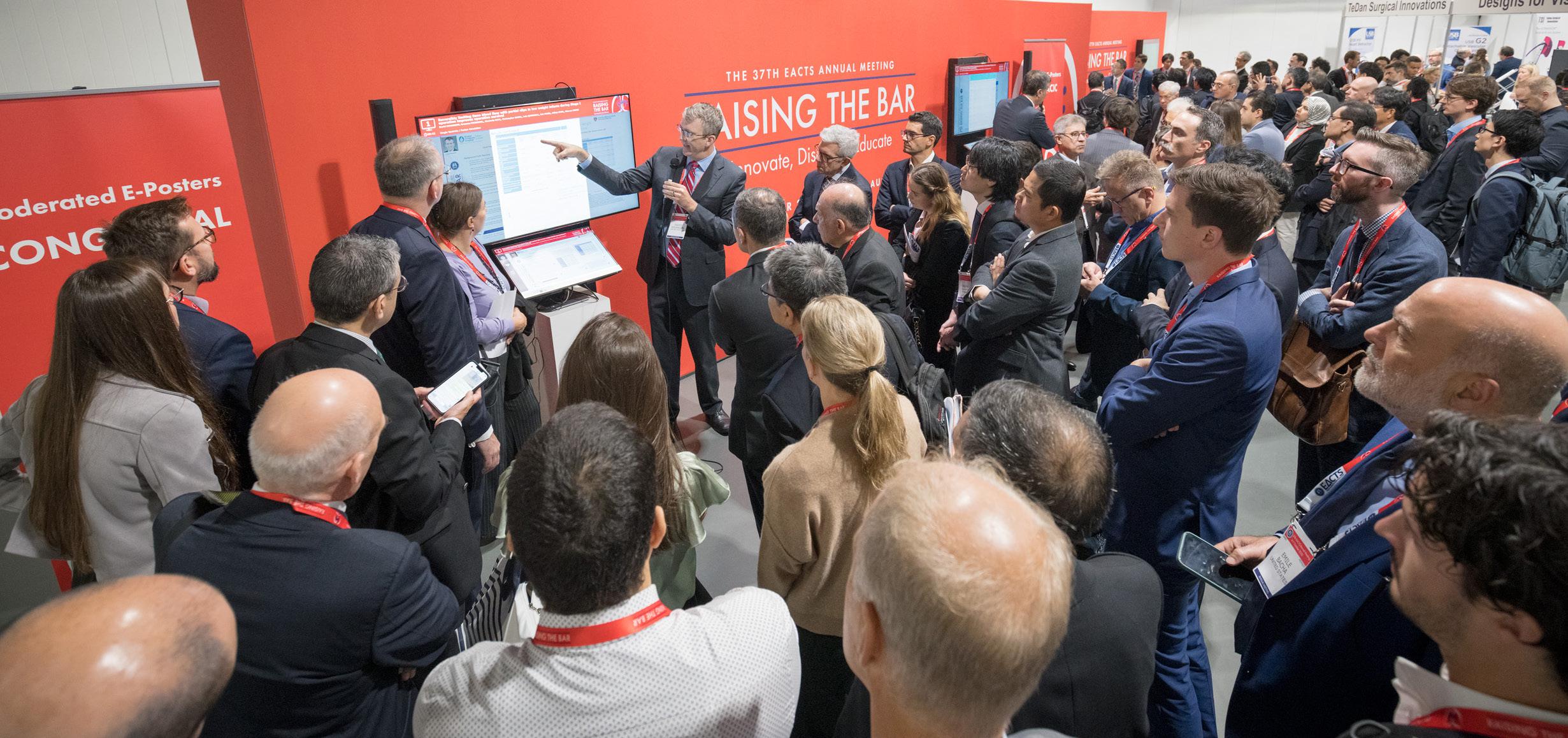
“The scientific programme is high level with a lot of very interesting talks. It is difficult to decide where to go!
“Some of my highlights include a great discussion about the aortic guidelines, which included a comparison with the American guidelines. I am looking forward to discussions on the new Endocarditis guidelines.”
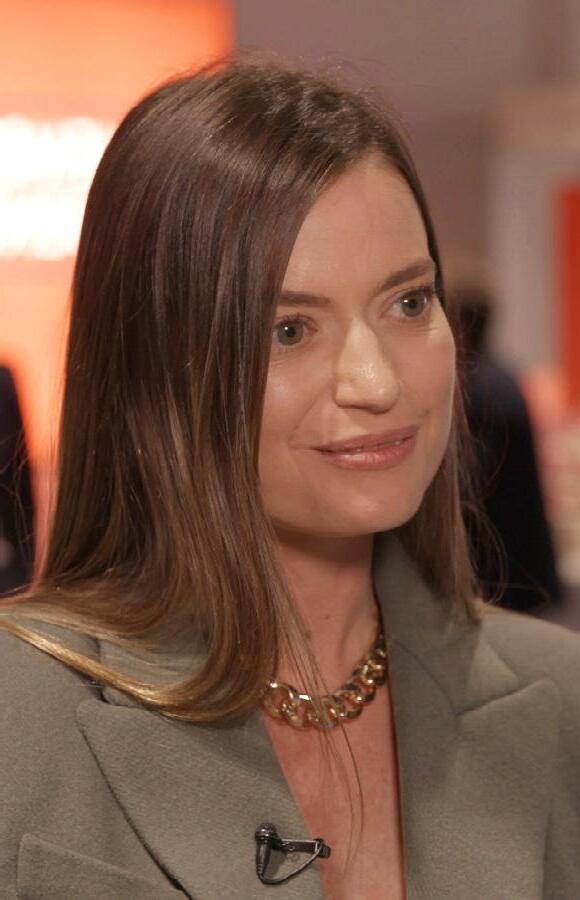
Najla Sadat, Germany
“I've really enjoyed meeting colleagues from different countries and having the opportunity to exchange research and discuss future projects.
“Highlight sessions were interventional minimally invasive surgery and robotic assisted surgery which are the future direction of cardiothoracic surgery.”
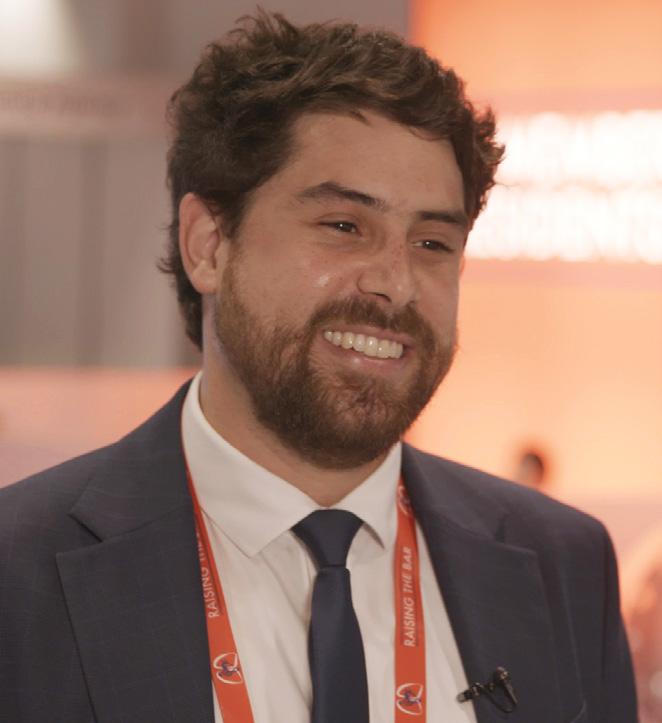
Paola Montanhesi, Brazil
“This is the biggest meeting for the cardiothoracic community. It is a privilege to be here with everyone, sharing information and best practice with experienced surgeons from all around the world.
“The opportunity to network with other surgeons is also very important.
“There are so many good sessions that I will be using the on-demand feature in the EACTS app so I can watch the sessions that I was unable to attend in person.
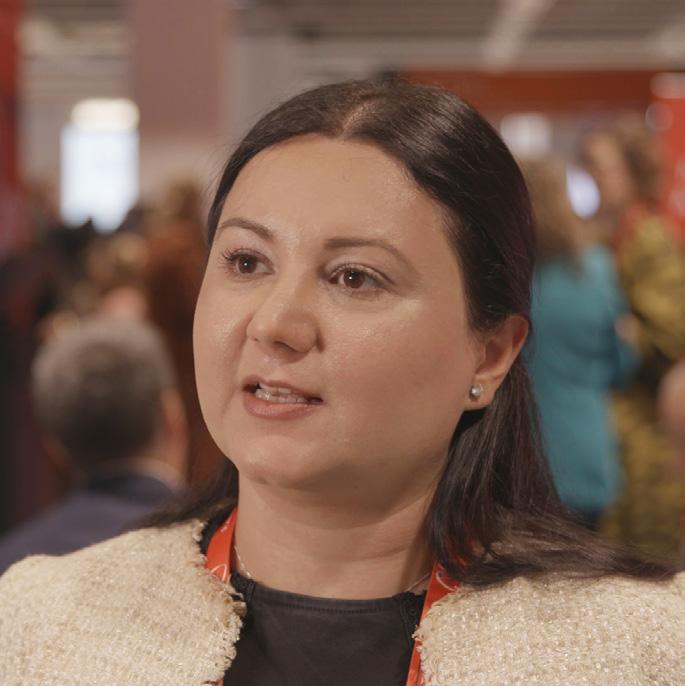
“I would encourage everyone who wasn’t able to make it to attend next year.”
Giuseppe Paone, Italy
“This is the first time I have attended the EACTS Annual Meeting. I have found new inspiration and new ways to improve cardiac surgery in my centre.
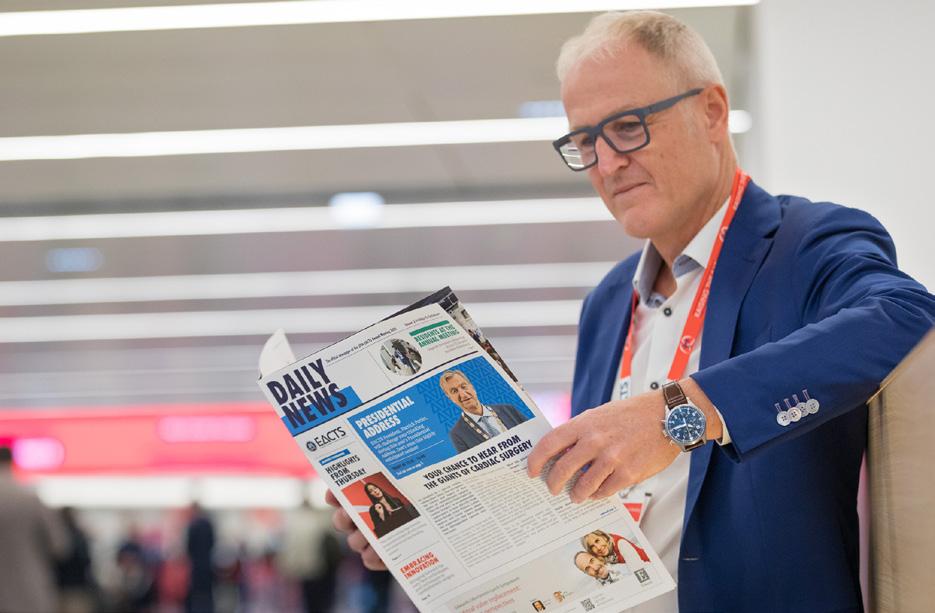
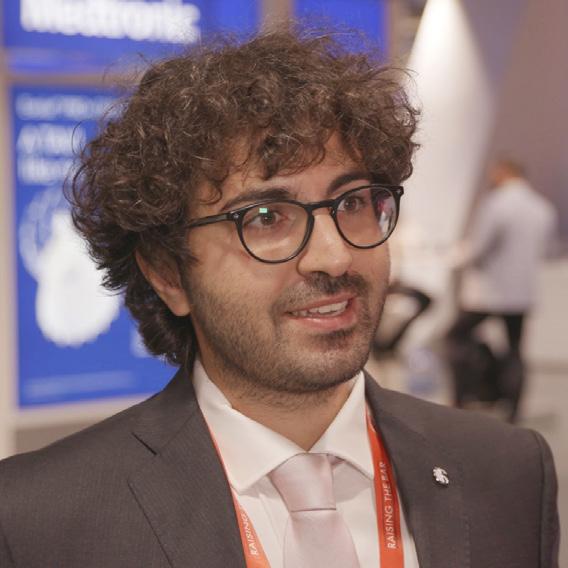
“One of the highlights of the meeting was attending the Endoscopic Dry Lab training for endoscopic mitral valve repair. It was an opportunity to learn a new technique which is not available to learn in my home centre.
“The meeting is special. Sharing information from around the world is so important.”
Issue 3 Saturday 7th October 3
HIGHLIGHTS FROM FRIDAY
Presidential address
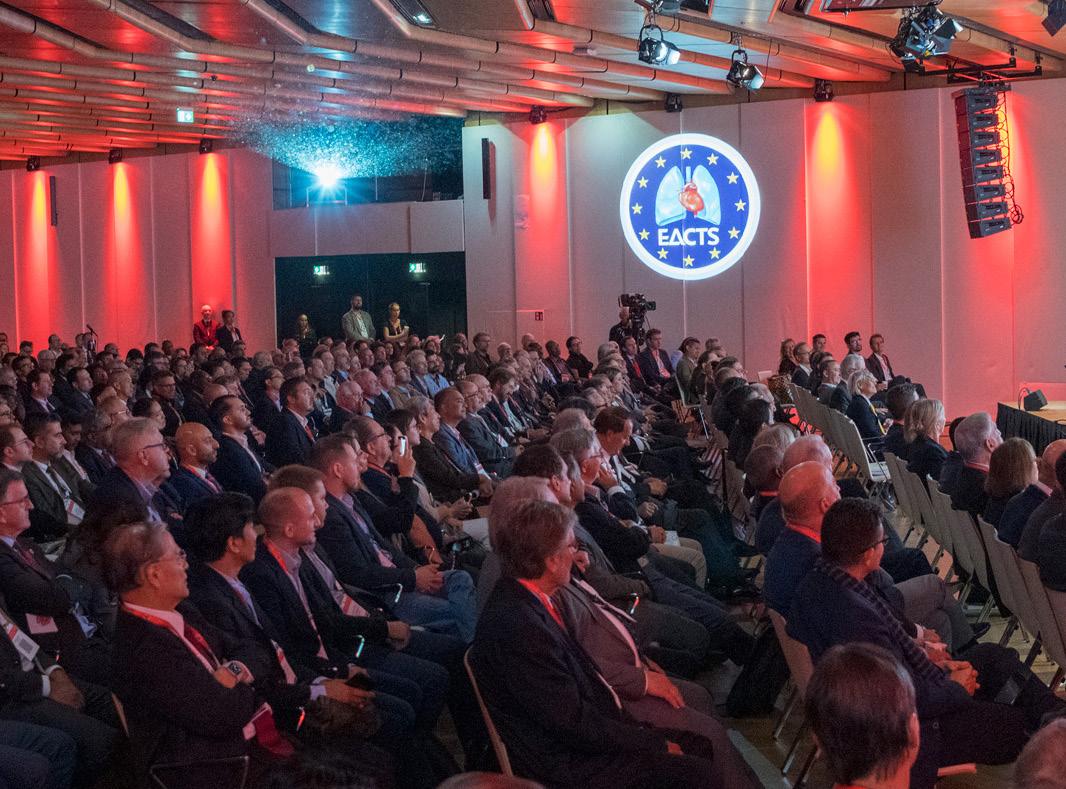
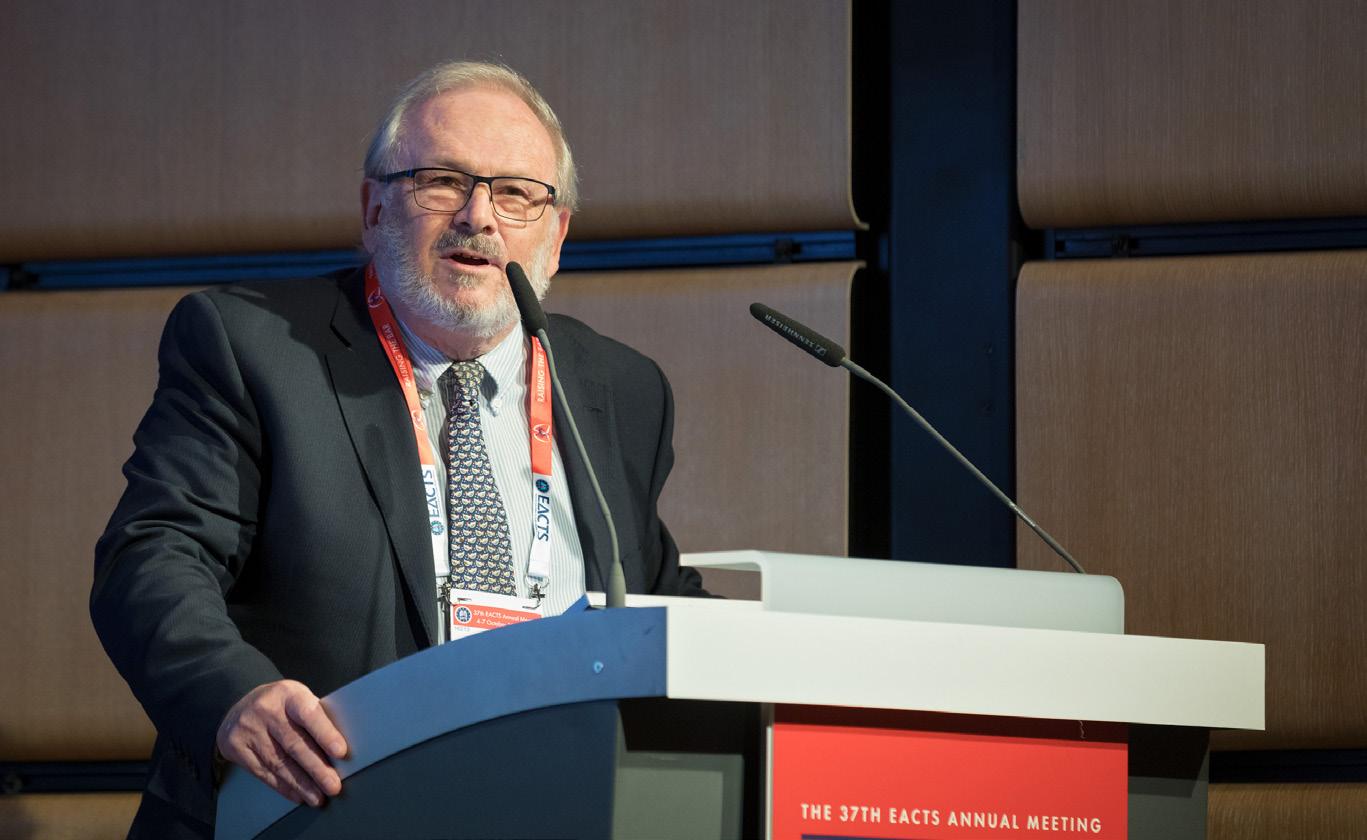
A large audience gathered for Patrick Perier's highly anticipated Presidential Address.
In his thought-provoking presentation Patrick took delegates on a journey of discovery, using highly engaging examples to demonstrate the danger of a closed mind, and the vital importance of breaking free from dogmas.

Exhibition hall
The Annual Meeting exhibition, featuring over 80 of the leading companies in the cardiothoracic industry, is the place to be to learn more about state-of-the-art products and innovations that are new to market.
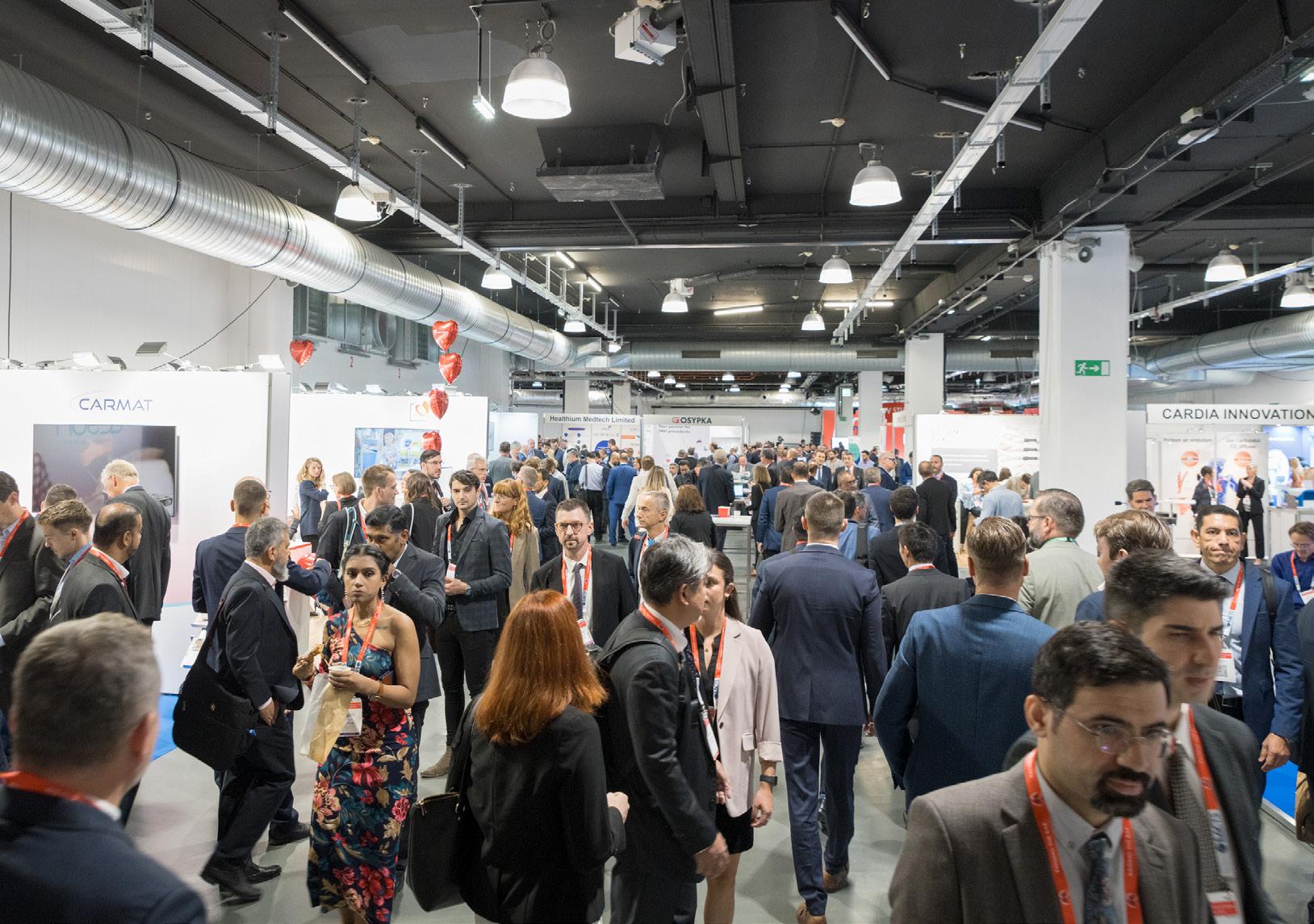
Find out more on pages 18-19
Breaking science
We were privileged to be joined by Professor Serruys who provided an update on FASTTRACK CABG, a trial investigating the feasibility of using computed tomographic angiography to refer patients for CABG. This was a great opportunity to hear from the investigators on the trial design and learn how CT angiography can be used to plan CABG .
4 EACTS DAILY NEWS
MAKING HISTORY
This year’s Annual Meeting marks a significant moment in EACTS’s history as Franca Melfi last night became the Association’s first woman President. The Presidential Chain was passed on to Franca Melfi by Patrick Perier during the Presidential Dinner.
Reflecting on her new role Franca, said, “It is a real honour and a privilege to be the President of this prestigious Association, particularly when I consider that I became a member in 1999 and at that time I didn't expect to have this great honour!
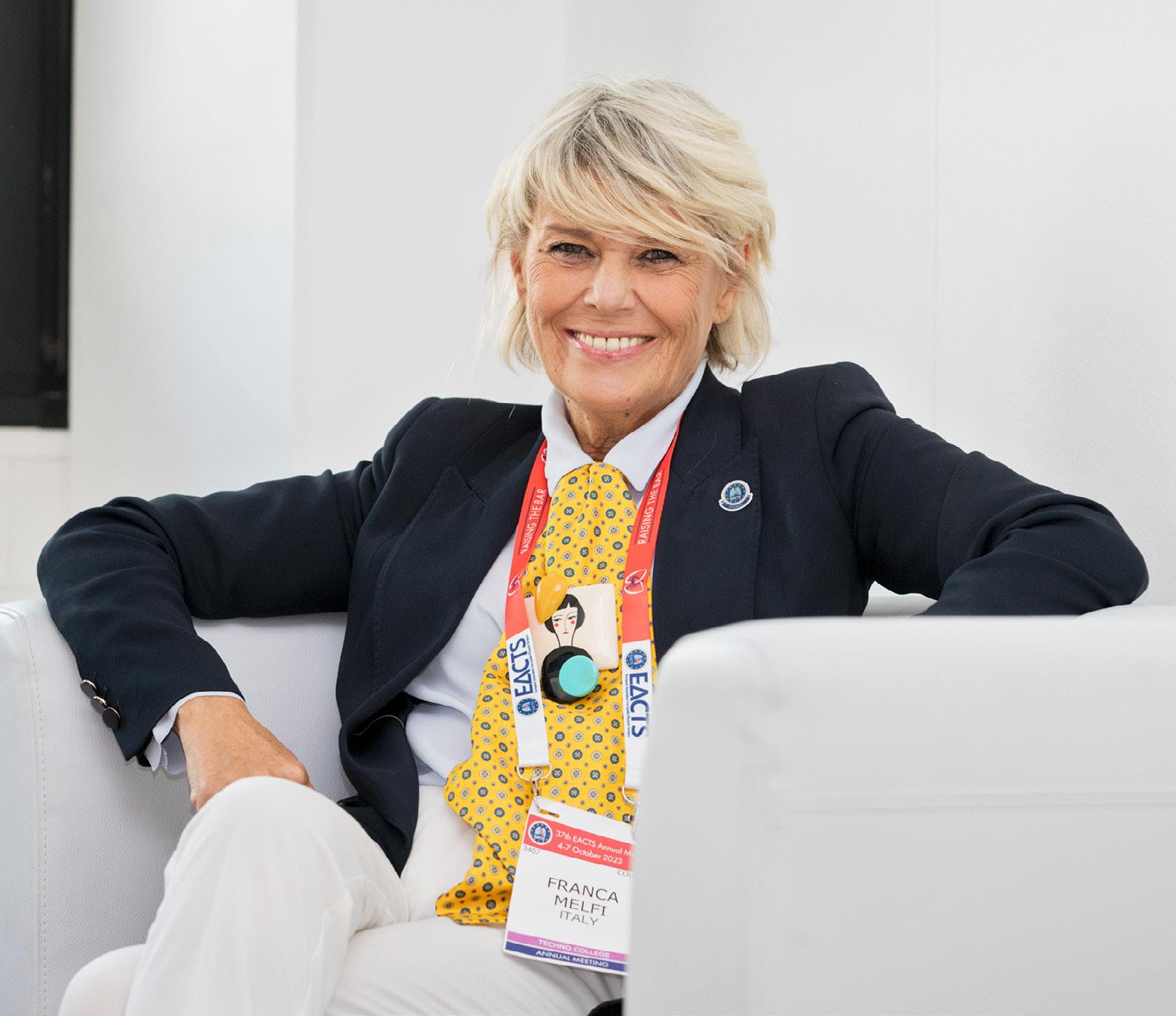
“I will put my efforts into increasing the number of members and making sure science is at the centre of EACTS. Above all, I would like to increase the number of residents and have a very good collaborative relationship with the other scientific communities and scientific societies.”
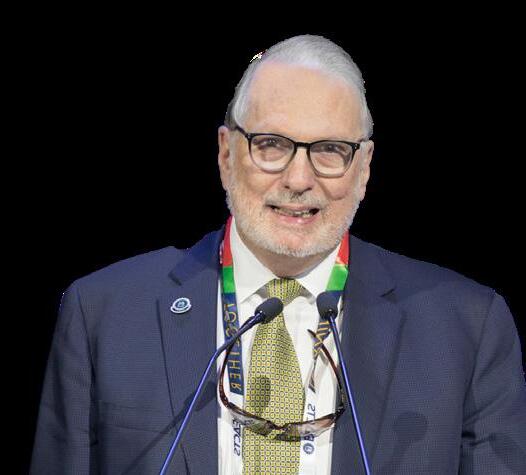
The election of new Officers and Councillors also took place yesterday at the EACTS General Assembly, with the following positions announced:

Vice President 2023-2024:
Volkmar Falk
Vascular Domain Chair 2023-2026:
Florian Schönhoff

Treasurer 2023-2026:
Joseph Bavaria
As the decision-making body of EACTS, the Council is responsible for ensuring EACTS complies with its governing document, relevant legislation and best practice guidelines. Members of the EACTS Council have an active role in providing strategic direction to EACTS and setting overall policy and targets.
In addition to the General Assembly elected members above, the following were nominated as Chair-Elect for the year 2023-2024:
• Congenital Domain Chair-elect: Vladimiro Vida
• Thoracic Domain Chair-elect: Korkut Bostanci

We would like to thank outgoing Officers and Councillors for their hard work and commitment to EACTS:
• Konstantinos Tsagakis
• Friedhelm Beyersdorf
Issue 3 Saturday 7th October 5
EACTS AWARDS
CELEBRATING TRAINING AND RESEARCH EXCELLENCE
Each year in recognition of training and research excellence we present a number of awards at the Annual Meeting. This is part of our commitment to advance education and research in cardiothoracic surgery. Congratulations to this year’s winners.
YOUNG INVESTIGATOR AWARD
This award recognises the best manuscripts on topics of clinical or experimental research in the fields of Thoracic Surgery, Cardiac Surgery and Congenital Heart Disease presented by young investigators at this year’s Annual Meeting.

ADULT CARDIAC WINNER CONGENITAL WINNER
Justin Ren, Parkville
Sex Stratified analysis of late survival after total arterial revascularisation.
THORACIC WINNER
Debora Brascia, Bari
Breathomics: may it become an affordable, new tool for early diagnosis and screening of Lung Cancer?
Giuseppe Comentale, Napoli
Impact of pre operative left pulmonary artery stenting on the Fontan procedure: a retrospective multi centre study.
EACTS/STS AWARD 2023 WINNER
Maria Nucera, Bern
Endovascular aortic repair in patients with connective tissue disorders.
6 EACTS DAILY NEWS
HANS G BORST AWARD FOR THORACIC AORTIC SURGERY
Fabian A Kari, Munich
Valve-sparking aortic root replacement – target values to avoid residual aortic regurgitation.

AWARDS
EACTS / GJC-PASCATS EXCELLENCE AWARD FOR RHEUMATIC HEART VALVE REPAIR & AORTIC RECONSTRUCTION
WINNER
Mohammed Sanad, Mansoura et al.
Mid-term results of Ozaki aortic valve neocuspidization for rheumatic aortic valve disease: a prospective multicenter trial.
MARKO TURINA AWARD FOR BEST MMCTS RESIDENTS’ TUTORIAL
WINNER
Percutaneous tracheostomy using the Seldinger technique
Authors: Ioana-Medeea Titu, George-Bucur Delaca, Florin Teterea, Sergiu-Adrian Ciulic & Emanuel Palade
The video tutorial presents a detailed walk-through of the Seldinger technique used in a percutaneous tracheostomy with serial dilators. It is performed on a mechanically ventilated patient with respiratory failure caused by meningitis. This extensive guide covers the procedural steps, relevant anatomy, required equipment, and essential principles for performing a percutaneous tracheostomy.
“It is a great honor to receive this special award. I want to extend my sincere gratitude to everyone who played a part in helping me reach this milestone. Your encouragement has inspired me to maintain the utmost dedication in my work, and for that, I am truly thankful.
“MMCTS represents a never-ending source of knowledge not only for residents, but also for young doctors and any specialist who is eager for further learning. For a surgical resident, video tutorials offer a valuable choice for preoperative visualisation and preparation, encompassing a range of surgical techniques. I want to encourage my fellow residents to get involved in publishing video tutorials because the process itself is an opportunity for learning and mastering surgical techniques.”
Ioana-Medeea Titu

WINNER
Issue 3 Saturday 7th October 7
The Marko Turina Award is presented in recognition of the best core skills video tutorial. This follows a competition, launched earlier this year by EACTS and TSRA (Thoracic Surgery Residents Association) to recognise the best core skills video tutorial with a specific focus on technical quality, surgical skills and educational clarity.
FOUR BEST POSTER PRESENTATIONS
BEST E-POSTER IN THE CARDIAC FIELD WINNER
H Kirov, Jena
Effect of Hemoadsorption during Cardiac Surgery for S. aureus Endocorditis – A REMOVE trial Post-hoc Analysis.


BEST E-POSTER IN THE VASCULAR FIELD WINNER
K Masada, Suita
Clinical outcomes of thoracic endovascular aortic repair with entire proximal landing zone placed in dissected aortic arch.
BEST E-POSTER IN THE CONGENITAL FIELD WINNER
D Hoganson, Boston
Reversibly limiting Sano blood flow with partial clips in low weight infants during Stage 1 operation improves operative survival.
To be announced on Saturday
BEST E-POSTER IN THE THORACIC FIELD WINNER
R. Herron, Morgantown Tracheobronchoplasty for Severe Tracheobronchomalacia: A case series of patients with acute and chronic co-morbidities.
RESIDENTS’ CORNER AWARD
The Residents’ Corner award is a new award established by EACTS and the Residents’ Committee to recognise the important academic work of EACTS residents.



‘The impact of mitral valve surgery on ventricular arrhythmias in patients with Barlow's disease: preliminary results of a prospective study’ (published in ICVTS)


Guido Ascione
EDITOR AWARD
WINNER
8 EACTS DAILY NEWS
WINNER Martin Czerny VOLUME 36 ISSUE 1 JANUARY 2023 ISSN 2753-670X I NTERDISCIPLINA RY CARDI O VASCULAR AND THOR A CIC SU R GE R Y Official Journal of the European Association for Cardio-Thoracic Surgery and the European Board of Cardiocascular Perfusion 2022 ICVTS
WINNER Georges Decker
AWARD 2022 EJCTS Associate Editor Award
Associate Editor Award
ABSTRACT SESSION ABSTRACT SESSION
BEST PRESENTATION
NURSE PHYSICIAN POSTGRADUATE EDUCATION COURSE WINNER...
DURING THE NURSE AND
THE DISRUPTION DECADE
Don’t miss today’s closing plenary session featuring a thoughtprovoking keynote by communications expert Dex HunterTorricke who has worked with Silicon Valley leaders and corporations of our day including Meta, Space X and Deepmind. The next decade could be one of the most disruptive moments in human history. Artificial Intelligence, huge advances in global connectivity and a confluence of technological, social and economic trends promise to change the way all of us live and work.
In this keynote, Dex Hunter-Torricke explores some of the most important technological trends of the coming years and how we can adapt to the coming decade of disruption.

What Comes Next: The Disruption Decade

12:00 - 12:30, Hall D
ABSTRACT SESSION
All right in Basic Science?
Innovations that affect the tricuspid valve and the right heart.
Room 0.14
09:15 - 10:15
(TAPSE) 1.01 mm to 0.68mm) and left ventricular function ( LVEF 61.9% to 34,7%). In contrast to the LV, RV function recovered almost completely within the – four-week follow-up (∆TAPSE +35,46% vs. ∆LV-EF +5,74%). In accordance with our functional results, a reduction of fibrosis within the RV was observed in histological stainings four weeks after myocardial infarction in contrast to the LV.
Additionally, we observed increased numbers of ECM modifying macrophages recruited to the RV. Our new mouse model for RV myocardial infarction offers the possibility to investigate the regenerative capacity of the RV. In contrast to the LV, we observed myocardial regeneration of the RV to a certain extent. Further studies
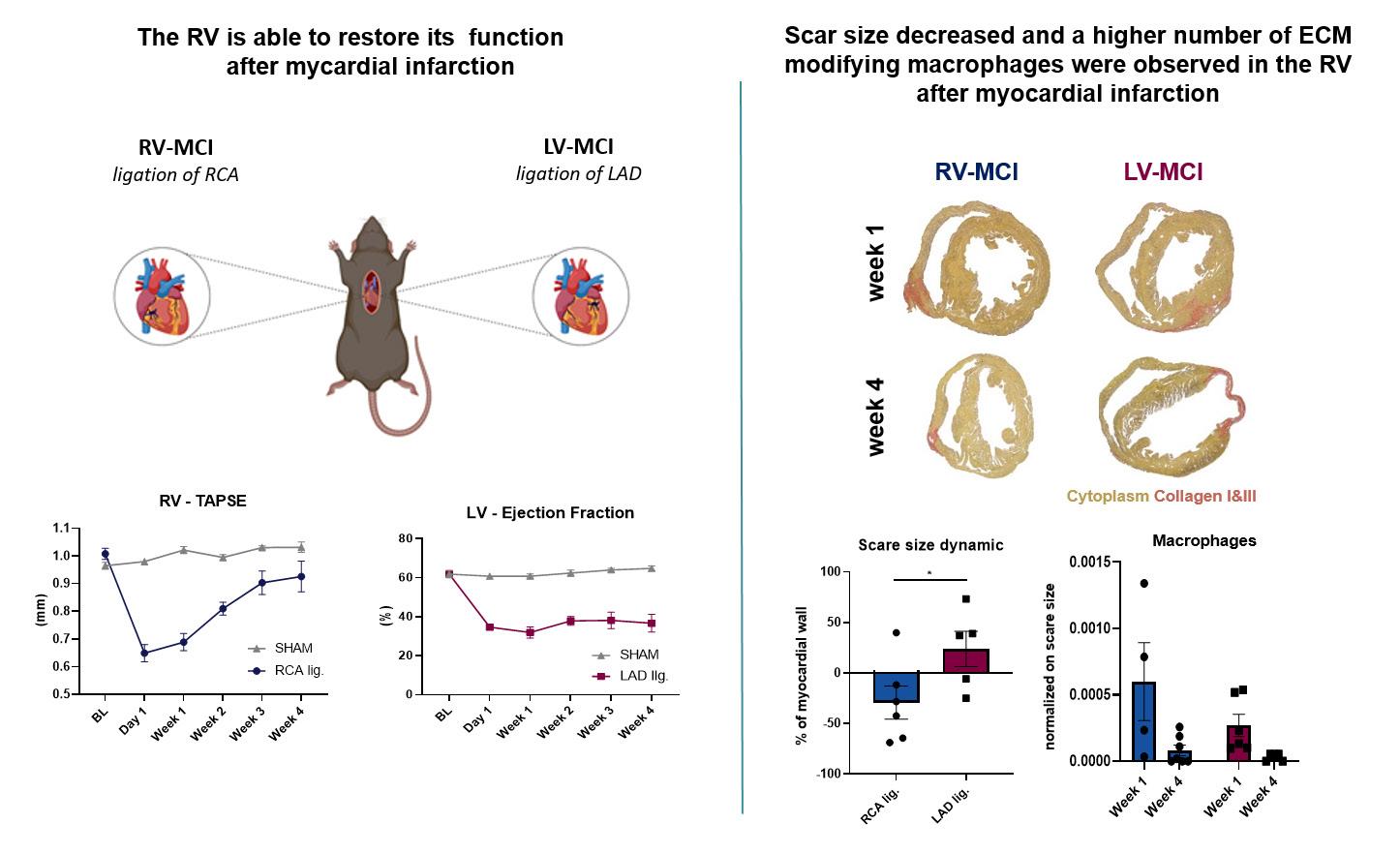
Recruitment of macrophages results in decreased scar size in the right ventricle after myocardial infarction
L. Pölzl, Innsbruck, J. Eder, Innsbruck, J. Hirsch,, Innsbruck, S. Mair, Innsbruck, F. Nägele, Innsbruck, M. Grimm, Innsbruck, J. Holfeld, Innsbruck, C. Gollmann-Tepeköylü, Innsbruck
The regeneration of fibrotic myocardium remains an urgent unmet clinical need.
The right (RV) and the left ventricle (LV) differ in their developmental origin and their function. We aimed to investigate potential differences between the RV and LV in their regenerative capacities after infarction. Right or left myocardial infarction was induced by ligation of either the right or the left anterior descending coronary artery in mice. During a four-week follow up period, right and left ventricular function were evaluated weekly by transthoracic echocardiography. Right and left myocardial infarction resulted in a decrease of the right (tricuspid annular plane systolic excursion
are needed to elucidate (a) differences in the response to ischaemia between the two ventricles and (b) understand the pathomechanisms responsible for the regeneration of the right ventricle. Understanding mechanisms of innate RV regeneration might lead to the discovery of novel therapeutic strategies for the regeneration of ischemic cardiomyopathy.
“Our new mouse model for RV myocardial infarction offers the possibility to investigate the regenerative capacity of the RV”
L. Pölzl / Medical University of Innsbruck
Issue 3 Saturday 7th October 9
Dex Hunter-Torricke

GUIDELINES
EACTS 2023 GUIDELINES SESSION
09:15 - 10:15
Hall D
Martin Czerny, Medical Director of the Clinic for Cardiovascular Surgery, University Medical Centre Freiburg
In 2022 EACTS council commissioned the elaboration of aortic guidelines – or better – guidelines upon diagnosing and treating acute and chronic syndromes of the aortic organ. This task had a level of importance that it naturally brought EACTS, STS and AATS together, to collaboratively compile a comprehensive document. This practice guideline aims to provide support for both, specialists in aortic disease and clinicians involved in diagnosis, endovascular, open surgical or hybrid treatment, as well as surveillance. Moreover, it should provide a transparent basis for informed patients to comprehend the treatment offered by their specialists. Finally, the recommendations have also been aligned with the European Society of Cardiology (ESC) publishing their aortic guidelines in 2024 with a slightly different focus according to the needs of their target community.
A group of 28 aortic specialists has been formed with a timeline of a year which was a sportive through pass and finally was successful due to an excellent interaction of everybody involved.
The major metrics of the document are nearly 300 recommendations. One of the major achievements is the fact that there was unanimous agreement that the aorta should be viewed, interpreted and treated in the context of an organ, where diagnosis, treatment and surveillance should be considered with this perspective. So, the aorta is now officially named the 24th organ of the human body. Definitions have been updated and standards have been redefined where the routine use of the TEM classification and the GERAADA score in acute aortic dissection form a basis in acute aortic pathology, by using Ishimaru zones, to describe extent of disease and extent of repair, semiquantitative terms are now superseded.
Regarding proximal thoracic aortic disease, exact cutoffs in indicating treatment for the aortic root and the ascending aorta have been defined in both non-syndromic as well as syndromic disease. For the first time, aortic length has been implemented into the decision making process. In this context, the fundamental need for establishing aortic centers in order to be able to provide the entire treatment spectrum under one umbrella to do the right things at the right timepoint in the right patients was underlined.
Diagnostics, and here imaging cannot be overemphasised, has been a substantial part of the document where modality and approach to measure was a particular focus. Also certain anatomical structures such as the circle of
GUIDELINES
ESC Guidelines for Management of Infective Endocarditis
Eduard Quintana 1, Michael Borger 2 , Torsten Doenst 3, Nikolaos Bonaros 4 , Carlos Mestres5
Affiliations:
1. Hospital Clínic Barcelona. University of Barcelona. Spain
2. University Department of Cardiac Surgery, Leipzig Heart Center, Leipzig, Germany
3. Department of Cardiothoracic Surgery, University Hospital Jena, Friedrich Schiller University of Jena, Germany
4. Innsbruck Medical University, Cardiac Surgery, Austria
5. Department of Cardiovascular Surgery and the Robert WM Frater Cardiovascular Research Centre. The University of the Free State (South Africa)
The newly released ESC guidelines on endocarditis, endorsed by EACTS, covers extensively most aspects of care for these complex patients1. A strong multidisciplinary collaboration with prominent input from cardiovascular surgeons has resulted in a sound and balanced document.
The most relevant changes relate to a more stringent definition for the timing of surgery. Operations with urgent indications are recommended to be performed within 3-5 days of when surgical criteria are met. This change may reflect an existing practice that has been adopted by many centers in the last years with improved outcomes.
Furthermore, recommendations for surgery after stroke have been refined. Growing observational information seems to support an undelayed approach to surgery for patients after ischemic stroke. As opposed to the 2015 recommendation to delay an operation for 1 month after intracranial bleed,
Willis have been highlighted as there is fundamental need to know about the patency in order to plan the selective antegrade perfusion strategy in aortic arch replacement of various extent.
The next major leap was the redefinition of a common language in defining the degree of hypothermia during operations using hypothermic circulatory arrest for organ protection in aortic surgery. This new definition will enable direct comparison between centers and treatment strategies in these scenarios. Furthermore, very clear treatment algorithms in patients with acute aortic dissections irrespective of extent has been provided in flow charts where the location of the primary entry tear and the presence or absence of malperfusion (according to the TEM classification) plays a major role.
Treatment approaches of the aortic arch as well as the entire thoracoabdominal aorta have been provided in detail and also rare diseases including native and prosthetic aortic infections have been addressed in detail. Finally, mode and frequency of follow-up as well as the potential for physical exercise after treatment or during surveillance have been addressed.
Our understanding of the aortic organ is continually evolving, especially with regard to its pathophysiology, timing for treatment, and the application of currently available and the development of new therapeutic strategies. Aortic disease has emerged as a specialty with significant health economic relevance. Several components of this guideline already establish the foundational structure necessary to meet the needs of treating the aortic organ within a specialised centre and by a dedicated interdisciplinary aortic team.
With all the incredible progress we have seen in the past two decades, combined with where we stand today and the bright future we see surrounding aortic medicine, we truly believe that this guideline provides a valuable platform for everyday practice. It serves as a comprehensive resource, and lays the groundwork for ongoing collaborative efforts in our field.
The task force has put in diligent work, ensuring each section is enriched with informed insights and practical advice. Now, we’re turning to the boards of our three societies, anticipating their official approval. Once we have their backing, clinicians around the world will benefit from a resource designed not just to aid daily practice, but also to elevate the quality of patient care on a global scale.
the new document opens the door to offer surgery, when necessary, in selected patients that would face dismal prognosis without surgery, particularly if favorable brain bleed criteria are present.
For embolic prevention, a more aggressive approach is favored in patients that have other existent indications for surgery with a class I recommendation. Also, preventive surgery may now be considered in vegetations larger than 1 cm in patients without severe valve dysfunction, provided that the operative risk is low.
These are some highlights from the recently published version of these guidelines. Given its relevance and impact on practice, the role of the Endocarditis Team, in fact the oldest of the heart teams, has been upgraded to class I. The multidisciplinary cooperation in the development of this ESC guideline is a strong example of such collaboration.
Issue 3 Saturday 7th October 11
1. Delgado V, Ajmone Marsan N, de Waha S, Bonaros N, Brida M, Burri H et al. 2023 ESC Guidelines for the management of endocarditis. Eur Heart J 2023 Aug 25; ehad193. doi: 10.1093/eurheartj/ehad193. Online ahead of print
References:
“Operations with urgent indications are recommended to be performed within 3-5 days of when surgical criteria are met.”
“A group of 28 aortic specialists has been formed with a timeline of a year which was a sportive through pass and finally was successful due to an excellent interaction of everybody involved.”
ABSTRACT SESSION
Aortic Valve replacement
Hall K2
08:00 - 09:00
Five-year results from a prospective, singlearm European trial on decellularised allografts for aortic valve replacement – The ARISE Study and ARISE Registry Data
Decellularised allografts (DAH) may provide an additional AVR option for very young patients as they can potentially overcome the high early failure rate of conventional allogenic and xenogeneic AVR prostheses. The near-normal hemodynamics in combination with the ability to repair a malfunctioning aortic root are especially important for patients with impaired myocardial function and patients with multiple previous aortic valve procedures.
In 2014, Hannover Medical School initiated a prospective multi-centre study (www.ariseclinicaltrial.eu), which was funded by the European Commission. The only prospective study performed to date on decellularised aortic homografts was registered under ClinicalTrials. gov, NCT02527629. Six tissue banks and nine European hospitals participated, an innovative, Hannover-based, bio-tech company provided the decellularisation service (www.corlife.eu).
144 patients (99 male) were prospectively enrolled in the ARISE Trial between 10/2015 and 10/2018 with a median age of 30.4 years (IQR 15.9-55.1). 28 % were paediatric patients and 45% of the patients had undergone previous cardiac operations. 19 % underwent two or more previous surgical procedures. In 24 patients (16.7 %) a prosthetic aortic valve was replaced with DAH. The mean implanted DAH diameter was 22.6±2.4 mm. The median operation duration was 312 min (IQR 234417), the median cardio-pulmonary bypass time was 154 min (IQR 118-212), and the median crossclamp time 121 min (IQR 93-150). No postoperative bypass grafting or renal replacement therapy was required.
After a median follow-up of 5.9 years (IQR 5.16.4, mean 5.5 ± 1.3 yrs. max. 7.6 yrs.), the primary hemodynamic endpoints peak gradient with median 11.0 mmHg (IQR 7.8-17.6) and regurgitation of median 0.5 (IQR 0-0.5) of Grade 0-3 were excellent.
Samir Sarikouch MD, PhD
/ Hannover Medical School, Department of Cardiothoracic Surgery, Hannover, Germany
Q. Where did you carry out your training?
I trained at the Heart Centre in Duisburg, Germany and the Heart and Diabetes Centre Bad Oeynhausen, Germany. Since 2008, I have been the clinical research director within our department for cardiothoracic surgery at Hannover Medical School.
At five years, freedom from death/reoperation/ endocarditis/bleeding/thromboembolism were 97.9/93.5/96.4/99.2 and 99.3 % respectively. The five-year results of the prospective multi-centre ARISE trial therefore continue to demonstrate DAH as safe for AVR with excellent hemodynamics. DAH results compared well with contemporary Ross cohorts despite more previous procedures in DAH patients, but showed more re-operations at 10 years within the ARISE registry.
Q. What are your main areas of interest within cardiothoracic surgery?
Being a paediatric surgeon and paediatric cardiologist by training, my focus lies on congenital heart defects.
Q. What are you most looking forward to at this year’s Annual Meeting?
I unfortunately missed the meeting last year, so it will be my first meeting after the pandemic, and I am really looking forward to meeting colleagues from our joint studies.
Q. What are your interests outside of your work?
I love outdoor activities and will do anything from small farming to fishing.
Figure 1 shows data from the ARISE Registry for young adults (n=215) using decellularised aortic homografts (DAH) for aortic valve replacement in comparison to published meta-analysis data for several other options in young adults.
Figure 1: ARISE Registry Data of all 215 decellularised aortic homografts (DAH) implanted in young adults compared with recently published meta-analysis data from several AVR options in young adult patients. Perioperative and linearised annual adverse events such as death, reoperation or re-intervention, valve degeneration, thrombotic and bleeding events, and endocarditis were summarised to provide an estimate of adverse events in the long-term. While we followed multiple potential adverse events, the sum of these events could exceed 100 %.
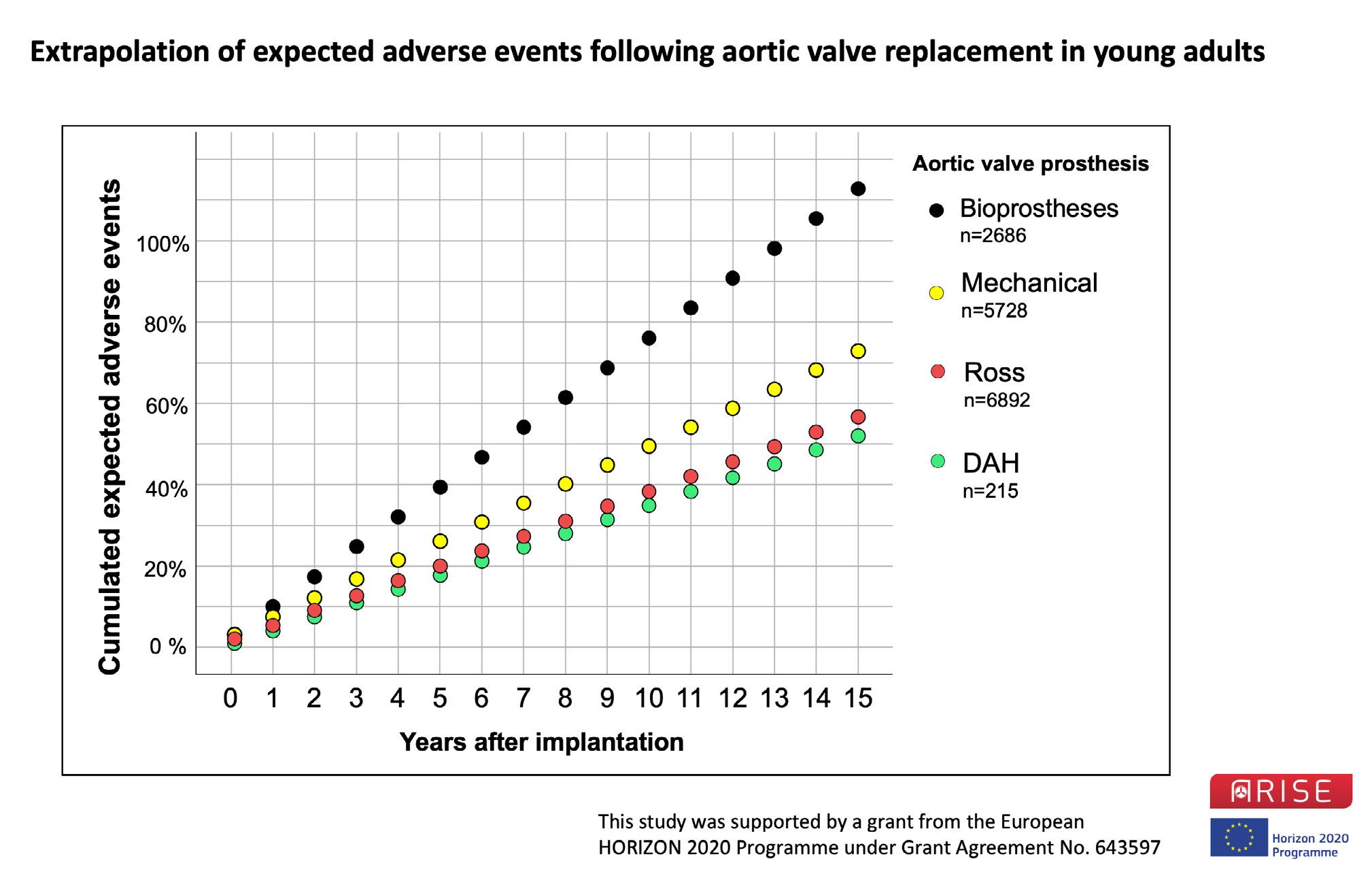
Data taken from: Etnel et al. Circ Cardiovasc Qual Outcomes. 2019 Feb;12(2):e005481; Korteland et al. Eur Heart J. 2017 Dec 1;38(45):3370-3377; Etnel et al. Circ Cardiovasc Qual Outcomes. 2018 Dec;11(12):e004748.
10:30 - 12:00
Room 0.31/0.32
12 EACTS DAILY NEWS
“The five-year results of the prospective multi-centre ARISE trial therefore continue to demonstrate DAH as safe for AVR with excellent hemodynamics.”
IMPROVING PATIENT CARE AND OUTCOMES: how cardiothoracic nurses and allied professionals influence practice through research.
FOCUS SESSION
The “Borderline Left Ventricle”
Hall F2
10:30 - 12:00
Critical LVOT obstruction and hypoplastic LV in newborn: criteria for 1 or 2 ventricle repair Decision making between one or two ventricle repair in neonates with critical left ventricular outflow tract obstruction and Left Heart hypoplasia remains one of the most significant challenges in congenital heart surgery. Although this is not an uncommon scenario, the lack of objective and conclusive data, as well as the potential significant morbidity and mortality, make this a complex choice.
Traditionally, this decision is based on anatomic parameters, which require physiological inferences that can be difficult to interpret in the presence of shunts at different levels (asd,vsd,pda). Besides, the transitional circulation of the newborn adds complexity to this assessment. While the dimension of valvular components and the ventricular can be ascertained with some reliability, the presence of endocardial fibroelastosis, the potential for diastolic dysfunction and the unbalanced atrioventricular valve proportioned to a ventricle remain difficult to define and can lead to failure of an otherwise promising biventricular strategy. While at present, surgical interventions can address single or multilevel abnormalities (aortic valve, sub aortic area and aortic arch), the mitral or common valve inflow remains a significant challenge and its management commonly needs to be deferred beyond infancy.
FOCUS SESSION
TNM classification of lung cancer: from the eighth to the ninth edition
Hall K1
11:00 - 12:00
Lung cancer: T and N Staging
The International Association for the Study of Lung Cancer (IASLC) created an international database to update the T (tumour) – N (node) – M (metastasis) classification. The new, ninth edition was presented at the World Conference of Lung Cancer (WCLC) in Singapore in September 2023. After thorough evaluation of the clinical and pathological descriptors of the TNM categories by univariate and multivariate analyses, new proposals were made.
Regarding the T-descriptor, the T-subcommittee members proposed not to implement any changes and keep the current eighth edition T-descriptors for the ninth edition.
Concerning nodal involvement and more specifically, ipsilateral mediastinal and subcarinal invasion, two new categories were proposed: N2a when a single N2 station is involved, and N2b when multiple N2 stations are invaded. This distinction is clinically relevant as therapeutic management may be different.
Christian Pizarro / Professor of Surgery and Pediatrics, Thomas Jefferson University, Delaware, US


Q. Where did you carry out your training? The Hospital of the University of Pennsylvania as well as Children's Hospital of Philadelphia and the Hospital for Sick Children at Great Ormond Street in London.
Q. What are your main areas of interest within cardiothoracic surgery? The areas of cardiac surgery that I have a keen
Despite the ongoing concern regarding longterm morbidity of single ventricle palliation, forcing a biventricular repair should be avoided when conditions are not entirely suitable, as the “inappropriate” pursuit of a biventricular strategy is commonly associated with high mortality in the acute phase or delayed mortality and/ or significant morbidity, in the presence of a biventricular circulation associated with serious pulmonary venous hypertension. The latter not only precludes a bail out option to single ventricle physiology, but also eliminates the possibility of heart transplantation.
Empiric observations have led to use single ventricle palliation when the suitability of a biventricular repair is not clear in the newborn
interest in include neonatal surgery, single ventricle palliation, HLHS as well as complex intracardiac repair, Ross procedure, cardiac transplantation, and airway reconstruction.
Q. What are you most looking forward to at this year’s Annual Meeting?
I am really looking forward to learning from colleagues in other parts of the world, who often bring in a lot of innovative ideas. I am also very keen to see what new technologies are out there.
Q. What are your interests outside of your work?
Ocean sailing and watching my kids compete in Track and Field at the collegiate and high school level.
period. It seems that a combination of targeted studies with cardiac magnetic resonance and hemodynamic evaluation can lead to an informed decision regarding suitability for a delayed biventricular repair. Refinement of multimodality studies and long term outcomes would allow proper identification of those optimally suited for biventricular conversion.
“Empiric observations have led to use single ventricle palliation when the suitability of a biventricular repair is not clear in the newborn period.”
Lastly, for metastatic disease two new categories were also introduced: M1c1 referring to multiple extrathoracic metastases in a single organ system, and M1c2 when multiple extrathoracic metastases are found in multiple organ systems.
The stage grouping categories have been adapted accordingly for implementation in daily practice from January 2024 on. This new TNM edition will be published in several papers in the Journal of Thoracic Oncology towards the end of 2023. The different categories will be further evaluated in a prospective database in preparation for the 10th edition of the TNM classification which is due in seven years.
Issue 3 Saturday 7th October 13
“After thorough evaluation of the clinical and pathological descriptors of the TNM categories by univariate and multivariate analyses, new proposals were made.”
Paul Van Schil, MD, PhD / Department of Thoracic and Vascular Surgery, Antwerp University Hospital, Belgium
EACTS TV GUIDE

Our premium TV channel features live broadcasts, one-to-one interviews and punditry from our expert panellists and key opinion leaders. Join us at the EACTS TV studio located in the Exhibition Hall and take part in live discussions on some of the day’s key topics.

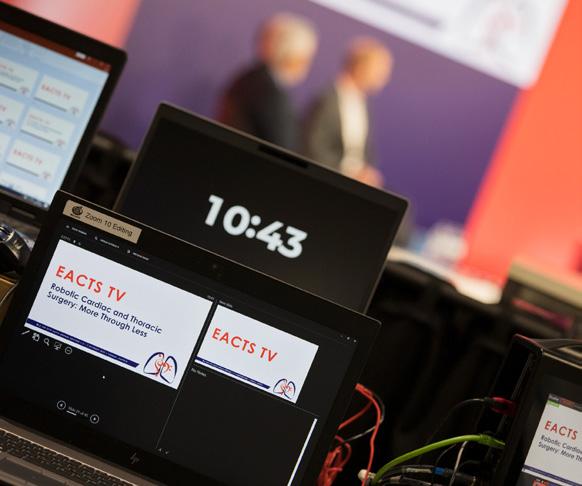
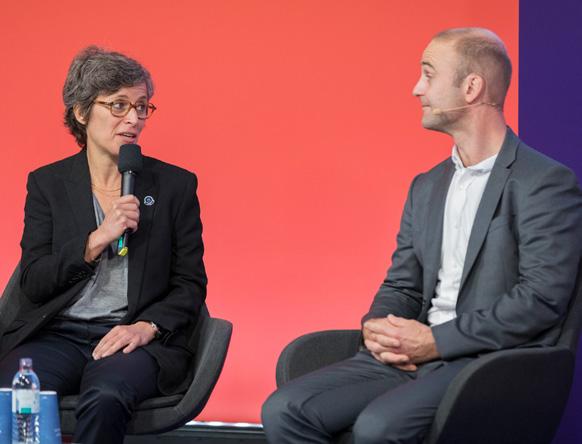
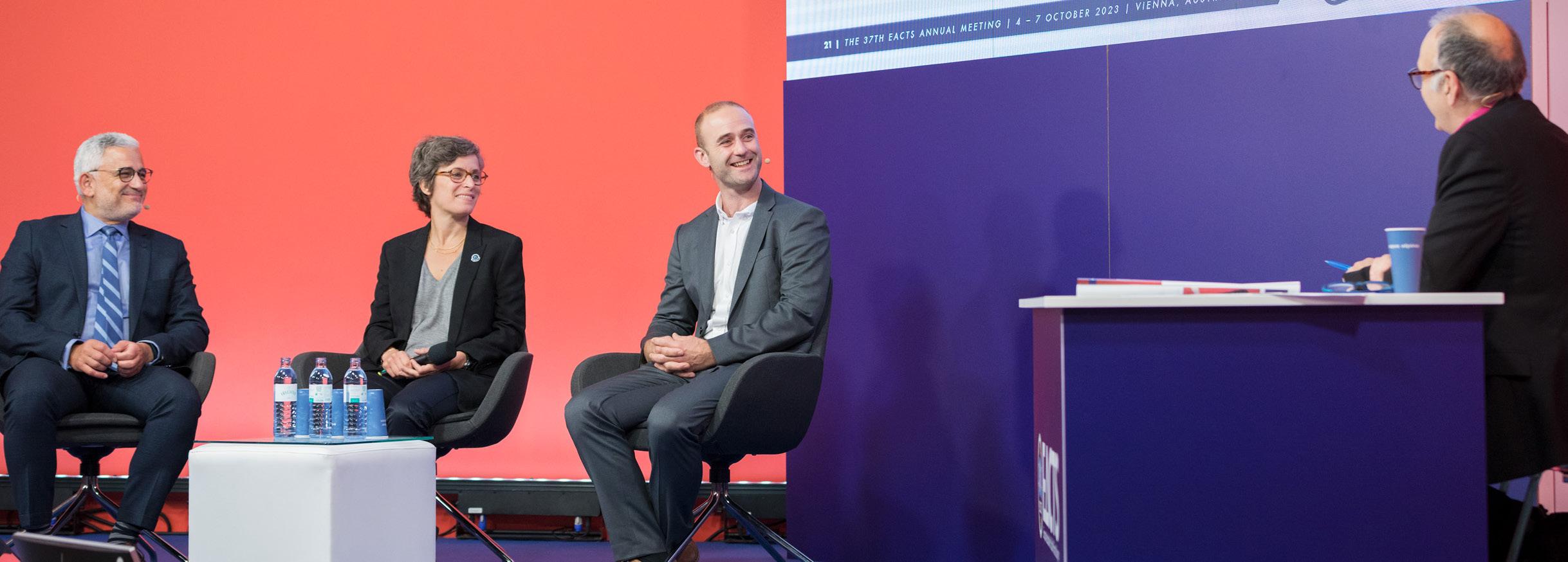
VIEW THE TV SCHEDULE BELOW. IF YOU'RE NOT ABLE TO VIEW THESE IN-PERSON, YOU CAN WATCH THEM VIA THE EACTS APP.
SATURDAY 7 OCTOBER
CONGRATULATIONS TO THE EUROPEAN CHAMPIONS OF THE CT SURGERY RESIDENT SHOWDOWN - BRIANDA RIPOLL AND NABIL HUSSEIN FROM CASTLE HILL HOSPITAL.

They will now go on to compete against the winning North American team at the STS Annual Meeting in 2024 where the CT Surgery Masters World Champions will be crowned.



14 EACTS DAILY NEWS
TIME PROGRAMME PANELLISTS 09:45 - 10:15 The Daily Preview: Today at the Annual Meeting J. Bax, Leiden University Medical Center, R. Sádaba, Pamplona S. Sandner, Wien 10:15 - 10:20 Women in Cardio-Thoracic Surgery 10:20 - 10:30 Yesterday at the Annual Meeting 10:30 - 12:00 Live Broadcast: Trials Update 12:30 - 12:45 Live Broadcast: the 2023 EACTS Awards
EACTS LEARNING LAB
Don’t miss the great opportunity to learn specialist techniques from the world’s most experienced and expert surgeons and gain ‘hands-on’ experience using the latest devices. EACTS Learning Lab, including both wet and dry labs, are available to book now.
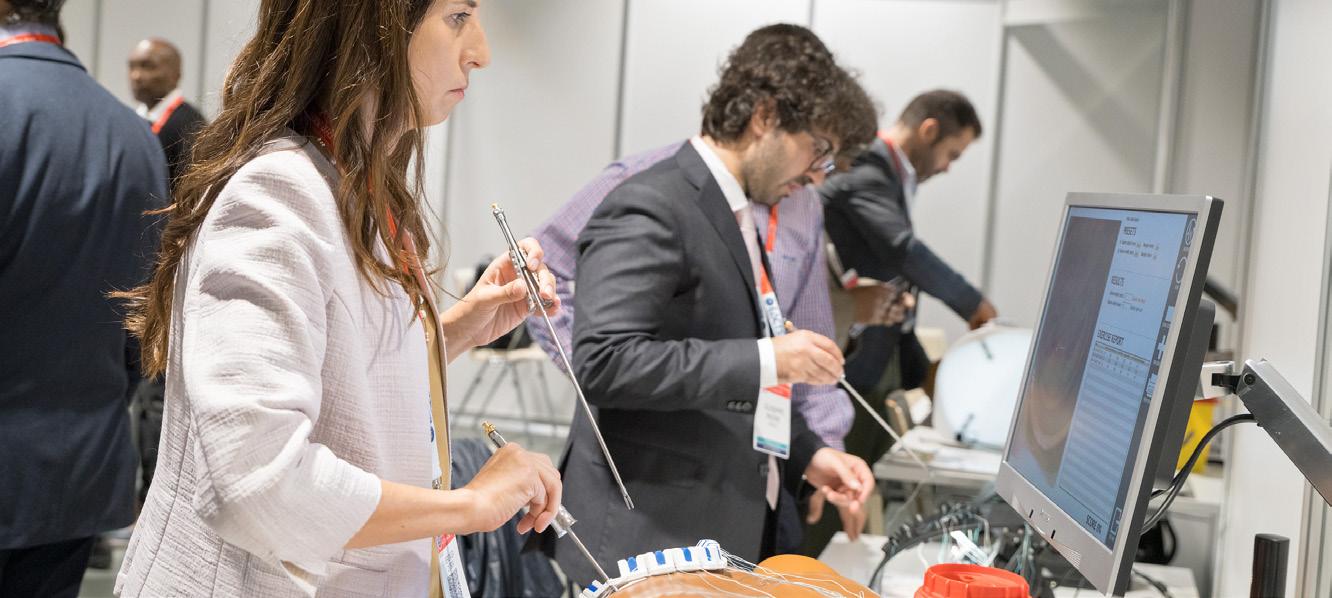
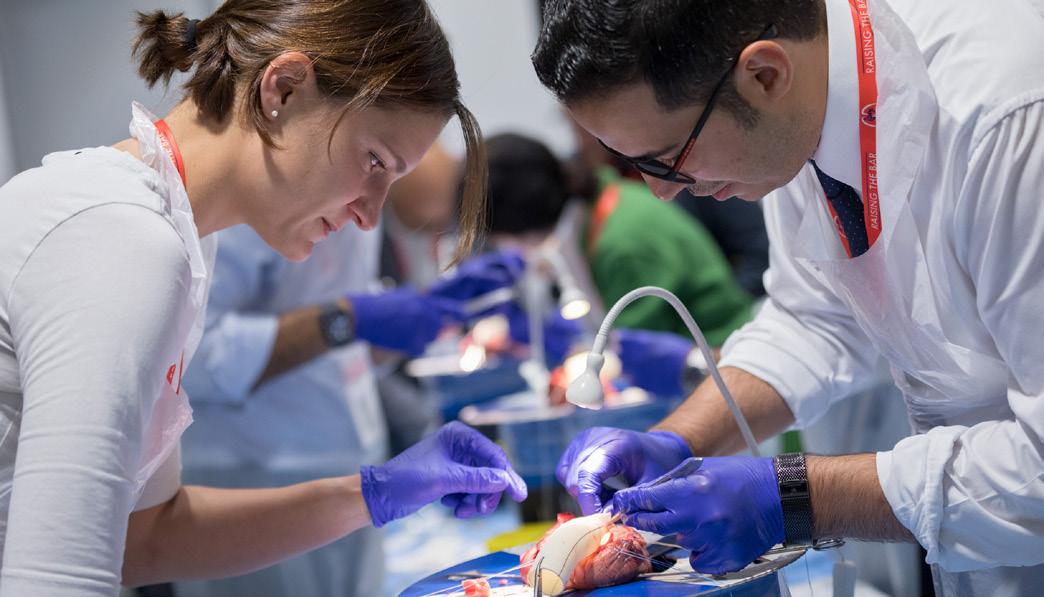

EACTS LEARNING LAB HIGHLIGHTS
Medela AG Lättichstrasse 4b 6340 Baar, Switzerland www.medela.com
1 Christensen MC et al. J Thorac Cardiovasc Surg 2009; 138:687-93. How does this affect your clinical practice? Meet us at booth no. 80 in hall X1 and learn more about it Issue 3 Saturday 7th October 15
SATURDAY 7 OCTOBER Congenital – Surgical Management of complex left ventricular outflow tract obstruction Understand indications and surgical techniques for ventriculo-aorto-plasty. 09:00 – 11:00 Endoscopic Dry Lab Training (Aortic) 09:00 – 11:00
Excessive bleeding is a complication that is associated with serious postoperative adverse events, including sepsis, ARDS, renal failure, and death.1


EXHIBITION FLOOR PLAN
EXHIBITION OPENING TIMES:
Thursday 5 October 09:00 - 18:30, Welcome Reception 17:00 - 18:30
Friday 6 October 09:00 - 17:00
Saturday 7 October 09:00 - 12:00
18 EACTS DAILY NEWS ENTRANCE X2 WASHROOM WASHROOM LOUNGE AREA 2 MEDTRONIC LEARNING LAB 16 17 18 19 20 20A ATRICURE EUROPE B.V. LEARNING LAB 3 4 12 11 10 9 5 6 7 8 13 14 1 EACTS EACTS LEARNING LAB ARTIVION, INC. LEARNING LAB GEISTER Medizintechnik Corcym S.r.l. Medistim ASA Artivion, Inc. Peters Surgical LSI Solutions Terumo Aortic AtriCure Europe B.V. Eurosets s.r.l. ABIOMED Europe. Abbott CARL. Medtronic Getinge Edwards Lifesciences CATERING CATERING CATERING ENTRANCEX1 CATERING EACTS TV STUDIO E-POSTERS 64 63 62 61 60 59 58 57 56 73 76 74 75 94 97 98 99 100 103 104 105 106 77 78 79 80 83 81 82 84 85 86 66 67 68 69 70 71 72 87 90 88 89 91 92 93 32 33 34 35 36 28 29 30 31 46 47 48 49 42 43 44 45 50 51 21 22 23 24 25 26 27 52 53 54 55 38 39 40 41 37
Issue 3 Saturday 7th October 19 GEISTER Medizintechnik GmbH 19 Genesee BioMedical Inc 56 Getinge 3 Grena Ltd 99 & 100 Healthium Medtech Limited 28 HEMONART A.Ş. 82 HXCORMED 31 ISMICS/HVS (International Society for Minimally Invasive Cardiothoracic Surgery & Heart Valve Society) 88 & 89 Jafron Biomedical Co., Ltd. 29 Kapp Surgical Instrument, Inc. 55 KLS Martin Group 78 & 79 LivaNova 90 & 91 LSI Solutions 20A Medela AG 80 Medistim ASA 17 Medtronic 2 Medtronic Learning Lab 1 Meril Endo-Surgery 83 & 84 NEOS SURGERY 42 OSYPKA AG 30 Peters Surgical 20 POSTHORAX Ltd. 76 Qualiteam s.r.l. 70 REDAX Spa 51 & 52 Scanlan International, Inc. 24, 25, 26 & 27 STS-The Society Of Thoracic Surgeons 6 Sunoptic Technologies 77 Teijin Ltd. 37 Terumo Aortic 14 Tianjin Plastics Research Institute Co Ltd (TPRI) 41 Tianjin Welcome Medical Equipment Co., Ltd. 48 & 49 Tisgenx, Inc. 66 Transonic Systems, Inc. 58 & 59 USB Medical, Ltd. 94 Vivostat A/S 34 Wexler Surgical & TeDan Surgical Innovations & Designs for Vision 73, 74 & 75 Wisepress Medical Bookshop 50 x-cardiac GmbH 98 Xenosys Co., Ltd. & R&D Surgical Ltd. 105 & 106 Zimmer Biomet 57 3-D Matrix UK Limited 61 AATS-American Association for Thoracic Surgery 8 Abbott 10 ABIOMED Europe GmbH 11 Advancis Surgical 81 Andocor NV 45 Arthrex GmbH 60 Artivion, Inc. 16 Artivion, Inc. Learning Lab 2 AtriCure Europe B.V. Learning Lab 7 AtriCure Europe B.V. 13 Bco Congresos Lisbon Housing Agency 5 Becton Dickinson UK Limited 46 & 47 bemedtec medical systems 104 Berlin Heart GmbH 22 & 23 BFW, Inc. 62 BioCer Entwicklungs-GmbH 72 BIOMED SUTURES 33 Bothwin Medical Technology Co., Ltd. 85 & 86 Cardia Innovation AB 44 Cardio Medical GmbH & Sanamedi, Inc. 53 & 54 CARL. 9 CARMAT 21 CDL for Microinvasive Cardiac Surgery Medical University of Vienna 103 Changzhou Waston Medical Appliance Co., Ltd 92 & 93 Corcym S.r.l. 18 CTSNet 7 CytoSorbents Europe GmbH 38, 39 & 40 De Soutter Medical Limited 71 Delacroix-Chevalier 32 & 35 Dendrite Clinical Systems Ltd 69 Dr. Franz Koehler Chemie GmbH 63 & 64 EACTS-The European Association For Cardio-Thoracic Surgery 1 EACTS-The European Association For Cardio-Thoracic Surgery Learning Lab 5 Edwards Lifesciences 4 em-tec GmbH 43 EpiHeart Oy 36 Eurosets s.r.l. 12 Exstent Ltd 87 FEHLING INSTRUMENTS GmbH & Co. KG 67 & 68 FIAB Spa 97
UNMODERATED
E-POSTERS
Visit our e-poster terminals for more scientific insights
ABSTRACT SESSION
ABSTRACT SESSION
A record number of high-quality abstract presentations were submitted for consideration at this year’s Annual Meeting. The standard of submissions was very high so, in addition to those abstracts included in the scientific programme, we are delighted to present a selection of abstracts in poster format, giving you access to even more scientific insights and research.
Please visit the poster stations located in the exhibition hall.
ADULT CARDIAC POSTER STATION
Association of Pump Operating Conditions with Survival and Stroke in Patients Implanted with Heart Mate 3
L. Anderl, Vienna, M. Granegger, Vienna, A. Escher, Vienna, M. Fink, Vienna, T. Schlöglhofer, Vienna, G. Laufer, Vienna, D. Zimpfer, Vienna, D. Wiedemann, Vienna
Comparison of David and Yacoub procedures under states of increased cardiac output – an in vitro study
B. Fujita, Luebeck, L. Scholz, Luebeck, A. Aboud, Luebeck, N. Sadat, Luebeck, M. Scharfschwerdt, Luebeck, S. Ensminger, Luebeck
Nwe postoperative Fibrillation: Impact on functional recovery, longterm mortality, quality of life and predictors of AF manifestation
C. Rau, Giessen, S. Rohrbach, Giessen, A. Boening, Giessen, B. Niemann, Giessen
Robotic totally endoscopic Cryo-Maze ablation under ventricular fibrillatory arrest
H. Kitahara, Chicago, S. Nisivaco, Chicago, K. Grady, Chicago, H. Balkhy, Chicago
Extracorporeal Cardiopulmonary Resuscitation for In- vs. Out-OfHospital Cardiac Arrest: The Race Against Time
C. Gaisendrees, Cologne, G. Schlachtenberger, Cologne, I. Djordjevic, Cologne, I. Krasivskyi, Cologne, M. Luehr, Cologne, A. Sabashnikov, Cologne, A. C. Deppe, Cologne, T. Wahlers, Cologne
Persistent or permanent preoperative atrial fibrillation and inhospital outcomes of coronary artery bypass graft surgery: an analysis by propensity score matching
Á. Rösler, Porto Alegre, G. Ferreira,, Porto Alegre, V. Prediger, Porto Alegre, J. Fraportti, Porto Alegre, M. Sales,, Porto Alegre, F. Lucchese,, Porto Alegre
Left-thoracoscopic Convergent ablation combined with left atrial appendage management to treat recurrent atrial fibrillation
S. Schenk, Cottbus, A. Terne, Cottbus, D. Fritzsche, Cottbus
Effectiveness of intraoperative endoscopic evaluation in aortic valve repair with valve-sparing aortic root replacement : A comparison of short- and mid-term results
G. Yamashita, Kurashiki, A. Sugaya, Kurashiki, J. Sakai, Kurashiki, S. HIRAO, Kurashiki, J. Nakano, Kurashiki, T. Komiya, Kurashiki
Perceval PLUS early outcomes in the MANTRA study
S. Micovic, Belgrade, A. Nobre, Lisboa, J. W. Choi, Seoul, M. Torella, Napoli, S.-E. Shehada, Essen, M. Solinas, MASSA, C. Baeza, Cleveland, B. Meuris, Leuven
Progression of the ascending aorta diameter after transcatheter vs surgical aortic valve replacement in patients with bicuspid aortic valve
G. A. Chiariello, Rome, M. Di Mauro, Maastricht, A. Pasquini, Rome, L. Fabiani, Roma, M. Meloni, Rome, M. Nesta, Rome, A. Raweh, Rome, M. Massetti, Rome
CONGENITAL POSTER STATION
Predicting the outcome after Norwood procedure with age-adjusted NT-proBNP
C. Niedermaier, München, T. Osawa, München, M. Ono, München, T. Schaeffer, München, H. Staehler, München, P. Ewert, München, J. Hörer, München, J. Palm, München
Impact of native ascending aorta morphology after the Norwood procedure for aortic atresia on survival and right ventricular function following stage 2 palliation
T. Schaeffer, München, P. P. Heinisch, München, H. Staehler, München, S. Georgiev, Munich, H. Alfred, Munich, P. Ewert, Munich, J. Hörer, München, M. Ono, München
Anomalous Aortic Origin of Coronary Artery Intraoperative Evaluation of Surgical Repair
M. Lo Rito, San Donato Milanese, N. Vitale, San Donato Milanese, C. Chiarello, San Donato Milanese, M. Reali, San Donato Milanese, A. Varrica, San Donato Milanese, A. Saracino, San Donato Milanese, A. Frigiola, San Donato Milanese, A. Giamberti, San Donato Milanese
20 EACTS DAILY NEWS
Home monitoring for infants with unrepaired Tetralogy of Fallot Y.-M. Im, Cheonan-si, T.-J. Yun,, Seoul, K. Su-Jin,, Seoul
Association of Tetralogy of Fallot and Complete Atrioventricular Canal. A single center 40-year experience
A. Fernandez-Cisneros, Barcelona, S. Emani, Boston, M. Chavez, Boston, K. Friedman, Boston, D. Hoganson, Boston, A. Kaza, Boston, P. Del Nido, Boston, C. Baird, Boston
Long-term outcomes of right ventricle exclusion in patients with pulmonary atresia and intact ventricular septum
I. park, Seoul, J.-H. Yang, Seoul, T.-G. Jun, Seoul
Hybrid perventricular device closure of muscular ventricular septal defects: a multicenter experience
A. ElSherbini, Bristol, Y. Kagiyama, Dublin, G. Morgan, Aurora, D. Kenny, Dublin, D. Taliotis, Bristol, M. Caputo, Bristol
New therapeutic perspectives for patients suffering from failing Fontan palliation: first results of the RegiVe study
D. Zimpfer, Graz, J. Hörer, München, E. Kitzmüller, Vienna, S. Michel, Munich, M.-Y. Cho, Berlin, J. Photiadis, Berlin, O. Miera, Berlin
Impact of cardiac position, morphology and operative technique on long-term Fontan Outcomes in Heterotaxy
S. Kadowaki, Toronto, Z. Uçar, Toronto, K. H. Yap, Toronto, Y. Zahiri, Toronto, O. Honjo, Toronto, D. Barron, Toronto
Configuration of the neo-aortic root after the chimney reconstruction in the Norwood procedure
S. Asada, Kyoto, S. Oda, Kyoto, Y. Maeda, Kyoto, S. Fujita, Kyoto, H. Hongu, Kyoto, E. Yamashita, Kyoto, T. Nagase, Kyoto, M. Yamagishi, Kyoto
THORACIC POSTER STATION
Pneumomediastinum in COVID-19 patients
Ali, Riyadh, H. Arishi, Riyadh, R. Alghamdi, Riyadh, A. Abdullah, Riyadh, M. A. Rakan, Riyadh, A. Tariq, Riyadh
Uniportal fully robotic assisted (RATS) broncho-vascular sleeve Bilobectomy
E. Alghunaim, Kuwait city, H. AlShimali, Kuwait city, D. Alshehab, Kuwait city, M. Almojel, Kuwait city, A. Alelewah, Kuwait city, A. Hafssah, Kuwait city, A. Ayed, Kuwait city, D. Gonzalez-Rivas, Shanghai
Long-term oncological outcomes related to lymphadenectomy in Clinical Stage I NSCLC
B. Manfredini, Modena, C. Zirafa, Pisa, G. Romano, pisa, P. Filosso, Modena, A. Stefani, Modena, R. Morganti, Pisa, F. Davini, Pisa, F. Melfi, Pisa
When nothing goes right, go left - Alternative venous access sites for dual-lumen extracorporeal membrane oxygenation cannulation
A.-K. Schöberl, Vienna, D. Staudacher, Freiburg im Breisgau, M. Kawashima, Toronto, C. Fischer, Toronto, M. Cypel, Toronto, N. Buchtele, Wien, K. Hoetzenecker, Vienna, T. Schweiger, Vienna
Evaluation of myocardial work changes after lung resection - The significance of surgical approach: An echocardiographic comparison between VATS and thoracotomy
M. A. Khattab, Aachen, K. Alish, Aachen, S. Lotfi, Aachen, J. Spillner, Aachen, M. Shoaib, Aachen, S. Kalverkamp, Aachen, P. Akhyari, Aachen, R. Zayat, Aachen
Validation of large animal models in mechanical valve thrombosis research: a histologic comparison
M. Van Hecke, Leuven, T. Langenaeken, Leuven, B. Meuris, Leuven
Is spread through air space a prognostic factor for local recurrence in patients underwent anatomical segmentectomy?
F. Calabrò, Pisa, C. Zirafa, Pisa, G. Romano, pisa, B. Manfredini, Modena, F. Davini, Pisa, G. Ali, Pisa, G. Fontanini, pisa, F. Melfi, Pisa
Thoracic ultrasound as an alternative to chest x-ray for postoperative assessment of thoracic surgery patients: a single center experience
L. Lione, Padova, A. Busetto, Padova, V. Verzeletti,, Padua, A. Berni, Padova, G. Cannone, Padova, I. Rosato, Padova, A. Dell'Amore, Padova, F. Rea, Padua
Drainless minimally invasive thoracic surgery anatomical lung resection for pulmonary malignancy
T.-F. Kuo, Taipei, J.-M. Lee, Taipei
VASCULAR POSTER STATION
Morphological predictor of the descending aortic remodeling after surgery for acute type A dissection
Y. Kitada, Tokyo, H. Hasui, Tokyo, K. Akiyoshi, Tokyo, N. Yohei, Tokyo, H. Okamura, Saitama, H. Adachi, Tokyo
Total Endovascular Aortic Arch Repair Using a Triple-Branched StentGraft System in Acute Non-A-Non-B Aortic Dissection
M. Burysz (), R. Litwinowicz, Grudziadz
Aortic arch redo surgery: early and mid-term outcomes
Z. Dietze, Leipzig, J. Kang, Leipzig, K. Magomedov, Leipzig, C. D. Etz, Leipzig, M. Misfeld, Leipzig, M. Borger, Leipzig, S. Leontyev, Leipzig
Incidence of Type B Dissection Following Proximal Aortic Replacement in Bicuspid Aortic Valve Patients
A. Arora, Ann Arbor, R.-A. Ahmad, Ann Arbor, K. Monaghan, Ann Arbor, K. Gilbert, Ann Arbor, S. Bhirud, Ann Arbor, S. Fukuhara, Ann Arbor, H. Patel, Ann Arbor, B. Yang, Ann Arbor
Advanced age as a risk factor for patients undergoing arch surgery: a two-center international study
S. Singh, New York, D. Levine,, New York, K. Rajesh,, New York, Y. Zhao, New York, P. A. Kurlansky, New York, G. Murana, Bologna, D. Pacini, Bologna, H. Takayama, New York
Cerebral Protection in Aortic Arch Surgery - The Role of Robotic Transcranial Doppler
B. Adams, London, D. Balmforth, London, L.-M. Ana, London, C. Corredor Rosero, London, A. Oo, London
Vascular deformation mapping reveals unique features of 3D growth in Marfan syndrome
C. A. Campello Jorge, Ann Arbor, N. Tjahjadi, Ann Arbor, P. S. Marway, Ann Arbor, H. Knauer, Ann Arbor, J. Van Herwaarden, Utrecht, C. A. Figueroa, Ann Arbor, H. J. Patel, Ann Arbor, N. S. Burris, Ann Arbor
Predicting follow up mortality after fenestrated / branched endografting in thoracoabdominal aneurysms by a score system
E. Gallitto, Bologna, G. Faggioli, Bologna, A. Logiacco, Bologna, R. Pini, Bologna, A. Cappiello, Bologna, S. Caputo, Bologna, G. Sufali, Bologna, M. Gargiulo, Bologna
Transcriptomic analysis of tight junction proteins demonstrates the aberrant expression and function of Zona Occludens 2 protein in Stanford type A aortic dissections
D. Magouliotis, Larissa, P.-A. Zotos, Larissa, A. Arjomandi Rad, London, E. Tatsios, Larissa, K. Spiliopoulos, Larissa, M. Y. Salmasi, London, R. Casula, london, T. Athanasiou, London
Should Aortic Root Replacement Be Performed Across All Adult Ages?
E. Norton, Atlanta, P. Patel, Atlanta, D. Levine,, New York, B. Leshnower, Atlanta, H. Takayama, New York, E. Chen,, Durham
Issue 3 Saturday 7th October 21


BECOME AN EACTS MEMBER TODAY SHAPE THE FUTURE OF CARDIOTHORACIC SURGERY WITH EACTS with the EACTS global community and share knowledge CONNECT Log in to your EACTS account Select ‘My Membership’ Choose your membership type Join today! www.eacts.org with EACTS Academy whilst enjoying exclusive member rates LEARN your career by joining influential task forces, committees and access best-in-class resources and journals ADVANCE
TO ALL OUR SPONSORS AND INDUSTRY PARTNERS FOR SUPPORTING THE 37TH EACTS ANNUAL MEETING.


YOUR SUPPORT IS IMPORTANT TO US.

Issue 3 Saturday 7th October 23



9 - 12 OCTOBER 2024 · LISBON, PORTUGAL Join us next year in Lisbon, Portugal for the 38th EACTS Annual Meeting. For 2024 you can expect robust debate and discussion led by global experts, the latest technological advances on display and an opportunity to share knowledge and socialise with your peers from around the world. www.eacts.org Innovate, Discover, Educate THE 38TH EACTS ANNUAL MEETING NAVIGATING NEW HORIZONS
