Foreword
Information on your purchase
Unique furniture
Natural materials
Unique & handmade
Wood
Reclaimed wood
Properties
Types of wood and maintenance
Upholstered furniture
Upholstery fabric types
Natural fabrics
Synthetic fabrics
First aid for stains
Quality information
Lightfastness
Suspensions and filling materials
Seating
General information
Frequently asked questions
Other materials
Materials and maintenance
Congratulations on this beautiful purchase.
We’re happy that you’ve chosen Rivièra Maison!
Rivièra Maison is a leading international lifestyle brand where atmosphere and experience are central. The wide range of furniture and accessories is developed entirely in house. Each product is unique, handmade in workshops worldwide. We add new products to our home accessories range on a weekly basis, and present a whole new collection several times a year. All Rivièra Maison collections are contemporary and create the feeling of home, wherever you are.
When your furniture is in stock, it will be carefully packed and prepared for transport by our professional staff. If your furniture is not available from stock, this means it will be specifically made for you by skilled craftsmen in ateliers around the world.
We do everything we can to provide the highest quality and service, so that you can fully enjoy your purchase.
Point of sale:
Seller:
Specifications purchased furniture:
Notes:
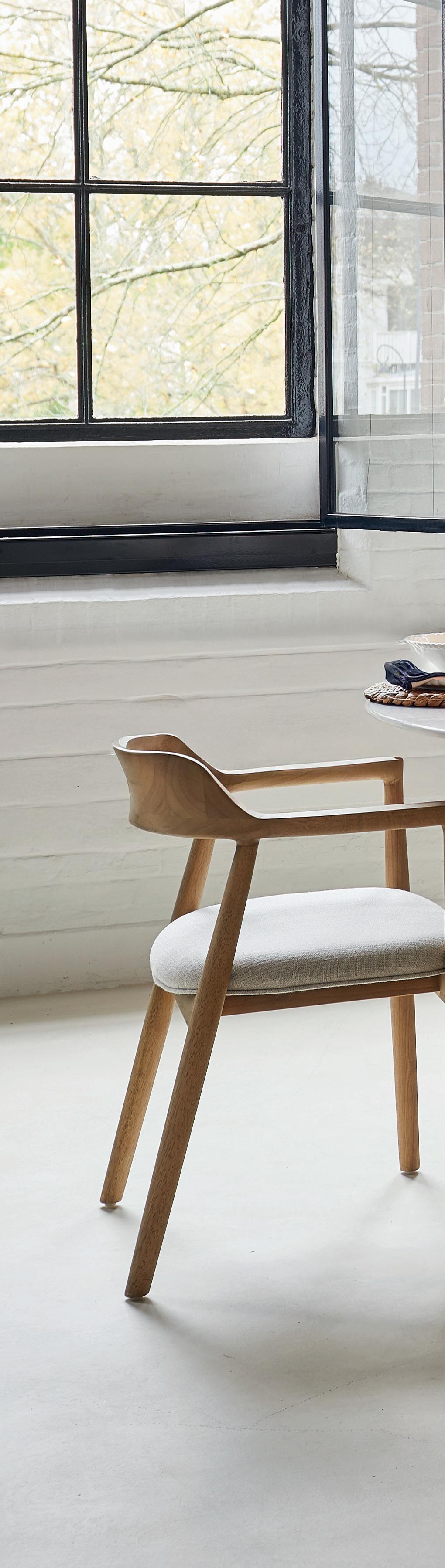
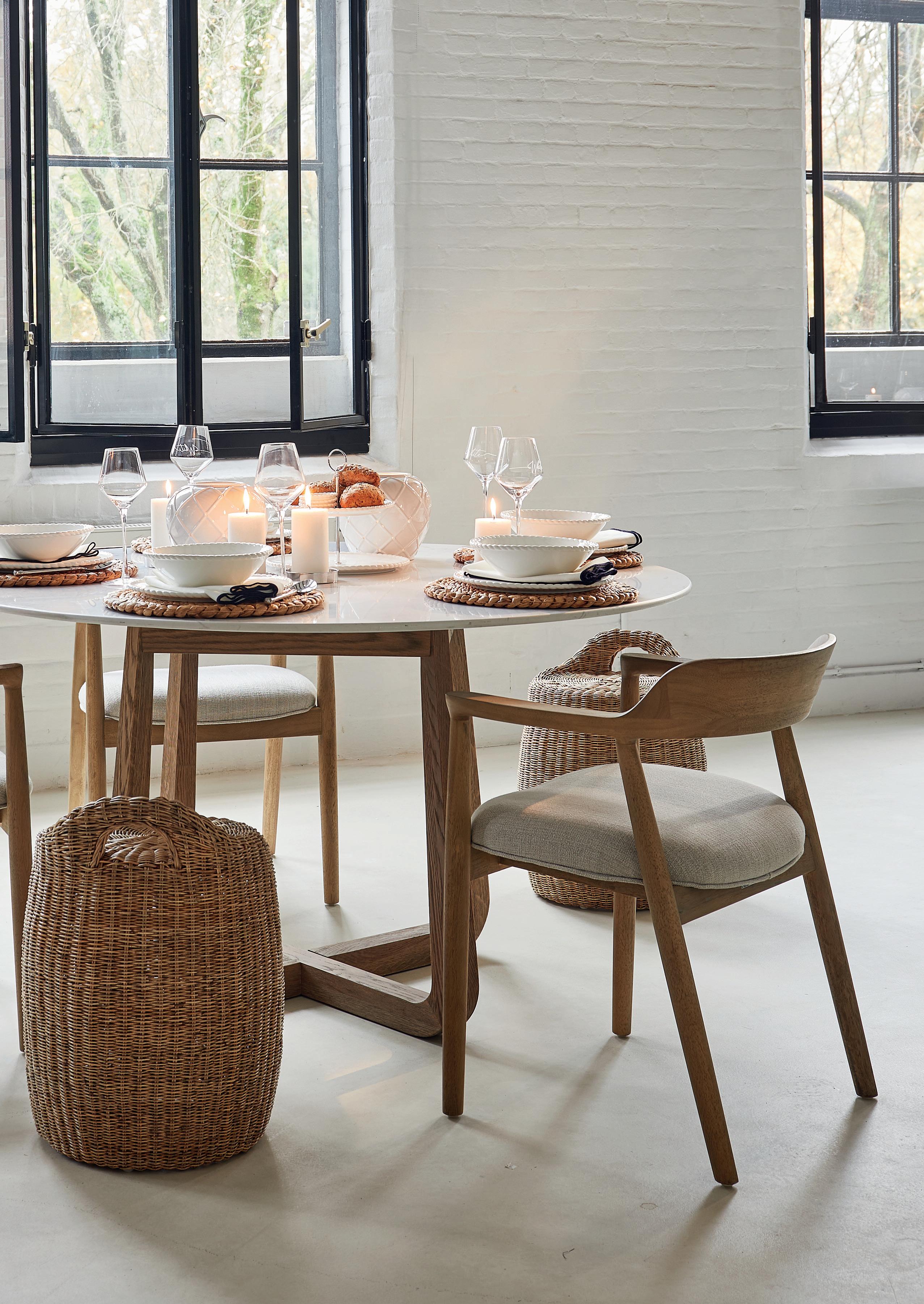
The exclusive collections of Rivièra Maison are crafted with the utmost care and attention to detail. Our collections are characterized by distinctive details, and the use of natural materials plays a major role in giving our furniture and accessories their own unique appearance.
For the production of furniture and accessories, we often use recycled materials such as wood and aluminium. Most of our products are handmade, which means that slight variations in color or imperfections may occur and that is exactly what we call perfectly imperfect.
In a world where so much is mass-produced, Rivièra Maison’s strength lies in continuing to produce handmade products. This way, we preserve the unique style and personality found in every item. Place ten candle holders next to each other, and no two will be the same, that is what makes Rivièra Maison special. Each product is made with equal passion, but making them all identical is impossible. And that is also the beauty of it. This way, you always have a unique piece in your hands.
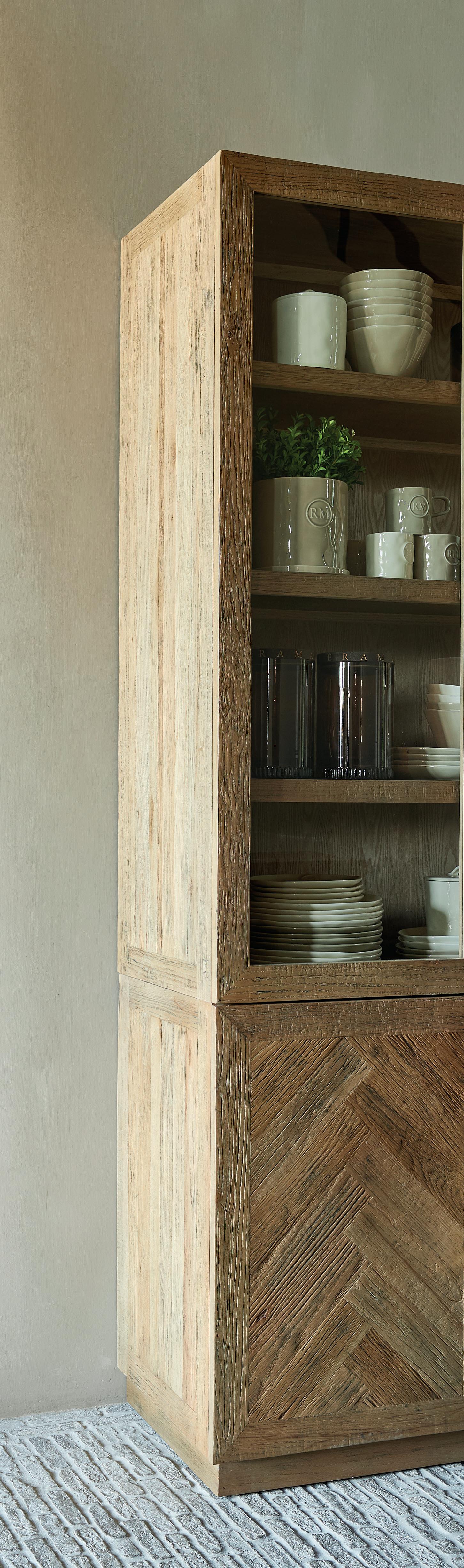
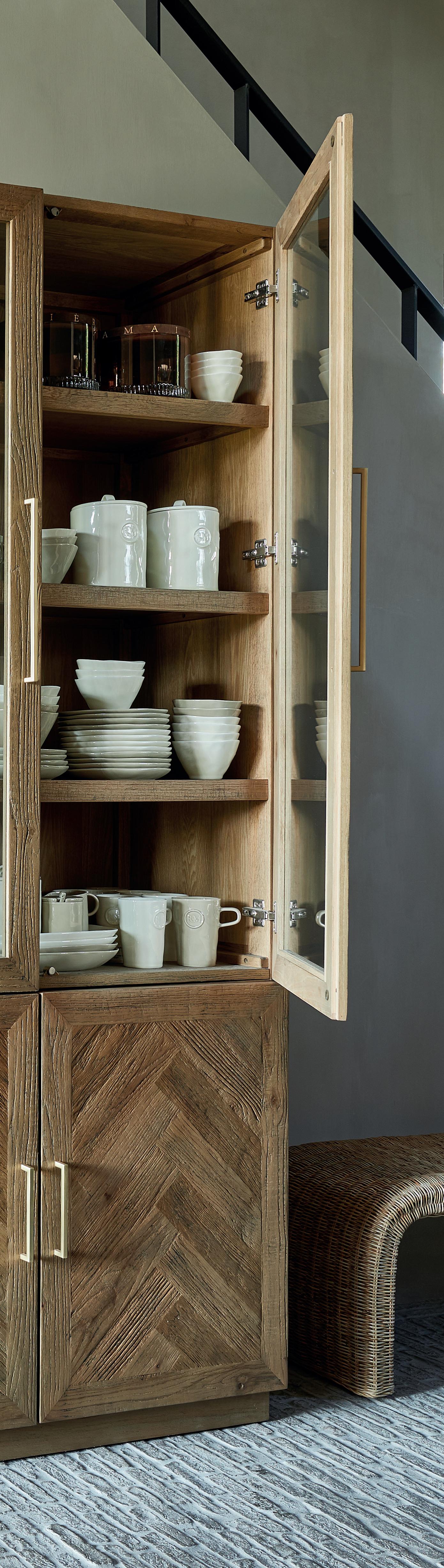
Wood plays an important role in the production of our furniture. Rivièra Maison primarily uses recycled wood sourced from old doors and beams. The material has a character all its own. The workshop calls it untouched: untreated and almost in its original state. Where hinges once were, there are now holes. Cracks in antique doors become cracks in tabletops, and a door that has always stood in the rain will have a different color than a door that was usually kept dry or in the sun. Old, weathered, and completely natural, that is the wood we love to work with at Rivièra Maison.
Wood is a living material. The degree to which a plank moves depends on the environment in which the furniture is placed. Changes in humidity and/or temperature cause wood to shrink or expand. If these fluctuations are too extreme, they may result in damage such as cracks or splits. Unfortunately, this cannot be prevented, and it is exactly what gives wood its natural character. Maintaining a consistent temperature and humidity is therefore important. The ideal humidity level is between 40 and 60 percent, which can easily be measured with a hygrometer.
Wood is also sensitive to exposure to direct or indirect sunlight. An oiled or waxed wood species will naturally darken over time, while a wood type finished with clear lacquer may retain a lighter shade. Painted surfaces may also change color when exposed to direct or indirect sunlight.
As with all ‘living’ materials, every piece of wood – and therefore every piece of furniture – is unique. Even the solid wood and wood veneers in our furniture series have their own character. Knots, grain patterns, and color nuances will appear differently in each piece, making every item unique and giving it its natural charm. Variations compared to the model displayed in stores are normal and intentional.
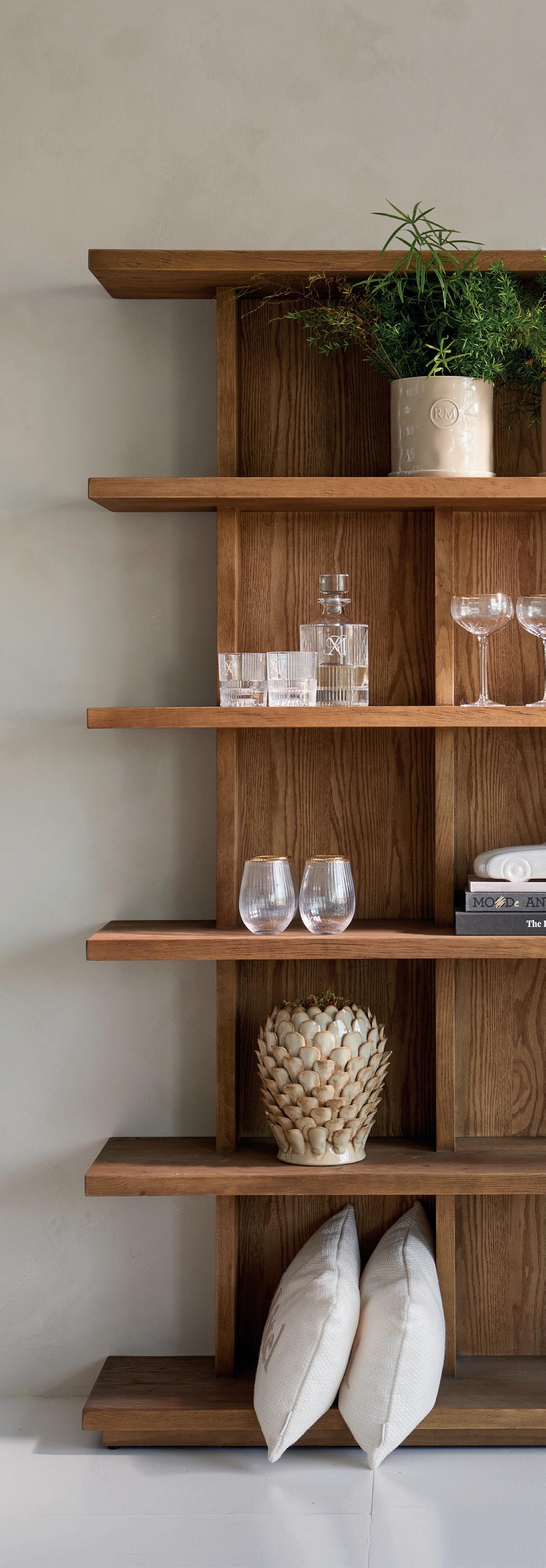
Recycled elm wood, known in English as old elm wood, is one of the most frequently used types of wood by Rivièra Maison and is also referred to as driftwood (literally ‘driven wood’). Its appearance and color variations give the impression that the wood has washed ashore.
The wood comes from North American elm trees that have aged naturally through exposure and daily use. Many decades ago, this wood was used for front doors. Now, 80 to 120 years later, it is reused for tabletops, cabinet doors, and drawer fronts, giving the furniture a natural, weathered look.
The old doors are cleaned, brushed, and cut to the correct dimensions for the furniture. Marks from hinges, locks, and door handles are still clearly visible, making every tabletop unique. Old, weathered, and completely natural, that is the wood we work with at Rivièra Maison. It is therefore not possible to select tables by color. Mosaic inlaid tabletops further highlight the diversity of the old wood.
Care tips:
Use a lightly dampened microfiber cloth or soft brush/ vacuum to remove dust and crumbs from old elm surfaces. Avoid aggressive cleaners and do not rub or scrub too hard. The surfaces of our old elm coffee tables, dining tables, and side tables are coated with a clear, matte, invisible lacquer that preserves the beautiful, untouched feel of the wood. We recommend using a wood care kit for optimal maintenance, protection, and cleaning. Some care is always required; therefore, we advise using coasters, trivets, and placemats.
Another frequently used wood type is poplar wood. Poplar is sourced from responsibly managed plantations, where for every tree cut down, a new tree is planted. Poplar wood is used for table bases, cabinets, and other furniture elements. Often, the wood is first painted black, then white, and lightly sanded to give it a well-worn, lived-in appearance.
Care tips:
Poplar wood is typically used for frames or bases and can be cleaned easily with a lightly dampened microfiber cloth. Avoid aggressive cleaners and do not rub or scrub too hard.
Acacia wood is a durable hardwood with a fine grain. The acacia tree, also known as the mimosa tree, grows quickly. Once the tree produces few or no more fruits, it is harvested and replaced with a new one. Acacia wood has properties similar to mango wood: it is fairly hard and resistant to impact. Because it is a naturally ‘wet’ wood, small hairline cracks may appear as it acclimatizes. This does not affect the quality of the furniture and is part of the natural, robust character of acacia wood.
Care tips:
All acacia furniture or parts are finished with white paint and can be wiped with a lightly dampened microfi ber cloth. To protect the paint, avoid aggressive cleaners and do not rub or scrub too hard.
Alder wood is a soft North American wood with a subtle grain. Alder wood chips are even used for smoking salmon. It is extremely stable and is often used for cabinets and furniture frames. The wood is usually painted black first, then white, and lightly sanded to give it a weathered, lived-in appearance.
Care tips:
Alder wood is typically used for bases or frames and can be cleaned easily with a lightly dampened microfi ber cloth. Avoid aggressive cleaners and do not rub or scrub too hard.
Beech wood comes from European beech trees and usually has a pale cream color with a very fine grain. It is mainly used for frames of upholstered furniture.
Care tips:
Beech wood is typically used for frames or bases and can be cleaned easily with a lightly dampened microfi ber cloth. Avoid aggressive cleaners and do not rub or scrub too hard
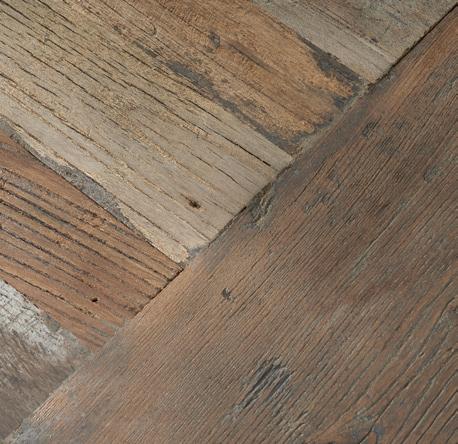
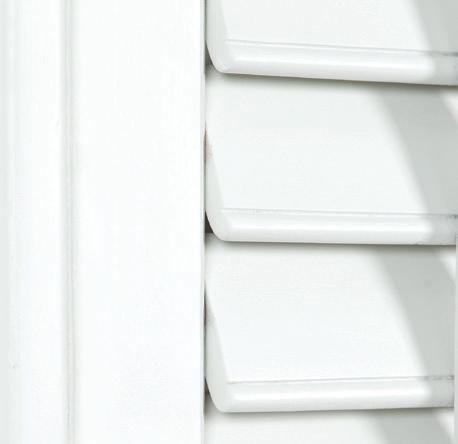
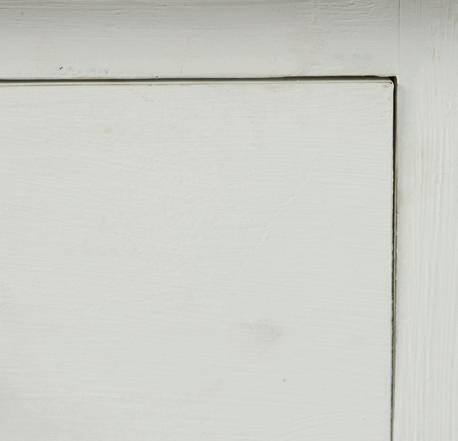
Ash wood is a very flexible yet strong type of wood, known for its beautiful flame-like grain pattern. This wood is extremely stable and is often used in the construction of large cabinets.
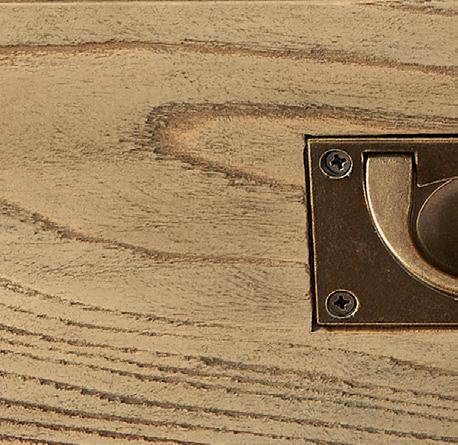
Care tips:
Ash wood furniture has a beautiful matte finish. Use a lightly dampened microfi ber cloth or a soft brush/ vacuum to remove dust and crumbs from the surface. We recommend avoiding aggressive cleaners, as well as rubbing or scrubbing too hard. For optimal care, protection, and cleaning, we also advise using a wood care kit. Some caution is always necessary; therefore, we recommend using coasters, trivets, and placemats.
New elm wood is responsibly sourced. It is used for table bases, cabinets, and other furniture pieces. The wood is often first painted black, then white, and lightly sanded to give it a weathered, lived-in appearance.
Care tips:
These wood types are used for frames or bases and can be easily cleaned with a lightly dampened microfi ber cloth. Avoid aggressive cleaners and do not rub or scrub too hard.
Mango wood is widely used in Rivièra Maison furniture. This hardwood comes from a fruit tree that grows quickly in India. Once the tree produces fewer fruits, it is harvested and the wood is processed. Rivièra Maison exclusively uses plantation wood. Mango wood furniture shares many characteristics with acacia furniture. Mango wood is also a fairly ‘wet’ wood type, which may result in small hairline cracks during acclimatization. This does not affect the quality of the furniture and is part of the wood’s natural, robust character.
Care tips:
Mango wood furniture always has a beautiful matte finish. Use a lightly dampened microfi ber cloth or a soft brush/vacuum to remove dust and crumbs. Avoid aggressive cleaners, as well as rubbing or scrubbing too hard. We also recommend a wood care kit for optimal protection and maintenance. Some care is always necessary; therefore, use coasters, trivets, and placemats.
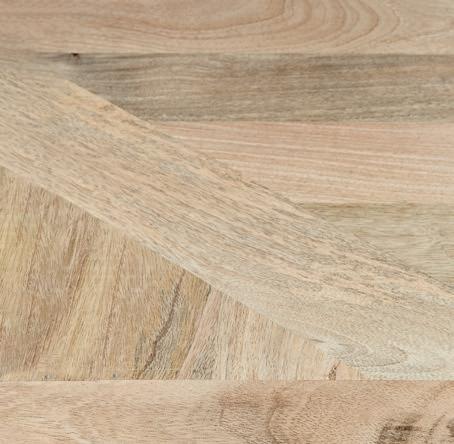
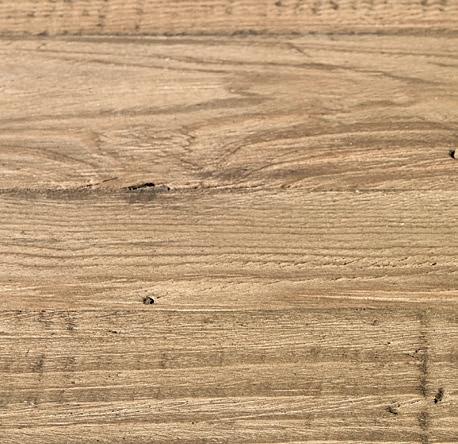
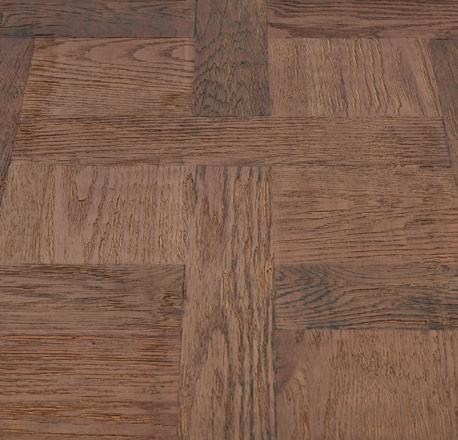
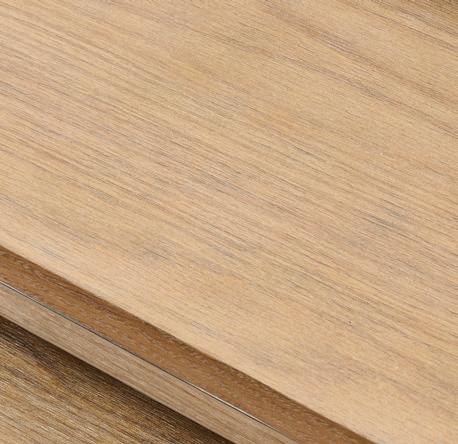
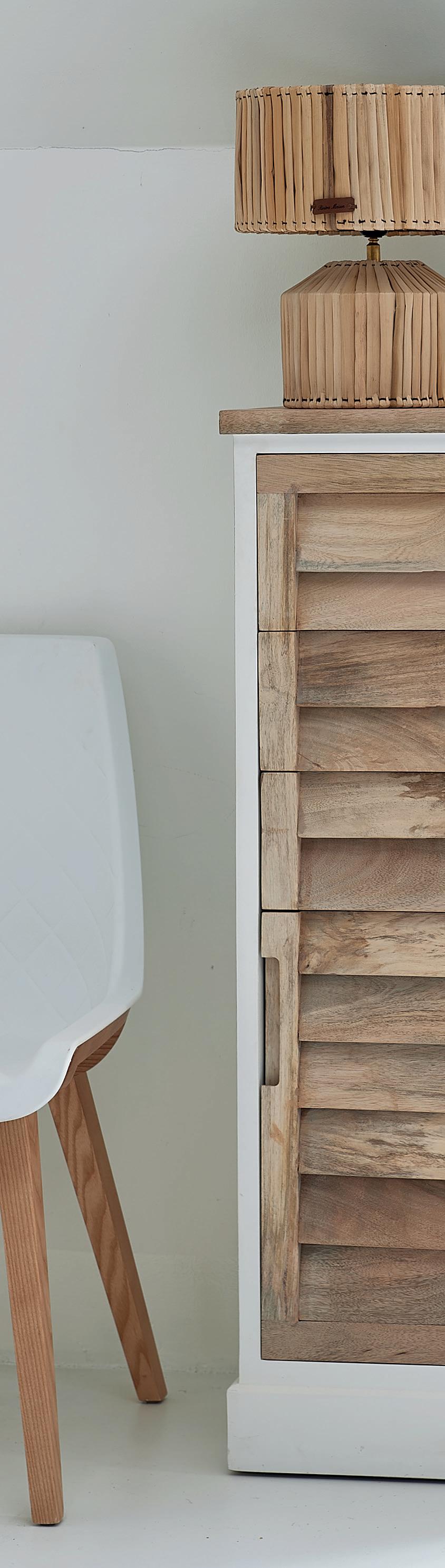
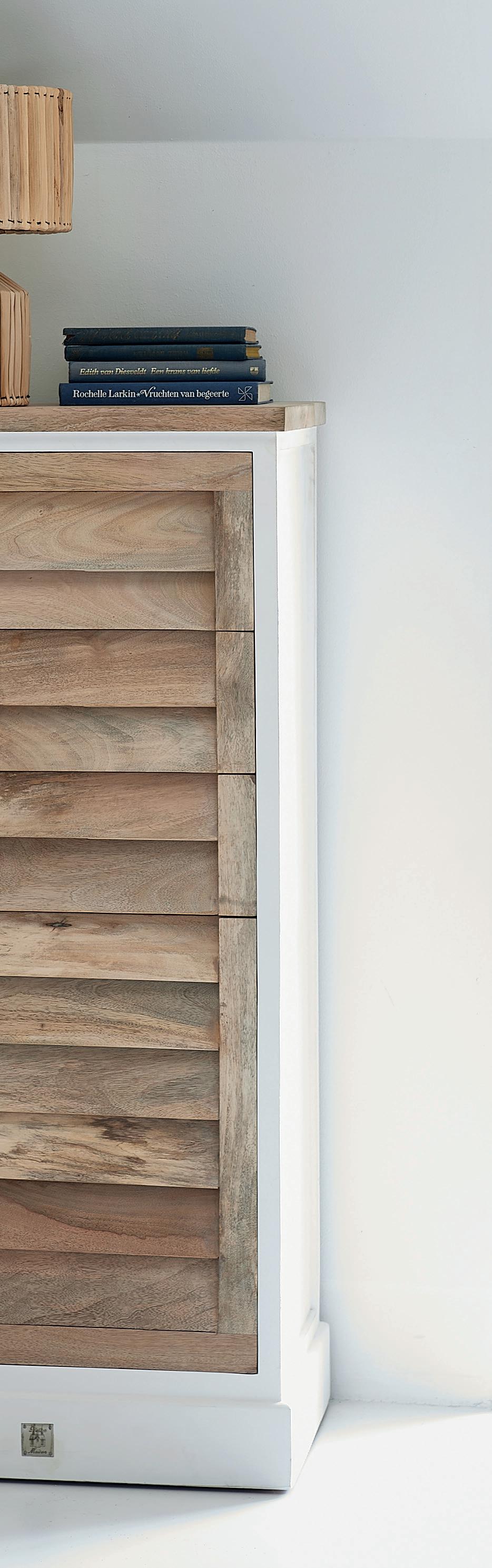
This wood comes from beams of old Chinese houses and barns, aged 40 to 50 years. It is extremely durable and has a naturally ‘worn’ appearance. Small hairline cracks and resin spots may occur.
Care tips:
Furniture made from this wood has a beautiful matte finish. Use a lightly dampened microfiber cloth or a soft brush/vacuum to remove dust and crumbs. Avoid aggressive cleaners, and do not rub or scrub too hard. We recommend a wood care kit for optimal care, protection, and cleaning. Always exercise caution and use coasters, trivets, and placemats.
Oak wood is extremely strong and is used in the manufacture of tabletops and cabinet doors. It has a light color and a prominent, attractive grain.
Care tips:
Our oak wood furniture has a beautiful matte finish. Use a lightly dampened microfiber cloth or a soft brush/vacuum to remove dust and crumbs. Avoid aggressive cleaners and do not rub or scrub too hard. We recommend a wood care kit for optimal care, protection, and cleaning. Always exercise caution and use coasters, trivets, and placemats.
Rivièra Maison offers upholstery fabrics made from both natural and synthetic materials. Most fabrics are a blend of natural fibers and synthetic fibers to increase durability.
Upholstery fabrics are dyed, and variations between dye batches may result in slight differences in color. We therefore recommend ordering all furniture made from the same fabric at the same time, so it can be produced from a single batch. If you place an order later, please be aware that there may be a color variation.
Parts of certain plants and trees are processed to produce textile fibers, such as cotton and linen. By combining natural fibers with synthetic fibers, colorfastness and wear resistance can be improved.
Cotton is a natural and very friendly fabric. It is breathable and absorbs moisture well, making it less likely to cause sweating. Like many natural fibers, cotton is sensitive to direct and indirect daylight and sunlight and is prone to wrinkling. Because cotton absorbs moisture quickly, it can be difficult to clean. Combining cotton fibers with synthetic fibers increases colorfastness, improves durability, and reduces wrinkling.
Linen is a natural fiber made from the stalks of the flax plant. Linen is airy, breathable, and feels soft and comfortable. Linen wrinkles relatively easily, giving it a relaxed and inviting appearance. Like acrylic, it is a strong fiber, so fibers and lint do not easily come loose. Over time, fibers may accumulate into small pills, but these can be easily removed with a fabric shaver.
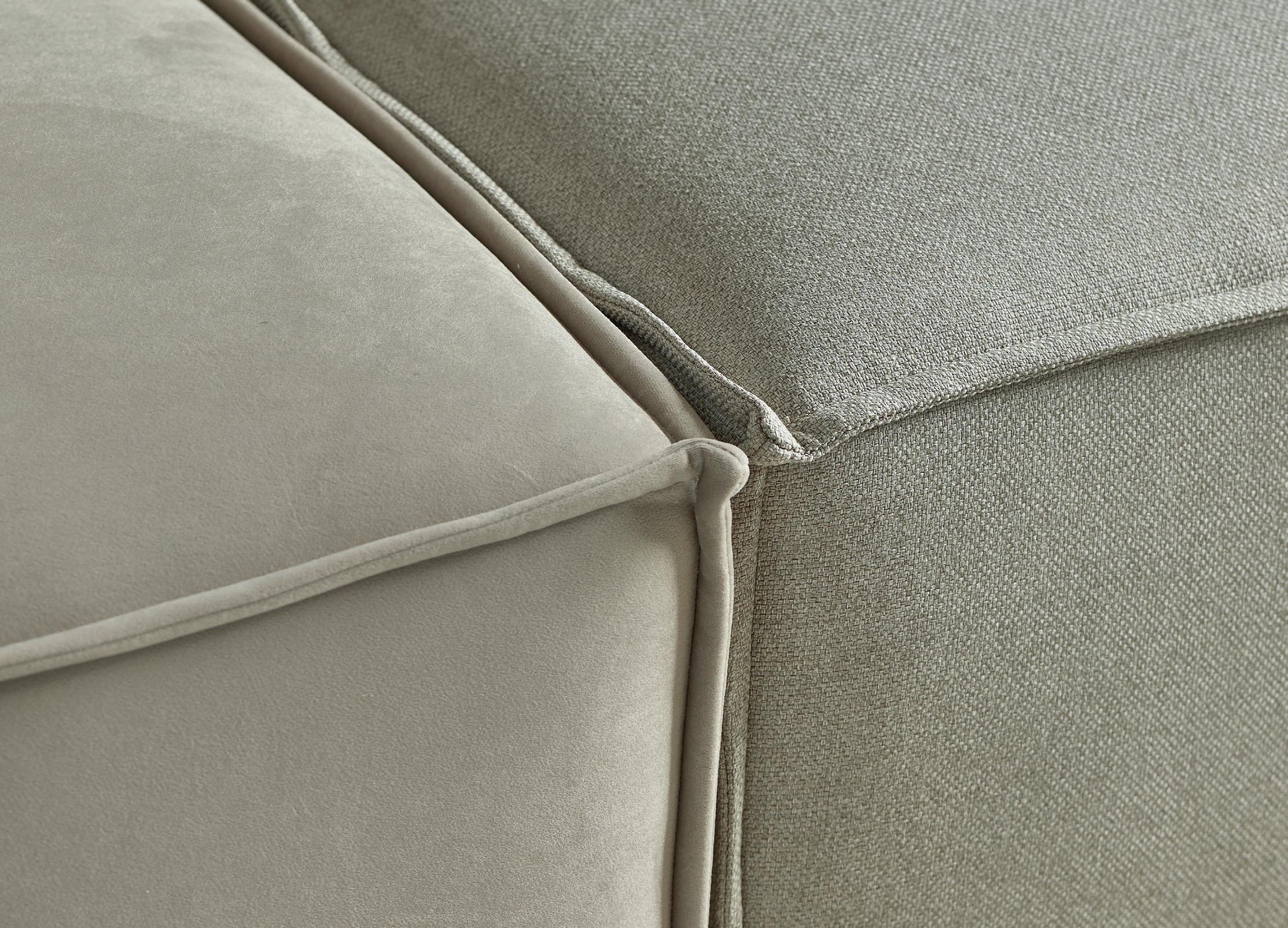
Linen, like most natural fabrics, is sensitive to stains and discoloration from (in)direct daylight and sunlight. Combining linen fibers with synthetic fibers improves colorfastness, durability, and reduces wrinkling.
Acrylic, polyamide, polyester, and polypropylene are examples of upholstery fabrics made from synthetic fibers of various compositions. These fabrics absorb little moisture and dirt and are less prone to fading.
Acrylic is a synthetic fiber that feels warm and soft and is highly insulating, even more than wool. It also resists sunlight well. Acrylic is a strong fiber, so loose fibers and lint do not easily detach. Any loose fibers may form small balls on the fabric, called pilling, which can be easily removed with a fabric shaver. Like other synthetic fibers, acrylic is easy to clean.
Pellini is a composite material containing 10% leather, giving it the appearance and properties of fabric with a leather look.
Polyester is the most commonly used synthetic fiber. Like most synthetic fibers, polyester is easy to clean, resists direct and indirect sunlight, and is almost wrinkle-free. It may feel slightly static and less soft than natural fabrics such as cotton.
Polypropylene is a synthetic fiber that absorbs very little moisture. Upholstery or accessory fabrics made from polypropylene are therefore easy to clean.
Polyurethane is an easily cleanable synthetic fiber. It is often used as a thin top layer on faux leather, making
the fabric highly durable and easy to clean because dirt does not penetrate. The disadvantage is that it is not breathable and can cause sweating.
Viscose is a synthetic fiber made from natural raw materials. It is soft, smooth, and pleasant to touch, but sensitive to moisture, wrinkling, and light.
Always experiment by cleaning an invisible part of the fabric first. If you purchased purchased the Textile Care Kit, follow the instructions for use on the packaging.
Stains caused by solid substances?
Remove the substance immediately with a spoon. Scrape off the substance, pressing it into the fabric as little as possible. Then pat dry with a tissue or clean tea towel.
Stains caused by liquids?
Do not rub! Dab the liquid with a tissue or clean tea towel dipped in lukewarm water, and repeat as often as necessary.
Our furniture is governed by KIM, the official, nationally recognised Dutch product information for upholstery fabrics. This uses the Martindale test: the higher the fabric’s Martindale score, the more abrasion resistant it is. Furniture fabrics are divided into five usage categories;
Decorative use (up to 6.000 Martindale)
Fabrics in the ‘Decorative use’ usage class have a low wear resistance and are only suitable for use on seating furniture that only has a decorative function. For example, an ornamental piece of furniture in the hall or bedroom, and rarely used for sitting on.
Light residential use (6.000 to 15.000 Martindale)
Furniture fabrics in the ‘Light residential use’ usage class are suitable for furniture subject to low wear and not used on a daily basis.
Normal residential use (15.000 to 40.000 Martindale)
Furniture fabrics in the category ‘Normal residential use’ can withstand a few hours’ use every day in an average family situation. However, abnormal use may lead to greater than average stress on the furniture fabric. For example, a seat in front of the TV that is used for many hours every day.
Intensive residential use (40.000 tot 75.000 Martindale)
The usage class ‘Intensive residential use’ indicates a strong furniture fabric that can withstand several hours of intensive daily use, for example in a busy household. This usage class is also recommended when there is a fixed seat in front of the TV that is used for many hours every day.
Intensive living and working (75.000 Martindale and above)
Extra strong furniture fabrics are those in the ‘Intensive living + working’ usage class. As the name suggests these fabrics are also suitable for use in work situations or a computer workstation at home. They can be used intensively for many hours every day.
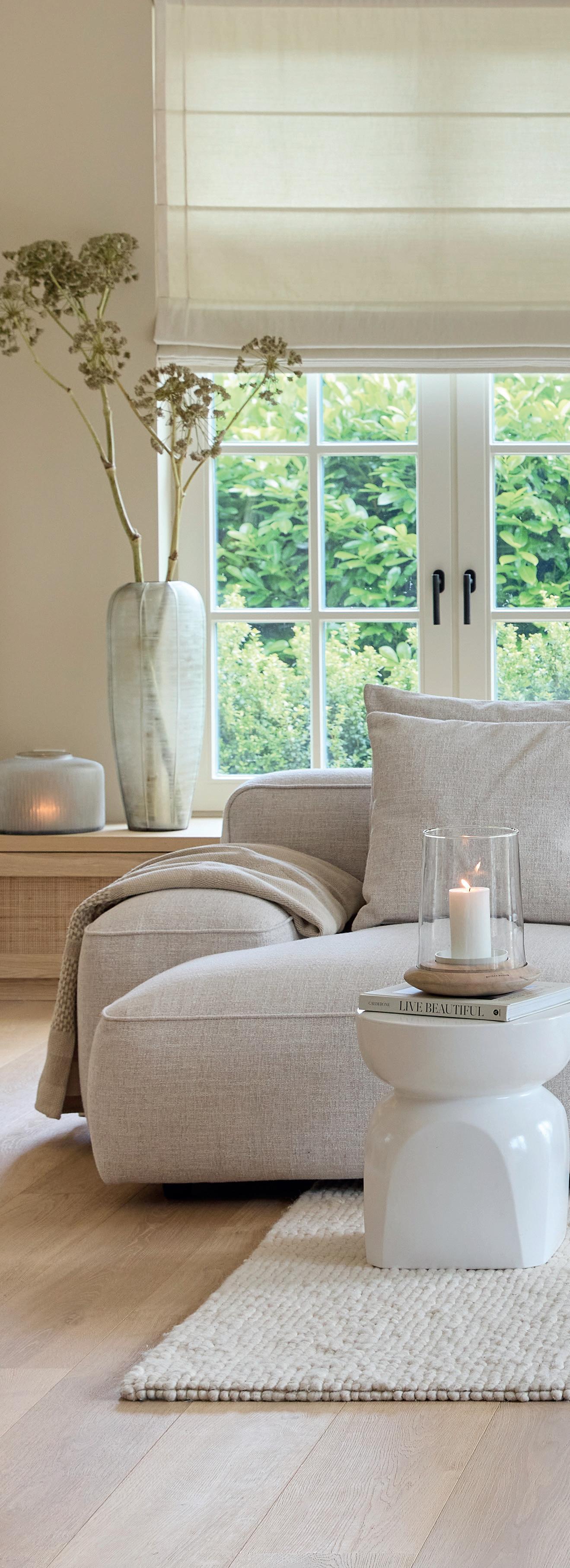
Lightfastness indicates the extent to which a fabric is resistant to discolouration under the influence of sunlight, daylight and artificial light. All fabrics discolour to a greater or lesser extent, especially when regularly exposed to direct sunlight for many hours. Discolouration is more noticeable in darker colours than in lighter ones. Lightfastness is divided into three classes:
Adequate
Furniture fabrics with a lightfastness rating of ‘Sufficient’ are reasonably resistant to (in)direct artificial and/or daylight. These fabrics should not be exposed to (in)direct sunlight.
Good
Furniture fabrics in this class are resistant to artificial light and daylight and reasonably resistant to (in)direct sunlight. Long-term exposure to (in)direct sunlight may cause discolouration.
Very good
These furniture fabrics are highly resistant to artificial light and daylight and reasonably resistant to sunlight. If they are exposed to sunlight for a long period, dis-colouration may occur.
The types of upholstery fabrics we use in our collections may vary from one season to the next. For more information about these collections, please contact a Rivièra Maison point of sale.
Our upholstered furniture is equipped with filling material supported by a suspension system. The most commonly used type of suspension at Rivièra Maison is nosag springs, due to their excellent elastic properties. The springs are electrically hardened, ensuring longlasting quality without loss of performance over time.
Comfort is obviously one of the most important factors when buying a seat. Our sofas and armchairs usually have a number of compartments filled separately with down feathers, polyether flakes, or fibres, or a combination of these materials. The separate compartments prevent the filling from moving from one part of the cushion to another, but it will still spread with use, so we highly recommend shaking them regularly. Otherwise the filling may collapse and stick together
to form ‘potholes’ which are impossible to repair. This is obviously more of a problem for soft fillings than for harder ones. Designers choose soft fillings to give seats a more casual appearance and make them more comfortable to sit on.
The seating comfort of polyether is very high because of its regular cell structure. Polyether foam can be made with many or few air cells; indicated by its specific weight. The higher this figure, the more solid the foam. If the right specific weight is used, the foam makes for very comfortable seat and back cushions.
Cold foam is a material that breathes and absorbs moisture very well thanks to its open-cell structure. It is a polyurethane foam and is not heated to a high temperature during manufacture, making it very comfortable and durable. A strong counter-pressure occurs, especially when subjected to heavier loads. The material is very comfortable and retains this property throughout its lifetime. Furthermore, cold foam is tear-resistant, fire-resistant, highly elastic, does not give off dust and is anti-allergenic.
All of Rivièra Maison’s upholstered furniture features several layers of foam on top of each other, surrounded by a thick layer of dacron to increase seating comfort. Dacron is a very soft microfibre made specifically for furniture upholstery. In terms of fabric and padding, for some seats in our collection, the individual seat cushions can be flipped over.
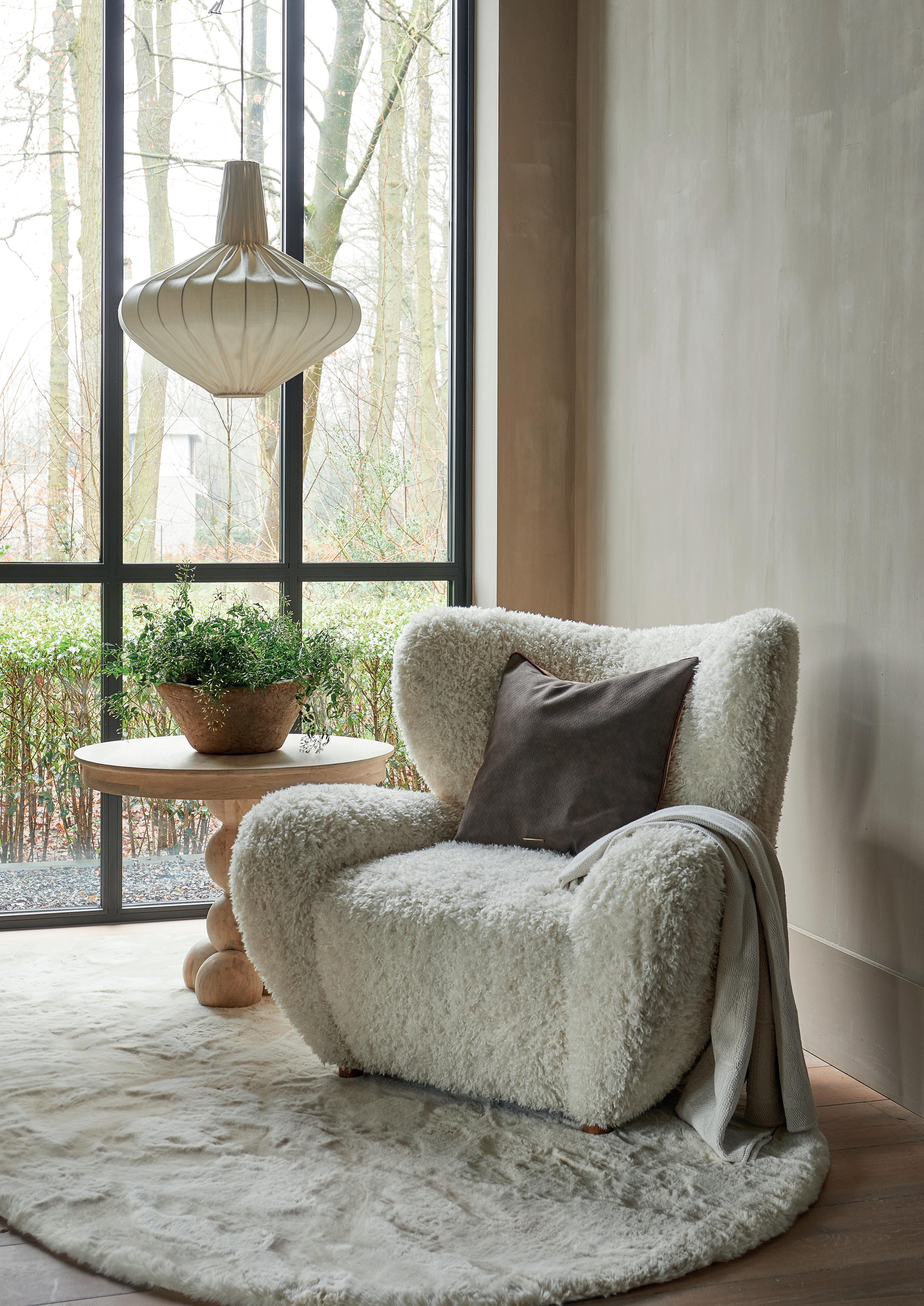
Furniture fabrics will always discolour to a greater or lesser extent over time when exposed to direct or indirect daylight and sunlight. This differs from one fabric to another. Fabrics with natural fibres such as cotton and/or linen, will discolour faster under certain circumstances.
Several of our seats have cushions containing loose filling, such as down feathers, flakes or fibre, which make them particularly comfortable. We recommend shaking these on a weekly basis, or the filling may stick and sag, causing ‘potholes’. Also, seats that are used more often feel softer and more supple than those used less frequently.
We recommend regularly shaking loose seat, back and decorative cushions to keep them in shape. We also advise you to regularly switch and turn over the cushions. In some cases, both the seat and back cushions are reversable and can be used on both sides. This makes it easy to switch and turn them. In other seating furniture, the cushions can only be switched and not turned. In order to be able to turn the cushions anyway, carefully remove the cushion filling from the cover and then put it back into the cover when it is turned upside down.
The advice is to change the cushions four to six times a year, turn them and shake them up regularly. If you look after your upholstery, you’ll be able to enjoy your purchase for longer.
When you buy a piece of upholstered piece of furniture, it looks taut and not quite ‘worn’ on the outside. For optimal seating comfort, the filling should become
about 20% more flexible; how long this takes depends on the type of filling and fabric. A hard cushion filling always becomes a little softer and stretches with use, causing creases. This is perfectly normal, and nothing to worry about.
The fabric and colour of the seat can be affected by heat sources in the immediate vicinity. If you place it close to a central heating system or stove, the fabric may fade in colour of crackle due to heat.
Dry air can cause fabric or pellini leather to dehydrate, making it more susceptible to damage. We recommend using a humidifier to maintain humidity levels. This is not only better for the fabric or pellini, but also for your own health and comfort.
Buckles, zips and rivets in jeans clothing can damage fabric and pellini leather, and so can pets’ claws. Hairspray, gel, nail polish, glue and other volatile products contain acetone. A single drop of acetone will cause irreparable damage. Furniture fabrics are also very sensitive to other chemicals, so beware.
Another thing that can affect the appearance of upholstery fabrics is pilling. These loose strands or balls of fibre appear over time and can be removed with a lint comb or textile clippers, both available at chemists. This phenomenon is harmless, and nothing to worry about.
Our seating is handcrafted, and no matter how carefully we upholster it, threads may become loose in the fabric. You can push these back with a curved needle or cut them off. If in doubt, you can always contact our customer service department for advice.
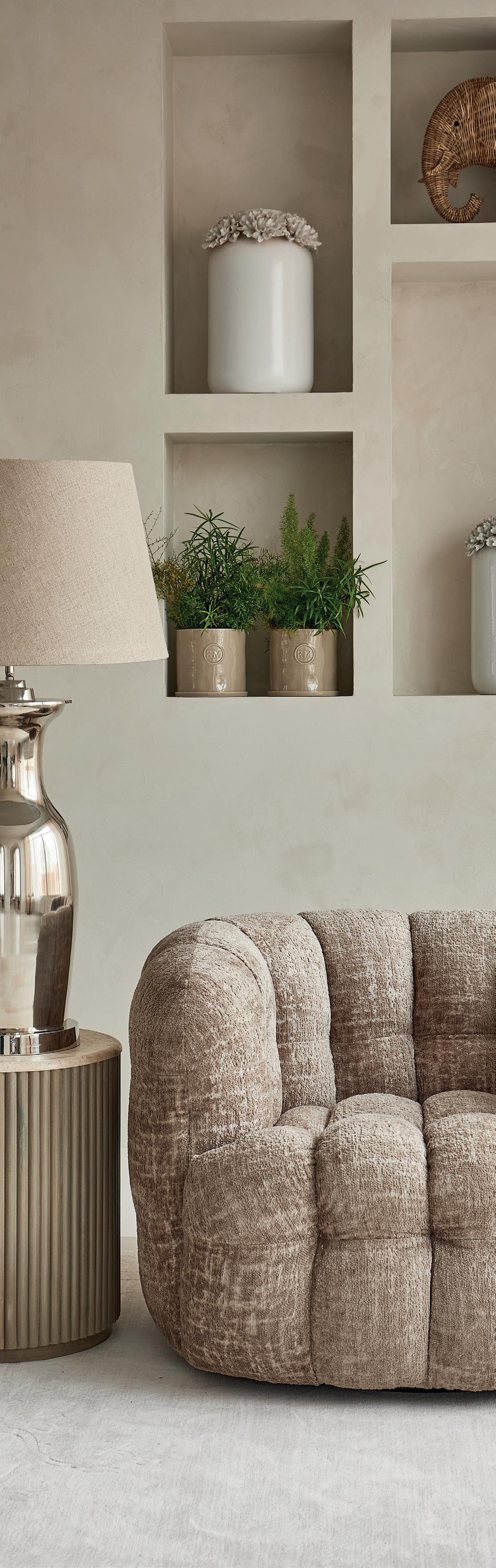
Unfortunately, all upholstery fabrics wear out eventually. How long they last will obviously depend on how intensively they are used.
Through use, fake shading spots are created, Shading makes your upholstery look as if water has been spilled on it. But it’s not a stain, merely a spot where the grain of the fabric is not pointing in a uniform direction and which appears darker or lighter than the rest of the fabric, depending on the point of view. This is simply an optical effect and therefore has nothing to do with discolouration. The spots can be removed using a vacuum cleaner with a clean brush head and soft bristles. This restores the grain to a single direction and as an added bonus removes dust and dirt.
You may ask yourself whether certain things are normal with a upholstery fabric. It is good to know when something is normal or unusual. Here is a list of frequently asked questions and our answers.
“We seem to have stains on the fabric of our sofa, but we haven’t spilt anything on it. Is that normal?”
We call this shading and it makes your upholstery look as if water has been spilled on it. But it’s not a stain, merely a spot where the grain of the fabric is not pointing in a uniform direction, and which appears darker or lighter than the rest of the fabric. This is simply an optical effect that changes depending on the angle you’re looking from. It is not considered a manufacturing defect by the furniture industry.
“The comfort of our seat cushions differs from the comfort in the showroom. How is this possible?”
Depending on the material of the filling, the resilience of the seat of your seating furniture decreases over time. Especially if you sit in the same place for a long time and often. This causes the upholstery to stretch and the seats to sag. This is a normal reaction of a piece of seating and no cause for concern. It may happen that a new piece of seating initially feels a little harder than the model you sat on in our showroom. With normal use, this feeling will disappear within a short time and you will be sitting as comfortably as you did in our showroom.
“Two of our new upholstered armchairs have developed creases, while the others haven’t. How is that possible?”
Creasing is a normal phenomenon that has nothing to do with the quality of your seating. The fact that the two armchairs do crease and the others do not is probably because you frequently sit on these two armchairs and hardly ever on the others. Our seats are handmade and therefore slight differences between them are possible. One piece of advice is to change your chair or seat regularly.
“There is lint on my sofa. Is this normal?”
All upholstery fabrics with mixed fibres will pill to a greater or lesser extent. This refers to loose fibres that felt or tangle on the fabric due to twisting movements. This phenomenon disappears over time. You can remove it with a lint comb or a textile clipper, both available at the drugstore. Pilling is a normal phenomenon and is not detrimental to the quality.
“The railings of our sofa set are turning completely dark. What can you do about this?”
Although modern seating can take a beating, you increase the lifespan of your seating by treating it with care. Heavy soiling of furniture is a usage complaint and does not qualify for warranty.
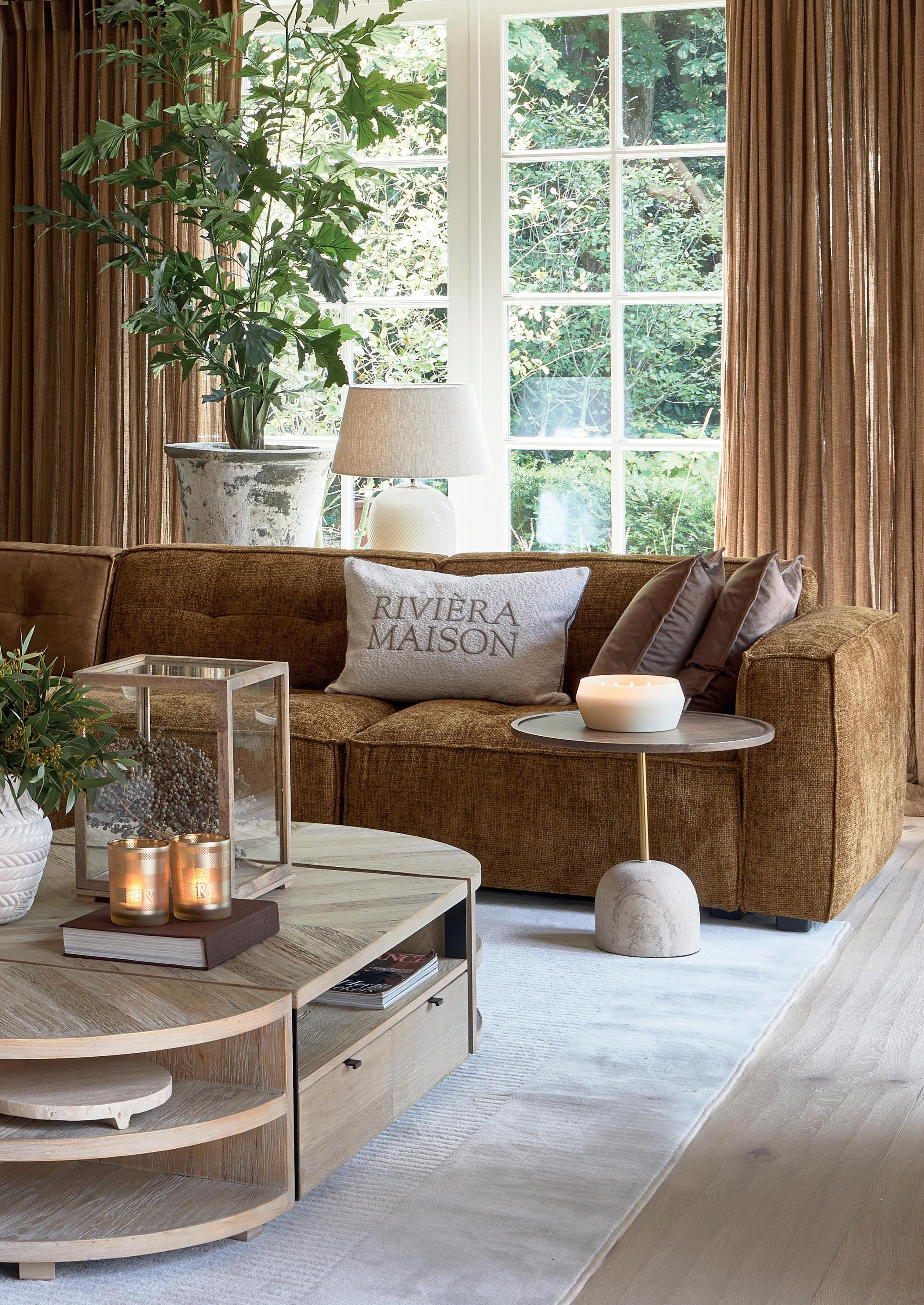
In addition to wood and textiles, Rivièra Maison also uses a variety of other materials. The most common materials used in the production of our furniture, and how best to care for them, are described below.
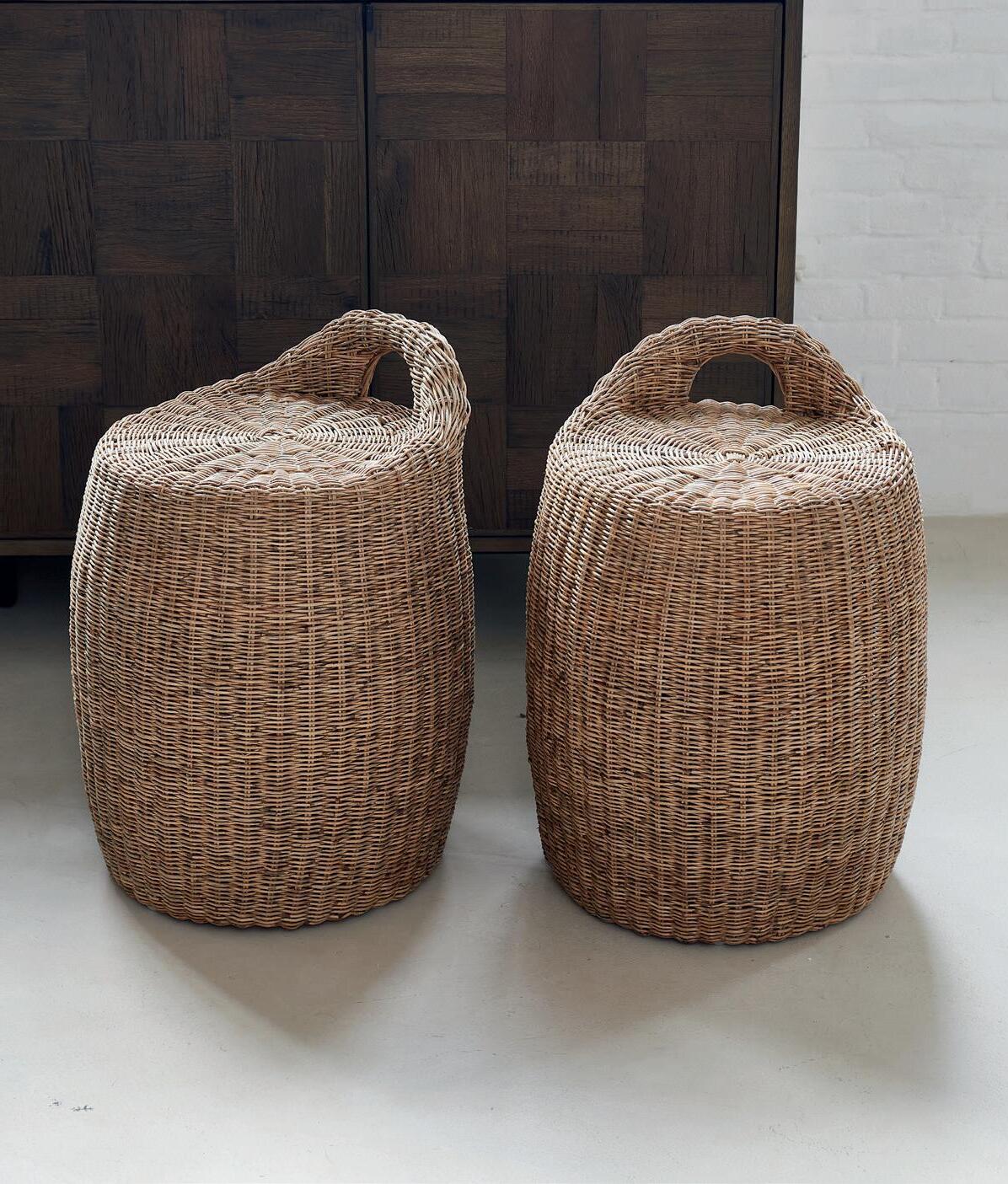
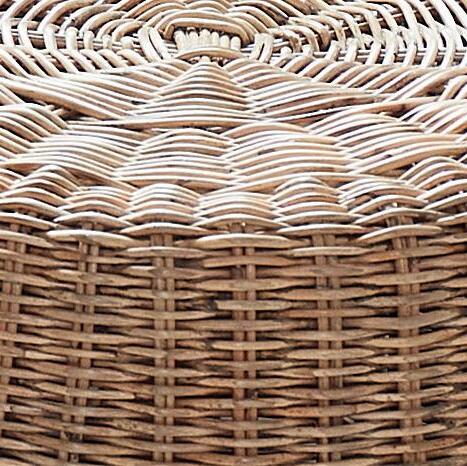
For our Rustic Rattan furniture and accessories, we use slimit rattan. This is a 100% natural material with a characteristic, weathered grey look. Rattan grows like a strangler vine along tree trunks in the rainforests of Kalimantan, Indonesia. During the rainy season, strands of five to six meters are harvested, after which further processing takes place on Java. The rattan is soaked in mud baths for several weeks to achieve its natural greyed color. After careful selection based on thickness, the material is ready for use. All products are handwoven, making each piece unique. Rustic Rattan furniture and accessories are timeless, robust, and versatile.
When designing outdoor furniture, every detail focuses on use outdoors. The aluminium frame is wrapped in synthetic wicker. Wicker is UV- and weather-resistant and can remain outside all year round. The weaving is designed to resemble natural rattan. Handles and parts of the chair legs are made of aluminium.
Ceramics have a refined, timeless appearance and combine beautifully with warm materials such as wood, textiles, and leather. They are made from natural raw materials and fired at very high temperatures, resulting in a hard and durable material. Ceramics are easy to maintain and can be cleaned with a dry cloth; do not use abrasive or aggressive cleaners.
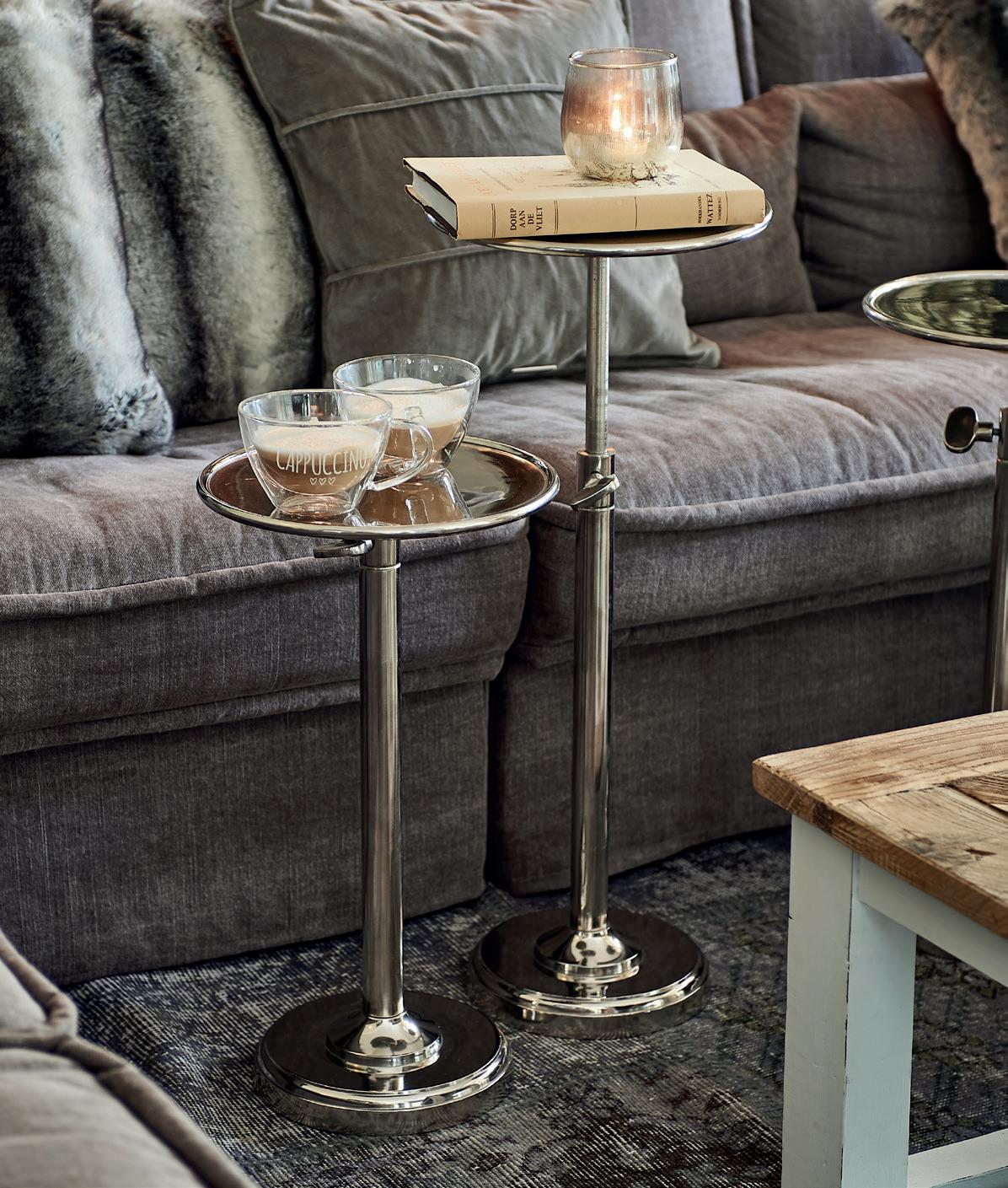
Aluminium has a steel-like appearance and is considered a “cold” material, which pairs beautifully with the warmth of wooden and upholstered furniture. For the production of aluminium furniture, we use a mix of recycled and new aluminium. Aluminium waste from old airplanes, cars, bicycles, empty soft drink cans, and old kitchen utensils is shredded and melted down. The aluminium furniture is hand-finished and polished. Aluminium is very prone to (oily) fingerprints and moisture. The material can be easily cleaned with a damp cloth and then wiped dry with a soft cloth. We recommend using coasters and always avoid abrasive cleaning agents.
Glass is made by melting sand and lime together. To prevent scratches, it is advisable to use coasters. For daily maintenance, use a microfiber cloth dampened with water or a standard alcohol-based glass cleaner. Always spray the cleaner on the cloth, not directly on the glass, to protect surrounding wooden parts. After cleaning, dry the surface thoroughly. Do not use abrasive cleaning agents; even a dish brush can cause scratches.
Marble and natural stone, also known as bluestone or arduin, are quarried from mines. These stone layers are thousands of years old and may contain fossils. The appearance of a natural stone tabletop or side table is never exactly the same; each piece of stone is unique, with its own color variations and natural imperfections. Keep natural stone clean with a lightly dampened chamois cloth. Grease stains should be removed immediately with a mild soap solution made from pure soap. Never use abrasive cleaners. Small scratches can be gently polished out with car polish.