
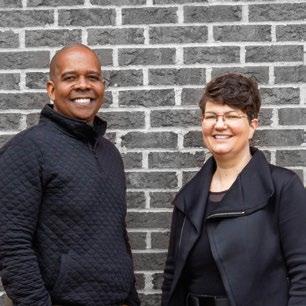
Trevor Bullen
Academic Dean, School of Design
Korrin Howard Associate Dean, School of Design
Welcome to the Dunwoody School of Design Expo — our signature celebration of creativity, innovation, and the transformative power of design.
This year marks five years since the formation of the School of Design and launch of this annual event.
Each year, we are delighted to open our doors to industry partners, alumni, community members, and friends as we showcase the remarkable work of our students across architecture, interior design, and graphic design.
The work in this book and accompanying exhibition reflects the vitality of our deep connections to the design community. Throughout the year, our students engage with industry professionals who are shaping the built environment, redefining human experience, and influencing culture. These partnerships ensure that our emerging designers are not only developing strong technical and conceptual skills, but also gaining real-world insight into the evolving expectations and opportunities within these fields.
At the heart of the School of Design is a spirit of interdisciplinary collaboration. Our programs intersect in ways that mirror the industry itself — where interior designers, graphic designers and architects work together to craft
cohesive, human-centered solutions. You will see that collaborative mindset reflected in the projects featured in the pages ahead: work that is ambitious, curious, and unafraid to cross boundaries.
None of this would be possible without the dedication of our faculty. Their mentorship, and unwavering commitment to student development create an environment where students can thrive, take risks, and innovate. They challenge our students to think critically, design responsibly, and imagine boldly. We would also like to thank our Program Advisory Committee (PAC), industry partners, mentors, alumni, and families who show up in countless ways to support our students and programs.
Finally, to our students: we are immensely proud of you. Your work represents countless hours of dedication, exploration, iteration, and discovery. Thank you for sharing your ideas, your talent, and your vision with us. We can’t wait to see what you do next. You are truly “Born to Do.”
“Design creates culture. Culture shapes values. Values determine the future.”
— Robert L. Peters
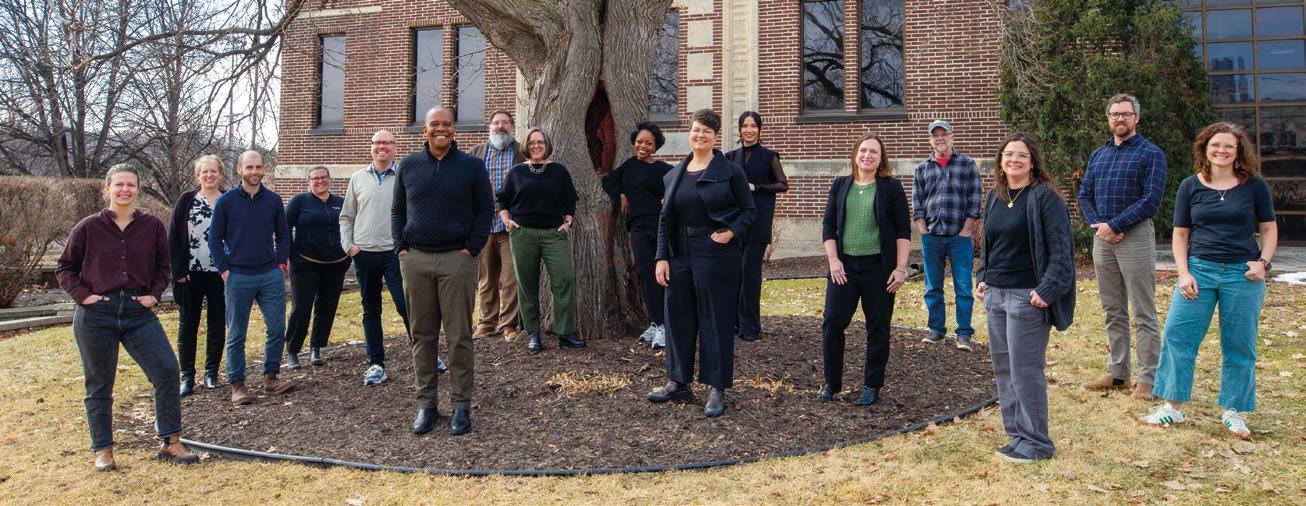
Jessica Ainsworth-Truong
Marissa Alexander
Twee Andersen
Jamie Bieser
Andrew Blaisdell
Stephen Bowen
Trevor Bullen
Doreen Chirwa
Jack Dalke
Christy Davis
Beata Fleischmann
Pam Glander
Korrin Howard
Claire Huffaker
Jennifer Klein
Ken Koense
Choy Leow
Bert Lee
Lisa Loudon
Colin Montoute
Erin Moren
Taylor Morgan
Sarah North
Alissa Nystrom
Kelly Owata
Jeff Pauling
Pete Rivard
Robbie Seltzer
Alonso Sierralta
Melissa Sisk
Brian Smith
Paul Strother
Darya Tenenbaum
Jon Wacker
Lauren Wells
James Wheeler
Dan Zutter
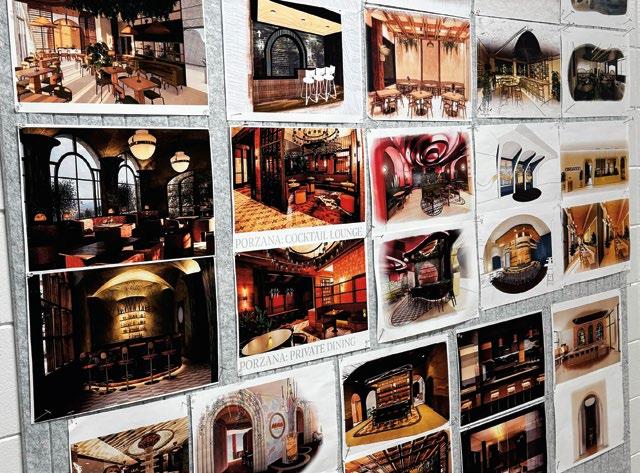
The only one of its kind in Minnesota, Dunwoody’s Interior Architecture program focuses on enhancing quality of life for all people through innovative, sustainable, and socially conscious design rooted in architectural and interior design principles. Students develop the skills to design structural interiors that protect the health, safety, and welfare of occupants.
• Design Principal
• Interior Architect
• Interior Designer
• Project Designer
• Space Planner
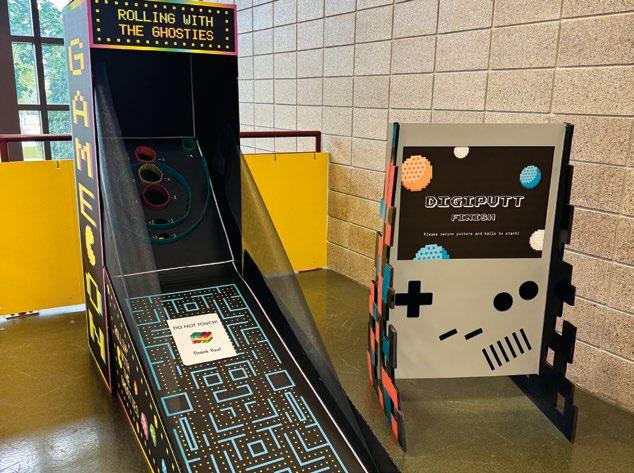
The Experiential Graphic Design program is a designforward major that combines visual storytelling with spatial design. Through hands-on projects, students develop tools and skills to create compelling environmental graphics, wayfinding systems, branded spaces, and interactive installations.
• 3D Exhibit Designer
• Adaptive Designer
• Environmental/Experiential Graphic Designer
• Structural CAD Designer
• Wayfinding Designer
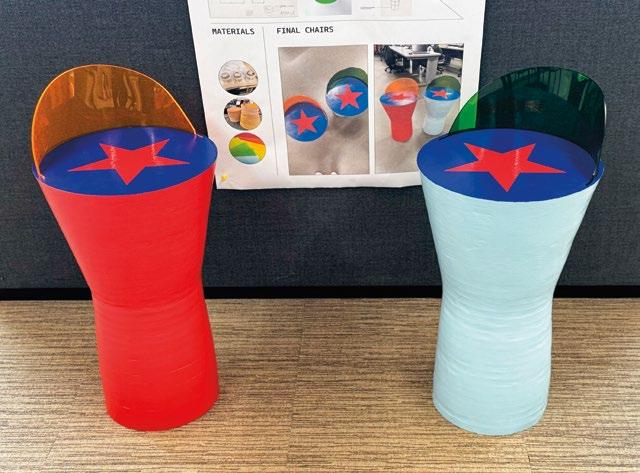
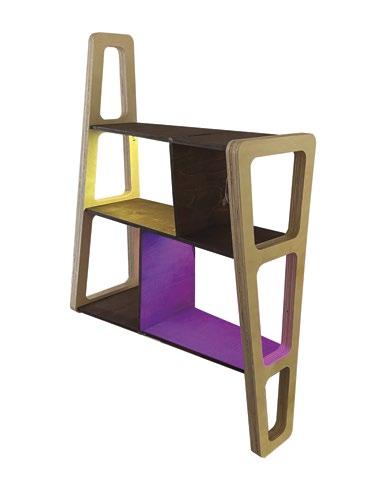
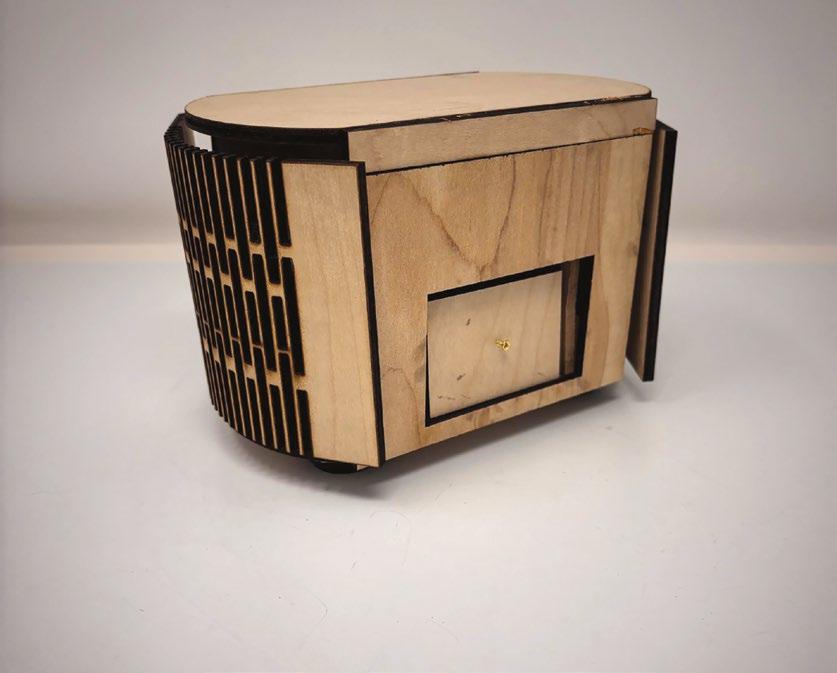
The Product Design program is an applied visual arts major that blends artistic skill with commercial products and markets. Experience product Design from conception to build through cross-departmental learning. Work in advertising, graphic design, and product development in a wide-range of industries — from furniture to automobiles.
• Design Engineer
• Industrial Designer
• Mechanical Designer
• Product Designer
• Product Development Engineer
We appreciate all you do and thank you for your support!
• SmartPress
• Dunwoody Print Services
• Liberty Packaging
• Anchor Paper Company
• Target
• Aliiance
Doers get things done. Here, an entire generation of makers, problem solvers, and innovators work to transform their passions in profession. That wouldn’t be possible without the support and involvement of industry professionals, volunteers, and alumni. There are endless ways to stay engaged!
• Program Advisory Committee
• Guest Reviewers
• Post Job Opportunities
• Career Fair and Campus Events
• Summer Camp
• Speaker Series
• Project Partnerships and Tours
• Scholarships and Sponsorships
• Joining us as Faculty
Liberty donated the corrugated material and printing for the expo experience. We appreciate all you do to contribute to the success of our students.

Evelyn
Logan
Jake
Ibtesam
Lexi
Desirae
Rylee
Naira
Serenia
Dunwoody’s Architecture programs are uniquely structured as two-plus-three stackable credentials: Associate of Applied Science & Bachelor of Architecture.
Accredited by NAAB (National Architectural Accrediting Board) and an IPAL (Integrated Path to Architectural Licensure) participant, the Bachelor of Architecture program is structured to reduce barriers to the practice of architecture.
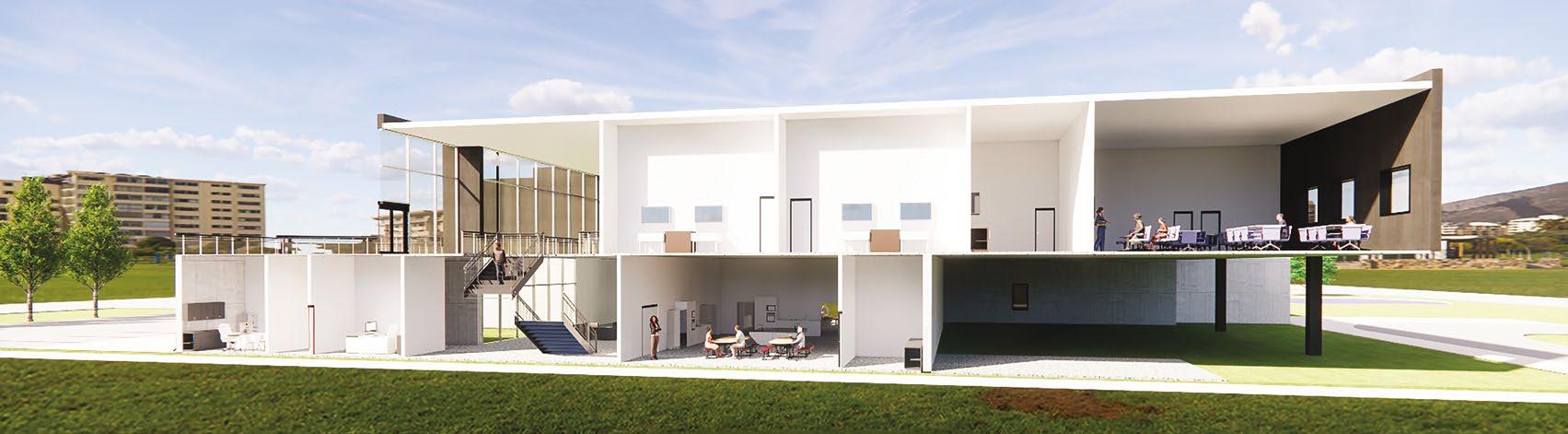
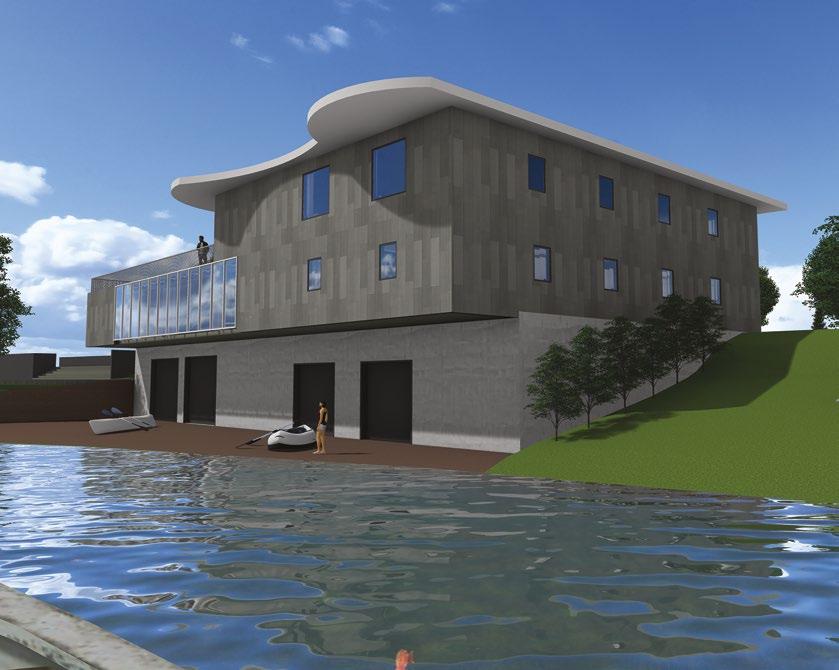
A degree from Dunwoody’s School of Design prepares students for careers in architecture, building design, and construction. Our distinctive position within a college of technology gives us access to collaborations across a variety of technical disciplines. Our students work intimately with physical modeling and digital fabrication as they learn design technologies and industry standards.
Our Graduates are Industry-Ready & Born to Design
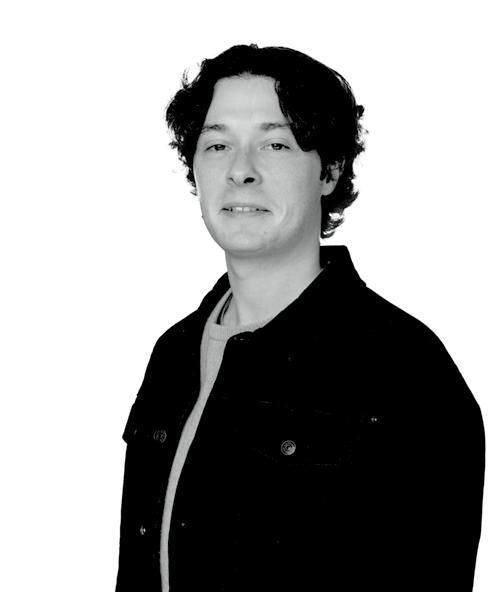
How did your education change the way you see the world around you?
It greatly affected how I see the built environment, and I can now look at the cities and infrastructure around me with a critical lens.
What kind of projects do you dream of working on in the future?
I dream of working on adaptive reuse projects that mix a more contemporary style of architecture with the architecture of old. This juxtaposition has always been very appealing to me.
What has changed in your design work since you started at Dunwoody?
Before Dunwoody, I didn’t really do any design work, so I guess it changed vastly over the last five years.
What’s a challenge you faced that made you stronger?
One challenge I faced was getting used to critique. In my first year, critique from peers, professors, and guest reviewers would get to me, but now I have thicker skin.

How did your education change the way you see the world around you?
Education helped me see that architecture helps people and it’s more than designing an apartment or hospital. It’s preparing for natural disasters and creating modular units ahead of time or getting on-site to have locals build better with native materials in other parts of the world.
What kind of projects do you dream of working on in the future?
I have a wide range of projects I want to work on. I would like to be a part of affordable housing projects, health care buildings, or civic buildings such as fire or police stations and schools.
What has changed in your design work since you started at Dunwoody?
A lot more sketching takes place now than before. Sketches can inspire a new idea or form, and it is quick to build on that. I use sketching now to organize my thoughts, and you can do it just about anywhere.
What’s a challenge you faced that made you stronger?
My laptop crashed and I had to wait about a week for a new one. I had to find other ways to get my work done and figure out how to proceed. It could have been very easy to take that week off, but I knew the lost time would catch up.
How did your education change the way you see the world around you?
It helped me gain perspective. Without realizing it, I had tunnel vision when it came to architecture, and stepping back forced me to think more intentionally about why and for whom I design.
What kind of projects do you dream of working on in the future?
Anything residential. I want spaces to make people feel calm and healed.
What has changed in your design work since you started at Dunwoody?
I think I have thought more about exterior design rather than mostly interior. I only realized it this semester, but better late than never!
What’s a challenge you faced that made you stronger?
Staying disciplined when motivation disappears.
How did your education change the way you see the world around you?
My education taught me to slow down and truly observe the world around me. I carry a deeper respect for how thoughtful design can support both human experience and the environments we share. I’ve come to understand the power architecture holds in supporting dignity, belonging, and everyday life.
What kind of projects do you dream of working on in the future?
In the future I dream of working on projects that respect the environment while strengthening the surrounding communities. I’m drawn to work that balances thoughtful design with sustainability, creating spaces that feel personal, responsible, and rooted in care for both people and place.
What has changed in your design work since you started at Dunwoody?
Since I began my studies at Dunwoody, my design work has become more deliberate and grounded in context, research, and lived experiences. This allows each of my projects to reflect the people it serves, the place it belongs to, and the responsibility architecture holds in shaping everyday life.
What’s a challenge you faced that made you stronger?
One of the greatest challenges I faced was learning to trust my inner voice while navigating critique and uncertainty. That process strengthened my resilience and taught me to listen with intention. It helped me grow more confident in making thoughtful, grounded decisions both as a designer and as a person.
How did your education change the way you see the world around you?
It helped me open my eyes to the various ways you can go with this career.
What kind of projects do you dream of working on in the future?
Adaptive reuse
What has changed in your design work since you started at Dunwoody?
Consistent growth in BIM modeling and rendering.
What’s a challenge you faced that made you stronger?
Making the decision to change my degree and transferring to Dunwoody.
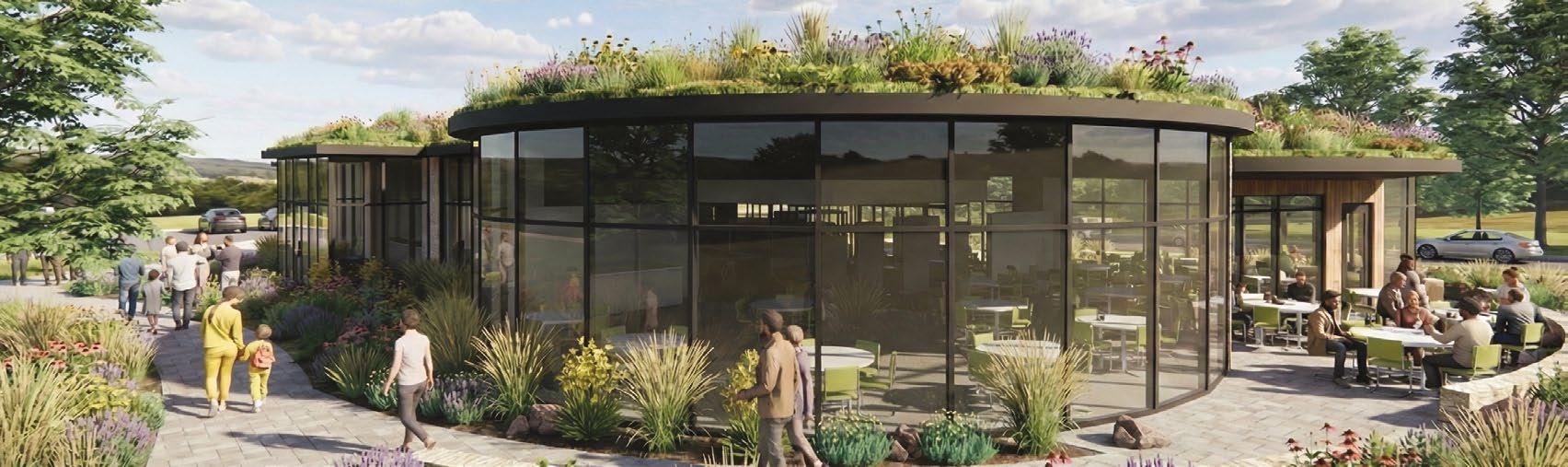
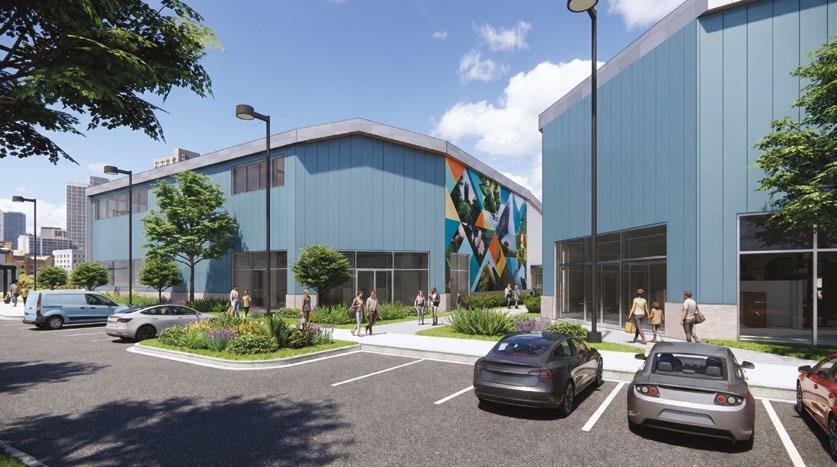
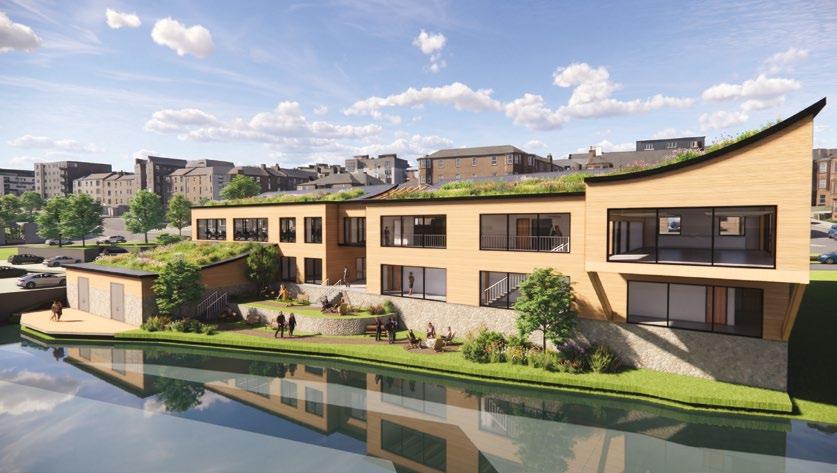
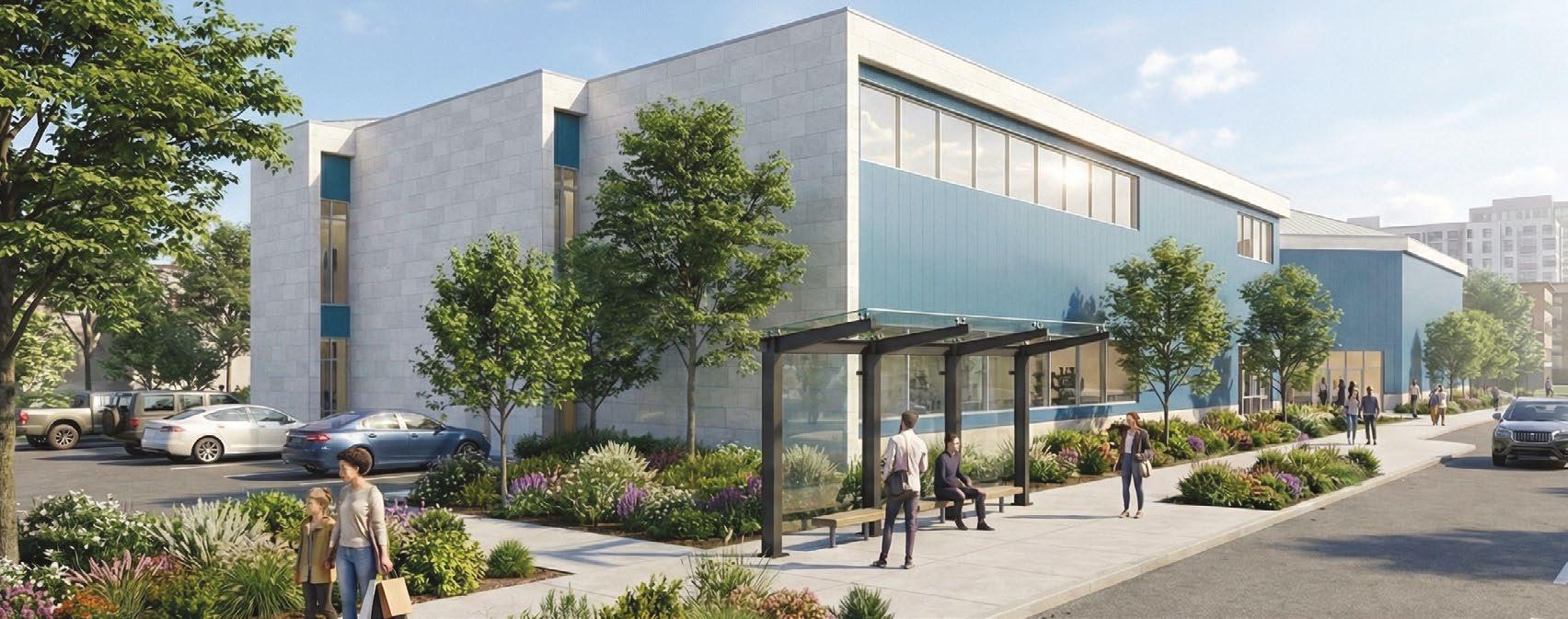
How did your education change the way you see the world around you?
I see how much we have failed the world and our communities with a lack of understanding. Failed, meaning we have poisoned our soil and air, we have continually forgotten about our minorities, and we stopped being so welcoming in our public designs (especially to the unhoused). Then I learned how I can help. I learned how to view a space with love, intention, and inclusion. We can make a huge difference in our communities.
What kind of projects do you dream of working on in the future?
I would love to work on more community projects, especially those geared toward sensory design. I want to create comfortable and calming spaces for the public. My biggest hope at the moment is that my thesis will toss me headfirst into the field.
What has changed in your design work since you started at Dunwoody?
My work can tell stories now! They are complex, solve multiple problems, and portray a beauty related to their purpose (hopefully). My timeline for my designs has also tripled in length, naturally. The price of passion... or obsession, maybe.
What’s a challenge you faced that made you stronger?
My biggest challenge has been a personal one. It is hard to find members of the architecture and design field in my area that have the driving force behind them that Dunwoody instills in every part of their BARCH program. I feel so energized and excited to make a positive impact in my life, but I could not find an energy to match mine. So, I have decided to become that person here. So far, I feel more independent and lighter since deciding this.
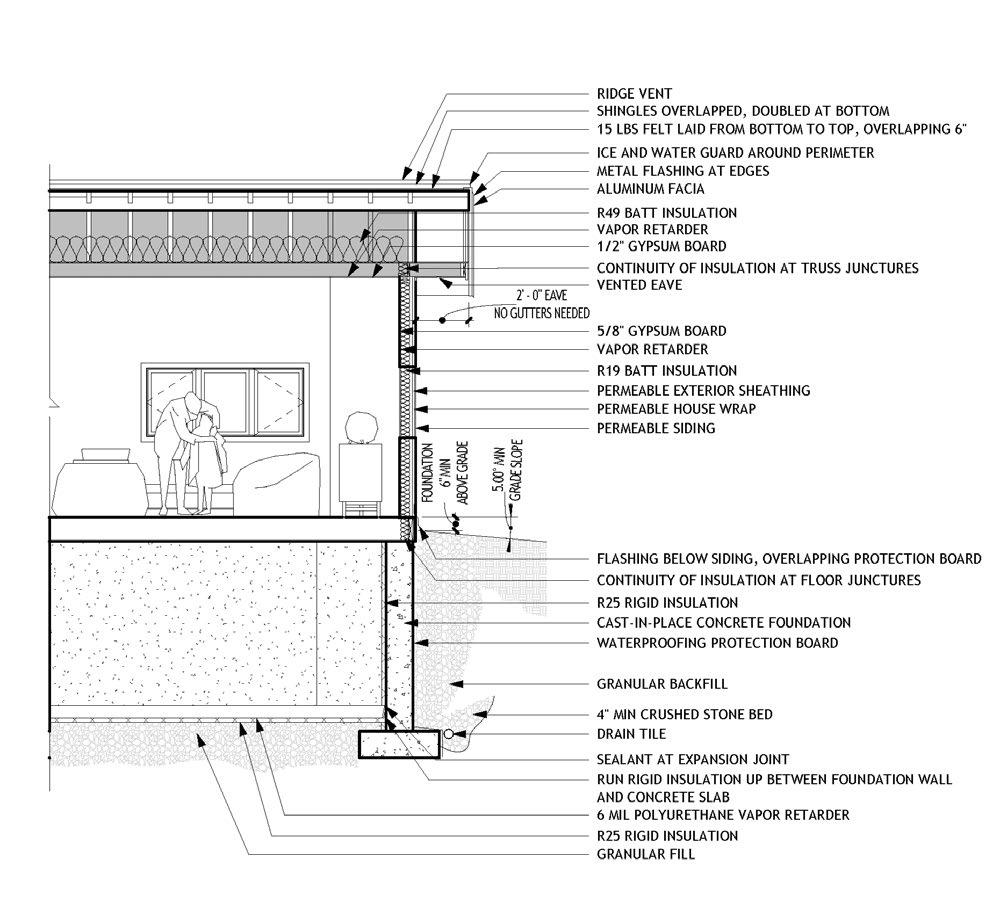
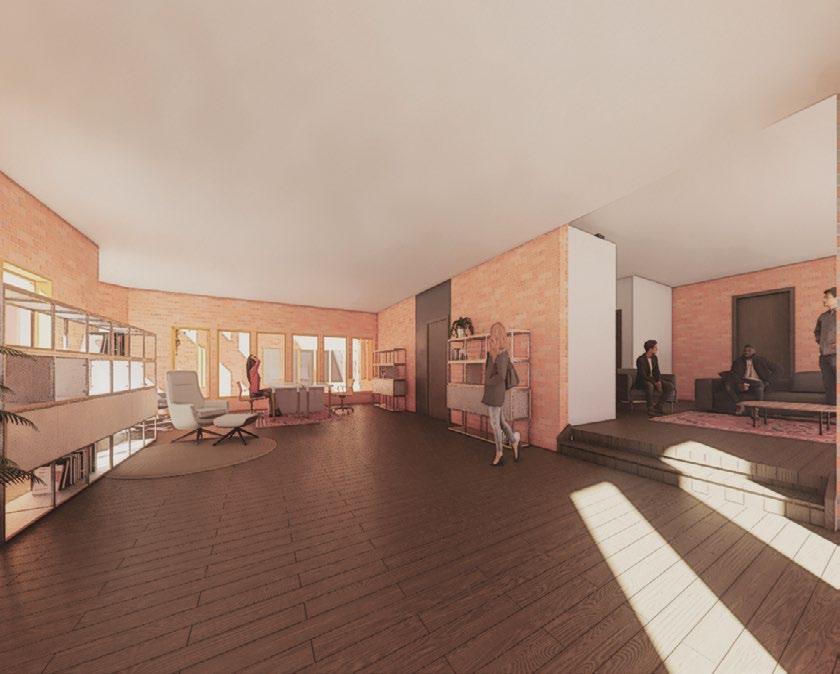
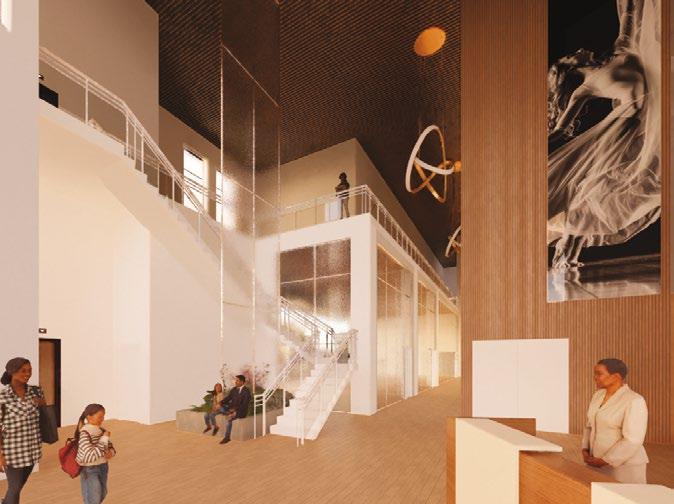
How did your education change the way you see the world around you?
My education has allowed me to appreciate design from the mundane to high design. I’m looking at how it works and being curious about the factors that led to those design decisions and final form/functions.
What kind of projects do you dream of working on in the future?
I would like to work on projects that focus on sustainability, specifically at a smaller residential scale.
What has changed in your design work since you started at Dunwoody?
I’ve become much less focused on perfection and my design work has become looser and more playful.
What’s a challenge you faced that made you stronger?
The challenge of moving to Minneapolis and joining the BARCH program during year three and integrating into a new city, academic institution, and peer group.
How did your education change the way you see the world around you?
Makes me look at open sites and think about what kind of typology can be there.
What kind of projects do you dream of working on in the future?
Single-family homes and not the cookie cutter or townhouse style of residential, or sports, fitness, and wellness.
What has changed in your design work since you started at Dunwoody?
My approach to designing and programming spaces.
What’s a challenge you faced that made you stronger?
Figuring out the programming of a project and knowing that it can be moldable.

How did your education change the way you see the world around you?
My education here at Dunwoody has caused me to be more aware of architecture. Before, I could casually travel around and not notice or pay attention to the buildings around me. However, now I’m more attentive. I pay attention to the shapes used, materials, what the building is used for, the colors, etc.
What kind of projects do you dream of working on in the future?
I want to delve more into the commercial side of architecture, for instance, multi-use spaces and largescale buildings.
What has changed in your design work since you started at Dunwoody?
I’ve started to become more aware of the materials used in a project. A certain material can elevate a simple design and can change the way a building feels.
What’s a challenge you faced that made you stronger?
Getting out of my comfort zone was a big challenge throughout my term here. There were many aspects that I wasn’t quite familiar with, and being in an environment that pushed me in a variety of areas proved to be a major benefit.

How did your education change the way you see the world around you?
It helped me understand what is/can be missing in complex situations and how that can be addressed, not only what currently exists.
What kind of projects do you dream of working on in the future?
I hope to try and get more involved on projects that impact a large swath of society, like the entertainment or public sectors.
What has changed in your design work since you started at Dunwoody?
Learning how to prioritize certain aspects of a project and displaying it in a legible format.
What’s a challenge you faced that made you stronger?
Staying true to what I want to accomplish with each project.

How did your education change the way you see the world around you?
I’m more aware of design decisions made in buildings and exterior spaces.
What kind of projects do you dream of working on in the future?
I would like to work on at least one high-end apartment complex or a project involving landscaping.
What has changed in your design work since you started at Dunwoody?
I’ve started to enjoy the research and site analysis portion of the process, finding who I’m designing for.
What’s a challenge you faced that made you stronger?
Getting used to presenting to large groups of people I’m still not completely comfortable, but we’re getting there.
How did your education change the way you see the world around you?
My education changed the way I see the world around me. Now, I pay much closer attention to my surroundings and often analyze and question how spaces look and function.
What kind of projects do you dream of working on in the future?
In the future, I dream of working on hospital projects. I also have some experience working on business offices and I would enjoy continuing to grow in those areas as well.
What has changed in your design work since you started at Dunwoody?
Since starting at Dunwoody, my design work has become much more intentional and structured. I’ve also become more confident in explaining my design decisions and using technical skills like drafting and modeling to support my ideas.
What’s a challenge you faced that made you stronger?
One challenge that made me stronger was public speaking and learning to take criticism from others.
How did your education change the way you see the world around you?
My education changed how I see the world by showing me that design is deeply connected to people, systems, and responsibility. Through professional exposure, competitions, and working in practice, I learned how ideas move from drawings into the real world and how architecture can meaningfully shape how people live, work, and connect. It made me more aware of my role in helping create a healthier, more thoughtful future.
What kind of projects do you dream of working on in the future?
I want to work on projects that create space for genuine connection and contribute to the well-being of the communities they serve.
What has changed in your design work since you started at Dunwoody?
Since studying at Dunwoody, my design work has shifted to be more user-oriented and humancentered, with a greater focus on how people actually experience and inhabit space.
What’s a challenge you faced that made you stronger?
Working on a project with a highly restrictive site and challenging topography pushed me to iterate constantly. It taught me how powerful persistence can be in turning a frustrating problem into a clear design solution.
How did your education change the way you see the world around you?
My education provided me with the opportunity to step back from the box that design can put you in. It provided me the chance and time to assess all aspects and components of design.
What kind of projects do you dream of working on in the future?
My heart lies with pieces of work that are cultural, ethical, and sustainable. I will always carry this with me in future projects and designs I work on throughout my professional career.
What has changed in your design work since you started at Dunwoody?
My design work really grew into itself and became a representation of my morals, ethics, and values.
What’s a challenge you faced that made you stronger?
Stepping back from the literal practice and idea of what architecture is to better my abilities and understanding. By reframing my thinking, I have been able to approach design from multiple perspectives, which has given me the opportunity to design in more fulfilling ways.
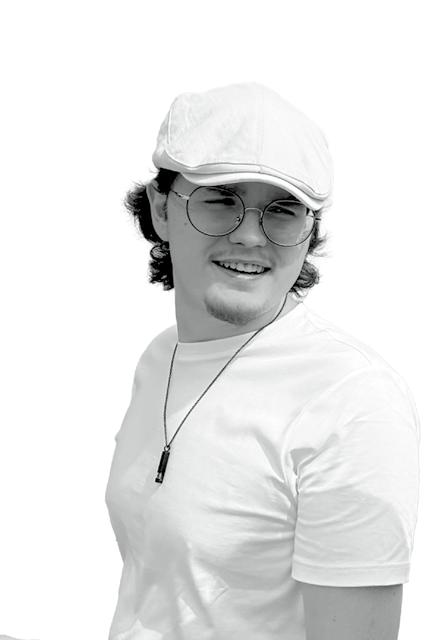
How did your education change the way you see the world around you?
To keep it short, I can no longer enter most, if any, structures without immediately beginning to look at their architecture.
What kind of projects do you dream of working on in the future?
I wish one day to get the lovely opportunity to work in a variety of symbolic projects, constructions of grander scale, such as cathedrals.
What has changed in your design work since you started at Dunwoody?
Quite a lot. I began this journey at the age of 16, not knowing anything regarding the world of architecture, or rather, of construction as a whole. I find that not only my knowledge and skills have grown, but even my character itself!
What’s a challenge you faced that made you stronger?
Transitioning from different growth phases. As mentioned, I entered college a bit earlier than others at 16, and needless to say, I was a bit less experienced when it came to outside experiences, so I find the age differential was one of the greater challenges. However, throughout time as I got older, I believe entering at such a young age was more of a blessing since it allowed me to grow as a person at a slightly quicker and more mature rate.
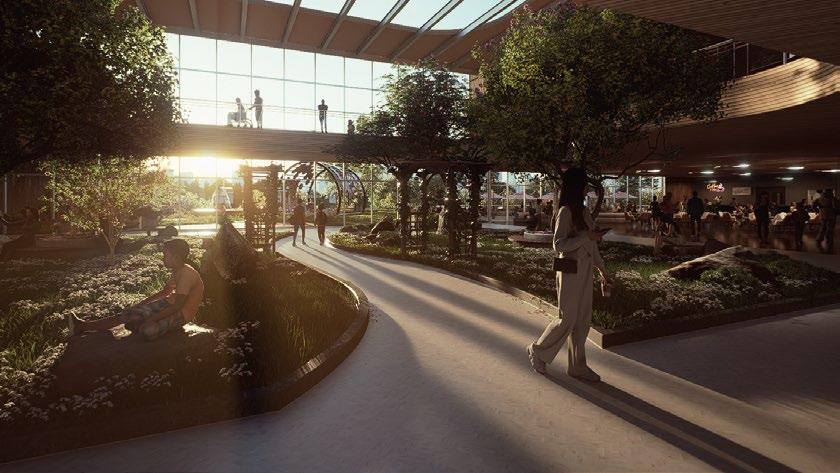
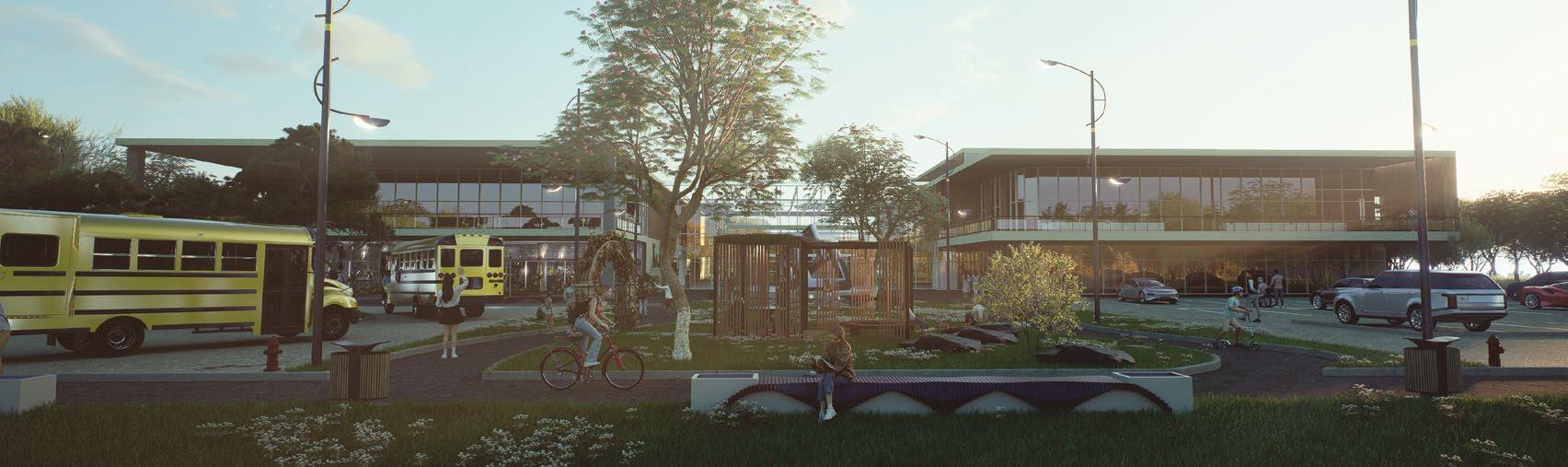
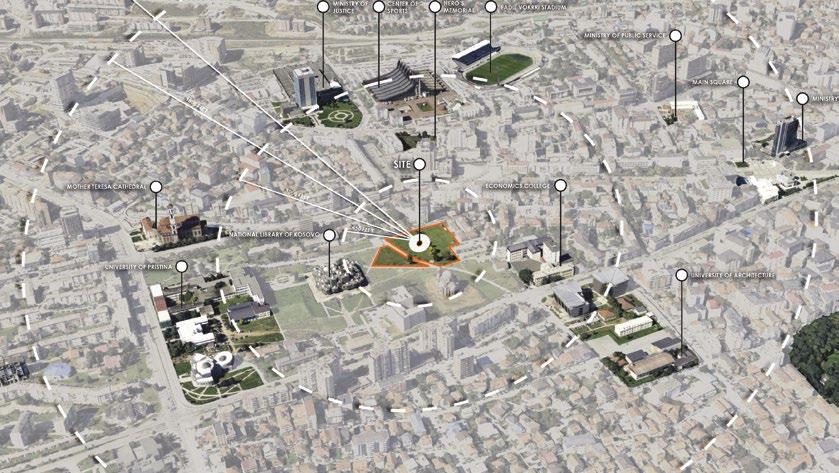
How did your education change the way you see the world around you?
Architecture has taught me to appreciate the value of intentional, well-designed spaces that feel safe and inviting.
What kind of projects do you dream of working on in the future?
I’m in such an early stage of my career that I don’t have one specific project I dream of working on. Instead, my dream is to get exposure to all types of projects.
What has changed in your design work since you started at Dunwoody?
I’ve become more intentional in my design process, taking the time to thoroughly think through each step rather than rushing. Though sometimes it’s the opposite, where I work quickly but still with purpose. I’ve also realized that my approach doesn’t have to mirror my peers’, which has allowed me to develop a method that works best for me.
What’s a challenge you faced that made you stronger?
The most challenging thing would be sticking to my schedule and showing up to get the work done, even when I really don’t want to. Having the discipline to keep going has been a truly humbling experience for me.
How did your education change the way you see the world around you?
I think in terms of trying to be a good designer, it helped challenge my thoughts and biases and led me to take a moment to see the world from the perspective of other people.
What kind of projects do you dream of working on in the future?
I would really like to work on historic preservation, I think. I love history and the connection between history and architecture. I would also love to be able to work on a project that has a positive impact on our world and changes the way we work or live.
What has changed in your design work since you started at Dunwoody?
Both my work and my process have become less rigid. My design process has become more fluid and artistic than when I started here.
What’s a challenge you faced that made you stronger?
Though I’m still working at it, learning not to take feedback personally has been hard. Pouring a semester of time, thought, and energy into a project makes it hard not to view it as an extension of myself. Decoupling myself from the project has helped me to take feedback more objectively and has helped make my designs better.
How did your education change the way you see the world around you?
It is easier to understand intersectionality now. For me, this results in a more compassionate perspective as well as a more analytical one. We are making for people. We are making with people. This is messy, worthwhile work.
What kind of projects do you dream of working on in the future?
Biophilic projects. There is a lot of hardscape in the built environment that has outlived its usefulness. Bringing biophilic elements into projects (healthcare/ residential) can improve the way people experience those spaces.
What has changed in your design work since you started at Dunwoody?
I’m more focused on circulation as the bones of the project. Good circulation should reinforce relationships between site, building, and concept. Getting to work on circulation within different building typologies and scales has been a blast.
What’s a challenge you faced that made you stronger?
Learning about healthcare for my thesis project. Starting with very little knowledge and needing to rapidly understand many interconnected aspects of the typology was a challenge. I deeply enjoyed the process. I want to do it again.
How did your education change the way you see the world around you?
That I still have a lot to learn. But it’s all part of the journey.
What kind of projects do you dream of working on in the future?
I hope to work on projects that will not only impact but improve the community footprint whilst also being attractive to the eye.
What has changed in your design work since you started at Dunwoody?
Dunwoody (critics & classmates in particularly) pushed me to exploring my concepts/ideas for a more bold and compelling approach when designing.
What’s a challenge you faced that made you stronger?
Receiving my education online; there’s a certain level of discipline that comes with it.
How did your education change the way you see the world around you?
Nothing is as complex as it may seem. If you take it apart, analyze its pieces, and learn in smaller doses, the whole puzzle will eventually come together and make sense.
What kind of projects do you dream of working on in the future?
I want to work on projects that help others, allow people to heal, and encourage future generations.
What has changed in your design work since you started at Dunwoody?
Instead of focusing on every tiny little detail that people aren’t going to see, I have shifted into perfecting the areas of my project that highlight the best story.
What’s a challenge you faced that made you stronger?
I’ve had a lot of challenges while in school, some of the worst you could imagine. But the most important thing is to keep your eye on the prize. If you’re chasing something you truly want, nothing will be able to stop you.
How did your education change the way you see the world around you?
I don’t just see buildings anymore — I see systems, intention, and impact. Design trained me to look closer, think deeper, and believe the built world can always be improved.
What kind of projects do you dream of working on in the future?
Projects that serve communities, respect the environment, and solve real problems — resilient, people-focused spaces where sustainability and safety are part of the design from day one.
What has changed in your design work since you started at Dunwoody?
I moved from designing what looks good to designing what works. My projects are now driven by systems, performance, and real human use — not just form, but purpose.
What’s a challenge you faced that made you stronger?
Working full-time while studying full-time taught me discipline, efficiency, and resilience. It showed me I can handle more than I thought — and still produce meaningful work.
How did your education change the way you see the world around you?
I can see where planning and design choices may have been put on the back burner. And I am also able to see when and where a designer really put their passion into a project. I am also more aware and appreciative of the architecture around me.
What kind of projects do you dream of working on in the future?
I wish to work on municipalities and city planning.
What has changed in your design work since you started at Dunwoody?
Since I have started I have found what I am good at vs things that I am not good at. I found that within my design process I am best at research and overall planning vs the nitty gritty details.
What’s a challenge you faced that made you stronger?
Overcoming the fear of not feeling good enough or that my work is good enough versus the rest of my cohort. I have found what I am good at and that has made my work and ethics stronger.
How did your education change the way you see the world around you?
It made me realize there was much more opportunity and possibility in the world.
What kind of projects do you dream of working on in the future?
I want to work on projects that will have lasting positive impacts on the community and society at large.
What has changed in your design work since you started at Dunwoody?
I stopped viewing challenges as problems, instead as opportunities.
What’s a challenge you faced that made you stronger?
I had a pretty big fear of speaking/presenting in public, this program helped me develop methods of dealing with that.
How did your education change the way you see the world around you?
My education changed how I see the world around me by noticing more than just buildings. I now pay attention to scale, context, how structures relate to their surroundings and what even makes a building stand. I notice lighting, lines of sight, and how the built environment either blends or stands out.
What kind of projects do you dream of working on in the future?
I have gotten really interested in zoos/sanctuaries and how they can become sustainable and something people come to for entertainment. I have found more interest in commercial architecture and designing for sustainability and community purpose.
What has changed in your design work since you started at Dunwoody?
The beginning process, I was not great at putting pen to paper and diagramming my thoughts out. Now I am able to draw my thoughts out and communicate them verbally and visually, helping expand my design process to create a better project.
What’s a challenge you faced that made you stronger?
I would usually get some good ideas and I struggled with just putting pen to paper. Eventually through teachers and just drawing exercises I became more fluent at transferring my ideas to paper and articulating my thought process.
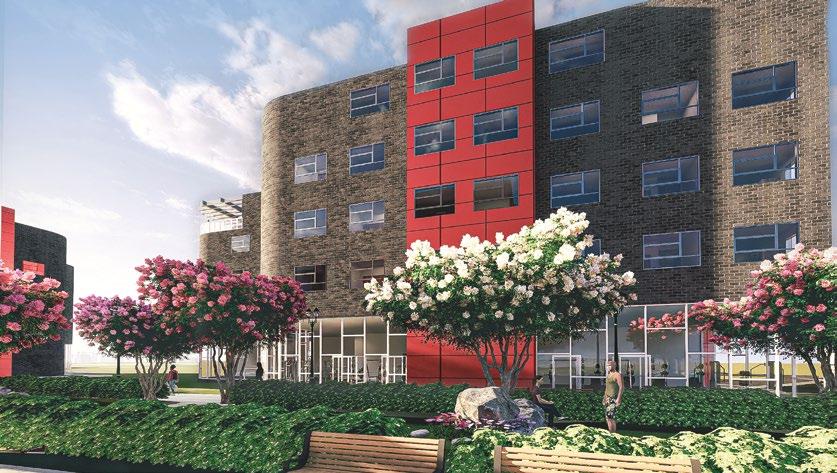
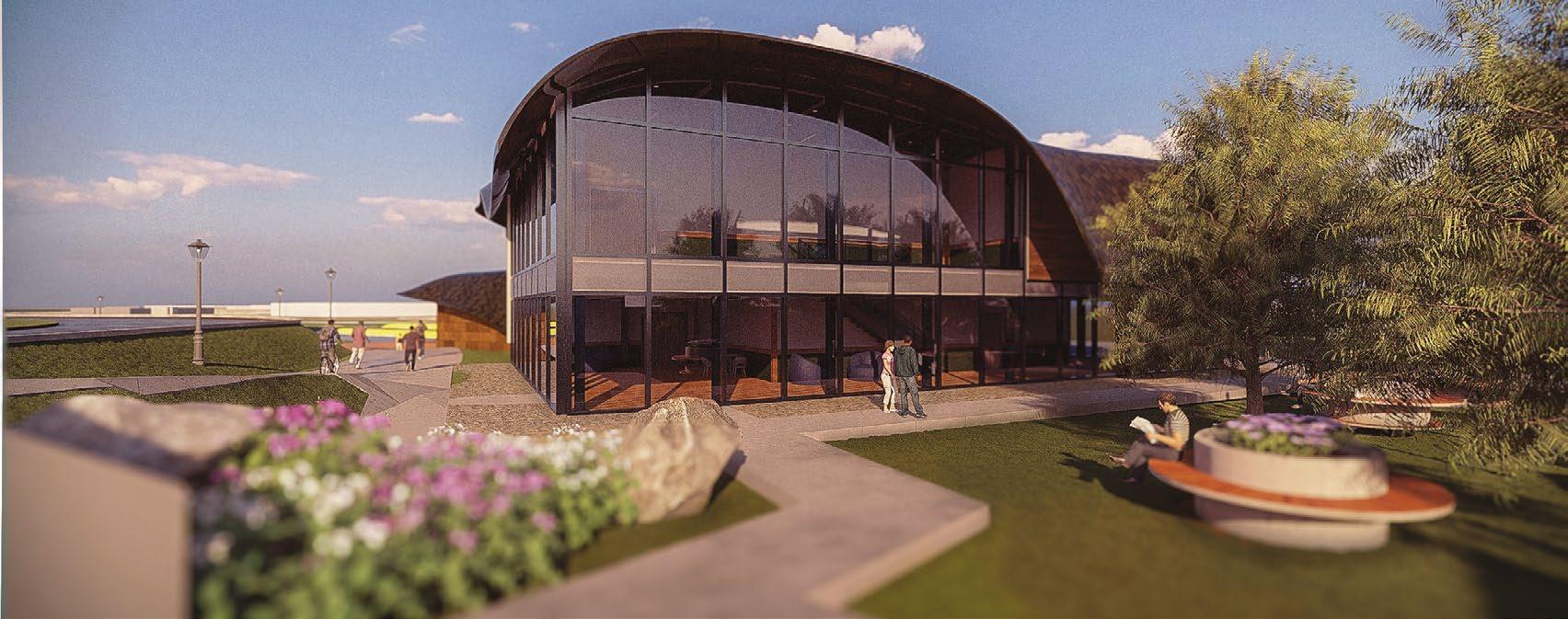
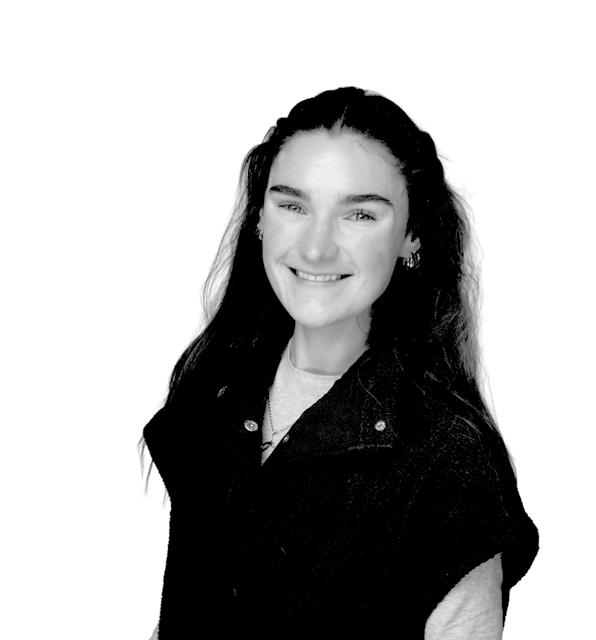
How did your education change the way you see the world around you?
I have a wider mind and look on how to design to better suit individual communities, cultures, etc.
What kind of projects do you dream of working on in the future?
High-end residential housing projects
What has changed in your design work since you started at Dunwoody?
I have dug into more of my creative side. I started out with a boring square box and now I’m able to design something more creative.
What’s a challenge you faced that made you stronger?
I learned how to pivot when things don’t make sense and/or don’t work with the structure or deliverables.
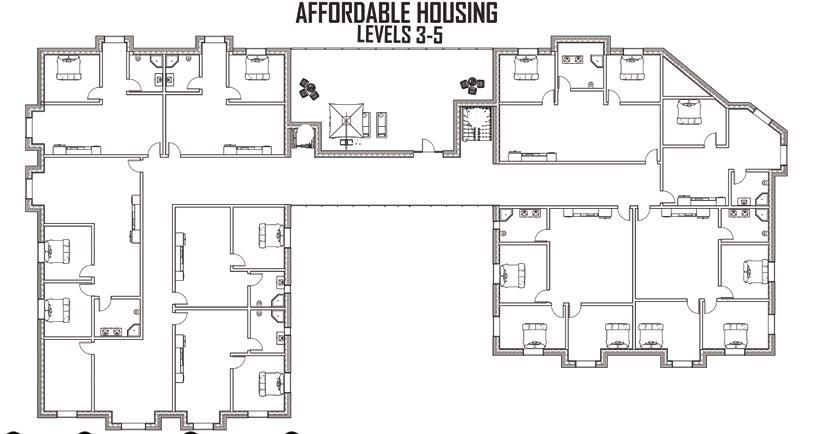
How did your education change the way you see the world around you?
Design school changed how I see the built environment, but my construction experience is what grounded it. I’m aware when design drifts away from reality, and I value solutions that make sense on site, not just on paper.
What kind of projects do you dream of working on in the future?
I want to be part of something honest. Work that is well thought out, well built, and doesn’t pretend to be more than it is.
What has changed in your design work since you started at Dunwoody?
My work has become more intentional. I used to focus heavily on how things looked; now I start with purpose, structure, and context. I think more about systems, users, and long-term impact instead of just form.
What’s a challenge you faced that made you stronger?
I had to get comfortable making decisions without knowing if they were right. That uncertainty forced me to rely on process instead of reassurance.
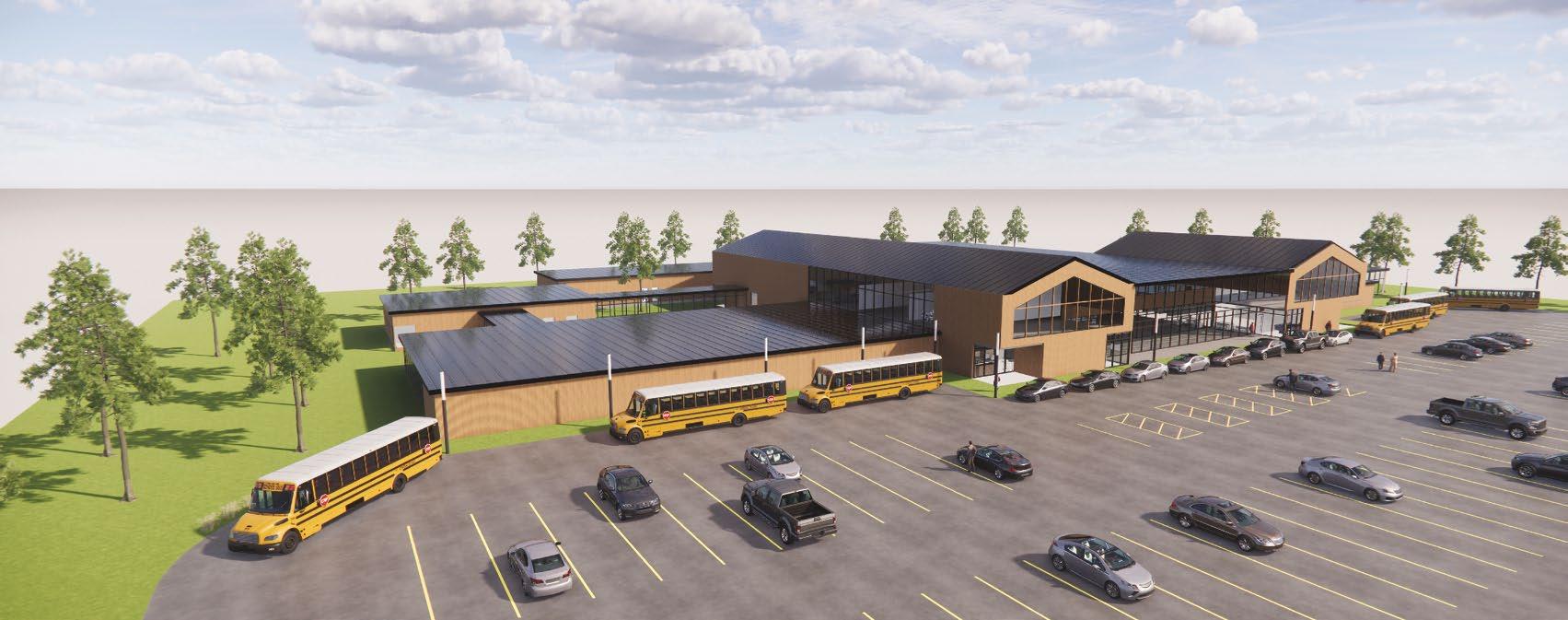
How did your education change the way you see the world around you?
I see that challenges in design are not obstacles, but rather opportunities for innovation. This perspective encourages me to approach each project with hope and optimism, using architecture and design as tools to better serve people and the environment.
What kind of projects do you dream of working on in the future?
I would love to work on projects that benefit the community, like museums, parks, community centers, or libraries. It’s rewarding to see how people use a space that you had a part in designing.
What has changed in your design work since you started at Dunwoody?
Since starting at Dunwoody, my design work shows a greater focus on community and sustainability. I approach my projects with a communal lens, focusing on how my design can improve the lives of the community and environment it serves.
What’s a challenge you faced that made you stronger?
While studying at Dunwoody, I faced several external challenges that were beyond my control. Being able to navigate these circumstances while remaining committed to my education taught me resilience, time management, and how to adapt under pressure. These skills ultimately made me stronger personally, academically, and professionally.
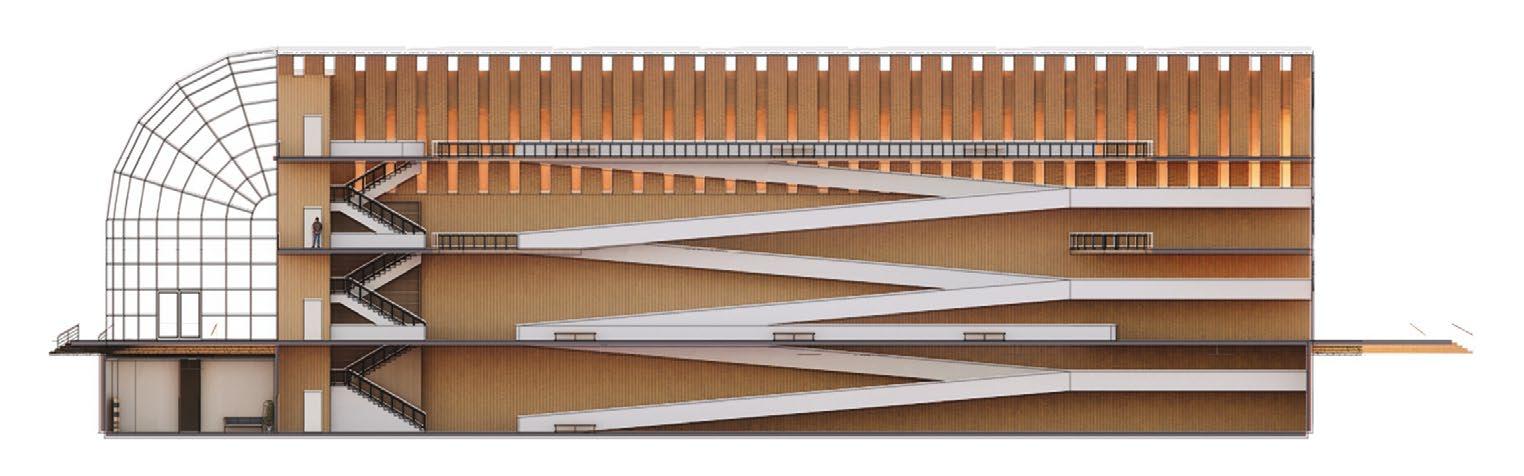
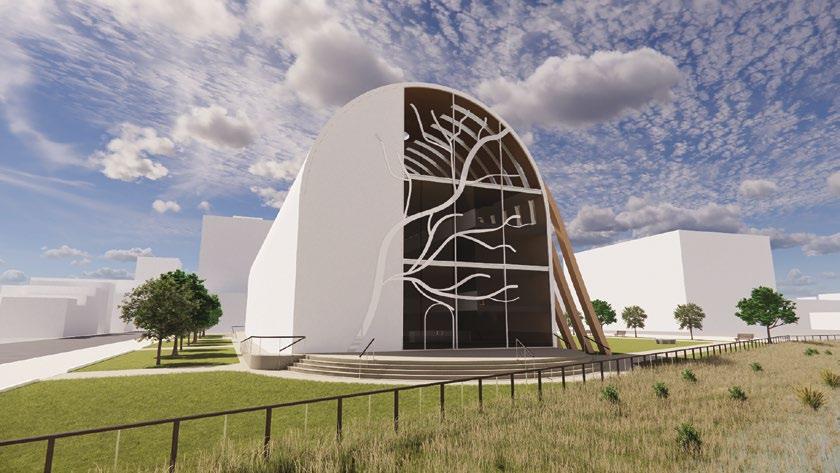
How did your education change the way you see the world around you?
My education made me look at the world with more thought about how things go together and why they were designed.
What kind of projects do you dream of working on in the future?
I would love to work on someone’s dream home.
What has changed in your design work since you started at Dunwoody?
I learned new ways of explaining my visions more clearly.
What’s a challenge you faced that made you stronger?
My grandmother’s passing made me stronger because I learned to love all of my work regardless of if it seems meaningless.
How did your education change the way you see the world around you?
It makes me want to do more. I want my work to have more of an impact in the world, and to be able to make a difference.
What kind of projects do you dream of working on in the future?
Community centers, schools, shelters, and daycare centers.
What has changed in your design work since you started at Dunwoody?
People-focused instead of building-focused.
What’s a challenge you faced that made you stronger?
Having so much chaos and obstacles outside of school year after year and still having to make time to do good work.
How did your education change the way you see the world around you?
Studying design has made me more attentive and empathetic. I’m more attuned to how spaces shape behavior and how people interact with their surroundings. It’s given me a deeper appreciation for the systems, histories, and intention behind every design choice, and a stronger belief that thoughtful design has the power to improve people’s lives.
What kind of projects do you dream of working on in the future?
I’m especially drawn to civic and community-focused projects. I hope to work on designs grounded in research, community engagement, and environmental stewardship. My dream is to contribute to work that serves the public, creates more equitable spaces, and invites people to engage with architecture in ways that foster connection.
What has changed in your design work since you started at Dunwoody?
I’ve learned to approach design with a stronger sense of intention and have become more confident in my ability to synthesize research and ideas into deliberate design decisions. My work has shifted from being primarily aesthetically driven to understanding how design can shape experiences, support communities, and respond to context in meaningful ways.
What’s a challenge you faced that made you stronger?
In my fifth-year, my computer suffered a fatal error, and I lost all my work. I was forced to reevaluate my decisions and approach my work with a fresh outlook. The work I produced was stronger, intentional, and more aligned with my vision. It taught me resilience, adaptability, and the value of trusting the process even when it feels insurmountable.
How did your education change the way you see the world around you?
My Dunwoody education has provided me with a new outlook on activism and standing up for what is right in my community. As future architects, we have a lot of power to make positive and tangible changes in our world and uplift those who have long been oppressed.
What kind of projects do you dream of working on in the future?
I originally went into architecture to design singlefamily residential homes — which I’m still curious about — but I love designing community spaces. My dream would be to work for a firm where I can learn more about both!
What has changed in your design work since you started at Dunwoody?
From my first semester to my last semester, I have better organization skills, processes, and an artistic style that allows for better adaptability to projects. My work shows graphics with much higher quality and clarity, and design that better supports the end user of the space.
What’s a challenge you faced that made you stronger?
The biggest challenges I’ve experienced would be time management and deadlines. The time-crunch of finishing a final project is tough and takes a lot of determination to finish strong. Looking back, my time management continued to improve with every project.
How did your education change the way you see the world around you?
I have become more aware of how the built environment impacts us and how to manage some of those things. I see things through a perspective of social, economic, and environmental impact. Understanding these implications informs decisions I make daily and in my design work.
What kind of projects do you dream of working on in the future?
I enjoy anything that allows me to express craftsmanship or employ creative strategies and problem-solving. On a smaller scale, this is creating unique details or being able to build things that I design. On a larger scale, it could be multi-faceted projects with high potential for social impact.
What has changed in your design work since you started at Dunwoody?
My design work has become more informed throughout my time at Dunwoody. I’ve learned to emphasize understanding who we are designing for through research, community interaction, and design theory. These skills allow me to create efficient, meaningful spaces that people genuinely want to use.
What’s a challenge you faced that made you stronger?
Time constraints, which have caused me to evolve and learn how to better prioritize. It is something that I am continuously developing, but has greatly improved my work capabilities.
How did your education change the way you see the world around you?
I understand the importance that architecture has on the public eye. My education has taught me that we as designers can truly shape the way that a space is not only designed, but how the community will interact with that space!
What kind of projects do you dream of working on in the future?
I hope one day to work in the hospitality, heath-care, and higher education sectors. I dream of designing a large scale hospital project, a luxury hotel, and any large university project!
What has changed in your design work since you started at Dunwoody?
Adding all of the process work that comes with completing a project has been a big change for my work. I love including diagrams and graphics that convey the information I want my audience to be able to understand rather than just showing fancy renders.
What’s a challenge you faced that made you stronger?
I had issues with my time management skills early on in my time at Dunwoody. Some of my instructors and fellow classmates gave me plenty of tips to improve upon that skill!
How did your education change the way you see the world around you?
Becoming more educated will never do you wrong. It only strengthens your will and curiosity to learn.
What kind of projects do you dream of working on in the future?
I have a very special place in my heart for animals and if I can work with them in any way in this career, it would be my dream come true.
What has changed in your design work since you started at Dunwoody?
Being too hard on yourself can cause you to lose motivation. Never give up on the reason why you came to Dunwoody in the first place.
What’s a challenge you faced that made you stronger?
Being not only a woman in a male dominated field, but also a minority, has really been another reason for me to keep going for other girls and women like me that seek further education in a room full of men.
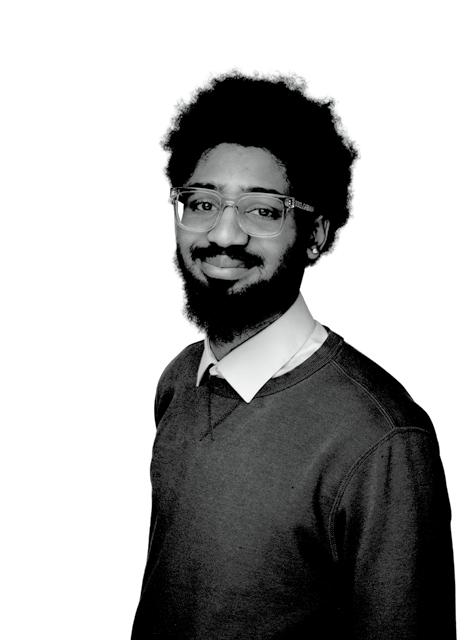
How did your education change the way you see the world around you?
People want to be understood, supported, and cared for. Architecture can help address problems, but it is not enough on its own. I aim to use design creatively while contributing real value to people and place.
What kind of projects do you dream of working on in the future?
Community-driven residential work, Lo-TEK inspired builds, and master planning projects worldwide. I want to design with real people, learn from place, and stay connected through travel and collaboration.
What has changed in your design work since you started at Dunwoody?
My efficiency and process. Process saves time and sharpens thinking. I now have stronger tools and confidence to take an idea from concept through a finished design, ready for professional practice.
What’s a challenge you faced that made you stronger?
I took time away to reset my balance and grow into adulthood. I committed to returning when I was ready. Dunwoody supported that return, and it put me back on track to graduate.
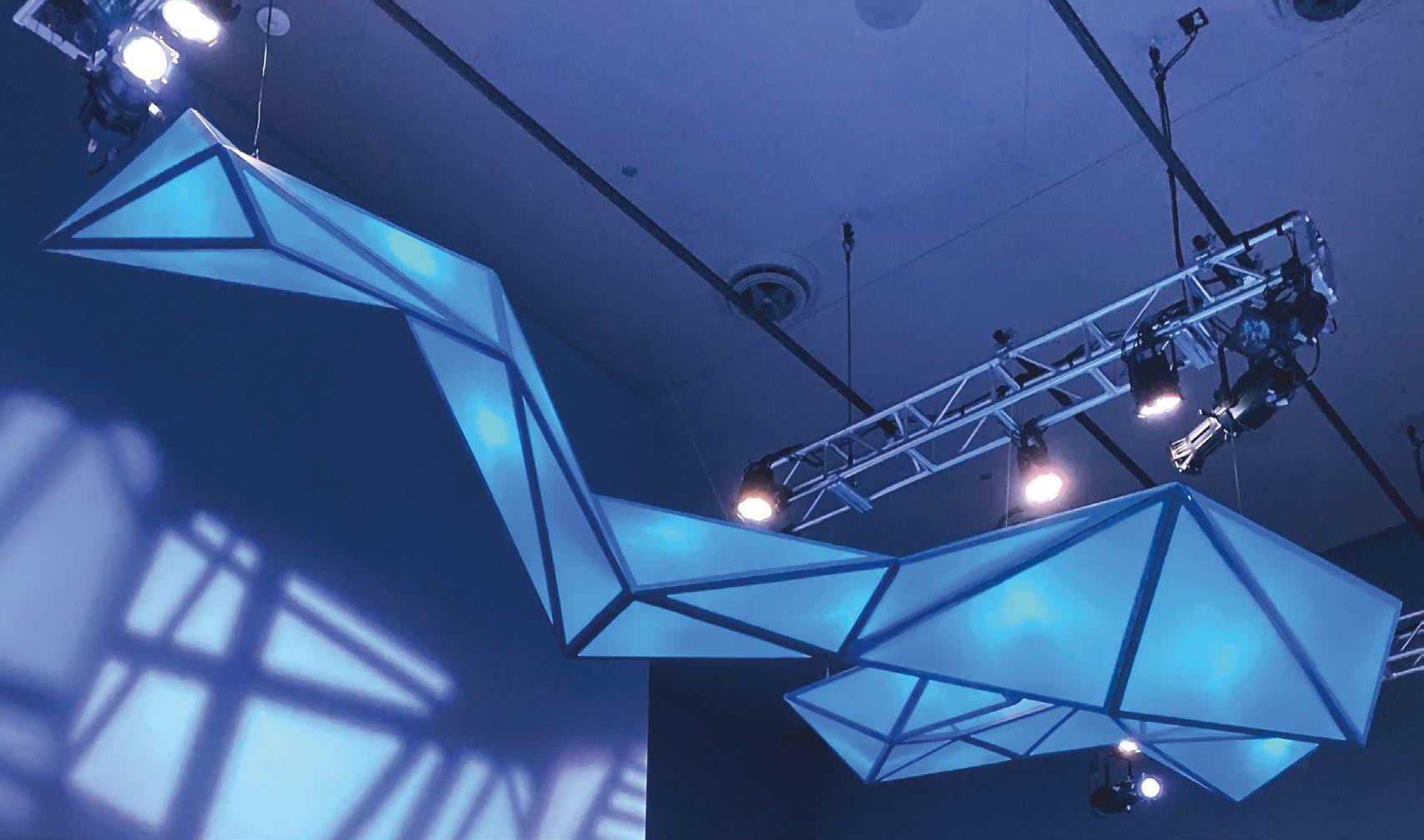
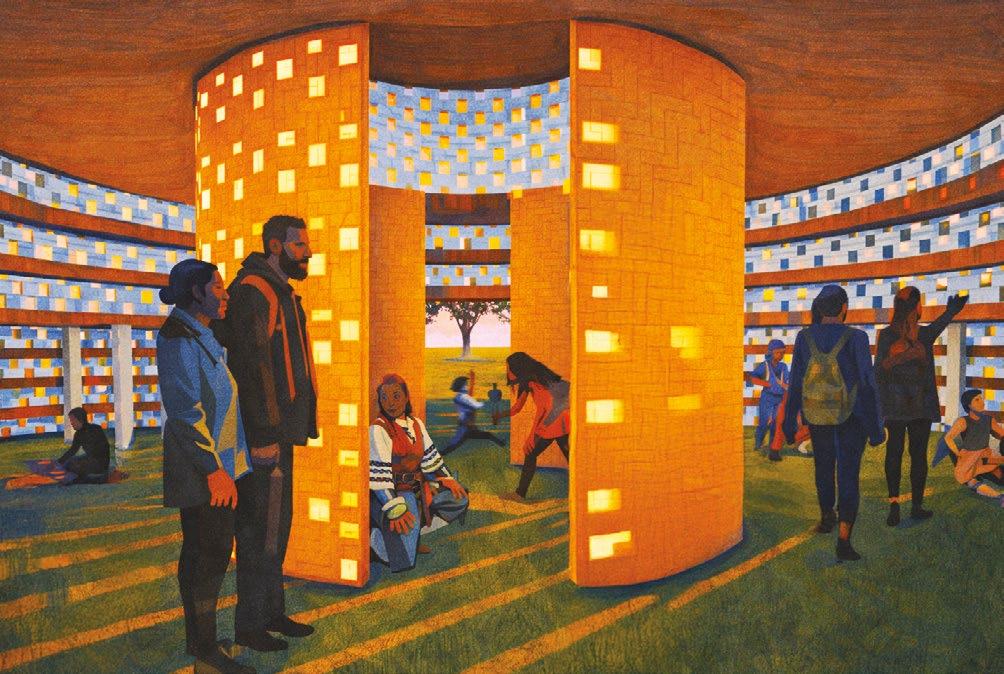
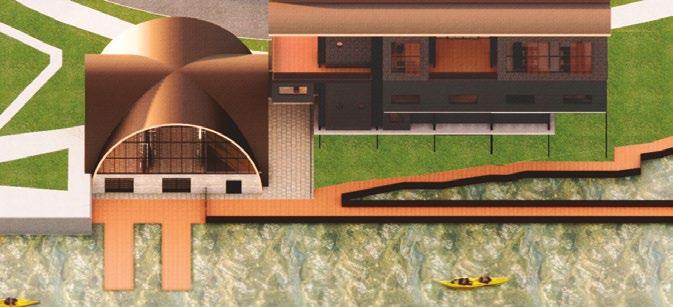
How did your education change the way you see the world around you?
My education taught me to see architecture as a reflection of society. With intention, innovation, and open-minded thinking, the built environment can become more equitable and supportive. I’ve learned that designers have the responsibility and the power to advocate for others and shape more equitable communities.
What kind of projects do you dream of working on in the future?
I plan to work on sustainable, green commercial projects that blend creativity with responsibility. I’m especially interested in work that addresses community needs, prioritizes environmental stewardship, and contributes meaningfully to the places and people it serves.
What has changed in your design work since you started at Dunwoody?
Since starting at Dunwoody, my design work has become more exploratory and self-directed. I’ve learned to embrace forms of creativity I hadn’t considered before, tap into a more childlike curiosity, and confidently develop my own design opinions rather than relying solely on external direction.
What’s a challenge you faced that made you stronger?
Returning to school as a non-traditional student after struggling in high school was a major challenge. I had to relearn how to learn, build self-motivation, and develop confidence in my abilities. That process strengthened my resilience and helped me grow both academically and personally.
How did your education change the way you see the world around you?
My education helps me better understand that nothing exists in isolation. It deepened my perspective on how elements interact with and respond to their surroundings, making me more considerate of the impact of design.
What kind of projects do you dream of working on in the future?
In the future, I hope to work on projects that impact people and improve their everyday experiences. Regardless of scale, I believe good design should always be people-centered and hope to be able to contribute towards that.
What has changed in your design work since you started at Dunwoody?
Since enrolling at Dunwoody, the biggest change in my design work has been my concept exploration. I’ve challenged myself to pursue and fully develop my more creative or large-scale concepts rather than playing it safe.
What’s a challenge you faced that made you stronger?
A challenge that made me stronger was pushing myself to explore more unconventional concepts. By fully developing ideas I might have previously dismissed it helped broaden my perspective and approach to design exploration.

How did your education change the way you see the world around you?
I am more curious about the world. Everywhere I go, I am always intrigued by new spaces or buildings.
What kind of projects do you dream of working on in the future?
My dream is to design homes, multi-family or single family.
What has changed in your design work since you started at Dunwoody?
My way of thinking for design is more empathetic, thinking more of the human experience rather than designing just for aesthetic.
What’s a challenge you faced that made you stronger?
Overcoming my fears time after time again, building that resilience over time.
How did your education change the way you see the world around you?
I notice more detail in the material and intent behind the designs. I see the positive in architecture, but also the negative in how it could be used. I am constantly thinking about how to make the world better through architecture.
What kind of projects do you dream of working on in the future?
Creative and impactful projects.
What has changed in your design work since you started at Dunwoody?
Increased attention to detail and use of materials.
What’s a challenge you faced that made you stronger?
I felt like I was behind everyone else, so I worked hard to catch up and achieved more than I expected.
How did your education change the way you see the world around you?
My education empowered me to question everything, not just how something works, but why it exists and who it benefits, allowing a deeper understanding of the necessities behind everyday functions.
What kind of projects do you dream of working on in the future?
I dream of pursuing work in regional planning in order to advocate for life-centered design. I believe it’s important to create spaces that truly support and enhance the well-being of all communities.
What has changed in your design work since you started at Dunwoody?
I’ve come to realize that my focus has shifted away from just aesthetics and now places greater emphasis on the long-term effects of a project on individuals, society, and the environment. It’s important to me to understand not only what physically exists, but also the historical implications, honoring the experiences of those affected.
What’s a challenge you faced that made you stronger?
I faced an internal challenge in discovering a design identity that truly reflected my holistic self, feeling authentic and personal. By embracing my life experiences and my culture, I learned to honor every aspect of my journey, the beautiful and the ugly. Through this process, I celebrated all that makes me who I am.
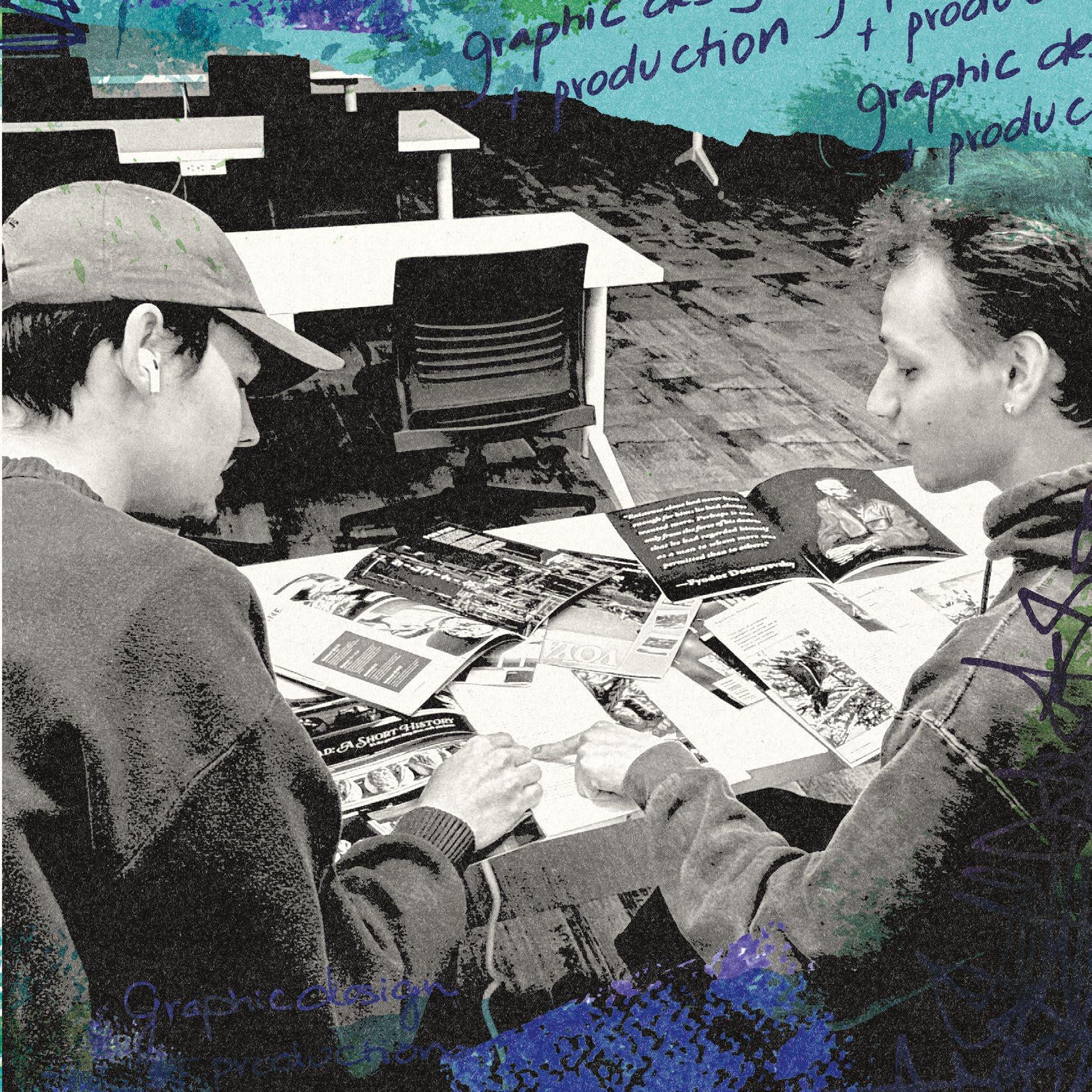
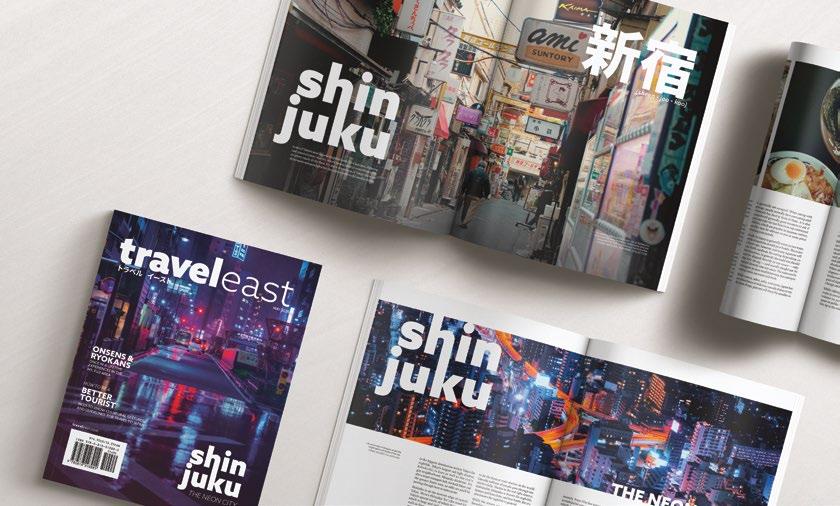
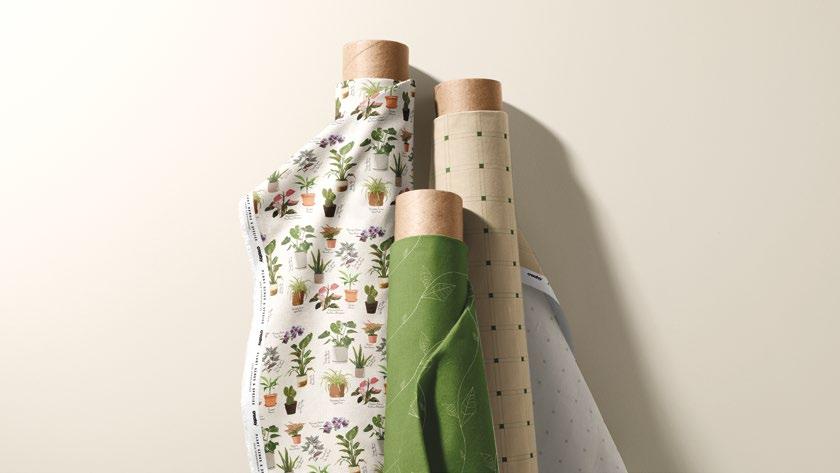
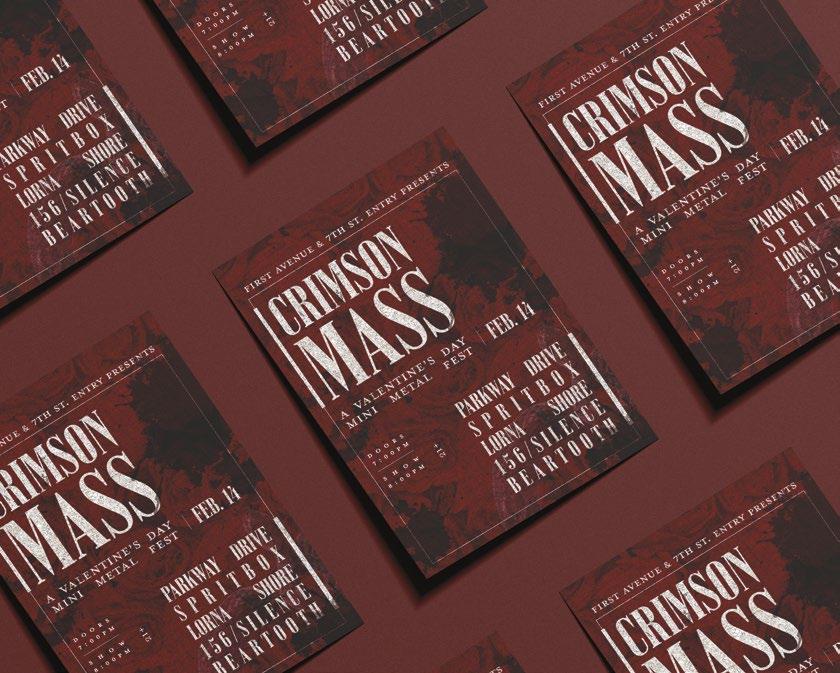
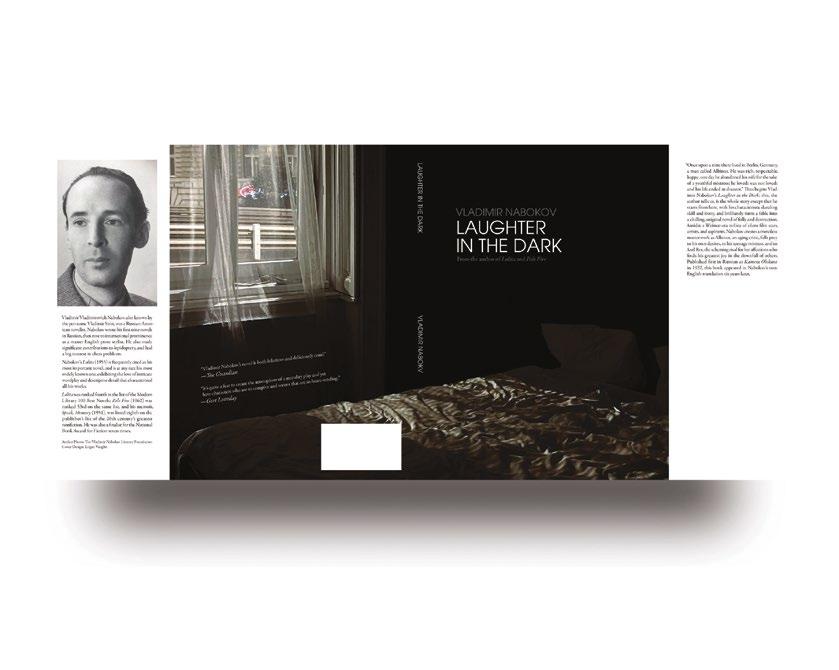
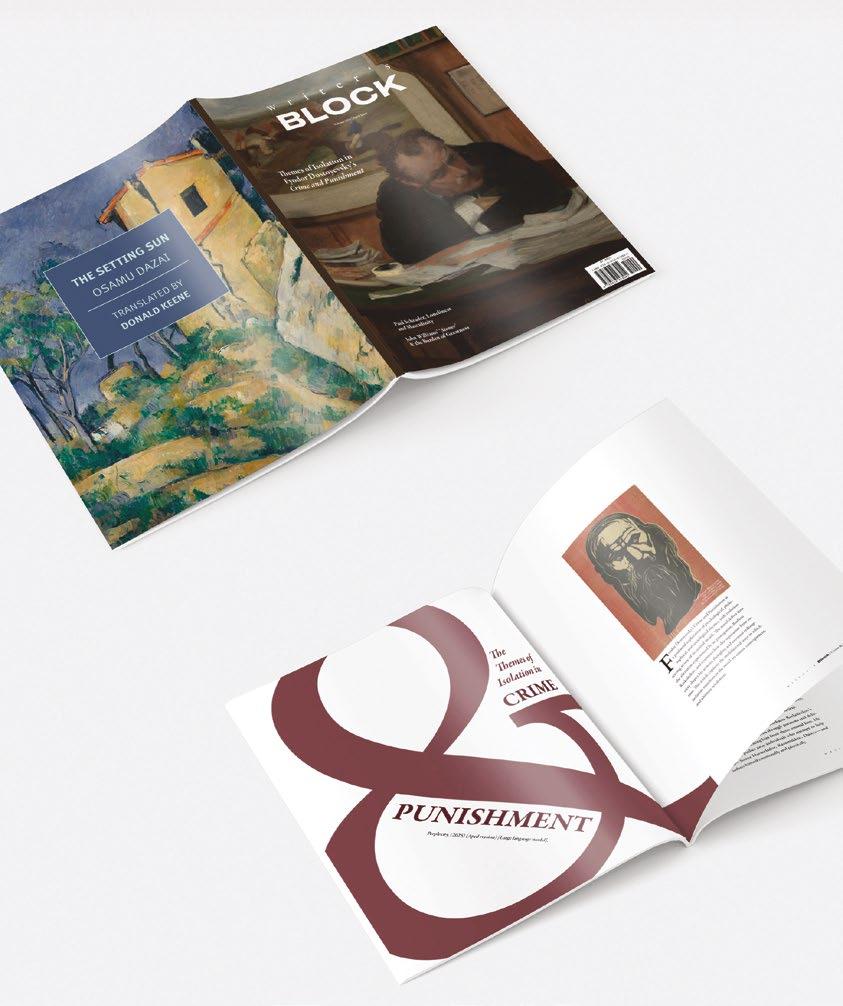
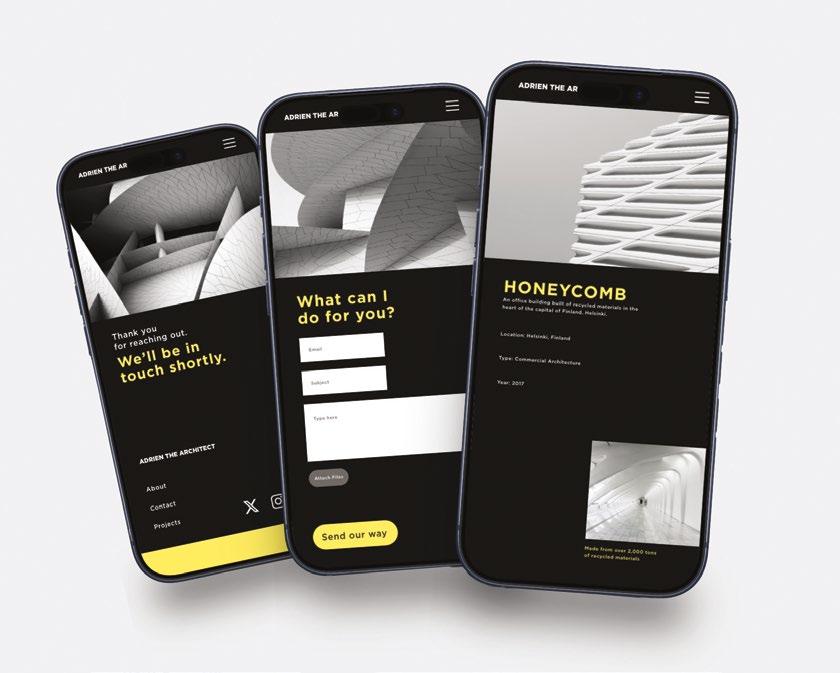
Dunwoody’s Graphic Design & Production program is a two-year Associate of Applied Science degree.
A degree from Dunwoody’s School of Design involves community engagement, hands-on, real-world experience, and leadership in the profession. Our distinctive position within a college of technology gives us access to collaborations across a variety of technical disciplines. Our students work intimately with an on-campus print shop, state-of-the-art design and production equipment, and learn from industry experts.
Students understand design theory and production work-flows through project-based learning, preparing to work in a variety of creative fields, including marketing, advertising, publishing, packaging, and display design.
Our Graduates are Industry-Ready & Born to Design
How did your education change the way you see the world around you?
I had always been aware of the world around me, and all of the graphic design that goes into it, but I now am able to see the psychology of why things are the way they are.
What kind of projects do you dream of working on in the future?
I would love to work on any type of print work, but my main passion is in the film industry. Working on screen graphics, or set pieces is something I’d love, however I also really enjoy any type of layout and publication.
What has changed in your design work since you started at Dunwoody?
Consistency. At first, it was tough to get the hang of everything, and many projects didn’t have consistent quality, but as I’ve gotten better, the quality has gotten better as well.
What’s a challenge you faced that made you stronger?
The difference of workloads between each semester was tough to adjust to, but it made me ready for whatever was coming next.
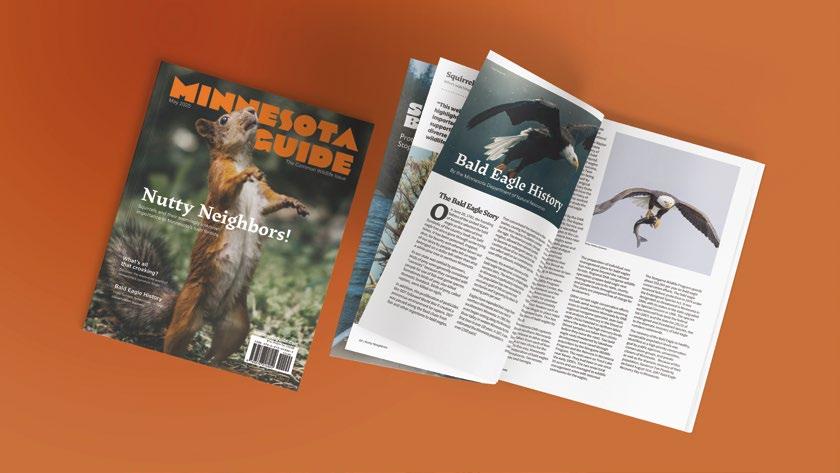

How did your education change the way you see the world around you?
My education taught me to observe more closely from typography in public spaces to branding, layouts, and visual systems everywhere I go. I now see design as a powerful tool that shapes experiences, influences emotions, and connects people in ways I never noticed before.
What kind of projects do you dream of working on in the future?
I’m passionate about working on projects that connect design with a meaningful impact. Whether I’m branding editorial design or experiential campaigns, I hope to create work that tells authentic stories that support their purpose.
What has changed in your design work since you started at Dunwoody?
Since starting at Dunwoody, my work has become more intentional and concept driven. I have learned to design with the audience, strategy, and storytelling in mind rather than just aesthetics. Now I approach projects with a stronger process, clearer problemsolving mindset, and greater confidence in my creative decisions.
a challenge you faced that made you stronger?
Learning to accept and apply constructive feedback was one of my biggest challenges. Early on, I took critiques personally, but over time I realized they’re essential to growth. Embracing critique helped me improve faster and communicate my ideas more clearly.
How did your education change the way you see the world around you?
I find myself subconsciously analyzing every piece of graphic design I see, thinking about how it could be improved or why it works. It’s a double-edged sword.
What kind of projects do you dream of working on in the future?
I’d love to work in the music industry someday. Making posters, album artwork, and merch for artists I admire is a dream of mine.
What has changed in your design work since you started at Dunwoody?
I’ve grown a lot more patient during my time at Dunwoody. It’s important to take your time and embrace the discomfort in the things you are passionate about. It will only help you grow as an artist and designer.
What’s a challenge you faced that made you stronger?
Time management was a big issue for me when I first started at Dunwoody. I realized pretty quickly that if you want to make something good, you have to take advantage of the time you’re given. It’s almost impossible to design something you’re proud of an hour before it’s due.
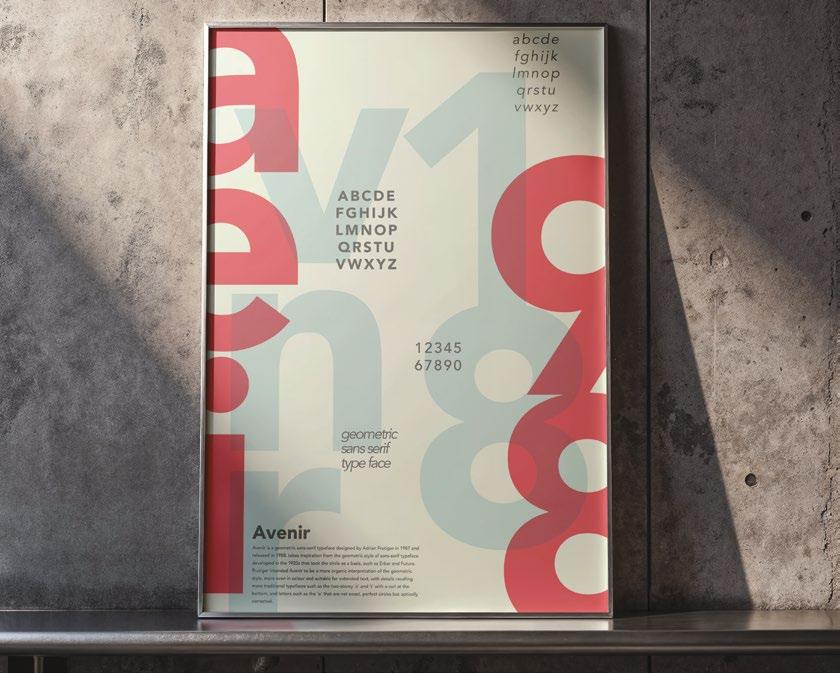
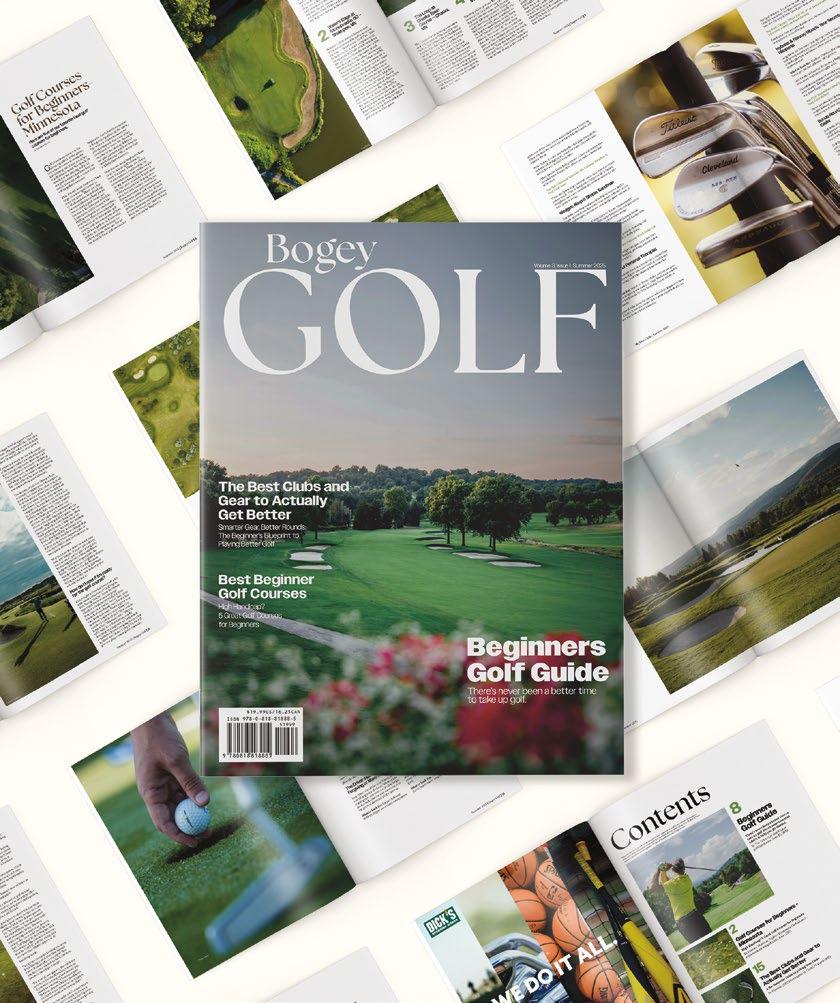
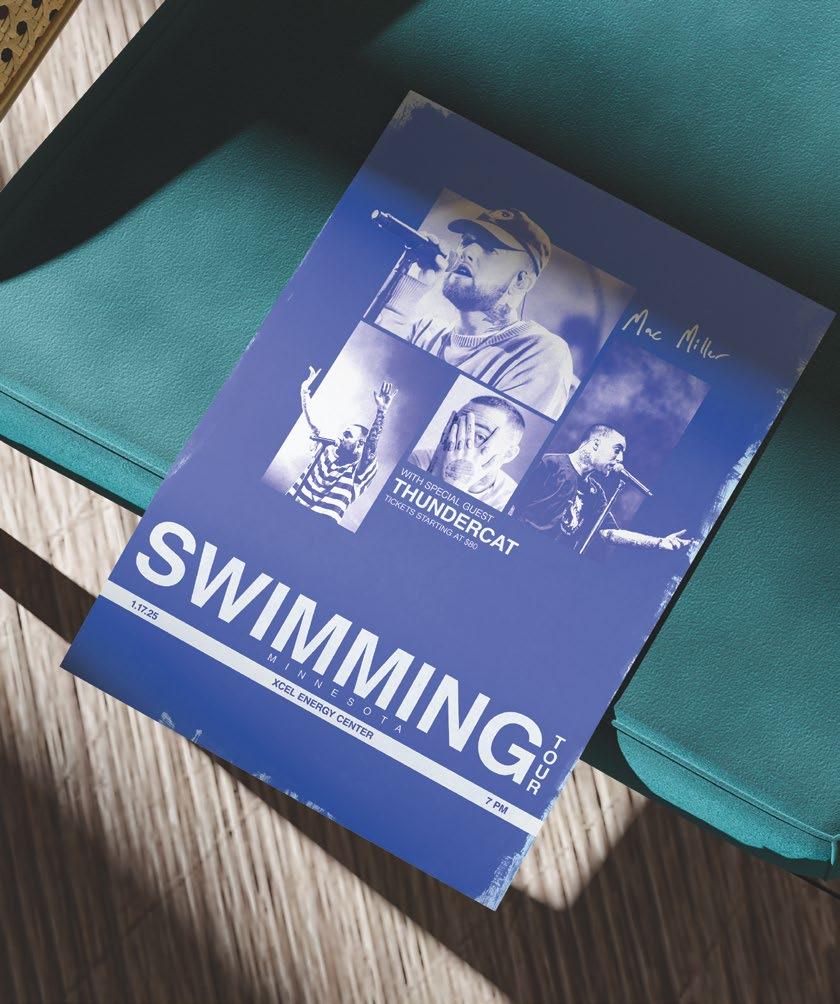
How did your education change the way you see the world around you?
After studying graphic design, I now observe objects around me differently. I notice how things are laid out, color choices, typography choices, etc. I notice how I am interacting with my various surroundings to see if I would change anything to have a different emotional or visual experience.
What kind of projects do you dream of working on in the future?
In the future, I hope to work on projects centered around branding and visual communication, especially things like brand identity systems, flyers, marketing materials, and social media design. I am also very artistic, therefore I would love any future projects that would allow my illustration skills to shine through.
What has changed in your design work since you started at Dunwoody?
Since I started at Dunwoody, I have become a lot more intentional with my design decisions. Instead of only designing to make things look good, I have started designing with purpose, being very intentional with every decision, making sure my designs will connect with the audience.
What’s a challenge you faced that made you stronger?
A challenge I have faced at Dunwoody is comparing myself to other graphic design students. Over the course of time, I have focused on growing and becoming more confident in myself as a designer, realizing that every designer is different, not making one better than the other.
How did your education change the way you see the world around you?
I now often think of the process that designs have to go through in order to be completed. Things like packaging and branding have so much going on behind the scenes.
What kind of projects do you dream of working on in the future?
I dream of working on a marketing/design team for some Minnesota sport team, preferably the Timberwolves. Go Wolves!
What has changed in your design work since you started at Dunwoody?
I have definitely become more refined in my work and I’m able to make so much more than I was able to before.
What’s a challenge you faced that made you stronger?
Being able to balance everything in my life while going through school. I have been able to see myself managing myself and my time a lot better.
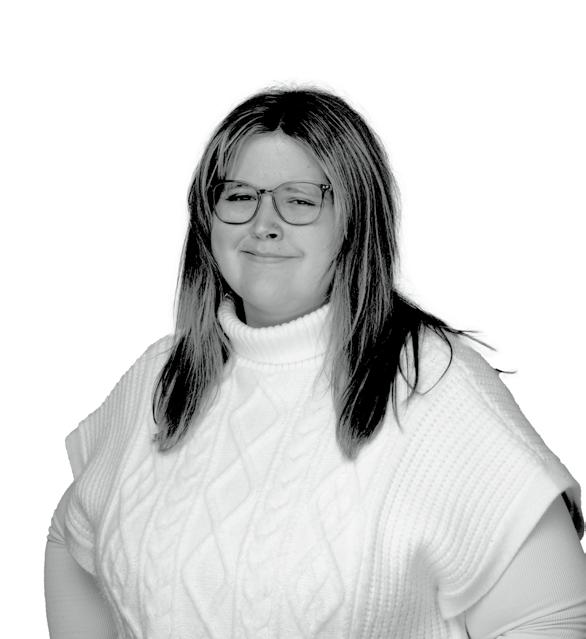
How did your education change the way you see the world around you?
My education has changed how I see the world because I now notice design everywhere. Whether it’s a billboard or a cafe’s branding, I don’t just see an ad anymore, I see the designer’s work and the decisions behind it. It’s made me appreciate the design details around me even more.
What kind of projects do you dream of working on in the future?
In the future, I would love to work on store design projects, as the planning and modeling involved in bringing a physical space to life really interests me. I’m also drawn to branding for musicians, especially creating album covers, vinyl packaging, and merchandise that reflects their identity and sound.
What has changed in your design work since you started at Dunwoody?
My layout skills have grown a lot stronger in my work since learning more about design principles and typesetting. I’m more intentional with hierarchy, spacing, and how elements work together in a composition.
What’s a challenge you faced that made you stronger?
Sketching, I didn’t frequently sketch before coming to Dunwoody, but being pushed to sketch more frequently has made my ideas and concepts stronger in the result. It gives me the ability to get my ideas out on paper.
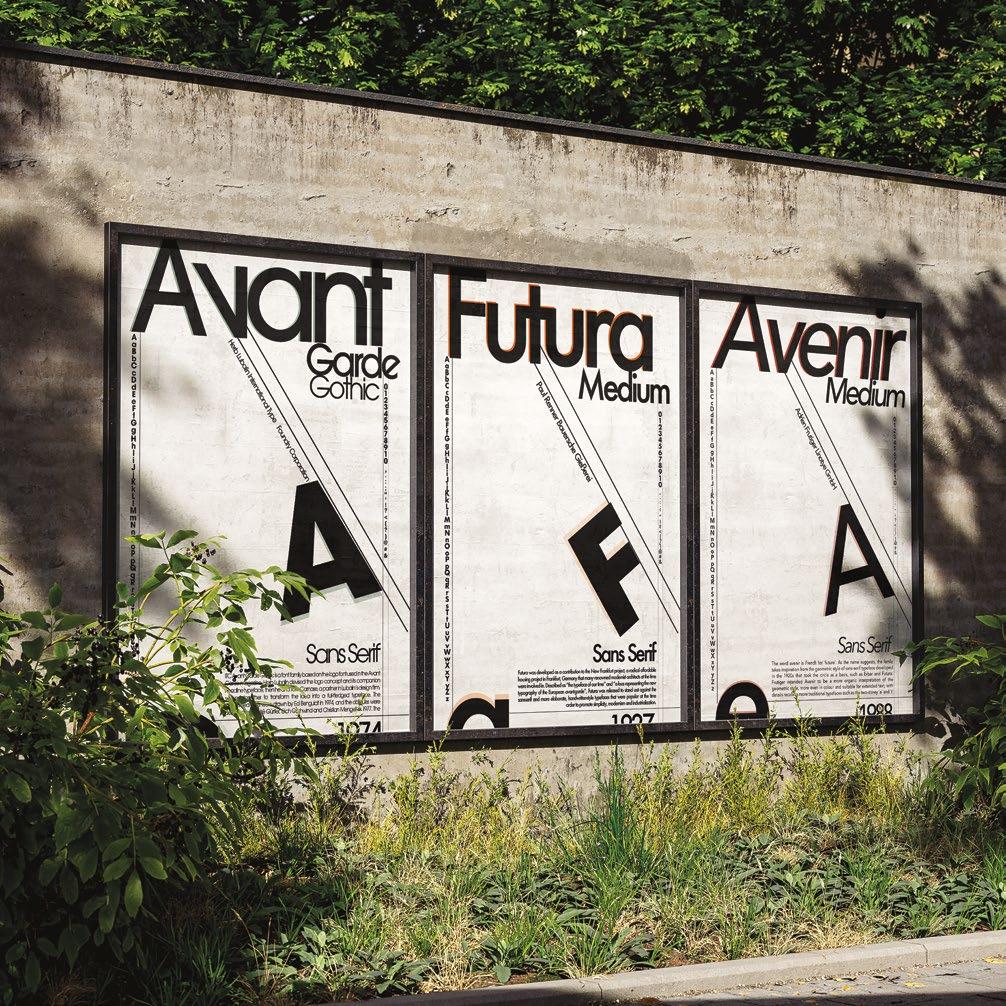


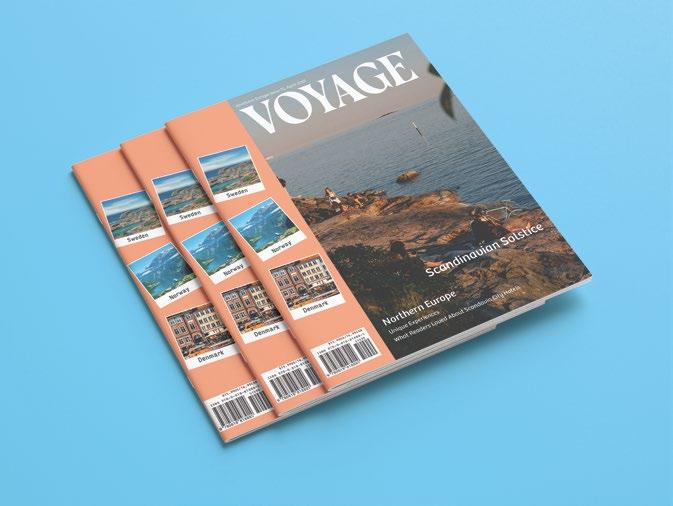
How did your education change the way you see the world around you?
It makes me look at type and the designs of posters much differently. I start to cringe whenever I see mistakes I’d lose points for in the real world.
What kind of projects do you dream of working on in the future?
I think designing ads or boxes would be a lot of fun.
What has changed in your design work since you started at Dunwoody?
My work got more colorful and expressive as the year went on.
What’s a challenge you faced that made you stronger?
Coming up with a design out of nothing is still challenging, but fun to me.
How did your education change the way you see the world around you?
I notice design in everything. I pay attention to details, messaging, and how visuals influence the way people think and feel.
What kind of projects do you dream of working on in the future?
I dream of working on projects that can benefit animals any way I can, and projects that are working with bigger brands or working with artists. I want my work and design to feel meaningful and connect with people.
What has changed in your design work since you started at Dunwoody?
My design work has changed because I learned to take feedback, push my ideas further, and revise my work. I’m able to explain my choices better than just saying, “I liked it.”
What’s a challenge you faced that made you stronger?
One challenge I faced was doubting myself and comparing my work to other peoples. It made me stronger because I have learned to trust my own style and focus on my growth instead of competing.
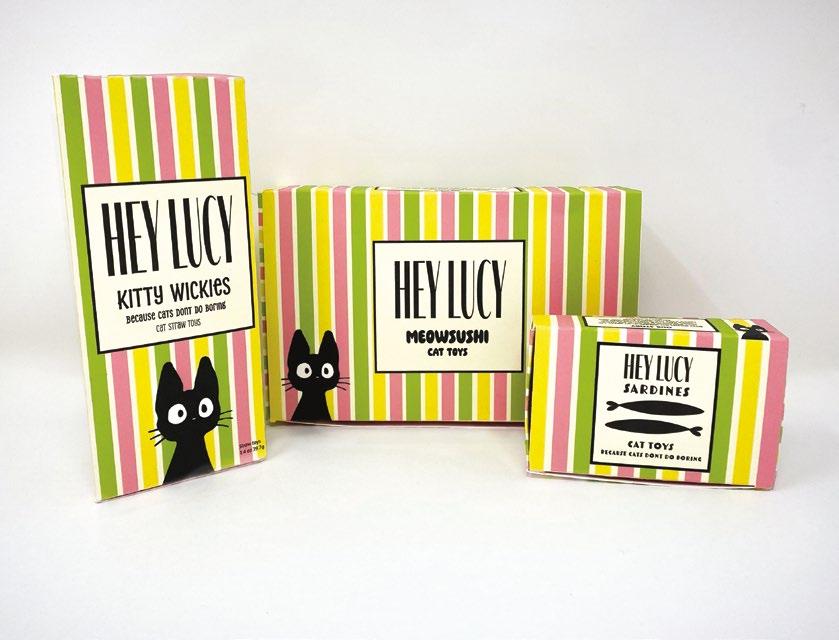
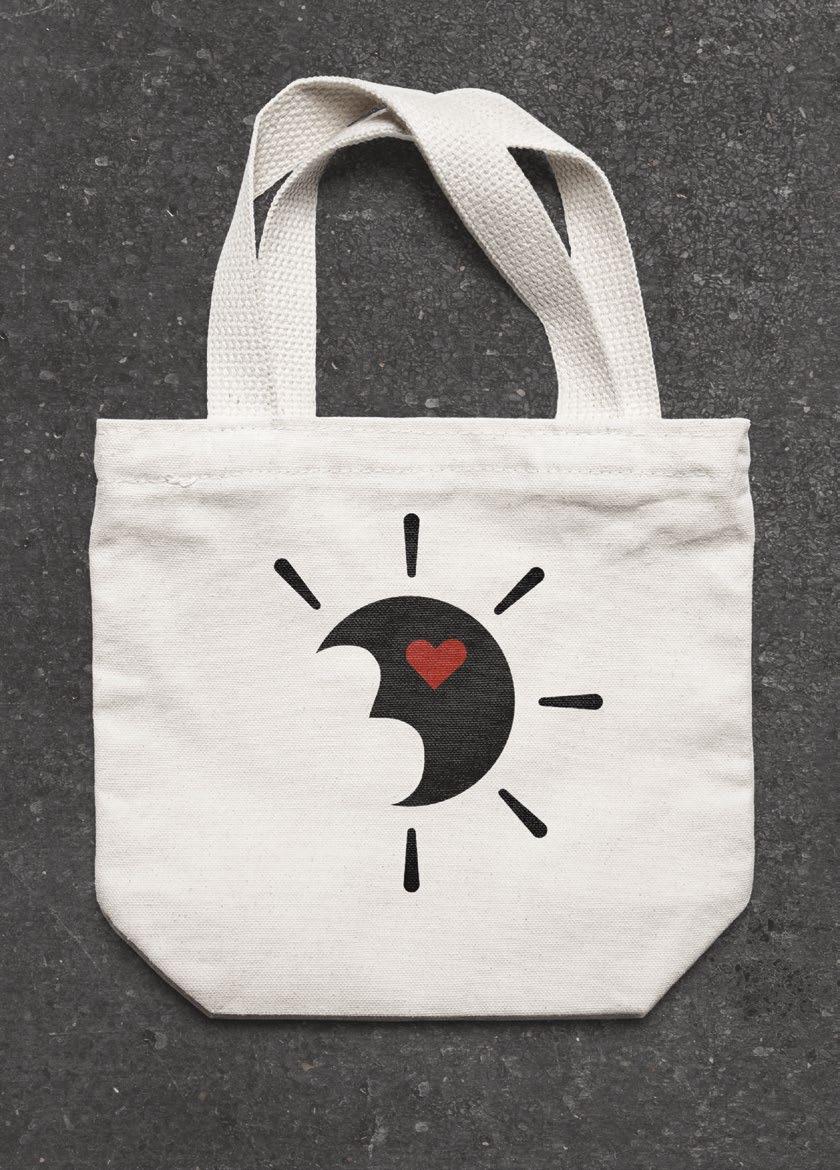
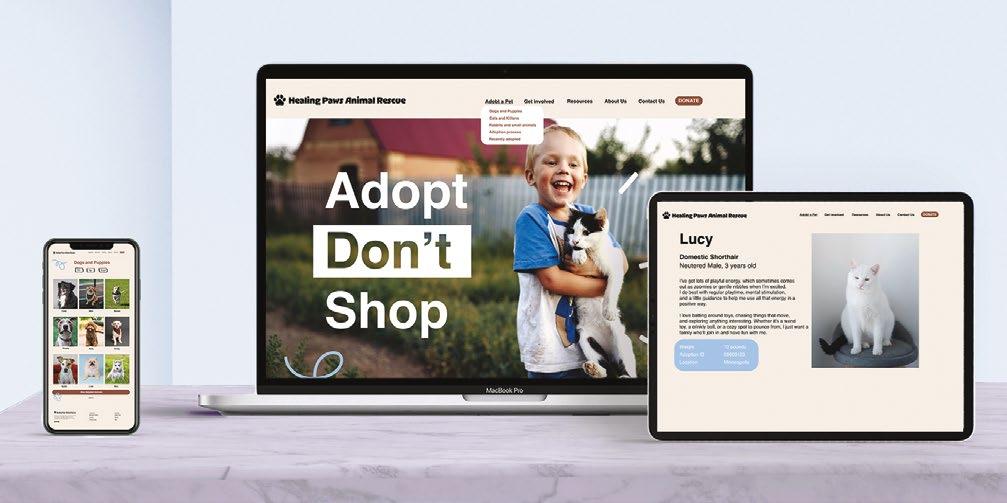
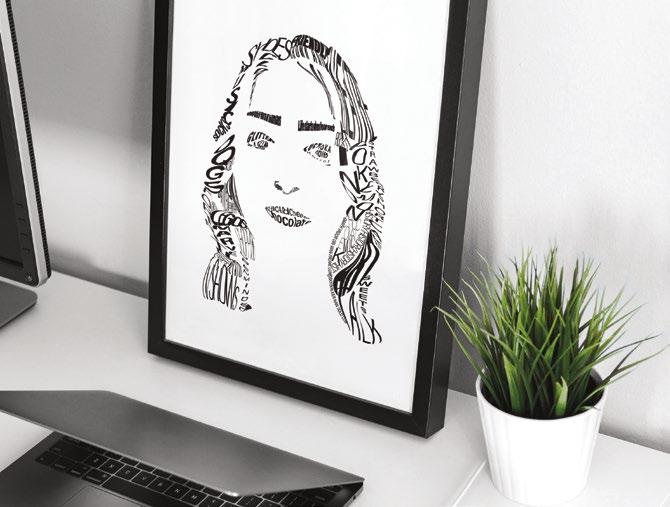
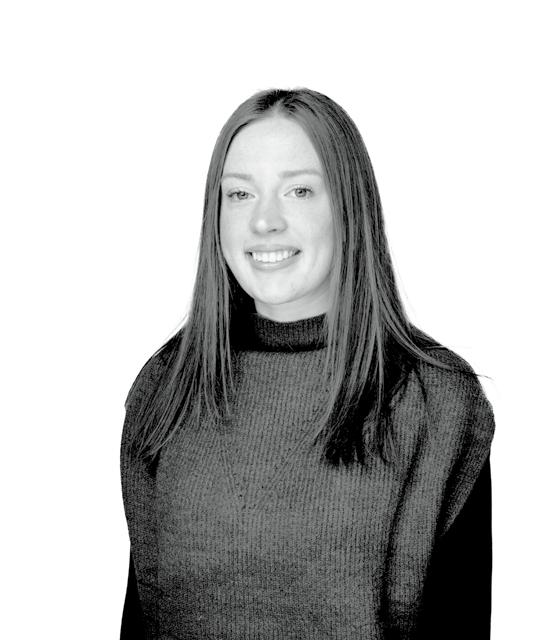
How did your education change the way you see the world around you?
When I look around and I see menus or billboards my mind always asks, “is that designed graphic accessible to everyone?” I never realized how inaccessible the world we live in is (especially the digital world) and the small amount of people aware of it. Designs should be for everyone.
What kind of projects do you dream of working on in the future?
My dream projects would be working with companies to help connect and engage with audiences through social media campaigns. I would love for my projects to bring more inclusivity and laughter to the digital marketing world.
What has changed in your design work since you started at Dunwoody?
The design is in the details. What font you choose, or the leading between lines of type are all little details that can completely change a design. I think of design as a puzzle, if you choose to ignore a piece of your puzzle (or design) it will never be complete.
What’s a challenge you faced that made you stronger?
The biggest challenge I faced was myself. Learning to trust my instincts and not let my self-doubt limit my designs. Taking a risk is scary, but it’s what has shaped me into a more confident designer and person.

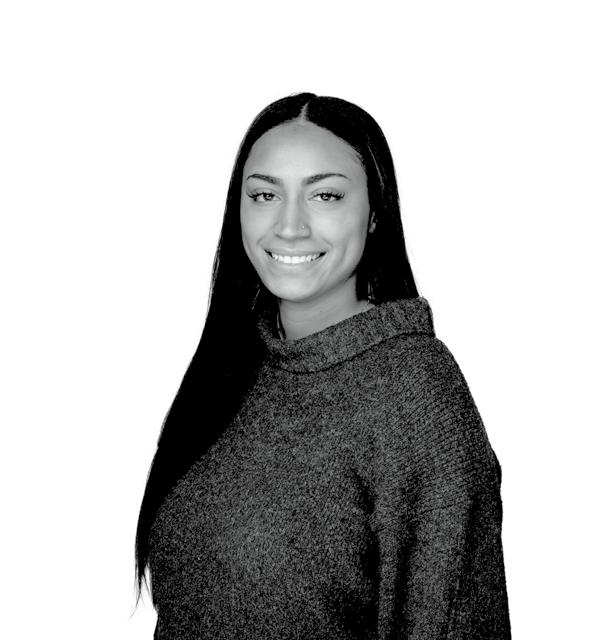
How did your education change the way you see the world around you?
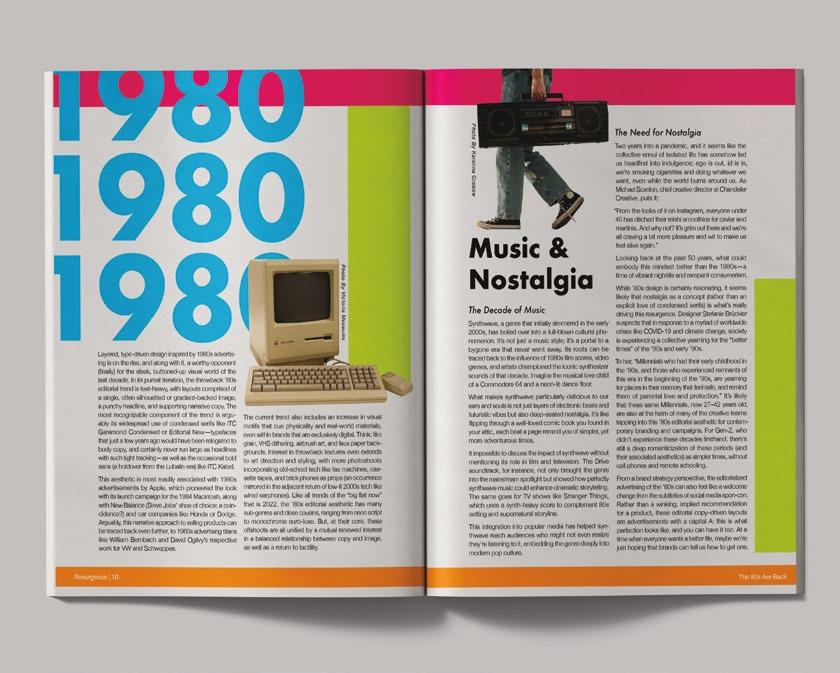
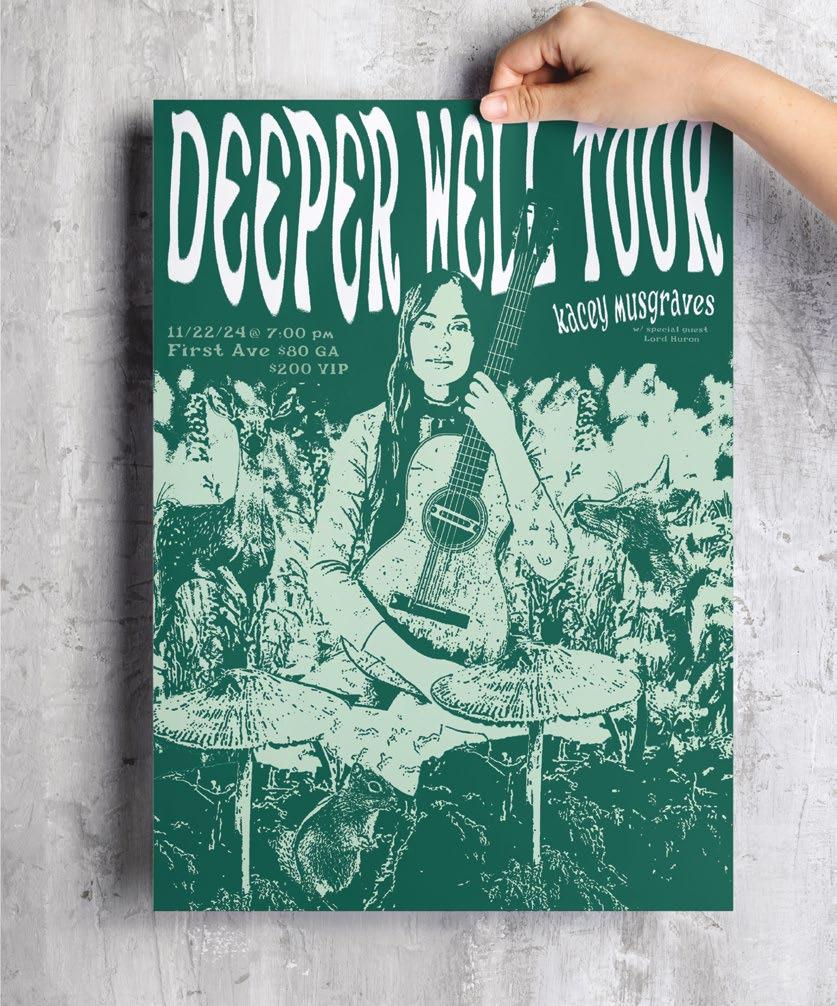
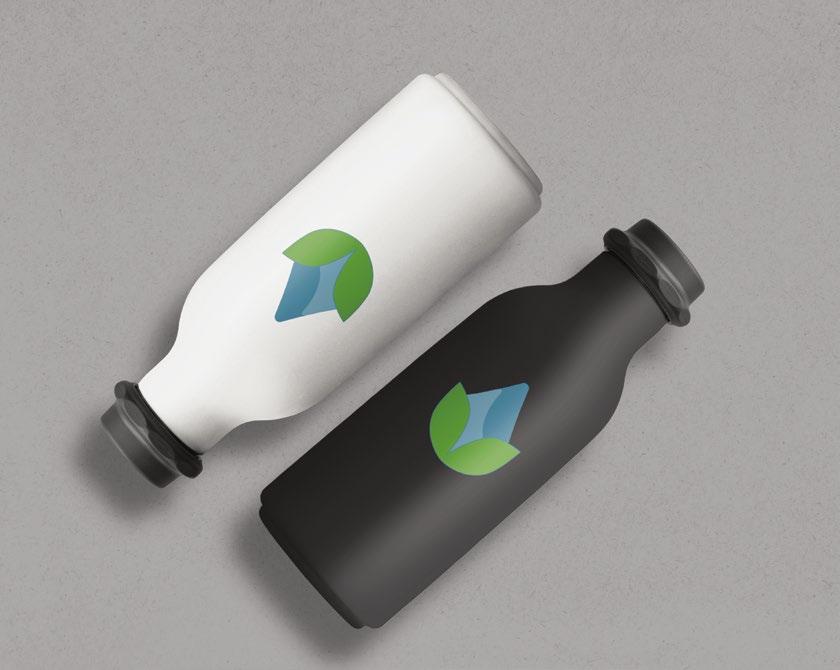
Design is everywhere and it’s all around you everyday. I now see the world though the eyes of a designer, which is something I’m very proud of.
What kind of projects do you dream of working on in the future?
Working within sports and being able to create campaigns, design marketing ads, etc., working within films doing post-production work.
What has changed in your design work since you started at Dunwoody?
My attention to detail as well as my design eye have developed a lot over my time here. When looking at my first projects I see a lot of growth and how I apply the rules of design now.
What’s a challenge you faced that made you stronger?
Structural work has definitely been a challenge because of how much math and precision it involves. But learning packaging has helped broaden my skills as a designer, making me more versatile.
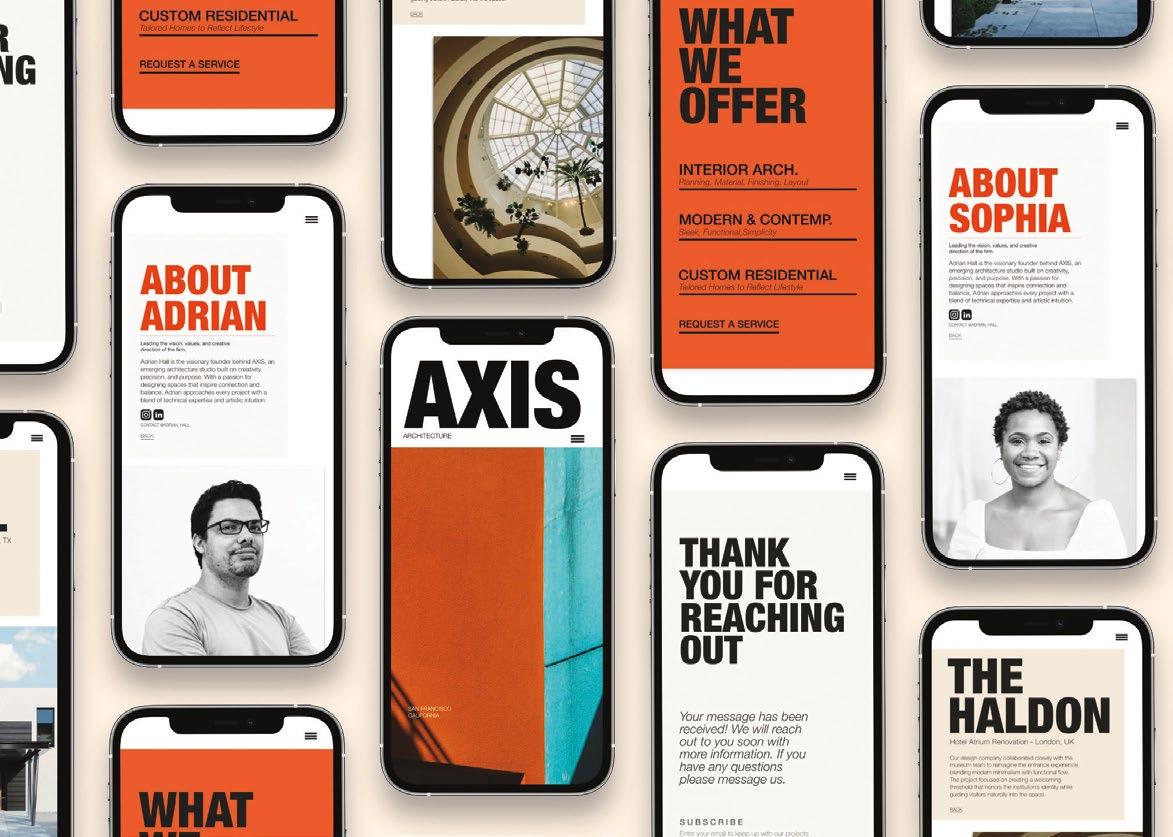
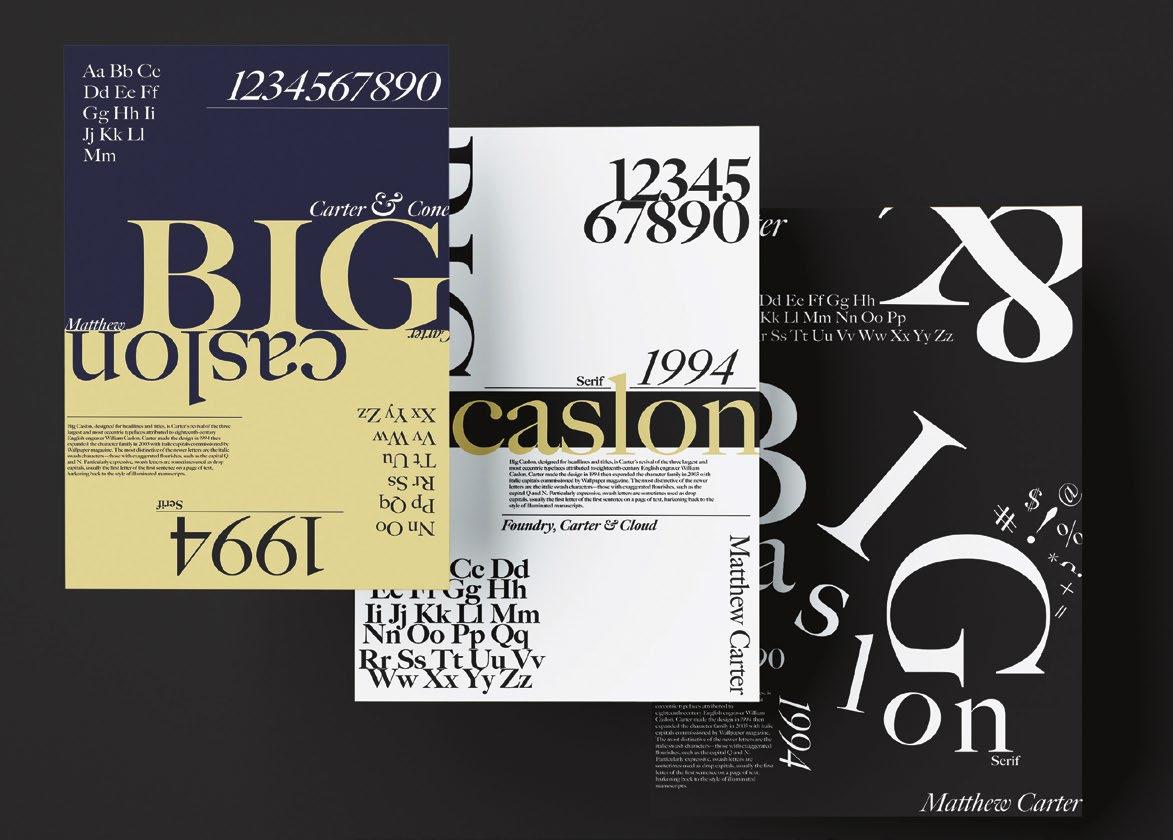
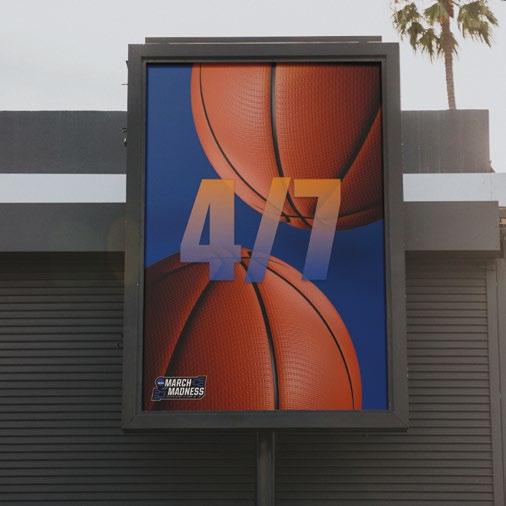
How did your education change the way you see the world around you?
Graphic Design is everywhere, in varying degrees of effectiveness and quality. Once you are able to identify an effective or ineffective piece of design, you can learn something from almost every piece of design you see.
What kind of projects do you dream of working on in the future?
I love to design for print/physical media! If the design will exist somewhere in the physical world, the opportunity to make that a reality is exciting to me.
What has changed in your design work since you started at Dunwoody?
Creation in my design work is not for the sake of creation solely. Design is intended to solve a problem and meet a user’s needs. Intentionality is key.
What’s a challenge you faced that made you stronger?
When possibilities are infinite, making a definitive design choice can be difficult. That issue has made me aware of how important the up-front development and conceptual design is.

How did your education change the way you see the world around you?
A small thing I’ve noticed specifically after learning about packaging is which companies optimize how they pack things versus those who do not.
What kind of projects do you dream of working on in the future?
I like structured print design, so things like page layouts or publication design sounds like it would be fun.
What has changed in your design work since you started at Dunwoody?
I am more open to design ideas that coming in I never thought I would touch (ex. I never thought I would enjoy layout design.)
What’s a challenge you faced that made you stronger?
Learning to trust my ability to create has been a struggle, but I think I’m overcoming that doubt and constant need for someone to tell me what I have to do in order to succeed.
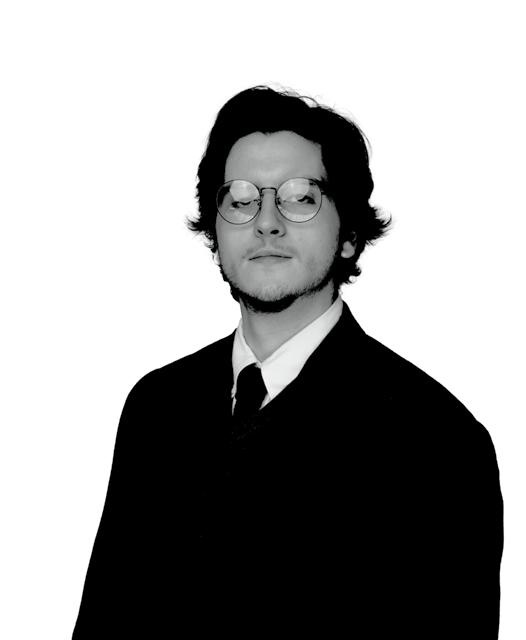
How did your education change the way you see the world around you?
It reaffirmed what I had already thought. In a perfectly balanced sort of way.
What kind of projects do you dream of working on in the future?
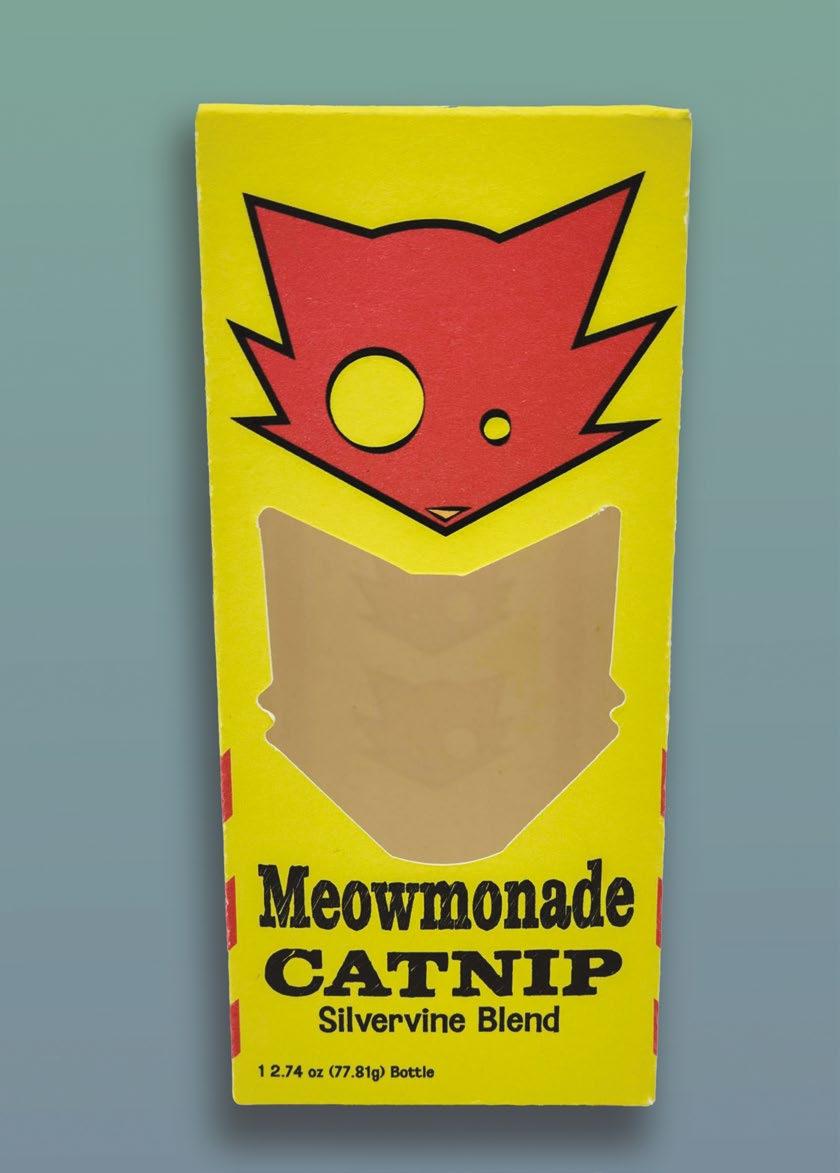
Editorial and Book Design.
What has changed in your design work since you started at Dunwoody?
Creating, revising, and adhering to a design process that works best for me.
What’s a challenge you faced that made you stronger?
Taking off the training wheels and experiencing the world of design; last minute changes, technical difficulties, and meeting deadlines.
How did your education change the way you see the world around you?
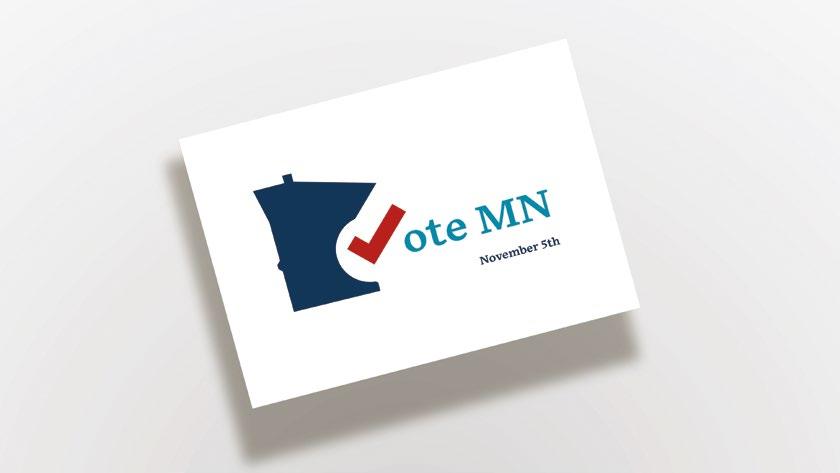
It made me realize how prevalent design is in the world, and how many things are either badly designed, or designed to be bad.
What kind of projects do you dream of working on in the future?
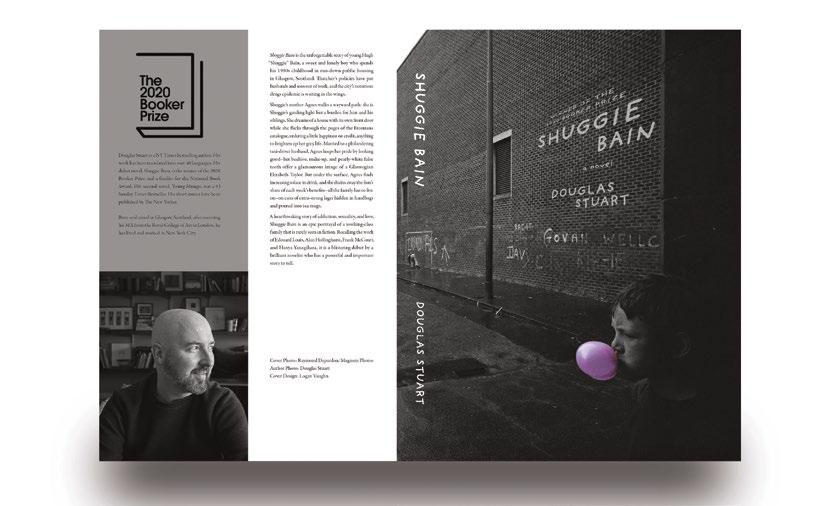
Structural designs that challenge the status-quo, that make the viewer question how something like that could be done.
What has changed in your design work since you started at Dunwoody?
The confidence I have in my design choices has improved greatly from my time here.
What’s a challenge you faced that made you stronger?
The feeling that I am not talented, and that I don’t belong in this field. The confidence that I have developed as I challenge this personal assumption has been extremely helpful.
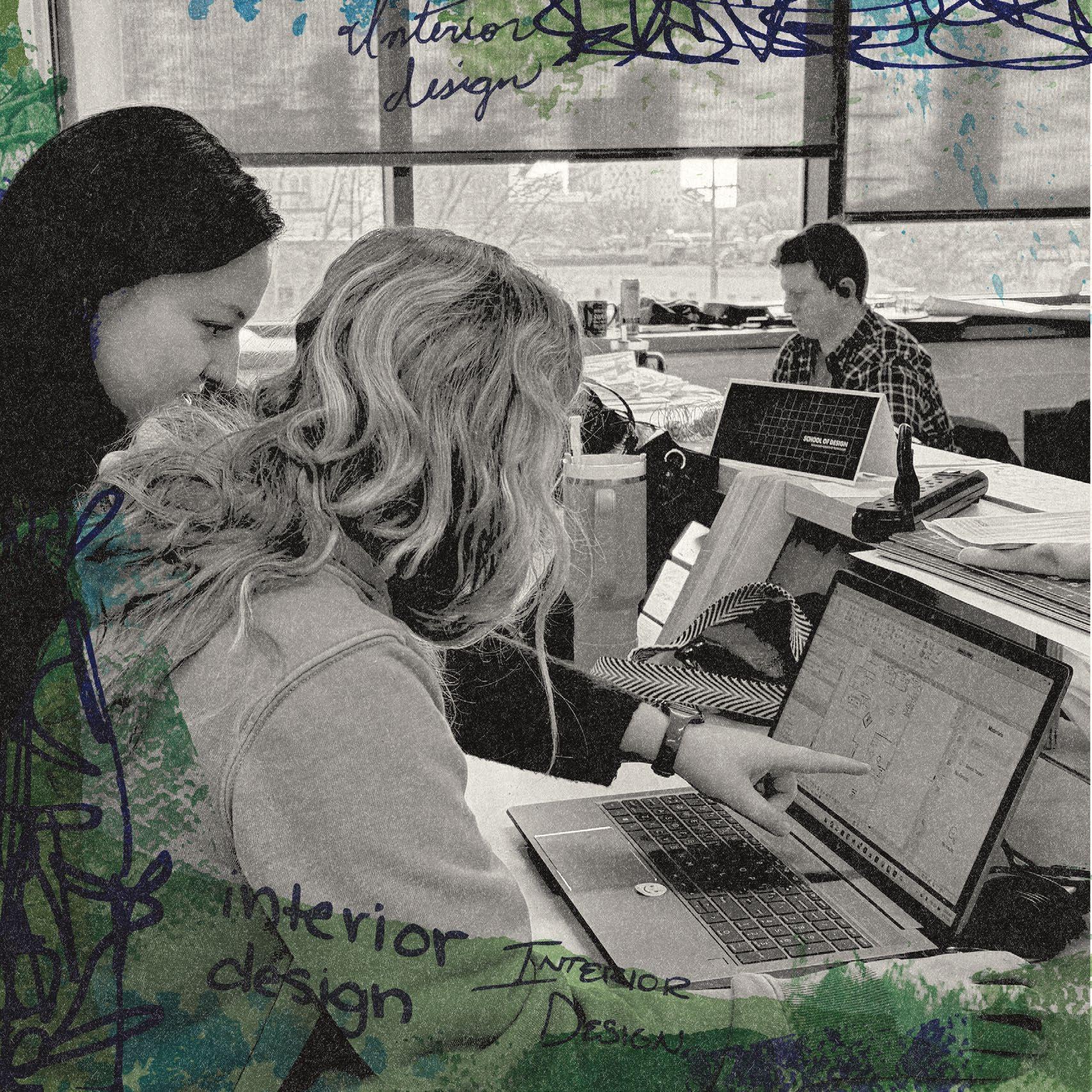
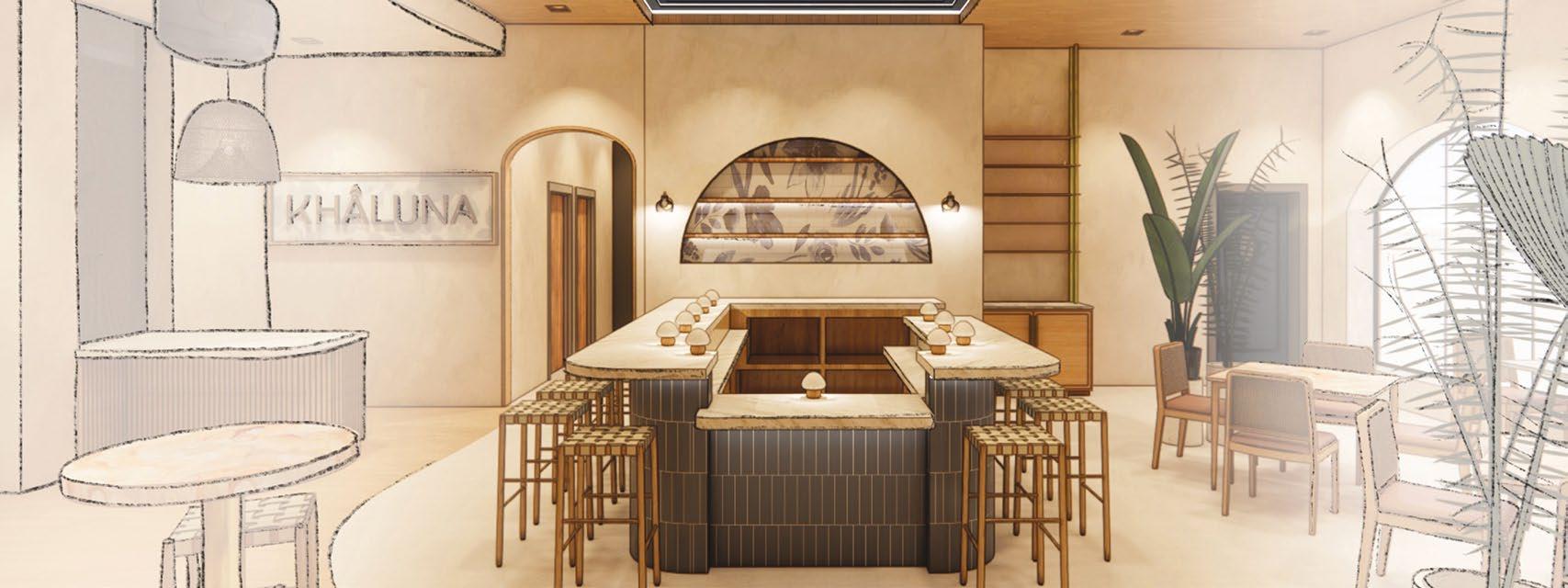
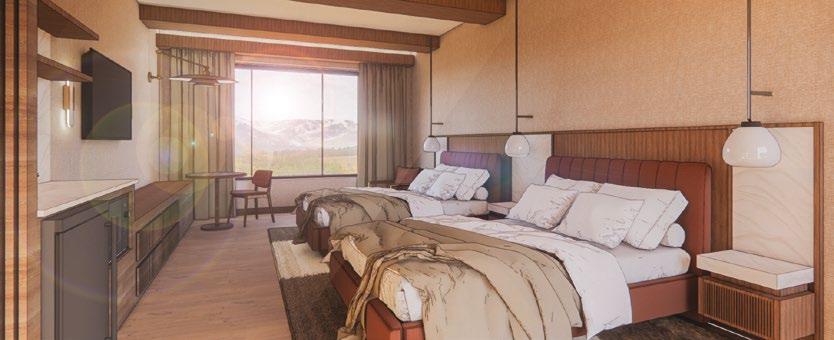
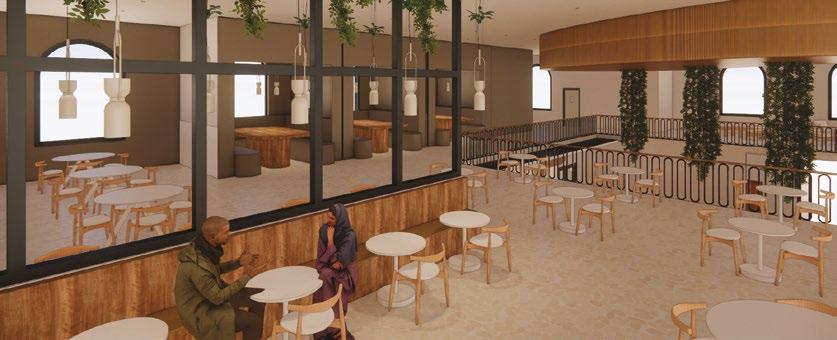
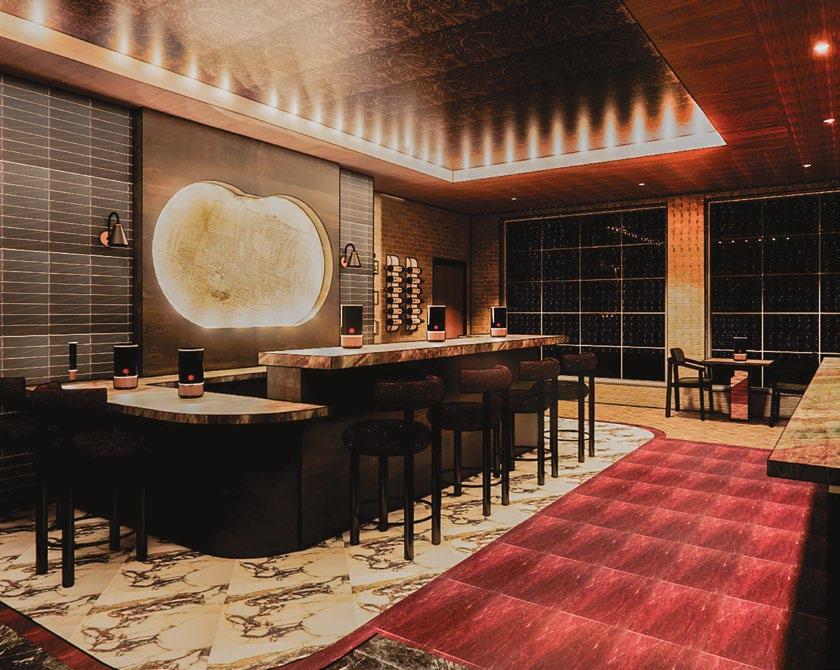
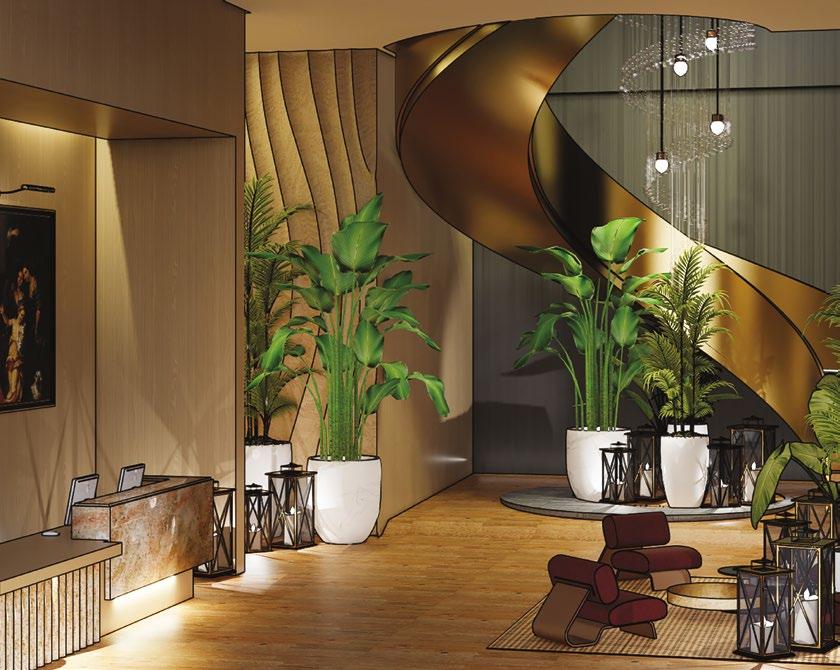
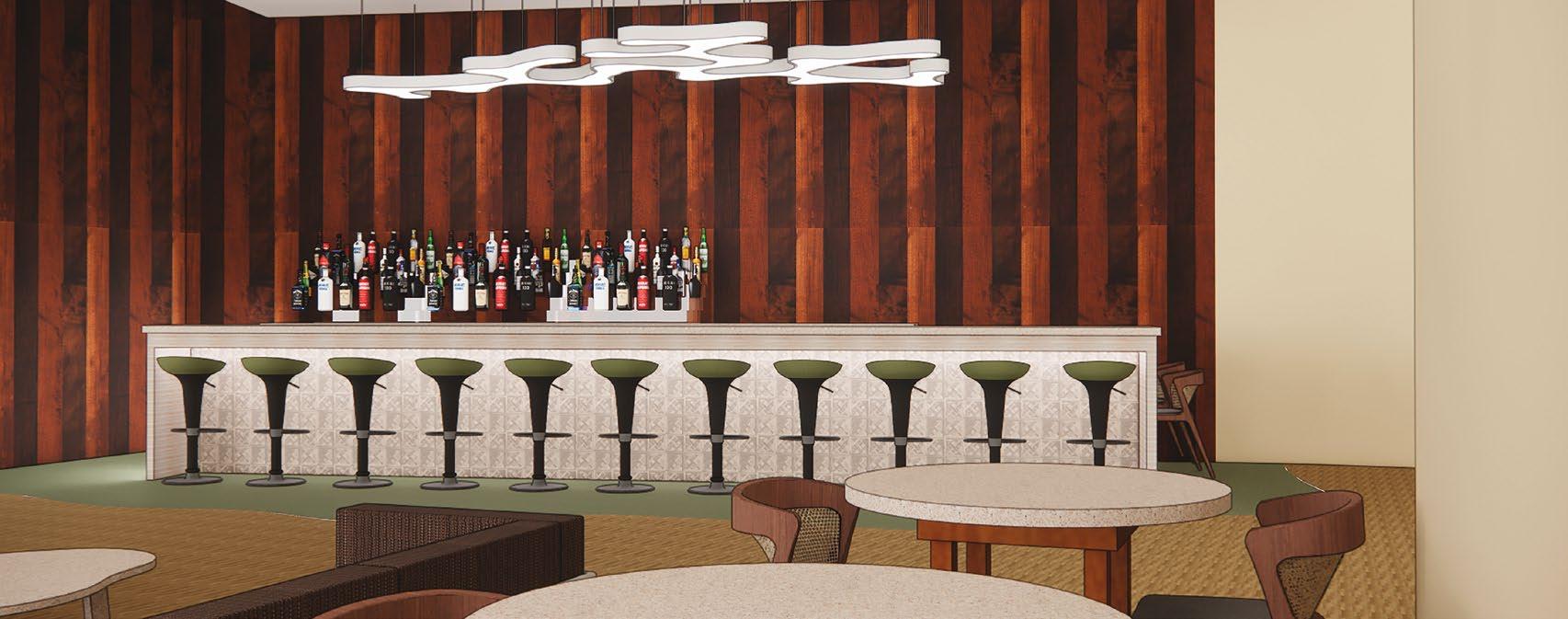
Dunwoody’s Interior Design program is a four-year Bachelor of Science degree accredited by CIDA.
A degree from Dunwoody’s School of Design involves community engagement, leadership in the profession, and a responsibility to health, safety, and well-being. Our distinctive position within a college of technology gives us access to collaborations across a variety of technical disciplines. Our students work intimately with industry software and fabrication tools, and learn from industry experts.
Students understand depth of concept, design theories, material integrity, and spatial relationships, allowing them to present unique designs to peers and industry professionals.
Our Graduates are Industry-Ready & Born to Design
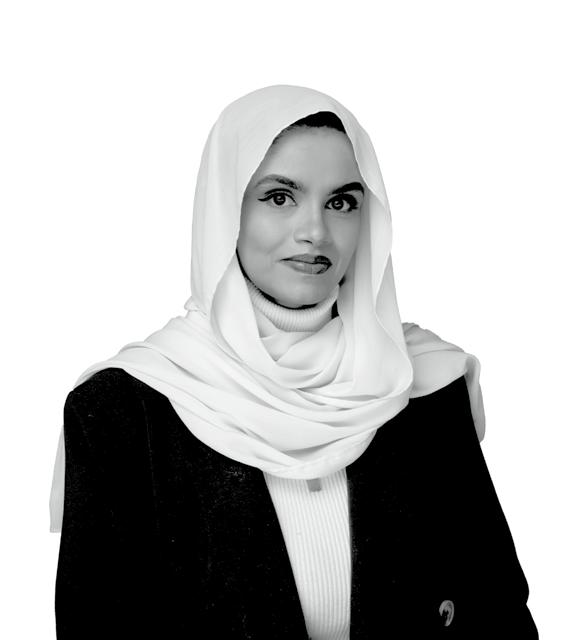
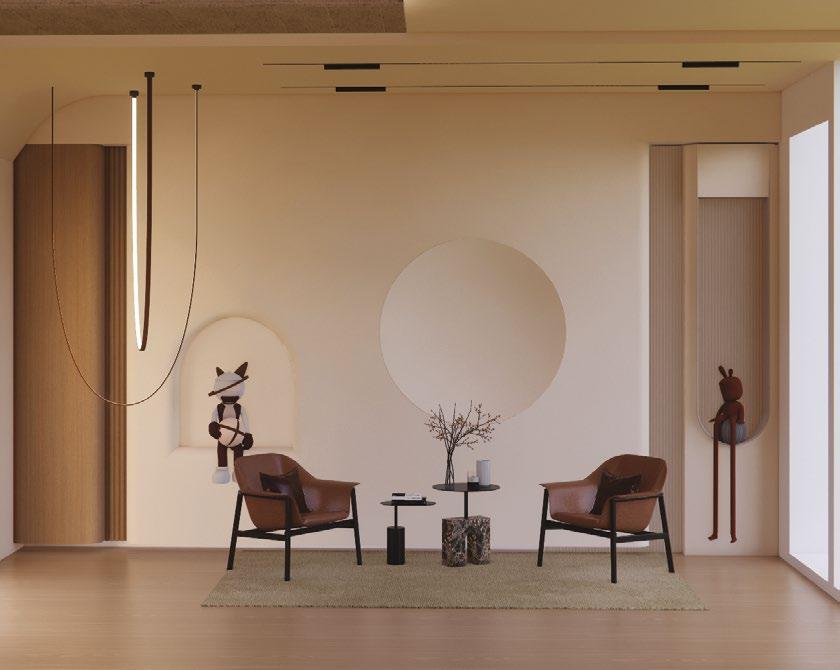
How did your education change the way you see the world around you?
I now notice how spaces influence mood, behavior, and connection. I pay attention to light, materials, circulation, and how people interact with their environments. Design school taught me that thoughtful spaces can improve daily life and make people feel seen, safe, and supported.
What kind of projects do you dream of working on in the future?
I’m drawn to healthcare, wellness, and community focused spaces, especially for children and families. I want to design environments that support healing, comfort, and growth while feeling warm, inclusive, and beautiful. Projects that improve daily life and emotional wellbeing are the most meaningful to me.
What has changed in your design work since you started at Dunwoody?
My work has become more intentional and human centered. I now design with deeper research, storytelling, and emotional impact in mind. I’ve learned to move from decorating spaces to creating meaningful experiences that support wellbeing, connection, and purpose.
What’s a challenge you faced that made you stronger?
Balancing personal life, health, and an intensive design program challenged me to stay disciplined and resilient. I learned how to manage time, push through creative blocks, and keep going even when things felt overwhelming. That experience strengthened my confidence and work ethic.
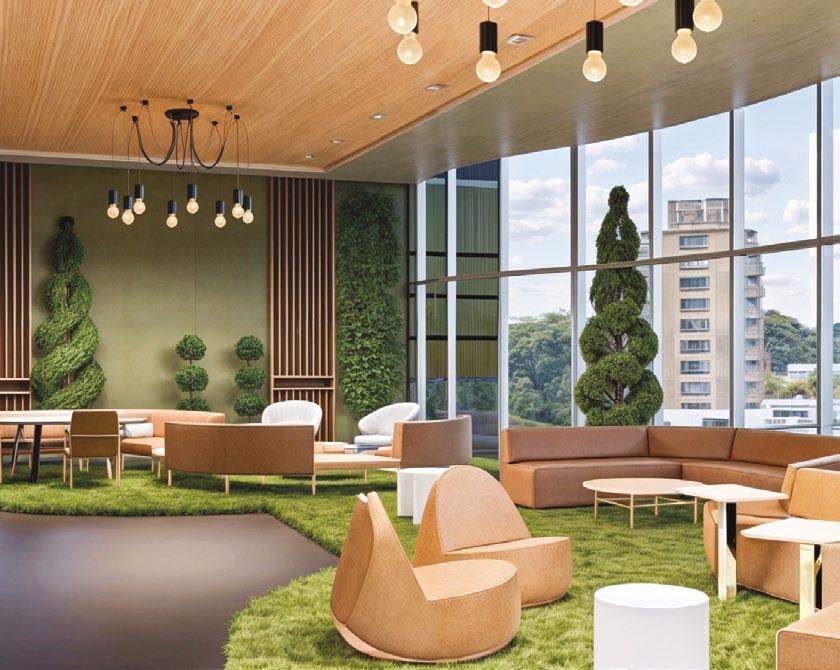
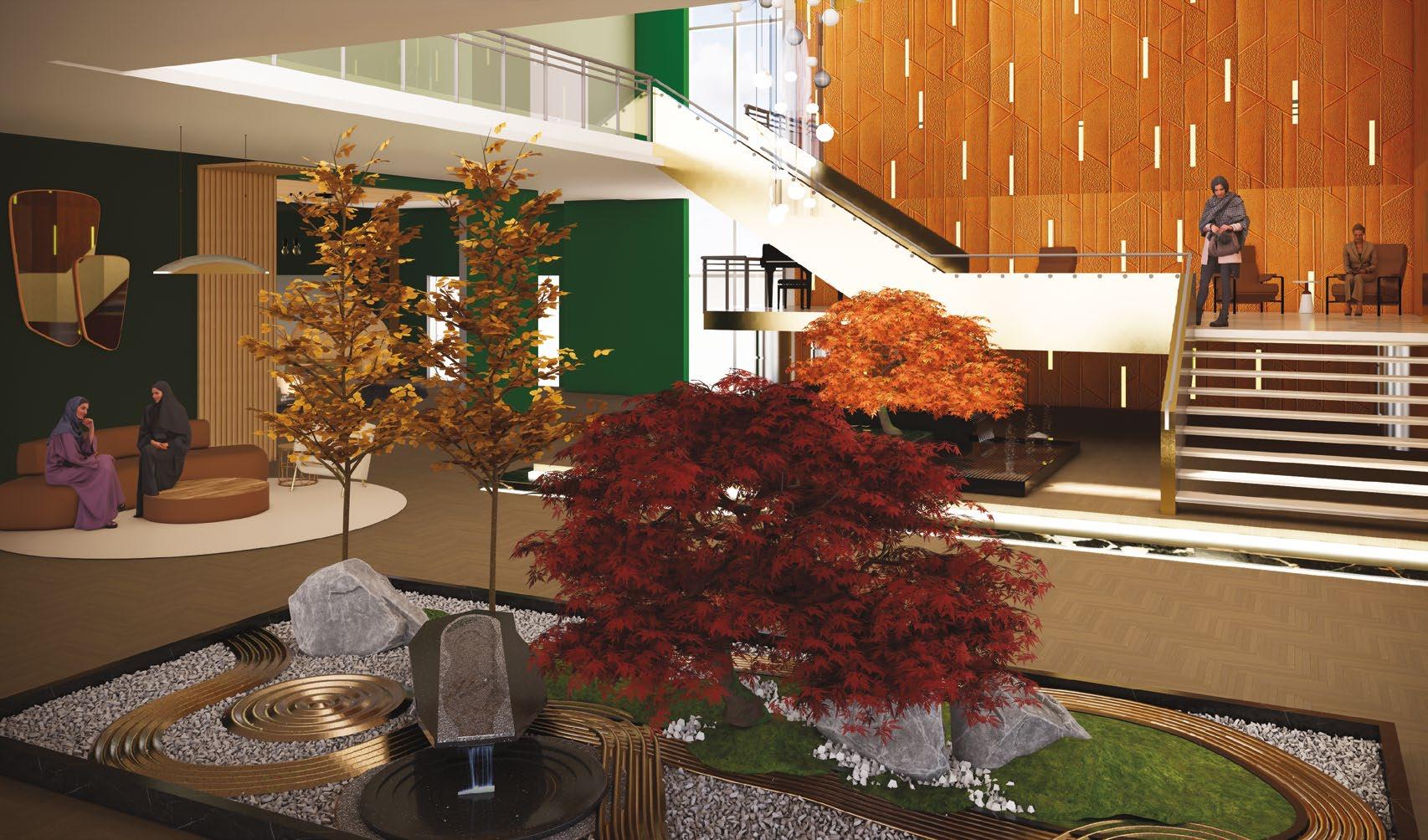
How did your education change the way you see the world around you?
My education taught me to see the built environment more critically and empathetically. I now notice how spaces influence behavior, accessibility, and emotion. I think intentionally about how design impacts people, community, and everyday experiences.
What kind of projects do you dream of working on in the future?
Hospitality design is my dream because it blends storytelling, culture, and human experience. It allows me to design spaces that feel welcoming, emotional, and memorable, where people gather, connect, and feel a sense of belonging through thoughtful atmosphere, materiality, and spatial flow.
What has changed in your design work since you started at Dunwoody?
My work has shifted from aesthetics-first to intentionfirst. I focus more on research, users, and context, and I’m less rushed to finalize ideas. I value iteration, storytelling, and a clear design process as much as the final result.
What’s a challenge you faced that made you stronger?
Balancing community needs with real-world constraints like budget, codes, and structure challenged me to think critically. It pushed me to justify decisions through research, adapt creatively, and design with intention, strengthening my problemsolving skills and confidence as a designer.
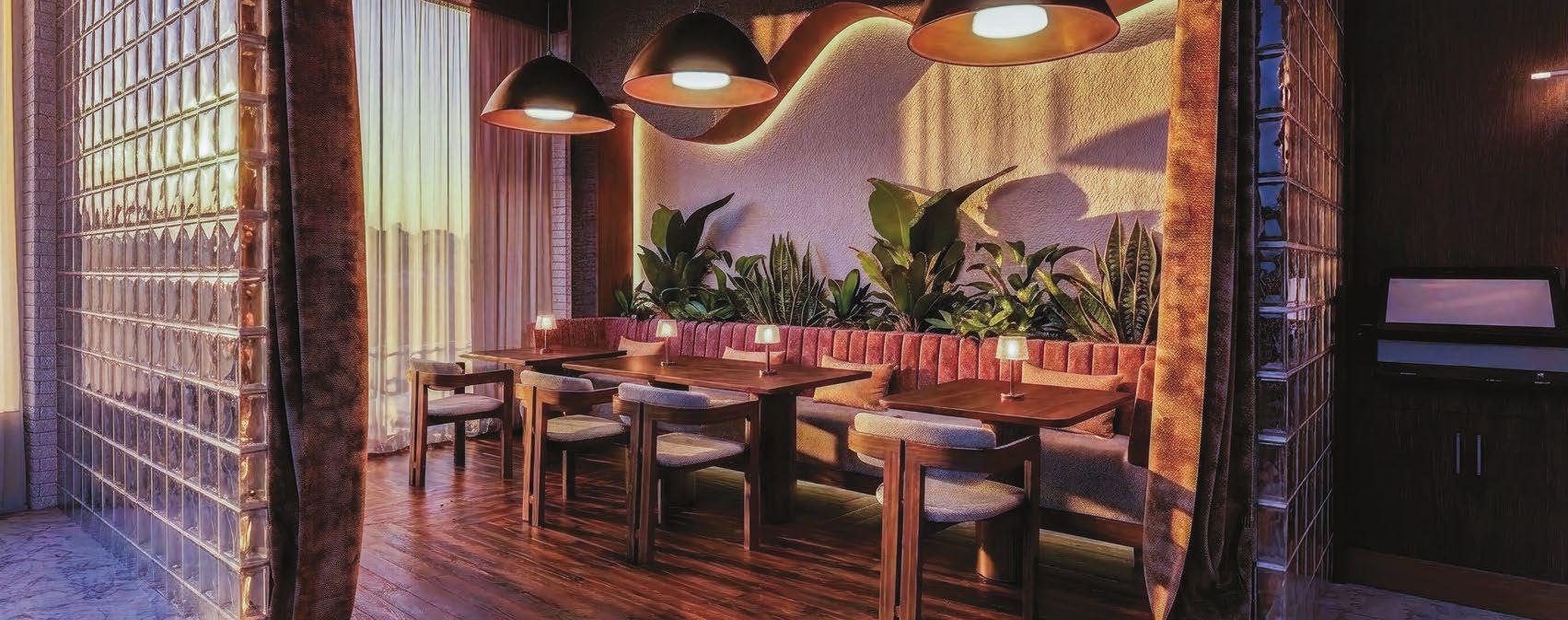
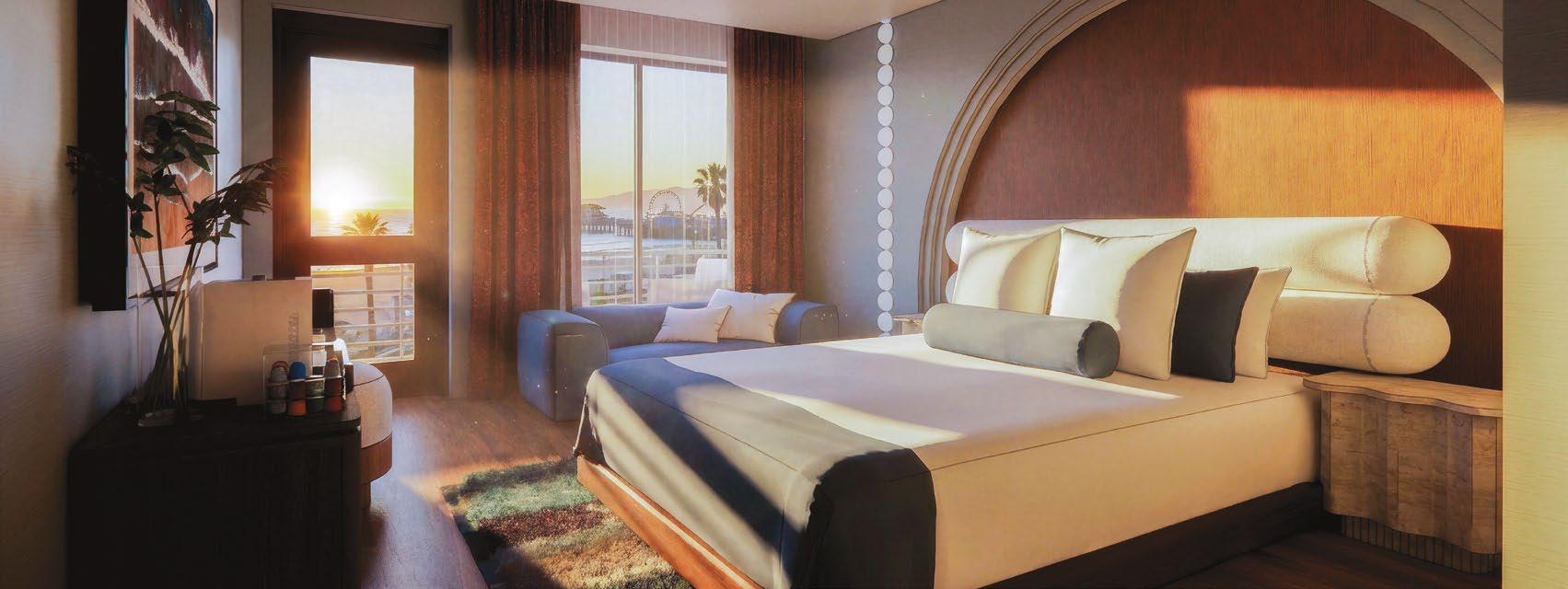
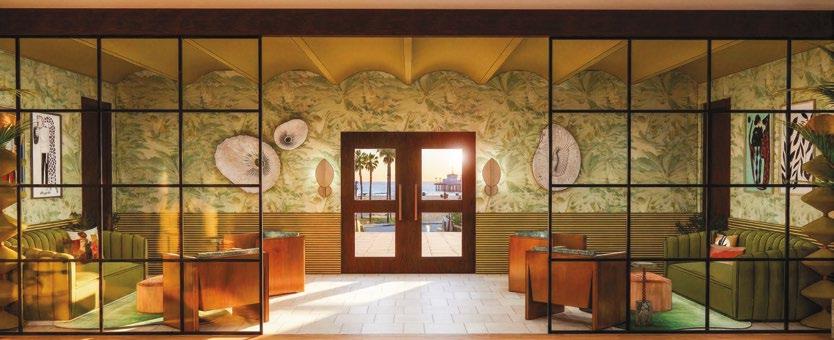
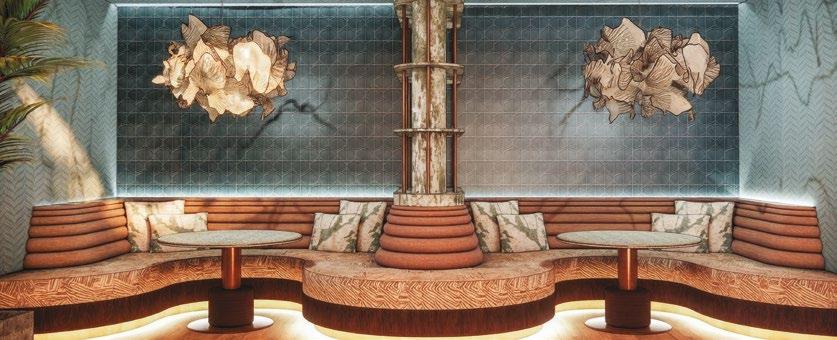
How did your education change the way you see the world around you?
My education has changed the way I view the world by helping me understand how differently people can experience the same spaces. It reinforces my values of designing with empathy and creating environments that are inclusive, accessible, and welcoming to everyone.
What kind of projects do you dream of working on in the future?
I hope to pursue hospitality and wellness-focused work, where I am able to design spaces that prioritize safety, comfort, and meaningful detail. I love being able to use design as a storytelling tool that translates brand identity and client needs into immersive and human-centered environments.
What has changed in your design work since you started at Dunwoody?
Since starting at Dunwoody, I’ve become more confident in my design aesthetic and very intentional about creating spaces that tell meaningful stories to the user groups. I’ve also learned that it’s okay not to have all of the answers right away because it’s part of the design process; it can push you to problem-solve, think creatively, and grow as a designer.
What’s a challenge you faced that made you stronger?
One of the biggest challenges I faced was transitioning to Dunwoody during my junior year and having to adjust to collaborative studio work. I was used to working independently, which made it difficult for me to share my design opinions. Eventually, the welcoming environment of my peers and faculty encouraged me to speak up.
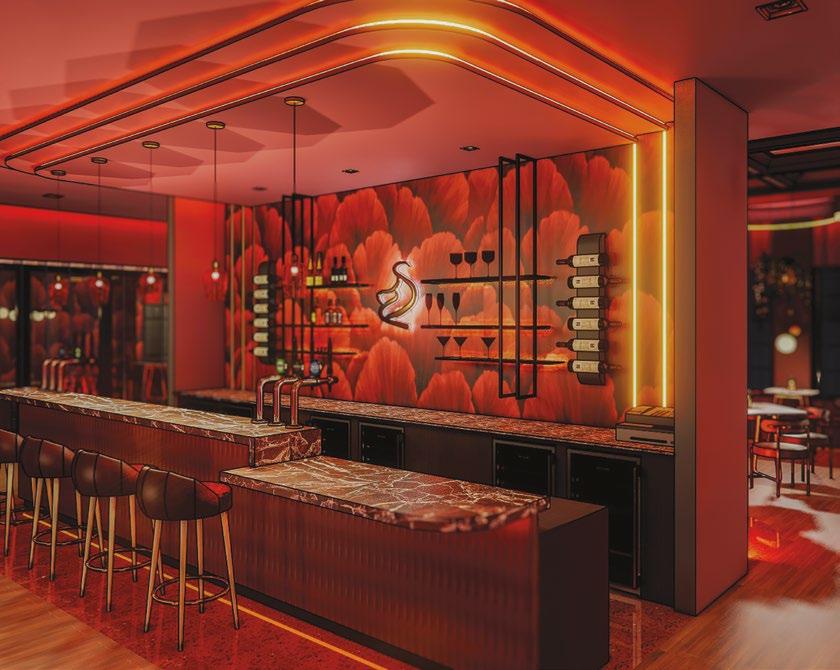
How did your education change the way you see the world around you?
I have become a more empathetic person and find myself trying to understand culture on a deeper level.
What kind of projects do you dream of working on in the future?
I dream of working in high-end residential or hospitality so that I can design highly stylized spaces.
What has changed in your design work since you started at Dunwoody?
Since I started at Dunwoody, my work has changed significantly. I now find myself understanding people and space better. I have become a more empathetic person, which shows in my work through universal design and space planning.
What’s a challenge you faced that made you stronger?
The largest challenge I faced was understanding how to implement concept into my designs. I find myself being very technical and not allowing an abstract idea dictate my direction.
How did your education change the way you see the world around you?
I now see spaces as experiences, not just structures. I notice how environments influence stress, comfort, and connection. This education taught me to be more observant, empathetic, and purposeful in how I move through and design the world around me.
What kind of projects do you dream of working on in the future?
I hope to work on wellness-focused and communitycentered spaces that support mental, emotional, and physical health. I’m especially interested in projects that blend nature, sustainability, and storytelling to create environments where people feel grounded, supported, and inspired.
What has changed in your design work since you started at Dunwoody?
My work has become more intentional and peoplefocused. I now think beyond aesthetics and consider how spaces affect emotions, behavior, and well-being. I’m more confident in my process, more detailoriented, and better at connecting design decisions to real-world impact.
What’s a challenge you faced that made you stronger?
Balancing demanding coursework, personal growth, and self-doubt was challenging at first. Learning how to manage my time, ask for help, and trust my abilities pushed me out of my comfort zone and helped me become more confident, disciplined, and resilient.
How did your education change the way you see the world around you?
Everything is connected, so anything we do matters. My goal is to do things that will help and benefit other people.
What kind of projects do you dream of working on in the future?
I dream of working on projects that help our community.
What has changed in your design work since you started at Dunwoody?
My renderings have become better and better with practice.
What’s a challenge you faced that made you stronger?
A challenge I faced when I started at Dunwoody was my public speaking skills. We do a lot of presentations and that has made me improve a lot.
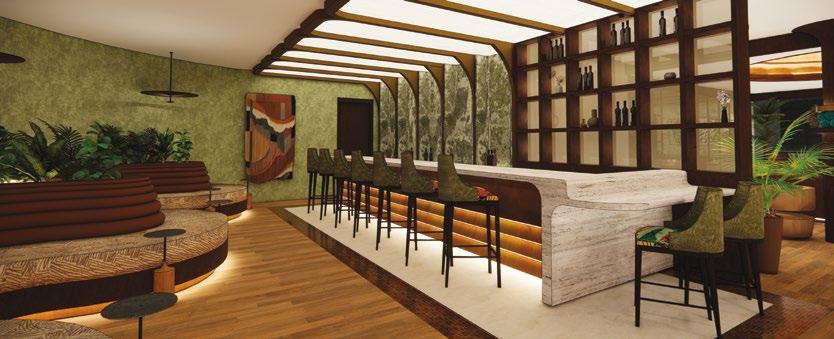
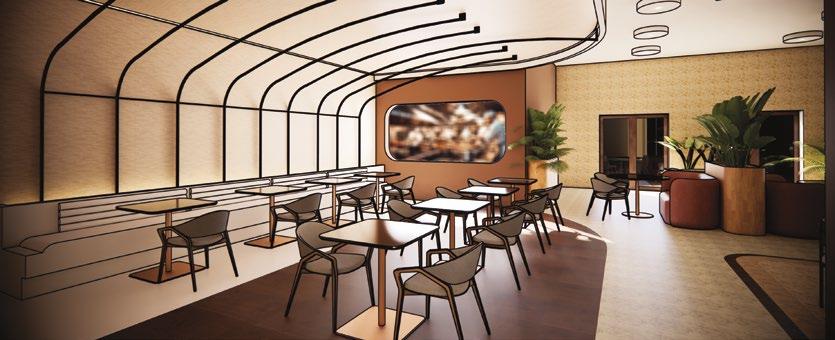
How did your education change the way you see the world around you?
My education taught me to stop seeing spaces as neutral. I now notice how environments shape behavior, mood, and access often in ways people don’t consciously register. I pay attention to who a space welcomes, who it excludes, and how design decisions impact everyday experiences.
What kind of projects do you dream of working on in the future?
I enjoy projects that really help people. Projects that bring positive change to a community is really inspiring to me.
What has changed in your design work since you started at Dunwoody?
My early work was very aesthetic-driven. I focused on how things looked and whether a project felt visually interesting. Over time, my process has shifted to being much more research and user-centered. I think more about how spaces are experienced emotionally, physically, and socially, not just how they photograph.
What’s a challenge you faced that made you stronger?
One of the biggest challenges I faced was learning to trust my own design voice. Early on, I relied heavily on external validation from critiques, grades, or comparisons with others. That made it hard to take risks or stand by my ideas. Over time, I learned how to listen critically without losing confidence. I started understanding when to adapt and when to defend a decision with research and intent.
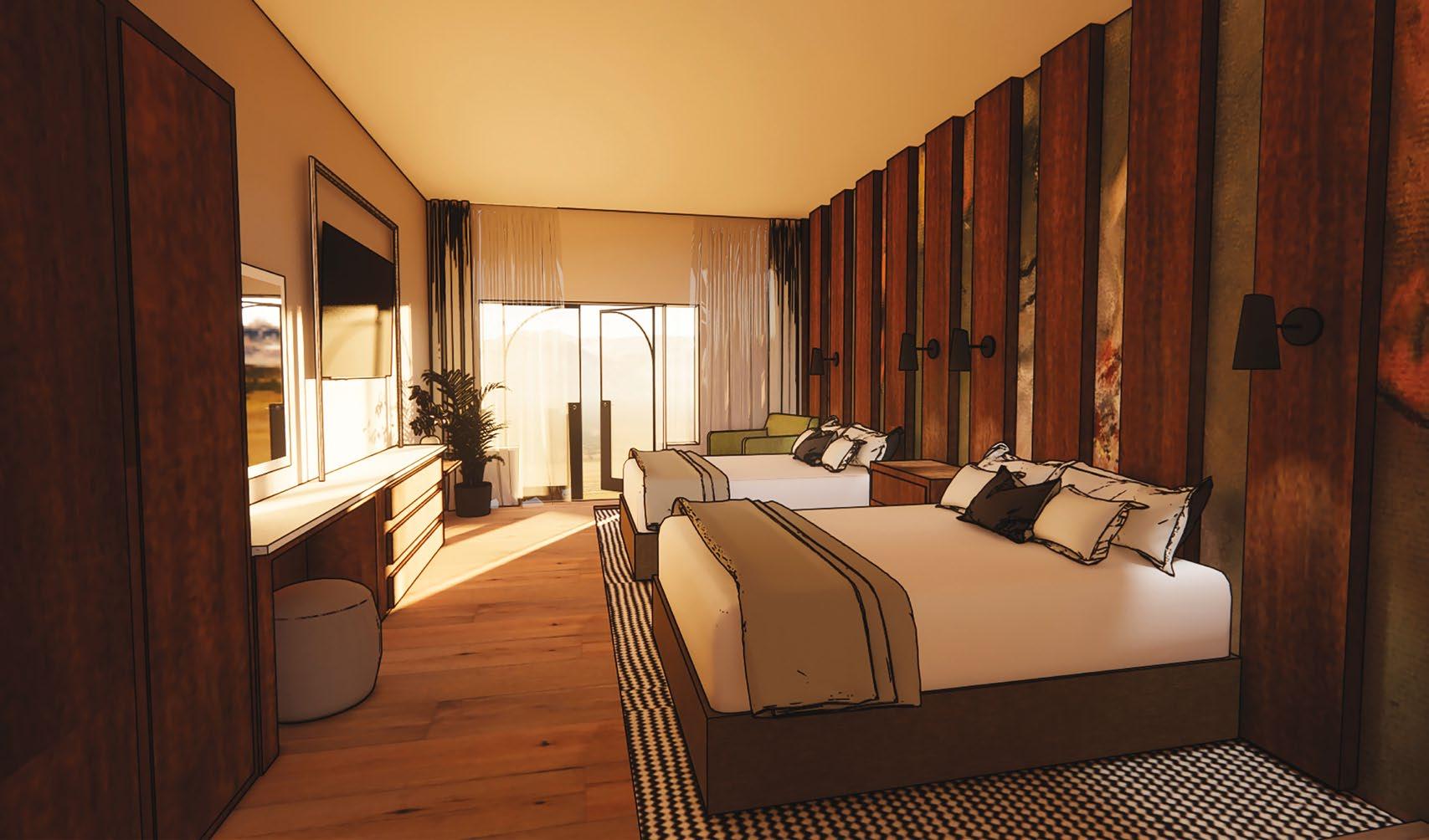
How did your education change the way you see the world around you?
My education changed how I see the world around me by allowing me to notice different details within space. I’m more aware of my surroundings and how other people around me experience space.
What kind of projects do you dream of working on in the future?
The projects I dream of working on have been changing. Originally, I wanted to work on hospitality. Now I’m leaning towards residential and helping homeowners gain a love for their space.
What has changed in your design work since you started at Dunwoody?
My work has changed a lot since I first started at Dunwoody. I have learned to design with others’ needs in mind and work outside my comfort zone by creating more hand sketched elements and more detailed computer renderings.
What’s a challenge you faced that made you stronger?
The challenge I faced that made me stronger was sketching. I am not an artsy person and didn’t enjoy sketching. Being pushed to do quick and timed sketches helped me loosen up. Now that I have worked so much on my sketching, I’m proud of the work that I create.
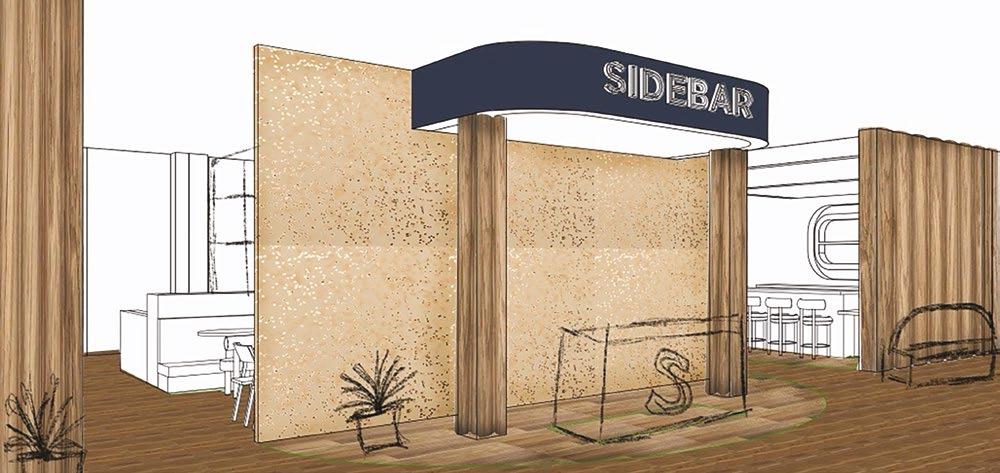
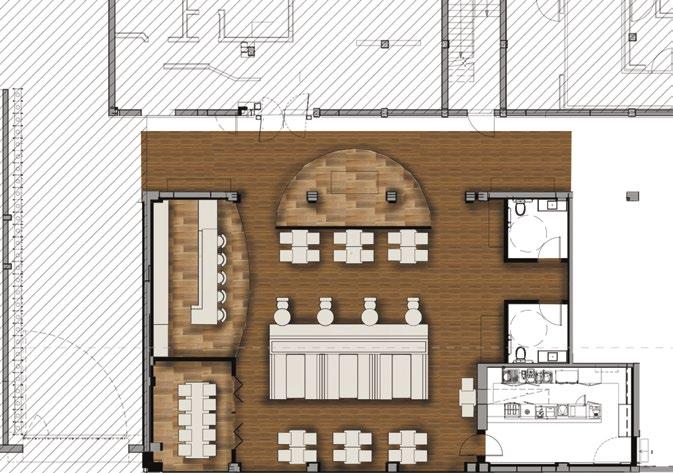
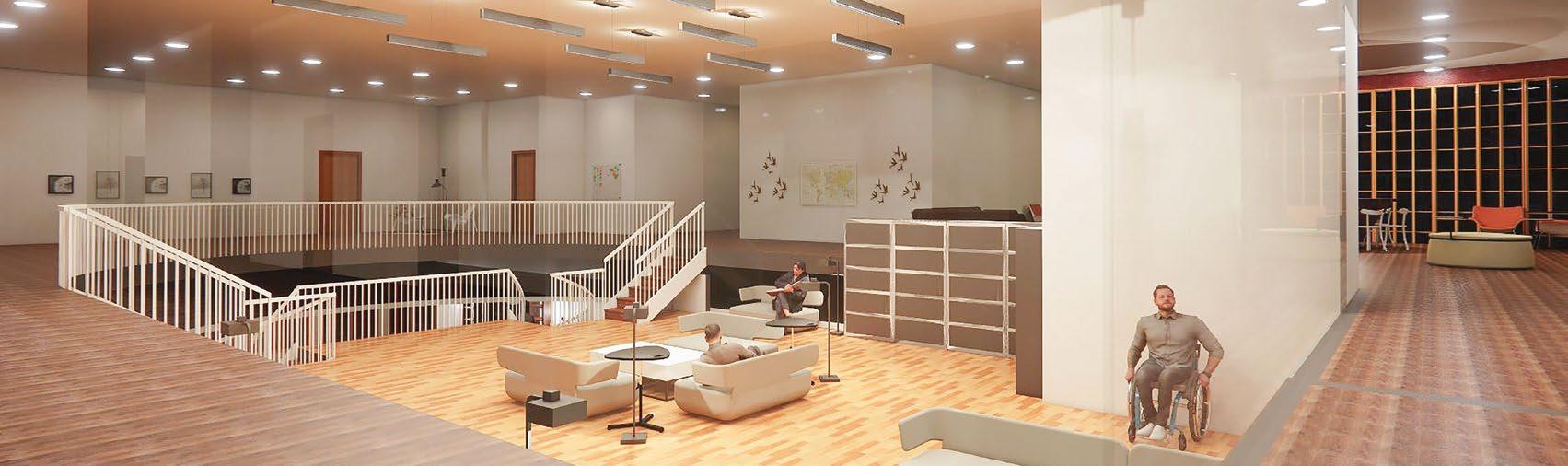
Dunwoody’s Architecture programs are uniquely structured as two-plus-three stackable credentials: Associate of Applied Science & Bachelor of Architecture.
The Bachelor of Architecture program is accredited by NAAB (National Architectural Accrediting Board) and participating in IPAL (Integrated Path to Architectural Licensure), the program is structured to reduce barriers to the practice of architecture.
A degree from Dunwoody’s School of Design involves community engagement and social responsibility, both locally and globally. Our distinctive position within a college of technology gives us access to collaborations across a variety of technical disciplines. Our students work intimately with fabrication tools, participate in design-build projects, and present unique designs to peers and industry professionals.
How did your education change the way you see the world around you?
Learning how architecture is so interconnected to culture, human behavior, and the environment has changed how I see communities and places that I see every day, but it also makes me more interested in how things interact with architecture in cities that I want to travel to.
What kind of projects do you dream of working on in the future?
I would love to work on designing affordable and diverse housing, community centers, and projects focusing on sustainability. But I’m open to working on anything and learning as much as I can.
What has changed in your design work since you started at Dunwoody?
I’m more aware of context and the intricacies of things as I design. I’m also more intentional and thorough in the process of beginning my designs so I can have more to build on and be able to easily make changes.
What’s a challenge you faced that made you stronger?
A challenge I faced was public speaking. It was difficult to have presentations so frequently and then critiques at the end of each semester, but as I’ve gone through it the outcome is never worse than what I’m expecting, and I’ve gotten better at it in my time here.
How did your education change the way you see the world around you?
It put me in a place to be more aware of the buildings around me, especially the smaller aspects.
What kind of projects do you dream of working on in the future?
I would like to work on projects that benefit our community. Revitalizing an existing building or park is also something I would like to work on in the future.
What has changed in your design work since you started at Dunwoody?
It is a lot slower paced and has more organization.
What’s a challenge you faced that made you stronger?
Despite being faced with setbacks, I am proud of myself for completing the projects to the very end.
How did your education change the way you see the world around you?
I learned why certain things are the way they are going from the smallest detail to the biggest.
What kind of projects do you dream of working on in the future?
Possibly working on a design that could help a community or designing my own house.
What has changed in your design work since you started at Dunwoody?
Everything honestly.
What’s a challenge you faced that made you stronger?
Fighting back against procrastination.
How did your education change the way you see the world around you?
My education made me more aware of my environment and how the built world shapes experiences and daily life.
What kind of projects do you dream of working on in the future?
I dream of working on adaptive reuse projects, where existing buildings are reimagined and given new life while respecting their history, structure, and context.
What has changed in your design work since you started at Dunwoody?
Since starting at Dunwoody, I’ve begun thinking much more intentionally about the site of a building and how surroundings and location influence design decisions. My work now feels more grounded and responsive, shaped by its context rather than focused solely on the building itself.
What’s a challenge you faced that made you stronger?
A major challenge I faced was balancing school, two part time jobs, volunteering, and my personal life. Managing all of that pushed me to become more organized, disciplined, and intentional with my time, which ultimately made me stronger and more resilient.
How did your education change the way you see the world around you?
I now view the world in a completely different way and always observe textures and construction types while also becoming more inspired by buildings around me.
What kind of projects do you dream of working on in the future?
In the future, I would love to work on adoption or rehabilitation centers or even just simple small affordable homes.
What has changed in your design work since you started at Dunwoody?
I have really begun to explore what shapes and textures work best for me and my projects. Each project teaches us new things whether it’s about applying a building to different parts of the world or exploring new possibilities within a set price point.
What’s a challenge you faced that made you stronger?
I’ve learned to ask for help when I’m stuck or stressed and not let it pile on me.
How did your education change the way you see the world around you?
Beginning to understand why the buildings around me were built the way they were and how much time and planning probably went into them.
What kind of projects do you dream of working on in the future?
Projects that test my creativity.
What has changed in your design work since you started at Dunwoody?
The more time I spend in the programs the easier it gets to translate my ideas into my models.
What’s a challenge you faced that made you stronger?
My time management has always been shaky and in my time here at Dunwoody it has slowly but surely gotten better.
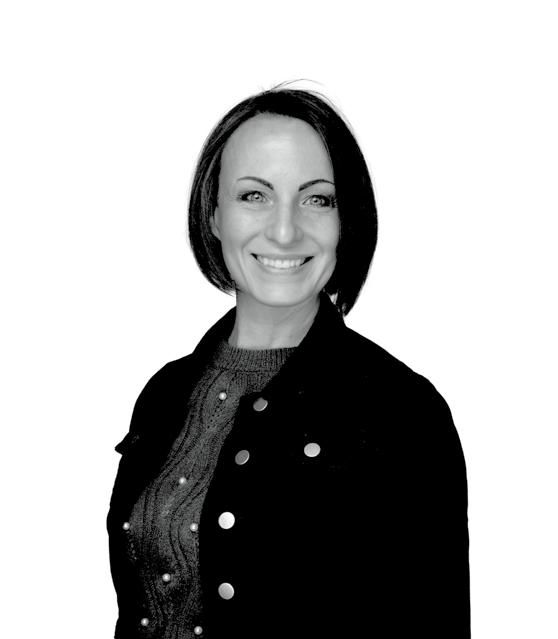
How did your education change the way you see the world around you?
I now see the built environment as a series of decisions rather than a backdrop. Every joint, material choice, and spatial relationship tells a story about values, priorities, and constraints. Education gave me the ability to read spaces critically and imagine how they could be improved — more inclusive, more sustainable, and more responsive to the people who use them.
What kind of projects do you dream of working on in the future?
I’m drawn to projects that adapt rather than erase — buildings that respond to their environment, respect history, and serve communities in meaningful ways.
I’m especially interested in sustainable, adaptive structures that balance innovation with responsibility.
What has changed in your design work since you started at Dunwoody?
My work has become more intentional and grounded. I no longer design for aesthetics alone; I design with purpose, context, and consequence in mind. Dunwoody sharpened my technical skills, but more importantly, it taught me how to ask better questions about materials, systems, users, and the long-term impact of design decisions. My process is now more disciplined and confident.
What’s a challenge you faced that made you stronger?
Returning to school as a non-traditional student was both challenging and empowering. Balancing life experience with academic rigor pushed me to be disciplined, resilient, and deeply intentional with my time and goals.
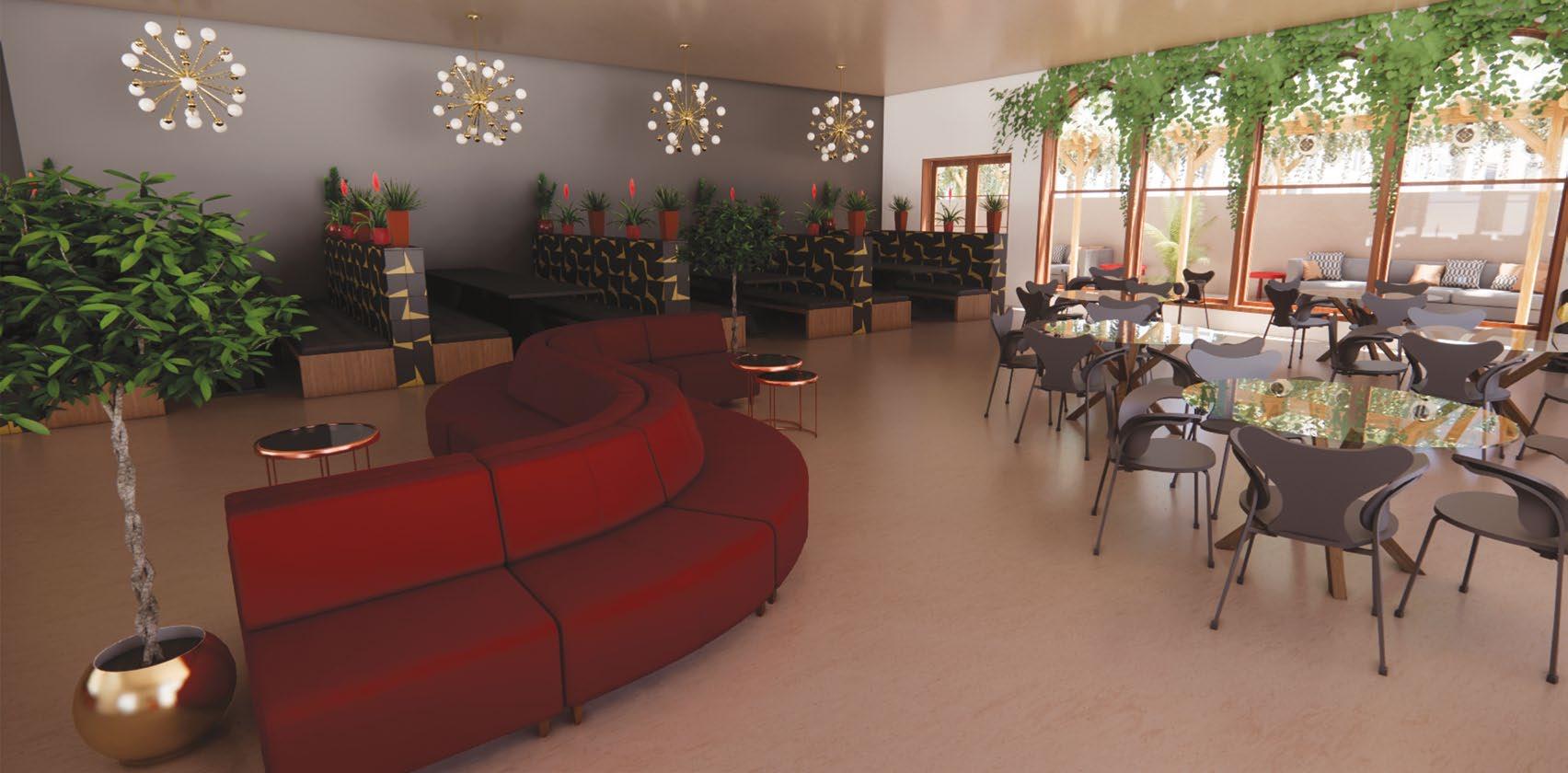
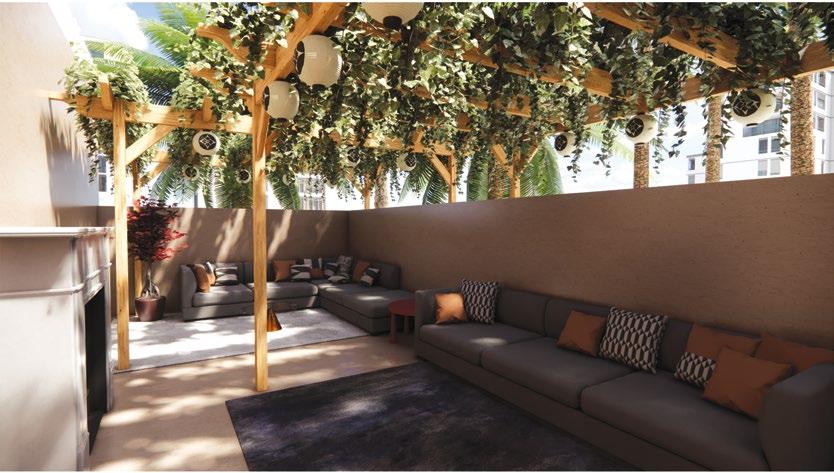
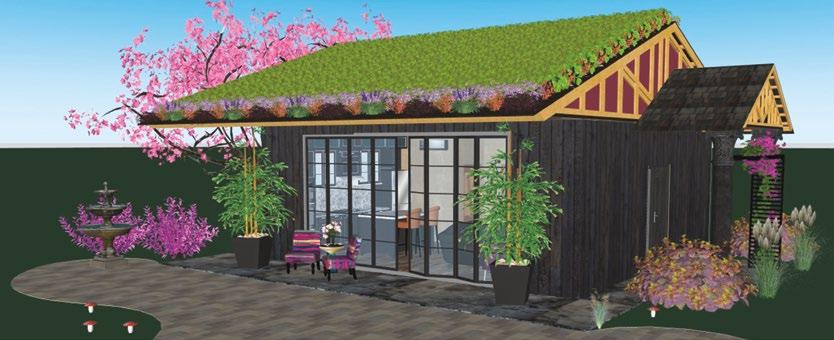
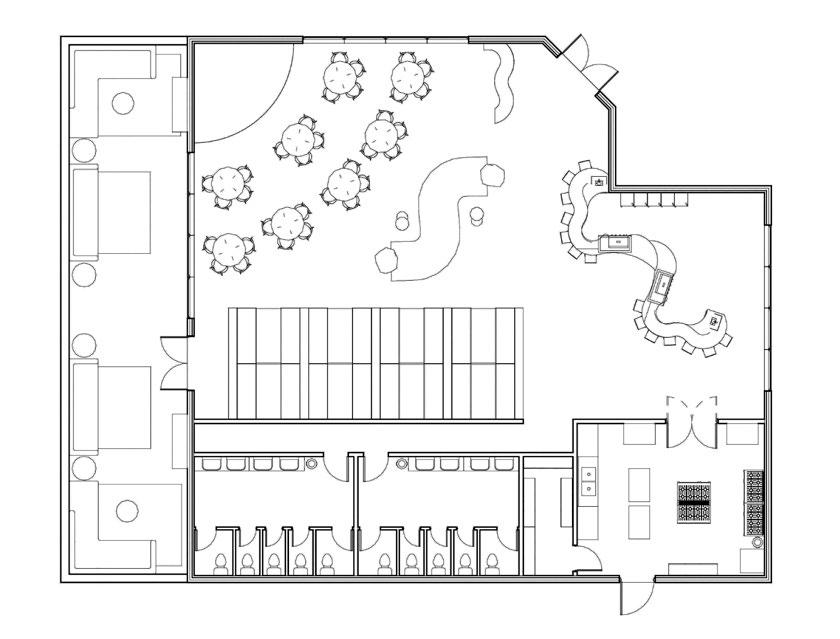
How did your education change the way you see the world around you?
I now see the built environment with a more critical and intentional eye. I notice how buildings respond to climate, materials, structure, and time and how thoughtful design choices quietly shape everyday experiences.
What kind of projects do you dream of working on in the future?
I hope to work on projects that re-envision the past through new technology. I want to merge history and innovation designs that respect what came before while using modern tools to advance sustainability and efficiency.
What has changed in your design work since you started at Dunwoody?
I’m very mathematical and naturally gravitate toward precision. Since starting at Dunwoody, my design work has become much more fluid and free-form, allowing exploration alongside accuracy.
What’s a challenge you faced that made you stronger?
Returning to school while balancing a family and a career was a major challenge. It strengthened my discipline, time management, and ability to work efficiently under pressure.
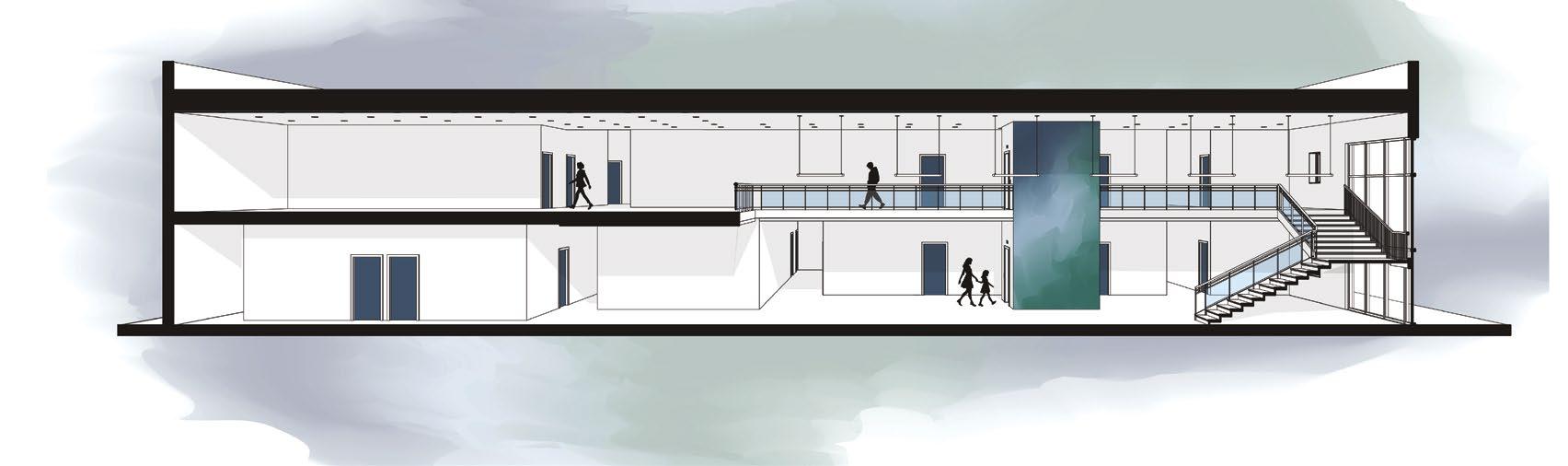
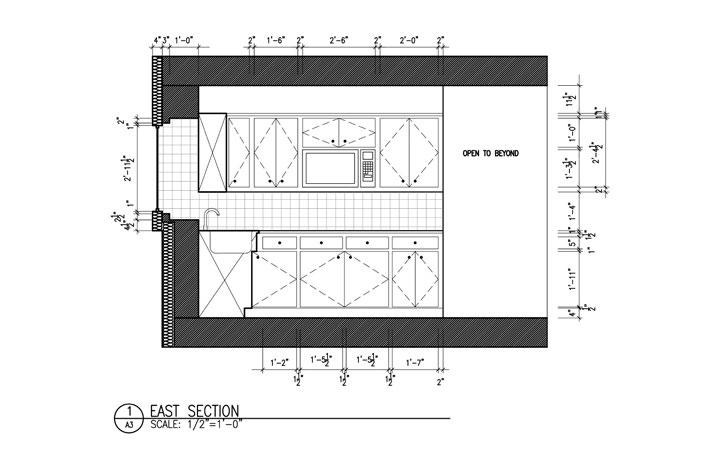
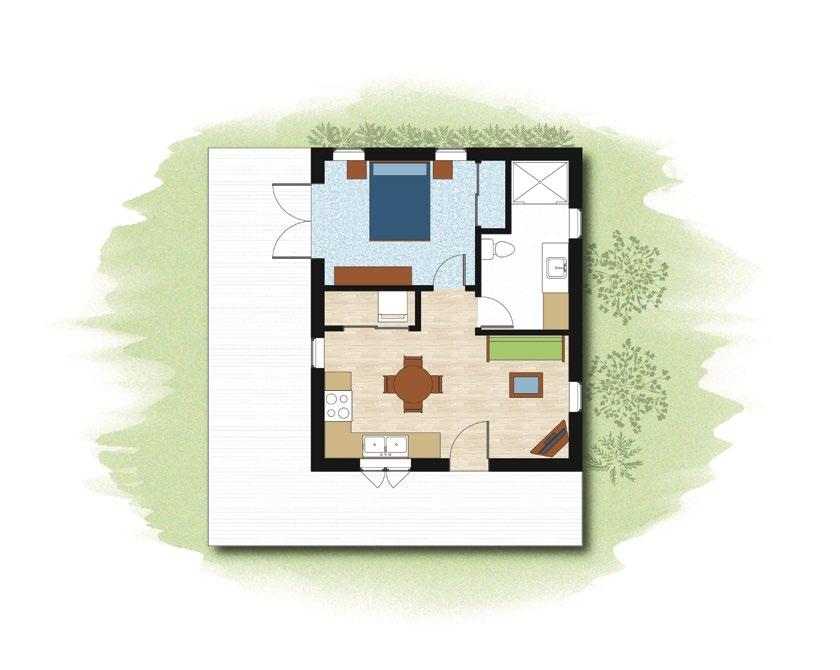
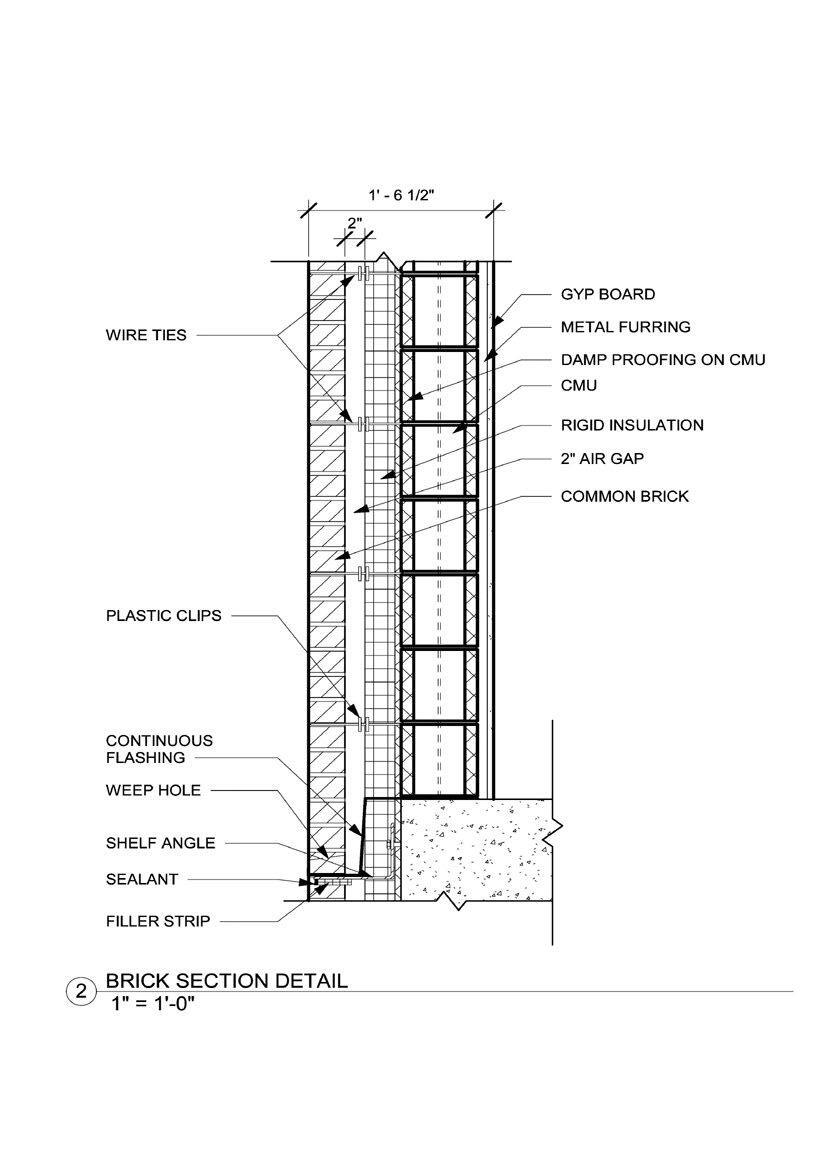
How did your education change the way you see the world around you?
My education has transformed how I see the built environment around me by enhancing my critical thinking when noticing what design decisions were made on random buildings and why they were made on the day-to-day basis.
What kind of projects do you dream of working on in the future?
In the future I want to work on projects that stand out. I want to contribute my skills to projects that people will really enjoy and find appealing not just four walls and a roof.
What has changed in your design work since you started at Dunwoody?
I have come a long way since I started here at Dunwoody. Whether it’s creating construction documents that not only look professional but are accurate or creating graphics and presentations of my work to share with our cohort or to industry professionals, I have developed so many useful skills that will benefit me tremendously.
What’s a challenge you faced that made you stronger?
The biggest challenge I have faced has to be how each software program has different shortcuts and different ways to do things. By consistently using various programs it helped my mind separate them all but actually be able to switch back and forth and pick up different programs with minimal hiccups.
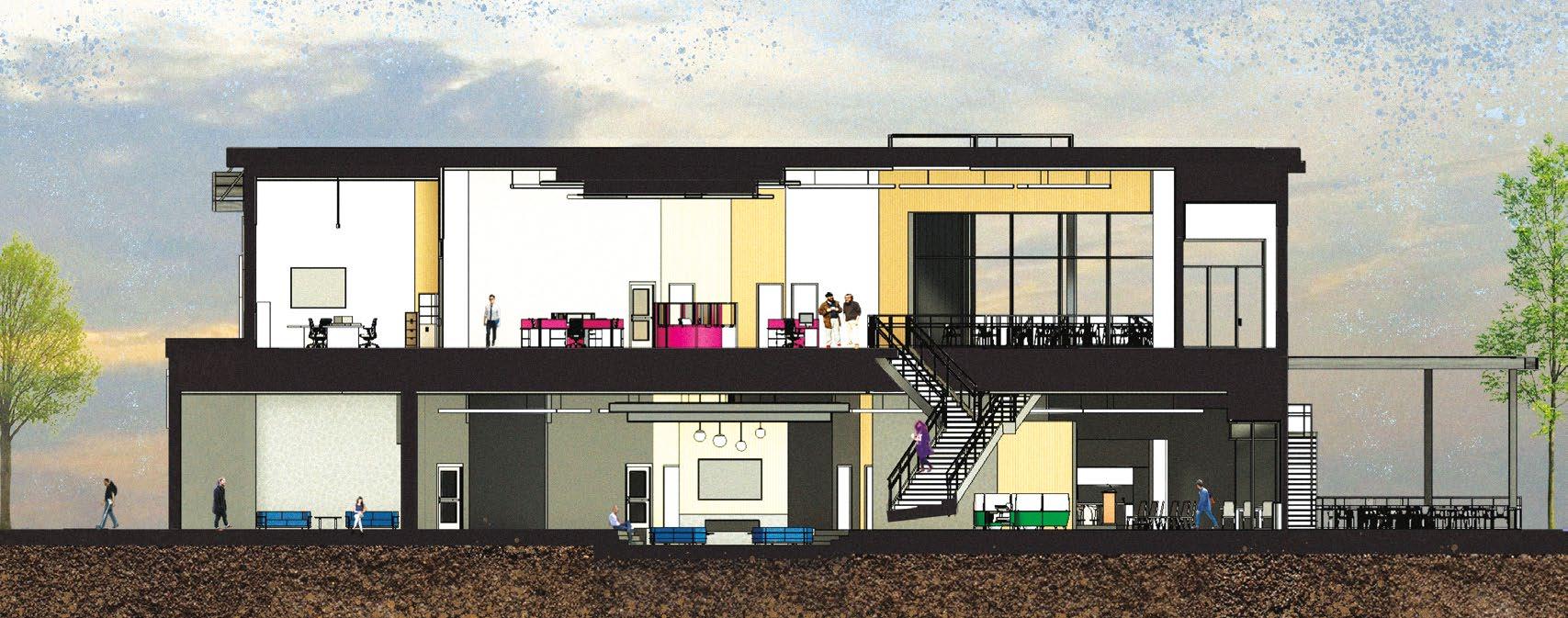
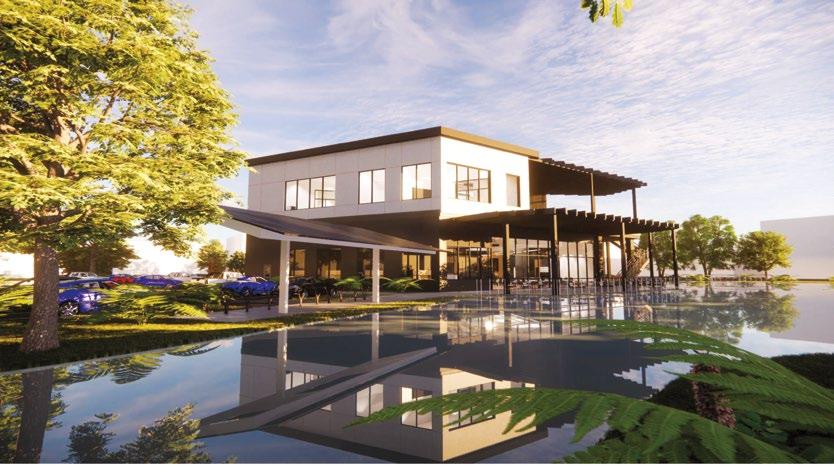
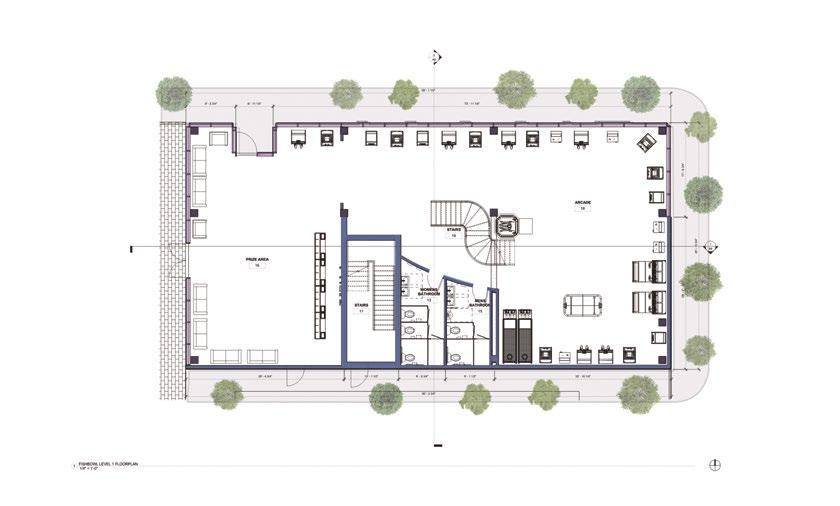
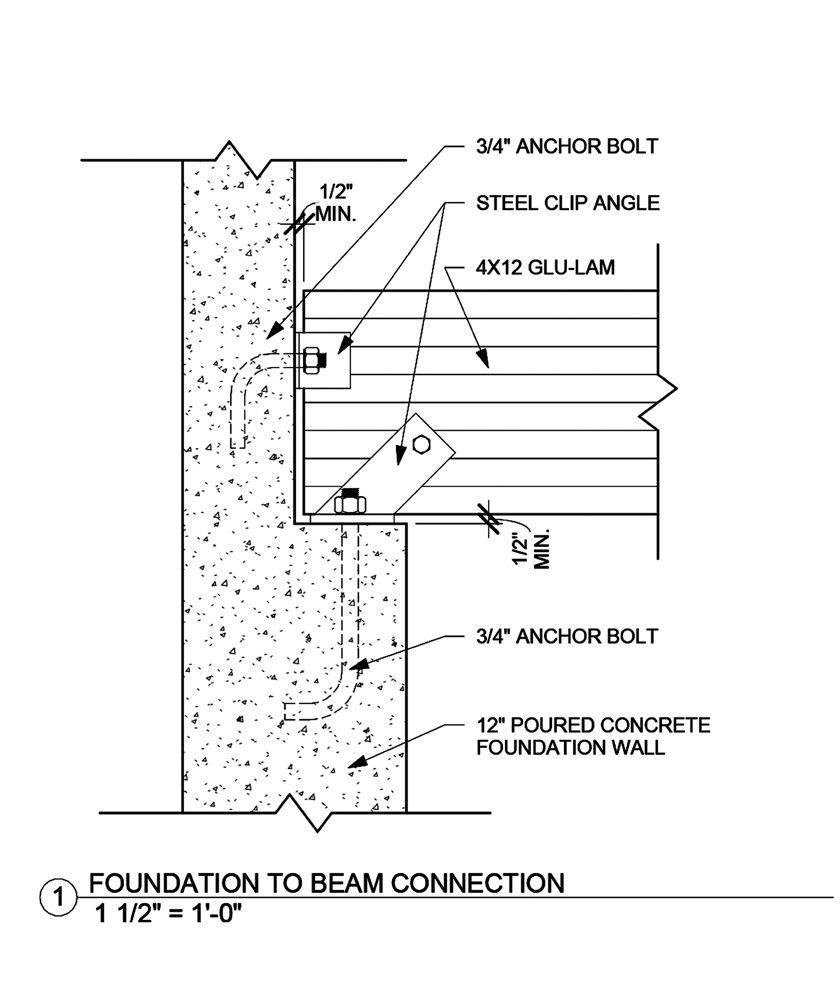
How did your education change the way you see the world around you?
My education made me more observant and intentional. I now notice how spaces, systems, and design choices influence how people move.
What kind of projects do you dream of working on in the future?
Residential
What has changed in your design work since you started at Dunwoody?
My work has become more intentional. I now design with clearer concepts, stronger reasoning, and a better understanding of how design decisions impact users and real-world constraints. I’ve also gained confidence in presenting and defending my ideas.
What’s a challenge you faced that made you stronger?
Learning to accept and apply critique was a challenge at first. Over time, I realized feedback isn’t personal, it’s a tool for growth.
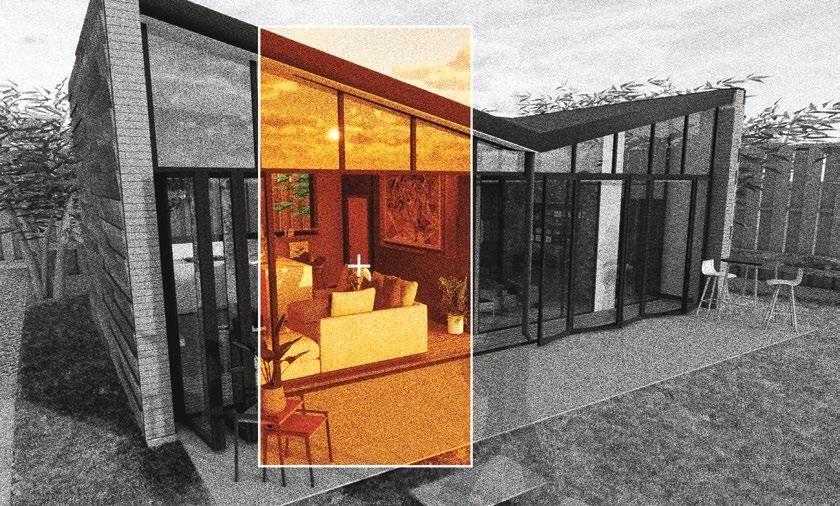
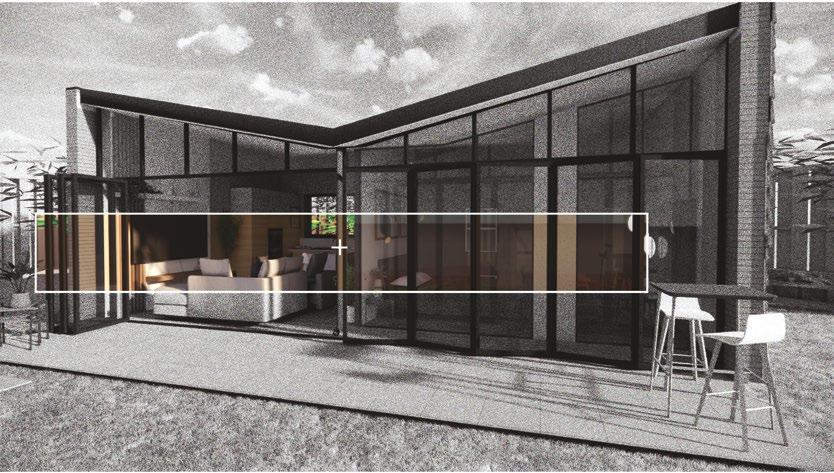
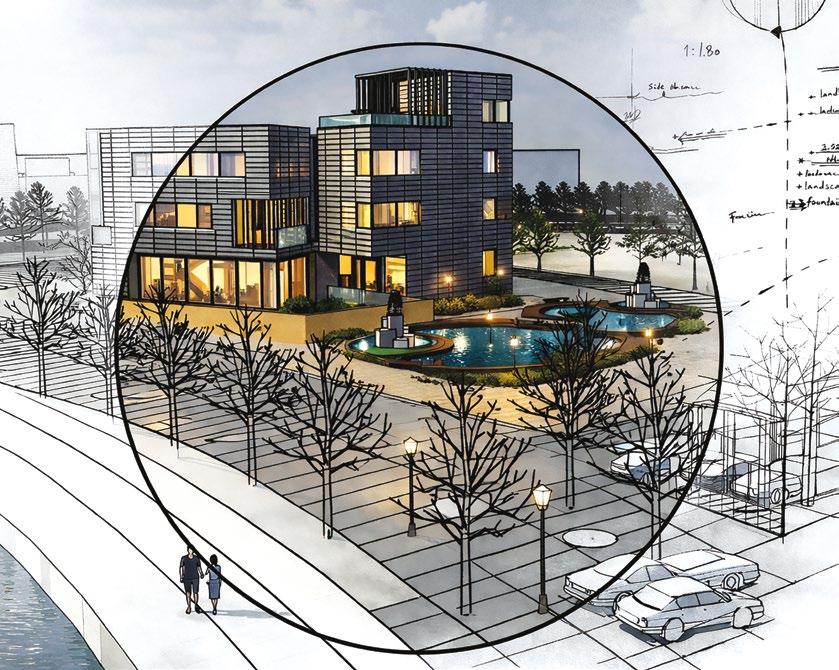
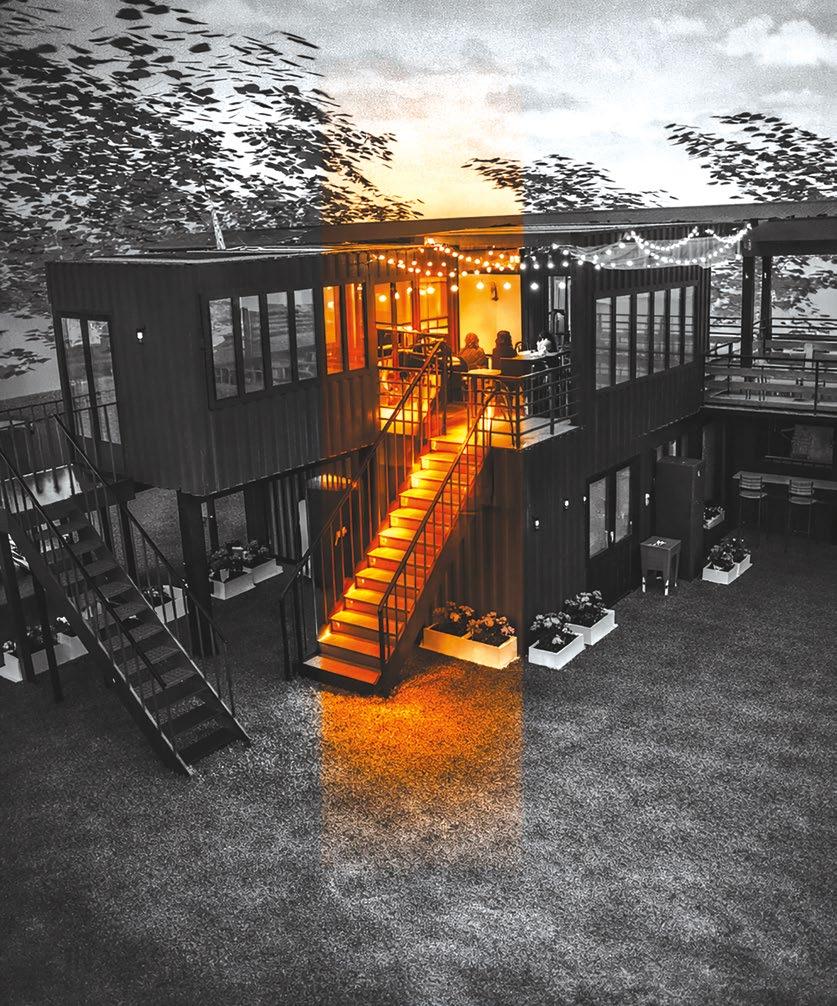
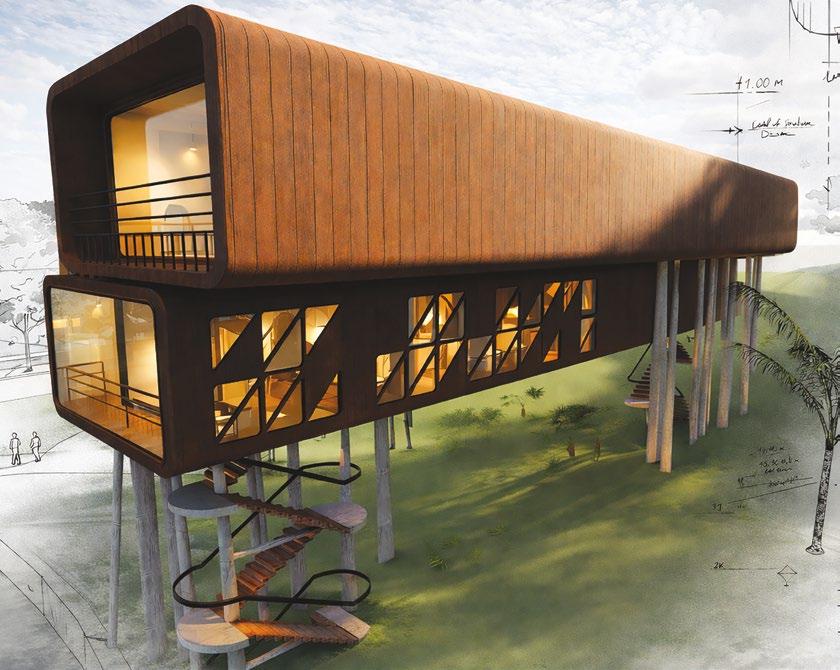
How did your education change the way you see the world around you?
My education has shown me how to appreciate everything around me not just for its looks or aesthetics, but as something that has been thoughtfully designed with purpose and intent.
What kind of projects do you dream of working on in the future?
In the future I hope to be designing residential homes and small commercial buildings where I can collaborate closely with clients. I want to one day be able to design spaces that truly serve their community and help create meaningful experiences for families.
What has changed in your design work since you started at Dunwoody?
Since starting Dunwoody my technical and design work has greatly improved. I’ve learned how to operate software that I thought I would never understand.
What’s a challenge you faced that made you stronger?
One challenge that made me stronger was learning how to take critiques and feedback to better my work. Check-ins with instructors used to be the scariest moments for me. I honestly use to dread these meetings, especially when I had invested a lot of time into a project. But once I realized that critiques are not an attack on your choices but a way to strengthen and refine your ideas, I started to see feedback as guidance.
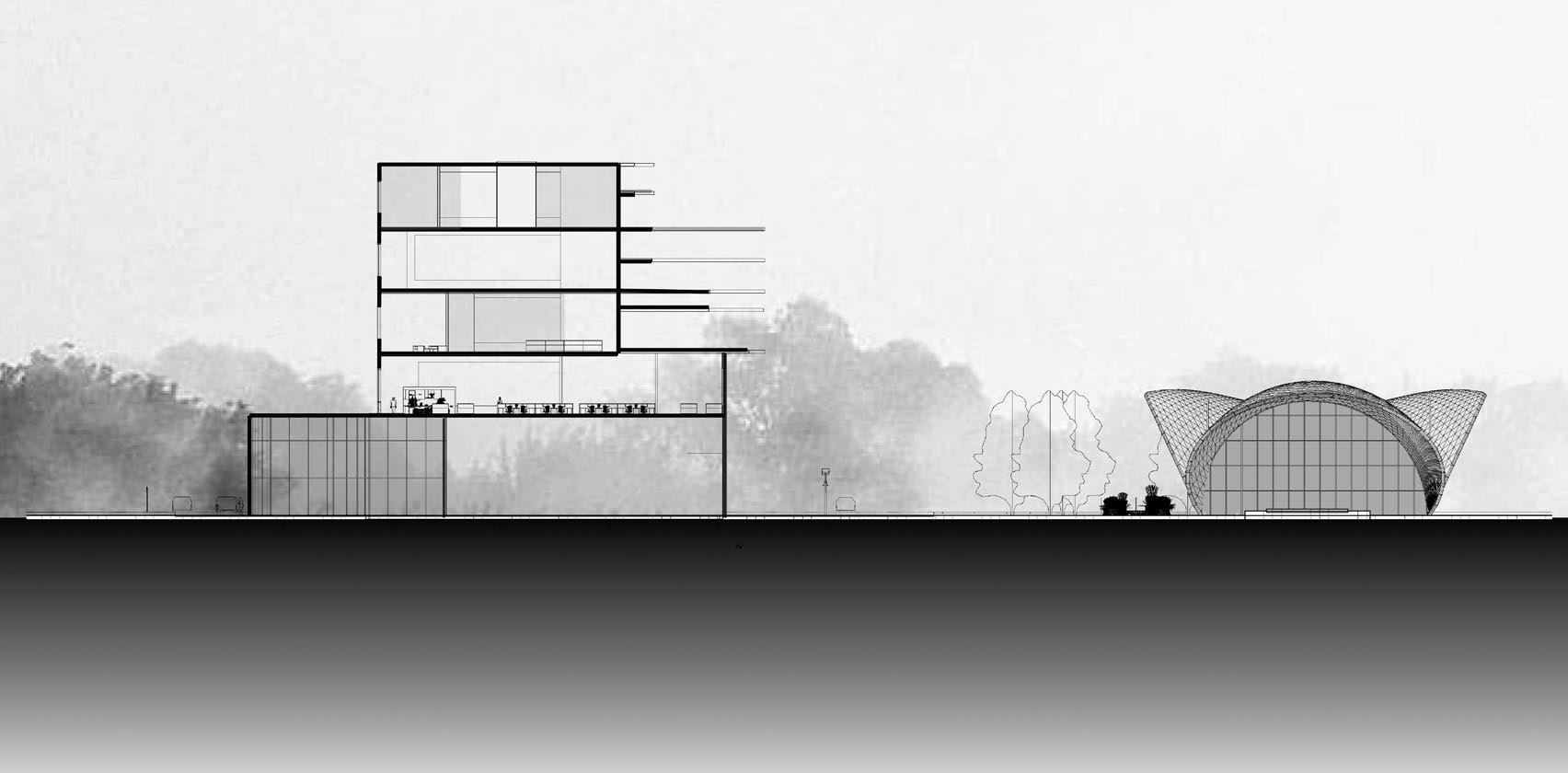
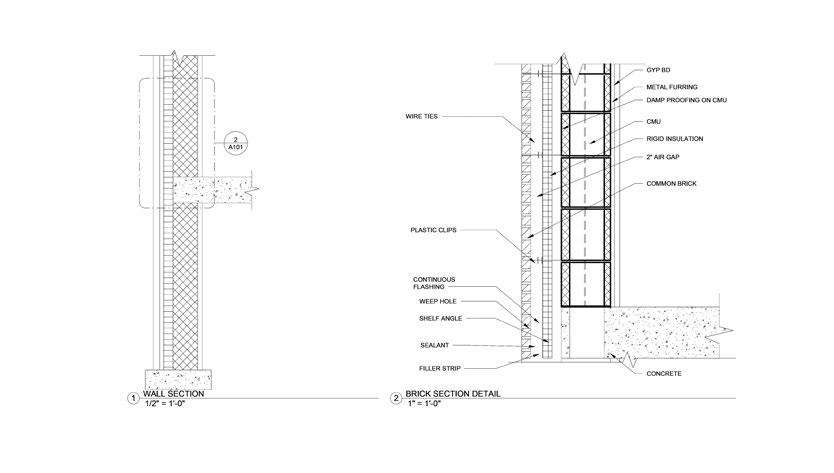
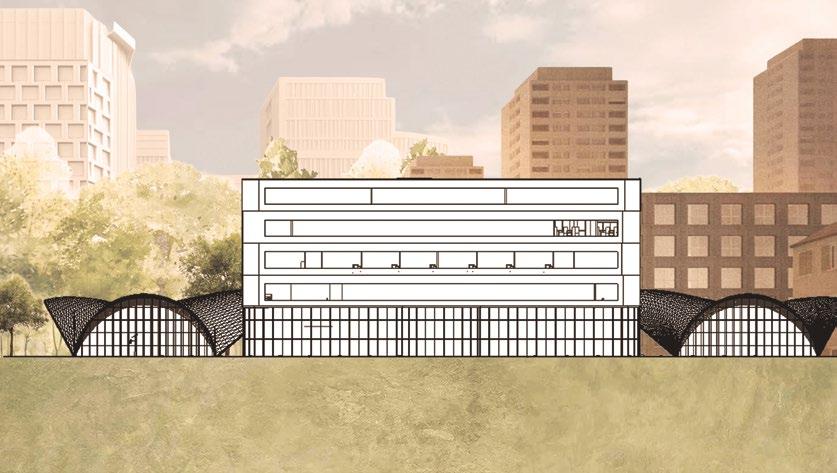
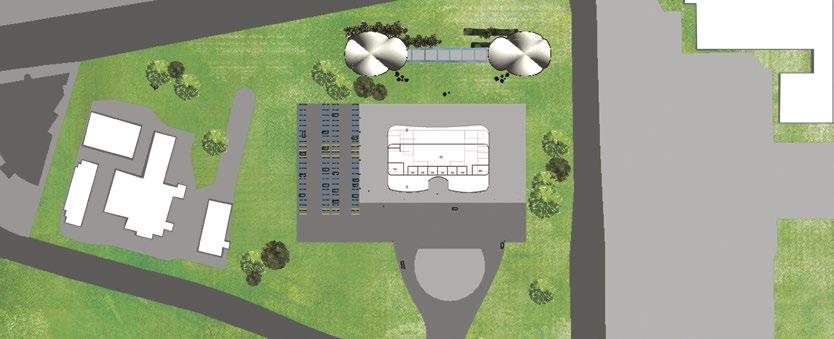
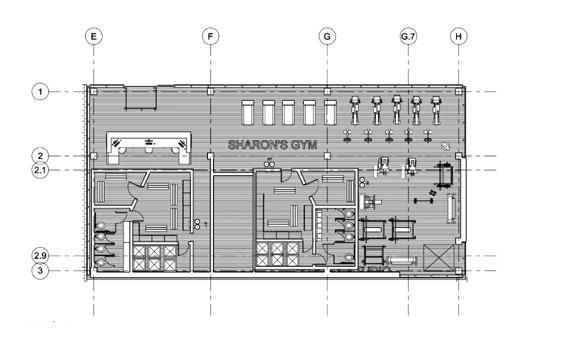
How did your education change the way you see the world around you?
My education here at Dunwoody has changed the way I see the world because of the people here. It’s also so amazing to see everyone here develop with you. I look around and see so many different backgrounds working together and creating things so passionately and so well and it ends up being something so amazing and true to them.
What kind of projects do you dream of working on in the future?
My dream projects is taking a building — big or small scale — and turning it into something unimaginable. I love to problem solve and figure out how to make a space as magical as possible and turn out exactly like a client was dreaming.
What has changed in your design work since you started at Dunwoody?
When I started at Dunwoody I had been so much on the side of interior architecture that I had never sat back and taken in the beauty of the whole design process. I never really had that before coming here, but developed so much in the last two years.
What’s a challenge you faced that made you stronger?
When I started at Dunwoody I knew what I wanted to do, but wasn’t prepared for what I would have to do to get there. My biggest challenge was time management, something I’m typically good at, but when I came here I had to manage my personal, work, and school life. It was hard to balance, and I may not like how much stress there is in one moment, but looking back it’s amazing to see that I made it through.
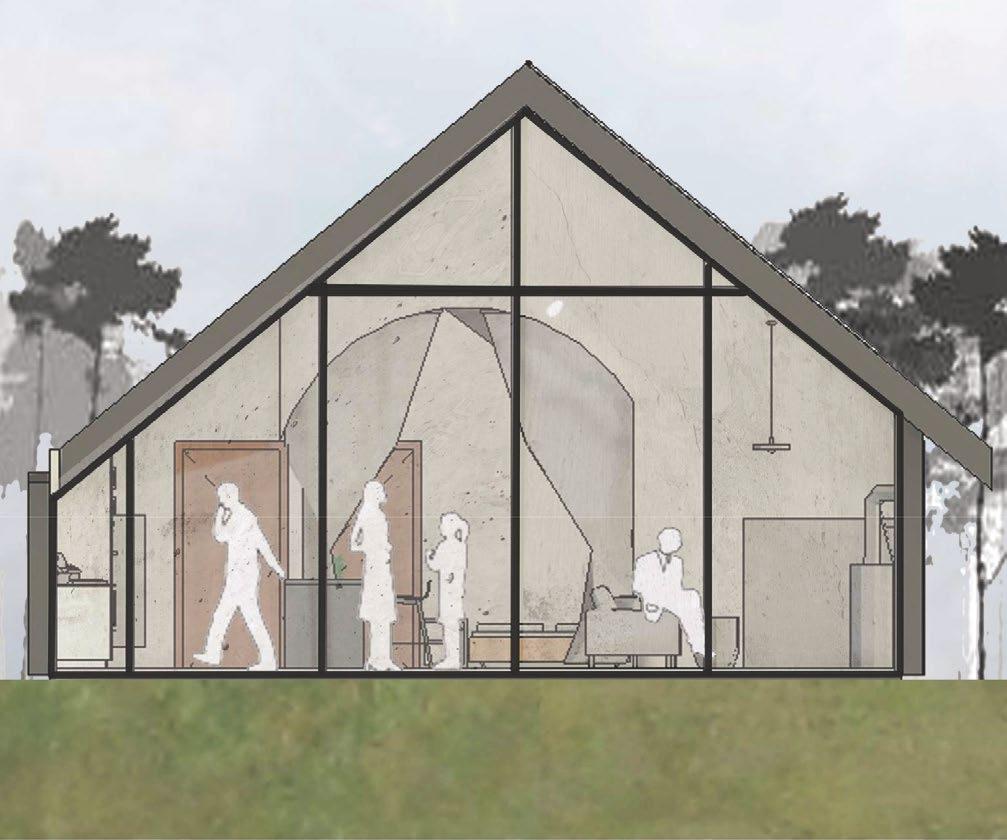
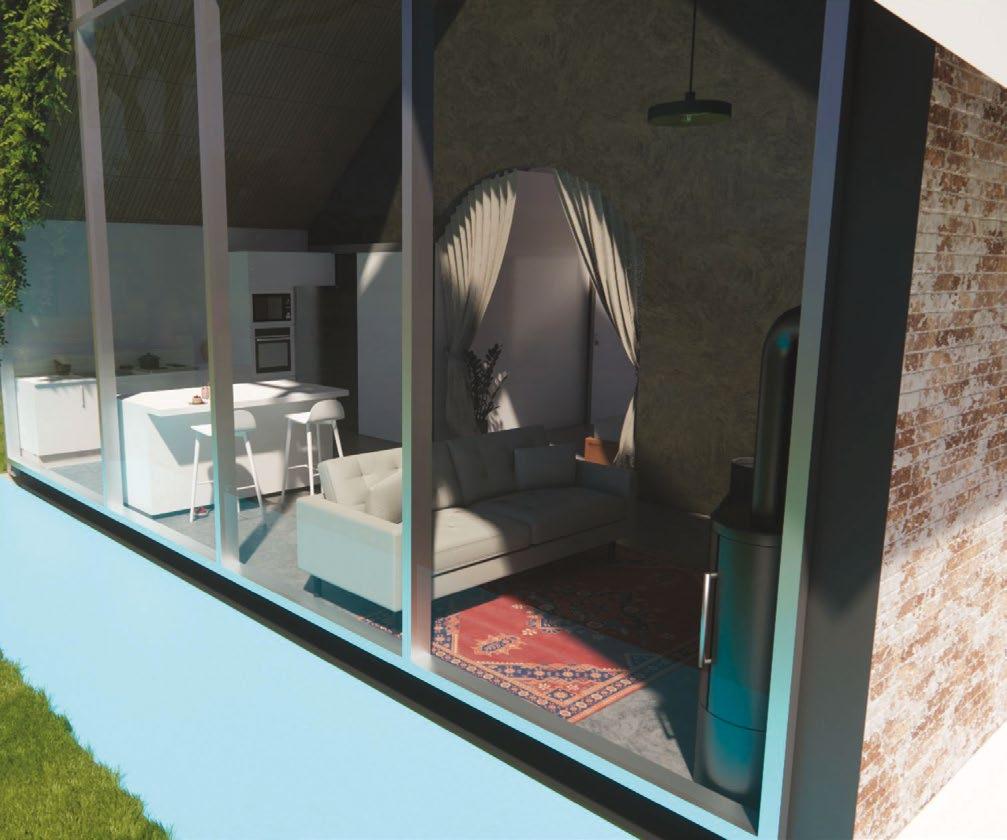
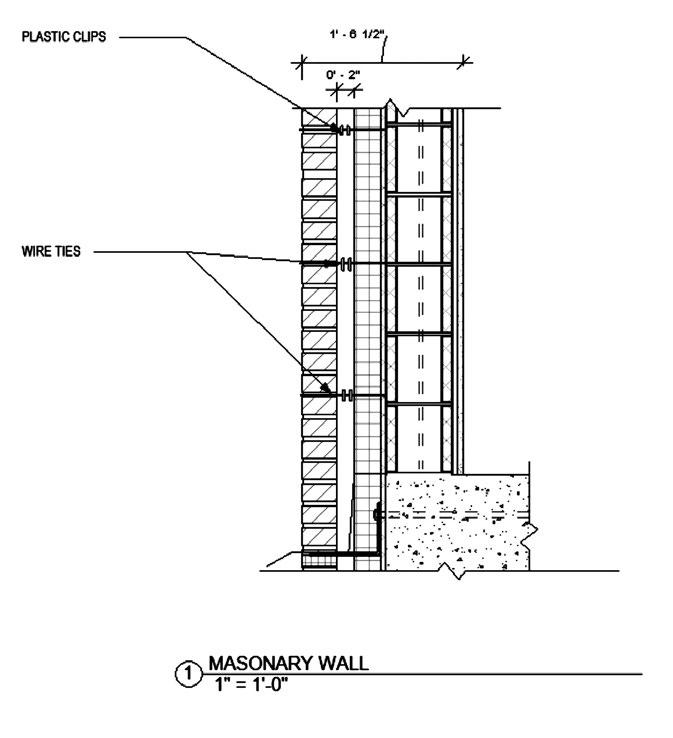
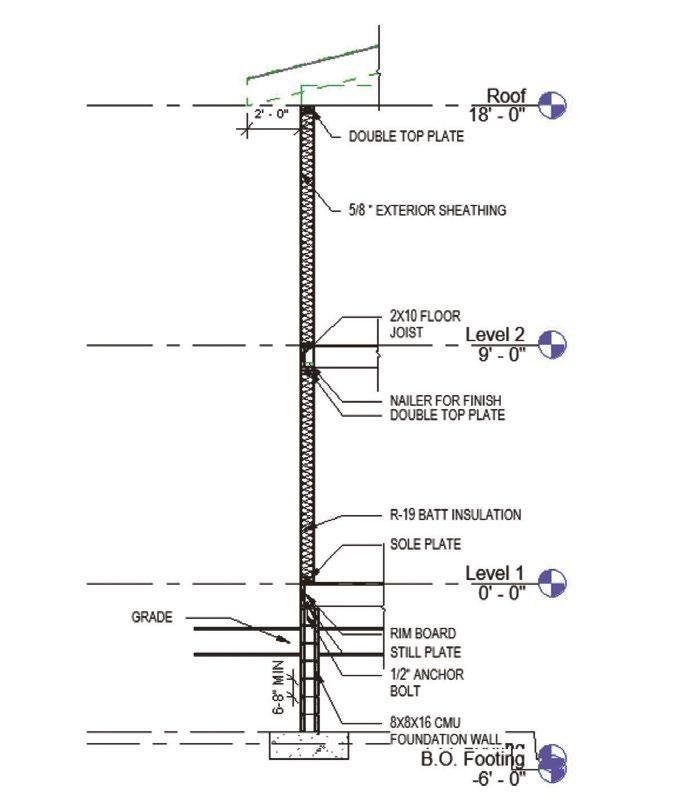
How did your education change the way you see the world around you?
My education here has changed the way I am able to communicate and relate to others. Being here feels more like a community, and I want to continue that in any place I go.
What kind of projects do you dream of working on in the future?
Starting off, I would like to start working on smaller commercial projects and potentially move on to residential projects.
What has changed in your design work since you started at Dunwoody?
I have learned to have more patience when working on a project. Though it takes longer to complete, I can prioritize making my design come to fruition.
What’s a challenge you faced that made you stronger?
A challenge I faced is my perfectionism. I often find myself getting stuck on small details and falling behind. I am now able to control my perfectionism, slow down and work more efficiently.
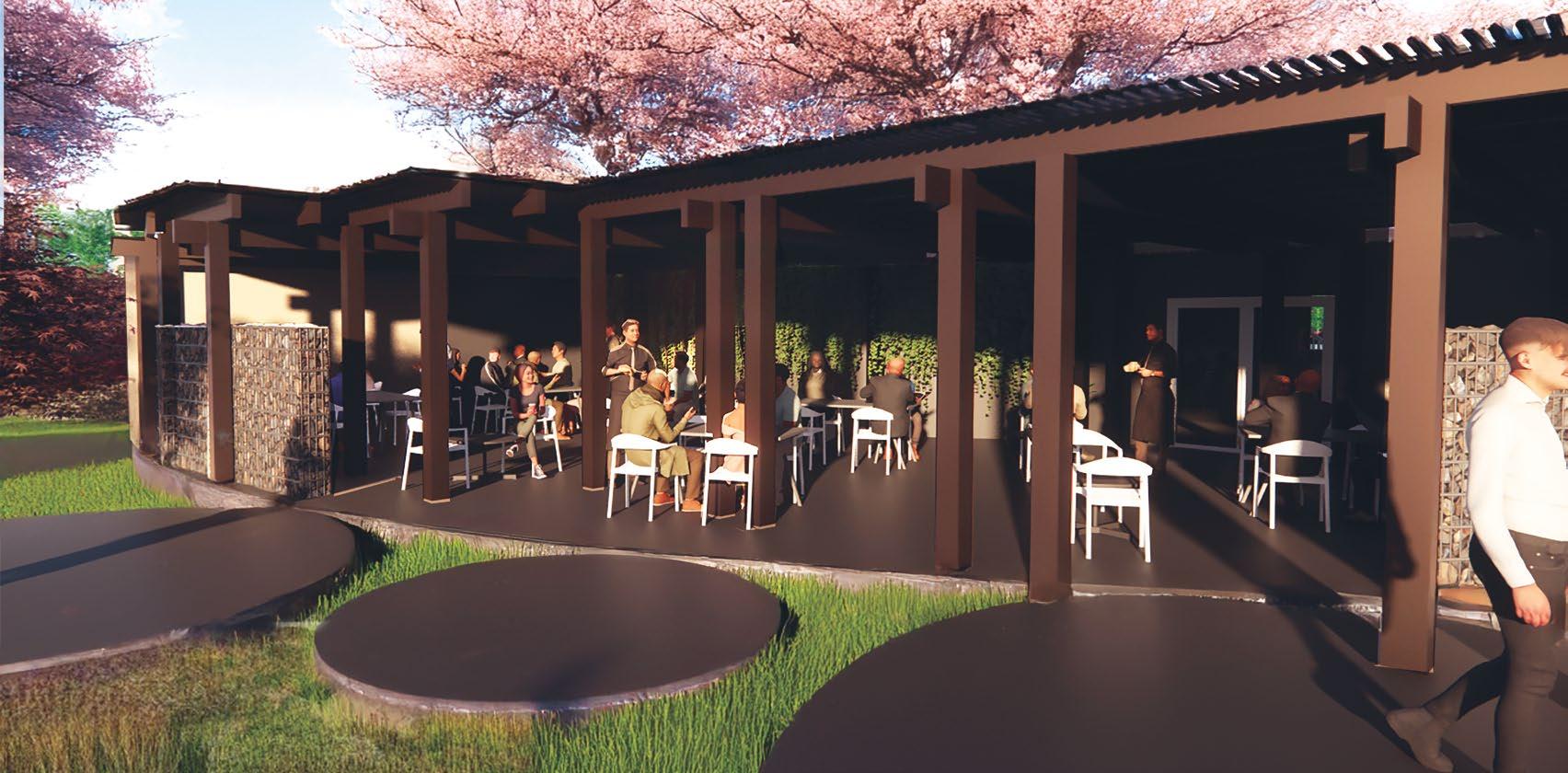
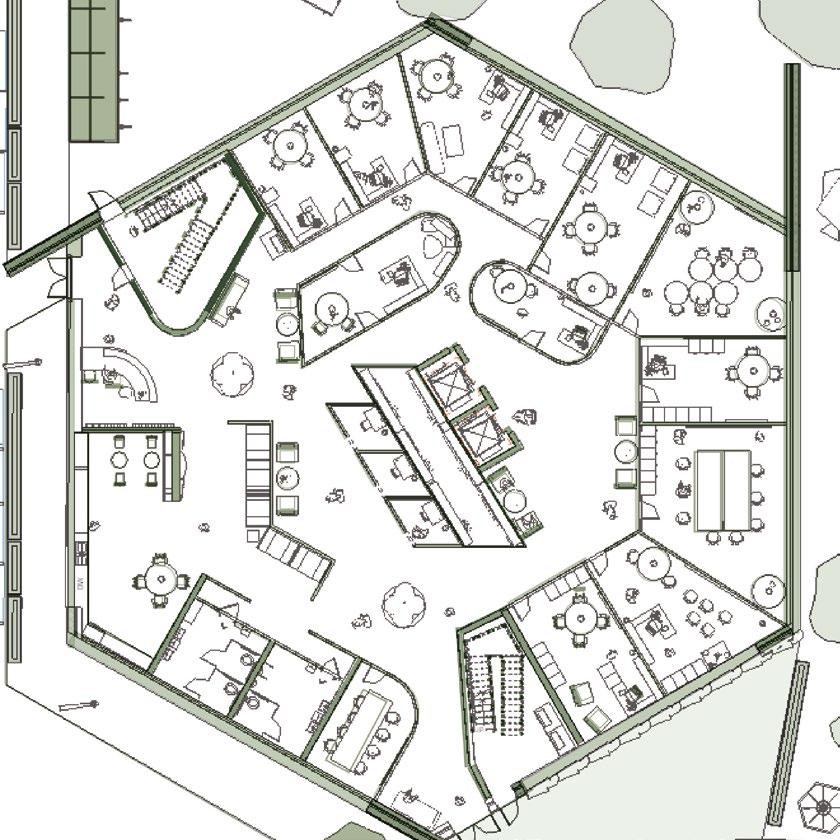
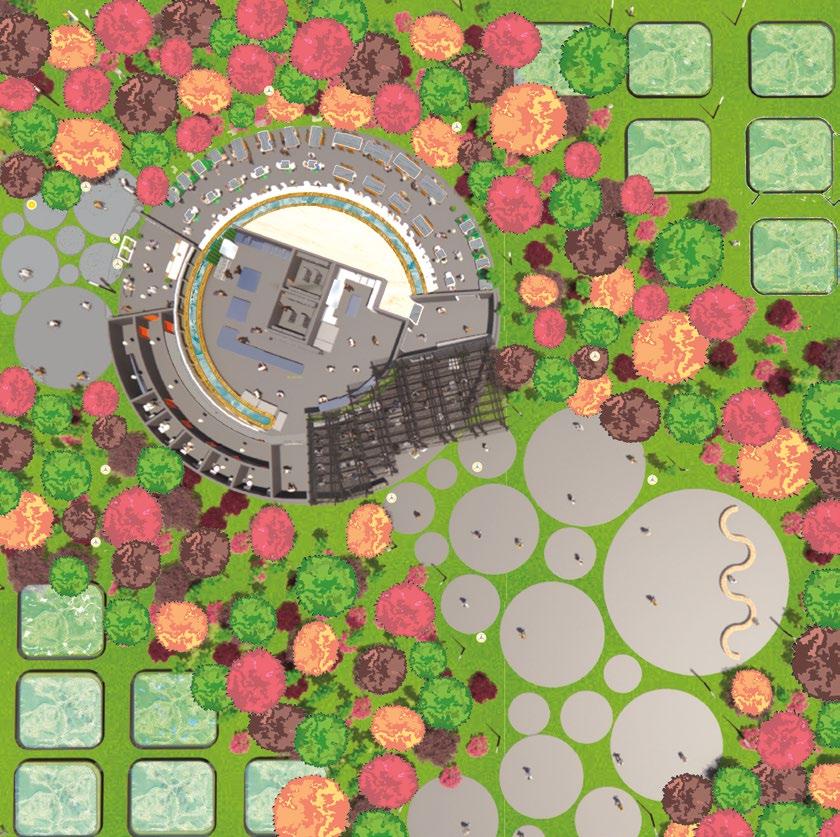
How did your education change the way you see the world around you?
My education made me realize that there are a lot more people in the world you collaborate with than you know, even if it isn’t directly. It made me realize how special it is that so many creative and intelligent people work together to make architecture a profession, even a lifestyle.
What kind of projects do you dream of working on in the future?
Residential projects, I want to build dream homes!
What has changed in your design work since you started at Dunwoody?
I am better at space planning and have learned how to incorporate the things that I’m passionate about into my work.
What’s a challenge you faced that made you stronger?
I used to be afraid to be seen trying, but I realized that the act of trying only meant I was already brave enough to begin. No shame in bravery, be confident in your decisions even if what you decide is new to you.
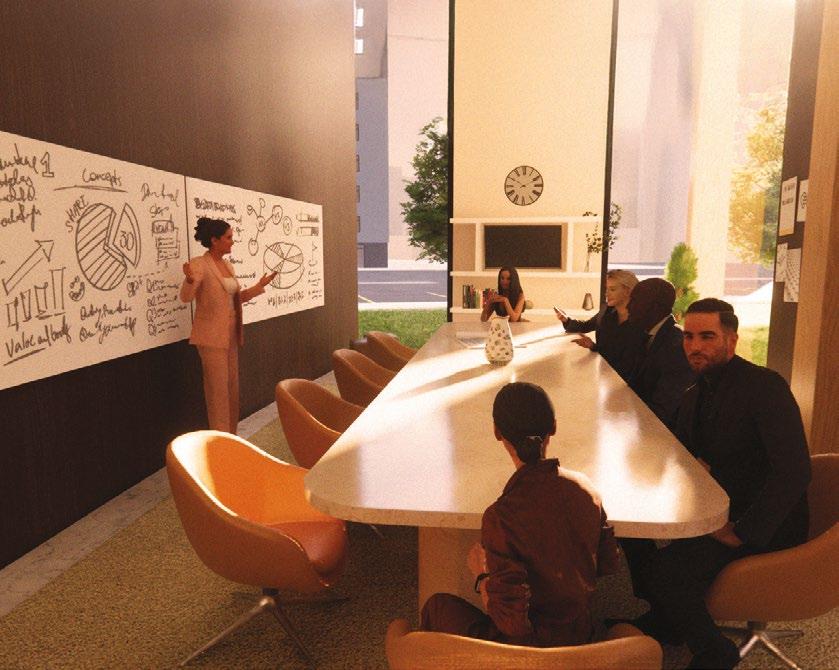
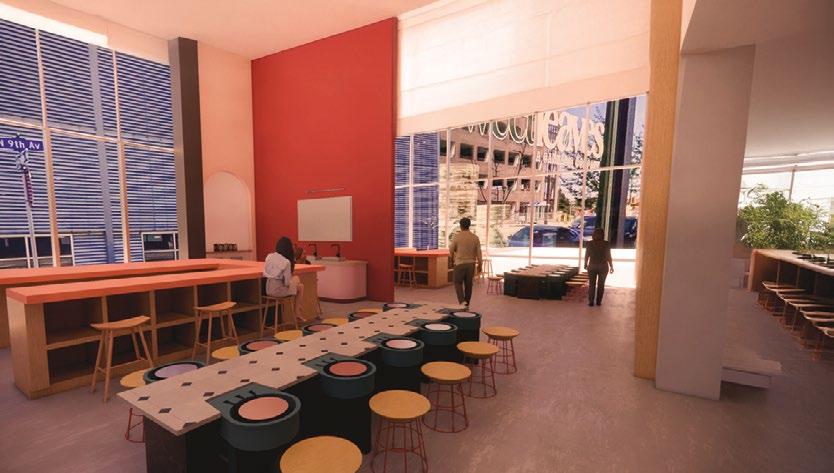
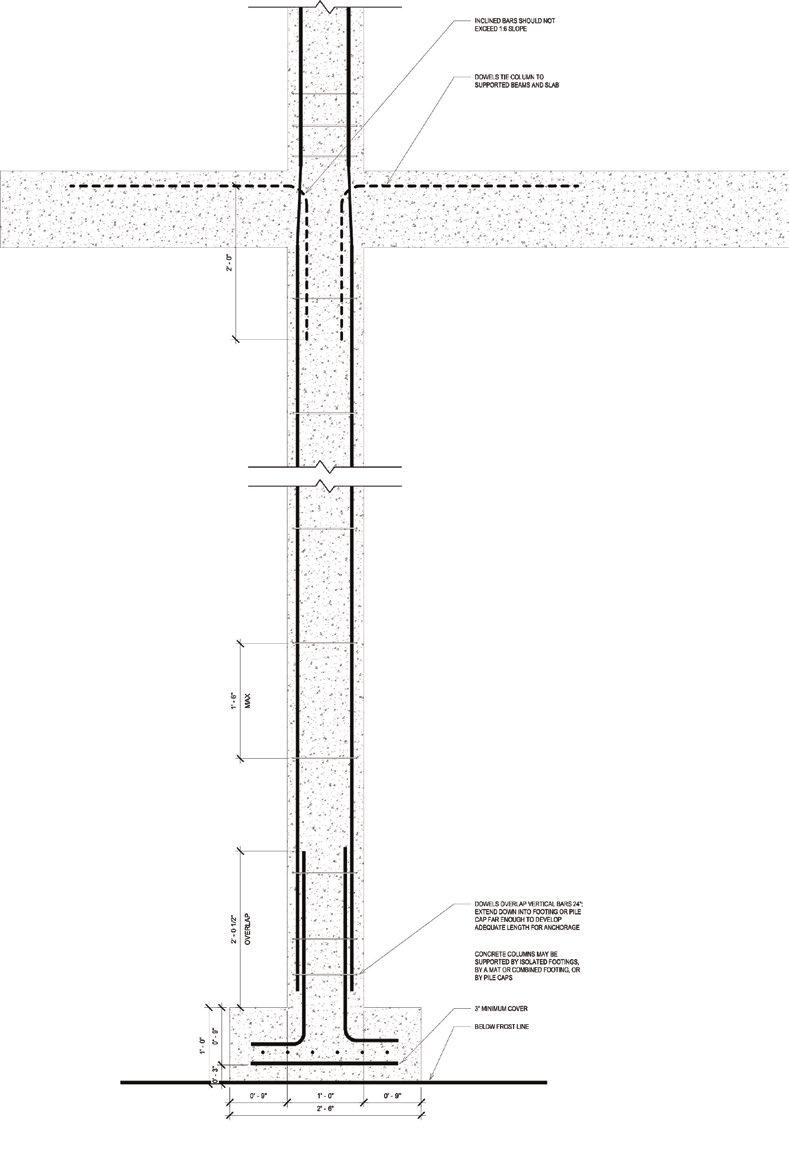
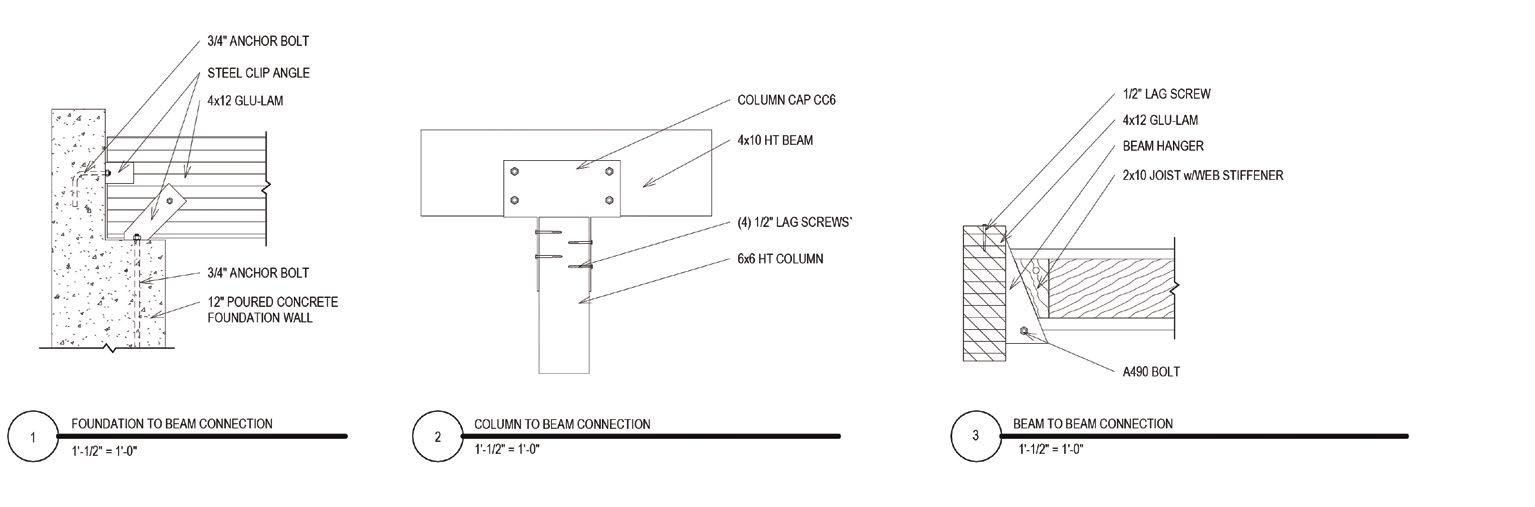
How did your education change the way you see the world around you?
My education changed the way I look at the built environment on an everyday level. I no longer see buildings as finished objects; I see them as systems made up of decisions, constraints, and trade-offs. I notice how materials come together, how water is managed, how structures meet the ground, and how drawings were translated into what was actually built.
What kind of projects do you dream of working on in the future?
I hope to work my way up in the environmental engineering field so that I can have major influence over the layout and design of water treatment and wastewater treatment facilities.
What has changed in your design work since you started at Dunwoody?
As I’ve progressed through the program and gained more experience at my internship, the models I design have become more complex and fleshed out, bringing the final product closer to what you’d see in the real world.
What’s a challenge you faced that made you stronger?
Learning to manage the time commitments and stress that comes with attending college while working and raising my daughters was the biggest challenge I faced during my time as a student.
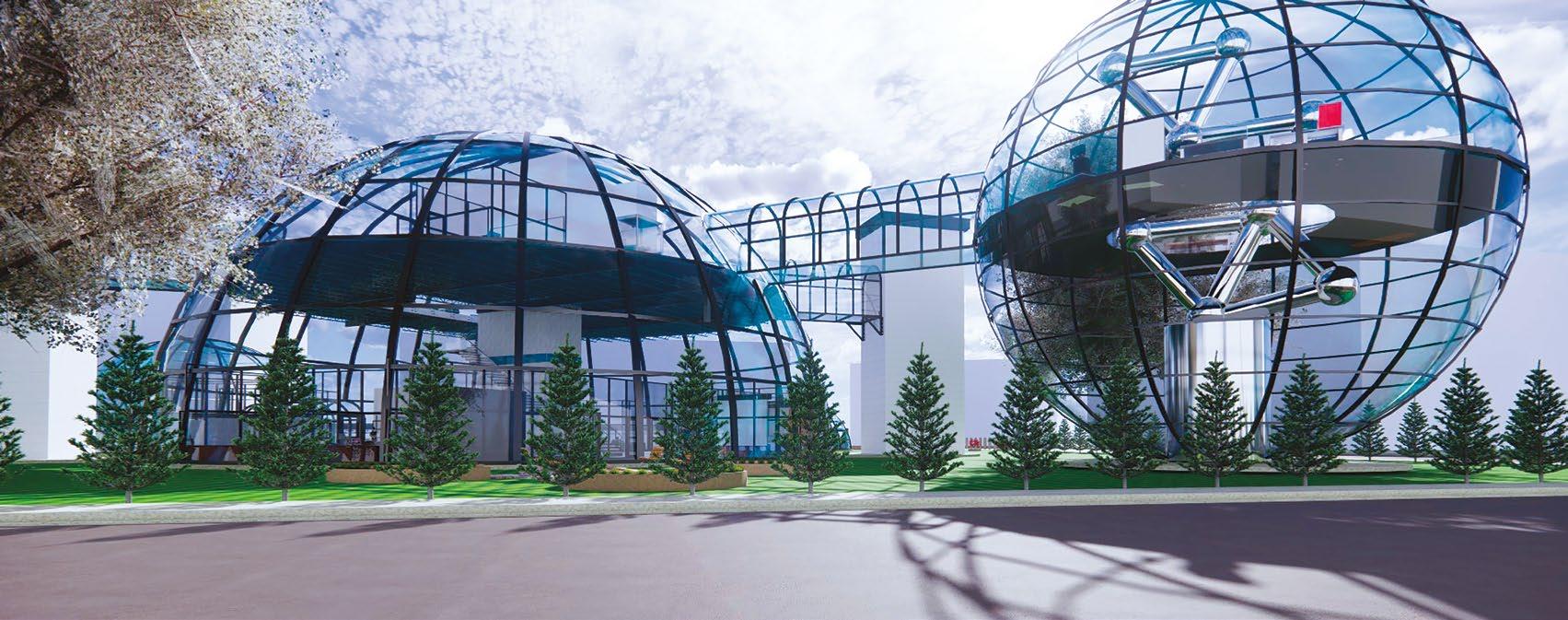
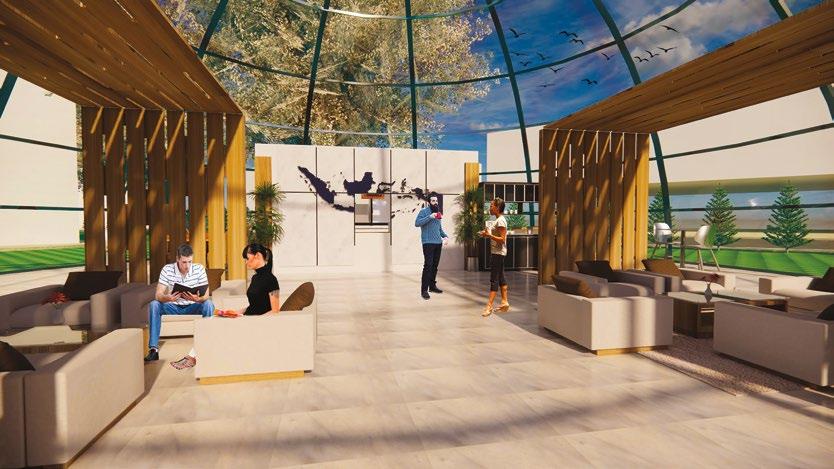
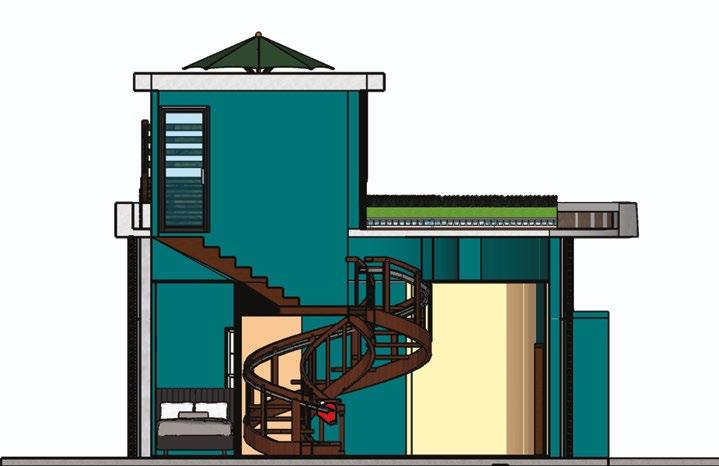
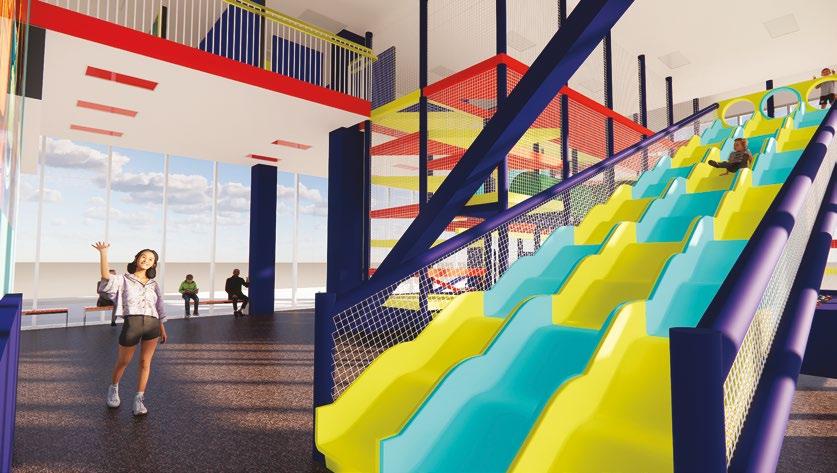
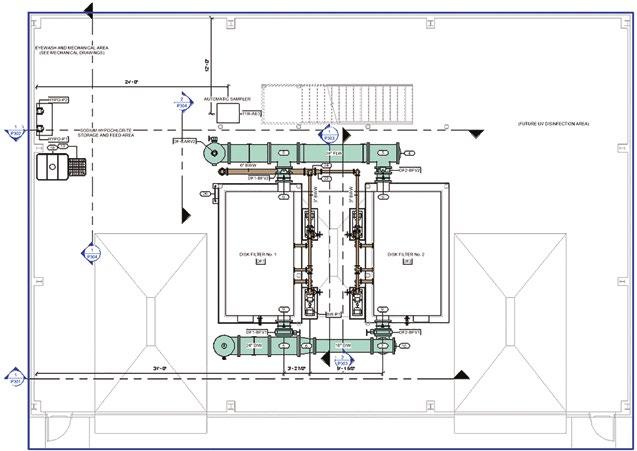
How did your education change the way you see the world around you?
Understanding each other’s differences.
What kind of projects do you dream of working on in the future?
Sustainable design projects.
What has changed in your design work since you started at Dunwoody? Quality.
What’s a challenge you faced that made you stronger?
Finding a healthy work-life balance.
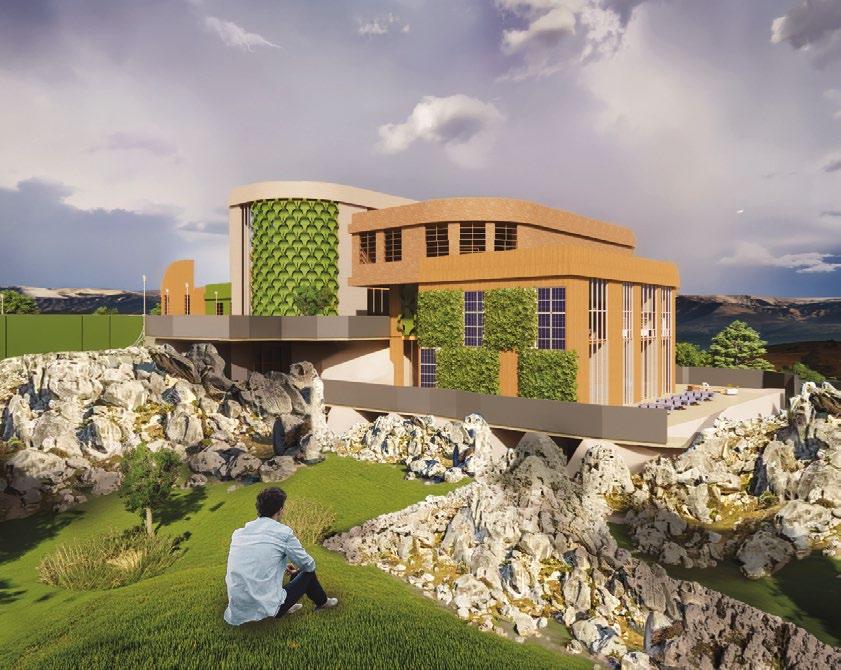
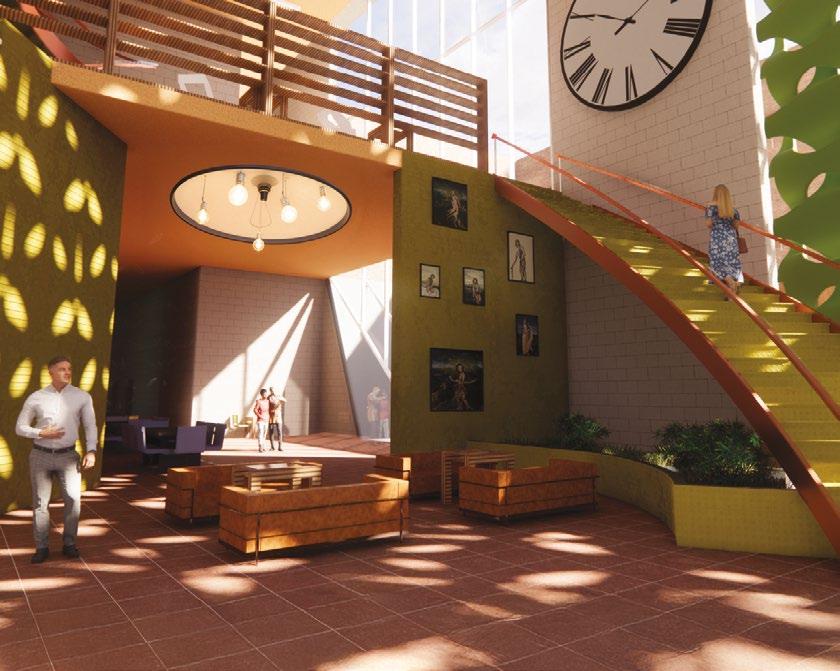
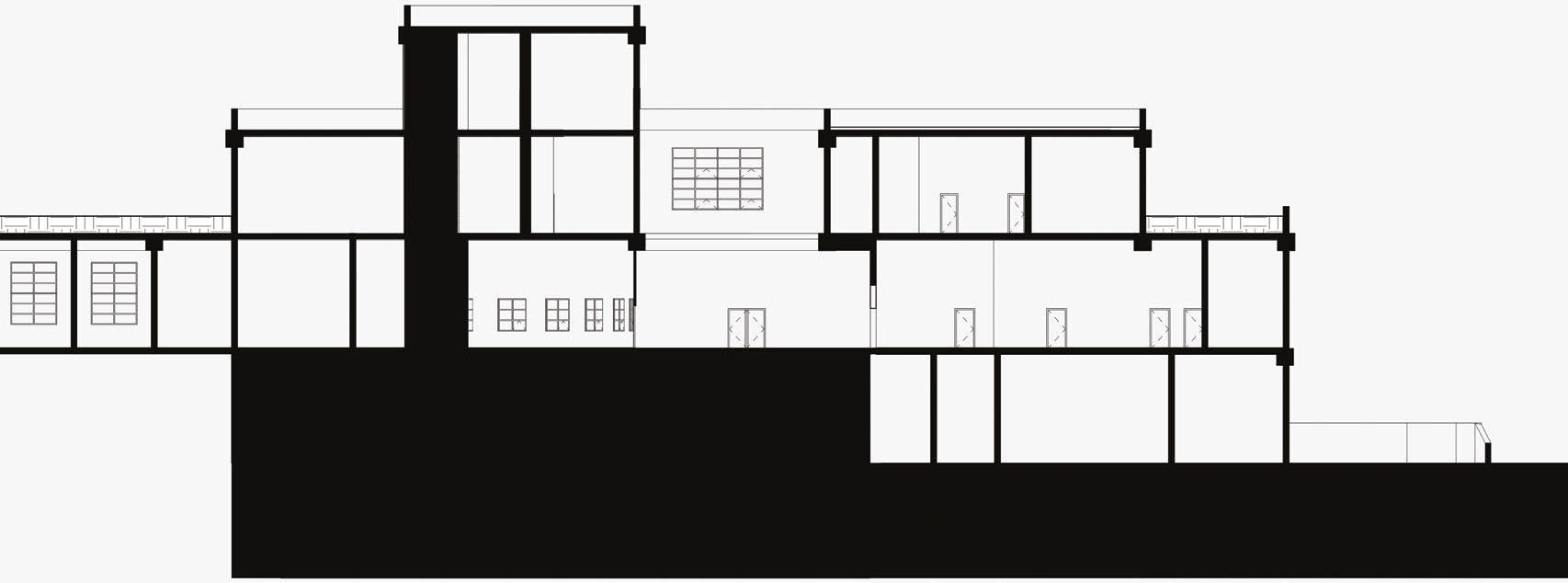
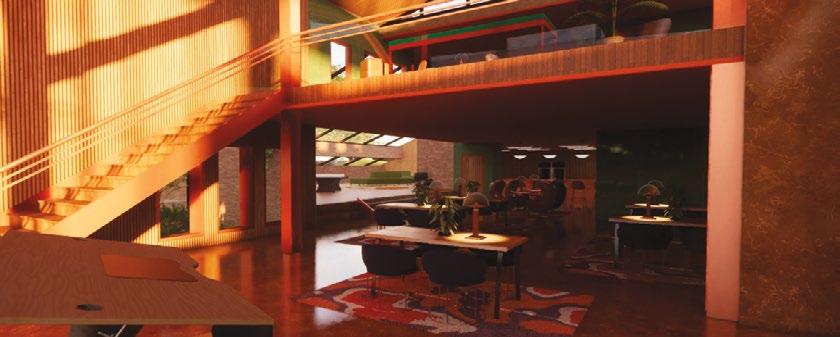
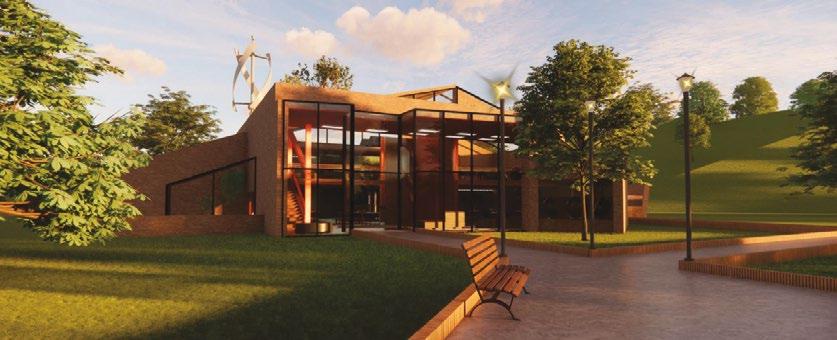
How did your education change the way you see the world around you?
It brought more intention and helped me try to understand what I’m looking at and what its purpose is.
What kind of projects do you dream of working on in the future?
Residential homes.
What has changed in your design work since you started at Dunwoody?
Every detail feels intentional and personal with research on the side.
What’s a challenge you faced that made you stronger?
Tackling Revit.
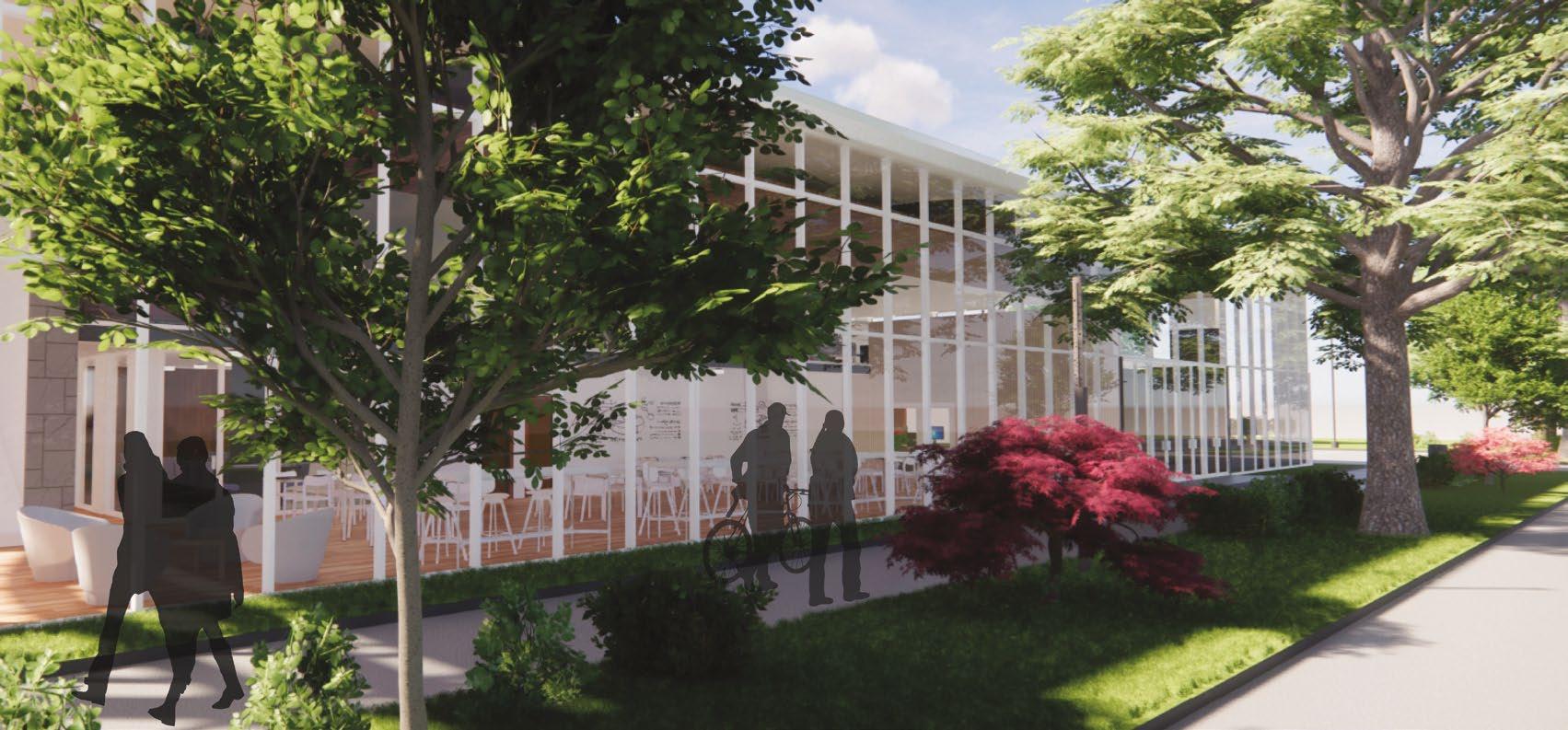
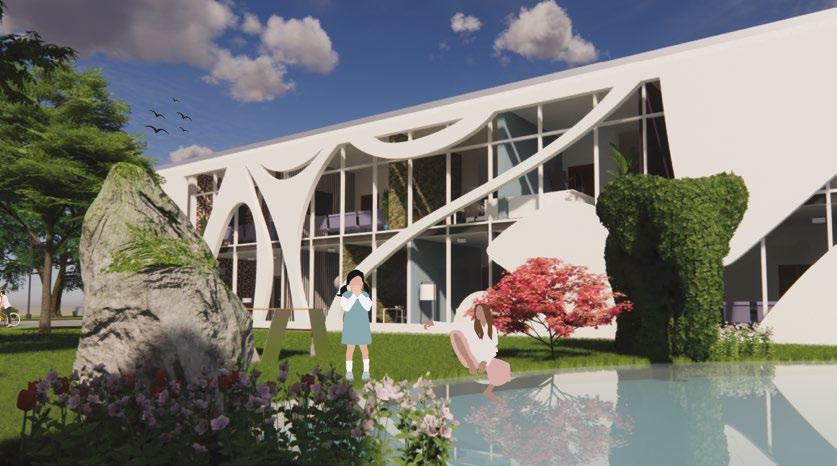
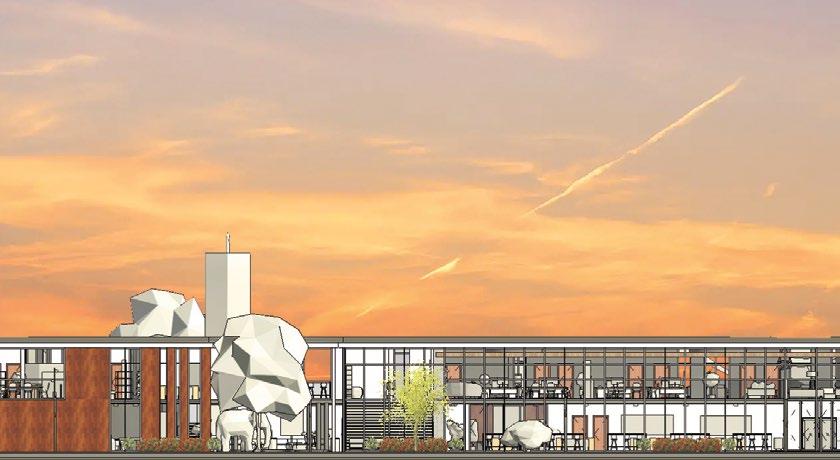
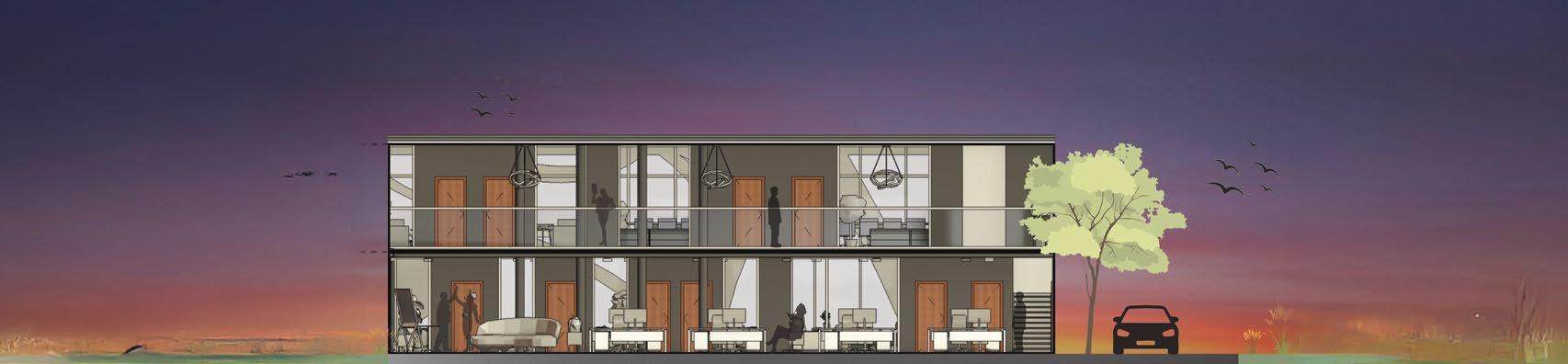
How did your education change the way you see the world around you?
My education changed how I see the world by making me notice design in everyday spaces. I pay more attention to the buildings around me.
What kind of projects do you dream of working on in the future?
In the future, I dream of working on custom homes that are tailored to the client and site.
What has changed in your design work since you started at Dunwoody?
Since starting at Dunwoody, my design has become more intentional. I think more about function and how the space is used.
What’s a challenge you faced that made you stronger?
One challenge I faced was managing heavy workloads and balancing multiple projects. It was a lot at first, but it helped me become more disciplined.
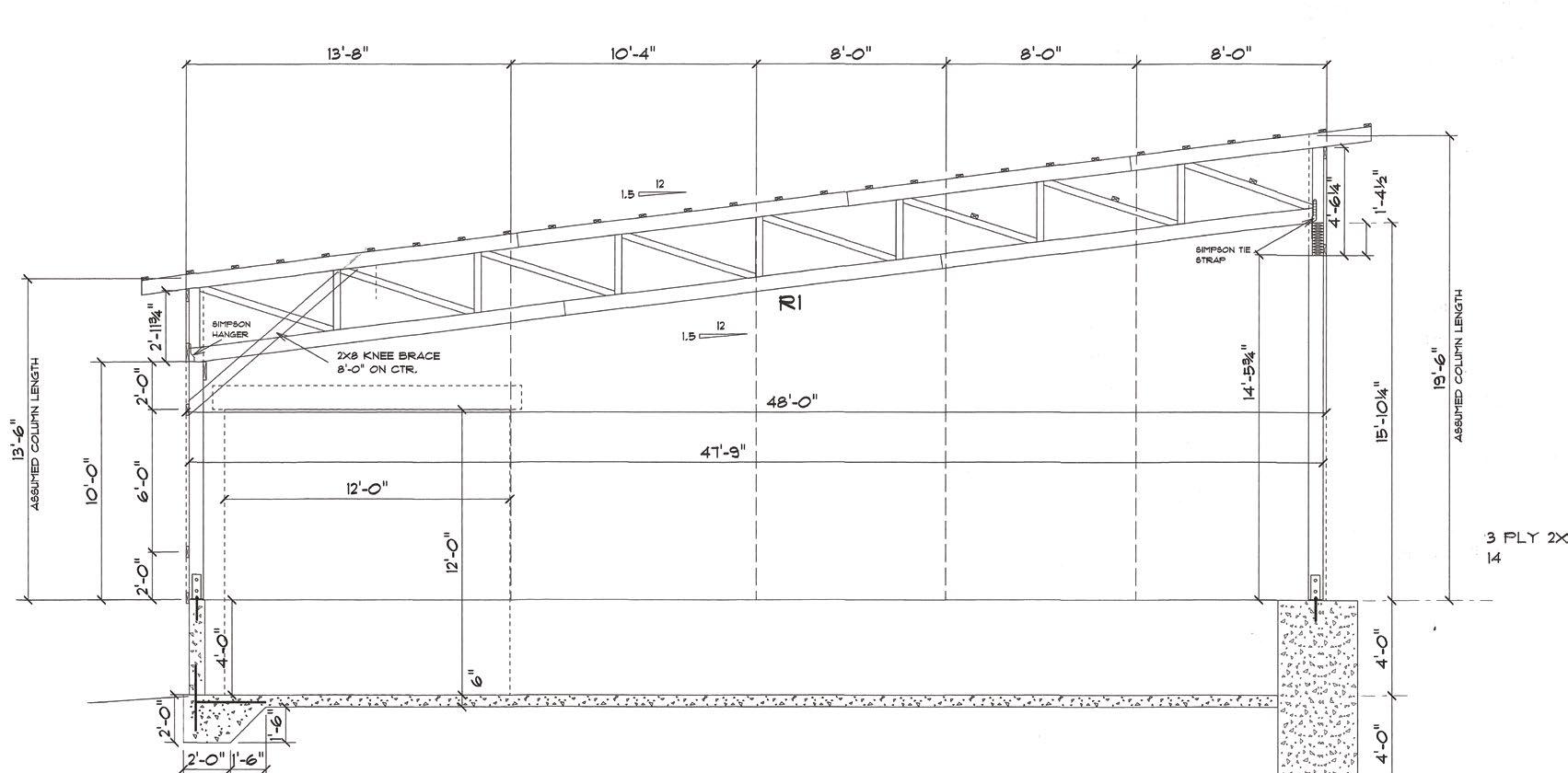
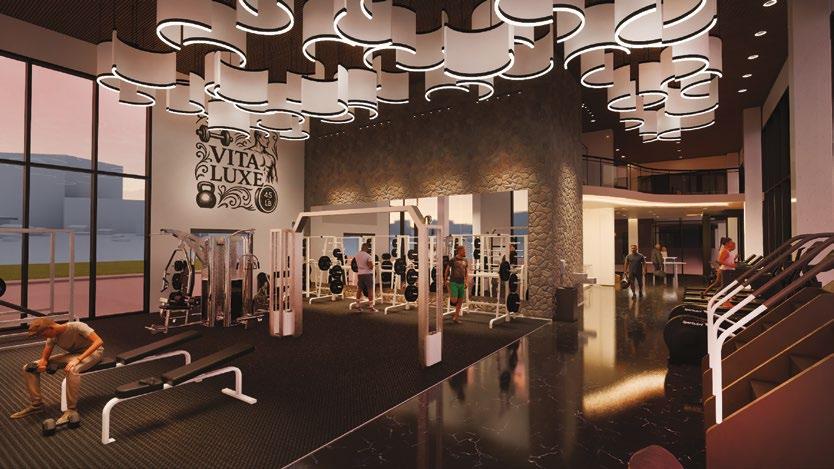
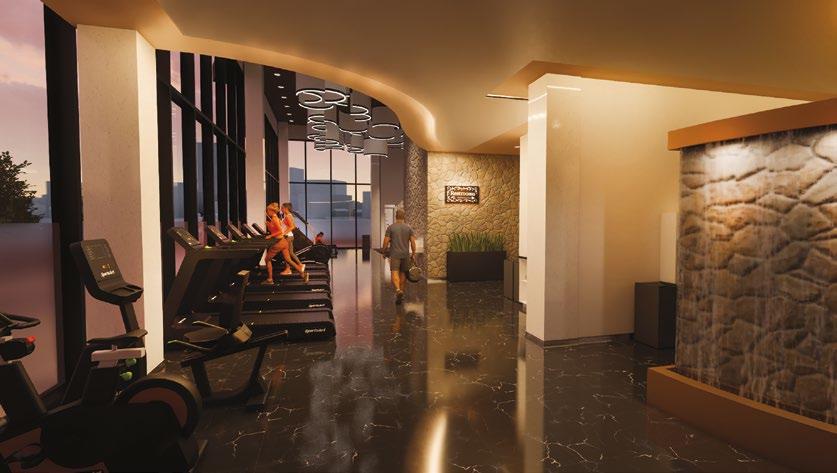

How did your education change the way you see the world around you?
Sometimes when I’m presented with exposed structural layout it get my gears turning.
What kind of projects do you dream of working on in the future?
I would like dip my toes into anything and everything and continue to learn and grow.
What has changed in your design work since you started at Dunwoody?
The process of how I design now was not the way I did before, where it used to come naturally it has became something that requires intention.
What’s a challenge you faced that made you stronger?
Public speaking about my work unlike others’ works or research creating a narrative and selling a piece comes with challenges.
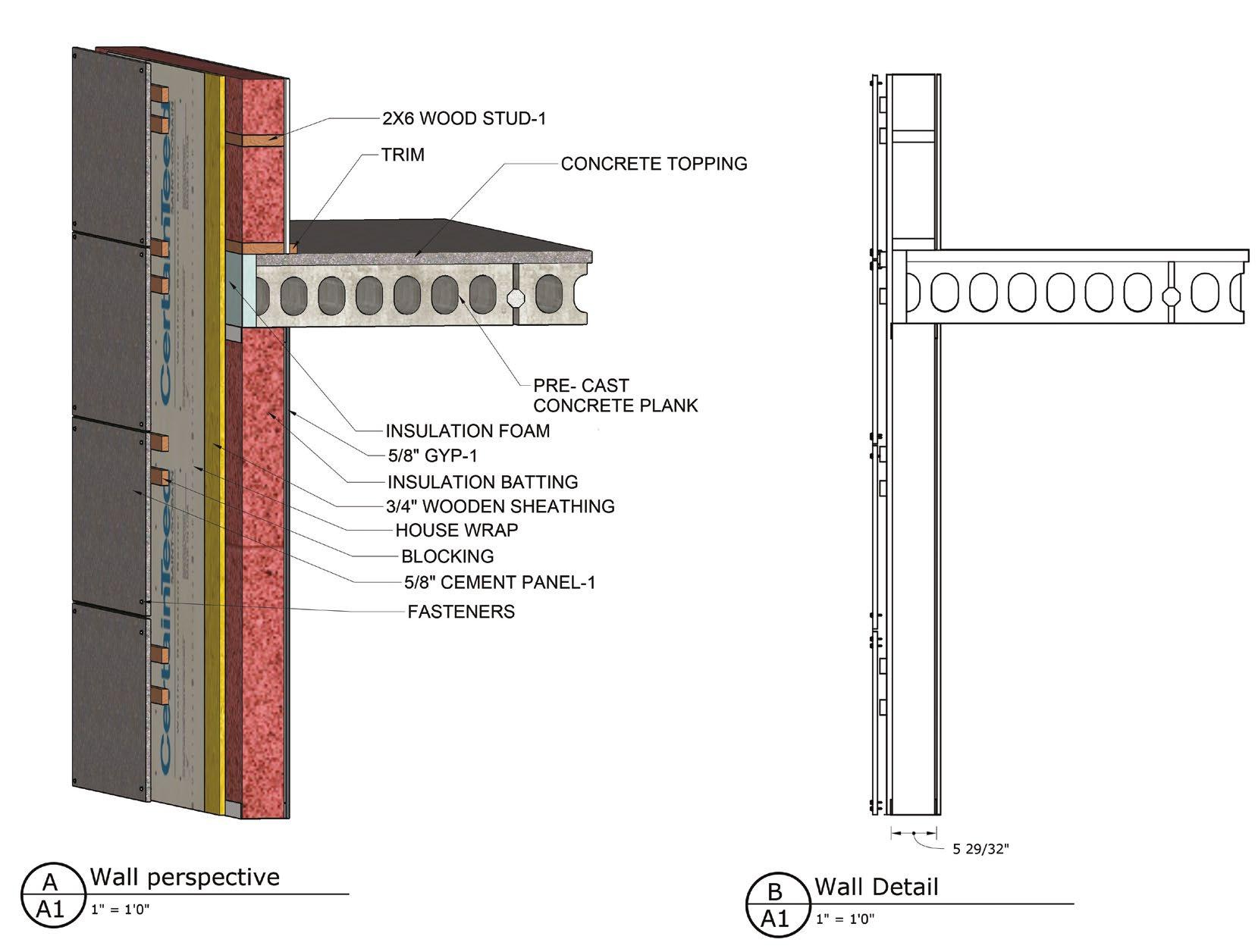
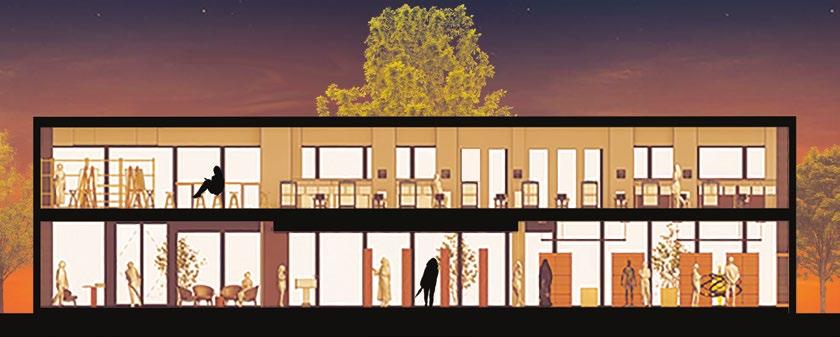
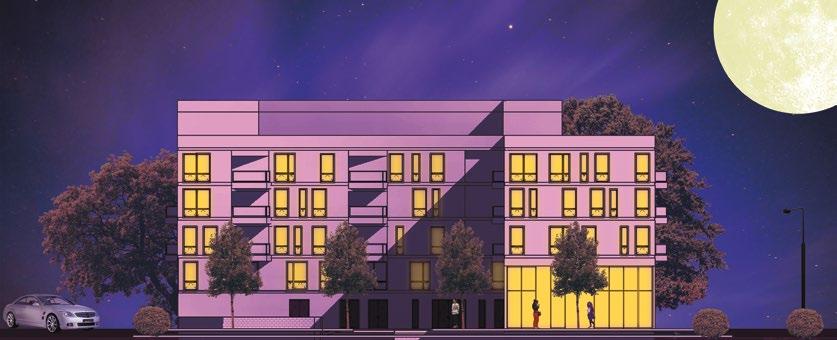
How did your education change the way you see the world around you?
The more I learn, the more I see, the less the world looks distant, is a matter of massing the collection of information on what I’ve learned, separating it into groups of actions, procedures and rules. It’s not like I have numbers and ruler floating around my vision with every building I see, it is like an itch at the back of my head, a little conversation with the part of my mind that sees without awareness, that’s how it is now.
What kind of projects do you dream of working on in the future?
I want to work on projects in the urban redesign area. The urban ecosystem we’ve made for ourselves more often then not limits our opportunities, experiences, and quality of life.
What has changed in your design work since you started at Dunwoody?
I’ve come to embed in myself with the idles of simplicity, the first project I did was some grandiose image of my interpretation of the Art Nouveau, Rococo, and Art Deco movement onto a restaurant. I spent so much time working on the archways and every little pattern I ended up doing so much more, and yet less then I wanted to.
What’s a challenge you faced that made you stronger?
I have weathered the dark of apathy in my academic journey, I keep moving despite my failures, the old me would have folded in on himself and resigned to comforts and certainties, I will do no such thing anymore despite how much it hurts me I’ll keep moving though every win and loss.
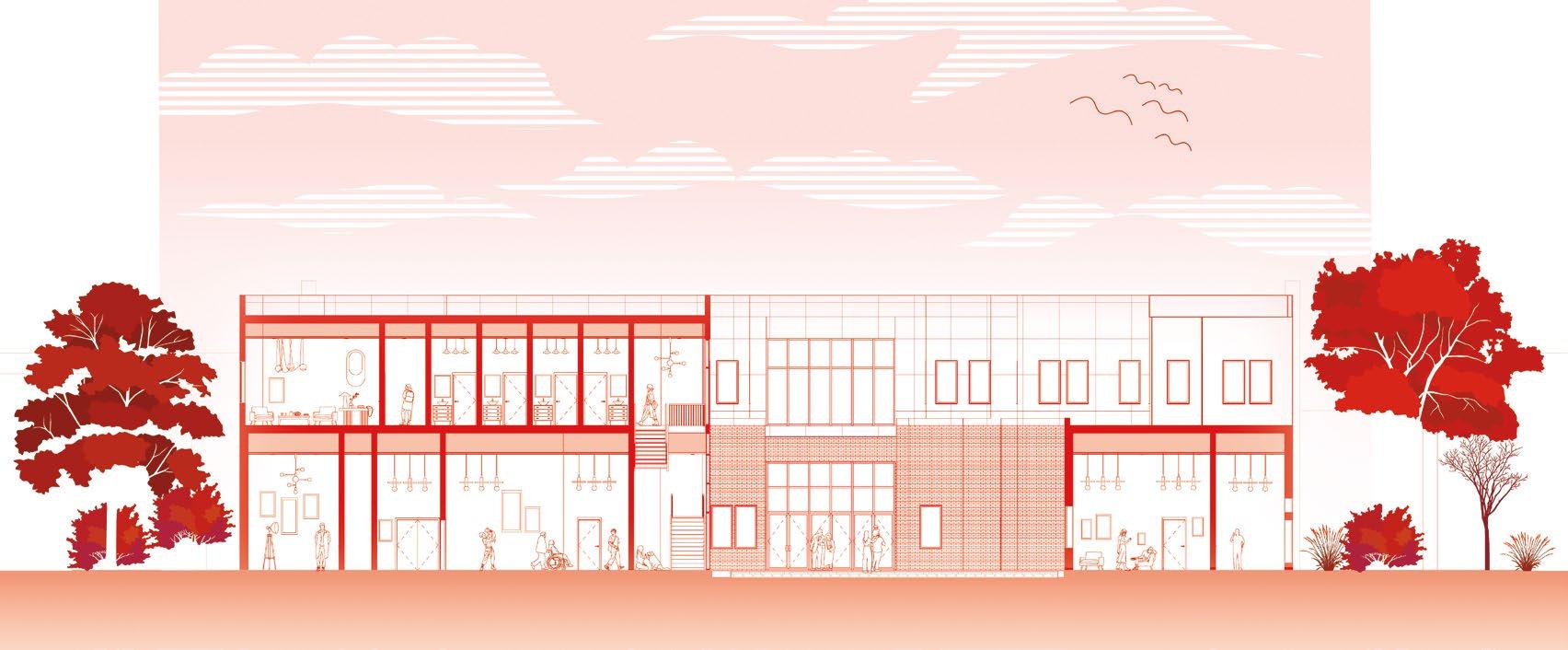
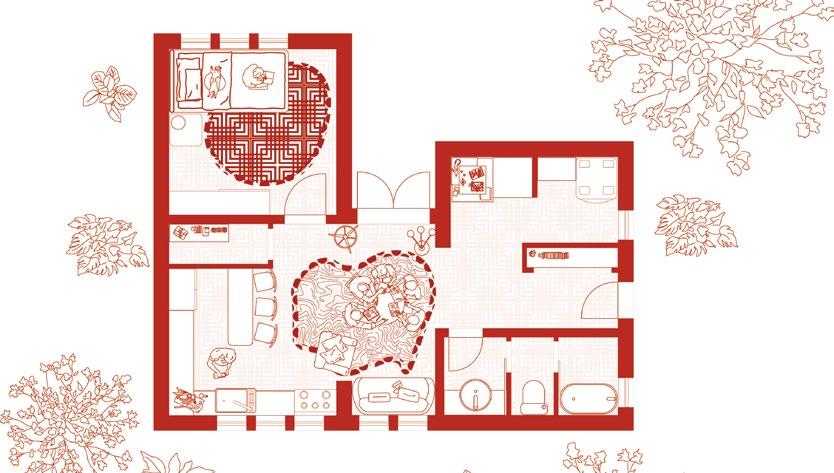
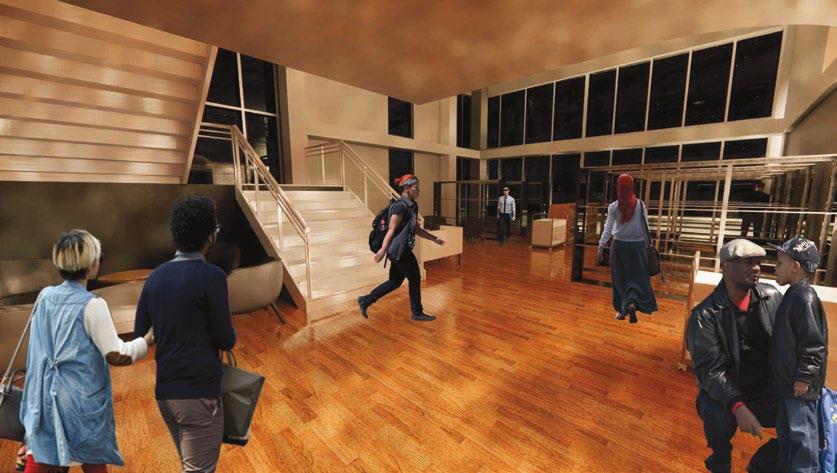
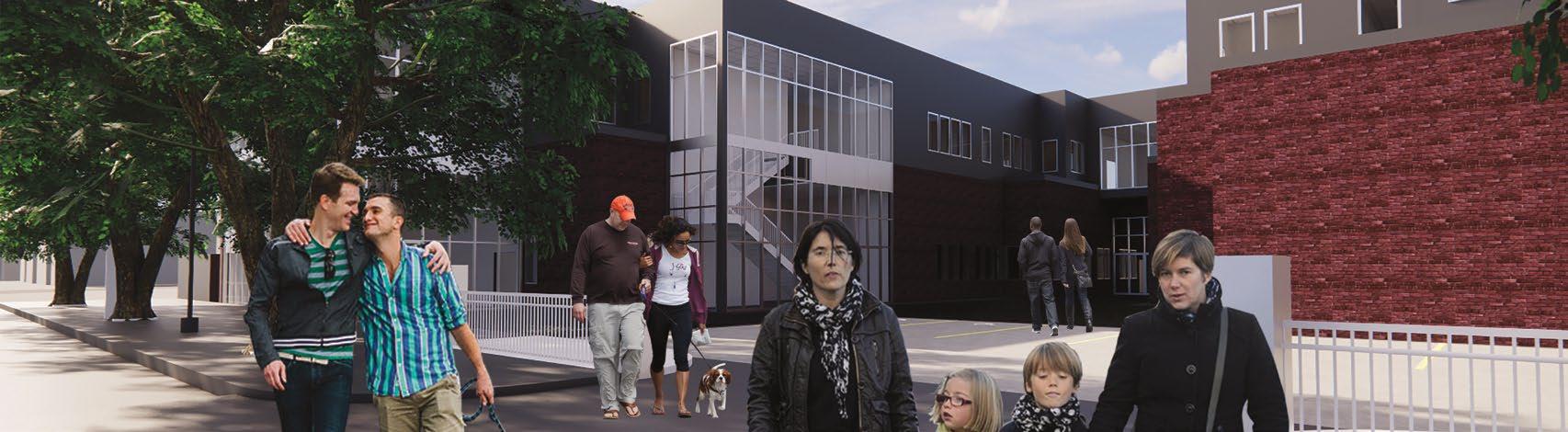
How did your education change the way you see the world around you?
Now I analyze spaces instead of just seeing them. I notice flow, function, and intention in everyday environments, which constantly inspires how I design.
What kind of projects do you dream of working on in the future?
I want to design interactive, affordable spaces that feel meaningful and connected to nature. My goal is to create environments that are visually strong but also communicate purpose and improve how people experience the space.
What has changed in your design work since you started at Dunwoody?
I’ve learned design is never truly finished — it’s always evolving. I now focus more on iteration and feedback instead of perfection. My process is more intentional and flexible than when I started.
What’s a challenge you faced that made you stronger?
Overcoming the language barrier strengthened my confidence and communication skills. At first it was hard to express ideas, but now being bilingual helps me connect with more people and present my work more clearly.
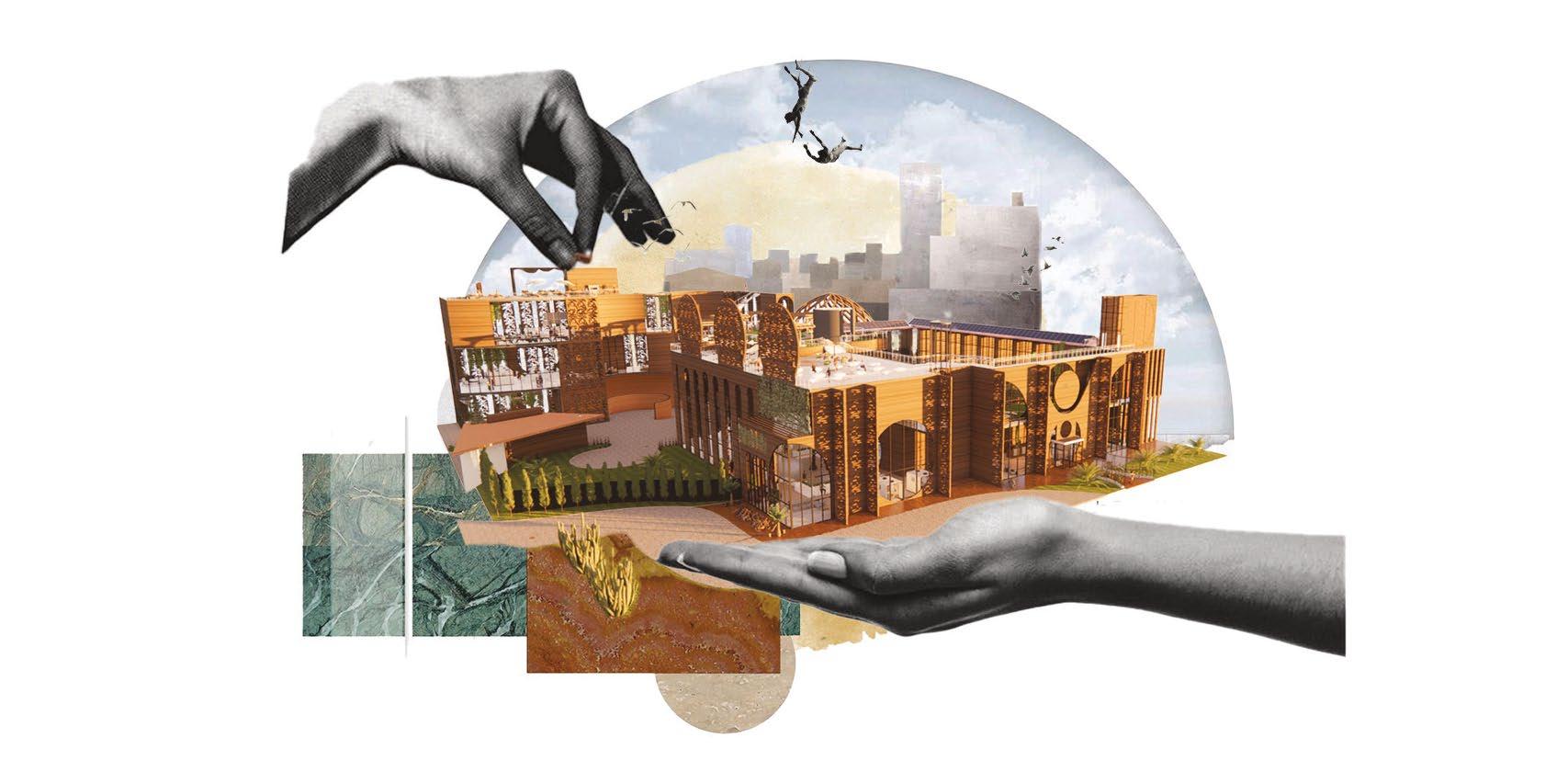
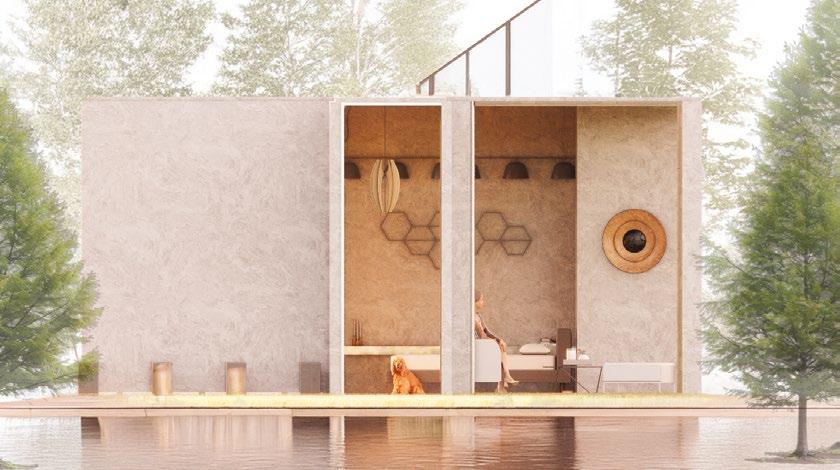
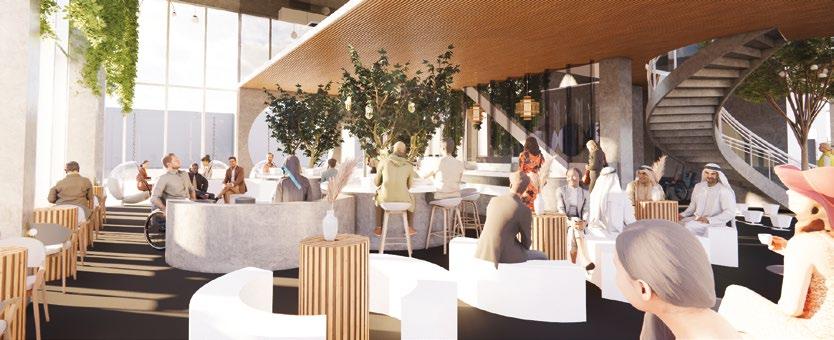
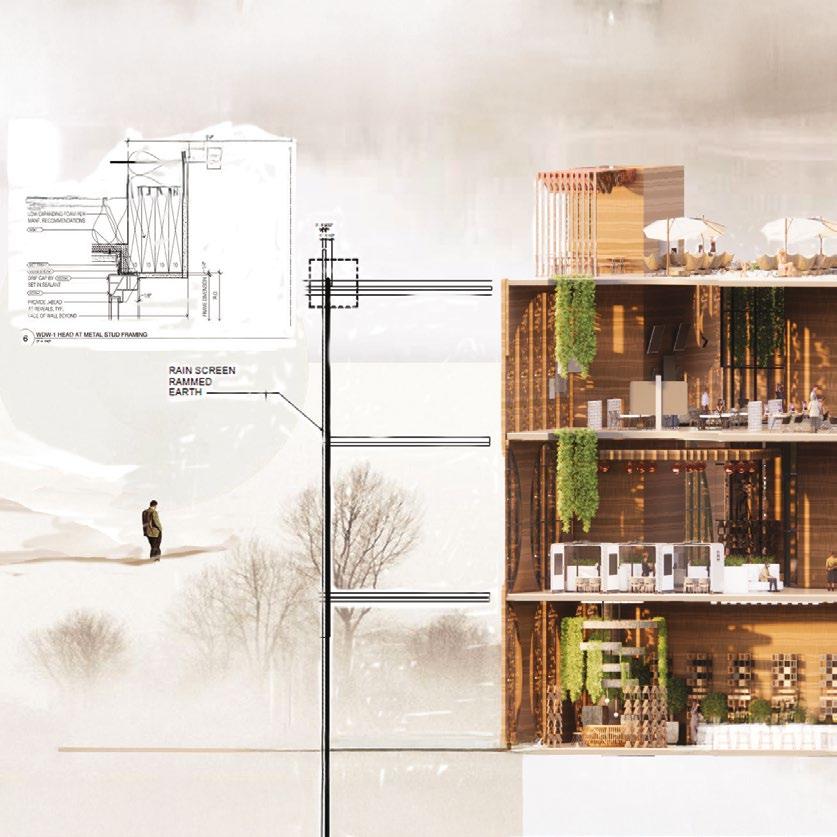
How did your education change the way you see the world around you?
My education changed my view on the world by making me not take my education for granted. It is a privilege to learn and if anyone can gain more knowledge, then they should.
What kind of projects do you dream of working on in the future?
I hope to be able to design people’s dream mansions. Designing exquisite houses that people stop and stare at when they drive by has always been a huge goal.
What has changed in your design work since you started at Dunwoody?
I have really put a lot more thought into my designs now. Accommodating to the surrounding environment is a big improvement in my work.
What’s a challenge you faced that made you stronger?
Being a girl in a male-dominated field has made me stronger because it has forced me to make myself stand out and work harder.
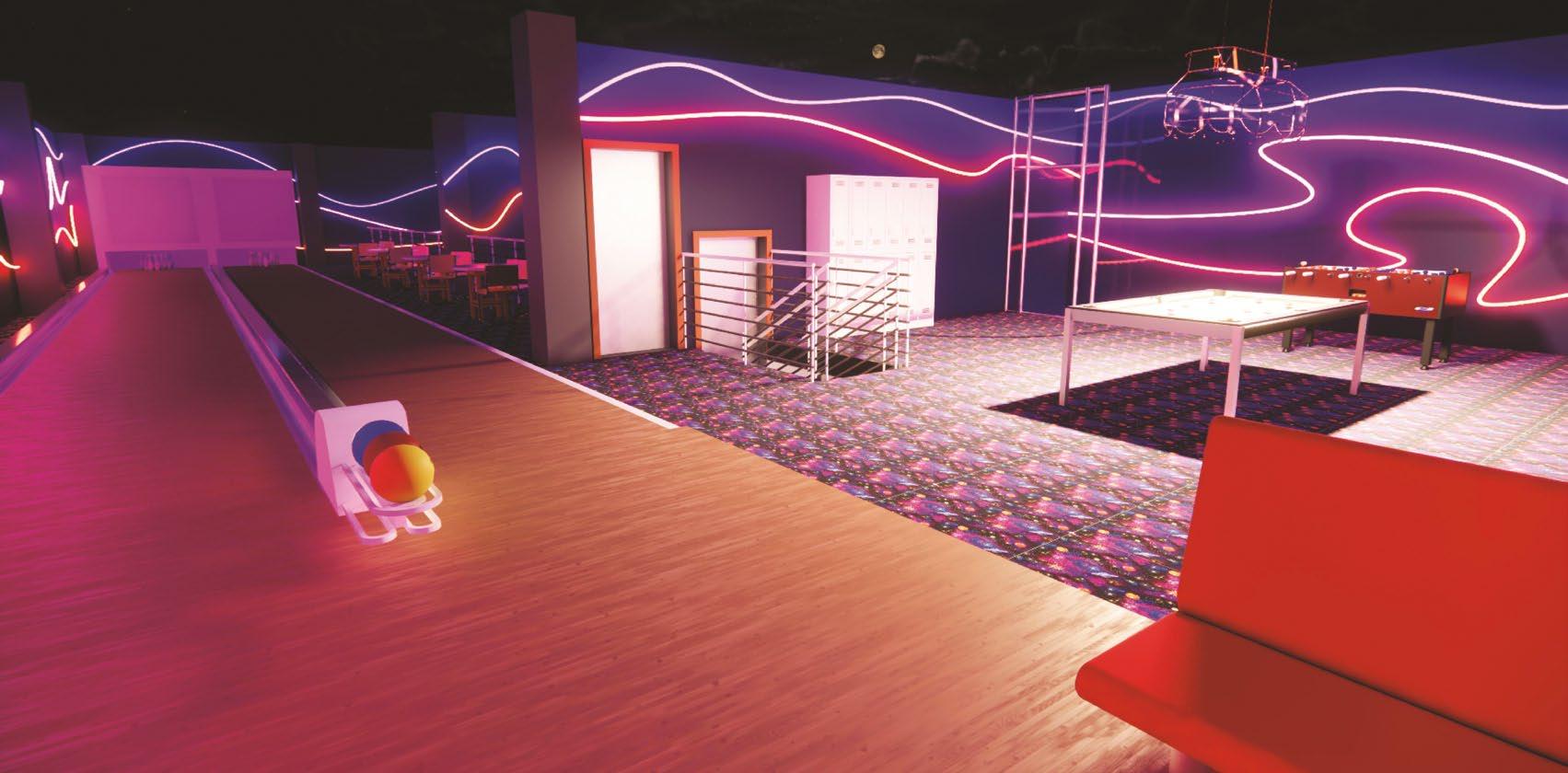
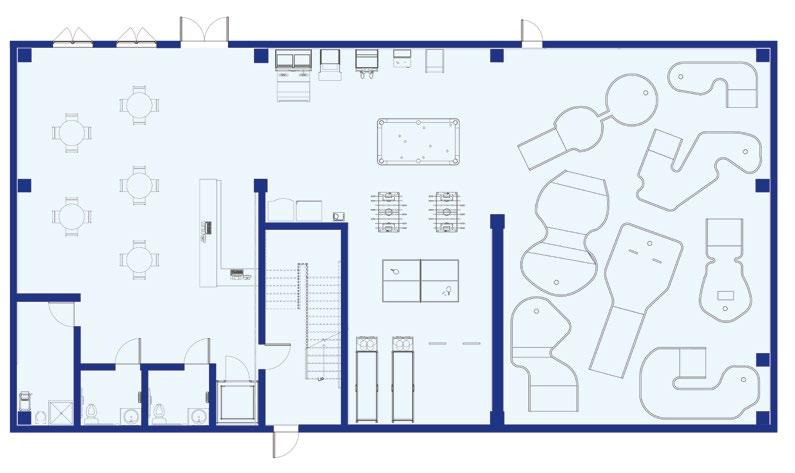
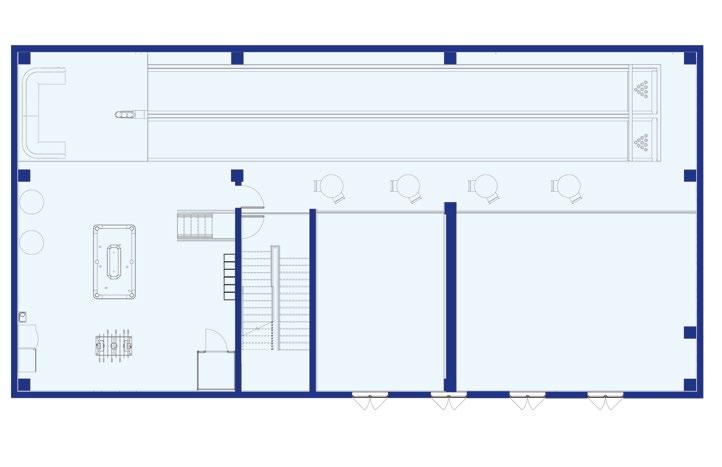
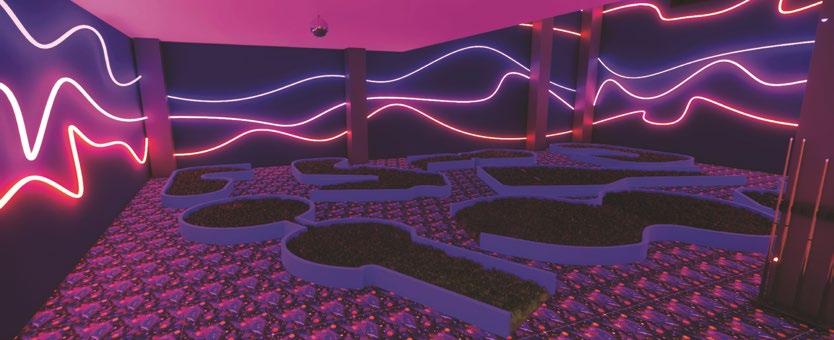
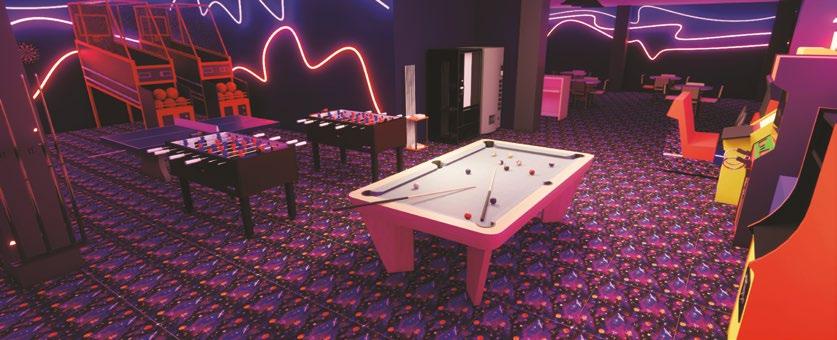
How did your education change the way you see the world around you?
I find I pay a lot more attention to how people interact with a space and the environment around it, thinking about how this might be improved, how it is affecting them, and so on, in my daily life. This was something that I didn’t previously notice to the extent that I do now.
What kind of projects do you dream of working on in the future?
I’ve always had a big interest in green architecture projects integrating the existing environment into the design and as I have learned more in my time here so far, I have also become fascinated by biomimicry and LEED certified projects.
What has changed in your design work since you started at Dunwoody?
I think the biggest thing that has changed is my design process. I learned that sometimes you just have to jump in and start playing with things and you might even learn something new. It doesn’t have to be perfect right away; trace paper exists for a reason, so use it!
What’s a challenge you faced that made you stronger?
Learning to balance creativity with technical constraints. I try to challenge myself and can be ambitious when I get excited about a design or building system, but there comes a point when you have to consider your own skill and knowledge level and consider what it requires of you to be able to complete your design on time.
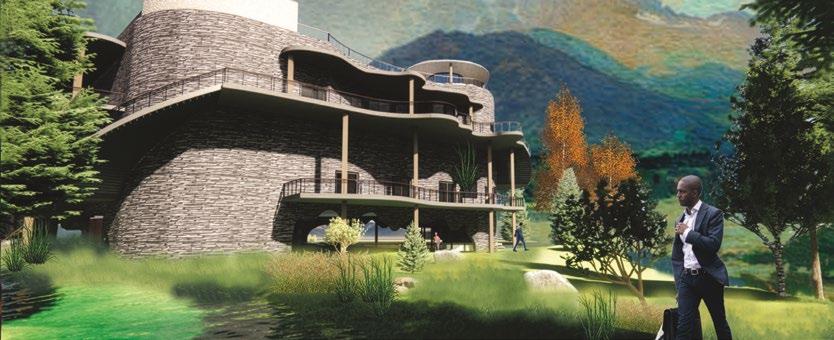
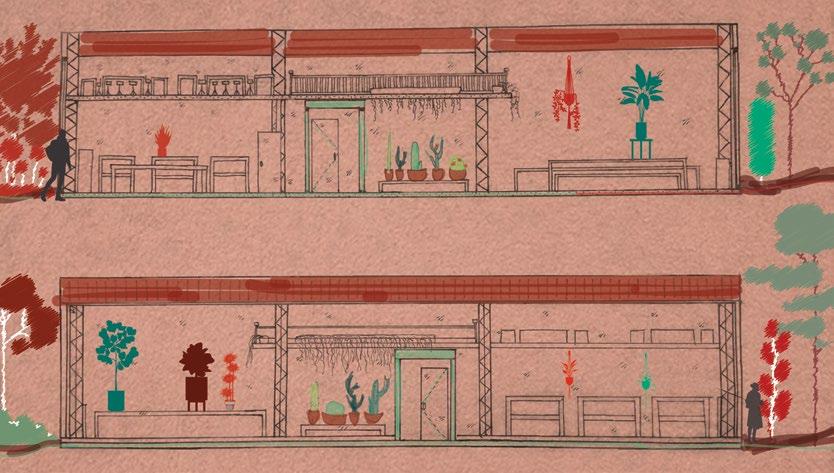
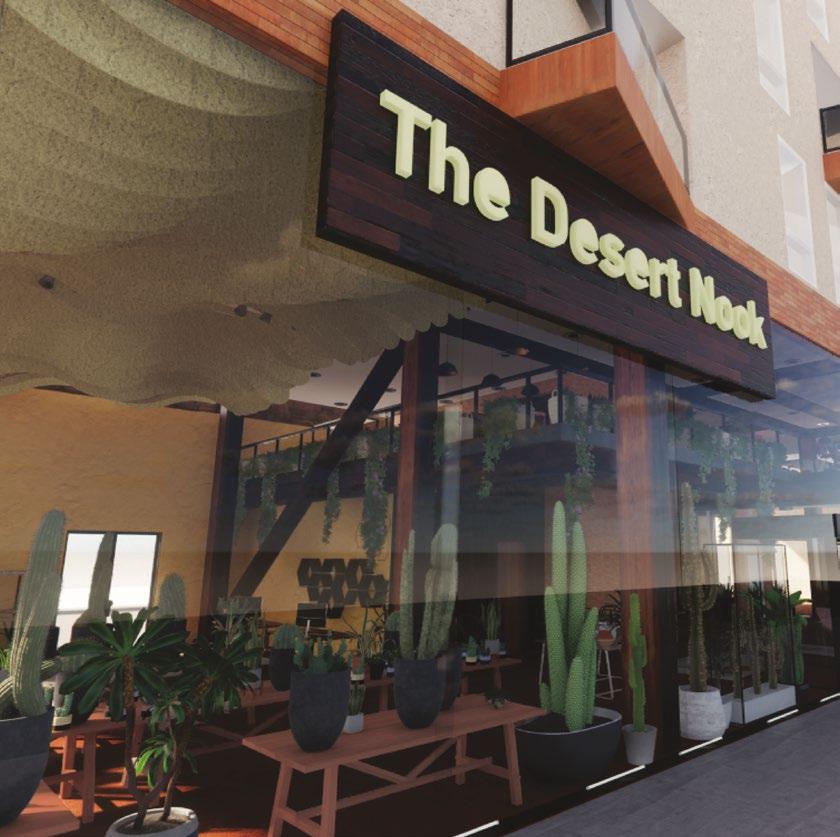
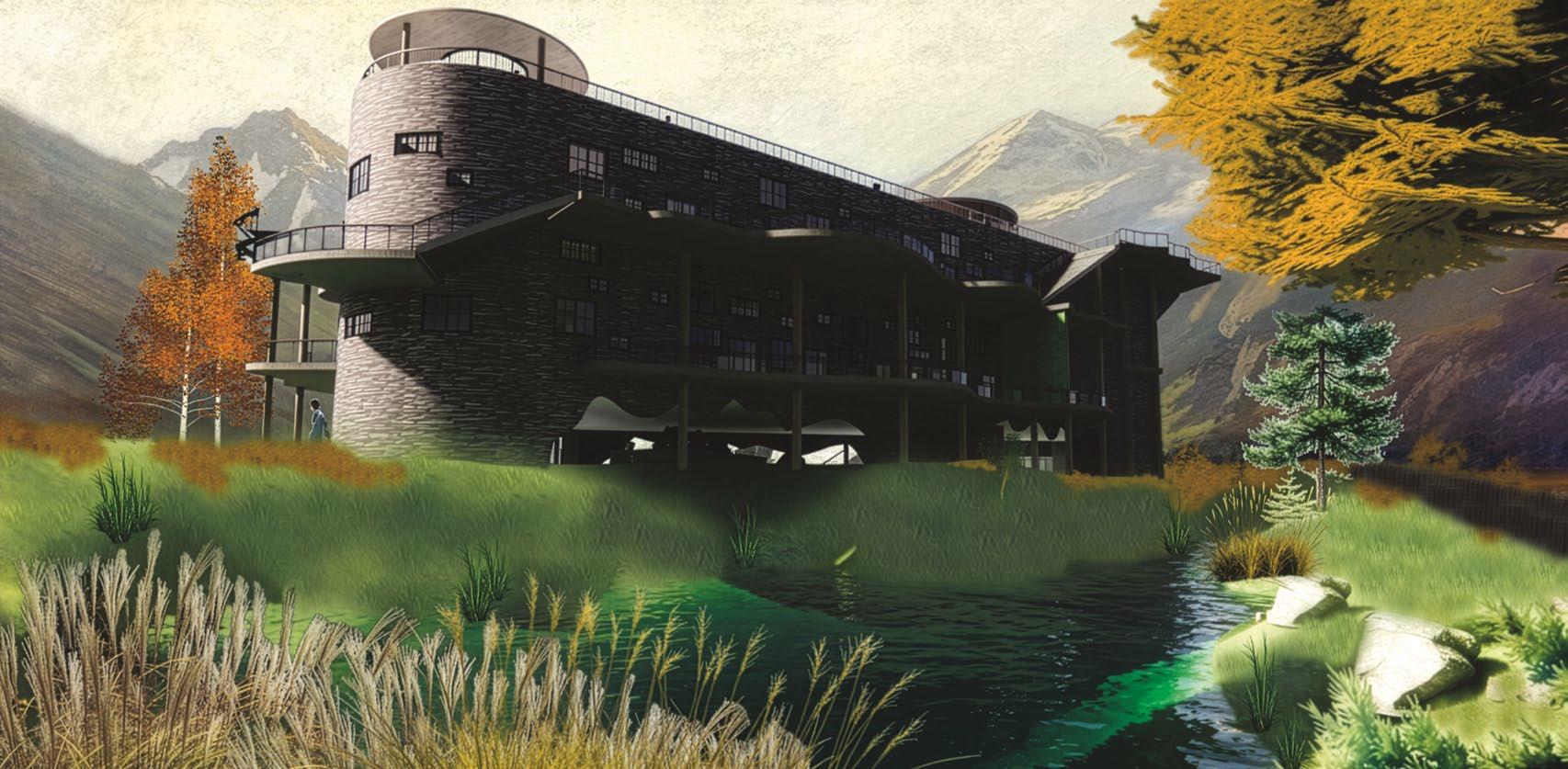
How did your education change the way you see the world around you?
I see the world a lot more technically now. I can walk into a public restroom and having a basic knowledge of the building code I am able to see errors in the design. It’s also fascinating to see buildings come together like LEGOs based on my new construction knowledge.
What kind of projects do you dream of working on in the future?
I am a Jehovah’s Witness, and baptized ones can volunteer to help design and build our places of worship, as well as museums, offices, and even filming studios. It’s my dream to help draft plans for those facilities. Not only would I get to do what I love, but I’d also be working with the people I love.
What has changed in your design work since you started at Dunwoody?
My design work has expanded from purely technical drawings to a more creative approach. Dunwoody has definitely stretched my creative muscles. I am more confident in my ideas than I once was, and I’ve learned how to produce work that better reflects my personality and creativity.
What’s a challenge you faced that made you stronger?
The most difficult thing I’ve faced over these two years was stress. The workload is not for the faint of heart, and it can be overwhelming at times. Thankfully, I was able to find a balance between my schoolwork, my mental health, and my personal life. The kind professors at this school also helped me find a healthier perspective to my perfectionism and anxiety.
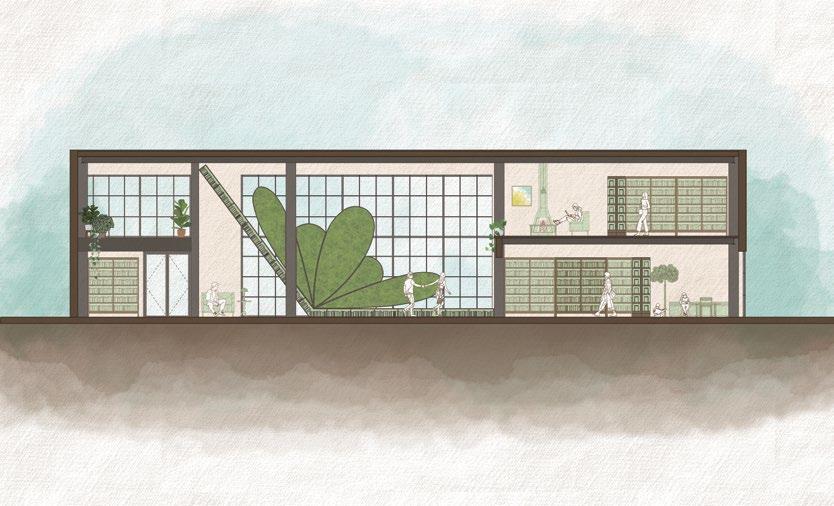
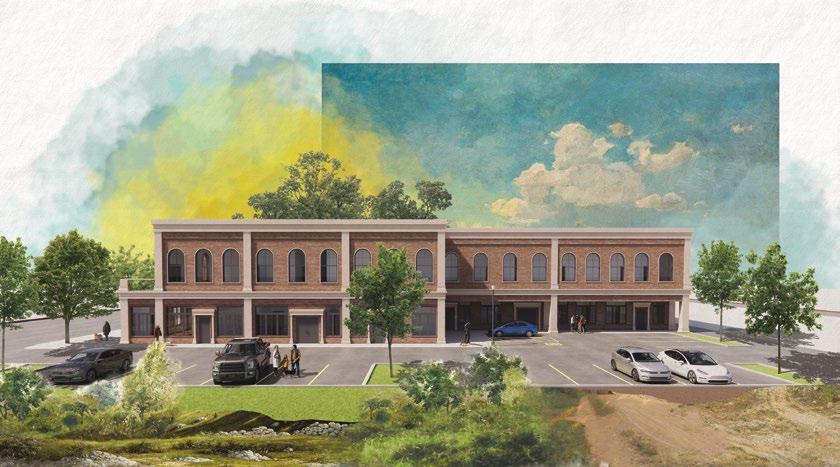
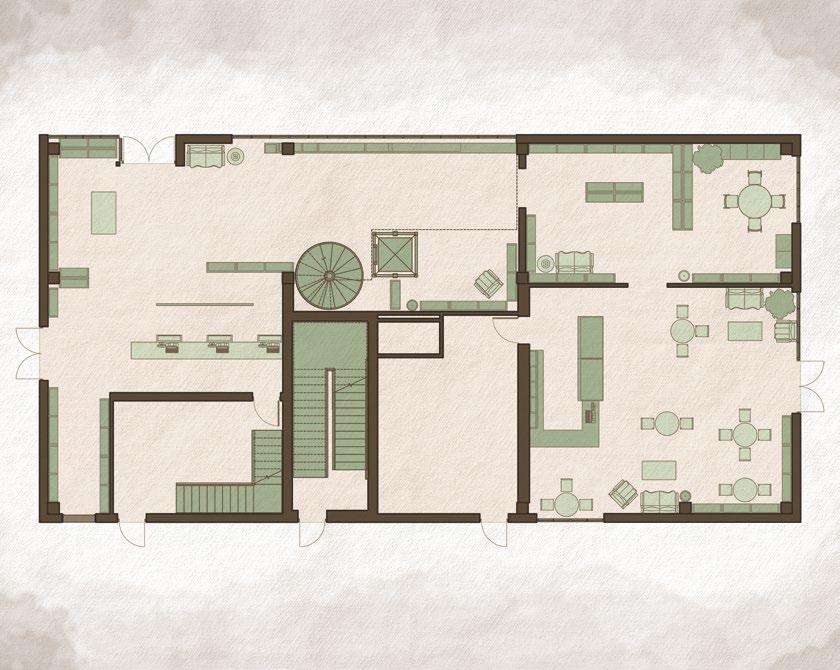
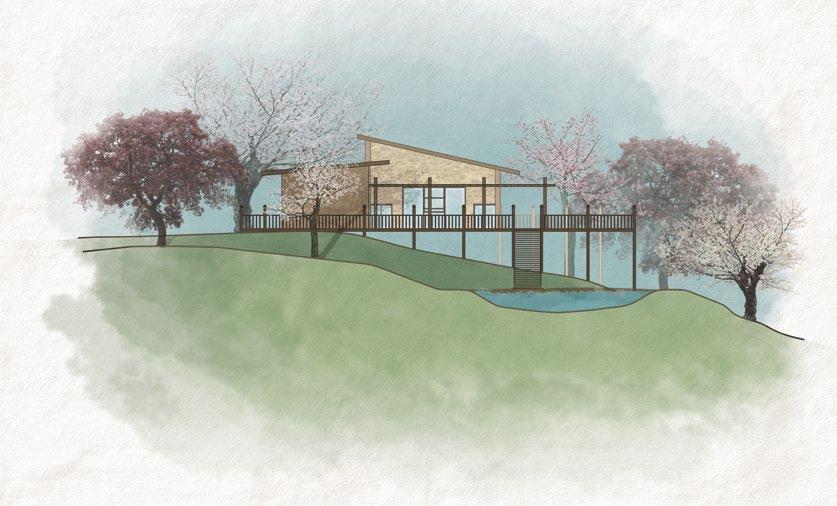
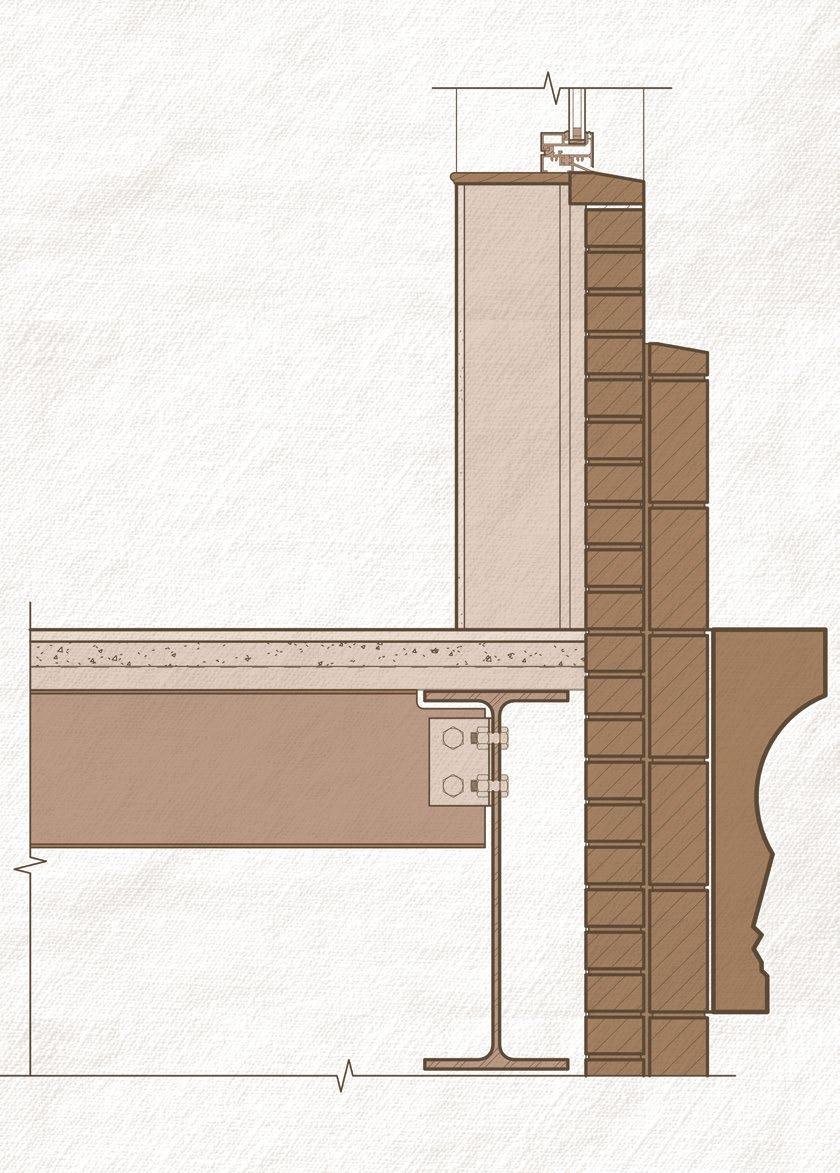
How did your education change the way you see the world around you?
Nowadays, I analyze any space and building that I’m in. I idly take small notes, make observations, notice small design details and patterns. If I’m not on my phone, I’m looking at the space and building.
What kind of projects do you dream of working on in the future?
In the future, I hope to work on parks and nature centers since I’ve always been fascinated by nature and how we interact with it.
What has changed in your design work since you started at Dunwoody?
Since I’ve started at Dunwoody, I’ve noticed that my designs have gotten better at utilizing space as well as adding more focus points and accent walls.
What’s a challenge you faced that made you stronger?
Learning Revit from scratch while starting on a final; I could have used any program I knew at the time like SketchUp or AutoCAD. But I wanted to challenge myself and I can say with certainty that it was a difficult challenge.
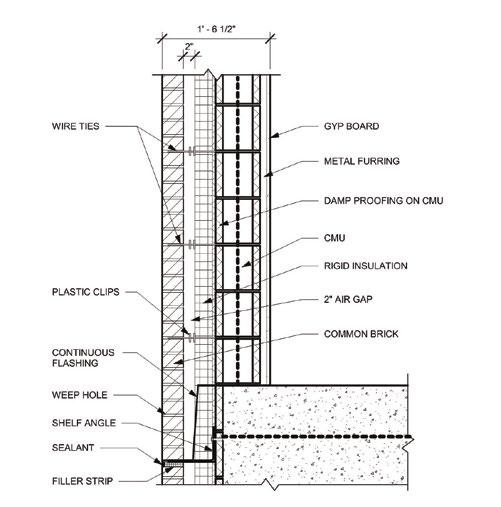
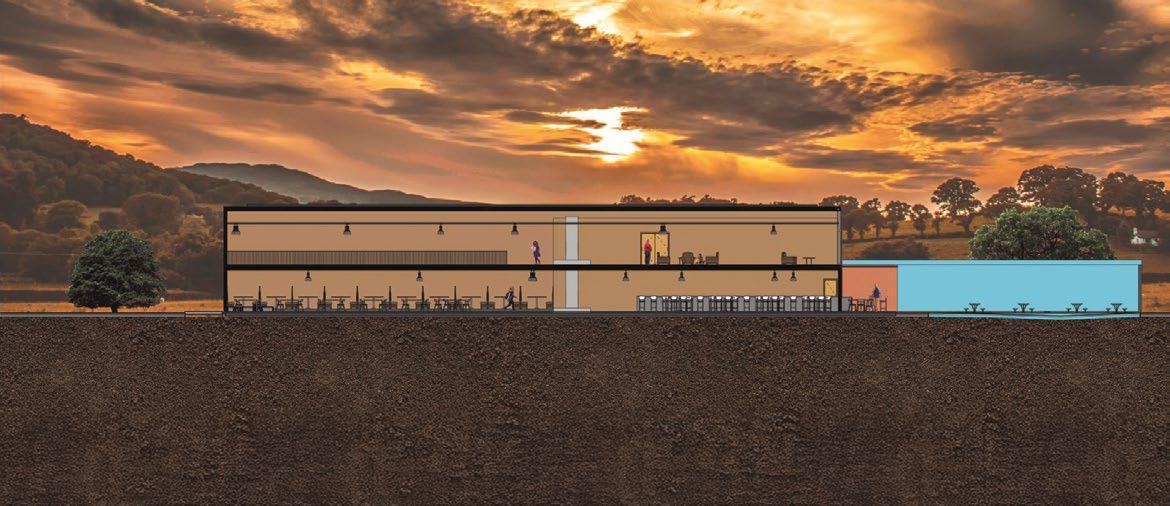
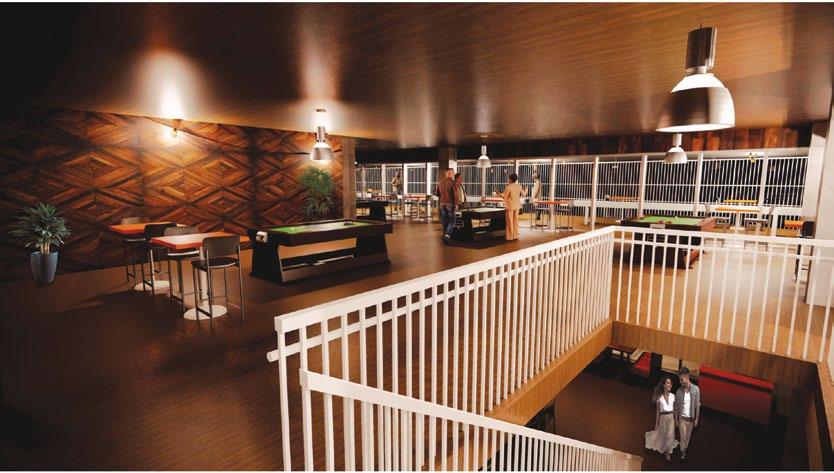
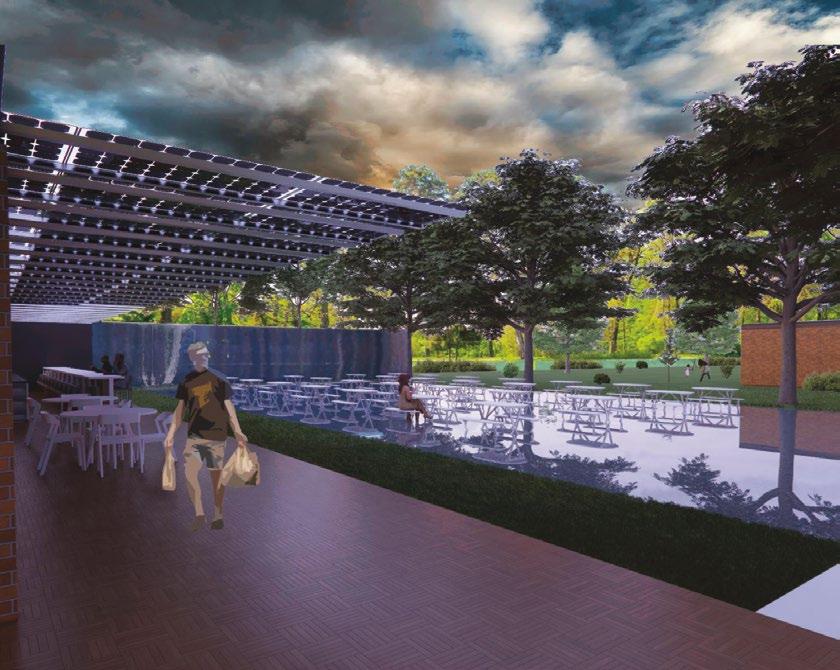
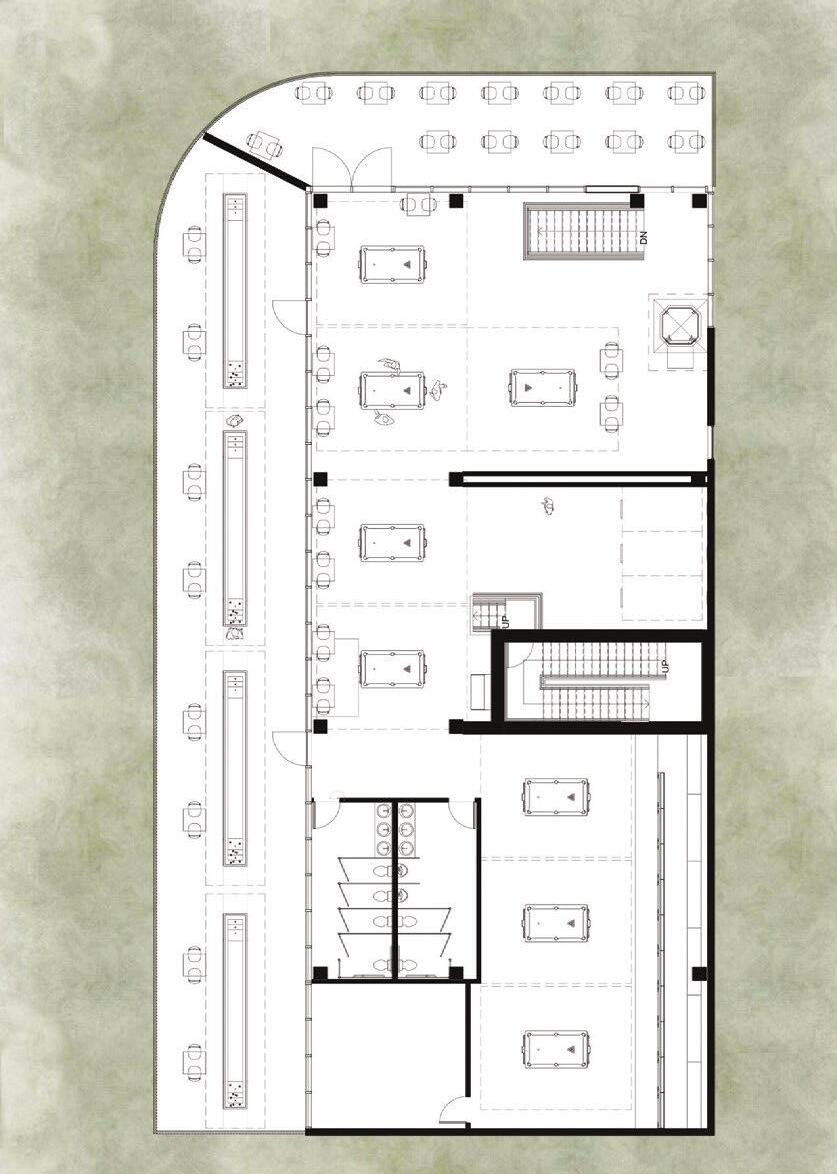
How did your education change the way you see the world around you?
I never really thought much about how and why a building functions, but now I question it when I am out in public.
What kind of projects do you dream of working on in the future?
I dream of working with both large scale and smallscale projects. Residential and hospitality projects would be nice to work on.
What has changed in your design work since you started at Dunwoody?
I have more consideration for technicality in my design work now compared to my first year, where my designs were mainly graphically focused.
What’s a challenge you faced that made you stronger?
The number of hours that goes into one project was really challenging.
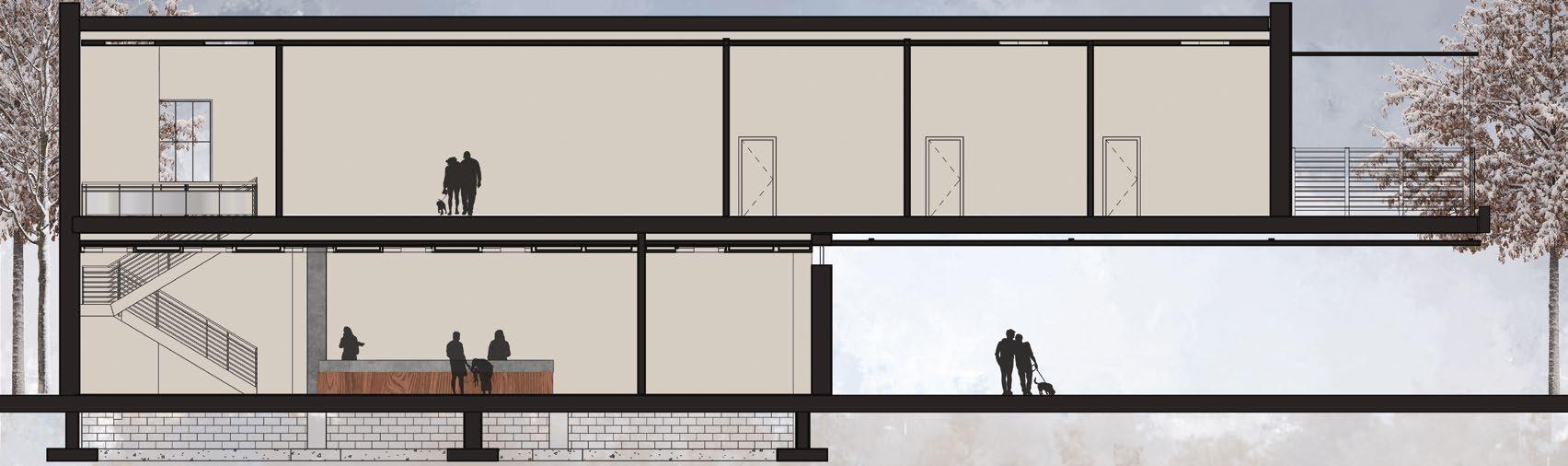
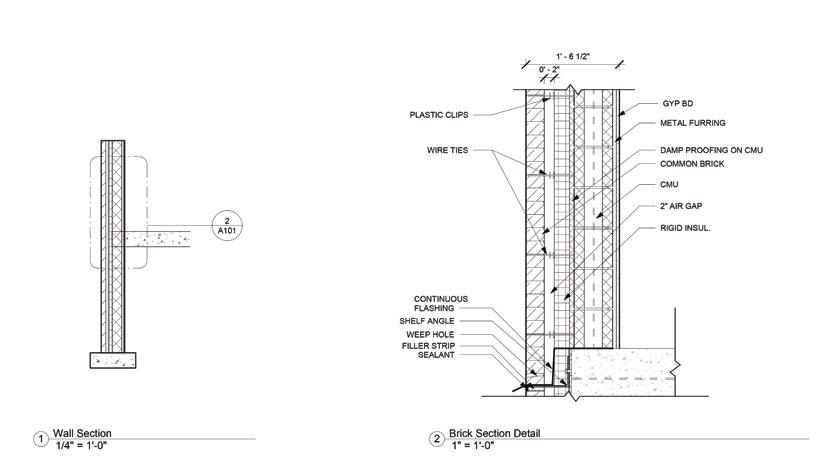
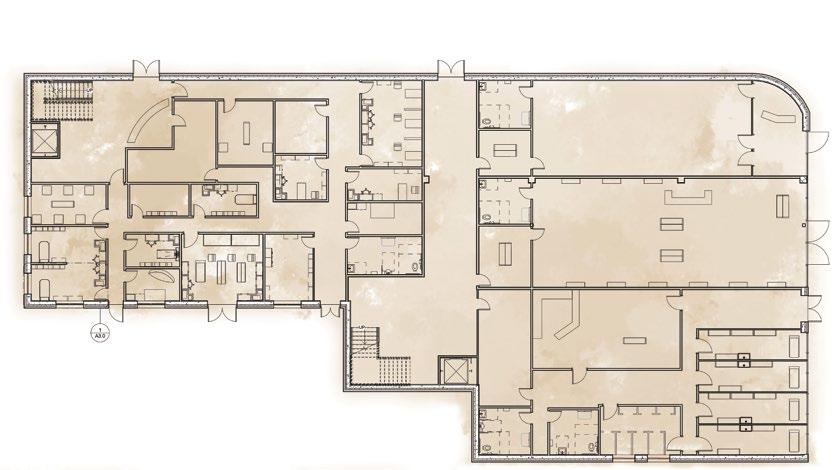
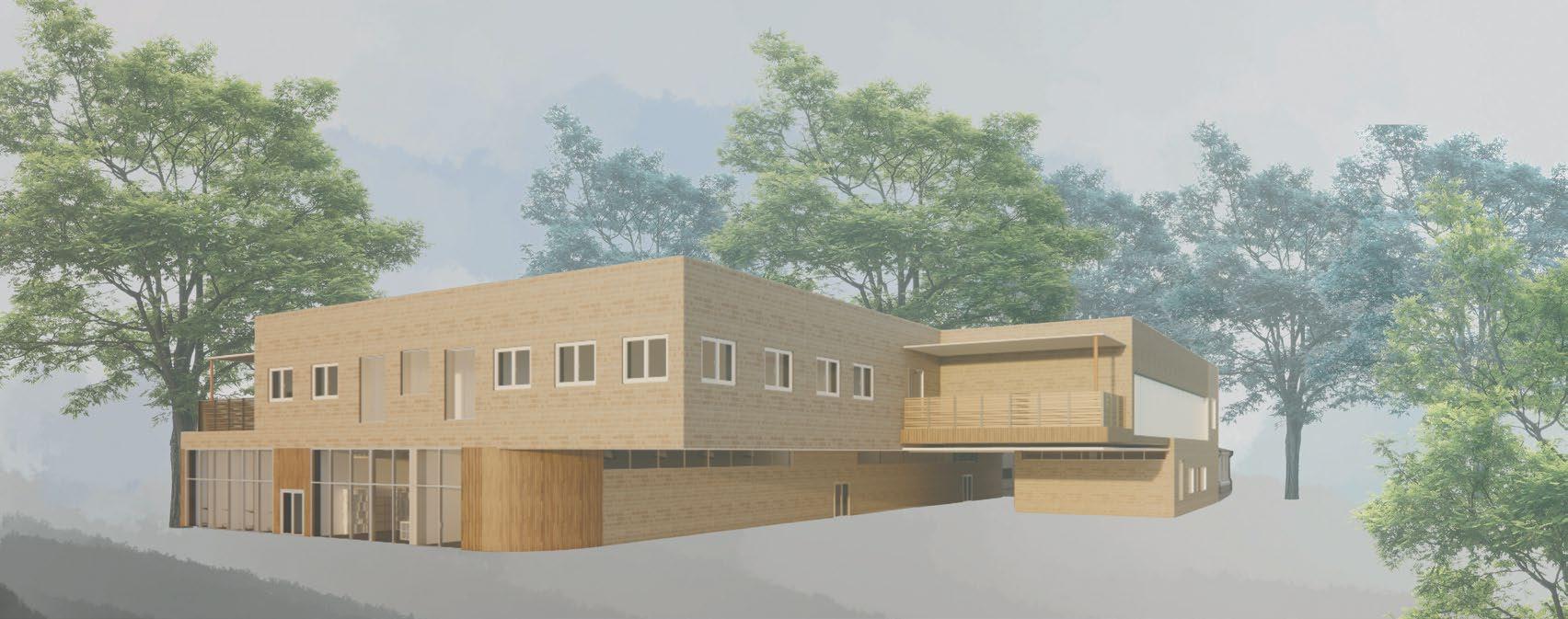
How did your education change the way you see the world around you?
I now see buildings, streets, and spaces as systems shaped by people, culture, and context. Design education taught me to observe how environments influence behavior and quality of life, not just how they look.
What kind of projects do you dream of working on in the future?
I want to work on community-focused, sustainable projects that improve everyday life — such as housing, public spaces, and mixed-use buildings. Projects that combine strong design, environmental responsibility, and real social impact excite me most.
What has changed in your design work since you started at Dunwoody?
My work has become more intentional and structured. I now design with stronger concepts, clearer diagrams, and better technical understanding. I think more critically about systems, materials, and users rather than focusing only on form.
What’s a challenge you faced that made you stronger?
Balancing school and family responsibilities was challenging. It pushed me to become more disciplined, organized, and confident. Managing personal responsibilities alongside design education strengthened my time management skills and resilience.
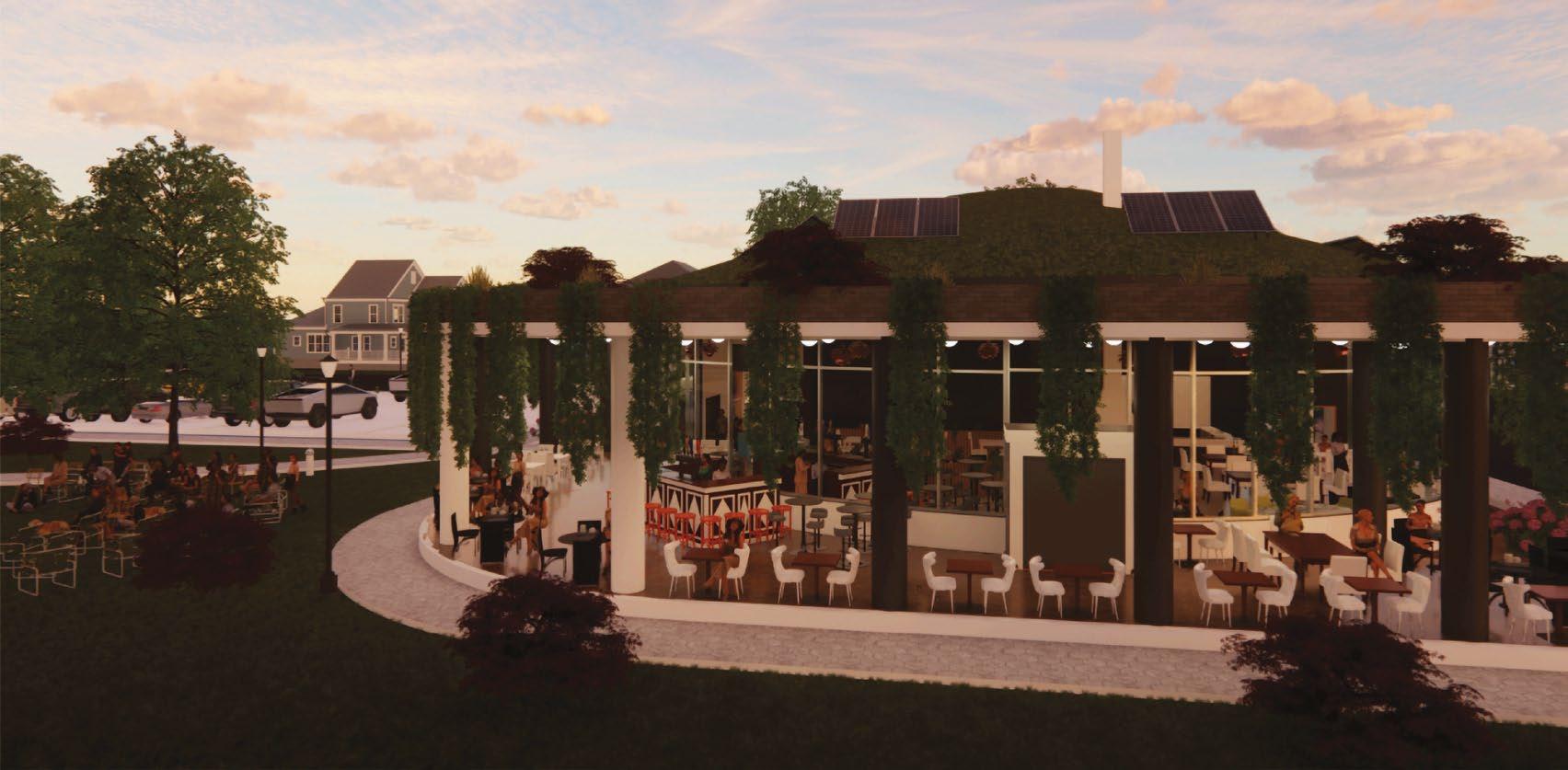
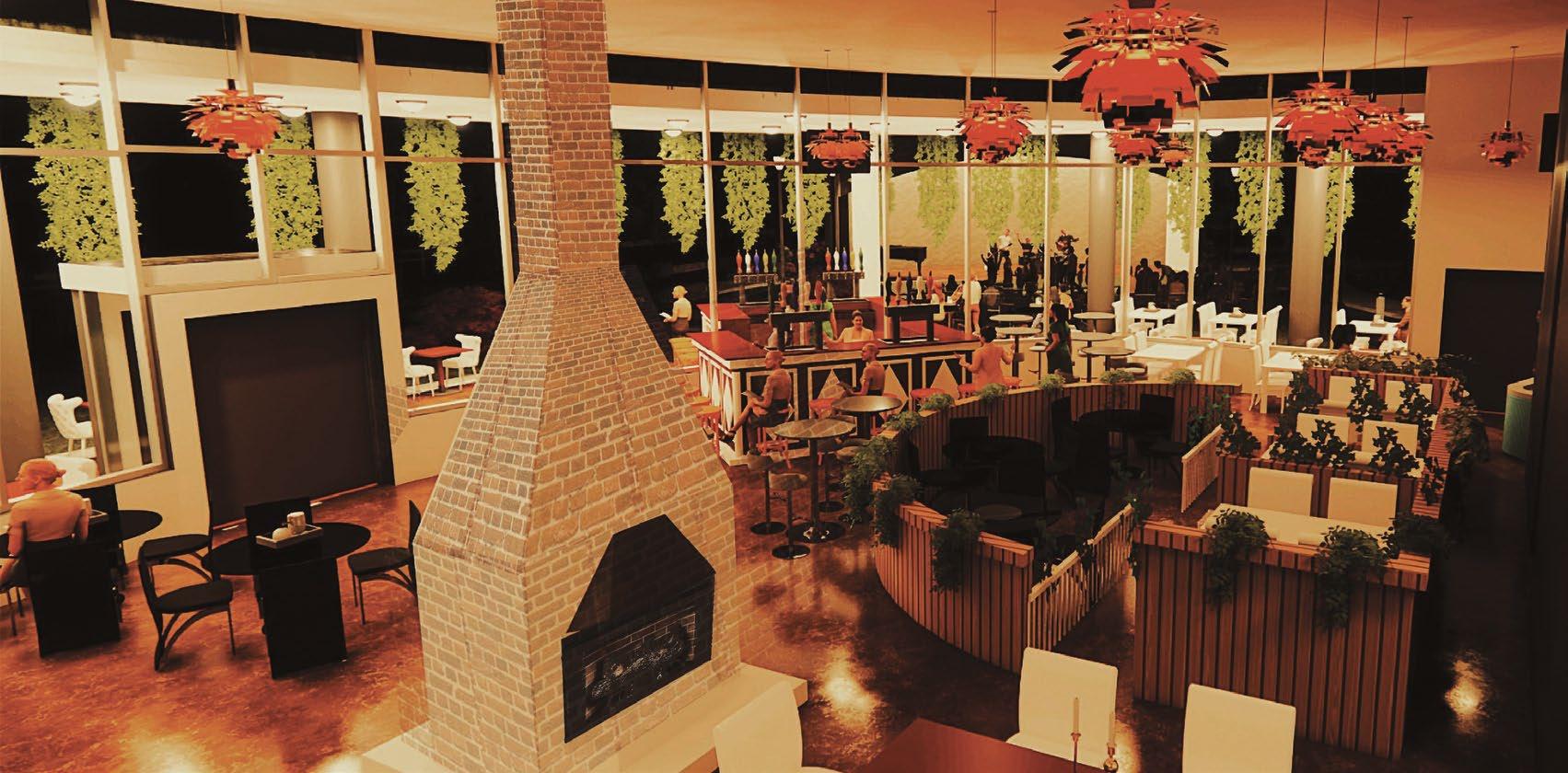
How did your education change the way you see the world around you?
My eyes are always up and around me, I can’t help but seeing new things in old places.
What kind of projects do you dream of working on in the future?
Places that bring people together.
What has changed in your design work since you started at Dunwoody?
My workflow is faster, my first time learning it took me a long time because I had to apply all that I learned to my projects, second time is much faster and so on.
What’s a challenge you faced that made you stronger?
Dual Enrollment, it made me learn how to optimize my time management.
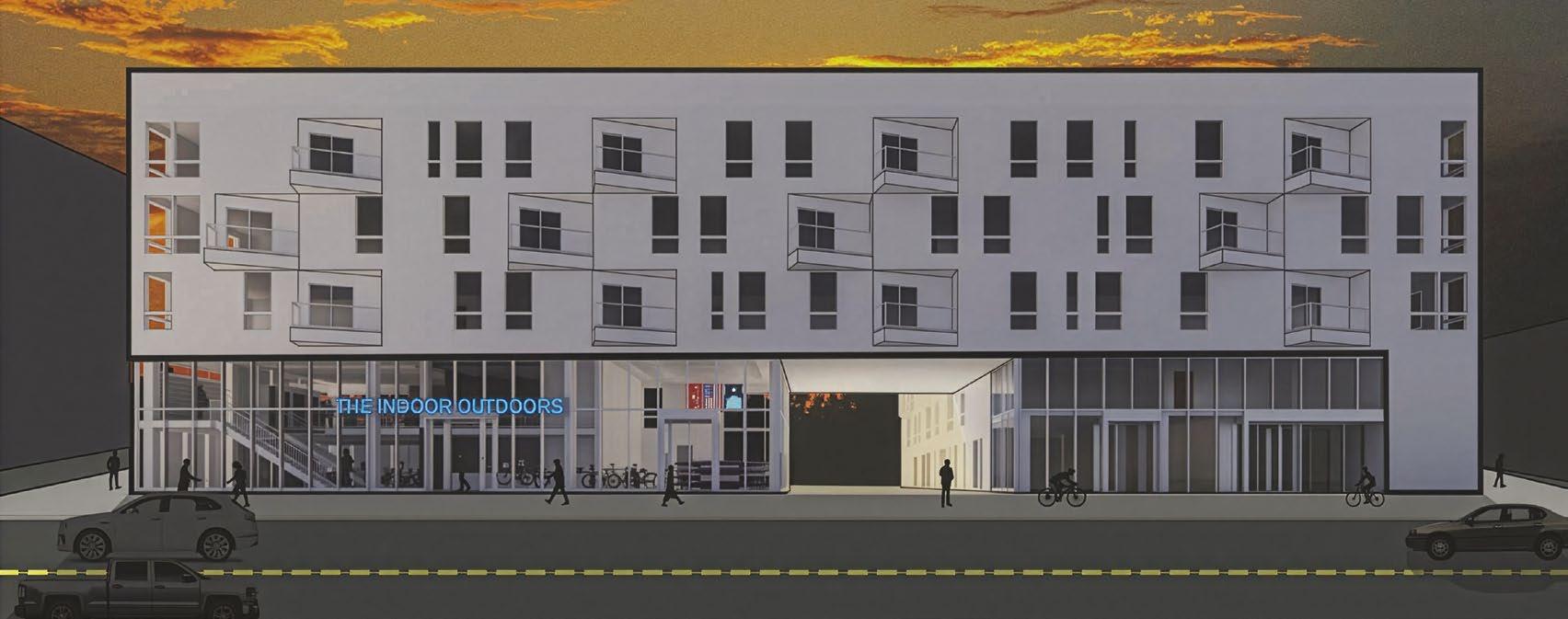
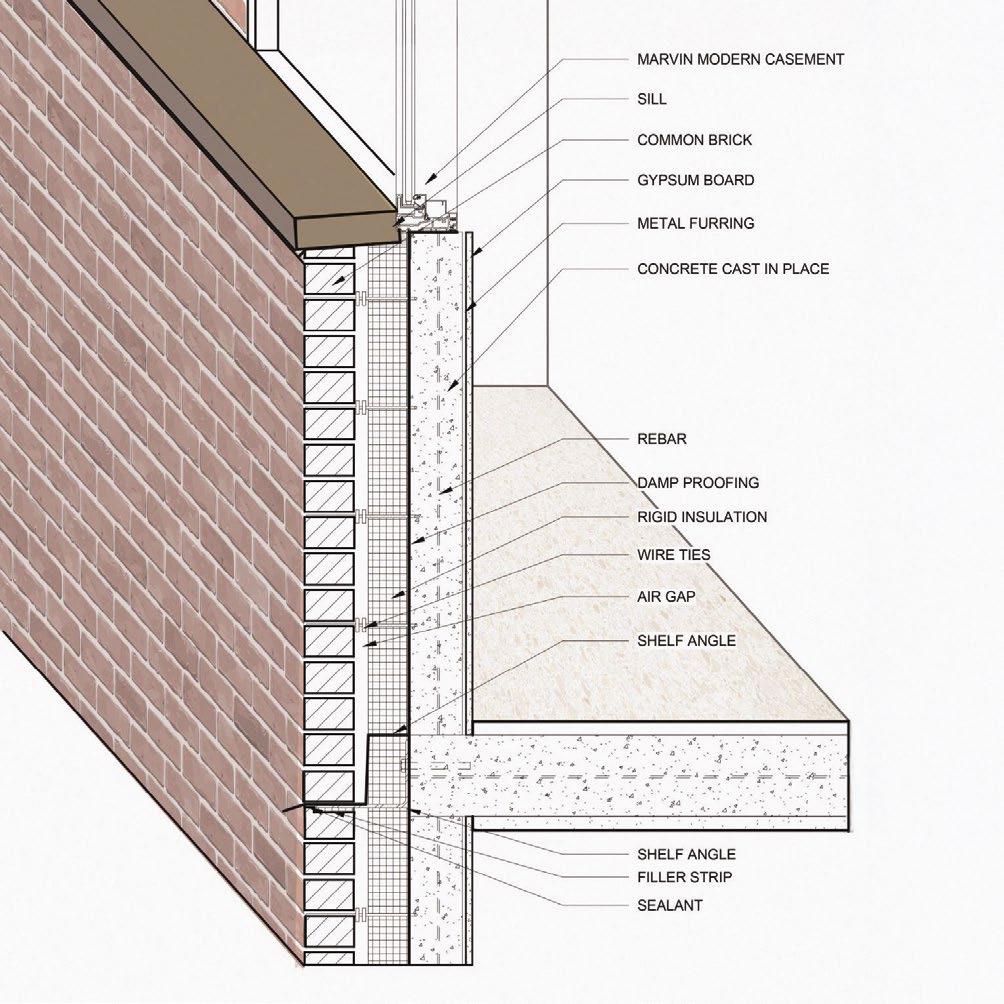
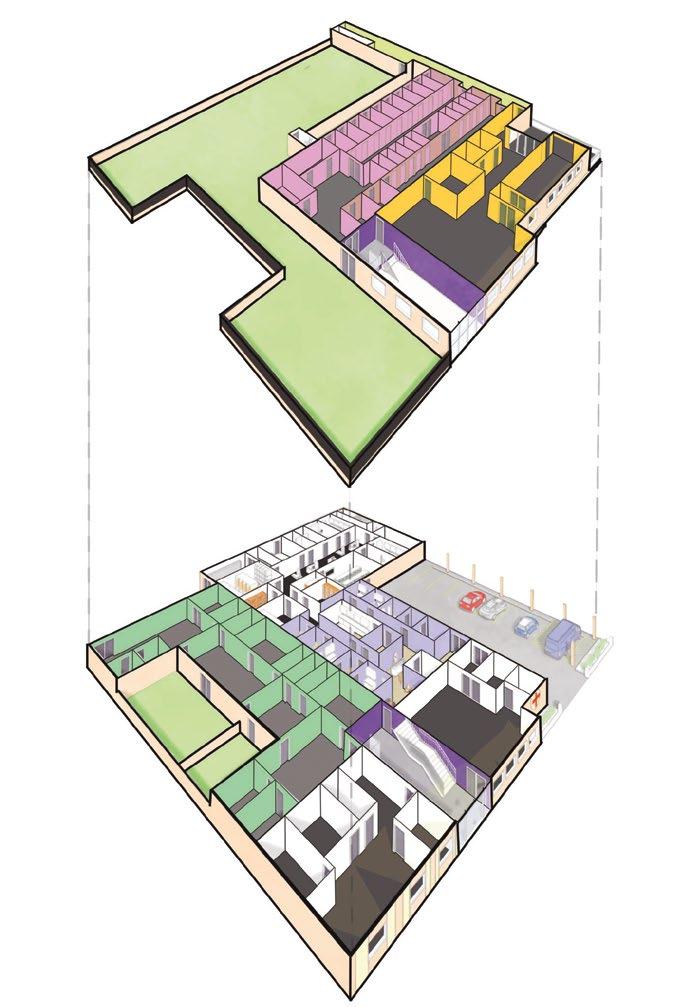
How did your education change the way you see the world around you?
My education has changed how I view architecture. Vitruvius asserted that structure should exhibit stability, utility, and beauty. I see the world needs resilience in our built environment. Designing structures that are adaptable, durable, and selfsustainable to recover from disaster, environmental change, and unexpected stress as our physical, economic, and social climates change.
What kind of projects do you dream of working on in the future?
I want to work on projects that are built in heavy timber construction. The material sequesters carbon and has a warm, rustic aesthetic. I love heavy timber construction because the material allows for wide open interior spaces with fewer load-bearing walls.
What has changed in your design work since you started at Dunwoody?
My design work has shifted from conceptual and visual work to more technical and contextual understanding of “how buildings work.” I am proficient with industry-relevant software and can create detailed designs. I understand buildable construction methods, materials, and building performances within the design process. My designs intend to emphasize human-scale spaces.
What’s a challenge you faced that made you stronger?
Time management has been a challenge during my studies at Dunwoody. As a non-traditional student balancing family, work, and school has been difficult. It has driven me to strengthen my planning and become more efficient with my workflow.
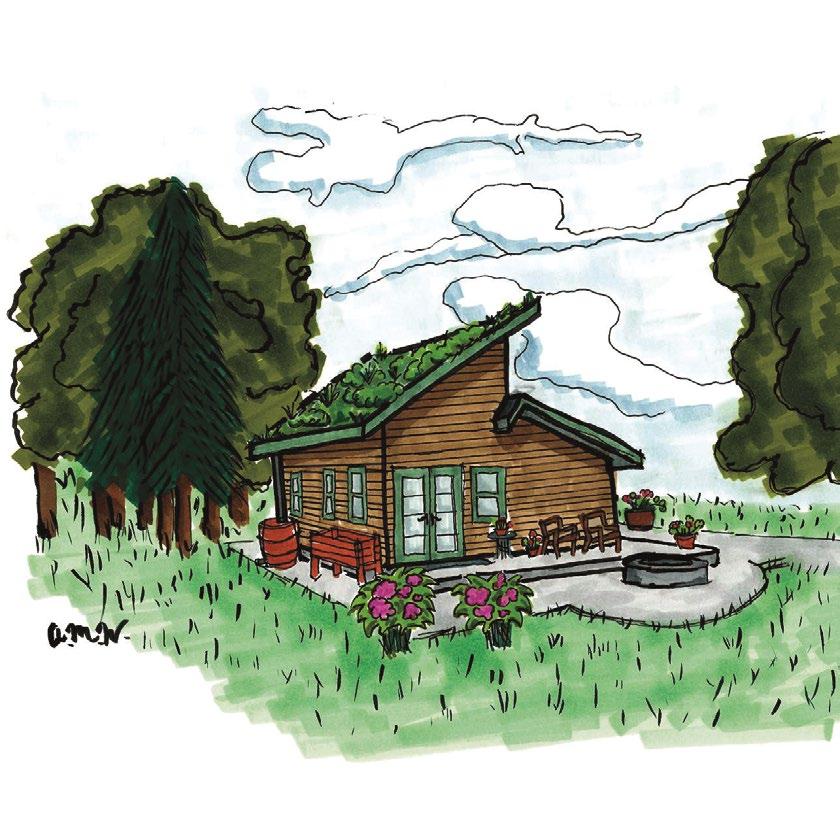
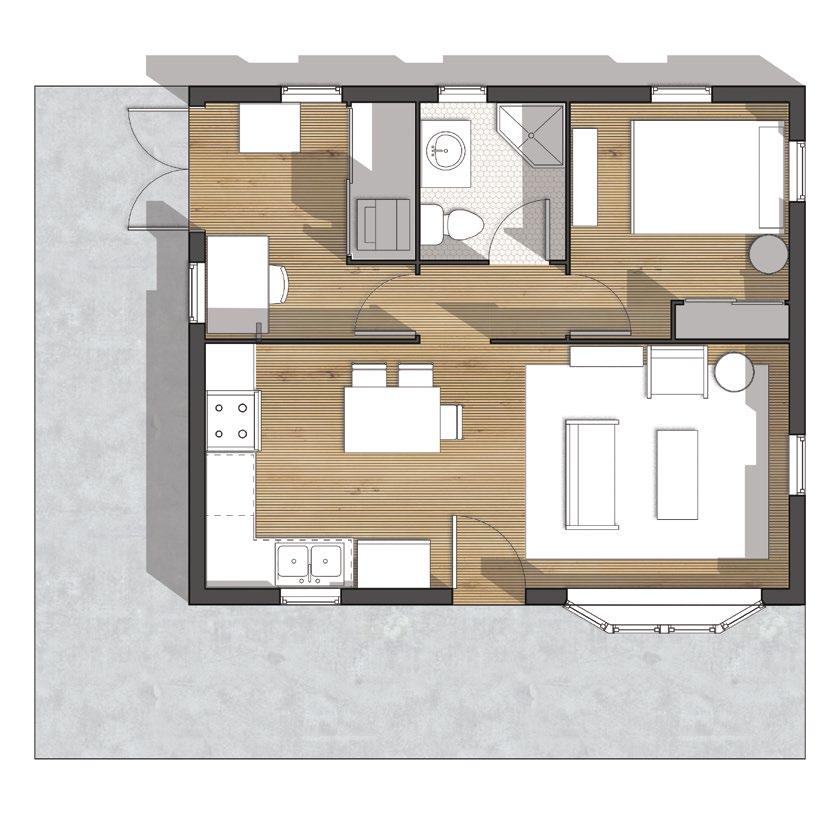
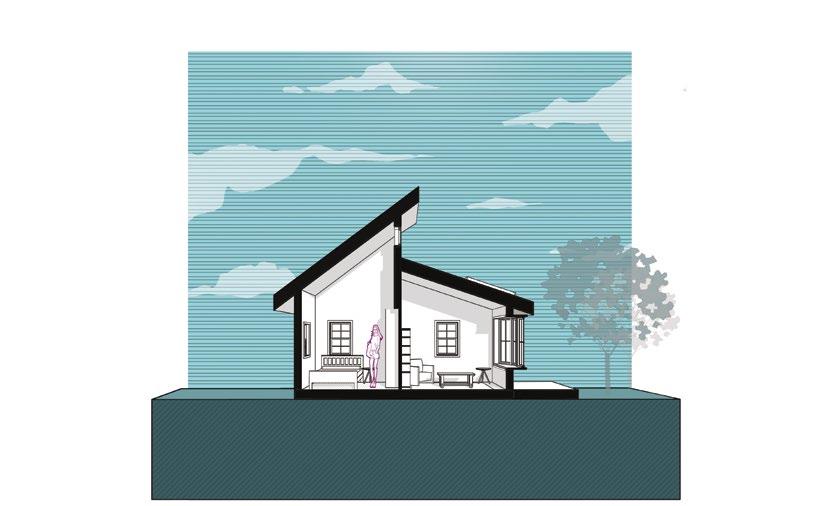
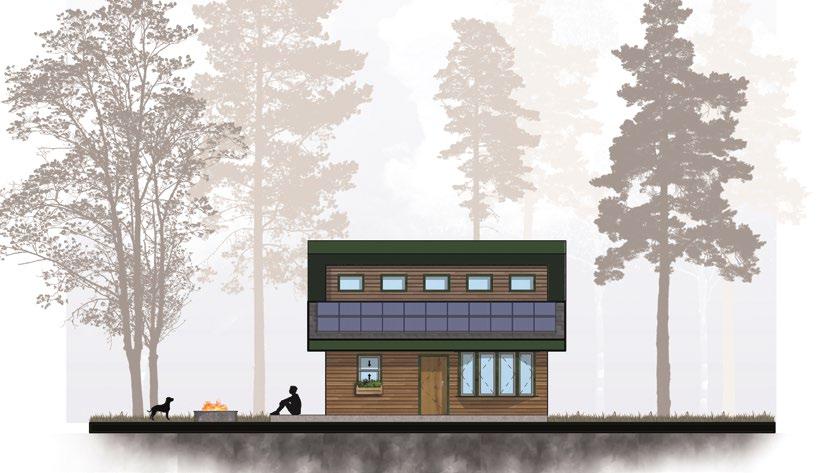
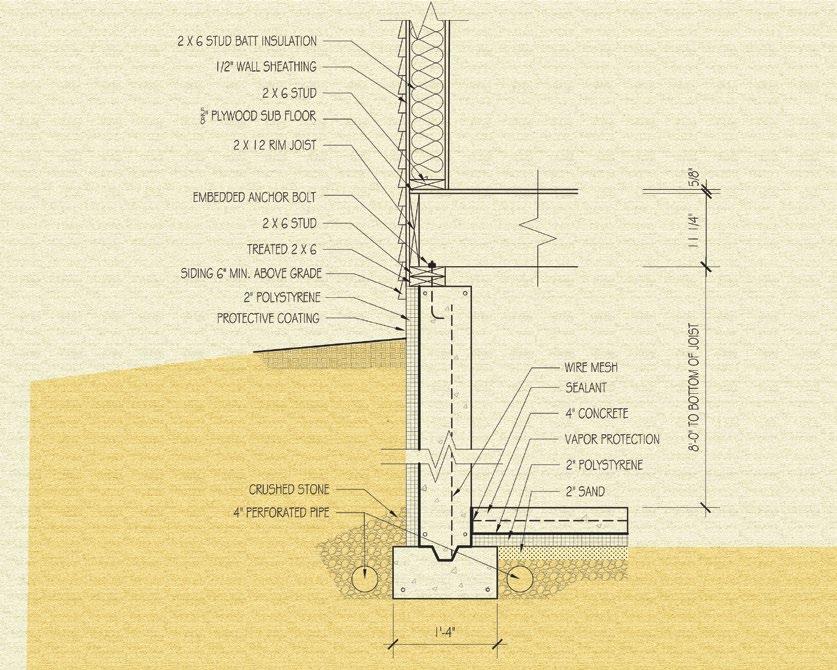
How did your education change the way you see the world around you?
My education changed how I see the world by teaching me to look deeper. To pay attention to the structure’s intentions, concept and possibility instead of what’s out on the surface. It’s taught me that everything has a reason.
What kind of projects do you dream of working on in the future?
I dream of working on a statement project. A building that really makes heads turn and integrates with the landscape. Possibly a famous landmark even.
What has changed in your design work since you started at Dunwoody?
My design has changed through confidence! Starting from my very first project, the shift in confidence of design has gradually increased to the most recent project. Throughout my time here, I’ve gotten more comfortable using programs like Revit, which enhanced my confidence.
What’s a challenge you faced that made you stronger?
A challenge I faced was meeting new people and learning how to find a place to belong. To me, it felt like I was always a step behind. I think reaching out to my peers and realizing we were all going the same pace changed my mindset to optimism.
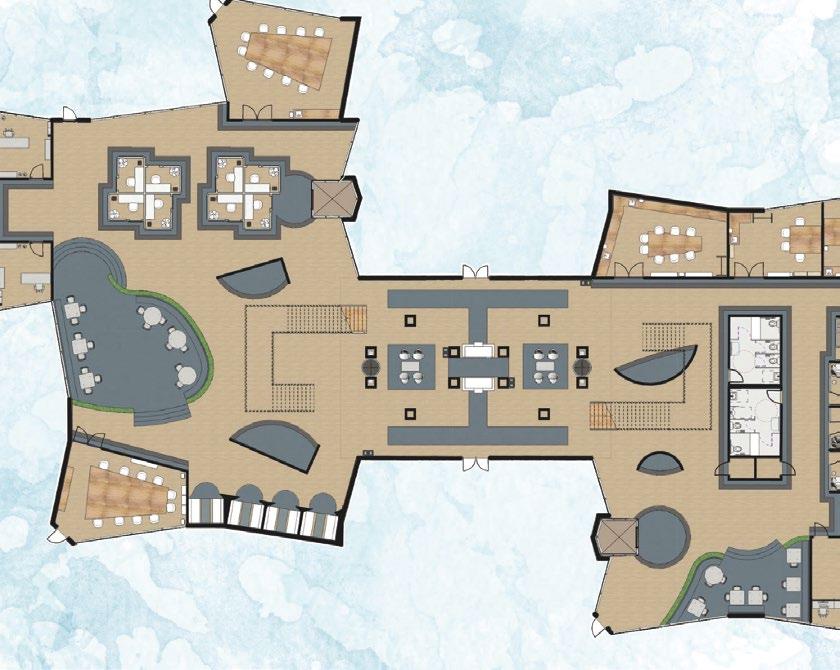
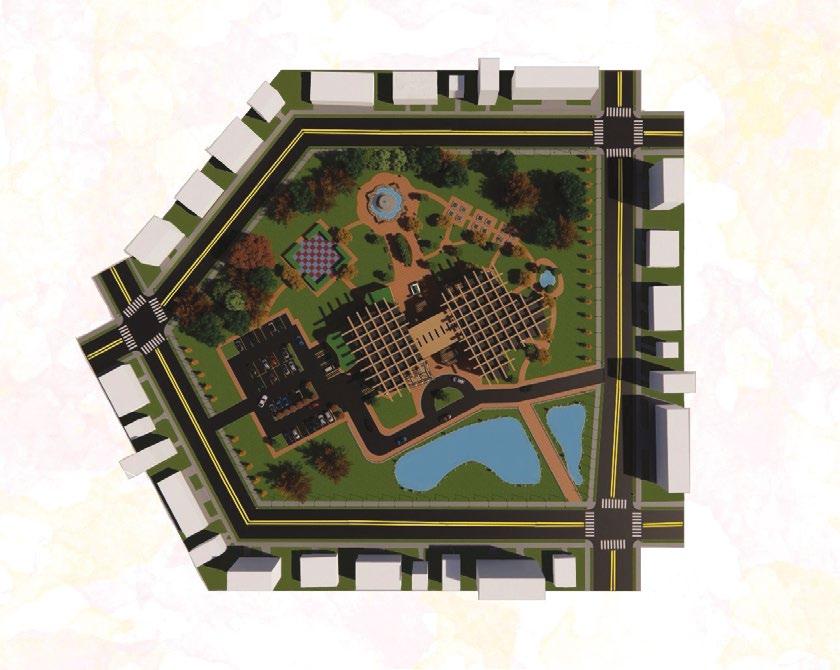
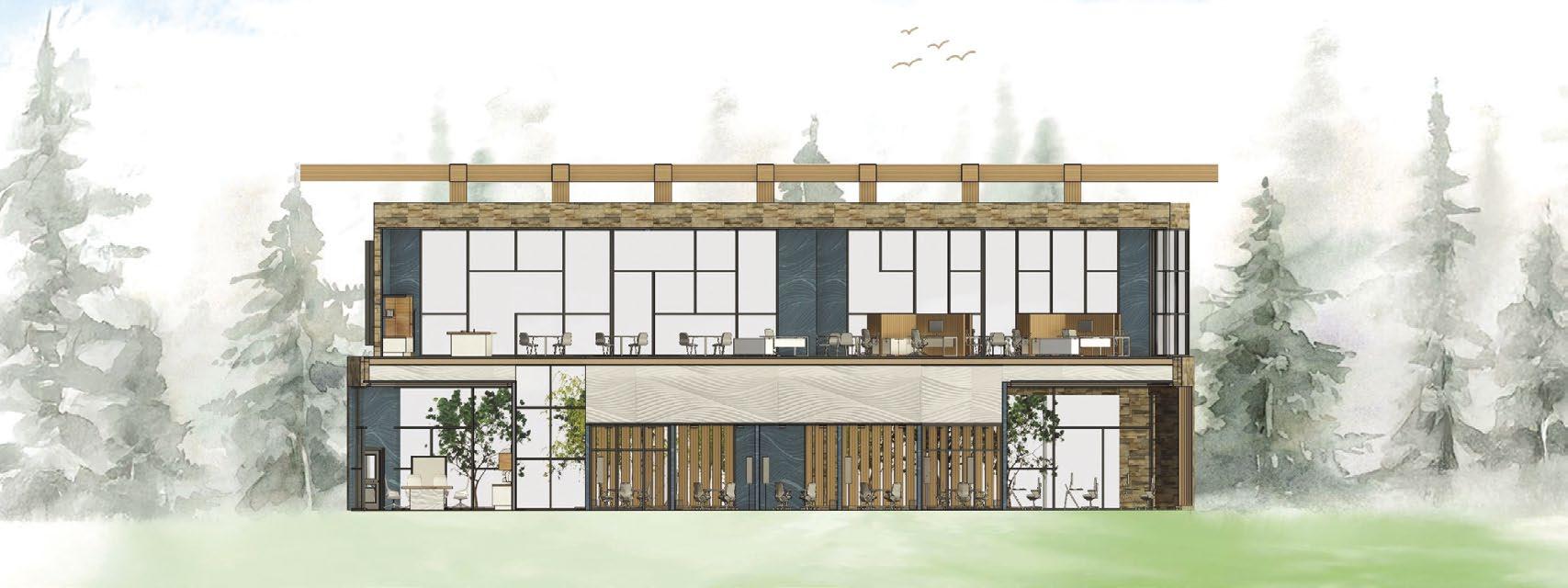
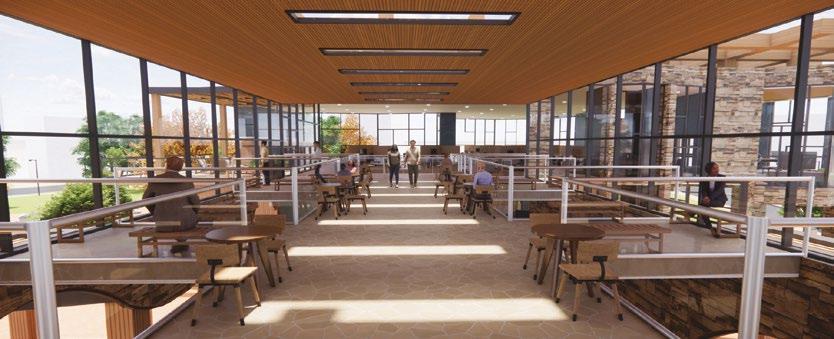
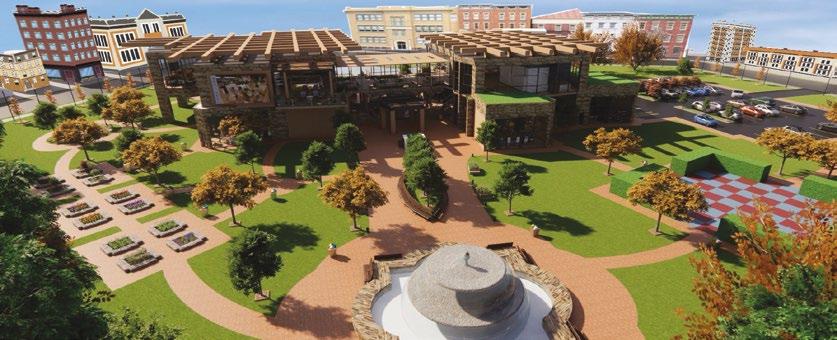
How did your education change the way you see the world around you?
It changed how I see the world, the different uses of architecture used, the different buildings showing different designs and how they are implemented.
What kind of projects do you dream of working on in the future?
I dream of doing architecture underwater. Other than that I would like to do architecture for restaurants, because I love food.
What has changed in your design work since you started at Dunwoody?
The designs of other students giving me inspiration.
What’s a challenge you faced that made you stronger?
Getting my work critiqued by professionals, learning from their point of views changed my perspective making my work better and stronger.
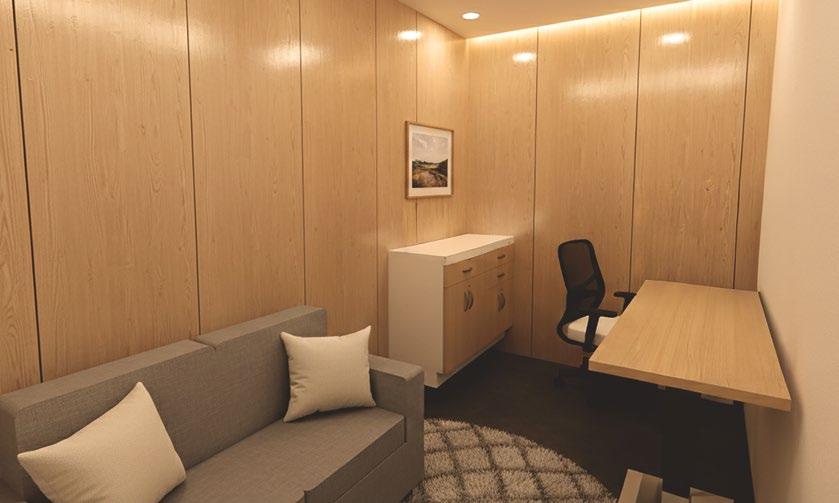
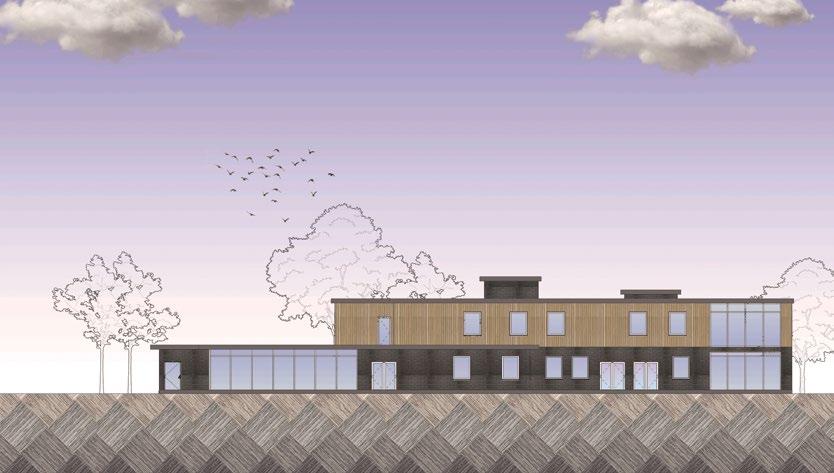
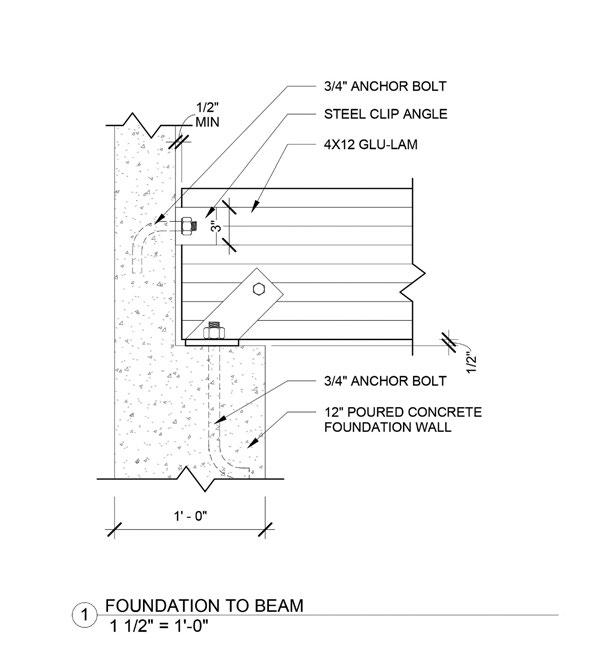
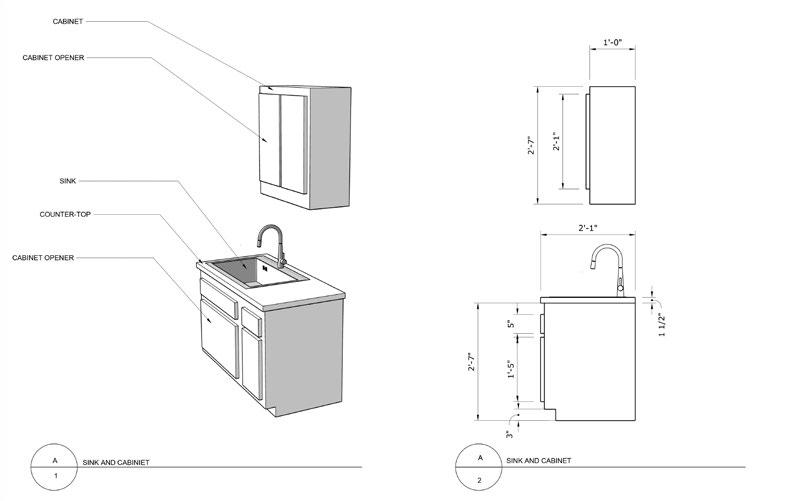
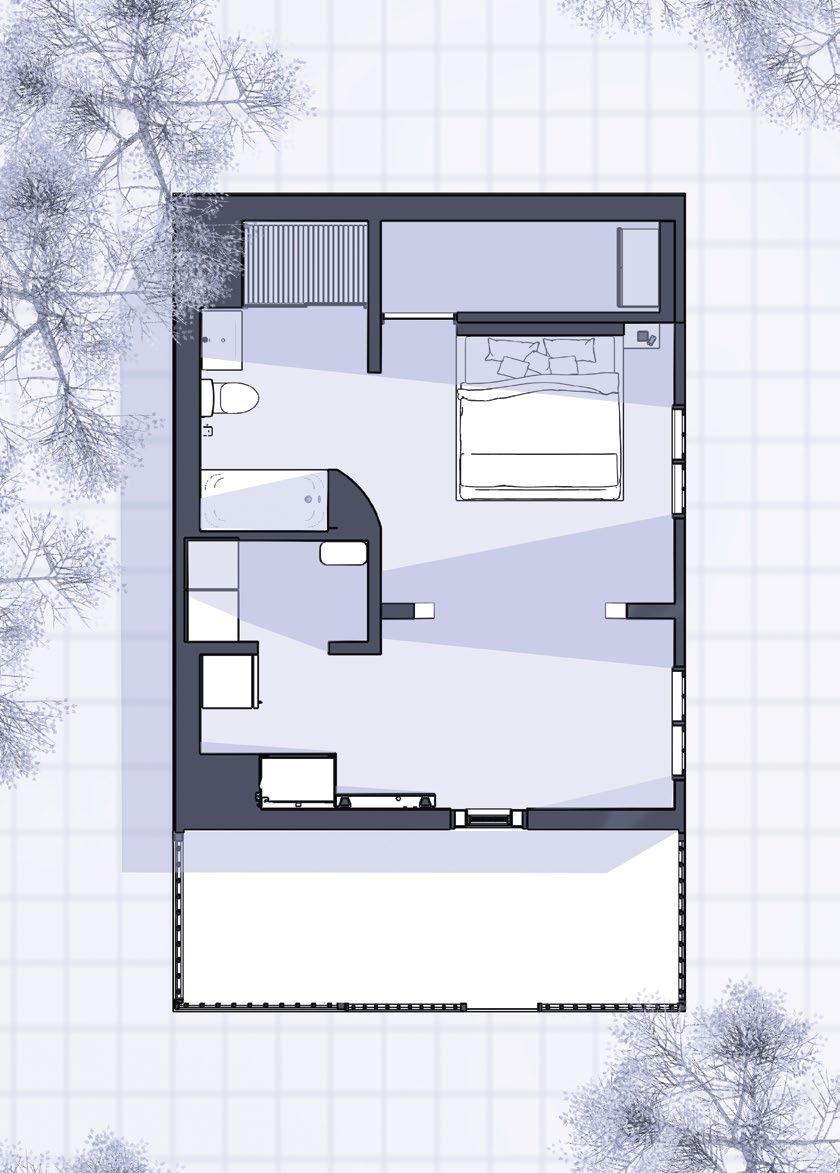
How did your education change the way you see the world around you?
For me I always used to think things had to be perfect, and that could be for work, school, home or just life but at the end perfect is what can slow you down. So I kind of shifted the way how I see things, for example turning in an assignment always does not have to be perfect as long as I know I tried my best that’s all that matters.
What kind of projects do you dream of working on in the future?
I really want to work on or take part in stage design concepts for concerts and such or with arena or stadiums.
What has changed in your design work since you started at Dunwoody?
In the beginning, I really wanted my sketches to look perfect and neat. As years and months went by I realized sketches are just sketches and sometimes the messy ones are the ones that I go back to.
What’s a challenge you faced that made you stronger?
Pushing myself through CAD and Revit. I will say that’s my biggest accomplishment to help me grow stronger.
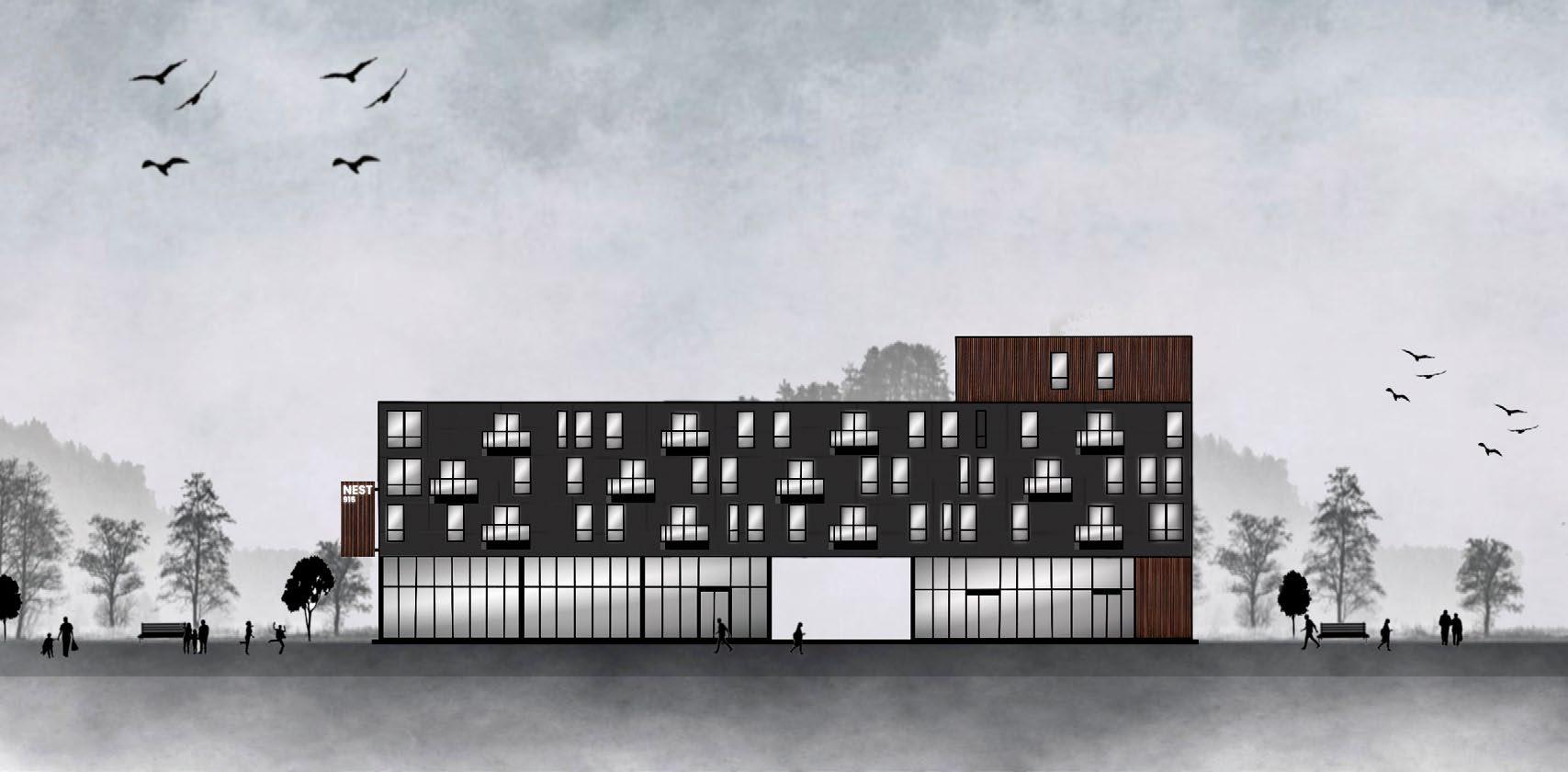
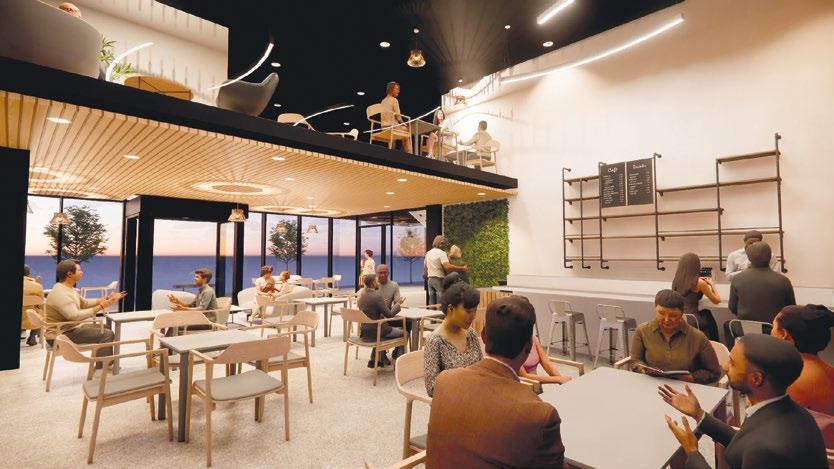
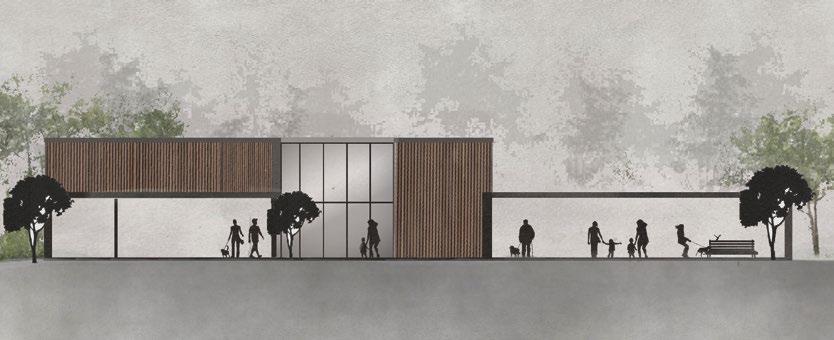
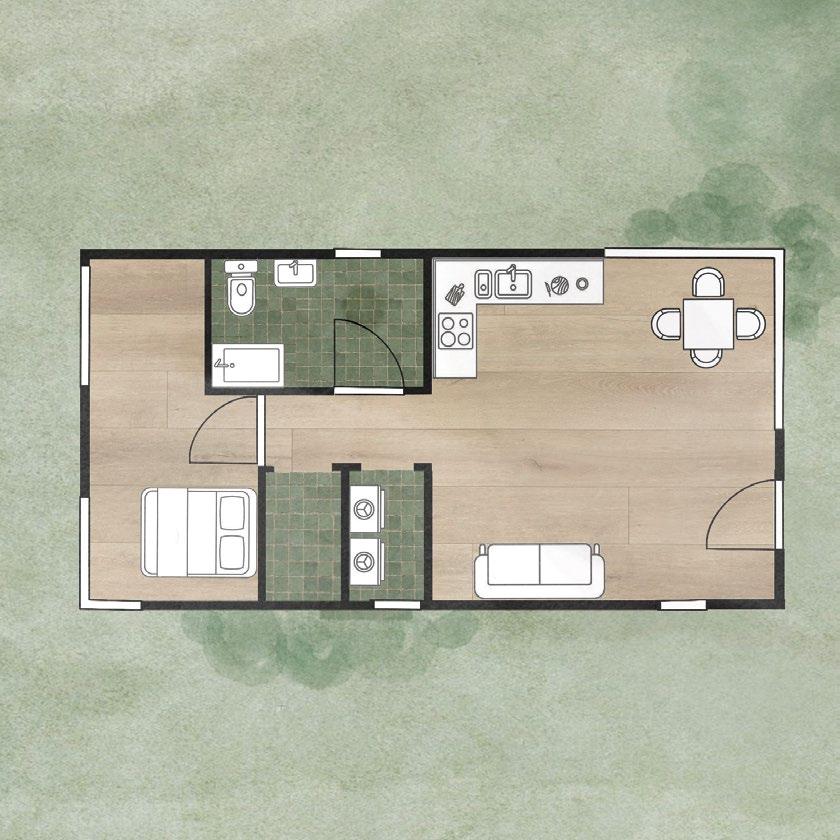
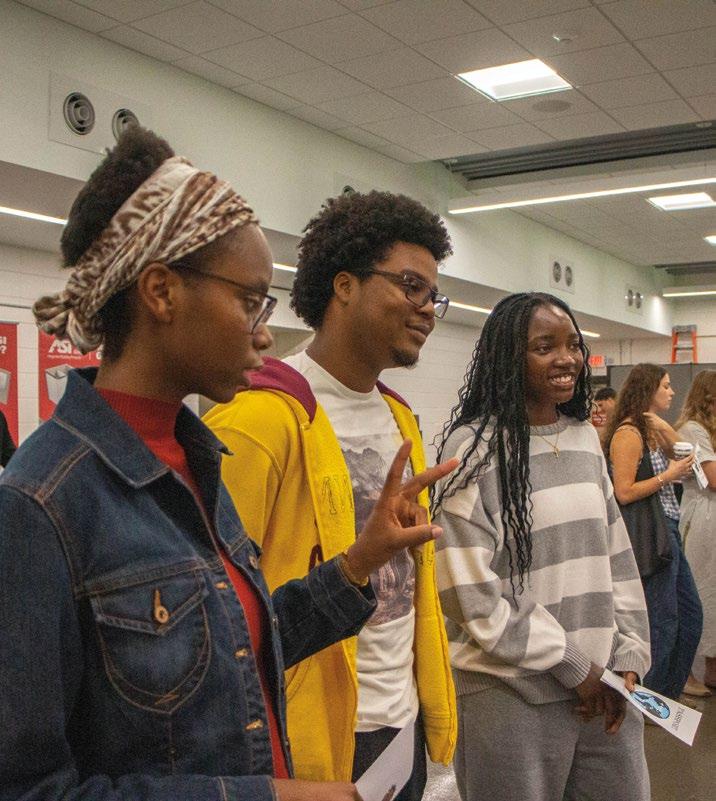
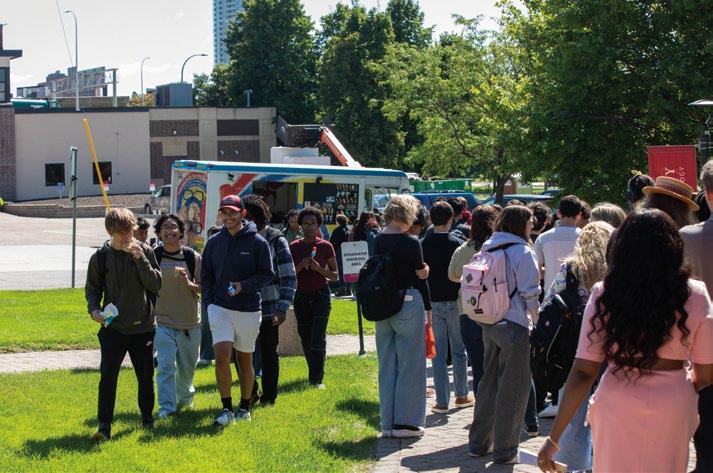
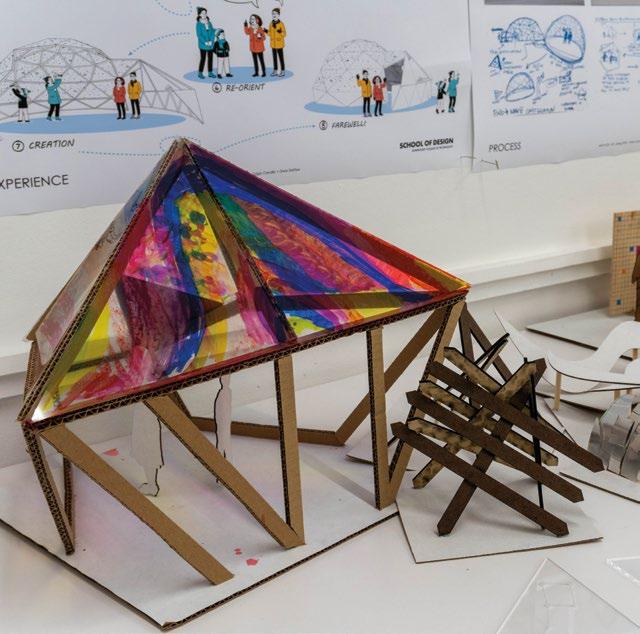
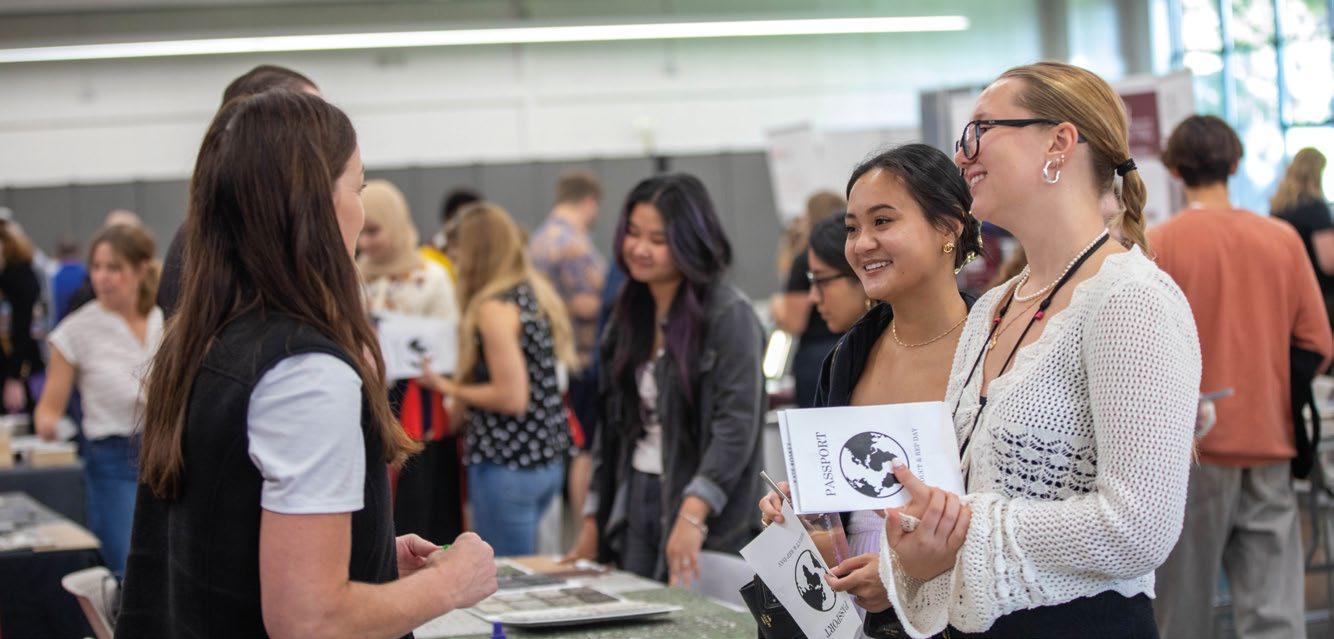
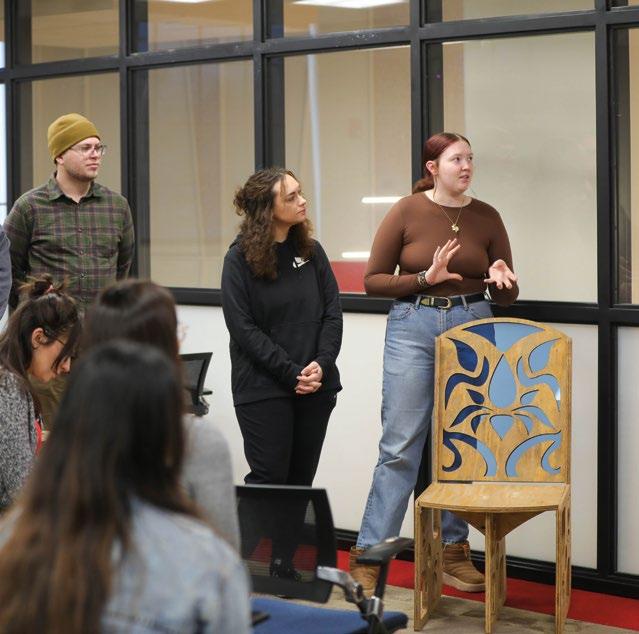
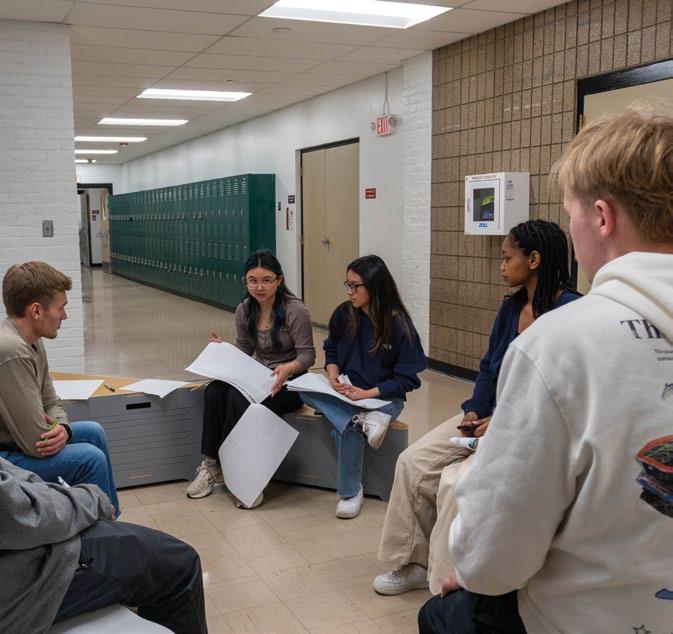
Cover Design & Development
Maddy Berns
Divider Design
Maddy Berns and Will Mears
Front & Back Matter
Maddy Berns
Bachelor of Architecture
Owen Angellar, Willem Dahlberg, Erica Olsen, Maceo Phillips, Grace Sanford, Cassie Sims
Graphic Design & Production
Alexa Puchtell, Cassie Sims, Sydney Stokes
Interior Design
Annika Mattick, Alexa Puchtell
Architectural Drafting & Design
Maddy Berns, Annika Mattick, Will Mears, Evelyn Vara, Logan Vaughn, Jake Wilken
Photography
Photographer
Greg Thompson
Photo Team
Will Mears, Erica Olsen, Logan Vaughn, Maceo Phillips, Evelyn Vara
Printer
Smartpress, Chanhassen, MN
Production Method
Digital, 4cp/4cp
Paper
Cover: 100# Matte Cover
Text: 100# Matte Text
Binding
Perfect Bound
Cover
Aqueous Flat Matte
Typeface
Podium Soft and Open Sans
This School of Design Expo Book was designed, managed, and prepressed by Dunwoody Graphic Design and Production students and faculty. No part of this book may be produced in any form without the written permission of Dunwoody School of Design.
All rights reserved. ©2026 Dunwoody College of Technology 818 Dunwoody Boulevard Minneapolis, MN 55403 dunwoody.edu