MIDWEST FIELD OPERATIONS & SELF-PERFORM
MARCH & APRIL 2026



MIDWEST FIELD OPERATIONS & SELF-PERFORM
MARCH & APRIL 2026
Self Perform
M ike Mor a
Employee Spotlights
Colin Brock
Dan Hayes
Brian Moor e
On Our Level
William Kelley
Kyle Arnold
Important Dates
April 20-24: Volunteer Week
April 22: All-Company Meeting
May 4-8: Safety Week
March 1 Al Vanbebber, Eric Jackson, Hero Man, TJ Kinkade
March 2 Calvin Cumpton, Colt Willis, Rudy Bonilla, Travis Hunter
March 3 Jared Elsea
March 4 Bloo Blake, Efrain Sandoval-Gamez, Jacob Dome, Serena Green, Tyler Hall
March 5 Cass Garcia, Jesus Salazar, Joe Garrett, Karissa Baughman, Nicholas Gregory
March 6 David Miller, Jaden Vollertsen, Spencer Warder
March 7 Christopher Dannar, Connor DeTienne, Francisco Lorenzo Jeronimo, Israel Rodriguez, Jace Morillo, Joe Cromley, Rick Meyer, Tino Lipari
March 8 Jay Bartow, John Craig, Quentin Wrinkle, Sergio Hernandez Tavares, Stephen Arnold
March 9 Cipriano Contreras, Feliciano Flores, Paul Scott
March 10 Edgar Balderas, Jesse Katzenmeier, Kylor Davis, Travis Burnett
March 11 Adrian Zavala Morales, Blake McCubbin, Brandon Roepe, Christopher Fink, Colton Arms, Jared Middleton, Jesse Werner, Nicholas Bryan, Nicholas Collins
March 12 Alfonso Toledano Valdez, Cesar Bravo Morales, David Rogers, Donja Cole, Liliana Villabona, Marcos Camargo, Travis Howard
March 13 Emmett Jobbins, Ernesto Castillo, John Hanson, Leon Tolbert, Madison Weber, Noah Sneed, Tyrell Morris
March 14 Curtis Everhart, DJ McEvoy, Lynn Beatty
March 15 Agustin Tavarez, Brayden Vanvalkenburg, Don Harrison, Izaac Gamino, Josh Adams, Kevin Johnson, Kyle Arnold, Lashon Stewart, Timothy Mallet, Zawadi Jombu
March 16 Aidian Guinn, Donald Young, Jared Arnold, Jeff Miller, Jon Miles, Karson Baird, Nicholas Ellison, Octavio Gomez Huerta, Samuel Hulsing, Scott Allee
March 17 Dimitrije Radinovic, Erik Hermanson, Gilbert Gutierrez, Jack Weaver, Justin Hughes
March 18 Connor Walker, Irene Griffen, Jeremy Stricklin, Josh Cox, Martin Padilla Balderas, Pat O’Neill, Shea McCall, Steven Marion, Troy Rose
March 19 Blake Wareham, Brian Martin, Ryan Perkins, Shayla Dees
March 20 Andy Hospodka, Angela Brown, Ashi Stice, Ethan Demint, Jeff Combes, Jose Martinez, Sebastian Zemcik
Handke
Cumpton
Ed Bruce Felix Rodriguez
White
Pat Lichte
30 years
Cody Chancellor
Jeff O’Callaghan
years Chad Simmons
Rice Bruce Neer Tyler Dees
Owens 11 years John Tann
years
Clark Hurd
Dan Cummings
Scott Owens
Daniel Polletta
Les Payne
26 years
Conrrado
Medina Nava
Dave Evans
Shaun Corty
Timothy Mallet
Christopher
years
Brandon Stansbury
Carl Felsinger
Casey Layman
Kyle Arnold
Paul O’Sullivan 10 years
James Cox
Ron Hartman
Zachary Bass
Bryon Garber
Timothy Tierney
Dustin Nelson
Victor Aguilera
March 21 Cameron Clevenger, Dennis Hinaris, Lucas Carey, Matthew Troyer, Michael Vitosh
March 22 Carl Felsinger, Jose Avina Andrade, Victor Barrera
March 23 Anthony Freeman, Jacob Fordyce, Jacob Ross, Joe Kraft, Tyler Petrie
March 24 Faustino Valle Galindo, Lisa Bloesser, Steven Rivera
March 25 Rob Rodriguez-Tyner
March 26 James Bates, Jason Caldwell, Justin Filter, Todd Gibson, Tony Oehrlein
March 27 Brent Hall, Chandra Burkhart, Dagan Corwith, Gabriel Rivas
March 28 Aaron Graham, Austin Mullikin, Chance Hunter, Grady Tichenor, Robby Veal, Roy Rogers, Zachary Kabel
March 29 Christopher Cunningham, Justo Cisneros, Maria Flores Lopez, Patrick Eggimann
March 30 Craig McCann, Jason McGinley, Mitchell Erickson, Tesla Sheeley Whitted, Tiffany Traylor
March 31 Jacob Arredondo, Jimmy Combs, Ricky Ossler
April 1 Christopher Smith, Cornell Hilliard, Ethan Embry, Humberto Nava-Centeno, Joshua Black, Melissa Hamilton, Pablo Lara Contreras, Timothy Paulson
April 2 Dustin Vandervort, Greg Greene, Jay Johnson, Ricco Gaitan, Ron McGlinchey
April 3 Alan Rodriguez, Brandon Marin, Fernando Orozco Ramirez, Joshua Merksick, Kevin Carr, Thomas Young
April 4 Dakota Price, James Ferry, Jarely Alvarez Sanchez, Lourdes Delgado, Zach Crawford
April 5 Alberto Galvan, Christian Dalabeach
April 6 Elsa Portilla, Ryan Scott, Shaylon Moreland
April 7 Mia Michno, Mychel Singleton, Pamela Cox
April 8 Christopher Bush, Gary Sweet, Justin Jardon
April 9 Dillon Mundy, Jesse Wilson, Paul Higgins, Sam Hughes, Spencer Davis
April 10 Alfredo Rios, Colton Williamson, Justino Leija Castillo, Kimberly Sparks
Click here to see the list.

Octavio Gomez
Huerta
8 years
Alan Thomas
Bradley Himbury
Bradley King
Chase Binder
Christopher Mathis David Bindi II Jarred Kraus
Kylor Davis
Richard Fadden
Roscoe Fadden
Samuel Otero
7 years
Curt Brich
Rick Valli
Travis Russ
Andrew Sampson
Cody Swanson
Doug Heinen
Jose Villagomez
Kyler Kittock
Gage Grant
Cuauhtemoc
Valadez
5 years
Jeremy Hughes
Jose Lemas
Rodriguez
George Dyson 4 years
Brent Williams
Kyle Boettcher
Kyle Brandel 3 years
Jose Rodriguez Lara 2 years
Glen Davis
Isaiah Rose
Jarad Schuller
Zachary Riley
Gleb Dudarev
Jason Holtman
John Lake
Troy Cox
Grant Hopkins
LeRoy Mefford
Matt Carlson
Blake Weaver
Thom Keeton
Trent Kantola
New Hires
Isabella Medrano John Jamerson Adam Cater Brogan
Posey Connor Schartz Frank Dolincheck Greg Greene Matthew Morneau
Michael Kincaid Shane Sons
April 11 Bronc Mundell, Conor Kennedy, Levi Erb, Matthew Olson, Maurice Berryman, Robert Fjeld
April 12 Carl Oliver, Dante Davis, Darrel Jensen, Doug Pruitt, Emmanuel Delgado, Jeff Moore
April 13 Jennifer Lyon
April 14 Andy Taylor, Corben Oldham, Daniel Peck, Devin Hamilton, Dustin Curtis
April 15 Brian Greer, Bryan Duvall, Haley Rhodes, Jason Julien, Matt Carlson, Pedro Lopez Rodriguez, Robert Becker, Timothy Owsley, Zakary Kennedy
April 16 Bob Morton, Chris Calovich, Cristian AmayaReyes, Joshua Bright, Michael Jungmeyer
April 17 Allen Todd, Austin Oase
April 18 B Smith-Stimach, Donte Reed, Mark Brunholzl, Montez Clemons
April 19 Eric Neill, Jennifer Wood, Paul Young, Scott Graf
April 20 Brett Ralston, Peggy Rivero
April 21 Andrew Ehnstrom, Gary Rogers, Kali Simonson, Levi Barnes, Matthew Cook, Tim Swift
April 22 Alyssa Kmetz, Cody Henderson, Eli Fondren, Juan Mancilla Vargas, Michael Lieberman, Oliver Kittock
April 23 Alan Moore, Dusty Attleson, Jorge Huizar, Peyton Soria, Robert Malone, Ryan Bailey, Steven Reese, Zachary Lener
April 24 Jeffrey Brodersen, Nathaniel Kirkman, Shawn Crusha, Shawn Palmer, Tony Davis
April 25 Cuauhtemoc Valadez, Dylan Martin
April 26 Breanna Kraus, Jacob Bledsoe, Jeff Grant, Jeremy Cornell, Kerri Kunkel, Kyler Blankenbiller, Trinidad Enriquez
April 27 Dustin Tchida, Edson Guidos Cordova, Jeremy Brown, Jose Munoz Baeza
April 28 Andrew Odell, Pedro Magana
April 29 Avery Nelson, Chase Redding, Jack Reeves, Kaedin Harrison, Kenneth Owen, Sean Tubbs
April 30 Lawrence Smith, Yordanis Leyva Jimenez
Find a man or woman on your jobsite. Ask them about their day:
• What are you working on today?
• What parts of the task concern you most?
• Where could something change quickly?
Then look around together and talk through real exposures such as:
• Access and egress issues—ladders, platforms, makeshift paths
• Housekeeping—cords, hoses, debris, uneven or slick surfaces
• Tool and equipment use—guards, damaged cords, improper use
• Material handling—blocked vision, overloading, working under loads
• Other trades working overhead, nearby, or creating changing conditions
Call out what’s being done right—and point out anything that could turn into a hazard if someone loses awareness. At the end of the conversation, challenge them to do the exact same thing with someone else.
If we do that, we will touch thousands of people in a very short amount of time.
On April 3, 2026, JE Dunn officially launched Form Off-Site Solutions™, a dedicated off-site manufacturing company that builds on capabilities we have been developing and refining since 2021. Form specializes in Design for Manufacturing (DfM) of complex building components across four product lines: metal assemblies, wood assemblies, building skin assemblies, and multi-trade assemblies. The team provides end-to-end delivery — from estimating, design, and engineering through production, shipping, and logistics — supporting owners, general contractors, trade partners, and original equipment manufacturers.
Form is led by Nick Effenheim, JE Dunn’s Off-Site Manufacturing Director, operating out of facilities in Kansas City and Nashville and serving clients nationwide. CEO Gordon Lansford called the launch “the next step in our commitment to driving innovation,” noting that the team has been pushing the boundaries of off-site manufacturing for several years.
By shifting complex work into a controlled manufacturing environment, Form delivers better outcomes where they matter most: improved installation efficiency, accelerated schedules, enhanced safety and quality, and greater cost certainty. In a market where labor shortages constrain nearly every project,

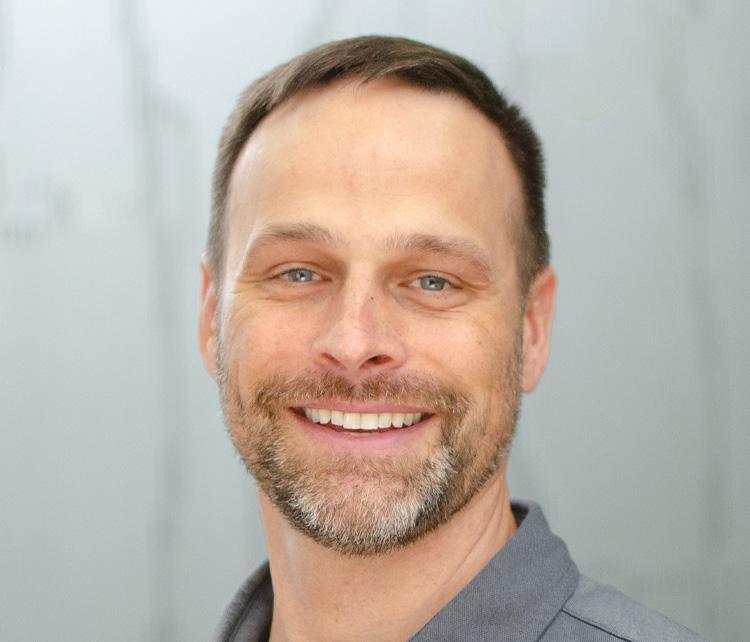
Commercial construction is never simple, but education projects bring a unique level of complexity that demands a different level of field leadership. These aren’t just jobsites…they’re active campuses, community hubs, and environments shaping future generations.
Success in this space isn’t just about building well…it’s about leading well under pressure, in public view, with zero margin for failure on key milestones.
I sat down with Lee Moore who is a long time Vice President in the KC Education group to come up with five realities of education construction and what strong leaders do differently to win.
1. Safety & Security: Non-Negotiable and Always Visible
On education projects, safety goes beyond OSHA compliance and the JE Dunn Health and Safety Manual… it’s about protecting students, staff, and the public in an active environment.
Strong field leaders:
• Treat the jobsite as a shared space, not a closed one
• Plan work around school operations (arrival, dismissal, bus loops, etc.)
• Enforce strict access control and site separation (we cannot be the reason for a security threat gaining access to the school)
• Communicate daily with school staff on high-risk activities
The mindset shift is critical: you’re not just running a safe jobsite; you’re protecting a community.
2. Schedule: Fixed Deadlines, No Excuses
Unlike many commercial projects, school jobs come with immovable deadlines. The first day of school isn’t flexible and summer work often compresses months of effort into 6-8 weeks. Strong field leaders:
• Obsess over daily production and short-interval planning
• Identify and mitigate risks weeks in advance (take every opportunity to explore the remodel space early and often)
• Hold trade partners accountable to day by day or even hour-by-hour expectations when needed
There is no “catching up later.” For summer schools projects buy the OT during the bid-out process. You either hit the date—or you don’t…and not hitting the date is not an option!
Few project types involve as many stakeholders—administrators, teachers, school boards, parents, and even students.
Strong field leaders:
• Lead with patience and professionalism in all interactions
• Understand that disruption equals stress for school staff
• Translate construction language into clear, relatable communication
• Stay solution-oriented when concerns arise
Remember: perception matters as much as performance. How you show up impacts trust in both you and JE Dunn.
Public education projects are often awarded in low-bid environments, which can introduce variability in trade partner experience and performance.
Strong field and office leaders:
• Don’t assume capability—verify it early
• Provide clear expectations and structure from day one
• Increase oversight
• Step in quickly when performance slips
This is where leadership shows up the most. You don’t get the team you wish for; you lead the team you have.
Education projects operate in a highly visible, publicly funded environment. That means increased scrutiny, documentation, and accountability.
Strong leaders:
• Keep clean, organized, and well-documented jobsites
• Communicate proactively with no surprises
• Own issues early and present solutions quickly
• Build trust through consistency and honesty
Final Thought: Leadership is the Difference
Education projects test every aspect of field leadership—planning, communication, budget, schedule, accountability, and adaptability.The best leaders in this space understand one thing clearly: We’re not just building schools…we’re building trust, safety, and environments where communities grow.And that responsibility deserves our very best.
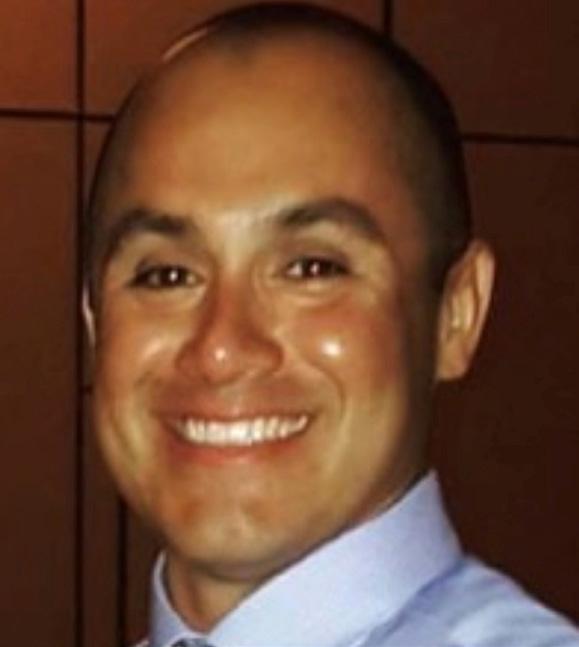
Seven years ago, when I stepped into this role at JE Dunn Construction, my goal was clear: to grow our concrete finishing volume, expand our manpower, and elevate our Cement Mason crew to be the best in the business. We’ve always had highly skilled foremen, but my mission was to build on that strong foundation—to become an even higher-performing team that could take on larger, more complex work.
In the past, our self-perform concrete scope centered on smaller slab-on-grade projects for hard-trowel floors, paving, and slab-on-deck work. That served us well at the time—but to stay competitive, we had to think bigger. I knew we had the talent to tackle larger pours and push our limits.
Over the past seven years, we’ve done exactly that. We’ve successfully placed and finished hard-troweled slabs over 25,000 square feet and paving pours up to 35,000 square feet, achieving impressive FF/FL floor flatness numbers along the way. Our largest mezzanine deck pour to date? A massive 19,000 square feet. These accomplishments not only speed up project schedules but also create ripple effects that benefit other trades and the project as a whole.
Our growth hasn’t come easy—it’s been earned through hands-on problem solving and ongoing learning. We’ve refined our approach to complex deck pours, cambered structures, and finishing tolerances. Our finishing crew has expanded to 60 team members, including 10 foremen—an incredible milestone that marks one of the fastest periods of growth our self-perform group has ever seen.
Recently, we’ve expanded our capabilities with concrete overlays, polishing, and sandblast decorative stenciling. Our crews now deliver a full range of services, including floors, paving, curb and gutter, sidewalks, stamped and stained concrete, exposed aggregate, and tilt-up concrete. We’re also integrating new technologies—like the Screed Sled for flatter floors, upgraded riding trowels, and roller and vibra screeds for improved paving efficiency.
But our success is about more than just volume; it’s built on fundamentals—training, certification, and craftsmanship. Our team is ACI-certified, continually attending seminars to stay sharp and informed, especially as we adapt to evolving challenges like Type 1L concrete. We focus on mix designs, evaporation rates, tolerances, and above all—safety and coordination between our placing and finishing crews.
Last year, our team placed and finished over 2.3 million square feet of concrete. That number represents more than production—it’s proof of how far we’ve come together.
As we look ahead, our vision remains simple: keep building on what’s working, push for even higher standards, and continue to grow our team’s expertise in every market sector we serve. With the experience, leadership, and commitment of our foremen and white hats, the future for JE Dunn’s concrete finishing crew looks stronger than ever.
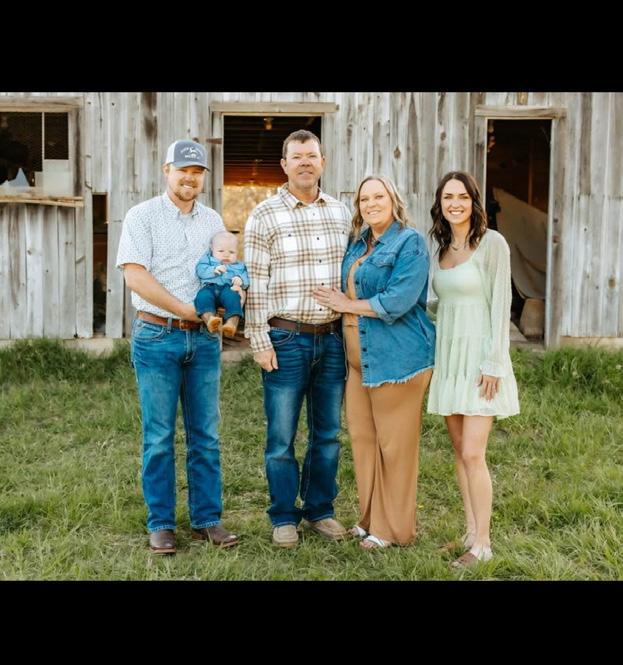
What aspect of your role do you enjoy the most?
Working on challenging and large-scale projects. I take pride in producing high-quality work and handling pressure effectively.
What is your proudest accomplishment?
Seeing both of my children graduate college. Not many in my family have done that, and they’re both doing really well for themselves.
What motivates you to work hard?
Supporting my family and doing a good job in everything I take on … and one day, retiring comfortably.
Favorite indoor/outdoor activities:
• Outdoor: Golf. It’s hard, but I love it.
• Indoor: Basketball. I grew up playing and still enjoy the game.
Pet peeves:
People who are always late and constantly in a hurry. Slow down and things go smoother!
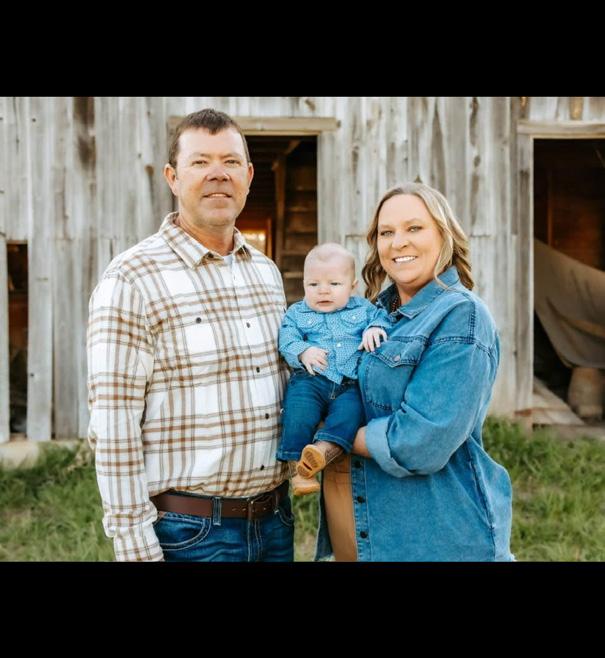

What aspect of your role do you enjoy the most?
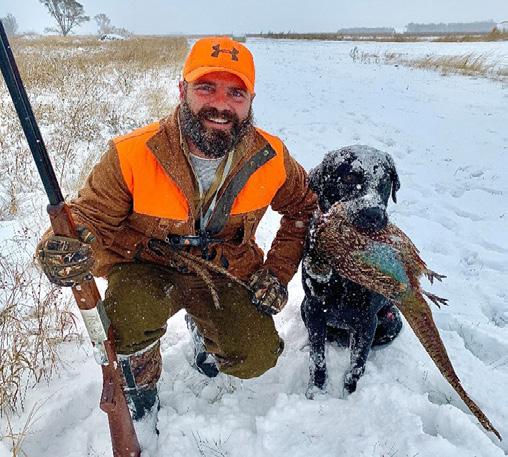
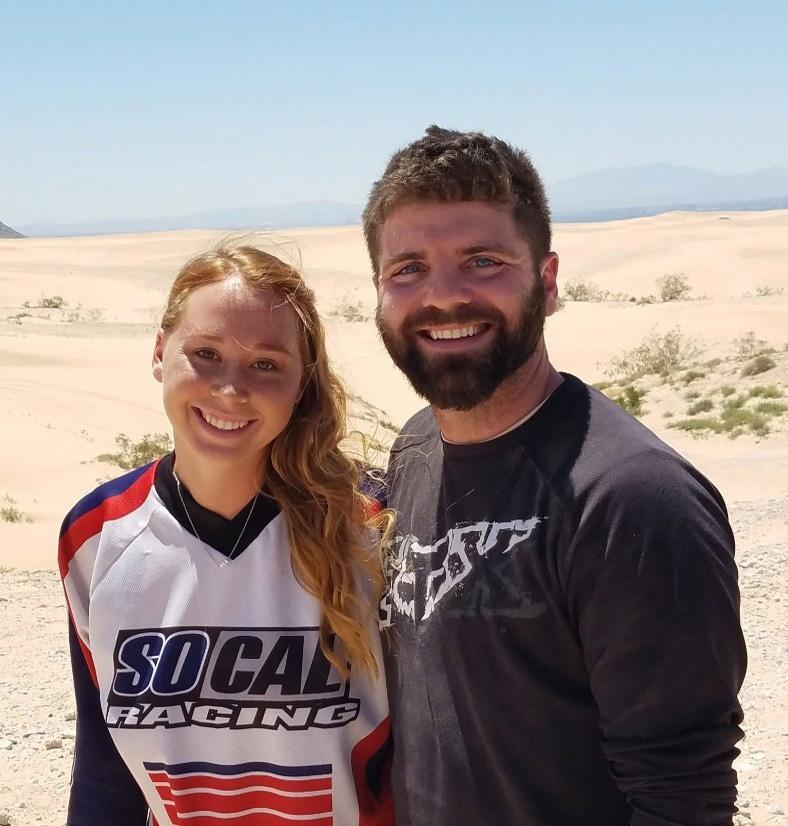
Tackling obstacles and challenges. Every day brings something new to solve.
Favorite quote:
“Sometimes you win, sometimes you lose… sometimes it rains.” – Ebby Calvin LaLoosh (“Nuke”), Bull Durham
What does true leadership mean to you?
A true leader creates positive impact, clearly communicates vision, inspires others, and owns their decisions — good or bad.
Proudest accomplishment:
Becoming a father. What started as fear quickly turned into pride and excitement.
Best gift you’ve ever received:
My first hunting dog, Brady. He taught me drive, determination, and humility.
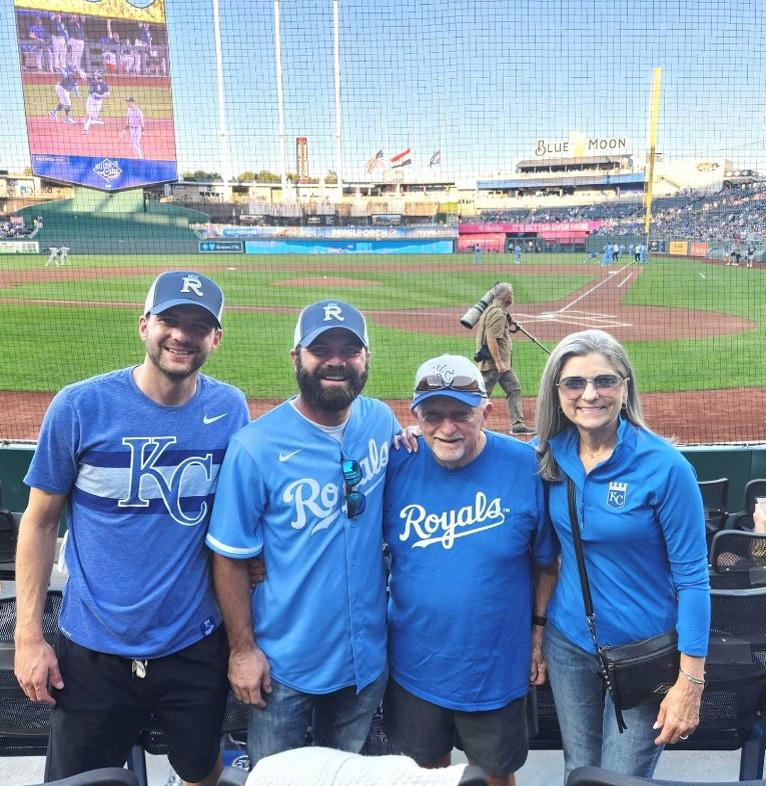
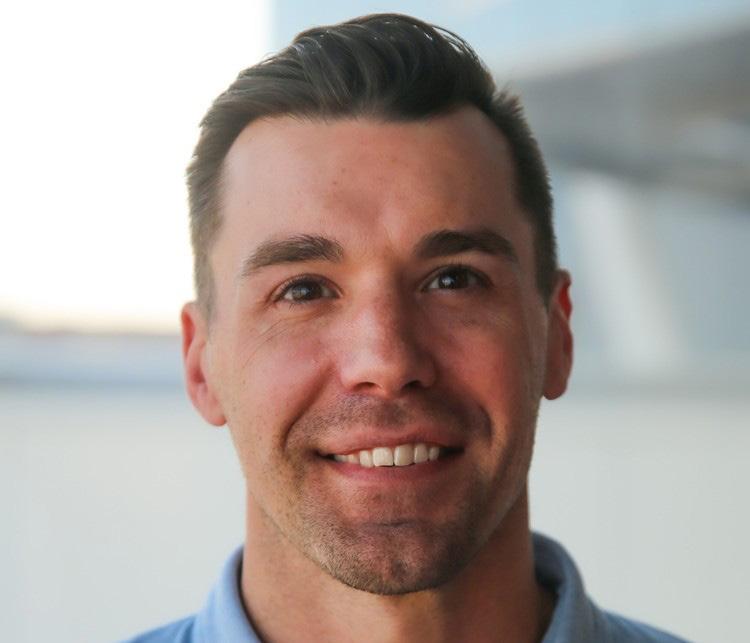
What aspect of your role do you enjoy the most?
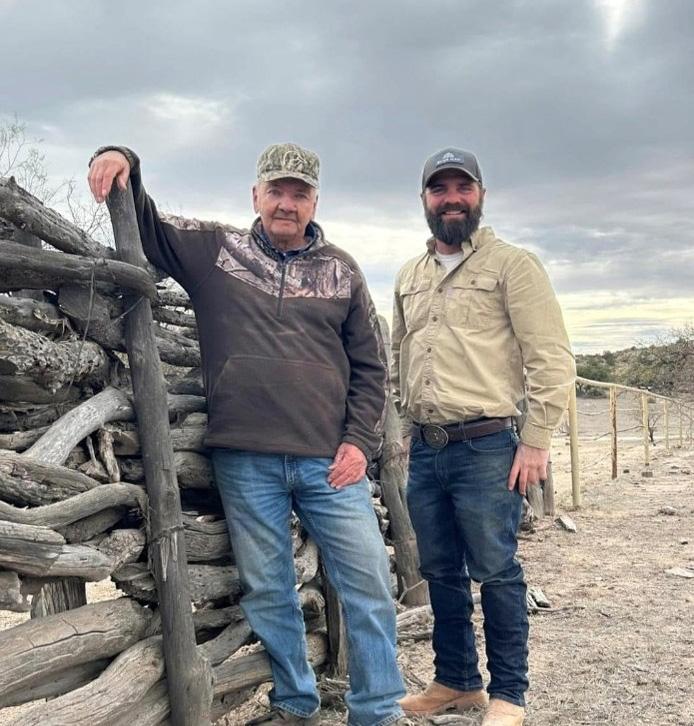
First and foremost, the amazing people that I have the honor of working with. Second, the opportunity to lead and develop the next generation of construction professionals. Lastly, the opportunity to work on a variety of different and challenging projects. What does true leadership mean to you?
Honesty, integrity, empathy, and passion … truly investing your time in people. If all jobs had the same pay and hours, what job would you like to have?
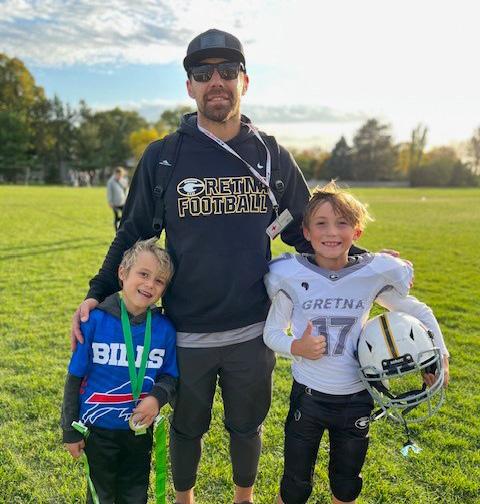
Coaching youth sports. Some of the best moments of my life are from coaching my children in various sports. If not that, maybe the PGA could give me a shot to lose a dozen balls per round on tour!
Favorite sport to watch and play:
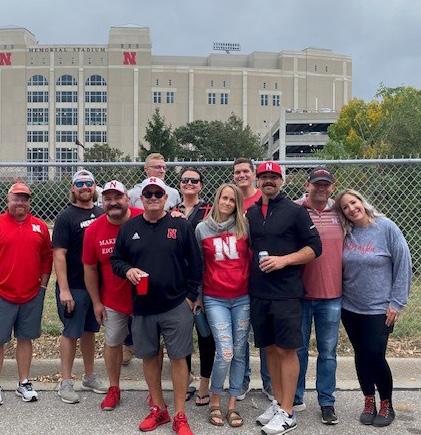
Three-way tie: golf, football, and baseball. Anything Huskers! GBR! What were you like at age 10?
Typical small-town kid … outside from dawn till dusk, playing sports, getting dirty, and spending time with my dad and grandpa on their machinery. I didn’t realize it then, but I loved growing up in a small town. None of that happens without the people behind it. As we move forward, it’s important not to forget the fundamentals that got us here—or the team that made it possible. I’m thankful for the support and opportunities that continue to push us forward.
Federal construction projects bring several unique challenges that aren’t as common on other job sites. These projects often require additional planning and coordination, stricter scheduling requirements, and increased communication between all project team members and the federal facility itself. Because federal sites operate under higher levels of security and oversight, tasks that might be routine elsewhere can take much longer to complete
The biggest obstacle on federal projects is managing job site security. Before gaining access, all workers typically undergo background checks or clearances, which can quickly lead to manpower constraints. Once cleared, workers must complete site-specific training issued by the federal facility. Proper preplanning helps limit onboarding delays. Once everything is complete, team members receive badges to access the site, which must be carried at all times. Even materials and equipment go through inspection before being allowed on-site
Delivery coordination poses its own challenges. Because all drivers must go through clearance and site approval, deliveries must be scheduled ahead of time and may be delayed if credentials are incomplete. Communication with suppliers and subcontractors is critical to ensure that materials and personnel arrive on time and meet federal entry requirements.
Federal projects also involve strict documentation control. Many require all documentation to be stored in approved systems such as Box, adding steps for uploading, reviewing, and approving materials. Simple field sharing may be restricted due to Controlled Unclassified Information (CUI) protocols. Photo documentation, for example, can only be done by authorized personnel using approved equipment.
Work hours are often controlled due to security protocols. Site gates may only be opened or closed by authorized personnel at specific times each day, meaning early starts or late finishes require preapproval. Seasonal scheduling needs — such as early morning concrete pours in the summer or fire watch coverage during winter heating — require proactive coordination. Requests for adjusted work hours often must be submitted several days ahead to allow time for facility coordination
Federal construction projects demand exceptional preparation, adaptability, and attention to detail. Successfully navigating these layers of security, oversight, and documentation relies on strong preplanning, transparent communication, and proactive coordination. Building relationships with federal personnel and maintaining an understanding of site-specific protocols can reduce delays and improve efficiency. Teams that invest in training and organization are better equipped to meet challenges and deliver successful outcomes