
Future
Dunn-Edwards Paints
Overview

• Socially Responsible Design
• Sustainable Design
• EPA Requirements, Paint and VOCs
• LEED and LEED v4.1
• Paint and Sustainability
• Design Wellbeing Trends
Socially Responsible Design
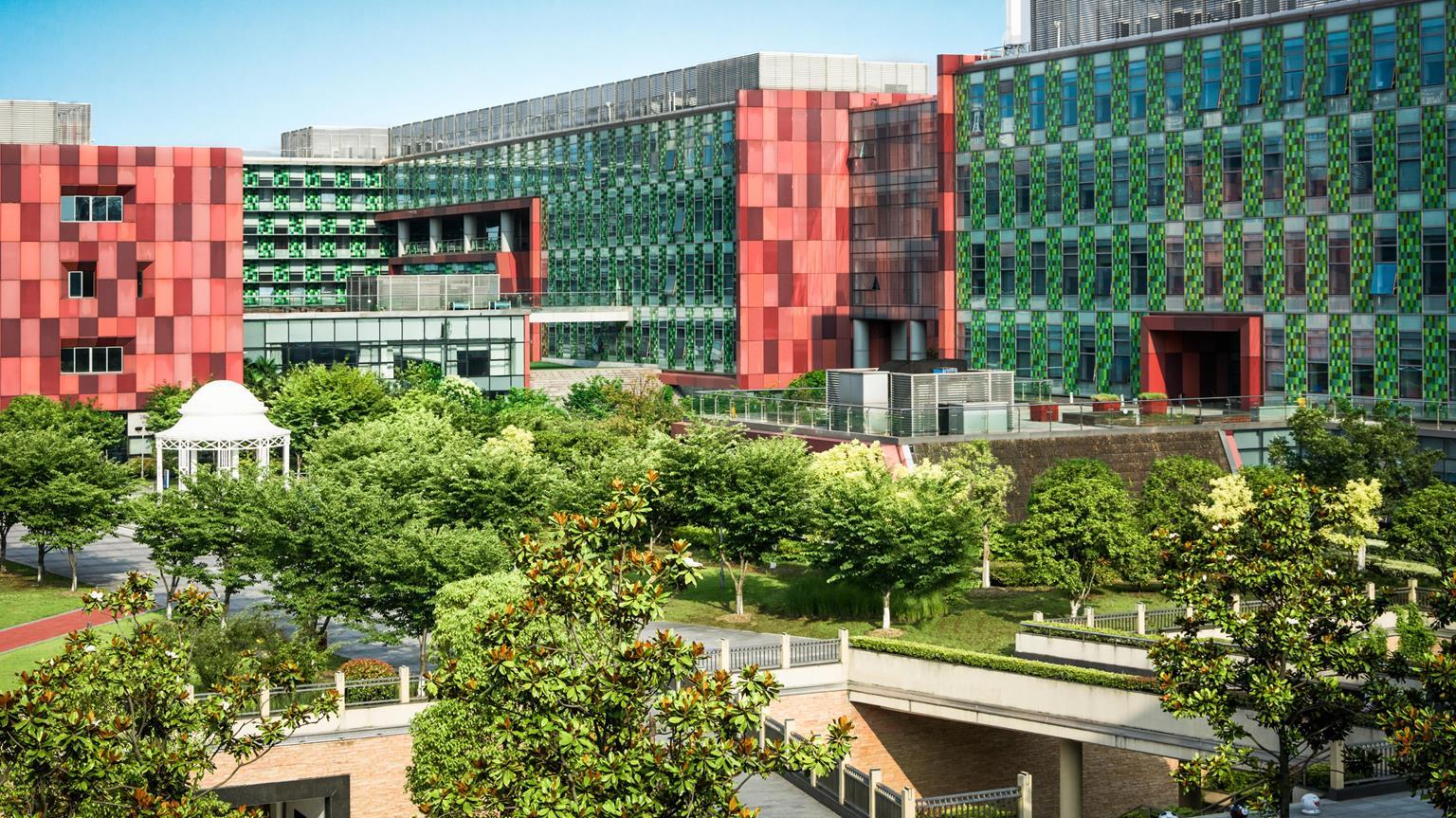
Concept isn’t new
• Architects have been building with the environment in mind for centuries
• Examples
• Industrial Revolution - designers and theorists
- William Morris and John Ruskin
• 19th and early 20th centuries – Historian Delores Hayden rethinks socio-spatial alternatives
• 1960s – Victor Papanek wrote about alternative practices focusing on ecological design and looking for need
Sustainable Design
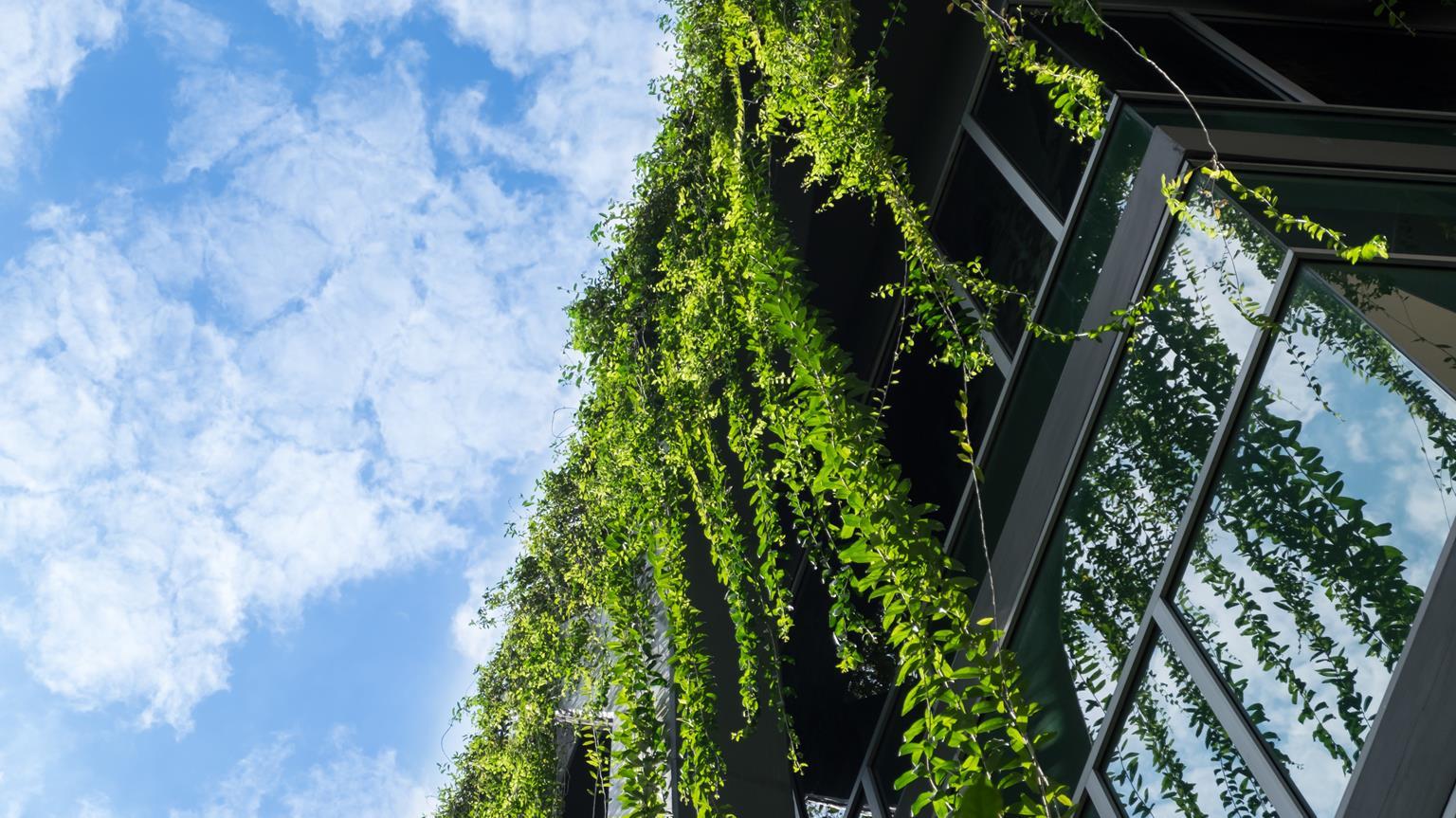
Environmentally Sustainable design is the philosophy of designing physical objects, the built environment, and services to comply with the principles of ecological sustainability.
• Seeks to reduce negative impacts on the environment, and the health and comfort of building occupants, improving building performance. The basic objectives of sustainability are to reduce consumption of nonrenewable resources, minimize waste, and create healthy, productive environments
• Sustainable design principles include the ability to
• Optimize site potential
• Minimize non-renewable energy consumption
• Use environmentally preferable products
• Protect and conserve water
• Enhance indoor environmental quality
• Optimize operational and maintenance practices
Sustainable Design Timeline
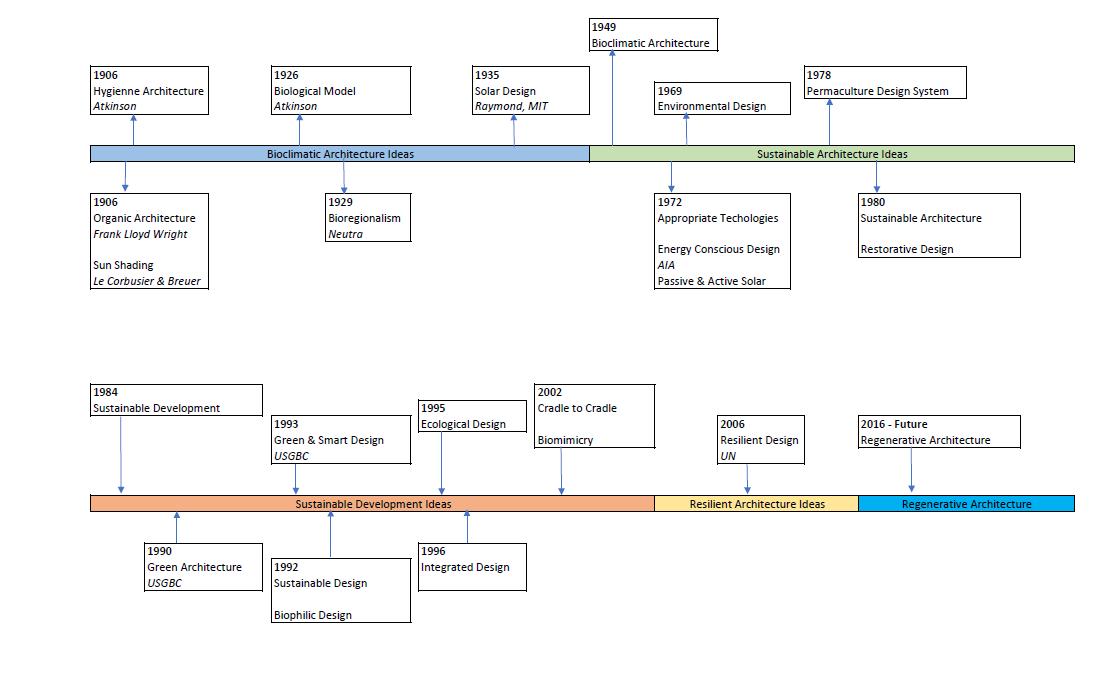
Sustainable Design History Modern Architecture
Traditions of 20th century architecture
• Standardization
• Over production of homogeneous designs
• Inefficient design
• Dependence on fossil fuels
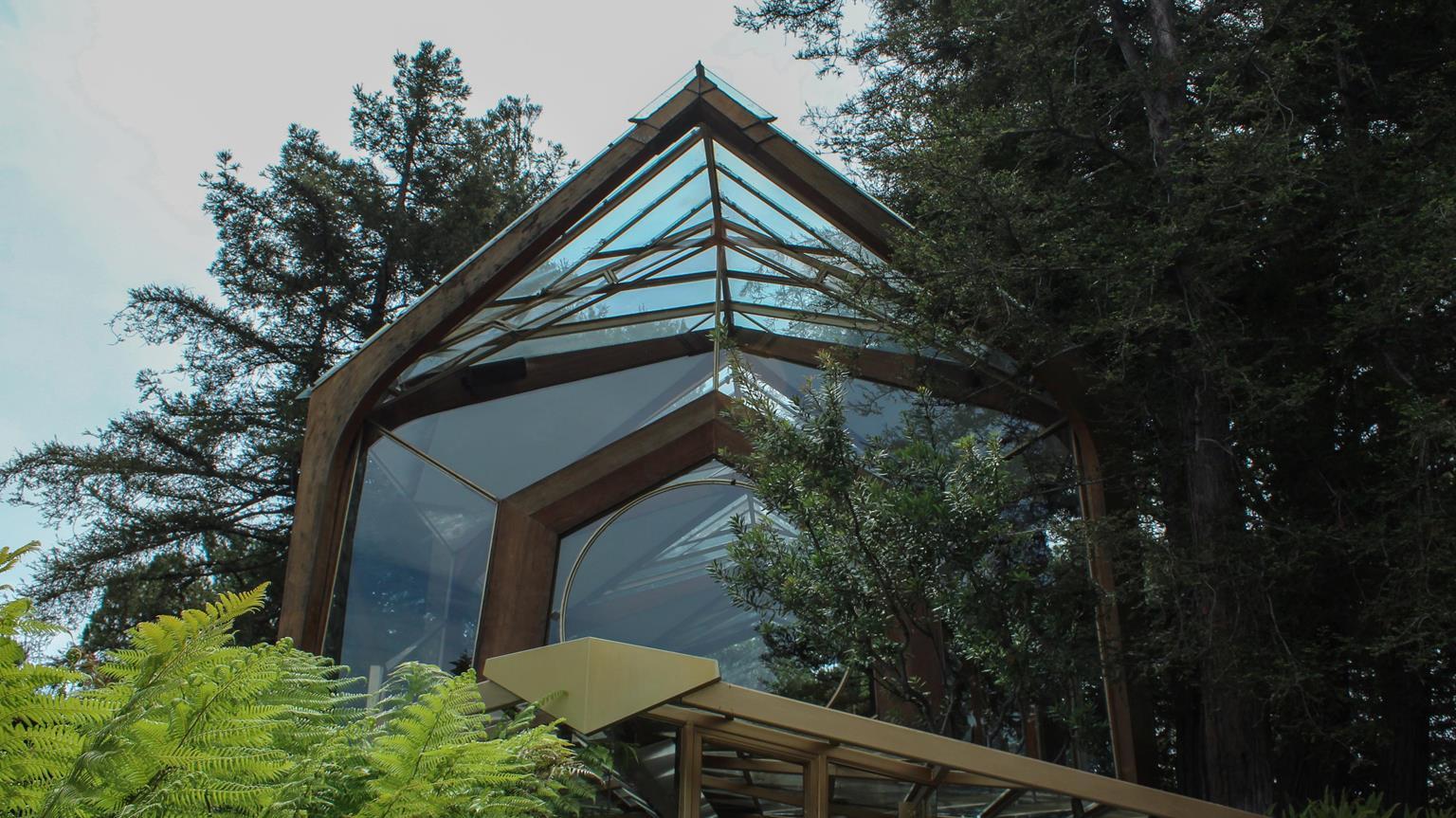
Early modernists who took their environments into account when designing architecture included
• Frank Lloyd Wright, Ian McHarg
• Work with nature not against
• Building should spring up out of its environment
• Integrated with natural environment
• Cluster development – grouped living centers –more green spaces
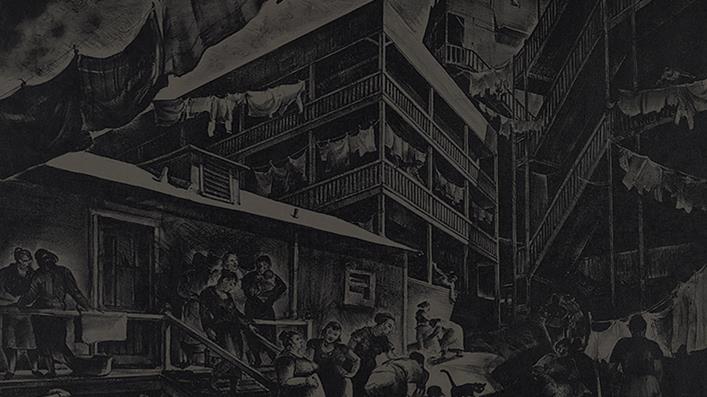
Sustainable Design History
Great Depression
• Scarcity
• Food insecurity
• Joblessness World War II
• Raw material shortages
• Rationing
• Housing starts banned
• Housing insecurity
Sustainable Design History
1960s & 1970s – The environmental movement
• Activists rallied for the use of cleaner energy practices
• Health hazards - toxic waste
• Negative impacts - burning fossil fuels
Architects - Buckminster Fuller, E.F. Schumacher, Stewart Brand raised awareness of holistic design
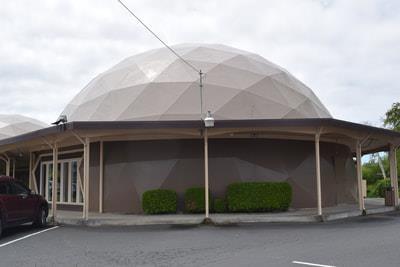
• Buckminster Fuller’s experiments with the Dymaxion House (1929)
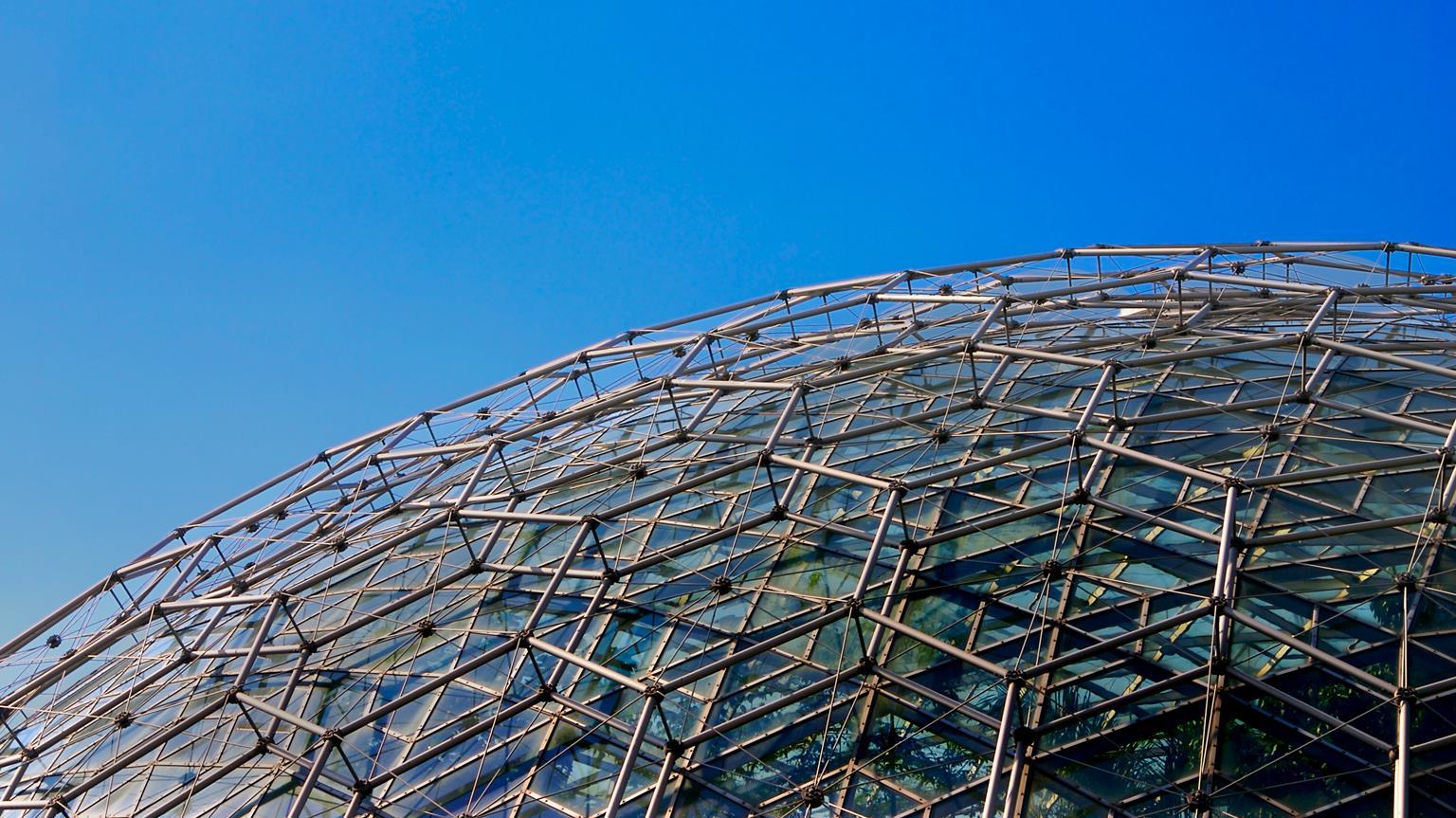
• Geodesic structures
• Structural and material efficiencies
• Led to another important development in green design— “synergy”
Sustainable Design History
1970s – Passive Solar Technologies
• Popularized during the 1970s by Richard Crowther of Denver, Colorado.
• One of the most widely published solar projects was the Balcomb House (1979)
• Designed by William Lumpkins
• Dominant sunspace
• Interior adobe walls
• Stone floors
• In-ground rock beds
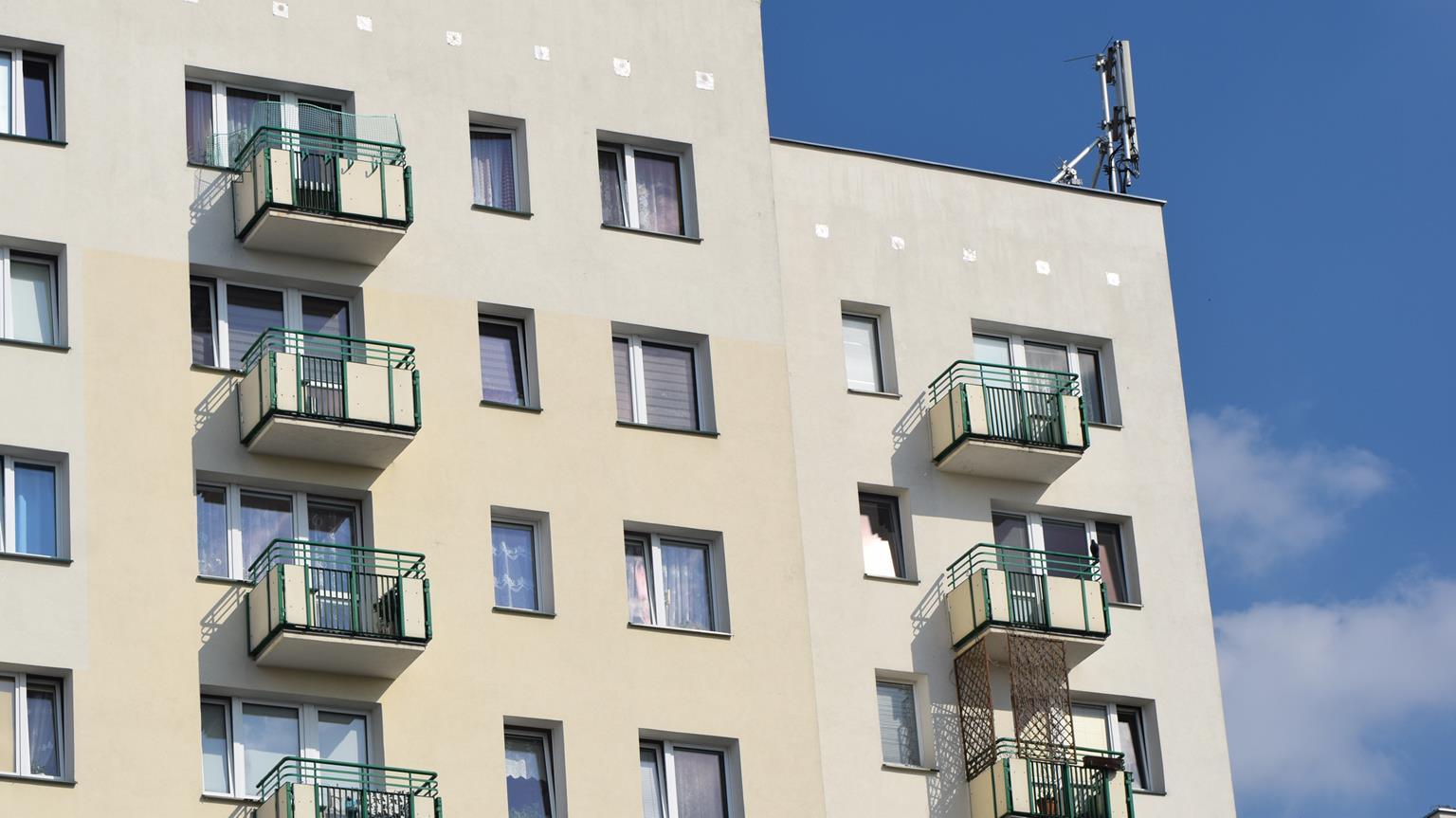
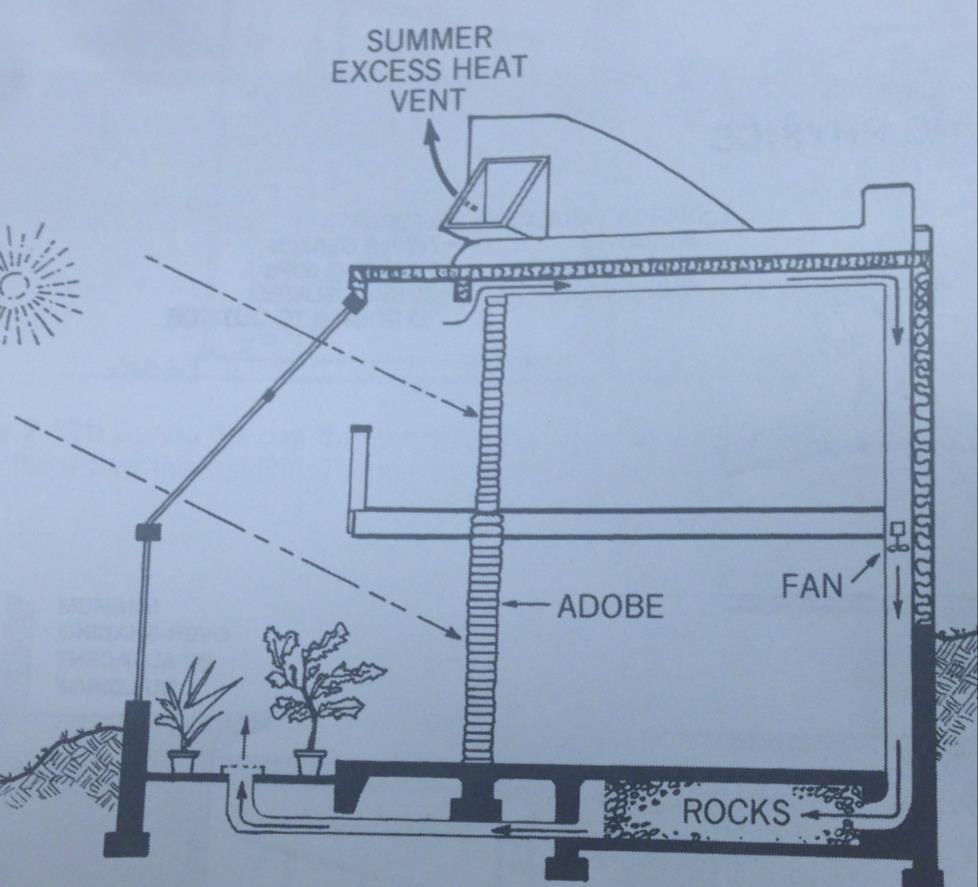

Sustainable Design History
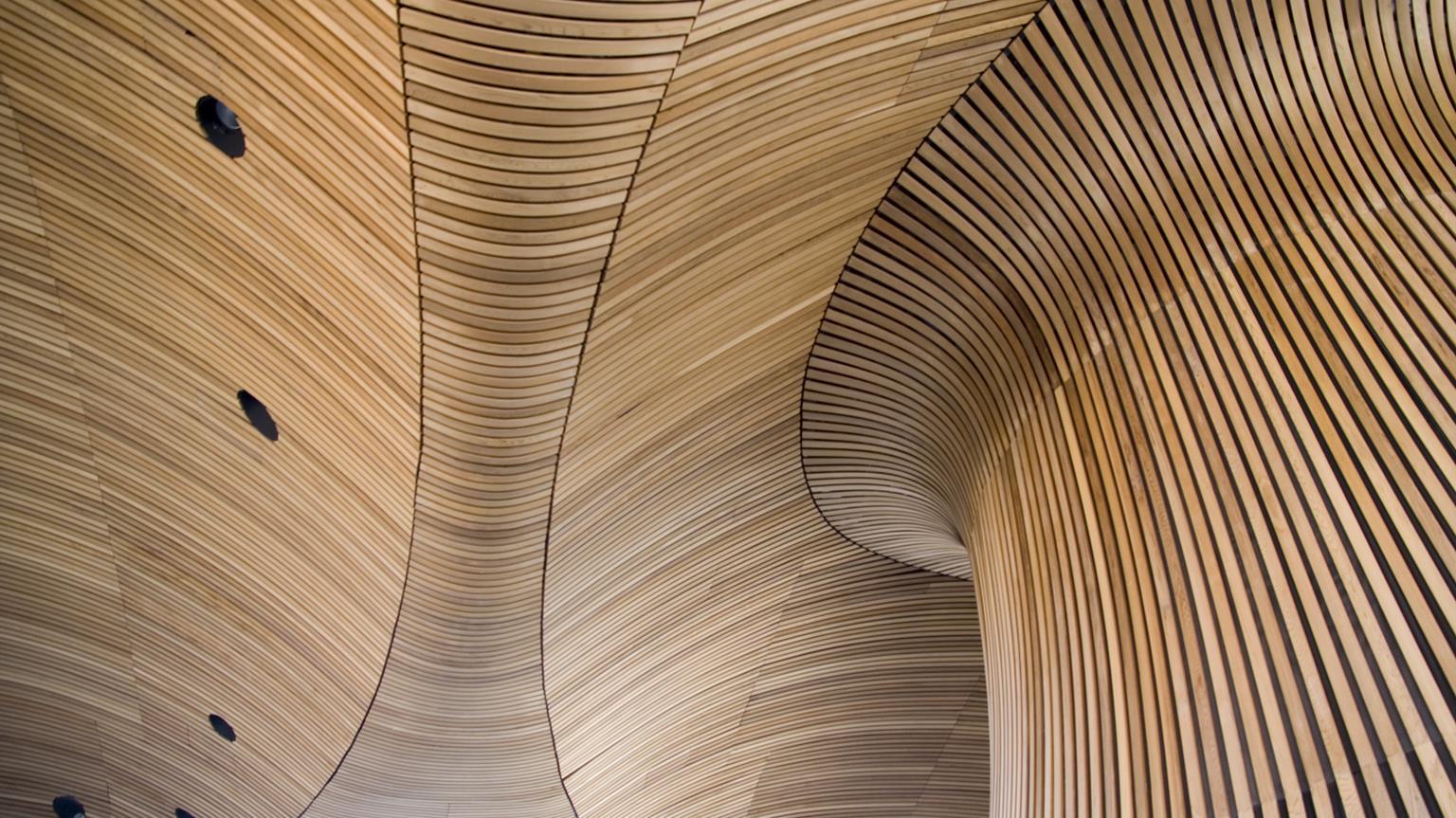
1980s – Postmodern
• Counterpoint to the 1970s solar ideal of green design
• Focused on symbolism, polychromatic aesthetics, and whimsical design
• Aesthetics is sacrificed when sustainability is the focus
• Architecture adapted to
• Local vernacular forms and materials
• Borrowing modernist elements
• Returning to traditional design
• And moving toward deconstructivism


Sustainable Design History
1990s – LEED
• 1994 – The formation of the Leadership in Energy and Environmental Design (LEED) standards, which was watched over by the US Green Building Council (USGBC)
LEED certification provides independent, thirdparty verification that a building, home or community was designed and built using strategies aimed at achieving high performance in key areas of human and environmental health: sustainable site development, water savings, energy efficiency, materials selection and indoor environmental quality
Sustainable Design History
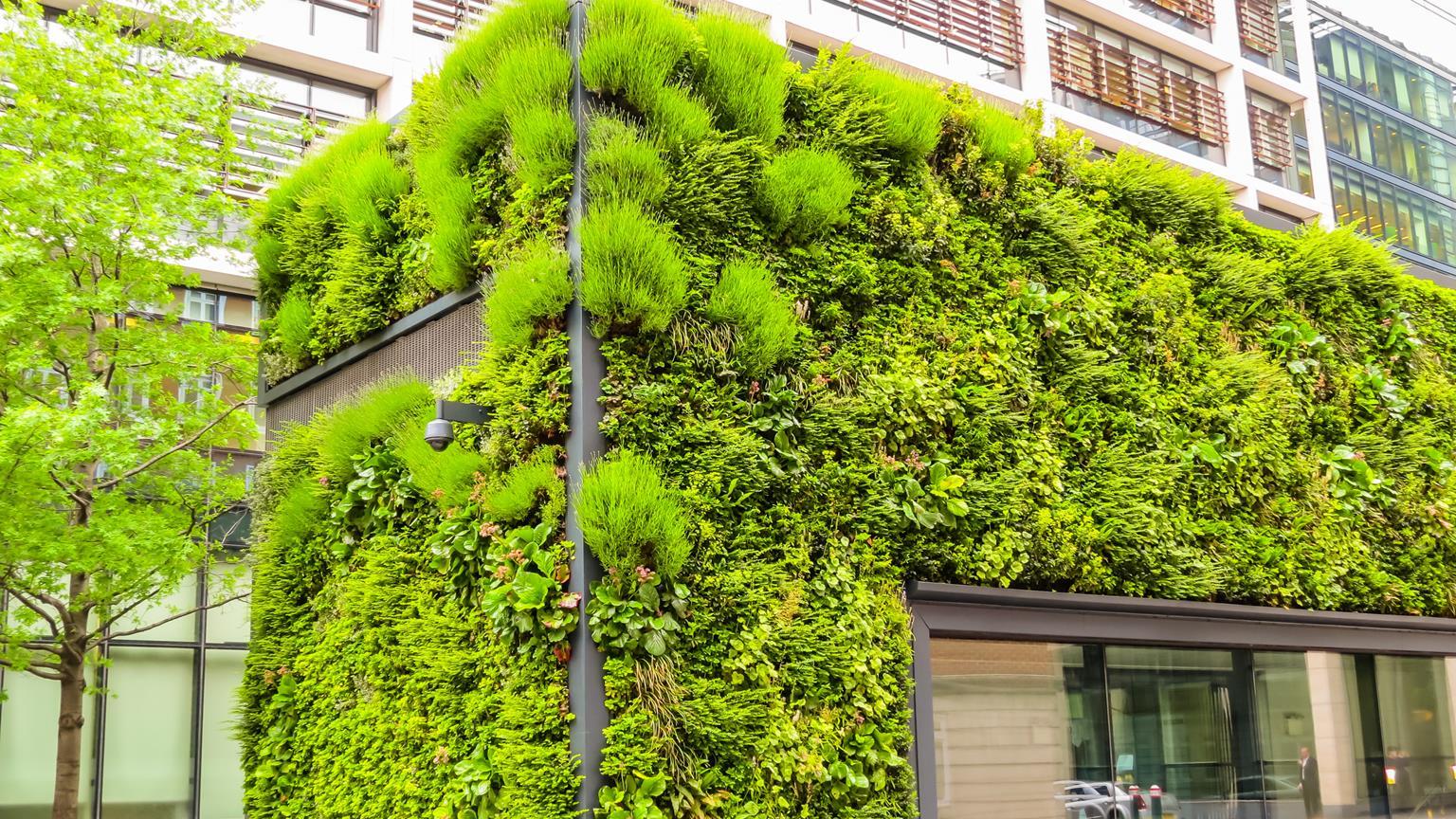
2000s – Sustainable Design
• Green architecture proliferated globally with more complex programs available
• Sustainable design focus
• Urban areas
• Multi-family
• Green design emphasis
• Renewable energy
Sustainable Design and Design Best Practices
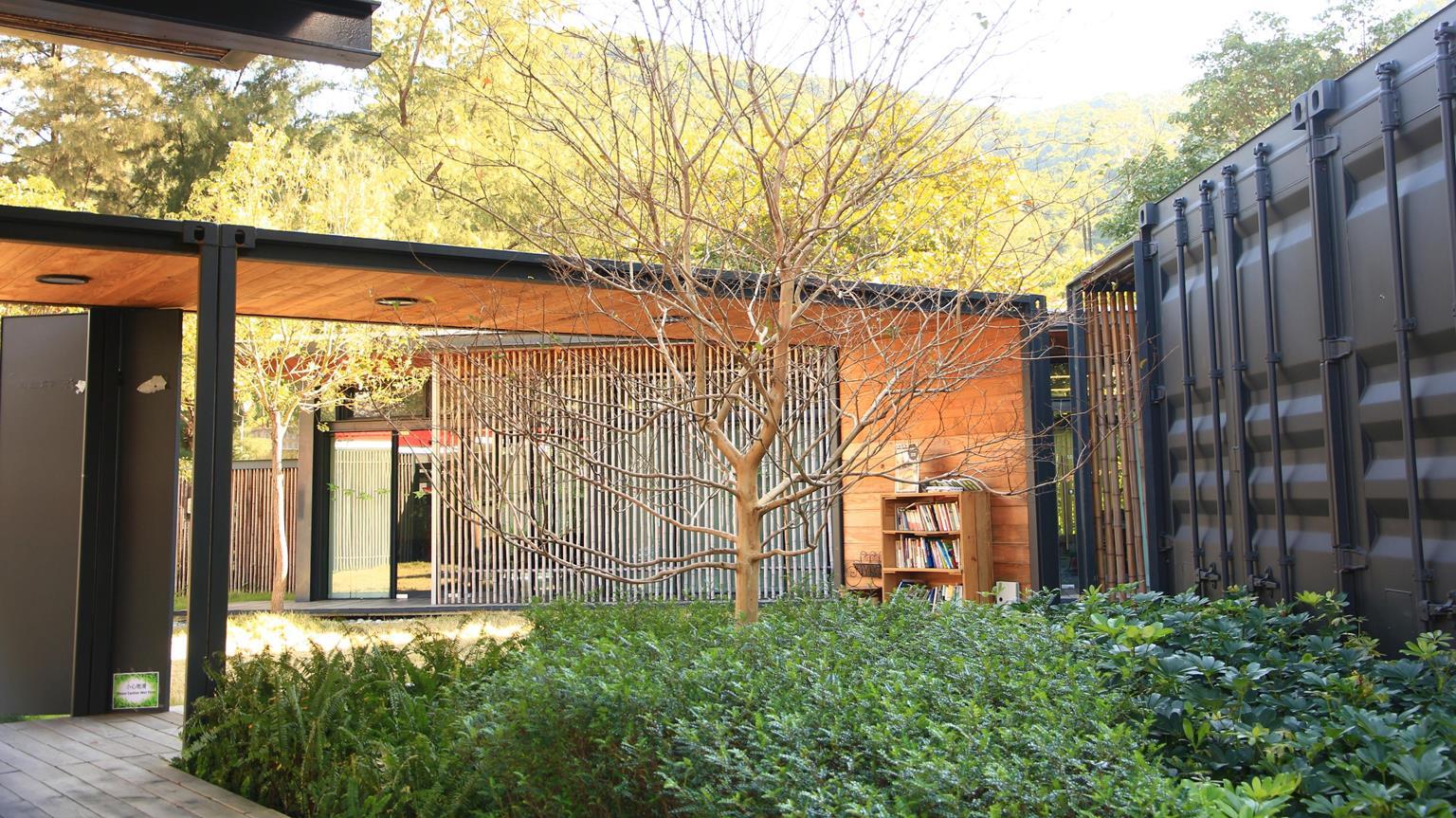
• Choose design products that are non-toxic and durable, including paint coatings that are low VOC and zero VOC
• Select local products when possible
• Utilize current square footage as much as possible
• When renovating, use best work practices
Sustainable Design – Paint and VOCs
What are Volatile Organic Compounds (VOCs)?
• Organic chemical compounds emitted as gases from certain solids and liquids
• Concentrations are higher indoors
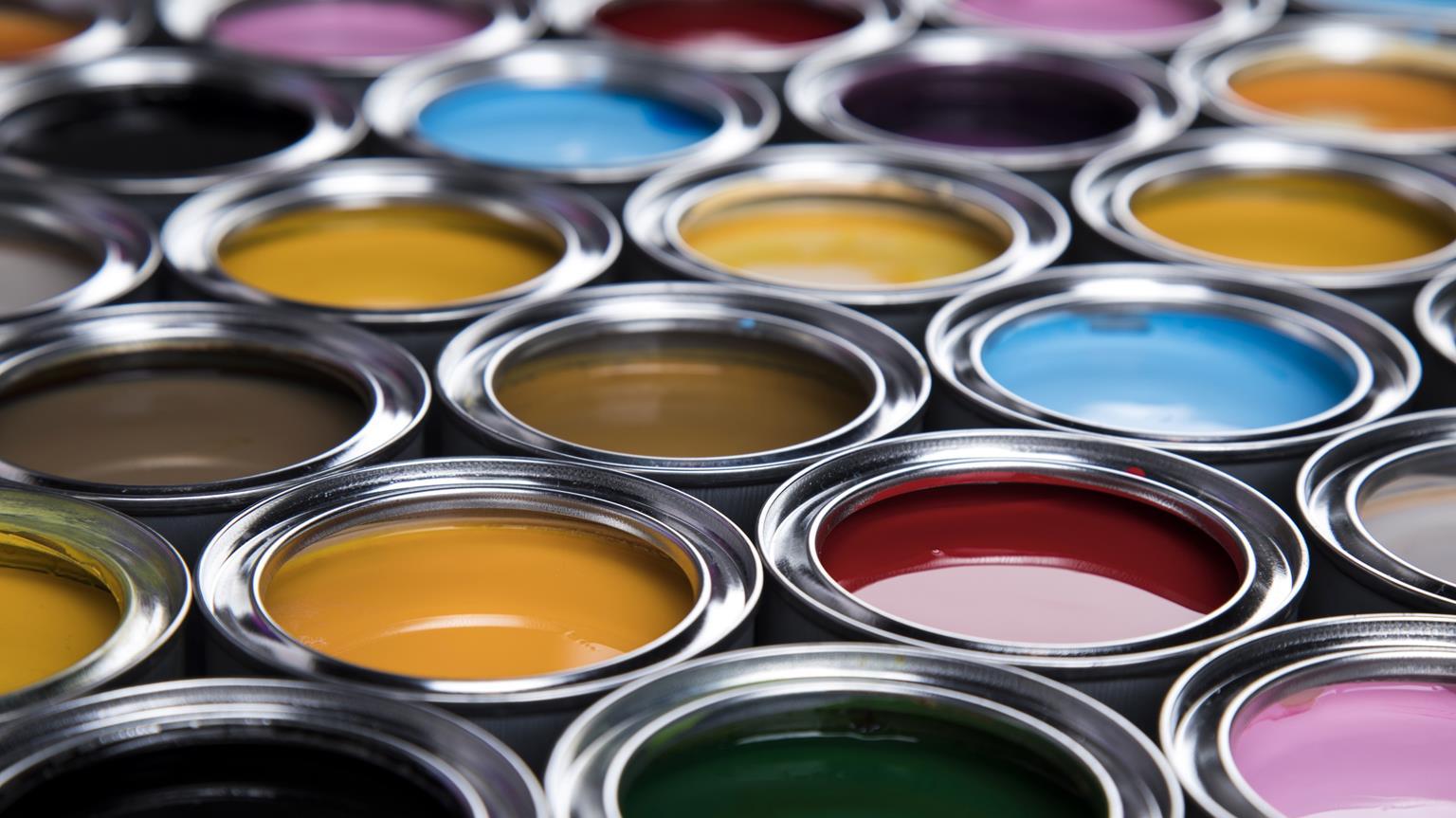
• VOCs are a concern as for both indoor and outdoor pollutants
• Indoor VOCs
• Potential for VOCs to adversely impact the health of people that are exposed
• Outdoor VOCs
• Released into the air mostly during manufacture or use of everyday products and materials
• Quickly dissipates but contributes to ozone
Paint and VOCs
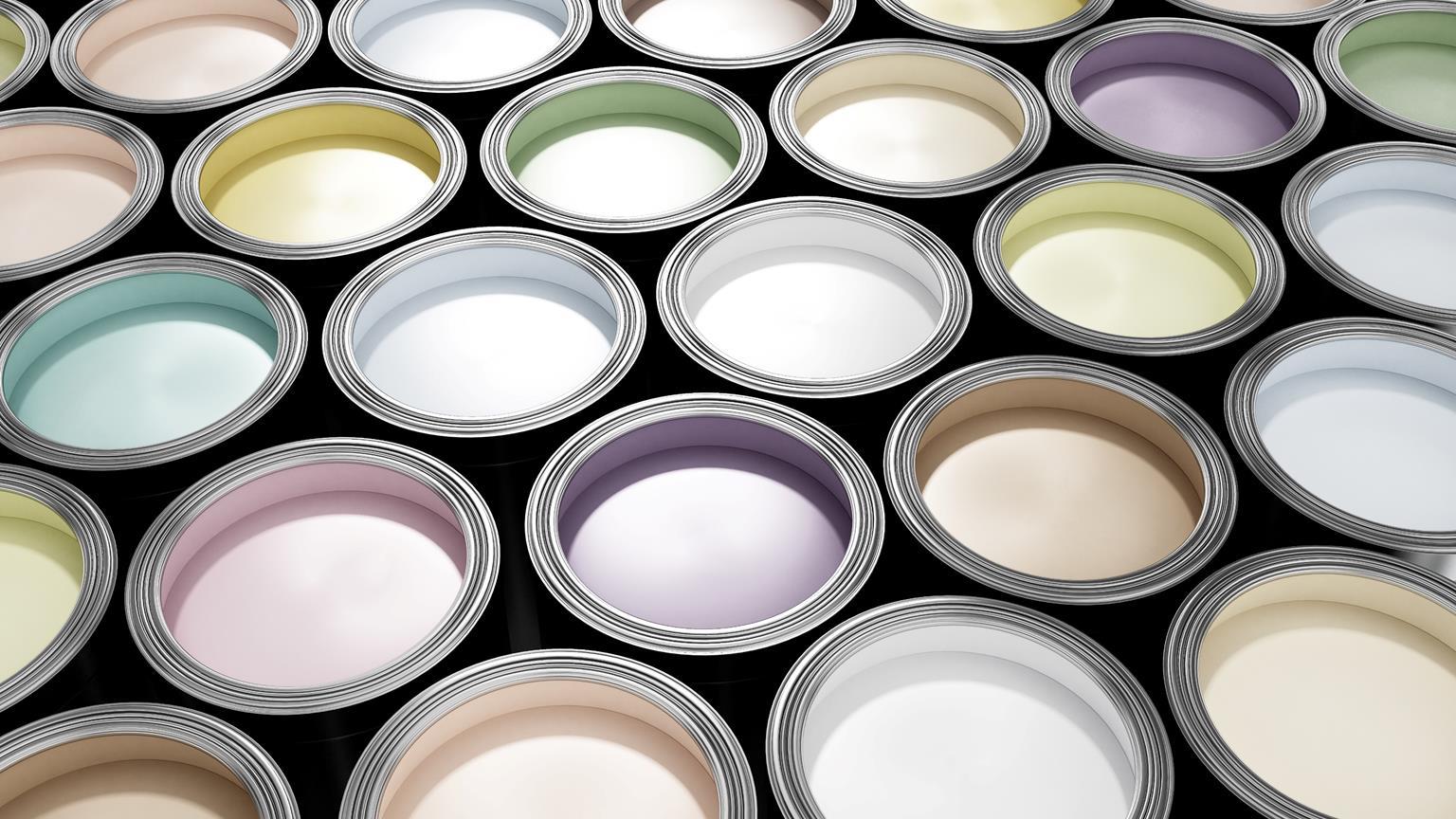
• Paint ingredients
• Pigment – Colorant
• Resin – Binder
• Solvent
• Latex Paints
• Oil – Alkyd Paints
Paint and VOCs
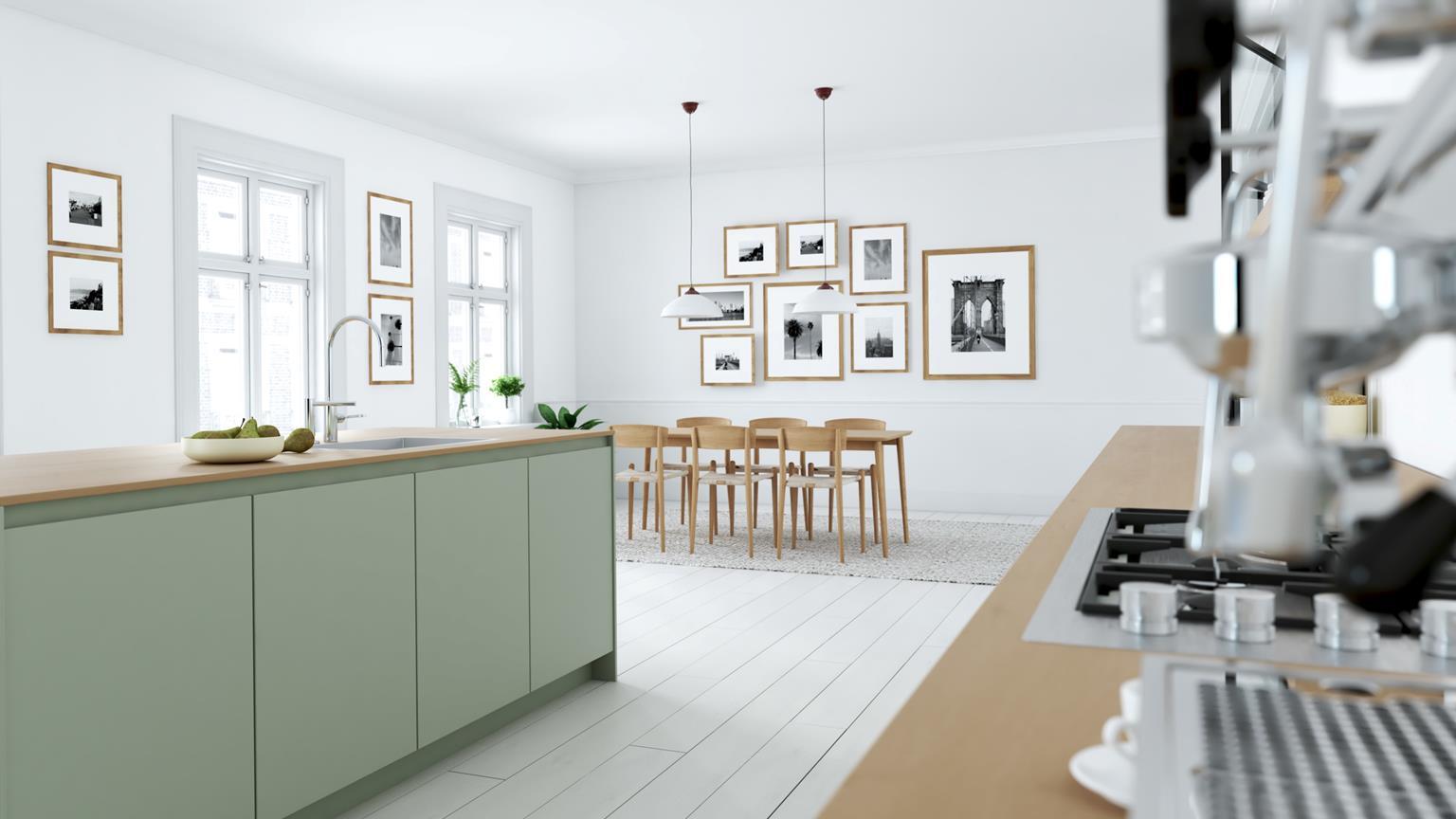
Products that emit off-gassing
• Furnishings
• Cabinets, tables, sofas, mattresses
• Plywood, glues, particle board, insulation
• Paint, vinyl flooring, carpet
• Cleaning products
• Gasoline
• Nail polish
• Hairspray
Off-gassing occurs
• When newly manufactured items release volatile organic compounds (VOCs)
Paint and VOCs

• When is a VOC not a VOC?
• What does Zero VOC mean?
• What does Low VOC or Ultra-Low VOC mean?
• What is Reactivity-Adjusted VOC content (RAVOC)?
• How does RAVOC work?
• Are RAVOC ratings required for paint?
Paint and Eco-Efficiency

Eco-efficiency – the ability to satisfy human needs in ways that minimize adverse impacts on energy and material resources, environmental quality, and human health and safety.
Paint and Eco-Efficiency

Life-cycle Analysis is used to identify potential impacts on a broad range of environmental criteria.
• Energy and material resource consumption
• Water usage
• Solid waste disposal
• Ecological impact
• Human health and safety
Paint and Eco-Efficiency

Paint and Coatings are Inherently Eco-Efficient Products
Paint and coatings beautify, protect, and preserve the surfaces to which they are applied, conserving energy and material resources, and improving the visual quality of our environment.
High performance is the Key to Eco-Efficiency of Paint and Coatings
• Maximize environmental benefits
• Minimize ecological burden
• High quality covers better (less raw ingredients used)
• High quality is more durability (longer service life before re-application)
• Less energy, and material resource waste
Paint
Regulatory Agencies
Certifications
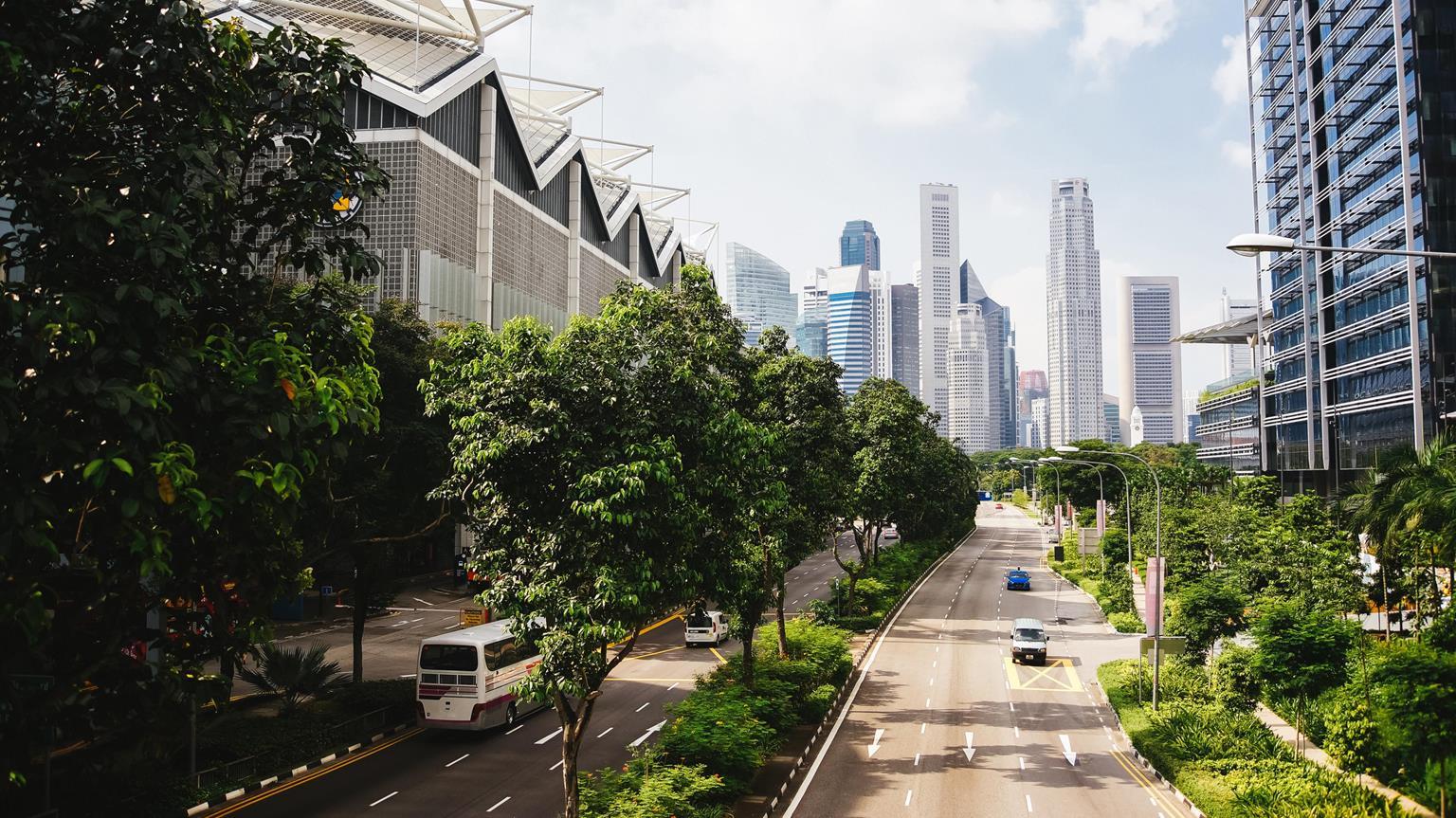
Environment Protection Agency (EPA)
U.S. Green Building Council (USGBC)
• LEED
Green Seal
Green Wise Certification
RAVOC
VOCs and Paint Regulations

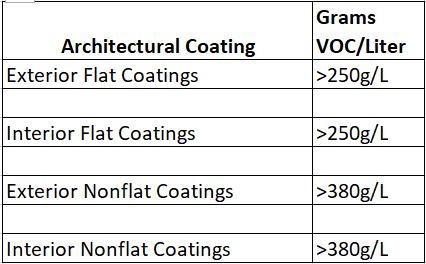
The EPA published the architectural coatings rule on September 11, 1998 of the Clean Air Act.
Limits coating’s VOCs produced and imported into US
Architectural Coatings
• Interior and exterior paints
• Traffic markings
• Signage paints
• Industrial maintenance
VOCs and Paint Regulations
Paint data sheet with
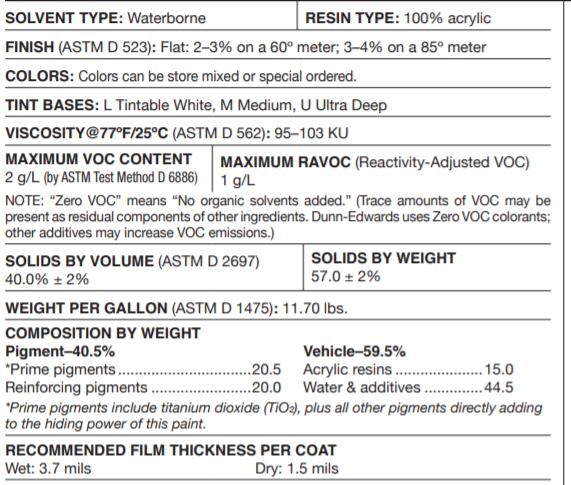
VOCs and Paint Regulations
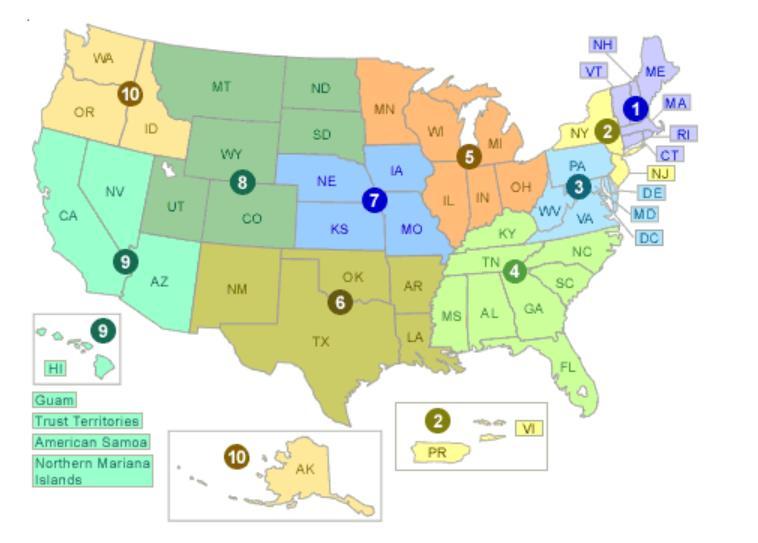
VOCs and Paint Regulations
Federal EPA VOC Regulations
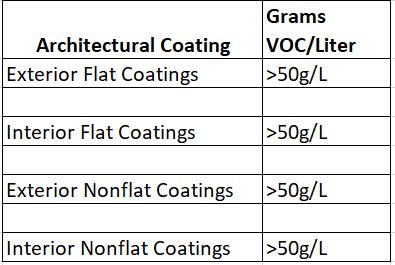
South Coast Air Quality
Management District (SCAQMD)
VOC Regulations
LEED
What is the definition of LEED?
Leadership in Energy and Environmental Design
• The most widely used green building rating system in the world. Available for virtually all building types, LEED provides a framework for healthy, highly efficient, and cost-saving green buildings
• LEED certification is a globally recognized symbol of sustainability achievement and leadership
• Health Benefits of LEED
• Happy employees and occupants
• Indoor environmental quality
• Quality design
• Reduced pollution

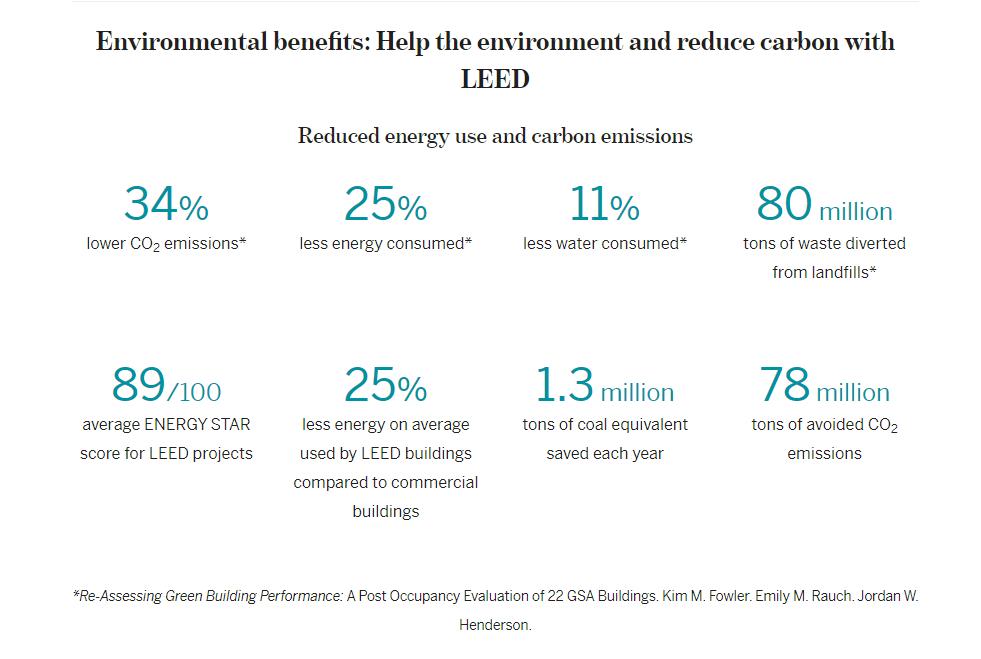
LEED Benefits
Benefits of LEED Buildings
LEED-certified homes
• 20-30 percent less energy than a typical home
• Some homes report up to 60 percent savings
• Southface Energy Institute and the Virginia Center for Housing Research study
• Green affordable housing developments spend 12 percent less on energy per square foot than typical developments
• Energy efficient or LEED certified properties have higher rent values
• Multi-family housing developments (USA) could save 3.4 billion annually with energy efficient programs
LEED 2009 versus LEED v4.1 for paint industry
• Two versions of LEED are currently operative – LEED 2009 and LEED v4 (including v4.1) – although significant differences exist between the two.
• LEED 2009 was closed to new applications for certification on October 31, 2016; however, applications submitted prior to that date remain valid, with a deadline of June 30, 2021, for completion of ongoing projects. The LEED 2009 Indoor Environmental Quality Credit for Low-Emitting Materials imposes one requirement for interior paint and coatings: all such products must meet the applicable VOC content limit of the ARB 2007 Suggested Control Measure (“SCM”) for Architectural Coatings or South Coast AQMD Rule 1113: Architectural Coatings.
LEED v4.1
What is LEED v4.1?
• Demands measurable results throughout a building’s life cycle
• Uses flexible, performance-based approach
The difference from LEED 2009 for the paint industry
• LEED v4 was launched in November 2013 and modified slightly (LEED v4.1) in January 2019
• Credits for paints and coatings remain the same in both
• The EQ Credit for Low-Emitting Materials now has two requirements for interior paint and coatings
• All products must meet VOC content limits of ARB 2007 SCM (Suggested Control Measures)
• All products must be third-party tested and certified under CDPH Standard Method v1.2 for VOC emissions

LEED v4 & v4.1
Application to paints and coatings
• SS Sustainable Sites Heat Island Reduction
• Roof high reflectance material
• EQ Indoor Environmental Quality
• Low-Emitting Materials
• MR Materials and Resources
• Building Product Disclosure and Optimization
LEED v4 & v4.1
EQ Credit: Low-Emitting Materials
Option 1 – Product Category Calculation
• Interior Coatings Applied on Site
• 90% by volume for emissions requirement
• 100% for VOC content
Option 2 – Budget Calculation
• Building organized into assemblies (flooring, ceiling, walls, insulation, furniture)
• Total percentage of compliance is calculated
• Can be used when a non-compliant coating is needed
• If 90% of assembly meets criteria – system is 100% compliant
• If less than 50% meets criteria – system is 0% compliant
LEED v4 & v4.1
MR Credit: Building Product Disclosure and Optimization –Material Ingredients
Option 1 – Material Ingredient Reporting
• Manufacturer Inventory
• Health Product Declaration
• Cradle to Cradle
• Declare
LEED v4 & v4.1
MR Credit: Building Product Disclosure and Optimization –Material Ingredients
Option 2 – Material Ingredient Optimization
• GreenScreen v1.2 – Products have full inventory with no hazards
• Cradle to Cradle Certified
• International Alternative Compliance
• USGBC approved program

LEED v4 & v4.1
MR Credit: Building Product Disclosure and Optimization –Material Ingredients
Option 3 – Product Manufacturer
Supply Chain Optimization
• Ethically sourced (safety, health, hazard)
• Sourced with independent third-party verification of supply chain
• Chemical ingredients –hazards, health, safety
Design Wellbeing Trends
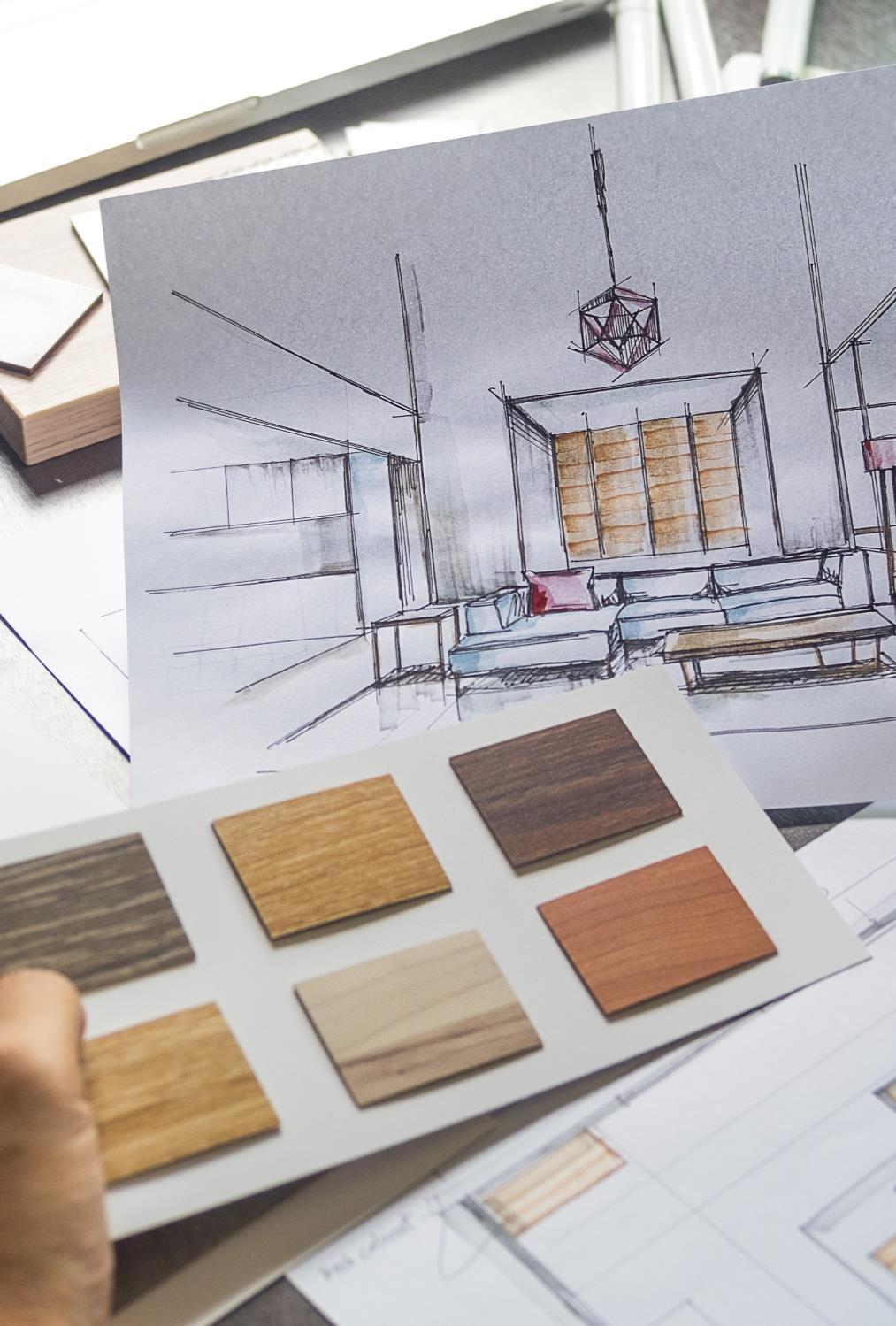
• Carbon-neutral design
• Clean living
• Impact on human experience and quality of life
• The built environment and its impact on climate change
• Eliminating harmful household products and finishes
• Incorporating nature and natural light
• Home as haven from stress
• Spa design
• bathrooms, fitness, yoga, and meditation rooms, outdoor living

Design Wellbeing Trends –What’s Next?
USGBC announced the “Living Standard” campaign, at the 2018 Greenbuild show
• Adoption of healthy spaces for a better quality of life
Most people associate green buildings with energy efficiency, resource conservation and cost savings – not healthy living
Human stories make global impact
• Storytelling – look at life through someone else’s lens
• Listen to other’s stories – share your own
• Help improve the quality of life for others
https://livingstandard.org/

Architectural Coatings Industry and Designing for Wellbeing
Is paint a good option in a sustainable world?
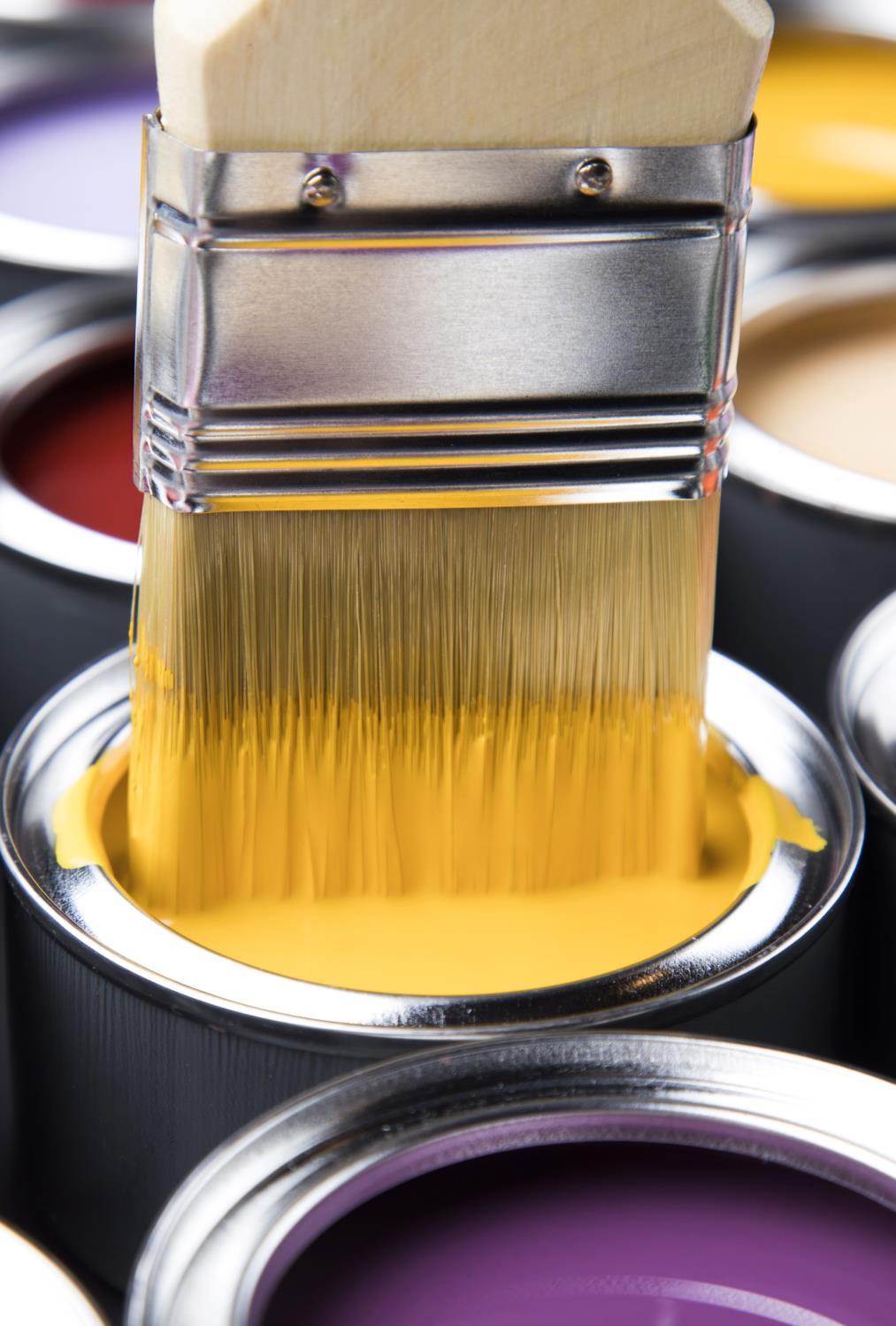
• Paints and coatings provide protection and beauty
• They extend the surface’s life
• By acting as a protective barrier
• A thin coating (few thousandths of an inch) can provide protection from
• Corrosion
• Abrasion
• High or low temperatures
• Chemicals
• Ultraviolet rays
• Moisture
• Microbes
Architectural Coatings Industry and Designing for Wellbeing
Coatings preserve our cars and homes
• And the bridges and tunnels we drive across and through
Coatings help protect our environment
• They save energy by keeping buildings cooler
• Elastomeric
• LRV
• Play an integral part in the use of wind energy
• Keep machinery out of landfills
Architectural Coatings Industry and Designing for Wellbeing
Emulsion technology
Low-VOC paints with high scrub resistance
Available in a variety of finishes including high-gloss
Air barriers
Essential for energy efficient building enclosures
Stop air flow through the building
Increases heating and cooling efficiencies
Source: Courtesy of Celanese Emulsion Polymers
Source: The Technology of Air Barriers, A Durability + Design Collection, Technology Publishing Company, 2012
Specialty low-emitting interior coatings
Protect the health and comfort of sensitive groups
Education, healthcare, care homes
Source: Courtesy of Dunn-Edwards Corporation
Paints (GS-11) Standard
This Standard establishes environmental requirements
• Performance
• Air quality
• Health Products
• Cleaning
• Household
• Industrial
• Paper
• Printer, Writing
• Sanitary
• Construction Materials


Architectural Coatings Industry and Designing for Wellbeing
Addressing Environmental Issues
• VOCs
• Over the last few decades VOC emissions from architectural coatings have drastically decreased
• Between 2008 and 2014 the South Coast Air Quality Management District estimates architectural coating VOCs decreased by over 50%
• Hazardous air pollutants
• U.S. EPA’s Toxic Release Inventory (TRI)
• Releases from coatings decreased by 81% between 1990 and 2014

Architectural Coatings Industry and Designing for Wellbeing
• Recycled Waste
• Total paint waste increased by over 81% - from 1995 to 2013
• US Sales
• More than 90% are water-based
• Waste Solvents
• 97% of waste solvents from manufacturing facilities are reclaimed for future use
• Resource Conservation and Recovery Act (RCRA) Hazardous Waste - US
• Reduced by over one-third (34.8%) since 2001
• EPA categories of hazardous waste
• Ignitability, corrosivity, reactivity, and toxicity
• Paint stewardship efforts
• Unused or leftover paint can be recycled or reused
Resources
• American Coatings Association
• American Institute of Architects (AIA) (aia.org)
• Architecture for Humanity http://architectureforhumanity.org/
• American Society of Interior Designers (asid.org)
• Attia S. (2018) Modern History of Sustainable Architecture. In: Regenerative and Positive Impact Architecture. SpringerBriefs in Energy. Springer, Cham
• AS Deviren, PJ Tabb (2014). The greening of Architecture: A critical history and survey of contemporary sustainable architecture and urban design. Books.google.com
• Dunn-Edwards Paints Green Building Guide
• Environmental Protection Agency (EPA.gov)
• Multibriefs
• Paint.org
• Paintcare.org
Resources
• Painting & Decorating Contractors of America (pdca.org)
• PeoplePlacesSpace.org
• South Coast Air Quality Management District Rule 314 – Fees for Architectural Coatings: Preliminary 2014 Data
U.S. Industry Market Analysis for the Paint & Coatings Industry (2018-2023)
• U.S. Environmental Protection Agency’s Toxic Release Inventory
U.S. Environmental Protection Agency’s National RCRA Hazardous Waste Report, 2001 & 2013
• U.S. Census Bureau’s 2007 & 2012 Economic Census
South Coast Air Quality Management District’s 2012 Air Quality Management Plan
• U.S. General Services Administration (GSA.gov)
• US Green Building Council (usgbc.org)
• Living Standard U.S. Public Research Report (Livingstandard.org)
• Villecco M (1977) Energy conscious design in schools of architecture. J Architect Educ 30(3):6–10