

Year 8 Curriculum Overview Summer Term 2026
Teaching and Curriculum at Hampton Court House
Key Contacts
Katy Deacon
Vice Principal Academic skde@hchnet.co.uk
Paul Pearce
Senior Vice Principal | Operations pgp@hchnet.co.uk
Year 8 Curriculum Overview Summer Term 2026
Katy Deacon
Vice Principal Academic skde@hchnet.co.uk
Paul Pearce
Senior Vice Principal | Operations pgp@hchnet.co.uk
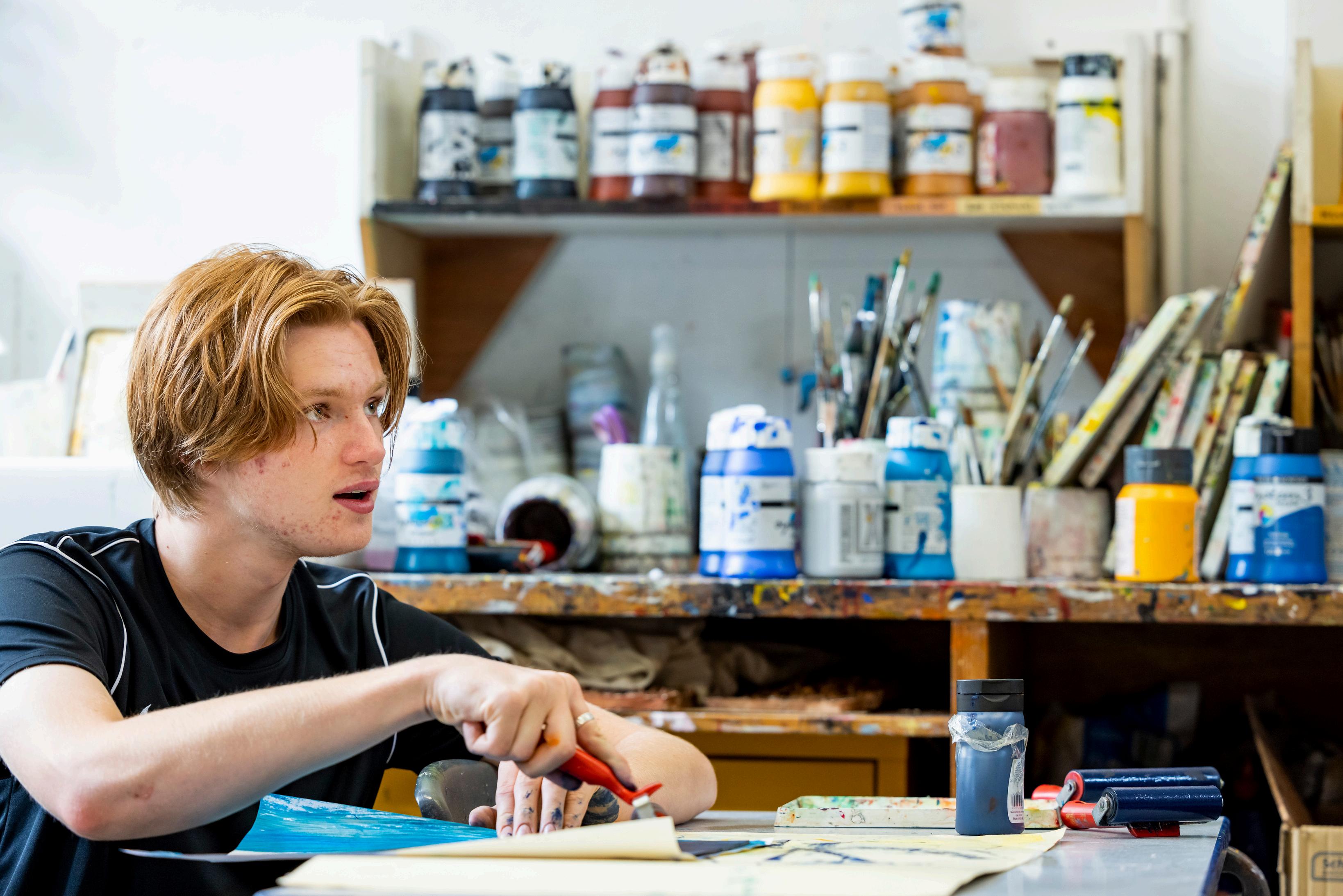
This unit introduces the students to modelling with wire, modroc and found objects
Inspiration is taken from the French sculptor Edouard Martinet and the American Joan Danziger who create insect sculptures with beautiful forms and colours The students will research and design their own insect, incorporating found and recycled objects, and complete
How it is assessed
Student work is assessed during the lessons with practical help offered when necessary Understanding is assessed gradually as they progress because students learn by doing Students are also encouraged to self-assess through refining their own work and reflecting on each other's Their memory and understanding of processes are assessed through write ups which they are asked to document in their sketchbooks at the end of each project
Term
Autumn 1 Graphic design
Interaction of colours.
Autumn 2
Spring 1 and 2
What are we studying?
Summer 1 and 2
Looking at the work of Josef Albers, students reinforce their knowledge of : The properties of colours
And study
How colour and tone create form How context changes appearance
Continuation with colour studies
Looking at the work of German Expressionist painter Gabrielle Munter students will study :
Complementary palettes
How to create harmony through limited palettes
The use and effects of cloissonism
Students will be working throughout this term with acrylic paint
Insect Sculptures
Inspiration from sculptors who use found objects
Design ideas, form, pattern and colours
Collect small, recycled items to incorporate
Use of wire and cutting tools to construct a structural framework
Build up using newspaper and modroc
Complete using acrylic paint
The syllabus in Year 8 includes materials and concepts recommended by the National Centre for Computing Education for Key Stage 3, as well as topics and resources from other established and respected educational organisations. The activities alternate each half-term between predominantly theory topics and then more practical applications.
This ensures the students have hands-on experience of early programming concepts, as well as building an understanding of the wide scope and complexity of the subject. In the theory periods, gamified learning will also be used to illustrate and embellish the topics to maintain student engagement, and in the more practical sessions, students will be required to maintain a log of their activities, which will form part of their assessment.
Each half term there will be a mini test on the topics covered that half term. These will take place online during normal lessons. At the end of the year there will be an end of year exam covering all the topics from the whole year.
This will be during the school’s assessment week. Throughout the year, each student’s written work - completed entirely in Teams/Class Notebook – will be considered in the assessment of their progress.
Term
Autumn 1
Autumn 2
Spring 1
Spring 2
Summer 1
Summer 2
What are we studying?
The year starts with a quick look at the ancient history of computing before moving into the modern-day hardware, CPU and operating systems, and then considering the importance of formal logic, before exploring whether AI means that computers can think.
After half-term, we will start with Python – the programming language of choice for education, data science and even machine learning. The initial course will cover the basic concepts of variables, data types, selection, iteration and search algorithms. The learning will be accessible for novices and those with some prior exposure to programming.
In the new year we will move onto data representation: bits and their storage and transmission. This unit also includes learning the binary number system. We will be dipping back into Python occasionally too.
The second half of the spring term will be taken up with more Python programming –recapping the basic concepts before moving onto more loops, functions and lists.
After Easter students will be studying cybersecurity: scams, misuse, protecting personal data, and piracy and copyright.
In the final half of the summer term, students will have the opportunity to write their own text-based adventure game in Python, as well as revise the topics for the end of year assessment.
Term
Termly rotation Autumn Spring Summer
Core technical principles:
What are we studying?
Developments in new materials
Materials and their working properties
Specialist technical principles:
Using and working with materials
Surface treatments and finishes
Specialist techniques and processes
Designing and making principles: Investigation, primary and secondary data
Prototype development
Material management
Specialist tools and equipment
Specialist techniques and processes
Year 8 Curriculum Overview
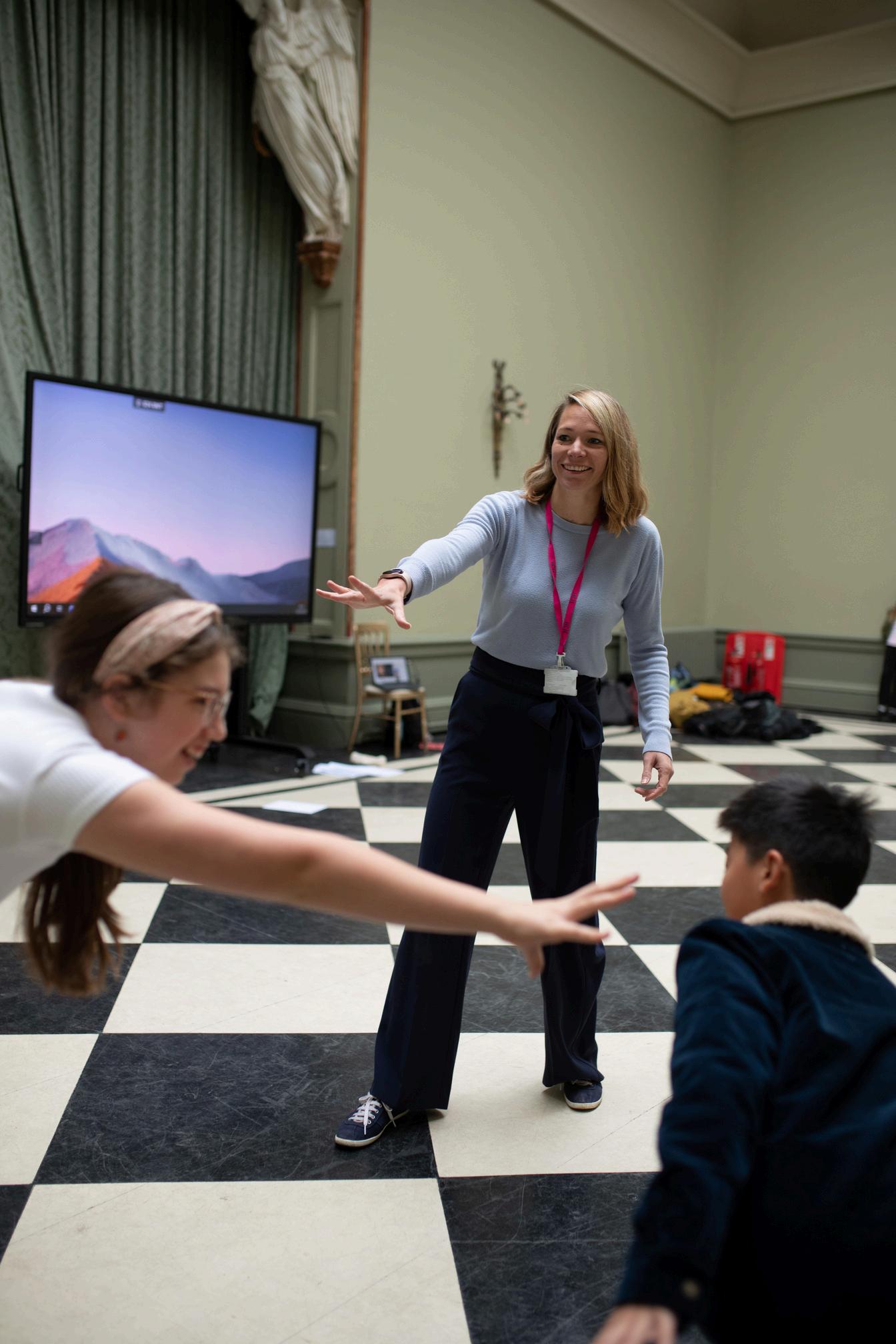
In Year 8 Drama, students deepen their performance skills through an immersive promenade theatre adaptation of The Lion, The Witch and The Wardrobe on Wednesday 3rd June This dynamic performance style encourages students to think creatively about space, audience interaction and storytelling, as scenes unfold around the audience rather than on a traditional stage Students build confidence in physicality, vocal control, and character development as they work collaboratively to manage movement, transitions and atmosphere which also strengthens their awareness of staging, teamwork, and focus
Following the performance project, students shift into a contrasting genre with a ‘Whodunnit’ murder mystery Here they explore the conventions of mystery theatre, such as suspense, dramatic irony, red herrings, interrogations, and detailed character backstories Students develop sharper skills in devising, improvisation and logical storytelling as they piece together clues to create engaging, suspense filled narratives
This unit also sharpens students’ analytical thinking as they learn to construct motives, explore tension, and consider how theatrical techniques can lead an audience toward or away from, the truth It provides an exciting opportunity for students to experiment with voice, physicality and status while crafting memorable suspect characters
How it will be assessed
Rehearsals: Students are assessed on their creative ideas, which the teacher assesses through observations in class
Performance: Students will perform the adaptation of The Lion, The Witch and The Wardrobe to an audience
Term
Autumn 1
Autumn 2
Comedy Techniques Slapstick Mime
Exaggeration Improvisation
What are we studying?
Comedy performances and evaluation Using voice for comic effect Performing comedic scripts Analysing the impact of choices
Term
Spring 1
Spring 2
Summer 1
Summer 2
What are we studying?
The Lion, Witch and Wardrobe Exploration
Exploring the themes of the story focusing on suspending the audience’s disbelief using physical theatre to create imaginary locations
Learning a range of techniques to bring the story from page to stage
The Lion, Witch and Wardrobe Evaluation
Performing small scenes from the play in group Learning how to use voice, physicality and space to convey character and themes
Evaluate the impact of their Dramatic choices
Performing a ‘promenade’ piece: ‘The Lion, Witch and the Wardrobe’
Performing a piece that takes the audience through various locations Devising ideas and developing characters based on a theme Working as an ensemble to produce a performance
Darkwood Manor: Exploring a ‘Whodunnit?’
Character development through understanding motives, backstories, and emotional depth
Learning how to build tension and deliver dramatic moments effectively Using tone, pace, and body language to convey suspicion or innocence
This Summer, Year 8 will be studying The Tempest by William Shakespeare – a play that will take up the entirety of the summer term so that students can analyse it to great depths and finish the whole play in class The students will be focusing on analytical skills primarily with this text, a skill that they have refined and homed in the Spring term whilst exploring the literary canon The study of The Tempest will be the students’ first foray into what it means to study an entire Shakespeare play with a critical lens, utilising literary analysis to extrapolate meaning Students will complete a lot of character-based work, considering how certain contexts Shakespeare was drawing on shape meaning This will culminate in students being able to produce academically rigorous analytical essays on The Tempest, with key understanding of the literary methods Shakespeare is using, and to what effect
How it will be assessed
Summer 1 The Tempest:
Students will be given an extract from The Tempest and will need to write an analytical essay (minimum three paragraphs) They will be marked on how clear their responses are, their use of quotations, their analysis of writers’ language, and their links to wider ideas, purpose and context
Summer 2 The Tempest:
Students will be given an extract from The Tempest and will need to write an analytical essay (minimum three paragraphs) They will be marked on how clear their responses are, their use of quotations, their analysis of writers’ language, and their links to wider ideas, purpose and context
Term
Autumn 1 and 2
What are we studying?
The Whale Rider by Witi Ihimaera
Autumn 2 Introduction to poetry unit
Epic Poetry
Students will explore Homer’s epics The Iliad and The Odyssey, and Virgil’s The Aeneid They will focus on the following themes:
Love and friendship | Fate | Free will | Honour | The glory of war
Rage | Betrayal
Spring 1
Students will practise their comprehension skills and examine the text with a creative lens, producing text transformations and different pieces of transactional writing The final assessment will be a stylised rhetorical speech from the point of view of Odysseus’s wife Penelope, which will be marked both as a piece of writing and as a spoken performance
Term
Spring 2
Summer 1
Summer 2
What are we studying?
The 19th Century Text - Sherlock Holmes Short Stories by Arthur Conan-Doyle: Character analysis, language, context and structure
The Tempest by William Shakespeare In Summer 1, students will begin and cover the first half of the play Students will learn about the context of the play and the time it was written Students will conduct a detailed exploration of character relationships Key themes that will be covered:
Fate | Magic and the supernatural | Revenge | Love | Forgiveness Man and monster
Students will continue to develop their analysis skills and in-depth essay writing
The Tempest by William Shakespeare, continued In Summer 2, students will complete and cover the second half of the play Students will learn about the context of the play and the time it was written Students will conduct a detailed exploration of character relationships Key themes that will be covered:
Fate | Magic and the supernatural | Revenge | Love | Forgiveness Man and monster
Students will continue to develop their analytical skills and in-depth essay writing
Year 8 (Perrine’s set)
We will continue our work on Tricolore 2 and start unit 4. The students will learn to describe themselves and others, greet and introduce people. We will focus on describing how we help at home and talk about the past. We will then start unit 5. The students will find out about cafés in France, learn to buy drinks, snacks and ice creams, they will also learn to describe recent meals. They will discuss menus, express likes and dislikes and order a restaurant meal. We will focus on the perfect past tense with etre and avoir, regular forms, irregulars, in questions and negative statements. For the end of the term, we will analyse a film and talk about cinema. Finally, we will continue our practice of the DELF A1 skills.
Year 8 (Clarisse’s set)
In the Summer Term, students will focus primarily on preparing for the DELF A2 examinations taking place at the end of June. Lessons will develop all four key language skills - listening, speaking, reading and writing, with particular emphasis on speaking and writing. Students will build confidence using the present tense, past tense and near future, while expanding their vocabulary across the key topics required for the exam. Regular practice and targeted support will help them become familiar with the exam format and expectations. Our aim is to ensure every student is fully prepared and able to achieve their very best in this internationally recognised qualification.
Year 8 (Portia’s set)
We will continue our work on Tricolore 2 and start units 5. The students will find out about cafe culture in France, learning to express opinions and order from a menu. They will also discover a classic French book or film which we will analyse in the French language, with reference to the grammar and vocabulary we have learnt this year.
How it will be assessed:
The four skills (reading, writing, listening and speaking) will be alternatively assessed. There will be a test at the end of each unit for all the skills except speaking that will be carried out separately. The speaking assessment usually takes place when the teacher feels the students confident enough. Vocabulary tests will be done on a regular basis.
Year 8 (Tricolore 2)
Term
Autumn 1
What are we studying?
In Unit 1, the pupils will learn to talk about shops and shopping including what is sold in shops and say how much of something you want to buy they will also learn to talk about money and prices, and they will discuss choices when shopping. they will learn about shopping in France and practise expressing their opinions.
At the end of unit 1 they will practise creative writing.
Term
Autumn 2
Spring 1
Spring 2
Summer 1
Summer 2
What are we studying?
In Unit 2, the pupils will talk about countries in Europe, they will learn the names of different countries and continents. they will talk about modes of transports and what they are or aren't going to do. The pupils will learn to talk about what they can and cannot do and they will be describing places.
In Unit 3 we will work on school and routine. We will learn how to describe a morning or an evening routine, talk about daily activities, talk about what you do and don't want to do, talk more about school and describe a school trip or a day in a French school. Our cultural focus will be to find out about Louis XIV.
Unit 4 is about family, we will learn how to describe yourself and others, greet and introduce people, talk about staying with a French family, discuss helping at home, talk about the past, use expressions of time, talk about presents and what you have done recently, describe a visit, talk about choices, talk about television and books, describe a favourite programme or book.
In Unit 5, we will find out about cafés in France, say what drink we’d like, learn how to buy drinks, food and snacks, describe food and recent meals, understand a short story, say what things did and did not happen, discuss menus, express likes and dislikes and order a restaurant meal.
In Unit 6, we will discuss travel plans and revise the 24-hour clock, understand and ask for rail information, learn which verbs of the perfect tense need the auxiliary être, talk about air travel, describe a journey and a day out, discuss what we did recently, give our opinion, find out about William the Conqueror, describe a journey in the past and practise creative writing.
This Summer Term, our Geography curriculum will focus on the topic of a Local School Enquiry, where students will develop essential skills in conducting a full geographical investigation. They will learn how to plan, carry out, and evaluate a geographical enquiry from start to finish, using our school and its surrounding area as a case study. Through this hands-on approach, students will explore key concepts such as data collection, map skills, analysis, and presenting findings, while also considering the human and physical features of our local environment. This topic will not only deepen their understanding of geography but also encourage critical thinking, teamwork, and critical thought. Students will then complete a short topic in summer 2 exploring the evolution of global mapping through human history, handling real and digital maps to understand how factors such as technological advancement, religion, culture and exploration has influenced how our understanding of the world has changed through time.
How it will be assessed
Two assessments will take place on this piece of work, the first will be a theory test on geographical enquiry components to assess understanding of the core principles of enquiry, before their final assessment where students will present their investigation and findings to the class in a presentation style format. No assessment on Maps and Myths as this will coincide with final year examinations.
Term
What are we studying?
Autumn 1 Focus: ‘What defines populations and settlements?’
Autumn 2 Focus: ‘What lies in my Frappuccino?’
Spring 1 Focus: ‘Do the push factors outweigh pull factors for international migration?’
Spring 2 Focus: ‘How dangerous is climate change?’
Summer 1
Focus: ’Geography of the United Kingdom’
Where is the UK and what is it like? Where does UK place in the wider world?
Physical features of the UK? Upland and lowland areas, major rivers
Weather and climate of the UK Seasonal changes and UK weather patterns
Population and settlements in the UK Urban and rural life in the UK
Economic activity and tourism in the UK
Summer 2 Focus: Maps and Myths
Students learn how people viewed the world before accurate mapping
Study early maps such as medieval world maps and ancient examples
Explore how religion, beliefs and power influenced maps
Understand that early maps were often not accurate, but reflected ideas and values
Learn how maps were used to show importance, control and influence
Study key explorers including: Christopher Columbus, Ferdinand Magellan, Zheng He, Ibn Battuta.
Learn about their journeys, routes and discoveries
Understand how exploration helped expand knowledge of the world.
Students will be exploring British, European and world history, c.1500-c.1900. Within each of the broad topics listed below, students will investigate a series of enquiry questions, written to pique their interest in the past and provide them a problem to wrestle with, just as historians do.
How it will be assessed
Students will complete in-class assessments, including essay writing, source analysis, knowledge tests, and creative challenges. Essay writing will challenge students to communicate arguments about historical concepts, such as causes or change and continuity. Source analysis will challenge students to critically evaluate materials from the past, explaining what we can learn from those materials and why they are valuable.
Knowledge tests are intended to teach students the important skill of revising content, so they are well prepared in techniques that will serve them through to A Level should they wish to pursue it. Creative challenges are designed to push students to represent their historical knowledge and understanding in a way that mimics the application of history in the world today, including media-based applications such as TV and documentaries. Assessments will take place each half-term, giving students opportunities to learn, apply, reflect and then practise again at regular intervals.
Term
Autumn 1
Autumn 2
Spring 1
Spring 2
Summer 1
Summer 2
What are we studying?
The Big Story of the Early Modern period, 1500-1900 Assessment: Do you agree with Collin’s view on how Europeans redefined themselves, 1500-1900?
Rulers in focus: Who did it best: the Tudors or the Ottomans Assessment: Empires compared, in what ways were the Tudors and Ottomans similar and different?
Early Modern Beliefs & Power Assessment: Substantive knowledge test
Early Modern Ordinary Lives: did they get better? Assessment: Substantive knowledge test
Diversity: Early Modern Migrants Assessment: Create and explain a poster, infographic or digital presentation commemorating the impact of at least one of the four migrant groups studied in this unit.
World Study: The Americas Assessment: Write a diary/journal from the perspective of a traveller to the Americas, documenting the impact over time of European exploration and colonisation of the region.

Year 8 Curriculum Overview
In the Summer term year 8 will be moving to Latin to GCSE Chapter 5 and 6. We will continue to explore the passive voice for the imperfect, future, and present tense verbs and types of adjectives. Students will continue to expand their comprehension and translation skills to complete their OCR Latin Entry Level Award.
How it will be assessed
Students will be assessed on vocabulary knowledge 20-5 words per week. There will be half termly comprehension and translation tasks to assess their vocabulary and syntactical knowledge. They will sit the Entry Level Award language papers in May.
Term
Autumn 1
Autumn 2
Aeneas and the Roman Future
Spring 1
Spring 2
Summer 1
Summer 2
What are we studying?
Personal pronouns and possessive adjectives
Future tense of ‘sum’ and ‘possum’
Adverbs from adjectives and temporal adverbs.
From Aeneas to Romulus: The Roman kings Third person subject and object pronouns Third person subject and object possessives.
Sabine Women and the Ascension of Romulus
Perfect tense of regular verbs
Imperfect tense of ‘sum’ and ‘posse’.
Tarquinius Superbus - Last King of Rome
The Rise of the Roman Republic.
Roman Heroes: Horatius and Mucius Scaevola Active voice verbs (imperfect, future and present).
Cloelia and Coriolanus
Future, present and perfect tense verbs Direct questions, the vocative case and regular imperatives.
ELC study and assessment of Roman religion – Lupercalia and Sauvotorelia rituals
Writing person.
Adverbs from adjectives
Comparative and superlative adjectives
Perfect tense of Sum and Posse ELC practise papers and vocabulary.
Chapter 6: Compound verbs, time, space, place phrases.
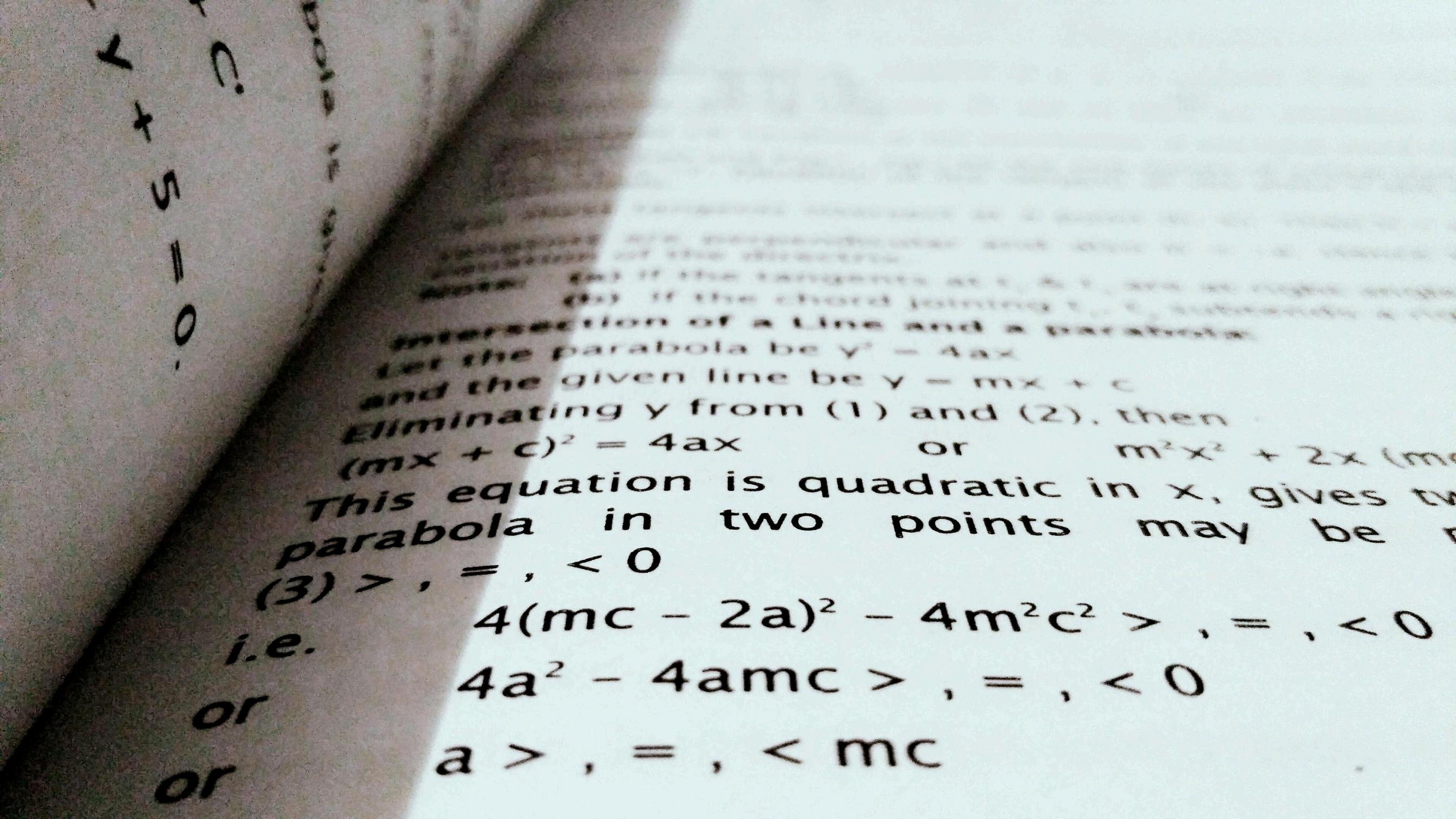
Throughout Year 8 students have broadened their mathematical understanding with a wide range of topics in all areas of mathematics: number, algebra, shape and space and data handling. In the first half of Summer they will study the following topics:
Calculator Skills: an important topic as the IGCSE requires expert understanding of how to use the calculator to its fullest. Students should all be bringing in a scientific calculator to make the most of this topic.
2D and 3D Images: representing 3D shapes in 2D using isometric drawing and nets and plans and elevations.
Average and Range: understanding how to interpret different measures of central tendency and spread to understand datasets.
Volume and Surface Area: specifically, volume and surface area of all shapes with constant cross-sections such as cubes, cuboids, cylinders and other prisms. Students will revise areas of basic shapes during this topic.
The second half of the term will be dedicated to revising the year’s content in advance of the students’ end of year exams.
How it will be assessed:
Students will sit a 45-minute written assessment at the end of the term. They will also have continuous assessment through low-stakes mini-tests, so that they can track their progress and what areas of development they might need to work on.
Term
Autumn 1
What are we studying?
Percentages and Money Indices Equations.
Autumn 2 Sequences Ratio.
Spring 1
Spring 2
Summer 1
Summer 2
Index Laws Equations of Straight Lines Sequences Metric Conversions.
Ratio
Constructions and Loci Probability.
Calculator Skills Nets of 3D shapes
Volume and Surface Area Averages and Range.
End of year exams
Review and extension of topics based on assessment outcomes
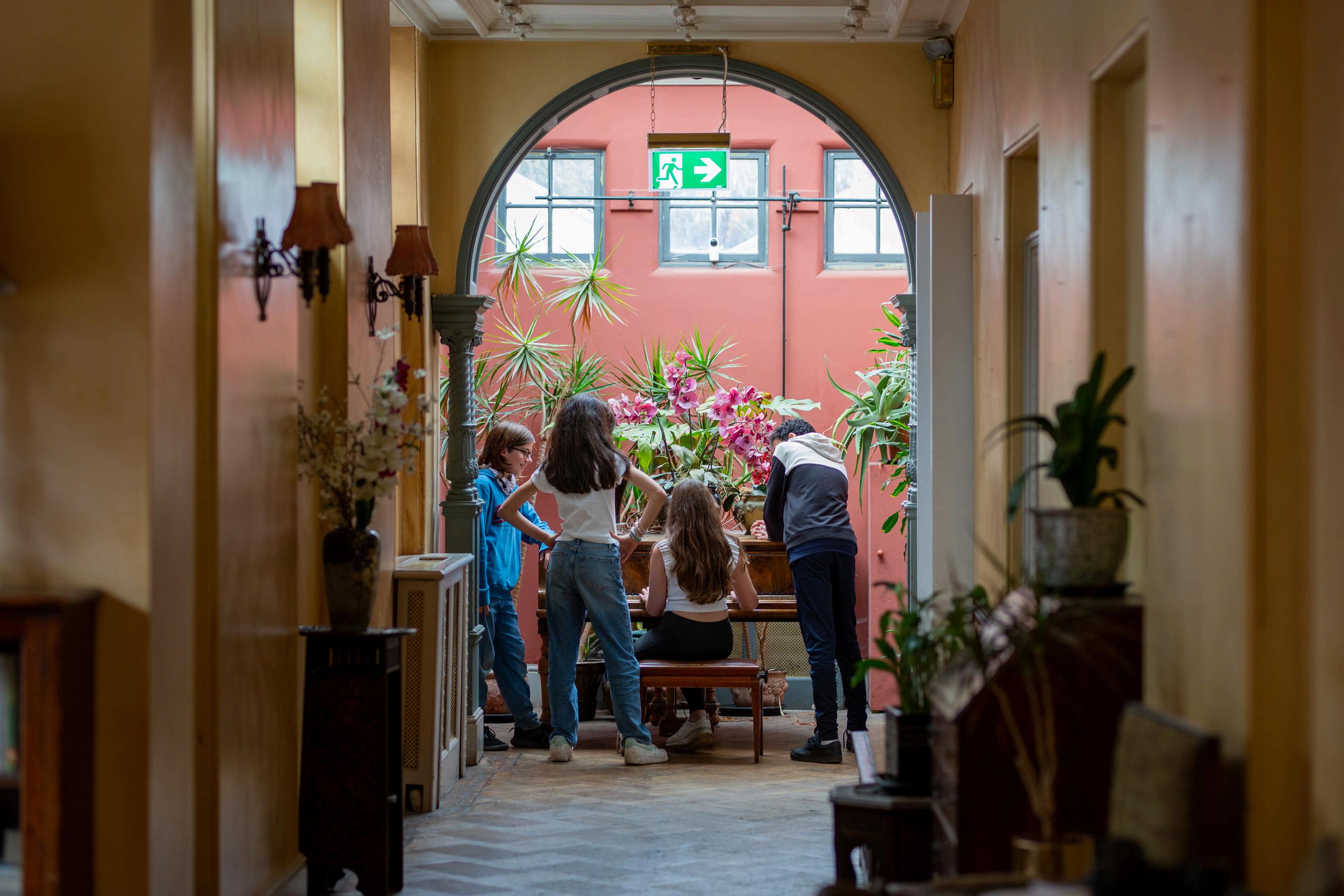
Pupils are introduced to the world of musical theatre, exploring how music, drama, and movement combine to tell a story They will listen to and analyse songs from a range of well-known musicals Through practical work, pupils will develop their singing and ensemble performance skills They will explore how music can communicate character, mood, and narrative Pupils will rehearse and refine a group performance of a musical theatre song The unit culminates in a final performance, demonstrating confidence, expression, and teamwork
How it will be assessed
Formative: takes place throughout via observation, questioning, and verbal feedbcak
Summative: final group performance, assessed for accuracy, expression, and ensemble skills
Term
Autumn 1
What are we studying?
Theme and Variations:
Analysis of well-known themes and variations
Study of the musical elements to change a musical theme Playing well known themes on the keyboard Creating own variations on a well-known theme.
Christmas Song Arrangements:
Tech Lab skills using Logic Pro
Autumn 2
Spring 1
Spring 2
Summer 1
Summer 2
Recording a well-known Christmas Carol into Logic Pro Remixing, using premade and own loops Music editing skills.
Blues and Jazz:
The origins of blues
Listening and analysing to famous blues pieces
Playing the 12-bar blues chord progression and walking bass Improvisation using the blues scale.
Preparing for blues performance
Blues influence on other genres: jazz and modern music
Recording blues compositions in the Tech Lab using Logic Pro
Introduction to musical theatre and understanding how songs tell a story. Exploring song types and developing ensemble singing skills. Using voice and expression to convey character and emotion. Rehearsal and final performance of a group musical piece.
Improve performance and song delivery. Perform the completed song and evaluate the process. Songs for the HCH Shakespeare Arts Festival.
In the summer term, students explore the philosophy module The Individual and Society, which encourages thoughtful reflection on belief, identity and social responsibility Pupils examine questions around religion and freedom of belief through contrasting philosophical perspective and consider debates about secularisation and whether humans are naturally inclined to believe The module also introduces careful, age appropriate discussions about gender, race and queerness, focusing on how prejudice can arise and how philosophical thinking helps us to question assumptions and understand others Throughout the course, students are supported to develop reasoned arguments, respectful dialogue and critical thinking skills about the society in which they live
In the first half of the summer term, we will turn to the concept of freedom We will study Mill’s harm principle and his views on free speech, as well as Sartre’s existentialist perspective on freedom and choice The discussion will include the idea of absolute freedom and the distinction between positive and negative liberty, encouraging students to reflect on what it means to be truly free
Students will complete one end of year assessment in June including essay writing and questions to check their knowledge of key ideas and concepts They will have an assessed presentation on our final topic of the term

All students from Y7 – 11 will focus on two main topics ‘Healthy Body and Healthy Mind’. Each year group will work in a manner appropriate to the year group, exploring age-appropriate ideas and resources.
In summer 1, our PSHE curriculum will focus on cultivating a "Healthy Body," where students will explore the fundamentals of nutrition, exercise, and personal hygiene. Through engaging activities and discussions, they'll learn how to make informed choices about their physical health, understand the importance of a balanced diet, and recognise the benefits of regular physical activity.
Moving into summer 2, the focus will shift to "Healthy Mind." Here, students will delve into topics such as emotional wellbeing, stress management, and the importance of mental health. Interactive lessons will equip them with strategies to maintain a healthy mindset, improve their emotional resilience, and understand the value of mindfulness and positive thinking. This holistic approach aims to empower students with the knowledge and skills to lead balanced, healthy lives both physically and mentally.
We aim to make all PSHE sessions as relevant to the students and their current needs and concerns, therefore out content is changeable, and suggestions and feedback are welcome at any time from students and parents.
How it will be assessed
PSHE lessons are predominantly discussion based, with some written tasks for deeper comprehension and application. At the end of each half term, the students will complete self-reflection sheets for teachers to monitor understanding and adapt future teaching.
For the end of this academic year 2024-2015, Year 8 Students will be following the topic 4 and 5 from the book Viva 2.
Unit 4: What do we do?:
In this unit, students will develop the language needed to talk about social plans and free-time activities. They will learn how to arrange to go out, make excuses, and describe how they get ready, as well as discuss clothing and sporting events.
In terms of grammar, students will practise using key structures such as me gustaría + infinitive, common verbs like querer and poder, and reflexive verbs. They will also begin to use a range of tenses to describe different situations.
By the end of the unit, students will be able to take part in simple conversations about making plans and everyday activities, expressing their preferences with increasing confidence and accuracy.
Unit 5: summer holidays:
In this unit, students will focus on describing holidays in the past. They will learn how to talk about where they went, what they did, and how their holiday was, as well as describe specific moments such as the last day of a trip.
In terms of grammar, students will develop their understanding of the preterite tense, including key verbs such as ir and ser, as well as regular -ar, -er, and -ir verbs. They will also work on improving the quality of their spoken and written Spanish by making their sentences more detailed and engaging.
By the end of the unit, students will be able to give a short presentation about a past holiday, using a range of verbs and structures with increasing confidence and accuracy.
How it will be assessed
When it comes to assessing this part and ensuring that students have acquired the appropriate knowledge on the topic, they will have regular vocabulary and grammar test, an End of unit exam that includes reading, listening, translations, and writing sections, after finishing a unit, and an End of Year Exam that will covered different types of activities and all the topics seen over the academic year.