
Susie Byers
Head of Prep sby@hchnet co uk
Katy Deacon
Vice Principal Academic skde@hchnet co uk
Rob Armiger
Assistant Principal | Director of Studies rwa@hchnet co uk
Imogen Stone
Assistant Principal | Teaching & Learning ist@hchnet co uk
Paul Pearce
Senior Vice Principal | Operations pgp@hchnet co uk
Year 4 Curriculum Overview
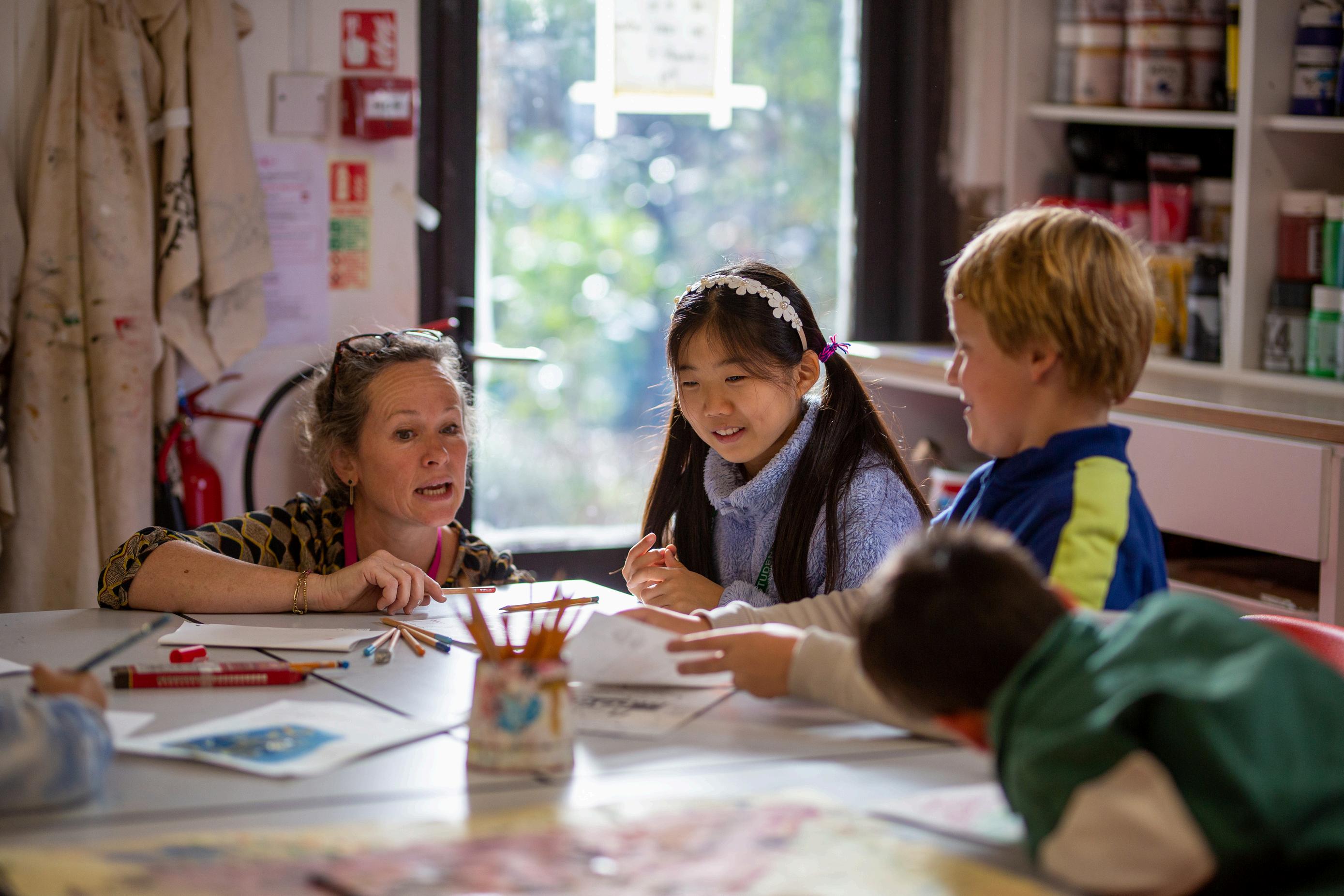
Take One Picture: Year 4 will be learning about the artwork ‘The Muse’, by Cosimo Tura. The project, run by The National Gallery, encourages the students to find their own inspiration from the picture, then creatively explore their ideas to produce a collaborative artwork.
Term
Autumn 1
Autumn 2
African masks: Studies of different parts of Sub-Saharan Africa and the different types of masks, detective skills in looking for clues in shape, pattern, texture, material. Symmetry, drawing, printing, developing skills in papier mâché construction.
African masks continued: Pupils will develop portraiture skills though follow up studies to the mask project, looking at artists who have been inspired by African masks, the Primitive art movement, Picasso, Matisse.
Spring 1 Greek Myths: Learning about some of the Greek Myths, pupils will make art in response to the story of Theseus and the Minotaur, the Trojan Horse, the Twelve Labours of Hercules.
Spring 2
Summer
Romans: Pupils will learn about the importance of Roman pottery and use clay to make a traditional Roman game and a pot inspired by the Roman face pots discovered throughout the UK by archaeologists.
Take One Picture: Year 4 will be learning about the artwork ‘The Muse’, by Cosimo Tura. The project, run by The National Gallery, encourages the students to determine their own path to create a collaborative artwork.
This term Year 4 will discover the Roman Empire and the mysteries behind it as well as how children are living around the world and capitals.
History
The pupils will learn about the Roman Empire: when and how the Romans conquered Britain, key facts about the invasion of Britain, why Romans built new roads in Britain and how/where. They will also learn who Emperor Hadrian was and how he built a wall. Finally, they will discover Romans’ religious beliefs and the gods/goddesses they worshipped.
Geography
In Geography, they will read and discover how children are living around the world through the book “children just like me”, “des enfants comme moi”. Then the children will talk about them and make a ten-minute individual presentation. Presentation should include, geography features, language, food, and traditions.
Term
Autumn 1
Autumn 2
Spring 1
Spring 2
Summer 1
Summer 2
What are we studying?
We will discover the Ancient Egyptian civilisation and their myths. We will explore geographical similarities and differences through the study of human and physical geography of a region of the United Kingdom, as well as regional differences in Europe and North and South America. We will also identify the position and significance of latitudes, longitudes, the equator, and the northern and southern hemispheres.
We will continue learning about Ancient Egypt, looking at their beliefs, gods and goddesses, and important traditions. We will explore the world’s countries using maps, focusing on geographical areas of interest and their human geography.
We will discover the Ancient Greek civilisation, examining artefacts, daily life, and the development of democracy. We will also discuss the differences between Sparta and Athens. In geography, we will learn about weather forecasts, climates, and natural disasters.
We will discover the Olympic games and their origins and the associated Olympian Gods. We will explore geographical regions around the world, using maps to focus on areas of interest in Greece, Germany and Italy, as well as exploring their human geography.
We will deepen our understanding of the Romans in Britain by learning why the Romans invaded, why they built new roads, and how and where these were constructed. We will also discover who Emperor Hadrian was and how he built the wall defending the northernmost point of the Roman Empire. Using the graphic novels ‘Asterix and Obelix’ by Goscinny and Uderzo to talk about: Alesia, druids, menhirs, the Roman army, Roman Gaul (France) and Roman monuments. Pupils will compare feature between the Roman and civilisation of the Gauls.
Pupils will present their learning using the geographical concepts studied throughout the year.
The Summer Term begins with an investigation of a range of traditonal stories from Africa. Year 4 will look at Ananse Stories and understand the morals and teaching behind each tale. Children will continue to practise extending sentences using a range of devices and will write their own African inspired stories incorprating sophisticated vocabulary and punctuation.
Year 4 then move onto exploring issues concerning animals in captivity, reading texts including Zoo by Anthony Browne and Rainbow Bear by Michael Morpurgo. The aim is to be able to write a persuasive text using adverbials and expanded noun phrases. Just before the May half term the children will look at poems for everyday of the year – we will be using the gorgeous book, ‘I am the Seed that grew into a Tree : A Nature Poem for Everyday of the Year’. Year 4 will compare and analyse a variety of poems ; study fronted adverbials and possessive apostrophes.
The final half term of Year 4 begins with reading Michael Morpurgo’s The Butterfly Lion. This is a sensitive book with a range of historical references. The children will discuss , compare and analyse the content, plot and character with refernece to the background story of WW2. Children will write another chapter for the book – hopefully we could send them to Michael Morpurgo and see what he thinks!
We then have a unit based on recounts and biographies – investigating the style of writing in ‘Henry’s Freedom Box’and the biography’ ‘Who was Rosa Parks?’. Year 4 will explore the use of dialogue punctuation, apostrophes and cohesion in paragraphs. Our final topic is a poetry unit – the children will enjoy reading, learning and performing some fantastic poems from the anthology, ‘Off by Heart- Poems for YOU to Remember’.
How it will be assessed
Assessment will be through daily marking and feedback. Through discussion and questioning. At the end of each unit the children will be writing in the style of the author or poet they have been reading. There will also be informal assessment of writing, reading and SPaG at the end of each term.
Term
Autumn 1
Autumn 2
Spring 1
Spring 2
What are we studying?
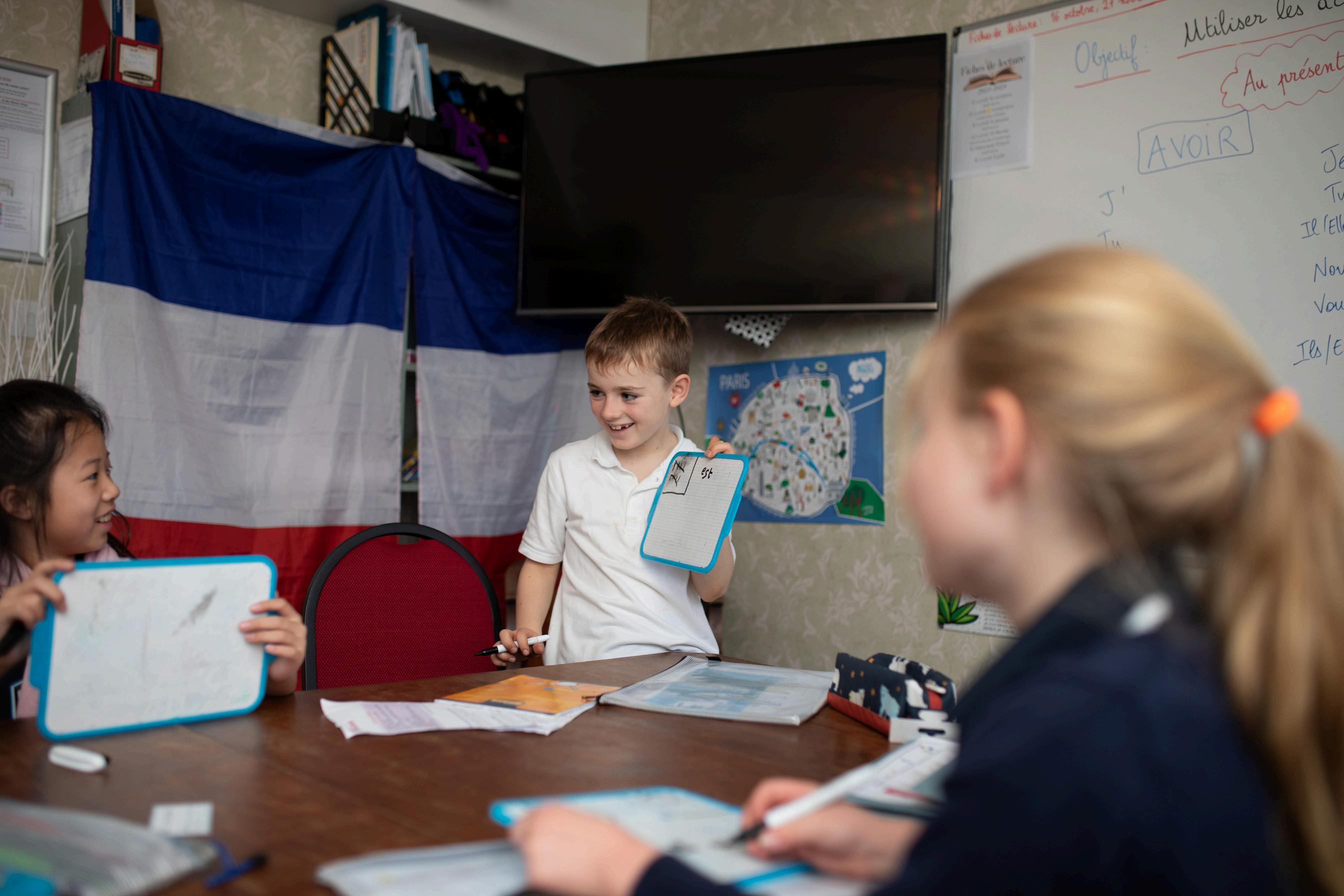
This term, the children expanded their language skills through a combination of Passe-Passe 2 and Passe-Passe 3. In Autumn 1, they practiced French greetings and began using er verbs in the present tense. They explored how to describe their family using possessive adjectives such as mon/ma, ton/ta, and son/ses. The children also reviewed colours and analysed a poem featuring similes involving colours, which enhanced both their vocabulary and their creative expression. They learned to describe pet animals, focusing on proper adjective agreements, and explored vocabulary related to school subjects.
Building on their progress in Autumn 1, the children explored vocabulary related to different jobs and school objects. They had their first introduction to the conditional tense when learning how to express aspirations, using phrases such as je voudrais être (I would like to be). They also learned how to describe their school day using reflexive verbs. To conclude the term, the children developed their writing skills by creating Christmas cards in French, which helped consolidate their learning in a festive and creative way.
Unit 3, titled “Mehdi chez ses grands-parents au Maroc,” is focused on learning how to describe clothing, give instructions, and discuss habits. The children will expand their vocabulary related to these themes and learn new grammatical concepts, including verbs ending in “-er” and words describing intensity. Set in Morocco, this unit also provides an enriching opportunity for the children to explore and discover Moroccan culture.
Unit 4, titled “Pablo en classe découverte en Provence,” will teach the children how to describe a place, narrate an excursion, and buy food in a supermarket. They will expand their vocabulary related to these themes and learn new grammatical concepts, including the conjugation of the verb “partir” and words used to describe location. Set in Provence, this unit also offers the children the chance to explore and appreciate various cultural aspects of this region in France.
Term
Summer 1
Summer 2
What are we studying?
In Summer 1, the children will explore the language needed for shopping and ordering food, practicing phrases such as "Je voudrais..." (I would like...) and "Combien ça coûte?" (How much does it cost?). They will also learn vocabulary related to food and drink, enhancing their ability to engage in real-world interactions. Additionally, they will focus on expressing preferences using "j'aime," "je déteste," and "je préfère." The children will continue developing their listening and speaking skills through role-play activities.
In Summer 2, the children will consolidate their learning through storytelling and projectbased activities. They will explore famous French tales and fables, enhancing their reading comprehension and creative writing in French. The children will also learn how to describe holiday activities and future plans using the near future tense (aller + infinitive). As with previous terms, weekly spelling tests and an end-of-term assessment will help monitor their progress and reinforce key learning objectives.
Year 4 Curriculum Overview
As part of their learning, pupils will develop their reading and writing comprehension skills through the study and creation of poems. They will also explore irregular plural nouns and deepen their understanding of word classes (verbs, adjectives, nouns, and determiners). Expanding their specific vocabulary and learning to identify the structure of a text will further enhance their literacy skills. Additionally, they will engage with literary texts to improve their reading comprehension, while working on synonyms and grammatical homophones. Writing practice will focus on creating a structured and coherent story, and for recitation, they will study "Écrire à tout venant" by Claude Haller.
Students will be asked to write and present one book review this term on the 20th April.
Year 4 will discover Kirikou et la Sorcière, a beloved animated film by Michel Ocelot that brings African storytelling to life. Through Kirikou’s adventures, students will explore themes of bravery, wisdom, and community, which are deeply rooted in African oral traditions.
The term will conclude with a look at le 14 juillet and its impact in former French colonies, as well as the independence celebrations of Francophone African nations such as Senegal or the Democratic Republic of Congo. We will explore how these countries mark their national days with parades, traditional dances, and musical performances, reflecting on their history and cultural identity.
Term
Autumn 1
Autumn 2
Spring 1
Spring 2
What are we studying?
This term, Year 4 explored the rich diversity of African Francophone cultures. Students began by studying the geography of Africa, focusing on the French-speaking countries. They learned to locate these nations on a map, identify their flags, and understand their predominant religions and cultural contexts. They will look at African culture including food, dress and music.
In the second half of the term, students delved into African Francophone literature, focusing on traditional fables in French. They read and analysed stories such as Le Chasseur et l’Antilope, Shamazulu, Les Trois Vérités, Le Cadeau, Malika et la Sorcière, and Le Lutteur. Through these tales, students explored the morals and values embedded in African storytelling traditions.
Year 4 will discover Kirikou et la Sorcière, a beloved animated film by Michel Ocelot that brings African storytelling to life. Through Kirikou’s adventures, students will learn how storytelling plays a vital role in passing down values and history, much like fables by Jean de La Fontaine in French literature. By comparing these traditions, students will gain a deeper appreciation of how storytelling connects French and African cultures, highlighting their shared heritage and influences.
Year 4 will discover some African stories “Le Coq et le Caméléon”. This traditional fable from Burkina Faso tells the story of a rooster and a chameleon who argue over who is more important. Their dispute leads to a lesson about humility and the value of each creature's role in nature. They will also discover the story of “Le Singe et le Crocodile”, a classic African tale where a clever monkey outsmarts a crocodile, teaching lessons about wit and caution. This story is available in French and offers an engaging narrative for young learners. Trois Vérités, Le Cadeau, Malika et la Sorcière, and Le Lutteur. Through these tales, students explored the morals and values embedded in African storytelling traditions.
Term
Summer 1
Summer 2
What are we studying?
We will begin by discovering la fête du 1er mai as celebrated in countries like Senegal and Ivory Coast, where workers’ rights are honored with parades and speeches. We will discover the influence of music and dance, from the lively rhythms of zouglou in Côte d'Ivoire to the powerful beats of sabar drumming in Senegal, to celebrate La Fête de la Musique, where African artists showcase their talents, where music plays a central role in daily life and bring communities together.
Year 4 children will discover three French stories from African countries. They will hear La Vache qui voulait apprendre à lire (Guinea), about a cow who wants to learn to read, teaching the value of education. The term will conclude with a look at le 14 juillet and its impact in former French colonies, as well as the independence celebrations of Francophone African nations such as Senegal or the Democratic Republic of Congo. We will explore how these countries mark their national days with parades, traditional dances, and musical performances, reflecting on their history and cultural identity.

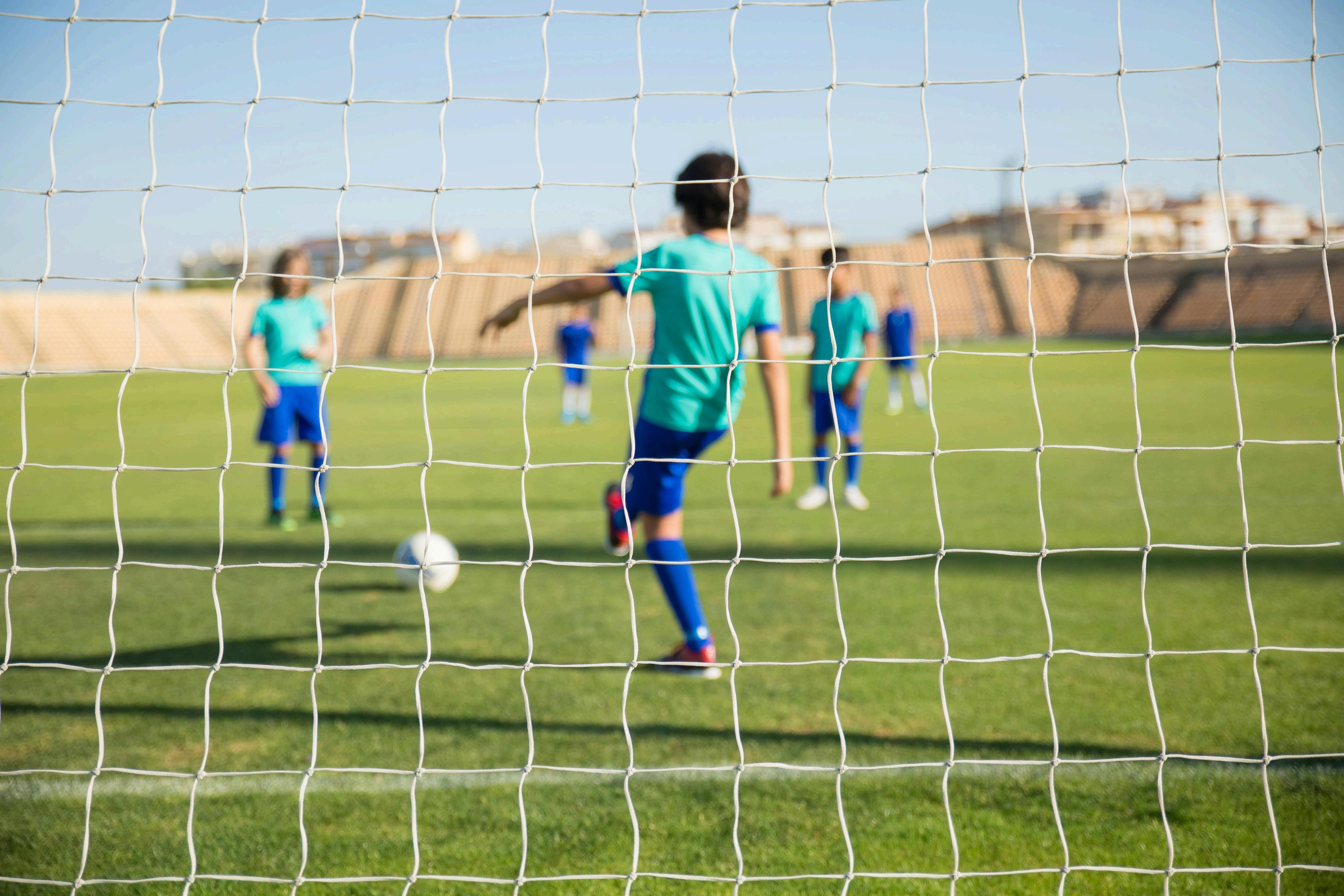
In the Summer Term of 2026, Year 4 students will focus on outdoor activities during their PE lessons to improve their athletics skills. The aim is to help them enjoy, participate in, and succeed in athletics, leading up to a Sports Day in the final half term.
Students will learn basic techniques for running, jumping, and throwing, as well as the simple rules for each event. They will understand the differences between short-distance sprints and longer-distance running and the skills needed for each. Teaching will include both individual and team activities, like relay races.
Students will also play cricket and learn important skills in bowling, batting, and fielding.
We encourage students to have fun in sports and lead an active lifestyle. They will focus on setting and reaching personal goals related to their performance, such as timings and distances. We will promote competition and fair play throughout the lessons.
Term
Autumn
Spring
Summer 2
What are we studying?
Football: passing, shooting, dribbling, conditioned games. Netball: passing, shooting, attack vs defence, positions and conditioned games Games: balance, coordination, agility, stuck in the mud, octopus tag, capture the flag.
Gymnastics: balances, body shapes, travel, jumps and rolls Hockey: passing, shooting, dribbling, conditioned games. Benchball: throwing, catching, positions and attack vs defence.
Cricket: throwing, catching, batting, bowling and fielding Athletics: shuttle relay, 60m sprint, 200m sprint, hurdles, long jump, javelin throw and shotput throw.
Year 4 Curriculum Overview
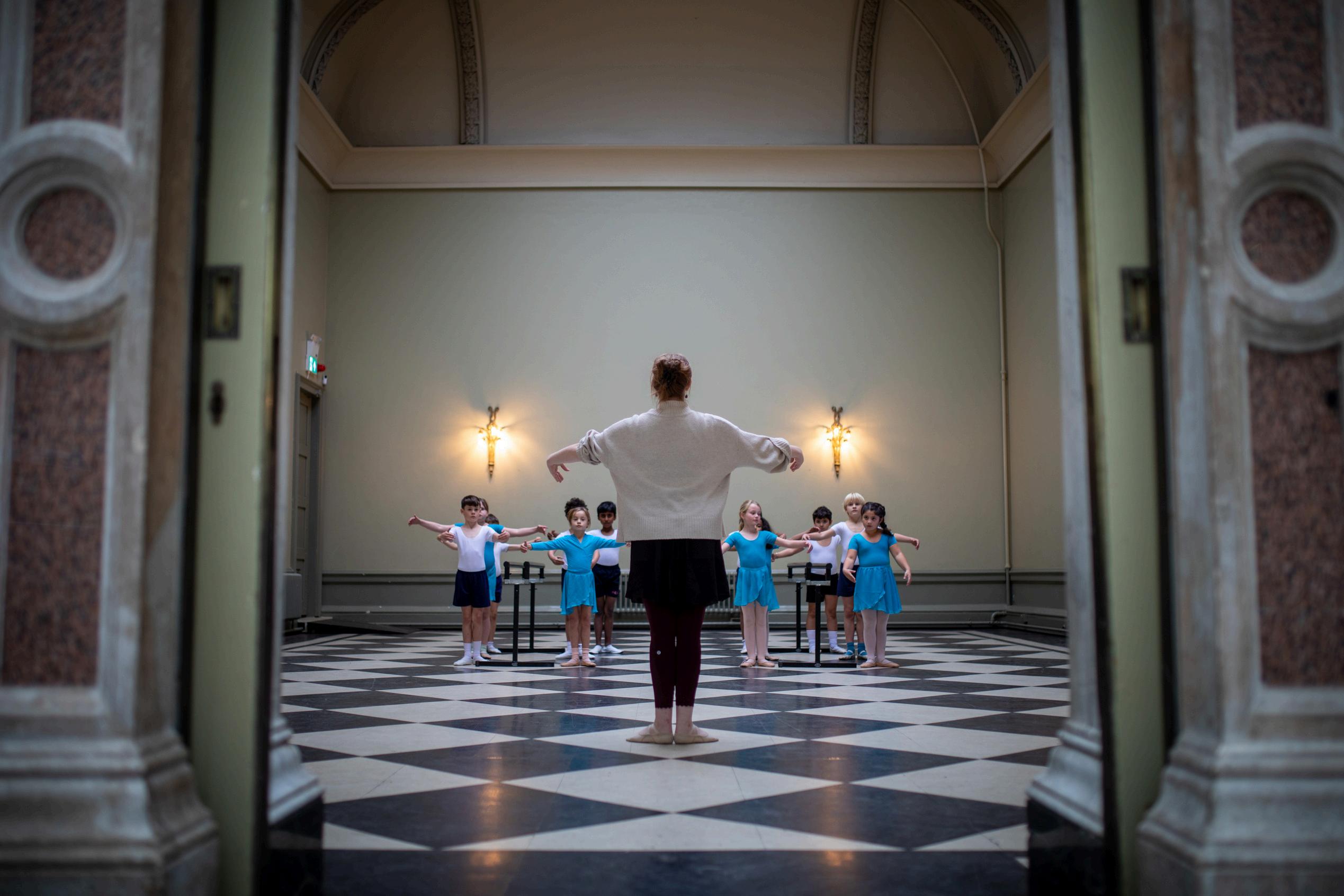
This term students in Year 1 – 4 will be preparing for their showcase on the 2nd July inspired by the world of Beatrix Potter
Throughout the year, there will also be numerous recitals and concerts, providing students with platforms to display their musical abilities and talent
At Hampton Court House, we believe that the performing arts are integral to our school community Therefore, students will actively participate in various performances throughout the year These performances form the backbone of our curriculum We are committed to offering inclusive opportunities that allow every student to showcase their talents
To prepare for these performances students will focus on developing spatial awareness, musicality, vocal, physical, and character skills to enhance their performance abilities They will learn stage craft and understand how to engage an audience
Additionally, we place a strong emphasis on collaborative and creative skills, which are essential for every child's growth Our classes incorporate engaging games and activities designed to foster teamwork, improve peer interaction, and develop the ability to follow directions Students are encouraged to contribute creative suggestions through music, movement, and dialogue, ensuring a wellrounded arts education at Hampton Court House
n the first ½ term we will study Sound. In this capacity we will focus on:
Identifying how sounds are made, associating some of them with something vibrating
Recognising that vibrations from sounds travel through a medium to the ear
Discussing the patterns between the pitch of a sound and features of the object that produced it
Finding patterns between the volume of a sound and the strength of the vibrations that produced it
Explaining how sounds get fainter as the distance from the sound source increases.
In the 2nd ½ term we will study Living Things and their Habitats. In this capacity we will focus on:
1 Living things and their habitats
2 recognise that living things can be grouped in a variety of ways
3 explore and use classification keys to help group, identify and name a variety of living things in their local and wider environment
How it will be assessed
Pupils will be assessed on ½ termly tests to determine understanding and misconceptions. Then in the Summer
Term the pupils will be assessed on the years’ work to evaluate knowledge and understanding.