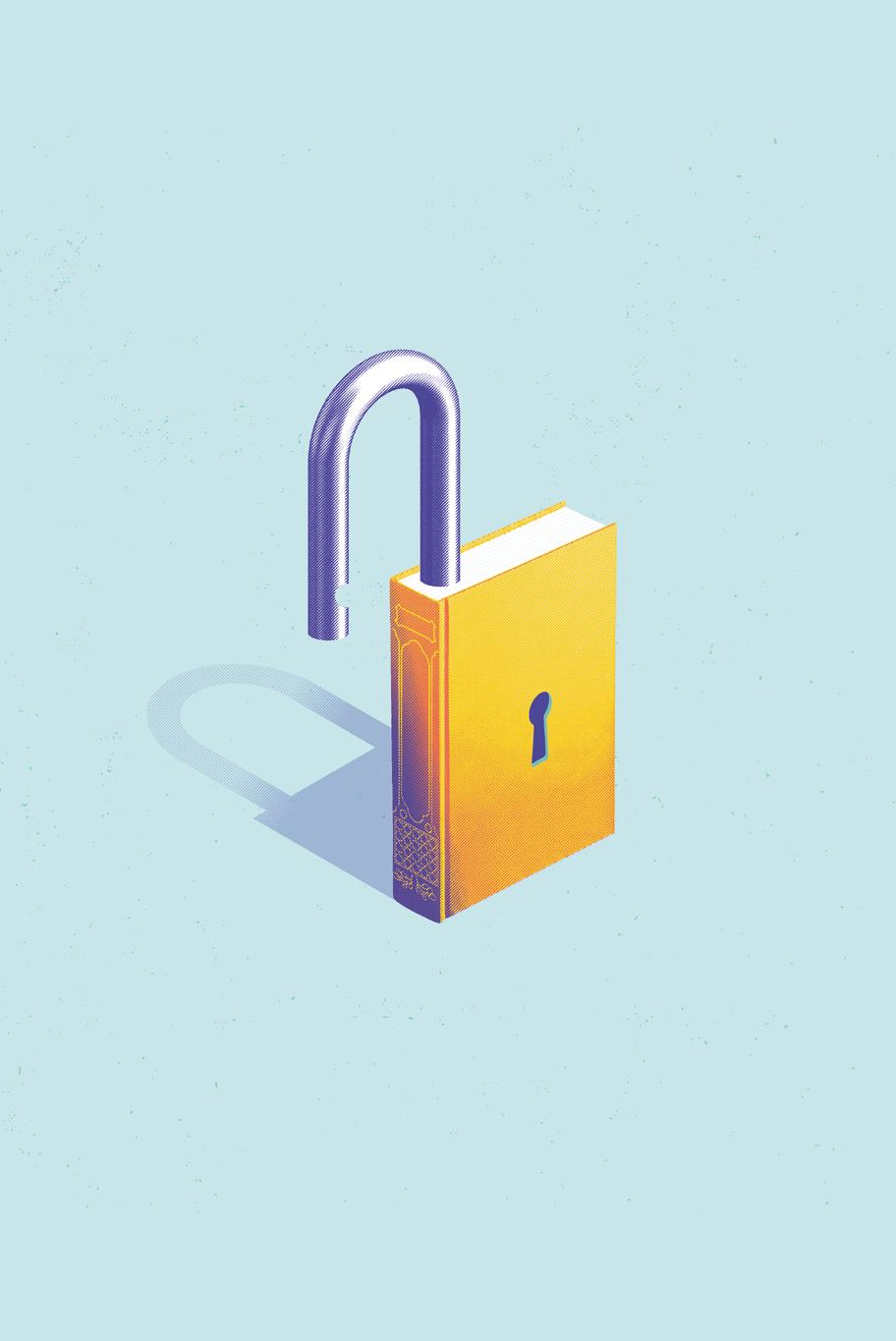


Antonia Dawson, Marketing Manager, Little Dukes, explores the ways in which scrolling has transformed reading
Before I get out of bed, I have already read.
Not a book. Not a chapter. Not even a page. But the weather, a message, a headline, a subject line. A caption. A notification. A few words that arrive with the quiet authority of something important — and vanish just as quickly. We skim this rapid inventory of the world, performed out of habit, unease, as though attention were a duty rather than a choice. Reading now begins before intention has time to form. It arrives already fragmented, already in motion.
The newer model is built around the scroll. The scroll is not a text so much as a stream. It has no natural ending, no edge, no moment that invites you to fold it shut. Its genius is convenience: it brings the world to you, constantly refreshed, constantly relevant. It turns reading into a form of continual contact with news, culture, people, the shifting mood of the day. A single scroll might pass a joke, a war escalation, a confession, a product, a protest — each demanding the same brief glance before yielding to the next. It is physical as well as psychological, carried in a gesture that repeats until it becomes
unconscious: the flick of a thumb, the quiet promise that something better is waiting just below.
This is not accidental. Digital platforms are engineered to dissolve stopping points. They reward presence, not completion. They do not want the reader to arrive at the end of something and leave satisfied; they want the reader to remain.
It would be easy, from here, to reach for a familiar story: reading has declined, attention has been ruined, something pure has been spoiled by something flimsy. Reading was once like walking a path; now it’s like standing in traffic. There is motion everywhere, but little movement. That story is too simple, and it flatters the past. What has changed is not that reading is dying; it is that reading has expanded, broken its boundaries, and taken on new forms.
And yet an older understanding of reading persists, not as nostalgia, but as a standard. The belief that reading should require more than recognition. It demands time, invites silence, asks for a surrender of speed.
The stereotype of reading — a chair pulled toward the light, a book opened, time arranged into a stretch long enough for a mind to settle — was built around the sentence. A complete object: it has direction, it has pace,
it asks the reader to submit to its unfolding rather than force it into haste. It trains the mind toward continuity and makes space for nuance, for lengthy arguments, for emotions that refuse to be reduced.
That image, of course, was never universal. It belonged to those with time, with quiet, with the conditions that made deep reading possible, unevenly distributed.
But it would be dishonest to treat the scroll only as a trap.
The scroll has done something remarkable: it has restored language to ordinary life. It has widened access to journalism, literature, analysis, and art. It has given marginal voices routes into public conversation that did not exist before. It has made reading constant, casual, communal. For many, it has made reading possible at all, not as an act reserved for certain spaces and sanctioned kinds of leisure, but as something stitched into everyday life. For some, it is not a lesser form of reading but the first one that fits.
The modern reader picks out tone at speed: irony, sincerity, coded references, the grammar of memes, the finality of a full stop. They read context not only in the text itself, but around it — replies, threads, quotes, purposeful exclusions. It is skillful. A form of literacy shaped for a crowded field of language.
‘Reading has expanded, broken its boundaries, and taken on new forms’
‘ The scroll has not destroyed reading; it has multiplied it’
It would be too simple to say that this shift represents decline. The scroll has not destroyed reading; it has multiplied it. The modern reader is not illiterate, but overexposed, surrounded by more language than any human mind was designed to absorb.
Here, perhaps, the distinction sharpens: reading is not only the intake of words, but their emotional, educational, and personal impact.
A long sentence does something slow. It builds meaning over time. It creates a room in the mind where an idea can stretch out and become complicated. It invites contradiction. It allows a thought to sit long enough to change the reader.
The scroll does not often make rooms. It makes windows. You glance through. You register. You move on.
It is not reading that is being disrupted, but a certain depth that is beginning to feel rare. Not because screens cannot hold it, but because depth requires conditions: time not broken into fragments, attention not pulled in multiple directions at once, a quiet long enough for meaning to settle rather than be replaced. When reading becomes fast, writing follows. Sentences shorten. Paragraphs thin. Thoughts are packaged to survive skimming. Emotion becomes legible in symbols, and
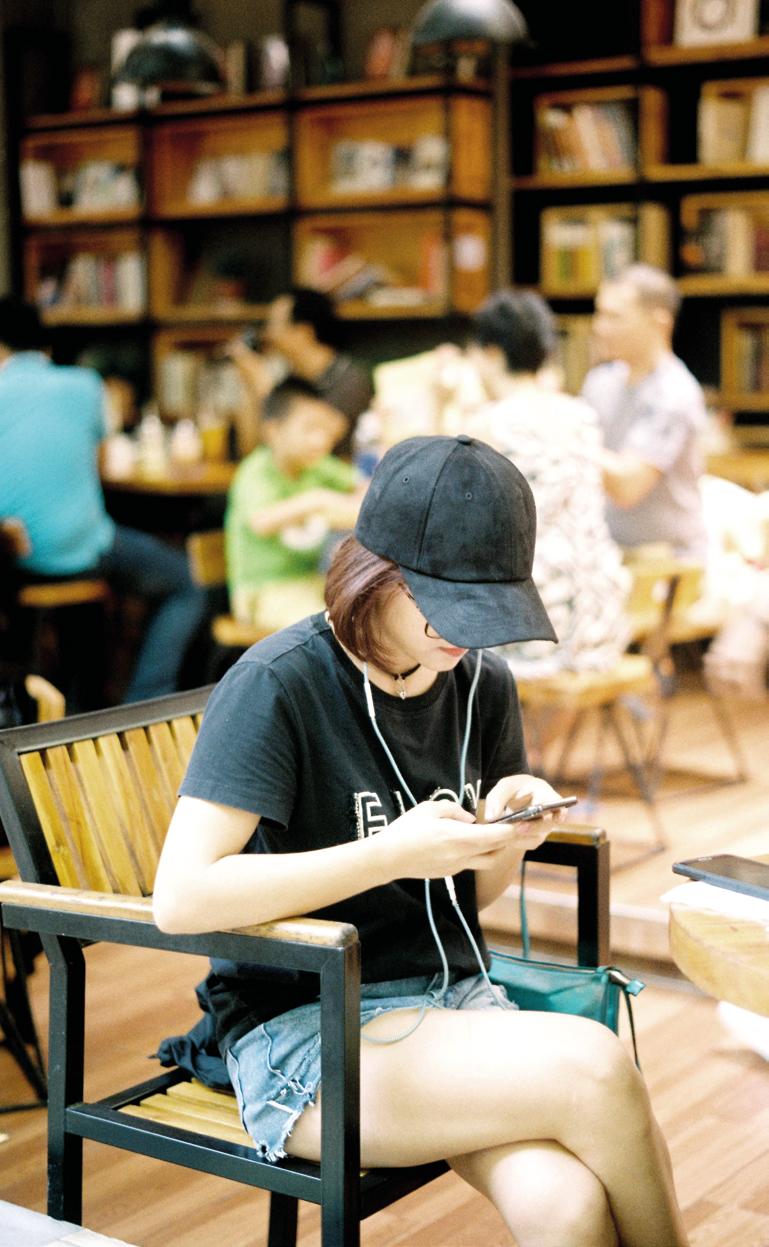
‘ Yet deep reading has not disappeared. It has become an act of intention.’
reaction stands in for reflection. In a hurried culture, complexity begins to feel suspect. What takes time is mistrusted. Speed begins to masquerade as intelligence.
It becomes harder to read slowly enough to be changed.
Notice it, in the restlessness at the edge of a paragraph, the urge to extract rather than inhabit, the strange fatigue that comes not from reading too much, but from never staying long enough for anything to leave a mark. Recognition begins to feel like understanding. It isn’t.
Yet deep reading has not disappeared. It has become an act of intention. Sometimes it returns through paper: a book opened and held long enough for the mind to soften, a poem reread until it deepens, a long essay printed and marked by hand. Sometimes it returns on the screen itself: a piece of writing that makes the thumb go still, a paragraph that resists skimming, an argument that refuses to be absorbed as a list of points. A subject that unfolds into further reading, further questions, further thought. Even in its noise, the scroll still has the power to lead us somewhere deeper.
Those moments reveal something essential: depth is not tied to format. It is tied to willingness. To interest.
Perhaps the future of reading is not a battle between page and phone, but a negotiation between motion and stillness. Between breadth and depth. The question is not which form should win, but how to live with both without losing the capacities that matter.
The scroll will keep turning long after we look away. It will always offer more — more news, more opinion, more language, more urgency. That is its nature.
But meaning does not live in more.
Meaning lives in what we let stay. Somewhere inside the stillness of a sentence, something waits: not nostalgia, not virtue, but the possibility of being undivided for a moment, of allowing language to do more than inform or entertain. To shape a mind, to widen a heart, to build a quiet inner room in a world that rarely pauses.
Before the day fills itself, before the scroll begins again, there is a choice: to linger long enough for words to take root. ■