Dukes is a family of schools, teachers, learners, parents and partners connected by our pursuit of an extraordinary life for every member of our community.
We believe that education is a journey to be enjoyed and shared at every stage of life. Insight is testament to this ongoing commitment to learning: a termly publication of articles written by some of the extraordinary educationalists in our schools and organisations.
dukeseducation.com
No.21
Dukes Plus
are we getting wrong about children’s nutrition
how to return to what really matters.
Sophie Nicholas, Assistant Director of Sport and Head of Year 7, Radnor House School
Haute canteen: transforming school lunches by Alex Wareing, Business Manager, The Pointer School.
Tim Fish
Editor’s letter
Tim Fish, Editor-in-Chief of Insight, is CEO, Dukes Education, UK, and founder of Earlscliffe, a co-ed, international boarding school for students aged 15-19, in Folkestone, Kent.
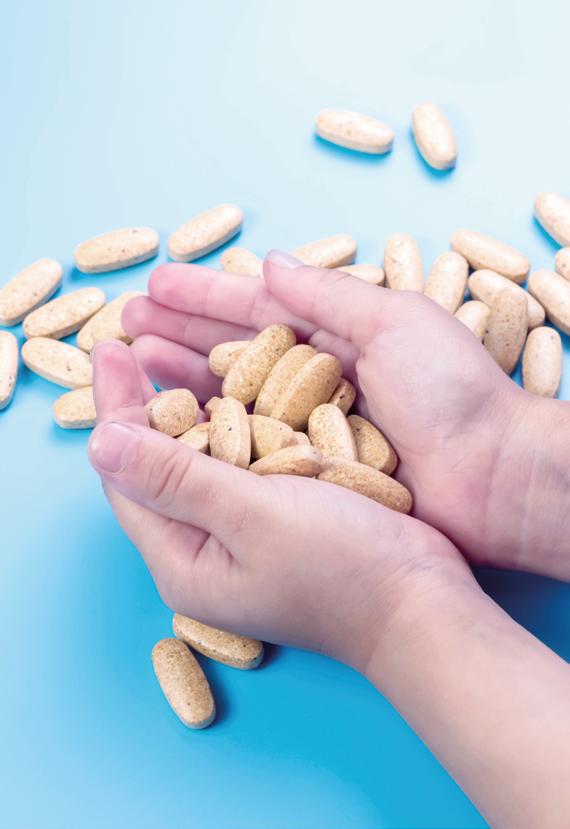
Welcome to our latest edition of Insight (as it turns 21…) and its theme of Health and Nutrition. This includes a piece by our very own medicin-residence, Dr Ricky Tavares, founder of The Medic Portal and now Director of Dukes Plus. The article examines the part played by supplements in today’s young lives.
The phrase mens sana in corpore sano (“a healthy mind in a healthy body”) comes from Juvenal’s Satires (c.100130 AD). This ideal emphasises the interconnectedness of mental and physical health, which, in the growth of English ‘public’ schools in the 19th century, was also wrapped around a religious core.
Thomas Hughes’ Tom Brown’s School Days (1857) depicts a healthy life as one based on muscular Christianity. Undoubtedly, sport was a key element to school life. But what of the diet? On his way to
Rugby School for the first time, Tom has breakfast consisting of hot meats, toast, muffins, eggs and even kidney and pigeon pie. While boarding at school, meals prove equally heavy in carbohydrates and protein. Jugs of beer are served. Fruit is mentioned only after sports matches. If I think back to my own school meals, lunches were indeed heavy and we removed gumshields to suck orange quarters at half-time in rugby matches, suggesting little really changed in ‘school dinners’ for about 140 years or so!
Many rail against the so-called ‘nanny state’, but legislation around sugary drinks is nothing compared to the state’s intervention in the nation’s diet during World War II. Sir Jack Drummond became Britain’s adviser on nutrition in the Ministry of Food (having published The Englishman’s Food in 1939), and he attempted to establish a balanced diet
Bringing Insight to a coffee table near you…
for all that could have a lasting impact on social equity. Strict rationing prioritised foodstuffs providing essential vitamins. The amount of sugar imported into Britain during the war halved, bringing a hiatus to the national sugar binge (which returned in 1953 when Churchill lifted sugar rationing to coincide with the coronation of Queen Elizabeth II).
The American Public Health Association declared Drummond’s work ‘one of the greatest demonstrations in public health administration the world has ever seen’. By the end of the war, the majority of children were healthier than before: taller on average, and infant mortality rates at their lowest on record.
As you enjoy the articles that follow, sipping your coffee or tea of choice, will you also be reaching for just one more chocolate Hobnob?
Tim Fish Editor-in-chief
Haute canteen: transforming school lunches
Alex Wareing, Business Manager, The Pointer School, discusses changing children’s relationship with food
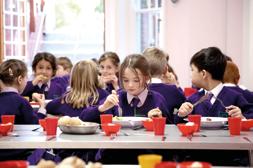
Did your school teach you the difference between celeriac and celery? Did you learn why tomatoes taste better in the summer? Or the difference between organic and Fairtrade? In most schools in the UK, children spend more time each week eating than they do studying geography, history or art, and yet remarkably little learning seems to go on in this time, and even less time and effort are spent planning for it. What a wasted opportunity.
Attend an Open Day at any independent school, and they will tell you about their outstanding teachers, their state-of-the-art facilities. But how many of them mention the lunches? If we pride ourselves on having inspirational geography teachers, insightful historians and creative arts educators, why don’t we employ the best chefs? If our classrooms, science labs and music studios brim with the latest technology and innovations, why don’t our kitchens?
‘Our aim was unashamedly bold: we wanted to make not simply better food, but better eaters’
In 2005, less than a mile from our school, Jamie Oliver brought nutrition in schools into the national conversation with his School Food Fight campaign. 20 years later, the Turkey Twizzlers may be gone but progress has stagnated. As budgets have tightened, focus has waned and the industry is increasingly looking to outsourcing as a solution. Vast trays of food are brought in from faceless industrial estates and reheated.
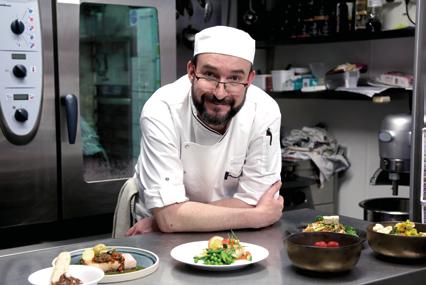
Is this really the best we can do for our children? At The Pointer School, we believe in a better solution. Thoughtful, freshlymade meals, crafted from the finest produce every day, with love and care by the best professionals. Five years ago, we embarked on an ambitious journey to revolutionise our relationship with lunchtimes. Our aim was unashamedly bold: we wanted to make not simply better food, but better eaters. We started by hiring one of the country’s top chefs, Nico Laridan, who had previously
held two Michelin stars at legendary restaurant Le Gavroche. He set about transforming our food, providing nutritious meals that power learning and inspire wonder, introducing our pupils to dishes such as ‘sole fillet veronique’ and ‘Imam Bayildi’. In doing so, no stone was left unturned — we looked at everything from equipment and techniques to ingredients and sourcing. Ingredients matter. They are the raw resources that power children’s learning. Wherever possible, we use organic ingredients. Our produce is delivered daily from some of the finest suppliers in the country. Our meat comes from the Rhug estate in Wales, one of the original all-organic meat farms in the country and holder of a Royal Warrant. Fish is delivered fresh from day boats in St Ives. Our fresh fruit and vegetables come direct from New Spitalfields, Europe’s leading horticultural market, supplied by trusted farmers from Kent and Lancashire.
Sample Menu
MONDAY
Tomato soup & macaroni cheese with garlic focaccia
Fresh fruit salad
TUESDAY
Focaccia pizza margherita with iceberg lettuce & parmesan dressing
Cinnamon roasted pears & shortbread
WEDNESDAY
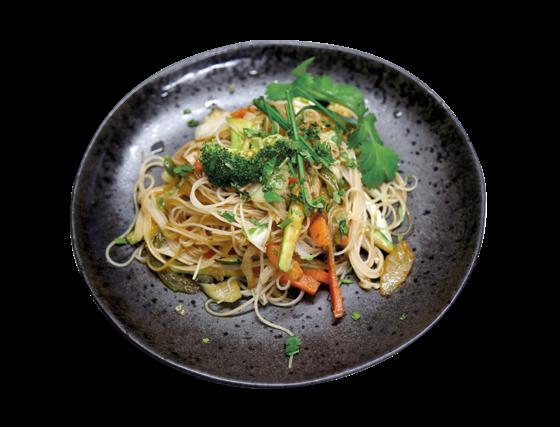
Pointer’s very own pork sausages or vegetable stir-fried noodles with mashed potatoes, baked beans, red onion gravy
Greek style yoghurt with Brockley Bees honey
THURSDAY
Rhug Estate chicken curry or very veggie curry with basmati rice, mango chutney & poppadoms
Watermelon, lemon, honey & mint
FRIDAY
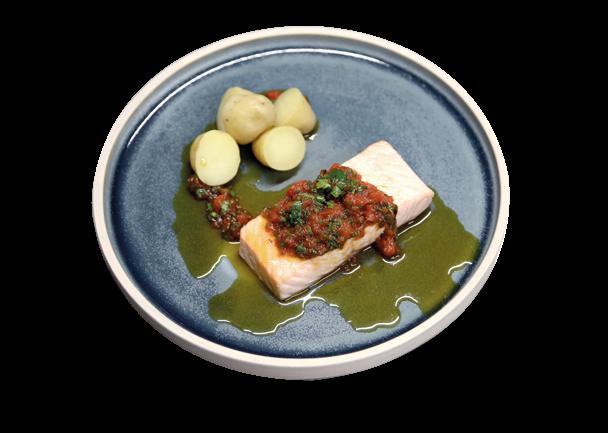
Roasted salmon & sweet tomato or spring green risotto with mint with new potatoes & broccoli
Pineapple upside-down cake
‘
Our solution was to launch an innovative pastoral food programme that works with children to expand their culinary horizons and develop a more joyful relationship with food’
But as every parent knows all too well, children are notoriously picky eaters! It’s all very well to serve up haddock Basquaise, or an autumn vegetable casserole, but if children push this labour of love untouched around their plate, we might as well have served them Turkey Twizzlers. Our solution was to launch an innovative pastoral food program that works with children to expand their culinary horizons and develop a more joyful relationship with food. The aim is to encourage them to be openminded before deciding if they like or dislike food, while accepting that we all have culinary preferences. Each week, the children are introduced to one or two new items of food that they may not have tried before. They see the food and are given the opportunity to explore and discuss the sensory stimulation of the food, from its smell to its texture. They then learn about how the food is grown and work with our chef who demonstrates how it is prepared. Once children understand what they are eating, where it comes from and how it’s prepared they are willing to engage and try new things.
Key to our success is that our food programme is child-led. Menus are revised on a half-termly basis, taking account of the feedback provided by the school council and by what the pupils eat more and less of each day. We started to notice that, despite the food being high-quality and organic, pupils were not enjoying our sausages as much as we had hoped. We worked with a local sausage supplier, Heaps of Greenwich, to create a series of child-friendly recipes. Our school council then held a tasting session and selected the perfect banger. We now proudly serve our own special Pointer School sausage, which parents can even buy in the local butchers.
Making better eaters is so much wider than just ingredients and menus. Schools need a panoramic view of food and eating. Parents entrust their children to us so that we can teach them the joys of Shakespeare, the wonder of chemistry and the magic of mathematics. We should teach them to eat well, understand where our food comes from and how it is produced, so that learning about food is not isolated to the dining room. At Pointers, we weave learning about healthy eating and food through our curriculum. For example, in Year 2’s topic, ‘Charlie and
the Chocolate Factory’, they learn about where different food comes from, the importance of Fairtrade, and then design and produce a chocolate bar to raise money for Fairtrade. We have a gardening club that grows vegetables and herbs that the chef prepares for the children to try. Enthusiastic pupils also have the chance to work in small groups with one of our chefs in an afterschool cookery club to really hone their cookery skills.
Our approach is having profound effects. A recent ISI inspection noted that ‘pupils of all ages make well-informed choices and are encouraged to do so through a variety of initiatives… pupils understand the need for a healthy diet and are delighted to have the school council’s recommendations realised by their chef’. A parent recently contacted the school to note, ‘Not only does my child now love celery, he has become more open to trying new foods — and foods that he thought he
didn’t like, he’s giving another go. Last night he proudly announced that he had tried hummus ‘in my special food group’ and scoffed at his brother refusing to try it’.
At The Pointer School we believe we are building a school food model for the future, where great ingredients, skilled chefs and a child-led pastoral approach to eating become the norm. After all, shouldn’t learning to eat be a part of every child’s education? ■
Top image: Nico Laridan, Executive Chef, The Pointer School
The supplement generation
Dr Ricky Tavares, Director, Dukes Plus, examines what we’re getting wrong about children’s nutrition and how to return to what really matters
Most mornings in our house begin the same way: a neat lineup of carefully chosen supplements across the breakfast table — multivitamins, omega oils, probiotics — each one promising to support growth, immunity, or concentration.
As a former medic, I understand the rationale. If I’m honest, I’m part of it too, and so are my children. But as a parent, I sometimes find myself asking a simpler question: have we overcomplicated something that once felt instinctive?
Because this isn’t just happening in our kitchen. Across the UK, supplement use has quietly become the norm, with around 76% of adults now taking vitamins or nutritional supplements. What was once occasional and targeted has become habitual. And this shift is increasingly visible in children. Around one in three now take dietary supplements, with UK data suggesting nearly a quarter do so regularly. It is perhaps no surprise, then, that this mindset is filtering into how we feed our children. The rise of optimisation, performance, and wellness in adult culture
is shaping childhood nutrition too. Parents are doing what they believe is best, trying to give their children every possible advantage.
Yet in trying to optimise, we may have drifted away from what matters most.
From nourishment to supplementation
A generation ago, childhood diets were far from perfect, but they were simpler. Meals were built around whole foods, eaten at regular times, and rarely accompanied by a daily regimen of supplements.
Today, influenced by a culture of enhancement and performance, we approach nutrition differently. We seek to refine, upgrade, and optimise.
In doing so, we risk shifting the focus — from food as the foundation to supplements as the solution.
Yet much of modern nutritional science points in the opposite direction. It suggests that overall dietary patterns — what we eat consistently over time — matter far more than any single nutrient in isolation.
The gut: where nutrition meets long-term health
One of the most important developments
in recent years has been our growing understanding of the gut microbiome. Composed of trillions of micro-organisms, it plays a central role in health.
In children, this ecosystem is particularly dynamic. Early dietary patterns help shape the microbiome in ways that can influence immunity, metabolism, and even aspects of mood and behaviour later in life.
Crucially, the microbiome thrives on dietary diversity, particularly fibre. Fibrerich foods — vegetables, fruits, legumes, and whole grains — act as fuel for beneficial gut bacteria, enabling them to produce compounds that support overall health.
Modern diets, however, are often strikingly low in fibre compared to those of previous generations. This shift has measurable consequences, including reduced microbial diversity, something increasingly linked to poorer health outcomes.
While probiotics are widely marketed, the evidence for their routine use in otherwise healthy children remains mixed. This does not diminish their value in specific clinical situations, but it reinforces a broader point: real food remains the
‘Early dietary patterns help shape the microbiome in ways that can influence immunity, metabolism, and even aspects of mood and behaviour later in life’
most reliable foundation for gut health — and, by extension, overall wellbeing.
What actually matters: quality and variety
If the science points us anywhere, it is towards a set of surprisingly simple principles.
First, variety matters. A diverse diet — nutrients that support a resilient microbiome.
Second, fibre is foundational. It is one of the most consistently under-consumed components of modern diets, yet one of the most important for long-term health.
Third, whole foods matter more than processed ones. Rather than focusing on individual nutrients, it is the overall pattern — minimally processed, balanced, and varied — that appears to offer the greatest benefit.
Timing matters: food, rhythm and sleep
Nutrition is not only about what children eat, but also when they eat.
Parents will recognise the familiar pre-bedtime pull towards sugary snacks. Emerging evidence suggests that meal timing interacts with the body’s circadian rhythms — our internal clocks that regulate sleep, metabolism, and hormone release.
In practical terms, irregular eating patterns,
late heavy meals, or high-sugar foods close to bedtime can disrupt sleep onset and quality. This matters more than we might think. Sleep plays a critical role in appetite regulation, emotional stability, and cognitive performance. Poor sleep can influence food choices the following day, creating a feedback loop that affects overall wellbeing.
Fuel in, energy out: supporting active children
Another area where balance is key is energy intake. Like a car, the body needs the right amount of fuel to function effectively. Too little, and performance suffers.
Children who are physically active have increased nutritional needs. Adequate calories, carbohydrates, and hydration are essential not only for performance, but for recovery and growth.
Under-fuelling can lead to fatigue, reduced concentration, and impaired development. The aim is not precision, but awareness — ensuring that intake broadly reflects output.
Interestingly, the gut microbiome may also play a role here, influencing how efficiently the body extracts and uses energy from food.
‘ Today, it is not uncommon to see
children using electrolyte drinks’
The rise of performance nutrition in childhood
My own childhood football half-times involved orange slices. Today, it is not uncommon to see children using electrolyte drinks, protein shakes, or energy gels.
These products have a clear place in elite or endurance sport. But for most children, they are unnecessary and may reinforce the idea that performance depends on products rather than habits.
Many of these supplements have also not been extensively tested in children. In adopting them too early, we risk professionalising childhood sport before children have learned simply to enjoy it — and potentially placing unnecessary strain on developing systems.
The bigger picture: wellbeing is multifactorial Perhaps the most important perspective is this: nutrition is only one part of a much larger picture.
A balanced diet cannot compensate for poor sleep, chronic stress, or lack of movement. Children’s wellbeing is shaped by a network of factors — sleep, activity, emotional environment, social connection, and routine.
Health is rarely the result of a single input. It is the outcome of systems working together.
A return to first principles
Back at the breakfast table, the supplements are still there — but they feel a little less central than they once did.
The science of childhood nutrition continues to evolve, but its most consistent message remains reassuringly simple: prioritise real food, embrace variety, support healthy routines, and consider the wider environment in which children grow.
Supplements may have a role, but they are not the foundation. ■
Leveling the playing field
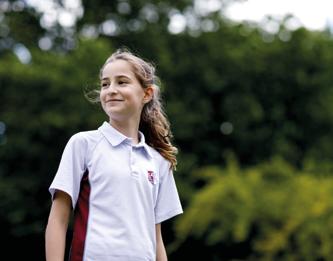
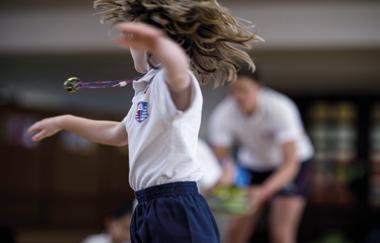
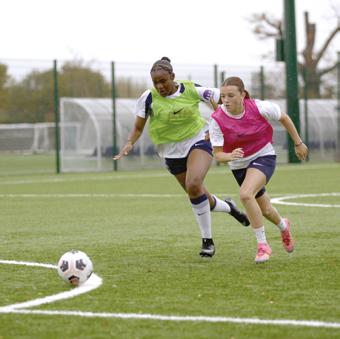
Sophie Nicholas, Assistant Director of Sport and Head of Year 7, Radnor House School, explores how to support more girls’ participation in sport
At the time of writing, more than 75,000 tickets have been sold for the Red Roses versus Ireland rugby match at Twickenham. Along the Thames, an estimated 200,000 spectators recently gathered to watch the Women’s Boat Race. These are not isolated moments. They reflect a sustained surge in the visibility and popularity of women’s sport.
Recent years have marked a turning point. The 2025 Women’s Football Euro final became the most-watched UK television event of the year, while the Women’s Rugby World Cup final drew over 81,000 fans to Twickenham, setting a world record. According to the Women’s Sport Trust, 48 million UK viewers watched women’s sport in 2025 — another record high.
By 14, girls drop out of sport at roughly twice the rate of boys.
Around 1.3 million girls in the UK who once enjoyed sport are no longer participating.
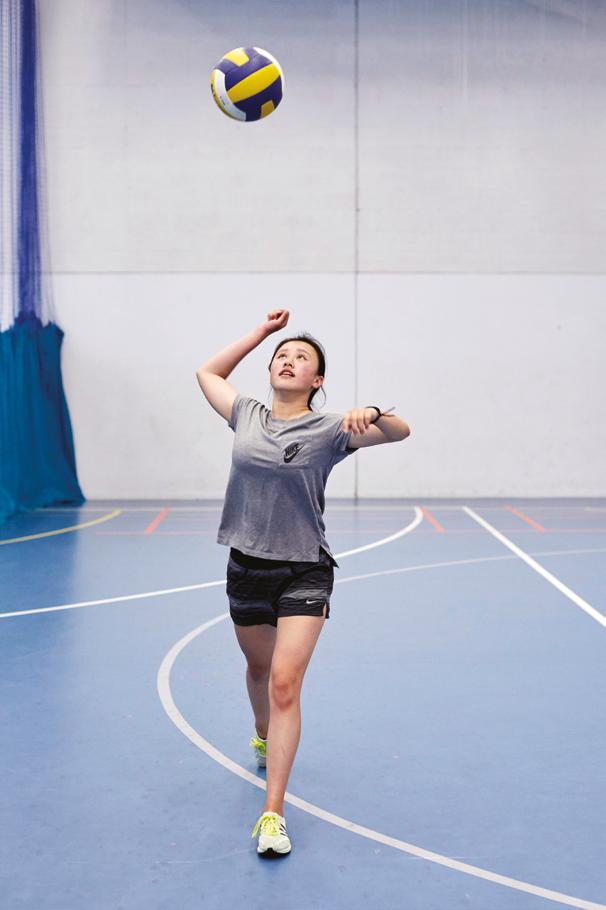
Social media has accelerated this momentum, bringing athletes closer to young audiences. Girls can now follow elite players’ journeys, making sport feel accessible and aspirational. Yet despite this progress, a troubling trend remains: many girls disengage from sport during their teenage years. By 14, girls drop out at roughly twice the rate of boys. Around 1.3 million girls in the UK who once enjoyed sport are no longer participating. Enjoyment of PE also declines sharply, from around 86% in early primary years to just 56% by ages 14-15. This raises an important question. If visibility and role models are increasing, why are so many girls stepping away? The answer lies not in performance pathways, but in participation. The goal is not to produce elite athletes, but to help girls find activities they
Enjoyment of PE also declines sharply, from around 86% in early primary years to just 56% by ages 14-15.
The Youth Sport Trust report that 46% of girls aged 14-15 cite lack of confidence as a barrier, compared to 26% at younger ages
enjoy and sustain involvement into adulthood. From my experience in schools, several key barriers shape this drop-off.
Confidence and comparison
Confidence is one of the most significant challenges. Younger pupils engage with fewer inhibitions, enjoying learning and social interaction. However, as pupils progress, sport becomes more tactical, improvement slows, and comparison intensifies. Many girls begin to judge participation based on perceived competence. If they do not feel ‘good enough’, they are more likely to disengage. The Youth Sport Trust reports that 46% of girls aged 14-15 cite lack of confidence as a barrier, compared to 26% at younger ages. As self-comparison increases, enjoyment often diminishes.
‘If visibility and role models are increasing, why are so many girls stepping away?’
The social factor
Social dynamics also play a crucial role. In younger years, participation is driven by friendship groups. Girls attend because their friends do. However, this can reverse. If friendship groups drift away, individuals often follow, even if they still enjoy sport.
This ‘group effect’ is powerful. Secure the commitment of a core group, and others follow. Lose that core, and participation can quickly unravel.
Time pressures and competing priorities
As girls move into older years, competing demands increase. Academic pressures intensify, part-time jobs become more common, and time feels limited. Sport, particularly after school or at weekends, can become the first activity sacrificed.
This is despite evidence that sport supports academic success, wellbeing, and time management. However, perception often outweighs reality, and without structural support, sport falls away.
Puberty and physical self-consciousness
The timing of dropout aligns with puberty, bringing physical and psychological challenges. Body changes, periods, and heightened self-awareness can all impact participation. Concerns about appearance and judgement become more prominent.
Kit plays a significant role. Uniforms that are restrictive or uncomfortable, particularly during menstruation, can deter participation. Small adjustments, such as offering choice and flexibility, can make a meaningful difference.
Access and opportunity
Access to appropriate opportunities remains uneven. While boys often have a wide range of options, girls may encounter fewer opportunities, particularly those focused on enjoyment rather than competition.
Even in established sports like netball and hockey, structures can feel overly performance-driven. For girls seeking recreational participation, this can create exclusion. Geography also matters; limited local provision can restrict opportunities to explore different sports.
‘Secure the commitment of a core group, and others follow’
What can schools do?
While these challenges are complex, schools are well placed to respond. At Radnor House, we have focused on practical, studentinformed changes to support participation.
One of the most impactful changes has been sports kit. By introducing greater choice — shorts, skorts, tracksuit bottoms, and leggings — we have prioritised comfort and inclusivity. Involving students in redesigning kit has also increased engagement.
We have introduced morning training sessions. While not for everyone, they allow participation without sacrificing after-school study or work. For many, this removes a key barrier.
Equally important has been building a strong participation culture. Creating environments where attendance is valued, where students feel accountable, and where sessions are enjoyable has been central. In one Year 9 netball group, attendance became so embedded that cancelling sessions was met with resistance. This sense of belonging transforms sport into a community.
Listening to students is critical. Through regular surveys, we have adapted provision — expanding tennis, introducing dance, and offering greater flexibility. This ensures sport remains relevant and engaging.
Beyond individual schools, initiatives such as The Well HQ’s Her Way project are helping to address broader barriers, particularly around education on puberty and female health. Equipping teachers, coaches, and parents with knowledge in this area is essential.
A shift in focus
The rise of elite women’s sport is important. It provides visibility and inspiration. However, it is only part of the picture. The greater challenge lies at grassroots level — ensuring girls not only start sport, but continue.
This requires a shift in focus. Success should not be measured solely by performance, but by sustained participation and positive experiences. Schools must prioritise inclusivity, flexibility, and enjoyment, recognising that motivation is shaped as much by environment as ability.
Ultimately, keeping girls in the game is about more than sport. It is about confidence, connection, and wellbeing. It is about creating spaces where girls feel comfortable and valued, and equipping them with habits that support lifelong health.
The goal is simple: not to produce more elite athletes, but to ensure more girls develop a lasting relationship with movement. ■
‘Success should not be measured solely by performance, but by sustained participation and positive experiences’
What’s the alternative?
Richard Fletcher, Director of Performance UK, explains what illness taught him about health
My journey did not begin as a lifestyle choice or a curiosity about alternative medicine. It began out of necessity — at a point where I was no longer functioning properly, and where the options available were helping me cope, but not truly recover. What follows is simply my experience. It is not a prescription, nor a universal solution, but a personal account of how I moved from illness towards something more balanced,
healthy, and sustainable. I was 28 years old, married, with two young children, and leading a large department in a busy school. On returning home each day, I was greeted by my son and daughter, eager to play. But I simply did not have the energy. After a few minutes on the sofa, I could barely stand, let alone engage with them properly. I remember the frustration vividly — being present, yet not really there. Wanting to participate in family life, but physically unable to do so.
Alongside this exhaustion, I had already been living for years with chronic anxiety and depression. What began as panic attacks after leaving school had developed into generalised anxiety, OCD, and intrusive thinking. Professionals I worked with linked this, in part, to the loss of my mother when I was five years old. Their explanation was that the brain often ‘freezes’ grief in childhood, allowing survival in the short term, only for it to resurface later when the mind is more equipped to process it.
Then chronic pain entered the picture. I was not in a good place.
My GP prescribed antiinflammatories to manage the pain, but relief was shortlived. By evening, I would be back to square one, struggling to move or function as a father or husband. Multiple referrals and blood tests showed little, which made things even harder. I knew something was wrong, but there was nothing concrete to point to.
Eventually, an isotope bone scan provided clarity. ‘You’ve lit up like a Christmas tree,’ the consultant told me. After three years of pain, I was finally diagnosed with rheumatoid arthritis. It was a strange mixture of relief and apprehension. At last, there was an explanation — but also a new reality to navigate.
Methotrexate was offered as treatment — a powerful drug commonly used in chemotherapy. I was grateful for the option, but cautious about what it might mean for my body long-term.
‘For the first time, I felt seen as a whole person — not just a collection of symptoms’
Around this time, I met a physiotherapist who also practised acupuncture. On the wall of his clinic was a Vedic prayer:
May all be happy, may all be free from disease, may all experience well-being, and none suffer in any way. Those words stayed with me. They felt idealistic, perhaps, but also quietly compelling. Could I imagine a future where I was painfree? Balanced? Well?
Through him, I was introduced to Dr Sunil Joshi, a doctor trained in both Western and Ayurvedic medicine. My first consultation with him was unlike anything I had experienced before. For the first time, I felt seen as a whole person — not just a collection of symptoms. He explored not only my physical condition, but also my emotional state, habits, and lifestyle.
Ayurveda approaches health through balance — specifically the balance of three doshas: Vata, Pitta, and Kapha. Each person has their own natural equilibrium, and when that balance is disrupted, illness can arise. What struck me most was the emphasis on digestion and nutrition — not just what we eat, but how, when, and in what state we eat.
Dr Joshi’s initial advice was simple:
– Eat warm, freshly prepared food
– Avoid processed foods and stimulants
– Keep meals simple and easy to digest
– Drink warm fluids
– Eat only when hungry
– Establish consistent routines for movement and sleep
– Care for yourself with kindness.
He also prescribed herbal remedies and suggested I begin methotrexate. ‘Take it to get your life back,’ he said, ‘but understand it won’t address the root cause’.
Six months later, my pain had eased, but inflammation remained high, and the medication was taking its toll. Dr Joshi recommended a more intensive treatment: Panchakarma, a traditional Ayurvedic detoxification process, at his clinic in India.
With the support of my employer and family, I made the journey.
That first visit marked the beginning of a series of three over five years that would profoundly reshape my health. Each day followed a structured rhythm: gentle yoga, therapeutic treatments such as oil massage and steam, a simple diet, herbal
‘After a period of quiet reflection, I experienced a deep emotional release — something I can only describe as cathartic’
Ayurvedic Medicine
medicines, and extended periods of silence.
One key treatment was virechana, a cleansing process designed to eliminate toxins. But the impact was not only physical. After a period of quiet reflection, I experienced a deep emotional release — something I can only describe as cathartic. It was challenging, but also transformative.
When I returned home, I was more mobile than I had been in years. More importantly, I felt calmer, clearer, and more present. My anxiety had reduced, my pain had eased, and
Ayurvedic healing is an ancient system of medicine originating in India over 3,000 years ago. Rooted in the idea that health depends on balance between mind, body and spirit, Ayurveda seeks to prevent illness as much as treat it.
Central to Ayurvedic philosophy are the three doshas — Vata, Pitta and Kapha — which represent different energies within the body. The three doshas are made up of the five elements — earth, fire, water, air and ether — of which all matter is composite. Each dosha has specific qualities and it is a combination of these three qualities of vata, pitta and kapha, and the proportion of each, which determine the unique characteristics of each individual. An imbalance is believed to contribute to illness and poor wellbeing.
Ayurvedic healing typically combines nutrition, herbal remedies, yoga, meditation, massage, breathing exercises and lifestyle practices — tailored to the individual. Its emphasis is holistic, encouraging harmony, moderation and self-awareness as foundations for long-term health.
my blood tests reflected genuine improvement.
Over the following years, I returned to India twice more. Gradually, my health stabilised to the point where, with medical support, I was able to come off methotrexate entirely.
Today, I remain attentive to my health. Stress, poor sleep, and certain foods can still trigger inflammation, but I now see these as signals rather than setbacks — indicators that something needs adjusting.
Nutrition plays a central role. I tend towards simple, whole foods, avoiding ultraprocessed options where possible. I no longer drink alcohol, and I favour natural sugars over refined ones. I have also learned to listen to my body — eating when hungry, keeping portions moderate, and choosing foods that are easy to digest.
Equally important is how I eat. Warm meals, regular routines, and a calm environment have become part of daily life. Alongside this, mindfulness and meditation help me manage stress and regulate my nervous system.
So, what has this journey taught me?
That there is no one-sizefits-all approach to health. That digestion matters as much as nutrition.
That stress plays a significant role in illness. And perhaps most importantly, that health is not simply the absence of symptoms — it is the presence of balance, in both body and mind. ■
From reacting to responding
Emer Pateman, Learning and Development
Lead, Little Dukes, explains how the breath became an anchor in times of stress
Working in early years education is deeply meaningful work. It is also busy, fastpaced, and full of small, constant demands. The pace, the responsibility, the emotional energy, the constant decision-making filling up your day. The moments where multiple people need you at once, children, parents, colleagues can mean that stress, in many ways, becomes part of the landscape. None of these occurrences are unusual, they’re all part of the everyday rhythm of the role, but how we approach them can make all the difference.
For a long time, I didn’t question how I was approaching them. I was capable, experienced, and used to managing busy environments. But when I look back now, I can see that my version of coping with stress was to just push through, respond quickly, solve problems and keep things moving. From the outside, it looked calm and controlled. On the inside, however, I was often reactive and I wasn’t enjoying myself. What I began to notice, although I didn’t have the language for it at the time, was how easily my nervous system was being pulled into urgency.
A teacher with a problem. A change in the day’s plan. A difficult conversation with a parent.
The accumulation of small decisions with no real pause in between.
Individually, none of these things were major stressors. They were, and are, everyday moments we all experience. But how we meet these moments matters. Without space between them, they create a sense of being constantly ‘on’, always ready to ‘fix’. And over time this becomes draining.
I was also navigating Imposter Syndrome early in my leadership journey, which meant that, alongside the external demands of the role, there was an internal pressure fuelled by self-doubt. The more I achieved, the more that pressure seemed to grow, and, without the language of Imposter Syndrome to help me understand myself, the stress built up and I found myself managing both the demands of the job and demands I put on myself to ‘prove’ myself.
The challenge is that this kind of stress doesn’t always announce itself loudly. It can look like efficiency, like productivity, like being dependable, but underneath, it feels very different. Eventually, I recognised something needed to change and started exploring wellbeing more intentionally. Exercise and early nights helped, but that underlying sense of urgency and being ‘on’ didn’t shift. Then I discovered breathwork.
‘What I began to notice… was how easily my nervous system was being pulled into urgency’
Becoming the student again
My introduction to breathwork and meditation didn’t begin as a solution to stress; it began with curiosity. And as I stepped into learning it more deeply, so that I could teach it, I found myself stepping back into the role of a student again, which required me to slow down in a way I hadn’t before and to listen more closely, not just to others but to myself. There wasn’t a dramatic turning point. The change showed up quietly. I remember walking into work one morning and being met immediately with problems and worried staff. Normally, I would have reacted quickly. But this time, there was a pause. Not a long pause, but enough to take in what was being said, to measure the problem and to respond, ‘It’s okay, we can sort this’. Nothing about the situation had changed, but my experience of it had, and I noticed it. This began to happen more often, a little less urgency, a little more clarity, a little more space. The stressors didn’t disappear, but my relationship to them began to shift.
So why breathe?
Breathing is something we do automatically, all day, every day. Because of that, it’s easy to overlook. But it is one of the simplest ways we can bring ourselves back to the present moment. When we feel under pressure, our breath often becomes shallow and fast, signalling to the body that we need to stay alert. But when we slow the
breath down, even slightly, we send a different message, a quieter one. One that says, ‘You are okay’. Why not give it a go right now, take a nice gentle inhale, and a soft, slow exhale. And again. How was that? What do you notice?
Breathwork brings your attention back to now. When you are focusing on your breath, on the rhythm, on the counting, it becomes very difficult to stay caught up in everything else. You can’t think of all the things stressing you out when your attention is gently anchored in your breathing. (I certainly can’t worry about a meeting and count my breaths at the same time!) Taking a pause to notice the breath creates a natural pause in your day, a reset in real time. And it doesn’t require extra time or perfect conditions. It’s about using the small moments we often miss: a slower breath before responding; a conscious inhale and exhale between tasks; or a brief pause before walking into a conversation. These are small moments, but they are powerful.
Breathwork didn’t remove the busyness of the role. The demands are still there. The unexpected still happens. But what it offered was space; between what happens and how I respond. Space to choose my tone, my pace and my next step. That doesn’t mean I get it right all the time. There are still moments of rushing, reacting, and slipping back into old patterns. But there is now an awareness, and with awareness comes choice.
And often, that choice begins with just one breath.
A gentle invitation
If there is one takeaway from this, it’s not that you need to overhaul your routine or add something new to an already full day. It’s an invitation to notice. Notice your breath in a busy moment. Notice when things feel rushed or pressured. Notice if there is even a small opportunity to pause. And in that pause, take the biggest breath you’ve taken all day. Wellbeing doesn’t have to come from big changes. Often, it comes from small shifts, repeated over time, a steady recalibration. From reacting… to responding. And in the context of a demanding, and very meaningful profession, that shift can make all the difference. ■
‘But what it offered was space; between what happens and how I respond. Space to choose my tone, my pace and my next step.’
The Physiological Sigh, an instant tension reliever
1
Take a big breath in
2
Take another little sip of air
3-Part interrupted inhale and exhale
Try this breathwork technique when you want to slow down, bring on a sense of calm, or refocus your attention. It’s also helpful if you’re struggling to switch off at night.
Simply break your inhale and exhale into three gentle parts:
Inhale
1. First into the belly
2. Then into the ribcage
3. Then into the chest
Exhale
4. From the chest
5. Then the ribs
6. Then the belly
Keep the breath soft and continuous, blending each part rather than making them sharp. Repeat for a few rounds and notice how you feel at the end. It’s a simple way to bring your mind out of the noise of the day and back into the present moment.
3 Sigh it out!
IRELAND
Institute of Education Bruce College
UNITED KINGDOM
CANADA
MacLachlan College
Colegio Inglés English School of Asturias
Colegio Internacional de Valladolid
Colegio Inglés Zaragoza
CLIP – Oporto International School SPAIN
Colégio Júlio Dinis
PORTUGAL
United Lisbon International School
The British School of Lisbon
Colégio Luso Internacional de Braga
Engage International School
International Sharing School
International English School of Castellón
Elian’s British School of La Nucía
Meet the Family
Founded in 2015, Dukes brings together a carefully curated group of nurseries, schools, colleges, education consultancies and student experience organisations. Our central team is based in London.
Pražské Humanitní Gymnázium
Beehive Square Primary School
Verbier International School SWITZERLAND
American Academy in Prague
JK Education
From here, we serve our settings in the UK, Europe and Canada, providing administrative support and training, whilst promoting high-performance, leadership and wellbeing.
Thames British School
American Academy in Brno
American Academy in Zagreb
International School
International School of Athens
Mandoulides Schools
CROATIA
ROMANIA
GREECE
CZECHIA
POLAND
Bambíno
Verita
More than a game
Sebastian Hepher, Deputy Director of Education, Dukes Education, discusses the value of inter-school sport for children
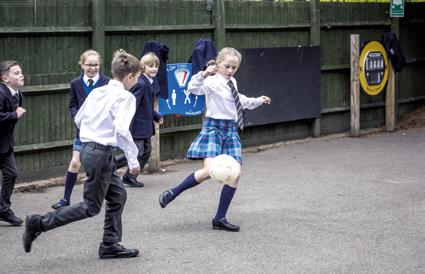
Inter-school sport plays a far more significant role in a child’s development than simply providing an outlet for physical activity. While the health benefits are often the most visible and widely discussed, participation in organised sport between schools offers a deeper, more holistic contribution to a child’s growth. It shapes not only stronger bodies, but also stronger minds, social skills, and personal values that can last a lifetime.
At its most fundamental level, inter-school sport promotes physical health.
Regular participation in sports such as football, netball, rugby, athletics, swimming or hockey helps children build cardiovascular fitness, improve coordination, and develop strength and endurance. In an age where sedentary lifestyles and screen time are increasingly common, structured sporting opportunities provide a necessary counterbalance. Children who engage in regular sport are more likely to maintain a healthy weight, develop better motor skills, and establish lifelong habits around exercise and wellbeing.
‘Children begin to see themselves as part of something bigger — a team, a community, a shared effort and goal’
However, to focus only on the physical benefits would be to overlook the true richness of inter-school sport. One of its most powerful aspects lies in the participation itself. Representing one’s school fosters a sense of belonging and identity. Children begin to see themselves as part of something bigger — a team, a community, a shared effort and goal. For some, simply making the team is a milestone that boosts confidence and self-esteem. For others, participation offers a safe environment to challenge personal limits and discover hidden talents. Team dynamics should not be overlooked nor their importance under valued. In representing their school team, children quickly learn that success is rarely individual. Even in sports that appear individual, such as athletics or swimming, the broader team context — points scored, relays, overall standings — reinforces collective responsibility.
Players must communicate, cooperate, and trust one another. They learn how to support teammates after mistakes, to forgive, to work through disagreements and to celebrate shared victories. These experiences teach empathy, patience, and the importance of collaboration — skills that are equally valuable in the classroom and which are becoming increasingly important within the workplace.
Closely linked to teamwork is the development of leadership. School and interschool sport naturally creates opportunities for children to step into leadership roles, whether formally as team captains or informally by setting an example through effort and attitude. Leadership in this context is not about authority but about responsibility. It involves encouraging others, staying composed under pressure, and making decisions that benefit the group. Children learn that leadership can
mean lifting a team-mate’s spirits after a loss, organising the team during a match, or simply showing commitment during training; and often a combination of these aspects. These lessons often translate into greater confidence and initiative in other areas of life. Competition, too, plays a vital role — but it is not competition in its raw, winat-all-costs form. School sport introduces children to the idea of striving for excellence while respecting opponents. They learn that winning is rewarding, but not guaranteed, and that losing is not a failure but a part of growth. Competing against peers from other schools exposes children to different styles, abilities, and strategies, broadening their understanding of the sport and challenging them to adapt. In the context of Dukes, it also fosters a greater understanding of the larger Dukes family.
Perhaps one of the most valuable lessons inter-school sport teaches is how to compete gracefully. Winning with humility and losing with dignity are not innate traits; they must be learned through experience. When children shake hands after a match, acknowledge a good performance from an opponent, or accept a referee’s decision without protest, they are practising respect and sportsmanship. These behaviours help build emotional maturity and integrity. Over time, children begin to understand that how they play the game matters as much as the result.
This process contributes significantly to character development. Sport places children in situations that test their perseverance, discipline, and attitude. Training requires commitment and consistency; improvement does not happen overnight. Matches can bring pressure, disappointment, and moments of self-doubt. Learning to navigate these challenges helps children develop resilience — the ability to recover from setbacks and keep moving forward.
Resilience built through sport is particularly powerful because it is experiential. A child who has lost an important match, missed a crucial shot, or struggled with performance, learns first-hand how to cope with disappointment. With the right support from coaches, teachers, and peers, they begin to reframe these experiences as opportunities to learn rather than reasons to give up. This mindset can translate into academic challenges, social situations, and future ambitions.
Furthermore, inter-school sport encourages goal setting and personal accountability. Children learn to set targets — improving a time, mastering a skill, or contributing more effectively to the team — and to work steadily towards them. They come to understand the relationship between effort and outcome. This fosters a growth mindset, where progress is valued over perfection and persistence is recognised as a key ingredient of success.
‘ Winning with humility and losing with dignity are not innate traits; they must be learned through experience’
At a time when understanding differences and respecting one another’s cultures is wanting, interschool sports can also provide an often-overlooked benefit in terms of social diversity. Competing against other schools may well expose children to peers from different backgrounds, cultures, and environments. These interactions can broaden perspectives, reduce stereotypes, and promote inclusivity. Shared experiences on the field often break down barriers more effectively than formal settings ever could.
Importantly, the role of adults in this environment cannot be understated. Coaches and teachers set the tone for how sport is experienced; parents too. When the emphasis is placed on enjoyment, effort, and respect rather than solely on winning, children are
more likely to develop positive attitudes towards competition. Supportive guidance helps ensure that sport remains a constructive and enriching experience rather than a source of undue pressure.
It is clear then that sport, both at school and interschool level, is a powerful educational tool that extends far beyond physical fitness. It nurtures participation, strengthens social bonds, develops leadership, and teaches children how to compete with integrity. Through both victory and defeat, children build character and resilience, learning lessons that will serve them well throughout their lives. In a world that increasingly values adaptability, collaboration, and emotional intelligence, the role of sport in shaping well-rounded individuals has never been more important. ■
The ‘Wellness’ paradox
Sadia Kamaly, Schools Partnership Manager, Dukes Plus, explores using digital literacy as a tool for wellbeing
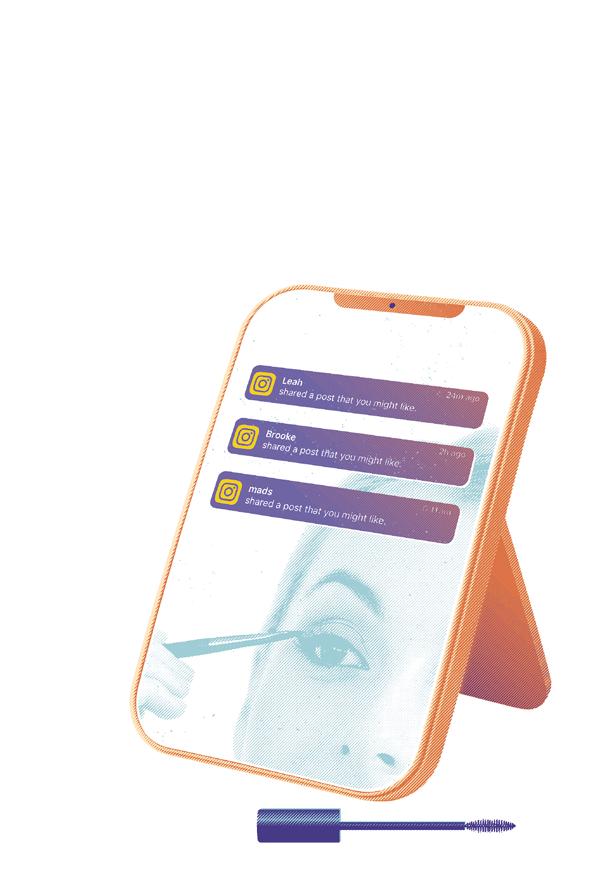
Scroll through any young girl’s ‘explore’ page on social media and, sooner or later, you will encounter wellness regimes promising to turn you into ‘that girl’. Which girl? The clean-eating, low-cortisol, always-relaxing-but-neverresting, perpetually productive, able-to-doeverything-all-at-once girl, of course. What appears to be innocuous content promoting better physical and mental health conceals an unsavoury underbelly — one that preys on the nascent digital footprints of adolescent girls.
Researchers call this the wellness paradox: a subculture ostensibly built around
wellbeing that is quietly eroding it. Girls who engage most heavily with online wellnesscontent report higher rates of anxiety, disordered eating, and self-comparison. Yet the content keeps coming, algorithmically amplified and largely unregulated. As educators, we are uniquely positioned to intervene. Teaching students to critically interrogate the content they encounter online — why it is created, who profits from it, and what it omits — can no longer be treated as a purely academic exercise. Embedding digital literacy into the curriculum offers young girls the means to navigate wellness culture as digital agents rather than passive recipients.
What is digital literacy?
It is important to distinguish digital literacy in this context from standard ‘screen time’ conversations. Digital literacy involves critically analysing and interpreting information online to make informed, active choices. The Harvard Center for Digital Thriving uses the concept of ‘digital agency’ — the idea that students should be able to make intentional, informed decisions about their lives rather than feeling controlled by algorithms and social pressure.
Recent research on the connection between digital literacy and wellbeing underscores the need to move beyond restricting access to online content and towards a framework that prioritises such agency and critical reasoning. In an era where the digital sphere forms the connective tissue of a globalised world, limiting access to online content is increasingly implausible. The more powerful approach is to teach students why certain content affects them the way it does, equipping them to interrogate what they see.
A truly transformative lesson for girls is understanding that their social media feed is not a neutral reflection of the world, but a curated environment designed to maximise engagement, often at the expense of their wellbeing. The result is a series of echo
chambers that make it harder to encounter new perspectives, leading students to believe that the content being pushed is the norm.
Using digital literacy as a wellbeing tool
Digital literacy has the power to interrupt the pipeline from targeted online content to harmful real-world outcomes. A metaanalytic review of school-based media literacy interventions found a significantly larger positive effect on body image in intervention groups compared with control groups, across seventeen programme evaluations involving over 7,000 participants1. This demonstrates a meaningful correlation between media literacy and body satisfaction. Similarly, a 2015 study found that girls as young as 10, who had received media literacy education in school, reported better self-esteem and mental wellbeing2
From this research, two forms of digital literacy emerge as particularly effective: algorithm awareness and cognitive dissonance. Algorithm awareness entails teaching students to understand why certain content is promoted, who benefits from its circulation, and how factual the information really is. Cognitive dissonance, in this context, refers to the mental discomfort that arises when girls encounter ‘wellness’ content promoting
‘Girls who engage most heavily with online wellness content report higher rates of anxiety, disordered eating, and self-comparison’
strict regimes that contradict the values they have been taught — body positivity, balanced nutrition, and a healthy scepticism of extreme diet and workout culture.
Allowing students to engage with this dissonance and develop algorithm awareness in safe environments, like Personal, Health Social and Economic education (PSHE) lessons, encourages them to deconstruct online content while understanding why it may provoke certain emotional reactions. The classroom thus becomes a space for building the resilience that young girls need to thrive in a digital world.
Digital Literacy Teaching in Schools
Though PSHE lessons offer a natural home for dedicated teaching, digital literacy education need not exist in isolation. Embedding critical digital skills across the wider curriculum, from evaluating sources in history to interrogating data in science, brings these competencies into mainstream awareness and reinforces them through repetition. Practical frameworks such as SIFT (Stop, Investigate the source, Find better coverage, Trace claims) give students a concrete, repeatable method for fact-checking the content they encounter daily, transforming a vague instruction to ‘be critical’ into an actionable habit.
Parental partnerships are also important. Schools that brief parents on what digital literacy education looks like (and how to continue those conversations at home) considerably amplify its impact. When the language of algorithm awareness and source evaluation is echoed beyond the classroom, students are far more likely to internalise it as second nature.
The research is clear: to be effective, media literacy interventions need to be long-term; focus on critical thinking, questioning, and discussion; invite active involvement through activities rather than direct instruction; and extend beyond the classroom. ■
‘ The classroom thus becomes a space for building the resilience that young girls need to thrive in a digital world’
2.
1. Kurz, M., & Rosendahl, J. (2022). School-Based Interventions Improve Body Image and Media Literacy in Youth: A Systematic Review and Meta-Analysis. Journal of Prevention.
Matthews, H. (2016). The Effect of Media Literacy Training on the Self-Esteem and Body-Satisfaction Among Fifth Grade Girls. Walden University.
United Kingdom
Ireland
Wales Institute of Education
Cardiff Sixth Form College Bruce College
KEY:
Educational Setting:
Nursery School
Preparatory School
Senior School
Sixth Form College
Dukes Plus:
Ultimate Activity Camps
Summer Boarding Courses
InvestIN Education
* Opening soon
Sancton Wood Nursery, Cambridge
Sancton Wood School, Cambridge
St. Andrew’s College, Cambridge
Cardiff Sixth Form College, Cambridge Campus
Rochester Independent College
Reflections Day Nursery & Forest School
Hove Village Nurseries
Broomfield House School
Riverside Nursery Schools RICHMOND
Riverside Nursery Schools ST MARGARETS MONTESSORI
Riverside Nursery Schools TWICKENHAM PARK
Kneller Hall School*
Radnor House School
House Prep
Riverside Nursery Schools HOLLY ROAD
Riverside Nursery Schools GROSVENOR HOUSE
Hampton Court House School
Radnor
LONDON
Earlscliffe
Heathside School Hampstead
Devonshire House School
Bassett House School
The Acorn Nursery
Notting Hill Preparatory School
Pippa Pop-ins
Orchard House School
Pippa Pop-ins
Miss Daisy’s Nursery BROOK GREEN
Miss Daisy’s Nursery CHELSEA
Pippa Pop-ins
Prospect House School
Hampstead Fine Arts College
Montessori Nursery School
Hopes and Dreams
Montessori Nursery School
Miss Daisy’s Nursery HYDE PARK
Knightsbridge School
Miss Daisy’s Nursery KNIGHTSBRIDGE
Kindergartens MOUSE HOUSE SW18
Kindergartens MOUSE HOUSE SW11
Broomwood Prep BOYS
Kindergartens CRESCENT II
WORSHIP STREET
ANGEL Hopes and Dreams
The Lyceum School
London Park School Mayfair
Dukes Education DUKES HOUSE, BUCKINGHAM GATE
Eaton House Belgravia School
Eaton Square Prep School
Miss Daisy’s Nursery BELGRAVIA
London Park School Sixth
Kindergartens THE PARK
Eaton House THE MANOR GIRLS SCHOOL THE MANOR BOYS SCHOOL
Broomwood Pre-Prep
London Park School Clapham
Broomwood Prep GIRLS
The Pointer School
Healthy habits for life
Rui Montenegro, Head of Sport and Rugby Coach, Colégio Júlio Dinis, discusses the significance of exercise in his life and career
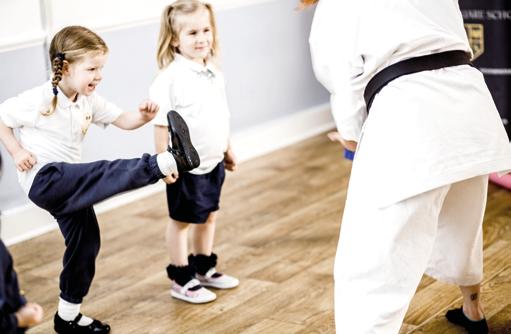
There are moments in life that shape us long before we understand their significance — quiet turning-points where doubt or uncertainty begins to redirect our path. For me, one of those moments came early, leading me towards something that would become far more than a hobby. It became a foundation for life. Physical activity entered my world at a young age, not by chance, but out of need. I was navigating a period of insecurity, searching for something that could ground me, challenge me, and give me direction. At ten years old, I took my first steps into martial arts, beginning with Taekwondo. At the time, I could not have known how important that decision would become.
The early days were demanding. My body struggled to adapt to the physical intensity, and the discipline felt unfamiliar. Muscle soreness, fatigue, and strict routines were constant. Yet something deeper kept me going. Gradually, change began to take hold.
Over time, I discovered not only physical strength, but mental clarity. Training became more than an activity; it became a space for growth, reflection, and resilience. Values such as discipline, respect, and self-control were no longer abstract ideas — they were lived experiences. Sport was shaping me not just as an athlete, but as a person.
By 16, I had earned my black belt and taken on the role of instructor. Teaching added a new dimension to my journey. It
required patience, responsibility, and empathy, reinforcing my own learning while deepening my understanding of what it means to guide others. I continued to train, progressing to 3rd Dan, always maintaining a strong connection to the discipline that had given me so much.
Like many young people, I eventually faced the question of career direction. Influenced by external expectations and personal interests, I chose to study Marketing and Advertising. I committed fully to this path, but as my professional life began to take shape, something else began to fade.
Time spent at a desk increased, while training gradually diminished. What had once been a daily practice became occasional, then uncertain. It was during this period that I
‘Movement is not simply about fitness or performance; it is closely linked to mental health, emotional balance, and overall wellbeing.’
realised something essential: physical activity was not optional for me — it was vital.
More than that, I came to understand that this is true for everyone, especially young people. Movement is not simply about fitness or performance; it is closely linked to mental health, emotional balance, and overall wellbeing. Without it, something fundamental is lost.
This realisation led to a significant decision. Together with my wife, I chose to change direction and pursue a degree in Physical Education. It was not an easy transition. It required commitment, sacrifice, and the willingness to begin again. But it was the right choice.
This new chapter gave me a deeper, scientific understanding of training and teaching. I returned to instructing martial arts, expanded into Hapkido, and continued my own development, eventually achieving 5th Dan in Taekwondo and 2nd Dan in Hapkido. It was a demanding period, but one that reaffirmed my belief in the transformative power of sport.
During my studies, I was introduced to rugby — an experience that broadened my perspective even further. Unlike the individual focus of martial arts, rugby placed me within a collective environment where teamwork is essential. Guided by values such as respect, integrity, passion, solidarity, and discipline, I discovered a different dimension of sport.
Rugby reinforced lessons I had already learned, but within a shared context. It showed me that individual effort gains greater meaning when it contributes to something larger. It highlighted the importance of trust, support, and collaboration — not only in sport, but in life.
Balancing studies, training, teaching, and personal life was not without its challenges. During this time, I also became a father — twice. These experiences brought a deeper sense of purpose and strengthened my commitment to leading by example, building a life centred on health, balance, and presence.
When I began working as a Physical Education teacher, I carried with me a clear vision. For me, this subject should go far beyond teaching students how to play sports. It should be a platform for meaningful impact.
‘…the habits we build early in life shape who we become’
Physical Education has a unique ability to reach students during formative years. It can help them understand their bodies, manage stress, build confidence, and develop habits that extend far beyond the classroom. The results may not always be immediate, but they are lasting.
In a world increasingly shaped by sedentary lifestyles, digital distractions, and constant pressure, encouraging young people to adopt healthy habits has never been more important. Regular physical activity supports mental health, improves concentration, and fosters resilience. It teaches students how to face challenges, persevere, and work collaboratively.
My role, therefore, is not simply to teach movement, but to inspire it — to help students see physical activity not as an obligation, but as an opportunity. An opportunity to feel better, think more clearly, and live more fully.
Looking back, I can see that sport has been a constant throughout my life. It has guided me through uncertainty, supported me in difficult moments, and shaped both
my personal and professional identity.
Today, I have the privilege of helping young people build their own relationship with movement. Whether they go on to become athletes is not the most important outcome. What matters is that they recognise the value of staying active — not just now, but for life.
Alongside teaching, I continue to coach rugby, supporting players both on and off the field. Some may progress to higher levels of competition, while others will carry these lessons into different areas of life. In both cases, the impact of sport endures.
If there is one message I hope to pass on, it is this: the habits we build early in life shape who we become. Encouraging young people to embrace healthy lifestyles is not about shortterm results, but about equipping them with the tools to lead balanced, confident, and fulfilling lives.
Because, ultimately, sport is not only about performance. It is about people — about growth, connection, and the lifelong pursuit of wellbeing. ■
The last word…
Every week at Dukes, we share a ‘Book of the Week’ recommendation offered up by one of the team. We’ve collected some of our recent favourites.
The Secret History by Procopius Procopius’ The Secret History (written around 550 CE) is one of the most outrageous and controversial works of late antiquity. Unlike his other more official histories, which praise Emperor Justinian and his court, this book gives us a scathing, ‘no holds barred’ sensational exposé of the Byzantine elite. The tone is deeply personal and vindictive, raising questions about his own motives — was this genuine outrage, or an attempt to settle longheld grudges? His narrative is vivid and biting, full of anecdotes which mesh facts and rumours in an amusing but delightfully unhistorical way.
Thanks to Rebecca Hobbs Teacher of English, French, Latin, St Andrew’s College
Sofía’s Suspicion by Paloma Sánchez-Garnica
This novel uses the story of a couple to guide us through Franco’s dictatorship in Spain, the rise of the Berlin Wall, daily life in the two Germanies, and later, the fall of the Wall and its consequences. At first, the book caught my attention simply because it contains my name in the title. But I was quickly captivated until the very end by its surprises, its vivid descriptions that transport us to Spain, Germany, and France during and after the Second World War, and the constant duality of determining who is ‘good’ and who is ‘bad’.
Thanks to Sofia Silva Spanish Teacher, Colégio Júlio Dinis
What is the Name of this Book? by
Raymond Smullyan
I like to recommend this book to students looking to develop logical thinking. It’s a fun exercise book which acts as a brain workout, and also introduces some areas of formal logic. Good for a long journey or to keep in the bathroom!
Thanks to Theo Boyce Head of Operations, Dukes Plus Consultancy
The Wolves of Willoughby Chase by Joan Aiken
A popular choice of class book every year, this spring term Year 6 pupils will be reading Wolves of Willoughby Chase. The story follows two female protagonists, Bonnie and Sylvia, as they are forced to overcome adversity with bravery and resilience. The girls find themselves victims of an evil governess and are forced to flee their treacherous circumstances. The story resolution is one of the most exciting of this genre. Aiken’s ability to weave intricate imaginative plots, and craft compelling character development, make this a thrilling must-read historical fantasy adventure for children.
Thanks to Sarah Woodbridge, Year 6 Teacher and Head of English, Bassett House School
Dukes Education is a family of nurseries, schools, and colleges in England, Wales, Canada, Croatia, Czechia, Greece, Ireland, Poland, Portugal, Romania, Spain, Switzerland. Our schools cater for children from 0-19, serving them from their earliest years at nursery until they leave school to go on to university.
Surrounding our schools, we also have a collection of complementary education offerings — day camps, international summer schools, and university application consultancy services. This way, we create a wraparound experience for every family that joins us.