BY ROGER MARTI Group F&B Manager





BY ROGER MARTI Group F&B Manager
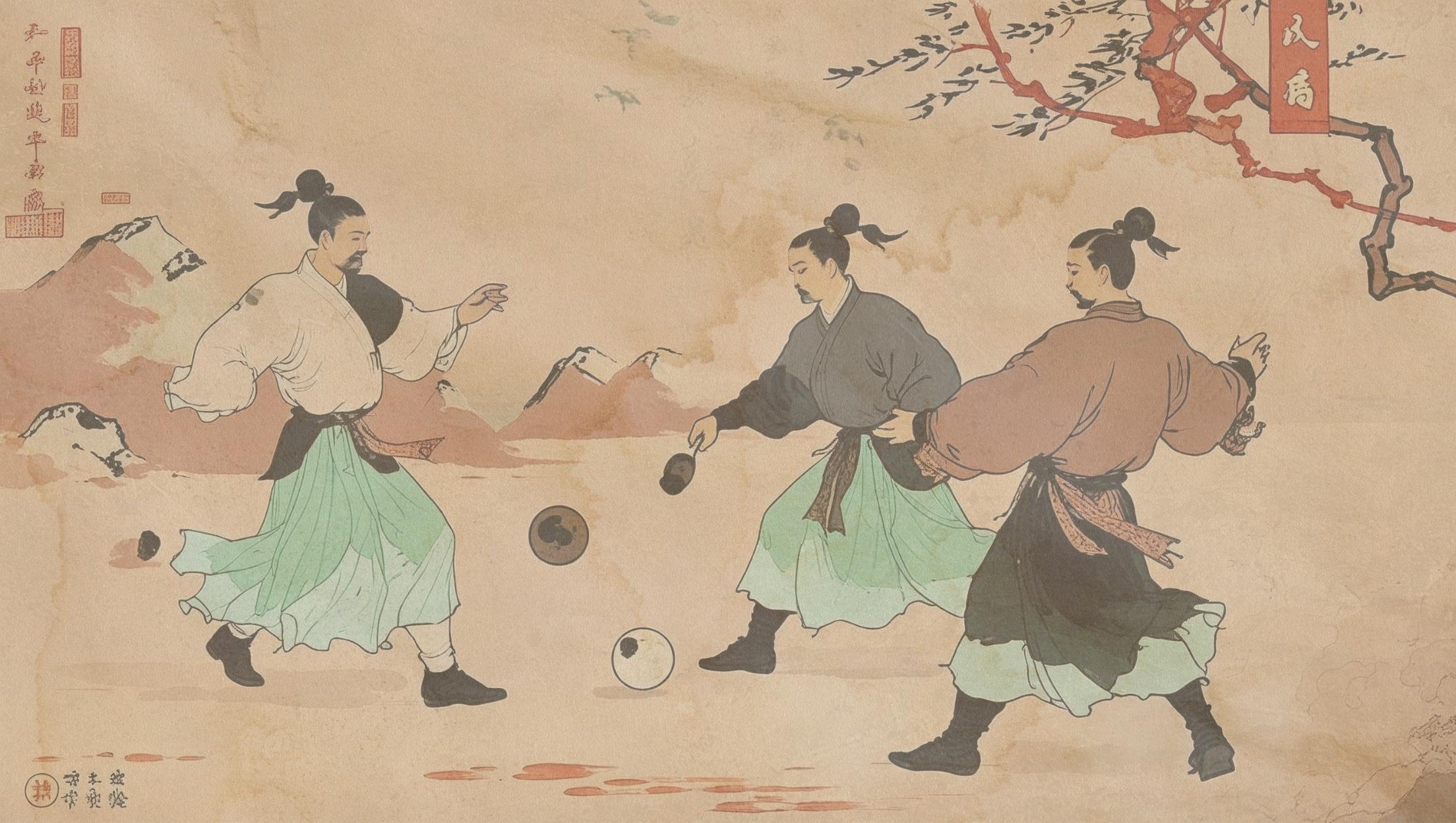
Football, known globally as soccer, has roots stretching back thousands of years to ancient civilizations that played early forms of ball games. In ancient China, a sport called Cuju involved kicking a leather ball into a net without using hands, often as part of military training. Similarly, in ancient Greece and Rome, games such as Episkyros and Harpastum featured
“What started as chaos became the world’s game.”
teams attempting to move a ball across boundaries, though these versions were far more physical and less structured.
During the medieval period in Europe, particularly in England, a chaotic form of football emerged. Entire villages would participate in massive, unregulated matches, often played through streets and fields with minimal rules. These games were so rough that they were occasionally banned by authorities concerned about public disorder.
The transformation of football into a structured sport began in the 19th century. English schools and universities
The modern version of football began to take shape in 19th-century England, driven by a need for standardization. Before this, different schools and regions followed their own interpretations of the game, leading to confusion and inconsistency. The turning point came in 1863 with the establishment of the The Football Association, which formalized a unified set of rules.
precedent for structured tournaments worldwide. Around the same time, football began spreading across Europe and South America through trade, colonization, and cultural exchange.
started developing standardized rules to organize play. This led to the formation of the The Football Association in 1863, which established the first official rules of modern football. These rules prohibited handling the ball, distinguishing the sport from rugby.
From these beginnings, football evolved into a globally recognized sport. Its simplicity requiring only a ball and open space made it accessible across cultures and societies. By the late 19th century, the game had spread beyond Britain, laying the foundation for its worldwide popularity today.
One of the most significant outcomes of these rules was the clear separation between football and rugby. Handling the ball was banned, emphasizing foot-based play and shaping the identity of soccer as we know it today. The adoption of these standardized laws allowed clubs to compete fairly, leading to the formation of organized competitions.
England’s Football League became the blueprint for competitions worldwide.
The late 19th century saw the emergence of football clubs and leagues. England’s Football League, founded in 1888, became the first organized league competition, setting a
The global expansion of football eventually led to the creation of FIFA in 1904. This organization unified national associations and facilitated international competition. Football’s inclusion in the Olympic Games further boosted its global profile.
By the early 20th century, football had transformed from a loosely organized pastime into a highly structured sport with standardized rules, governing bodies, and competitive leagues, laying the groundwork for its explosive international growth.
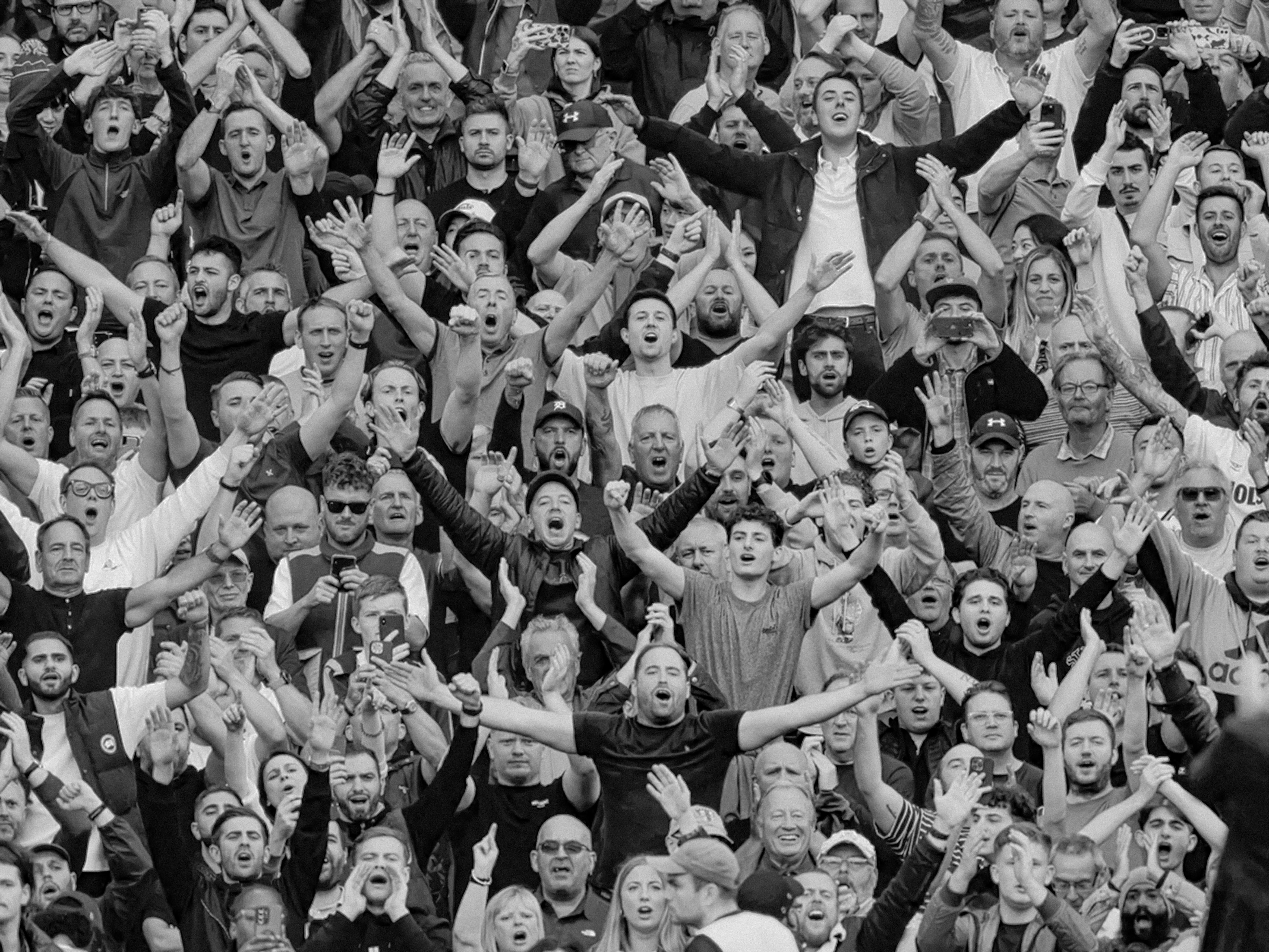
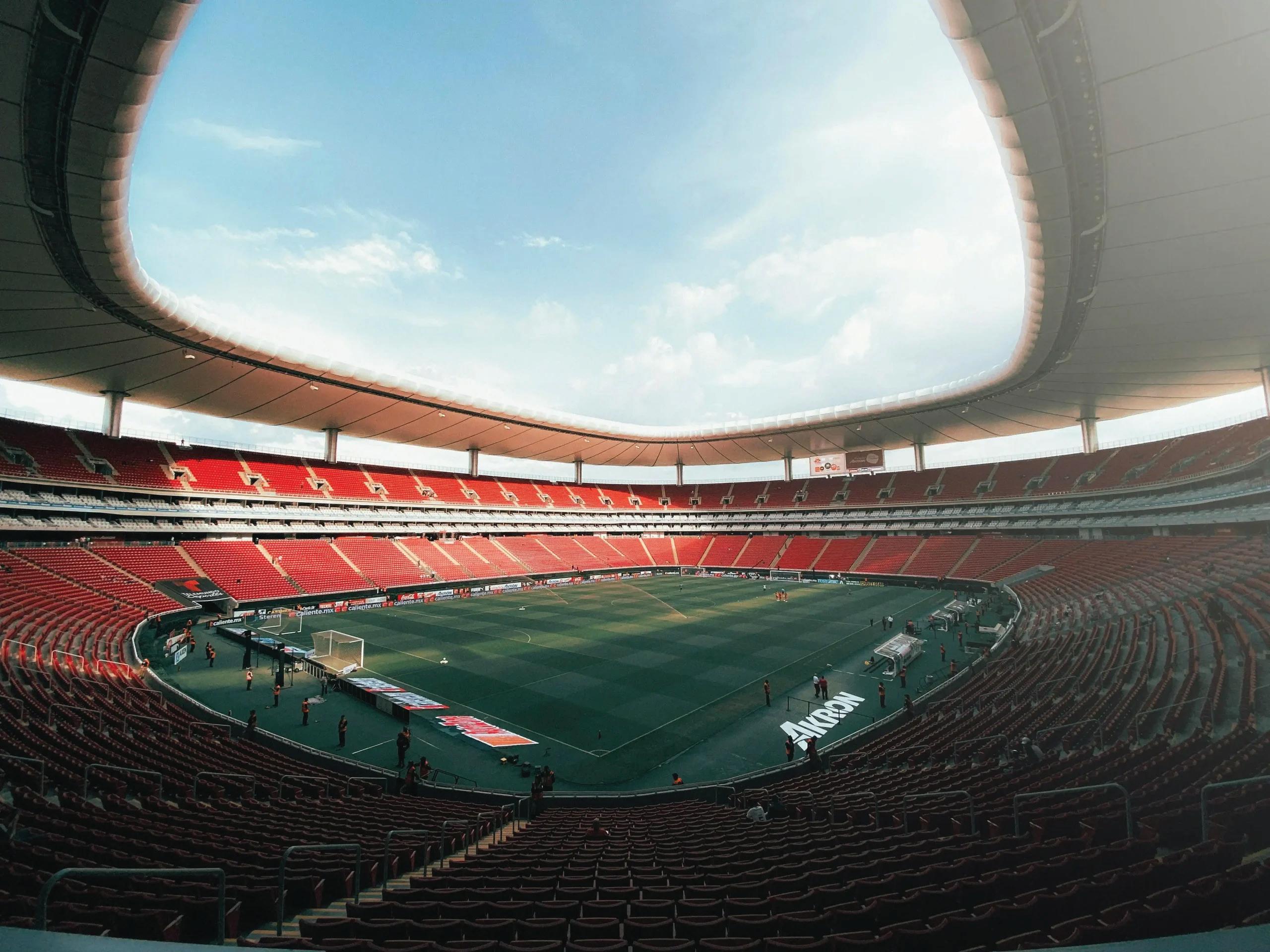
The rapid growth of football also encouraged the construction of dedicated stadiums and the rise of passionate fan culture. Local clubs became symbols of community pride, attracting large crowds and creating traditions that continue to shape the atmosphere of modern football today.
One of the most iconic matches in football history took place during the quarterfinals of the 1986 FIFA World Cup between Argentina and England. Played on June 22, 1986, at the legendary Estadio Azteca, the match was charged with tension, symbolism, and immense global attention. It was not merely a sporting contest; it carried deep political undertones following the Falklands War between the two nations just four years earlier. Against this backdrop, the game became one of the most emotionally intense encounters ever seen on a football pitch.
At the center of it all was Diego Maradona, Argentina’s captain and talisman. Known for his extraordinary dribbling ability and vision, Maradona delivered a performance that would etch his name permanently into football history. The first half ended goalless, with both teams showing discipline and tactical awareness. England relied on structure and physicality, while Argentina looked to Maradona for creativity and attacking spark.
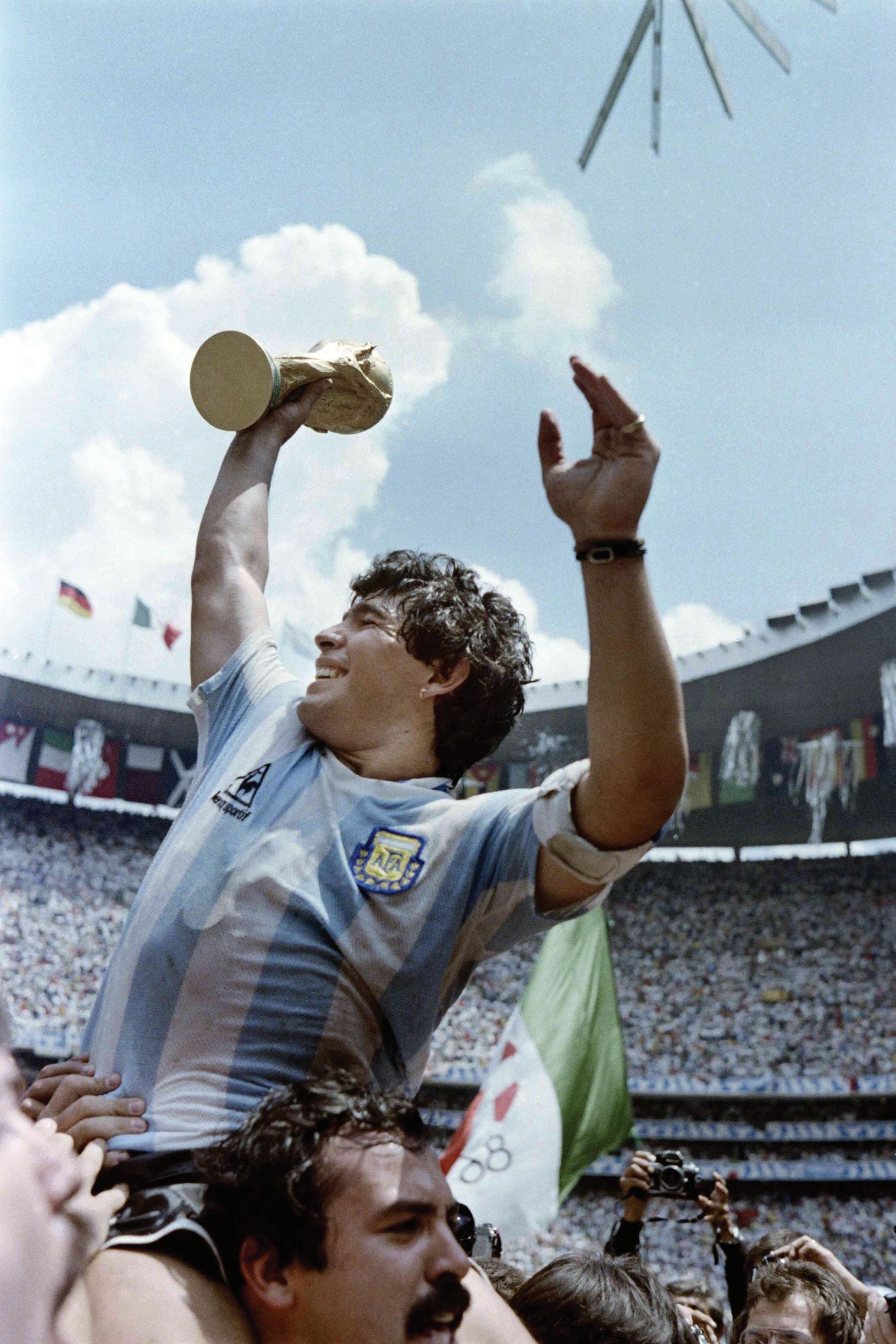
The turning point came early in the second half. In the 51st minute, Maradona chased a loose ball into the penalty area alongside England goalkeeper Peter Shilton. As the ball dropped, Maradona leapt and used his left hand to punch it into the net. The referee allowed the goal to stand, missing the handball entirely. Maradona later described it as scored “a little with the head of Maradona and a little with
the hand of God,” giving rise to the now-famous phrase “Hand of God.” The goal was controversial, sparking outrage among England players and fans, and it remains one of the most debated moments in football history.
Yet what followed just four minutes later overshadowed even that controversy.
Receiving the ball in his own half, Maradona embarked on a breathtaking solo run.
“Four
minutes separated football’s greatest controversy from its greatest goal.”
He dribbled past five England players with incredible control, agility, and balance, before rounding the goalkeeper and calmly slotting the ball into the net. This goal, often referred to as the “Goal of the Century,” is widely regarded as one of the greatest ever scored. It showcased not just technical brilliance, but also composure under pressure and an intuitive understanding of space and movement.
England managed to pull one goal back through Gary Lineker, setting up a tense final phase. Despite their efforts, Argentina held firm and secured a 2–1 victory. The match concluded with Argentina advancing to the semifinals, carrying momentum that would ultimately lead them to win the tournament.
Beyond the result, the game had a lasting impact on football. It highlighted
the limitations of officiating at the time, contributing to long-term discussions about fairness and the eventual introduction of technologies like the Video Assistant Referee (VAR). At the same time, it demonstrated the sport’s capacity for moments of individual genius that transcend controversy.
For Maradona, this match became the defining moment of his career. It encapsulated both the brilliance and the complexity of his legacy, a player capable of bending the rules and redefining excellence within minutes. Decades later, the encounter remains a benchmark for drama, skill, and narrative in football history, often cited as the perfect example of why the sport captivates billions around the world. The match also demonstrated the immense global influence of the FIFA World Cup as a stage where moments can become part of cultural history. Millions watched the drama unfold live, while newspapers, television broadcasts, and documentaries continued analyzing the game for decades afterward. The contrast between Maradona’s controversial handball and his extraordinary solo goal created one of the greatest narratives ever seen in sports—a blend of controversy, emotion, rivalry, and unmatched talent. Even today, the match is regularly revisited by football fans and historians as a defining example of how a single World Cup game can leave a permanent mark on global sporting culture.
� The modern rules of football were first standardized in 1863 by the The Football Association in England
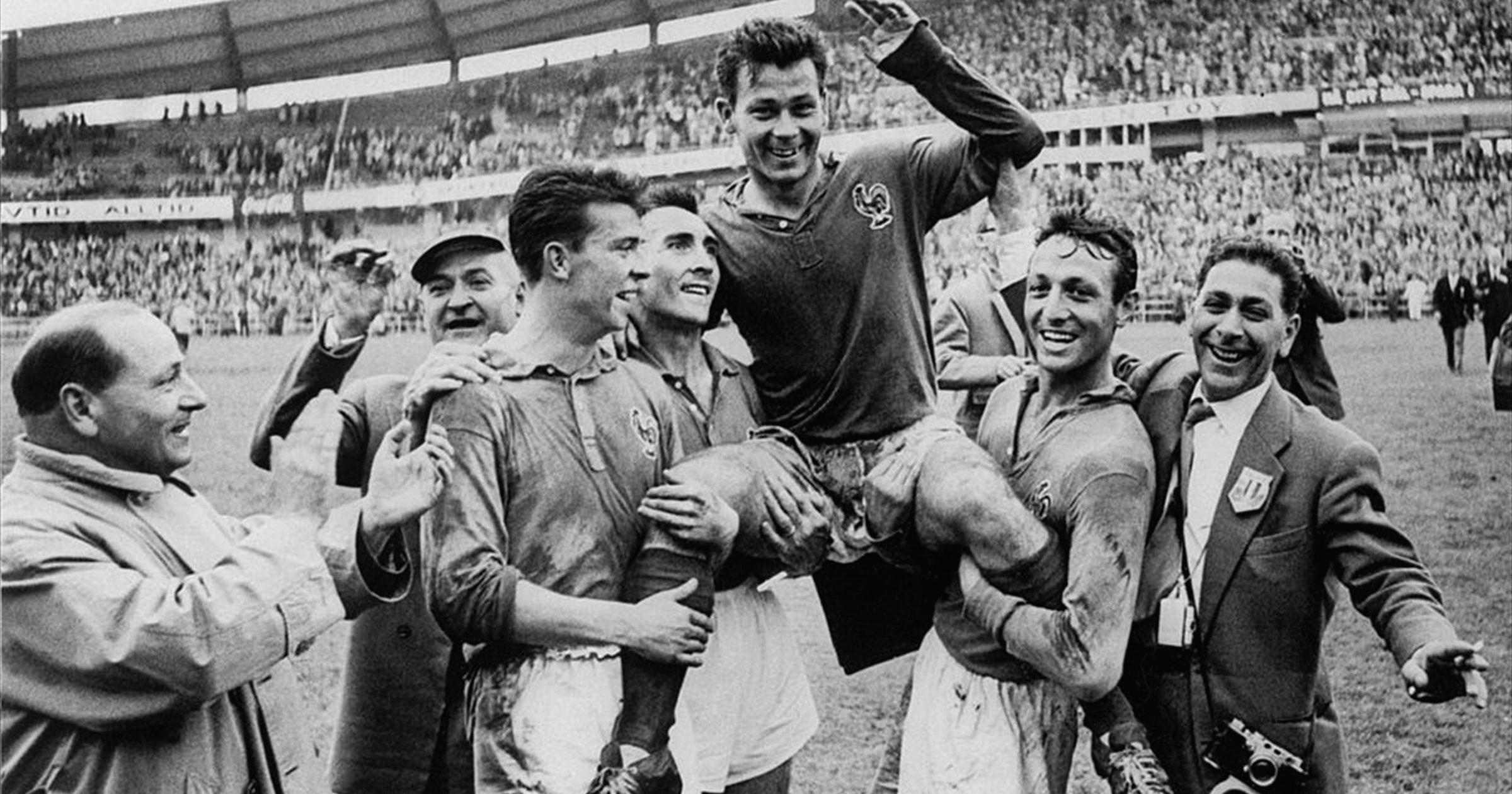
� The first-ever FIFA World Cup was held in 1930 in Uruguay with only 13 teams participating.
� A standard football match lasts 90 minutes, but added time, known as stoppage time is determined by the referee to compensate for interruptions.
� The fastest goal in professional football history was scored in just over 2 seconds from kickoff.
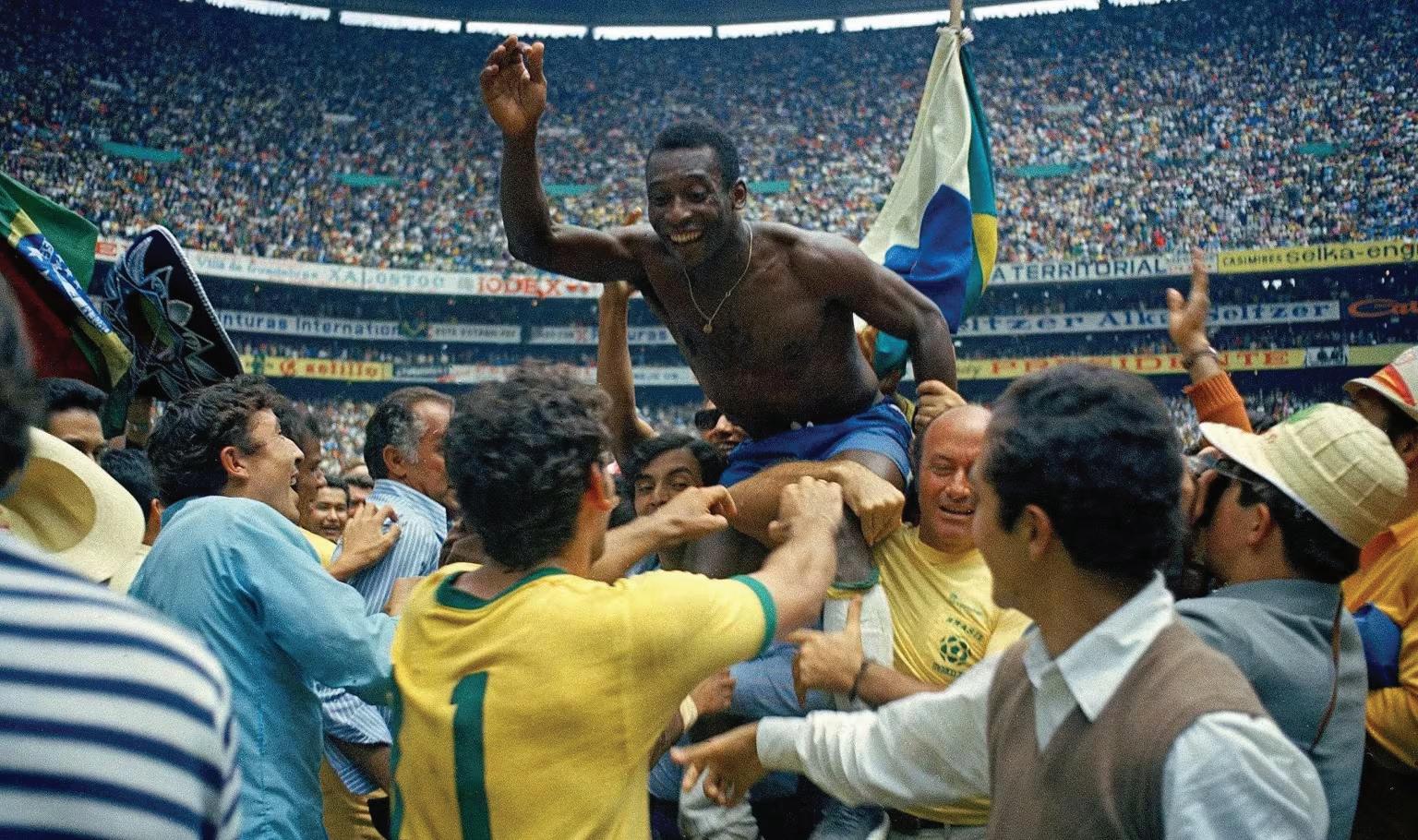
� The iconic black-and-white football design became popular after the 1970 World Cup to make the ball more visible on television.
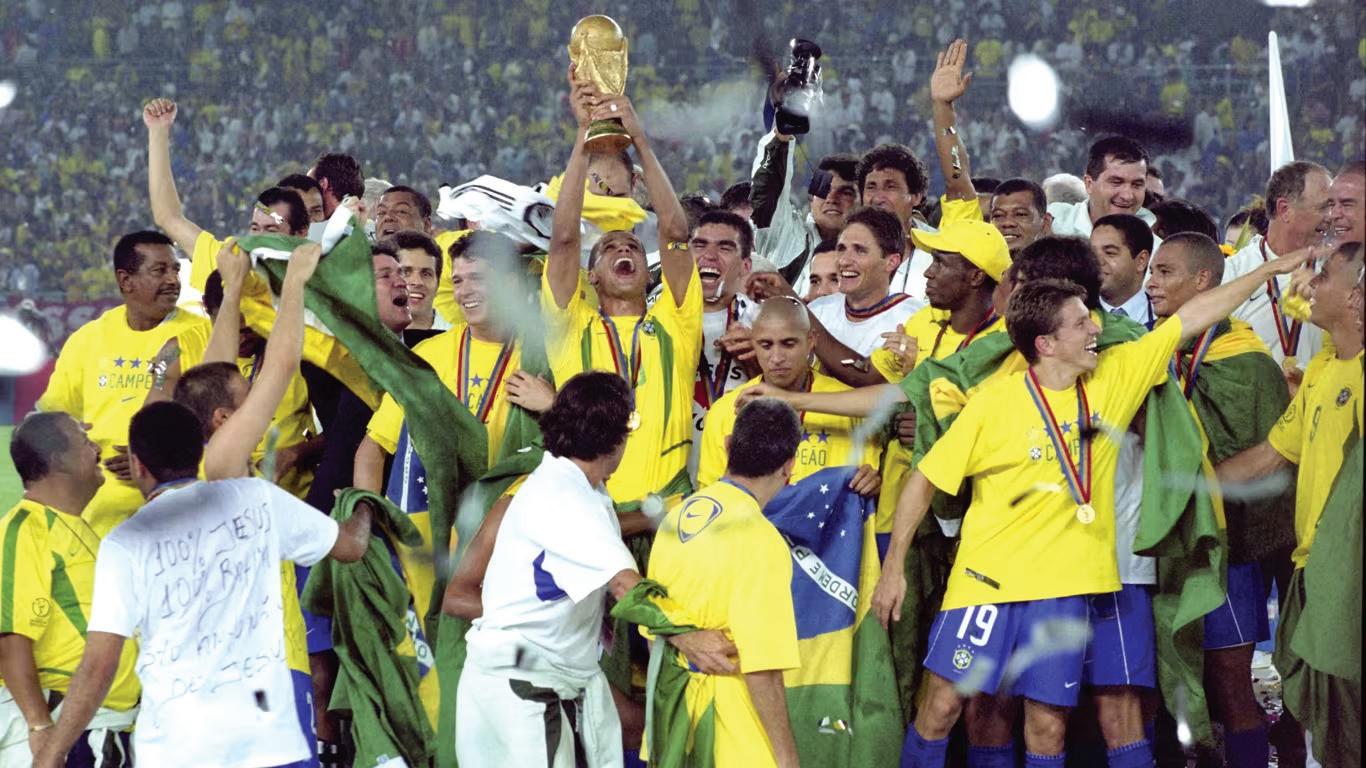
� Brazil is the most successful nation in World Cup history, winning the tournament five times.
� The largest football stadium in the world is the Rungrado 1st of May Stadium, with a capacity of over 100,000 spectators.
� Football is played by more than 250 million players in over 200 countries, making it the world’s most popular sport.
� The term “soccer” originated in England as a slang abbreviation of “association football,” coined by students in the late 19th century.
� The governing body FIFA has more member nations than the United Nations.
� The first international football match was played in 1872 between England and Scotland, ending in a 0–0 draw.
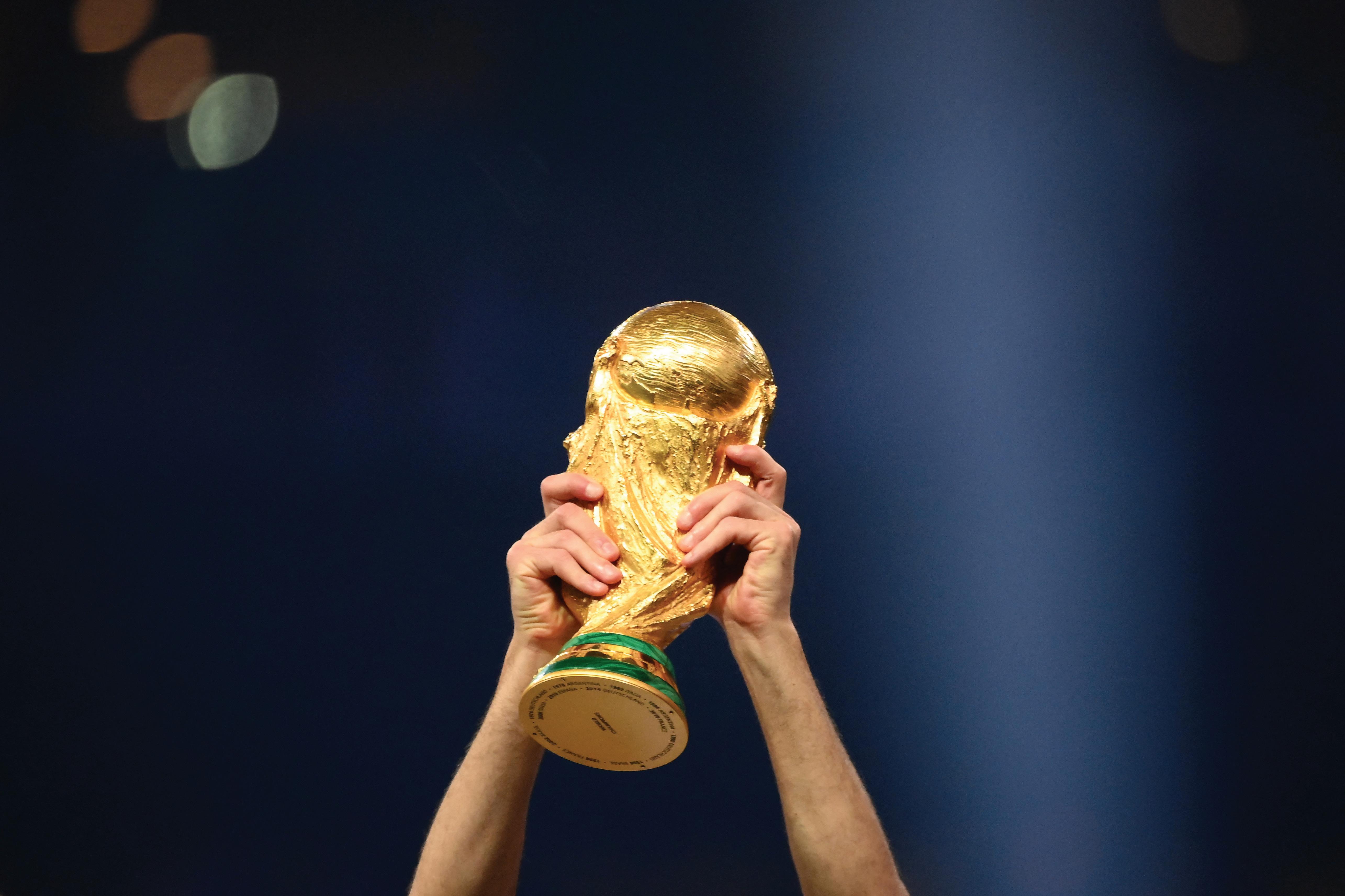
� The Jules Rimet Trophy, the original World Cup trophy, was permanently awarded to Brazil after their third win in 1970 but it was later stolen and never recovered.


FriedCalamari
Saffron
SupremeNachos
Tortilla
Curry&Fries
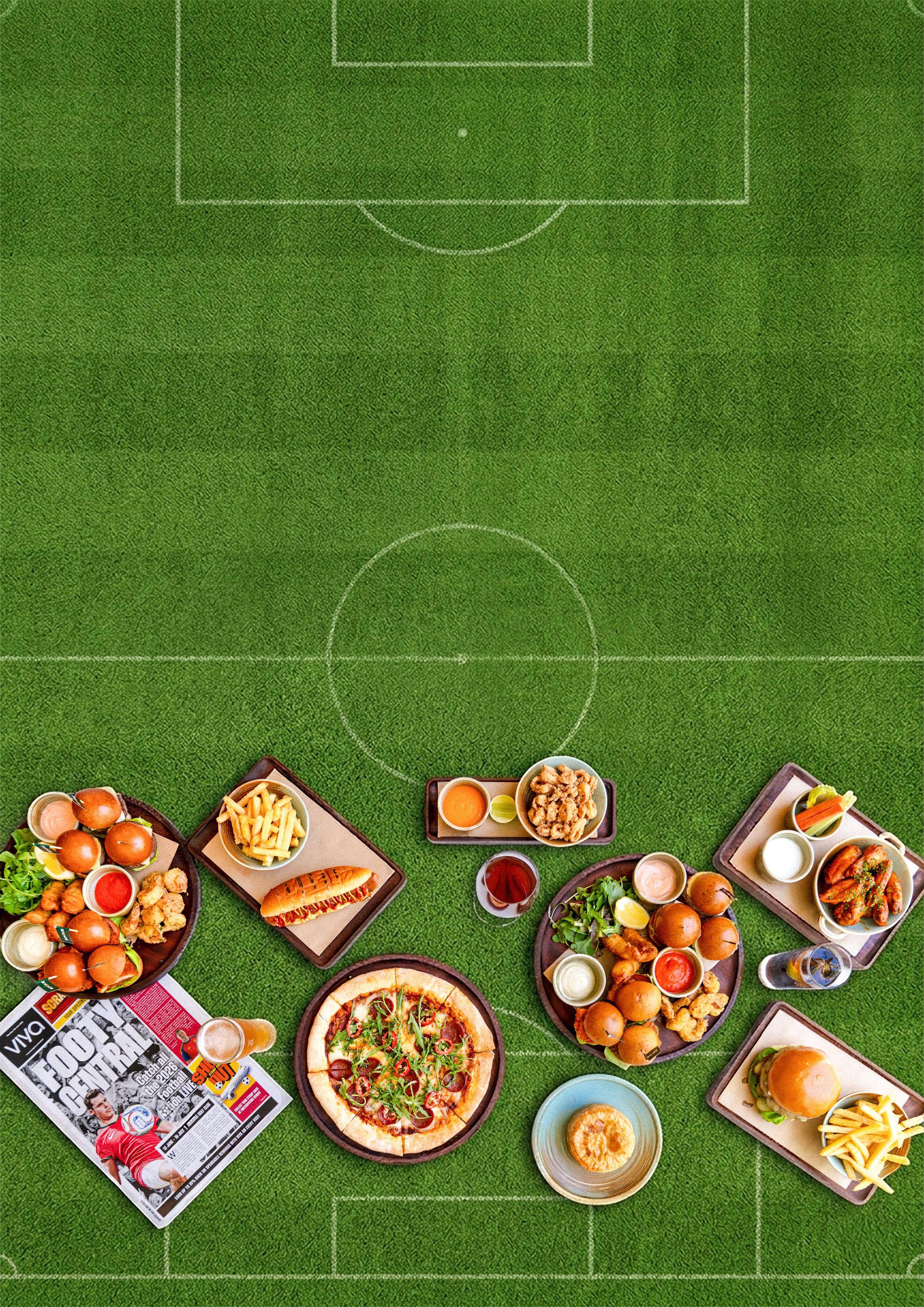
CobbSalad
Chicken,
Avocado,
Fish&Chips
BeefBurger
Grilled homemade beef patty, caramelised onions, pickles, mature
BeefHotDog
BeyondVeganBurger
Plant-based
Roasted
Beef pepperoni, tomato, mozzarella, baby rocket salad









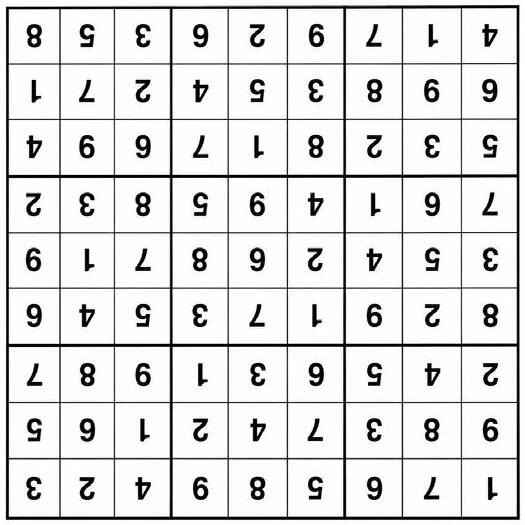
Test your football knowledge and challenge your friends. No searching. No shortcuts. Honour system only. Answers hidden somewhere else in this edition.
Question 7
Which country hosted the 2022 FIFA World Cup?
A.
A.
Question 8
Which manager has won the most UEFA Champions League titles?
A.
Question 9
Which country has appeared in the most FIFA World Cup tournaments?
A. Germany
B. Argentina
C. Brazil
D. Italy
Question 10
A player receives two yellow cards in the same match. What happens next?
A. The player is substituted automatically
B. The team loses one goal
C. The player receives a red card and is sent off
D. The match is paused for review
Bonus Question What is the most dangerous sentence during football season?
A. “One more drink?”
B. “It’s only a game.”
C. “Your team isn’t that good.”
D. All of the above
• every friday • 7.30 pm onwards • cheese, wine and all that jazz
Jones the Grocer
2 hour packages: AED 199 for unlimited wine and cheese platter or AED 249 with charcuterie platter









♈ Aries
You will confidently predict the score before kick-off and somehow still get it wrong.
♉ Taurus
Your ideal matchday includes good food, a comfortable seat and absolutely nobody touching your fries.
♊ Gemini
Supporting two teams at once is becoming suspicious.
♋ Cancer
You say football is “just a game” until your team loses.
♌ Leo
You
♍ Virgo