
SUSTAINABILITY MAGAZINE

Edited
Mahdi.K
TABLE OF CONTENTS
Opening Remarks.....................................................................................................................................Mahdi.K
Project Showcase
Section I - Sustainable Law and Finance................................................................................................................
Section Introduction
Green Promises or Greenwashing?
W
W
How Central Banks Can Drive Sustainable Finance ......................................................................Amar .L
Sustainability: Today’s Top Priority For Companies and Investors
Sustainability inflation
Solar at Scale: The Economic Viability of a Global Solar Transition ..........................Ali-Mansur .V
Section II - Sustainable Technology and Engineering
Section Introduction....................................................................................................................................Harman
Applications of Computer Vision for Monitoring Carbon Credit Sequestration
Bio-Composites
The Graphene Revolution: Transforming Energy and Healthcare Solutions..................Aadit .N
Section III - Innovation in Sustainability
Section Introduction
Kinetic flooring & Sustainable energy through every step..........................................................Sahil
Sustainable Architecture
Innovation in Cooling Methods.............................................................................................................Abhinav
Acknowledgements
OPENING REMARKS
by Mahdi.K

Sustainability has become a defining challenge of our generation because it influences every major field from global finance to engineering and public policy. The choices societies make today will shape the stability of future ecosystems, the direction of innovation
and the resilience of tomorrow’s economies. By engaging with sustainability, students begin to understand how environmental goals link with social progress and long term economic planning. Writing for this magazine offers a chance to explore these ideas with depth and to contribute thoughtful perspectives that can guide meaningful action within our community and beyond
Welcome to DC’s second ever magazine dedicated to sustainability! Within these pages, you will find students from Year 7 to Sixth Form exploring a wide range of issues and perspectives regarding sustainability. From Sustainable inflation to the use of AI/ML Computer Vision in Monitoring Carbon Credit Sequestration, this magazine covers topics that cover a large amount of the ever-growing realm of sustainability.
“We don’t have to engage in grand, heroic actions to participate in change. Small acts, when multiplied by millions of people, can transform the world.” - Howard Zinn
PROJECT SHOWCASE
In Collaboration with the DC Computer Science Society
What started as an idea could well be the solution to DC’s traffic problem in the foreseeable future.
DC CarShare was first presented by Mr Blackwood to the Sustainability Club; it was a simple idea: an app to match parents and make carpooling frictionless
After hearing about the idea, we developed a roadmap to build this app and deliver it to parents. We took our vision to the CS Society, where we presented the opportunity to students Rather than making this a project about code, we made this a journey about mentorship, learning, and managing a real project We worked with our dedicated team over the last term, iterating the product between technical sessions at the CS Society and feedback presentations at the Sustainability Club.
The result was an app driven by the minds of not one or two, but over thirty students Our market research of over 150 students and 400 parents validated out hypotheses Using the abundance of information at our disposal, we built DC CarShare – the final solution to DC’s congestion and traffic, and a step to move the school in a sustainable direction This culminated in a presentation in the boardroom to the SLT, including Mr. Blackwood, Ms. Hodder, Mr. Barker, and Mr. Wood. We hope to take their feedback forward to move this app from the confines of the developers to the hands of real parents That’s what DC CarShare has always been about




SUSTAINABLE LAW AND FINANCE
Edited by Donghoon.W
SECTION INTRODUCTION
by Donghoon.W
In finance, sustainable practice means making decisions that take into account environmental, social and ethical impact. This includes supporting renewable energy, lowcarbon technologies, and business models that benefit society as well the planet. Central banks and financial regulators play a key role shaping rules, incentives, and polic that influence where money flows and how risks are managed. From green loans to climate-related financial disclosures, sustainable finance is becoming central to the way economies adapt to the climate crisis.
Every investment and policy decision has consequences, and it is important that sustainability is considered at every stage. From regulation and lending to reporting and risk assessment. This encourages transparency, long-term planning, and responsible management of financial resources.
Sustainable finance does more than protect the environment; it also promotes economic stability, fairness, and resilience By integrating sustainability into financial systems, central banks and regulators can guide economies toward a low-carbon future while supporting growth and social well-being. This includes encouraging investment in renewable energy, energy-efficient infrastructure, and businesses that follow ethical practices, which can create jobs and strengthen communities It also means managing risks from climate change, such as extreme weather events or stranded assets, so that economies remain stable even as they transition. Ultimately, sustainable finance is about ensuring that financial decisions today do not compromise the ability of future generations to meet their needs.
GREEN PROMISES OR GREENWASHING?
by Donghoon .W
RISING POPULARITY
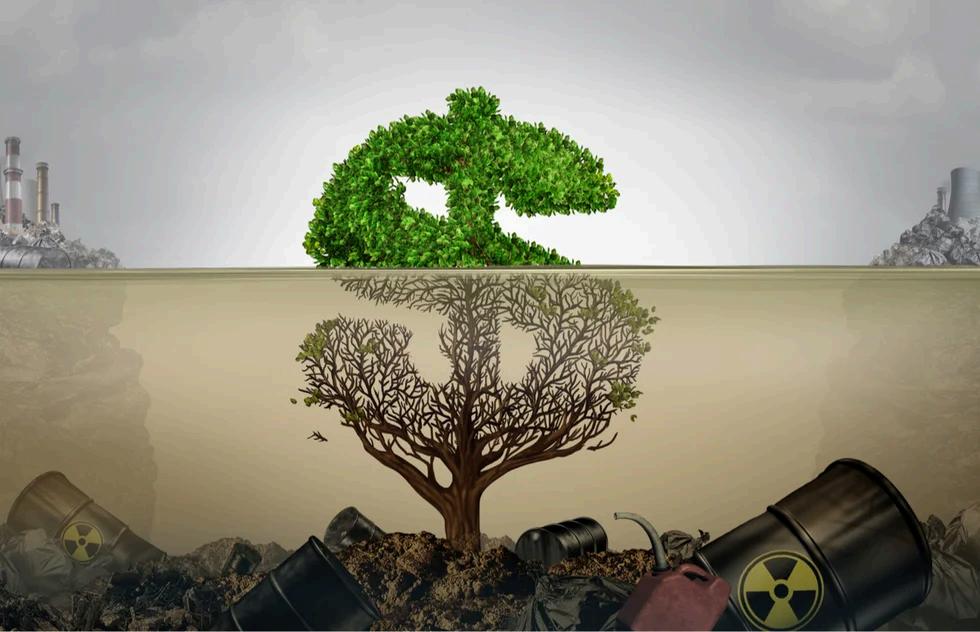
In recent years, sustainability has become a central part of how major corporations present themselves to the public. Companies now widely advertise their efforts to cut emissions, adopt renewable energy, and create environmentally friendly products This shift reflects growing pressure from consumers, investors, and governments who expect businesses to act responsibly on climate change. But as the number of green claims increases, an important question arises: Are companies actually telling the truth about their climate impact, or are some overstating their progress?
WHAT IS GREENWASHING?
A major issue is the rise of greenwashing, where companies exaggerate or misrepresent their environmental achievements Many firms highlight small improvements while ignoring much larger sources of emissions. A report by the New Climate Institute found that some of the world’s biggest companies such as Amazon, Google, Apple, Ikea, and Nestlé are failing to meet their own climate targets and are overstating their progress. These companies account for about 5% of global greenhousegas emissions, giving them enormous influence Yet the report concluded that none had “high-integrity” climate strategies In many cases, their plans would reduce emissions by only about 40%, far below what their “net zero” claims suggest In response to these concerns, governments and regulators are stepping in The European Union has introduced strict laws requiring companies to provide scientific evidence for environmental claims The UK’s Green Claims Code also aims to stop misleading advertising
A key part of the problem is Scope 3 emissions, which cover everything in a company’s supply chain from raw materials to product use. For companies like Apple, up to 70% of their carbon footprint comes from these indirect sources. Yet many companies fail to include these emissions in their climate plans, meaning the public only sees a partial picture. This makes it difficult for consumers to distinguish between genuine climate leadership and carefully constructed marketing.
CARBON OFFSETS
Another challenge comes from the growing use of carbon offsets. Instead of directly reducing their emissions, many companies buy offsets that fund tree planting or renewable energy projects However, research has shown that many offsets are unreliable or overestimated. Companies often use them to claim they are “carbon neutral” even if their actual emissions have not significantly decreased. This allows businesses to look greener on paper while avoiding real structural change
Once again. the issue becomes even more complicated when looking at how companies talk about future technologies Some firms promote long-term innovations, such as carbon capture or advanced nuclear energy, as proof of their commitment to the climate. But these technologies are uncertain, expensive, and years away from becoming effective at scale According to sustainability expert Bill Weihl, many companies use these “future” solutions to distract from the environmental harm they are causing today. For example, tech companies may highlight AI tools for climate solutions while simultaneously selling AI systems to oil companies, helping expand fossil fuel production This creates an illusion of progress that delays meaningful climate action
GOVERMENT AND REGULATION
In response to these concerns, governments and regulators are stepping in The European Union has introduced strict laws requiring companies to provide scientific evidence for environmental claims The UK’s Green Claims Code also aims to stop misleading advertising These policies are intended to create more transparency and hold companies accountable for dishonest sustainability reporting.

Despite growing regulation, the responsibility for improving honesty still lies with companies. True sustainability requires accurate data, clear communication, and a willingness to admit challenges rather than hiding them. Companies must prioritise real emissions reductions, not just publicity campaigns or unreliable offsets They also need to openly support climate policies instead of quietly opposing them through trade associations But beyond this, businesses must integrate sustainability into their core strategy rather than treating it as an add-on or branding exercise

CONCLUSION


Consumers, too, play a major role in shaping corporate behaviour. As public concern over climate change grows, people want to buy from environmentally responsible companies Brands know this and some exploit it. Terms like “ecofriendly,” “net zero,” or “sustainable materials” are used freely in marketing, often without proof. This puts consumers in a difficult position: they want to make ethical choices but are overwhelmed by vague or exaggerated claims This confusion highlights the need for clearer rules and trustworthy standards so people can make informed decisions
So, are companies telling the truth about their climate impact? Some are but many are not While a number of businesses are genuinely committed to reducing emissions, others exaggerate their progress or leave out major sources of pollution To fight climate change effectively, society needs transparency, not marketing. Until companies fully reveal their environmental impact and take real action rather than relying on promises the public will continue to face a confusing mix of truth, halftruth, and misleading claims.At the same time, the push for honesty cannot come from companies alone. Governments, investors, consumers, and civil society all have a role to play in demanding clearer data and stronger accountability As climate risk grows, the world cannot afford vague commitments or polished sustainability reports that lack evidence.
HOW CENTRAL BANKS CAN DRIVE SUSTAINABLE FINANCE
by Amar .L
Central banks play a crucial role in the global financial system because they influence both investment decisions and the overall stability of economies This means they are in a unique position to encourage sustainable finance and support the transition to a low-carbon future Acting on climate change is not just an ethical responsibility for central banks; it is necessary to maintain long-term economic, social, and financial stability. Without their involvement, the financial system risks supporting high-carbon industries that could threaten global economies.
THE URGENCY OF CLIMATE ACTION
The science behind climate change is clear and urgent Global greenhouse gas emissions must fall sharply in the coming years to prevent dangerous and potentially irreversible climate impacts Countries have agreed under the Paris Agreement to limit global warming to well below 2°C, with an ideal target of 1.5°C. Research by organizations such as the International Energy Agency (IEA), the International Panel on Climate Change (IPCC), and the Network for Greening the Financial System has highlighted the pathways and actions needed to meet these goals Central banks can use their existing tools, such as monetary policy adjustments and capital requirements, to steer investments away from fossil fuels and high-carbon industries. By doing so, they can encourage a financial system that actively supports green growth and sustainable economic development
CLIMATE ACTION WITHIN CENTRAL BANK MANDATES
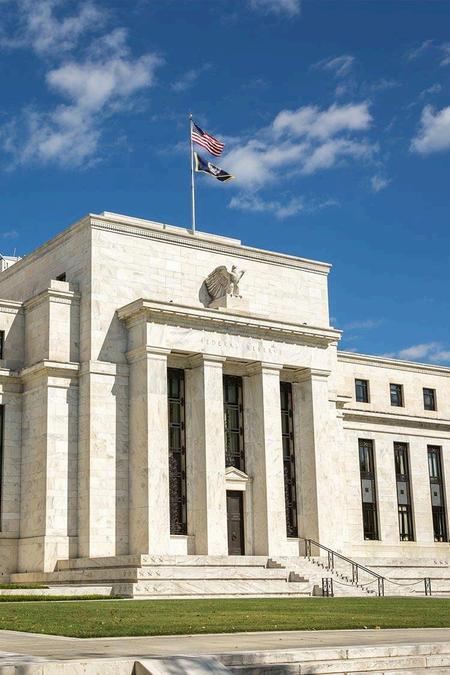
Addressing climate change is clearly within the mandates of central banks. While some critics argue that climate action is outside their responsibilities, long-term financial stability cannot be maintained without a stable climate Climate risks affect employment, economic growth, and overall market stability. For example, the Federal Reserve focuses on employment, the People’s Bank of China on economic growth, and the European Central Bank on supporting EU economic policies All of these objectives are affected by the climate transition, making sustainable finance an essential part of fulfilling their mandates.
THE NEED FOR IMMEDIATE ACTION
The need for immediate action is pressing According to the IEA, achieving net-zero emissions by 2050 requires no new oil, gas, or coal projects, and investment in fossil fuels must stop immediately to avoid stranded assets At the same time, clean energy investment must increase by USD $4 trillion per year until 2030 This creates both a risk for high-carbon industries and an opportunity for low-carbon sectors. If central banks fail to act, financial systems may continue to support investments that will lose value over time, leaving economies exposed to sudden shocks as the world transitions toward sustainability.
Conversely, early and decisive action can direct capital toward renewable energy, energy-efficient infrastructure, and other green technologies, creating new jobs and fostering economic growth while addressing climate risks. Central banks can help by implementing policies that favour green investments, such as adjusting risk weights for high-carbon lending, excluding fossil fuels from asset purchase programs, or changing collateral frameworks.
Additionally, they can encourage transparency through climate-related disclosures, reward banks that lend to sustainable projects, and support financial innovations such as green bonds or sustainability-linked loans. By taking these steps, central banks would make green finance a standard practice rather than an optional, ethical alternative, sending a clear signal to markets and investors that the low-carbon transition is both urgent and economically advantageous.
GREEN IN ACTION: THE UAE

Practical examples show how banks can lead the way In the UAE, banks are pioneering green finance initiatives by funding renewable energy, energy-efficient buildings, sustainable transport, and other environmentally friendly projects They are also developing innovative products, such as green loans, sustainability-linked bonds, blended finance, and transition financing
Many banks are even leveraging Islamic finance products to broaden access to sustainable investments The UAE banking sector has pledged to mobilize AED 1 trillion in sustainable finance by 2030, supporting the country’s net-zero ambitions under the Paris Agreement Banks like Emirates NBD provide ESG advisory services to clients and integrate environmental considerations into their core operations
CHALLENGES AND CONSIDERATIONS
Despite progress, there are still many challenges Banks need to make sure they avoid greenwashing, which happens when investments are claimed to be environmentally friendly but actually are not. This is important because it can make people lose trust in sustainable finance They also have to make sure that green finance is available to lots of businesses without making it too risky for banks or excluding smaller companies
On top of that, banks have to deal with rules and reporting requirements, such as following the Taskforce on Climate-related Financial Disclosures (TCFD), and keep up with changing sustainability standards It can also be hard to measure the full impact of a company’s activities, including emissions from its supply chain. Even though these challenges exist, they are not impossible to deal with Central banks and regulators can help by giving clear guidance, encouraging transparent reporting, and creating rules that reward sustainable lending while discouraging high-carbon investments. If banks tackle these issues properly, they can make sustainable finance stronger and speed up the move to a low-carbon economy

CONCLUSION
Central banks have both the authority and responsibility to drive sustainable finance By redirecting investments toward low-carbon industries, integrating climate risks into financial regulation, and supporting the development of green financial products, they can help achieve net-zero targets and protect economic stability The example of the UAE demonstrates that banks, when guided by supportive policies, can successfully contribute to a greener, more sustainable economy. Central banks, therefore, are not just regulators but essential leaders in shaping a secure, low-carbon future
SUSTAINABILITY: TODAY’S TOP
PRIORITY FOR COMPANIES AND INVESTORS
by Mireya .G
I have some questions for you Please consider them:
Do you consider it important to wear only those brands or use products that do not cause health and environment concerns due to carbon emissions?
Do you want everyone, even while at different income levels, to have clean and free drinking water and no one goes hungry?
Do you want all children like us to get education and go to schools?
Do we want everyone to have a good quality of life not just us ?
Do you, think women should also be in senior management roles ?
If the answer to all of the above is yes, then we know that our generation can attain further sustainability with knowledge, education, information, and innovation and make a difference!
We are sustainable when we consider, what we and others, need -not just now but also in the future! And how what we need has been made was it made from causing an adverse impact on the environment or was the impact on the environment, human rights and health to people taken into consideration
ESG stands for Environment, Social and Governance factors and sustainability brings a balance between these factors


From a company’s perspective:
In the field of law and finance, in order to be sustainable, the following questions are important to ensure ESG-compliant investing:
Did the company consider the ESG factors before making an investment decision, such as the impact on climate change, pollution, labor conditions, and poverty levels?
Did the company include every department so that ESG factors can be evaluated by all departments, and do they present a report to management?
After approval by management, did the company develop suitable products and services including the ESG factors?
Was the company transparent in disclosures in financial statements and reports about ESG factors that were considered for making investments?
Did the company ensure that it was audited by an ESG certifier/auditor?
Lawmakers and regulators of financial companies should make rules and regulations to include ESG into the policies of companies and then monitor these companies It can be checked whether the companies are complying with the laws and regulations before and after making the required disclosures on the ESG factors.
From an investor’s perspective:
As an investor, the preference to invest in companies should be based not only on financial numbers but also on the ESG value a company possesses.
Today, an investor will prefer to buy shares of a company by calculating an ESG score for such a company. Therefore, every portfolio today should be an ESG-friendly portfolio
Here is an ESG score calculation:
An investor can invest through a trading platform in companies that have ESG factors and build a portfolio:
Support to schools: 30/100
No coal as a raw material: 40/100
Has built public toilets: 30/100
Financial companies should provide investors with ESG factors that are already embedded into their trading platforms, similar to factors related to share performance and the risk of investing in a company. Therefore today it’s not just the risk and performance of a share that an investor should consider
The ESG score should be calculated by an online trading tool and show the investor that before investing whether the stock they are buying has all ESG factors that matter to the investor The tool will assess those stocks (companies) that truly matter to an investor and align with what’s important to the investor.
Companies can offer investors ESG certificates upon a certain minimum amount of investment in ESG-compliant companies With the money that financial companies make from ESG investments, they can sponsor educational and health programs in rural areas. Financial companies can also put restrictions that you cannot invest in a coal- or oilproducing company

SUSTAINABILITY INFLATION
by Mahdi .K
SUSTAINABILITY AS A LUXURY
Sustainability has become the modern language of progress. Governments worldwide are pledging netzero targets, companies are releasing unnecessarily glossy ESG (Environmental Social Governance) reports, and consumers are told that their insignificant choices can save the planet. Yet beneath the optimism lies an uncomfortable truth: being green is getting pricey The cost of sustainability is rising much faster than the world’s ability to afford it This paradox, which can be referred to as sustainability inflation, is reshaping how societies, markets, and policymakers balance growth with environmental responsibility =

Like price inflation, sustainability inflation describes a world where the cost of being environmentally responsible increases over time. Green products, renewable energy, and ethical investments all come with premium price tags A sustainable lifestyle has become more accessible to the wealthy than to the average citizen Electric cars, solar panels, and plant-based diets are often framed as solutions for everyone, yet they remain luxuries for majority This divide reveals the pertinent risk of turning sustainability into a symbol of wealth rather than a shared goal As a result, the environmental movement risks becoming socially exclusive something people aspire to but cannot realistically afford. The narrative of “green choices” begins to shift from collective responsibility to personal privilege, widening social divides and undermining genuine climate progress If sustainable options continue to carry inflated costs, public participation will weaken, and sustainability itself may become a status marker instead of a universal pathway to a better future
POLICY DESIGN AND THE BURDEN ON CONSUMERS
These permits or allowances are issued by the government in limited numbers, and companies must purchase them in order to emit carbon If a company reduces its emissions, it can sell its surplus allowances to other companies that are failing to meet their limits, thus creating a market for carbon allowances whose price is determined by supply and demand Cap-and-trade systems have been established in the European Union and California, where it has helped reduce emissions from large polluting sectors.
From a land use perspective, sustainability inflation highlights the age-old battle of environmental damage against economic prosperity. Land use decisions sit at the heart of both. Urban regeneration projects often promise sustainability but raise property values, pushing out the very residents they were meant to benefit Renewable infrastructure, like wind farms or solar fields, requires vast areas of land that sometimes compete with agriculture or conservation. As the price of sustainable land rises, so too does the cost of making that green transition
Financial markets tell a similar story ESG investing has grown into a trillion-dollar industry, but it often reflects branding rather than transformation Companies that are able to afford the necessary certifications and compliances attract capital, while smaller firms trail behind This creates an uneven playing field where sustainability becomes a market barrier. If finance continues to treat environmental responsibility as a premium product, sustainability will inflate not only prices

but also inequality Capital should flow toward innovation and efficiency, not just toward those who can pay for ‘green’ labels.
MAKING SUSTAINABLE CHOICES ACCESSIBLE FOR ALL
Governments and institutions face a tedious task: crafting sustainable policies that do not price out a large proportion of the public This requires shifting from consumption-based environmentalism toward structural reform While easier said than done, policy should focus on making greener choices the default. Government investments into public transport, renewable grids, and efficient housing lower collective costs over time. Efficient regulation can also ensure that sustainability standards do not become tools of exclusion, especially in developing economies where resources are scarce but innovation is high
REDUCING SUSTAINABILITY INFLATION
Contrary to popular belief, sustainability inflation is not inevitable. It reflects a system that externalises costs instead of distributing them fairly. A sustainable planet depends on decreasing the cost of doing good, both economically and politically That means treating environmental progress as a public good, not a private, exclusive product
SOLAR AT SCALE: THE ECONOMIC
VIABILITY OF A GLOBAL SOLAR TRANSITION
by Ali-Mansur .V
The global energy landscape stands at a critical inflection point. Photovoltaic solar technology has achieved unprecedented cost competitiveness compared to other sources of energy. With utility-scale solar reaching a global weighted average levelized cost of electricity (LCEO) of $0.043/kWh, it has now become 41% cheaper than the lower-cost fossil fuel alternative Thus, the economic benefits of global solar integration have never been clearer However, at a point where unit level costs are so low, one simple question is being raised by policymakers and infrastructure developers globally: How viable is solar energy at a large scale?
To understand this question, we need to examine the current implementation of solar energy in large-scale global economies along with the limitations and requirements needed for solar energy to be integrated on a wider scale. To do this, this article will analyze three major regions: The US, EU and China This will help us understand the practical viability and policy dynamics that are necessary for the global solar transition.
THE UNITED STATES
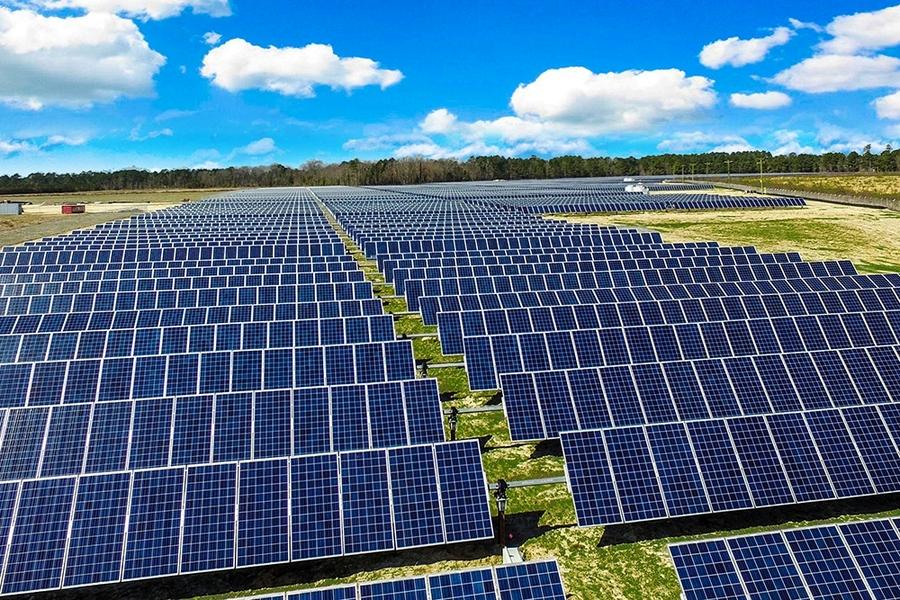
As of 2023, 5.5% of all energy consumption in the US was solar power This makes solar a significant but not yet completely integrated energy source in the context of US consumption However, solar power in
the US is currently growing at an incredibly fast rate In 2023, 263 gigawatts of new solar power were connected to the electricity grid. This is a significant increase since previous years, shattering previous record for new solar in the US. Additionally in 2023, 184 GW of centralized solar systems were created in the US, an additional 63% increase since years prior.
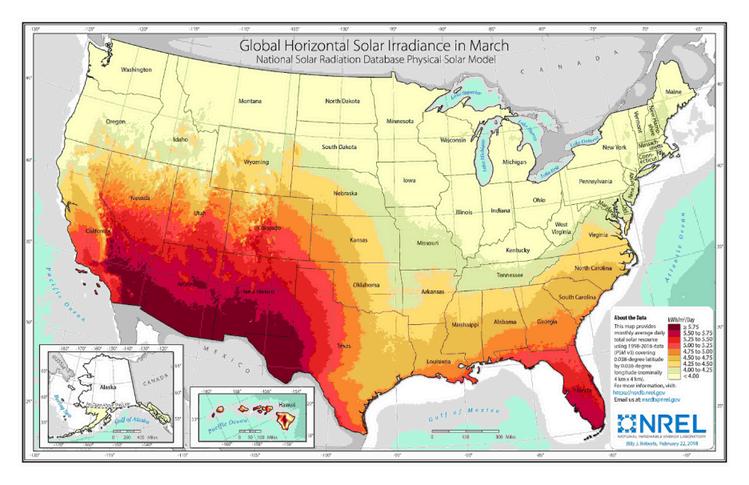
The main catalyst for such growth is the many policies introduced by the United States federal government In 2022, US president Joe Biden signed into law the Inflation Reduction Act (IRA), and as one of its main components, the IRA included nearly 370 billion US dollars for investing in solar power This act was the most significant support solar power has ever received from Washington and contributed to 2023 becoming a record year for the growth of solar power in the United States. The US federal government has also introduced policies giving tax credit to both producers and consumers of Solar energy, as well as low-income users of solar energy and manufacturers who build solar primarily in the United States
There have also been many very successful policies introduced at the state and municipal level One of the most prominent policies introduced in many states are Renewable portfolio standards, or RPS. RPS require solar energy suppliers to generate a certain amount of electricity by a certain time, and this helps the expansion of solar power as solar suppliers will be monetarily penalized with non-compliance Another one of the most significant state policies related to solar power is California’s solar energy mandate for new low-rise homes.
One pattern between many significant policies in all levels of the US government is a focus on manufacturing. The US has historically imported the vast majority of their solar panels from other nations, including China, Vietnam, and Malaysia, but there has been a recent increase in US solar manufacturing This spike has been in part to the IRA, and other policies including a 10% tax credit bonus for domestic solar manufacturers.
While there is a great amount of promise for Solar in the United States, one of the most significant shortcomings in US solar power is the disparity in solar power between municipalities. Differences in policy have led to increased variability in solar power adaptation in communities across not only the nation, but states and even counties too In order for solar to grow in the United States, it must be embraced by all communities.
Additionally, there has been significant backwards momentum in the US renewable energy industry to due policies implemented in Trump’s second term. As an advocate for non-renewables and US drilling, Trump has significantly reduced investment into solar energy, putting much less emphasis on sustainable goals compared to his predecessor The future trajectory of US sustainable energy now relies on developers riding off the momentum generated under Biden’s administration to further make solar power within US households and communities
THE EU
In the EU, solar energy is the fastest-growing energy source Currently the total solar capacity of the EU is at 338 GW, and their goal is to reach 400 GW by the end of this year, and 750 GW by 2030.
There are various initiatives across the EU that have contributed to the rapid growth of solar energy across of member nations


European Solar Rooftops Initiative
The initiative aims to accelerate the vast and underutilized potential of rooftops to produce clean energy. It included a proposal to gradually introduce a ‘solar-ready’ obligation for new buildings. Such provisions were included in the revised Energy Performance of Buildings Directive, introducing obligations for new buildings to be solar-ready. For existing public buildings, solar will need to be gradually installed, starting from 2027
EU large-scale skills partnership
This partnership was launched in March 2023 following its announcement in the Solar Strategy. It aims to address the skills gap in the EU and shows
the development of a skilled workforce in the renewable energy sector Current bottlenecks in the workforce will become an opportunity for new green jobs, driving the clean energy transition.
EU Solar PV Industry Alliance
The European Solar PV Industry Alliance was launched by the Commission together with industrial actors, research institutes, associations and other relevant parties on 9 December 2022 to support the objectives of the EU's Solar Energy Strategy
The alliance is a forum for stakeholders in the sector focused on ensuring investment opportunities and helping to diversify supply
chains, retain more value in Europe and deliver efficient and sustainable solar PV products It also offers policy input towards reducing Europe's risk of supply disruptions and supporting the domestic industry.
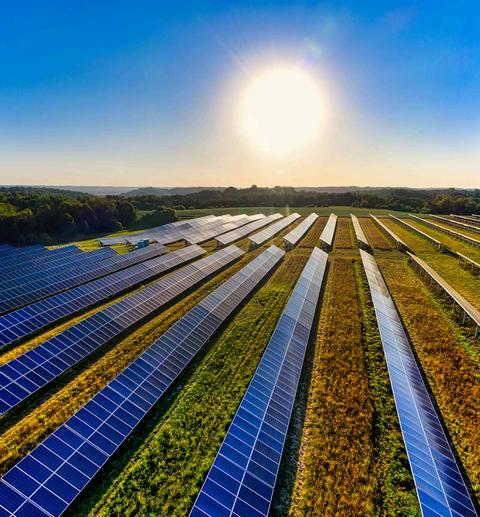
The alliance has endorsed the objective of reaching 30 GW of EU-dedicated manufacturing capacity by 2025, across the entire value chain Reaching this objective would deliver €60 billion of new GDP per year in Europe and create more than 400,000 new jobs
A combination of these initiatives along with individual investment from member nations has made the EU one of the earliest regions to begin hitting its sustainable goals. Even though solar energy may not be feasible for some nations due to low solar irradiance, the EU has driven progress in sustainable energy in general, allowing the world to move forward away from non-renewable sources of fuel.
CHINA
As a nation, China has made significant strides towards solar energy. China’s cumulative installed solar capacity has surpassed 1 TW, according to the National Energy Administration (NEA) By the end of May 2025, solar capacity had reached 108 TW (1,080 GW), up 56.9% year on year. By 2030, China aims to achieve a 1.2 TW (1200 GW) capacity, and estimates show that this will be greatly surpassed. Last year alone, China installed more solar capacity than the rest of the world combined, showing its significant emphasis on solar investment This has led to China has over 1/3 of the world’s solar capacity.
Additonally, China has made significant strides towards expanding its Green Markets Currently, the estimated value of China’s green markets stands at $818 bn, with China
aiming to achieve Carbon Neutrality by 2060 This rise in value of green markets comes from China being responsible for over 80% of the world solar panel manufacturing. A significant goal of Chinese firms is making solar panels cheaper, more efficient with newer technology Examples of this goal include moving from Gen 1 materials such as Crystaline silicon and multicrystaline with a 20% efficiency to Gen 2 and 3 materials including Thin Film PV technologies, making solar panels deliver a much greater ROI for developers and consumers

SUGGESTED POLICY / ACTION
Even though many significant strides are being taken and have been taken, it is crucial to note that we are nowhere near global integration of solar energy. To achieve climate 2030, 2050 and 2100 goals around the world, significant changes in policy must be undertaken
One of the most important tasks all federal systems in the world must achieve is to increase cooperation between different levels of government on the use of solar power The main reason why nations such as China are far ahead of nations such as the United States is because less power is divided between multiple levels of government, and so therefore there is less division on policy, and governments streamline the implementation of solar.
It is also important to note the differences in implementing solar power in rural and urban areas In rural areas, it will likely be easier (and more cost-beneficial) to implement solar as there is more space to build large-scale solar farms, and the rural communities would now be generating their own power In urban areas, buildings may need to use their own rooftop individual solar panels
One of the most effective policies for future adoption of solar is feed-in tariffs. Feed-in tariffs encourage the adoption of renewable energies such as solar and do this by guaranteeing payments to residents for all of the energy they produce that goes back to the energy grid. This has been especially useful in Germany, where feed-in tariffs have helped the nation become the top solar-energy producer in Europe, and could be implemented in governments throughout the world
Power Purchase Agreements, or PPA’s are a rapidly growing measure that helps smaller customers generate their own solar electricity PPAs allow a solar developer to cover the costs of planning and financing the cost for the installation of the solar panels on a customer’s property, and then the developer sells the energy generated back to the customer at a fixed rate. This allows smaller customers of solar to avoid the upfront costs of PV installment This has been especially successful in US states such as Georgia, where increased adoption of PPAs helped Georgia jump from 22nd in the nation to 9th for PV solar generation
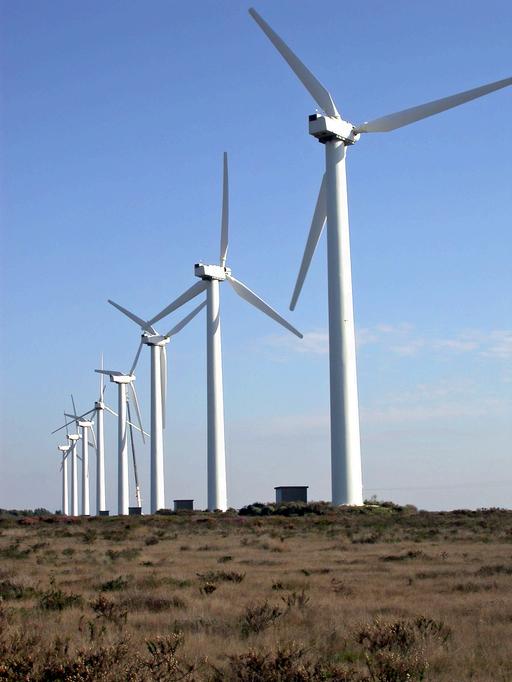
Another policy that continues to be very effective at increasing solar production is offering tax credit and tax breaks to residents, companies, and manufacturers to use/manufacture solar energy These incentives can come from any level of government, federal to municipal, and while they may cost governments extra money, the investment would be worth the small cost. Other policies that should also be more widely adopted are Renewable Portfolio Standards (RPS), and solar power mandates on newly constructed buildings, essentially forcing solar power to expand
Investments in solar in particular are worth the costs because solar power offers an incredibly fast return on investment due to solar farms’ lack of any maintenance cost This means that instead of spending a certain amount of money per month, week, or even day, solar producers spend essentially $0 a year in solar-farm maintenance.
Lastly, as economies grow, they need more energy Currently, the vast majority of new energy remains non-renewable energy, but there is a bi-directional relationship between non-renewable and renewable energy Nations could easily create more of their new energy from renewable sources such as solar, and this must happen in order for any large economy to phase out non-renewable energy and increase solar production .
SUSTAINABLE TECHNOLOGY AND ENGINEERING
Edited by Harman .S


SECTION INTRODUCTION
by Harman .S
Engineering and technolog are leading a transformation i sustainability by deliverin innovative answers to comple environmental and societa challenges Today’s engineer are harnessing smart material data-driven systems, an renewable energy technologie to revolutionize how we us resources, powe infrastructure, and improv daily life
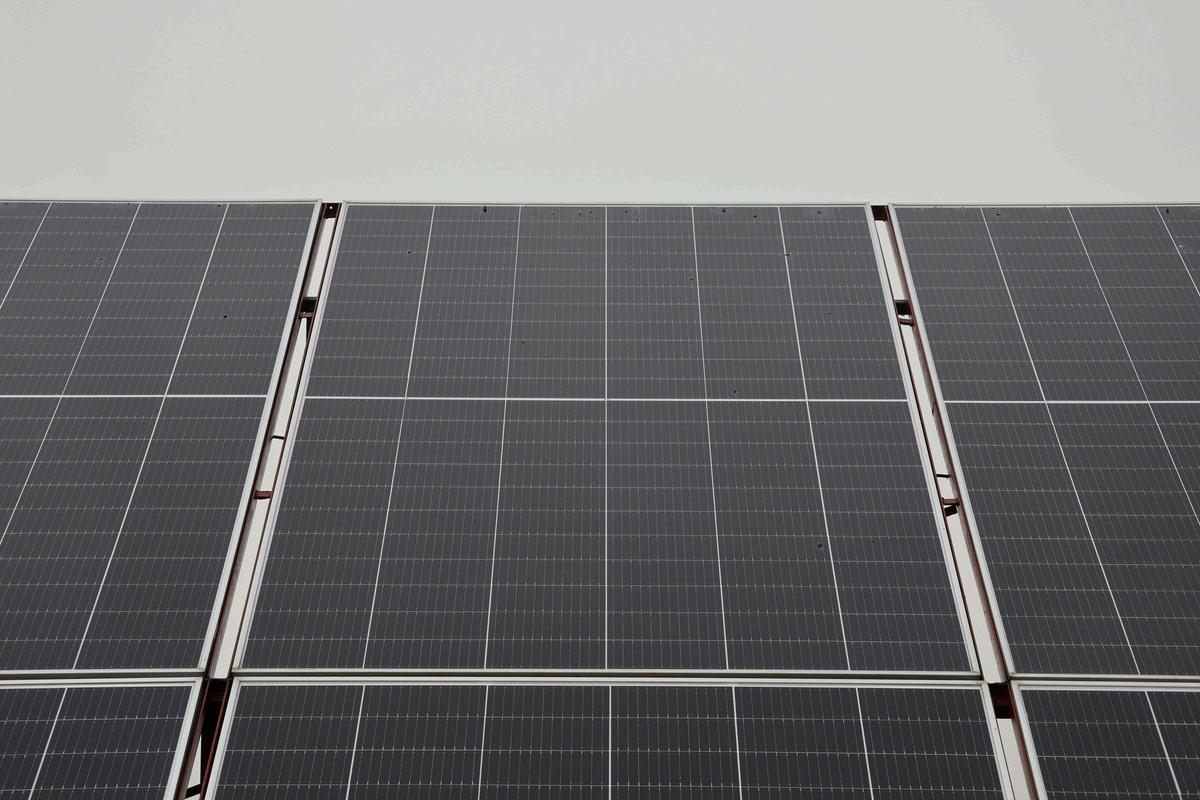
Examples include cutting-edge advancements like high-efficiency solar panels, hydrogen storage solutions, and smart grid management, all of which make energy systems cleaner and more resilient
Forward-thinking approaches are shaping every sector, from low-carbon construction utilizing recycled or bio-based materials to artificial intelligence driving precision in design, operations, and resource management. The integration of automation, robotics, and advanced materials is pushing boundaries in areas such as healthcare and manufacturing, promoting better performance and reduced ecological impact
This section highlights how sustainable engineering creates smarter cities, greener industries, and new pathways for climate action. By adopting these innovations, engineers help societies move toward circular economies, cleaner environments, and improved well-being for people worldwide.
THE APPLICATIONS OF COMPUTER
VISION FOR MONITORING CARBON CREDIT SEQUESTRATION by
Harihar .R
Today, consumers understand the negative consequences of Carbon Dioxide emissions to the degree where a company notorious for environmental damage would see a fall in demand. Since the aims of a firm to maximize profits require both maximizing demand whilst keeping costs low, often by emission of CO2 in production and energy generation, simultaneously, a solution had to be developed to keep the world’s economy running that did not forget the needs of our planet. This article aims to go over the impacts of Artificial Intelligence Techniques in distributing Carbon Credits.
THE IMPACT OF CARBON CREDITS
Carbon Credits are tradeable permits which allow firms to emit carbon dioxide (Kenton, 2025), tying a firm’s CO2 emissions to its balance sheet. Firm’s can purchase these credits to allow excess emissions and sell any permits they have leftover. Permits can also be sold by organizations who focus on Carbon Capture techniques.
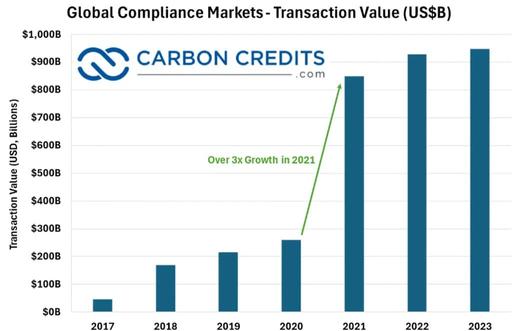
In this article, we will focus on the impact of AI on organizations which capture CO2 specifically using trees These credits are tradeable on the marketplace and have a fluctuating market value. Monitored by the UN, these credits will allow firms that do emit CO2 to still emit a net zero, since they purchased the right to the offsets captured by someone else However, their associated cost incentivizes firms to minimize their emissions, whilst still providing economically feasible paths for firms to transition towards an eco-friendlier future.
These credits also incentivize Carbon Capture, since organizations conducting such activity will now receive monetary rewards for their work. The framework ensures that the greater system remains in net zero in the event of a complete opt-in by firms Like any system, Carbon Credits have their disadvantages The first of these is the issue of Phantom Credits, where credits are issued with no real emission reduction backing them. Some estimates say that over 84% of credits fall into this category (Probst, 2025). This is a significant issue since it undermines the system This is accentuated by the fact that such things are difficult to standardize, and firms may find loopholes to claim a net-zero status without full offset. Such accusations of Greenwashing are one of the framework’s biggest threats
More fundamental issues include the fact that Carbon Credits decelerate decarbonization since they incentivize investments into the permits rather than long term changes to supply chains for example. The assessment of these also calls for skilled labor to maximize genuine credit issuance This is the point where AI and Computer Vision can revolutionize the system, especially with the case of trees.
THE USE OF AI/ML-BASED COMPUTER VISION TECHNIQUES
Computer vision models are able to take images of trees and predict the number of metric tons of Carbon Dioxide they would capture ie the number of Carbon Credits they are worth

This is significant, as it solves some of the major issues with distributing Carbon Credits AI models such as these could remove the need for large quantities of skilled labor and can also help standardize the validation process.
CONCLUSION
AI often gets bad press when it comes to the environment, with heavy criticism on the energy consumption and pollution caused by data centers Although these are real problems that the tech industry needs to rectify, AI, like any technology, can be used for the better as well.
REFERENCES
Kenton, W (2025) Carbon credits: What they are, how they work, and who buys them https://www.investopedia.com/terms/c/carbon credit.asp. Credits, C (2025) The Ultimate Guide to Understanding Carbon Credits https://carboncreditscom/theultimate-guide-to-understanding-carbon-credits/ Probst, B S et al (2024) 'Systematic assessment of the achieved emission reductions of carbon crediting projects,' Nature Communications, 15(1), p 9562 https://doiorg/101038/s41467-024-53645-z Starr, H (2023) The Problem with Carbon Credits and Offsets Explained https://australiainstitute.org.au/post/carbon-credits-and-offsets-explained/ Redmon, J. et al. (2015) You only look once: Unified, Real-Time Object Detection. https://arxivorg/abs/150602640
BIO-COMPOSITES: THE FUTURE OF MATERIALS?
by Harman .S
Bio-composite materials are quickly becoming an exciting new development in engineering, driving innovation and promising a sustainable future by combining natural resources to form materials stronger than even steel, but what are they?

Composite materials are created by combining two different materials together to form a new material with better characteristics Unlike mixtures, in composites, the individual components remain separate within the final structure
Usually, one component (the binder or matrix) surrounds and supports the other (the reinforcement), which allows for strength and stiffness. This combination allows composite materials to exhibit properties including enhanced strength-to-weight ratios, durability, and customisability for specific applications
Common examples of composites include reinforced concrete (cement matrix with aggregate reinforcement), fibreglass (polymer matrix with glass fibre reinforcement), and even wood (cellulose fibres with lignin reinforcement).
ADVANTAGES OF BIO-COMPOSITES:
The main feature of a bio-composite is its reliance on renewable resources like wood fibres, hemp, bamboo, and other plant-based materials, as reinforcements in a polymer matrix While this matrix can be either a petroleum-based or bio-based polymer, there is a growing preference towards fully bio-based composites to maximise sustainability Compared to traditional composites, bio-composites several advantages that make them very appealing for modern engineering and sustainability One of the most exciting developments in bio-composite engineering is the development and advancement of ‘self-healing’ materials. Derived from sources such as vegetable oil, cellulose, chitosan, natural rubber, and proteins, this class of material exhibits selfhealing through two main ways
First, the material contains hollow fibers or tiny capsules loaded with healing agents, such as resins. When the composite cracks or gets damaged, these capsules break and release the healing agent into the crack, bonding and restoring strength to the material The other mode of healing the material is intrinsic healing This is when the material itself is made from a special biopolymer with dynamic, reversible hydrogen bonds These can break when the material is under stress, but automatically reform under heat or pressure, thus allowing the material to repair cracks repeatedly, up to a maximum loss in strength of 20%. Capabilities like these not only extend component life but also cut maintenance costs and waste, thus supporting sustainable design.
Additionally, bio-composites have an impressive strength-to-weight ratio, allowing them to compete with synthetic composites while offering reduced carbon footprints and better biodegradability For example, hemp and flax fibres can exhibit tensile strengths of up to 600 MPa, which is comparable to low-grade steel, but at a fraction of the weight. Moreover, switching from fossil-based composites to bio-composites typically results in greenhouse gas emissions savings of 25-40%, with some studies showing reductions of up to 73% for specific categories such as wood fibre composites
APPLICATIONS OF BIO-COMPOSITES

There is an abundance of applications for bio-composite materials, and the number is growing. In construction, bio-composites are used as sustainable alternatives for panels, insulation, and load-bearing structures, offering carbon neutrality and better lifespans. As of 2021, the value of the global market for bio-composite materials in construction surpassed USD 1 2 billion, and it is expected to see a CAGR of more than 13% through 2030. The automotive industry uses bio-composites for lightweight interiors and exteriors, contributing to higher fuel efficiency and lower emissions
Using bio-composites can greatly reduce vehicle mass, with a US Department of Energy study finding potential mass reductions of 30%, resulting in significant reductions in fuel consumption and greenhouse gas output Additionally, aerospace manufacturers integrate bio-based composites into aircraft components to reduce weight and improve performance, directly impacting fuel consumption and environmental impact.
Moreover, renewable energy technology, such as wind turbines, benefit from biocomposites with enhanced durability and reduced weight, boosting energy generation while minimising ecological footprints. It is estimated that more than 30% of wind turbine blades in the US and Europe now incorporate bio-composite materials
LIMITATIONS OF BIO-COMPOSITES
Nevertheless, challenges in bio-composite adoption remain Issues such as moisture sensitivity and production scalability require ongoing research and development Because of the variation in species and conditions of growth, natural materials like hemp, flax, and wood inherently have inconsistencies in structure, quality, and mechanical properties This affects the consistency and predictability of bio-composite materials, with research showing that tensile strength can vary by up to 25% between the same fibre type. Ensuring consistent quality is a necessity for mass production and use in industries requiring reliable specifications, such as construction or aerospace
Another issue is thermal stability Most biocomposites currently struggle to retain properties under relatively low temperatures, with some beginning to degrade at 200 degrees Celsius. Furthermore, although bio-composite prices are getting more competitive, they remain 10-20% more expensive than conventional materials, largely due to smaller-scale production Until producers can harness economies of scale and mass produce, biocomposites will remain less economically viable.
CONCLUSION

In conclusion, bio-composite materials represent the future of engineering by combining nature and technology to meet demands of sustainability. They bring together the strengths of renewable resources to create materials that are strong, lightweight, durable, and environmentally friendly As industries pursue carbon neutrality, bio-composites play an ever-increasing role in achieving that goal. While currently bio-composites have limitations such as mass production, further research and advancements in fibre treatments, hybridisation with synthetic fibres, and improved resin formulas are steadily improving durability, thermal performance, and mass production capabilities.
THE GRAPHENE REVOLUTION: TRANSFORMING ENERGY AND HEALTHCARE SOLUTIONS
by Aadit .N
As global energy demands surge and the need for better healthcare solutions grows more urgent, scientists and engineers worldwide are focused on improving efficiency and driving innovation Whether it is excess greenhouse gas emissions from motor vehicles or outdated technologies in the healthcare sector, there is an urgent need to accelerate technological advancements. At the forefront of this effort is graphene, an allotrope of carbon that holds the promise of addressing such challenges. Composed of a single layer of carbon atoms in a two-dimensional honeycomb structure, it is known for its extraordinary strength, electrical conductivity and thermal properties
Despite its immense potential, graphene’s journey from laboratory research to practical applications remains filled with obstacles, with many solutions still in the developmental phase. Yet the stakes have never been higher, as we strive for sustainable energy solutions and more effective medical technologies
GRAPHENE IN FUEL ENHANCEMENT
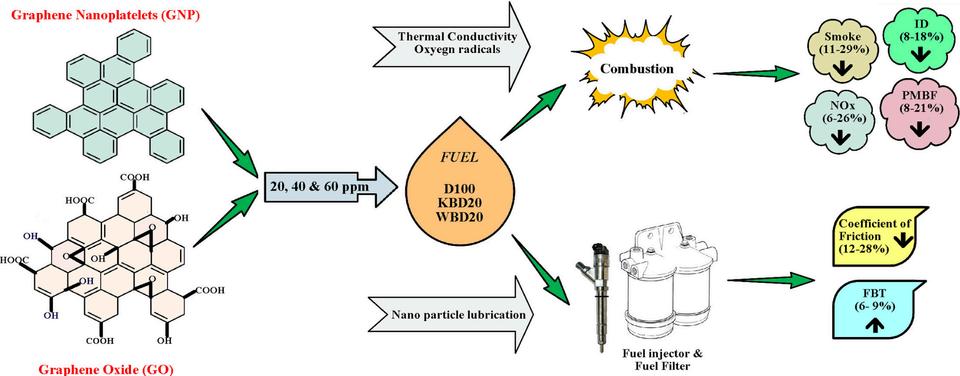
One of the critical areas for the application of graphene lies in its potential to make modern-day fuel more efficient. Using graphene additives in fuel for transportation can improve combustion rates and reduce the emission of greenhouse gases
A graphene-based additive in fuels such as petrol can modify the fuel’s surface tension, making it easier to break the liquid into smaller droplets. Surface tension is a key factor in how well the fuel atomises when it enters an engine’s combustion chamber, which affects combustion efficiency When fuel is converted into finer molecules, a greater surface area comes into contact with oxygen, allowing more efficient energy release

Motor vehicles are notorious for emitting potent gases such as carbon monoxide, nitrogen oxides and sulphur dioxide, which are produced by incomplete combustion and uncontrolled temperatures in the combustion chamber In these extreme conditions, nitrogen and sulphur react with oxygen, leading to the formation of harmful pollutants.
Traditional fuel additives may not be effective, but graphene’s unique molecular structure allows it to interact with fuel molecules in a way that promotes finer atomisation and more complete combustion. Graphene additives have the potential to mitigate the formation of such gases by better controlling combustion temperatures and promoting more efficient fuel utilisation. This leads to reduced emissions and more environmentally friendly vehicle performance.
GRAPHENE PAPERS IN WEARABLE TECHNOLOGIES
Graphene papers (GPs) are thin, lightweight and flexible films made from stacked layers of graphene or its derivatives, such as graphene oxide. They are created through various fabrication techniques, such as vacuum filtration, solution casting and chemical vapour deposition
Graphene-based polymers preserve many of graphene’s exceptional properties, including high mechanical strength, flexibility and a large surface area which makes them ideal for flexible technologies
Currently, polymers such as polyurethanes, polyethylenes and polysiloxanes (silicone) are widely used in wearable technology due to their flexibility However, they come with significant drawbacks, including low mechanical strength, which makes them prone to tearing over time, and their tendency to absorb small hydrophobic molecules, which interferes with sensing applications
The field of wearable technology stands to benefit significantly from GPs. Their exceptional electrical conductivity, 100 times greater than that of copper, allows efficient transfer of bioelectrical signals to computing units More importantly, GPs are ultrathin and flexible, mimicking the properties of human skin while maintaining remarkable structural integrity and elastic strength, making them ideal for nextgeneration wearables
The use of graphene is currently being explored in technologies such as wearable biosensors, point-of-care testing and flexible circuits and transistors
GRAPHENE AND NEUROELECTRICS
Millions of people worldwide suffer from brain diseases such as epilepsy and Parkinson’s, with many receiving ineffective treatments Most doctors and hospitals rely on rigid electrodes made from hard metals such as platinum to stimulate electrical impulses and manage these conditions. However, traditional electrodes often cause inflammation and tissue scarring and show limited effectiveness
Graphene's exceptional conductivity, flexibility and biocompatibility make it an ideal material for brain implants. Unlike traditional rigid electrodes, graphene-based interfaces are softer and more flexible, allowing them to behave like electronic skin This flexibility ensures improved contact with the brain surface, reducing the risk of inflammation and improving signal collection. Additionally, graphene’s ultrathin structure enables the creation of miniaturised brain sensors that are 40,000 times smaller than platinum-based sensors, allowing precise and localised monitoring of brain activity thanks to nanotechnological advancements.
Graphene-based implants also show promise in adaptive neuromodulation, where AI algorithms adjust electrical stimulation based on real-time neural activity. For example, INBRAIN Neuroelectronics uses graphene to create implants that detect abnormal brain signals and deliver personalised stimulation, improving treatment outcomes and reducing side effects compared to traditional methods
Beyond therapy, graphene-based implants offer potential for braincomputer interfaces that enable communication between the brain and external devices. Using graphene, scientists are developing microchips that may one day accurately map the human brain, supporting further research and surgical precision

Above is INBRAIN’s latest brain chip model which was awarded 4 million Euro grant from Spain’s PERTE Chip program
CONCLUSION
Graphene’s exceptional properties offer transformative potential across various industries, from enhancing fuel efficiency and reducing emissions to revolutionising medical devices Its high conductivity, flexibility, biocompatibility and impressive heat transfer capabilities make it ideal for cleaner energy solutions, advanced wearable technologies and improved neuroelectrical treatments.
While these possibilities are promising, it is important to acknowledge that this material is still undergoing extensive research, and many of these solutions remain in developmental stages. Future scientists must continue exploring and innovating in graphene technology, which promises a future where technological progress aligns with environmental and healthcare advancements, promoting sustainability and improving quality of life.
Bibliography links
Source 1: GraphenePioneer https://wwwgraphenepioneercom/home
Source 2: Graphene Flagship https://graphene-flagship.eu/
Source 3: Architizer https://architizercom/blog/practice/materials/the-future-ofarchitecture-graphene-building-material/
Source 4: Archdaily https://wwwarchdailycom/918953/what-is-graphene-andhow-can-it-revolutionize-architecture
Source 5: ScienceDirect https://www.sciencedirect.com/science/article/abs/pii/S0956566322000719
SUSTAINABLE TECHNOLOGY – WHAT
WE DO AND DON’T
SEE COMING
by Arjit .K
Sustainability is a donut – it’s warm, fuzzy and everyone seems to like it, but inside is a big hole. This big hole is what a lot don’t see, but this hole is what is restricting the world to develop However, this article is not criticizing a sustainable life – it’s here to warn sustainability lovers that it may cause harm to the world as well We usually consider sustainability to be nature and growth in plants and trees, but what some people fail to recognize is the economy. Economy is what drives the nation forward, and it costs a lot of money to get resources such as solar panels and electric vehicles This causes a great reduction in terms of budget and due to the herd instinct, many people tend to waste their money and time into buying what the rich can afford.

While sustainability brings results and facts and data, the truth is that is greatly impacts society All though we cannot see it physically, like trees, and bushes and no smoke, the actual outcome brings a reduction of an average of $9,000 every year, and depending on the size of your home, it can increase This causes an internal damage, which leads to an overall inefficient economy as a normal standard. Unintended causes are what really harms the environment; for example, the production of some technologies, which can cause pollution, like making solar panels, which involve chemicals which have a high amount of toxins, and burning wood fuels, which causes air pollution. One very common effort that is being made is the ban on single use plastic bags
However, what many people don’t spot is the economy is the overall significance it has on the economy. Over $58.4 Billion has been made in the US, in the year 2023, and is expected to reach $83.8 Billion in the year 2032, and this what many don’t talk about.

Many people talk about how paper bags are more efficient and can be used multiple times, but it costs over 64 times more than a normal single use plastic bag on average This causes a dramatic increase in making way for sustainable practises into someone’s income, and that does not happen all the time This big hole inside the donut also comprises of negative trade deals, lower yields and to add specialized labour with low manpower This article is not to go against sustainability, as it is trying to warn the risks of prioritizing the environment over daily life and economy, and this giant hole should clearly justify why sustainability should not be prioritized that much as it is, for it cause severe problems to the economy and to people who have tight budgets


INNOVATION IN SUSTAINABILITY
Edited by Sahil K.
SECTION IN
by Sahil K.
Innovation in sustainability fuels the breakthrough ideas and technologies that are redefining how we live, make, and consume, paving the way for progress that doesn’t come at the expense of the future By combining advanced science, innovative design, and visionary movements, this field challenges global issues such as climate change and waste, while providing opportunity to new possibilities for long term, sustainable growth.

Across industries, sustainable innovations are constantly changing how we interact with the planet In technology, breakthroughs such as smart energy systems and advanced materials are redefining what’s possible for cleaner, more resilient infrastructure Water conservation is being revolutionised through precision monitoring, efficient irrigation, and purification technologies that protect scarce resources. In waste management, circular solutions from upcycling textiles to converting food scraps into bioenergy demonstrate how discarded materials can be transformed into new value Even at the ecosystem level, nature based strategies like habitat restoration and urban rewilding are proving essential for strengthening biodiversity and climate resilience. Meanwhile, passive cooling techniques such as reflective surfaces, bioclimatic architecture, and natural ventilation are offering lowenergy ways to keep cities and buildings comfortable as temperatures rise.
Yet the power of sustainability innovation reaches beyond technology in itself It thrives through collaboration between scientists developing regenerative systems, communities using smarter water and waste practices, architects incorporating climate responsive design, and environmental stewards working to heal ecosystems. Together, these advances reveal an important truth about how the most transformative solutions don’t just reduce environmental impact but they redefine our relationship with the natural world
By pushing boundaries across fields, sustainable innovation is not just addressing urgent challenges it’s laying the foundation for a future where human progress and ecological wellbeing advance side by side
Kinetic flooring & Sustainable energy through every step
by Sahil K.
Kinetic flooring signifies advanced floor panels that produce electricity through footsteps, transforming routine movement into a sustainable and eco-friendly energy source Though frequently perceived as a forwardthinking idea, this technology signifies a significant change in the way communities generate energy silently, effectively, and independently of conventional fuels. While numerous individuals see it primarily as a tech innovation, they frequently neglect its wider advantages: enhancing energy efficiency, alleviating pressure on power grids, and allowing communities to engage in sustainability just by walking

KINETIC FLOORING AS A SUSTAINABLE INNOVATION
Kinetic flooring specialised panels that generate electricity when stepped on represents one of the most exciting modern sustainable innovations. These tiles convert footsteps into clean energy, proving that everyday actions can support environmental responsibility While many see them as a futuristic gadget, they simply do not see the real value of improved efficiency, reduced pressure on traditional energy systems, and community involvement in sustainability simply through movement. This technology is a mix of creativity, practicality, and environmental awareness in a way that benefits both individuals and society.
HOW KINETIC FLOORING SUPPORTS SUSTAINABLE LIVING
Initially, it promotes clean technology by generating renewable energy without noise, pollution, or dependence on fossil fuels In crowded locations such as schools, shopping centers, airports, or walkways, the combined energy generated from many footsteps can be used to power lights, sensors, and minor appliances. Intelligent systems can monitor energy generation, assisting users in understanding the sheer size of their influence
Water conservation is also indirectly supported by kinetic flooring Every bit of renewable energy produced by footsteps lowers the long-term water demand because traditional power plants frequently require large amounts of water for cooling. Furthermore, a lot of kinetic panels are constructed from recycled materials, which improves waste management and encourages circular design These tiles can frequently be recycled or repurposed when their useful lives are over, which lessens the amount of waste that ends up in landfills
Additionally, kinetic walkways can promote environmentally friendly transportation In addition to lowering emissions, people who choose to walk or ride a bicycle also produce energy via the routes they take This starts a cycle in which moving sustainably generates electricity to power the environment

Lastly, eco-friendly areas naturally complement kinetic flooring. It can power lighting without upsetting habitats or requiring complicated wiring when installed in parks, gardens, and outdoor walkways When used in conjunction with passive cooling techniques, such as ventilation, reflective materials, and natural shading, these systems lower building energy requirements while providing the minimal amount of power that is still needed.
A STEP IN THE RIGHT DIRECTION FOR A SUSTAINABLE FUTURE
One example of how sustainability can be incorporated into daily life is kinetic flooring. It demonstrates that significant change doesn't always depend on large systems or costly solutions, from waste reduction and clean energy technology to eco-friendly design and community involvement Sometimes the actions we take are all it takes to

SUSTAINABLE ARCHITECTURE
by Jordan J.
Inclusions
TECHNOLOGICAL ADVANCEMENTS
Basic additions like IOT or smart addressing can change a lot in individual setups. IOT, the internet of things is a powerful changemaking tool, allowing wide and far access in terms of controlling the house and making sure all consumption and uses are controlled, monitored and checked Another smart advancement may include new advanced robots and machinery to do cleaning and simple jobs instead of us. At first, this may not seem uniquely sustainable, but in reality, this allows financial, time related and effective convenience improving overall effectiveness and efficiency
WATER CONSERVATION

Water conservation is a crucial problem in today’s life when crucial and limited water is thrown around and not valued nearly enough as it should be See, water is fundamental in both our expenses and our livelihood, and hence saving water is one of the most crucial things capable of doing in today's time. Some easy helping techniques include low water fixtures, reducing the taps water flow to reduce immense waste done in today's time like while brushing teeth or washing hands, as well as conserving extra/ rain water. Unfortunately in Dubai, rain water is much more rare and hence harder to implement, but just saving water can do a lot

TRANSPORT
Transport is one of the most environmentally damaging things in today’s time, when quick and efficient transport is essential, and cost is given high priority Some easy and hidden methods done by individuals can change a lot for the entire world A simple technique of electric cars reduces the mass amount of kilometers travelled by cars and turns them into better alternatives reducing things like air pollution and reliance on unreliable fossil fuels But these might be expensive and rare, making them a dream to many, but simpler things like e-bikes, using walkways or just walking more often also have tremendous impacts
These simple things can tend to add up to the bigger picture of a push towards sustainability

WASTE MANAGEMENT
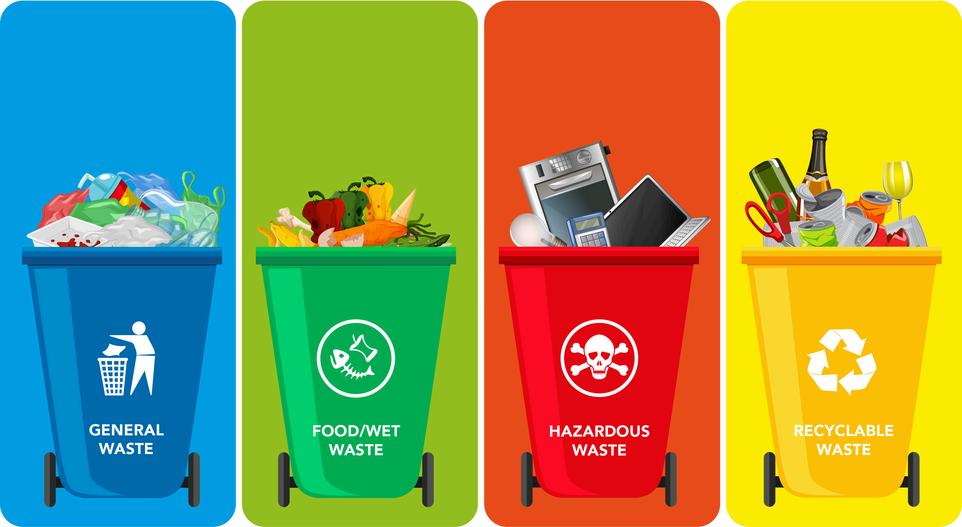
Sustainability relies heavily upon waste management and the reduction of unnecessary waste going into landfills and damaging the environment since this can cause damage to the environment due to the low degradability of plastic and the excess waste thrown out This can be combatted in several ways First, composting, where your natural waste can just be made into fertilizer, although this is inconvenient due to its high cost Another easy innovation are Boomerang Bags, which are often used in shopping and can be hopped from one place to the other, giving sustainable bags to everybody. They are also made of waste cloth to reuse any waste. This brings me to upcycling or reusing, where you try to stop there being waste in the first place by using and excess for other purposes, and if not, donation or selling it is also an option, and last and worst case scenario, you could just segregate and sort your waste in case it could be reused Like in a company called DGrade, the use used up plastic bottles for making clothing. This is a useful example, where something unsustainable and useless is turned into an everyday essential. Using or supporting these will not only help you, but support the cause too
ECOSYSTEM CHANGES
See, using sustainability by integrating it into your very life by improving the ecosystem is a splendid idea, since raising crops and supporting the environment not only reduces the harm you’re doing but also helps the environment A simple example of this is gardening. Seeming like a weird, useless and small impacting solution, gardening might only do a little for you, not to mention free food with less preservatives and beautiful homes, these also have an added benefit of collectively producing a lot of oxygen and also restoring and caring for the damage we have done Due to space issues, an alternative is hydroponics, where this can be done in a more efficient way, taking up less space.

EDUCATION
Including sustainability in a proper fashion in the schools today, around the globe will make sure the future will not blunder further. Having subjects like Geography or History don’t match the importance of our very own world and it’s tomorrow Educating children in a proper and detailed manner will allow children to care for the world if not us

FINAL THOUGHTS
In conclusion, sustainability takes form in many places and using it helps everyone, including you So whatever you use, or do, just try to use sustainability, and that will make more than enough change.
PASSIVE COOLING TECHNOLOGIES AND THEIR POTENTIAL TO CHANGE THE FUTURE OF SUSTAINABILITY
by Abhinav S

Imagine a material that cools buildings without using a single watt of electricity A surface that sends heat away from the Earth by emitting it directly into space It sounds like science fiction, yet radiative cooling materials are bringing this vision into reality. As cities grow hotter and energy use for air conditioning continues to surge, this innovation represents one of the most promising breakthroughs in the global sustainability movement
Radiative cooling is based on a simple but powerful principle Every object emits heat in the form of infrared radiation, but only some wavelengths can travel through the atmosphere without being absorbed. There is a special band of wavelengths, from about eight to thirteen microns, known as the atmospheric window. The atmosphere is transparent in this range, meaning radiation released here can pass straight into space If we design a material that emits strongly within this window, it can shed heat directly into the cold void, cooling itself even under the sun.
Radiative cooling is based on a simple but powerful principle. Every object emits heat in the form of infrared radiation, but only some wavelengths can travel through the atmosphere without being absorbed There is a special band of wavelengths, from about eight to thirteen microns, known as the atmospheric window. The atmosphere is transparent in this range, meaning radiation released here can pass straight into space If we design a material that emits strongly within this window, it can shed heat directly into the cold void, cooling itself even under the sun.
But nanophotonic structures are expensive, delicate, and difficult to deploy at scale That’s where the next wave of innovation emerged Scientists began exploring more practical, accessible materials that could reproduce the physical effect without requiring complex fabrication Among the most exciting discoveries was barium sulfate (BaSO₄)–a compound already widely used in paints and medical imaging When engineered with specific particle sizes and concentrations, BaSO₄ reflects an extraordinary amount of sunlight while emitting thermal radiation very efficiently.
Recent work has shown that a BaSO₄-based coating can reflect more than ninety-five percent of incoming solar radiation. This helps keep surfaces close to ambient temperature even in intense sunlight. But the real breakthrough comes from its emission properties Because its molecular vibrations naturally align with the atmospheric window, a BaSO₄ coating can radiate heat into space, enabling subambient cooling: cooling below outdoor air temperature, without any electricity.
WHAT MAKES THIS DIFFERENT FROM ANY OTHER COOLING METHOD?
What makes this innovation particularly promising is its scalability BaSO₄ is inexpensive, stable, non-toxic, and already used in industrial quantities. Unlike nanophotonic films, it can be applied as a simple paint coating on rooftops, walls, and even vehicles In desert regions like the UAE, where cooling accounts for the majority of household electricity consumption, deploying radiative cooling coatings on residential and commercial buildings could reduce peak energy demand significantly.
What makes this innovation particularly promising is its scalability. BaSO₄ is inexpensive, stable, non-toxic, and already used in industrial quantities Unlike nanophotonic films, it can be applied as a simple paint coating on rooftops, walls, and even vehicles. In desert regions like the UAE, where cooling accounts for the majority of household electricity consumption, deploying radiative cooling coatings on residential and commercial buildings could reduce peak energy demand significantly

Beyond buildings, this innovation has broader applications Radiative cooling materials could protect solar panels from overheating, improving their efficiency. They could keep outdoor electronics, sensors, and battery systems cooler, extending their lifespan In agriculture, they could protect greenhouses and storage structures from heat stress without the need for mechanical ventilation Even urban infrastructure, roads, pavements, and bus stops, could benefit, reducing the urban heat island effect.
However, challenges remain Maintaining performance in humid environments, ensuring long-term durability, and developing darker-coloured versions without losing reflectivity are ongoing research areas. Yet progress is accelerating quickly. As more universities and research centres explore particle engineering, polymer matrices, and hybrid material designs, radiative cooling is moving from a scientific curiosity to a y g g y p
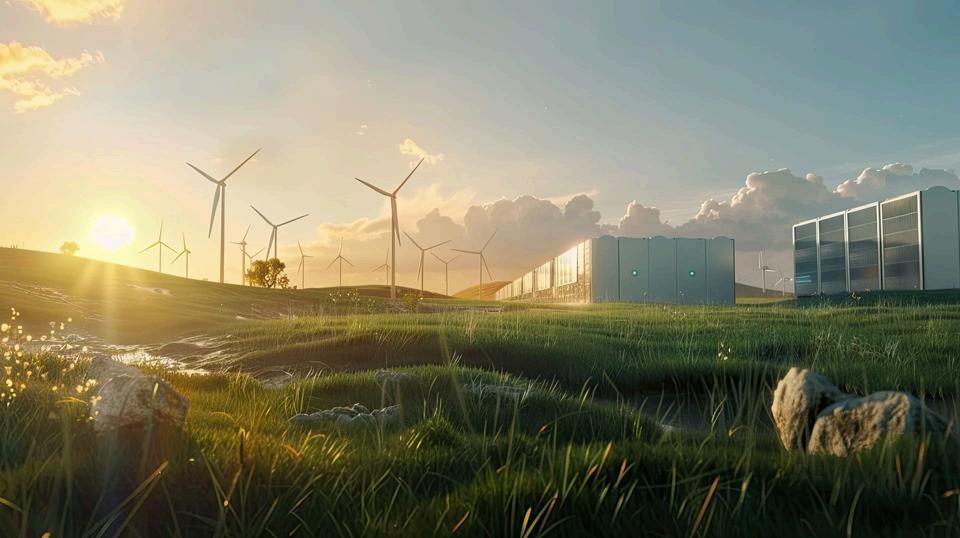
Radiative cooling materials do exactly that They take advantage of a natural physical pathway, the atmospheric window, that has always been available but never fully used. By combining material science with environmental design, they offer a path toward cooler cities, lower energy use, and a more sustainable future

ACKNOWLEDGEMENTS
Editing Team
Lead Editor: Mahdi .K (Yr 12)
Editor of Sustainable Law and Finance: Donghoon W (Yr 12)
Editor of Sustainable Technology and Engineering: Harman S (Yr 12)
Editor of Innovation in Sustainability: Sahil .K (Yr 12)
Club Leadership
Ali-Mansur .V, President of DC Sustainability Club (Yr 12)
Mahdi K, Vice-President of DC Sustainability Club (Yr 12)
Aadit N, Vice-President of DC Sustainability Club (Yr 10)
Special Thanks
Mr Barker, Teacher/Mentor
A heartfelt thank you to all our article writers - this magazine would not have been possible without your dedication