




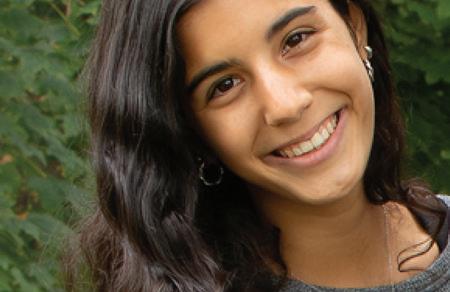



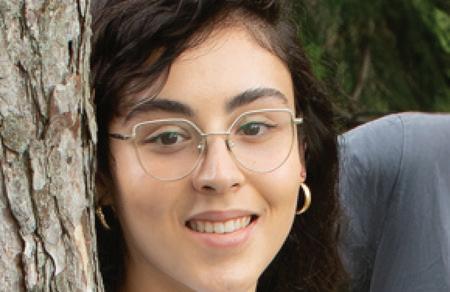
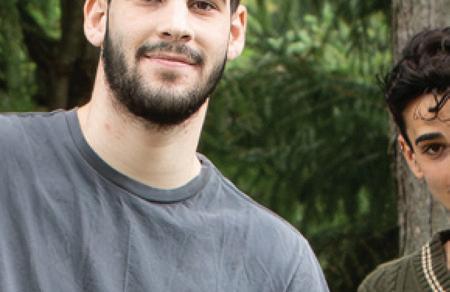

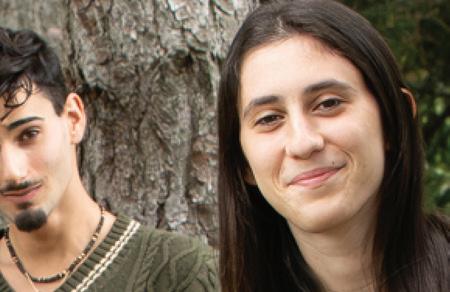























































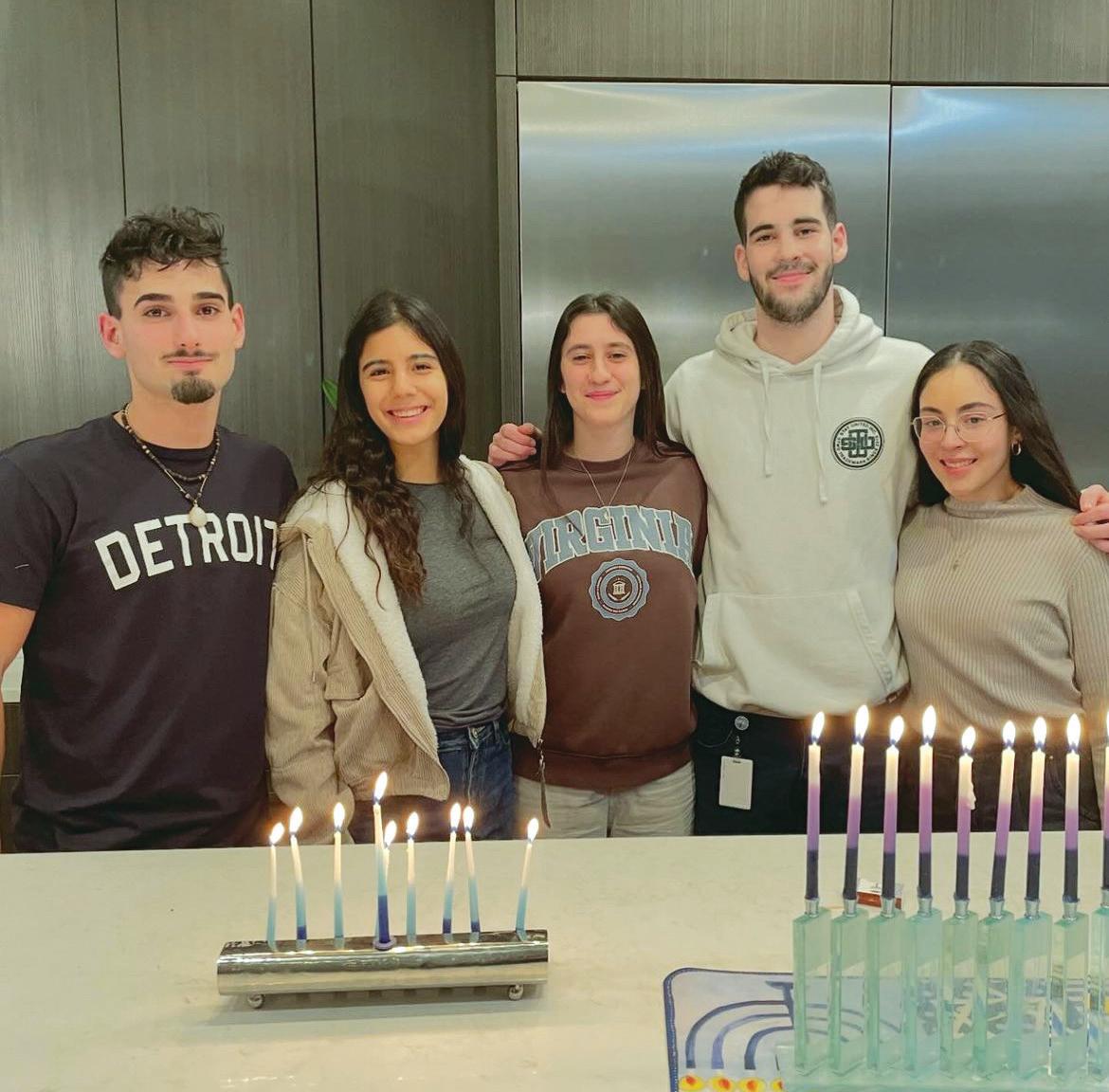
The 2023-24 Detroit Shinshinim have found purpose in Michigan while the crisis continues on the home front.
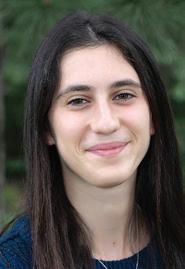
When Shahaf Harari woke up on Oct. 7, 2023, her 18th birthday, she expected her phone to be overflowing with happy birthday messages from her loved ones back home in Israel. Shahaf was one month into her stay across the world in Detroit as a community Shinshinim. Those messages ended up being very different from what she expected. She didn’t understand. She was in shock. “I didn’t expect the day to go like that,” Shahaf said.
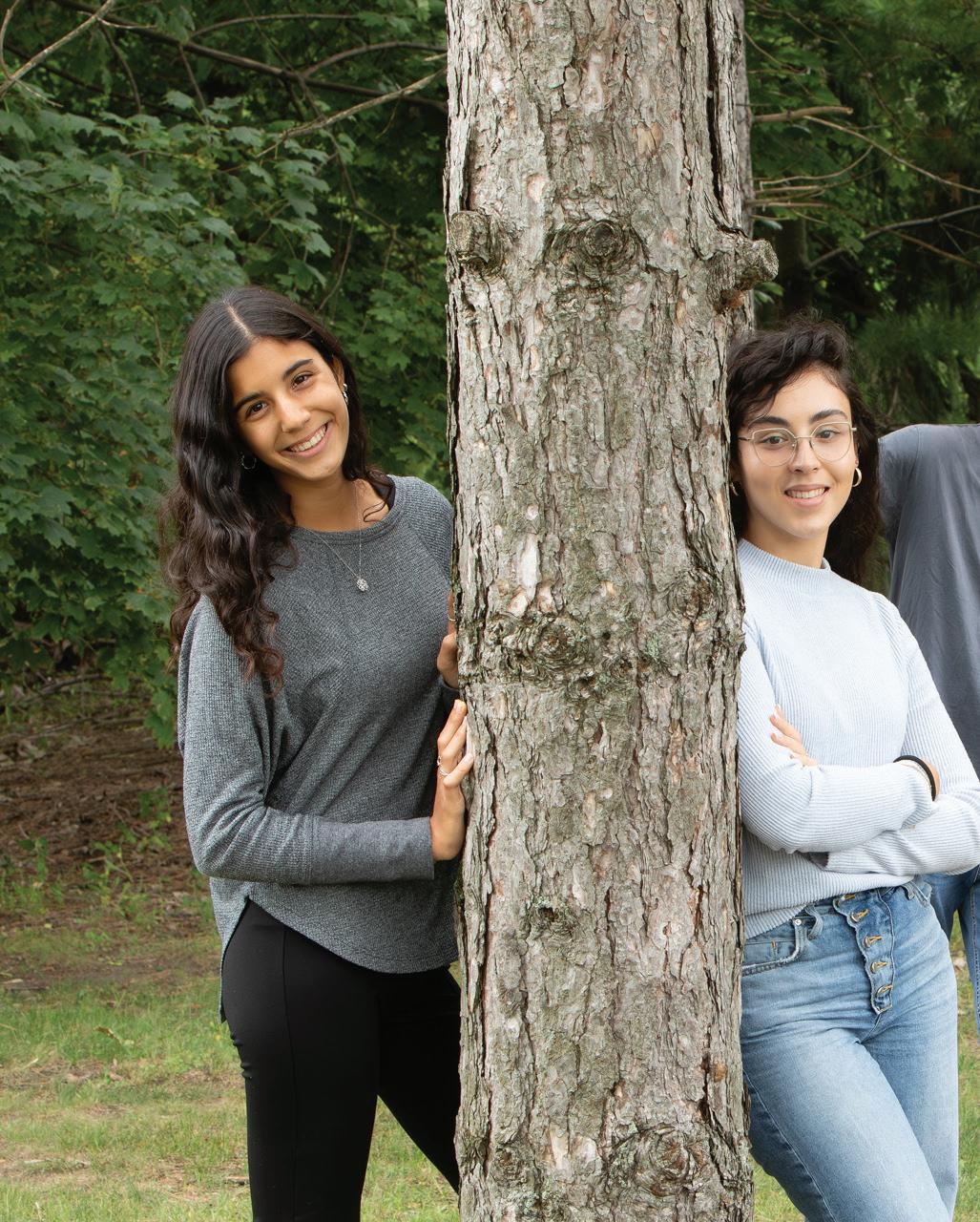
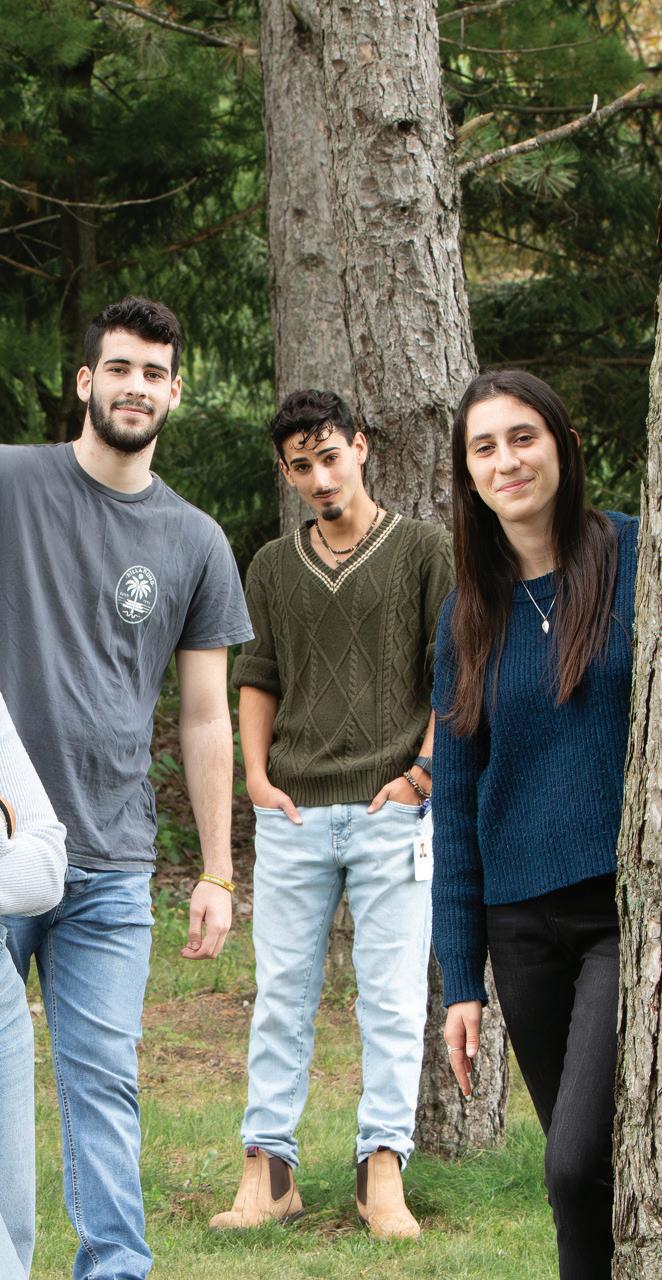
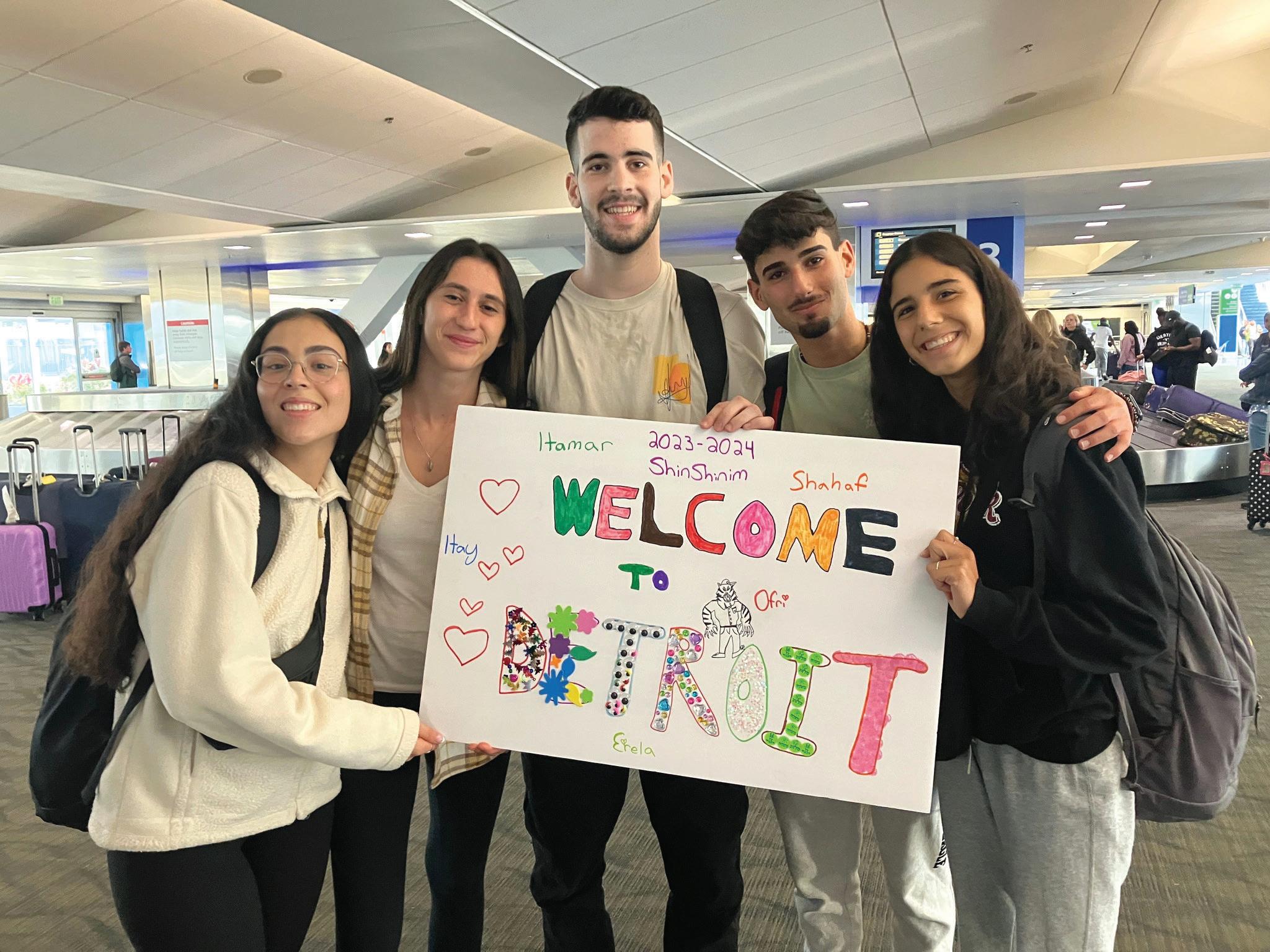
None of the 2023-24 Detroit Shinshinim did. Shahaf, Itamar Grife, Ofri Lellouche, Erela Sabag and Itay Nussbaum could not have expected their gap year in Detroit to deviate from the norm as much as it has. But, no matter what, they’ve made the best out of the situation, have found more purpose in their roles than they ever would’ve expected, and found a second home they’ve connected with on a deeper level than they ever thought would be possible.
The individuals in the Shinshinim (Young Israeli Emissary) program are high school graduates who choose to defer their military service for a year of service abroad. The young Israeli ambassadors are carefully selected and brought over by the Jewish Federation’s Israel and Overseas Department to share their Israeli spirit, energy and unique perspectives in their work at Jewish day schools, synagogues, religious schools and more through educational lessons, presentations and personal connections with community members of all ages.


continued from page 11
The Shinshinim participate in community events almost nonstop, from various holiday events for Chanukah and Sukkot, speaking events with audiences ranging from students to Holocaust survivors, personal projects they’re working on and more. They work to present Israel in as many places as possible with as many perspectives and personal experiences as possible.
The 2023-24 Detroit Shinshinim arrived in late August and, by early October, they had settled into their roles. What had been a typical gap year for Shinshinim before them quickly changed on that fateful Saturday in October. When news of the Hamas-led attack on Israel started trickling out, and their families began reaching out to them, they were confused and shocked. As time went by, and the scale and immediate implications of what happened were fully understood, a feeling of wanting to return
home came over many of the Shinshinim.
For Erela, one of the first feelings she had was guilt, wanting to return home to grieve with family and friends. She couldn’t turn away from watching the news and checking social media.
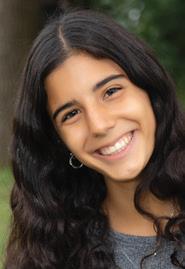
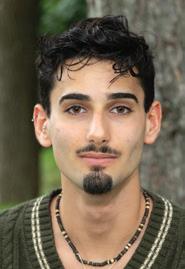
Itamar’s mother called him that morning informing him of what happened, assuring him their family was OK and delivering news that his older brother was called into the IDF. Itamar also wondered what he was doing in Detroit and not in Israel, wanting to find a way into the army. The 18-year-old said it was the most terrible time he’s had in his life, seeing “horror movie stuff” on the news.
“I’d never felt that feeling before, like your house is burning and all of your family is inside, but you are watching,” he said.
Ofri initially didn’t know how to feel.
“I didn’t know whether I wanted to be here or go home,” she said. “Like, where am I the most efficient? Where am I going to impact the most?”
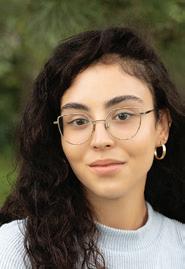
Shahaf, who had a very different 18th birthday than expected, says those first few days after the attack were hard because they were still trying to figure out how they felt and if their family and friends were OK.
Shahaf and Erela are from Ahuzat Barack, a small moshav (settlement) in the Jezreel Valley consisting of about 700 families. Because it’s small, everybody knows everybody. From that moshav, around 10 people went to the desert music festival near the Gaza-Israel border. Only three of them came back.
“We had two siblings of a good friend of ours who were murdered that day. We’ve known him
continued on page 14
continued from page 12
since the first grade, and now he’s an only child,” Shahaf said. “And we know another family with two cousins who were murdered at the festival.”
Erela added that her swim teacher and the barber of the moshav were also killed.
“Getting the news of everything while we were here and not with our moshav was really hard,” Shahaf said. “Everybody knows someone; it’s really true.”
Within a few days, their feelings of helplessness from not being home to grieve with family and friends transformed into an understanding of their even greater purpose, responsibility and potential impact in Detroit.
“To have gone back to Israel, we would have been just another Israeli. We all have the same story. But here, you’re the Israeli,” Erela said. “People want to hear what you have to say. People are looking forward to hearing from you; and when you talk and show your pain, you have more of an impact and ability to connect people to Israel. Here, we have much more power to impact people than in Israel.”
A main objective of Shinshinim is to encourage Israeli engagement that ultimately builds a bridge between Michigan and Israel, leading to relationships that will endure for a lifetime. Since Oct. 7, the Detroit Shinshinim quickly realized the goal of “bringing Israel to Detroit” would be more important than ever.
Since Oct. 7, the Shinshinim have worked tirelessly to make sure Detroit understands what they’re going through, what Israel is going through, and to build a bridge that will last forever.
Each week, the Shinshinim have main worksites, along with a few synagogues where they work at

the religious schools or youth movements.
A sizable portion of the Shinshinim’s job in bringing Israel to the community is bringing it to the younger community — students — who they’re able to connect with easily considering their close age.
Shahaf and Itamar’s main worksite is Hillel Day School.

Ofri and Itay’s main worksite is Frankel Jewish Academy. Erela’s main worksites are Jewish Federation of Detroit and JCRC/AJC, along with work at non-Jewish high schools.
For the Shinshinim, working specifically in Jewish day schools, interactions with the students have transformed since Oct. 7.
Before Oct. 7, the students may have not fully understood why the Shinshinim were there, what their purpose was or what their own purpose was in relation to the Shinshinim. Since Oct. 7, the students have been asking for the Shinshinim’s opinions, asking insightful questions and show-
ing great interest in having them around.
“They want to know how our families and friends are. They’re intrigued to know about our personal lives and perspectives about what’s going on,” Ofri said. “And because we understand they want to hear from us, we’ll go into classes and give them the opportunity to ask us whatever’s on their hearts.
“The importance of this, other than the fact it’ll enrich them, is it’ll let them know what Israelis really feel like,” Ofri added. “It’s really important they have us as representatives.”
Erela doesn’t work in a Jewish school but has been attending a public high school’s monthly Jewish Club meetings. Her experience with those students has been somewhat different — the students don’t necessarily want to ask questions.
“They don’t want to know because when your friends in class post ‘from the river to the sea’ and they don’t want to lose that friend, they don’t want to know more,” Erela said. “They’re scared to post things on social media. They’re
continued on page 16
During challenging times, the Detroit Jewish community is here to help. Managed by Jewish Family Service (JFS), Jhelp is staffed by knowledgeable professionals ready to guide you to the Jewish Detroit resources you need.
continued from page 15
scared to lose their friends. For me, hearing this was like, ‘Oh, my God.’”
Hearing firsthand about the antisemitism some Jewish students experience at their public schools and jobs has been eye-opening for the Shinshinim.
“To me, it was shocking because as an Israeli I don’t feel a lot of antisemitism — all of my friends are Jewish, and I go to a Jewish school. But here it’s not the situation. It was such a shock,” Erela said.
Every single time the Shinshinim have been asked to appear and speak around the community, they’ve said yes. The teens even built and ran a conversation circle program taking place at various synagogues in the community called Cafe Dilemma, where they present dilemmas Israel is facing right now and dilemmas about the war.
“That’s how we show our perspective,” Erela said. “Also making people talk to each other about the situation because, yes, it’s been months, but it’s still going on. We’re here to remind them it’s not over and present that perspective from an Israeli.”
The Shinshinim have received an unbelievable amount of support from the Detroit Jewish community since Oct. 7, from their worksites, host families, Federation and beyond.
Before this gap year, Itay knew nothing about the Detroit Jewish community. But since Oct. 7, and even in the month before, he says it’s been an amazing place.
“We get so many invitations for dinners and other things just to support us and talk to
love and worth the students gave her and Itay.
“And it’s hard, because sometimes you have those voices, like what if I was home now with my family or friends in the army. But then you think to yourself, I won’t be any good there. I know what I’m doing here in this amazing role helping the community understand what’s going on in Israel,” Ofri said. “Hearing an Israeli’s perspective opens minds and ways of thinking. It’s important that we’re here.”
The Shinshinim have had many impactful experiences the past few months, encapsulating the strength of the Detroit Jewish community and the support they’ve received.
us, just because we’re Israelis,” Itay said. “It makes us feel better when we are here and not at home.”
Immediately following Oct. 7, Shahaf and Itamar could feel the love and support at Hillel.
“You could feel the change in the school atmosphere,” Shahaf said. “Without even saying anything, you could feel everybody cared.”
Teachers will often stop them in the hallways, asking how they’re doing and asking about their families, Itamar noted.
“And people around the community we’ve never even met, everybody wants to hear about the war, about what’s going on and about our families,” Shahaf said. “The fact it’s months later and people still do this shows they truly care.”
Ofri’s experience at FJA in the days following Oct. 7 were similar, feeling the support,
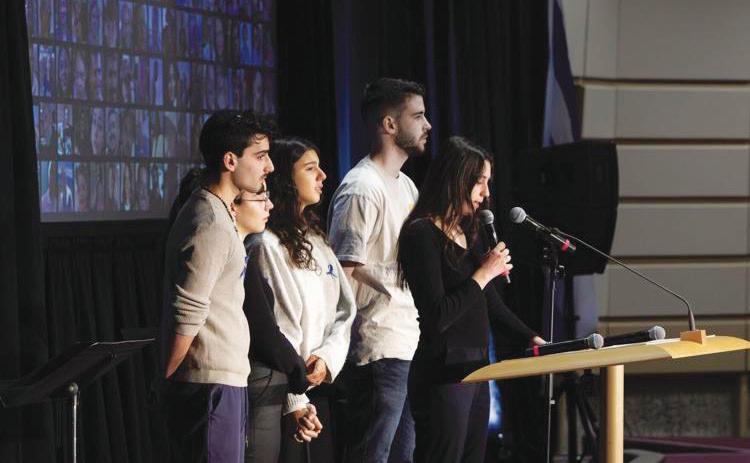
The Shinshinim led thousands of community members in the singing of “Hatikvah” at the Oct. 9 solidarity event at Congregation Shaarey Zedek. At the same event, Erela delivered heartbreaking testimony from a friend who managed to escape from the music festival. Itay also delivered a testimony from a friend.
Ofri sang the Shir Hama’alot prayer at the event. Singing that prayer on stage in front of thousands of people, especially so soon after the attack and in a time of great mourning, was incredibly meaningful for her.
“I’m so glad and honored I had the opportunity to do that,” Ofri said. “I think this is the moment I realized I’m so grateful and happy to be in this community.”
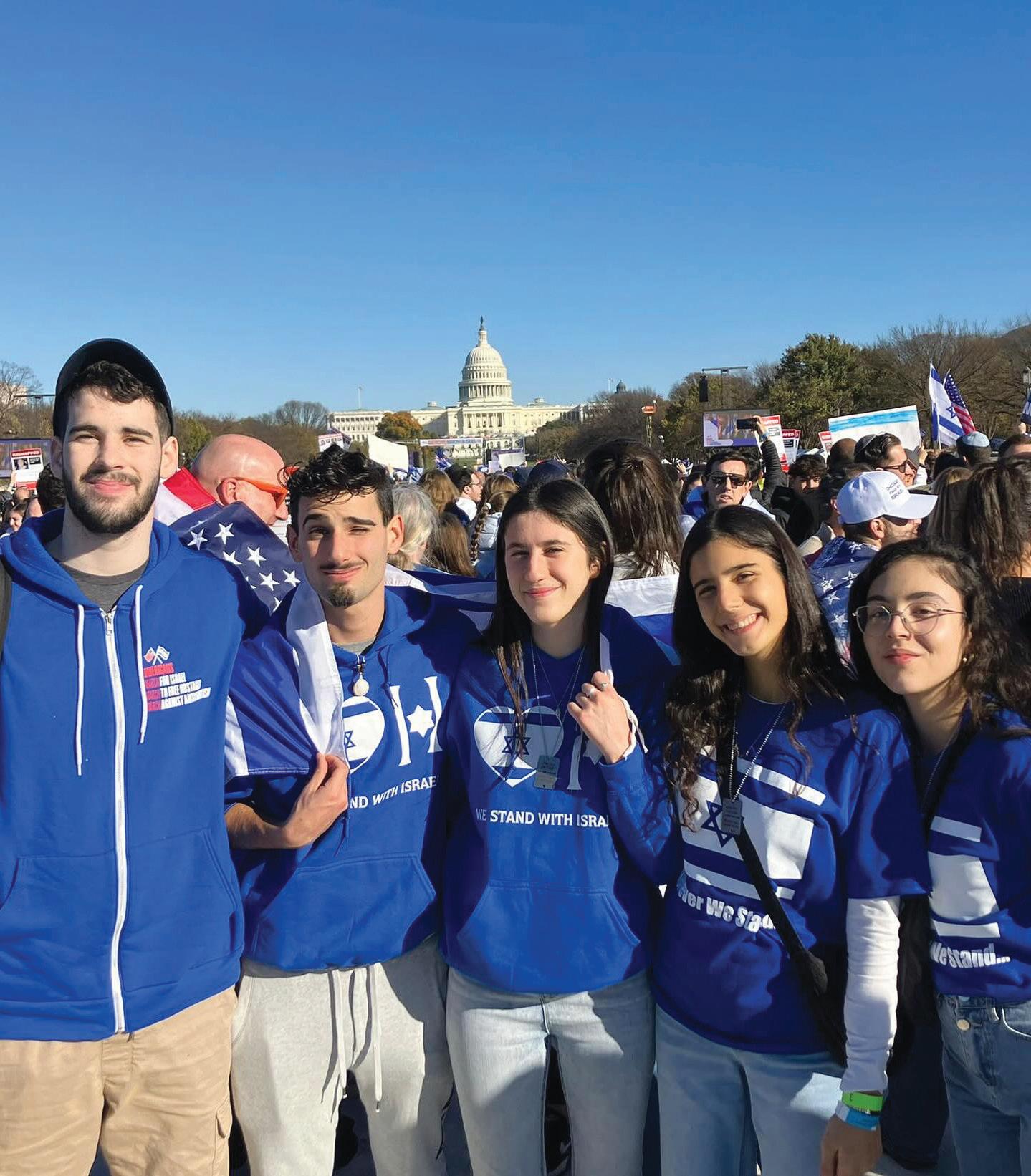
All five teens traveled to and took part in the March for Israel in Washington, D.C., on Nov. 14, where three planes full of nearly 1,000 Detroiters made their presence known.
“Seeing that many people coming together on such short
notice was incredible,” Shahaf said. “It was a moment of realizing the Detroit Jewish community has a lot of impact and power and they care so much about Israel.”
A moment of great gravity for the Detroit Shinshinim was the community vigil for the hostages at Adat Shalom Synagogue. In front of 1,000 people in attendance, the names of each of the 242 hostages were read out loud by the five Shinshinim. It was one of the hardest things they’ve ever had to do, they said, but also one of the most powerful moments they’ve ever had.
During these few months, the Shinshinim have learned a lot. Erela says gaining perspective of life has been key in this time.
“You understand what’s important and what’s not,” she said. “I just see things differently now. I feel like my life is
before the war and after the war. It changed a lot.”
Itamar learned, quickly, the importance of the meaningful connections made here in the community.
“After we go back, they’ll have their friends from Israel that they’ll always remember,” Itamar said. “They’ll have this connection they feel where Israel is not just a country, Israel has a face — the Shinshinim. We bring a face to Israel.”
For Ofri, it was about understanding the amount of hate there is toward the Jewish people and, in turn, the importance of spreading awareness about antisemitism in public schools or areas that are not Jewish.
“And even in Israel, for them to understand what Jewish people are going through here,” she said.
Itay says he’s learned how
important Israel is for so many people in the United States.
“I knew people cared about Israel, but I can see it in their actions now that I’m a part of this community, and it’s very heartwarming to see,” he said.
The Shinshinim have been in constant contact with their loved ones back home since Oct. 7. The conversations have varied in tone as time has gone by.
Ofri says, at first, the conversations with family and friends felt “very down” with a sense of sadness and uncertainty. Lately, that’s changed.
“I can see the spirit is going up. I can tell the atmosphere in Israel is rising,” Ofri said. “They have hope.”
Before the gap year ends in August 2024, the Shinshinim have a two-week break in Israel starting in mid-February. Each of them is looking forward to everything they’ve
missed, seeing family and friends, talking in Hebrew 24/7, Shabbat dinners and more.
But apart from those two weeks, the Shinshinim are looking forward to continuing their work in the Detroit Jewish community — a community they’re fully invested in, a community that’s fully invested in them, and a community that’s now a second home to the five courageous, impactful Israeli 18-year-olds.
“We know so many people here who care about us and help us, and we actually have a second family now, which is incredible,” Shahaf said.
“Those connections here are something I would have never expected to happen so quickly.”
“It’s like the most meaningful year,” Erela added. “It turned out to be totally different than what I thought it would be, but actually for the best.”