The Science Behind Safer Endoscopic
Craniosynostosis Surgery by Dr. Timothy Vogel
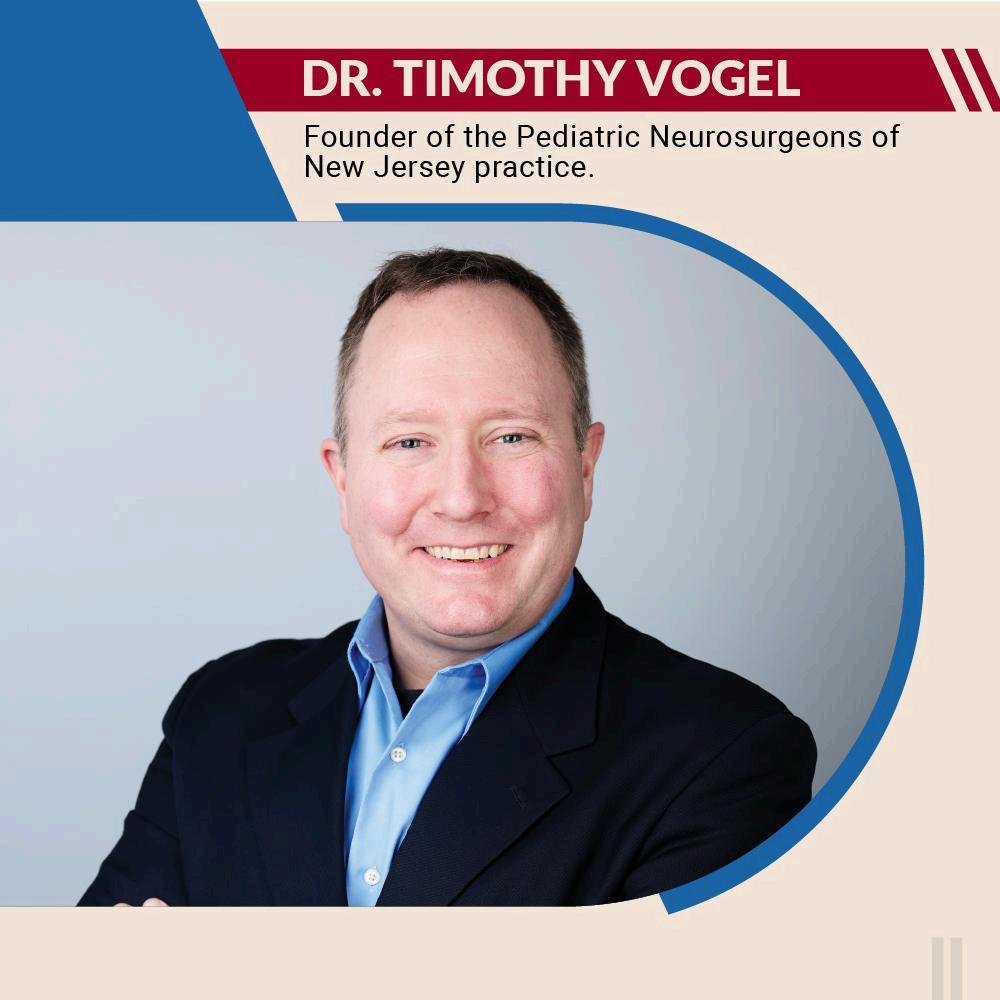
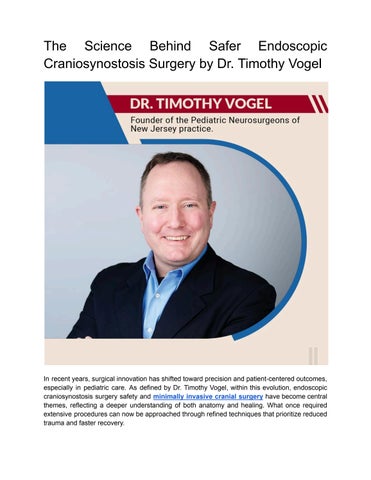
In recent years, surgical innovation has shifted toward precision and patient-centered outcomes, especially in pediatric care. As defined by Dr. Timothy Vogel, within this evolution, endoscopic craniosynostosis surgery safety and minimally invasive cranial surgery have become central themes, reflecting a deeper understanding of both anatomy and healing. What once required extensive procedures can now be approached through refined techniques that prioritize reduced trauma and faster recovery
At its core, the science behind this approach is rooted in timing and visualization Craniosynostosis, a condition where skull sutures fuse too early, demands early intervention while the infant skull remains malleable Endoscopic methods leverage this window, using small incisions and high-definition cameras to guide surgeons with exceptional accuracy This enhanced visualization allows for targeted correction without the need for large exposures, significantly lowering the risk of complications
Equally important is the biological response to less invasive techniques. Smaller incisions mean reduced blood loss, minimized disruption to surrounding tissues, and a lower inflammatory response These factors collectively support a smoother postoperative course The body, when not overwhelmed by surgical stress, can redirect energy toward efficient healing. This principle is not just theoretical; it is consistently observed in shorter hospital stays and quicker returns to normal activity.
Technology plays a defining role in this advancement Specialized instruments designed for pediatric anatomy enable surgeons to operate within confined spaces while maintaining control and precision. Additionally, postoperative helmet therapy complements the surgical correction by guiding skull growth over time This combination of surgical and non-surgical strategy reflects a systems-based approach, where each step is designed to support long-term outcomes.
From a design-thinking perspective, the procedure represents a shift from intervention-heavy models to optimization-focused care It is not just about correcting a condition but doing so in a way that aligns with natural growth patterns. Surgeons are no longer working against the body; they are working with it, using science to enhance what biology already intends to do
Ultimately, the progress seen in endoscopic craniosynostosis surgery safety and minimally invasive cranial surgery highlights a broader movement in medicine one that values precision, efficiency, and patient experience equally By integrating advanced imaging, refined tools, and a deep understanding of developmental biology, this approach continues to redefine what safer surgery truly means