Dr. Timothy Vogel: Emerging Clinical Research Trends in Pediatric Brain Disorders
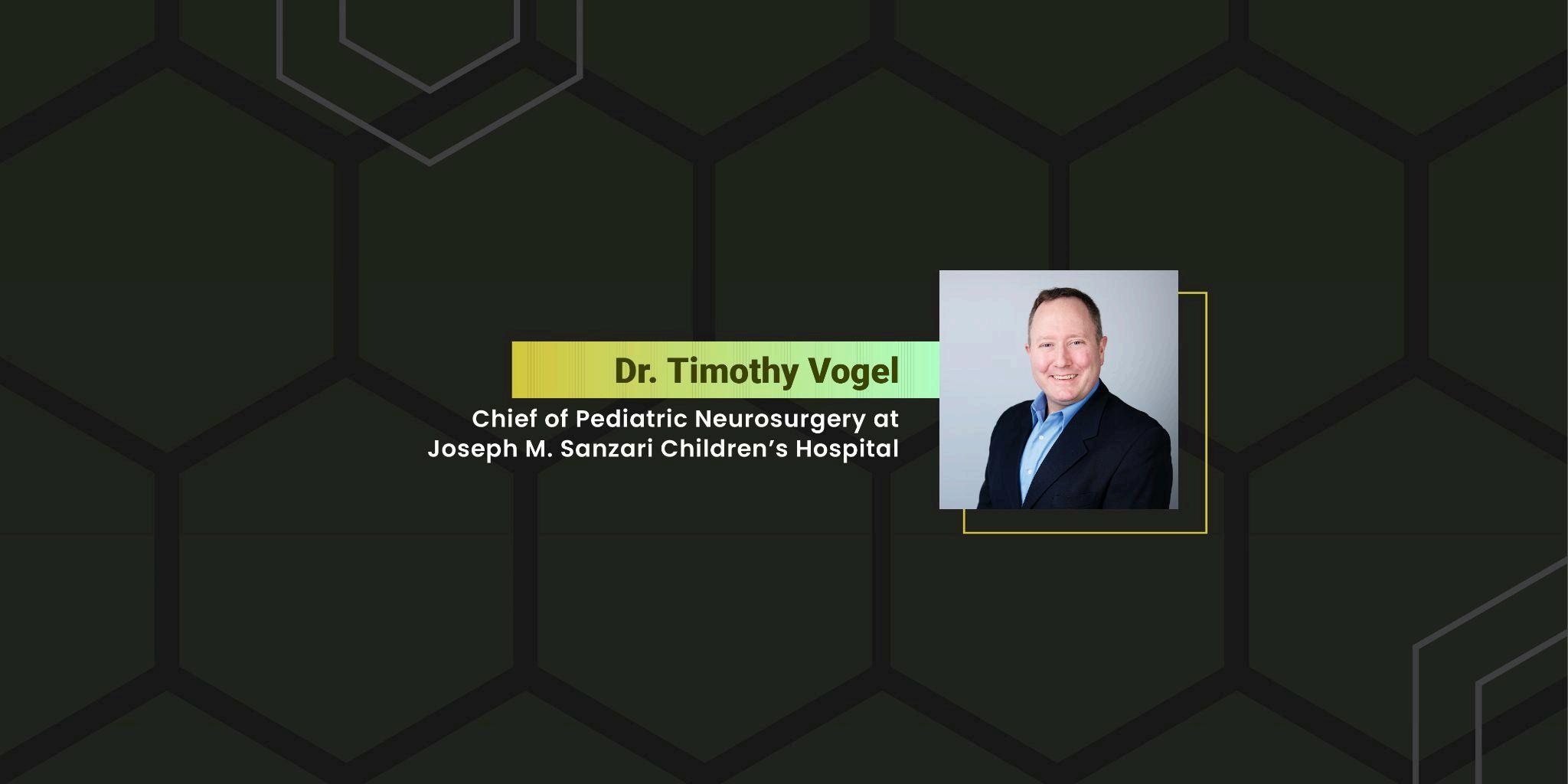
Clinical research in pediatric brain disorders is moving forward with remarkable speed, bringing new hope to children and families affected by conditions once considered difficult to diagnose or treat Dr Timothy Vogel described that scientists and clinicians now have access to better tools, deeper data, and stronger collaboration across specialties. These improvements are helping researchers study pediatric brain disorders by understanding how a child’s brain grows, adapts, and responds to injury or disease As knowledge expands, so do the possibilities for earlier diagnoses, safer treatments, and improved long-term outcomes.
One of the most promising trends is the rise of advanced neuroimaging. Modern brain scans capture more transparent, more detailed images than ever before Researchers can now observe subtle changes in brain structure and function, enabling them to understand disorders at much earlier stages. Early detection leads to faster intervention, which plays a significant role in protecting a child’s developing brain These images also help track how well a child responds to treatment, making ongoing care more precise
Another critical trend centers on genetic and molecular research Scientists are identifying genes linked to conditions such as epilepsy, developmental delays, and neurodegenerative disorders This information helps doctors understand why these disorders occur and how they might progress. Genetic insights also support personalized treatment plans that match each child’s unique needs. As research advances, therapies targeting specific genetic pathways may become more common
Artificial intelligence is also gaining greater prominence in clinical research AI systems can review large amounts of data and identify patterns that humans may miss These tools help researchers predict outcomes, group patients more accurately, and study how different treatments affect various brain conditions AI-driven insights save time and allow teams to focus on the most promising solutions This makes research more efficient and helps accelerate discoveries from the lab to the clinic.
Alongside technological advances, there is an increasing interest in long-term developmental studies Researchers are following children over many years to understand how early brain disorders impact learning, behavior, and emotional health This long view helps identify support strategies that improve the quality of life as children grow. It also highlights the importance of early therapy and ongoing monitoring