Beyond Borders of Care: The Impact of Medical Missions on Global Wellbeing
by Dr. Shamini Parameswaran
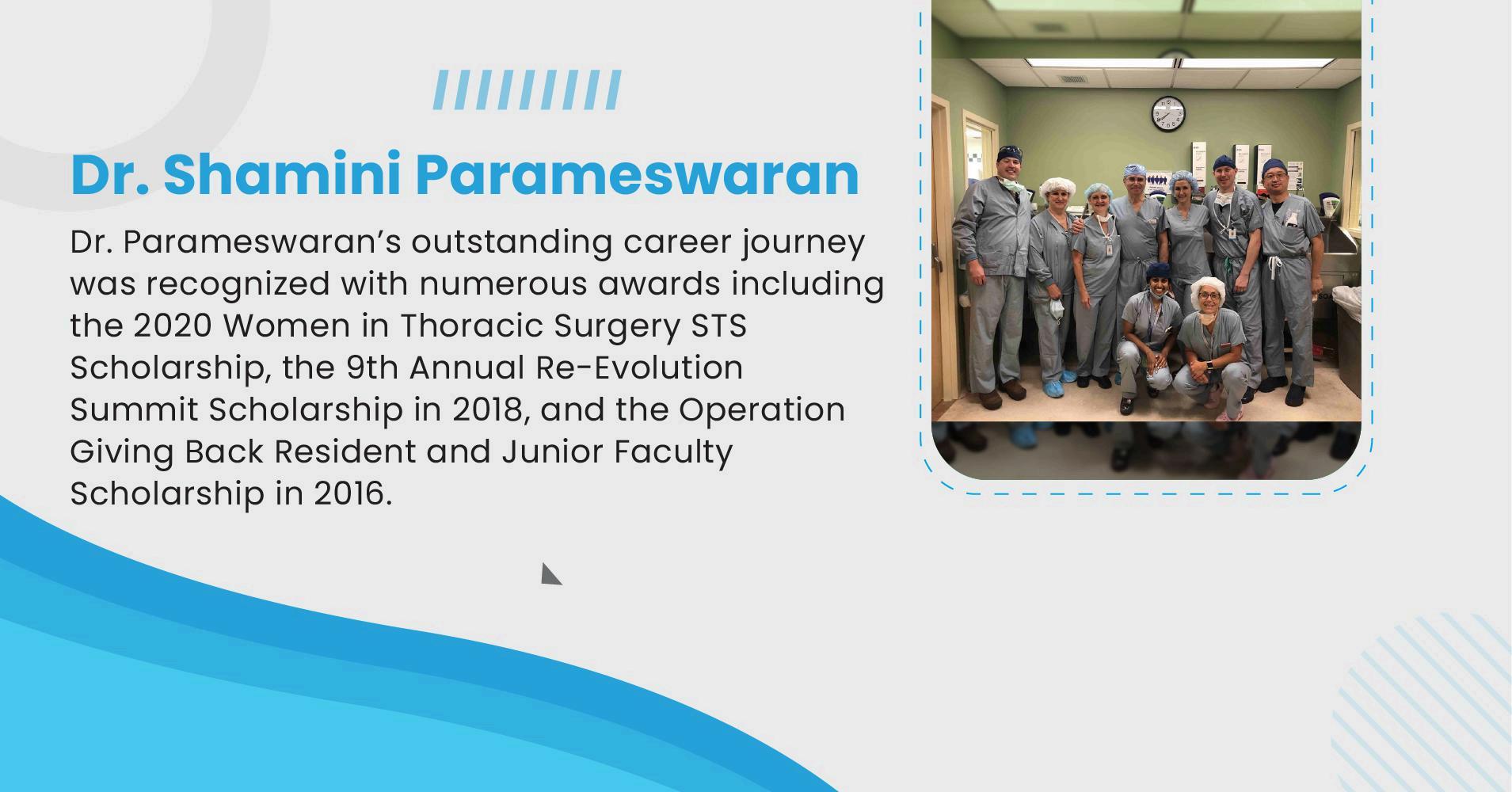
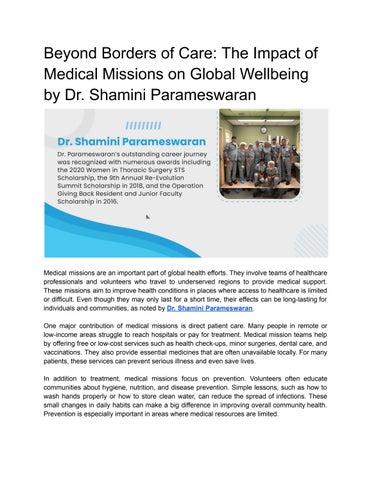
Medical missions are an important part of global health efforts. They involve teams of healthcare professionals and volunteers who travel to underserved regions to provide medical support These missions aim to improve health conditions in places where access to healthcare is limited or difficult. Even though they may only last for a short time, their effects can be long-lasting for individuals and communities, as noted by Dr. Shamini Parameswaran
One major contribution of medical missions is direct patient care Many people in remote or low-income areas struggle to reach hospitals or pay for treatment Medical mission teams help by offering free or low-cost services such as health check-ups, minor surgeries, dental care, and vaccinations They also provide essential medicines that are often unavailable locally For many patients, these services can prevent serious illness and even save lives
In addition to treatment, medical missions focus on prevention Volunteers often educate communities about hygiene, nutrition, and disease prevention Simple lessons, such as how to wash hands properly or how to store clean water, can reduce the spread of infections. These small changes in daily habits can make a big difference in improving overall community health Prevention is especially important in areas where medical resources are limited.
Another key aspect of medical missions is collaboration with local healthcare workers Instead of working alone, visiting teams often partner with local doctors, nurses, and clinics. They provide training, share modern medical practices, and help improve clinical skills This cooperation strengthens the local healthcare system and ensures that care continues even after the mission team leaves. It also builds confidence among local professionals, allowing them to handle more complex health challenges in the future
Medical missions also help highlight global health inequalities Volunteers often witness challenges such as a lack of clean water, poor sanitation, and shortages of medical supplies By reporting these issues, they bring attention to areas that need urgent support. This information can guide governments and organizations in planning better health programs and investing in long-term solutions
Medical missions play a valuable role in improving global health They provide immediate care, promote prevention, and support local healthcare systems. While they cannot solve every health problem, they create meaningful progress in many communities Through cooperation, education, and compassion, medical missions help build a healthier and more connected world