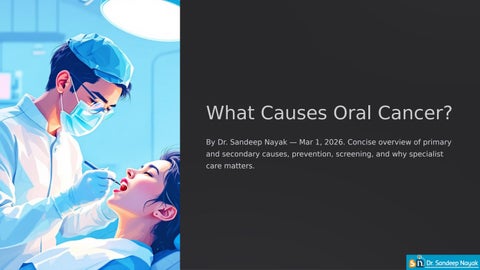

What Causes Oral Cancer?
By Dr. Sandeep Nayak
— Mar 1, 2026. Concise overview of primary and secondary causes, prevention, screening, and why specialist care matters.




Key Quote
“Oral cancer is the one cancer where I can look at most patients and point to a specific cause that was present for years before the diagnosis arrived.” — Dr. Sandeep Nayak
Primary Causes — Overview
India carries one of the world’s highest oral cancer burdens driven by identifiable, changeable exposures rather than bad luck. Tobacco (All Forms)

Single biggest global cause — carcinogens damage mouth and throat lining over years.

Areca Nut / Betel Quid
Classified Group 1 carcinogen; causes oral submucous fibrosis, a precancerous condition.

Alcohol + Tobacco Alcohol increases tissue permeability — combined use multiplies cancer risk far beyond either alone.

HPV Infection (esp. HPV16) Fastest-growing cause of oropharyngeal cancer, notably in younger nonsmokers.
Secondary Causes That Increase Risk

Chronic Sun Exposure
UV damage to lips leads to lip cancer over years without protection.

Poor Oral Hygiene
Chronic inflammation from gum disease, broken teeth, or longterm infections promotes malignant changes.

Weakened Immunity
Immunosuppres sion (medication, HIV) lowers surveillance for abnormal cells, raising risk.

Genetic Predispositio
n Some patients develop oral cancer with minimal environmental exposure due to inherited vulnerabilities.
How Oral Cancer Often Appears Early

Early Signs
• White patch (leukoplakia)
• Red patch (erythroplakia)
• Non-healing ulcer >3 weeks Any persistent lesion not responding to standard care needs biopsy and specialist evaluation.
Prevention & Screening
Stop Tobacco & Areca Nut
Cessation reduces exposure-driven DNA damage over time.
HPV
Vaccination
Vaccinate before exposure to lower HPVrelated oropharyngeal cancer risk.
Regular Oral Exams
Sun Protection for Lips
Use lip sunscreen and protective measures for outdoor workers.
Early screening and timely specialist referral prevent progression to advanced disease.
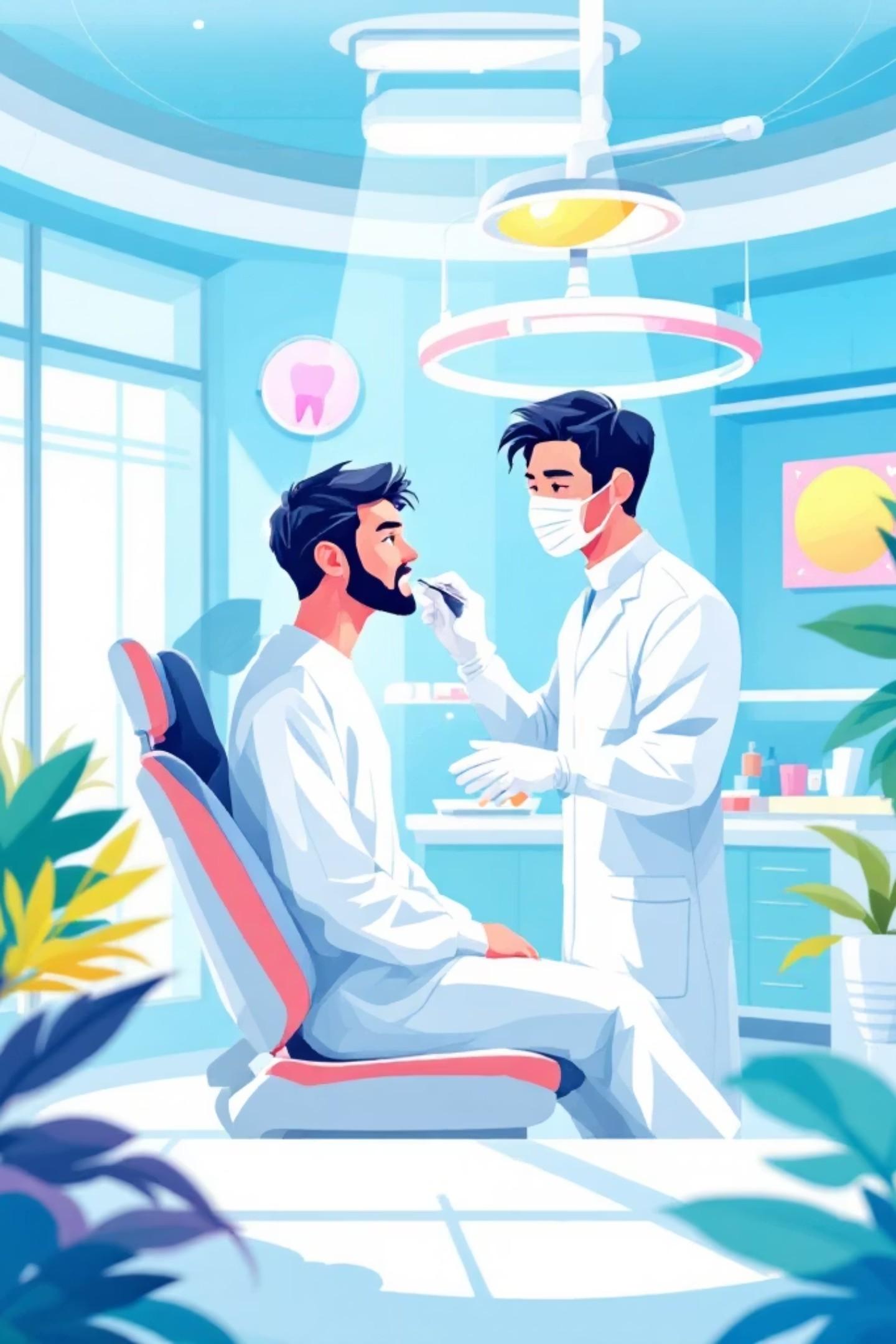
Treatment Advances — Minimally Invasive Options
Minimally Invasive Surgery
Techniques like Trans Oral Robotic Surgery (TORS) allow tumor removal without external incisions, preserving function.
Neck Dissection Innovations
Procedures such as MIND and RIA-MIND reduce surgical trauma compared to conventional open approaches.
Why Choose Dr. Sandeep Nayak (Bangalore)

Experience
Over 24 years treating oral & headand-neck cancers with robotic and minimally invasive techniques.

Personalized Care
Treatment plans built around each patient’s pathology and stage — not generic protocols.
Every suspicious change gets a thorough exam and biopsy where indicated, prioritizing early detection and function preservation.
Frequently Asked Questions
Can oral cancer occur without tobacco or alcohol?
Yes — HPV, sun exposure to lips, poor oral hygiene, and genetics can cause oral cancer in non-users.
What does early oral cancer look like?
White or red patches, or a non-healing ulcer lasting more than three weeks — biopsy is required for diagnosis.
How quickly does areca nut cause damage? Oral submucous fibrosis can develop within months to years depending on frequency and form of use.
Can HPV-related oral cancer be prevented?
Yes — HPV vaccination before exposure provides substantial protection against high-risk strains.
References & Contact
Key references: IARC Monographs (Areca Nut, Tobacco, Alcohol) — https://monographs.iarc.who.int/
CDC Oral Cavity & Oropharyngeal Cancer — https://www.cdc.gov/cancer/oral/