
Dr. Salvatore Palumbo: Recognizing Brain Tumor Symptoms Early and Exploring Today’s Treatment Advances
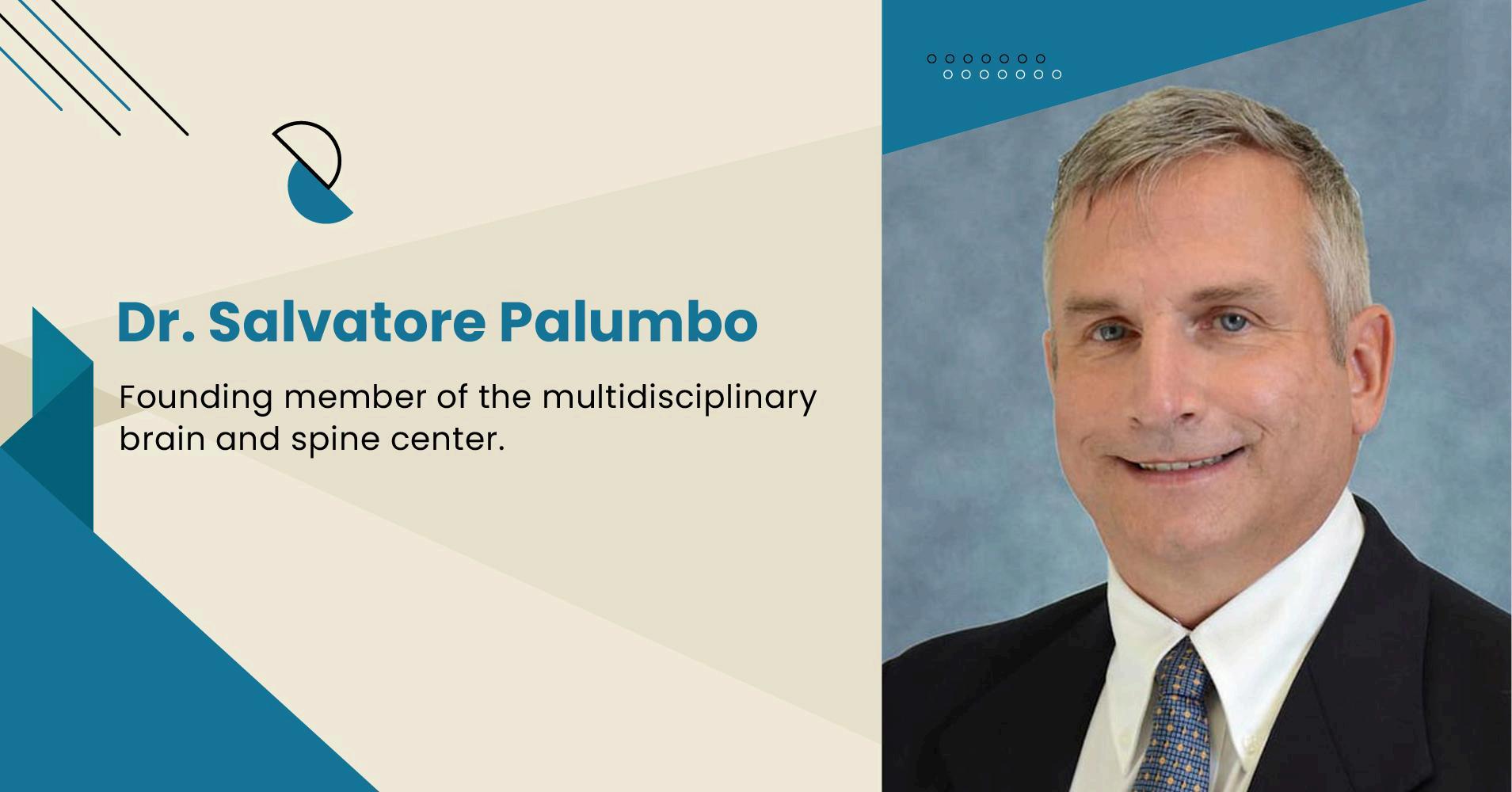
Dr Salvatore Palumbo suggested that brain tumors are serious medical conditions that can affect people of any age, often developing quietly before symptoms become noticeable Early recognition plays a crucial role in improving outcomes, yet many people overlook subtle warning signs or attribute them to less severe issues Understanding these early indicators can help individuals seek timely medical attention and improve their quality of life.
One of the most common early signs of a brain tumor is persistent headaches that feel different from usual tension or migraine headaches. These headaches may become more frequent, worsen over time, or feel more intense in the morning Alongside headaches, individuals may experience unexplained nausea or vomiting, particularly without any digestive cause Changes in vision, such as blurred or double vision, can also signal increased pressure in the brain and should not be ignored
Cognitive and behavioral changes are another important set of symptoms. A person may notice memory problems, difficulty concentrating, or confusion in situations that previously felt routine In some cases, mood swings, personality changes, or unusual irritability may occur. These shifts
can be subtle at first but may gradually interfere with daily functioning Seizures are also a significant early warning sign, especially in individuals with no prior history of epilepsy.
Physical symptoms can vary depending on the tumor’s location in the brain. Weakness or numbness in the arms or legs, difficulty with balance, or coordination problems may develop. Speech difficulties, such as slurred words or trouble finding the right words, can also occur Because these symptoms often mimic other neurological conditions, proper medical evaluation is essential for accurate diagnosis
Modern medicine has made remarkable progress in diagnosing and treating brain tumors. Advanced imaging techniques such as MRI and CT scans allow doctors to detect tumors earlier and with greater precision These tools help determine the tumor’s size, location, and type, which are critical factors in creating an effective treatment plan.
Treatment options have expanded significantly in recent years. Surgery remains one of the primary approaches, especially when the tumor can be safely removed However, less invasive techniques and improved surgical technology now allow for more precise operations with reduced risks. Radiation therapy has also evolved, with targeted methods that focus on tumor cells while minimizing damage to surrounding healthy tissue
Chemotherapy and newer drug therapies continue to play a key role, particularly for tumors that cannot be fully removed through surgery In addition, innovative treatments such as immunotherapy are gaining attention These therapies work by helping the body’s immune system recognize and attack tumor cells more effectively. Personalized medicine is another promising development, where treatment plans are tailored to the specific genetic makeup of the tumor.
Early detection combined with modern treatment approaches offers hope to patients and their families. While a brain tumor diagnosis can feel overwhelming, ongoing advancements in medical science continue to improve survival rates and quality of life Being aware of early symptoms and seeking prompt medical advice can make a meaningful difference in outcomes