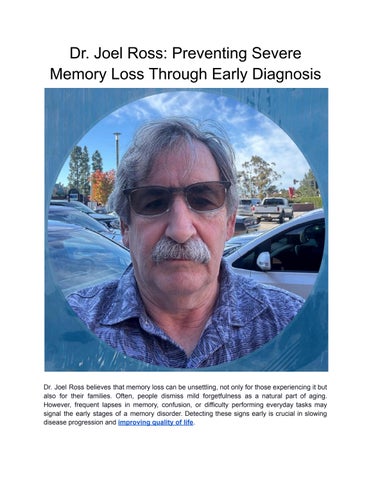
Dr. Joel Ross: Preventing Severe Memory Loss Through Early Diagnosis

Dr. Joel Ross believes that memory loss can be unsettling, not only for those experiencing it but also for their families Often, people dismiss mild forgetfulness as a natural part of aging However, frequent lapses in memory, confusion, or difficulty performing everyday tasks may signal the early stages of a memory disorder. Detecting these signs early is crucial in slowing disease progression and improving quality of life
Early diagnosis provides patients and families with valuable time to plan for the future It allows healthcare professionals to recommend interventions, lifestyle adjustments, and medications that can help manage symptoms and maintain cognitive function longer Research shows that addressing risk factors such as high blood pressure, diabetes, poor sleep, and physical inactivity early can significantly slow memory decline.
Moreover, early detection encourages lifestyle changes that support brain health. Regular exercise, a balanced diet, social engagement, and mental stimulation can all help maintain cognitive abilities When memory disorders are diagnosed early, individuals have the opportunity to participate in clinical trials or receive new treatments that may not be available later. This proactive approach can improve outcomes and provide hope for patients and families alike
Families also benefit from early diagnosis by gaining access to resources, support groups, and educational materials that prepare them to handle challenges that may arise Understanding the condition reduces stress and promotes better communication, helping loved ones provide the appropriate care
Waiting until symptoms become severe often limits treatment options and diminishes quality of life Recognizing subtle changes in memory and seeking professional evaluation can make a significant difference Memory screenings, cognitive assessments, and consultations with specialists are effective tools in identifying potential issues before they escalate.
In short, early diagnosis is a powerful tool in preventing severe memory loss It empowers patients, strengthens family support, and opens the door to effective interventions that protect brain health By paying attention to early signs and acting promptly, individuals can take control of their cognitive well-being and reduce the impact of memory disorders on their lives.