Creating Fellowship Programs That Drive Medical Excellence: Insights from Dr. Joel Ross
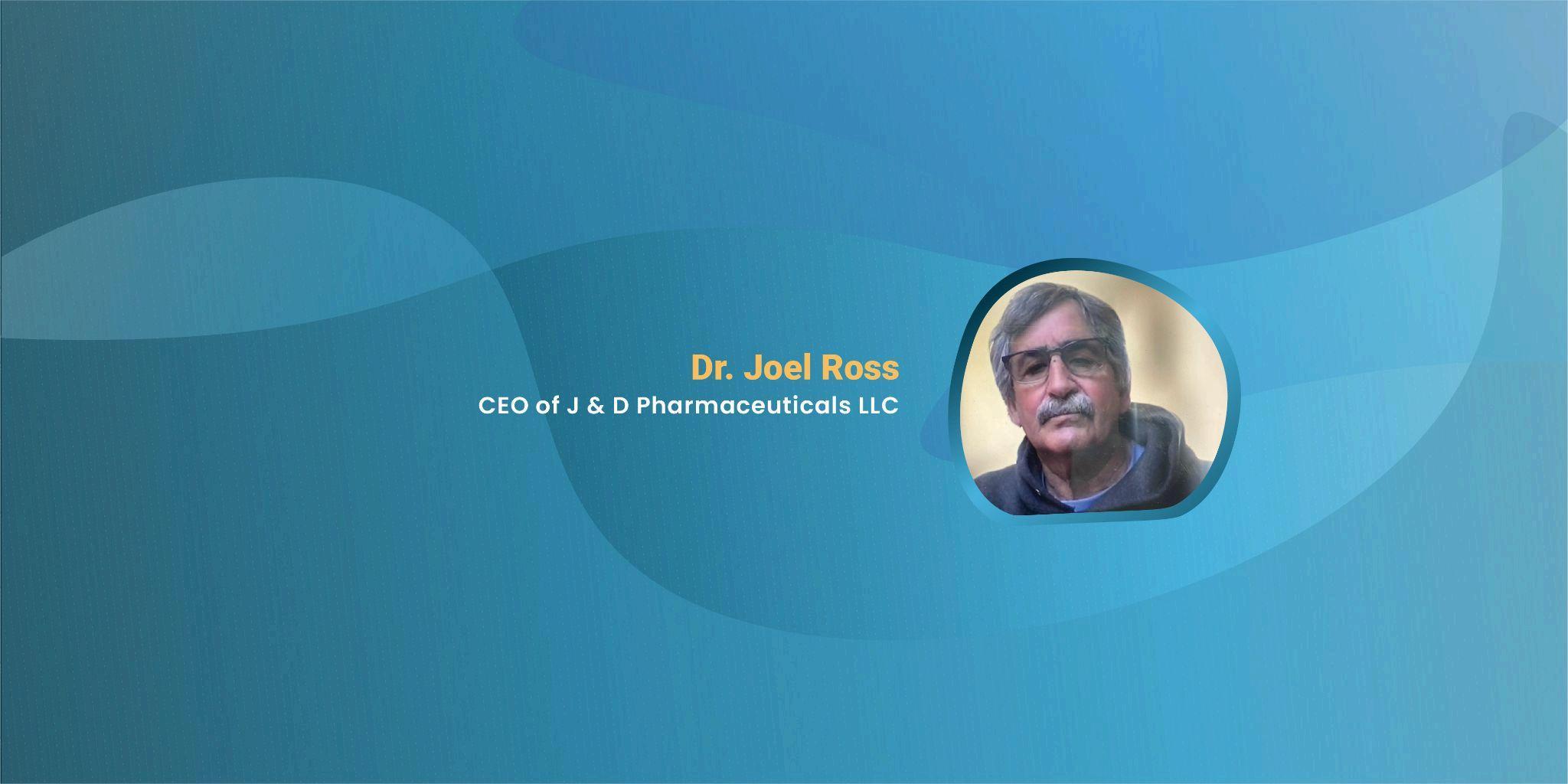
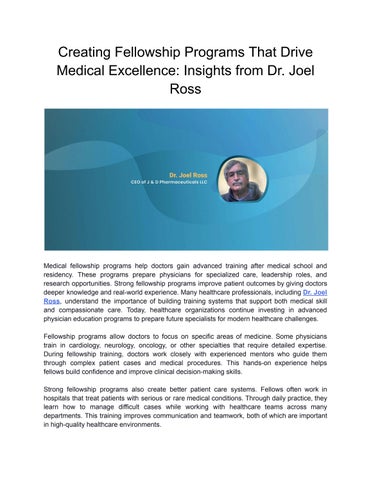
Medical fellowship programs help doctors gain advanced training after medical school and residency These programs prepare physicians for specialized care, leadership roles, and research opportunities. Strong fellowship programs improve patient outcomes by giving doctors deeper knowledge and real-world experience Many healthcare professionals, including Dr. Joel Ross, understand the importance of building training systems that support both medical skill and compassionate care. Today, healthcare organizations continue investing in advanced physician education programs to prepare future specialists for modern healthcare challenges
Fellowship programs allow doctors to focus on specific areas of medicine Some physicians train in cardiology, neurology, oncology, or other specialties that require detailed expertise During fellowship training, doctors work closely with experienced mentors who guide them through complex patient cases and medical procedures This hands-on experience helps fellows build confidence and improve clinical decision-making skills
Strong fellowship programs also create better patient care systems Fellows often work in hospitals that treat patients with serious or rare medical conditions. Through daily practice, they learn how to manage difficult cases while working with healthcare teams across many departments This training improves communication and teamwork, both of which are important in high-quality healthcare environments.
Research is another important part of many fellowship programs Fellows may participate in clinical studies, medical trials, or healthcare improvement projects. Research experience helps physicians understand how medical discoveries lead to better treatments and patient outcomes It also encourages doctors to continue learning throughout their careers as medicine evolves.
Mentorship plays a major role in the success of fellowship programs Experienced physicians help fellows develop professional values, leadership skills, and ethical decision-making abilities. Good mentors teach more than medical knowledge They also show young doctors how to support patients during difficult moments with empathy and respect These lessons help fellows become compassionate healthcare leaders in the future.
Technology continues to shape modern fellowship training as well Fellows now use advanced imaging systems, robotic tools, and digital health records during patient care. Medical programs must teach doctors how to use these systems safely and effectively At the same time, fellowship leaders remind physicians to maintain personal connections with patients and families Technology supports healthcare, but human care remains essential
Fellowship programs also help hospitals attract talented physicians. Many healthcare centers build strong reputations through excellent training opportunities Skilled doctors often choose hospitals known for high-quality fellowship education and supportive learning environments This creates stronger healthcare teams and improves care for entire communities.
Another important benefit of fellowship programs is leadership development Fellows often manage patient teams, guide junior residents, and participate in healthcare planning discussions These experiences prepare physicians for future leadership positions in hospitals, universities, and medical organizations. Leadership training helps doctors improve healthcare systems beyond direct patient treatment
Well-designed fellowship programs also encourage diversity in medicine. Healthcare organizations work to support physicians from different backgrounds and experiences Diverse medical teams often improve communication and patient trust across communities Fellowship programs that promote inclusion help create stronger and more understanding healthcare environments
Specialized clinical training pathways continue to shape the future of medicine and healthcare leadership Fellowship programs help physicians develop advanced medical skills, research knowledge, and compassionate patient care practices. As healthcare becomes more complex, strong fellowship training programs will remain essential for building medical excellence and improving patient outcomes for future generations