
Luxury Escapes is proud to partner with the award winning PassportCard travel insurance, now available instore & via our Customer Service team.
Instant payouts for approved common claims Australian based 24/7 support Cover for pre-existing medical conditions
Call Luxury Escapes on 1300 88 99 00 or scan to find out more


Luxury Escapes is an Authorised Representative (AR No. 001288350) of PassportCard Australia Pty Ltd ABN 76 621 476220 AFSL 551 057. Should you purchase a policy, Luxury Escapes may receive a commission. Any advice provided is general in nature, does not consider your individual circumstances, objectives, financial situation or needs. Terms and conditions, limits, and exclusions apply. Before making a decision, please review the combined FSG and PDS and the TMD. Reference: V1LEDM20251120.


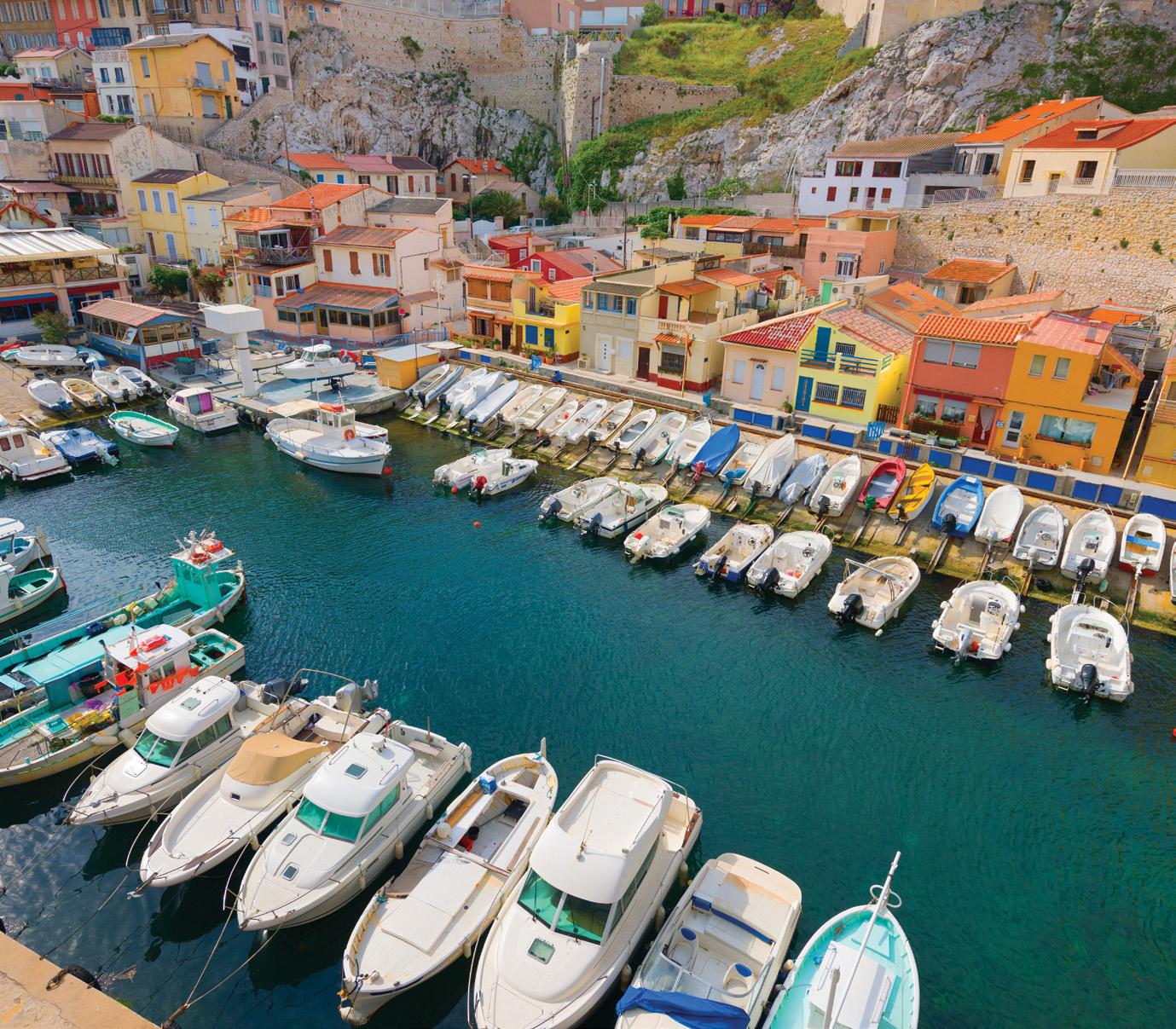
Taking to the street food in Marseille
This port city is a melting pot of cultures and flavours, best discovered with a food tour.
How Raffles the Palm, the brand’s first resort in the Middle East, is redefining Dubai luxury.
A touch of Paradisus in Bali
The new Bali resort from Melia that has emerged fresh from a multi-million dollar face lift.
Going your own way in ailand
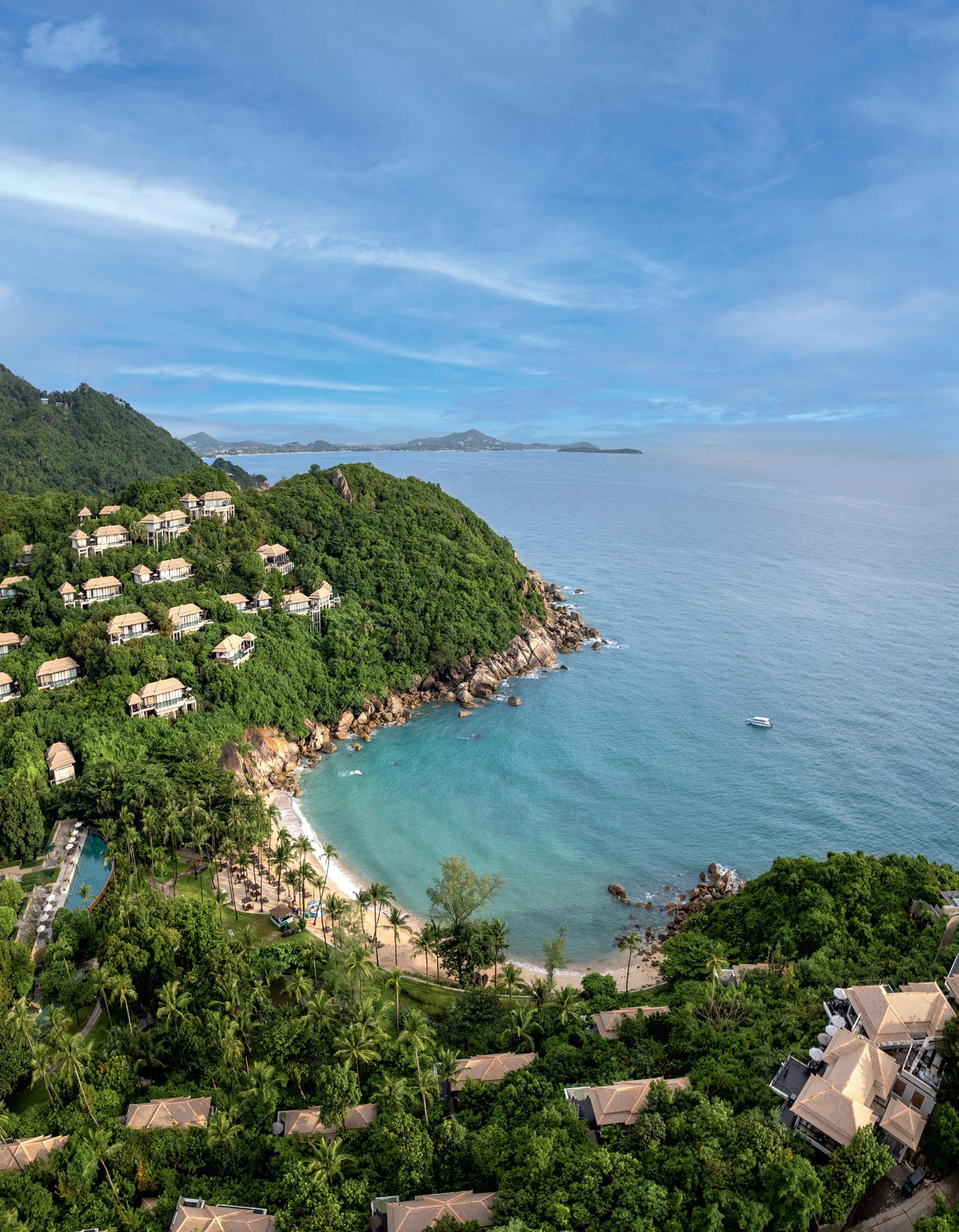
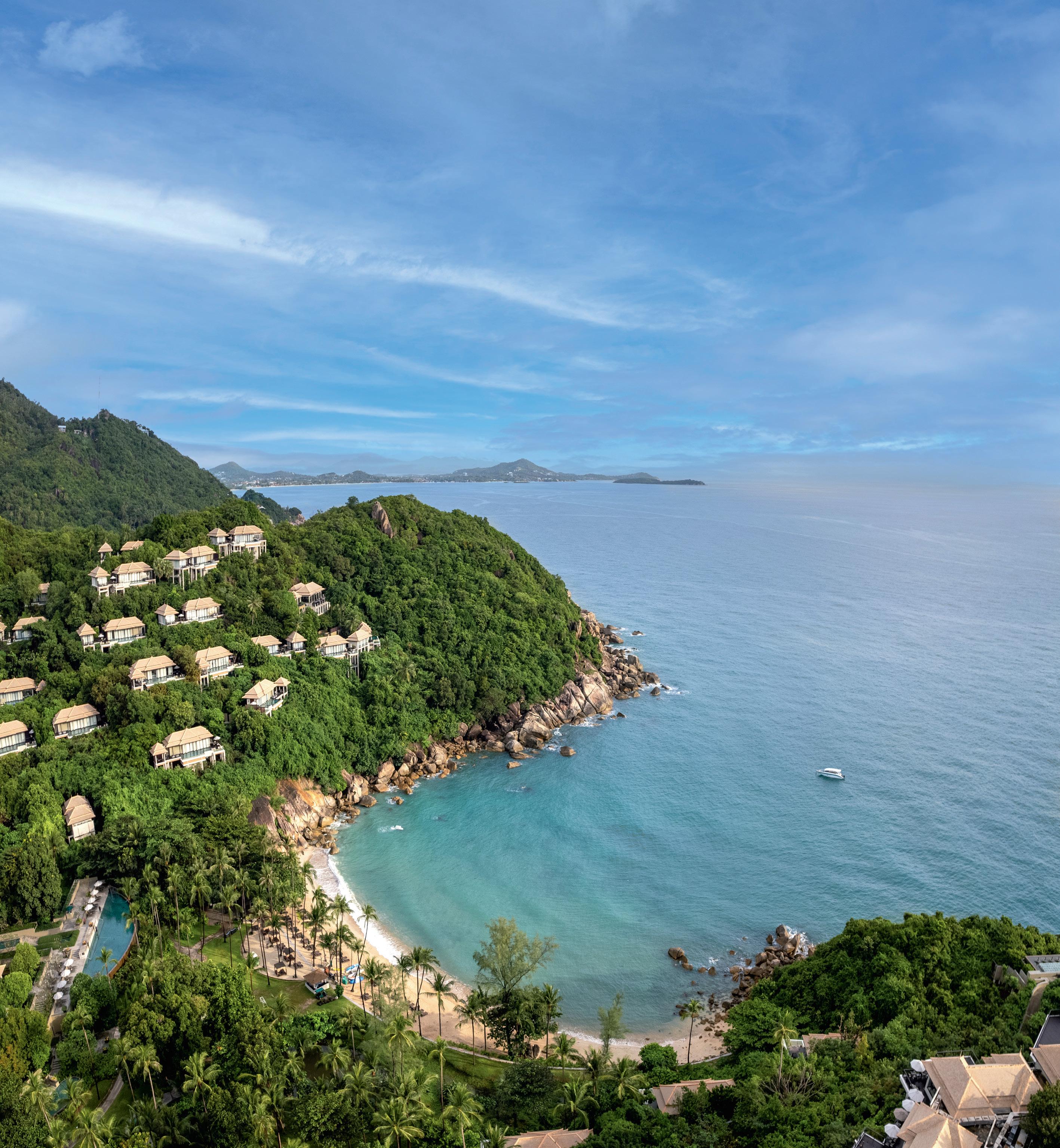
Two Banyan Trees offer two very different types of Thai holiday: from doing nothing to doing it all.
Five travel writers walk into a bar ...
Some of the best stories start with some bar stool tourism; we ask five writers to tell tales.
What does Brisbane sound like?
We dive into the city’s music scene with Powderfinger bassist John “JC” Collins. e most opulent resort in a city of excess
e Luxury Escapes insider guide to the Gold Coast
The best drinking, dining, sleeping and fun on the “Australian Riviera”.
Is Cambodia the new hotspot for food lovers?
Former MasterChef Australia host Gary Mehigan takes us on a food adventure.
Paradise revisited in the Cook Islands
The Cook Islands has not changed a lot in the past 20 years, and that’s a good thing.
Head of Content
Penny Cordner-Maas
Managing Editor
Paul Chai
Creative Lead
Natalie Meneghetti
Content Manager
Stephanie Mikkelsen
For all editorial enquiries, contact editorial@luxuryescapes.com
GM Media & Brand Partnerships
Matt Bailey
Tourism Boards
Partnerships Manager
Jodie Collins
Strategic Partnerships
Executive
Annika Rothschild
Contributing writers
Nate Robinson, Adam Schwab, Helena Melton, Rebecca Elwood
Design team
Elise Ackland, Audrey Campkin-Smith, Nathan Pascual, Veronica Sam
Strategic Partnerships Leader
Chris Neill Partnerships Manager
Michael Grenenger
For all advertising enquiries, contact mediasales@luxuryescapes.com
CEO and Co-founder
Adam Schwab
Chief Marketing Officer Ben Connell
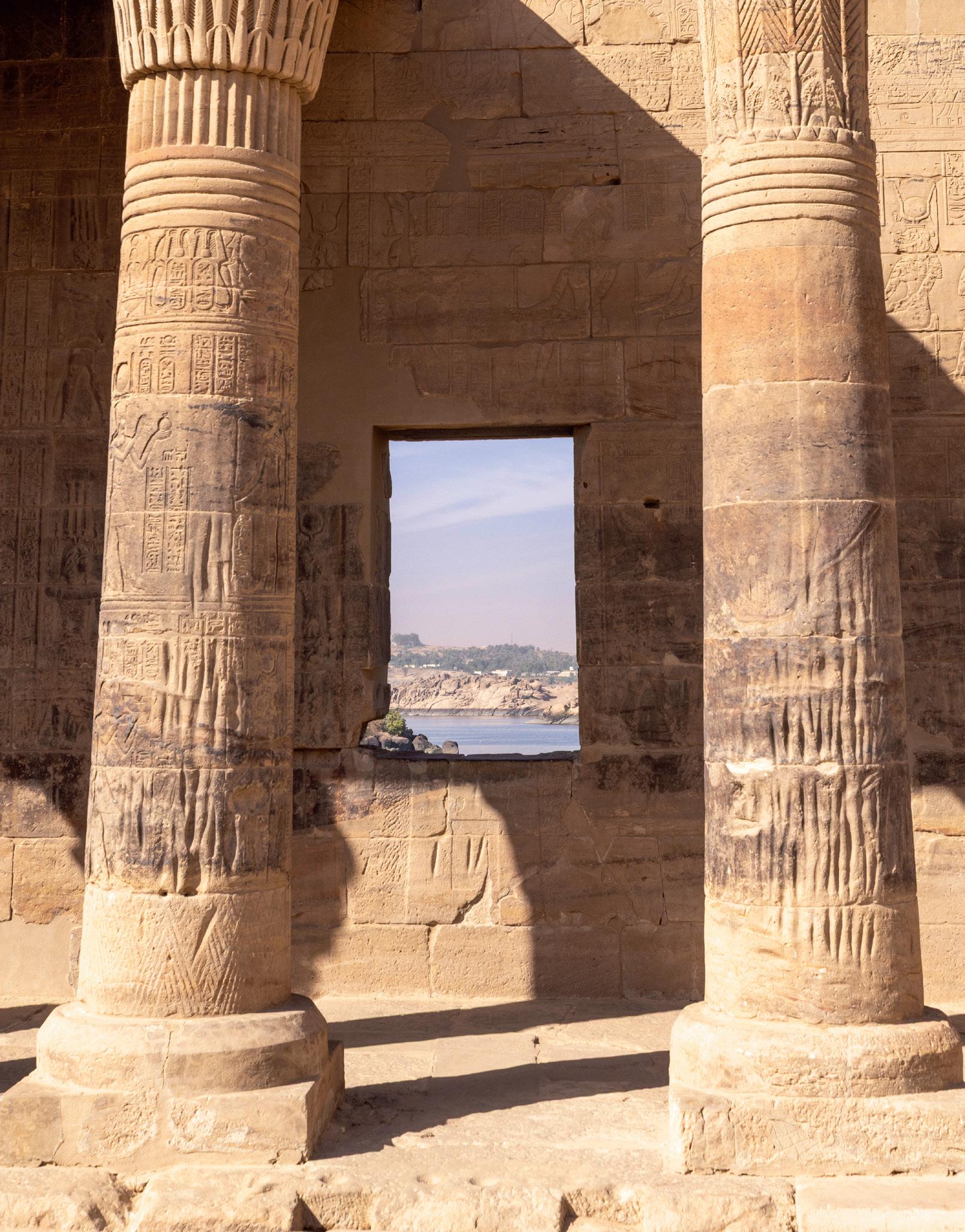
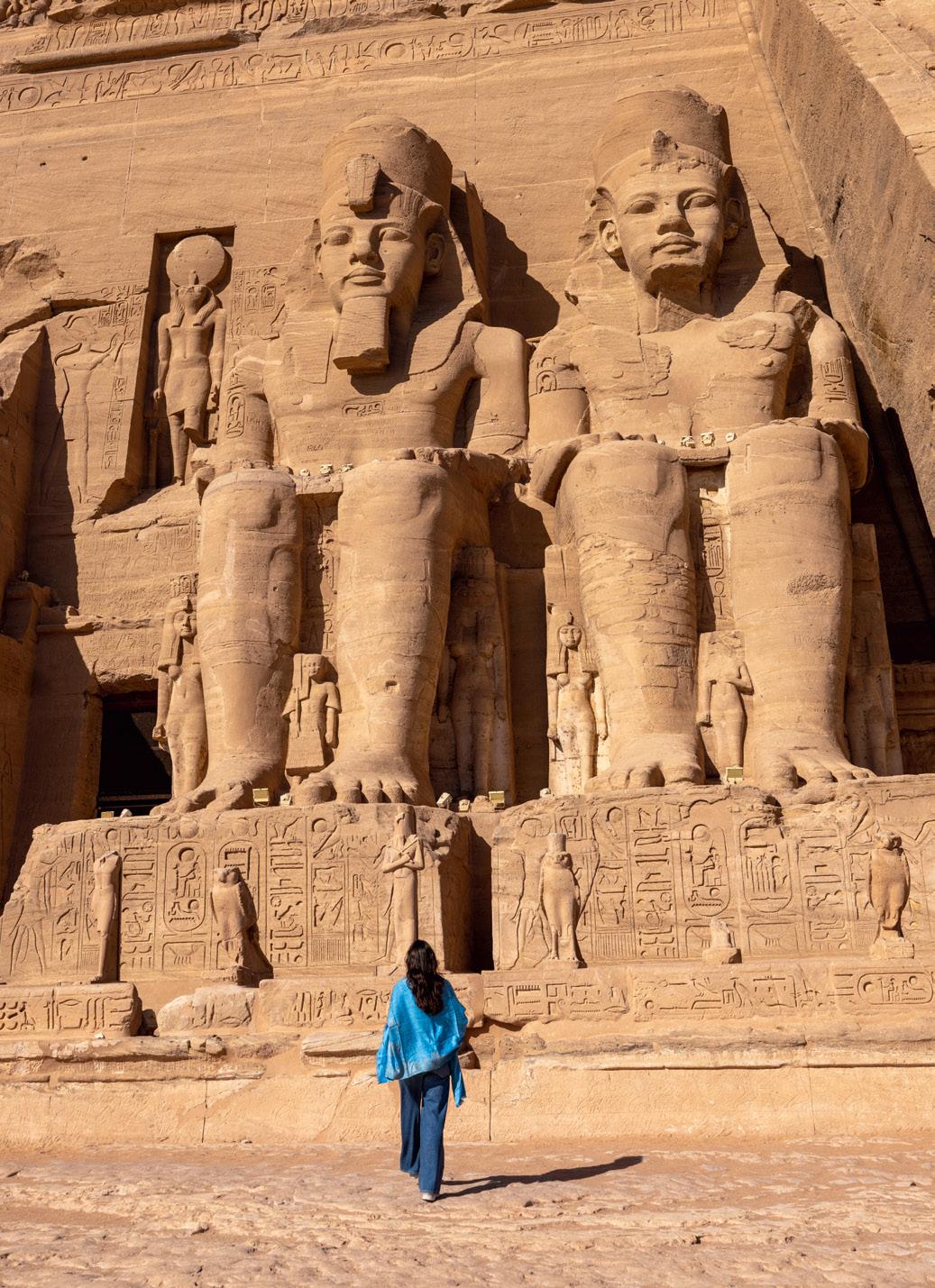
How a minor pharoah became a major star
Egypt’s boy king Tutankhamun’s popularity is at odds with his modest time as a ruler.
Worlds collide in the city of Buenos Aires
How the city perfectly blends its history with a renewed sense of excitement for travellers.
Be inspired by wanderlustworthy destinations, travellers’ tales and the latest travel trends online at Dream by Luxury Escapes.
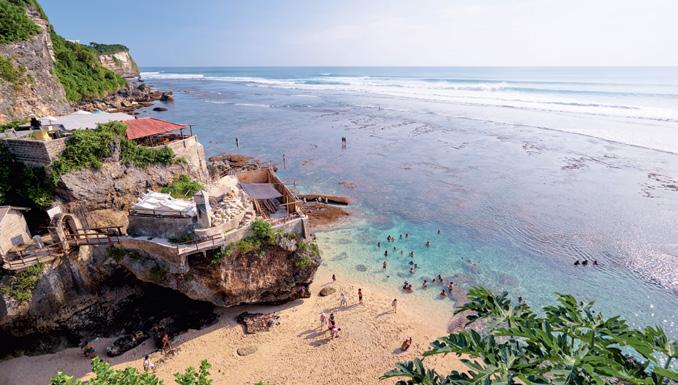
Bali high: why this Indonesian island is so popular
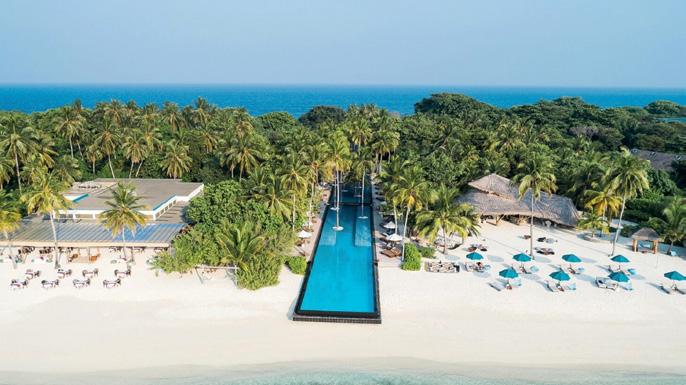
Melbourne to Malé: why our new direct ight is a game changer
Also catch us at:
We started Luxury Escapes with a simple premise: making high-end travel available to people who want to experience it.
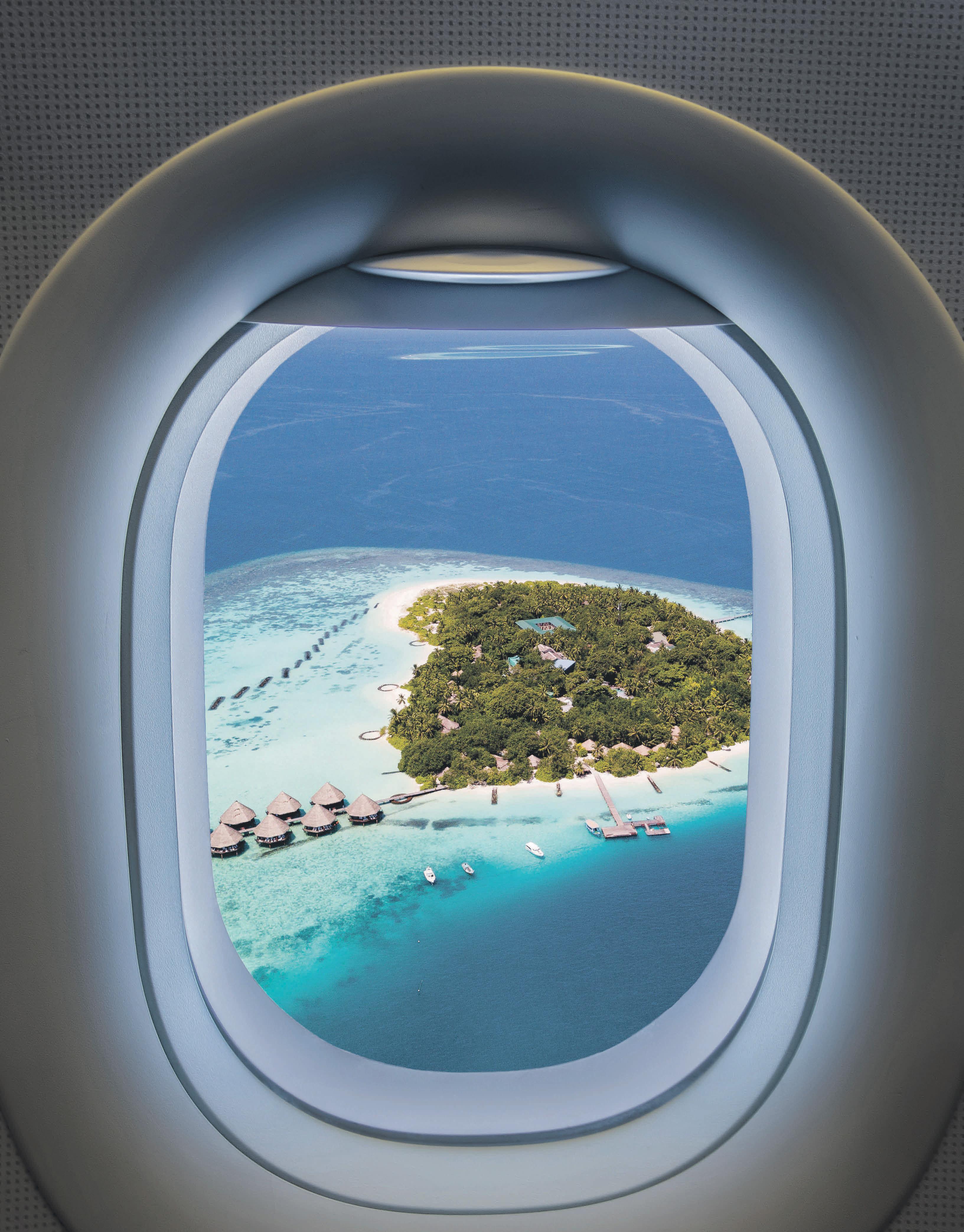
One of our biggest selling destinations is the Maldives, in fact Luxury Escapes sends one in two people who travel to the Maldives from Australia. But what we were hearing from members was that the indirect flights, which often left at inconvenient times and had long stopovers in places like Kuala Lumpur or Singapore, put them off booking.
If we can take away hassle from our members we will, even if it means expanding into aviation. In May Luxury Escapes begins our first-ever charter flight to the Maldives, in partnership with Maldivian Airlines, direct from Melbourne to Malé. This also happens to be the first ever direct flight from Australia. This can mean saving about 12 hours on arrival and another 12 hours when you depart giving you another full day in paradise. We save you a day, we save you a connection and we save you money on the resort when
you arrive. We continue with our mission of making luxury travel more accessible.
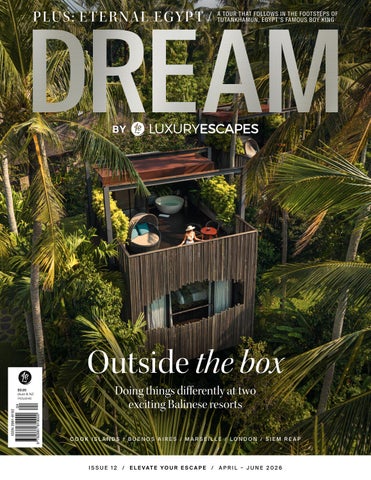
In this issue of Dream by Luxury Escapes we focus on our most popular destination, Bali, with two stories: one on the newly renovated Paradisus by Melia (“Split Decision”, page 30) and another on the treehouses of Nirjhara Bali (“Snap Decisions”, page 34). I also stay at one of the most opulent hotels I have ever seen, at Raffles the Palm (“Desert palace”, page 24).
Another way that Luxury Escapes makes travel easier for members is with our expertly designed tours and we explore the Cambodian food scene with Matt Preston and Gary Mehigan (“Running amok in Siem Reap”, page 80) and walk in the footsteps of Tutankhamun (“The Golden Child”, page 96). We also take a food tour of the port city of Marseille in France (“Born to rouille”, page 16).
Luxury Escapes continues to provide more for our members and we are very excited to see our newest venture take flight.
Adam Schwab
CEO and
Co-founder
Luxury Escapes

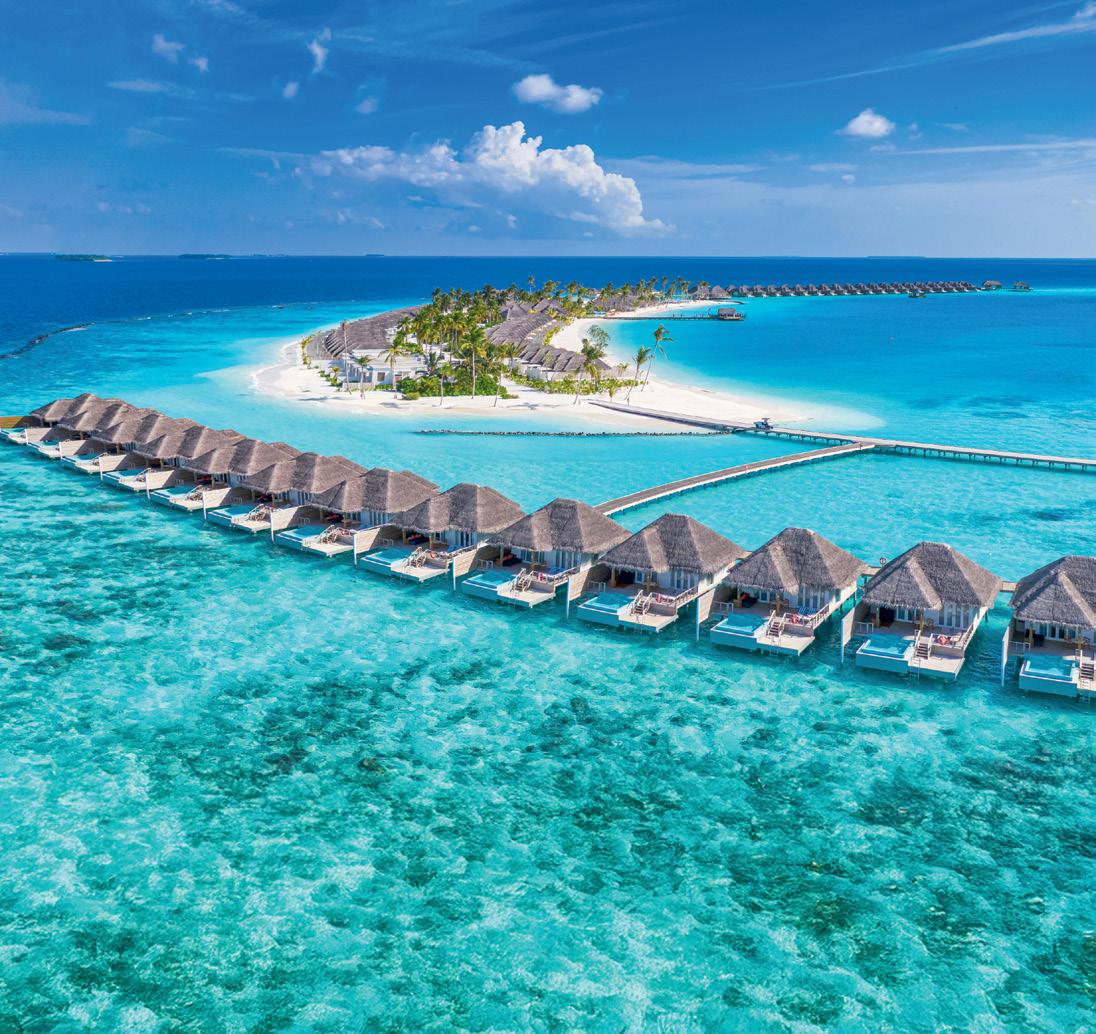
Luxury Escapes announced recently that it was launching an Australian rst: direct ights to the Maldives.
*T&Cs
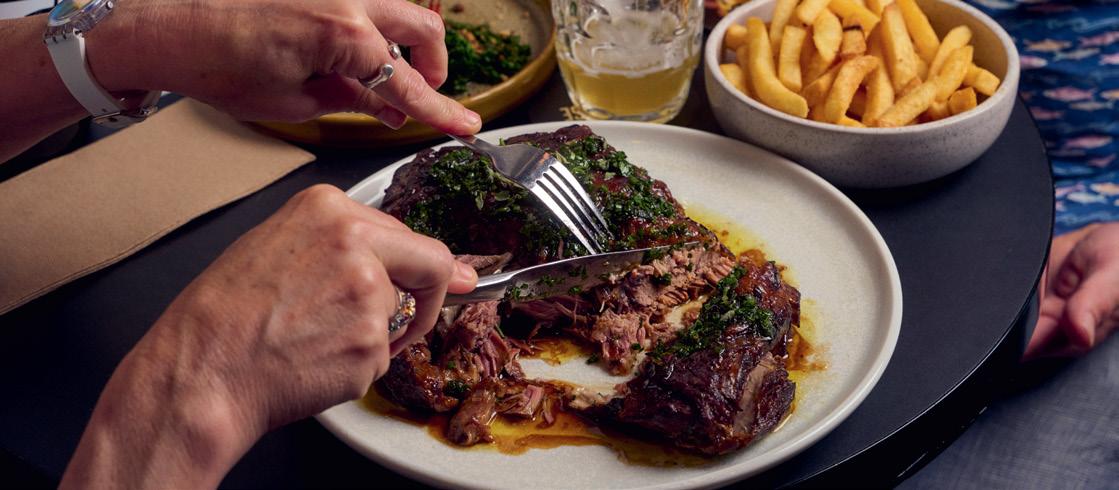
Collingwood’s Molly Rose Brewing has a new chef and a new approach that aims to bring back the neighbourhood brewery vibes.
Located in Collingwood, Molly Rose Brewing was always designed as a casual local gathering spot, but founder Nic Sandery felt it had lost its way.
“At one point we were starting to feel a bit too much like a restaurant,” Nic says. “We’ve brought it back to something warmer, more relaxed and more us.”
With this change has come a new head chef in Sam Field who has taken the menu in the direction of European beer hall food. Sam began his career in a pub in Chichester, UK before moving to Australia and working alongside chefs including Nick Blake at Noosa Beach House, and most recently with Peter Sheldon at The European, where he was part of the team that secured its first chef’s hat. Beers tread the fine line between funky and sessionable.
This brand-new service will operate from Melbourne to Malé from May and it offers incredible time savings for travellers wanting to jet to this bucket-list destination. Current flights from Australia to the Maldives require a stop-over in destinations such as Singapore, Doha, Columbo or Dubai with travel time of often more than 20 hours. The Luxury Escapes flight is direct to Malé in around eleven hours.
The Maldivian Luxury Escapes direct flight will operate a weekly Monday carefully timed evening departure from Melbourne with the inaugural flight scheduled to take off in May.
The flights will arrive in Malé early Tuesday morning, perfectly timed for seamless seaplane or speedboat transfers to outer-island resorts with many resort partners giving Luxury Escapes travellers free early check-in. Return flights will leave Malé Sunday evening, touching down in Melbourne Monday lunchtime.
“According to our booking data, hotel reservations are up 17 per cent with an average length of stay between five to six nights, so we tailored our flight schedule to allow almost seven days on the ground,” says Luxury Escapes cofounder and CEO Adam Schwab.
“Travellers are currently spending almost 24 hours getting to the Maldives, with an overnight stay at Singapore or Kuala Lumpur; the Luxury Escapes direct flight will give our guests extra days to enjoy their dream Maldivian getaway and our exclusively negotiated early check-in will have guests poolside in time for mid-morning mocktails or cocktails.”
Melbourne Airport Chief Executive Officer, Lorie Argus, says the new direct flight is a huge win for both Aussie travellers and Melbourne Airport which will be the only airport in Australia to have the convenience of a direct link to one of the world’s most popular holiday destinations.
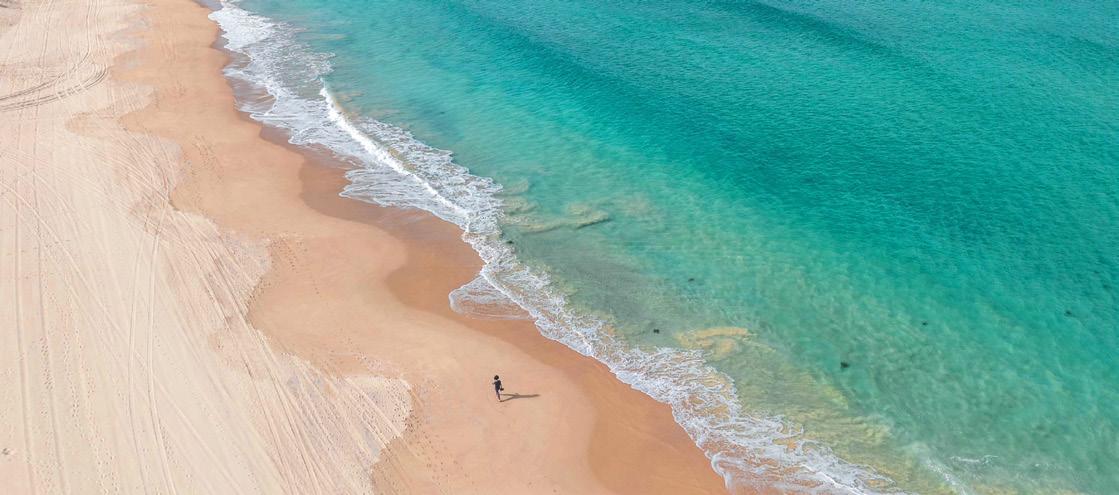
Bate Bay in New South Wales has taken the title of Australia’s Top Beach for 2026, taking the top spot from Norfolk Island.
The Best Australian Beaches study for 2026 results have been unveiled, with the stunning collection of beaches that make up Bate Bay, in Sydney’s south, claiming the prestigious top spot. Curated by veteran beach expert and Tourism Australia Beach Ambassador, Brad Farmer AM, the 2026 list highlights a diverse mix of worldclass coastal destinations. Number two spot went to Pinky Beach in Western Australia with Beachcomber Cove in Queensland rounding out the top three.
“This year’s list is a celebration of the quiet, soulful spots that define our coastal identity and offer a true escape for those willing to wander a little further,” said Brad Farmer. “Whether it’s the remote allure of Beachcomber Cove or Hellfire Bay, these beaches offer a ‘slow-travel’ experience.”
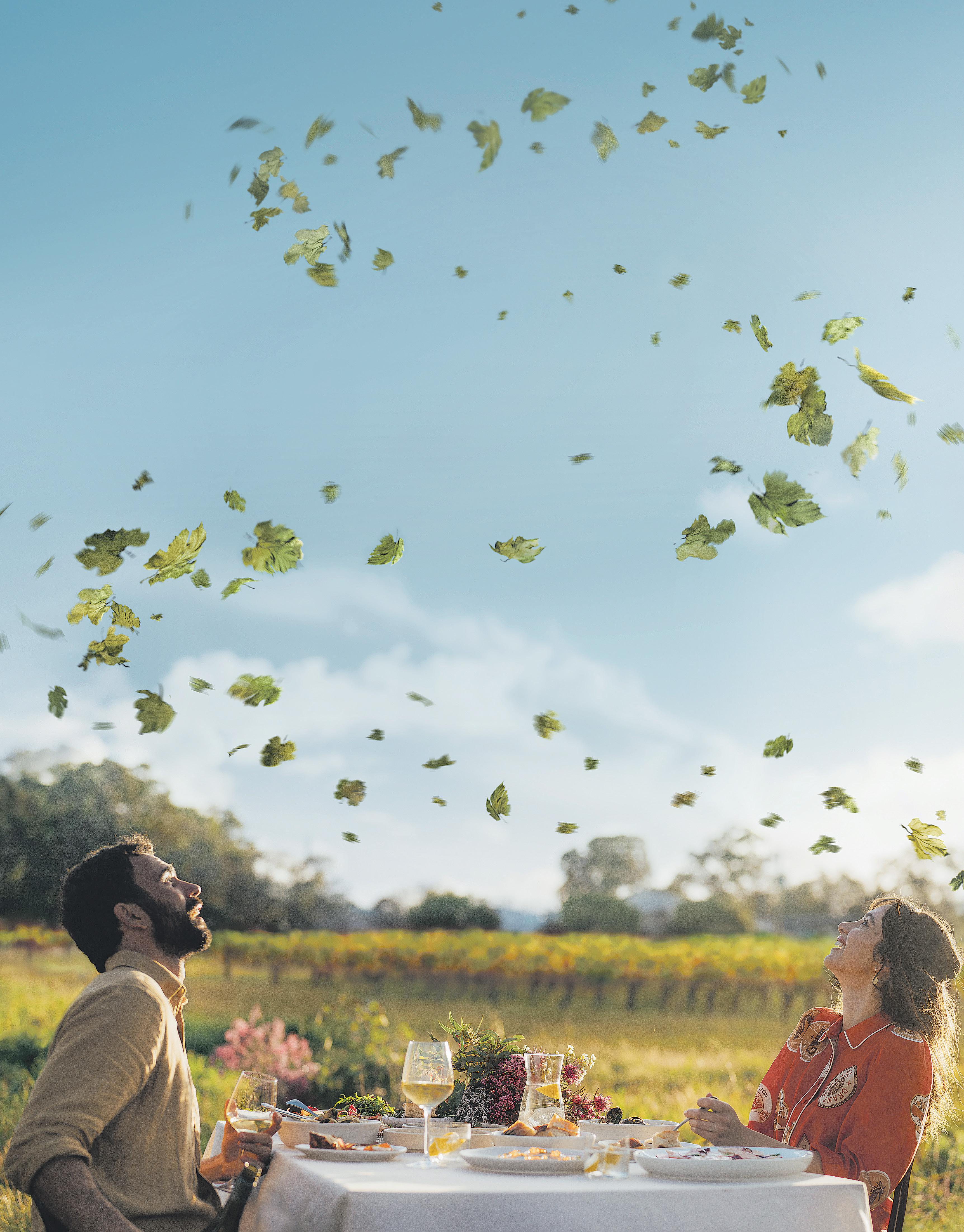
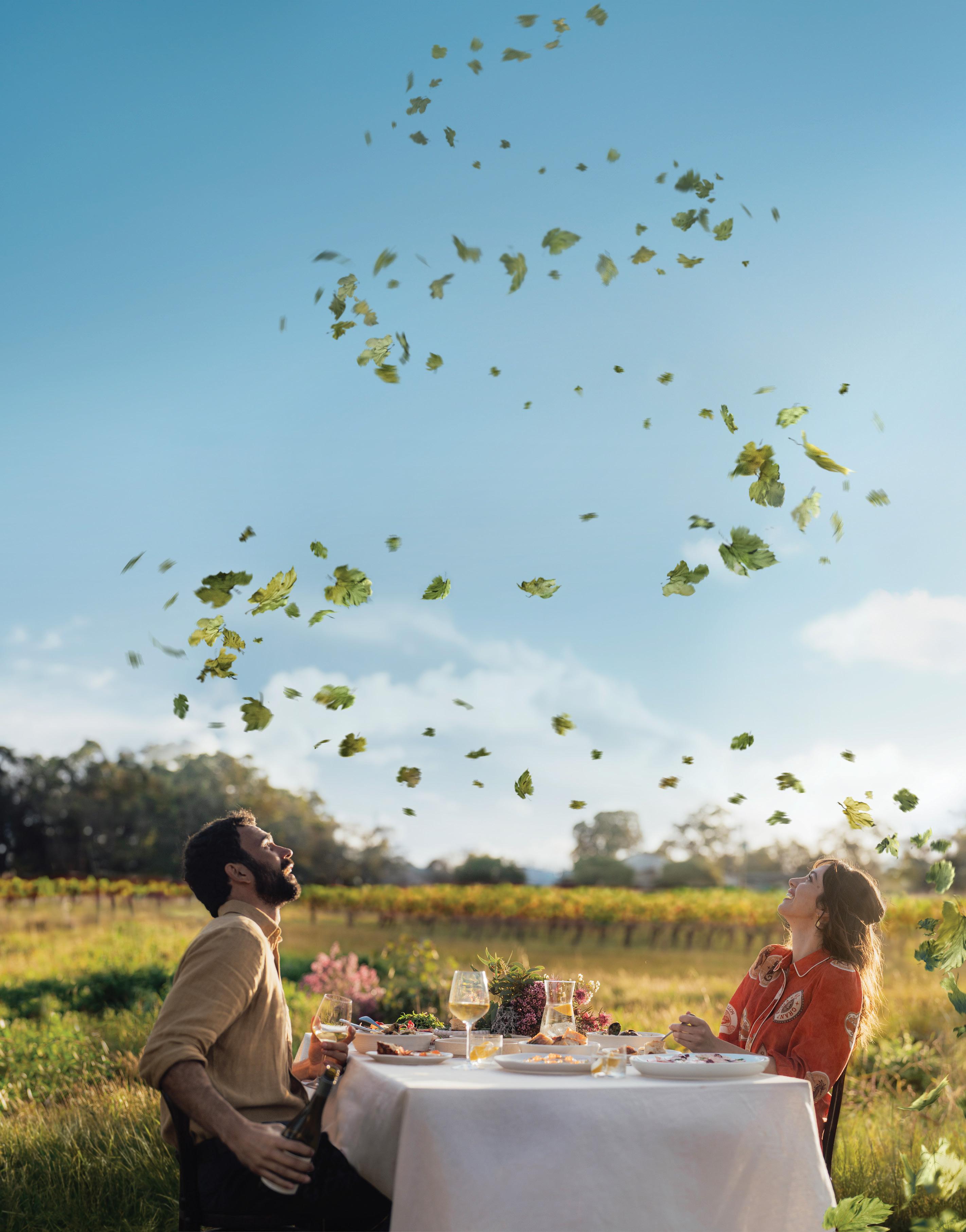
STEP OUTSIDE OF THE EVERYDAY AND INTO A DREAM.
Western Australia calls you to feast upon the remarkable beauty of the Margaret River Region, where world-class wine and produce create a symphony of flavour.
Nestled among pristine beaches, ancient caves and tall-timber forests, the boundless beauty of Australia’s premium wine region will leave you questioning whether it is real or a dream. Perhaps it is a bit of both.
WESTERNAUSTRALIA.COM

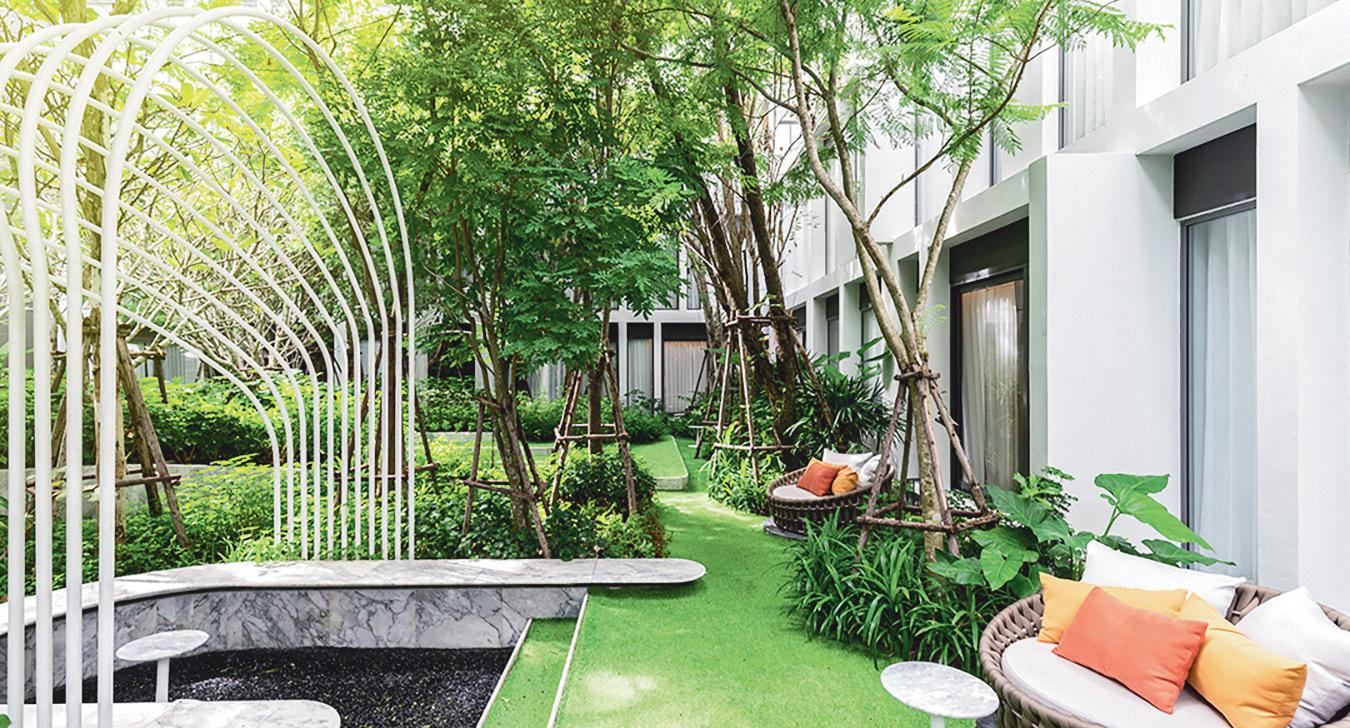
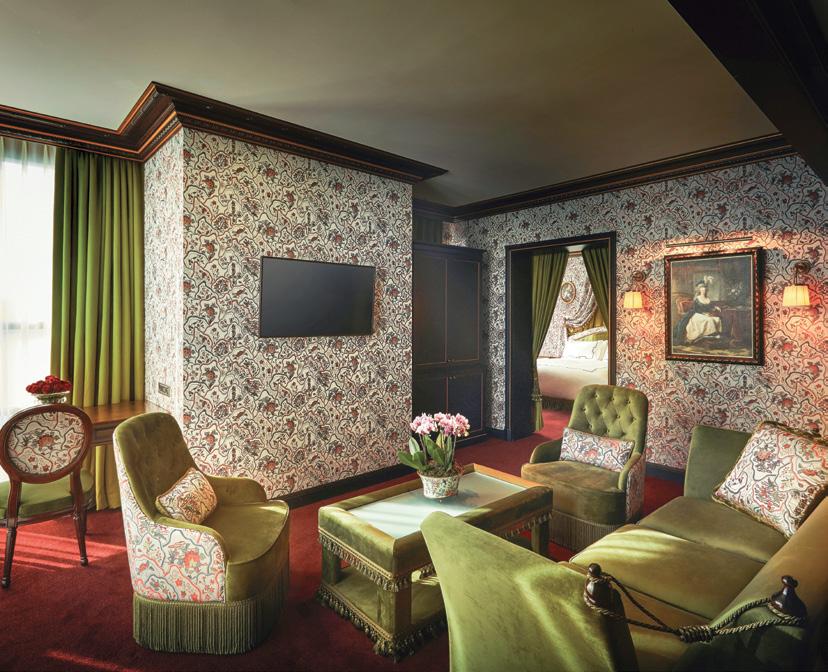
Equal parts Moulin Rouge and Myeongdong, this Belle Époqueinspired hideaway is Seoul’s ode to 19th-century Paris.
Positioned in the capital’s cultural epicentre, L’Escape is walking distance to many of Seoul’s iconic sights, including Namdaemun Market. With French fine dining spot L’Amant Secret (one Michelin star), a tea salon and rooftop cocktail bar, it’s set to add a dash of ooh-la-la to any South Korea stay.
ailand’s rst beach resort town still has the magic, with Minor Hotels’ latest opening delivering laidback luxury just three hours from Bangkok.
Easy access to royal palaces, championship golf courses and buzzing night markets are bonuses. Families are well catered to with family rooms and a massive indoor–outdoor kids’ club, while sophisticated rooftop Sop Bar slings inventive cocktails that make the perfect match for Hua Hin’s showstopping sunset.
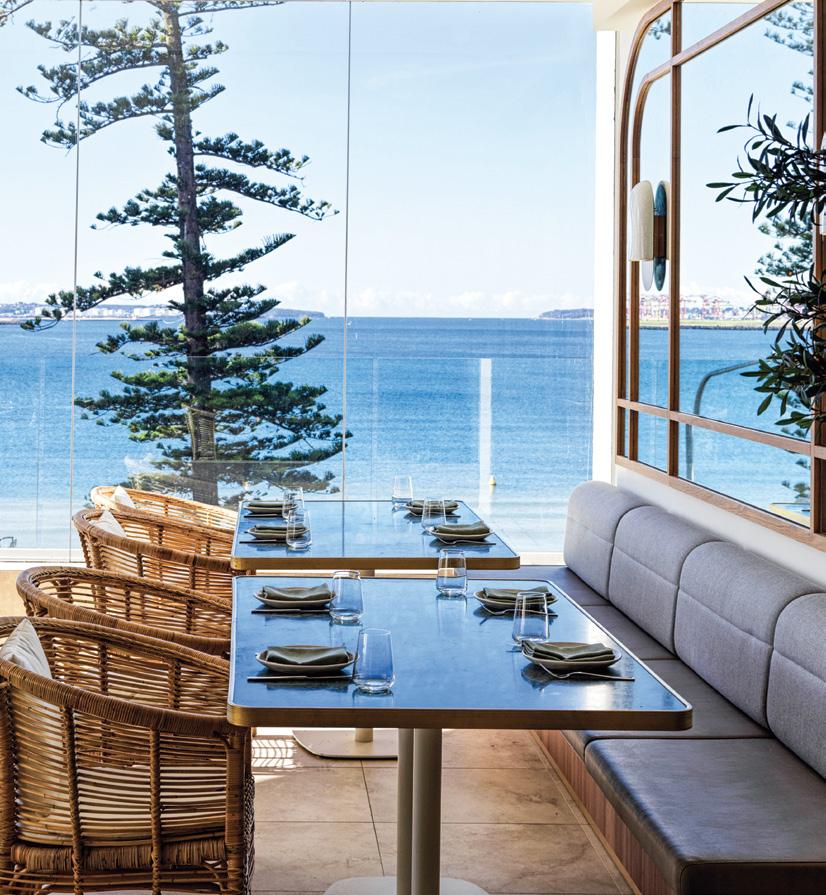
With a Mykonos-inspired adultsonly beach club on the shores of Botany Bay, MGallery Collection’s latest leans into the area’s GreekAustralian roots.
Coastal-chic decor and a palm- and cabanalined outdoor pool complete the vision.
Pioneering chef Peter Conistis brings plenty of fire and Mediterranean flavour to signature restaurant Ammos Brighton; for more casual fare Coco’s On The Beach delivers baristapoured coffee in the morning and sports bar classics as evening falls.
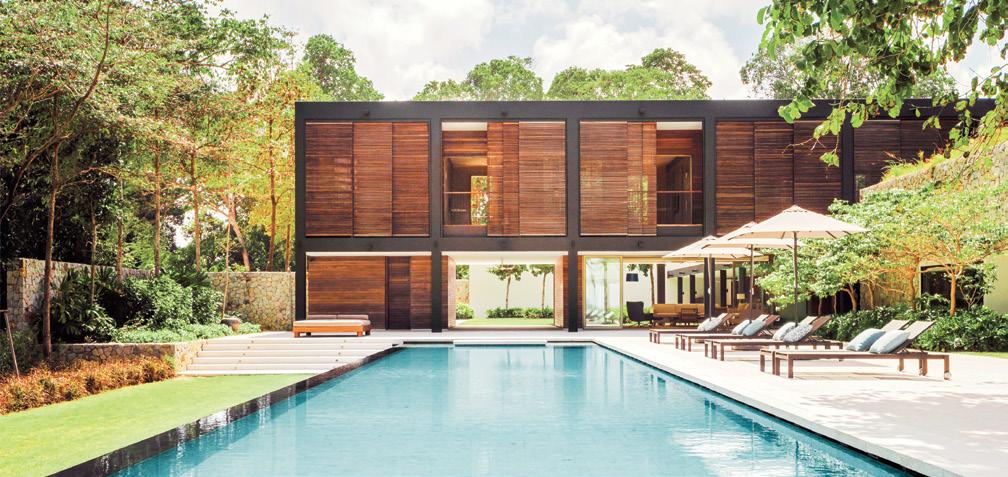
Inspired by the Malay meaning of desaru (“village of soft palms”), Mandarin Oriental’s newest Malaysian hotel is a luxury hideaway set between rainforest and shoreline.
This Kerry Hill Architect-designed retreat features just 44 suites – each featuring a private plunge pool, courtyard and veranda – plus Ember Beach Club and the Malacca Strait-inspired cocktail den Dusky Monkey. A robust activity menu of guided nature walks, traditional martial arts workshops and excursions into the monkey-rich Panti Forest Reserve round out an exceptional stay.
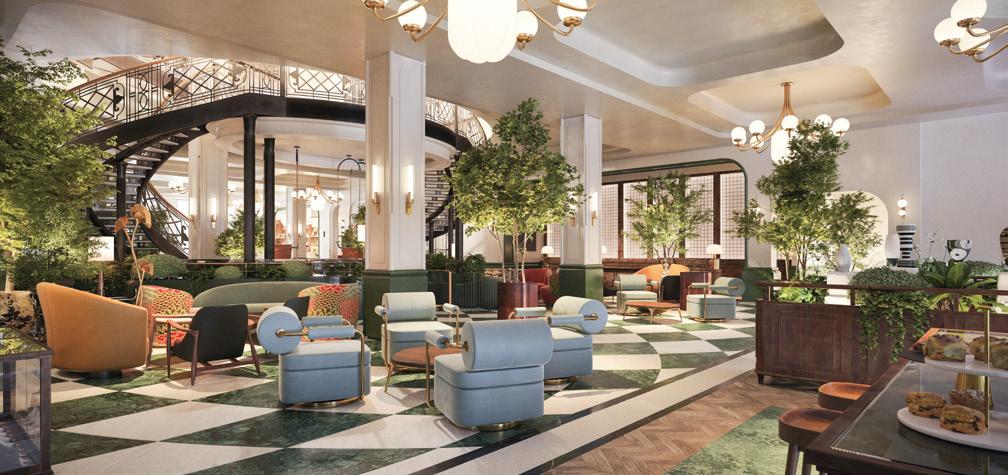
e rst Six Senses in the United Kingdom has arrived, bringing the brand’s legendary wellness o erings to London’s green heart near Kensington Gardens and Hyde Park.
The hotel reimagines the historic The Whiteley department store building, with rooms and suites designed to showcase its Art Deco heritage. The sprawling Six Senses Spa London is a masterpiece: it spans over 2,300 square metres and features indoor and magnesium pools, a biohacking recovery lounge and the Alchemy Bar, where guests can craft their own personalised scrubs, masks and tonics.

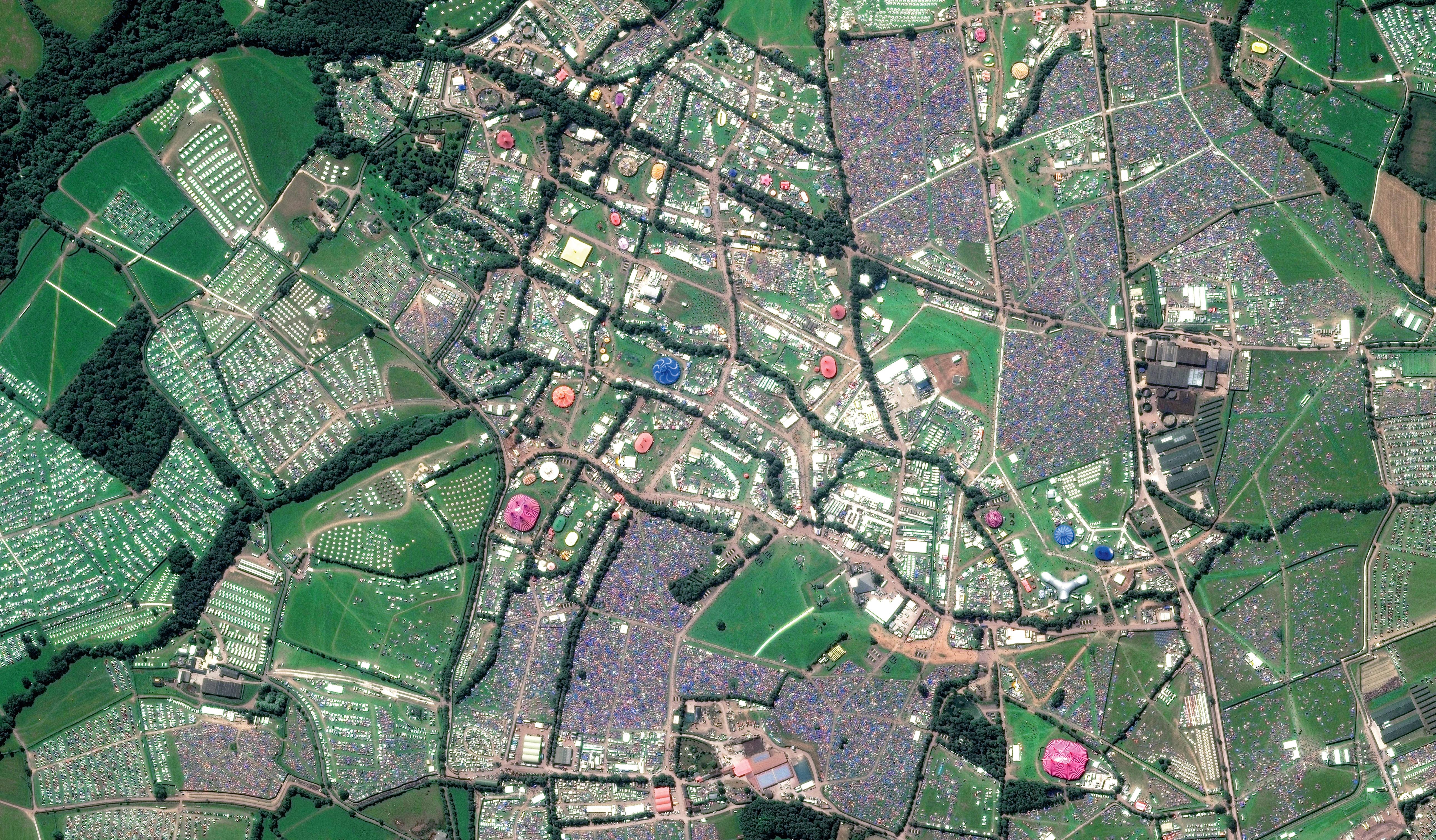
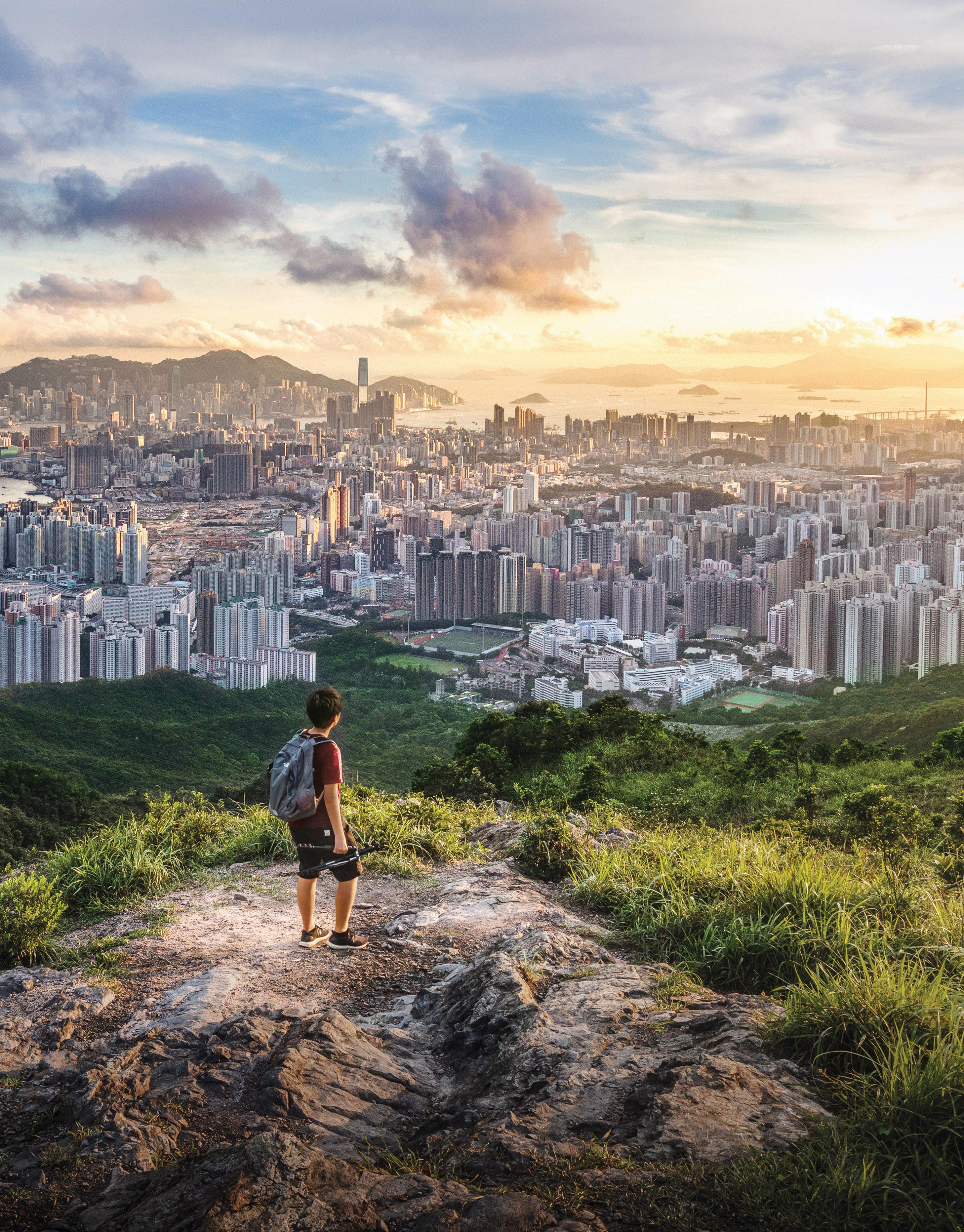
Glastonbury festival sees 300,000 experiential travellers descend on the rural village of just over 8,000.
Part dinner party, part cultural preservation project. Seasonal tasting menus spotlight Gulf seafood and regional traditions, served communally in an intimate setting. An adjacent bar takes walk-ins and serves a la carte plates and bar snacks. Come curious, trust the kitchen and let the conversation flow as easily as the wine.
A Havana-leaning bar with serious credentials, Manolito specialises in daiquiris done properly. Expect fresh, balanced cocktails and a no-nonsense approach to Cuban rum. The menu is tight, the execution sharp and the mood unfussy. Perfect for a quick drink that will likely turn into two.
Musical structures built to be touched, played and heard. Live performances often activate this space, but wandering solo is just as rewarding. It’s inventive, hands-on and a refreshing change of pace from traditional venues.
Climb aboard and let New Orleans unfold. These historic green streetcars run from Canal Street deep into Uptown, gliding past stately Garden District mansions, Loyola and Tulane campuses, and a parade of oak-lined avenues. Hop off near Lafayette Cemetery No. 1 or Audubon Park for a wander.
Tucked between Bourbon Street buzz and quieter residential corners, this hotel offers the best of both worlds. Expect comfortable rooms, a leafy courtyard and a sense of history without the dust sheets. Perfect for travellers who want easy access to the action but a calm retreat at night.
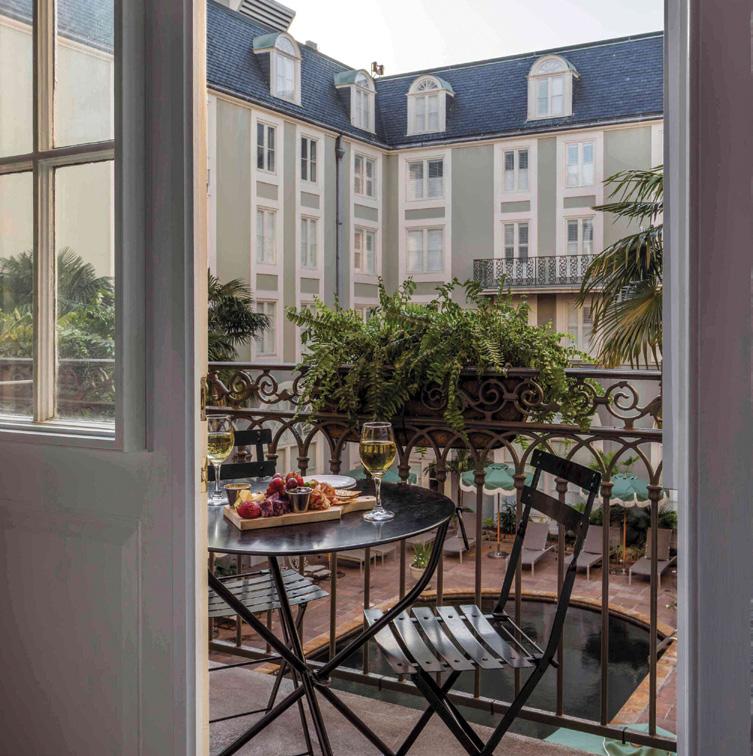
Street music isn’t background noise in these two cities – it’s the main event. New Orleans leans into brass bands and second lines; Rio answers with samba circles and beachfront beats. Di erent hemispheres, same instinct: when the music starts, you move.
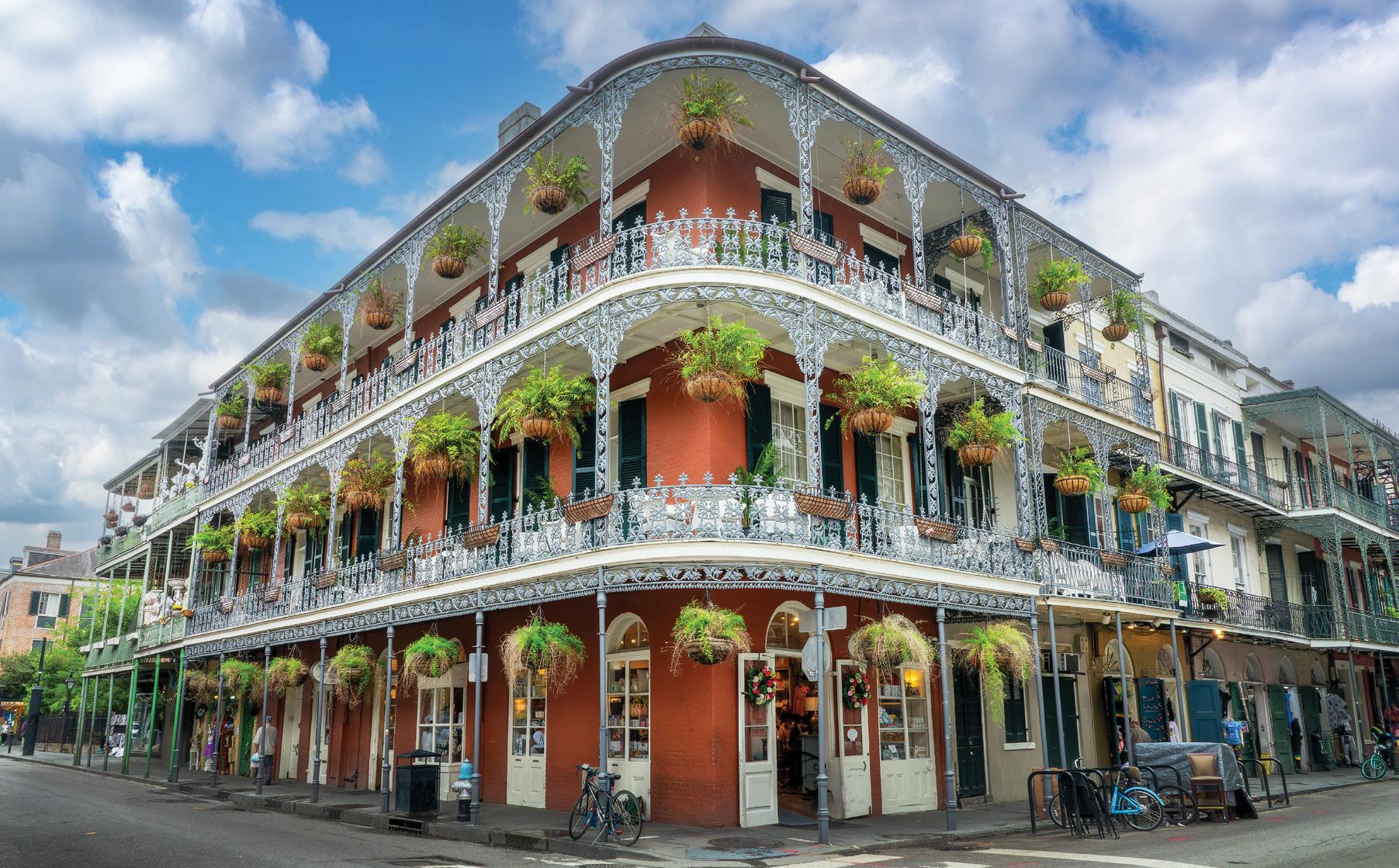
is city runs on contradictions and doesn’t apologise for any of them. Grand mansions sit blocks from corner dive bars, funeral marches turn festive, James Beard-recognised chefs plate alongside third-generation po’boy shops. New Orleans has reinvented itself repeatedly, each time emerging louder and more determined to enjoy itself.
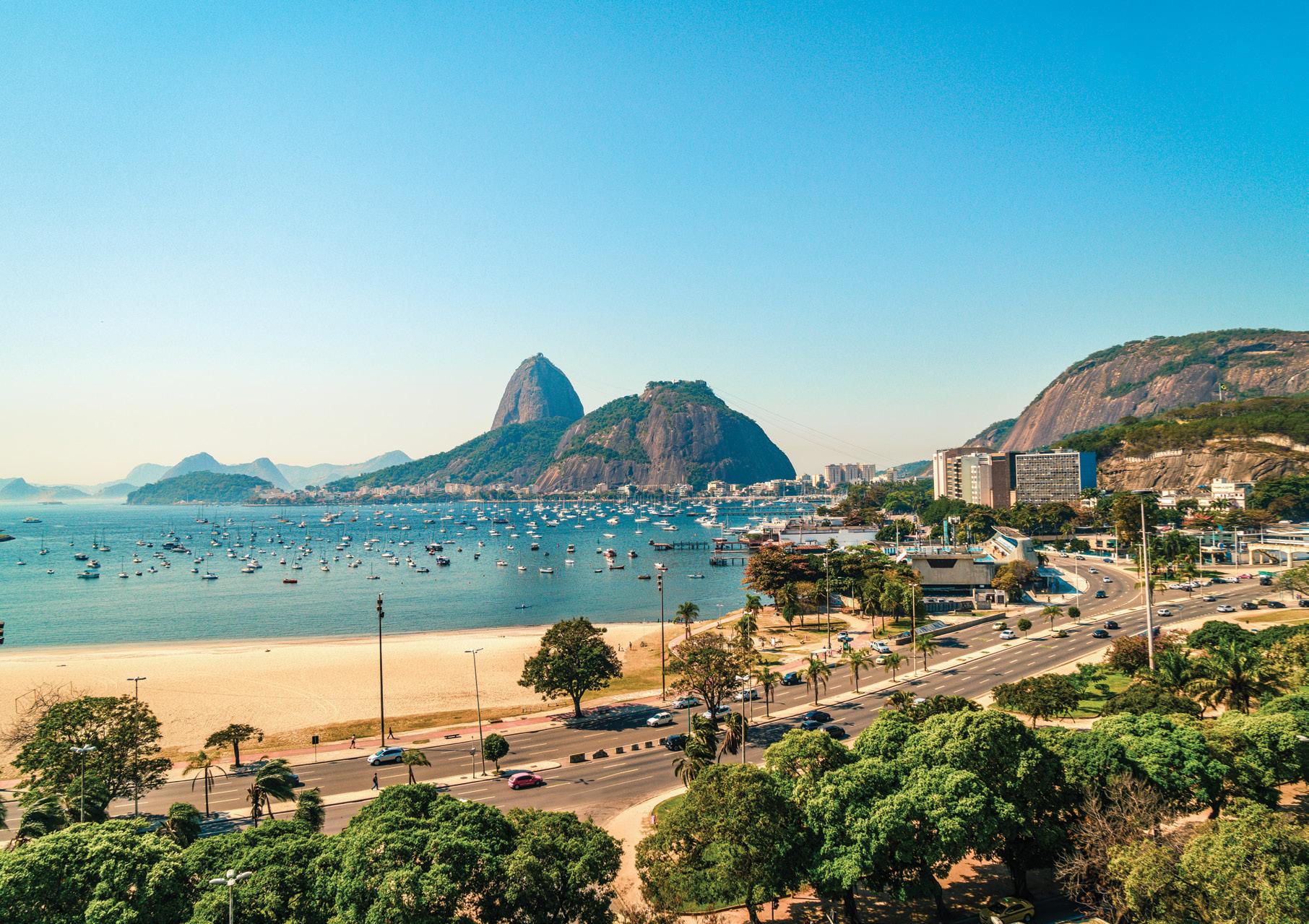
Rio sprawls across mountains, beaches and favelas, lling the gaps with bossa nova bars, Art Deco monuments and juice kiosks serving açaí by the kilo. e city moves to its own calendar – Carnival rehearsals from September, football matches that empty entire neighbourhoods on game day, and the daily rhythm of Atlantic waves underscoring it all.
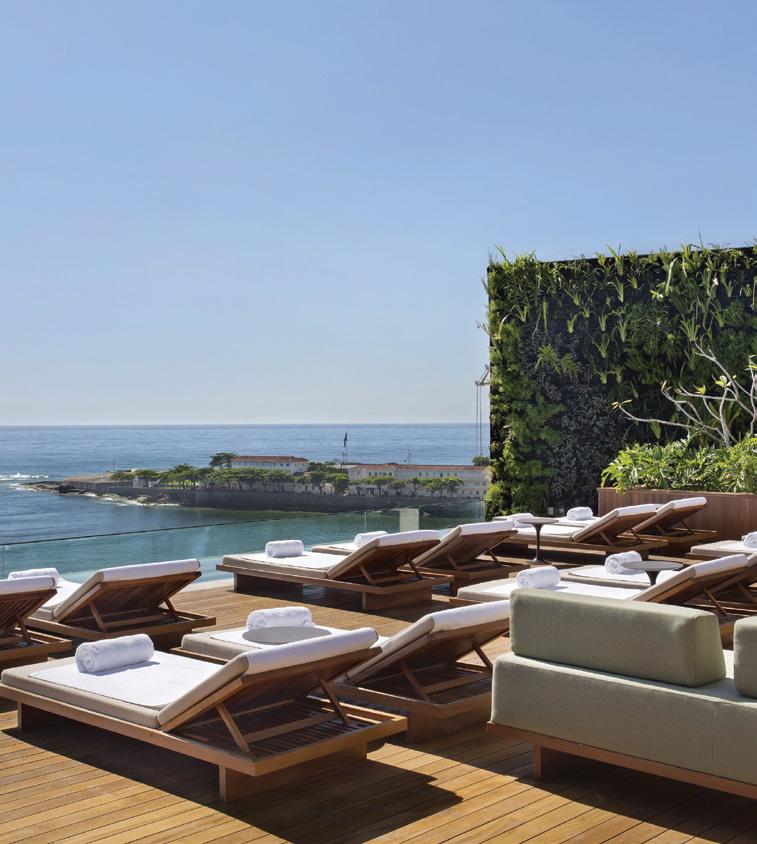
Set directly on Copacabana Beach, Emiliano Rio is a sleek, low-rise property with 90 rooms and 11 suites, including ocean-facing options with private balconies. Dining centres on all-day Restaurant Emile, with a reservation-only rooftop restaurant plus poolside and lobby bars.
Brazilian comfort food, smartly updated. Think pickled octopus with red onion, scarlet eggplant dumpling, braised chicken and toasted okra. Ingredients are local, flavours familiar, the setting informal. A smart pick for diners seeking modern Rio rather than tourist clichés.
A compact, confident cocktail bar with pavement tables out front and a softly lit interior. Brazilian spirits anchor a thoughtful cocktail list, mixed with precision rather than showmanship. Takes on sours and fruit-forward punches, a sharp house Negroni for those who keep it classic. A small menu of snacks and more substantial plates make it easy to linger.
Loud, crowded and completely committed to sound. Housed in a former warehouse, the venue hosts regular gigs spanning samba, choro and contemporary Brazilian music. The crowd skews local and regularly spills into the street. Cold beers and sandwiches on French bread keep punters happy.
Botafogo sits around a bay, framed by Sugarloaf Mountain and the hills, with a waterfront promenade that draws walkers and cyclists at sunset. Away from the water, Rua Voluntários da Pátria and Arnaldo Quintela buzz with cafes, creative spaces and bars. Museums like the Museu do Índio and Villa-Lobos sit a short walk inland. Connections to Copacabana and Ipanema are straightforward.
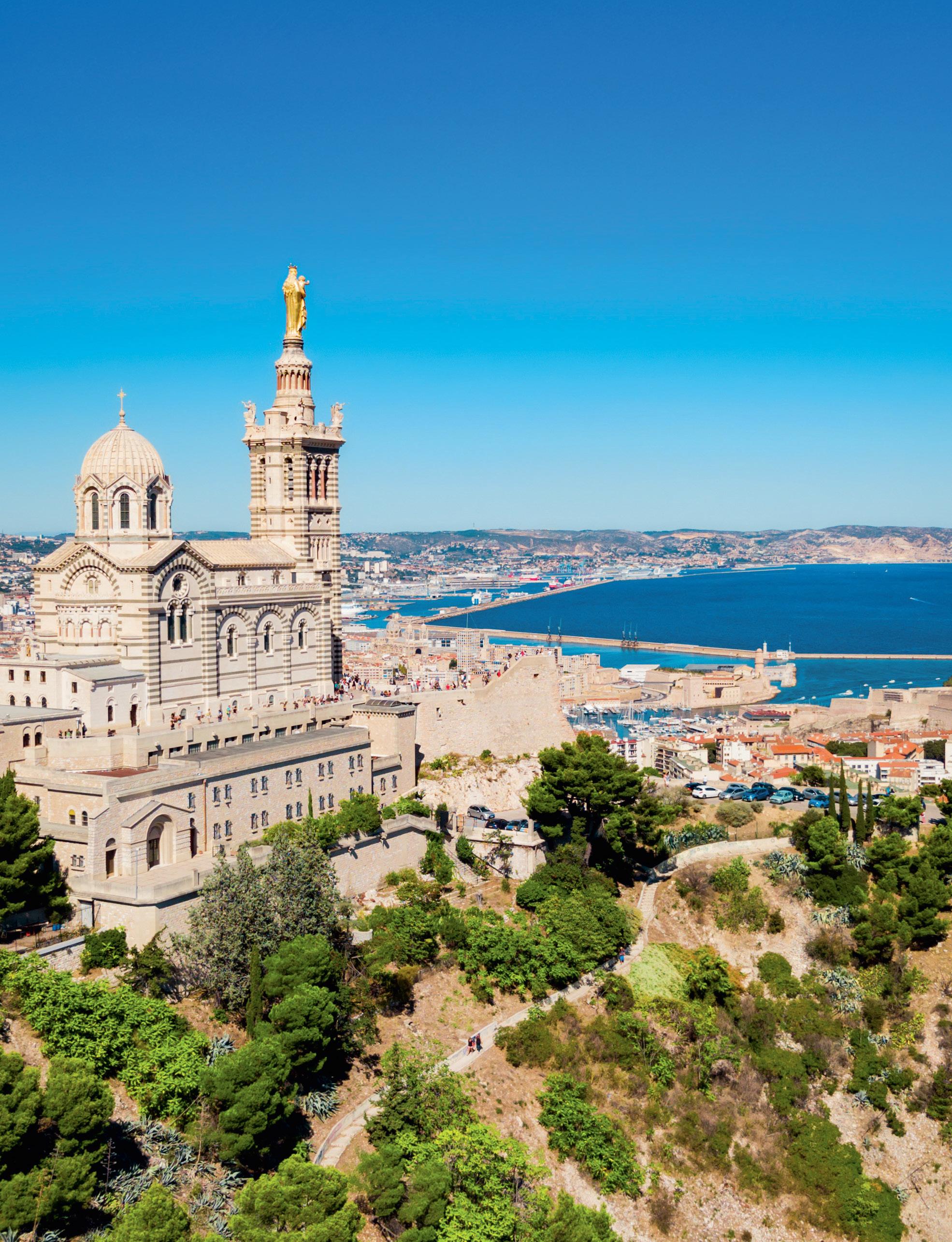
MARSEILLE
Migrants from Italy, North Africa and Asia have shaped Marseille, and now food lovers all over the world are starting to take notice. Justine Costigan samples some of the seminal street food of this multicultural port city.
In the L’Atelier des Saveurs bakery in Marseille’s gritty Saint Charles district, rich caramel notes of butter fill the air. It’s the aroma that tells you the croissant you’re about to eat will be sublime. Here the pastry is so rich and flaky even locals queue to buy them every morning. I understand why. After one bite, the only thing missing from my perfect breakfast is a strong black coffee.
The pastries at L’Atelier are quintessentially French, but the bakers are not. Born in Senegal and Afghanistan, the two young pâtissiers laminating dough are making a new life for themselves in Marseille by ensuring one of France’s most beloved pastries remains authentically French. It’s a contradiction that my food tour guide, Severine, says is typically Marseillaise. A multicultural city since it was founded by the Greeks in 600 BC, waves of migrants and refugees have shaped the city over centuries, moulding a place that seems less French and more proudly Mediterranean.
“We face the sea with our backs to Europe. Always looking outwards. We’re not
a little Paris,” says Severine. “Marseille has soul.”
I’m on a day-long walking tour with Culinary Backstreets, a company that started in Istanbul in 2009 with a guide to local food and has now expanded its offering to food tours and trips specialising in authentic street food across 25 cities. Marseille could not be a better fit. This city pulses with entrepreneurial spirit, and its food stalls, small producers, markets and cafes are the soul of its lively food scene.
Ask a tourist what to eat in Marseille and bouillabaisse is usually top of the list. Ask a local and you’ll hear about places like Sur La Pouce or Chez Yassine, iconic Tunisian restaurants serving couscous and tagine. North Africa, the Middle East and Asia are also all represented at the nearby Noailles market where traditional patisserie, boulangerie and boucherie sit alongside spice shops tempting buyers with pyramids of dried fruits, nuts, spices, Aleppo soap and olive oil. “Just coming inside makes you feel good,” says Severine as we nibble plump medjool dates at Saladin Épices du Monde.
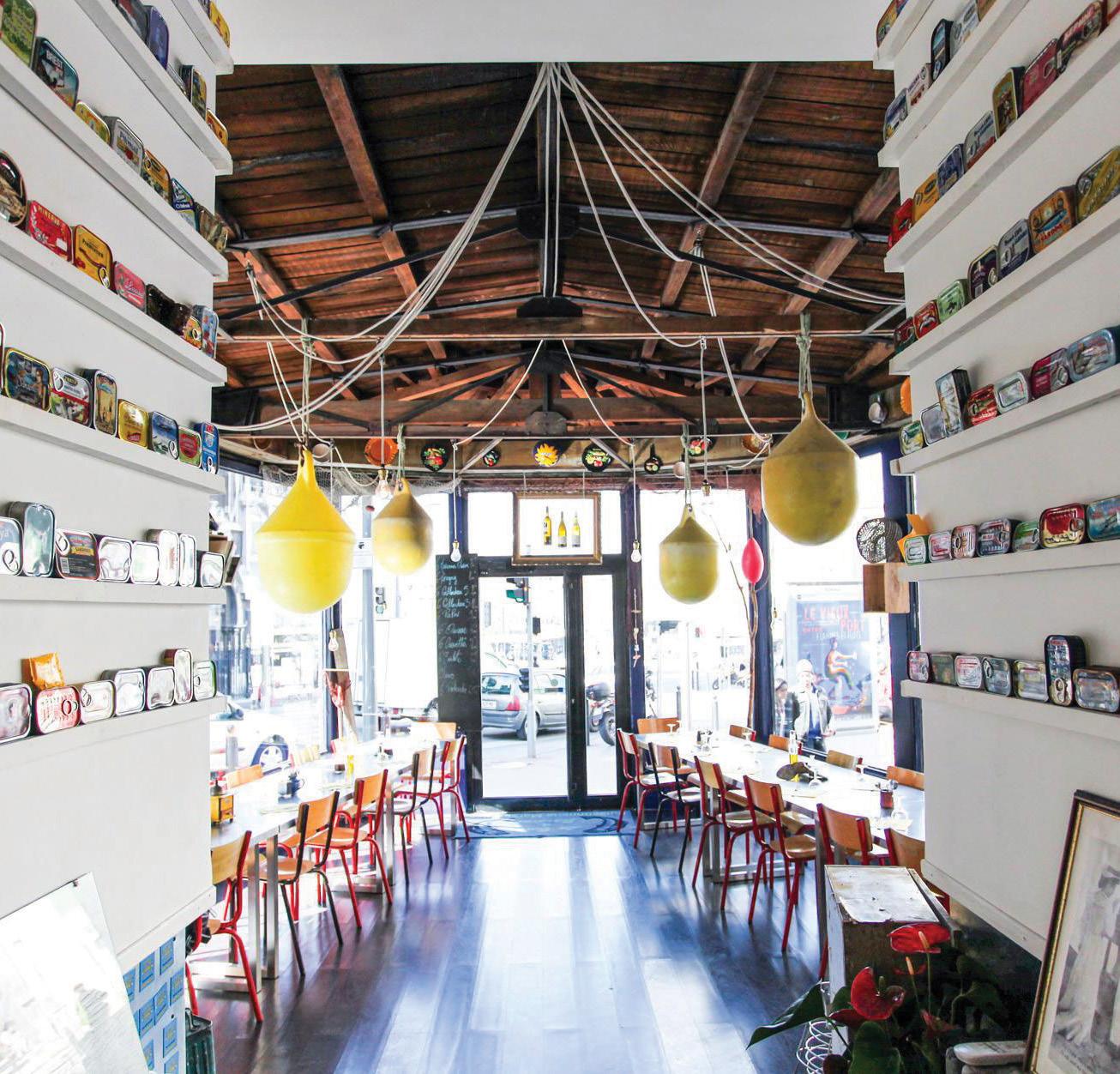
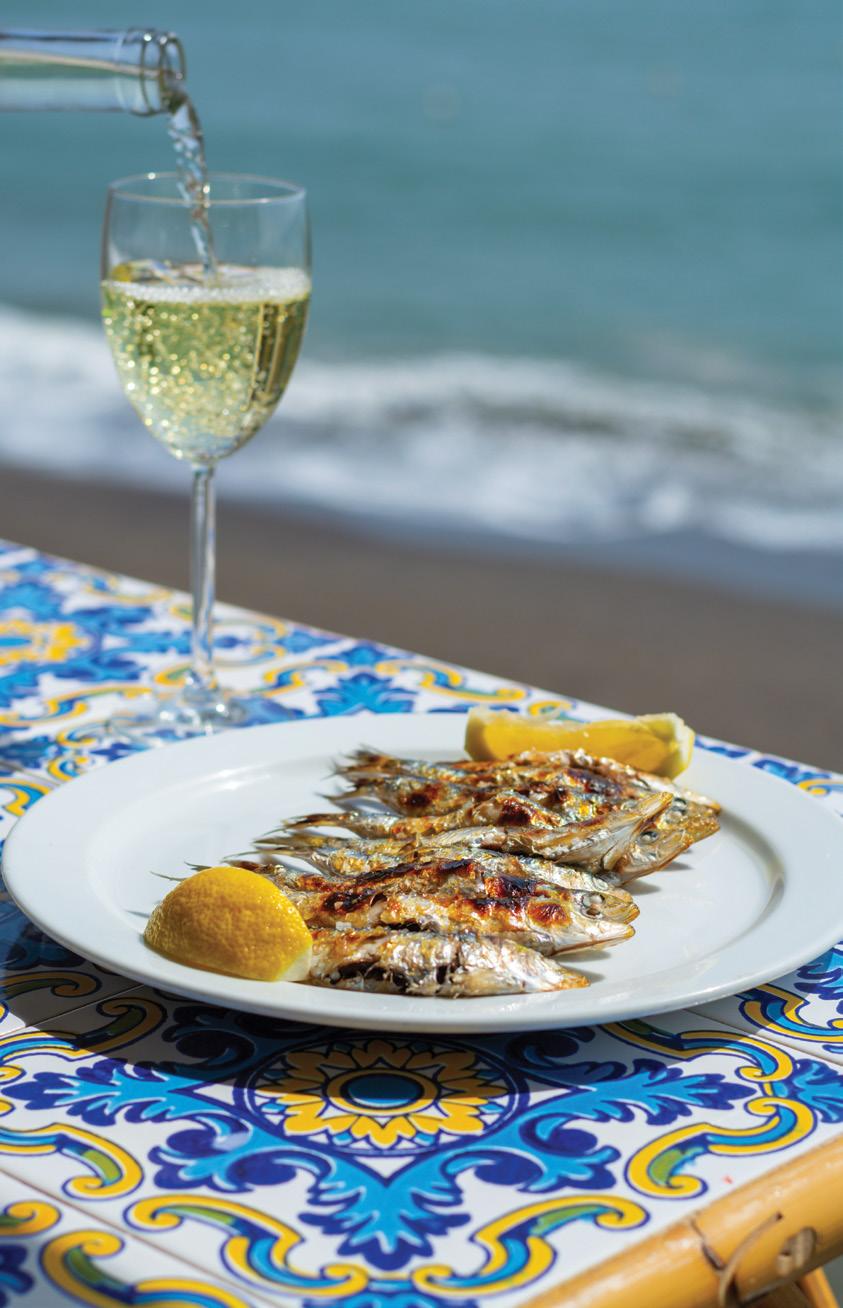
Lyon and Paris may be famous for their classic French food, but Marseille is more down to earth. At La Boîte à Sardine, a rustic fishmonger and restaurant run by a former fisherman, the walls are lined with tins of fish and seafood from around the world. “Marseillaise don’t write postcards,” says Severine. “They bring a tin of fish home with them as a souvenir instead.” Alongside piles of crisp fried whitebait, local specialities and pesto loaded with so much garlic I’ll be able to clear a path ahead of me for the rest of the day is an excellent local rose at only €4 a glass.
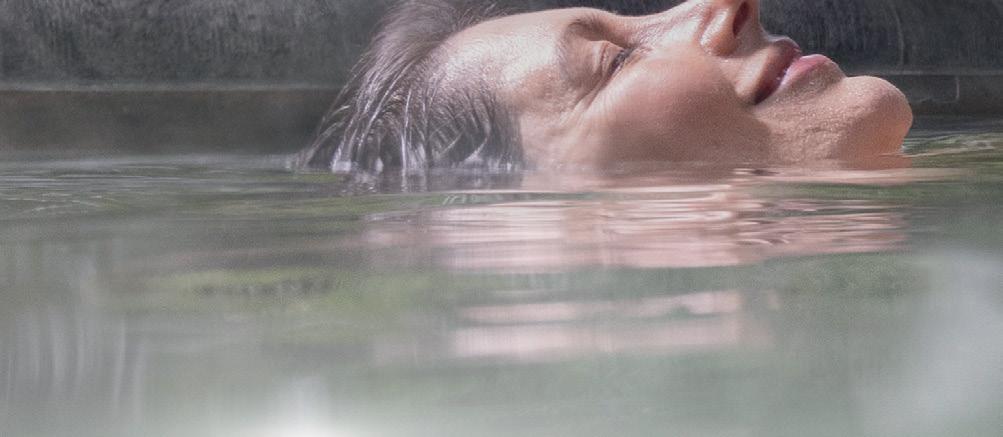

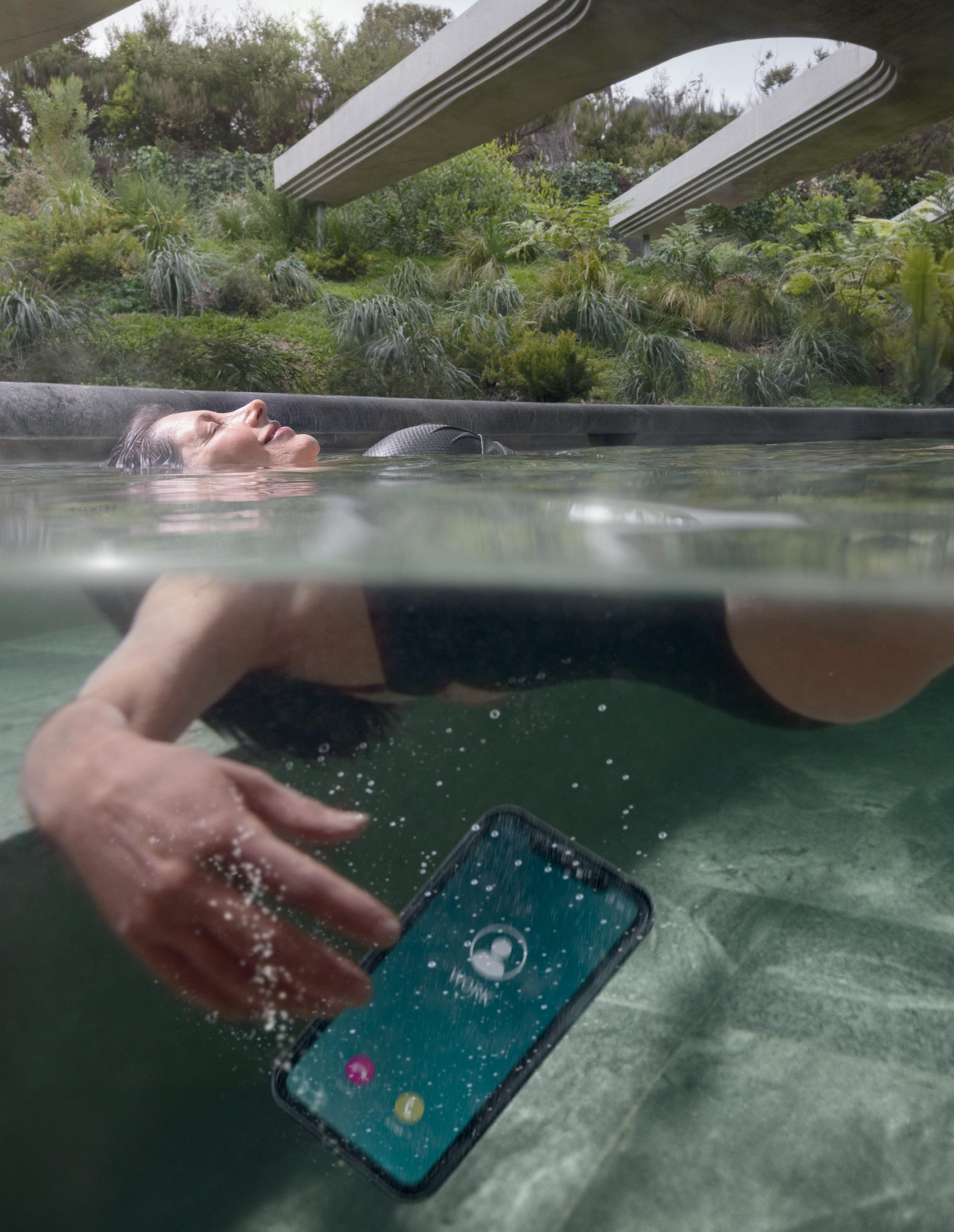
Victoria’s bathing experiences are a short trip from home, but light years from the real world. Don’t be alarmed by that strange feeling – that’s just your stress melting away.




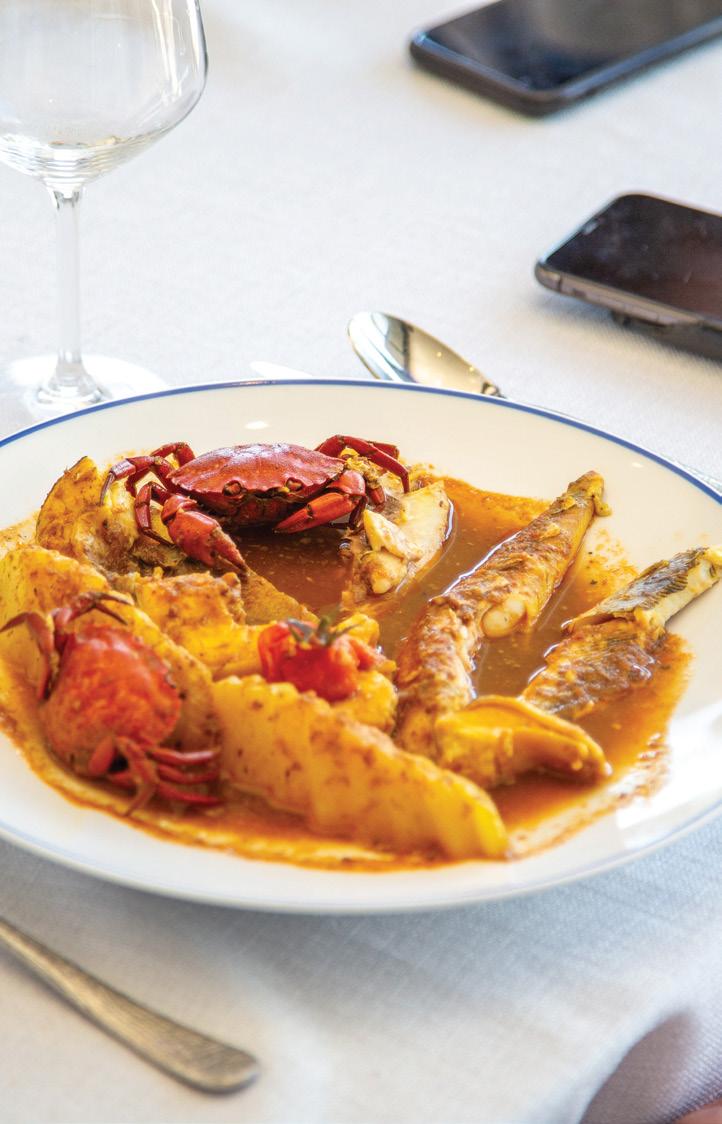
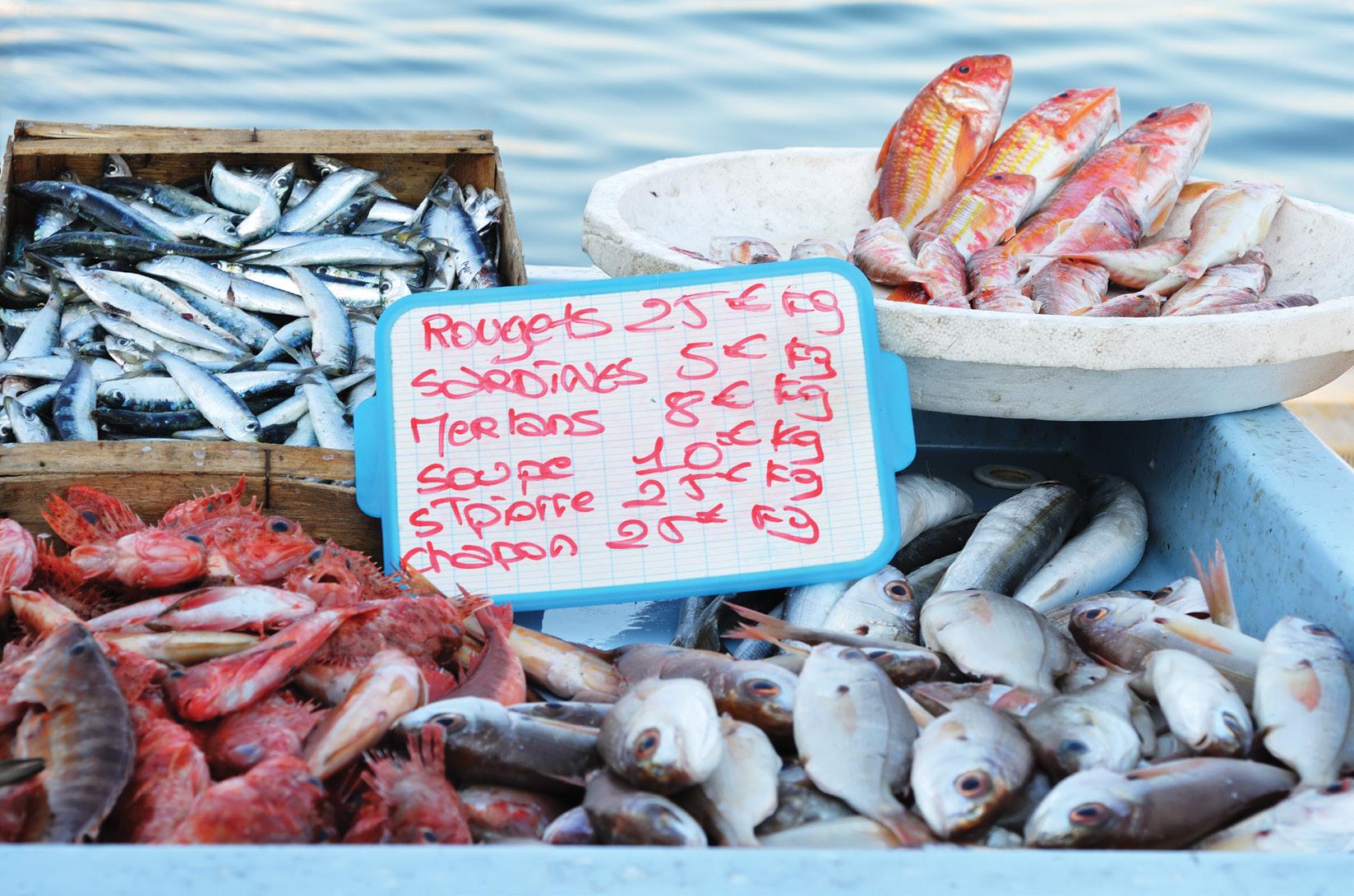
Low prices are a feature of some of the best eating experiences in Marseille. A few days later I’m at Bouillabaisse Turfu, a hole-in-thewall kitchen near the old port where awardwinning Vietnamese-French chef Christian Qui has gone back to basics. Determined to support sustainable fishing and show people what an authentic bouillabaisse tastes like, he buys from locals selling their catch at the port each morning then serves it up with a rustic rouille and broth in a cardboard bowl. “I threw away my menus and went to the fish market,” Christian explains. There’s nowhere to sit at B. Turfu, so Christian directs me to a local bar where you can BYO if you buy a drink. Like many of the old men chatting at the outdoor tables, a €2 glass of cloudy pastis is the order of the day.
Even so, a classic bouillabaisse by the Mediterranean is an unmissable if indulgent Marseille experience. A short boat ride from the old port takes you to the village of Les Goudes at the edge of the Calanques National Park, where dramatic limestone cliffs meet clear azure waters. Chez Paul’s bouillabaisse comes with a postcard perfect view of yachts and water, the extraordinary platters of seafood and broth theatrically poured by our waiter the only worthy
distraction. Another day brings another fish experience – a hike to the village of Morgiou within the national park where we sit on the verandah of the rustic Le Nautique Bar
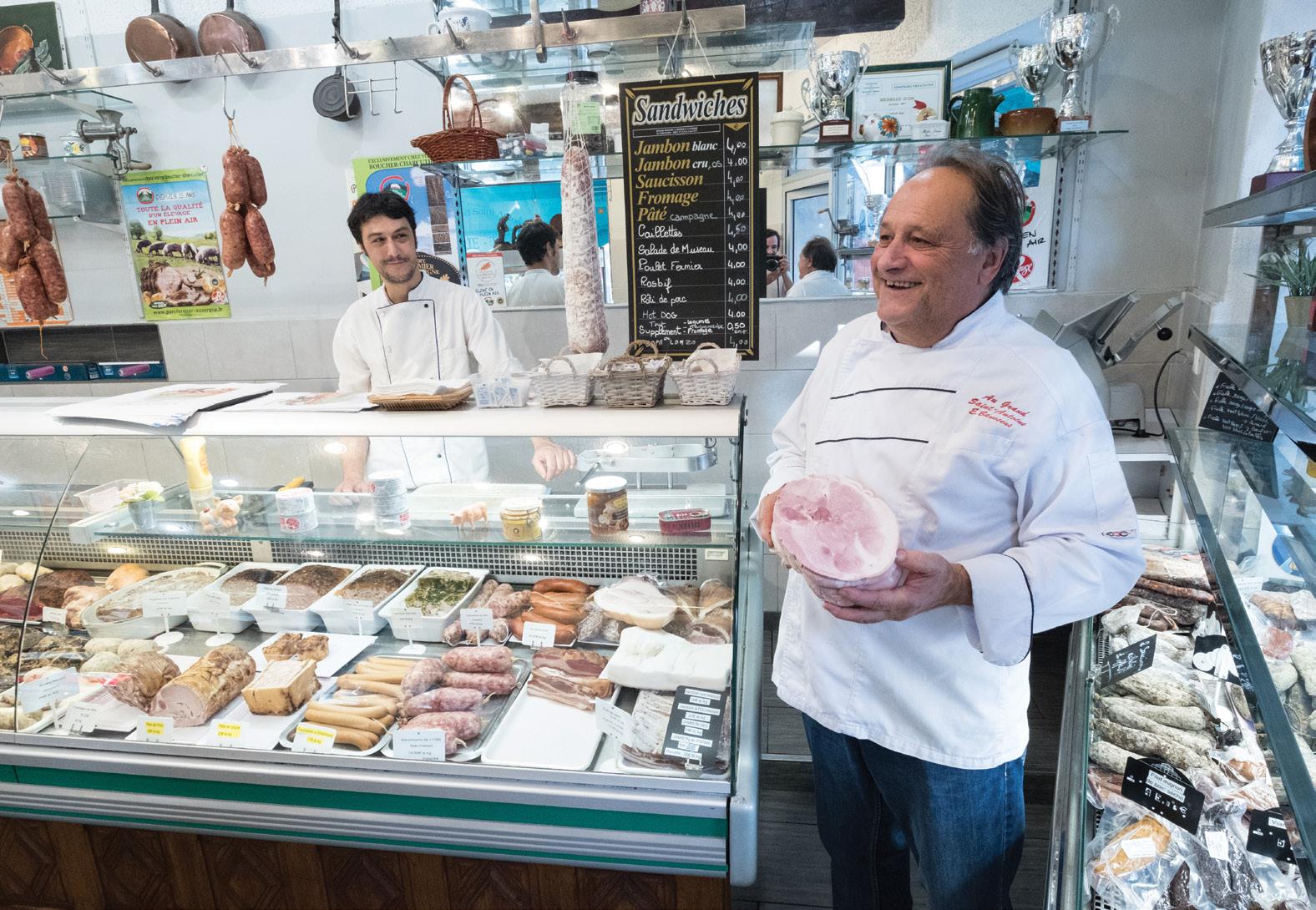
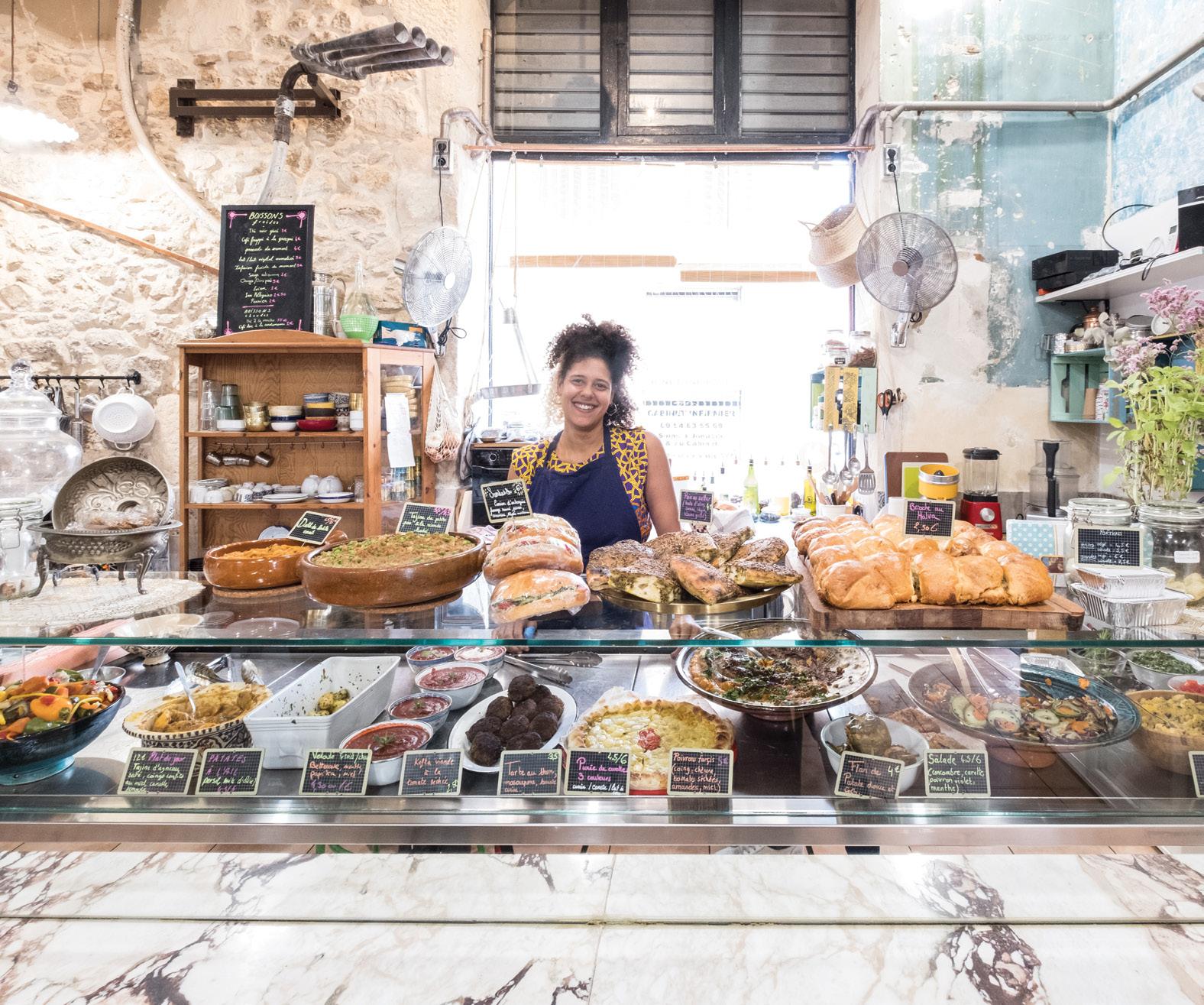
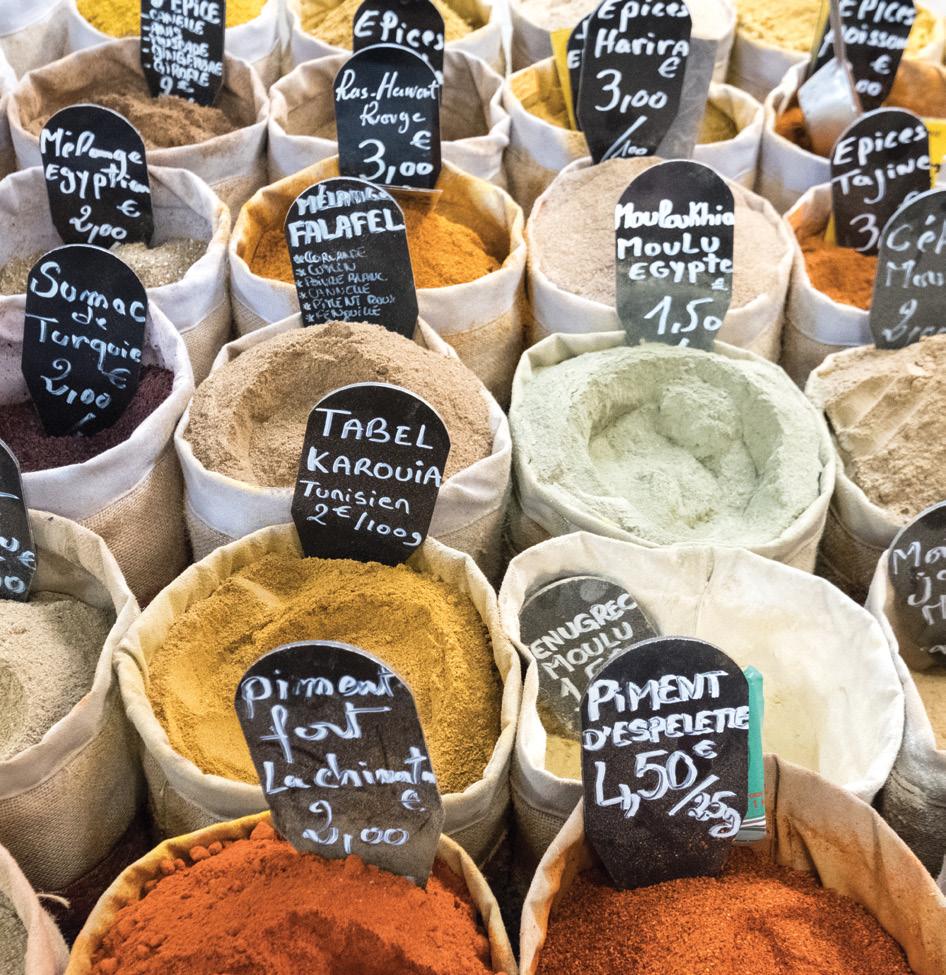
sipping wine watching locals feast on platters of fried fish cooked straight from the boats. In Marseille, the most desired food does not have to be French, it only has to be good. Chez Etienne, a pizzeria opened by Sicilian Etienne Cassaro in 1943, now run by his son Pascal and highly recommended by Severine, remains one of the most beloved eating experiences in the city. Located in the once down-at-heel, now popular Le Panier, its simple menu and family ambience hasn’t changed over the decades even as its popularity has soared. The blackened crust pizza with cheese and anchovy, one of only two pizza options, is a must-have. When our waiter sees how much we’re enjoying it, his gruff attitude becomes expansive. In this economically, politically and socially diverse city, the pleasure in eating brings everyone together.
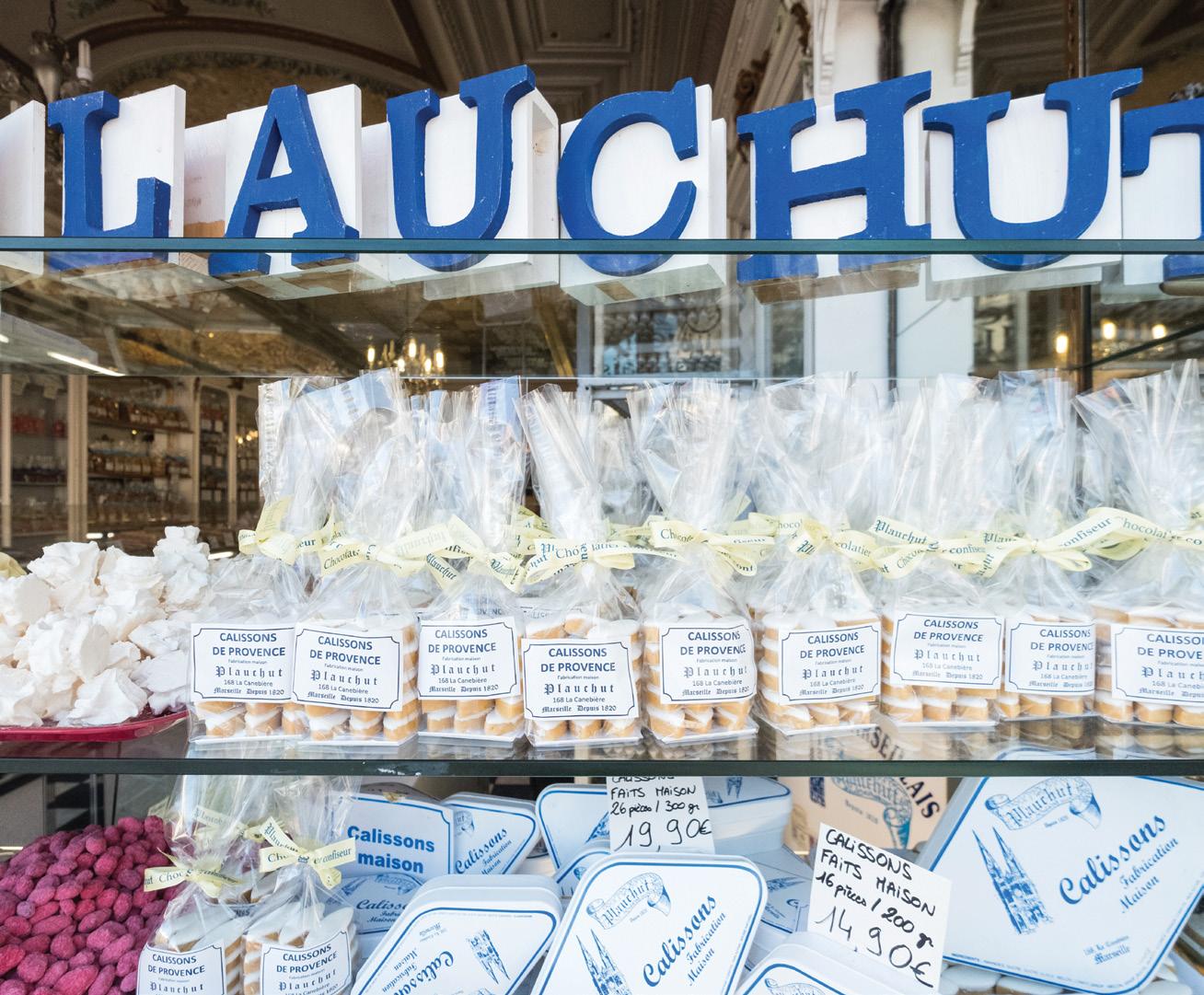
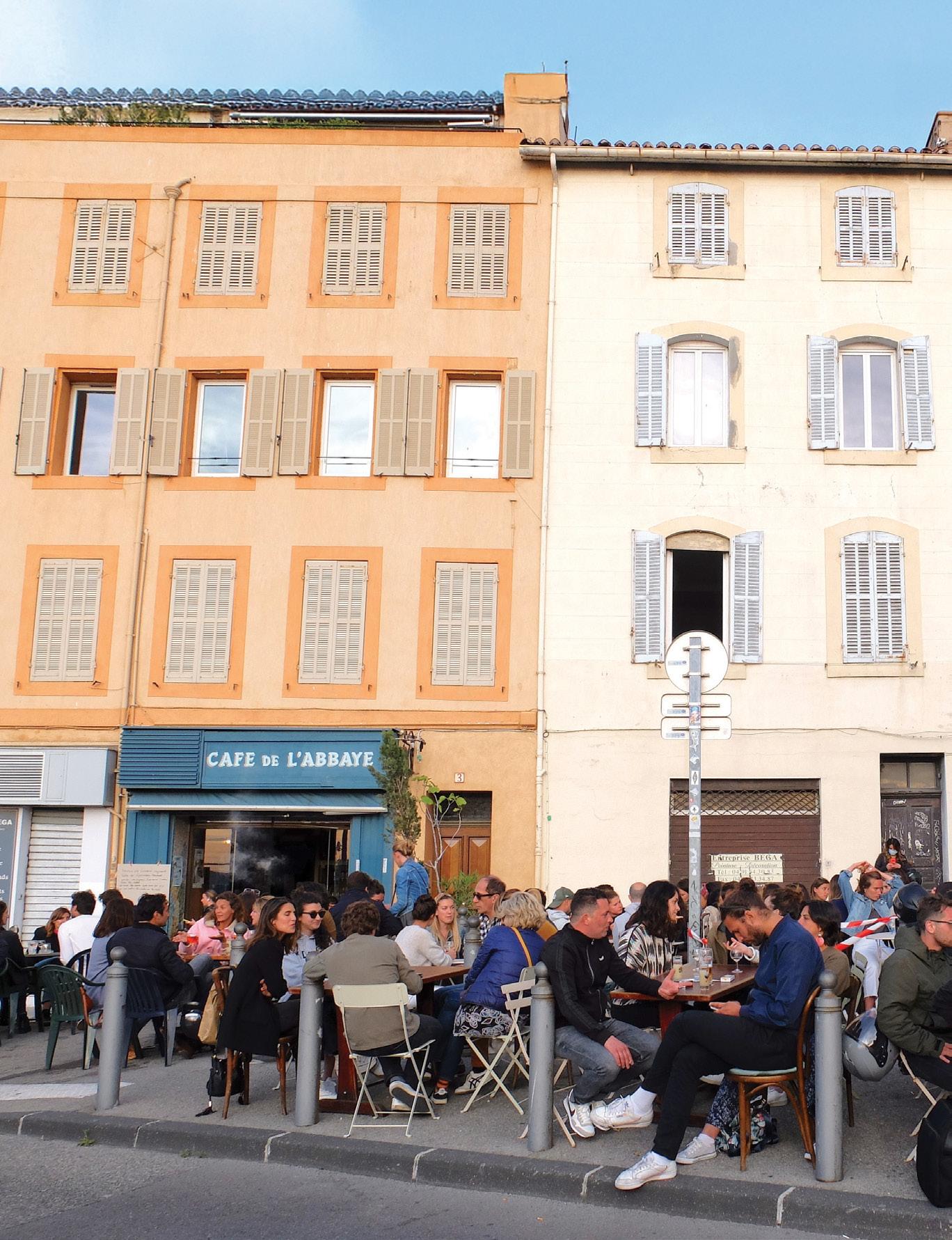
FROM TOP: African spices are key to many dishes in this multicultural city; a classic French delicatessan; incredible produce makes for tasty street food in Marseille.
e most liveable city in the world doesn’t need sunshine to prove that Vienna’s a winner; nights at the museum, tiny bars and late-night sausages – who needs more?
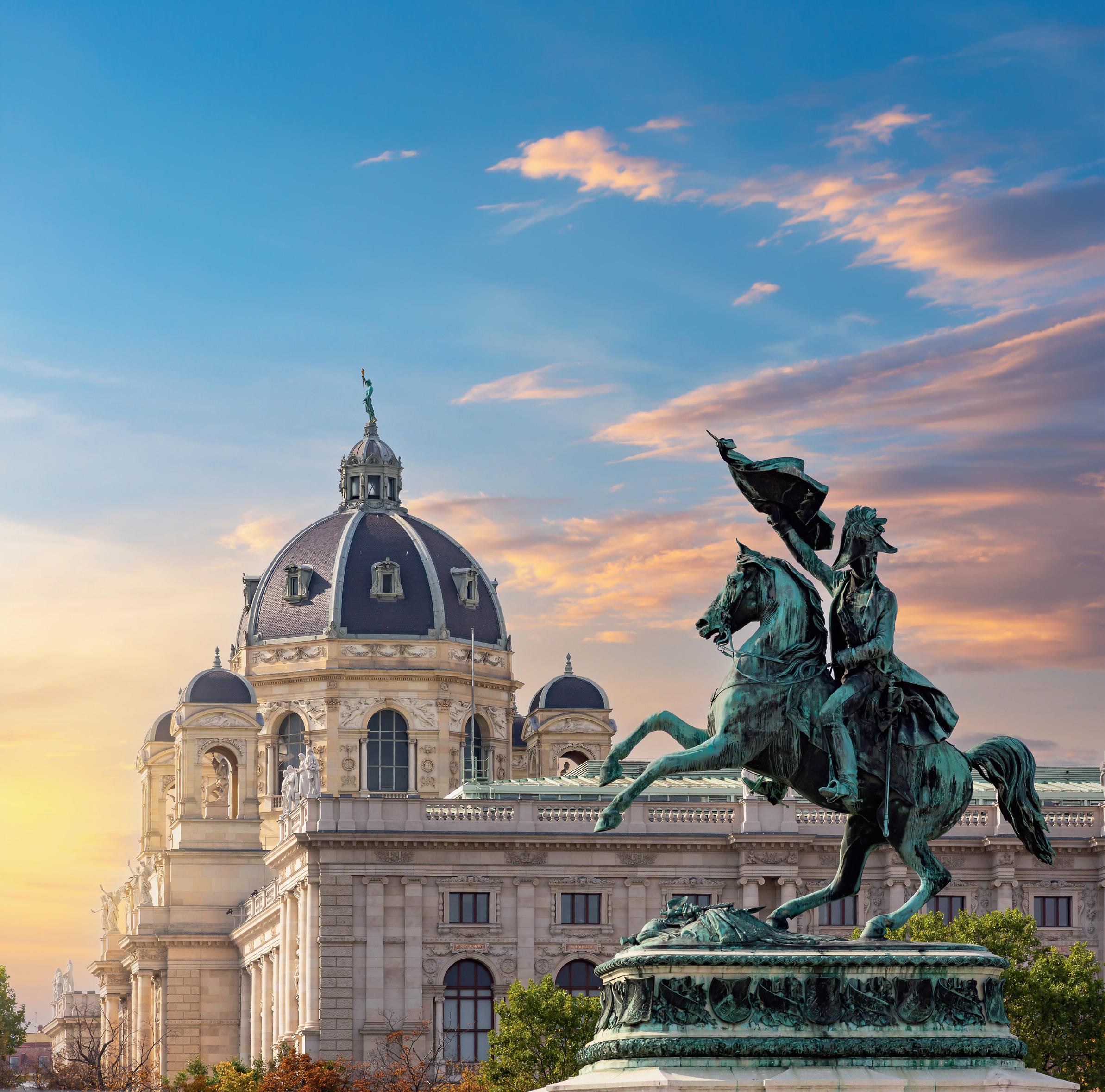
Here’s your planner for a perfect night out in Vienna.
5pm Start small
Vienna loves to gossip, preferably in a small salon with a backstory that disappears into the centuries past. Loos American Bar is the very smallest of its bars, at just 27 square metres, and a favourite haunt of Vienna’s artists and intelligentsia when it opened in 1908. It’s open from midday, so pop in before the evening crowds pack this tiny venue; if you’ve managed to score an outdoor table in winter, snuggle into a blanket beneath the heat lamps on the outdoor tables. Peckish? Slip around the corner to join the Viennese in the equally tiny Trzesniewski, which has been crafting its petite, iconic open sandwiches since 1902.
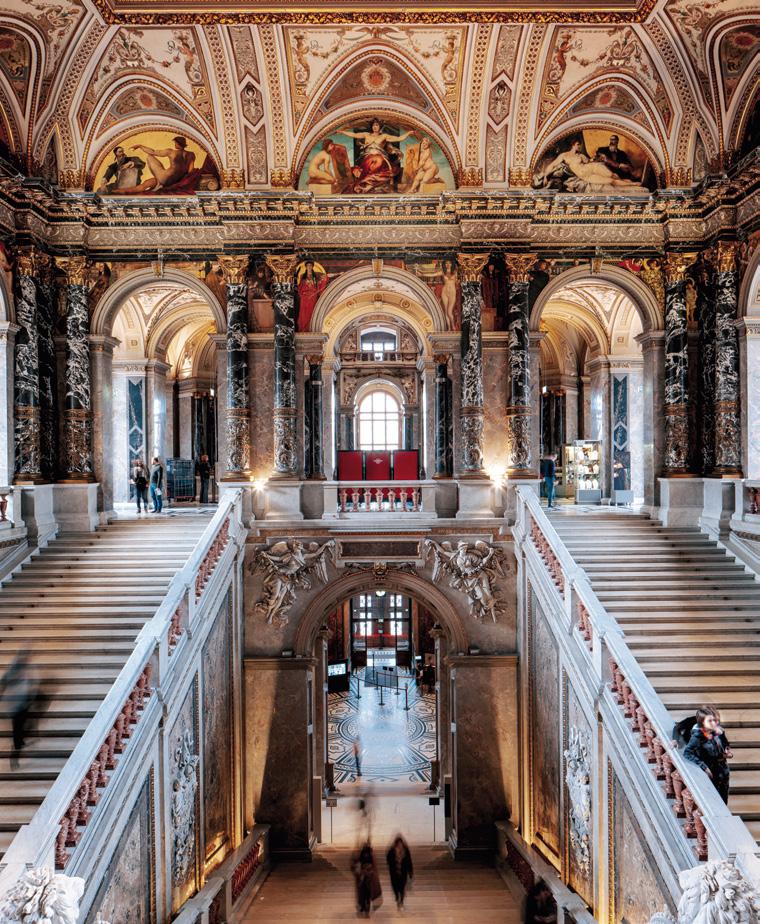
On Thursday nights, run riot with ancient Egyptian goddesses and Dutch Masters in the Kunsthistorisches Museum (KHM), arguably Vienna’s most beautiful museum –and there’s some steep competition for that title. One night a week, KHM stays open late for dinner and a show; take a private guided tour of its collection, which sweeps 5,000 years, then dine amidst culture-defining art in the extraordinary Cupola Hall, worth the entry ticket alone. Built in 1891, the palatial neo-Renaissance building is a cornerstone of Vienna’s Ringstrasse, the ring road that encircles the city’s bejewelled centre.
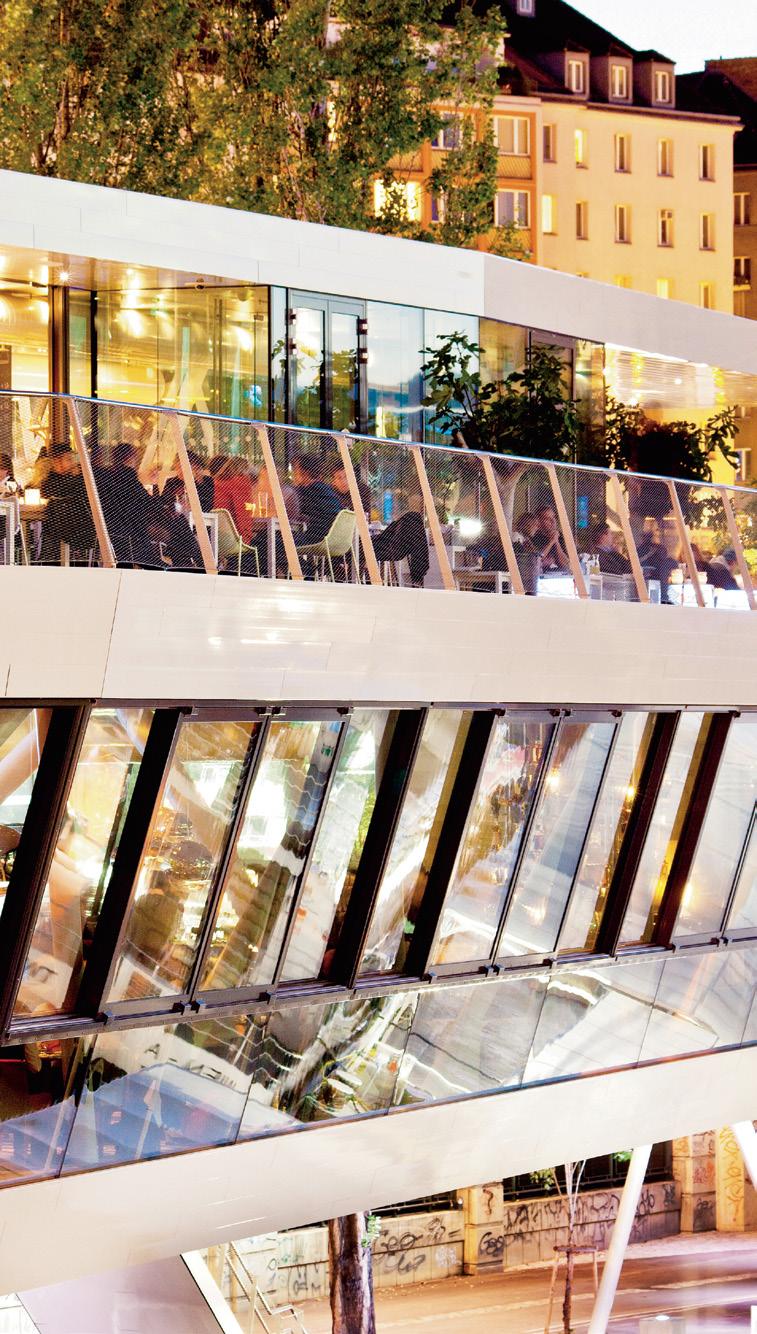
Vienna’s glorious skyline is best viewed from a rooftop bar. Luckily, there are plenty that are open year-round: try Cayo Coco atop The Hoxton – it’s running a tropical Cuban vibe, even when the rooftops are snow-dusted. Otherwise, order a glass of grüner veltliner, Austria’s national wine, on the seventh floor bar at Chez Bernard atop the chi-chi Hotel Motto in the stylish shopping street Mariahilfer Strasse.
9:30pm Hit me, Marie Theresa!
Drinking coffee at 9:30pm? No judgement in Vienna. The oldest gay bar in town, the Café Savoy, has all the faded glamour and Viennese flair, a keeper of Austrian traditions. Order the mulled wine and beetroot soup from the winter menu, Uhudler frizzante from Burgenland in eastern Austria in summer and there’s always Vienna’s own Julius Meinl coffee in the grinder. Order your coffee as the Hapsburg empress Marie Theresa would have (allegedly) done, with Cointreau and whipped cream.
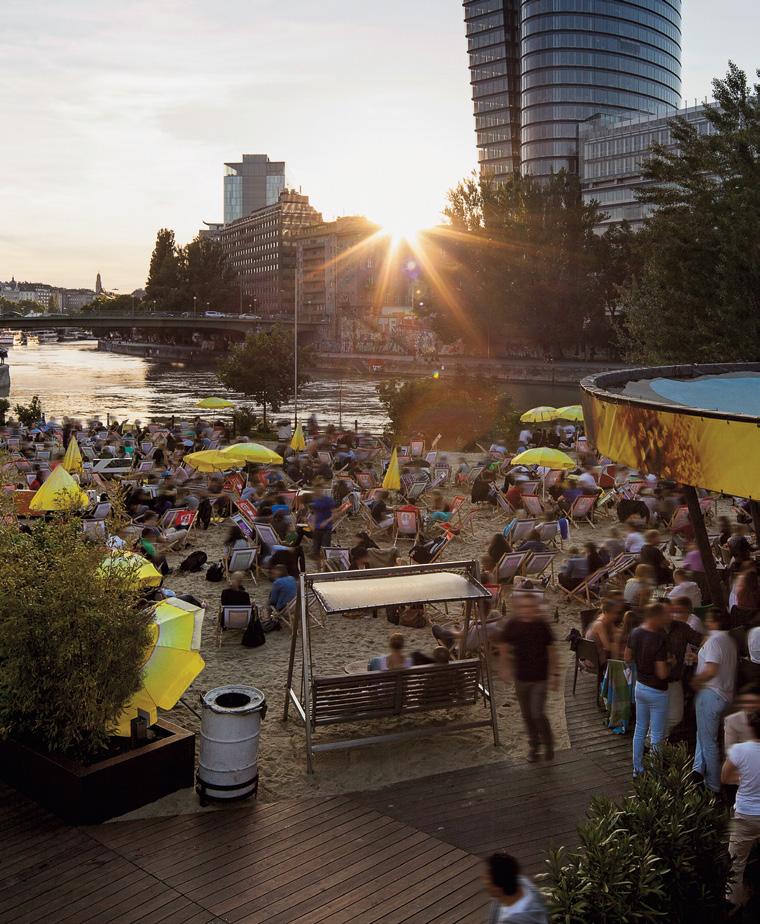
Far from the sea, Vienna does have the Donaukanal (Danube Canal), which draws the crowds. In summer, soak up the warm nights at its beach bars and outdoor cafes – grab a hammock at Strandbar Herrmann. In winter, the canal is dramatic when it freezes over; Flex, one of Vienna’s first clubs, continues its ambient electronic music until the early hours and, after midnight, the DJs crank up their techno sets at Grelle Forelle. The three are connected by the art-lined promenade that runs the length of the canal.
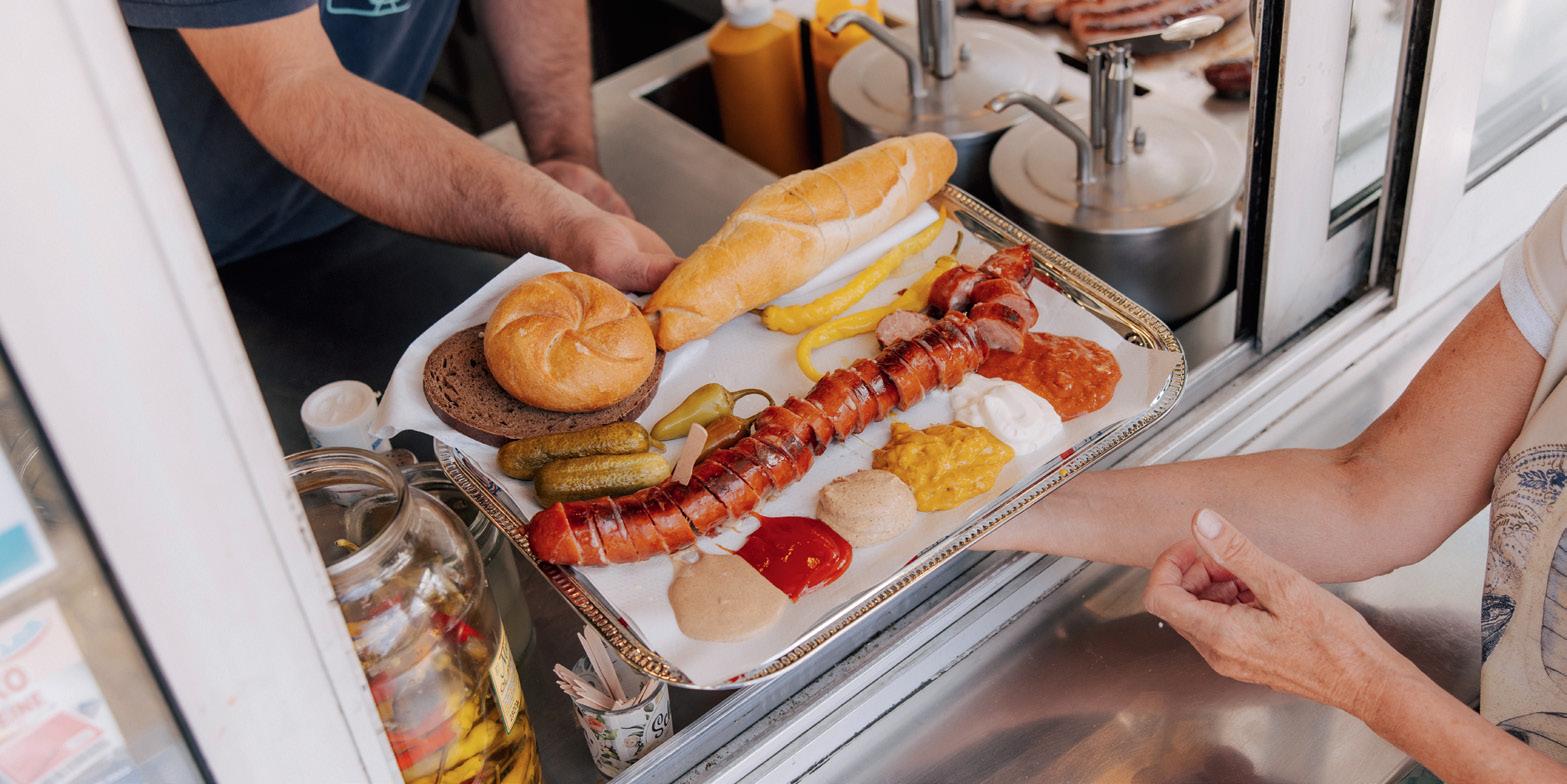
There is nothing more Austrian than seeing a woman in a ball gown scoffing a late-night sausage on the street. When Vienna wants fast food, Vienna grabs a sausage from the UNESCO heritage recognised würstelstands. The oldest sausage stand in town is also one of its best; Würstelstand Leo’s has been doling out rich, gooey cheese Krainer sausage since 1928, with beer, wine and schnaps on the side, all devoured standing on the street. Leo’s has come of age, now serving vegetarian sausages as well as sweet potato fries.
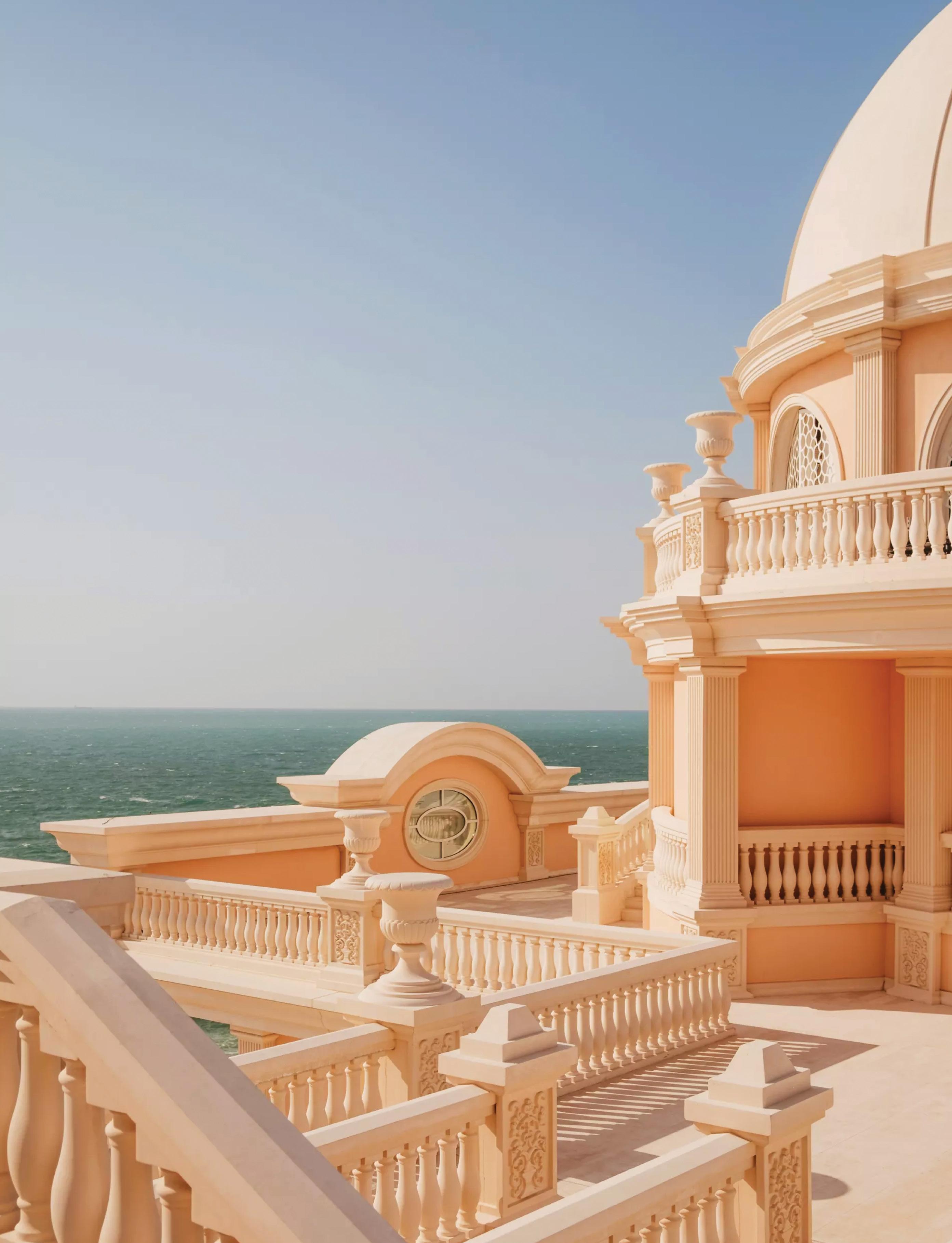
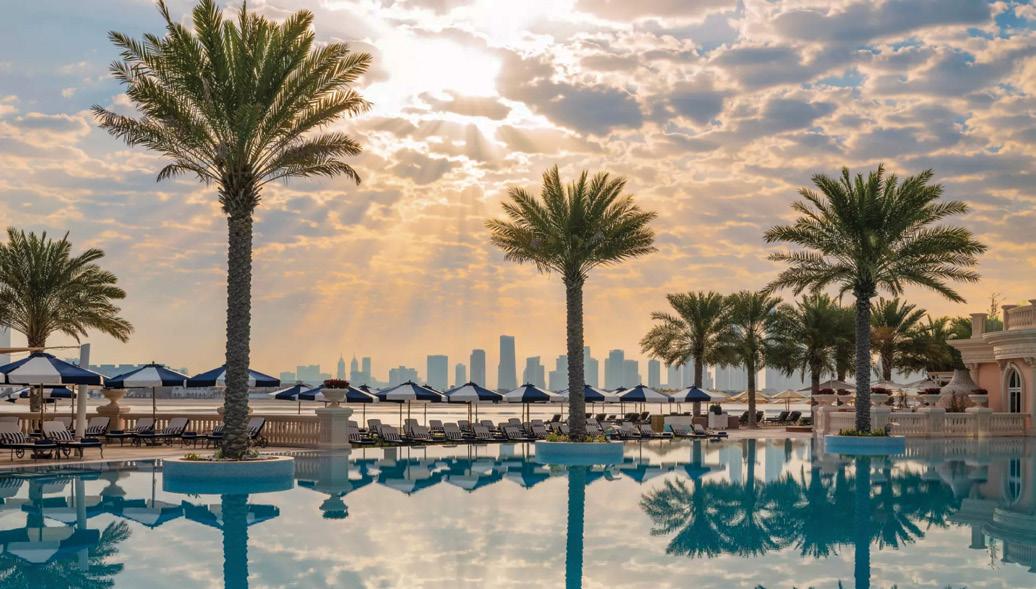
At a cost of nearly a billion US dollars and inspired by European royalty, Ra es’ rst resort property in the Middle East is a masterclass in opulence. Luxury Escapes CEO and co-founder Adam Schwab experiences high tea and the high life in Dubai.
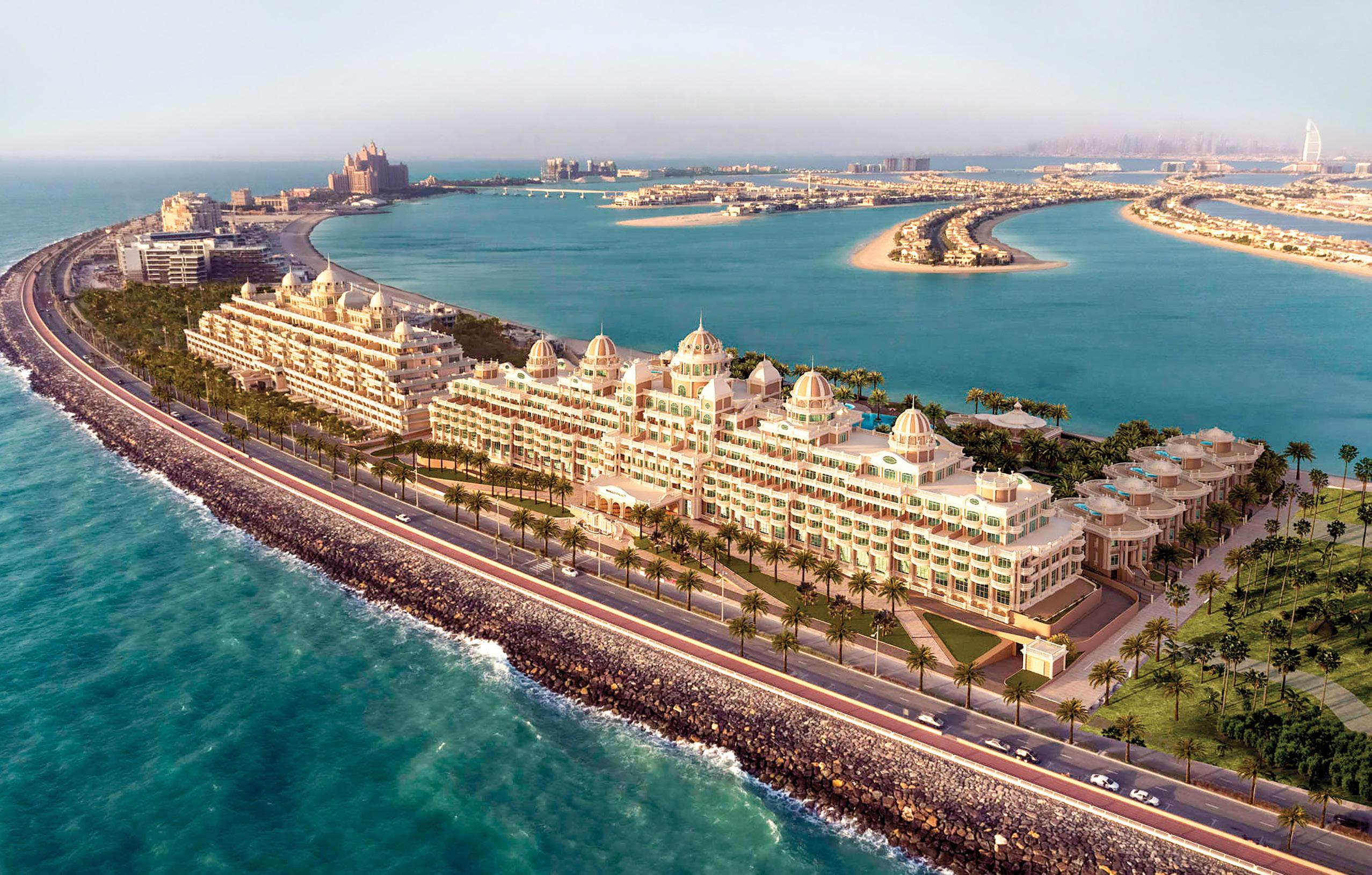
The Palm in Dubai is one of the remarkable pieces of civil development this millennium – conceived by Dubai’s legendary ruler, Sheikh Mohammed bin Rashid Al Maktoum. Construction began in the early 2000s, creating 56 kilometres of the world’s most desirable beachfront property. And it doesn’t get more premium than the outer palm, the furthermost most ring, which houses some of the world’s most uber luxury resorts, highlighted by Accor’s legendary Raffles brand.
Raffles originated with a 10-room hotel in Singapore, named after Sir Stamford Raffles. Now, 130 years later, Raffles has become Accor’s most luxurious marque after the French hotel operator acquired the brand in 2015.
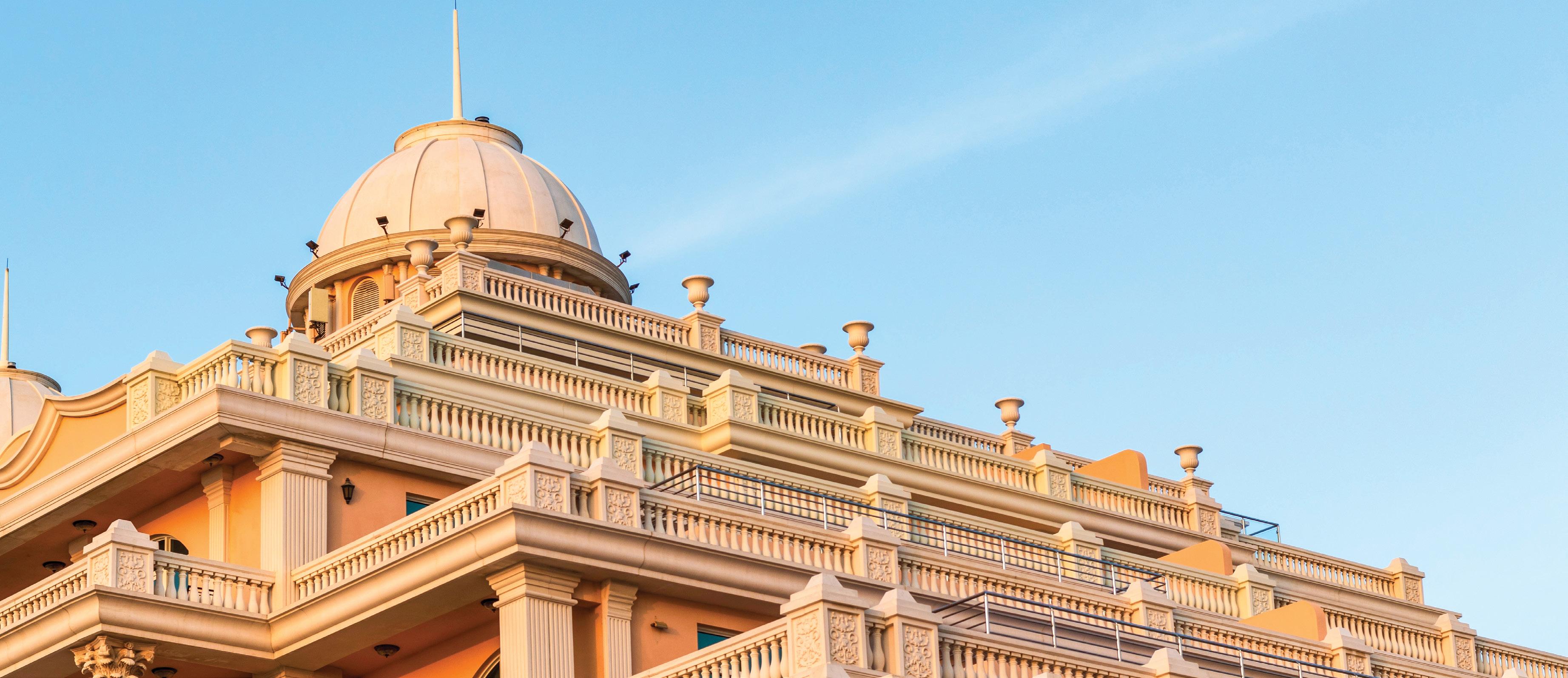
We’re staying at Raffles the Palm, Raffles’ first resort property in the Middle East. The property opened in 2021 (there’s another Raffles in Dubai, the pyramid-shaped city hotel attached
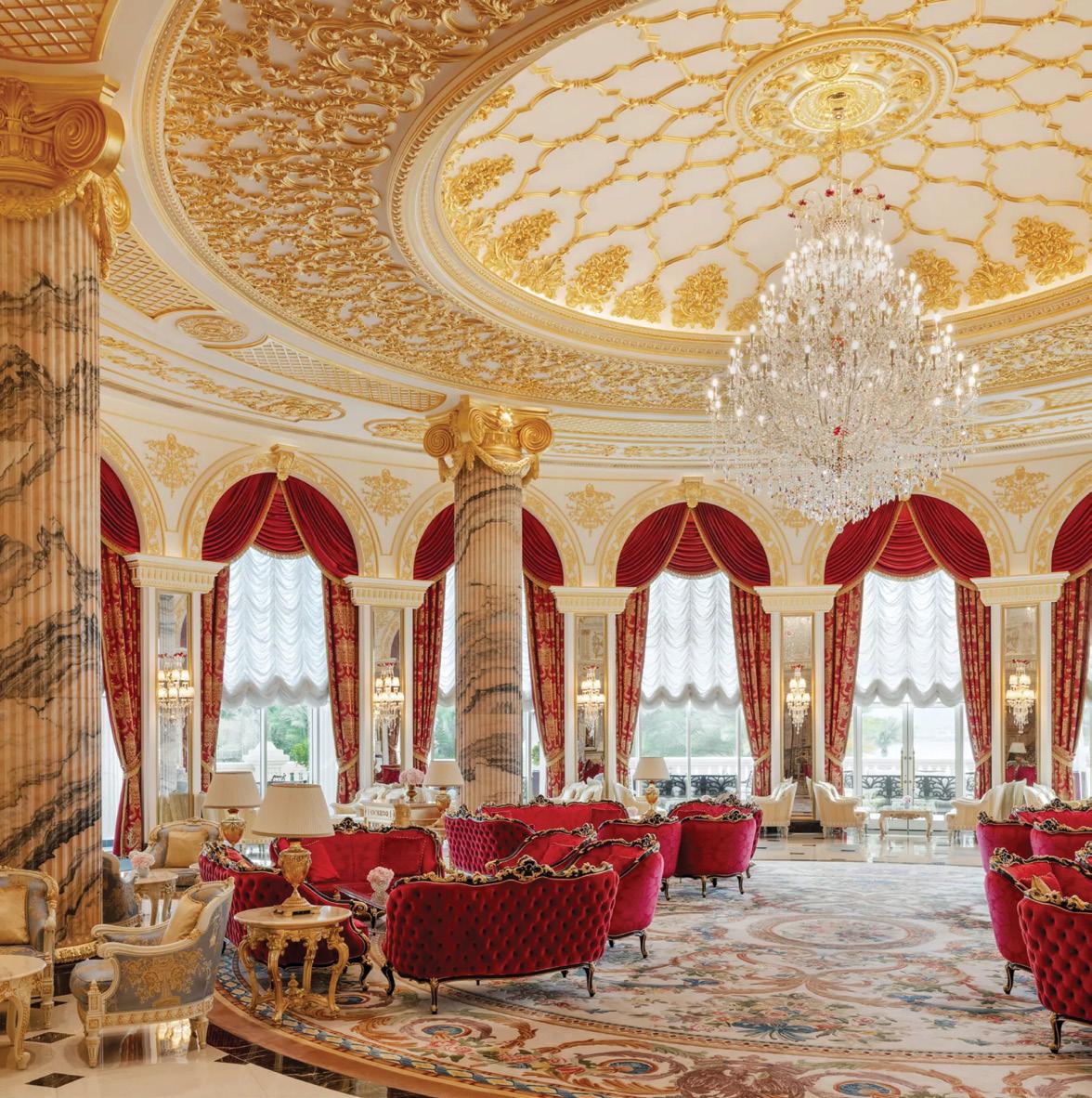
to Wafi Mall which opened back in 2007). Raffles the Palm was modelled on a European palace and it wouldn’t feel out of place in Versailles. One of the most opulent hotels I’ve ever set foot inside, it was constructed at a cost of almost US$1 billion. No expense was spared by its developer, Emerald Palace Group, which also owns the neighbouring Kempinski.
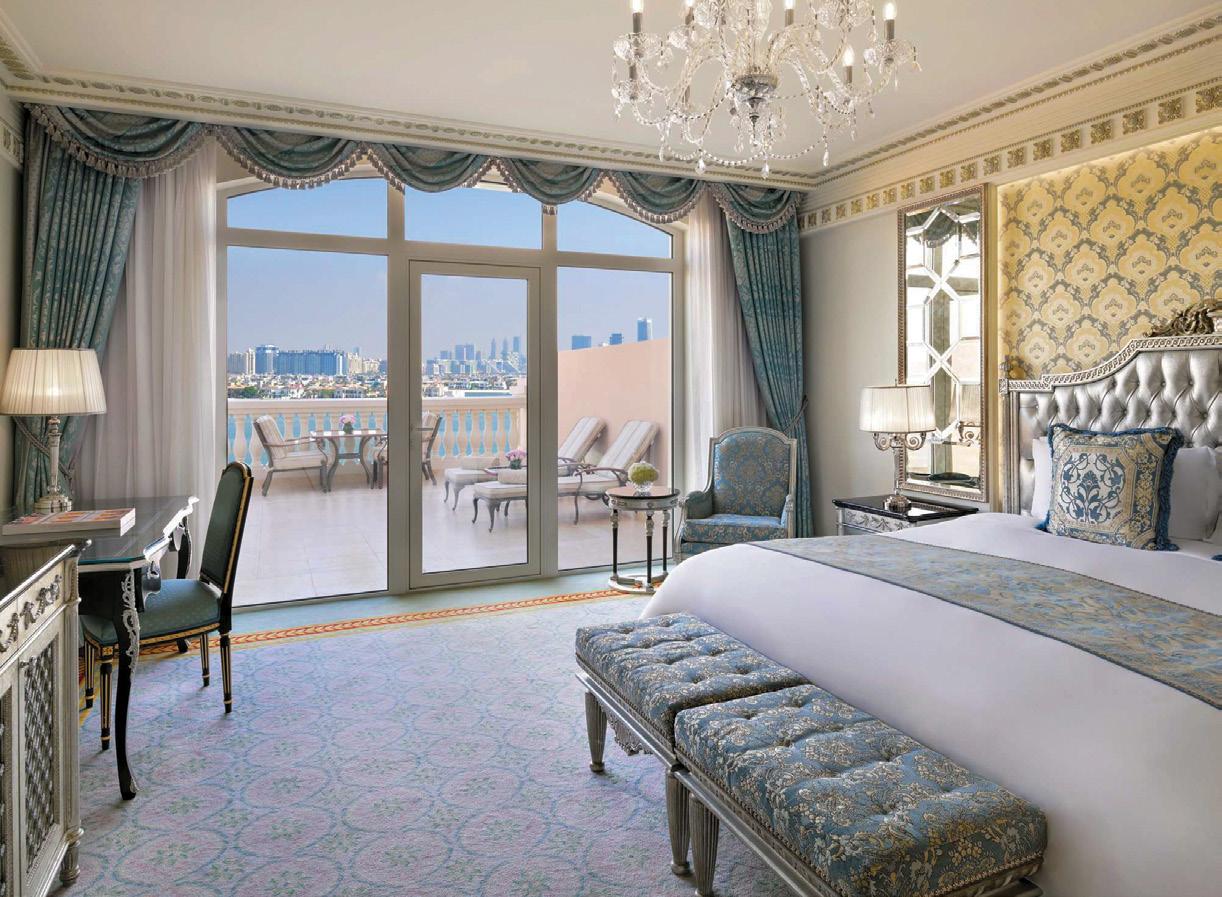
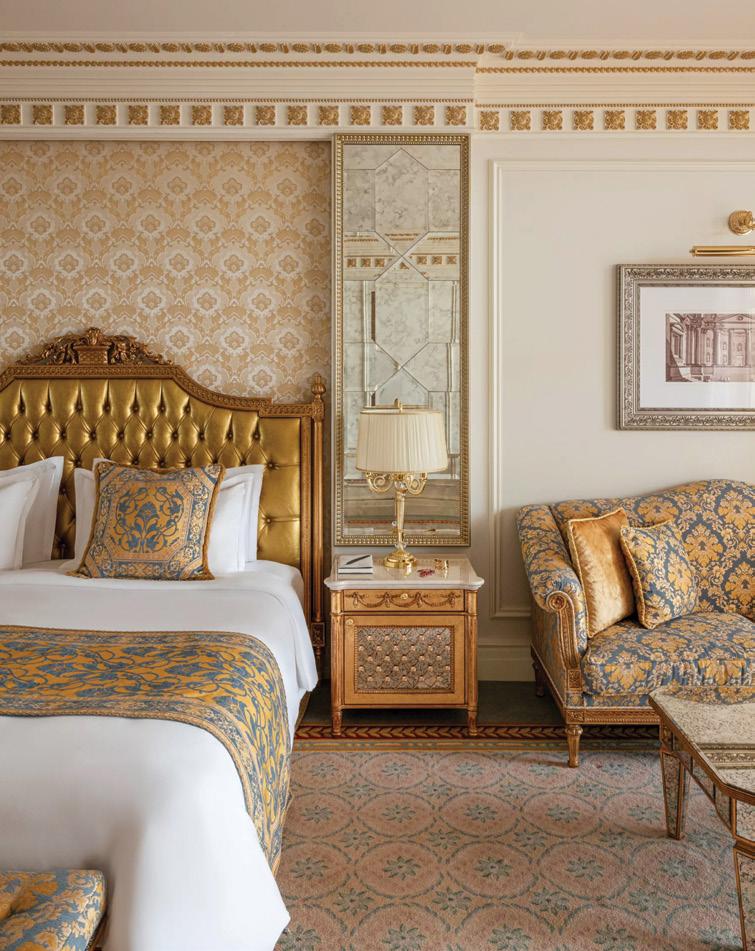
We’re staying in an interconnecting room, each of the two rooms is 92 square metres, roughly the size of a twobedroom apartment. The suite has a lounge that looks like it was owned by Napoleon, while each has its own chandelier. Raffles doesn’t do things by halves. The outlook from the rooms is either across the Arabian Gulf (which has the occasional local fishing boat passing by) or the Palm’s fronds.
OPPOSITE: the US$1 billion Raffles the Palm is modelled on a European palace and is one of the most opulent hotels in the world. THIS PAGE FROM TOP: Raffles the Palm inhabits the luxury-laden furthermost ring of The Palm in Dubai; the Napoleonesque decor; rooms spare no expense.
The breakfast is a destination in itself. Upon entering Le Jardin you are greeted by high ceilings and chandeliers with Italian handcrafted furniture, overlooking the crystal blue waters of the Palm’s fronds.
If you’re distracted by the setting, you won’t be for long once you’ve seen the abundant feast. Guests are faced with an unfortunate paradox of choice, from the lavish seafood and salmon, to a huge array of freshly onsite baked pastries and breads, to dozens of hot options, including Middle
Eastern, Indian and Western. There were four different types of pizzas to choose from, alongside Indian curries, dahls and multiple varieties of Asian dumplings. Raffles even caters to the Australian millennial palate, with “smashed avo” adorned with pomegranate (I added Greek feta from the large cheese selection). If those options aren’t enough, Raffles also offers an a la carte breakfast selection as well, with made-to-order omelettes and eggs hollandaise.
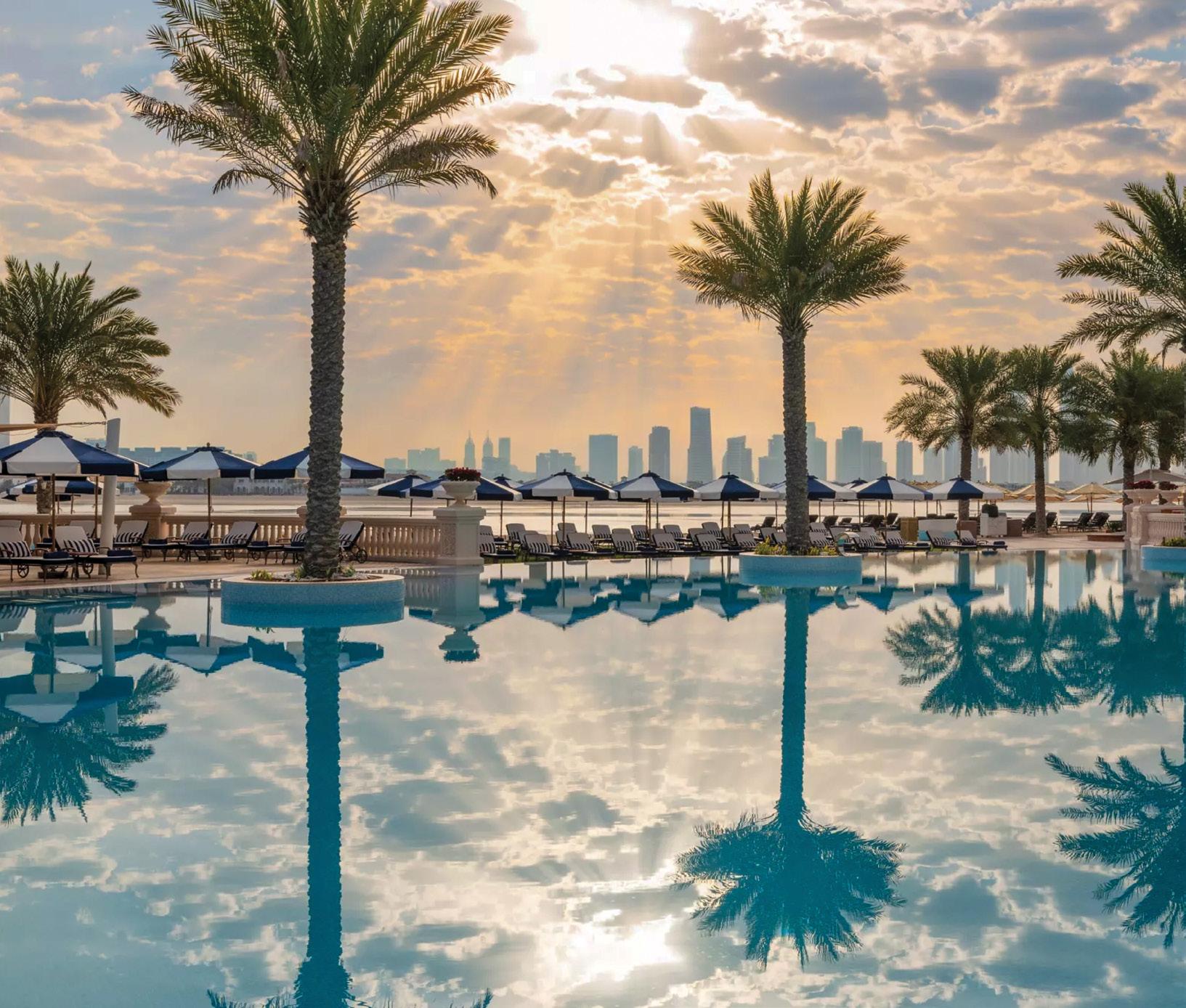
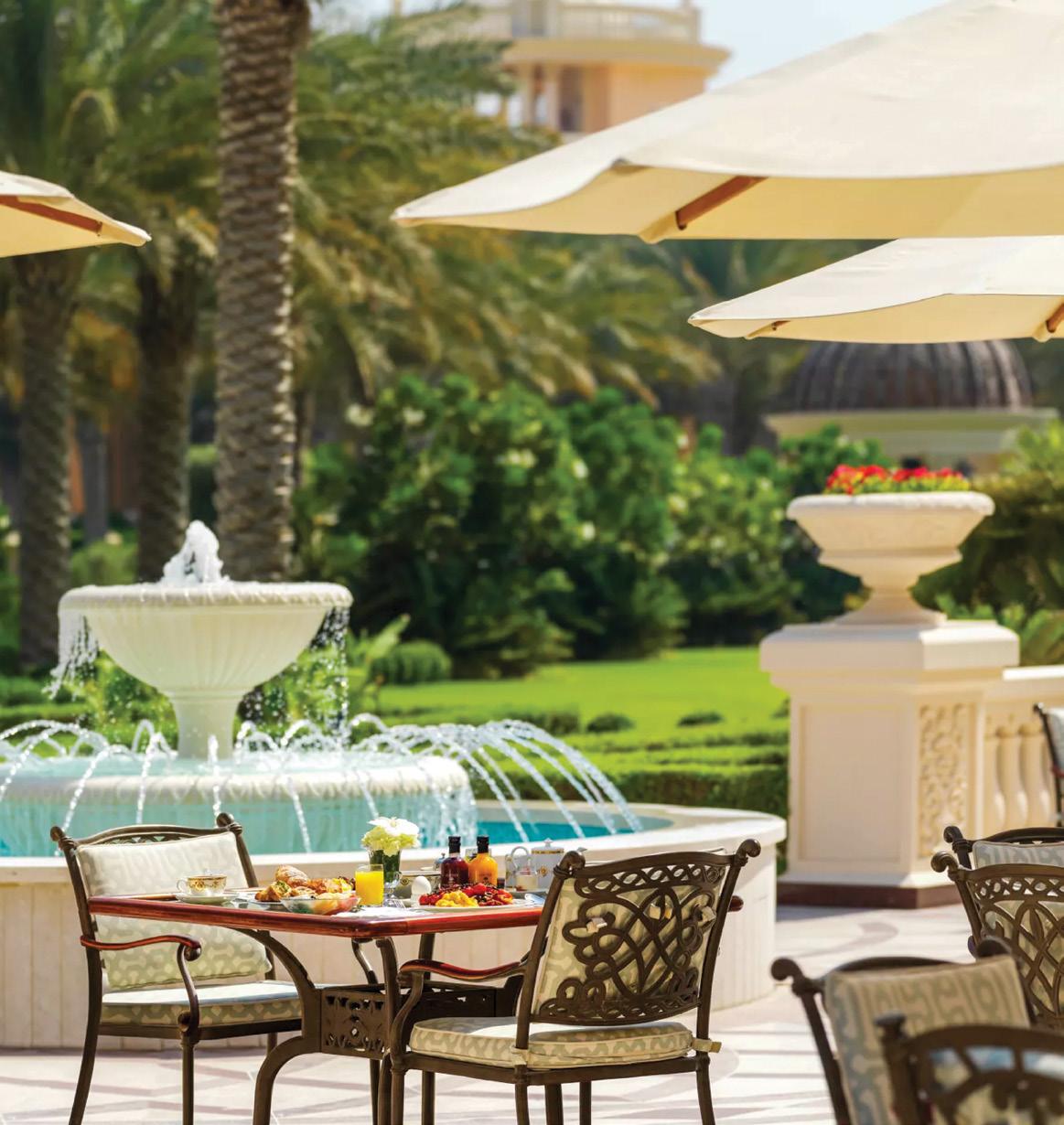
Stepping outside after breakfast you are welcomed by acres of gardens and manicured hedges before reaching the huge lagoon-sized pool overlooking the Palm itself. Each lounge has its own service button in case you’d like to order a fresh bottle of prosecco, while waiters quickly drop off an icefilled bucket of complimentary Aquafina water.
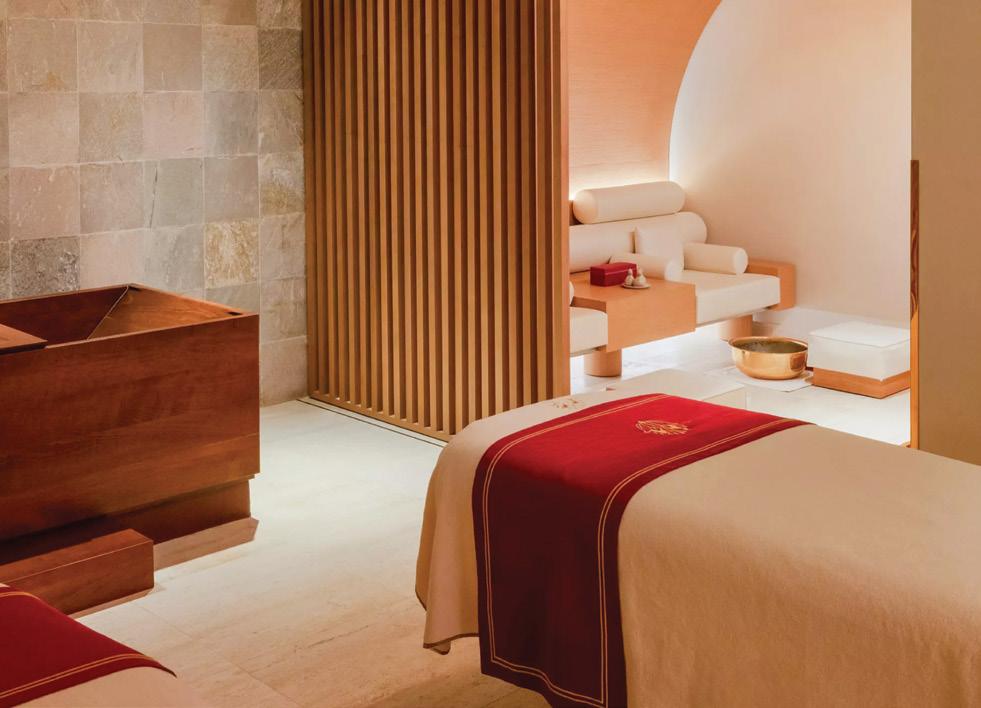
Wellness is of course, de rigueur: The Cinq Mondes Spa traverses multiple levels and includes hammams, experience showers, an indoor pool and treatment suites the size of an apartment. There’s a kids club and a cinema-style screening room (larger than a home theatre, smaller than a real cinema) where kids (and bigger kids) can watch classics after dinner.
The pièce de résistance of the Raffles experience is undoubtedly the incredible club floor. With sweeping views of Dubai, you can see neighbouring five-star hotels, and to Dubai City with its gleaming skyscrapers.
Classic British High Tea is served at 3pm, with guests treated to three tiers of delicacies
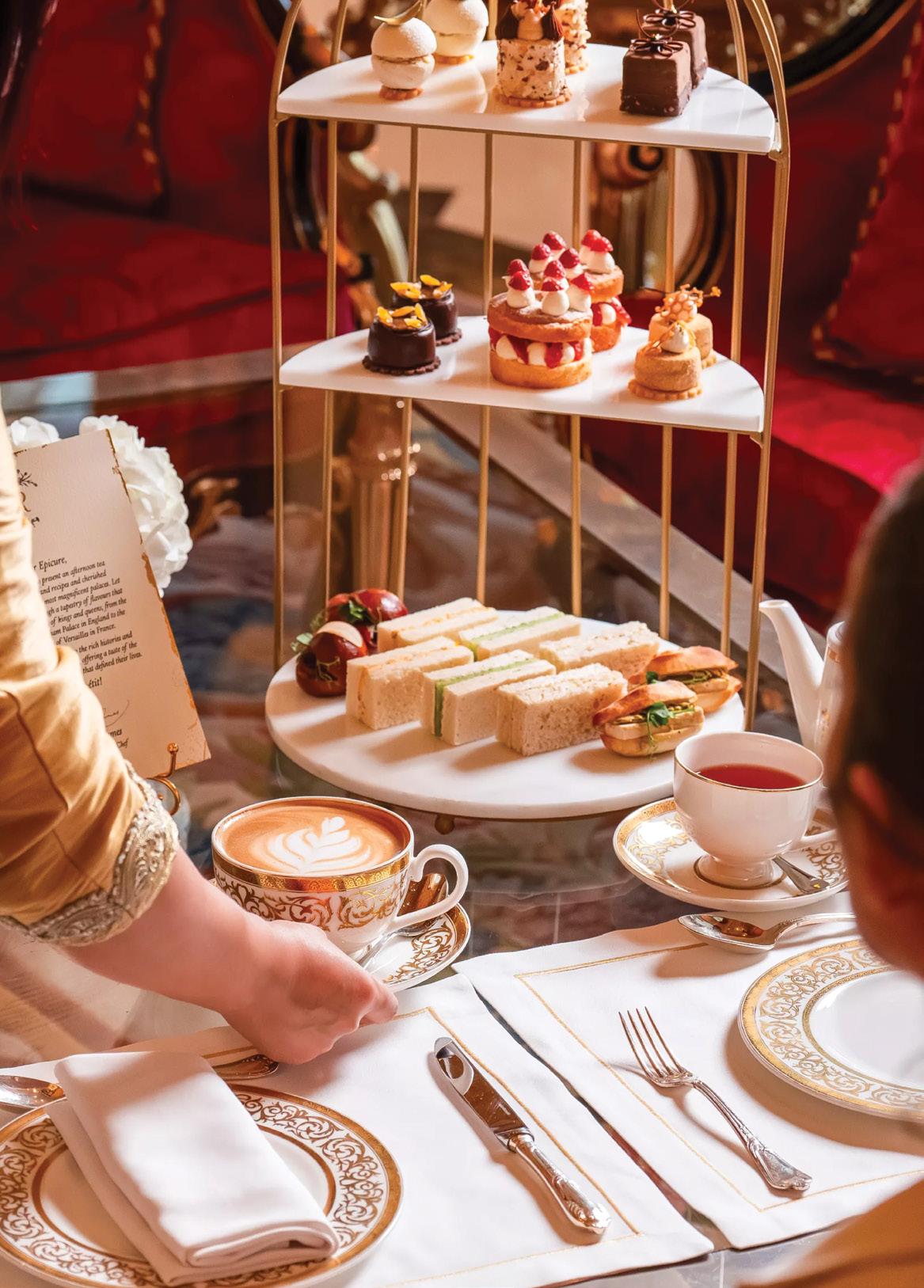
alongside a glass of prosecco or tea. At 5pm lounge guests are treated to a buffet of meats, seafood, fine cheeses and cocktails with a near-full bar to choose from as the sun sets.
The perfect way to enjoy one of the world’s most incredible cities, Raffles mixes oldworld charm and opulence to create an unmissable luxury experience.
Bali’s dining landscape has started strong in 2026, with standout new openings, refreshed favourites and chefs pushing creative boundaries. From polished coastal icons to intimate Japanese counters and high-impact specialoccasion experiences, Danielle Smith shares the restaurants de ning Bali’s culinary mood for the year.
SEMINYAK
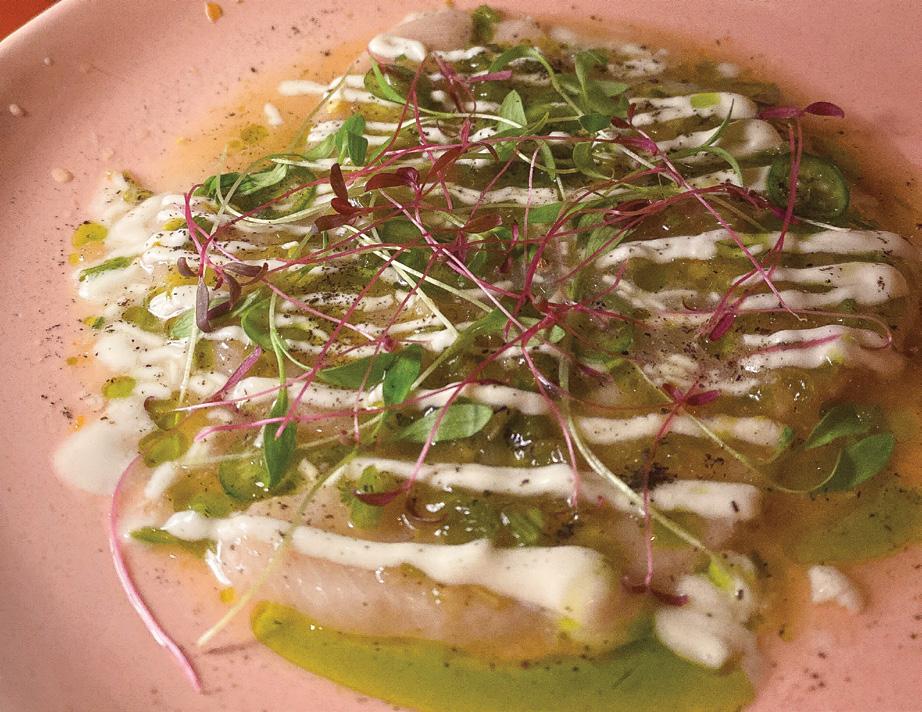
Hidden behind an unassuming entrance, Fu House delivers one of the most quietly impressive meals on the island. The kingfish sashimi is a clear standout, though choosing second place is near impossible. The kitchen leans into bold, Thai-influenced flavours with plenty of surprises, and the depth of knowledge shown by the floor staff is testament to the exceptional training. It’s the kind of restaurant you find yourself returning to far sooner than planned.
SEMINYAK
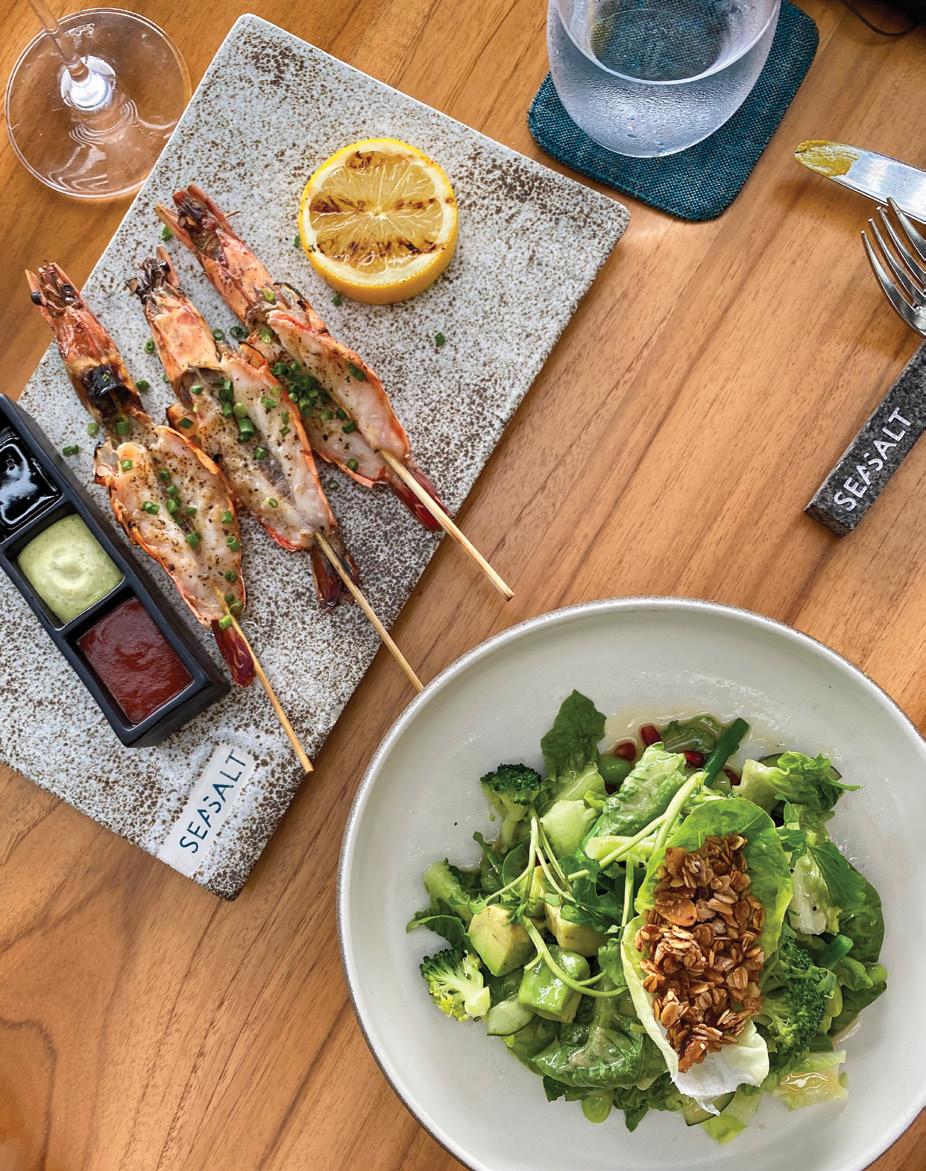
With a new culinary team onboard this beachfront institution at Alila, Seminyak feels refreshed and reinvigorated. The morning breakfast buffet is abundant, lunches are more polished and dinners more confidently composed. Seasalt maintains its original focus on sustainably sourced seafood, and the atmosphere remains relaxed and breezy, but the dishes now carry a finesse that positions Seasalt back among Bali’s must-visit coastal restaurants
UBUD
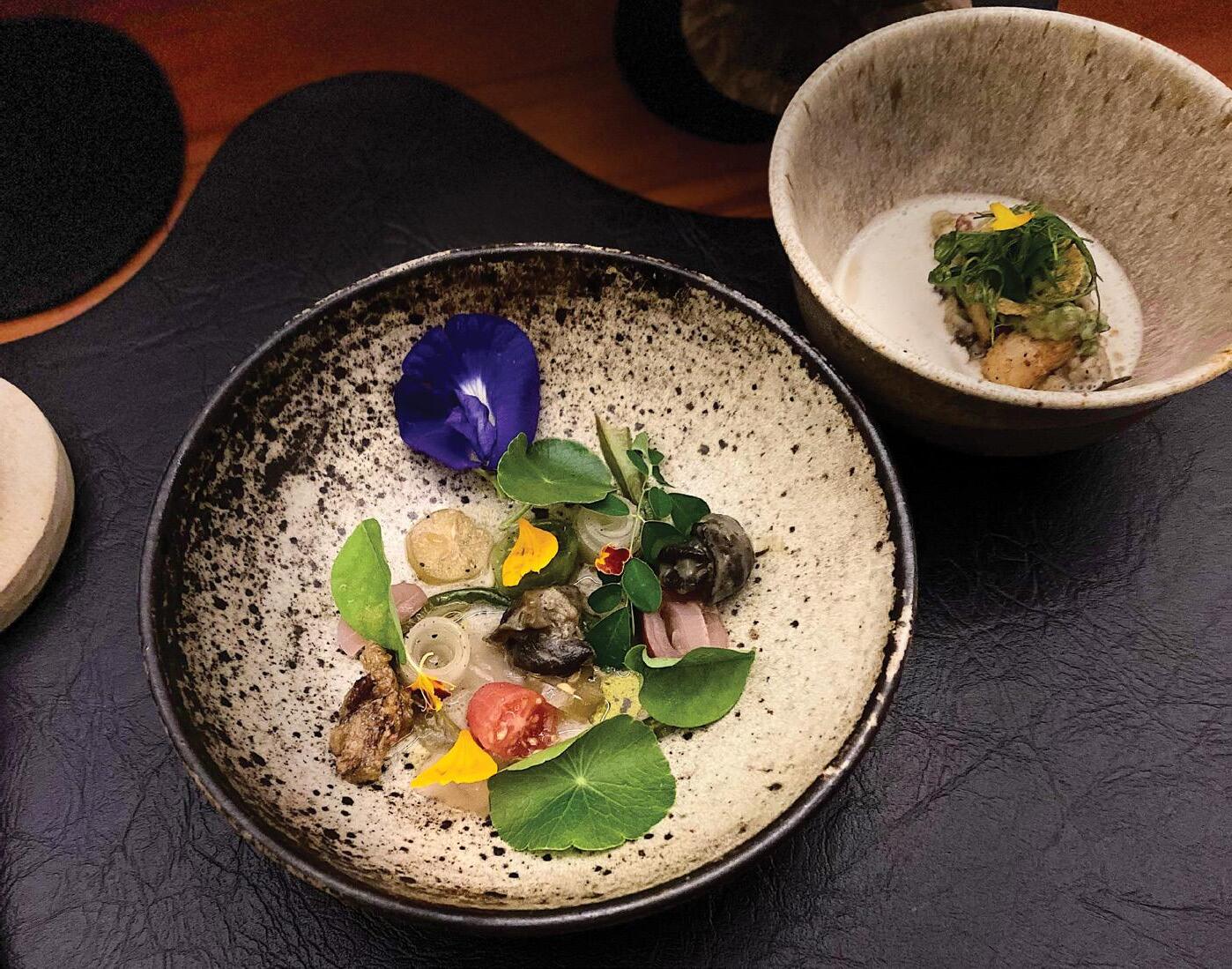
Part of the acclaimed Syrco BASÈ, KU Culinary Atelier is not simply a chef’s table dinner. It’s an immersive journey, an education and a genuine privilege to experience. Diners are given a frontrow seat to the preparation of each dish that is guided by Syrco Bakker’s philosophy of sustainability, locality and refined expression. From the very first moment to the final flourish, the journey feels intentional, personal and deeply memorable – a high point for gastronomy in Bali.
SEMINYAK
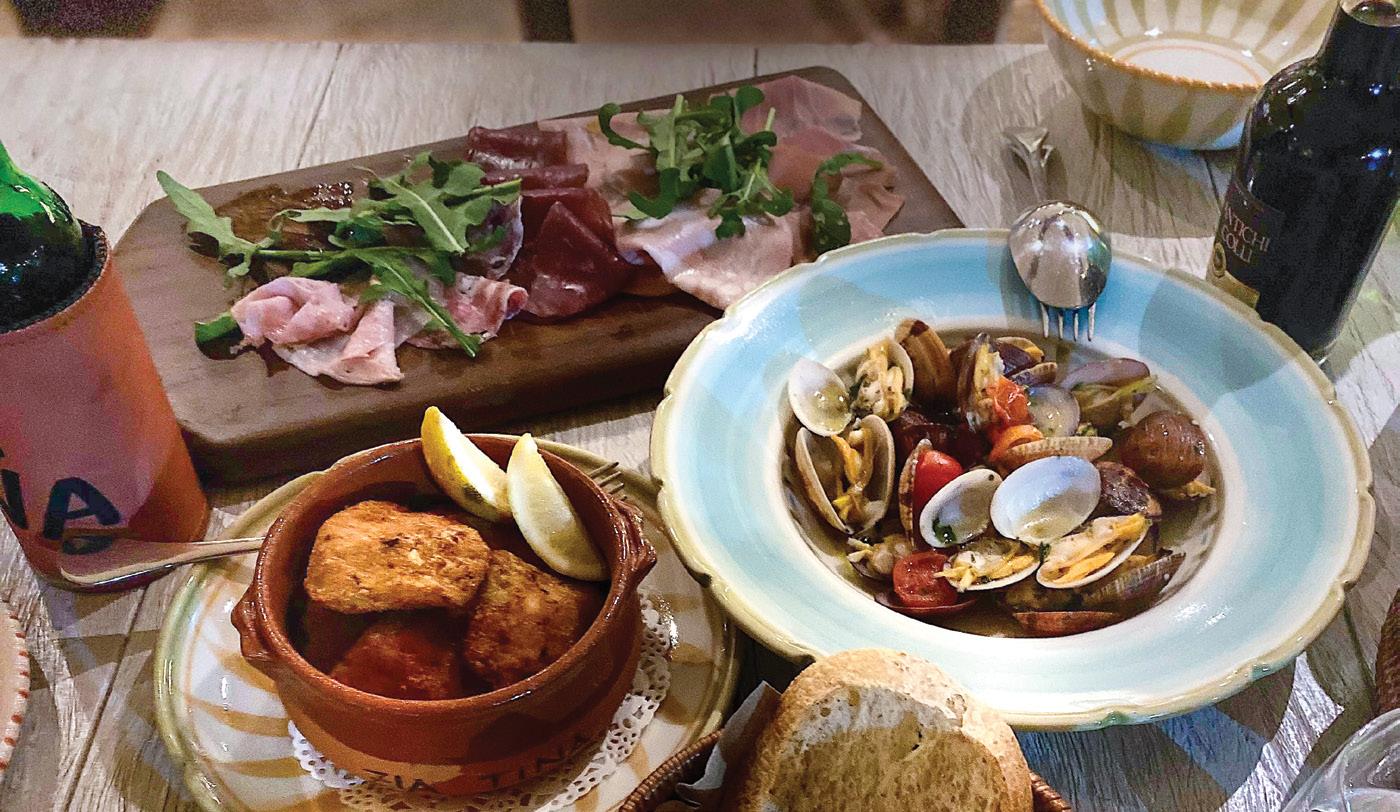
Set within the refreshingly retro-styled Kleo Hotel in the heart of Seminyak, Zia Tina blends trattoria charm with authentic southern-Italian cooking. The dishes are full of heart and flavour which is unsurprisingly given Zia Tina’s connection to Italian fine-dining institution Mauri. After dinner, head upstairs to Rooftop Social, the hotel’s effortlessly cool open-air bar, where vintage aesthetics meet well-made cocktails and golden-hour views.
KUTA
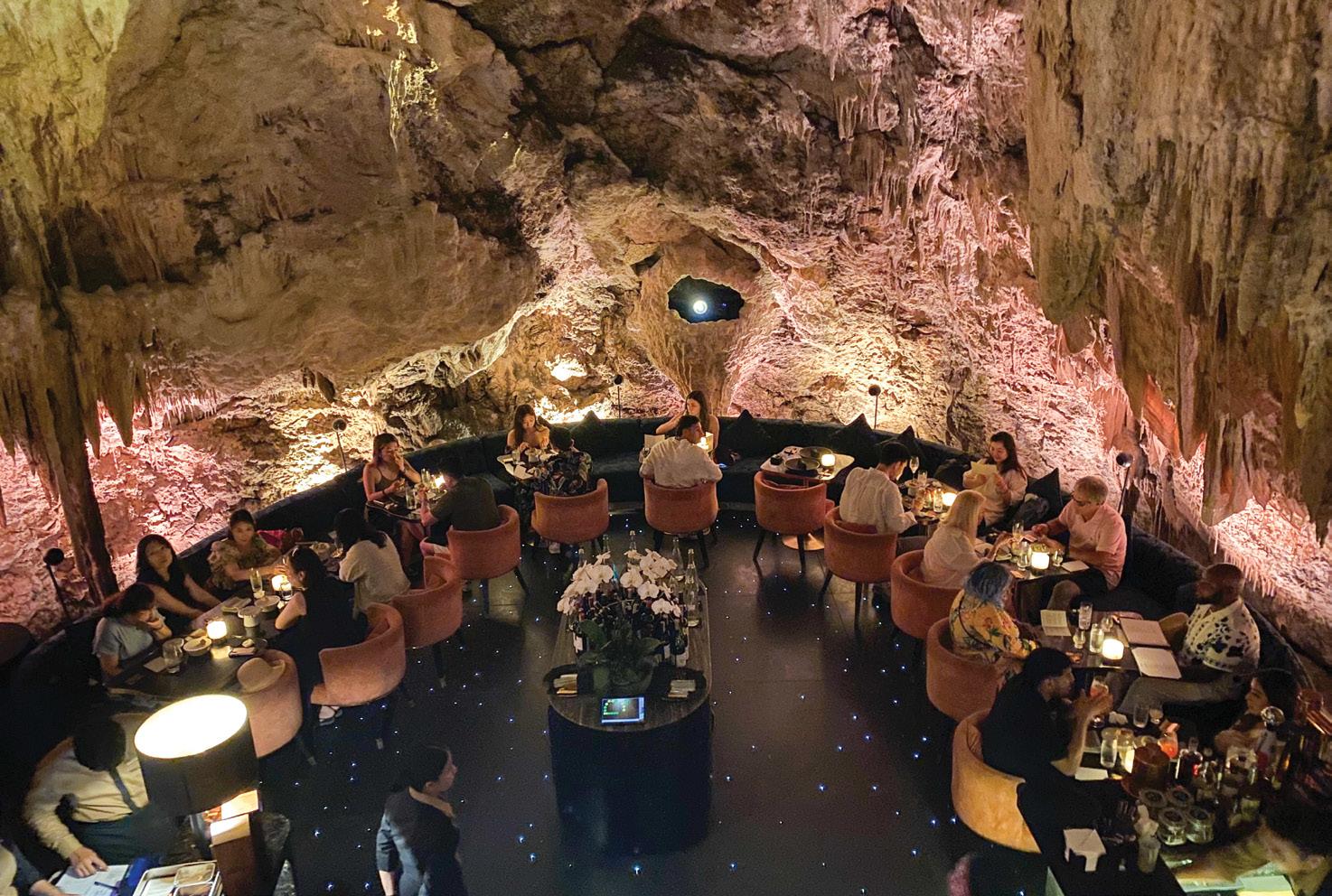
This subterranean dining experience is made for special occasions. The seasonal menus are shaped by Chef Ryan Clift of Singapore’s Tippling Club, alongside thoughtful influences of head chef Nikhil Sengupta. The dramatic cavern setting only heightens the sense of occasion. It’s indulgent, theatrical and unforgettable, exactly what you want when celebrating something meaningful.
CANGGU / ULUWATU
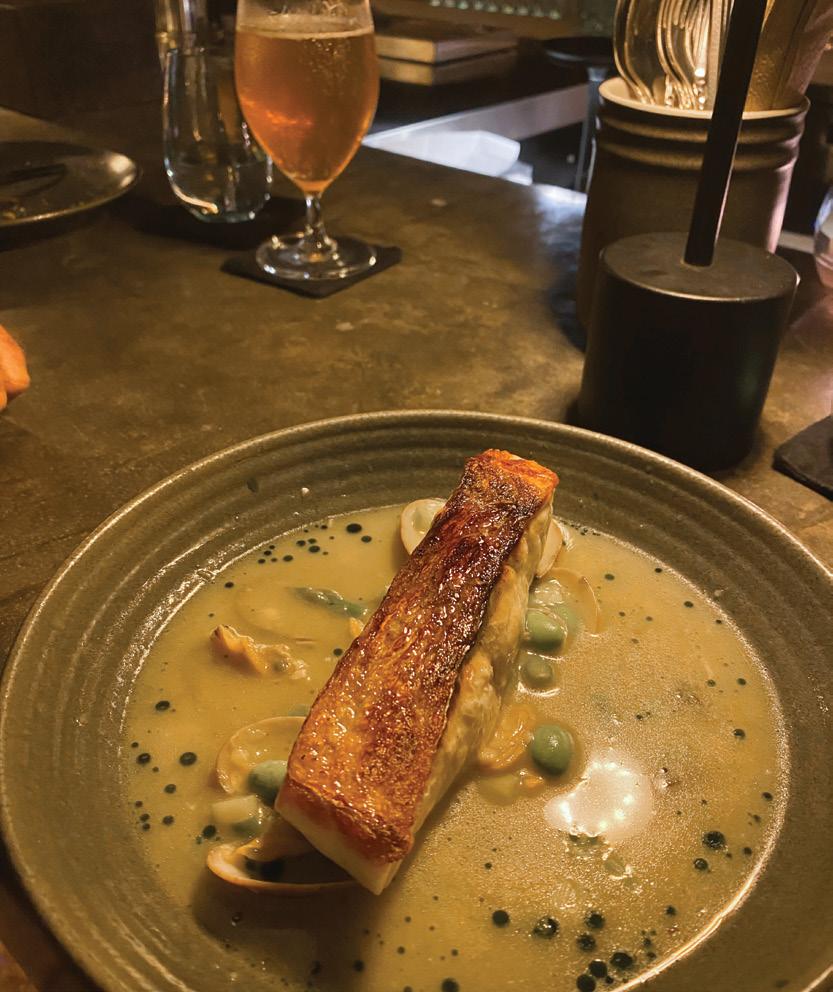
Yuki continues to impress across both its Canggu and Uluwatu locations. The Wagyu beef sando and line-caught fish of the day with a creamy clam dashi sauce are standouts, each showcasing a refined yet unfussy approach to Japanese flavours. The open, breezy design makes both venues perfect for relaxed, stylish dining, while the long bar offers a front-row seat as the chefs slice sashimi and roll maki. It’s an experience that’s as fun and vibrant as it is consistently delicious.
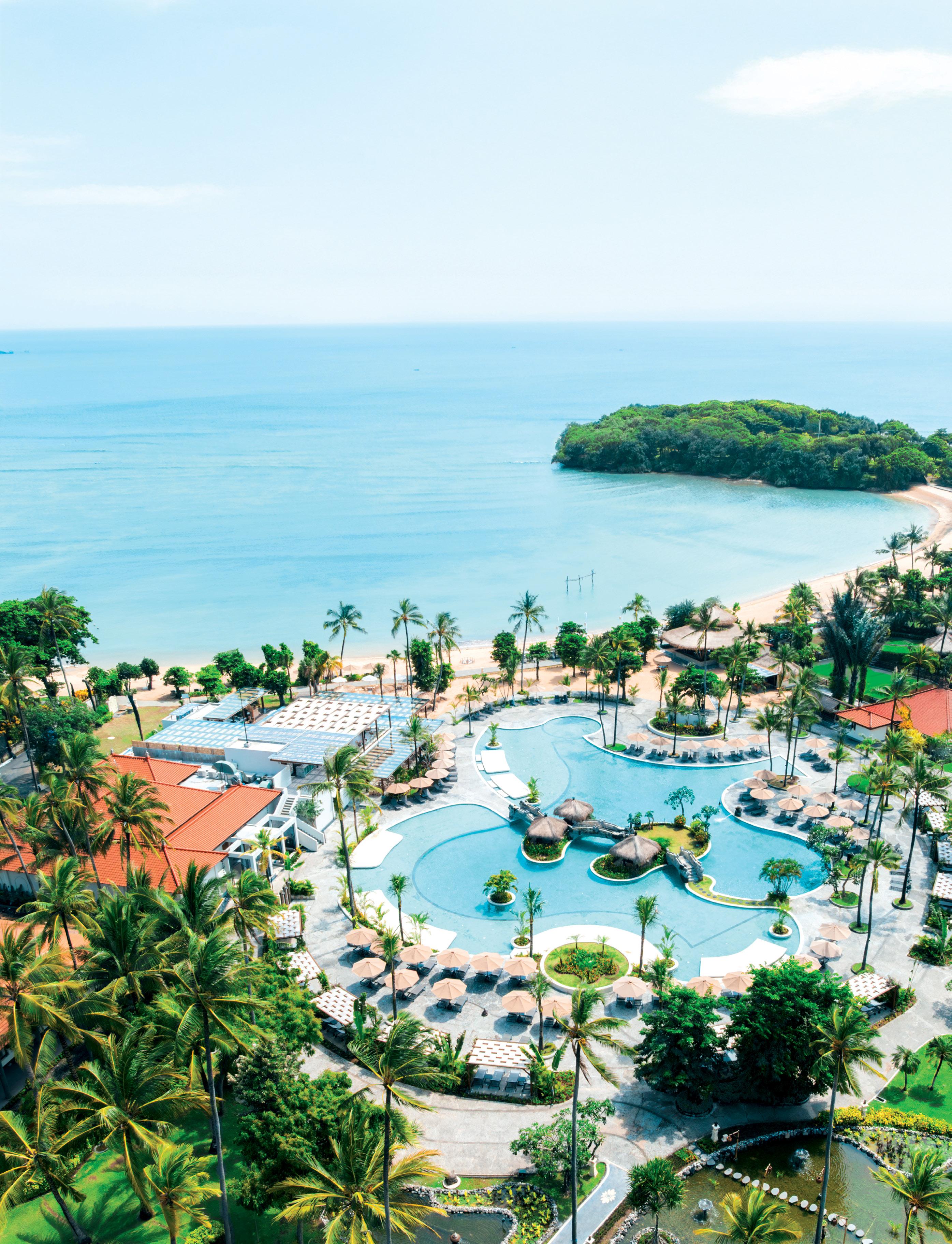
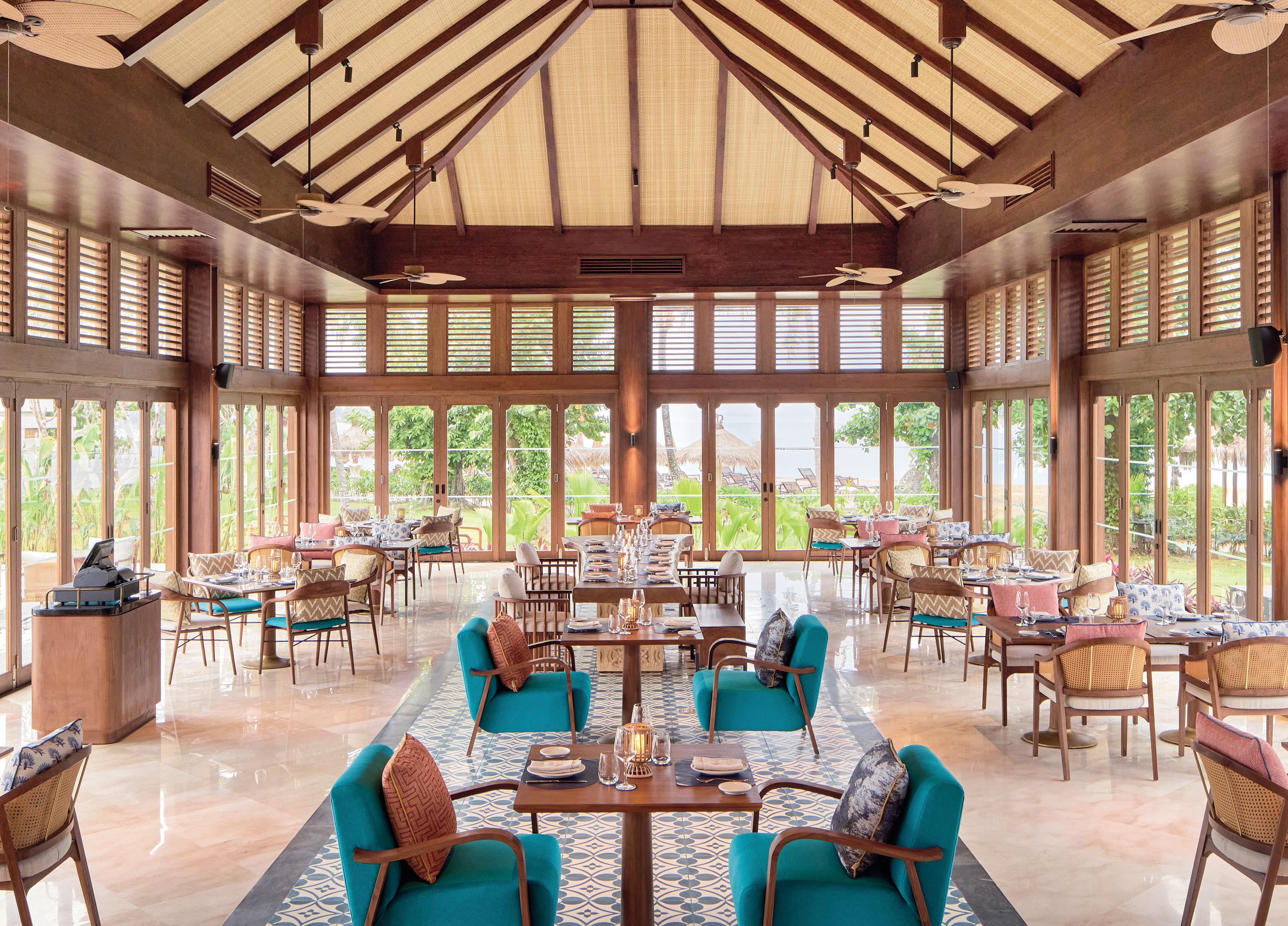
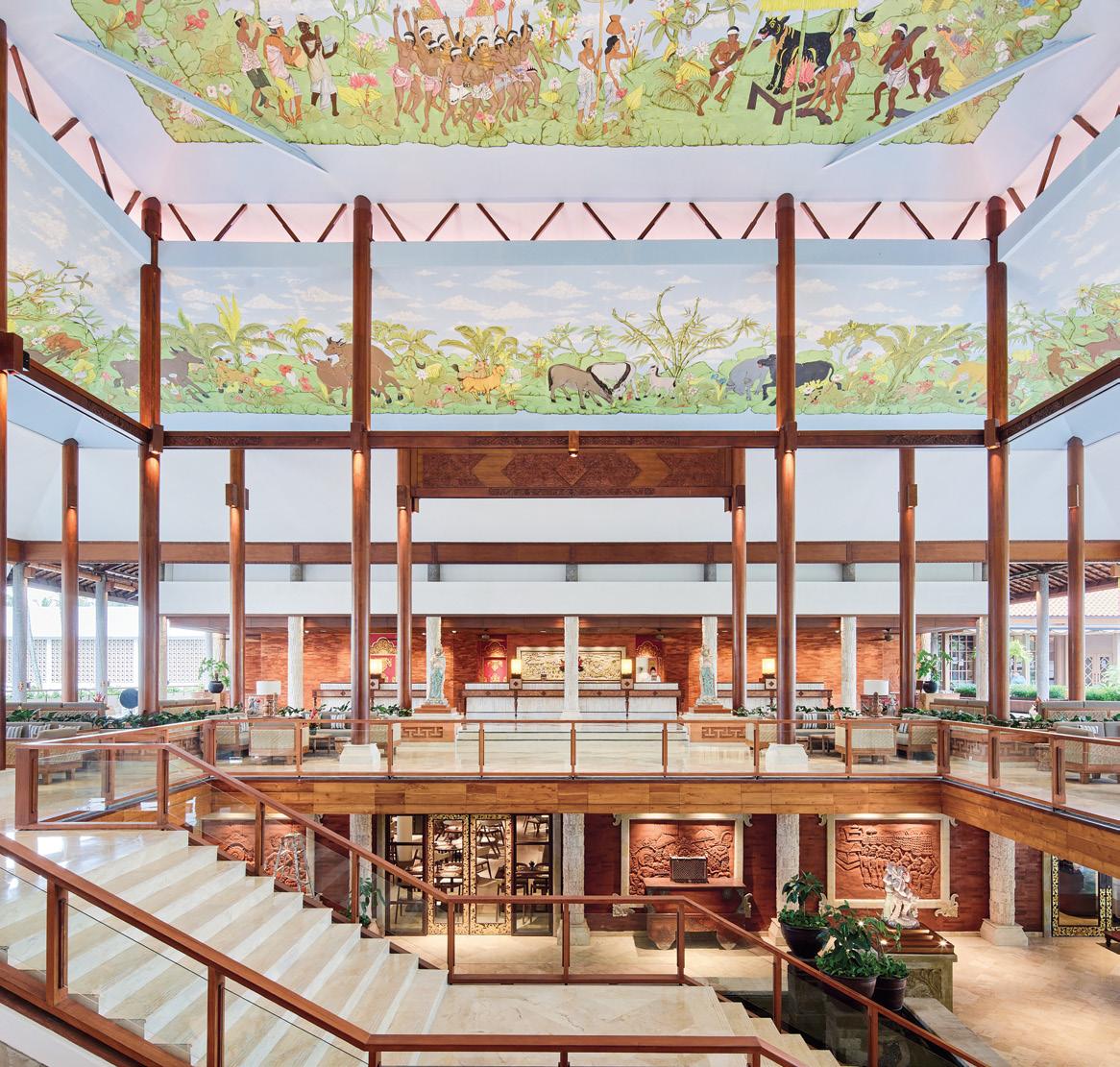
Emerging from a multi-million-dollar makeover, Paradisus by Melía Bali is an all-inclusive resort with a strong cultural program and two distinct parts to it. Carrie Hutchinson weaves, dines and chills her way through a few days in e Reserve adults-only wing but there is plenty of fun for families as well.
I’m sitting cross-legged in an open-air bale To my right is a Balinese temple; to my left, staff members are readying Arum restaurant for the evening’s service. Meanwhile, I feel like I am all thumbs as I attempt to hold some strands of palm frond in place and weave others at the same time.
“Let me see,” says Aditya, leaning over to check my work. “That one goes here.” He directs a wayward strip into its correct spot. There is no way, I tell myself, this is going to become a hat.
Each day at the new Paradisus by Melía Bali on the beachfront at Nusa Dua, a member of staff leads guests in a cultural activity, part of the resort’s Destination Inclusive program that also includes excursions to temples and local theatre shows. Today, Aditya is showing me how to make a capil, one of the traditional woven hats worn by farmers across the island.
“How long does it take a farmer to make one of these?” I ask him, as I’m gently pulling the weave tighter and wondering how on earth this coconut confusion is ever turning into a cone.
“About 30 minutes,” he says. Without looking at my watch, I know a lot more than half an hour has elapsed since we started.
Soon, though, the capil begins to take shape as Aditya tells me he also teaches people how to make canang sari, the daily offerings to the deities. “And sometimes I take yoga classes,” he adds.
It’s very easy to imagine an all-inclusive luxury resort as some sort of bastion of hedonism, but Paradisus is more low-key than that. I’m staying at The Reserve, a secluded adults-only experience where most guests spend their days lying by the vast pool, blissfully unaware of the activity going on in other parts of the resort.
Paradisus’s other “half” is the Family Concierge, where kids and their adults are doted upon by staffers who oversee the aqua park, playgrounds and activities. There’s even an exclusive Teens Club, with beanbags, games and three lanes of ten-pin bowling.
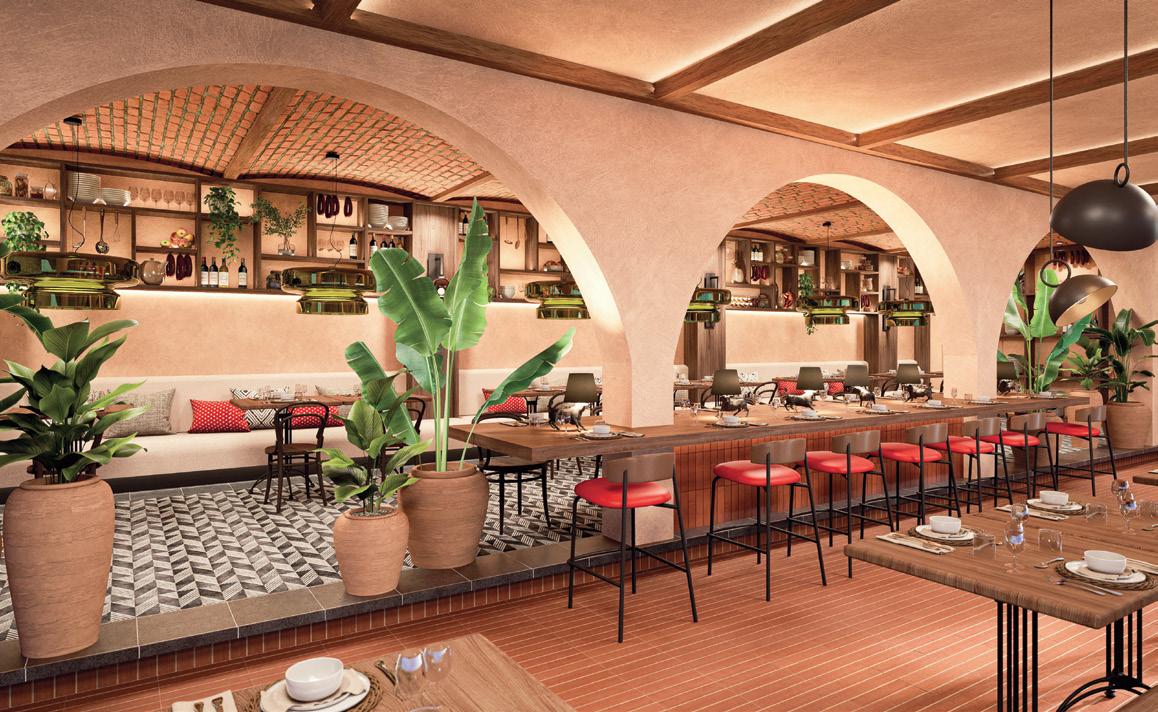
The Reserve’s other exclusive area is Sante, a serene restaurant overlooking both pool and beach where breakfast, lunch, afternoon tea, cocktails and dinner are served. One day, at lunch – seared scallops with buttered pea puree followed by crab ravioli with a fermented chilli and black bean crab shell bisque – I finish my main course just as afternoon tea begins.
“Would you like some dessert?” the waiter, Teja, asks.
“Maybe I’ll just have afternoon tea,” I tell him, and with that he pours a glass of champagne as I help myself to mini madeleines and meringues.
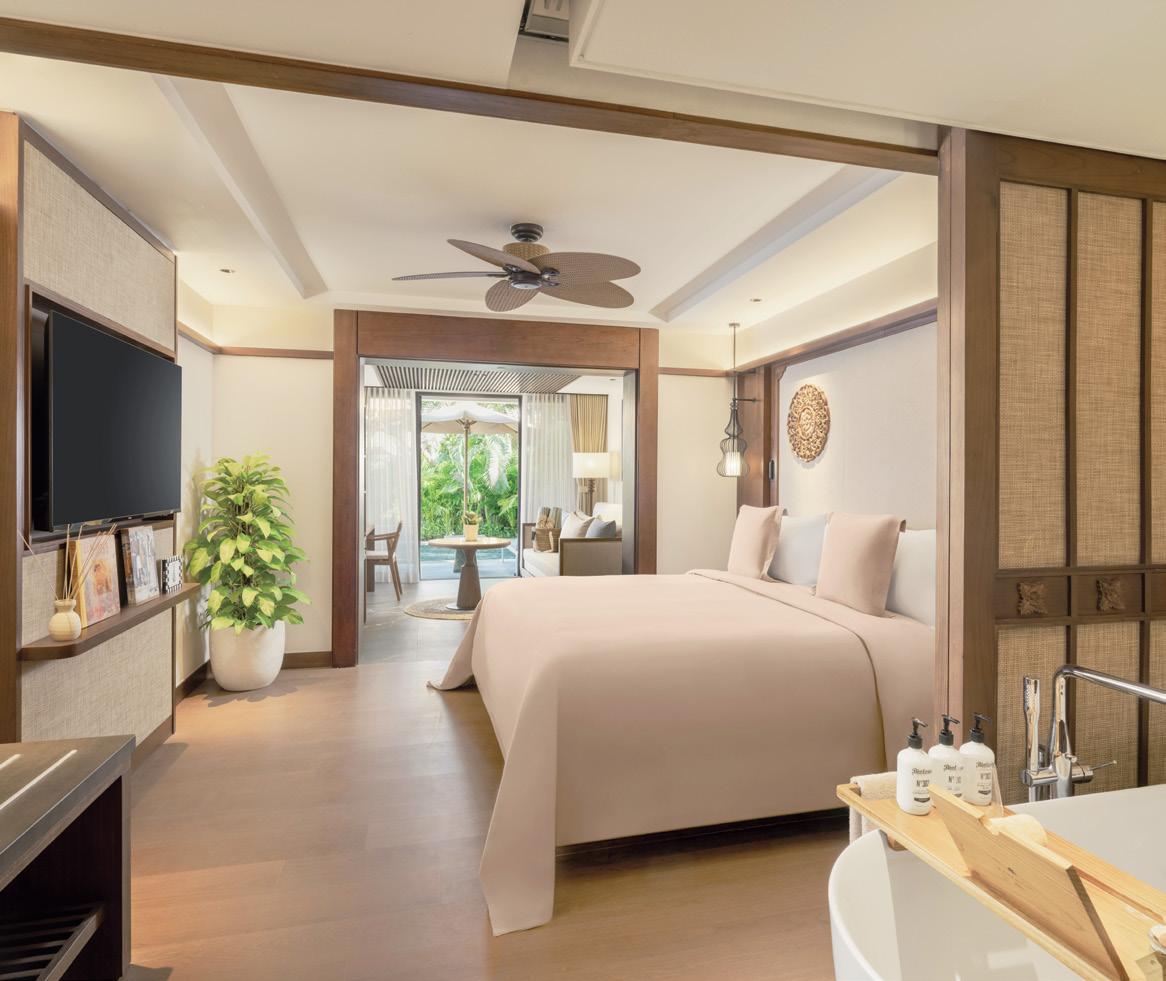
Back at my room, The Reserve Junior Suite with Lagoon Access, I pull on my swimmers, grab a book and Sprite from the free minibar, and exit the sliding doors off the living area to my deck chairs on the edge of the quiet pool. At one point, I discover an underwater seat near an island where I can read listening to the pops and calls of the tiny waterhen that’s taken residence in the lush foliage behind me. Most of the time, this pool – it’s more like a languid river – is completely deserted, a true luxury in a resort with more than 400 rooms. Surprisingly, Paradisus, which is large but manageable – you can walk from the lobby to the beach in less than five minutes – never feels crowded. Apart from Sante, there are six other restaurants offering cuisines from
around the world, as well as three bars, a casual coffee hut and a kid-friendly spot called The Shack adjacent to the Aquazone. There are always free deckchairs around the main lagoon pool, and places where you can find respite from both the sun and other people.
In the four days I’m there, I soon develop a routine. Breakfast at Malva, where the main buffet is located, followed by an iced coco pandan latte at Kopi Petani while watching the aqua aerobics in the big pool. Then it’s time for relaxation by the beach – The Reserve has its own squishy loungers and shaded bales where staff offer up cold towels and iced water and clean your sunglasses –watching the surfers riding Mushroom Secret,
a mellow righthand reef break, when not floating in the warm water.
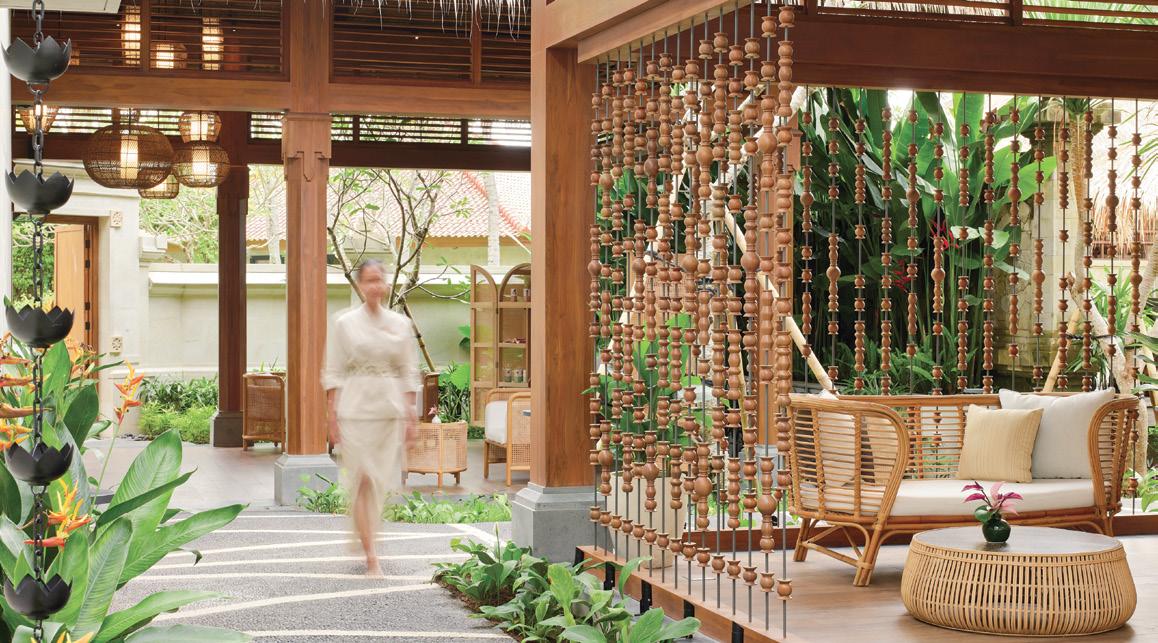
The one time I put my hand in my pocket is for a treatment at YHI Spa. Arriving an hour early, I use the time to take full advantage of the steam room, sauna, jacuzzi and cold plunge before being slathered in boreh –a blend of rice and spices that smells like a gingernut biscuit – to warm the muscles and massaged into a state of complete oblivion as part of the Authentic Balinese Ritual. After, as I’m seated in a state of blissedout somnolence in the outdoor lounge, I’m presented with a locally produced pink guava, lime and turmeric juice and a slice of decadent chocolate torte. If this is luxury resort living, I’m all in.
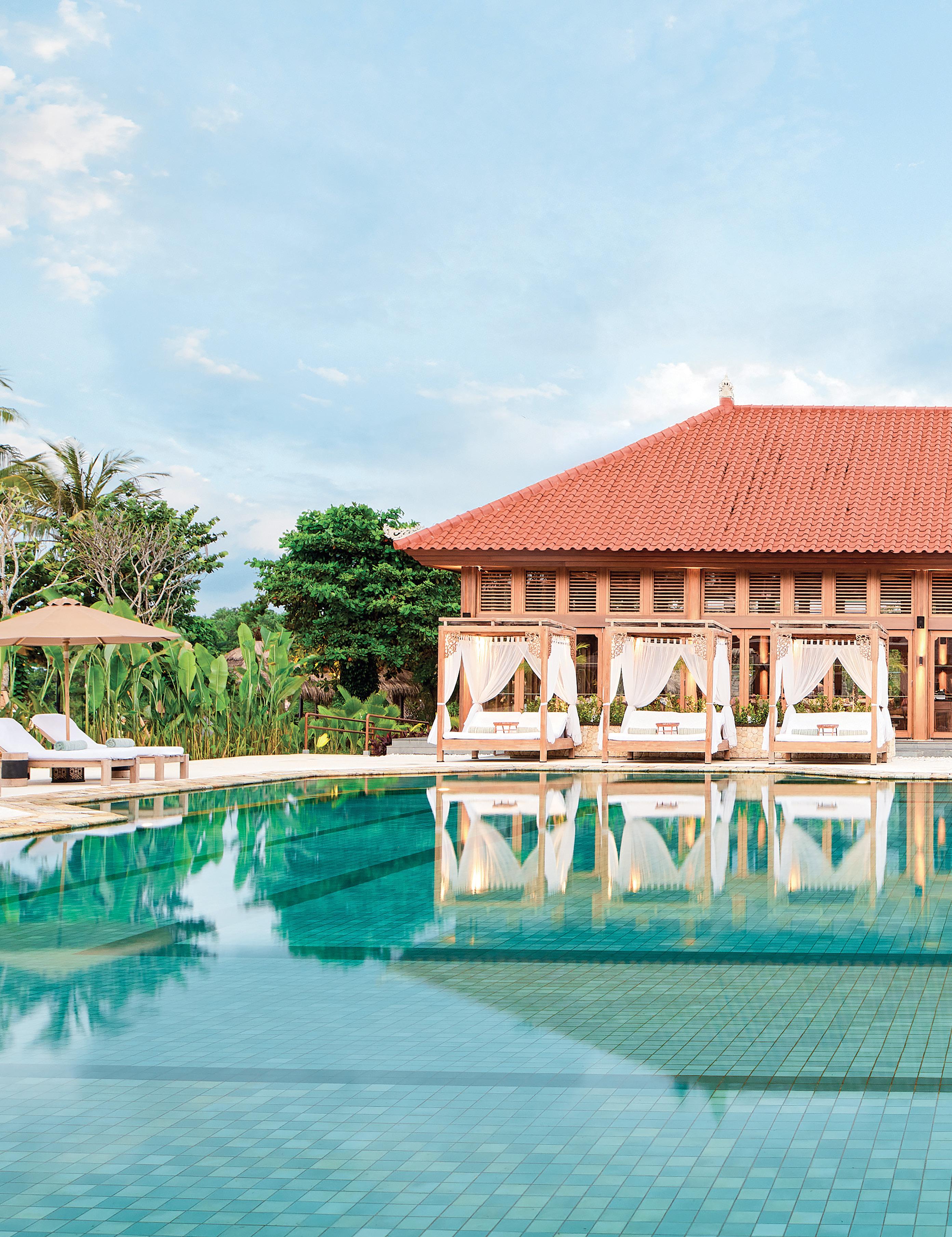
by Melía Bali
After a multimillion-dollar, 15-month makeover Melía Bali, on the beachfront at Nusa Dua, reopened on 1 February as Paradisus by Melía Bali, the brand’s first all-inclusive luxury resort in Asia. With 485 luxurious suites, including family rooms with bunk beds or tents, and seven villas, it has distinct areas for different styles of travellers, including adults-only The Reserve and the Family Concierge. The resort has eight restaurants, three bars, a spa and a daily program of activities that emphasises wellness and cultural connection.
A PHOTOGRAPHIC JOURNEY THROUGH
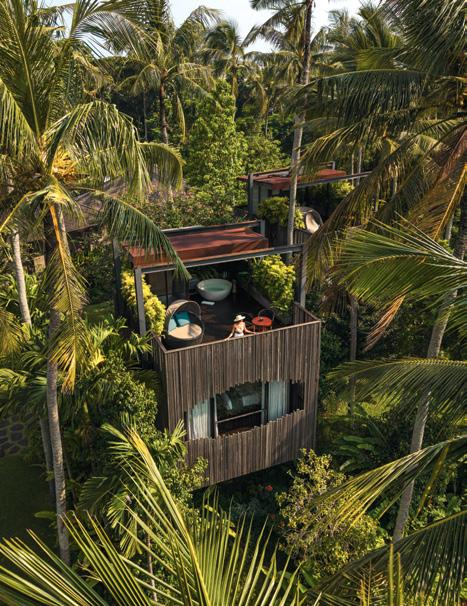
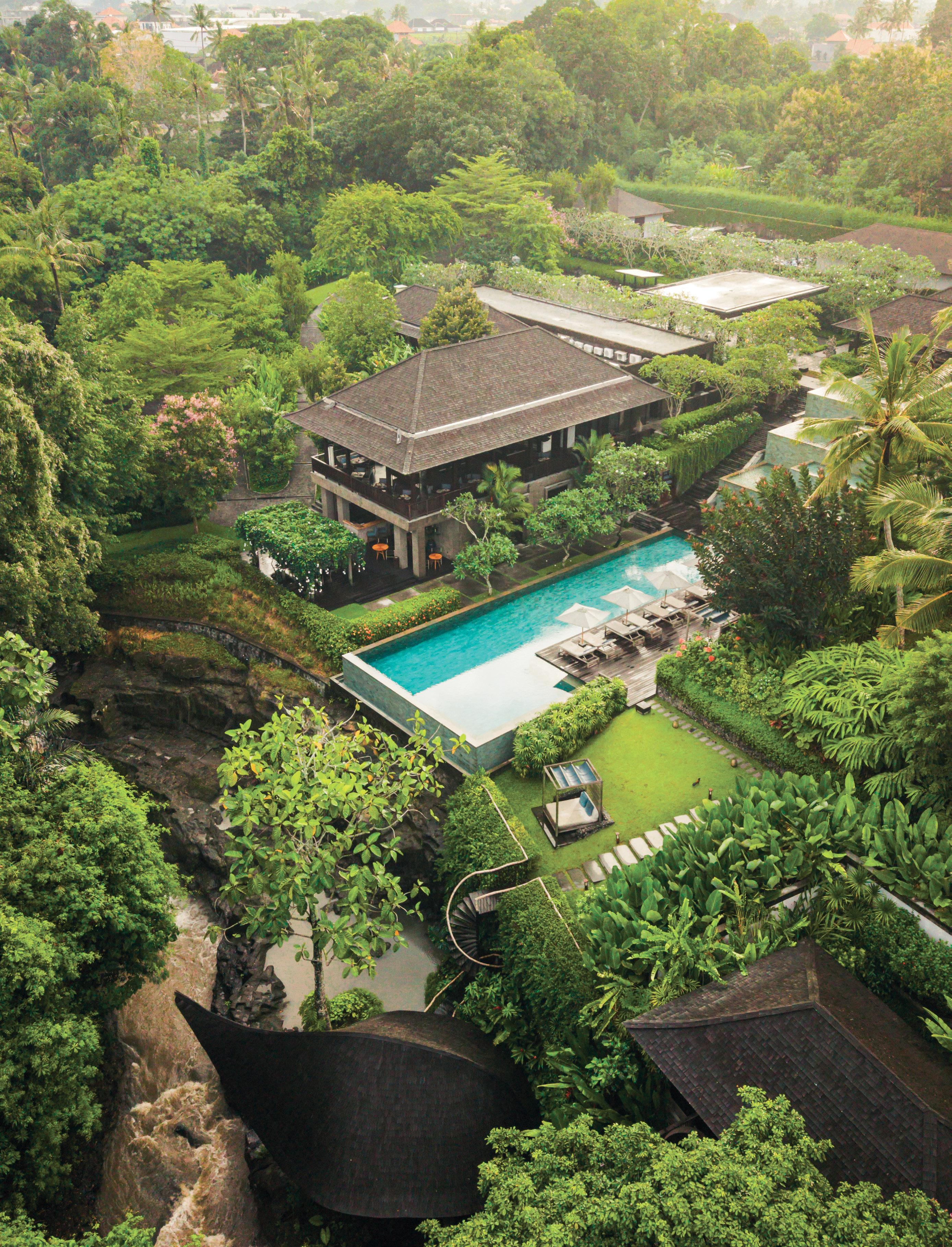
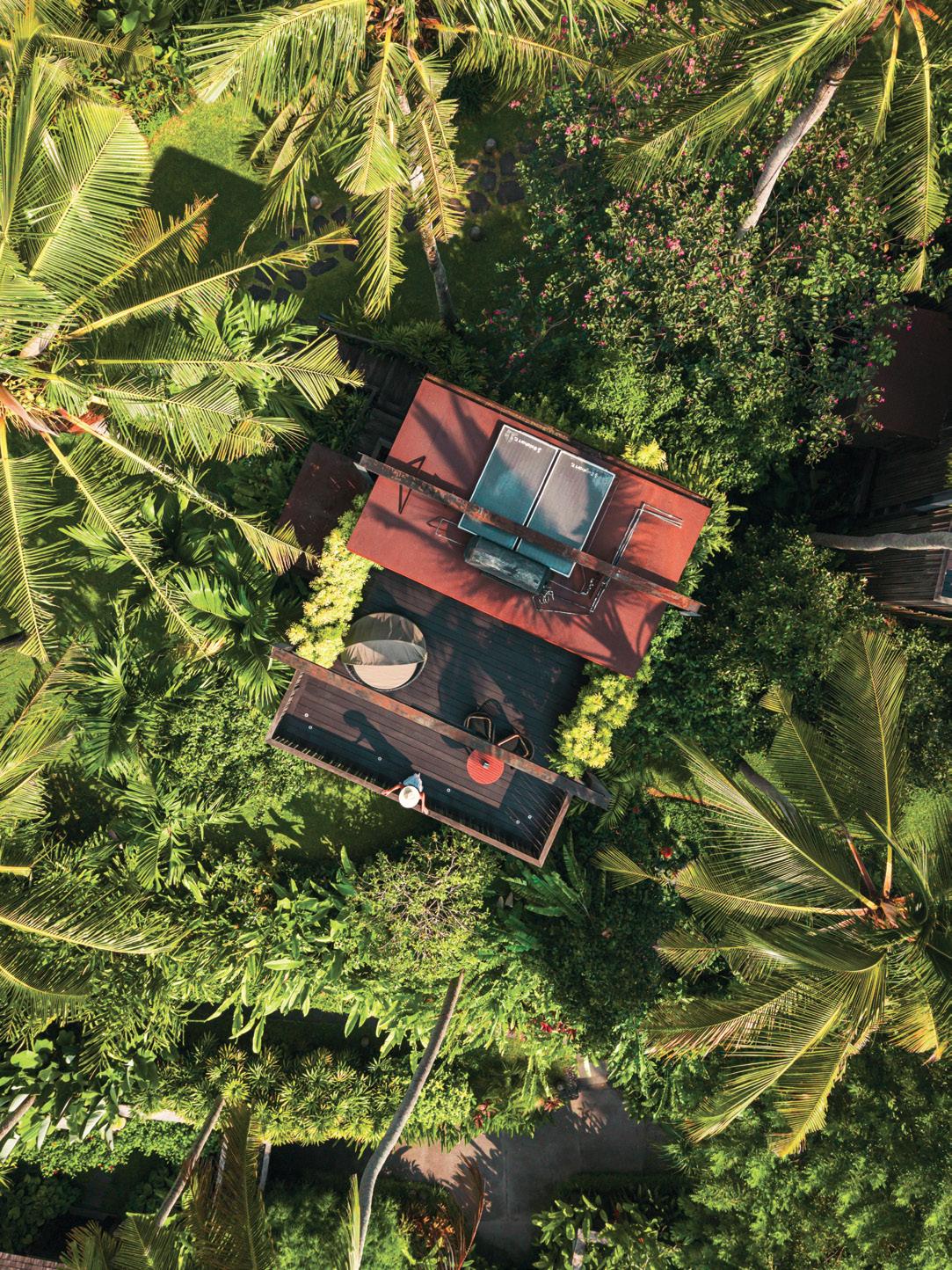
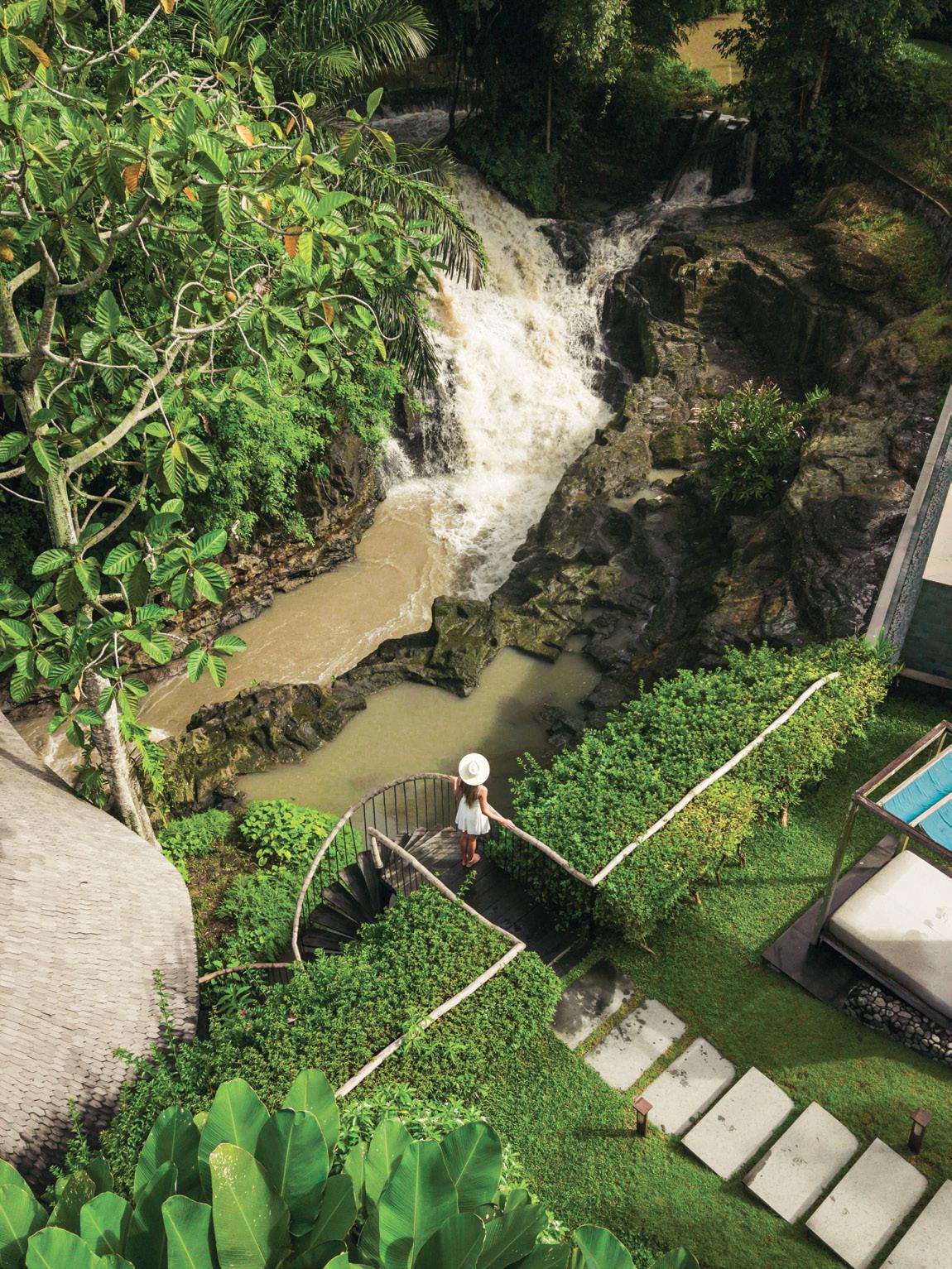
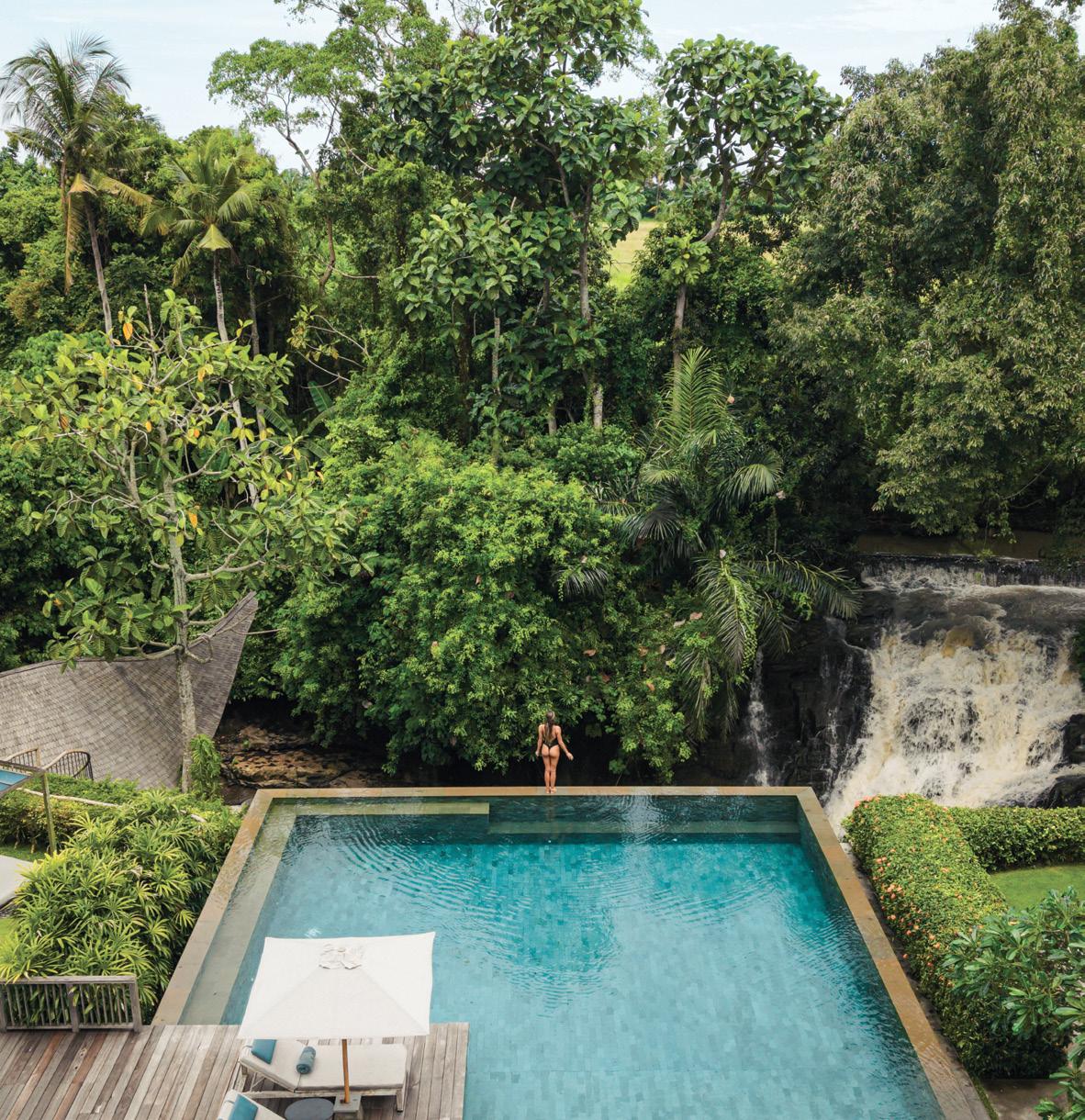
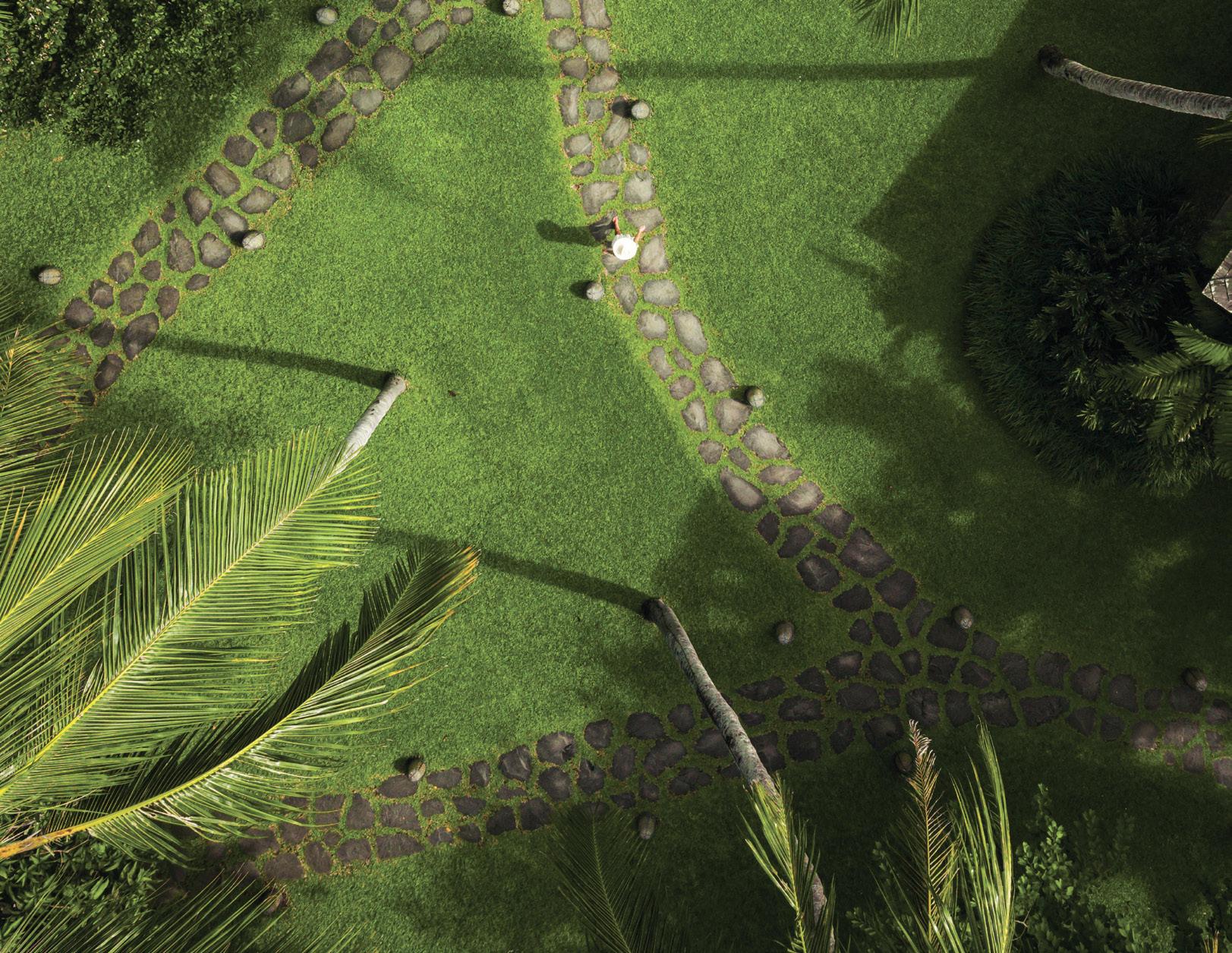
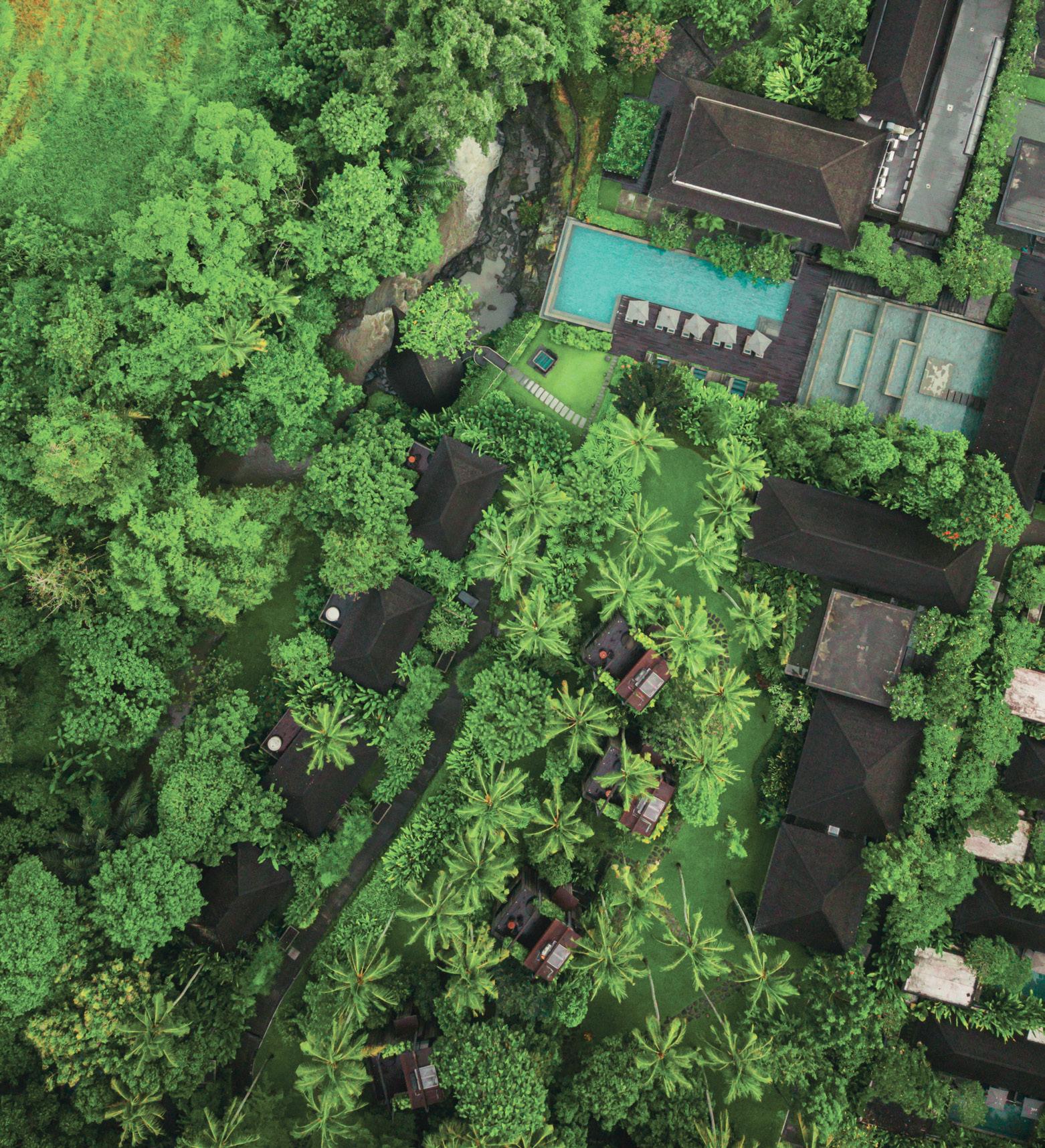
Rob and Sarah, better known as Tripsea Travellers, jetted o to Bali’s Nirjhara a luxury eco-haven that aims to connect visitors with genuine Balinese culture and its stunning natural landscapes.
Ready to explore?
ere is a real joy to a centrally located hotel; a stay where you can drop your bags and walk to everything you need; where your entire weekend is contained in an easy-to-navigate radius.
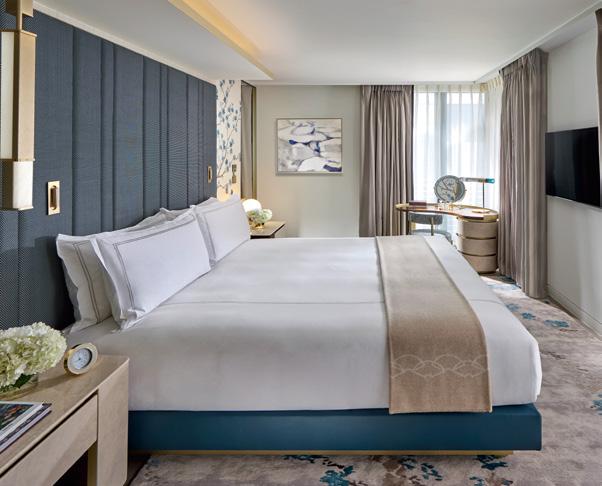
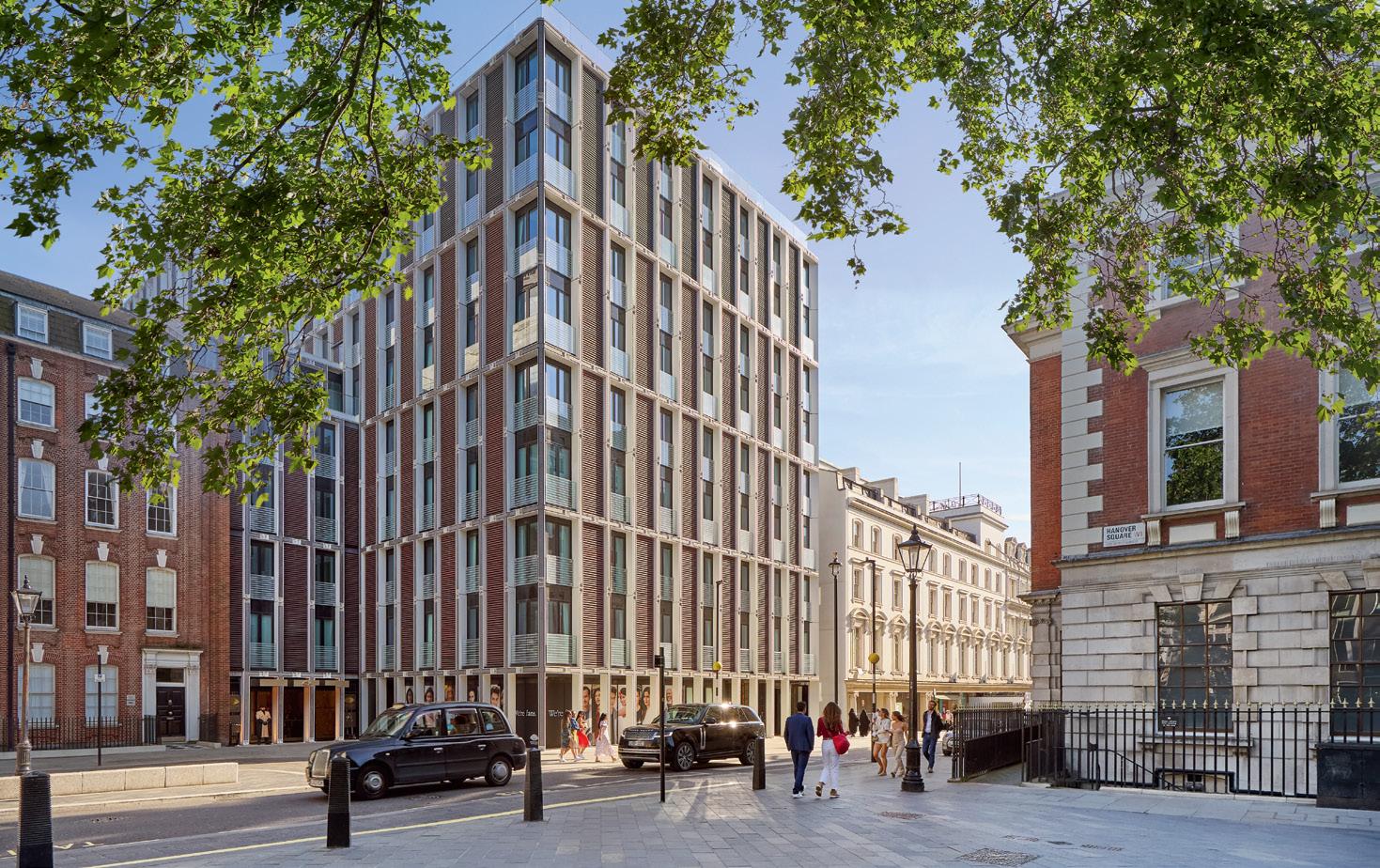
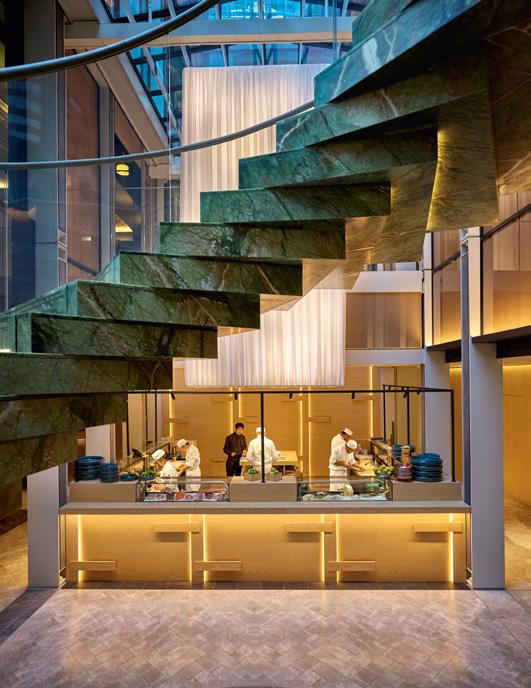
The newest outpost of the Mandarin Oriental occupies a discreet corner of Hanover Square, one of the most storied patches in London, only a short saunter from Regent Street’s flagship shops. In all of its sleek steel-and-glass glory, this 50-key new build from Rogers Stirk Harbour + Partners makes a statement without shouting, feeling like a secret Georgianesque club for the well-heeled. Interiors from Studio Indigo are a study in understated glamour: muted and emerald greens, pops of turquoise, glinting metallics and the kind of soft lighting that makes you look good from all angles. That’s rare green Ming marble in the lobby and spa reception.
Rooms and suites are imagined as a haute couture jewellery box: rich jewel tones, soft creams, luxurious textiles and glinting metallics in bronze, gold and brass. Hand-painted silk wallpaper from de Gournay has flowering magnolias winding up towards the ceiling; the position of each petal is purposefully placed for feng shui. Chinoiserie is a nod to the brand’s Asian heritage.
The spa offers London’s first binaural biohacking treatments, as well as experiences inspired by Mayfair. Guests can swap laps of Regent Street with laps in the pool, and the gym has personal training, reformer Pilates, nutritional consultations and physiotherapy.
Still on ground level, the enormous allday Atrium Restaurant serves its take on Mediterranean and Asian flavours. Somssi by Jihun Kim is a chef’s table experience, diners sitting at a marble bar inside an elemental-inspired setting. The rooftop Hanover Bar’s garden terrace is ideal for sunset cocktails, offering a view that makes the city feel intimate.
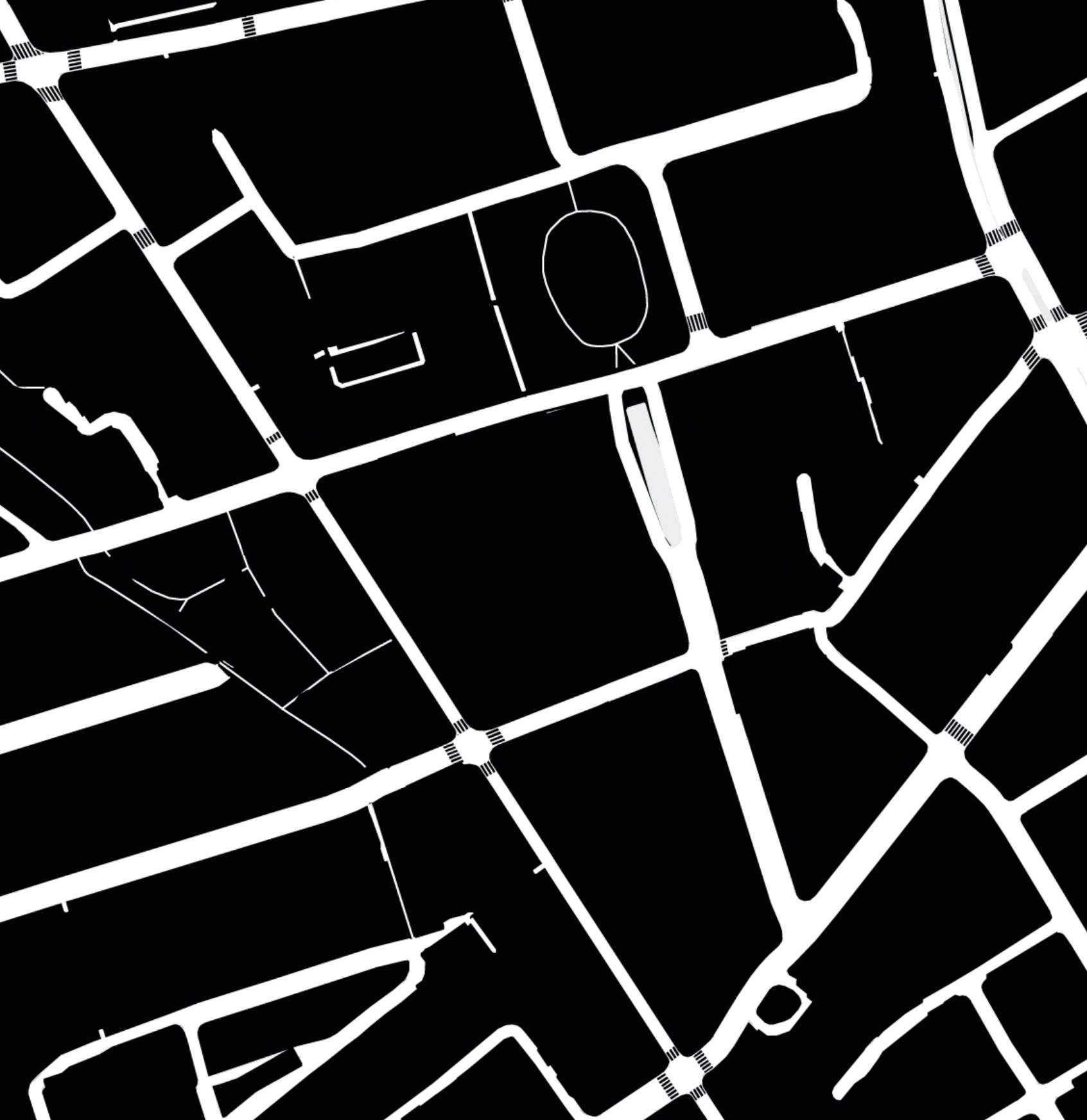
Location is everything here. A short wander delivers you to Regent Street’s boutiques, art galleries and Mayfair’s historic pubs. Whether you’re shopping, dining or simply luxuriating, the Mandarin Oriental Mayfair is a perfectly poised base with just the right amount of theatrical flourish.
50 metres
A rooftop retreat in London, perfect for golden hour with glimpses of the London Eye and Big Ben. Cocktails are inspired by the bar’s namesake and a wine list covers pours from both established and underrated provenance. Light bites lean Japanese, from a red dragon maki roll (spicy tuna, prawn tempura, salmon aburi) to sea bass crudo and Wagyu beef tacos.
150 metres
A New England-meets-London brasserie in a stately townhouse, serving up seafood, steak, cocktails and jazz. This historic address has been reimagined with distinct rooms. The Terrace, located in the former drawing room, is the spot for dinner. The Tavern is part pub, part speakeasy located within the brickvaulted cellars. For late-night sips and DJs, The Powder Room calls.
250 metres
Lively, unfussy and always busy, this is the perfect pitstop for a quick lunch, post-shop snack or casual bite. There are a few shops across London, so you have decent opportunity to try as many flavours as possible. Traditional beef, spicy chicken, and tomato, mozzarella and basil are some of the most popular, and there are vegan options too.
A New York-style steakhouse with London polish. Beef is sourced from Nebraska, the Lake District and beyond, and the restaurant has its own dryageing room to ensure the integrity of the meat carries through from pasture to plate. Chefs check the reserve daily and the beef deemed ready for the kitchen makes it onto the board as “The Cut”.
200 metres
A whimsical Victorian world beneath Brook Street inspired by Jules Verne’s Around the World in Eighty Days. Named after the novel’s protagonist, this watering hole of whimsy is a show-andtell of the adventures of Phileas J. Fogg, Esq. Signature libations are served in potion bottles. A global list of snifters (smaller tipples) and liquors rounds out the drinks, and decor is eccentric.
200 metres
Originally from Los Angeles, this modern Italian steakhouse sprawls across three levels. Handmade pastas, seafood risotto and wood-fired meats headline the menu for classic Italian flavours with a contemporary edge. The interior blends marble, leather and soft lighting for an elegant but approachable mood.
200 metres
Indian dining with inventive sharing plates, bold flavours and striking presentation. This is the second collaboration between Michelin-starred chef Rohit Ghai and entrepreneur Abhi Sangwan, and Ghai’s menu draws heavily on homestyle Indian cuisine. Gold-andteal interiors set a stylish tone.
300 metres
Established in 2018, this Mayfair address is now one of several Grilandia locations across London. Vibrant mezze and Lebanese grills dominate the menu, with smoky lamb, charred vegetables and bright salads arriving in generous portions. Interiors are fashion-forward (think social-media-friendly floral installations) and service is friendly.
KIMBERLEY
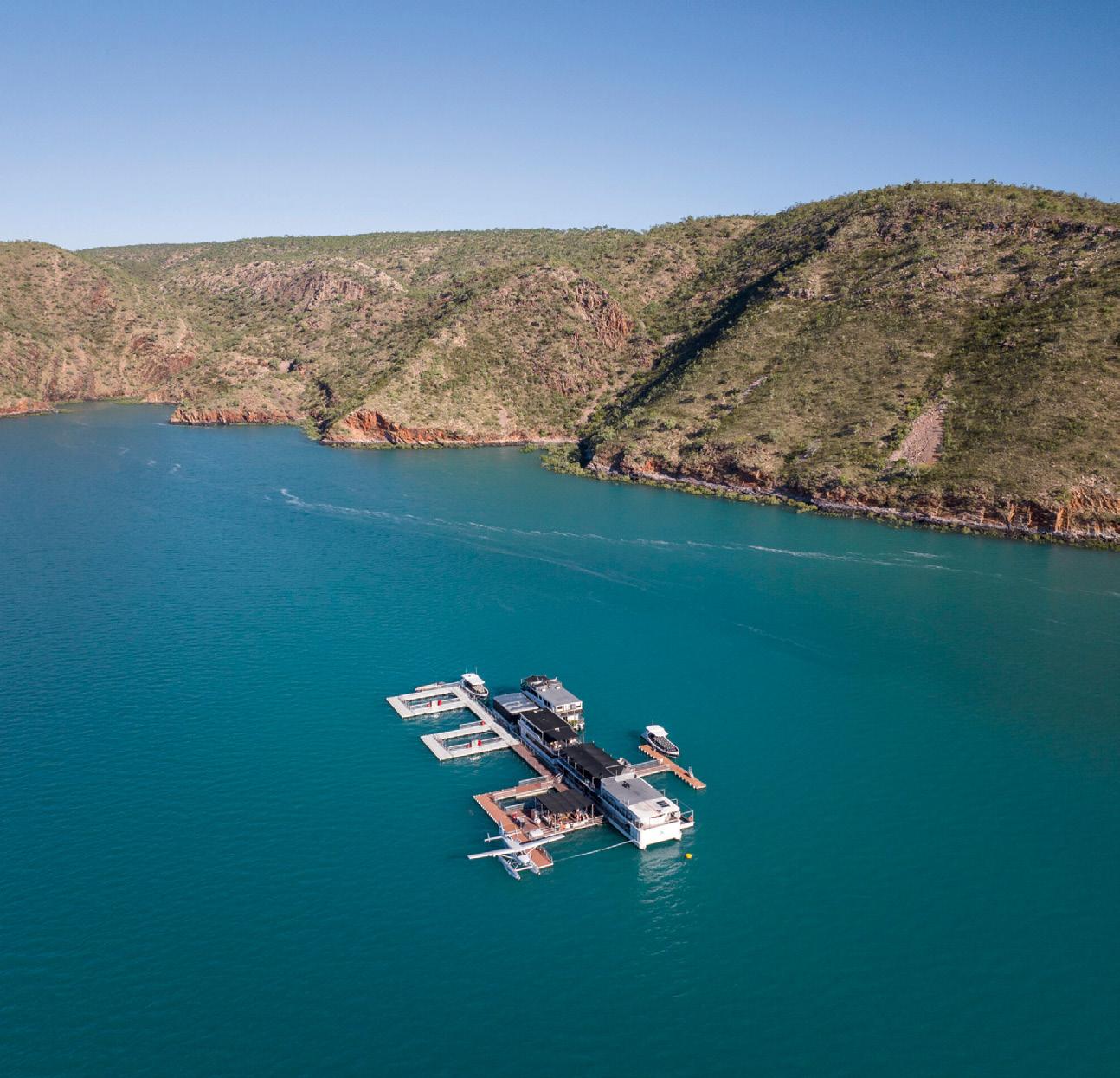
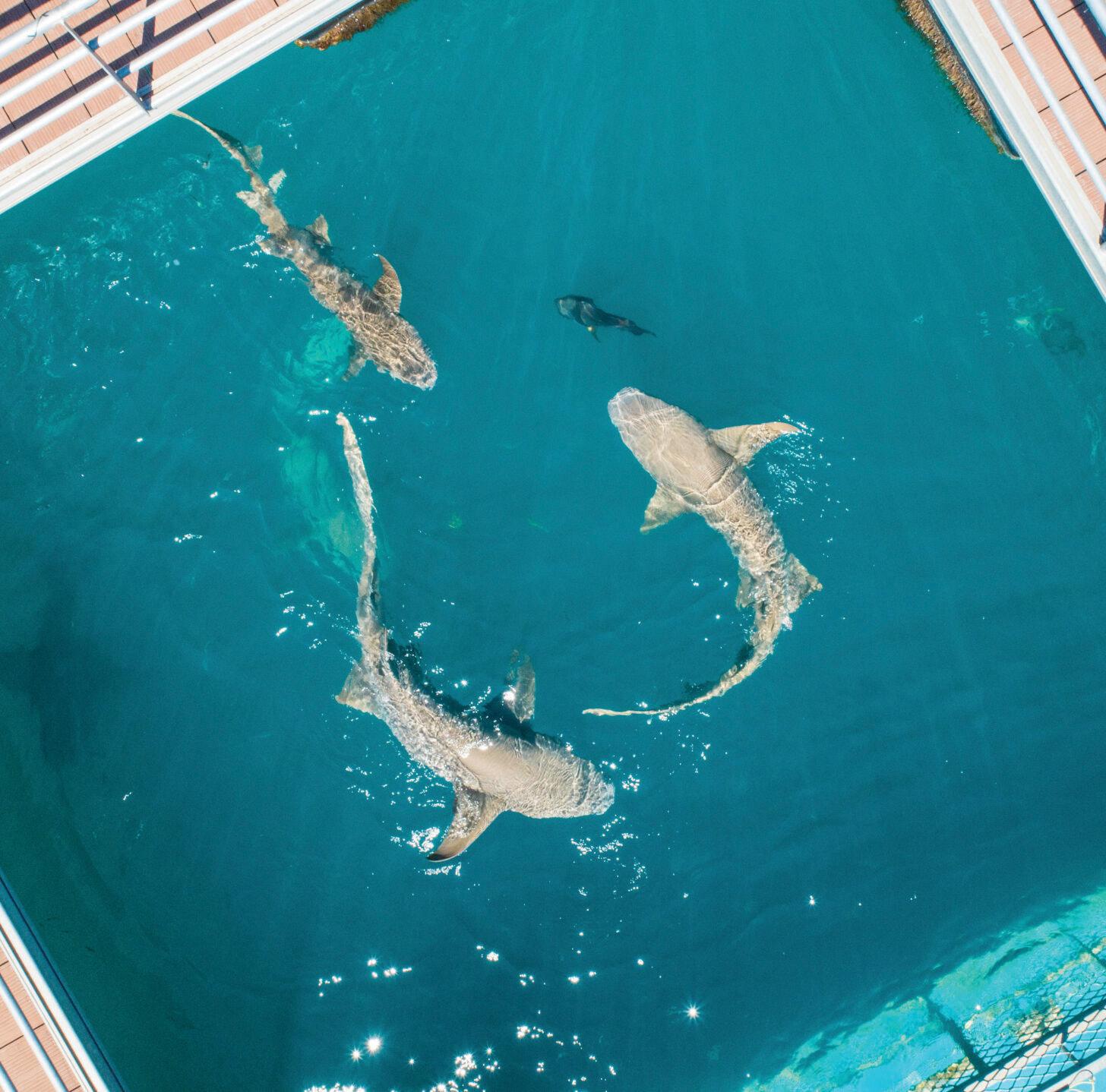
From feeding sharks to meeting camels, tasting the incredible avours of the tropical north and power boating through impossible raging tides, Rebecca Ellwood falls hard for the wild encounters in the Kimberley region.
Growing up in landlocked middle England, swimming with sharks never featured on my bucket list. Yet here I am in the Kimberley wilderness, within arm’s reach of snub-nosed tawnys chomping blindly at barramundi chunks on the water’s surface. They’re on one side of the barrier, I’m on the other, keeping my fingers firmly to myself, in a pool-like enclosure on a floating pontoon.
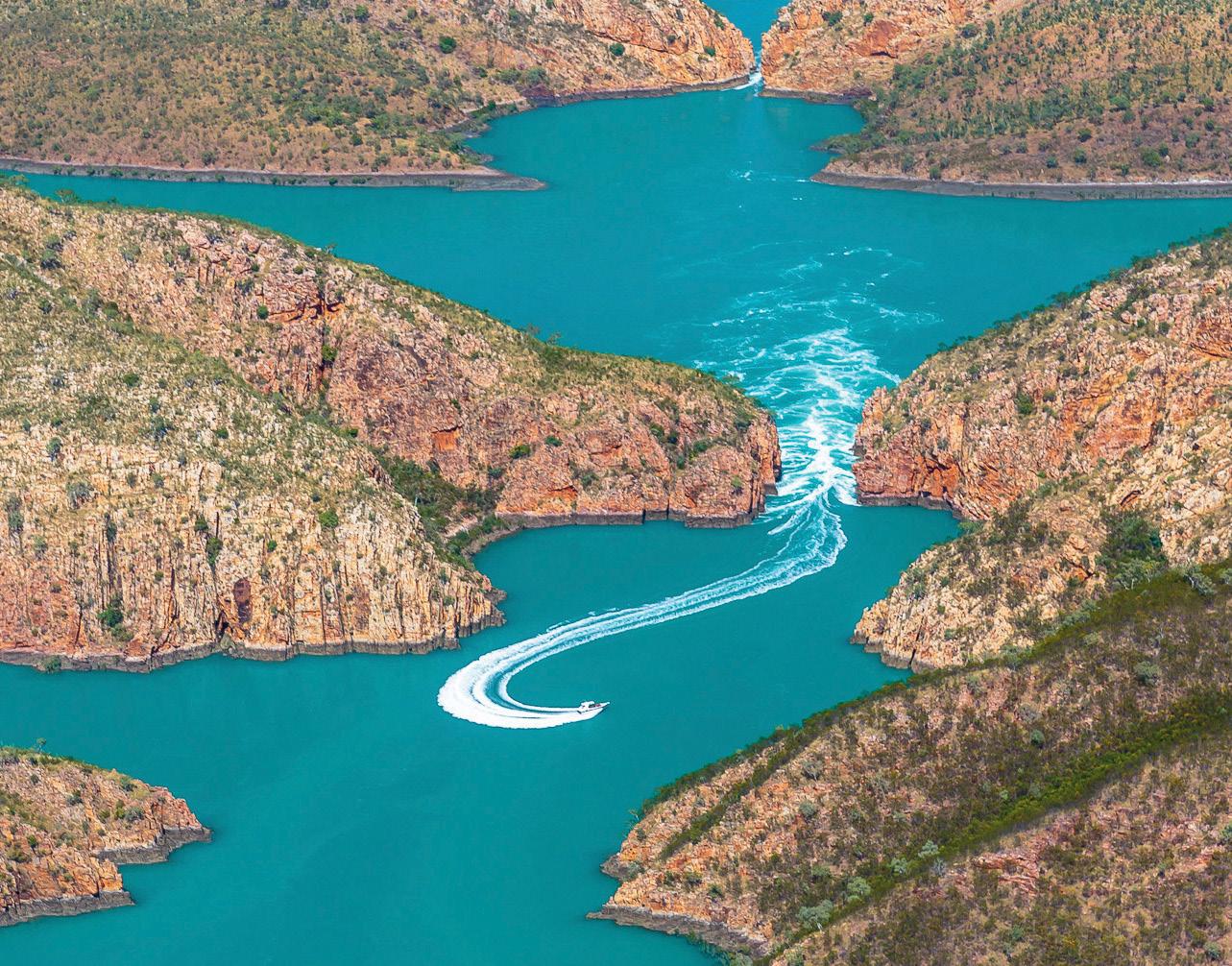
It’s one of many unexpected moments from an overnight stay on Jetwave Pearl, the luxe houseboat of Journey Beyond and Horizontal Falls Seaplane Adventures. Reachable only by seaplane, it’s moored on the unfathomably azure waters of Talbot Bay, a stone’s throw from Horizontal Falls – hailed by a spellbound Sir David Attenborough as “one of the greatest natural wonders of the
world”. Or “Hozzy Falls”, as I hear it affectionately referred to by locals. It is a rare natural phenomenon where competing tidal currents surge through parallel gorges, creating rapids that pass horizontally.
Earlier that day, the sheer force of the water is a spectacle to behold, and to feel, as we zip through the ravines aboard a powerboat. Squeals abound as the vessel soars and drops amid the swirling whirlpools, and we’re peppered with saltwater. Aboard a private charter on calmer, 30-metre-deep waters, I try my hand at fishing for golden snapper and orange spotted cod, another first for this Midlander. After a day in the great outdoors, we’re treated to local Tenderspot Meat Co eye fillet with Café de Paris butter and rosemarysalted potatoes aboard Jetwave Pearl, followed by a deconstructed
coconut pavlova, a riff on the Australian staple by the onboard Naples-born chef, Francesco.
But perhaps the most outstanding of these experiences is the return seaplane transfer to Derby. Drinking in the sheer vastness of this ancient landscape from above is humbling, and as we make the 30-minute journey, I see it as a living, breathing being. The vast, otherworldly mud flats adjacent to the falls are embroidered with the blooming patterns of creeks and mangroves, branching like veins and capillaries; the cracked rock faces are weathered skin; the red dirt the blood beneath. With headphones on, the ride has a feeling almost like being underwater, with an untapped world, usually observed only by nature itself, unfurling.
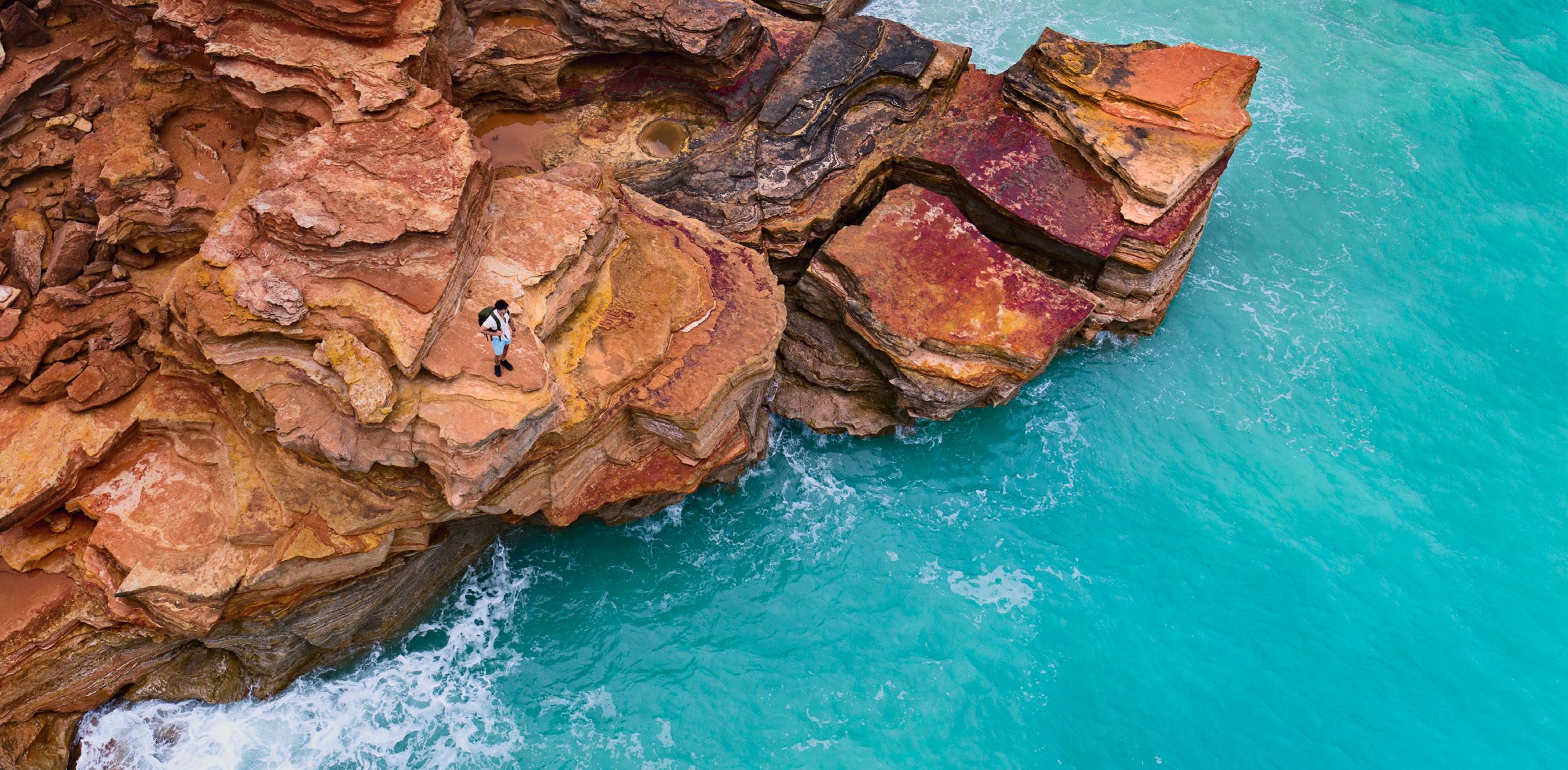
Back down to earth, we board the minibus for our return to Broome, from which Horizontal Falls is a popular one-day or overnight jaunt. We’re hosted here at the beachside Cable Beach Club, an institution that was part of Lord McAlpine’s heavy tourist investment in the region in the 1970s.
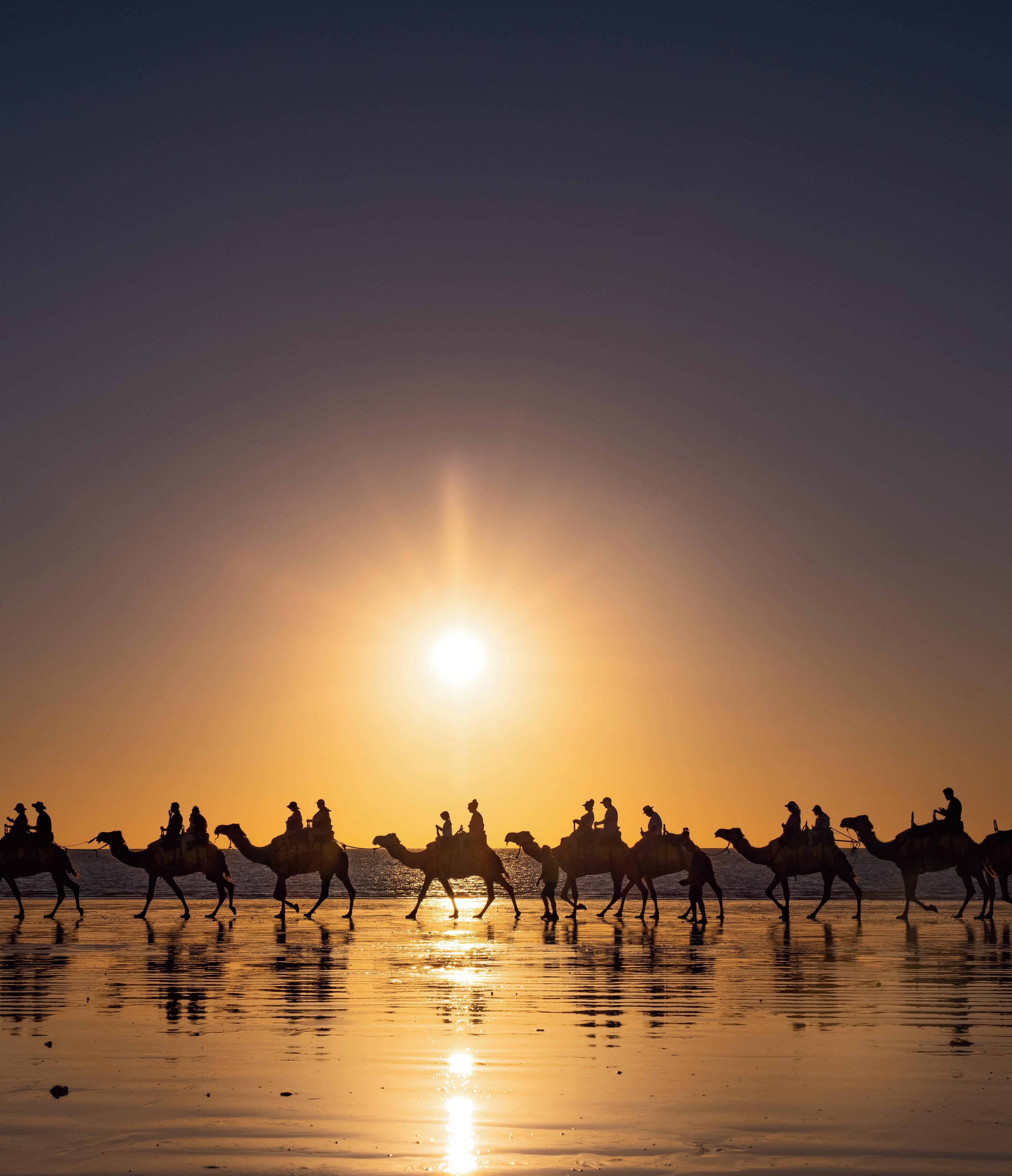
It’s not long before we’re acquainted with the quirky personalities and flappy muzzles of the town’s camels: a fixture on Cable Beach since the ’80s. The image of the camel train, a single-file succession of the mammals led by a guide beside the Indian Ocean, is an iconic one, symbolic not only of Broome, but Australian tourism. It’s quite something to see it in person, en route in full lavender-andtangerine-technicolour, the ethereal tones of sunset mirrored in the glassy reflections on the sand.
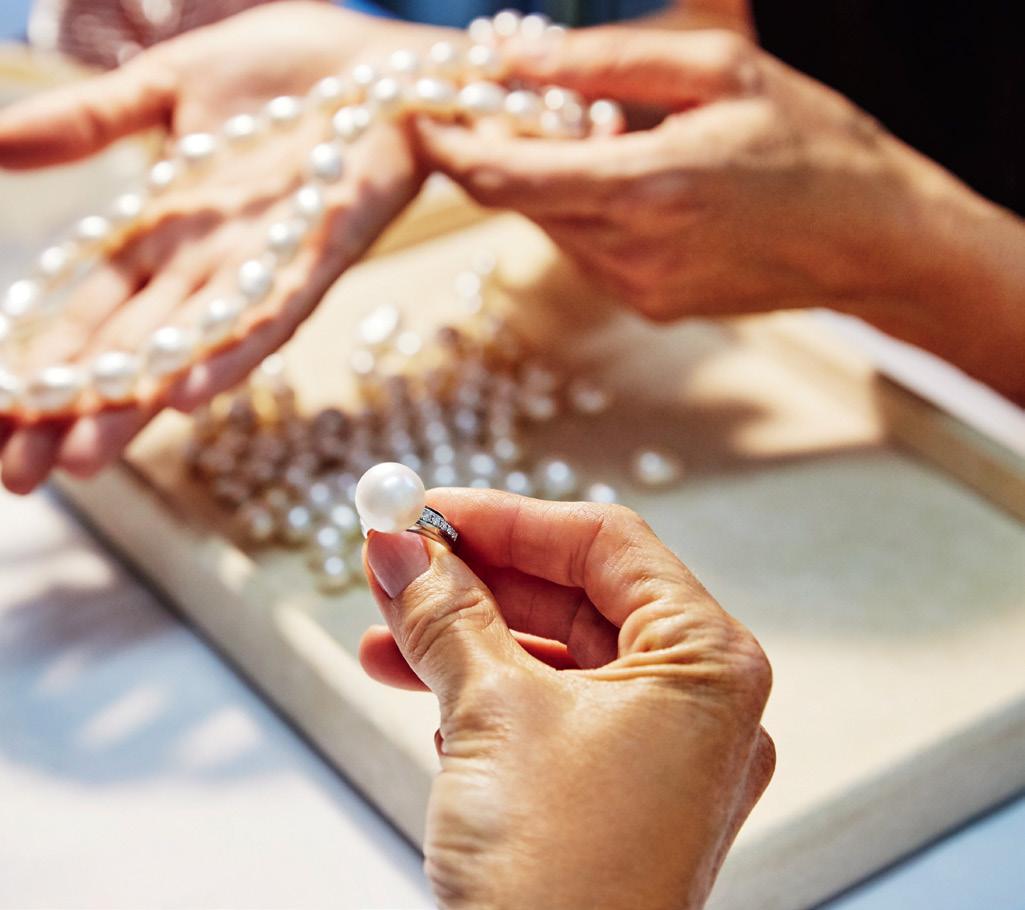
These knobbly-kneed, musky-smelling creatures are a legacy of Australia’s cameleer history and settlers in the region, of which there have been masses. In the late 1800s, the golden age of Broome’s pearling industry, thousands of divers, boaters and deckhands flocked to the town in search of wealth and opportunity, from Japan, Malaysia, Indonesia and the Philippines. This resulted in a blended community that is uniquely diverse to this day; the rickety tin-roofed buildings of Chinatown remain where once, as legend has it, there were opium dens and brothels. On an insightful Broome & Around tour, we visit Cygnet Bay Pearls, the showroom of Australia’s oldest, family-run cultured pearl farm. A weathered, ocean-crusted oyster
shell is prized open before us, the iridescent gem daintily plucked from its fleshy cocoon. So embedded is Broome’s pearling legacy that even the nearby Moontide Distillery uses this oyster mantle in its Pearlers Gin blend.
Another popular local tipple for counteracting the heat is Matso’s thirst-quenching ginger beer. Said to be Australia’s first alcoholic iteration, it’s served with humour at this artsy brewery (ask what its combination of ginger and mango beer is called, if you’re not easily offended). At Spinifex Brewing Co, tank-to-tap beer and woodfired pizzas loaded with plump prawns are shared by moonlight behind Cable Beach. Its hospitality is even enjoyed by the camels, who pass by for a carrot over the fence come afternoon.
After a whirlwind few days, what will remain imprinted on my mind – and heart – is the kaleidoscopic colours of the Kimberley, from the red earth, cerulean waters and white sands of Broome to the Edenlike ranges of the Falls. After all, it will forever be the setting for my shark story to scare the English folk back home.

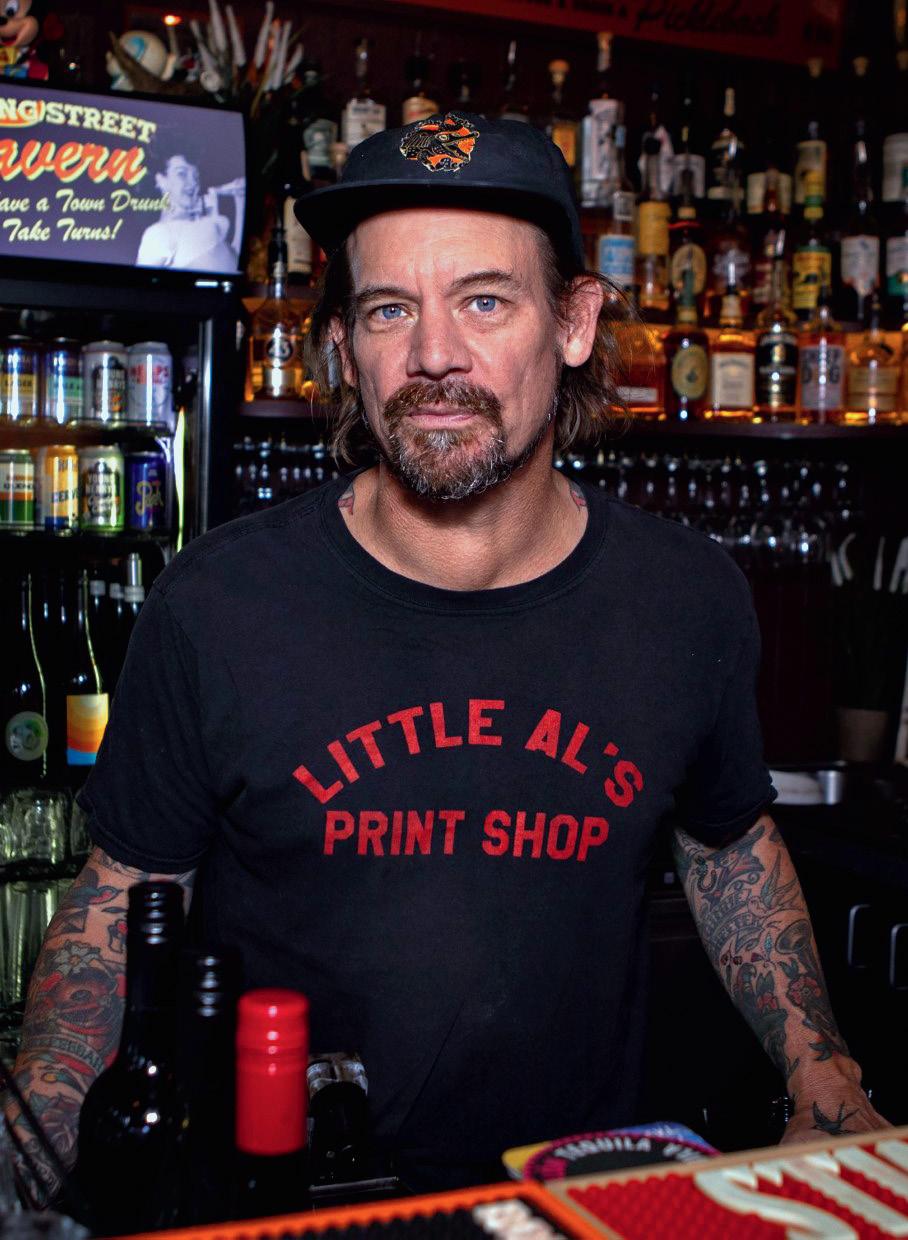
e bartender’s handshake is a traditional greeting between hospitality workers; it might take the form of a signature cocktail or a simple shot. We shake hands with Clint Hyndman, Something for Kate drummer and owner of Frankston’s hottest live music bar, Young Street Tavern.
Being a bar owner isn’t Clint Hyndman’s only claim to fame. For more than three decades he’s been the drummer for ‘90s alternative rockers Something for Kate, picking up 11 ARIA nominations and a trailblazing early spot on Triple J’s Like a Version (with a reworking of The Clash’s Rock the Casbah).
“It’s a funny story,” says Clint. “After spending my twenties and thirties making records, it was a time for a little break while our lead singer, Paul Dempsey, went and did a solo record. I always thought it’d be fun to open a bar – with zero experience apart from drinking in them – so in 2007 another mate and I opened Yellow Bird on Chapel Street.”
Yellow Bird was part rock ‘n’ roll dive bar, part Tex-Mex eatery, with cocktails by the jug and a grungy-comfy vibe that’s become increasingly rare in Melbourne. “People dug the vibe, and that was good enough for me,” laughs Clint. “After that, I caught the bug.” It was followed by finedining whisky den The Woods of Windsor, five doors up the street. When Clint moved to the Mornington Peninsula, Loosie’s Diner & Bar and Slim’s Hot Pizza came soon after.
“We were looking at another location in Mornington for a while,” Clint says. “It was basically by chance we found the site for
30ml Tito’s vodka
30ml Aperol
15ml agave syrup
15ml lime juice
15ml pineapple juice
Add all ingredients to a cocktail tin, shake hard with ice; double strain over ice. Garnish with a slice of pineapple and a frozen frond.
Young Street Tavern. Frankston wasn’t on our radar, but the building had such a cool vibe we decided to jump right in.”
With a beer garden inspired by the beer barns of Austin, Texas and an upstairs band room, the venue has so far hosted acts like Tim Rogers, Steve Kilbey, Kim Salmon and Frankston’s next big rock outfit, The Gnomes. On non-gig nights the energy is relaxed and decidedly local, with trivia nights, a menu of pub classics and a returning Thursday night darts competition.
The Frankston area was where Clint grew up and where he helped his parents manage a local milk bar on nearby Heatherhill Road. “It’s like my life’s come full circle.”
“Lucky’s has been in Frankston for more than forty years. I only discovered it after walking out of one of the best tattoo parlours in Victoria – Frankston Tattoo, owned by fellow drummer Danny Young of Eddy Current Suppression Ring. Lucky’s has got the most incredible pastrami and mortadella rolls all for under $10.”
“A real Frankston hidden gem –maybe I shouldn’t disclose it! It’s a rehearsal studio that hosts some of the best underground, local and international bands you’ll see, serving only cans of booze and good times. I rehearse there most Thursdays with a band I’m playing in. Good luck finding it.”
Woodfired pizzas and timeless disco meet at this laidback restaurant. “This is a ripper venue located in Frankston’s often ignored industrial area. Great cocktails, tasty food and a killer vibe.”
“It’s a great place to go with mates and drink something you may not have seen before.” There’s even a bottle shop attached for those who have found a new favourite drink.
“It’s where I get my morning coffee, a no-frills cafe with super friendly service. They remembered my order after the second time I went in. I love that. It’s what I always pride my service as a bartender on, knowing names and remembering faces.”
Fly nonstop from Melbourne to Male in less than 12 hours

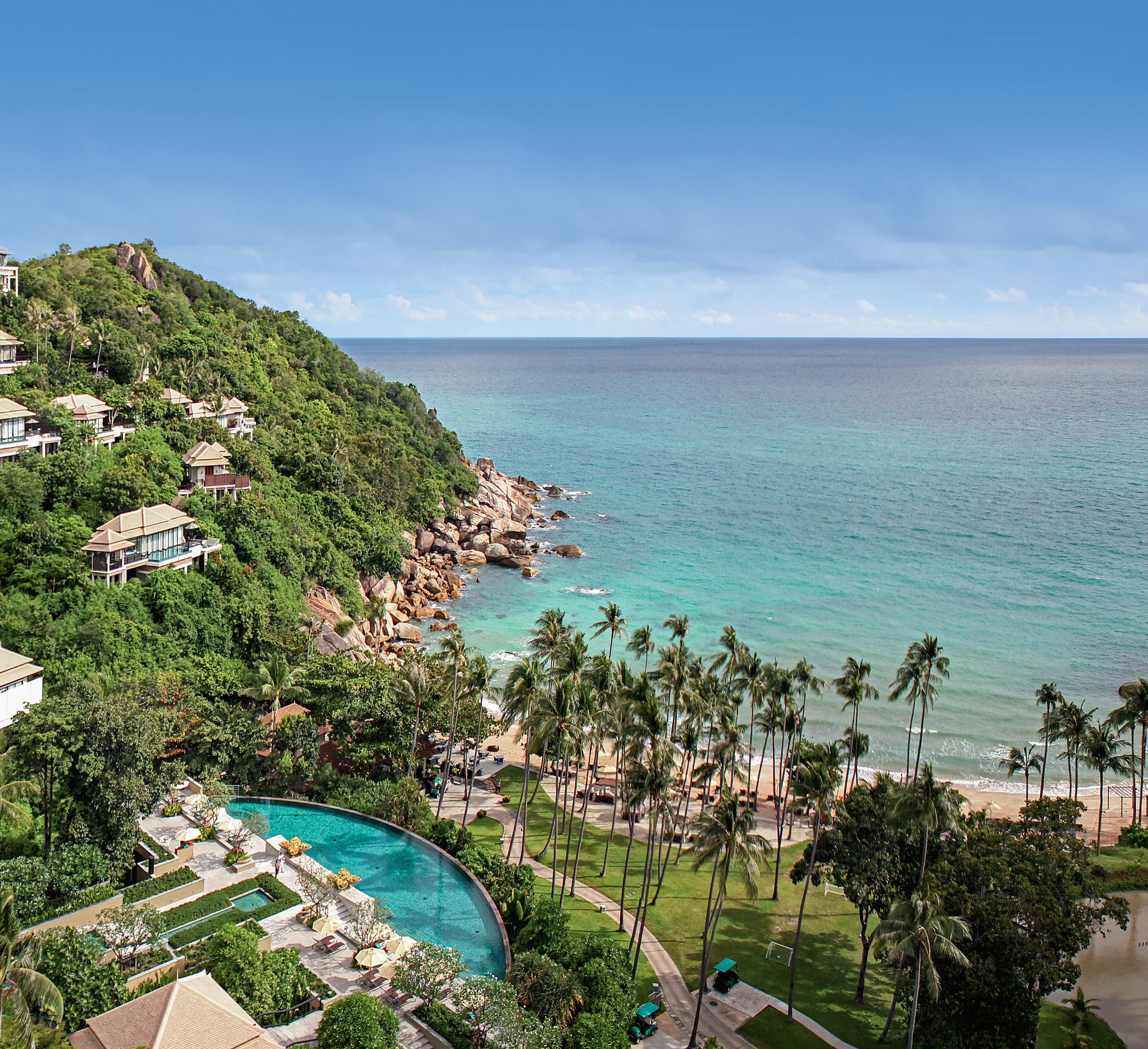
KRABI/KOH SAMUI
Faced with the di cult choice of doing nothing or doing it all on a trip to ailand, Helena Melton picks a pair of Banyan Tree resorts, on opposite sides of the ai coast, that allow her the perfect mix of relaxation and adventure.
I’m someone who thrives on contradiction. I hate being scared but love horror films. I’ll drink hot tea in a heatwave. So instead of choosing between total relaxation and non-stop adventure for my next holiday, why not lean into both? On Thailand’s east and west coasts, Banyan Tree has created two resorts that perfectly reflect these opposing moods. Pairing them felt like the answer. With a stack of books in one bag and walking shoes in the other, I set off to experience the best of both worlds.
While it is known for its thriving nightlife scene, Koh Samui (Thailand’s third largest island just off its east coast) is surprisingly peaceful, exuding a laissez-faire vibe. Time ambles along here at the same pace as people shuffling along in their thongs, usually in the direction of the beach. My guide tells me over a steaming bowl of tom kha gai soup at Saffron (the resort’s onsite restaurant dishing up Thai classics) about his family getting day passes to hotel pools to while away the days when the mercury skyrockets.
In keeping with this nonchalance, Banyan Tree Samui is inspired by traditional Thai villages, with each building elevated off the ground on towering pillars to protect from the heat and flood waters, and featuring spires and finials inspired by local temples. Walking into my private villa high up in the hills, the sounds of the thriving resort seem to melt away and are replaced with birds singing in the trees, cicadas chirping, coconut trees swaying in the gentle breeze and waves lapping against the shore of the private beach in
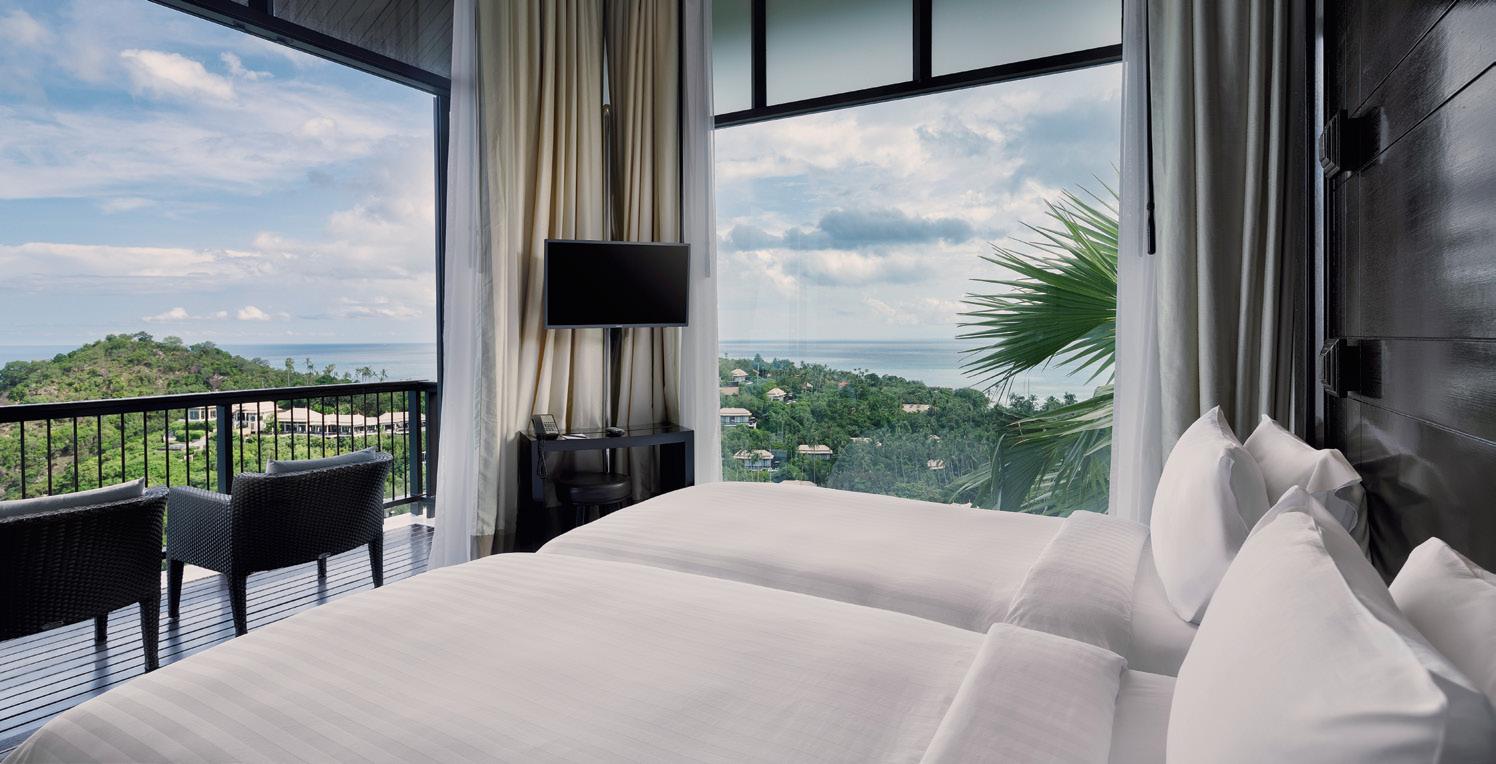
the distance. Inside, the homage to the traditional continues and creates a space that exudes tranquillity, with materials like dark wood and cork juxtaposing pops of golden yellow and chartreuse satin. There is no shortage of nooks for me to embody Koh Samui’s carefree ethos – the deep bathtub with views over the forest, the pool lounge under the lip of an awning or in the shade on the outdoor day bed.
After an arduous day of doing nothing, there’s only one thing left to do: visit the private beach. I’m chauffeured by golf buggy down the winding path to a crescent of soft yellow sand, and as I take a seat on a sun lounger I’m informed by a staff member that since a storm passed through a few days before my arrival and dispersed the sand, I can wear a pair of funky neoprene booties to protect my feet from any exposed underwater rocks. Naturally, I’m obsessed with them. Wading into the water, my new accessory hinders my walking speed, so even here I’m required to slow down and appreciate my surroundings.
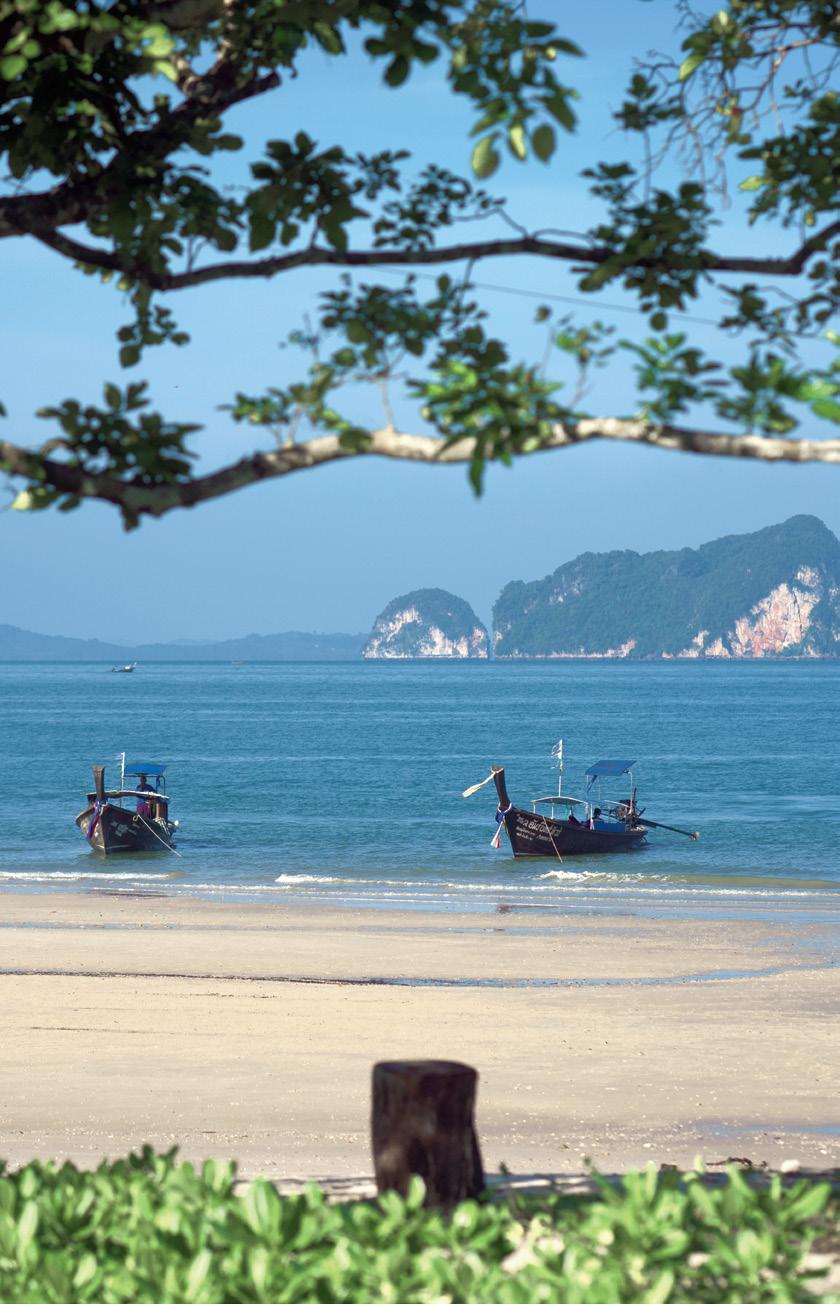
In contrast to Koh Samui’s chill vibe, Krabi is a tourist hotspot for island-hopping. As the gateway to more than 200 islands off Thailand’s southwest coast, it buzzes with a restless energy from the moment you arrive. On the promenade of Ao Nang –a small fishing town turned nautical launchpad – travellers with packed itineraries move like city slickers, and every few steps a counter promises passage to private beaches and secluded islands.
Aboard one of these longtail adventures, we head for Railay Beach, a stretch of sand surrounded by karst islands and that is only accessible only by boat. Out on the water boats criss-cross the superhighway out to sea, the cool spray a welcome reprieve from the scorching sun. My sea legs nearly give way stepping into the bay, but I recover quickly, distracted by the towering limestone cliffs surrounding the beach.
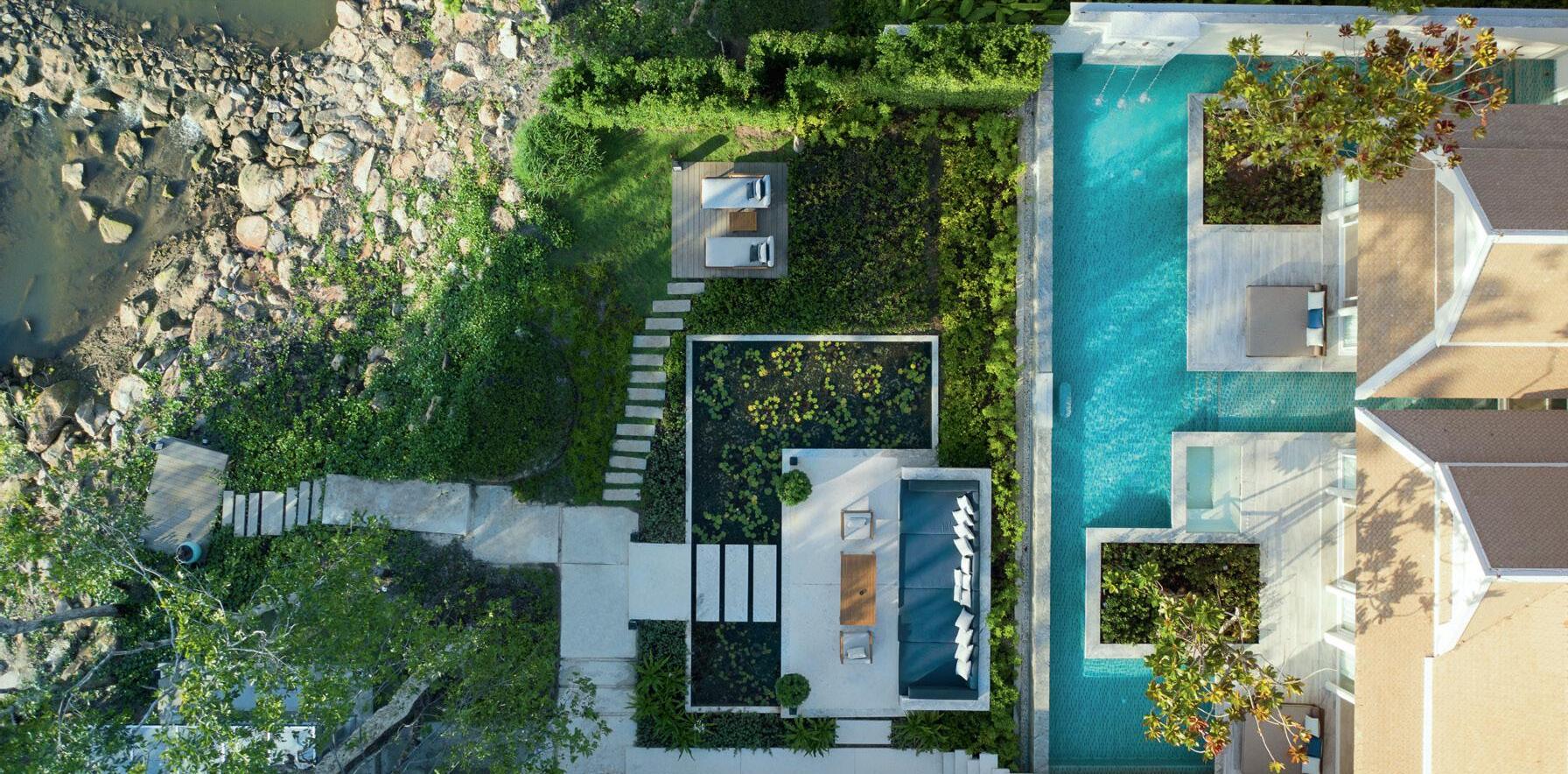
Banyan Tree Krabi provides a minimalist escape from the main town’s energy. The crisp white walls, soft lighting and muted colour of my villa create a space that’s primed for decompression. The large turquoise pool snakes around the perimeter, and from the pool lounge I can see manicured parklands and a winding river that flows in from Hat Nappharat Thara-Mu Ko Phi Phi National Park. Further on the sparkling ocean, peaks of Khao Ngon Nak (Dragon Crest Mountain) and Forest Islands pierce the horizon. A new scent is delivered to your villa each day to soothe your nerves after a long day of travel, so today the intermingling aromas of pine and amber waft into every room (apparently designed to “take away apathy and anxiety while restoring peace and energy”). Maybe this aromatherapy thing works, because I drift off for a nap in the sunshine and awake feeling refreshed.
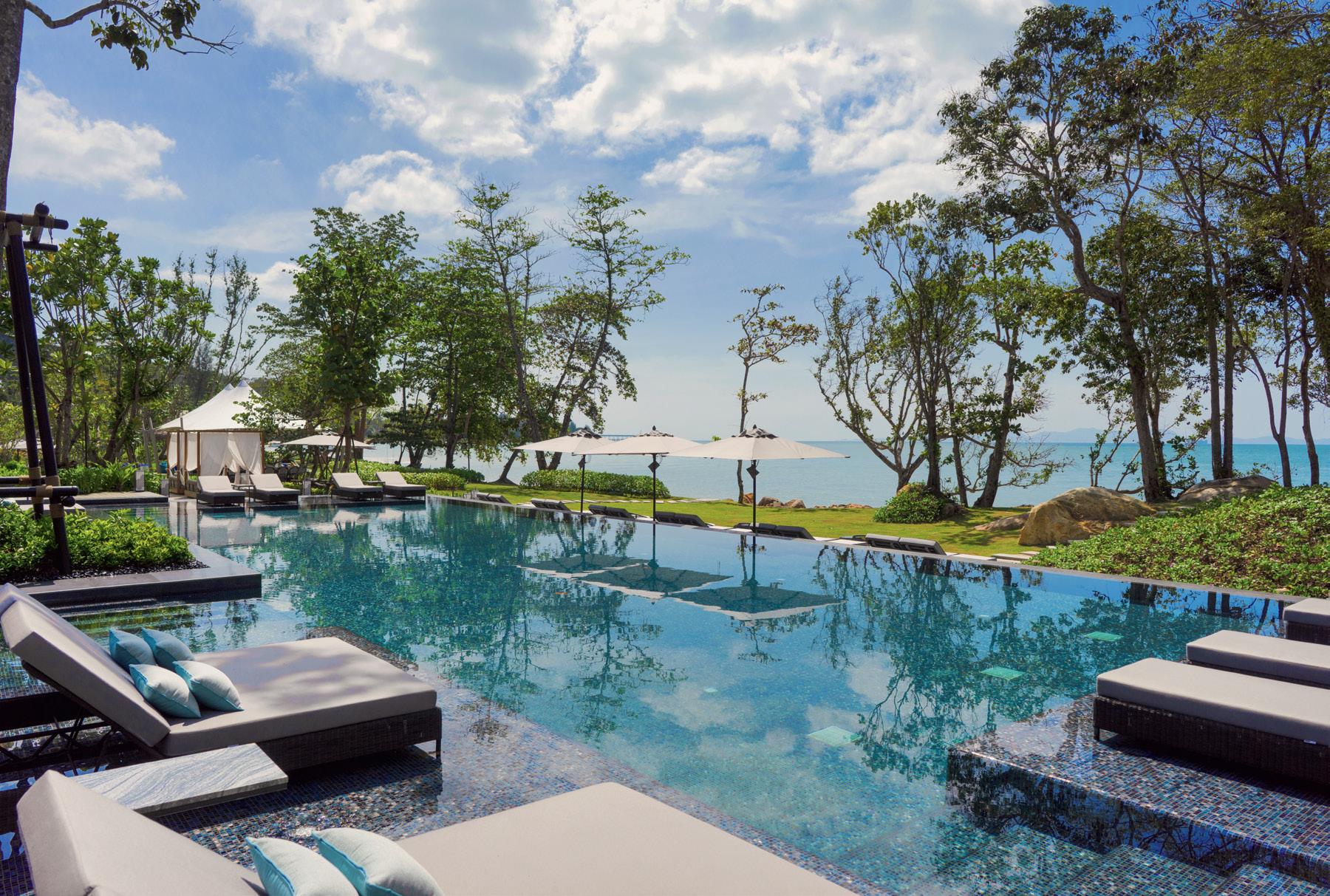
Living under the watchful eye of Khao Ngon Nak means that the mountainside encroaches on the resort’s grounds, so building vertically was essential. Where others would include an elevator, Banyan Tree Krabi decides to bring the adventure to your doorstep with a funicular railway, decked out with comfy seating and soothing ambient lighting. I take my seat and climb upwards towards the sky. As I ascend, the whole resort comes into view: the pool sparkles in the waning sunlight, glass lanterns flicker into life and swooning couples eagerly make their way to their next meal in paradise. Staff zip this way and that on golf buggies with an energy that never seems to deplete, mirroring the vibrancy of Ao Nang. Taking in this awe-inspiring view, my legs a little sore from adventuring, I feel like I’ve struck gold with this itinerary. I feel simultaneously invigorated and relaxed, a very pleasant contradiction.
Join Société to earn and use points on Luxury Escapes The ultimate rewards program to elevate every escape
“It’s all about deep tradition here; there’s probably nowhere better to go for classic Milanese cuisine. Food is served in a countryside farmhouse, the menus are handwritten and the saffron risotto is utterly delicious.”
Ratanà
Upon opening in 2009, Ratanà helped redefine Milan’s dining scene. Inhabiting a building that was once a cinema and then a tram depot, Chef Cesare Battisti’s restaurant similarly reinvents Lombardy classics like mondeghili (Milanese meatballs fried in bread).
“It’s all in the name.” At this rustic sushi counter, Chef Wicky Priyan blends Japanese technique and Mediterranean ingredients to create what he claims can only be described as “Wicuisine”. It’s gained the restaurant a cult following among Milanese chefs.”
Mangiari di Strada (“street food eatery”) celebrates Italy’s often-overlooked hawker traditions, with offerings ranging from cold-cut sandwiches to Sicilianstyle arancini balls.
Pizzaiolo Denis Lovatel’s alpineinspired pizzas are crispy, ultra-thin creations topped with mountain herbs, forest fruits, wild nuts and northern cheeses. “It’s as far away from Neapolitan pizza as you can get … and one of the most talked-about in Italy.”
Luxury Escapes’ Signature Series: Italy & Spain with Matt Preston and Gary Mehigan visits some of Italy’s nest restaurants. We pull up a chair with Italian celebrity chef of Milan’s Cracco in Galleria, Carlo Cracco.
Don’t let Italy’s reputation as a stickler for tradition fool you: from Galileo Galilei to Federico Fellini, the country’s best trailblazers have always known that rules exist to be broken.
Venetian celebrity chef Carlo Cracco understands this better than anyone. After studying under Gualtiero Marchesi, the godfather of Italian nouvelle cuisine, Carlo became renowned for his high-flying reinventions of Italian classics, challenging rigid culinary ideas and transforming ordinary ingredients – onions, eggplant, potatoes, eggs – into extraordinary plates.
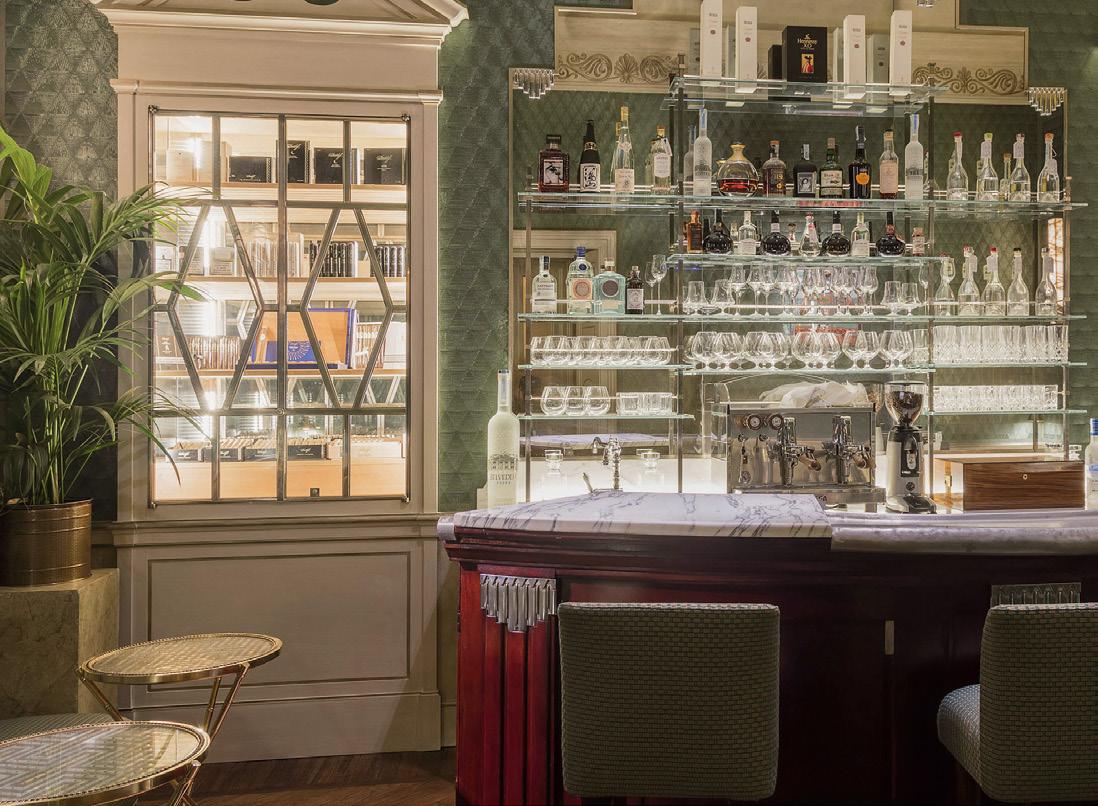
He’s gone on record as saying that his cuisine is “about knowing when to leave well alone, and when to introduce a touch of madness”. Cracco in Galleria, his flagship restaurant in Milan, takes it to the next level. Unfurling across four levels of the city’s iconic Galleria Vittorio Emanuele II – the country’s oldest shopping arcade –
“My marinated egg yolk recipe is famous,” Carlo laughs. “It’s actually a perfect example of rule breaking with restraint. It looks radical, but the ingredients are simple –mostly it’s just salt, sugar and time. But it’s the foundation of so many of our other recipes: rolled with a pin into pasta, grated as a garnish (chicken bottarga) or even turned into mayonnaise. It sounds like I’m bragging, but the recipe is everywhere now. It’s become a shared heritage among modern Italian chefs.”
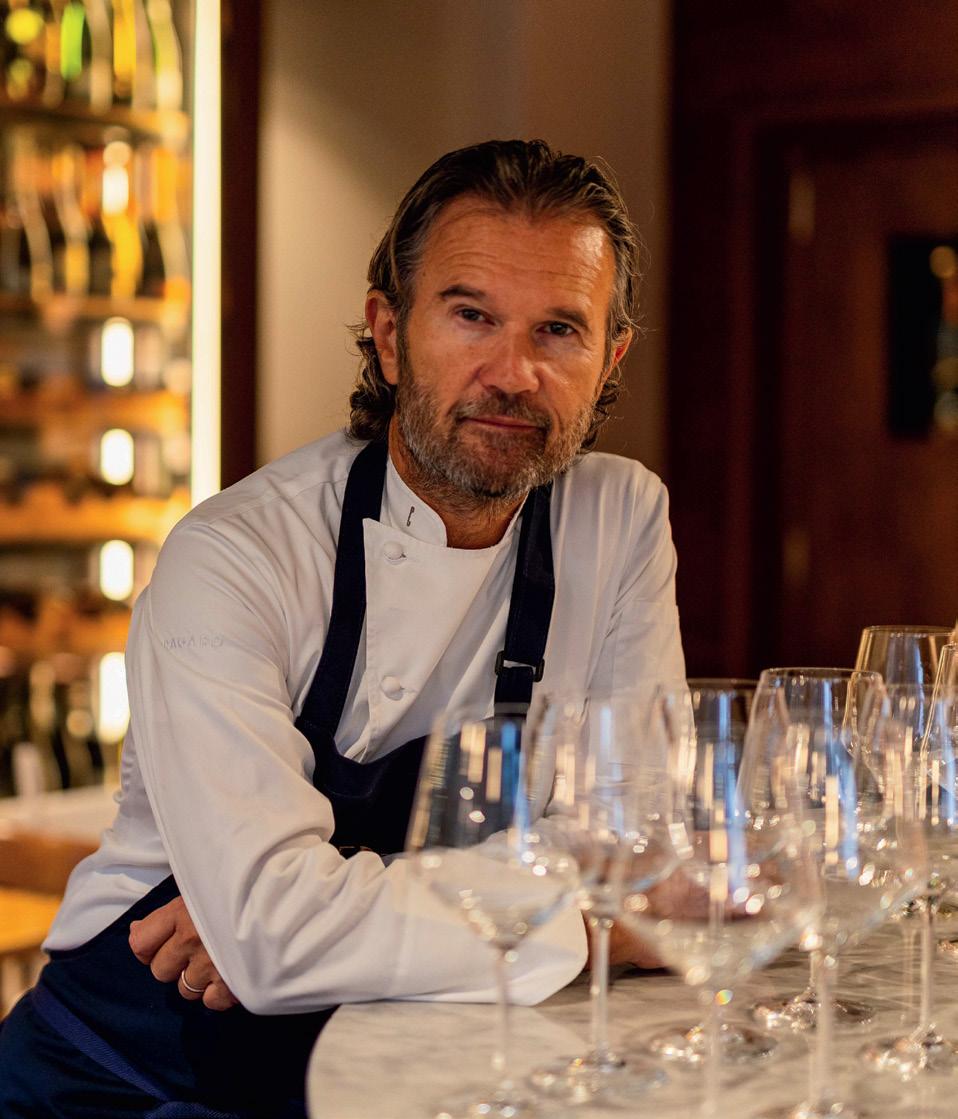
beyond the dining rooms it includes a cafe, patisserie, contemporary art gallery, caviar lounge and one of the city’s largest wine cellars, holding a staggering 10,000 bottles.
“It’s a lot, but Cracco in Galleria is more than just a restaurant,” he says. “It’s my attempt to restore the Galleria to its old status, to its position as Milan’s living room –a place for anyone and everyone.”

e warm welcomes of legacy families like the Pizzinis and Dal Zottos remain but there is a renewed energy to the King Valley these days, led by fresh young faces. Paul Chai takes a trip along the famous Prosecco Road.
Victoria’s King Valley is a giant hiding in plain sight. Bottles of wine from names like the Pizzinis and the Dal Zottos are ubiquitous on restaurant menus Australia-wide, but when you make the three-hour drive north of Melbourne, the languid pace, the picturesque villages and the genuine warmth of the producers and providers still make you feel like you have discovered a regional secret.
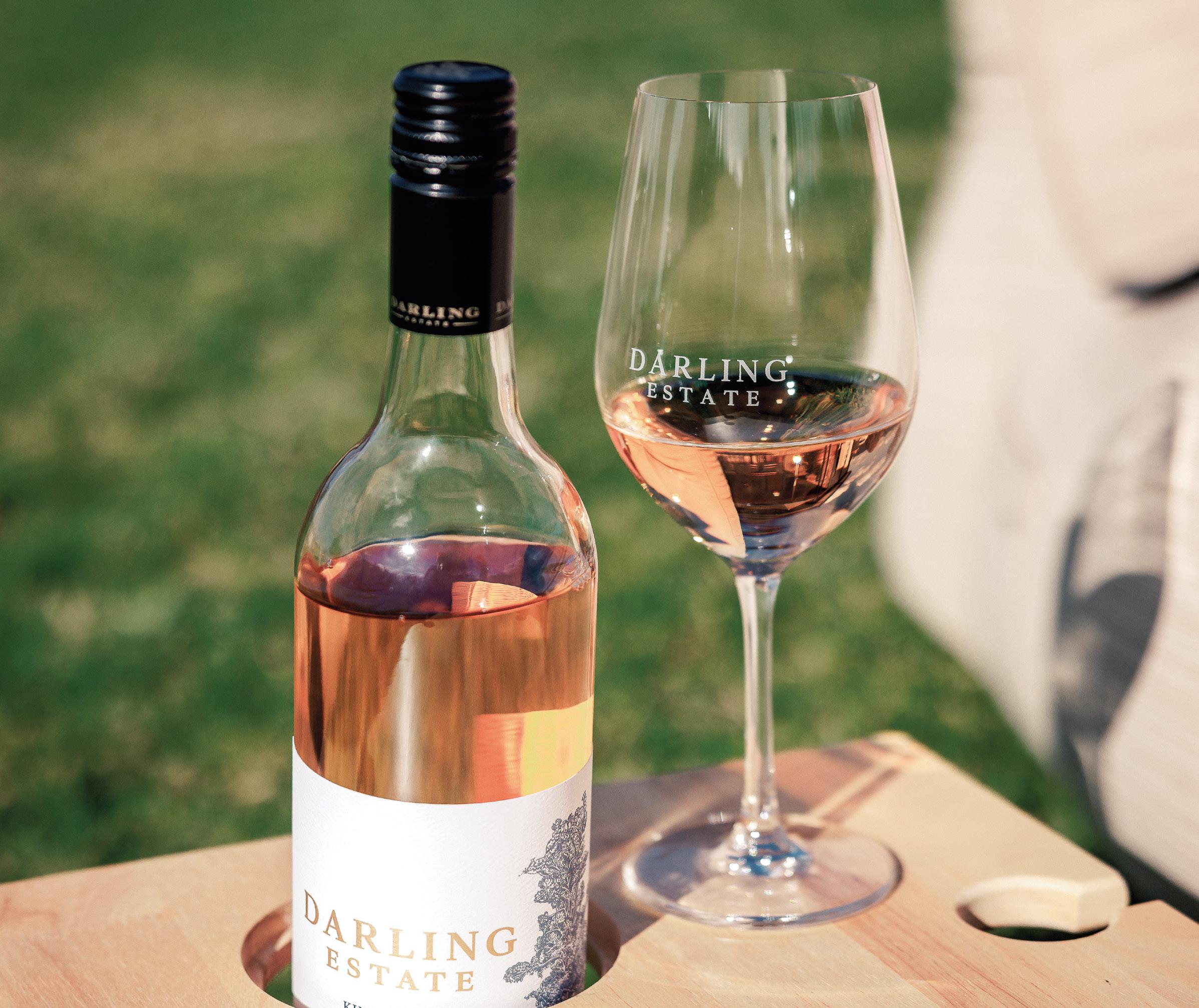
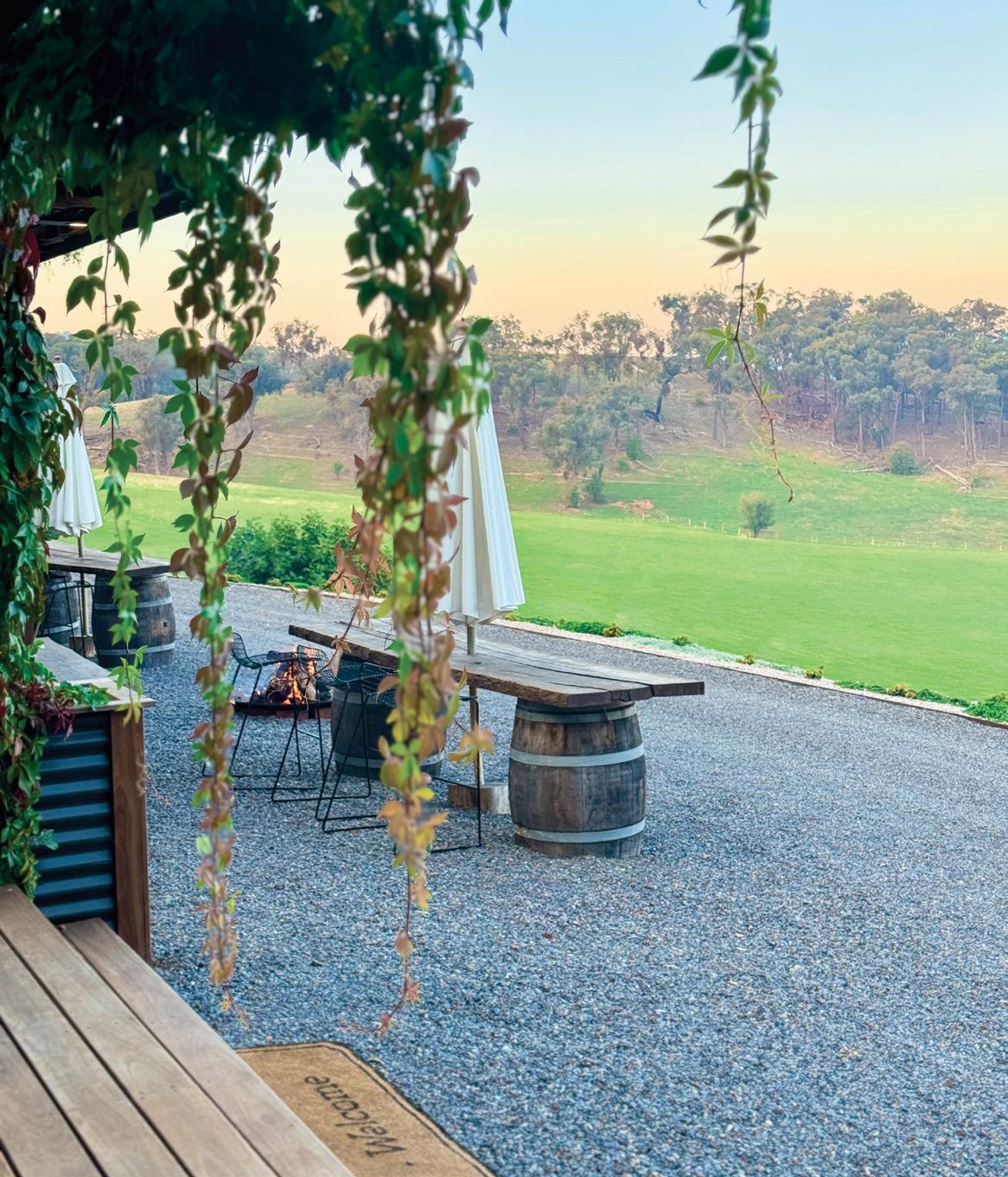
At Darling Estate there is an actual hidden behemoth just beyond the buzzy new cellar door. The Koombahla
vineyard takes the Indigenous name of the 42-metre-high brittle gum that towers over the grapes; it is listed as a tree of significance with the National Trust because it is almost double the size the species usually reaches.
We are sitting in the sun, tasting wines with sisters Sophie and Grace Darling as the outdoor tables fill up with locals and travellers. We are talking mega trees, bold grape flavours and how the farm’s sizeable bull has been relocated to allow for this new local hangout.
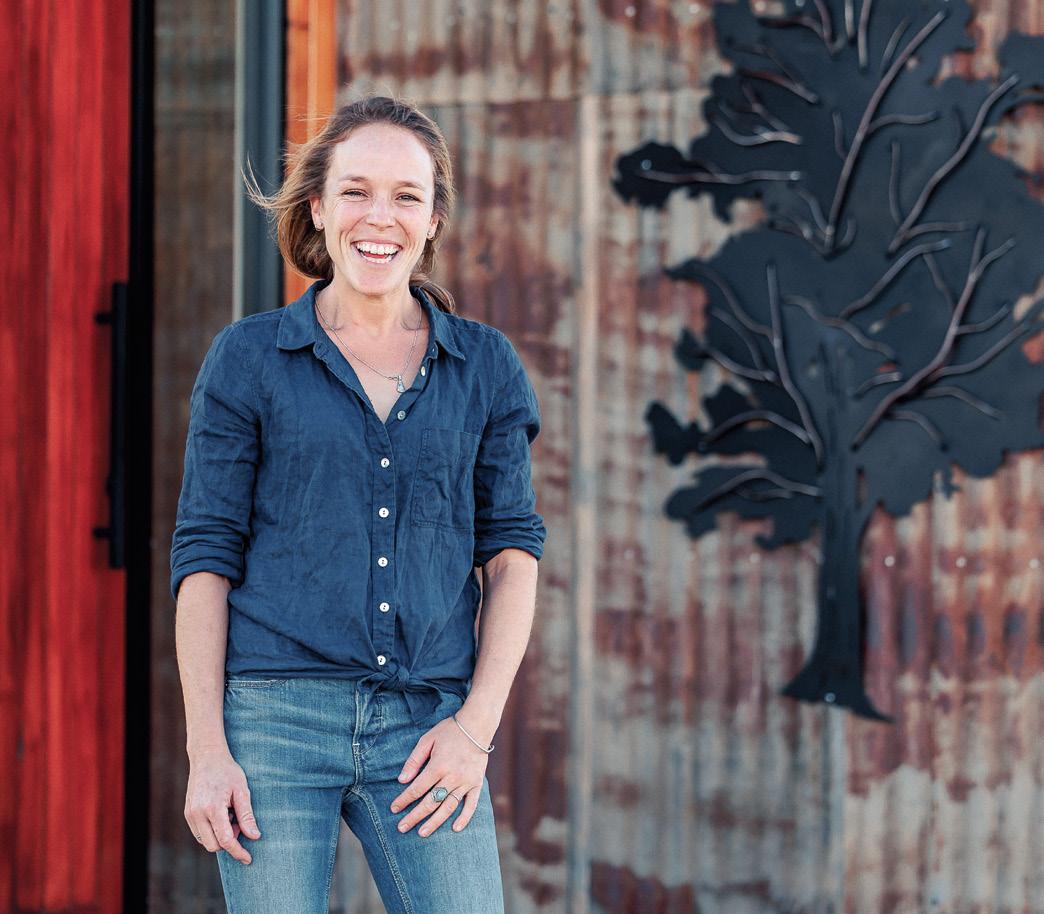
“This used to be the old bull paddock, so we have pushed the poor old bull further down the hill,” says Sophie. She is pouring me an aligoté, a chardonnay-adjacent grape that delivers the kind of bright but creamy drop for which the French are known. Darling Estate is one of the precious few vineyards to grow this grape thanks to her Francophile grandfather who first planted grapes here in the 1970s. Sophie’s dad, John, started the first cellar door at the farm’s homestead, but it was when the sisters returned to the estate that this brand-new cellar door was born.
It is a bright space hung with vibrant art, the best of which is in the bathrooms; a portrait of the koombahla dominates a corrugated iron wall.
The King Valley has a youthful energy to it of late, thanks to a new generation putting its stamp on the region.
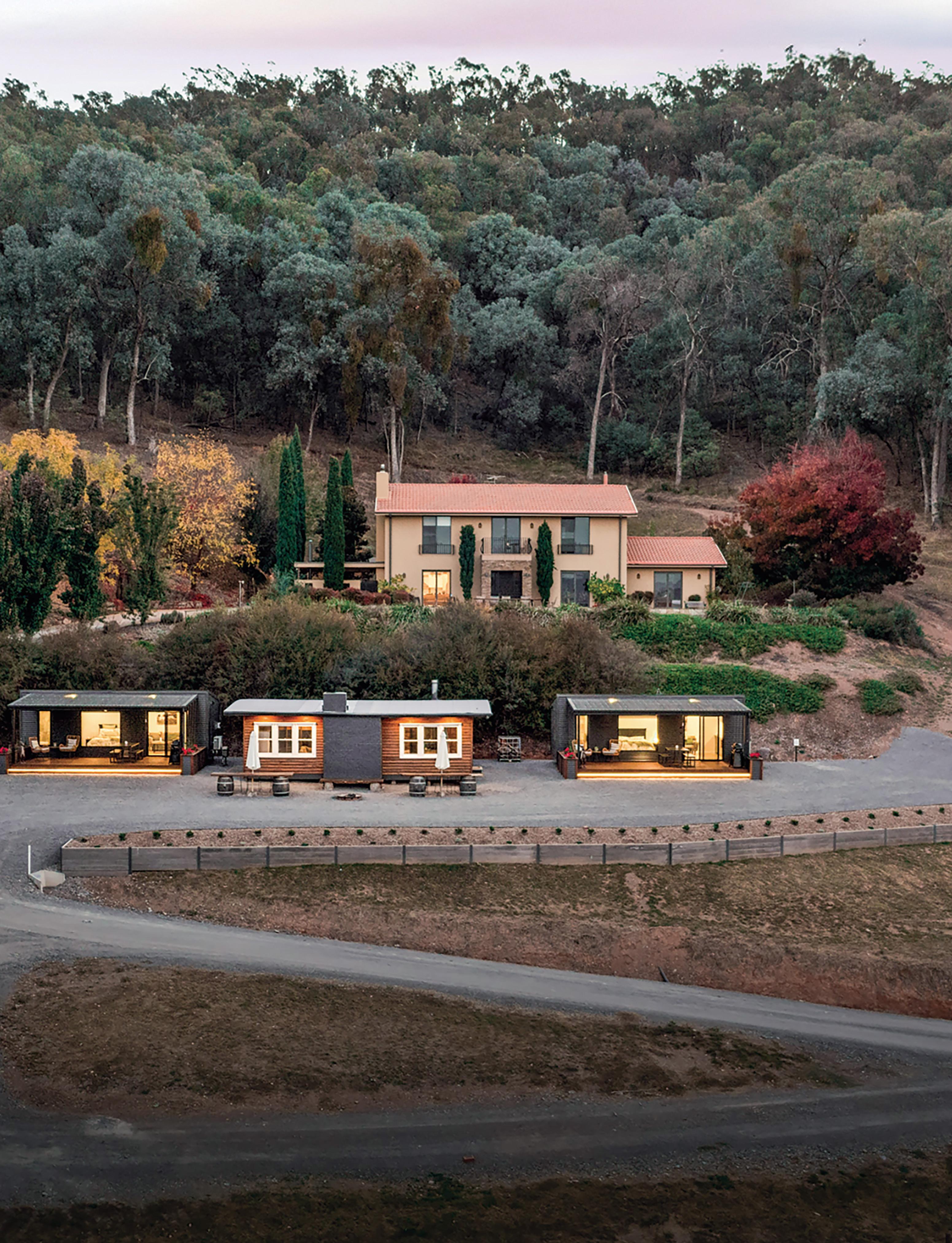
Our stay for the weekend also reps generational change. By definition a valley must be surrounded by hills, and Marty Schoner’s vertiginous property has possibly the best views going. On a verdant escarpment, Marty has created Bluestone Ridge, two modern stays with a historic hut at the heart.
“Bluestone Ridge started out as a simple family camping spot on the land my parents bought back in 1974,” says Marty. “Over the years, that original hut became the heart
of this place. When we started building the cabins, we wanted to honour that history, ensuring we kept the feel of the original hut and the way it brings people together at the centre of the property. It’s a place that’s always been about relaxing, reconnecting with the land and each other, and sharing that with our guests.”
Our stay, the Cow Cabin, is deceptively simple, square, functional but designed with care from the Sealy Posturepedic electric bed that lifts you up to face the morning sunrise to the intricate mosaic of “Hownow” the titular cow that is on the shower wall; the valley views are best taken from the outdoor clawfoot bathtub on the vine-covered deck.
We are separated from the Goat Cabin by the Communal Hut; hand-hewn by Marty’s father, Peter, it is a space for fires, chats and on-tap local lager.
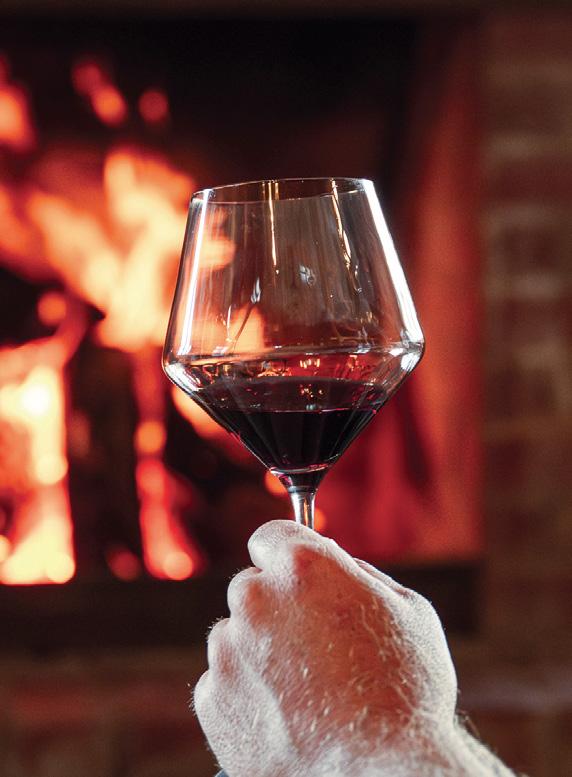
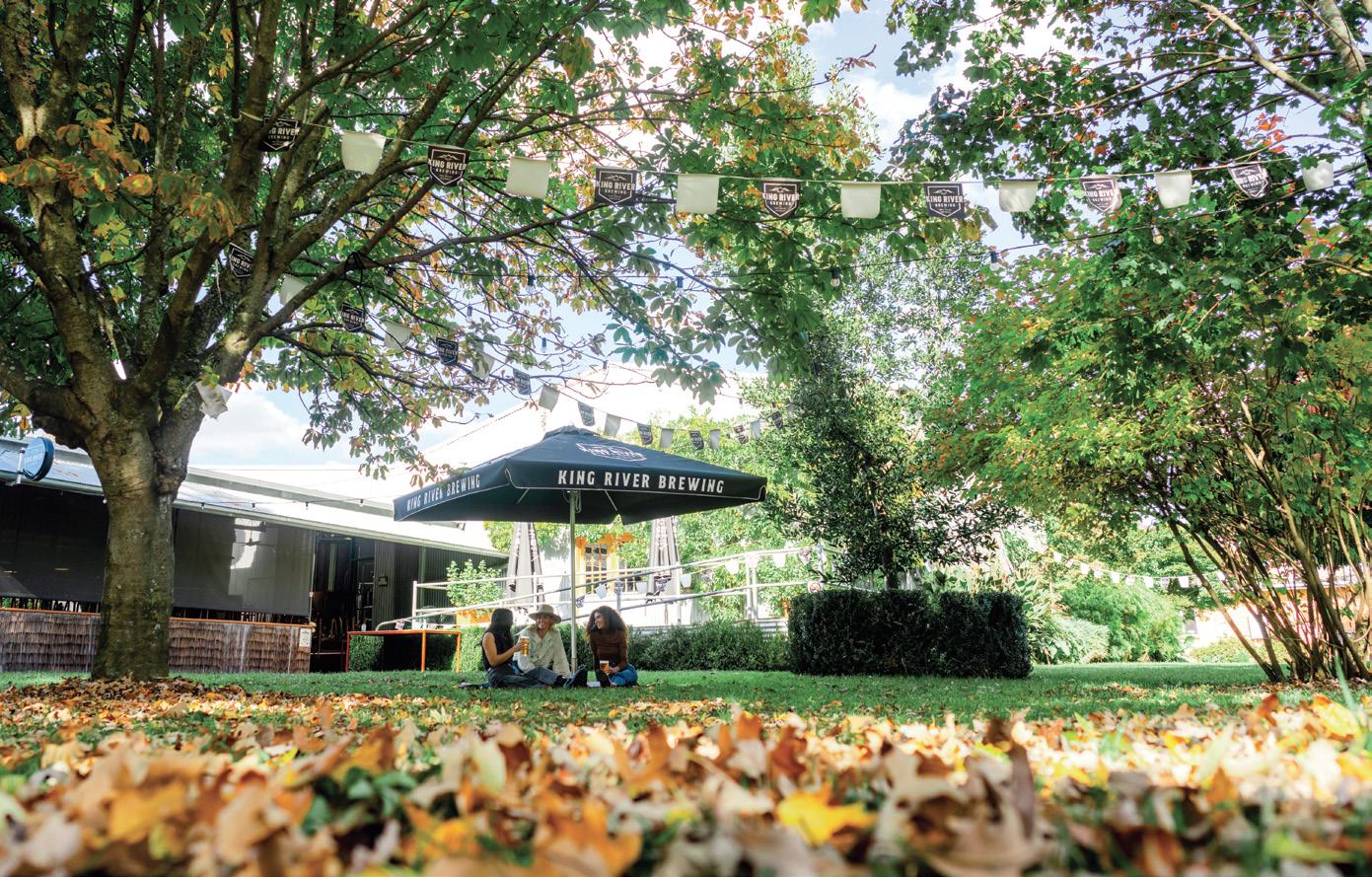
Bluestone Ridge is the perfect blend of King Valley generations, respect for what came before with a seamless update. You find this passing of the baton elsewhere in the valley, too. Nathan Munt married into a King Valley family and has brought a passion for Belgian brews to the home of Italian wines at King River Brewing, just down the hill from Bluestone. Hobbledehoy Café and Distillery is the place for a breakfast mimosa (we are on the Prosecco Road, after all) and incredible cruffins baked by the owner’s son.
New blood is also present at Pizzini Wines (three generations offering a helping hand to us in the kitchen) but our small group is here for the sage advice of matriarch Katrina Pizzini. Katrina’s A Tavola cooking classes are a staple activity and representative of the region. Name another winery where you are taught to cook by one of the founders with decades of culinary knowhow. I’ll wait.
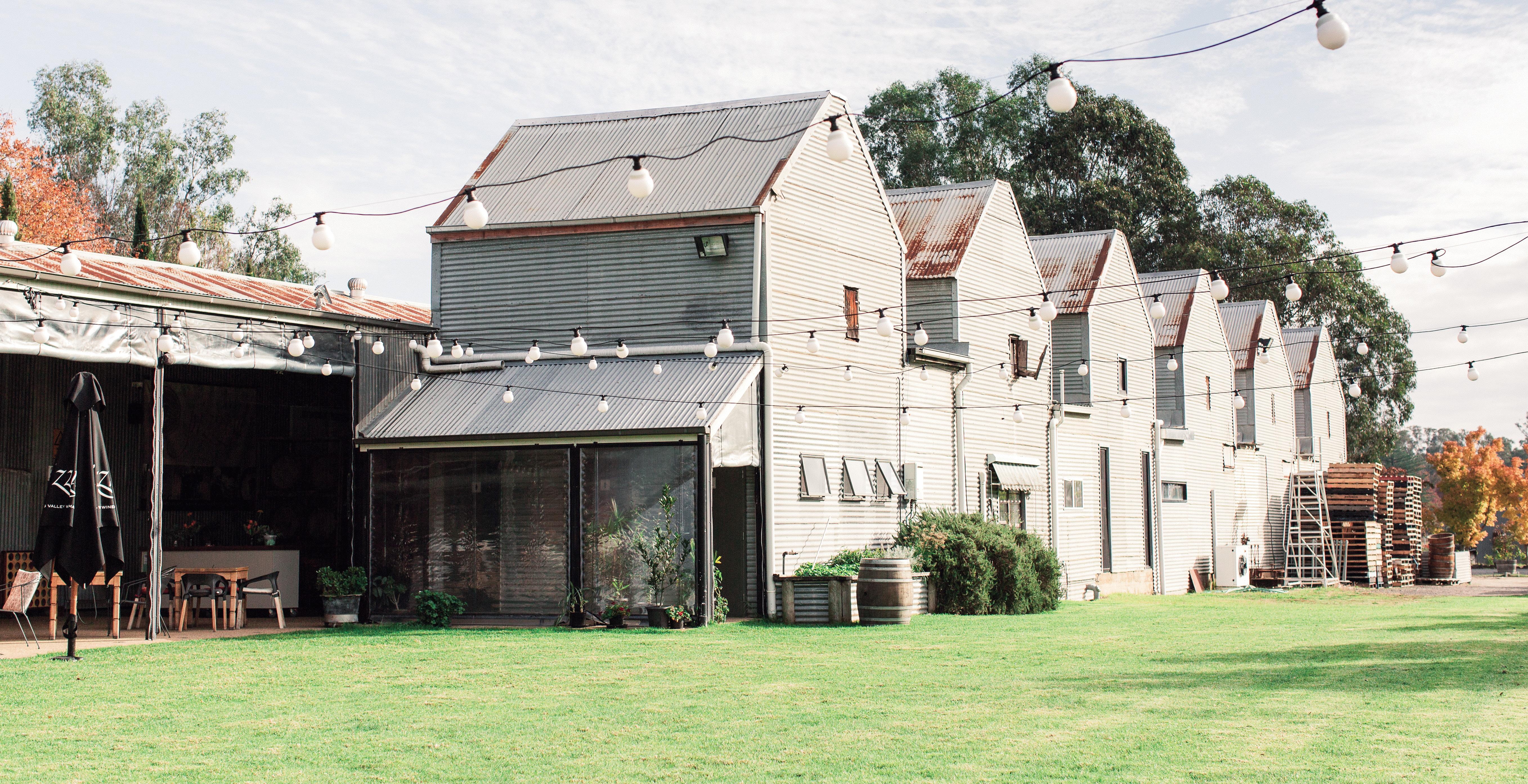
On this riverside property, with historic tobacco grading sheds standing to attention next to the cellar door, Katrina conducts us novice chefs around the industrial kitchen and we emerge with a symphony of Spanish flavours: croquettes, cheesy eggplant and paella. The class ends with a communal meal and Katrina’s husband Fred cracking some of their world-famous Italian varietals.
A short jaunt down the Prosecco Road lies Dal Zotto Wines. Dal Zotto was the first vineyard to plant prosecco in Australia in 1999 and remains one of its most passionate advocates. It’s always time for bubbles at Dal Zotto and we have a guided tasting through another largely Italian wine list.
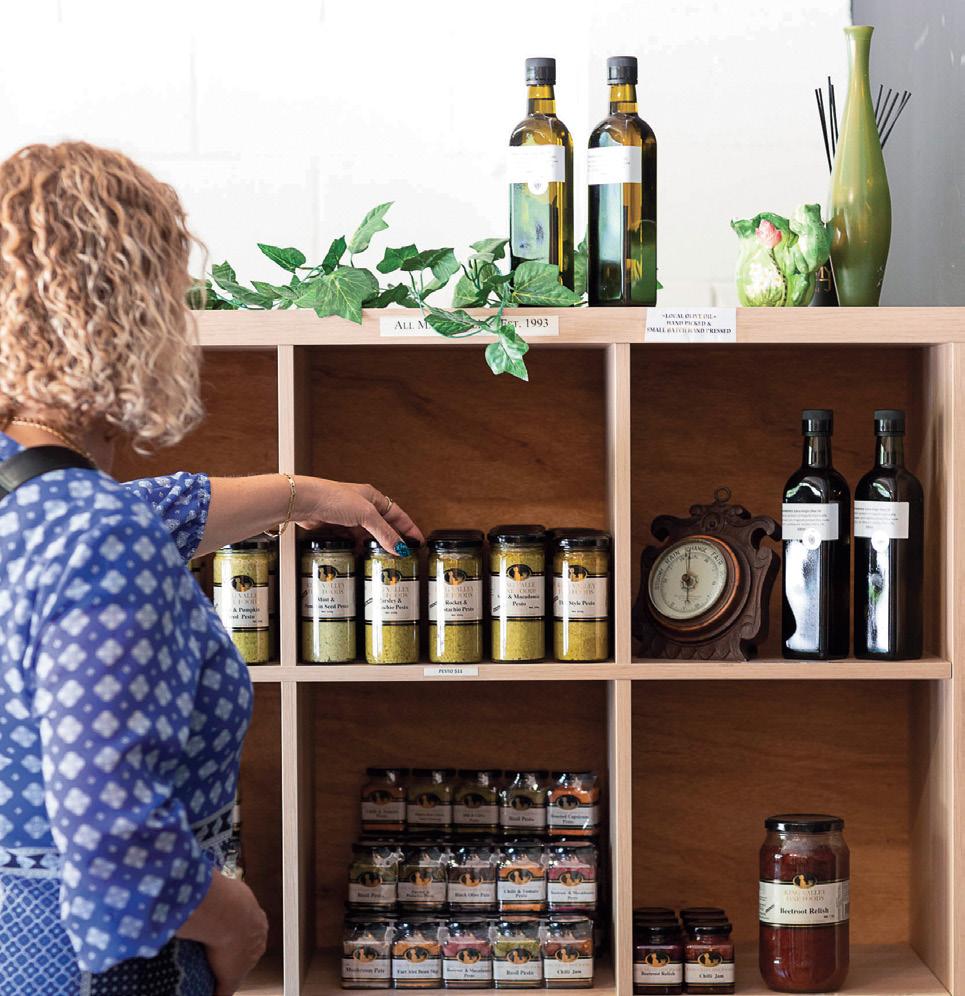
Karen Barber is well connected to the King Valley grapevine, knowing where to shop, what to eat and what night the cocktails are flowing at Hobbledehoy Café and Distillery (you might even find her there). Karen crafts bespoke tours of the valley, Beechworth, Milawa and Rutherglen and is a vivacious host as well as a local encyclopaedia. It’s the best way to tour the region and enjoy the viticulture it is famous for.
kingvalleywinerytours.com.au
Most of the producers along this stretch of road were Italian and flipped from growing tobacco to grapes once the tide turned against the Marlboro Man. But instead of planting popular grapes they decided to lean into the more interesting varieties from the home country. Heritage and family are important in the King Valley and intertwined
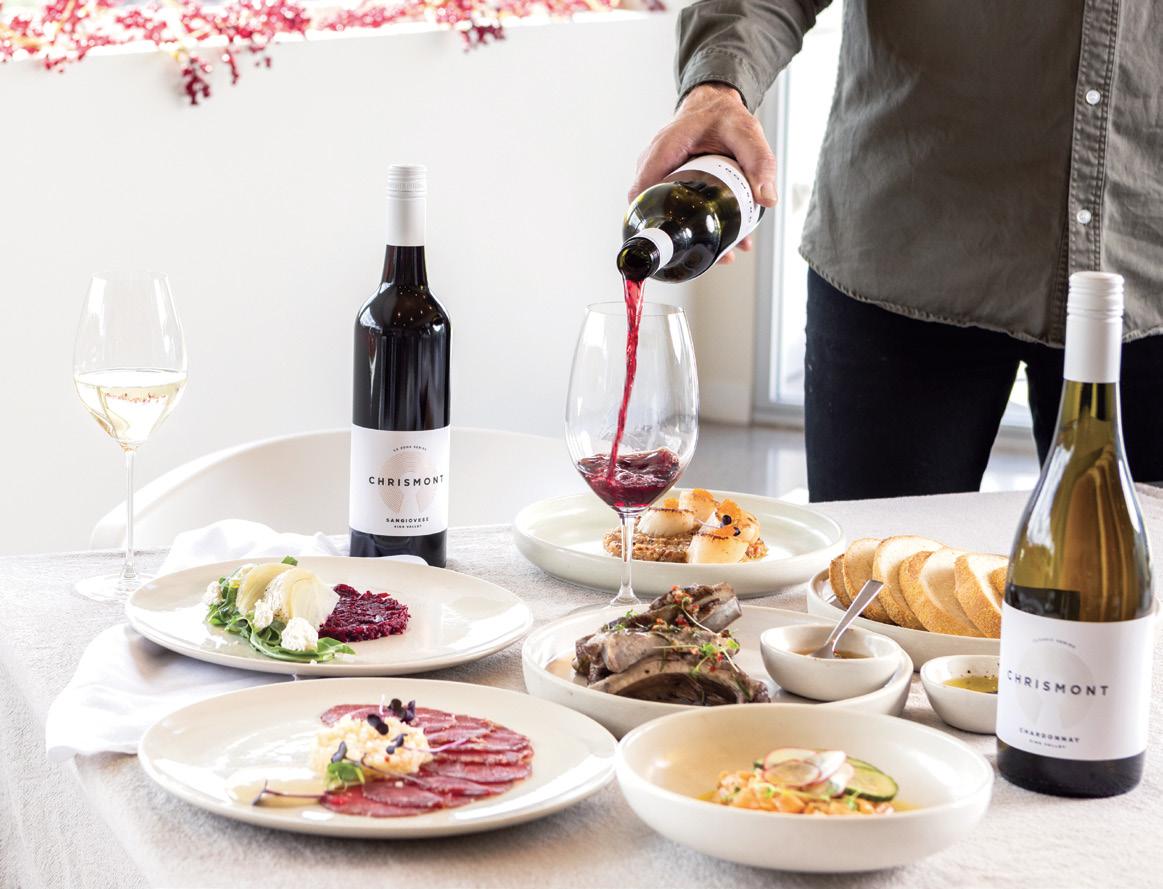
with the winemaking; the Pizzinis and Dal Zottos are cousins and another related pair, Jo and Arnie Pizzini, run Chrismont Wines.
Chrismont is our last meal in the valley and known for its white-clothed wonders: slow-cooked octopus tentacle in balsamic dressing; housemade cheese tortellini with gorgonzola sauce; tiramisu soaked in enough
espresso to fuel an entire office floor.
That evening, our last in the King Valley, Marty Schoner takes us in his ute to the top of his property at Bald Hill Estate. The retreating sun throws shade across the valley and we watch the fairy lights of King River Brewing turn on in the distance, a twinkling reminder of the brilliant offerings right under our noses.
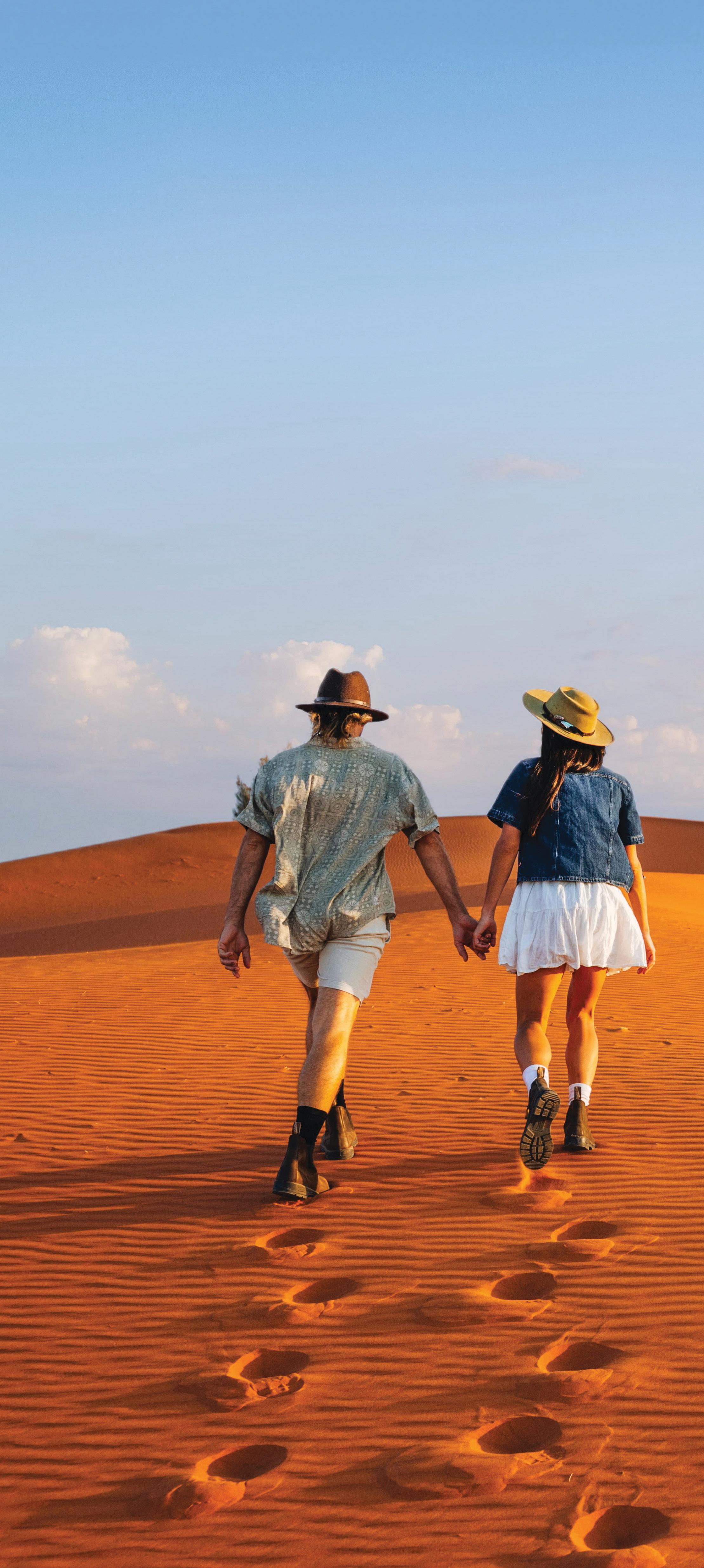
Outback Queensland isn’t just a destination – it’s something else entirely. is is where vast, cinematic landscapes stretch to the horizon, where bespoke bath houses and natural hot springs o er luxury in the most unexpected of locations and where every day brings a new kind of adventure.
Saddle up for bush experiences, dig for dinosaurs in ancient fossil fields and lose yourself in skies so clear the stars feel close enough to touch.
Grounding, surprising and simply unforgettable, Outback Queensland is like nothing you have seen before and it’s more accessible than you might imagine.
With sealed roads to most areas and direct flights to a number of regional towns and centres, your next Outback adventure could be just a few hours away.
From soul stirring station stays, to exclusive bucket list glamping experiences atop ancient mesas, add these Outback Queensland experiences to your travel list in 2026.
Known as the birthplace of iconic Australian stories and home to extraordinary dinosaur discoveries, Winton captures the essence of the Outback.
Vast jump-up country, spinifex plains and ancient inland sea beds stretch across the horizon, revealing the raw beauty of Australia’s interior. Scenic drives lead to remarkable natural formations and fossil sites, while the region’s dramatic sunsets and brilliant night skies deliver unforgettable Outback moments.
A defining experience in Winton is the awardwinning Australian Age of Dinosaurs attraction. Also be sure to visit the Waltzing Matilda Centre, the world’s first museum dedicated to a song.
IN PARTNERSHIP WITH

Just 15 minutes’ drive from Winton is Rangelands Outback Camp, an accommodation experience unlike any other in Australia. Here, generously sized luxury tents sit atop ancient mesas. Guests can book a Red Dirt Tours Rangelands Riffs and Sunset Tour that carves its way through ancient jump-ups on the property.
Take a scenic drive or local led tours with Red Dirt then finish with Outback From Above – scenic flights and tours that take your outback experience to the next level!
Longreach is a classic Outback Queensland town surrounded by plains of Mitchell grass and silver-green saltbush. Set on the Thomson River, the town blends rugged natural beauty with rich stories of pioneering Australia.
Visitors can cruise the Thomson at sunset, a magical introduction to the vast Outback landscape, followed by entertainment and postcruise campfire dining.
Explore Australia’s pastoral history at the Australian Stockman’s Hall of Fame. This award-winning attraction celebrates the people who shaped life on the land: stockmen, drovers, graziers and pioneers. Interactive galleries, artefacts and stories bring bush heritage vividly to life.
Aviation lovers can see where it all began for Australia’s national airline at the Qantas Founders Museum. The museum is also home to Luminescent Longreach, a moving 3D light show held in the evening.
For an experience straight out of Yellowstone, climb aboard Outback Aussie Tours’ Great Darr River Rail Run. You’ll depart from the historic platforms of Longreach Station and pass waterholes, scrub and grasslands.
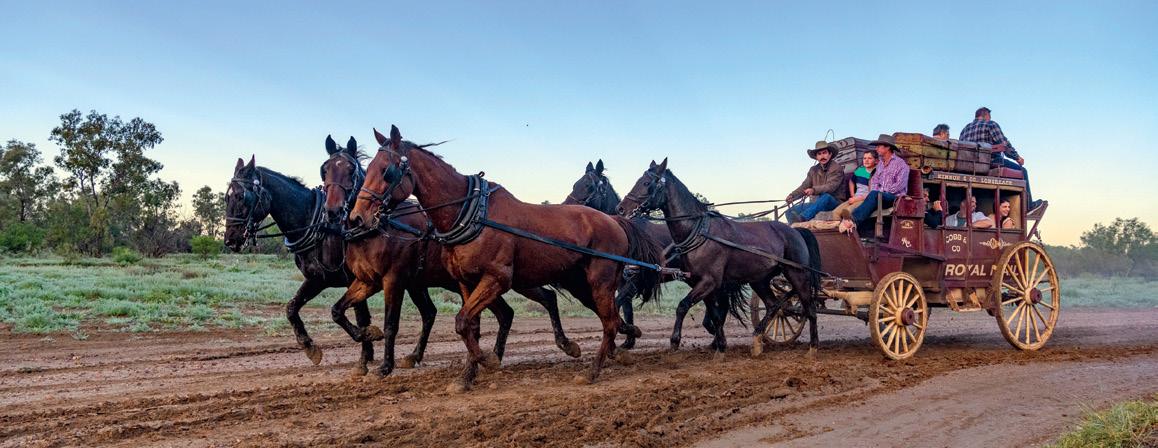
Iconic stays like Outback Pioneer’s Staging Post offers rustically charming rooms and hosted experiences on a Cobb n Co stagecoach ride, sunset river cruise and you can visit their Outback station and historic woolshed. Meanwhile Mitchell Grass Retreat offers luxury glamping tents overlooking the vast grasslands.
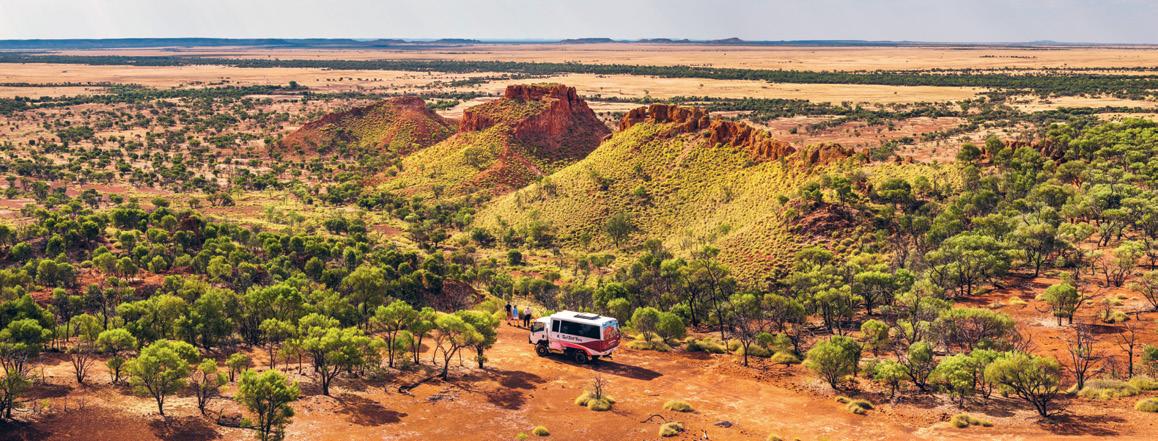
On the western edge of Queensland, the Outback town of Eromanga delivers on all your Jurassic Park dreams.
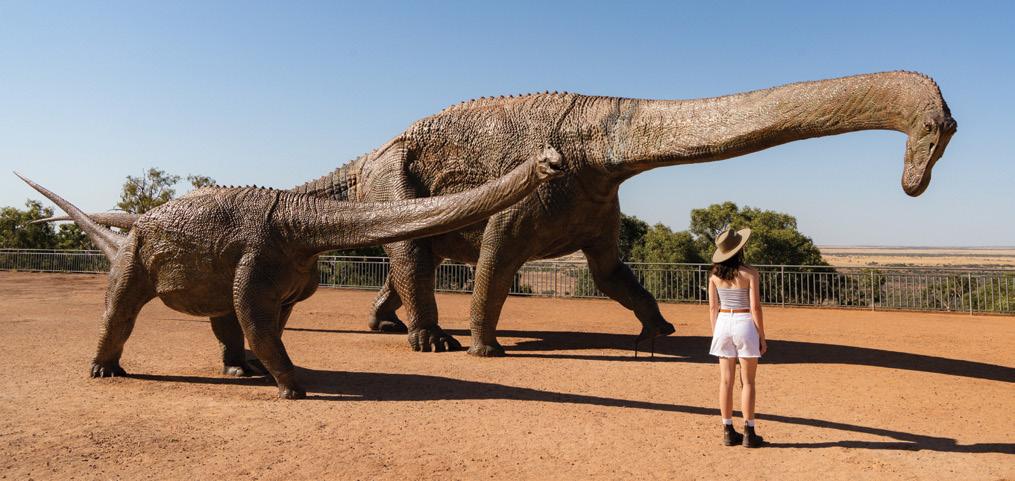
At the heart of the town’s appeal is the Eromanga Natural History Museum, a world-class facility that has transformed this remote destination into a must-visit for curious travellers and dinosaur enthusiasts alike.
Here, visitors come face-to-face with Australia’s dinosaurs, including “Cooper”, the country’s biggest known dinosaur, whose colossal bones were discovered just outside town.
The town itself is steeped in Outback character, offering a glimpse into Australia’s prehistoric history.
Tucked between the towns of Quilpie and Eromanga, Toogunna Plains is a fifth-generation cattle and sheep station offering 18 stylish ensuited cabins and even a private airstrip for charter flights.
Guests can see and experience the day-to-day workings of life on the land, with fresh baked smoko along the way. Tour the property by day and take a sunset sandhills tour at twilight. This bucket list experience will see you enjoy bubbles and a cheese platter as you take in the magic of an Outback sunset on stunning sandhills overlooking the Channel Country.
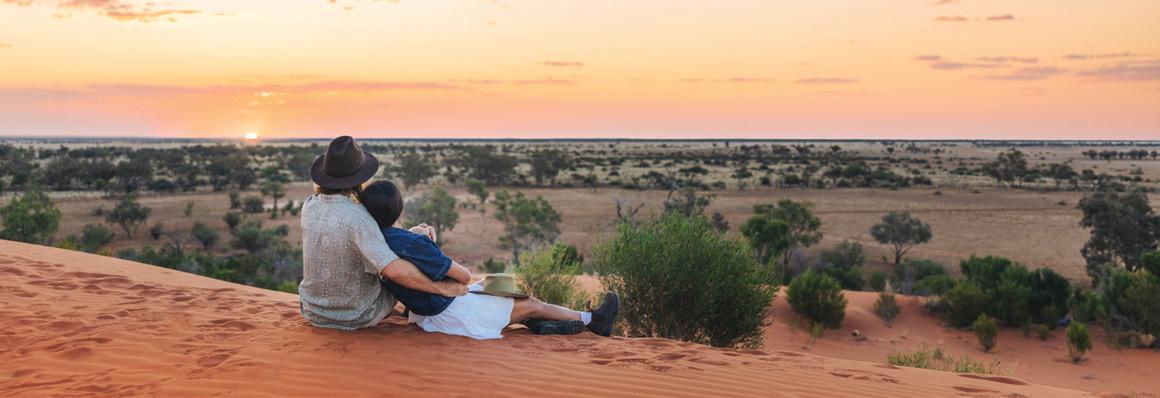
Set along the banks of the Warrego River, Charleville invites travellers to experience the Outback from an entirely new perspective.
A visit to Charleville is incomplete without stepping into the universe at the renowned Charleville Cosmos Centre. One of Australia’s leading astronomical observatories, the centre offers an extraordinary window into the night sky, made possible by the region’s clear, unpolluted atmosphere.
But Charleville’s stories aren’t limited to the stars. Hidden in the surrounding landscape lies the fascinating Charleville WWII Secret Base, a remarkable reminder of the town’s strategic importance during World War II.
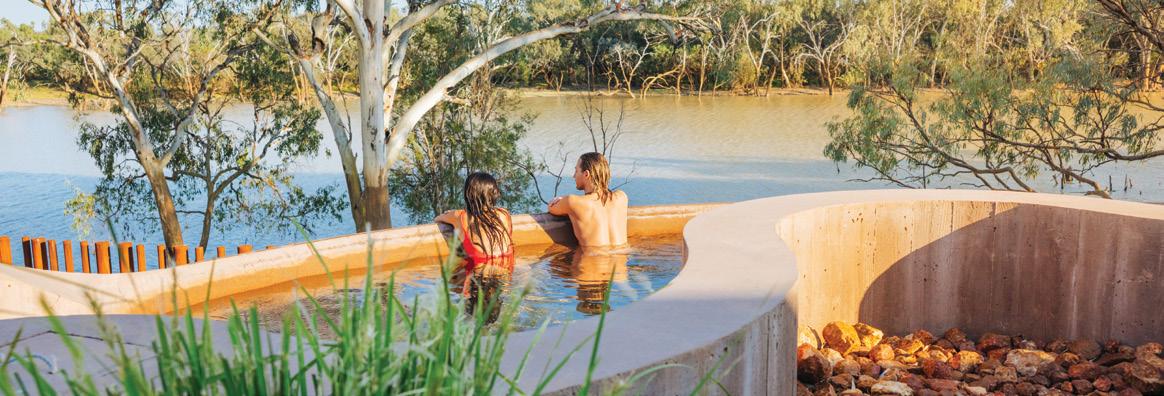
Often referred to as Australia’s artesian bathing capital, Cunnamulla is part of the state’s Wellness Way, a series of springs, pools, spas and bathhouses that blend luxury with the rugged charm of the Outback.
A flagship experience of the bathing trail is Cunnamulla Hot Springs. This stunning wellbeing oasis features geothermal mineral pools, a cold plunge pool, sauna and steam room nestled against a stunning location beside the Warrego River.
For the perfect stay, Club Boutique Hotel is a heritage Cunnamulla hotel motel offering newly renovated one- or two-bedroom suites or luxury glamping. And don’t miss the All Aboard rail experience that brings back the romance of outback rail jouneys with a holographic host, the station master (Steven Tandy), who whisks you back in time.
Assistance has been provided through the jointly funded AustralianQueensland Disaster Recovery Funding Arrangements (DRFA)
Ready to explore?
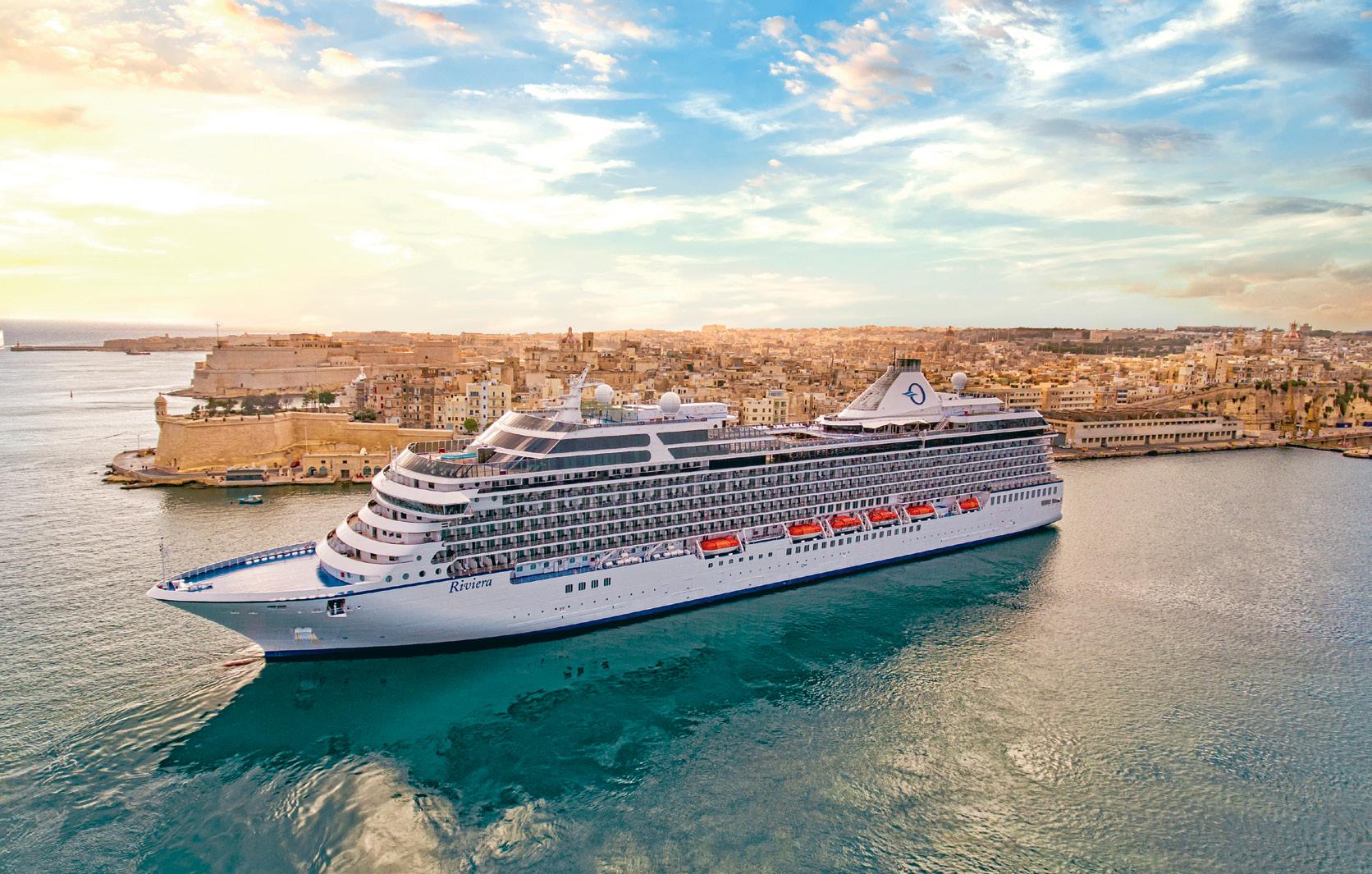
This is Riviera’s maiden voyage in Australian waters and the ship has a very strong focus on food. According to Oceania “Riviera will be the only Oceania Cruises vessel in the region to offer exclusive itineraries with a gourmet foodie focus. Guests can immerse themselves in the local culinary scene through a broad array of small-group shore excursions including visits to local markets, rice fields, and truffle farms, incorporating everything from Australia’s globally revered seafood to New Zealand’s world-famous lamb.”
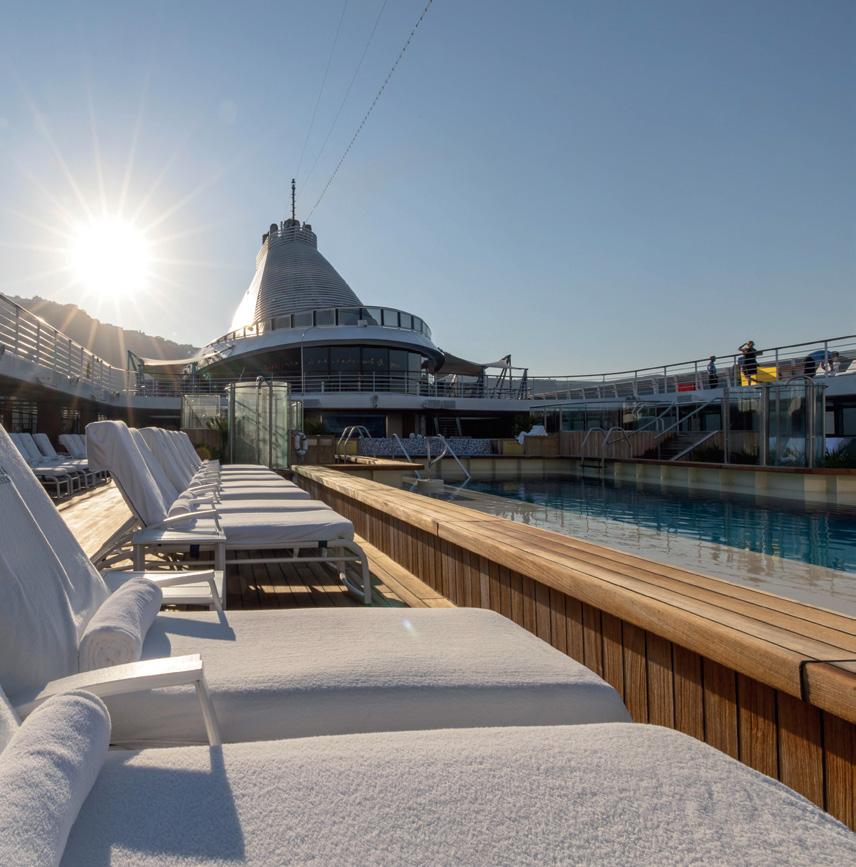
The reception area is opulent and the halls are decked out with Christmas decorations from early December. Nearly as tall as the second-floor ceiling, the Christmas tree is adorned with fairy lights, glittering gold ribbons and berry red ornaments, creating the magic of Christmas and enhancing the cruise experience from the
first moment. We’re impressed by the variety of entertainment space aboard the ship. There is the Riviera Lounge (for performances and lectures), the swimming pool, the casino, the many restaurants, the new Aquamar Spa + Vitality Center and the gym, and you can enjoy a strong espresso with a view of the pool deck and the ocean beyond, at Baristas.
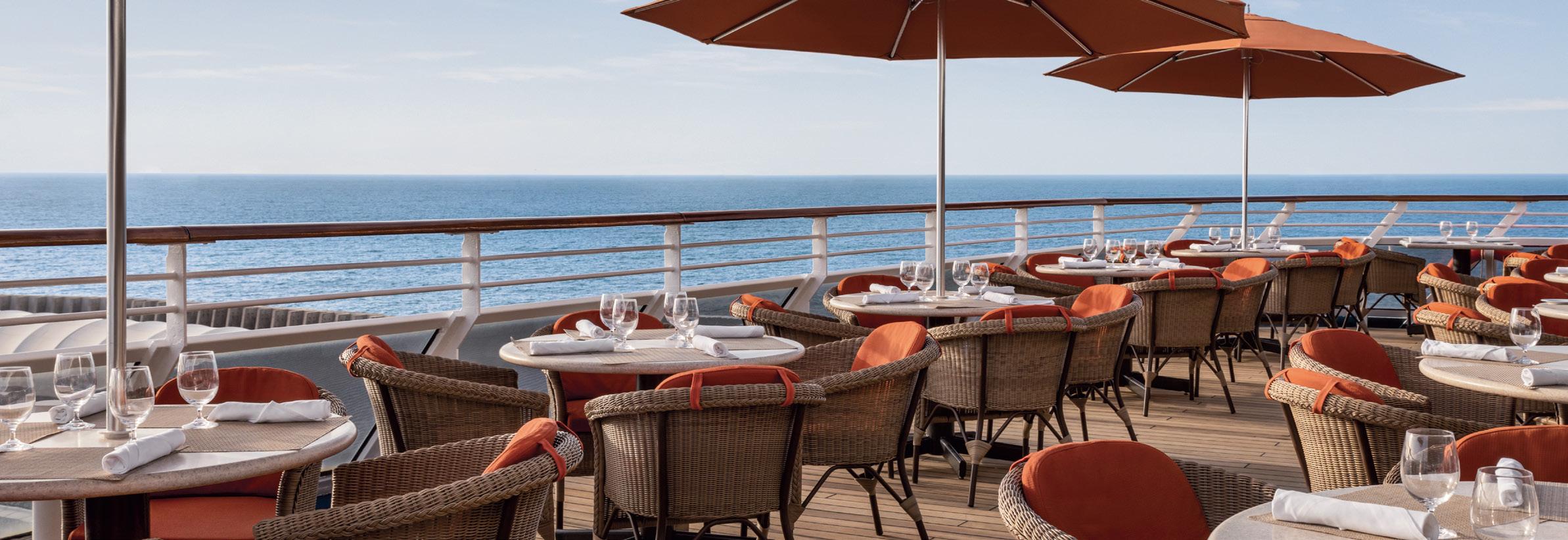
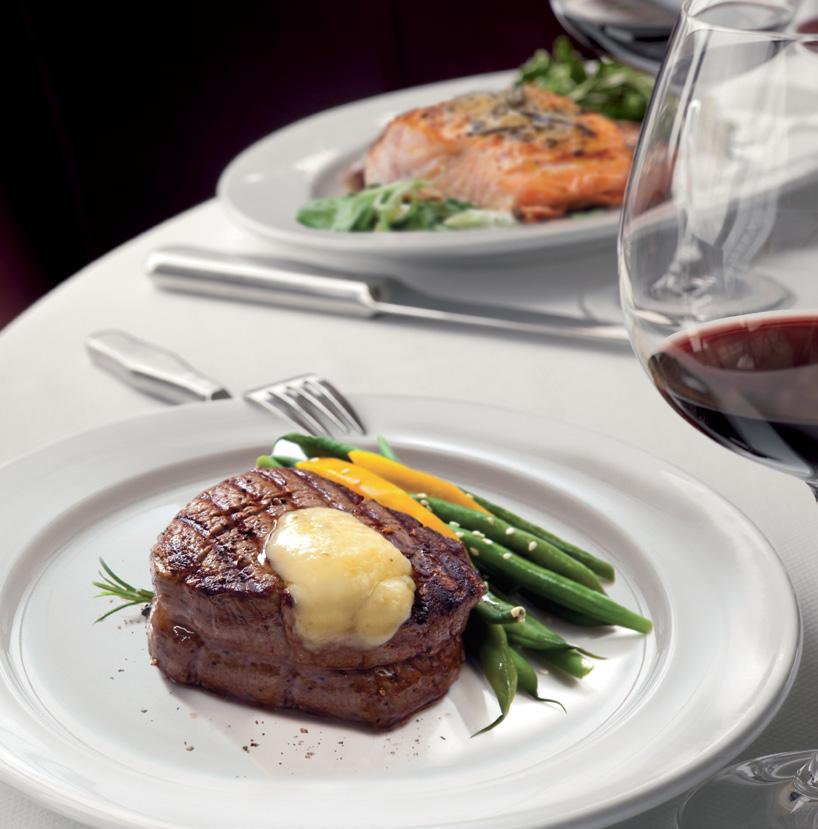
The onboard dining exceeds the company’s reputation for having the finest cuisine at sea. The four specialty restaurants and the Grand Dining Room are superb. Highlights include a souffle au fromage and classic bouillabaisse at Jacques French restaurant, the olive oil tasting trolley and pasta served up on Versace crockery at Toscano’s Italian, and the succulent steaks and moreish mac and cheese and Waldorf salad at the refined Polo Grill. For a taste of Asia try Red Ginger. Meals were made even more enjoyable by the company: I opted to join shared tables and met fabulous, funny, irreverent and enchanting new friends at every sitting.
Whether you prefer to lounge poolside, play bridge, board games or sports, attend lectures on history, participate in art and cooking classes or improve your digital skills with iPhone photography lessons, keeping entertained is effortless. There’s an abundant library, an artist’s loft, an enticing swimming pool and matching set of jacuzzis, plus The Sanctuary Wellness centre replete with medically trained staff offering non-surgical facelifts and a spa menu that includes hours of pampering with specially designed Aquavar products. There’s a fully equipped gym with personal trainers but my favourite experience was the oceanfacing yoga class. This cruise offers many sea days and the luxury of time to indulge.
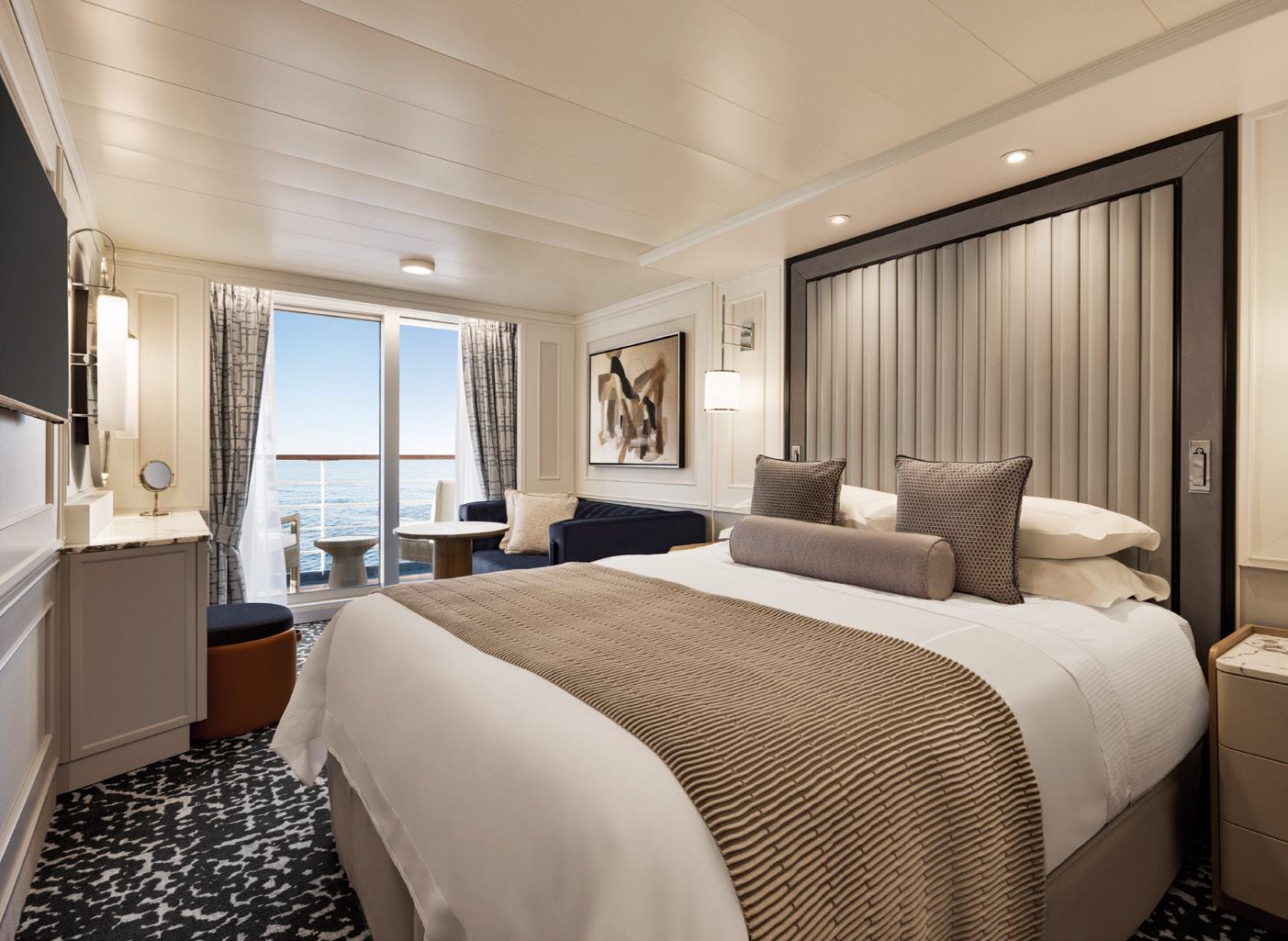
My Veranda Stateroom contains a queensized bed (or twin), a sofa, breakfast table, a vanity desk and two side tables without feeling cramped. The cabin is above average size for ship staterooms at over 291 square feet (approx 27 square metres). Soft furnishings are in elegant greys and soothing blues accented by marble benchtops and the bathroom is generously proportioned and also marble clad.
FROM TOP: a Veranda Stateroom; meals in the Grand Dining Room; friendly staff. OPPOSITE: Oceania Riviera is new to Australian shores.
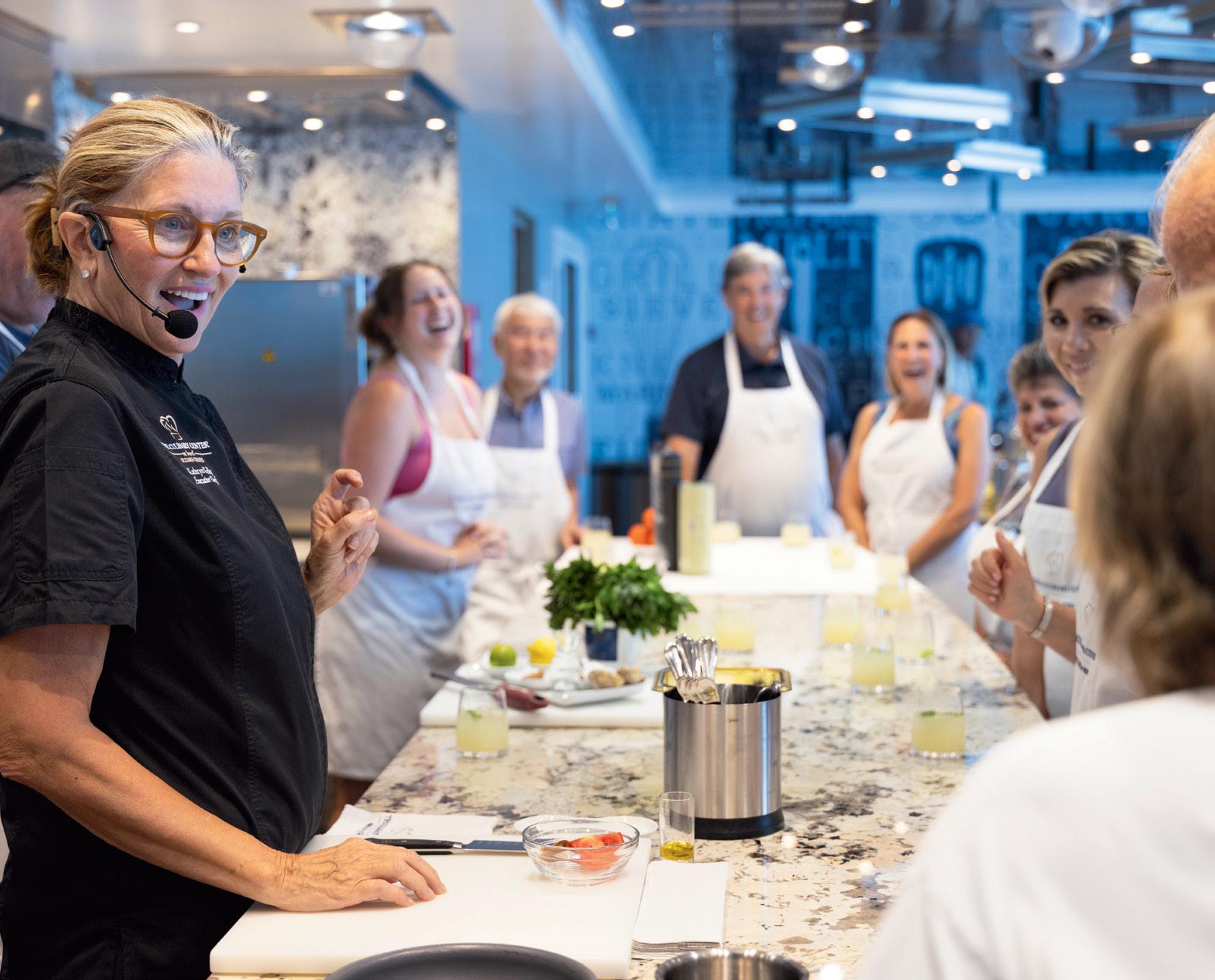
This is certainly a cruise for lovers of quality cuisine, and luxe, fun and fascinating experiences. You can have cocktails at Martinis, high tea at Horizons or raw juices and smoothies at Waves Grill. Learn new skills from distinguished chefs in the Culinary Center kitchen. For those who value exclusive experiences, private dining rooms can be arranged. Oceania Riviera “Komodos to Kangaroos” is a specific 22-night cruise itinerary on Oceania Cruises’ ship Riviera sailing from Singapore to Sydney.
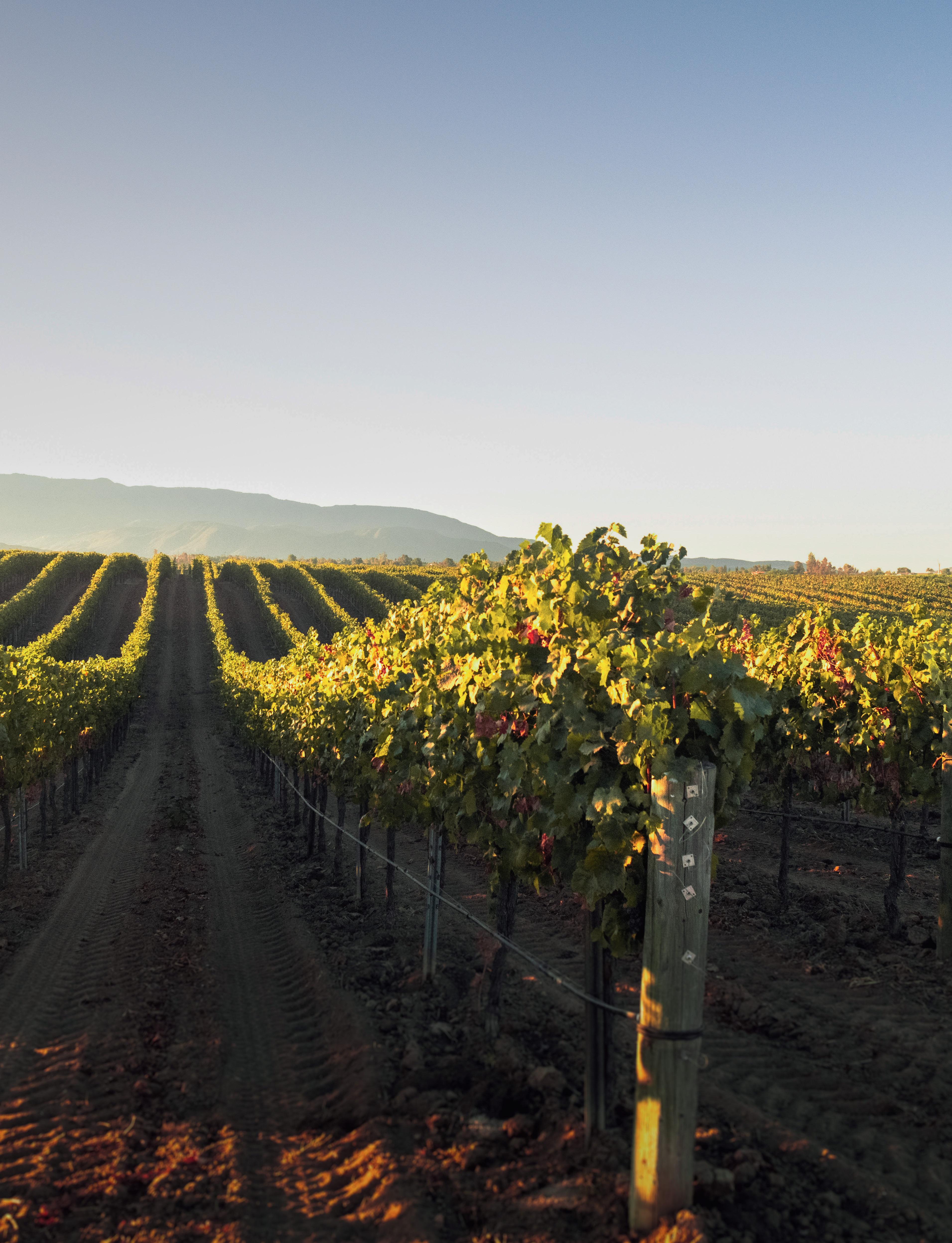
Wine is a big reason that many people travel, from intimate cellar door experiences to romantic rural stays among the vines. But with 65 wine regions to choose from in Australia it can be hard to get to them all, so try some armchair travel with hand-picked bottles from Wine Selectors.
Australia is home to more than 65 distinct wine regions, each shaped by its own climate, soils, altitude and history. You have the famous worldclass fortified wines of Rutherglen in Victoria, the Margaret River Cabernets and Chardonnays in Western Australia shaped by their proximity to the crashing waves, and the hidden pockets like the Granite Belt, where high-altitude vineyards produce some seriously impressive reds.
Yet most travellers will visit only a handful of these incredible winemaking regions in their lifetime.
Wine is often the beginning of the journey, rather than the end. A good wine is evocative of the place it comes from – like a powerful Barossa Shiraz hints at historic estates and ancient vines – something the French call terroir, or a sense of place. With a thoughtfully selected suite of wines from Wine Selectors you can taste your way around Australia’s 65 wine regions – reliving past travels and planning your next wine escape. Because sometimes the best way to choose your next escape is to get a taste for it first.
IN PARTNERSHIP WITH
With wines from over 65 regions in Australia, Wine Selectors allows you to experience the breadth of the country’s winemaking from the comfort of your home. But we really hope that you will be inspired to hit the road and plan an escape to some of these regions based on how much you love their wines.
There are the cool-climate wines from the rugged and sometimes frigid Tasmanian east coast, there are the high-altitude grapes from New South Wales’s Orange region almost in the outback and Victoria’s wild Gippsland region. And of course the famous regions of the Yarra Valley, the Adelaide Hills and the Hunter Valley.
No matter how good the wines are that Wine Selectors send you, there is always a joy to a cellar door tasting where you can meet the minds behind Australia’s incredible wines.
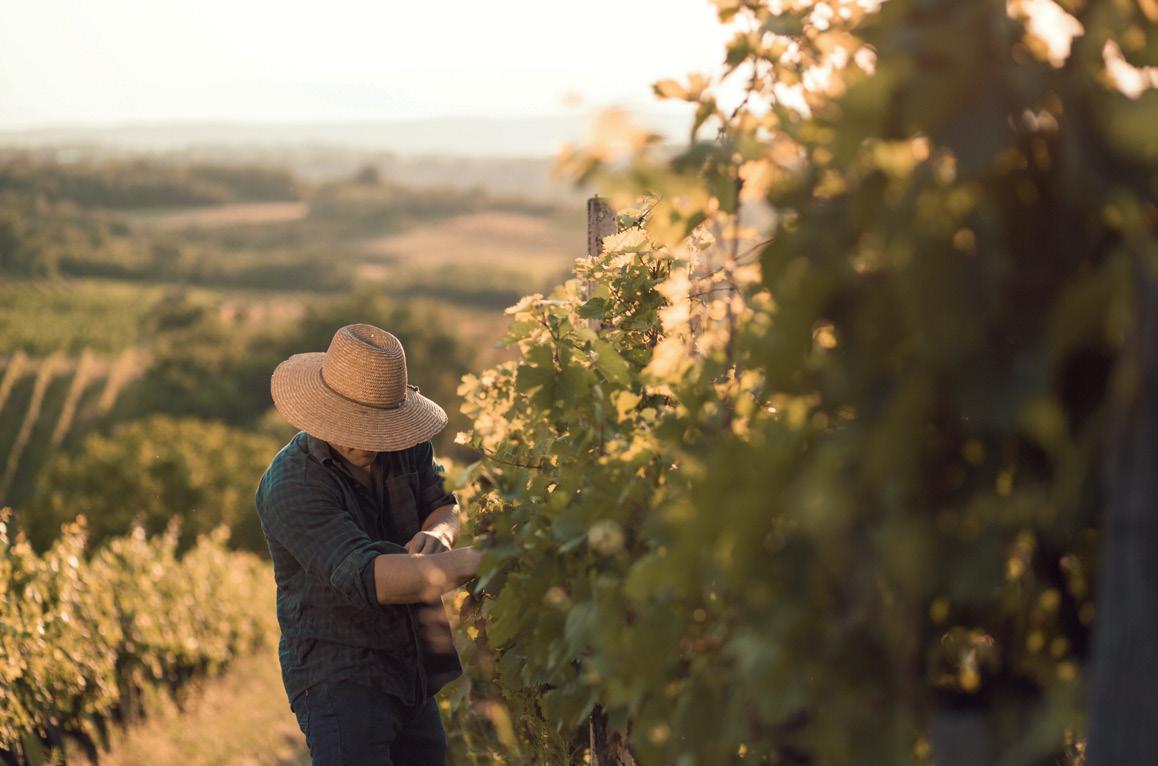
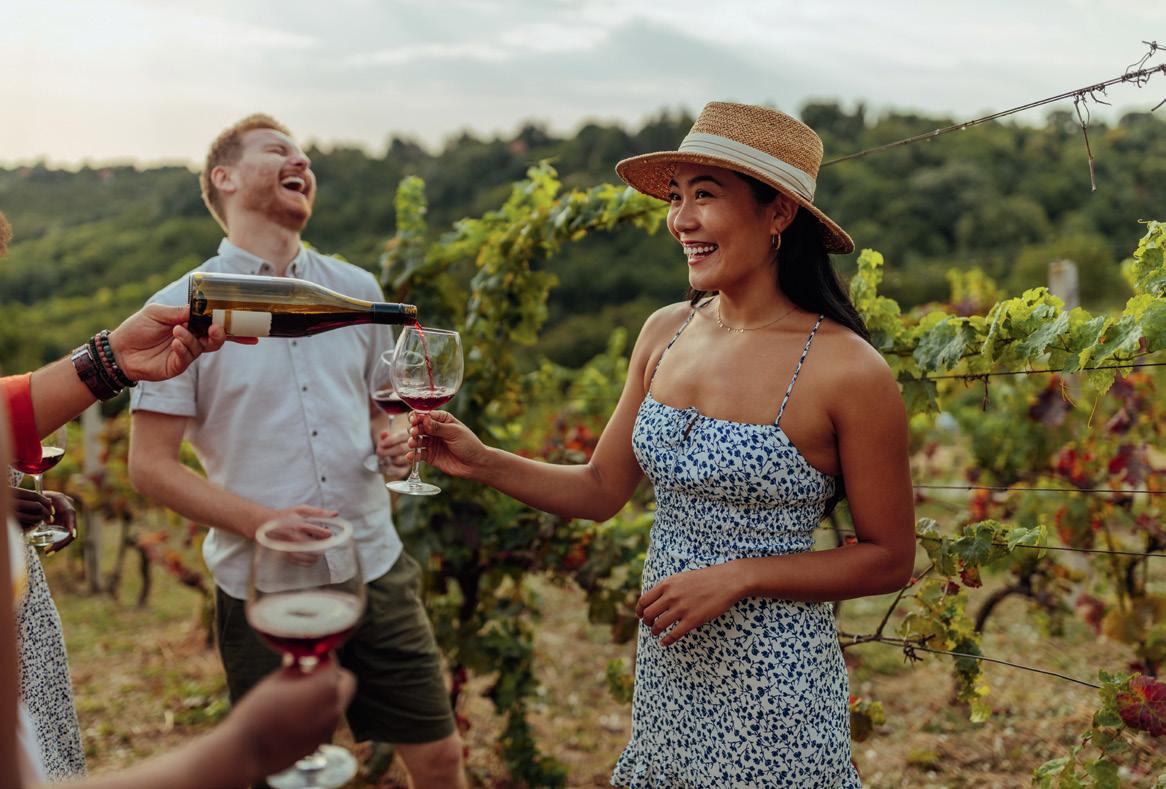
Wine Selectors selects from over 500 boutique family producers across the country championing wines that truly reflect their place and a glass can help bring back a flood of memories.
Perhaps you spent a romantic weekend on the Prosecco Road in Victoria’s King Valley, the first winemakers in Australia to grow this Italian bubbly variety. You can crack open a bottle from Wine Selectors and remember the producers, the makers, the wine and pasta from this very special region.
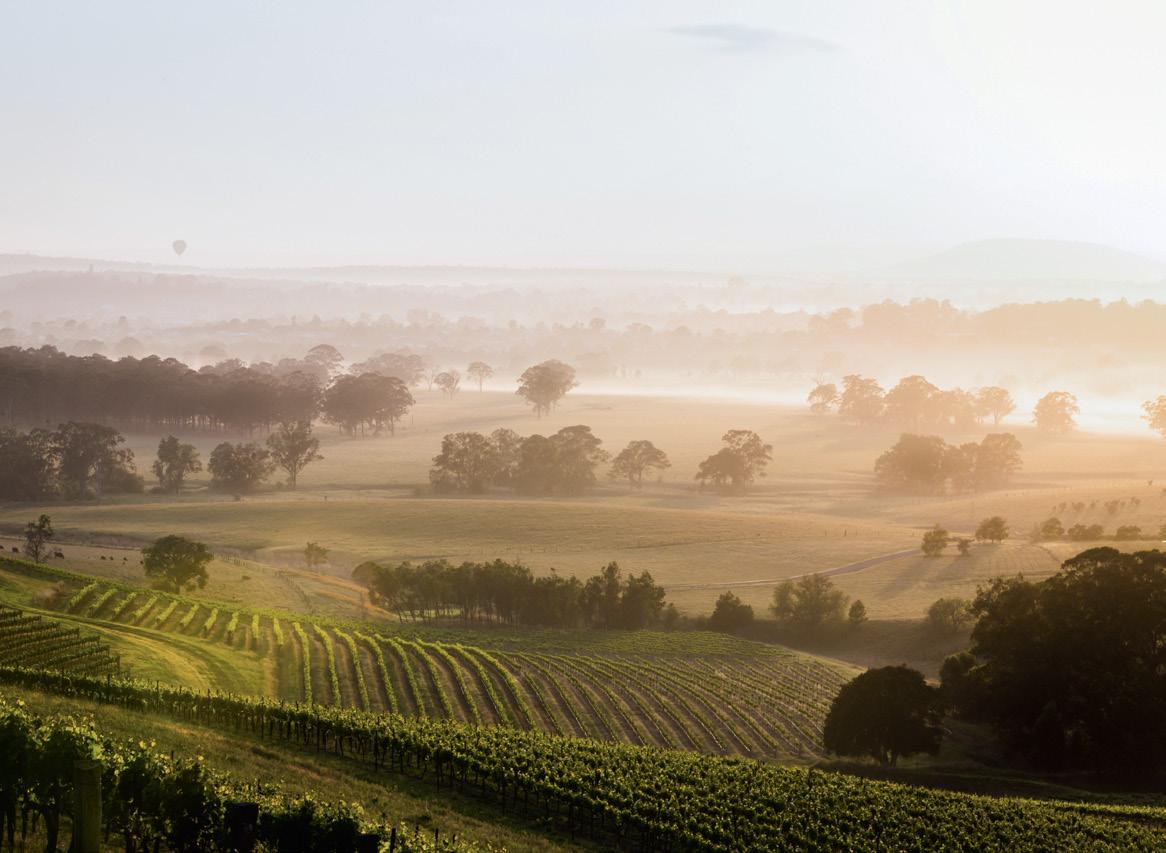
Australia makes some of the most interesting, out-of-the-box drops from regions that you would be surprised to find even grow grapes, and this is down to passionate boutique producers.
For more than 50 years, Wine Selectors’ Tasting Panel has travelled the country, taste-testing thousands of wines each year. Only those that meet strict standards for quality, style and regional character are selected.
The Tasting Panel loves to champion small independent producers, opening a delivery of their handcrafted wines feels like arriving at a new destination. One sip and you can plan your actual travels to meet the makers of your new favourite wines.
A Wine Selectors subscription expands your wine horizons, introducing members to different regions, varieties and producers throughout the year. It is a guided journey, by experts, that helps you to discover wineries and regions you might never otherwise encounter.
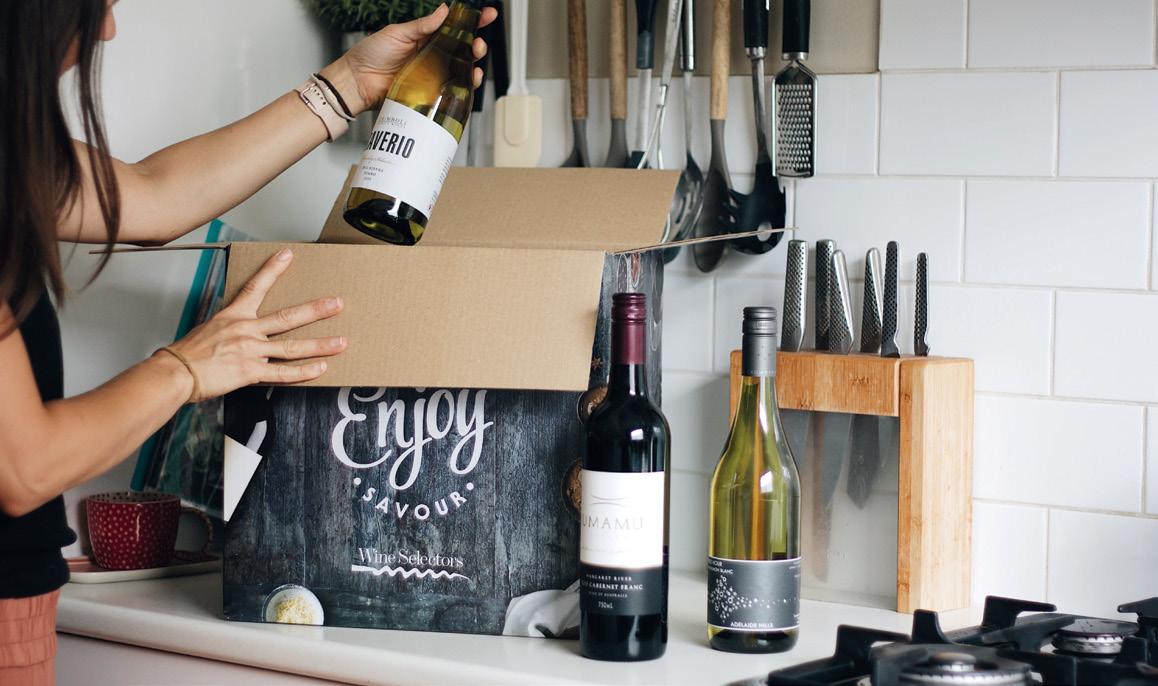
Begin your wine journey with Wine Selectors and then begin journeying in search of great wine.
A travel writer walks into a bar … it sounds like the start of a joke, but for many travellers a simple drink can lead to unexpected discoveries, new friends and adventures under the wing of amiable locals. Four writers share their favourite tall bar tales.
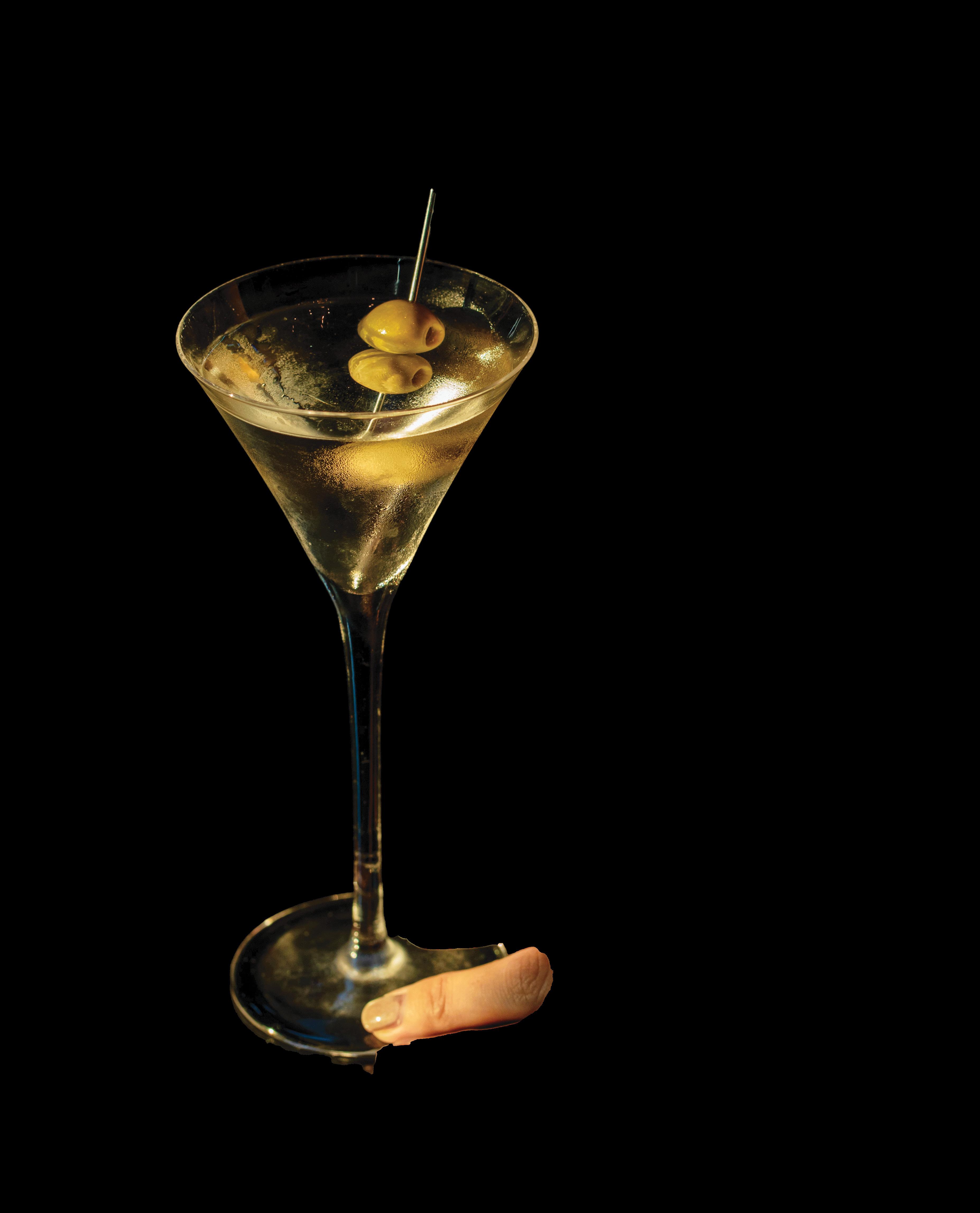
It’s 2008. I’m in LA with my best mate Jerry, bar crawling The Strip in West Hollywood. The Rainbow, The Whiskey and ultimately finding ourselves out the front of the infamous Viper Bar. Once owned by Johnny Depp and now haunted by the ghost of River Phoenix it seems a cool WeHo icon to end the night in.
Inside Mötley Crüe plays loud through the speakers and, in the distance, we spot Pink and her entourage enjoying the scene. My mate mentions his bodyguard brother looks after Pink on her tours to Australia.
“It’s our in!” I shout over the blaring Shout at the Devil
Ten minutes later and Pink has welcomed us into her group. She’s inquisitive. Asks me my name.
“What do they call you?”
“Jamo” I say trying far too hard to be cool.
“Jaymo” she repeats. “Jaymo”. “It’s Aussie slang for Jamieson,” I whisper close to her ear, now sounding far more tool than cool.
More drinks arrive. Jerry and I mingle with the famous, both of us developing an “I’m too cool” swagger. In my mind we’ll be heading out with Pink and her crew and into the Hollywood Hills from some crazy rock star party. There’ll be a jacuzzi for sure. And Champagne. And who knows what else?
Instead, 15 minutes later Pink and her crew depart. No invite. Not even goodbye or a peck on the cheek.
We head back to our hotel laughing at the wildest tales of what could have been.
Did I make an impression on Pink, I wonder …
Well. Her son was born a few years later. His name? Jameson Moon Hart.
When we walk into a bar in friendly Santa Rosalita, in Baja California it is packed. We’re heading south to Cabo San Lucas and after chatting to a few locals we are offered a lift down the Mexican coast on a boat by Les, a stringy skipper.
The next morning, following the directions written on a bar coaster, we find ourselves on a yacht in the Gulf of California. We have beer, limes, chilli and salt for the ceviche and fish fresh from the line trailing behind the yacht. We had hoped for a crew of smoky-eyed actors but in their place are Les and a flotilla of Vietnam veterans en route to a deserted island for their annual beer and crab races.
We sleep on the deck of Les’s yacht for three days and the party packs up
when the drinks run out. Grumpy that we haven’t fallen for his charms, Les decides to offload us onto another yacht for a ride back to the mainland.
We return to Santa Rosalita with a lovely American couple who let us ride in the tray of their pick-up as they drive through the night, reaching the border at Tijuana in the morning light. Redeyed and dreadlocked after four days of saltwater swims in lieu of showers, it dawns on the couple that it might not be the best look to take us into the US.
“You look too crazy to cross the border with us,” says the woman, before dumping us out of the ute and roaring off to America. And that’s how, after walking into a bar, I ended up walking across the border into the United States.
The plan was to see San Francisco’s Golden Gate Bridge from an open-top tourist bus. Fatefully, I hopped off in Haight Ashbury at Hobson’s Choice bar on Haight Street, a rum bar that offers a variety of simple-butpunchy punches.
It’s lunch time and a ragtag crew occupy a corner of the long bar. I sit nearby and am soon beckoned over by Kelly, a retired architect, balding with grey hair wearing athletic wear. Appropriately, as he is about to start a bar-crawl marathon and offers me my very own Hobson’s choice: would I like to come along?
“Welcome to the Serengeti,” he says. “The regular migration of bar flies along Haight.” Over the next 10 hours I am taken to The
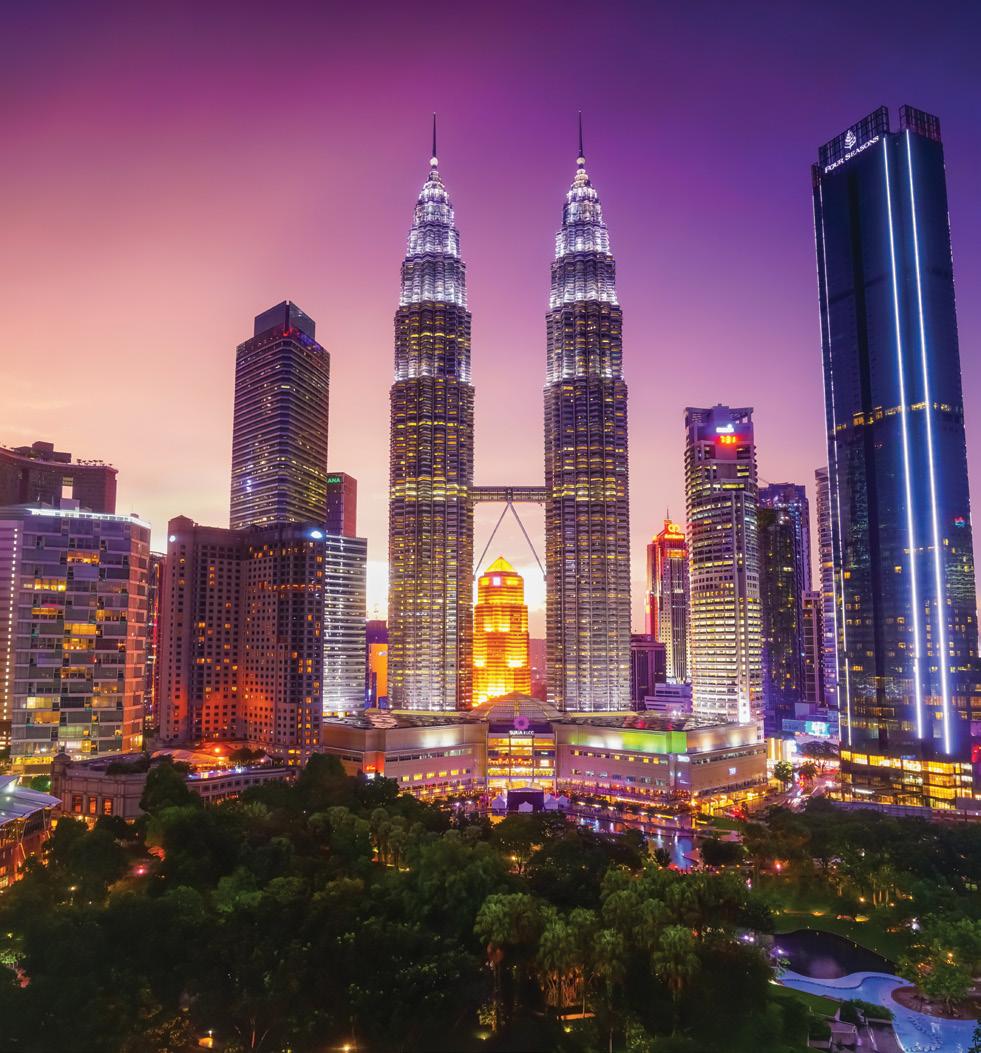
Golden Cane, a storied spot overseen by a regal stuffed moose head. I do shots with a cattle rancher, meet Keith Richards’ onetime personal bartender and an artist who sketches the Golden Cane’s moose on the back of a coaster; I’m told never to order a vodka martini in Zam Zam’s or I may get slapped by the owner who is obsessed with using only gin. Faces come and go and I am passed around to a parade of bar regulars; all of whom treat me like family, there is drinking and yarn-spinning but above all a keen sense of camaraderie.
I ask Kelly why he thought I would be up for this adventure and he winks and tells me: “Water always finds its level” before making his excuses and wandering off into the night. Finally I meet an expat Texan who suggests a final drink back at his flat with a killer bay view. We cab over and finally there it is almost 12 hours later: the Golden Gate Bridge.
Paul Chai
It was Saturday night in Kuala Lumpur and I wasn’t ready for it to end.
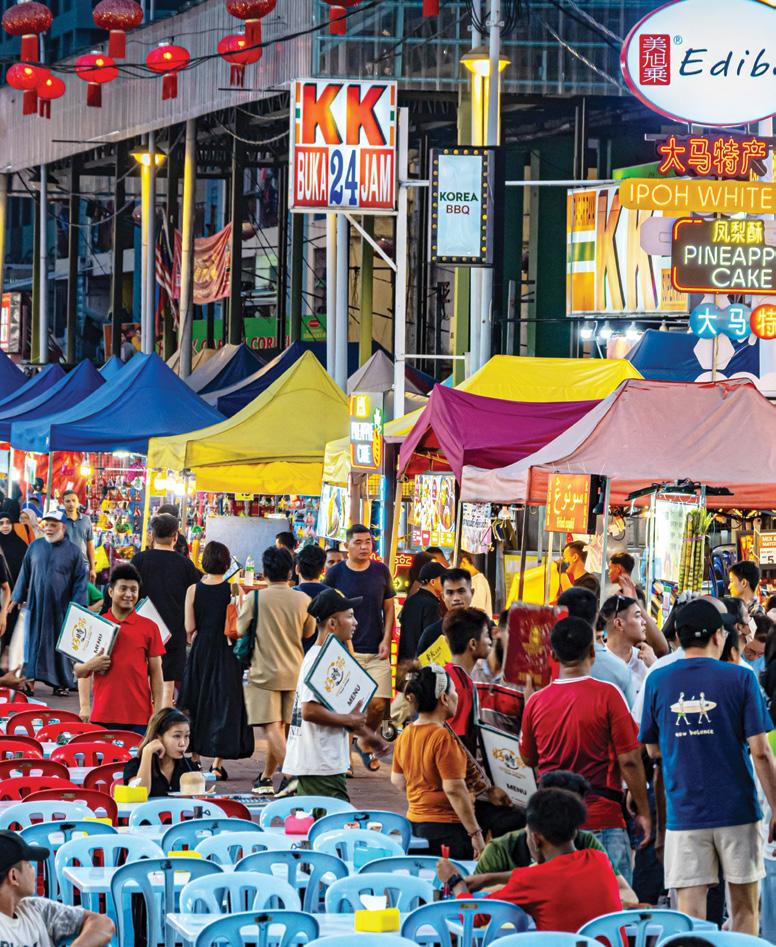
On a trip with Tourism Malaysia that day, we’d witnessed qualifying for the 2014 Malaysian Grand Prix. And then we’d gone back to our hotel, the rest of my group heading to bed or phoning family back in Australia.
I was restless, though. It was Saturday night. I was in Kuala Lumpur.
Being my first time in the city, I googled bars near me, and found a “jazz club and gastro bar” called No Black Tie. Twenty minutes later, I slipped through a curtain to discover an elegant little theatre, acoustically designed with curved timber walls. The place was packed.
I sat and ordered an Asahi. On stage were singers Razlan Shah and Sachie Amira, both young, charismatic, gliding through a mix of American jazz standards and slick renditions of traditional Malaysian songs. Sachie was a charmer, but Razlan had this smiling professionalism about him, which later made sense when I learned he’d studied at Boston’s Berklee College of Music.
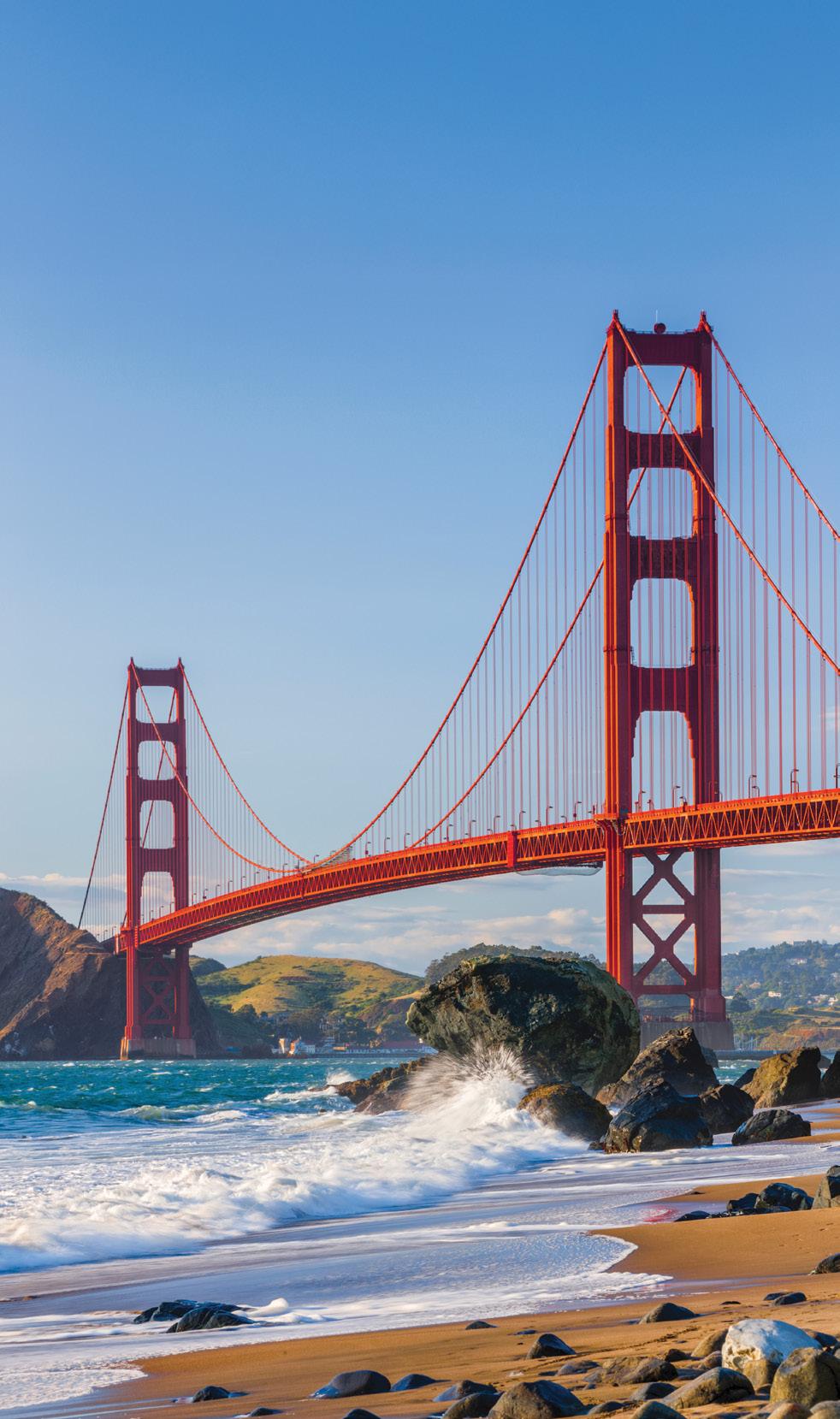
Much of the audience that night was friends and family. Maybe it was that convivial atmosphere, or maybe it was the Asahi, but after the show I wandered up and introduced myself to Razlan. I was a freelancer at the time and would look for stories everywhere. And something about Raz made me think he could help crack open Kuala Lumpur.
We swapped numbers. A week later we were sitting a block away in Bukit Bintang, drinking vodka sodas and discussing everything Malaysia – politics, music, youth culture.
A month later, we were on the phone, Raz talking me through his favourite live music venues for an in-flight magazine feature. That story kickstarted my own subsequent deep dives into Kuala Lumpur – it remains one of my favourite cities – and it kickstarted a career diversion into travel journalism.
But it also kickstarted a friendship. Raz went from performing to then leaning more into music management, and these days he runs Denhouse, a production company, with his partner Adriana.
They tied the knot a while back. I’m yet to celebrate with them. Must be time to head back to Kuala Lumpur.
Matt Shea
Celebrity & Expert Hosts
Designed and hosted by well-known experts who share their passions for a truly unforgettable adventure.

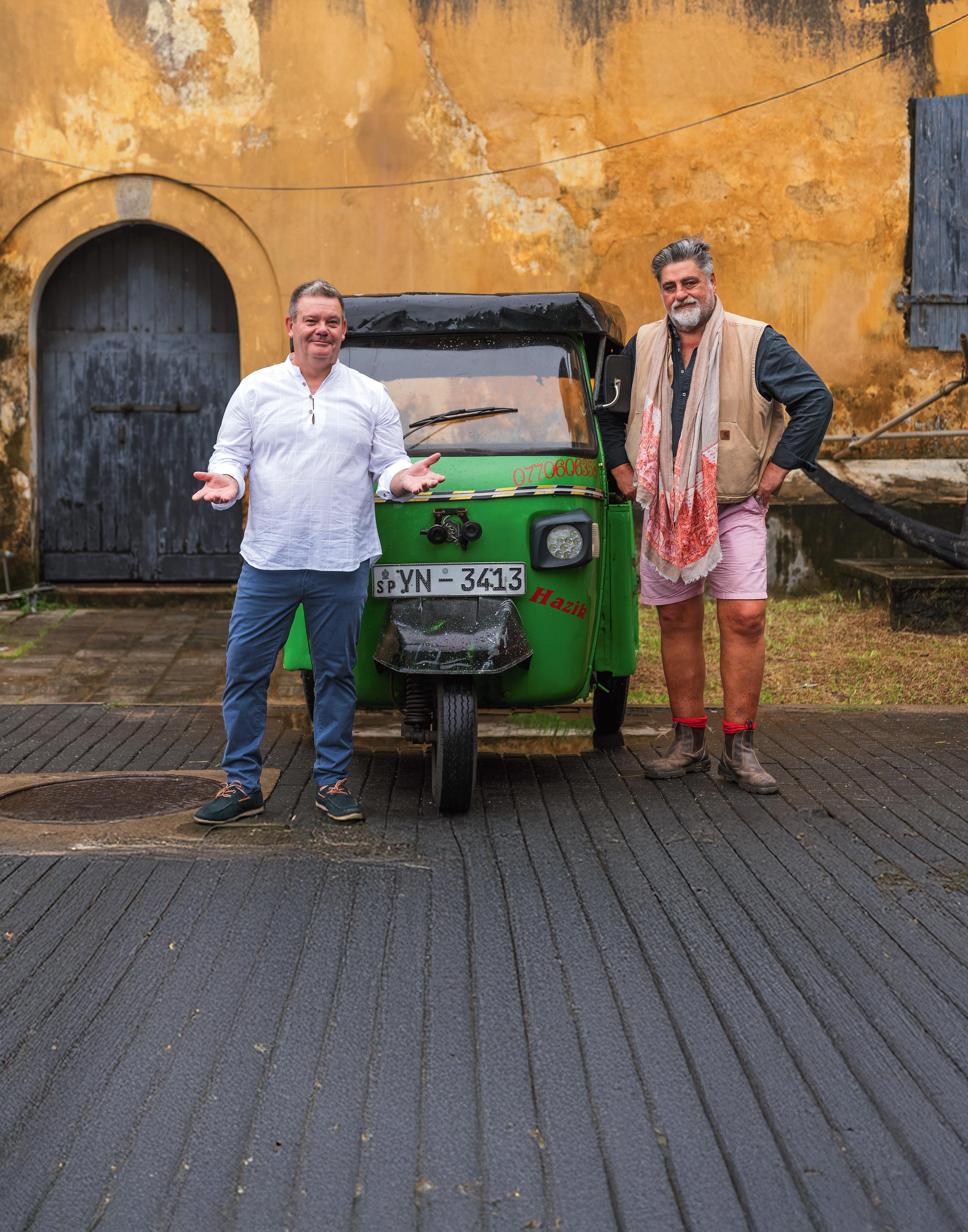
On-the-Ground Research Trips
Our expert hosts undertake dedicated research trips to design each itinerary, ensuring a highly curated journey.
One Departure Only Iconic Itineraries
Each tour has just one departure date, ensuring that every trip is a unique, oncein-a-lifetime experience.
Travellers will enjoy iconic bucket-list experiences, capturing moments that go beyond ordinary travel expectations.
Unmatched Luxury
All hotels and resorts are meticulously handpicked for their exceptional quality, comfort, location, and service.

Whether it’s a rock gig on LA’s Sunset strip, listening bars in Japan or trying your luck at Berghain in Berlin, the local music scene can help you get in tune with a destination. Each issue we get a local to tell us about the city’s music scene and give us a city playlist; this issue John “JC” Collins from Brisbane live music venue, e Tri d, and Powder nger.
The Triffid is Brisbane’s most iconic live music venue, set up and run by a member of one of the city’s most beloved bands. “I always thought Brisbane was missing a mid-sized live music venue,” former Powderfinger bassist John “JC” Collins says. “I always loved the Corner Hotel model in Melbourne where you can grab some food and hang out before and after a show.” The Triffid has capacity for 800 guests and hosts some of Australia’s
best-known bands, though Collins’ mission here is to foster emerging talent – the next Powderfinger, perhaps?
Set in hip inner-Brisbane neighbourhood Newstead, the Triffid’s main performance room was originally a WWII armaments hangar for the US Navy. Patrons linger before and after performances in The Triffid’s beergarden (Triffid Garden) which was once an empty dirt lot. Now the city’s coolest music aficionados hang out over craft beers
and cocktails (the burgers here are as legendary as the music).
It’s taken Collins a lot of effort to make The Triffid such an essential part of Brisbane’s music scene. “I was probably a bit naive,” he says. “I thought if you built a great venue, it would take care of itself. But you have to keep working on it, you have to keep working out ways of keeping it fresh. It’s been a challenge learning how to keep this place going; it isn’t exactly part of any touring musician’s toolkit.”
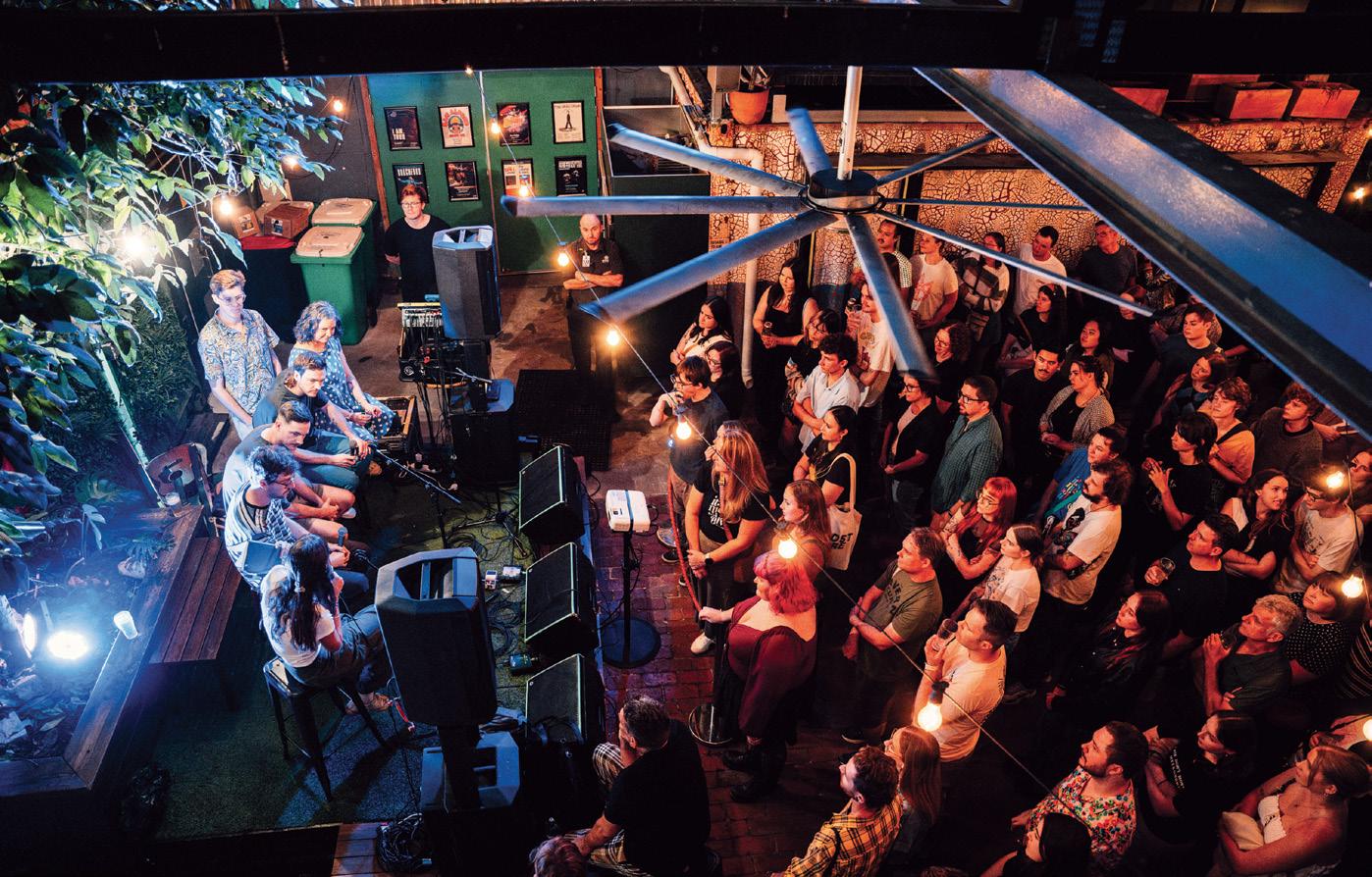
Brisbane has always pulled above its weight. Just look at the artists who’ve come from here: The Bee Gees, The Saints, Ball Park Music and so many others. The city faced some tough political times during the era when punk was emerging, but I think that adversity helped build the resilience that still defines Brisbane’s scene today. Brisbane has always been full of talent and that hasn’t changed. One of the great things about opening a venue is I was able to find some of these artists that I hadn’t heard of before.

Where else can you experience Brisbane’s music scene?
Brisbane has an amazing mix of live music venues. The Fortitude Music Hall has become a muchloved space in a short time, and other great venues include Crowbar, The Brightside, The Tivoli and The Princess Theatre. There are also some fantastic smaller “grass roots” venues like The Junk Bar and Black Bear Lodge — they all add something special to the scene and allow new artists to develop their sound.
I love music because it can do so many things: it can fire you up; make you sad; make you happy. Most of all, I love that it connects us as people. Music has given me my life, and I’m incredibly grateful to everyone who supported Powderfinger, and to everyone who’s supported me with the venues. We saw during COVID what happens when music is shut down; people found ways to share and play it online. We can’t live without music, I know I couldn’t.
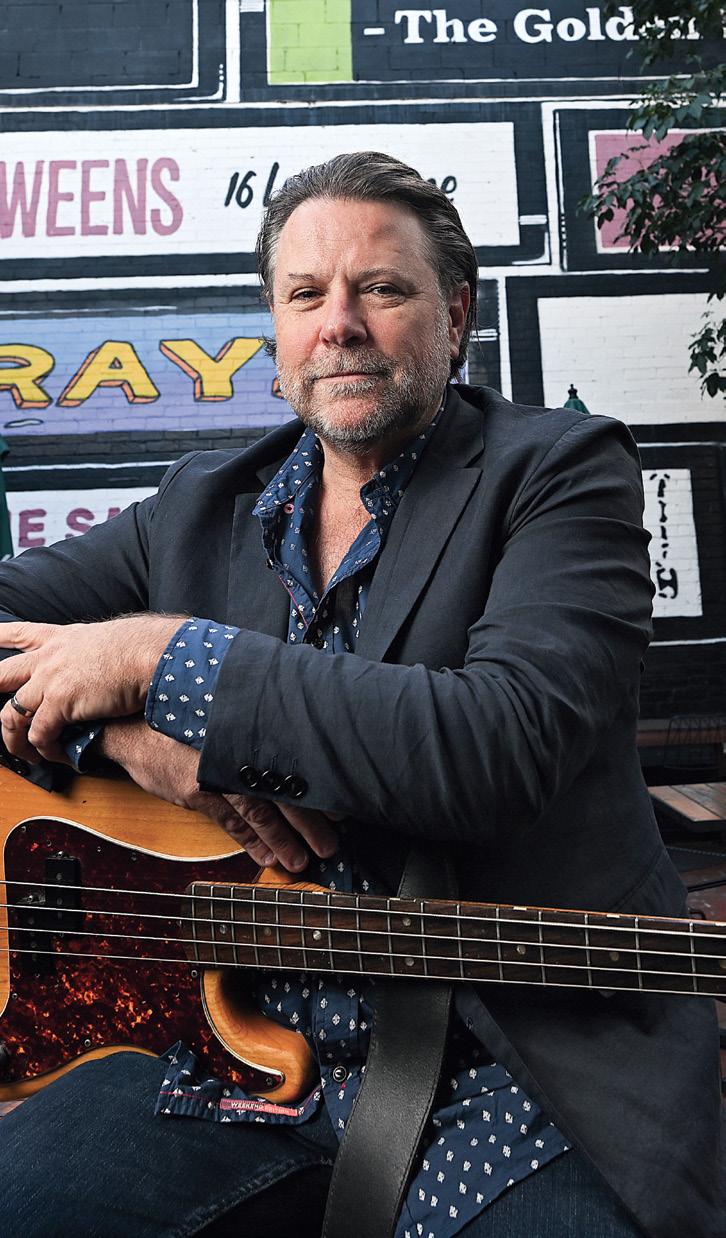
“The special thing about Brisbane is that there isn’t one specific ‘Brisbane sound’ –so my playlist is pretty diverse, too. When we [Powderfinger] were starting out, it was definitely more guitar-oriented. These days, you see fewer guitar bands and more solo artists and DJs.”
Lovesong
The Cure
Fade Into You
Mazzy Star
What Is Life
George Harrison
King of Disappointment
Jem Cassar-Daley
Almost Cut My Hair
Crosby Stills Nash and Young
Age of Consent
New Order
Levitating
Dua Lipa
Please Don’t Move to Melbourne
Ball Park Music
Fake Plastic Trees
Radiohead
Letting Go
Angie McMahon
Listen to e Tri d playlist now
We have stopovers and shopovers, layovers and opovers, but for food lovers a 24-hour city stay between ights can be an opportunity to sink their teeth into a place’s food culture. Welcome to our regular snackover column; this issue Stephanie Mikkelsen in Athens.
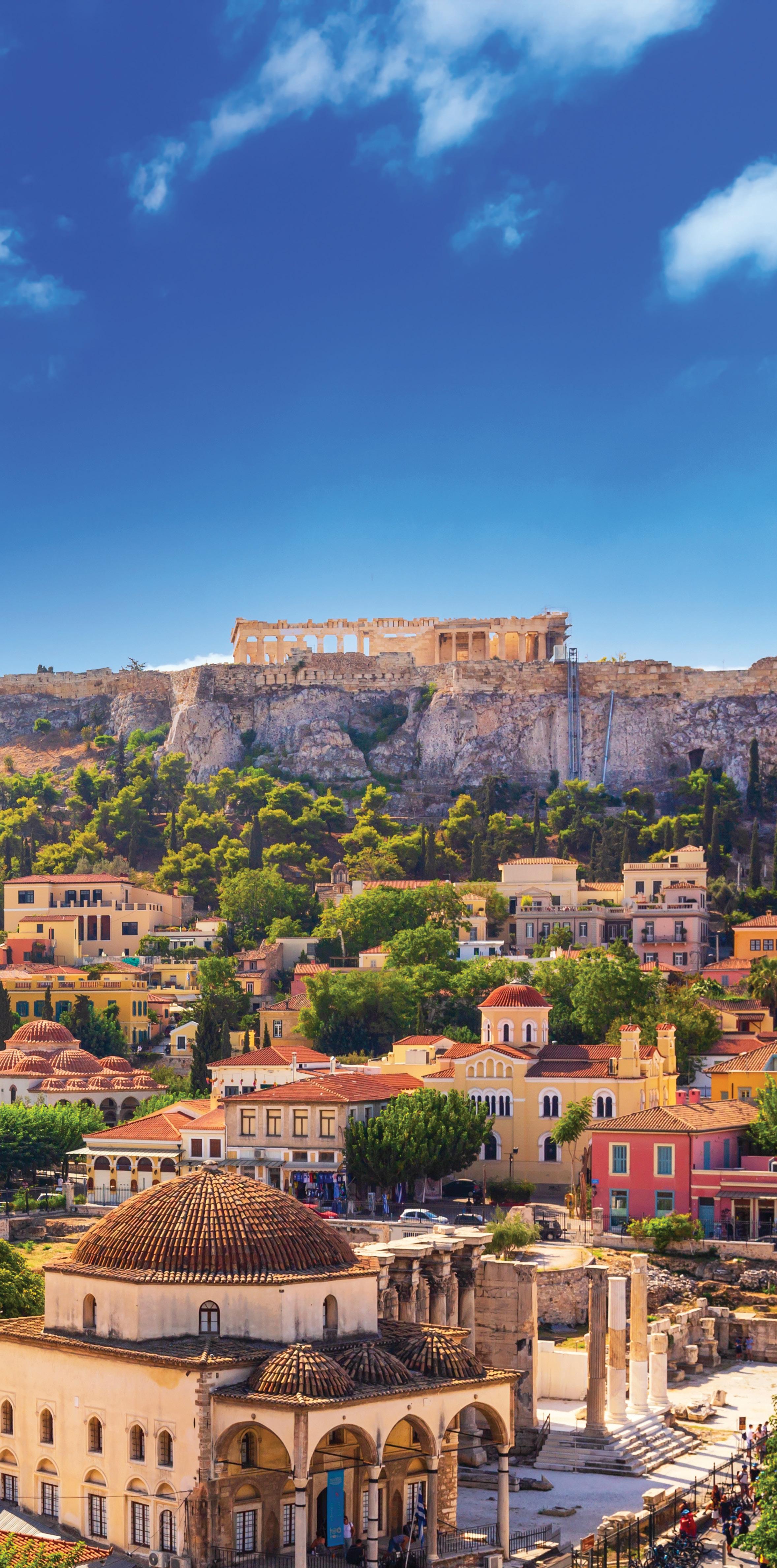
8pm Souvlakia Petmeza
We touched down in Athens just two hours ago, bags dropped, a first-time city buzz settling in. We start strong at Souvlakia Petmeza, a few doors down from our apartment and exactly what jetlagged stomachs dream of. The souvlaki is charred, juicy, fresh – no nonsense, no notes. A cracker of a welcome.
8am Takis Bakery
Morning breaks and we’re straight onto pastry. Takis Bakery is third-generation, family-run and happily close to our digs. We arrive minutes after opening, so we waltz straight in. One “kalimera” (good morning) later and I’m clutching a paper bag with a ham and cheese pie, still warm and pleasantly soft in the middle. Pastry flakes off in shards, crumbs gathering at my feet. Salty, comforting, gone too fast.
9am Pandora
If breakfast is the meal of champions, it feels only right to have two in the birthplace of the Olympics. Pandora, on a side street near the Acropolis, is next. My partner orders a chicken phyllo pie; I choose leek, then immediately steal from his anyway. No regrets.
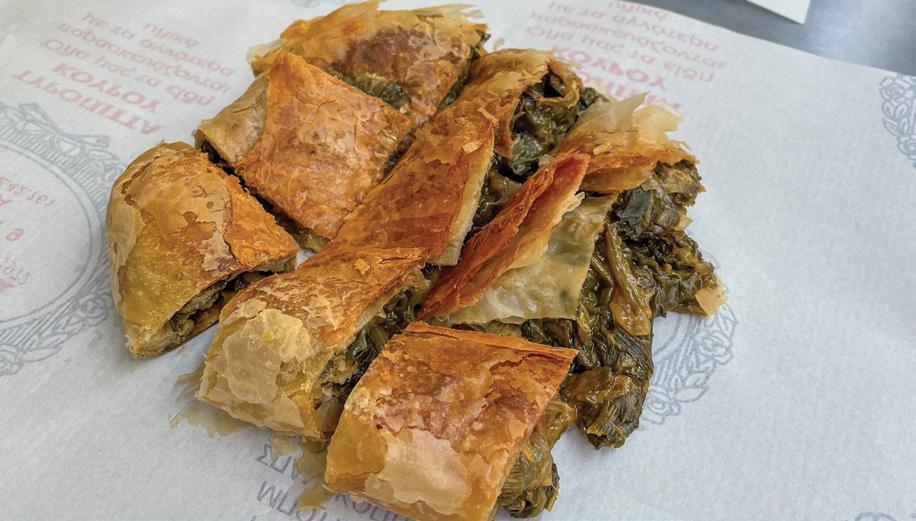
11am
Artos Venetis
Around since 1907, this bakery uses butter made from sheep’s milk – an instant upgrade that makes me reconsider every other baklava I’ve ever tried. It’s rich, sweet and the right amount of sticky, the unapologetically high butter content leaving a sheen on my fingers. Strategy overrules restraint and I tamp down the urge to go in for a second piece.
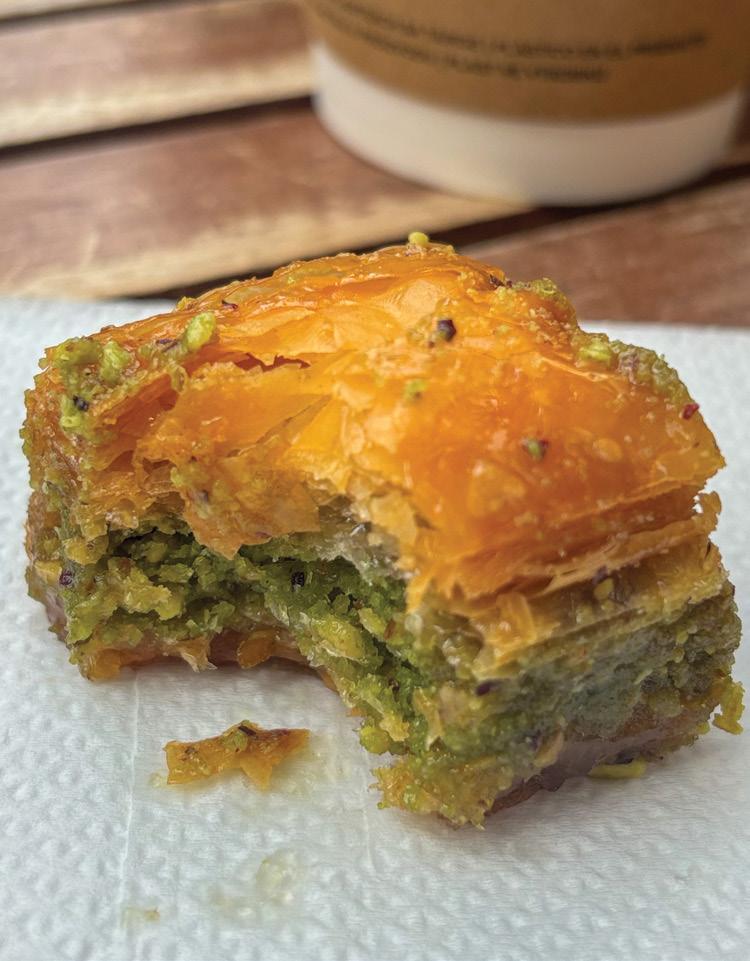
1pm Dodona
Pie day continues. Dodona is a hole-inthe-wall, almost cleared out when we arrive. There is still some spanakopita and bougatsa, which we cut into squares and enjoy standing at the small tables out front. The savoury is good, but the sweet pie steals the show – crunchy yet custardy, deeply satisfying.
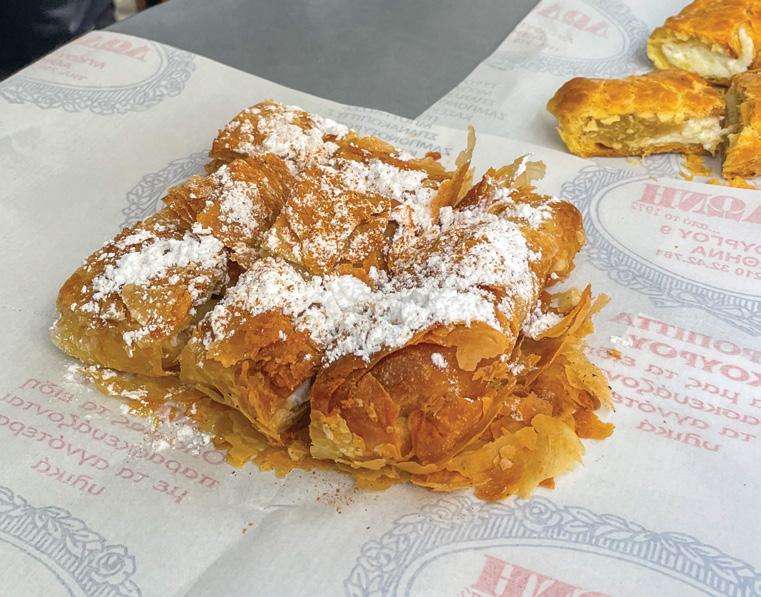
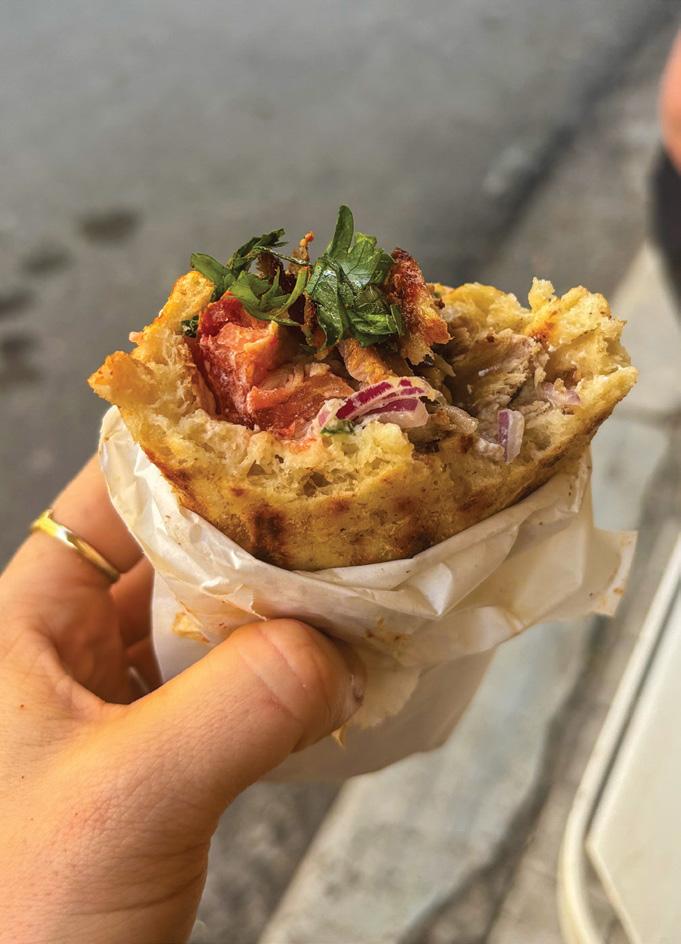
1:30pm Traditional Cafe Kastello
We stop for a low-key lunch. Dolmades, flash-fried squid, garlicky eggplant dip and lamb so soft it barely resists the fork. Bread for tearing, salad for balance, plus shots of ouzo to round things out.
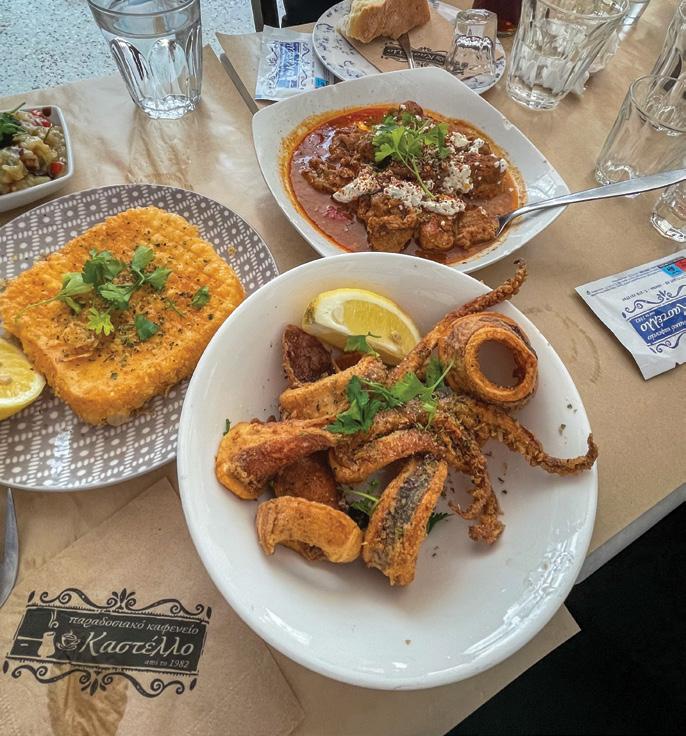
3pm Loukoumades Ktistakis
My dessert stomach demands attention. This one-man operation near Omonoia Square is old-school and worth the walk. Loukoumades are made to order, one table at a time, using sugar syrup, cinnamon and sesame seeds – no toppings, no variations. Crisp outside, chewy and doughy inside. We order two plates but leave carrying leftovers home.
6pm Tylixto
Power nap done, stomach rumbling. My partner points out a glaring omission from our day’s eats: another gyros. Off to Tylixto in Monastiraki we go. The line moves fast, and I swoop on open seats at a communal table like a gull on a hot chip. The lamb is well seasoned, the pita soft, and the tzatziki sharp – the perfect late-afternoon snack in a day that’s been one delicious bite after another.
7pm MS Roof Garden
We make the ultimate first-time tourist move: cocktails on a rooftop with a view of the Acropolis. The place is heaving; thankfully, I booked, and I’m smug about our prime position on the upper terrace with nothing blocking the view. We clink glasses, order fried potatoes – not chips, but thick, golden spud rounds – and watch the city glow.
10pm Django Gelato
One last stop. This boutique gelateria is known for its inventive flavours inspired by Greek produce. I order smoked hazelnut and Persian cream; the latter tastes of mastic and has swirls of raspberry jam. Cold, sweet, satisfying – a button-busting end to 24 hours of eating.
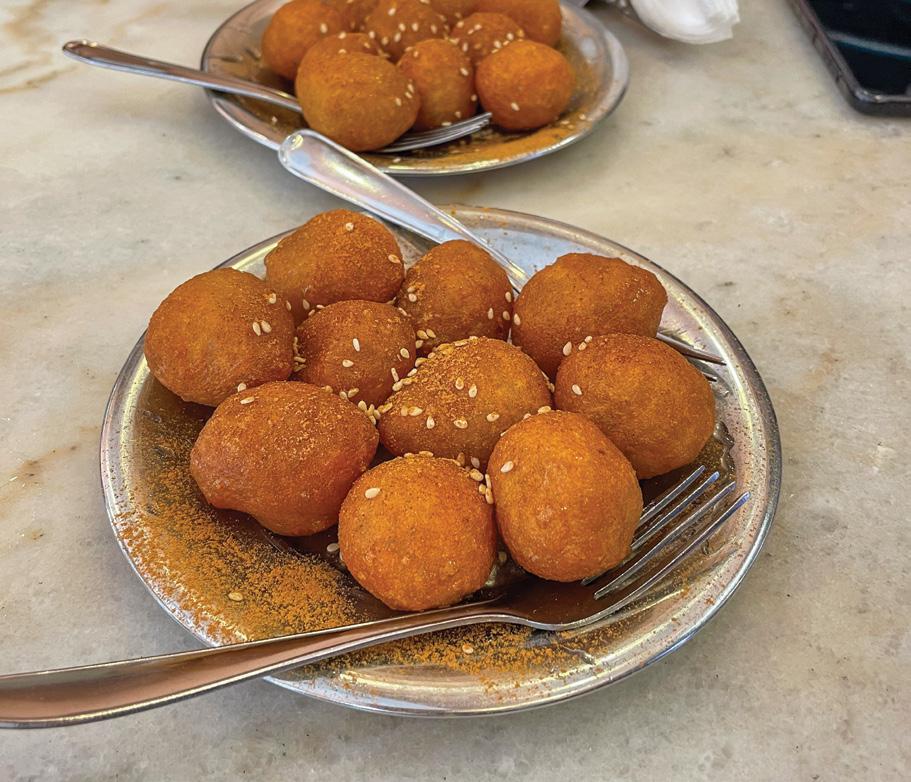

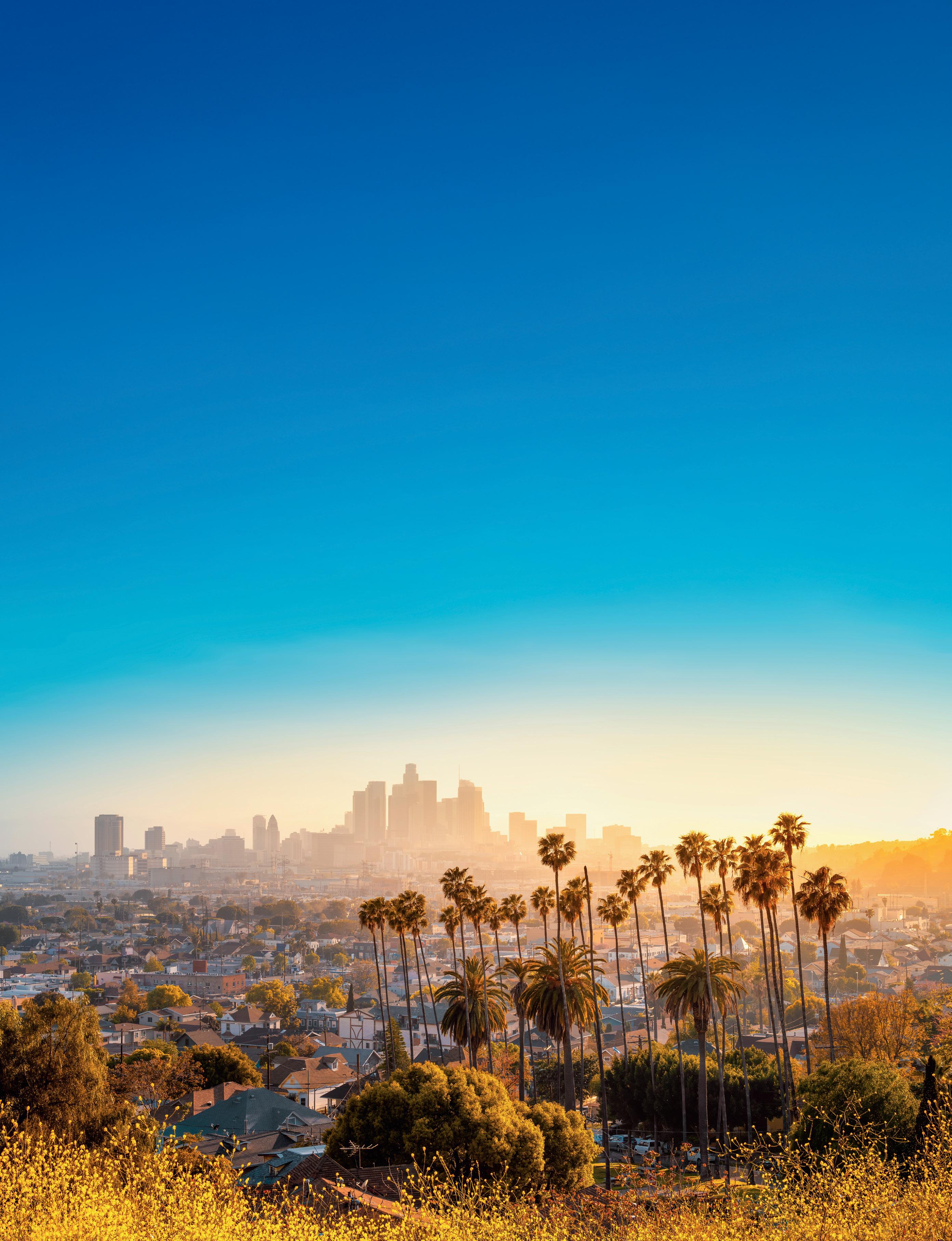
Los Angeles is the home of the blockbuster movie, a street food paradise and the gateway to California. But above all the City of Angels is the capital of possibility, a place that people go to reinvent themselves taking inspiration from all the city has to o er.
For decades, dreamers and doers have travelled to Los Angeles not only for its stunning beaches, its world-class restaurants and its mansions hidden in the Hollywood hills, but to start afresh. Travellers along the old Route 66 used to pitch up to the famous restaurant Barney’s Beanery with nothing and then trade their car number plates for a bowl of steaming chilli before
heading off to make their dreams come true.
That spirit of adventure, of renewal and discovery has become a part of the city. Los Angeles is open-hearted and open-minded. It is ready to accept and indulge the adventurous you, the curious you, the creative you and the passionate you. The you that can only be discovered in LA.
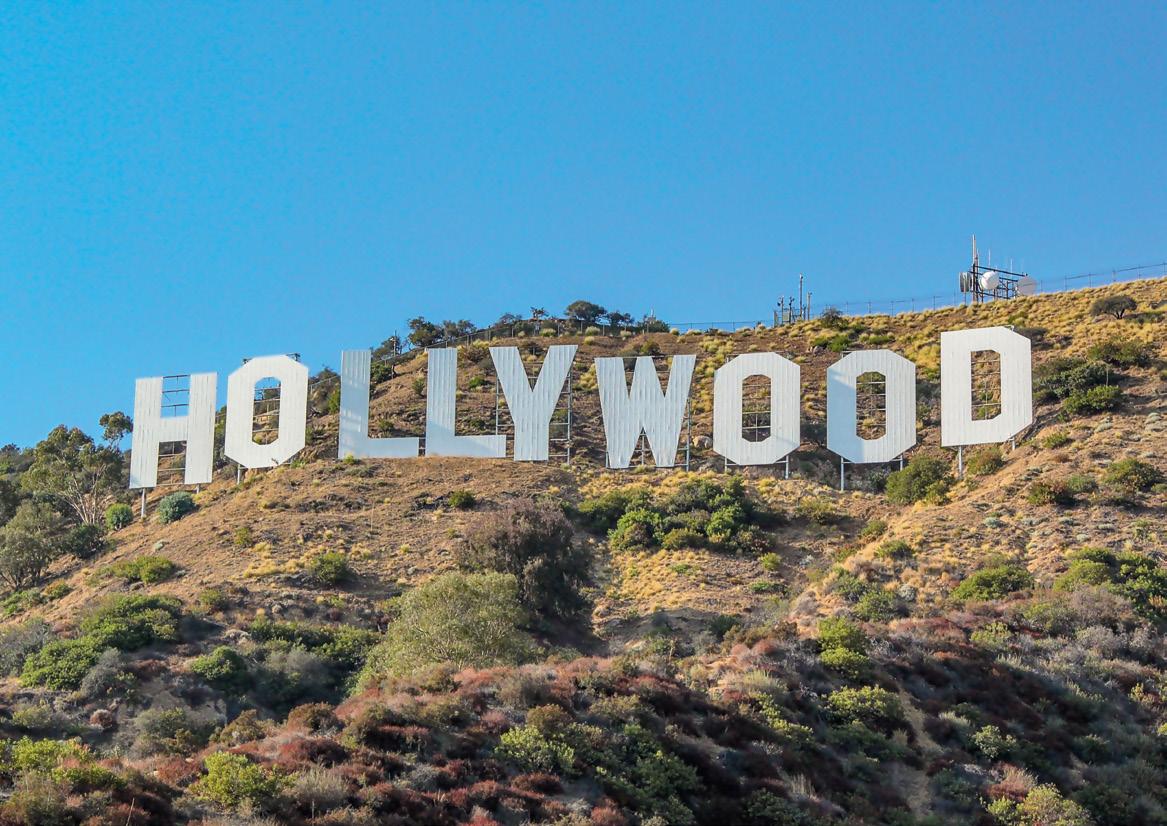
Los Angeles remains the entertainment capital of the world and with that comes all the trappings of stardom. You can tour incredible film locations like Fox Plaza (better known as Nakatomi Plaza in Die Hard), grab a meal in the Formosa Café (star of LA Confidential) or sip a martini in Musso & Frank Grill (as seen in Tarantino’s Once Upon a Time in Hollywood).
Head downtown and visit the Biltmore Los Angeles, a hotel that has hosted the Oscars eight times, visit the Bruce Lee statue in Chinatown, or stand on Point Dume State Beach, where Planet of the Apes filmed its iconic ending!
And don’t forget a bit of celeb spotting at hotspots like Gjelina’s in Venice Beach, the Hollywood Roosevelt (home of the first Oscars) or the classic red-sauce shack that is Dan Tana’s.
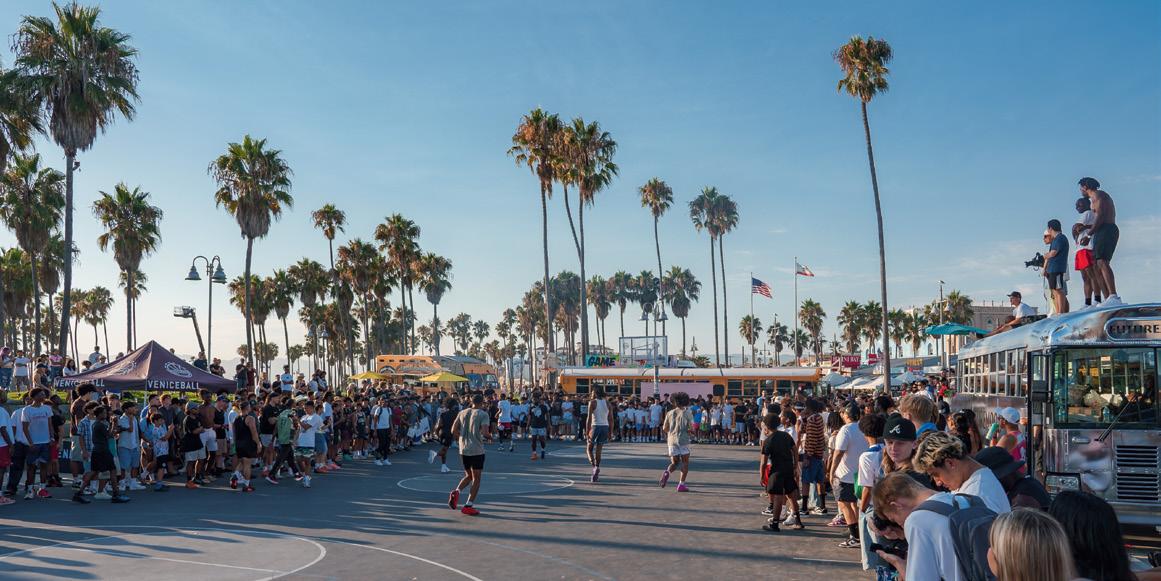
Known as the live sports capital of the USA, Los Angeles has more pro teams than any other city in the US and over the next couple of years it will host some mega international sporting events.
Los Angeles will see the arrival of the FIFA World Cup 2026 with a host of incredible matches on display. The city will also be home to the NFL Superbowl in 2027 with the eyes of the world on the big match. And, in 2028, Los Angeles will host the Summer Olympics and Paralympics for the 3rd time. LA loves its sport.
Also, at the right time of year, it is one of the few places in the world where you can surf and ski in the same day: hit the slopes at Mountain High in the morning, a ski resort just 90 minutes north-east of Hollywood and then end the day with a perfect set at Surfrider Beach in Malibu.
One of the great food cities of the world, Los Angeles has the perfect bite for you whether you like to take your meal with a crisp white tablecloth and silver cutlery or just a napkin and a good view of the game.
Street food is everywhere from the Donut Man at Grand Central Market or a taco from Mariscos Jalisco, one of the city’s OG food trucks. Stop by for a famous Pink’s hot dog at the stand that has starred in many a film about LA or grab an al fresco Neapolitan pizza slice at L’Antica Pizzeria Da Michele.
If you love fine dining, you can settle in for an epic multi-course chef’s tasting menu at Providence, chef Michael Cimarusti’s seafood restaurant that has earned two Michelin stars. And if you are looking for classic LA fare reimagined, head to Dear John where legendary LA chefs Hans Röckenwagner and Josiah Citrin elevate some old-school city favourites.
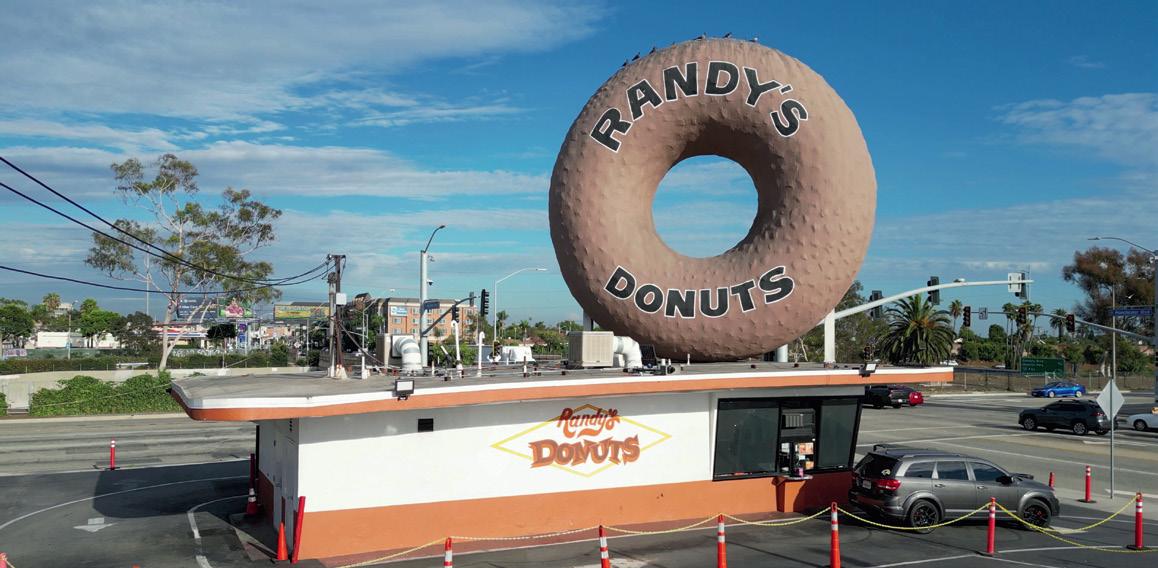
With more galleries than any other North American city, there is something for everyone in the Los Angeles arts scene.
As the home of Hollywood, dig deep into LA’s film-making history at the Academy Museum of Motion Pictures, or head to the Hollywood Museum to immerse yourself in show-biz treasures, props and costumes. Art lovers can connect and learn at The Getty Center, with stunning architectural gardens and views over LA’s coastline, or inspire creativity with a visit to Los Angeles County Musesum of Art (LACMA). Car lovers should then head to the Petersen Automotive Museum, to witness 300 of the rarest vehicles ever assembled.
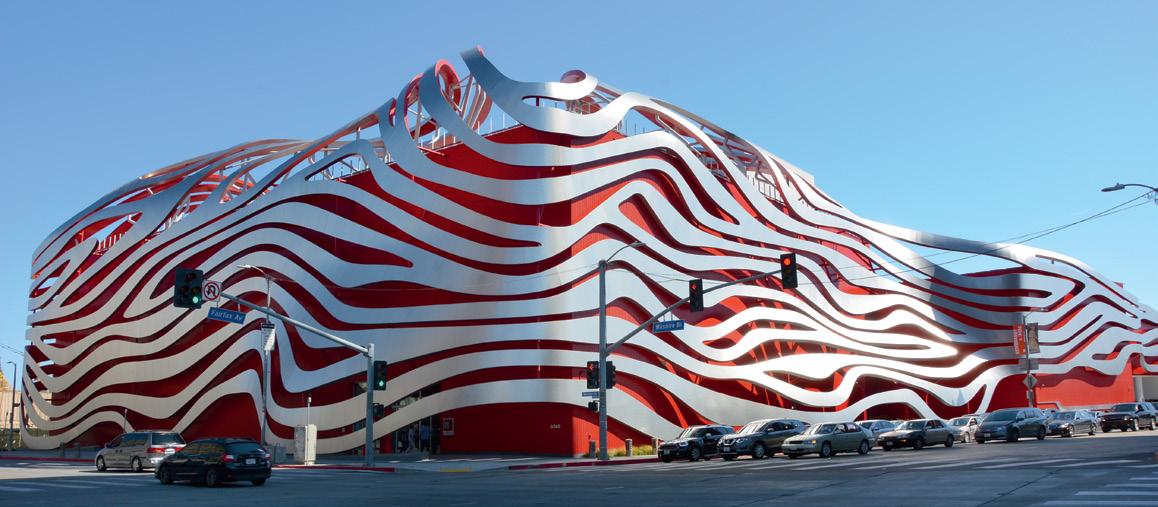
Discover di erent sides of yourself re ected in the endless possibilities of Los Angeles. See YOU in LA.
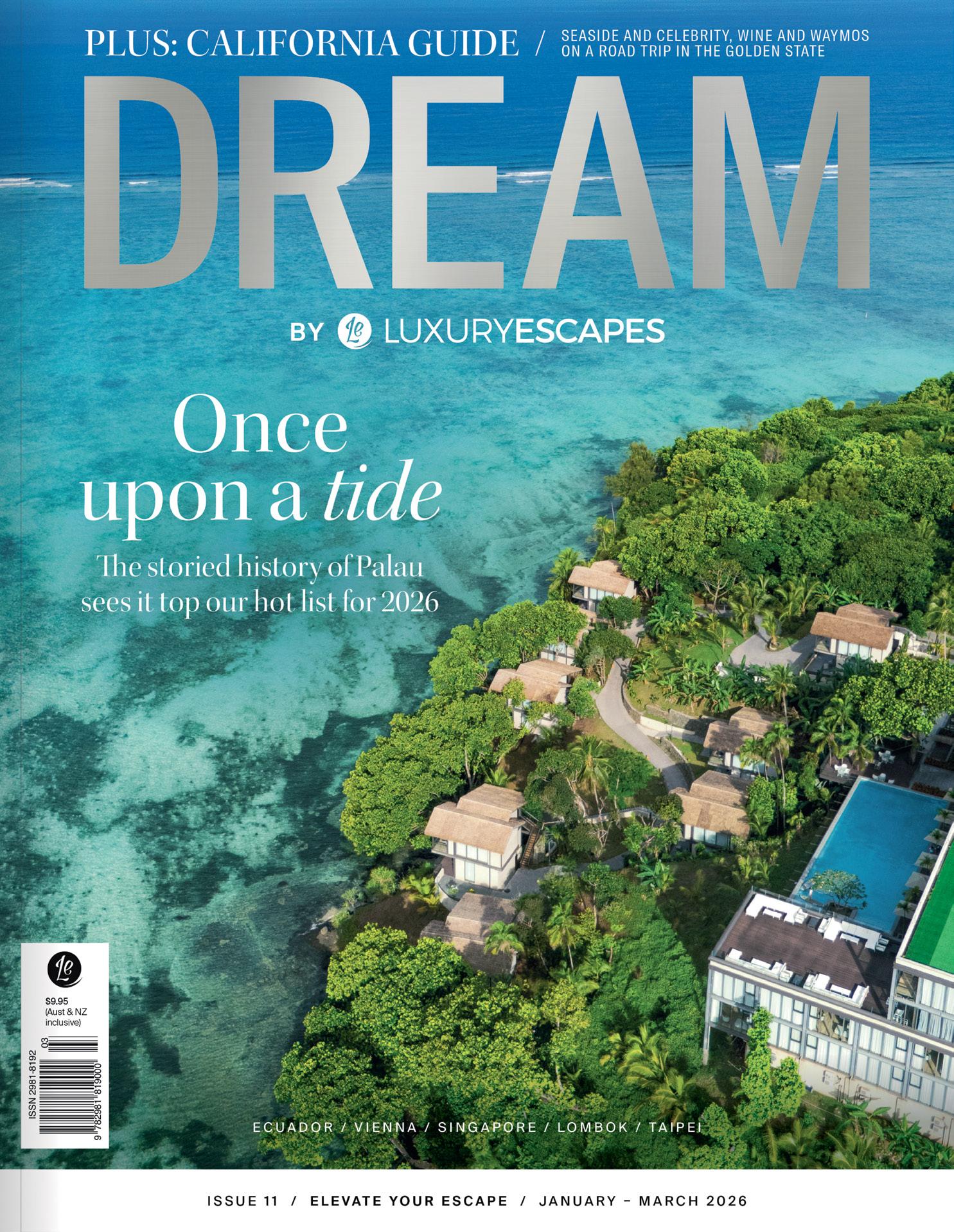
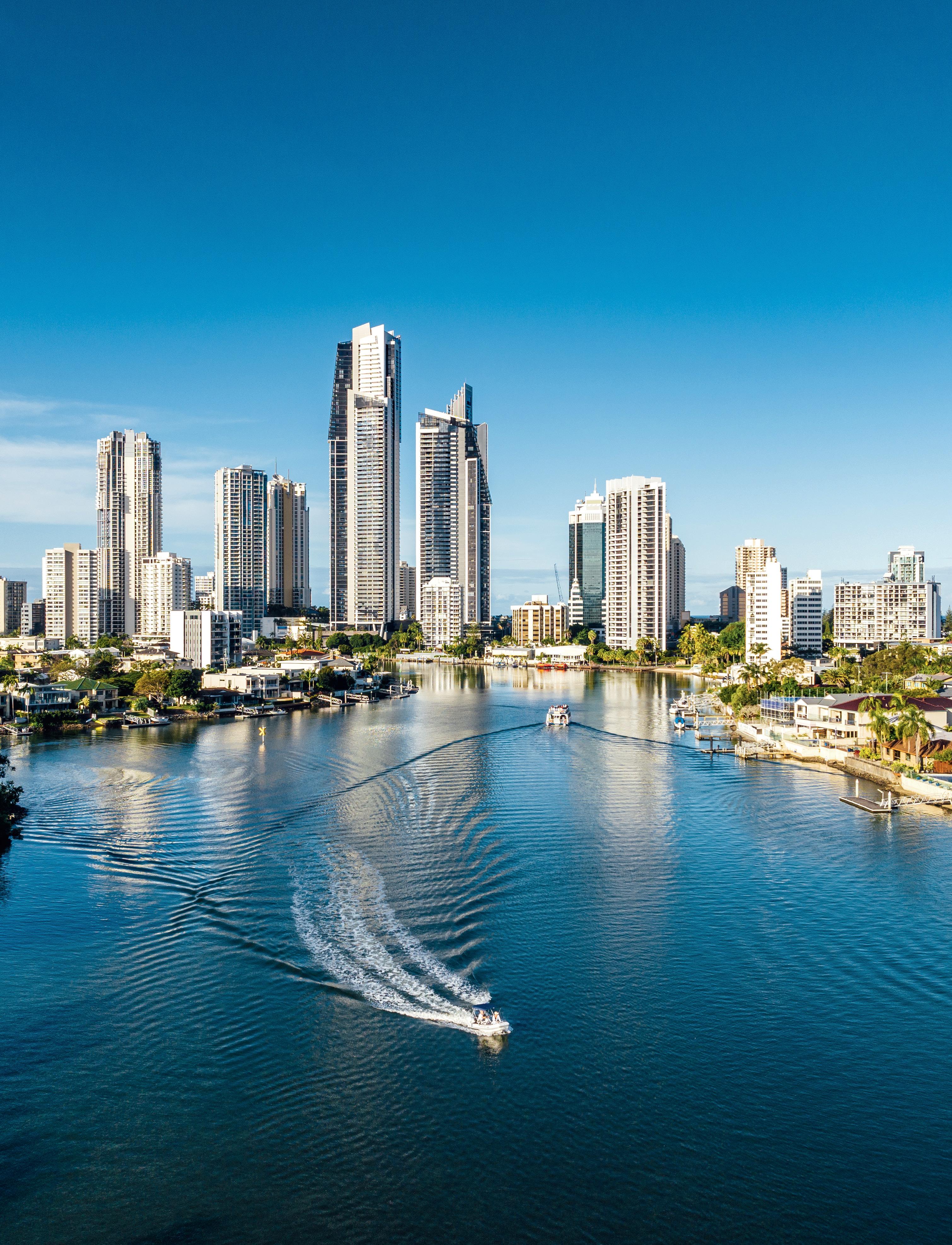
Known for decades as the end-of-high-school party spot, the Gold Coast has itself graduated to become a sun-kissed strip of high-end luxury. Clever degustation menus hidden in plain storefronts, jetski breakfast safaris and a new $10,000-a-night penthouse are just a few of the things helping this Queensland hotspot to school travellers in the ner things in life.
This region is not called the Bronze Coast or even the Silver Coast: the beaches, the nightlife, the seafood straight from the ocean to your plate and the stampede of new luxury hotels trying to get a piece of the action are all certified solid gold. And it’s the coast with the most because you can
party like you just finished school at Surfers Paradise, have a civilised cafe breakfast at Tarte in Burleigh Heads, or zipline and bush bash through the gargantuan greenery of the Gold Coast hinterland.
Travellers can hit the beach, or the hotel pool club, they can grab
some fish and chips or a degustation where each course becomes your new favourite thing you have ever eaten; you can drink classic cocktails barefoot or sip local whisky in hiking boots. Just like the precious mineral itself, the Gold Coast is malleable, valuable and always shining.
Here is our insider guide to the perfect Gold Coast escape.
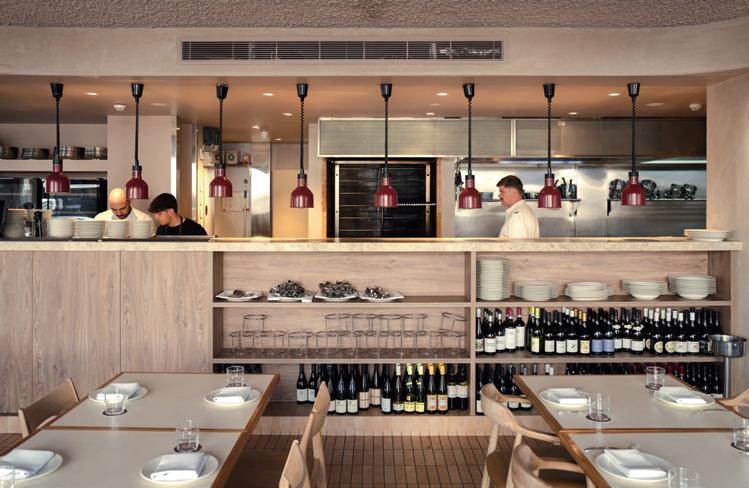
Lars Kollrepp grew up in restaurant kitchens before opening his own in Mermaid Beach. His approach is hyper-local ingredients cooked with respect, so kingfish swaps a swim in the sea for a dip in a tart-butbalanced yuzu dressing, and a spanner crab tagliatelle is punched up with smoked chilli and preserved lemon. Start with a Getaway martini, which takes Beenleigh white rum infused with jalapeno and kaffir and adds coconut and lime; Gold Coast in a glass.
Palm Beach vibes – cacti, palm trees, bold stripes and sun – and a collection of twisted margs to match, Sueño is your front-row seat to sunset. The mango margarita is a stand-out among a list of signatures celebrating tropical flavours. Get a bowl of corn chips and scoop up tangy guacamole and salmon ceviche with avocado and bonito soy. Downstairs fine diner Norté is all about the Latin American flavours, with masa (corn dough) featuring heavily.
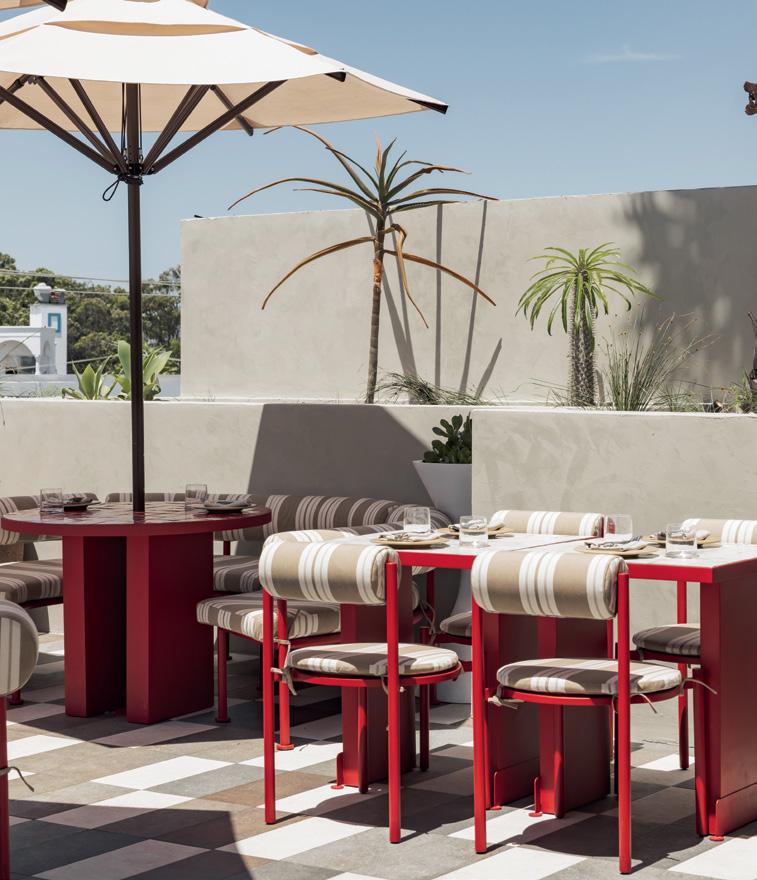
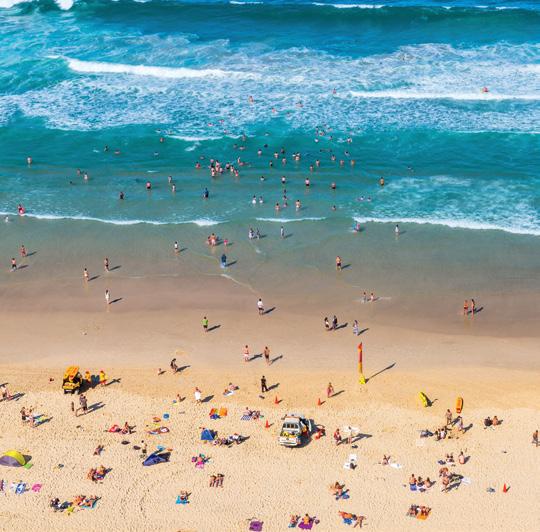
Summer on the Gold Coast is hot, humid and when you will find most people heading for the famous surf. You might get afternoon squals but you also have warm nights that are perfect for strolling between dining spots. The glitzy Gold Coast has played host to the Australian Academy of Cinema and Television Arts (AACTA) for the past few years, with red-carpets events at HOTA (Home of the Arts) so there is a good buzz about town.
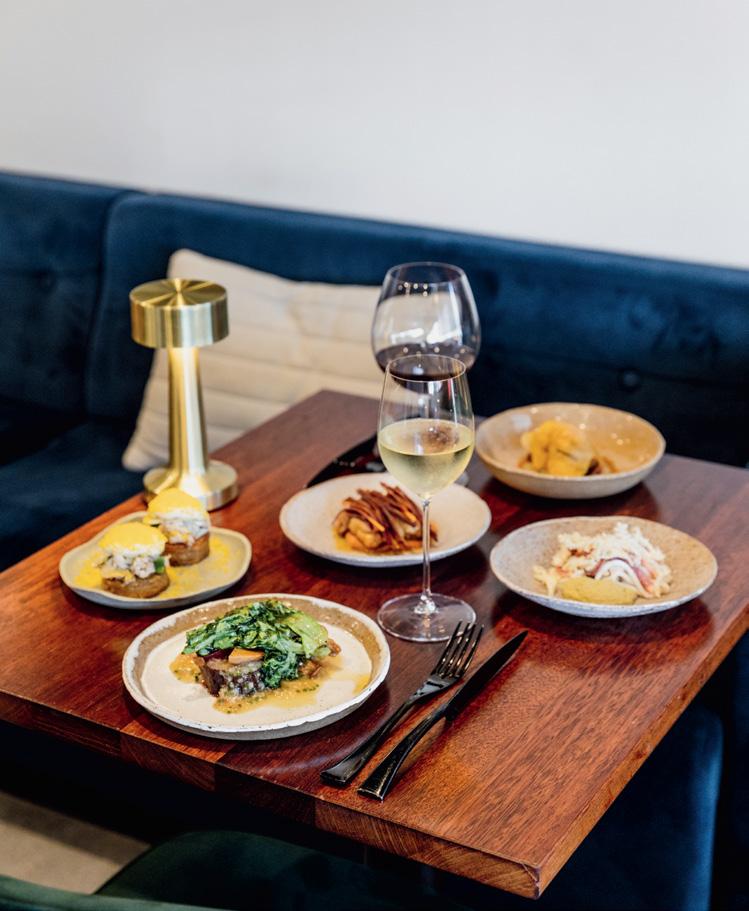
Behind a modest shopfront on the Gold Coast Highway, this fine diner is anything but shy with its flavour bombs. Run by husband-and-wife team Tim (chef) and Shannon (host) Stewart this intimate dinner starts with a “snack party” then a set menu that might include wallaby with a macadamia cream and local finger lime but will definitely include the signature bone marrow crumpet topped with handpicked spanner crab, cultured cream and salted egg yolk. When in doubt, listen to Shannon – any suggestions delight and surprise.
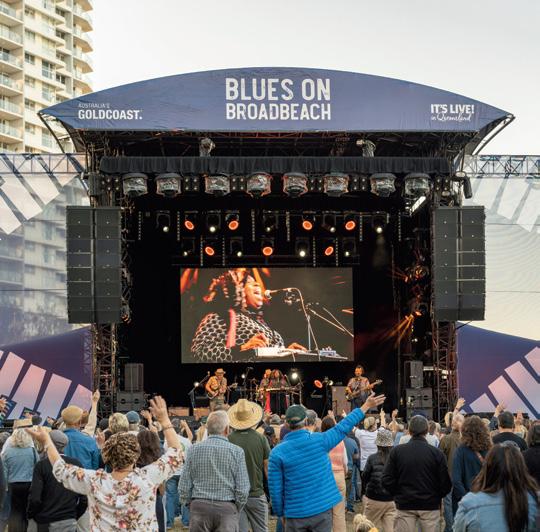
Autumn brings slightly cooler days but still-warm seas so beach attendance sees very little drop-off. Have a giggle at the GC Laughs Festival or catch a movie at the Gold Coast Film Festival. The signature music festival is Blues on Broadbeach in May. You can also enjoy the Sanctuary Cove International Boat Show showcasing boats and marine lifestyle. The GC is a huge boating destination and the marina is undergoing a massive redevelopment.
Have you even been to the GC if you haven’t had a Moreton Bay bug roll at Rick Shores on the Burleigh Headland? Fried not poached, the crunch is so loud it almost drowns out the Balearic beats and the crashing waves. Surrounded by sand on all sides, big happy groups laughing and clinking glasses, and punchy Asian flavours, this is a quintessential beachside bite.
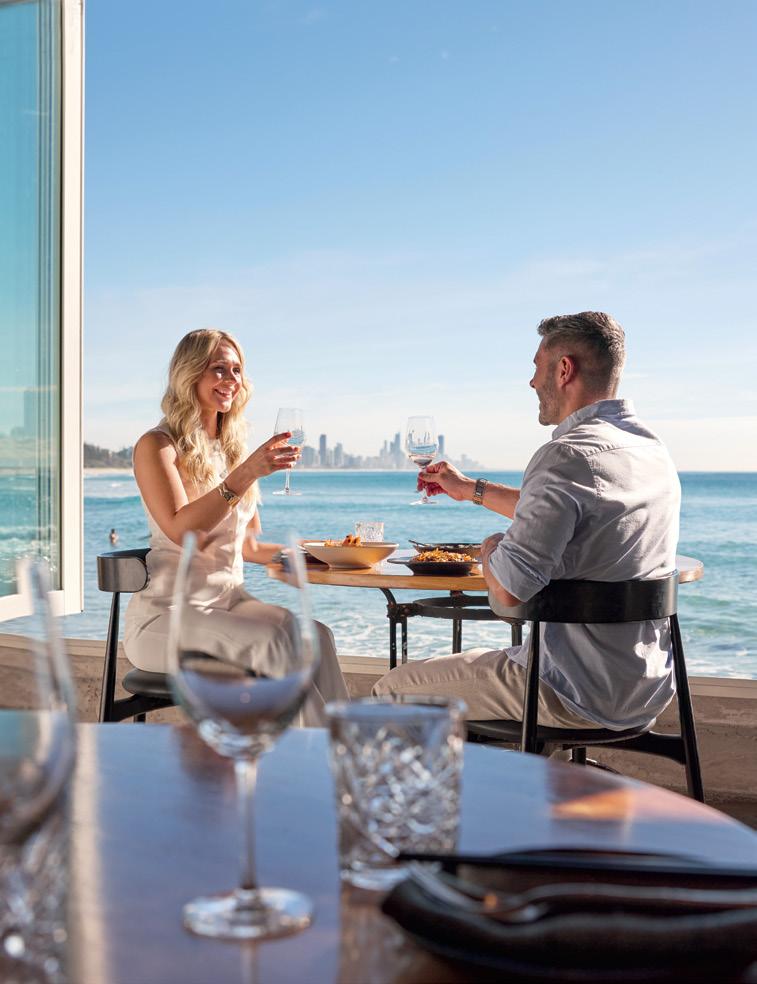
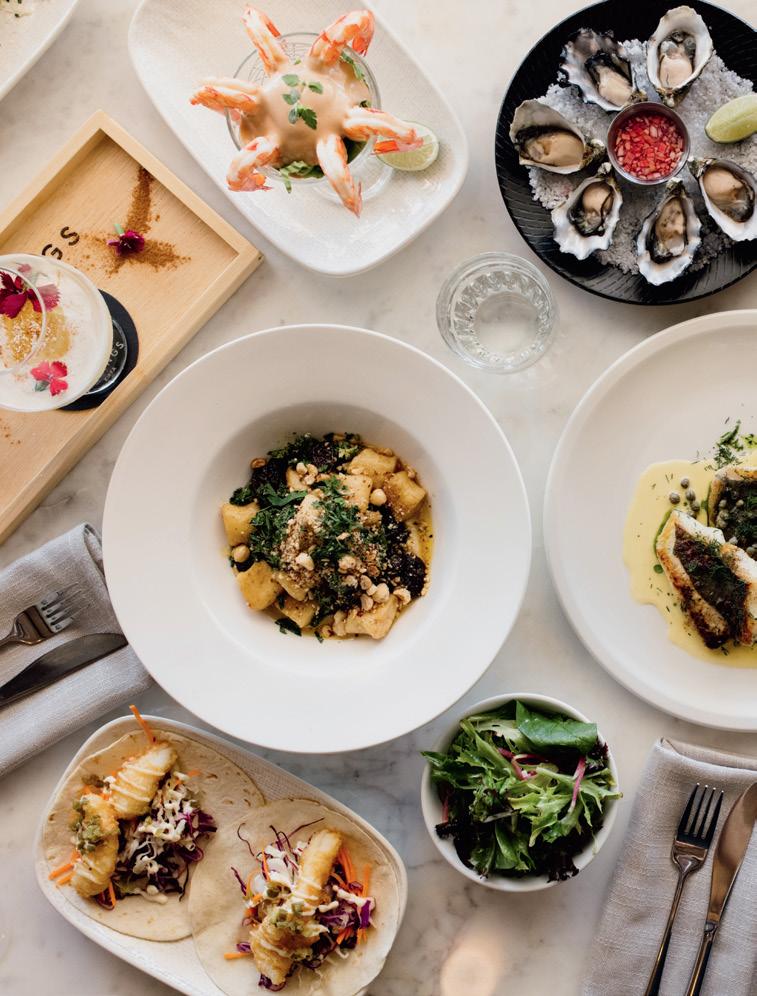
Right on the sand at Kirra Beach, Siblings is the sort of relaxed beachside party spot the Gold Coast has on lock. Natural wooden tones, wicker chairs and open-air to catch the sea breeze, and patrons are sharing the (not so) small plates of crispy buttermilk chicken with fermented chilli honey and dill pickles or Baja fish tacos before tackling mains like risotto with a trawler load of prawn and bug meat with a pink Champagne cream.
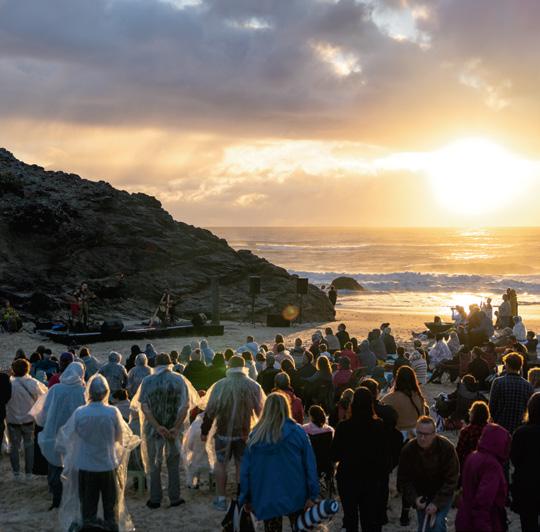
Winter is mild with cool mornings, sunny days and is great for sport and outdoor explorations. Don’t miss the iconic Gold Coast Marathon in July and the spectacular Pacific Airshow over Surfers Paradise beaches. The supposed offseason still has plenty to offer travellers, particularly from the cooler climes (I’m looking at you, Melbourne.
Burleigh is buzzing in the morning and the snaking line out the door tells you that Tarte Bakery & Café is one of the top picks. Located on leafy West Street surrounded by a ring of sun umbrellas, Tarte has some phenomenal baked goods including the Cruller, a New York-inspired fried pastry that is as sinful as your morning swim is saintly.
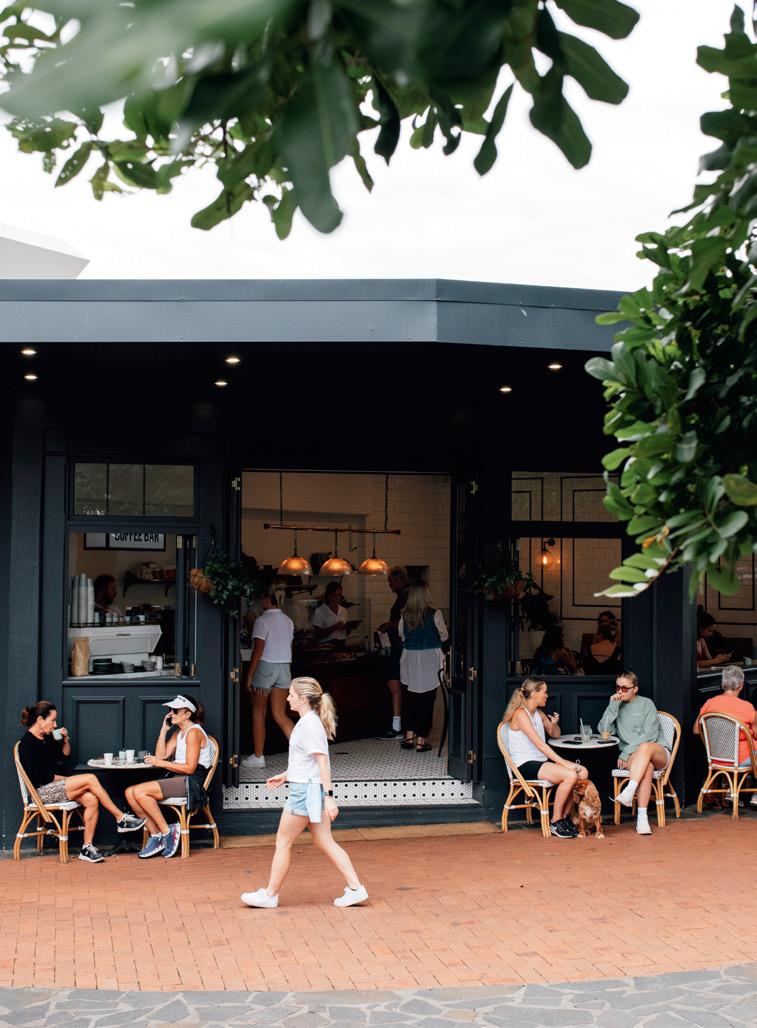
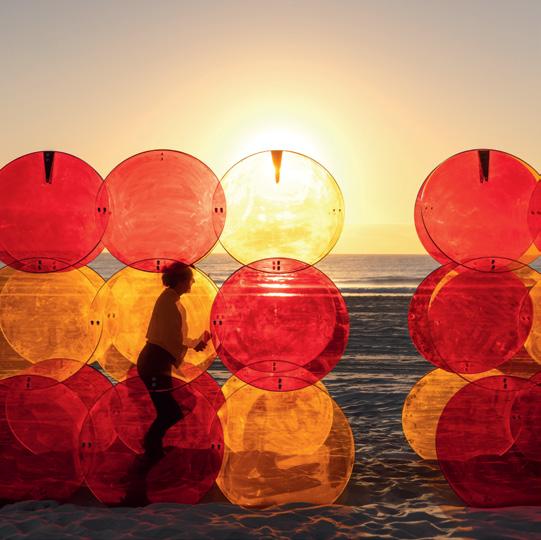
Spring sees things warming up again and highlights include the SWELL Sculpture Festival on Currumbin Beach, the Gold Coast Show and the Gold Coast 500 street racing. BLEACH arts festival* in October brings, visual arts and installations to the coast. Don’t forget that the Gold Coast gets over 300 days of sunshine a year and can reach highs of 26 degrees even in the shoulder seasons.
This jaw-droppingly bougie, five-bedroom penthouse has several breakout spaces like kids’ playrooms, the library, an office, pool room and outside space with plunge pool and lounges overlooking the fun at Kirra Beach. It comes with a fully stocked bar so you can work your way through the bespoke cocktail menu. Mix a Coastal Grove Martini with Grey Goose vodka, Brookie’s Dry Gin and a dash of macadamia and wattleseed liqueur; conduct the music, blinds and aircon via the house iPad and pretend you are a tech bro from the recent film Mountainhead
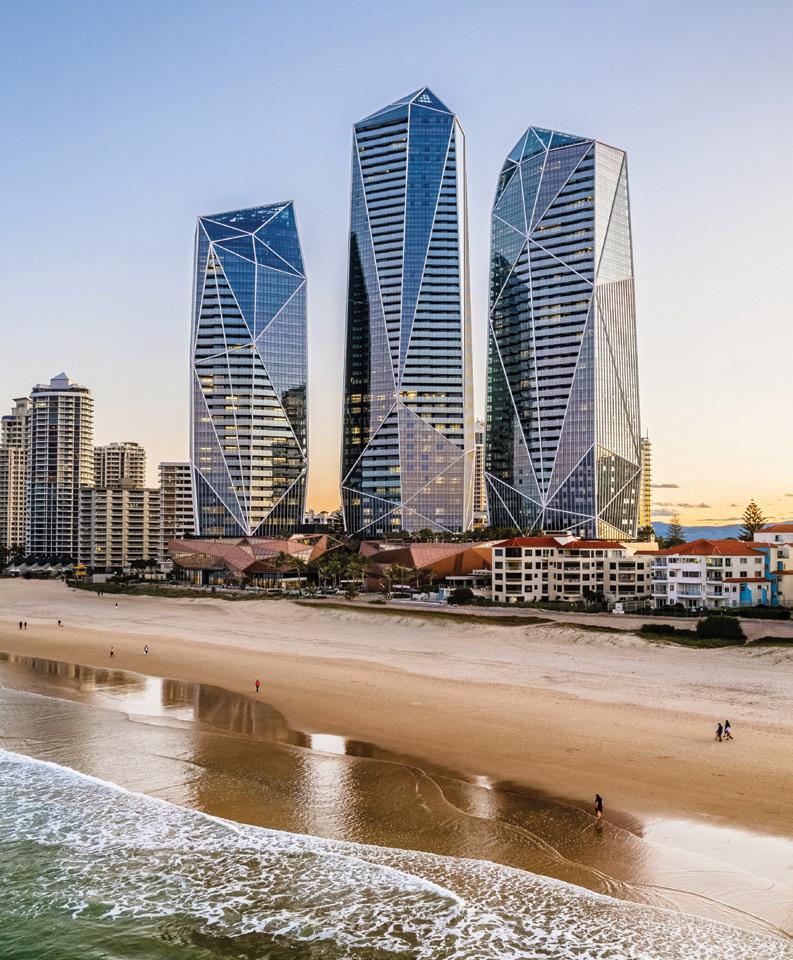
There’s a reason this is the glitzy address that attracts the stars of the AACTAs (Australian Academy of Cinema and Television Arts Awards). The Langham, Gold Coast’s geometric glass towers sit right on the beach and the hotel offers family cabanas to chill in. Rooms are huge, bathrooms indulgent and breakfast is in the buzzing Akoya; Cantonese fine-diner T’ang Court offers some of the best Asian fare on the coast.
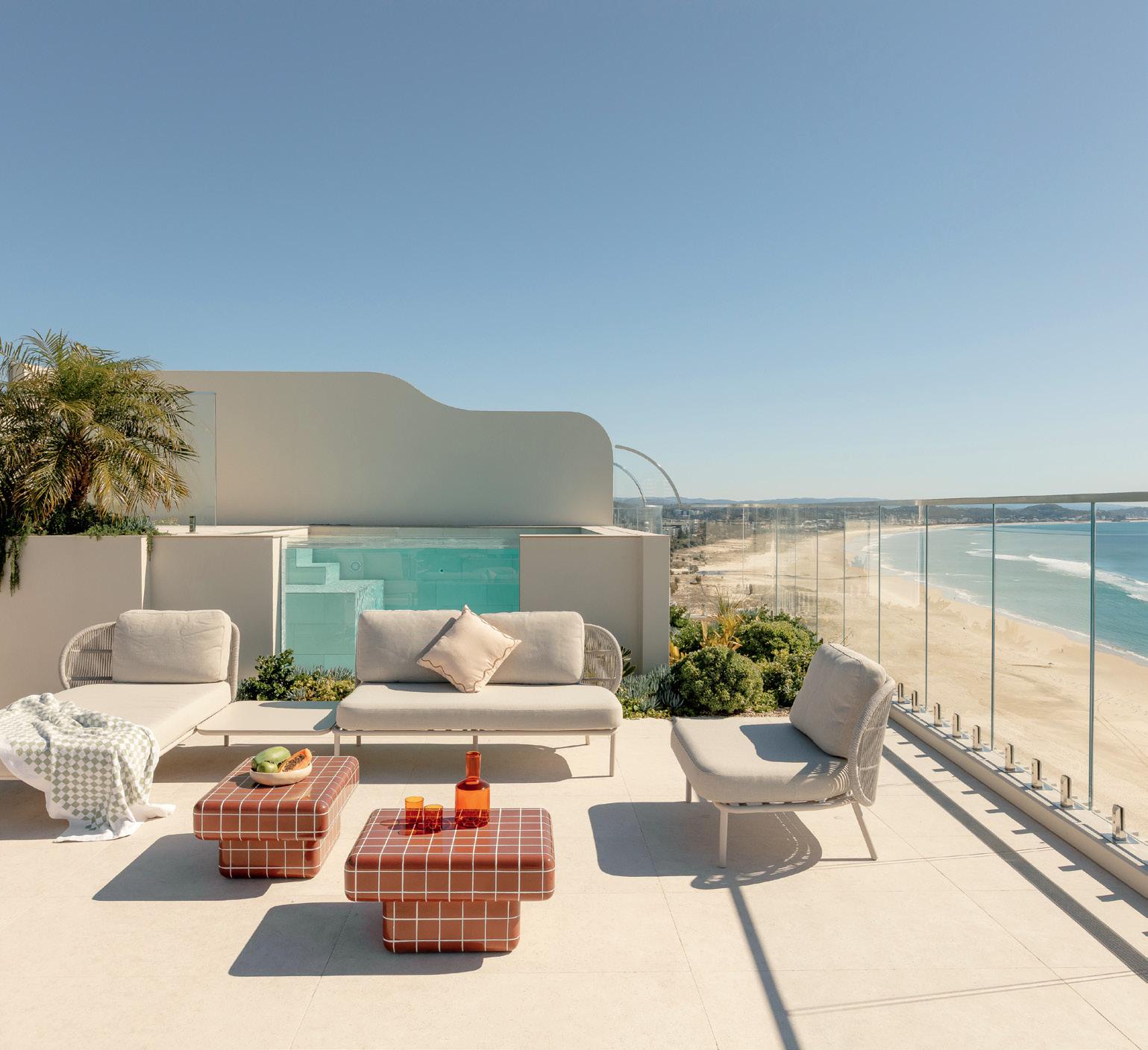
Part of The Star entertainment complex, Dorsett Gold Coast Executive Rooms come with their own balcony (mine overlooking the Gold Coast) and access to the Executive Lounge on level 19 for evening canapes and breakfast. The social spot is the Isoletto Pool Club, a Campariorange retreat with cabanas and cocktails; the Azure Spa & Fitness offers chill treatments and energy-raising sessions to get you ready for a fun-packed holiday.
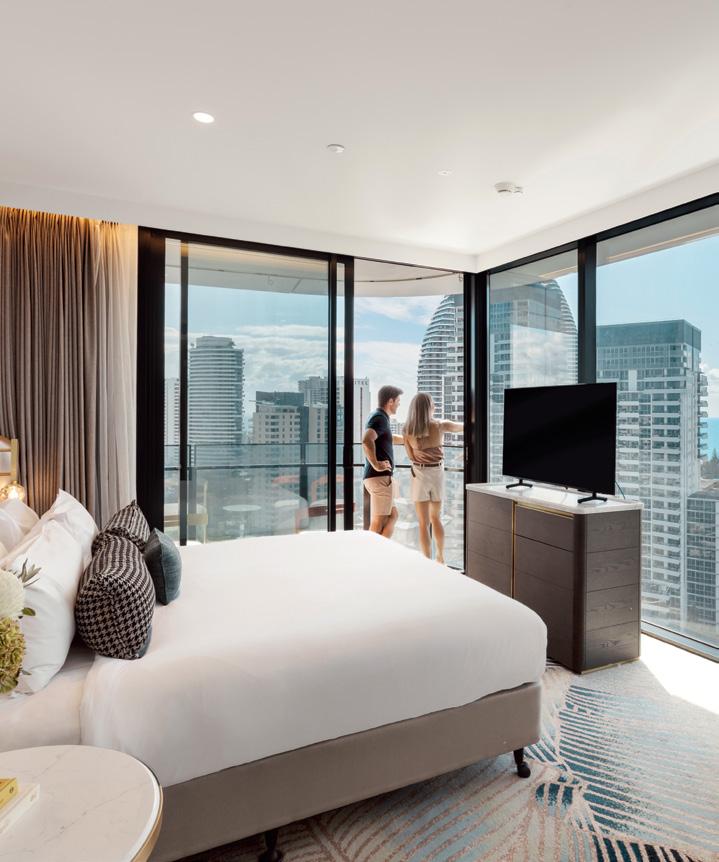
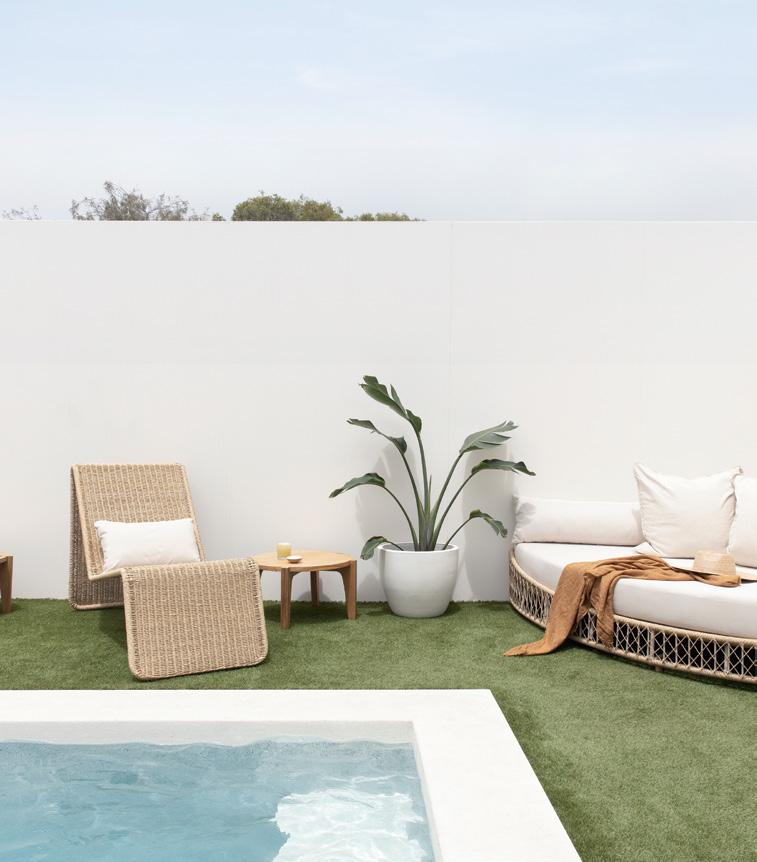
This classic 1960s Gold Coast motel has been reimagined as an elegant family beach stay across two levels with a huge swing bed taking pride of place on the white-andwood balcony. The living space downstairs is coastal chic with rattan mats and cozy couches and upstairs are two bedrooms and the outdoor space. A quick walk to sheltered swimming at Tallebudgera Creek and the Tallebudgera Surf Club, it’s the perfect family GC getaway.
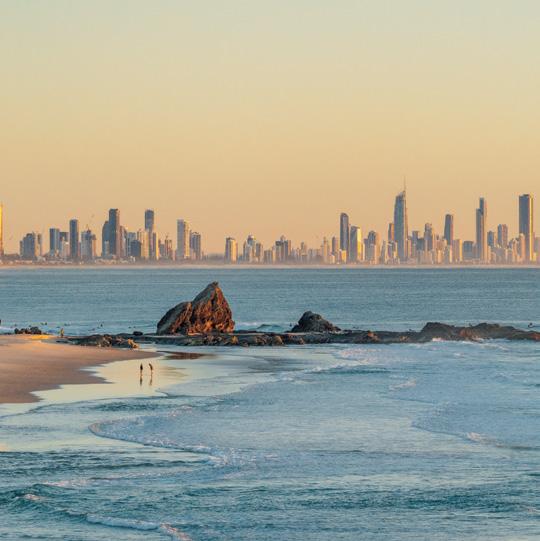
You come to the Gold Coast to hit the coast, the beautiful blue waters and the golden sand. Kirra Beach beckons the board riders; Mermaid Beach is more of a chill zone; for a more local vibe head to Burleigh Heads National Park and Rainbow Bay; those seeking a paddle rather than a swim are more likely to go to the creeks at Currumbin and Tallebudgera.
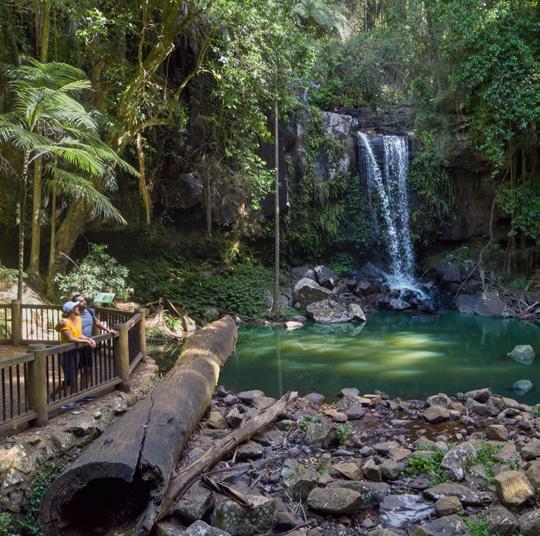
When living la vida de playa is too much, turn down the temperature with a trip to the lush forests of the Gold Coast hinterland. Check out the Gondwana forests of Springbrook National Park, hike the trails at Lamington National Park and check out regional producers and makers like Canungra Valley Vineyard or Mount Tambourine Distillery.
Get a taste of hinterland living at Verandah House Country Estate, country-style guest suites right next to Tamborine Mountain. Ripped from the pages of Country Life, this stay offers mountain yoga, spa treatments and plenty of forest trails to explore. Arrive by helicopter to embrace the GC’s more-is-more approach to life.
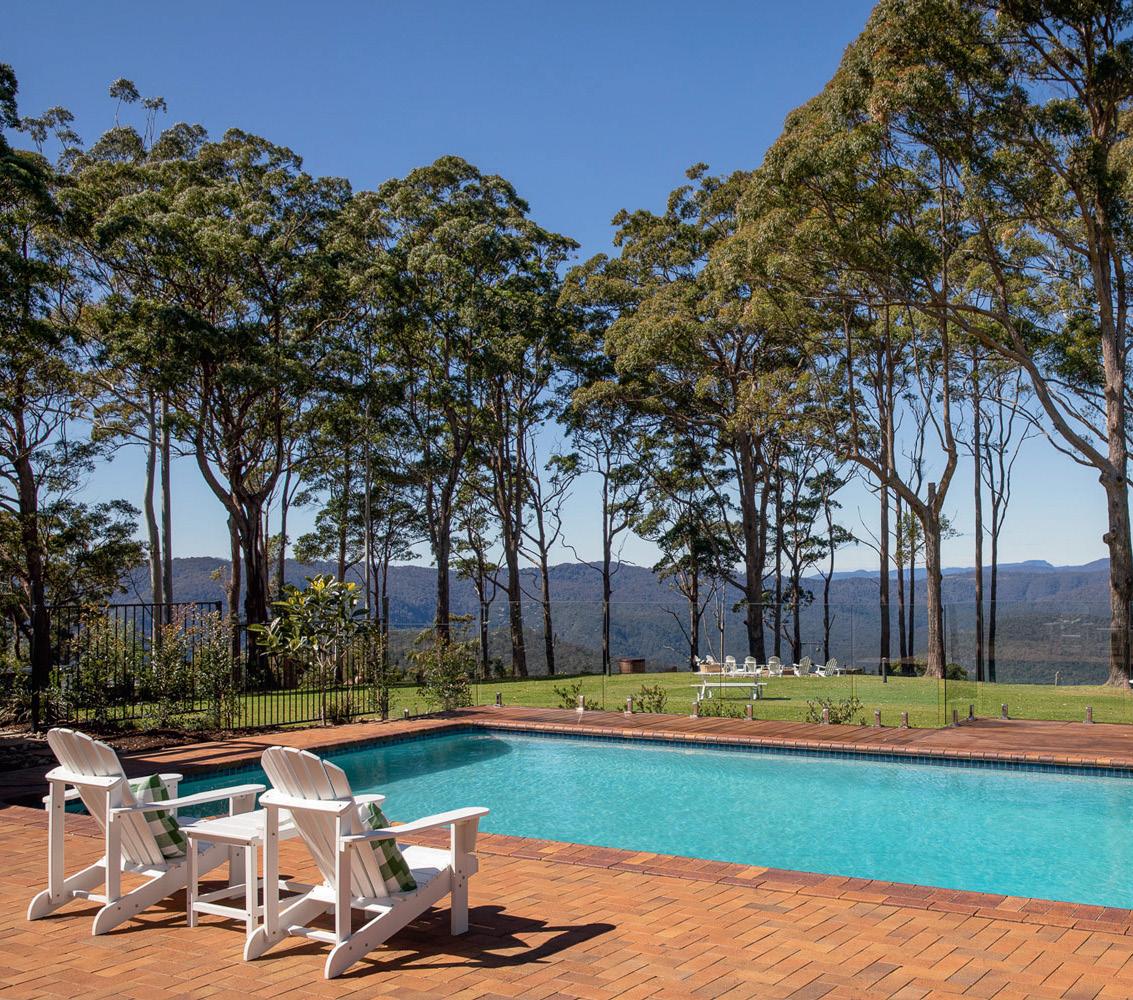
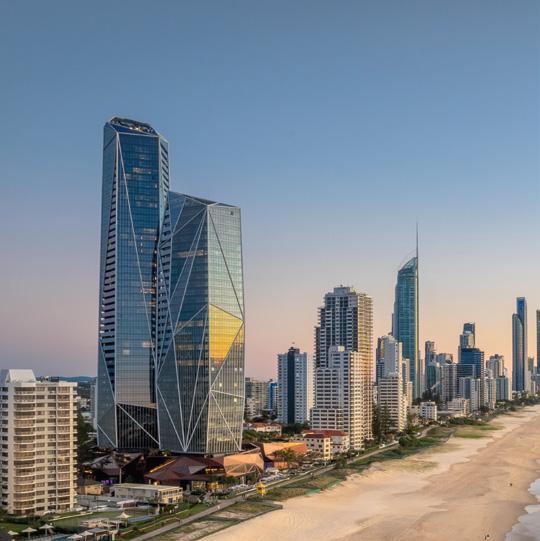
The Gold Coast never sits still, from the high-rise development in the 60s and 70s to the huge tourism developments of the past 10 years. Currently the GC has the productive energy of a beehive with a new marina being built, a Ritz-Carlton set to open around it and the Gold Coast tram extending all the way to Burleigh Beach.
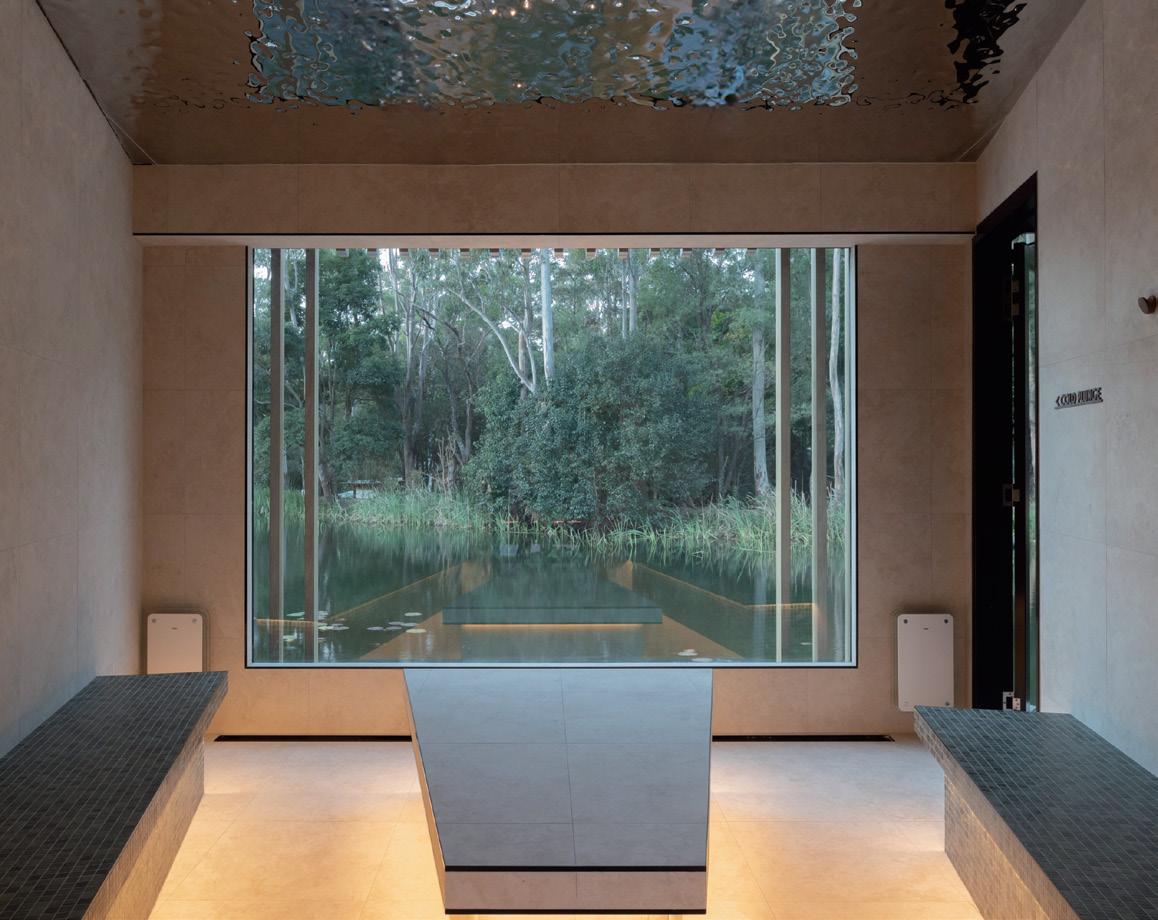
A new forest-bathing-inspired wellness getaway in the hinterland, this retreat offers mineral-rich thermal pools, breath-stealing cold plunges, body scrubs and an al fresco fire pit. Grab a secluded suite for more privacy perfect for couples or groups of up to five. Sol Elements looks like a spa by way of Hobbiton and just setting foot here will see you breathe deeper and easier.
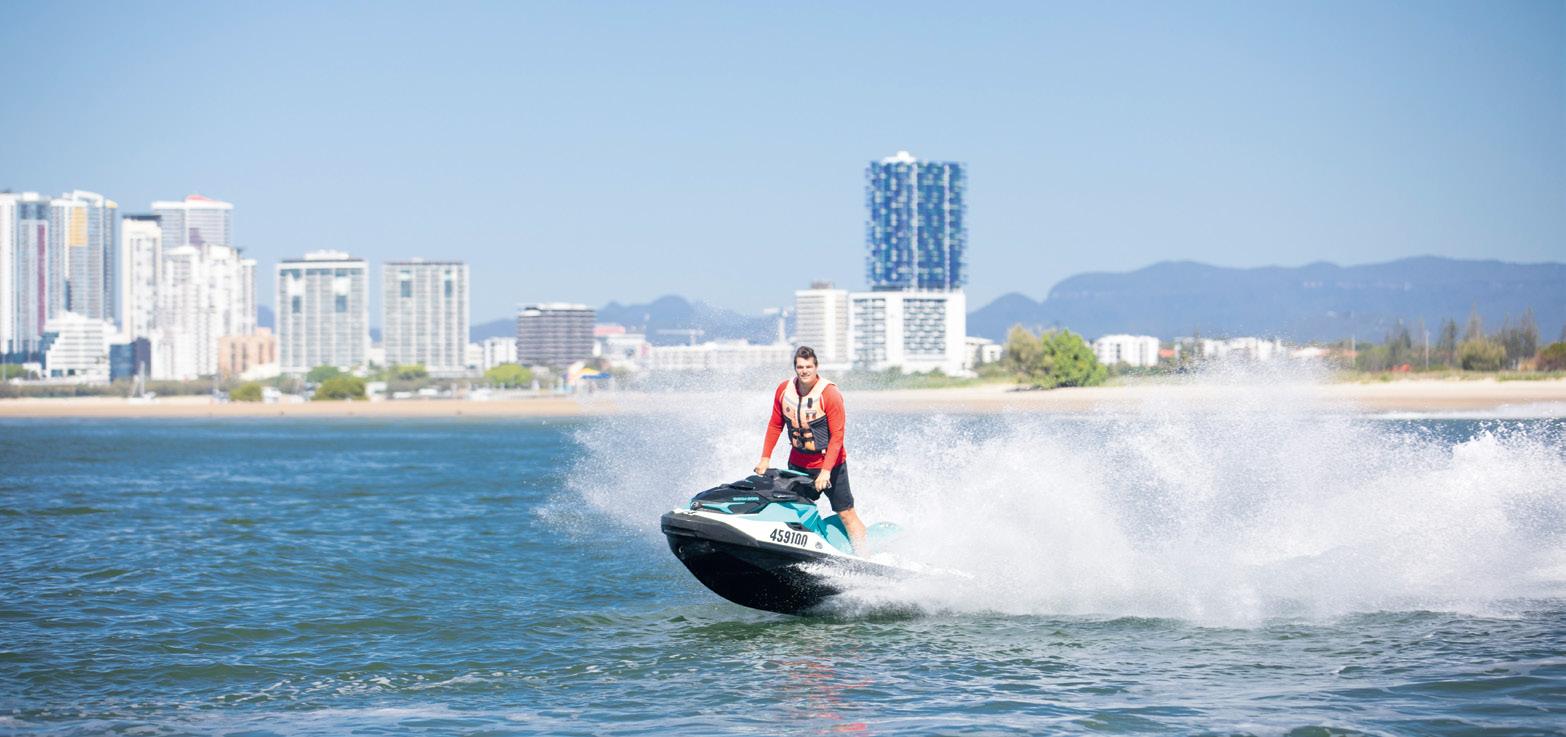
Why stroll to a beachside cafe when you can roar along the famous waterways on a jetski from Gold Coat Jet Ski Safaris. After a briefing you are out on the waters and in the safe hands of guides like Taz CrokerSorongan, who has history doing jetski stunt work amidst blazing fireworks. But on your morning brekky run Taz acts as cameraman, and hype man, as you zip across to Tipplers Café on South Stradbroke Island where you sit outside with tiki torches and reggae-fied classic hits. Then it’s back on the jetskis for a quick bounce back to the marina.
It should come as no surprise that the Gold Coast has a rich First Nations history dating back tens of thousands of years, but how it is packaged at Jellurgal Cultural Centre is brilliant.
The cultural centre itself is at the base of Jellurgal, also known as the Dreaming Mountain, located on Tallebudgera Creek, which is on Kombumerri Country, part of the wider Yugambeh language region. Start in the store and check out the brightly patterned shirts and the fully
functioning fish trap, made by local Uncle Stephen Cora from woven pandanus.
Take the two-hour walking tour and passionate guides like Tyrese Arthurson will take you along the coastal track, introduce you to cultural living sites with piles of shells dating back over 5,000 years and take you to an ochre pit to mix up paint, which you can daub on your arm (or your face for the adventurous).
The most special part of all is to listen to Tyrese tell the creation story
The colourful HOTA (Home of the Arts) building in Evandale is the abode of more than just artworks – though it has a huge collection. You can grab a cocktail on the rooftop Exhibitionist Bar, enjoy some cutting-edge gastronomy at Palette Restaurant or grab a quick bite at HOTA Café. You can also get wet in Evandale Lake, take a sculpture walk and shop at the regular HOTA markets.
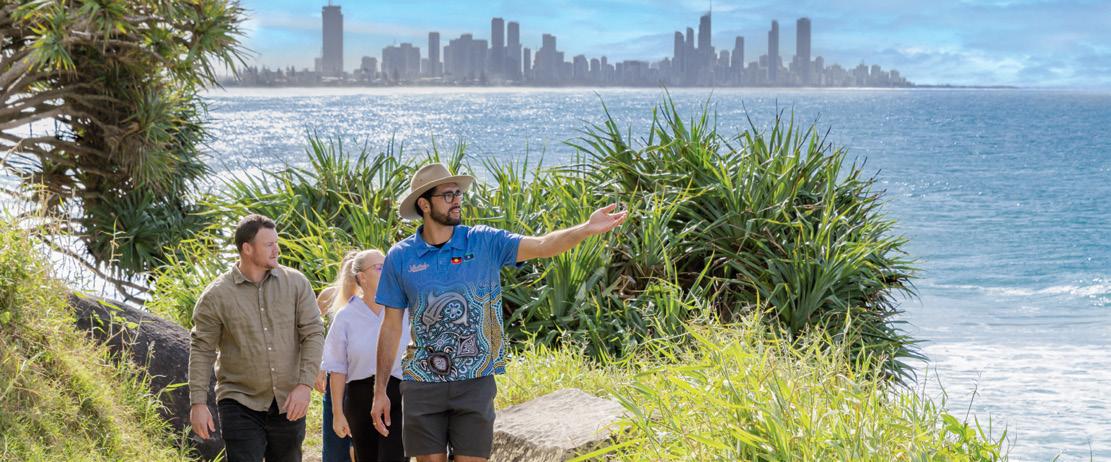
of the region with such intensity it feels like it’s coming at you in high-definition images. The short version is that Jabreen the warrior emerged from the ocean, developed an intense sweet tooth fuelled by natural honey and eventually lay down, his immense body forming what is now Jellurgal; you will even see his rocky fingers protruding from the Dreaming Mountain today. But get the long version from a Jellurgal tour and you will look at the whole coast with new eyes.
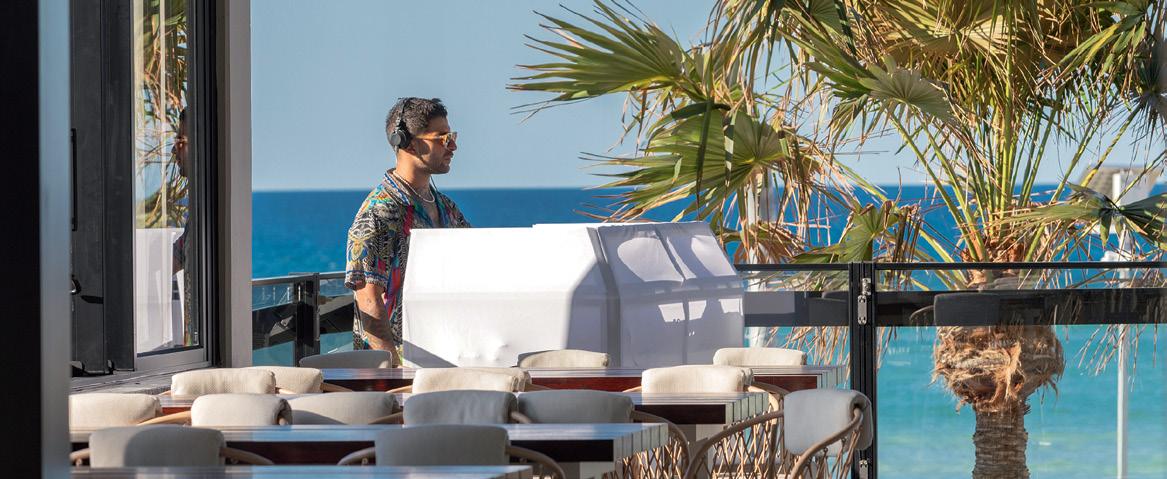
To those of us of a certain age the Gold Coast is synonymous with enthusiastic schoolies singalongs with just one performer and their guitar in balmy surrounds like the Surfers Paradise Beer Garden. The tradition continues in pubs like the Kirra Beach House, where you might find classic Aussie hits belted out in the pastel-coloured surrounds by said people of a certain age, and some newcomers.
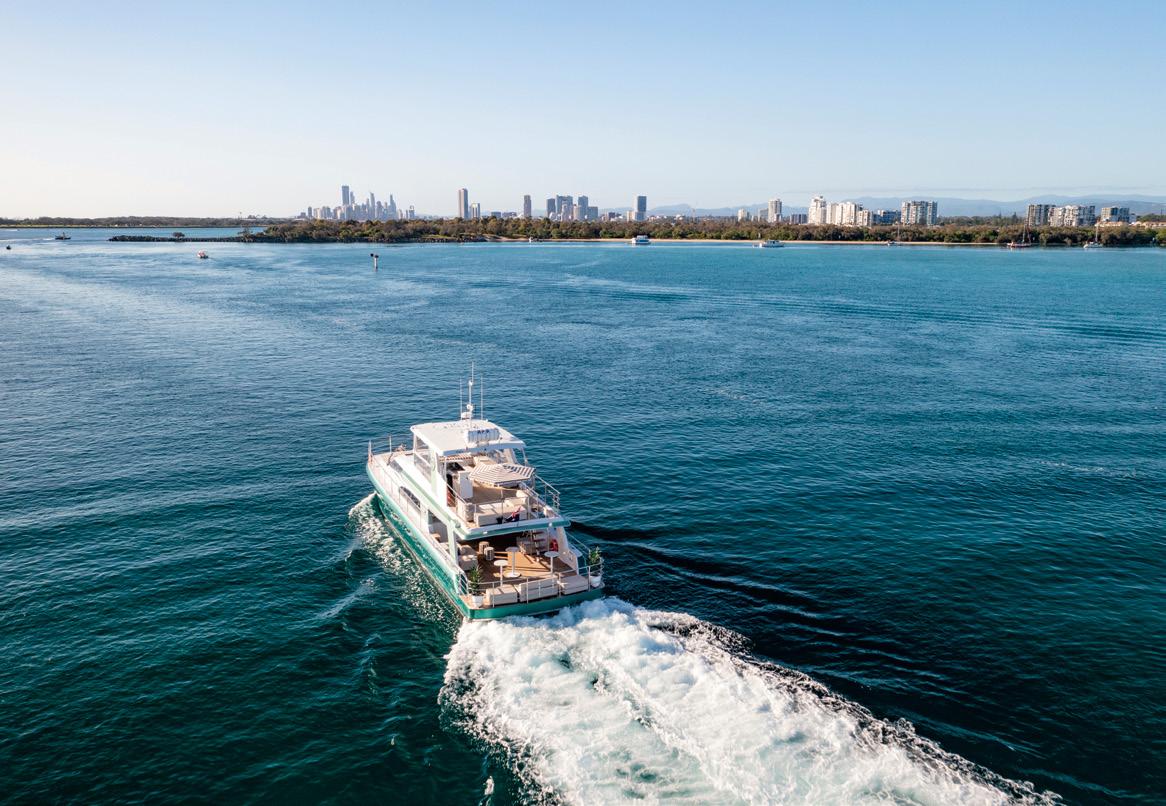
The Yot Club on the Gold Coast marina hires out boats for evening soirees like Yot 75, a 75-foot tender with four breakout spaces. This lush ride holds up to 68 people but tends to attract smaller groups who enjoy a bit of space. The Yot Club can arrange catering, and all you have to do is enjoy cruising out for a sunset tipple and living like a star for an evening.
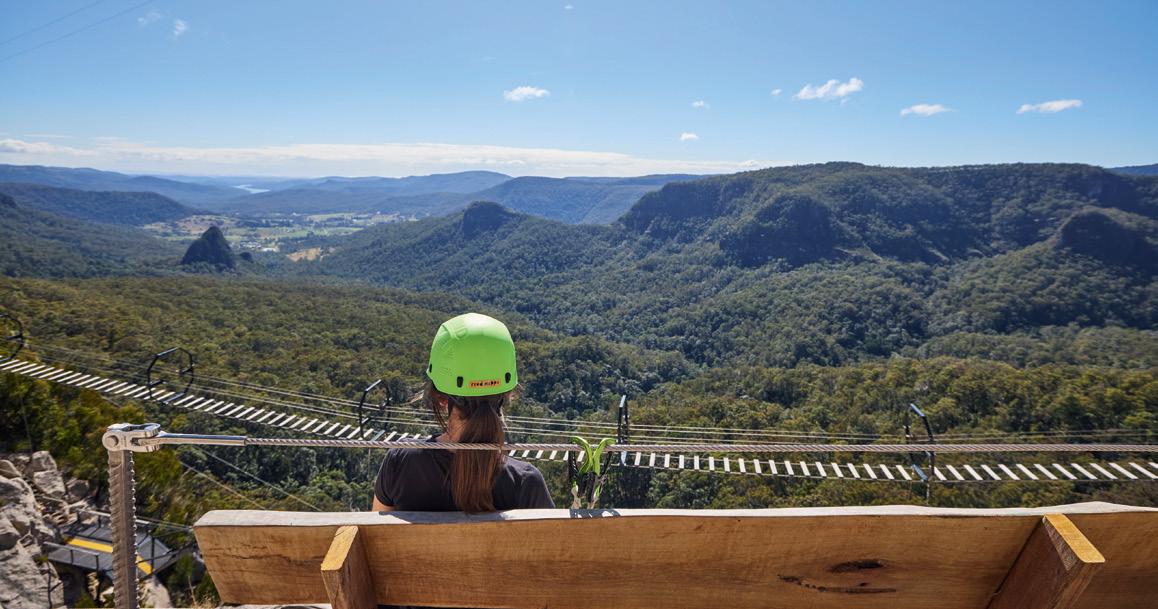
Happitat is an adventure park set in the hinterland where visitors can go ziplining or challenge themselves on the via ferrata (iron path) where you climb a rock face with the aid of cables, ladders and rungs. For those who are not afraid of heights there is also The Edge, a 12-metre cantilevered platform with a 400-metre drop below.
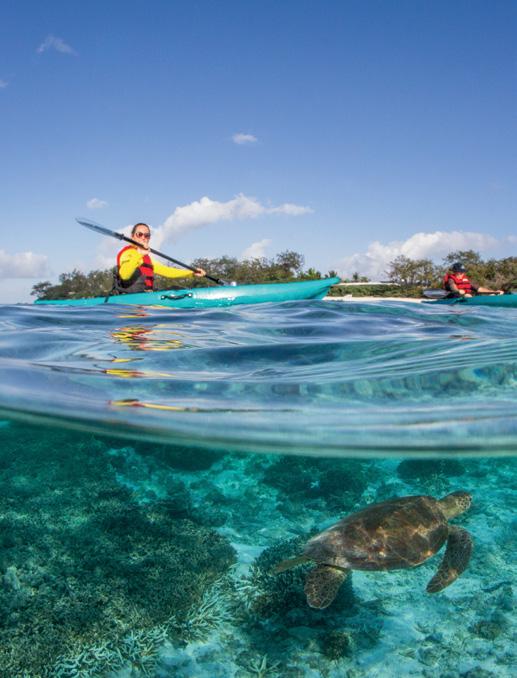
Lady Elliot Island has had a rough history of guano mining and destruction by goats but it is now an ecological sanctuary. All-inclusive day tours – you hop across to the island on a seaplane – run from the Gold Coast to this pristine Barrier Reef island where you can go on a glass-bottomed boat, have a snorkel and even see a turtle.
FAMILY AFFAIR:
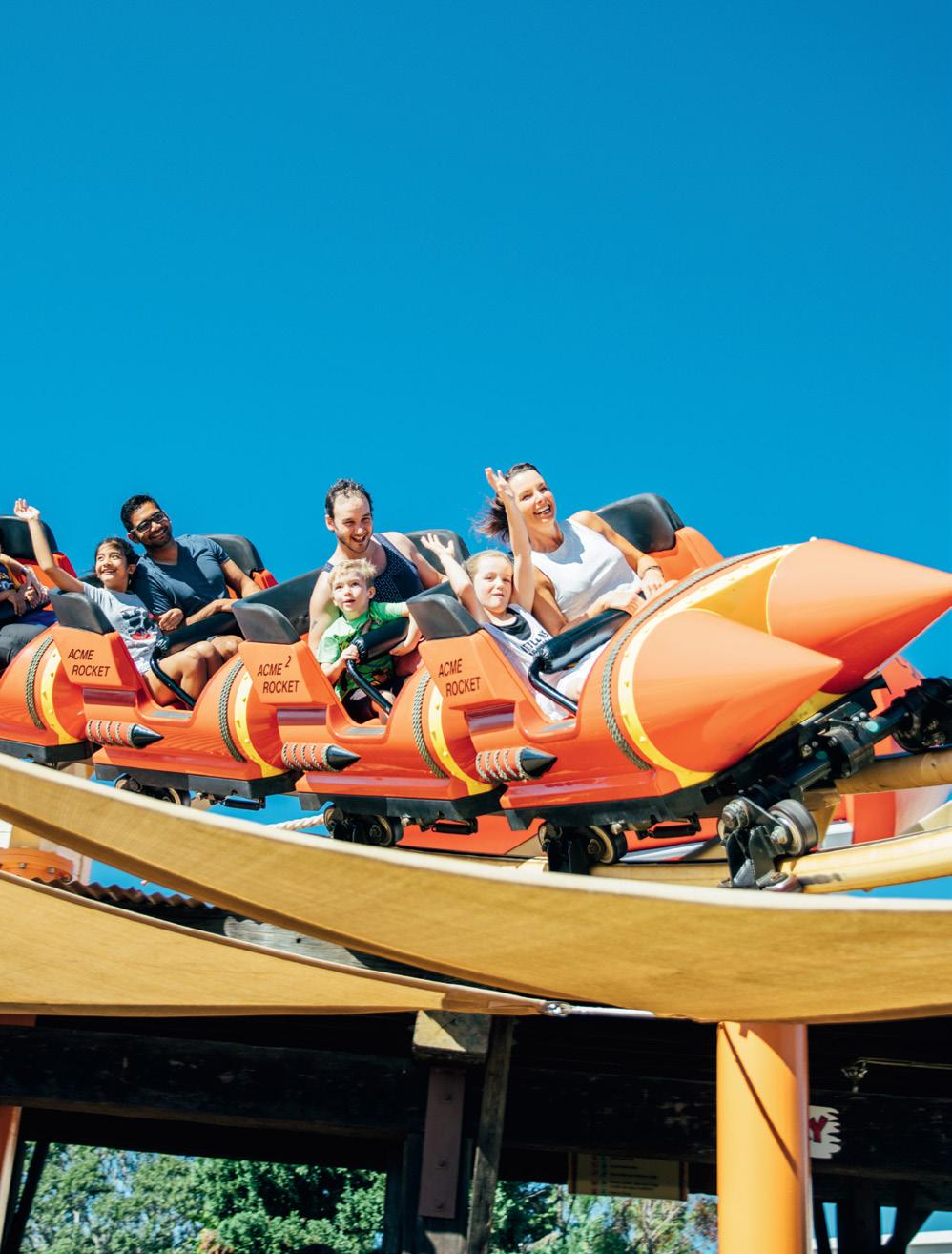
Packed full of some of Australia’s best-known theme parks, marine parks and natural beauty for families to swim, hike and play, the Gold Coast has long been a family holiday north star.
Sea World blends rides, shows and marine life experiences. Meet penguins and seals in live presentations, walk through the underwater shark tunnel, and splash around in Nickelodeon Land for younger kids. You can also enjoy dolphin encounters and educational exhibits. For classic thrill rides and movie magic, head to Warner Bros. Movie World where kids can meet DC superheroes and catch the parade, and older kids can test their bravery on epic rollercoasters. Just down the road, Paradise Country adds a country twist — with farm animals, feed-time fun and tractor rides.
Wet’n’Wild Gold Coast offers waves, slides and gentle splash areas for younger kids, while WhiteWater World (at Dreamworld) delivers beach-themed slides, surf pools and kid-friendly splash zones.
Currumbin Wildlife Sanctuary is a must where you can let kids cuddle koalas, feed kangaroos, and watch bird shows in the tropical beauty of the lush rainforest that leads into the hinterland.
The Gold Coast’s beaches are family-friendly, from gentle swimming at Tallebudgera Creek and calm lagoons in Broadwater Parklands to long stretches of sand for sandcastles and beach picnics. Boat rides, whale-watching tours (in season) and hireable SUPs (stand-up paddleboards) add extra adventure.
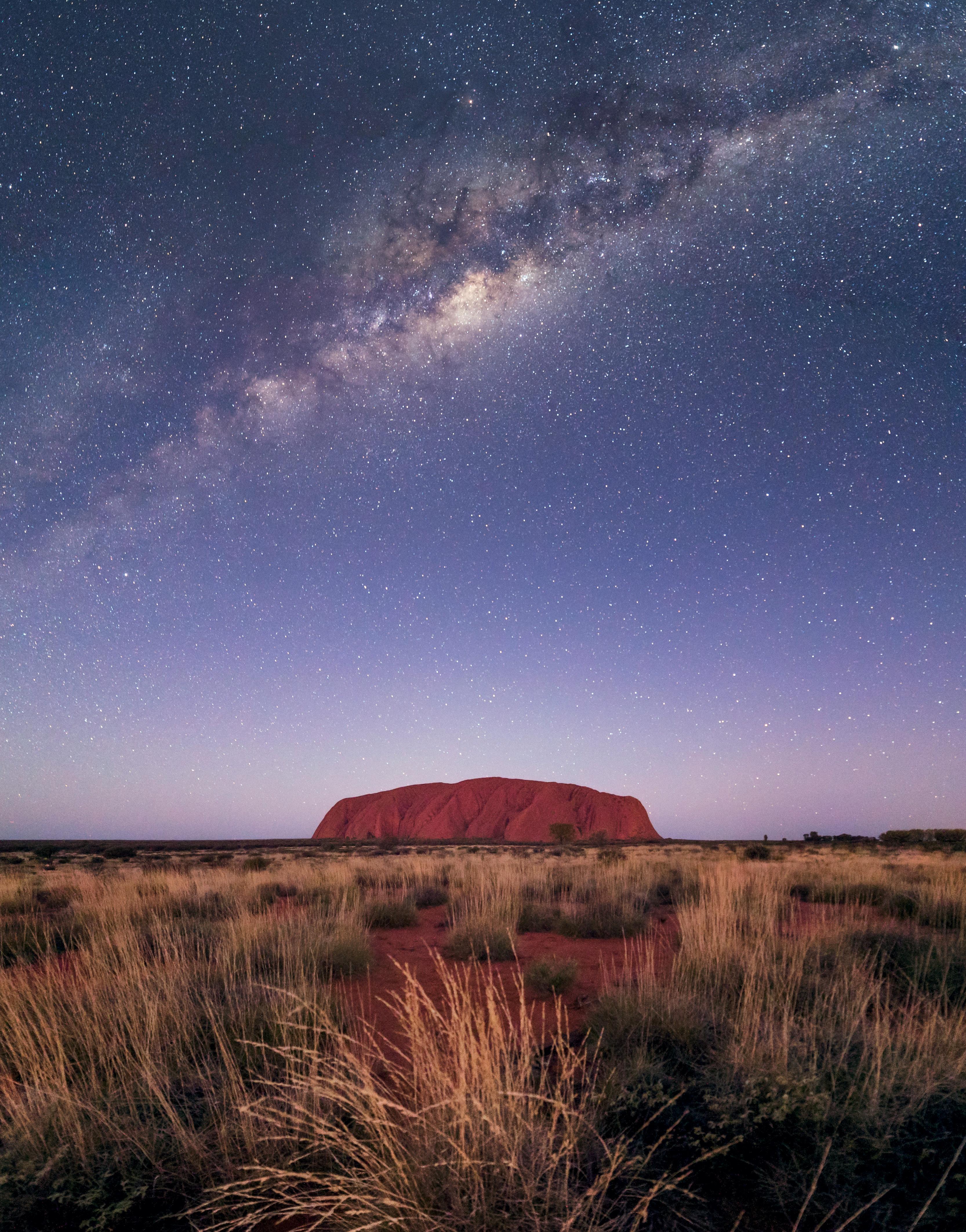
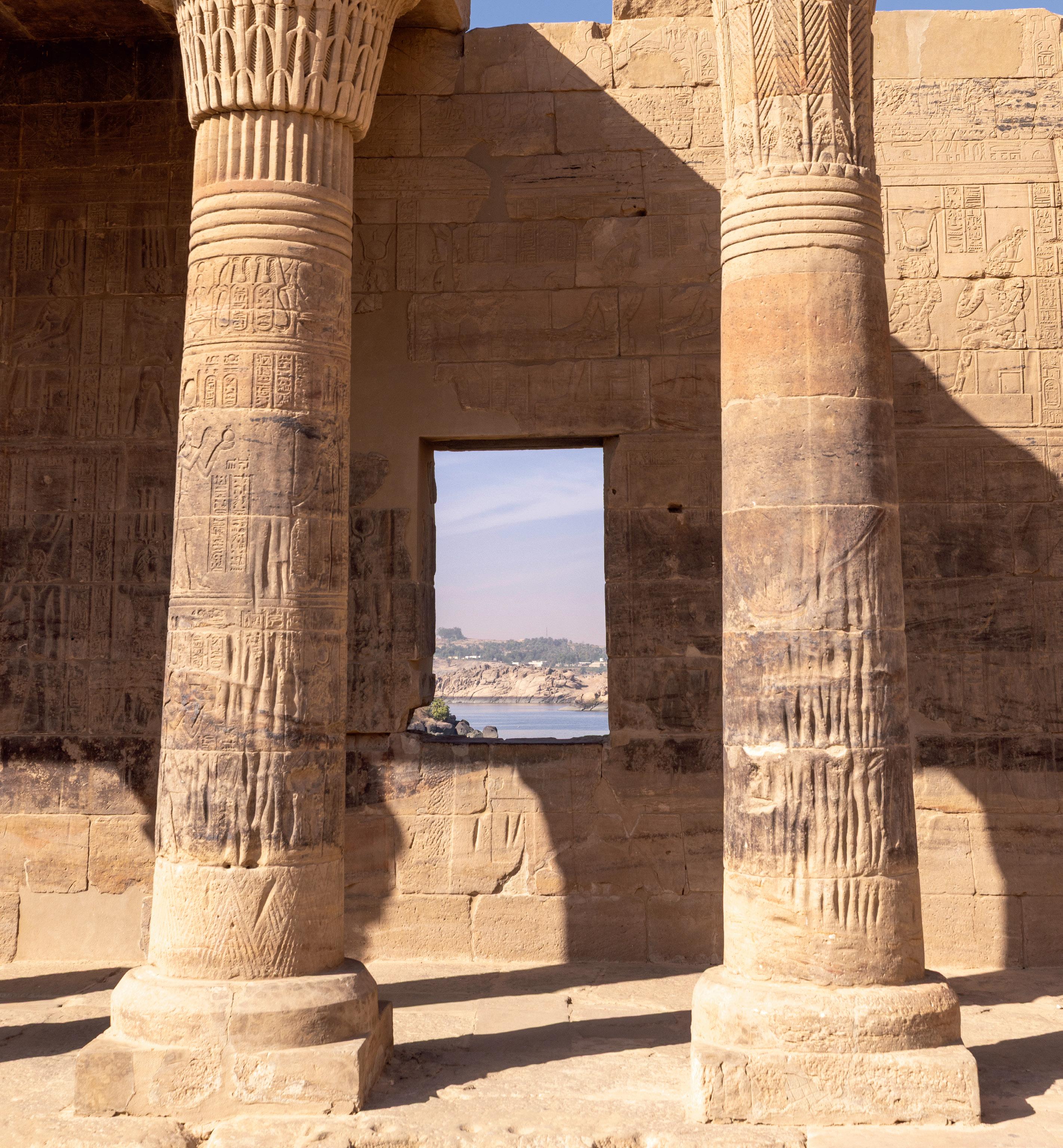
80 /
Uncovering the life of Egypt’s boy king, from Cairo to a cruise down the Nile
Gary Mehigan’s guide to Cambodia’s food scene
90 /
What’s cooking on the Cook Islands?
96 / Why Tutankhamun is the rock star pharaoh
106 / e collision of old and new in Buenos Aires
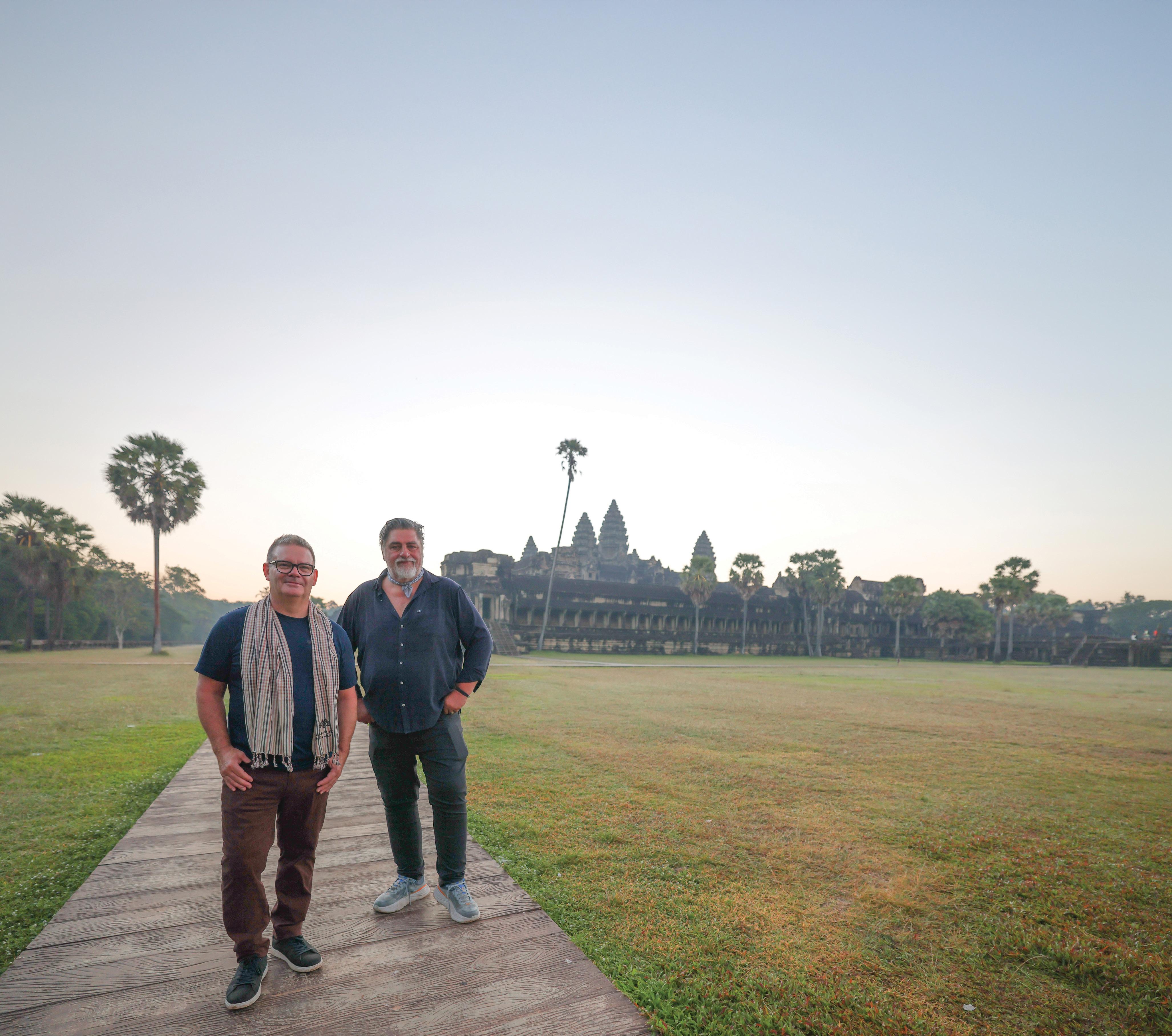
Chef and Luxury Escaper Gary Mehigan knew Cambodia’s food scene primarily from its famous sh curry (amok). But, after a research trip that saw him eating European-in uenced sandwiches, traditional Khmer dishes and even fried silkworms, the former MasterChef Australia judge now reckons it is one of the best places in the world for food lovers.
I’m no stranger to Southeast Asia. You can’t be, when street food is one of your holy grails. One of my favourite travel memories is getting stuck into a banh mi as the steamy monsoon rain lashed Hanoi in Vietnam; I’ve feasted across Thailand and Laos. But Cambodia was not on my radar.
The seeds of my first trip were planted when my daughter went on a high school trip to the northwestern city of Siem Reap, known mostly as the gateway to ancient Angkor Wat. Built almost a millennia ago this is still the world’s largest temple complex, and one of the most impressive sights in Asia.
Foodwise I’d mostly known the country through its national dish amok – a coconut and fish curry steamed in banana leaves that’s become its most famous food export. I had enjoyed amok in Australia and wondered how it would taste in its homeland.
When I finally followed in my daughter’s footsteps I was blown away to discover that Siem Reap is home to a food scene that could rival anywhere in the world.
In Siem Reap you have a coffee scene that’s equal parts Melbourne and Ho Chi Minh City and there are young chefs pushing the boundaries of traditional Khmer cuisine.
Angkor Wat’s foundation stones were first laid in approximately 1116 CE, Angkor had already been the capital city of Cambodia’s ancient Khmer Empire for centuries. Controlling Southeast Asia’s countless waterways with an iron fist, the empire stretched from what is now modern-day China to Thailand; at the peak of its influence in the 12th century, Angkor was – with a population of almost a million people – the largest city in the world.
You can still feel the ghost of the old city in Siem Reap, this sense of a once-great civilisation now enveloped by forest. During the day, it’s magical; in early morning, when you’re the only tourist out and about, it can be eerie. But there’s a gentleness in Siem Reap that surprised me.
My love affair with Vietnam’s banh mi is now a matter of public record, but Cambodia’s num pang is a similar concept – bread, meat, pickles, pate are all there – but it is revolutionary on the palate. Cassava flour means the bread is lighter, but chewier; prahok, the aromatic freshwater fish paste central to Cambodian cuisine, is generously smeared inside, bringing funky notes of gorgonzola and Vegemite that perfectly balance the charcoal-grilled pork. It’s a triumph of textures and flavour profiles.
Despite both sandwiches drawing on similar French colonial influences they come to remarkably different conclusions. It makes sense: the histories of Vietnam and Cambodia are very different, their environment is different, even the climate isn’t quite the same. It makes sense that they’d take things in a different direction.
In Psar Chaa (“Old Market”), I am in for more surprises, this time with my fellow food adventurer Matt Preston in tow. We decide that today’s the day I’m going to have a look at what the local insect stall is cooking. Matt baulks at insects but I will try anything once (yesterday, it was grilled frogs).
I load up my cup with silkworms, flash fried and seasoned generously with handfuls of salt, chilli and garlic. I take a taste, and Matt lets out a small groan when I tell him they’re better than Red Rock Deli crisps.
One of the best things about being a chef is knowing other chefs and it’s a mate of mine who puts me onto Dounta.
Drive 30 minutes west of Siem Reap and the city falls away, replaced by sweeping lakes, lazy palm trees and rice fields as far as the eye can see. There are tropical birds everywhere and they heckle us as we approach the restaurant. Dounta inhabits a traditional two-storey home. The seven-course menu is served slowly and deliberately.
Food draws inspiration from Siem Reap’s marketplaces, showcasing generational recipes that were, at times, all that could be passed down. The first plate
is a beautiful little bowl with a translucent snail, foraged locally. The snail is plump, juicy and served in a light broth of turmeric, lemongrass and lime leaf. Tangy, tasty and approachable, it strikes me as a bridge between Khmer cookery and New Nordic cuisine.
Dounta’s interior follows is modern yet unmistakably Cambodian, it’s concrete and Copenhagen-inspired on the ground floor, with hand-lashed bamboo and gently whirring fans on the second. Nhom krok (coconut pancakes) and banana blossom salad follows and before I know it, I’m tasting everything I can.
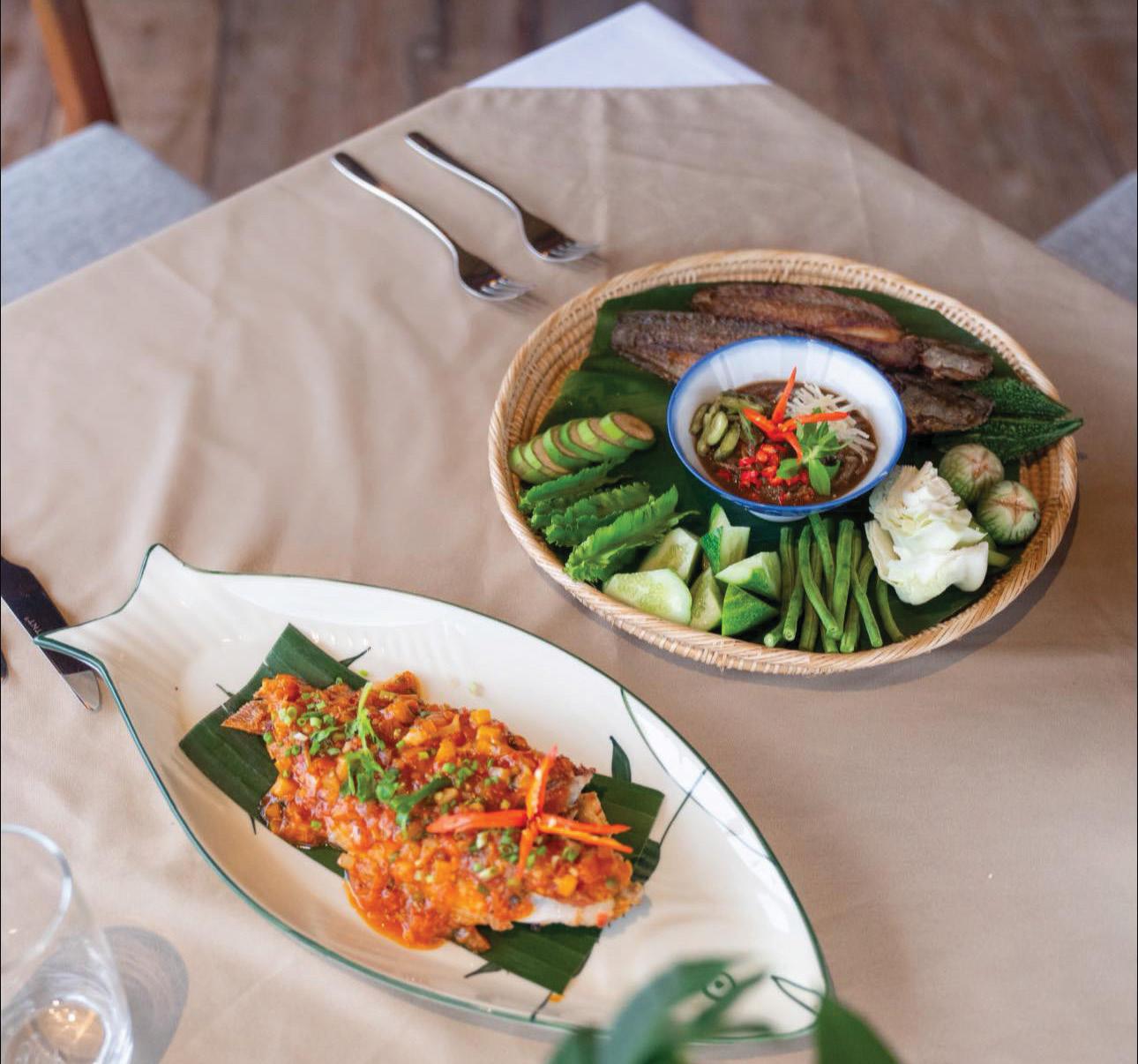
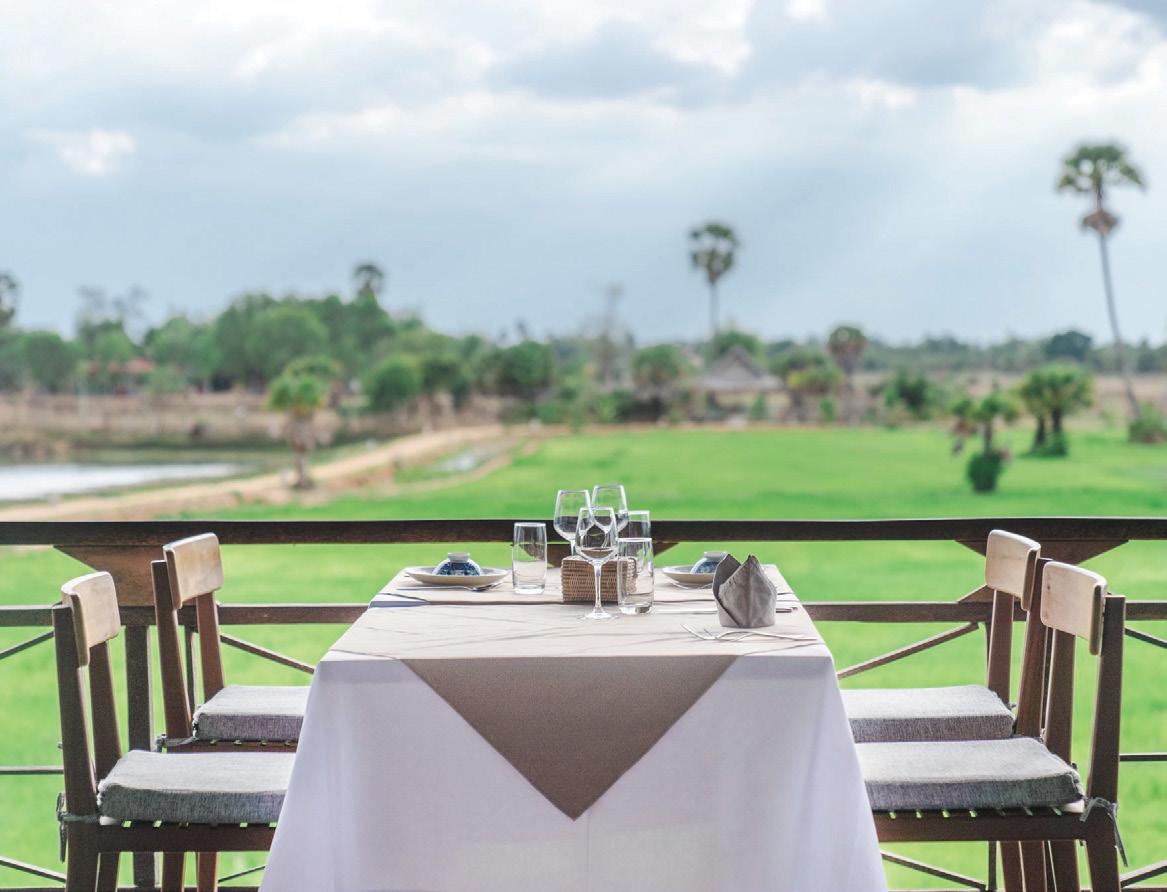
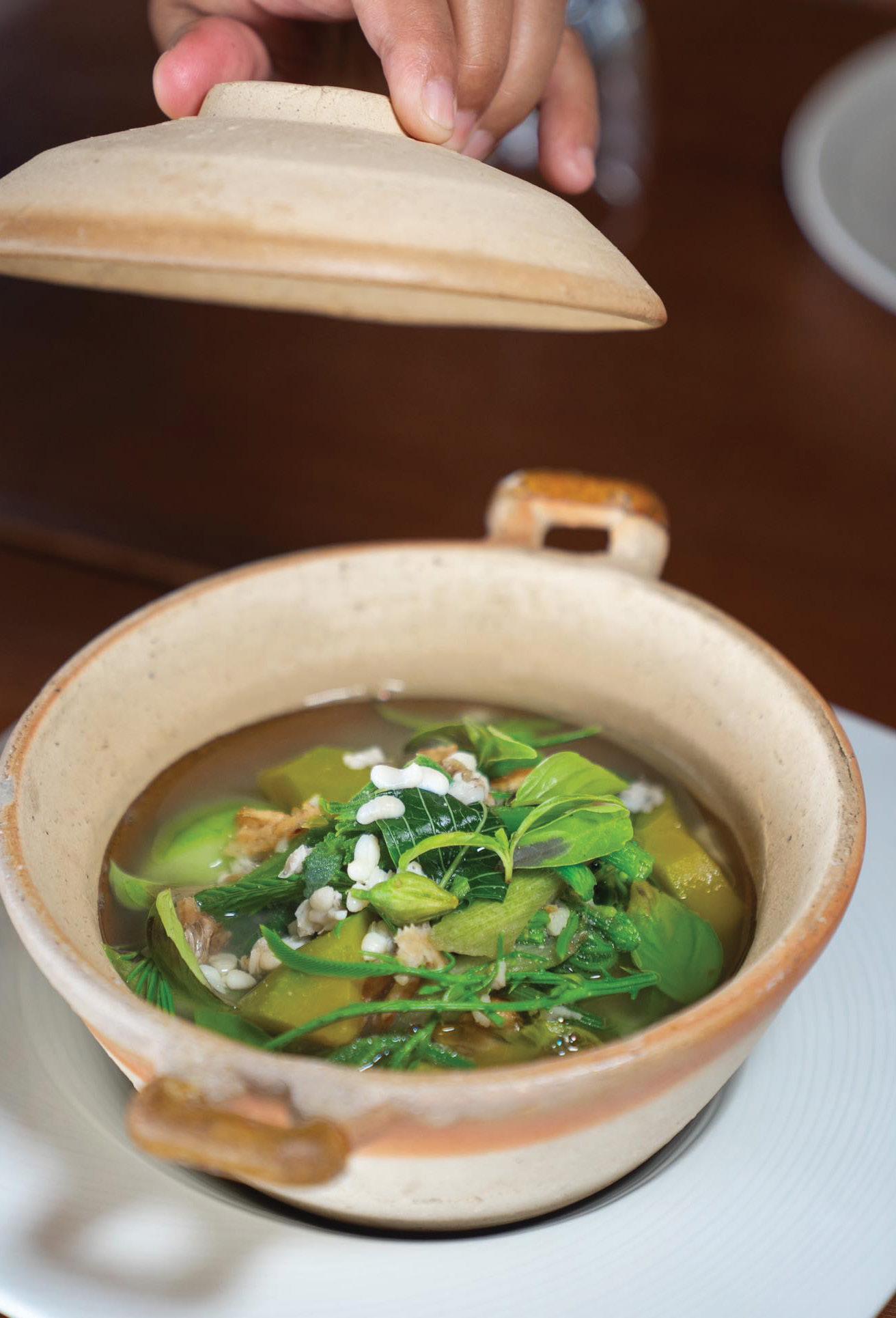
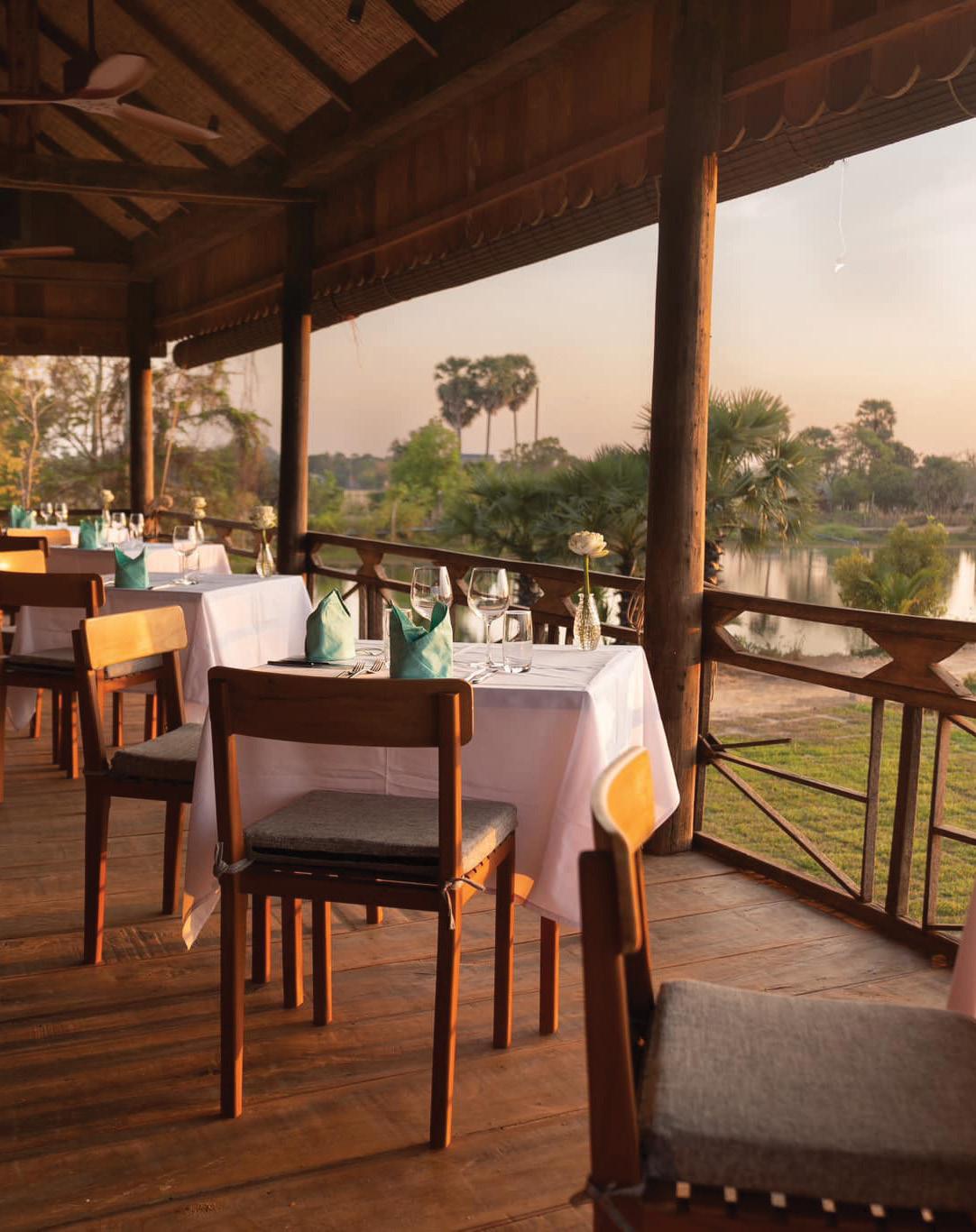
Located practically in the shadow of Angkor Wat, Malis inhabits a restored former Indochina-era villa; dining here feels like you’ve travelled through time. The restaurant decor is faded in all the right ways, but the food couldn’t be brighter, with Chef Sopheak Sao bringing innovation to Cambodia’s living cuisine.
The surprises are endless: the grilled frogs I enjoyed at the Old Market have returned, now stuffed with pork, herbs and aromatics. Chef Sao’s enthusiasm practically jumps off the plate: the dish is served on a bed of lotus
Established by sisters Kimsan Pol and Kimsan Sok in late 2014 to immediate acclaim, this restaurant is an allfemale operation – back and front of house – delivering top-notch fine dining in the heart of Siem Reap.
At Malis, the food is exceptional and extraordinarily precise; dining at sunset surrounded by rice fields at Dounta offers the quintessential Khmer experience. Embassy is different, with white tablecloths, high-quality glassware and flashy modern art on the walls. There’s a lightness to each dish that can only come from a kitchen working at the highest level.
With this description, it’s easy to imagine Embassy as stuffy or pretentious, but nothing could be further from the truth. We’re told these are dishes from the sisters’ childhood, and on arrival we are invited into the kitchen for our first taste. The kitchen is small – we huddle inside – and very quiet. It’s impossible to imagine a chef yelling or pouting in the space. The dish is a small spoonful of borbor kroeung, duck congee topped with fragrant herbs. It’s utterly delicious.
A starter of river fish pounded with lime juice and vegetables, bright and refreshing is followed by the “chef’s childhood soup”, a tomato broth made with octopus, krill and tamarind. By the time the mignardise hits the table (small bites of coffee mousse, sticky rice and peanut candies) I know I’ll have to return.
leaves, rice and cabbage braised in stock enriched by the remaining fond (those delicious brown bits remaining at the bottom of the pan). Every bite is a masterpiece. Malis has been showered with critical acclaim since opening; Chef Sao has since won the world’s first Private Chef World Cup, held in Paris, and opened a sister restaurant in Phnom Penh. Before opening the restaurant, he roamed across Cambodia for six months, searching for recipes that capture the spirit of Khmer cuisine. He says the best were gifted from his mother.
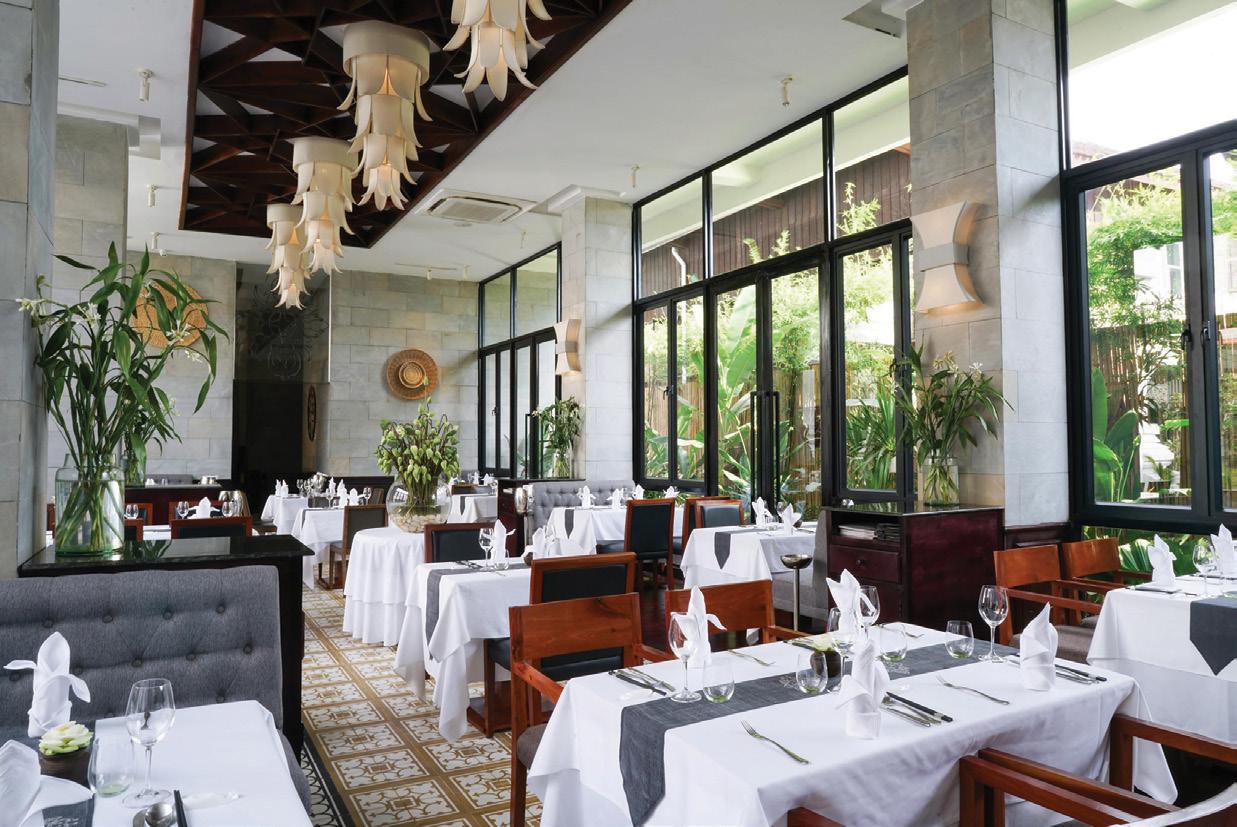
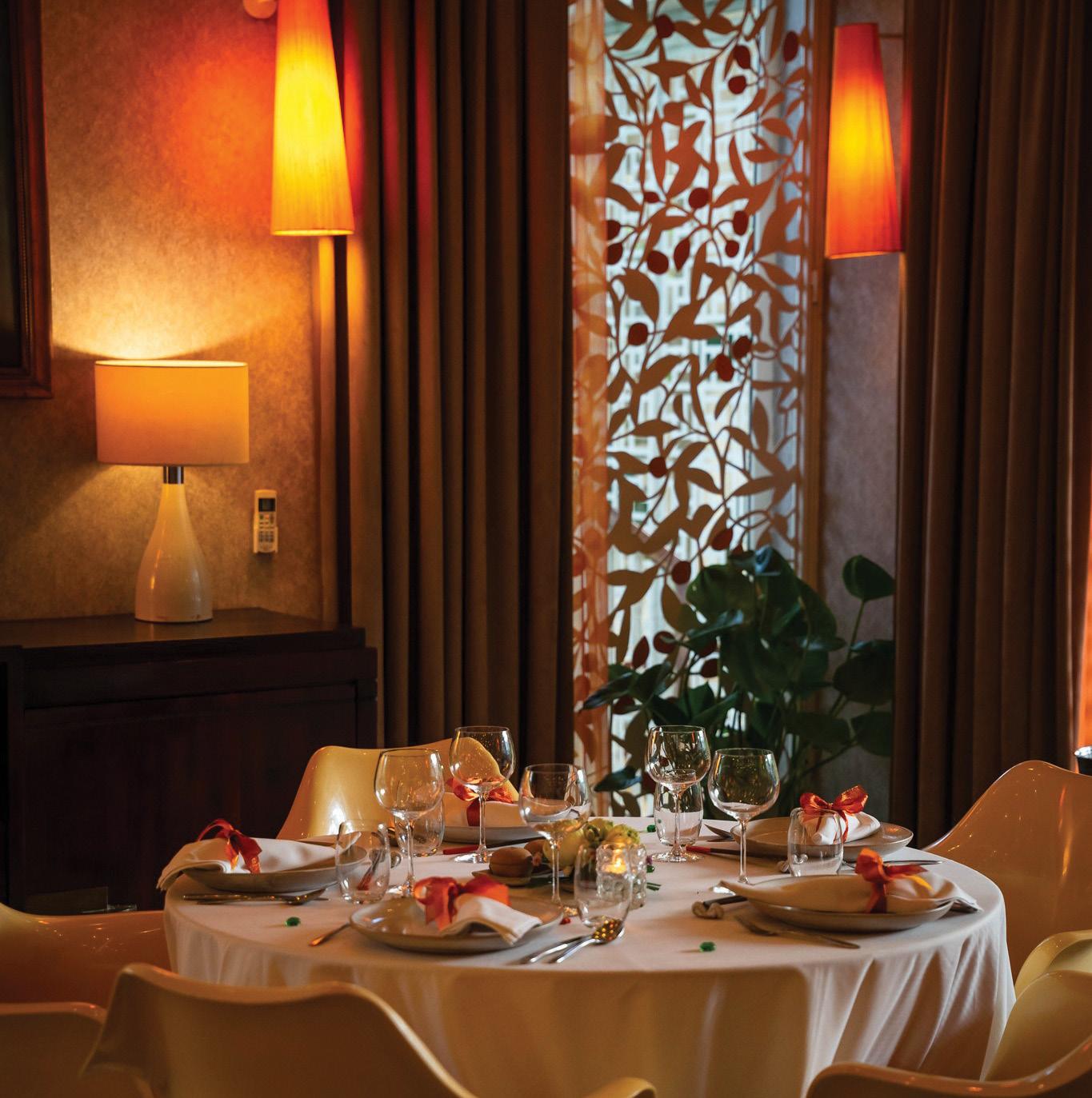
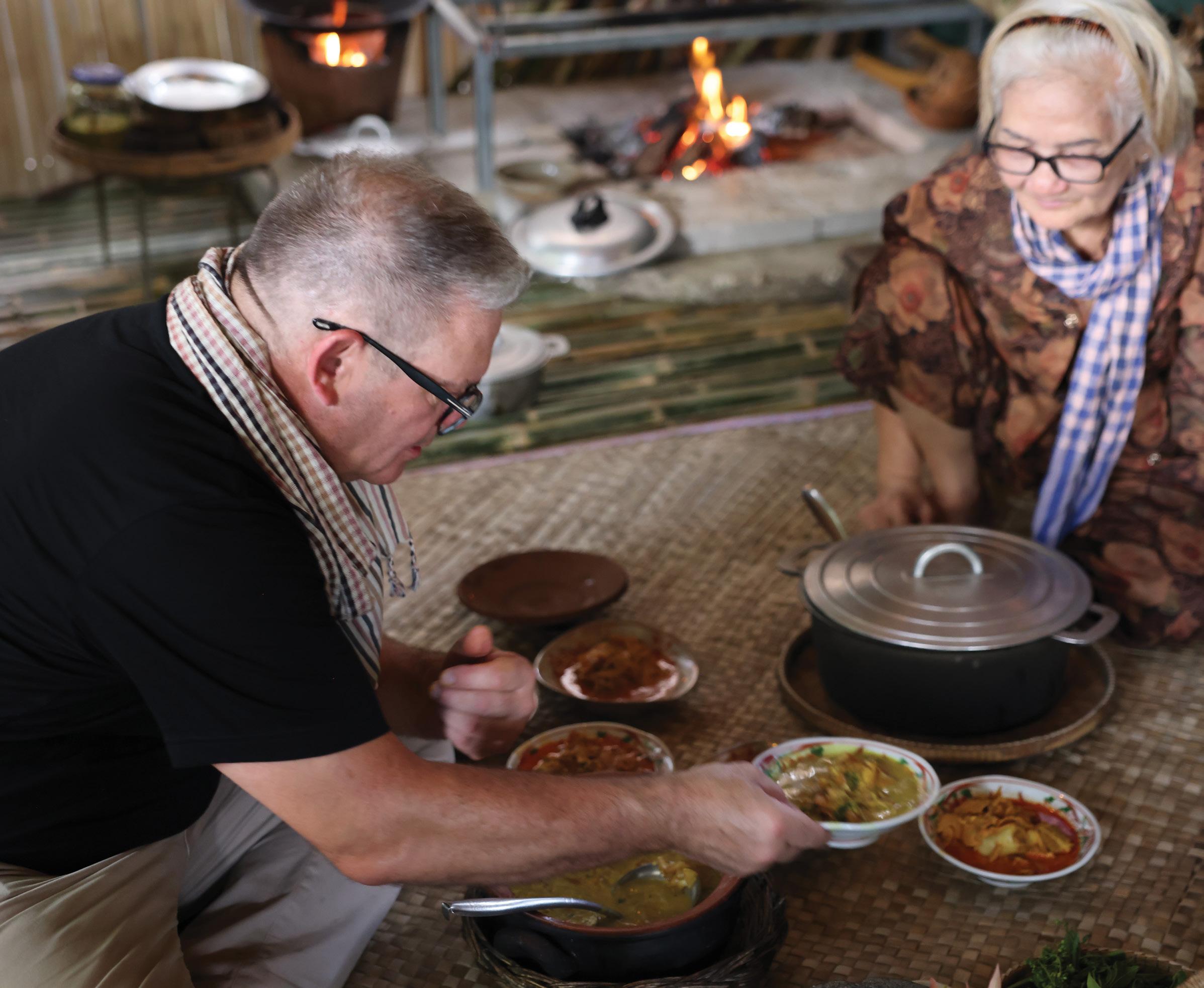
On another excursion I’m sitting on the bamboo floor of a local cooking school, peeling thnout, a sugar palm fruit that’s beloved for its jelly-like kernels and pulp. It’s thankless work.
There’s a very particular way of preparing this big, rock hard and annoyingly round fruit. By the time I’ve peeled it, prepared it, shaved and mashed it, only about 25 per cent of the fruit remains, a slim margin by any measure. But adding it to a curry adds important fibre and sweetness so it is worth putting in the effort.
Next, we mash kroeung, something between a spice paste and a sofrito; turmeric, garlic, shallots, galangal and fresh lime leaves, cooked down to become something extraordinary.
Finally, we add local vegetables, and the fish: 150 grams for eight students. Less is more. Flaky and soft, it quickly disintegrates, becoming almost emulsified in the curry. The dish is delicious on its own, but we’re encouraged to customise it as the Cambodians do: with soy sauce, limes, chillis (fresh and roasted), prahok and sugar.
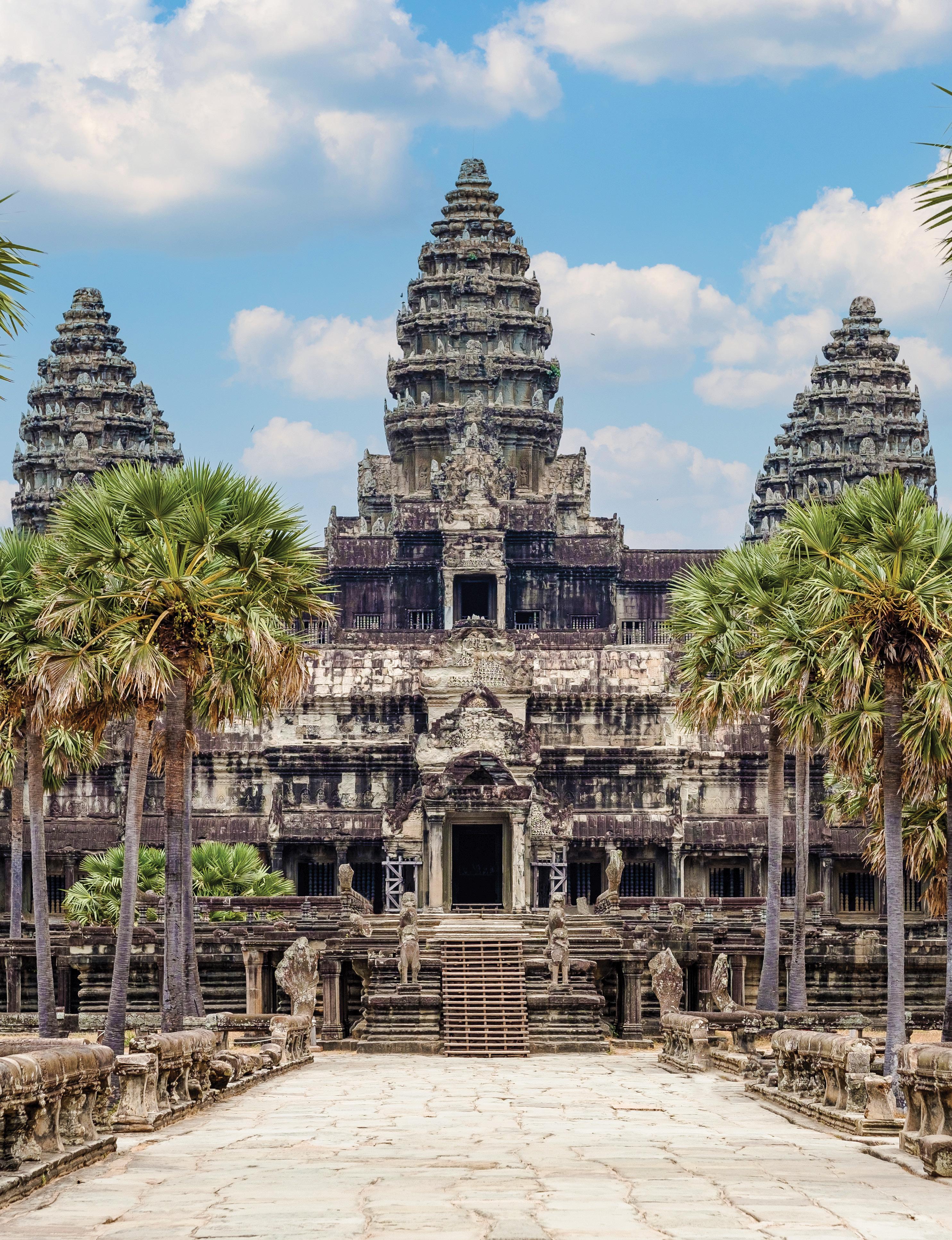
Matt and I found ourselves stopping at Siem Reap’s coffee shops frequently as we put together this tour –often three or four times a day.
Cambodia grows coffee on its northern borders, in a similar way to Vietnam; both grow primarily the robusta varietal, strong, full-bodied and for too long perceived as the “cheap” coffee. Because of this, the coffee industries in both nations were geared towards free-dried, international-focused blends. In recent years an artisanal coffee renaissance has emerged and with it great local roasteries, incredible coffee shops and Fair Trade practices.
In Siem Reap, a small but dedicated roaster’s trail is picking up some serious buzz.
Our favourite shop is Brother Bong, a small roastshop with hand-painted walls and a killer flat white. The menu zigzags between brunch classics (eggs benedict, smashed avo) and Khmer favourites, including khor ko, a slow-cooked beer-and-noodle stew that’s the perfect antidote to a big night out.
Another coffee stop, Sister Strey, is positioned across the road from the Old Market, the staff are friendly and profits go towards upskilling students and APOPO, a landmine clearance company that uses trained rats to sniff out and clear landmines, still a problem in areas surrounding outer Angkor.
As I’m preparing to farewell Siem Reap, a panic rises as I realise I haven’t yet eaten amok. I’m packed, ready to go but find the dish listed on my hotel’s menu. It arrives quickly, a small bundle of yellow fish curry that’s packed with turmeric, chilli, coconut and galangal. Every bite is delicious.
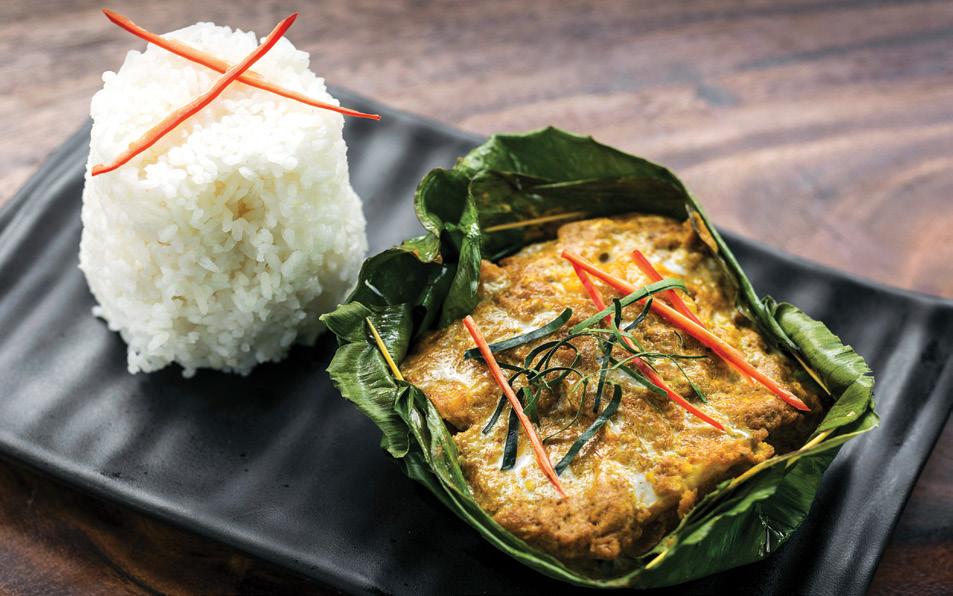
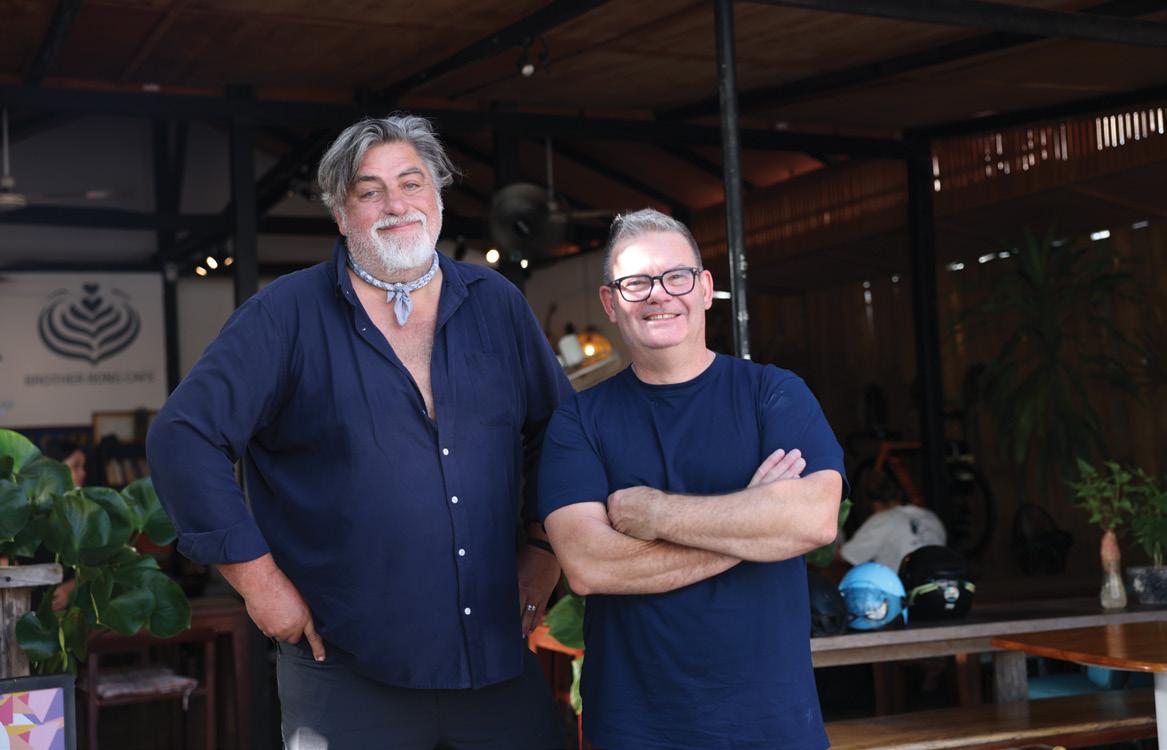
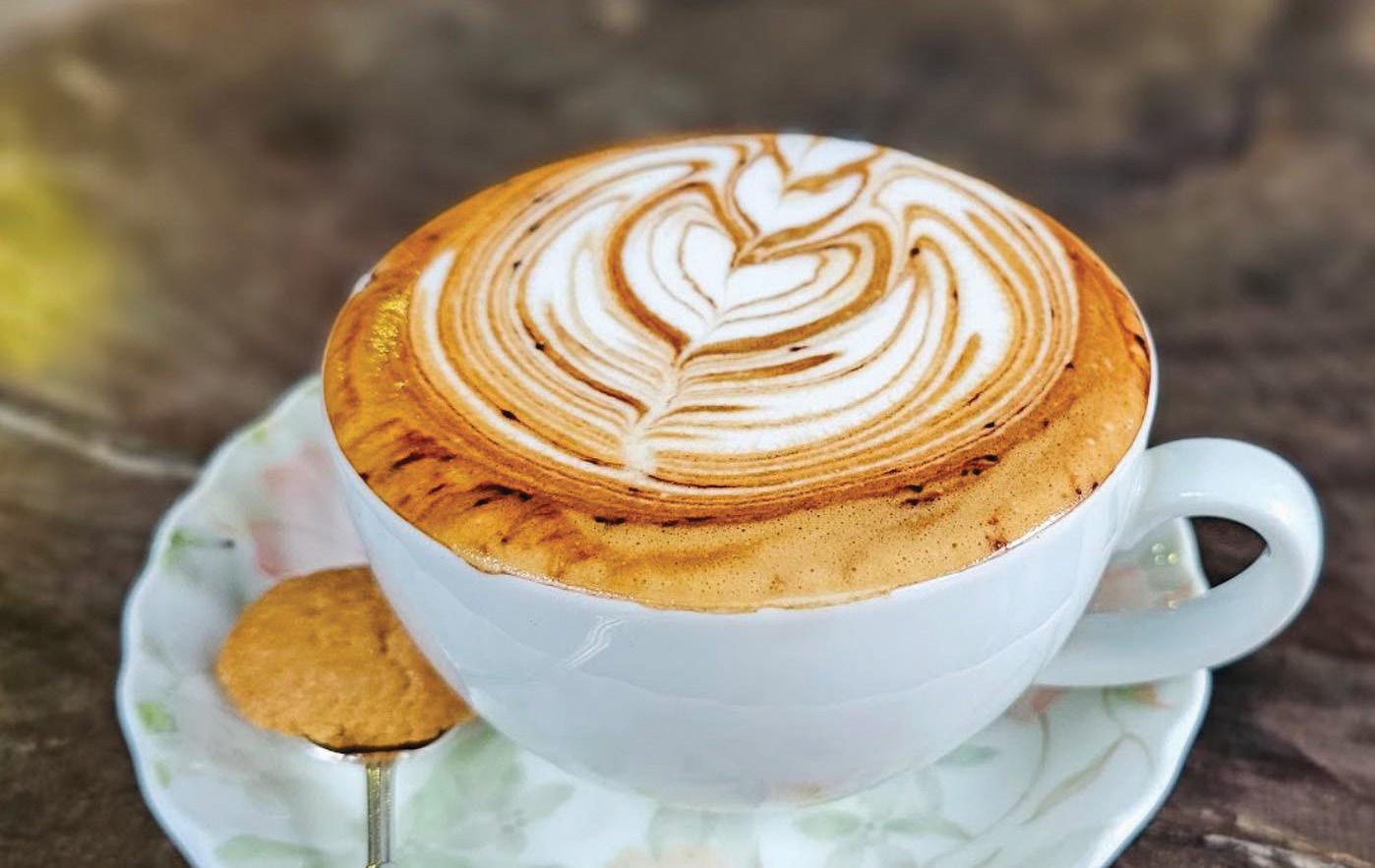
Luxury Escapes’ Signature Series tours offer an experience like no other.
These celebrity-hosted, ultra-exclusive journeys are designed and led by some of Australia’s most-loved personalities, including Gary Mehigan and Matt Preston. With iconic itineraries, Luxury Escapes’ Signature Series take you to the world’s top destinations on the adventure of your dreams. Along the way, experience unforgettable moments, from Michelin-starred dining to street food tours, cultural experiences and more.
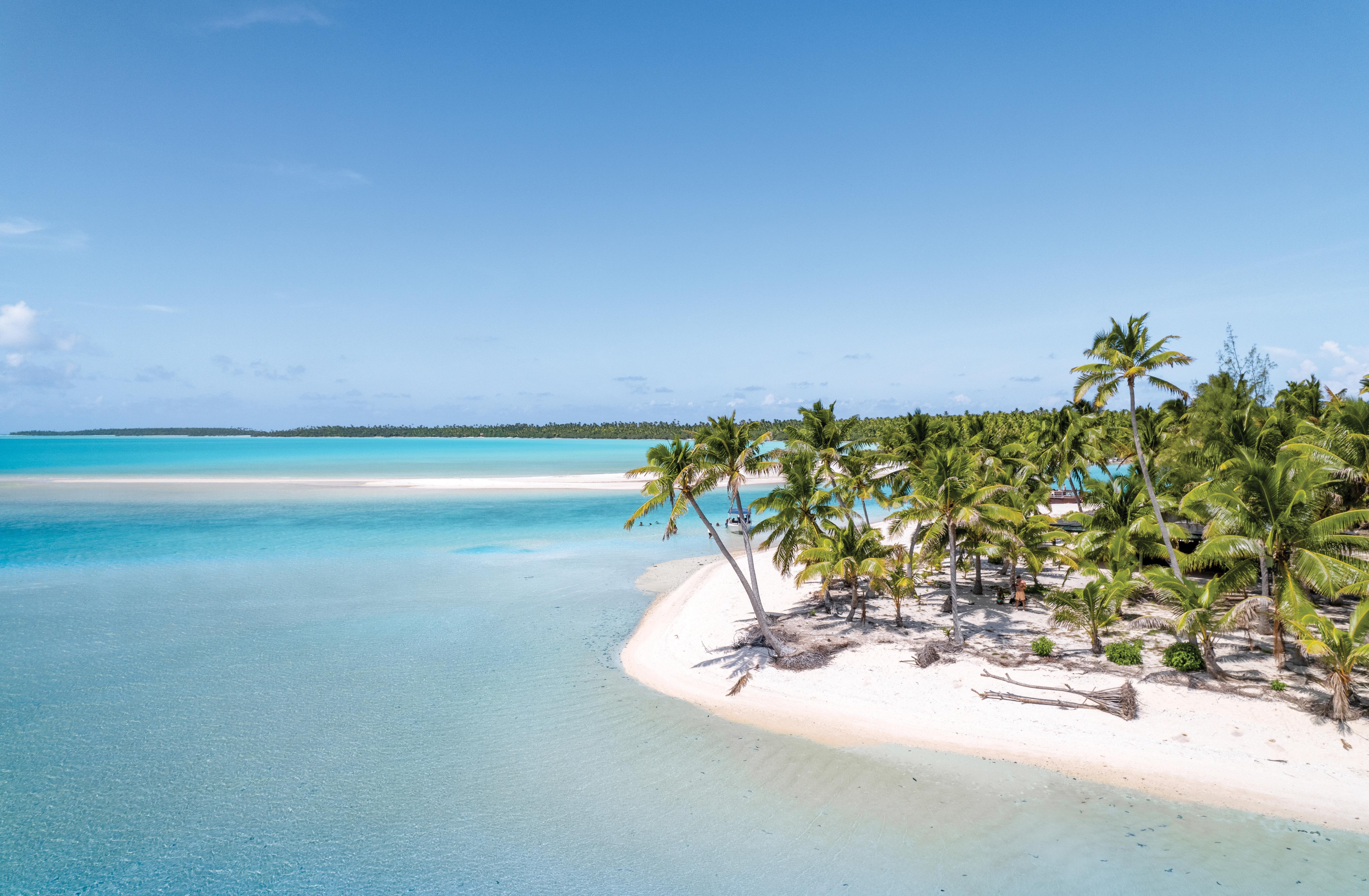
First introduced to the intimate charms of the Cook Islands – beaches to yourself, plates of o -the-boat seafood and no building higher than a swaying palm – 20 years ago, Paul Chai was cautious that a return visit might shatter his tropical-island reveries. He needn’t have worried: the islands’ spell remains unbroken.
“We
are not in a hurry in the Cook Islands. We are not in a hurry to have high buildings, we are not in a hurry to have a lot of buildings. We are still riding around in our cars with no seatbelts and recently we ended up getting our very first elevator at the courthouse. We had a big opening for our elevator, and it was a big deal for us. I think that being behind everyone else,
that actually makes us a little bit ahead in a different way”
MIKE, HAPPINESS CONSULTANT, COOK ISLANDS TOURS
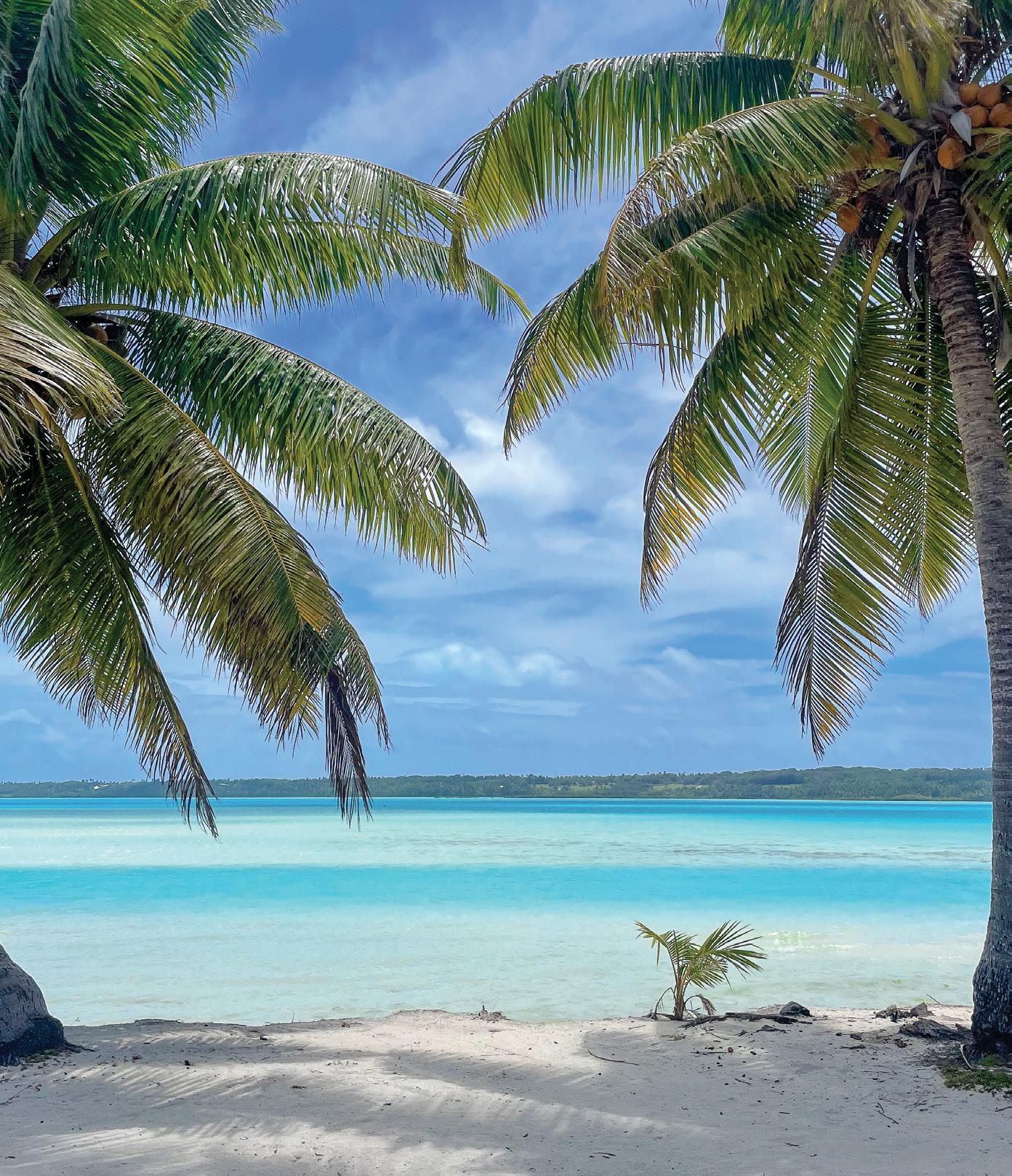
As a travel writer my job is searching for the rejigged and the reinvented, the twisted and the tweaked. But upon touching down in Rarotonga, main island of the Cook Islands – almost two decades after my last visit – my relief at finding it largely unchanged is palpable.
Rarotonga is an island that feels like it has more palm trees than people. There is a fringing reef that creates a placid lagoon, where the waves break politely and quietly on the reef crest protecting the island like a coral halo. You can circumnavigate “Raro” in around an hour by car, so the biggest questions you face each day is whether to turn left or right out of your abode to uncover the island’s laidback charms.
Cook Islanders are mana tiaki, or guardians, of 2.8 million square kilometres of South Pacific Ocean; the nation is made up of just 15 islands, some of which are a four-day boat ride from Raro, others have fewer than 50 residents living on them. It is a pocket-sized paradise whose residents would have to make haste just to catch up to “island time”.
My fellow traveller is very different from my last visit, too. My son of 19 years instead of 19 months. We are here to see if a grown-up getaway can match the memories made when he was just a toddler. Our home on Rarotonga is Sea Change Villas, the same as on our previous trip.
This collection of villas along the shore is the perfect spot – sitting at about the six, if Rarotonga was a clockface. The capital of Avarua resides at 12; turn left and you head up to the main town past the airstrip, turn right and it’s a more leisurely meander through the second-largest village of Muri Beach.
Our villa inhabits a corner spot with a high-ceilinged main abode and an additional bedroom. A deck wraps around the villa with a pool at the side and some rocky steps down to the sand. The floor-to-ceiling windows offer a near 180-degree view of the beach; in any other country I would keep the curtains drawn for privacy but on Rarotonga this beach sees minimal foot traffic, it’s like your own private patch of wonderful.
For animal lovers, some clean and well-cared-for stray dogs and cats wander up and down the beach like a pet borrowing service; they will follow you and play with you for a while and, if you are too nice to them, they might just follow you home.
At sunset I get a text from my son that he has met some fellow teens on a beachcombing expedition and is back at their grandma’s house a few streets away. I am sitting on our deck with a Tui beer in hand and a ginger cat on my lap. Turns out you don’t so much return to the Cook Islands, you move back in.
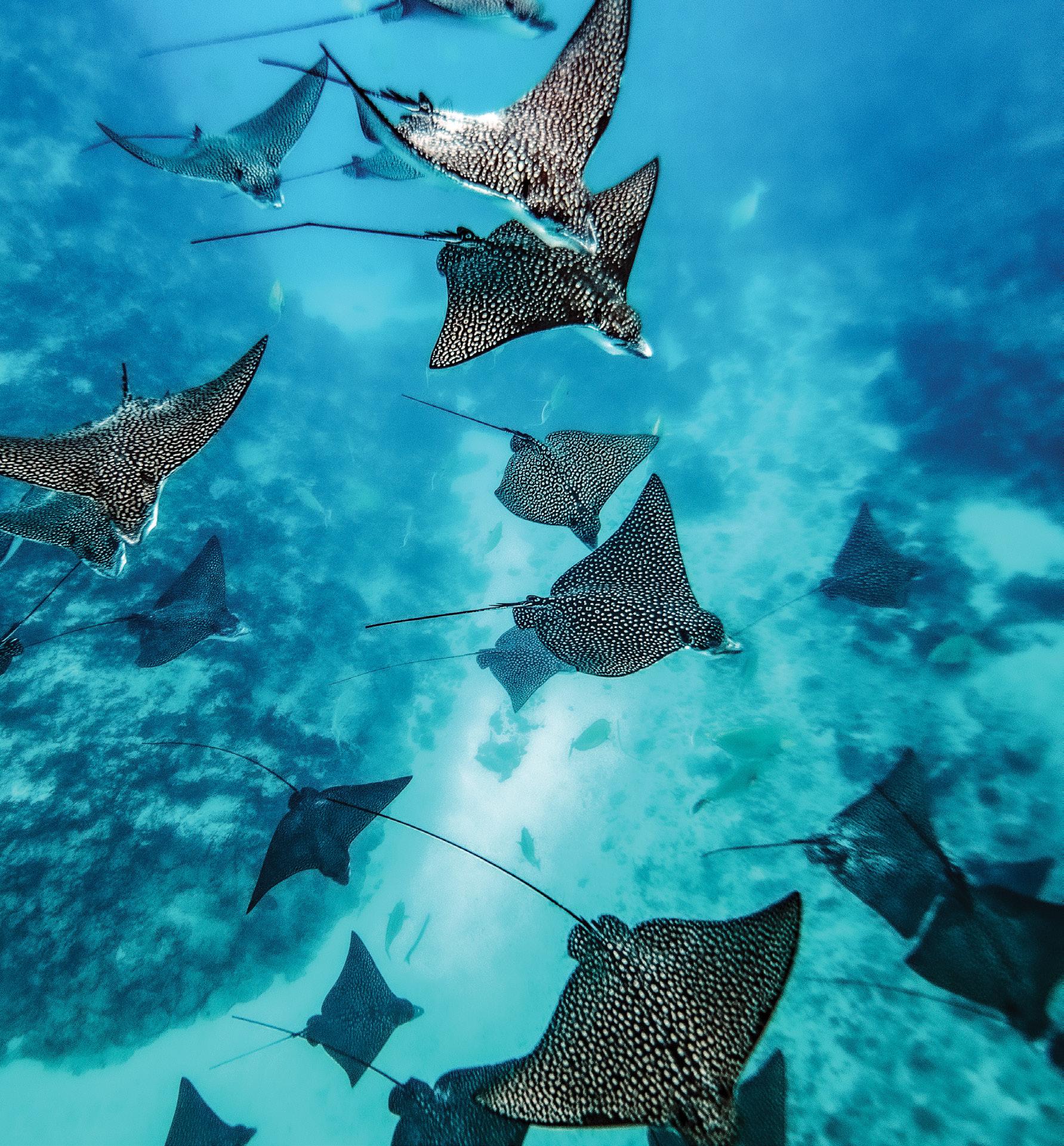
Rarotonga’s protective reef has a few chinks in its armour, and we are off to explore one bright and early. Just a few hundred metres from Sea Change Villas is a narrow but deep channel formed as water comes and goes from a gap in the reef a few metres wide. At low tide it is a beloved playground for a variety of sea life and we are taking a turtle scooter safari with Ariki Adventures.
The scooter is a three-speed, handheld propeller that whisks you through the water. It is a big reason the teen was happy to rise early as a similar device is used in Subnautica, his favourite video game. I get the appeal, we are zipping behind our guide at a clip and see a turtle almost instantly bobbing right next to us. Further out in the channel the ocean floor suddenly looks like a moving chessboard as the dark shapes
of a pack of eagle rays glides over the pale sand; some reef sharks also join the party, a rarity we’re told. More turtles flap by and our scooters mean we can duck dive and travel beside them, but I have to make sure I don’t plunge down deeper than I can hold my breath because, unlike a video game character, I only have the one life.
The underwater world of the Cook Islands is singular, in part due to the protected nature of the waters immediately offshore. We spend the days wading out with snorkel and goggles and spotting a rainbow of triggerfish, parrotfish and plump blue sea cucumbers.
On a trip to the northern island of Aitutaki later in the week (checking in to our 40-minute flight, wandering chickens briefly outnumber travellers), we return to a watery spot burned into my memories from our first
trip. The lagoon on this island is considered one of the most beautiful in the world and, as a small child, my son giggled wildly as he held out a banana as dozens of tropical fish swarmed around him nibbling on the sweet fruit and his fingers. We are once again touring the Aitutaki lagoon, this time at a frankly bananas speed on a Platinum Cruising vessel. We bump and jump over the blue waters on a half-day tour that appears to need Ritalin, but the pace works for two people who don’t like to tarry.
The customised tour allows us to explore some of the 15 islets on foot, often under the watchful eye of white seabirds perched in the palms. We finish by snorkelling not far from where we fed fish many years ago.
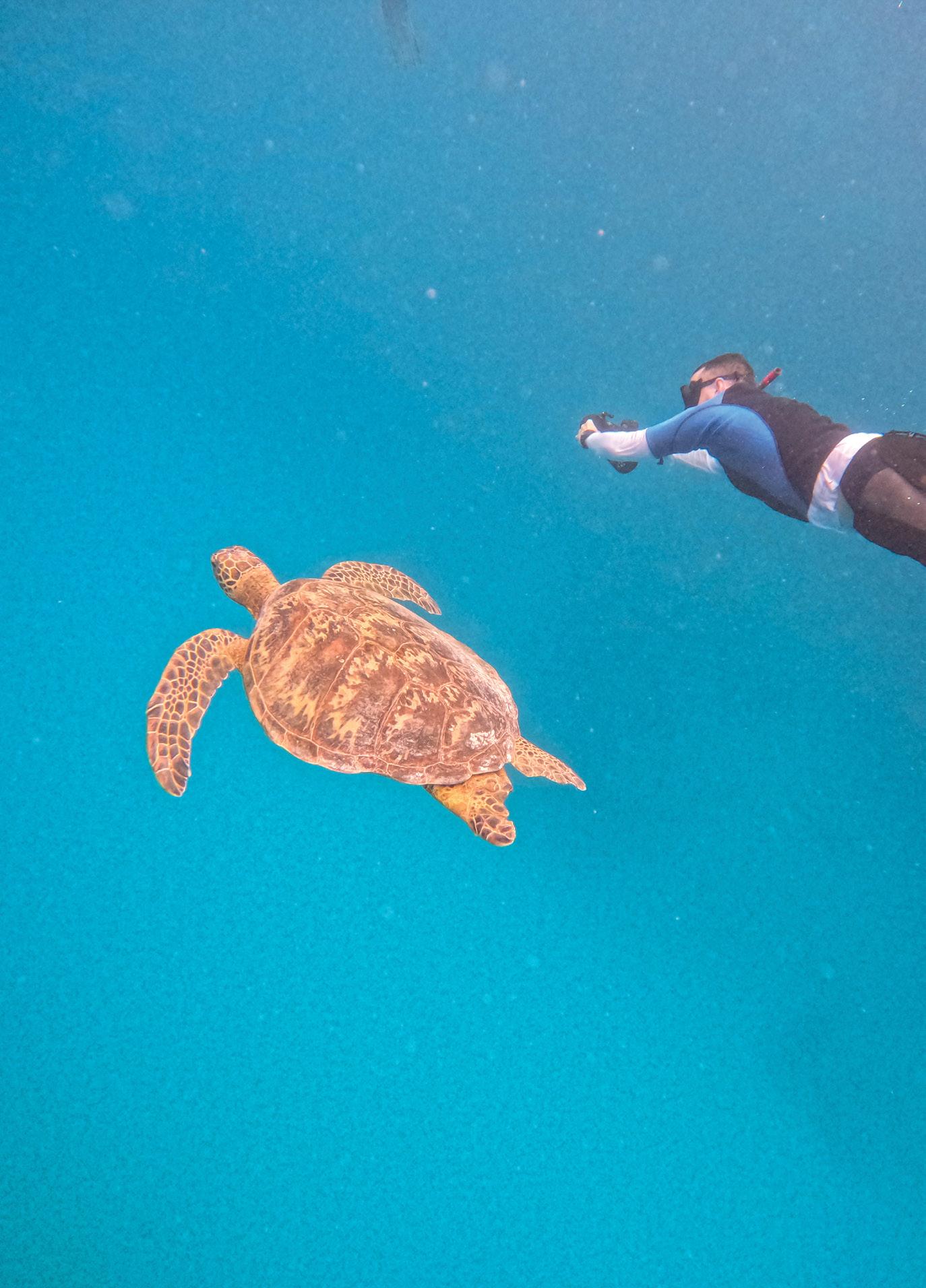
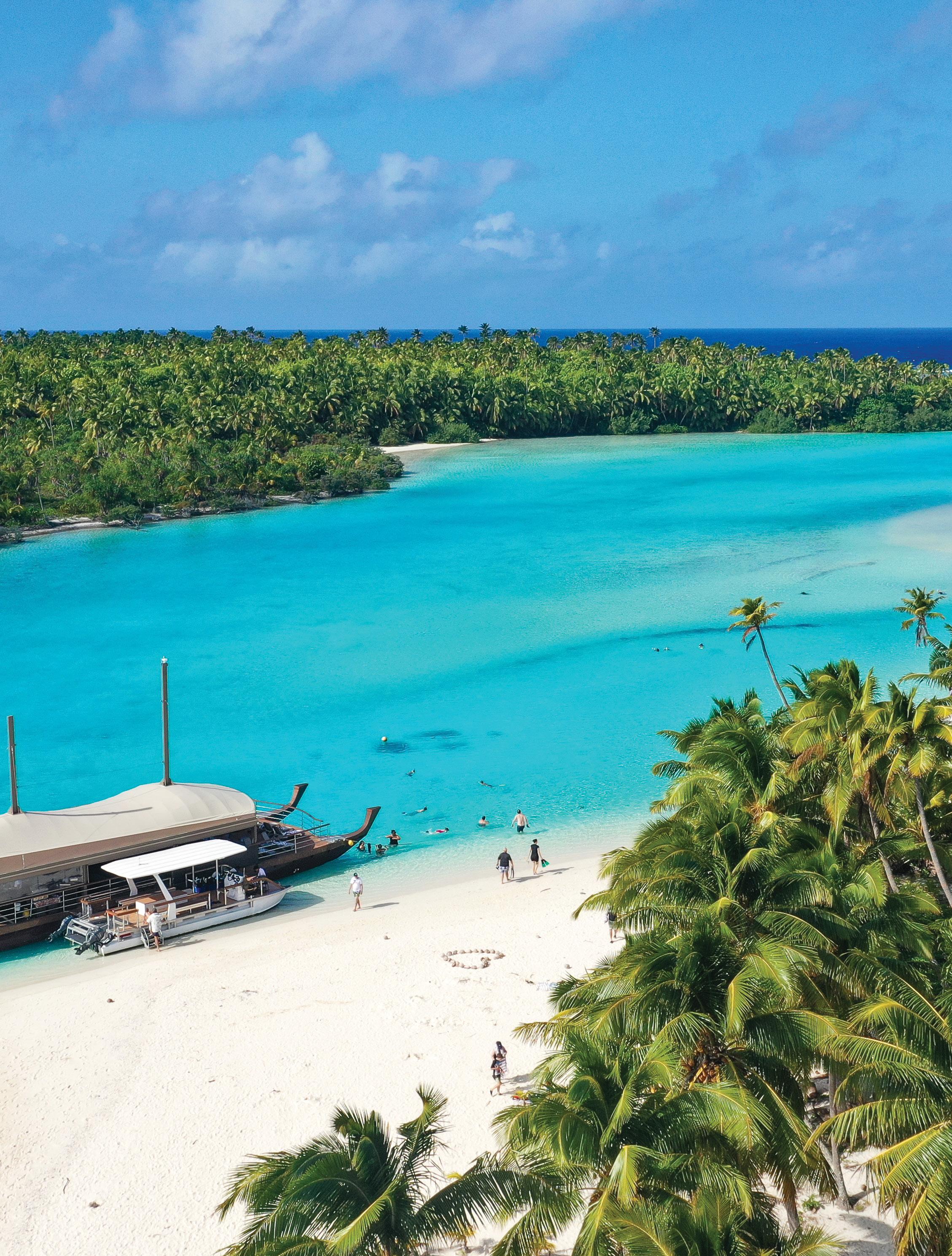
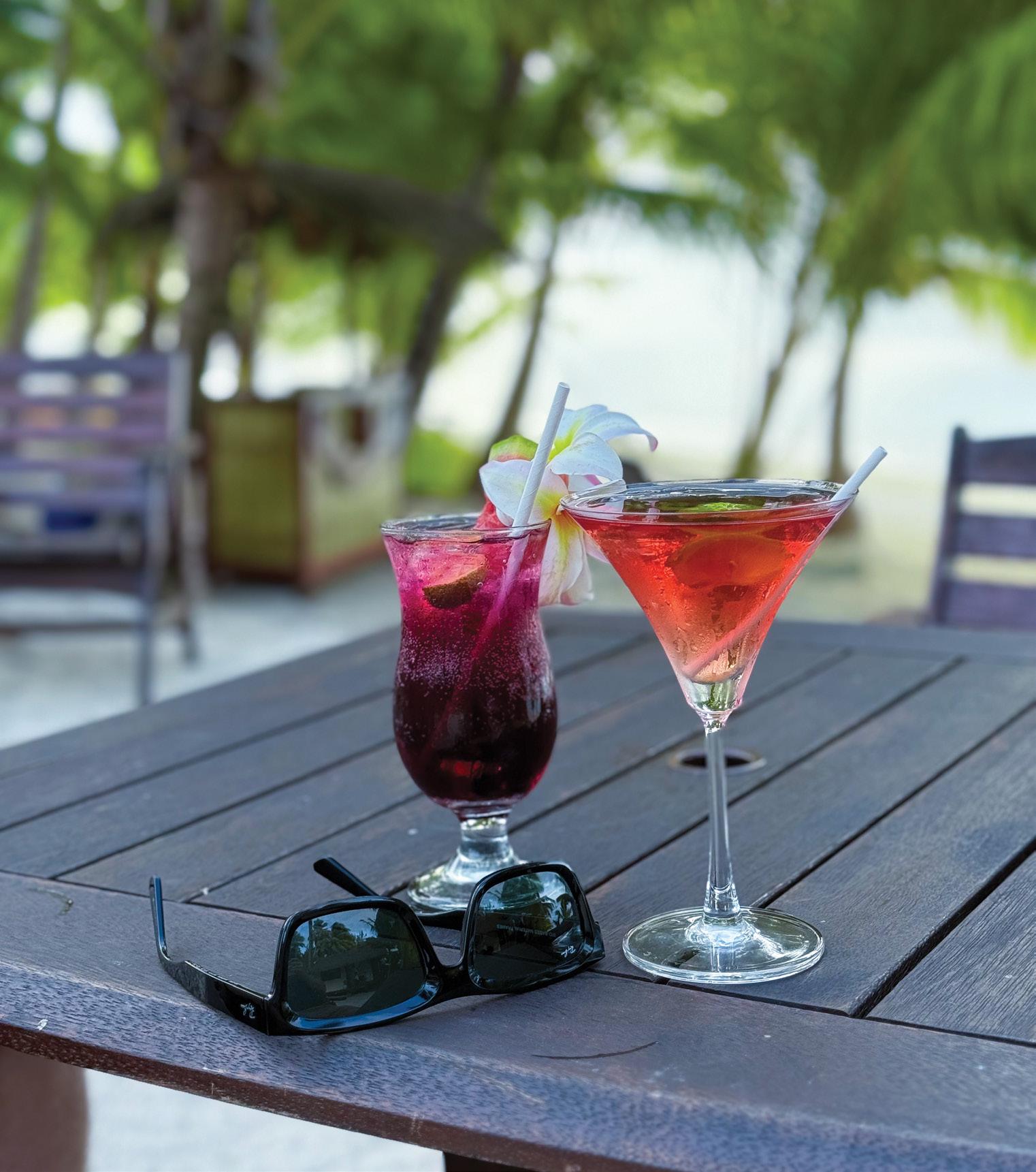
Turns out that snorkels and flippers aren’t only things that get wet in Rarotonga. At the unassuming Palace Takeaways on the outskirts of Avarua we have joined a huge throng of people for Happy Hour Burgers (starting at $3.50) but on a tip from a local we have been told to ask for our burgers to come “wet”. When my fish burger arrives, wrapped loosely in foil, I discover that this means the whole burger has been doused in a light mayonnaise sauce and I am an immediate convert.
Prefer your wet burger with side of heart attack? At a non-descript shack next to a service station, Vili’s Burger Joint offers a “butter burger upgrade” for just $2 where your burger is drenched in New Zealand butter.
On this trip to the Cook Islands the big surprise for me is the quality and variety of the food. As well as the sinful pimped burgers we have an incredible range of marketfresh seafood and fine-dining experiences.
Antipodes is a cliff-top chef-led affair with décor that has a Europe-by-way-of-the-tropics feel. A Moroccan-spiced chicken salad gets sweetness from pawpaw and a bite from some goat’s feta, while a handmade prawn ravioli uses sweet, whole prawn chunks with a kick of ginger.
At Tamarind House Restaurant & Ukulele Bar, a luridly tropical interior welcomes you to a heritage colonial home built in 1904 for workers at Union Steamship Company for plates of yellowfin tuna tataki with ponzu sauce and an island-style fish curry, it’s creaminess kept in check by tart tamarind chutney.
Waterline Restaurant and Outrigger Beach Bar becomes a regular hang for us. The bar has a Gilligan’s Island vibe, all driftwood and glass buoys. Mismatched stools ring the bar and, while we never eat there, the mango daiquiris have enough fresh fruit in them to feel like a meal. Down a hand-hewn staircase are turquoise Adirondack-style chairs wedged into the sand for maximum sunset viewing.
Ika mata is the national dish of the Cooks, just-offthe-boat fish dressed in coconut milk and a variety of additives like red onion or peppers, and we make it our mission to find the best on Rarotonga.
Coming in third is On the Beach Bar & Restaurant, a poolside spot at Manuia Beach Resort, second place goes to Tamarind House, but the number one was a very special plate served in the home of a Cook Islands local.
On the Progressive Dinner run by Cook Islands Tours you get a three-course meal with each course served in the home of a different Cook Islander, it is an intimate way to get a feel for how locals live and to hear their stories. Aunty Nono resides in a pale-green historic home just near Avarua. She is dressed in a striking redand-black dress and colourful ‘ei katu (floral head wreath) and she welcomes our group to her patio to sit in wicker chairs in the shade of a giant tree whose branches are hung with wizards’ beards of Spanish moss.
We help ourselves to the best ika mata on the island as well as a creamy banana and mayonnaise curry that should not work but is so good I implore Nono for the recipe. It’s simple, it’s fabulous and it’s a little bit retro; it’s everything I love about the Cook Islands.
Indulge in luxury, privacy and complete relaxation in Rarotonga in self-contained villas, each offering a private swimming pool. The Sea Change Villas team delivers personalised customer service, ensuring you discover in the true Cook Island hospitality.
The family friendly resort is situated on the white sands of beautiful Muri Lagoon, a hot spot for visitors to the Cook Islands. IT has 64 rooms and villas, spread over 5.5 acres.
Tamanu Beach Resort is located on the western coast of Aitutaki, with stunning sunset views from the beachfront Restaurant and Bar. Tamanu Beach resort offers four-star bungalow accommodation options, including Garden Bungalows and One-Bedroom Bungalows.
The resort’s prime location puts Rarotonga’s natural splendour front and centre; the magnificent sunsets, surrounding lush green mountain backdrop and the views over the white sandy beach and deep blue turquoise lagoon.
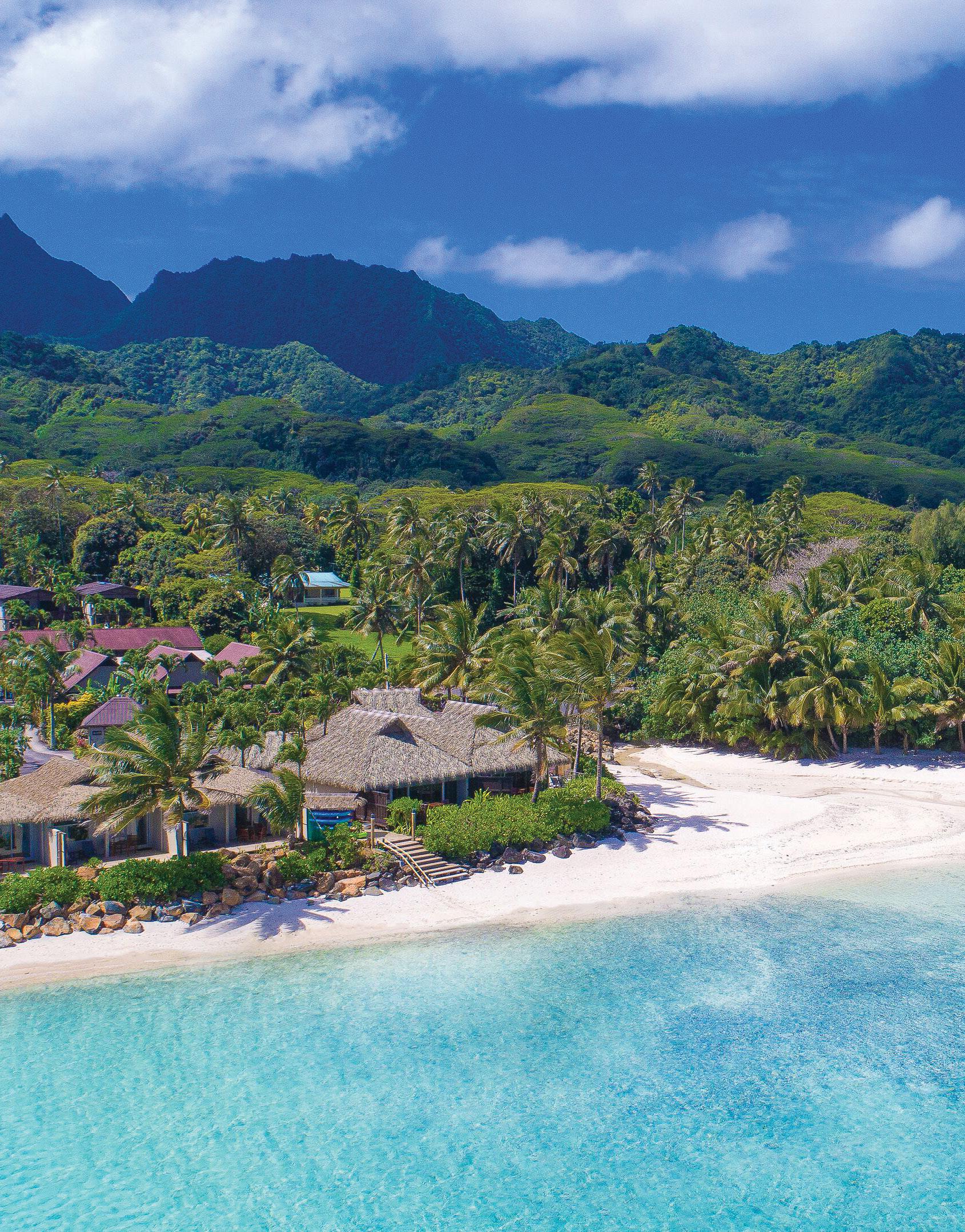
OPPOSITE: Aitutaki Lagoon is considered one of the most beautiful in the world.
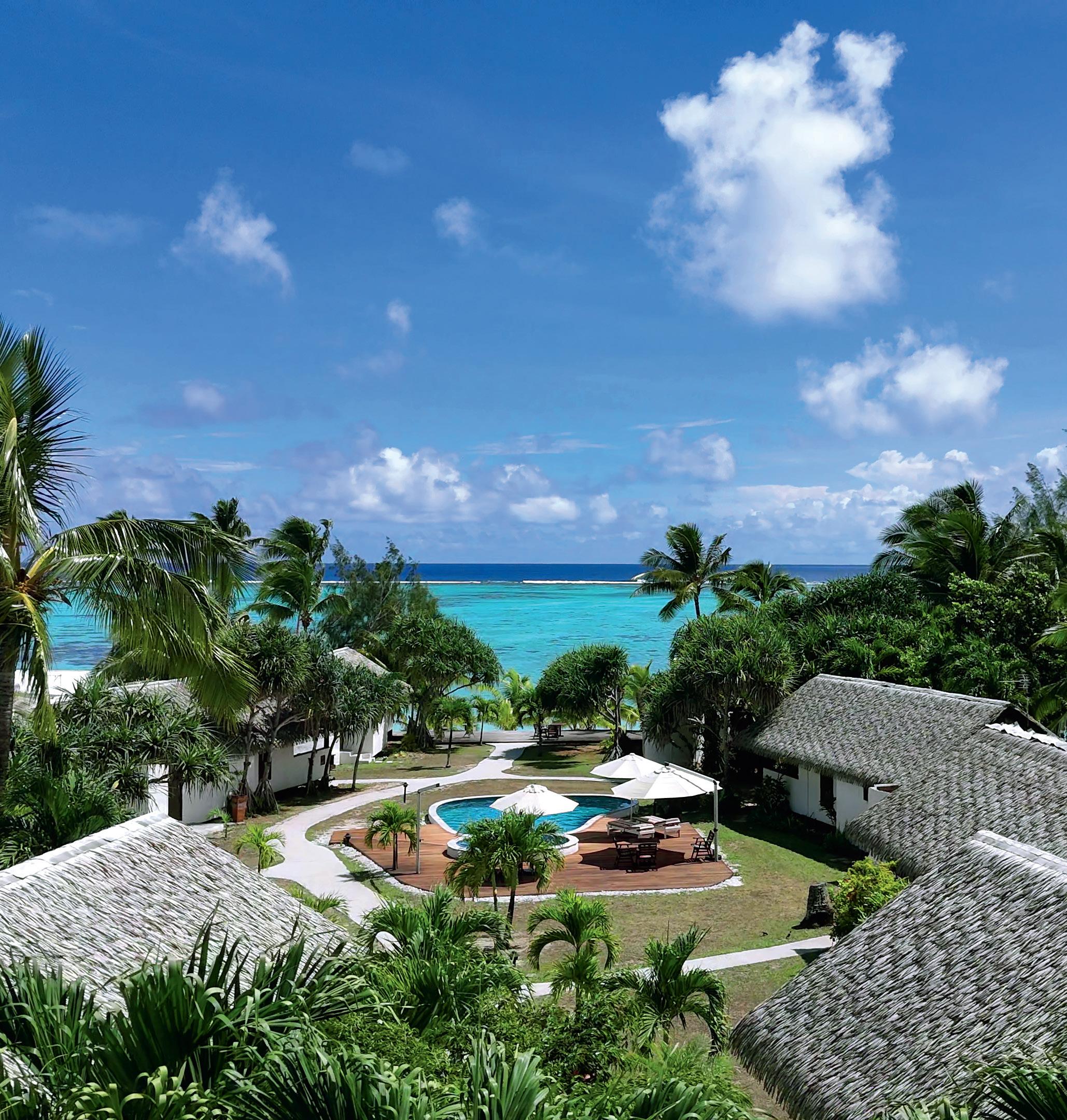
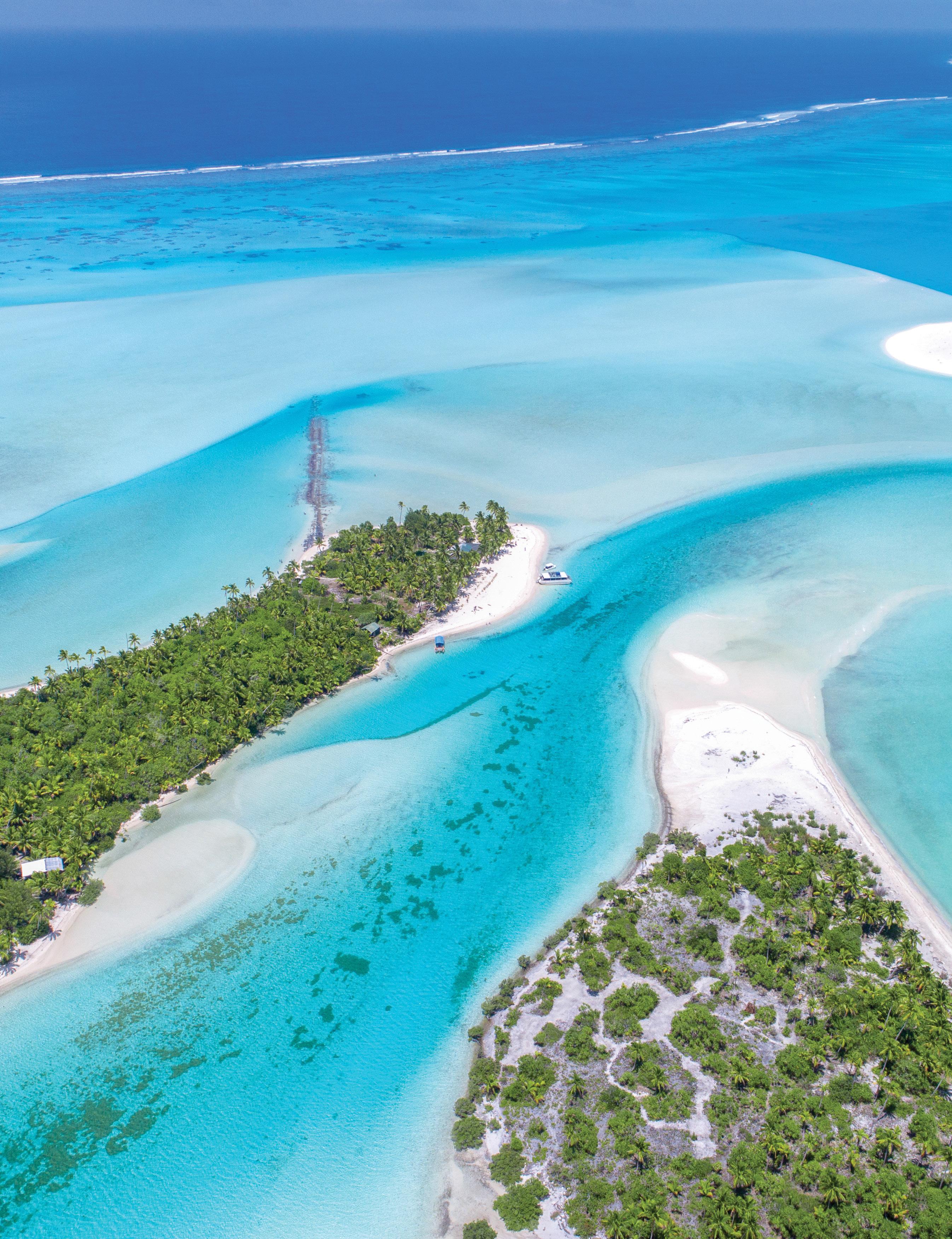
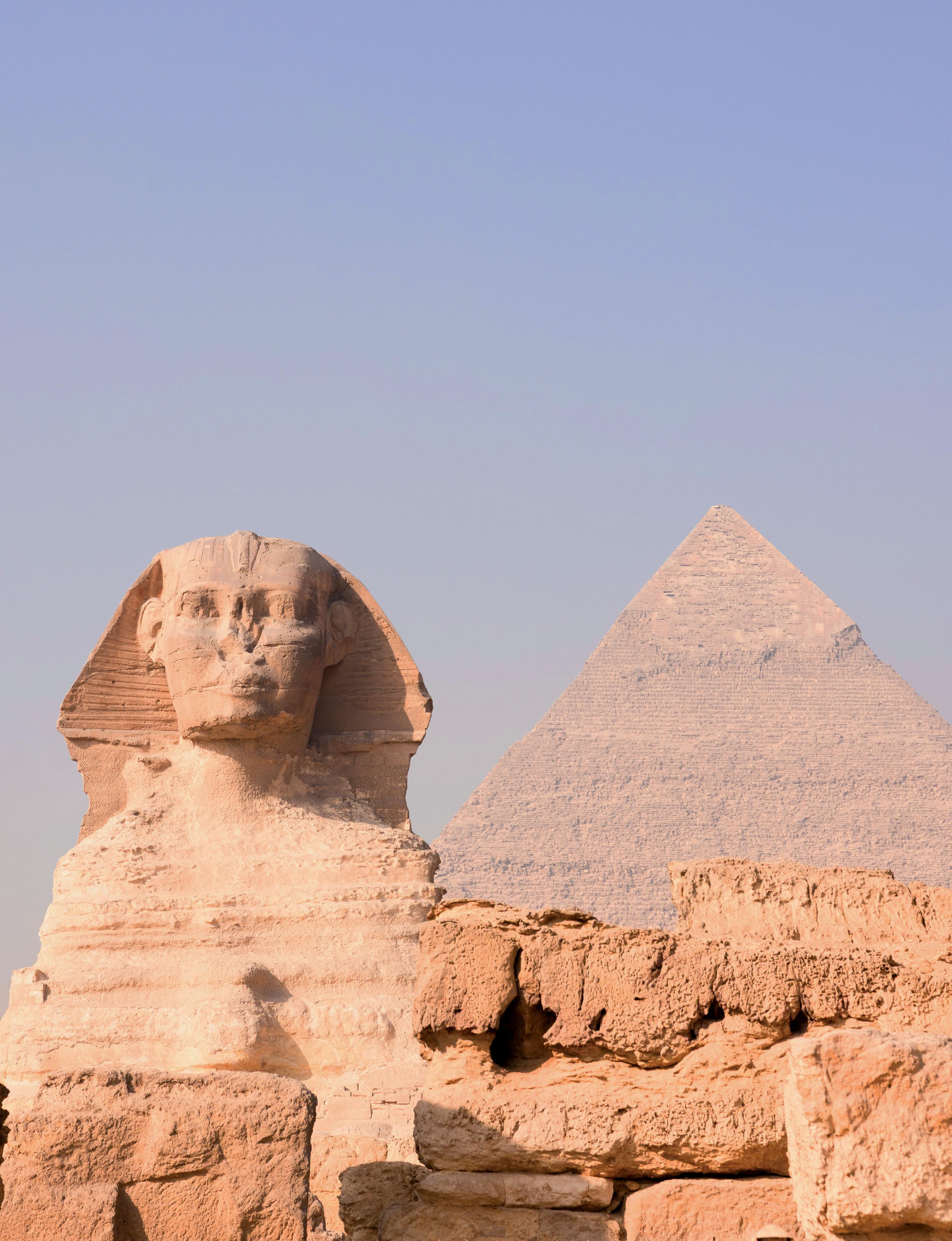
From the colossal pyramids of Giza to the towering statues of the Great Sphinx, Egypt does things on a monumental scale. Yet it is a young and relatively minor ruler whose hidden tomb packed full of untold treasures have made him the most famous king of all. From Cairo to the Valley of the Kings, Nate Robinson follows in the footsteps of Tutankhamun.
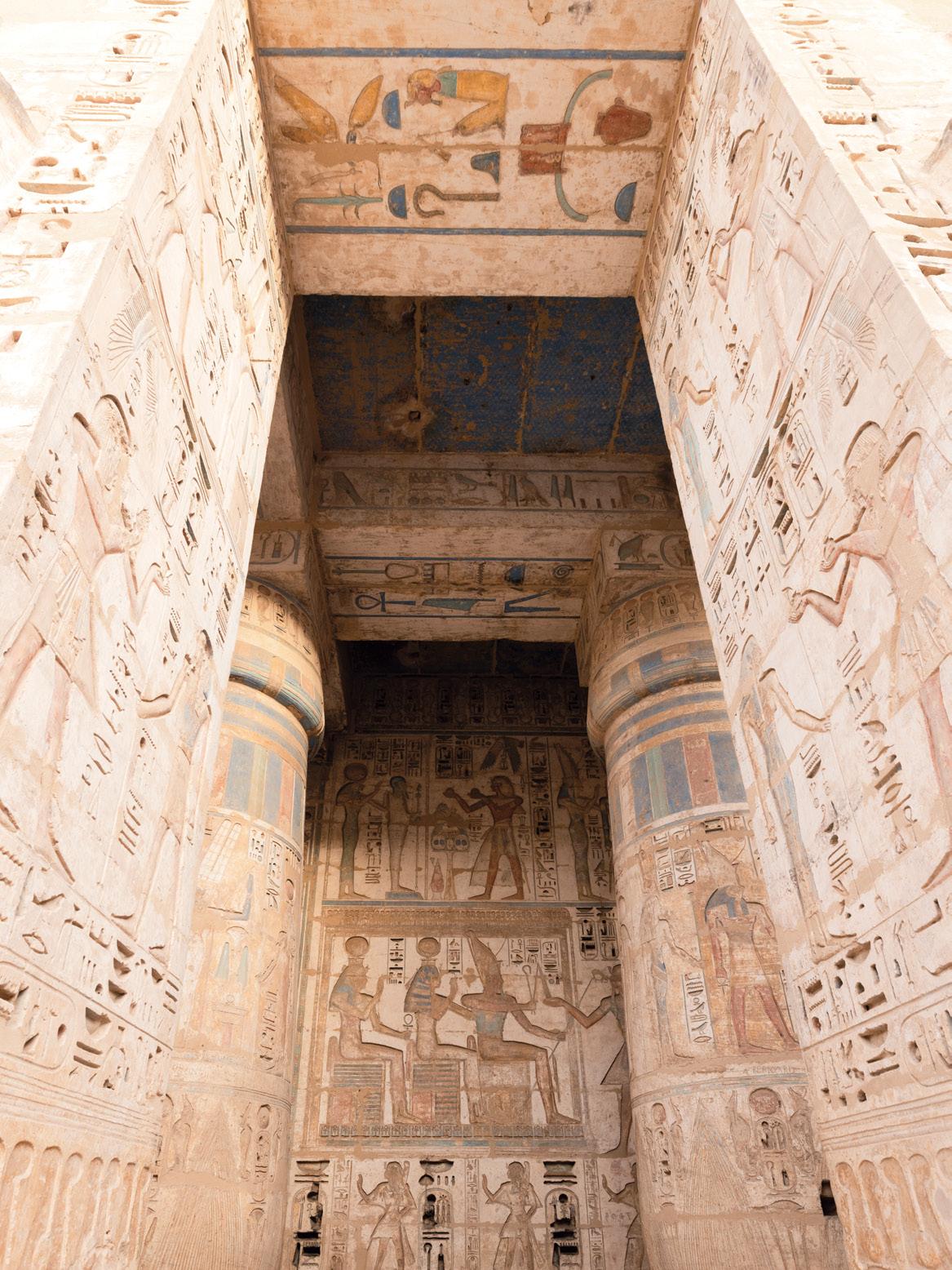
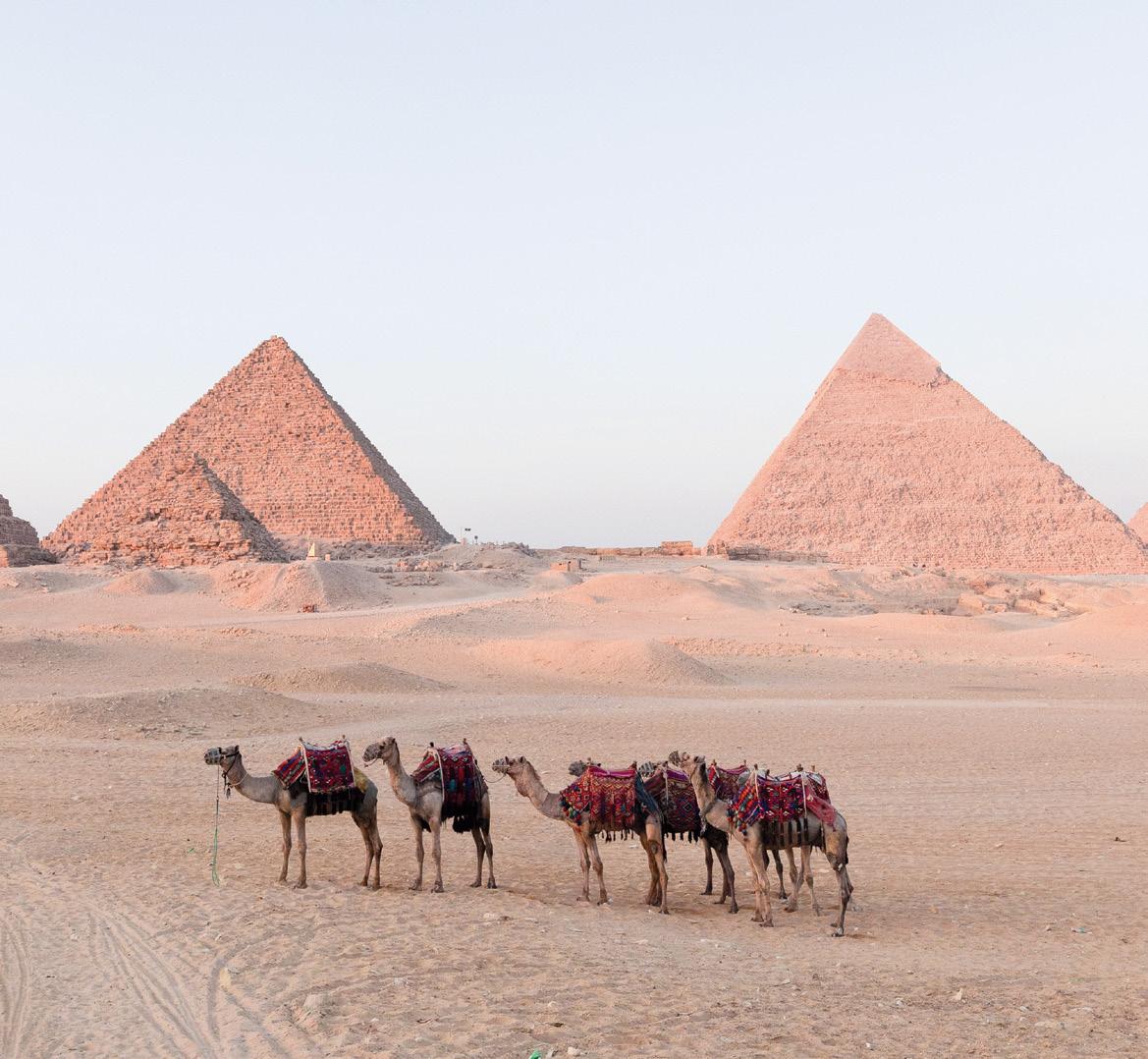
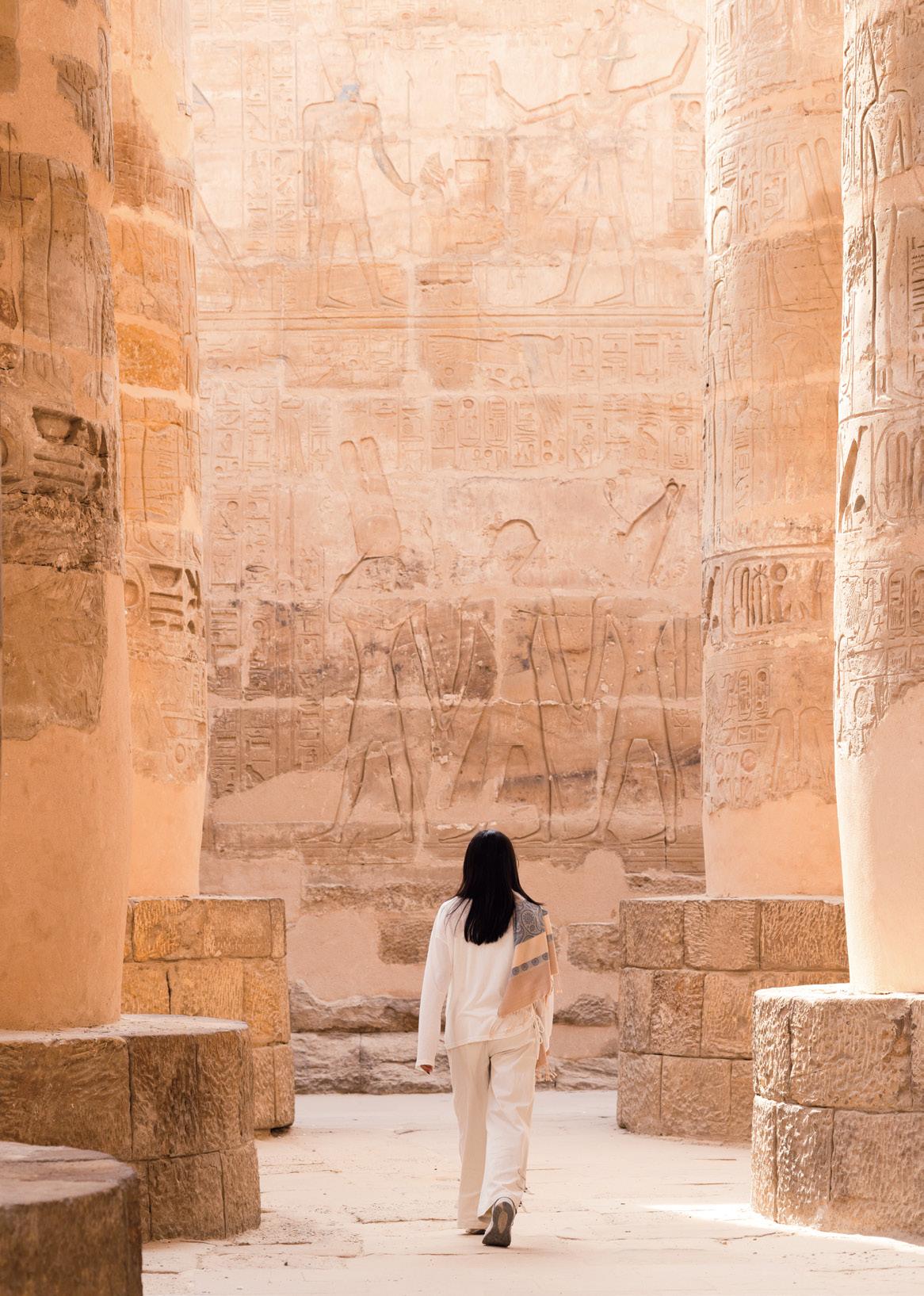
Three thousand years of history loom above me. I’m standing beneath the carved image of pharaoh Ramesses II, monumentmaker and prisoner-taker, immortalised forever in a hulking slab of red granite. He spent most of his 66-year rule desperately trying to cement his place as the most famous and beloved of Egypt’s rulers. It’s a shame that didn’t work out.
Egypt’s most ambitious pharaoh makes a fitting concierge to the entrance hall of Cairo’s Grand Egyptian Museum. Opened in November 2025, the museum has already earned the moniker the “Fourth Pyramid of Giza”: originally announced in 1992, the project cost over US$1 billion and has survived revolution, currency crises and a global pandemic. Like the Great Pyramid of Giza that came five millennia before, the Grand Egyptian Museum took 20 years to construct and now stands as one of the country’s architectural triumphs.
But while the Grand Egyptian Museum is packed with treasures – including restored solar boats, hanging obelisks and the world’s first Ancient Egyptian-themed Starbucks – I’m
not here for just anyone. I have a date with Egypt’s original rock star.
Ramses II has his place in history, but Tutankhamun reigns supreme. The son of pharaoh Akhenaten – best known for converting Egypt, for a brief period, into a monotheistic solar-based cult, against the advice of basically everyone at the time – he was crowned at eight years old, was married by fourteen, ruled for ten years and was, all things considered, a relatively minor pharaoh. Tutankhamun’s insignificance – his tomb in the Valley of the Kings was literally buried under 150,000 tonne of debris from another pharaoh’s later mausoleum – would lead to one of Egyptology’s greatest finds nearly 3,300 years later.
After 15 fruitless years of searching for the child king’s tomb in the Valley of the Kings, British archaeologist Howard Carter was getting desperate and funding was running out. A water boy attached to the dig – his name never made it into the headlines –dropped his vase on the rocky sands, where it shattered. Water droplets pulled strangely through sand and led to the discovery of the
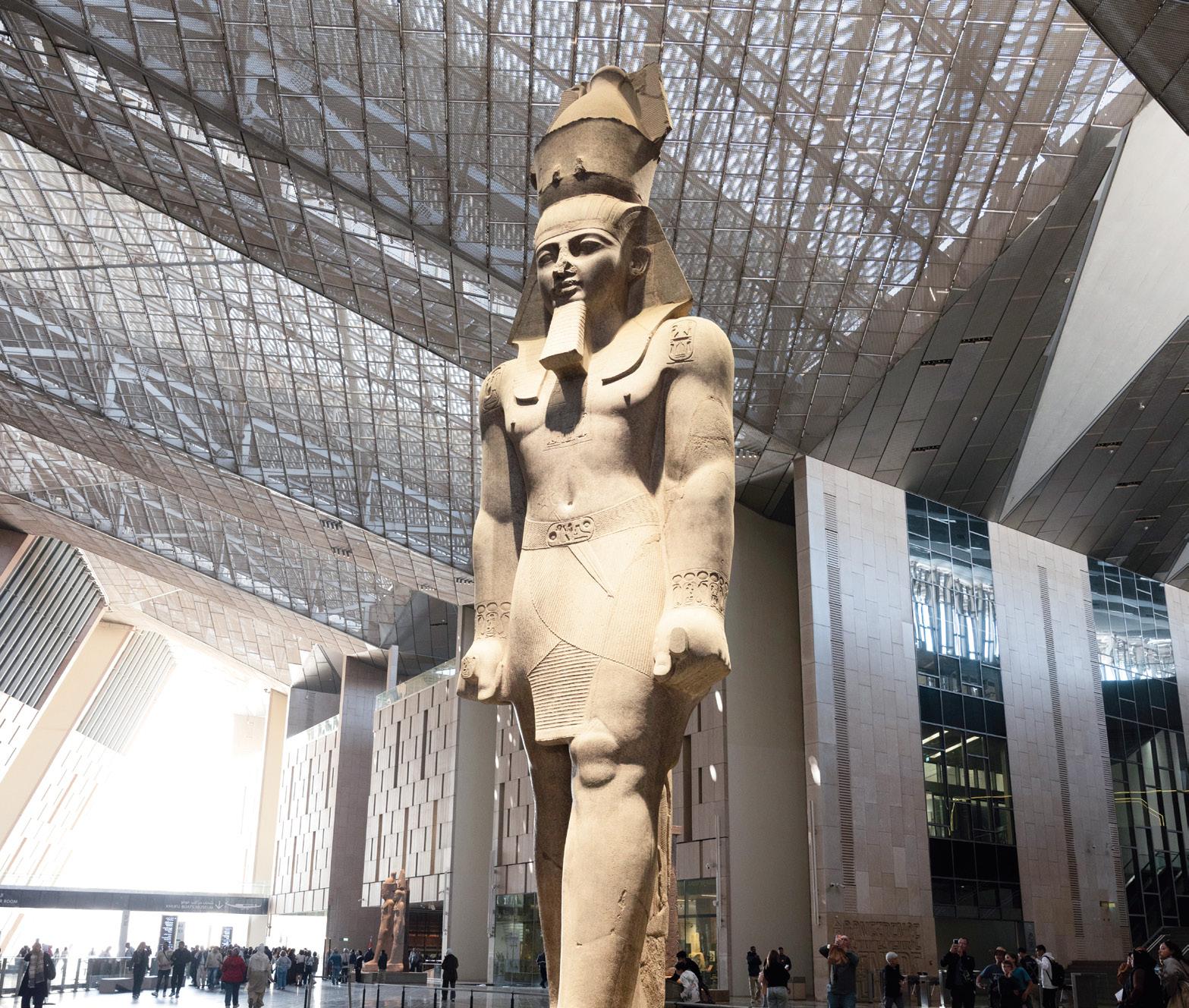
tomb. It took a month for Carter to excavate the entrance. Protected by this rubble, Tutankhamun’s tomb was one of the only burial chambers to remain mostly untouched by tomb robbers; when asked if he could see anything in the gloom, Carter replied simply, “Wonderful things.”
He wasn’t kidding. Almost every piece of Tutankhamun’s original 5,396 burial items –every piece of gold, linen, papyrus and wood painstakingly imported from far-flung Byblos or Cush – has now been brought together under one roof for the first time since Carter first peeked into the chamber in 1922.
To reach Tutankhamun’s two galleries in the Grand Egyptian Museum, I first climb the museum’s Grand Staircase, moving past ritual doorways, cat goddesses, minor sphinxes and queens erased from history. As I reach the top, I discover one of the museum’s best surprises: from floor-to-ceiling windows there are soaring views over the Pyramids of Giza only two kilometres away.
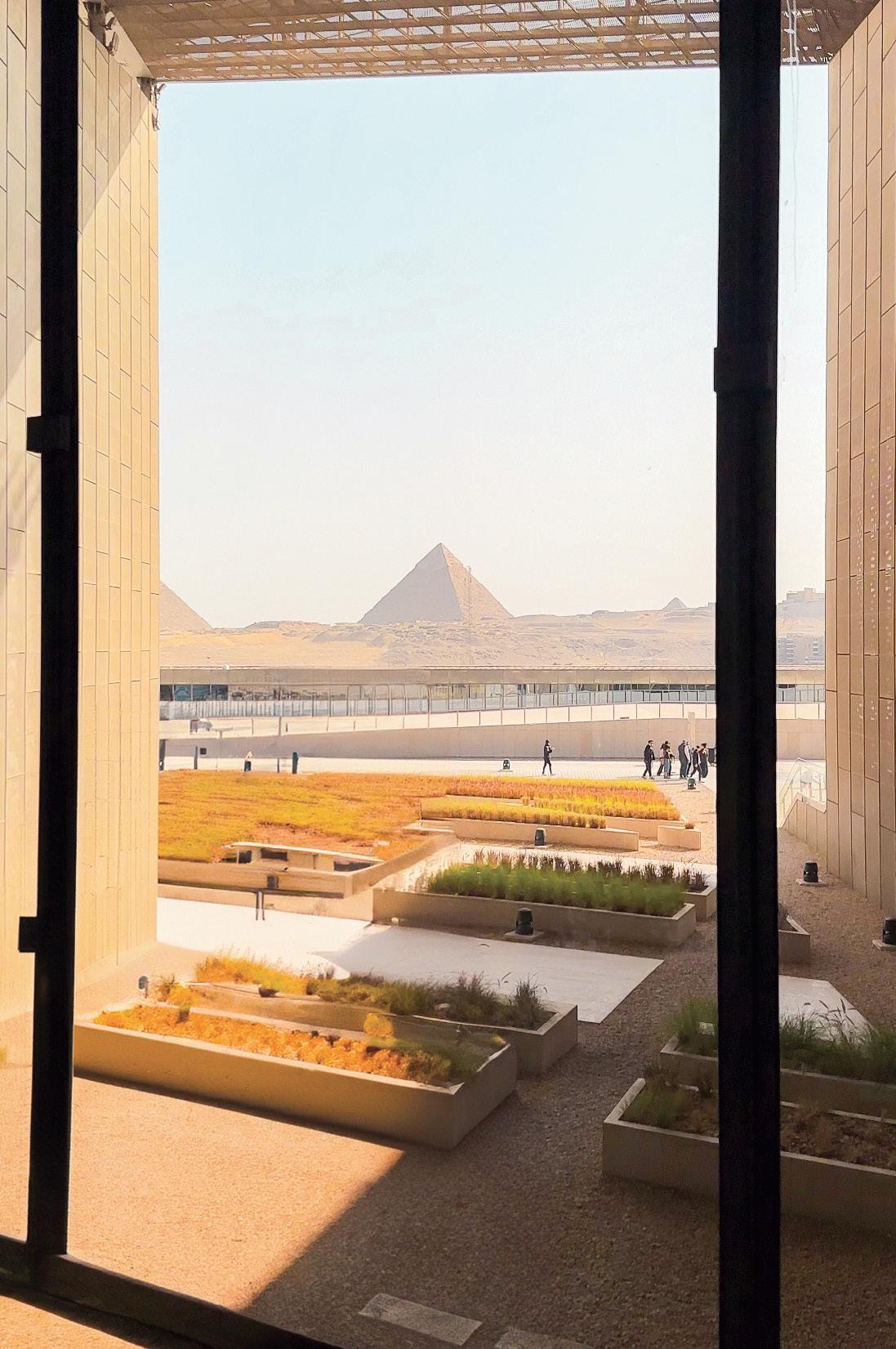
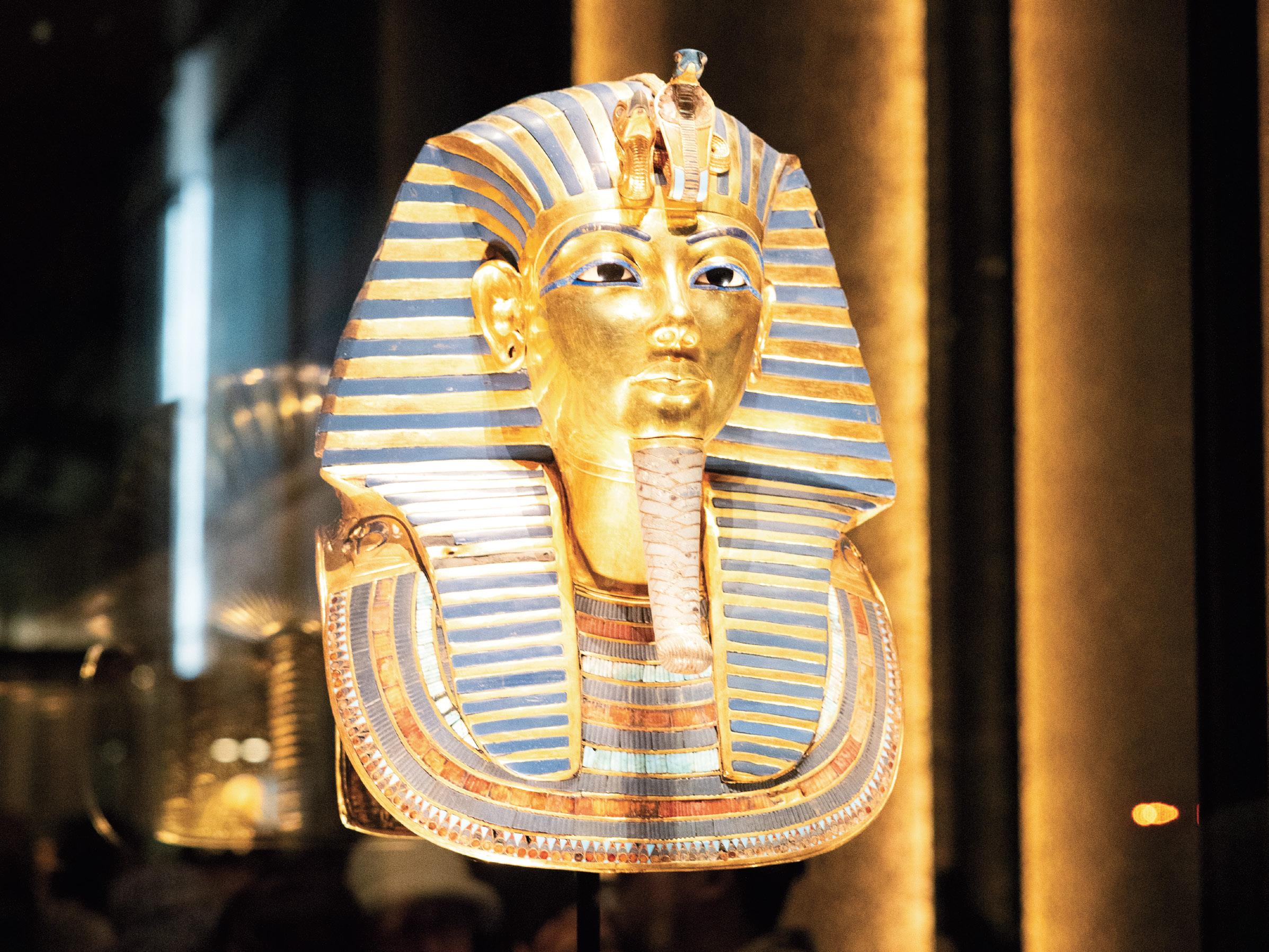
King Tutankhamun never had the chance to build a pyramid. This is better.
The most famous of Tutankhamun’s treasures are displayed, including the alabaster “Wishing Cup”, inscribed with invocations of immortality and designed to allow candlelight to penetrate from within; it reminds me of a child’s night-light. Also present is the king’s iron dagger, crafted before Egypt had the technology to smelt iron, forged from the centre of a meteorite. This dagger was found strapped to the king’s right thigh.
The death mask of Tutankhamun, hammered out of gold and decorated with precious jewels, was a rush job – the artisans had only 70 days to craft it – but nevertheless a masterpiece. The pharaoh’s soft smile has since become one ancient Egypt’s most enduring images.
As I view the mask, it’s the surrounding hush tthat surprises me the most: despite the chamber being filled with nearly a hundred people, no one says a word.
The boy king wasn’t just buried with brilliant carvings and golden masks. On display is everything he would need for his journey into the afterlife, including folding beds, startlingly well-preserved funeral bouquets and Tutankhamun’s collection of walking canes. Over 130 were found in Tutankhamun’s chamber, and despite each of the handles depicting his enemies bested, ruined or driven before him, they can’t hide the obvious: he needed them just to walk.
There’s also all manner of magical amulets, weapons and curios, including hundreds of shabti (painted dolls meant to become servants for the pharaoh once in the underworld), jewellery, mighty chariots and toy boats, papyrus chairs, bejewelled thrones, gloves, sandals, and – surprisingly – an entire case dedicated to the king’s preserved loincloths. (It’s my first time seeing royal underwear.) There are his weapons: sword and battle sceptre, spear and boomerang …
“Those aren’t boomerangs,” says Amgad al Nazaty, my guide for the duration of my time in Egypt. Like all tour guides here, he’s also a qualified Egyptologist. He’s a short man with a falcon’s eyes and a knowledge that extends from hieroglyphics and houseboats on the River Nile to James Joyce, Nikola Tesla and the works of Egyptian modernist Bicar; we’re constantly stopped at temples by other guides wanting to shake his hand, many of them his students. He’s quick to correct my assumptions. “They’re throwing sticks. These are ceremonial. The real ones were used for hunting birds.”
I peer suspiciously at the curved weapons. The similarities are startling.
“These don’t come back,” I say.
“They do come back,” he replies. “Just in another fashion. In another lifetime, maybe.”
There’s another room that captures my attention: a small chamber where Tutankhamun’s mummy is meant to rest. It’s conspicuously empty.
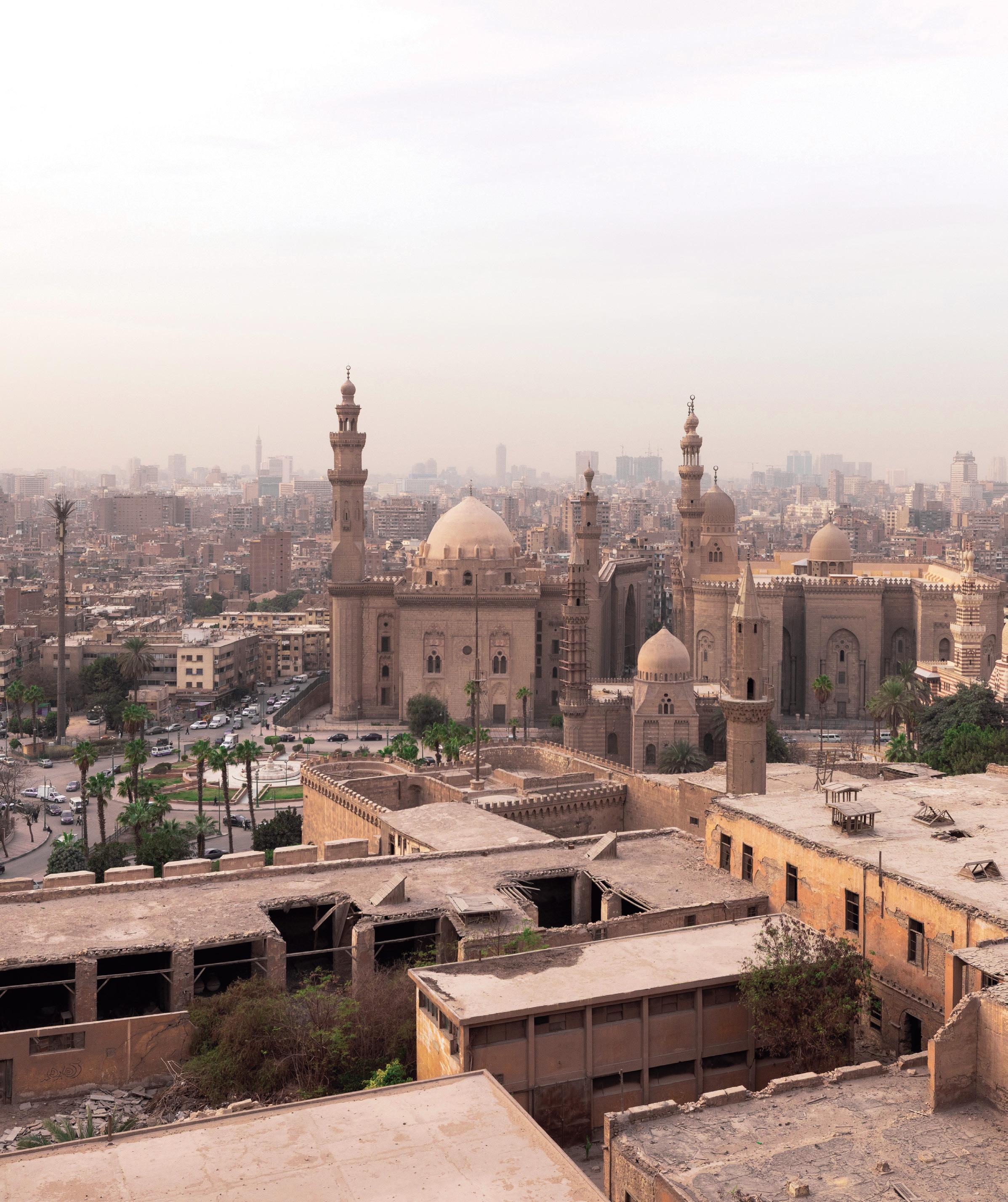
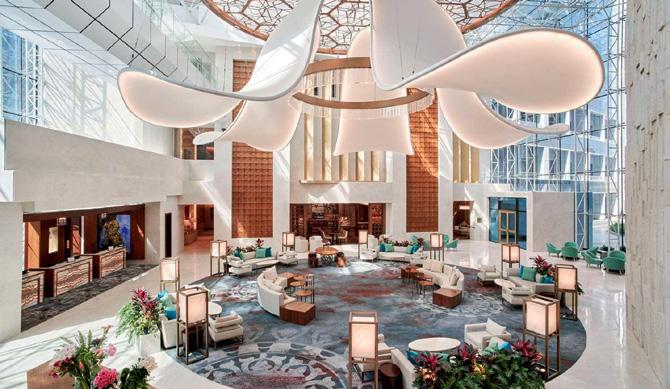
Positioned on one of Cairo’s most scenic promenades, the Maadi Corniche, this sleek 23-floor tower frames breathtaking views of the Nile (and on clear days the Pyramids of Giza). Rooms are spacious and modern, with rain showers and curated luxury amenities. Egypt’s first eforea Spa is another highlight: psammo therapies inspired by ancient tradition utilise hot sand to relieve tension.
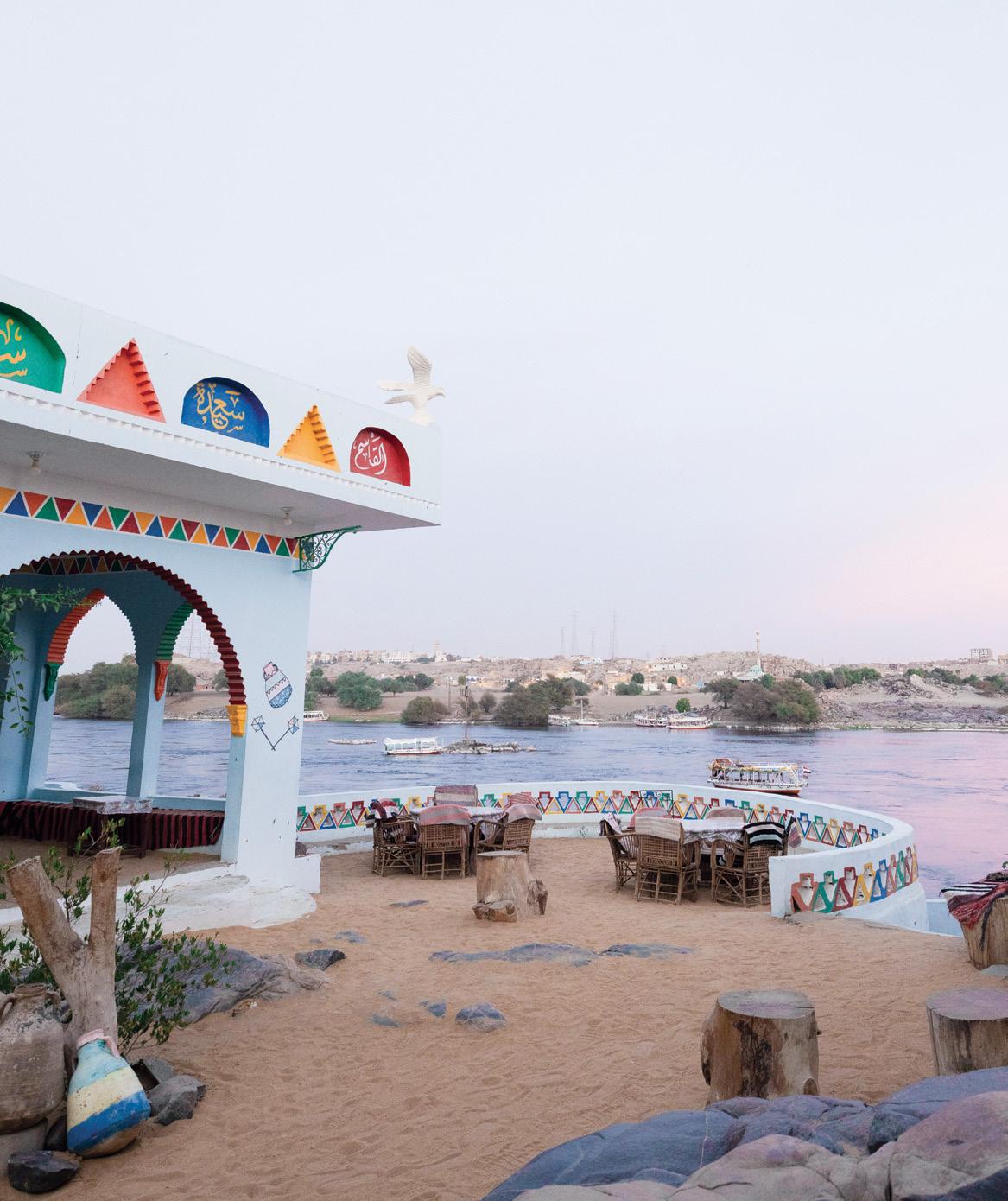
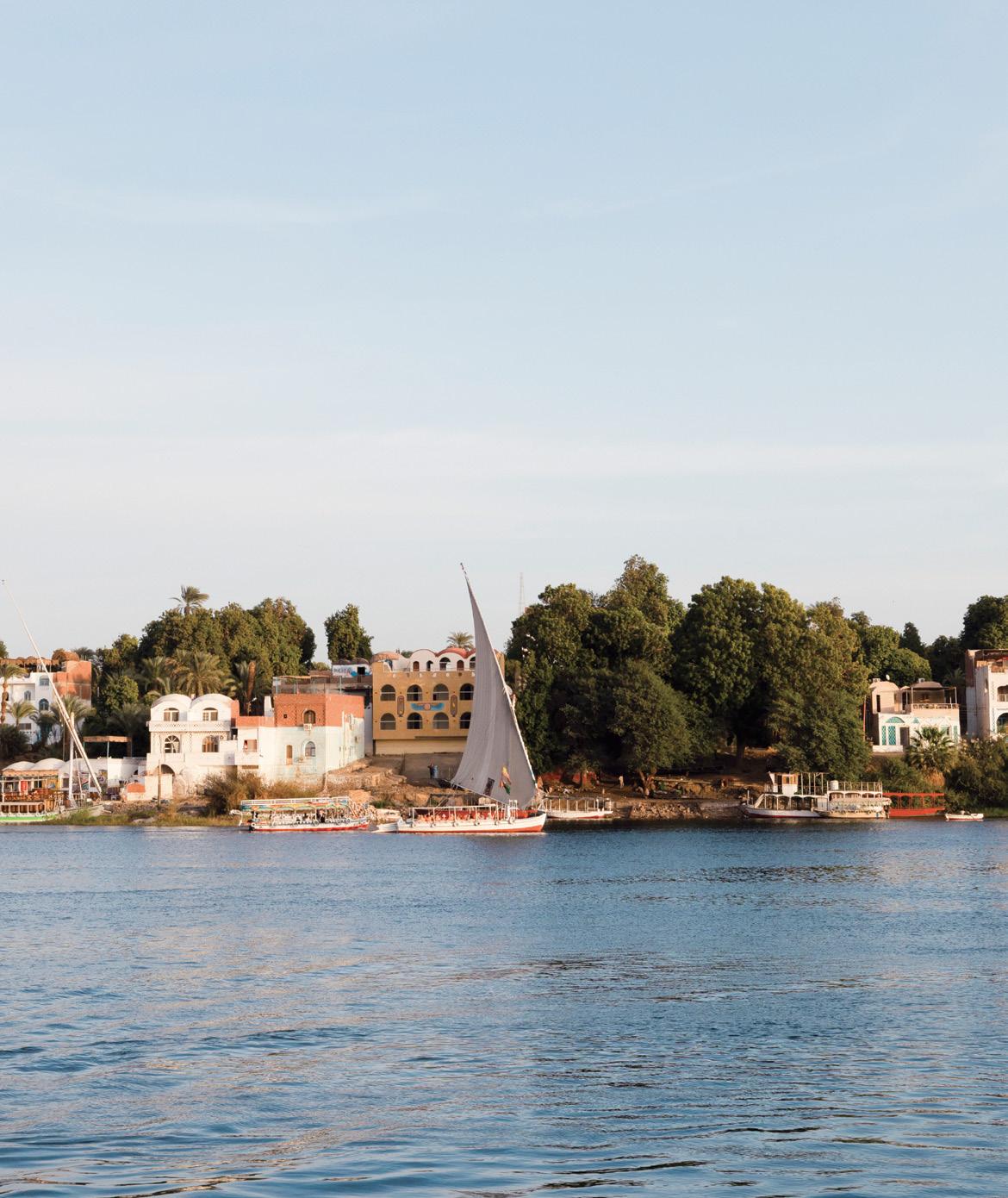
Cairo could never be accused of being a quiet city, but as we follow the river downtown the din recedes. This area of the capital was designed by French architects at the turn of the 20th century at the behest of Ismail the Magnificent, who craved his own “Paris on the Nile”. It’s a living remnant of Egypt’s short-lived fascination with a booming Europe.
Downtown Cairo isn’t entirely modern; even here, antiquity is never very far away. At the heart of Tahrir Square stands one of the mightier obelisks of Ramses II, built to salute the sun. Walk a little further and you’ll find yourself in Champollion Street, where young workers line up for street falafel and high school girls in sunglasses take selfies by a mural.
The street follows Said Halim Pasha Palace – now better known as “Champollion’s Palace” – thought to be the one-time home of renowned Egyptologist Jean-Francois Champollion, the man who transliterated the Rosetta Stone and thus kicked off the golden age of Egyptology.
“Do you want a coffee?” asks Amgad. “There’s a place I like to return to when I’m in the area.”
We walk five minutes south – past renowned ice-cream shops, balcony-lined hotels and busy roundabouts – and step into Café Riche and another time.
The shop, originally opened in 1908, boasts a decor of wainscoted panels, iron filigree and electric lighting that invites commitment to absinthe, good books or a great argument. Above us stand dozens of signed black-and-white photographs of poets, comedians, intellectuals and actors who all drank, eaten, argued or been thrown out of Café Riche.
The coffee’s good but the stories are better. At Café Riche, revolutions have been carefully planned, assassins have been foiled and playboy kings have met their wives over glasses of fizzy sherbert.
Eager to explore Downtown Cairo, we gravitate back towards Champollion Palace and its leafy streets. Opposite the palace, Access Art Space is devoted to showcasing Cairo’s best up-and-coming artists. Massive pieces depicting bicycled bread sellers rub shoulders with mummy portraits replicated on wooden boards, and neon graffiti reinterpretations of Tutankhamun’s golden death mask. In stark contrast to the
crumbling facade of Champollion Palace, the brightly lit space teems with creativity and reinvention.
We stop for lunch at a hawawshi (Egyptian sandwich) shop, which in typical downtown Cairo fashion reveals itself to be anything but just a simple sandwich shop. It is also a vinyl record shop and, in the back space of the building, a sustainability-focused fashion atelier where young, punkish Egyptians sew the clothes in front of you. It’s also home to the best falafel sandwich I’ve ever had in my life, slathered in zesty tahini sauce and generously topped with pomegranate seeds that look like the kind of rubies you see behind glass.
It’s here that I catch Amgad at his most relaxed. We talk about growing up in Cairo –climbing the pyramids in the rain, listening to Pink Floyd and The Bee Gees as a university student and falling in love with Egyptology for the first time. He talks about scarabs and their luckiness, their long-held association with regeneration and return.
“I like diligent, independent creatures,” he says. “That’s why when I see a scarab in the desert, I can’t ignore it. I pick it up, brush off the dust and let it fly.”
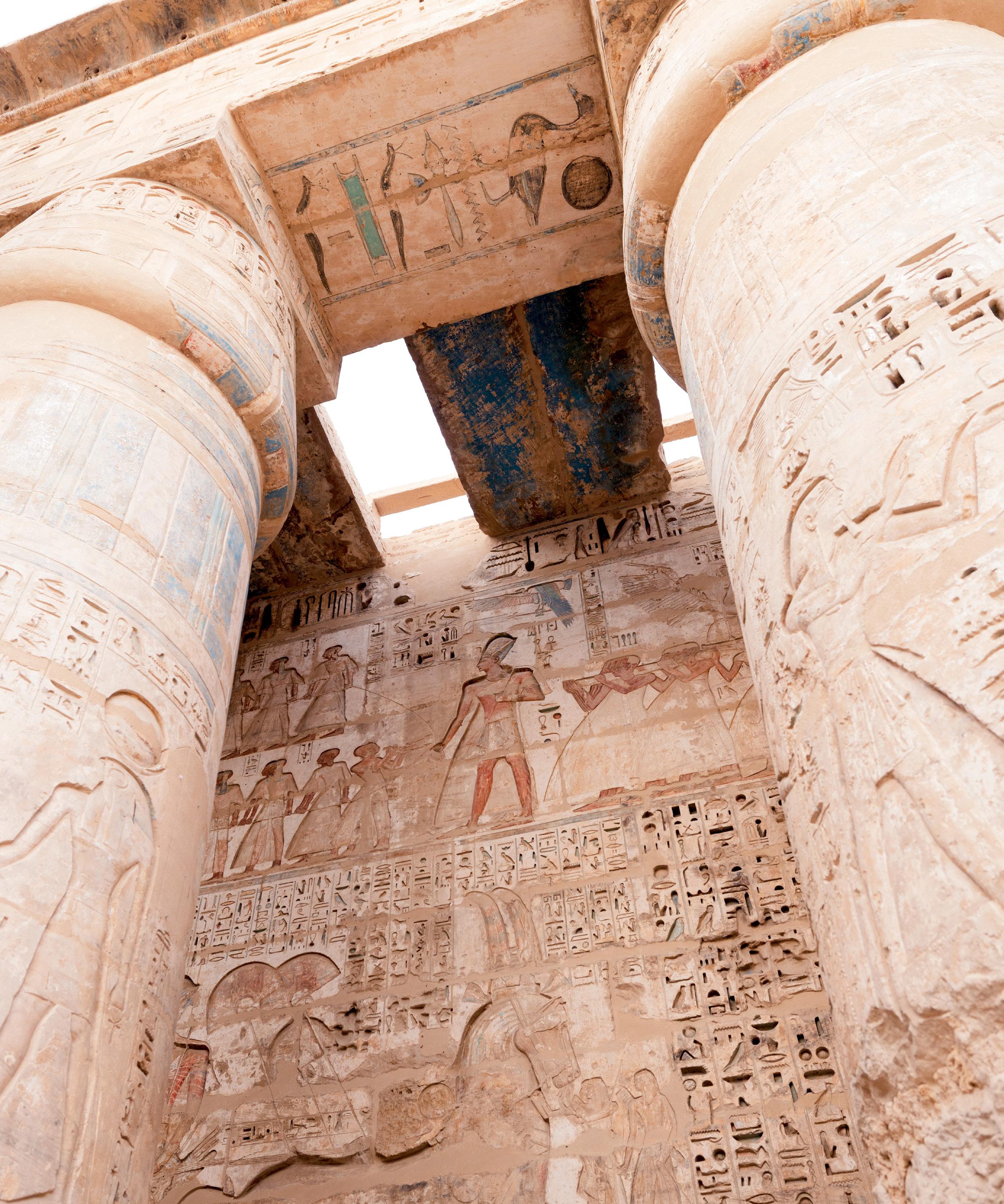
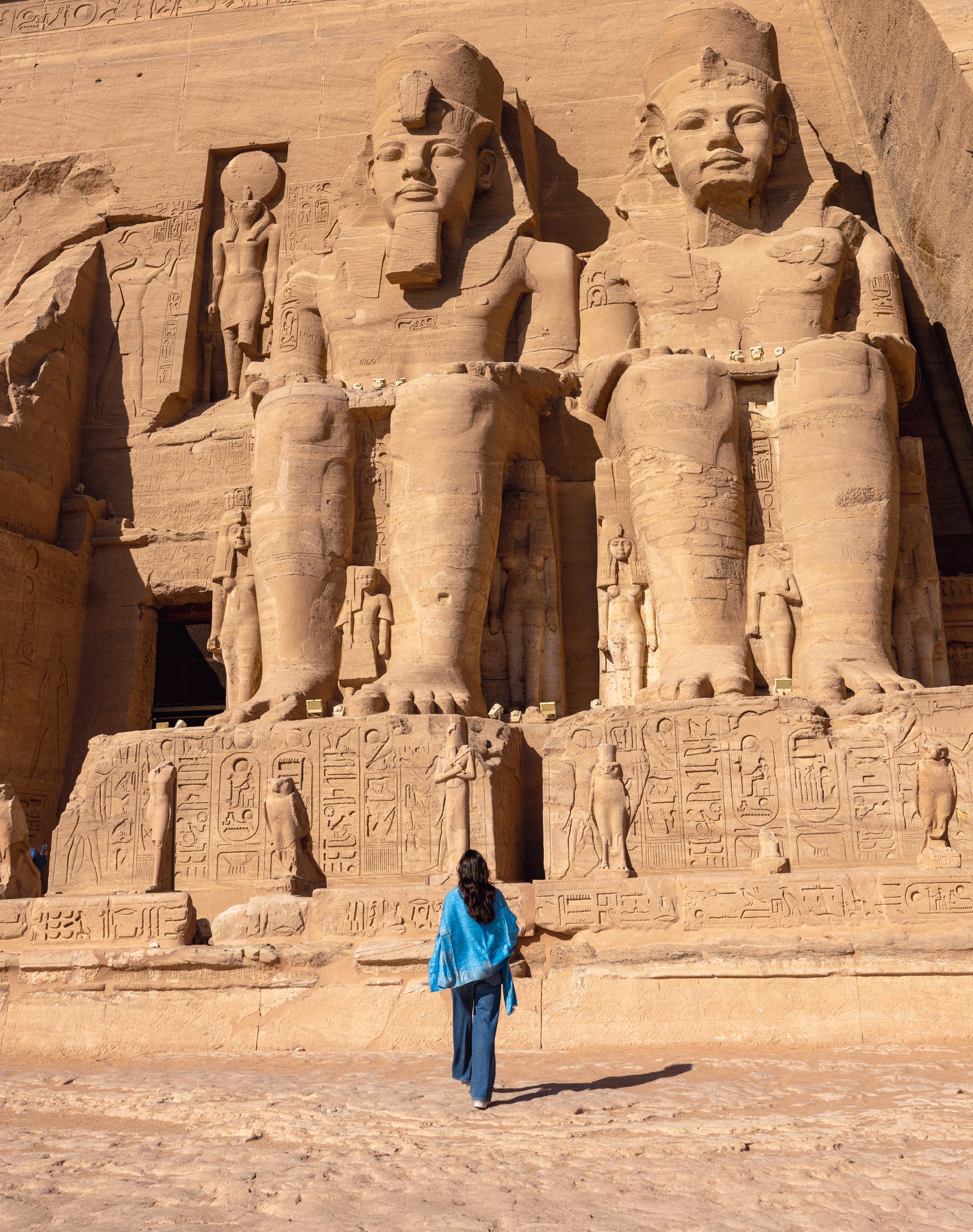
It turns out that the nameless water carrier who helped to discover the tomb of Tutankhamun isn’t nameless after all. The 12-year-old boy’s name was Hussein Abdel-Rassoul, and while he made a meagre living carrying water for the expedition workers, he came from a family of alabaster craftsman.
A week and 700 kilometres upriver later and I find myself just outside historic Luxor. I’m at Titi Arabi, a traditional alabaster workshop on the west bank of the Nile and in my hands is an icon of falcon-headed RaHorakhty, hand-carved from flint hauled from the far-flung desert quarries.
“It’s hard to find items like this these days,” says Ahmed Mohammed. “It’s a dying art.”
Ahmed is Hussein Abdel-Rassoul’s grandson; we stand talking beneath the extraordinary photo of Hussein, dressed in simple white linens, wearing the gold and carnelian scarab necklace of Tutankhamun.
This is the original shop, though not the original location; it was moved, and moved
again, as more was discovered in and around the Valley of the Kings.
Ahmed Mohammed, like his father and his grandfather before him, is an alabaster carver; many of the great pieces in the shop were chiselled by his hand. And his children? “I have five,” grins Ahmed. He’s older than he looks. “But I’m happy to say they’re doctors and engineers.”
The Theban Hills surround us, the Nile is behind us and, on this sunny day, shines painfully bright like molten copper; the mountains are red as tannin. Ta Dehent (“The Peak”), the highest point in the Hills, peers over all who enter the Valley of the Kings; experts suggest that its pyramid-like shape, when viewed from the valley’s entrance, provided ample inspiration for pharaohs looking to build their tomb.
The Valley of the Kings was known to the ancient Egyptians as “The Place of Truth”, but early travellers had another name for the necropolis buried beneath antique sands: The Valley of Silence. I understand
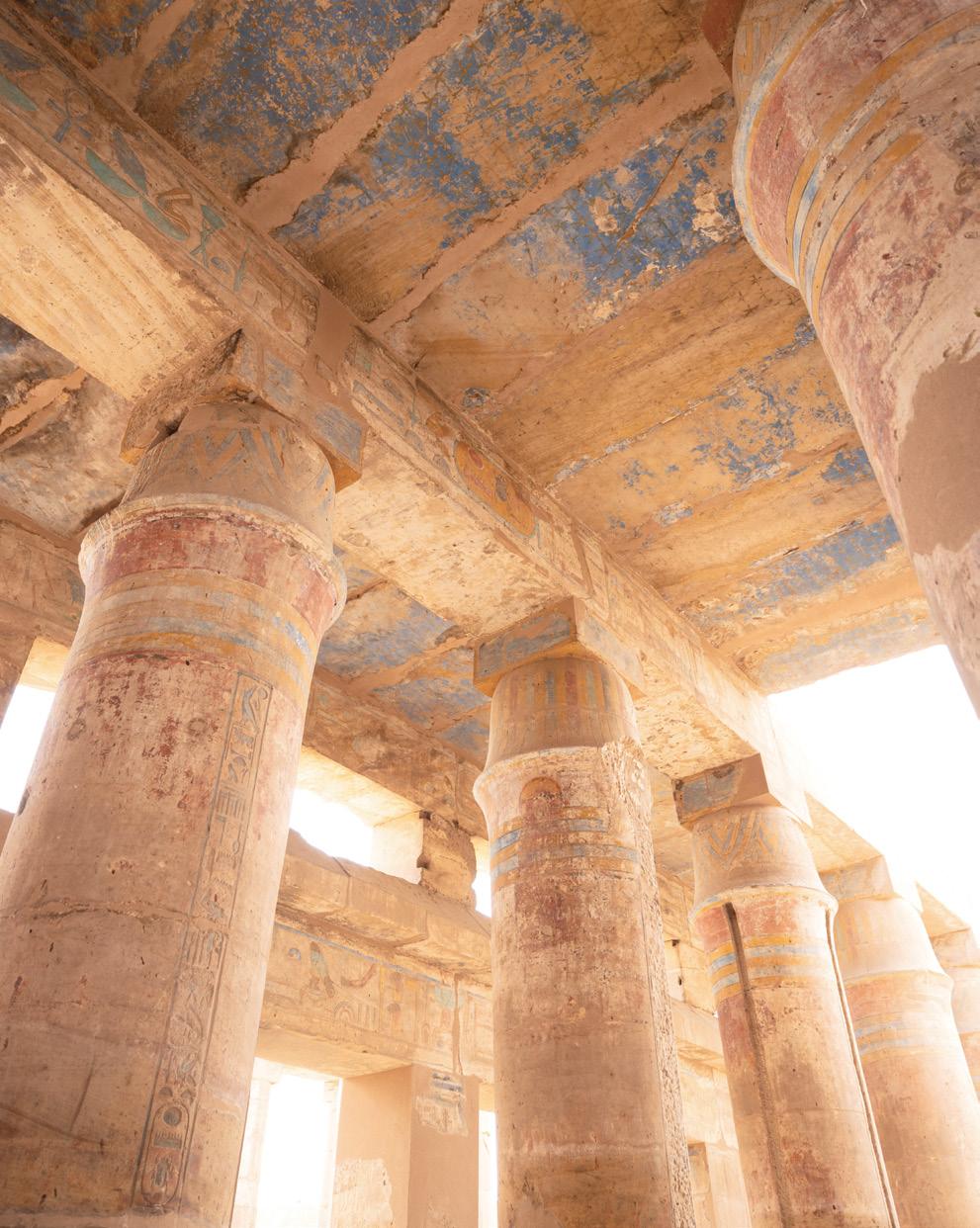
why. Despite being one of the busiest tourist attractions in the world, there are moments when the wind drops away and a quiet descends upon the valley, easy and natural, just for a moment, before the hum of thousands returns.
Tutankhamun’s tomb requires an extra ticket but is a relatively simple affair. My chest tightens as I step inside the dimly lit vault. It’s hard to imagine the many treasures of Tutankhamun fitting inside just four chambers and an entrance corridor; it’s an intimate space more suited for an open-mic night than a pharaoh.
On my right, a bright fresco depicts young Tutankhamun, bright-eyed and rocking the flapper haircut, meeting with Osiris, god of the underworld. On my left is the mummy of Tutankhamun himself – bereft of mask and dagger, crook and flail, he appears small and indescribably fragile. He casts virtually no shadow at all but – unlike Ramesses II – he has achieved a legendary status among travellers to the land of the pharaohs.
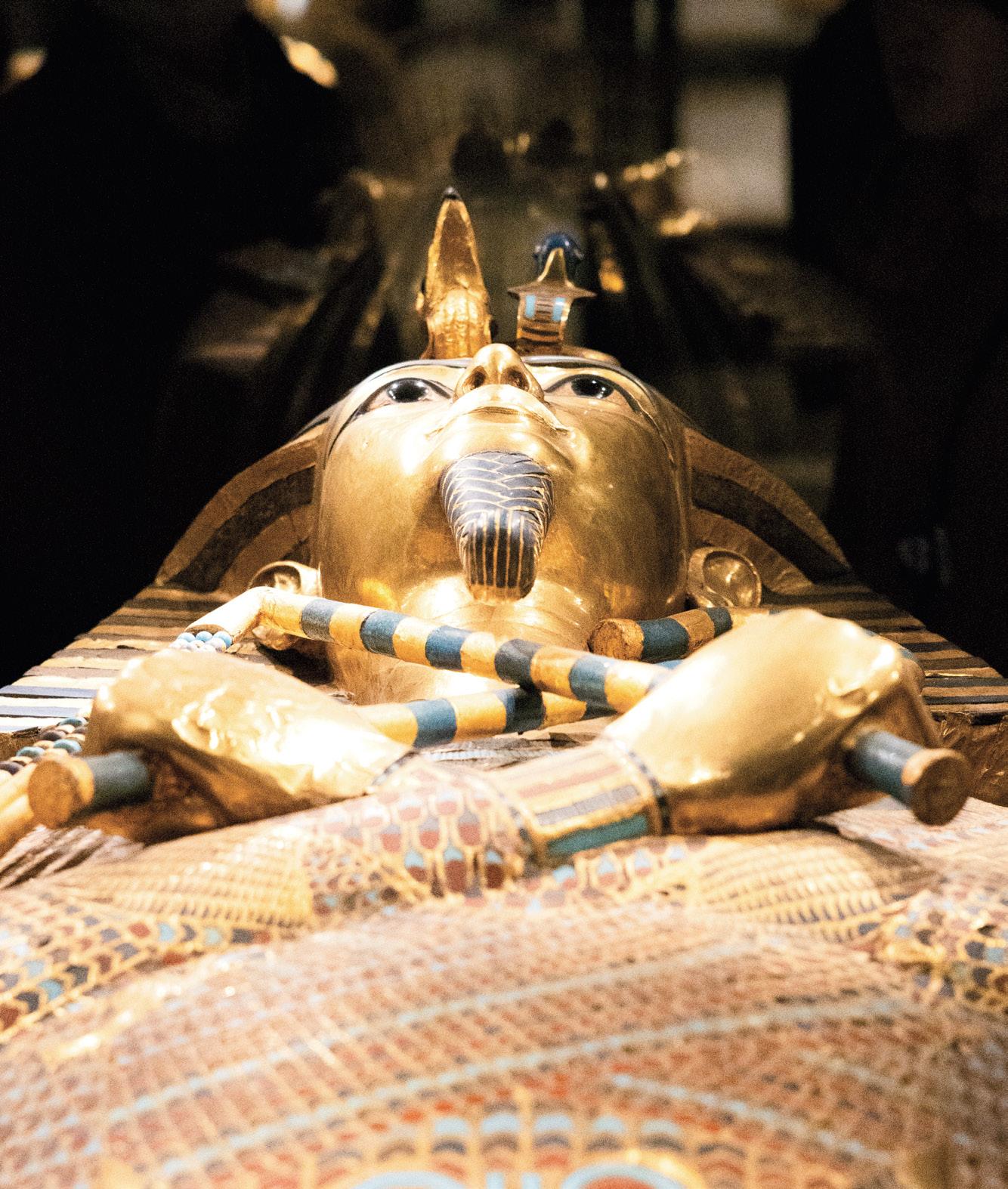
From the Grand Egyptian Museum to the Valley of the Kings, touring Egypt with Luxury Escapes allows you to skip the guesswork and step straight into the story. Egyptologist guides – like Amgad – spend the entire journey with you, bringing every site to life. With airport transfers, luxury accommodation and River Nile cruises included, every detail is handled so you can focus on adventure.
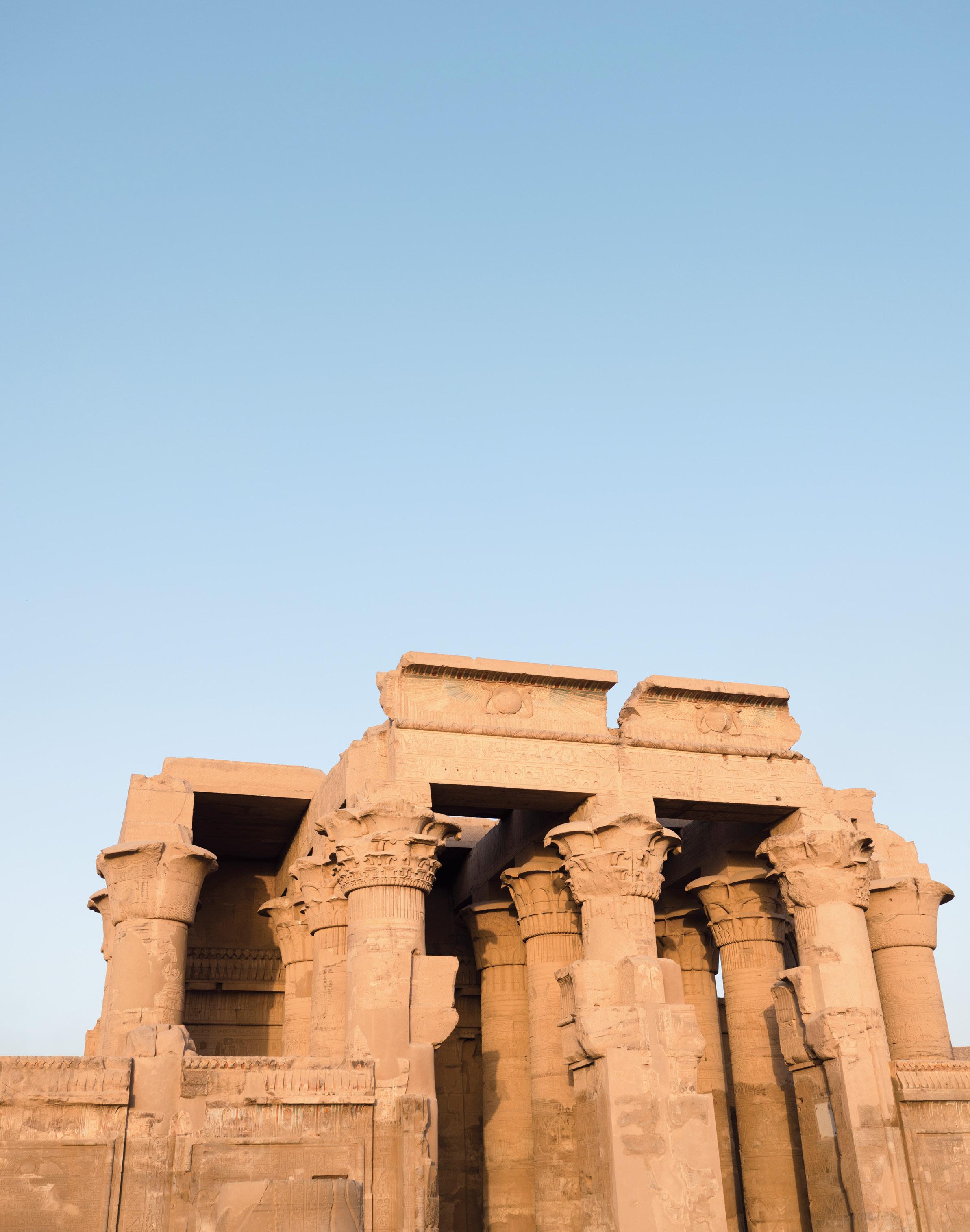
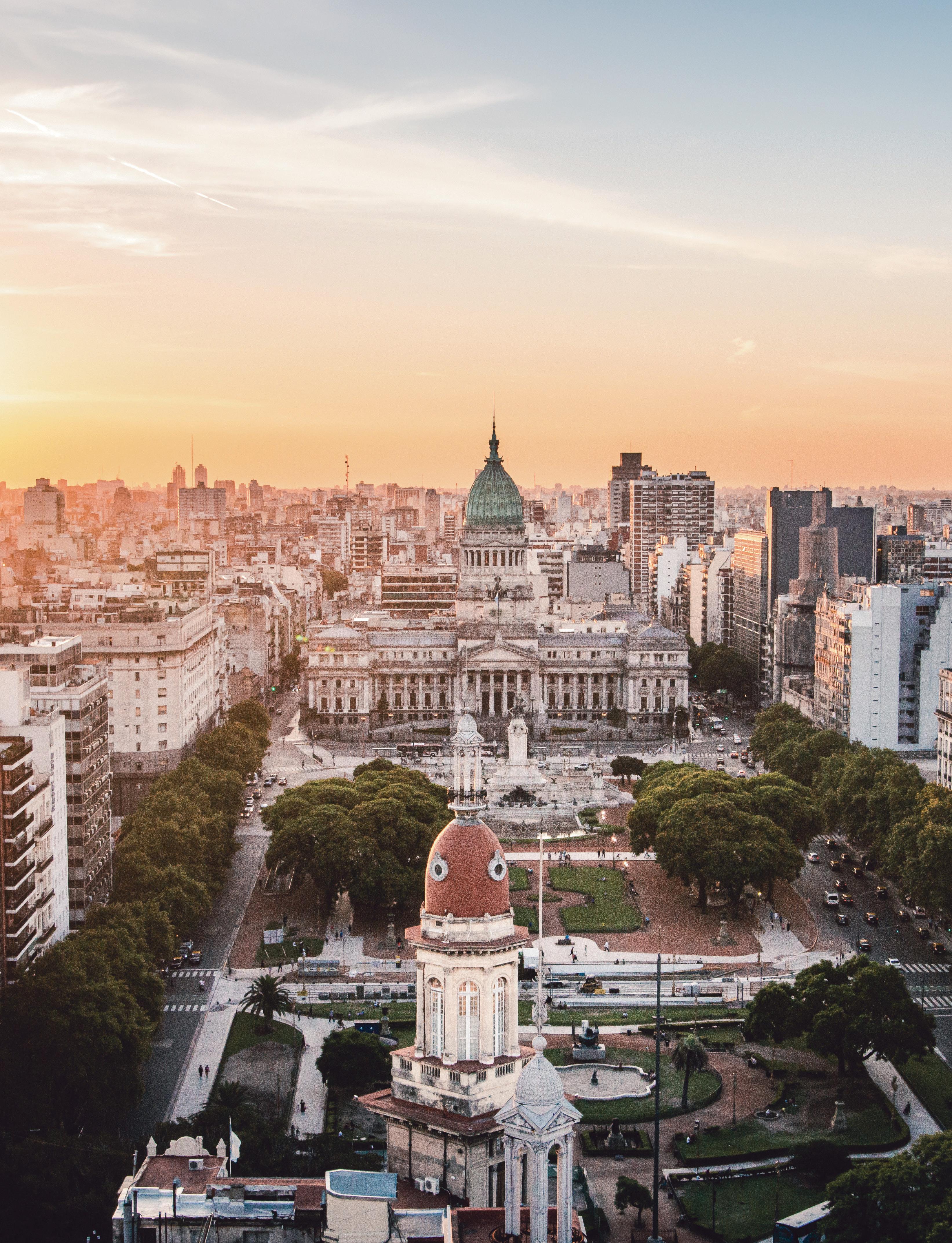
e Argentinian capital may show the world its elegant, tango-worthy European facade, but beneath this surface beauty is a city with rich art history, avourpacked street food and neighbourhoods full of local charm. Tomas Zagoda experiences the old and the new, the gritty and the glamorous on a city break.
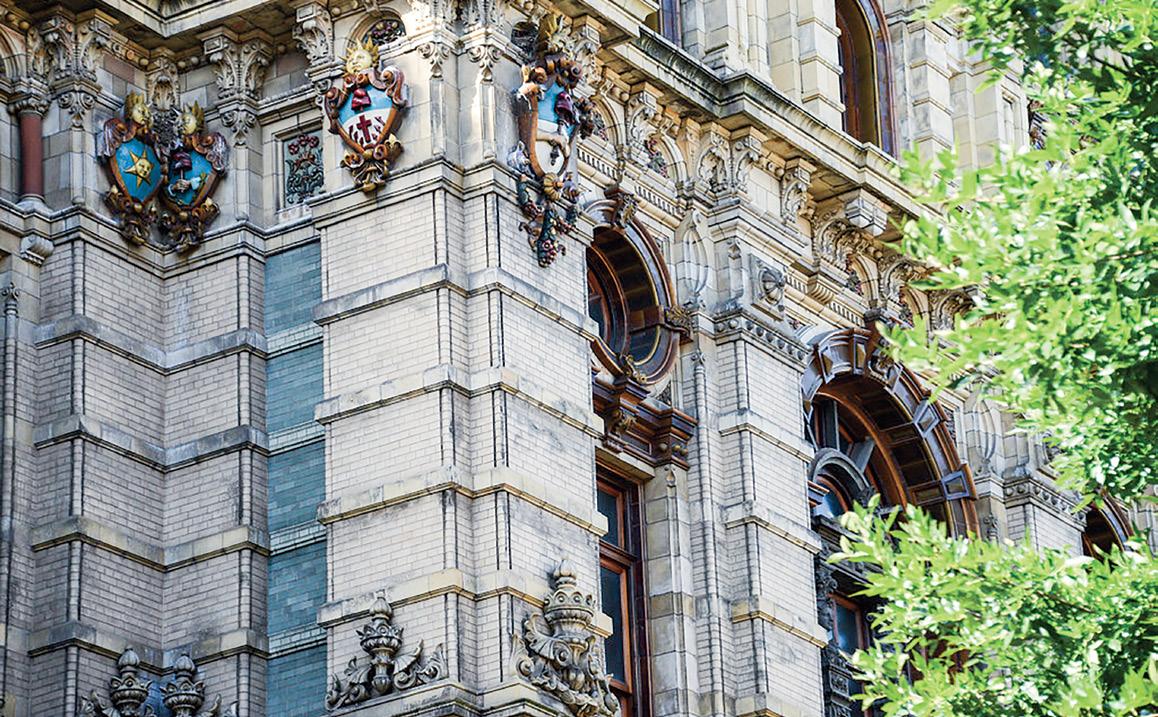
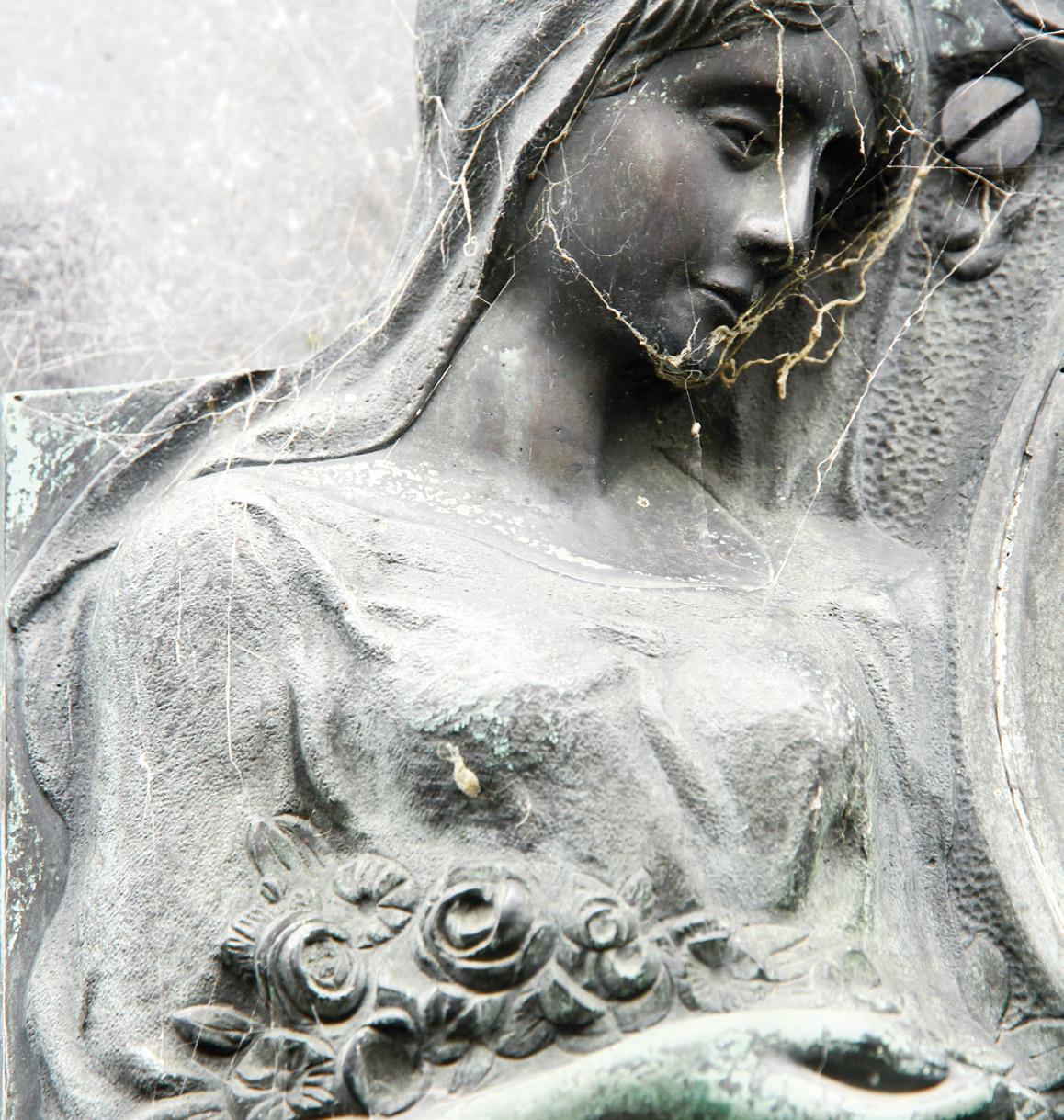
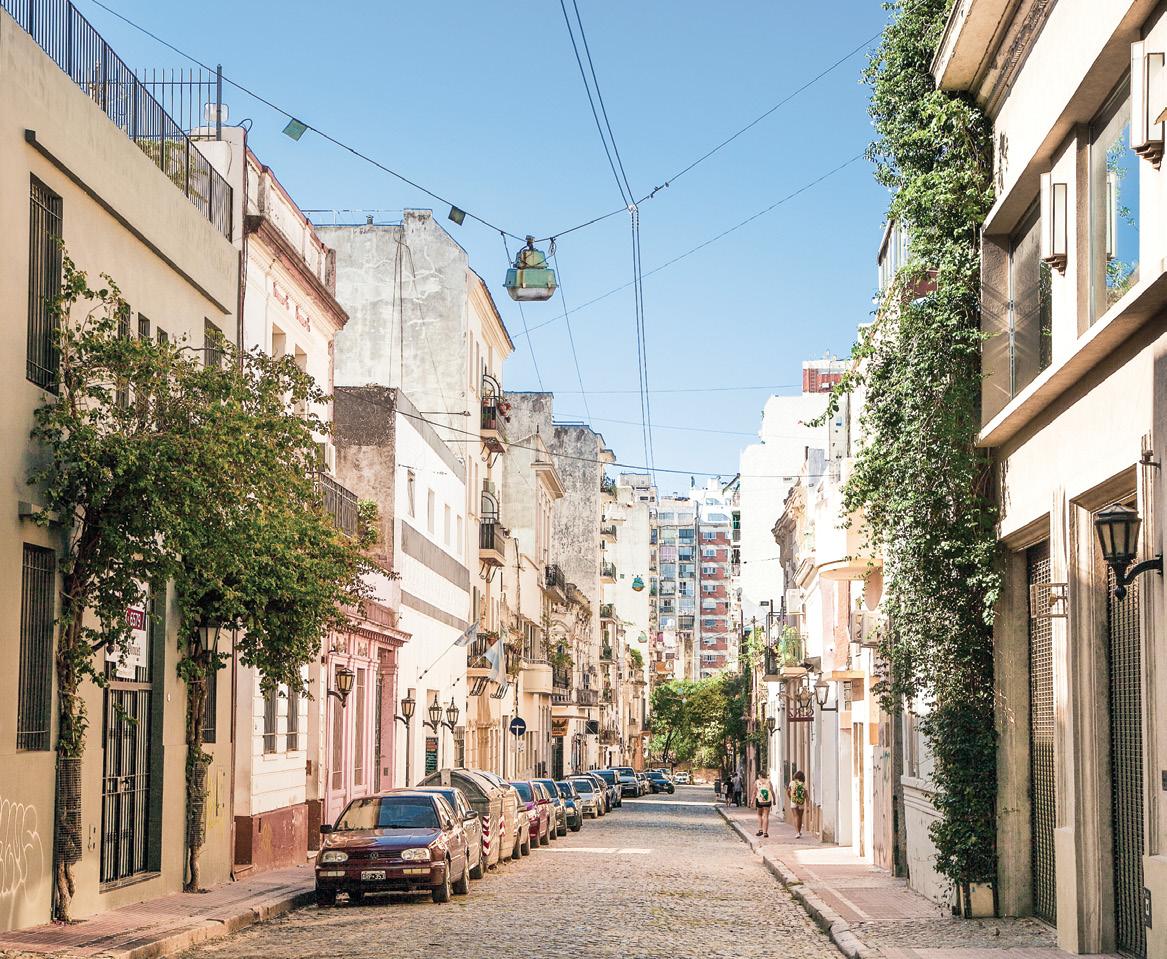
My first experience in Buenos Aires began not with a glass of malbec, but with a cemetery. There is no easy way to categorise Buenos Aires. It is geographically remote, yet culturally steeped in the grand, oldworld elegance of Europe. Argentina’s capital is a place of profound contrast, constantly demanding that you explore the tension between these two worlds. I quickly learned that the city’s true flavour is far more complex than its famous red wine.
As we cross the threshold through the wrought-iron gates of Recoleta Cemetery, the city’s roar recedes into a distant hum. It’s so quiet I briefly forget I’m standing in the middle of a metropolis that is home to more than three million people.
Here among the mausoleums of the wealthy and elite, gothic spires sit beside beautiful Art Nouveau curves, and Egyptian columns flank neoclassical domes. Statues of national heroes and soldiers stand alongside characters from mythology. Family tombs for former presidents of Argentina, Nobel Prize winners and famous artists all occupy the space.
Exploring the lanes for an hour, I pause at the famous, and very understated, tomb of Eva Perón (Evita), a national treasure whose story has been told to millions around the world in the Andrew Lloyd Webber musical of the same name. I’m convinced that this place is an art gallery and historical tour in one.
Emerging from the cemetery, the transition back to the living world, and the busy weekend market just moments away, feels jarring, but the elegant tree-lined streets of Recoleta effortlessly guide us toward a different kind of quietude. The Museo Nacional de Bellas Artes, known locally as Bellas Artes, offers a sanctuary that rivals the mausoleums for reverence. Home to one of Latin America’s most impressive collections, it feels like another sign of the contradictions of this place, that Buenos Aires is, unapologetically, the Paris of South America. Masterpieces by Goya, Rodin and Monet live under the same roof as seminal Argentine works. The silence here is different: it is the relaxed, air-conditioned calm of a space dedicated entirely to culture, art and history.
In a nearby park just a few moments away, the rhythm shifts again at the Floralis Genérica. Gifted to the city by the Argentine architect Eduardo Catalano, this massive,
futuristic steel flower stands almost 20 metres tall, offering a stark, glistening contrast to the classical facades we’ve just left. It is a piece of technology presented as biology. I watch it reflecting the sky, a metallic giant that mechanically opens its petals to the sun each morning and closes them at dusk. It’s a perfect counterpoint to the nature surrounding it, and a reminder that this city doesn’t just preserve the past; it engineers the future.
Modernity is on display at MALBA (Museo de Arte Latinoamericano de Buenos Aires) located in the beautiful and trendy Palermo neighbourhood. MALBA is the city’s sleek showcase for 20th and 21st-century Latin American art. If Recoleta is the sepia-toned memory of the city, MALBA is its technicolour reality. The collection is dynamic and ever changing, featuring iconic works by Frida Kahlo and Diego Rivera. It frames the city’s dual identity perfectly: a place that remembers its history while
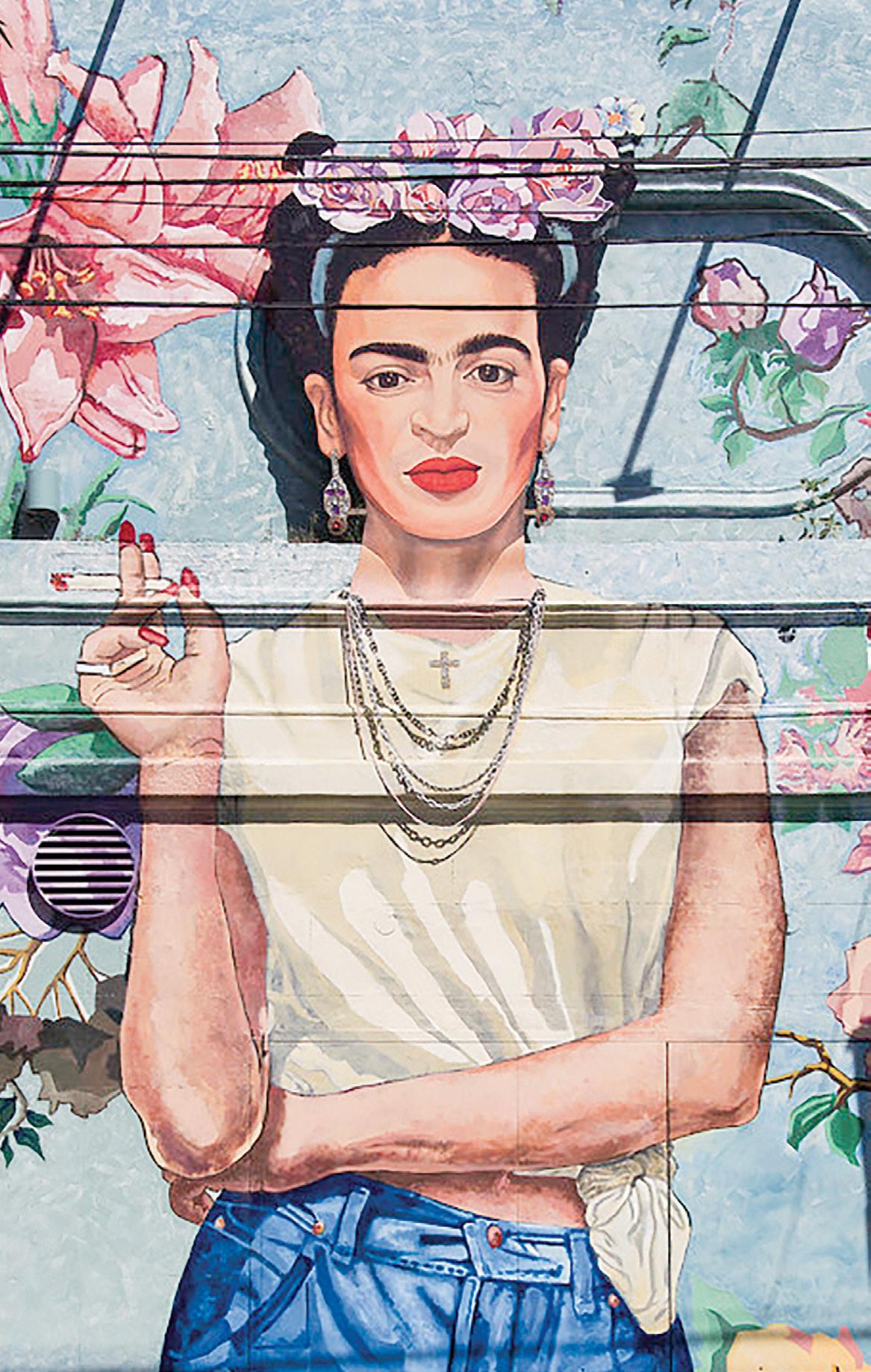
simultaneously painting its future in bright, chaotic strokes.
To truly grasp Buenos Aires’ dramatic flair, I know that my next stop has to be El Ateneo Grand Splendid. What was once an opulent concert venue (opened in 1919) famous for hosting operas and ballets is now arguably one of the most beautiful bookshops in the world. As we ascend the velvet-lined staircases, the sheer theatricality of the space hits us. The former stage is now a comfortable cafe, the original ceiling frescoes are perfectly preserved, and the ornate box seats, once reserved for Argentina’s elite, now hide intimate reading nooks and great vantage points for other travellers posing for a photo.
Heading up to the grand stage and ordering a glass of wine, because we’re in Argentina, the ghosts of sopranos past seem to linger in the velvet curtains.
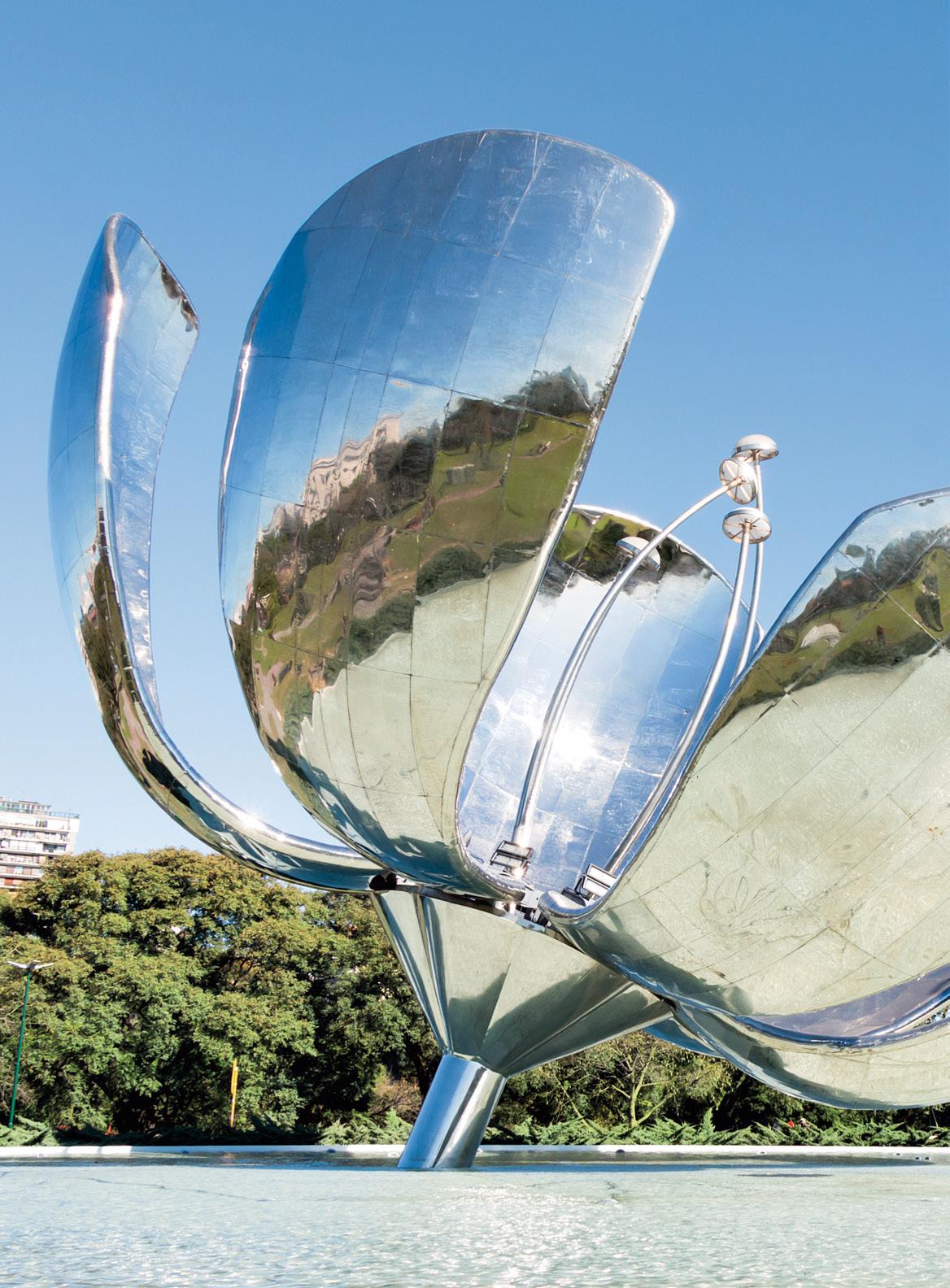
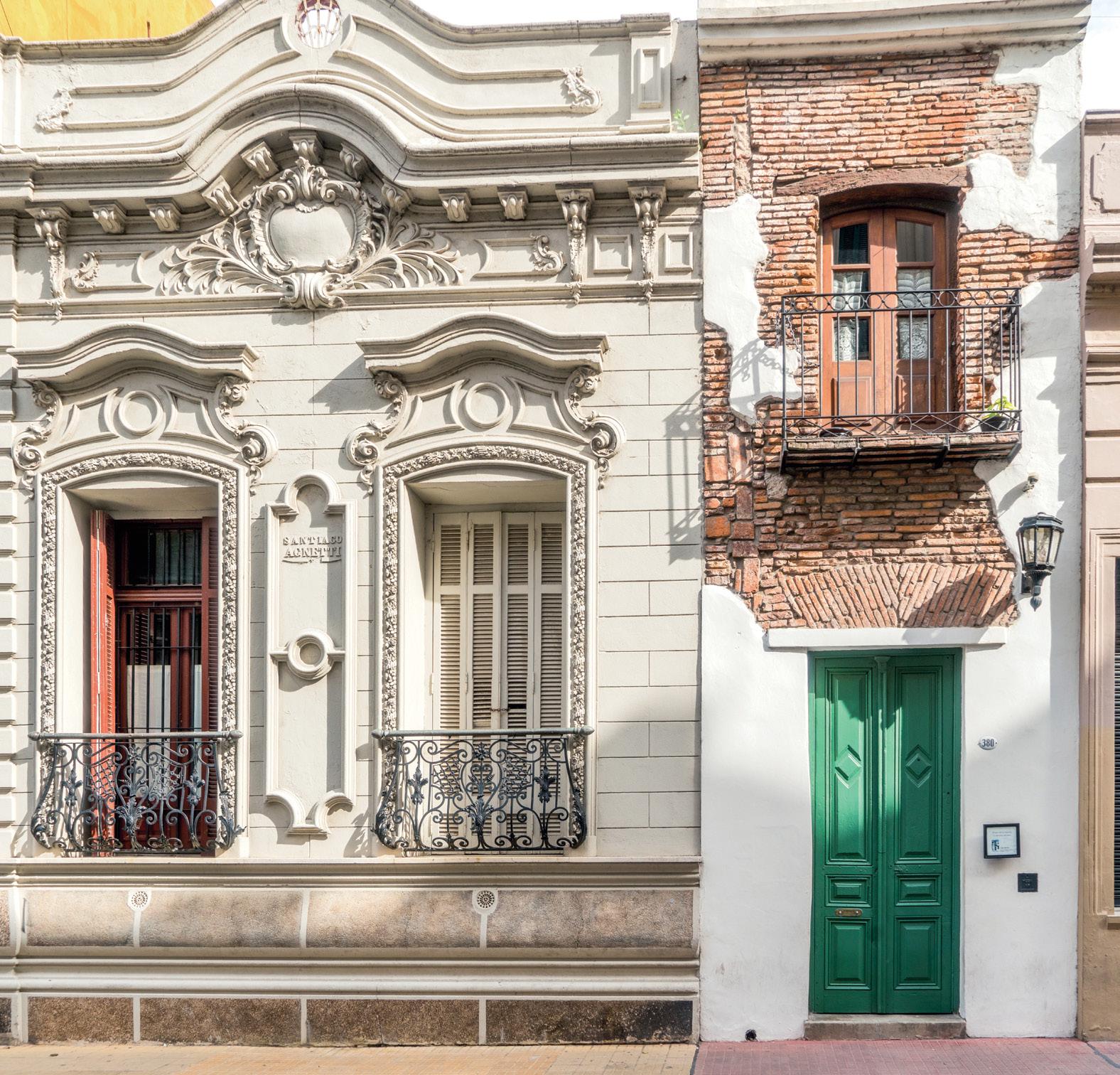
While it’s easy to spend the day in opulent theatres, galleries and bookshops, I quickly learn Buenos Aires’ true heart pounds on the street corners, parks and markets, and the city shifts gears once again the moment I venture into the venerable neighbourhood of San Telmo.
Along the historic cobblestone streets of San Telmo, the city’s oldest barrio (neighbourhood), I find a chaotic carnival of contrasts. Independent local designers sell their clothes next to overflowing antique stores, and elderly gentlemen smoke cigarettes next to trendy cafes filled with welldressed locals. It’s a great place to leisurely explore, or to sit with an espresso and watch the world go by.
Amid the stalls selling vintage tango records and antique silverware, the national dance erupts without warning. I pause for a moment at Plaza Dorrego to watch a couple executing flawless, passionate tango. It was here among the working-class neighbourhoods and port areas of Buenos Aires that the national dance was developed,
with influences from African slaves and European immigrants.
As much as I’d like to, I can’t stay watching these performers long, as my stomach is rumbling and my ultimate destination is the Mercado San Telmo, a magnificent iron-andglass food hall that has been serving the city since 1897.
This bustling building is a food lover’s dream, dishing up modern Argentine gastronomy rooted in history. Amidst the stalls we find modern parrillas (grills) serving perfect, succulent bife de chorizo (sirloin) and tiny, specialised stands dedicated to the art of the empanada. One of the stars of the Mercado is the classic Argentinian street food sandwich, the choripán; a grilled chorizo sausage served with chimichurri. Simple perfection.
I don’t want to fill up completely at one stall though, as we’ve spotted another of the must-try Mercado indulgences. While you can get them anywhere, seeking out a stand specialising in alfajores, a delicate shortbread sandwiched with dulce de leche and coated
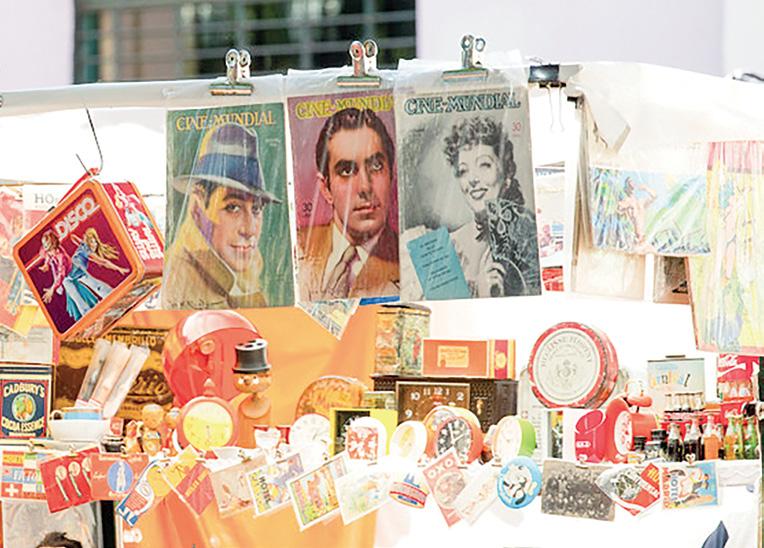
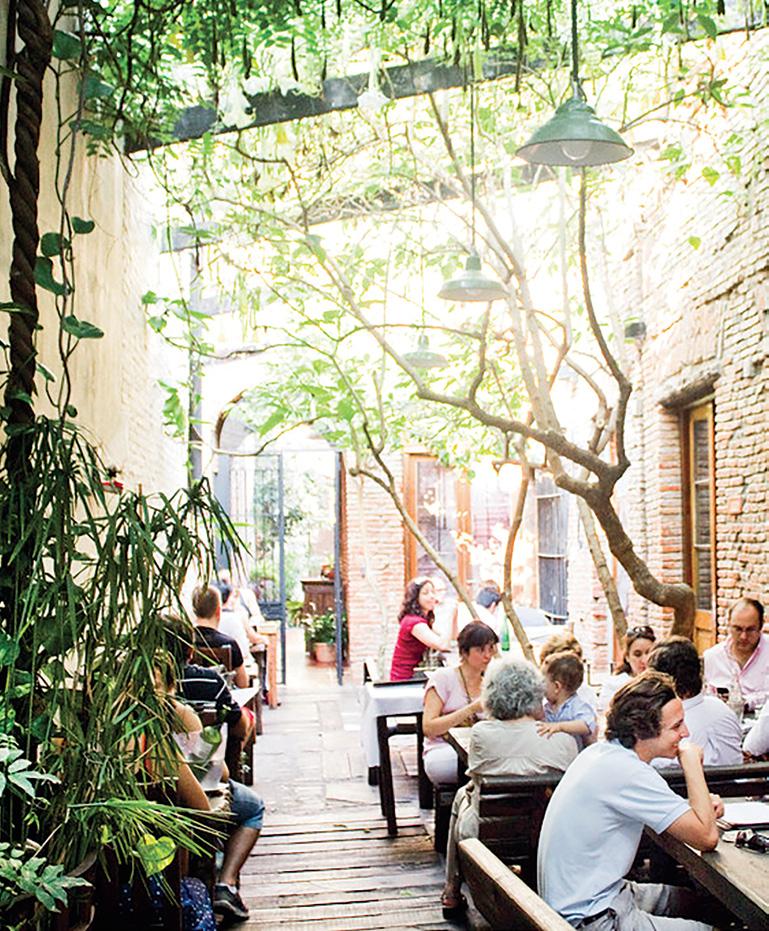
in chocolate, is a must. They are the epitome of Argentine sweet indulgence.
Feeling full and content, I join locals for an Argentine afternoon ritual borrowed from Italian migrants: the aperitif. Fernet with cola, or vermouth with soda are both light, yet slightly bitter classics, and go perfectly with empanadas or cheese, however the day is not yet done and we are looking for a little buzz.
Argentina’s beloved national drink, yerba mate, is the logical choice. A caffeinated infusion of the yerba mate plant, the alcohol-free drink is best enjoyed hot from a gourd with a bombilla (metal straw) and is beloved for its energising effects and rich antioxidants. It’s not unusual to see a group of friends passing this popular concoction around day or night.
The Mercado San Telmo offers history and flavour, and provides the final, elegant layer to our culinary exploration, proving that in Buenos Aires, sophistication can be found in a museum, a mausoleum, and, most definitely, on a plate.
To complete the journey, we join the rumble of the congested streets and venture south to see the working-class neighbourhoods that are a world away from the high-society European stylings of the city.
The Caminito area in La Boca is a famous pedestrian street lined with brightly painted corrugated iron houses, bars and shops, born from the district’s history being settled by Italian immigrants. It is loud, vibrant, and utterly charming, a sensory overload of paint, tourist tango dancers, and open-air cafés. While often busy, it is an essential stop
to appreciate the raw energy that fuelled Buenos Aires’ initial rise.
Nearby is Colón Fábrica a vast workshop for the world-renowned Teatro Colón where the scenery, costumes, and props for the productions of opera and ballet are built, painted and stored. It offers a behind-thescenes glimpse into the sheer scale of the operation required to maintain the city’s commitment to high art, and as we explore the huge sets created for past shows, it’s easy to think we’re backstage at some film set or theme park. The artists and
creatives work tirelessly painting, sawing and constructing multi-level sets and huge props in their workshop. This is the grit that enables the glamour.
When it’s time to say adiós to Buenos Aires, I find that the city’s paradoxes didn’t confuse me, they charmed me. Buenos Aires doesn’t ask you to choose between the high life and the street life, the new or the old; it simply demands that you have the energy and enthusiasm to experience them all.
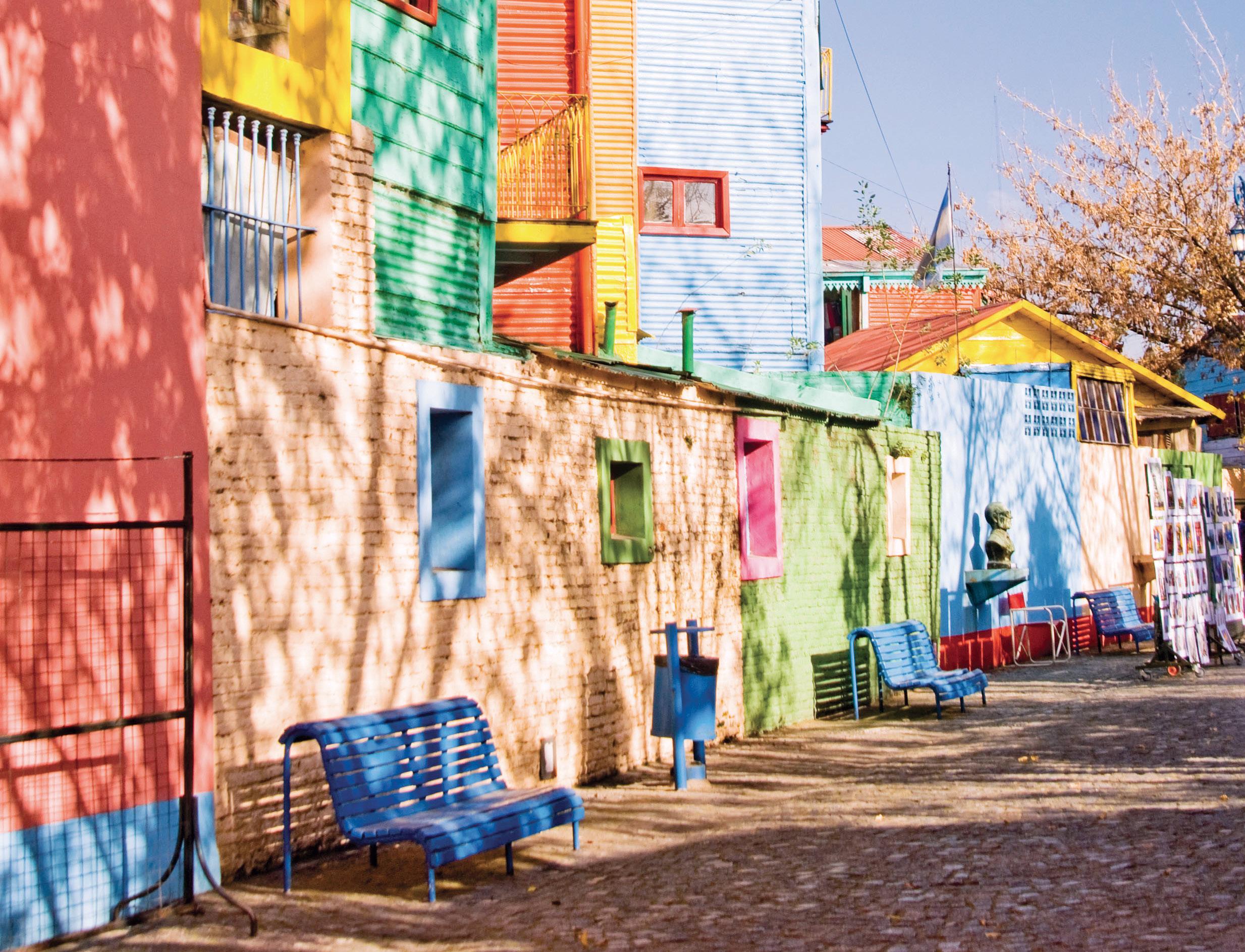
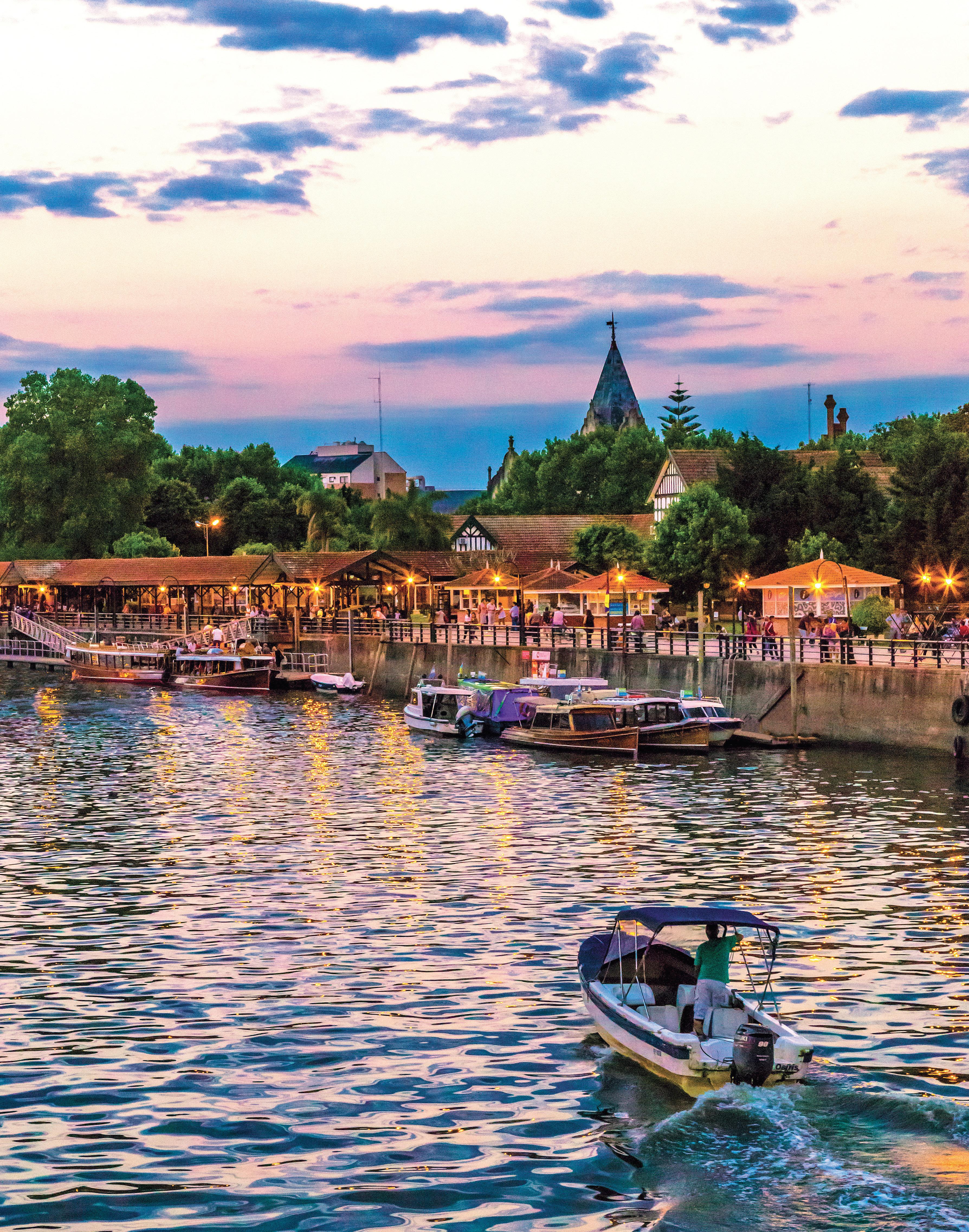
MANY HAPPY RETURNS
We all have that magical destination that sees us return again and again. For presenter Jacqui Felgate it is this Italian lakes region. She tells us why.
Lake Como is the most magical place I have ever been to. I spent my 40th birthday there with my oldest friends in 2022 and it was one of the best weeks of my life. We stayed in the tiny town of Mandello Del Lario. We were pretty much the only tourists there, even in peak summer. We hired our own little boats with our kids and swam in the cool, dark water in the middle of the lake.
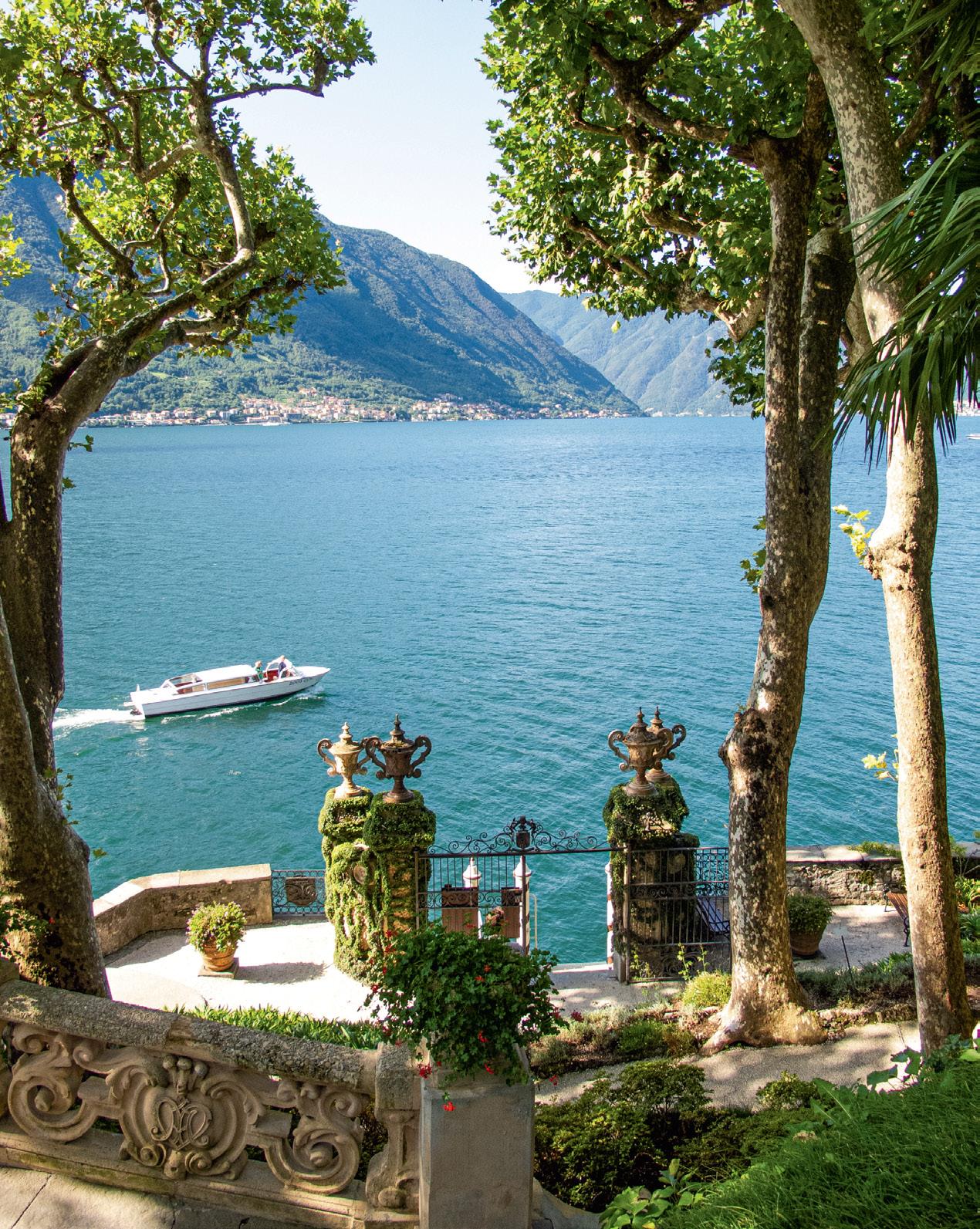
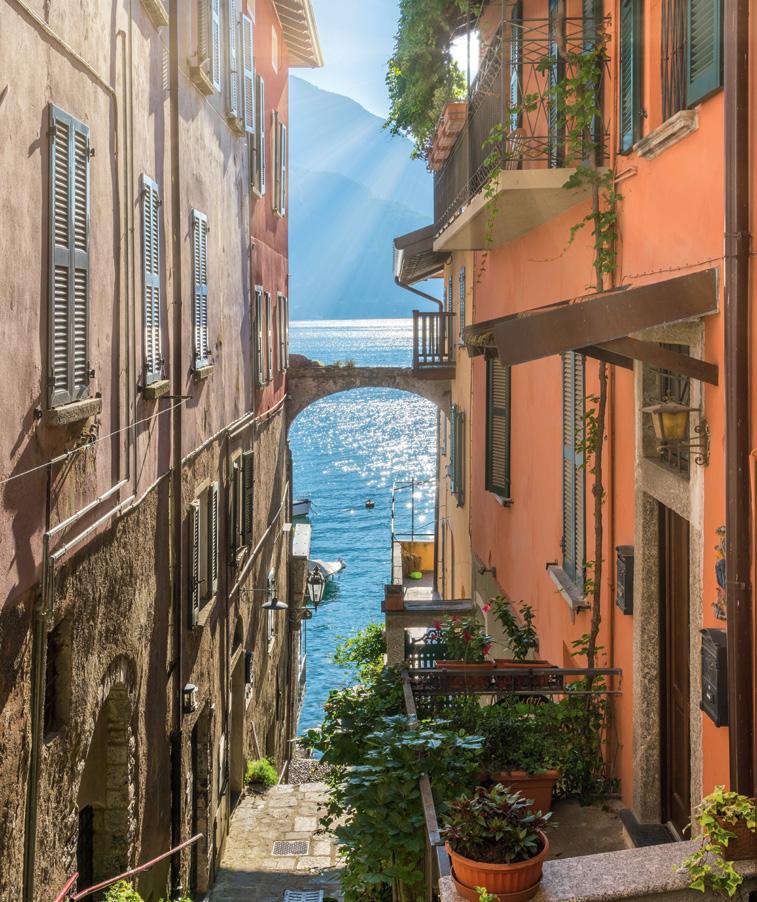
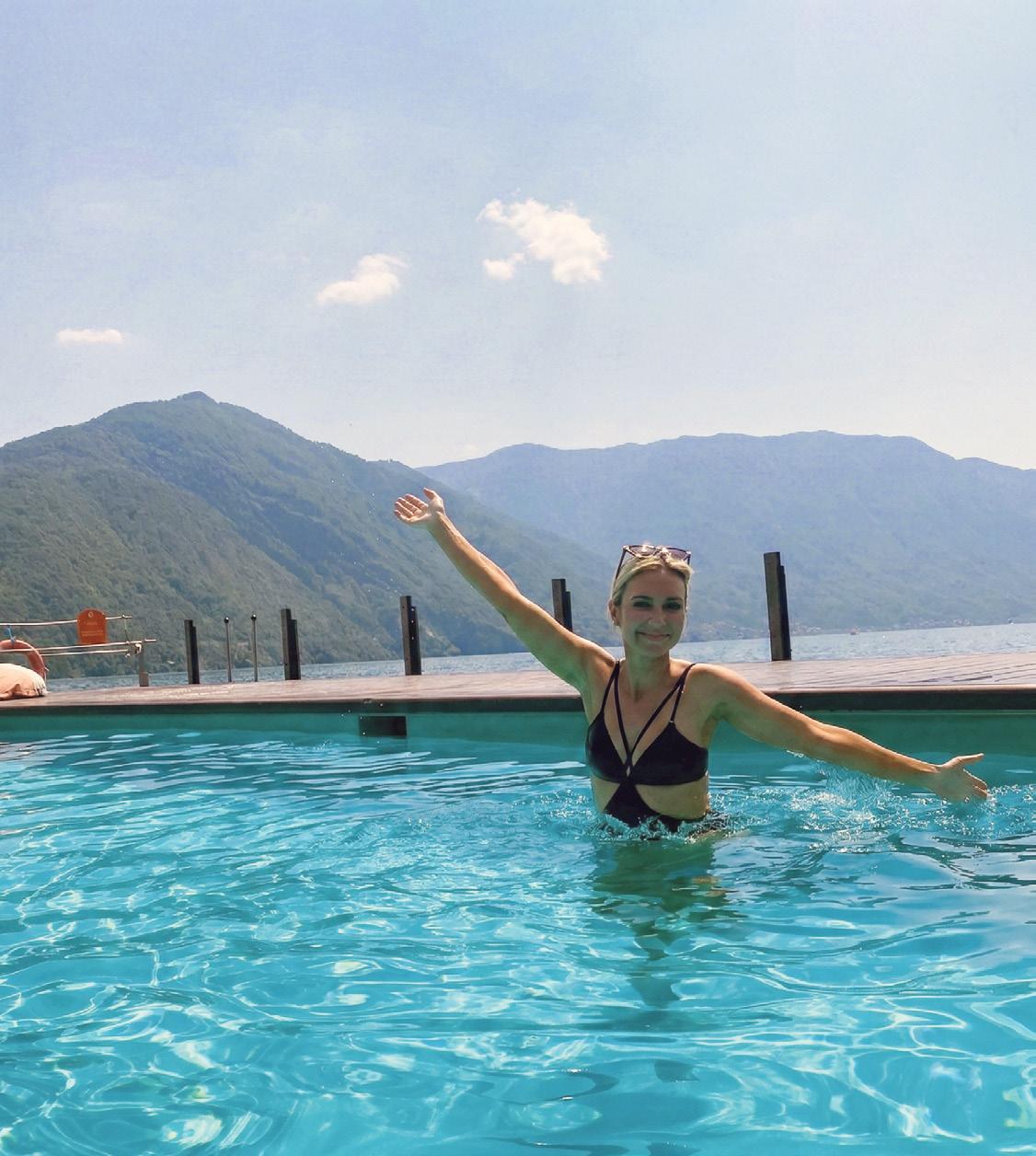
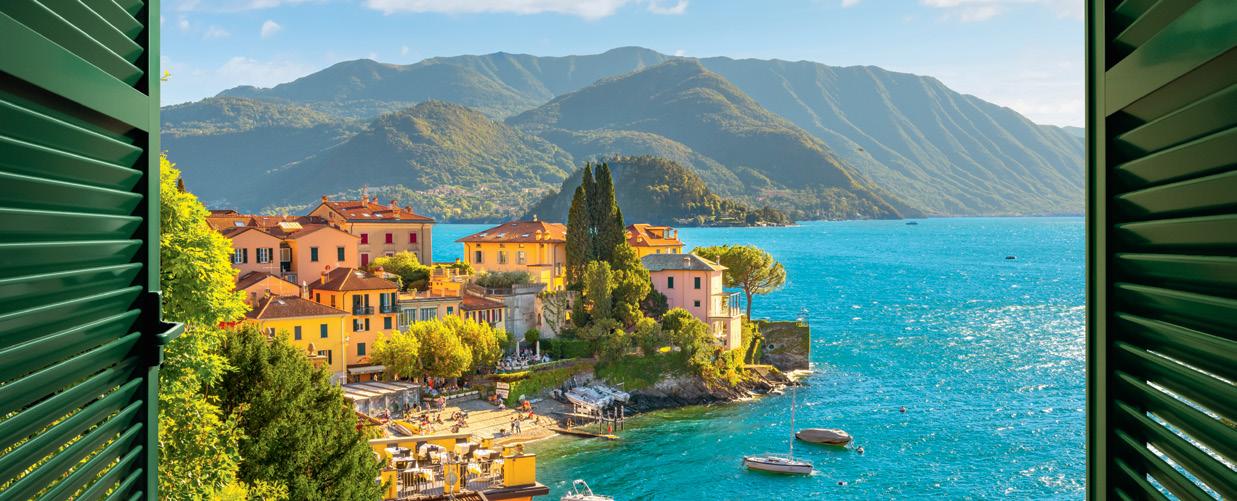
There is something truly wonderful about this part of Italy. The town of Varenna is a real-life fairytale. From the little harbour to the potted flowers all the way along the lake, the beautiful restaurants and the buskers playing on accordions as you walk around – it is like something from another world. Don’t miss Villa Del Balbianello, otherwise known as the James Bond villa, the Nesso bridge and lunch (or even a night!) at Hotel Grand Tremezzo, which is one of the most iconic buildings on Lake Como. Take me back!
Members of our VIP travel club are saving thousands Unlimited benefits all year round*

Save hundreds every year
With member-only pricing on our best limited-time hotel offers & tours

Early access
To our bestselling offers to secure the best availablity & rooms

Bonus inclusions
Hotel credit, daily breakfast, room upgrades & more
Exclusive access
To hidden offers, just for members

Worry-free travel
Save 40% on Travel & Cancellation Protection for stress-free trips

Jump-the-queue
With priority access to 24/7 customer support
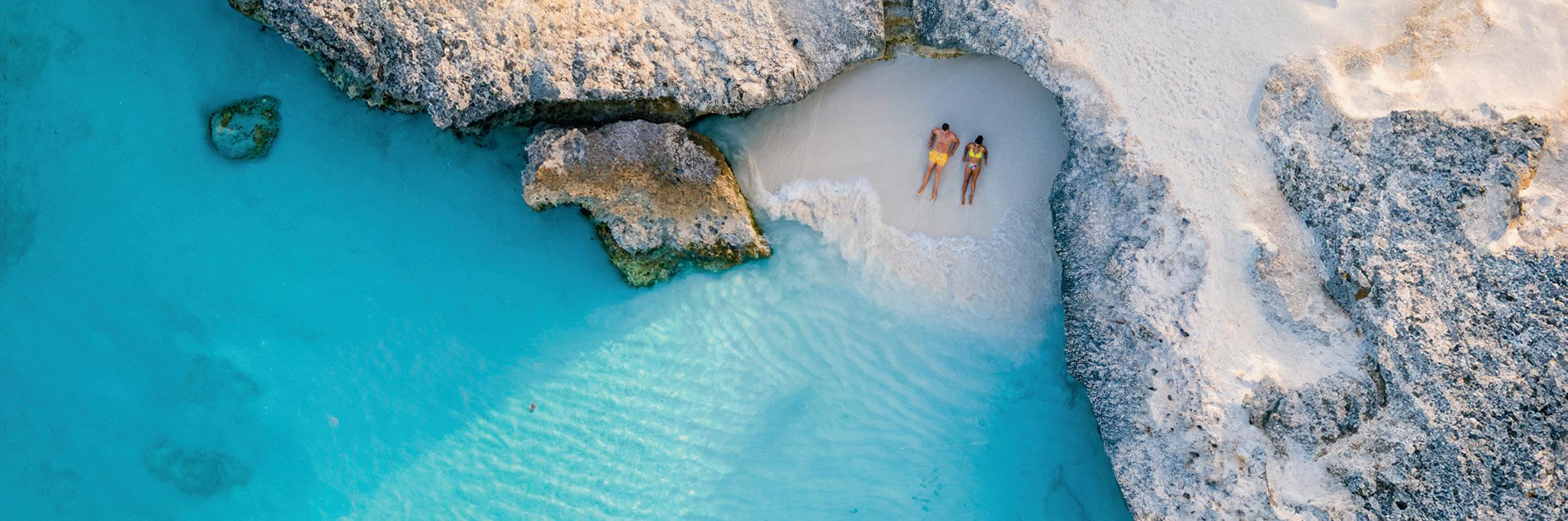
See what members are saying about LuxPlus+ and its exclusive benefits


*Terms and conditions apply.