DRAYTON HALL
Located in Charleston, South Carolina, Drayton Hall was established by John Drayton in 1738 as the home seat of his vast 76,000-acre commercial plantation network that was fueled by the efforts of countless enslaved individuals. Today, operated by Drayton Hall Preservation Trust, the property includes the 18th-century Palladian-style house, privy, postbellum caretaker’s house, new visitor center with orientation hall and exhibit galleries, and a vast landscape complete with ornamental features, rice fields, and the African American Cemetery.
DRAYTON HALL EXHIBIT
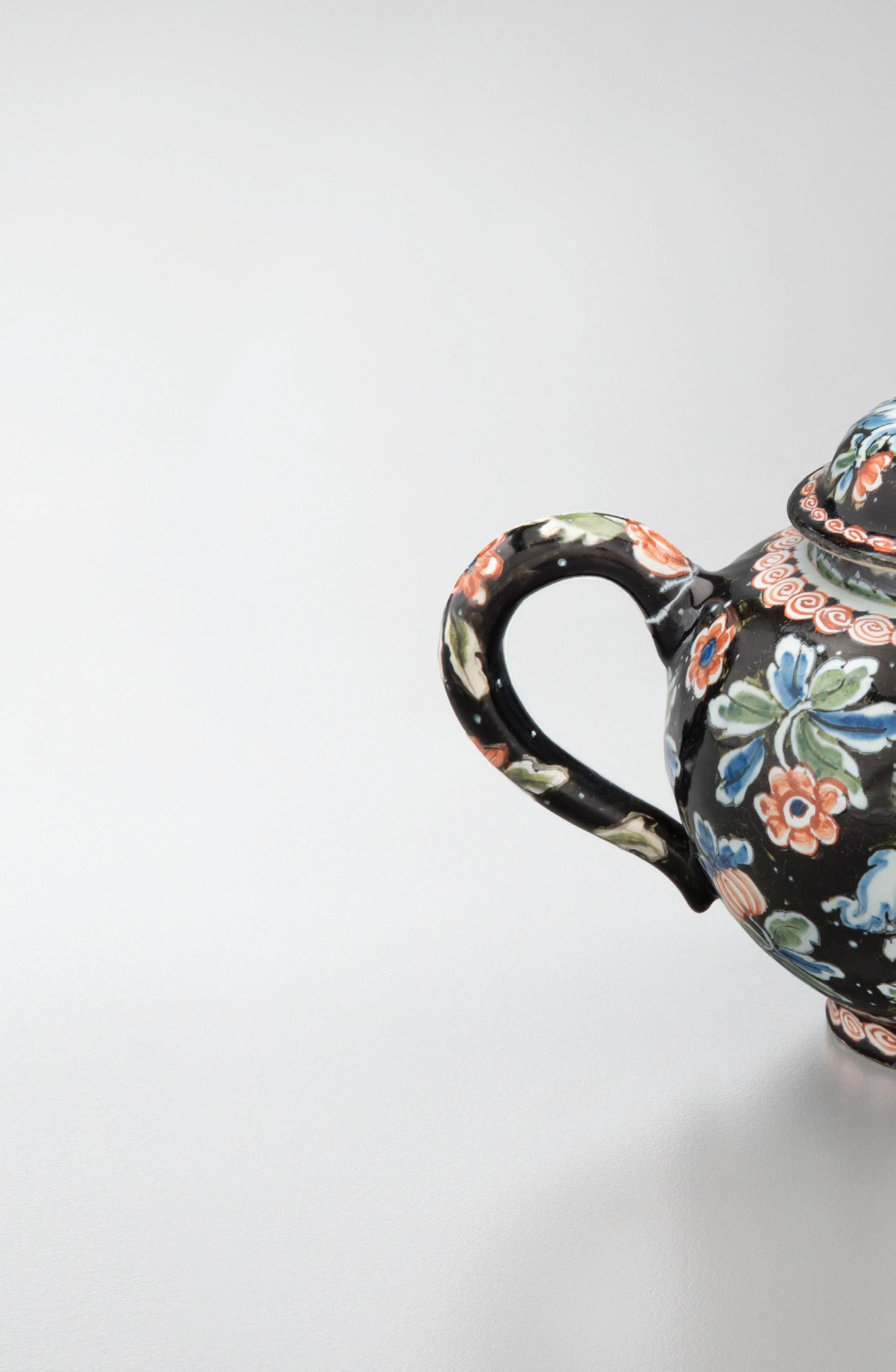
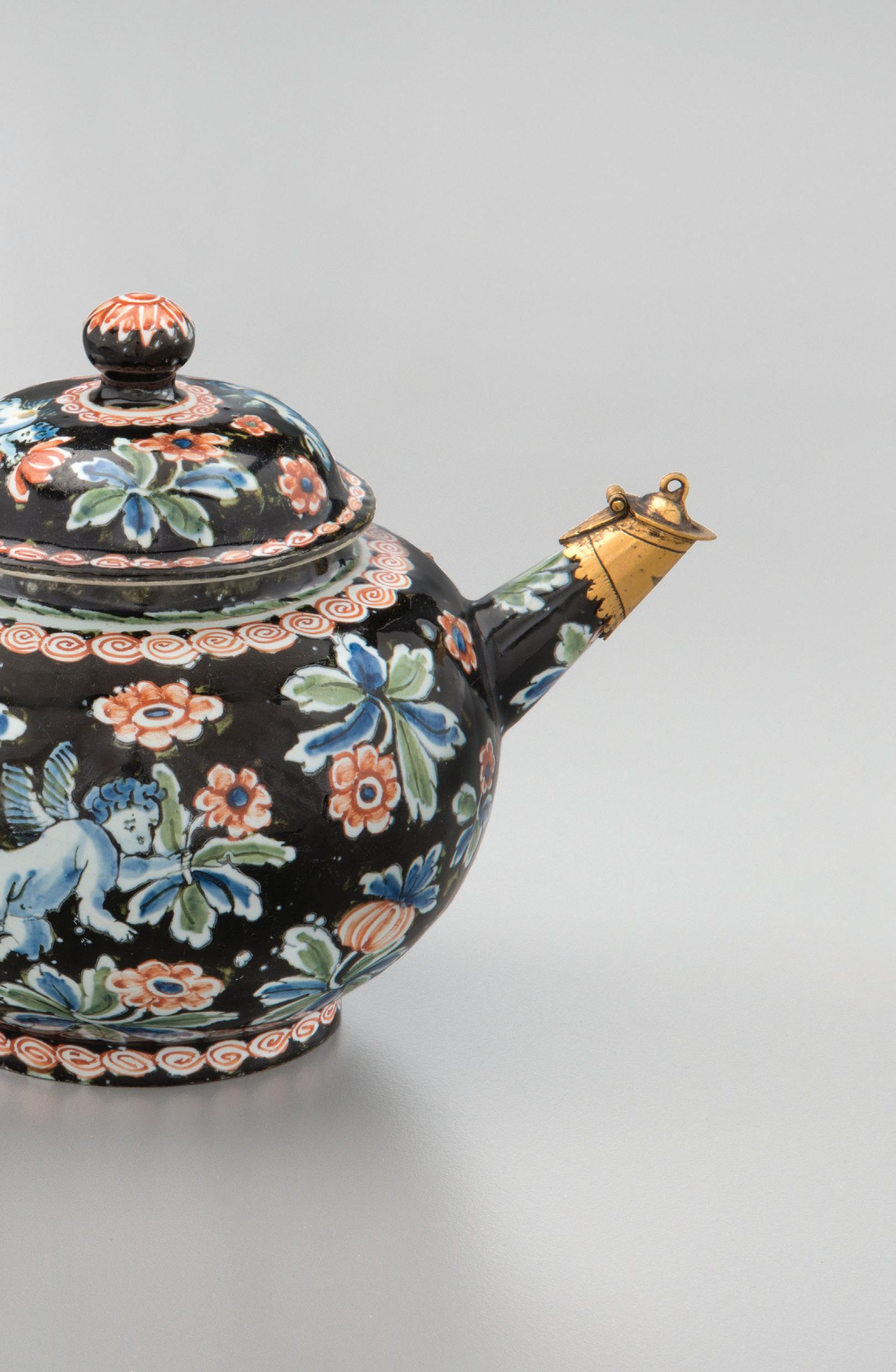
The Drayton Hall Exhibit features rare ceramics from its decorative arts collection and archaeological discoveries alongside intact examples on loan from private collectors who were inspired by these remarkable artifacts. Drayton Hall is the only property in the world, for example, to have recovered black delft archaeologically (cover image of intact black delft teapot). Another exceptional vessel, the “Barbarini” or Portland Vase, created as Josiah Wedgwood’s crowning ceramic achievement, was recorded by Charles Drayton (1743–1820) as arriving at Drayton Hall in March of 1802. The objects displayed in the exhibit represent some of the finest ceramics available in the 18th century.
COVER IMAGE: Teapot, marked by Pieter Adriaensz. Kocks (active 1701–1703), made by the “Greek A” factory, Delft, Netherlands, 1701–1722. On loan from Joseph P. Gromacki. (photo, Gavin Ashworth)